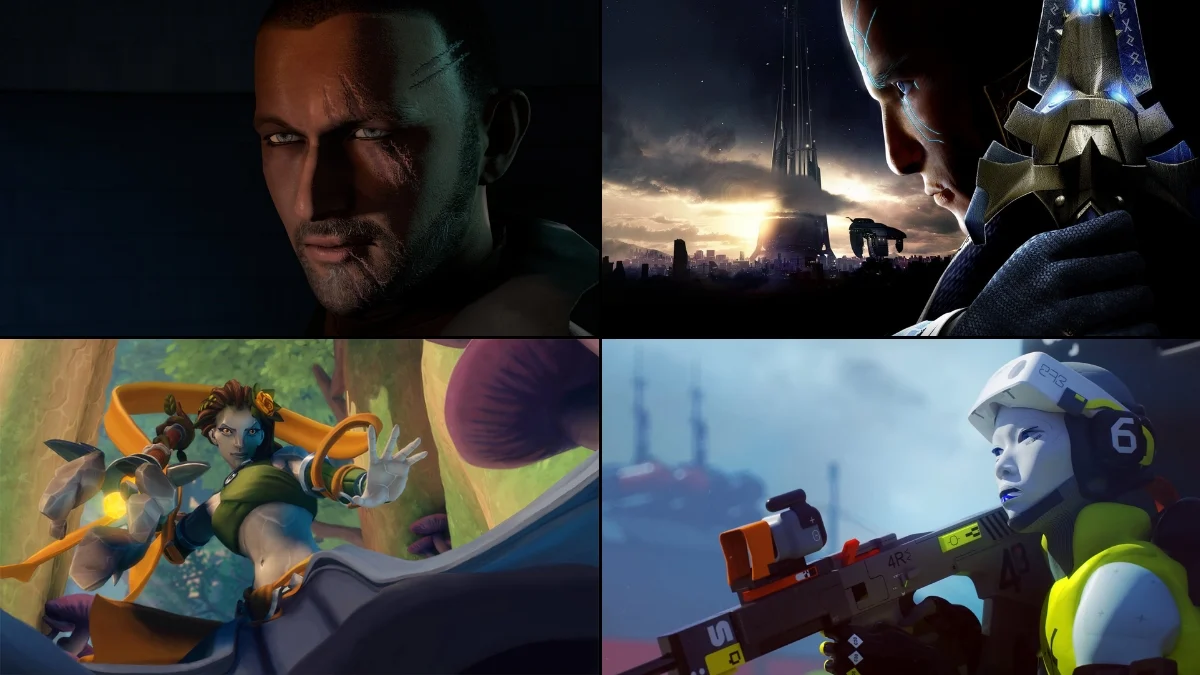
As a gamer, it’s pretty disappointing to learn that some game developers don’t always create everything from scratch. Making a game takes a ton of work – think thousands of textures, 3D models, code, and sound effects. But there have been way too many cases where devs have just… taken stuff from other games. It almost always ends badly – lawsuits, games getting pulled from Steam or the PlayStation Store, and a seriously damaged reputation for the studio. I’ve been digging into it, and here are some of the most well-known examples of games that have been caught stealing assets.
‘Too Human’ (2008)
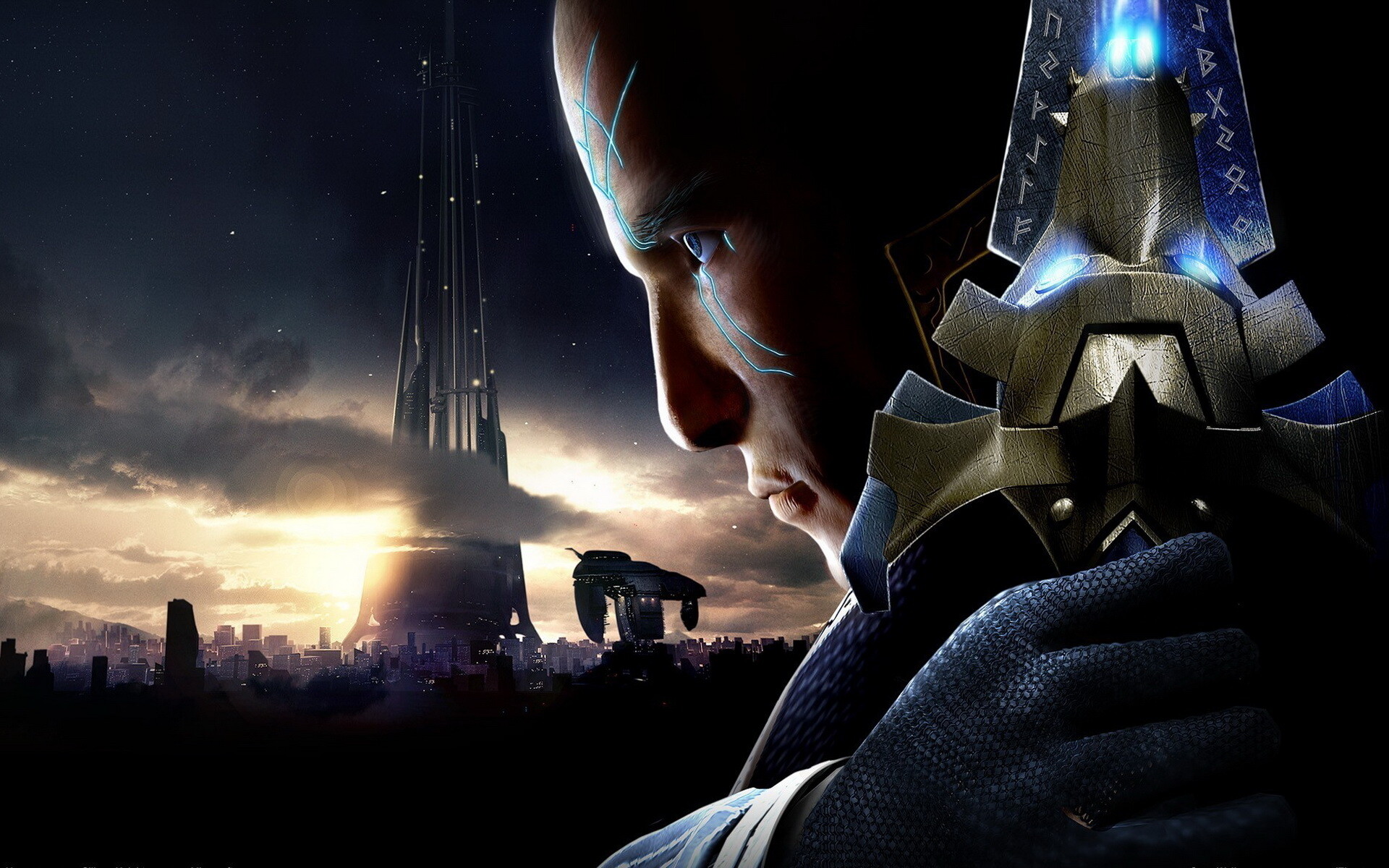
The action role-playing game ‘Too Human’, created by Silicon Knights and published by Microsoft, was at the center of a major legal dispute involving its game engine. Silicon Knights first sued Epic Games, alleging problems with the Unreal Engine 3. However, it was discovered that Silicon Knights had illegally used code from the Unreal Engine in their own engine. The court ruled against Silicon Knights for copyright infringement and stealing trade secrets, forcing them to pull all remaining copies of ‘Too Human’ and other games from stores and destroy them.
‘Okami’ (2008)
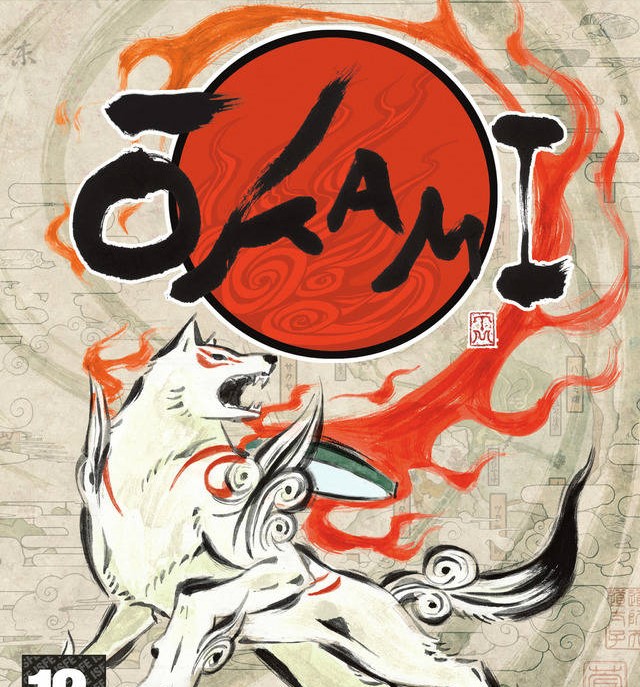
Okay, so I was a big fan of this game when it came to the Wii, but it had this weird issue. I noticed, and a lot of other players did too, that the box art had a faint watermark from IGN right near the main character’s mouth! Turns out, the developers, Ready at Dawn, had just grabbed an image straight from IGN’s website instead of using the proper high-res files Capcom had. It was a pretty noticeable mistake! Thankfully, Capcom realized it and eventually let people send in their old covers to get new ones without the watermark. They fixed it, but it was a funny little thing to see at first.
‘The Last Hope: Dead Zone Survival’ (2023)

A Nintendo Switch game from V.G. Games recently faced backlash for closely copying the look and feel of ‘The Last of Us’. Critics pointed out that the game’s promotional materials and characters were nearly identical to those in Naughty Dog’s popular franchise. Many also accused the game of being a quick, low-effort project – promising a polished experience but delivering a buggy and unfinished product. Ultimately, Sony filed a copyright complaint, which led to the game’s trailer being removed from YouTube and the game itself being taken off the Nintendo eShop.
‘Marathon’ (2026)
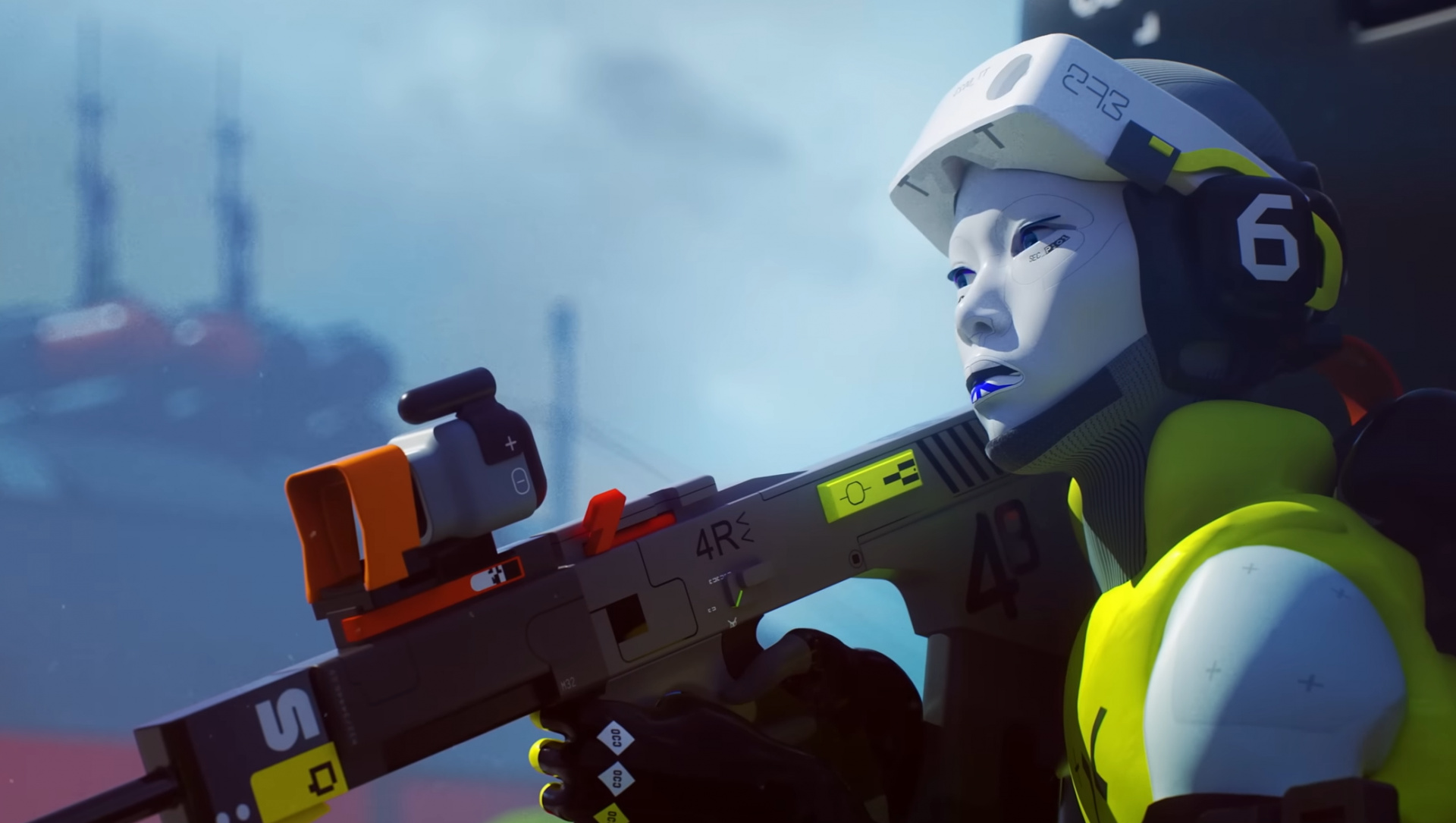
Bungie, the studio behind the new extraction shooter game, recently faced criticism for using artwork created by a fan artist, Fern Hook, without her permission. The issue involved concept art and designs that appeared in promotional materials and early versions of the game. Bungie apologized, explaining it was an accidental oversight. The situation was resolved when Fern Hook reached a settlement with both Bungie and Sony Interactive Entertainment, and she expressed satisfaction with the outcome.
‘Hunt Down the Freeman’ (2018)
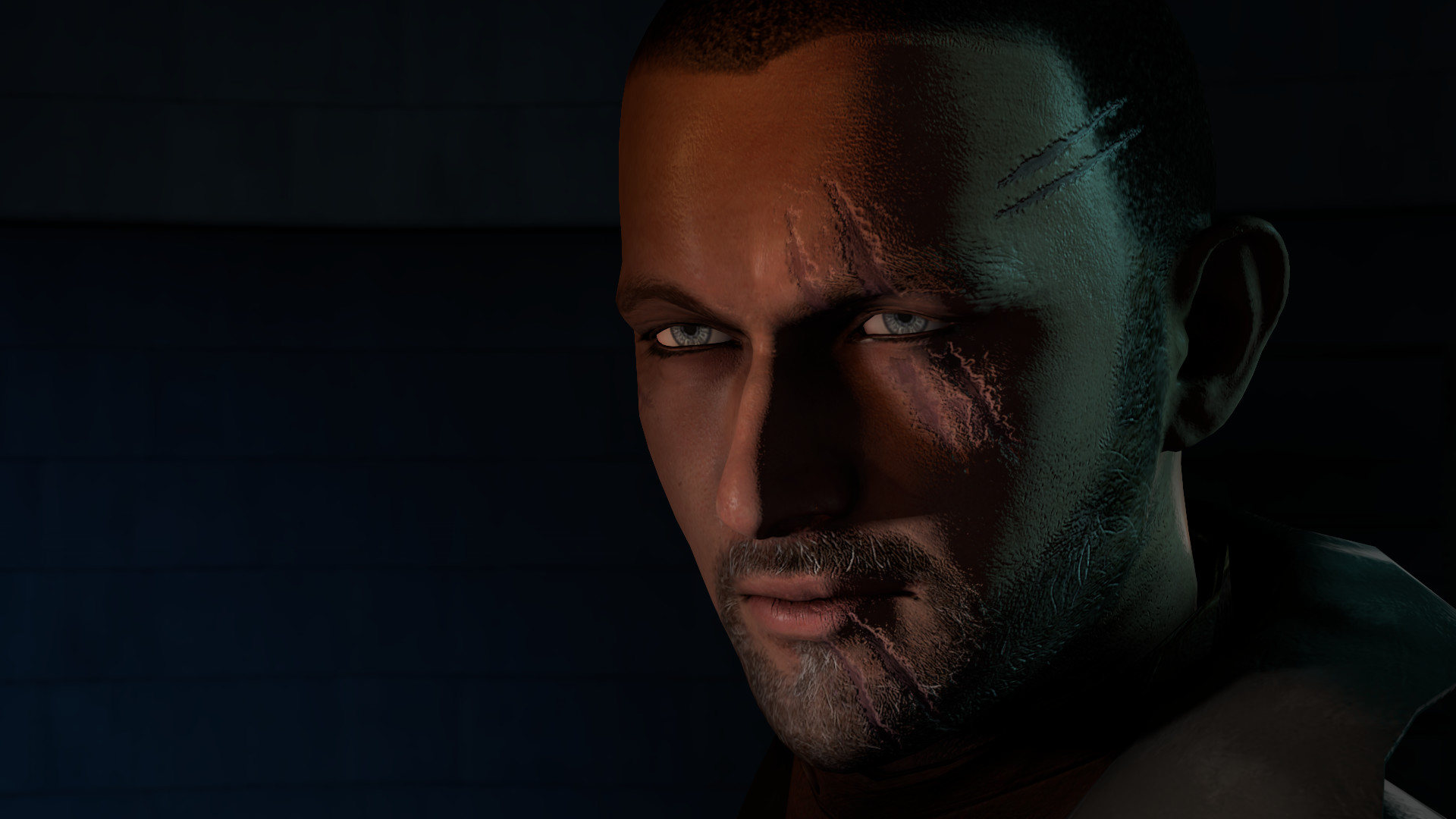
Okay, so this game… it was a real mess. It was supposed to be a spin-off of Half-Life, made by Royal Flush, but everyone pretty much hated it. The biggest problem? It was full of stuff ripped from other games and mods – things from Gmod Tower and Black Mesa, to name a few – without anyone asking the creators first. Now, Valve is cool with people using their own stuff in Source engine mods, but taking assets from other creators? That caused a huge uproar. Even though it’s still up on Steam, it’s mostly remembered as a really troubled game, honestly.
‘Call of Duty: Vanguard’ (2021)
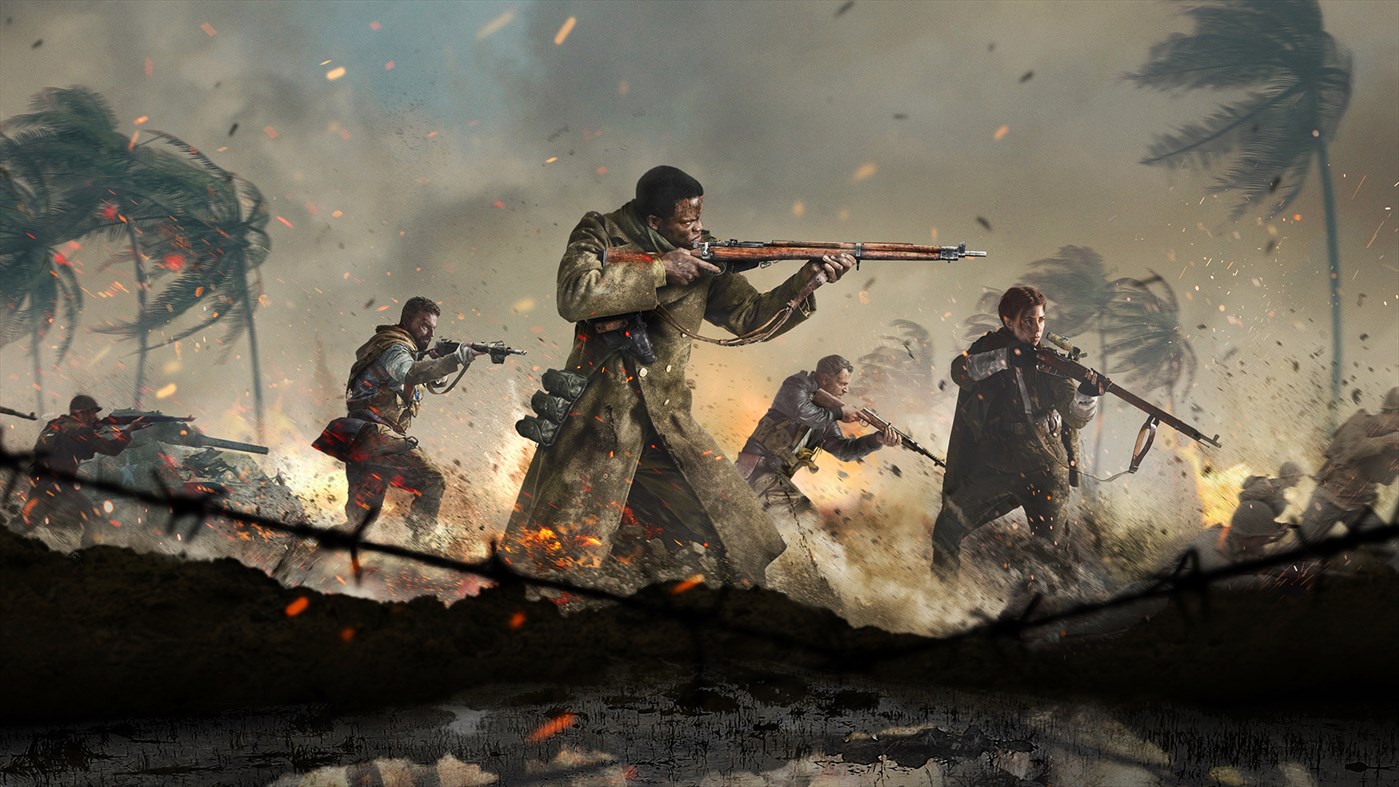
Activision and Sledgehammer Games had to apologize after players noticed a character skin, called “Loyal Samoyed,” was copied from another artist’s work. The skin, which featured a dog-like character, was almost exactly the same as a design created by artist Sail Lin two years earlier. Lin shared a comparison on social media showing the matching armor and accessories. Activision quickly removed the skin from the game and stopped promoting it after the plagiarism was discovered.
‘Mobile Legends: Bang Bang’ (2016)
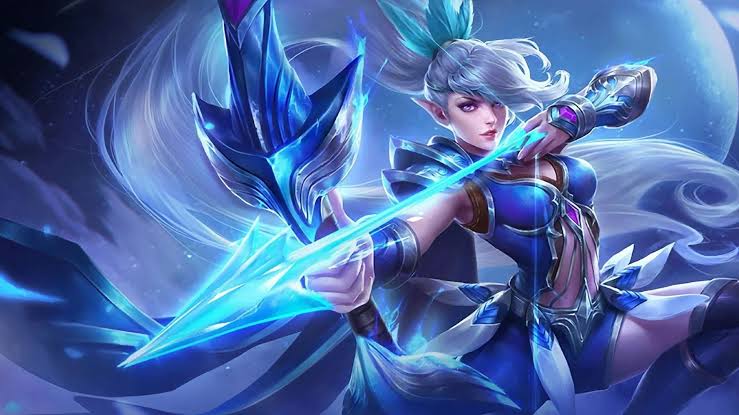
Moonton created and released this popular mobile MOBA, but it has faced legal challenges from Riot Games. Riot claimed Moonton copied elements from ‘League of Legends’, like characters, abilities, and maps. The lawsuits included direct comparisons demonstrating nearly identical assets in both games. Although Moonton has since updated the game to make it more distinct, these legal battles have led to settlements worth millions of dollars.
‘Paladins’ (2018)
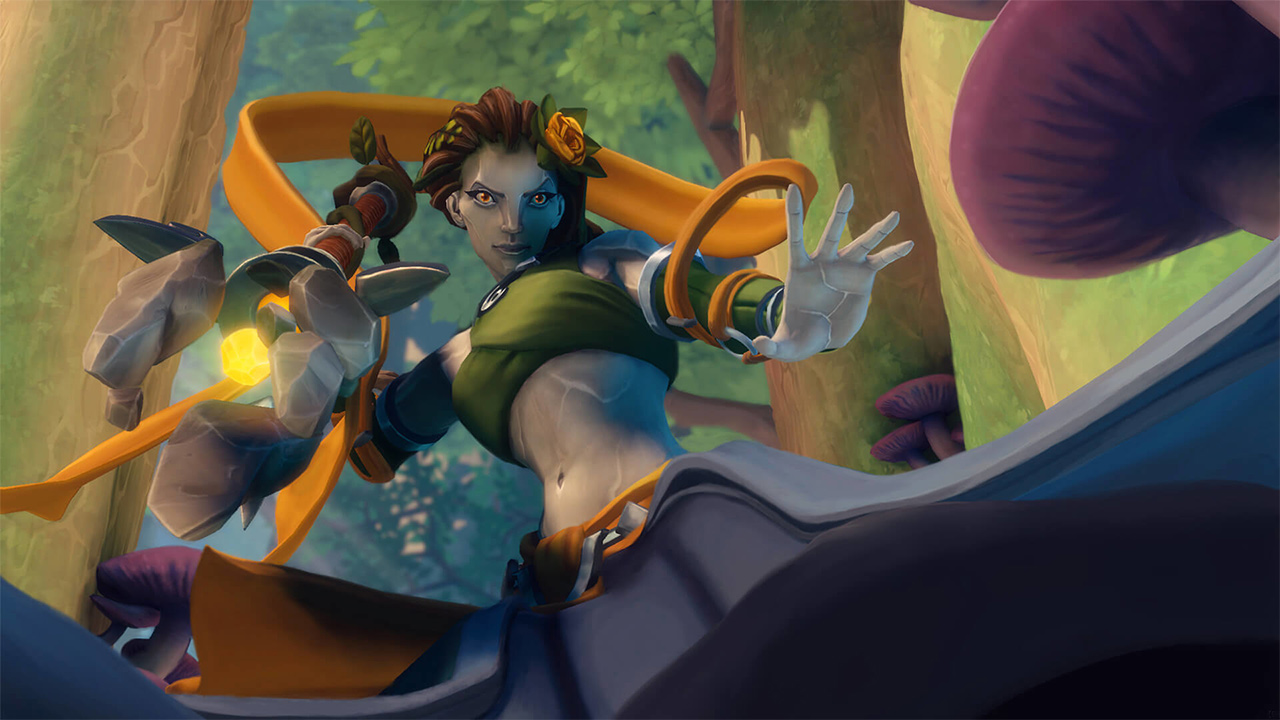
Hi-Rez Studios received backlash after a promotional image for the mobile game ‘Paladins’ was discovered to include artwork that was copied from another game. Specifically, the background of the image was a direct copy of a map called Lijiang Tower from the game ‘Overwatch’. The art director at Hi-Rez admitted the error, stating the artwork was created by an outside partner and hadn’t been checked carefully by their team. The image was promptly removed, but the incident reignited existing comparisons between ‘Paladins’ and ‘Overwatch’, which are both popular hero shooter games.
‘Uncharted 4: A Thief’s End’ (2016)
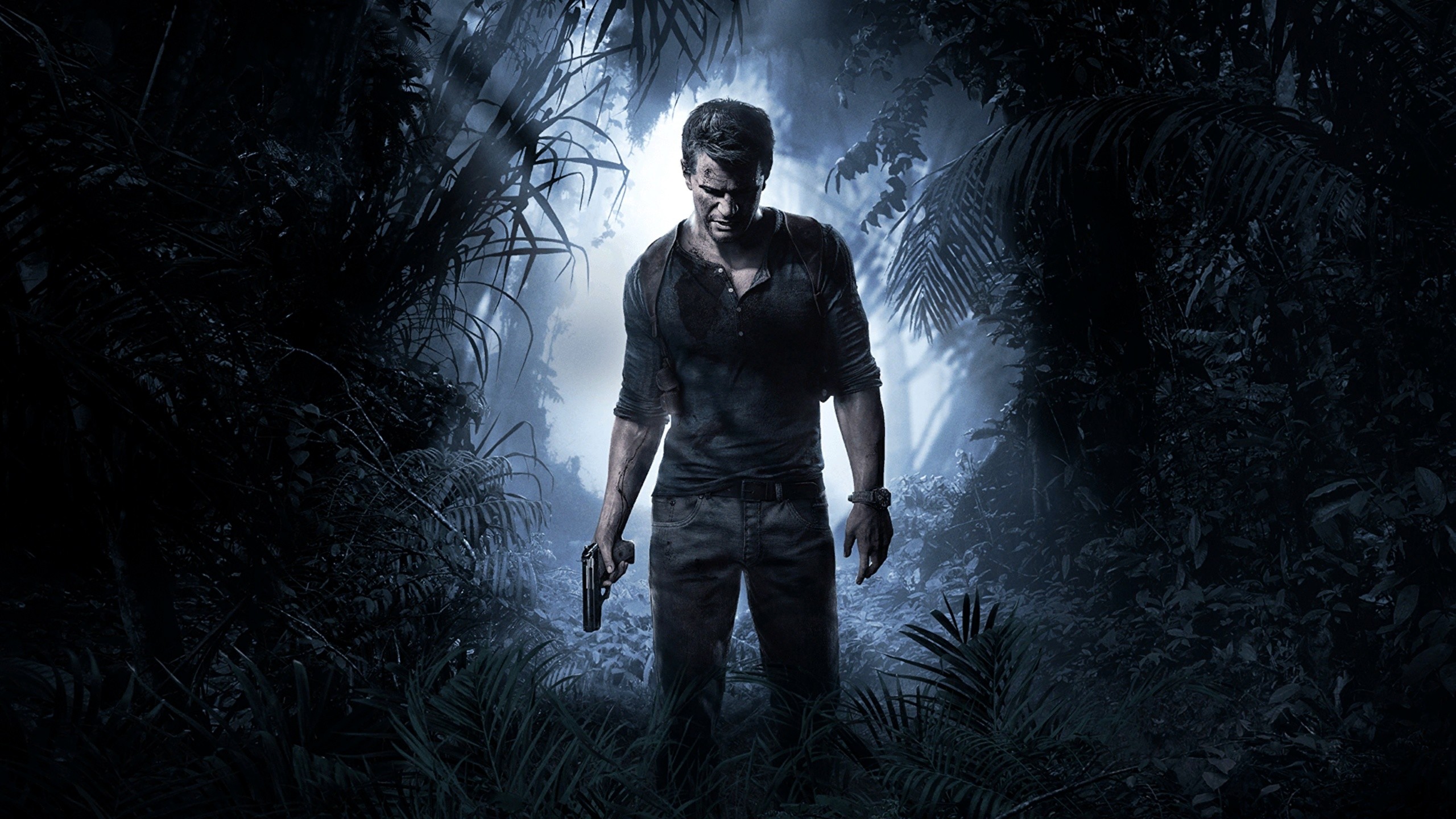
Naughty Dog and Sony faced criticism after fans noticed a piece of artwork in a trailer for their popular game was directly copied from a painting used in Ubisoft’s ‘Assassin’s Creed IV: Black Flag’. Ubisoft employees publicly highlighted the mistake, pointing out the identical pirate-themed image. Naughty Dog quickly apologized and released a new version of the trailer without the copied artwork.
‘Resident Evil 4’ (2005)
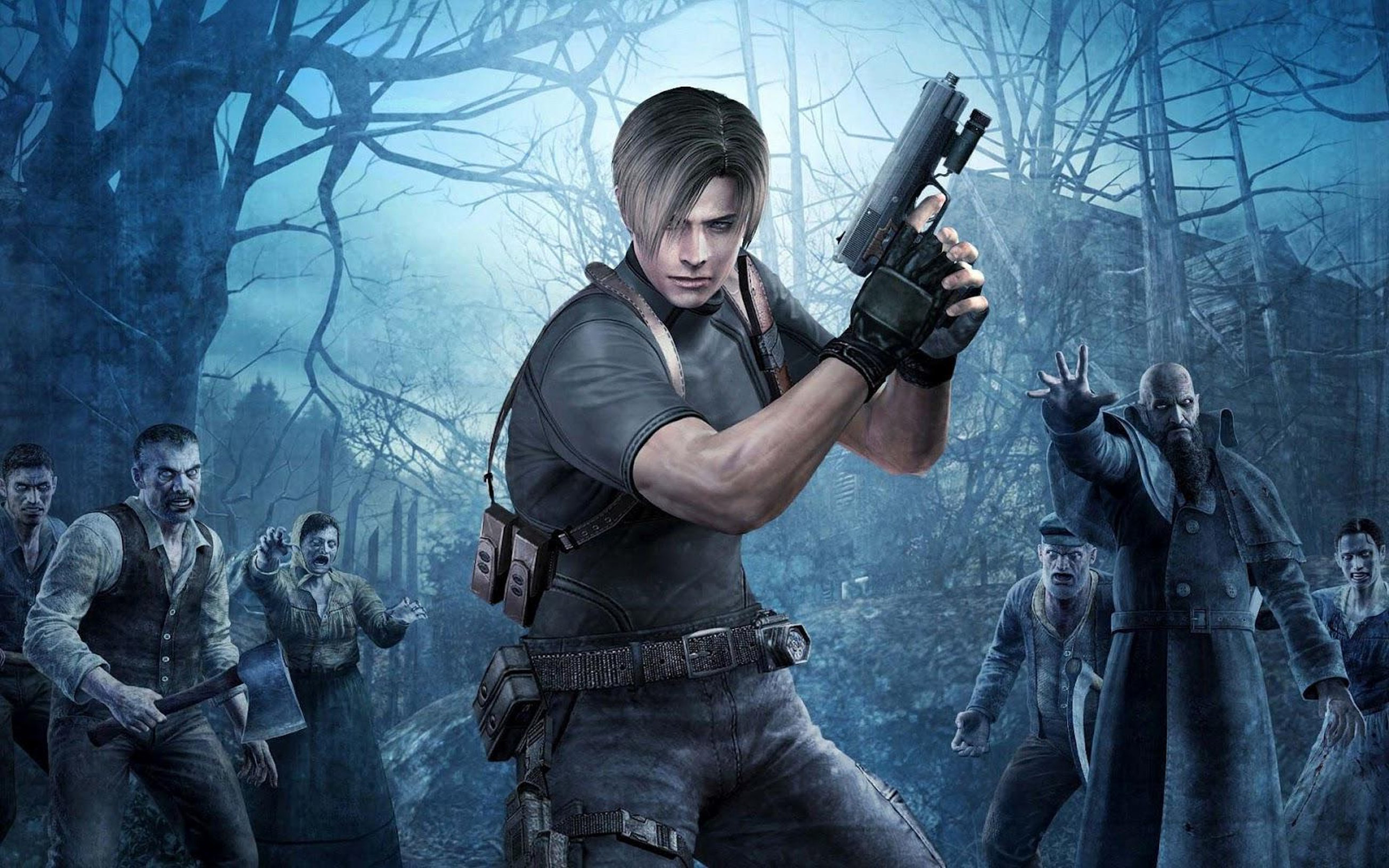
This popular Capcom game was at the center of a legal dispute with designer Richard A. Batista. Batista claimed Capcom used more than 80 of his photos from his book, ‘Surfaces,’ to create textures for the game’s environments and logo. He pointed out that patterns of cracked stone and wood appeared directly in the game, taken from his work. Although the game is still considered a classic in the survival horror genre, the lawsuit highlighted a common practice at the time: using photos without permission to create 3D textures.
‘K.C. Munchkin!’ (1981)
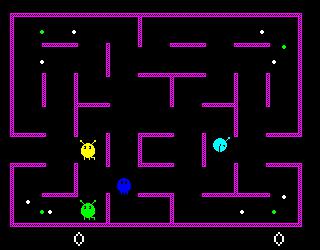
This game, released by Philips and Magnavox for the Odyssey² console, is a well-known case of copying someone else’s work. Atari took legal action, claiming it was an illegal copy of their ‘Pac-Man’ game, which they had the rights to release on home consoles. Although the games weren’t exactly the same, the court decided the characters and maze designs were far too similar to be accidental. This important case set a precedent, establishing that copyright law protects not just the game’s programming, but also its overall artistic style and presentation.
We’d love to hear your opinions on these sensitive cases, and any similar ones you’re aware of. Please share them in the comments below.
Read More
- Gold Rate Forecast
- Invincible Season 4 Gender Swaps Tech Jacket As Fans Question Major Comic Change
- 22 Films Where the White Protagonist Is Canonically the Sidekick to a Black Lead
- 14 Movies Where the Black Character Refuses to Save the White Protagonist
- Unveiling the Schwab U.S. Dividend Equity ETF: A Portent of Financial Growth
- 15 Films That Were Shot Entirely on Phones
- Silver Rate Forecast
- Top 10 Coolest Things About Jared Leto
- 20 Movies Where the Black Villain Was Secretly the Most Popular Character
- Why Won’t It Just *Do* What You Ask? Unpacking the Quirks of AI Language
2026-02-05 08:53