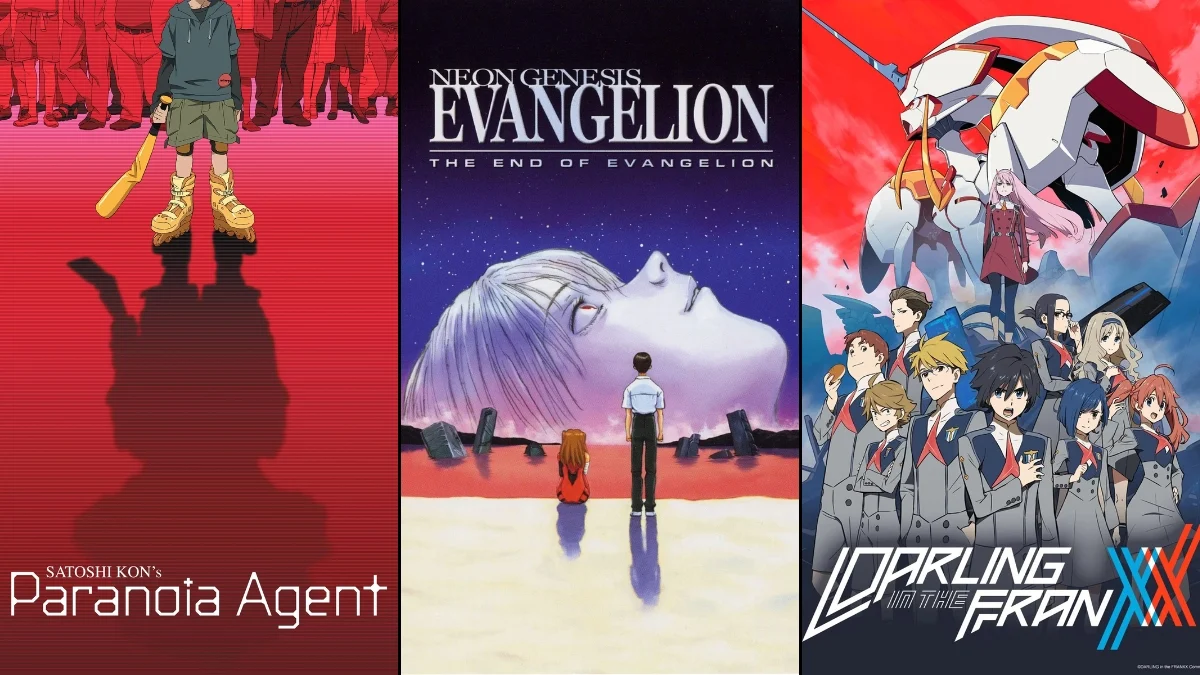
Anime is known for its creative storytelling, often exploring strange and thought-provoking ideas. Some series wrap up neatly, but others deliberately end with unanswered questions and confusing storylines. These complex endings often require viewers to watch multiple times or research the series further to understand what the creators were trying to say. From mind-bending thrillers to unusual artistic projects, these endings have become some of the most talked-about moments in anime history.
‘Neon Genesis Evangelion’ (1995–1996)
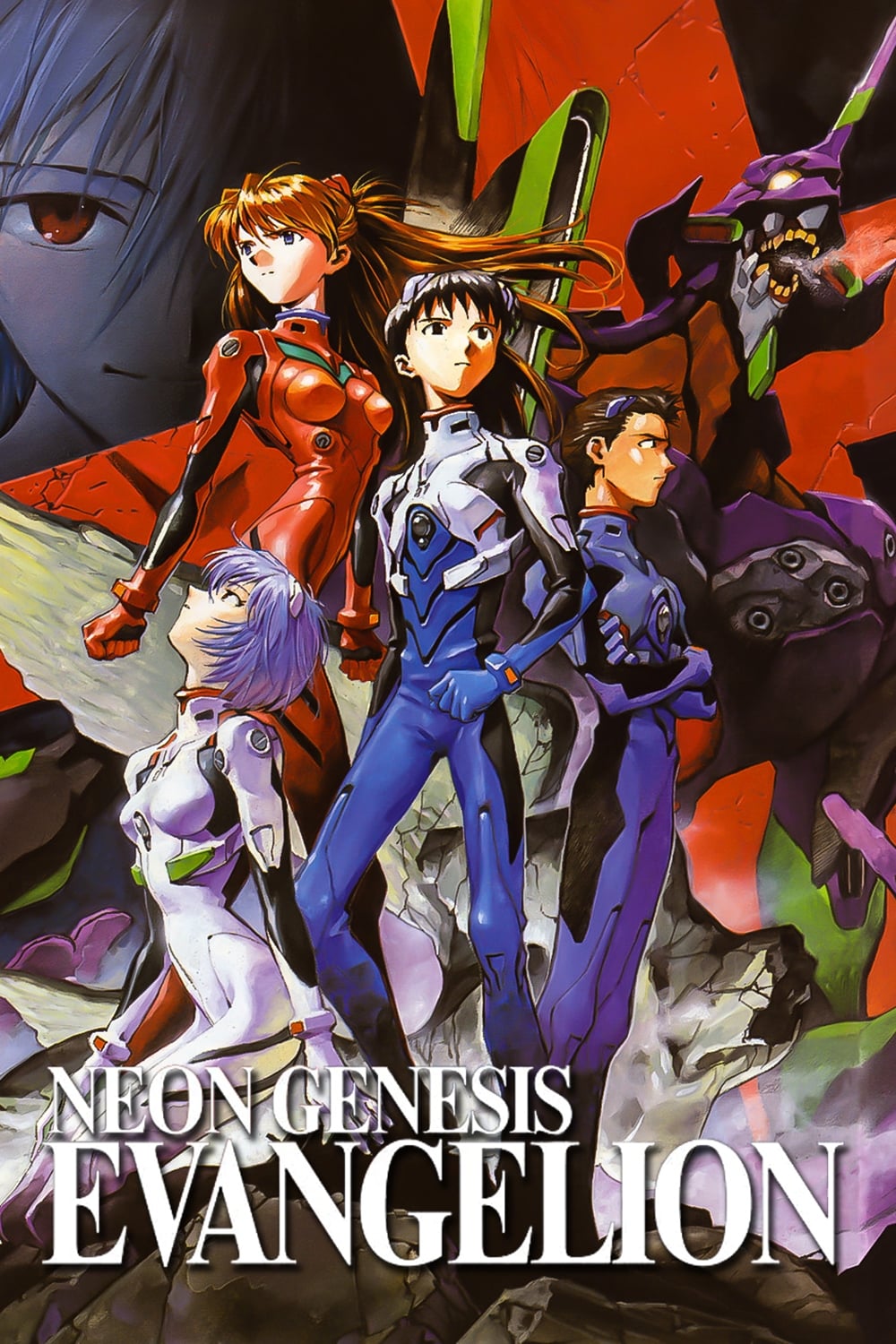
The last two episodes of ‘Neon Genesis Evangelion’ shift away from giant robot battles and delve into the minds of the characters, particularly Shinji Ikari. Instead of a traditional ending with a final fight, these episodes present a series of dreamlike scenes that explore the characters’ inner thoughts during a unique experiment. The focus isn’t on winning the war against the Angels, but on a deeper understanding of self-acceptance. The meaning of the final scene, where characters receive “congratulations,” is intentionally open to interpretation – it could represent positive personal development or, conversely, a sense of being alone.
‘Neon Genesis Evangelion: The End of Evangelion’ (1997)

‘The End of Evangelion’ offers an alternate ending to the original TV series, visually representing the catastrophic Third Impact. The film portrays humanity merging into a single, fluid entity as a form of worldwide evolution driven by the main characters. The story ends with a haunting and ambiguous scene of Shinji and Asuka on an empty beach. Its dreamlike visuals and intense emotional impact have led to countless interpretations from both scholars and fans trying to understand its deeper meaning.
‘Serial Experiments Lain’ (1998)
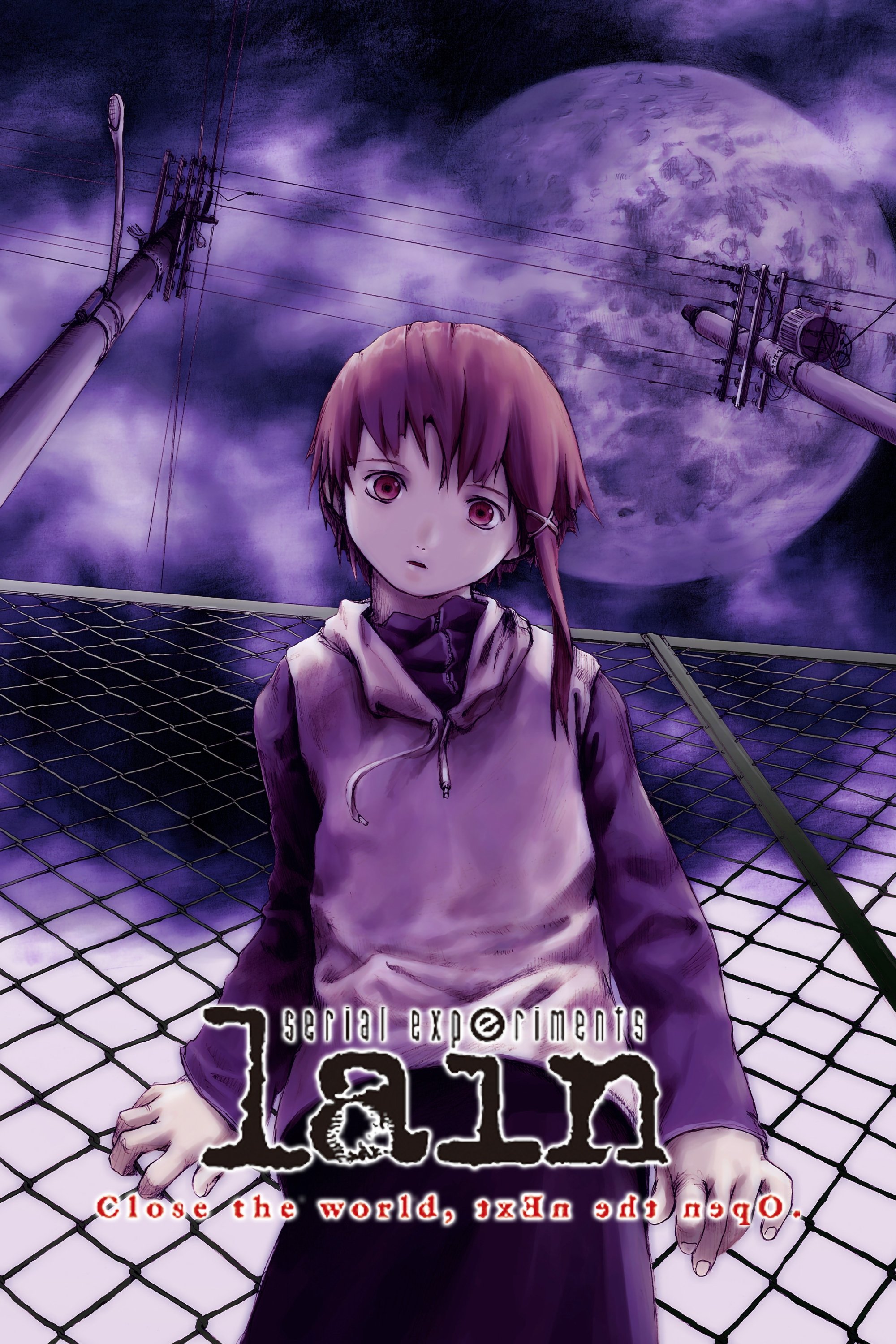
‘Serial Experiments Lain’ follows Lain Iwakura as she gets caught between the real world and a virtual reality called the Wired. In the series’ conclusion, Lain resets everyone’s memories to help her friend Alice, and in doing so, moves beyond having a physical body. She essentially becomes a powerful, all-knowing being, but one disconnected from humanity. The ending makes us question what it means to be an individual when we’re so connected to each other and to technology.
‘Angel’s Egg’ (1985)
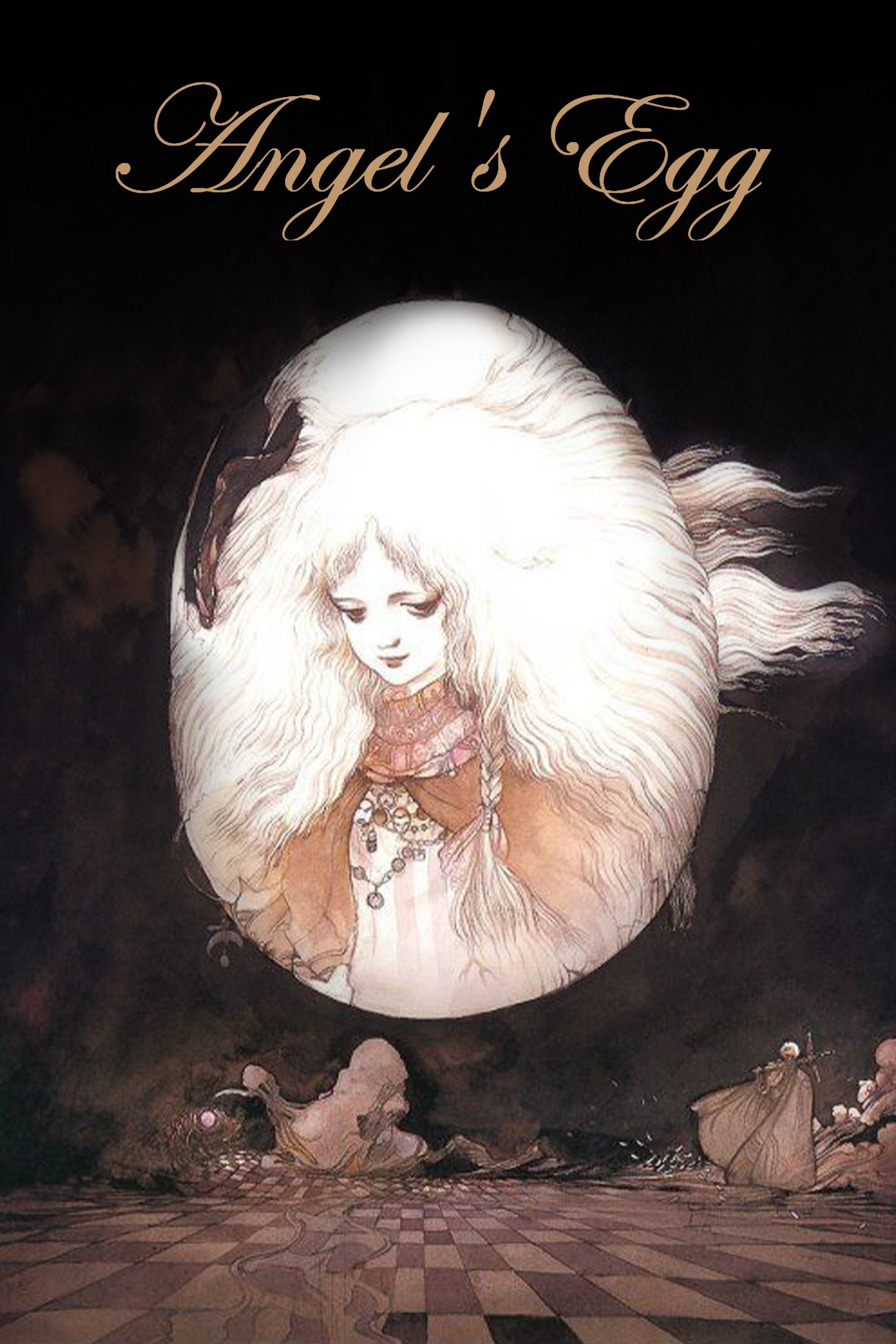
‘Angel’s Egg’ is a highly artistic film that tells its story through striking visuals and mood, with very little spoken dialogue. The story follows a young girl whose egg is destroyed by a man, triggering a dramatic shift in the world around her. She sinks into the water, and her breath becomes bubbles rising to the surface as she turns to stone. The film ends with a view of a ship’s hull turned upside down in a dark, expansive ocean, leaving the film’s deeper religious and philosophical meanings open to the viewer’s own understanding.
‘Texhnolyze’ (2003)
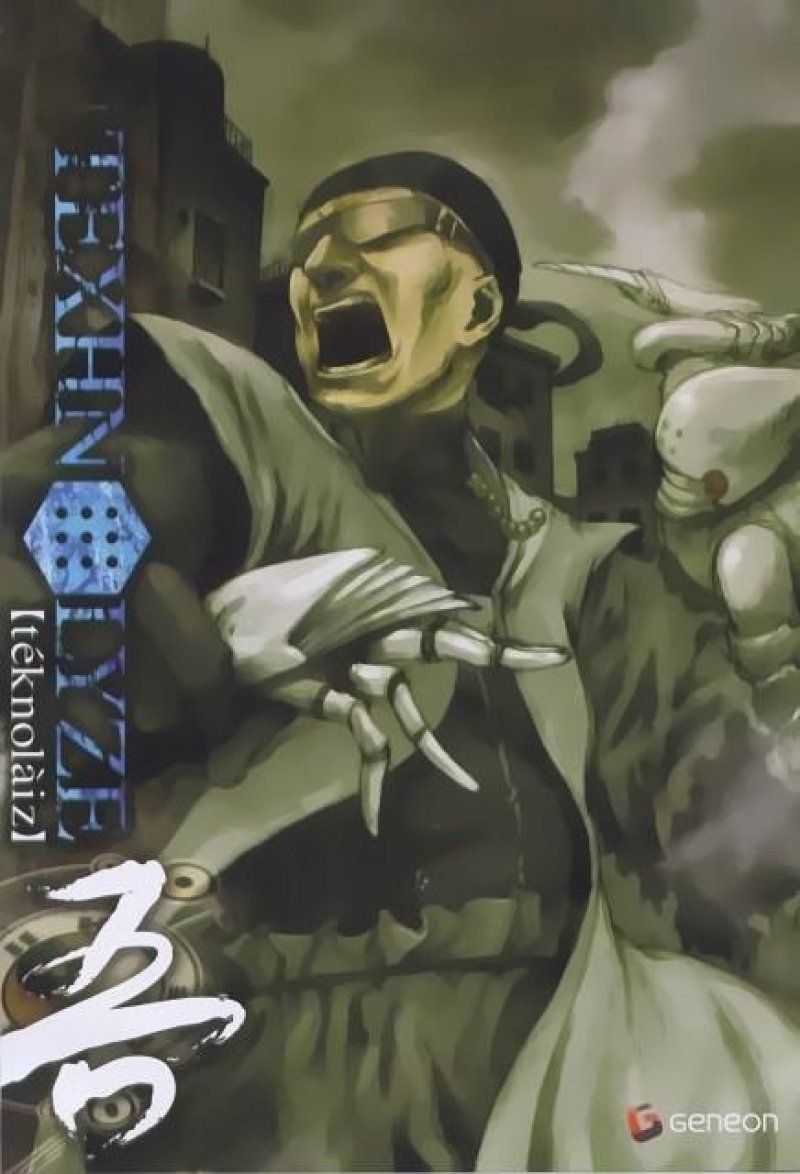
The anime ‘Texhnolyze’ ends on a deeply pessimistic note with the complete destruction of the city of Lukuss. Ichise, the main character, explores the wreckage and realizes the world above ground has become equally lifeless and apathetic. The series culminates in a vision of humanity’s final moments, leaving Ichise utterly alone in a desolate world. The ending is stark and offers no resolution, deliberately rejecting typical storytelling conventions and embracing a hopeless outlook.
‘Revolutionary Girl Utena’ (1997)
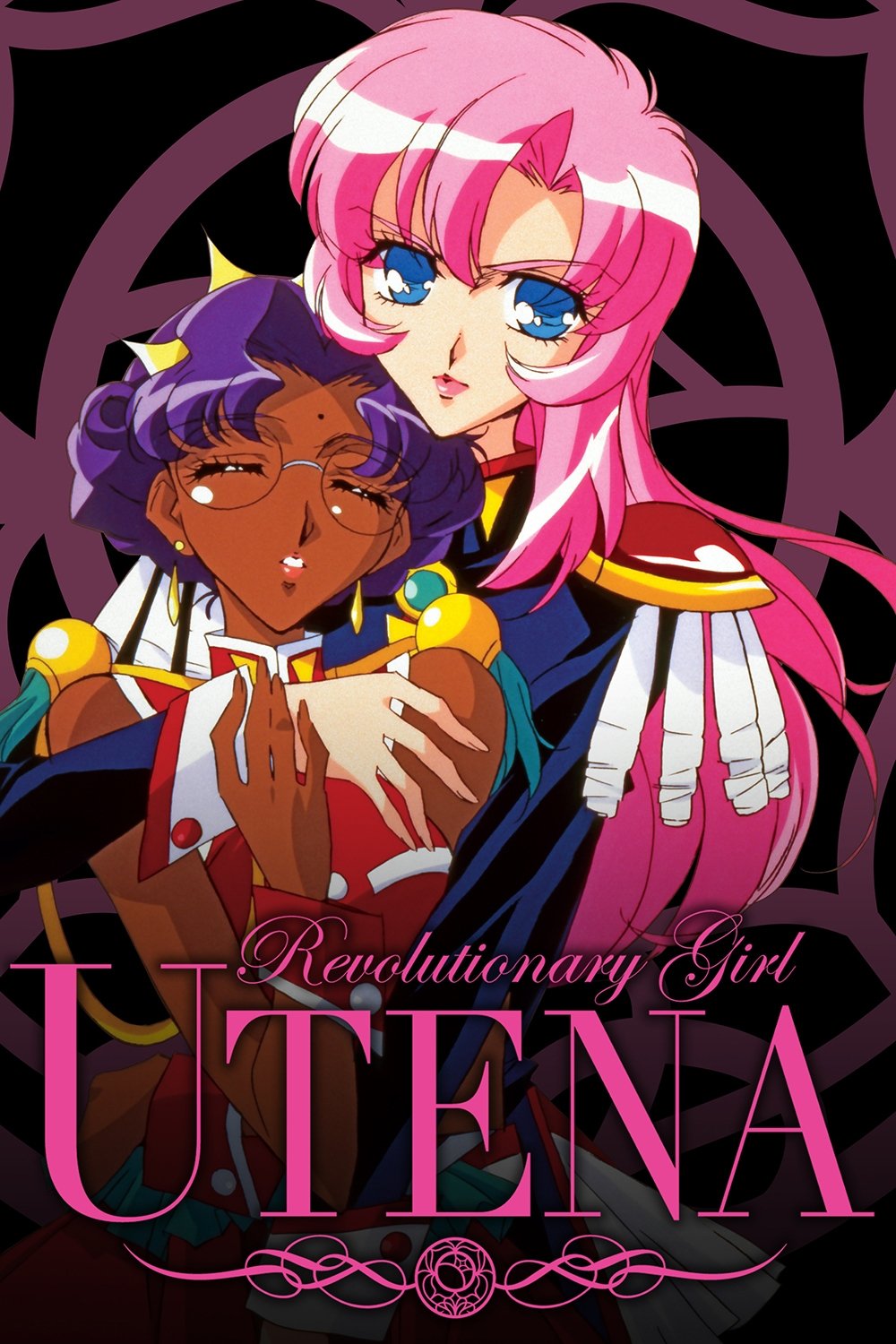
The anime ‘Revolutionary Girl Utena’ ends with a dreamlike battle that goes beyond the school grounds to address the repeating patterns of mistreatment. Utena tries to change things by freeing Anthy from the symbolic burdens holding her back. The final moments show the characters leaving the academy, but it’s more about a new beginning than a specific location, and their future remains open to interpretation. The show’s use of symbolic imagery means fans continue to debate the meaning of the ending.
‘Ergo Proxy’ (2006)
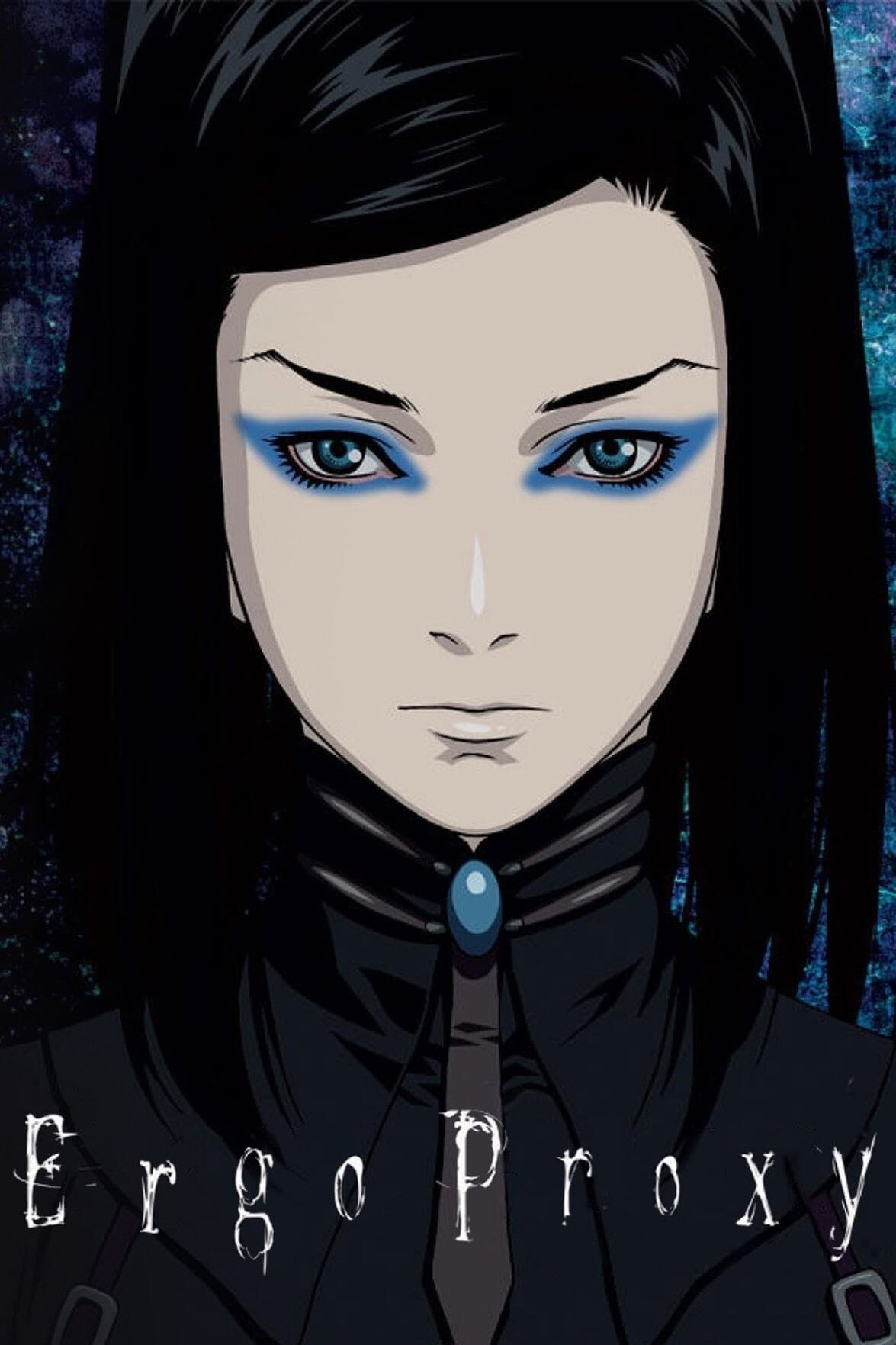
The ending of ‘Ergo Proxy’ explains that the Proxies are living beings designed to help humans return to Earth. Vincent Law realizes he is one of these beings and gets ready for a showdown with the people who created them, who are coming back from space. The story finishes with the destruction of the cities enclosed by domes, leading to a major change in the world. Because the show builds a complicated mythology and features a lot of philosophical discussion, the final revelations can be hard to understand the first time you watch it.
‘The Big O’ (1999–2003)
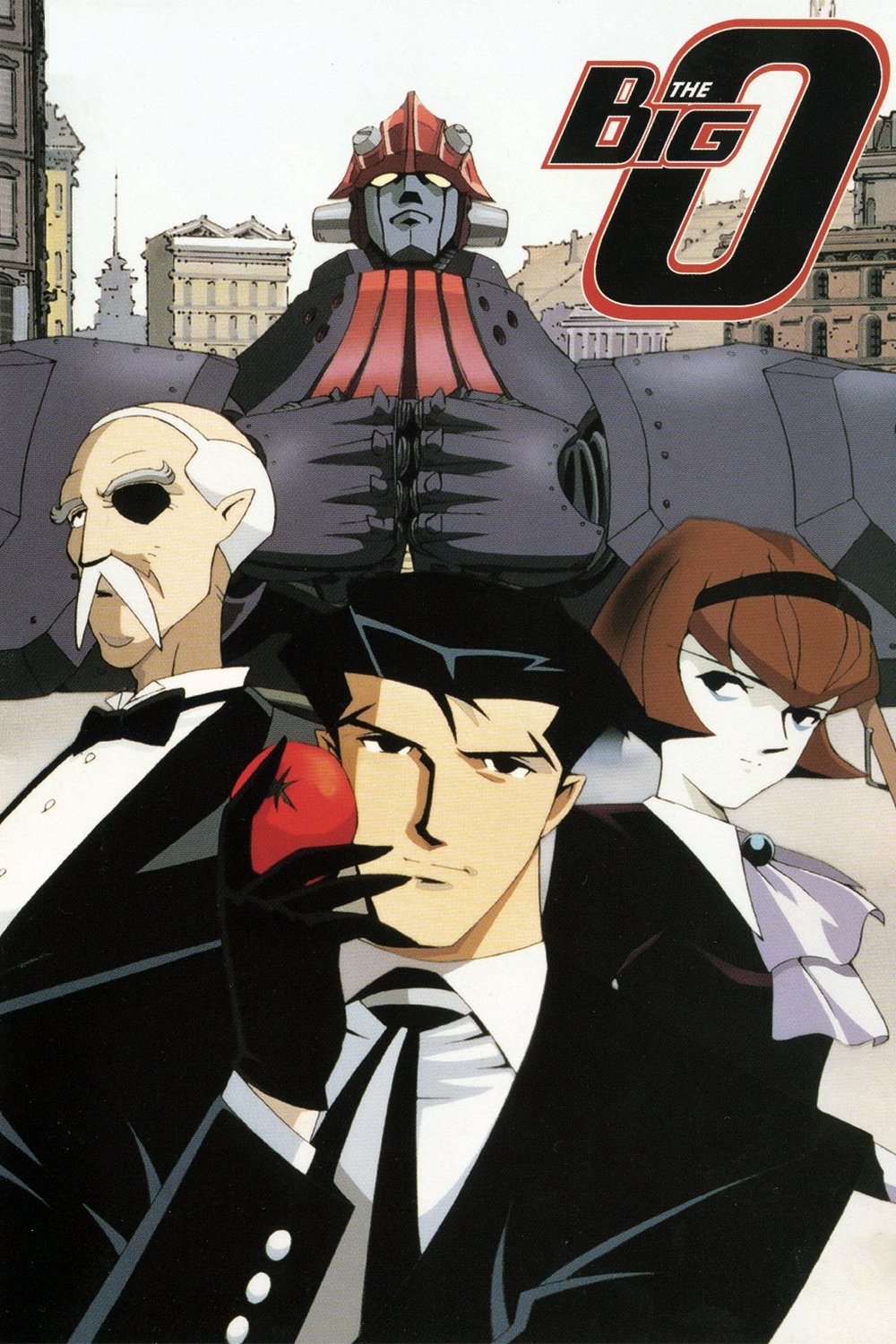
The series ‘The Big O’ concludes with a surprising reveal: the city of Paradigm isn’t real, but rather a constructed set or simulation. Roger Smith discovers the person controlling this reality and challenges the notion that its inhabitants are just actors who’ve lost their memories. The ending shows the world seemingly restarting or changing, leaving Paradigm’s ultimate destiny uncertain. This clever twist, where the show acknowledges its own artificiality, adds a layer of complexity to the already unique mecha-noir story by making viewers question everything they’ve seen.
‘Paprika’ (2006)
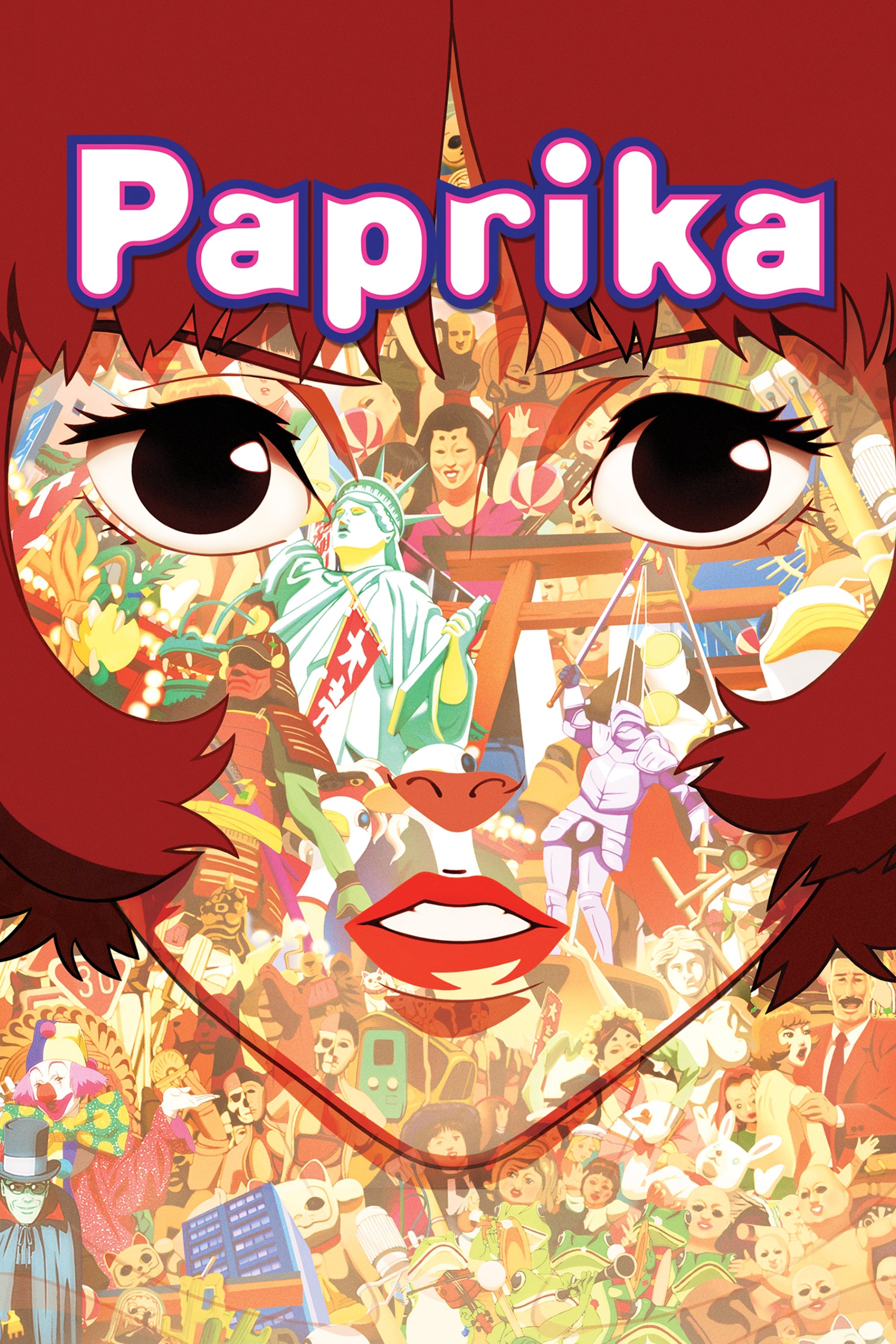
In the movie ‘Paprika,’ the line between dreams and reality completely blurs in a wild, confusing finale. The main character has to find her way through constantly changing situations and unbelievable events to prevent a dangerous company chairman from taking over people’s minds. The film culminates with a huge, symbolic representation of Paprika defeating the darkness and bringing peace back to the world. But the very last shot shows the character’s real-life self buying a movie ticket, hinting that the connection between dreams, stories, and reality will always continue.
‘Paranoia Agent’ (2004)
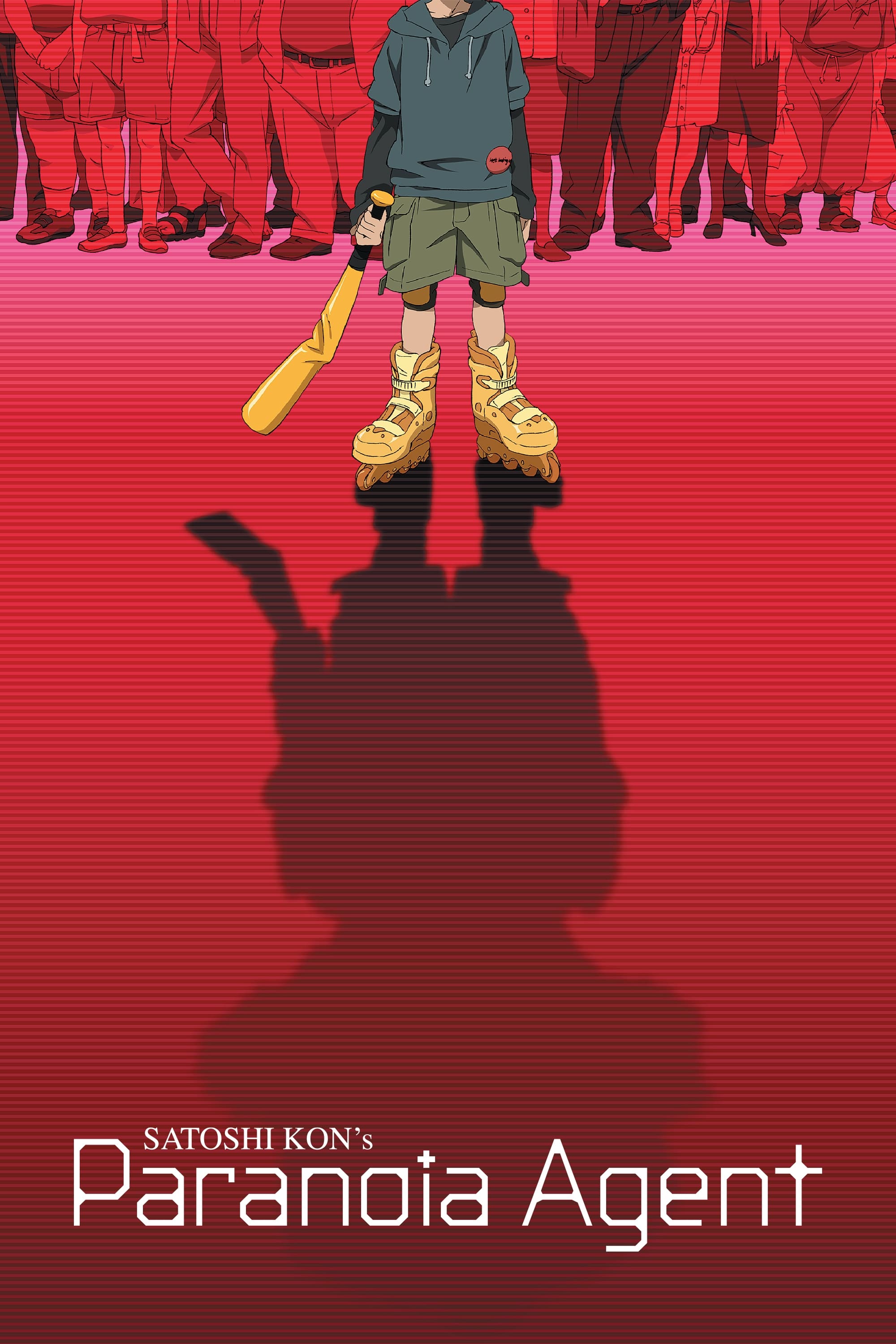
The anime ‘Paranoia Agent’ ends by explaining that the attacker, Lil’ Slugger, wasn’t a real person, but a shared hallucination caused by widespread stress and hidden guilt. As the detective tries to understand where Lil’ Slugger came from, the city itself starts to fall apart in a dreamlike way. The final scene suggests that the problems causing this anxiety haven’t been fixed, as a new symbol of fear emerges. The show’s ending, which loops back on itself, makes viewers wonder where the line is between a collective panic and what’s actually real.
‘Penguindrum’ (2011)

The ending of ‘Mawaru Penguindrum’ centers around a profound sacrifice made by the Takakura siblings to overcome a seemingly unavoidable destiny. This sacrifice alters the timeline, causing everyone to forget them – essentially erasing them from the lives of those they care about. While this breaks the curse that plagued them, it leaves the characters in a liminal, spiritual state. The series uses symbolic imagery, particularly trains and penguins, to deepen the emotional impact of this bittersweet resolution.
‘Puella Magi Madoka Magica the Movie Part III: Rebellion’ (2013)
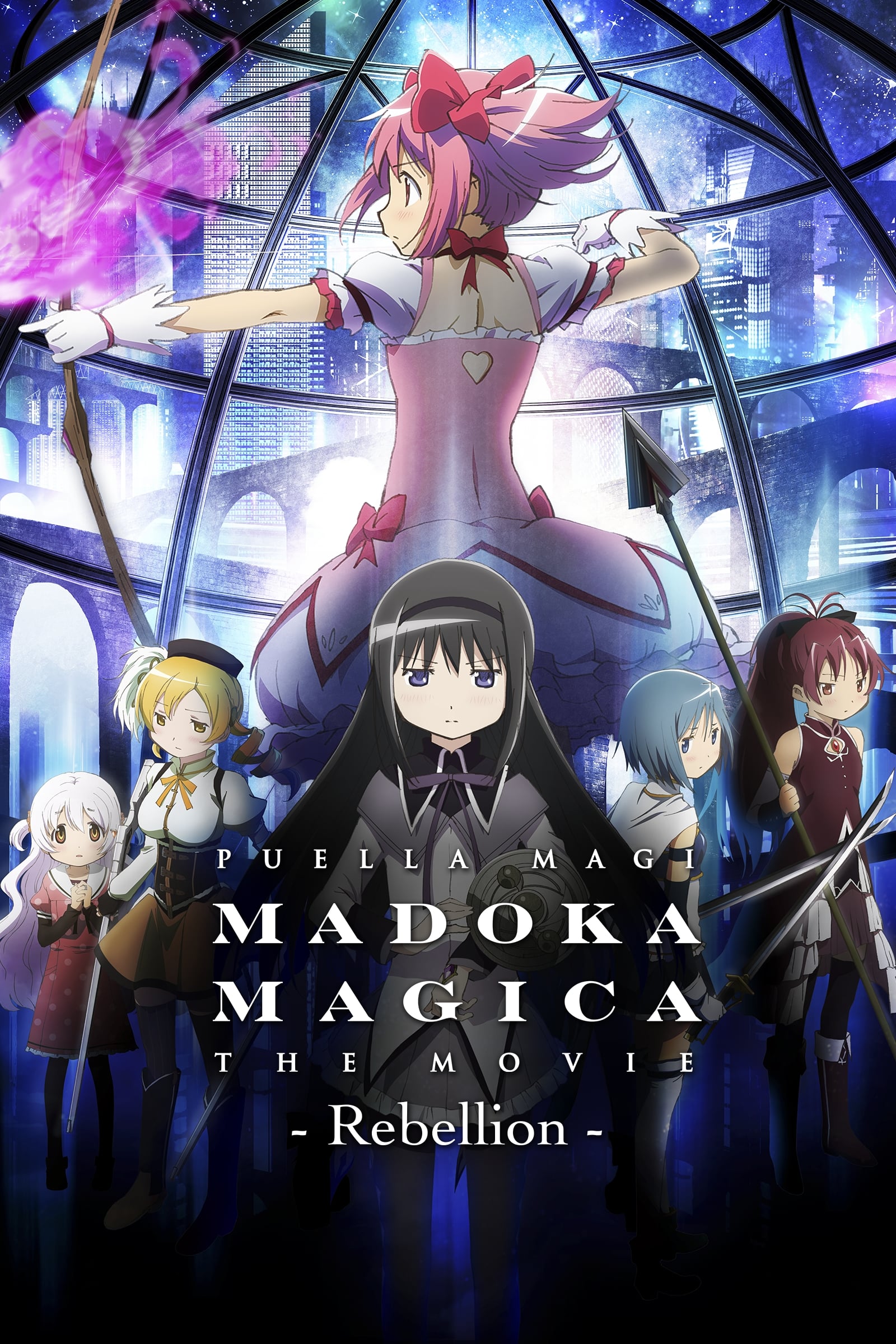
The movie ‘Puella Magi Madoka Magica the Movie: Rebellion’ dramatically changes the ending of the original series. Homura Akemi takes control of the rules governing fate, essentially becoming a villain to ensure Madoka remains human. She reshapes reality again, creating a world where magical girls can live in peace, but are completely under her control. This complicated situation, with its unclear right and wrong, left the future of the story uncertain.
‘FLCL’ (2000–2001)
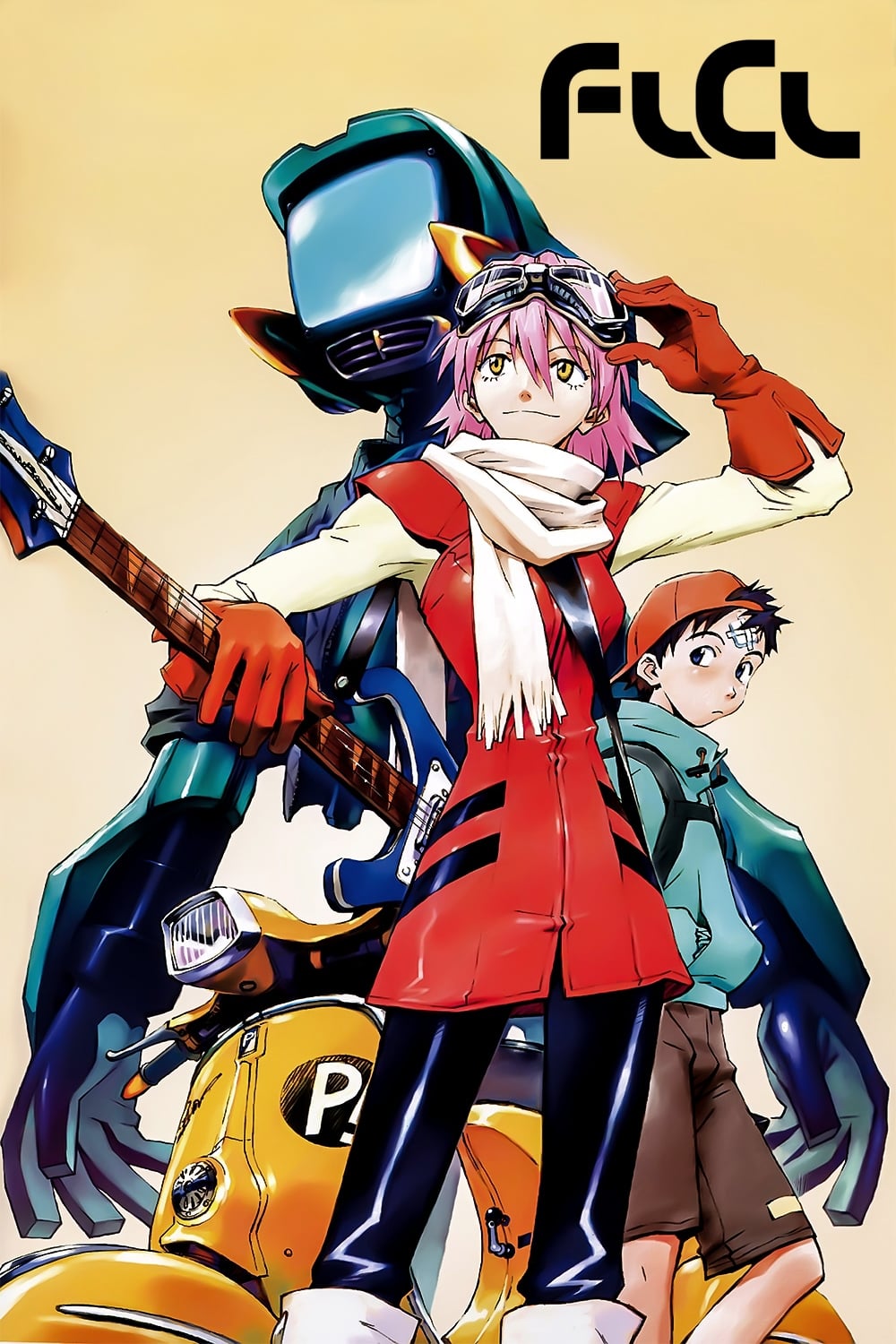
The end of ‘FLCL’ features a huge fight with the Medical Mechanica factory, which transforms into a giant iron. Naota, the main character, finally opens up about his feelings, which allows the Atomsk being to be freed and Haruko Haruhara to leave. Though things seem to calm down in town, the strange, large-scale events aren’t really explained. The show uses this wild ending to represent the confusing and awkward process of growing up.
‘Wonder Egg Priority’ (2021)
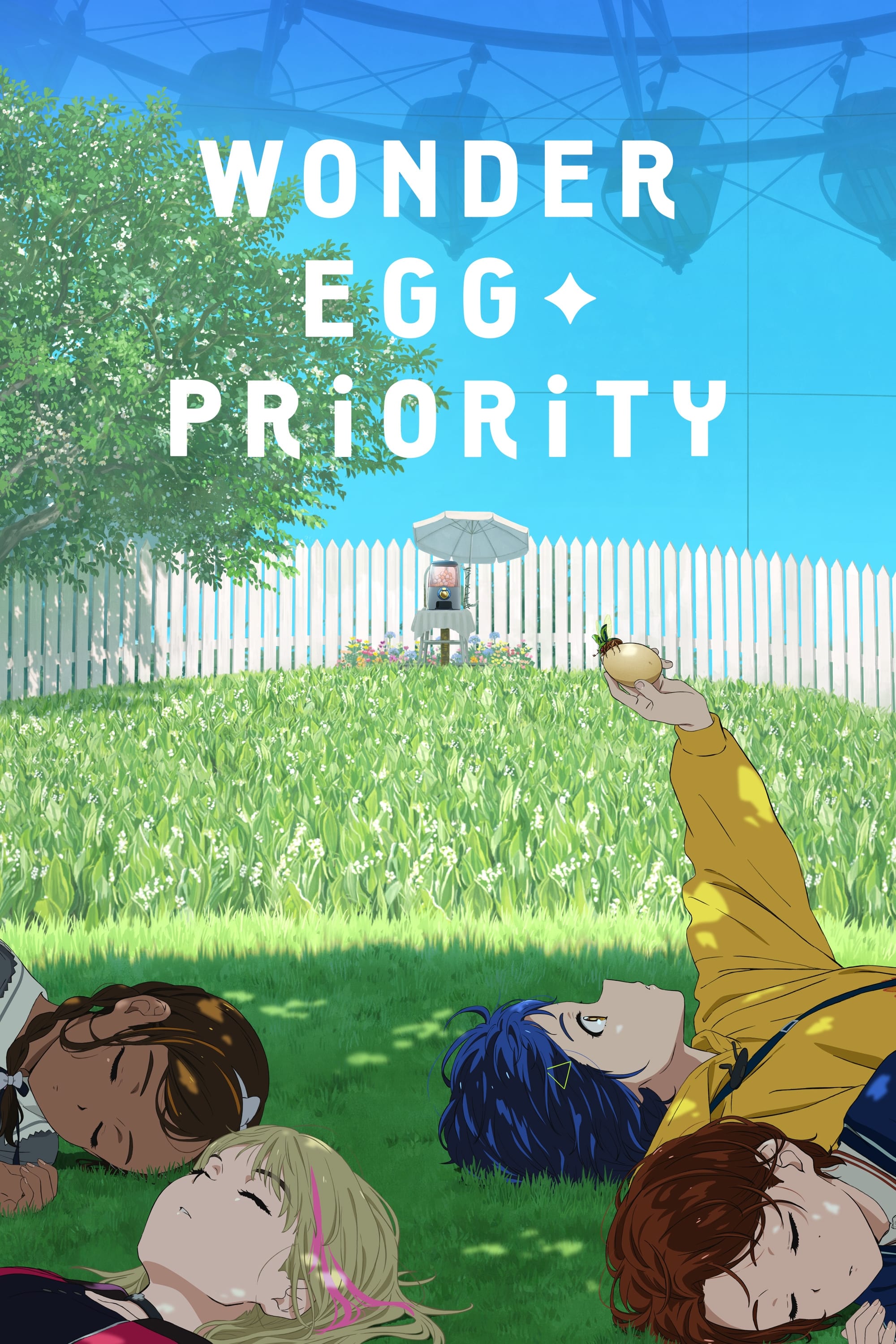
The final episode of ‘Wonder Egg Priority’ explores alternate realities and artificial intelligence battling for people’s souls. While the main character, Ai Ohto, learns how the ‘egg’ system works, the fates of her friends remain unclear. The show leaves many storylines involving supporting characters and villains unfinished, often explained through vague conversations. This sudden change to science fiction themes and the rushed ending left viewers confused about the show’s central meaning.
‘Wolf’s Rain’ (2003–2004)
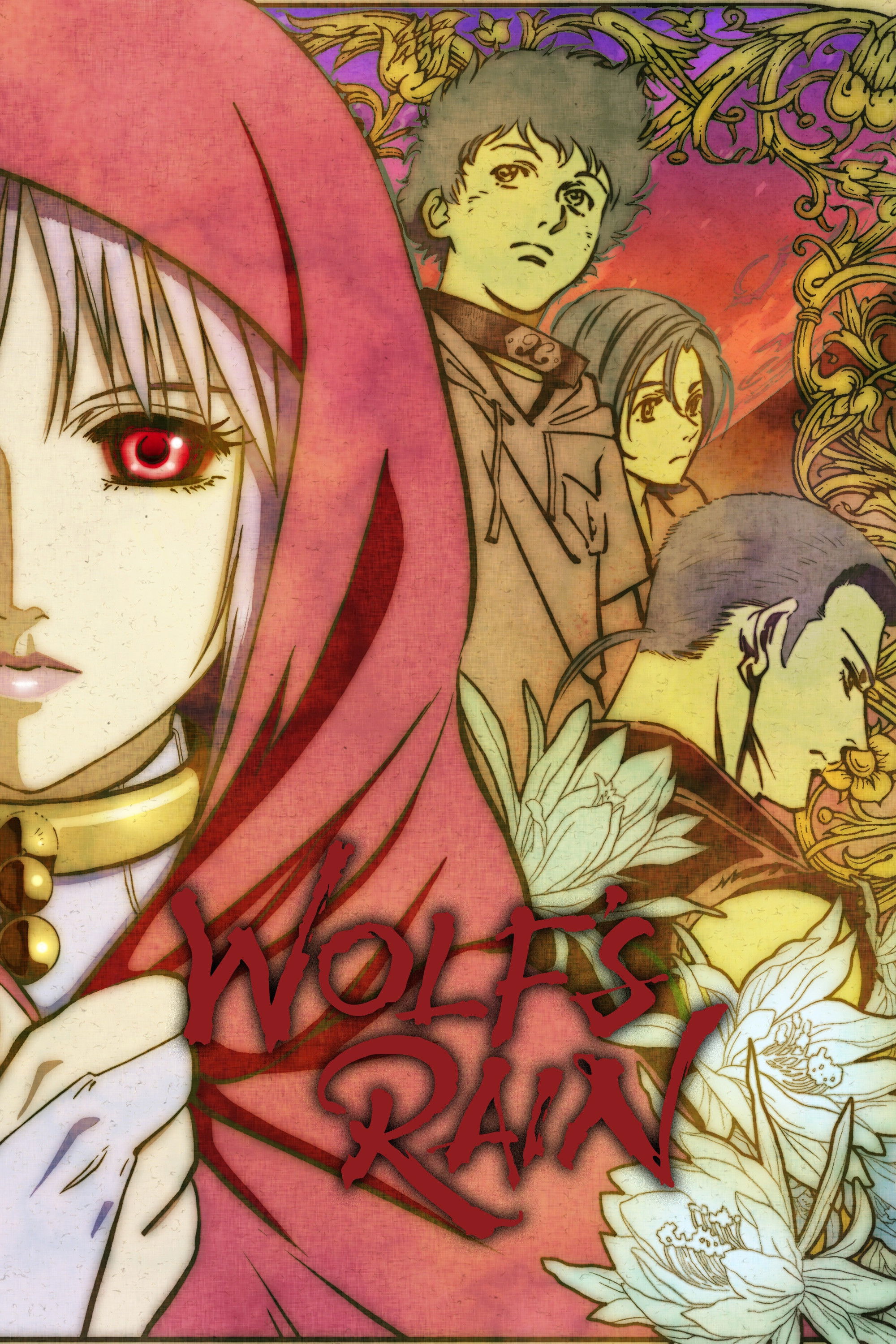
The final episodes of ‘Wolf’s Rain’ show the world coming to an end as the characters search for a legendary Paradise. Most of them don’t survive the journey, and a complete reset of the world is signaled by a blanket of snow. The very last scene depicts them in a modern city, hinting that they’ve been reborn or that the cycle of life is beginning anew. Because of this repeating pattern and the mysterious nature of Paradise, the ending is open to different spiritual understandings.
‘Akira’ (1988)
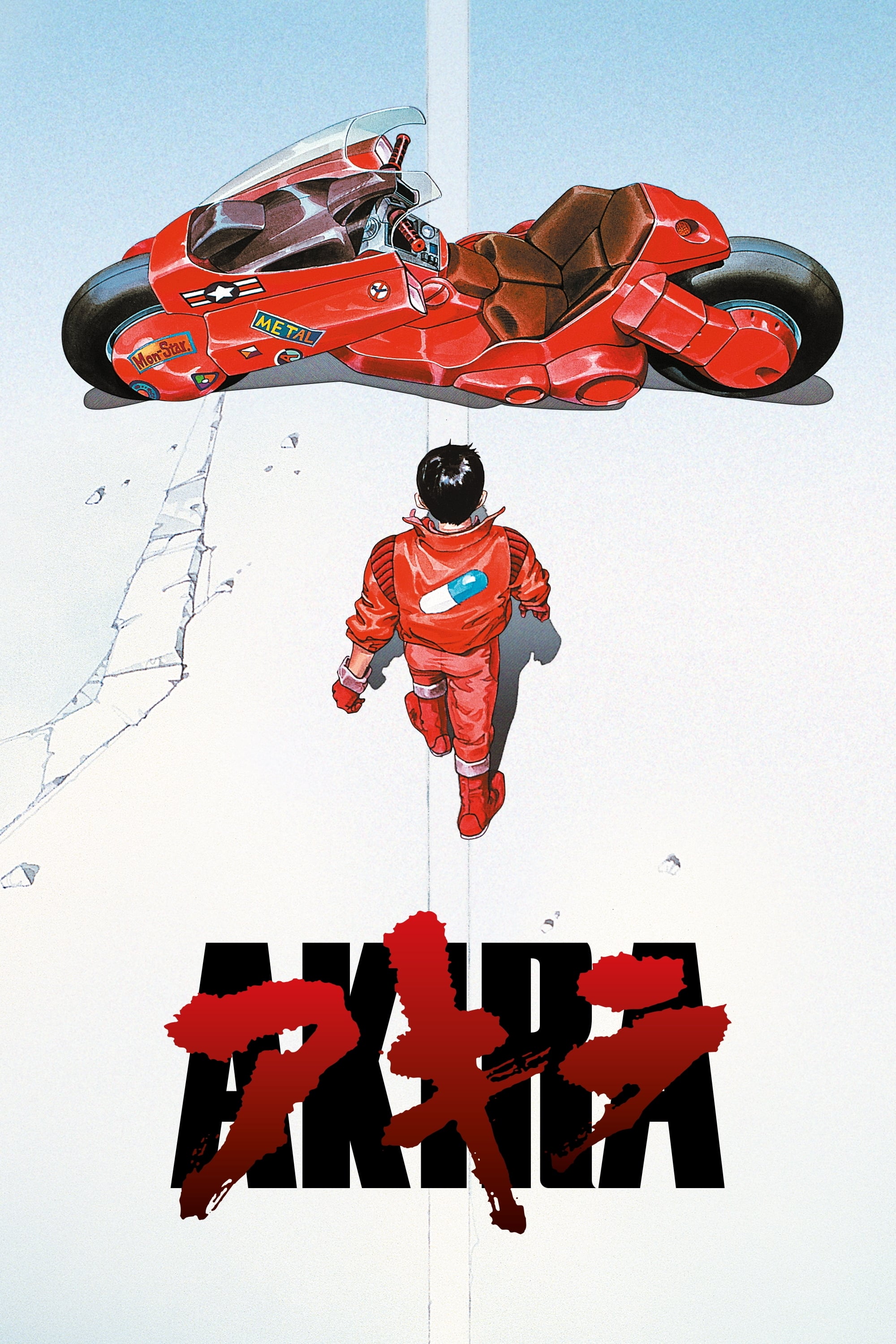
The movie ‘Akira’ ends with Tetsuo’s psychic abilities spiraling out of control, transforming him into a gigantic, unstable creature. Kaneda gets caught in a huge explosion – similar to the Big Bang – created by Akira and the other psychics. These beings then move on to another dimension, leaving Neo-Tokyo destroyed but with a hint of possible renewal. The film’s last line, “I am Tetsuo,” implies a kind of evolution or change that isn’t fully revealed.
‘Devilman Crybaby’ (2018)

The anime ‘Devilman Crybaby’ concludes with the complete annihilation of humanity and the death of its main character, Akira Fudo. After winning the war, Satan finally understands his love for Akira, but only after it’s too late, leaving him heartbroken. The world is then destroyed and rebuilt by a higher power, suggesting Satan is doomed to repeat a cycle of pain and punishment. This ending offers no easy answers or sense of closure, leaving viewers with a feeling of despair.
‘Noein: To Your Other Self’ (2005–2006)

‘Noein: To Your Other Self’ explores the idea of multiple realities based on quantum mechanics, where different timelines are essentially battling to exist. The story culminates in Haruka, with her unique abilities, selecting a single reality where everyone can live together. This involves combining or eliminating other timelines, resulting in a visually stunning and complicated scene where characters meet their counterparts from those alternate worlds. Understanding the story’s ending fully requires some knowledge of advanced physics and philosophical concepts.
‘RahXephon’ (2002)
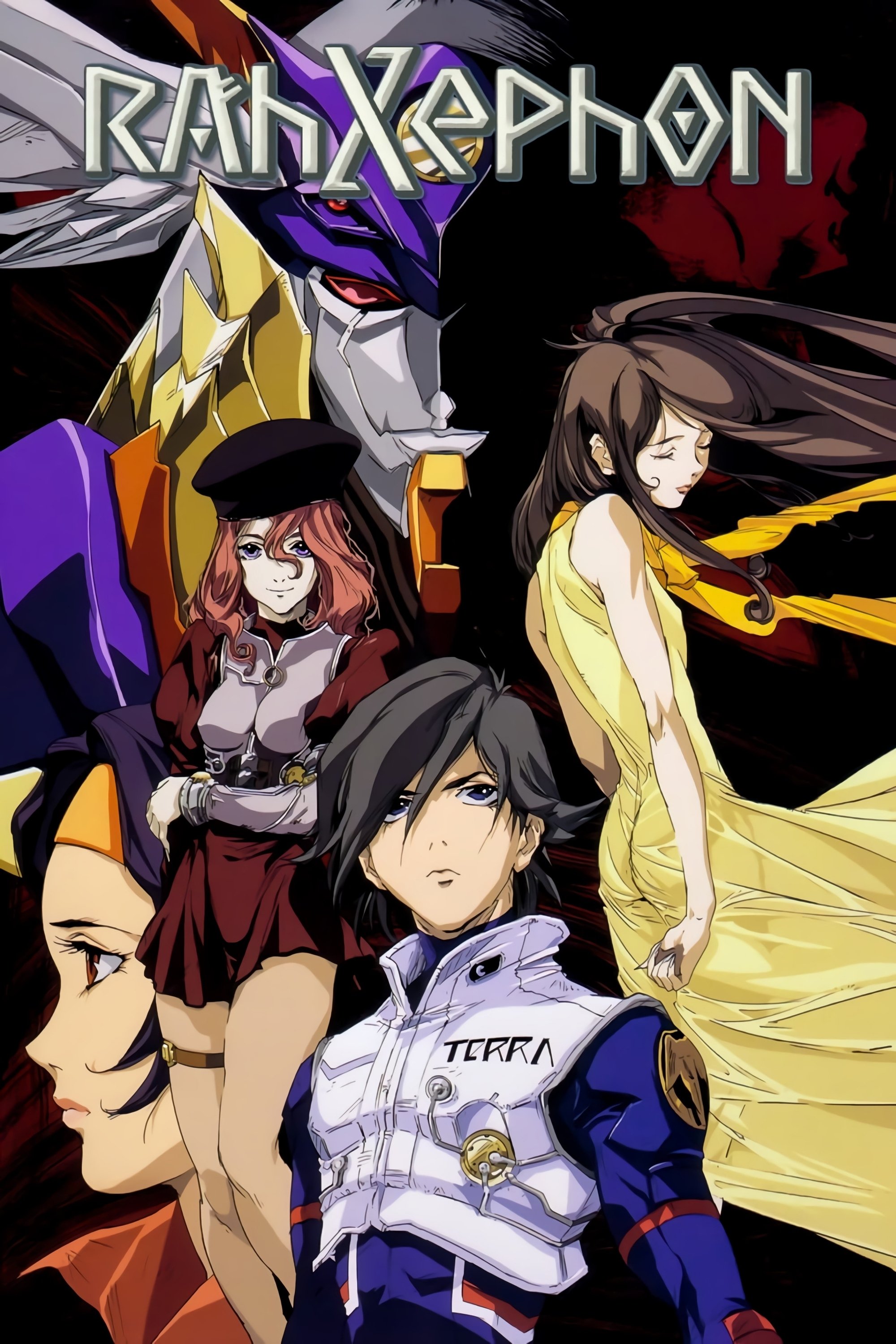
The anime ‘RahXephon’ concludes with its hero, Ayato Kamina, using the RahXephon mecha to essentially reset the world. This isn’t a simple fix; it’s a complete reshaping of reality to correct problems with time and space created by a group called the Mu. The ending is rich in symbolism, centered on Ayato’s love for Haruka and the merging of their spirits into a new, unified timeline. As with many experimental mecha shows, the technical details of how the world is ‘tuned’ aren’t as important as the emotional impact and resolution.
‘Boogiepop Phantom’ (2000)
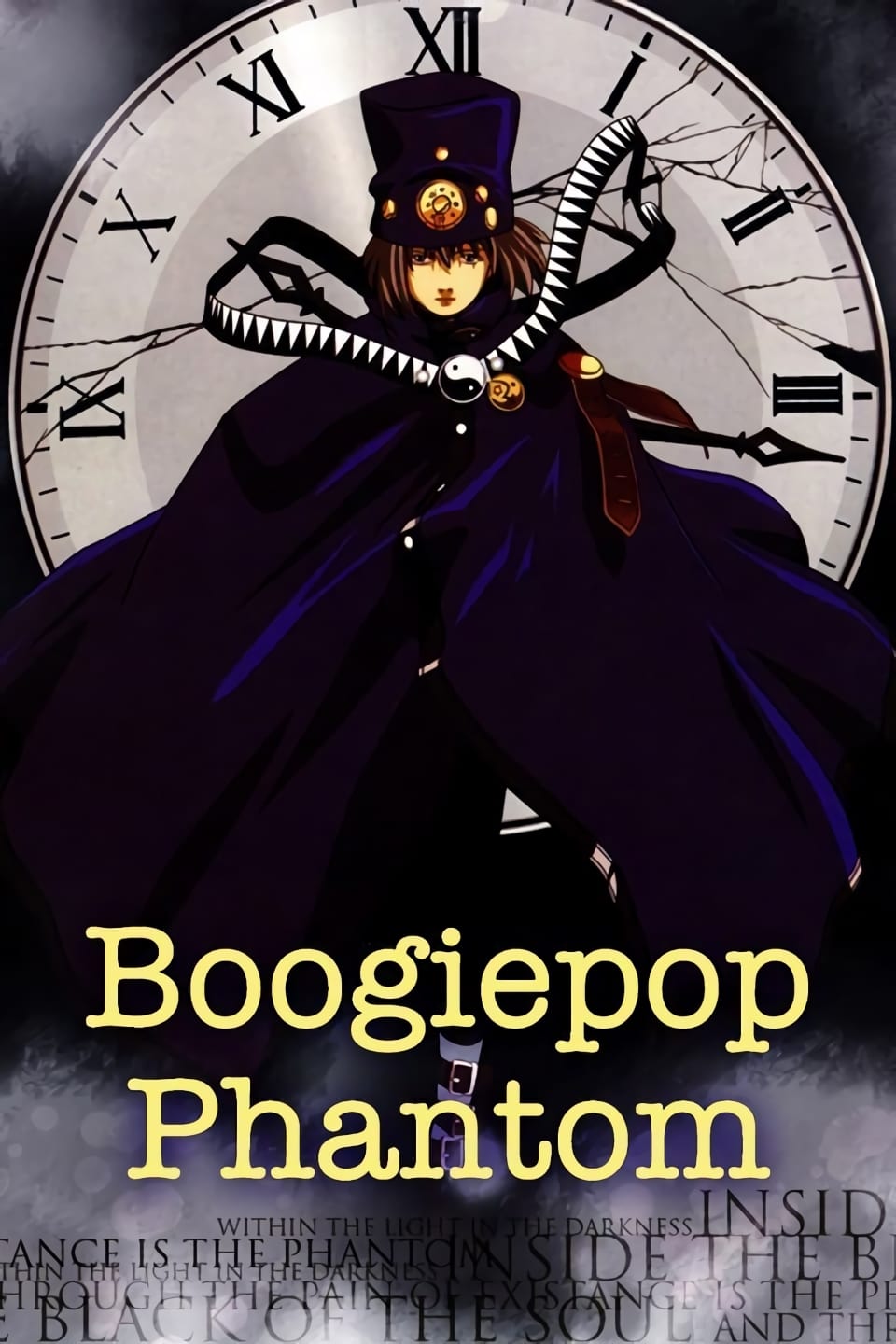
The series ‘Boogiepop Phantom’ ends by bringing together different, non-chronological viewpoints on a strange event from five years earlier. The finale centers around a beam of light and resolves the ongoing emotional struggles of several characters. While many of the supernatural happenings aren’t fully explained, they represent the feelings of loneliness and worry often experienced by young people. The show’s fragmented style means the final episode is like a puzzle, requiring viewers to carefully connect the pieces to understand what happened.
‘Mind Game’ (2004)
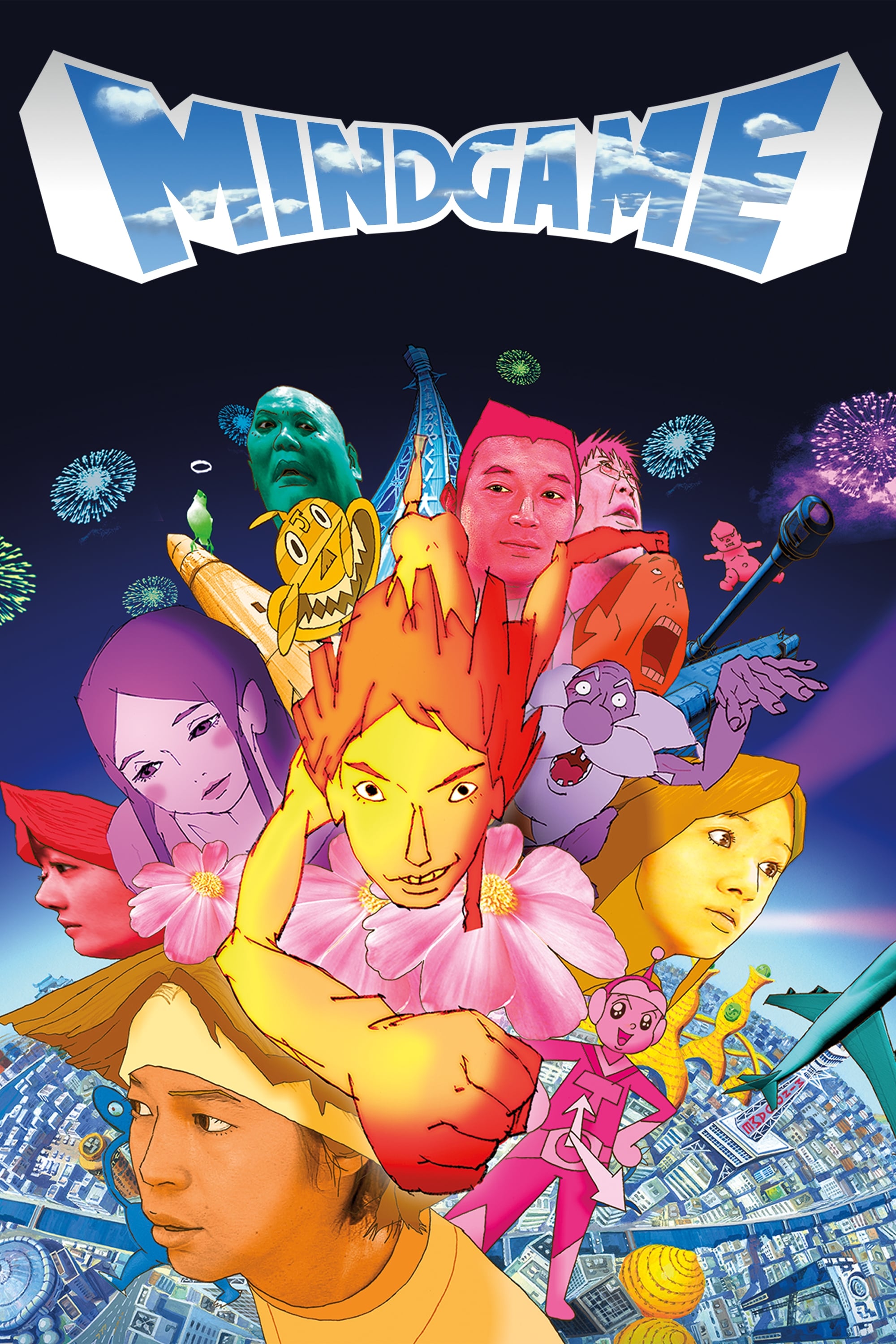
Okay, so ‘Mind Game’… wow, the ending is just something else. These guys escape from inside a whale, and then the whole movie just explodes into this crazy, fast-moving mix of animation styles. It’s like they’re showing all the different paths their lives could take. It’s definitely about how strong your will can be and how it can change things, but it does it in this totally chaotic, unpredictable way. Forget a neat little ending tied with a bow – it’s a complete sensory overload, and honestly, a bit confusing, but in a really unique and memorable way.
‘Haibane Renmei’ (2002)
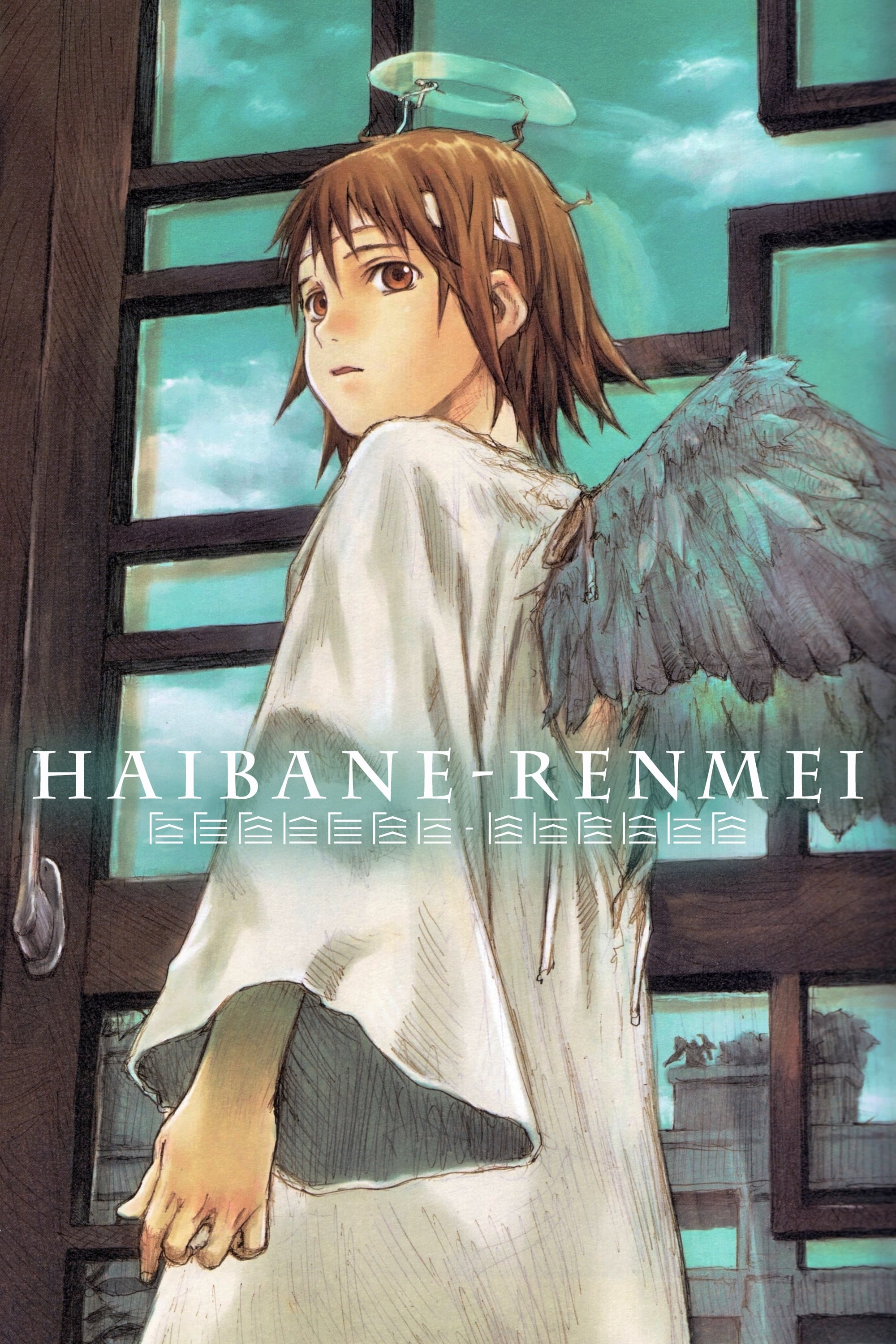
The anime ‘Haibane Renmei’ concludes with Rakka trying to rescue Reki from a lonely existence caused by past mistakes, during a special event called the Day of Flight. To do this, she must confront her own guilt and learn to rely on the support of those around her within the walled city of Gie. Despite a satisfying emotional journey, the series never explains where the Haibane come from or what lies beyond the walls, leaving the core mysteries of the world unanswered. The ending is peaceful but deliberately ambiguous.
‘Panty & Stocking with Garterbelt’ (2010)
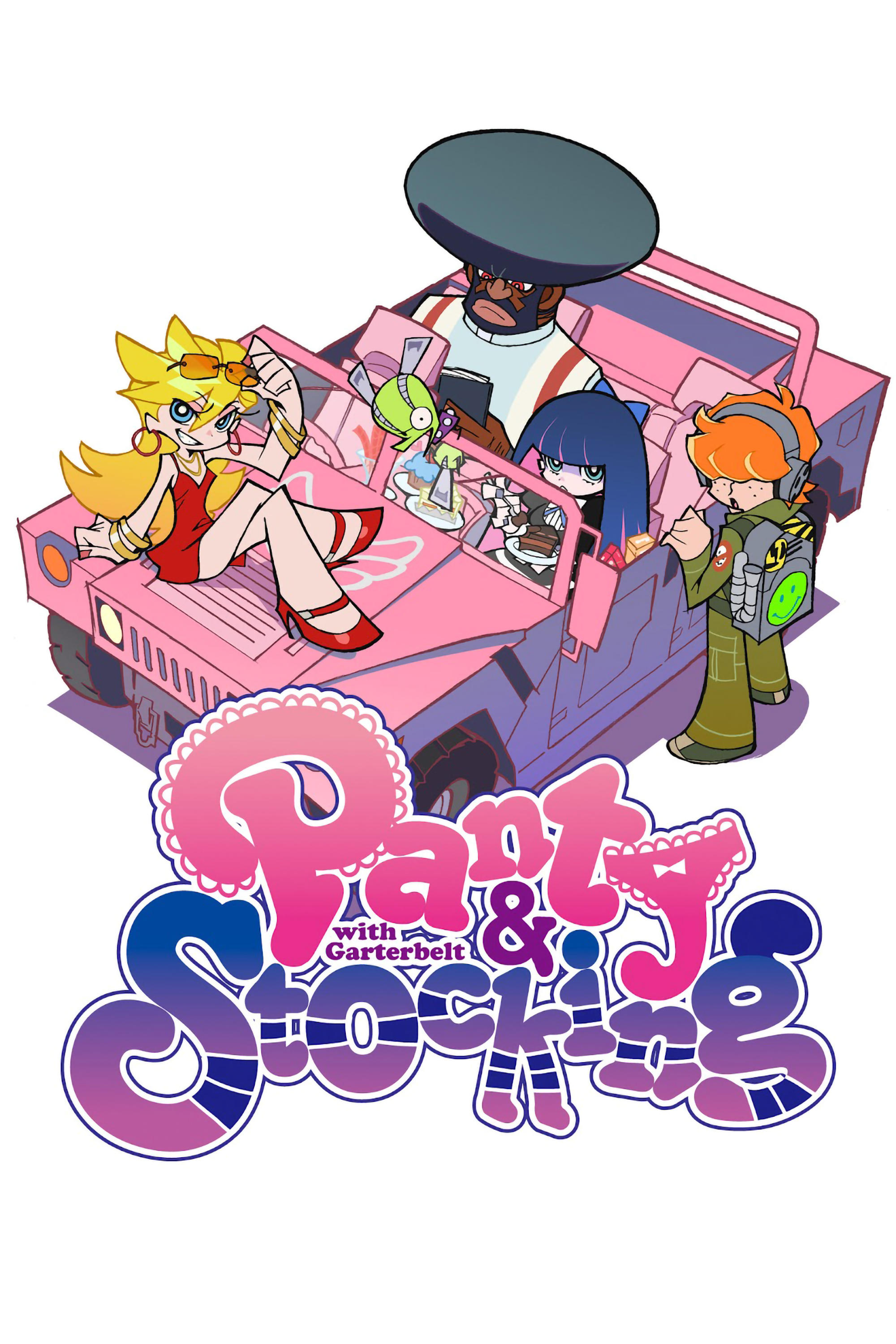
The final scene of ‘Panty & Stocking with Garterbelt’ takes a shocking turn. Just after the sisters defeat the main villain, Stocking reveals she’s a demon and violently cuts Panty apart. The episode ends abruptly, with the narrator hinting at a second season that never came for over ten years. This unexpected twist was meant to completely surprise and disorient viewers.
‘Guilty Crown’ (2011–2012)
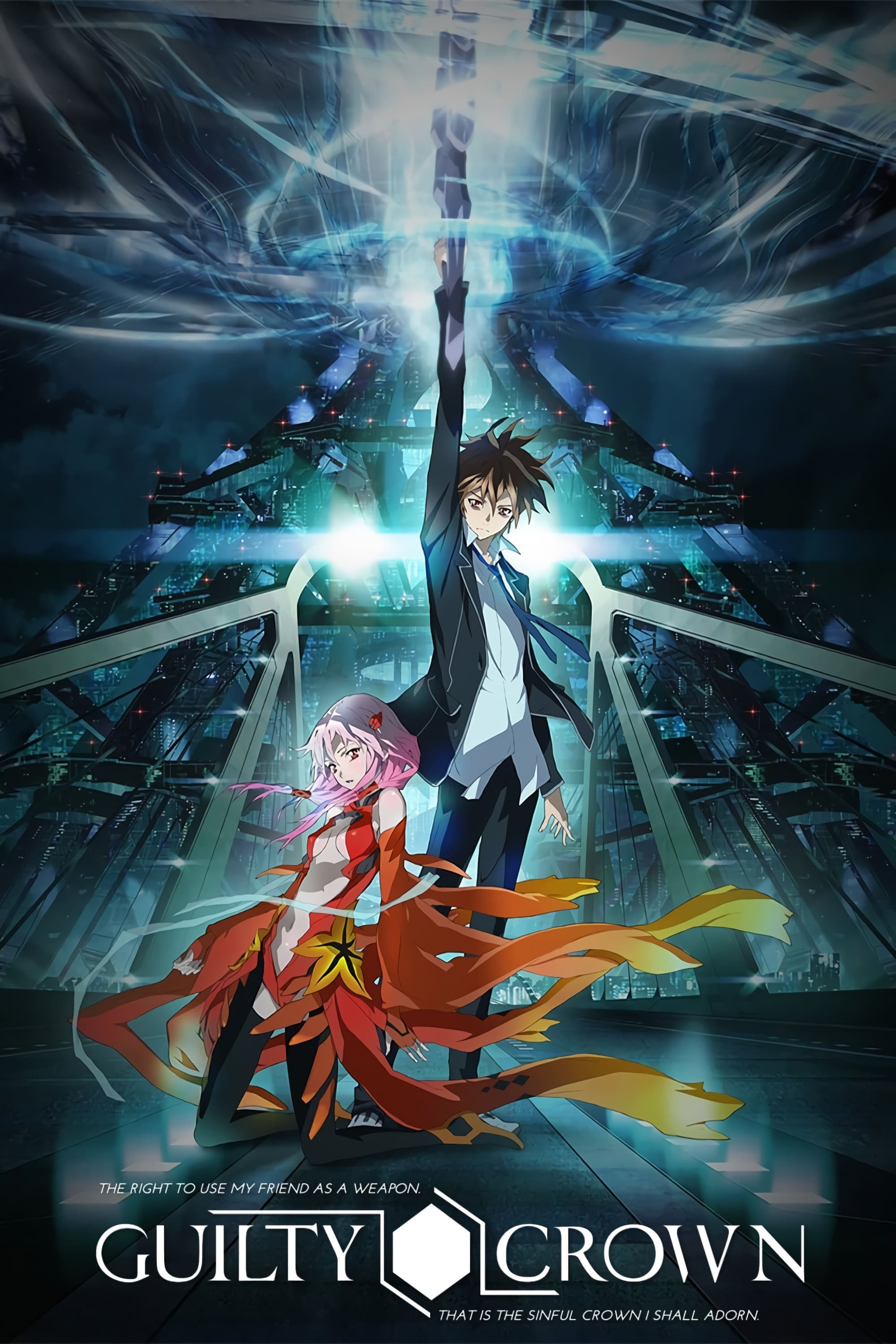
The ending of ‘Guilty Crown’ sees Shu Ouma attempting to save the world by taking on all of humanity’s suffering – the ‘Apocalypse Virus’ and the ‘Voids’. However, Inori ultimately sacrifices herself instead of him, taking on the burden. The series concludes with Shu, now blind and physically impaired, living in a peaceful, rebuilt world and listening to Inori’s music. Many viewers find the details of how the virus and the soul-transfer work in the finale confusing.
‘Gantz’ (2004)
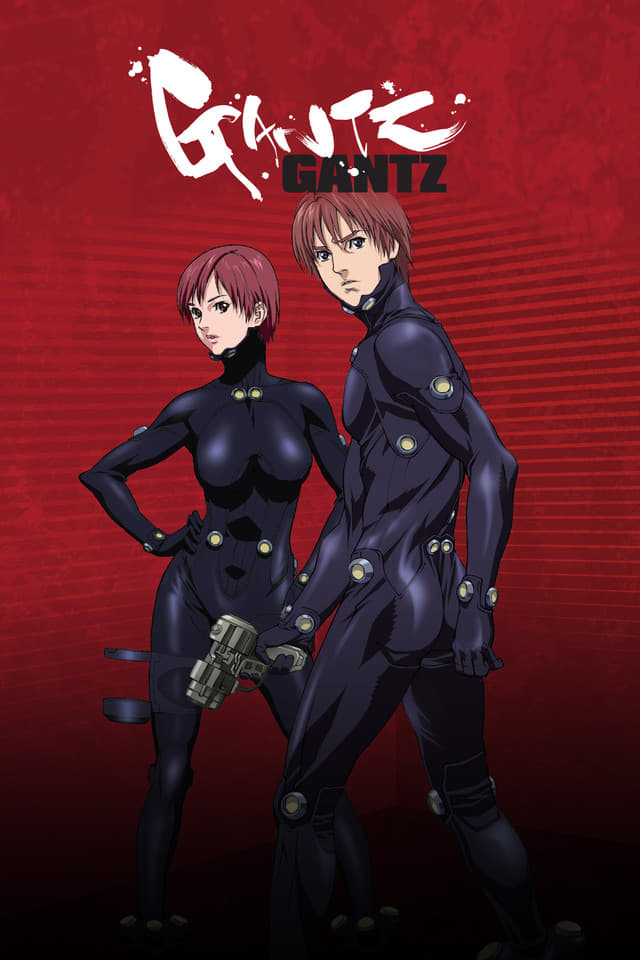
The anime series ‘Gantz’ finishes with an ending that’s quite different from the original manga. The main character, Kei Kurono, is put in a last, desperate battle for survival in a subway station. The series concludes with a mysterious scene of Kei confronting an approaching train, leaving viewers unsure if he lives or what the purpose of the Gantz system really is. This ambiguous ending happened because the anime progressed beyond the manga, which wasn’t yet completed at the time.
‘Claymore’ (2007)
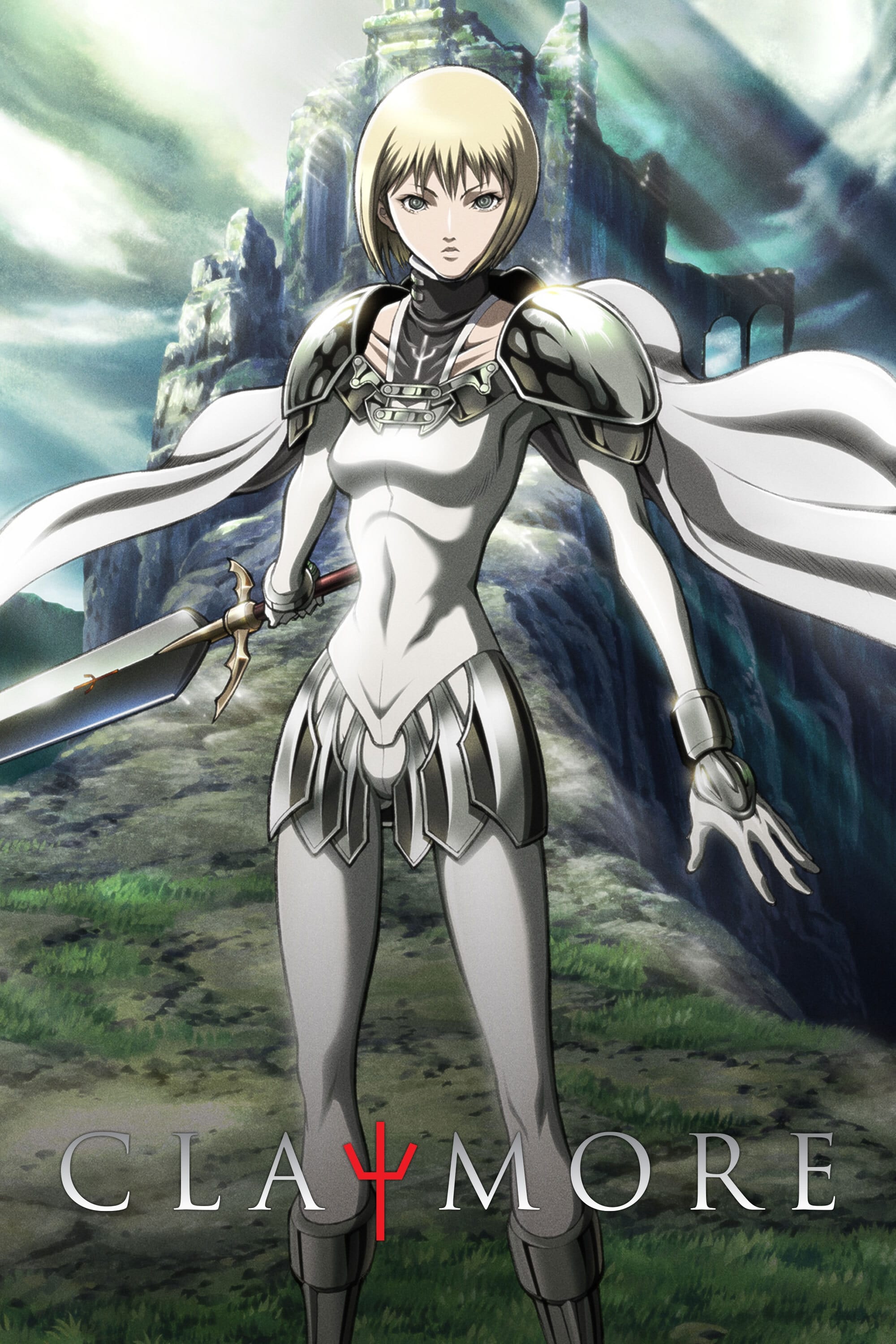
I’ve always been captivated by ‘Claymore,’ but the anime’s ending left me a little frustrated, honestly. It all builds to this incredible fight between Clare and Priscilla in a volcanic landscape, and then… it just stops. Clare doesn’t manage to defeat Priscilla, who just flies off after seemingly recognizing something. It was so abrupt! Sadly, the series wasn’t continued, so we’re left with so many unanswered questions about the Organization and what exactly those Awakened Ones are. It’s a bit disappointing, because I was really hoping for a clear resolution to the whole war.
‘Blue Gender’ (1999–2000)

The final episodes of ‘Blue Gender’ move away from the intense fight for survival against giant insects and instead explore deeper questions about Earth’s history and purpose. The main character, Yuji, discovers that these creatures, known as the Blue, aren’t just monsters – they’re actually a way for the planet to protect itself by reducing the human population. The ending emphasizes a spiritual link between the characters and Earth, unexpectedly turning the story towards environmental issues. Many viewers felt this change from a dark, action-packed war story to a philosophical conclusion was jarring and didn’t quite fit.
‘X’ (2001–2002)

The series ‘X/1999’ ends with a climactic fight between Kamui Shiro and Fuma Monou to decide the world’s future. In the TV show, Kamui gives his life to create a protective barrier for humanity, even knowing it will cause suffering. This ending is different from both the movie and the incomplete manga, which has led to debate among fans about which version is the real conclusion. The story relies heavily on themes of fate and uses a lot of symbolism, making the final moments feel somewhat distant and conceptual.
‘Darling in the Franxx’ (2018)
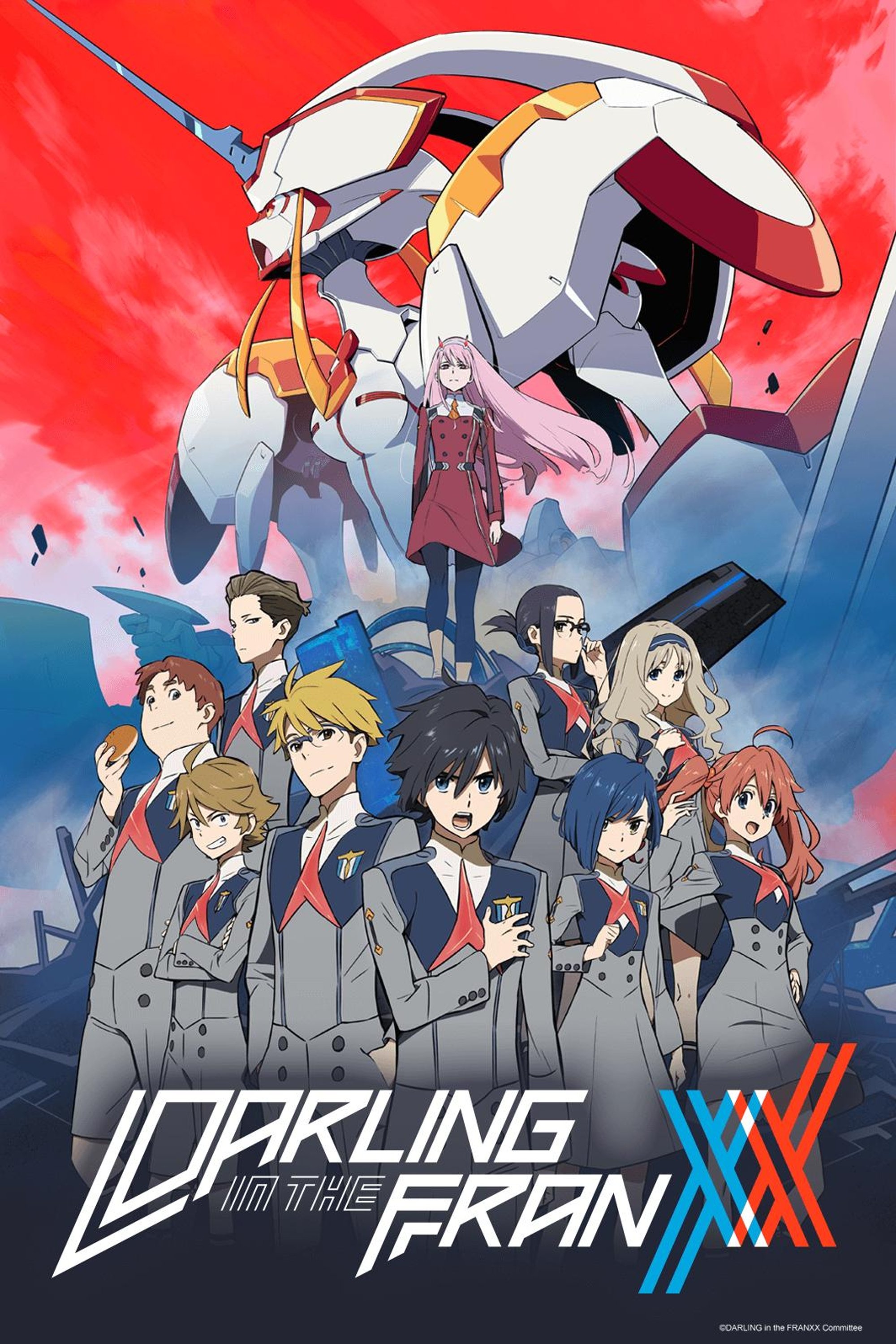
As a big fan of ‘Darling in the Franxx,’ I have to admit the ending was… a lot. It went from a fight against the adults and Klaxosaurs to suddenly an all-out war against this alien force called VIRM, spanning across galaxies! Hiro and Zero Two basically sacrificed everything to fly through a wormhole and destroy VIRM’s planet, but then the story jumps way ahead in time to show Earth being rebuilt and them being reborn as kids. Honestly, it felt like a huge shift in scope, and a lot of us were left wondering if that leap to an alien enemy really made sense for the story they’d been building.
‘Perfect Blue’ (1997)
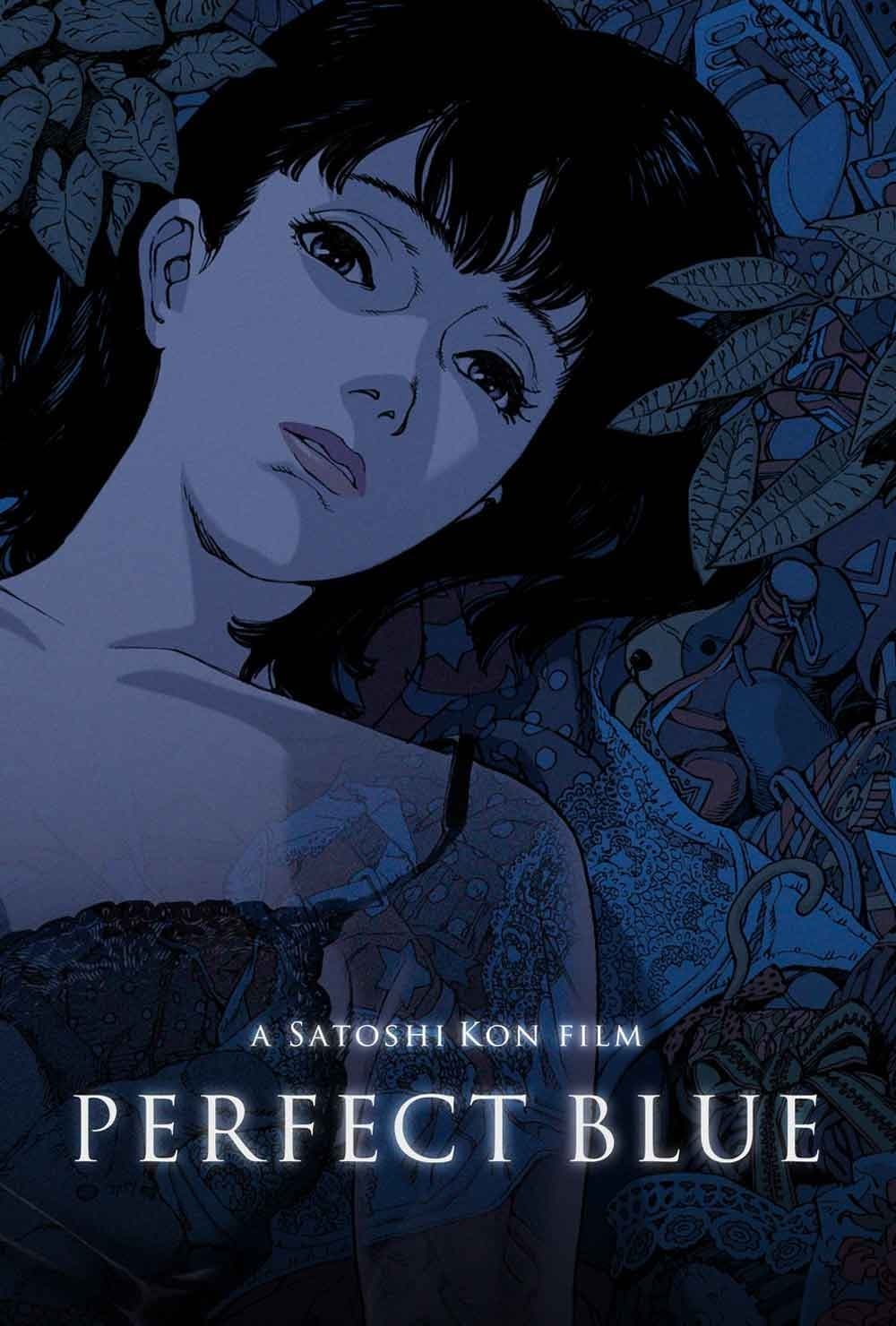
The movie ‘Perfect Blue’ builds to a confusing climax where it becomes impossible to tell what’s actually happening to the main character, Mima, and what’s a figment of her imagination or part of her acting. The audience has to piece together the truth to figure out who the killer is and understand Mima’s mental state. While the film reveals the antagonist in a twist ending, the quick cuts and shifting scenes blur the line between reality and illusion. The final line leaves viewers questioning whether Mima has truly healed or is still trapped within the persona she created.
Let us know in the comments which anime ending confused you the most! We’d love to hear your thoughts.
Read More
- Gold Rate Forecast
- Invincible Season 4 Gender Swaps Tech Jacket As Fans Question Major Comic Change
- 22 Films Where the White Protagonist Is Canonically the Sidekick to a Black Lead
- 14 Movies Where the Black Character Refuses to Save the White Protagonist
- Unveiling the Schwab U.S. Dividend Equity ETF: A Portent of Financial Growth
- 15 Films That Were Shot Entirely on Phones
- Silver Rate Forecast
- Top 10 Coolest Things About Jared Leto
- 20 Movies Where the Black Villain Was Secretly the Most Popular Character
- Why Won’t It Just *Do* What You Ask? Unpacking the Quirks of AI Language
2026-02-05 00:19