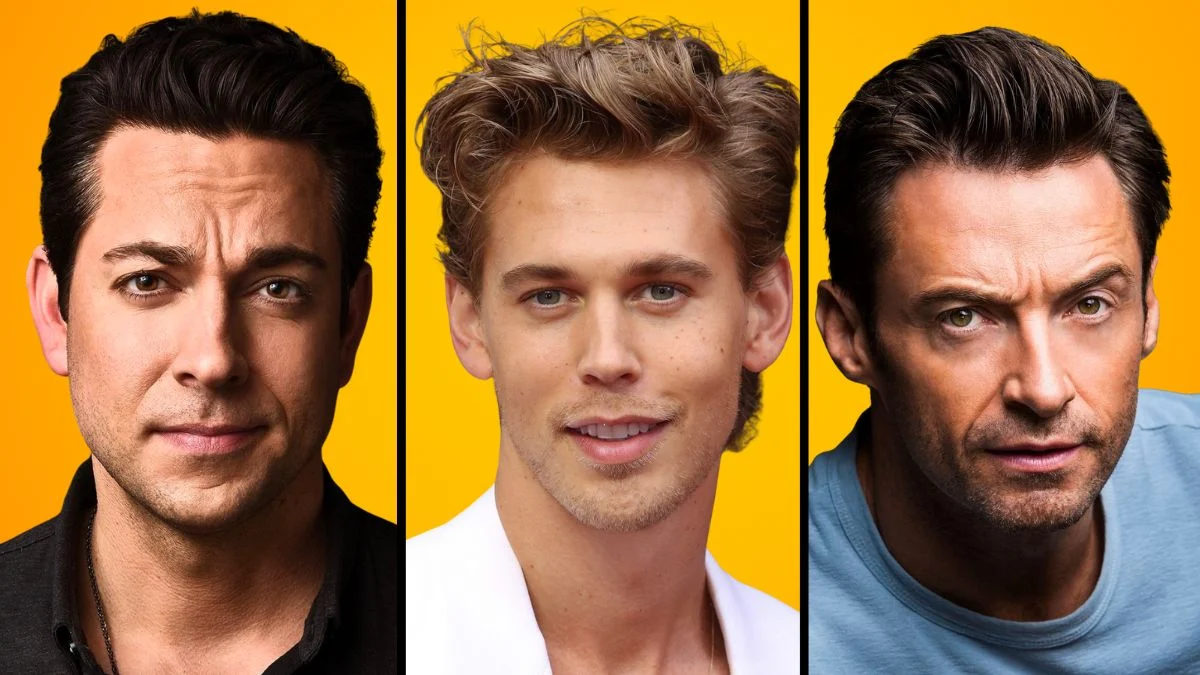
The way Hollywood talks about mental health is changing. What used to be private struggles are now becoming public calls for bigger changes within the industry. More male actors are openly discussing the emotional and psychological impact of demanding roles, and they’re pushing for better support systems on set. They want things like access to therapists, intimacy coordinators, and required breaks for everyone working on a production. This movement is about breaking down the stigma around getting help and challenging the old idea that artists need to suffer to create good work.
Hugh Jackman
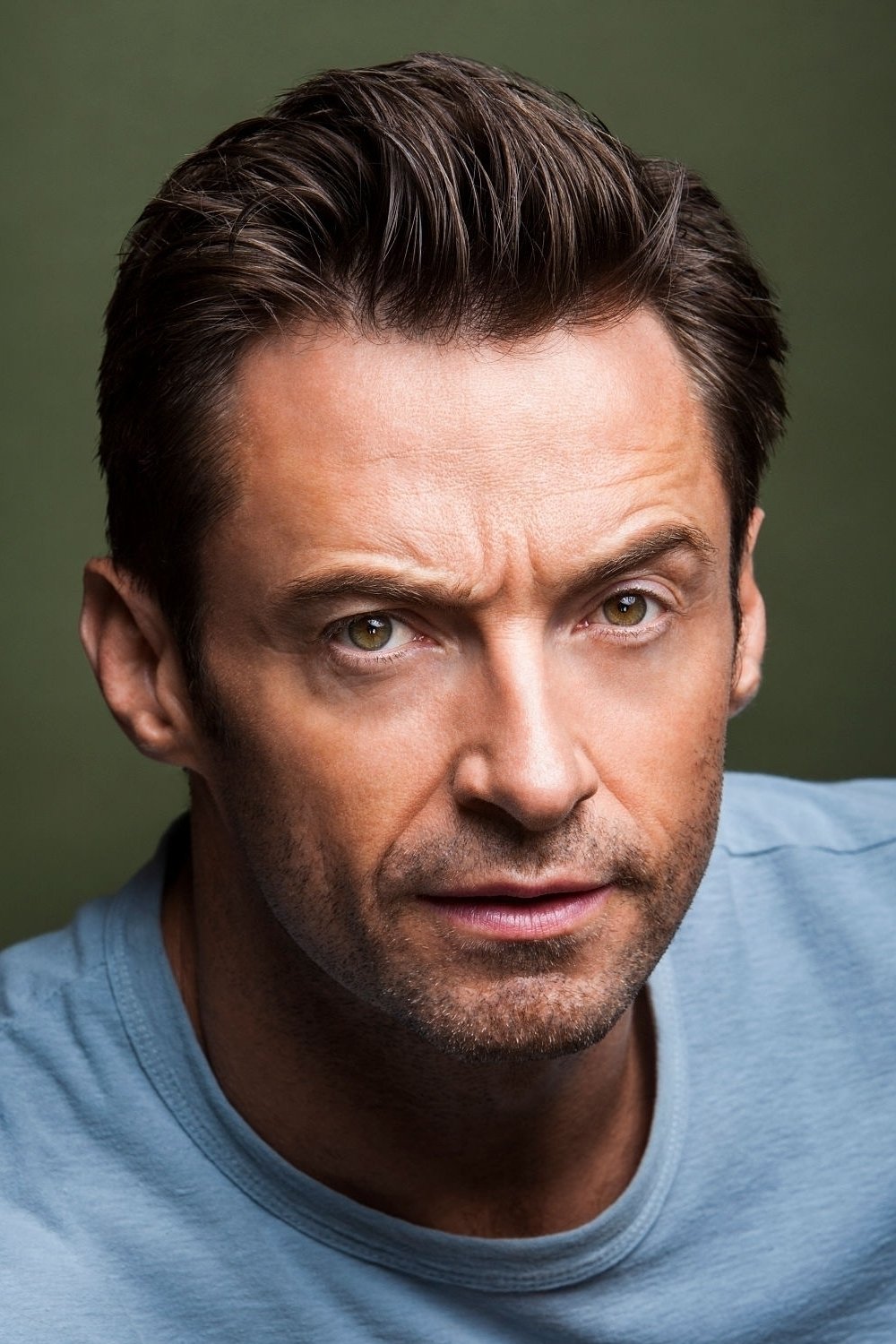
During the filming of the 2022 drama ‘The Son,’ veteran actor Hugh Jackman noticed a positive change in how the production handled emotional well-being. The filmmakers brought in psychiatrists to provide support for the cast and crew, helping them process the film’s difficult themes. Jackman, who has worked for many years in the industry, said this was the first time he’d seen this kind of care provided on a set. He now believes that mental health professionals should be a standard part of all film productions, just like stunt coordinators, and is speaking out about the need for this support during emotionally demanding projects.
Michael B. Jordan
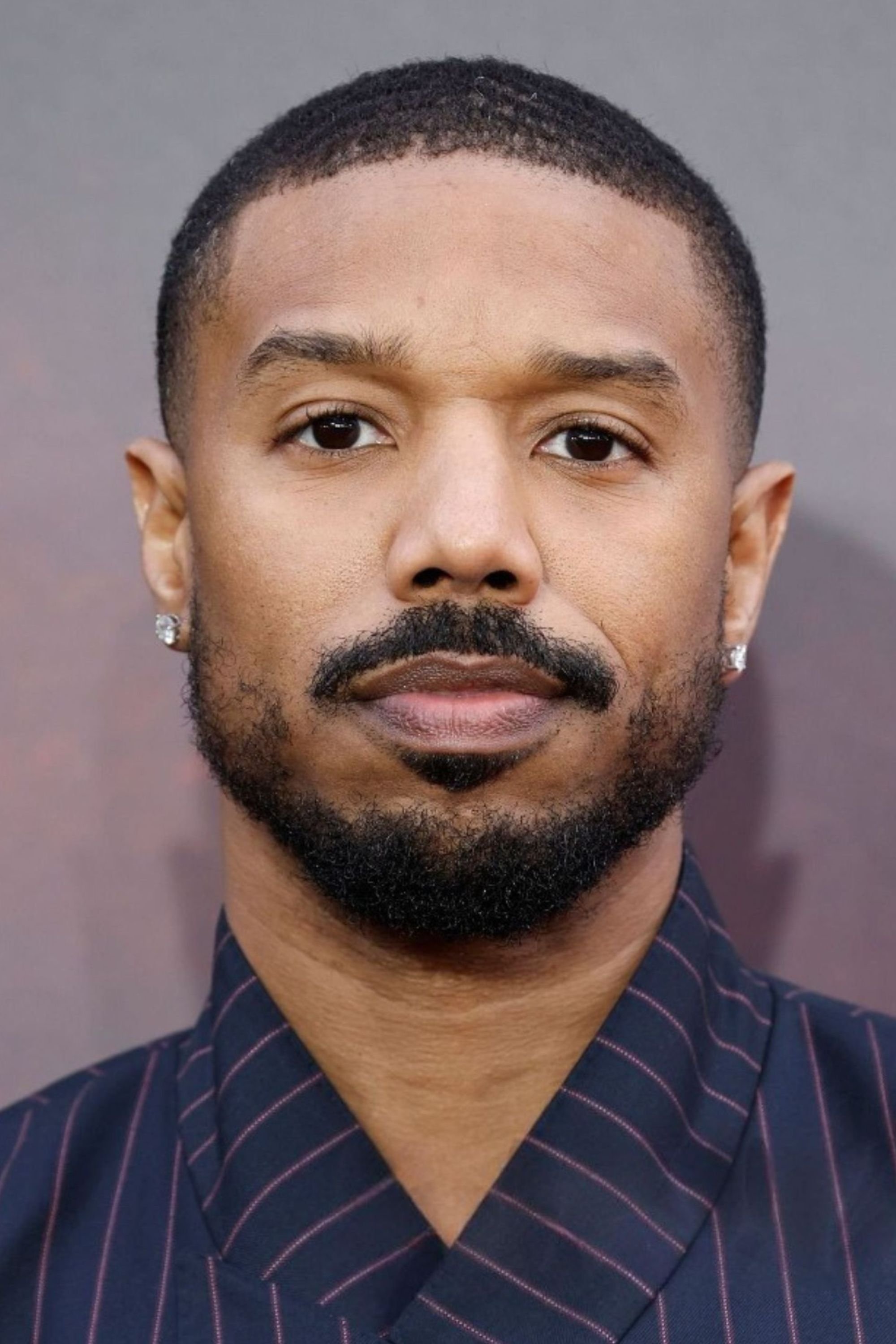
You know, playing Erik Killmonger in ‘Black Panther’ really stuck with me. It wasn’t easy letting go of that character’s headspace, so I actually started seeing a therapist after we finished filming to help me process everything and get back to feeling like myself. It was a really valuable experience, and now I’m a huge believer in therapy, especially for guys. I think it’s so important to talk about your feelings and honestly, asking for help isn’t a weakness – it takes real strength. I’ve been trying to encourage studios to make sure actors have support during and after filming to help us disconnect from these intense roles.
Jonah Hill

As a huge movie fan, I was really struck by what this actor-director did. He decided to stop doing the usual promotional tours for his films, which was a pretty bold move, all to protect his mental health. He actually opened up about his therapy in a documentary called ‘Stutz’ from 2022, sharing the techniques he uses to deal with anxiety. He explained that all the press events and interviews were making his panic attacks worse and were taking away from the actual work. It’s sparked a really important conversation, I think, about how much access the industry expects from its stars. Ultimately, he’s choosing to prioritize his own well-being, which is fantastic, even if it means stepping away from traditional movie marketing.
Tom Holland
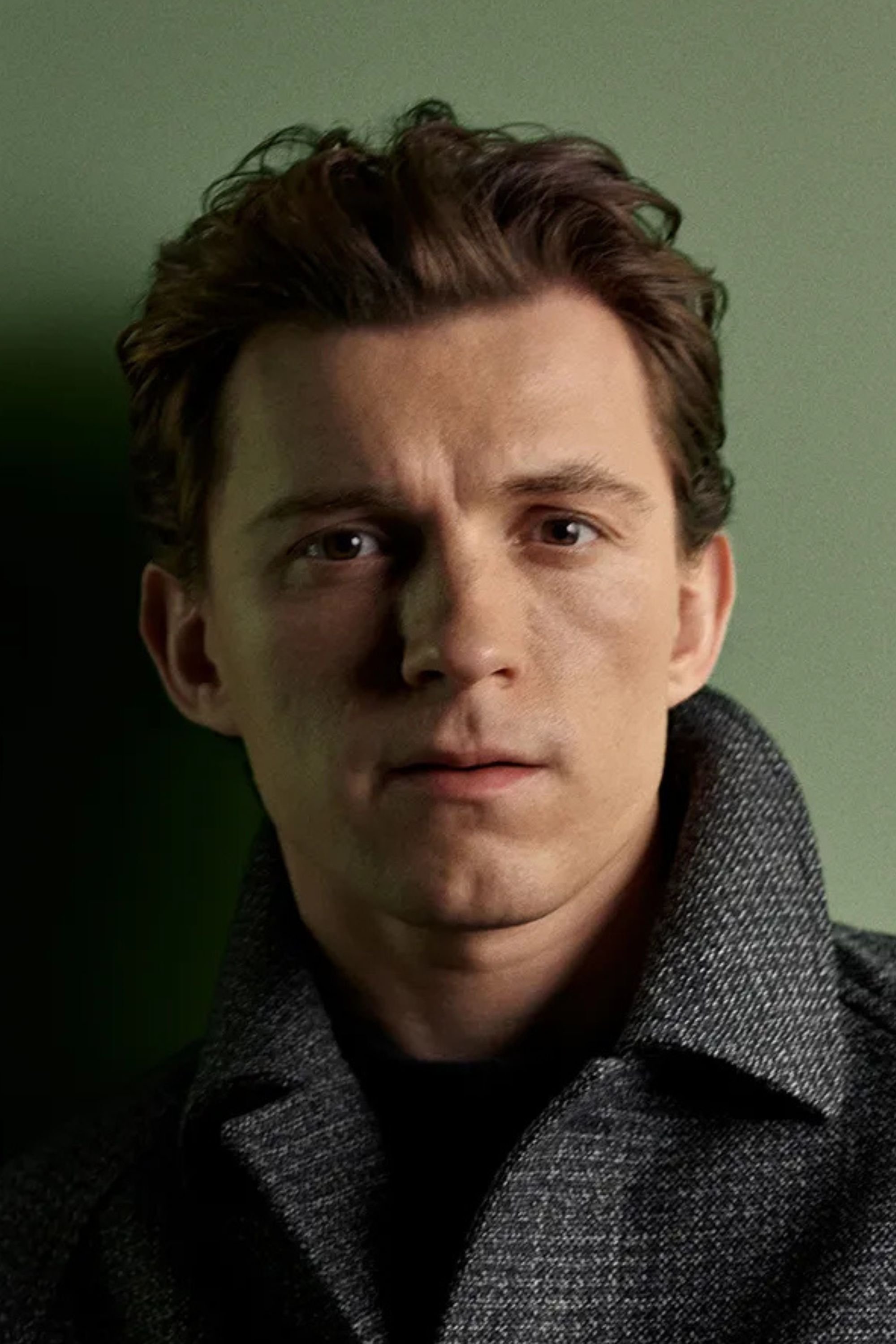
Filming ‘The Crowded Room’ was incredibly challenging for this young actor, both physically and emotionally, leading him to take a year off from acting. He shared that the role deeply affected him and made it difficult to disconnect from the character’s difficult experiences. He’s also been open about the importance of taking breaks from social media to protect his mental health. Holland believes actors need time away from the demands of the industry to stay healthy and balanced, and his honesty is helping to make it more acceptable for young performers to prioritize rest and recovery.
Ryan Reynolds
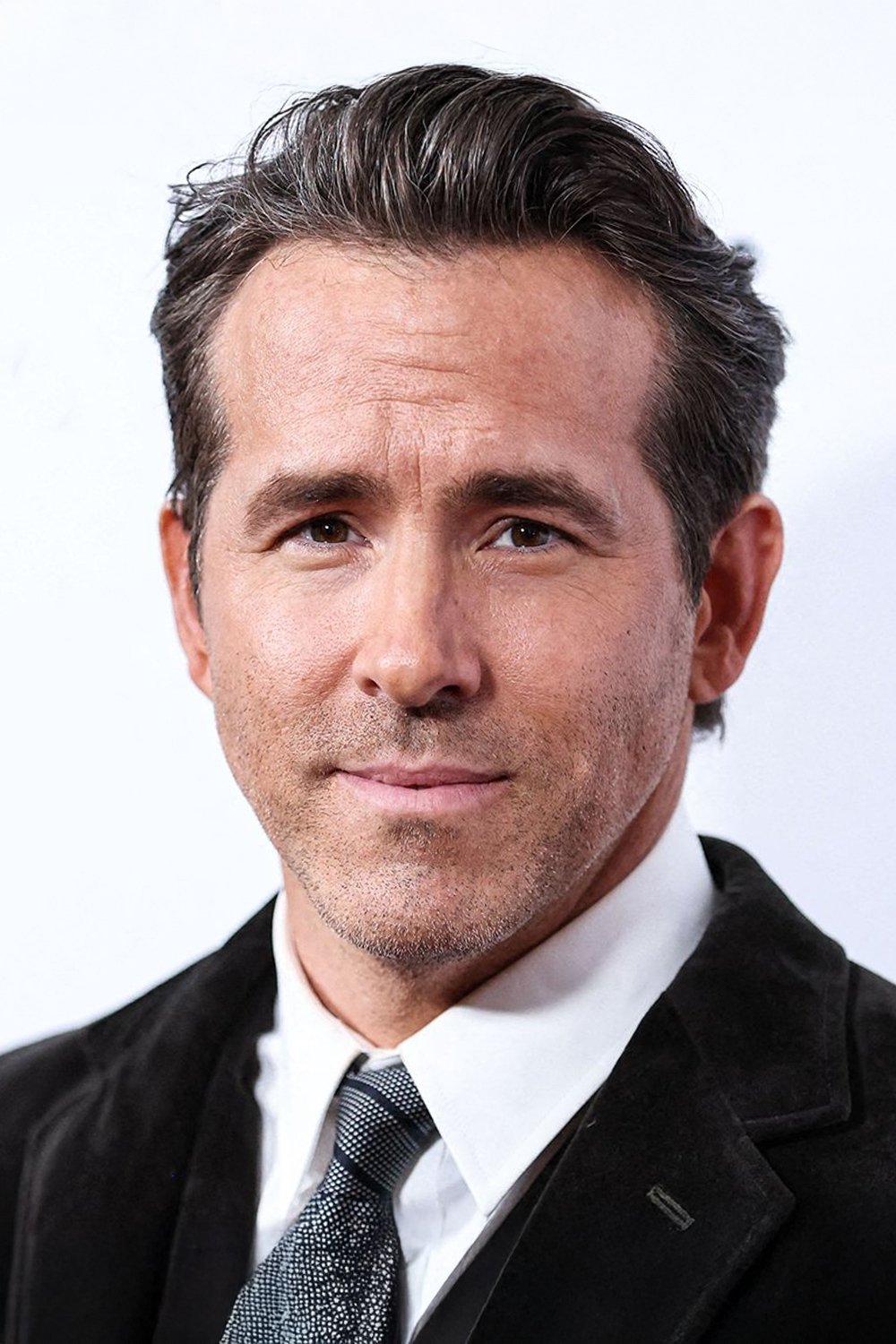
Ryan Reynolds, famous for his charming personality on screen, has recently been very open about his long-term battle with severe anxiety. He’s a strong advocate for creating safer and more supportive workplaces on film sets, where disagreements are handled effectively and emotional well-being is a priority. Reynolds shares that he uses meditation and mindfulness apps to deal with the stress of demanding projects. By talking about how he copes, he hopes to change the industry so that feeling anxious is addressed in a healthy way, instead of being dismissed. He wants to demonstrate that even successful actors need to take care of their mental health.
Austin Butler
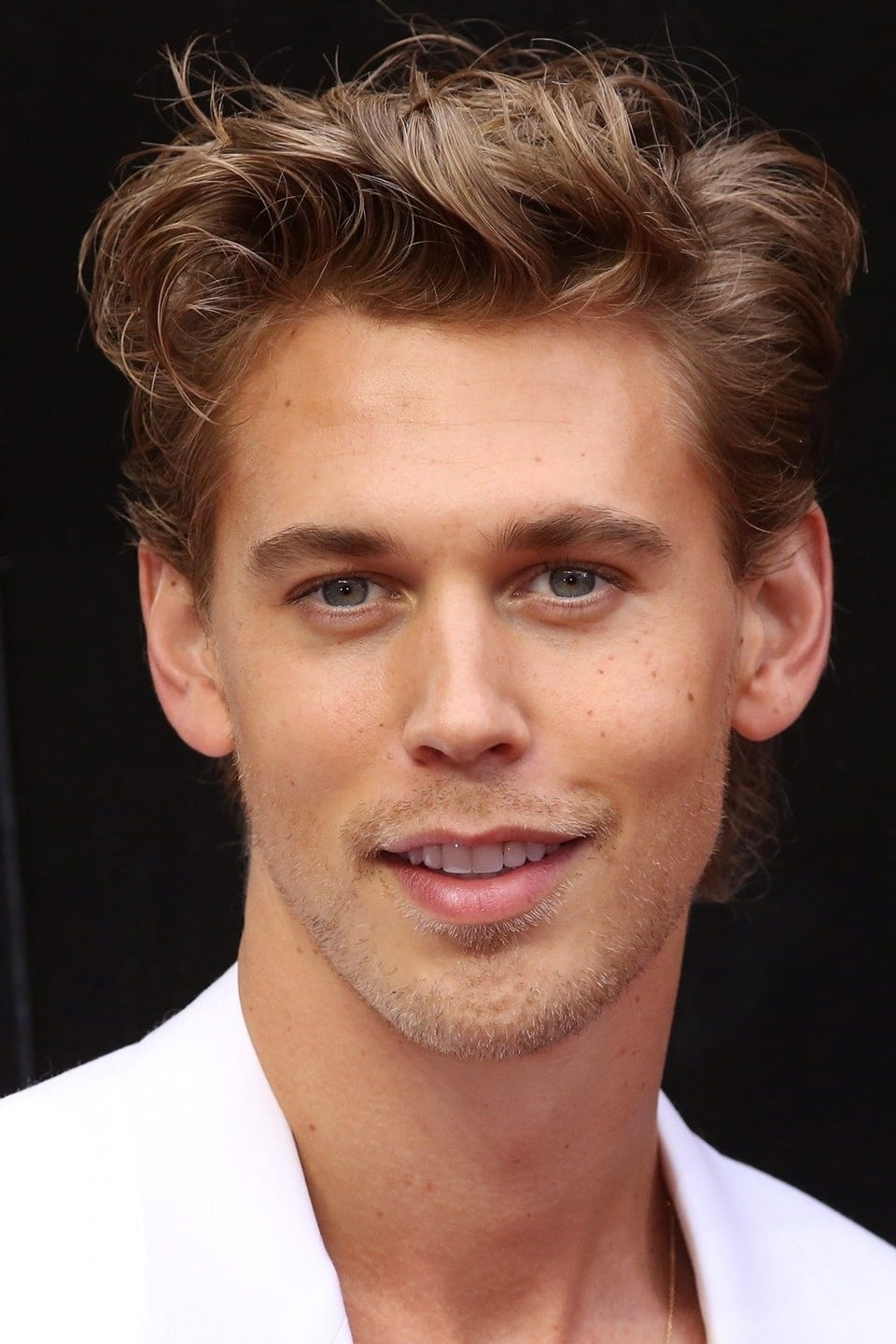
Preparing to play Elvis in the 2022 film deeply affected Austin Butler’s health, both physically and emotionally. He shared that Tom Hanks suggested he start a new job right away to avoid a difficult emotional recovery after fully immersing himself in the role. Butler has since discussed how dangerous it can be for actors to lose themselves in a character without enough support. He believes mentorship and guidance are crucial for actors to safely navigate the psychological challenges of transforming for a role. His experience highlights the need for better support systems for actors who undergo significant physical changes.
Kit Harington
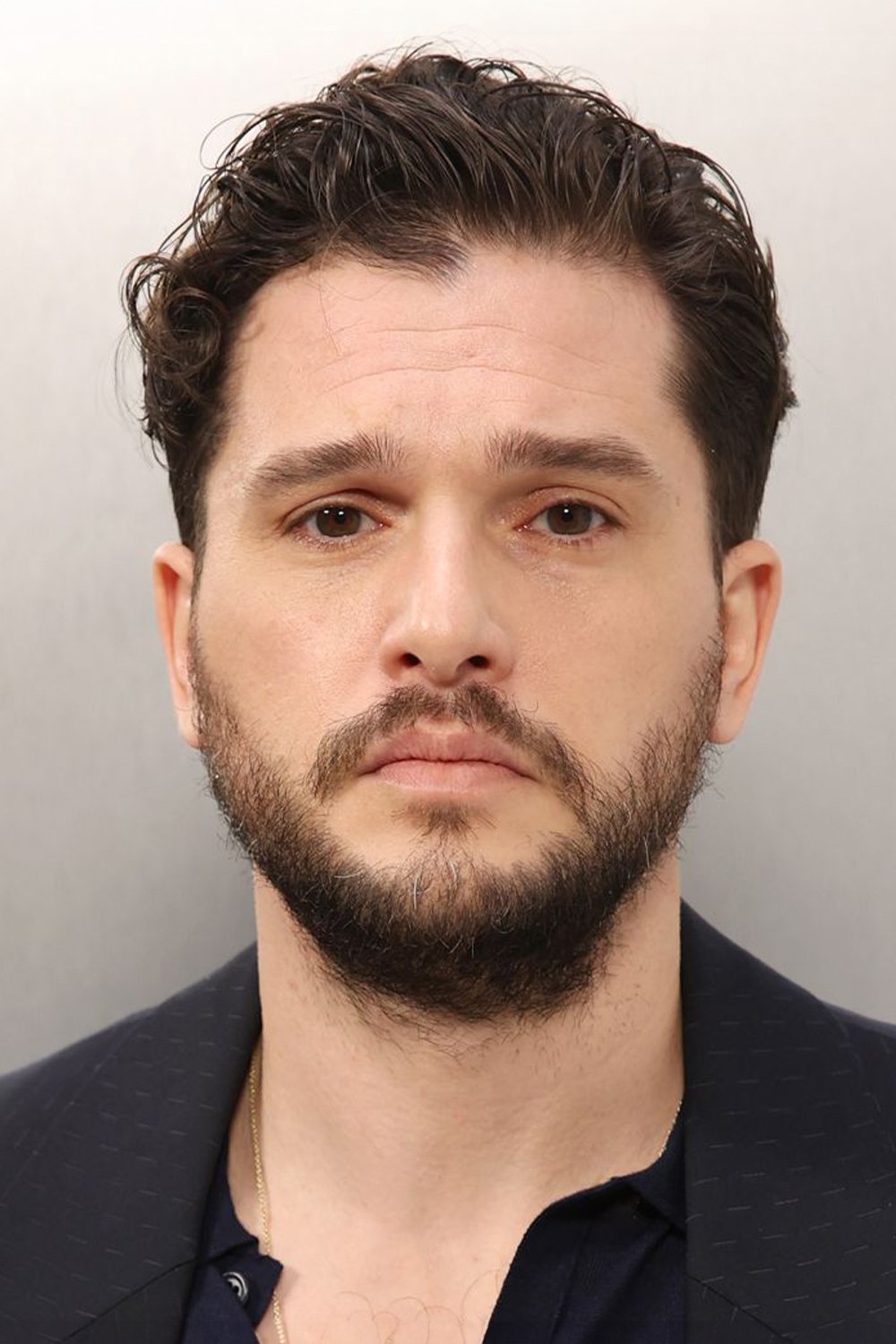
After ‘Game of Thrones’ ended (2011–2019), Kit Harington sought help at a wellness center to manage stress and his relationship with alcohol. He’s openly discussed how overwhelming instant fame was and the pressure he felt to appear strong in public. Harington believes the entertainment industry needs to do more to support actors after they finish working on long-running shows, explaining that the end of such a huge project can leave performers feeling lost and insecure. His experience underscores the importance of mental health support for actors after filming wraps up.
Will Poulter
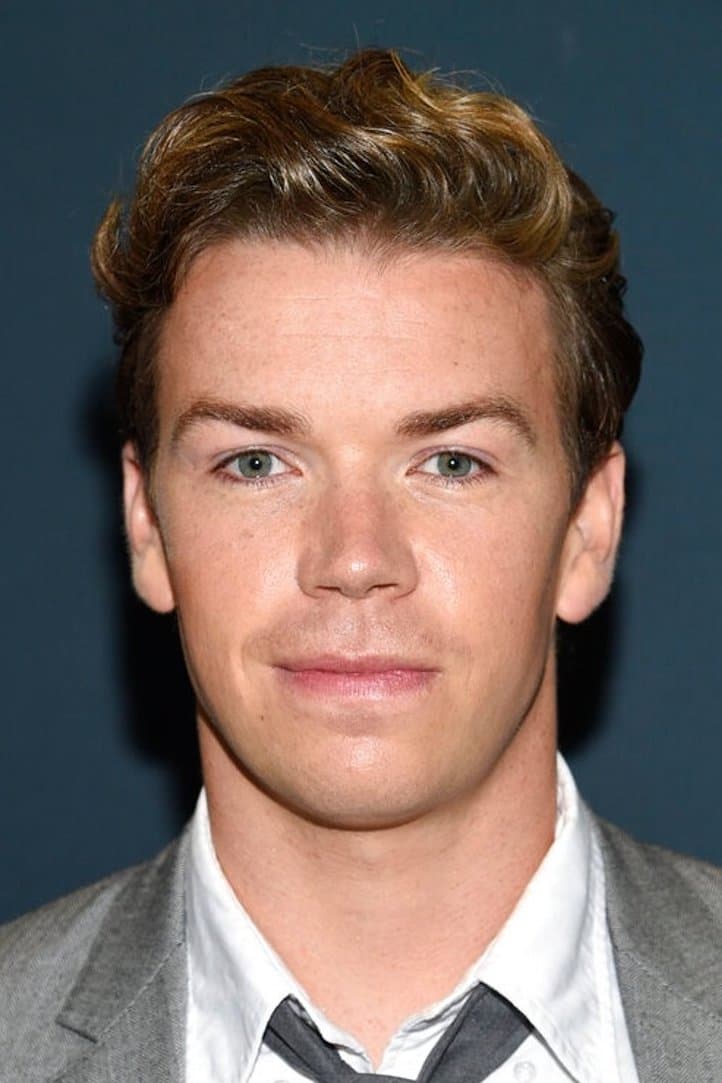
I’ve been really struck by what Poulter has said about method acting. He’s right – it shouldn’t ever be used as a reason to be difficult or make people feel unsafe on set. He believes, and I agree, that actors need to be disciplined and prioritize the well-being of everyone around them. It’s clear to him – and now to me – that you don’t need to actually suffer to give a believable performance. He’s really challenging the idea that being a dedicated actor means being difficult, and I think that’s a really important message for the industry.
Penn Badgley
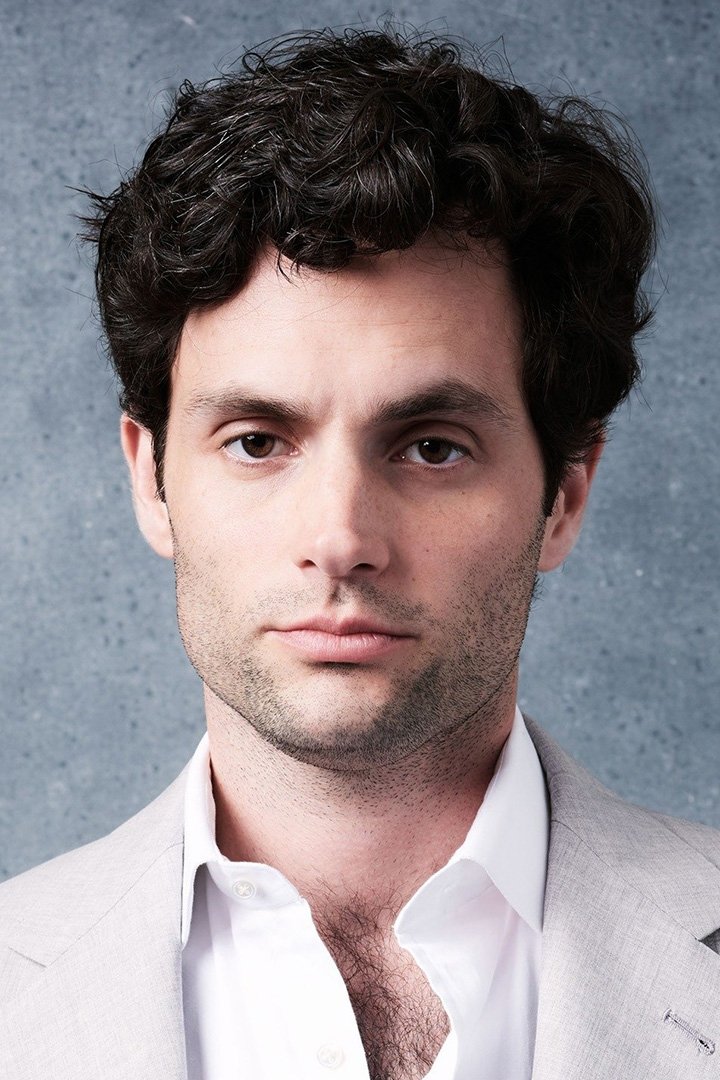
During his time filming the show ‘You’ (2018–2024), Penn Badgley asked for fewer intimate scenes to protect his mental health and respect his marriage. He strongly supports using intimacy coordinators – professionals who carefully plan and choreograph these scenes to ensure everyone involved feels safe and consents to everything. Badgley believes these coordinators are vital for easing the emotional pressure on actors, and his efforts have helped make them a common and accepted part of the filmmaking process. He demonstrates that actors can establish healthy personal boundaries without sacrificing the quality of their work.
David Harbour
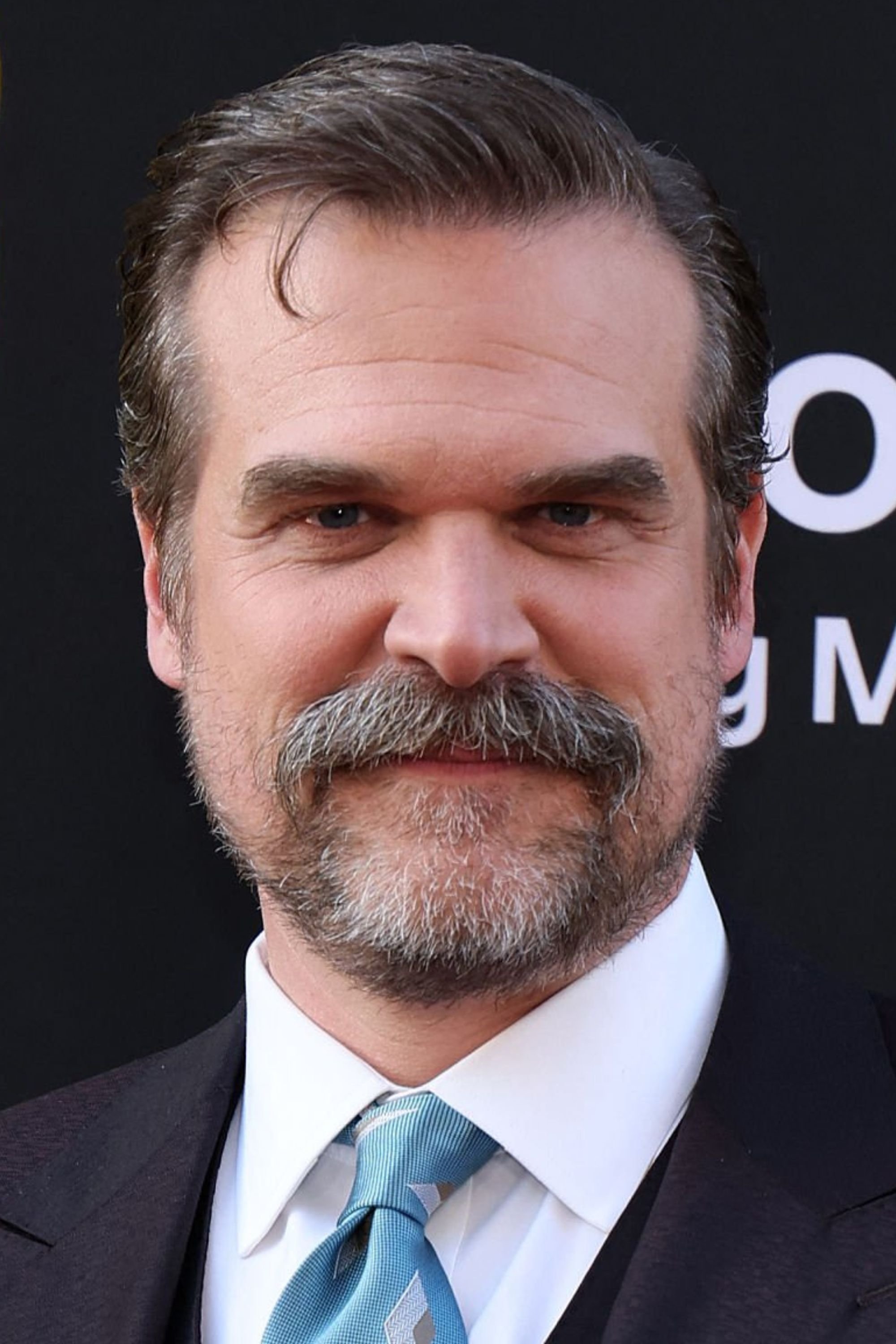
David Harbour, known for his role in ‘Stranger Things,’ has openly discussed his bipolar disorder and the importance of ongoing treatment, including medication and therapy. He explains how he balances managing his health with the demands of filming. Harbour is also a strong voice for creating a more supportive environment in the entertainment industry for actors with mental health conditions or neurodiversity. He believes that with proper care and understanding from employers, people can thrive, even in high-pressure roles, and he’s proving that success isn’t limited by mental illness.
Justin Baldoni

As a film lover, I’m really impressed with what Justin Baldoni is doing with his work, especially ‘Man Enough’. He’s basically pushing for a new kind of masculinity – one where guys are allowed to be vulnerable and ask for help when they need it. It’s amazing to me that he actively builds sets where people feel safe expressing emotions, instead of bottling them up. He genuinely prioritizes the mental wellbeing of everyone involved in his projects, and I think that’s huge. He sees breaking down harmful ideas about what it means to be a man as key to actually improving mental health support within the whole Hollywood system. Honestly, his approach feels like a real guide for creating kinder, more emotionally aware sets – and I hope we see a lot more of it.
Andrew Garfield
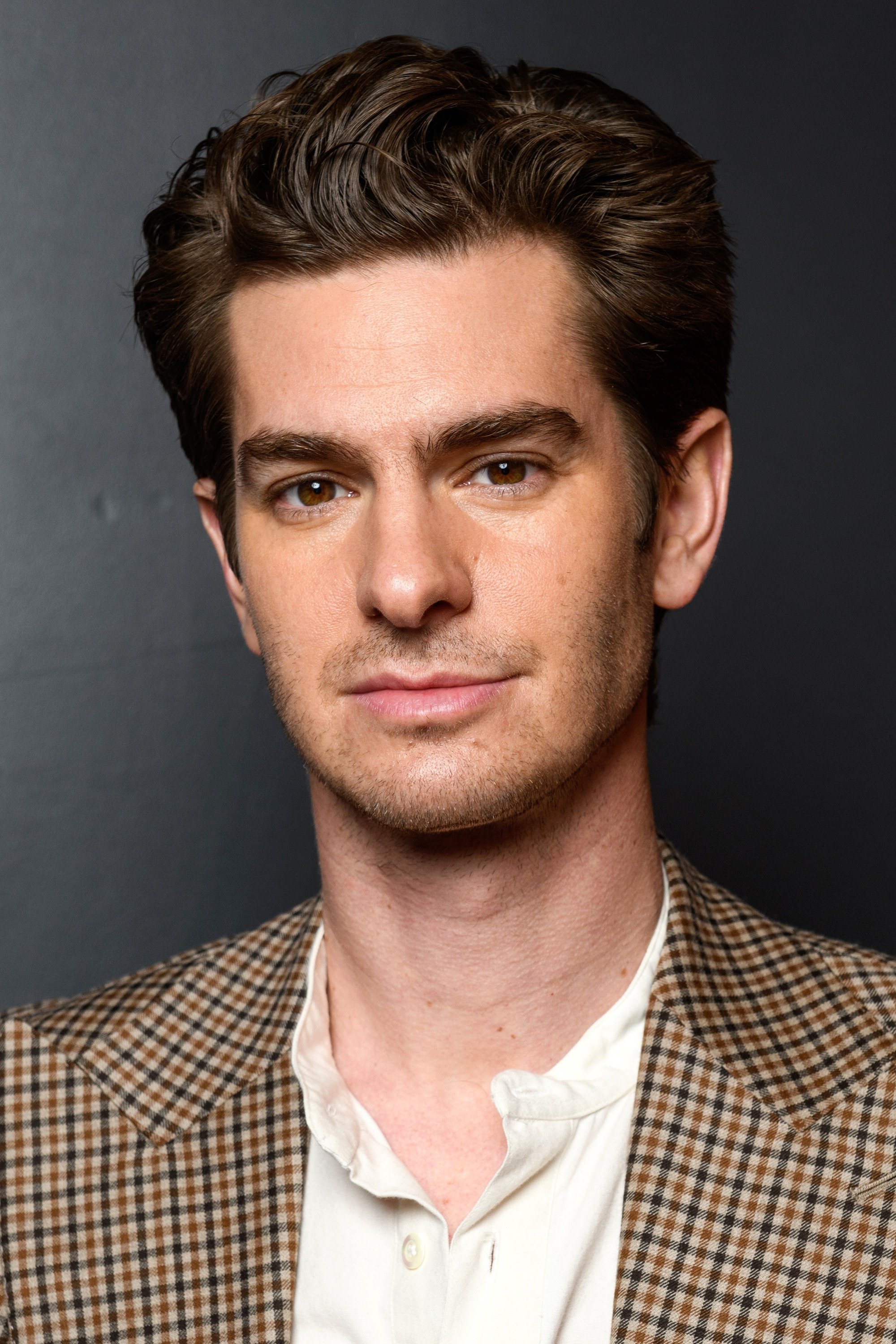
Garfield has shared thoughtful insights on grief and how it connects to his acting. He believes film sets should allow actors to deal with personal loss openly, without feeling pressured to hide their feelings. He stresses that being vulnerable can enhance an actor’s performance, but only when the environment is supportive and safe. Garfield questions the common industry practice of pushing performers to continue working even when they’re going through difficult times, arguing that actors should be treated as people first and foremost.
John Boyega
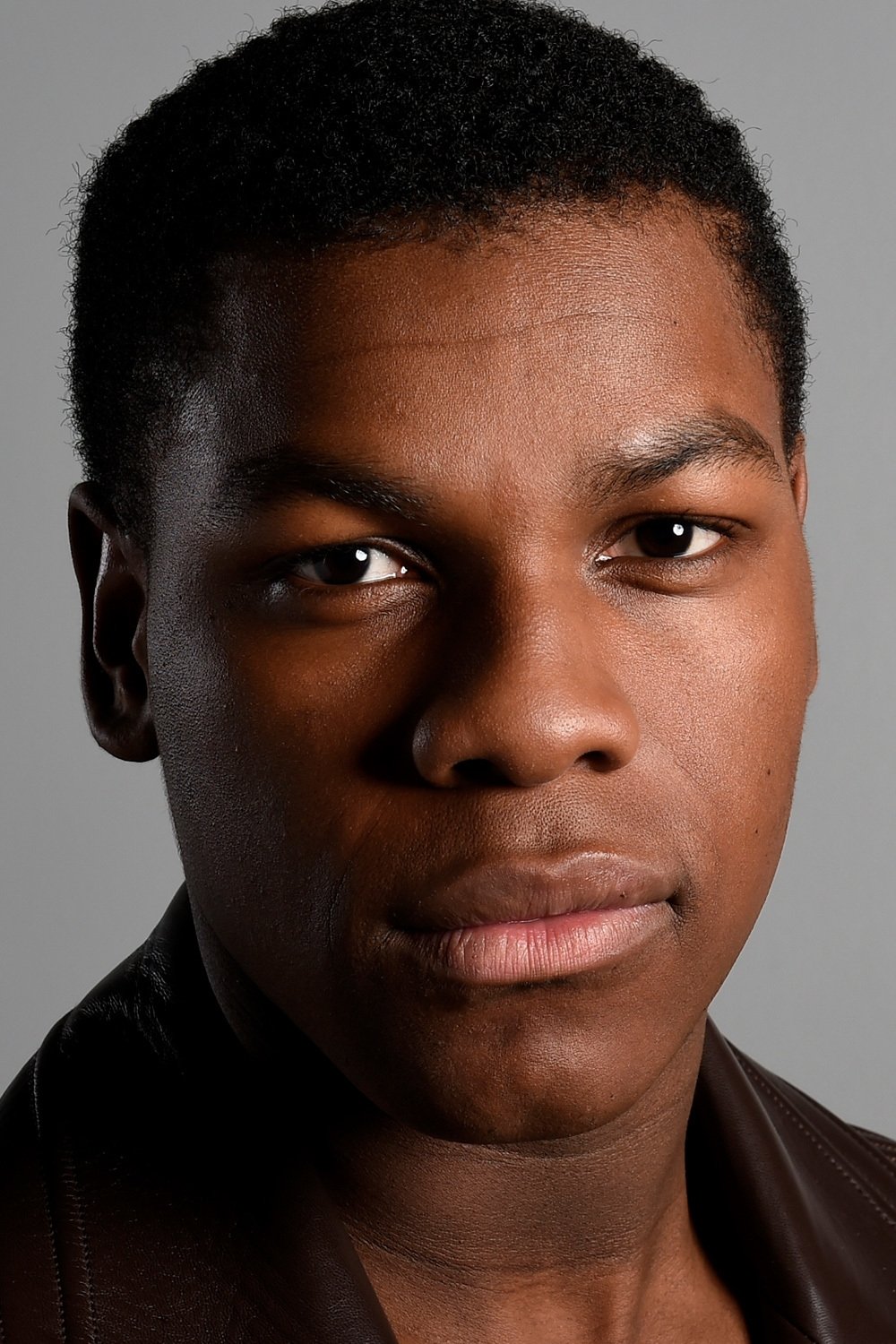
John Boyega has spoken out about the lack of support actors receive from big film studios when facing racist harassment and online abuse. He believes studios should be doing more to protect their actors, providing both mental health support and security when they’re targeted by negativity. Boyega wants studio leaders to actively step in and shield their stars from the harmful effects of toxic fan behavior, arguing that protecting an actor’s mental well-being means protecting them from public attacks. He’s pushing for studios to be more prepared and take better care of their talent’s welfare.
Ben Affleck
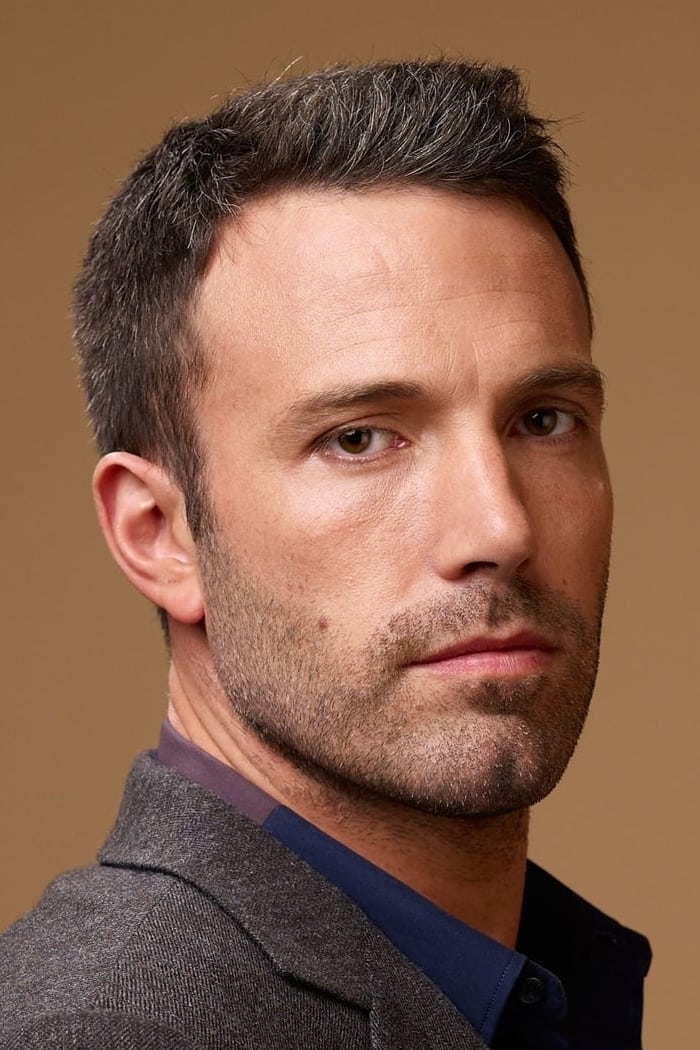
Ben Affleck, who has openly shared his own struggles with alcohol, is working to make it more common for people in the film industry to have support during recovery. He explains that staying sober can be especially hard with the long and unpredictable hours and often excessive lifestyle common on set. Affleck wants to reduce the shame around addiction, so others feel comfortable asking for help while working on projects. He’s used his own journey to guide colleagues facing similar challenges, and hopes to create more supportive and understanding workplaces.
Wil Wheaton
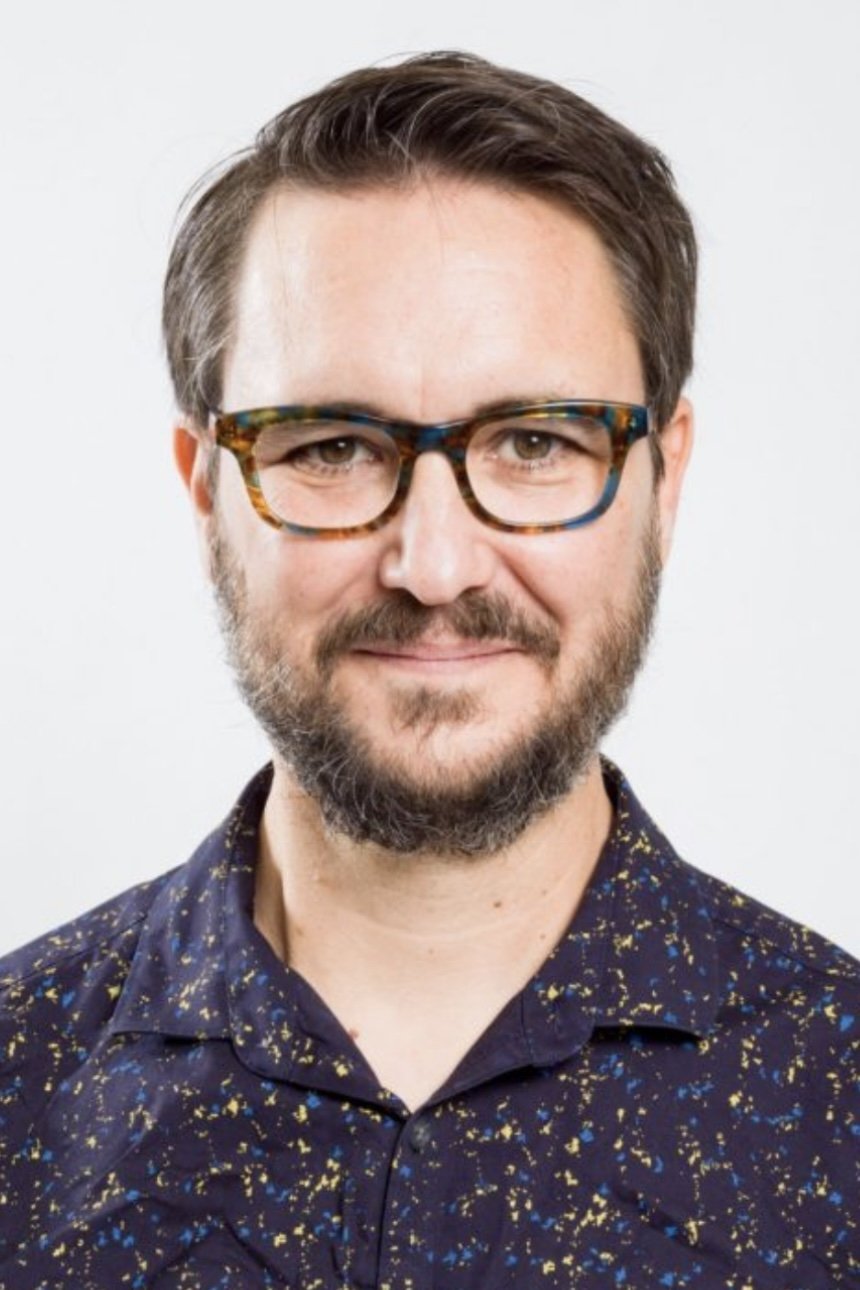
Wil Wheaton, who began his career as a child actor, is a strong voice for protecting young performers. He’s pushing for rules that limit how long children can work and require mental health support on set. Having experienced hardship himself, he shares his story to highlight the need for better protection and advocates for independent people to look out for kids’ well-being on set. Ultimately, he wants to prevent the exploitation and emotional harm of young actors in the future.
Terry Crews
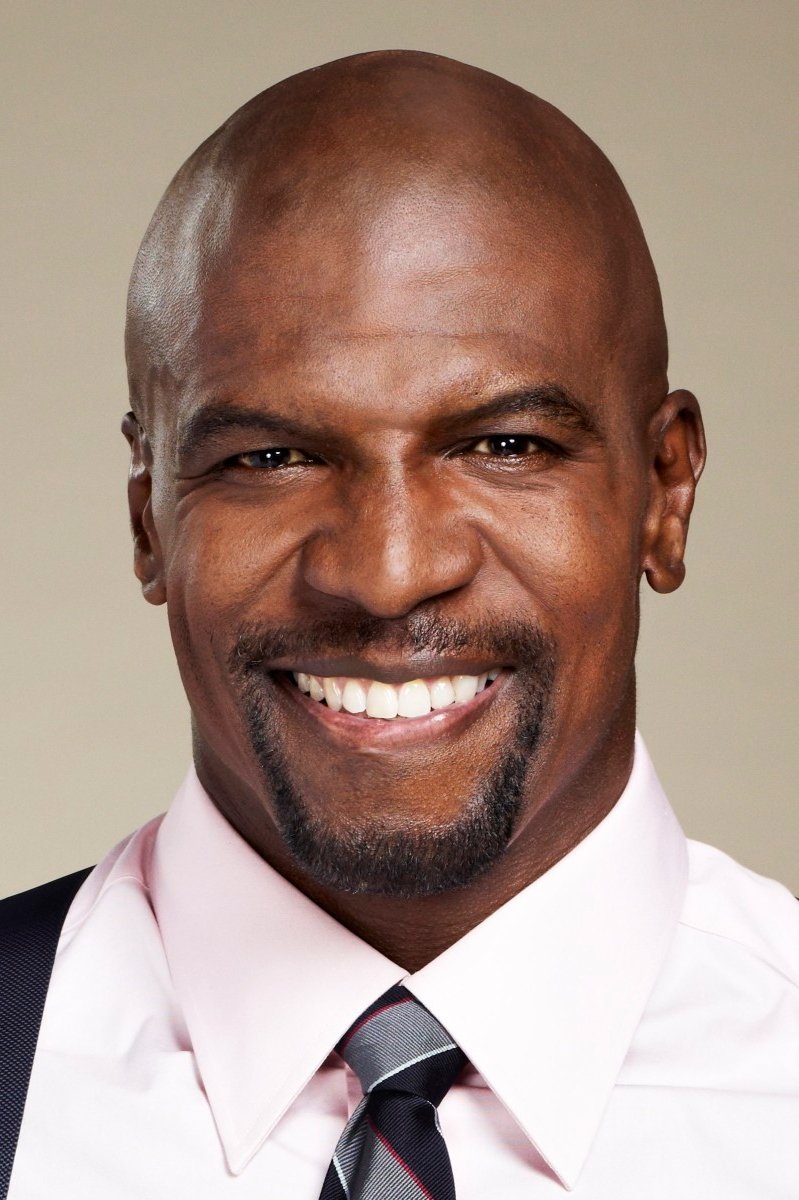
As a film lover, I was deeply moved by what Crews shared about his experiences with sexual assault and the way Hollywood often sweeps things under the rug. He’s absolutely right – we need real systems in place so people can report abuse without fear, and there needs to be zero tolerance for it on set. What really struck me was how he connected physical and mental well-being – they’re totally intertwined. He’s also urging men to step up, talk about their own trauma, and hold those in power accountable, which is incredibly brave. Honestly, speaking out has already made a difference, leading to more support for anyone facing harassment. It’s a powerful message and a necessary one for the industry.
Sebastian Stan
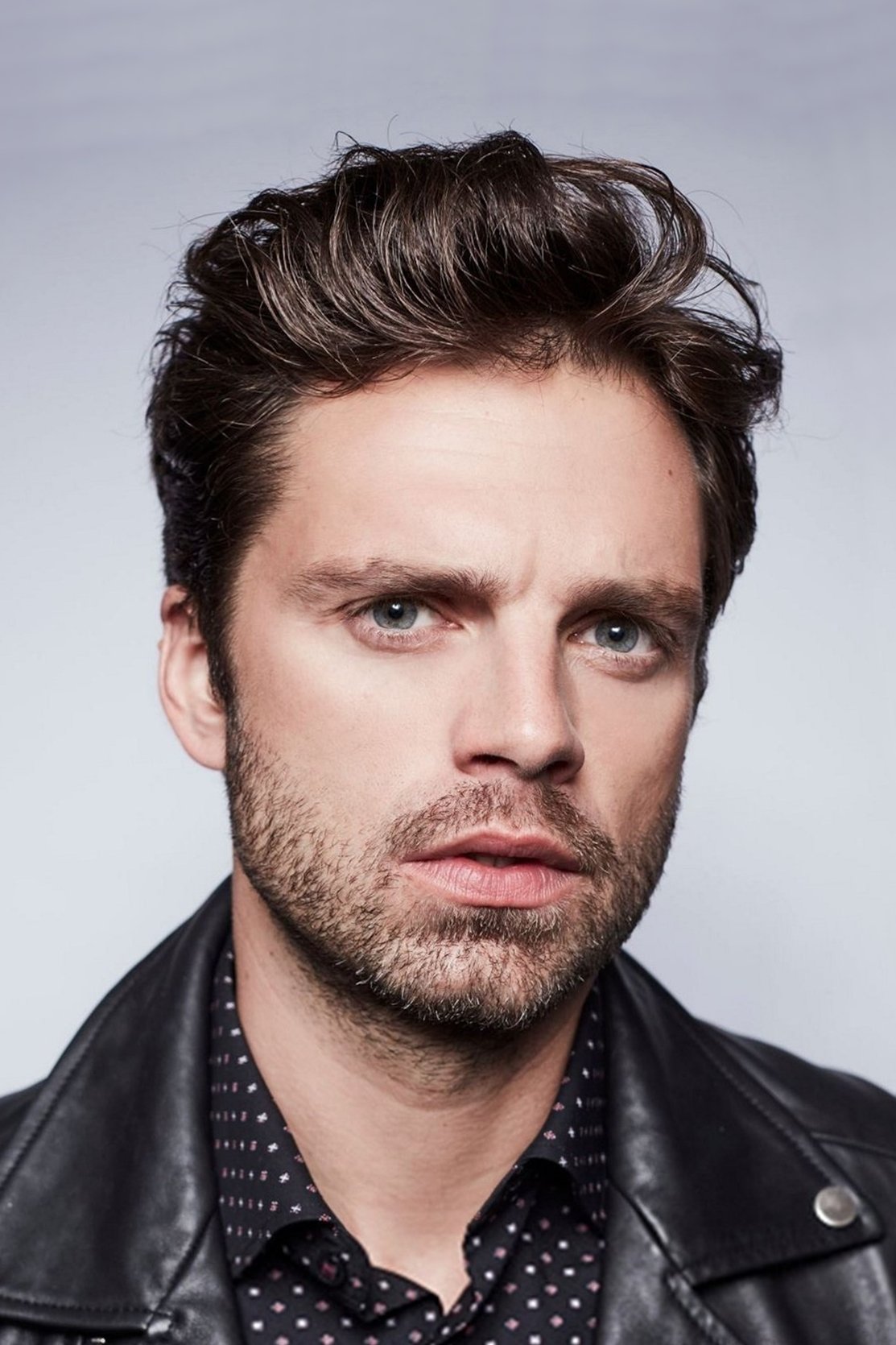
Through his portrayal of Bucky Barnes in the Marvel movies, Stan highlights the challenges of PTSD and the benefits of therapy. He often speaks about how important it is to take care of your mental health and to consider seeking professional help when needed. Stan champions stories that honestly depict the journey of healing from trauma, believing that when superheroes address their own mental health, it can inspire viewers to prioritize their well-being and seek support. This work helps connect entertainment with greater understanding of mental health.
Zachary Levi
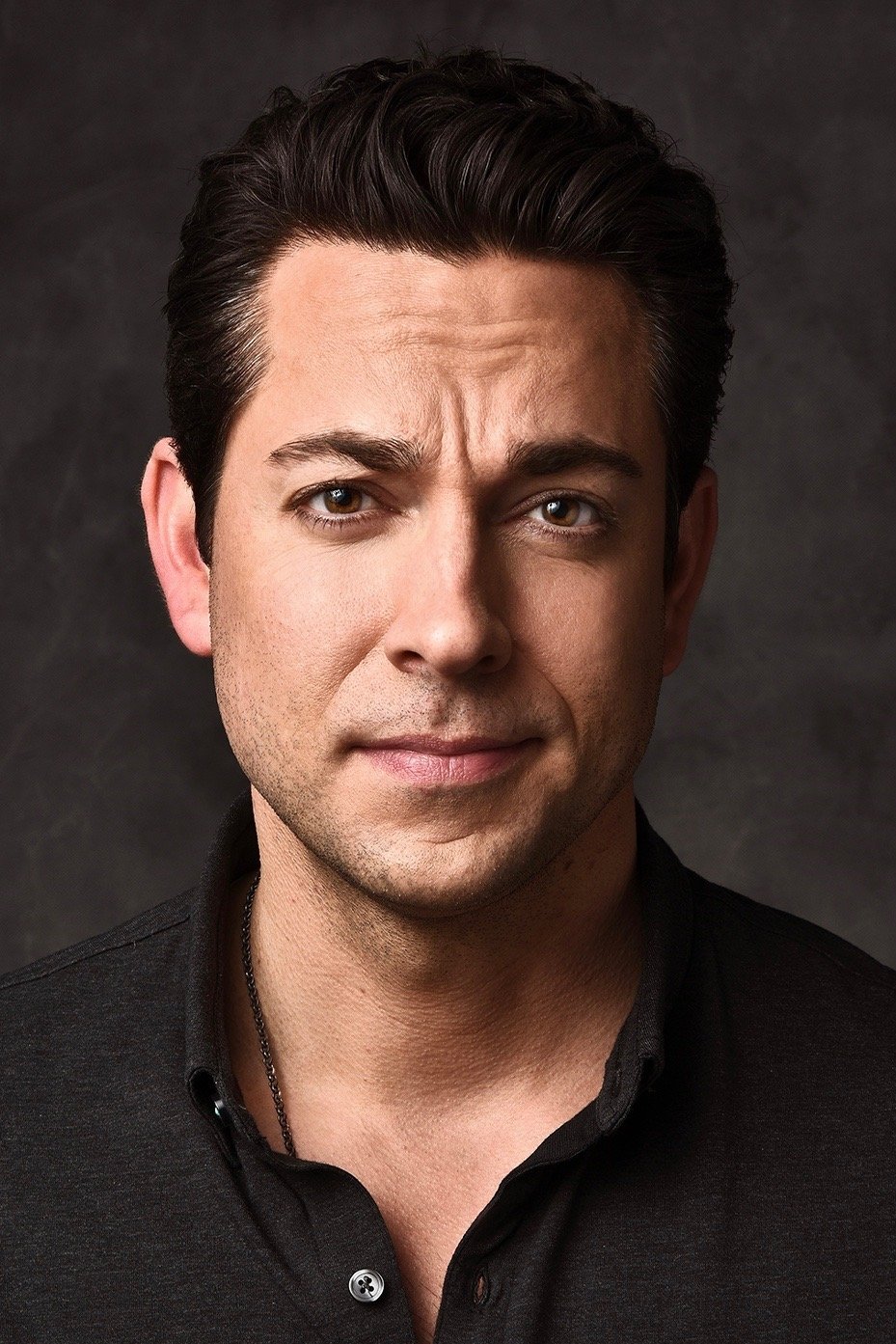
In his memoir and public appearances, Levi has openly shared his experiences with depression and suicidal thoughts. He champions the idea of “radical love” and wants to see mental health education become a standard part of the entertainment world. He encourages a supportive environment on set where colleagues look out for each other and build a sense of community. Levi believes mental health support should be readily available, not just offered after a problem arises, and ultimately wants to make mental wellness a core part of how creative projects are made.
Jared Padalecki
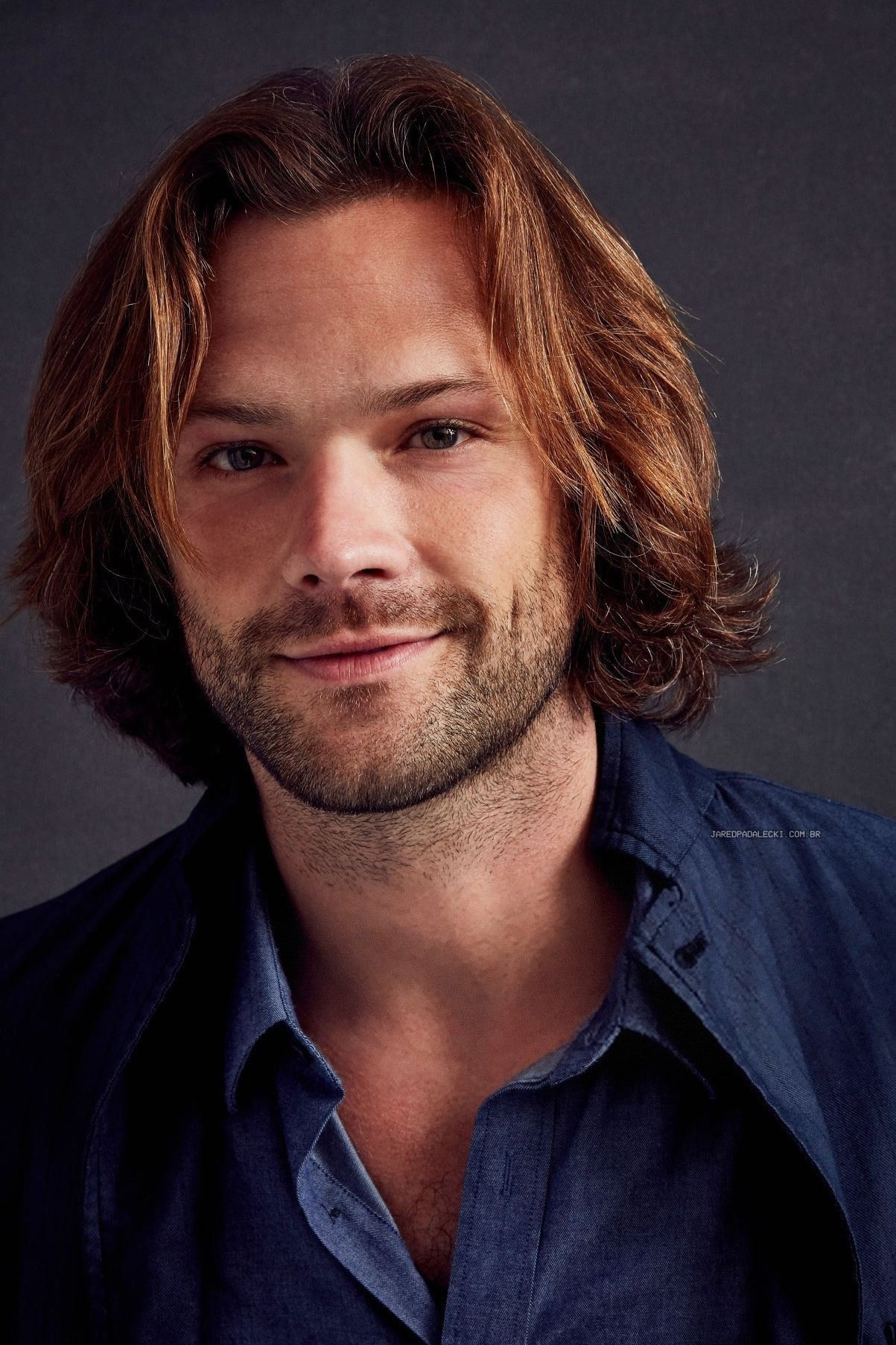
While filming the TV show ‘Supernatural’ (2005–2020), Jared Padalecki struggled with significant anxiety and depression, which inspired him to create the ‘Always Keep Fighting’ campaign. Through this, he champions the need for mental health support and open communication about boundaries for everyone working in the entertainment industry. Padalecki actively uses his public voice to raise money for mental health organizations and crisis resources. He stresses how important it is to have a strong community, especially during demanding and isolating film shoots. His efforts have built a real network of support for both his fans and those he works with.
Stephen Amell
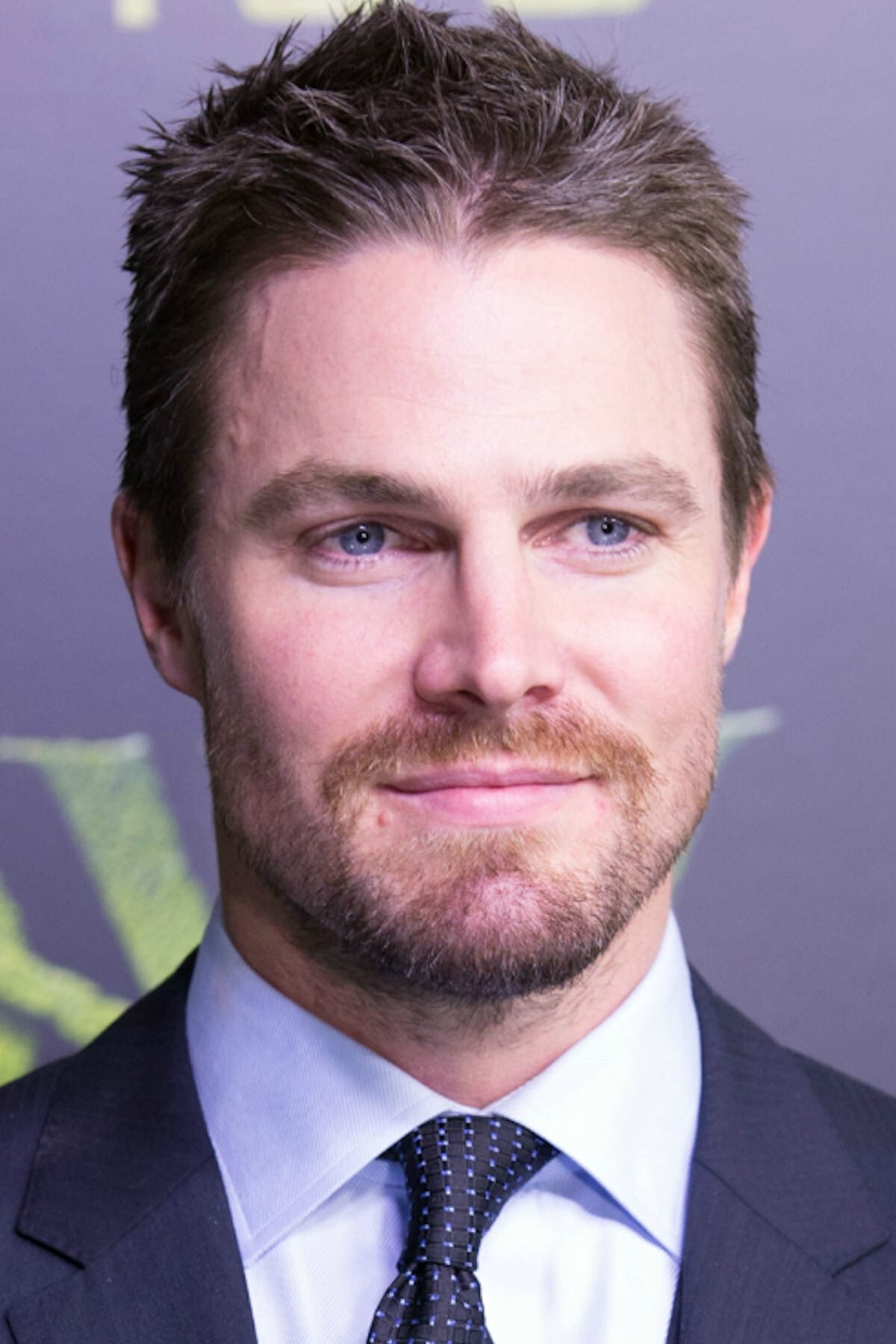
Stephen Amell, known for his role in ‘Arrow,’ recently shared that he experienced a panic attack during a podcast appearance and needed to take some time off afterward. He’s encouraging fellow actors to pay attention to the physical signs of burnout and anxiety, and to prioritize taking breaks to recharge. Amell believes the demanding schedules of television work need to be handled better to avoid exhaustion, and he hopes his openness will encourage other leading actors to speak up about their need for rest.
Wentworth Miller
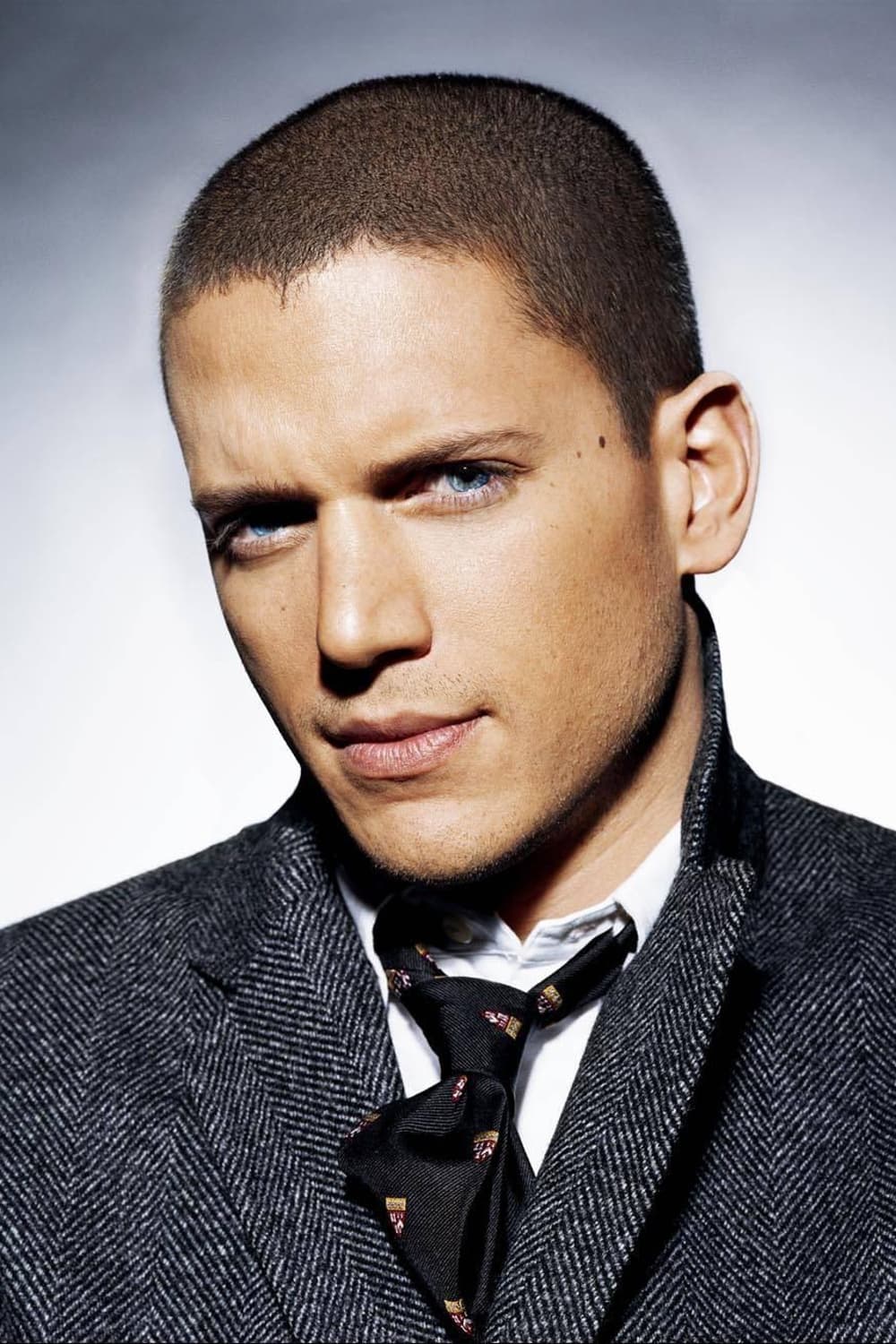
Lane Miller, known for his work on ‘Prison Break,’ openly discussed his battles with severe depression and suicidal thoughts after leaving the show. He now champions the importance of actors setting firm limits on the roles they take to safeguard their mental well-being. Miller, who has shared his autism diagnosis, also advocates for more supportive and inclusive workplaces for neurodivergent individuals. He urges performers to stay true to themselves, even when it clashes with industry pressures, emphasizing the need for self-care in the challenging world of acting.
Bill Hader
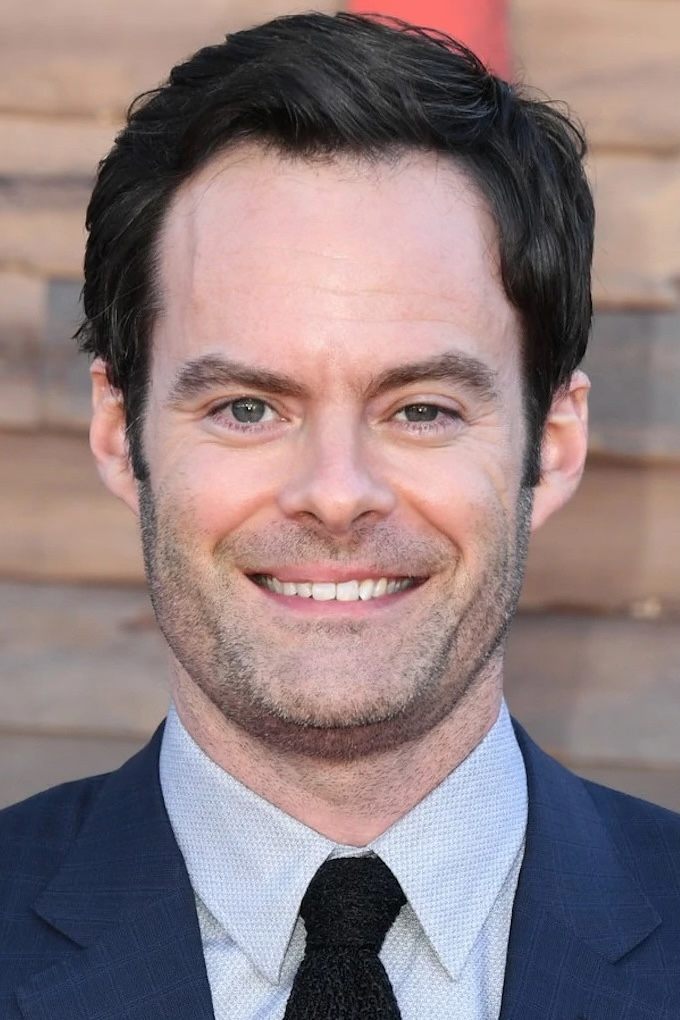
Bill Hader has openly discussed his severe anxiety while working on ‘Saturday Night Live’ and the show ‘Barry.’ He’s a strong advocate for being honest about performance anxiety and using therapy to cope with panic attacks on set. Hader wants to break down the idea that performers are always calm and self-assured, and he stresses that anxiety can be overcome with the right help and support. By sharing his own experiences, he’s helping to reduce the stigma around performance anxiety for other actors.
Kendrick Sampson
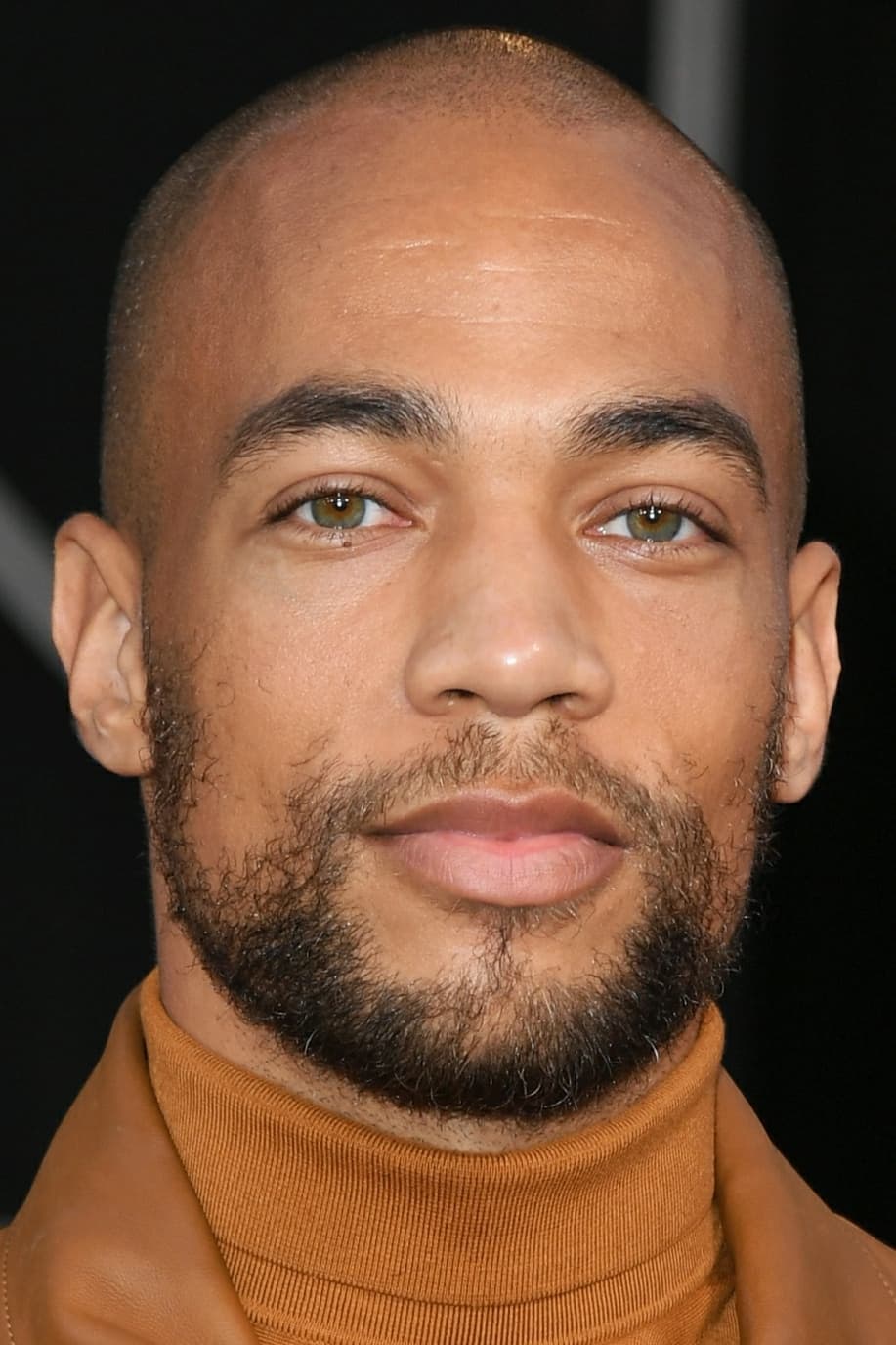
Sampson, through his organization BLD PWR, champions mental health support tailored for Black creatives and activists working in Hollywood. He’s urging the entertainment industry to acknowledge the combined impact of systemic racism and the need for therapists who understand cultural nuances. He wants film and television sets to be welcoming environments, free from subtle discrimination and prejudice. Sampson argues that lasting mental well-being depends on real, lasting changes to address inequality, and sees a strong link between social justice and individual mental health.
Simu Liu
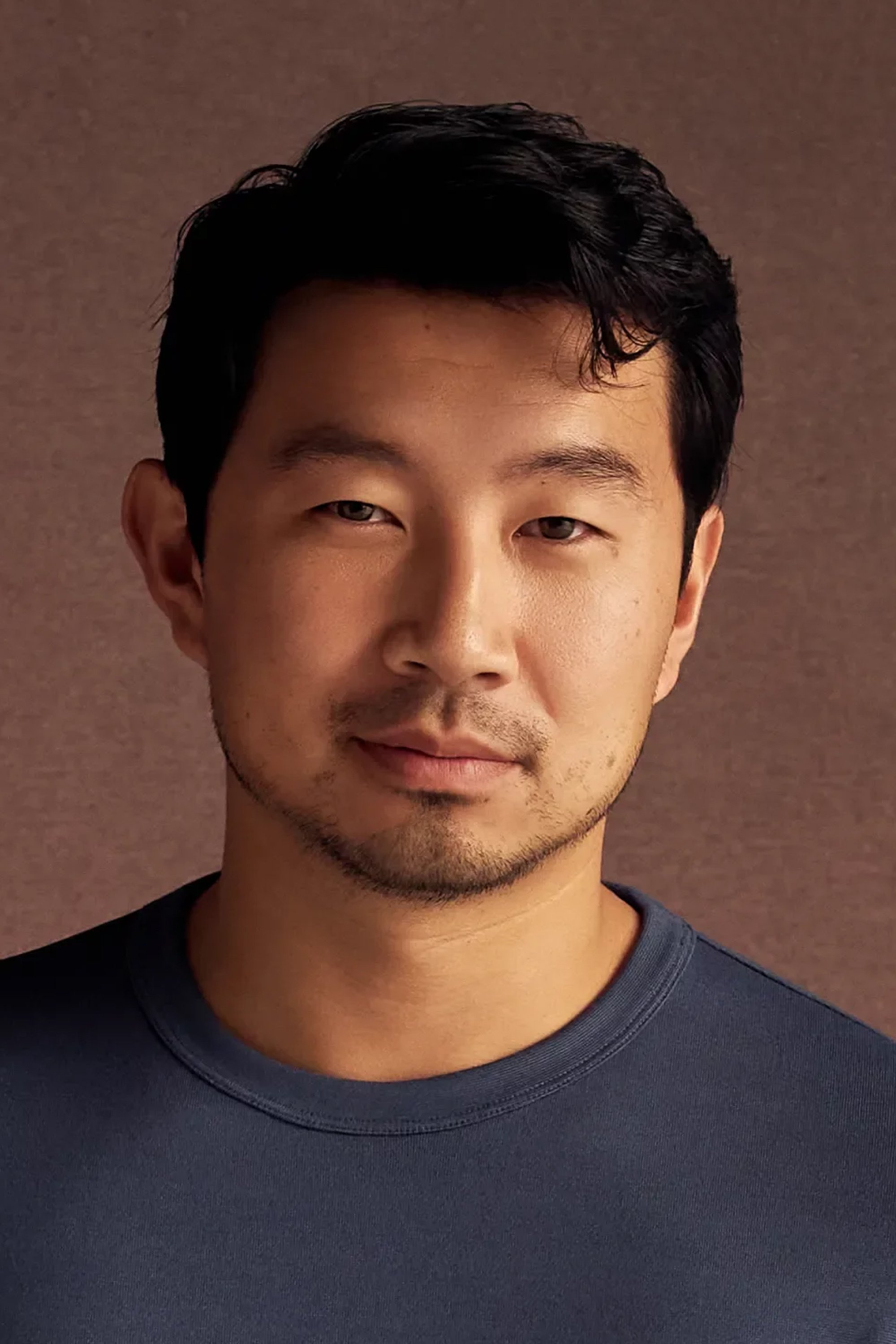
Simu Liu, known for his role in ‘Shang-Chi and the Legend of the Ten Rings,’ has discussed the significant pressure he felt representing his community and how he turned to therapy to cope. He’s a strong advocate for making mental health support more accessible, especially for immigrant families who may face cultural stigmas around seeking help. Liu advises young actors to focus on their mental wellbeing as much as their physical training, and he openly shares his own therapy experiences online to help normalize the process. His experiences bring an important new voice to the conversation about representation and the mental health challenges that can come with it.
Robert Pattinson

Robert Pattinson has spoken about how preparing for roles like ‘The Batman’ (2022) triggered body image issues and anxiety. He believes actors should prioritize their mental health when physically transforming for a part, and he’s critical of the unrealistic and potentially harmful expectations within the film industry. Pattinson argues that achieving a certain physique shouldn’t come at the expense of an actor’s well-being, and he’s challenging the industry’s focus on unattainable body standards for men.
David Harewood
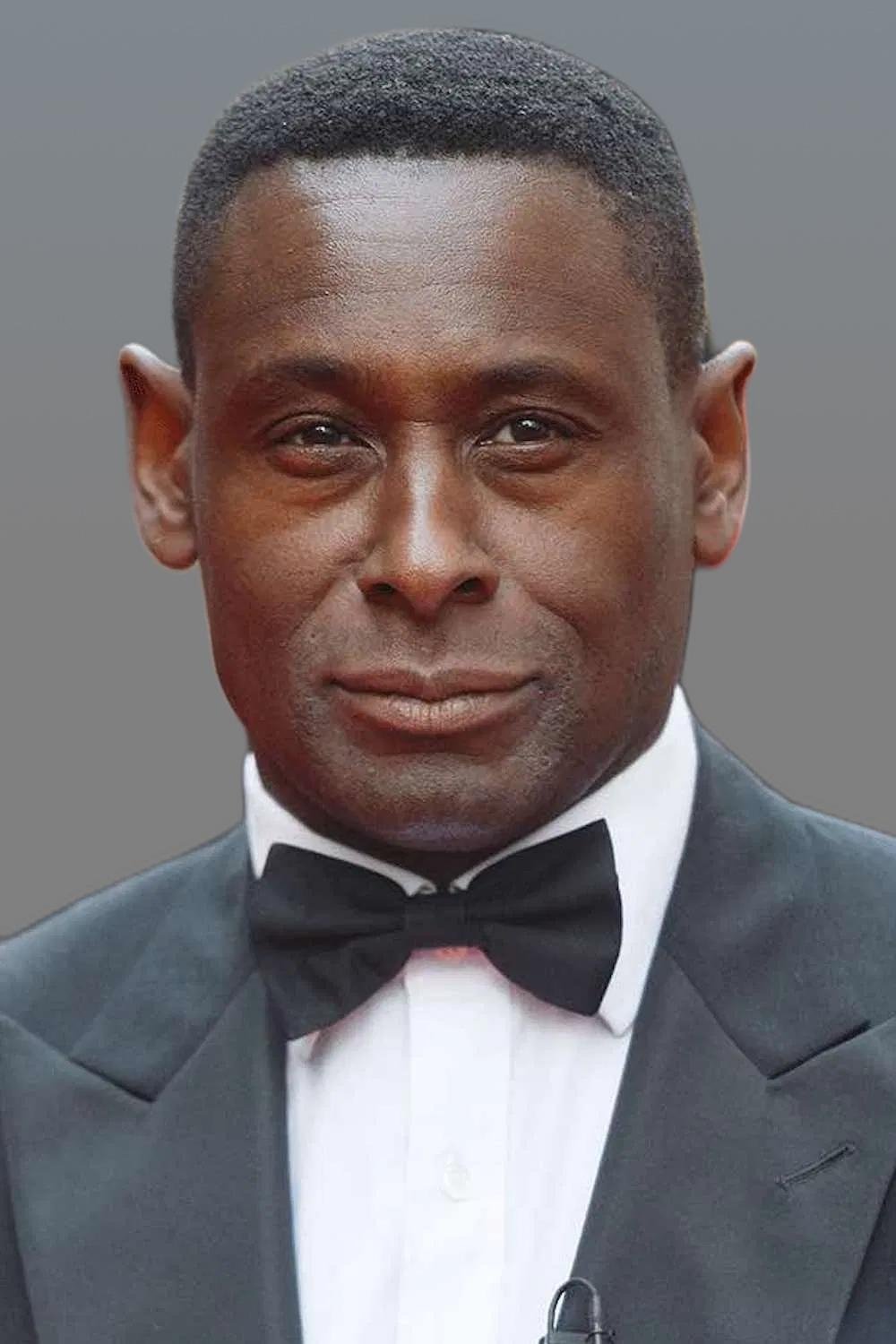
Following his own experience with psychosis, David Harewood made the 2019 documentary ‘Psychosis and Me’ to raise awareness about the condition. He’s a strong voice for improved support and understanding for actors facing serious mental health challenges. Harewood points out that the entertainment industry frequently abandons performers who are struggling instead of helping them. He believes a more caring approach is needed, one that allows actors to heal and continue their careers. His work brings attention to the most critical mental health issues.
Stephen Fry
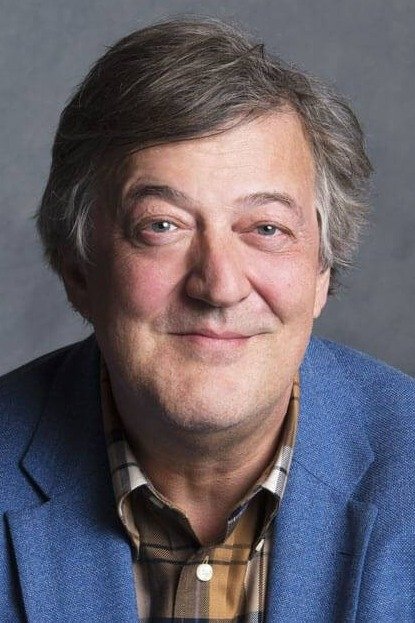
Stephen Fry has been a dedicated voice for bipolar disorder awareness for many years. He’s used his platform to push for improved mental health services and greater understanding of the condition. Fry is candid about his own struggles with suicidal thoughts and stresses the importance of both medication and therapy. He also champions a more supportive entertainment industry for those with mood disorders, pointing out the frequent connection between creativity and mental health. Through his consistent advocacy, Fry has ensured mental health remains a vital conversation within British entertainment.
Simon Pegg
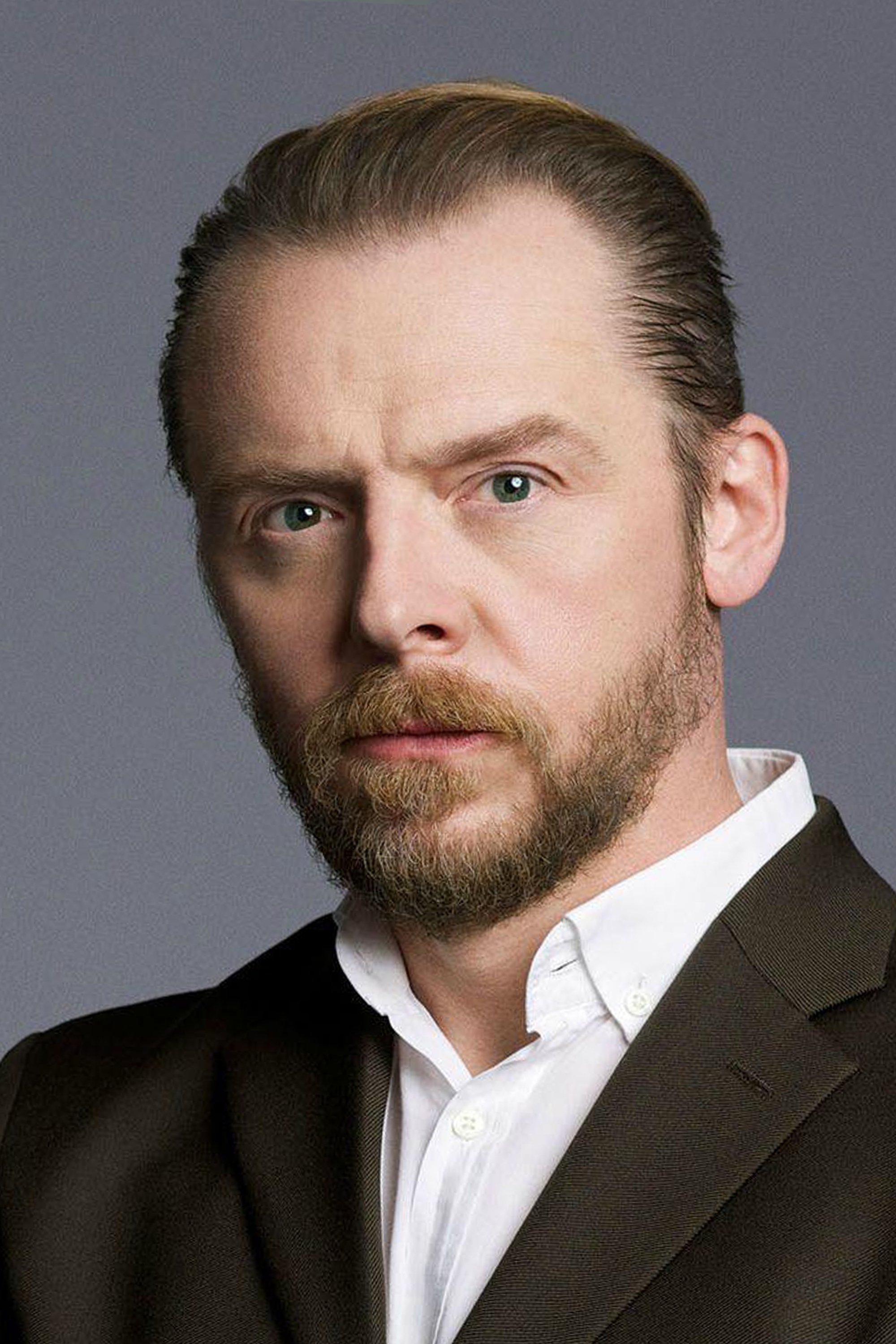
For years, Simon Pegg secretly struggled with alcoholism and depression, even while working on big movies like ‘Mission: Impossible’. Now, he’s speaking out, urging people to be open about their struggles and calling for better support for those in the entertainment industry battling addiction. He points out that many people successfully hide their addictions while still appearing to function well, and that it’s important to approach these issues with understanding. Pegg believes people can get better without sacrificing their careers, and hopes his experience will inspire others to seek help before things get worse.
Brad Pitt
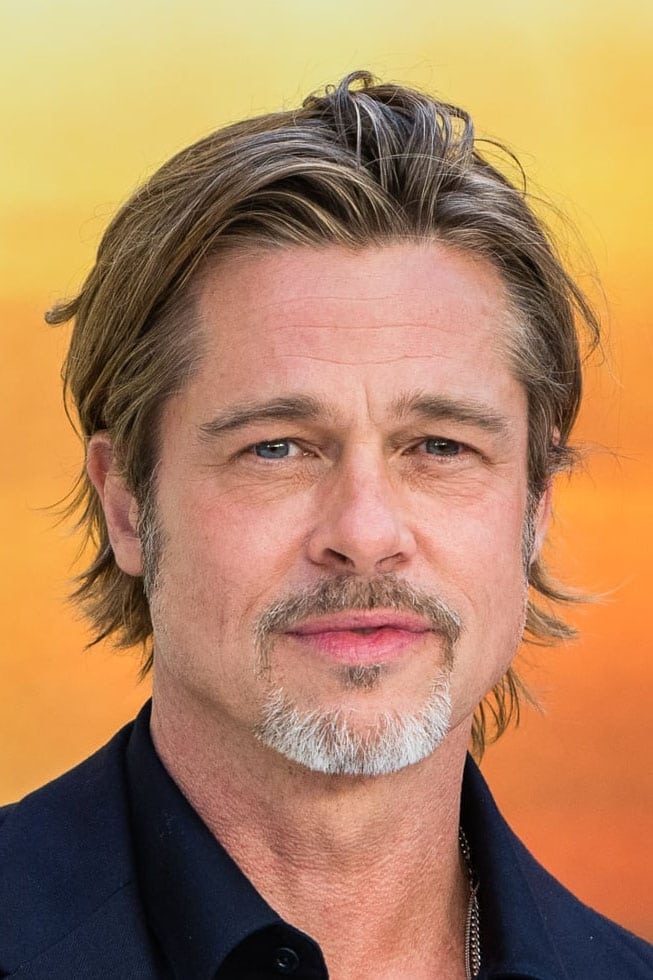
Brad Pitt has recently shared his experiences with getting sober and attending a men’s support group. He believes it’s important for men to have safe, confidential spaces where they can be open and honest with each other without being judged. Pitt says these groups have helped him understand and deal with his feelings and mistakes, and he highlights the power of community and shared experiences in the healing process. By speaking out, he’s helping to reduce the stigma around men seeking support.
Jesse Eisenberg
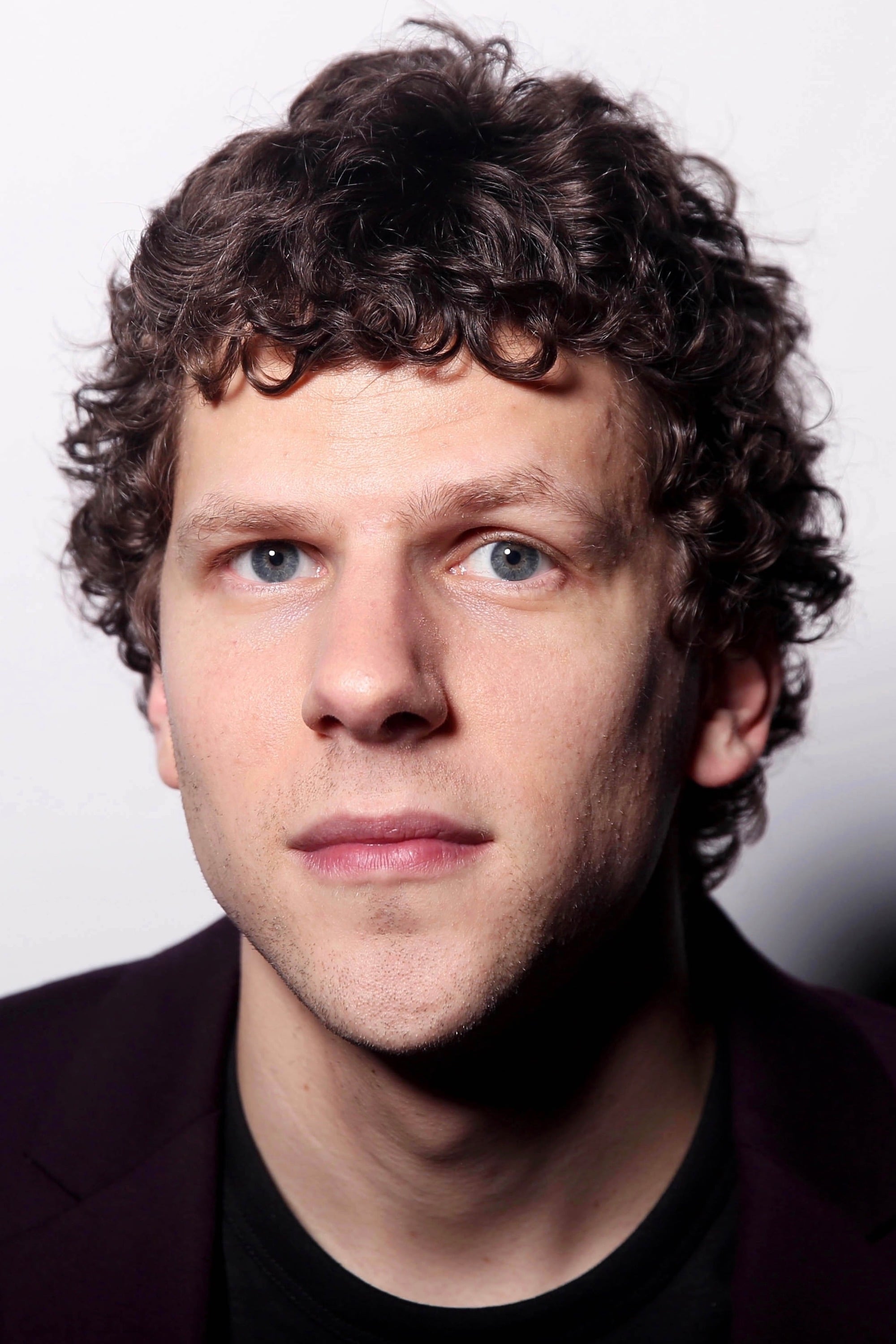
Jesse Eisenberg has often talked about his lifelong battles with OCD and anxiety. He believes it’s helpful to focus those feelings into his creative work, but also important to create boundaries to avoid exhaustion. He’s a strong advocate for understanding and support on film sets for people with different neurological conditions, and stresses that mental health issues shouldn’t hold anyone back from a successful career in the arts. By being open about his own experiences, he’s become an inspiring figure for neurodiverse people pursuing creative fields.
Dominic Monaghan
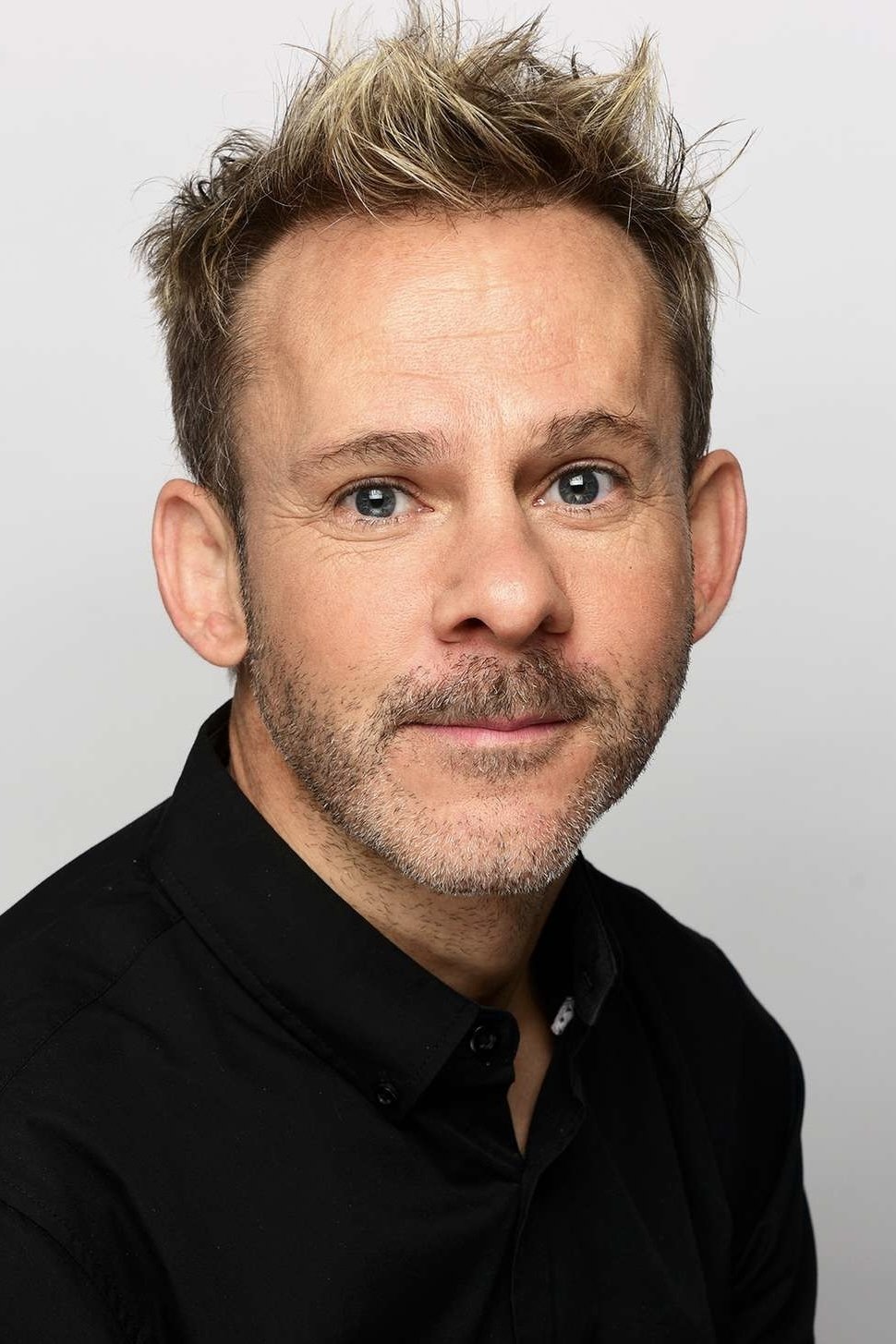
Monaghan uses his podcast to talk about his experiences in therapy and why looking after your mental health is so important. He encourages actors to prioritize their mental wellbeing just as much as their physical health. He also believes that open communication and support among cast members are crucial for creating a positive and safe work environment, ultimately leading to better work. His main message is about taking charge of your mental health and making it a priority.
Colin Farrell
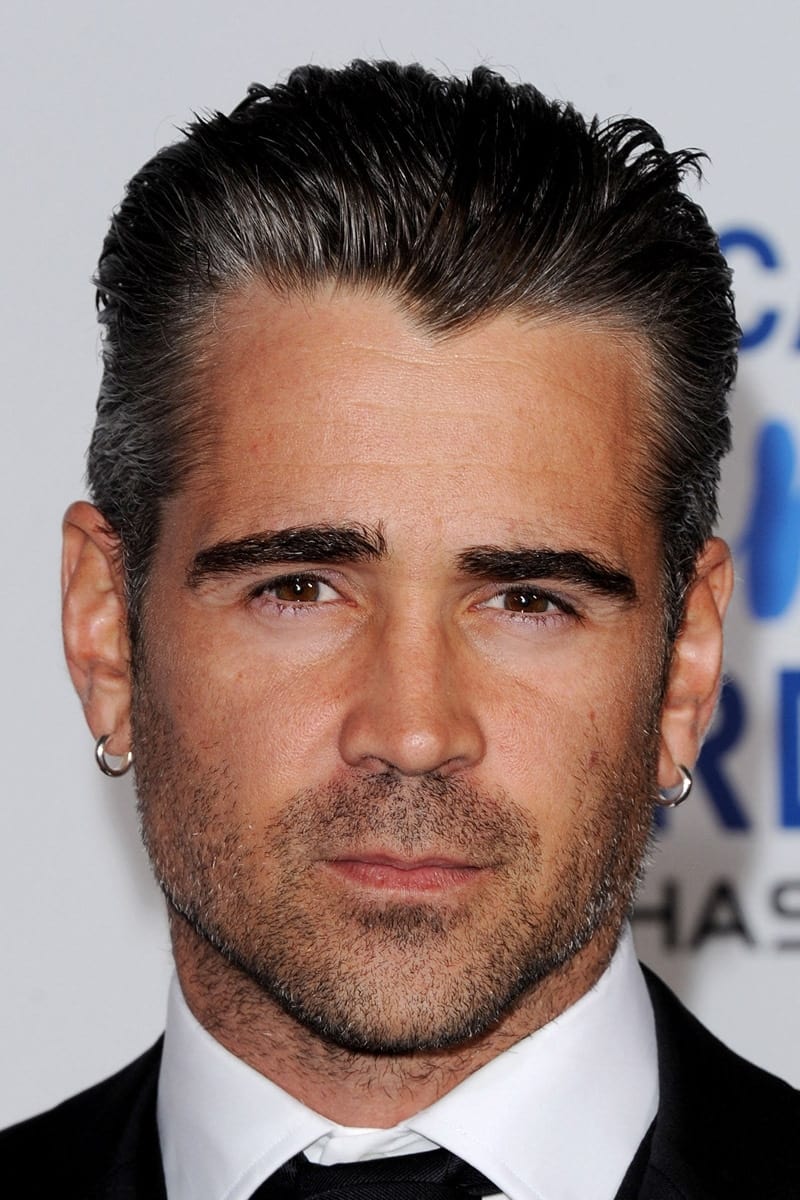
Colin Farrell is a strong believer in getting mental health support before a crisis hits, and he regularly seeks treatment himself to stay on track with his sobriety. He feels it’s much healthier to proactively use resources rather than waiting until things fall apart. Farrell often talks about the liberating feeling of being sober in Hollywood and encourages others to take advantage of available support to stay balanced. He sees ongoing therapy as a normal part of maintaining long-term recovery.
Read More
- Invincible Season 4 Gender Swaps Tech Jacket As Fans Question Major Comic Change
- Gold Rate Forecast
- 22 Films Where the White Protagonist Is Canonically the Sidekick to a Black Lead
- Unveiling the Schwab U.S. Dividend Equity ETF: A Portent of Financial Growth
- Why Won’t It Just *Do* What You Ask? Unpacking the Quirks of AI Language
- Superman Flops Financially: $350M Budget, Still No Profit (Scoop Confirmed)
- The Best Former NFL Players Turned Actors, Ranked
- Silver Rate Forecast
- 14 Movies Where the Black Character Refuses to Save the White Protagonist
- New HELLRAISER Video Game Brings Back Clive Barker and Original Pinhead, Doug Bradley
2026-02-04 12:20