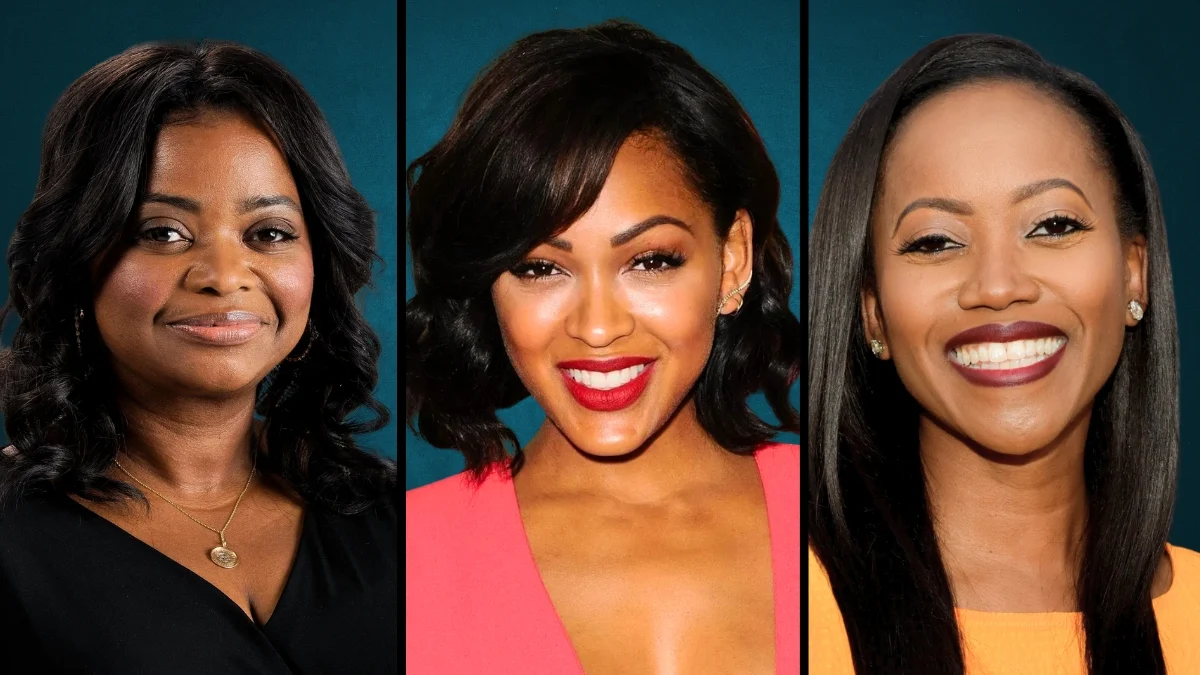
For many years, Hollywood often limited Black actresses to playing only a few types of characters, like the kind caregiver or the funny best friend. These patterns often started early in their careers, shaping how audiences saw them before they could fully demonstrate their talent. Though many of these actresses later overcame these limitations, achieving awards and creating their own work, their early films show how biased the industry used to be. This list highlights 30 Black actresses who dealt with being typecast when they were first starting out.
Hattie McDaniel
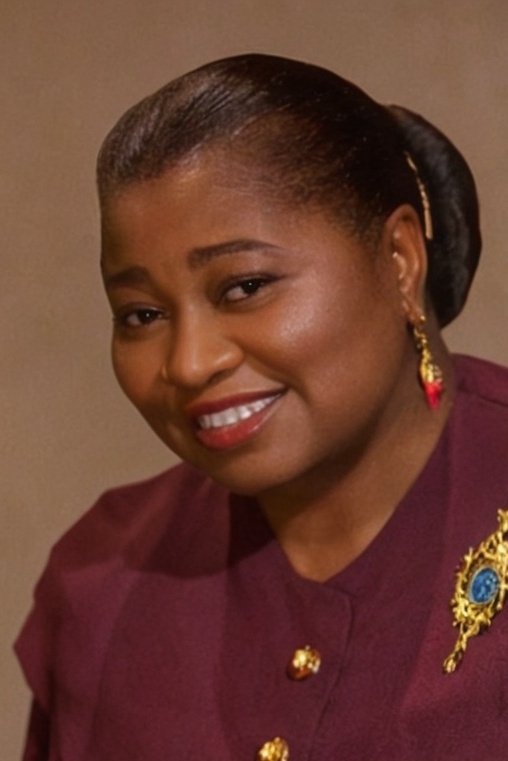
Hattie McDaniel made history as the first African American to win an Oscar, receiving the award for her portrayal of Mammy in the 1939 film ‘Gone with the Wind.’ During the 1930s, she appeared in over 40 movies, consistently playing roles as a housekeeper or maid, and became widely known as the definitive ‘Mammy’ figure. This typecasting was due to the lack of diverse roles for Black actors in Hollywood during that era. While a talented performer, McDaniel faced criticism from groups like the NAACP who believed her roles reinforced damaging stereotypes. She famously responded by saying she preferred portraying a maid on screen than being one in real life.
Dorothy Dandridge
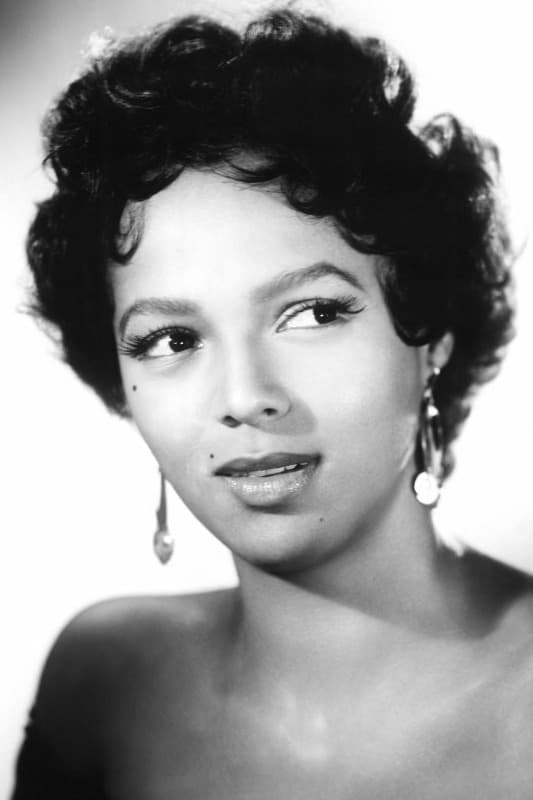
Dorothy Dandridge often played characters in the 1950s that fell into stereotypical tropes – either as a tragic mixed-race woman or a seductive temptress. Despite receiving an Academy Award nomination for ‘Carmen Jones’ in 1954, she found it difficult to secure leading roles that weren’t based on being overly sexualized or destined for misfortune. She was frequently cast as exotic characters in films like ‘Island in the Sun’ (1957) and ‘Tamango’ (1958), which prevented her from getting the diverse and complex roles that her white peers regularly received. Dandridge’s career is a stark illustration of how Hollywood’s narrow definitions of beauty, based on race and gender, limited the opportunities for Black actresses.
Viola Davis
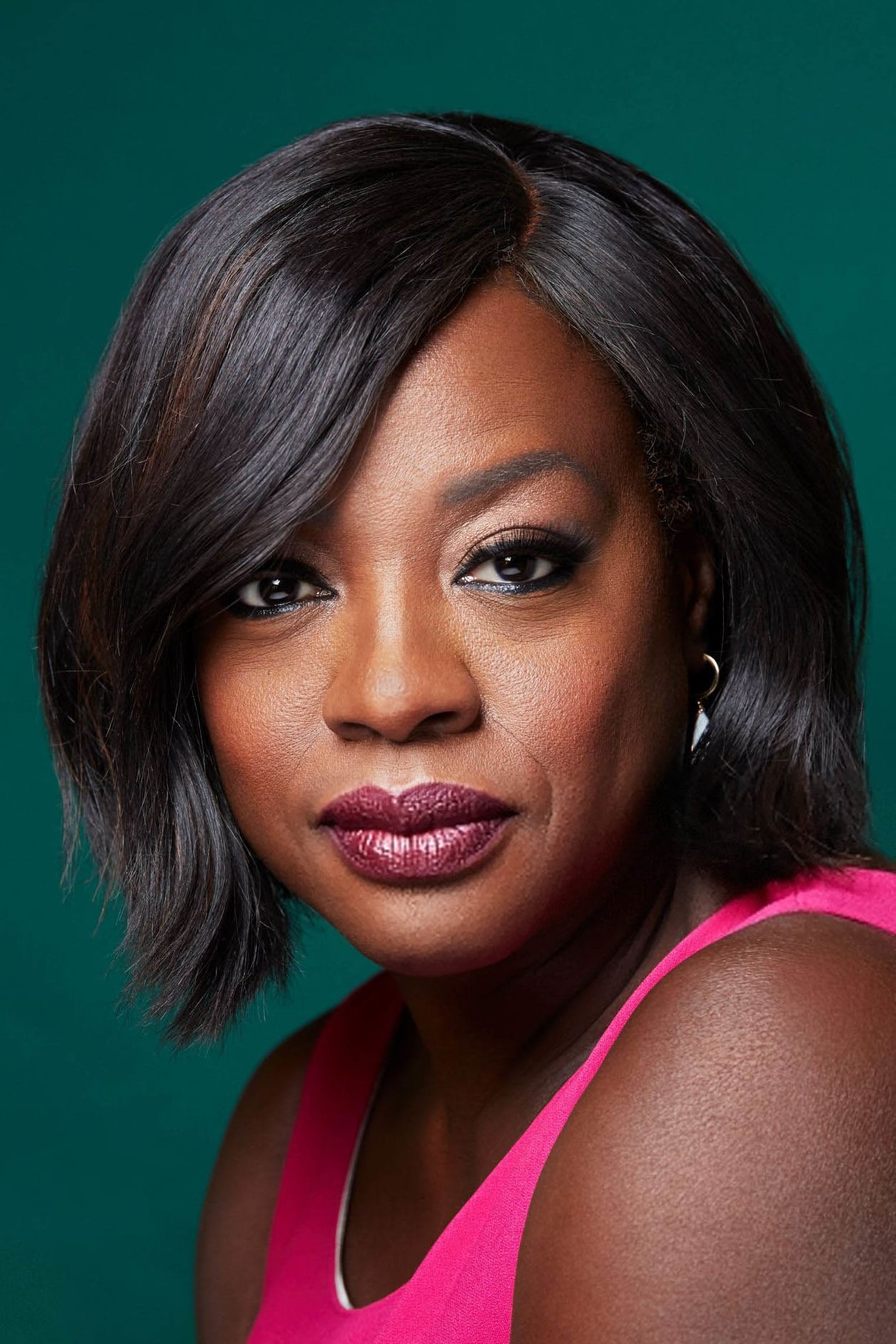
Before achieving EGOT status, Viola Davis often played roles as a struggling mother or a supporting character. Early successes in films like ‘Doubt’ (2008) and ‘The Help’ (2011) – where she portrayed a mother facing hardship and a domestic worker – earned her praise, but also typecast her in roles centered around hardship or service. Davis has discussed how limited opportunities were for Black women with darker skin tones in Hollywood at that time. It wasn’t until her role in ‘How to Get Away with Murder’ (2014–2020) that she consistently played a character who was powerful, complex, and explored her sexuality.
Octavia Spencer
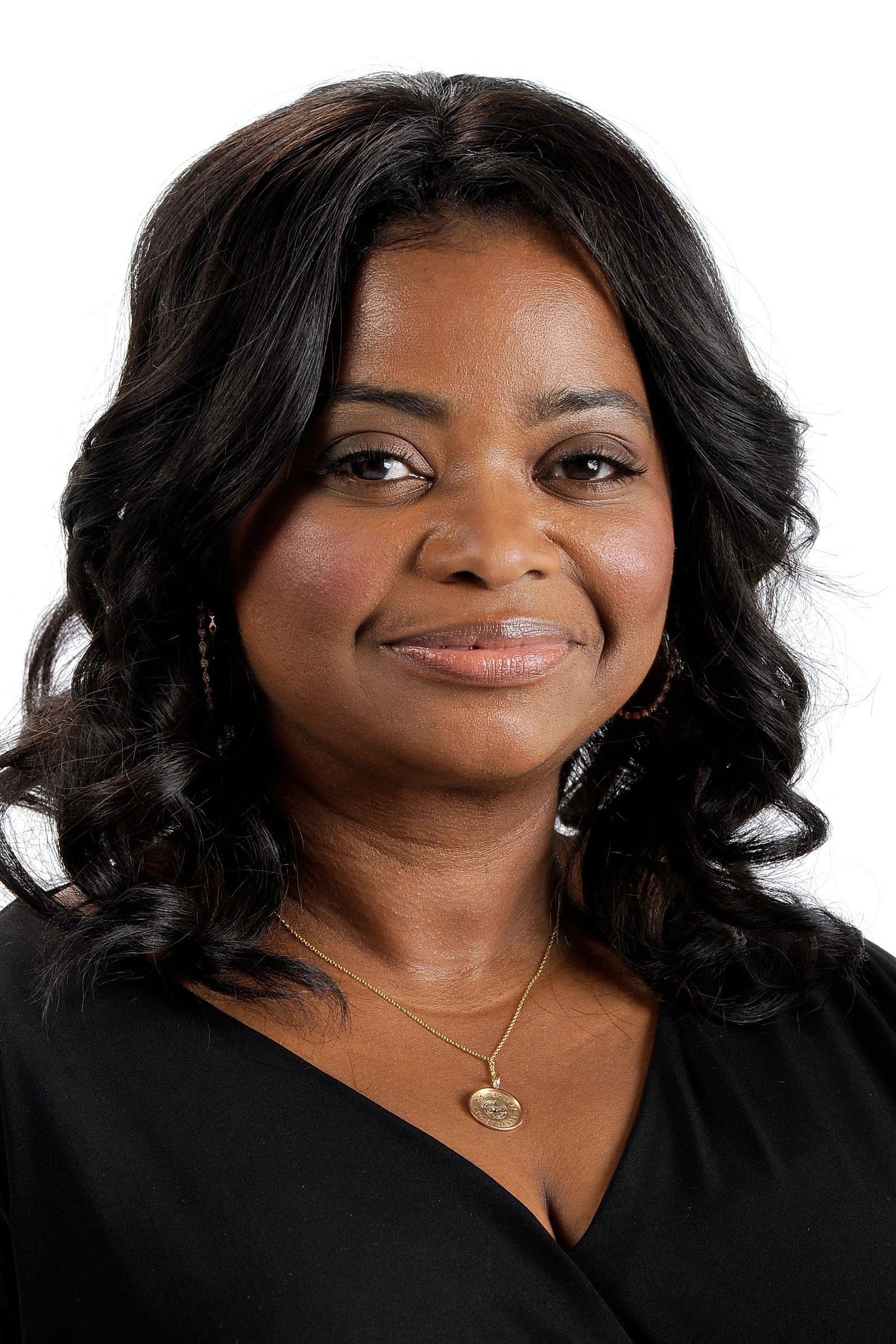
Before becoming a well-known actress, Octavia Spencer often played nurses or housekeepers in many films and TV shows. From 1996 to 2011, she had small roles as healthcare workers in movies like ‘A Time to Kill’ and ‘Seven Pounds’. While her Oscar-winning performance as Minny in ‘The Help’ brought her huge success, it also led to many more offers to play similar, caring but strong-willed, domestic roles. Spencer actively worked to change this pattern by taking on diverse characters, eventually landing roles as a mathematician in ‘Hidden Figures’ (2016) and the lead in the thriller ‘Ma’ (2019), allowing her to move beyond typecasting.
Gabrielle Union
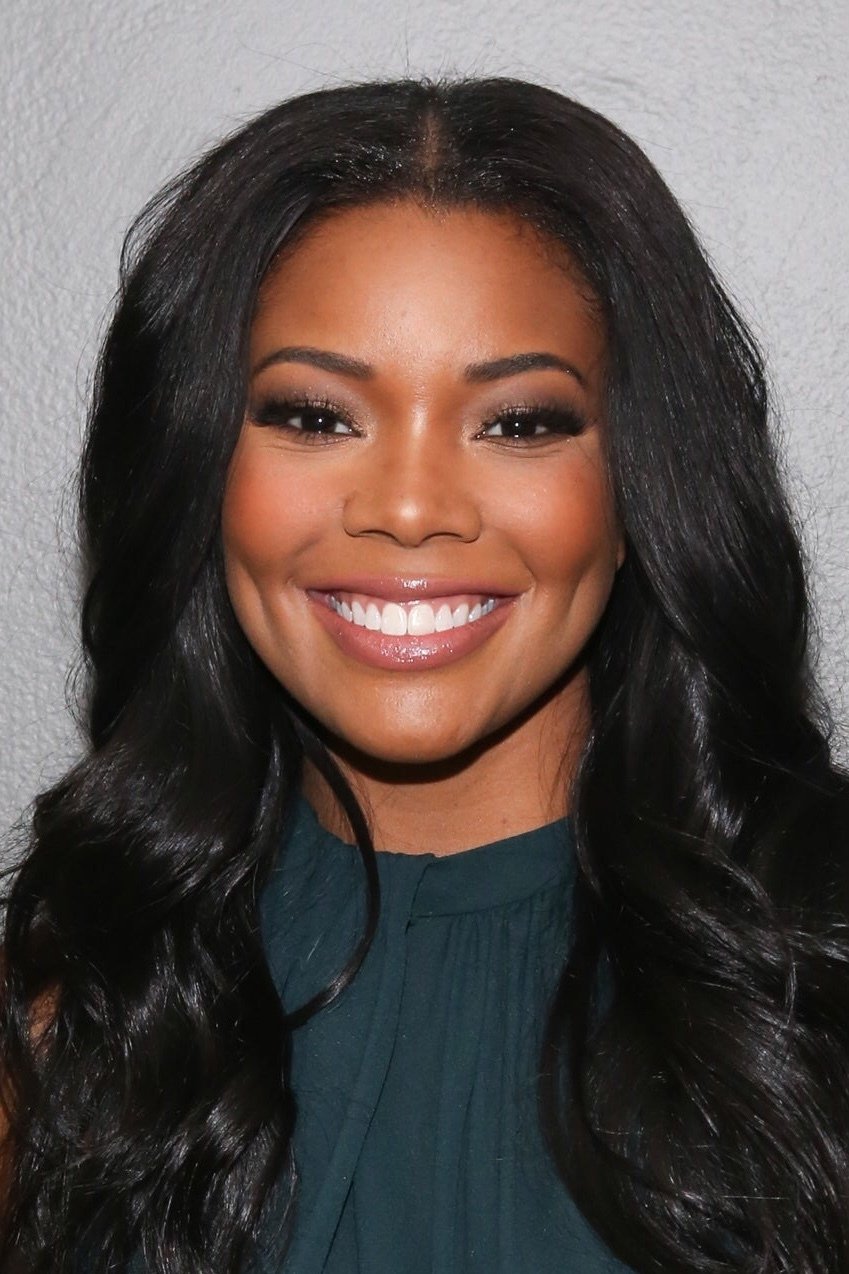
Gabrielle Union frequently played the confident, sometimes confrontational, best friend in popular teen movies from the late 1990s and early 2000s, appearing in films like ‘She’s All That,’ ‘10 Things I Hate About You,’ and ‘Bring It On.’ She’s spoken about how these roles often served to simply make the white lead characters seem cooler, without giving her characters much of a story of their own. Later, she worked to break away from this type of casting by taking on more substantial, leading roles in dramas like ‘Being Mary Jane.’ Her early work highlights a common pattern in young adult films, where Black actors were often relegated to the role of the supporting ‘Black best friend’ with limited character development.
Kerry Washington
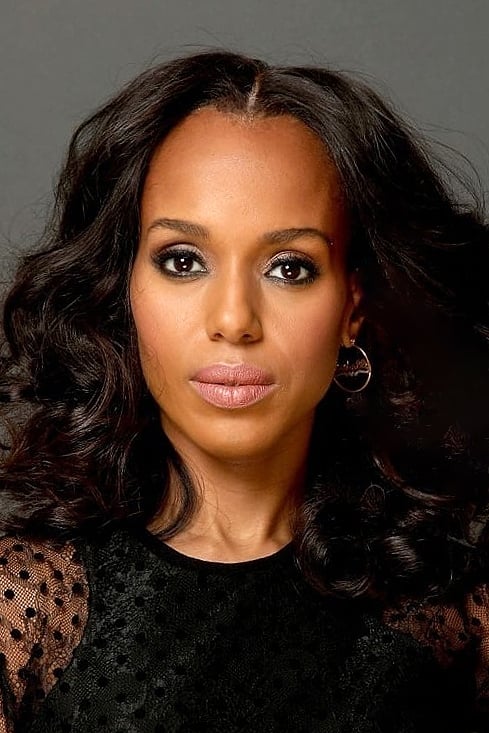
Early in her career, Kerry Washington often found herself limited to roles portraying either an “urban girlfriend” or a woman facing hardship in a poor neighborhood. For example, in the movie ‘Save the Last Dance,’ she played the friend of the main character, a role that leaned heavily on common stereotypes about people from low-income backgrounds. She’s shared that she even lost out on several TV show pilots because producers felt she didn’t convincingly portray someone “from the hood.” These experiences showed how restricted the industry’s expectations were for Black actresses – how they were expected to talk and act. Her role as Olivia Pope in ‘Scandal’ marked a turning point, allowing her to showcase a new side as a powerful, successful professional.
Taraji P. Henson
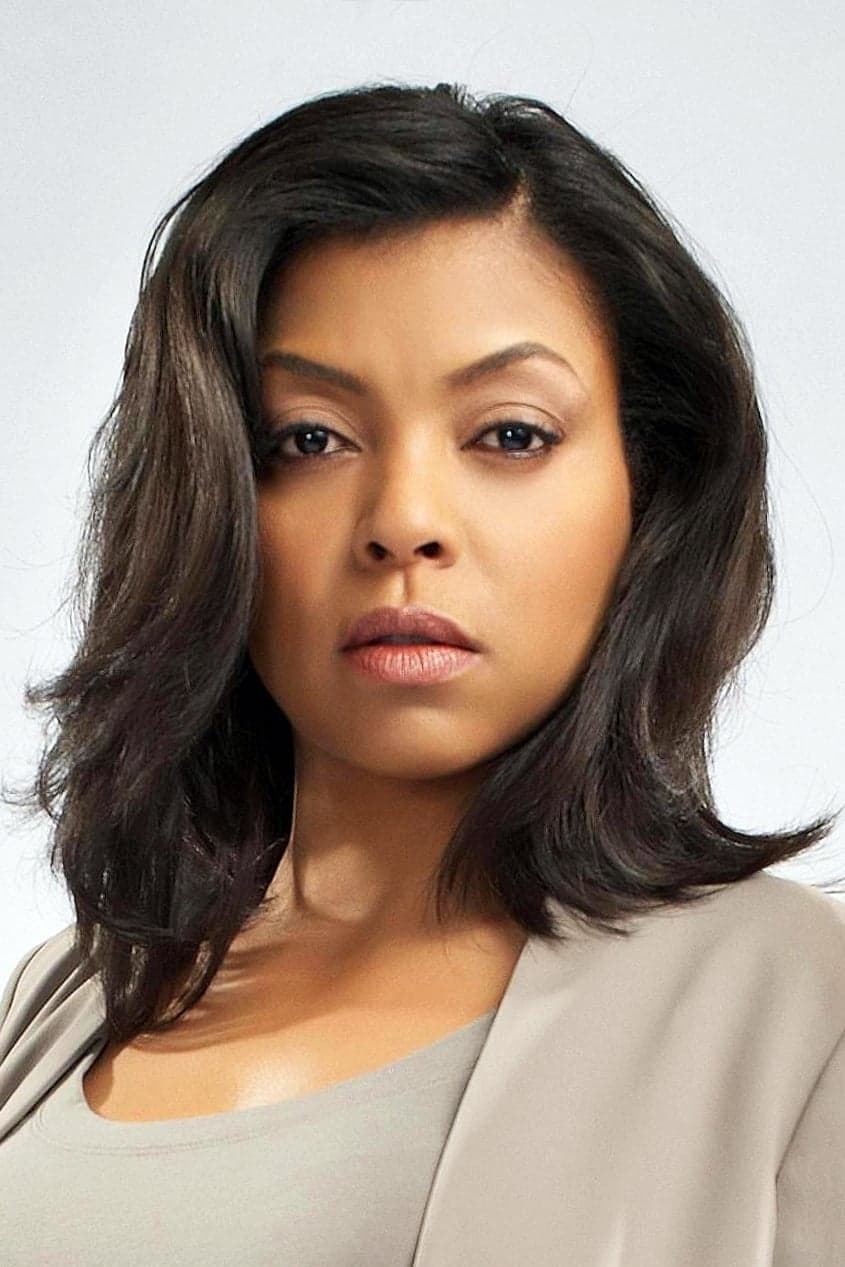
After appearing in ‘Baby Boy’ (2001), Taraji P. Henson often found herself playing similar characters – strong, outspoken women from urban backgrounds. She frequently played the supportive, yet passionate, girlfriend or mother in films like ‘Hustle & Flow’ (2005), with roles emphasizing her ability to portray strength through hardship and poverty. Henson felt limited by these types of roles, despite demonstrating her skills as a versatile dramatic actress. Her breakthrough performances in ‘The Curious Case of Benjamin Button’ (2008) and ‘Hidden Figures’ (2016) finally opened doors to a wider range of characters and opportunities.
Regina Hall
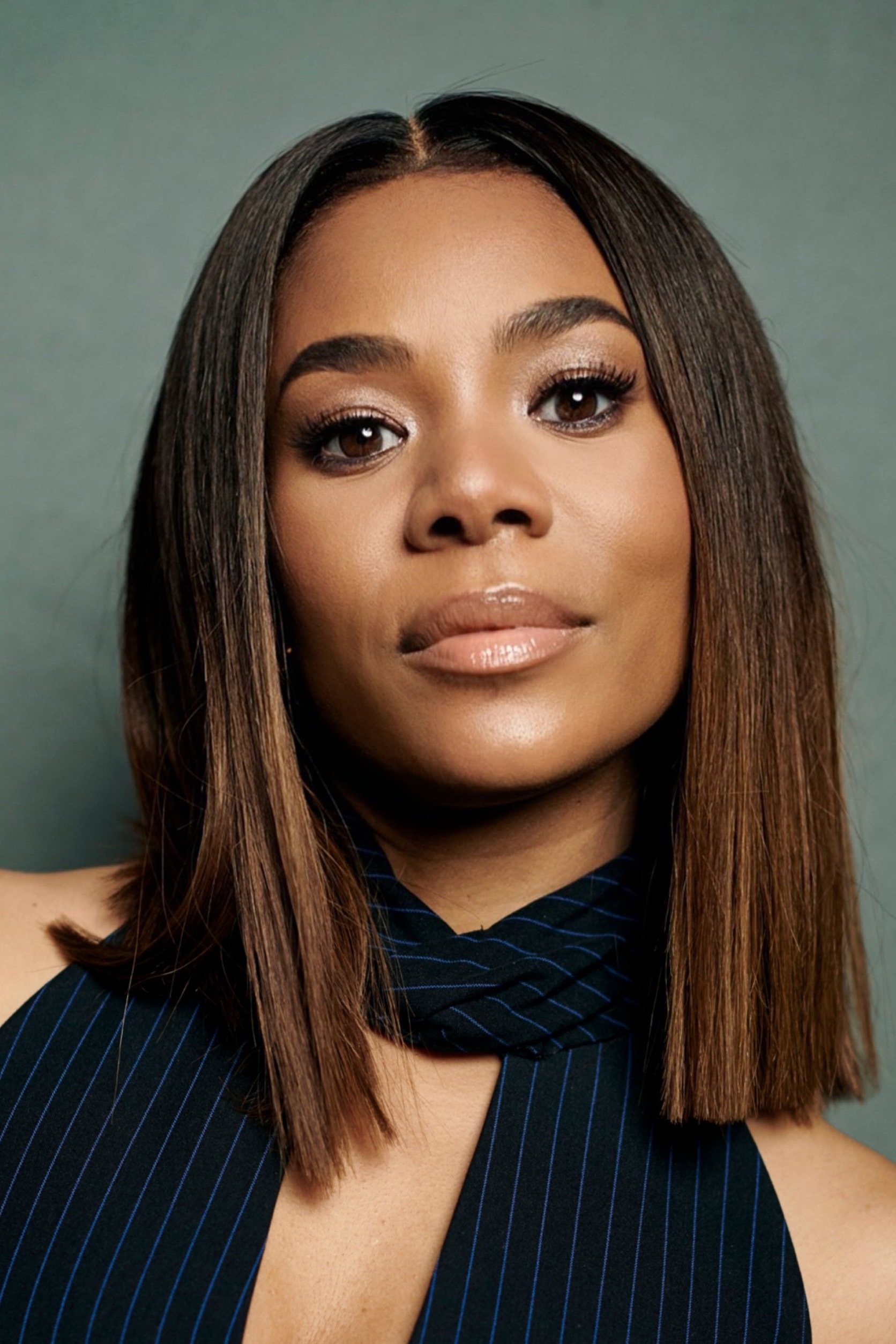
For much of her career, Anna Hall was known for playing energetic and funny supporting roles, often as the comedic friend. She became most famous for playing Brenda Meeks in the ‘Scary Movie’ films, which defined her as a performer known for boisterous, physical humor. Though this role made her well-known, it also made it difficult for her to be seen as a serious dramatic actress. She continued in these comedic supporting roles for years, appearing in films like ‘The Best Man’ and ‘Think Like a Man.’ It wasn’t until later in her career, with films such as ‘Support the Girls,’ that critics began to acknowledge her talent as a leading dramatic actress.
Jennifer Hudson
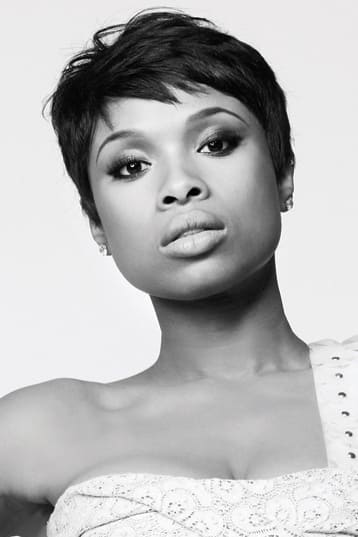
Following her Oscar win for ‘Dreamgirls’ in 2006, Jennifer Hudson frequently found herself in supporting roles where the main focus was on the development of a white female lead. For example, she played Carrie Bradshaw’s efficient assistant, Louise, in ‘Sex and the City’ (2008), and a housekeeper and friend in ‘The Secret Life of Bees’ (2008). While these roles showcased her caring side, they didn’t offer the same depth as her first major performance. More recently, Hudson has taken on more diverse characters, including her portrayal of Aretha Franklin in ‘Respect’ (2021).
Meagan Good
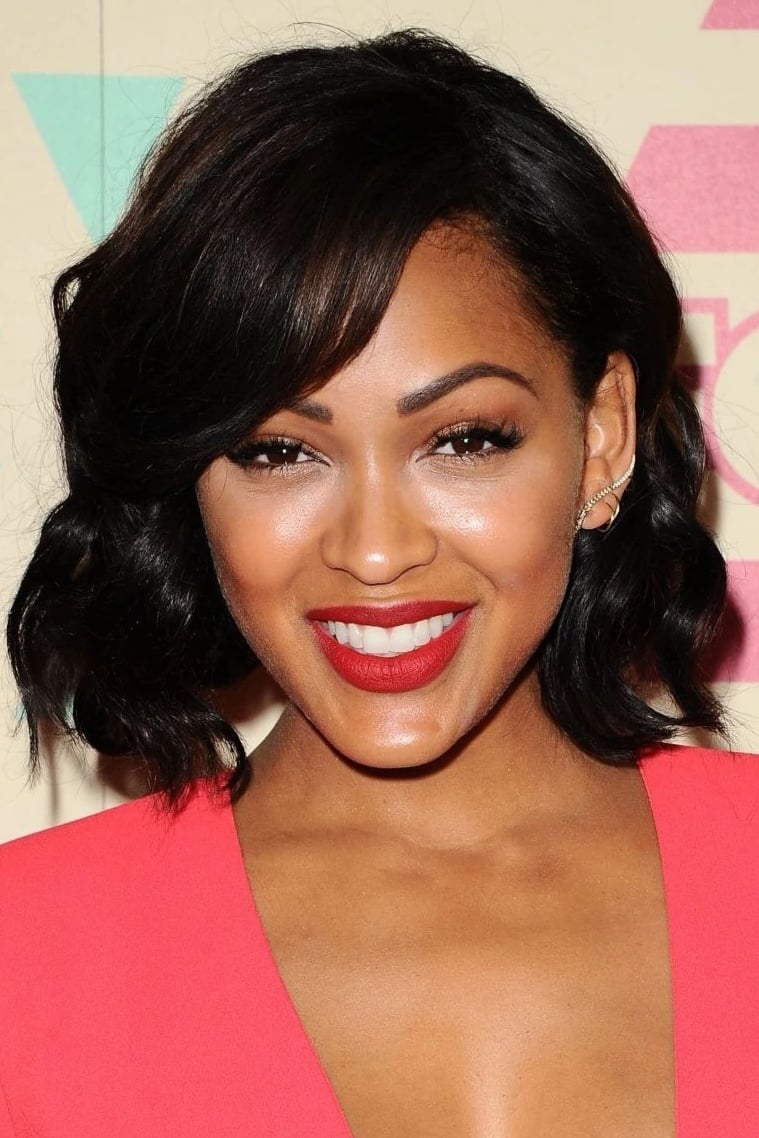
Lynn Whitfield was often cast as the attractive, sometimes seductive, woman in movies made for Black audiences. From her role in ‘Eve’s Bayou’ (1997) through films like ‘Biker Boyz’ (2003) and ‘Deliver Us from Eva’ (2003), she was frequently defined by her looks. This limited her ability to get more serious or professional acting roles in mainstream films. Throughout the 2000s, she primarily played the leading romantic interest in music videos and movies aimed at teenagers. Eventually, Whitfield began looking for different kinds of work in television and horror films to move beyond this typecast.
Nia Long
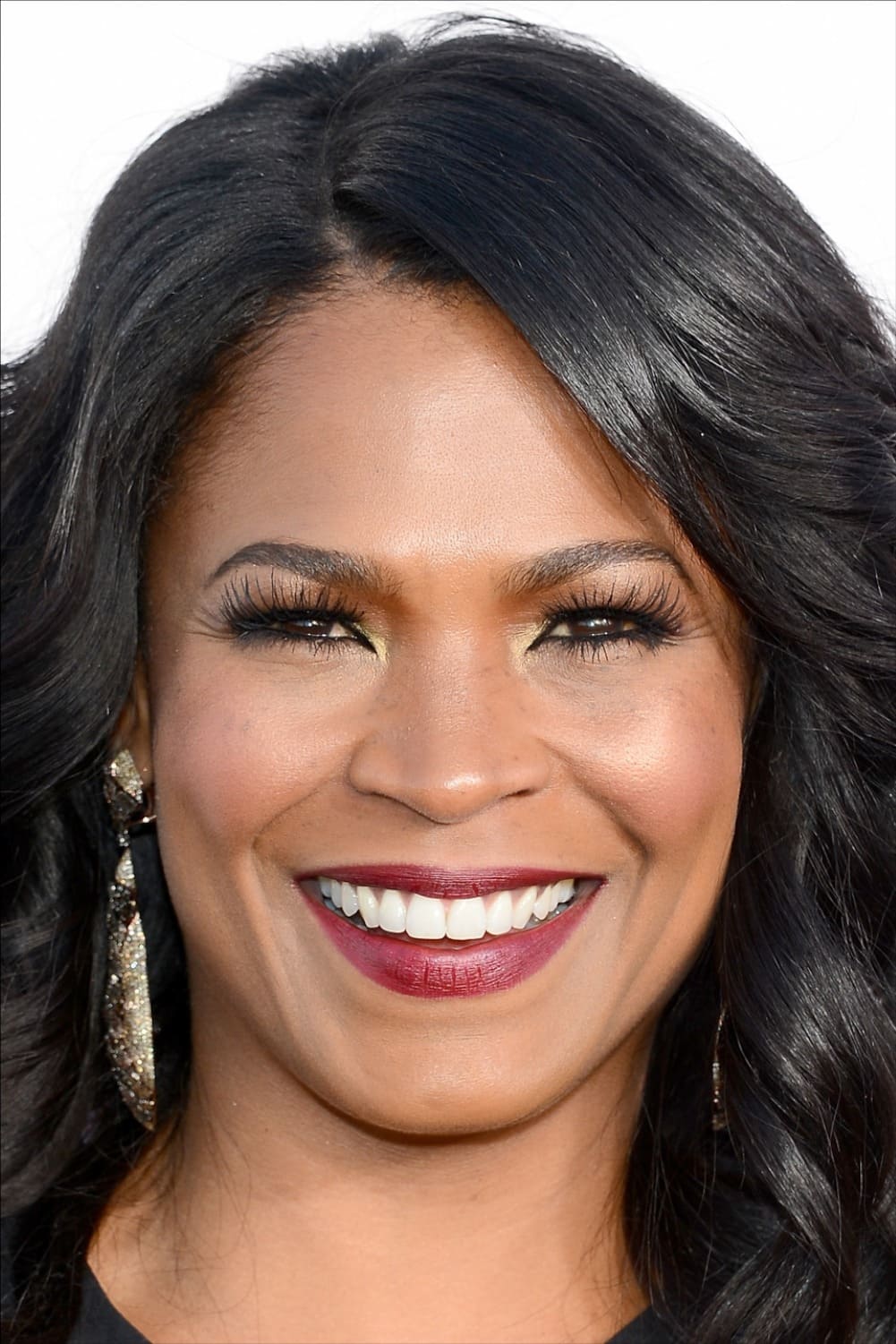
I always thought Nia Long was the ultimate relatable actress in 90s Black films – movies like ‘Boyz n the Hood’ and ‘Friday’ really cemented that for me. But looking back, I realized she often played the girlfriend or the supportive partner, rather than getting to be the main character driving the story. Even in films like ‘The Best Man’ and ‘Love Jones’, she was usually there to ground the male lead. It felt like that kept her from getting roles where she could really explore her own ambitions and struggles. She’s spoken a lot about how tough it is for Black actresses to find strong leading parts as they get older, and I totally understand what she means.
Queen Latifah
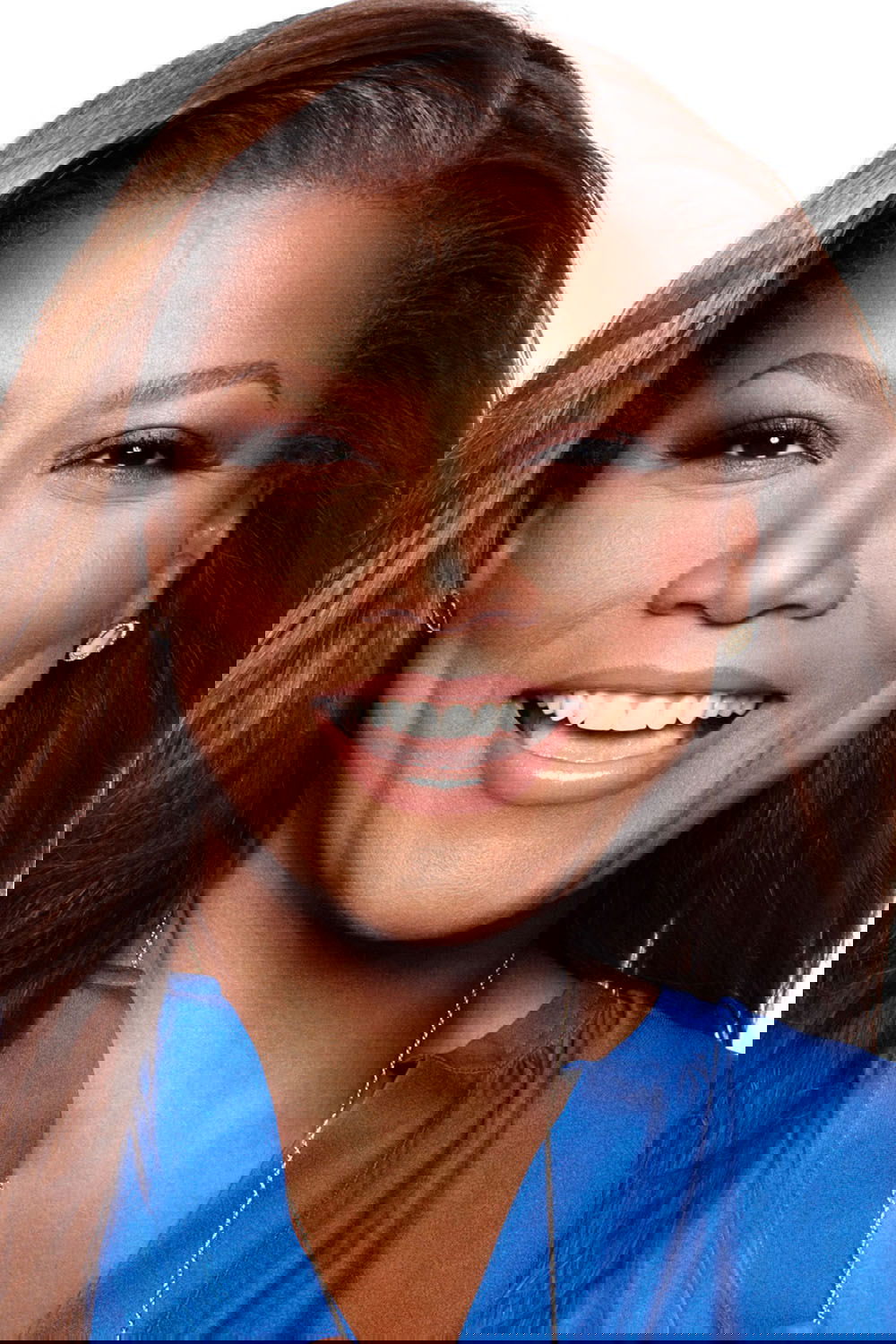
At the beginning of her acting career, Queen Latifah frequently played strong, assertive characters – often leaders who got straight to the point. Her role as Cleo in the 1996 film ‘Set It Off’ perfectly illustrates this type of character. For much of the late 1990s, she wasn’t often cast in roles that showed vulnerability or romance; filmmakers generally preferred her as someone in charge or as a comedic performer. Even her Oscar-nominated performance as Matron Mama Morton in ‘Chicago’ (2002) continued this trend of playing powerful women. She later expanded her range by hosting a talk show and starring in romantic comedies like ‘Last Holiday’ (2006).
Mo’Nique
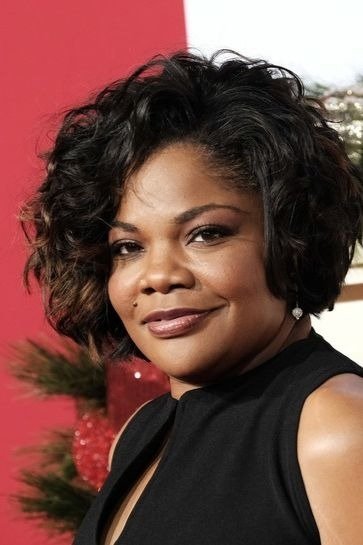
Early in her career, Mo’Nique became known for playing boisterous and outspoken comedic characters. Her role on the TV show ‘The Parkers’ made her a star, but it also typecast her, leading to scripts that relied heavily on her size and energetic comedic style, as seen in films like ‘Phat Girlz.’ Her dramatic performance in ‘Precious’ surprised viewers because it was so different from the roles she usually played. Although she won an Oscar for the film, she later experienced industry backlash that stalled her career for many years.
Whoopi Goldberg
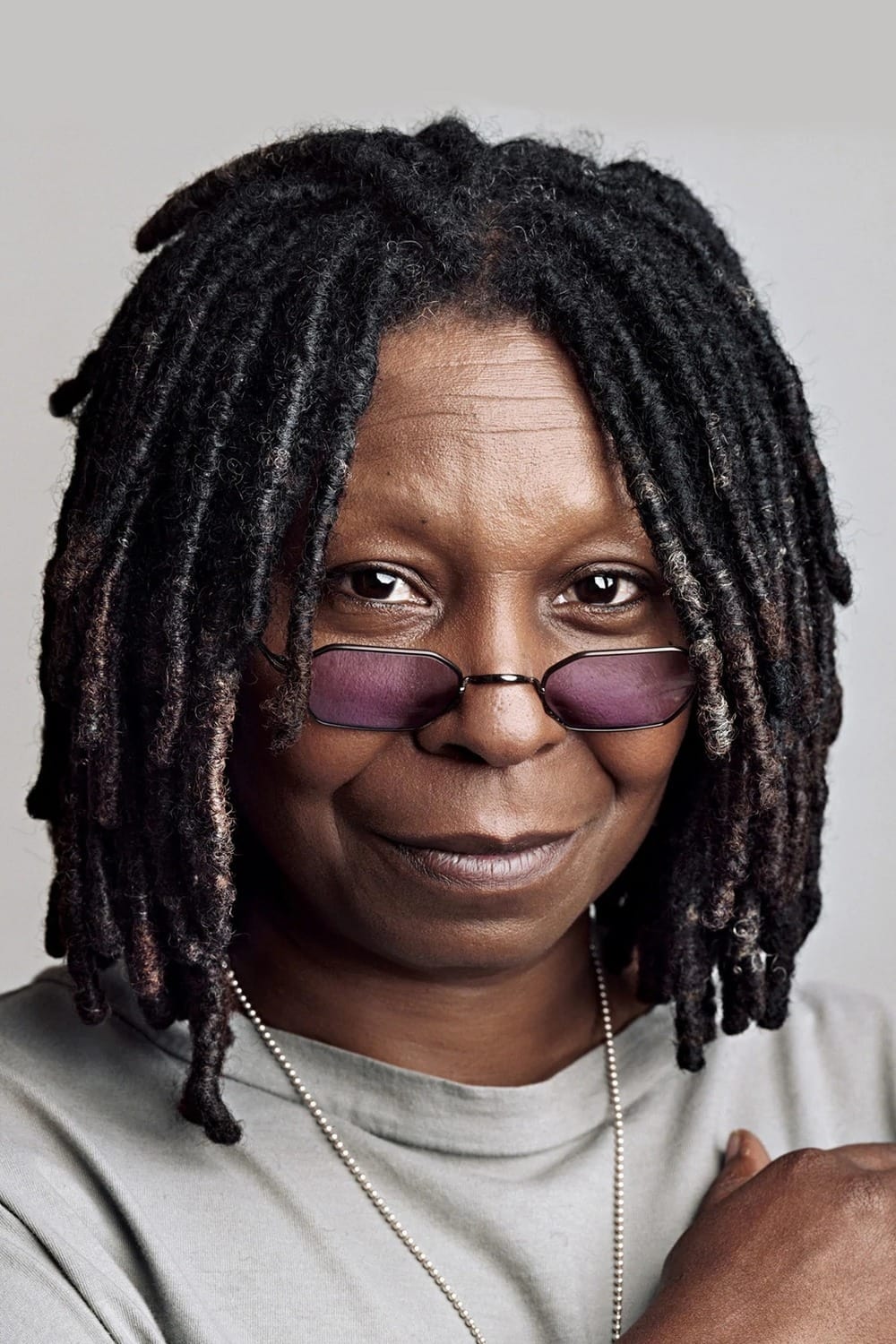
After gaining recognition in ‘The Color Purple’ (1985), Whoopi Goldberg often found herself playing characters who were quirky or didn’t fit traditional roles. While films like ‘Ghost’ (1990) and ‘Sister Act’ (1992) were hits, her characters usually didn’t have romantic storylines or conform to typical feminine portrayals. Hollywood had difficulty seeing her as a leading lady in romantic roles, instead utilizing her comedic talent and strong presence to support the stories of white actors. She broke barriers by becoming the first Black woman to host the Academy Awards alone, but she continued to be cast primarily in comedic parts or as a mentor figure. This limited range of roles persisted, even though she was a remarkably talented and versatile performer on stage and in film.
Alfre Woodard
Early in her career, Woodard was often cast as the strong, patient, and dignified woman, frequently appearing in historical dramas or intense stories. While roles in films like ‘Cross Creek’ and ‘Passion Fish’ demonstrated her powerful acting, they also typecast her as a particular kind of serious and down-to-earth character. She wasn’t often given leading roles in action or romantic comedy films. Instead, she became known for playing characters who needed to convey weight and deep emotion, often in supporting roles. Despite winning several Emmys, Woodard’s career illustrates how limited opportunities can be for Black actresses who specialize in dramatic roles.
Jenifer Lewis
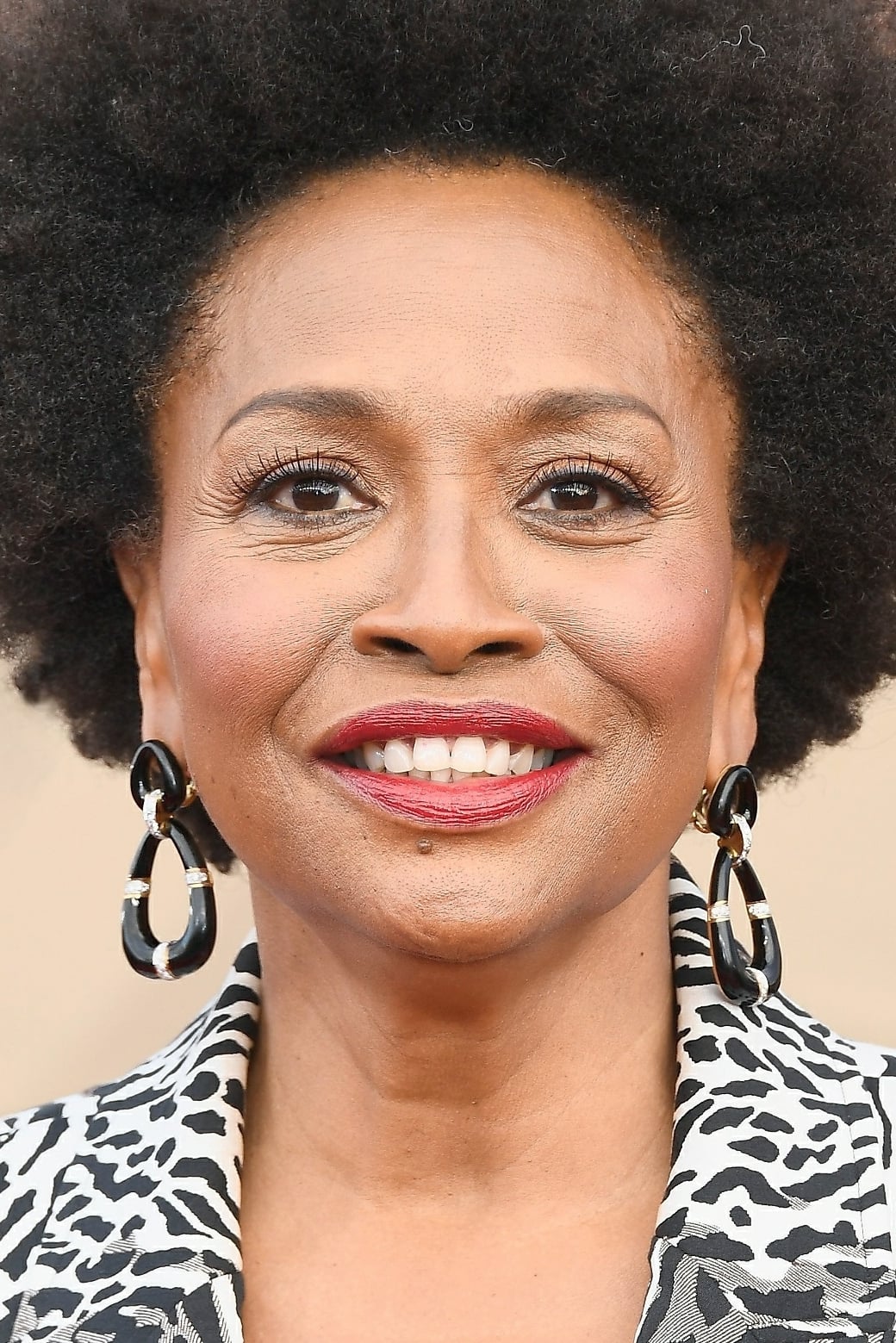
Jenifer Lewis is affectionately called the “Mother of Black Hollywood” because she often played maternal roles early in her career. She frequently portrayed mothers, even to actresses only a few years younger, like Whitney Houston and Angela Bassett. Films such as ‘What’s Love Got to Do with It’ (1993) and ‘The Preacher’s Wife’ (1996) solidified this image. Though she brought her own special charm and wit to these roles, she wasn’t often considered for leading parts that weren’t centered around motherhood. Lewis now accepts this nickname, but it’s a clear case of Hollywood limiting her to certain types of roles based on her age and the energy she projected.
Loretta Devine
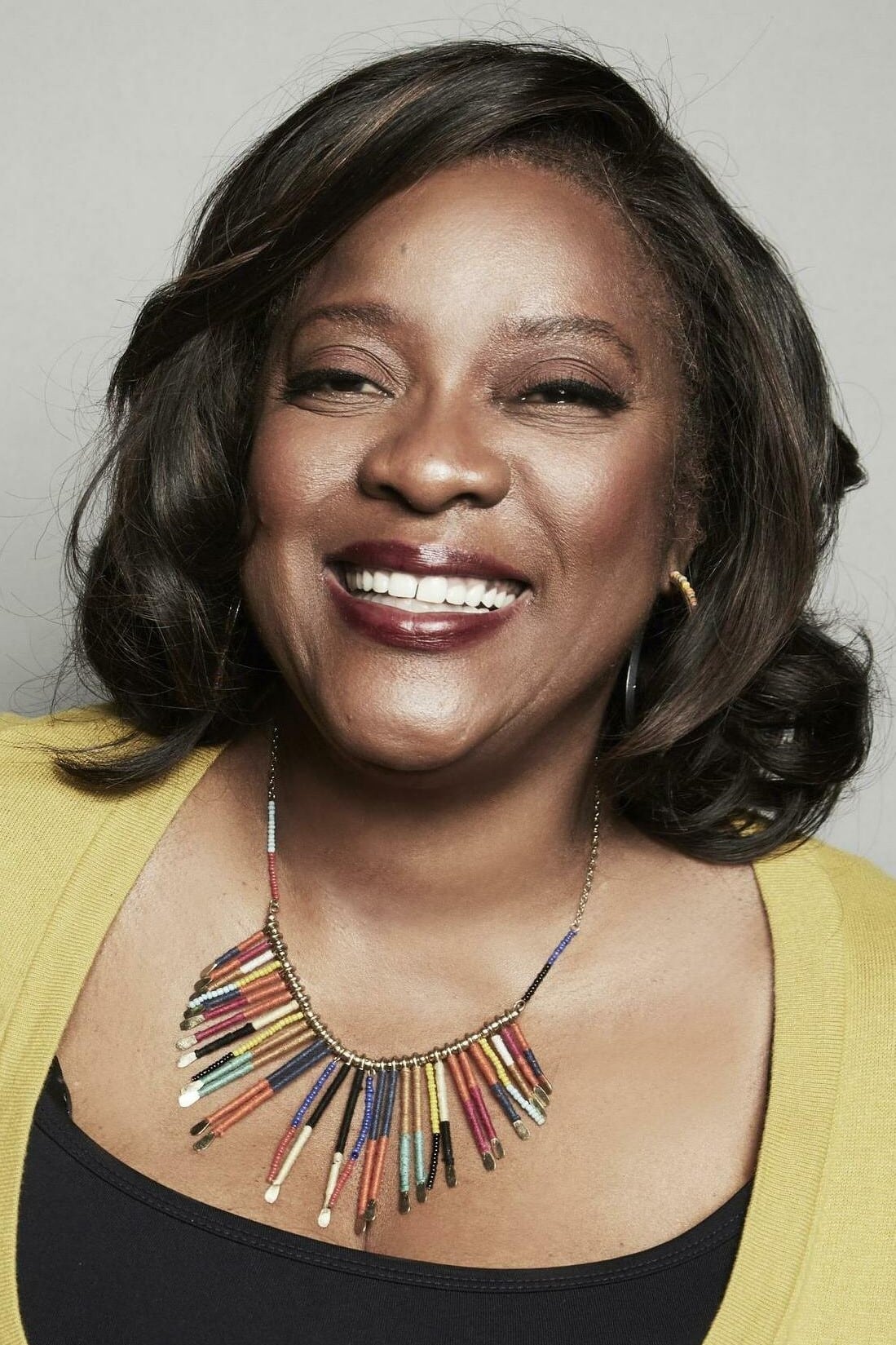
I’ve always loved Chandra Wilson, but it’s frustrating to see how often she was typecast throughout her career. She so often played the caring, supportive woman – think of her roles in ‘Waiting to Exhale’ and ‘The Preacher’s Wife,’ where she was always the warm, motherly figure. Even on ‘Grey’s Anatomy,’ for so many years, her character was largely defined by being sick and needing care, or being in relation to a dominant male character. It’s a shame because she’s so talented, but she rarely got the chance to play someone strong, villainous, or involved in big action sequences. She’s worked constantly, but so much of it has been variations on the ‘sweet mom’ or ‘nurse’ archetype.
CCH Pounder

From the beginning of her career, Pounder became known for playing characters in positions of power – like detectives, doctors, and other authority figures. Her strong voice and natural commanding presence led to many roles in shows focused on investigations and medical dramas, such as ‘The Shield’ and ‘ER’. Though these roles provided consistent work, they often emphasized what her characters did rather than who they were, rarely allowing her to play romantic leads or in comedies. Because of this typecasting, she’s become a very familiar face in the world of television procedurals.
Vivica A. Fox
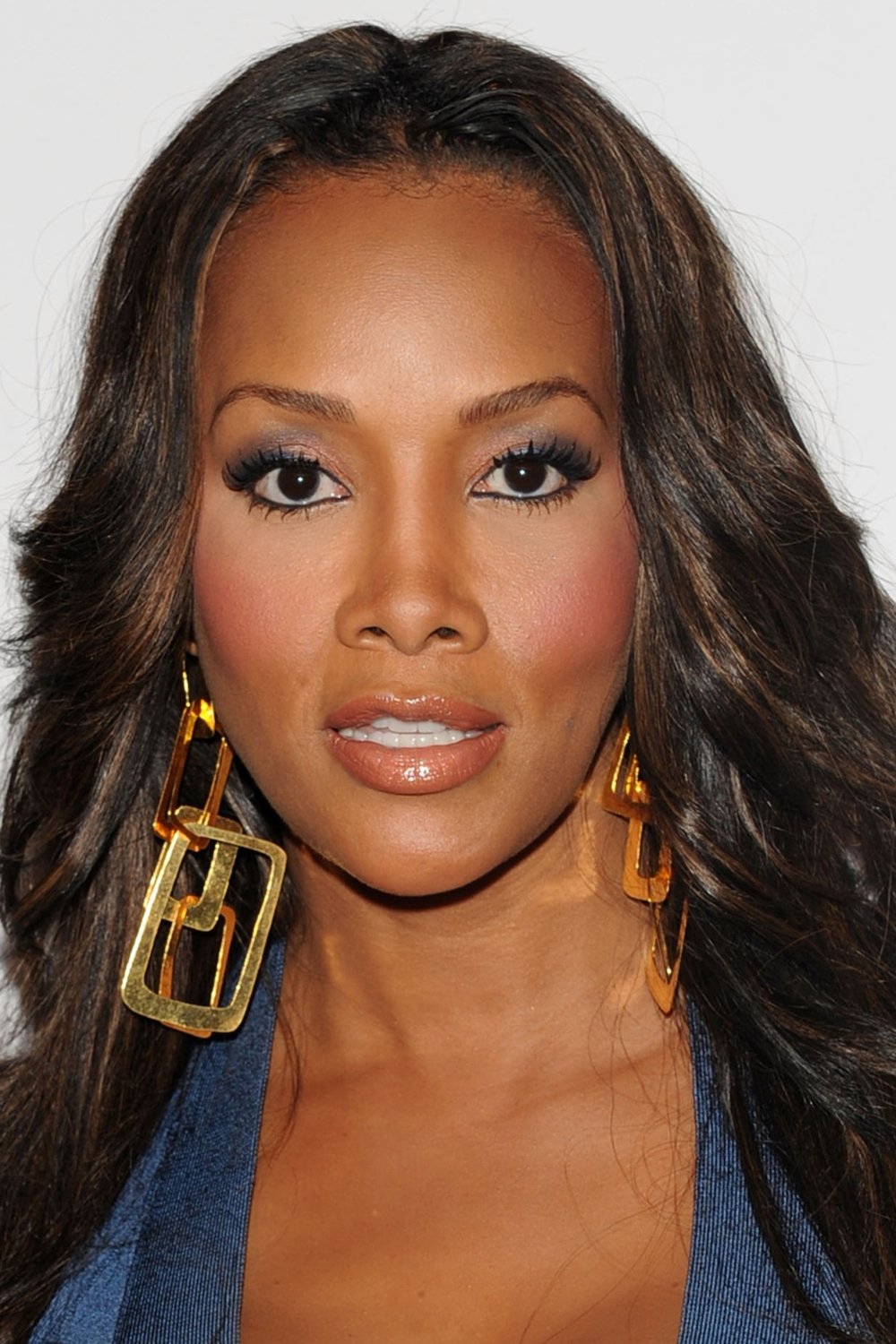
Throughout the mid-1990s, Vivica A. Fox often played similar characters: accomplished women who were single or portrayed as strong, independent partners. Films like ‘Independence Day’ (1996) and ‘Two Can Play That Game’ (2001) consistently featured her as a career-driven woman facing challenges in romance. She became known as the “strong Black woman” who didn’t rely on men, and this typecasting restricted her opportunities to play more complex or emotionally vulnerable roles in mainstream films. Seeking to break free from this pattern, Fox transitioned into action films, starting with ‘Kill Bill: Vol. 1’ (2003), to demonstrate her range as an actress.
Jada Pinkett Smith
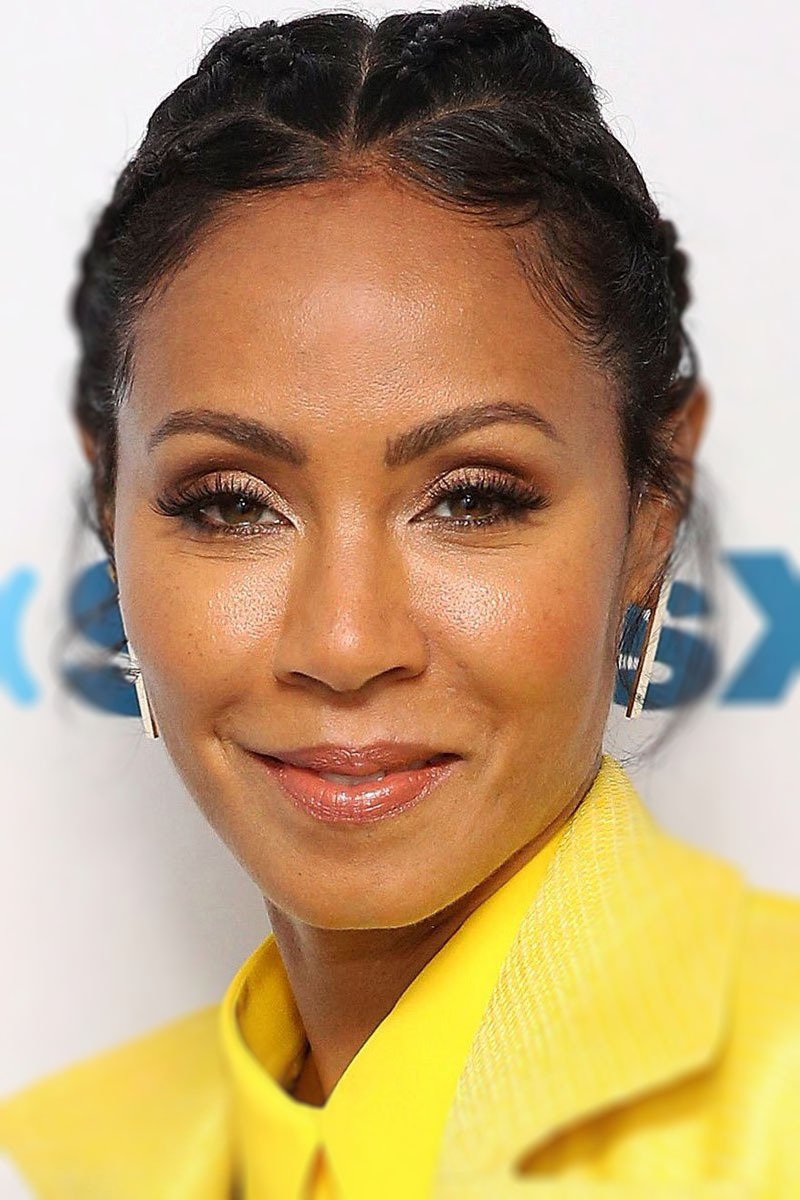
Jada Pinkett Smith initially became known for playing strong, streetwise characters. Roles in films like ‘Menace II Society’ (1993) and ‘Set It Off’ (1996) cemented her image as a tough and determined actress. Hollywood often found it difficult to cast her in softer or more glamorous roles, consistently choosing her for dramas and action movies set in urban environments. This pattern continued with her role as a serious pilot and soldier in ‘The Matrix’ sequels. Although she later expanded her career through producing and the TV show ‘Hawthorne’ (2009–2011), her early work was largely defined by roles that required her to portray a strong, resilient persona.
Halle Berry
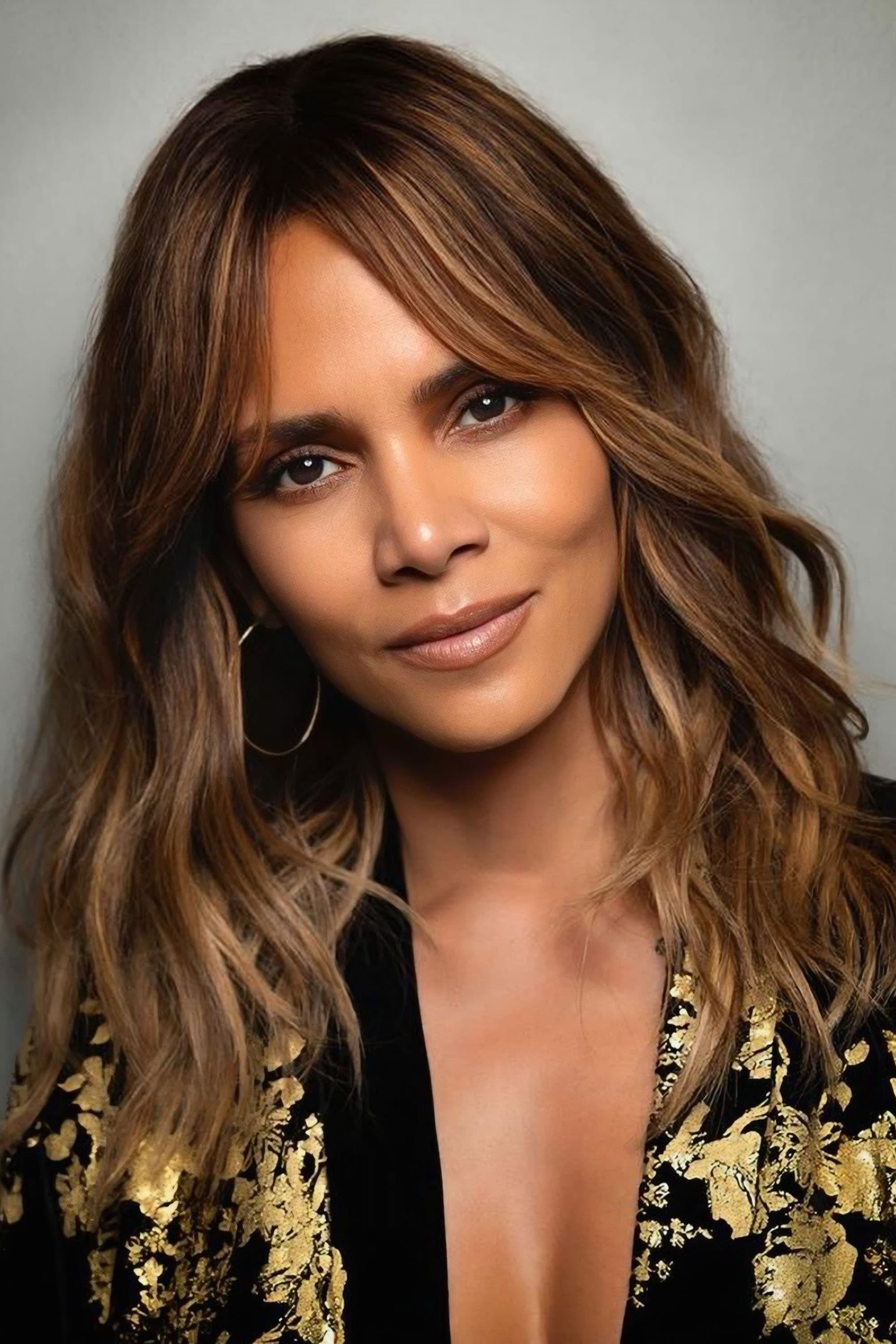
Before Halle Berry won her Oscar, she frequently had to choose roles that intentionally downplayed her attractiveness just to be seen as a serious actress. Early on, she was often cast in stereotypical parts, like a drug addict in ‘Jungle Fever’ (1991) or a seductive woman in ‘The Last Boy Scout’ (1991). She’s explained that she constantly struggled to get roles that weren’t solely based on her appearance. Even the role that finally won her an Academy Award, in ‘Monster’s Ball’ (2001), involved portraying a character experiencing intense pain and hardship. The film industry’s focus on her looks often made it hard for her to be considered for more typical dramatic or comedic roles.
Vanessa Williams
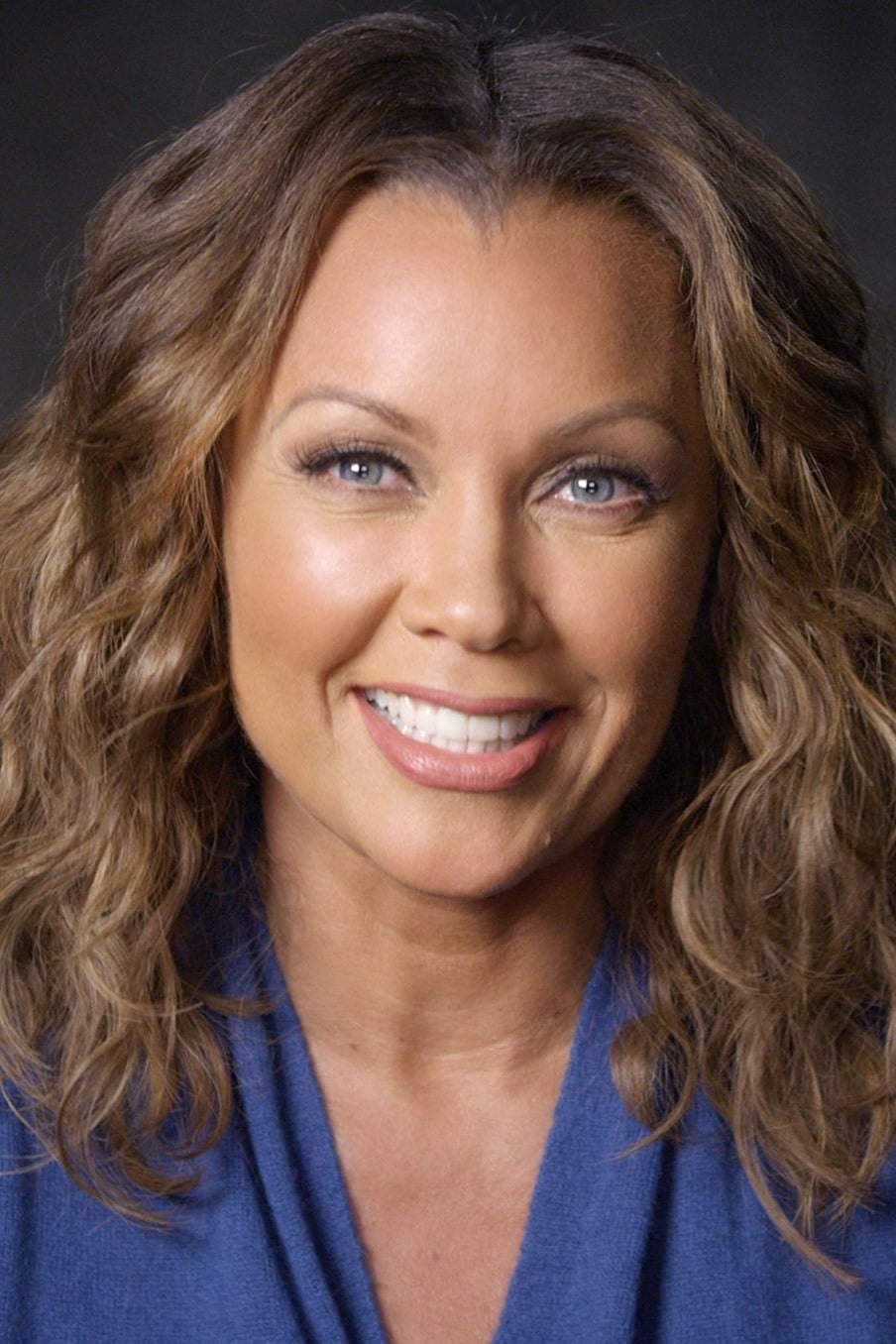
Vanessa Williams, after achieving fame as a singer and winning Miss America, frequently found herself playing similar characters: wealthy, sophisticated, and sometimes snobbish. Roles like the successful but judgmental sister in ‘Soul Food’ (1997) and the fashionable Wilhelmina Slater in ‘Ugly Betty’ (2006–2010) reinforced this pattern. While she excelled in these parts, they often relied on stereotypes connected to skin tone and social class. Throughout the most popular part of her television career, she wasn’t often given roles as ordinary or working-class people.
Lisa Bonet
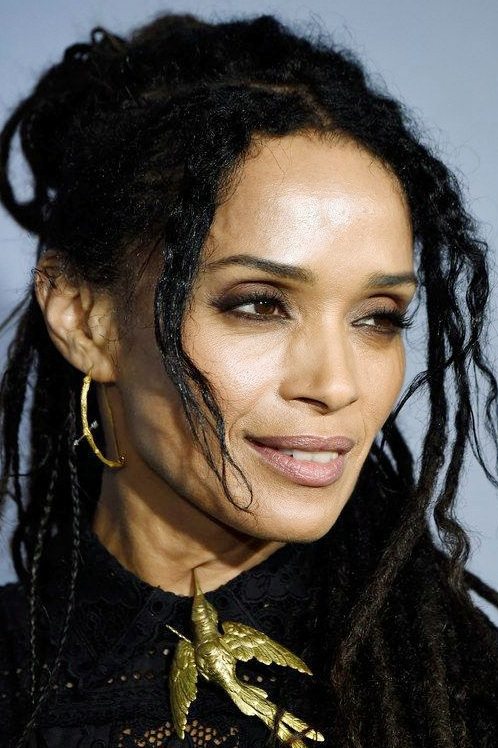
Lisa Bonet quickly became known as the “free-spirited” or “unconventional” Black woman in Hollywood. Her popular role as Denise Huxtable on ‘The Cosby Show’ established her as a rebellious and trendy character. However, when she tried to play more serious and challenging parts in the film ‘Angel Heart,’ she received strong criticism from both the public and the entertainment industry. This image of her as a bohemian or otherworldly figure has stuck with her throughout her career, often restricting the kinds of mainstream roles she’s offered. Consequently, she’s spent much of her career working outside of the traditional Hollywood studio system.
Danielle Brooks
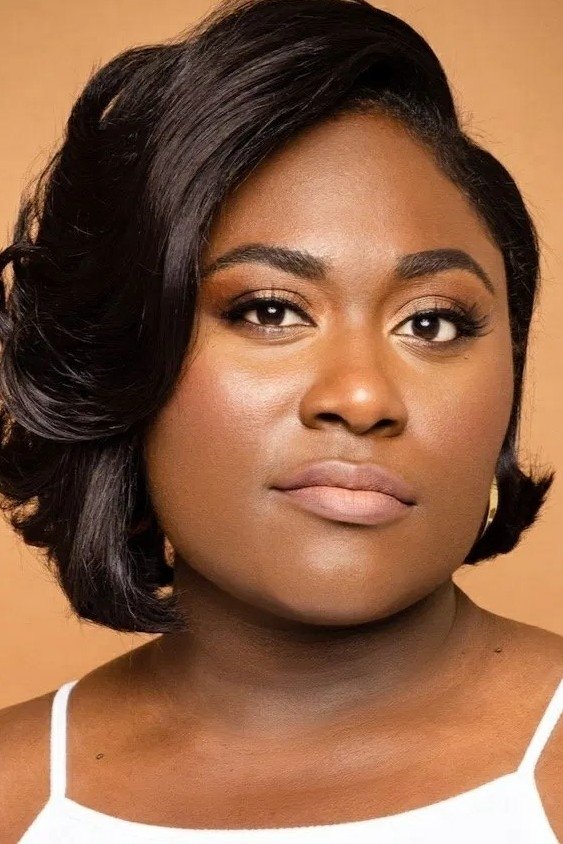
Danielle Brooks became well-known for playing strong, often comedic or tough, characters as Taystee on ‘Orange Is the New Black.’ While the role showcased her acting ability, it also meant she was often offered similar parts – characters who were outgoing and energetic. She’s discussed how hard it’s been to find roles where she could play a romantic lead or someone glamorous and stylish. Her recent work in Broadway and the film ‘The Color Purple’ is helping her broaden the types of roles she’s considered for, but she’s still largely recognized for her portrayal of a prisoner.
Gabourey Sidibe
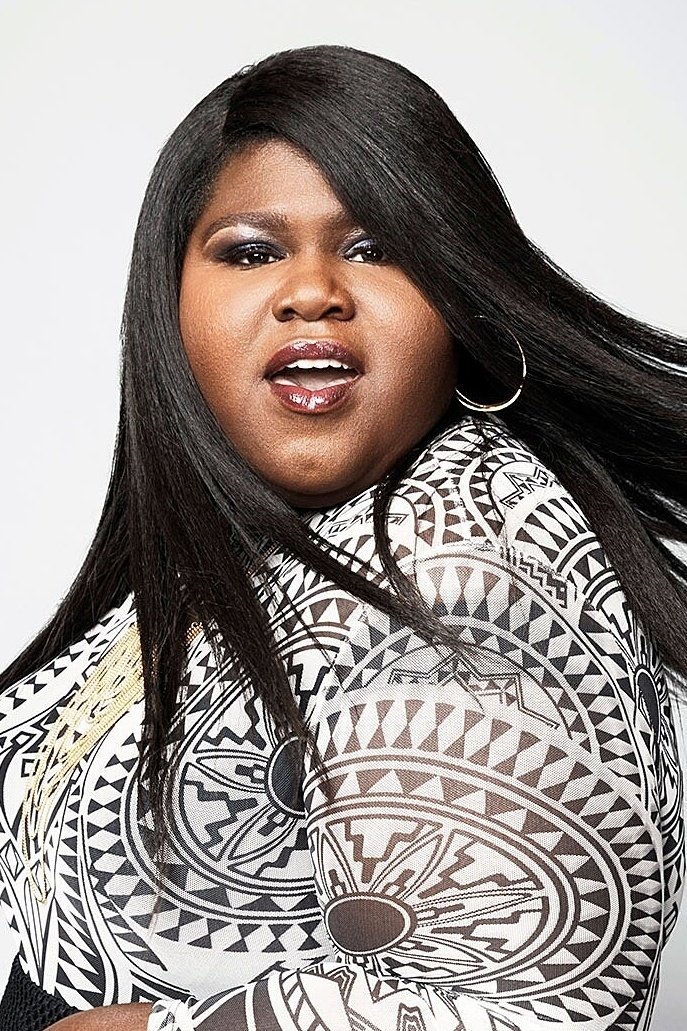
I remember being so blown away by Gabourey Sidibe in ‘Precious’ – what a performance! But it quickly became clear how Hollywood can box you in. For years, she kept getting offered roles where she played someone who was, frankly, just constantly suffering or facing hardship. It seemed like her incredible debut led to a decade of being typecast, with everyone wanting her to play variations of that same character. It was frustrating to watch! Thankfully, joining shows like ‘American Horror Story’ and especially ‘Empire’ finally gave her the chance to show her range and play characters with more power and complexity. It’s a really clear example of how one amazing role can unintentionally limit an actor if they’re not careful.
Thandiwe Newton

Throughout the 1990s, Thandiwe Newton frequently found herself playing characters defined by hardship or their connections to white men, often in historical dramas like ‘Jefferson in Paris’ and ‘Beloved’. This typecasting stemmed from Hollywood’s tendency to see her as “different” due to her mixed-race heritage, which prevented her from landing roles as ordinary, modern women. She has openly discussed the racial biases she encountered in the casting process on both sides of the Atlantic. Finally, her role as a strong, independent leader in ‘Westworld’ allowed her to break free from this limiting pattern.
Lupita Nyong’o
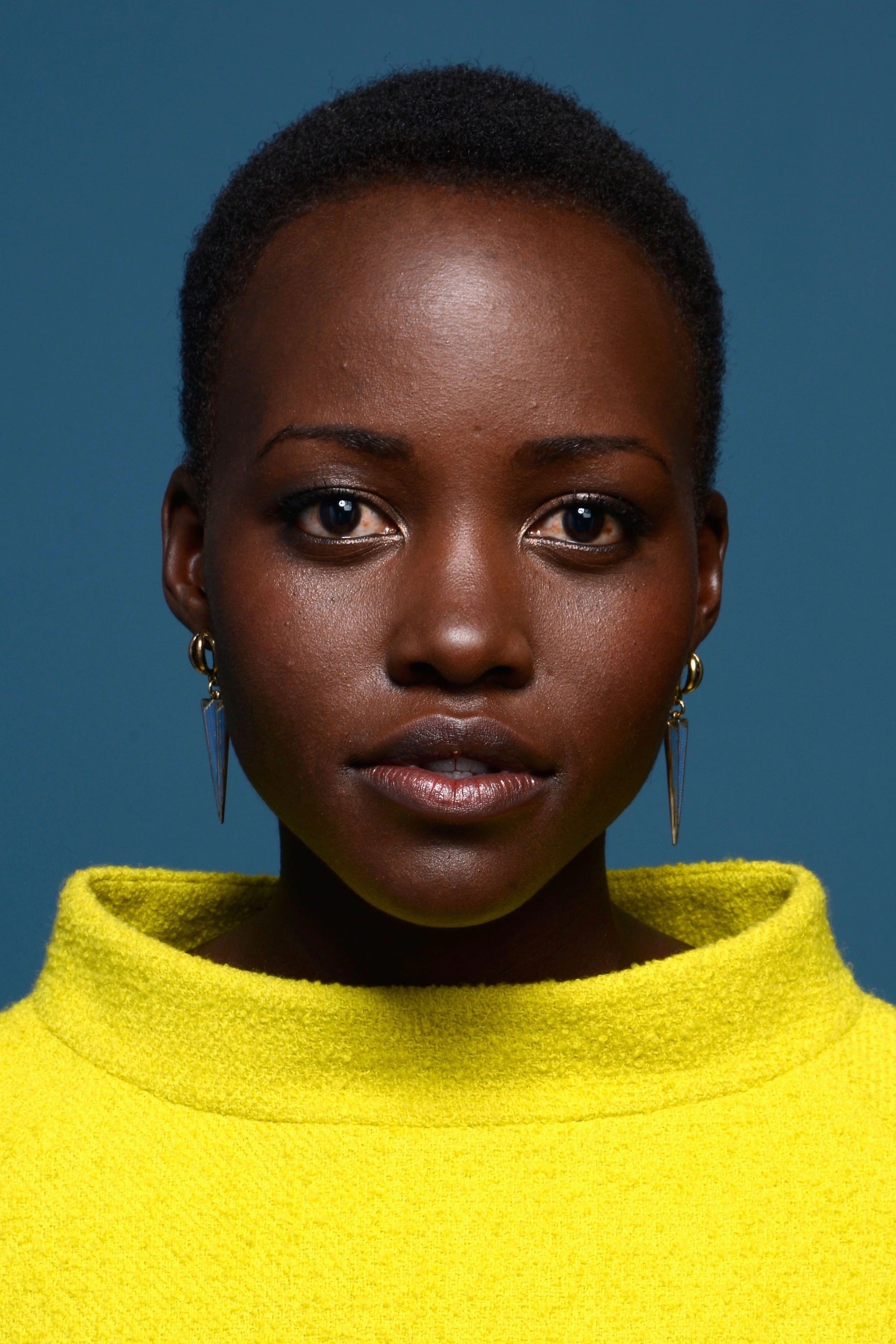
After winning an Oscar for ’12 Years a Slave’ in 2013, Lupita Nyong’o found herself often cast in roles that focused on hardship or kept her physically hidden. For a while, she primarily did voiceover or motion-capture work for films like ‘Star Wars’ and ‘The Jungle Book’ (2016). When she did appear on screen, her characters were often defined by their strength in the face of intense pain or difficult circumstances. It wasn’t until she played dual leading roles in the 2019 horror film ‘Us’ that she was truly able to demonstrate her versatility as an actress, moving beyond the image of a quietly enduring survivor. Nyong’o has often spoken about how important it is for dark-skinned Black women to be represented in all types of films.
Tichina Arnold
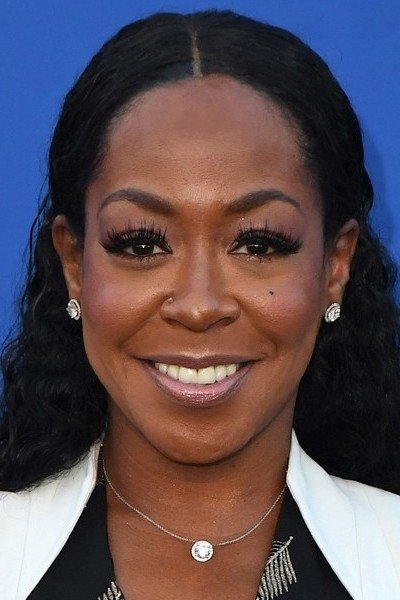
Tisha Campbell-Martin became well-known for playing strong, assertive characters on shows like ‘Martin’ and ‘Everybody Hates Chris.’ She’s often seen as the funny, direct, and loud mother or friend who takes charge. While she’s a talented comedic actress, she hasn’t often been cast in gentler, romantic, or complex dramatic roles. For over twenty years, the industry has mostly cast her as the powerful, matriarchal figure in sitcoms. She’s a beloved presence on Black television, but this typecasting has limited her opportunities in film.
Erika Alexander
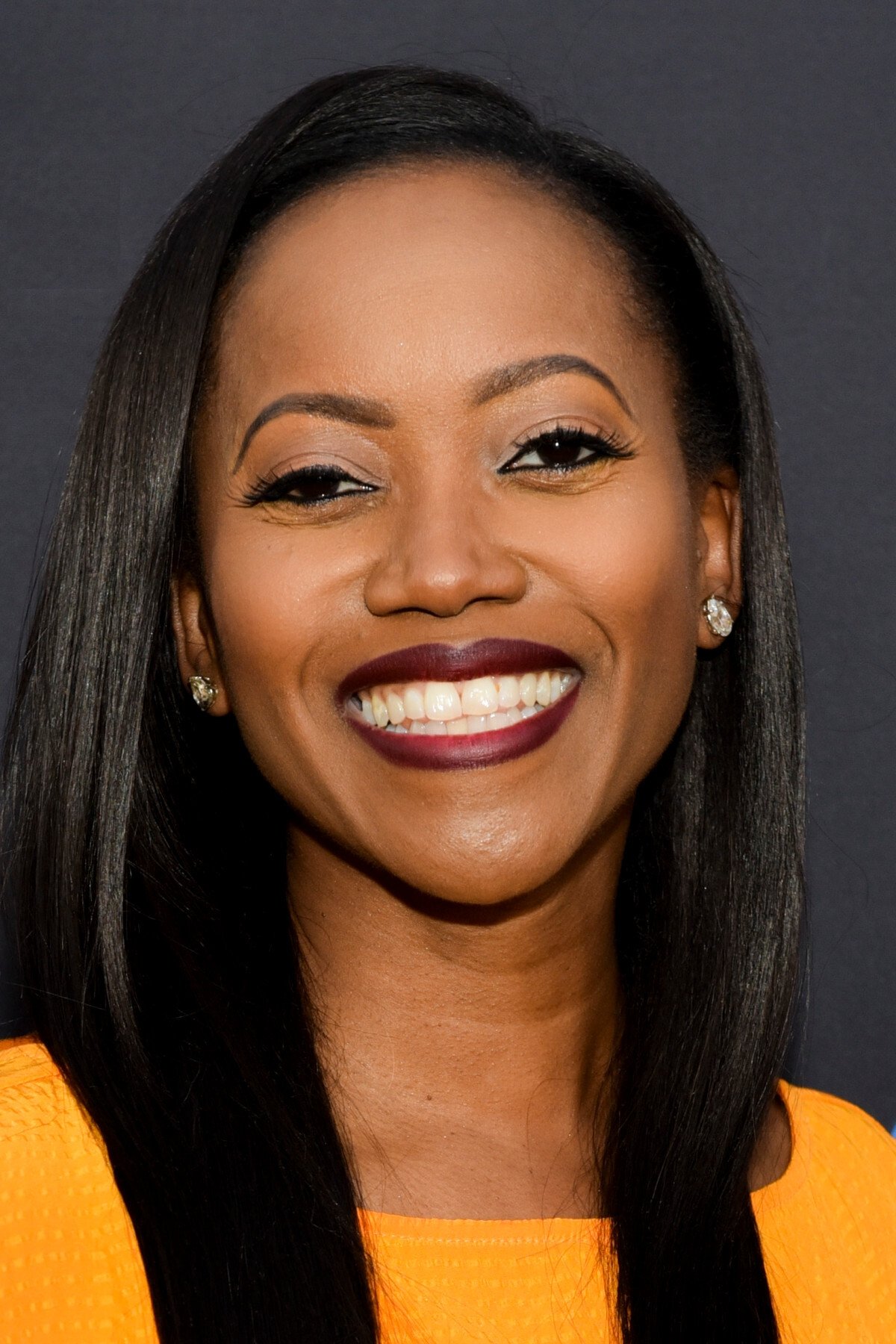
Queen Latifah is best known for her iconic role as Max Shaw on the 1990s sitcom ‘Living Single,’ where she played a confident and outspoken lawyer. While the character was groundbreaking in its portrayal of a strong Black woman in a professional field, it also created a typecast that made it difficult for her to find diverse leading roles afterwards. Fortunately, she’s experienced a recent career revival with critically acclaimed films like ‘Get Out’ and ‘American Fiction,’ which have allowed her to showcase her range and take on more complex and realistic characters.
Kim Fields
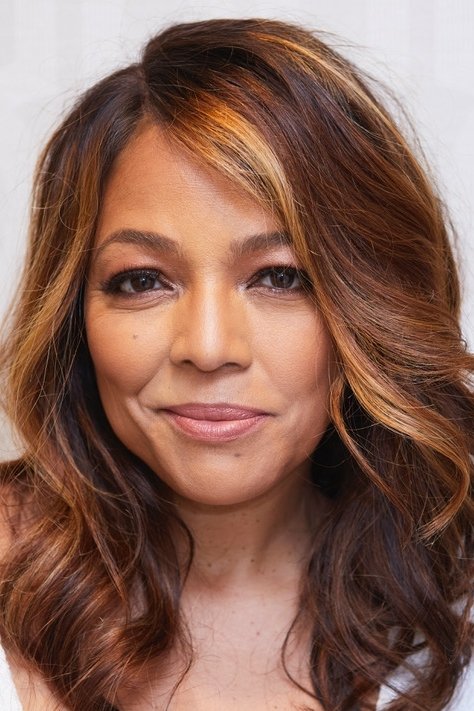
Kim Fields became known early in her career as a cute child actress, and later often played characters defined by wealth and a love of possessions. While her role as Tootie on ‘The Facts of Life’ made her famous, she found it challenging to move beyond sitcoms as an adult. In ‘Living Single,’ she played Regine Hunter, a character very focused on status and how she looked. This type of role unfortunately reinforced a perception of her as being superficial, making it hard for her to land more serious, dramatic parts. Now, she’s directing to have more say in the stories she tells.
We’d love to hear your thoughts! Let us know in the comments which of these actresses you think made the most successful career change.
Read More
- Invincible Season 4 Gender Swaps Tech Jacket As Fans Question Major Comic Change
- Building Agents That Learn and Improve Themselves
- Gold Rate Forecast
- Games That Faced Bans in Countries Over Political Themes
- Silver Rate Forecast
- Superman Flops Financially: $350M Budget, Still No Profit (Scoop Confirmed)
- Trading Crypto with AI: A New Approach to Portfolio Management
- 15 Films That Were Shot Entirely on Phones
- 22 Films Where the White Protagonist Is Canonically the Sidekick to a Black Lead
- Unveiling the Schwab U.S. Dividend Equity ETF: A Portent of Financial Growth
2026-02-04 05:19