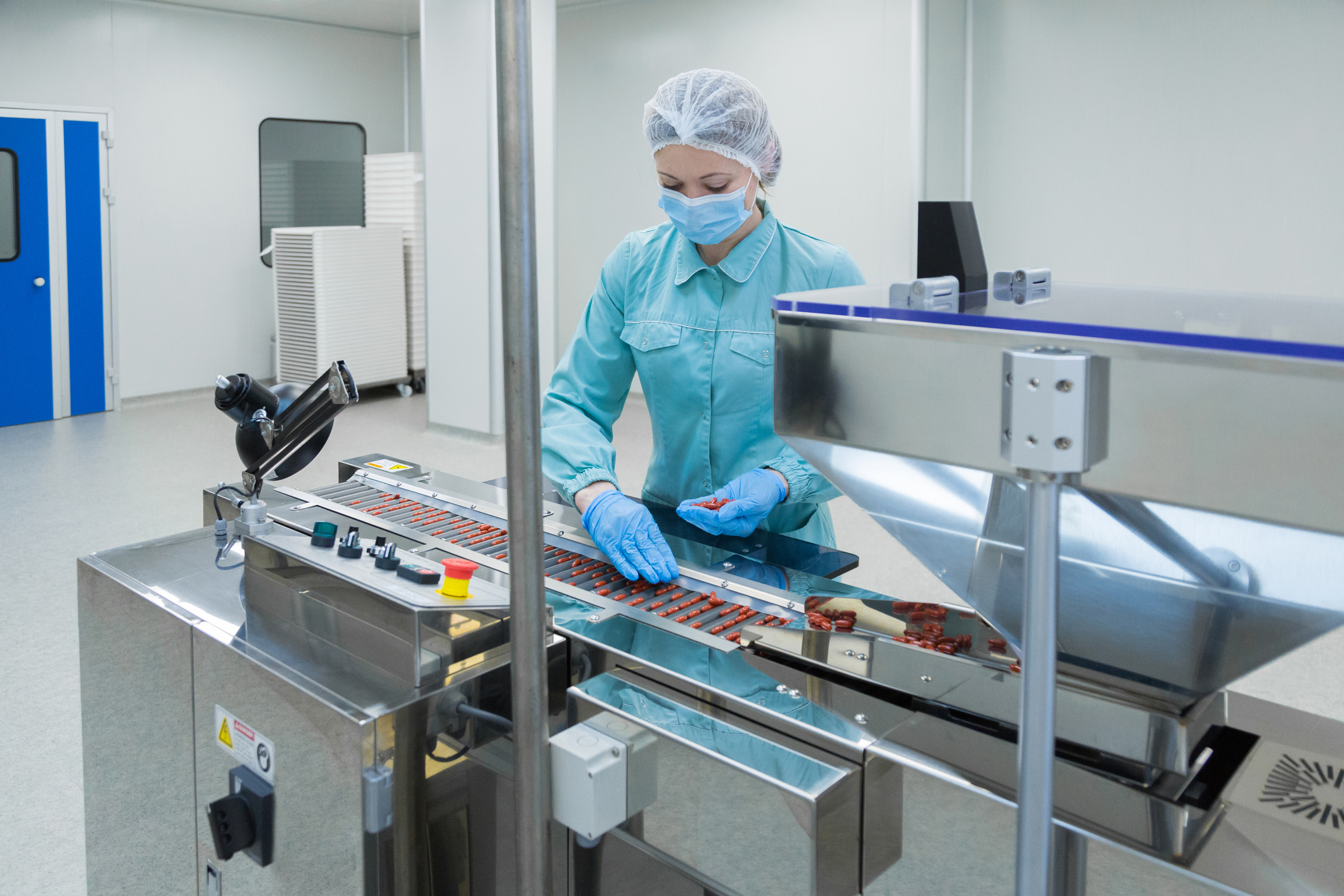
The pursuit of dividend yield within the healthcare sector presents a curious anomaly. Growth, undoubtedly, is the proclaimed objective, the shimmering promise held aloft. Yet, the actual distribution of capital to shareholders remains, more often than not, a subdued affair. As of the closing of the fiscal year 2025, the average large-cap healthcare stock yielded a mere 1.67% – a figure that occupied the sixth position among eleven sectors, a statistic that feels less like a ranking and more like a designated holding pen.
Unlike the predictable rhythms of, say, the utilities sector – where revenue flows with the inevitability of a regulated current – healthcare companies are compelled to engage in a perpetual state of reinvestment. Research and development, the ceaseless churning of the laboratory, is not a choice, but a condition of existence. The fleeting profitability of any given pharmaceutical, the temporary respite from obsolescence, is always shadowed by the impending expiration of patents and the inevitable arrival of generic competitors. The prioritization of future formulations over present distributions is not a strategic decision, but a bureaucratic imperative, a self-perpetuating cycle of deferred gratification.
However, within this landscape of calculated risk and perpetual motion, certain entities have demonstrated a capacity for sustained dividend growth. These are not outliers, but rather specimens exhibiting a peculiar resistance to the prevailing entropy. AbbVie and Medtronic, two companies whose performance warrants a closer, perhaps unsettling, examination.
AbbVie: A Dividend King in a Kingdom of Shifting Sands
AbbVie currently offers a dividend yield of 2.98%. This figure, while seemingly respectable, is less a testament to generosity than a consequence of scale. The company’s origins, dating back to its 2013 spin-off from Abbott Laboratories, are relatively recent. Yet, when viewed through the lens of its predecessor’s history, a lineage of 54 consecutive years of quarterly dividend increases emerges – a distinction that earns it the title of “Dividend King,” a designation that feels less celebratory and more like a bureaucratic label affixed to a particularly durable specimen. The recent 5.5% increase to $1.73 per share is not a reward, but a continuation of a predetermined trajectory.
The third quarter results – revenue of $15.8 billion, a 9% year-over-year increase – are presented as evidence of success. However, the accompanying 38% decline in earnings per share, attributed to increased spending on research and milestone expenses, suggests a different narrative – a company perpetually chasing its own tail, investing in the promise of future profits while simultaneously eroding present gains. The sheer volume of investment feels less like a strategic move and more like an attempt to stave off an inevitable decline.
The successful transition away from Humira, once the company’s flagship product, is presented as a triumph. Yet, the reliance on new immunology therapies – Rinvoq and Skyrizi – merely replaces one dependency with another. A decade ago, Humira accounted for 63% of revenue. Now, Skyrizi leads with $4.7 billion, followed by Rinvoq at $2.2 billion, and a diminished Humira at $993 million. This is not diversification, but a reshuffling of vulnerabilities.
The increased spending on oncology – Elahere, Emrelis, and Epkinly – is framed as a positive development. However, the addition of these therapies to existing blood cancer drugs – Imbruvica and Venclexta – simply expands the scope of the company’s dependence on a single, highly specialized sector. The oncology segment now accounts for nearly 11% of revenue, a figure that feels less like a sign of strength and more like a concentration of risk.
The dividend payout ratio of 58% is described as “a tad high.” However, given the free cash flow per share of $11.11 over the past 12 months, the annual dividend payout of $6.92 appears sustainable – at least for the present. The illusion of stability is maintained, but the underlying fragility remains.
Medtronic: The Bureaucracy of Medical Progress
Medtronic, with a market capitalization of $132 billion, is the largest standalone medical device manufacturer. The company’s portfolio – pacemakers, defibrillators, heart valves, insulin pumps, surgical tools – is a testament to the relentless march of medical technology. Yet, this proliferation of devices feels less like a triumph of innovation and more like an endless cycle of replacement and obsolescence.
The expansion into “smart devices” – GI Genius, PillCam – is presented as a forward-thinking strategy. However, these innovations simply add another layer of complexity to an already labyrinthine system. The promise of AI-powered diagnostics and ingestible cameras feels less like a breakthrough and more like a further detachment from the human element of healthcare.
The recent revenue gains – $9 billion in the second quarter of fiscal 2026, up 6.6% year-over-year – are presented as evidence of success. However, the 8% increase in earnings per share feels less significant when viewed against the backdrop of escalating research and development costs. The pursuit of growth continues, but the underlying logic remains opaque.
The 1.4% dividend raise – the 48th consecutive year of increases – is presented as a sign of stability. However, the dividend yield of around 2.75% feels modest given the company’s size and market position. The payout ratio of 69% is deemed acceptable, but the planned spin-off of the diabetes business – the company’s smallest and least profitable division – raises questions about the long-term sustainability of this trajectory.
Two Healthcare Stocks That Simulate Stability
AbbVie and Medtronic share the advantage of scale, which allows them to continue generating revenue and, consequently, dividends. This size and their built-in diversification mean that if one of their segments falters, another will likely step up – a bureaucratic redundancy that ensures the continuation of the system, regardless of individual failures.
AbbVie’s cash-flow generation – more than $19 million last year – allows it to spend heavily on research and development while still maintaining a consistently growing dividend. Medtronic’s dominance in medical equipment allows it to develop new products with an eye toward the future. This is not innovation, but a calculated attempt to perpetuate the cycle.
Of the two, AbbVie is preferred due to its track record of innovation and sizable cash position. While enjoying profits from Humira, it ensured investment in its pipeline, which currently includes 90 programs, 60 of which are in mid- or late-stage development. This is not a sign of progress, but a bureaucratic imperative – a relentless pursuit of future profits that ensures the continuation of the system, regardless of the cost.
Read More
- Invincible Season 4 Gender Swaps Tech Jacket As Fans Question Major Comic Change
- Building Agents That Learn and Improve Themselves
- Gold Rate Forecast
- Games That Faced Bans in Countries Over Political Themes
- Silver Rate Forecast
- Trading Crypto with AI: A New Approach to Portfolio Management
- Superman Flops Financially: $350M Budget, Still No Profit (Scoop Confirmed)
- 22 Films Where the White Protagonist Is Canonically the Sidekick to a Black Lead
- Unveiling the Schwab U.S. Dividend Equity ETF: A Portent of Financial Growth
- 15 Films That Were Shot Entirely on Phones
2026-02-04 01:54