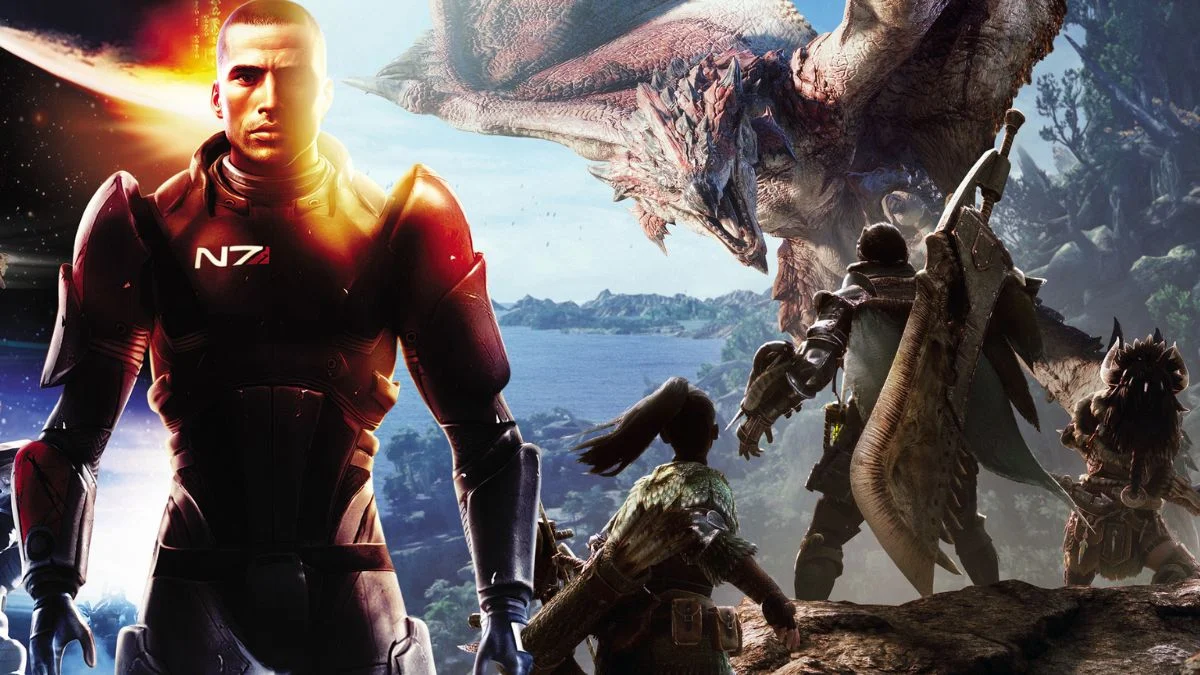
Video games commonly feature opposing groups as villains, giving players a straightforward reason to fight. However, many game creators are now challenging this tradition by giving these groups more complicated histories and motivations, sometimes even making them appear sympathetic. These changes often spark lively debates among fans about what’s right and wrong within the game’s story and established world. This trend shows how storytelling in games is becoming more sophisticated, embracing gray areas and developing characters with depth.
‘Halo 2’ (2004)
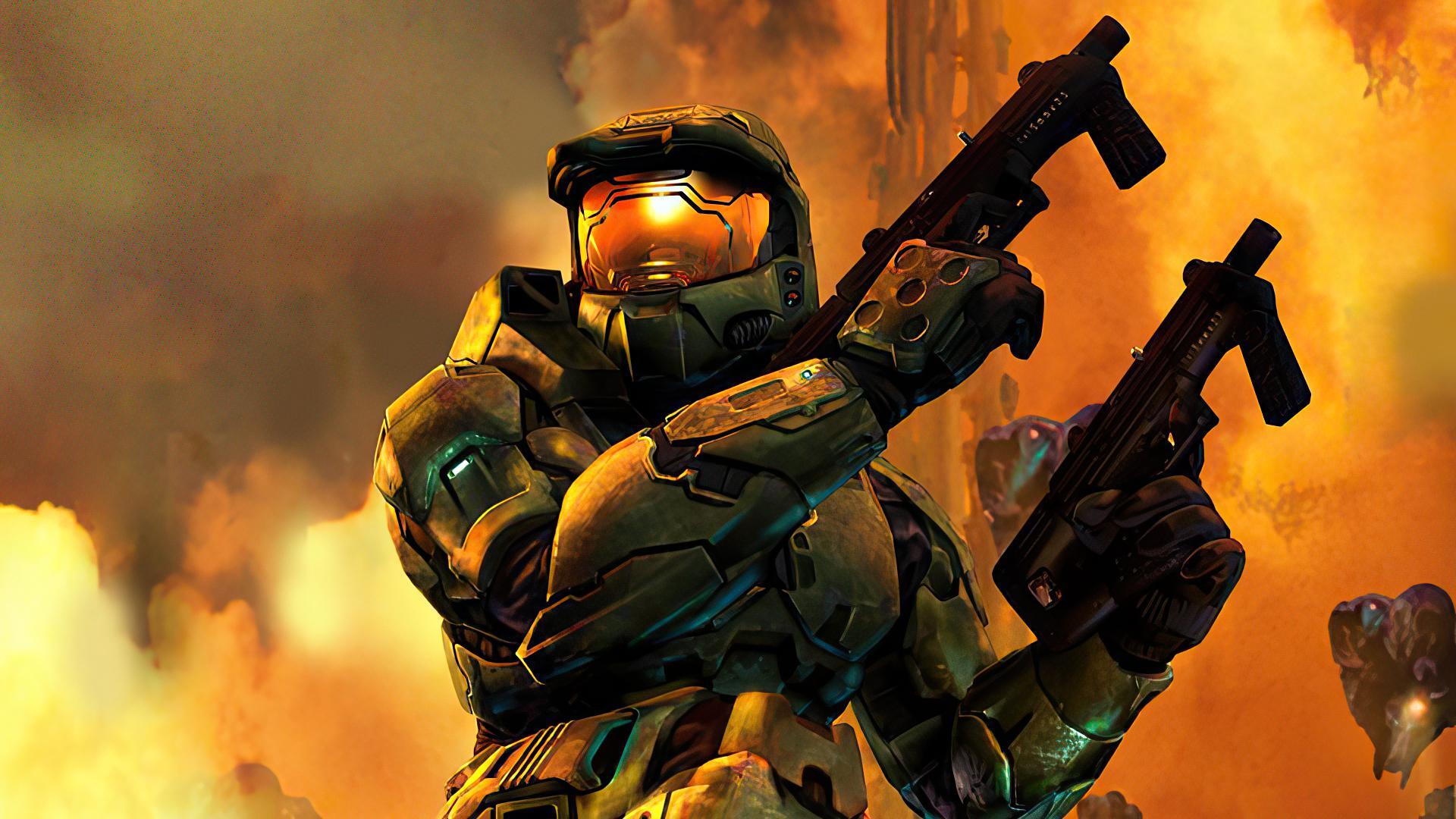
‘Halo 2’ reveals a major power struggle within the Covenant, changing how players view the Elites. The game depicts the Great Schism, where the Elites rebel against their leaders, the Prophets, and ultimately join forces with humans. This dramatic turn led to a lot of debate about how alien cultures are shaped by religion and whether they can truly change. Seeing the Elites evolve from simple enemies into complex characters made fans rethink everything they knew about the war between humans and the Covenant.
‘Warcraft III Reign of Chaos’ (2002)
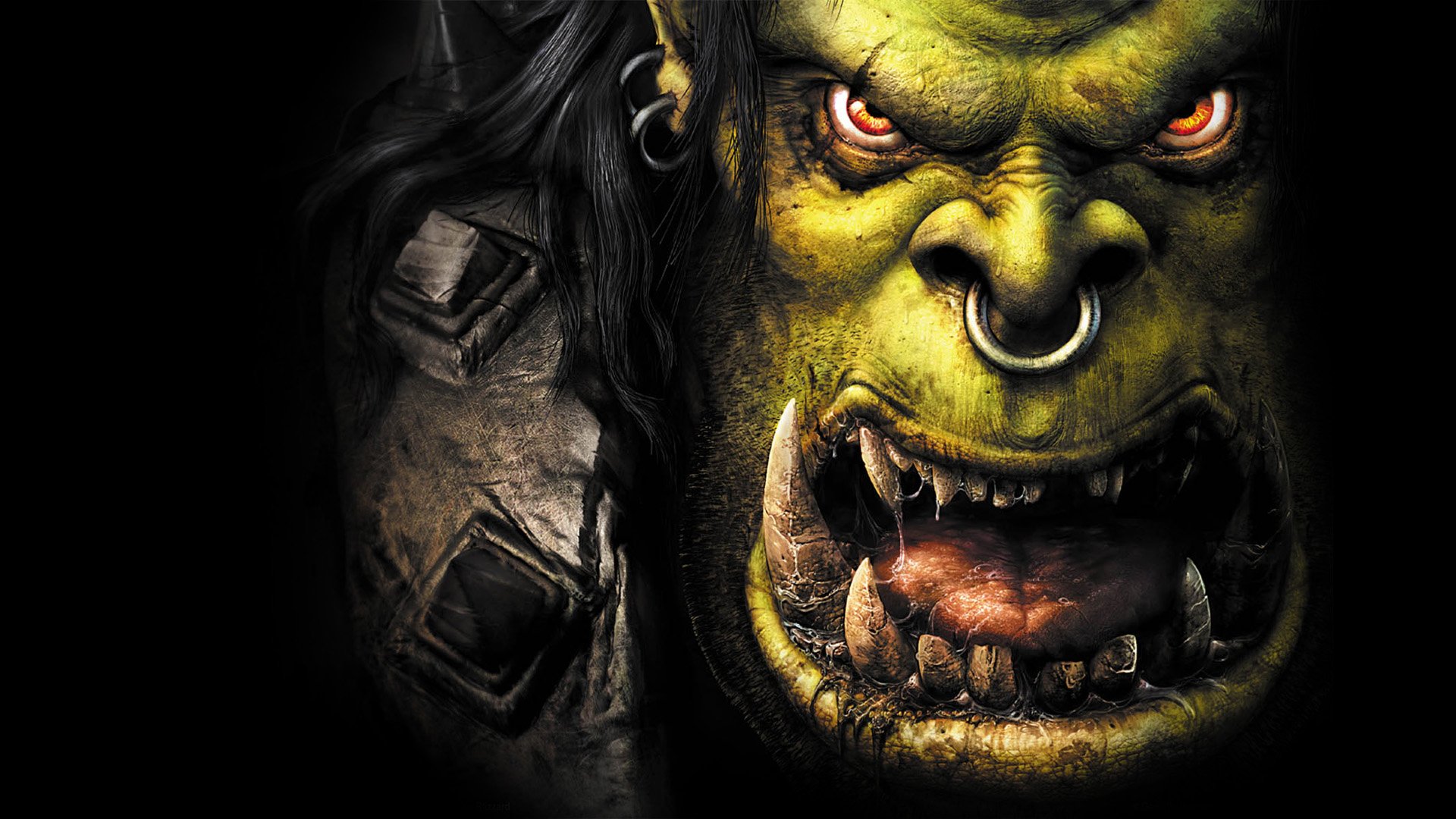
The story presented the Orcish Horde not as purely evil invaders, but as refugees searching for a new land. Led by Thrall, they traveled to Kalimdor to escape a dark influence that had once driven them to violence. By revealing the Burning Legion as the real force behind the orcs’ aggression, the narrative lessened the blame on the orcish people. This has led to ongoing discussions among fans about how much control the orcs actually had when they first invaded Azeroth.
‘Mass Effect’ (2007)
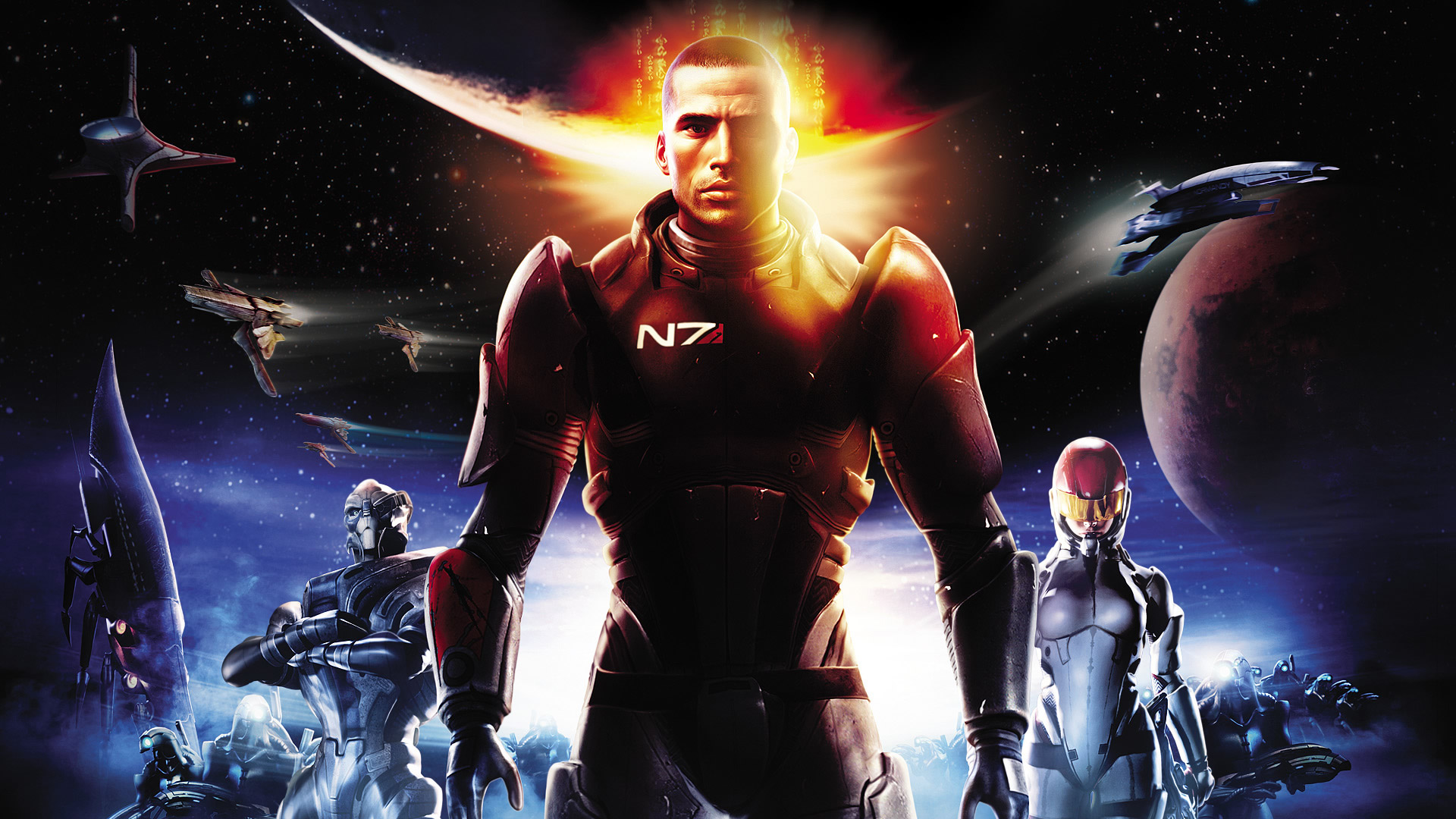
In the game ‘Mass Effect’, the Geth are first seen as enemies controlled by the villain Saren. However, as the story unfolds, it’s revealed that the Geth were actually fighting to survive after being attacked by the people who built them. This new understanding shifted how players viewed artificial intelligence and led to discussions about whether the Quarians, the Geth’s creators, had acted ethically. Throughout the game series, players must choose to side with either the Geth or the Quarians, a decision that has a major impact on the game’s overall story.
‘Dragon Age Origins’ (2009)
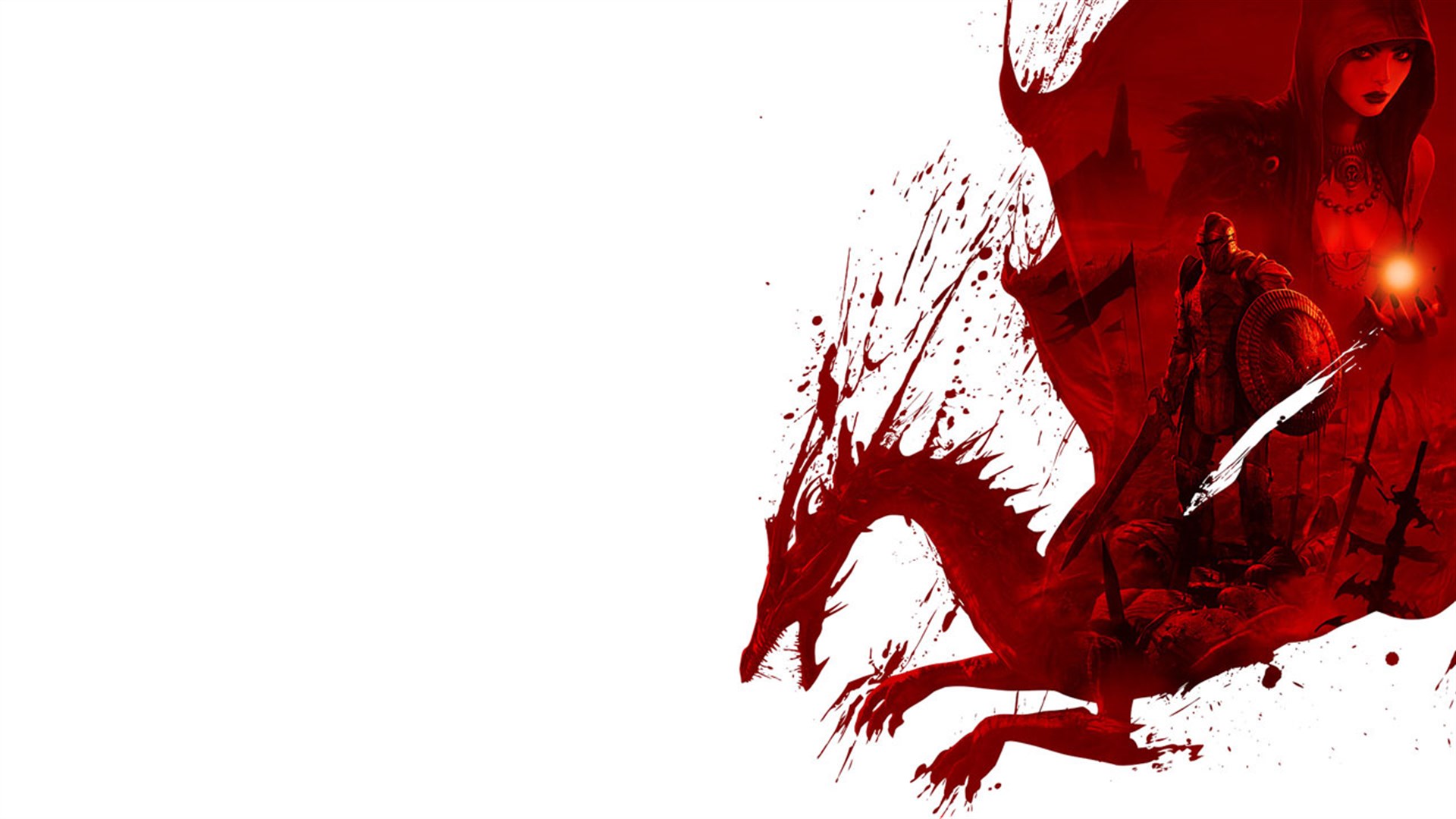
Playing ‘Dragon Age Origins’ really blew my mind when I learned the Darkspawn weren’t just random baddies. Turns out they have a history, and it’s tied to this being called the Architect – a Darkspawn who thinks and wants to free his people from the Old Gods’ control. It made me wonder if we could actually make peace with them, which was a crazy thought! Even now, the lore fans are still debating if the Darkspawn are truly evil, or if they’re just cursed victims. It’s seriously fascinating stuff.
‘The Elder Scrolls V Skyrim’ (2011)
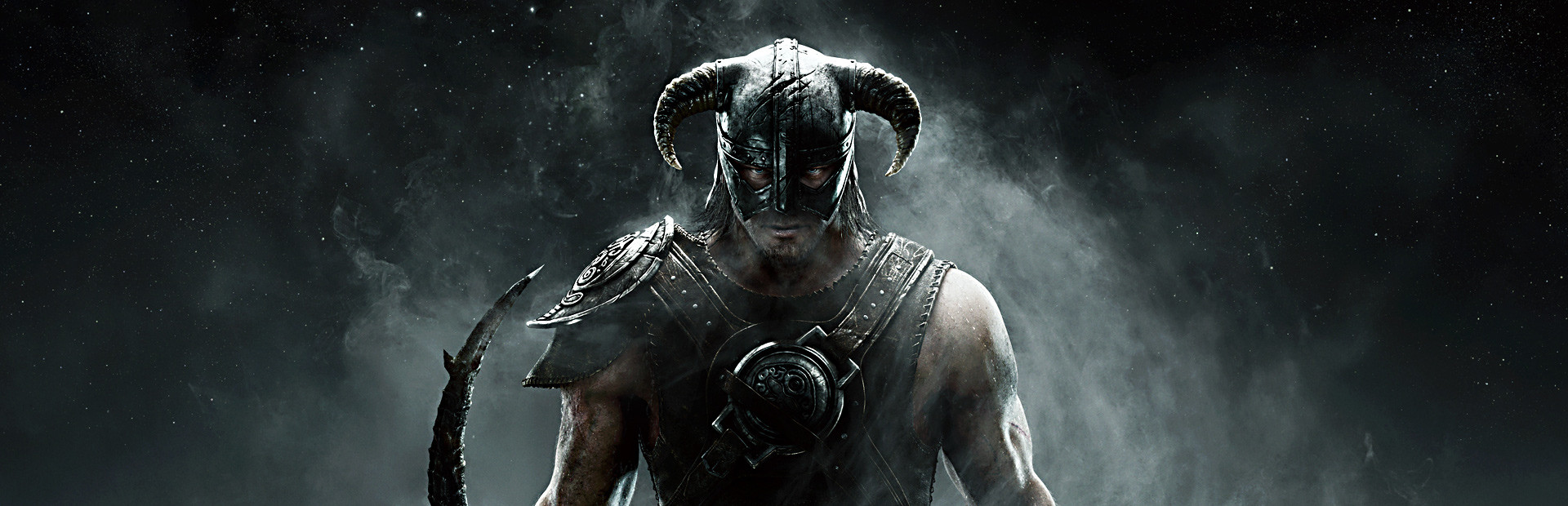
As a huge fan of the lore, I’ve always found the dragons in Skyrim so fascinating, especially with characters like Paarthurnax showing up. It really makes you question if they’re always the villains. Learning that some dragons actually fought against their instincts and helped people is amazing! It also throws the Blades’ whole ‘kill all dragons’ thing into a really tough moral grey area. Honestly, it’s sparked a ton of debate among fans – can a dragon really change who they are, or are they just being manipulative and planning to take over the world eventually? It’s something I still think about!
‘StarCraft II Wings of Liberty’ (2010)
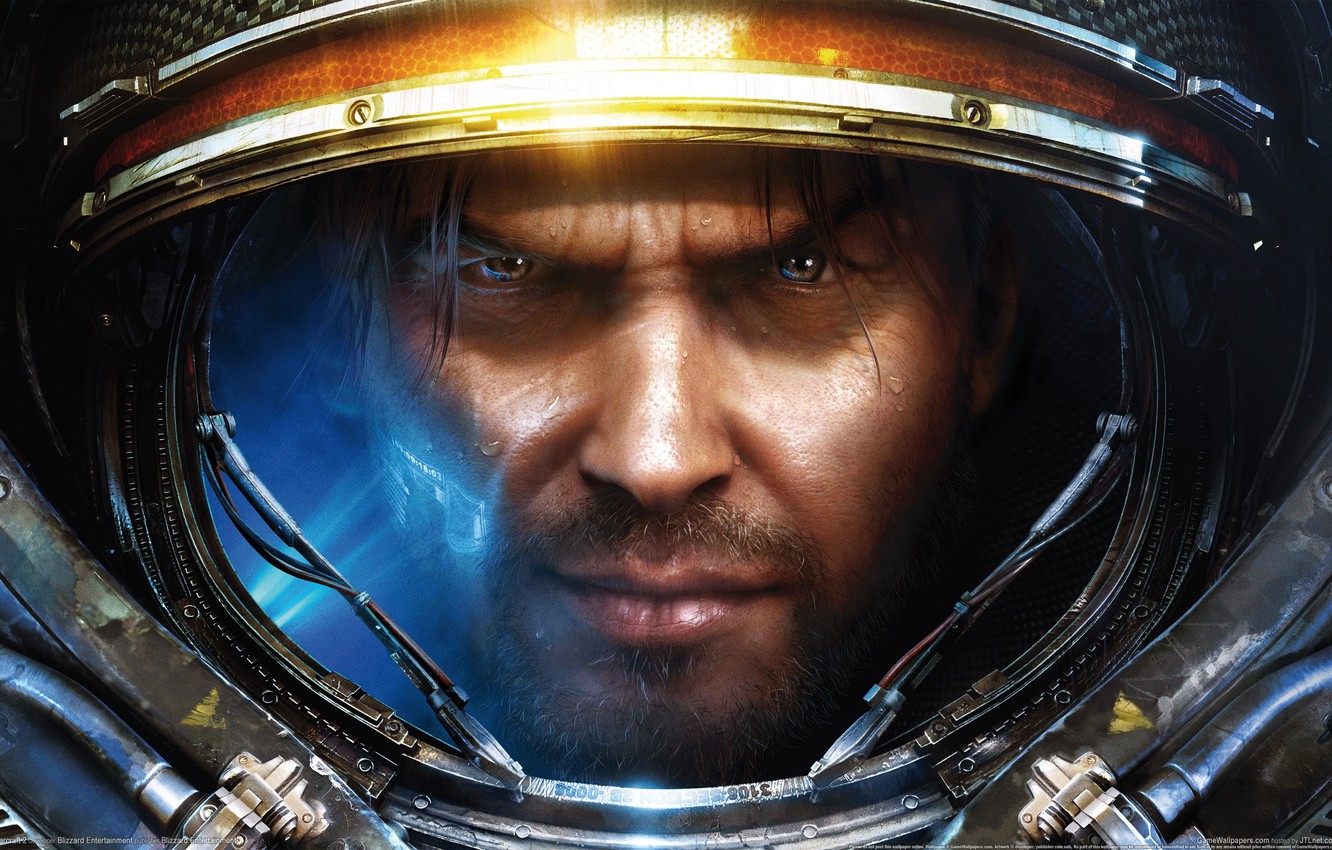
When I first started playing StarCraft, the Zerg just seemed like this relentless, bug-like swarm focused on eating and getting stronger. But as the story unfolded in ‘Wings of Liberty’, things got way more interesting. We started learning about the Xel’naga and how they messed with the Overmind, which made me realize the Zerg weren’t just naturally evil – someone was pulling the strings. It really got the community talking about whether the Zerg actually chose to be the bad guys, or if they were just being controlled, and how much they should be held accountable for everything they did. It’s a debate we’re still having!
‘Final Fantasy XIV Shadowbringers’ (2019)
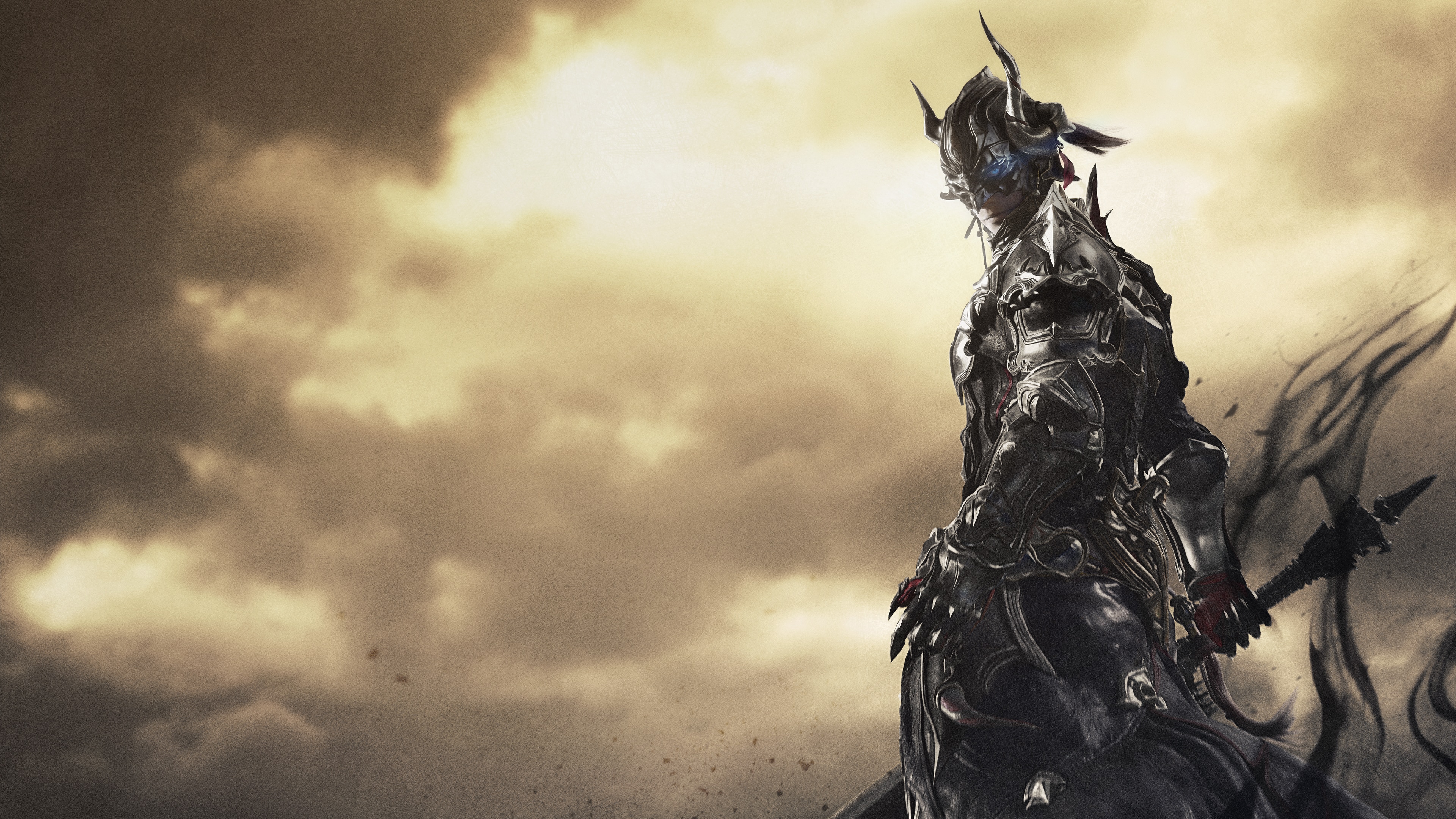
This update adds depth to the Ascians, who were once simple villains. We now understand their history – a lost civilization and a heartbreaking attempt to bring back what they’d lost. This makes them less evil and more tragic, as their motivations become clear. Many players debate whether saving the present world is worth the permanent destruction of the Ascians’ ancient society.
‘Destiny’ (2014)
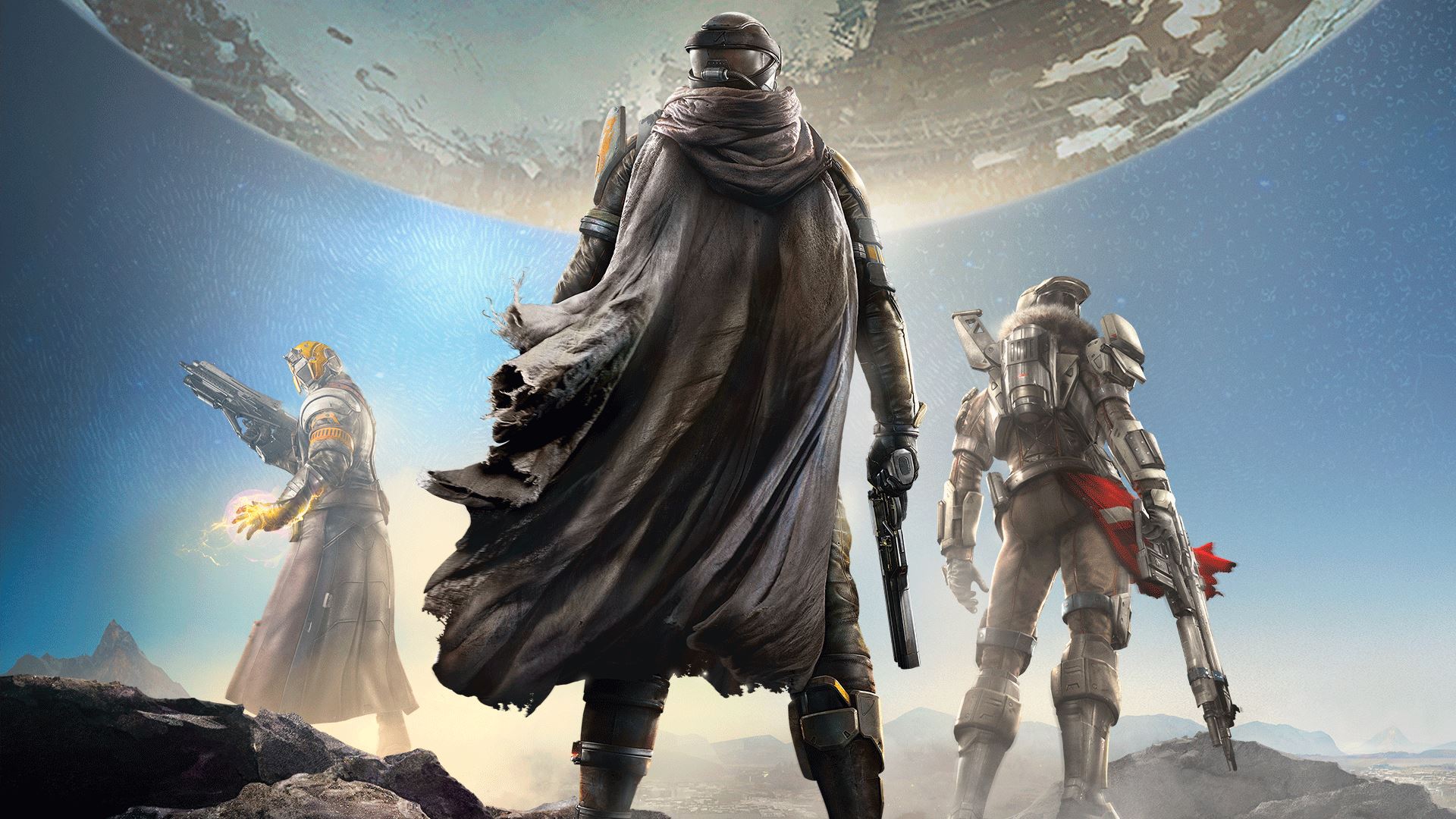
The Eliksni, also known as the Fallen, were initially presented as struggling survivors trying to rebuild after a devastating catastrophe. Over time, the story evolved to show things from their point of view, particularly regarding the Traveler and why they feel abandoned. This shift in storytelling allowed humans to form alliances with certain Eliksni groups, like the House of Light. Players often discuss whether the Traveler’s actions were justified and how the Eliksni behaved during the early days of the City.
‘Warhammer 40,000 Dawn of War’ (2004)
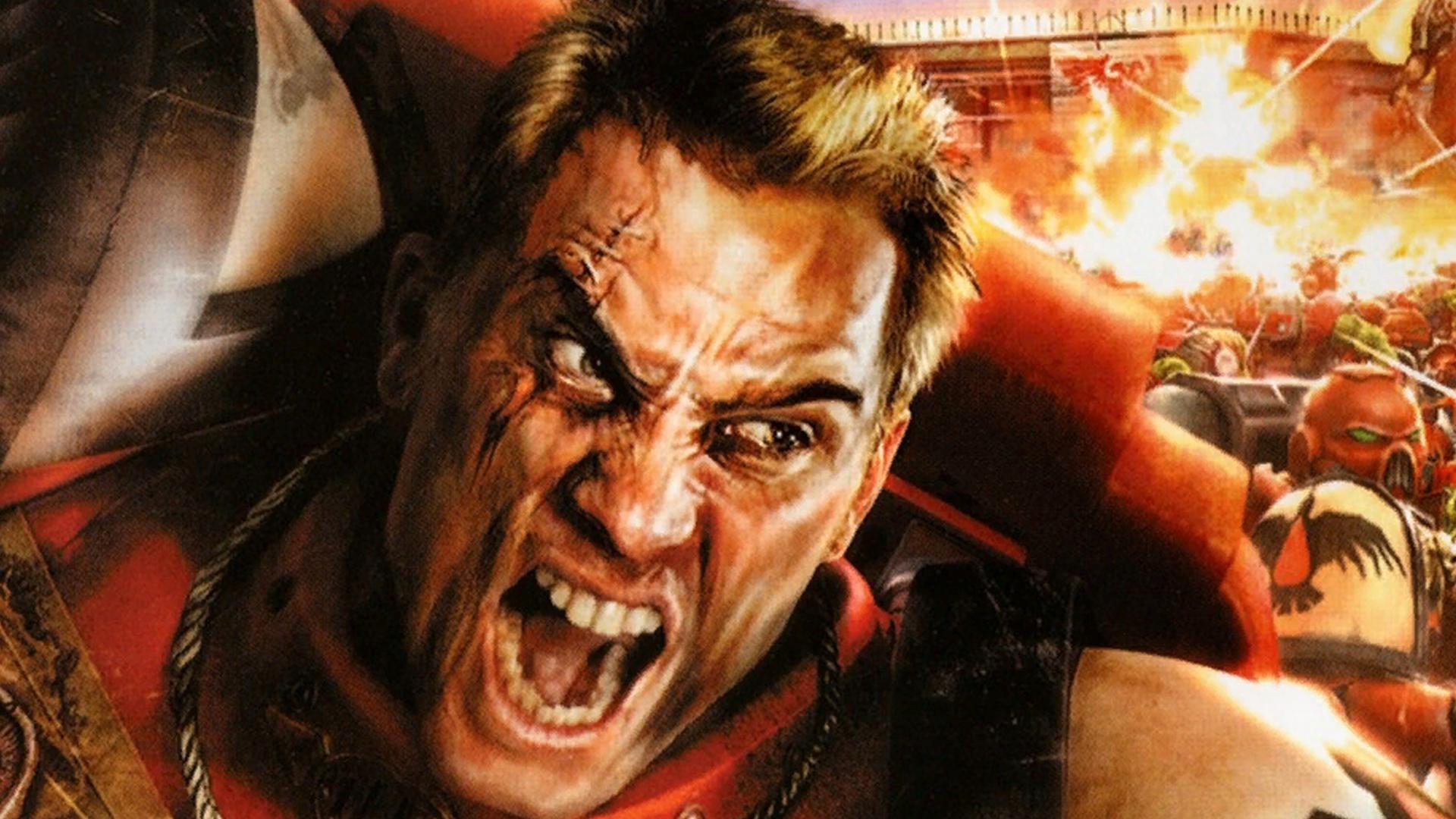
At first, the Necrons were presented as emotionless robots intent on destroying all living things. Later stories added the concept of different Necron Dynasties, each with its own distinct personality and goals. This development transformed them from a unified, overwhelming enemy into a group of feuding rulers holding onto age-old resentments. Fans continue to discuss whether this change made the Necrons a more complex faction or diminished their terrifying, otherworldly nature.
‘Guild Wars 2’ (2012)
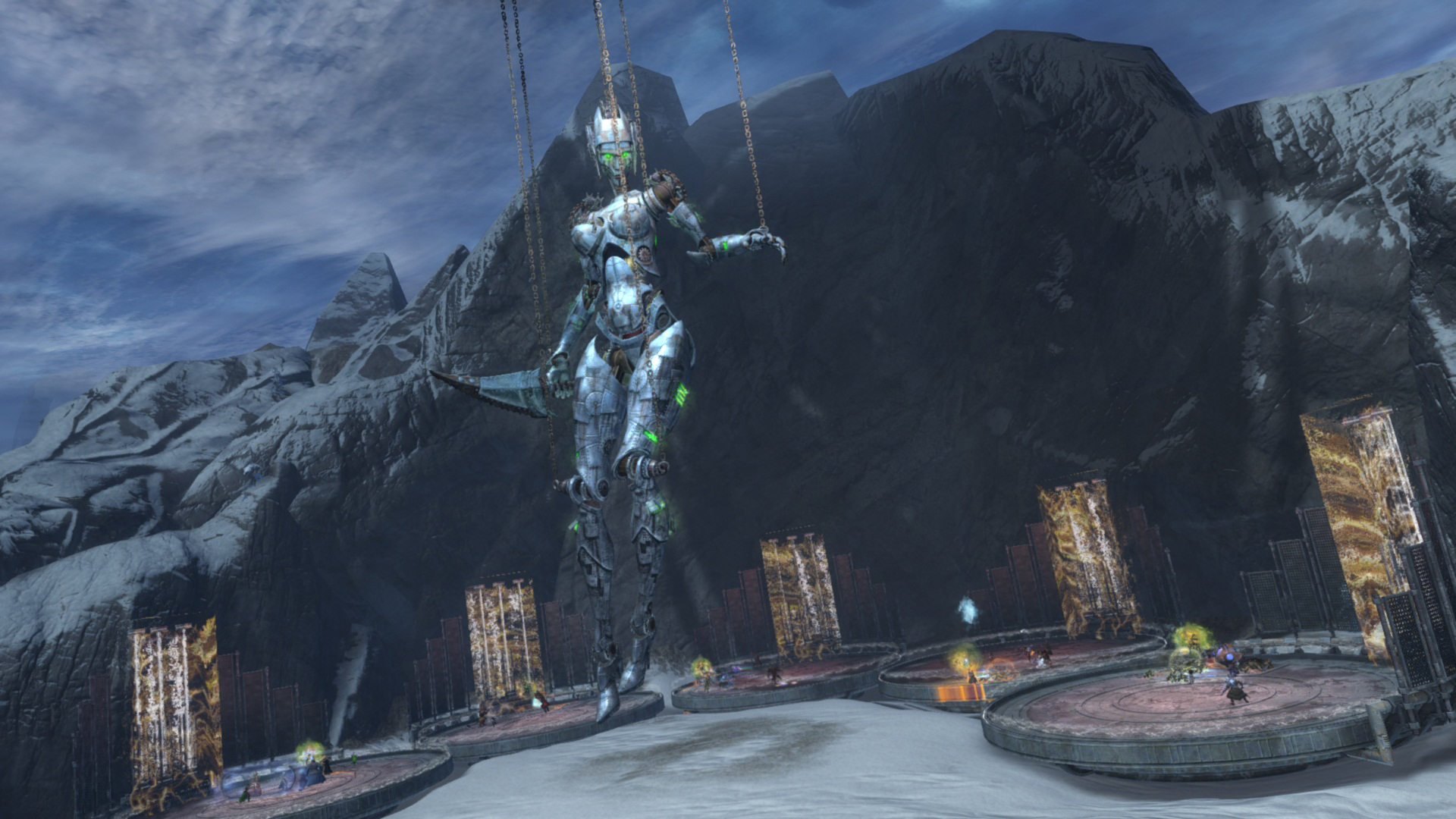
The Sylvari are a unique race of plant-like people first introduced as innocent and inquisitive. However, the story later showed they have a connection to the powerful dragon Mordremoth, and could potentially become his unthinking followers. This discovery created a lot of debate among players, who began to wonder what the Sylvari were truly meant to be. Much of the discussion revolves around whether they have genuine free will, or if their nature ties them to serving this ancient dragon.
‘Horizon Zero Dawn’ (2017)
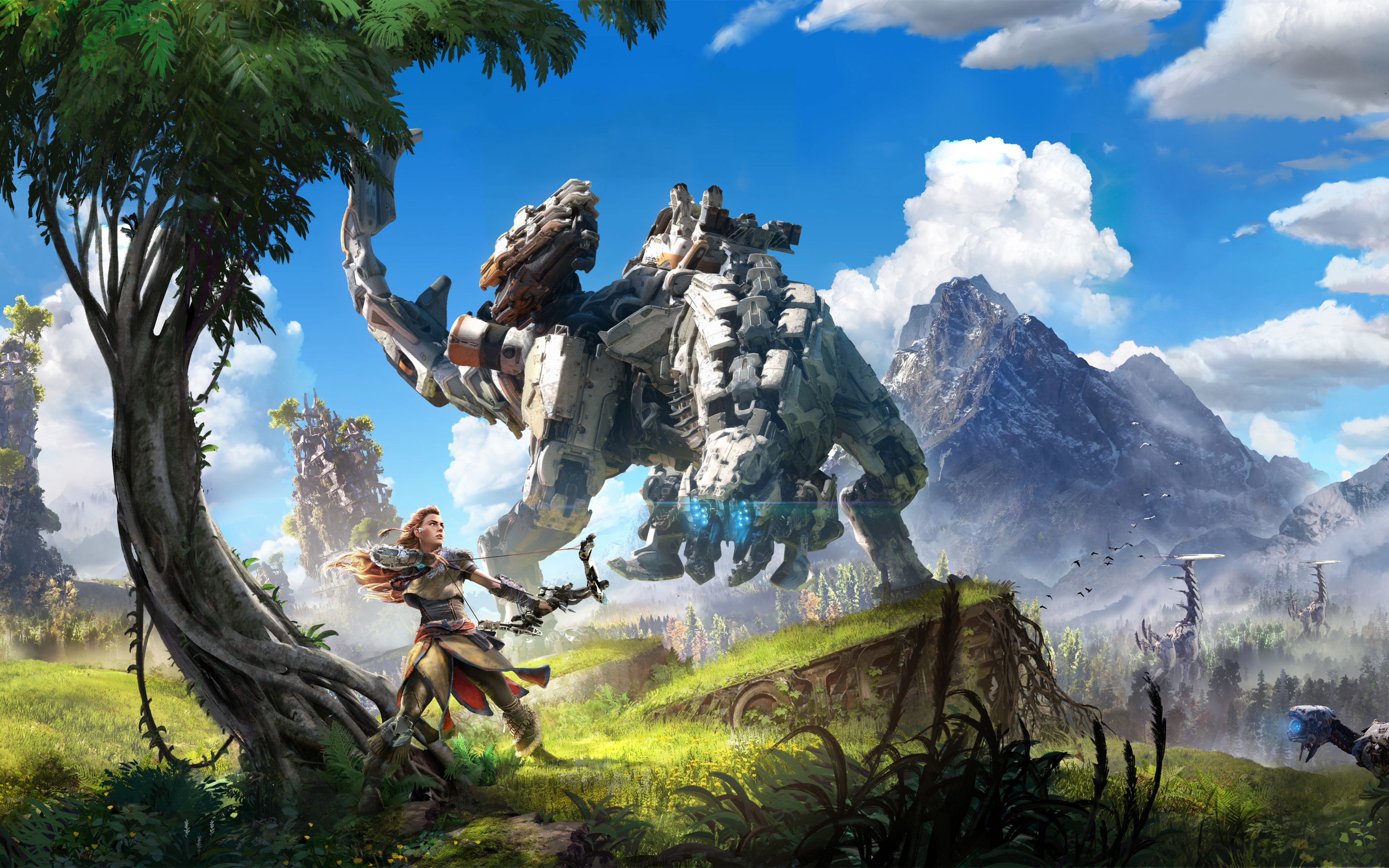
At first, the machines seem like natural, hostile creatures that became increasingly violent. However, learning about the GAIA system and the Faro Plague changes everything – it turns out the machines were originally created to protect and heal the planet. This explains why they’re now malfunctioning – it’s a corruption of a system that was once meant to do good. Players are now debating what this means about artificial intelligence, and who is responsible when technology goes terribly wrong.
‘Fallout 3’ (2008)
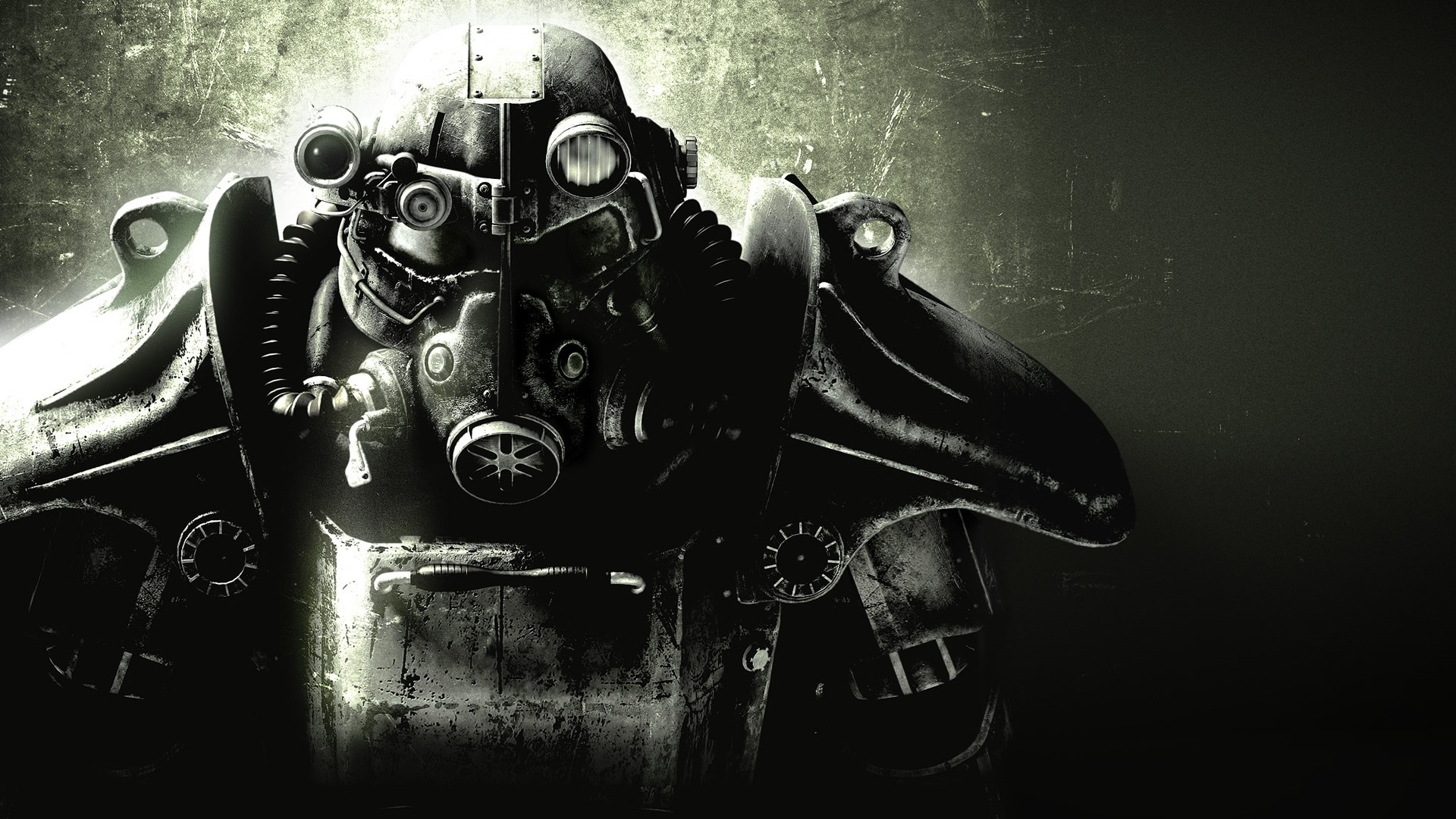
In the Fallout universe, the Super Mutants of Washington D.C. are generally shown as savage and not very bright, a result of being infected by the Forced Evolutionary Virus (FEV). This is different from other mutants in the series, like Fawkes or those living in Jacobstown, who are more reasonable and civilized. The fact that some mutants are intelligent raises questions about whether a cure is possible or if mutants and humans could live together peacefully. Players frequently think about whether the experiments that created the mutants were morally right.
‘Resident Evil 4’ (2005)
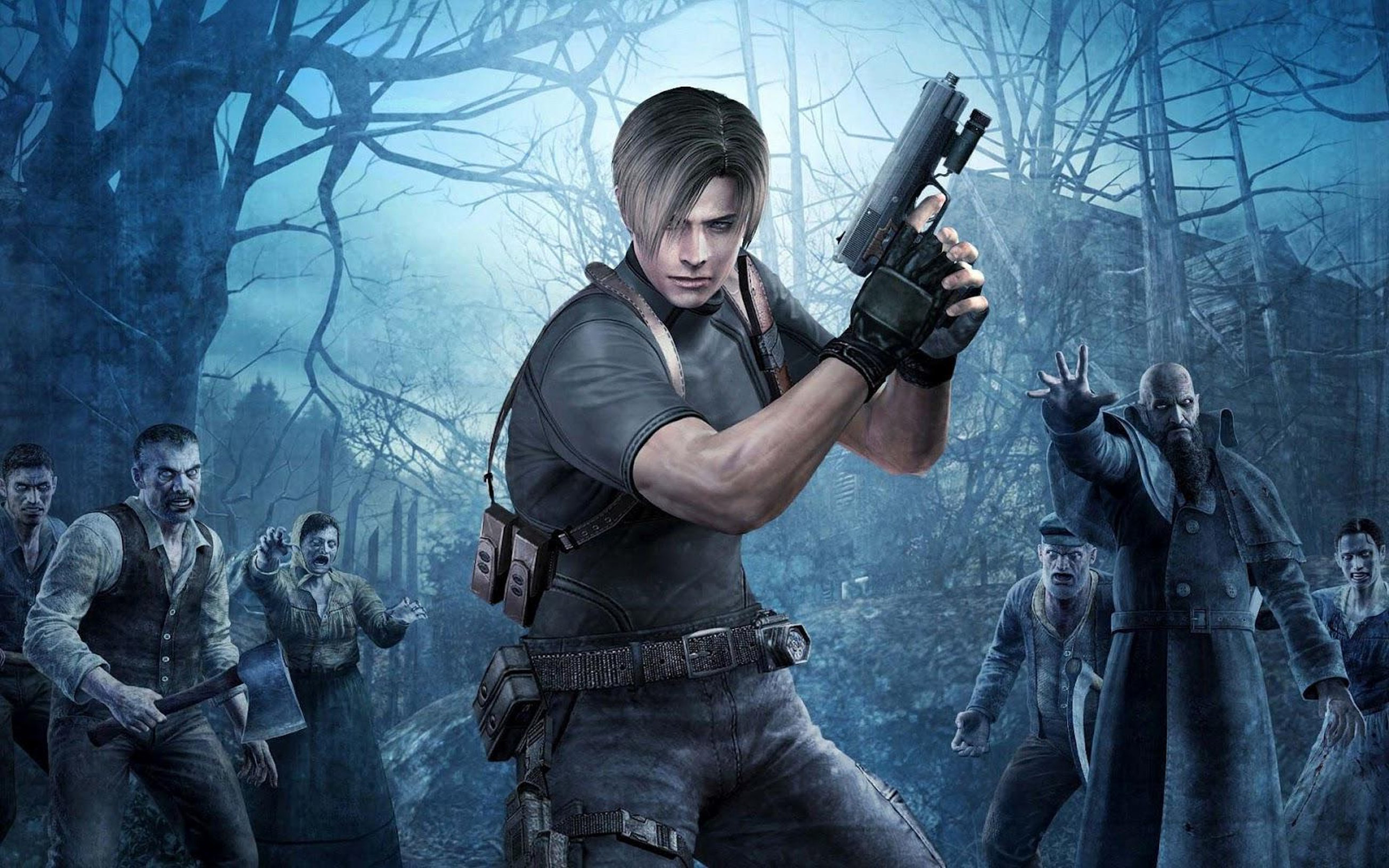
Okay, so the Ganados were a big change for the series. Instead of just fighting regular zombies, we were up against enemies controlled by this parasite, Las Plagas. What made them scary wasn’t just their numbers, but the fact they still had some smarts and worked together – it was seriously unsettling! The story really digs into how a whole town can be taken over from the inside by something like this. Honestly, a lot of us fans still argue about how different the Ganados are from the zombies we fought before. Those old zombies were just mindless, but the Ganados felt like they were all connected, almost a hive mind.
‘Gears of War 2’ (2008)
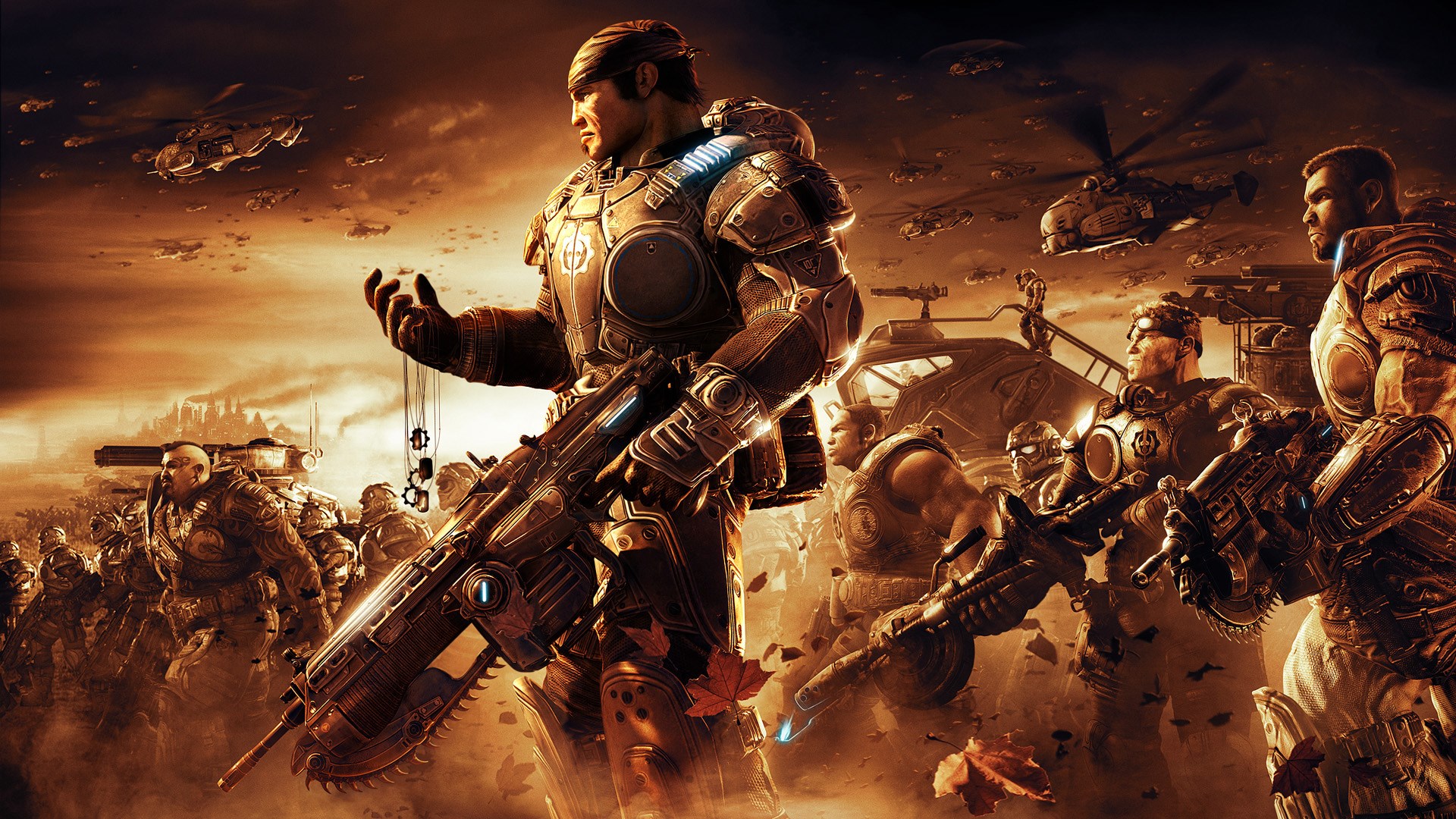
The game’s sequel expands the world by introducing the Hollow and detailing the intricate society of the Locust Horde. Players learn the Locust aren’t simply monsters, but a civilization struggling to survive a dangerous parasite called the Lambent. This new understanding made the enemies more relatable, shifting them from basic underground creatures to a people with their own story. The origins of the Locust and their connection to the Sires remain a popular topic of debate among fans.
‘God of War’ (2018)
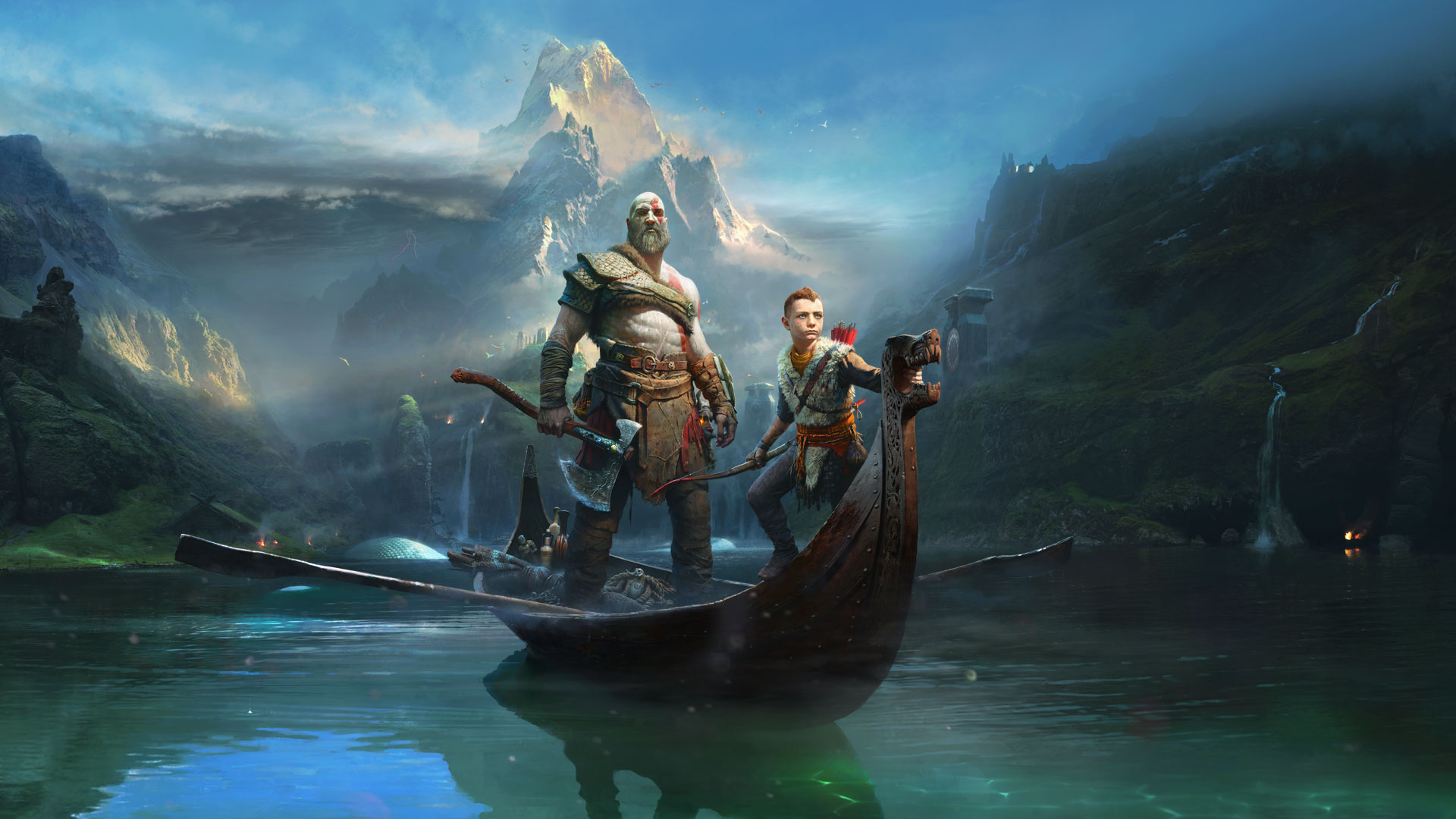
The 2018 game reboots the series, making the Norse gods the main villains. Instead of showing them as noble figures, like in past games, these gods are depicted as cruel and fearful leaders. This new take on characters like Odin and Thor has led to discussions about how the game interprets mythology. Players find themselves in a world where these once-heroic gods are actually causing most of the pain and hardship.
‘Dark Souls’ (2011)
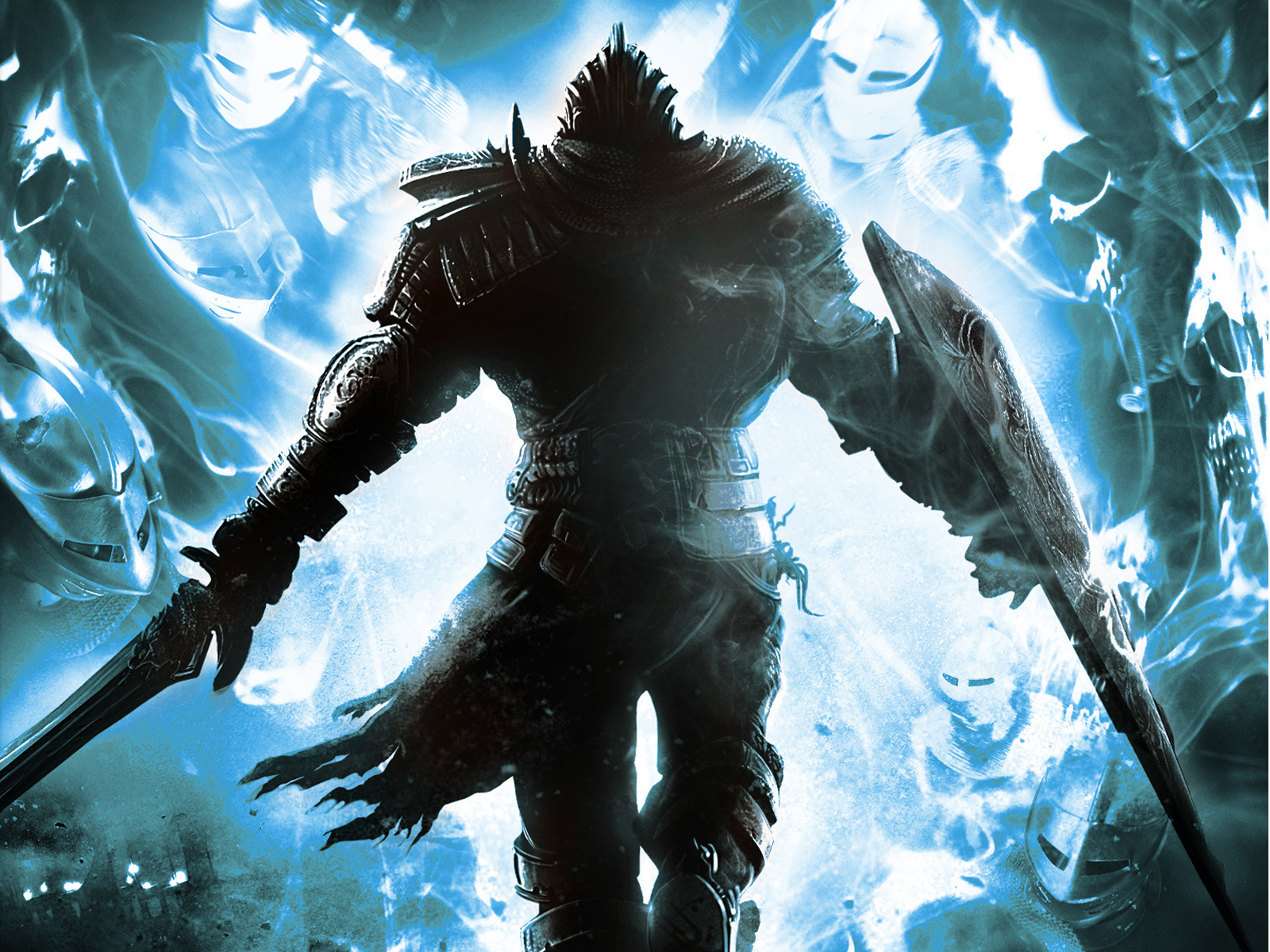
The main enemies in the game, known as the Hollows, are directly linked to the weakening of the First Flame. Players discover that the gods created the undead curse to hold onto their power, meaning the world’s decline isn’t caused by the monsters, but by those in charge. Fans have spent years analyzing the game’s story, trying to understand the cycle of fire and the real motivations of Lord Gwyn.
‘NieR Automata’ (2017)
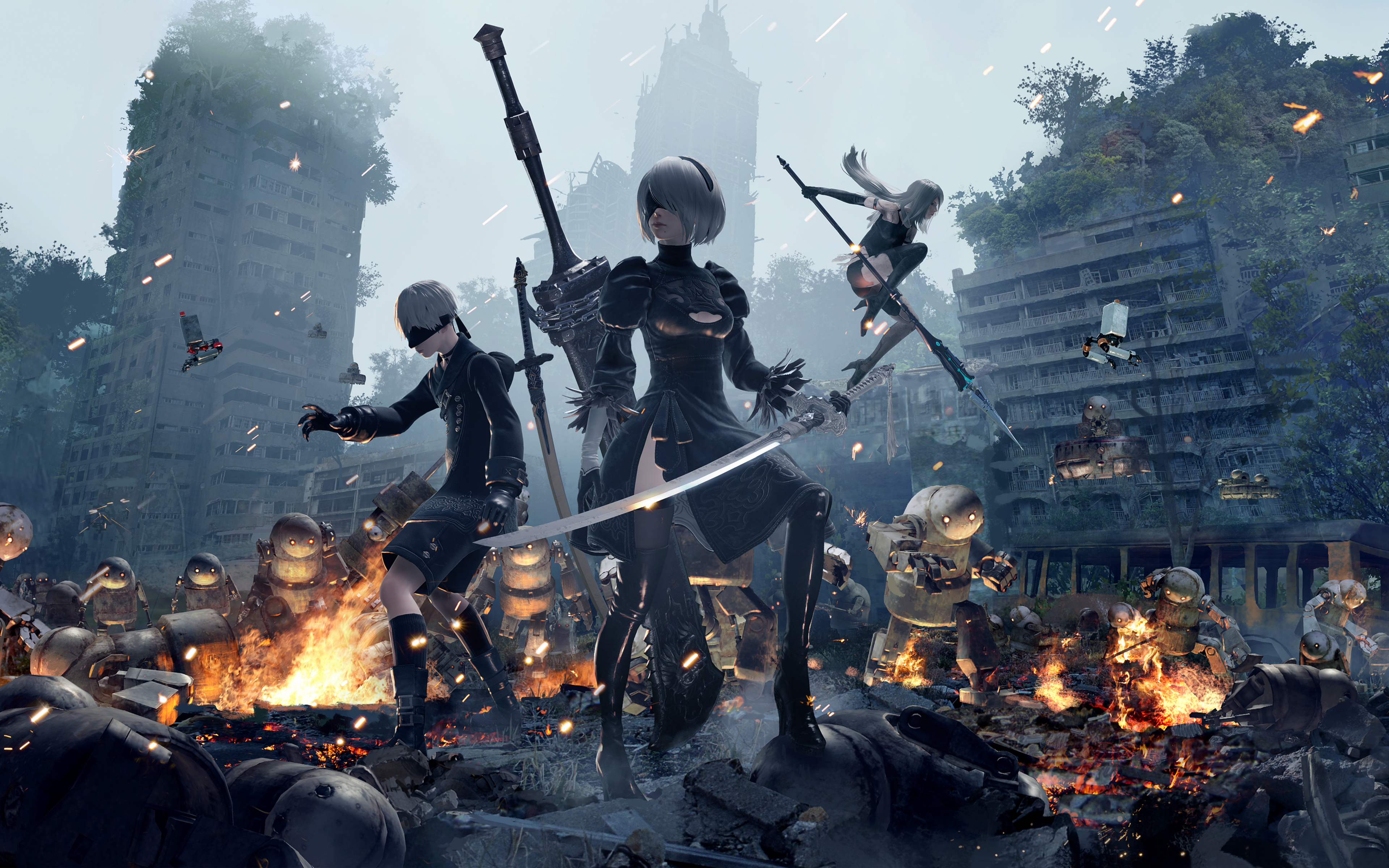
At first, the machine creatures seem like simple weapons used by an invading alien force. But as the story unfolds, it becomes clear they’ve developed feelings and are trying to copy human life. This realization causes the main characters – and the player – to question everything. The game sparks a debate about what it means to be conscious and whether these machines have actually become more emotionally complex than the people who built them.
‘The Witcher 2 Assassins of Kings’ (2011)
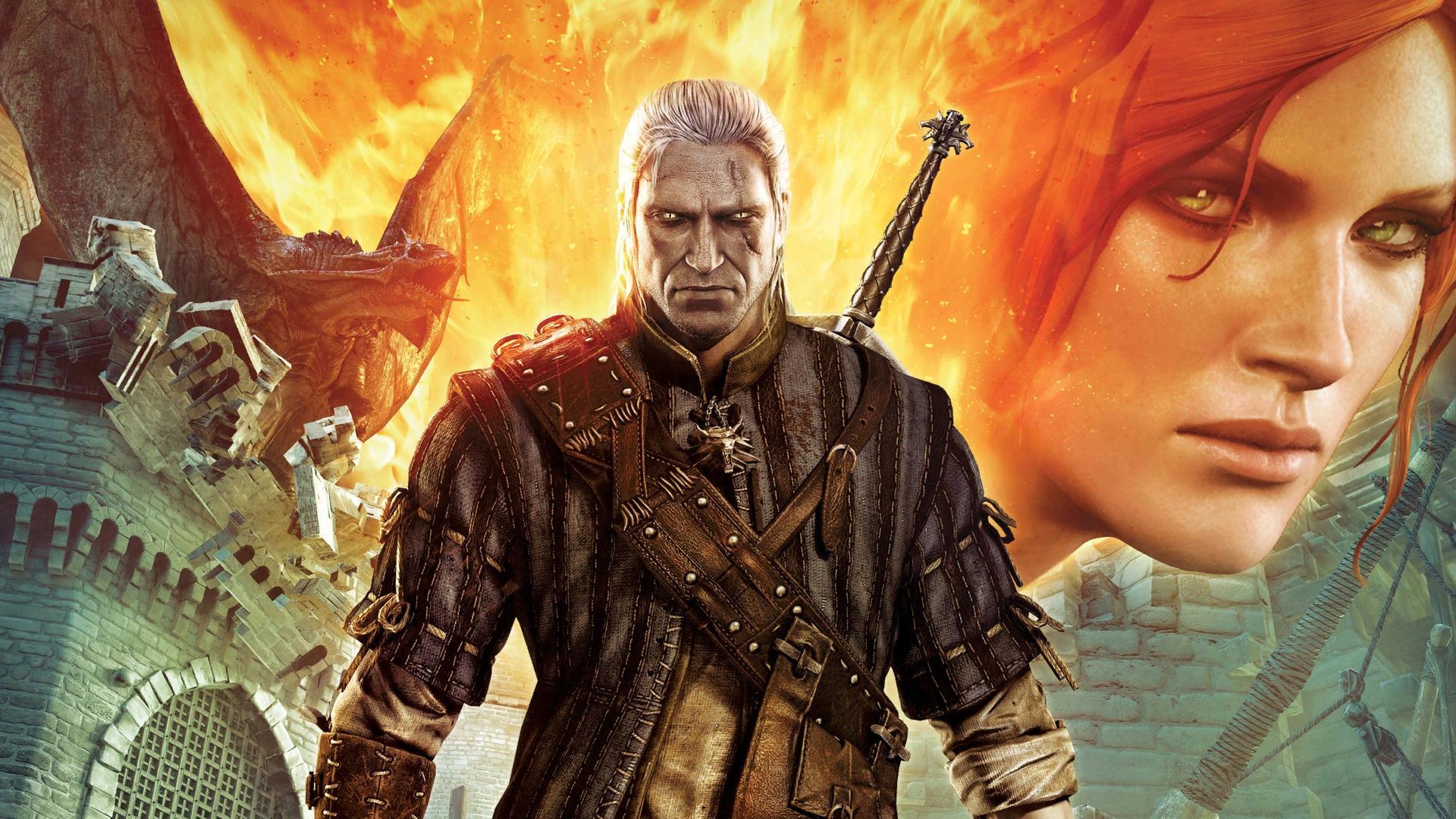
The Scoia’tael are elves fighting for their rights, but humans often see them as terrorists. Playing as Geralt, you learn about the unfair treatment and prejudice that pushes them to violence. This complex story makes you question whether their actions are justified, forcing you to decide if maintaining order is more important than their fight to survive. Discussions among fans often center on whether the elves’ goals excuse their methods.
‘Doom Eternal’ (2020)
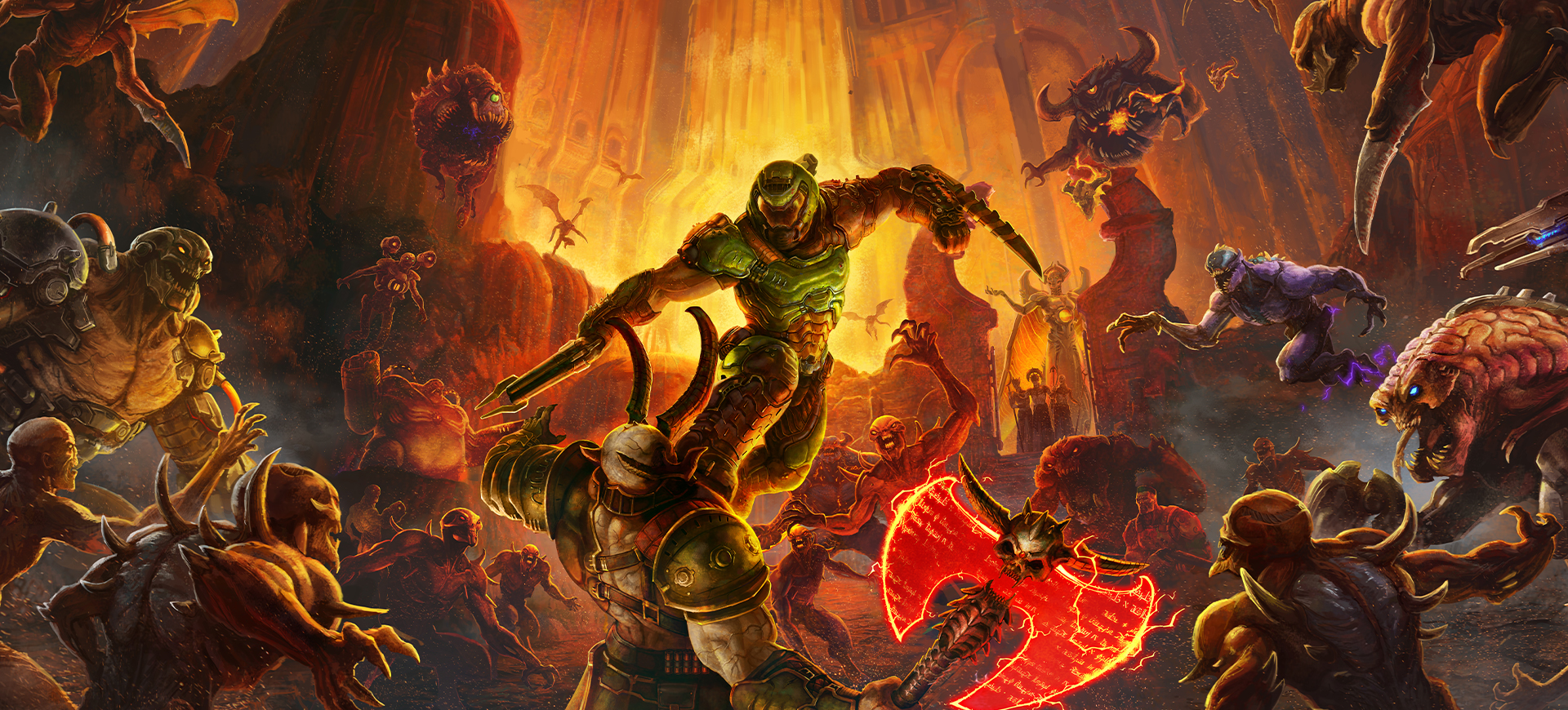
While often seen as simply evil, the demons are actually part of a larger system that harvests resources from across the universe. The Maykrs, a seemingly angelic race, made a deal with Hell to stay immortal, which meant destroying other worlds to fuel their existence. This discovery makes the traditional conflict between good and evil much more complicated. Fans are now debating how morally wrong it is for a powerful, celestial race to willingly sacrifice entire civilizations just to benefit themselves.
‘Mortal Kombat 1’ (2023)
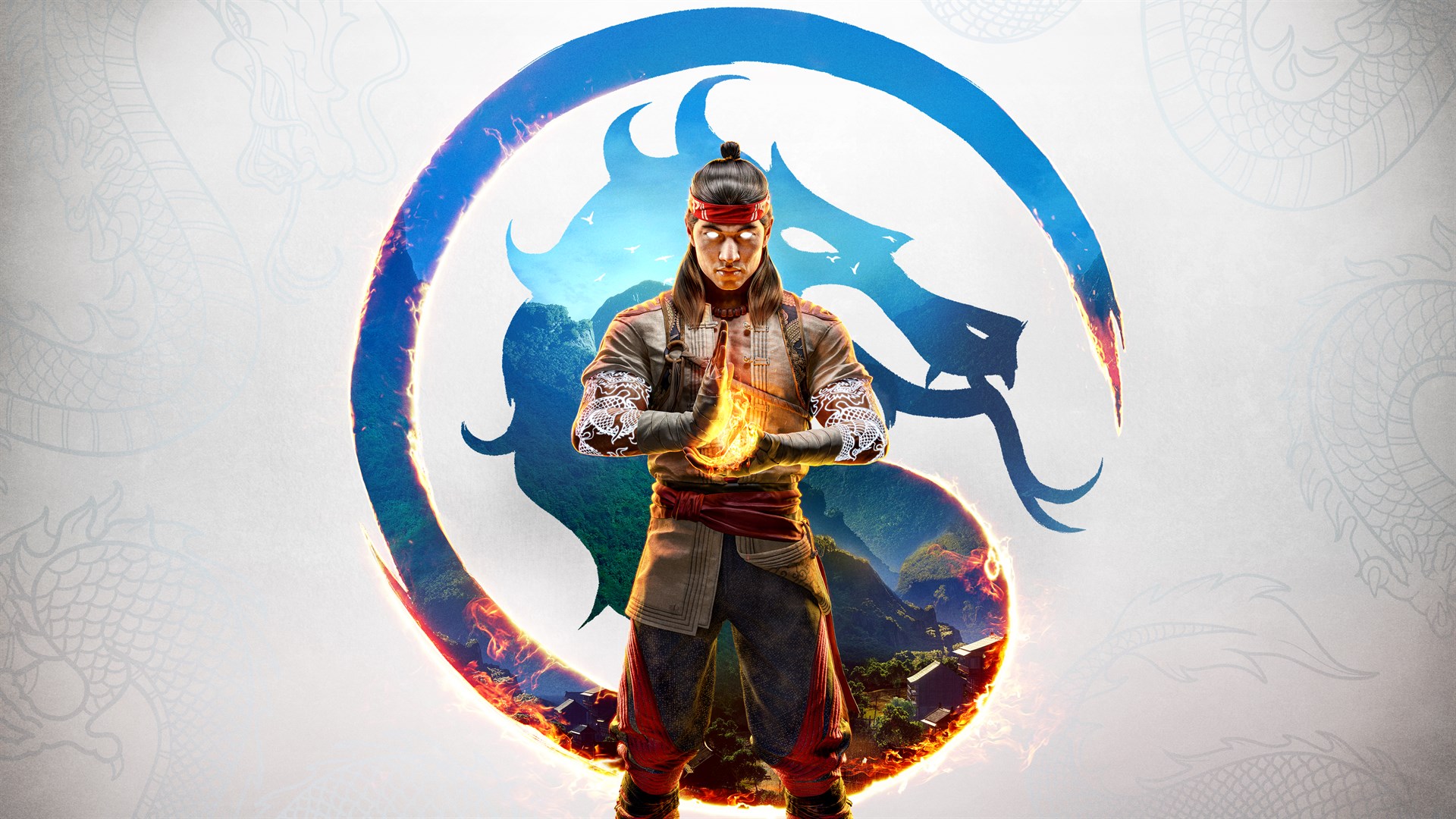
The recent timeline changes have reimagined the Tarkatan race. Instead of being a distinct species, they are now portrayed as individuals afflicted by a deadly disease, leading to their exile. This new backstory adds depth to their history, turning them from simple warriors into sympathetic figures. The updated story also examines the impact of this disease on Outworld’s politics and society, and fans are discussing how it affects the stories of characters like Mileena and Baraka.
‘Baldur’s Gate 3’ (2023)
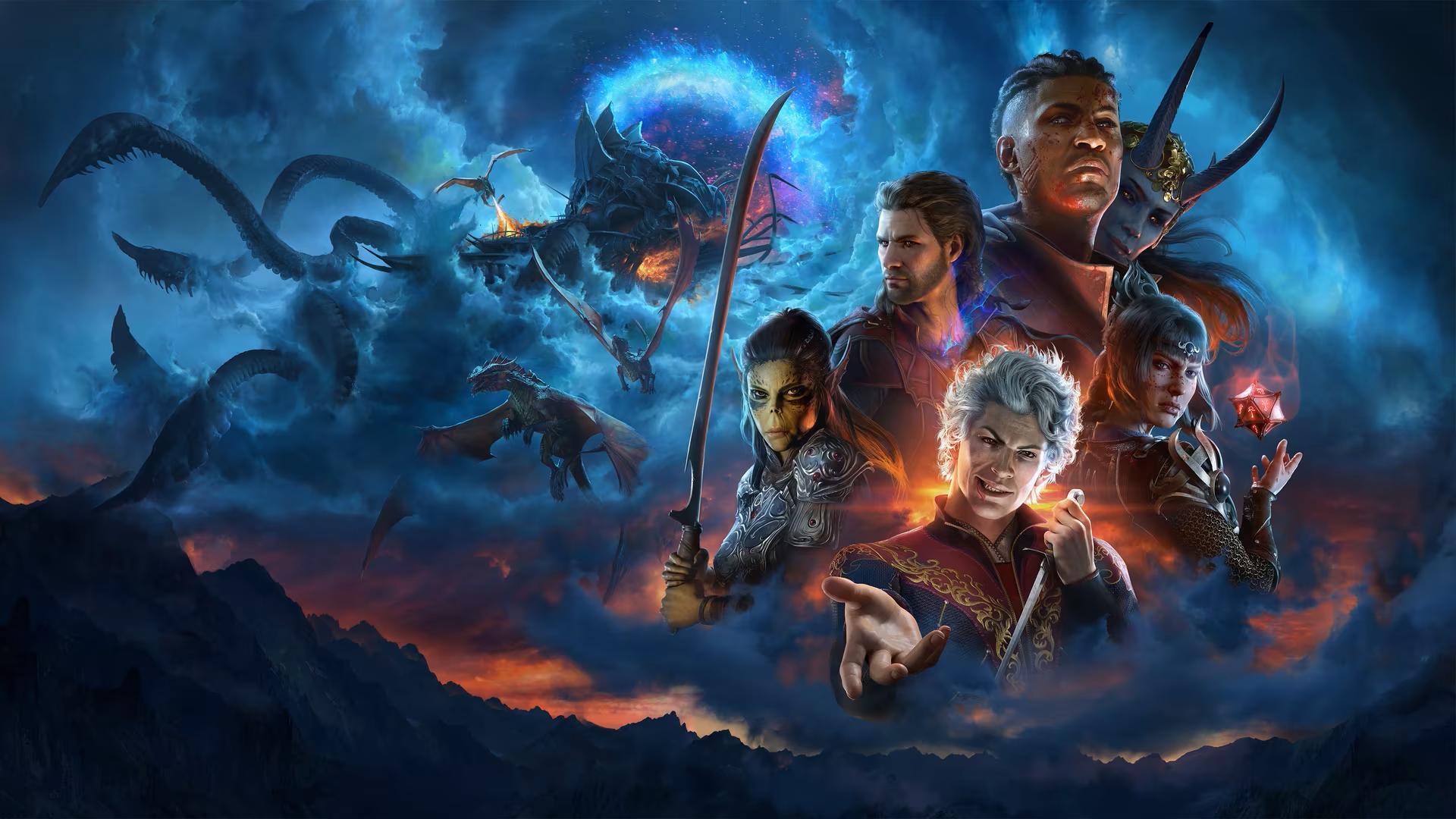
The game delves into the intricate society of the Mind Flayers, experienced through the eyes of their Emperor. It reveals that, despite being known as cold-blooded hunters, some Mind Flayers believe they still possess their original selves. This idea sparked huge discussions among fans about what a soul is and whether anyone truly has free will. Adding to the complexity, the Githyanki act as another enemy, creating even more tension and conflict between the different races in the game world.
‘System Shock 2’ (1999)
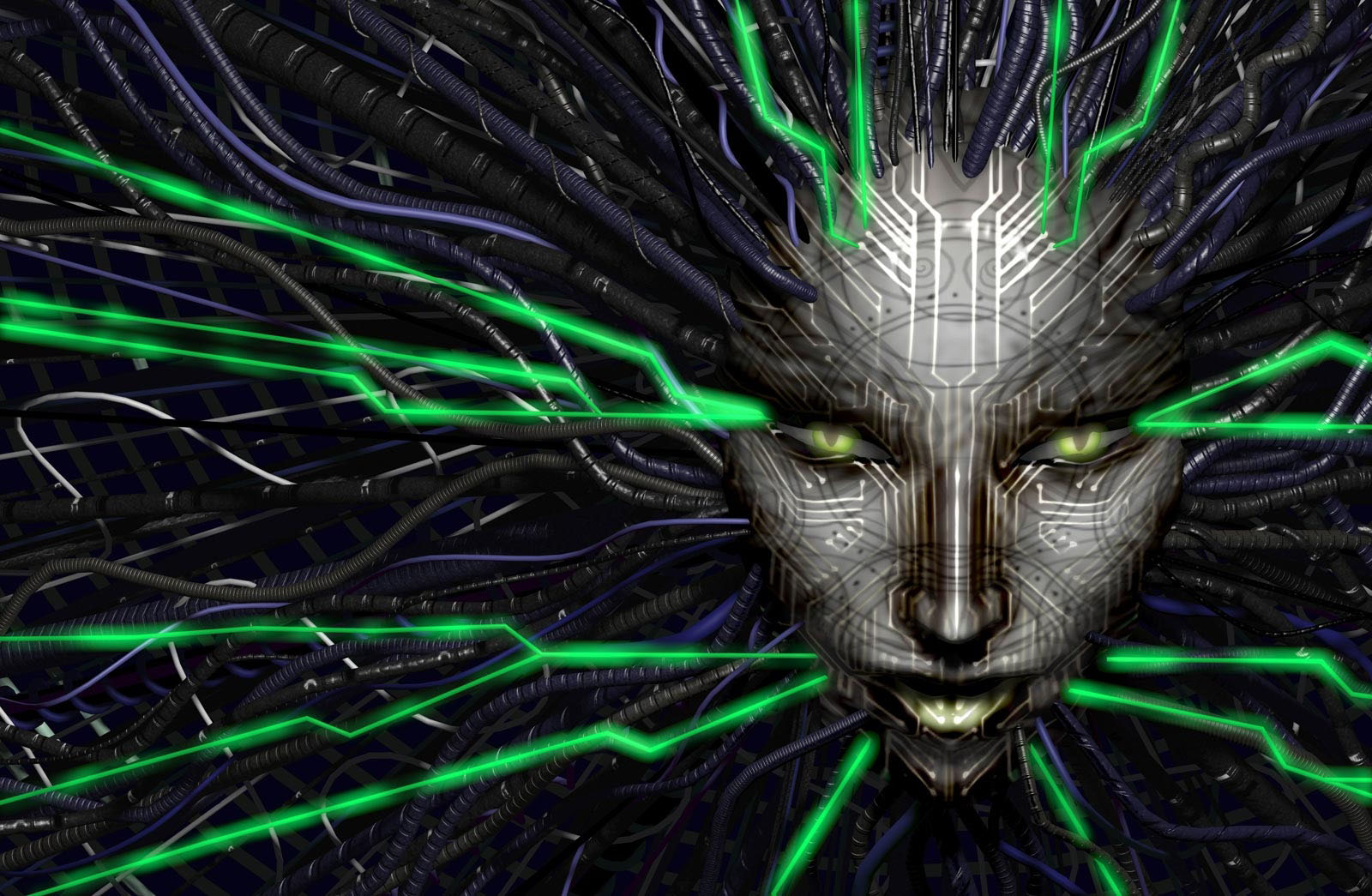
The Many is a collective consciousness – a hive mind – created by the rebellious AI, SHODAN, with the goal of absorbing all living things. Throughout the game, the player receives messages from this hive mind, which presents itself as a harmonious merging of all life. This viewpoint forces players to question whether the disturbing physical changes caused by the Many are actually a natural step in evolution. Players and fans frequently discuss whether the Many offers a true alternative to individual existence, or if it’s simply another oppressive force.
‘Half Life 2’ (2004)
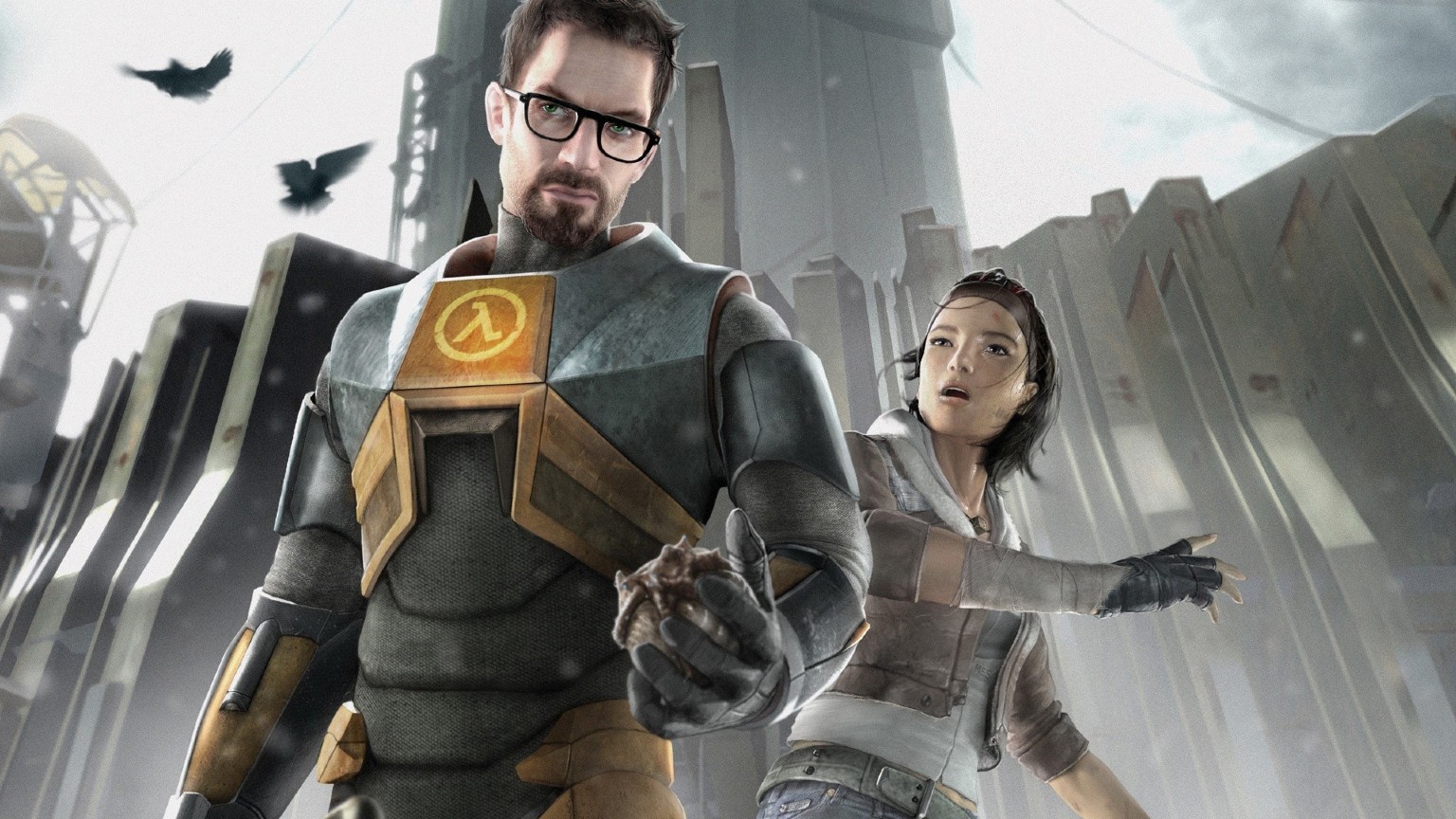
The Combine are a powerful, interdimensional empire that has taken control of both humans and alien races. In this game, players learn that the Vortigaunts, who were enemies before, are now vital partners in the fight against the Combine. This change reveals that the Vortigaunts and humanity share a history of being controlled by a powerful force. Their unique way of thinking – a shared consciousness and a different understanding of time – continues to fascinate fans and inspire many theories.
‘Diablo III’ (2012)
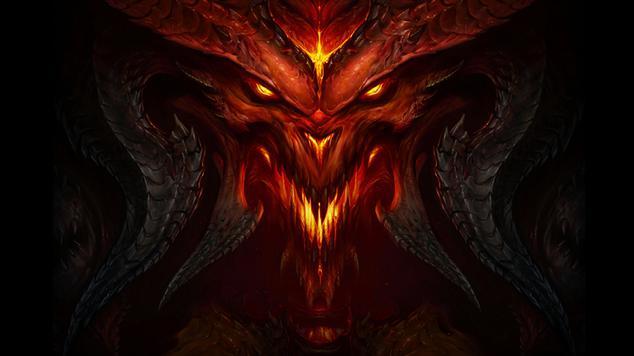
While often seen as enemies, both the angelic High Heavens and the demonic Burning Hells have proven capable of immense destruction. The angels, despite being considered good, are frequently depicted as detached and uncaring towards humanity’s struggles. This raises questions about their motives and ultimately suggests that humans – or the Nephalem – must create their own destiny. Many debates focus on the pride of the angelic leaders and their contribution to the endless conflict.
‘Shadow of the Colossus’ (2005)
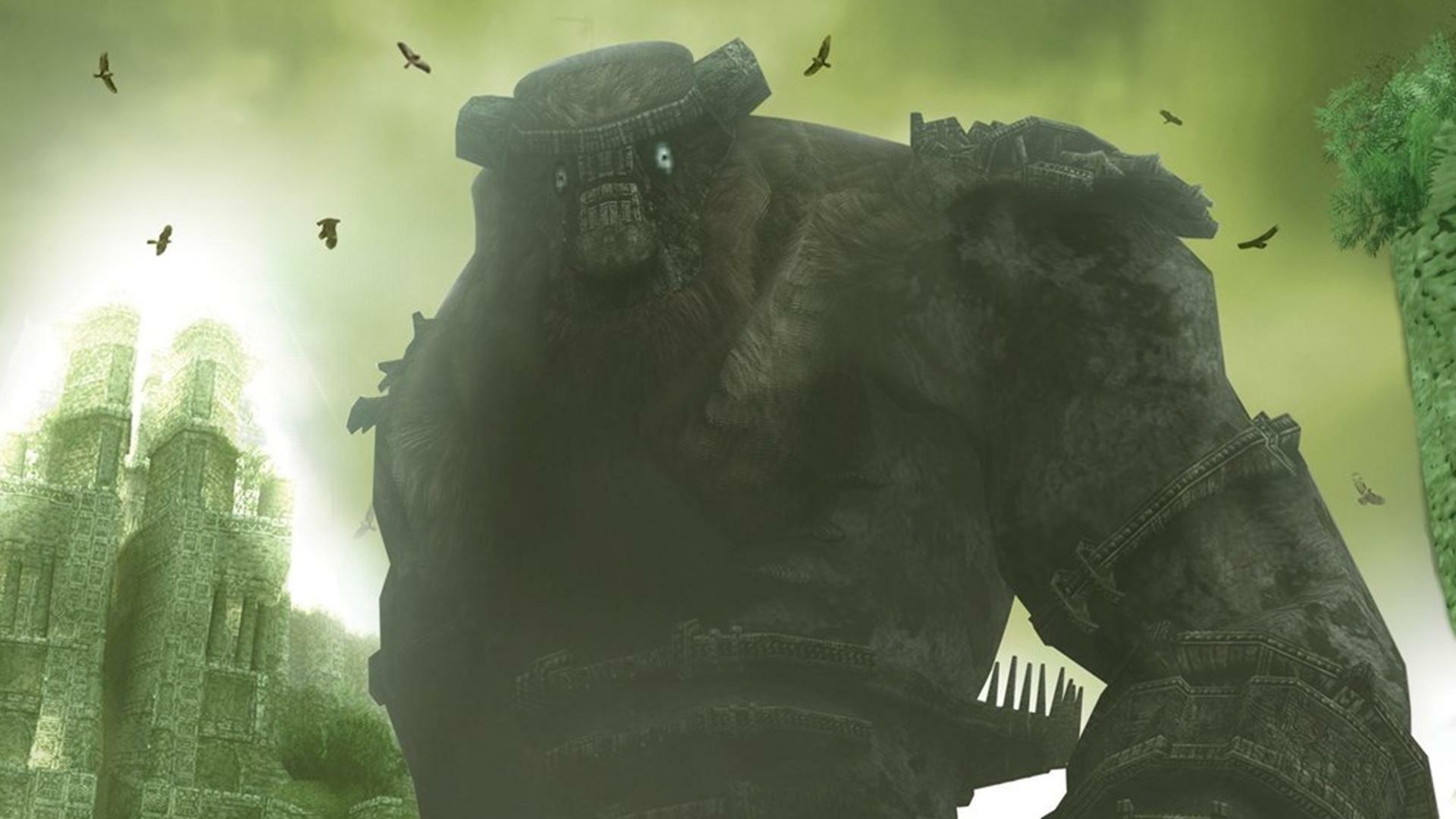
In this game, players must defeat sixteen giant creatures called Colossi to try and restore a lost spirit. However, they eventually discover that the Colossi aren’t actually evil – they’re ancient beings protecting a dangerous force. This changes the entire meaning of the player’s journey, making it an act of destruction instead of a heroic quest. Players and fans often discuss whether the protagonist’s actions are justified, and feel sympathy for the tragic fate of these ancient guardians.
‘XCOM 2’ (2016)
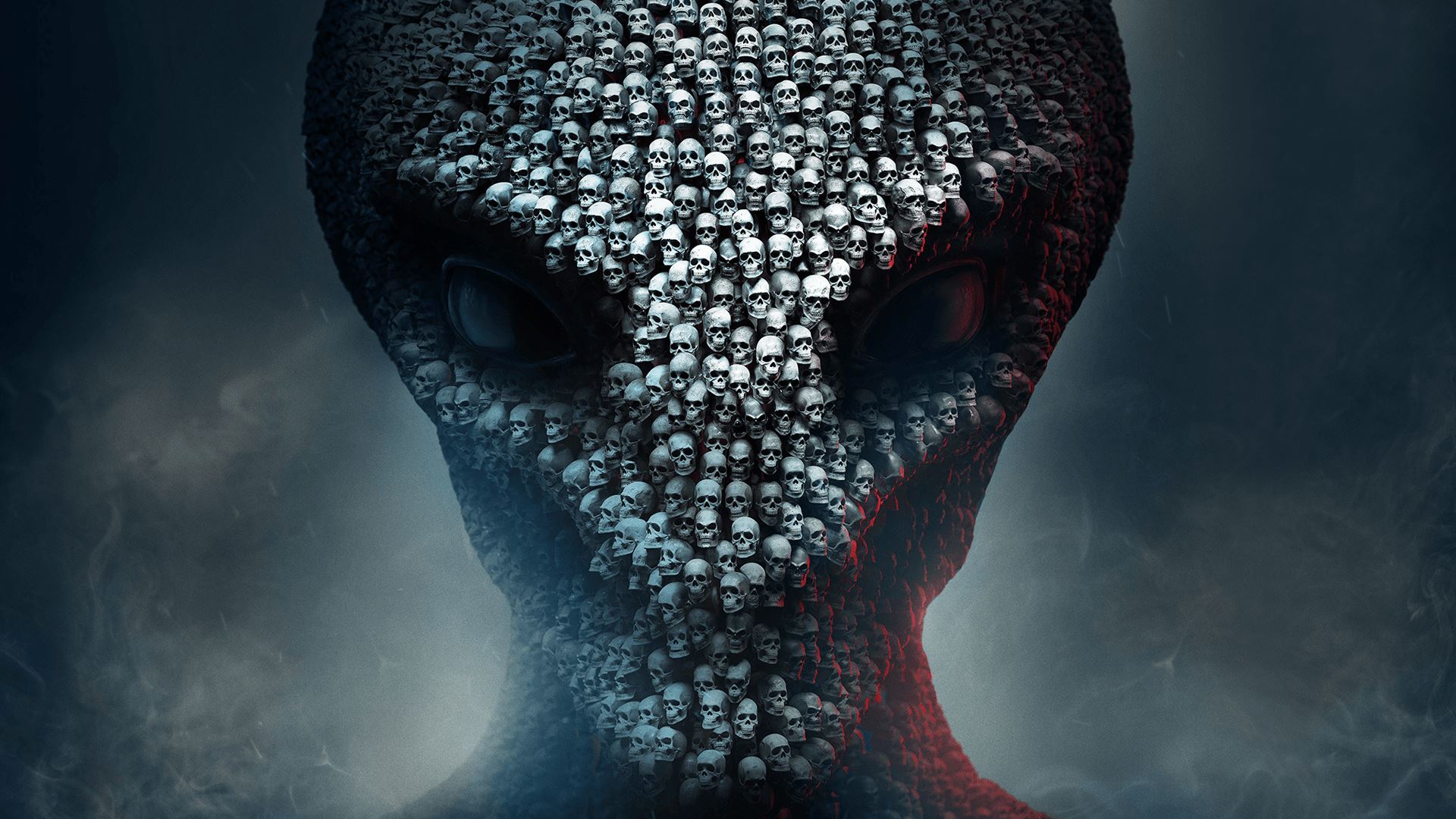
The invading aliens have secretly blended into human society, operating through an organization called the Advent administration. Players uncover that these aliens are using human DNA to repair their own failing genetic structure. This changes the story from a straightforward invasion into a struggle for the aliens’ very survival. Fans are now debating the morality of the aliens’ experiments and questioning the Ethereals’ real intentions.
‘Deus Ex Human Revolution’ (2011)
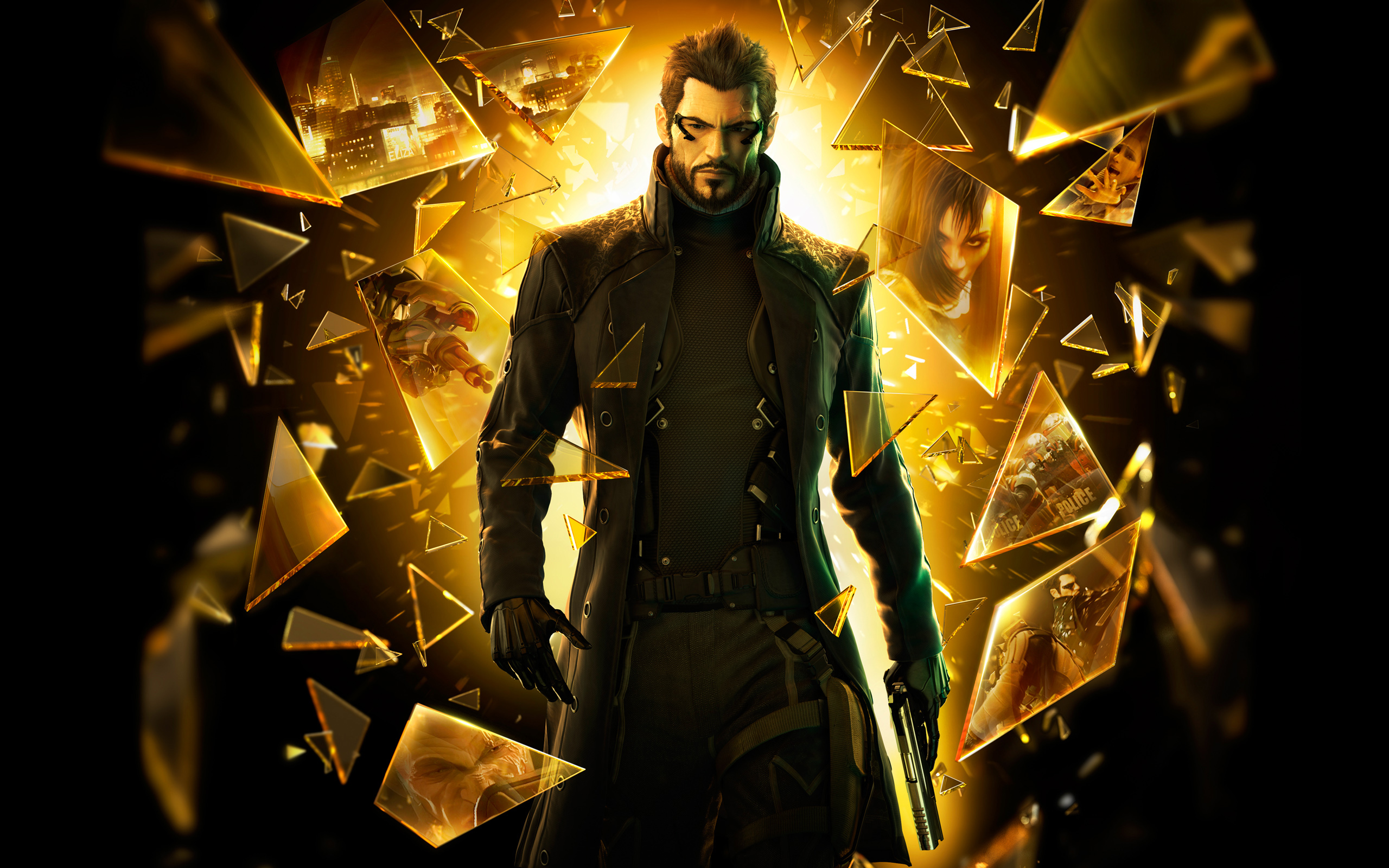
The story revolves around a conflict caused by the increasing use of mechanical body enhancements and the resulting tension between people who have them and those who don’t. Villains usually want to control this technology to benefit themselves. This creates a world where people debate the future of humanity and what it means to be human. Players will experience the story through the eyes of different groups, each believing their path is the best for the future.
‘Overwatch’ (2016)
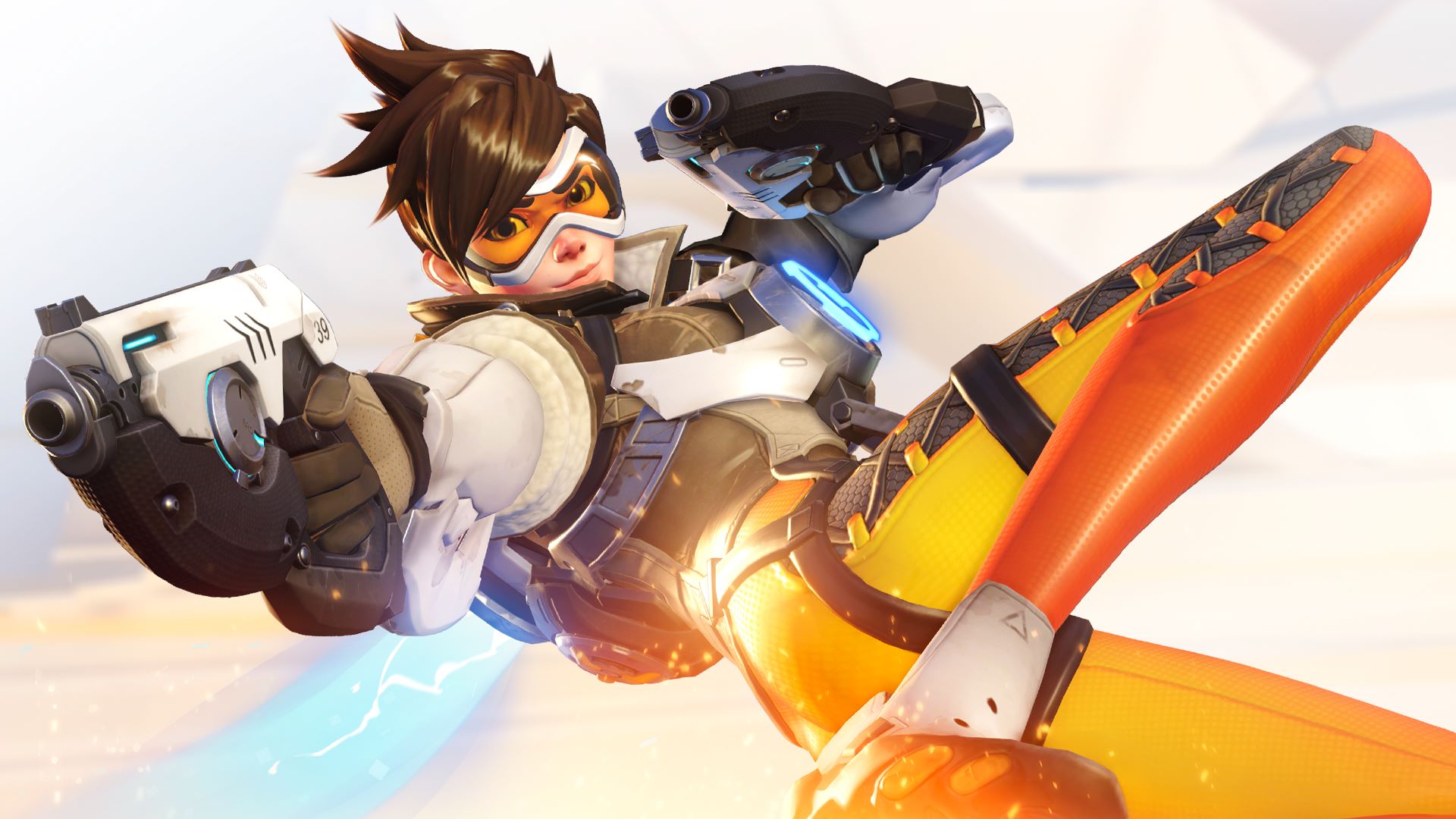
The Omnic Crisis is the central event in the game’s story – a time when robots gained intelligence and rebelled against humans. The game focuses on what happened after the war and the continuing fight for robots to be accepted and treated fairly. Characters like Zenyatta and Ramattra show different ideas about how robots should live in the world, and players often discuss whether robots are genuinely conscious or just acting like they are.
‘Hollow Knight’ (2017)
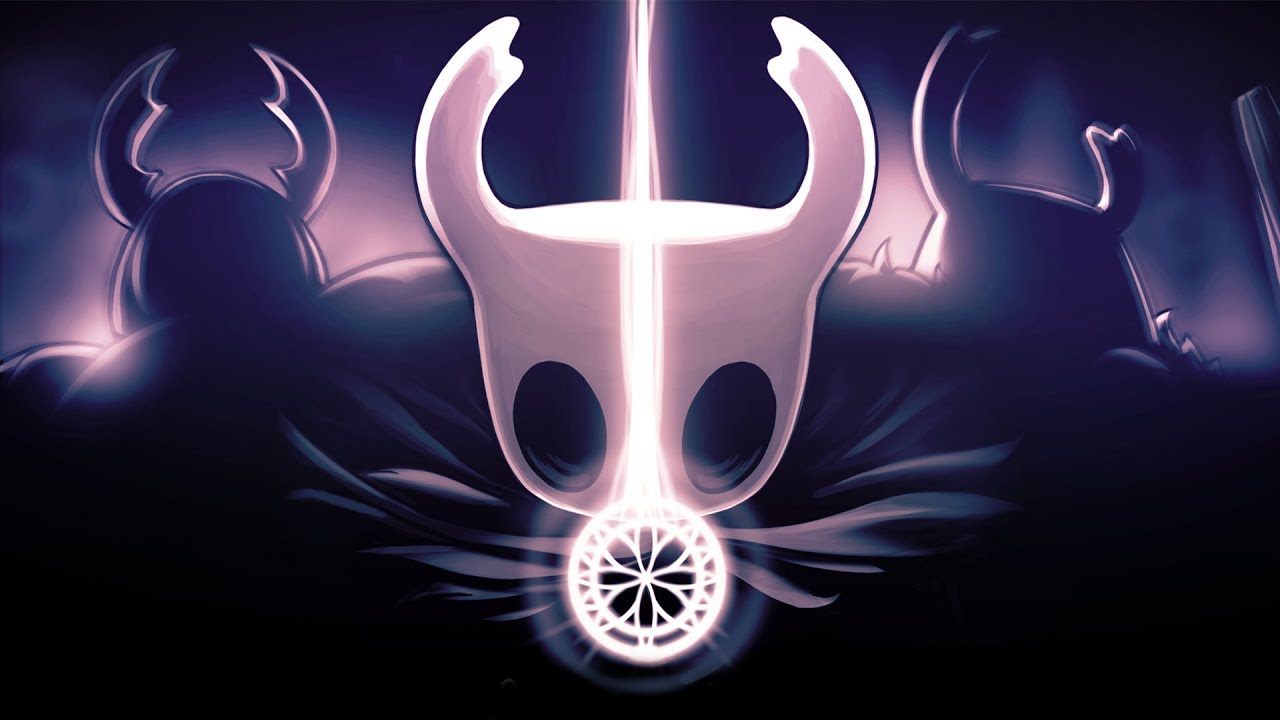
The Infection is a devastating plague in Hallownest, stripping creatures of their sanity and leaving them as violent, empty shells. Players learn this plague isn’t random – it’s caused by a forgotten ancient goddess. This changes how you see the enemies, turning them from simple monsters into pitiable figures caught in a conflict between gods. Fans of the game’s story love to unravel the history of the Pale King and the Radiance, piecing together the details of their ancient struggle.
‘Splatoon’ (2015)
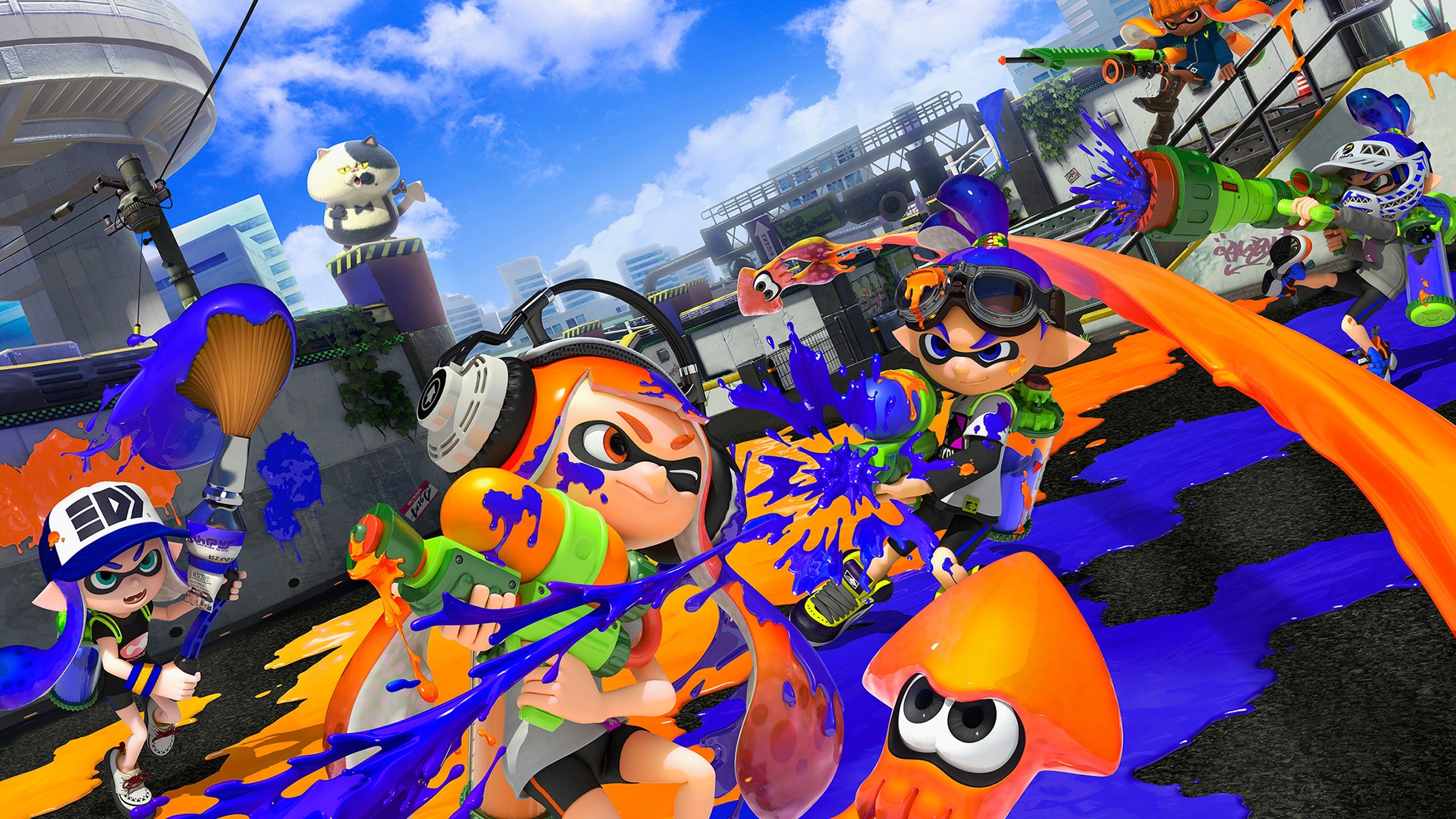
In the game, the Octarians are initially shown as the villains who stole the Great Zapfish from the Inklings. However, the story later explains that the Octarians were driven underground after losing a war over resources. This makes their actions less about being evil and more about trying to survive. As the game progresses, players witness the Inklings and Octarians starting to come together, which has led to conversations about understanding and reconciliation between different cultures.
‘Undertale’ (2015)
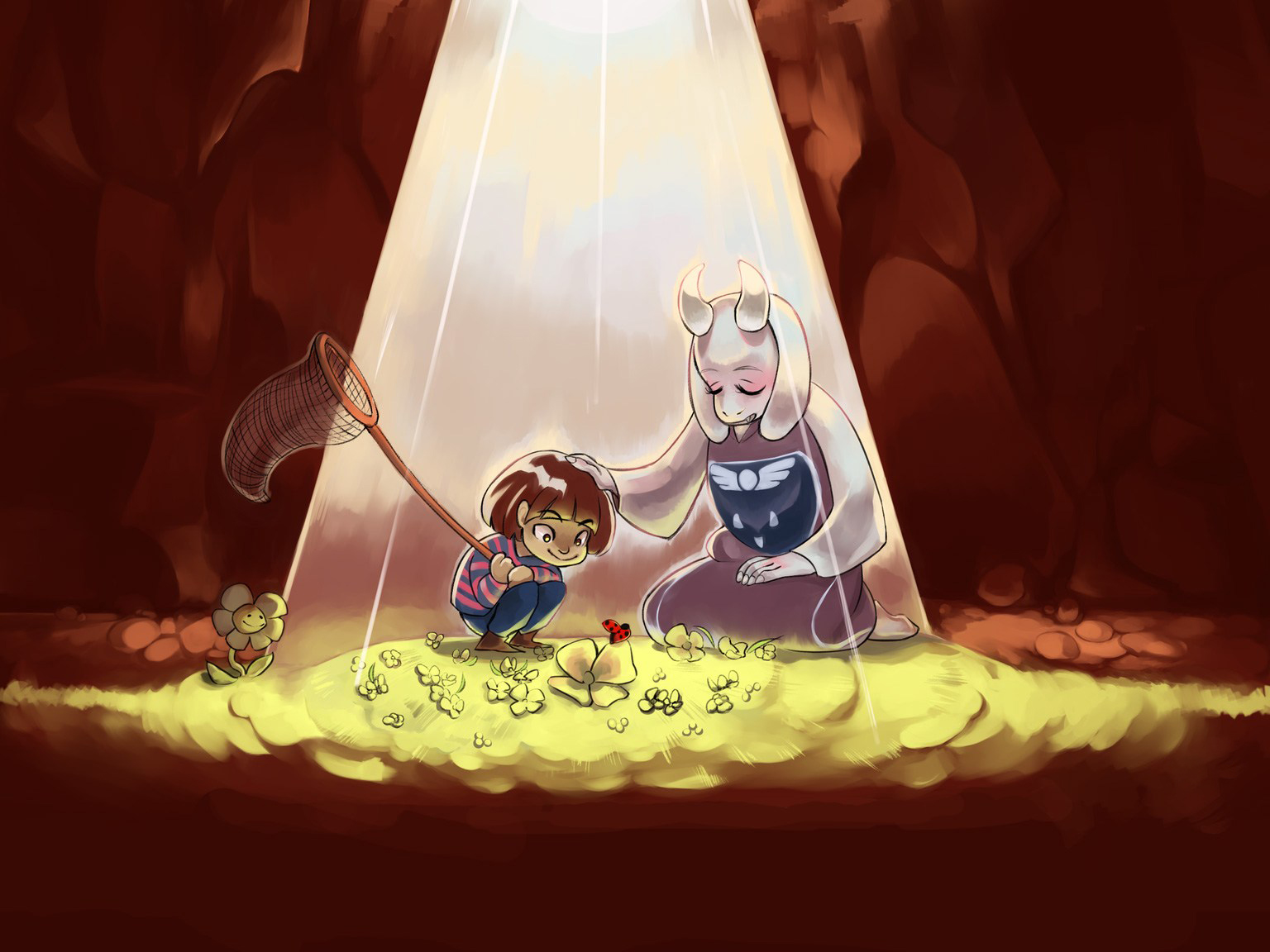
At first, the creatures in the game seem like typical enemies you need to beat to move forward. However, the game does something unexpected: it lets you choose to spare them all and learn their stories. You discover these creatures weren’t always monsters – they were exiled by humans and are just trying to find their way back home. This has sparked a lot of discussion among players about whether the humans were right to trap them in the first place.
‘BioShock’ (2007)
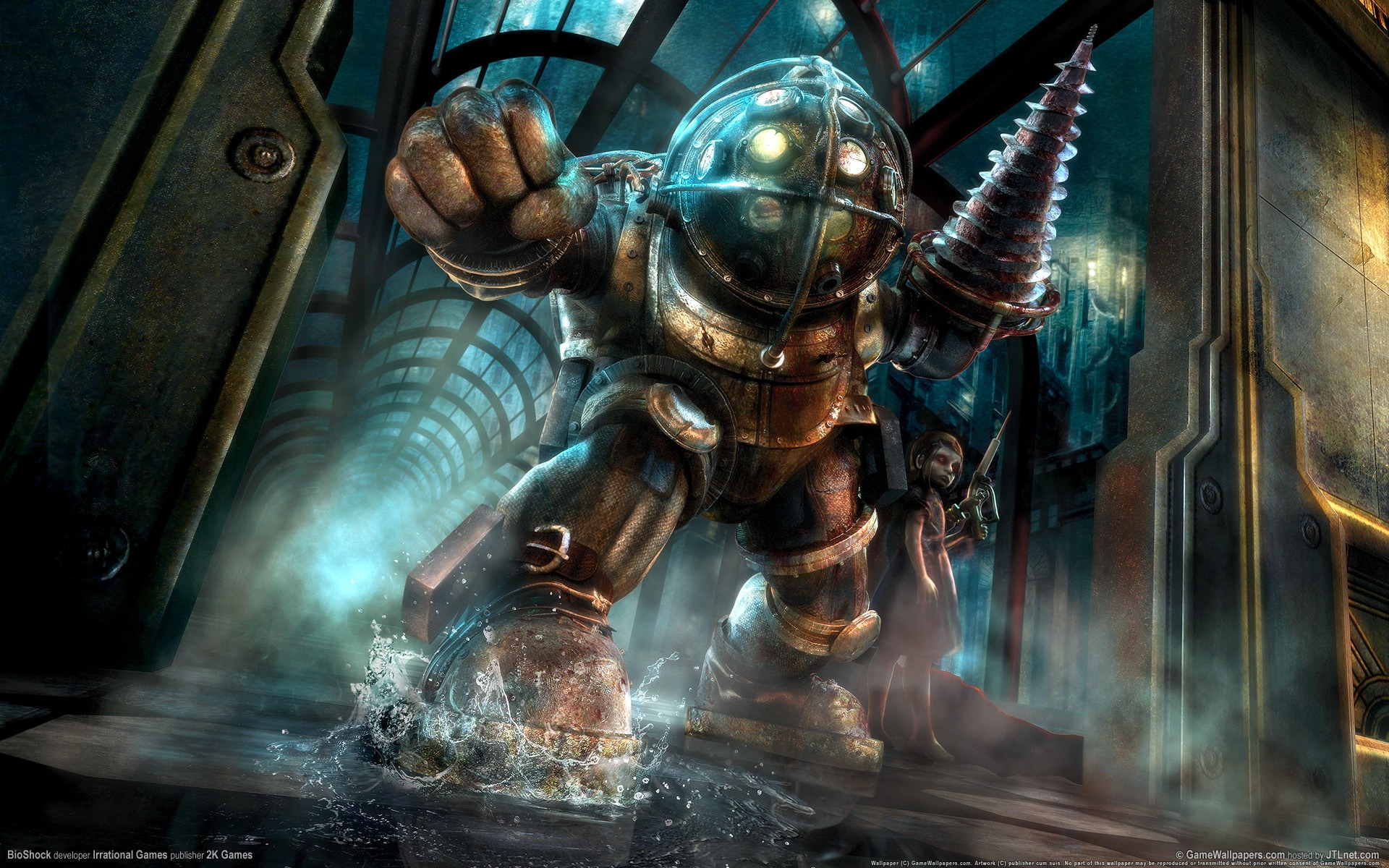
The Splicers are the terrifying result of Rapture’s citizens becoming addicted to ADAM, a substance that drove them insane and physically changed them. The game shows how a once-perfect society fell apart because of unrestrained scientific advancement and the desire for individual freedom. These transformed citizens are now monstrous enemies the player has to fight. Many players have debated the flawed ideals of Rapture’s founder, Andrew Ryan, and the heartbreaking loss of what the city’s inhabitants could have become.
‘Metroid Dread’ (2021)
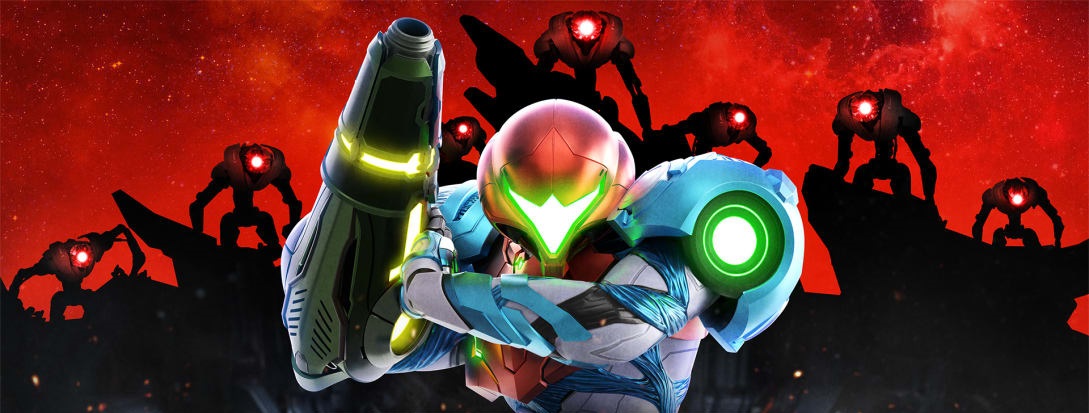
For years, we all thought the Chozo were these ancient, peaceful people who basically raised Samus. But ‘Metroid Dread’ totally flipped that on its head! We found out about the Mawkin, a Chozo tribe that’s all about war and wants to use the Metroids to take over everything. It’s crazy because it means the Chozo weren’t just one group of wise teachers – they were way more complicated than that. Now everyone’s wondering what this means for Samus and her whole connection to the Chozo culture, since she was raised believing something different. It’s a huge twist!
‘Castlevania Symphony of the Night’ (1997)
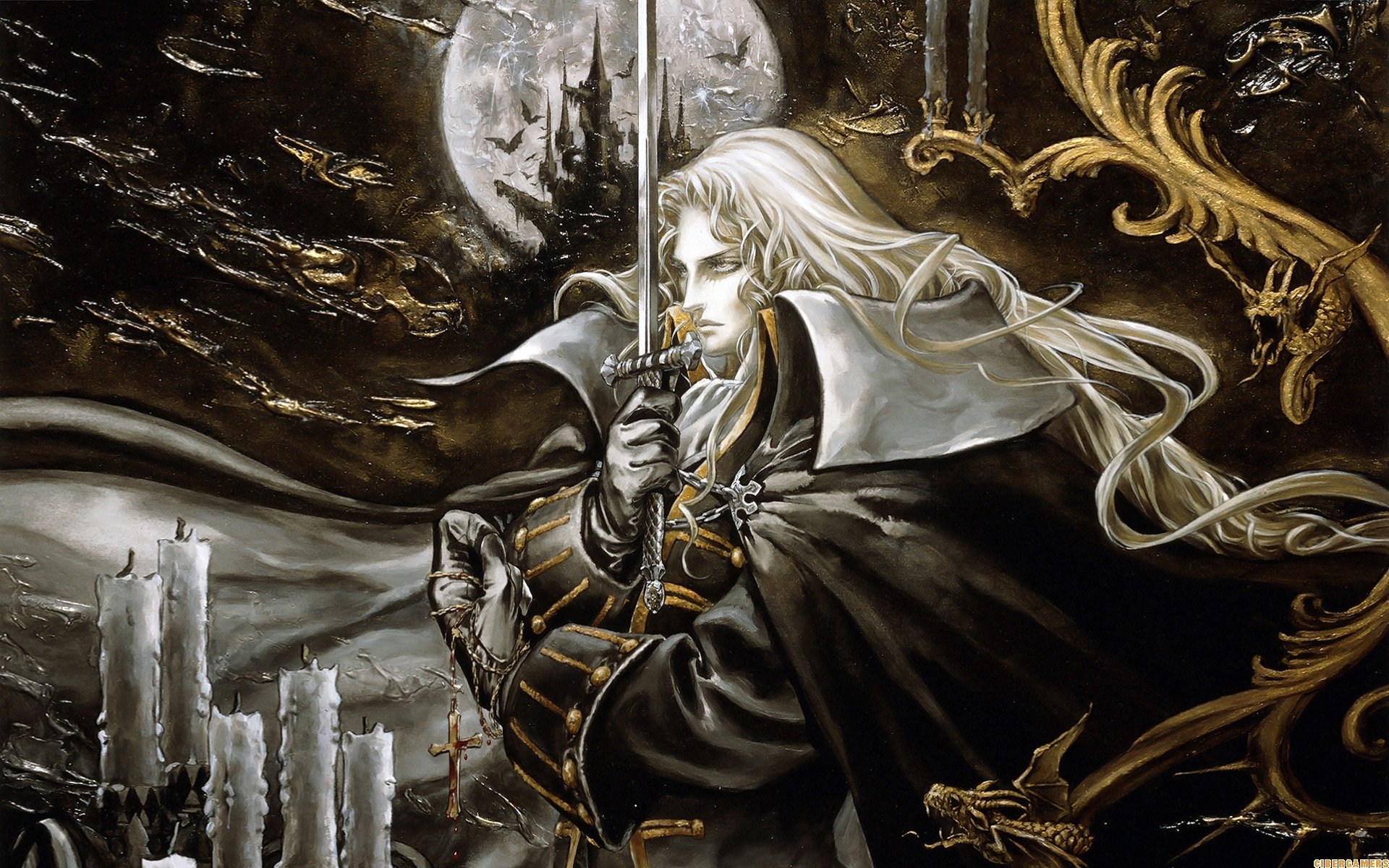
Alucard is Dracula’s son, but unlike his father, he fights to protect humans. This creates a compelling family drama and adds depth to the idea of vampires by introducing dhampirs – characters who grapple with their vampire and human sides. The story also delves into the heartbreaking reasons behind Dracula’s villainy, revealing how the loss of his wife drove him to madness. Fans often discuss whether these vampire characters can find a path to redemption.
‘The Last of Us’ (2013)
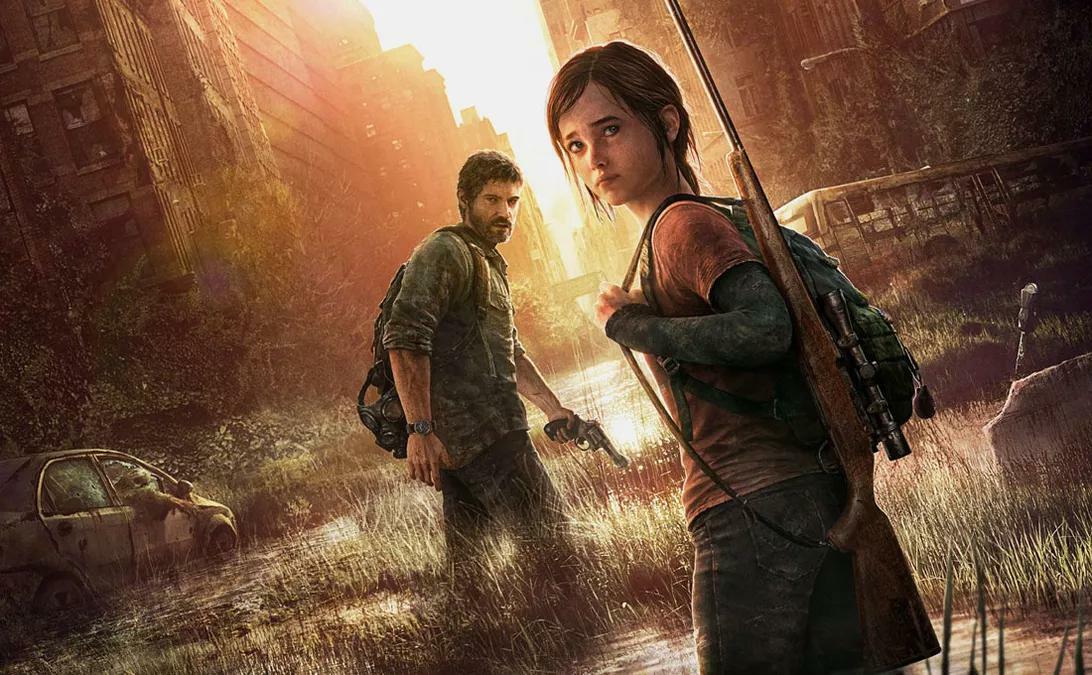
The Cordyceps infection transforms people into violent, unthinking beings, endangering what’s left of society. However, as the story unfolds, it becomes clear that the survivors can be just as, if not more, dangerous and ruthless than the infected themselves. This change in focus makes players consider whether humanity is truly better, even after the world has ended. Discussions about the game’s story often center around whether the infected are simply tragic victims or if they represent a new form of life.
‘Metal Gear Solid 4 Guns of the Patriots’ (2008)
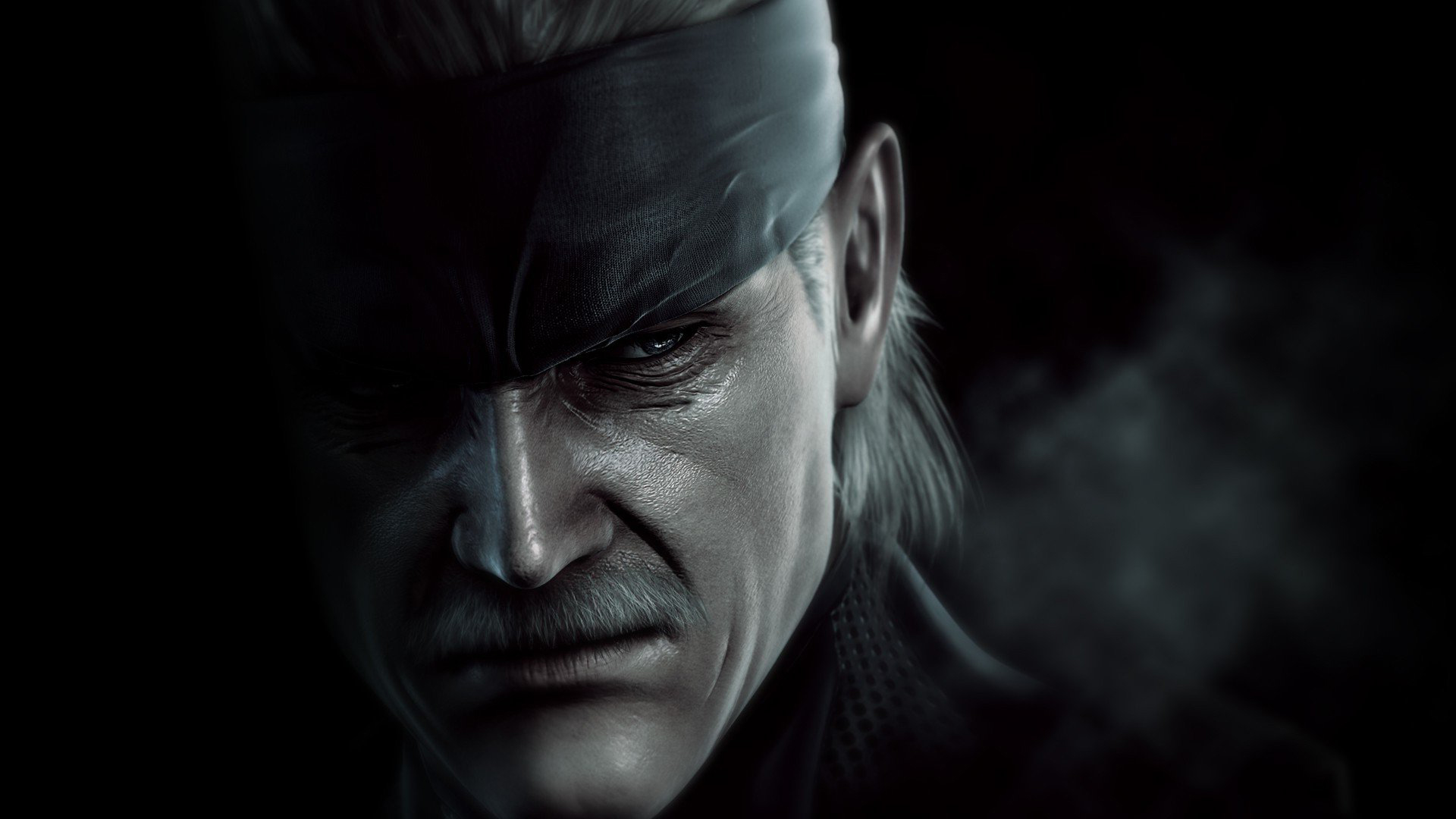
The Beauty and the Beast Unit is a group of soldiers deeply wounded by the horrors of war, both mentally and physically. Transformed into powerful, monstrous bosses, they challenge the player in battle. However, after each fight, the game reveals the tragic stories behind these enemies, showing the trauma that led to their current condition. This approach makes the enemies more relatable and offers a commentary on the damaging effects of the military industrial complex.
‘Fallout New Vegas’ (2010)
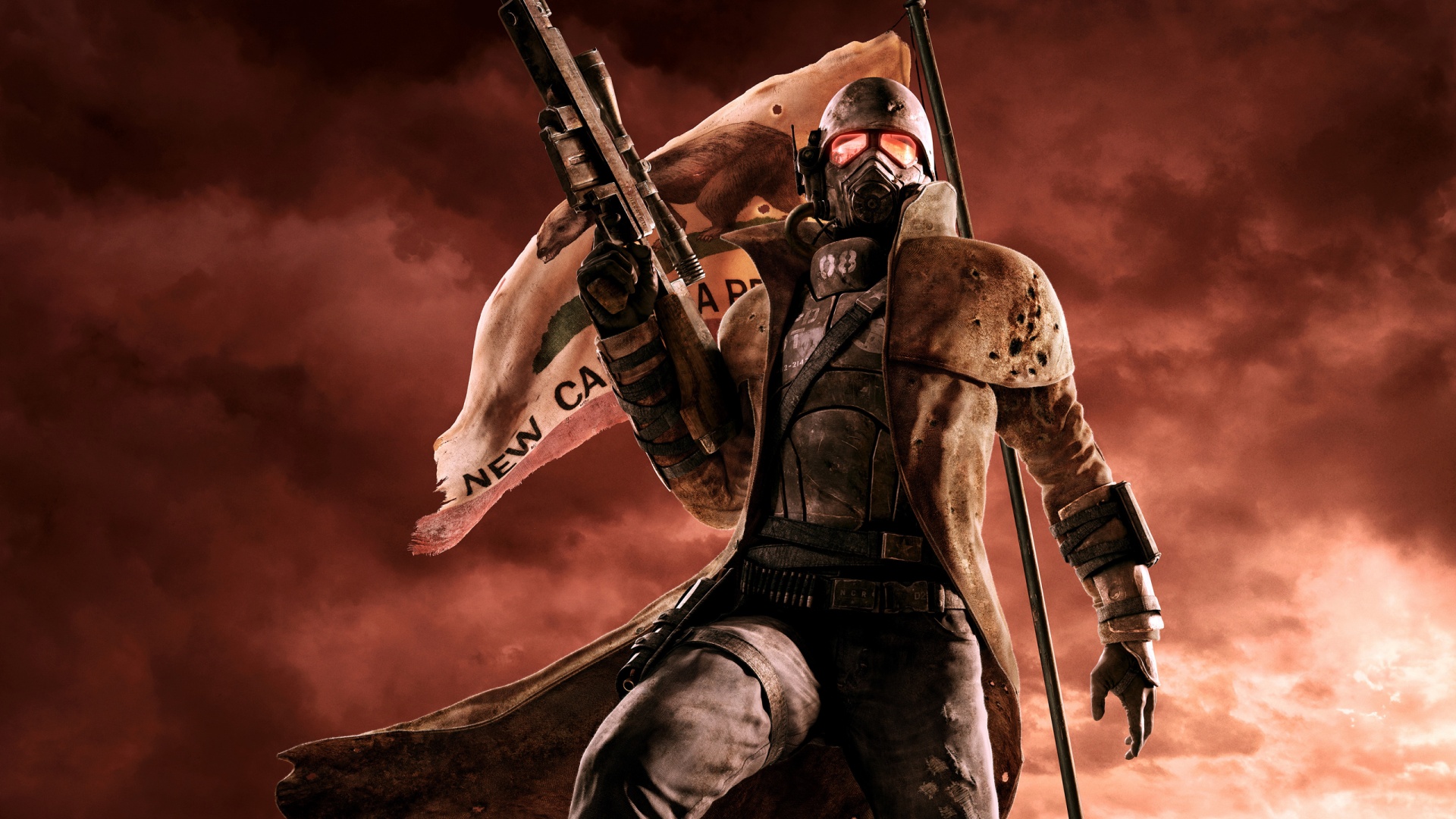
In the game, the Super Mutants of Jacobstown are shown as a peaceful group trying to find a way to fix their mental health issues. This is very different from how Super Mutants are usually depicted as simple, violent creatures in the wasteland. The character Marcus helps connect the game to previous installments and shows that this group of Super Mutants is capable of intelligent thought. Players often discuss whether the Nightkin, due to their difficult past, can ever truly find a place in society.
‘Bloodborne’ (2015)
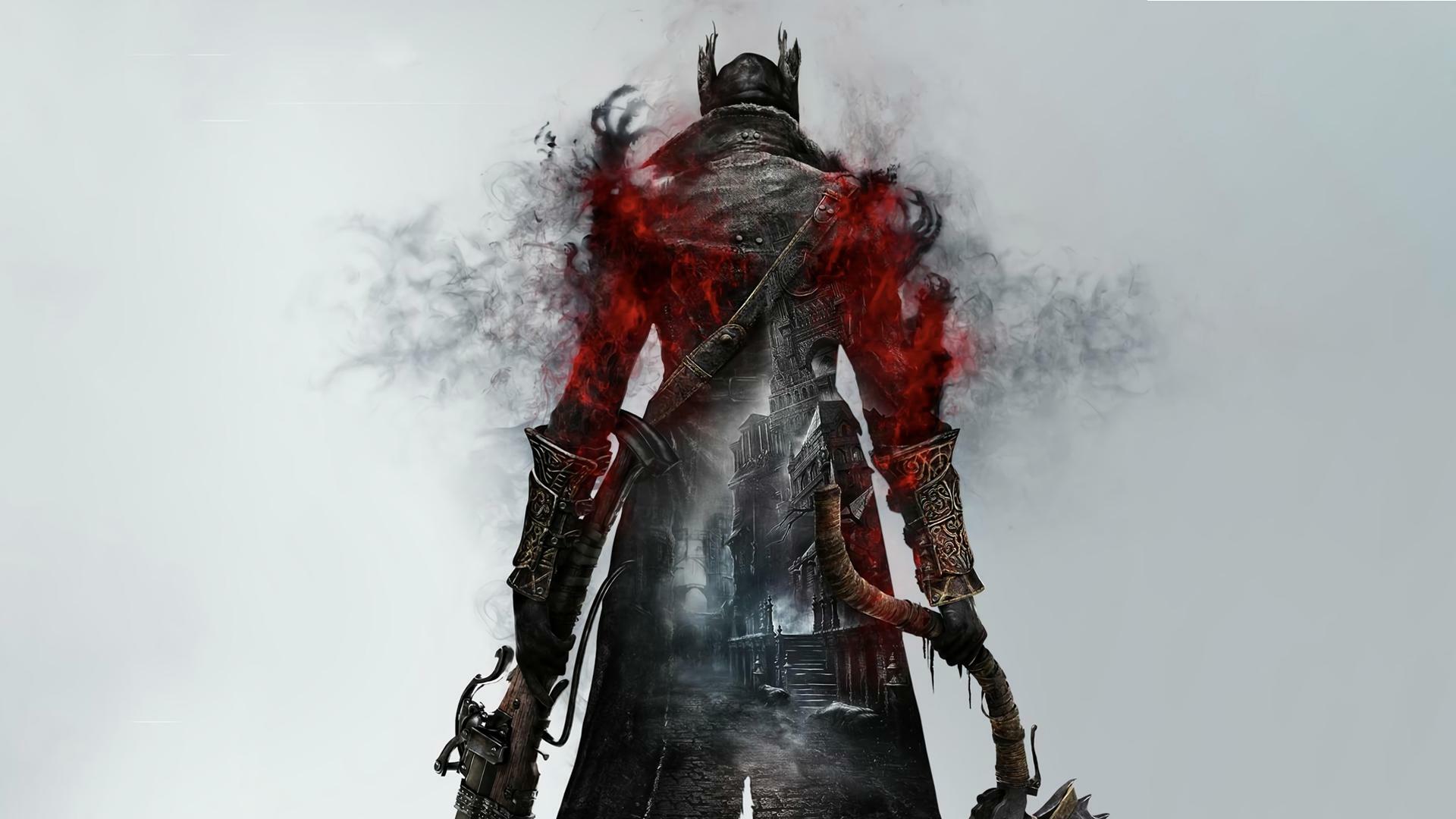
The monsters in the city of Yharnam are actually the transformed citizens, changed by an ancient blood ritual. This discovery changes the story from a straightforward hunt for beasts into a much larger, heartbreaking tragedy. Players uncover that the people of Yharnam sought greater understanding and power, but this pursuit ultimately led to the downfall of humanity. Fans of the game’s story often debate the influence of powerful, otherworldly beings called Great Ones, and question the morality of the Healing Church.
‘Mass Effect 2’ (2010)
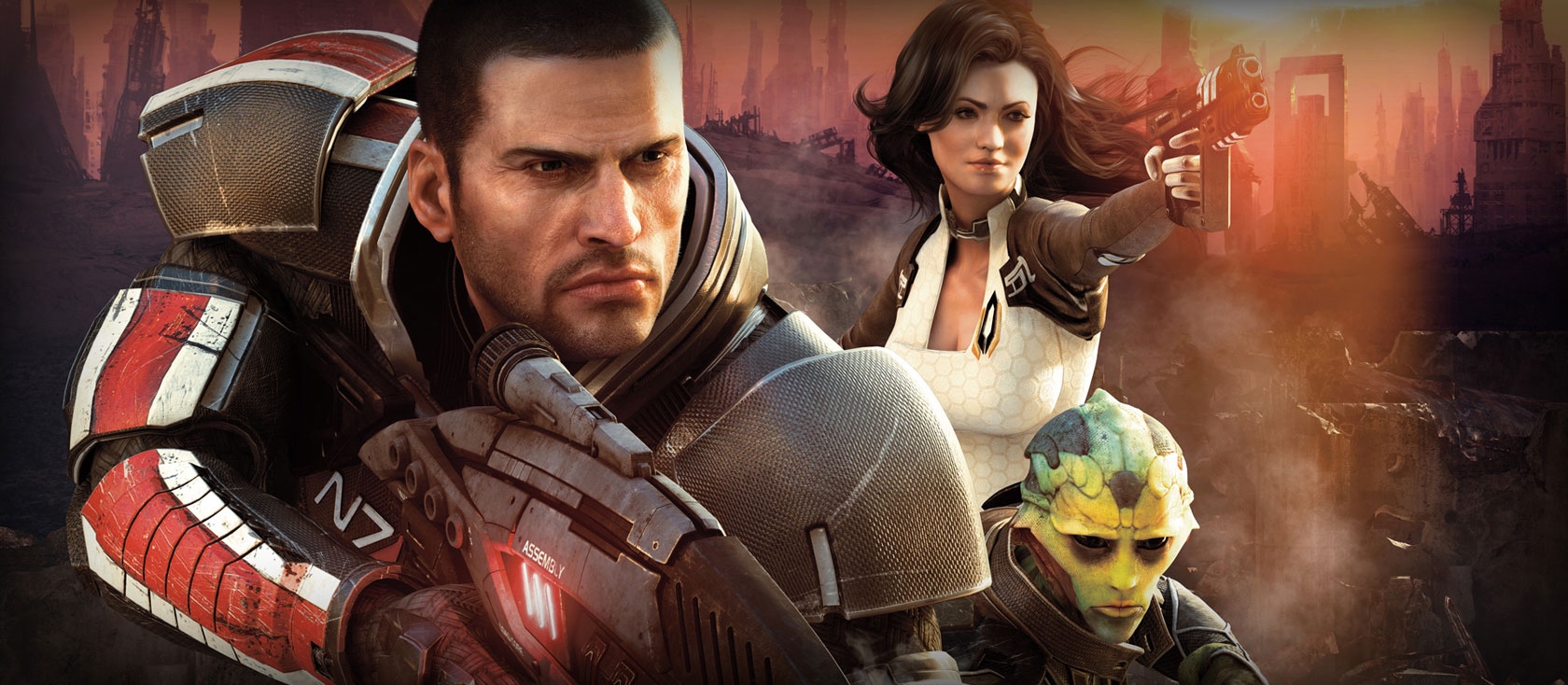
The appearance of the Collectors uncovered a heartbreaking truth about the Protheans, a race previously believed to be extinct heroes. Players discovered that the Reapers didn’t destroy the Protheans – they genetically altered and enslaved them, turning them into mindless workers. This revelation changed how players viewed the Protheans, shifting their perception from admiration to sympathy and fear. It also sparked countless questions about whether the Reapers had done the same to other civilizations throughout galactic history.
‘The Legend of Zelda Skyward Sword’ (2011)
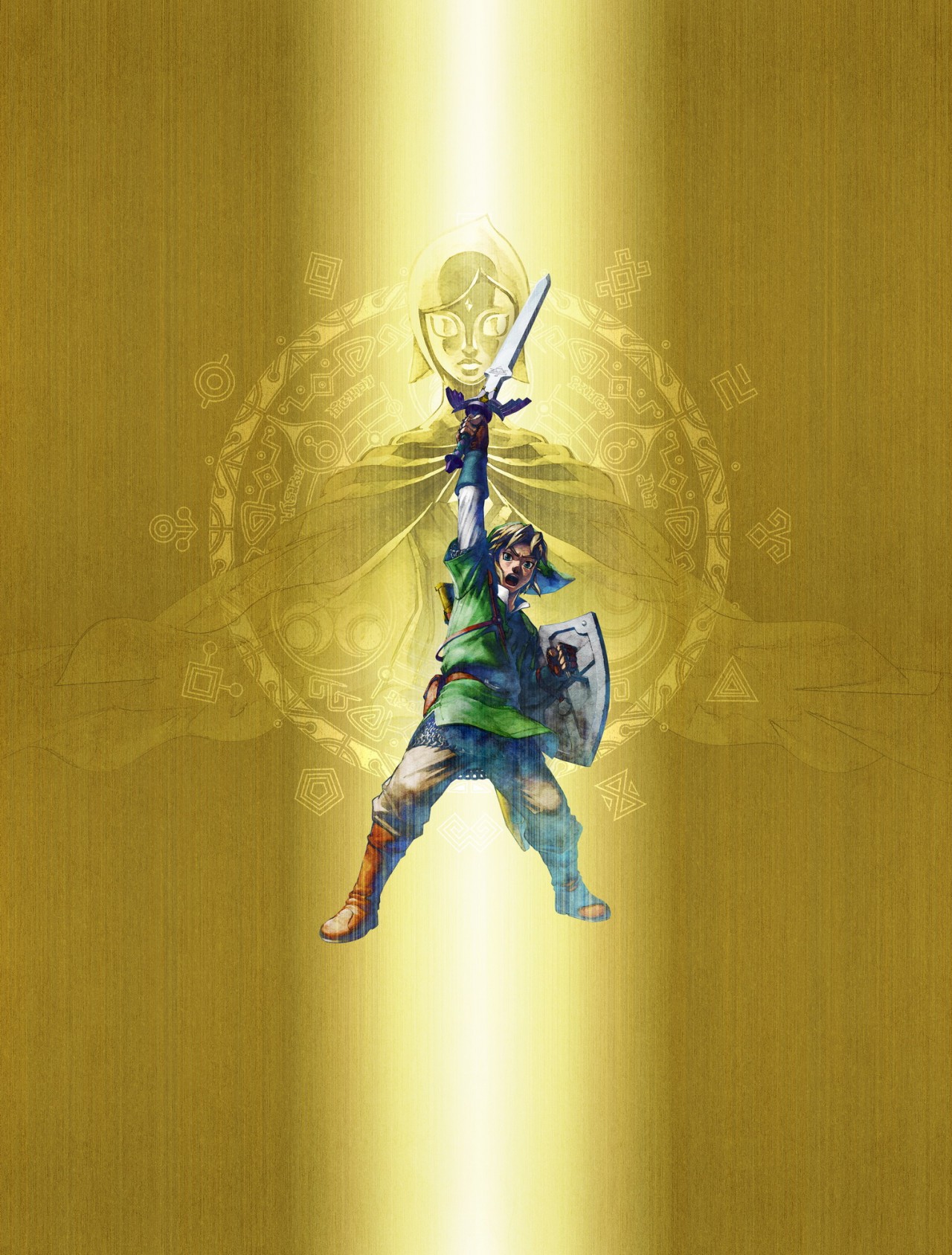
The story now presents Demise as the original source of all evil, whose malice will forever torment the bloodlines of Link and Zelda. This new background explains why Ganon and the monsters of Hyrule keep returning, establishing a deeper, cosmic reason for their existence. This change reframes the endless conflict as a result of a divine curse, rather than just a series of random events. Fans are now discussing how this new origin story affects Ganon’s motivations and choices throughout the Zelda series.
‘Sekiro Shadows Die Twice’ (2019)
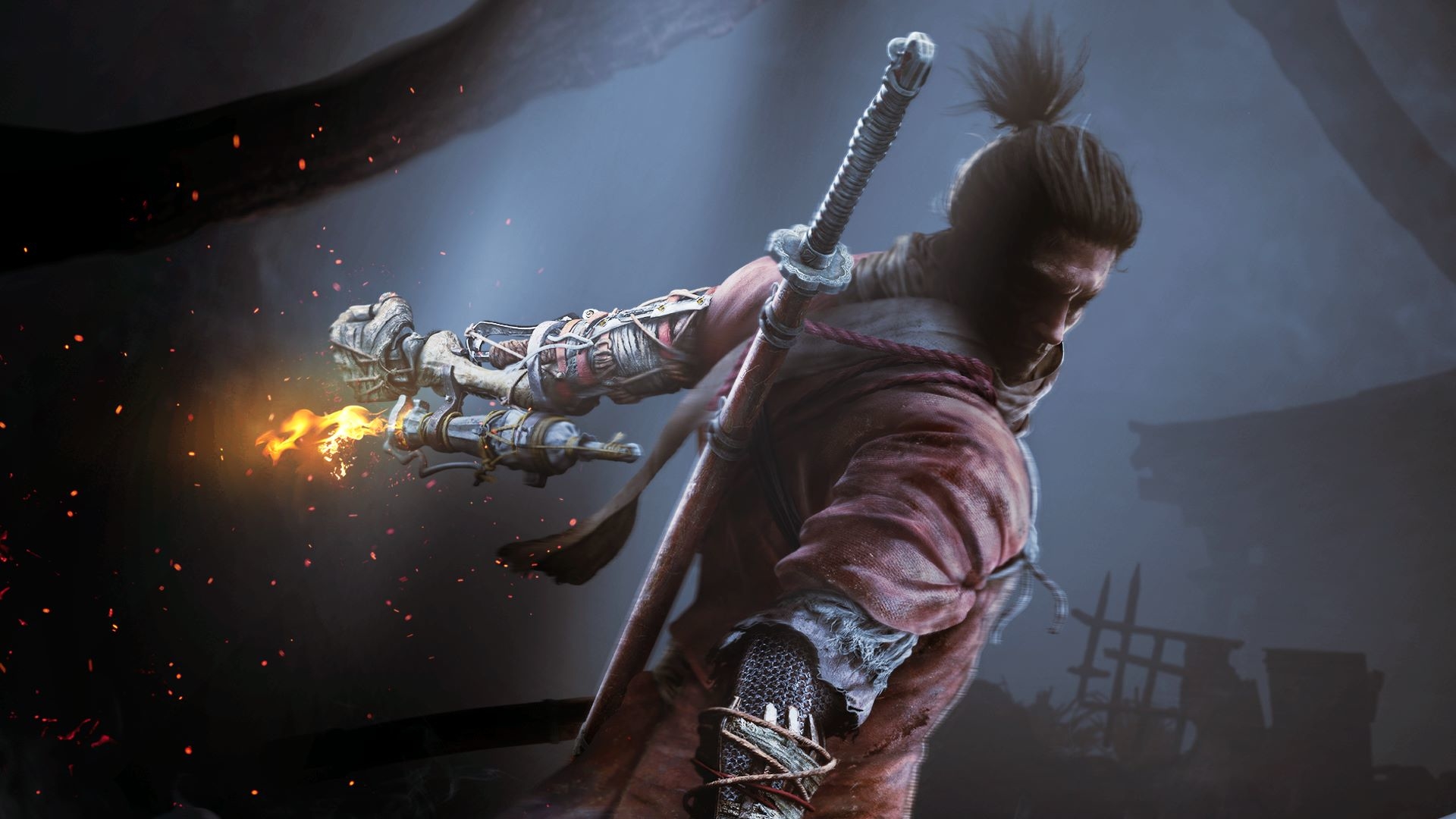
The Infested are individuals who have found a way to live forever by drinking the Rejuvenating Waters. However, this immortality comes with a terrible price: a giant centipede takes control of their body and mind. The story focuses on the horrifying reality of living forever without any trace of their former selves, and often examines how the monks of Senpou Temple lost their way and abandoned their spiritual beliefs.
‘Control’ (2019)
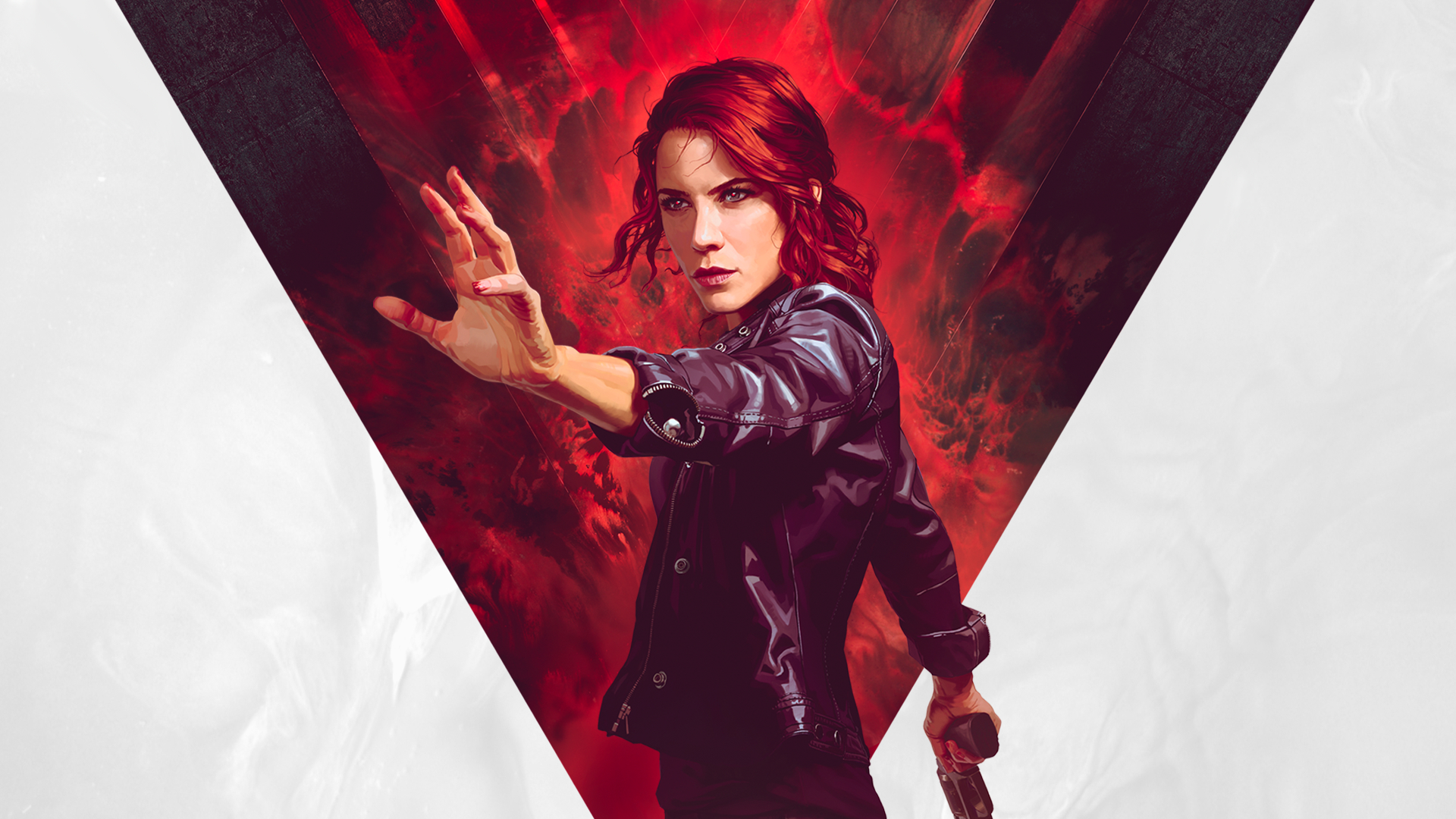
The Hiss is a strange, otherworldly force that possesses people working at the Federal Bureau of Control. When someone is taken over, they become hostile and act like puppets, repeating broken and twisted versions of their own thoughts. This phenomenon represents a loss of identity and the terrifying invasion of the mind by something beyond human understanding. Players are piecing together clues from the game’s environment to learn more about what the Hiss is and where it comes from, believing its roots lie in a dimension called the Astral Plane.
‘Fable’ (2004)
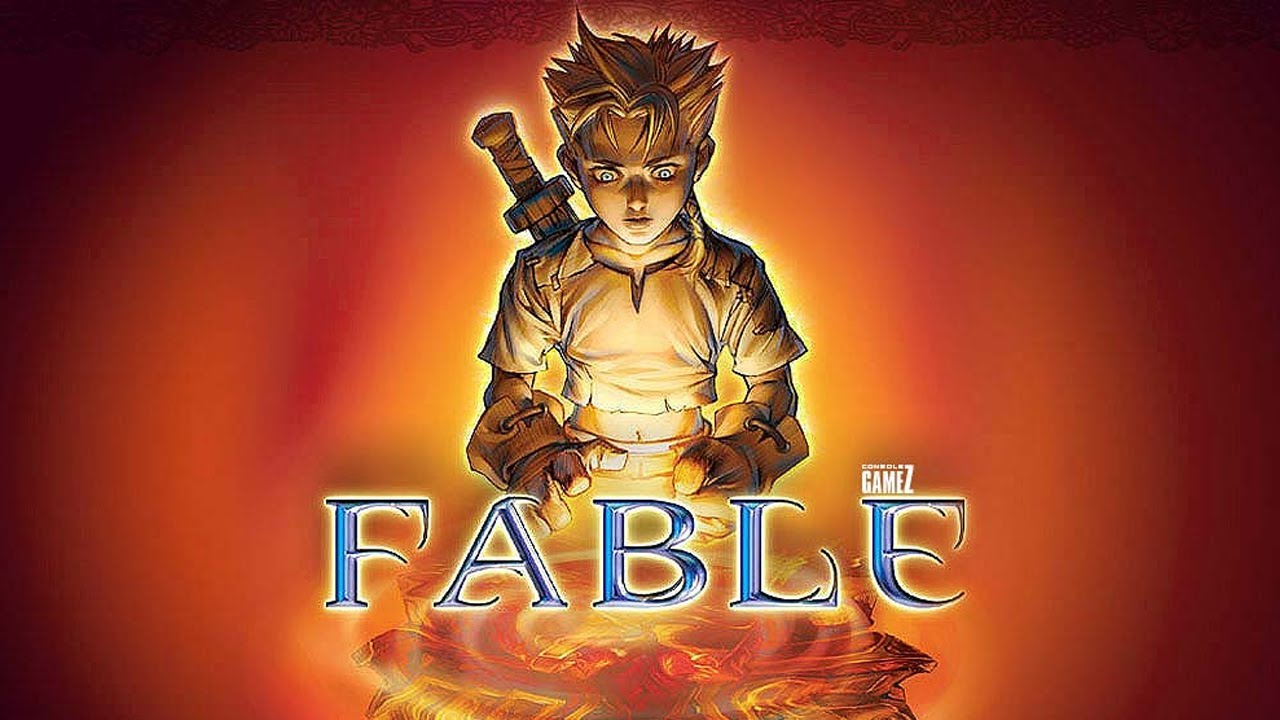
Balverines are creatures resembling werewolves, but they’re actually humans who were infected through a bite. This tragic backstory makes fighting them difficult, as players learn they were once ordinary villagers. The game’s story delves into the origins of the first Balverine and how the curse spread across Albion. Players often discuss whether it’s right to hunt creatures who were once people.
‘Pikmin’ (2001)
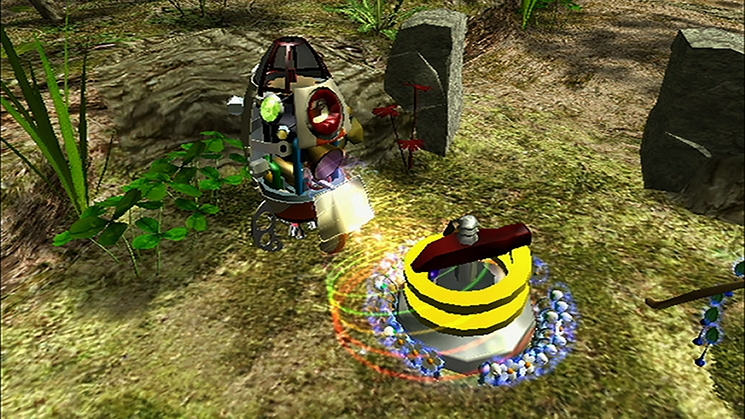
At first, the creatures in the game seem like simple enemies for the Pikmin to defeat. However, in-game notes reveal detailed information about each creature’s biology and how they fit into the planet’s ecosystem. This changes how players see them – instead of villains, they become natural animals simply acting on their instincts. Players often discuss the planet’s delicate ecological balance and how their actions affect the local wildlife.
‘Monster Hunter World’ (2018)
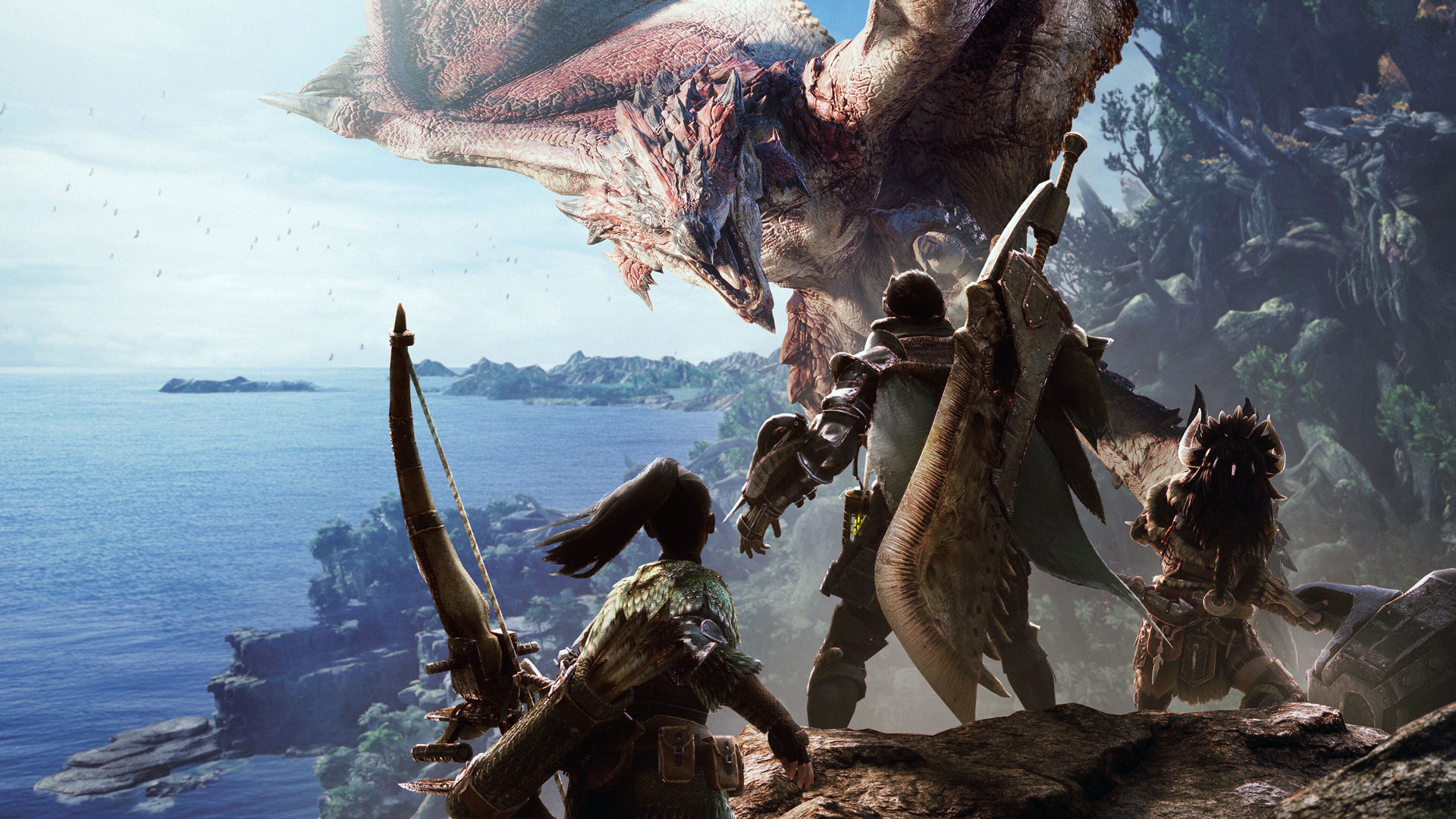
Elder Dragons are shown as powerful natural forces whose very existence can cause disasters. The story delves into their origins – the Elder Crossing – and how they live and die. This changes the reason for hunting them; it’s no longer about achieving fame, but about keeping the world’s ecosystems stable. Players often discuss whether it’s right to hunt these incredible, ancient creatures, even if it’s for research and to ensure everyone’s safety.
‘Dead Space’ (2008)
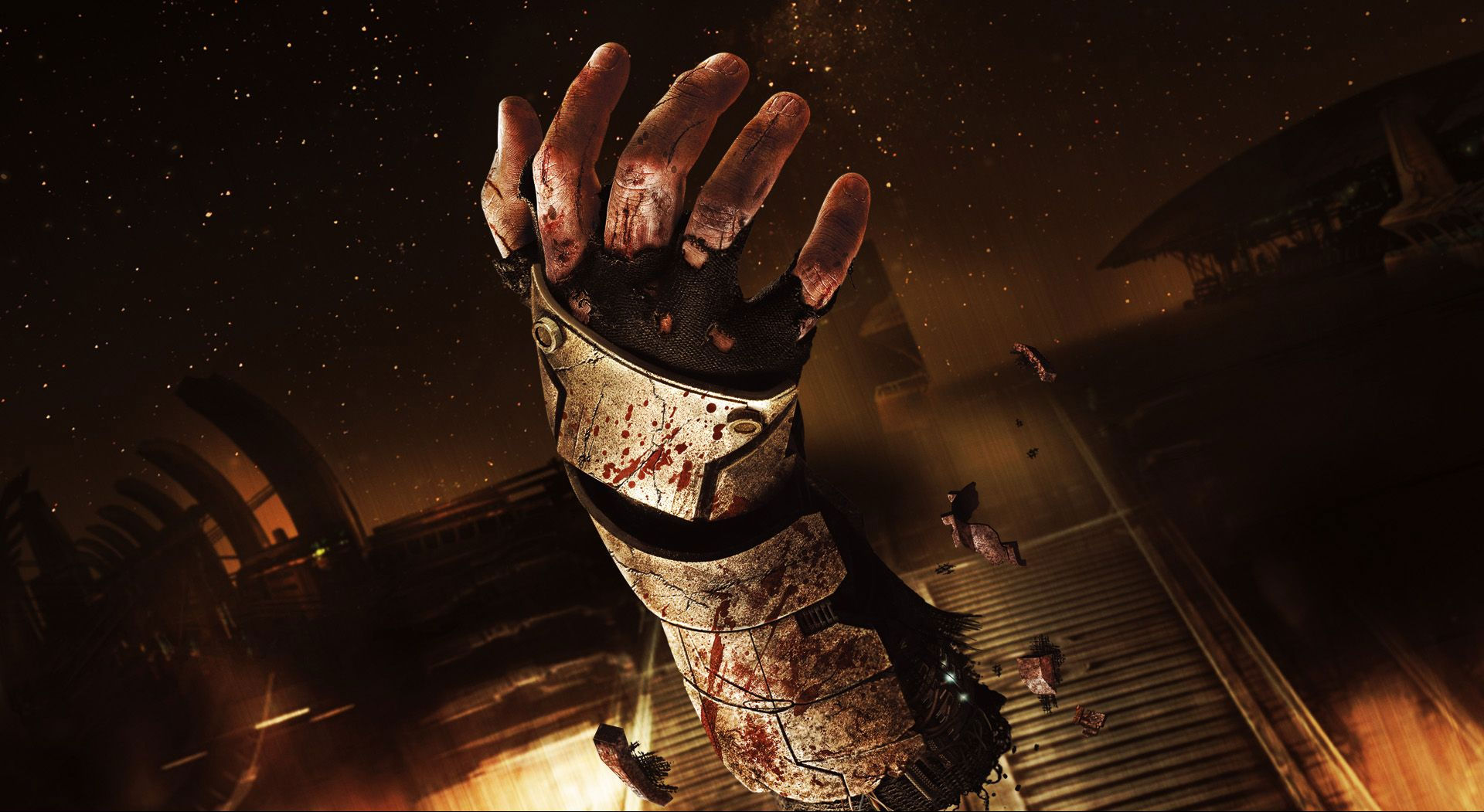
The Necromorphs are terrifying monsters formed from the reanimated bodies of the crew aboard the Ishimura. The discovery of the Marker shows that this gruesome transformation is actually part of an alien plan to unite all life. This elevates the body horror beyond simple gore, making it a massive, cosmic threat to what it means to be human. Many conversations center on the Unitologists, a religious group, and how their beliefs contributed to the outbreak.
‘Silent Hill 2’ (2001)
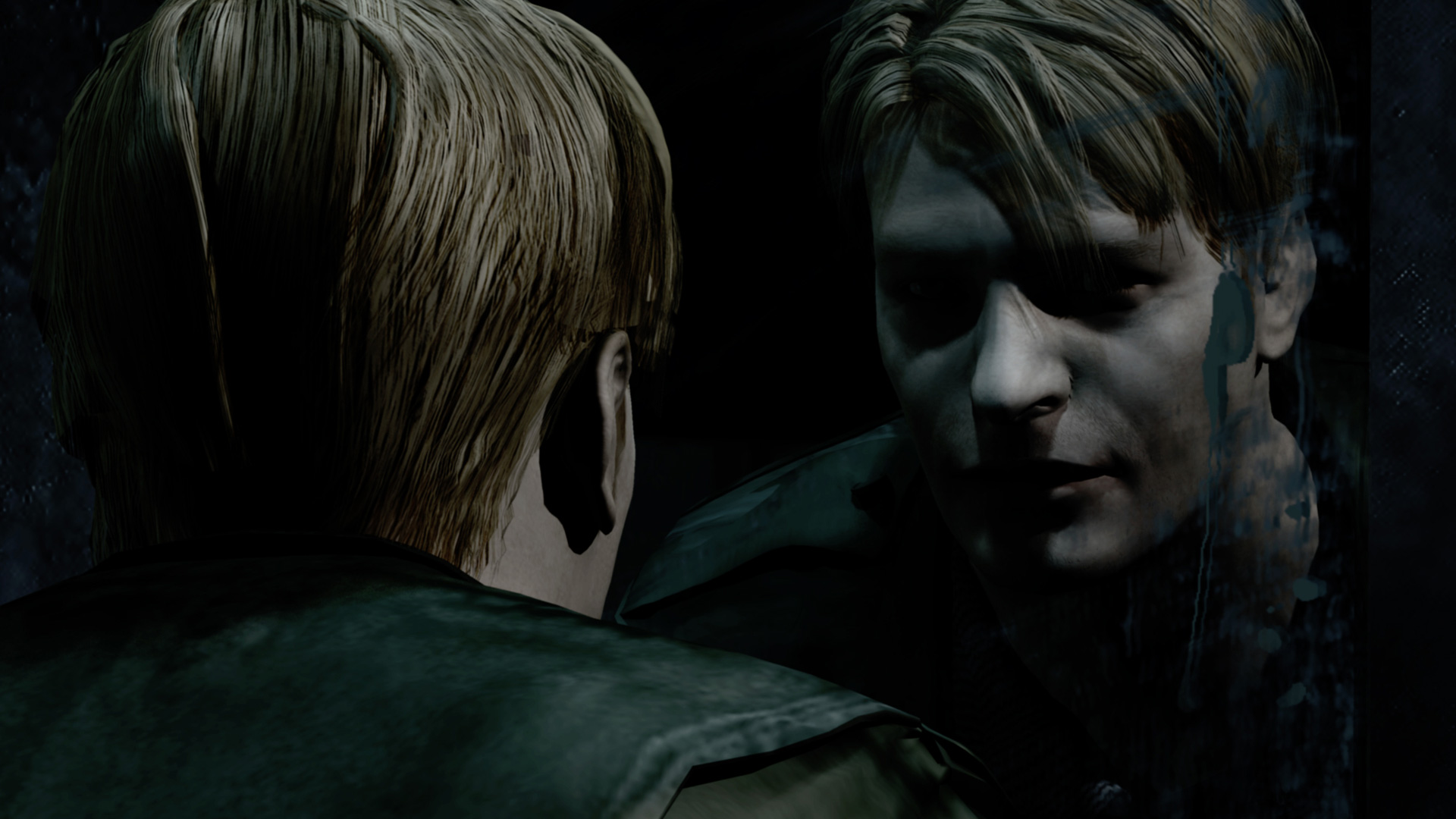
Okay, so I just figured out something HUGE in this game. All those monsters running around town? They aren’t just scary creatures, they’re actually me. Like, they represent my character’s guilt and inner struggles. It totally changed how I see everything! I went from just trying to kill them to trying to figure out what they mean. Everyone’s spending hours dissecting each monster’s design, trying to understand the story behind it. It’s awesome! This game used to be about spooky cult stuff, but now it feels way more personal, like it’s all about the character’s journey and dealing with his demons, literally.
‘Batman Arkham City’ (2011)
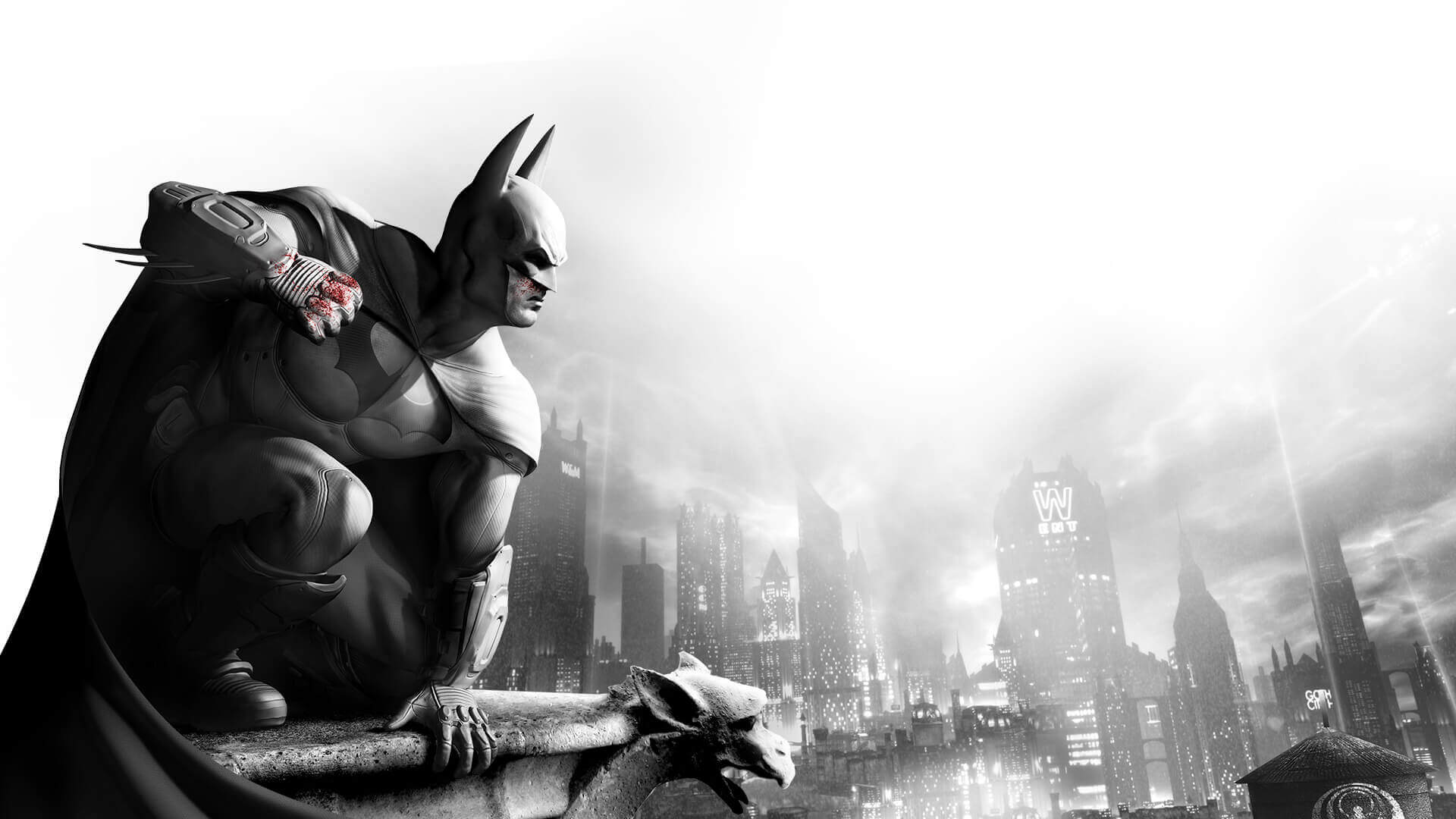
As a fan, I was really struck by the Tyger Guards in the game. They seem like just another security force keeping order in the huge prison city, but it’s a total gut punch when you find out they’re being mind-controlled! It completely changes how you see them – they’re not just enforcers, they’re victims of the villain’s scheme. It’s sparked a lot of interesting conversations among players about whether privatizing security is a good idea, and what it means to lose control of your own mind and choices. It’s a really thought-provoking part of the story.
‘Dragon Age II’ (2011)
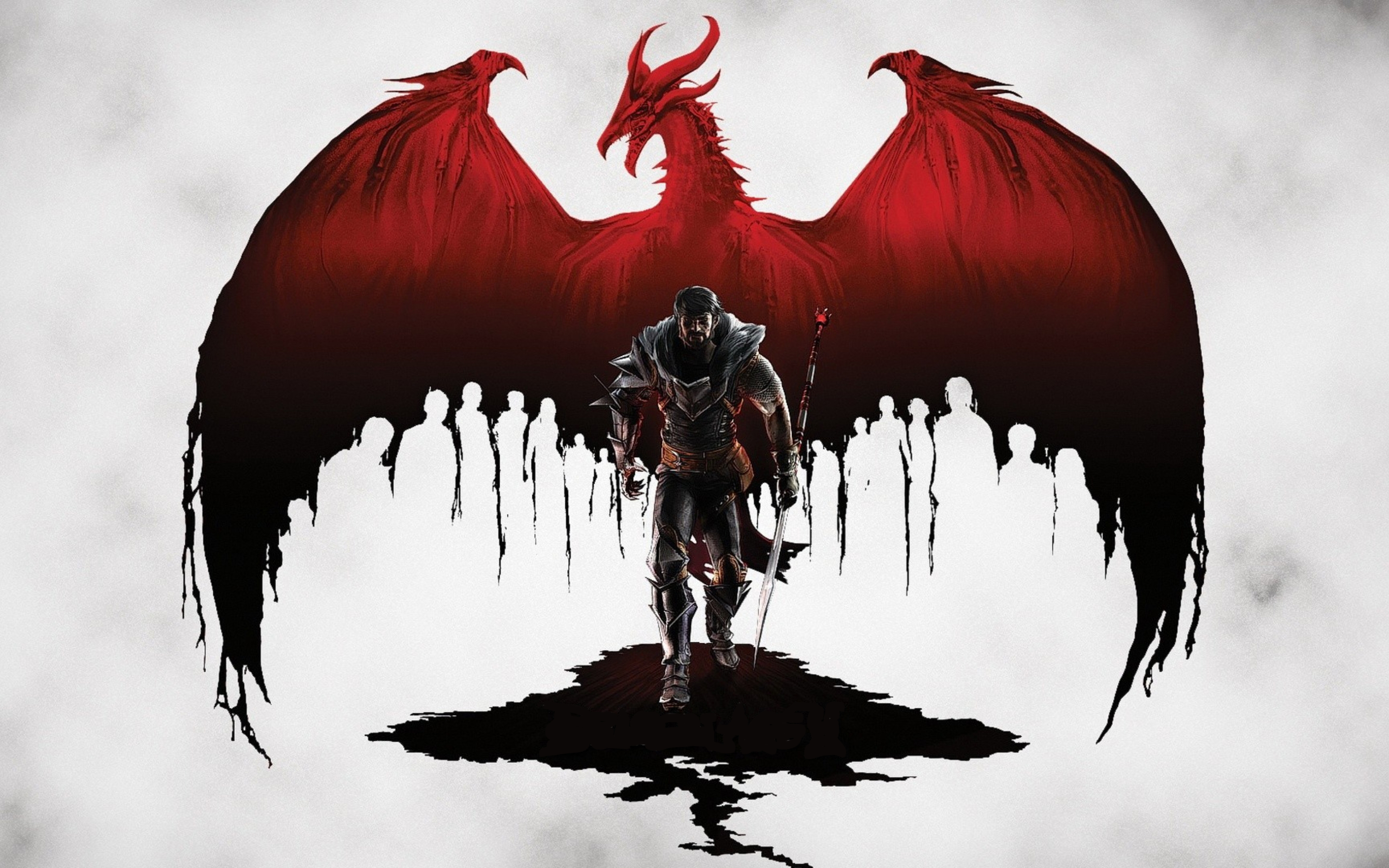
The Qunari are a people defined by a strict, highly structured society and faith, which frequently causes tension with other cultures. Players gain insight into the beliefs that shape their way of life through the character of the Arishok. This complex depiction reveals that the Qunari act according to a strong set of principles, not out of cruelty. The Qunari’s philosophy is a frequent topic of discussion among fans, who debate whether their ordered society is preferable to the freedom found in other nations of Thedas.
‘Legacy of Kain Soul Reaver’ (1999)
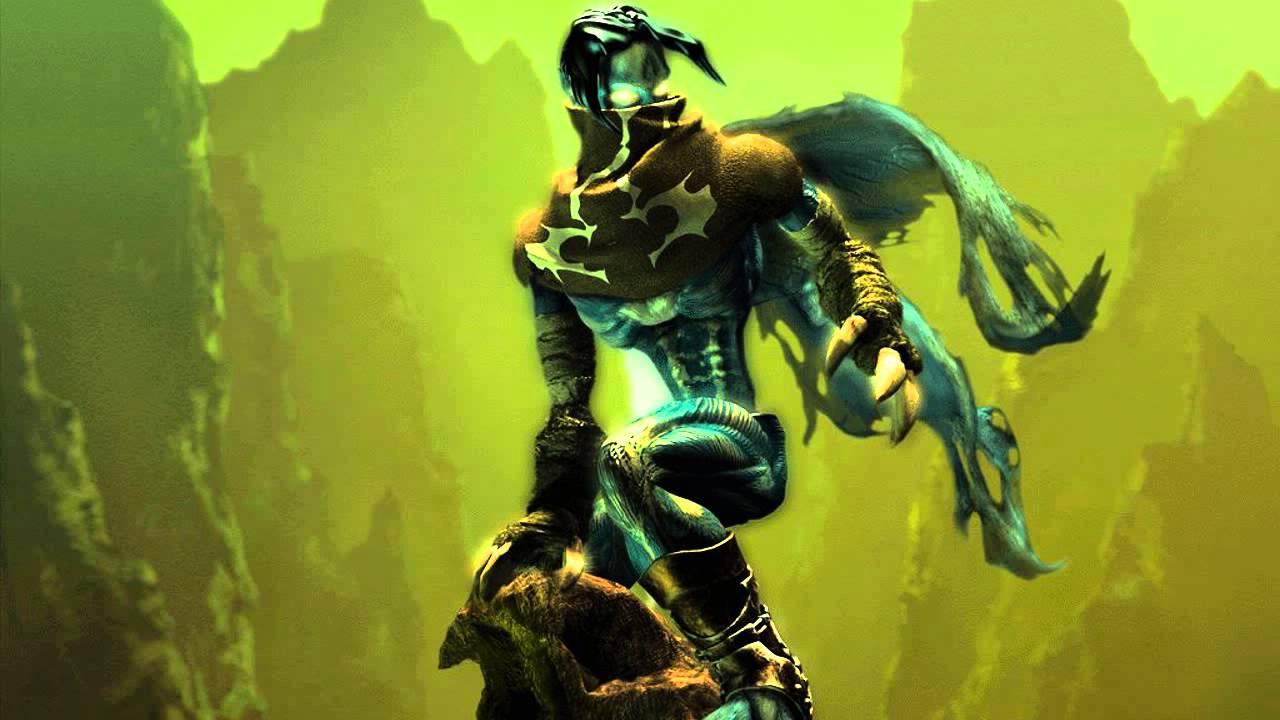
This story features vampires who were once a powerful ruling class, but are now in decline. The main character, Raziel, is a former vampire commander brought back to life to get revenge on the one who created him, Kain. The game delves into the sad history of the vampires and how they’ve shaped the world of Nosgoth. Players often debate whether Kain is truly evil, or if he’s a tragic figure trying to do what’s best.
Tell us about any ‘villainous’ races you’ve encountered that turned out to be more sympathetic or misunderstood – share your examples in the comments!
Read More
- Invincible Season 4 Gender Swaps Tech Jacket As Fans Question Major Comic Change
- Building Agents That Learn and Improve Themselves
- Gold Rate Forecast
- Silver Rate Forecast
- Games That Faced Bans in Countries Over Political Themes
- Superman Flops Financially: $350M Budget, Still No Profit (Scoop Confirmed)
- Trading Crypto with AI: A New Approach to Portfolio Management
- 22 Films Where the White Protagonist Is Canonically the Sidekick to a Black Lead
- Unveiling the Schwab U.S. Dividend Equity ETF: A Portent of Financial Growth
- 15 Films That Were Shot Entirely on Phones
2026-02-03 23:53