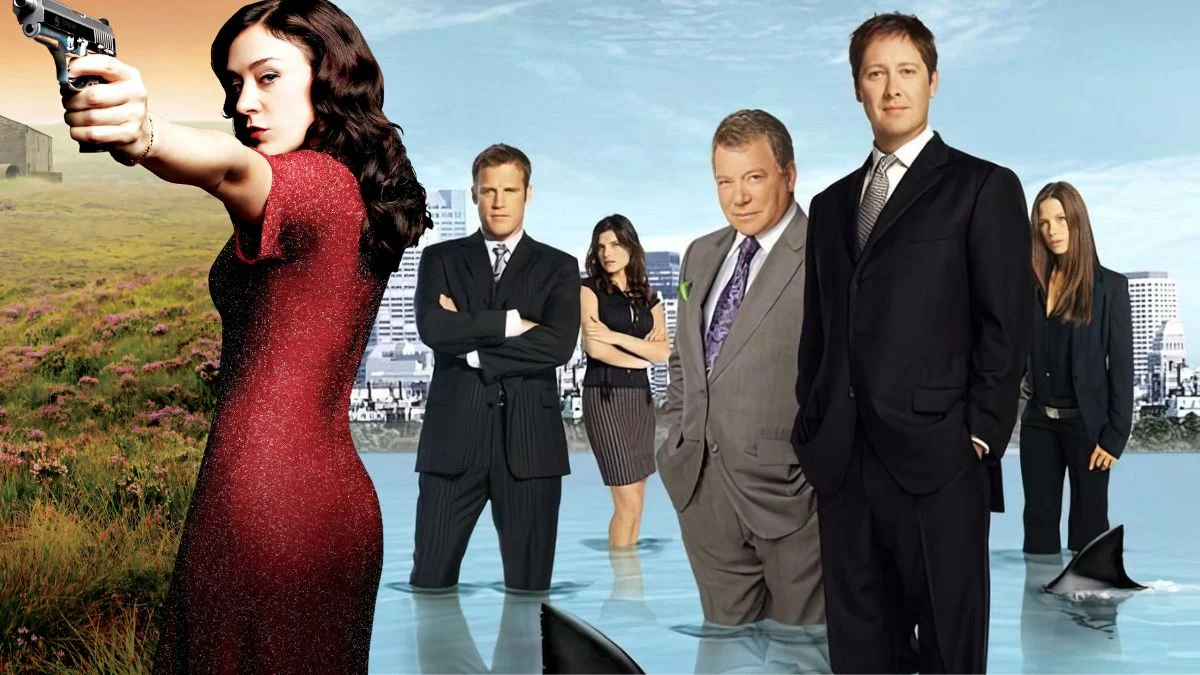
For years, the entertainment industry has faced criticism for casting actors who are not transgender in roles portraying transgender characters. While these castings sometimes brought attention to transgender stories, they often meant that transgender actors weren’t given the opportunity to play those roles themselves. Advocates have consistently pushed for genuine representation, so transgender performers can share their own experiences. This overview looks at several TV shows that made this casting choice and the conversations that followed. Though controversial, these shows helped lead to the more inclusive casting we see on television today.
‘Transparent’ (2014–2019)
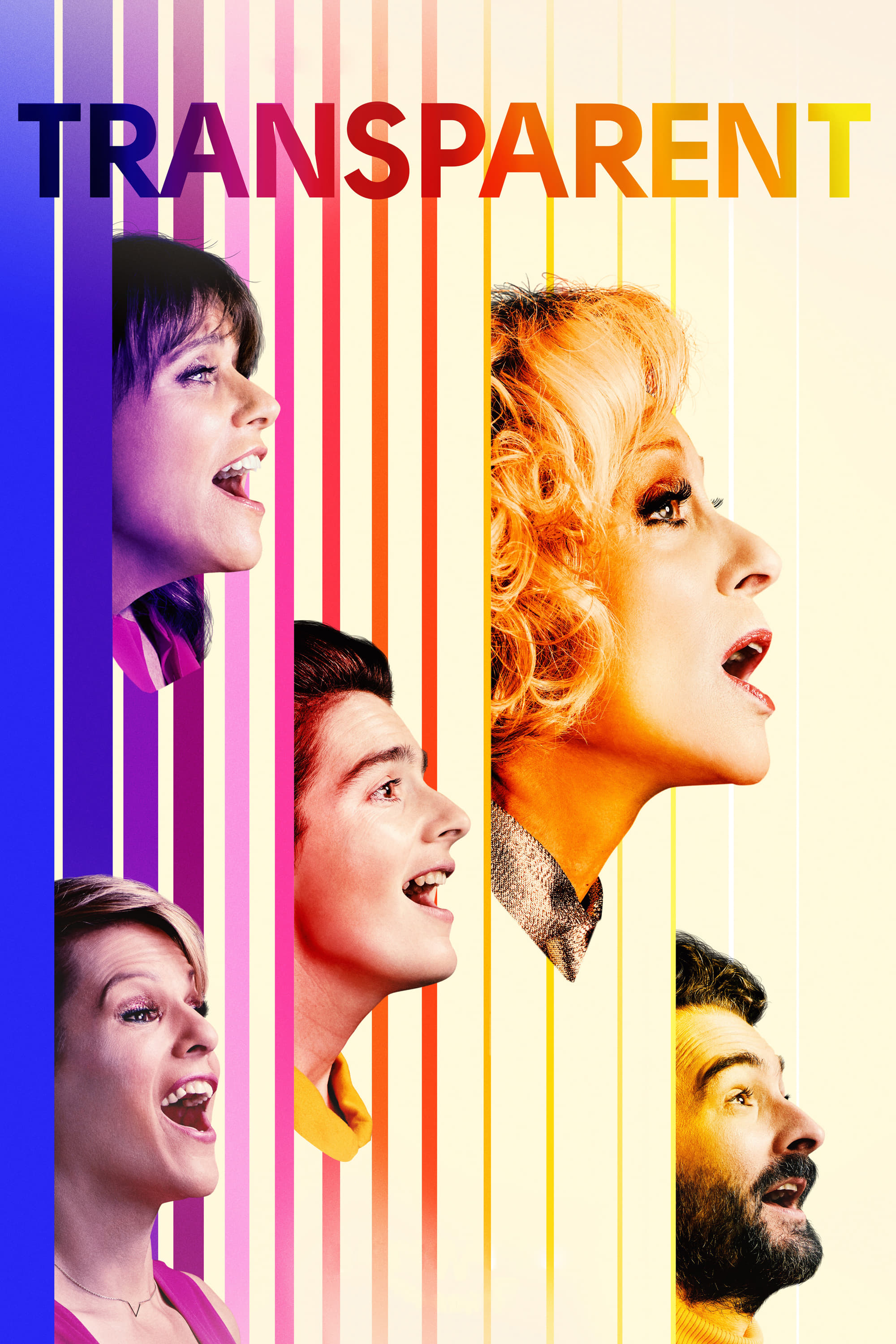
Jeffrey Tambor played Maura Pfefferman, a retired professor who comes out as transgender to her grown children. This choice of actor sparked criticism from the transgender community, who felt a transgender actress should have been cast for a more authentic portrayal and to provide work for transgender performers. The show centers on the Pfefferman family’s experiences as they adjust to this change. Tambor received awards for his performance but later left the series due to allegations of misconduct.
‘The L Word’ (2004–2009)
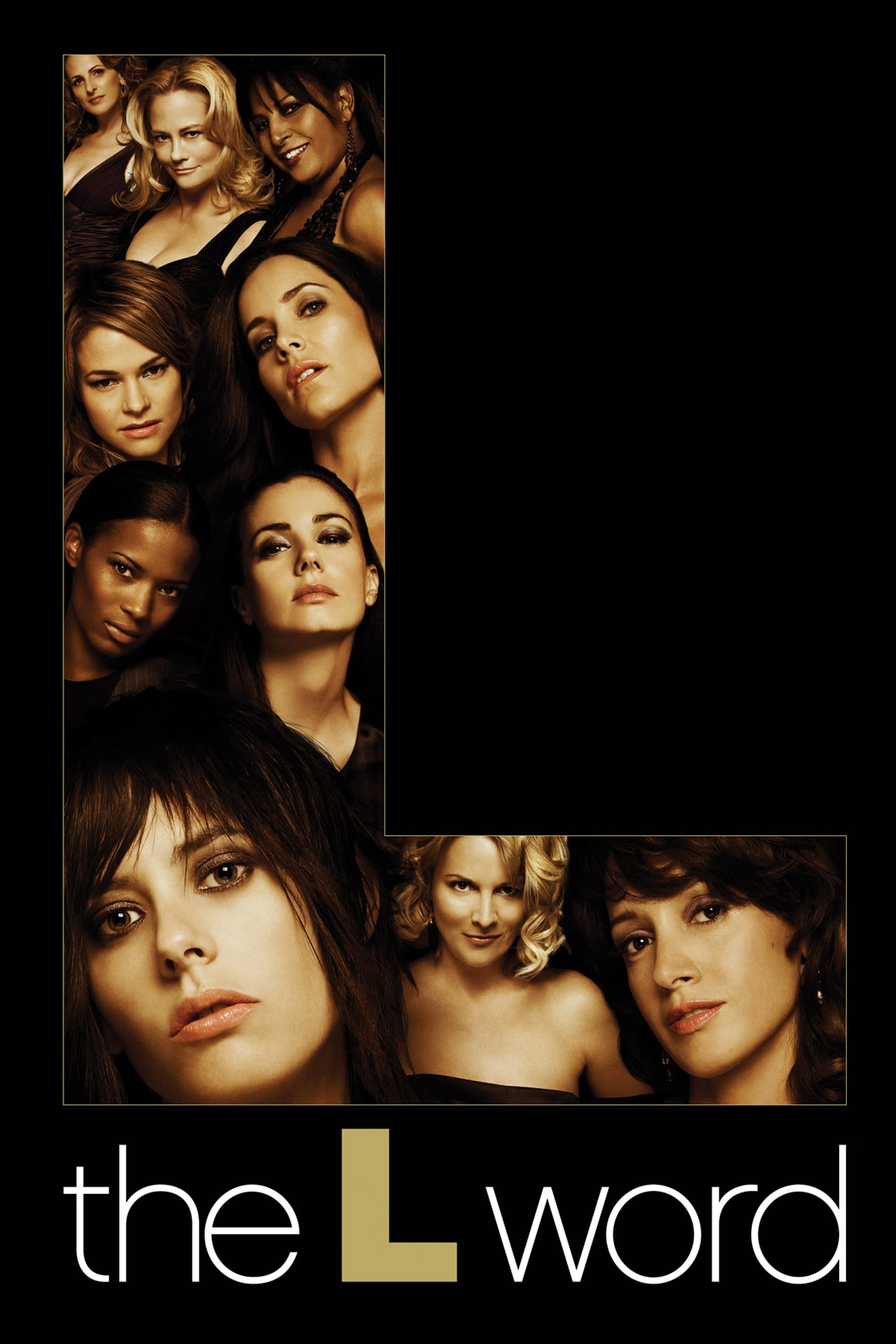
Daniela Sea portrayed Max Sweeney, a character who experiences a transition from female to male throughout the series. The decision to cast a cisgender actor in this role led to discussions about whether a trans man would have been a more suitable choice. Many viewers also criticized the character’s storyline, feeling it was underdeveloped and relied on harmful stereotypes. While the series is notable for its positive portrayal of lesbian characters, it received criticism for its handling of transgender issues. These conversations ultimately impacted how later shows approached casting and storytelling within the LGBTQ+ community.
‘Glee’ (2009–2015)
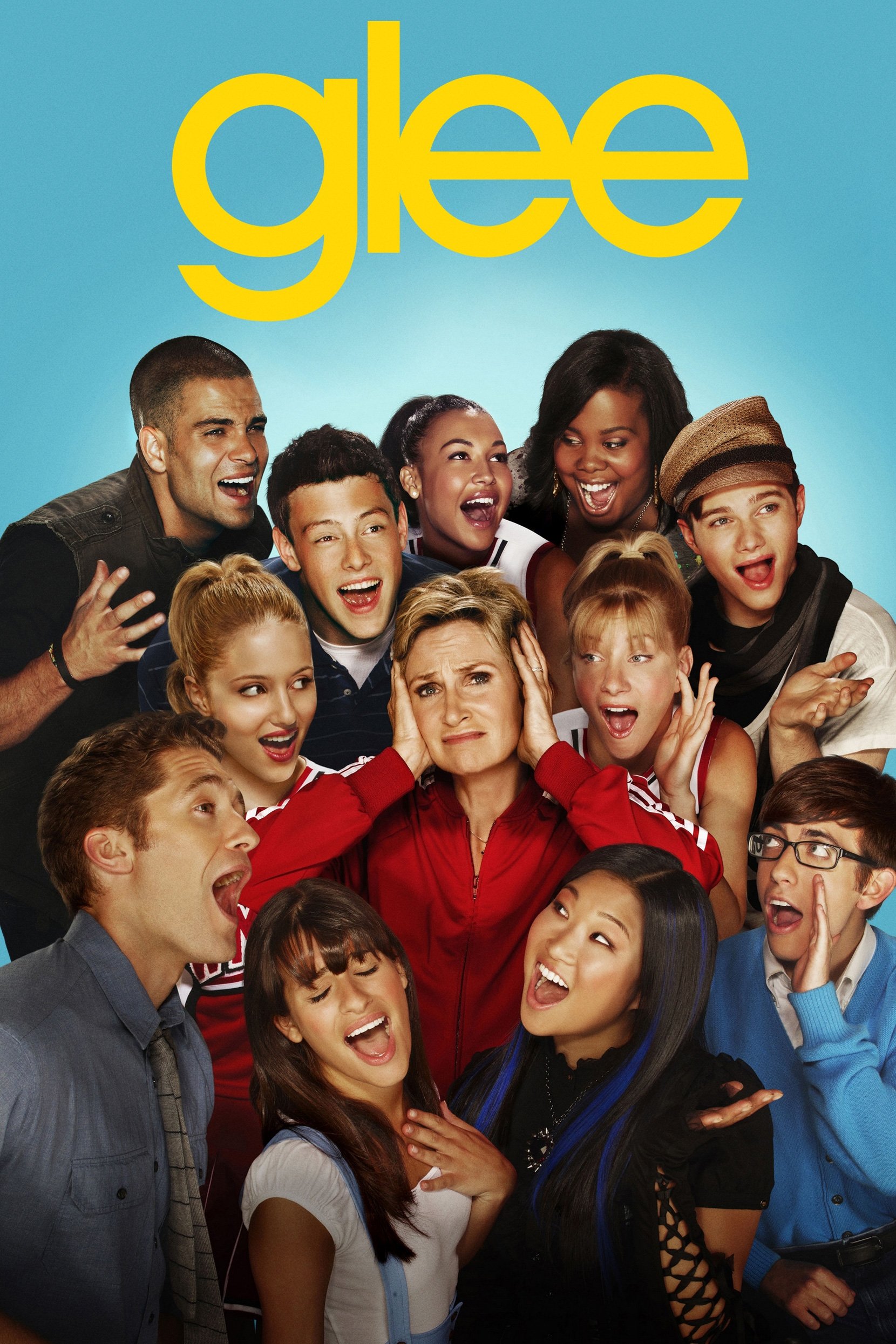
Dot-Marie Jones played Coach Beiste on the musical drama series, and her character went through a transition later in the show. While many praised Jones’ acting, some criticized the decision to cast a cisgender woman in the role of a transgender man. Critics felt the story would have been more powerful if a trans actor had played the part. Though the show often addressed important social issues, this storyline received criticism for how it was handled and when it aired. It’s still often brought up when people talk about LGBTQ+ representation on TV.
‘Ugly Betty’ (2006–2010)
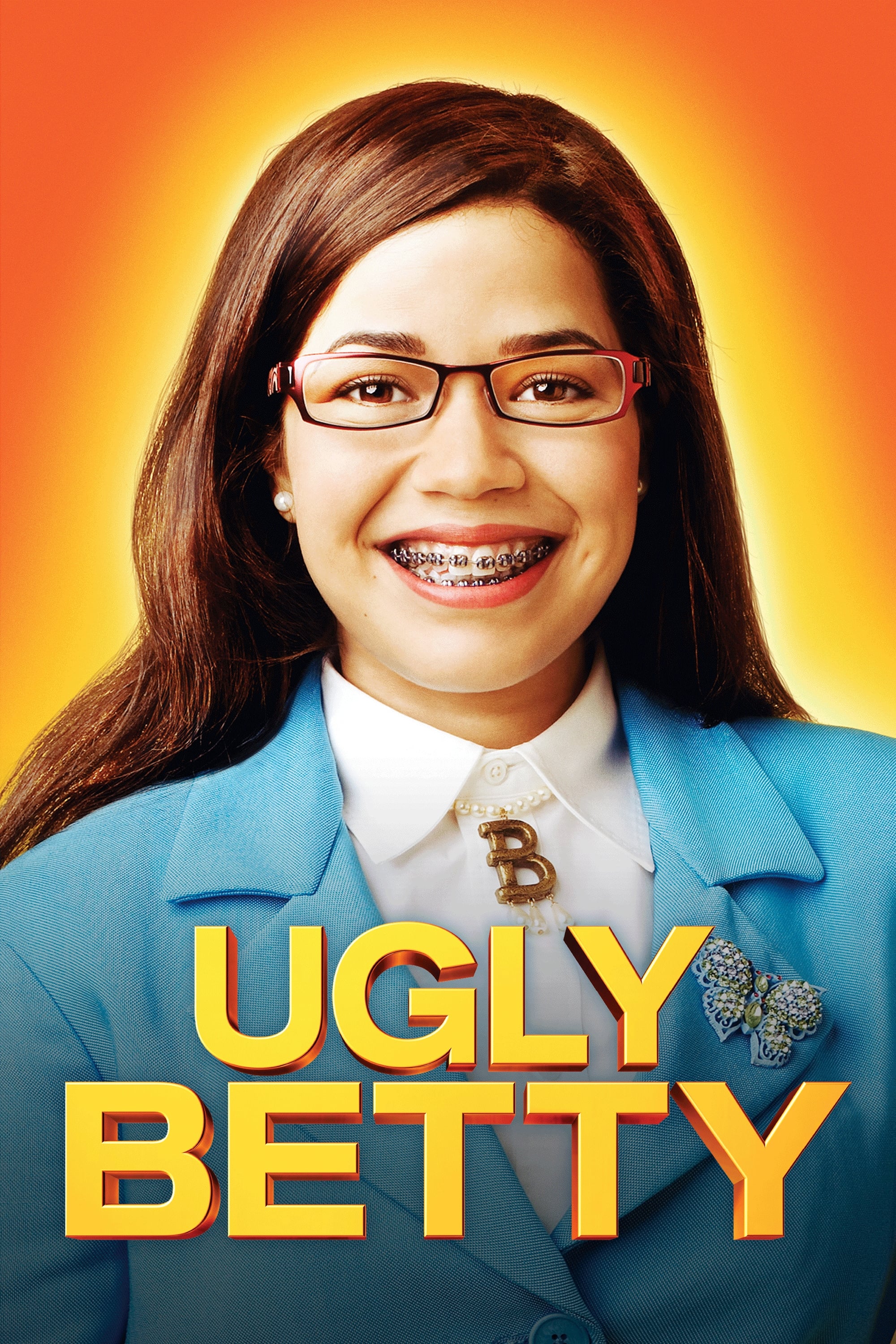
Rebecca Romijn portrayed Alexis Meade, the sister of the show’s villain, who was also a transgender woman. The character was first presented as an enigma, and her true identity was gradually revealed. Some activists criticized the casting of a cisgender actress, arguing it perpetuated the idea that trans women are merely cis women pretending to be someone else. This role was central to the show’s early seasons, with storylines focusing on family acceptance. Overall, the show was praised for its diverse cast and over-the-top, playful style.
‘Hit & Miss’ (2012)
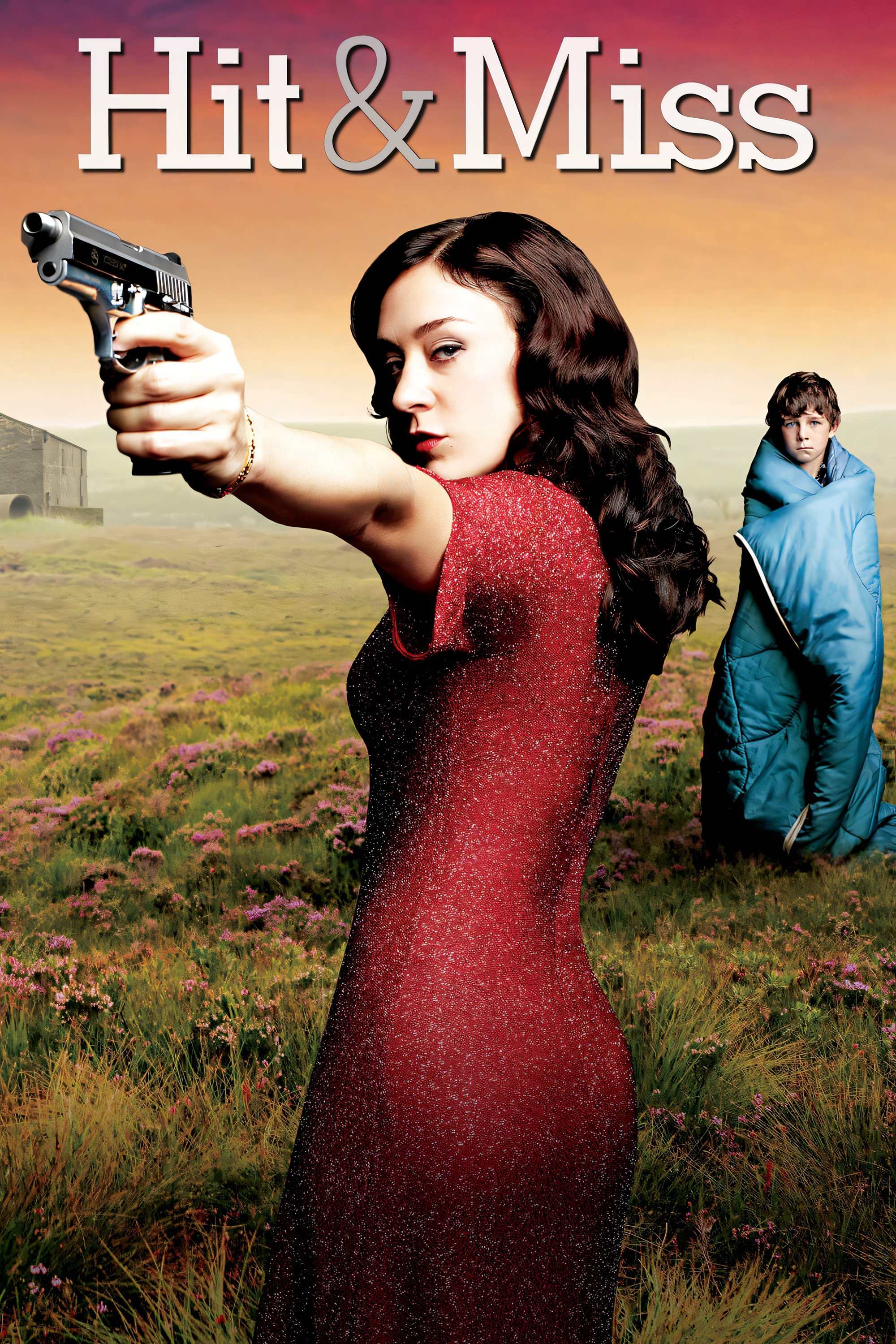
Chloë Sevigny played Mia, a professional killer who unexpectedly learns she has a son and is also a transgender woman. While many felt a trans actress should have been cast in the role, the show’s creators explained they needed a well-known star to attract funding. The series follows Mia as she balances her dangerous job with the challenges of understanding her own identity. It stood out for its dark and unusual storyline, which was a fresh addition to British television.
‘Nip/Tuck’ (2003–2010)
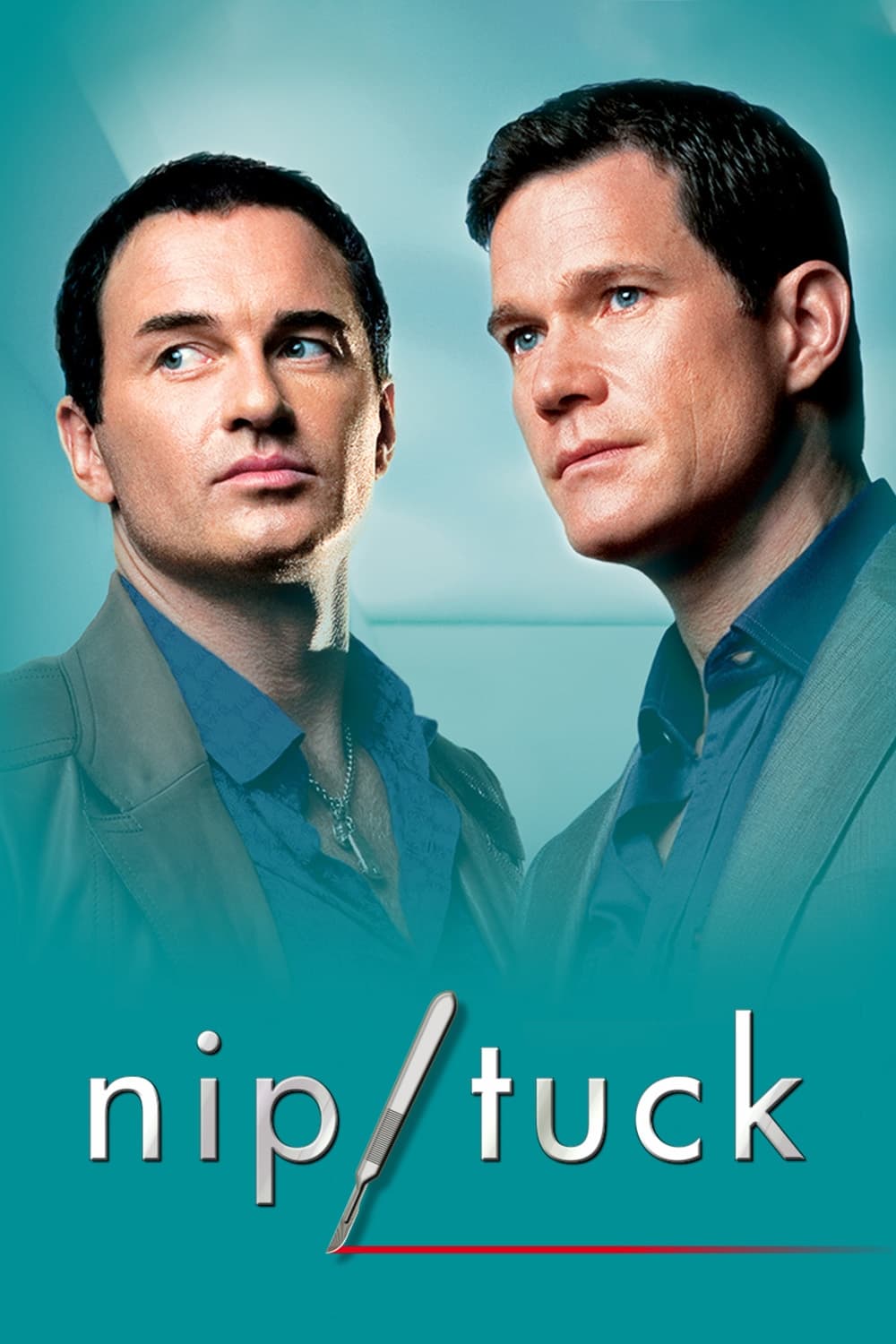
Famke Janssen played Ava Moore, a character whose backstory was revealed in the second season to include being a transgender woman. This reveal was intended as a surprise, but many critics felt it relied on a damaging stereotype. Some also pointed out that casting a cisgender actress missed a chance to authentically represent the transgender experience. The show frequently tackled challenging and provocative topics related to plastic surgery, and Ava’s story became one of the most talked-about aspects of the series during its first few seasons.
‘It’s Always Sunny in Philadelphia’ (2005–)

Brittany Daniel portrayed Carmen, a transgender woman with an on-again, off-again relationship with Mac. The show often used dark humor, and Carmen was sometimes the target of jokes from the other characters. While Carmen was depicted as grounded and sensible, some viewers criticized the decision to cast a cisgender actress in the role. As the show went on, these storylines were phased out. Despite this, it’s remained a long-running comedy series.
‘Twin Peaks’ (1990–1991)
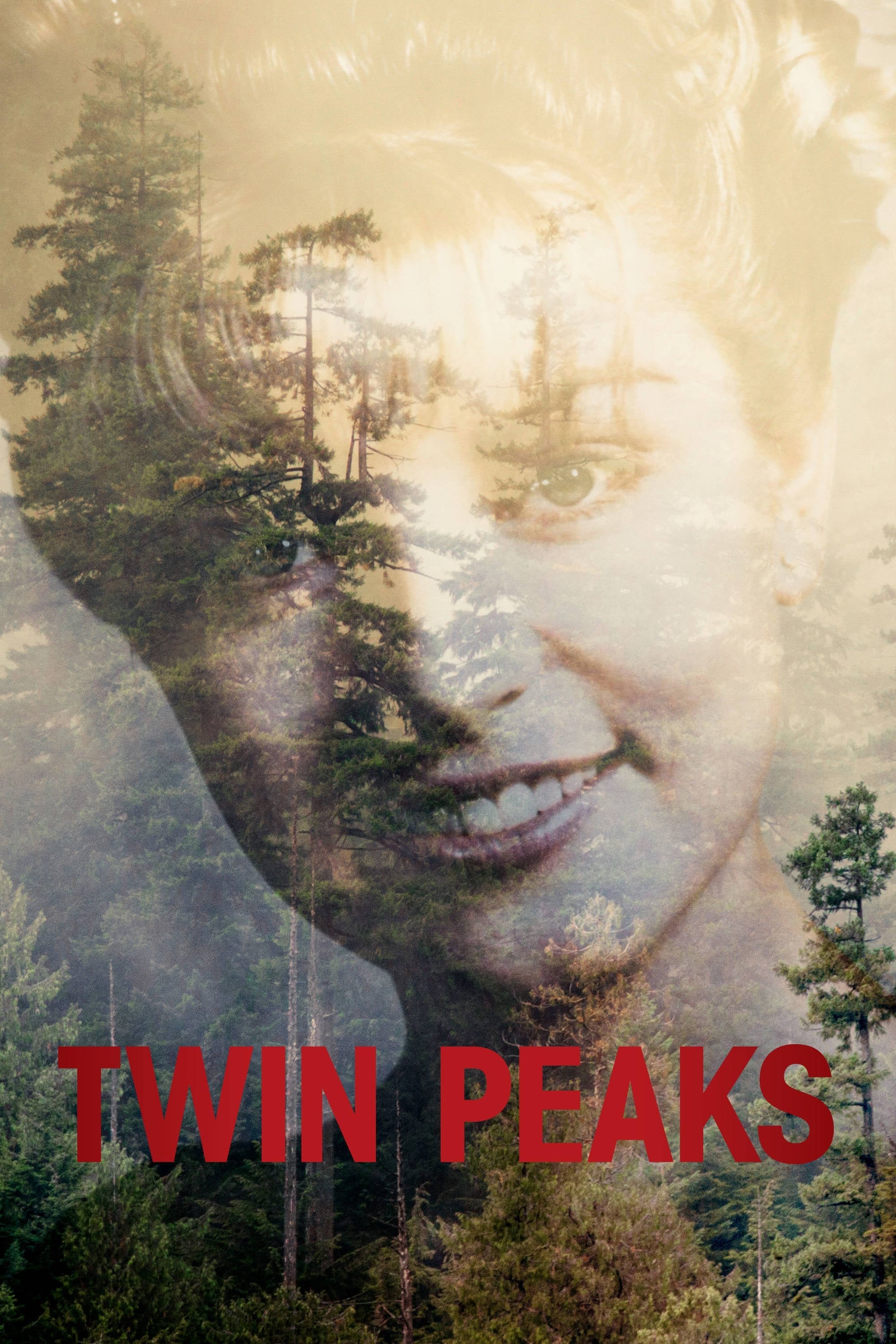
David Duchovny played Denise Bryson, a trans woman and DEA agent, in the original series. Despite the social attitudes of the time, the main character treated her with considerable respect. However, the decision to cast a cisgender actor in the role sparked debate among later viewers and critics. Duchovny reprised the role in the show’s 2017 revival, and his performance is now often seen as a complex and noteworthy moment in the representation of transgender people on television.
‘Orphan Black’ (2013–2017)
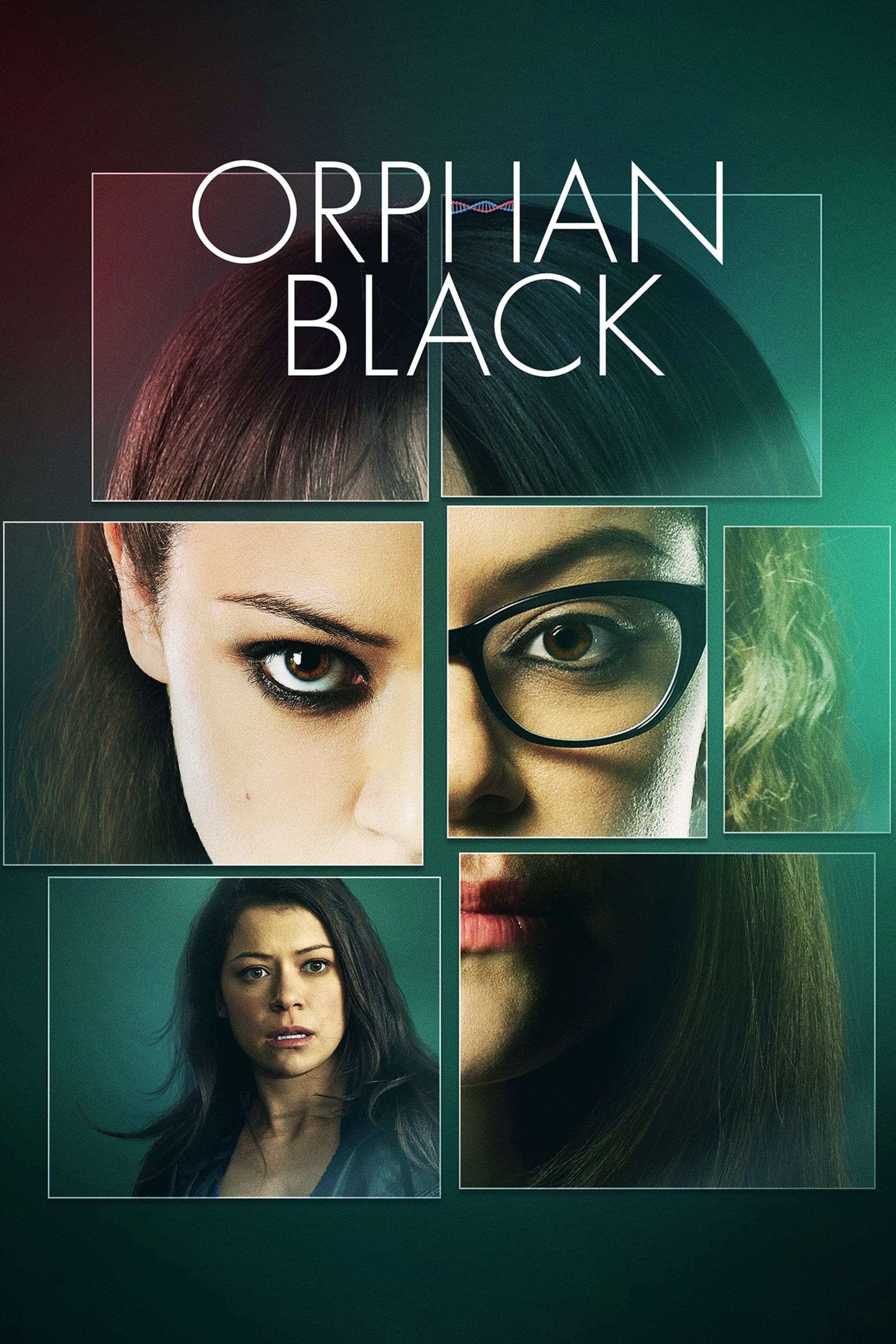
Ari Millen portrayed Tony Sawicki, a transgender male clone who was introduced in the show’s second season. Because the series centers around clones, the producers cast the same actor who played the other male clones. This choice received a varied response, as many fans and activists had hoped a transgender actor would be cast in the role. Tony appeared in only one episode, which some viewers felt didn’t give the character’s story enough attention. Despite this, the show was generally well-received for its thoughtful exploration of identity and the bonds between women.
‘The Jeffersons’ (1975–1985)
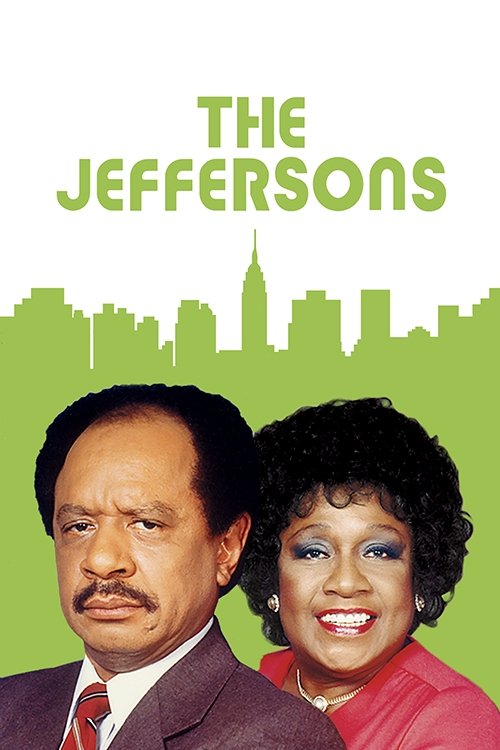
Veronica Redd portrayed Eddie Jefferson, an old friend of George, who later came out as a woman named Edie. This storyline was unusual for a major 1970s sitcom, and the episode humorously showed George struggling to understand his friend’s transition. While the show avoided some common harmful stereotypes by casting a cisgender woman in the role, it also pointed to the limited opportunities for transgender actors at the time.
‘All in the Family’ (1971–1979)
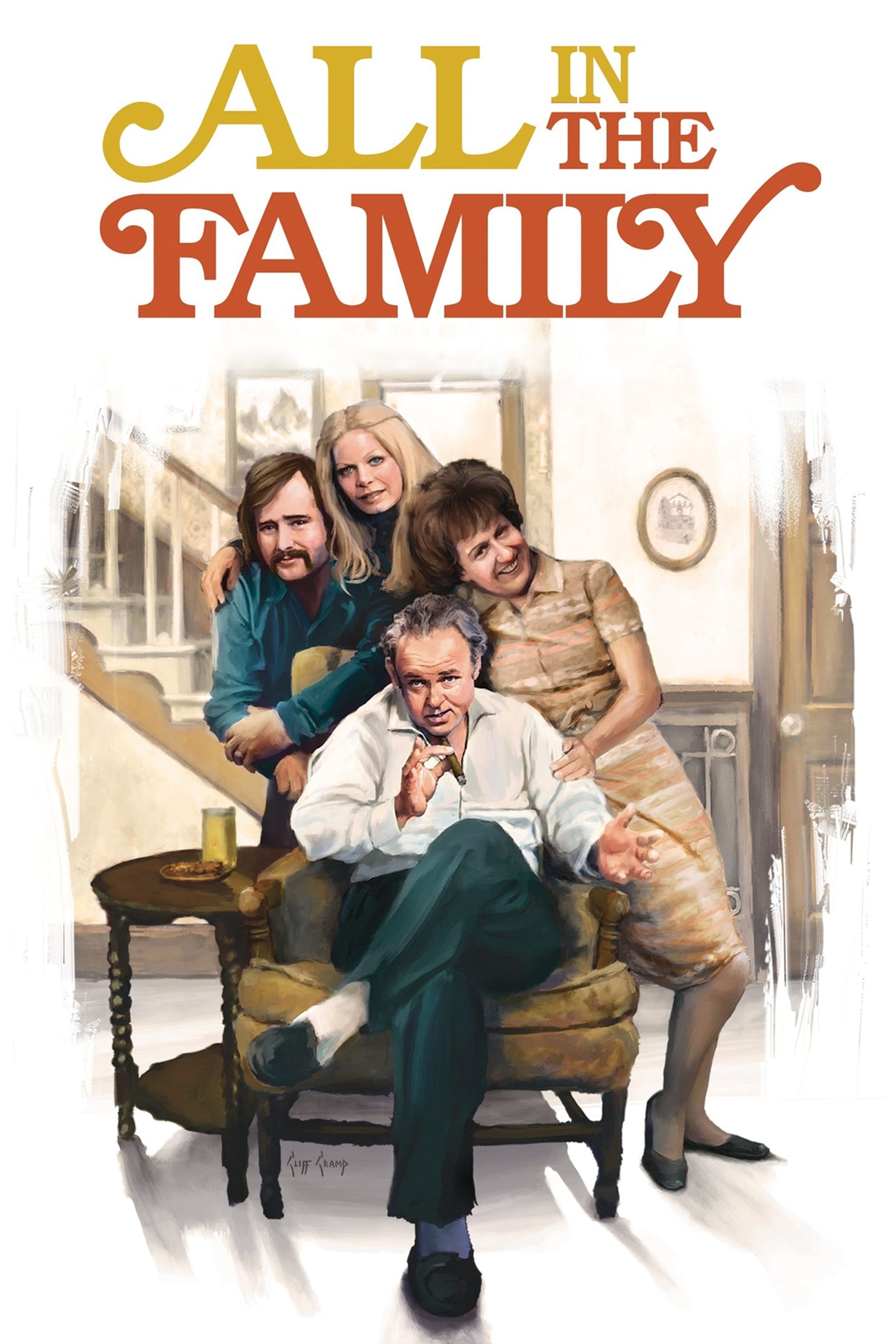
In a memorable episode of the classic sitcom, actor Lori Shannon portrayed Beverly Crane, one of the first transgender characters to appear on a major American network television show. The story revolves around Archie Bunker unknowingly helping Beverly after she collapses, and his initial shock evolving into acceptance upon discovering she is a trans woman. While the episode was ahead of its time in featuring a transgender character, the role was played by a cisgender male actor.
‘Quantum Leap’ (1989–1993)
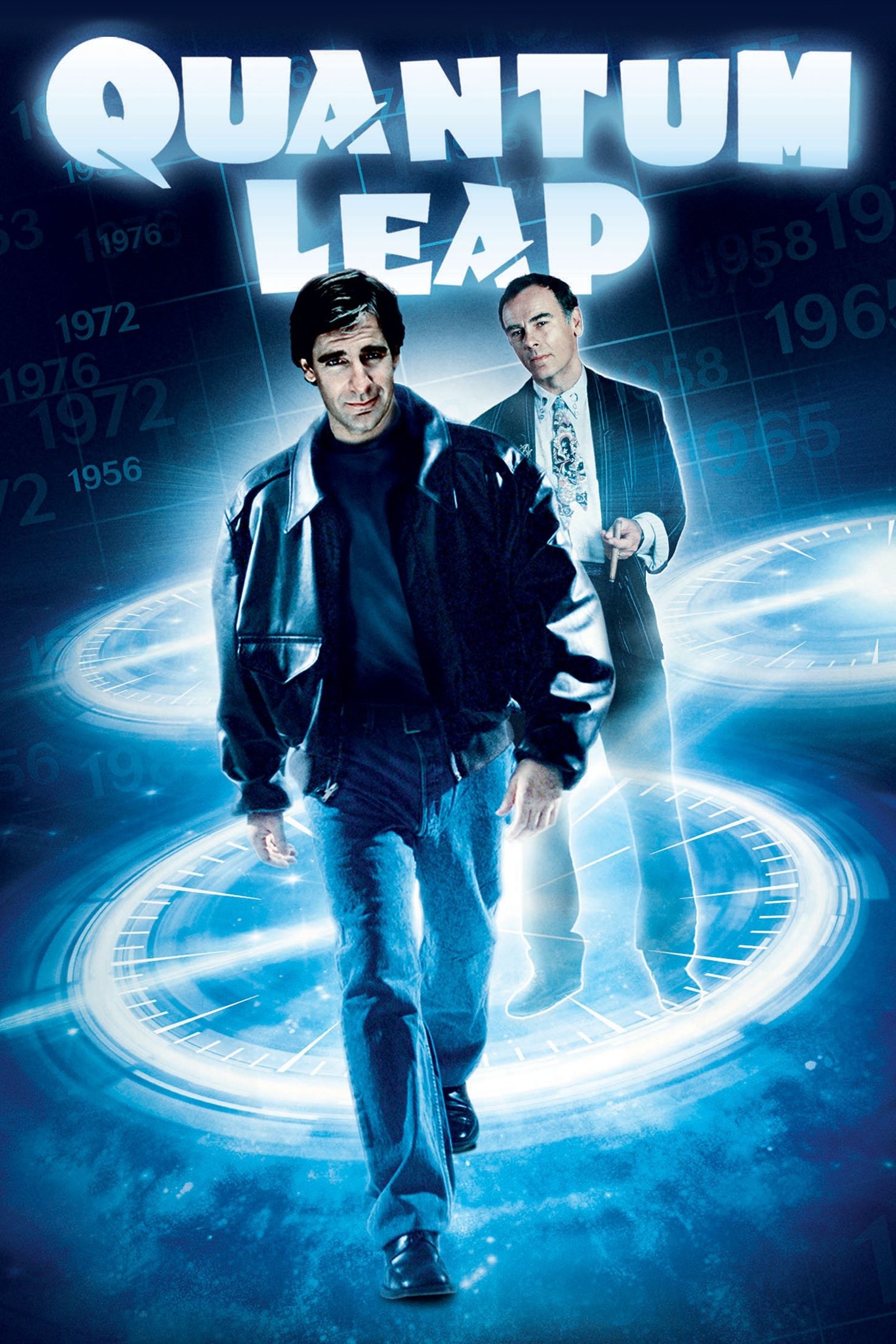
I remember being really moved by an episode of Quantum Leap where Scott Bakula’s character, Sam Beckett, temporarily became a trans woman. It was a clever way to explore a difficult story using the show’s sci-fi premise. The episode really highlighted the discrimination and fight for equality faced by people in the military. Looking back, while the show meant well and aimed for empathy, it relied on a cisgender actor to tell a trans person’s story. It’s definitely a product of its time and a good example of how TV shows back then used fantastical ideas to tackle important social issues.
‘Ally McBeal’ (1997–2002)
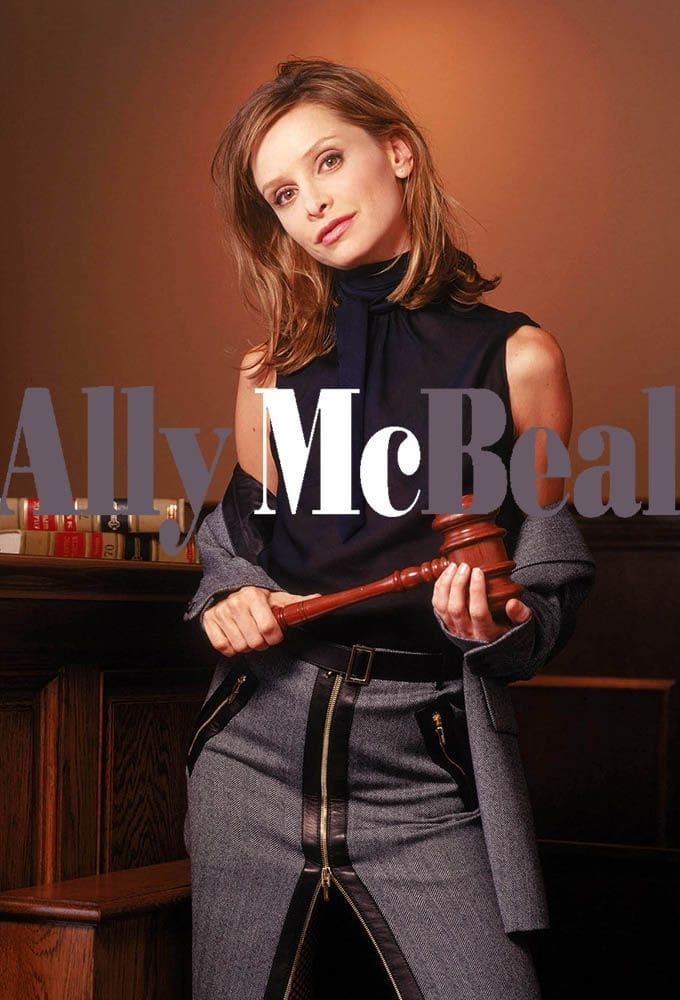
During its most popular years, the show featured Wilson Cruz in a guest role playing a transgender character. Although Cruz himself is a cisgender man and a well-known LGBTQ+ advocate, his casting reflected a common practice at the time. The episode explored the legal and social issues faced by transgender people in the late 1990s. Known for its quirky characters and unusual take on legal dramas, the show’s episode with Cruz is now seen as one of the first efforts to include transgender representation on a major television network.
‘Coronation Street’ (1960–)
Julie Hesmondhalgh famously played Hayley Cropper, a groundbreaking character as the first transgender person featured in a British soap opera. She played Hayley for sixteen years, becoming a fan favorite. However, in recent years, there’s been discussion about whether a transgender actor should have played the role, given the increasing importance of authentic representation. Hesmondhalgh has acknowledged this, stating a trans actor would be the right choice for the part today. Hayley’s storyline included many significant moments, such as her marriage to Roy Cropper.
‘Law & Order: Special Victims Unit’ (1999–)
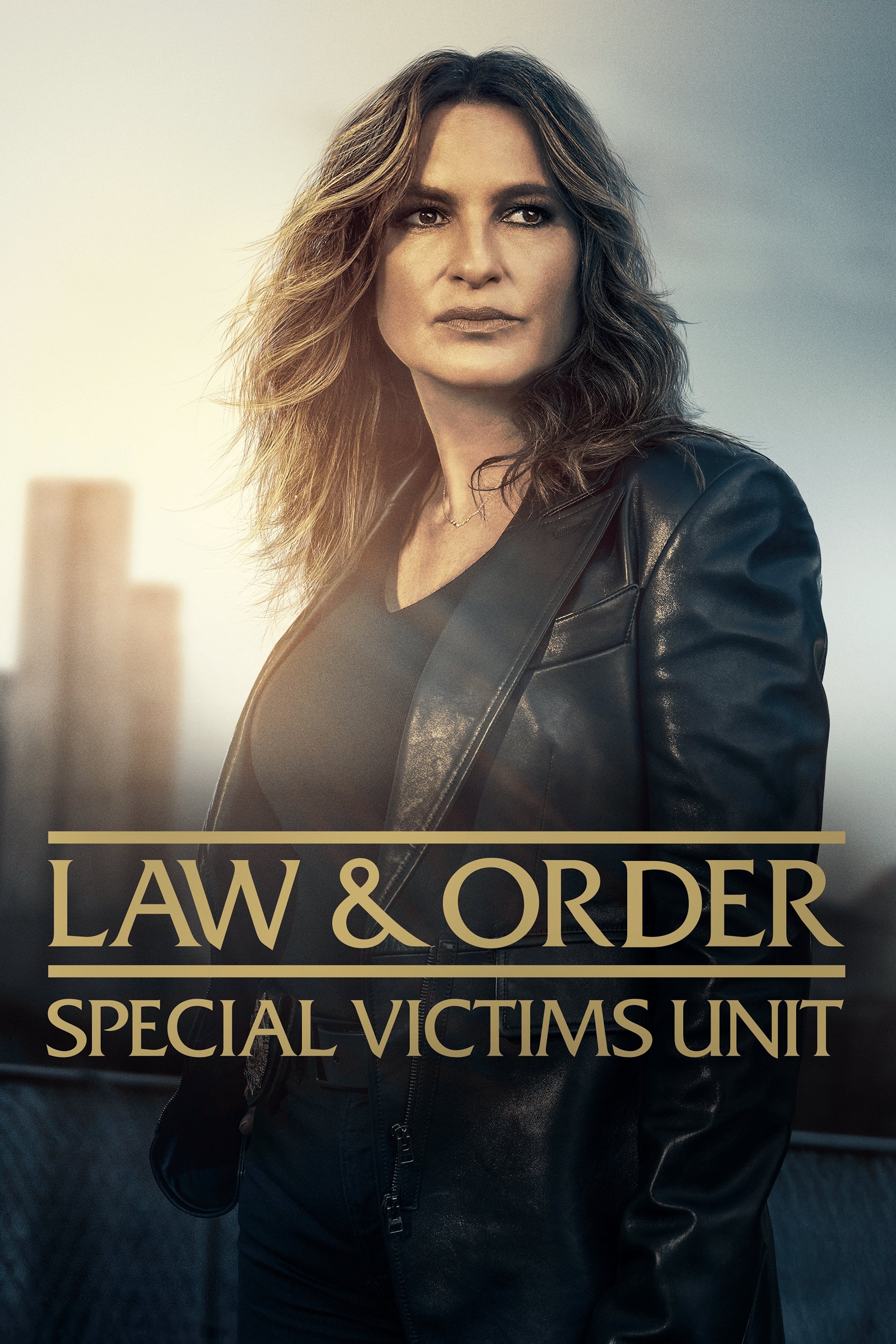
Over its many seasons, this long-running crime drama has sometimes featured transgender characters played by actors who are not transgender. One episode, titled ‘Fallacy,’ involved a non-transgender actress portraying a transgender woman in a complicated legal situation. This type of casting was more frequent earlier in the show’s run, before more transgender actors were cast in smaller roles. These episodes are often revisited by critics who examine how television has evolved in its depiction of gender identity. The series remains a significant part of discussions about crime and justice in our culture.
‘CSI: Crime Scene Investigation’ (2000–2015)
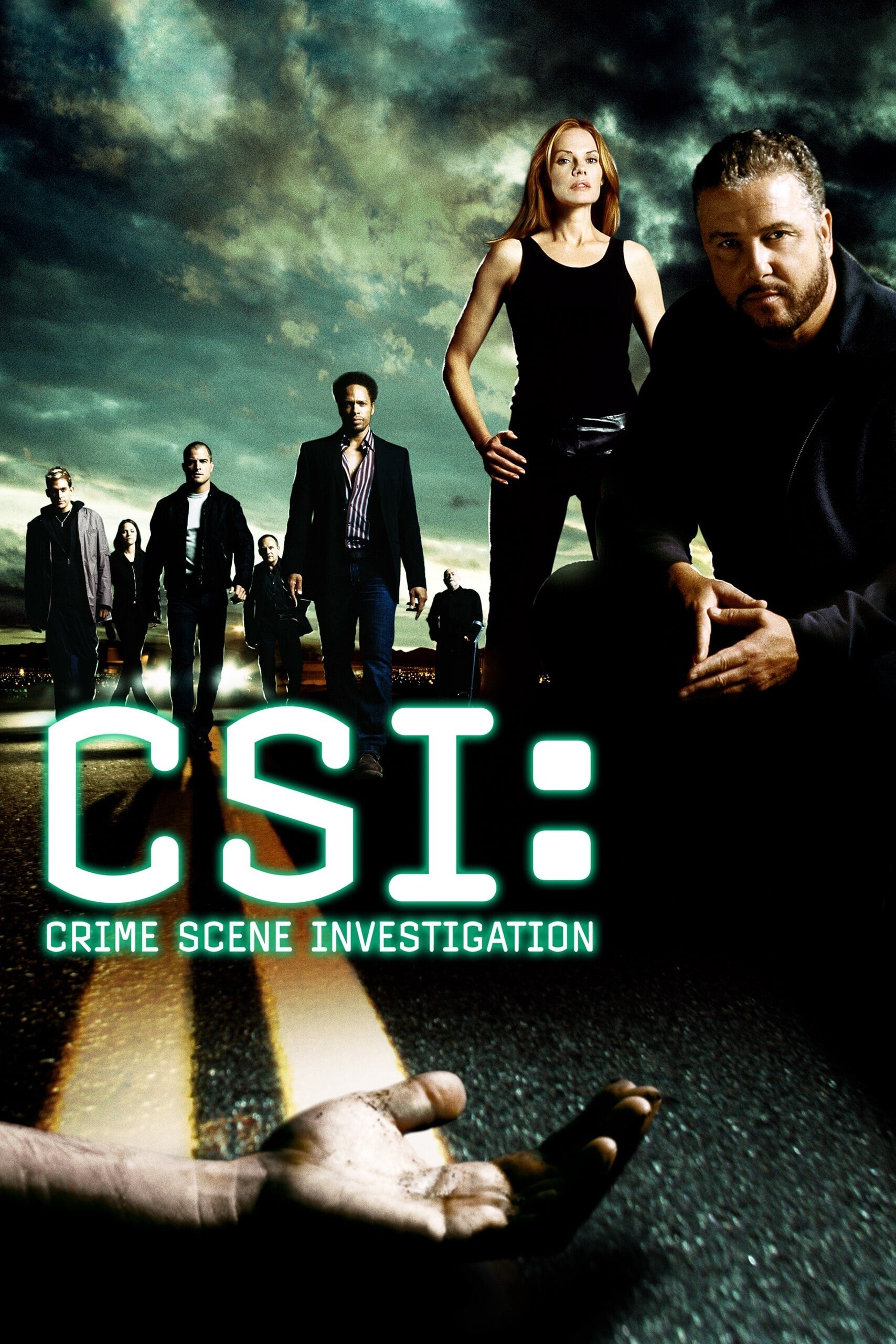
One episode of the series, titled “Ch-Ch-Changes,” revolved around the murder of a transgender woman. Katey Sagal appeared as a guest star, playing a doctor who worked with the transgender community. It was common practice at the time for cisgender actors to portray transgender characters in the show. However, the episode faced criticism for prioritizing the sensational aspects of gender transition over the victim’s humanity. It highlights how early 2000s crime dramas often approached transgender storylines.
‘ER’ (1994–2009)
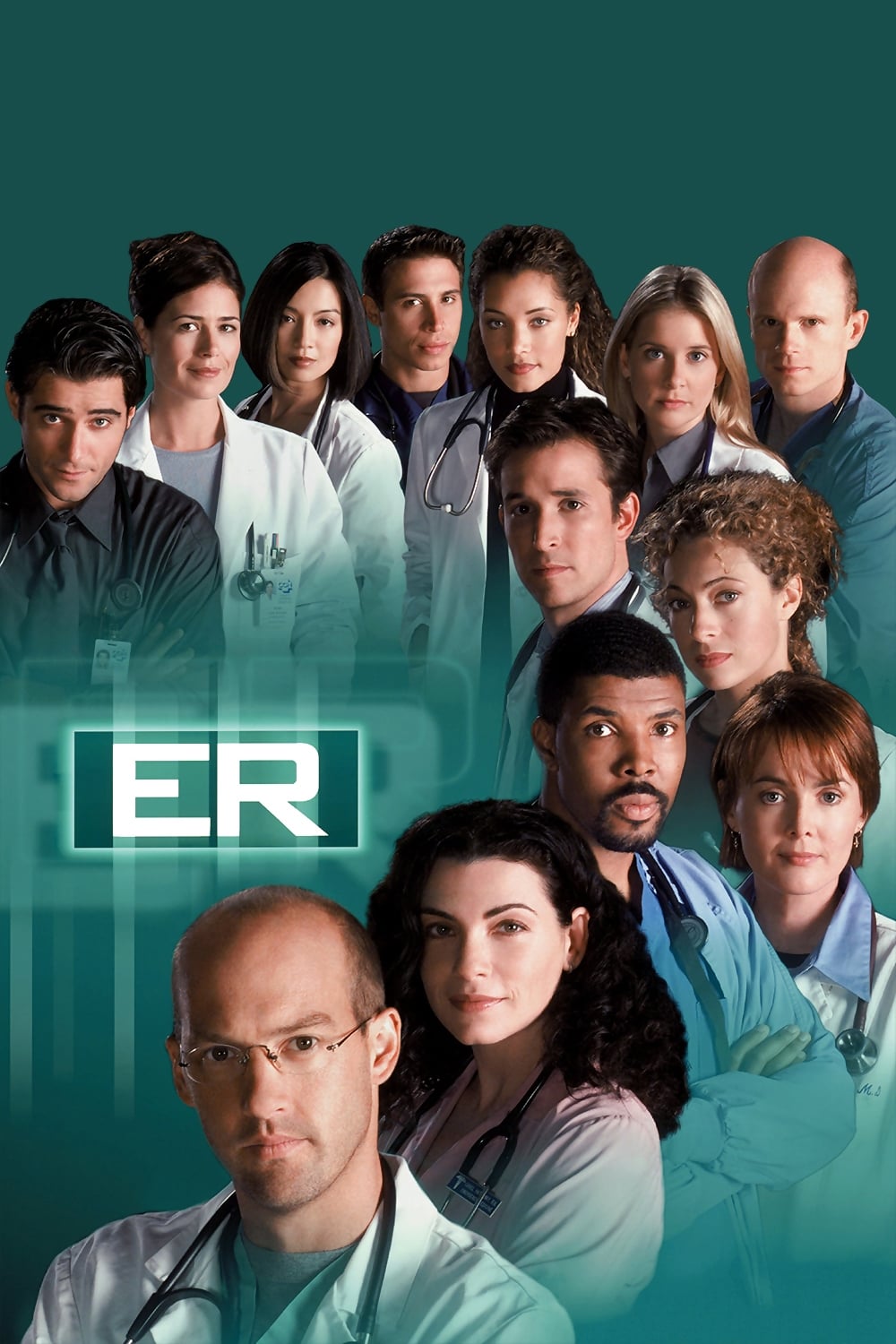
I remember being really struck by Vondie Curtis-Hall’s storyline in the second season – he played Rena, a trans woman, over several episodes. It dealt with her journey through medical care and how the hospital staff treated her. Honestly, it was a pretty common thing on network TV back then – a cisgender actor playing a trans character. While a lot of people applauded the show for trying to be realistic, there was also a lot of discussion about why they didn’t cast a trans actress. It was just one example of how the series wasn’t afraid to take on tough social and medical topics, which I always appreciated.
‘Grey’s Anatomy’ (2005–)
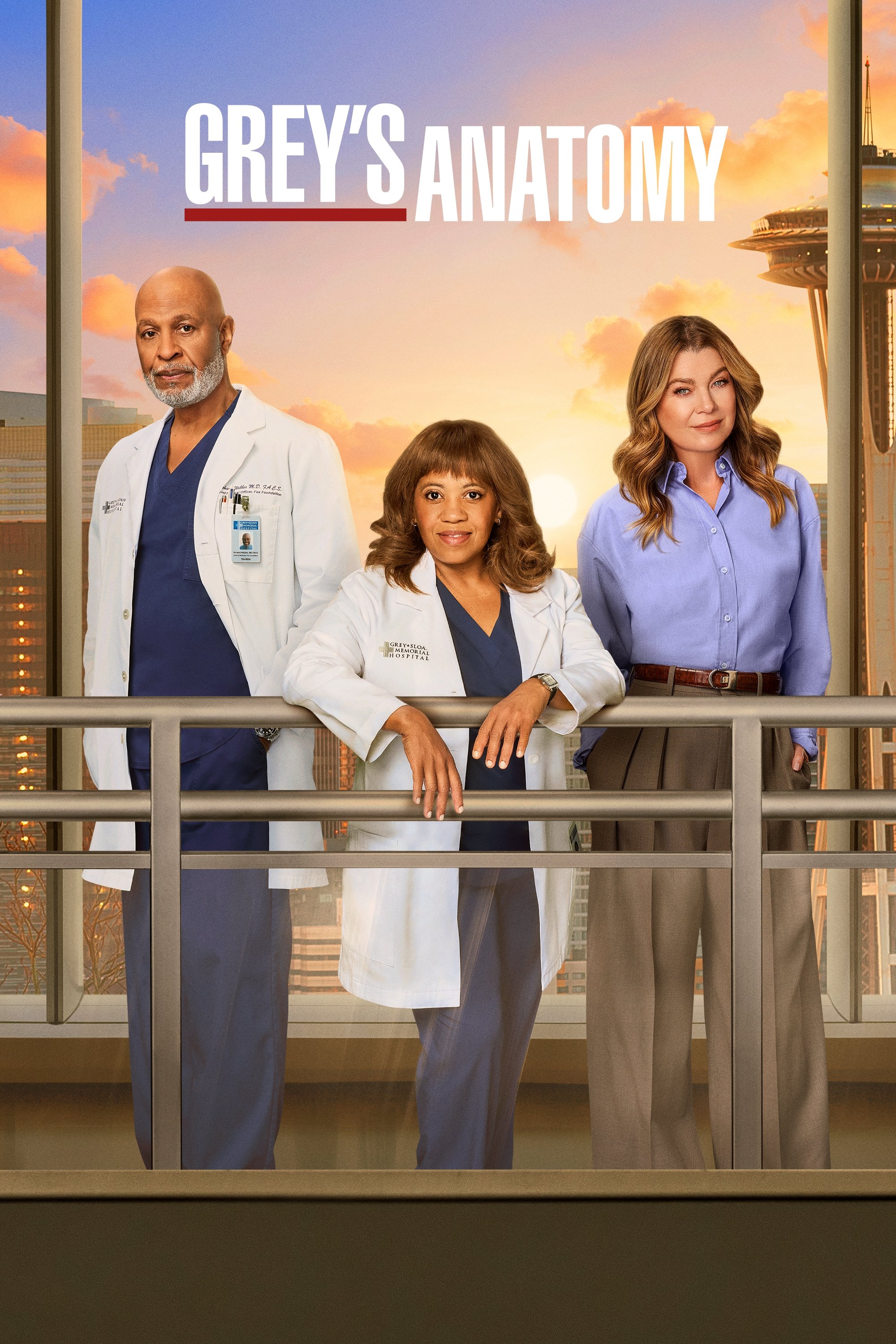
Initially, the show featured transgender characters played by cisgender actors, a common practice for dramas at the time. For example, a storyline about a transgender man seeking healthcare was portrayed by a cisgender woman. However, the show has since made considerable progress in casting transgender actors and including transgender writers, leading to more genuine and accurate storytelling. Despite its earlier approach, it continues to be a highly impactful and well-known medical drama.
‘Boston Legal’ (2004–2008)
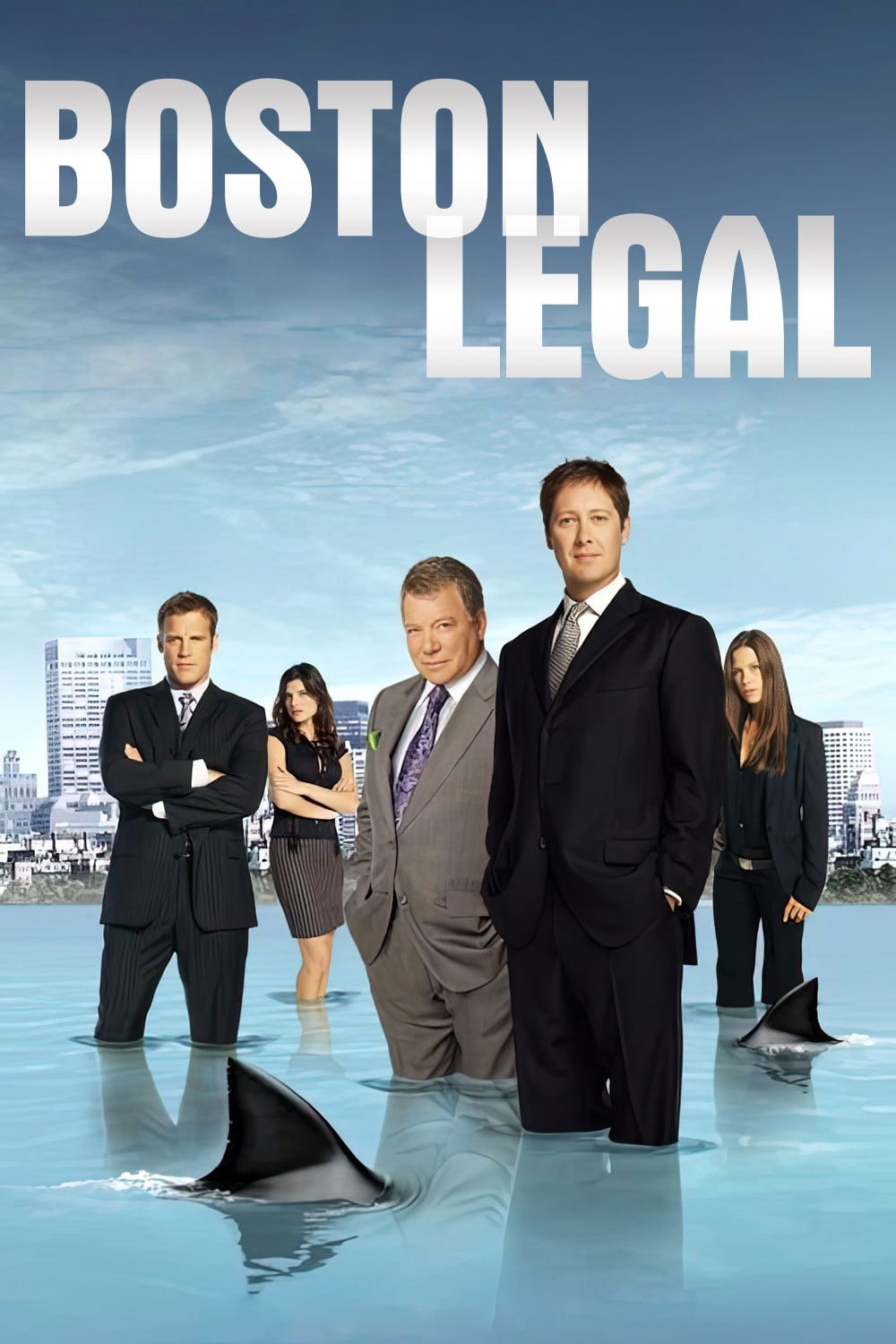
An episode of the series, titled “Brotherly Love,” included a transgender character played by an actor who is not transgender. Like other legal shows at the time, it explored the legal challenges and societal issues faced by transgender people. However, the casting decision received criticism for not giving a transgender actor the role. The show was generally known for its political themes and the strong connection between its main actors. Today, these episodes are often re-examined in light of evolving expectations for on-screen representation.
‘Cold Case’ (2003–2010)
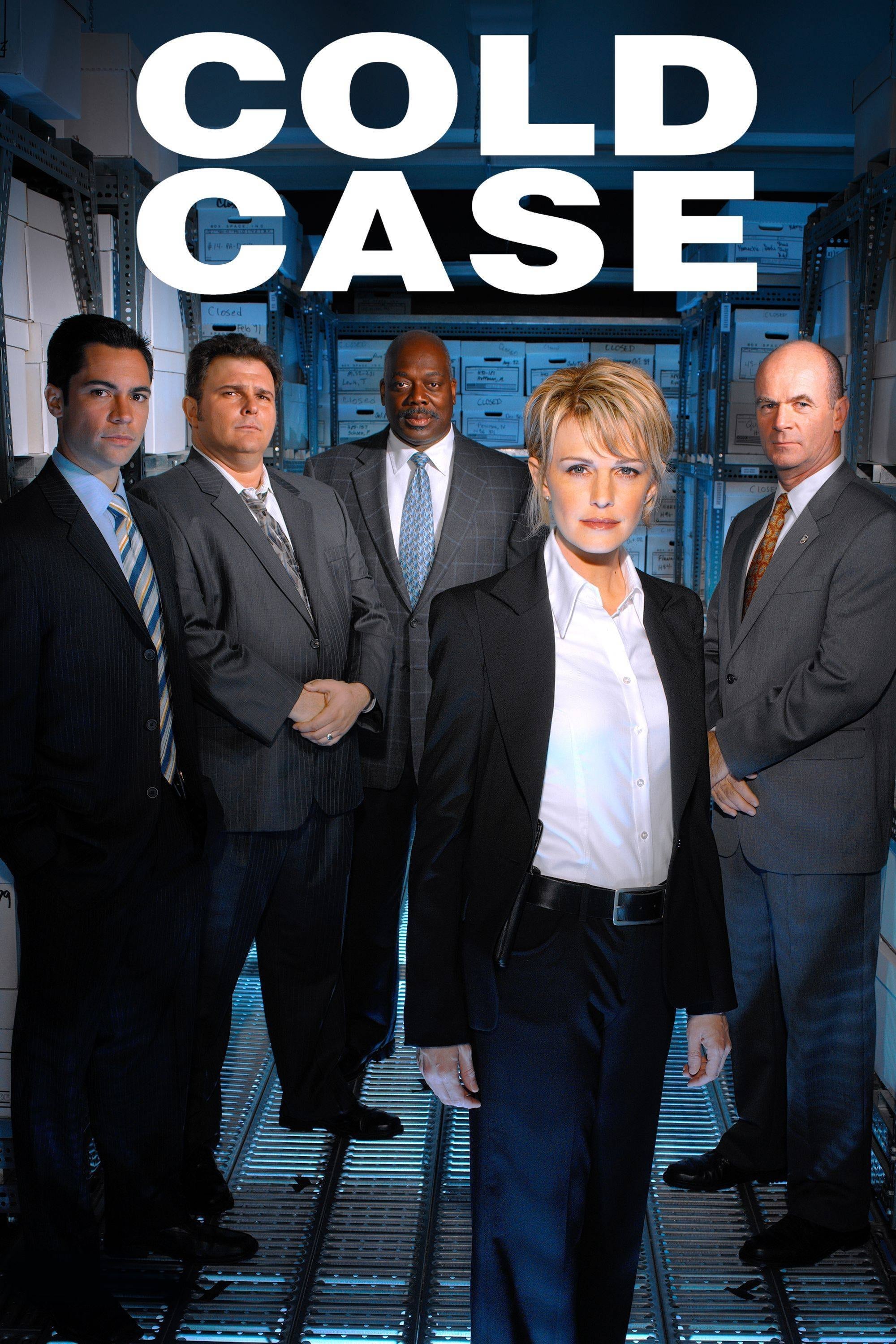
The ‘Boy in the Box’ episode features a cold case involving a transgender individual. A cisgender actor portrayed the role, which was common practice for the show and the time it was made. The series frequently used its investigative style to examine the histories of various marginalized communities. While the show generally aimed to be understanding, some critics have pointed out that the casting decisions don’t meet today’s standards. The episode offers a glimpse into how transgender people were perceived and treated in past decades.
‘Criminal Minds’ (2005–2020)
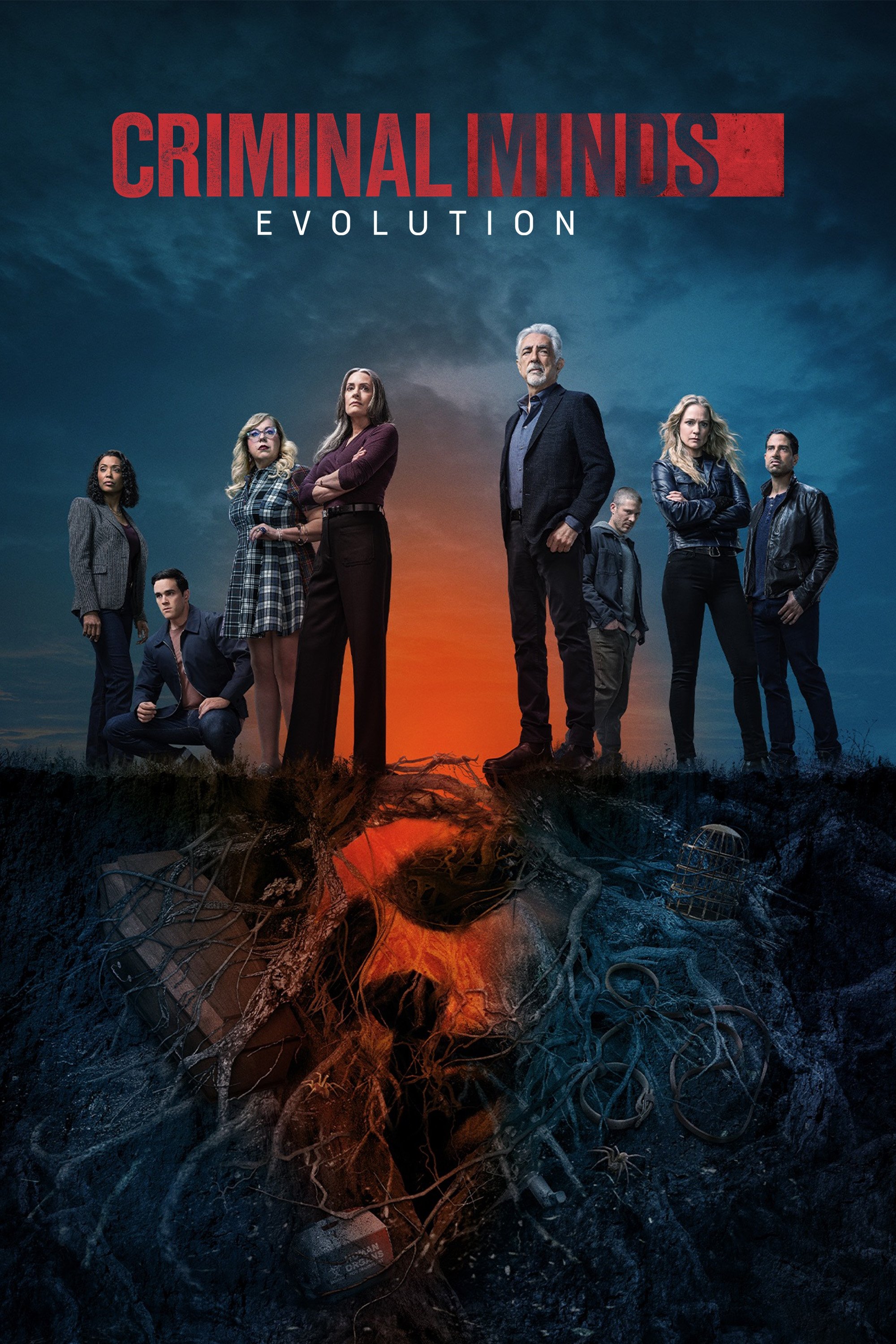
The recent episode, “The 4th Passenger,” included a transgender character within a criminal investigation. However, the role was played by a cisgender actor, sparking conversations about the importance of authentic representation in crime shows. Critics have pointed out that the series frequently portrays transgender individuals either as victims or as those suspected of crimes, which many activists found troubling. This episode, in particular, is often used as an example of the entertainment industry’s tendency to cast cisgender actors in transgender roles. The show generally centers around understanding the minds of dangerous criminals through psychological profiling.
‘House’ (2004–2012)
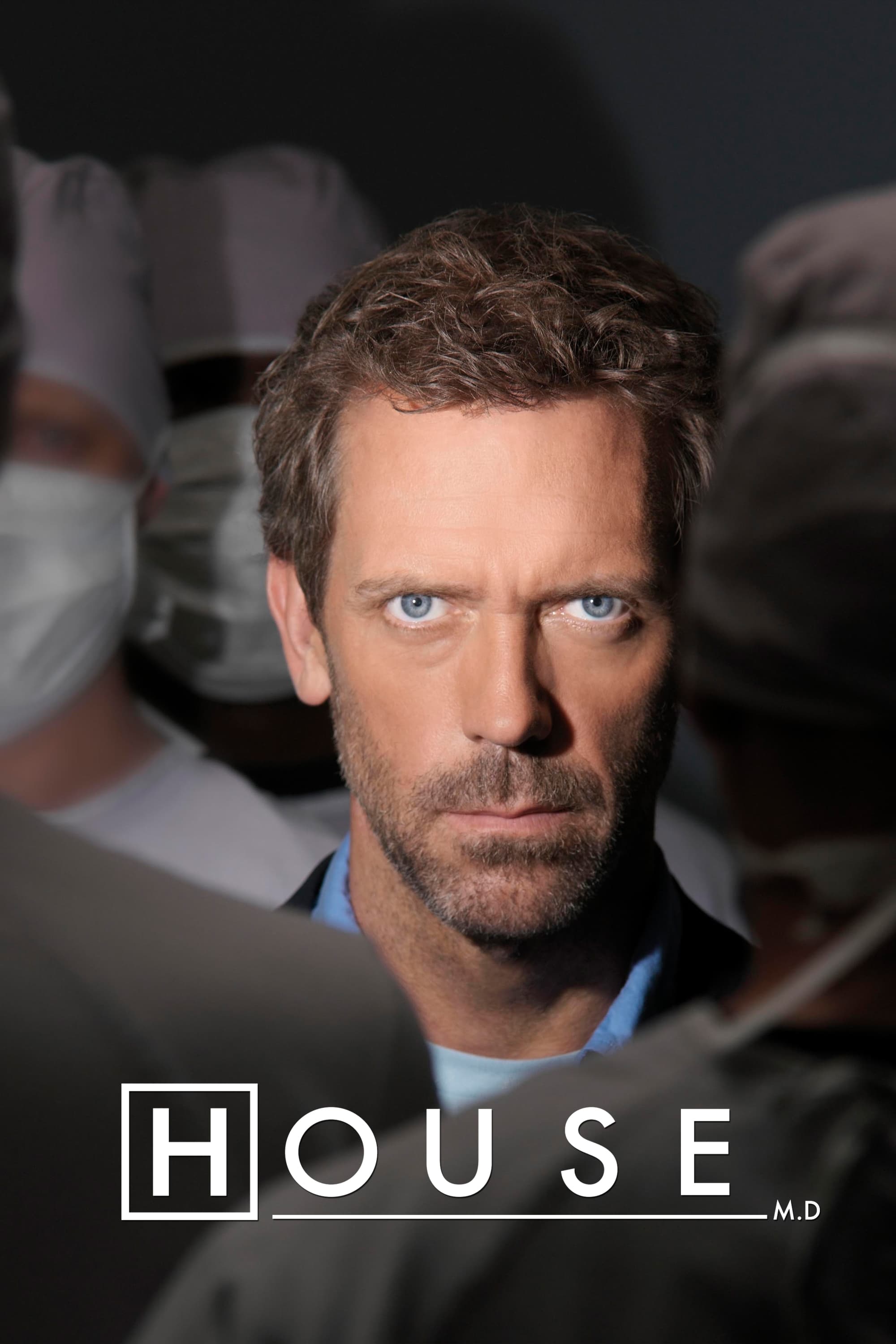
The medical drama featured an episode, “The Mistake,” that centered on a transgender woman’s healthcare journey, portrayed by an actress who is not transgender. The storyline explored both the physical challenges of her transition and the ethical considerations of her care. Like similar shows, the casting sparked debate about the importance of authentic representation. Known for its often-gruff lead doctor and his unique diagnostic approach, this episode brought the complex relationship between medicine and gender identity to a broad audience.
‘Bones’ (2005–2017)
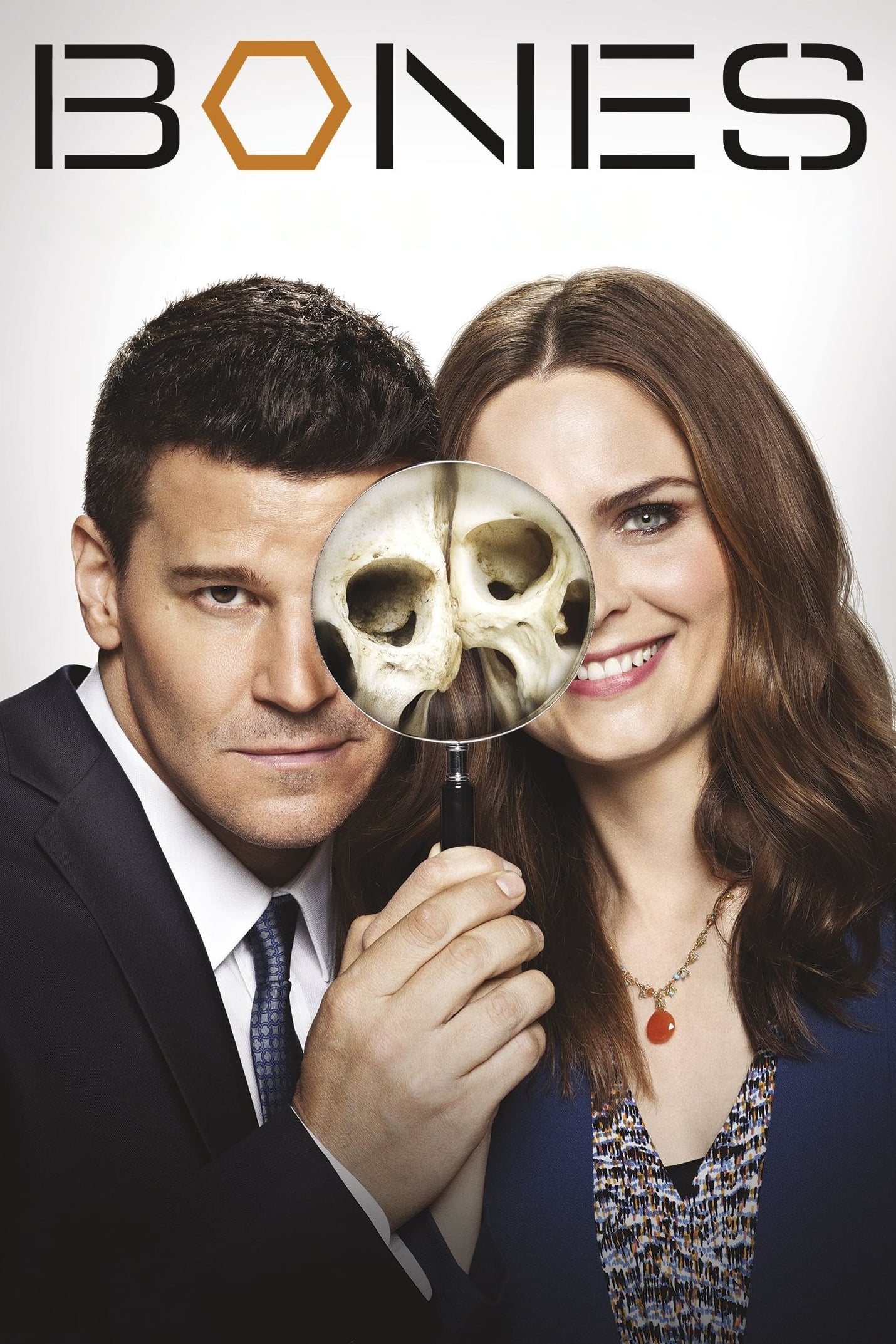
The TV episode “The He in the She” featured the discovery of remains identified as belonging to a transgender woman. The character’s story was told through flashbacks and a reconstruction of her appearance, portrayed by a cisgender actor. Some critics felt the show sometimes overly emphasized biological sex when exploring transgender identity. Over its twelve seasons, the series combined forensic science with crime investigation. This episode was one of several that explored transgender lives through the context of a forensic investigation.
‘The Good Wife’ (2009–2016)
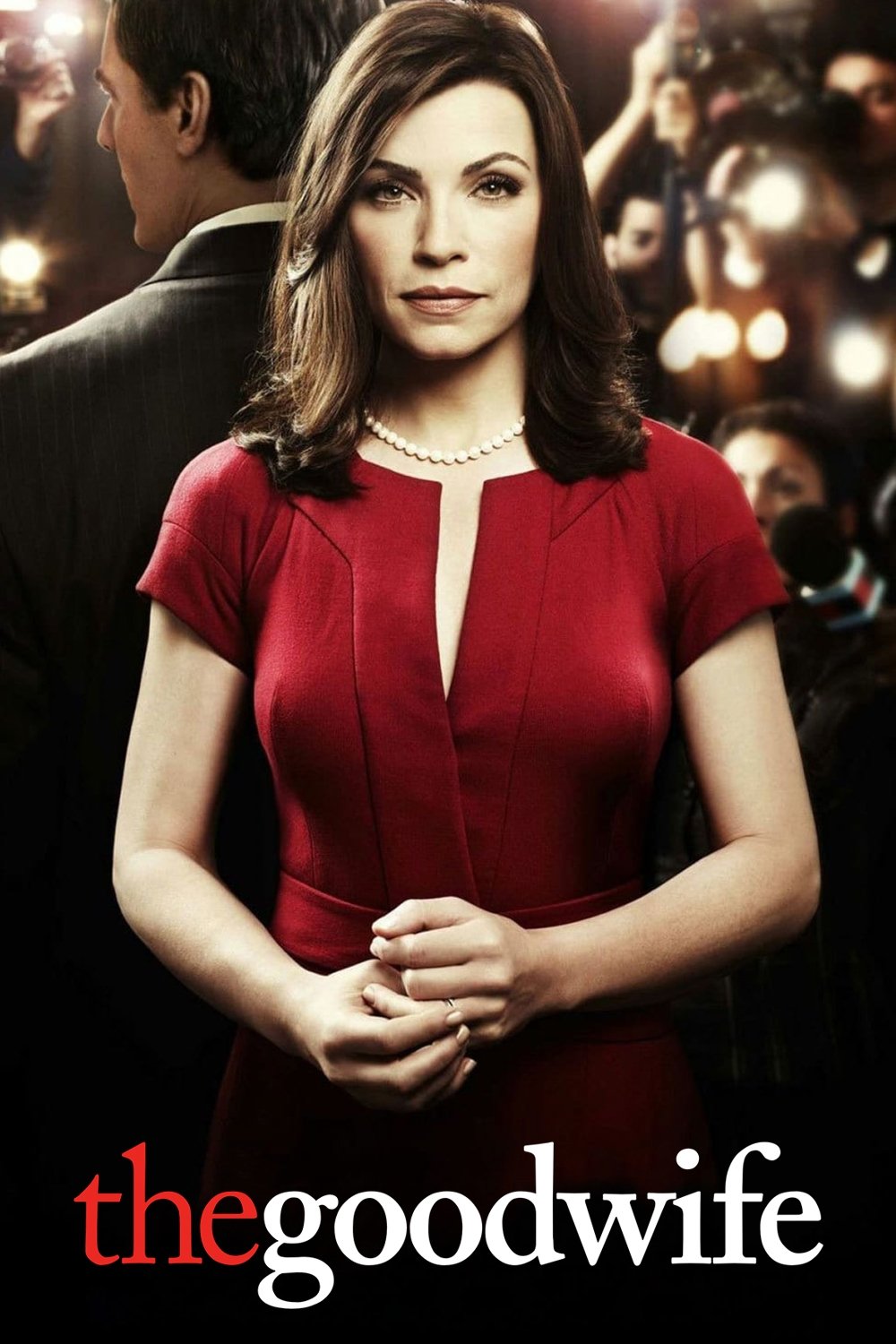
As a big fan of legal dramas, I remember being really hooked by this show. One episode, ‘Two Girls, One Code,’ dealt with a transgender character, and it sparked a lot of discussion. While the show was known for its sharp writing and interesting takes on tech and the law – it really was critically acclaimed at the time – a lot of viewers, myself included, were frustrated that a cisgender actor played the role. It just felt like a missed opportunity, even though the show itself was fantastic.
‘Elementary’ (2012–2019)
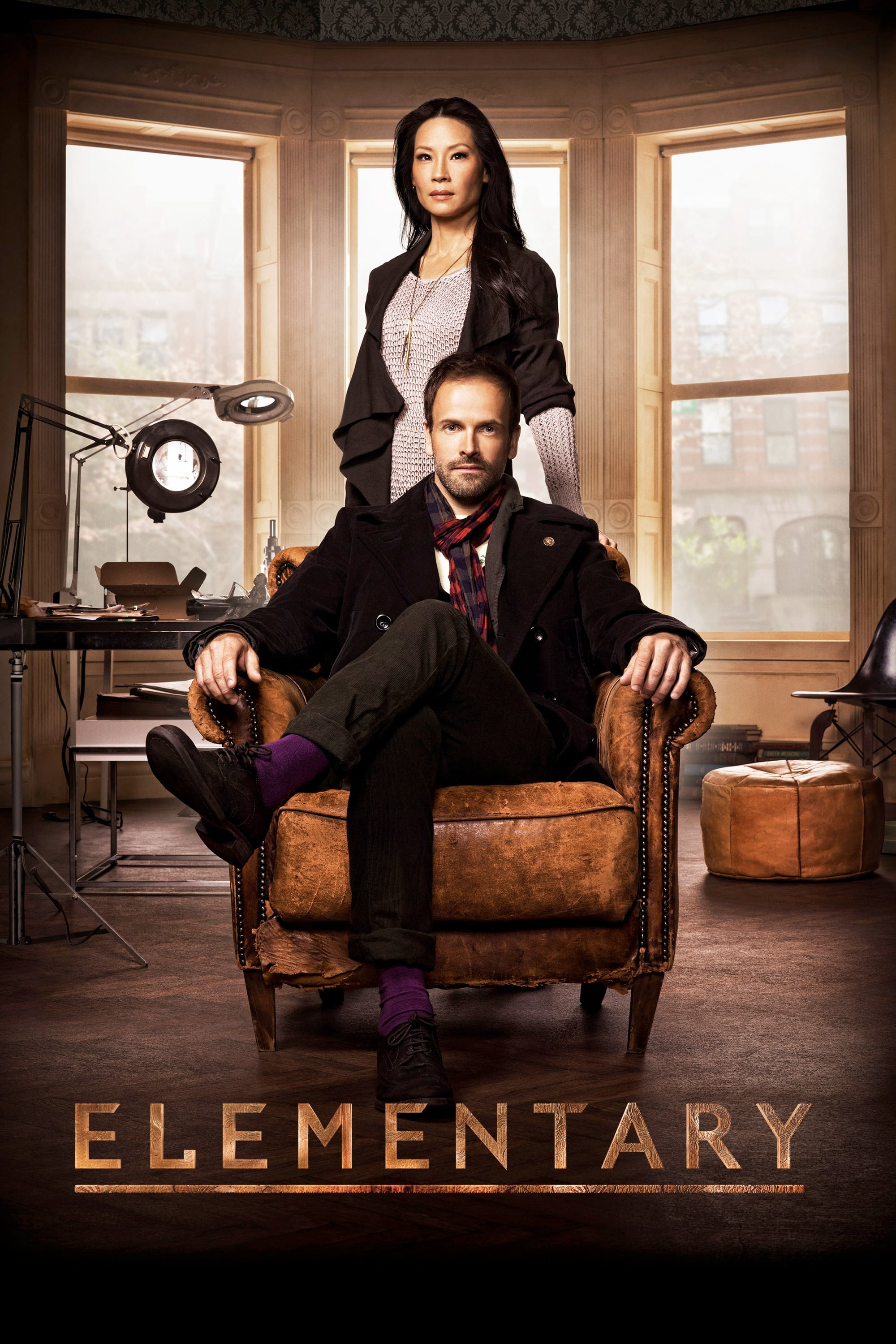
One episode of the show, “Snow Angels,” included a transgender character played by an actor who is not transgender. Although the series generally featured diverse casting, this particular choice reflected common practices in the industry at the time. The episode’s story centered around a theft that occurred during a snowstorm, and the character possessed special abilities. The show was a contemporary adaptation of Sherlock Holmes, taking place in New York City. In later seasons, the show made an effort to feature more diverse actors in guest roles as discussions about inclusive casting grew.
‘NCIS’ (2003–)
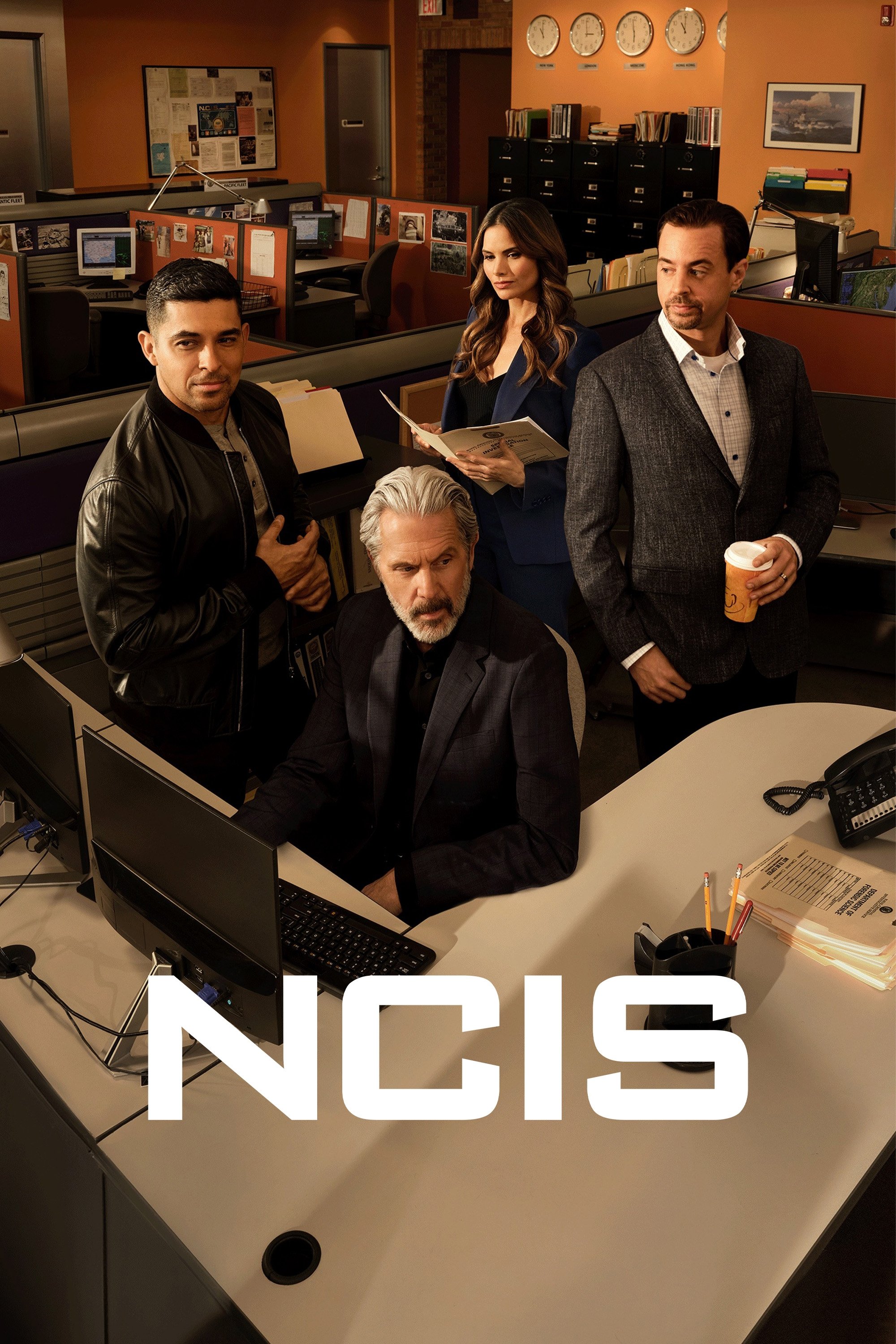
As a longtime fan of the show, I remember ‘The Voyeur’s Web’ episode pretty vividly. It dealt with a murder, and one of the characters was transgender, but was played by an actor who wasn’t. Honestly, that was pretty common for this military procedural back then – it’s been on for ages and always included lots of different types of characters. Looking back, though, critics were right to point out that early casting choice. It really highlights how important inclusive casting is, even in these huge, popular shows. The series is still a big part of what’s on TV today, so it’s something they should definitely keep in mind going forward.
‘Blue Bloods’ (2010–)
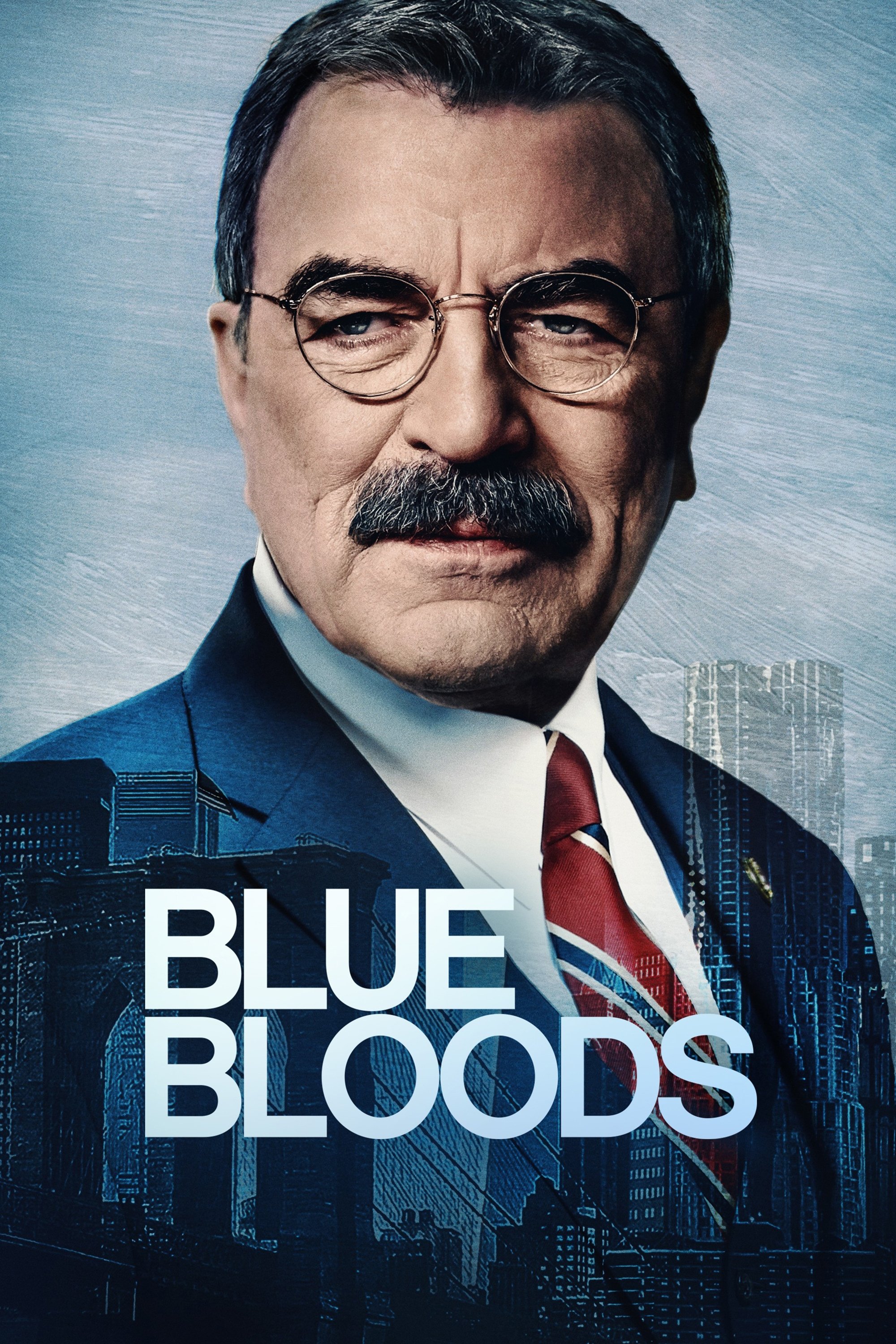
The recent episode of the police drama, ‘The Job,’ included a storyline with a transgender character. However, the role was played by an actress who is not transgender, which sparked criticism from those who advocate for more accurate representation of transgender people in media. The show, centered around a family of police officers dedicated to upholding justice in New York City, is known for exploring complex ethical situations. Despite its popularity among fans of police procedural shows, it has received some criticism for how it addresses sensitive social topics.
‘Madam Secretary’ (2014–2019)
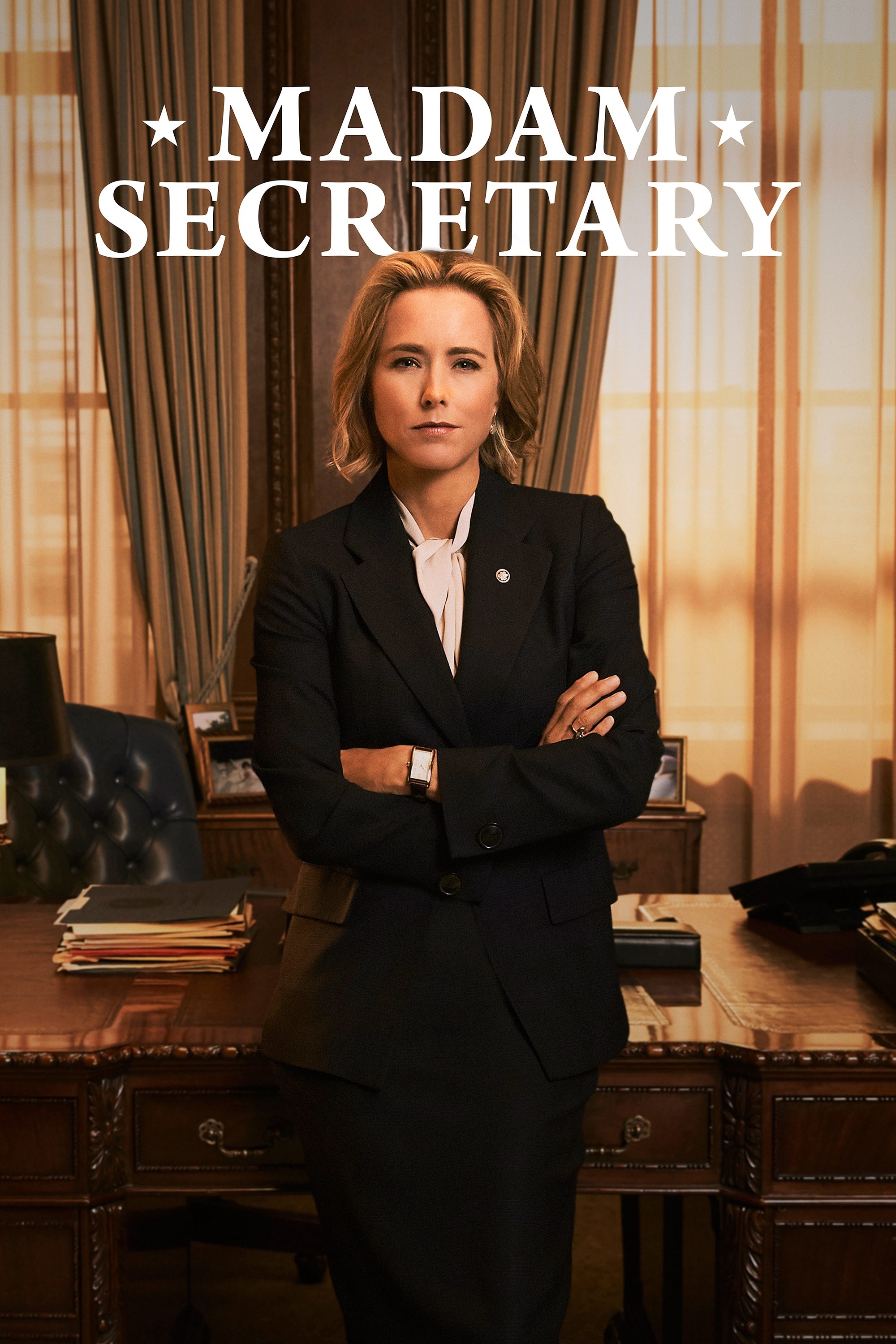
One episode of the series, “The Middle Way,” included a transgender character played by an actor who is not transgender. The show centered on the personal and professional life of the Secretary of State, exploring her efforts to balance work and family. This casting sparked a larger conversation about representation of underrepresented groups in political dramas. Overall, the show received positive reviews for its depiction of a powerful female protagonist and realistic international politics. After six seasons, the series ended its run.
‘Hawaii Five-0’ (2010–2020)
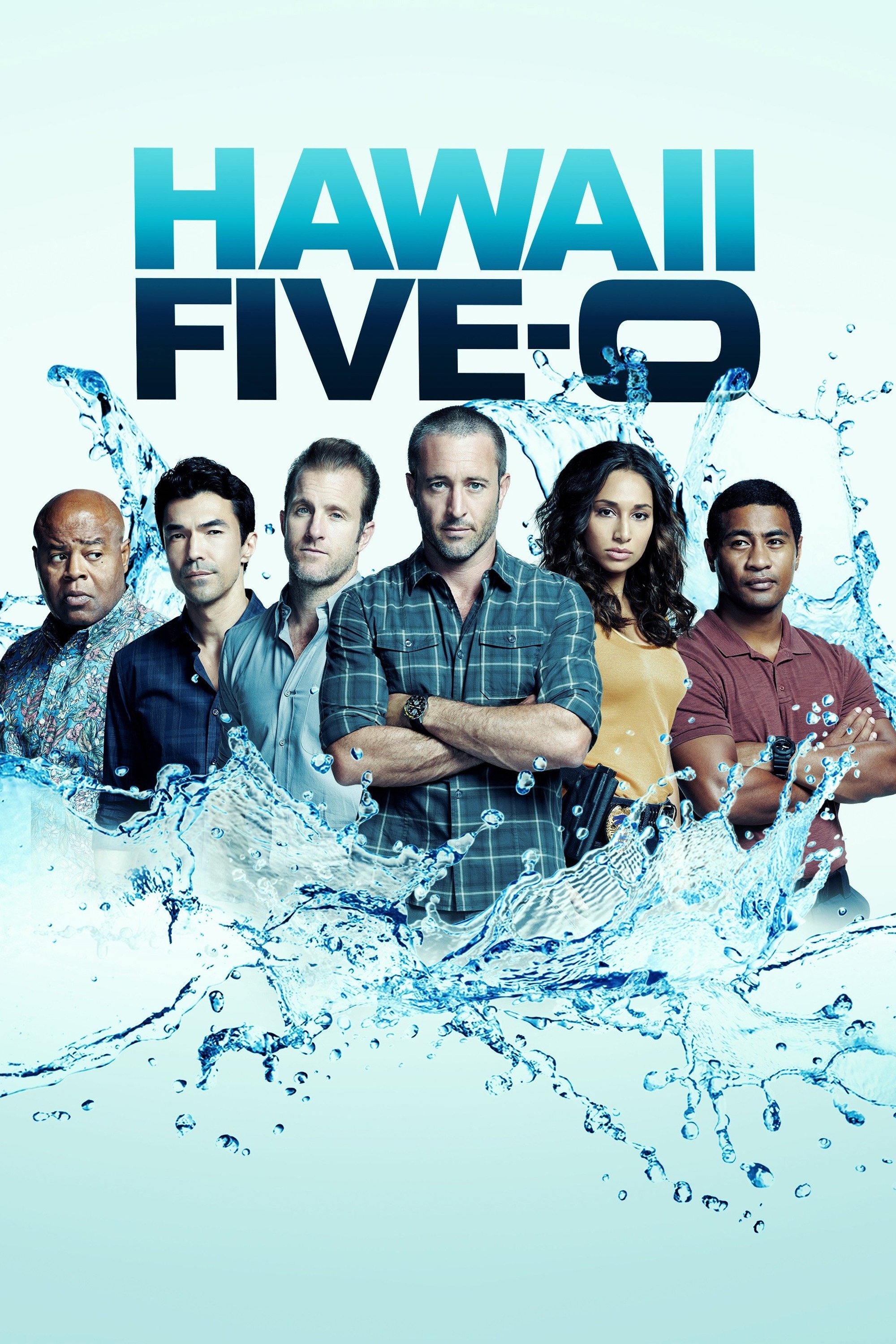
The TV episode ‘Nana Ola Pono’ included a storyline about a crime being investigated in Hawaii, and featured a transgender character. However, a cisgender actor played the role, which was a common practice in similar shows at the time. The series was known for its exciting action and the beautiful Hawaiian scenery. This casting decision sparked discussion among activists, who pointed out the need for more opportunities for transgender actors in Hollywood. The show was a remake of a popular series from the 1960s.
Share your thoughts on these casting choices in the comments.
Read More
- Invincible Season 4 Gender Swaps Tech Jacket As Fans Question Major Comic Change
- Building Agents That Learn and Improve Themselves
- Gold Rate Forecast
- Silver Rate Forecast
- Games That Faced Bans in Countries Over Political Themes
- Superman Flops Financially: $350M Budget, Still No Profit (Scoop Confirmed)
- Trading Crypto with AI: A New Approach to Portfolio Management
- Unveiling the Schwab U.S. Dividend Equity ETF: A Portent of Financial Growth
- 15 Films That Were Shot Entirely on Phones
- 22 Films Where the White Protagonist Is Canonically the Sidekick to a Black Lead
2026-02-03 23:18