
Game music can now change and adapt as you play, creating a more dynamic experience. Instead of simply repeating the same song, the soundtrack can evolve in real time—adding new elements, switching between musical ideas, or rearranging parts—to feel connected to what’s happening on screen. Games achieve this in various ways, from automatically composing music to changing the soundtrack based on things like how much danger you’re in, how quickly you’re moving, or the choices you make.
‘No Man’s Sky’ (2016)
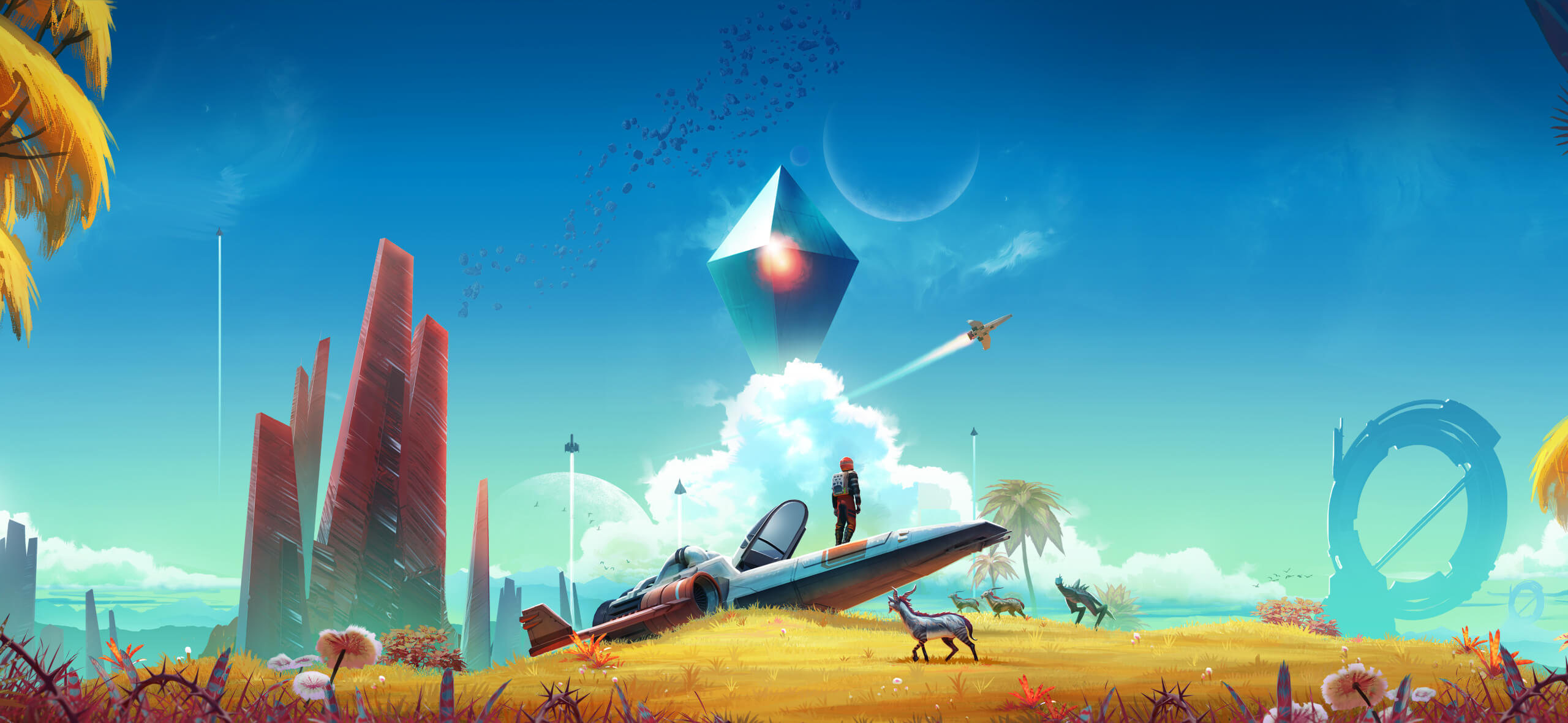
‘No Man’s Sky,’ created by Hello Games, features a vast, ever-changing universe and a unique soundtrack to match. The music isn’t made up of traditional songs, but instead is built from individual musical pieces combined in real-time by the game. This system, using sounds created by 65daysofstatic and Paul Weir, means the music constantly evolves to fit your journey and the intensity of the moment, remaining consistent yet never repeating. It’s a great example of how music can be ‘procedural’ – reactive to gameplay and effectively limitless.
‘Spore’ (2008)
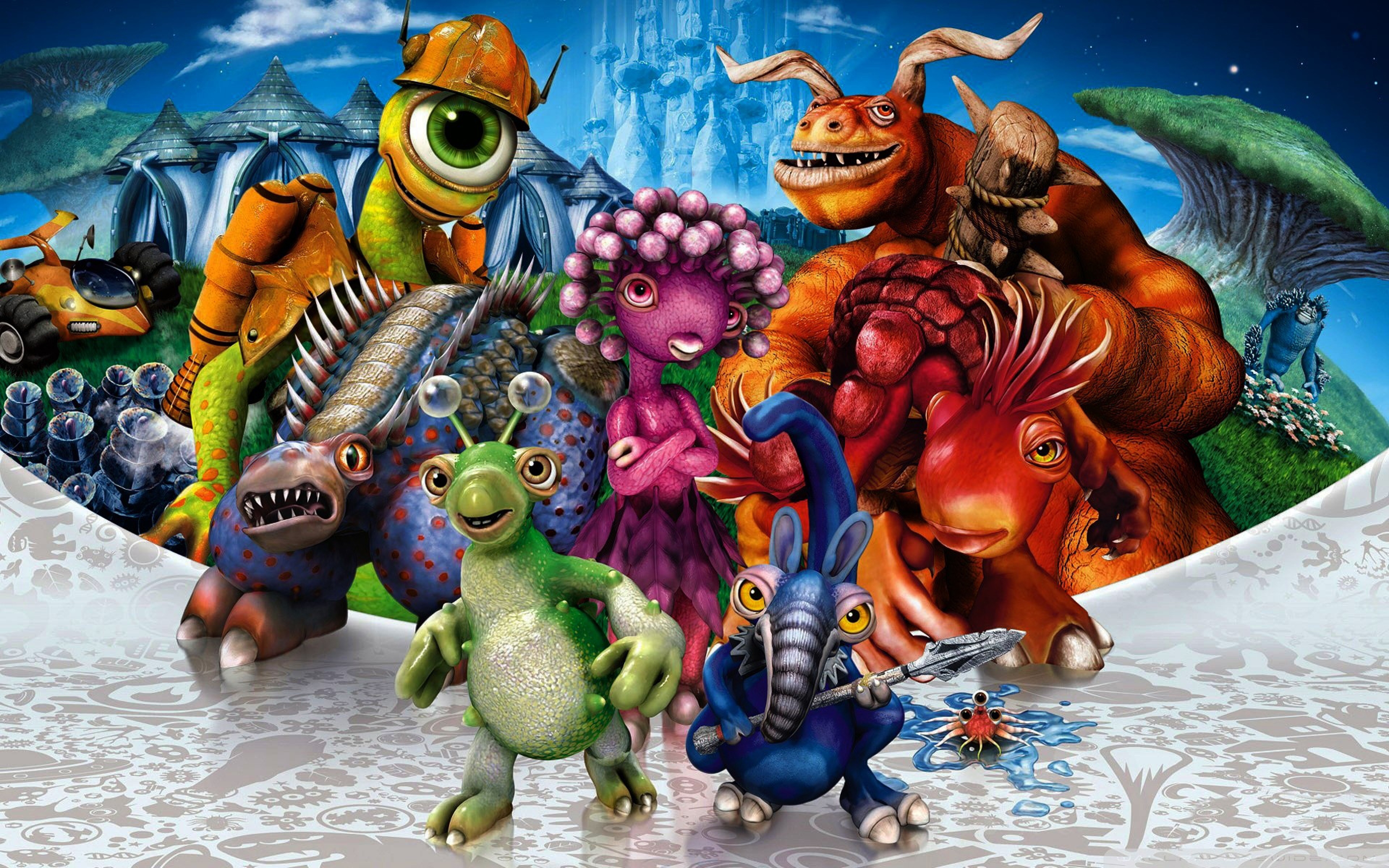
‘Spore,’ created by Maxis and published by Electronic Arts, uses clever technology to automatically generate its worlds and music. The game’s composer, Brian Eno, designed the music to be dynamic and ever-changing, more like an evolving system than a traditional playlist. This means the soundtrack adapts to how you play and as your creature develops, ensuring a unique musical experience each time. ‘Spore’ is well-known for intentionally striving for a constantly shifting and unpredictable soundtrack.
‘Proteus’ (2013)
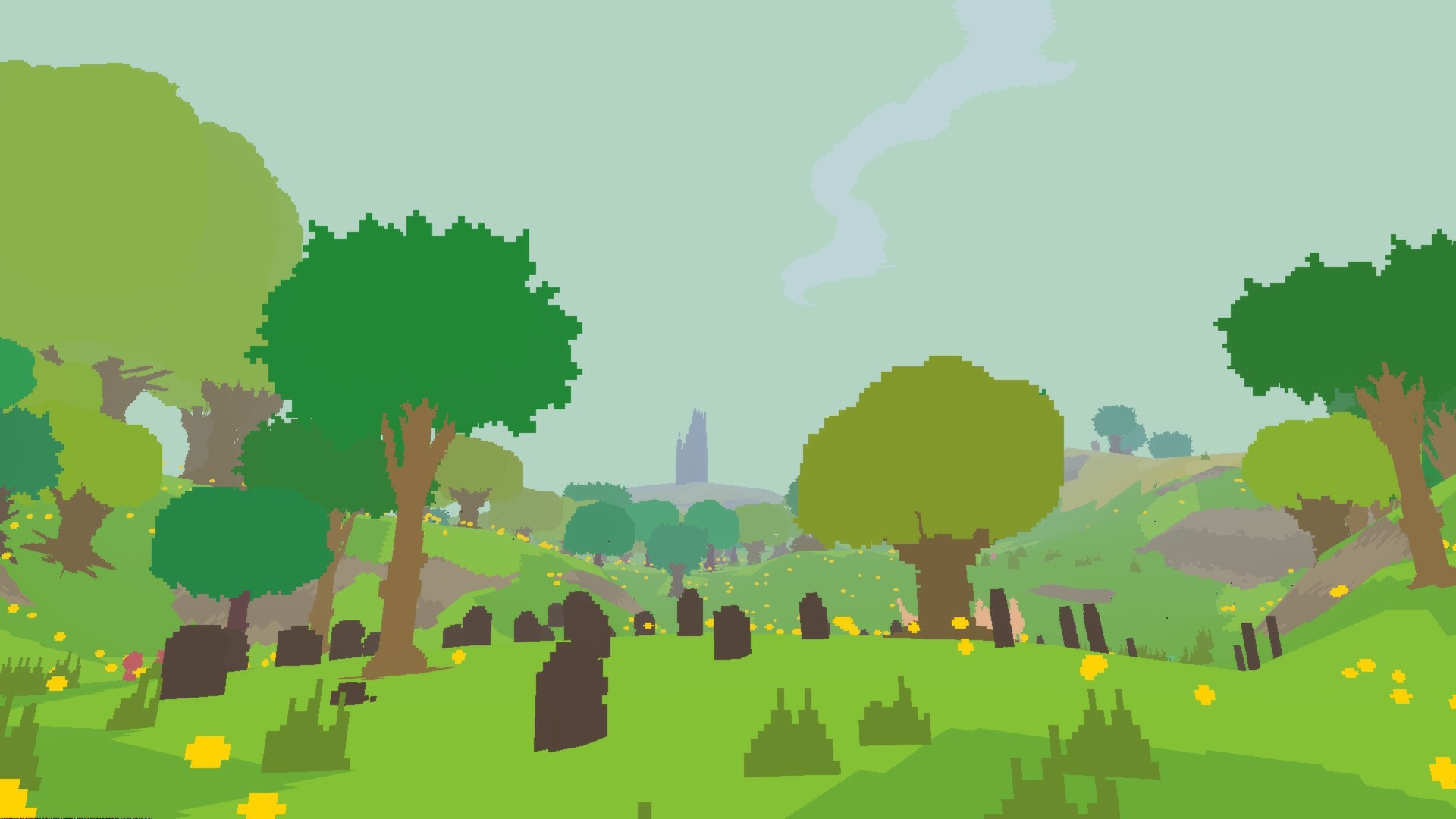
Okay, so I recently played ‘Proteus,’ and it’s seriously different. It was made by Ed Key and David Kanaga and published by Twisted Tree. Basically, exploring the island is the music. Everything – the plants, animals, even just the landscape – has its own little sound. As you wander around, those sounds blend and change the music in real-time. It’s not like the music just happens – it’s created by where you go and what you do, not by some pre-set events. Your path literally makes the soundtrack, which is a really cool experience.
‘PANORAMICAL’ (2015)

‘PANORAMICAL’, created by Fernando Ramallo and David Kanaga and published by Finji, lets you shape a dynamic world of sights and sounds. You control elements in each environment, changing how it looks and how it sounds. The music isn’t pre-recorded; instead, it evolves in real-time as you experiment with different settings and push the boundaries of each scene. Think of it less like listening to a soundtrack and more like playing an instrument – you’re actively creating the music as you explore.
‘Fract OSC’ (2014)
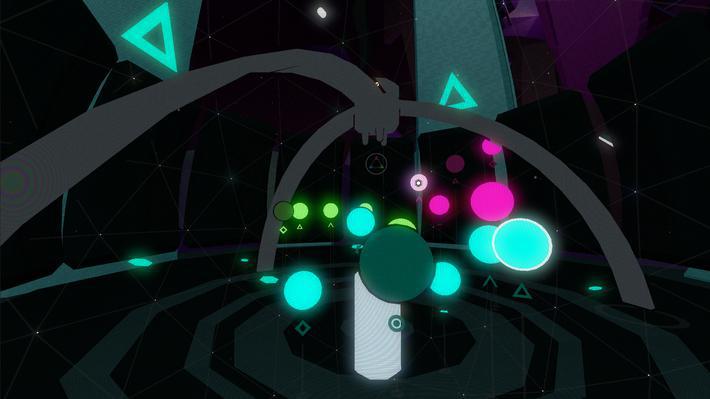
‘Fract OSC’, created by Phosfiend Systems, uniquely links how you play to the game’s music. As you solve puzzles in its unusual world, you gradually bring back musical elements that become part of the environment, making the soundtrack fuller and more complex. Solving puzzles also unlocks pieces of a music synthesizer within the game, seamlessly blending exploration, puzzle-solving, and music creation. Essentially, the game’s music changes to reflect your progress and the places you’ve visited.
‘Rez Infinite’ (2016)
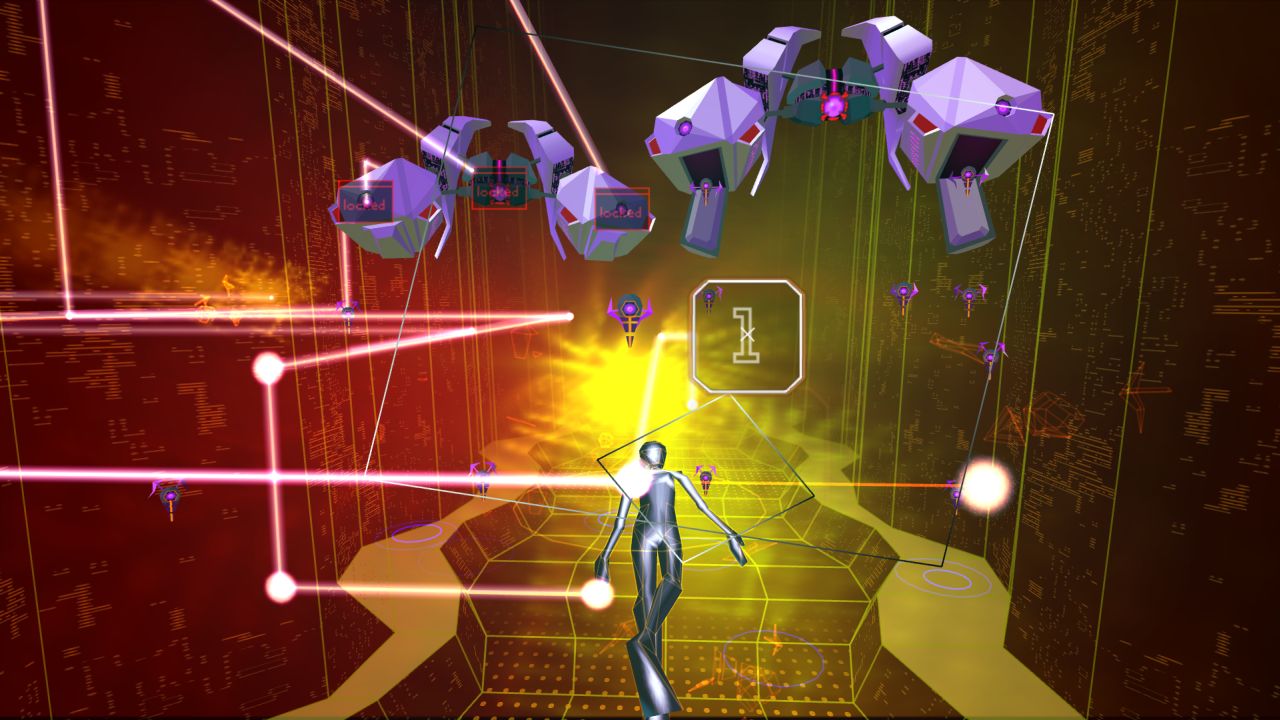
‘Rez Infinite’, created by Enhance Games, Resonair, and Monstars, uniquely connects your gameplay to the music. Every shot, hit, and movement is timed to the beat, building a dynamic and layered soundtrack that evolves as you play. This creates a powerful connection between what you see and hear, making the game’s feedback feel like an integral part of the music itself. The more you play, the richer and more complete the soundtrack becomes.
‘Tetris Effect’ (2018)
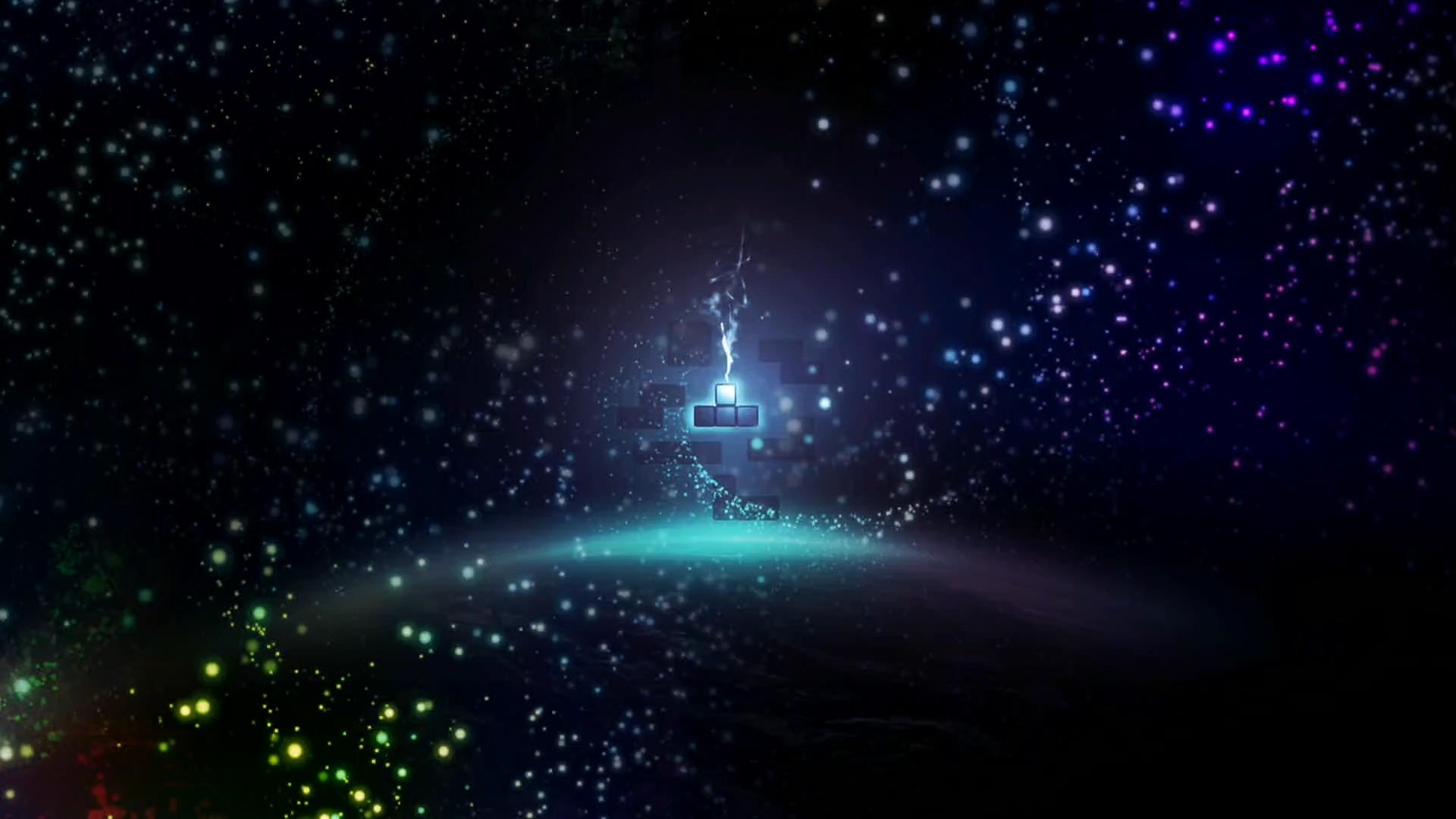
Tetris Effect, created by Monstars and Resonair and published by Enhance Games, seamlessly blends music, visuals, and gameplay. Your actions directly influence the music you hear, and every move – like clearing lines or building momentum – changes the overall experience. This means even the same level can feel fresh and new depending on how you play. It’s a fantastic demonstration of how music can react to gameplay, enhancing both your focus and performance.
‘Left 4 Dead’ (2008)

Left 4 Dead, created and published by Valve, features a unique soundtrack that adapts to your gameplay. The game’s ‘Director’ system, which changes the pace and difficulty, also controls the music. Instead of a fixed score, the soundtrack responds to what’s happening on screen – building suspense, warning you of enemies, and intensifying during dangerous moments. Because each playthrough is different, the music changes too, creating a dynamic experience that reflects the unpredictable nature of the game rather than following a set pattern.
‘FTL: Faster Than Light’ (2012)

‘FTL: Faster Than Light,’ made by Subset Games, uses music to enhance its unpredictable gameplay. The soundtrack changes depending on what’s happening – calm during travel, intense during battles – giving you audio cues about the current situation. Since each playthrough is different, the shifts between peaceful exploration and urgent conflict, mirrored by the music, always feel fresh and impactful. This creates a dynamic score that responds directly to the ever-changing conditions of the game.
‘Electroplankton’ (2005)
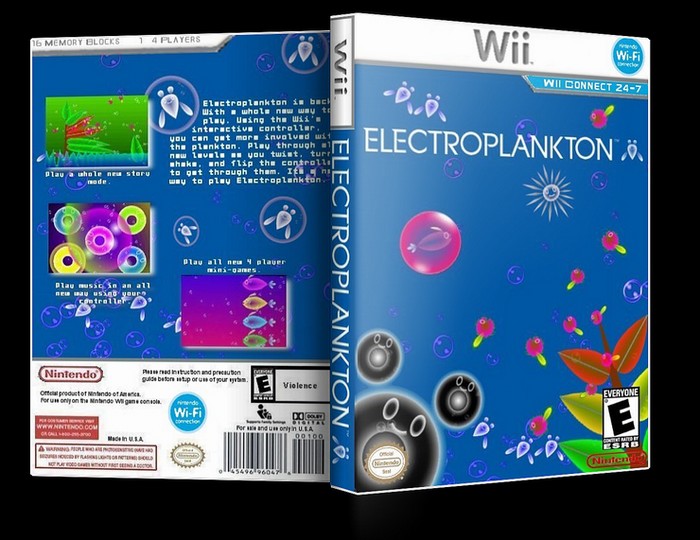
Electroplankton, created by indieszero and published by Nintendo, is a collection of interactive musical toys. Each ‘plankton’ acts like an instrument, responding to your touch and sound with evolving loops and patterns. The music you create changes based on how you play with it, making your interactions the driving force behind the sound. It’s a pioneering handheld game that treats music as something that reacts to you, rather than just playing in the background.
‘Ape Out’ (2019)

‘Ape Out,’ created by Gabe Cuzzillo with significant creative input from Bennett Foddy and Maxi Boch and published by Devolver Digital, features a unique soundtrack. The music isn’t pre-recorded; instead, it reacts to your every move. It changes in intensity and uses different drum sounds based on actions like killing enemies and how fast you’re moving. This means no two playthroughs will sound exactly the same, as the music essentially ‘jams’ along with your escape.
‘The Legend of Zelda: Breath of the Wild’ (2017)
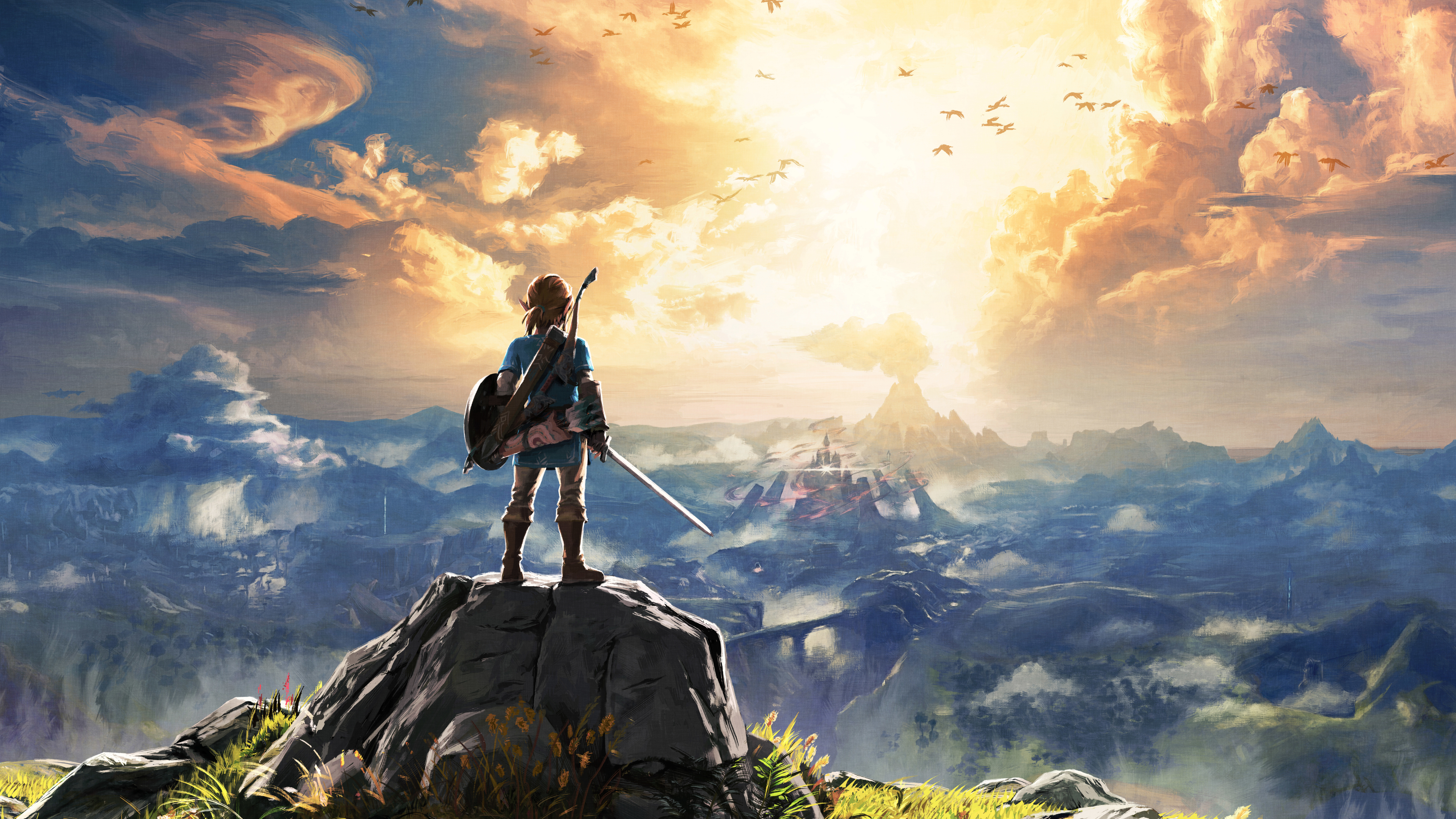
The music in ‘The Legend of Zelda: Breath of the Wild,’ created and published by Nintendo, is designed to be subtle and change with what’s happening in the game. Instead of repeating the same themes, the score focuses on matching the current situation – whether you’re peacefully exploring, making a discovery, or facing danger. This keeps the gameplay from feeling stale during long journeys while also making important moments and threats feel impactful. It’s a great example of how music can be used not just to create atmosphere, but to give you feedback about the game world itself.
‘Doom’ (2016)
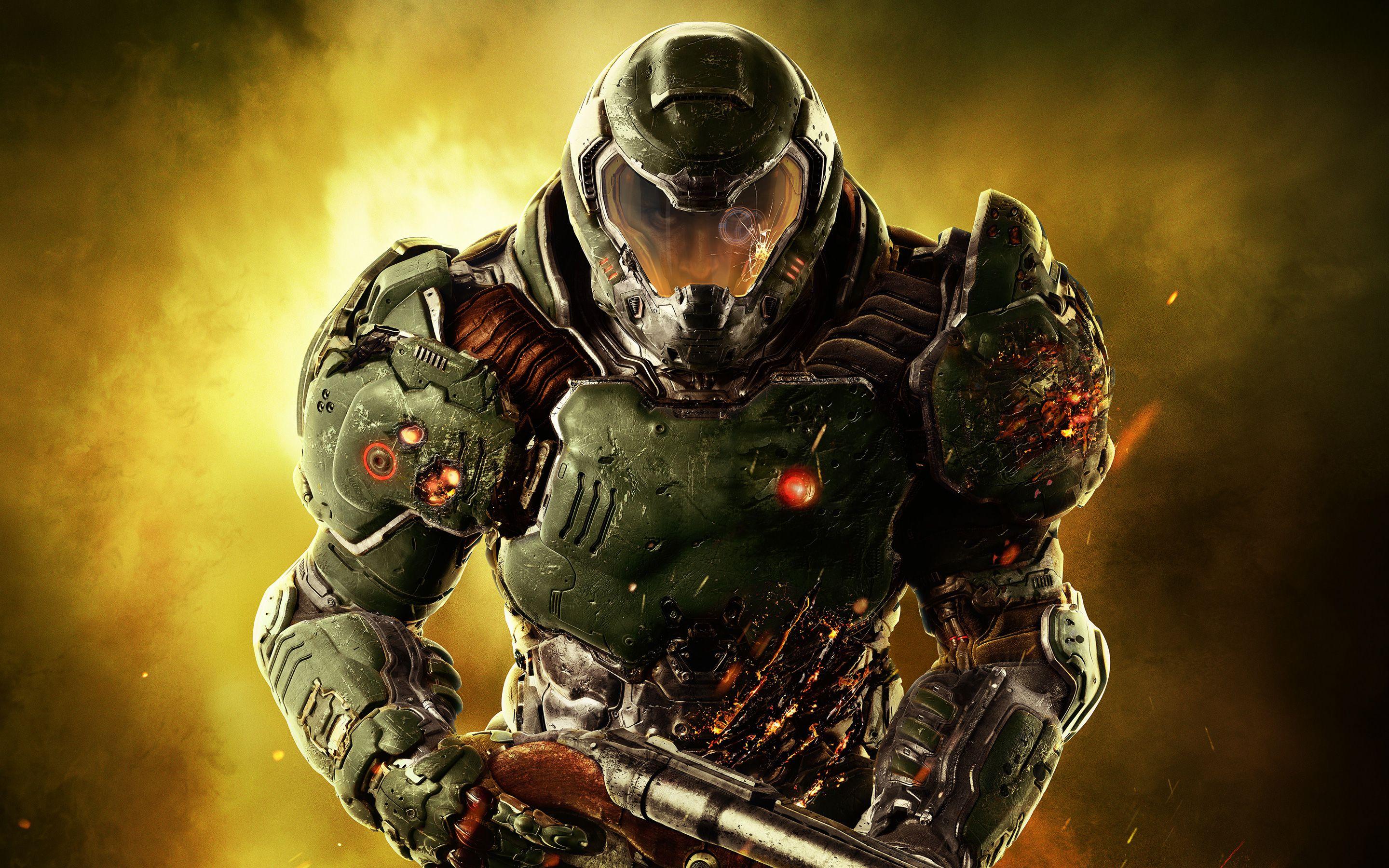
‘Doom,’ created by id Software and published by Bethesda Softworks, features a unique soundtrack that changes with the action. Instead of remaining constant, the music swells during intense fights and softens when things calm down. This dynamic system keeps the energy matching what’s happening on screen, making each encounter feel more immersive and responsive to how you play. It’s a well-known example of how music can enhance gameplay by reacting to the flow of combat.
‘Red Dead Redemption 2’ (2018)

As a huge fan of ‘Red Dead Redemption 2’, I’m always blown away by the music. Rockstar Games really did something special with how it works in the game. It’s not just a soundtrack that plays on repeat; it actually reacts to what you’re doing! Whether you’re in a tense mission, just riding through the landscape, or even how the weather changes, the music shifts to match the mood. It makes the world feel so much more alive and immersive because the music isn’t separate from the game, it feels like a natural part of the experience – a constantly evolving layer that responds to everything you do.
‘Ghost of Tsushima’ (2020)

‘Ghost of Tsushima,’ created by Sucker Punch Productions and published by Sony, uses a dynamic music system that responds to the player’s actions. The music isn’t just a background track; it changes in real-time based on what’s happening on screen – whether you’re exploring, sneaking, fighting, or raising an alarm. The system layers different instruments, adding or removing them to match the intensity of the moment. This approach keeps the music from becoming repetitive during long gameplay sessions and ensures it always feels connected to the action.
‘Returnal’ (2021)
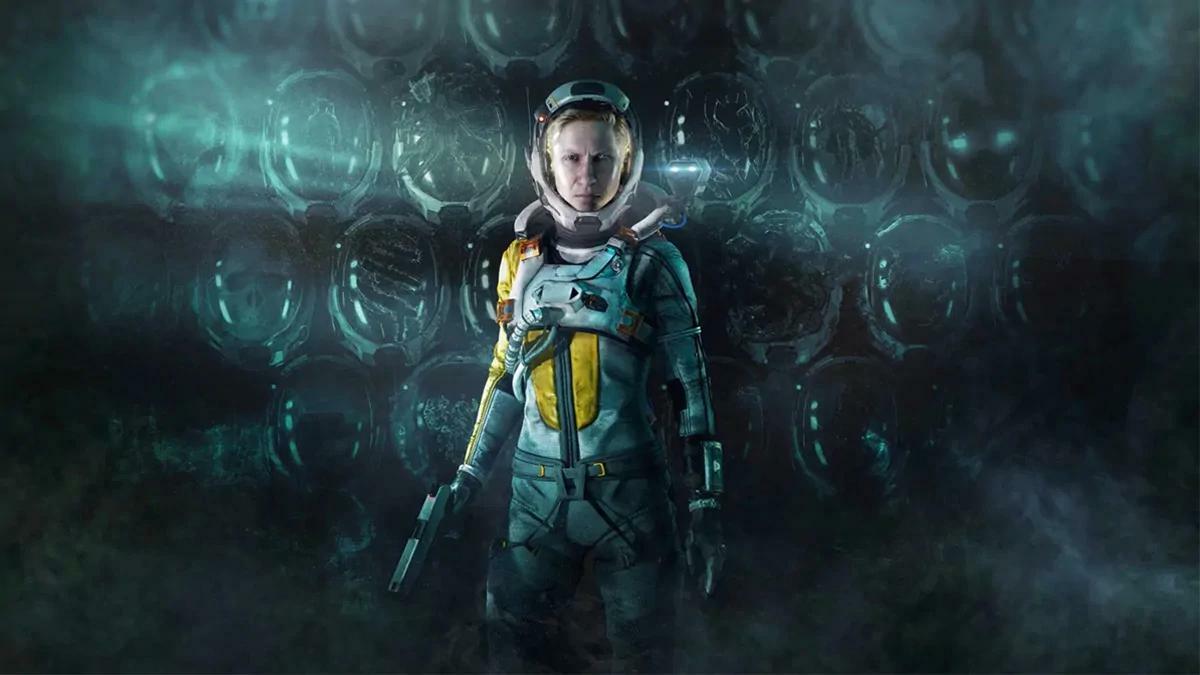
As a huge fan of ‘Returnal’, I’m always amazed by how the music works! The developers, Housemarque, and Sony really nailed the sound design. The composer, Bobby Krlic, built the score around the different environments in the game, and it actually changes with what’s happening on screen. He calls it building from a ‘main bed’ of sound for each area, then adding layers for fights or as you move around. Because the game is a roguelike – things change constantly – the music needed to be flexible, and it is! It doesn’t just play linearly; it reacts to you and what you’re doing, which is seriously impressive.
Tell us about game music that changes and adapts as you play – what are some of your favorite examples? Also, let us know which game’s music system you’d like to see used in more games.
Read More
- Invincible Season 4 Gender Swaps Tech Jacket As Fans Question Major Comic Change
- Building Agents That Learn and Improve Themselves
- Gold Rate Forecast
- Games That Faced Bans in Countries Over Political Themes
- Silver Rate Forecast
- Trading Crypto with AI: A New Approach to Portfolio Management
- Superman Flops Financially: $350M Budget, Still No Profit (Scoop Confirmed)
- 22 Films Where the White Protagonist Is Canonically the Sidekick to a Black Lead
- Unveiling the Schwab U.S. Dividend Equity ETF: A Portent of Financial Growth
- 15 Films That Were Shot Entirely on Phones
2026-02-03 22:26