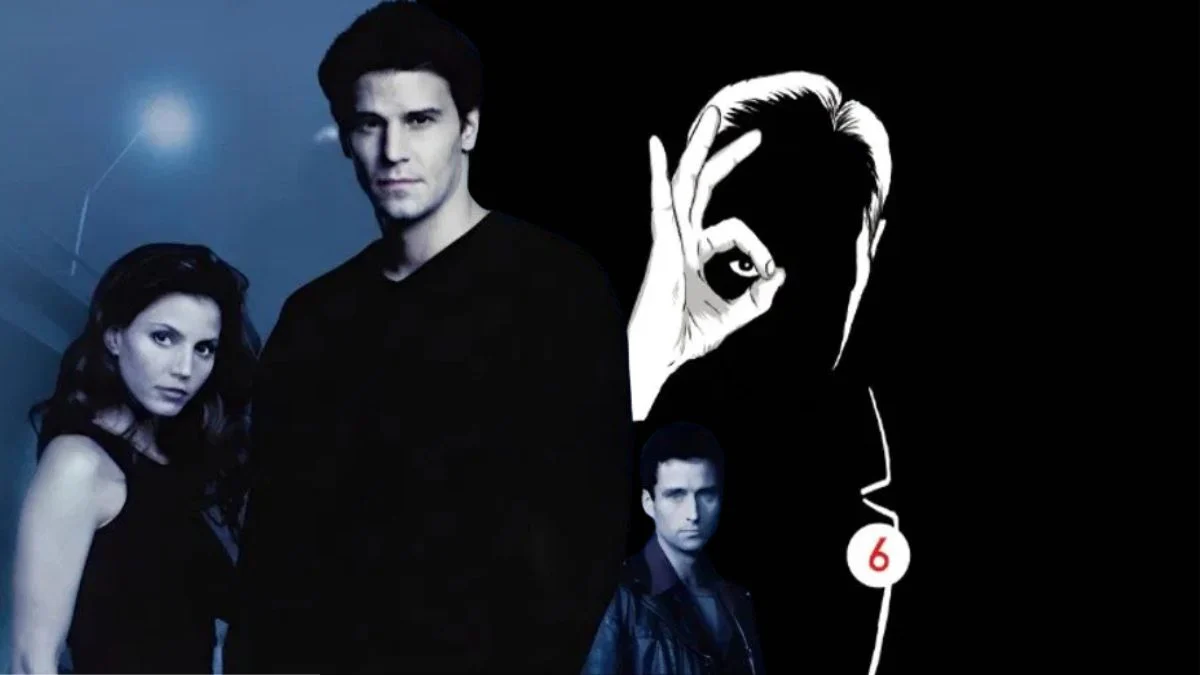
Many TV shows offer tidy endings, resolving all storylines. However, some creators prefer to leave things open to interpretation, resulting in finales that frustrate and fascinate viewers. These endings, often using strange imagery, sudden stops, or mind-bending concepts, deliberately break from tradition. The shows below are known for their controversial conclusions that still generate discussion and bewilderment.
‘The Sopranos’ (1999–2007)
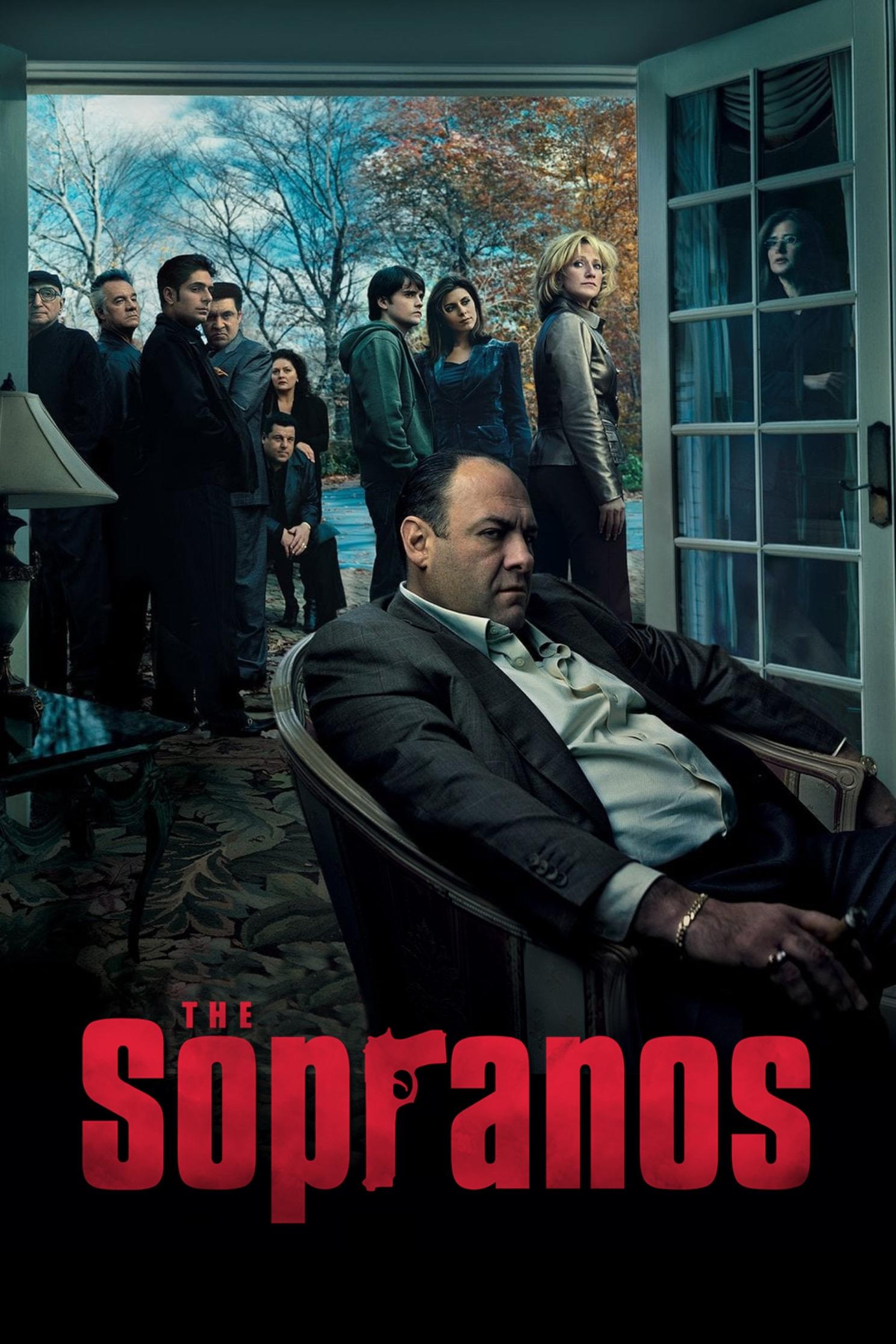
Tony Soprano is shown sitting in a typical diner, waiting for his daughter Meadow. As the tension rises with each doorbell ring, the scene unexpectedly cuts to black. This abrupt ending famously led many viewers to believe their televisions had malfunctioned during the original broadcast. To this day, people continue to argue about what the darkness meant – did it signify Tony’s death, or simply reflect the constant fear and anxiety he experienced? It’s become the most talked-about and debated ending in the history of television.
‘Lost’ (2004–2010)
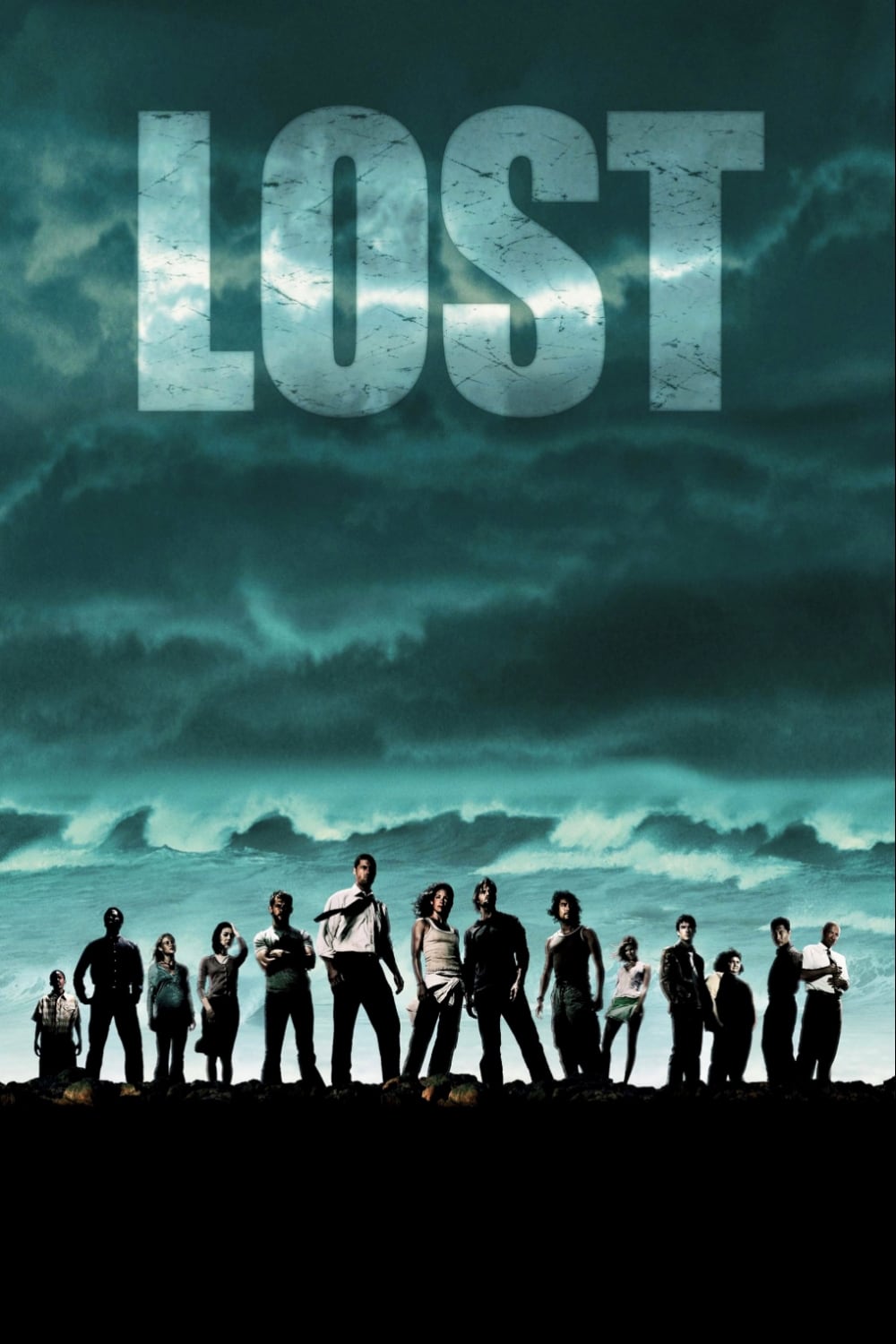
After the crash of Oceanic Flight 815, the remaining survivors came together in a church, ready to move on to the afterlife. This revealed that the events of the final season weren’t actually happening in the real world, but were a kind of shared afterlife the characters created for themselves. The ending, which dealt with spiritual themes, left many viewers confused, leading some to think the characters had been dead all along. The finale prioritized giving the characters emotional closure and focusing on their relationships, rather than explaining all the show’s mysteries. It’s a controversial ending because it focused on the characters’ connections with each other more than the plot’s details.
‘The Prisoner’ (1967–1968)
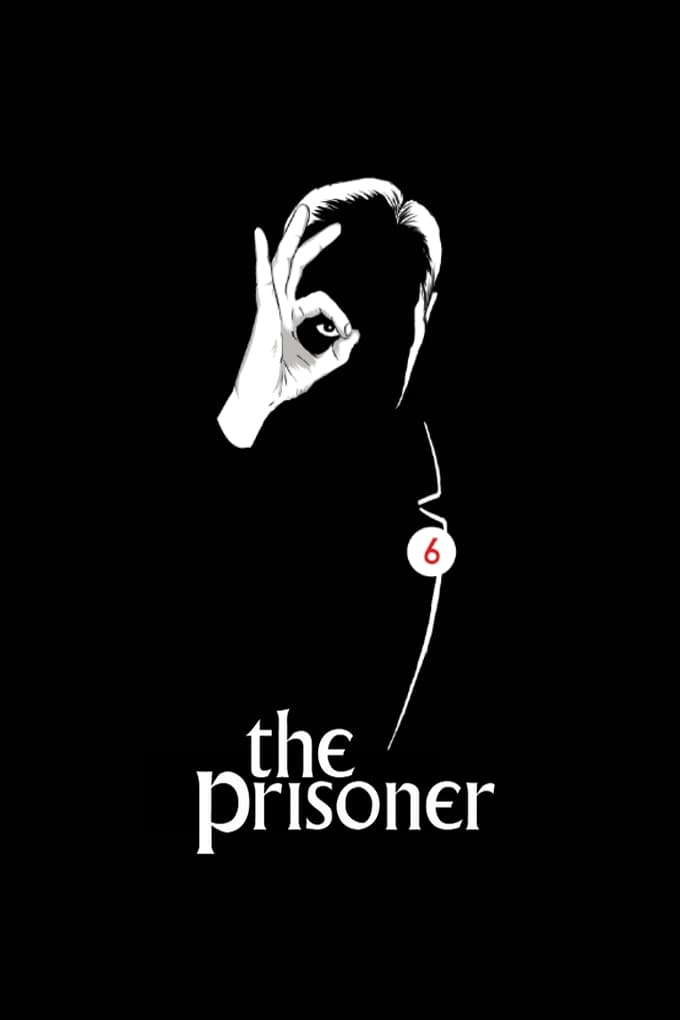
In the final episode, Number Six at last faces Number One, only to find the leader hidden behind a monkey mask. Removing the mask reveals a mirror image of himself, and he then escapes the Village amidst a bizarre and chaotic scene. The episode completely broke from the show’s spy thriller style, opting for symbolic chaos and strange visuals. Viewers flooded the British broadcaster with complaints, frustrated by the lack of a clear resolution. Ultimately, the finale wasn’t meant to provide answers, but rather to explore the conflict between the individual and society.
‘St. Elsewhere’ (1982–1988)
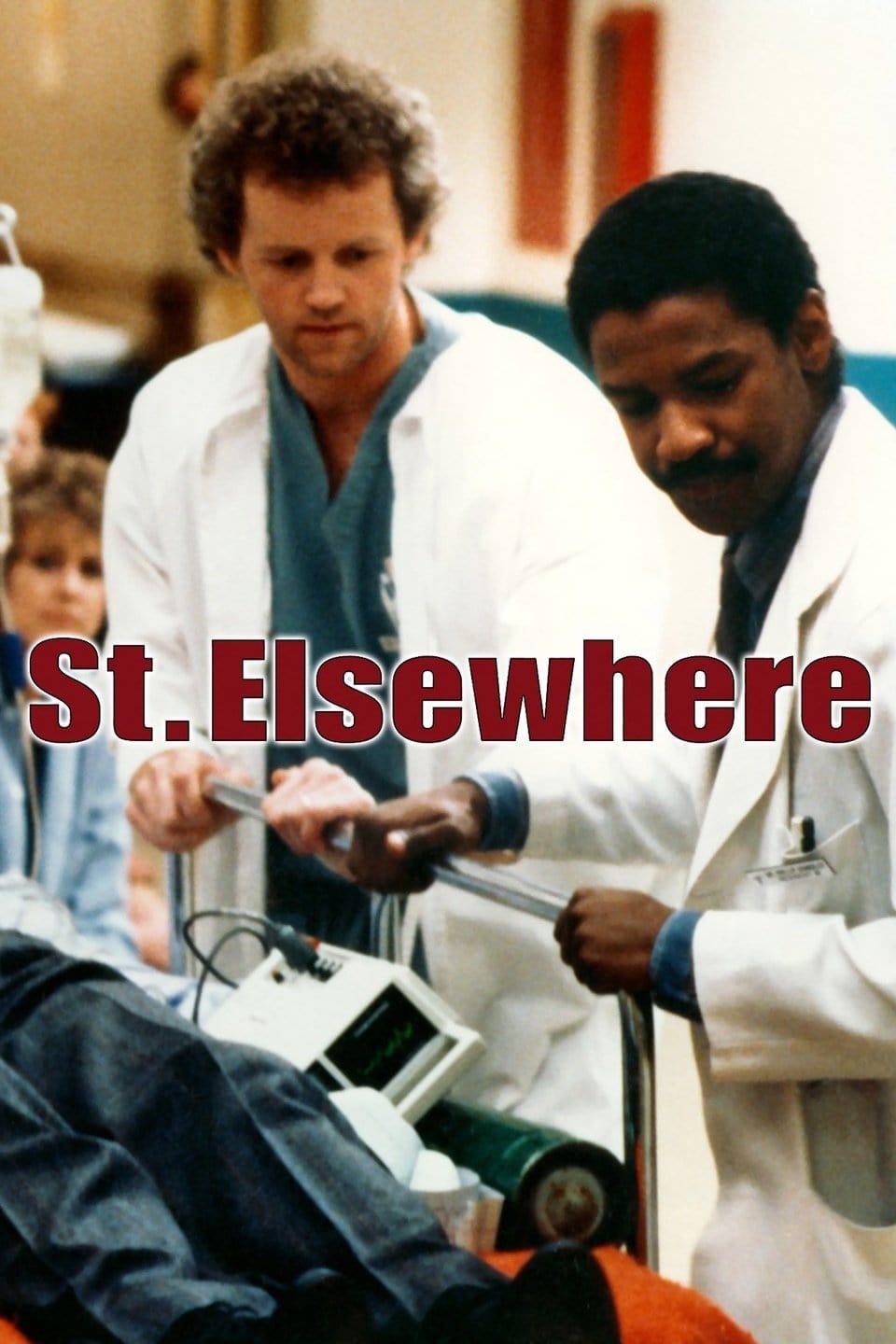
The show ended with a surprising reveal: the entire series had unfolded within a snow globe. We see a main character’s autistic son playing with it as his father, dressed as a construction worker, walks in. This suggested that the hospital and all the medical drama we’d watched were actually just the child’s imagination. The twist has become famous for connecting the show to countless others through shared dream sequences and is often considered the quintessential example of the “it was all a dream” plot device.
‘The Leftovers’ (2014–2017)
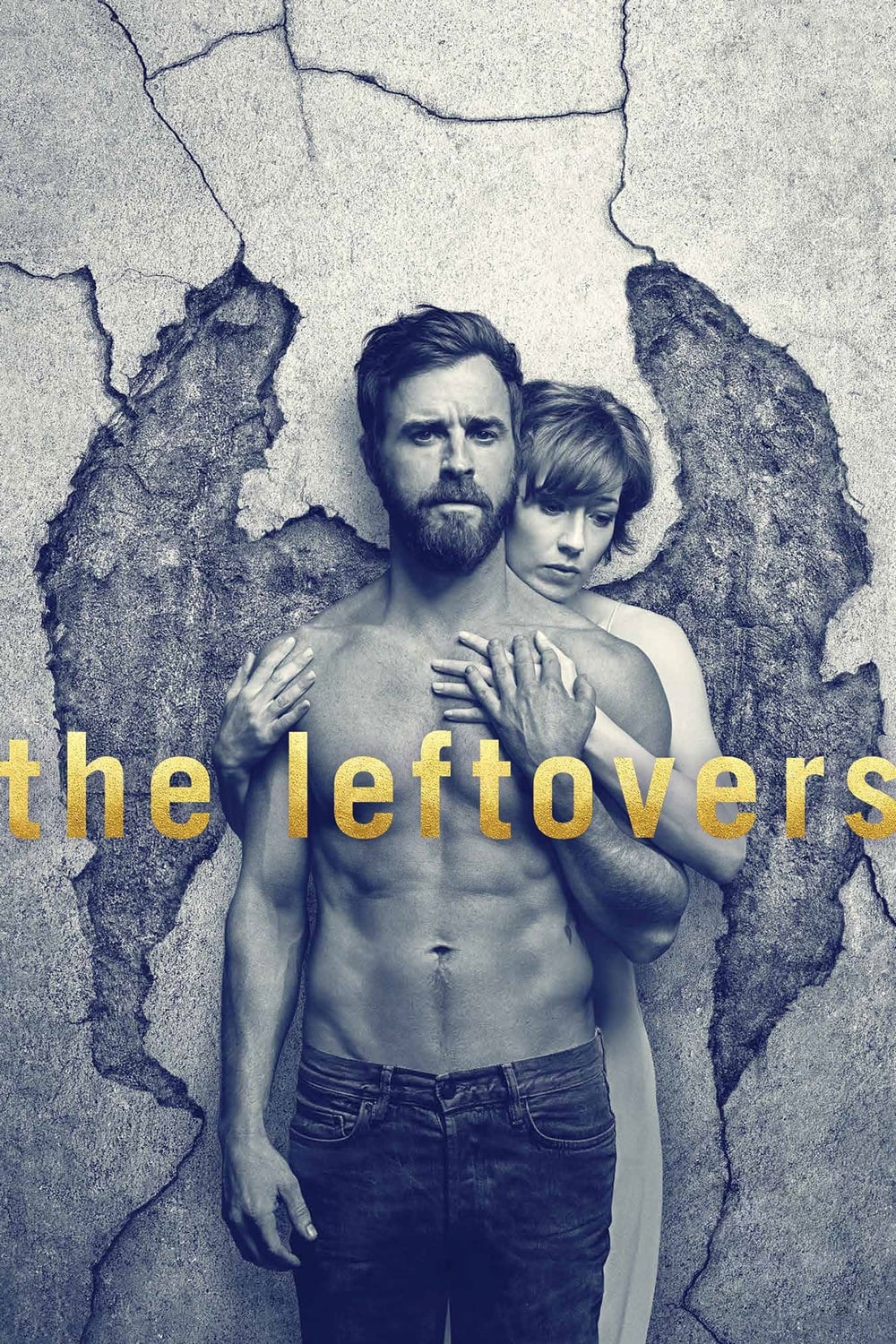
Nora Durst discovers the device believed to be responsible for the disappearance of the town’s residents, supposedly sending them to another dimension. In the final scene, she recounts a detailed story to Kevin about her experience in this other world and her decision to come back. However, the show doesn’t show us her journey, leaving it unclear whether she’s being truthful or simply creating a story to help herself cope. The writers intentionally crafted this ambiguous ending, forcing viewers to decide what to believe based on their own convictions. This perfectly reflects the show’s central themes of loss and how people find meaning through belief.
‘Mr. Robot’ (2015–2019)
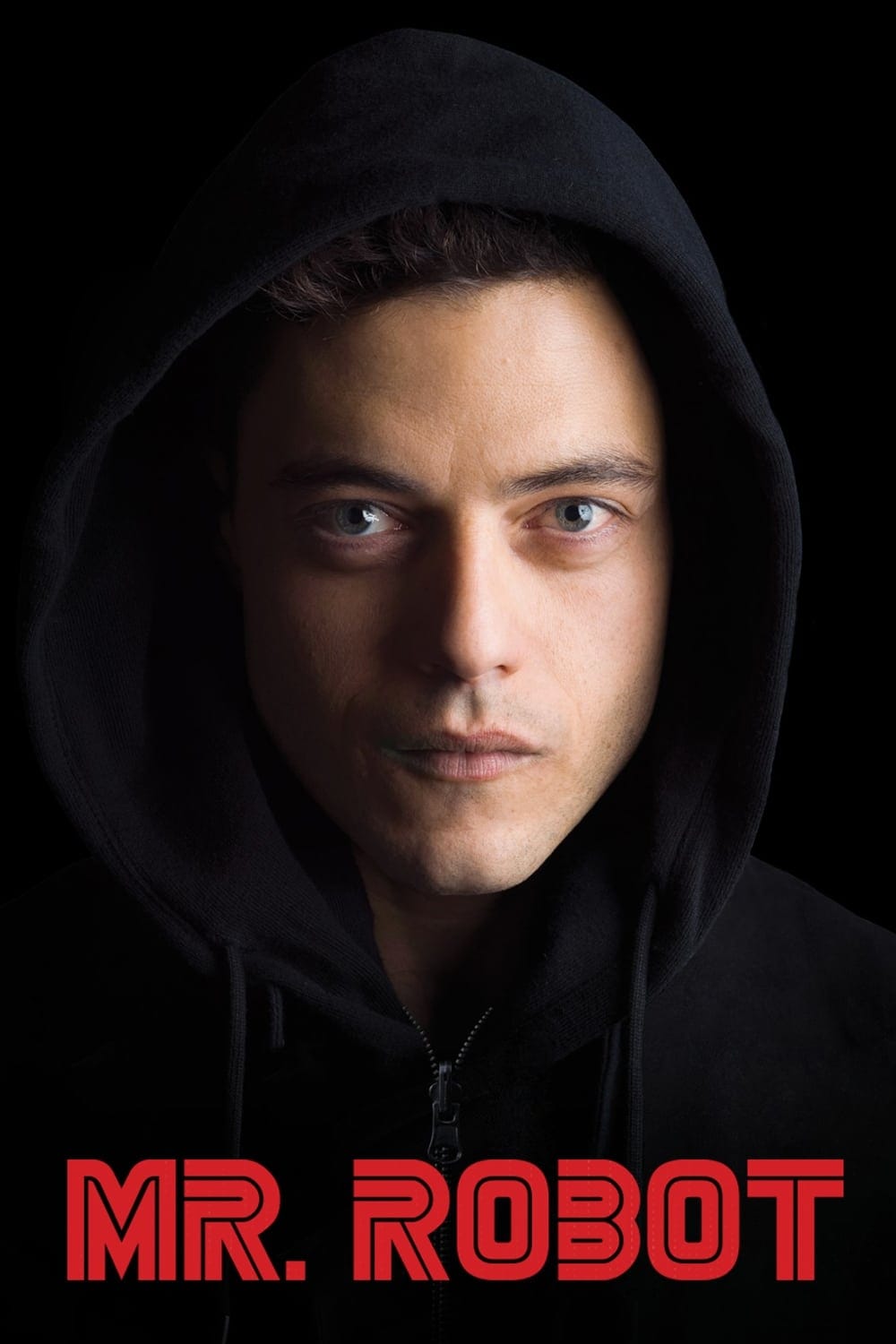
Throughout the series, viewers follow Elliot Alderson, but it’s revealed he’s actually a constructed personality created to shield the real Elliot while he recovered from a mental breakdown. This changes how we understand everything that happened – it wasn’t just a story about hacking, but an internal battle for control. In the end, the constructed personality gives up control, allowing the true Elliot to regain consciousness. It’s a thought-provoking look at identity that makes the show even more rewarding to watch again.
‘Dark’ (2017–2020)
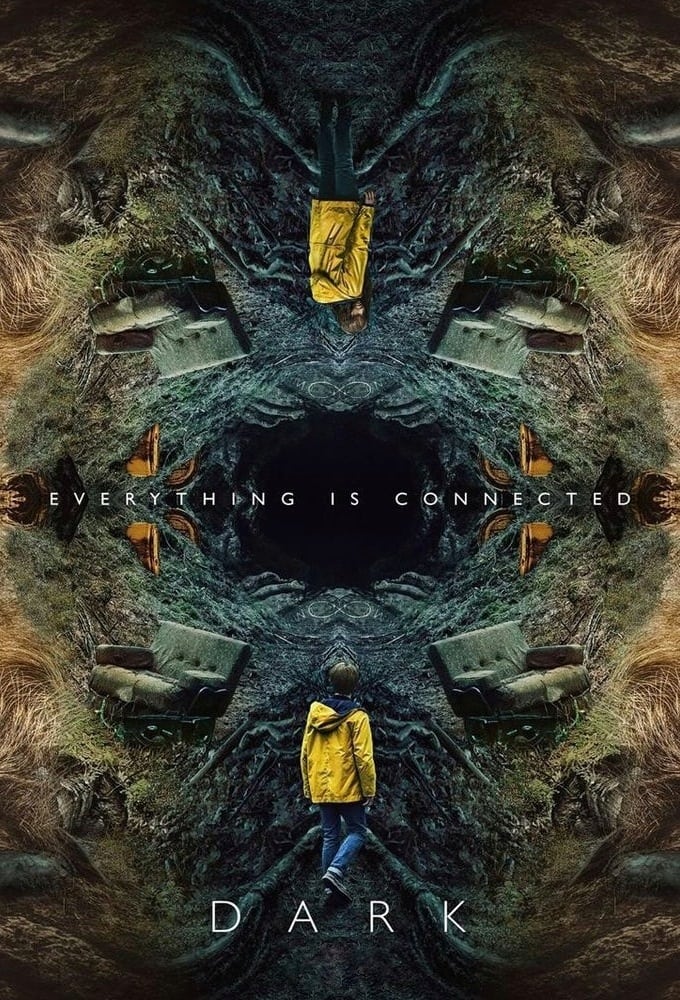
Jonas and Martha discover their realities are actually mistakes made by a scientist from a primary, original world. They journey to this origin world to stop the car accident that initiated the time loops. Successfully saving the scientist’s family means their own worlds—and their very lives—cease to exist, fading away completely. The final dinner scene hints that those who remain experience a strange feeling of having lived through it all before. Ultimately, the ending untangles everything by completely wiping the show’s timeline clean.
‘Neon Genesis Evangelion’ (1995–1996)
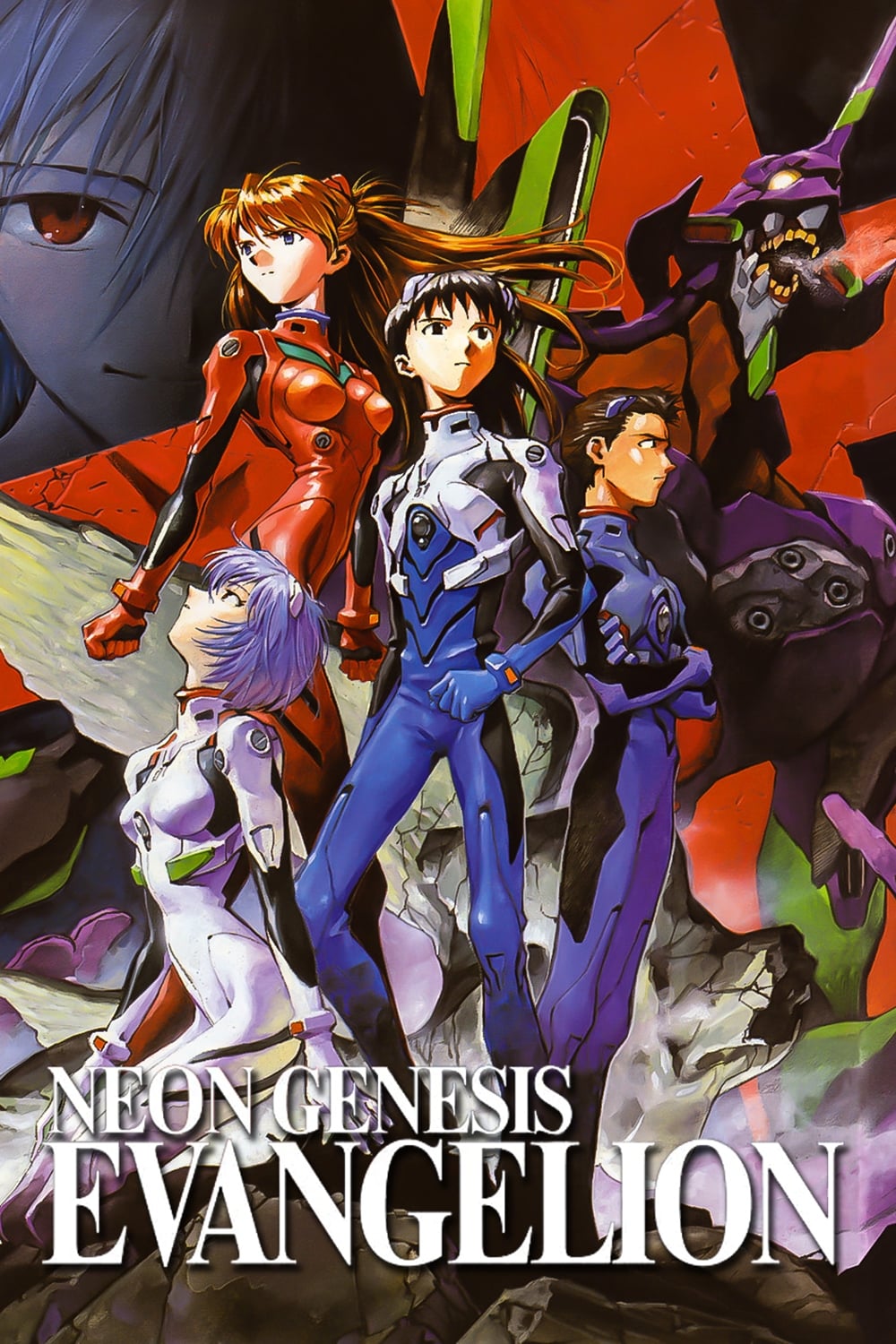
The initial anime series ran into financial difficulties and shifted away from its exciting robot battles, instead focusing on the characters’ inner thoughts and feelings. The show culminates with Shinji Ikari facing his anxieties and fear of intimacy while seemingly adrift in empty space. The ending, where the characters cheer for Shinji’s self-acceptance on a mysterious floating platform, was so unusual that a later movie was created to offer a more traditional resolution. It’s a striking change from action-packed fights to a deeply personal exploration of the characters’ minds.
‘Mad Men’ (2007–2015)
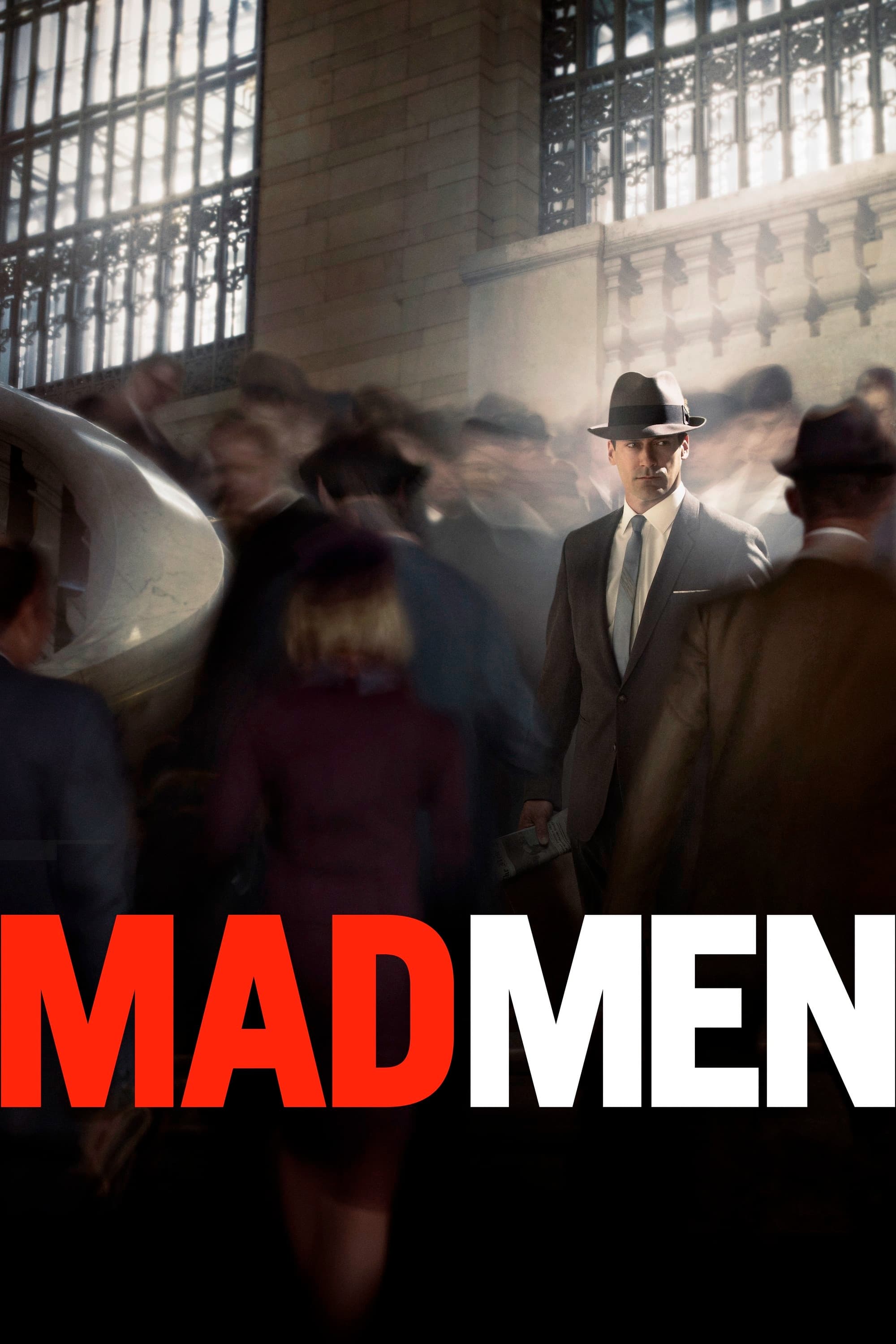
After leaving his old life behind, Don Draper ends up at a spiritual retreat in California. While meditating by a cliff, he experiences a moment of peace—marked by a bell and a subtle smile—which immediately transitions into the iconic “I’d Like to Buy the World a Coke” commercial. The scene implies Don channeled his newfound clarity into creating a hugely successful ad campaign. Whether this represents him selfishly using the ideals of peace for profit, or achieving a true creative breakthrough, remains open to interpretation. It’s a suitably uncertain conclusion for a man constantly reinventing himself.
‘Battlestar Galactica’ (2004–2009)
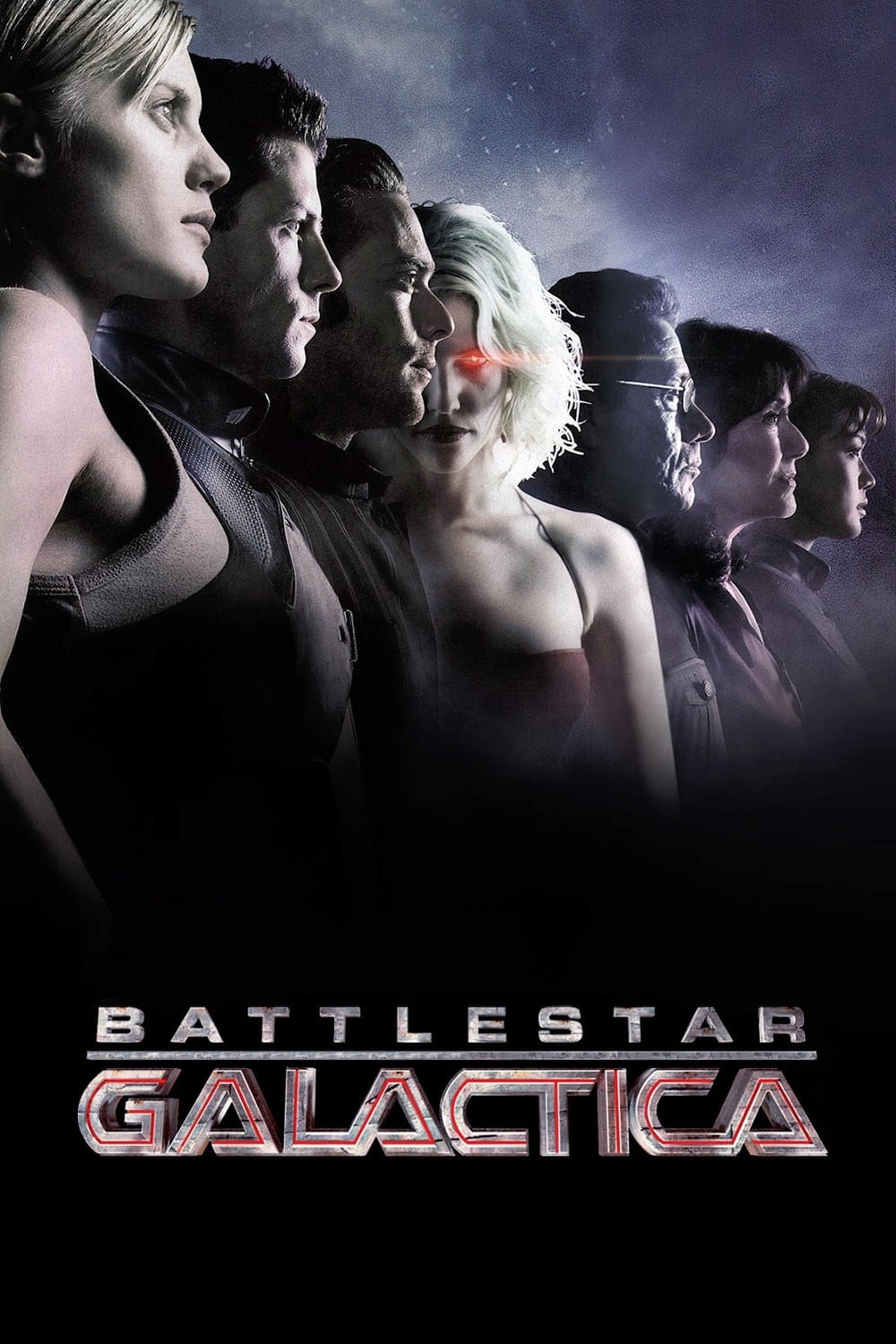
The space fleet eventually found Earth, but it was Earth as it existed long ago. Choosing to give up their advanced technology, they integrated themselves with early humans, hoping to stop the recurring conflict between humans and artificial intelligence. The reveal that these travelers were actually the ancestors of present-day people received a varied response from viewers. A brief glimpse into modern-day New York hinted that the struggle between humans and AI might be starting all over again. The story also touched on religious themes, particularly surrounding the character of Starbuck, leaving some aspects open to interpretation.
‘Life on Mars’ (2006–2007)

After waking up from a coma to a life that feels hollow, Sam Tyler decides to return to 1973 by jumping from the police station roof. The series ends with the team driving away as a radio announcement reports no life has been found on Mars. This suggests Sam preferred the exciting, imagined world of the past to the bleakness of his present, leaving the audience to question which reality was truly the illusion.
‘Ashes to Ashes’ (2008–2010)
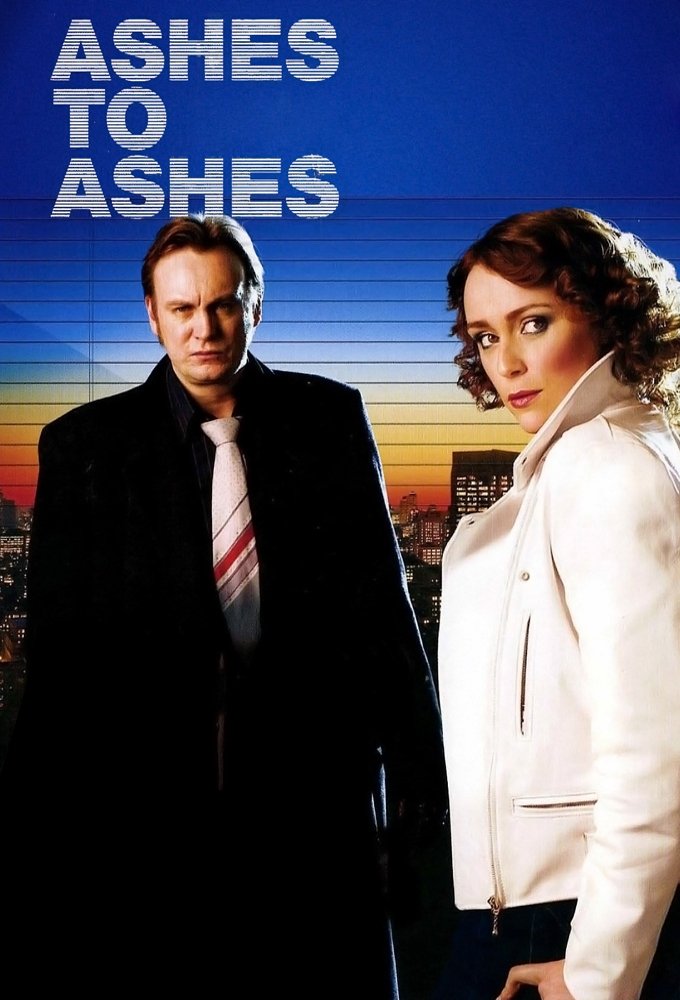
The show’s continuation revealed the world viewers knew was actually a kind of afterlife for police officers killed in the line of duty. The tough station commander, Gene Hunt, turned out to be a guardian angel, guiding these souls to move on. In the final episode, the main characters found their way to a pub representing heaven, while Gene stayed behind to continue helping others. This explanation also changed how we understood the original series, offering a supernatural reason for a mystery that previously seemed like science fiction.
‘Angel’ (1999–2004)
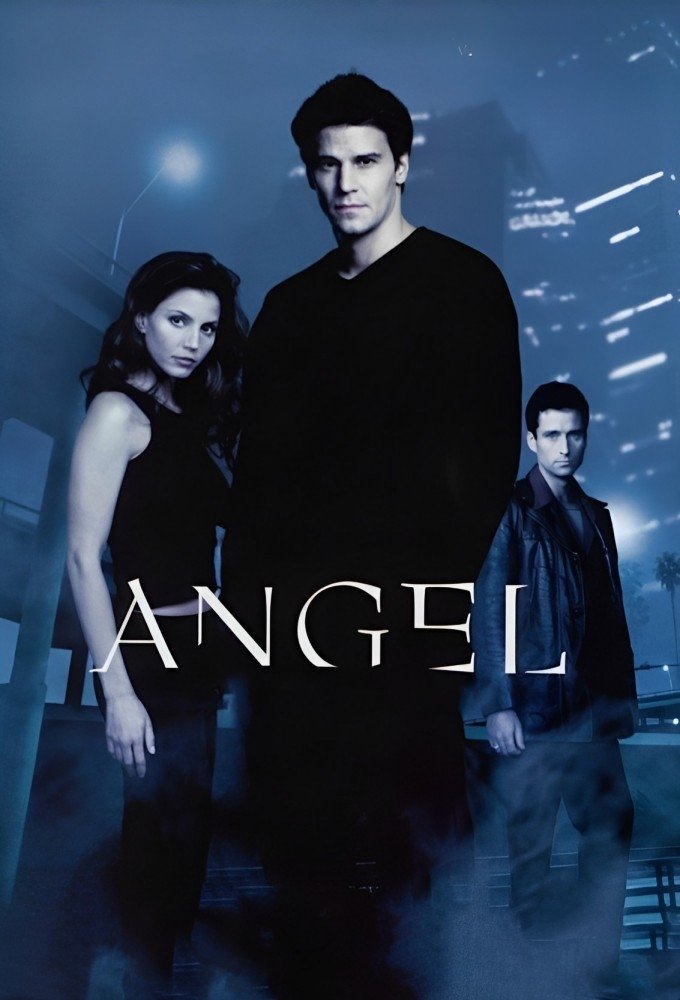
A vampire detective and the few remaining members of his team find themselves cornered in an alley, facing a massive attack from demons and a dragon. Just as the battle is about to start, the scene cuts to black. The show’s creators meant this abrupt ending to represent the never-ending fight against evil. While many viewers were disappointed not to see how the battle played out or who survived, the ending reinforces the idea that finding redemption isn’t about reaching a final goal, but about the ongoing journey itself.
‘The OA’ (2016–2019)
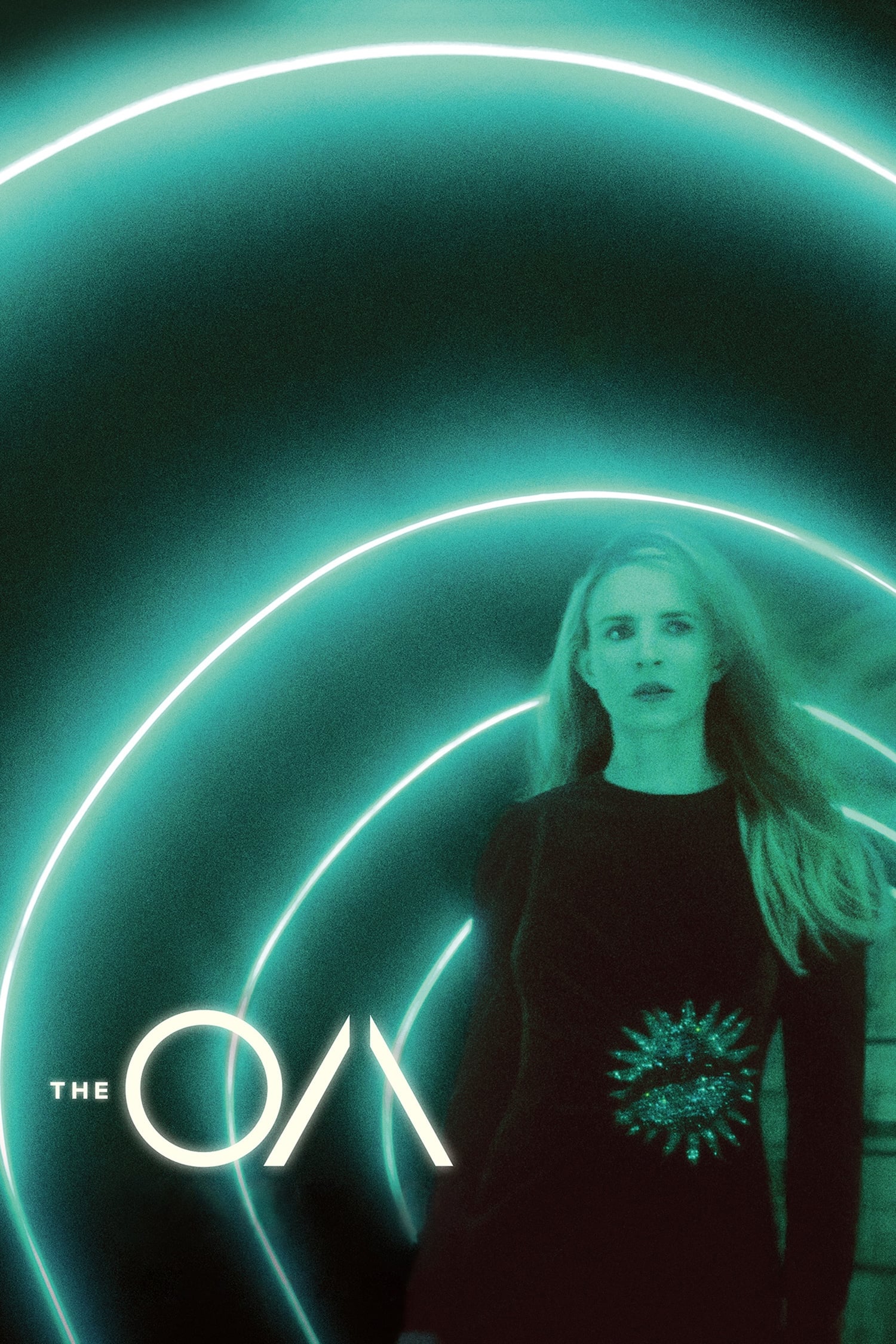
The season finale features a mind-bending twist: the main character jumps into another dimension and finds herself as the actress Brit Marling, appearing on a television screen. The show then playfully blurs the line between fiction and reality, with characters stepping into the world where it’s actually filmed. When the series was cancelled soon after, it added another level of confusion, leaving fans debating whether it was a planned plot point or simply a result of the show’s business side. It’s a remarkably bold and thought-provoking turn of events.
‘Hannibal’ (2013–2015)
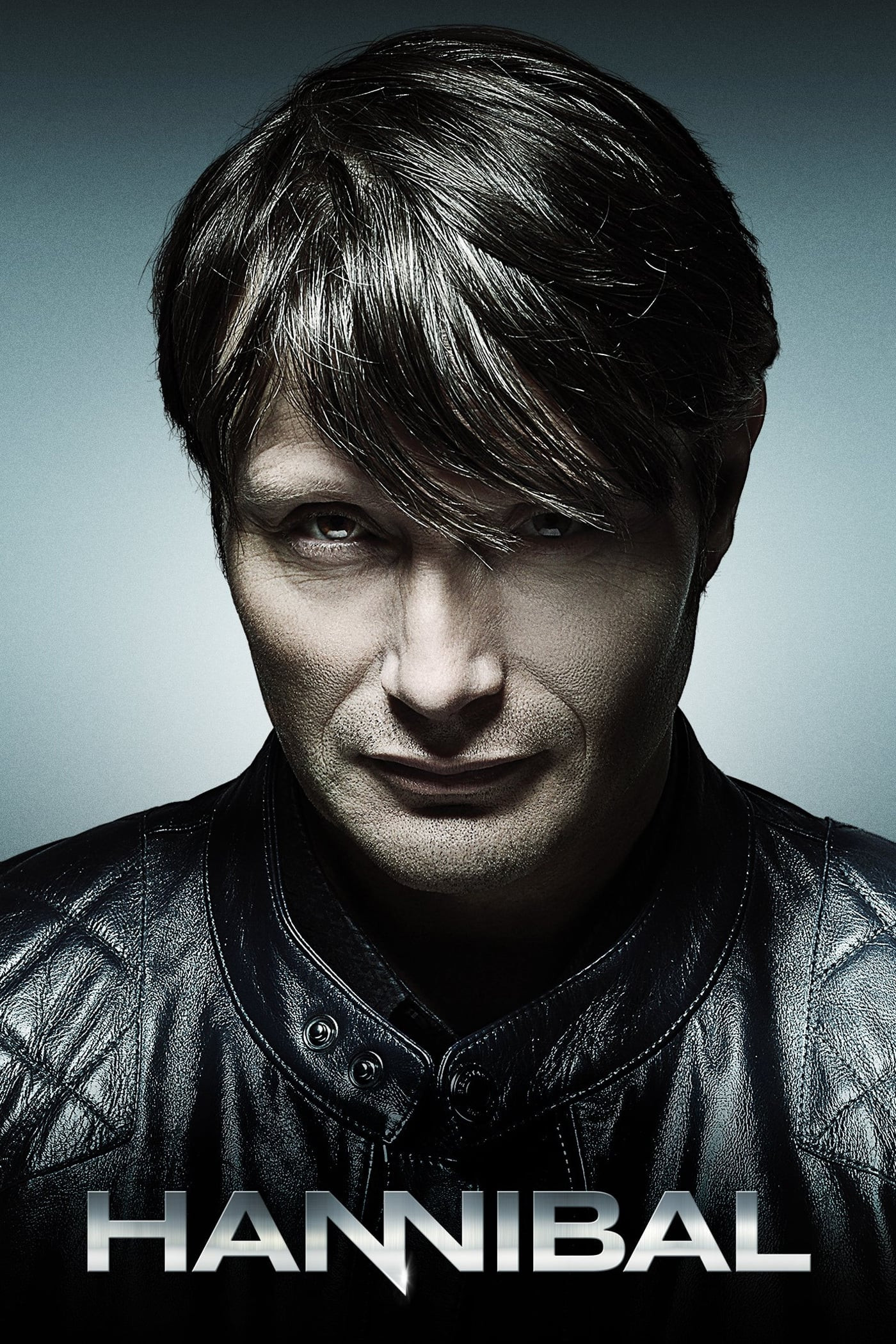
After killing the Red Dragon, Will Graham and Hannibal Lecter share an embrace before falling off a cliff into the ocean, set to the song “Love Crime.” The ending includes a disturbing post-credits scene of Bedelia Du Maurier seated at a dinner table, being served a cooked human leg – seemingly her own. This leaves viewers wondering if Will and Hannibal survived, and who prepared the meal, sparking many fan theories. It’s a shocking, yet strangely romantic, finale to their complicated and dangerous connection.
‘Legion’ (2017–2019)
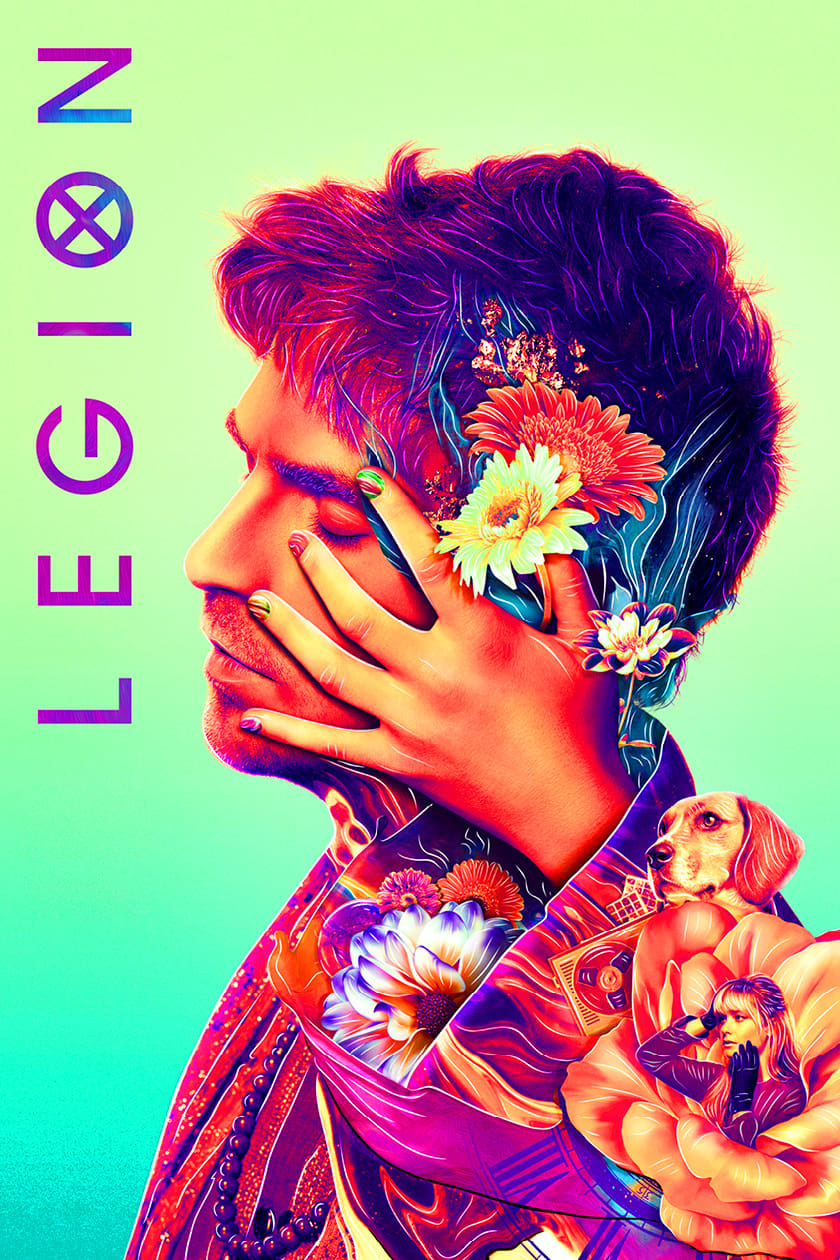
David Haller, a man with powerful psychic abilities, attempts to create a better past by resetting the timeline to his childhood. As the timeline resets, the current version of David disappears, effectively erasing everything that happened in the series. This leaves viewers with a bittersweet feeling, knowing the characters they’ve followed no longer exist, but also witnessing a visually impressive take on a time travel story.
‘Watchmen’ (2019)
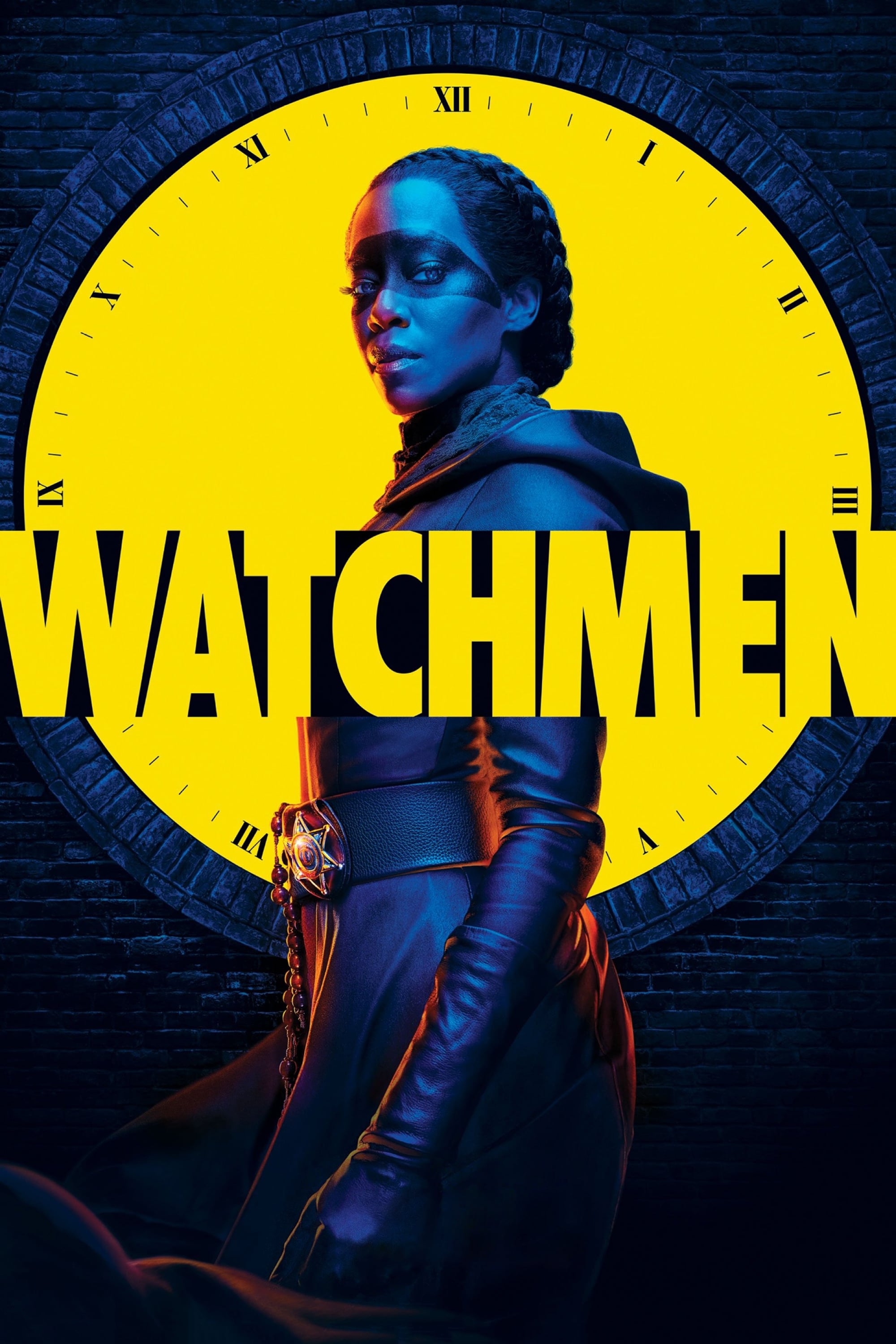
Angela Abar eats a raw egg believed to hold the incredible powers of Doctor Manhattan. The last scene shows her trying to walk on water, her foot just above the surface of her pool. The screen goes black the instant her skin touches the water, leaving it unclear whether she can walk on water or if she sinks. This ambiguous ending perfectly highlights the question of whether she actually gained any powers.
‘Atlanta’ (2016–2022)
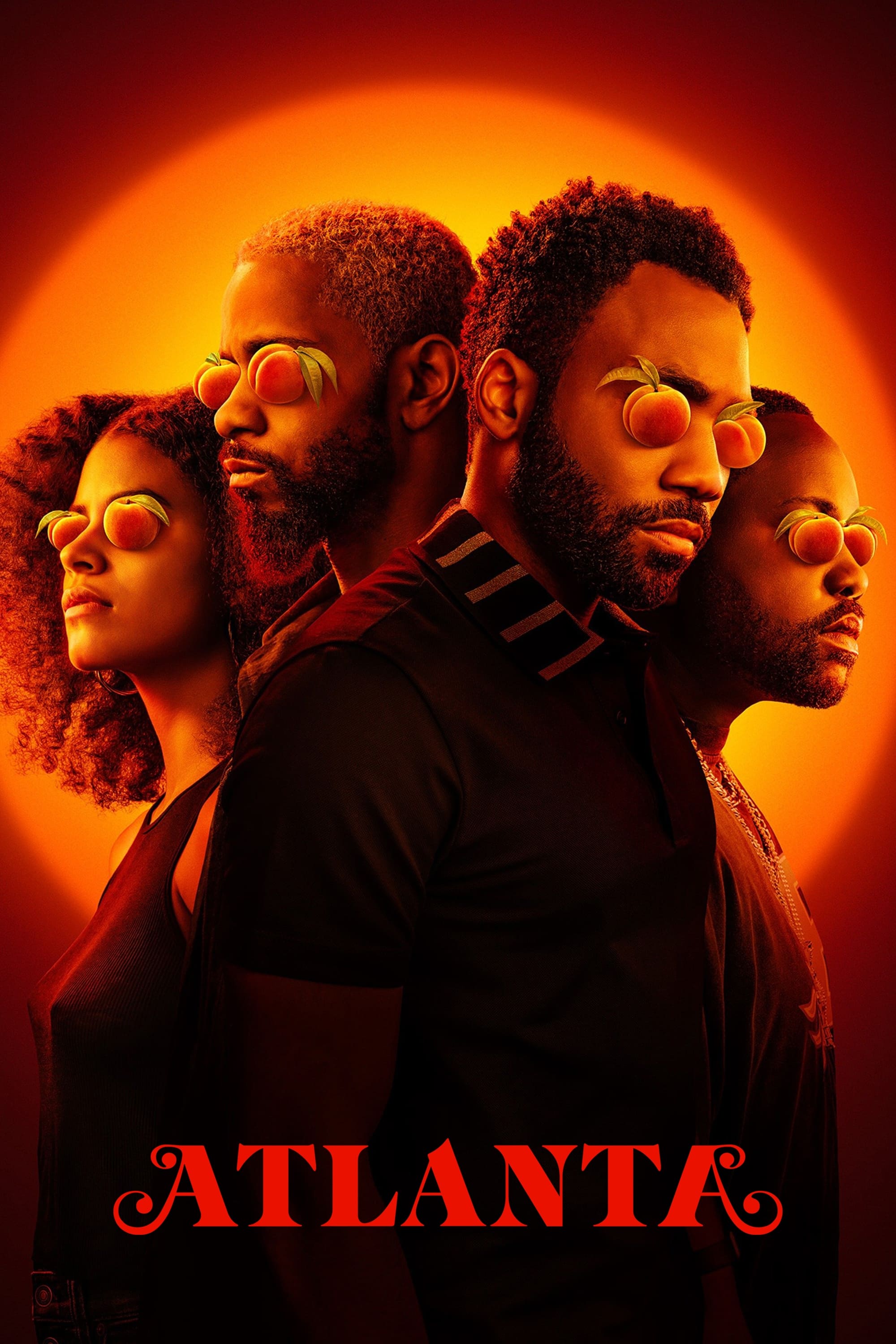
The show ends with Darius floating in a sensory deprivation tank, watching Judge Judy. He tries to figure out if he’s dreaming by looking for a specific sign, but we never see what happens. This suggests the whole finale—or even the entire series—could be a hallucination happening inside the tank. This open ending matches the show’s strange, dreamlike style and its unique, artistic feel, and it deliberately avoids giving a clear, real-world explanation for anything that happens.
‘The Curse’ (2023–2024)
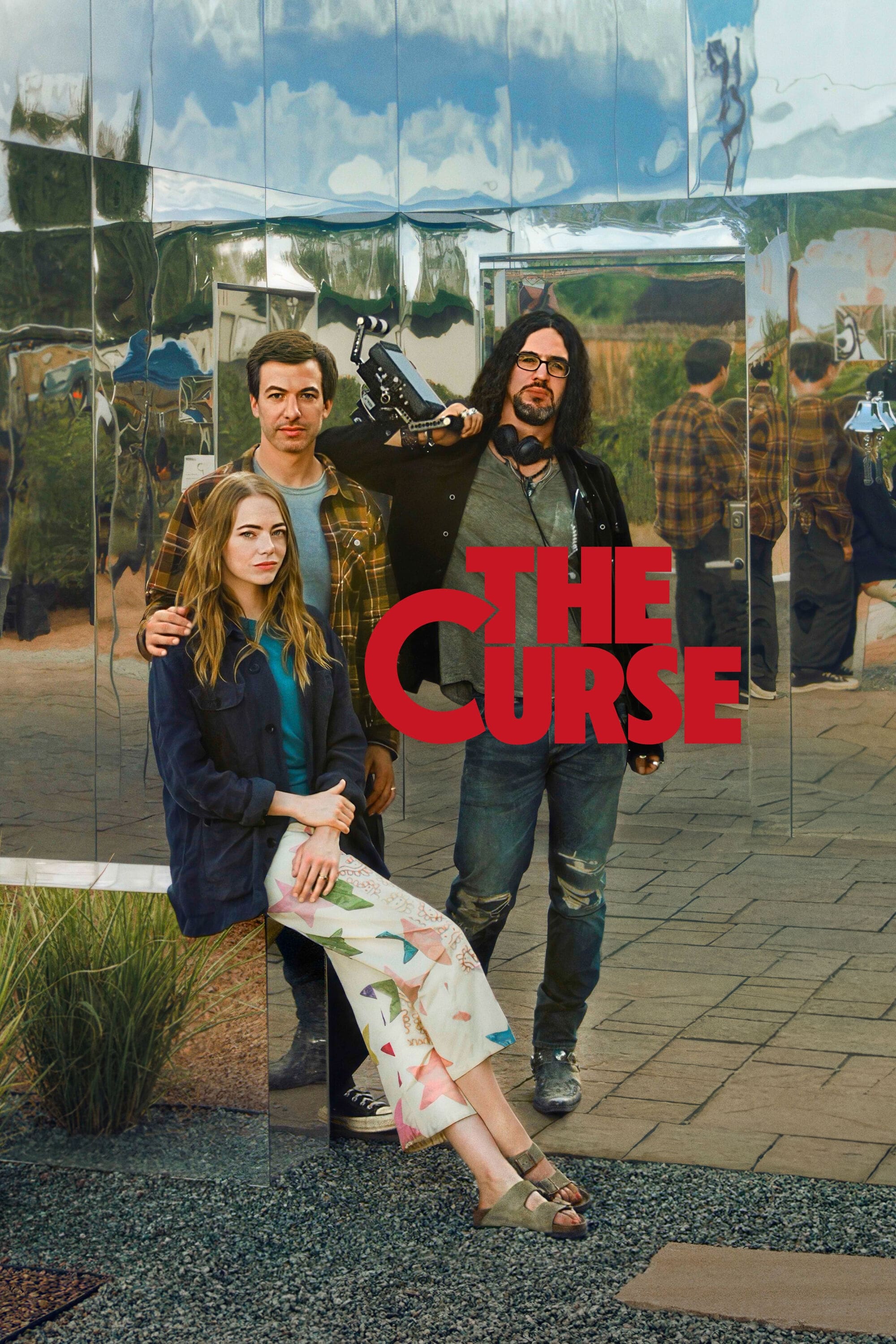
Okay, so I was really into this show, and it started as a pretty funny, awkward comedy. But then, completely out of nowhere, the main character, Asher, just… started floating. Like, lost all connection to gravity and kept going up, up, up. It was terrifying! It ended with him drifting off into space and, tragically, dying while his wife was giving birth. Seriously, it went from a silly comedy to full-blown cosmic horror in the last few minutes with absolutely no warning. Everyone I talked to was just completely shocked and confused by the sudden, dark turn. It was a total left turn from anything we expected!
‘Cowboy Bebop’ (1998–1999)

In a climactic showdown, Spike Spiegel confronts his enemy Vicious at the syndicate’s headquarters. Badly wounded, Spike limps away, playfully pointing a finger gun at onlookers before collapsing. The scene ends with a shot of the sky and a fading star, representing Spike’s apparent death. However, fans continue to argue about whether he truly died or simply lost consciousness. This uncertainty leaves a glimmer of hope amidst the sadness of the moment.
‘Code Geass: Lelouch of the Rebellion’ (2006–2008)
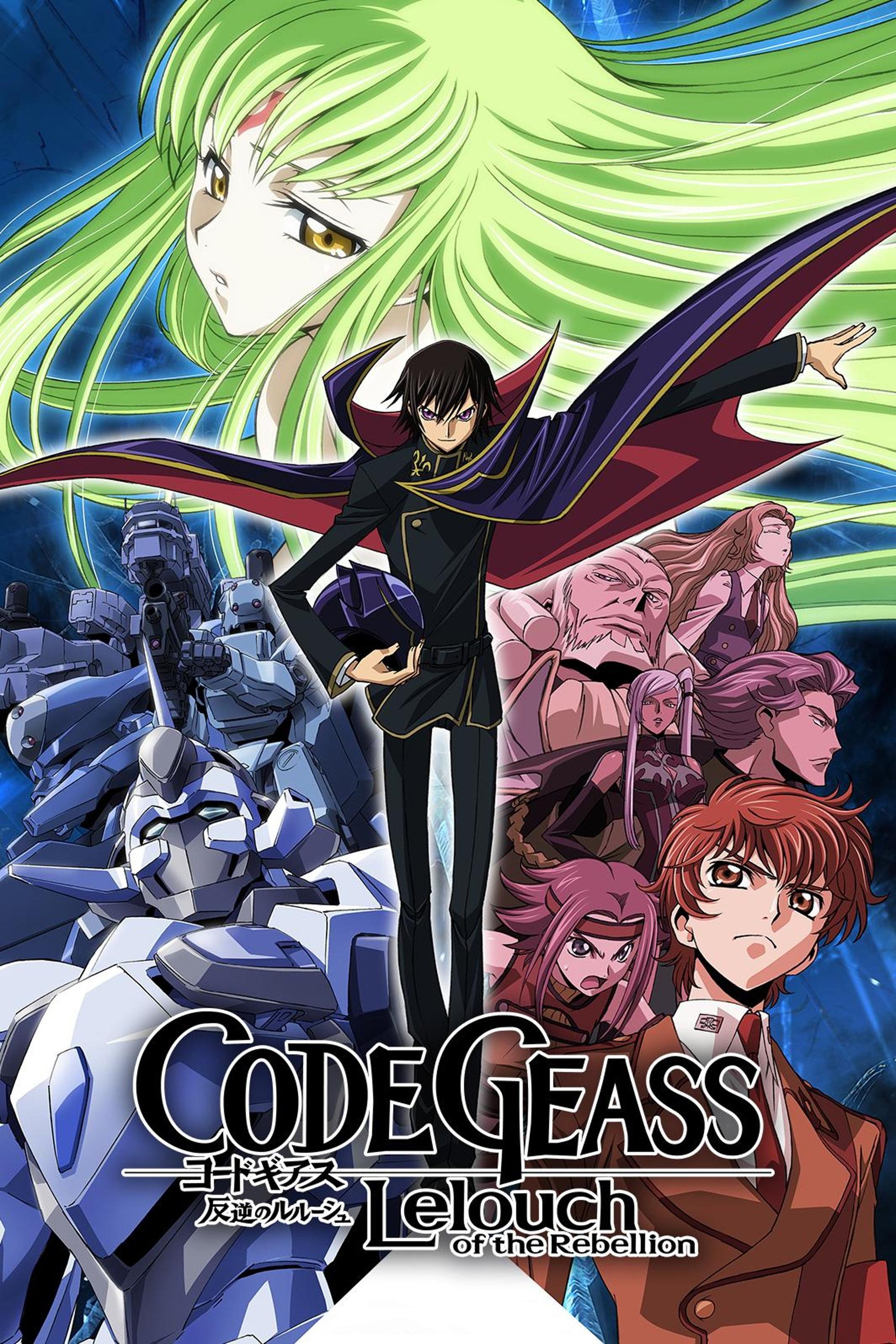
Lelouch vi Britannia planned his own public assassination as a way to rally the world against a common enemy and achieve peace. He was seemingly killed during a parade, dying in his sister’s arms. However, many fans believe the cart driver shown in the final scene is actually Lelouch in disguise, suggesting he faked his death and achieved immortality to escape the responsibilities he carried. The show’s creators have offered mixed responses, which has kept this theory alive and popular among viewers.
‘Monster’ (2004–2005)

Dr. Tenma unexpectedly saves the life of Johan Liebert, a future serial killer, not once, but twice, and finds him unconscious. The story ends with an empty hospital bed and an open window, leaving Johan’s fate a mystery. Did he escape to continue his crimes, take his own life, or was he never truly there? This ambiguous ending emphasizes that evil is difficult to control or comprehend, and leaves the doctor’s internal struggle without a clear resolution.
‘Roseanne’ (1988–1997)
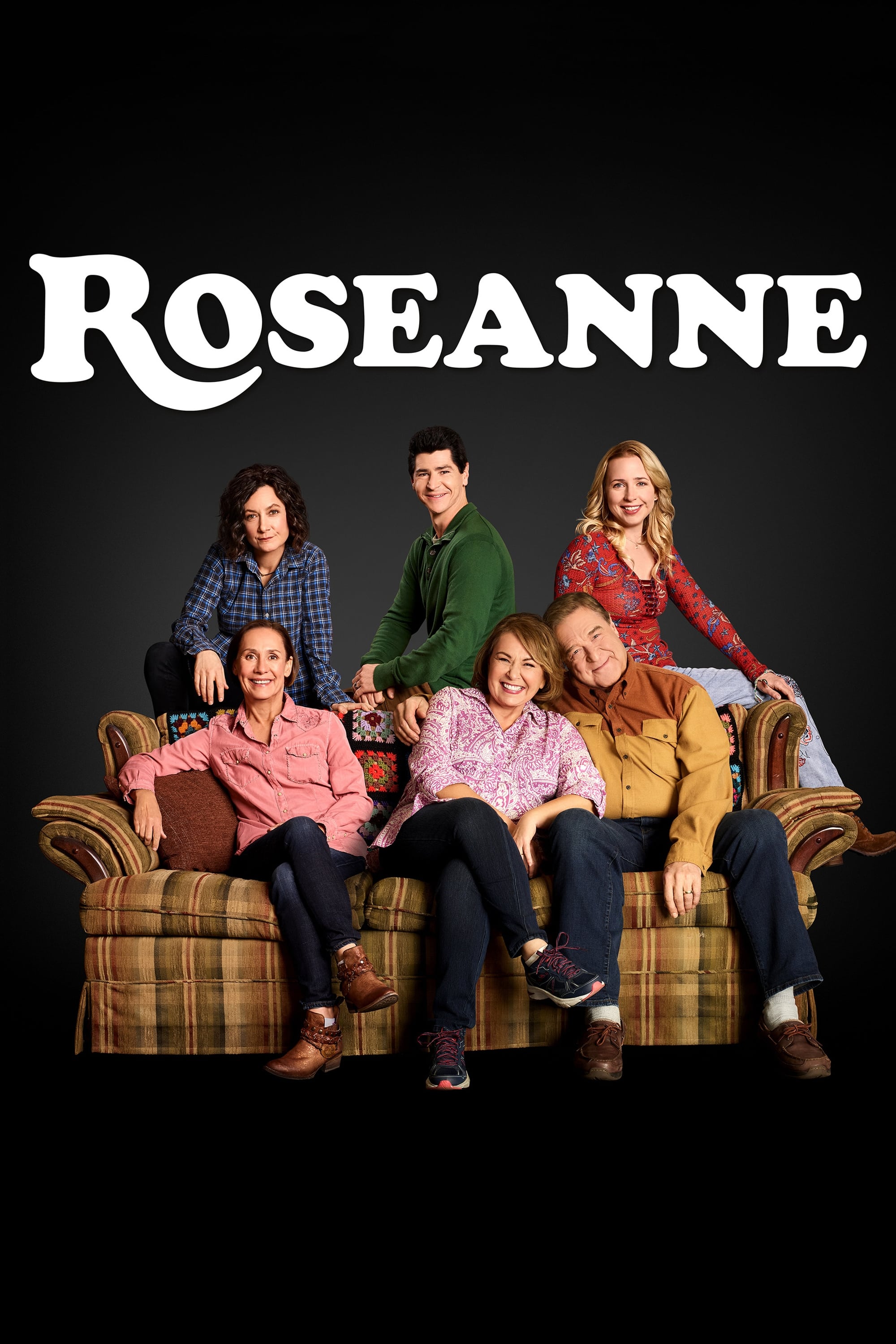
The last season of this comedy took a strange turn when the family suddenly won the lottery. The series finale then revealed a shocking twist: Roseanne had been writing the entire show as a fictionalized version of her own life. She explained that her husband, Dan, had actually died in the previous season, and the lottery win was a way she imagined dealing with the loss. This sad reveal changed how many longtime fans felt about the show, and it’s remembered as one of the most dramatic and unexpected changes in tone ever seen in a sitcom.
‘Newhart’ (1982–1990)

In a surprising twist, Bob Newhart began an episode by waking up next to his wife from his earlier show, The Bob Newhart Show, and recounting a dream about running an inn in Vermont. This revealed that the entire eight-season run of Newhart had been a dream within that previous show – a clever and unforgettable joke considered a highlight of television history. The ending focused on celebrating Bob Newhart’s career, rather than wrapping up the show’s storyline.
‘Dinosaurs’ (1991–1994)
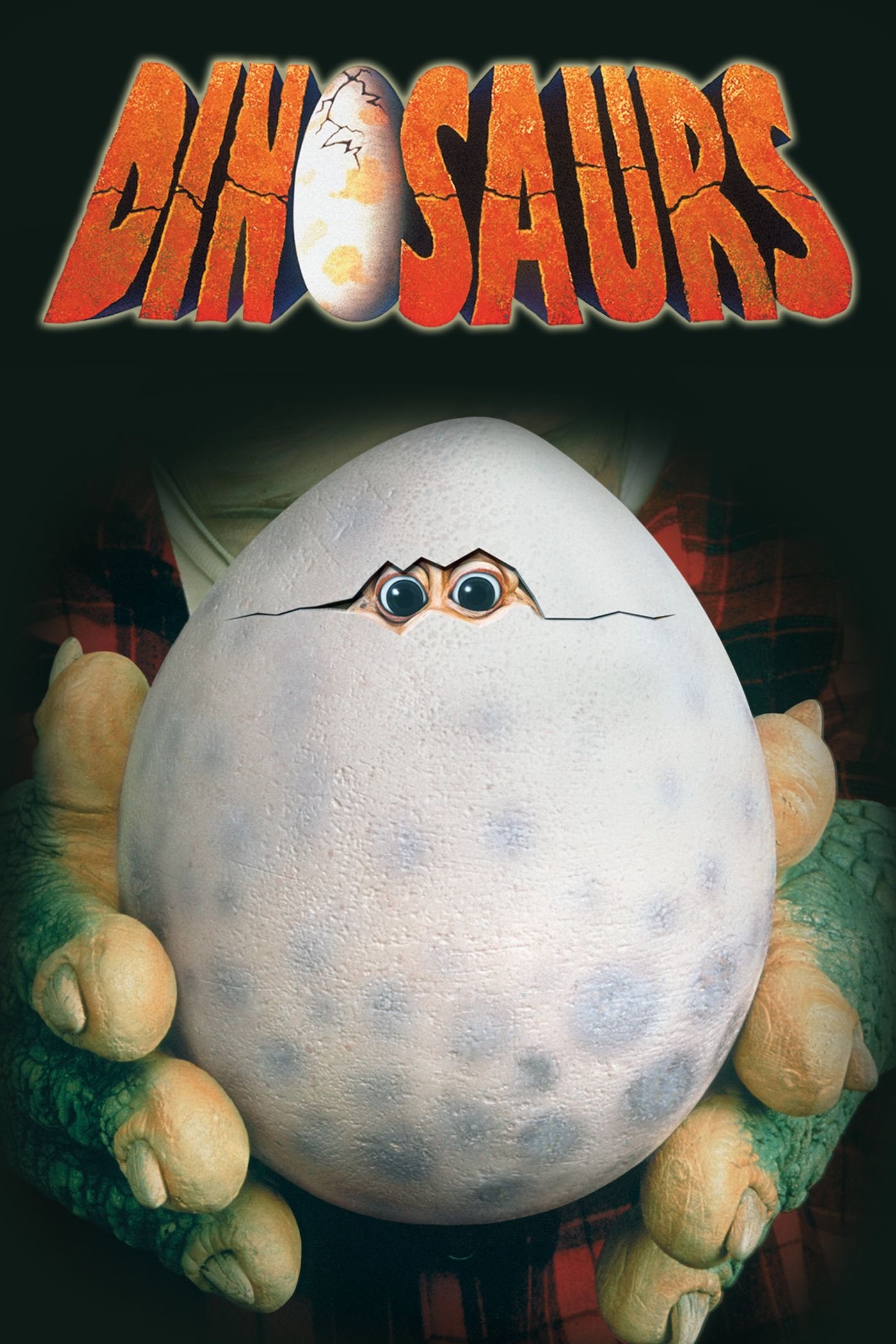
The show, a family-focused comedy using puppets, ended on a surprisingly dark note: the father accidentally triggered a new Ice Age, wiping out all life on Earth. The last scene shows the family trying to stay warm as their house is covered in snow, and a news report ends with the announcer saying goodbye just before the screen goes black. This delivered a shockingly grim message about the environment, especially for a children’s show. The abrupt ending, showing complete extinction, deeply affected many young viewers.
‘Quantum Leap’ (1989–1993)
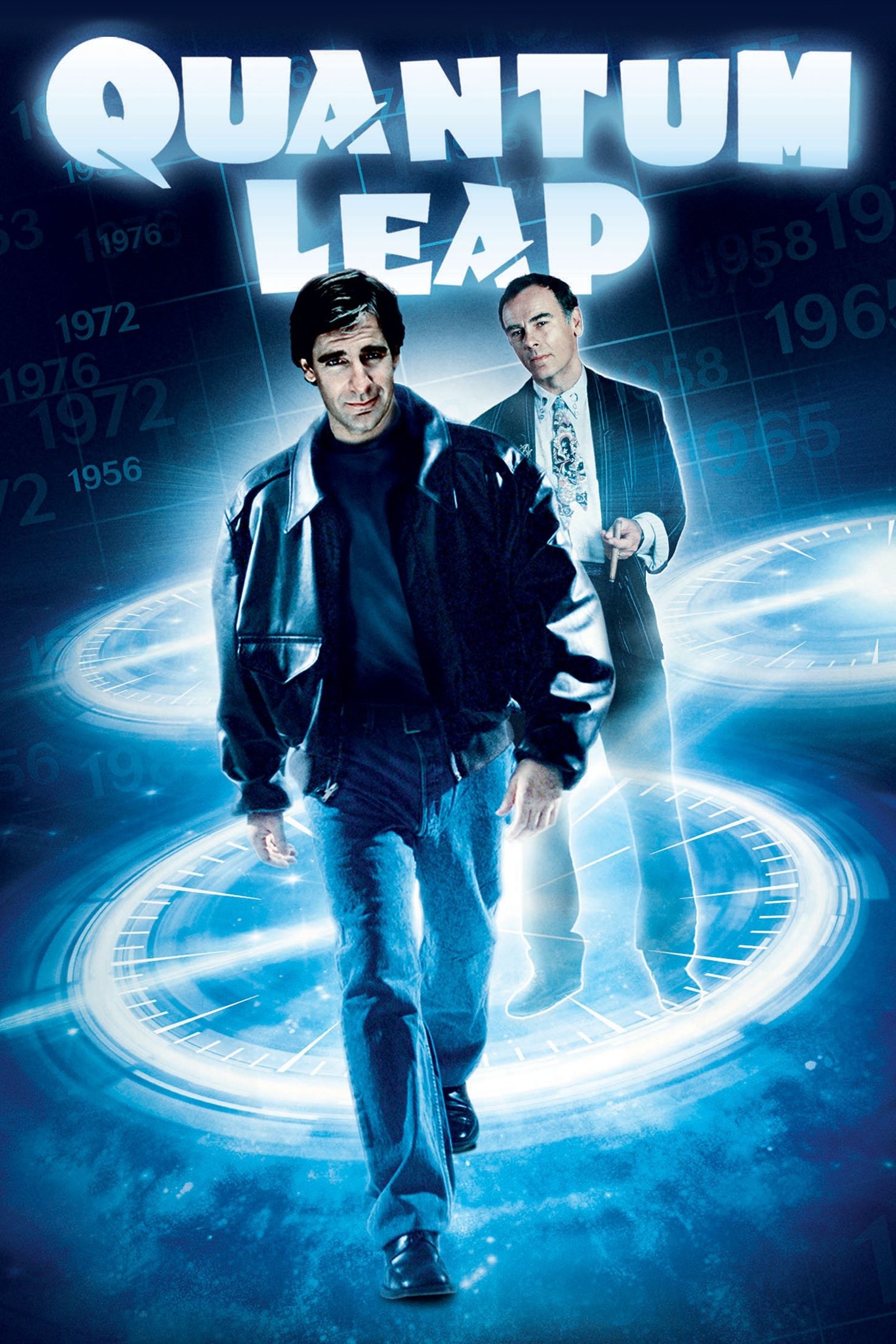
In the final episode of Quantum Leap, Sam Beckett encounters what might be God, or perhaps just a representation of destiny, in the form of a bartender. He’s offered a chance to return home, but instead chooses to continue leaping through time, helping others. The show ends with a simple message stating that Dr. Beckett never made it back. Many viewers were deeply saddened that, after years of selflessly helping people, the hero didn’t get the happy ending they hoped for, and the ending remains a debated topic among fans of the sci-fi series.
‘ALF’ (1986–1990)
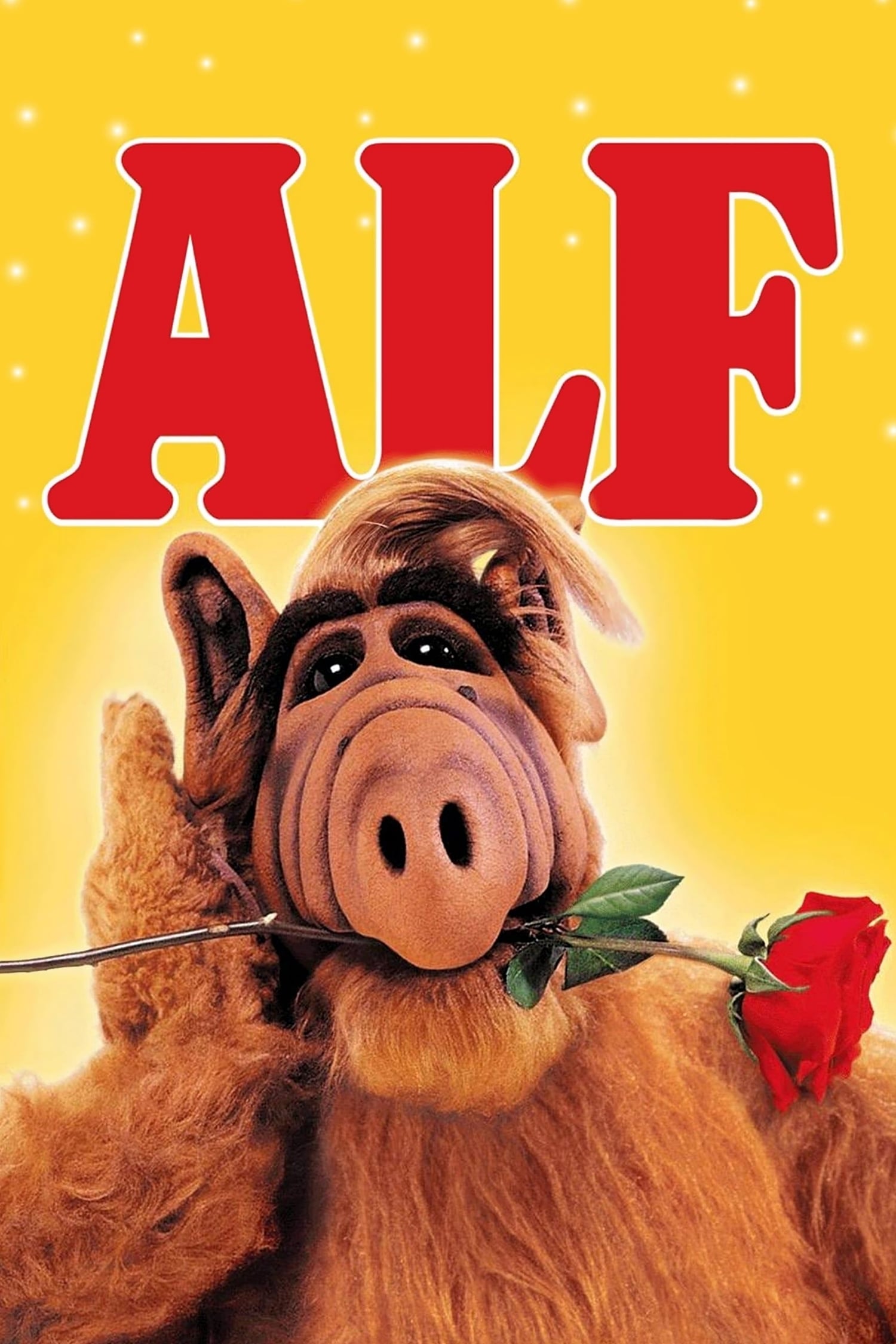
Just as ALF was about to be rescued by his spaceship, he was cornered by the Alien Task Force. The show ended abruptly with ALF being captured by the government agents he’d been avoiding for years. Although a TV movie was intended to wrap up the story, the show was cancelled, leaving ALF’s fate uncertain – and suggesting he might be dissected. This unexpectedly grim conclusion is often remembered as a shocking and upsetting way for a comedy series to end.
‘Blake’s 7’ (1978–1981)
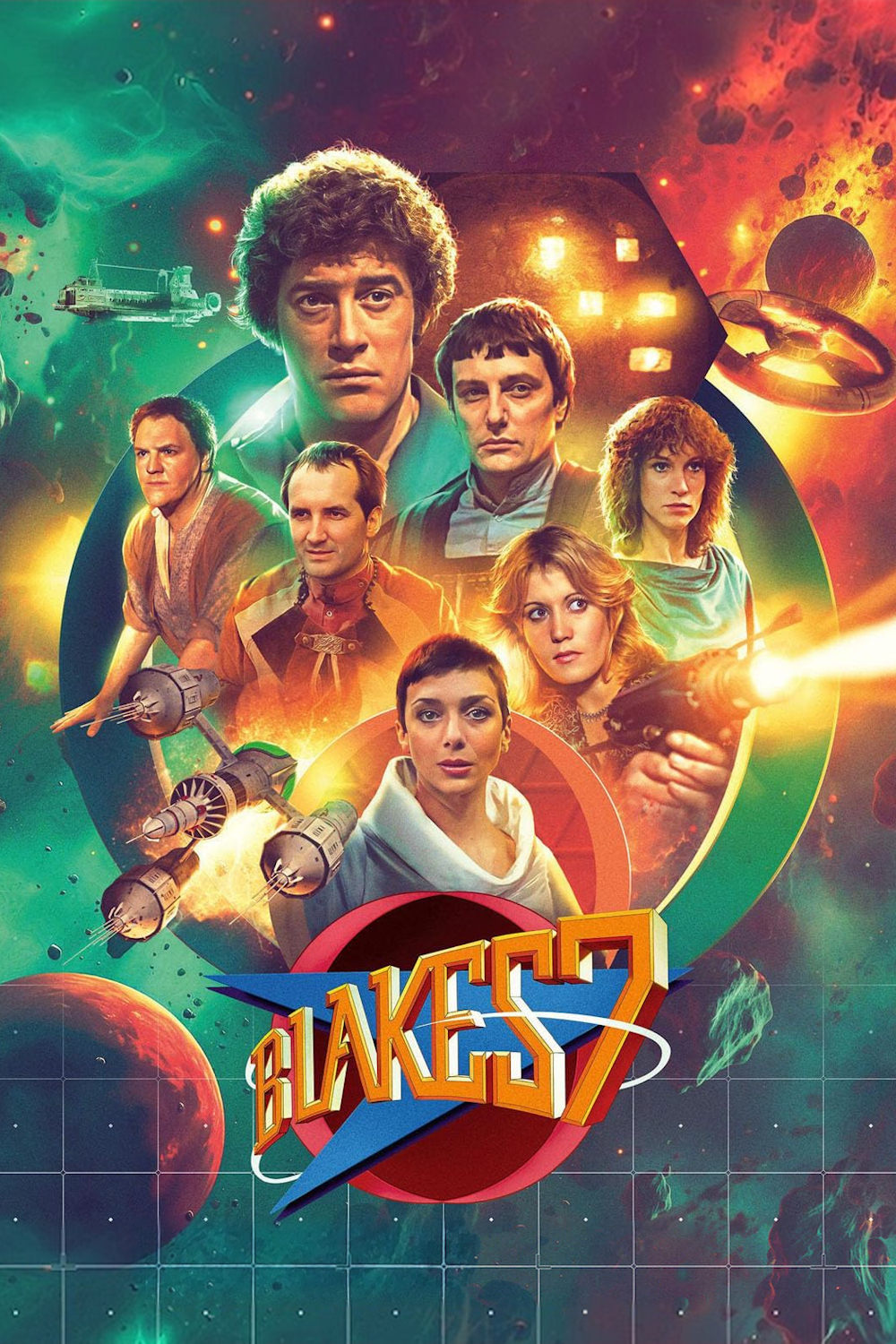
Trapped on the planet Gauda Prime, the rebel team is systematically destroyed by Federation soldiers. Each of the main characters is killed in a drawn-out, brutal fashion. The last scene shows their leader, Avon, with a disturbing smile as he aims his weapon directly at the viewer, just before the screen cuts to black and gunshots are heard. It’s a deeply pessimistic conclusion, with the villains clearly victorious. This complete and utter defeat was shocking to audiences who were used to seeing heroes survive against all odds.
‘Sapphire & Steel’ (1979–1982)

Two agents who travel between dimensions find themselves at a gas station where time has frozen. They fall for a trick and become permanently trapped, suspended in space inside the cafe. The final shot shows them staring into the void through the window. Sadly, the show was cancelled, meaning this eerie, endless confinement is their ultimate destiny – a chilling and unforgettable conclusion to a strange series.
‘1899’ (2022)
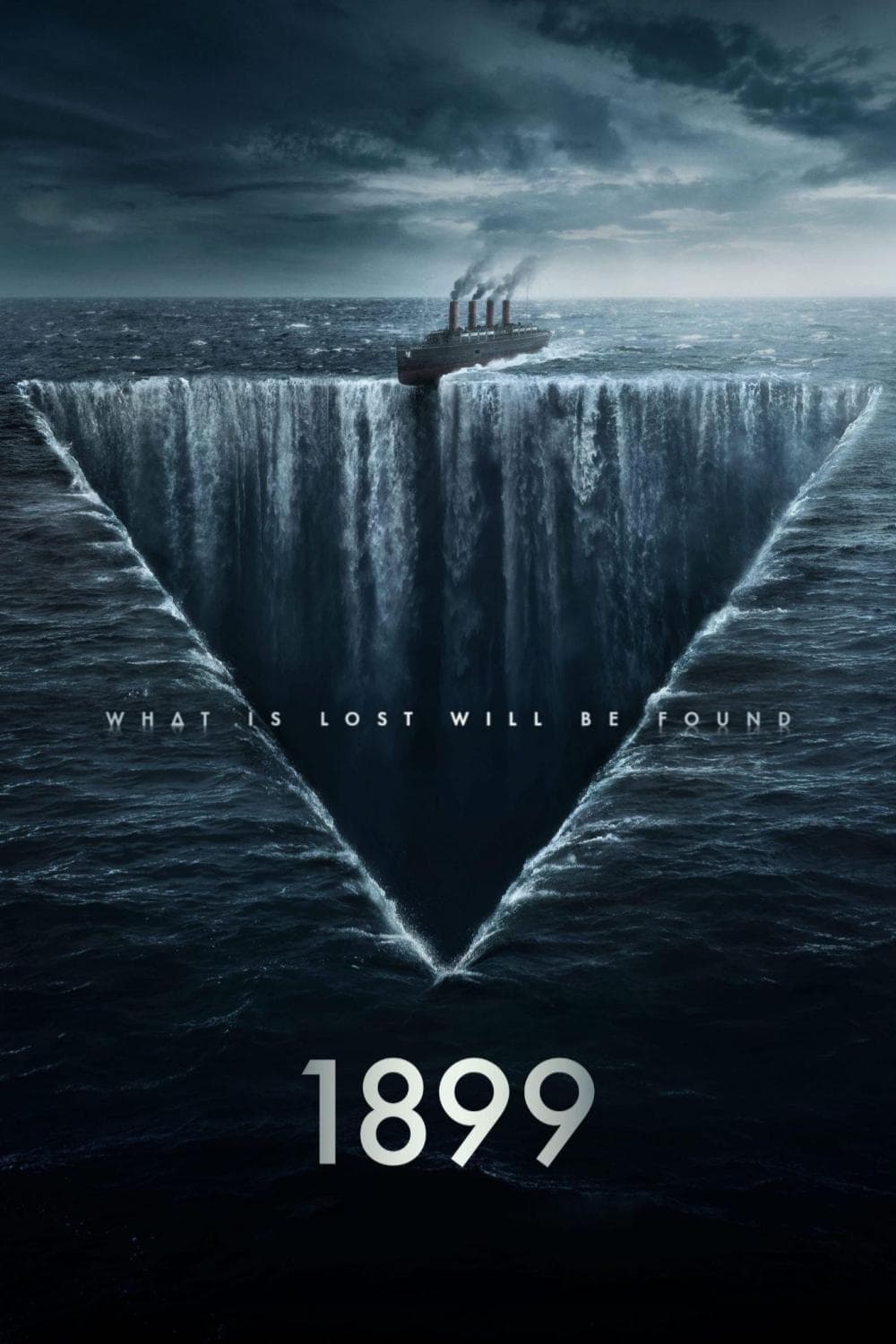
Passengers aboard a steamship learn their entire voyage was a computer simulation. The main character awakens on a spaceship in the year 2099, exposing the Victorian era as a creation of their mind. Unfortunately, the show was cancelled right after this shocking reveal, meaning we never found out what happened on the spaceship. This left viewers with a huge, unresolved cliffhanger and a twist that completely changed everything, and because there wasn’t a second season, the mystery remains unsolved.
‘Devs’ (2020)
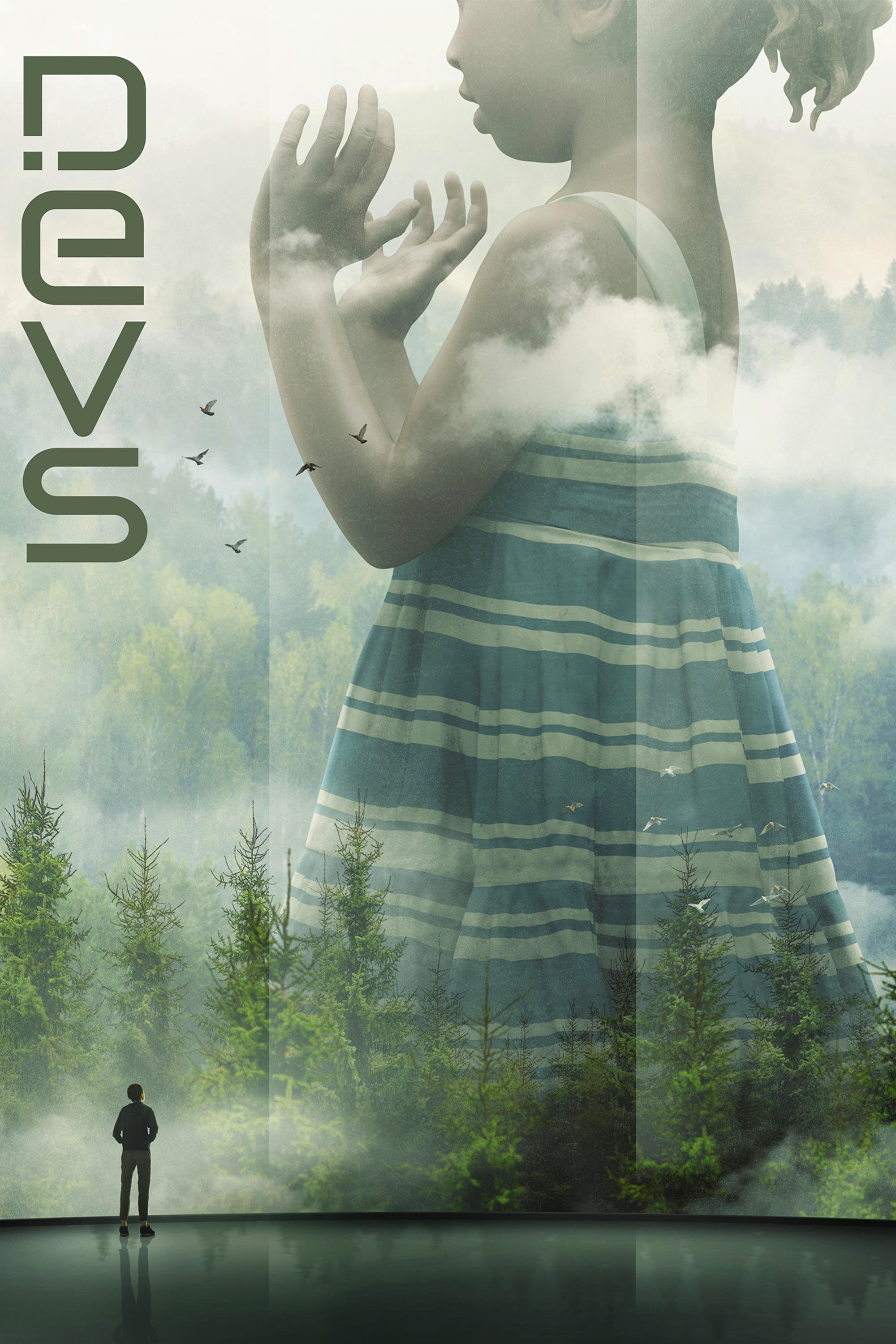
Lily and Forest both die, but their minds are brought back to life within a highly realistic virtual world called the Deactivate system. While their bodies are gone in the real world, they experience full, separate lives within this digital paradise. The story makes you wonder what truly defines reality and if a life lived inside a simulation can be meaningful. It also hints that everything might be predetermined, and the idea of making our own choices could be an illusion. The image of a golden box holding their consciousness is striking – both lovely and unsettling.
‘Maniac’ (2018)
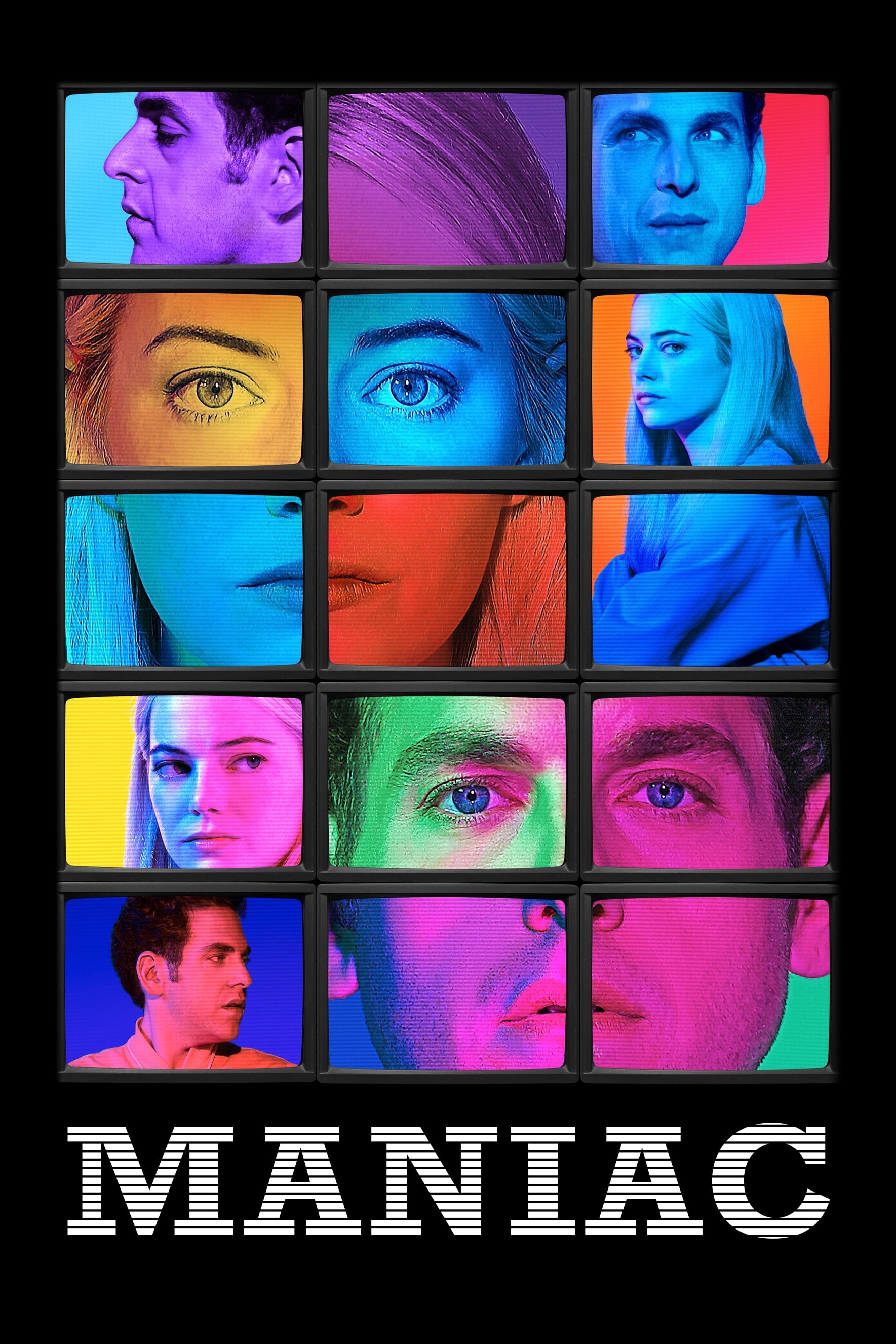
Owen and Annie manage to escape the drug trial and drive away together, but the ending leaves you questioning if their freedom is real. A recurring hawk suggests they might still be trapped, and the show deliberately keeps the line between what’s real and what’s imagined unclear. Ultimately, it makes you wonder if genuine connection is even possible when reality itself is uncertain.
‘Fargo’ (2014–2024)
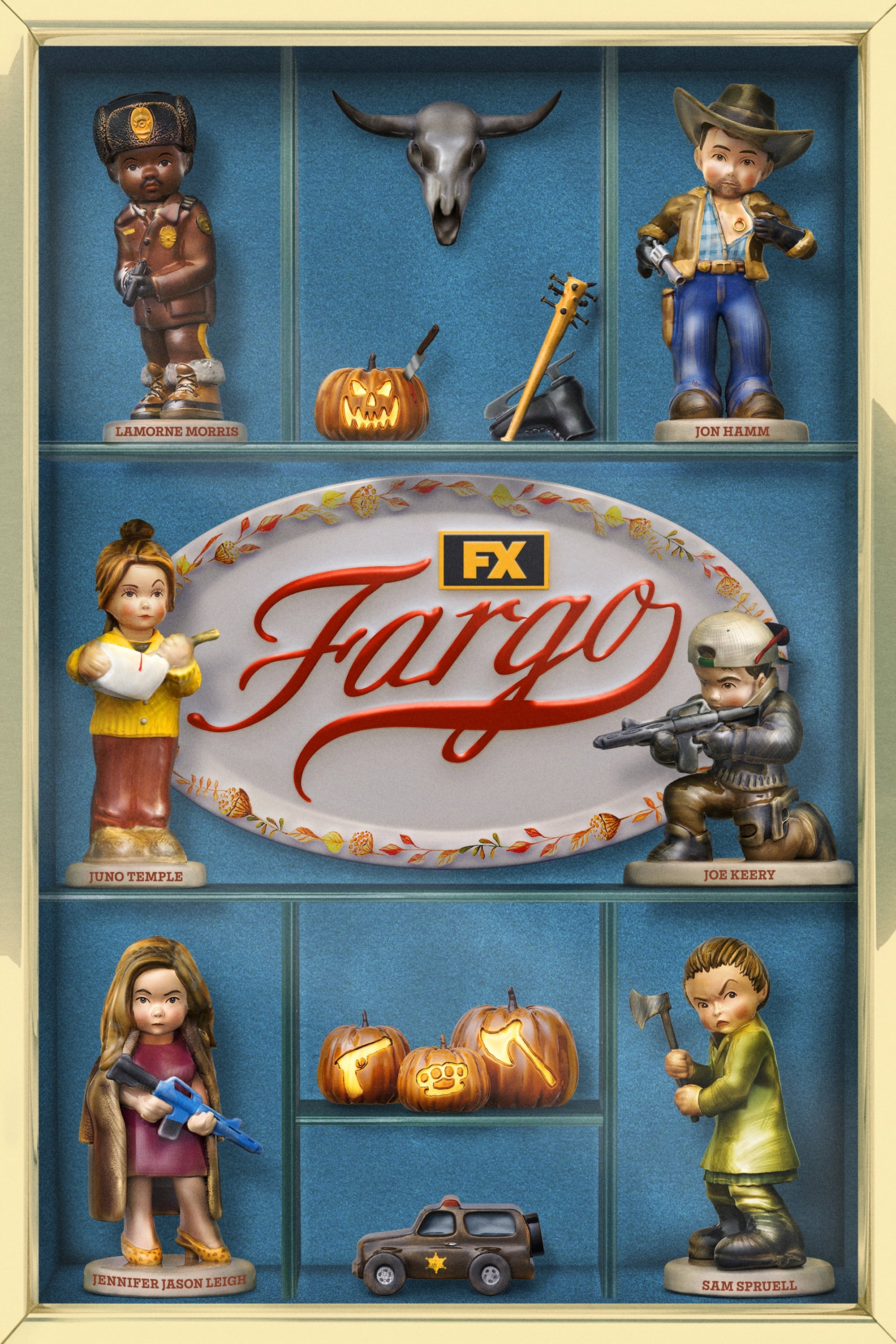
The third season ends with Gloria Burgle facing off against the villain V.M. Varga during an interrogation. Varga confidently states his lawyer is on the way, but Gloria firmly tells him he’s going to prison. As the scene fades out, the camera focuses on a clock, leaving the question of his fate unanswered. The ending forces viewers to wonder if justice will be served, or if Varga will use his wealth and influence to escape consequences – it’s a cliffhanger that leaves his fate uncertain, much like the famous Schrödinger’s cat thought experiment.
‘Samurai Jack’ (2001–2017)
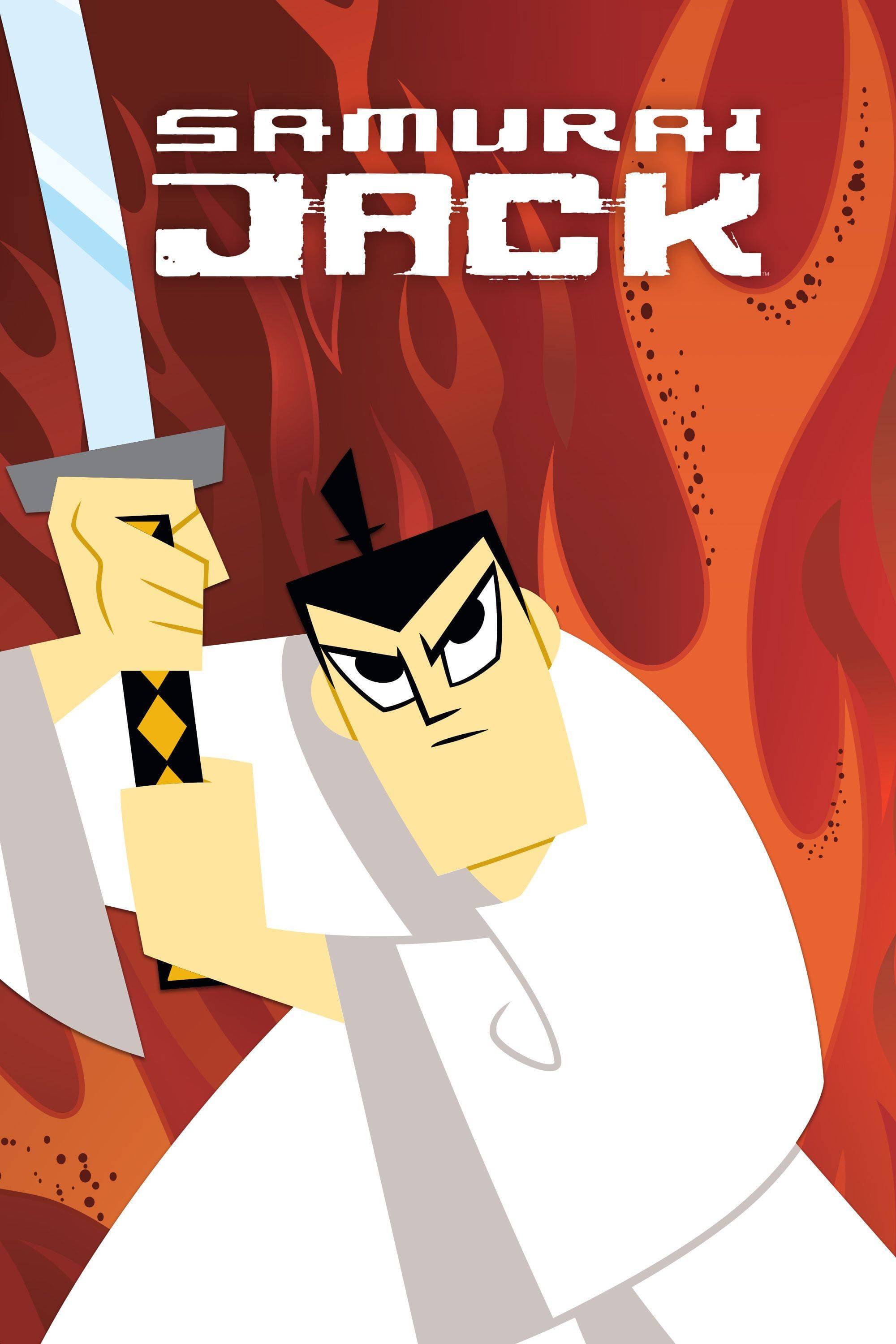
After a long journey, Jack finally manages to travel back in time and defeat Aku. But his victory comes with a heartbreaking cost: on his wedding day, his wife, Ashi, disappears, as her existence depended on Aku’s power. Jack is left grieving for the woman who helped him succeed. The ending is both joyful and sad, highlighting that fixing the past isn’t without sacrifice. It’s not the simple, happy ending audiences might have expected.
‘Serial Experiments Lain’ (1998)
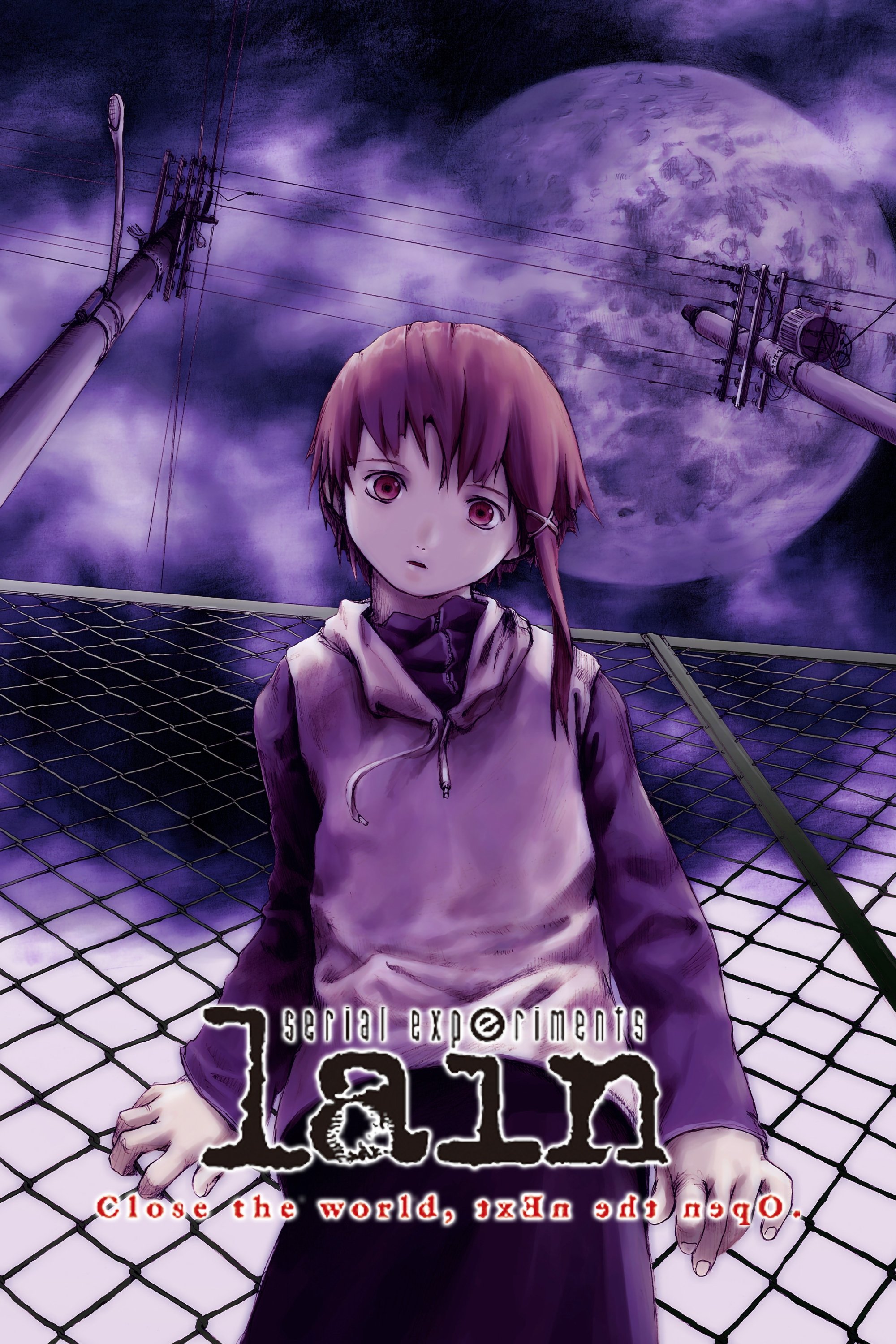
Lain attempts to fix the problems she created by resetting the world, which also means everyone forgets she ever existed. She’s left as a kind of all-seeing presence, watching her friends live their lives as if she were never part of them. She briefly connects with a future version of herself, coming to terms with her solitary fate. The story’s ending explores how the internet, memories, and who we are are all connected, ultimately suggesting that real connection needs people to be physically together. It’s a sad but thoughtful conclusion.
‘Behind Her Eyes’ (2021)
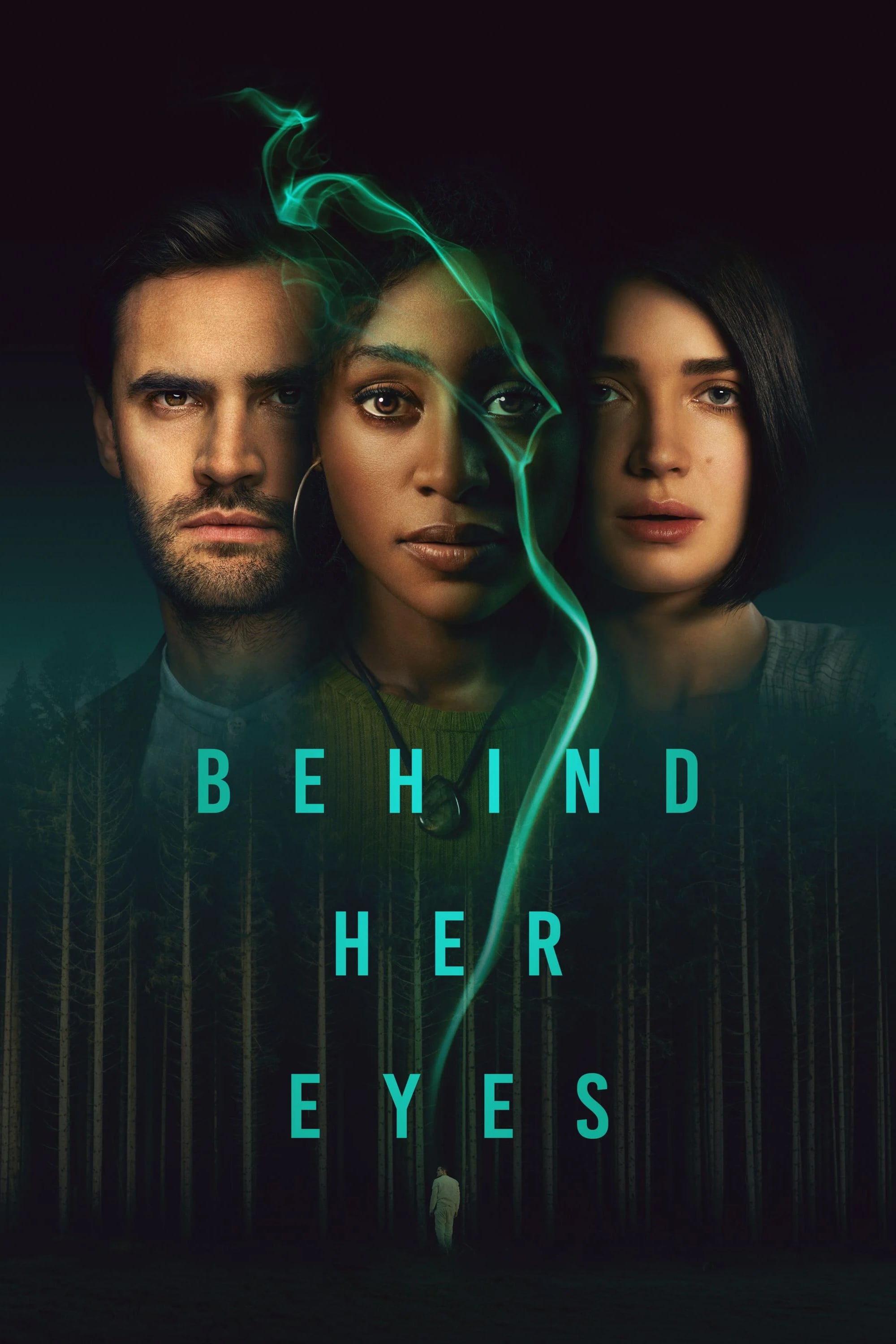
Louise appears to win against her enemy, Rob, but a shocking twist reveals Rob had secretly transferred his consciousness into her body. He essentially kills Louise’s spirit and takes over her life, even marrying her husband. The last scene shows “Louise” staring at her son with a menacing look, suggesting he senses she isn’t who she seems. This unexpected supernatural switcheroo surprised many viewers who thought they were watching a simple thriller and completely changed the story’s genre in the final moments.
‘Wilfred’ (2011–2014)

Ryan eventually realizes his talking dog, Wilfred, was actually a product of his own mental health struggles. But he also uncovers hints that Wilfred might have been a real, magical being worshipped by a secret group. Ryan decides to embrace his perceived insanity and continues interacting with Wilfred, finding contentment in what others would see as a delusion. The story suggests that accepting and living with mental illness can be a valid way to cope, rather than striving for a ‘cure.’ The ending blends a realistic portrayal of mental health with a touch of the supernatural, leaving the audience to question what’s truly real.
‘Search Party’ (2016–2022)

The show takes a surprising turn in its last season, moving from a quirky mystery to a full-blown zombie apocalypse. A character named Dory becomes the leader of a strange cult, and her special jelly beans turn people into zombies. The series concludes with the remaining characters watching New York City burn from a secure location. This sudden change in direction confused many viewers, as the ending felt bizarre and over-the-top. Ultimately, the show seems to be a commentary on extreme self-absorption and its devastating consequences.
‘Merlin’ (2008–2012)
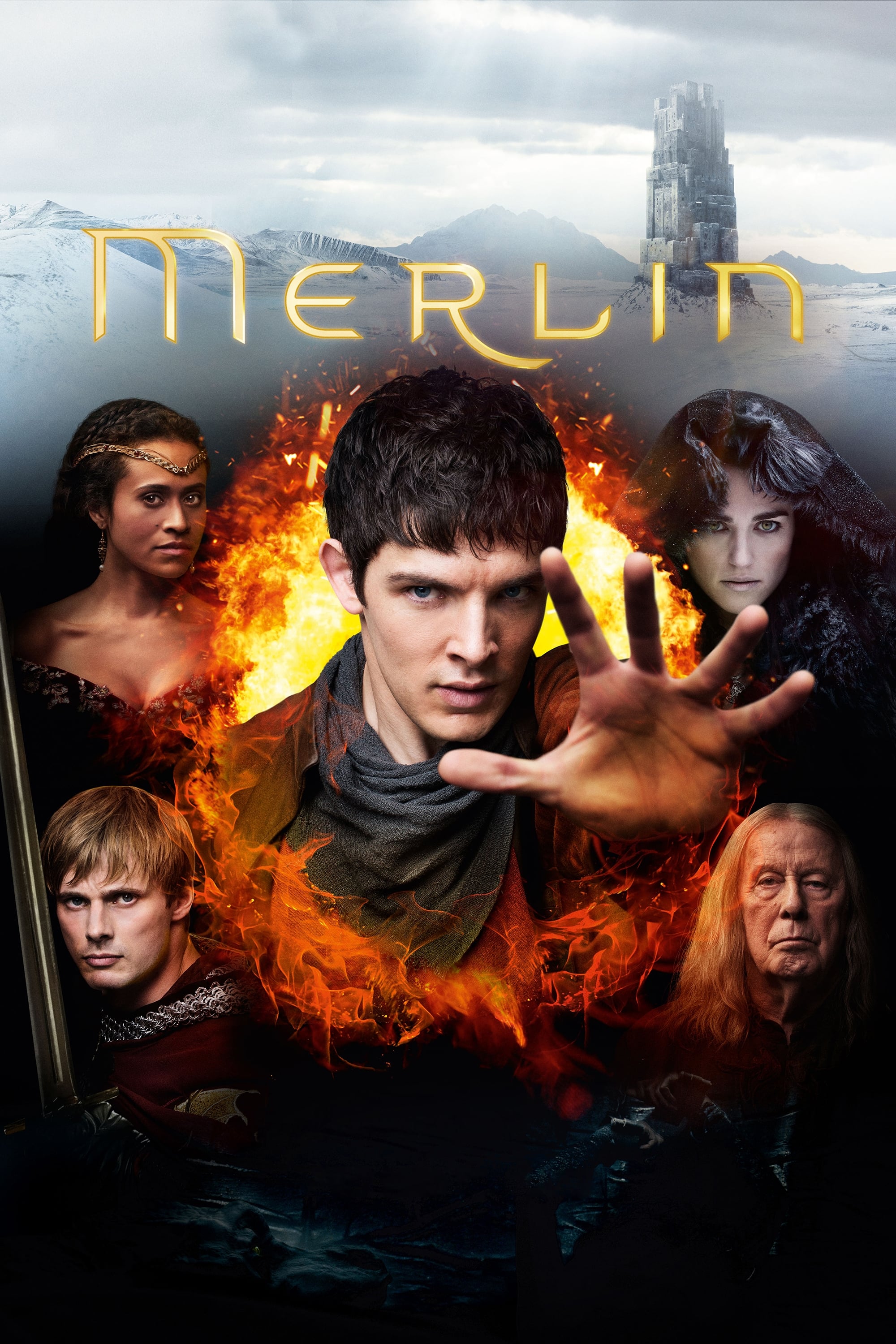
Despite years of trying, Merlin is unable to save Arthur, who dies in his arms. Merlin then takes Arthur’s body to the mystical island of Avalon, hoping for his eventual return as foretold in prophecy. The story concludes with a scene set in the present day: an ancient, immortal Merlin, dressed in modern clothes, walks by the location where Arthur was last seen. A passing truck emphasizes that Merlin has been waiting for centuries for a king who never reappears, turning the entire adventure into a story of long-lasting sorrow and unwavering hope.
‘Castle Rock’ (2018–2019)
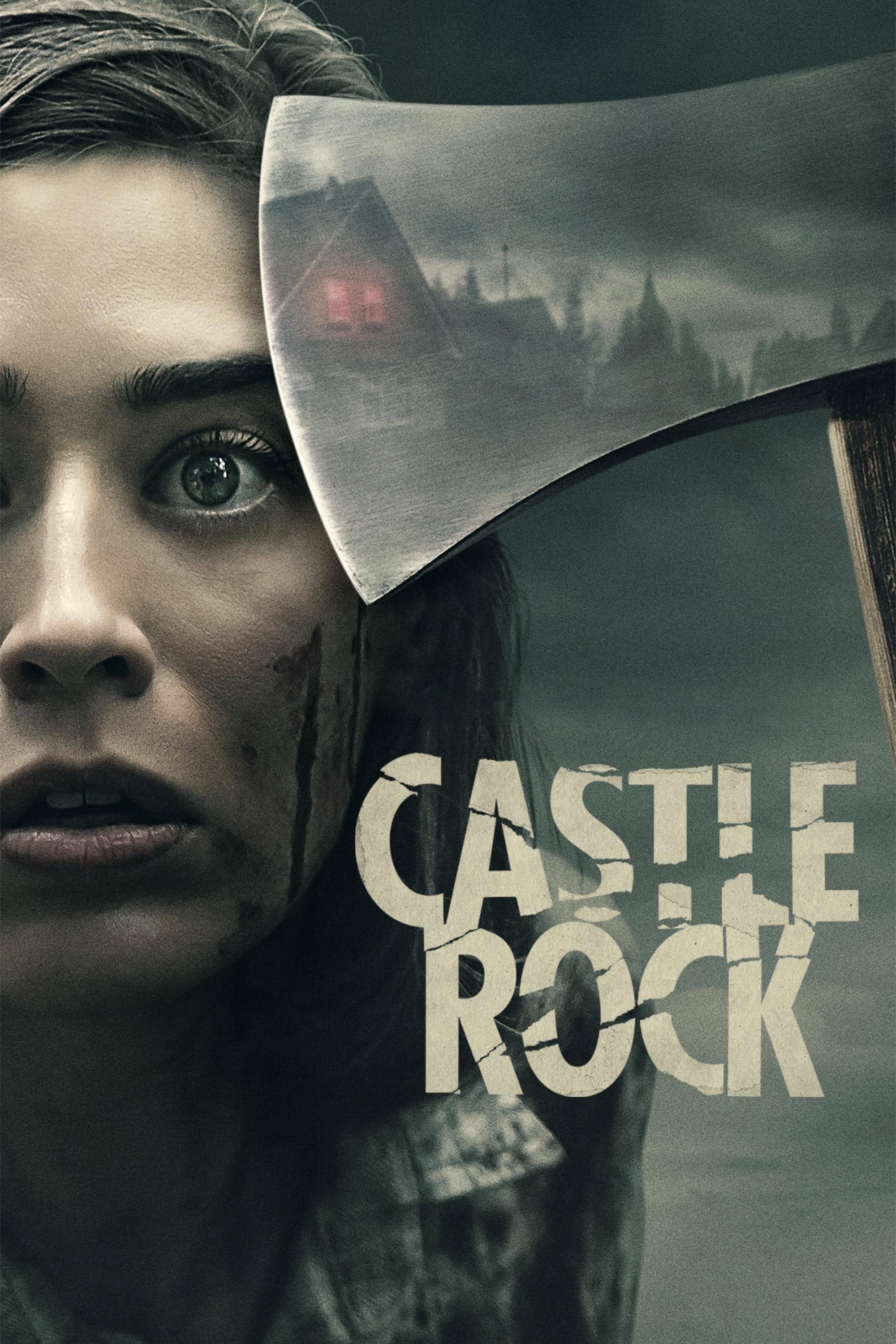
During the first season, Henry Deaver chooses to re-imprison the enigmatic “Kid” in the underground cell. The Kid’s subtle smile hints that this outcome was exactly what he wanted, or even that he’s a truly evil being. The show never reveals whether the Kid was a harmless person displaced from another time, or a dangerous creature. This leaves the audience feeling uneasy and questioning if it’s right to do something terrible, even if it’s to restore peace.
‘Sharp Objects’ (2018)

Camille returns home, convinced she’s solved the case and hoping for calm. But she discovers a disturbing floor made of teeth, created by her younger sister, Amma, who chillingly tells her, “Don’t tell mama.” The screen then cuts to black. This shocking reveal—that Amma was the killer all along—completely changes how we understand everything that happened in the series. There’s no resolution or explanation, just the sudden, terrifying realization of the truth.
‘FLCL’ (2000–2001)

Haruko departs Earth to resume her pursuit of the space pirate Atomsk, leaving Naota behind. He goes back to his ordinary life, but the lingering image of Haruko’s guitar in his room suggests she’s had a lasting impact on his teenage years. The show, known for its wild and chaotic energy, concludes on a surprisingly calm and reflective note. It honestly portrays the disorientation of growing up without offering easy answers or moral lessons.
‘Revolutionary Girl Utena’ (1997)
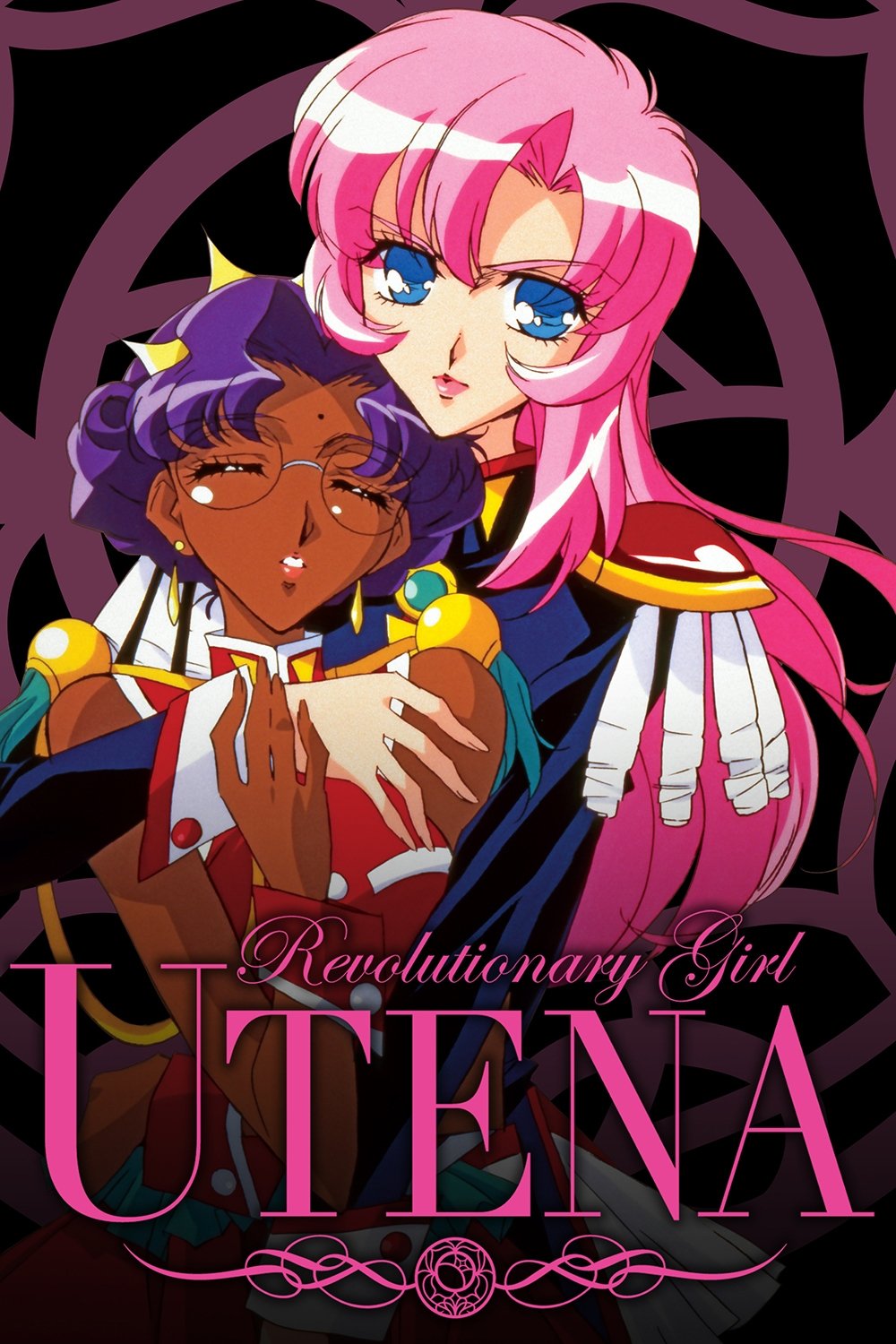
Utena makes a huge sacrifice, opening the Rose Gate to free Anthy from a harmful, repeating pattern of abuse. After this, Anthy leaves school determined to find Utena, who seems to have disappeared from existence. The ending implies Utena may no longer exist as a person, but instead has become an idea – a symbol of rebellion. It’s a symbolic conclusion about overcoming oppressive systems, though the lack of a happy reunion might disappoint viewers hoping for a traditional love story.
‘Paranoia Agent’ (2004)
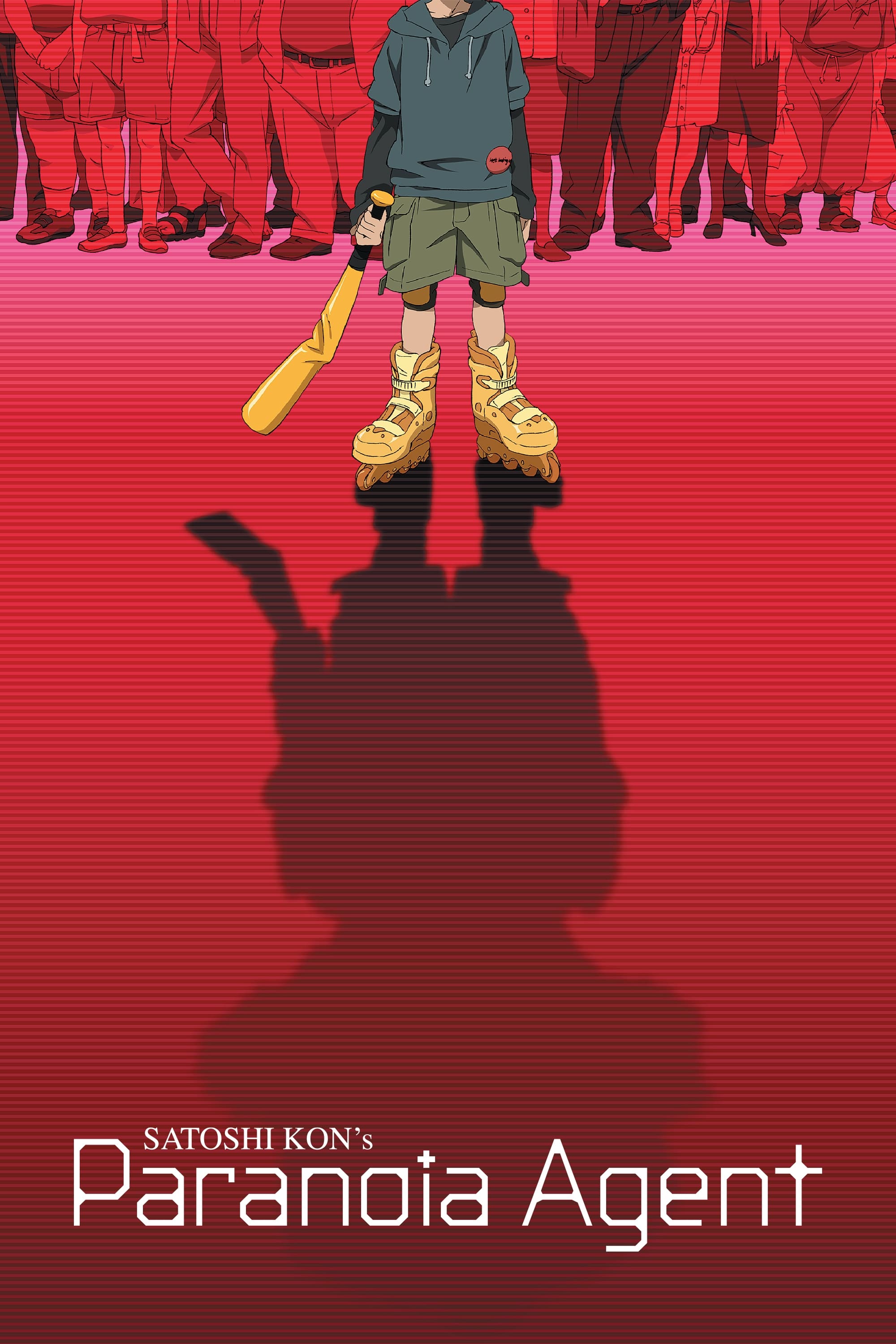
The detectives discover that Lil’ Slugger isn’t a person, but a being born from the city’s widespread panic. The city is overwhelmed by a dark, suffocating wave of fear, but things eventually appear to return to normal. The film ends much like it began, implying that this pattern of mass delusion will repeat itself. It suggests that society relies on blaming someone – anyone – to keep things running. The ending is a bleak and endless cycle, showing that we’re trapped in our own distractions with no real way out.
As a total TV buff, I’m always fascinated by finales that really make you think – or sometimes just leave you completely baffled! I’m curious, what other show endings had you staring at the screen, totally confused? I’d love to hear your theories and what you thought might happen – let’s discuss in the comments!
Read More
- Invincible Season 4 Gender Swaps Tech Jacket As Fans Question Major Comic Change
- Silver Rate Forecast
- Gold Rate Forecast
- 15 Films That Were Shot Entirely on Phones
- Building Agents That Learn and Improve Themselves
- 22 Films Where the White Protagonist Is Canonically the Sidekick to a Black Lead
- 20 Movies Where the Black Villain Was Secretly the Most Popular Character
- Celebs Who Narrowly Escaped The 9/11 Attacks
- 18 TV Series Filming Rehearsals as Bonus Content
- Trading Crypto with AI: A New Approach to Portfolio Management
2026-02-02 23:52