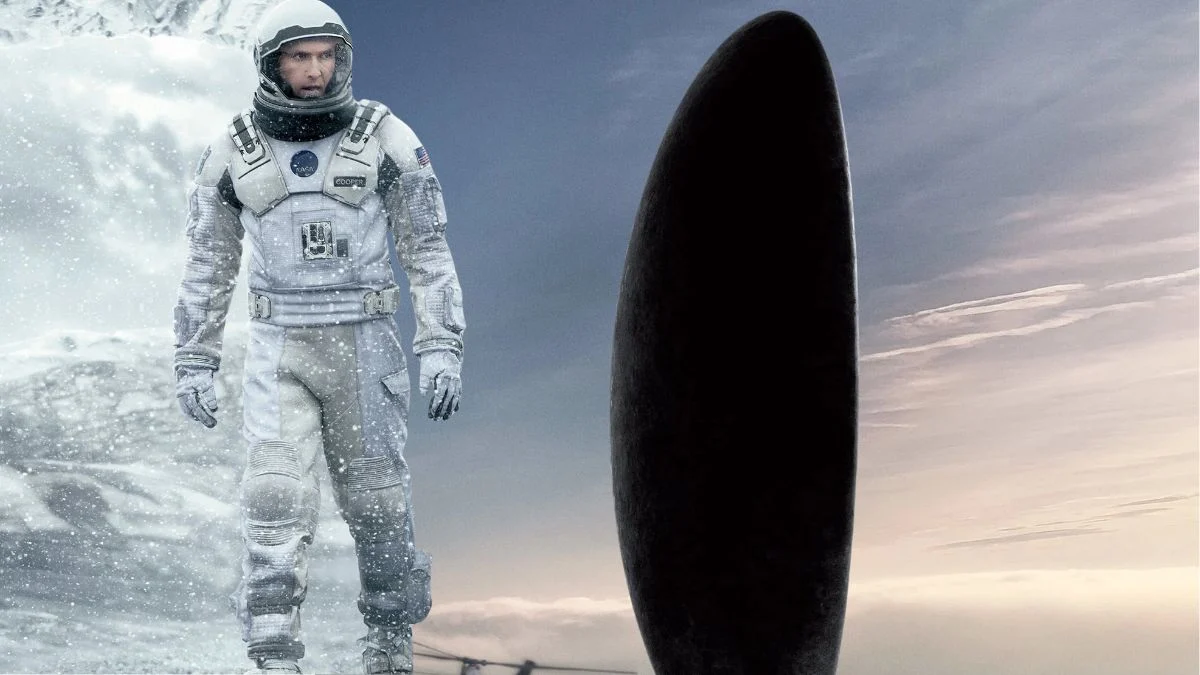
Filmmakers sometimes end their movies without providing clear answers, hoping to get people talking and thinking about the story long after it’s over. These ambiguous endings encourage viewers to look closely for clues and consider the deeper meaning behind what they’ve seen, creating their own interpretations. Throughout film history, many movies – especially in genres like science fiction and psychological thrillers – have featured endings that aren’t easily explained. The films below are known for their endings that continue to spark debate and discussion among movie fans worldwide.
‘2001: A Space Odyssey’ (1968)
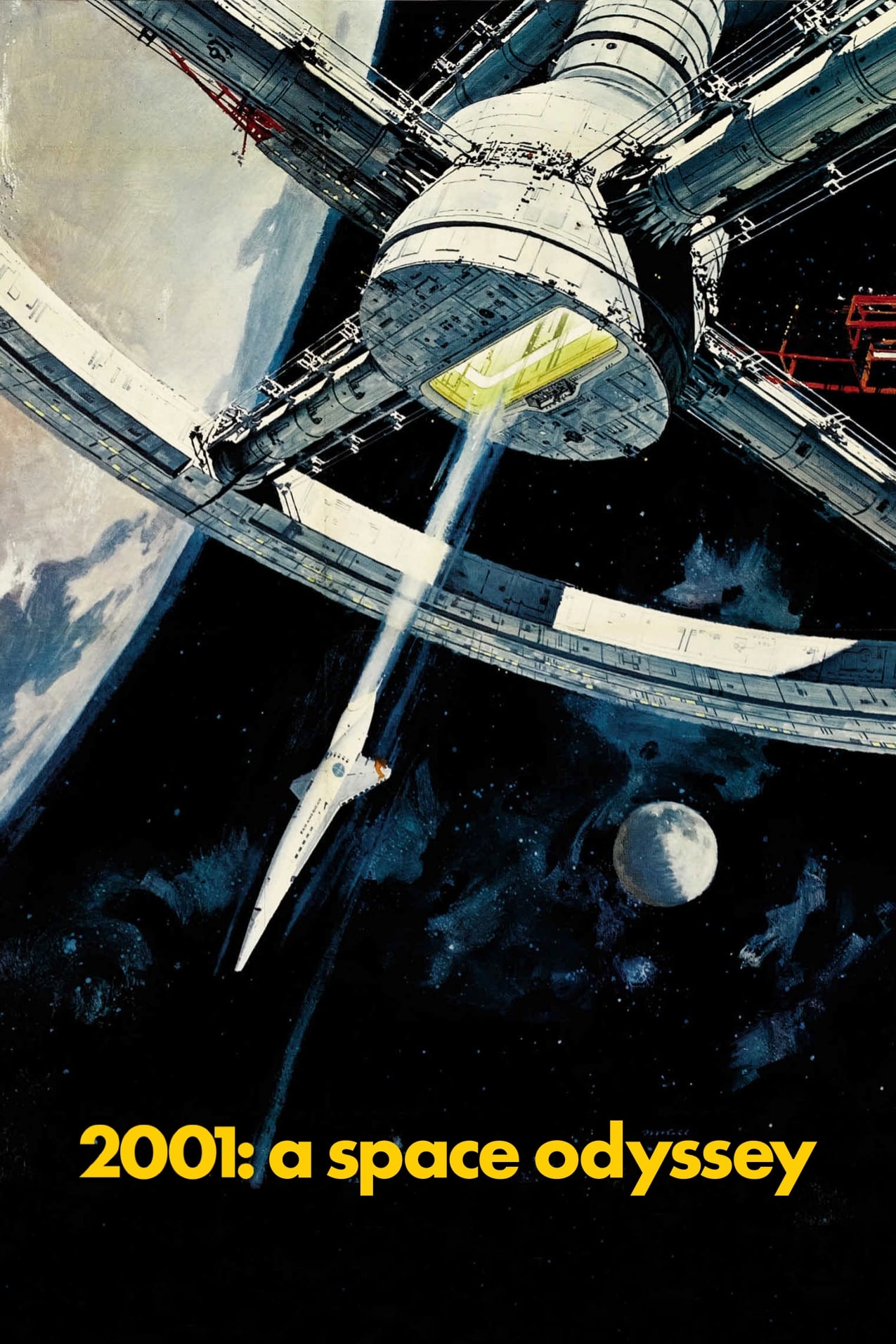
Astronaut Dave Bowman passes through the Star Gate and finds himself in a strange, classically styled bedroom. He witnesses scenes of his future self, quickly aging, before ultimately becoming a radiant, new being known as the Star Child. The famous monolith makes a final appearance, suggesting humanity is evolving to a higher level. The ending is unique because it relies on images and feelings rather than a typical story format.
‘Inception’ (2010)
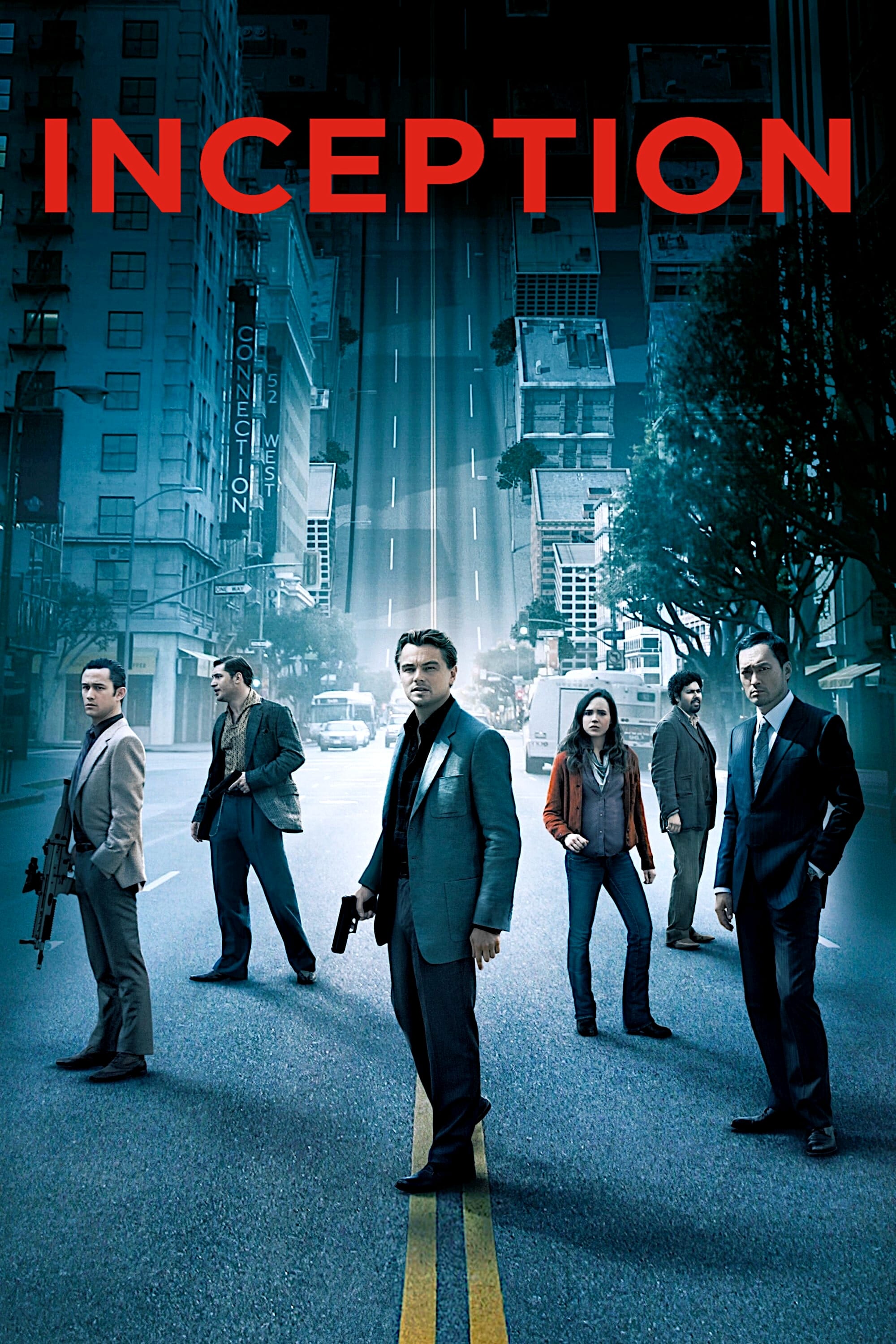
Cobb makes it back to his children and uses his spinning top – his reality check – to see if he’s truly awake. The top spins on, and the movie suddenly ends. This ambiguous ending leaves viewers wondering if Cobb is still dreaming or if he’s finally returned to reality. Director Christopher Nolan intentionally created this uncertainty to suggest that Cobb has stopped worrying about the difference between the two.
‘Shutter Island’ (2010)
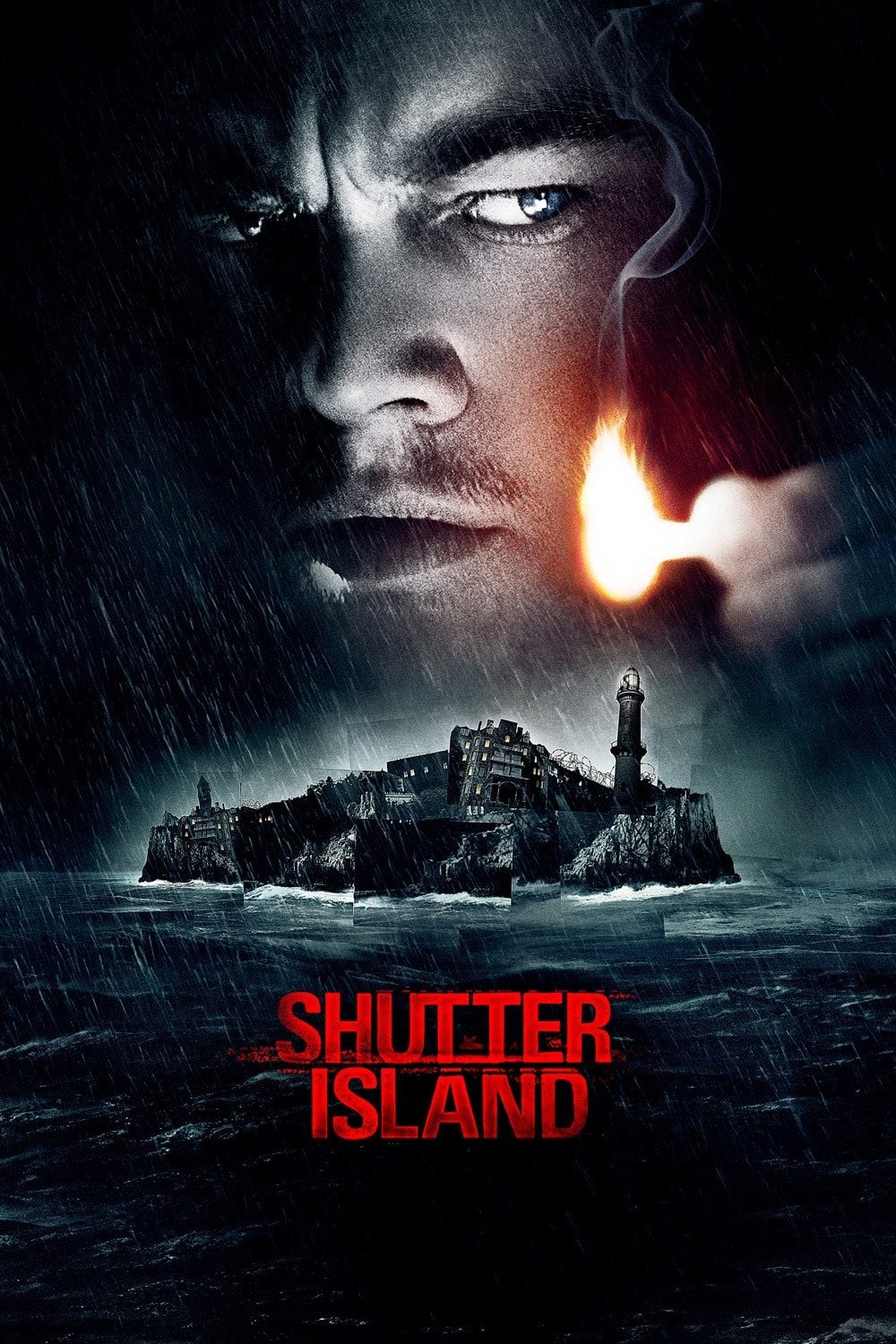
Teddy Daniels discovers the entire investigation was actually a carefully constructed therapy meant to help him deal with his own mental illness. Sitting down with his partner, he questions whether it’s better to live with a terrible past or to find peace in death. This suggests he’s become aware of the truth, but chooses to have a lobotomy to avoid confronting his deep guilt. The ending is intentionally unclear, leaving the audience to wonder if the procedure failed or if he deliberately chose this outcome.
‘American Psycho’ (2000)

In the film, Patrick Bateman confesses his terrible crimes to his lawyer, but the lawyer dismisses him and reveals his supposed victim is actually alive. The movie concludes with Bateman looking directly at the audience, realizing his confession didn’t matter. The ending leaves it up to the viewer to decide whether the murders were imagined or if society is simply too detached to care. Ultimately, the film satirizes the superficiality and lack of genuine connection within the wealthy, young professional world.
‘Donnie Darko’ (2001)
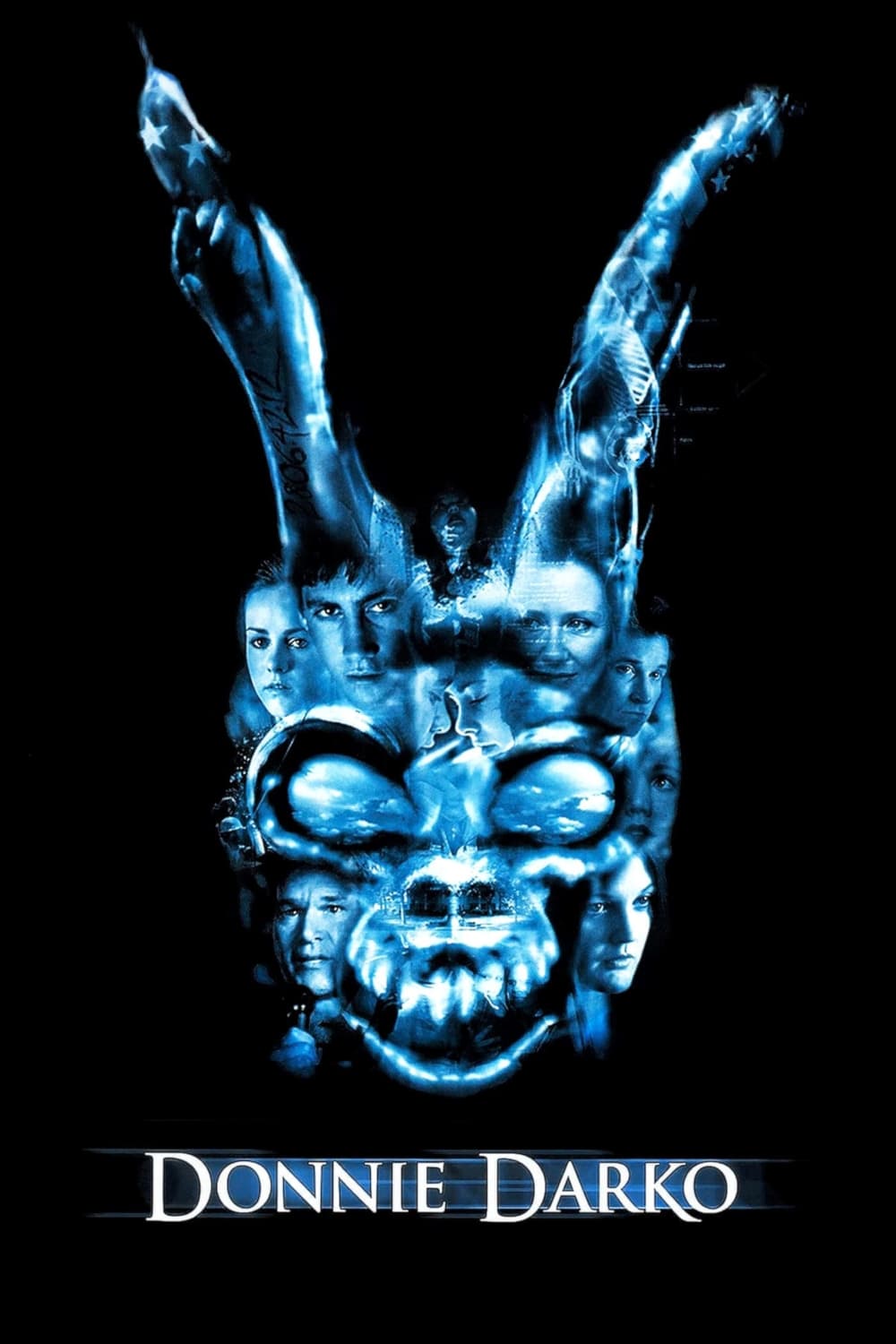
Donnie deliberately stays in bed, allowing a jet engine to crash into his room and end his life. This act of sacrifice destroys an alternate reality and prevents a terrible fate for his loved ones. Those in the main timeline experience faint, unclear recollections of this other world. The story’s intricate time travel and deeper meaning are best understood with repeated viewings.
‘Mulholland Drive’ (2001)
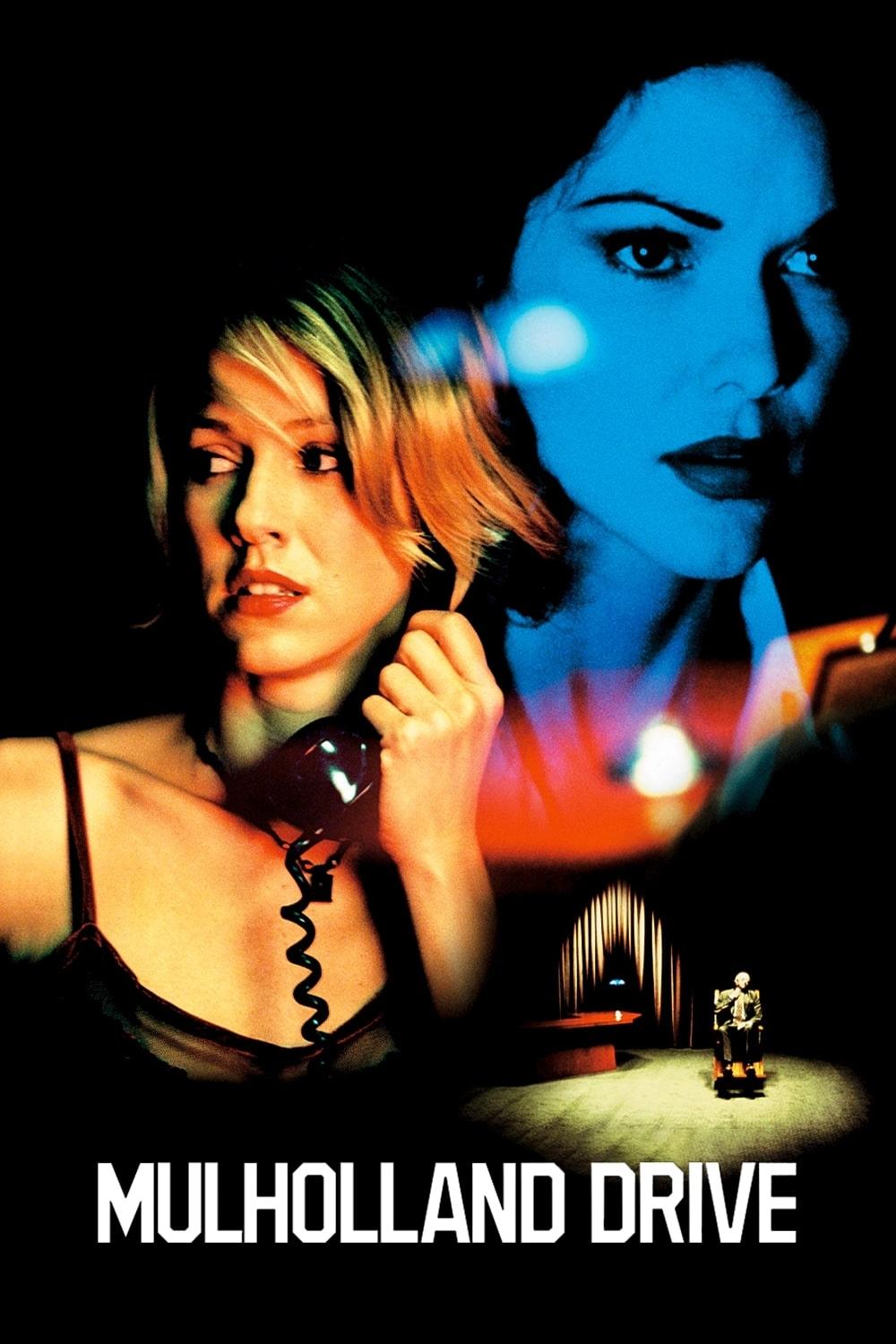
David Lynch’s film is a mind-bending experience where the story falls apart as characters and realities become confused. The film centers around Betty and Rita discovering a strange blue box that opens up a dark and frightening version of Hollywood. It ends with a mysterious woman with blue hair urging everyone to be silent in a theater. To understand the film, it’s best to view it as a dream-like exploration of feelings like guilt and unfulfilled goals.
‘Enemy’ (2013)
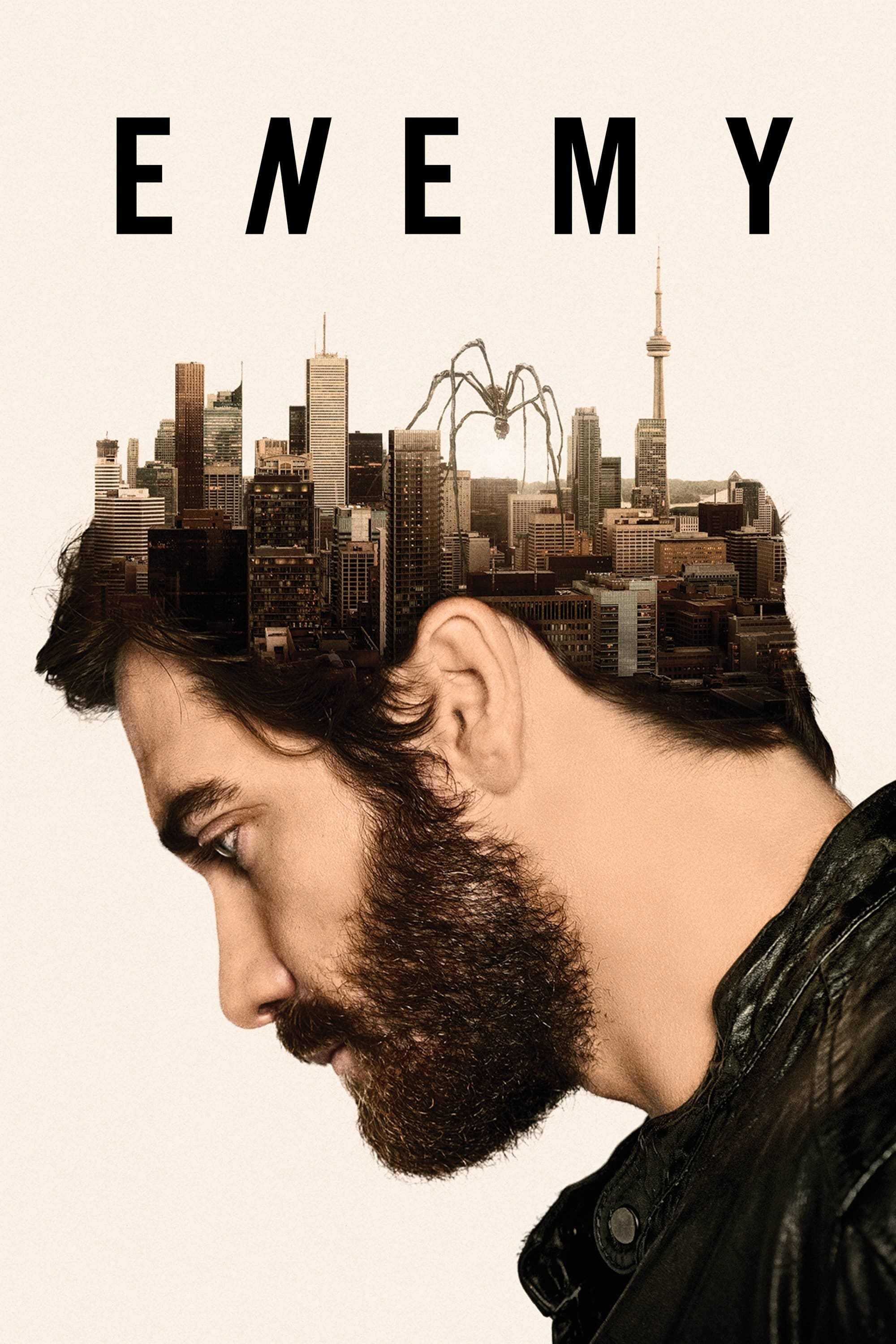
I was completely captivated by ‘Adam Bell’! The story follows Adam as he searches for a man who looks exactly like him, and things quickly spiral into a mess of betrayal and someone stealing another’s life. But the ending… wow. He walks into a room and there’s this huge tarantula, practically frozen with fear. It hit me then – the whole film wasn’t about what was happening to Adam, but what was happening inside his head. It’s a brilliant metaphor for his terror of getting close to women and committing to a relationship. Suddenly, everything we saw before felt different, like a look into his psychological turmoil. It really makes you rethink the entire story!
‘The Shining’ (1980)
In the final scene, Jack Torrance dies of exposure in the snow maze after pursuing his son, Danny. The camera then focuses on an old photograph from 1921, showing Jack as a guest at a party. This surprising image implies that Jack has been connected to the Overlook Hotel for a very long time, perhaps even from the beginning. Some believe this is due to reincarnation, while others think the hotel traps and consumes the spirits of those who die there.
‘Blade Runner’ (1982)
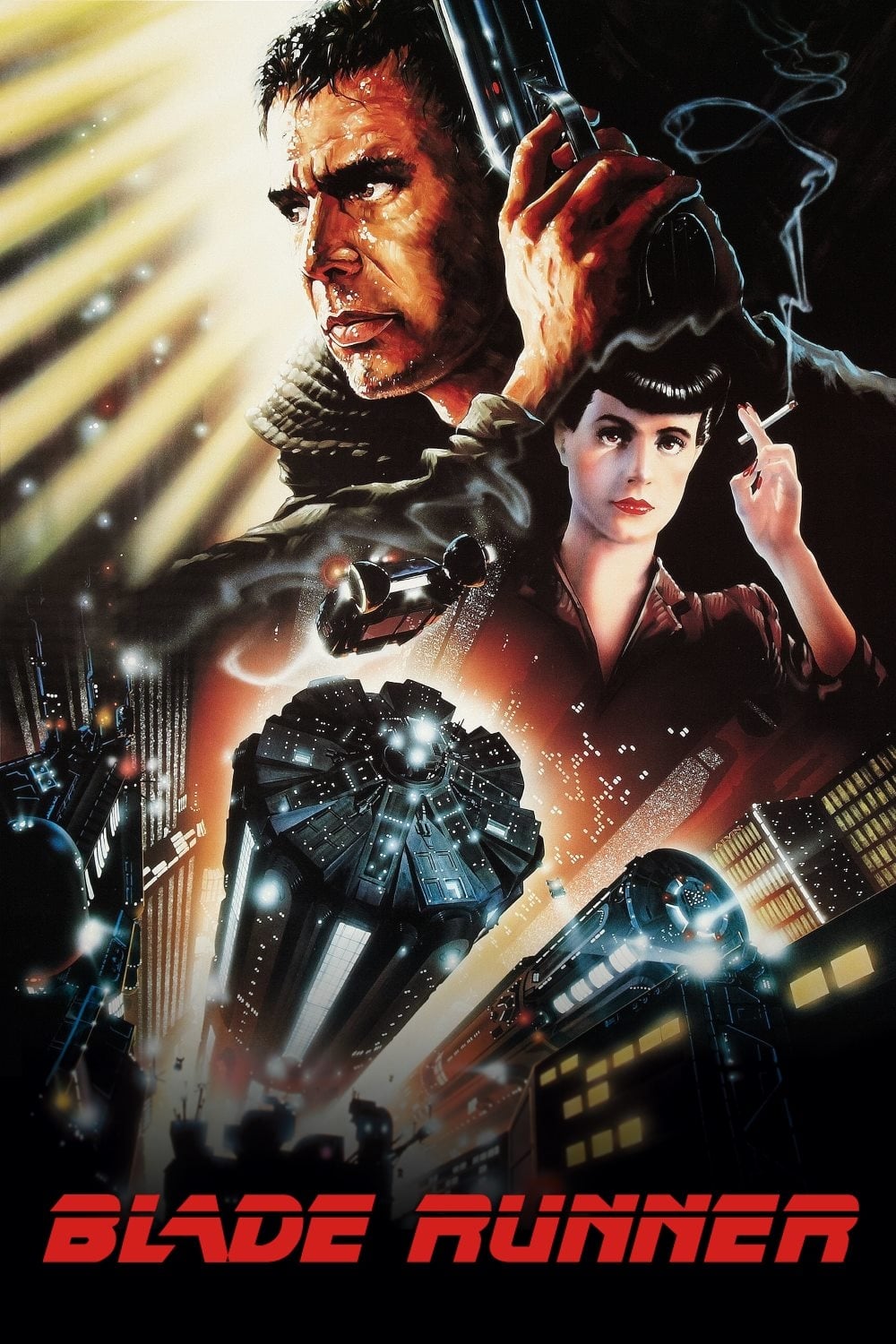
Rick Deckard discovers a tiny origami unicorn near his door, placed there by a fellow officer. This paper figure is strikingly similar to a dream Deckard had earlier, featuring a unicorn running free in a forest. This suggests his memories aren’t real, and that he might actually be a replicant – an artificial being. Director Ridley Scott has supported this idea, though the film intentionally keeps it ambiguous, leaving room for interpretation.
‘No Country for Old Men’ (2007)
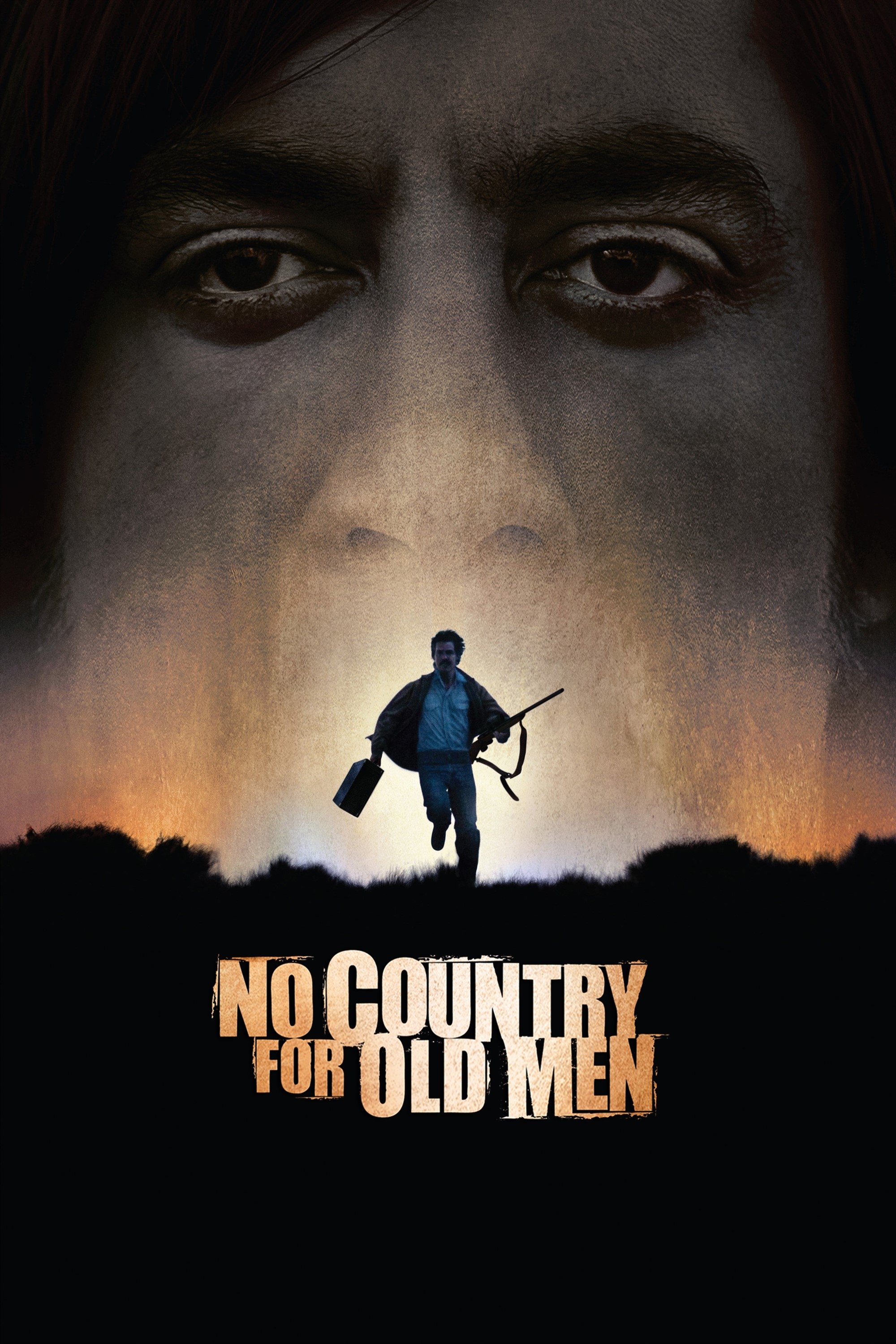
Sheriff Bell shares two dreams about his father with his wife while they’re having breakfast. The scene abruptly cuts to black before any final showdown with the bad guys. This unexpected ending highlights the idea that violence is a powerful, overwhelming force that Sheriff Bell, as an older lawman, struggles to understand. The film deliberately avoids giving the audience the typical satisfaction of seeing a hero triumph over a villain.
‘Memento’ (2000)
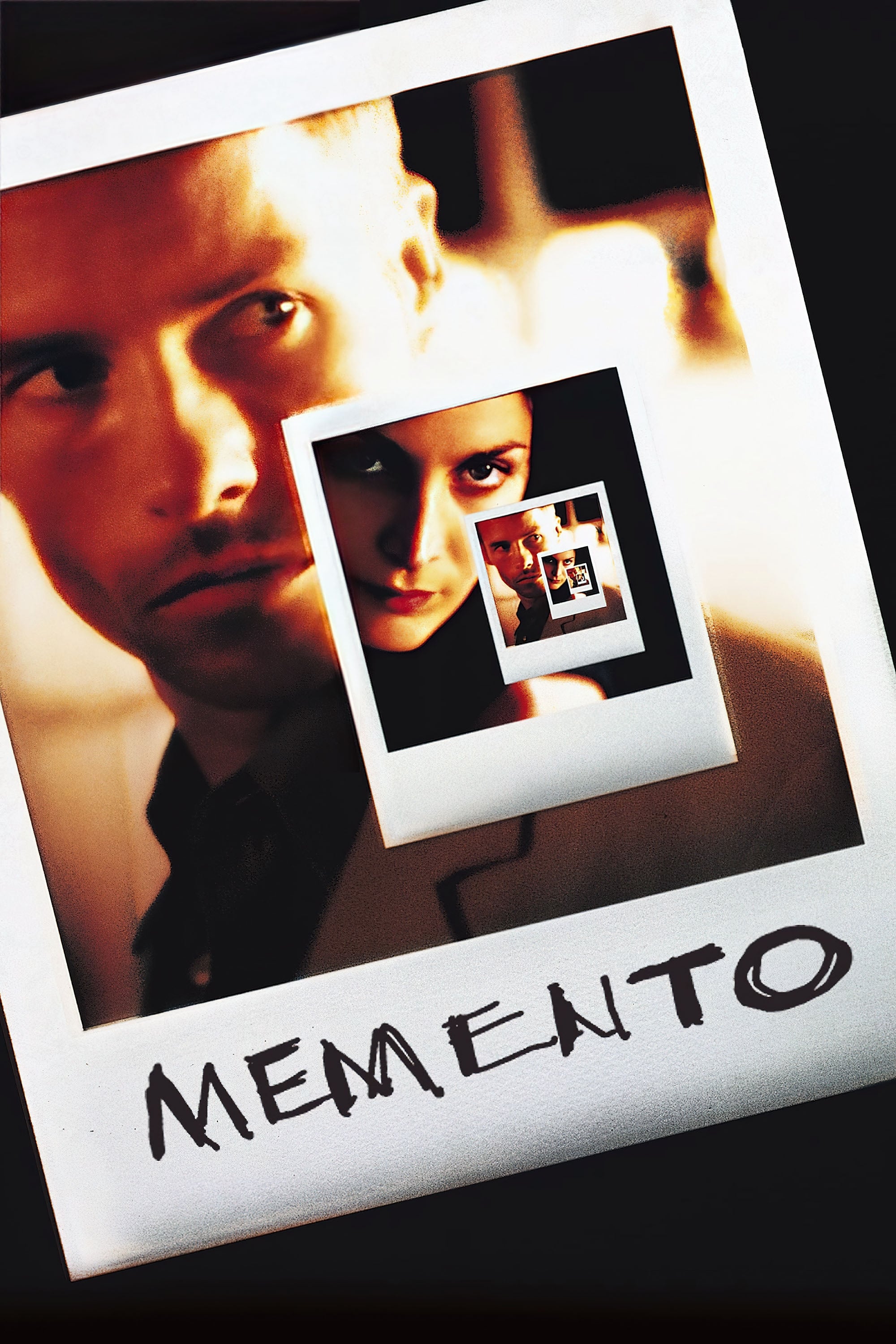
Leonard Shelby discovers he’s been using his memory loss to fuel his revenge, deliberately creating an unsolvable mystery to give his life meaning. The film’s backwards storytelling shows he’s actually the antagonist, leading the audience to wonder how trustworthy memories and the stories we tell ourselves really are.
‘Arrival’ (2016)
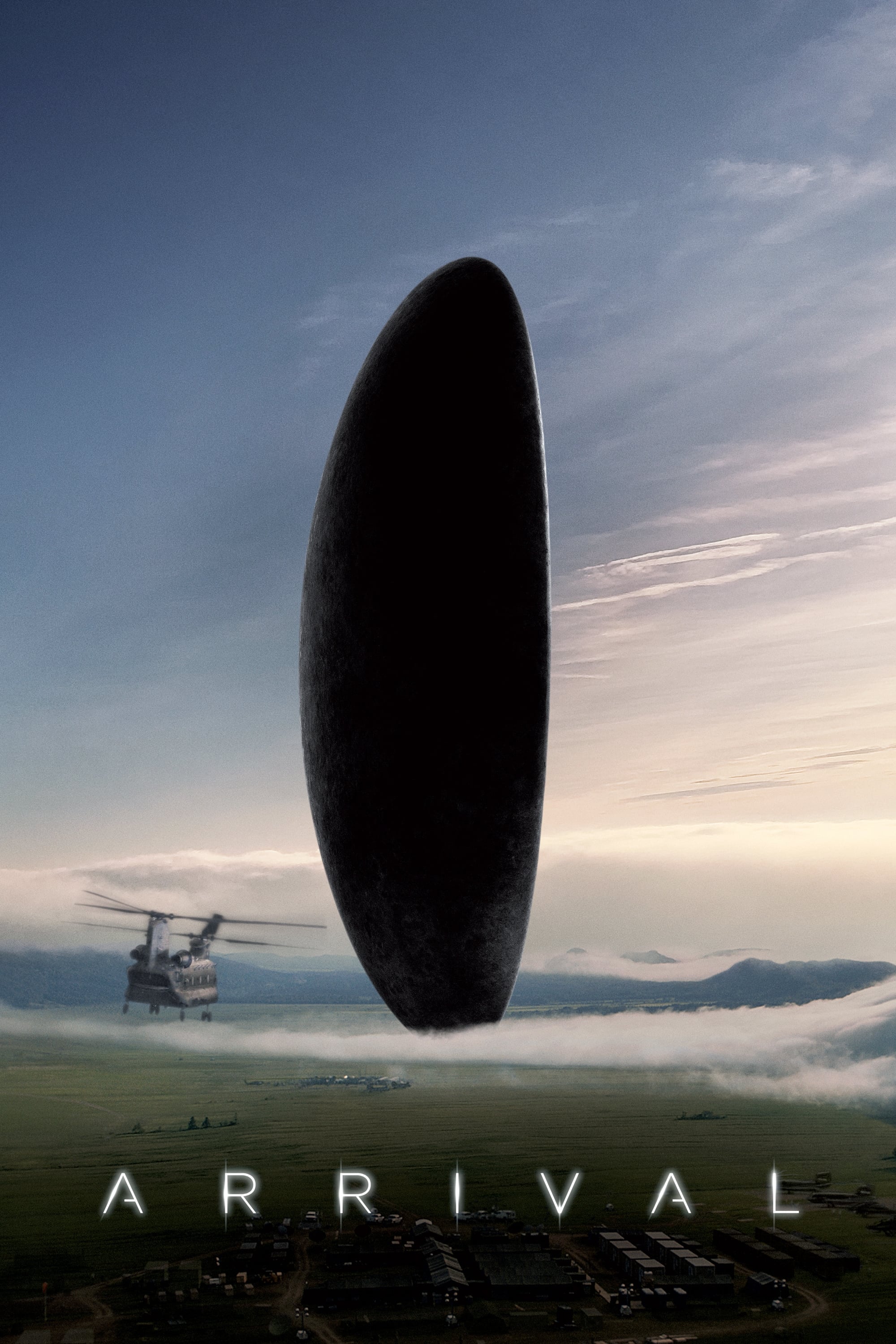
Louise Banks discovers that understanding the alien language gives her a non-linear perception of time – she experiences past, present, and future simultaneously. Despite knowing her future child will face a tragic illness, she chooses to have a family with Ian. The film suggests that even if the future is fixed, life and love are still worth embracing. It’s a moving story about finding meaning and connection even when facing unavoidable sorrow.
‘Black Swan’ (2010)
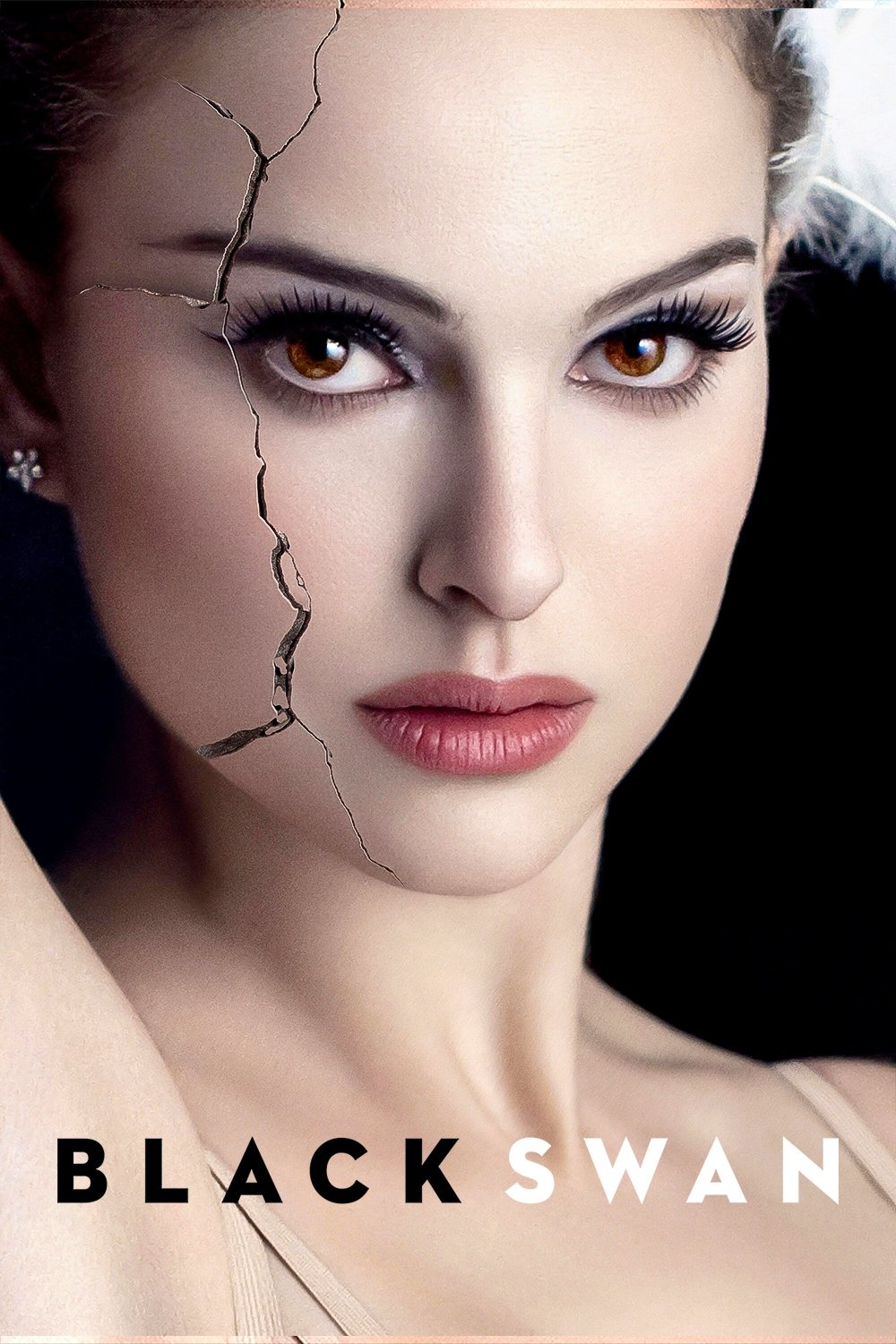
Nina Sayers delivers a flawless performance as the Swan Queen, culminating in a self-inflicted wound with a piece of glass. She bleeds out on a mattress as the audience cheers and the screen fills with white light. The ending is open to interpretation – it’s unclear if she truly dies or reaches a higher state through her art. Throughout the film, it’s difficult to distinguish between what Nina imagines and what is actually happening.
‘The Thing’ (1982)
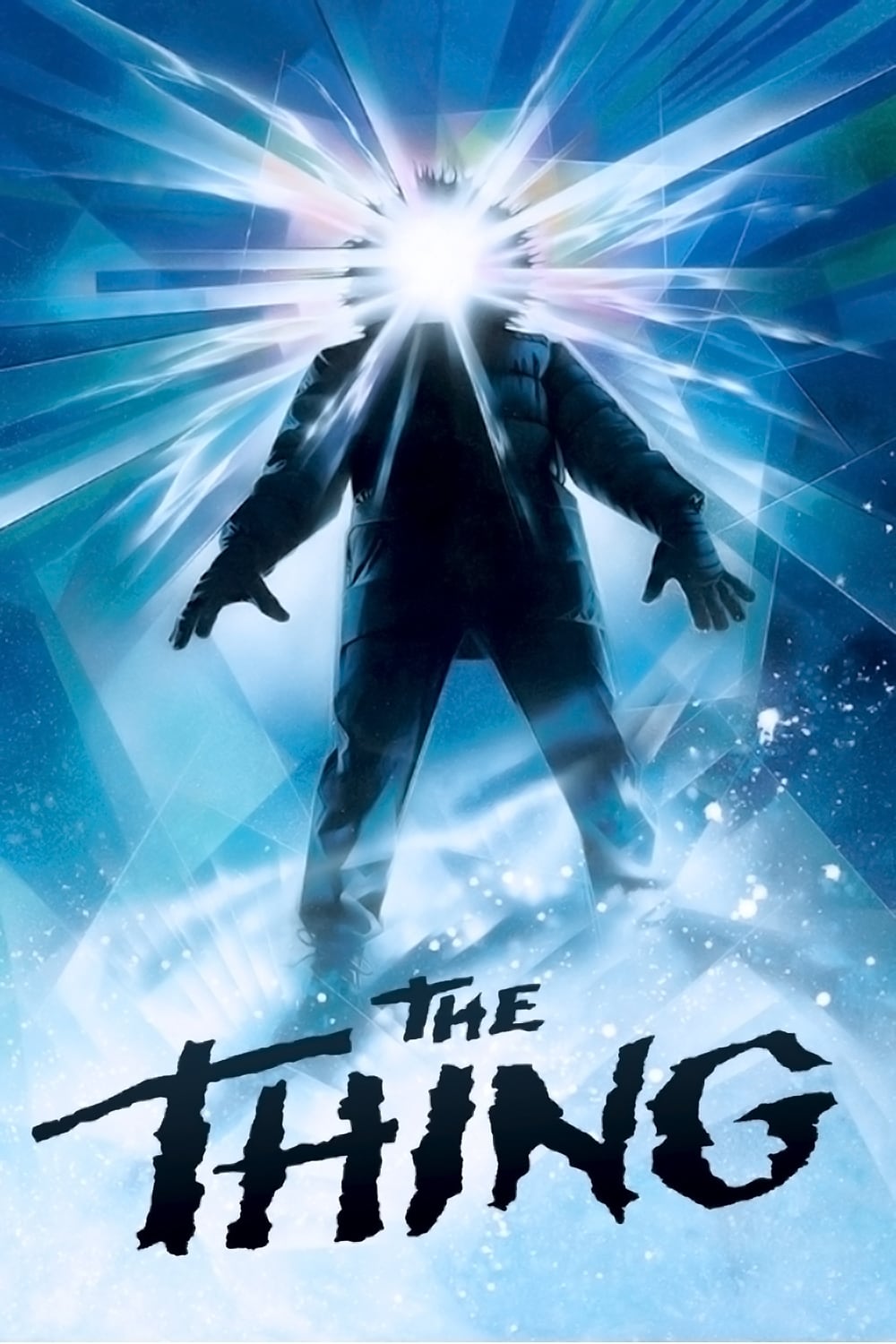
As their Antarctic base burns around them and the cold takes over, MacReady and Childs huddle together, sharing a bottle of scotch. Neither trusts the other, suspecting the other might be an alien in disguise. The fact that one of them isn’t breathing visible air leads to more suspicion. The story ends on a hopeless note, highlighting the fear and pointlessness of their fight against the alien creature.
‘Total Recall’ (1990)
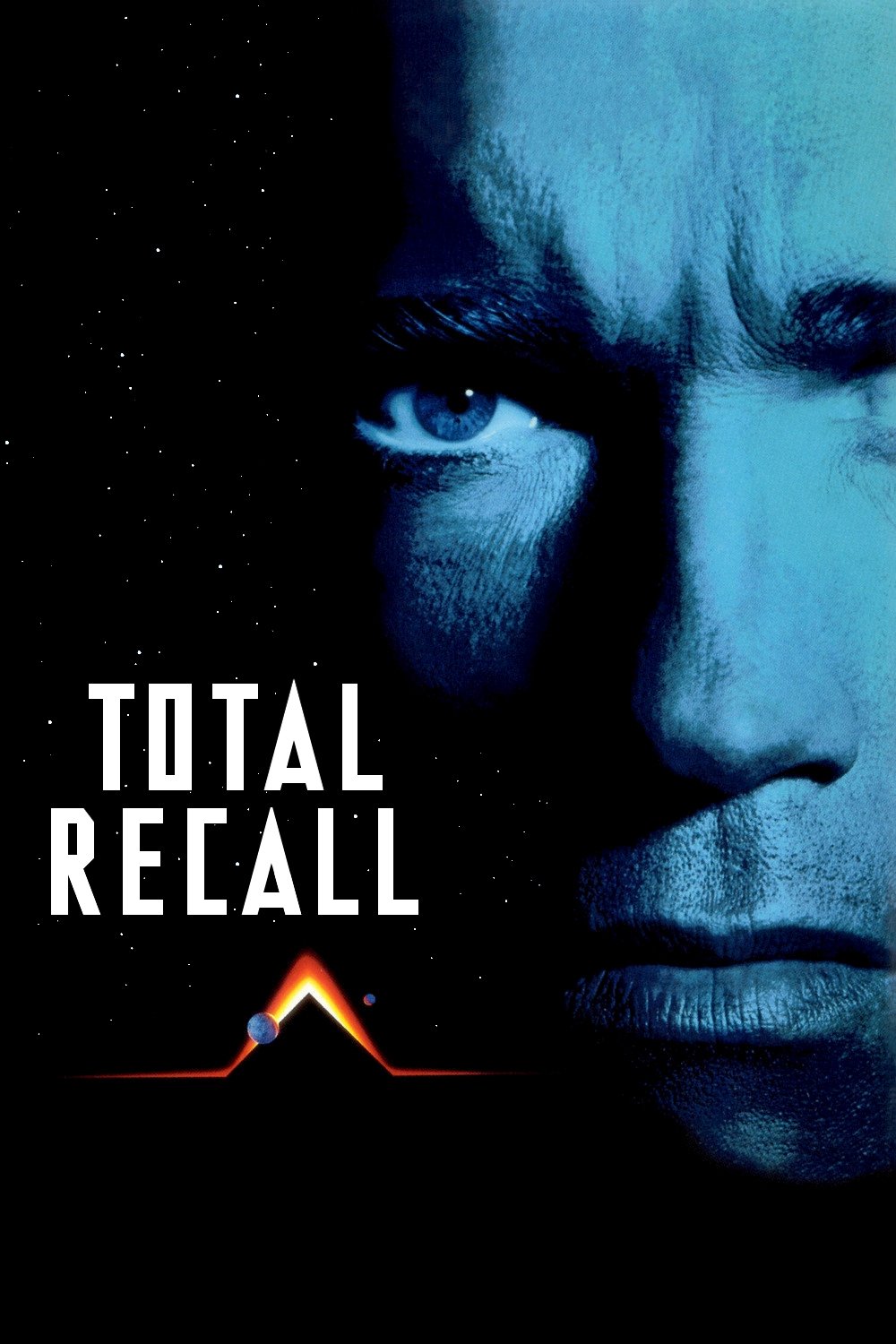
Quaid manages to start the reactor on Mars, and he and Melina stand beneath the newly created blue sky. As the screen goes white, he questions whether everything that happened was simply a manufactured dream. This uncertainty is hinted at by earlier scenes at the memory clinic. Director Paul Verhoeven intentionally crafted the film to allow for both a real and a dream interpretation, making either possibility equally believable.
‘Fight Club’ (1999)
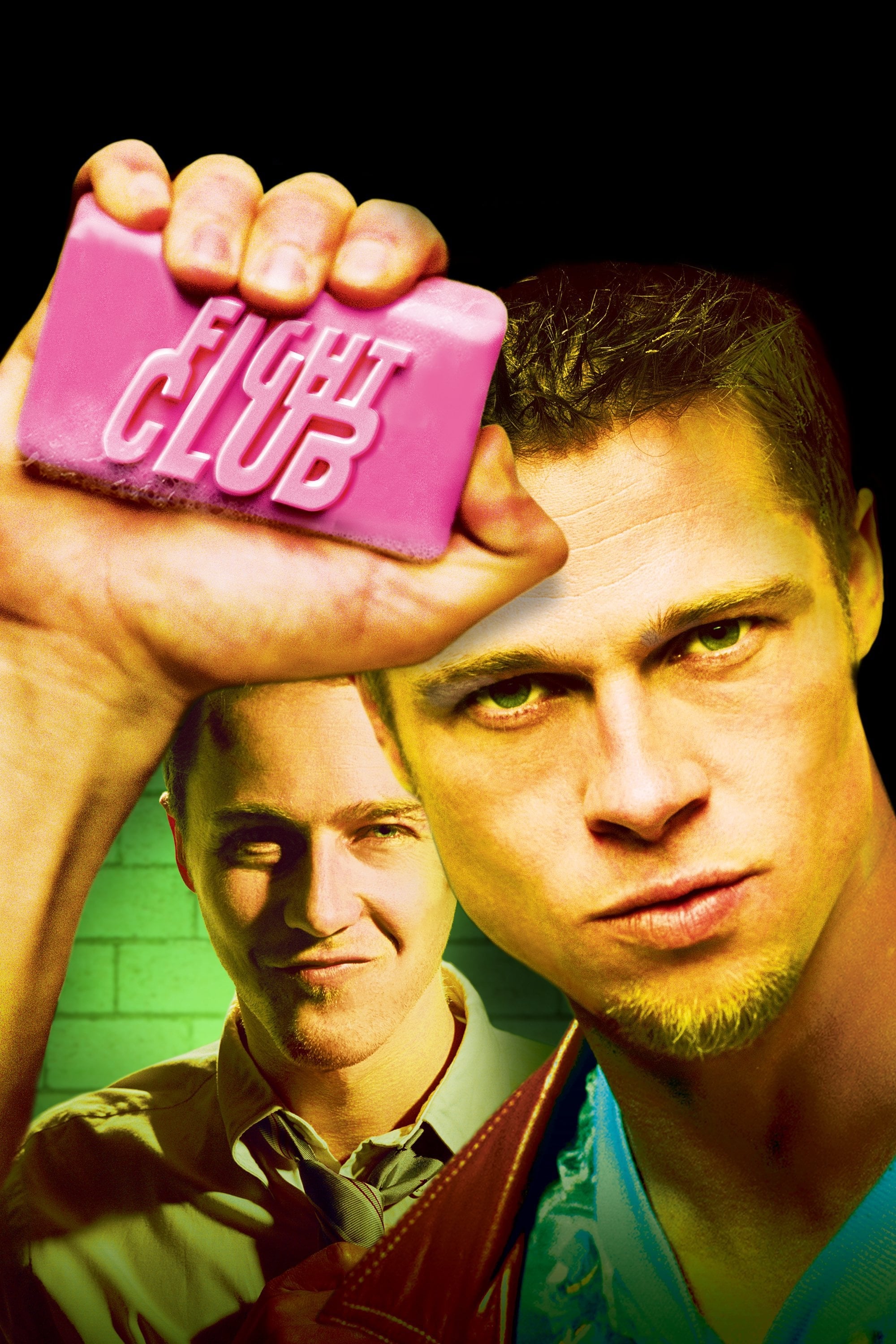
In a desperate attempt to destroy his other self, Tyler Durden, the Narrator shoots himself in the cheek. He and Marla Singer then hold each other as they watch buildings fall, symbolizing the end of the consumer-driven world he once knew. While everything is collapsing around them, it’s left uncertain what the future holds.
‘Interstellar’ (2014)
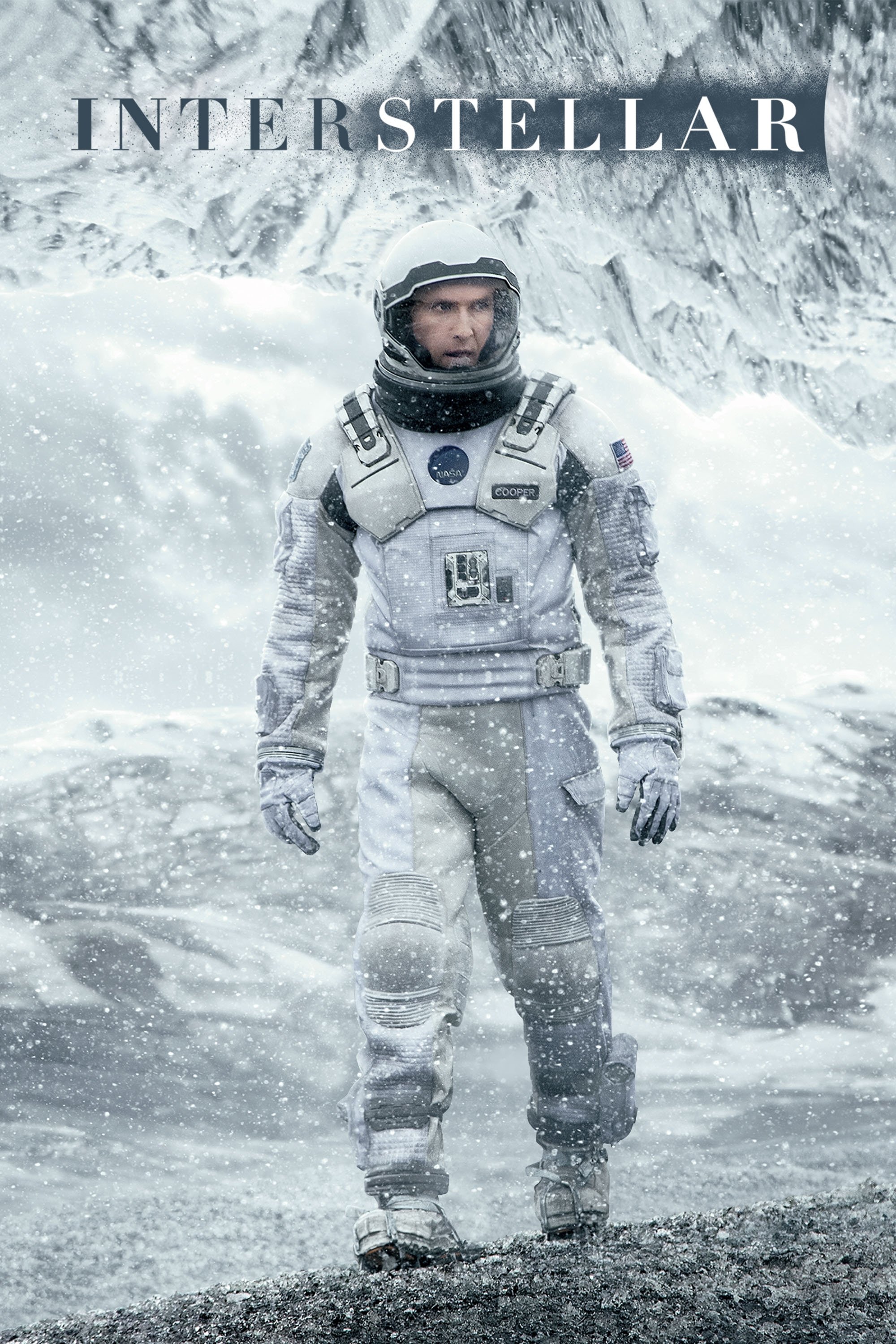
It’s incredible to me how Cooper fell into a black hole and somehow ended up inside this… tesseract. It let him talk to his daughter, Murph, at different points in her life! Then, he was suddenly ejected and woke up on a space station named after her – it was mind-blowing. But honestly, the part that gets people talking is what happens next. Instead of staying with Murph, who was very ill, he chooses to go searching for Brand on another planet. That decision, and everything that leads up to it, still sparks a lot of debate – some people love it, others really don’t, but it definitely makes you think!
‘Tenet’ (2020)
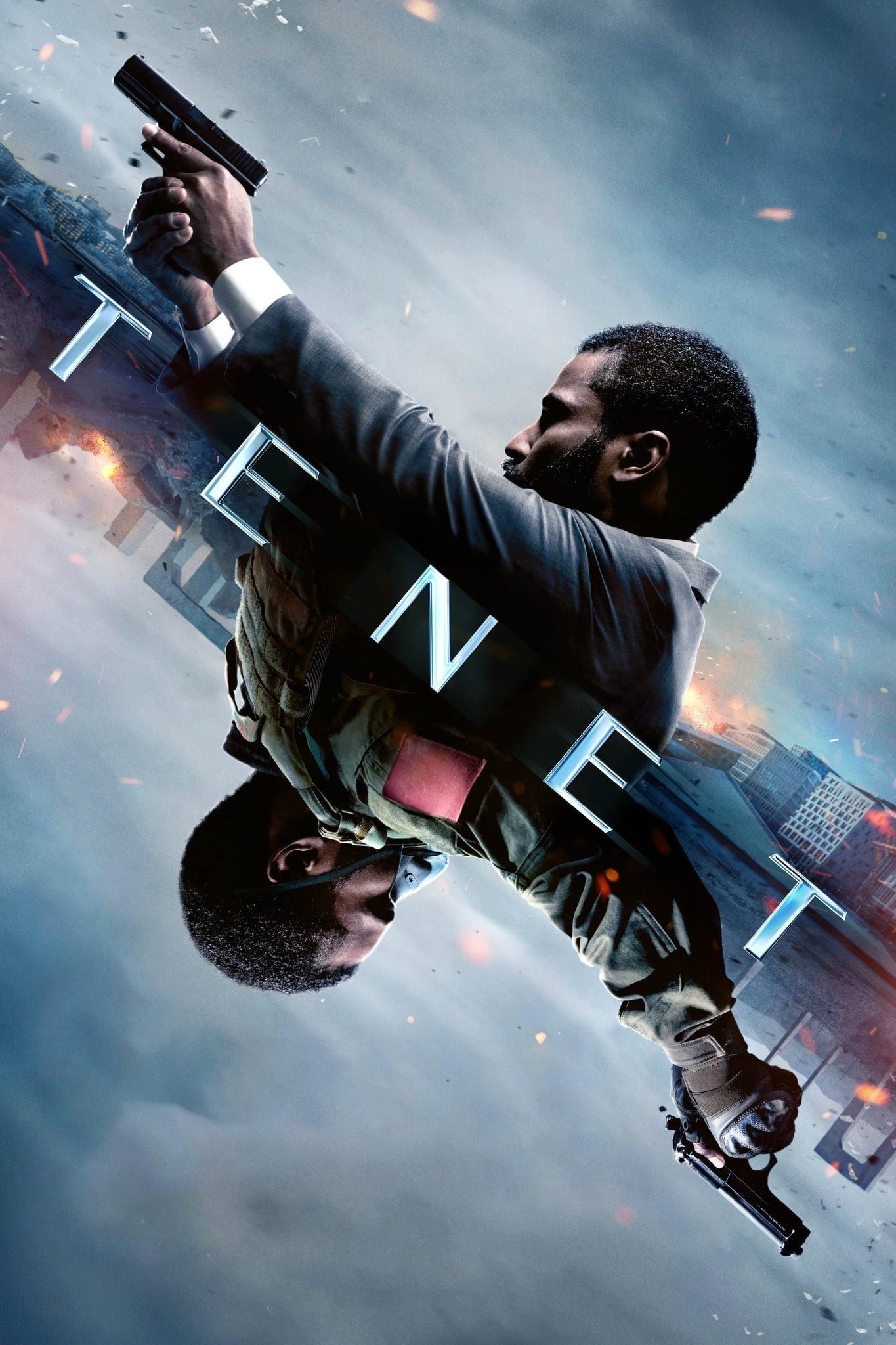
The main character discovers he actually started the organization, Tenet, at some point in the future. He brings Neil into the group, fully aware that Neil will eventually give his life to protect him earlier in time. This creates a circular chain of events where the outcome and the beginning are one and the same. Because of the complicated, overlapping timelines, many viewers find it helpful to use visual aids to understand what’s happening.
‘The Prestige’ (2006)
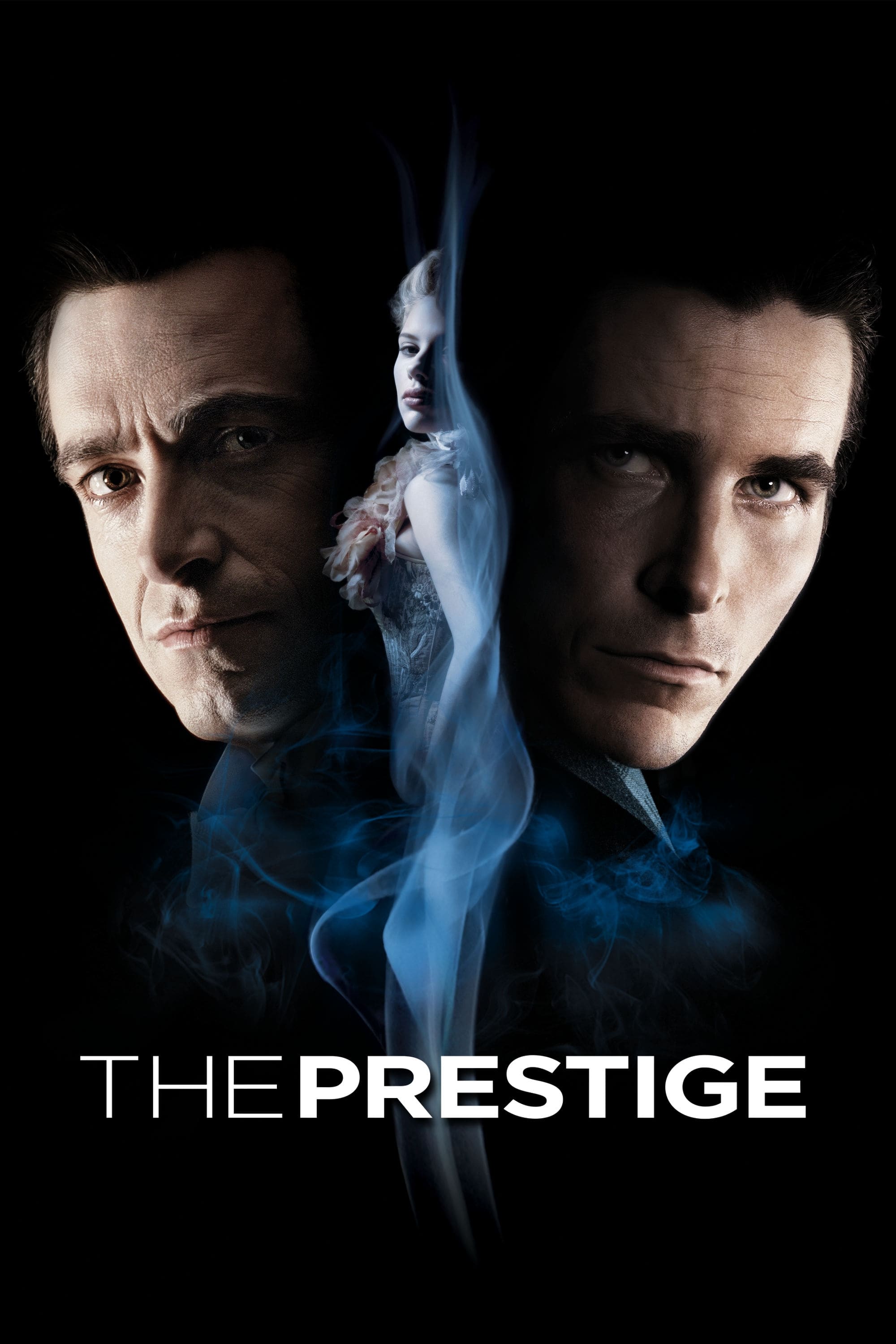
Angier discovers, as he dies, that Borden wasn’t one man, but identical twins who secretly lived as a single performer, achieving an impossible feat of magic. The shocking final scene shows Angier had been cloning himself and drowning each duplicate nightly. This dark truth reframes their entire conflict as a struggle between selfless sacrifice and dangerous obsession, and the film is filled with subtle hints that become clear upon a second viewing.
‘Prisoners’ (2013)
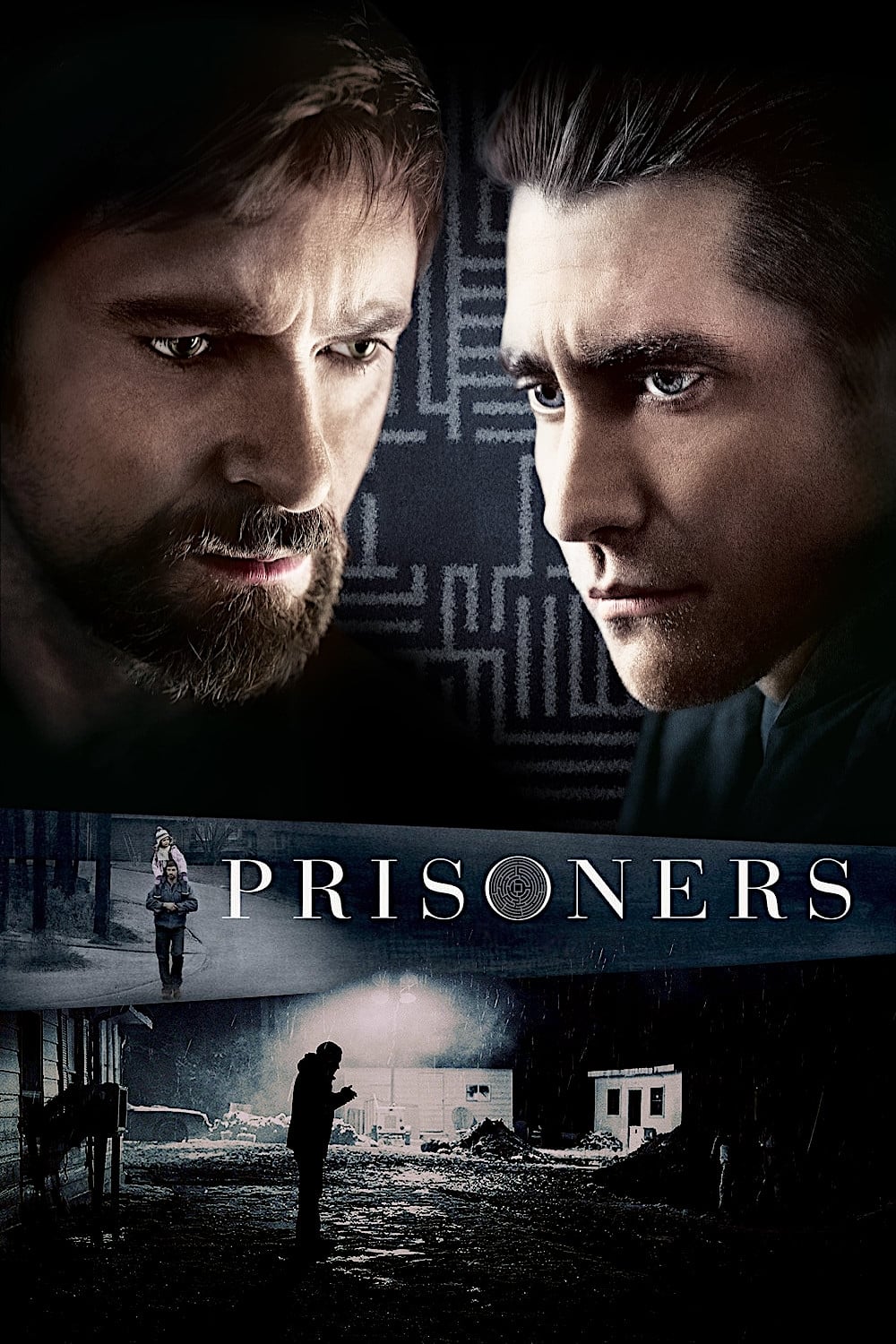
After finding his daughter’s whistle, Keller Dover becomes trapped in a pit beneath a car. As the forensic team finishes up, Detective Loki hears a faint whistle carried on the wind. The movie concludes without revealing where the sound is coming from, leaving viewers to hope Loki will trust his gut and rescue the father.
‘Oldboy’ (2003)
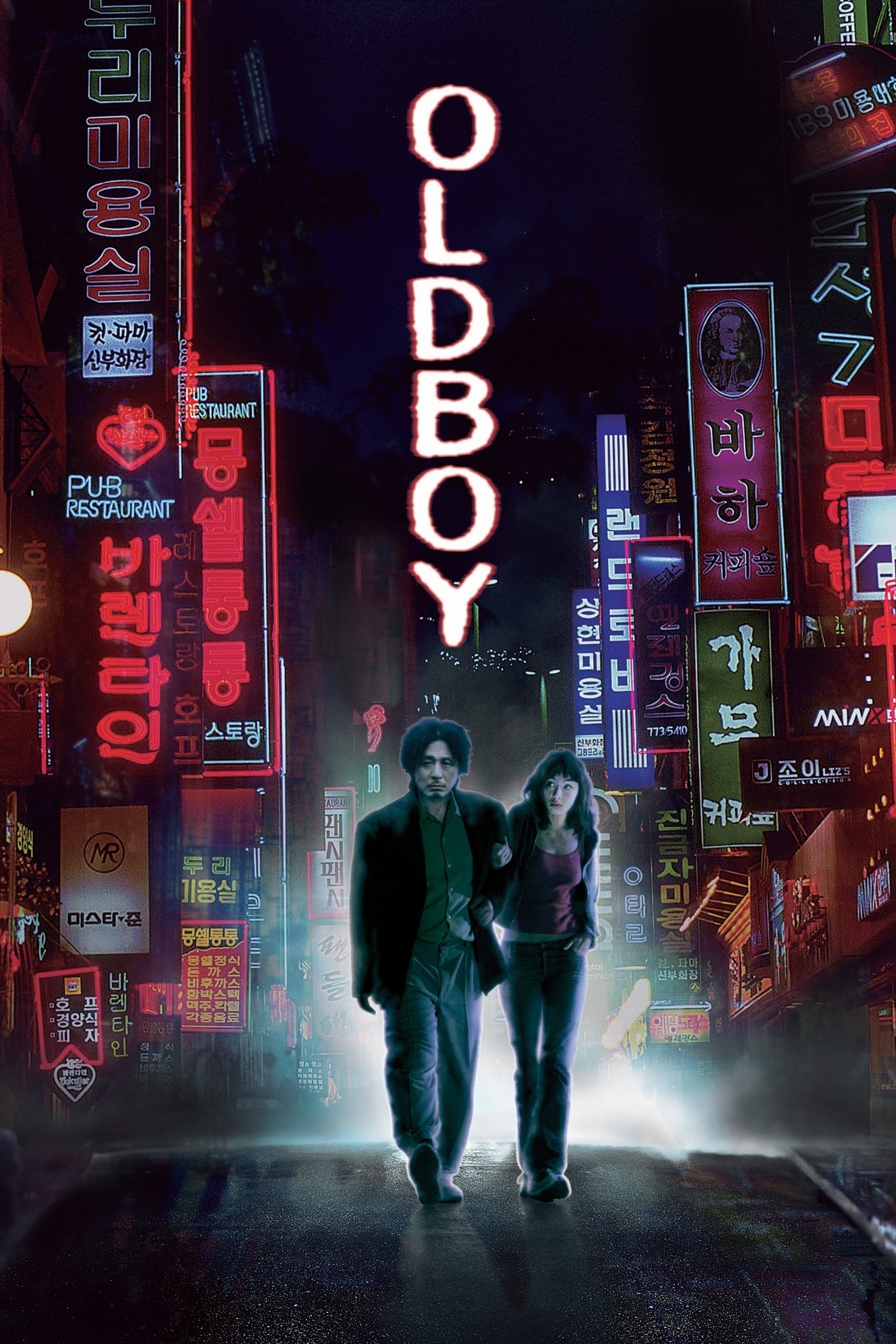
Dae-su tries to use hypnosis to forget his forbidden love for his daughter. When they meet again in the snow, he forces a painful smile. It’s left ambiguous whether the hypnosis actually worked, or if he’s pretending not to remember to keep their connection. His sorrowful look implies he’ll always be burdened by this secret.
‘Us’ (2019)
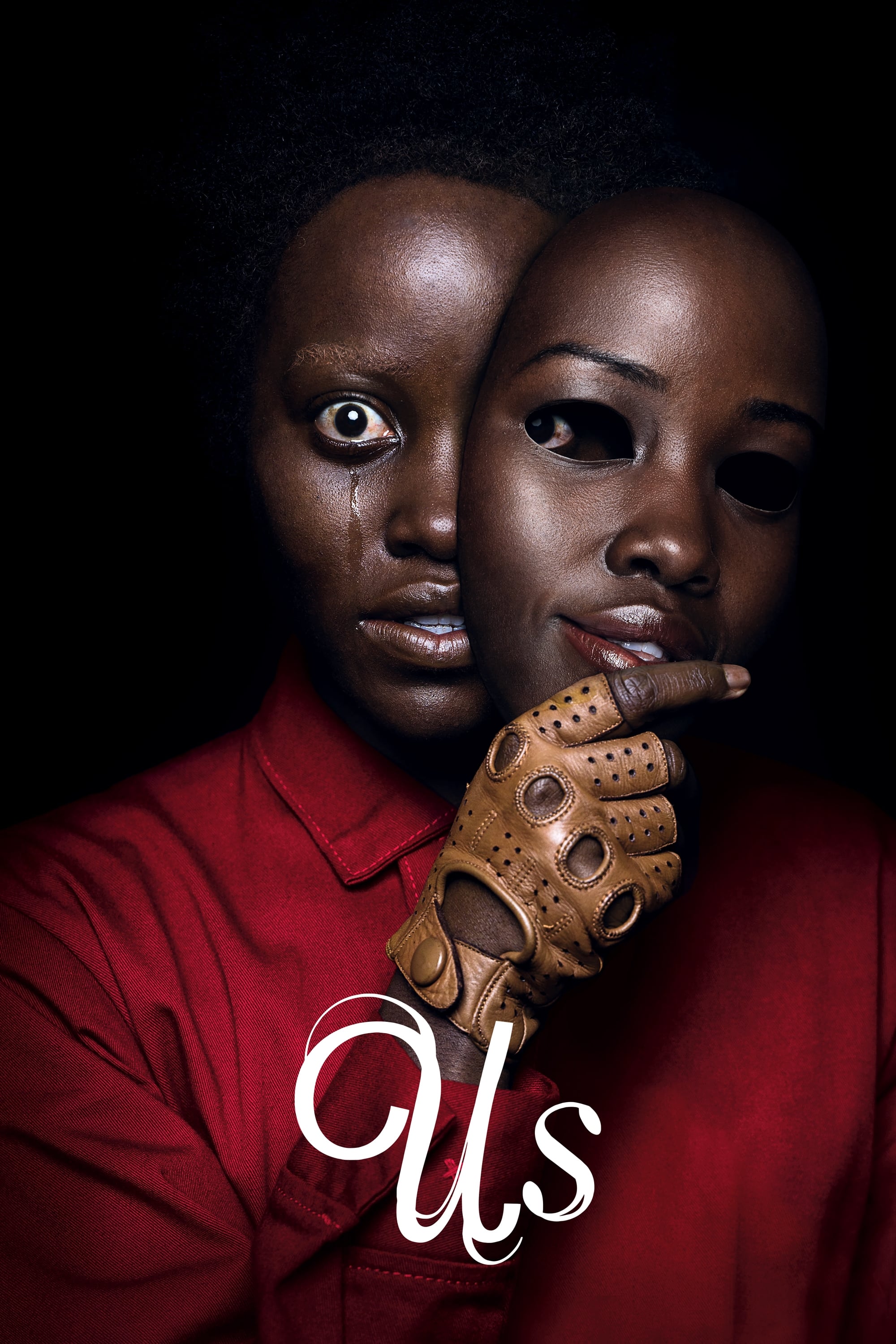
The movie’s shocking ending reveals that Adelaide, the main character, was originally the clone – the ‘Tethered’ – who took her place as a child. She shares a knowing smile with her son, who appears to understand her true identity even while she’s wearing a mask. The film concludes with a line of these tethered individuals extending across the country. This twist makes viewers reconsider what shapes a person – their upbringing or their inherent nature – and whether Adelaide was truly the ‘original’ all along.
‘Synecdoche, New York’ (2008)
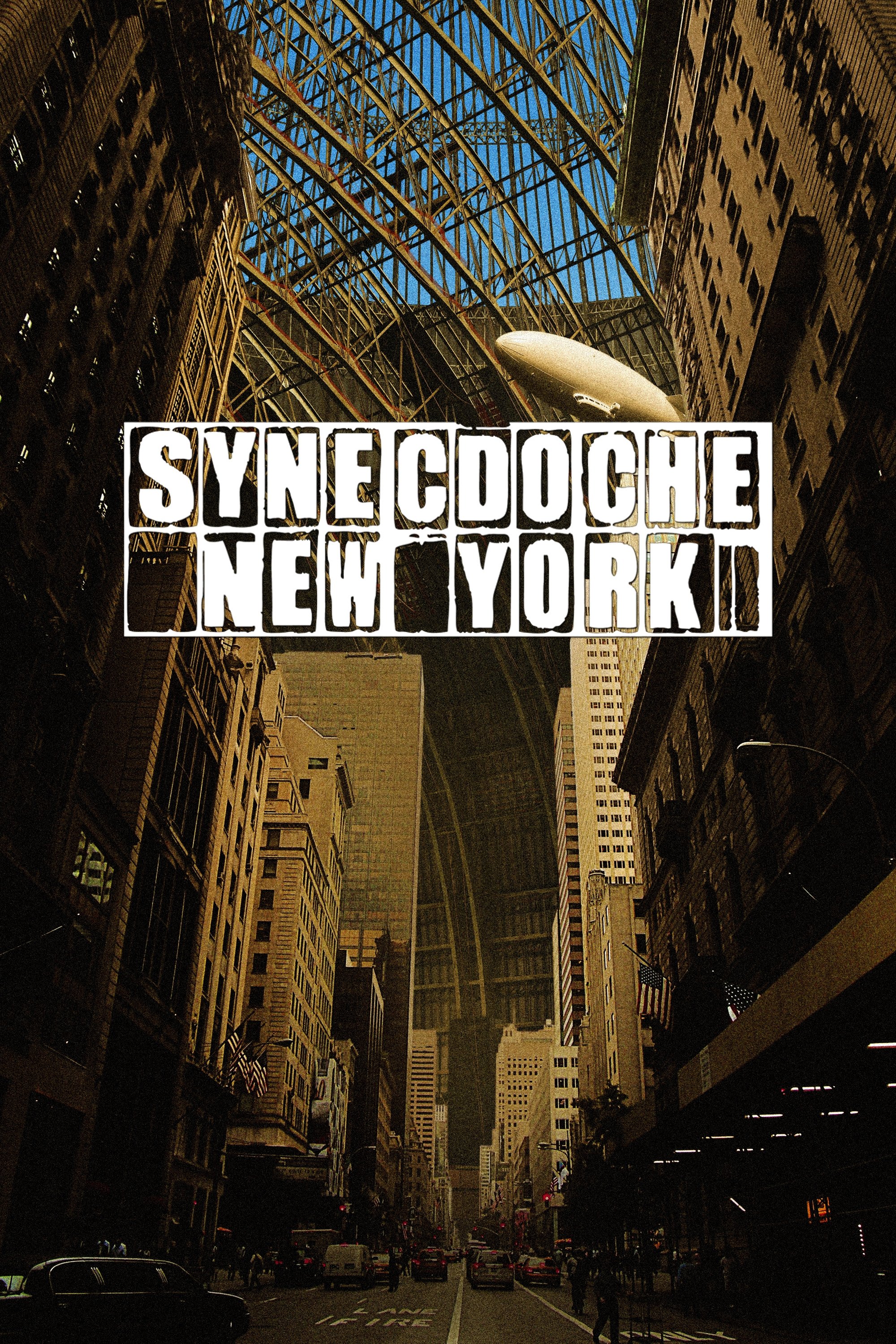
For decades, Caden Cotard meticulously constructs a miniature version of New York City within a warehouse. As he dedicates his life to this project, his identity begins to dissolve, and he ultimately receives what feels like a command to end his life, after which the film cuts to white. The movie is a thought-provoking exploration of death and the difficulty of truly knowing reality.
‘Mother!’ (2017)

A house is destroyed, and a poet symbolically removes the life force from a mother figure. He replaces her with something new and artificial, and the house rebuilds itself around this new presence. This repeating pattern hints the story is a symbolic retelling of a religious tale, perhaps about the relationship between a creator and the natural world. The film’s powerful and abstract imagery left audiences divided.
‘Eraserhead’ (1977)
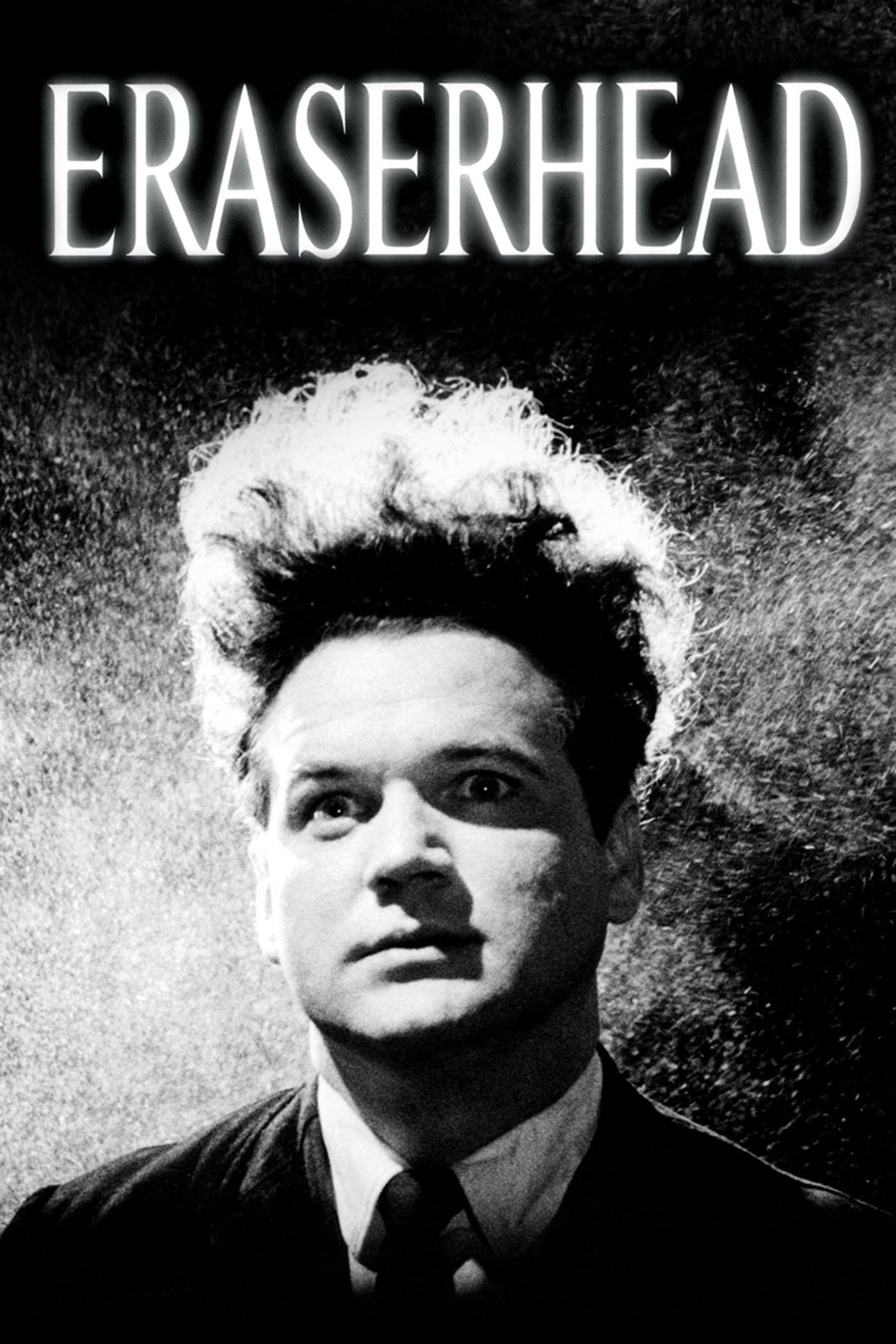
In a disturbing and surreal scene, Henry Spencer commits a horrific act and finds solace in a bizarre, symbolic relationship. The imagery culminates in a complete breakdown of reality, with Henry’s head transforming into a planet as the world fades to white. Director David Lynch has intentionally left the meaning of these unsettling visuals open to interpretation, but the film seems to explore deep-seated anxieties about becoming a father and the burdens of responsibility, operating more on a feeling level than a literal one.
‘Lost in Translation’ (2003)
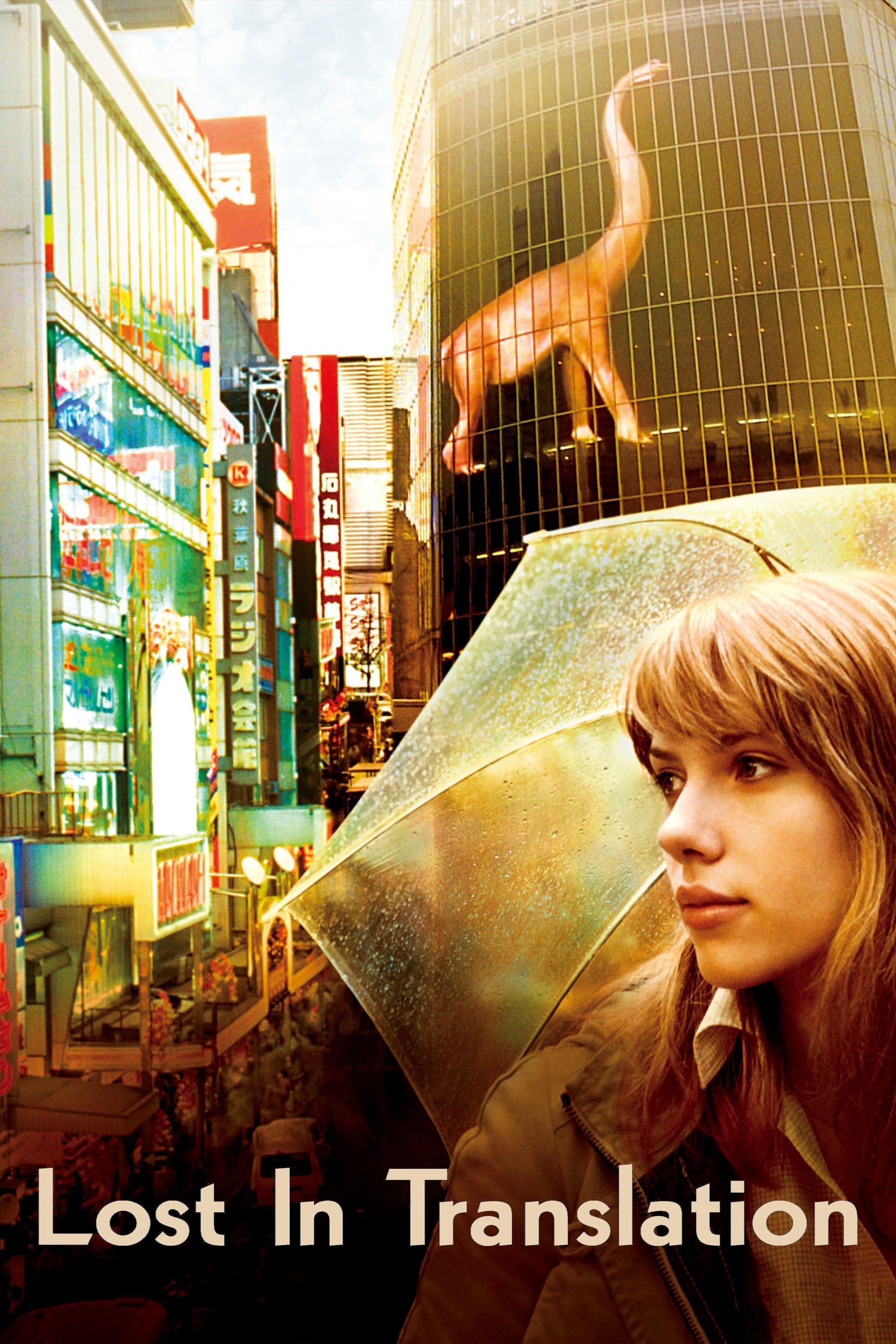
As Bob and Charlotte say goodbye in Tokyo, Bob whispers something quietly into Charlotte’s ear. The director intentionally kept the words a secret, wanting to preserve the private connection between them. We, as the audience, can only imagine what he said by watching their reactions. This mystery beautifully reflects how brief but meaningful their relationship was.
‘Taxi Driver’ (1976)
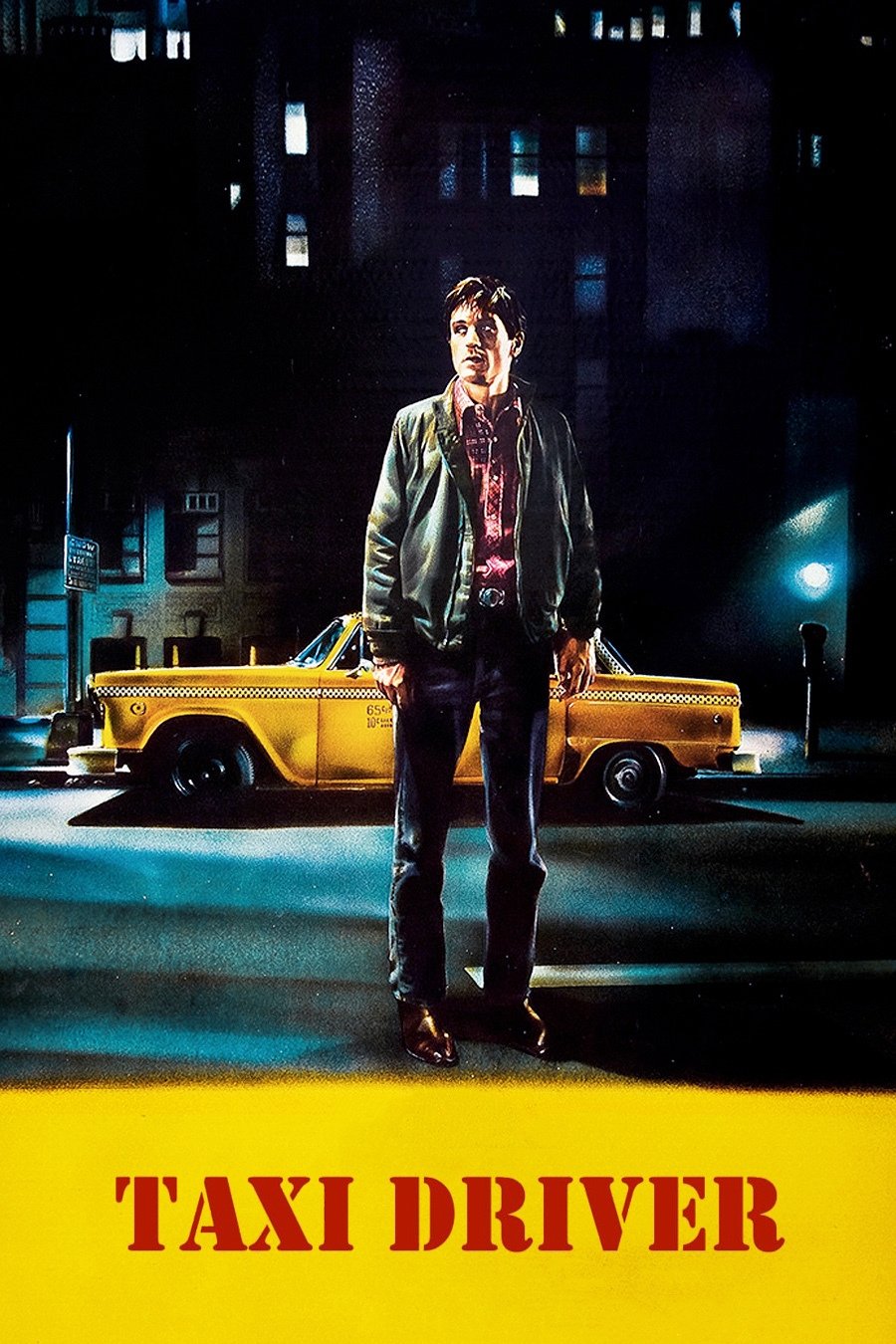
Travis Bickle lives through the gunfight and is celebrated as a hero by both the news and the public. However, a quick glance in his rearview mirror reveals a disturbing detail, hinting that his violent impulses haven’t disappeared and he remains a potential threat. Some believe the entire final scene is actually a fading dream experienced by Travis.
‘Brazil’ (1985)
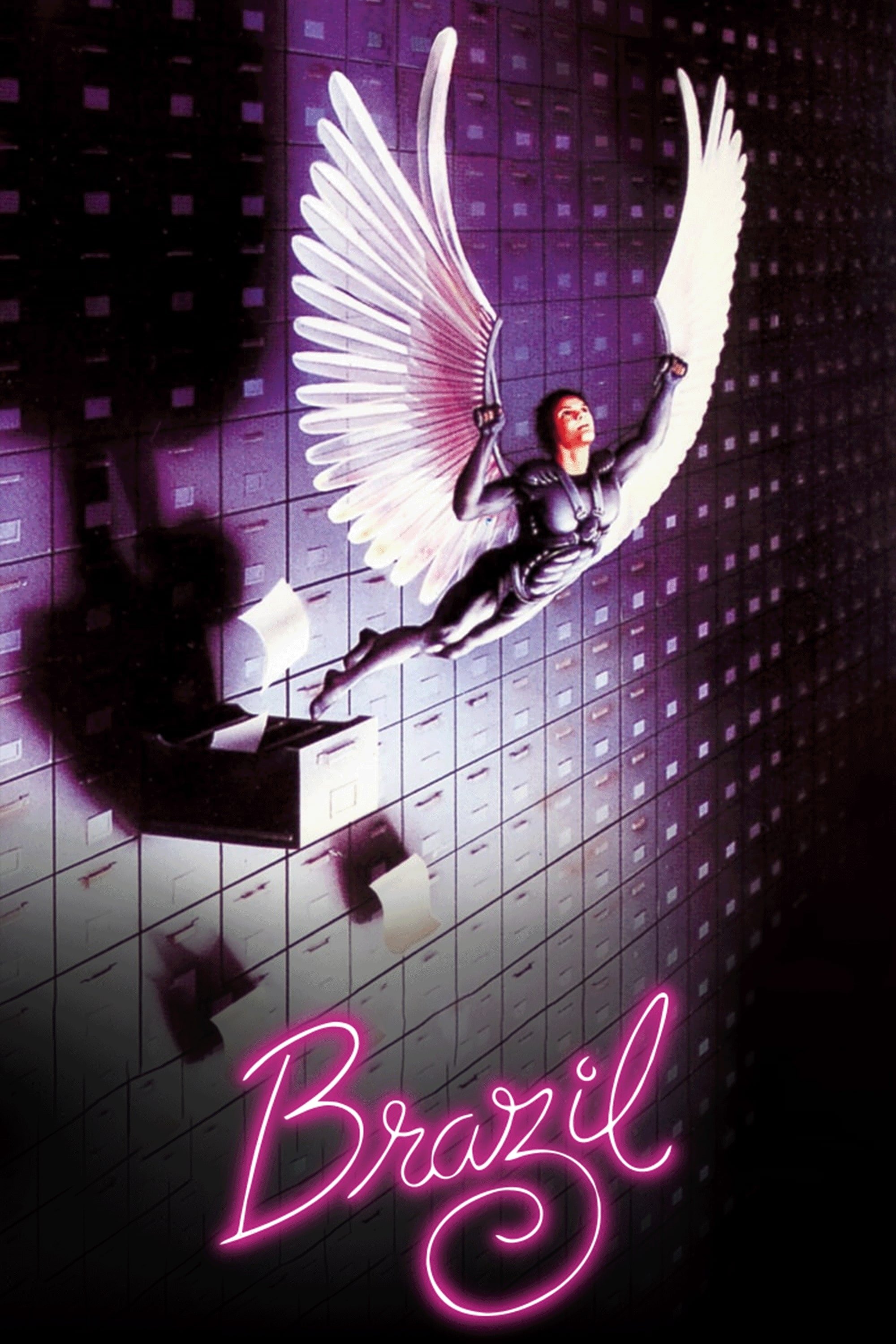
Sam Lowry seemingly escapes his torment and finds happiness with Jill in a peaceful countryside setting. However, the camera reveals he’s still restrained and lost in thought, suggesting this joyful ending is a fantasy he’s created within his own mind to cope with his harsh reality. This heartbreaking conclusion criticizes the overwhelming and destructive force of oppressive government systems.
‘Primer’ (2004)
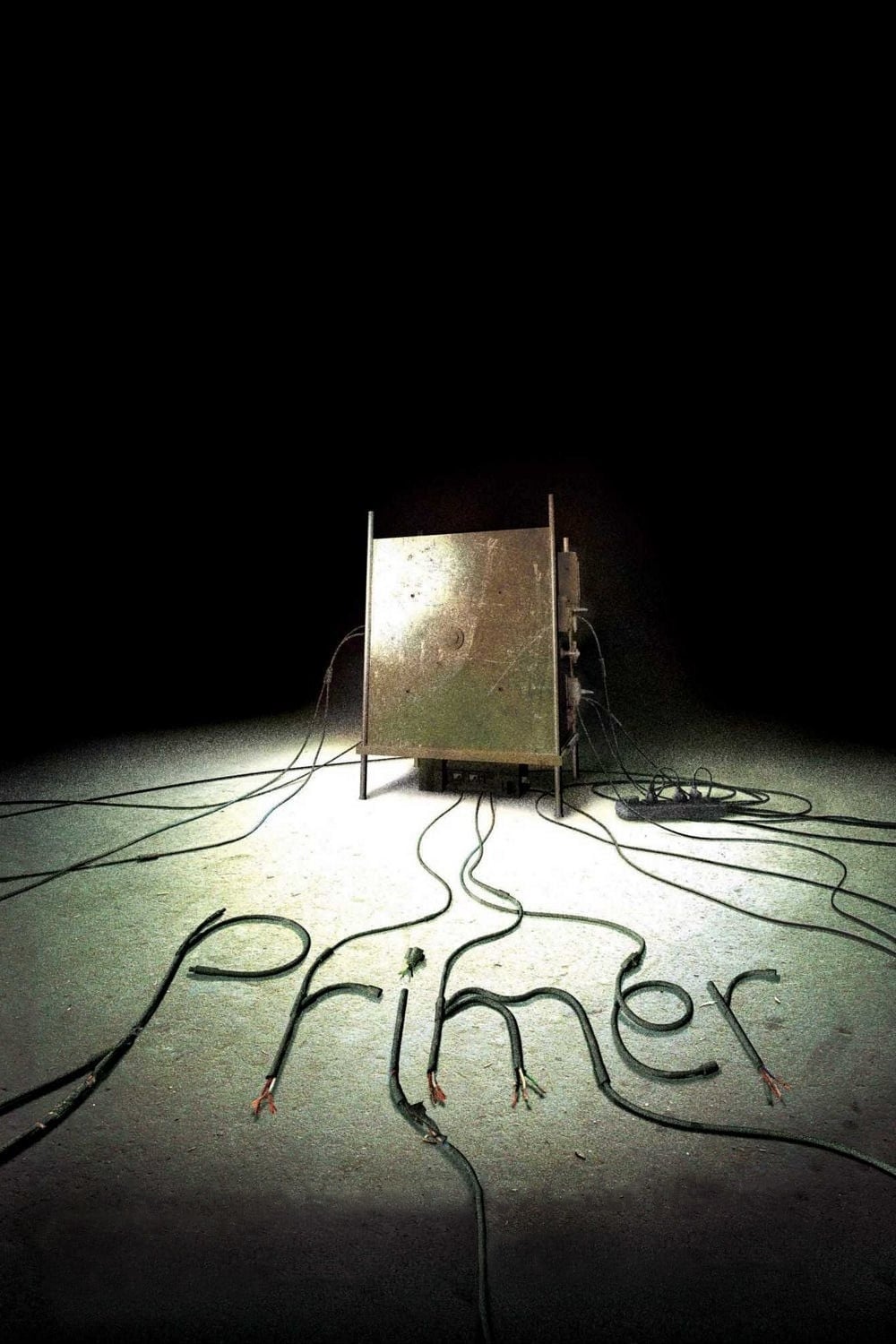
Aaron and Abe’s homemade time machines cause a tangled mess of timelines. The movie concludes with Aaron constructing a huge device in a foreign country, aiming to control events on a much larger scale. The complicated and layered timelines make it almost impossible to determine which version of a person is the ‘original.’ It’s known as one of the most challenging sci-fi mysteries to unravel.
‘Coherence’ (2013)
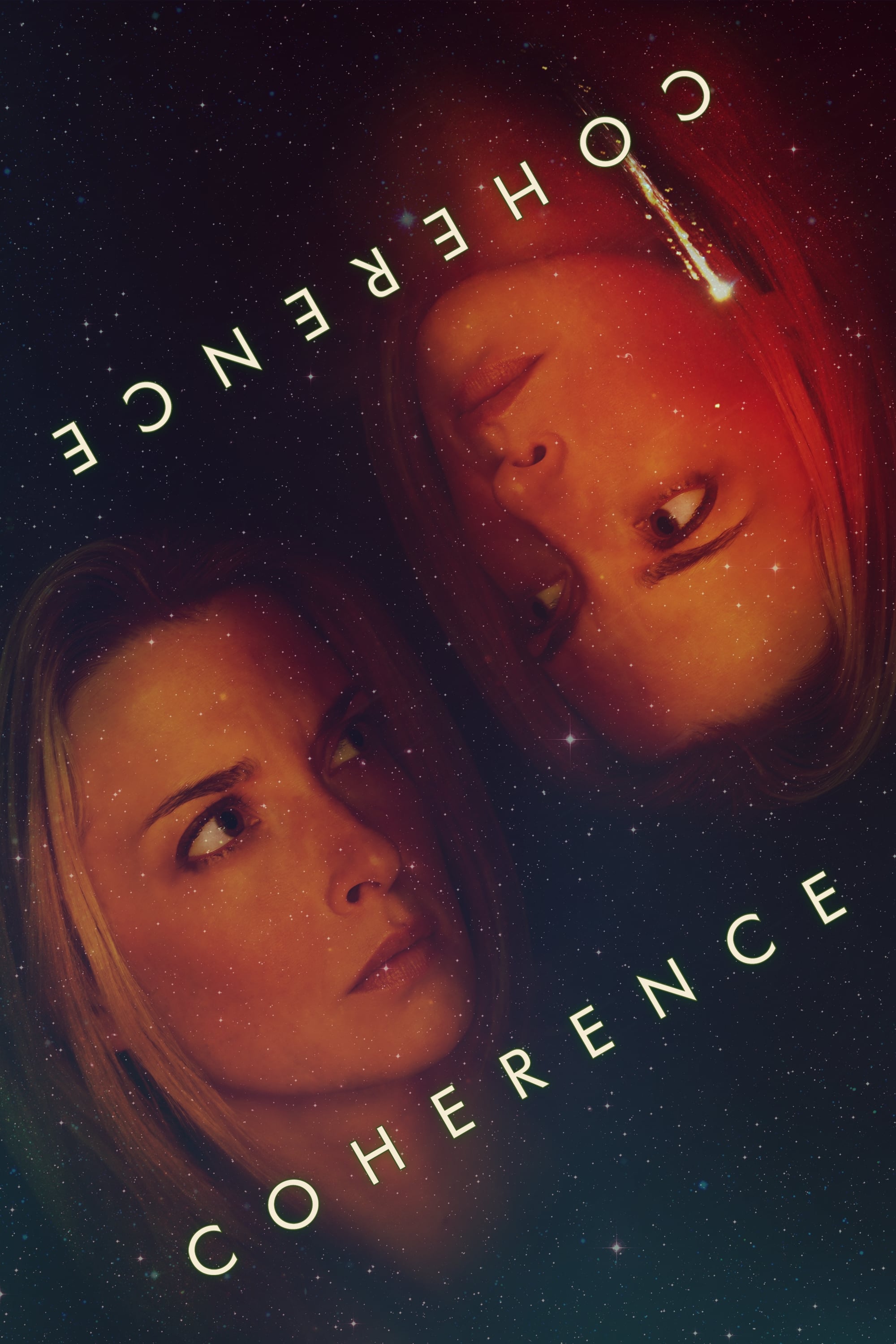
Em attempts to take over the life of her counterpart in a seemingly better reality by killing her. Although she successfully assumes this alternate life, a phone call from her boyfriend hints that her double still exists. The film’s ending suggests the original Em actually survived, exposing the deception. Overall, the story delves into the unsettling implications of quantum physics and what defines a person’s identity.
‘The Lobster’ (2015)
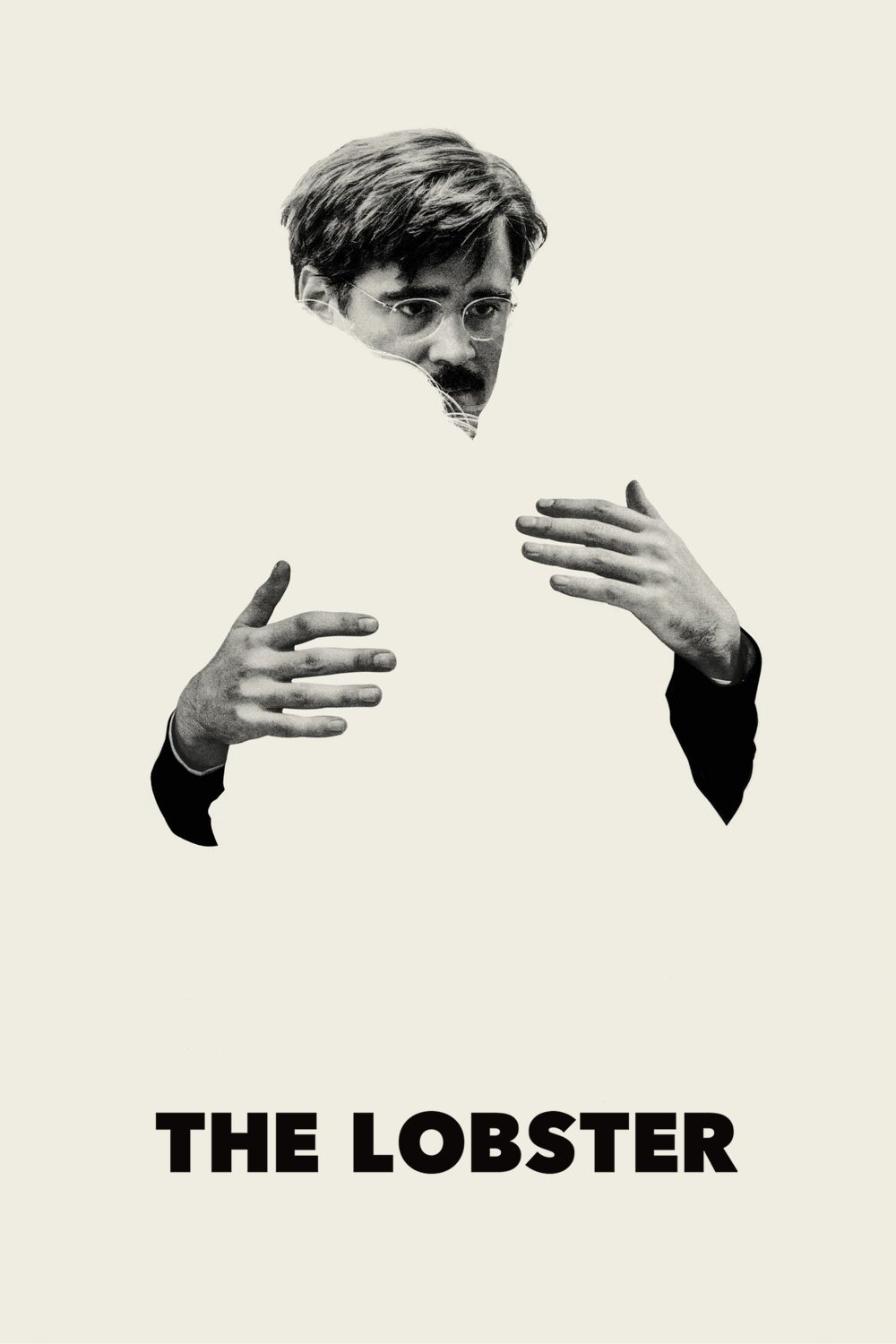
David contemplates a shocking act – blinding himself with a steak knife – believing it will make him more suitable for the woman he loves. The scene focuses on her as she waits for him, while he struggles in the bathroom. The film cuts to black before revealing whether he actually harms himself, leaving the audience to consider how ridiculous societal pressures around relationships can be.
‘A Serious Man’ (2009)
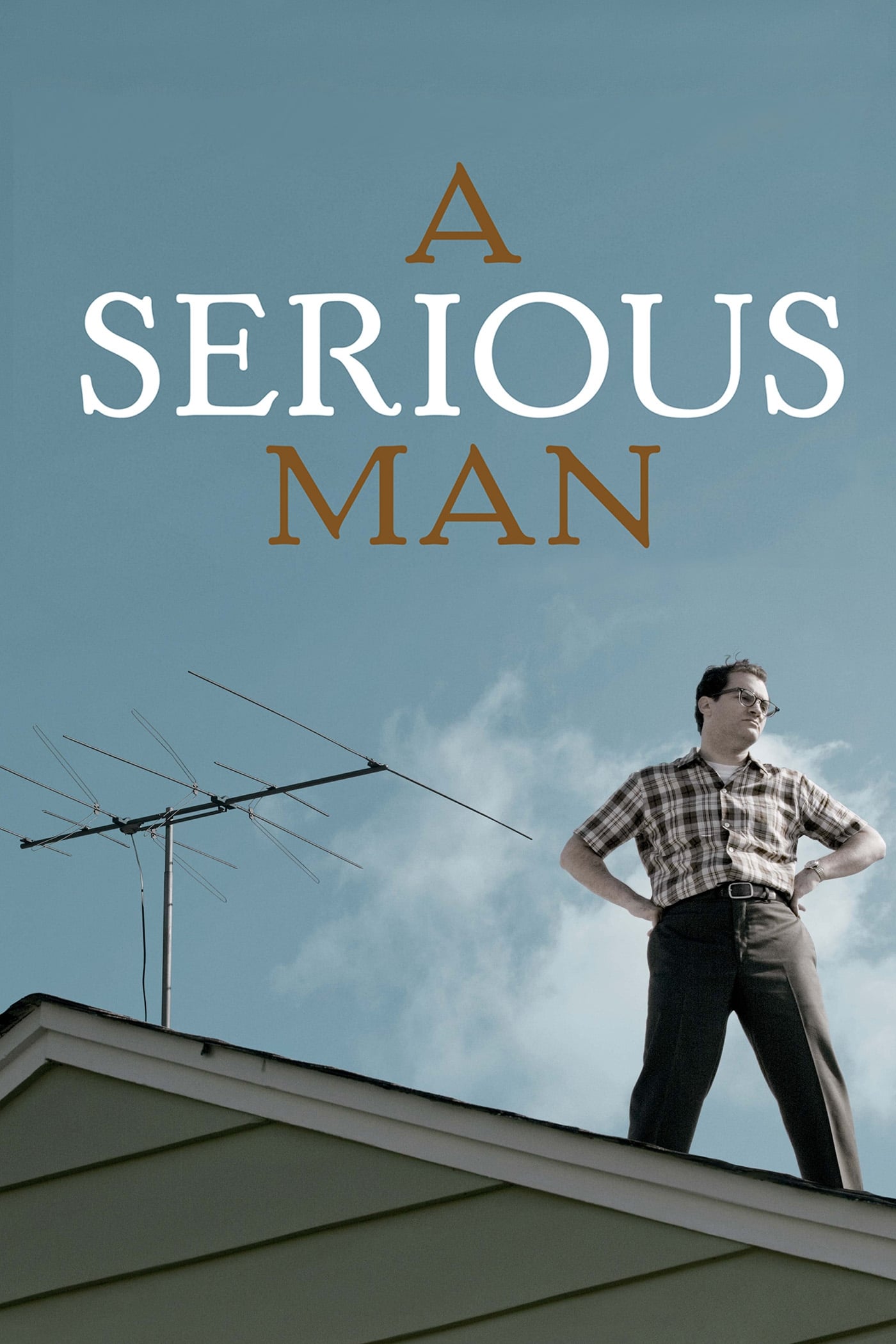
Man, the end of this movie just floored me. Right when Larry finally caves and takes a bribe to cover his bills, the doctor drops a bombshell. Then, boom, this huge tornado hits right near where his son is at Hebrew school! It felt like everything was just falling apart at once – like some kind of crazy, divine reckoning. The Coens don’t bother wrapping things up neatly, though. They just leave you hanging, completely unsure of what happens to everyone, and honestly, it’s brilliant.
‘Vanilla Sky’ (2001)
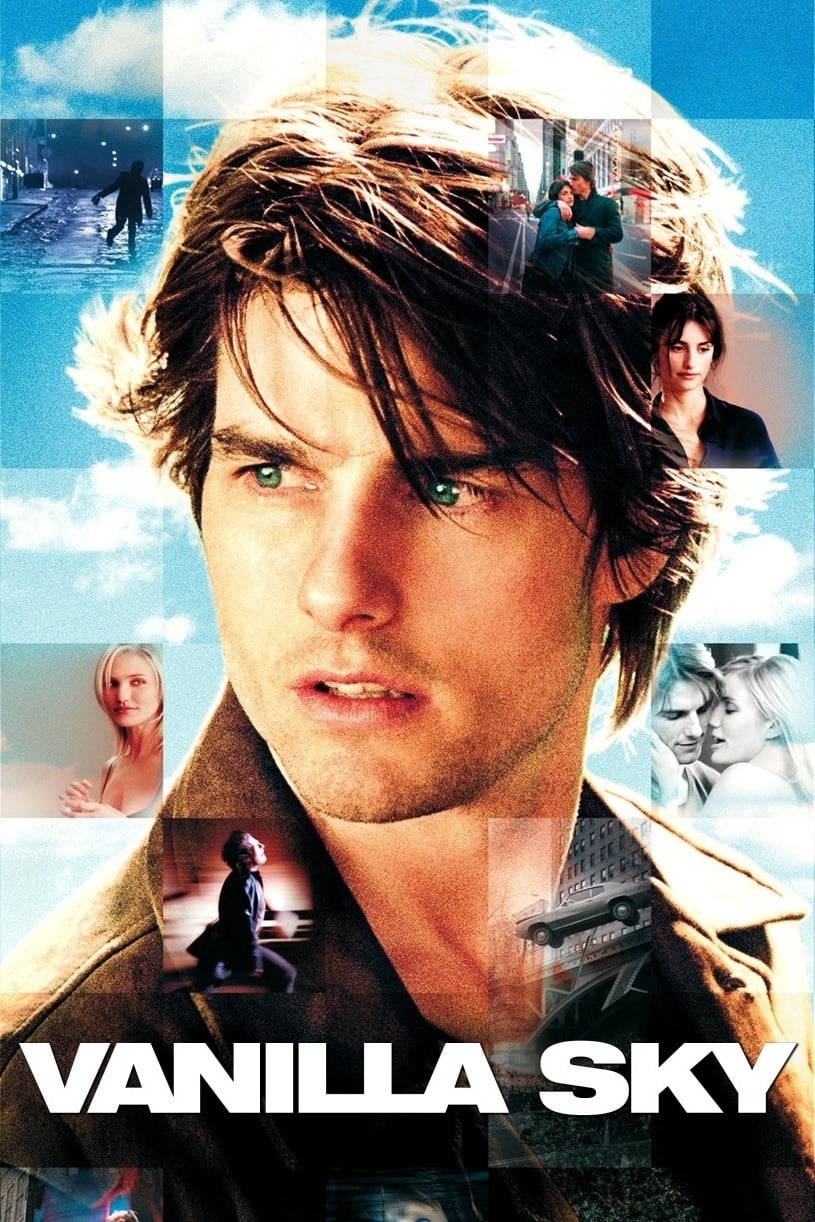
After attempting suicide, David Aames discovers his life was actually a remarkably realistic dream created by a company specializing in cryonics. Choosing to embrace the imperfections of real life, he decides to wake up in the future instead of remaining in the increasingly unstable dream world. The film culminates with him jumping from a building and opening his eyes to a new reality, highlighting the idea that even painful truth is preferable to a flawless illusion.
‘Jacob’s Ladder’ (1990)

Jacob Singer realizes the terrifying visions he’s been experiencing aren’t just hallucinations – they’re his spirit’s fight to accept death. He’s guided home by the ghost of his son and ultimately led towards the light. The film then reveals that Jacob actually died during surgery in Vietnam many years ago, suggesting the entire story is either a depiction of the afterlife, like purgatory, or a representation of what happens inside a dying mind.
‘Burning’ (2018)

In the dead of winter, Jong-su destroys Ben’s Porsche and his bloodstained clothes after disrobing. The film never reveals what happened to Hae-mi, the girl who disappeared. It’s left uncertain whether Ben was a killer, or if Jong-su was driven to violence by jealousy and feelings of social inequality. The movie deliberately keeps the real story hidden, using symbolism and unanswered questions.
‘The Lighthouse’ (2019)
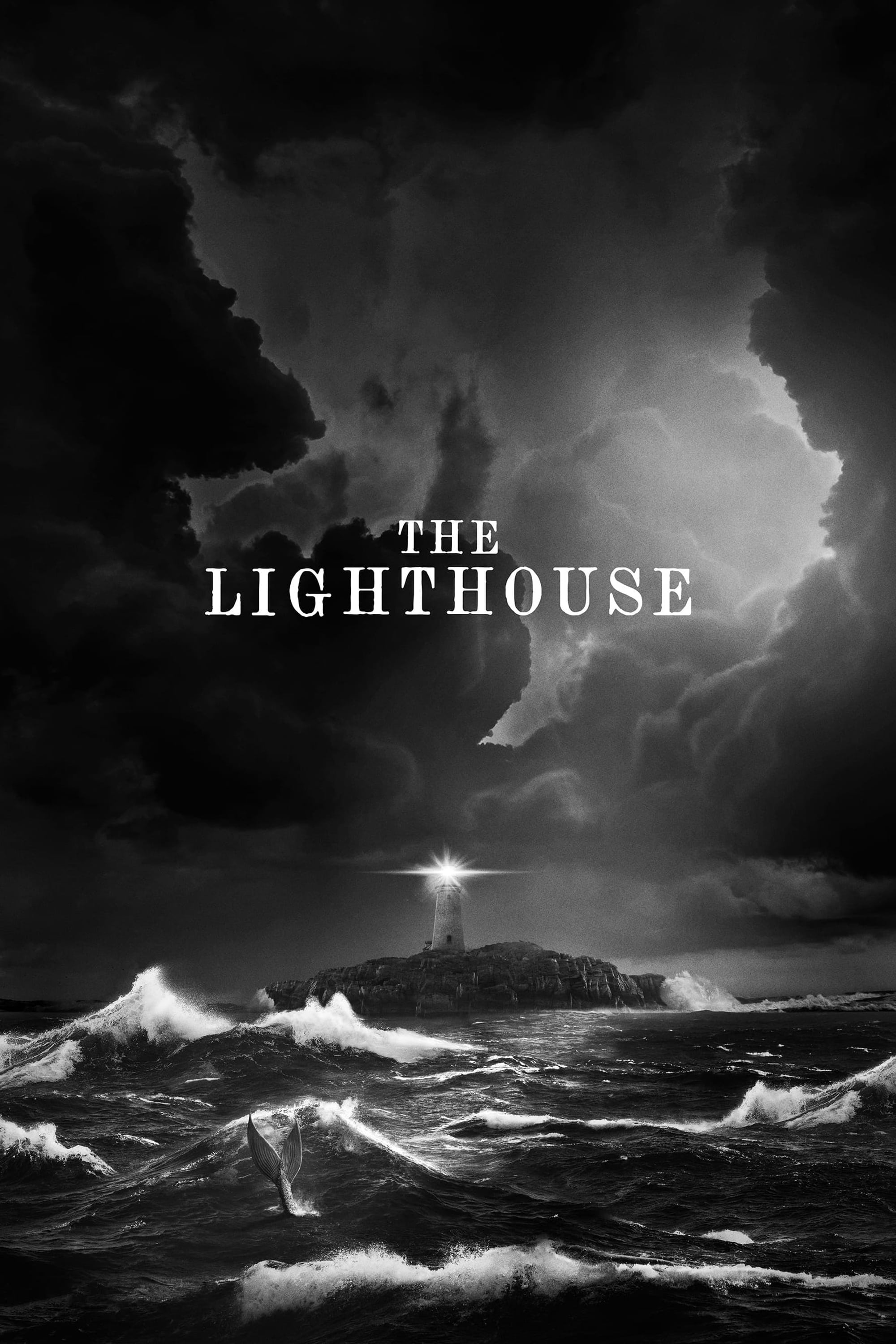
Thomas Wake plummets to his death, and Ephraim Winslow finally makes it to the top of the tower, reaching the light. He lets out a distorted scream as he looks directly into the camera before falling down the stairs. The film ends with a horrifying image: Winslow being devoured by seagulls on the sharp rocks below. This scene strongly recalls the myth of Prometheus and his eternal punishment.
‘Predestination’ (2014)
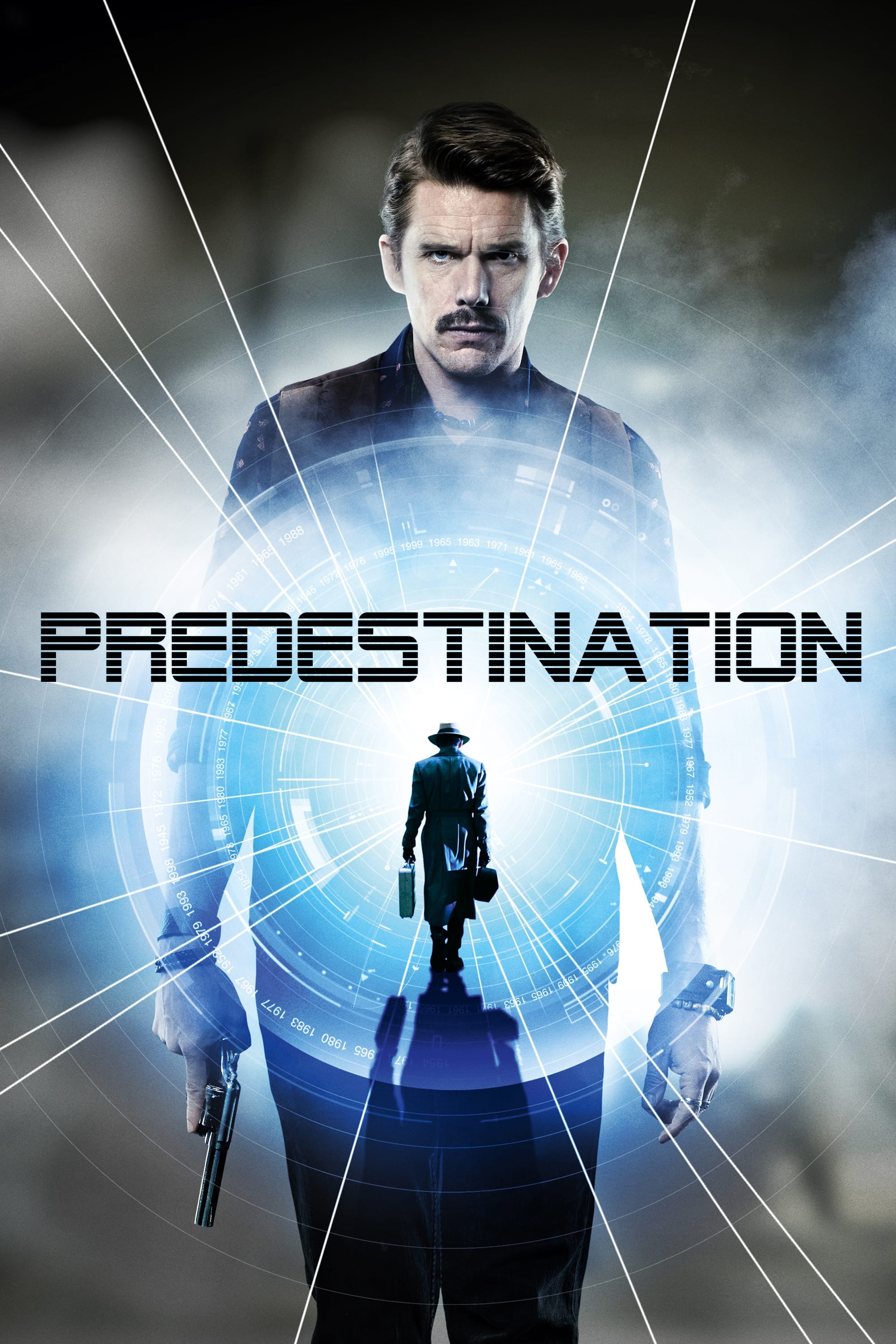
The story follows a time traveler who, through a series of strange twists, discovers he is connected to every significant person in his own life – his mother, father, and even a romantic partner. He attempts to prevent a disaster by eliminating the villain, only to learn he is destined to become that villain. This creates a cyclical, self-contained tragedy, much like a snake eating its own tail. The story challenges viewers to accept a reality where cause and effect become blurred within an endless time loop.
I’m really curious – what movie ending has caused the biggest arguments with your friends? Seriously, which one did everyone just have to talk about, and couldn’t agree on? Let me know in the comments – I’m always up for a good movie debate!
Read More
- Invincible Season 4 Gender Swaps Tech Jacket As Fans Question Major Comic Change
- Silver Rate Forecast
- Gold Rate Forecast
- 22 Films Where the White Protagonist Is Canonically the Sidekick to a Black Lead
- Building Agents That Learn and Improve Themselves
- 15 Films That Were Shot Entirely on Phones
- 20 Movies Where the Black Villain Was Secretly the Most Popular Character
- Celebs Who Narrowly Escaped The 9/11 Attacks
- Trading Crypto with AI: A New Approach to Portfolio Management
- 18 TV Series Filming Rehearsals as Bonus Content
2026-02-02 22:19