
Movies are often filled with hidden details that most viewers don’t notice. These can include references to other films or hints about what’s going to happen later in the story. Directors carefully use things like set decorations and people in the background to add extra layers of meaning. Spotting these hidden ‘Easter eggs’ can make watching a film much more fun for movie lovers. Here’s a collection of some of the most interesting secrets hidden in classic films.
‘Fight Club’ (1999)
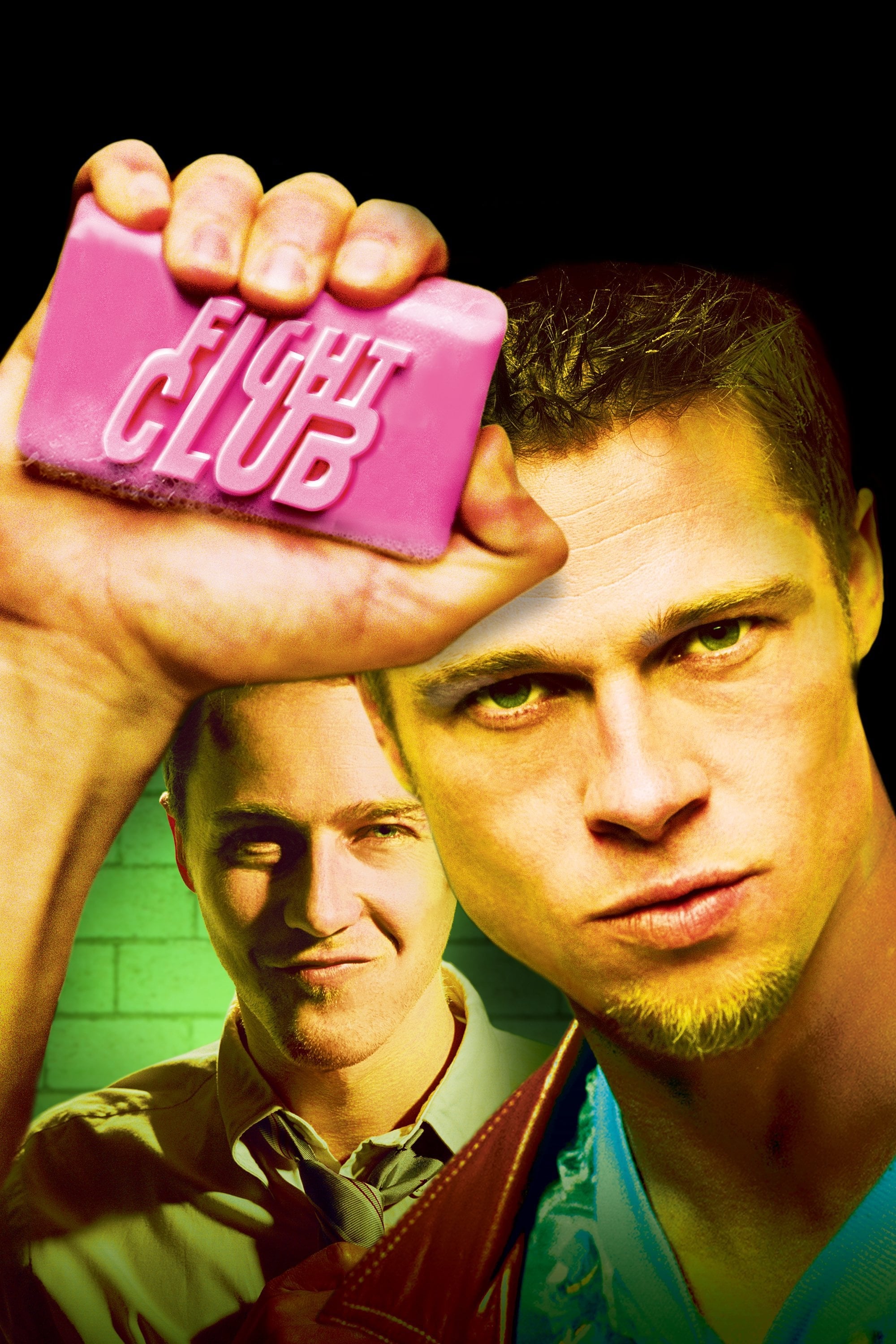
Director David Fincher subtly placed a Starbucks cup in nearly every scene of the movie. This repeated visual element is meant to highlight how common corporate brands and consumerism have become in today’s world. Viewers can find the cups appearing on surfaces or in the hands of people in the background, subtly supporting the film’s idea that material possessions are everywhere.
‘The Departed’ (2006)
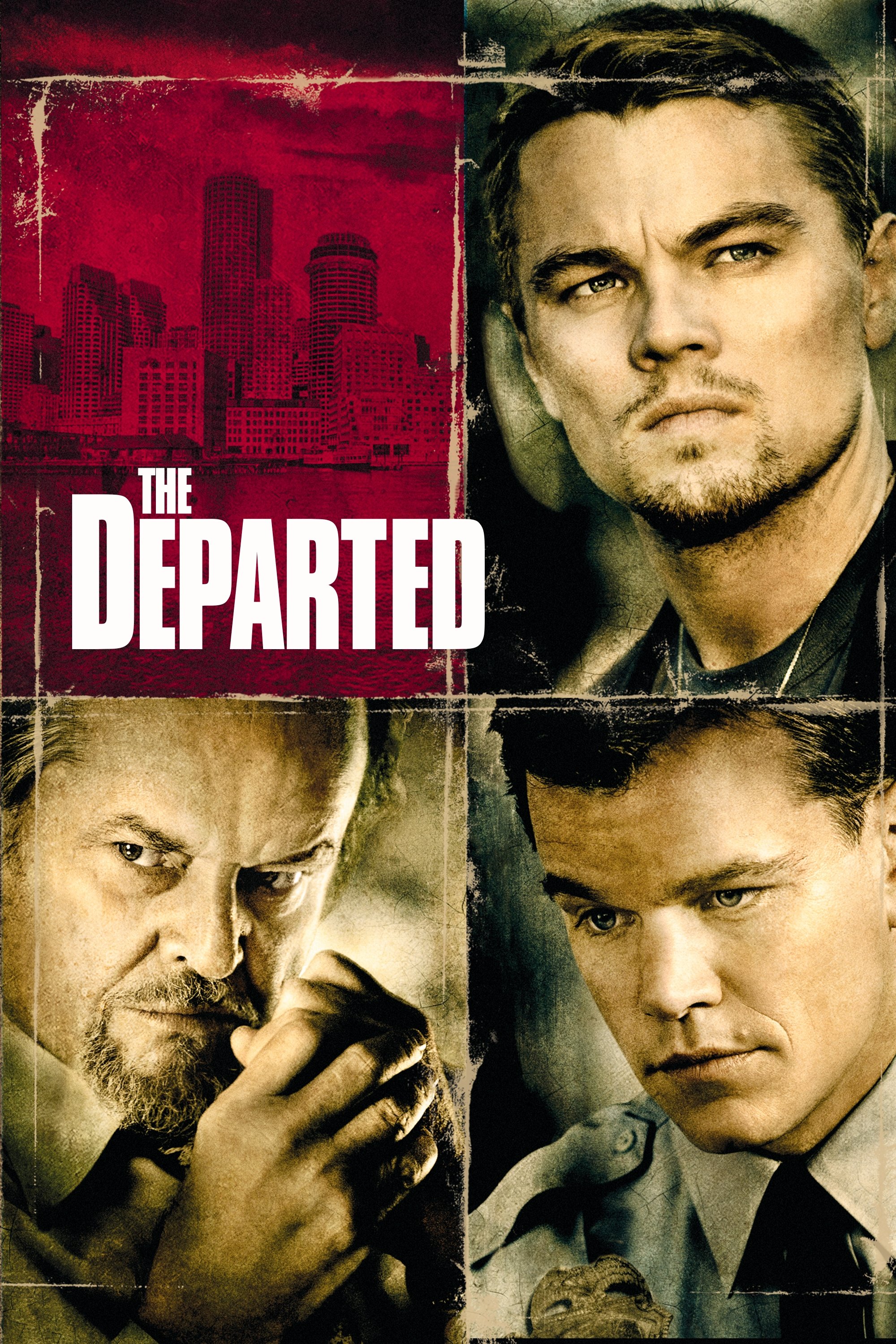
Martin Scorsese cleverly hinted at upcoming deaths in his films by subtly including an ‘X’ somewhere in the scene before a character was killed. This ‘X’ could appear as part of the set – on walls, floors, or even created by the structure of the building – acting as a visual cue for the audience to anticipate a character’s fate. He was inspired by the classic film ‘Scarface’ when developing this technique.
‘Psycho’ (1960)
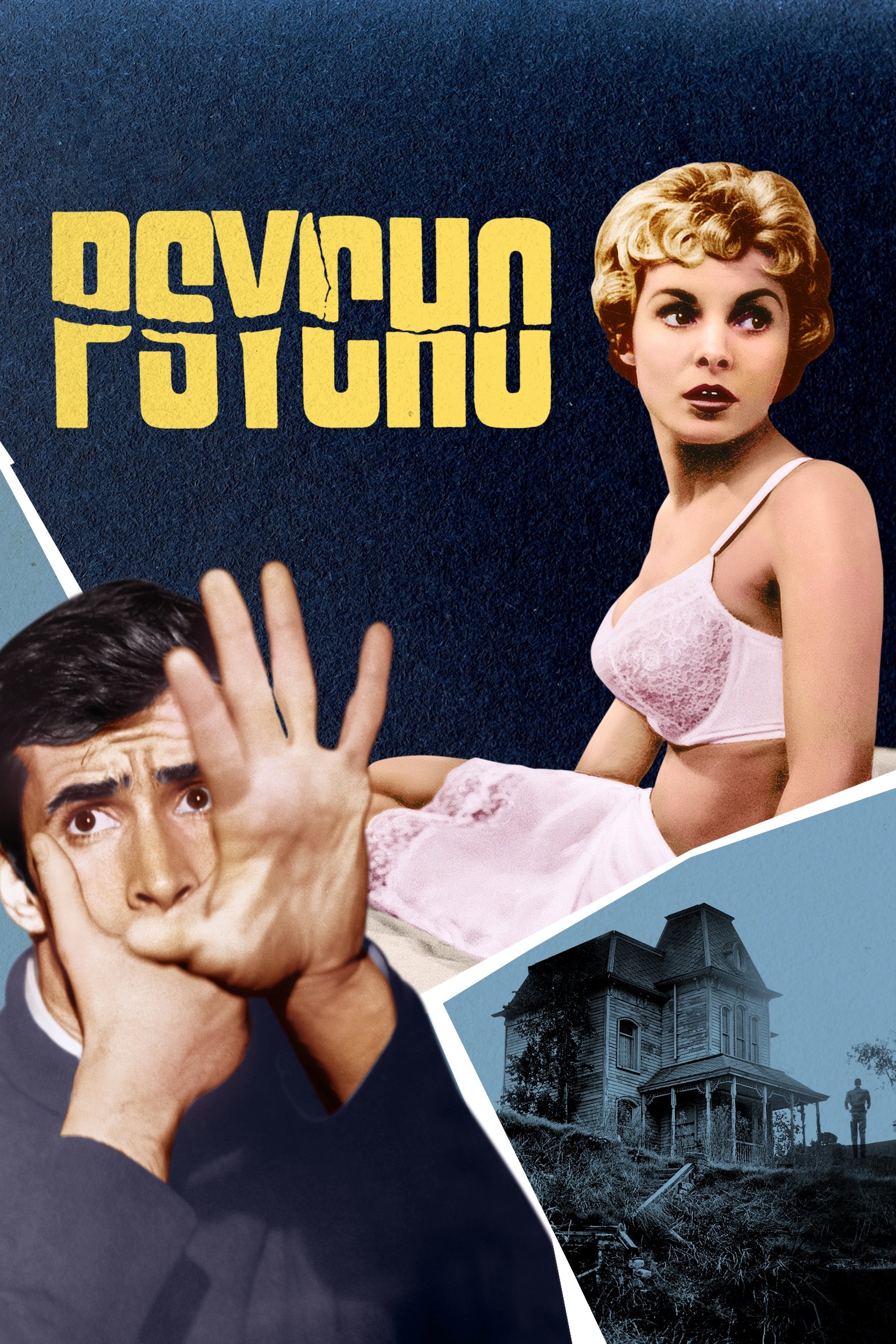
In the final scene of the film, Alfred Hitchcock subtly flashed an image of a skull over Norman Bates’ face as he sat in the police station. This quick visual effect linked him to his mother’s remains, powerfully suggesting his complete mental breakdown and leaving a deeply disturbing impression on the audience.
‘Raiders of the Lost Ark’ (1981)
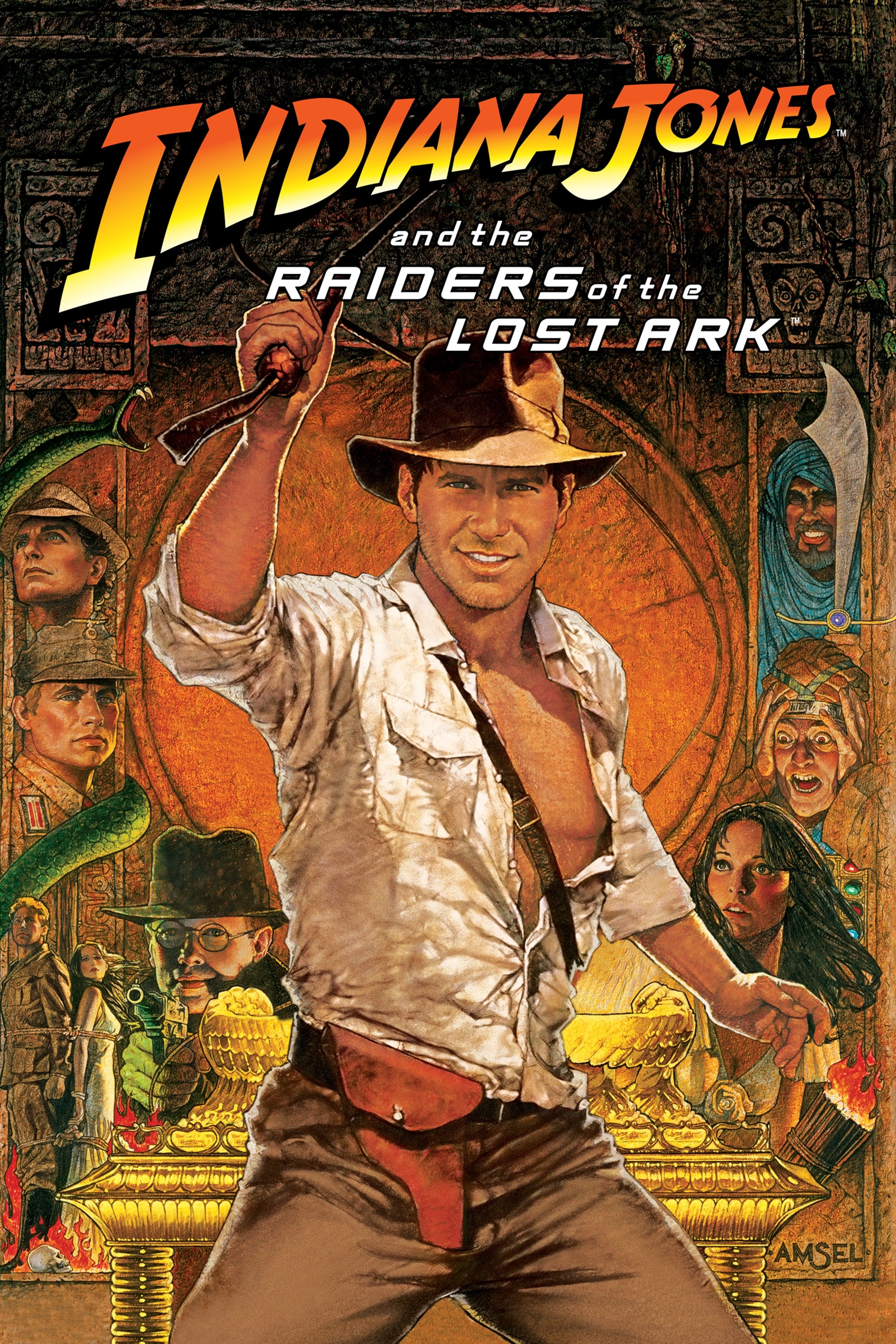
While filming ‘Raiders of the Lost Ark,’ George Lucas and Steven Spielberg playfully included a ‘Star Wars’ reference in the Well of Souls scene. If you look closely at the hieroglyphics on one of the pillars as Indiana Jones and Sallah discover the Ark of the Covenant, you can see images of the droids R2-D2 and C-3PO. It’s a fun, hidden signature from the two famous directors.
‘The Shining’ (1980)
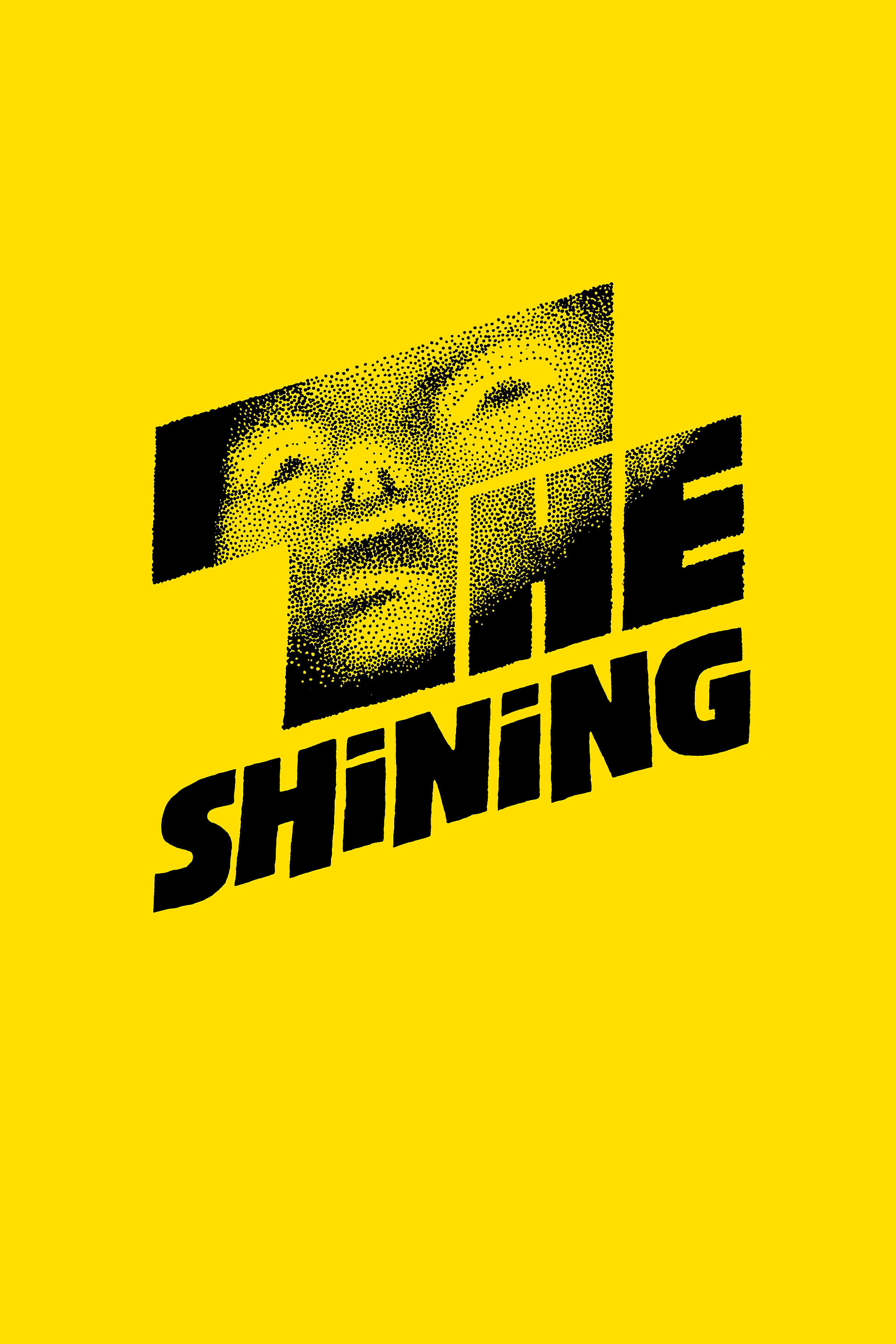
Stanley Kubrick intentionally designed the Overlook Hotel to feel disorienting and unreal. He created illogical spaces – for example, a window in the manager’s office that shouldn’t look out to the exterior. Hallways and doors sometimes lead nowhere or to impossible locations within the hotel’s structure. This confusing layout is meant to subtly build a feeling of unease and being trapped.
‘Toy Story’ (1995)
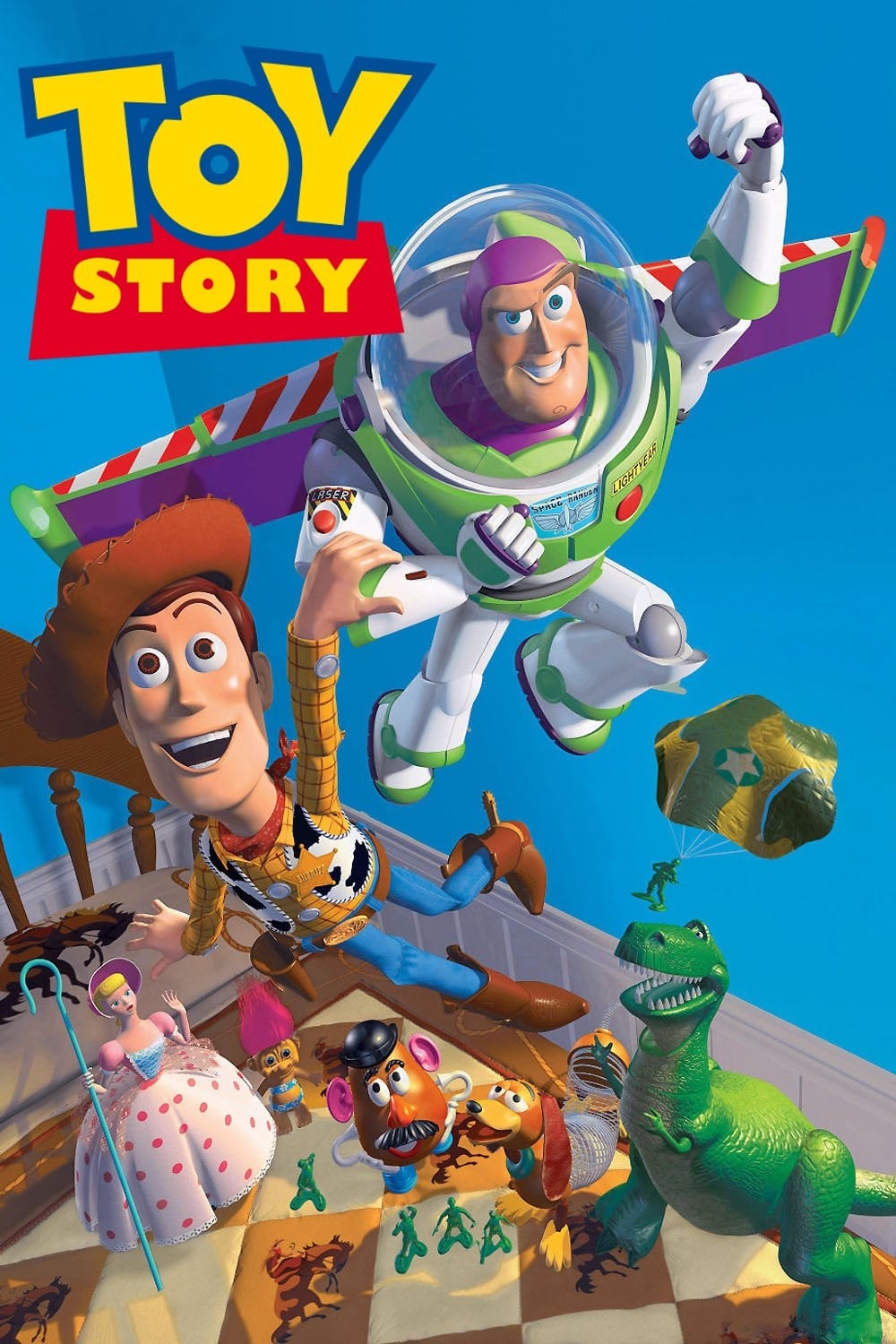
Animators at Pixar subtly referenced the horror movie ‘The Shining’ when creating Sid’s house in Toy Story. The carpet pattern in the upstairs hallway is identical to the one in the Overlook Hotel, hinting that the house is a scary and dangerous place for the toys. This hidden detail has become one of the most well-known Easter eggs ever included in an animated film.
‘Catch Me If You Can’ (2002)
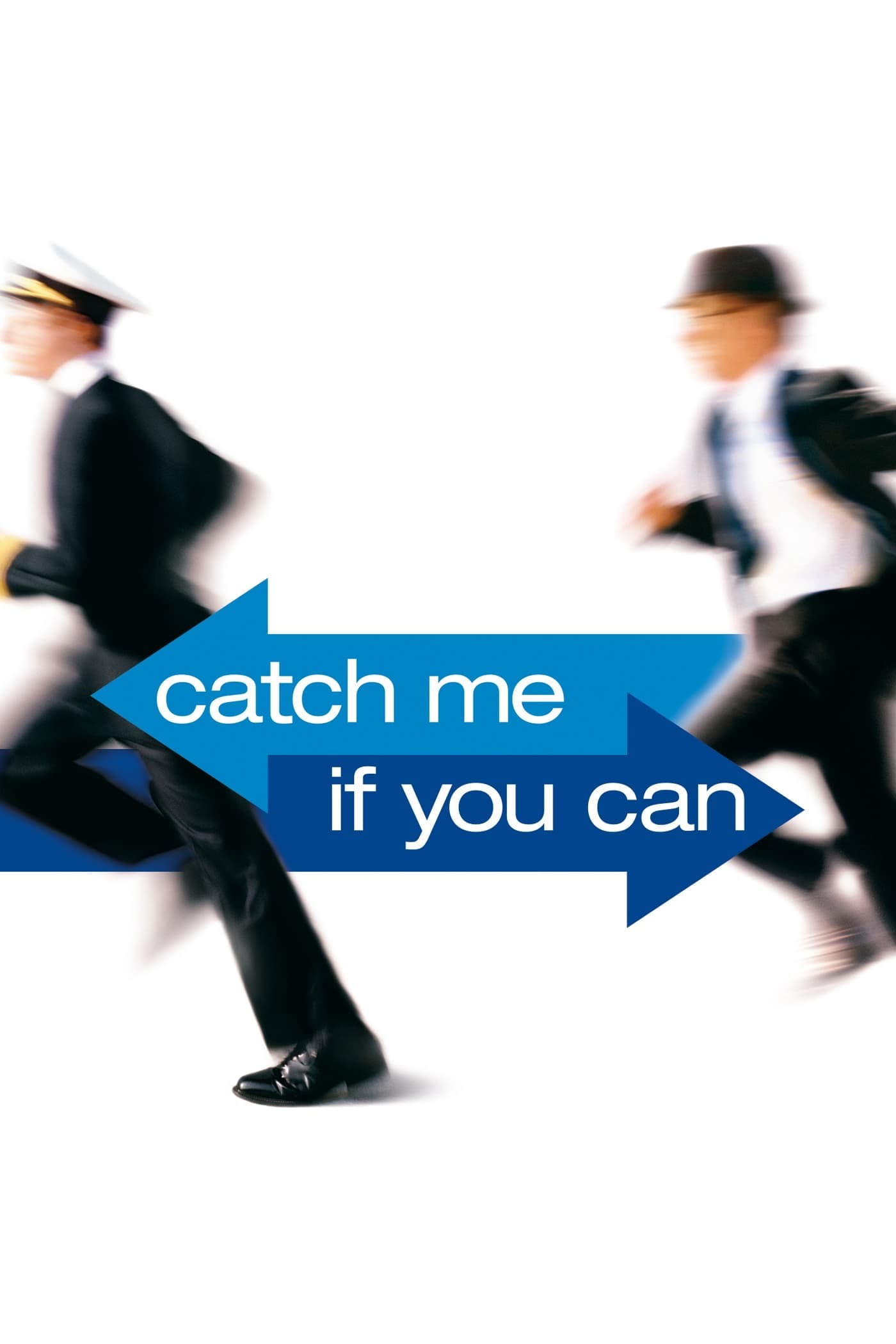
The movie based on Frank Abagnale Jr.’s life includes a brief appearance by the real man himself. He plays a French police officer who arrests the character portraying a younger version of him, played by Leonardo DiCaprio. This clever casting choice highlights Abagnale’s transformation – from con artist to a figure of authority – and acknowledges his later work helping businesses with security.
‘The Matrix’ (1999)
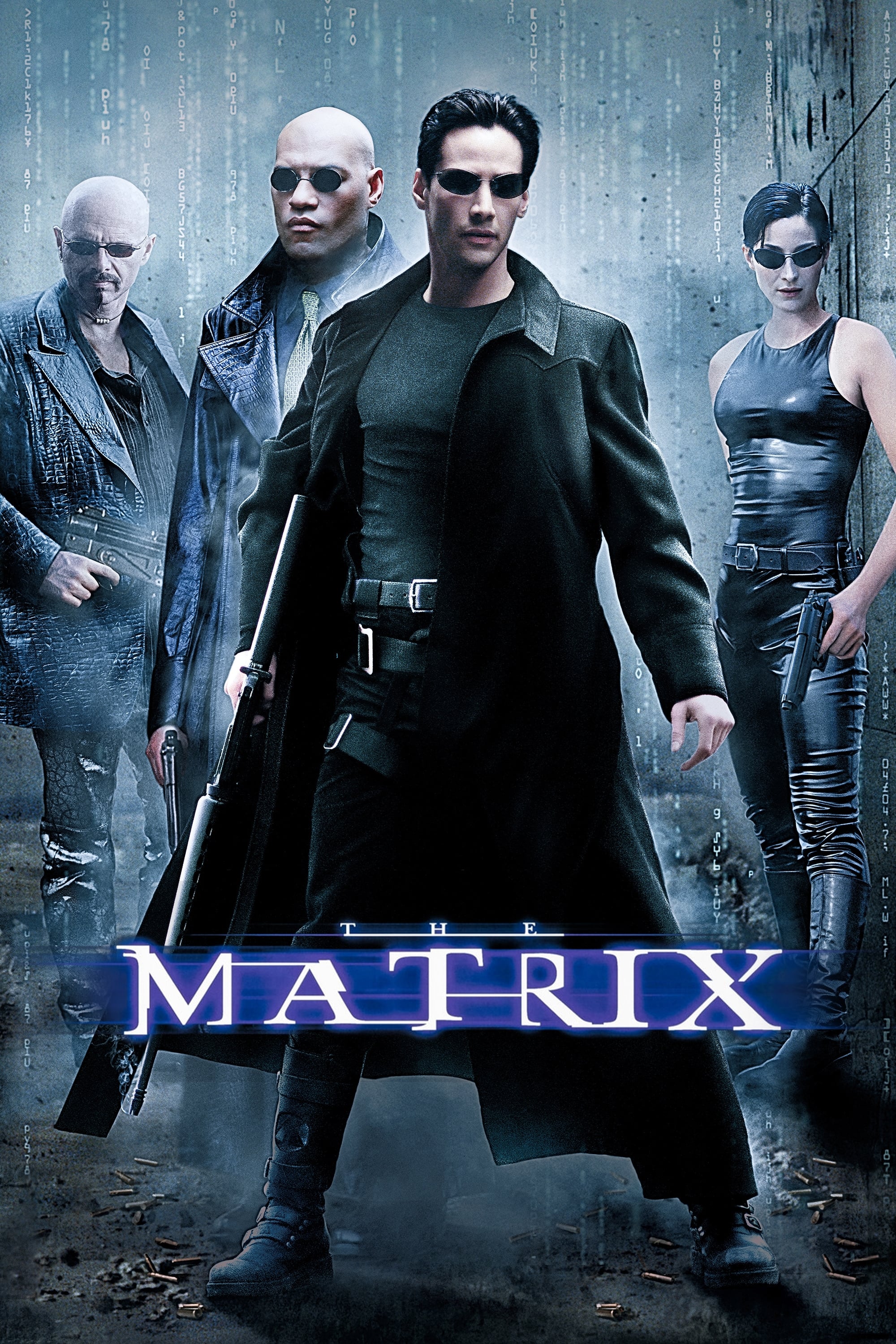
A passport found in Neo’s interrogation file has an unsettling detail: its expiration date is September 11, 2001. Fans noticed this strange coincidence while carefully examining screenshots from the film, realizing the date appeared years before the 9/11 attacks happened in New York City.
‘I Am Legend’ (2007)
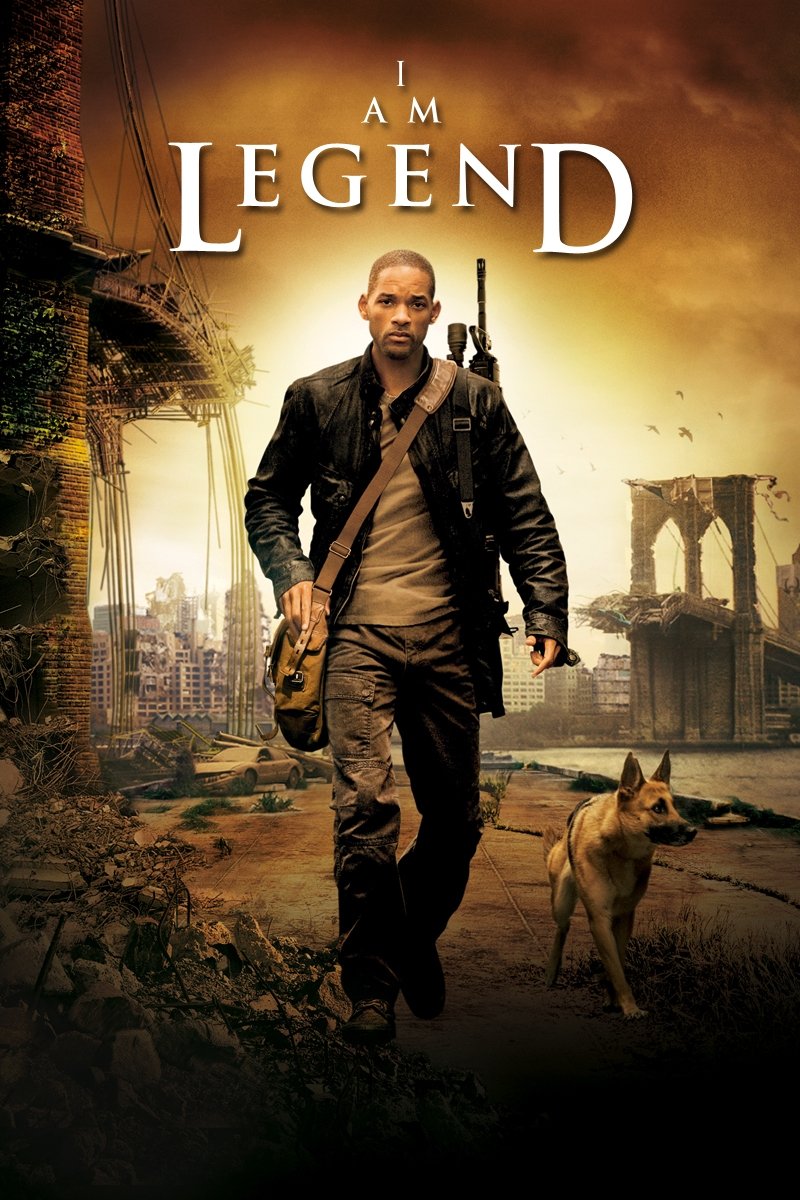
A billboard in nearly empty Times Square featured a logo that combined the Batman and Superman emblems. Surprisingly, this happened almost ten years before the movie ‘Batman v Superman’ came out. The film’s producer had been developing an early idea for a crossover between the two heroes, but it didn’t happen then. It’s a remarkable example of a movie project stuck in development for years.
‘Captain America: The Winter Soldier’ (2014)
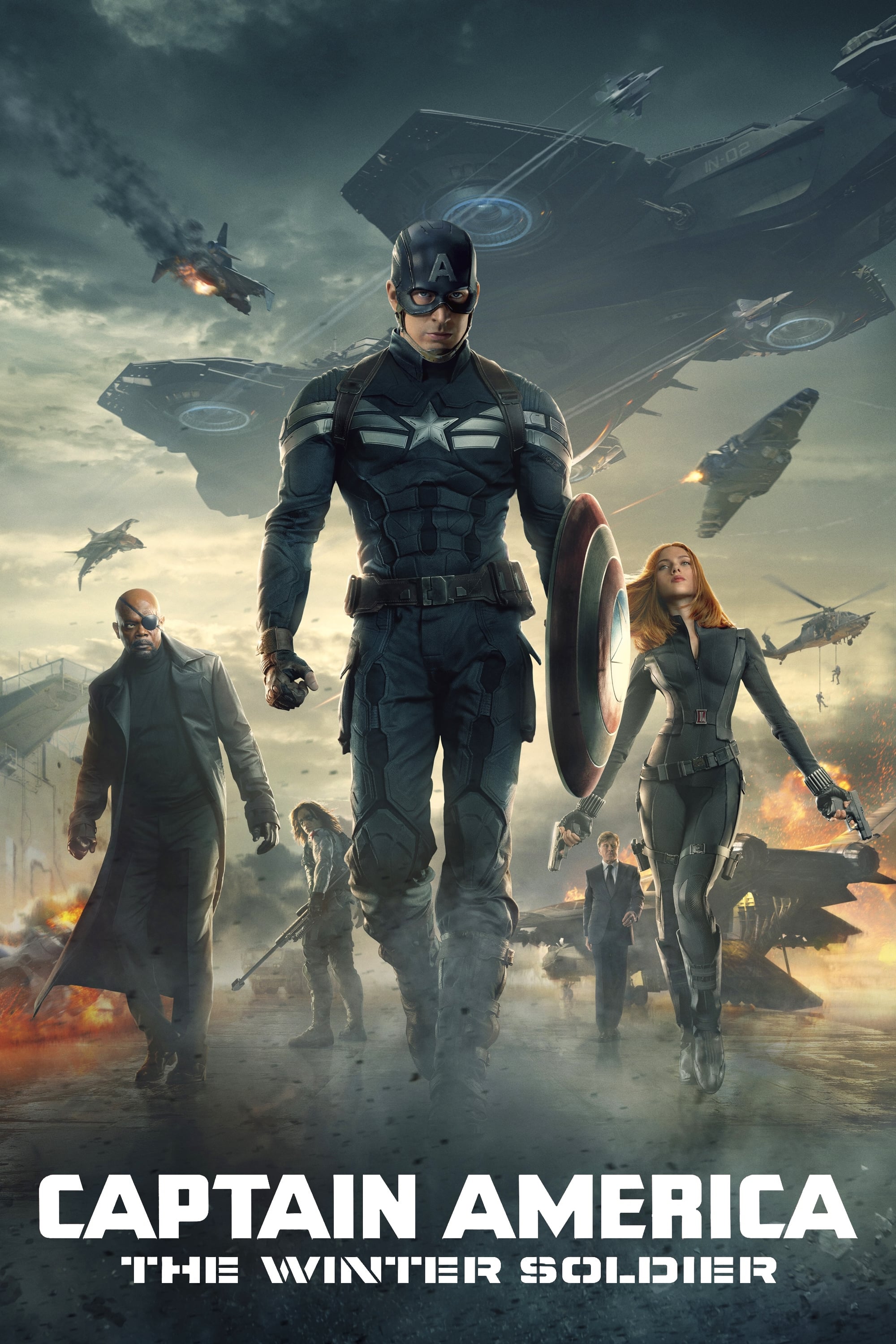
Nick Fury’s tombstone includes a quote from the Bible that also references a famous movie he appeared in earlier. The inscription, “The path of the righteous man,” is the opening line of a monologue spoken by Jules Winnfield in ‘Pulp Fiction’. Because Samuel L. Jackson played both Nick Fury and Jules Winnfield, this is a clever way to link his two well-known roles, offering a fun connection to one of his most memorable performances.
‘Back to the Future’ (1985)
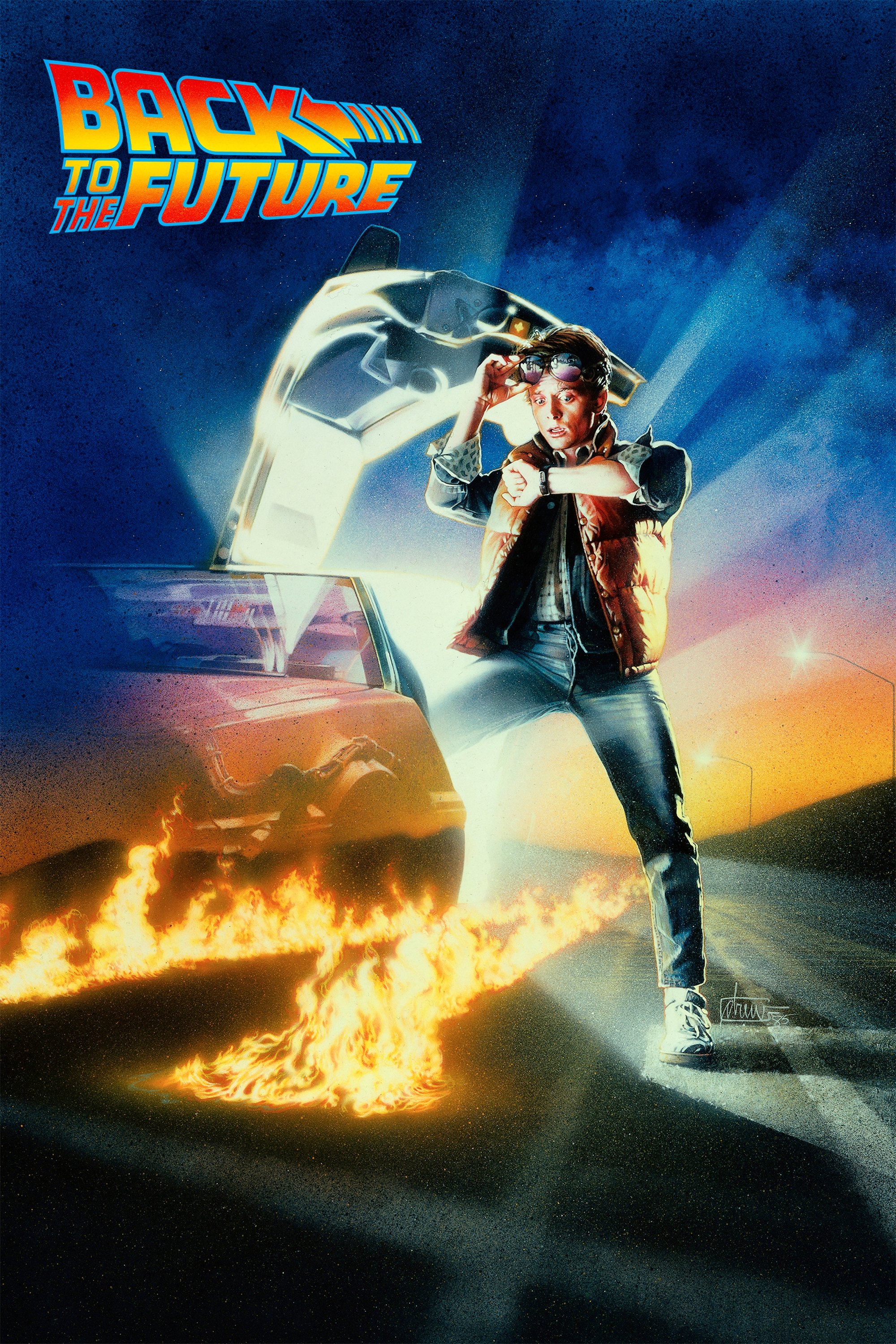
The shopping mall’s name changes throughout the movie because of Marty McFly’s time travel. It starts as Twin Pines Mall, but after Marty accidentally hits a pine tree with the DeLorean in 1955, the sign changes to Lone Pine Mall. This small detail cleverly shows how even small changes in the past can affect the future, and it’s a nice reward for viewers who pay close attention to the background.
‘Aladdin’ (1992)
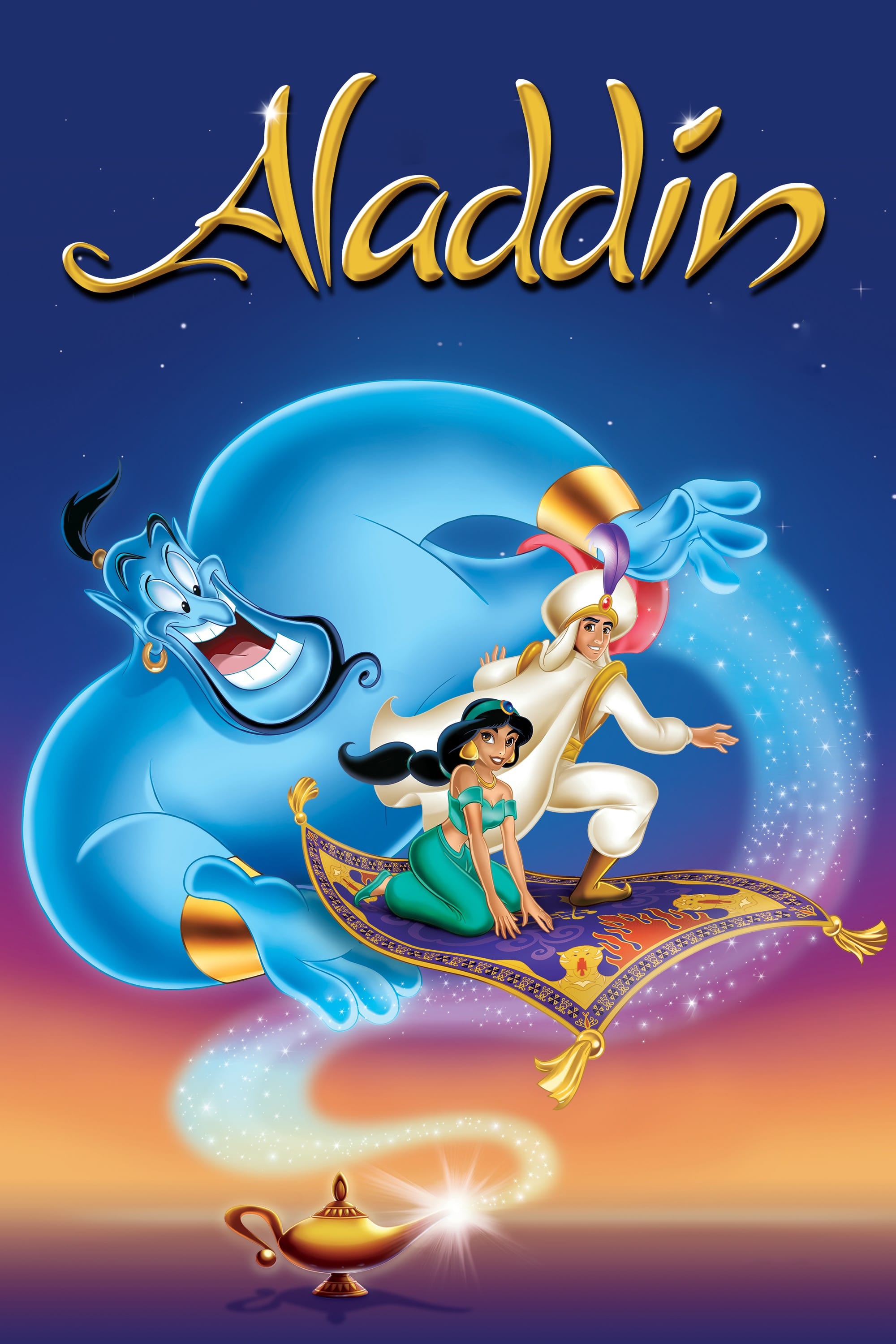
Disney loves to include hidden references to its older films in new ones. For example, a small figure of the Beast from ‘Beauty and the Beast’ briefly appears among the toys in the Sultan’s collection in another movie. This clever detail subtly links the two films, suggesting they exist in the same shared world.
‘Watchmen’ (2009)
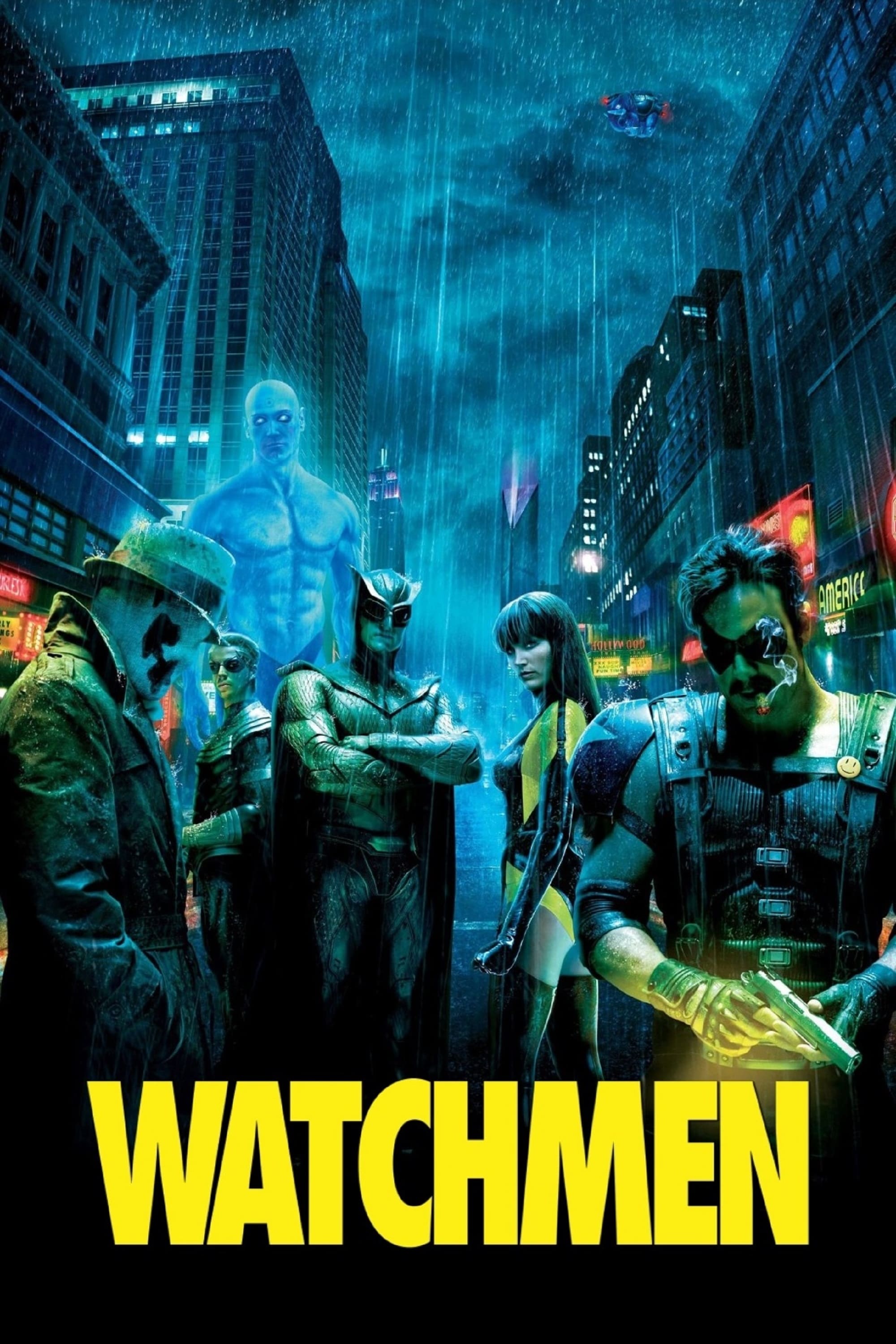
The opening credits cleverly change how we understand Batman’s beginnings in this new world. We see Nite Owl stopping a robbery that would have killed Bruce Wayne’s parents, meaning Bruce never experienced the tragedy that drove him to become Batman. This hints that in this universe, only the characters from Watchmen become superheroes.
‘The Social Network’ (2010)
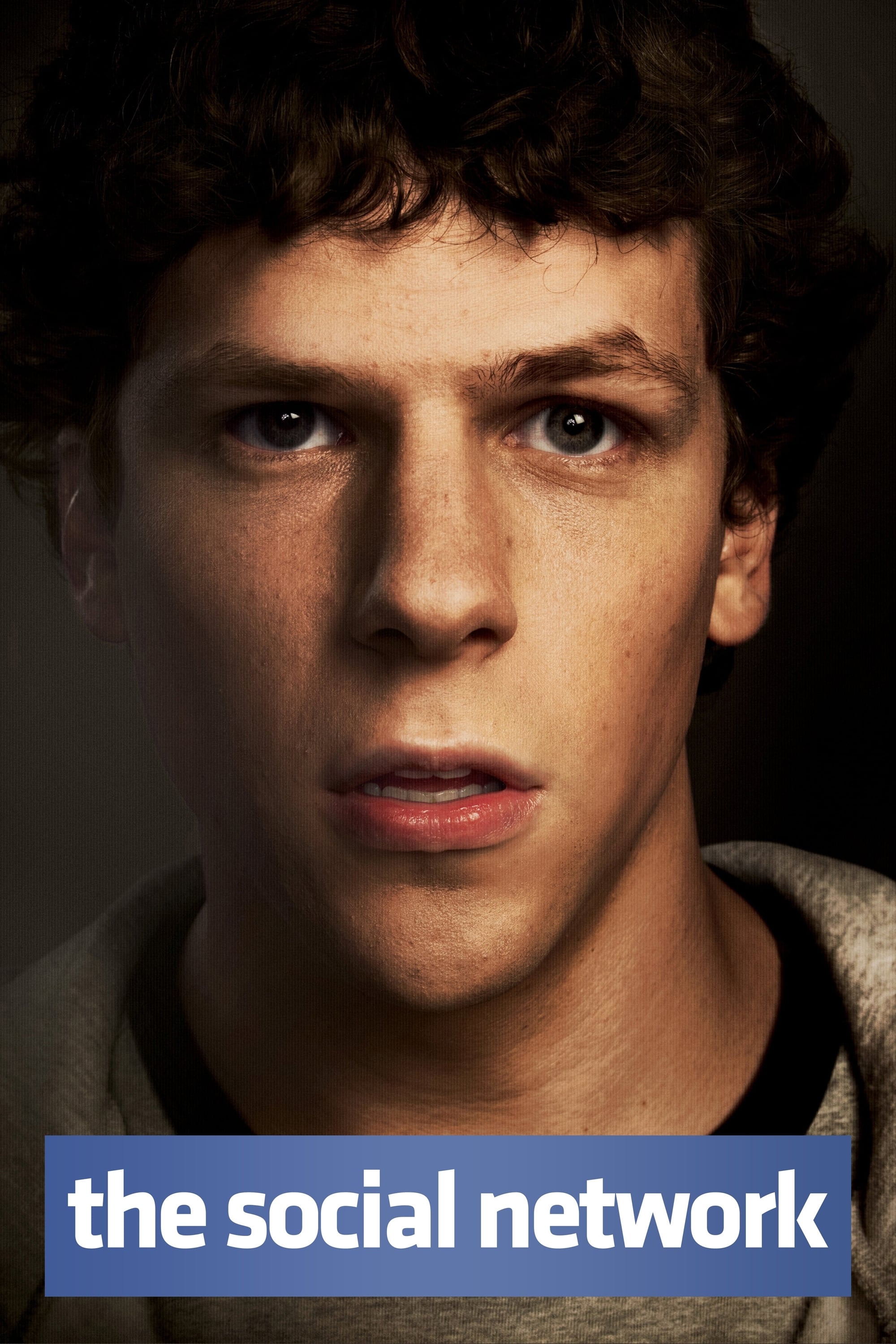
In the movie, Mark Zuckerberg briefly uses a fake Facebook profile named Tyler Durden, a nod to the film ‘Fight Club’ that suggests his rebellious nature and desire to challenge the existing social structure. Early in the film, this profile also indicates he dislikes rowing, which subtly hints at his future conflict with the Winklevoss twins. The filmmakers paid close attention to detail, filling scenes with realistic, though often quickly glimpsed, elements.
‘Encanto’ (2021)
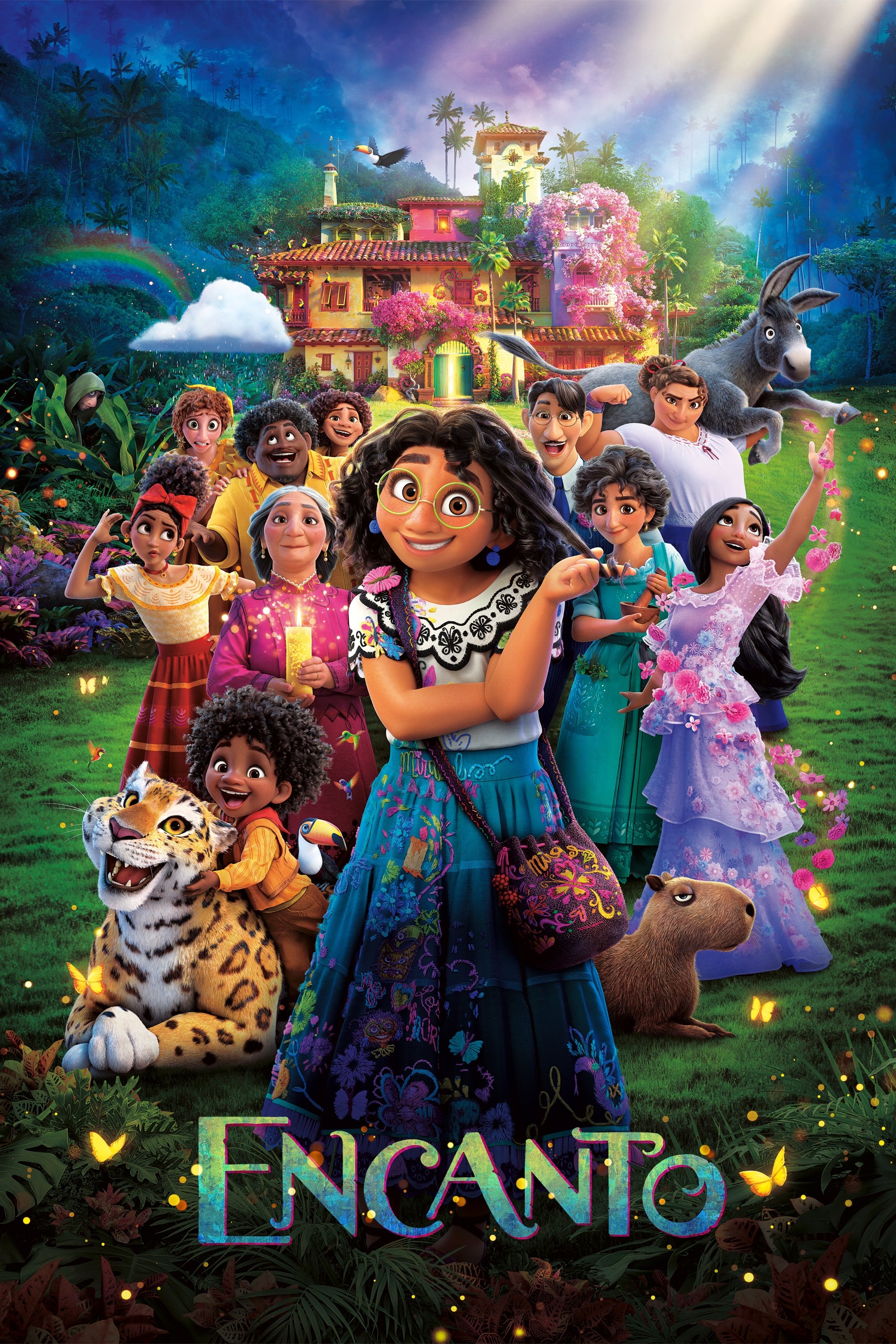
During the song about his disappearance, a keen-eyed viewer can spot Bruno subtly hidden in the background. He’s seen dancing on the balcony with his family, revealing he never really left and stayed nearby. This clever detail is a fun reward for those who rewatch the scene, as he’s expertly camouflaged in the shadows.
‘Midsommar’ (2019)

In his film, director Ari Aster subtly included the face of the main character’s deceased sister in the scenery of the commune. During the maypole dance scene, the trees behind the characters are arranged to resemble her face. This hidden image symbolizes the character’s deep-seated trauma and suggests she’s unable to find peace, even in this isolated place, as she continues to be haunted by her loss.
‘Get Out’ (2017)
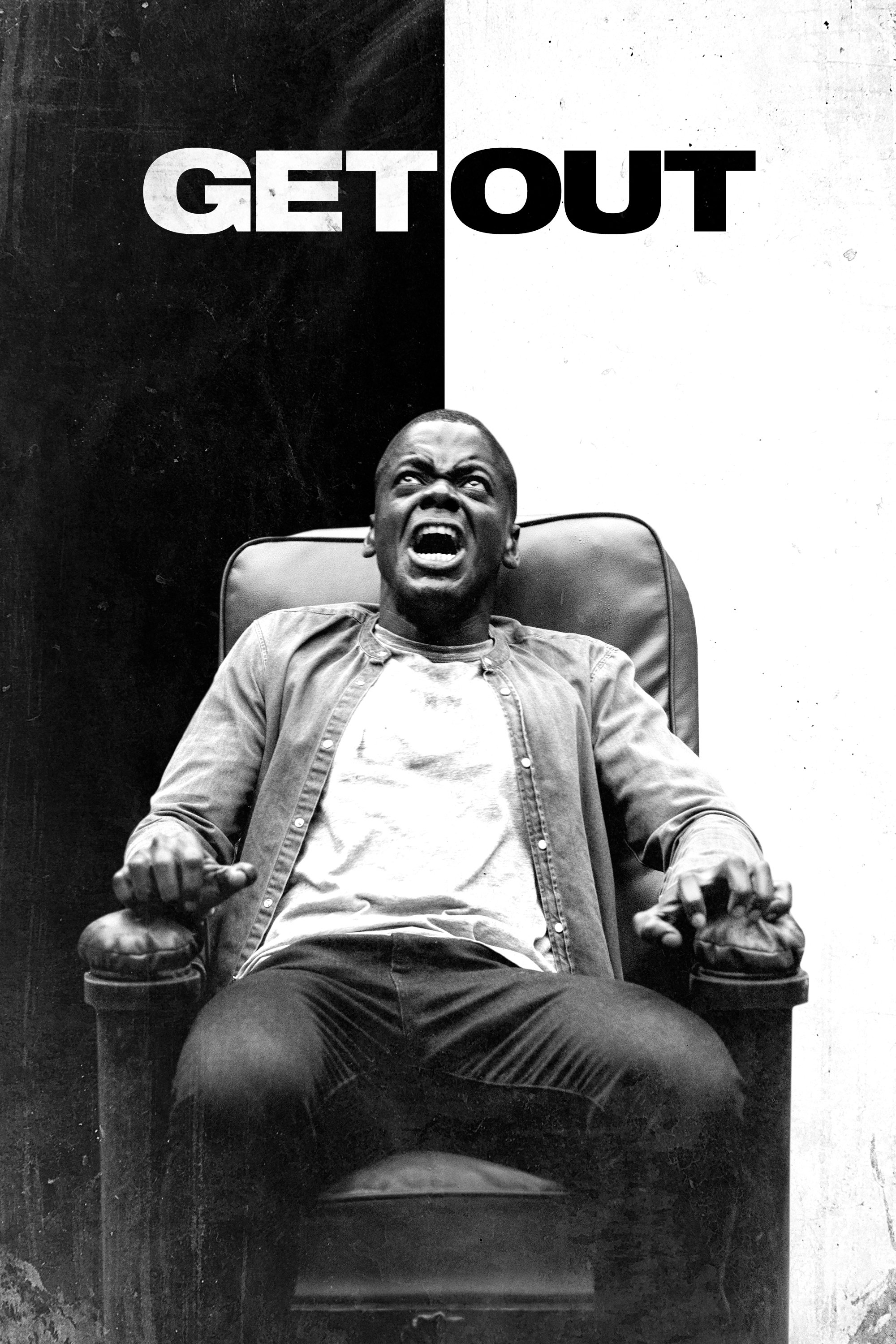
The film’s title is cleverly concealed within the lyrics of its opening song, which is sung in Swahili. While the phrase “Sikiliza Kwa Wahenga” means “voices of the ancestors,” the repeated warnings within the song actually advise the main character to flee. This hidden clue foreshadows the danger Chris will face, and director Jordan Peele intentionally used the music to hint at what’s to come.
‘Baby Driver’ (2017)

The graffiti shown during the coffee shop scene wasn’t random – it actually matched the words of the song the main character was listening to, “Harlem Shuffle.” Creating this effect took careful planning, with the set design and graffiti timed perfectly to the music. This highlights how the character experiences the world, seeing it in rhythm with the music in their headphones.
‘Shaun of the Dead’ (2004)
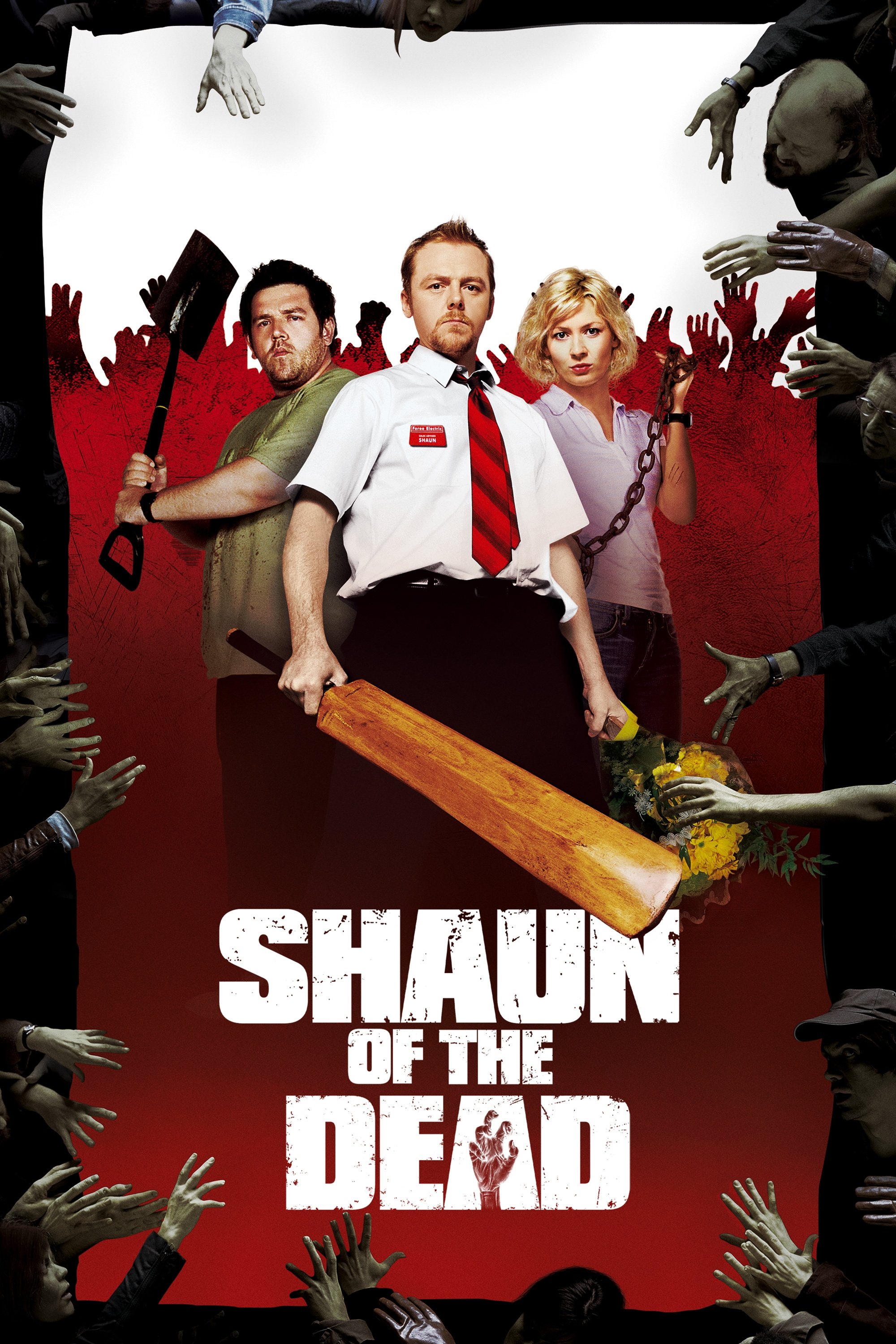
Early in the movie, Ed casually reveals the entire plot while chatting at a pub. He describes a plan for a night of heavy drinking, listing pubs and locations that perfectly match where the zombie outbreak will happen. Essentially, he unknowingly foreshadows the events to come, making it seem like just friendly conversation.
‘The Truman Show’ (1998)
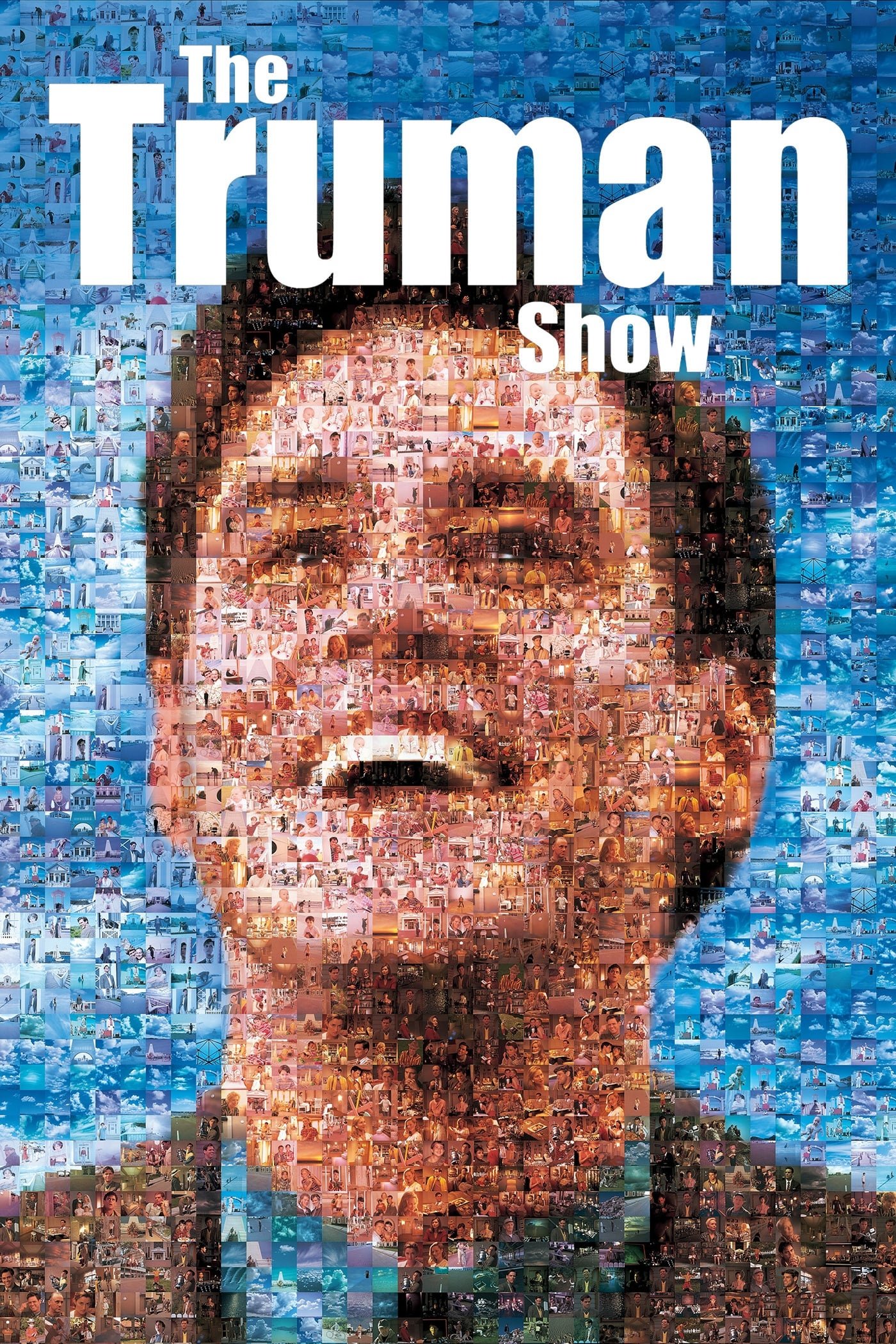
During breakfast scenes, a bottle of Vitamin D is clearly visible on the kitchen table. This detail suggests Truman isn’t exposed to natural sunlight, hinting that his entire life takes place inside a studio. The filmmakers included this as a realistic touch, emphasizing the fact that his world isn’t real and subtly highlighting the harshness of his captivity.
‘Jurassic Park’ (1993)

Dr. Alan Grant has trouble with his helicopter’s seatbelt, which has two female ends instead of a male and female connection. He has to knot them together to make it work. This funny moment hints at a bigger surprise: the dinosaurs, despite all being female, will find a way to reproduce. Just like Grant fixed his seatbelt, life will always find a way to adapt and survive.
‘Django Unchained’ (2012)
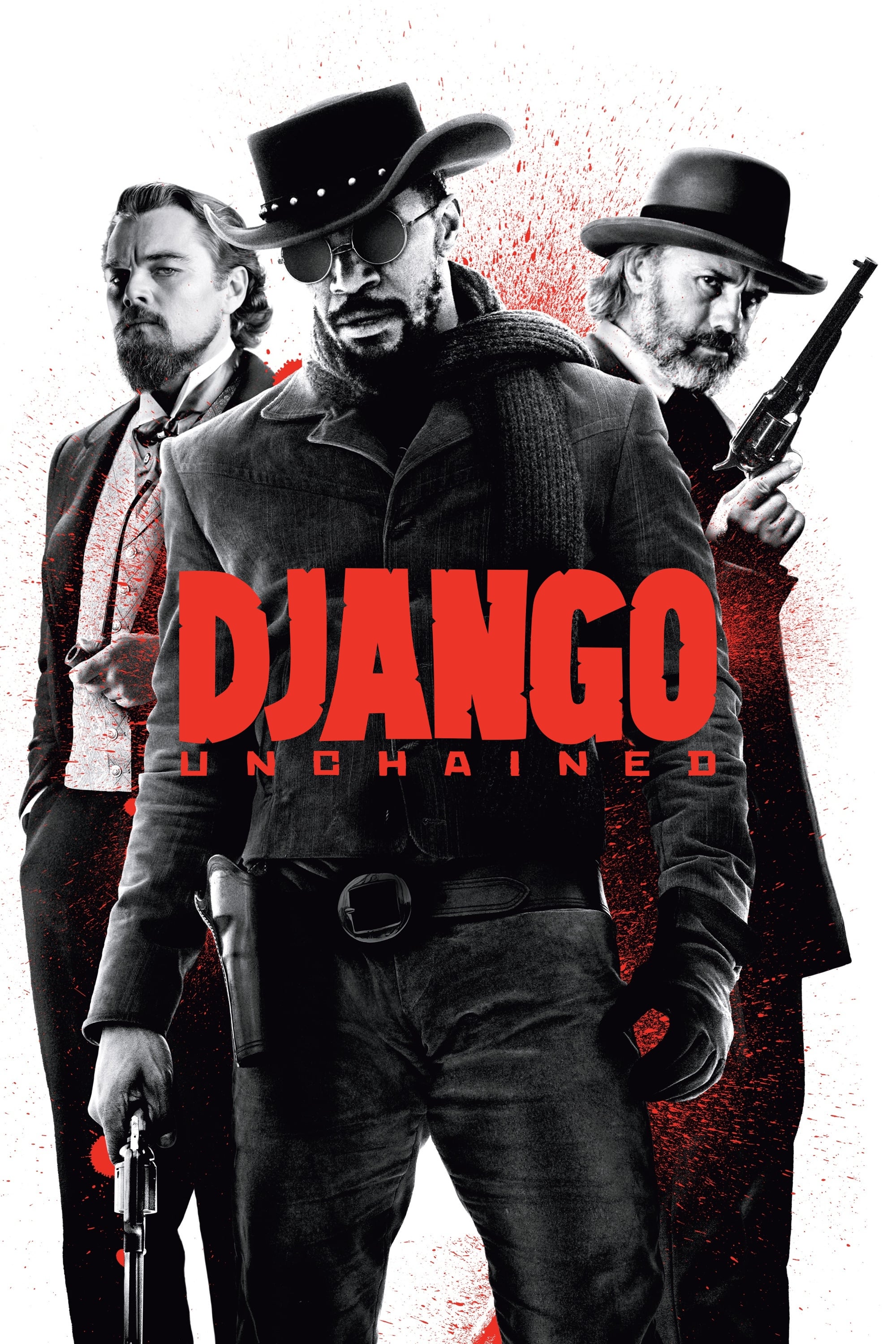
Franco Nero, the original actor who played Django, makes a brief appearance at the bar. He playfully asks the new Django how to spell his name, and gets the iconic response that the ‘D’ is silent. Nero smiles, letting on that he already knew this. This moment symbolically passes the legacy from the star of the classic spaghetti western to the actor playing the new version.
‘Zootopia’ (2016)
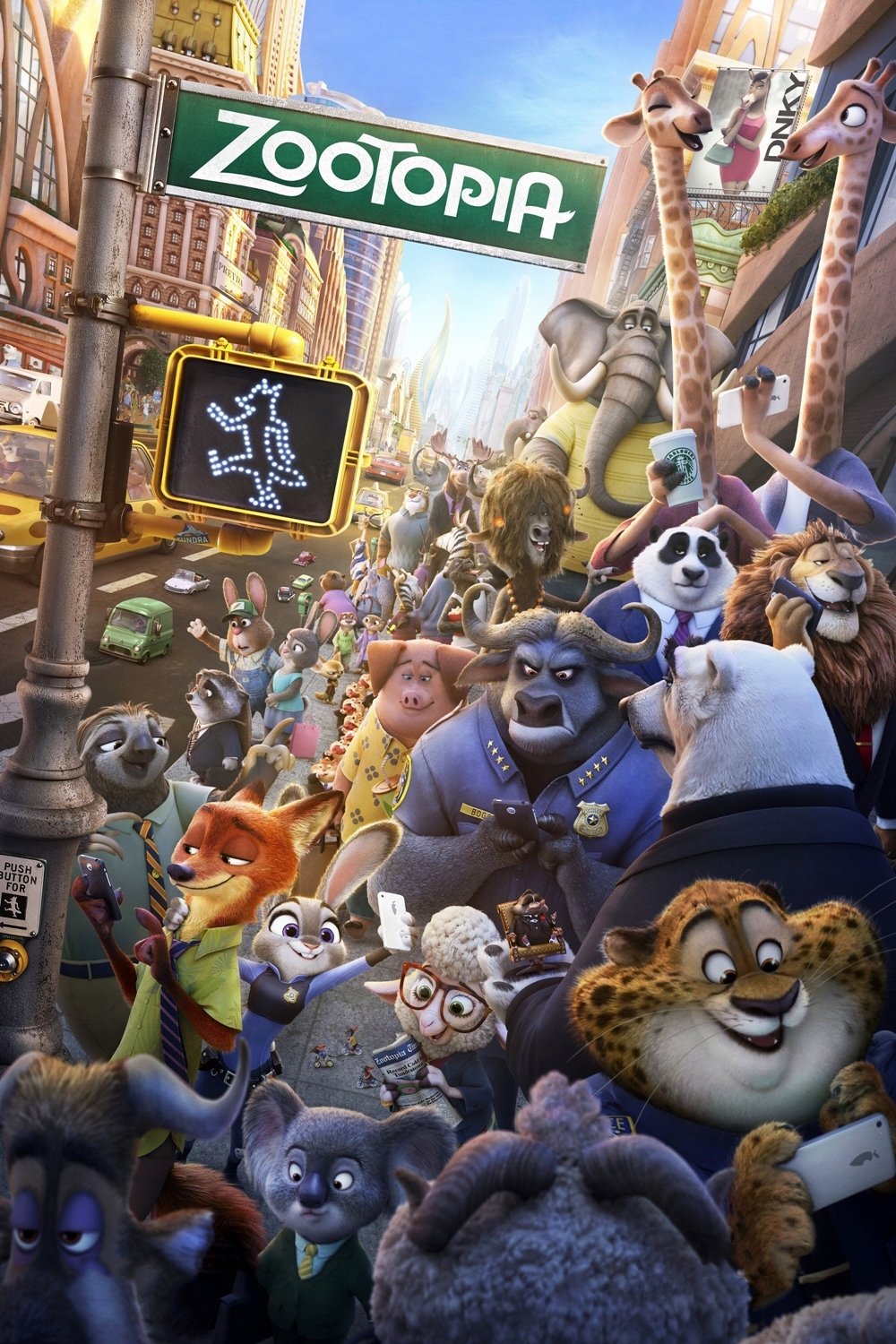
A sneaky weasel is selling illegally copied movies, including animal-themed versions of Disney films that haven’t come out yet – like playful takes on ‘Moana’ and ‘Frozen 2’ before they were even released. This scene lets Disney jokingly preview its future movies and shows that all its animated worlds are connected by the same popular culture.
‘The Godfather’ (1972)
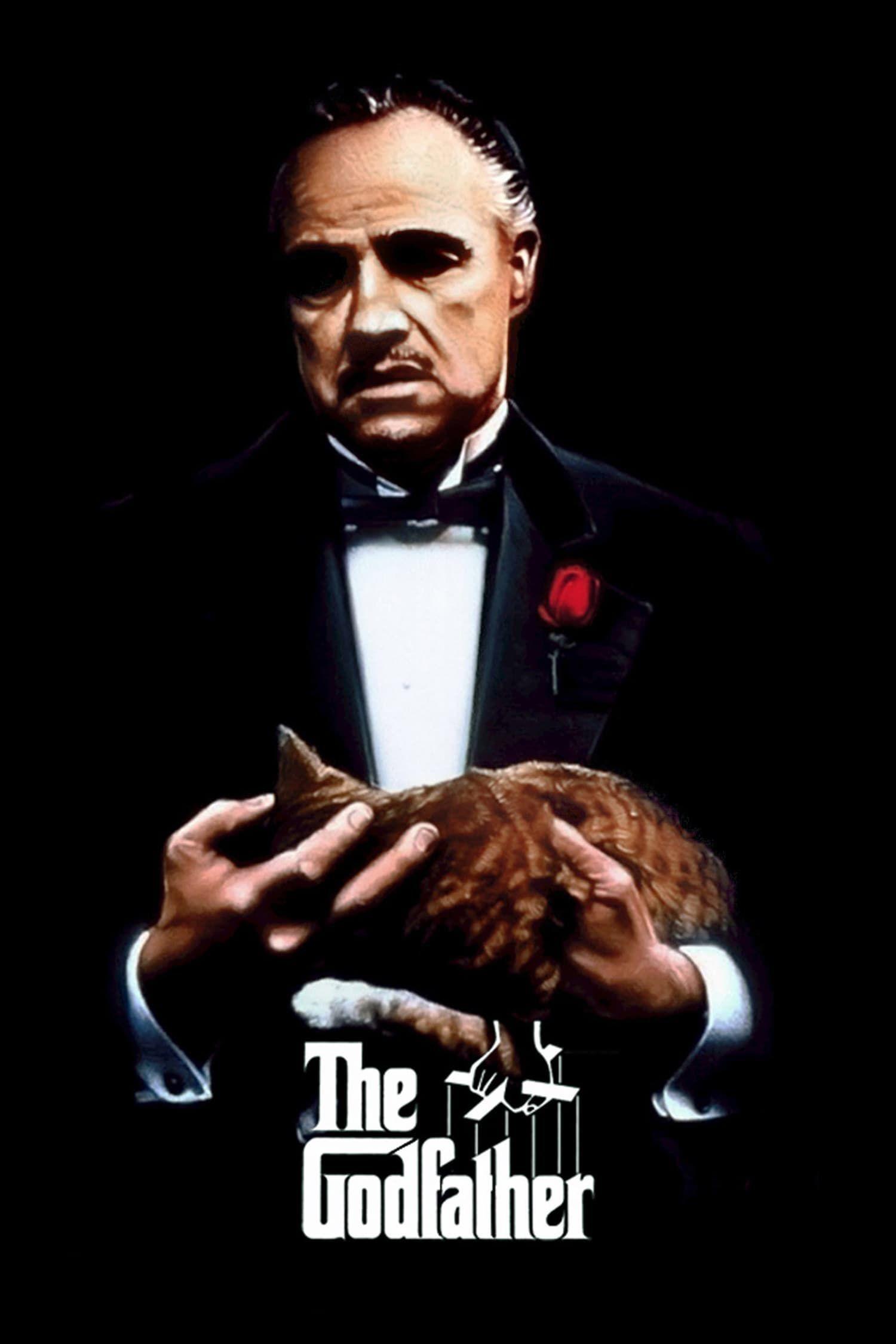
In Francis Ford Coppola’s The Godfather trilogy, oranges are a recurring symbol that foreshadows death or disaster. Whenever an orange appears on screen, a character typically meets with misfortune or is killed soon after. Viewers have noticed this pattern and now often feel a sense of dread when they see the fruit appear in a scene.
‘Scream’ (1996)
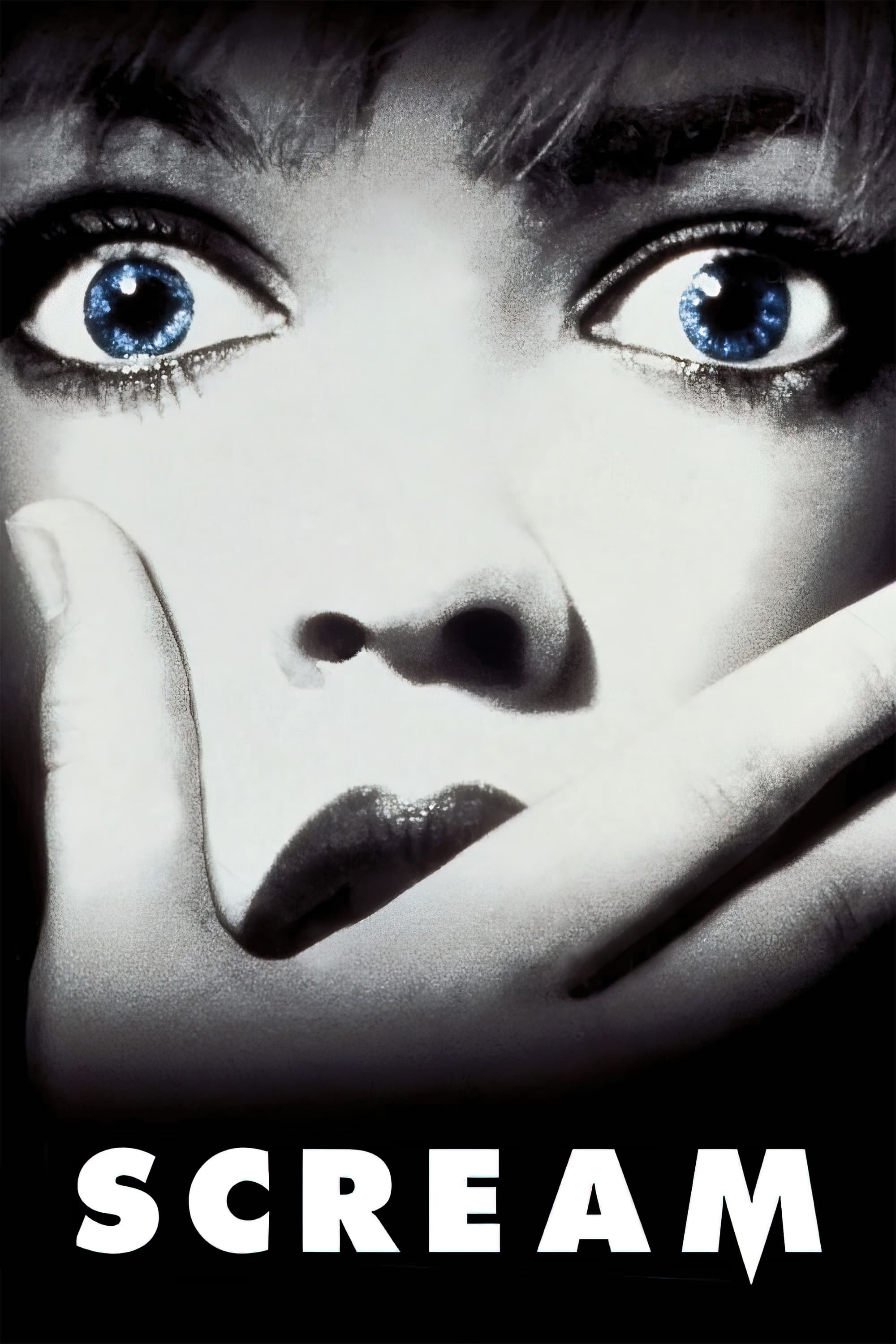
Director Wes Craven playfully appears in the film as a janitor named Fred, dressed in a red and green sweater and fedora – an outfit similar to his iconic villain, Freddy Krueger. This is a clever nod to his famous ‘A Nightmare on Elm Street’ series and a self-aware horror joke, fitting for a movie that playfully examines the tropes of the genre.
‘Home Alone’ (1990)
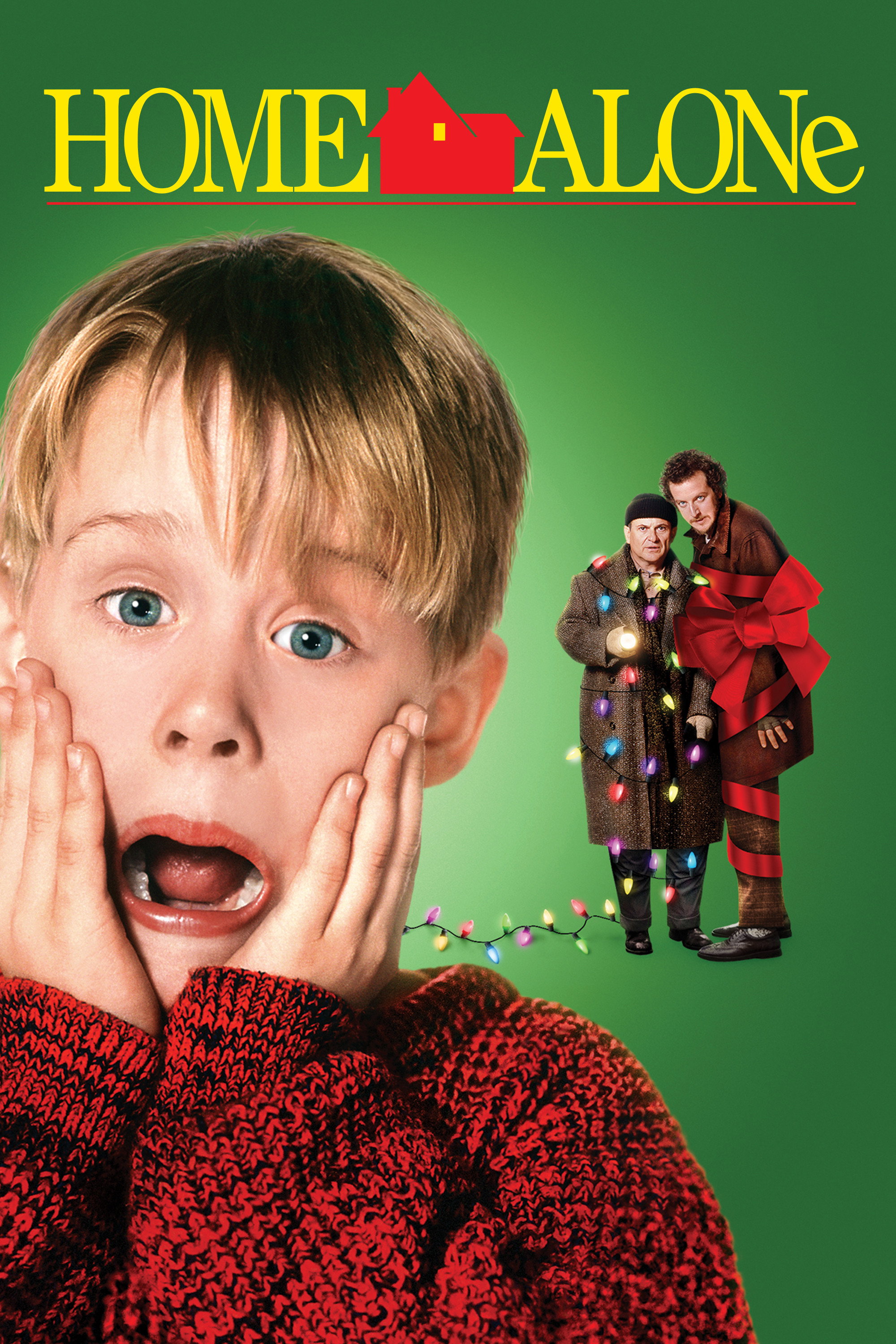
As a film buff, I always appreciated how they handled Kevin getting left behind in ‘Home Alone.’ It’s so subtle! They don’t have anyone say why he wasn’t at the airport with the family, instead, they visually show his plane ticket getting tossed in the trash after the milk spill – just for a quick moment. It’s a brilliant way to explain why everyone counted the right number of people at the gate without needing any clunky dialogue. It just works.
‘Titanic’ (1997)
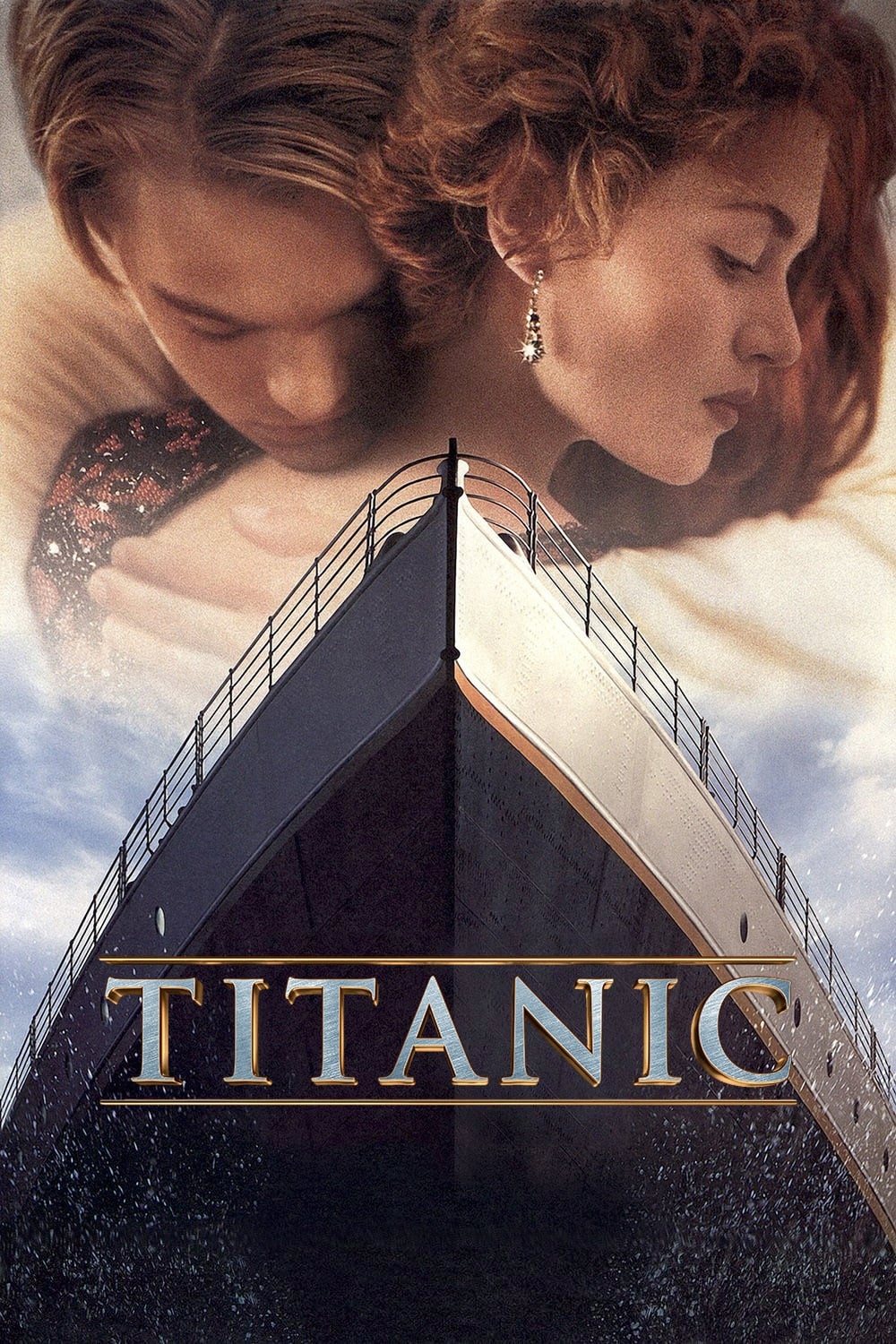
As a huge fan, I always noticed the clock in the final dream scene showing 2:20 AM. It’s incredible how James Cameron included that detail – it’s the exact time the Titanic actually went down! He really cared about getting the timeline right and making the movie historically accurate. It’s a small thing, but it powerfully connects Jack and Rose’s reunion to the real tragedy, making it even more emotional for me.
‘Black Panther’ (2018)
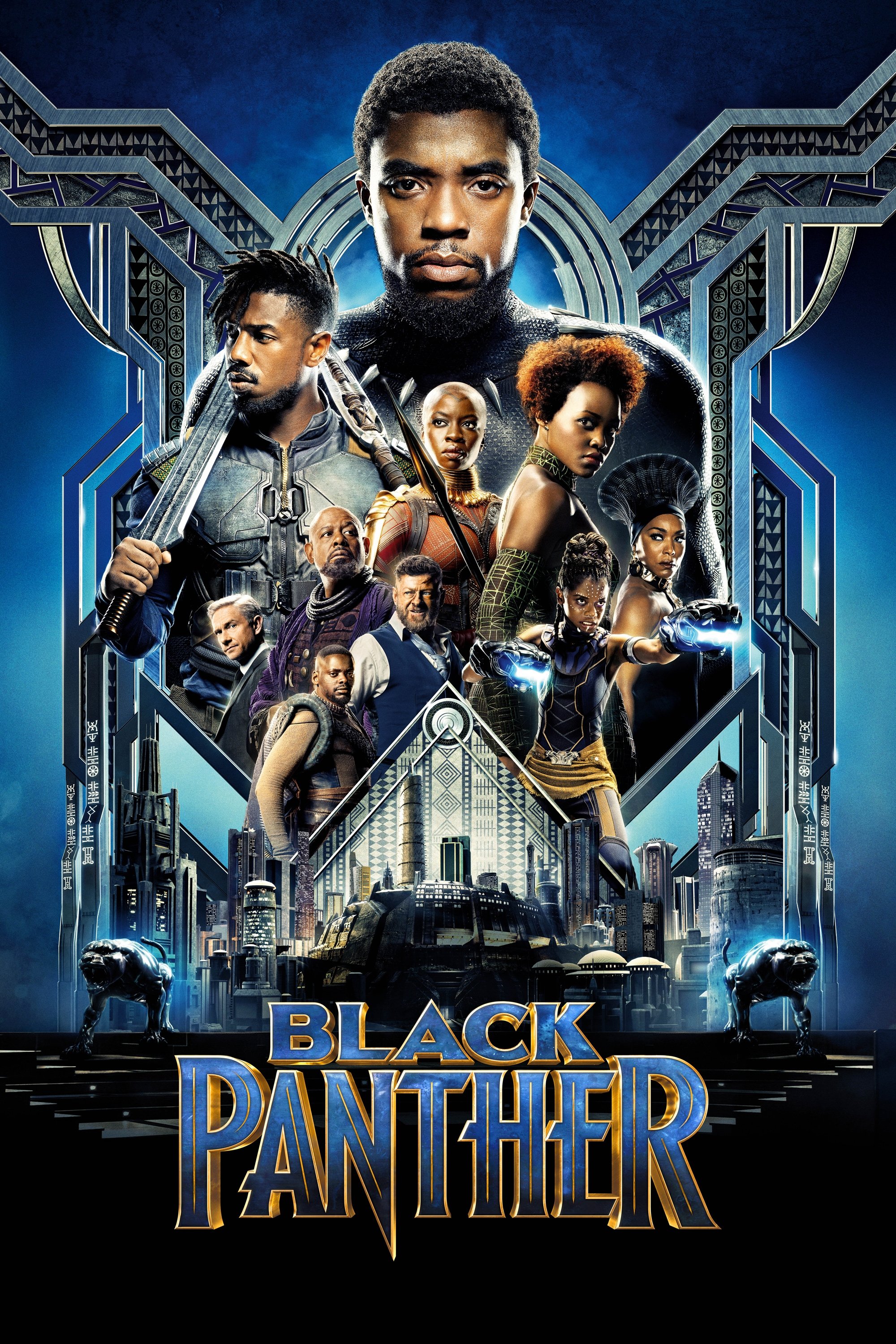
During the casino fight, Nakia, Okoye, and T’Challa wear red, green, and black – the colors of the Pan-African flag. This intentional costume choice emphasizes the film’s core themes of African unity and pride, and director Ryan Coogler used it as a subtle political statement within the action sequence.
‘Inception’ (2010)
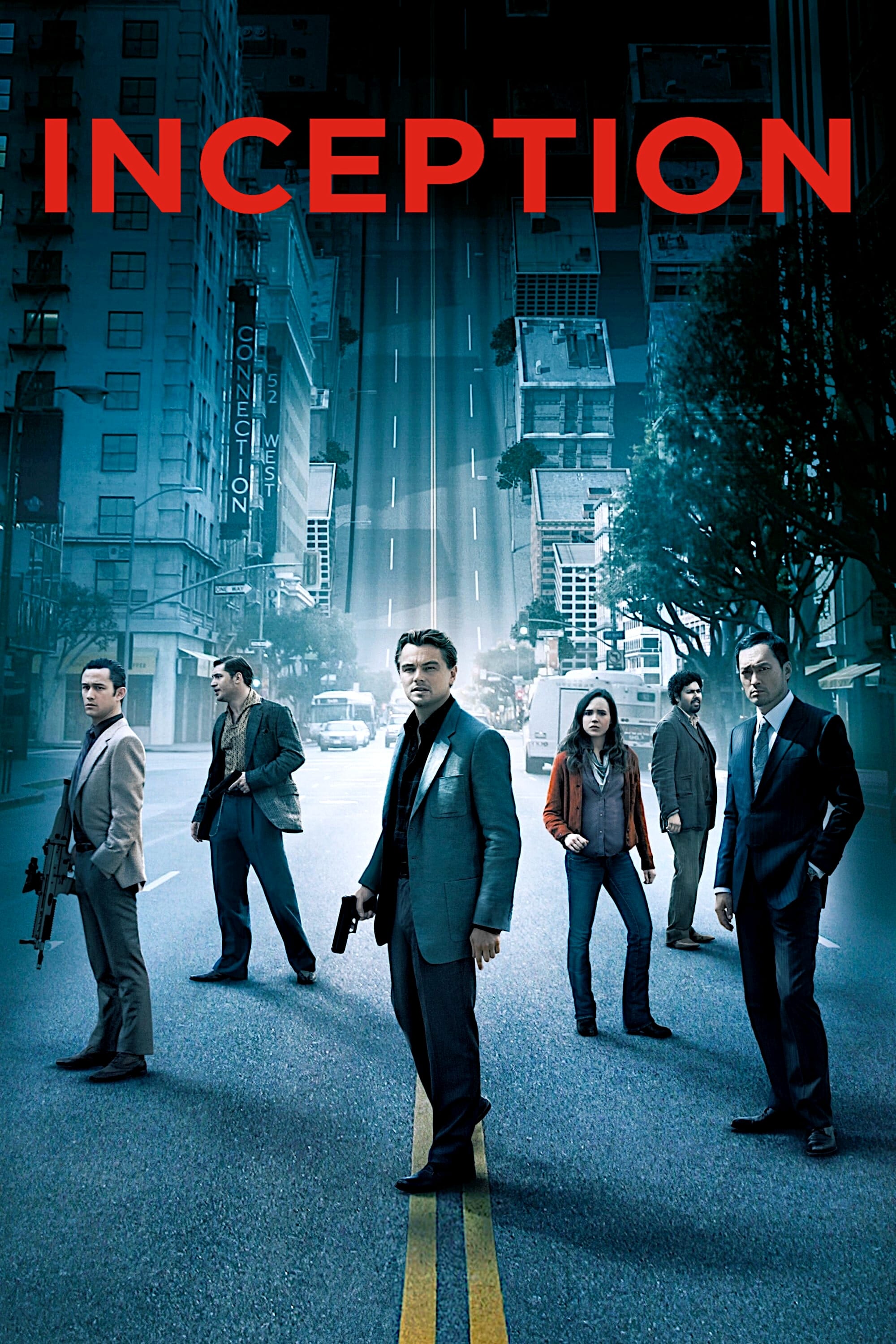
Cobb’s wedding ring, not the spinning top, is the key to understanding what’s real. He only wears it while he’s dreaming, and it’s never on his finger in the real world. This subtle detail helps the audience figure out the meaning of the film’s uncertain ending and whether he’s truly back in reality.
‘Interstellar’ (2014)
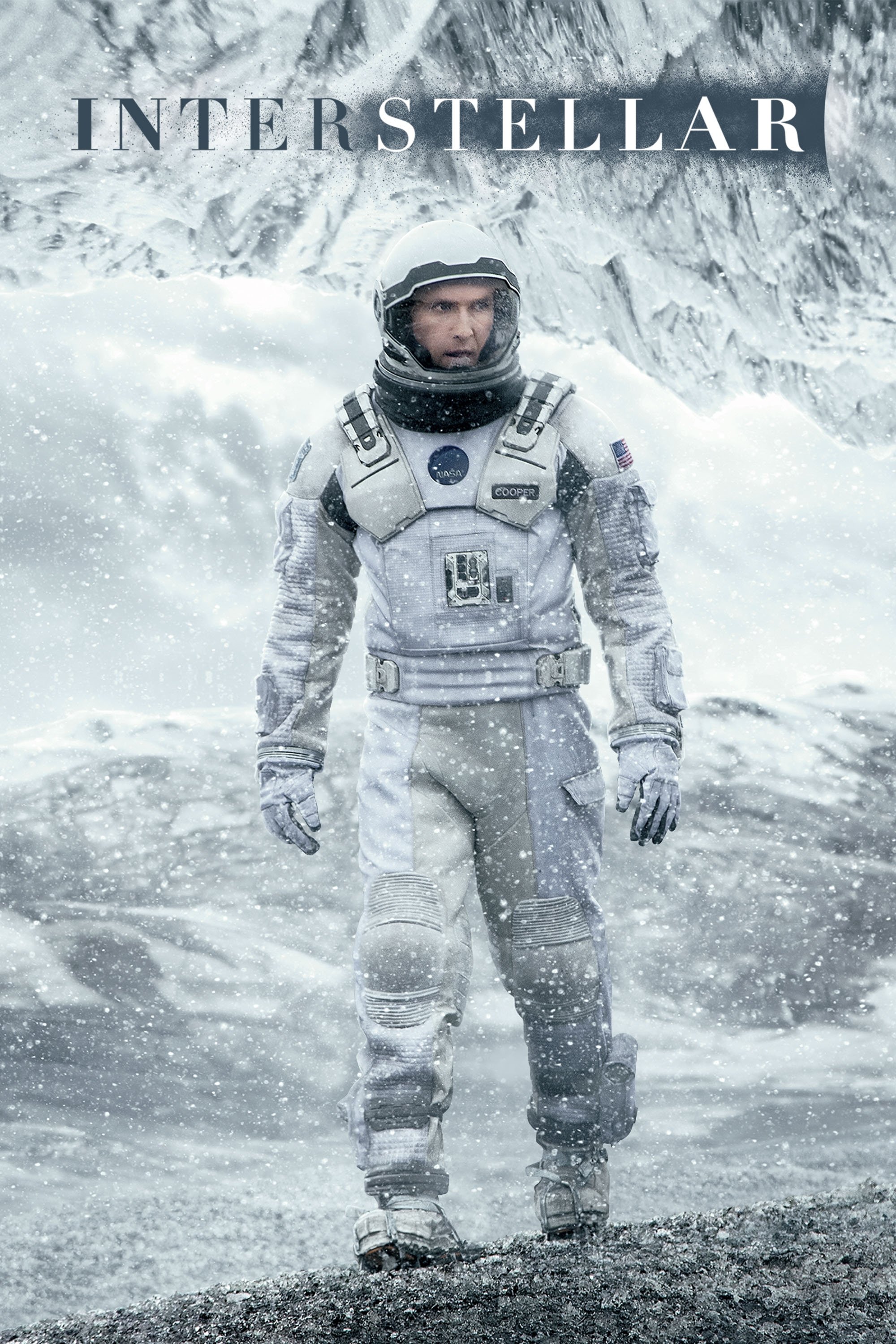
The music for the ocean planet includes a noticeable ticking sound. Each tick happens every 1.25 seconds, symbolizing a full day passing on Earth within the story. Composer Hans Zimmer carefully crafted the music to reflect the time distortion explained in the plot, making what you hear match the physics of the scene.
‘Spider-Man 3’ (2007)
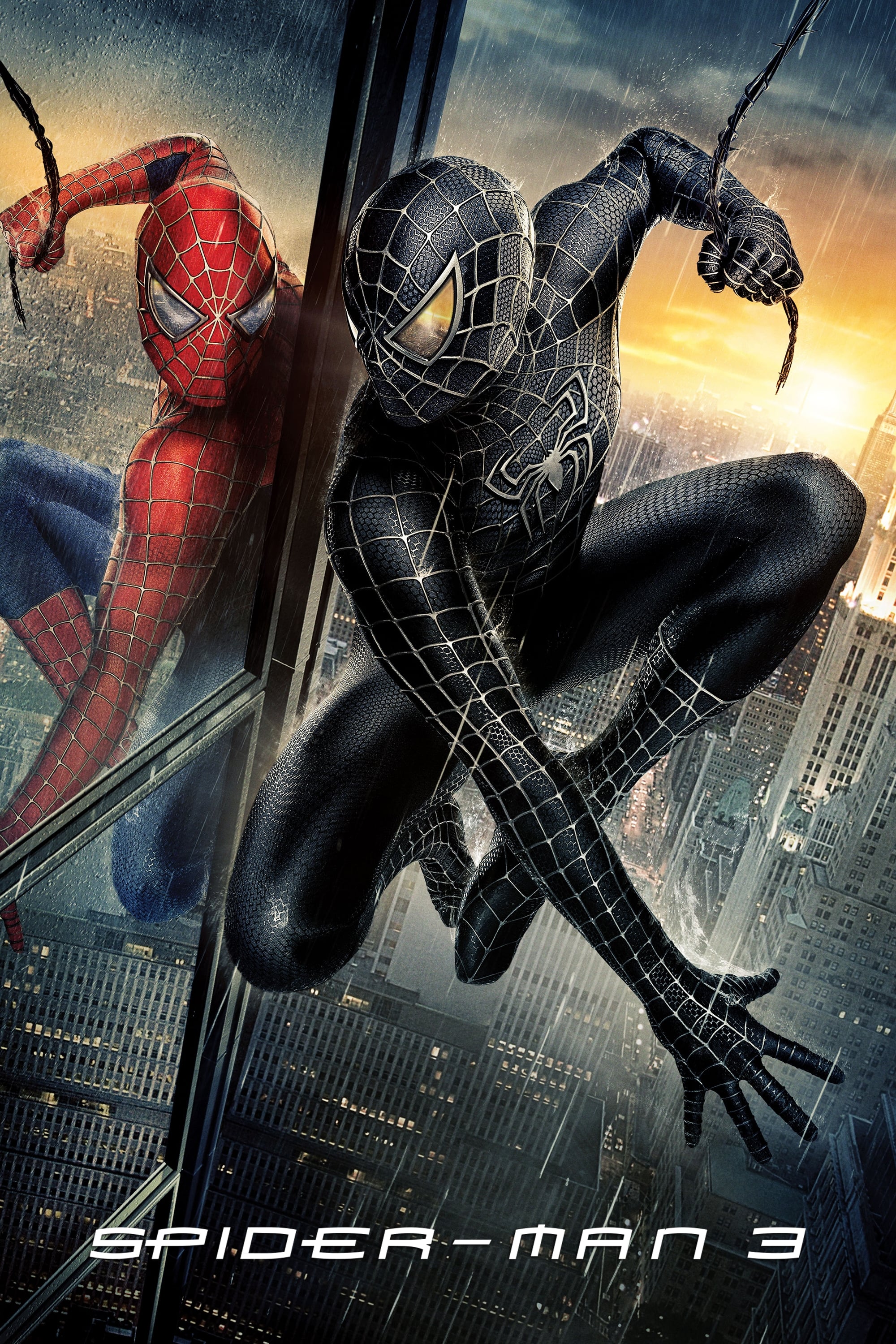
The alien creature that becomes Venom appears briefly earlier in the movie. It subtly attaches itself to Peter Parker’s motorcycle while he’s kissing Mary Jane, showing it followed him home before they fully bonded. This detail creates a smoother storyline for how the villain arrives.
‘Tron’ (1982)
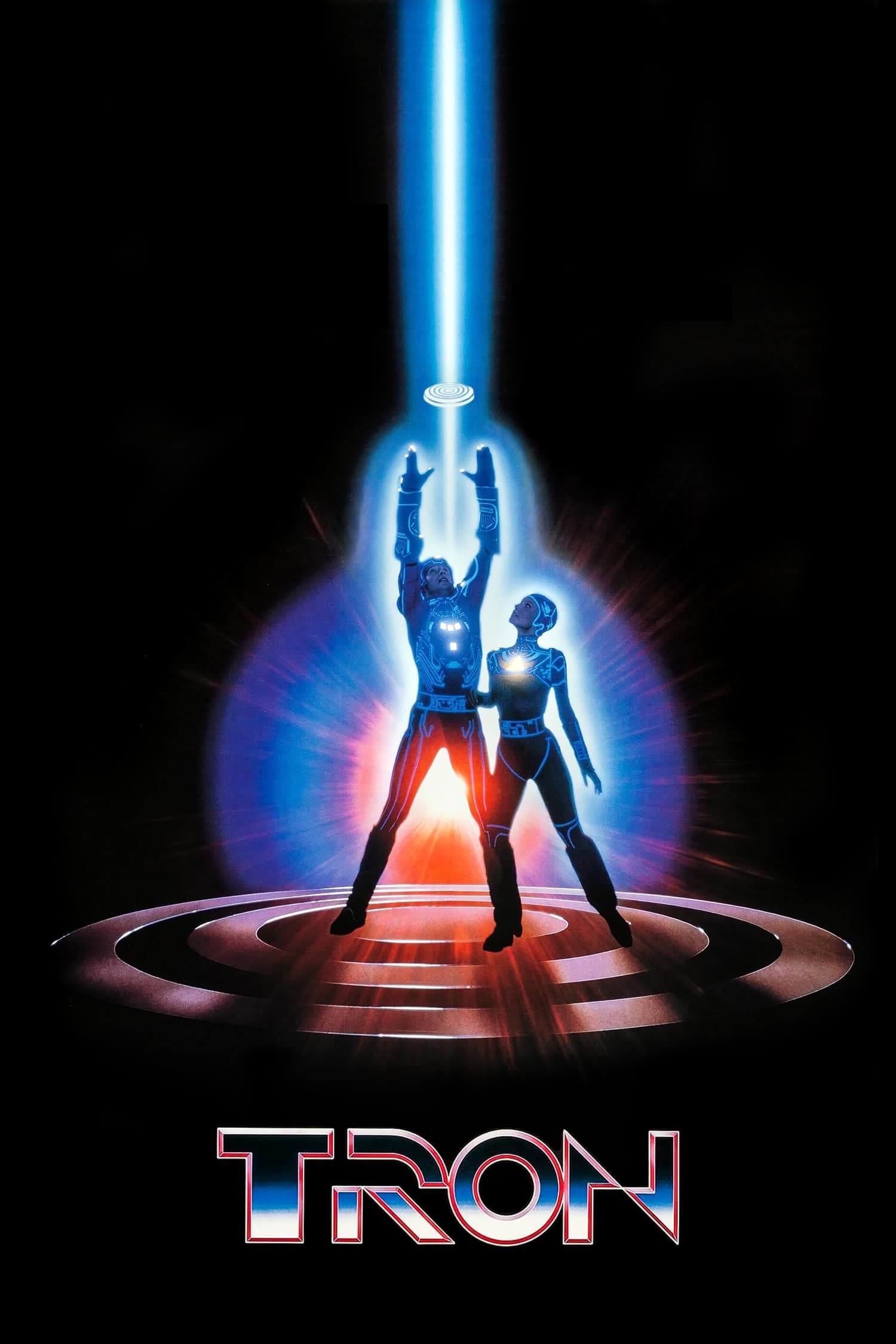
In the control room, Pac-Man appears on a grid map displayed on a screen – a playful reference to classic arcade games. You can even hear familiar sound effects from the game playing softly in the background. This detail highlights the connection between the film’s digital world and the history of video games.
‘Frozen’ (2013)
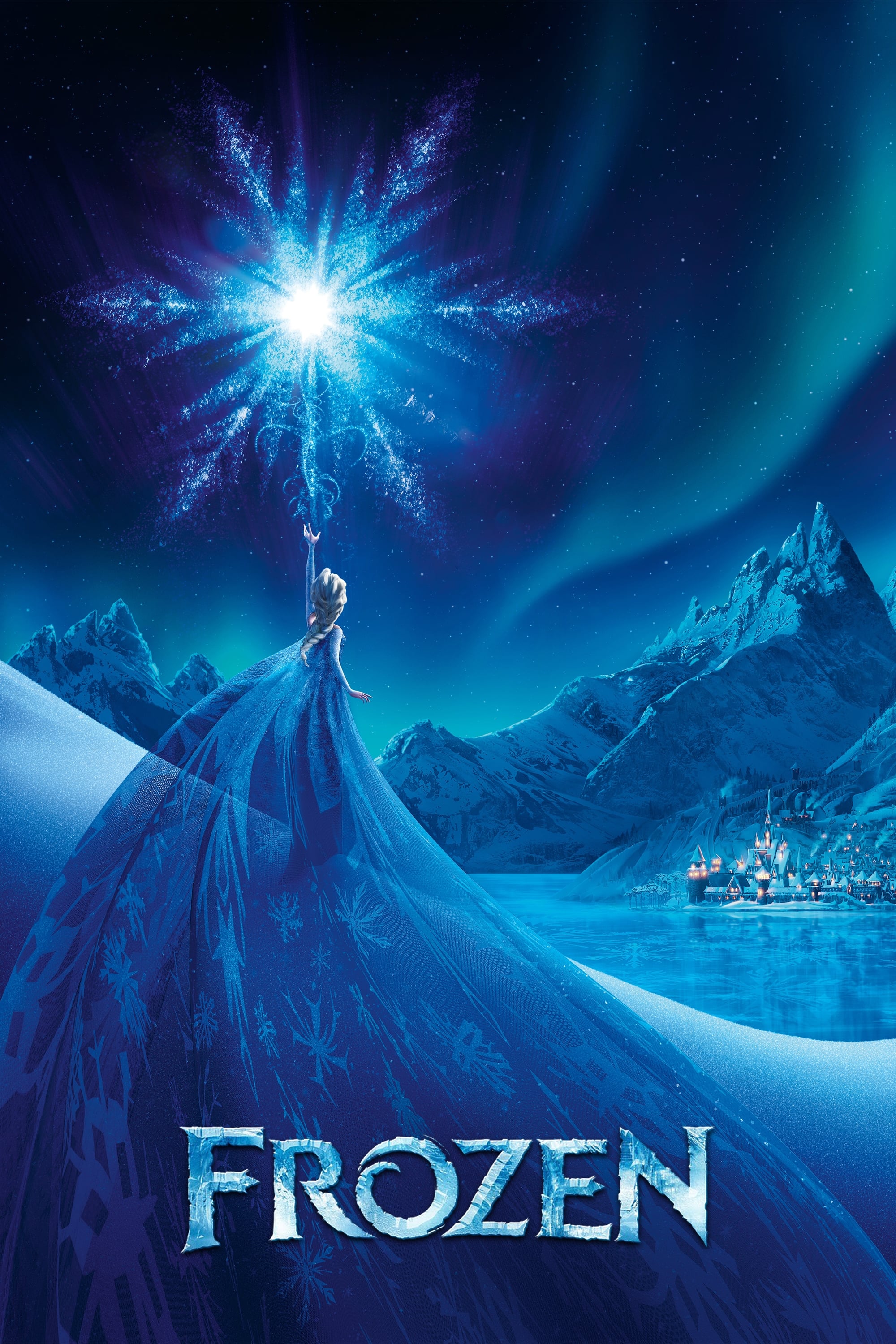
Rapunzel and Flynn Rider, the characters from ‘Tangled,’ make a brief appearance at Elsa’s coronation in ‘Frozen.’ They’re spotted entering the palace with the crowds, which hints that the kingdoms of ‘Tangled’ and ‘Frozen’ are likely near each other, or have some kind of alliance. This little detail is a fun discovery for Disney fans who like to connect the different stories and worlds.
‘Reservoir Dogs’ (1992)
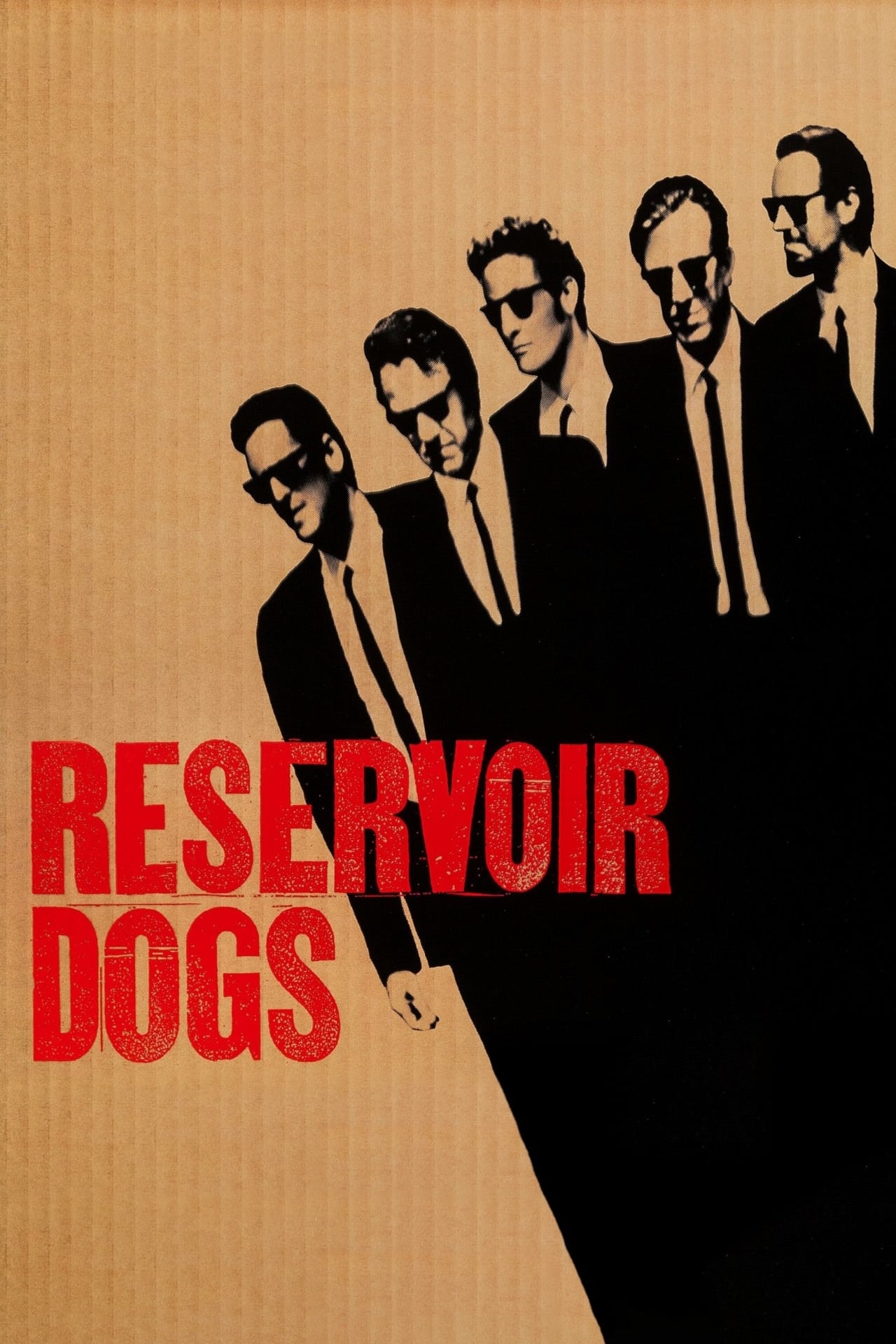
Mr. Orange cleverly reveals clues about who he really is by strategically placing orange balloons in the background of a scene. Noticeably, orange balloons distinguish his car from the others during a drive. Also, Steve Buscemi’s character’s refusal to leave a tip hints at his self-preservation instincts and eventual survival. These subtle details add layers to the characters and become more apparent when watching the film again.
‘Iron Man’ (2008)
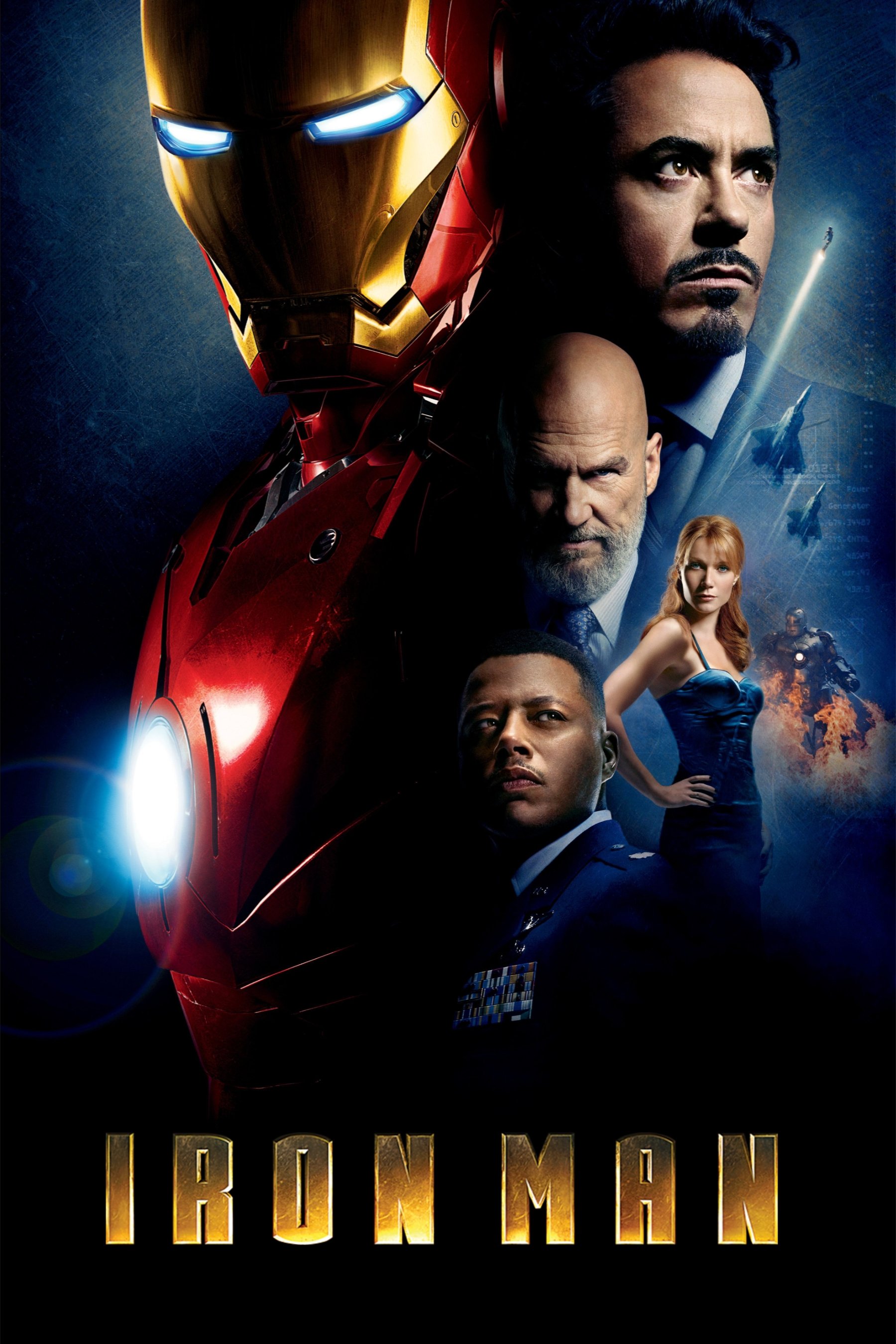
A first look at Captain America’s shield can be spotted on Tony Stark’s workbench in an early scene. It appears briefly while he’s taking off his Iron Man suit. This subtle detail hinted at the connection between the characters and their worlds well before ‘The Avengers’ team came together, suggesting that Tony Stark’s father, Howard Stark, may have played a role in building the shield out of vibranium.
‘Deadpool’ (2016)
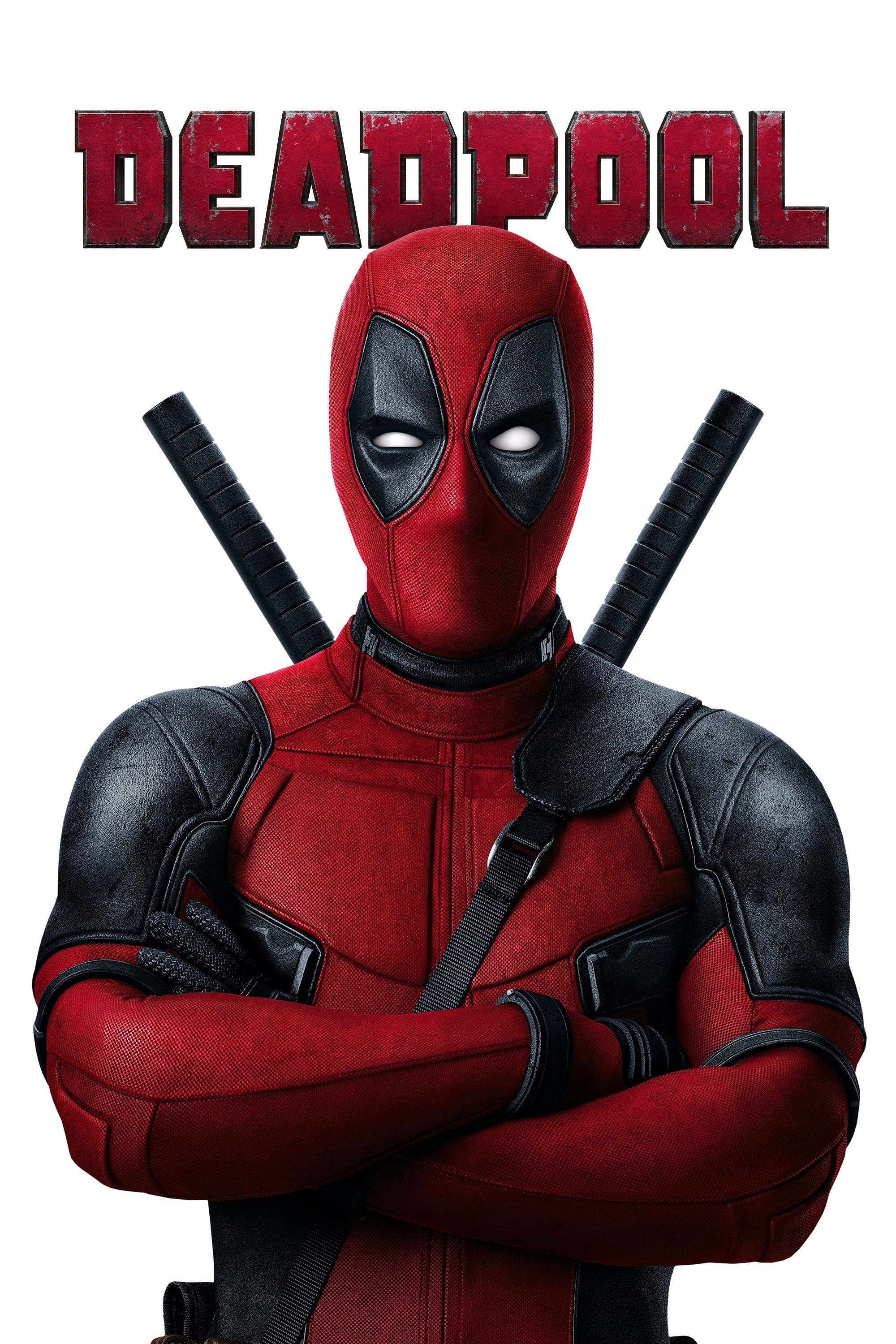
The nameless villain Deadpool fights is actually a nod to a comic book character named Hydra Bob. The filmmakers couldn’t use the ‘Hydra’ name due to licensing issues, but they kept the character’s first name and history. Deadpool remembers fighting alongside him in the special forces, which is an obscure detail most viewers wouldn’t catch.
‘A Quiet Place’ (2018)
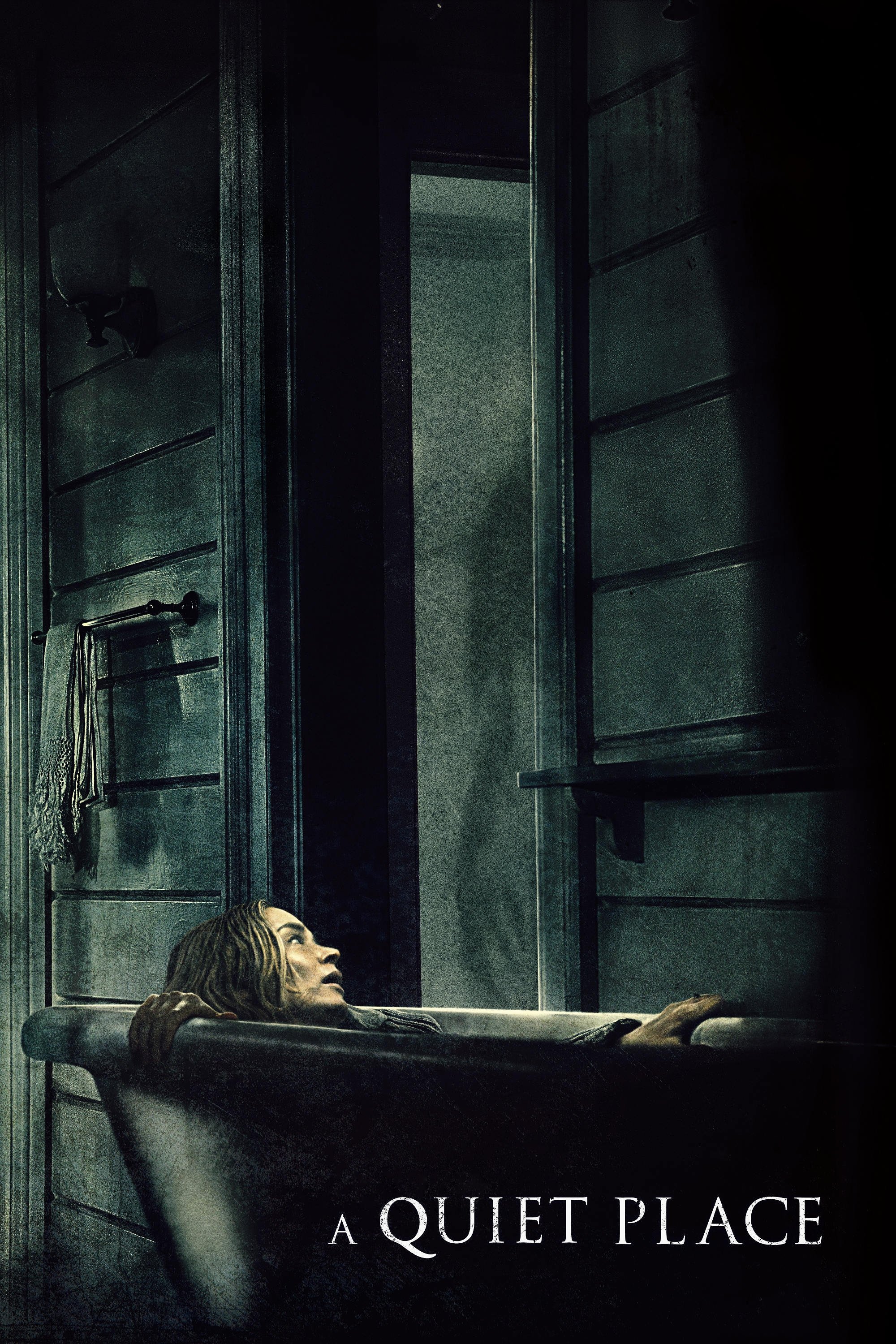
The grocery store aisle is nearly empty, with only potato chips remaining on the shelves. The family has taken all the other food, but deliberately left the chips – likely because of the crinkling sound their bags make. This detail powerfully shows how crucial staying quiet is for their survival, and it highlights the family’s self-control without them having to say a thing.
‘Us’ (2019)
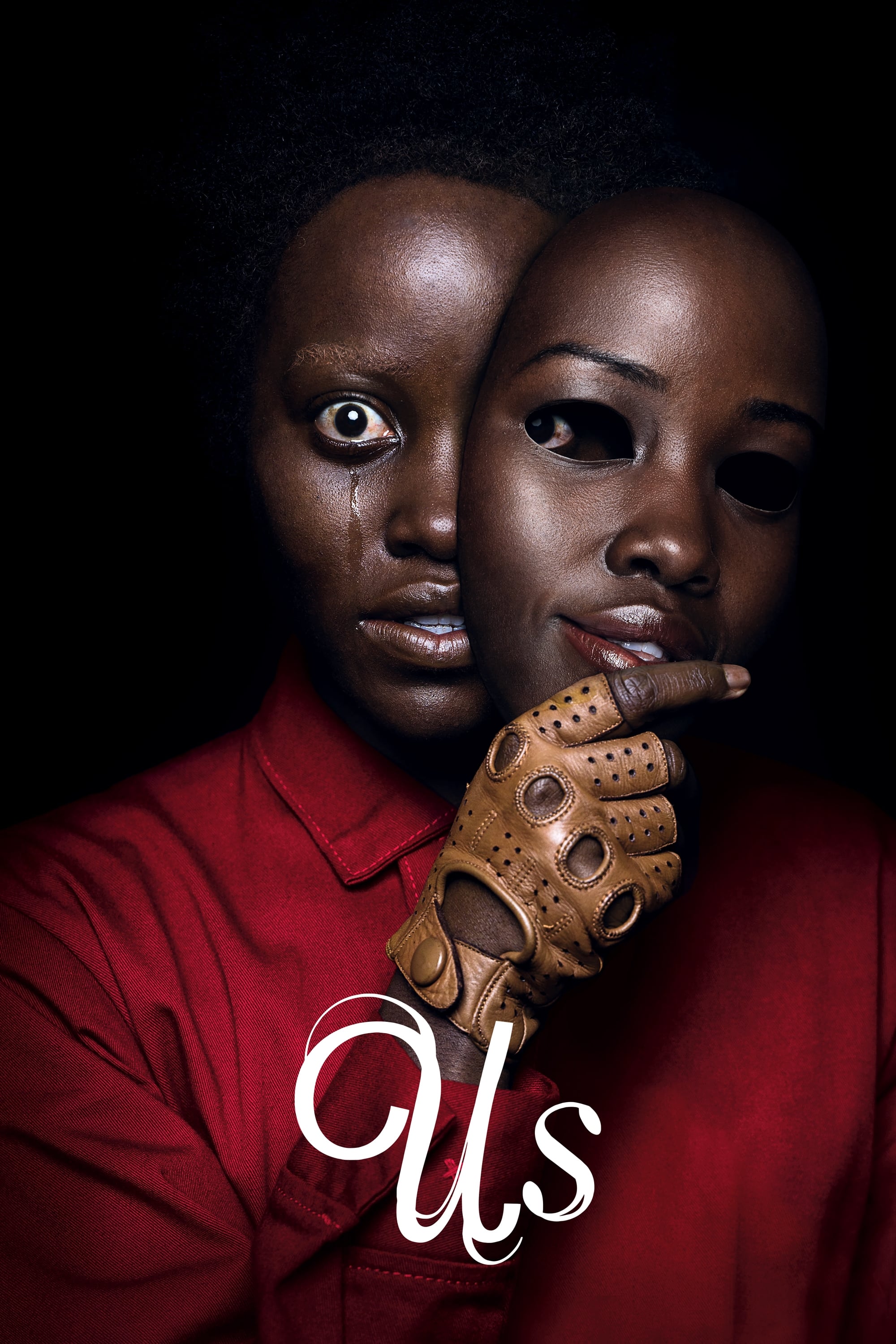
As a critic, I noticed a really interesting visual motif in Jordan Peele’s film – the repeated appearance of 11:11. It pops up on clocks, even on the roof of the ambulance, and it’s clearly no accident. It’s a clever way to visually represent the ‘Tethered’ – these mirror images of the main characters. Peele uses this mirroring effect, this synchronicity, to build a growing sense of unease and foreshadow the terrifying events to come. It’s a subtle but effective tool he uses to amplify the film’s themes and create a genuinely unsettling atmosphere.
‘Kill Bill: Vol. 1’ (2003)
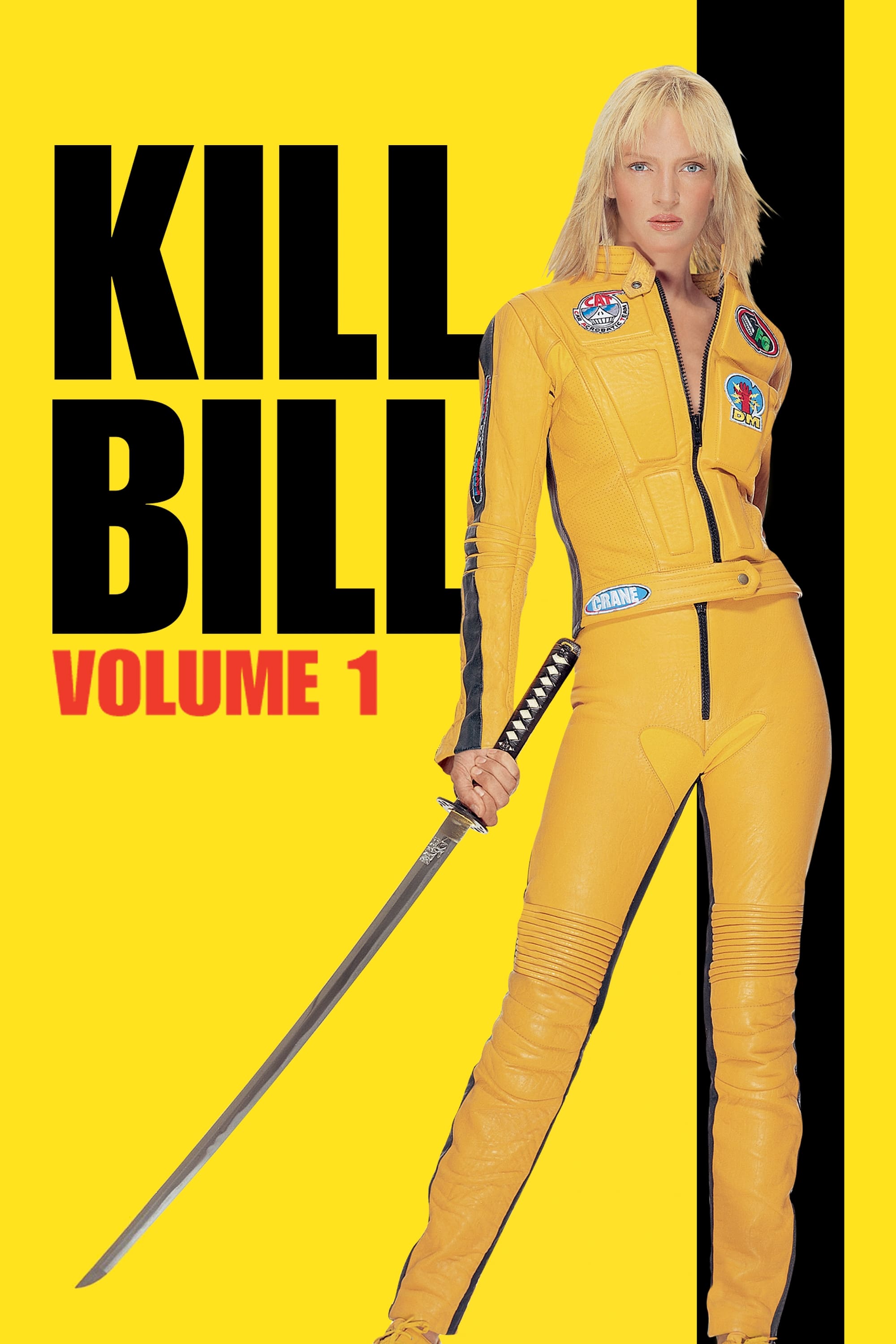
Beatrix Kiddo’s true name is actually shown early in the movie, on her airline ticket. Quentin Tarantino intentionally censored the name when characters spoke it, but left it visible on her boarding pass as a hidden detail. Viewers who paused the film at the right moment could discover her identity before it was officially revealed.
‘Monsters, Inc.’ (2001)
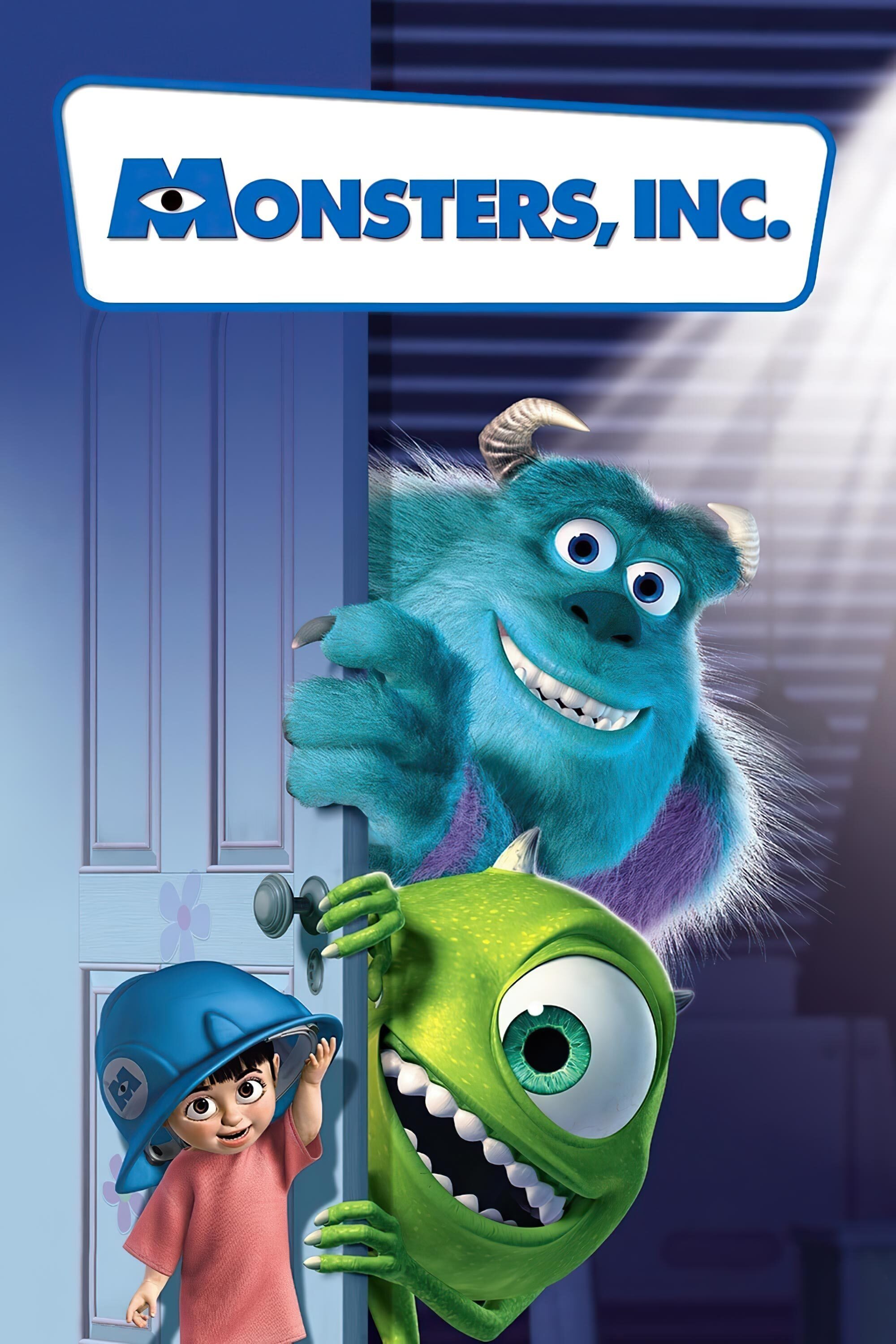
In ‘Monsters, Inc.’, Boo gives Sulley a toy fish that’s actually Nemo, the star of Disney Pixar’s ‘Finding Nemo’. Interestingly, this happens two years before ‘Finding Nemo’ even came out in theaters! Pixar likes to sneak characters from their upcoming movies into their current films – it’s a fun way to give audiences a sneak peek at what they’re working on next.
‘Indiana Jones and the Temple of Doom’ (1984)
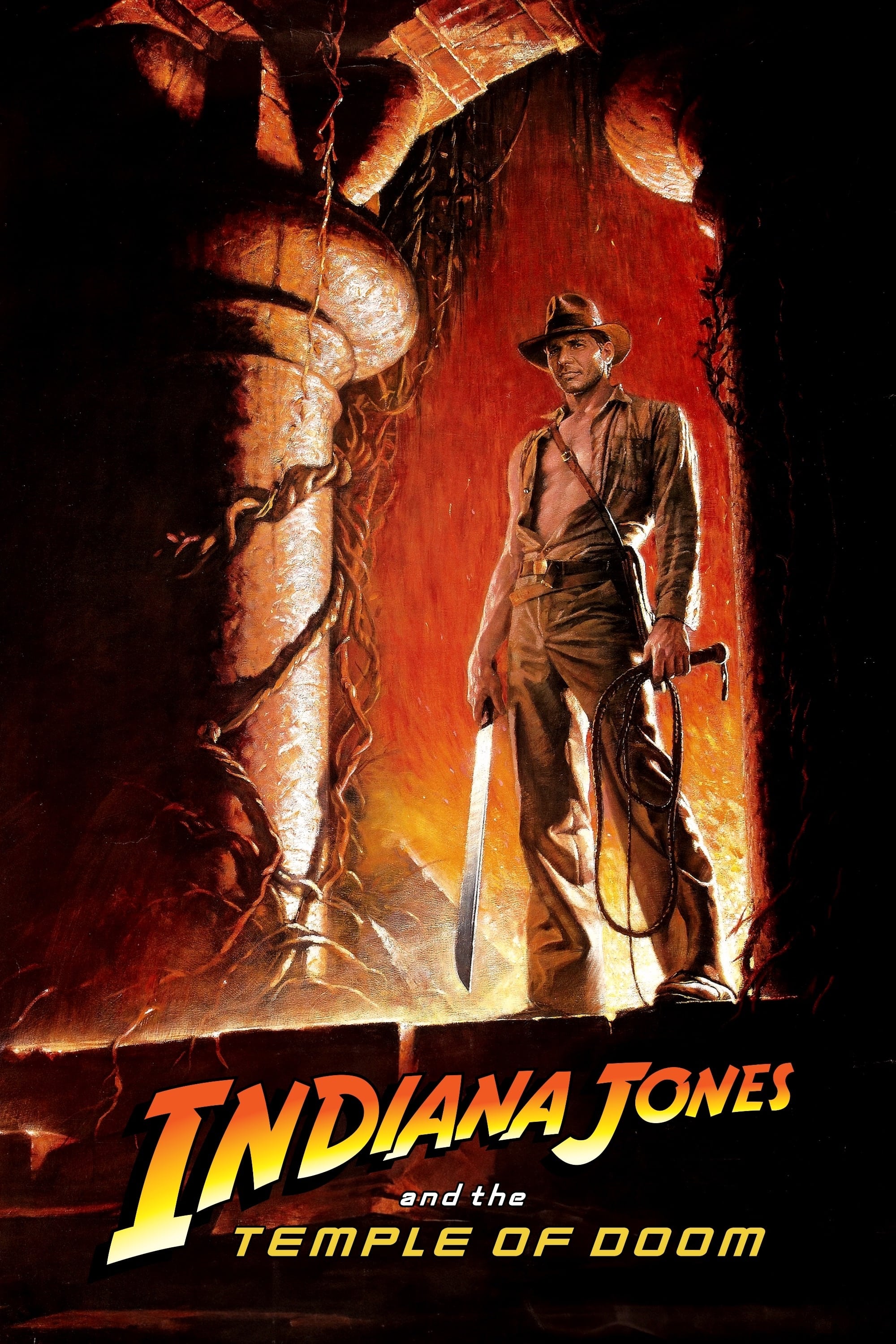
The scene begins at a nightclub called Club Obi Wan, a clear nod to the famous Jedi Master from George Lucas’s ‘Star Wars’. As a car speeds away from the surrounding turmoil, a blue neon sign for the club is visible, subtly acknowledging the strong friendship and creative partnership between Lucas and Spielberg.
‘Terminator 2: Judgment Day’ (1991)
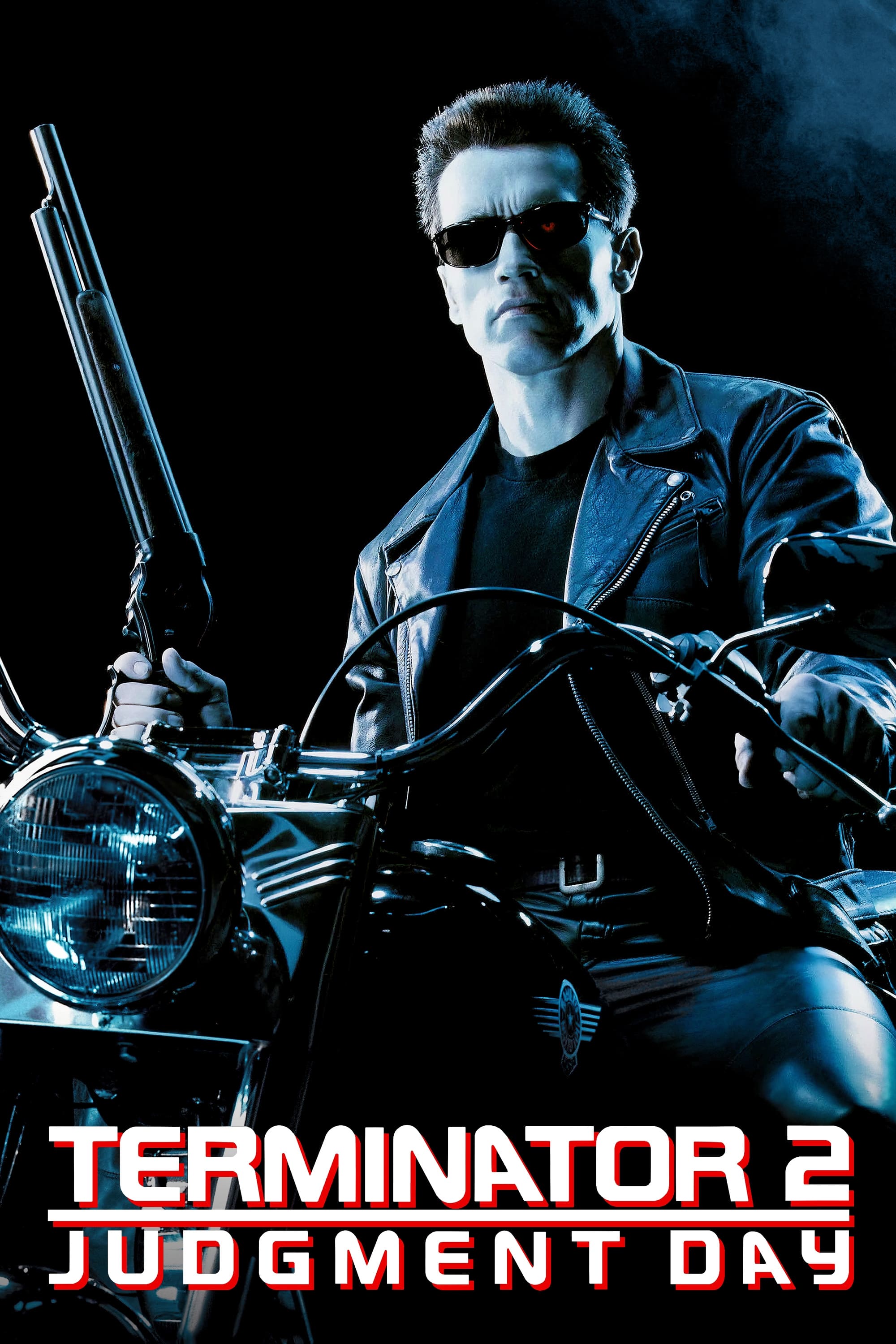
During the helicopter chase, a subtle special effect shows the T-1000 briefly growing a third hand to simultaneously fly and shoot. This quick detail highlights how cleverly the shapeshifting android can handle multiple tasks at once, and it’s a testament to director James Cameron’s focus on making the villain’s abilities feel realistic and mechanically sound.
‘Blade Runner’ (1982)
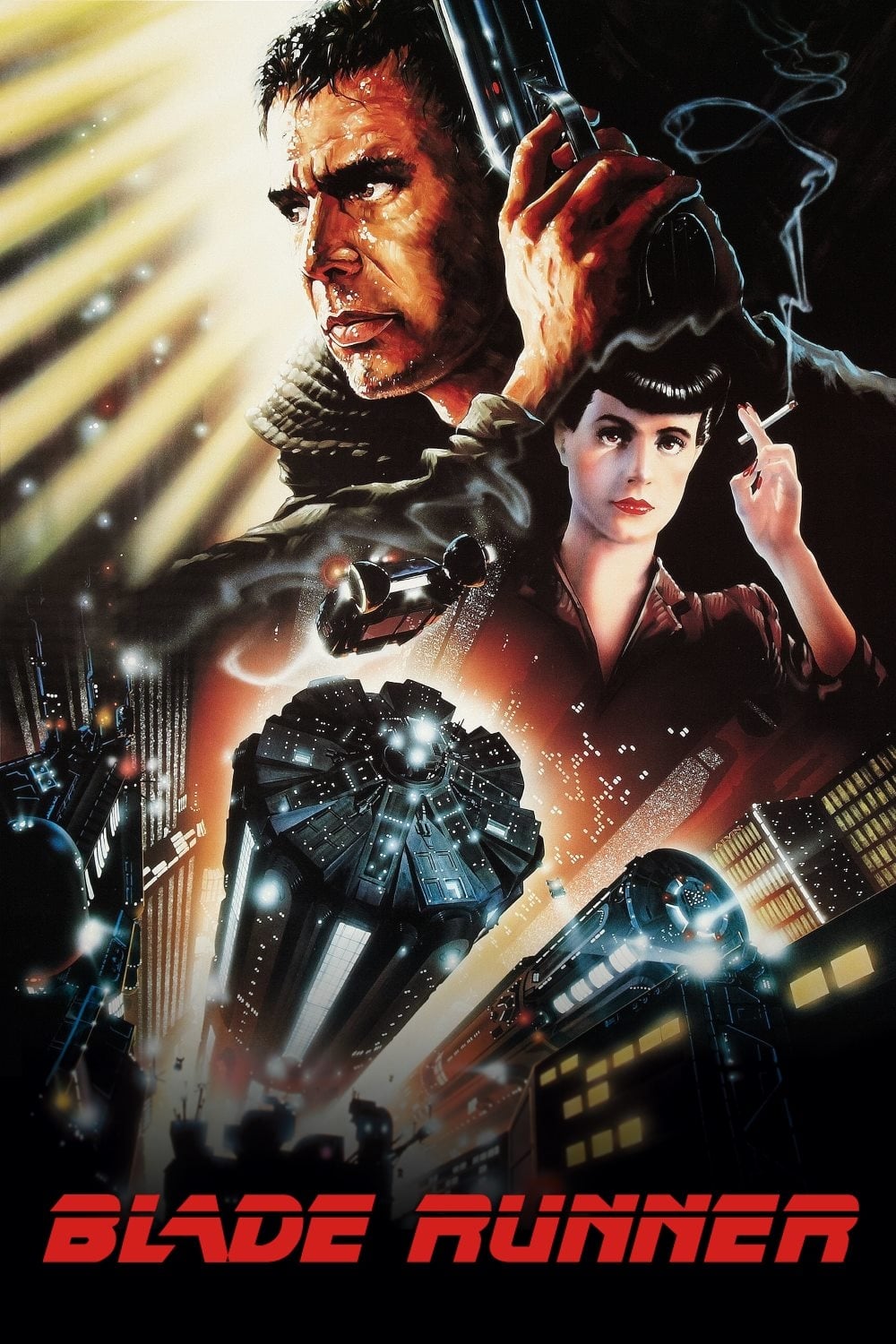
As a total film buff, I’ve always been fascinated by the little details in ‘Blade Runner.’ One thing that really stuck with me is the way replicants have a subtle red glow in their eyes. If you look closely, you can actually see that same red glint in the eyes of Harrison Ford’s character, Deckard, in one blurry shot. It’s a small thing, but it strongly suggests that Deckard might be a replicant himself, which, let’s be honest, makes the whole movie even more thought-provoking and adds so much to its big questions about what it means to be human.
‘John Wick’ (2014)
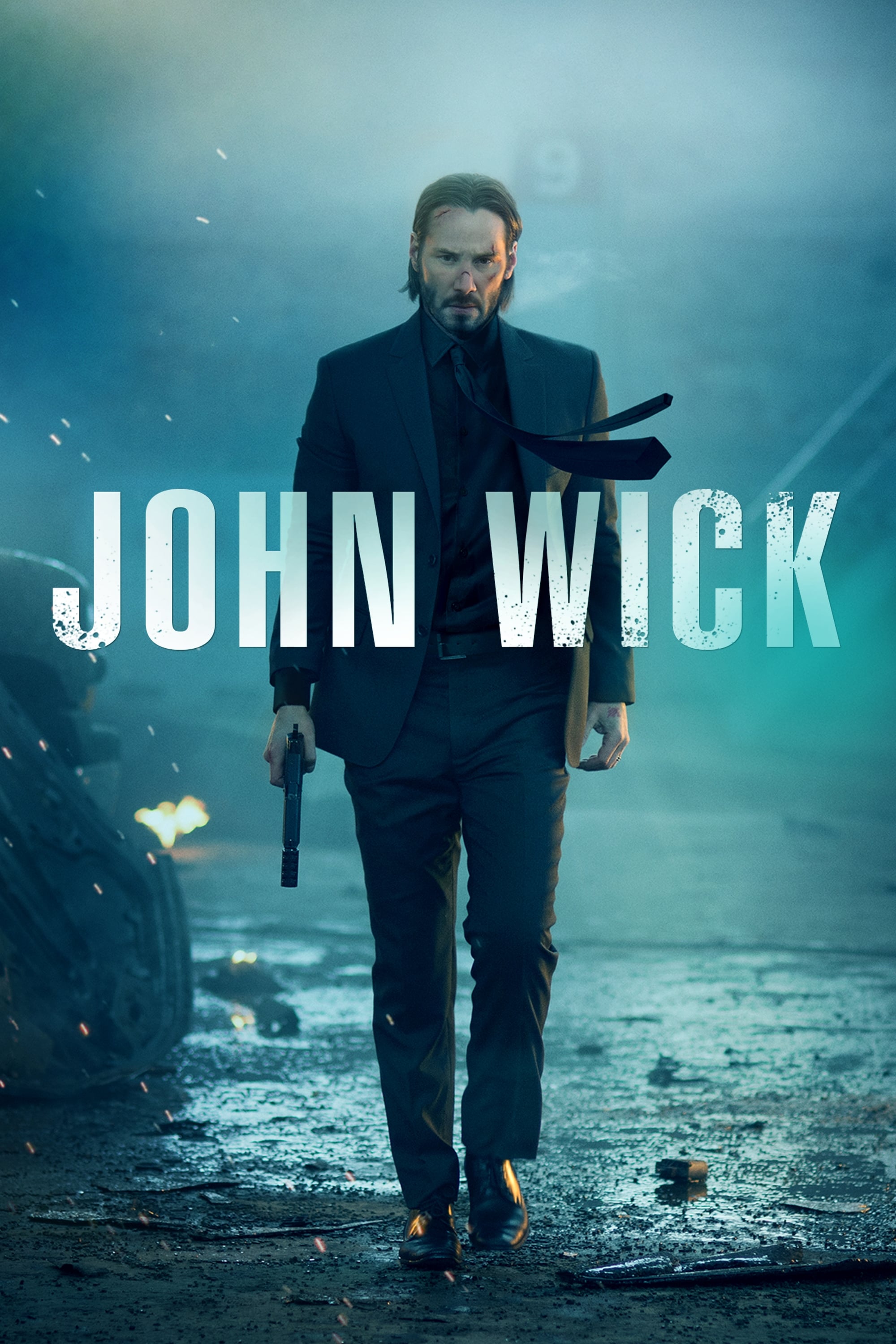
I’ve always been struck by how cleverly this film is put together. It really hit me when I noticed the cars in the final chase scene – they’re the same ones we see at the very beginning! The movie loops back on itself, ending with John crashing, just like where it started. It’s like everything we’ve watched is a memory, a flashback being told by him as he’s hurt. That detail with the cars just seals it for me – it’s brilliant how it all comes full circle.
‘It’ (2017)
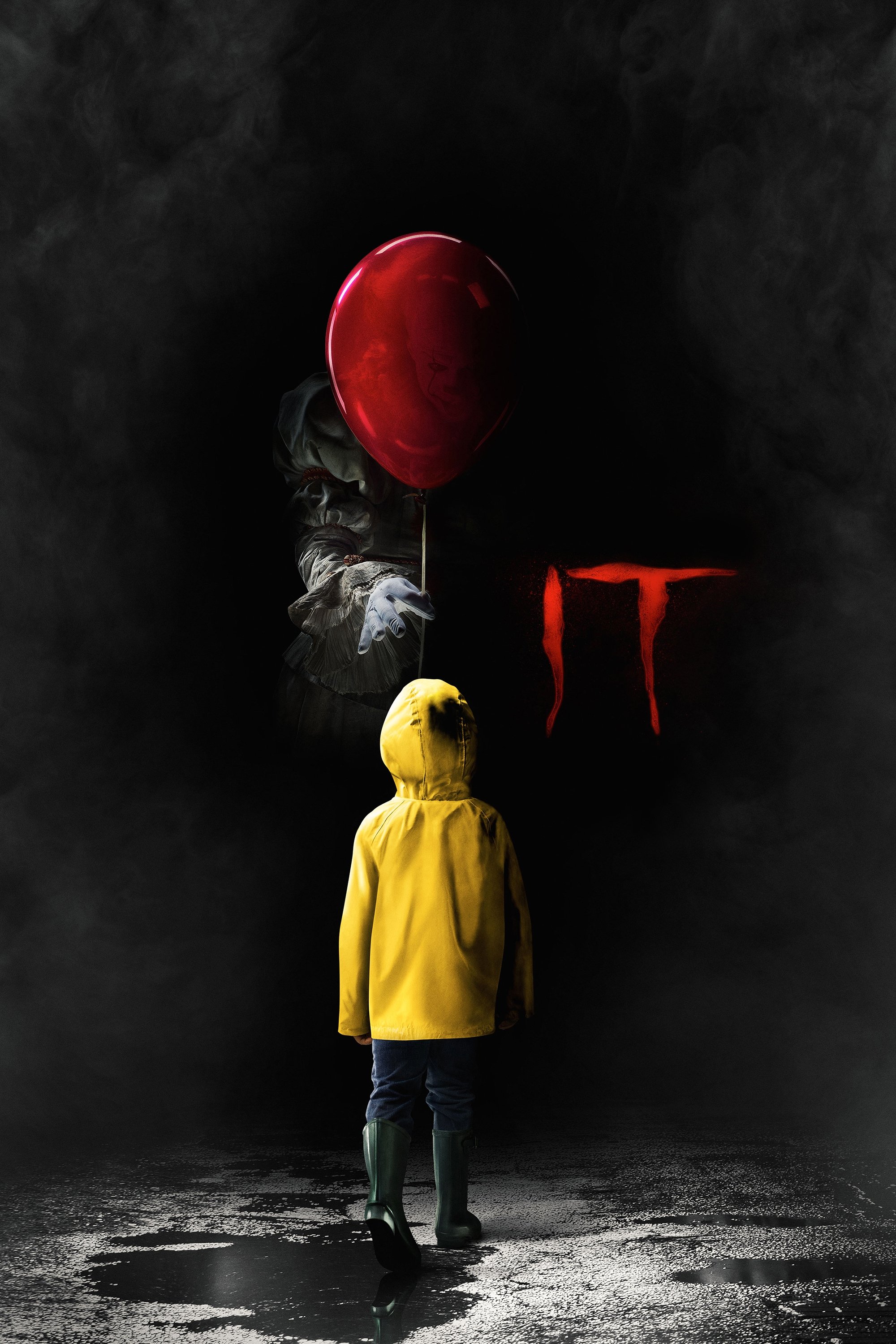
As a fan, I always found it chilling how Pennywise actually appears in a mural before anyone gets attacked! It’s this creepy clown face hidden in the artwork near the butcher shop, and it really makes you think he’s been lurking in our town for ages. It’s not just about jump scares; it builds this constant feeling that he’s always watching, always there… it’s super unsettling!
‘Coco’ (2017)
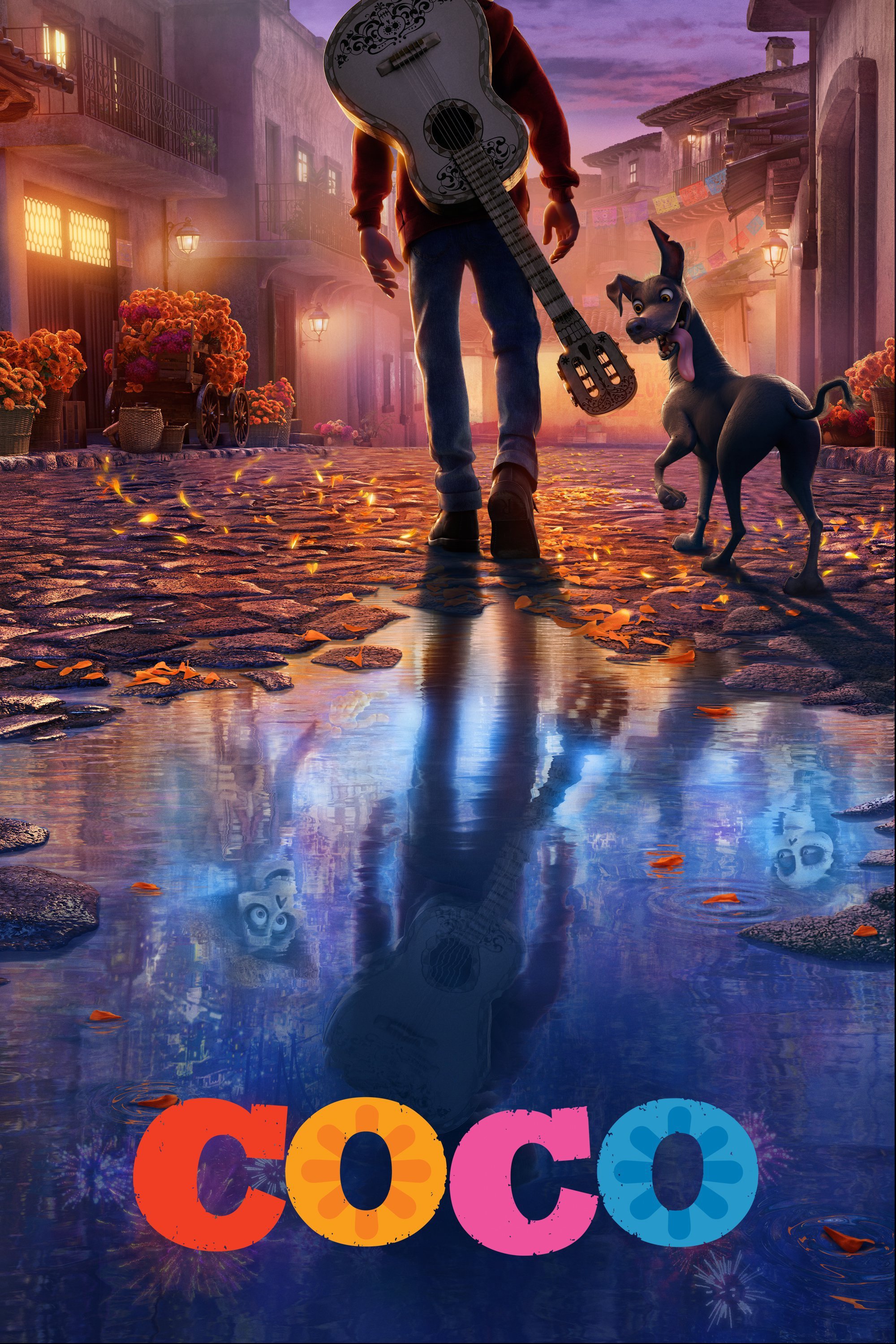
Throughout the village, you can find piñatas shaped like Woody and Buzz Lightyear, the popular characters from ‘Toy Story’. These colorful decorations are a traditional part of Mexican celebrations and show how beloved the Pixar movie is. The designs beautifully combine the film’s style with local cultural traditions.
‘Hereditary’ (2018)

Cult members are subtly present throughout the story, even before the final events. They appear around the family’s house and at the grandmother’s funeral, often standing motionless in the shadows. This shows the family was under surveillance and being controlled from the start.
‘The Truman Show’ (1998)
The travel agency staff always wear protective bibs, and because the show runs constantly, the actors don’t always have time to change clothes completely. Truman doesn’t pick up on this, but it’s a subtle sign that his world isn’t real – a flaw in the carefully constructed reality around him.
If you noticed any other hidden details in these movies share your findings in the comments.
Read More
- Trading on Thin Air: AI Agents Conquer Crypto Volatility
- 20 Movies Where the Black Villain Was Secretly the Most Popular Character
- Invincible Season 4 Gender Swaps Tech Jacket As Fans Question Major Comic Change
- Silver Rate Forecast
- 22 Films Where the White Protagonist Is Canonically the Sidekick to a Black Lead
- Trading Smarter: AI-Powered Execution Schedules
- Gold Rate Forecast
- Celebs Who Narrowly Escaped The 9/11 Attacks
- 15 Films That Were Shot Entirely on Phones
- Smarter Order Execution: How AI is Outperforming Wall Street’s Playbook
2026-02-02 12:50