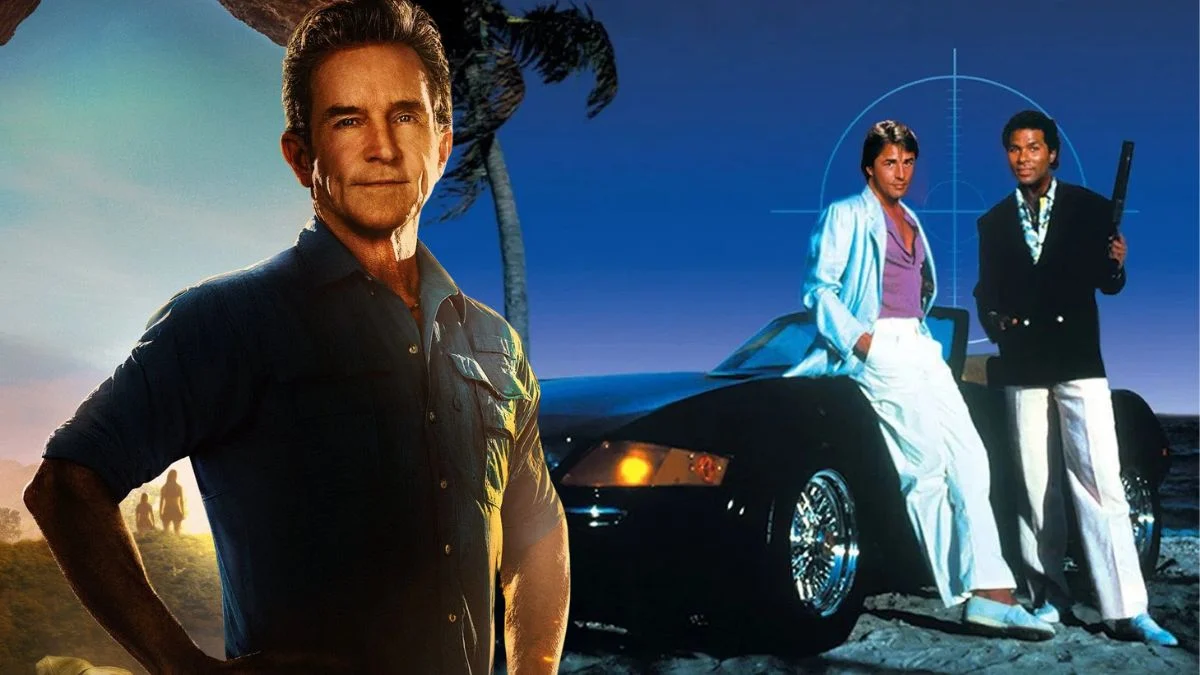
Television has come a long way from being a new gadget to becoming the world’s leading source of entertainment. Some shows have gone beyond just being enjoyable, actually changing our culture and how stories are created for TV. These groundbreaking programs pushed limits with fresh ideas or by openly discussing topics that were once avoided. Here’s a look at the most influential series that truly changed television forever.
‘I Love Lucy’ (1951–1957)
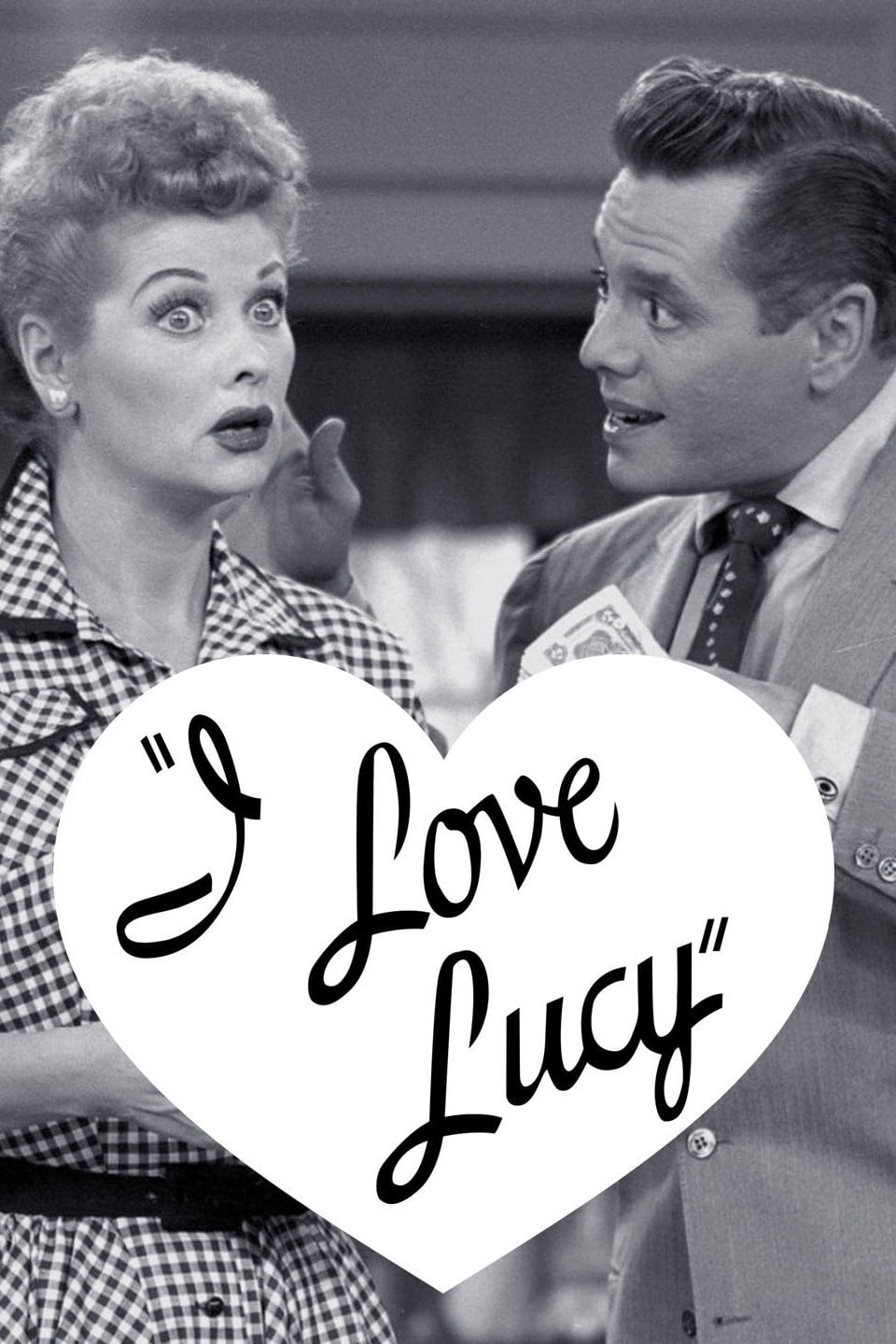
‘I Love Lucy’ starring Lucille Ball and Desi Arnaz completely changed television comedy. They pioneered techniques like using multiple cameras and filming in front of a live audience, ensuring great quality video. The show also established how TV shows could be successfully re-run for years to come. Importantly, ‘I Love Lucy’ demonstrated that a show could be a huge hit with a female star, and that a woman could successfully lead a production company.
‘Gunsmoke’ (1955–1975)
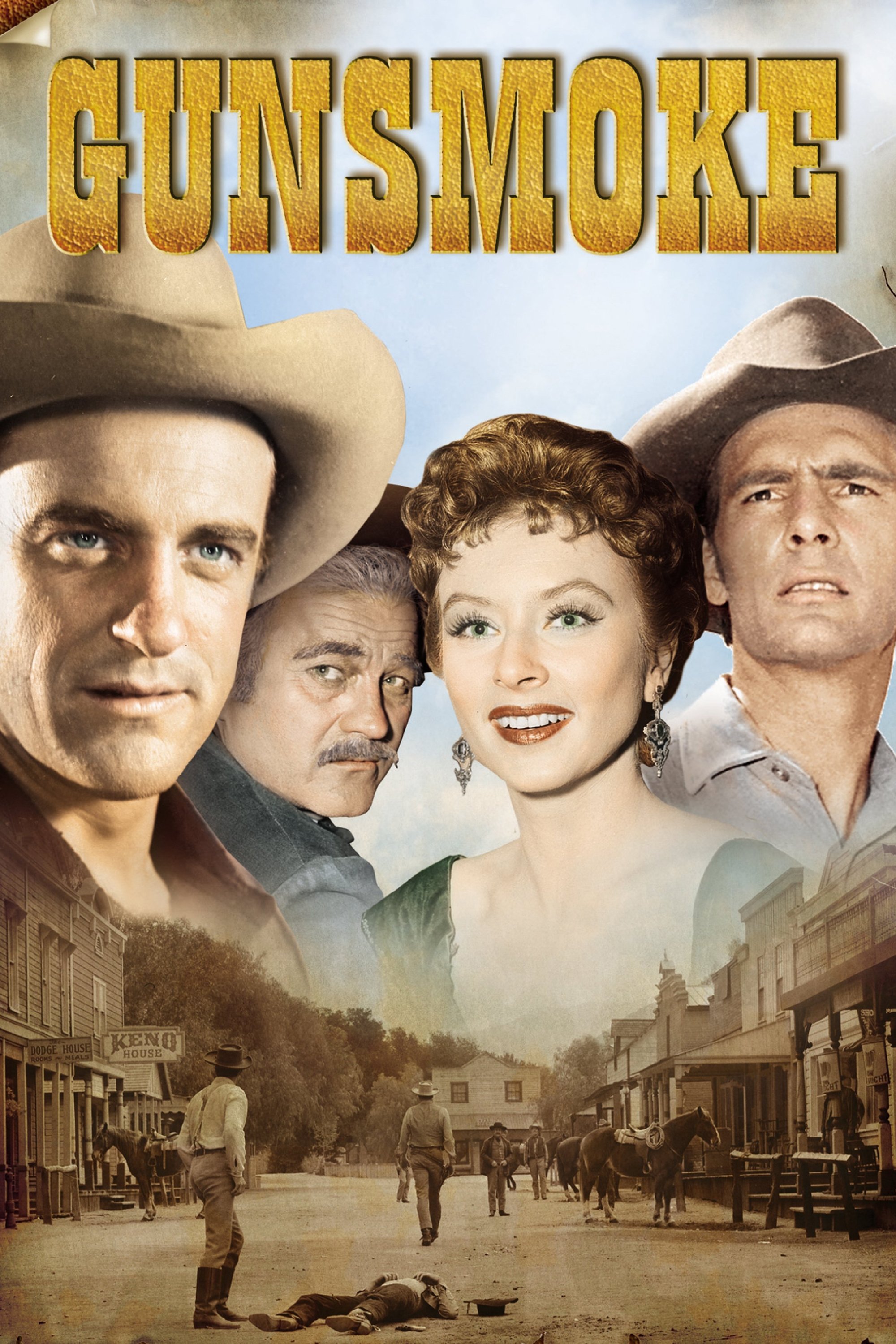
‘Gunsmoke’ was a hugely popular western that shaped television for twenty years and became a classic of the genre. The show followed Marshal Matt Dillon as he kept the peace in Dodge City, often grappling with difficult ethical choices. For many years, it was the longest-running live-action drama on prime-time TV. ‘Gunsmoke’ proved that audiences loved watching characters develop over time, even within a show that featured self-contained episodes each week.
‘The Twilight Zone’ (1959–1964)
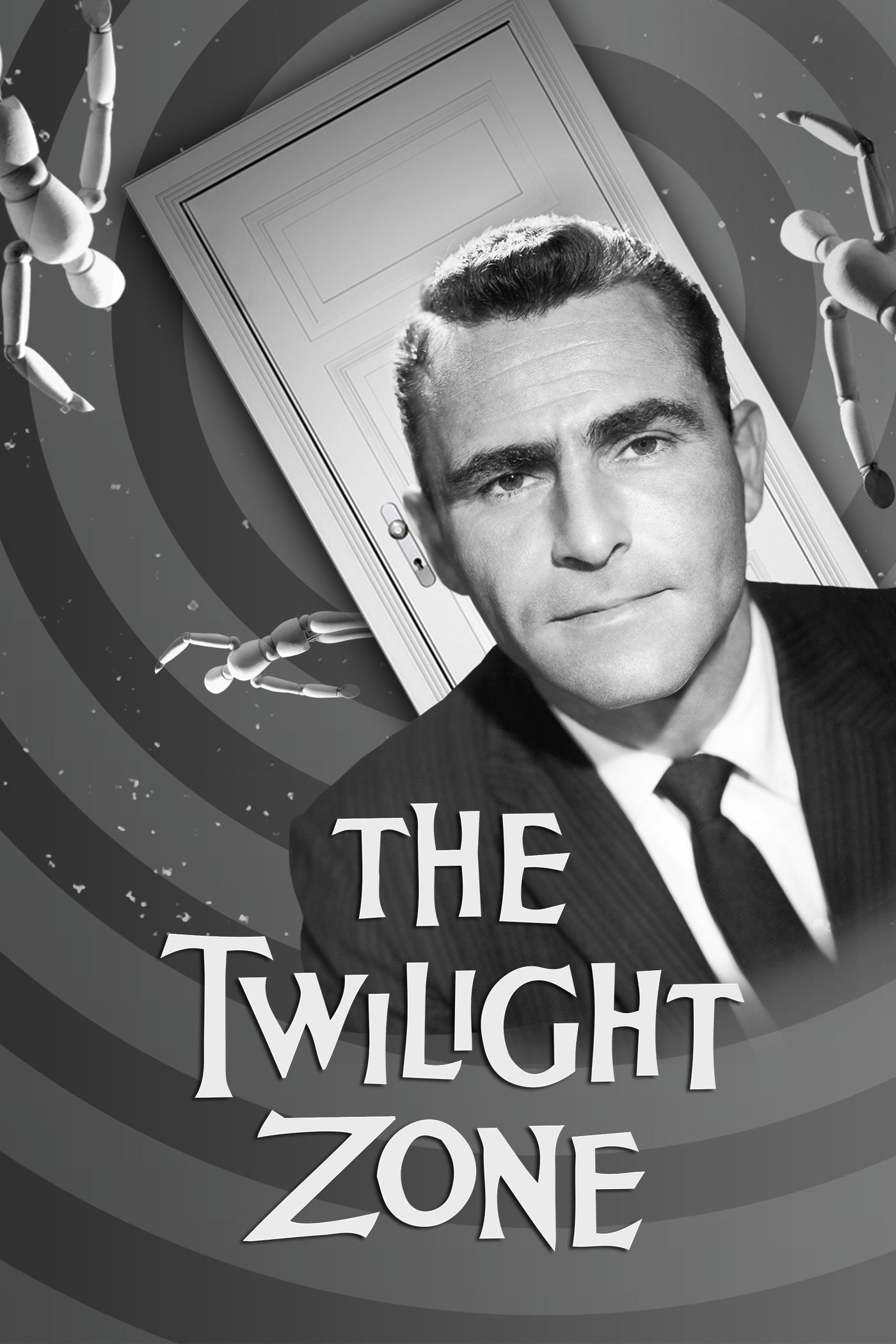
Rod Serling’s ‘The Twilight Zone’ was a groundbreaking show that used sci-fi and horror to examine the complexities of human nature. Each episode told a complete, self-contained story, often featuring a surprising ending or a thought-provoking message. The show cleverly used the genre to address sensitive topics like racism and war, getting around the restrictions of the time. It’s still considered a prime example of great storytelling and continues to inspire filmmakers and television creators today.
‘Batman’ (1966–1968)
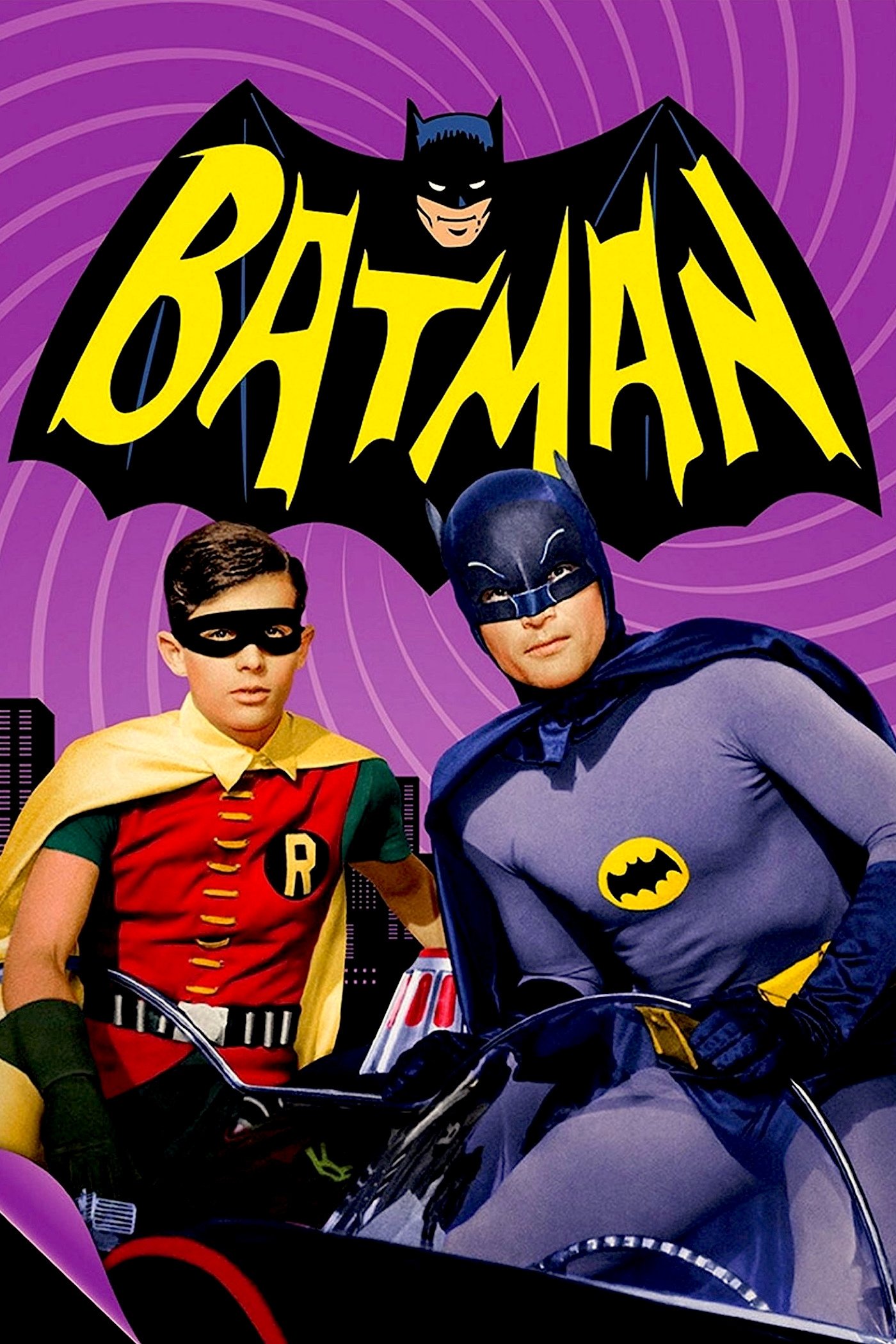
As a huge fan, I remember when this ‘Batman’ series first came out and it was just amazing! It really captured the feel of the comics, and the bright colors looked incredible on our new color TV. Adam West and Burt Ward were perfect as Batman and Robin – they played it straight, but with a fun, playful wink that everyone loved, kids and adults alike. It wasn’t just a show, though; it was everywhere – toys, clothes, you name it! Honestly, it proved that superhero stories could be a massive hit with everyone, and it paved the way for all the superhero movies and shows we enjoy today, long before anyone was thinking about cinematic universes.
‘Star Trek’ (1966–1969)
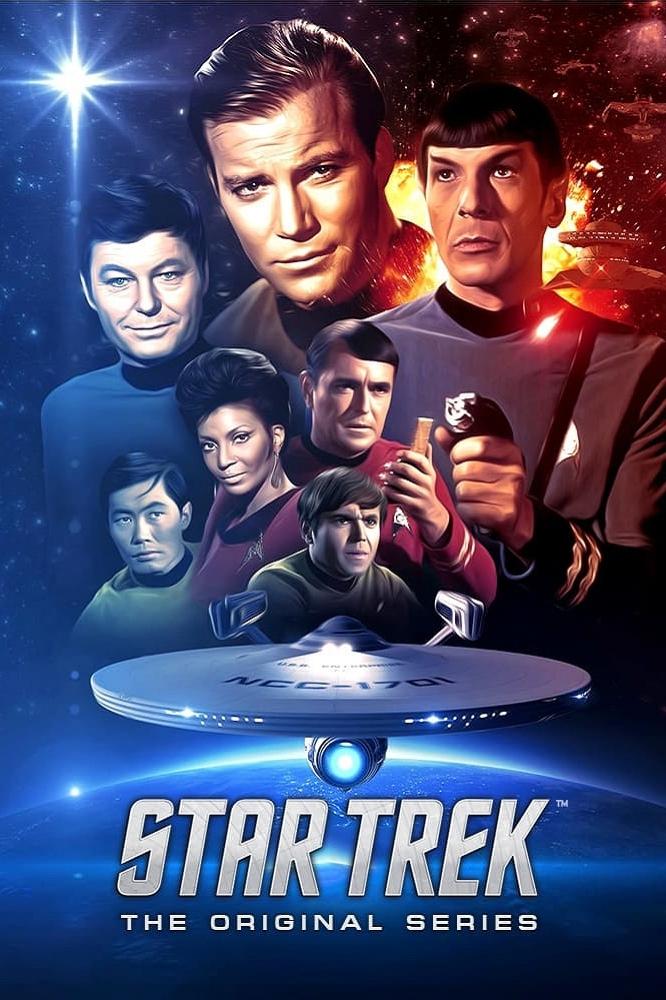
As a sci-fi fan, I’ve always loved what Gene Roddenberry tried to do with ‘Star Trek’. He dreamed up a future where we’d moved past all our differences and were united in exploring space, and that was incredibly hopeful. What really struck me, even back then, was how forward-thinking the show was with its crew – a Black woman in a position of authority and a Russian officer working alongside Americans, all during the Cold War! It didn’t initially grab huge ratings, but it found a massive audience later on, and really sparked something special. ‘Star Trek’ wasn’t just entertainment; it created a devoted fanbase and proved that smart, thought-provoking science fiction could actually work on television.
‘Sesame Street’ (1969–Present)
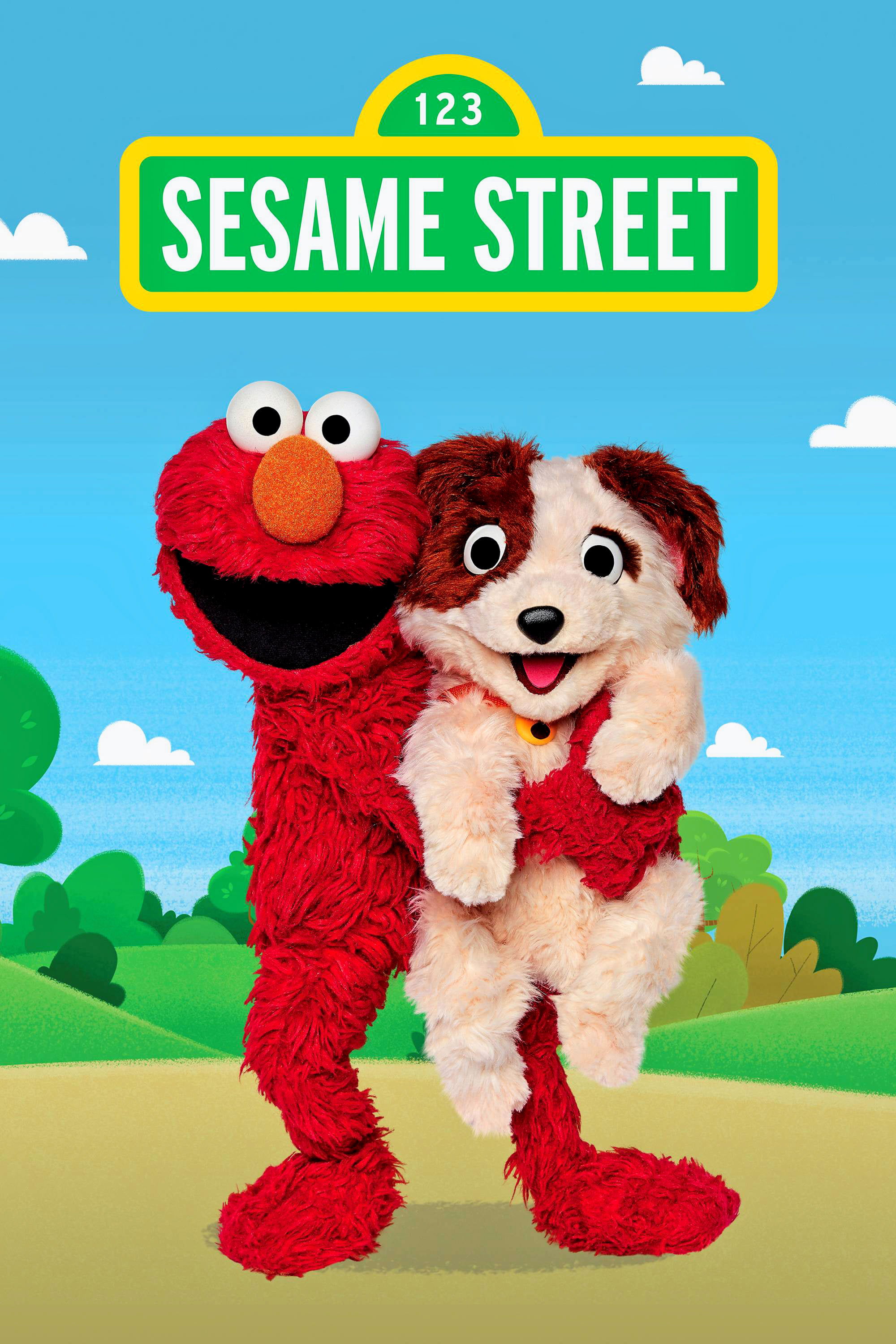
‘Sesame Street’ was a groundbreaking children’s show that uniquely blended learning and fun. Using quick cuts and the beloved Muppets created by Jim Henson, it captured kids’ attention while teaching essential skills like reading and math. The show also stood out for portraying city life with a diverse group of characters. Ultimately, ‘Sesame Street’ became a worldwide success, demonstrating television’s potential to significantly benefit young children’s development.
‘The Mary Tyler Moore Show’ (1970–1977)
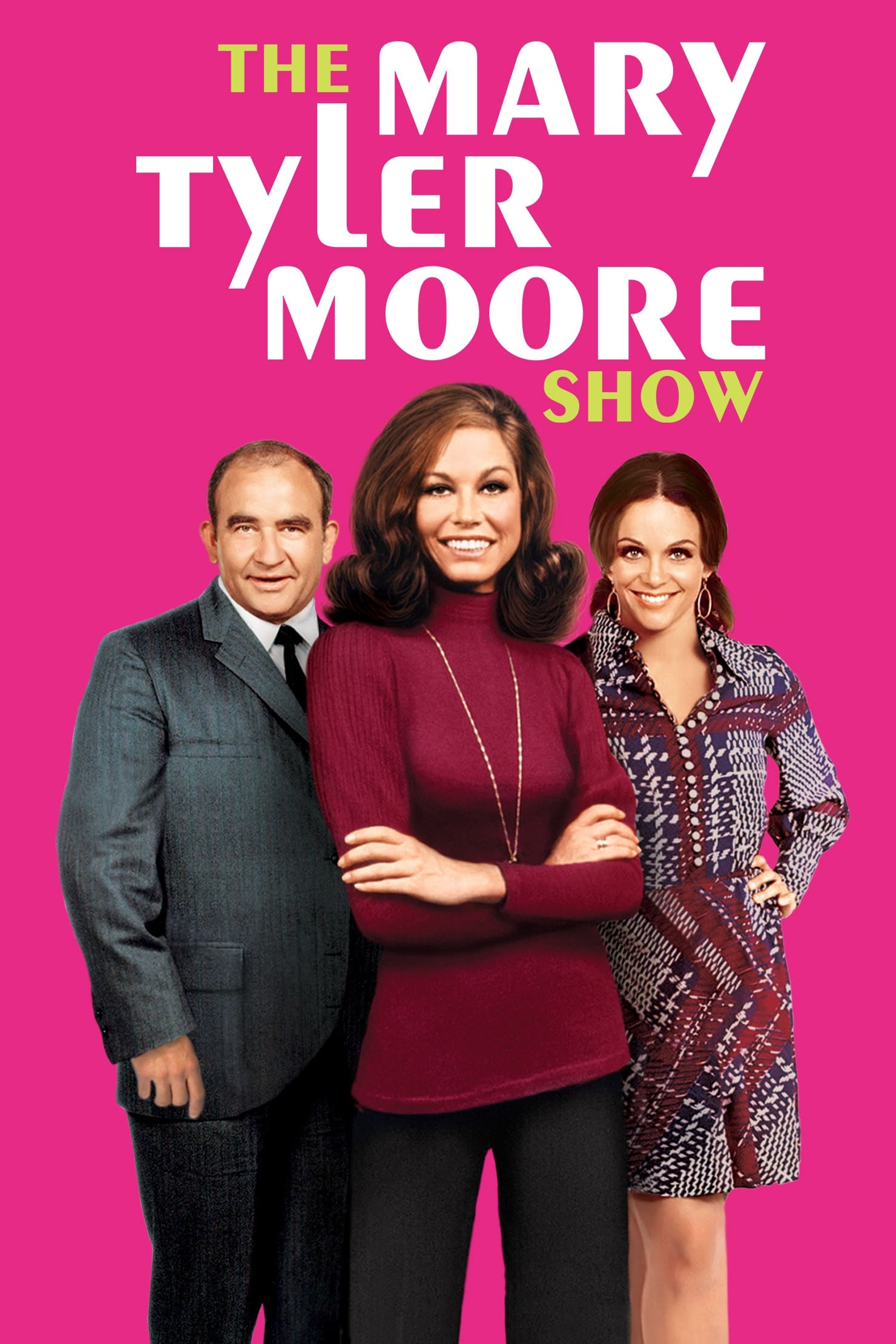
Mary Richards quickly became a symbol of the modern, working woman by choosing her career over getting married. The show broke away from typical family sitcoms and instead focused on what happened at work and the importance of friendships. Critics loved it for its smart writing and realistic characters. ‘The Mary Tyler Moore Show’ was groundbreaking, opening doors for other TV series that featured professional women building lives for themselves.
‘All in the Family’ (1971–1979)
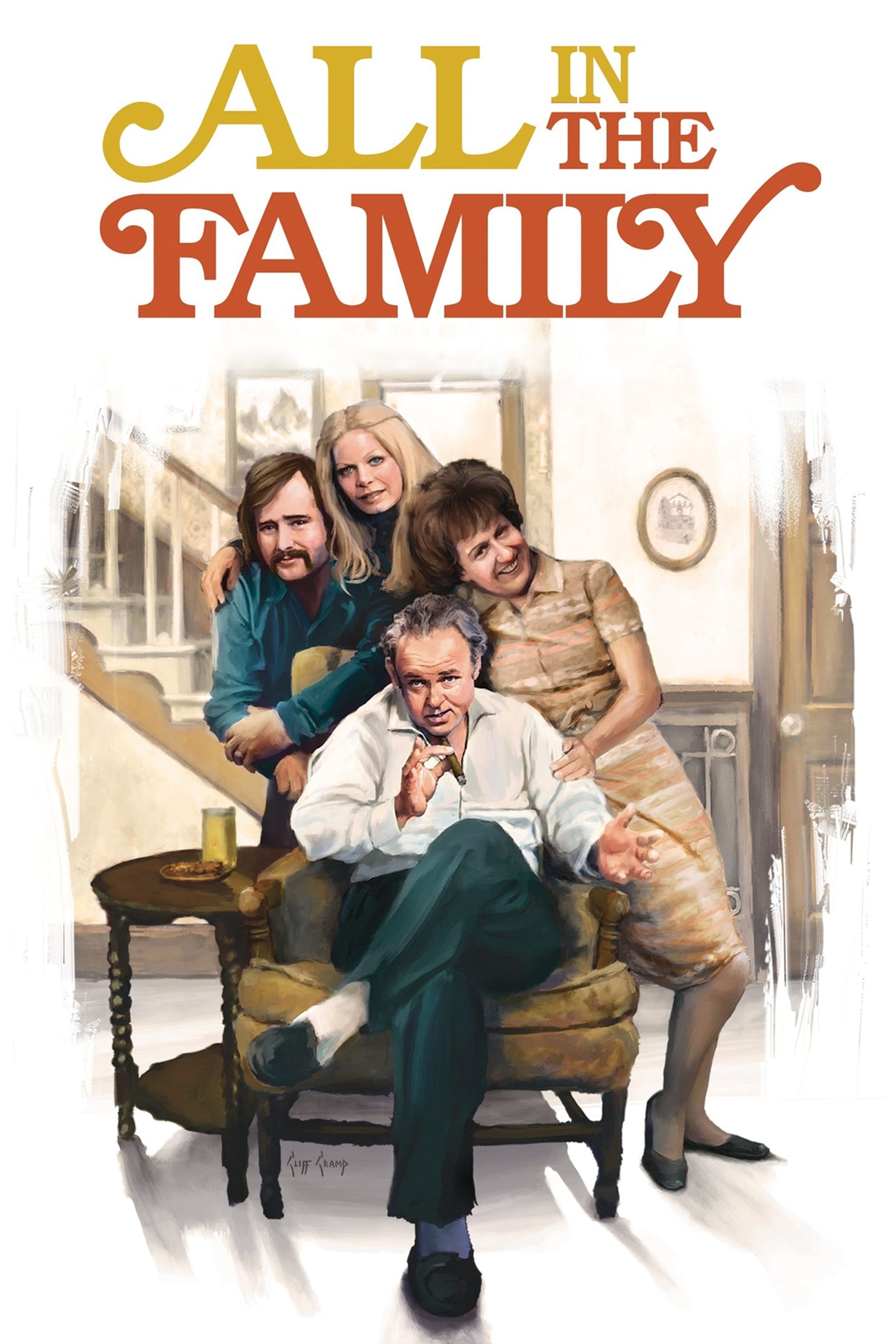
Norman Lear revolutionized sitcoms by focusing on the everyday struggles of a working-class family and addressing real social issues. His show, ‘All in the Family,’ featured the character Archie Bunker, a prejudiced man whose beliefs were often questioned by his more progressive son-in-law and a changing society. The series bravely and thoughtfully used humor to explore sensitive topics like racism, sexism, and homosexuality. ‘All in the Family’ redefined American comedy, demonstrating that sitcoms could be both funny and insightful.
‘Saturday Night Live’ (1975–Present)
Lorne Michaels created ‘Saturday Night Live,’ a groundbreaking sketch comedy show that has launched the careers of countless comedians. Known for its sharp political humor and quick responses to current events, the show challenged the limits of what was seen on television and became a weekly tradition for millions. ‘Saturday Night Live’ shaped American comedy and continues to be a significant part of our culture.
‘Roots’ (1977)
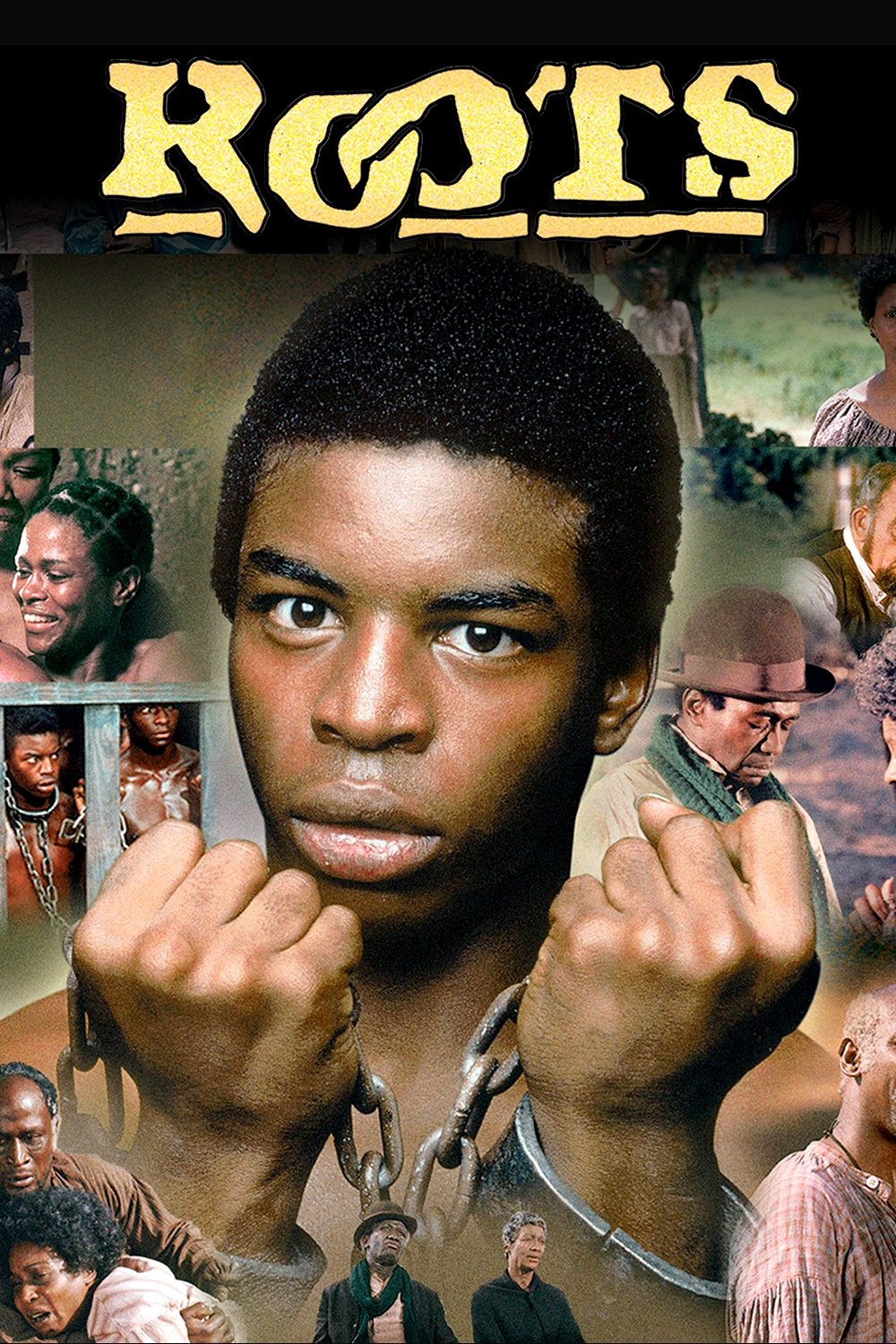
The miniseries ‘Roots’ became a national phenomenon, telling the powerful story of an African family’s journey through slavery across multiple generations. It attracted an unprecedented number of viewers and ignited a nationwide discussion about race and American history. By airing over several consecutive nights, it created a rare, shared experience for audiences. ‘Roots’ also demonstrated that long, in-depth stories and serious historical dramas could be both popular and successful on television.
‘Dallas’ (1978–1991)
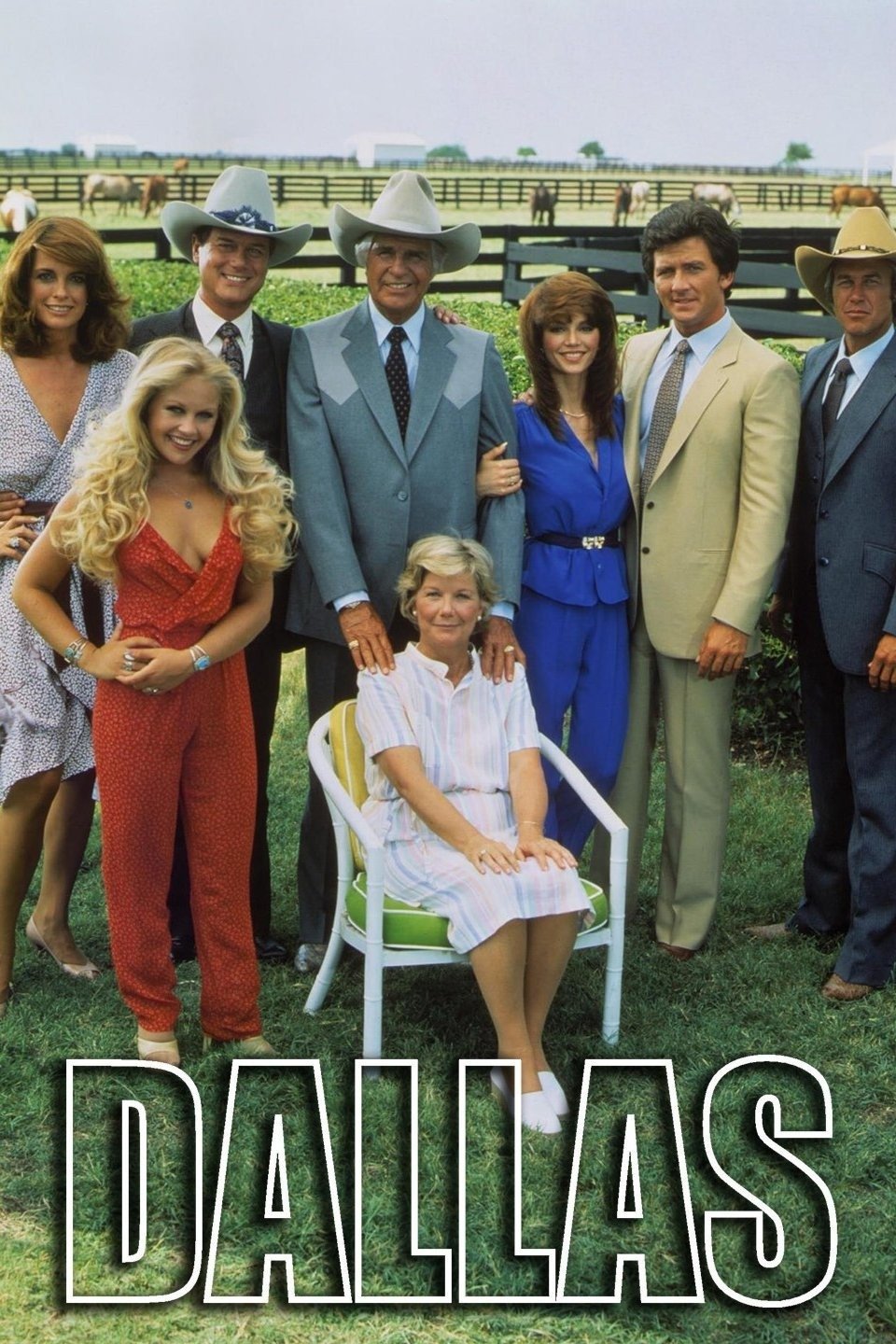
As a total TV buff, I remember when ‘Dallas’ absolutely exploded onto the scene. The Ewing family’s story wasn’t just about wealth and drama, it defined prime-time soaps for a generation. And that ‘Who Shot J.R.?’ mystery? It was insane! It wasn’t just a hit, it completely changed how TV shows promoted their season endings, making everyone tune in to find out what happened next. ‘Dallas’ really proved how captivating a long, unfolding story could be, and it basically created the addictive family drama we still see on TV today. It’s influenced so many shows since then, it’s incredible!
‘Hill Street Blues’ (1981–1987)
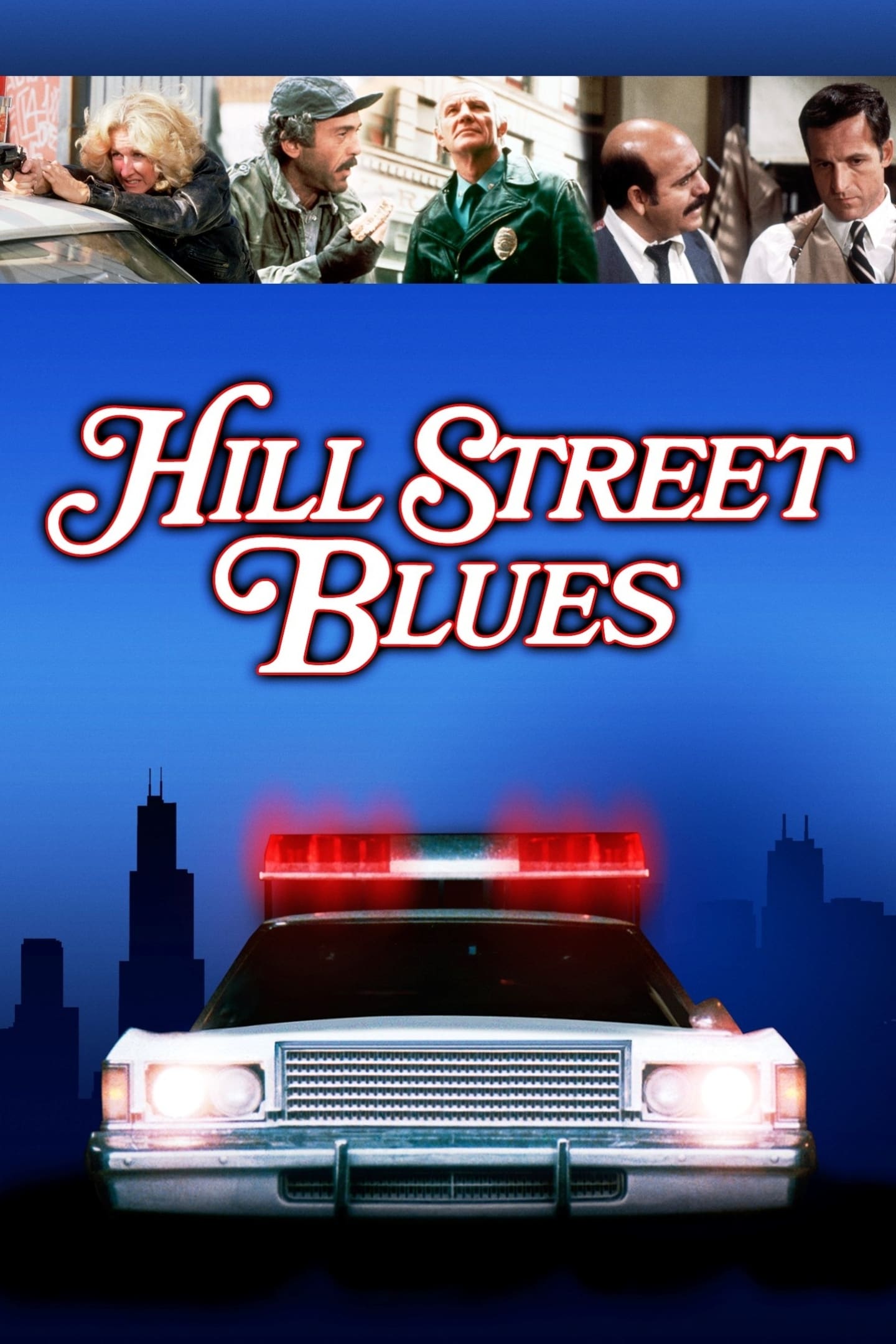
Steven Bochco revolutionized police dramas with ‘Hill Street Blues’ by moving away from simple, self-contained episodes. He created a show with ongoing storylines, a large cast of characters, and a realistic, documentary-like feel achieved through handheld cameras and naturalistic dialogue. The series focused just as much on the officers’ personal lives as on the crimes they solved, paving the way for today’s character-driven, high-quality dramas that prioritize depth over quick resolutions.
‘Cheers’ (1982–1993)
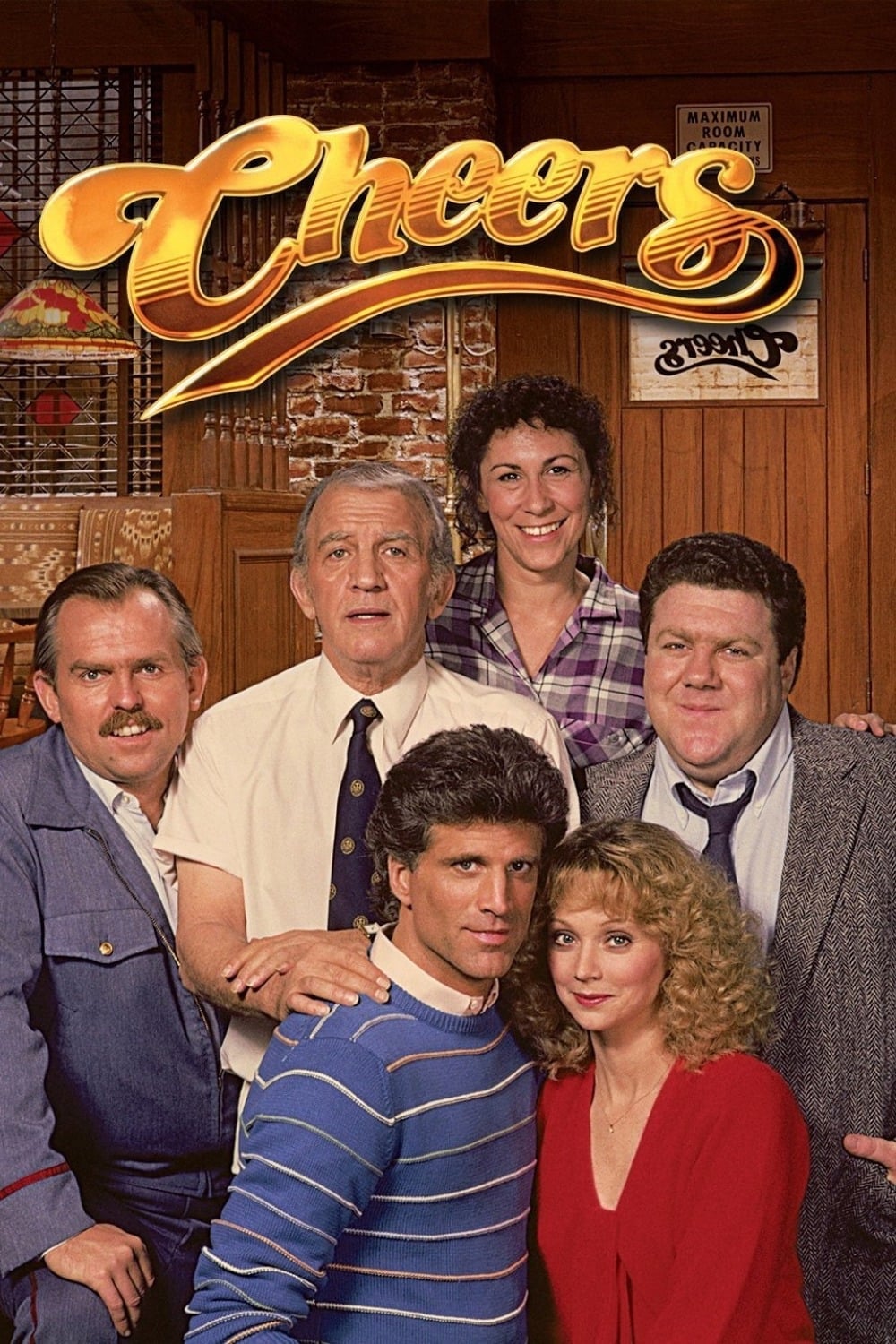
‘Cheers’ was a hugely popular sitcom set in a Boston bar, famous for its cozy atmosphere and relatable characters. The show, which featured a central, on-again, off-again romance between Sam and Diane, became a classic example of the workplace comedy. Despite a slow start, ‘Cheers’ proved that a comforting setting and strong connections between characters are key ingredients for success.
‘Miami Vice’ (1984–1989)
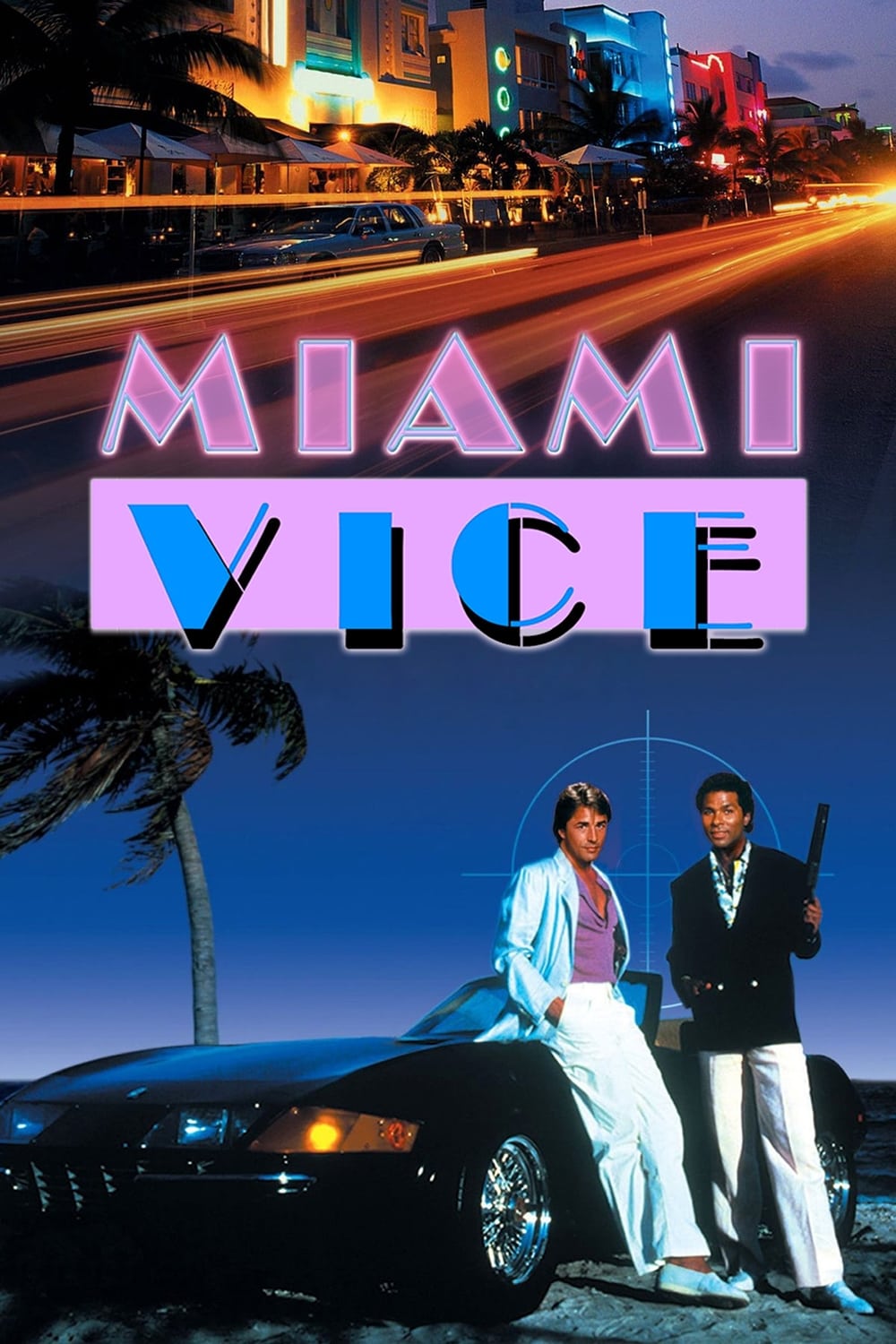
‘Miami Vice’ was a groundbreaking police show that heavily influenced the look of 1980s television. Known for its distinctive style – think bright suits, sleek cars, and a memorable electronic music score – the show was a pioneer in using popular music and fast-paced editing borrowed from music videos. More than just focusing on the story, ‘Miami Vice’ prioritized creating a strong mood and atmosphere, proving that visual appeal could be as crucial as the plot itself.
‘The Cosby Show’ (1984–1992)
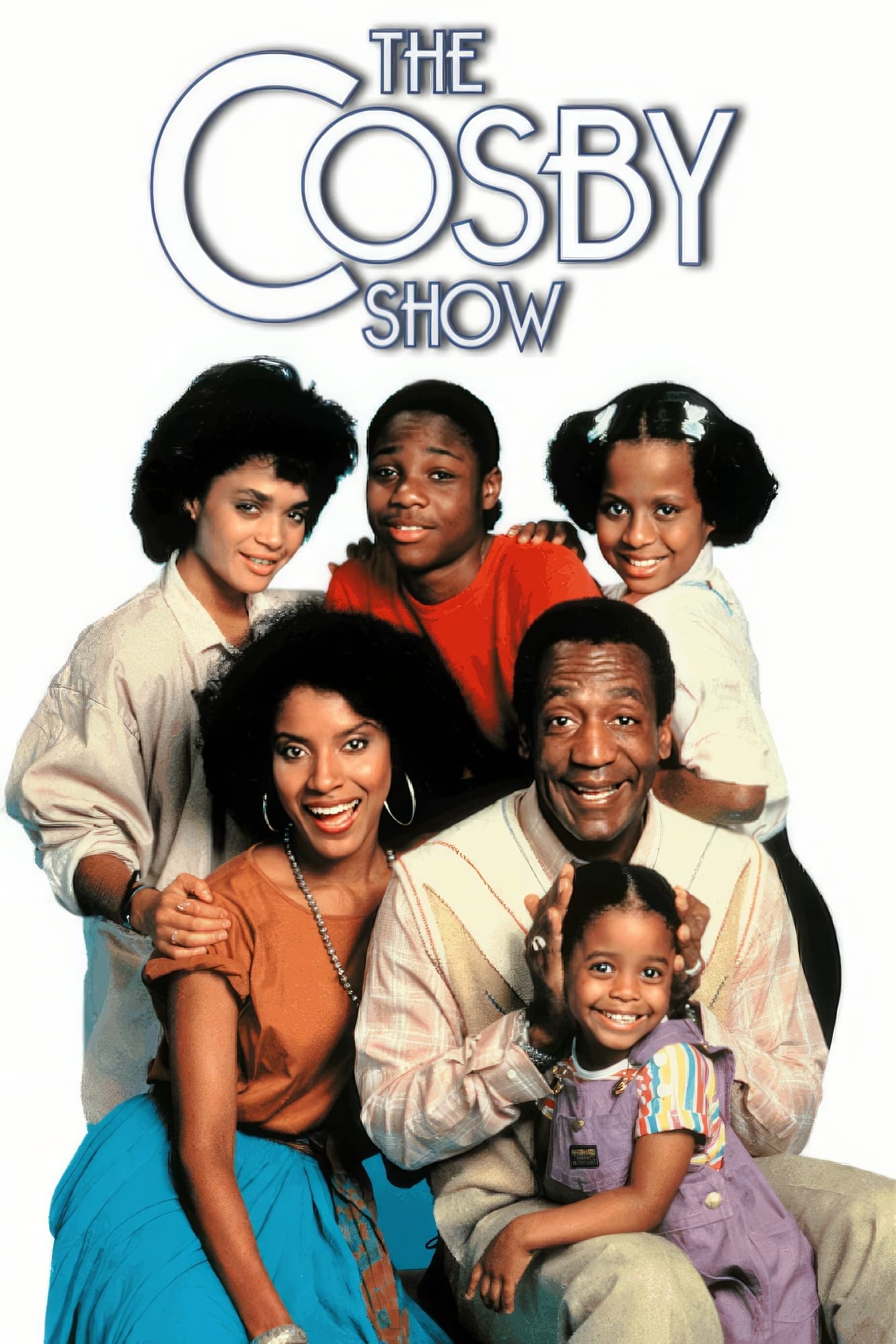
When many thought sitcoms were losing popularity, ‘The Cosby Show’ brought the genre back to life with its portrayal of a successful African American family. Instead of relying on stereotypes or silly jokes, the show focused on relatable family experiences and positive values. The Huxtable family became incredibly popular, helping to make NBC’s Thursday night programming a long-term success. Ultimately, ‘The Cosby Show’ changed how people viewed American families and paved the way for more diversity on television.
‘The Oprah Winfrey Show’ (1986–2011)

Oprah Winfrey revolutionized daytime television by centering her show on personal growth and genuine human connection. She built a huge and dedicated audience by truly understanding her guests and openly discussing difficult subjects. Her show had a major impact on the book world with its popular book club and became known for its honest, revealing interviews. ‘The Oprah Winfrey Show’ demonstrated that a talk show host could become a significant influencer and a highly successful businesswoman.
‘The Simpsons’ (1989–Present)
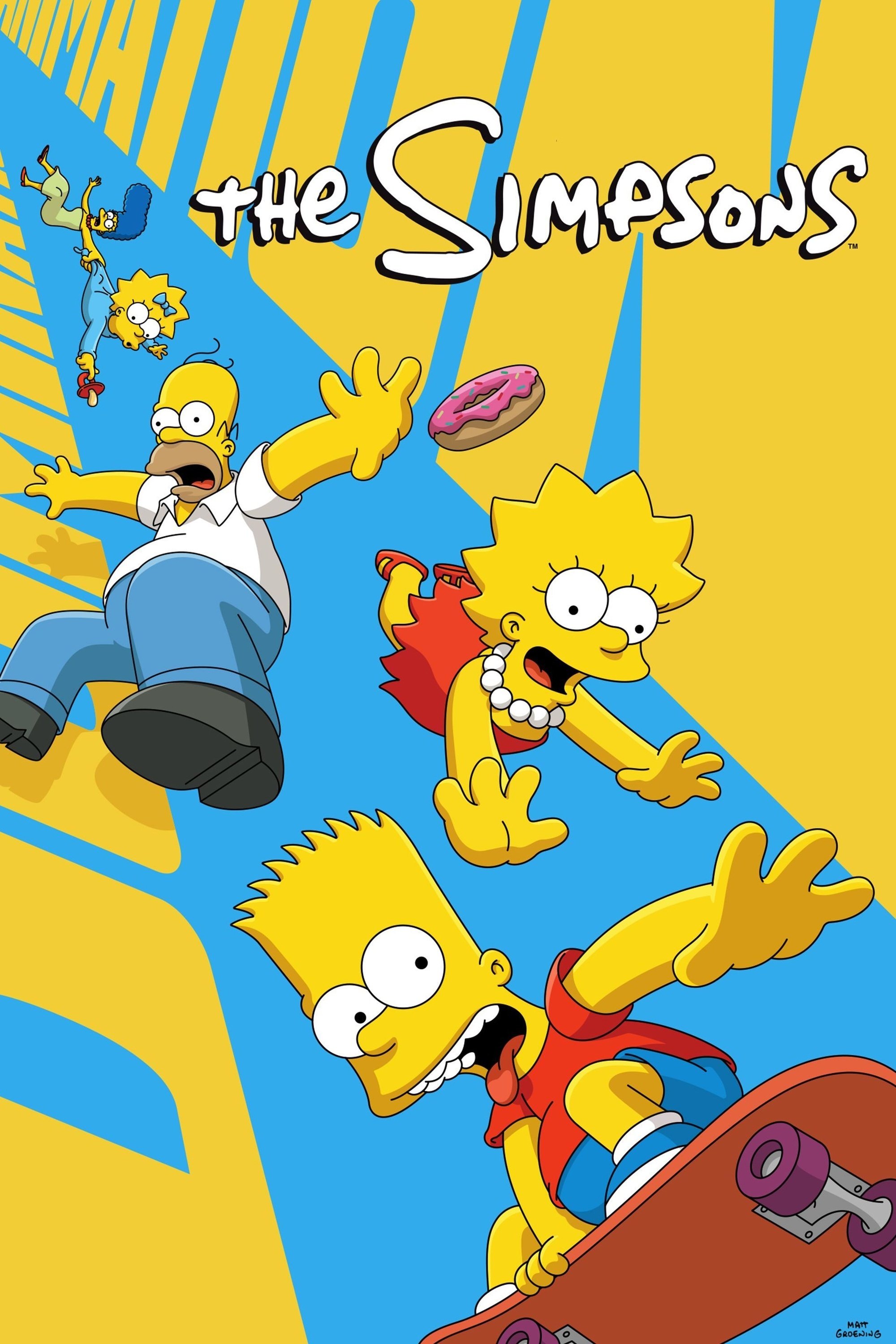
Matt Groening revitalized prime-time animation with ‘The Simpsons,’ a groundbreaking show that playfully challenged traditional notions of the American dream. The show cleverly balanced silly, physical comedy for kids with insightful social commentary that resonated with adults. Its large cast of memorable characters helped create a detailed and humorous world that poked fun at all parts of modern society. ‘The Simpsons’ is the longest-running scripted primetime television series in American history and paved the way for successful animated shows geared towards adults.
‘Seinfeld’ (1989–1998)
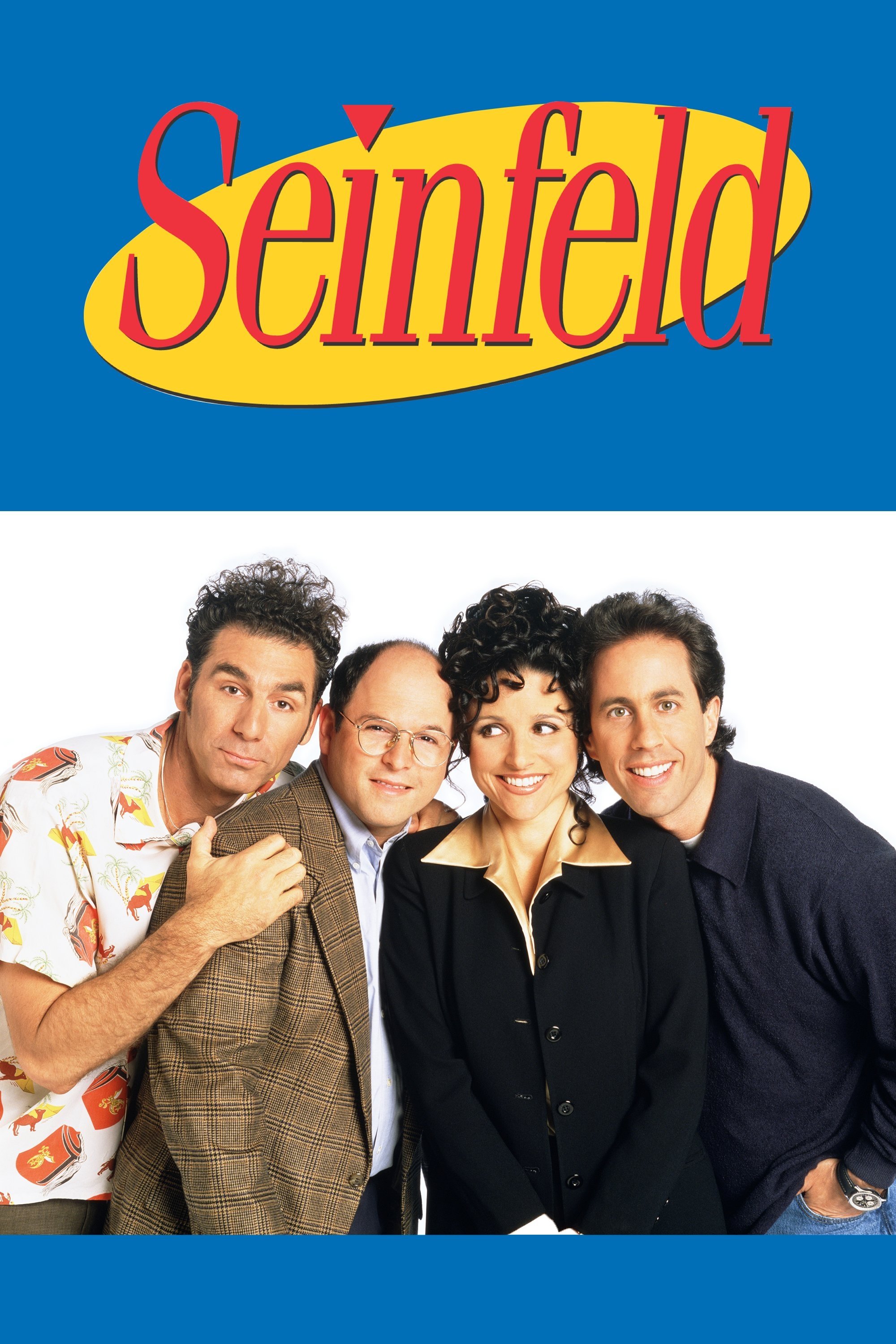
Jerry Seinfeld and Larry David famously created ‘Seinfeld,’ a show about everyday life and the small, often awkward, rules of social interaction. The characters were known for being self-centered and didn’t bother with typical TV lessons or sentimental moments. The show popularized a unique style of comedy, filled with memorable catchphrases and relatable observations, that quickly became part of how people talked. ‘Seinfeld’ defied the conventions of traditional sitcoms and went on to become one of the most financially successful comedies ever made.
‘Twin Peaks’ (1990–1991)
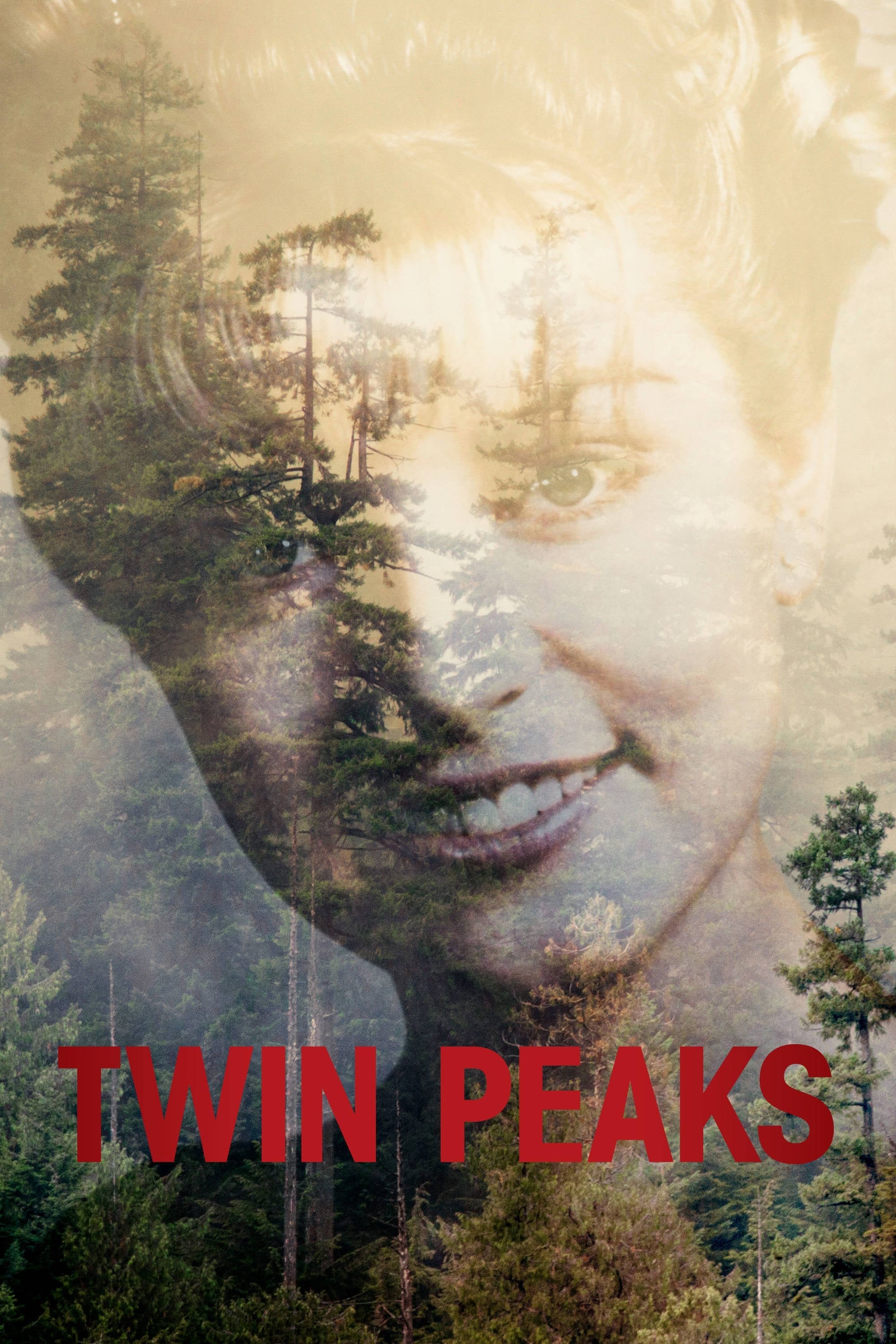
David Lynch and Mark Frost revolutionized television with their mysterious and dreamlike series, ‘Twin Peaks’. The show captivated viewers with the central question of who killed Laura Palmer, while also intriguing them with its bizarre and surreal dream sequences. ‘Twin Peaks’ proved that television could be a true art form, capable of sophisticated storytelling and visually stunning scenes. It’s often considered the show that paved the way for today’s high-quality, critically acclaimed dramas.
‘Law & Order’ (1990–Present)
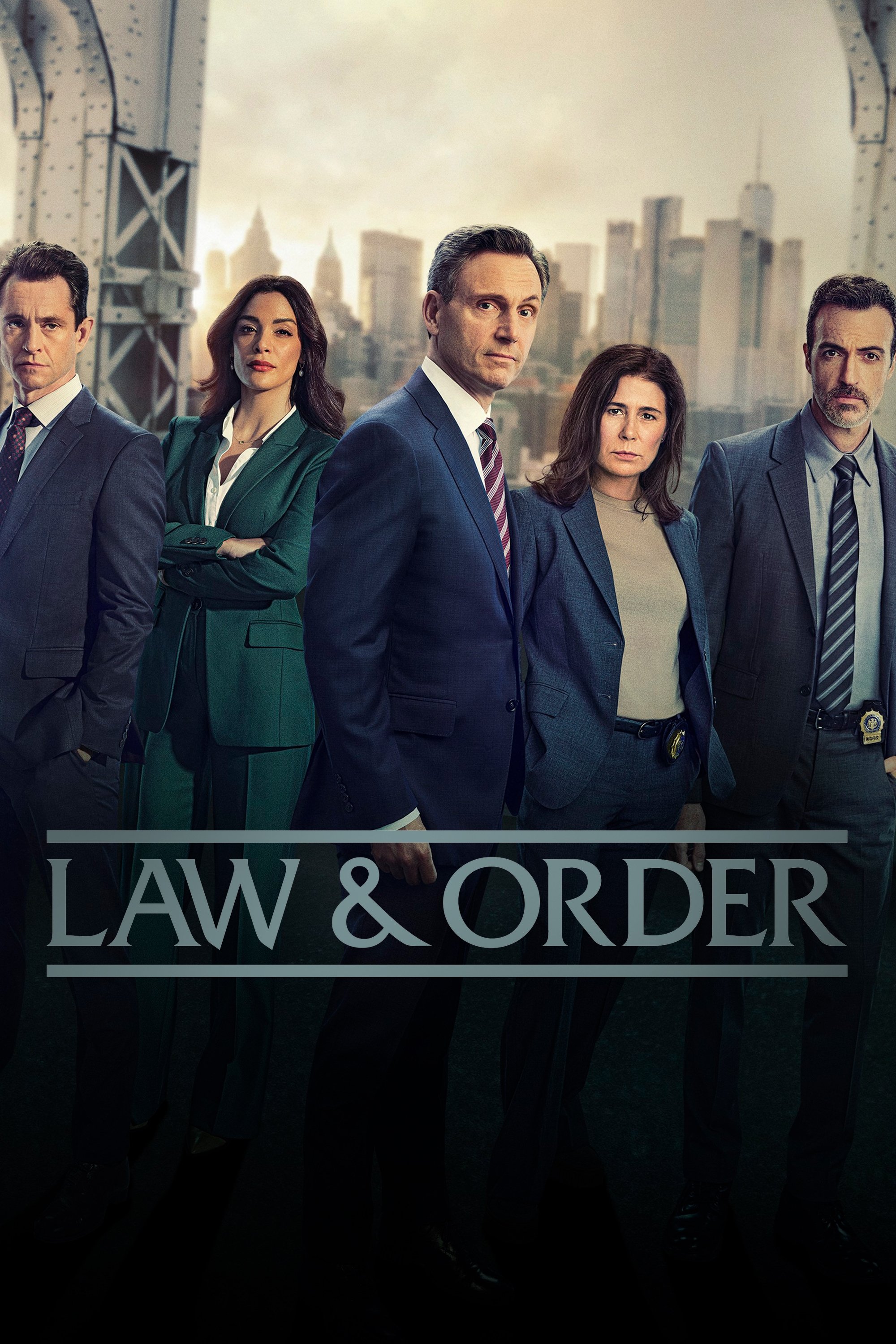
Dick Wolf revolutionized police dramas with ‘Law & Order’ by dividing each episode into two parts: one following the police investigation, and the other focusing on the prosecution in court. The show’s use of current events kept it feeling timely and engaging. Because each episode was self-contained, it was ideal for reruns and viewers could tune in without needing to follow a continuing storyline. ‘Law & Order’ became incredibly popular and launched a huge franchise that continues to be a staple of cable television today.
‘The Real World’ (1992–Present)
MTV pioneered modern reality TV with its show ‘The Real World,’ which famously put seven strangers together and filmed what happened. Unlike traditional shows with written scripts, it focused on real, unscripted interactions and the drama that unfolded. The show tapped into the feelings and concerns of young people at the time, even addressing important issues like AIDS and prejudice. ‘The Real World’ essentially created the formula for the explosion of reality television that followed.
‘The X-Files’ (1993–2002)
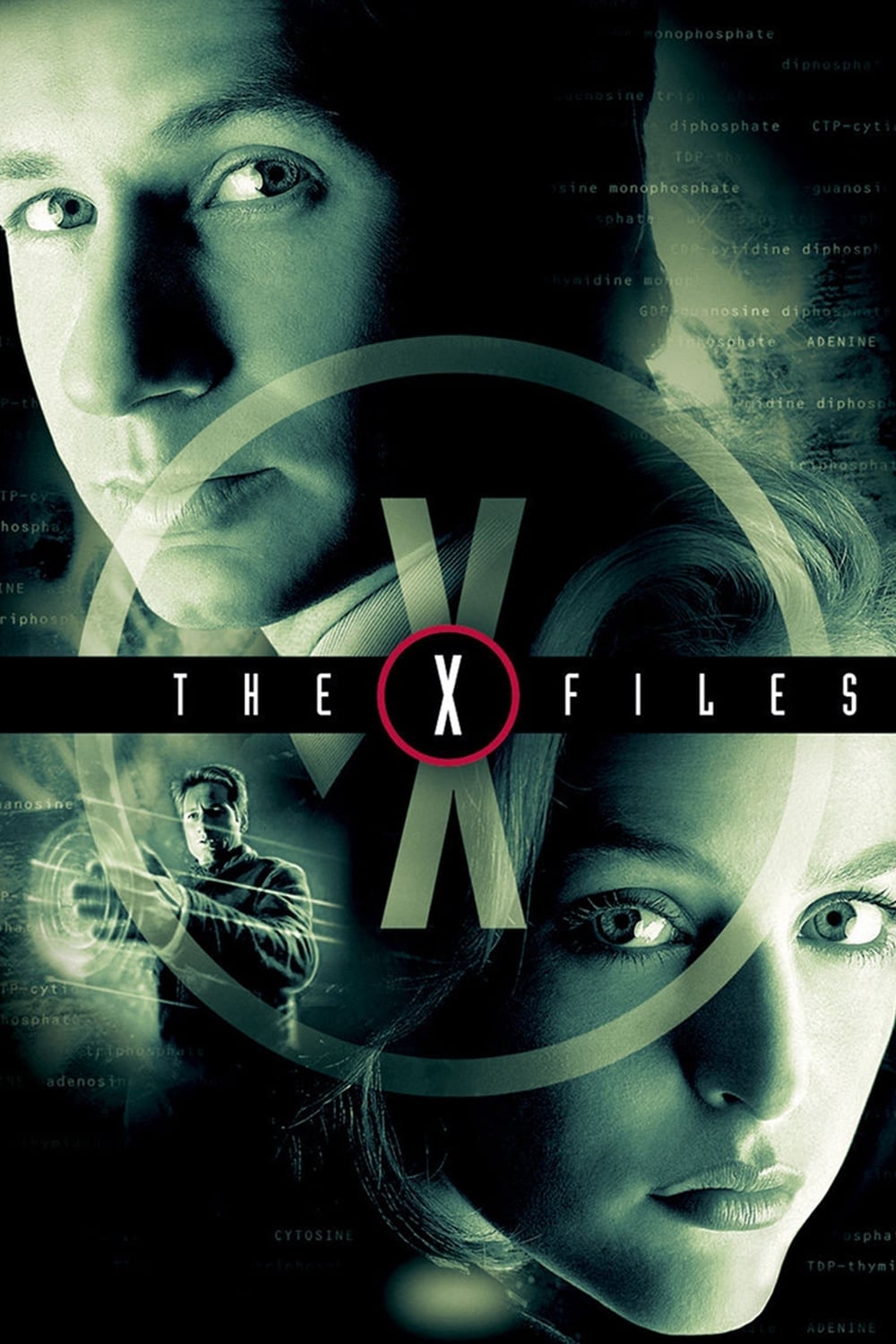
‘The X-Files’ popularized science fiction on television, blending standalone spooky episodes with a complex, overarching storyline. The show resonated with the anxieties of the late 1990s, exploring themes of government cover-ups and the unexplained. It was also groundbreaking for fostering one of the earliest and most active online fan communities, where viewers passionately discussed every aspect of the show. ‘The X-Files’ demonstrated that a niche genre series could achieve widespread international success.
‘Friends’ (1994–2004)
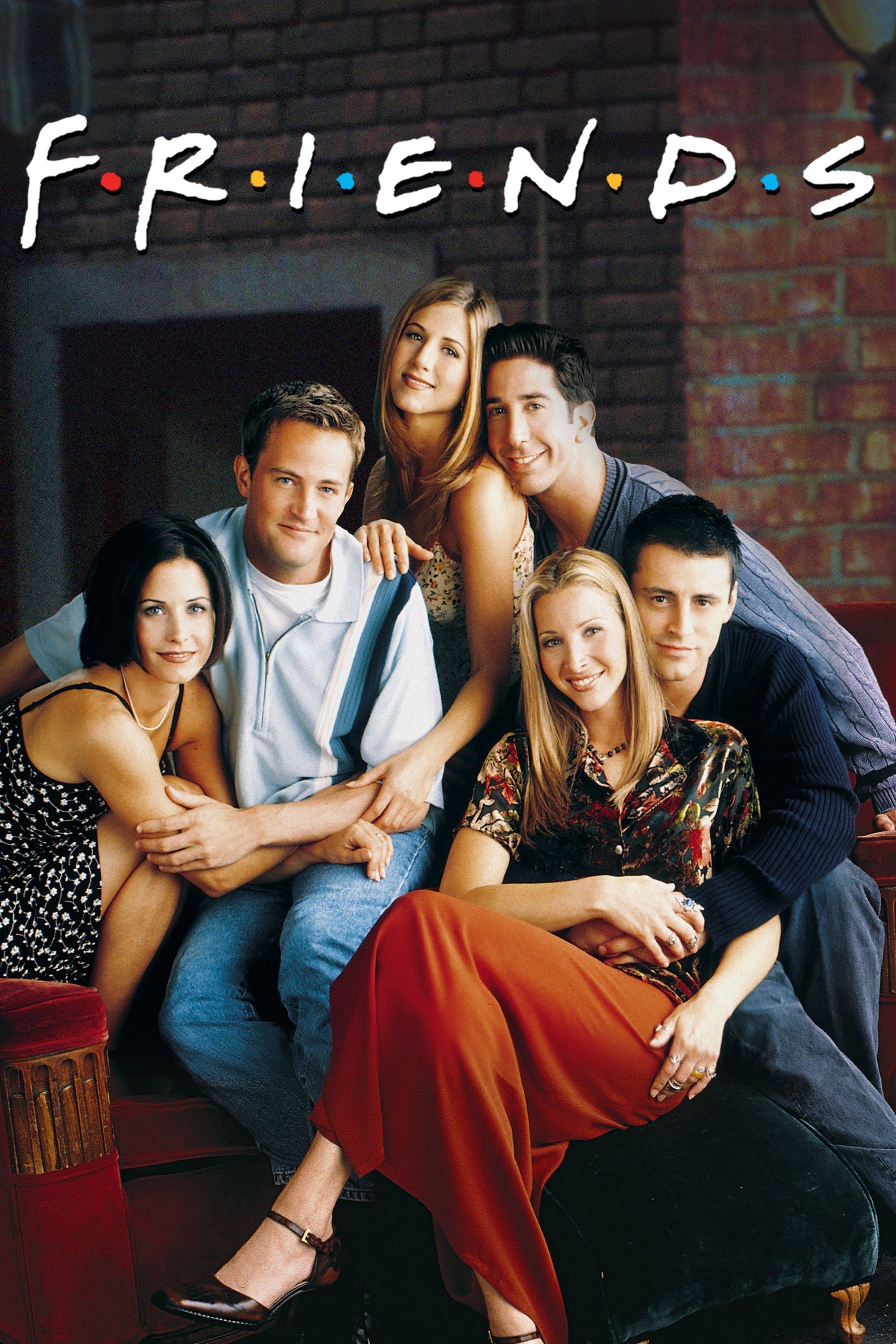
‘Friends’ is a classic sitcom that followed the lives of six young adults in New York City and became a defining show of the 1990s. The cast’s fantastic chemistry made even everyday stories about love and work incredibly popular. It had a huge impact on fashion, the way people talked, and even inspired a whole style of sitcom. Today, ‘Friends’ is still incredibly popular and continues to attract new fans of all ages.
‘ER’ (1994–2009)
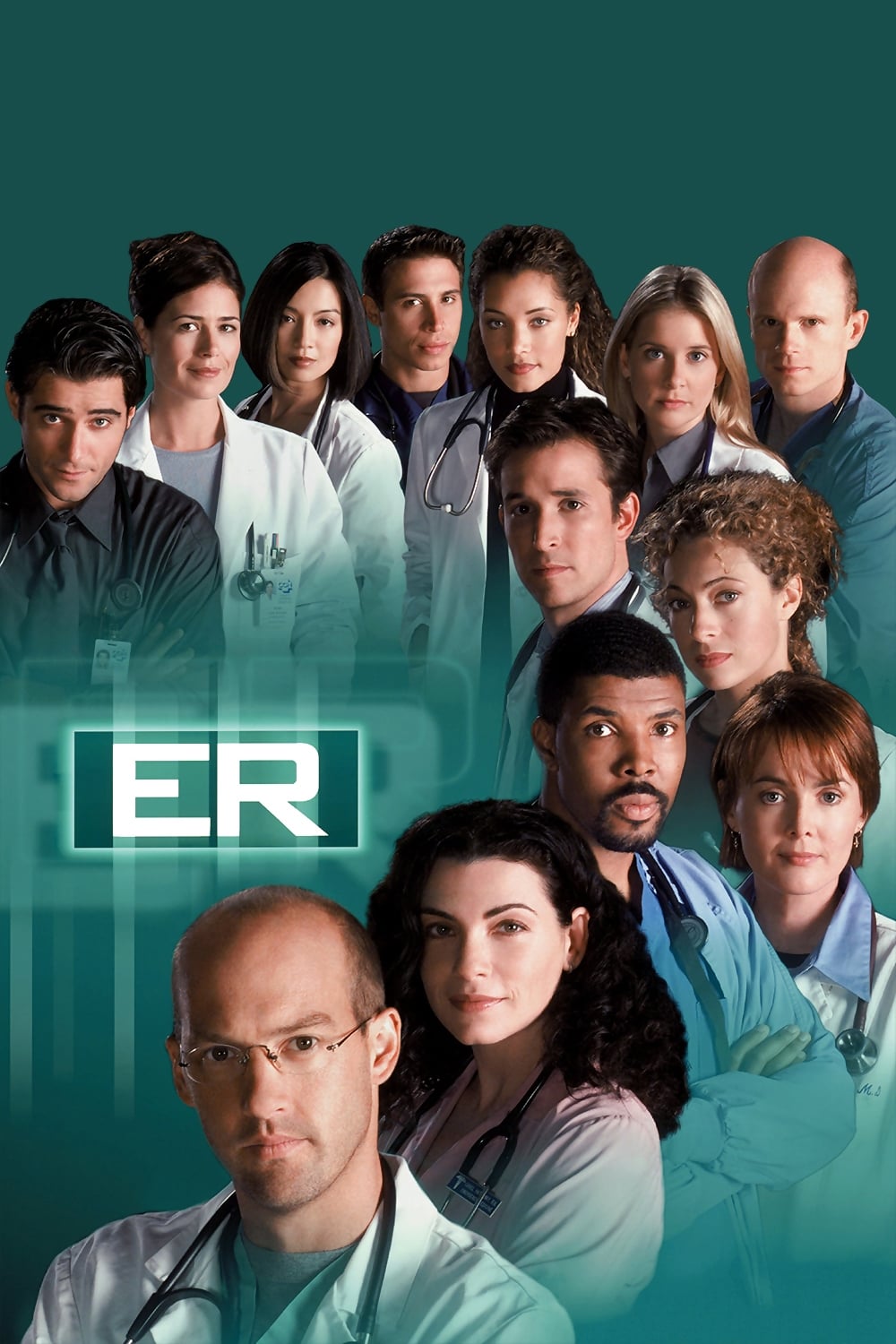
Michael Crichton’s ‘ER’ was a fast-paced medical drama that used innovative camera work to put viewers right in the middle of the emergency room. The show was realistic, featuring complex medical terms and accurately portraying procedures – it didn’t dumb things down for television. ‘ER’ helped launch George Clooney’s career and raised the bar for how network TV shows were made. For years, it was a ratings powerhouse and significantly impacted all subsequent medical dramas.
‘Buffy the Vampire Slayer’ (1997–2003)
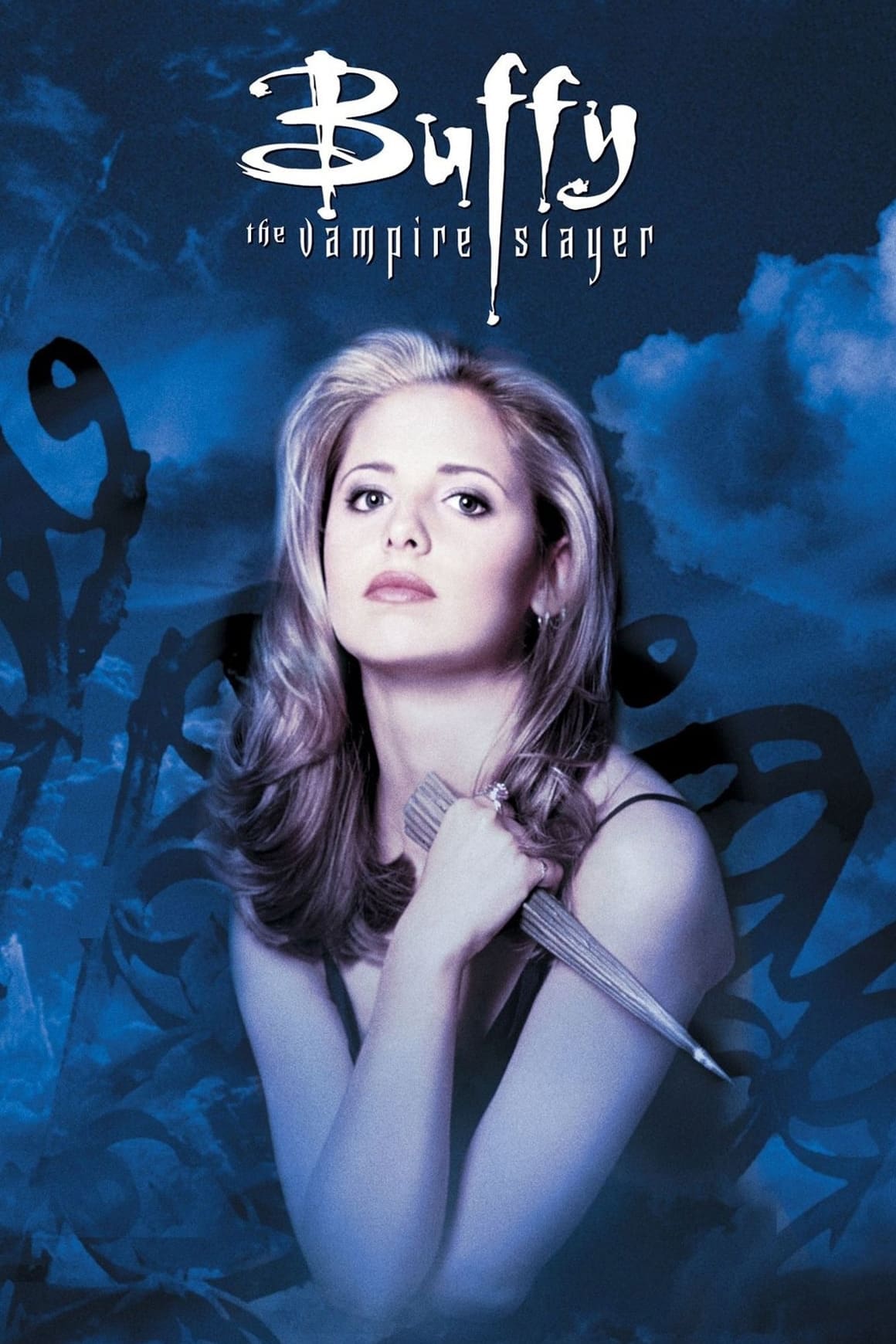
As a huge movie and TV fan, I always loved how Joss Whedon used monsters in ‘Buffy the Vampire Slayer’ to really explore those awkward, tough times of being a teenager and figuring out life. And Buffy herself? She totally flipped the script on the usual horror movie damsel in distress – she was strong, capable, and anything but helpless. Beyond that, the show was just brilliantly written, with dialogue that really snapped, and they weren’t afraid to get creative with episodes, even doing full musical or silent ones! It’s no surprise ‘Buffy’ became a favorite for people who study TV and film, and it really helped popularize the idea of finding your family in the people you choose, not just the ones you’re born with.
‘South Park’ (1997–Present)

Trey Parker and Matt Stone created a surprisingly insightful and witty show using simple animation. Because they could produce episodes so quickly, ‘South Park’ famously offered commentary on news and events almost as they happened. The show wasn’t afraid to be controversial and often tested the limits of what could be said on television. Ultimately, ‘South Park’ demonstrated that cartoons for adults could be smart, thought-provoking, and very successful.
‘Sex and the City’ (1998–2004)
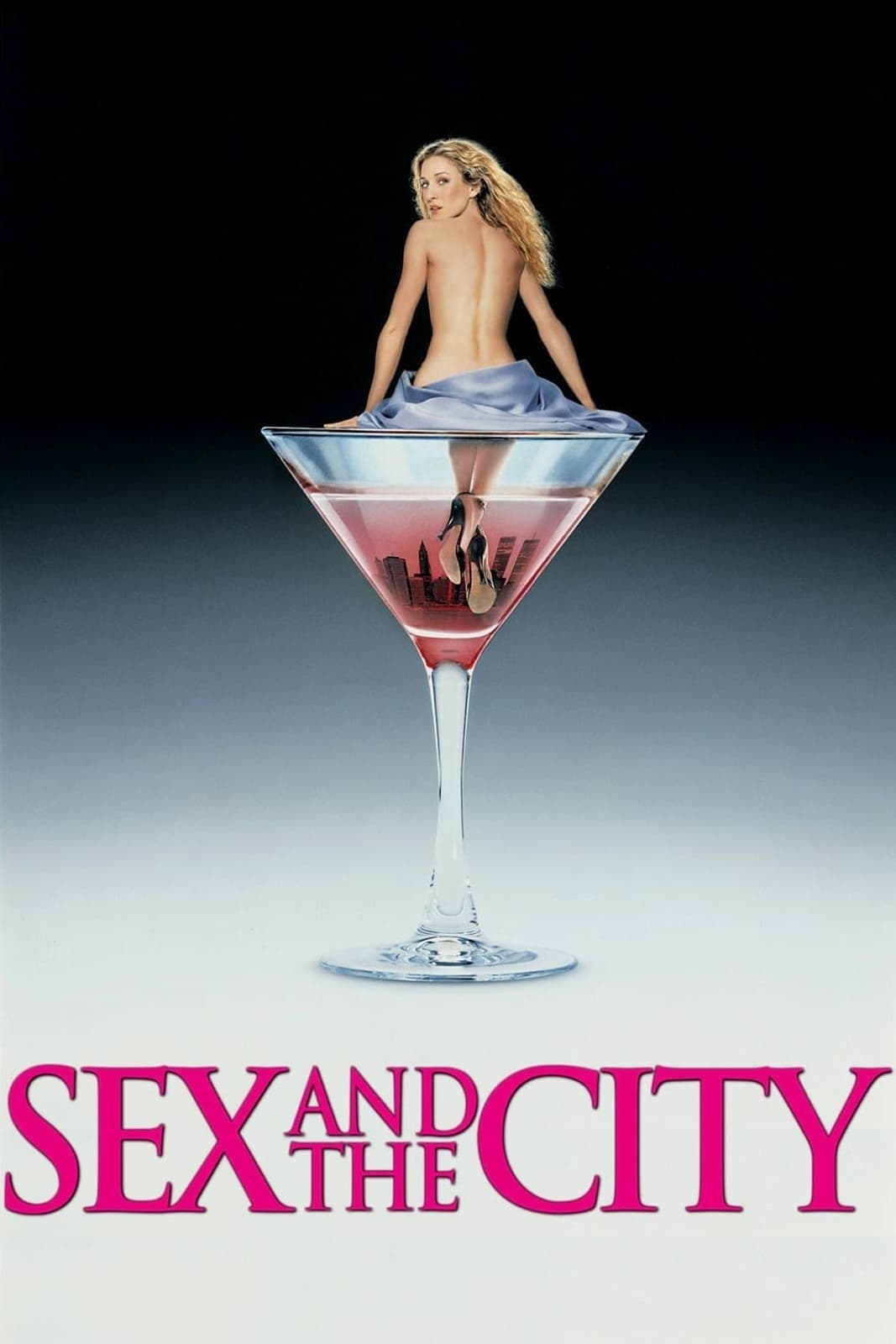
This popular HBO series honestly and openly explored the dating experiences of four women living in New York City. It emphasized the importance of female friendships, portraying them as the most fulfilling relationships in their lives, even more so than romantic partnerships. The show also became known for its fashion and sparked many discussions about love, sex, and relationships in the modern world. ‘Sex and the City’ played a key role in establishing HBO as a network known for smart, grown-up entertainment.
‘The Sopranos’ (1999–2007)
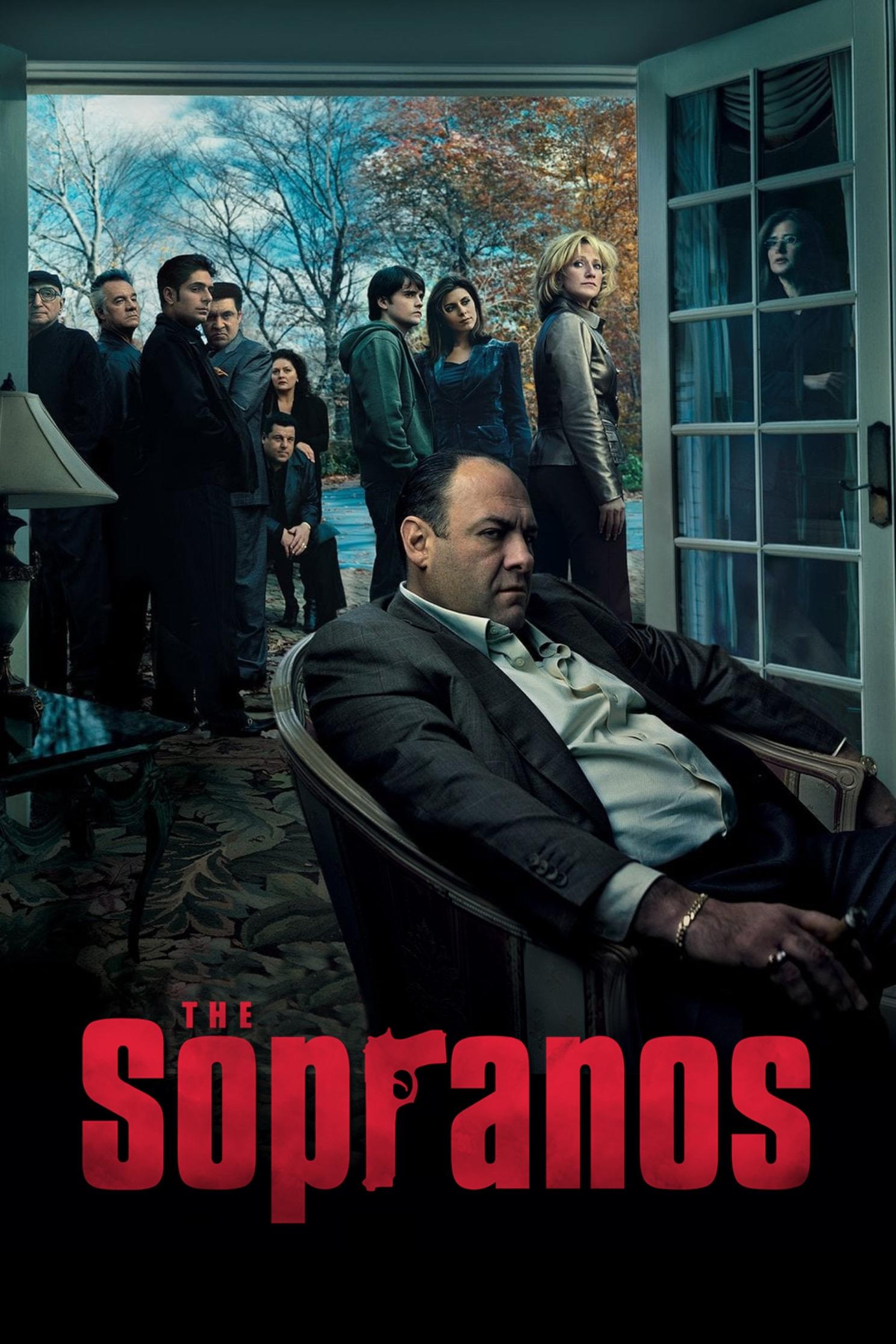
Tony Soprano set the standard for complex, flawed antiheroes on television, a trend that defined the medium for the next ten years. ‘The Sopranos’ uniquely combined intense crime drama with the everyday struggles of family life and the insights of therapy, creating a deeply psychological and compelling story. Many consider it a landmark achievement that raised the bar for television storytelling, comparing its depth and complexity to that of a great novel, and it’s often ranked as the best TV series ever made.
‘The West Wing’ (1999–2006)
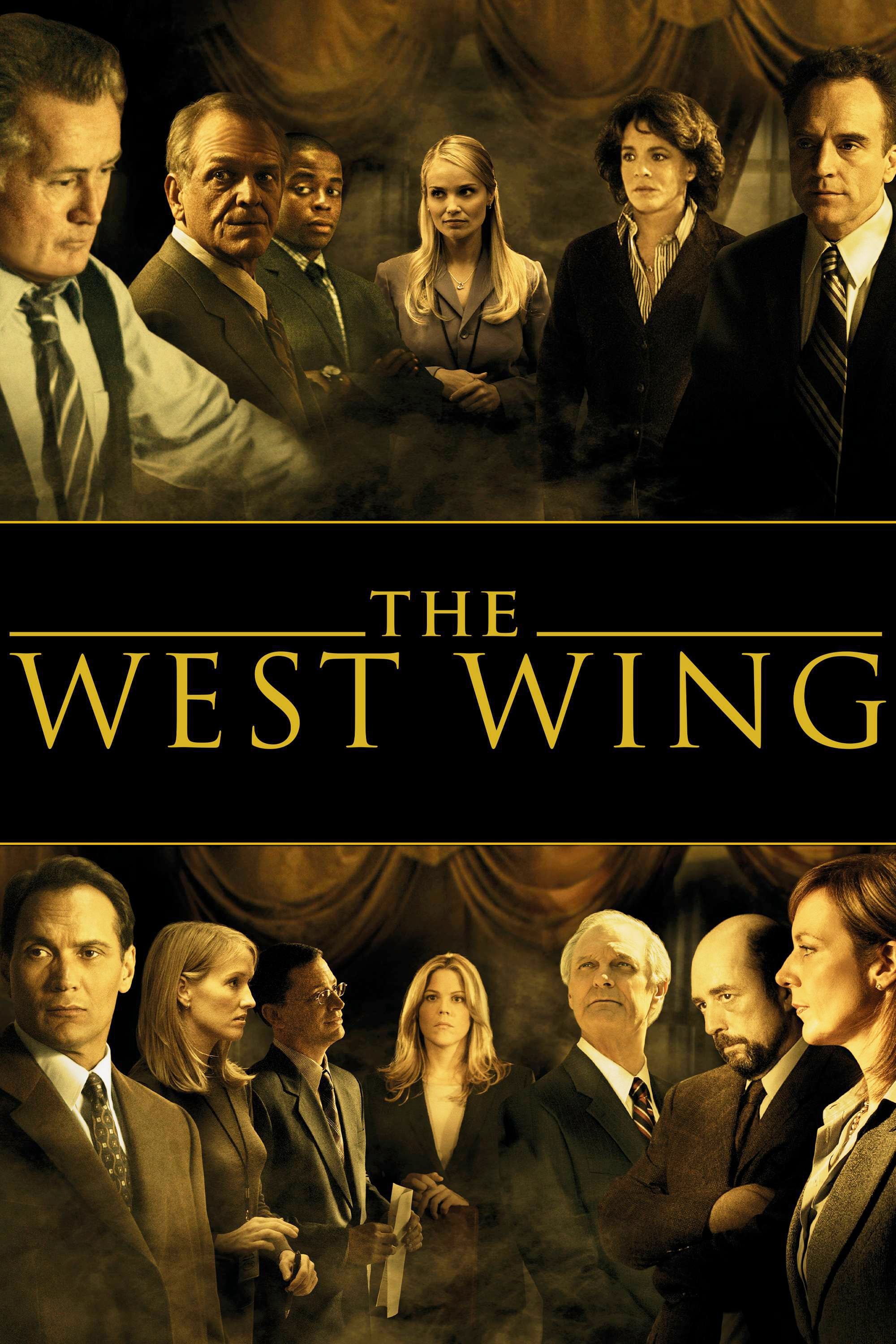
Aaron Sorkin’s show, ‘The West Wing,’ was known for its fast-paced dialogue and positive portrayal of working in the White House. The series followed a brilliant and dedicated staff supporting an intelligent president amidst a divided political climate. It presented an optimistic view of American politics that connected with audiences. ‘The West Wing’ is celebrated for its sharp writing and shaped how many people view the inner workings of government.
‘Survivor’ (2000–Present)
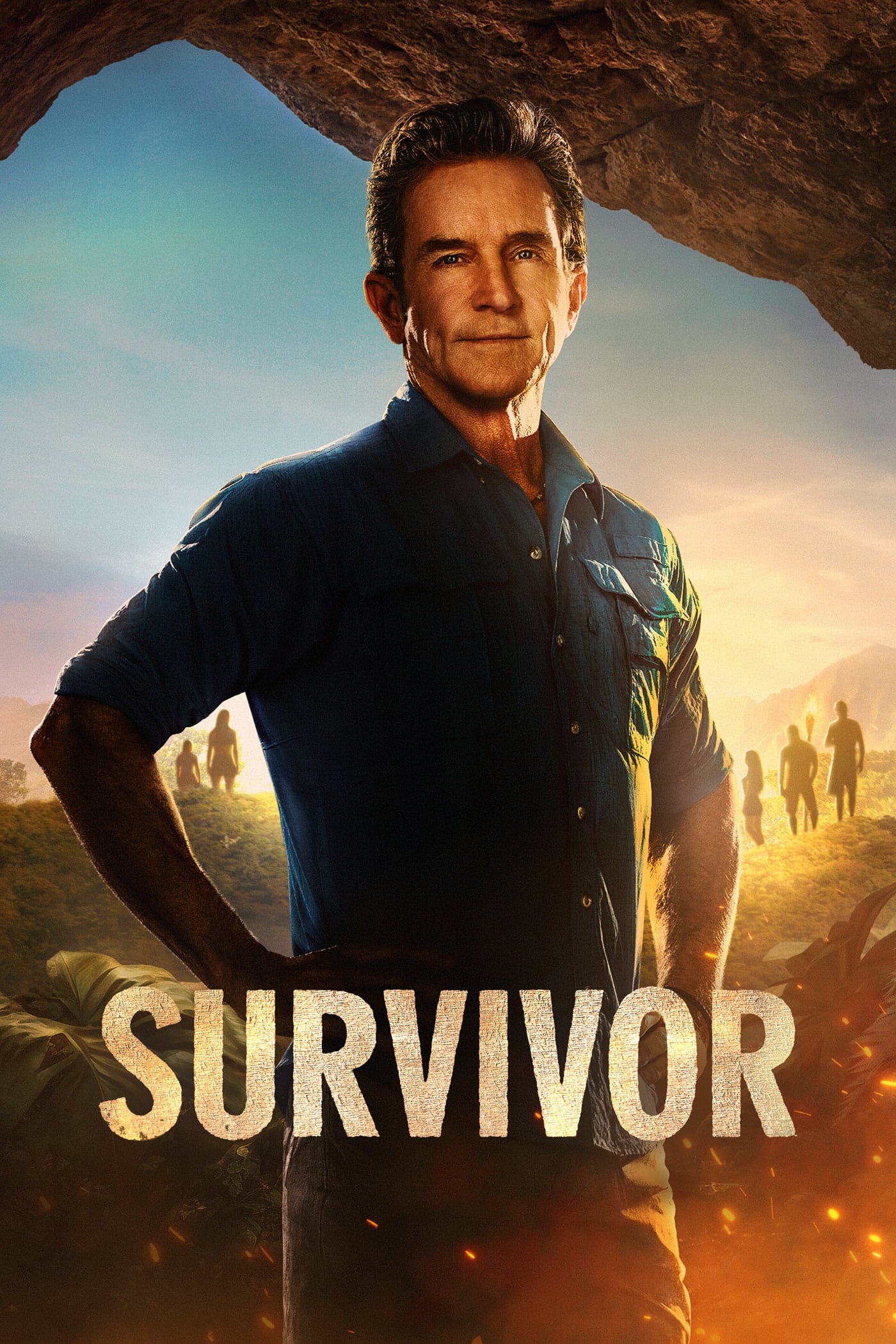
Mark Burnett popularized the reality competition show in the U.S., transforming it into a huge television phenomenon. ‘Survivor’ combined tough physical challenges with complex social gameplay, creating an addictive show that kept getting better. It demonstrated that unscripted television could attract massive audiences – comparable to the Super Bowl – and remain popular for years. The show essentially created the blueprint for nearly all reality competitions we see today.
‘The Wire’ (2002–2008)
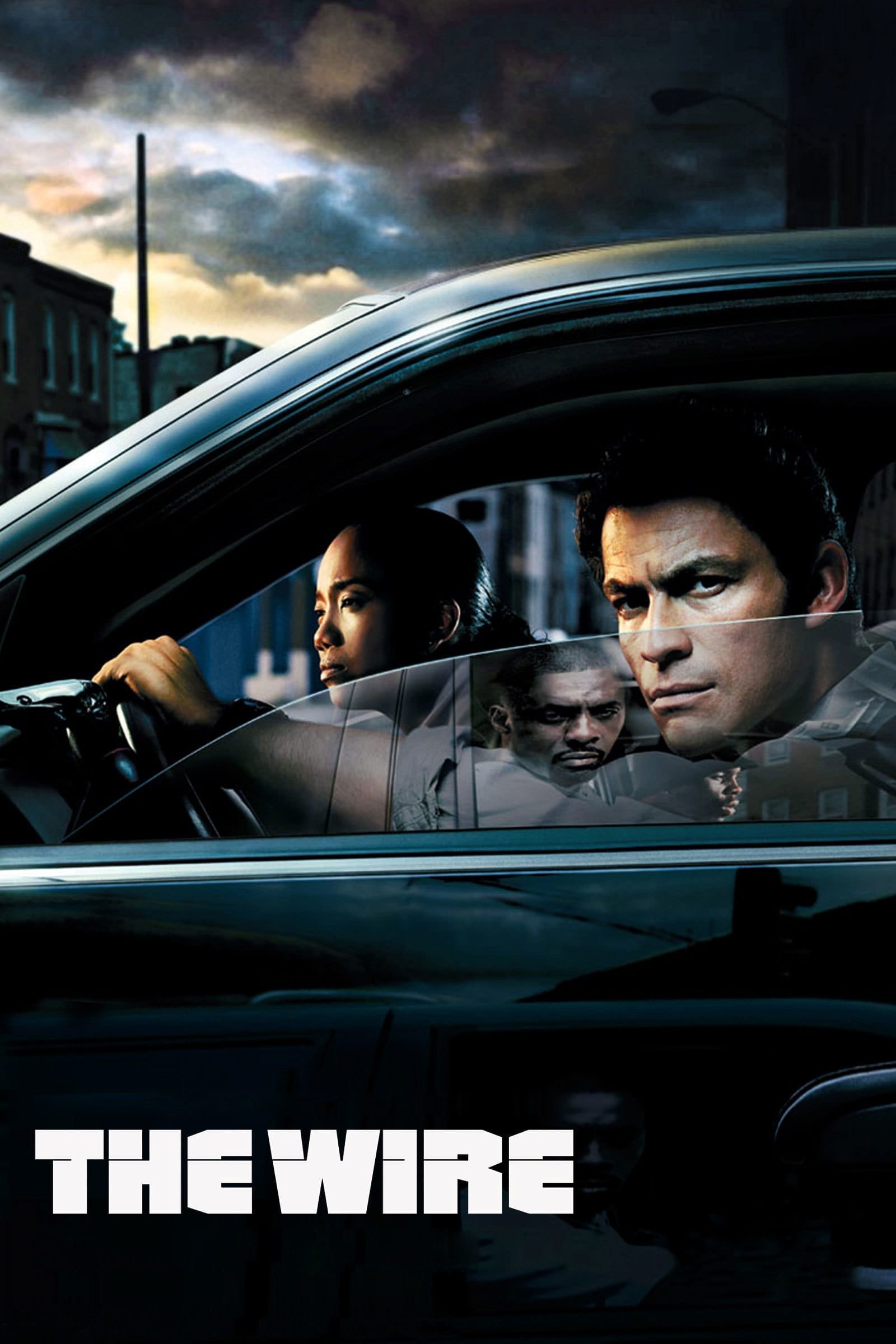
David Simon’s ‘The Wire’ offered a complex and realistic look at the drug trade in Baltimore, showing events from the perspectives of both the police and the drug dealers. Over its five seasons, the show broadened its focus to include various institutions like the port, government, schools, and news organizations. Critics admired its authenticity, novel storytelling approach, and unwillingness to simplify difficult issues. Many consider ‘The Wire’ a groundbreaking work of social commentary that goes far beyond a typical police drama.
‘American Idol’ (2002–Present)
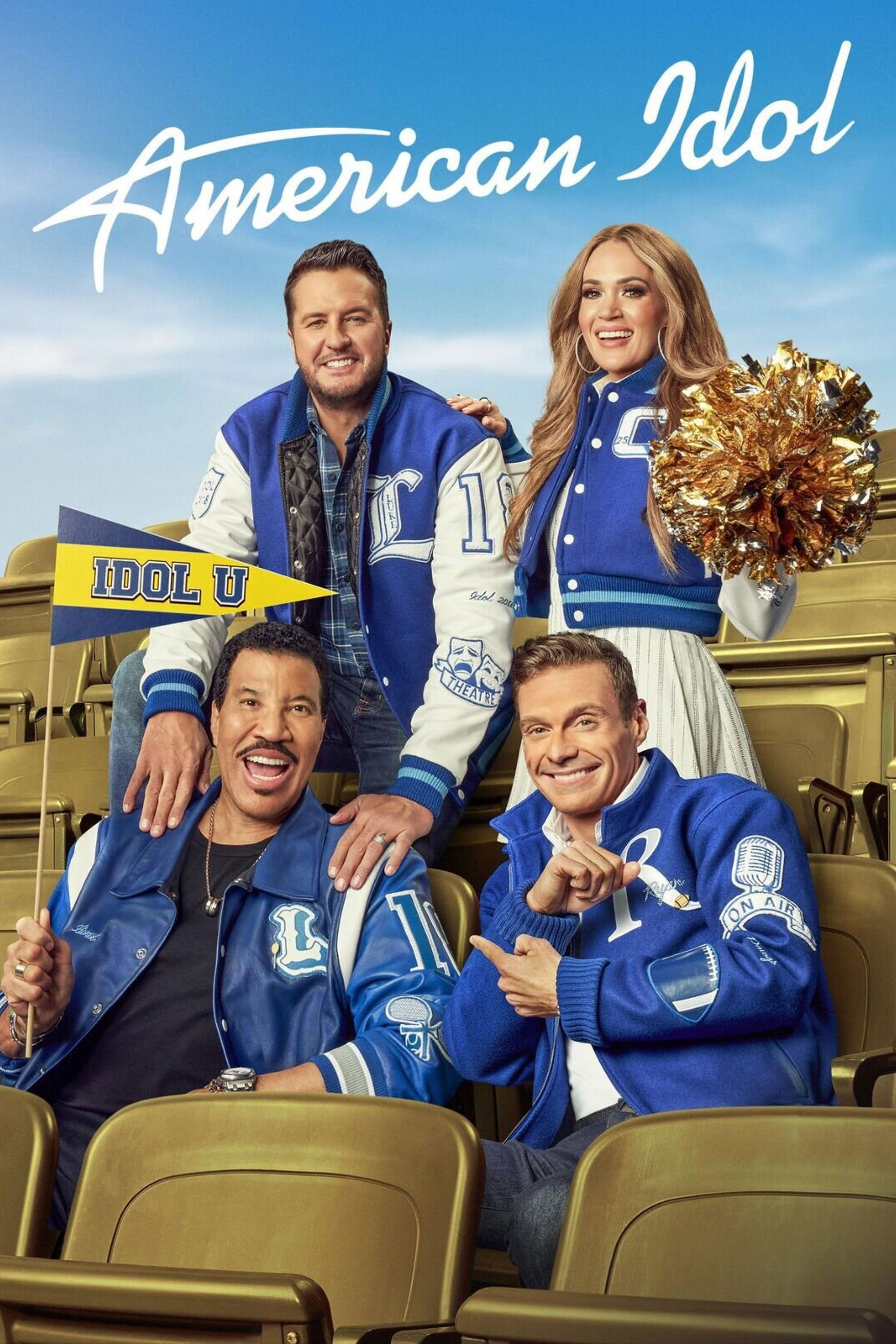
For over ten years, this singing competition was a massive hit, consistently attracting the largest TV audiences. Viewers felt involved because they could vote for their favorite performers by phone and text message. The judges, especially Simon Cowell with his famously critical comments, became a major part of the show’s appeal – sometimes even more popular than the singers themselves. ‘American Idol’ revolutionized the music industry and demonstrated how engaging interactive television could be.
‘Lost’ (2004–2010)
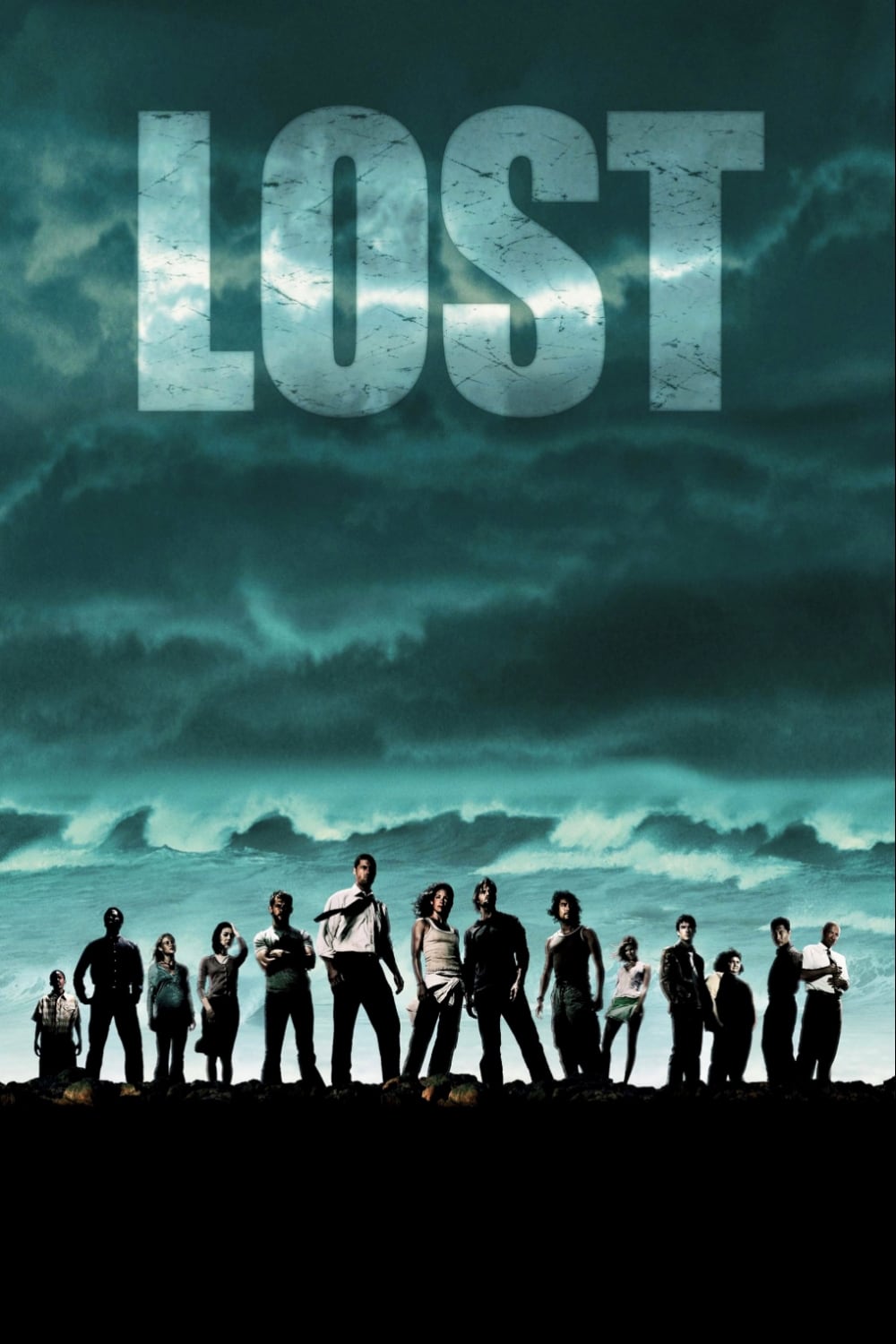
‘Lost,’ created by J.J. Abrams and Damon Lindelof, was a groundbreaking show famous for its intricate mysteries and encouraging viewers to obsessively analyze every detail and create their own theories. The show used a complex timeline with flashbacks and flash-forwards to help develop its characters. It also cleverly used the growing internet to build a huge, worldwide community of fans all working together to unravel the secrets of the island. ‘Lost’ ultimately redefined how television networks approached ambitious, ongoing science fiction series.
‘The Office’ (US) (2005–2013)
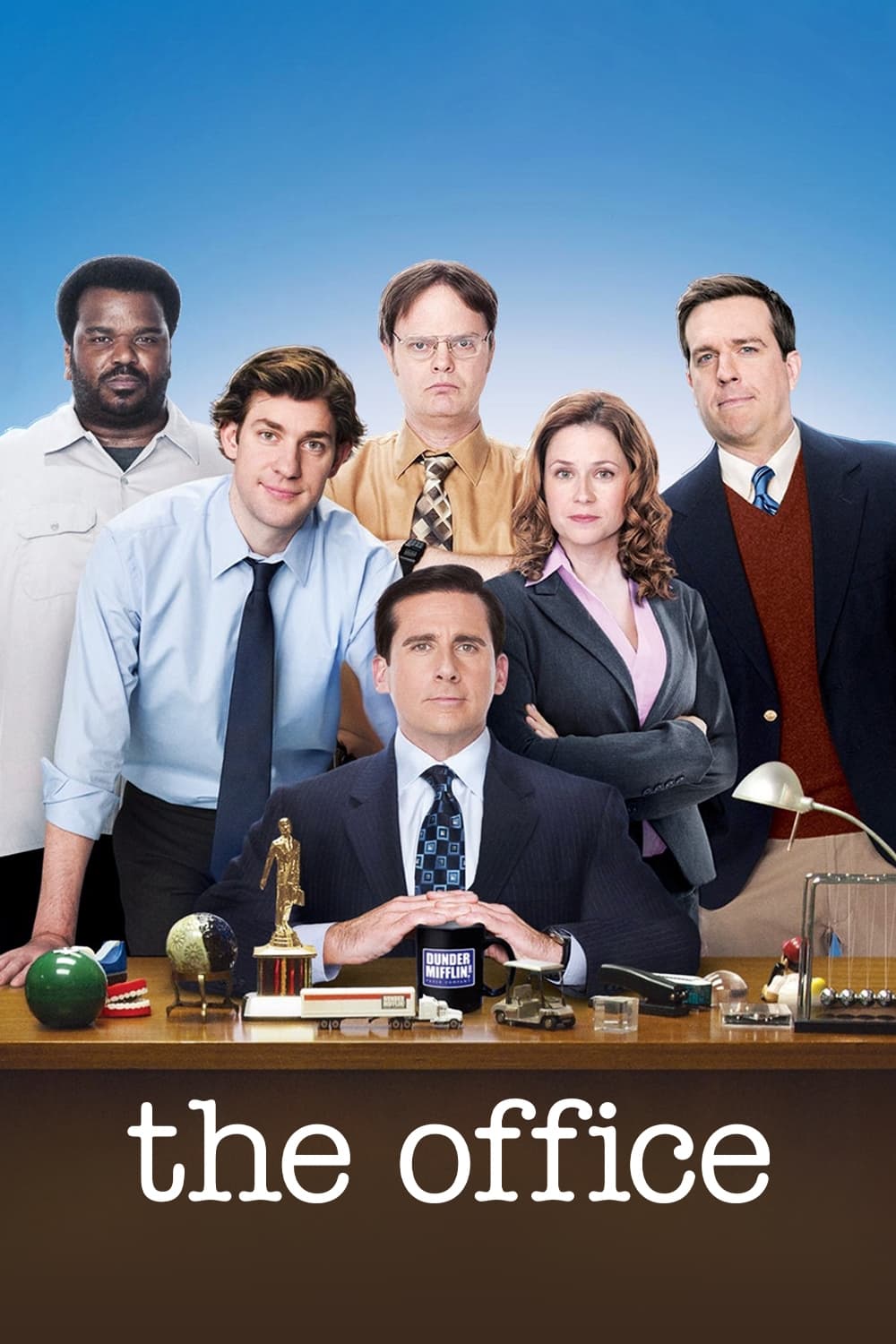
Originally based on a British series, ‘The Office’ humorously portrayed the everyday quirks of American office life. Its awkward, realistic style – without a traditional laugh track – paved the way for many modern single-camera comedies. The show later gained huge popularity again through streaming, becoming a favorite for a new audience. ‘The Office’ proved that a comedy about work could be both funny and genuinely touching.
‘Mad Men’ (2007–2015)
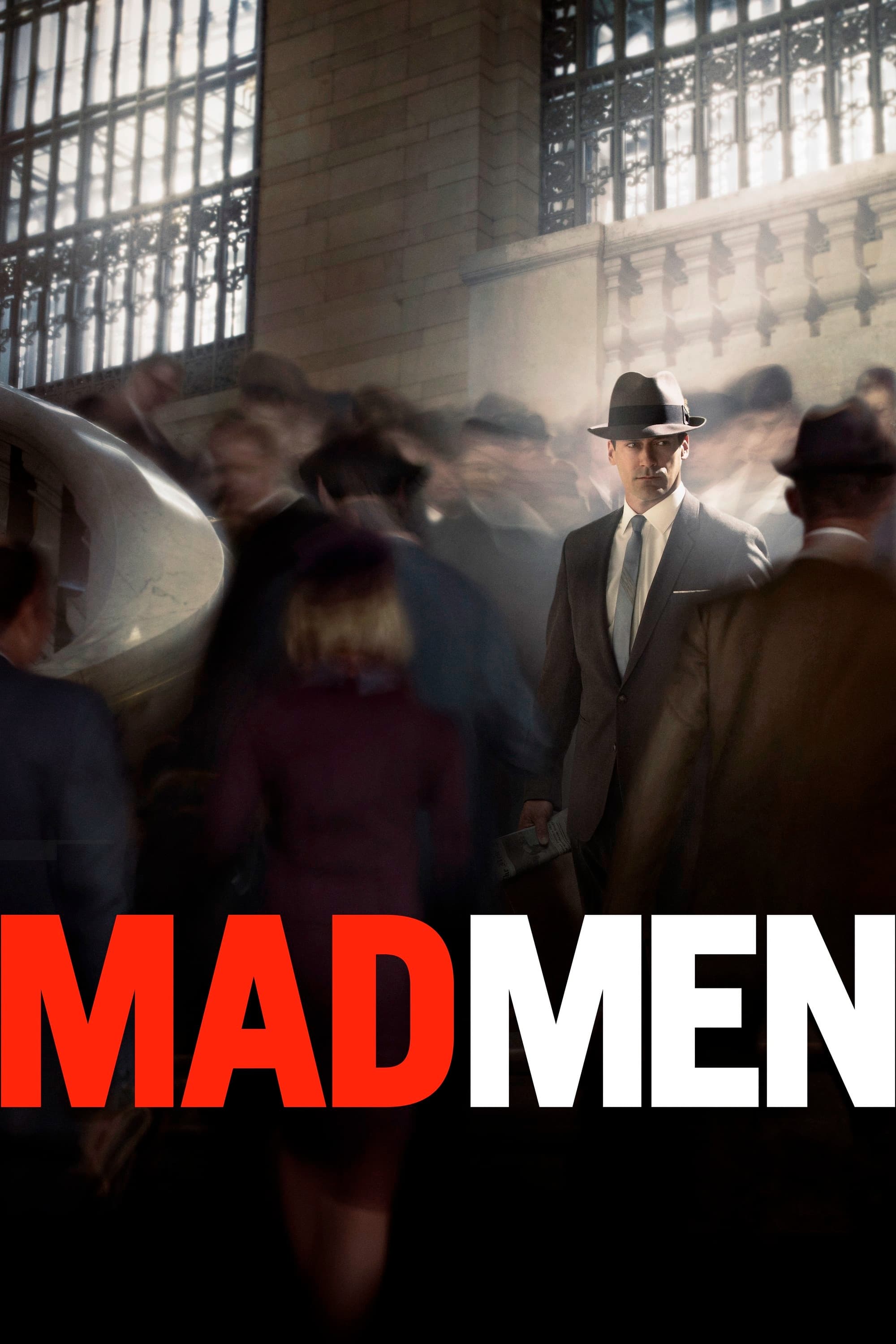
‘Mad Men,’ created by Matthew Weiner, was a visually striking show set in the 1960s. It examined how society was changing through the world of advertising. The series was praised for its accurate depiction of the era and its complex main character, Don Draper. It also played a key role in establishing AMC as a network known for high-quality television. ‘Mad Men’ demonstrated that a show focused on in-depth character development could be both popular and critically acclaimed.
‘Breaking Bad’ (2008–2013)
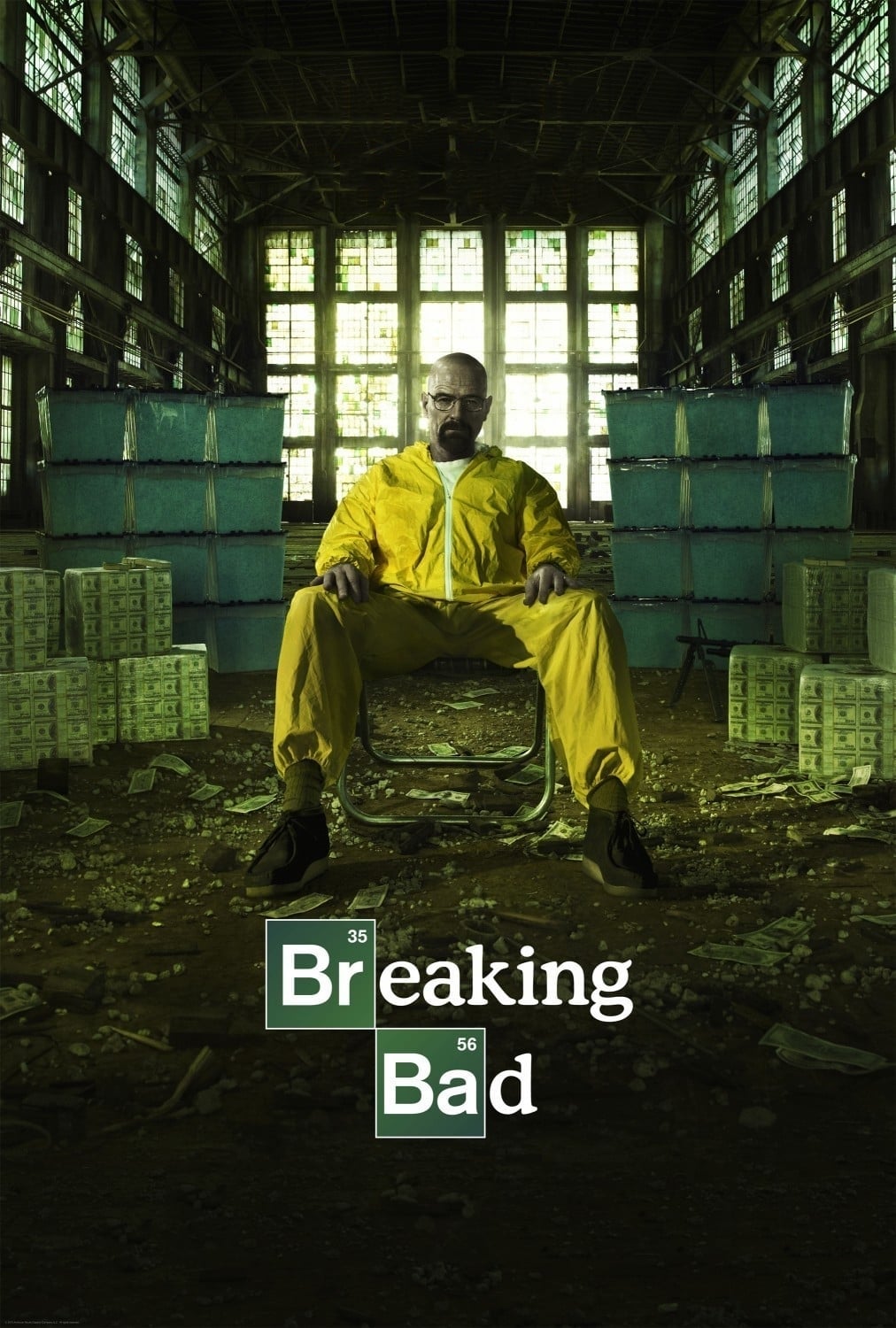
Vince Gilligan created the compelling story of Walter White, a seemingly ordinary teacher who becomes a dangerous drug kingpin. The show was celebrated for its stunning visuals, well-crafted plot, and Bryan Cranston’s powerful acting. It gained a huge following thanks to viewers watching multiple episodes at once on Netflix before the final season aired live. Many consider ‘Breaking Bad’ to be a prime example of a brilliantly executed, tragic TV series.
‘RuPaul’s Drag Race’ (2009–Present)
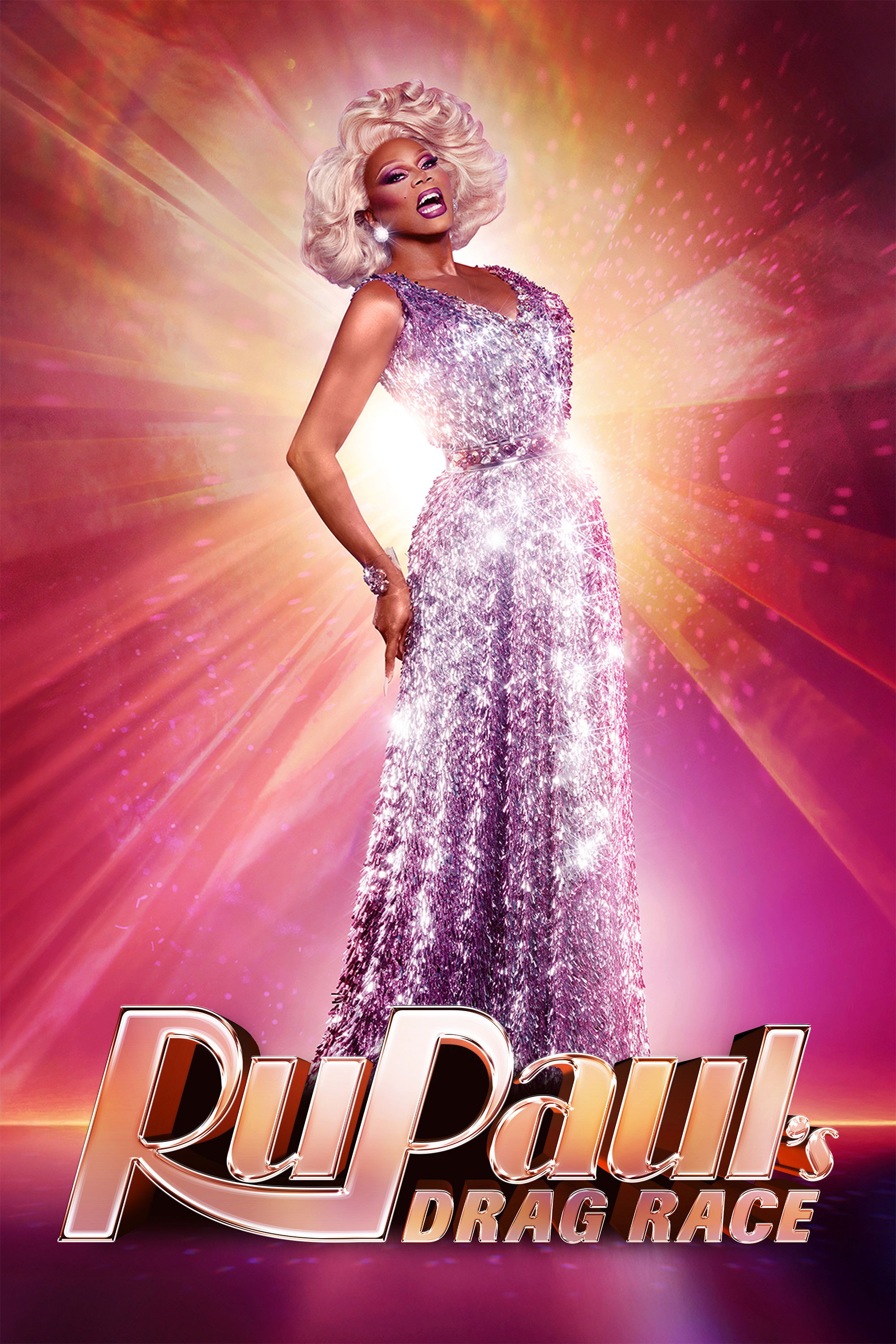
RuPaul’s Drag Race brought drag, which was once a niche part of culture, into the spotlight. The show is a vibrant competition featuring fashion, humor, and lip-sync performances, and it also shares the inspiring stories of LGBTQ+ individuals. It’s helped many drag queens become stars and has become a worldwide phenomenon. Importantly, the show has played a significant role in changing how we talk about gender and identity.
‘Modern Family’ (2009–2020)

‘Modern Family’ was a funny sitcom filmed like a documentary, following the lives of three interconnected family branches. It stood out for portraying a same-sex couple and a relationship with a significant age difference as normal parts of family life. The show was a huge success at the Emmys and mirrored the way American families were becoming more diverse. Ultimately, ‘Modern Family’ showed that classic family sitcoms could adapt to modern times and still be incredibly popular.
‘The Walking Dead’ (2010–2022)

The zombie drama ‘The Walking Dead’ was a huge hit on cable television, breaking viewership records. It gained notoriety for its shocking and often brutal deaths, and for making its characters face incredibly difficult ethical dilemmas. The show’s success led to a large franchise, including additional series and video games, proving that intense, violent genre shows could become mainstream blockbusters.
‘Game of Thrones’ (2011–2019)

HBO turned George R.R. Martin’s fantasy books into a worldwide phenomenon, creating a show with cinematic quality. ‘Game of Thrones’ became well-known for its complex political storylines, dragons, and surprising character deaths. It sparked conversations everywhere and became a shared experience for millions of viewers, ultimately changing what people expected from television.
‘House of Cards’ (2013–2018)
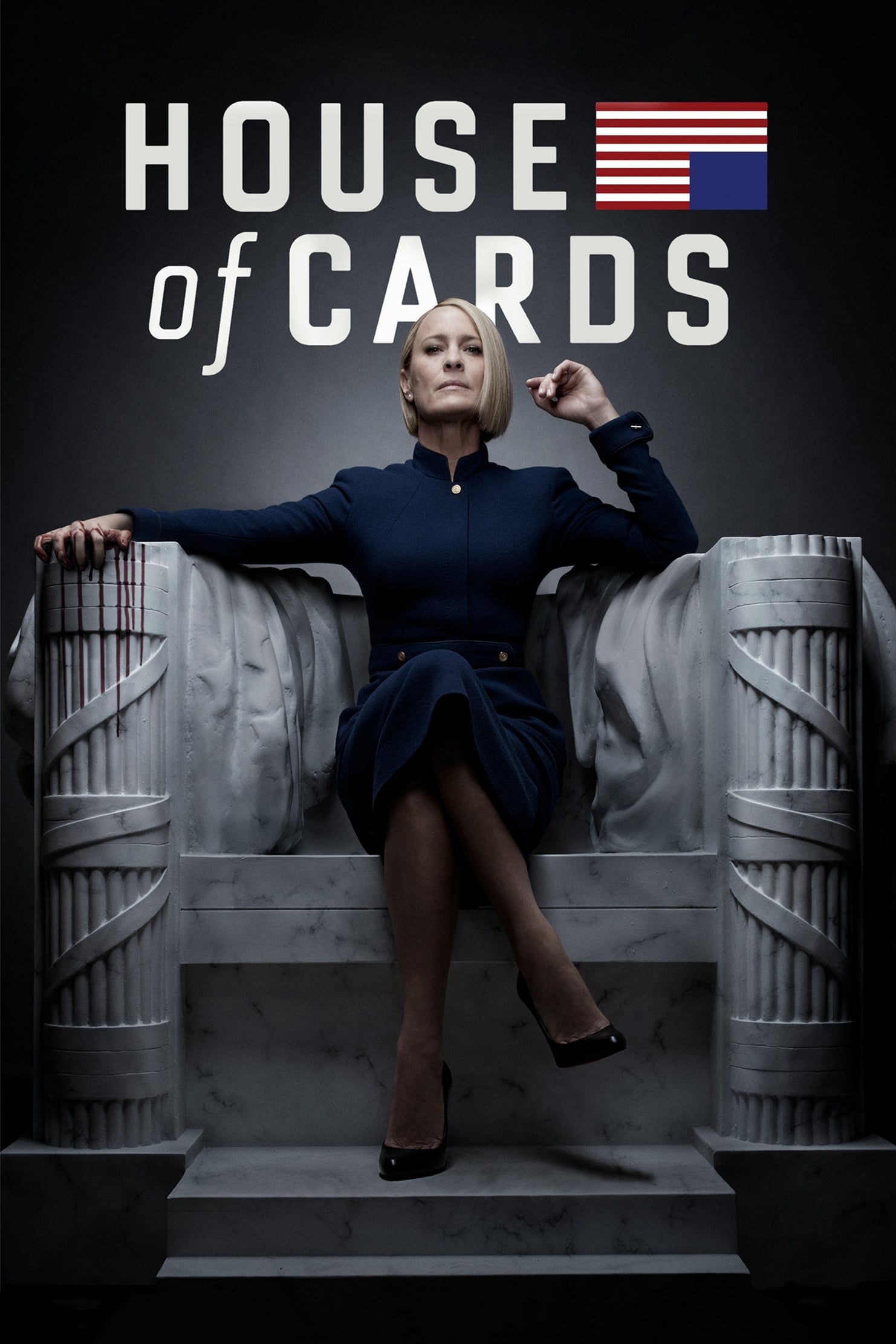
‘House of Cards’ was Netflix’s first big original series and helped launch the now-common practice of binge-watching, where all episodes are released at once. It proved that streaming services could compete with traditional television and fundamentally changed how TV shows are distributed.
‘Stranger Things’ (2016–Present)
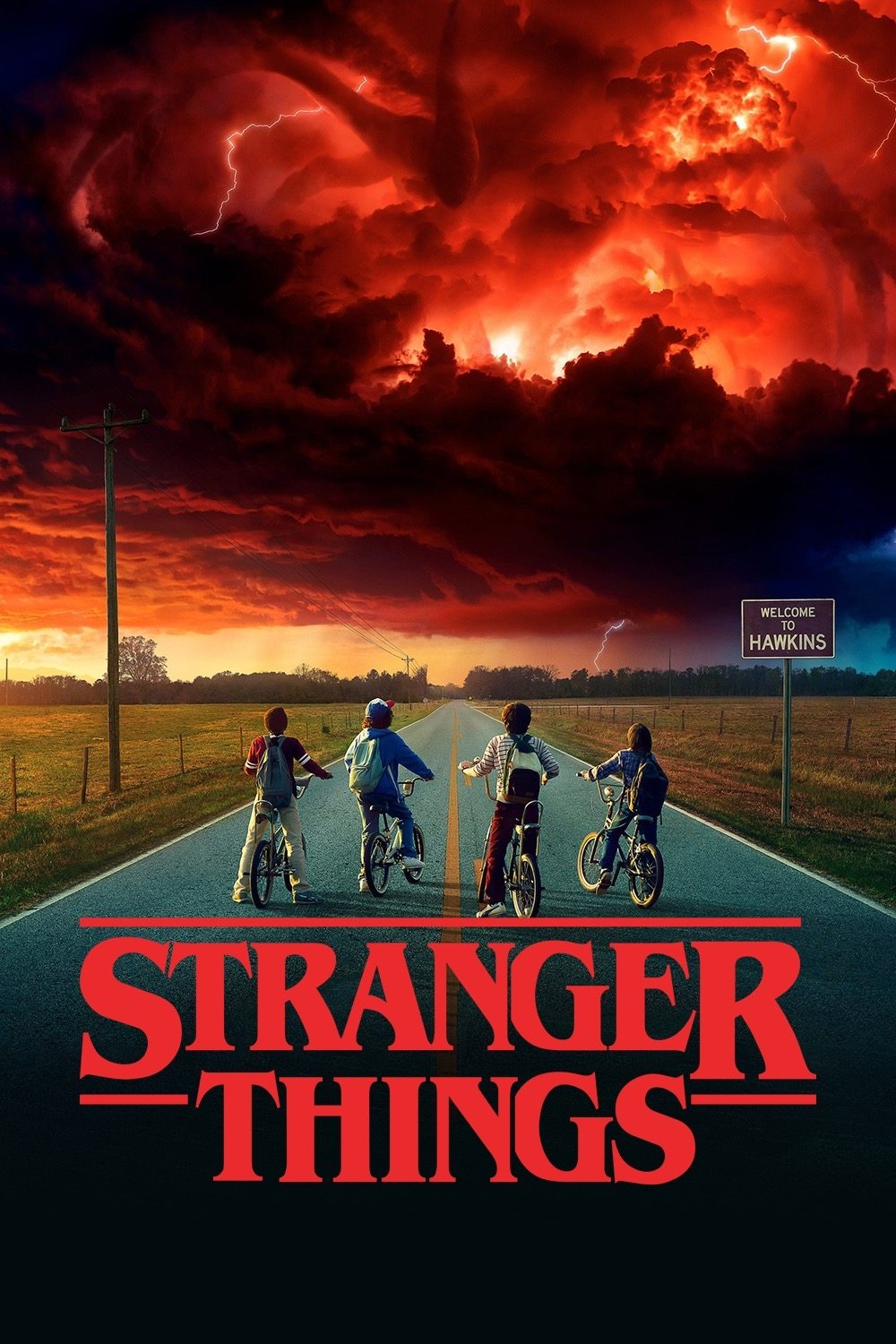
Created by the Duffer Brothers, ‘Stranger Things’ is a sci-fi horror series brimming with 1980s references and pop culture nods. It quickly became a huge hit for Netflix, turning its young actors into stars. The show masterfully combines the sense of wonder found in films by Steven Spielberg with the chilling horror of Stephen King. ‘Stranger Things’ proved how powerfully nostalgia can resonate with audiences and how far streaming shows can reach globally.
‘Succession’ (2018–2023)
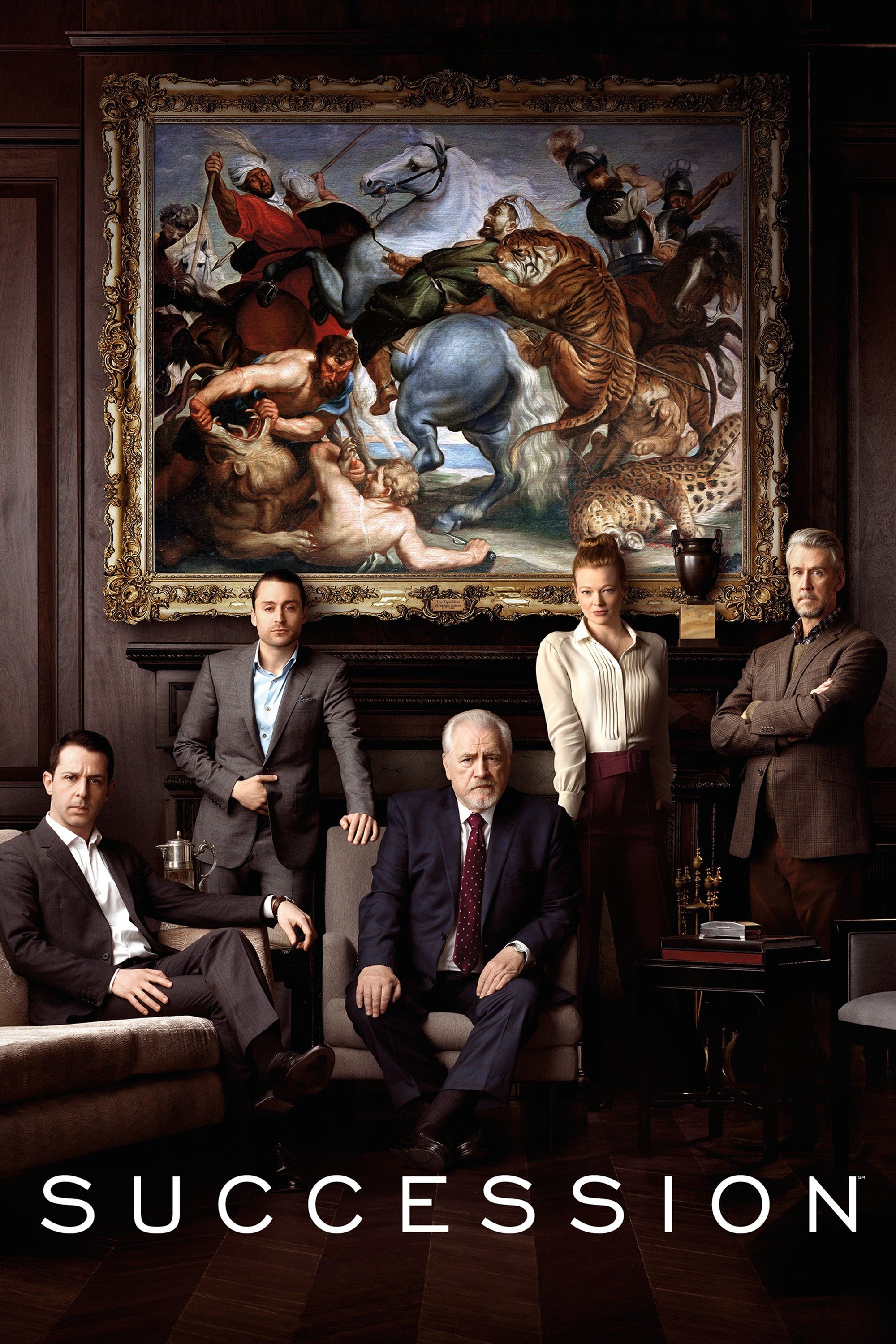
‘Succession’ was a darkly humorous and dramatic show about a troubled family who controlled a powerful media empire. Critics loved it for its exploration of timeless themes reminiscent of Shakespeare, its witty writing, and its commentary on the lives of the ultra-rich. The show’s distinctive filming style heightened the sense of tension and anxiety among the characters. It perfectly captured the mood of the late 2010s and quickly became a critical favorite.
‘Yellowstone’ (2018–Present)
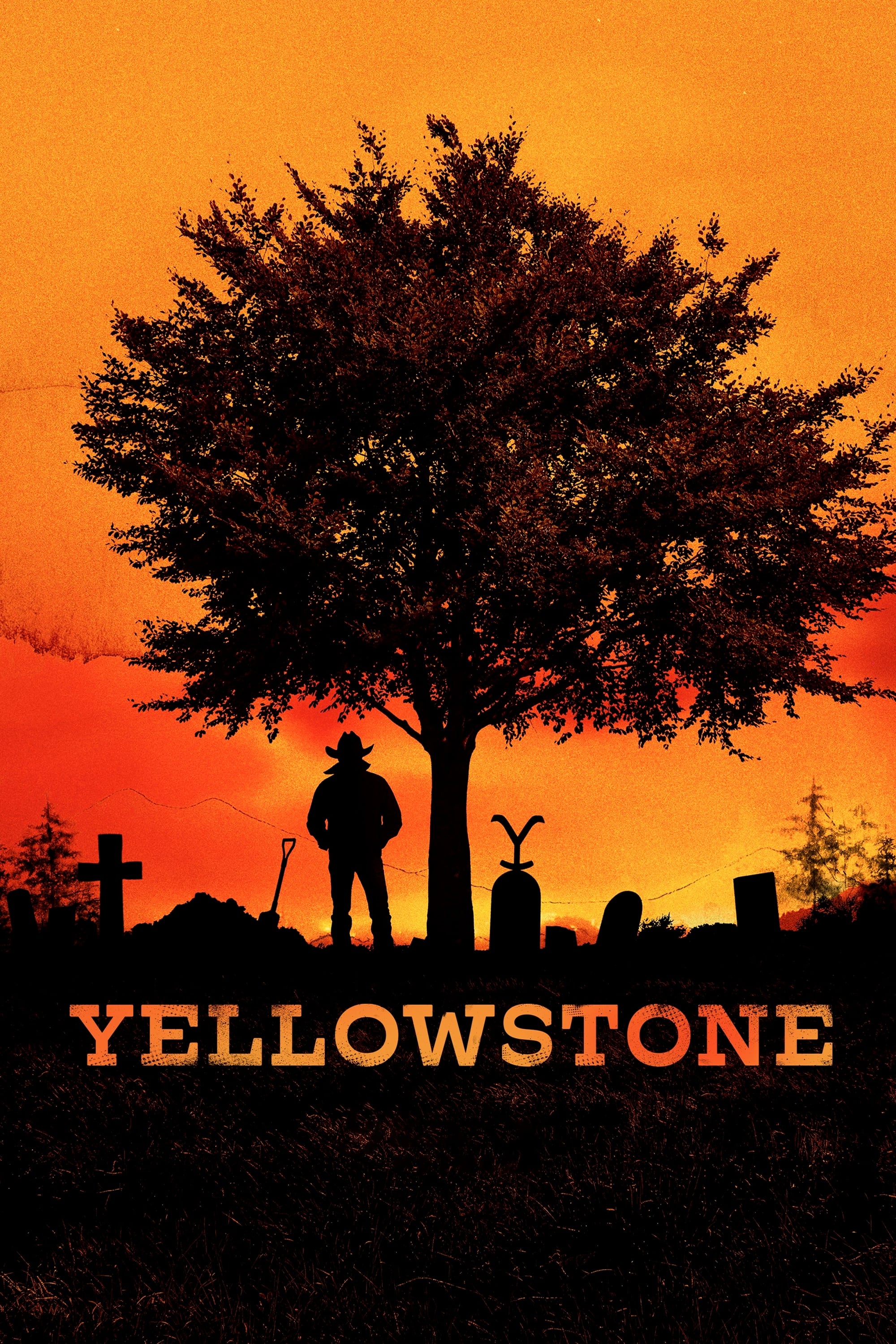
Taylor Sheridan’s drama ‘Yellowstone’ brought westerns back to television. It became incredibly popular with viewers, even as more people switched to streaming services. The show connected with a wide audience in the heartland of America, a group often overlooked by critics on the coasts. ‘Yellowstone’ demonstrated that many people still enjoy watching television shows live as they air, proving that this traditional viewing method remains influential even with so many entertainment options available.
Share your favorite era-defining TV show in the comments.
Read More
- 20 Movies Where the Black Villain Was Secretly the Most Popular Character
- Transformers Under the Microscope: What Graph Neural Networks Reveal
- Celebs Who Narrowly Escaped The 9/11 Attacks
- Trading on Thin Air: AI Agents Conquer Crypto Volatility
- Silver Rate Forecast
- Gold Rate Forecast
- Invincible Season 4 Gender Swaps Tech Jacket As Fans Question Major Comic Change
- Every Notable ‘Star Trek: The Original Series’ Actor Who Died
- 22 Films Where the White Protagonist Is Canonically the Sidekick to a Black Lead
- Trading Smarter: AI-Powered Execution Schedules
2026-02-02 04:20