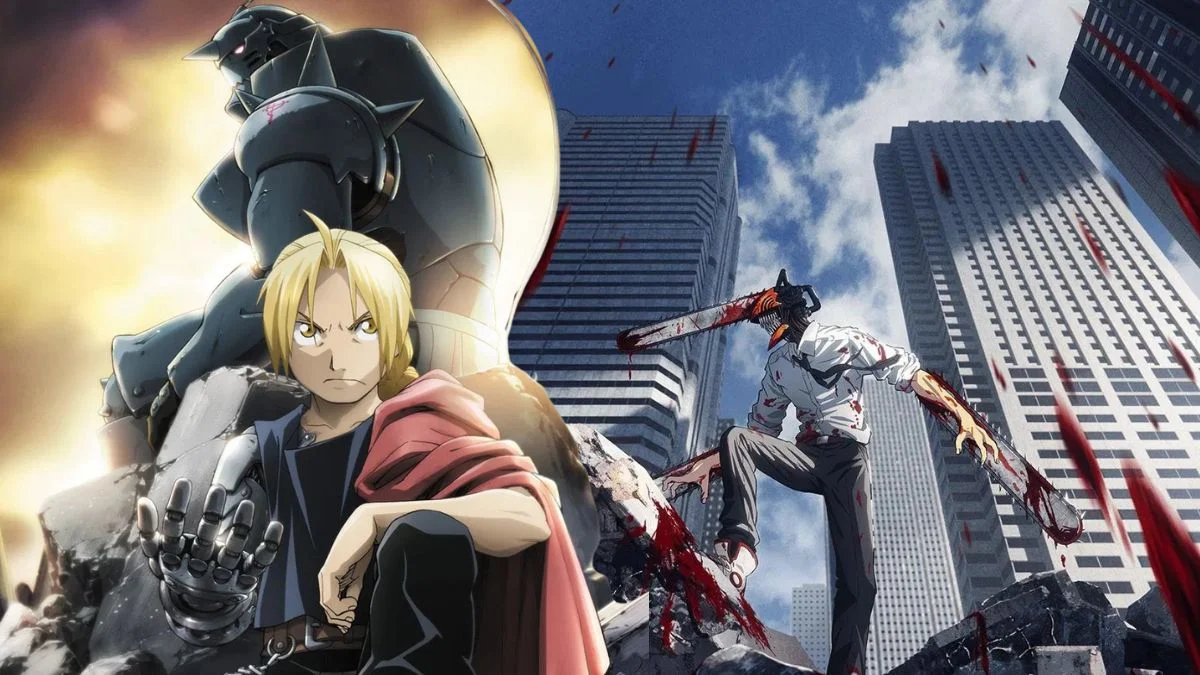
Anime studios frequently hide subtle clues and hints within their shows, adding extra enjoyment for dedicated fans. These can be quick appearances, tiny details, or visual hints that foreshadow future events. Spotting these hidden gems, often called ‘Easter eggs,’ usually takes careful watching or a good understanding of the original story. The anime series below are particularly rewarding for viewers who pay close attention to the artwork and character designs, as they contain hidden layers of meaning.
‘Attack on Titan’ (2013–2023)
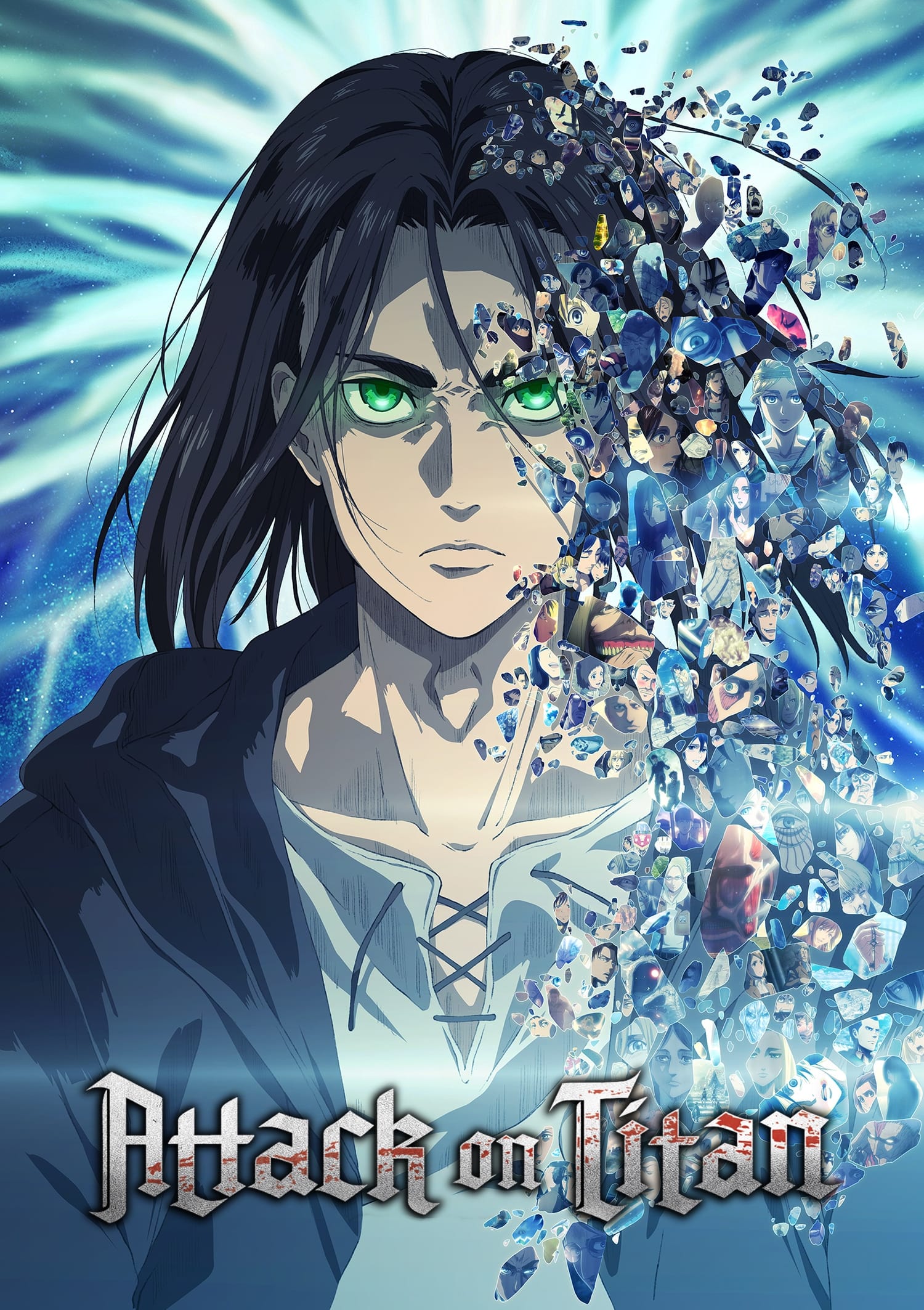
This show is well-known for subtly revealing major plot points years in advance. For example, the ending credits of season two contained a tapestry that explained the Titans’ origins and Ymir’s history. Keen viewers could even figure out who the Armored and Colossal Titans were just by paying attention to details like the steam around certain characters. Throughout the series, creator Hajime Isayama cleverly hid clues in the background art, hinting at the important basement reveal right from the very first episode.
‘One Piece’ (1999–Present)
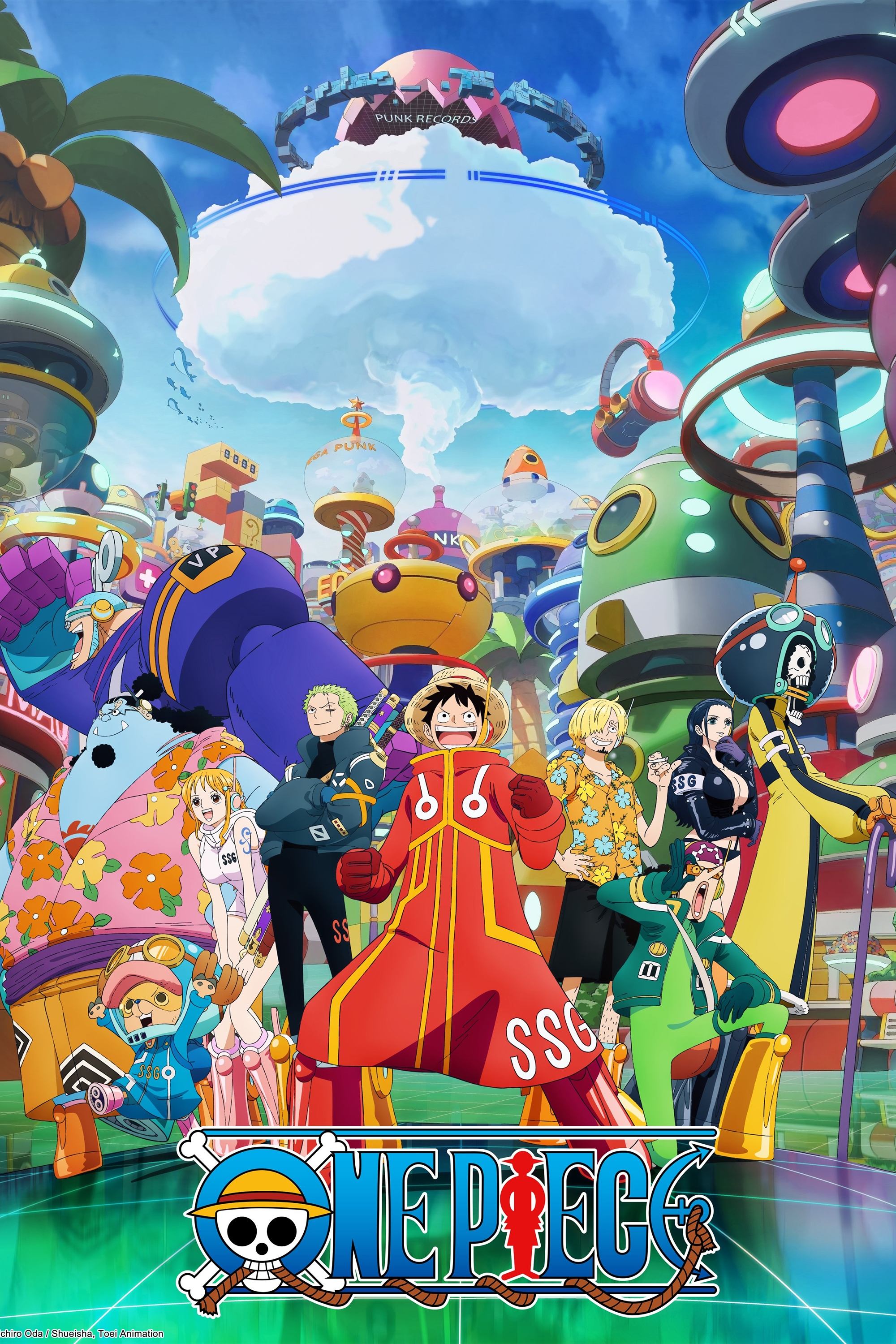
Eiichiro Oda, the creator of the anime and manga, loves to hide a funny character named Pandaman in the backgrounds of busy scenes. This character, who wears a wrestling mask, pops up in surprising places during big battles or when lots of people are gathered. The show also gives hints about important future events, like Ace’s death, by showing characters playing card games earlier in the story. Dedicated fans carefully watch every scene, looking for these hidden jokes and clues about the story.
‘Neon Genesis Evangelion’ (1995–1996)
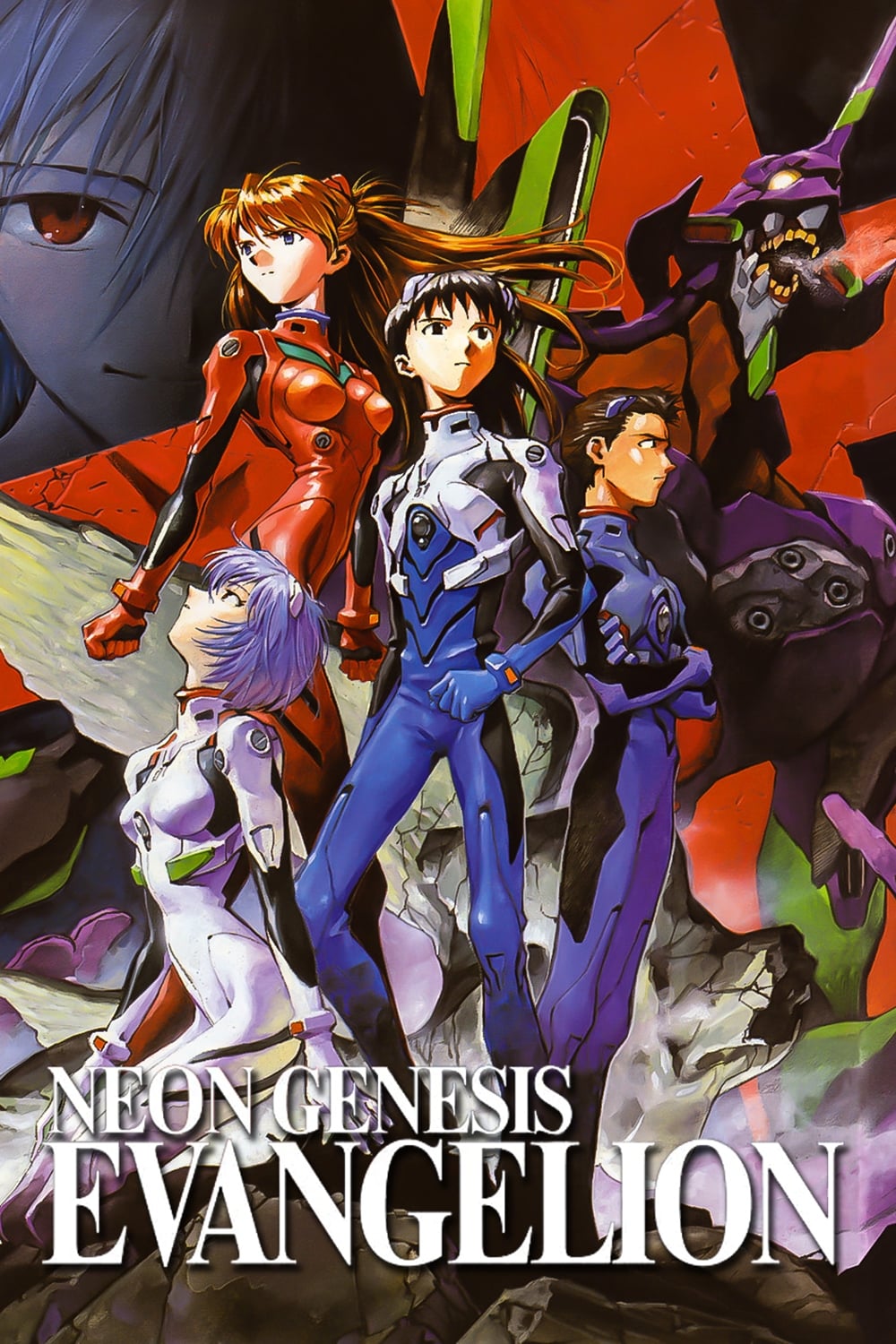
Hideaki Anno’s iconic mecha series is rich with hidden meanings, using religious symbols and exploring complex psychology. Fans often analyze each scene carefully to catch these details. Quick text flashes on screens reveal clues about the Angels or offer biblical references that deepen the story. Even the design of NERV headquarters is based on the Kabbalistic Tree of Life. Throughout the series, distorted images on monitors hint at the pilots’ inner struggles and mental states.
‘Cowboy Bebop’ (1998–1999)
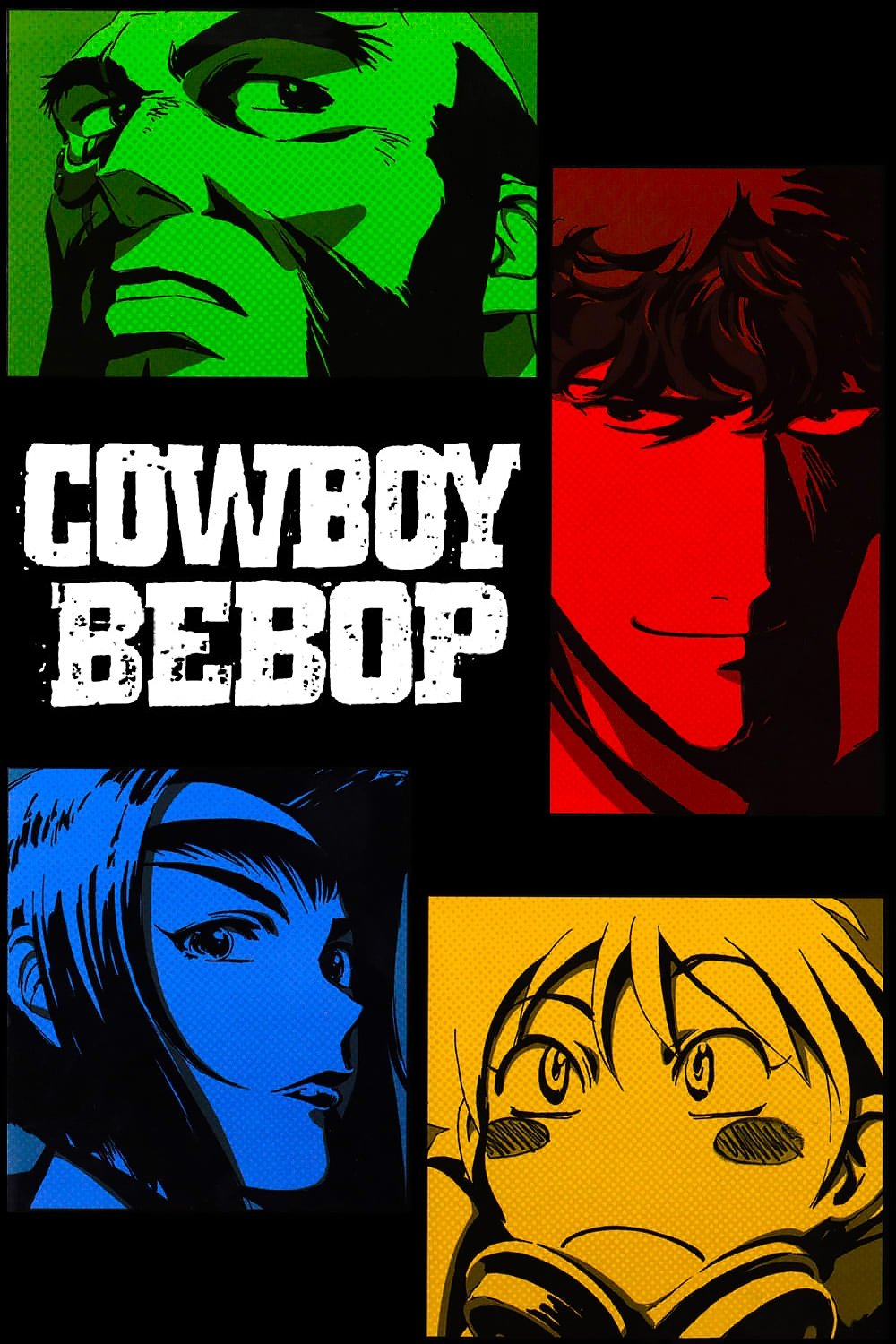
Shinichirō Watanabe filled his futuristic series with nods to Western music and pop culture. The recurring characters Antonio, Carlos, and Jobim are named after the bossa nova musician Antonio Carlos Jobim. Look closely at the backgrounds – you’ll find English phrases referencing famous rock songs and movies. Even the fight scenes, featuring Spike Spiegel, directly copy the moves of Bruce Lee’s Jeet Kune Do style.
‘Fullmetal Alchemist: Brotherhood’ (2009–2010)
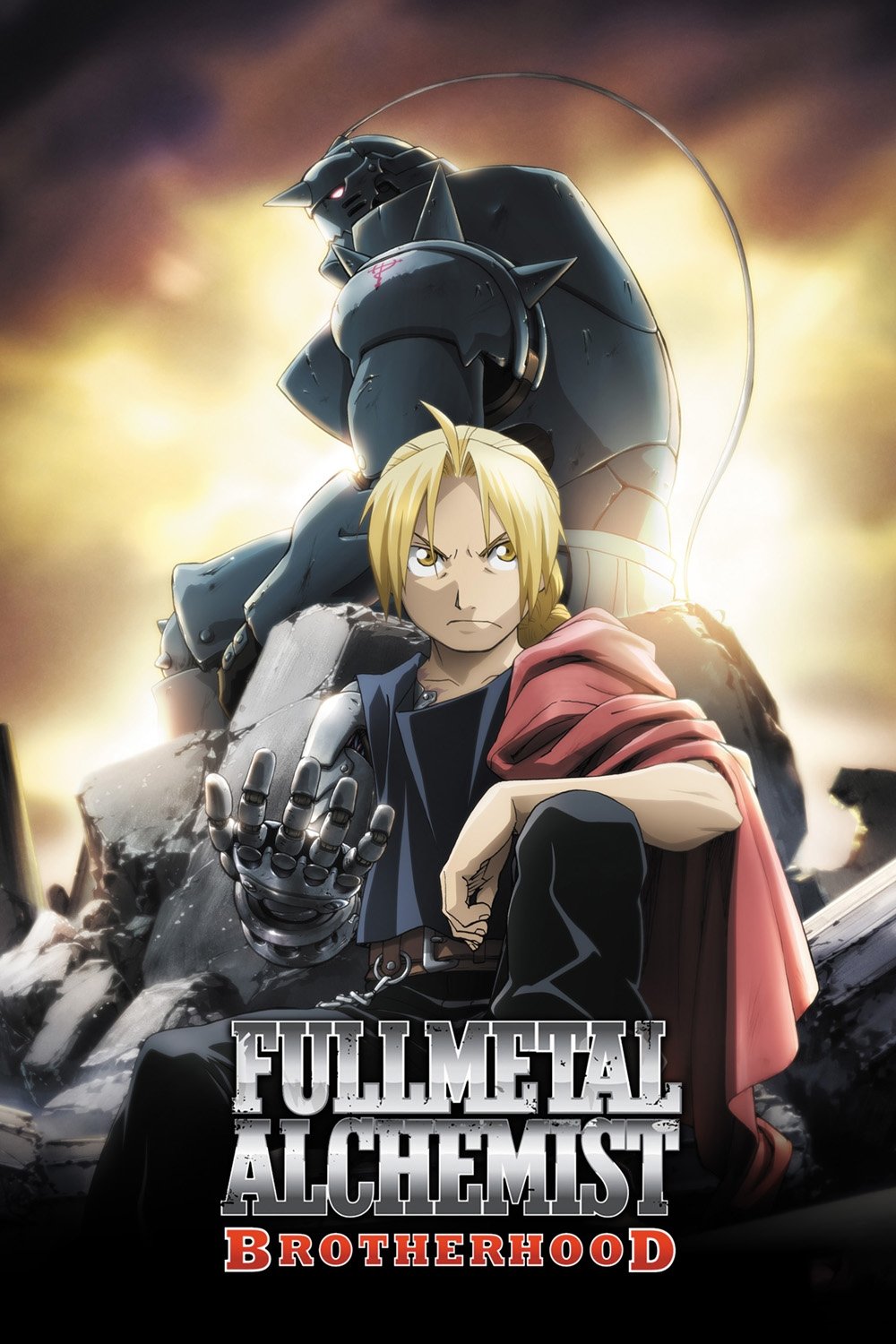
As the series unfolds, the opening and closing sequences change in small ways to show how the characters and their relationships are developing. The details in the ruined city of Xerxes actually correspond to the magical symbols seen in the final episode. Throughout the show, the date “3. Oct” is cleverly hidden in things like watches and papers, serving as a reminder of a promise made by the brothers. And if you pay close attention to the people in the background, you can often spot the homunculi observing the main characters before they formally meet them.
‘My Hero Academia’ (2016–Present)
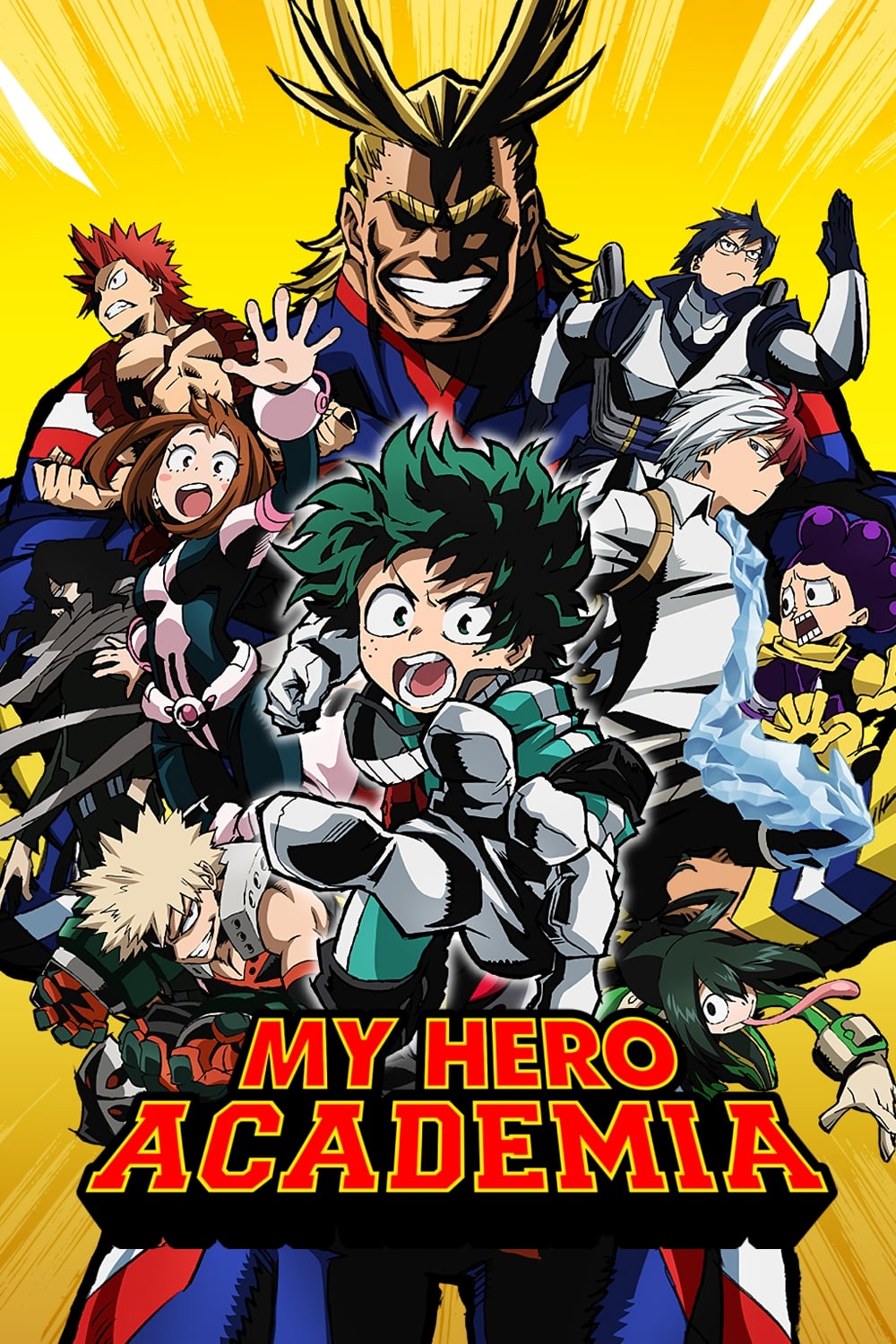
Horikoshi subtly includes background characters from his other works and popular comics within large scenes of heroes. The students’ everyday clothing frequently features designs or text that offer clues about their hero identities or special powers. Within the League of Villains’ base, the hands connected to Shigaraki were intentionally drawn to represent his deceased family members. News tickers displayed on screens in public areas often hint at future storylines involving villains.
‘JoJo’s Bizarre Adventure’ (2012–Present)
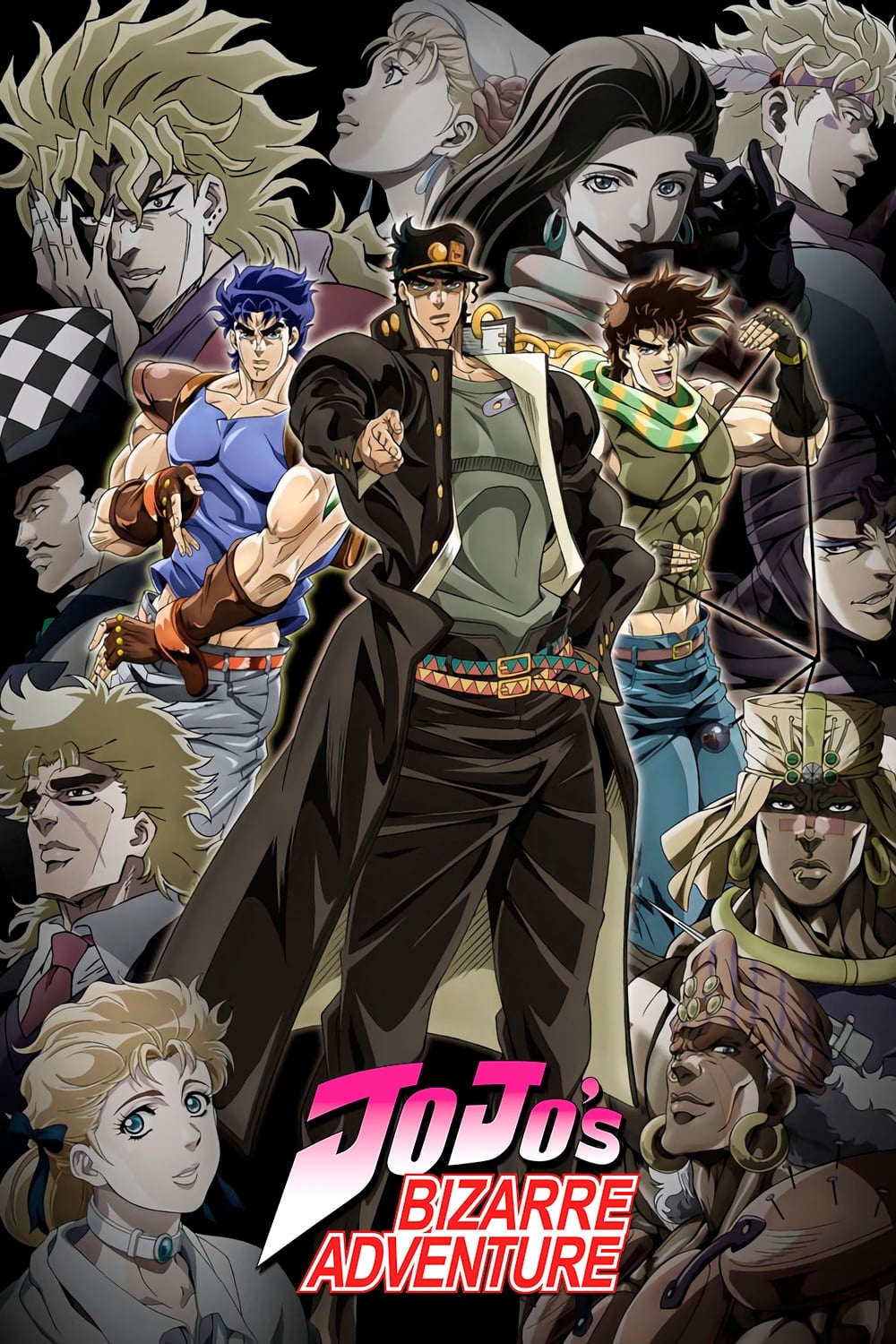
David Production goes to great lengths to bring the unique style of the original manga to life in the anime. They visually represent sound effects with floating Japanese characters, and during action scenes, the color scheme changes to match the vibrant spreads used in the manga. The music and even character details are filled with hidden references. They’ve even added subtle, time-related changes to the opening animation to hint at the villain’s powers.
‘Puella Magi Madoka Magica’ (2011)
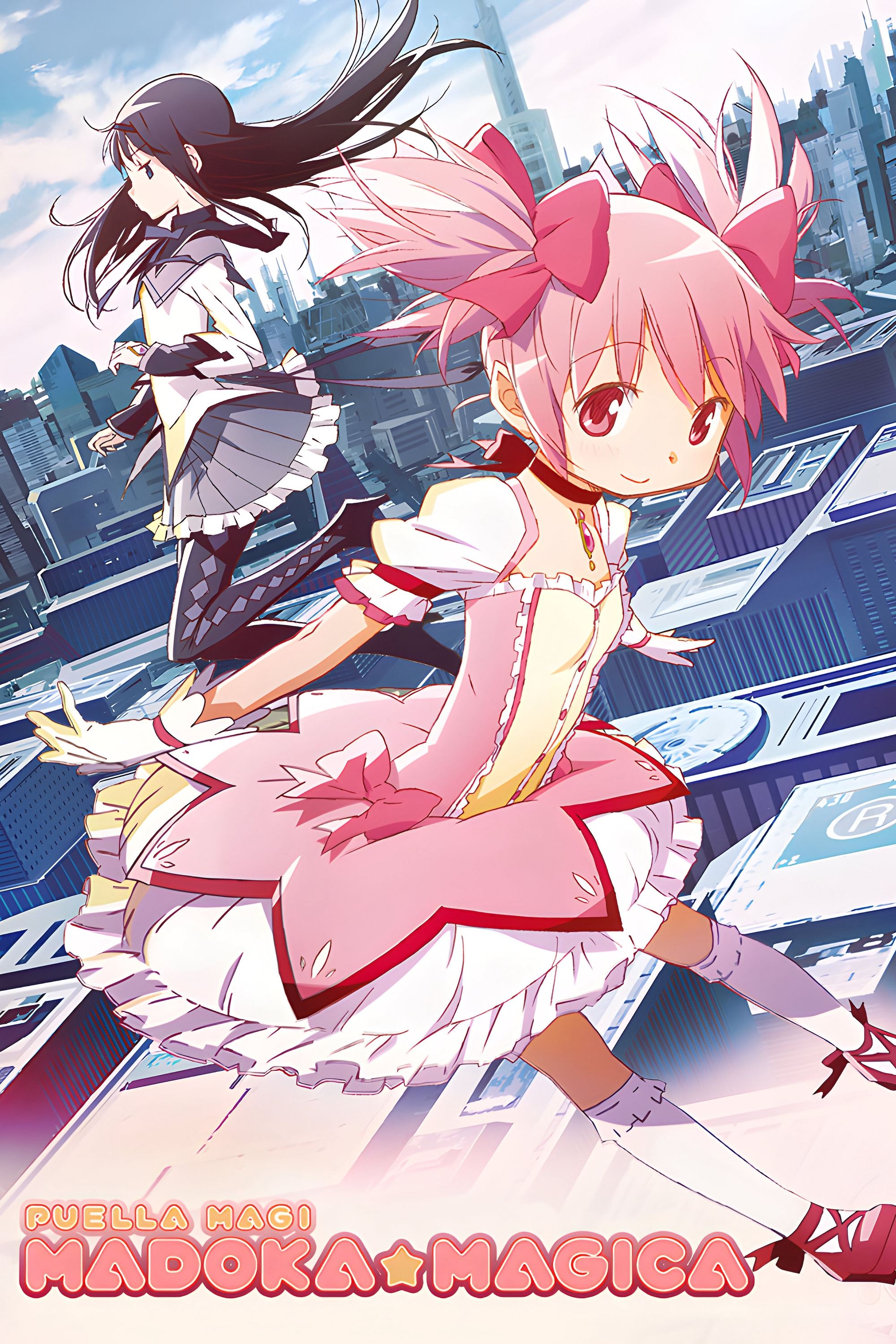
The witches’ lairs are covered in symbols that, when translated, reveal German poetry and hint at what will happen to the magical girls. The scenery often includes chairs and other strange objects that reflect the characters’ declining mental health. The show uses unique art styles for the witches, different from the usual character designs, to emphasize how alien they are. Any writing found within the witches’ barriers offers a direct insight into the witch’s past life as a human.
‘Steins;Gate’ (2011)
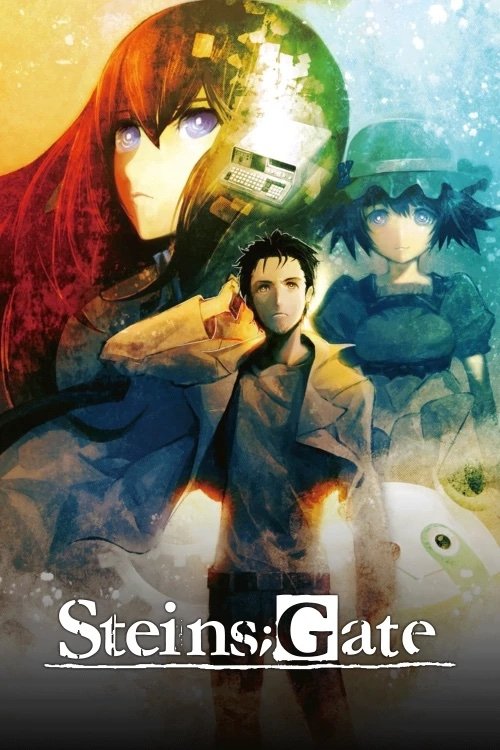
The anime uses visual cues to show changes in timelines, displaying them as numbers on old-fashioned nixie tube displays during the opening and closing credits. The show pays close attention to detail, with calendars and clocks in the background precisely matching the events happening on screen. Keen viewers might also spot hidden references to internet history and real-world conspiracy theories, like the story of John Titor, within the computer forums the characters use. Additionally, the show subtly alters the animation’s colors to reflect which timeline the characters are currently in.
‘Hunter x Hunter’ (2011–2014)
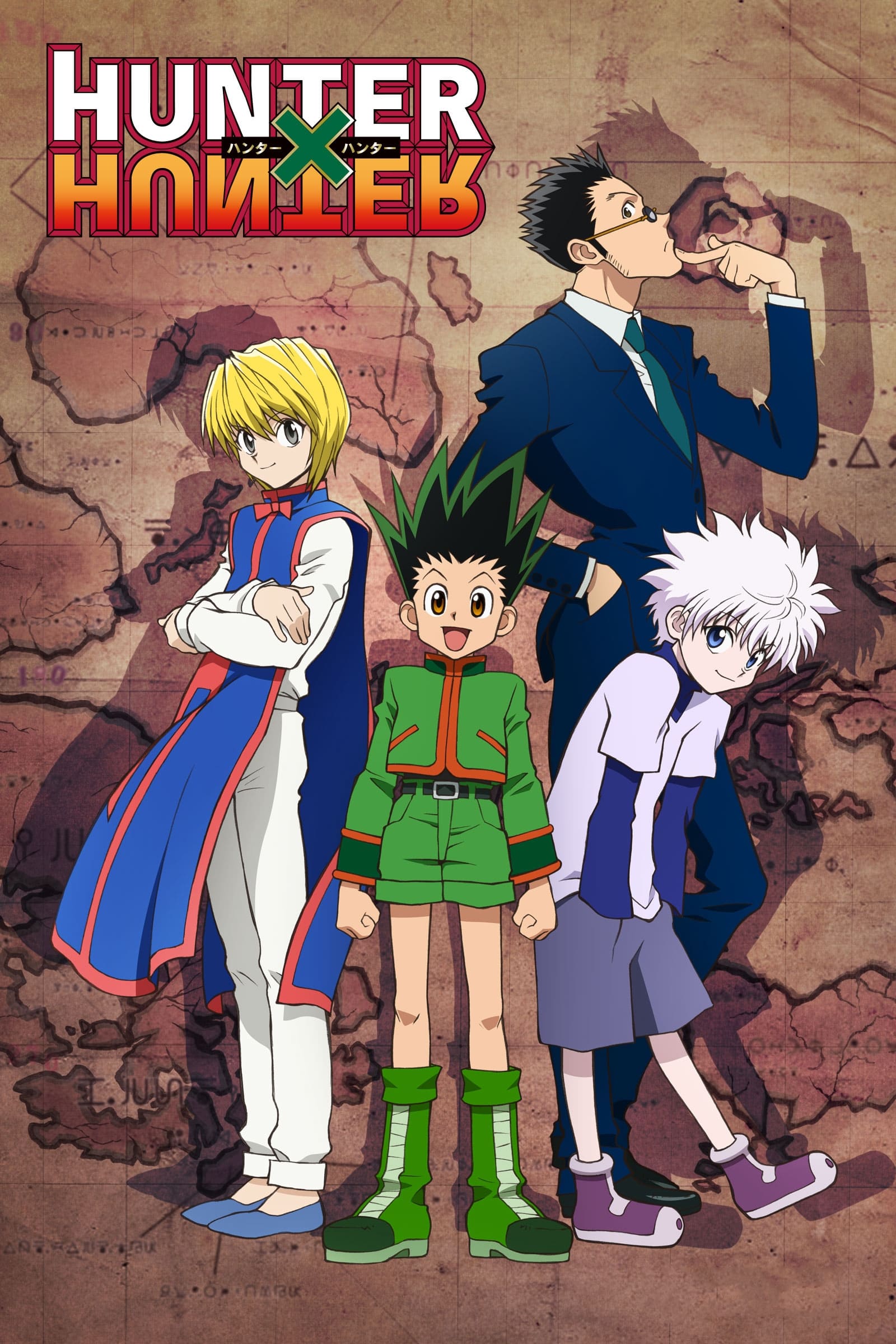
The show includes a complete, made-up language that passionate fans have actually translated, allowing them to read in-world signs and documents. Early in the series, the Hunter Exam storyline hints at events in the later Chimera Ant arc with subtle mentions of dangerous creatures from a mysterious continent. Killua’s outfits are constantly changing, and often include references to lesser-known fashion brands and pop culture figures. The opening animation also changes over time, adding new characters and visuals to reflect the ongoing story.
‘FLCL’ (2000–2001)
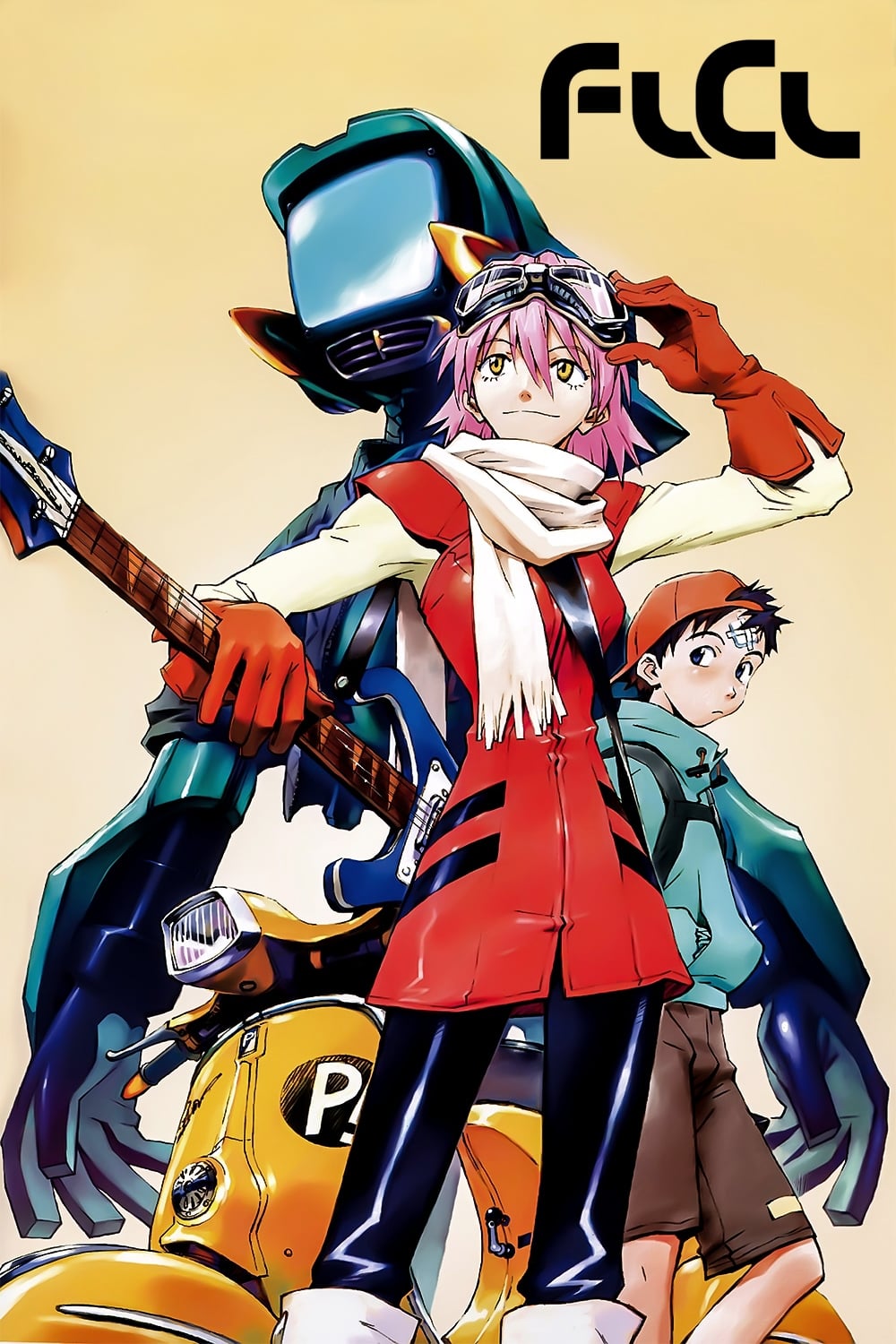
This fast-paced animated short is full of appearances by characters from other Gainax shows and nods to American pop culture, like ‘South Park’. The animators cleverly included hidden single frames of text or strange pictures that you can only see by pausing the video. Characters in the background frequently act out their own little scenes that don’t connect to the main story. And Haruko’s guitars are incredibly detailed, accurately mirroring real, classic Rickenbacker and Gibson models.
‘Kill la Kill’ (2013–2014)
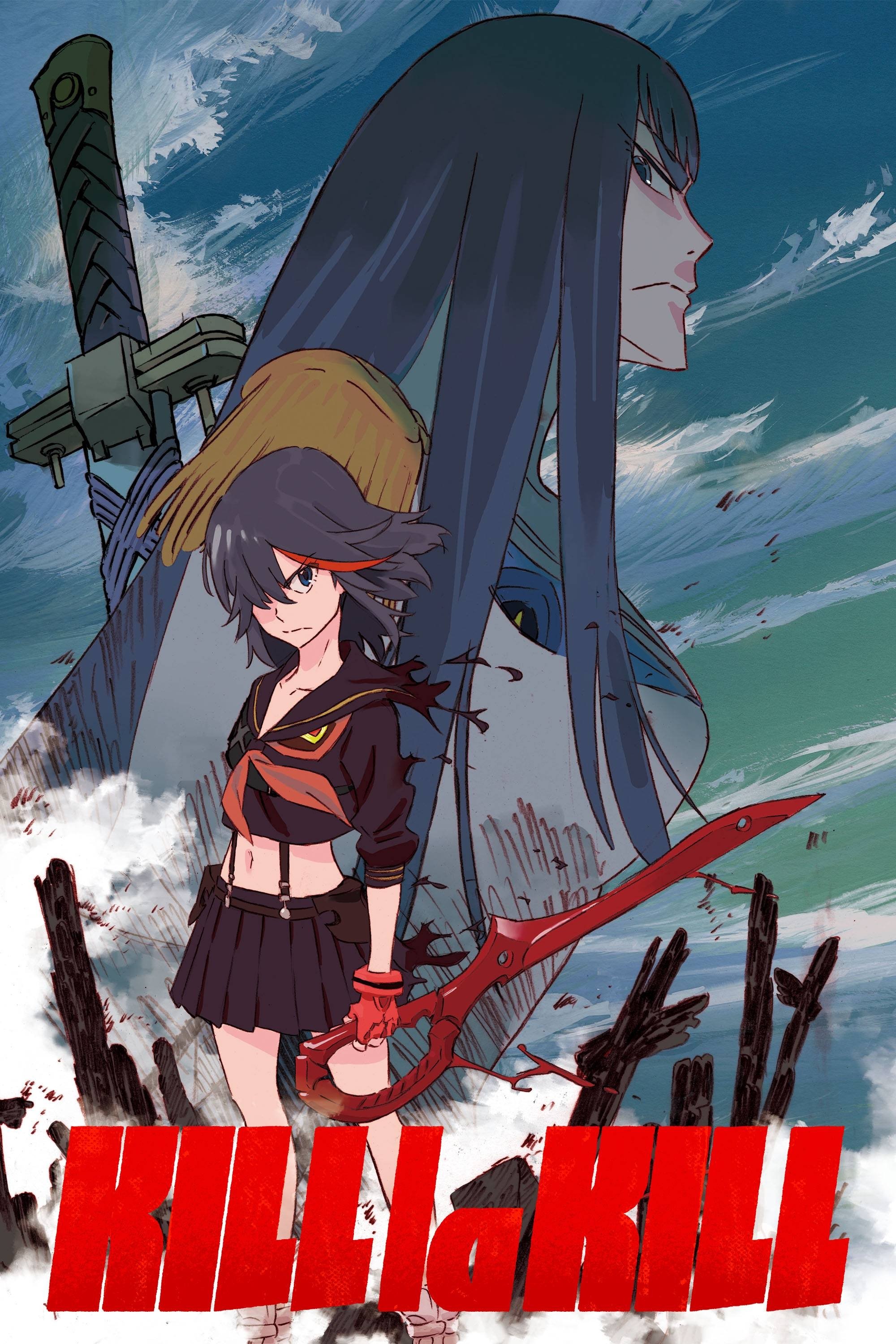
Studio Trigger subtly revealed the truth about Life Fibers in the very first opening credits using quick flashes of images. Throughout the show, text often appears to physically clash with the characters during intense scenes. Mako’s strange speeches are packed with references to famous artwork and visual jokes that happen too fast to fully catch. The show consistently uses red and blue colors to symbolize the conflict between the opposing sides.
‘Spirited Away’ (2001)
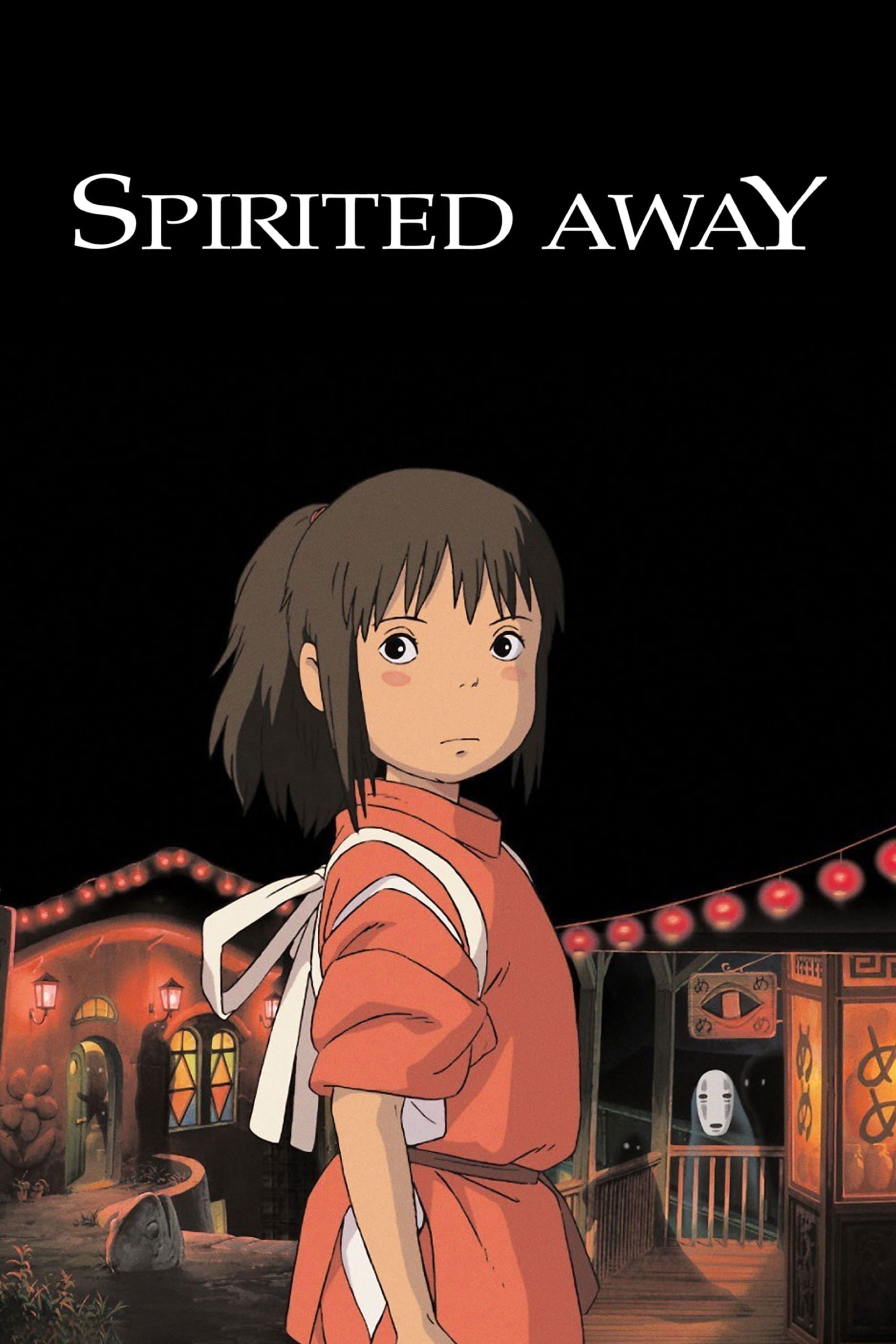
As a huge fan, I’ve always been amazed by the details in Miyazaki’s films! He really brings the spirit world to life – it doesn’t just feel magical, it feels like a real place, bustling with life, thanks to all the little movements he gives the background characters. And the art is incredible – if you look closely at things like the patterns on the vases and doors in Yubaba’s bathhouse, you can actually see the stories of the spirits who come there. It’s so clever! I even noticed you can pinpoint the exact moment Chihiro loses her name – the kanji literally vanish from her contract! And that train scene? Those shadowy passengers aren’t just there for atmosphere; they represent the lost souls trapped in the spirit world. It’s details like these that make his films so special.
‘Akira’ (1988)
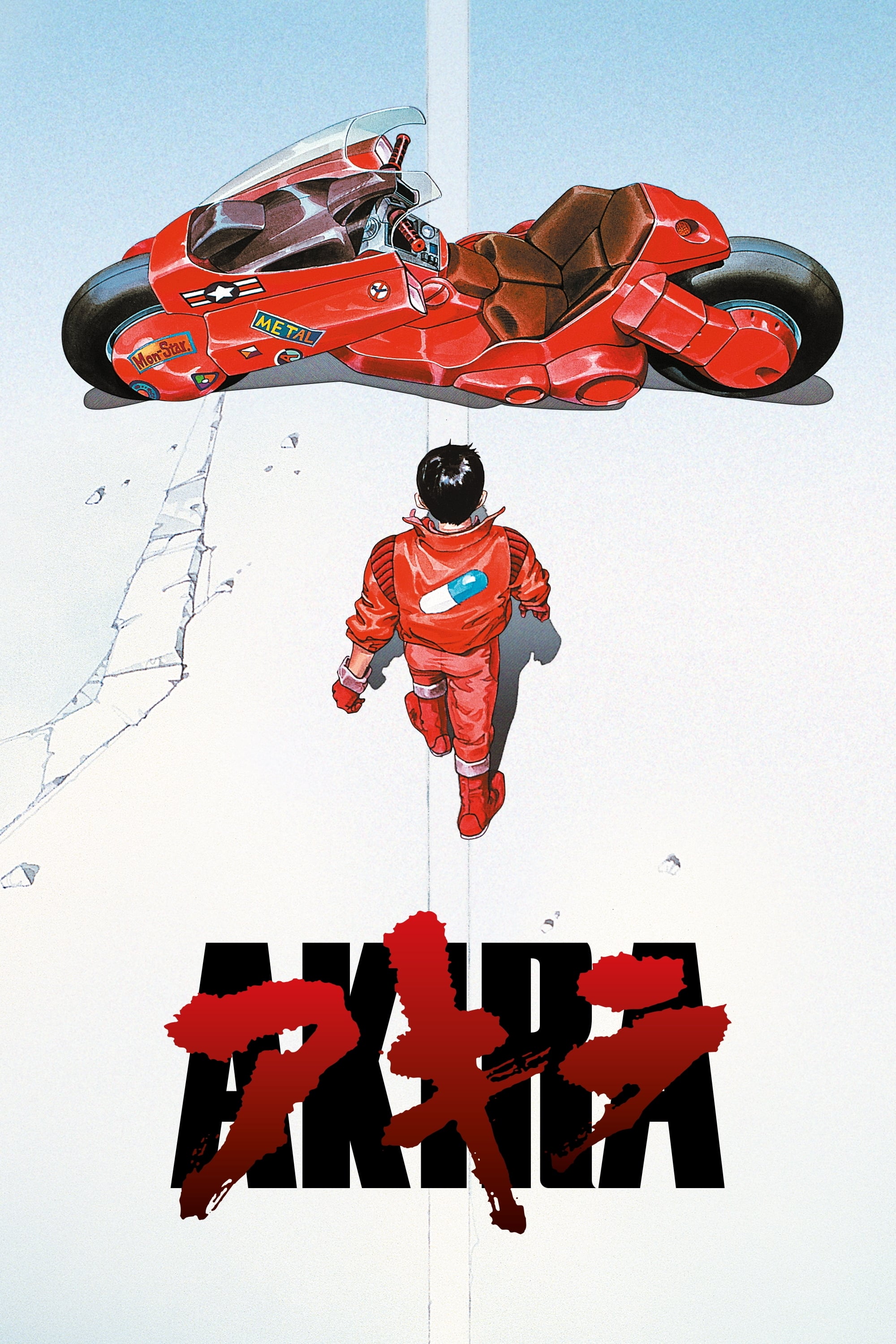
The film is well-known for accurately predicting Tokyo would host the 2020 Olympics – a sign for the games was briefly visible during construction scenes. Political messages and references to the manga’s themes appear as graffiti throughout the futuristic city. The film’s depiction of the city’s destruction was painstakingly hand-animated, even showing individual windows breaking on far-off buildings. Furthermore, the medical data displayed on screens in lab scenes was remarkably accurate for the psychic children featured.
‘Monster’ (2004–2005)

This suspenseful thriller uses light and shadow to suggest the two sides of Johan Liebert’s personality. News reports in the background often allude to events Johan is secretly manipulating. A key children’s book appears subtly in library scenes before it’s officially discovered. The film’s settings are carefully designed to resemble real towns in Germany and the Czech Republic, with a strong attention to geographical detail.
‘Code Geass: Lelouch of the Rebellion’ (2006–2008)
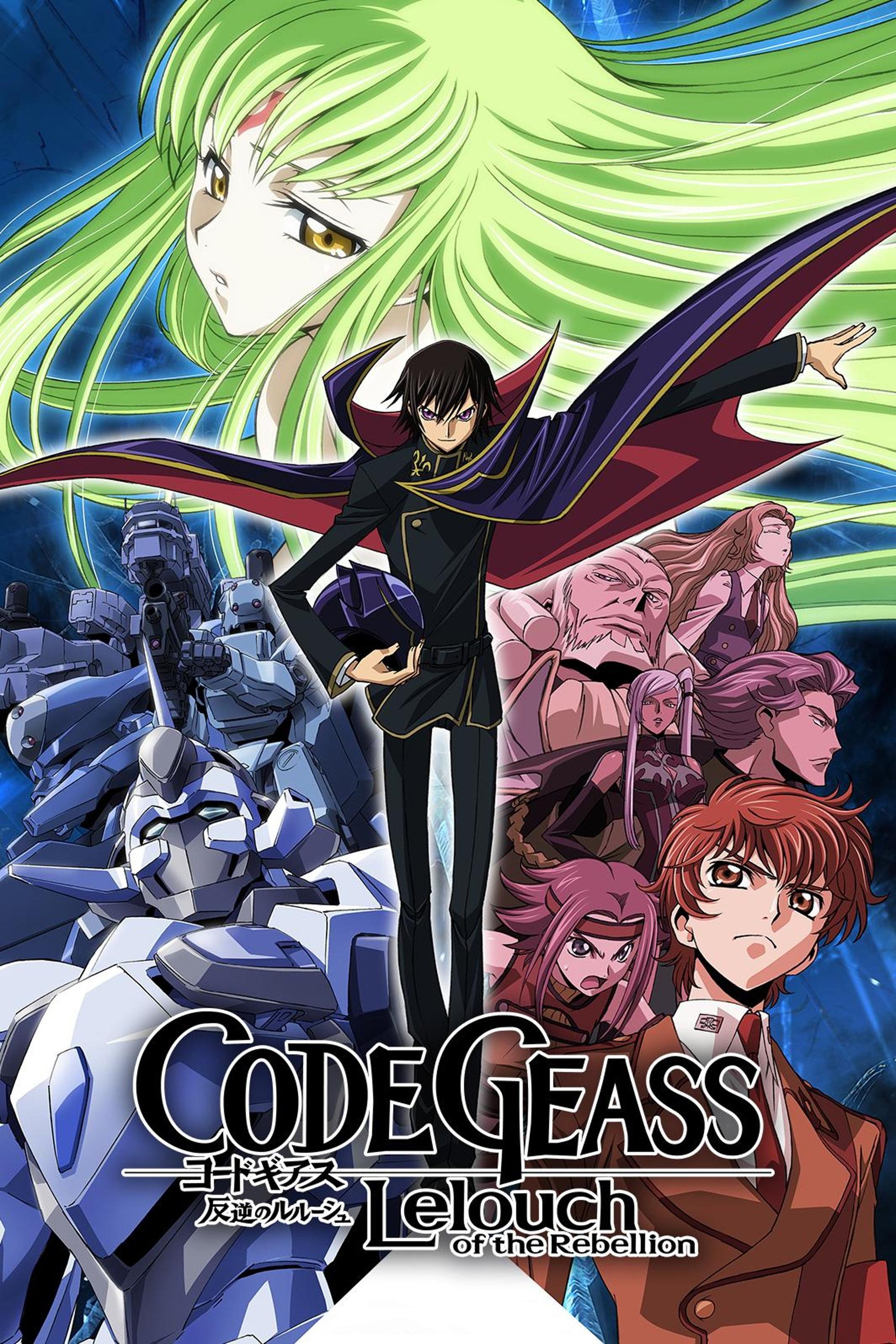
Throughout the show, you’ll notice Pizza Hut products appearing, and these change to match what’s happening and where the scenes take place. The chess games characters play aren’t just for show – they mirror the strategies each character is using in the ongoing political conflicts. If you look closely at the opening scenes, you might see quick glimpses of a special symbol in the eyes of characters before they unlock a powerful ability. And the maps used during planning sessions precisely show how the Holy Britannian Empire’s territories are changing.
‘Death Note’ (2006–2007)
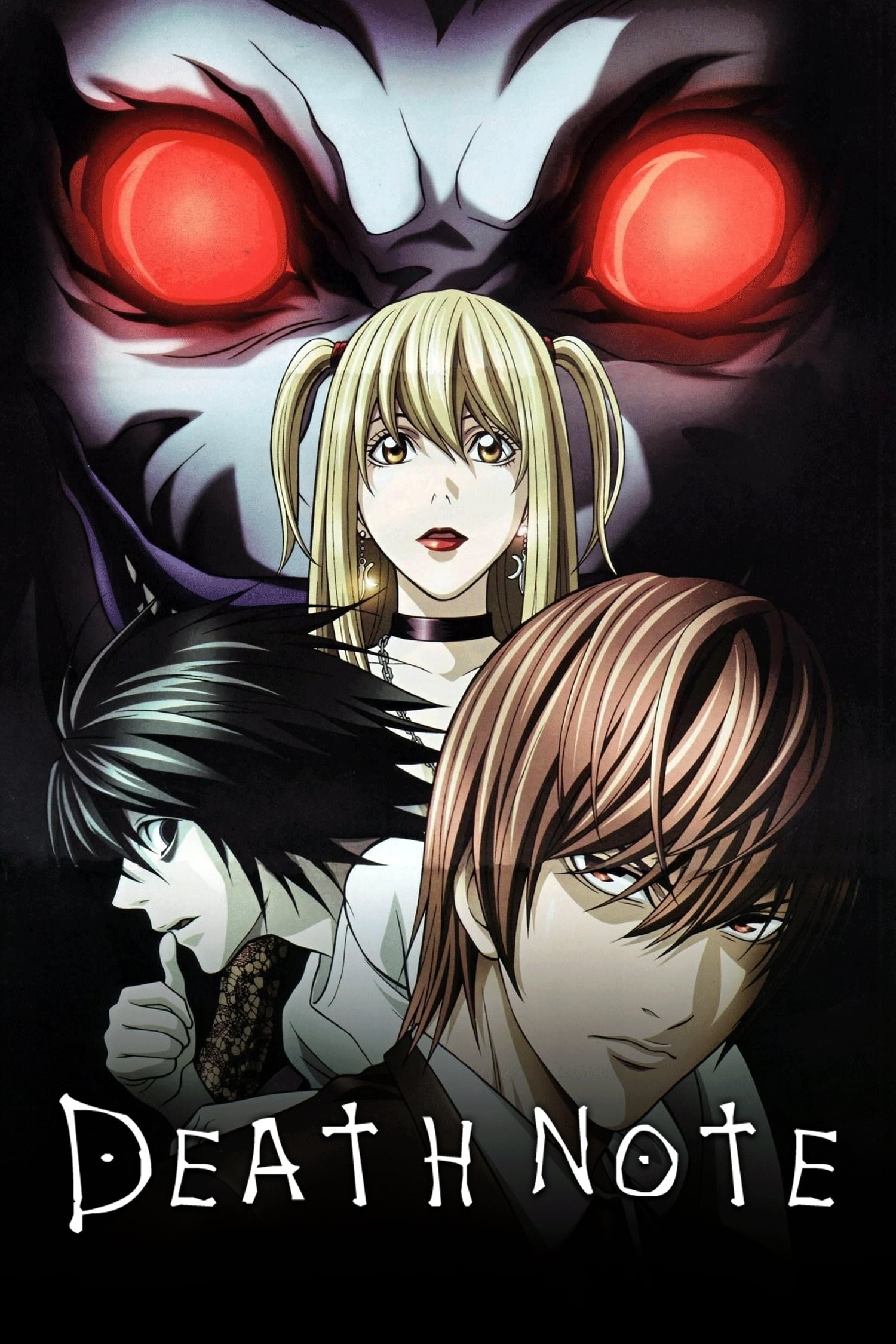
Throughout the series, the lighting changes color to highlight the conflict between Light Yagami and L, using red and blue to represent their different ideas about what’s right. Apples often appear as a symbol of the dangerous influence of the Shinigami, or spirit world, on the human world. The rules of the Death Note are shown briefly before each section, and these rules often foreshadow events that will happen later.
‘Yuri!!! on Ice’ (2016)
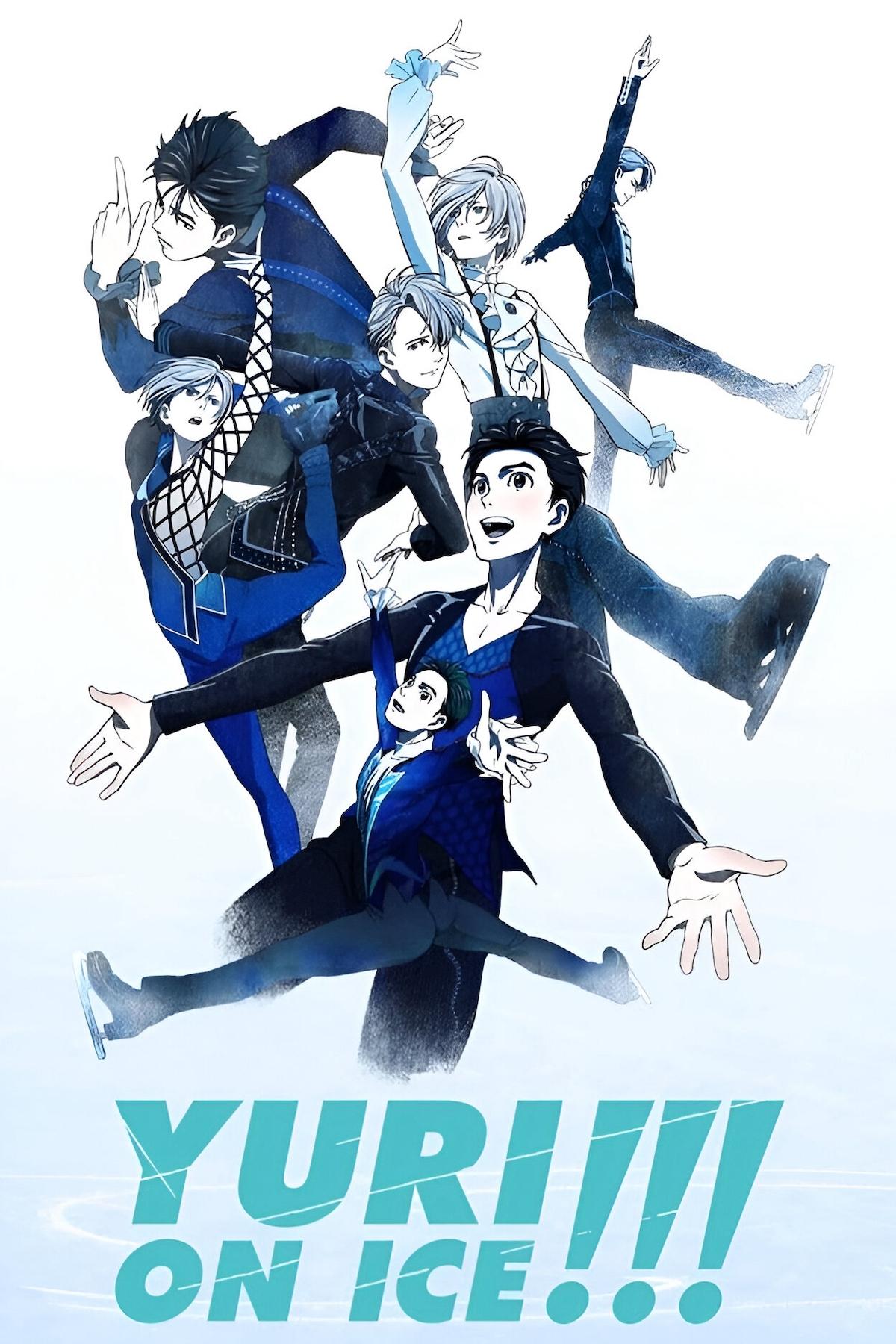
Professional figure skaters designed the skating performances, and the animation realistically simulates how scores are determined in actual competitions. The banners displayed in the skating rinks showcase the names of fans who helped make the show possible. Throughout the series, the rings worn by Victor and Yuri subtly shift positions, mirroring the development of their relationship. When characters use phones, the social media posts displayed feature comments and hashtags that match the timeline and are from other characters in the show.
‘Violet Evergarden’ (2018)
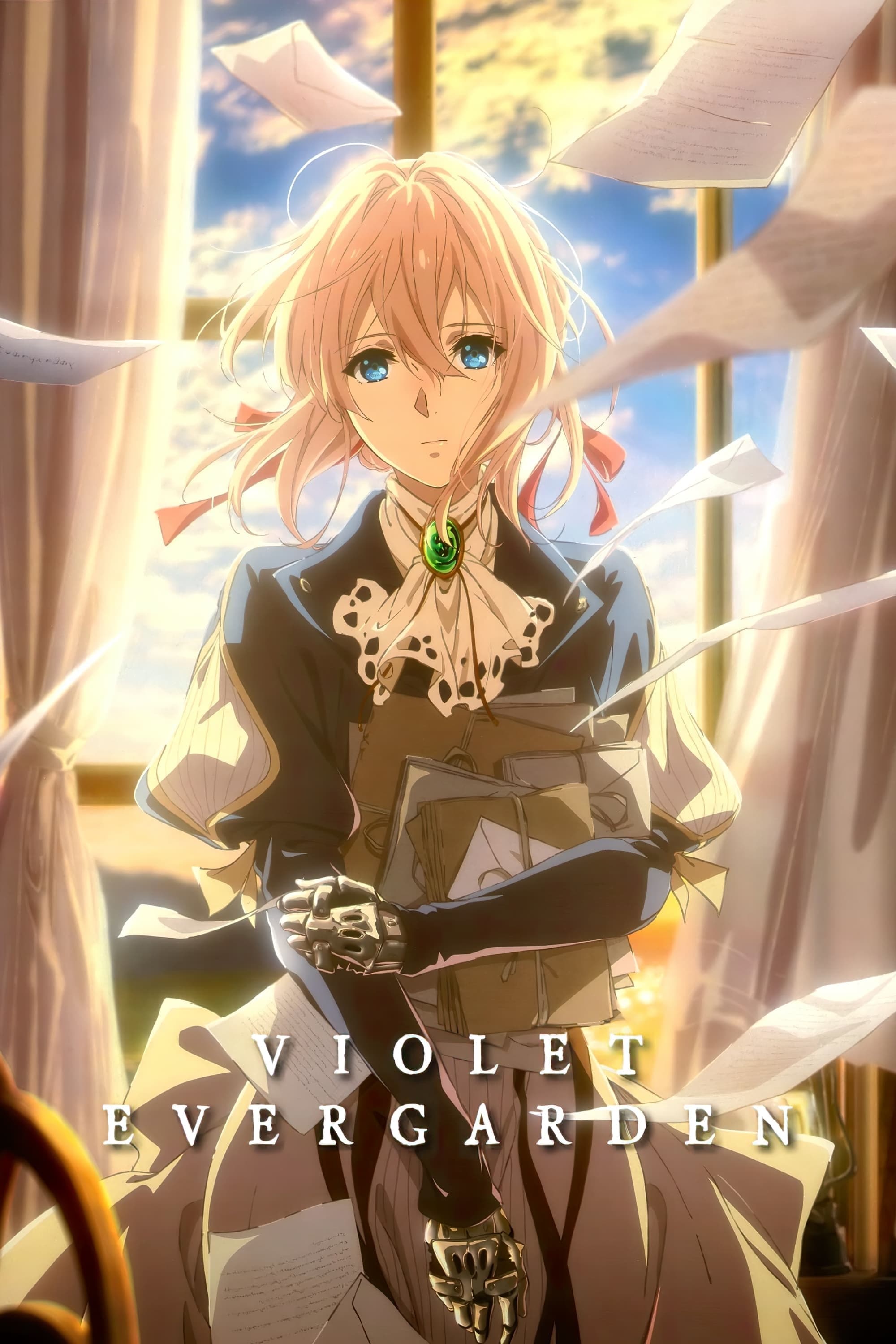
Each episode features flowers specifically selected to symbolize the emotions being explored, drawing on the Victorian tradition of flower meanings. Violet’s typewriter is animated with realistic detail, perfectly syncing its movements with the sound of each key press. The letters and papers seen in the background are written in a made-up alphabet that’s used consistently and can be deciphered throughout the series. The changing scenery reflects the passage of time as the story unfolds.
‘Chainsaw Man’ (2022)
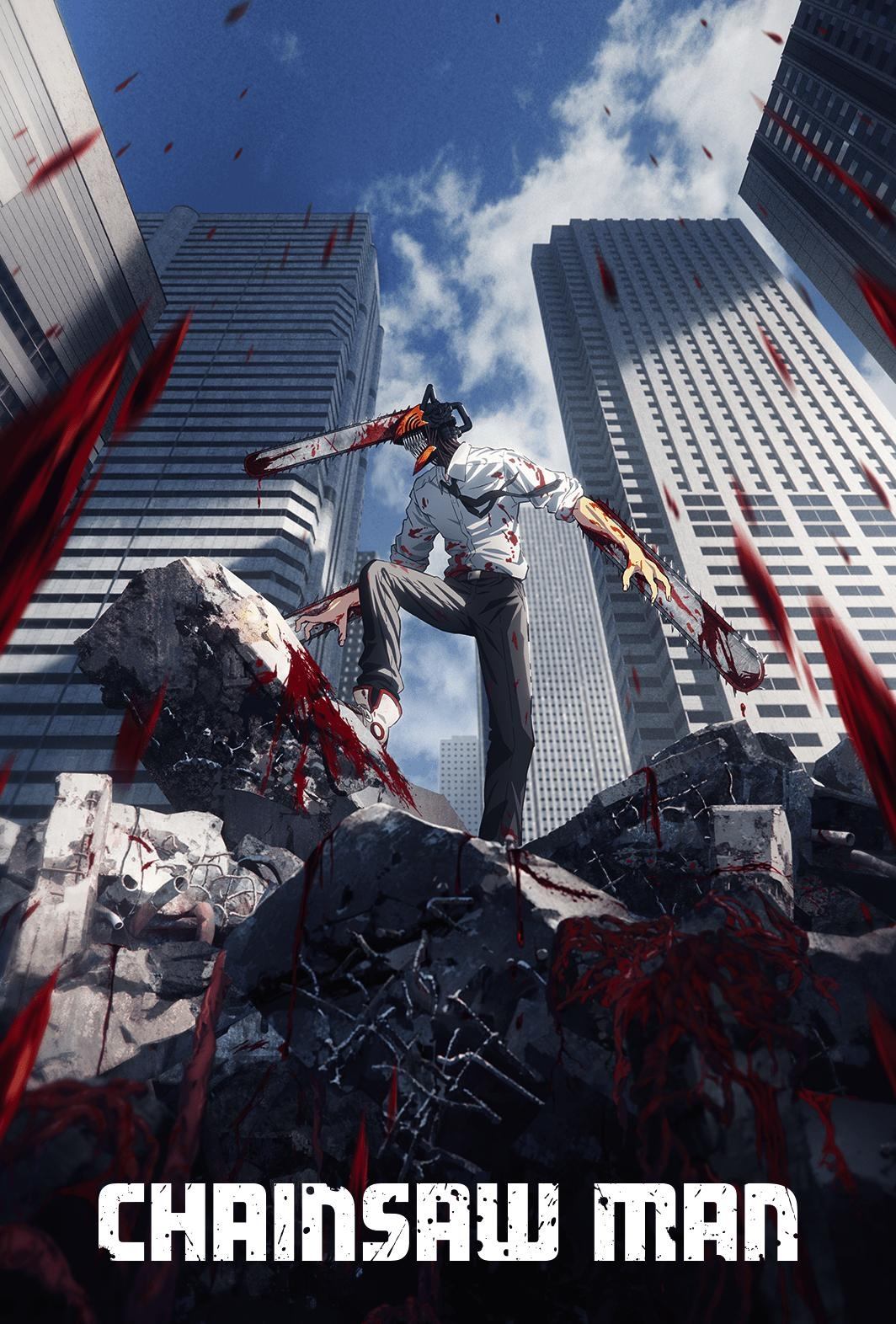
The film begins with a series of shots clearly inspired by iconic movies like ‘Pulp Fiction’ and ‘The Big Lebowski’. Movie posters seen in the characters’ homes are real films chosen to showcase the director’s preferences. The devils’ eyes are designed with circular patterns that suggest their ability to control others. And the actors use small, physical cues to show what their characters are feeling, even without speaking.
‘Jujutsu Kaisen’ (2020–Present)
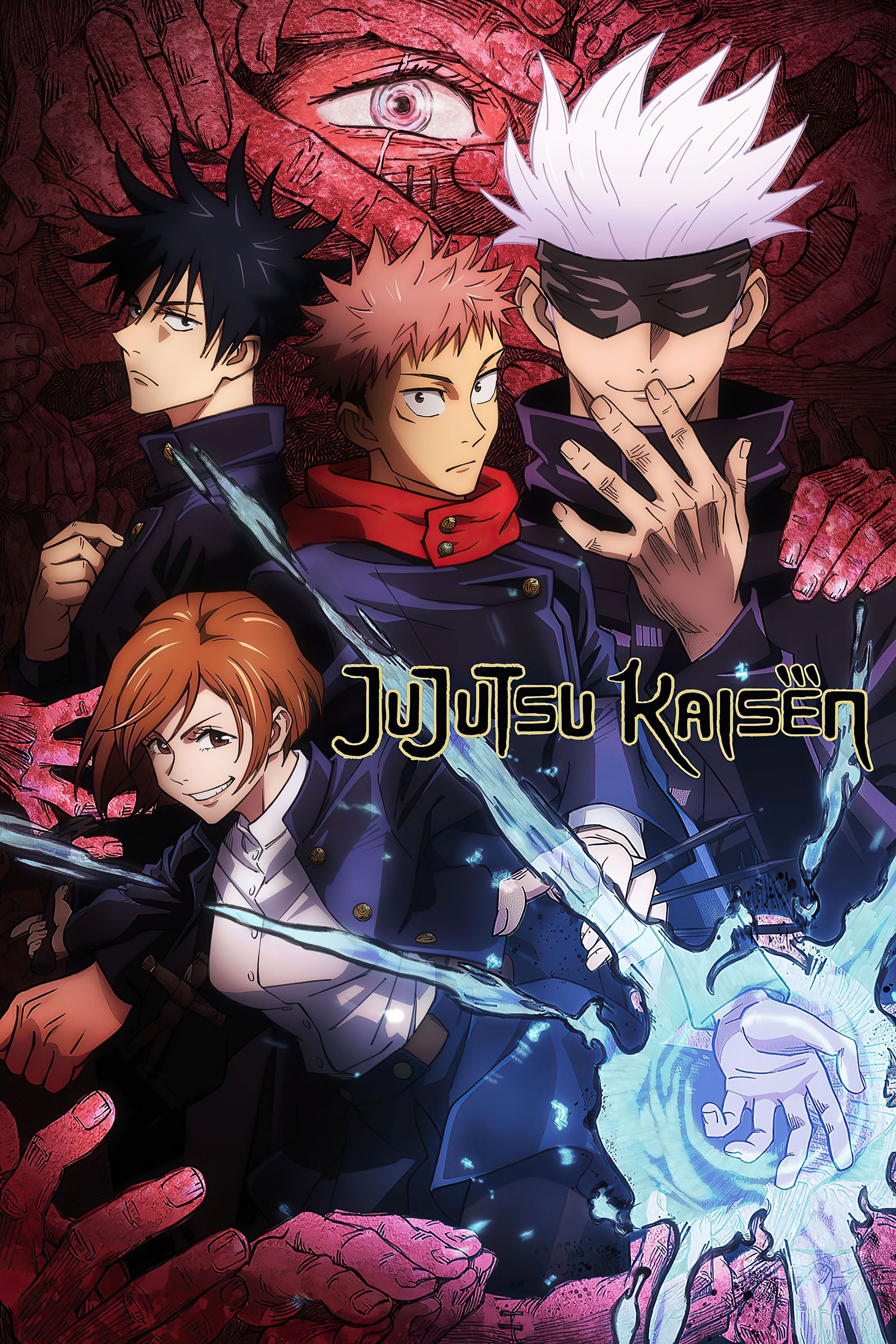
The show’s opening sequence isn’t static – it updates to show how characters are doing and often gives clues about who might get hurt or die. When sorcerers use their cursed energy, it looks different for each one, with unique colors and textures that suggest what kind of powers they have. The detailed environments within the special ‘domain expansion’ techniques are filled with hidden meanings connected to Buddhist gods and the characters’ backgrounds. Even the spirit animals summoned by Megumi are carefully designed, based on the anatomy of real-life fish species.
‘Demon Slayer: Kimetsu no Yaiba’ (2019–Present)
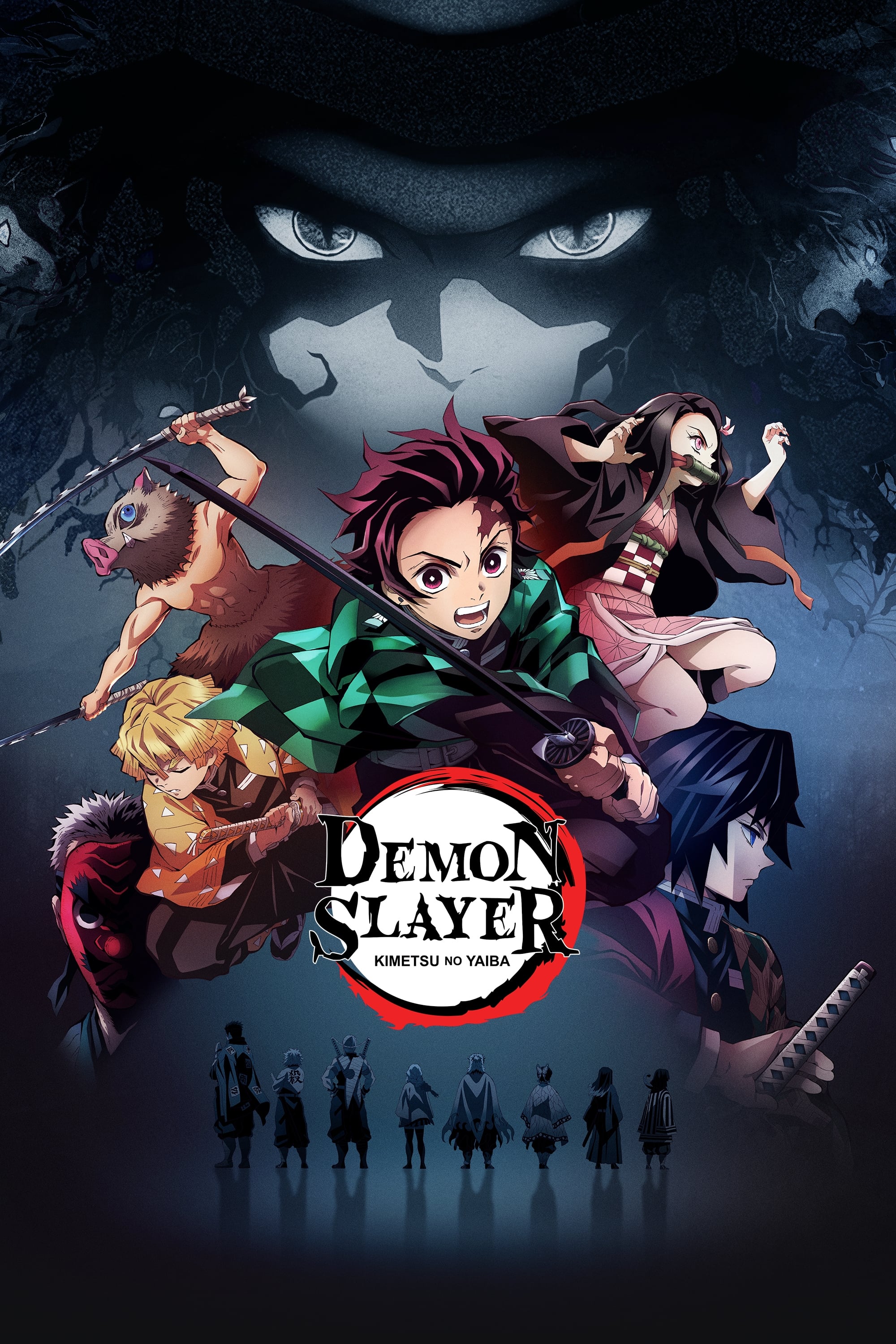
Tanjiro’s earrings, decorated with a rising sun, hint at his link to the very first user of Breath techniques. Demon eyes often display kanji showing their power level, which fades as they’re defeated. The animation of Water Breathing is designed to look like old Japanese woodblock prints, highlighting its roots in history. And the wisteria flowers used to keep demons away are always shown in full bloom, representing safety and innocence.
‘Mob Psycho 100’ (2016–2022)
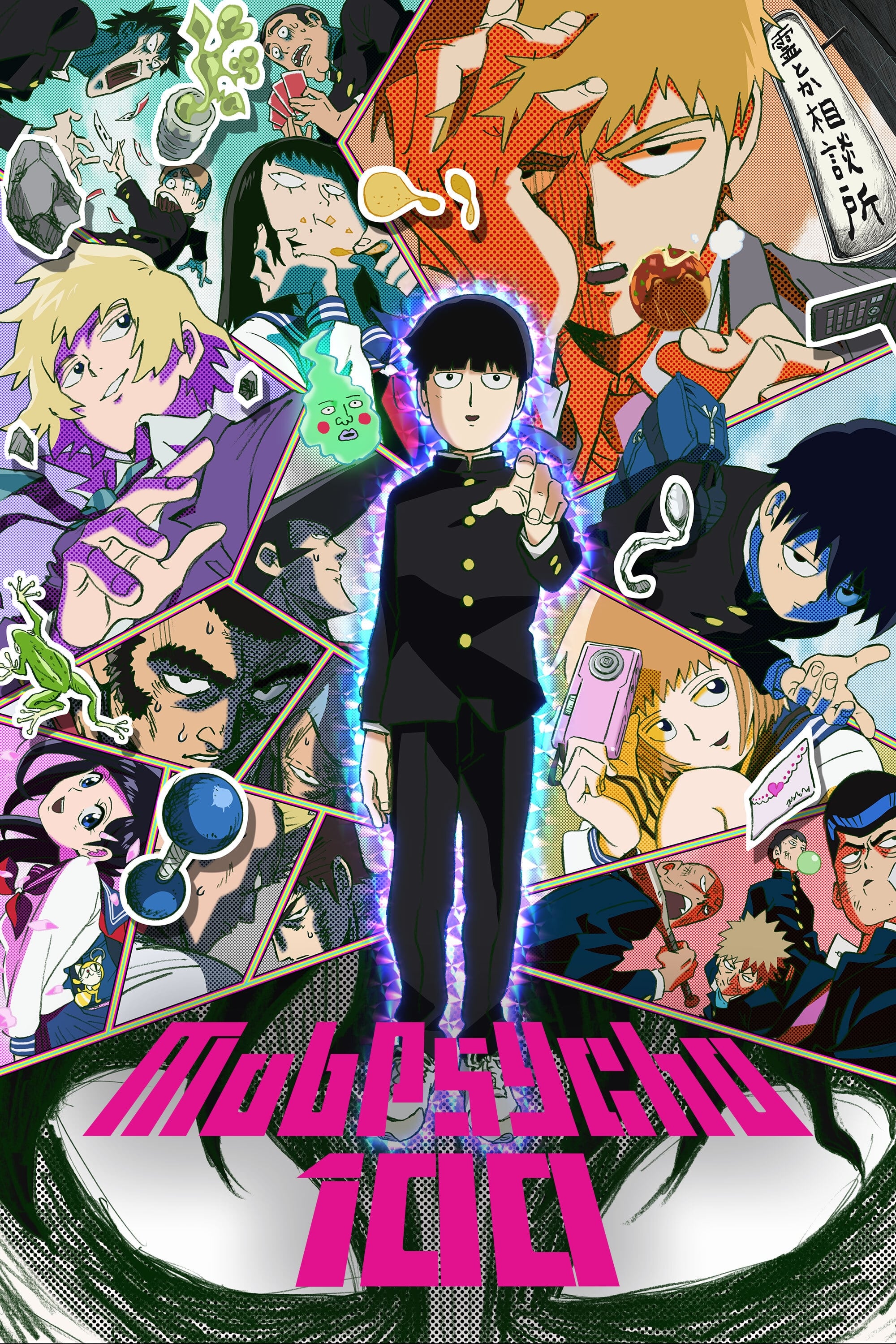
The show cleverly includes hidden, simple drawings of Saitama from ‘One Punch Man’ on things like magazine covers and phone screens. When a character is feeling overwhelmed, the art style changes, sometimes looking like oil paintings or glass animation. Text messages on Mob’s phone show everyday middle school problems happening alongside all the supernatural events. And the opening credits are packed with colorful, mind-bending visuals that actually hint at what will happen throughout the whole season.
‘Bungo Stray Dogs’ (2016–Present)
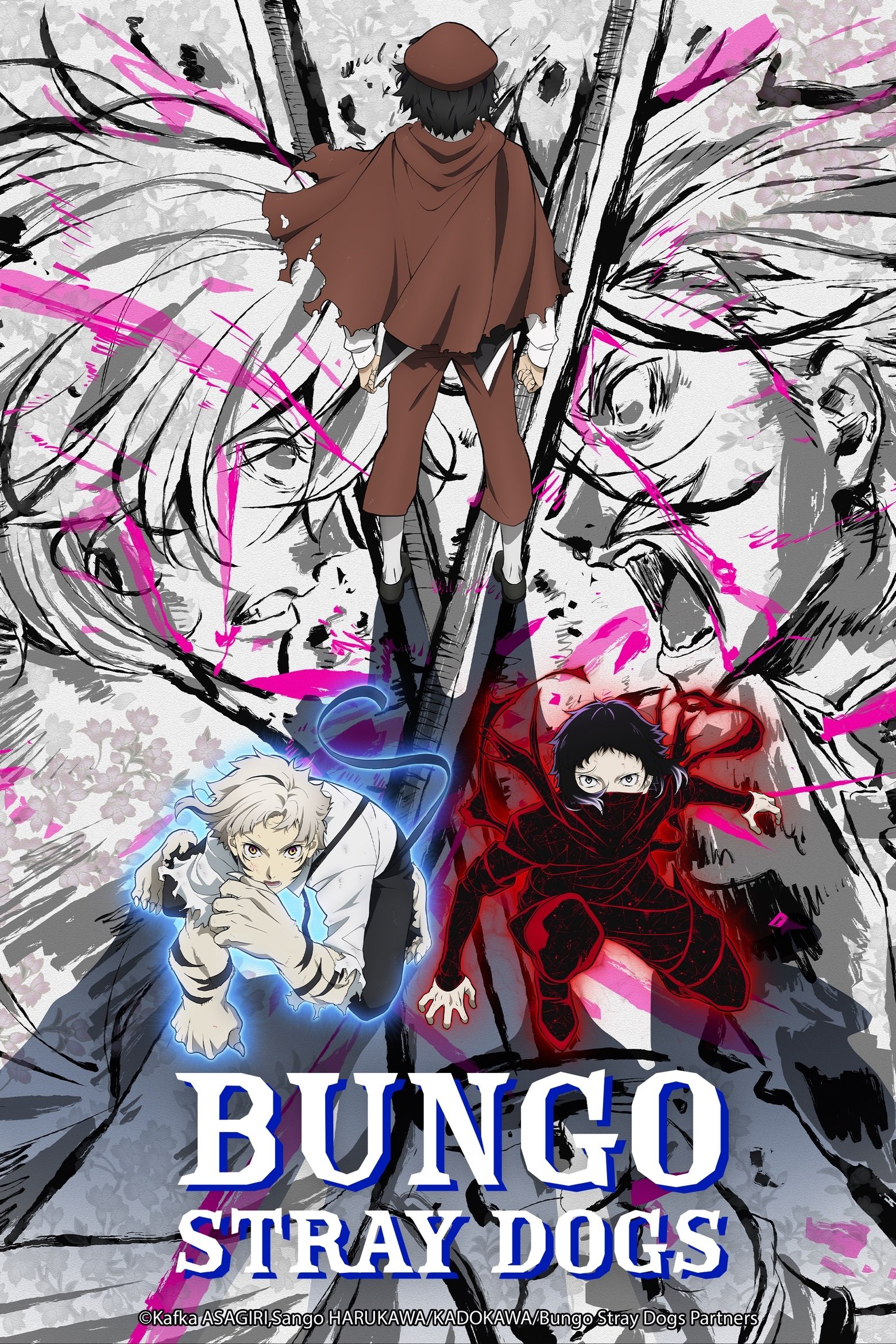
Each character has a unique power inspired by a famous book, which reflects the way that book’s author wrote. The story includes quotes from the actual books and by the authors the characters are based on. Character interactions are modeled after the real-life friendships and conflicts of those historical authors. Finally, the characters’ appearances incorporate symbols closely associated with their author counterparts, like a favorite animal or a signature piece of clothing.
‘Serial Experiments Lain’ (1998)
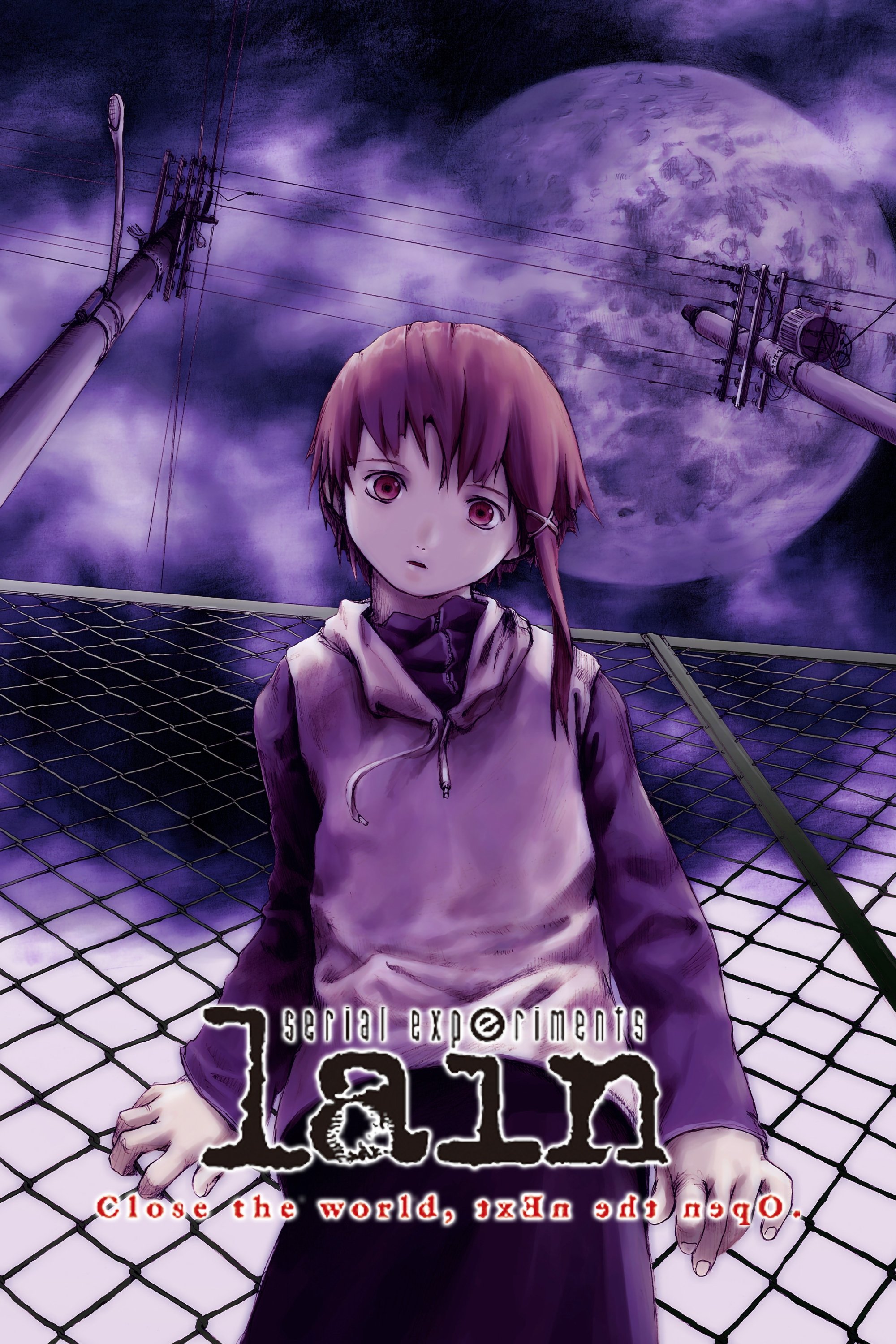
This influential cyberpunk show is packed with nods to Apple computers and the Lisp programming language. The operating system called “Copland OS” refers to an Apple project that never launched. Hidden within the visuals, you can often find binary code that, when deciphered, reveals mysterious clues about the digital world known as the Wired. The constant buzzing sound of power lines reinforces the idea that the network is everywhere.
‘Pop Team Epic’ (2018–Present)

This show is packed with hidden references to video games, anime, and internet culture. The animation style constantly shifts, jumping between different looks inspired by various art forms and genres. You’ll also notice background characters drawn in the styles of well-known manga artists as a fun nod to their work. And adding to the unique feel, the show often playfully acknowledges it’s a production by featuring the creators themselves in live-action bits, commenting on how it’s made.
‘Gintama’ (2006–2018)
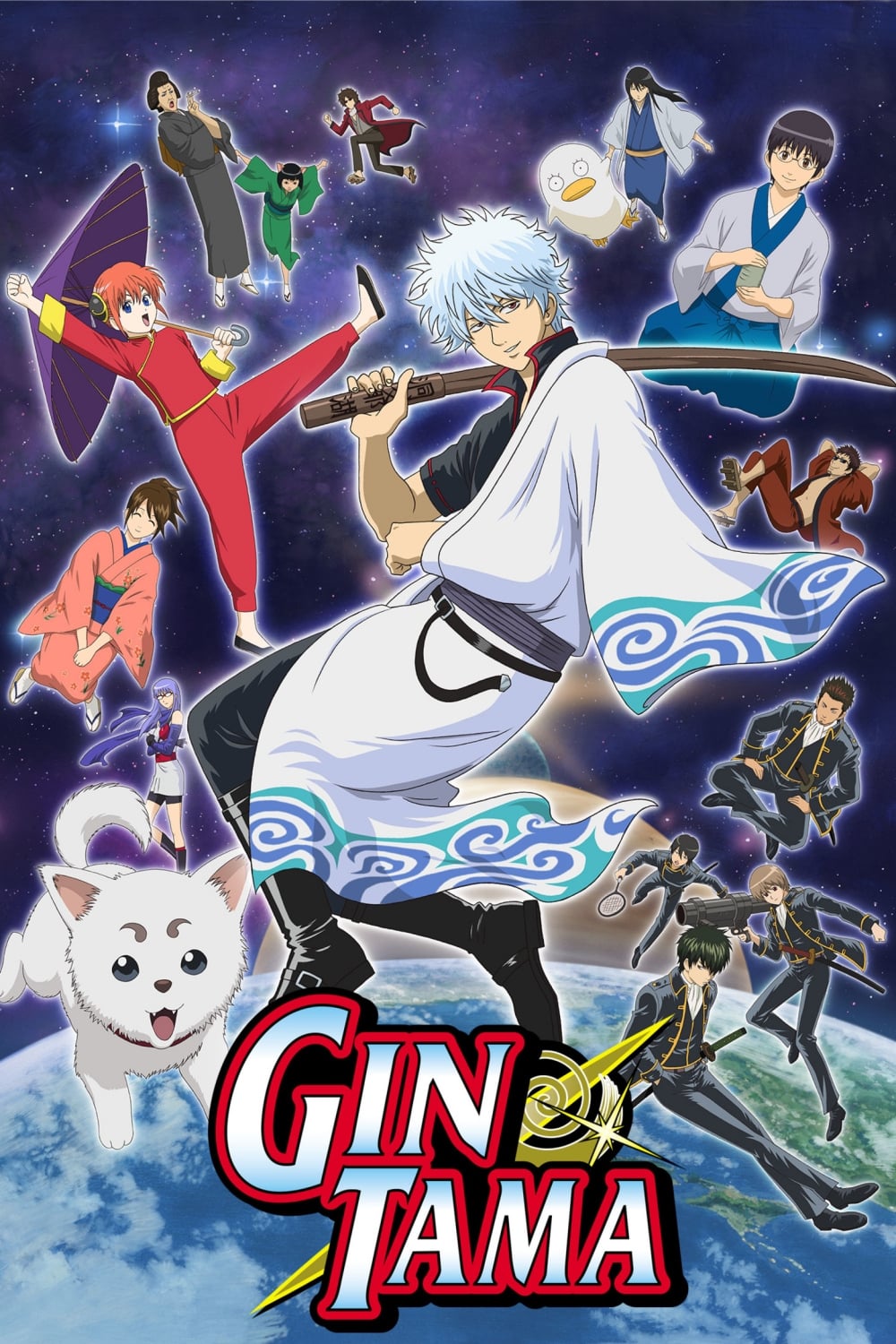
The show often reuses artwork as a playful nod to its tight budget. Characters are frequently shown reading copies of Shonen Jump magazine featuring the covers from that week. Backgrounds in crowd scenes include hidden, humorous copies of characters from other anime. And, the visuals sometimes include subtle jokes referencing the voice actors’ work on other popular shows.
‘The Melancholy of Haruhi Suzumiya’ (2006–2009)
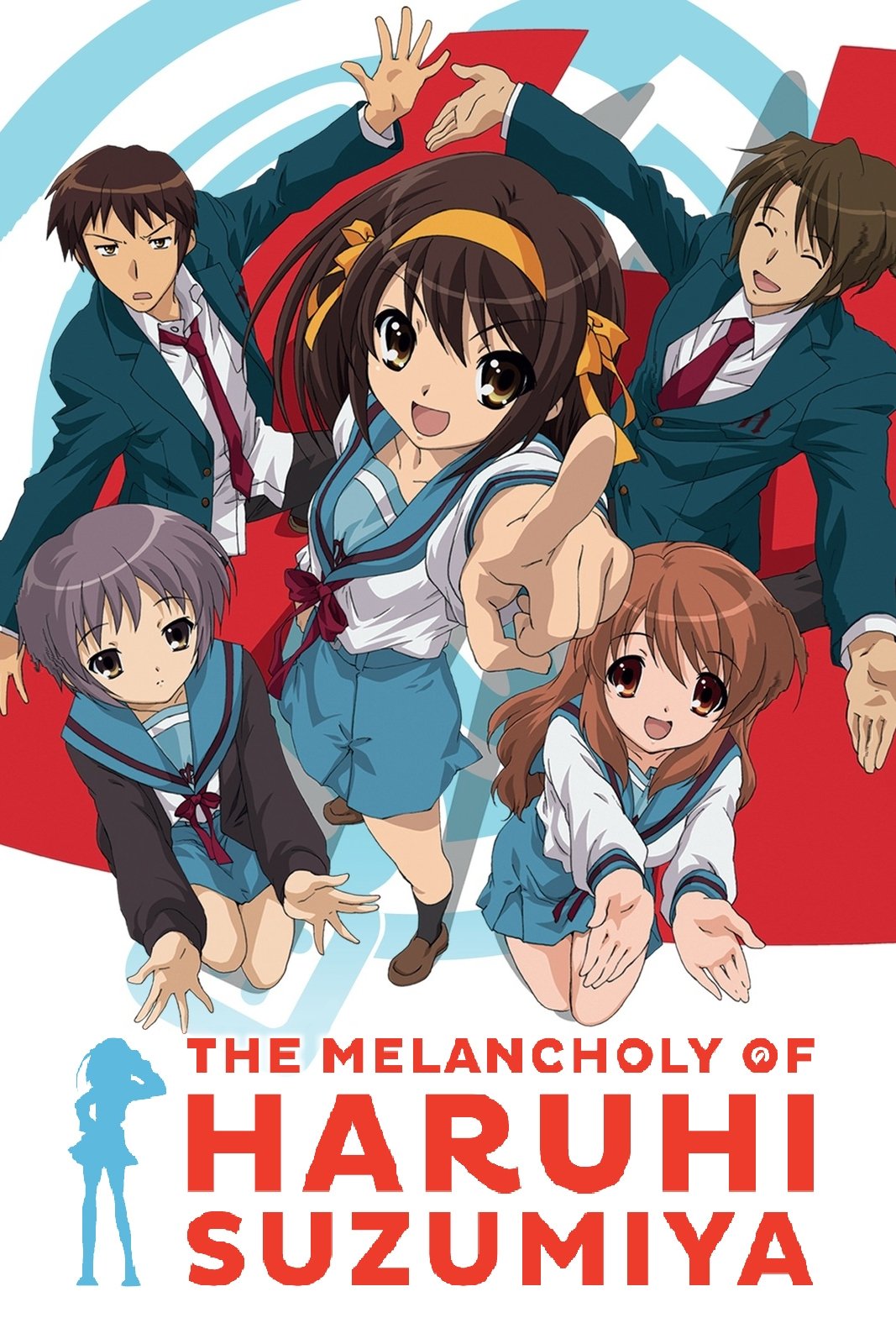
The show’s episodes weren’t originally shown in the order they happened, which made it like a mystery for viewers to figure out. Small details in the club room change to show the time loops and different realities. The “Endless Eight” section has eight episodes that are very similar, with tiny changes to clothes and camera shots each time. The books Yuki Nagato reads contain hidden references to classic science fiction novels.
‘Re:Zero – Starting Life in Another World’ (2016–Present)

When Subaru dies and returns, the show uses small details to signal his return points, like a particular apple seller. Shifts in how minor characters act reveal which timeline or loop he’s in. The Witch’s presence is shown as a purple haze that viewers and a few characters can see. And to make more time for the story, the opening credits sometimes jump around or are shortened.
‘Erased’ (2016)
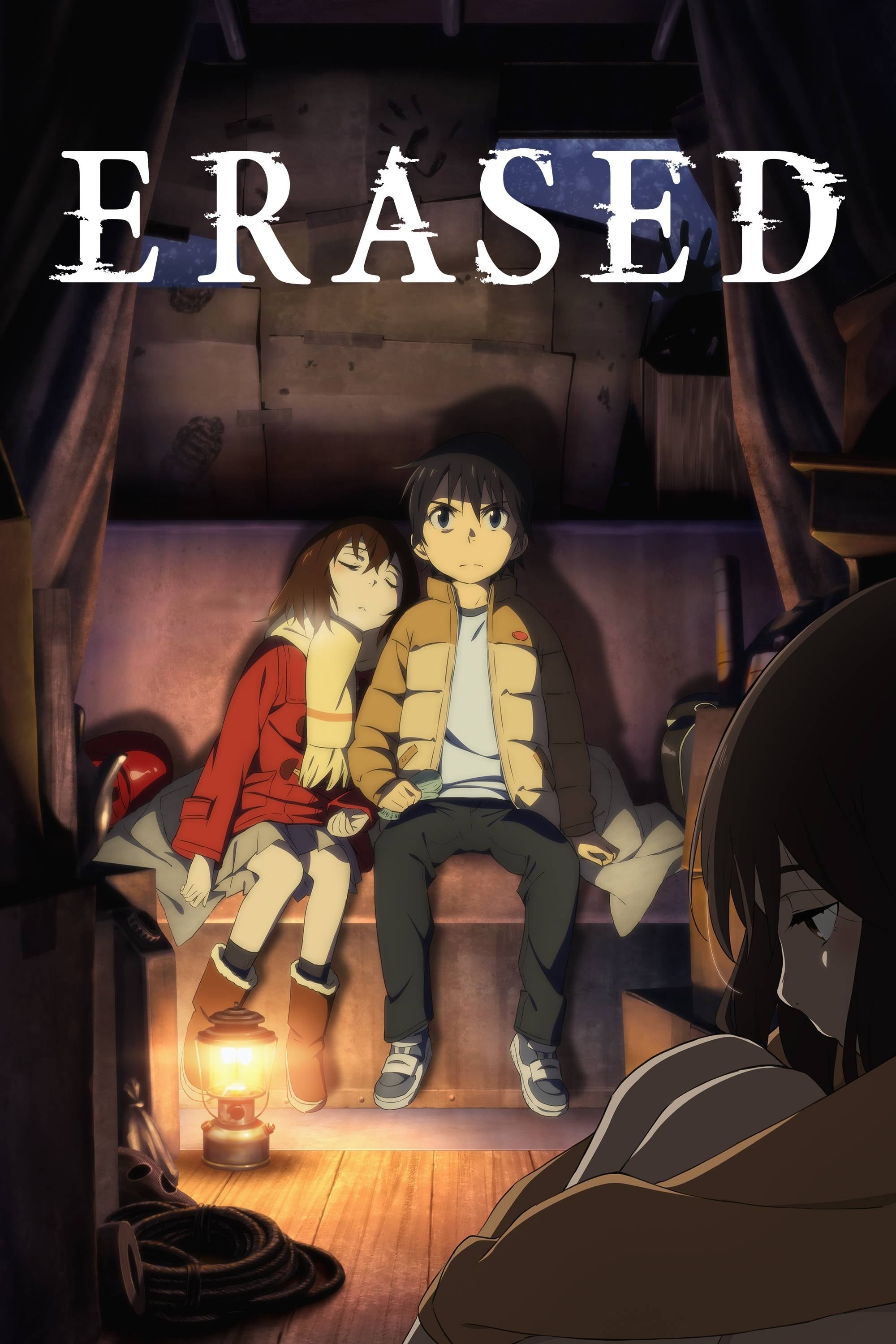
The killer’s identity is hinted at through careful camera work that often obscures his face or focuses on his hands. Spiderweb imagery subtly appears throughout the film to represent how he controls his victims. Shifts in the story’s timeline are signaled by whether certain objects are present or missing from the classroom. And the film clips shown at the beginning actually contain brief glimpses of events that will happen later in the series.
‘Psycho-Pass’ (2012–2013)
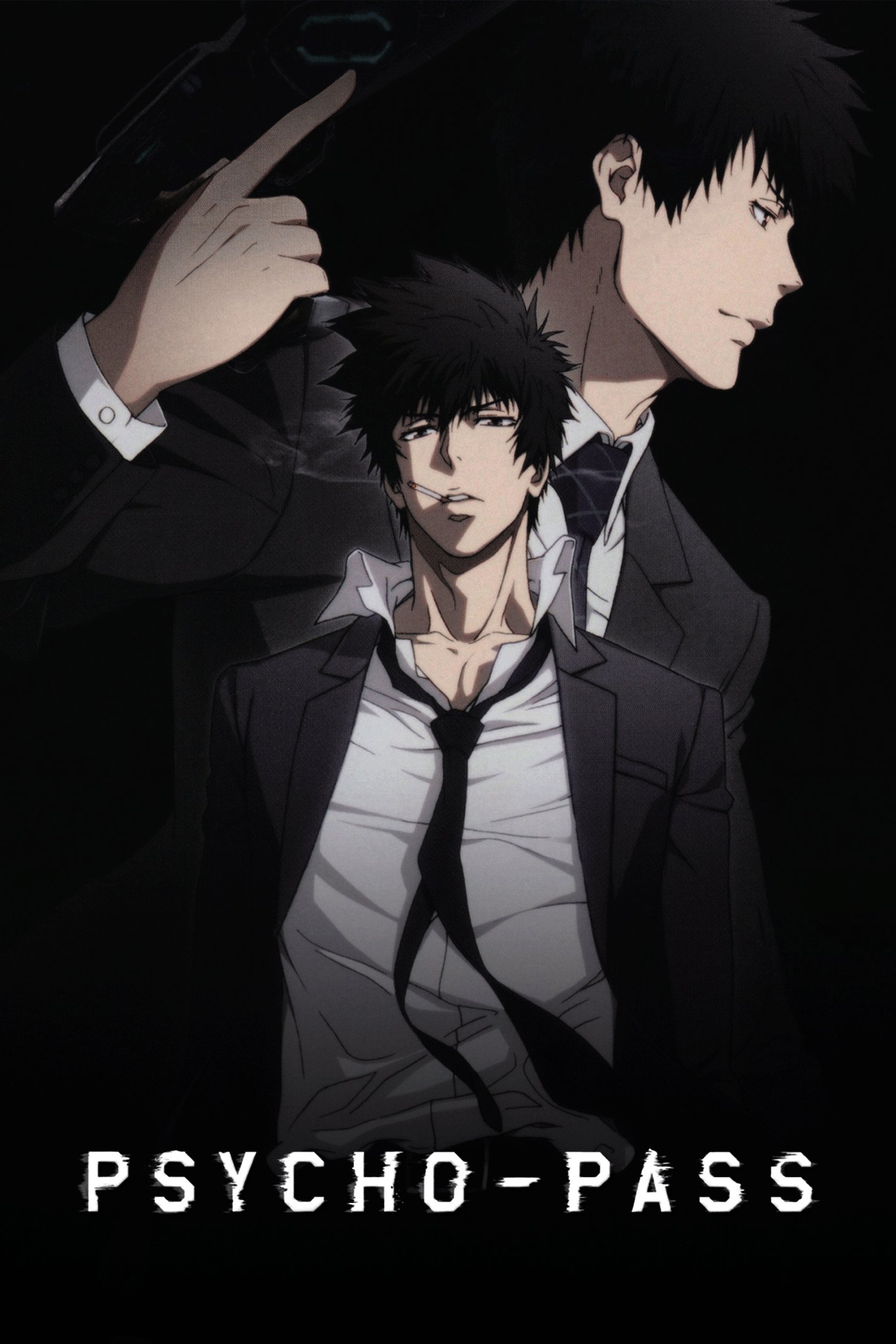
The villain Makishima’s choices in reading material are actual philosophical works that explain his actions and beliefs. When citizens use holographic disguises, they flicker momentarily, revealing their true faces when under pressure. The Dominator weapon’s color shifts to indicate how dangerous the person it’s pointed at is. Inside the Public Safety Bureau, screens show up-to-the-minute information about the overall mental wellbeing of the city’s population.
‘Ghost in the Shell: Stand Alone Complex’ (2002–2003)
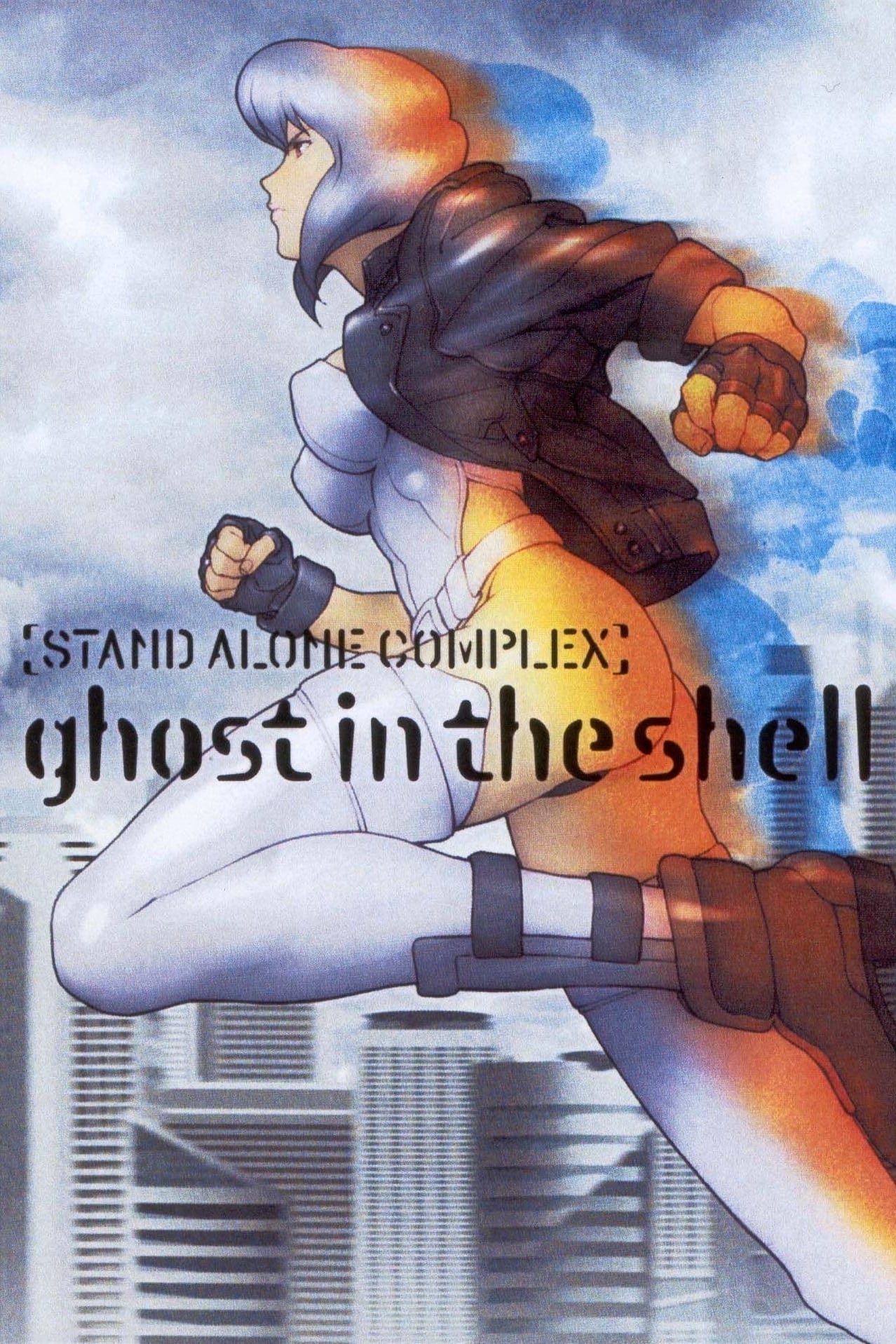
The show is packed with allusions to ‘The Catcher in the Rye’ and other famous books. The Laughing Man logo actually includes a quote directly from J.D. Salinger. The robot characters, Tachikomas, frequently have in-depth conversations about the philosophy of artificial intelligence. And the show’s virtual chat rooms visually foreshadowed how we interact on social media today.
‘Gurren Lagann’ (2007)
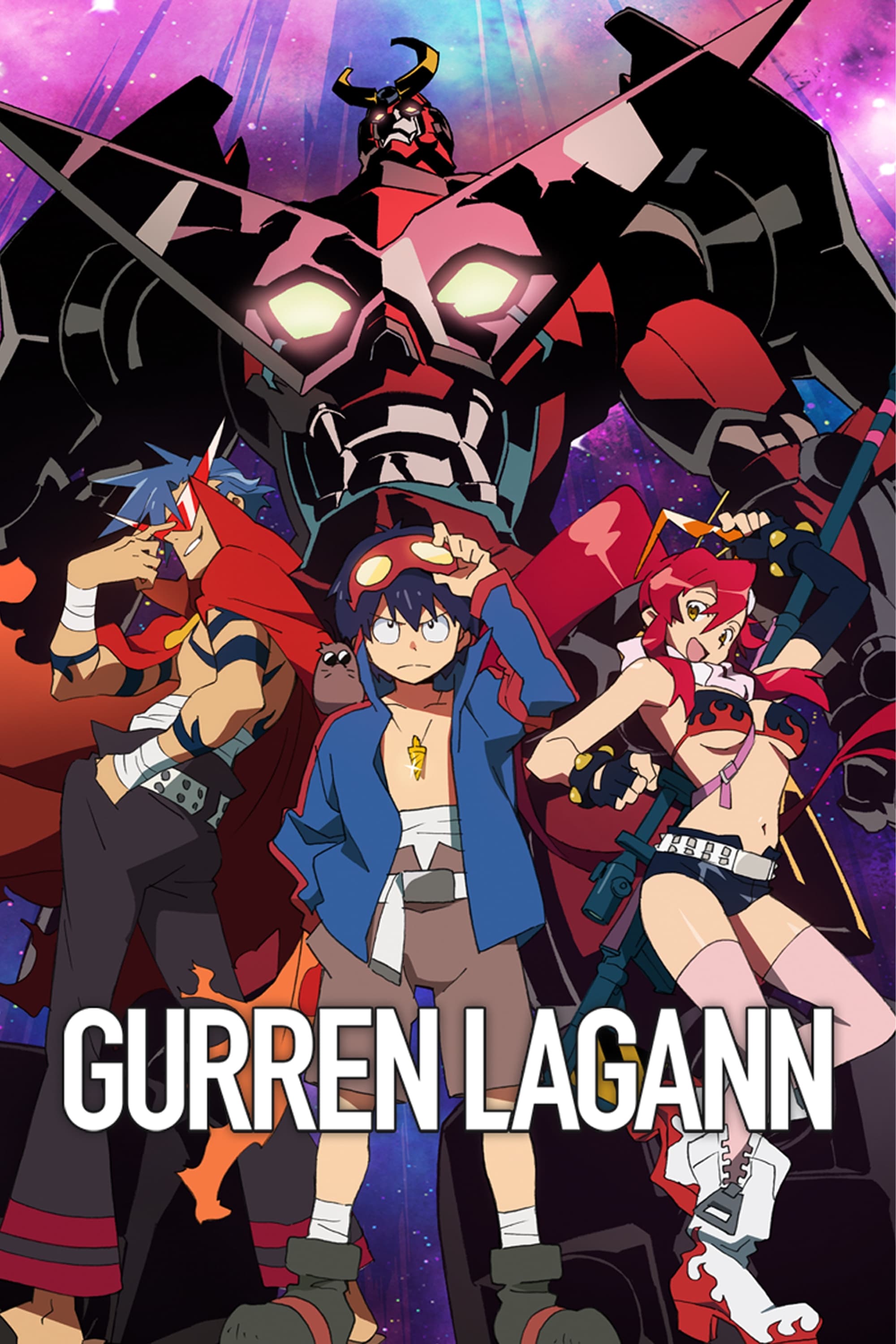
Spirals are a recurring visual element throughout the series, appearing in everything from character looks to the scenery. As the characters gain strength, the drills they use become increasingly large and intricate. The sunglasses worn by Kamina and Simon change shape to symbolize their growth and increasing roles as leaders. Quick glimpses of the opposing, anti-spiral universe can be seen during the climactic battles.
‘Trigun’ (1998)
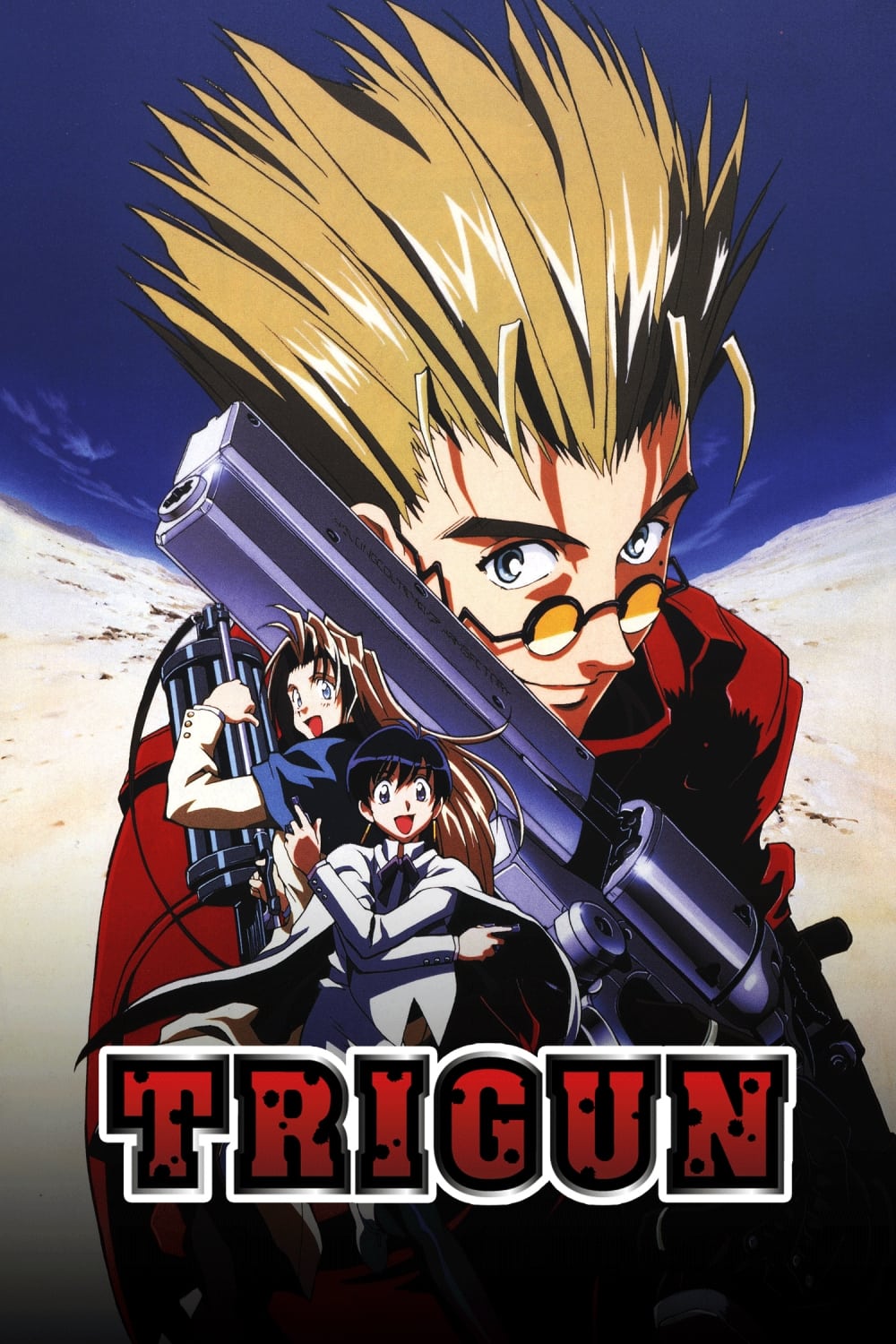
Throughout the series, a black cat named Kuroneko-sama makes a brief appearance in every episode, often hidden in the midst of busy scenes. The wear and tear on Vash’s robotic arm looks convincingly realistic as the story progresses. You can also see wanted posters in the background that reflect the growing reward offered for Vash, highlighting the destruction he leaves behind. The way characters handle guns is carefully animated and accurate to the specific revolvers used in the show.
‘Fire Force’ (2019–Present)
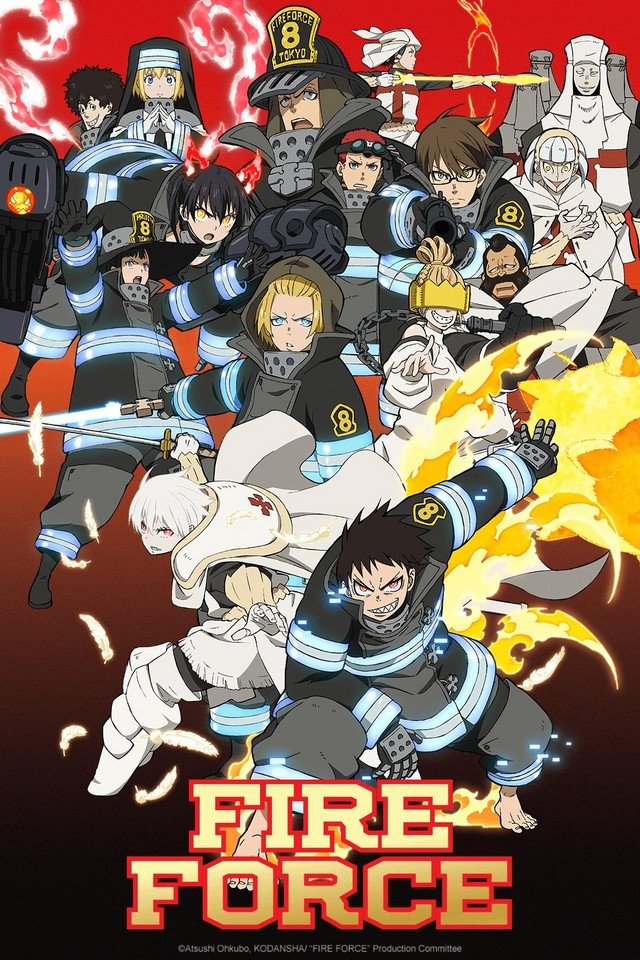
As a huge fan, I’ve noticed some really cool details! The moon in the show always has this chipped, almost grinning look that totally reminds me of the moon from ‘Soul Eater’ – it makes sense since they have the same creator! And during fights, the smoke and effects aren’t random; they often form into skulls or demonic shapes. It’s also neat how characters from the Holy Sol Temple consistently use this specific hand gesture, the “Látom” prayer. Even the background art is full of little Easter eggs – the graffiti often includes stylized messages that are actually shout-outs to the people who made the show! It’s clear a lot of love and attention went into every single detail.
‘Soul Eater’ (2008–2009)
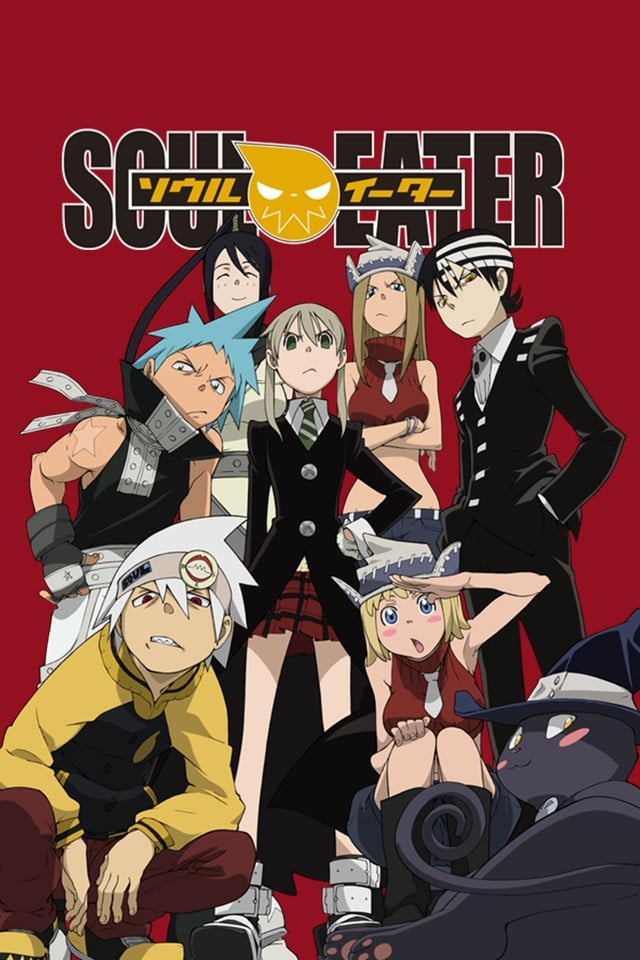
The sun and moon aren’t just scenery – they seem to change expressions to fit what’s happening. You’ll also spot familiar faces in the background, subtly disguised when they’re not the main focus. The witches’ masks are carefully crafted to represent the type of magic they’re using. And the city of Death City is built with a strange, warped style that really captures the Halloween vibe.
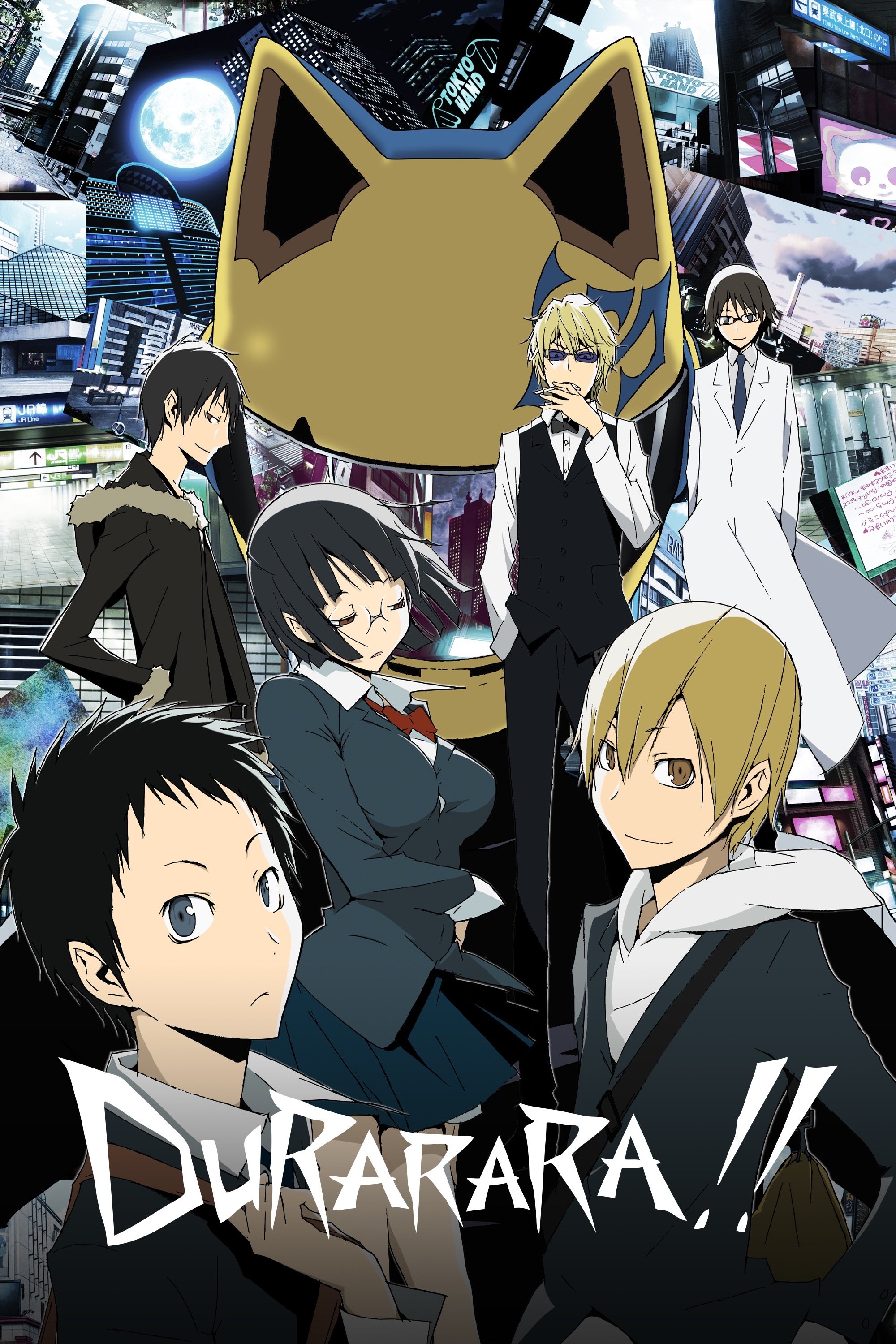
‘Durarara!!’ (2010)
Throughout ‘Baccano!’, you can spot characters briefly in the background as extras or on TVs. When characters use online chat, they use screen names that subtly reveal who they really are. The extras in scenes are usually shown in grayscale until a character who’s important to the story appears. Also, events from other episodes often play out in the background, adding layers to the current scene.
‘Baccano!’ (2007)
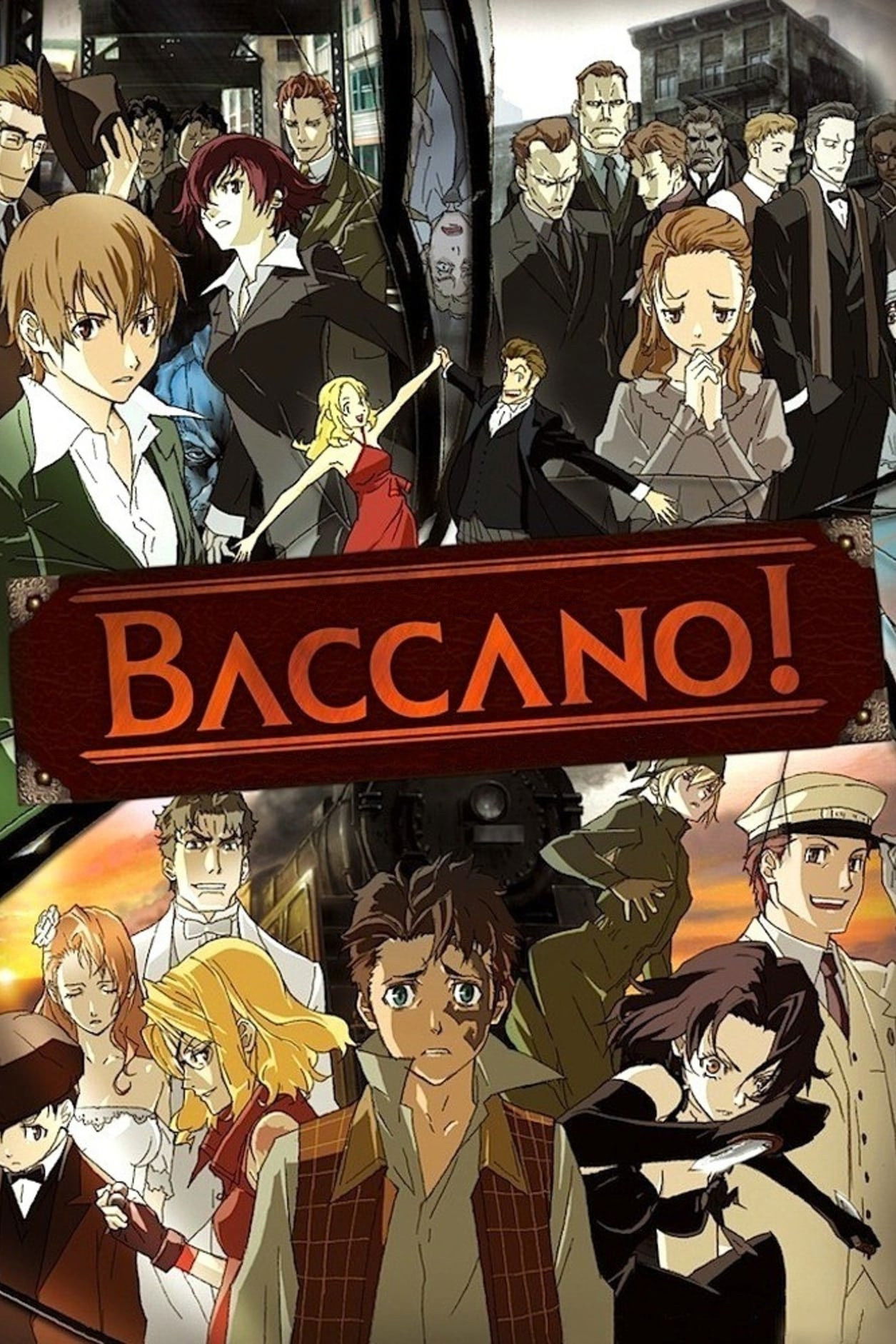
The show doesn’t tell its story in a straight line; things that happen early on actually clarify later mysteries. You’ll often spot Isaac and Miria causing trouble in the background, even though those moments aren’t immediately explained. Hints about the “Rail Tracer” storyline appear as newspaper articles and bits of conversation. And the opening credits are designed like the fast-paced introductions you see in Guy Ritchie films, showing all the main characters.
‘Assassination Classroom’ (2015–2016)
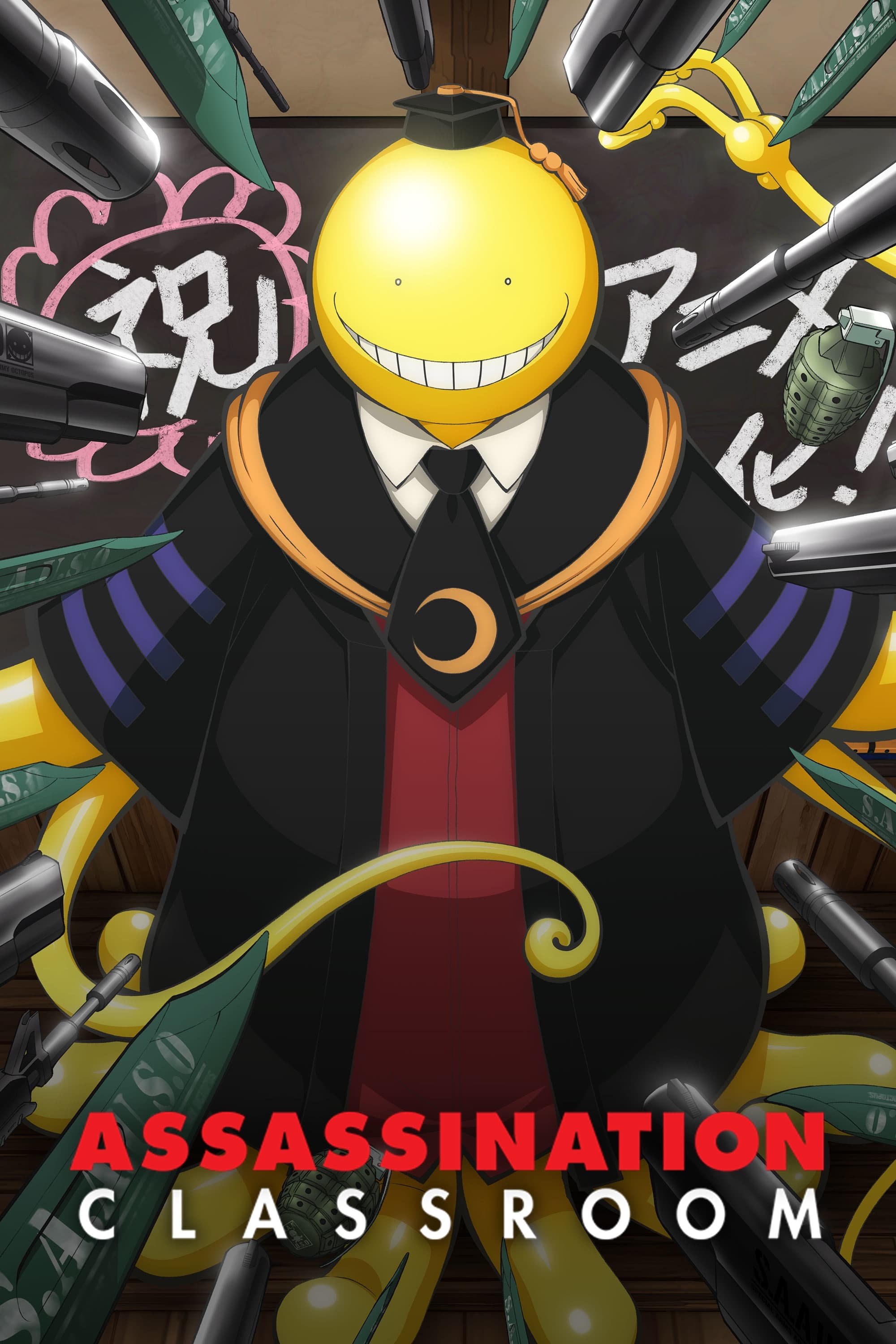
The moon’s phases in the night sky seem to mark the time remaining until a predicted global catastrophe. Koro-sensei’s face changes color to reflect the feelings he displayed at the beginning of the series. The writing on the chalkboard in the background frequently hints at the episode’s central ideas. And, as the students practice, their assassination abilities clearly improve, even in the background scenes.
‘Made in Abyss’ (2017–Present)
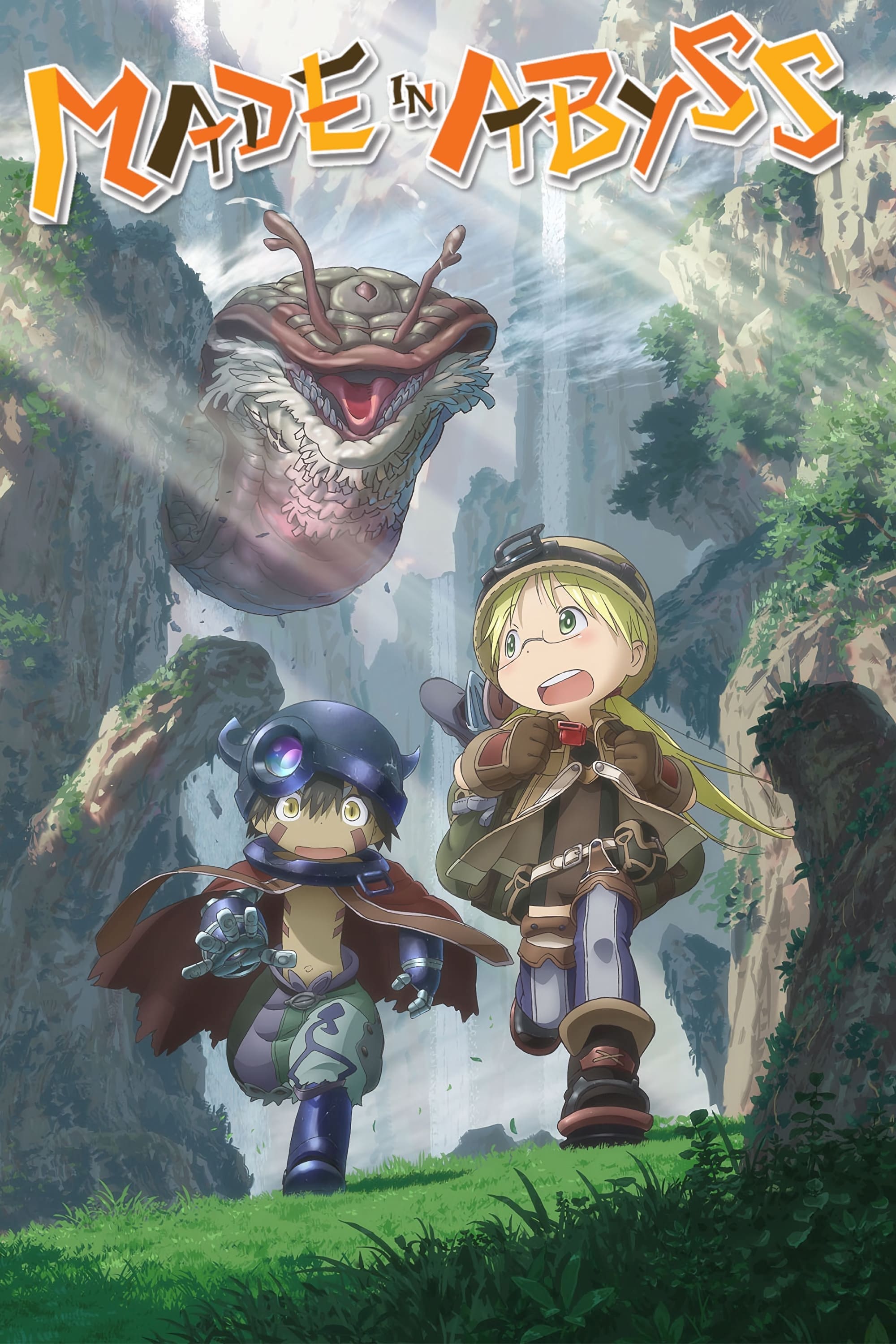
The maps in the series reveal details about unexplored layers of the Abyss. The designs of the relics hint that they were once living organisms, inspired by biological forms. The creatures in the background aren’t just random; they form a complete ecosystem, with clear predator-prey interactions. The visual effect of the Abyss’s curse is a slight distortion around the edges of the screen.
‘Cyberpunk: Edgerunners’ (2022)
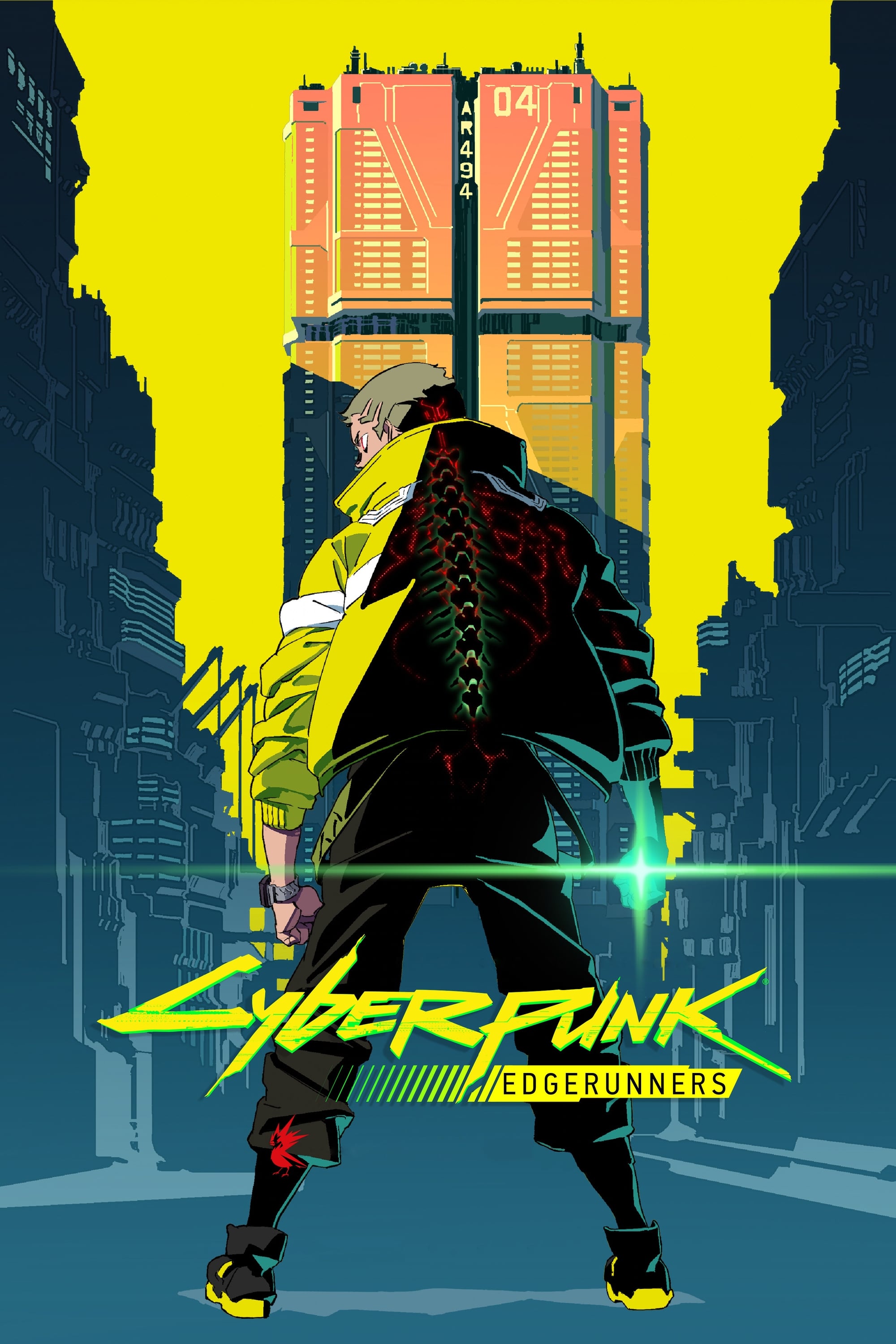
The anime feels authentically connected to ‘Cyberpunk 2077’ by using the game’s interface and sounds during phone calls and action sequences. The locations shown in the anime directly correspond to places within Night City as seen in the game. Important moments are visually linked to tarot cards, hinting at what’s to come for the characters. And the show’s colors closely match the game’s vibrant neon look and the way day turns into night.
‘Bocchi the Rock!’ (2022)
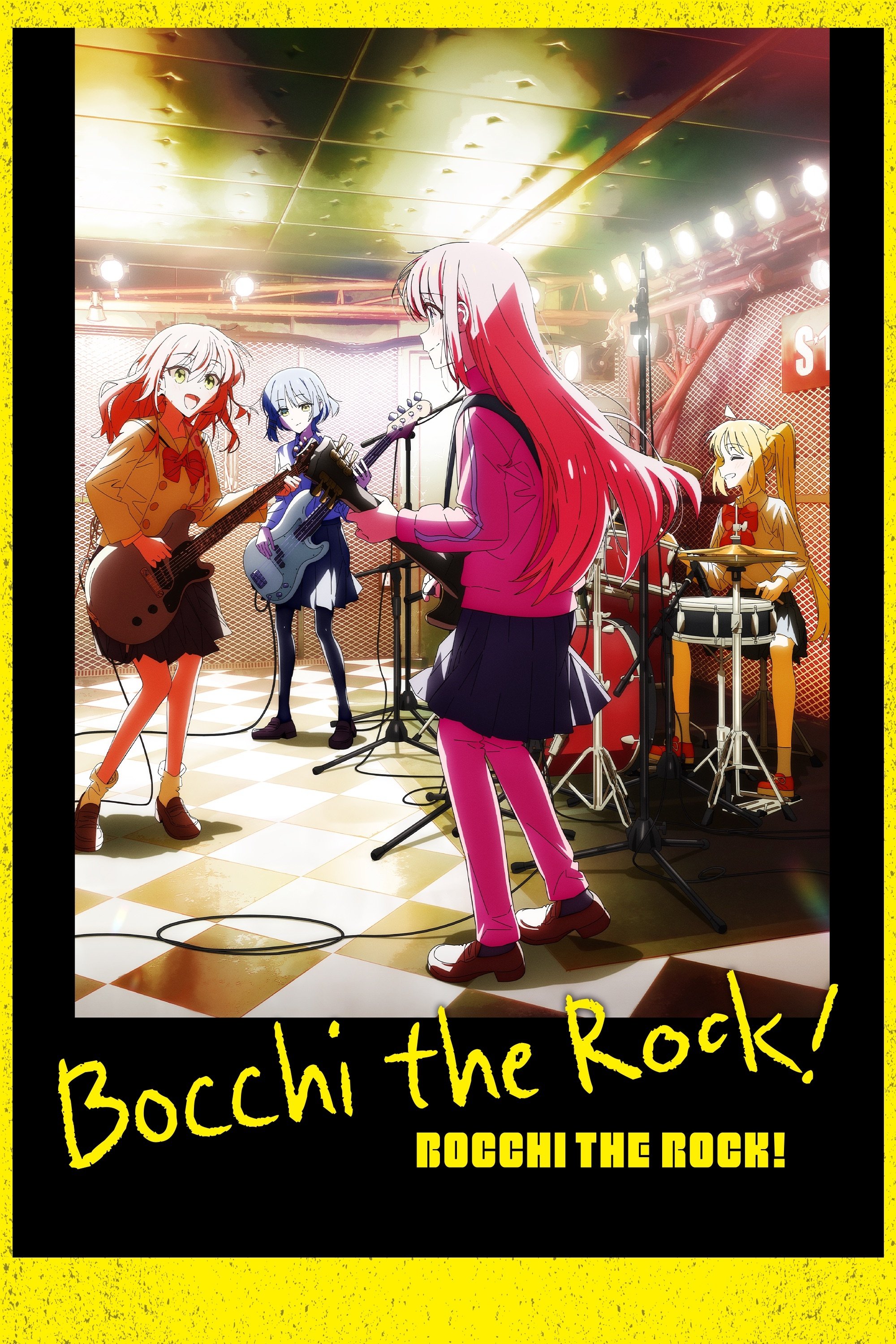
To show Bocchi’s anxiety, the animators combined clay animation with real-life footage. The background characters at concerts are often based on fans of actual indie bands. The songs performed by Kessoku Band tell the story of what’s happening in each episode. And the show includes lots of visual jokes and references to lesser-known Japanese internet trends and memes.
‘Spy x Family’ (2022–Present)
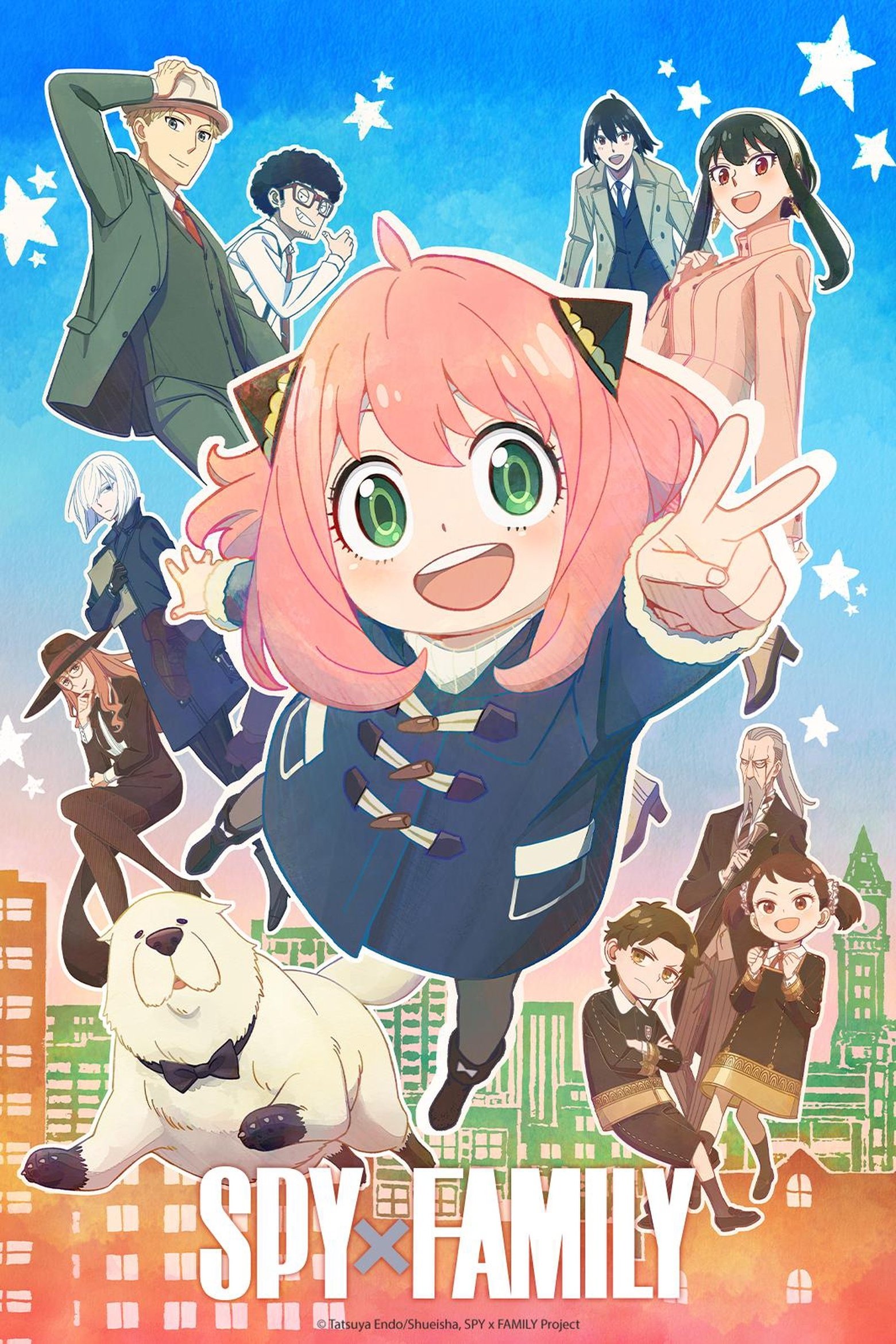
The chairs seen on the book covers and in the anime’s opening sequence are well-known designs from the mid-20th century, chosen to reflect the characters’ personalities. Anya’s horns suggest she’s still affected by the experiments she underwent. Newspapers visible in the background display headlines that hint at the Cold War setting and the political conflicts within the story. Anya’s many different facial expressions show the audience what she’s thinking as she reads people’s minds.
Give your favorite example of a hidden anime detail in the comments.
Read More
- 20 Movies Where the Black Villain Was Secretly the Most Popular Character
- Transformers Under the Microscope: What Graph Neural Networks Reveal
- Celebs Who Narrowly Escaped The 9/11 Attacks
- Trading on Thin Air: AI Agents Conquer Crypto Volatility
- Silver Rate Forecast
- Gold Rate Forecast
- Invincible Season 4 Gender Swaps Tech Jacket As Fans Question Major Comic Change
- 22 Films Where the White Protagonist Is Canonically the Sidekick to a Black Lead
- Every Notable ‘Star Trek: The Original Series’ Actor Who Died
- Trading Smarter: AI-Powered Execution Schedules
2026-02-02 02:21