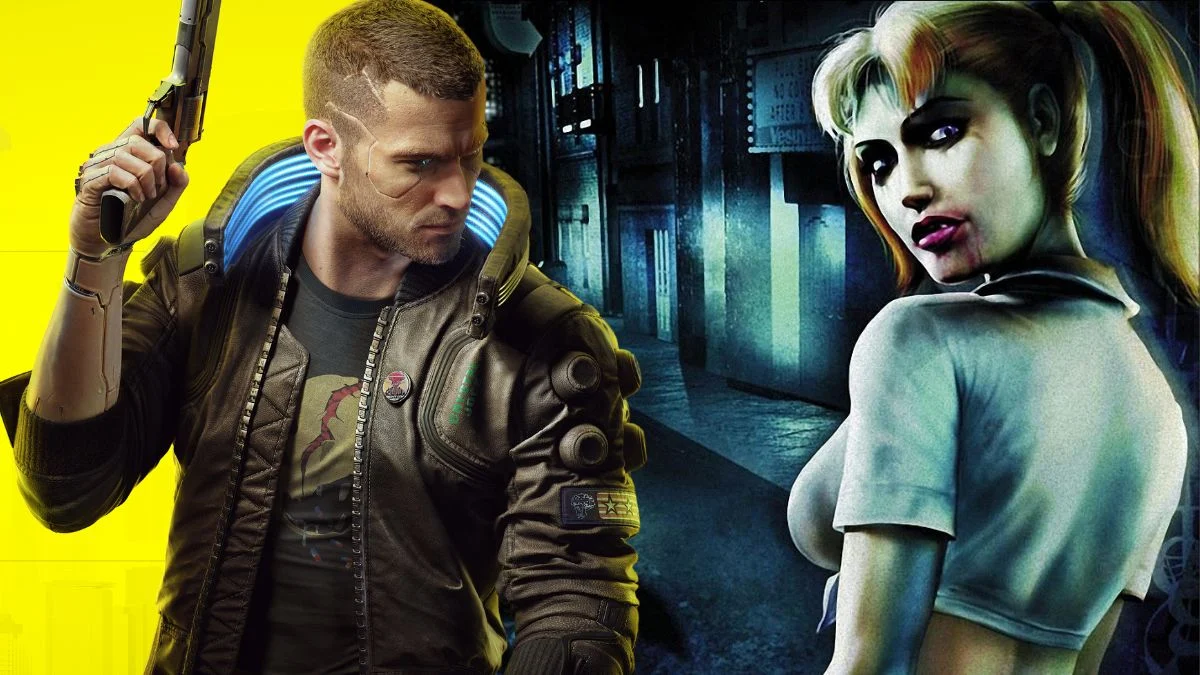
Creating video games is a complicated undertaking, frequently involving large teams and massive budgets. The journey from an initial idea to a finished game is rarely easy and often involves unexpected problems. Game studios can encounter legal issues or have to switch to different game-building technology, which can jeopardize the entire project. Surprisingly, the real-life stories of how these games are made are sometimes more interesting than the games themselves.
‘Duke Nukem Forever’ (2011)
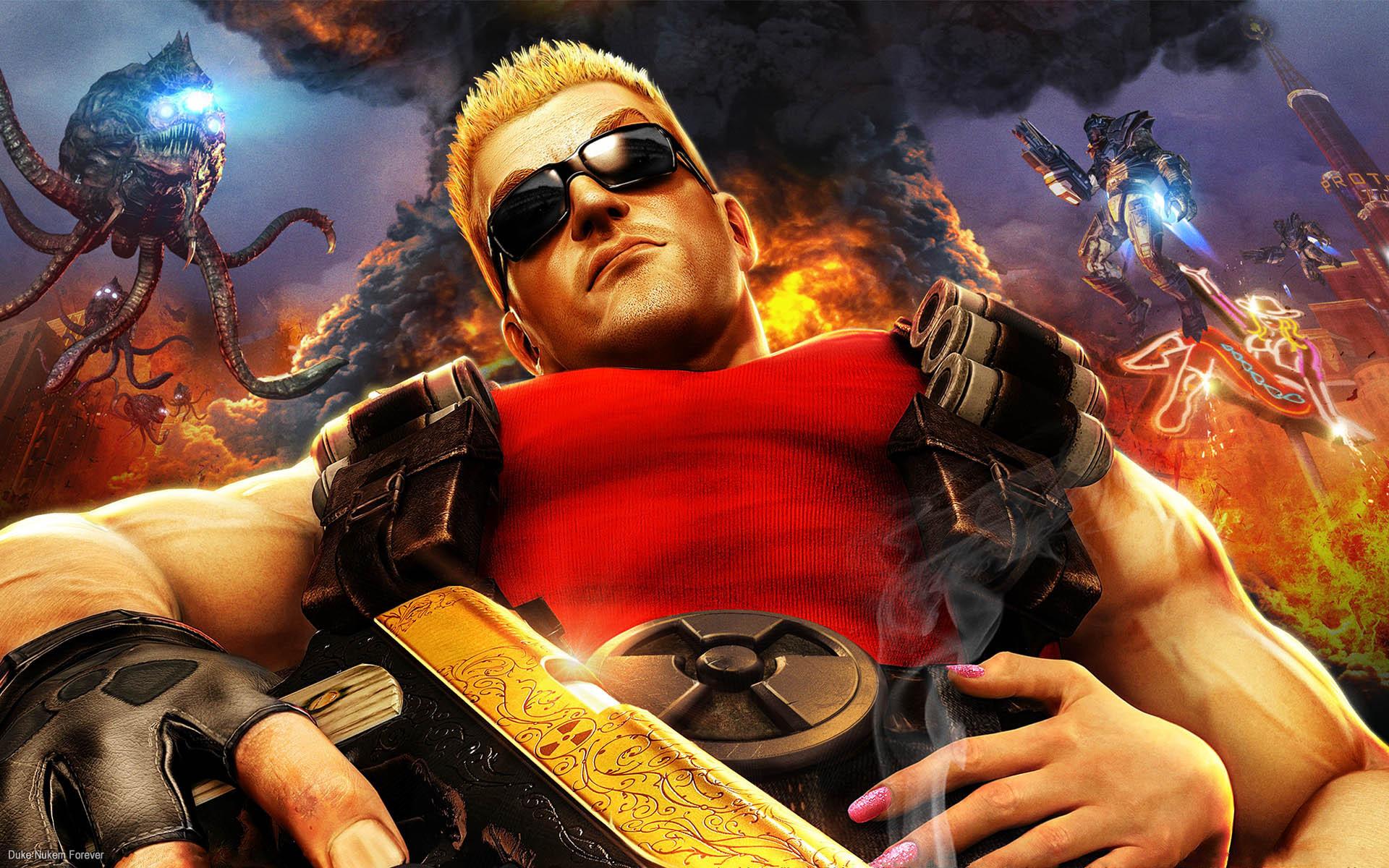
This first-person shooter took fourteen years to make and became famous for how long it took. Originally announced by 3D Realms in 1997, its development was repeatedly restarted as technology changed. After ten years, the studio ran out of money and had to let the developers go. Gearbox Software then bought the rights and finished the game using the existing materials. However, the final version received poor reviews, with critics pointing out its old-fashioned design and immature humor.
‘Daikatana’ (2000)
John Romero started Ion Storm to make his ideal game, but the project faced major problems. The development team experienced a lot of people leaving and had conflicts internally. Switching to a different game engine also caused significant delays. The game’s marketing included a controversial ad that offended many potential players. Ultimately, the game was a flop, both with critics and in sales, and it harmed Romero’s reputation.
‘E.T. The Extra-Terrestrial’ (1982)
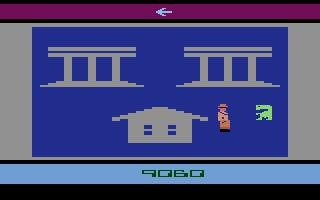
Howard Scott Warshaw had just five weeks to create the Atari 2600 version of the game. This tight deadline was set to get it into stores for the holidays. Atari made a huge number of cartridges, but their sales predictions were way off. The game wasn’t very good, leaving Atari with millions of unsold copies. The famous story of the excess cartridges ends with them being buried in a New Mexico landfill and later dug up years later.
‘Cyberpunk 2077’ (2020)
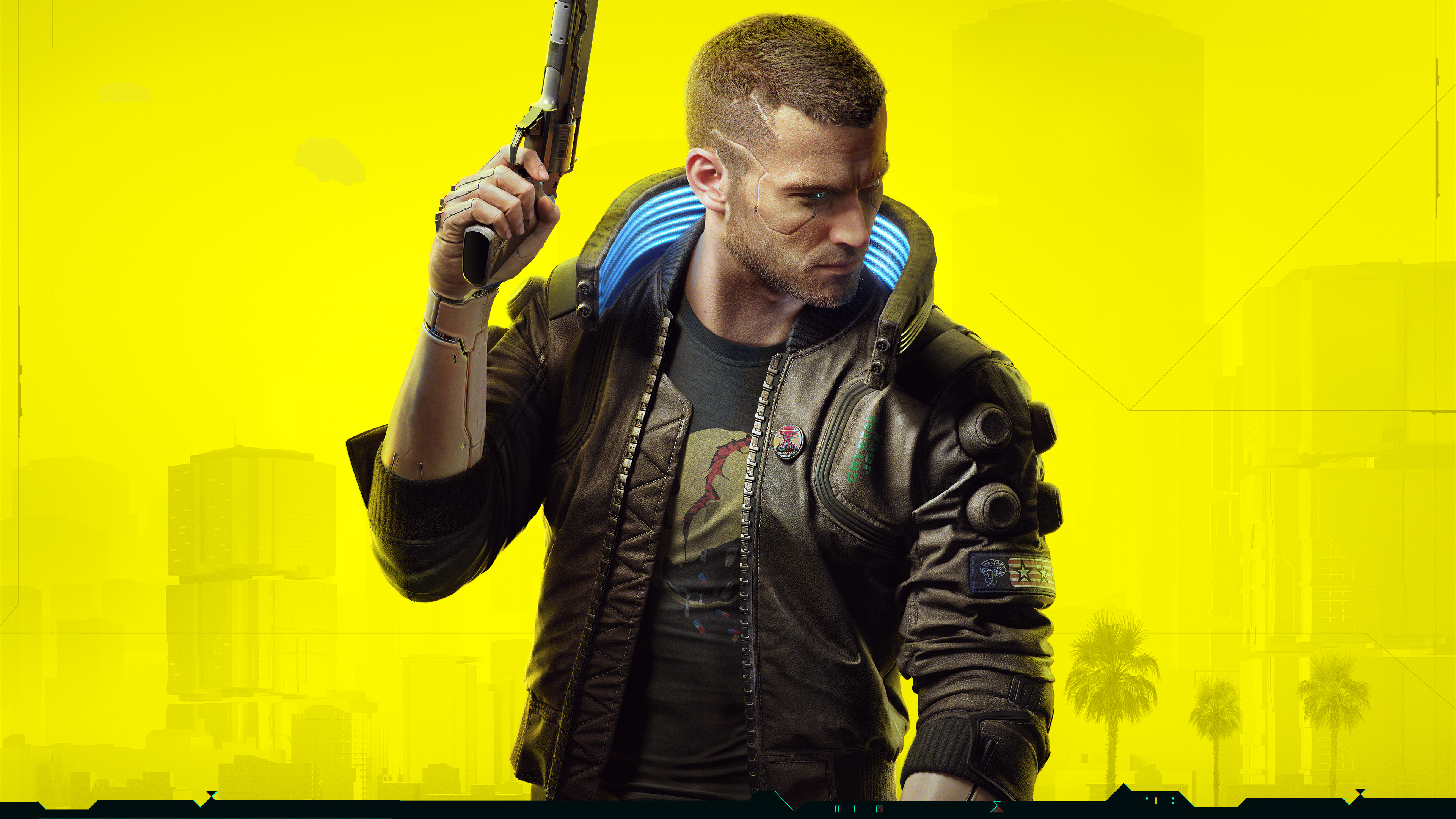
CD Projekt Red revealed their highly anticipated role-playing game almost ten years before players could actually experience it. During development, the studio was criticized for demanding too much overtime from employees and having issues with management. When it finally launched, the game was plagued with problems, especially on older consoles, despite claims it would run smoothly. Sony even pulled the game from its online store for several months while the developers worked to fix thousands of bugs. It took years of updates and improvements to finally deliver the game players had been promised.
‘Aliens: Colonial Marines’ (2013)
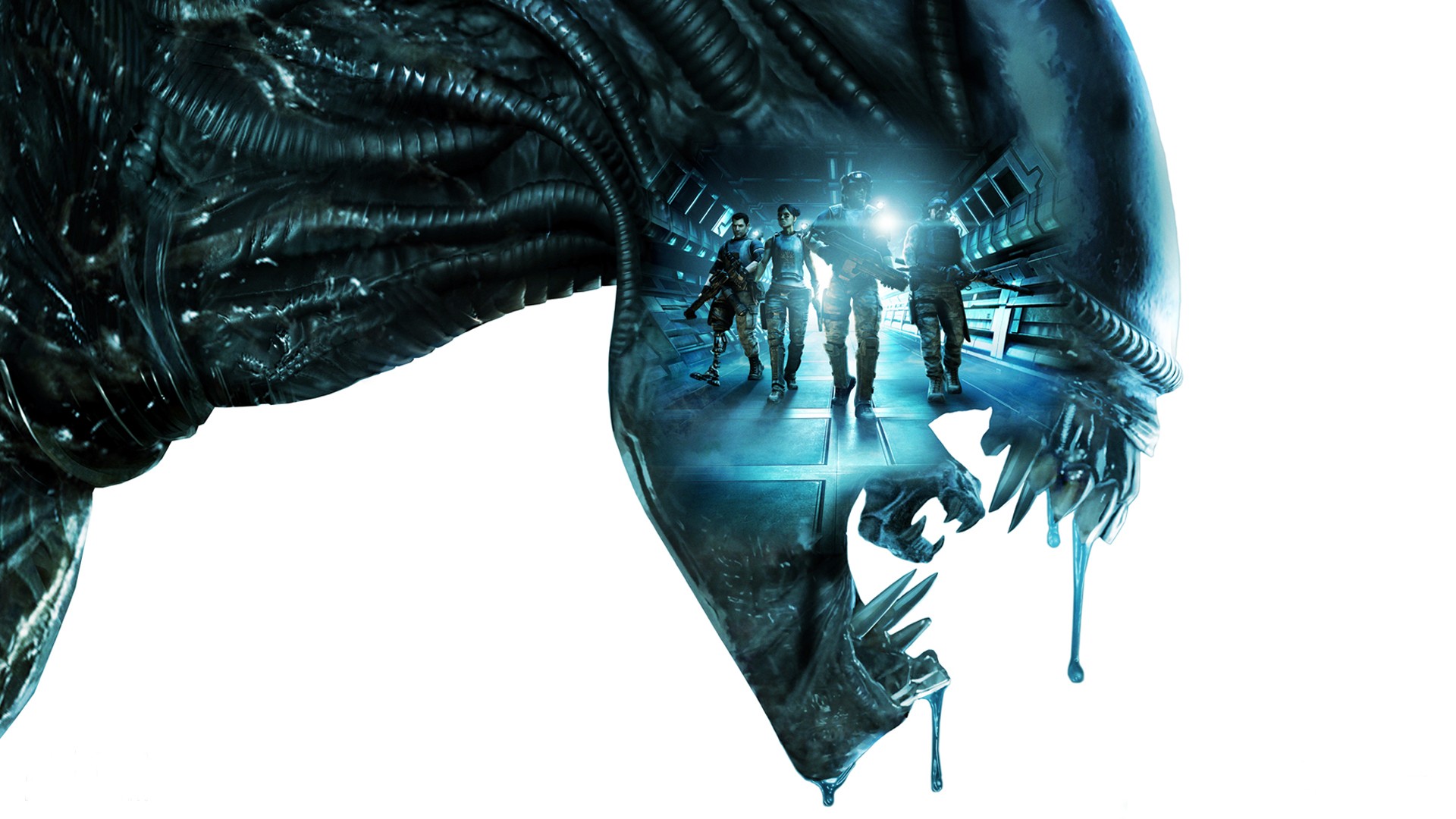
During the creation of the game, Gearbox Software spread the workload to several other development teams while working on other projects. An early demo impressed the media with its visuals, but those features didn’t make it into the finished game. TimeGate Studios then tried to fix the game under a lot of stress and with unclear guidance. Ultimately, a single typo in a game file caused the enemy AI to malfunction. This led to a lawsuit from players who felt the game didn’t live up to the advertising.
‘Too Human’ (2008)
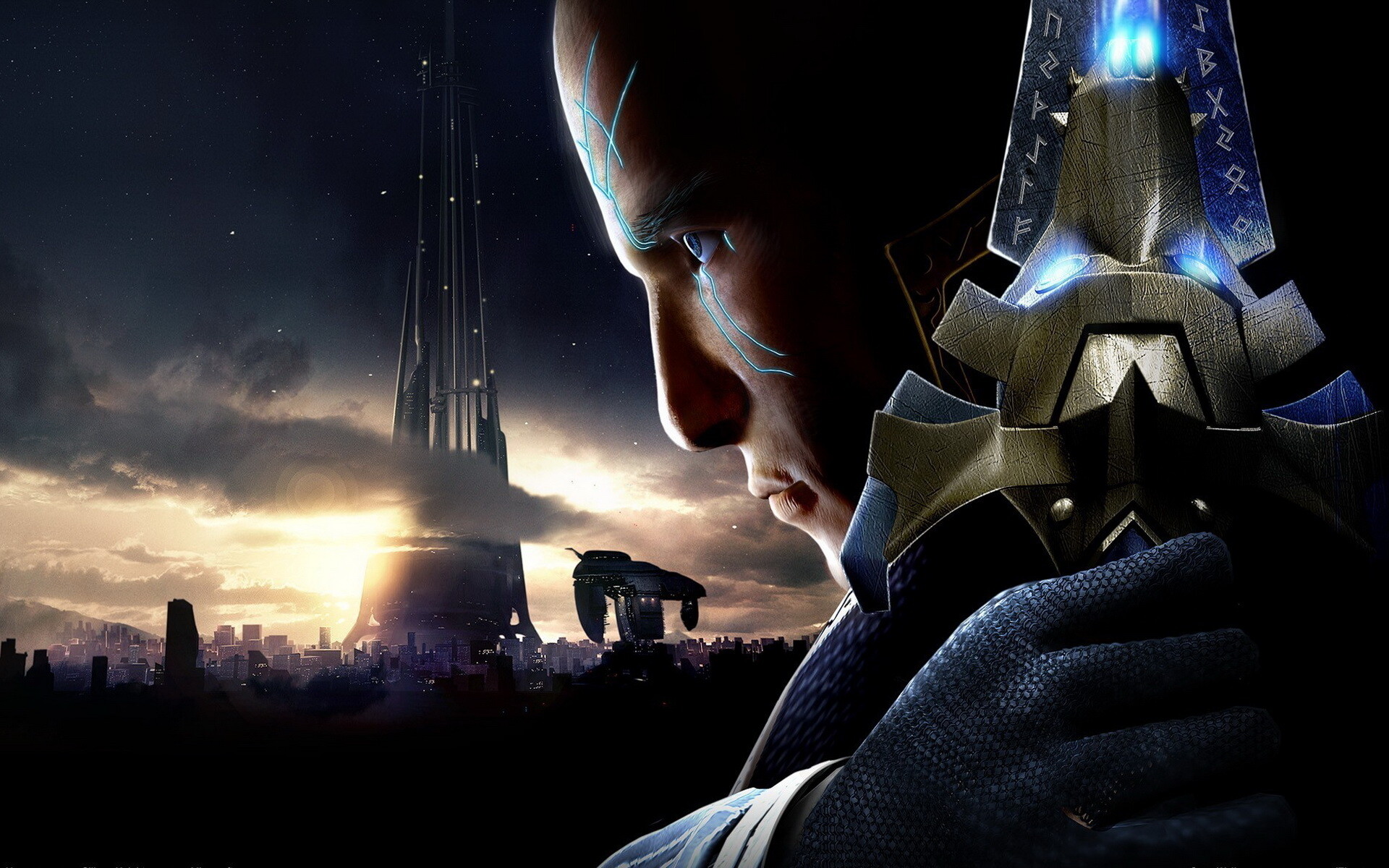
Silicon Knights first began developing this game for the PlayStation in 1999, but later switched to the GameCube and eventually the Xbox 360. They filed a lawsuit against Epic Games, alleging that problems with the Unreal Engine 3 prevented them from completing the game. However, they lost the case and were legally required to destroy all remaining copies of the game and its original code. This legal battle ultimately led to the studio’s financial ruin and closure. As a result, the game is now a highly sought-after collectible item, as it can’t be purchased legally in digital form.
‘Spore’ (2008)
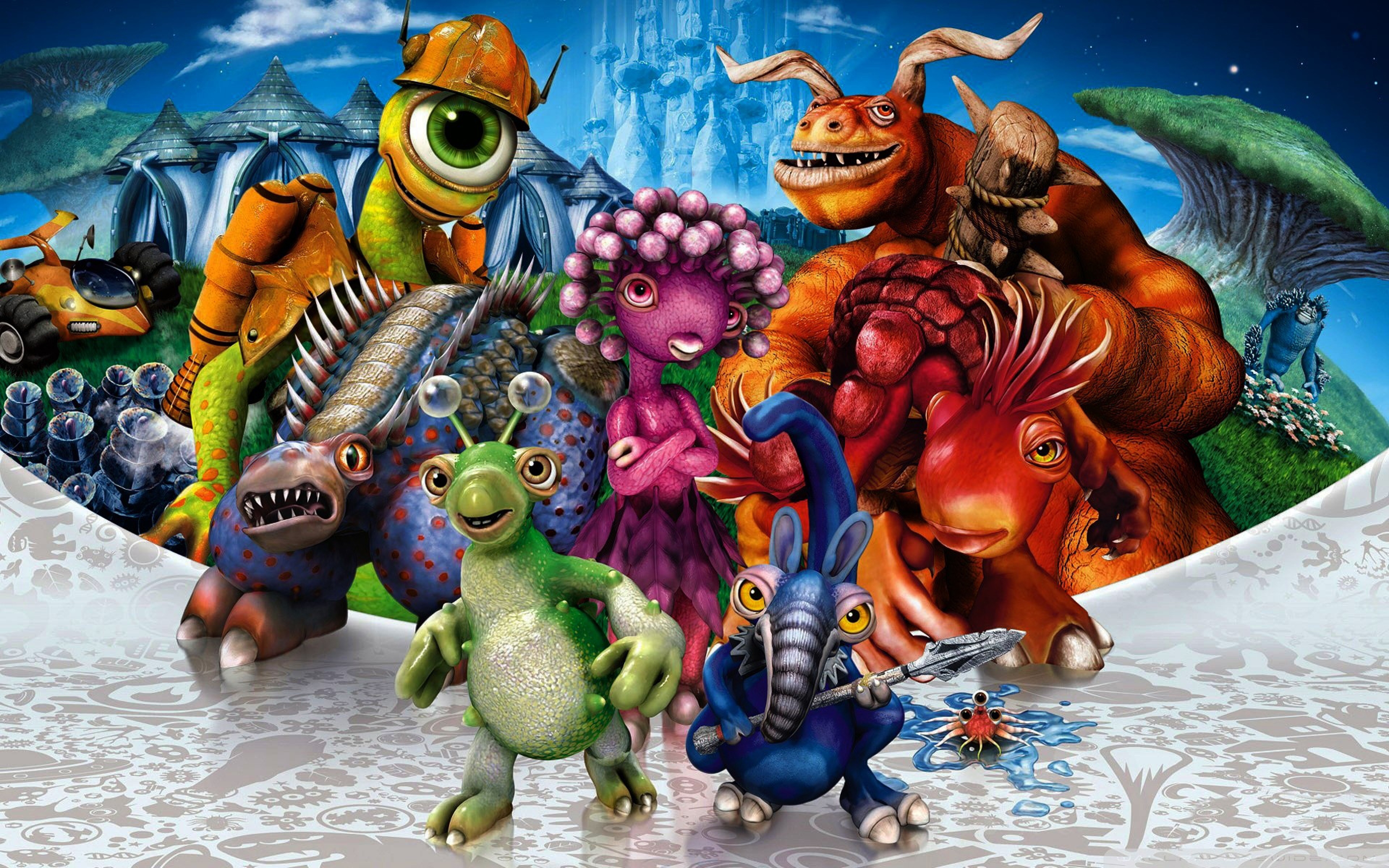
As a fan, I was absolutely blown away when Will Wright first showed off this incredible system – it felt like watching life evolve from single cells all the way to spaceships! But during development, the team seemed to disagree on what the game should be. Some wanted a super realistic simulation, while others favored a more charming, approachable look. Ultimately, Electronic Arts went with the cute style, which honestly left a lot of us who loved those early tech demos feeling a bit let down. Instead of one big, seamless world, the final game ended up being five separate, fairly simple stages. It was a huge contrast to what we’d seen initially, and it really sparked a lot of discussion about how much of a ‘real’ game companies should show off in marketing.
‘L.A. Noire’ (2011)

Man, I loved playing L.A. Noire when it first came out, but the story behind the scenes is really rough. The team at Team Bondi poured seven years into it, and they were pioneers with the facial animation – it was seriously realistic for its time. But apparently, the development was a nightmare. I read reports about awful working conditions and really bad management. It went way over budget, and Rockstar had to step in to actually finish the game. Sadly, Team Bondi went bankrupt pretty soon after it launched. It’s a shame, because that facial tech was amazing, but so expensive and complicated that almost no other games ever used it. It’s a really bittersweet experience knowing all that when I replay it.
‘Mighty No. 9’ (2016)
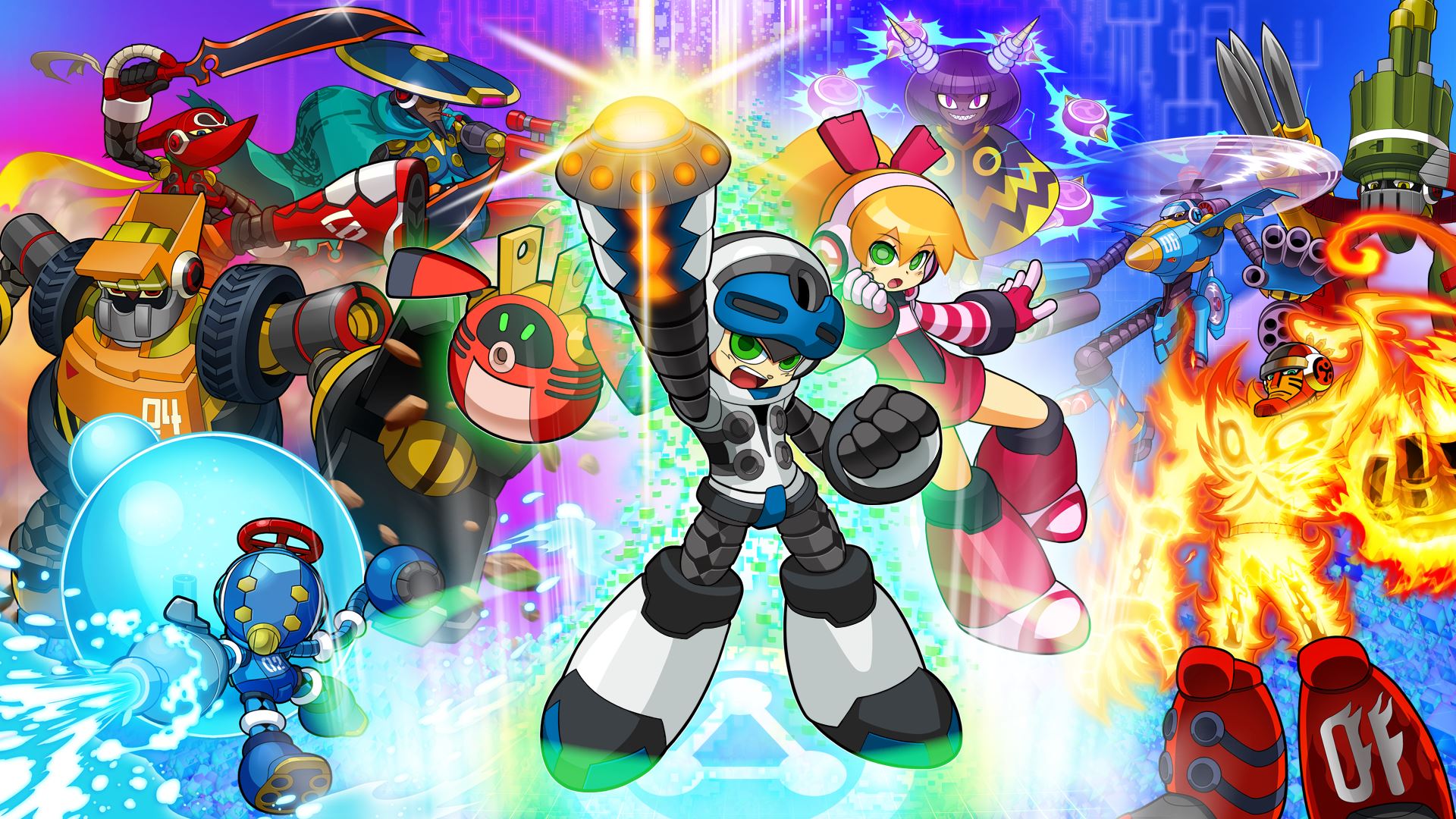
Keiji Inafune, known for creating Mega Man, tried to launch a new game through crowdfunding, aiming for a similar feel. While the campaign initially raised a lot of money, the project faced constant setbacks and a lack of clear updates for those who contributed. During development, the game’s visuals were unexpectedly switched from classic 2D graphics to 3D, which many fans disliked. To make matters worse, a promotional trailer offended anime enthusiasts, further upsetting the game’s target audience. Ultimately, the released game was just okay and became a prime example of how crowdfunding can go wrong.
‘Final Fantasy XV’ (2016)
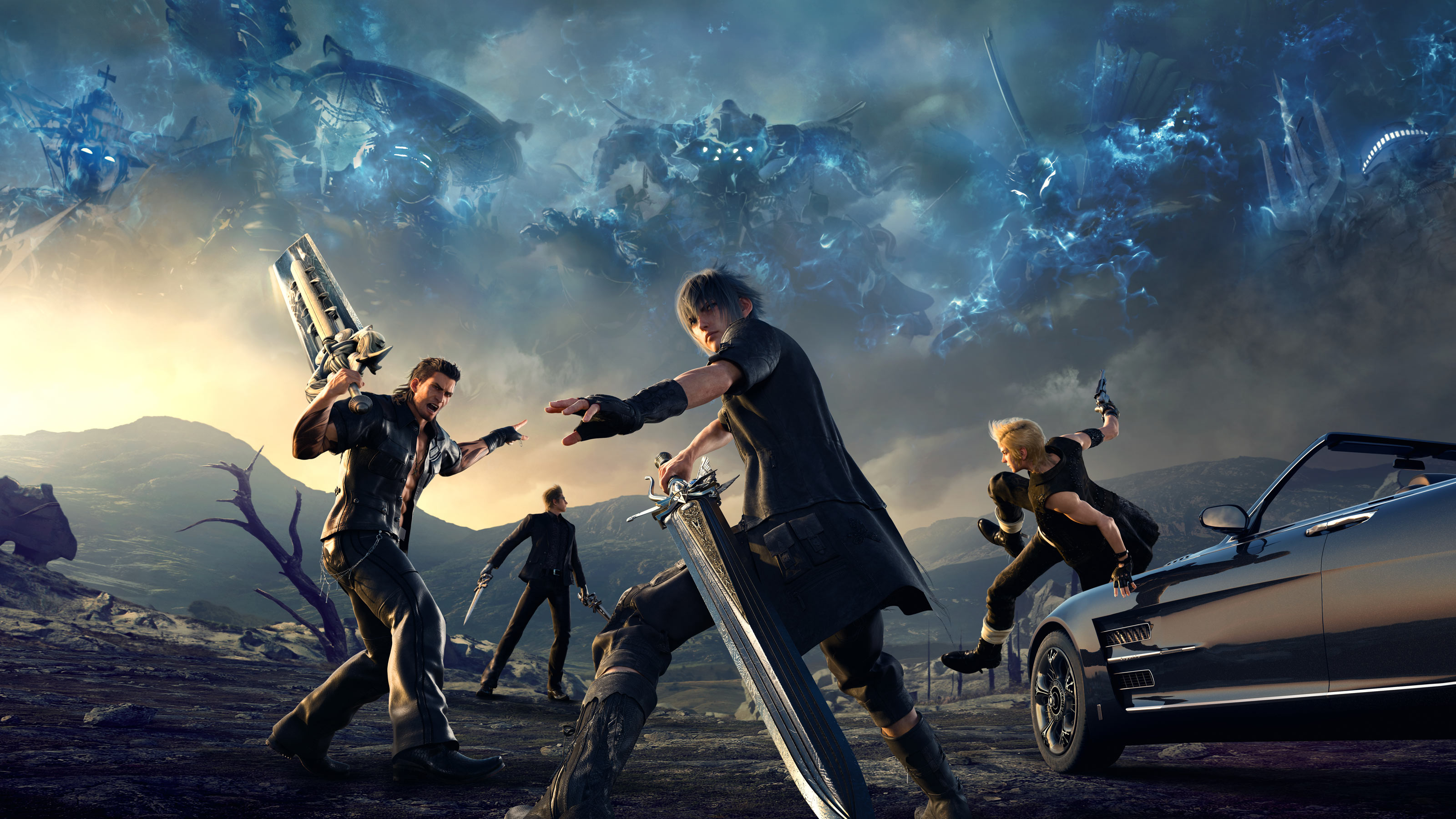
Originally announced in 2006 as ‘Final Fantasy Versus XIII,’ this game faced a long and troubled development. After years of delays, it was reimagined for a new generation of consoles. A change in leadership saw Hajime Tabata take over directing duties from Tetsuya Nomura to finally bring the game to release. The story went through numerous revisions, and supplementary content like a movie and anime series were created to clarify the plot. The entire process took ten years and involved a complete redesign of the game’s combat system.
‘The Last Guardian’ (2016)
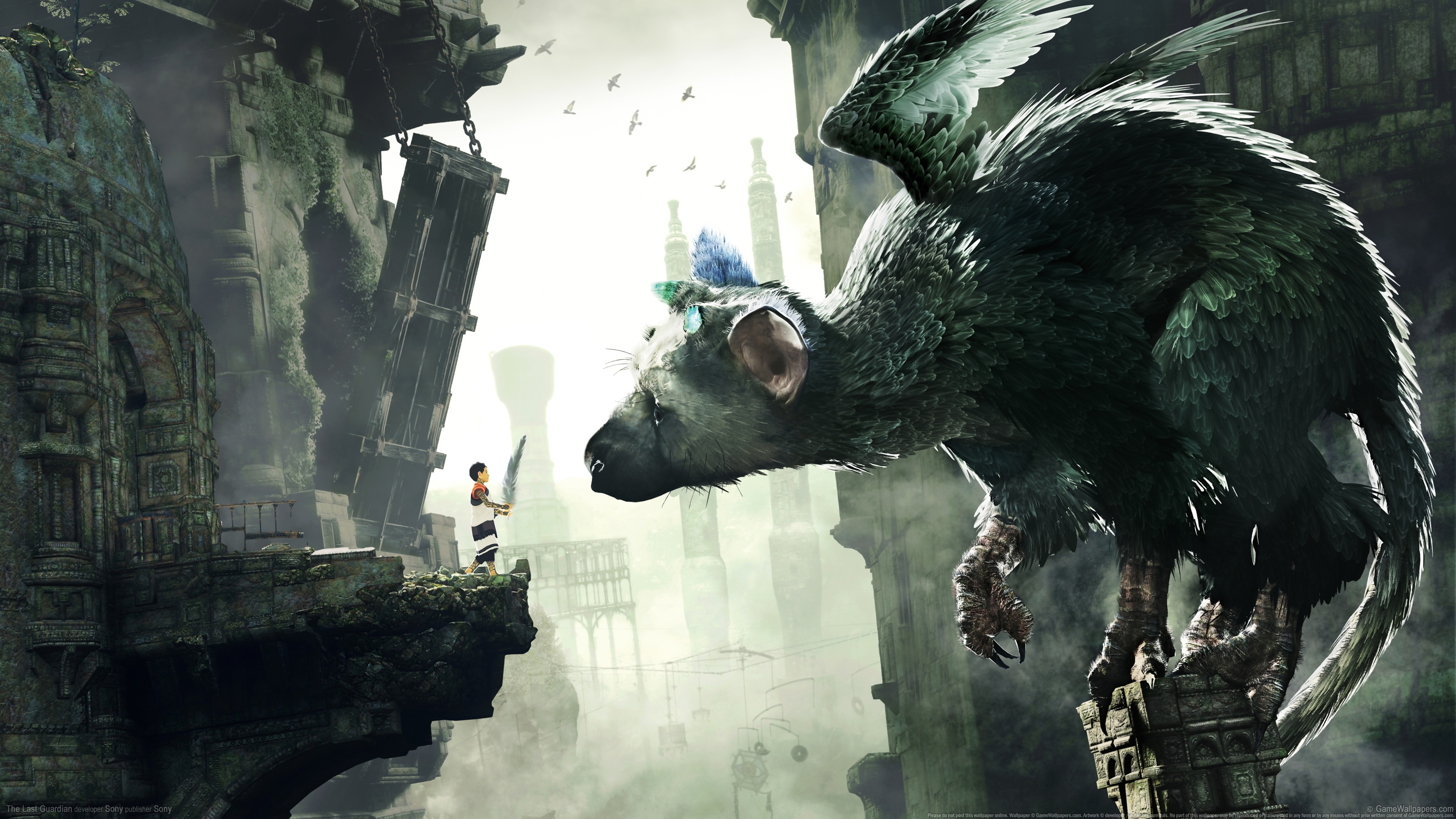
Team Ico started developing this puzzle-adventure game for the PlayStation 3 in 2007, but they ran into technical problems with the console that caused the game to slow down and stalled development. Sony then switched the project to the PlayStation 4 and hired outside programmers to help complete it. Although director Fumito Ueda left Sony during development, he continued working on the game independently. The game faced numerous delays, leading many fans to think it would never be released.
‘Half-Life 2’ (2004)
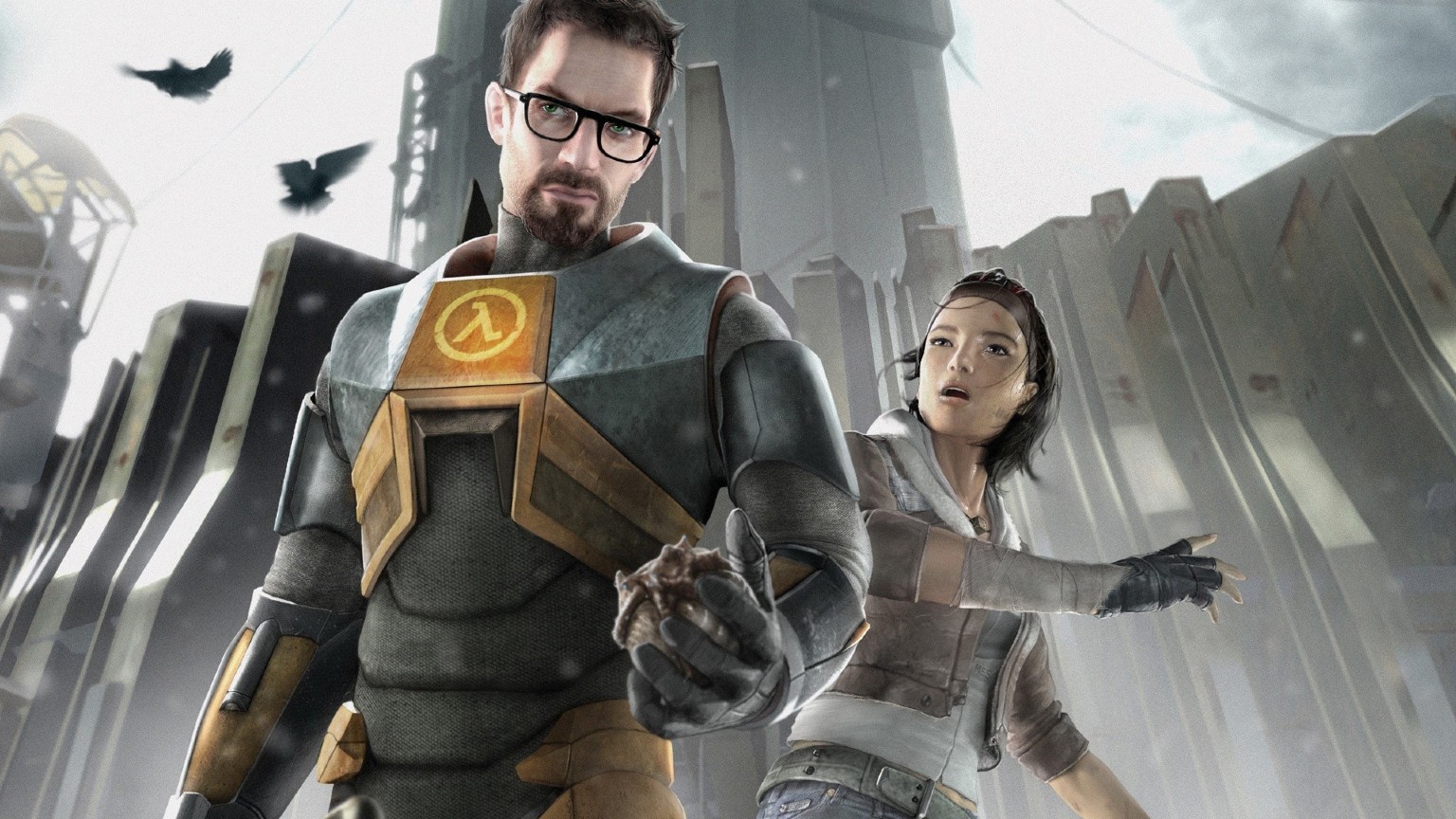
Valve spent five years secretly developing this game. A year before its release, a hacker in Germany broke into their systems and released the game’s source code online. This leak was a huge blow to the development team, and Valve’s Gabe Newell had to postpone the game to fix important parts. The incident cost the company millions in lost sales and prompted an FBI investigation. When the game finally launched, it required users to install Steam, which ultimately revolutionized how games are sold and distributed digitally.
‘S.T.A.L.K.E.R.: Shadow of Chernobyl’ (2007)
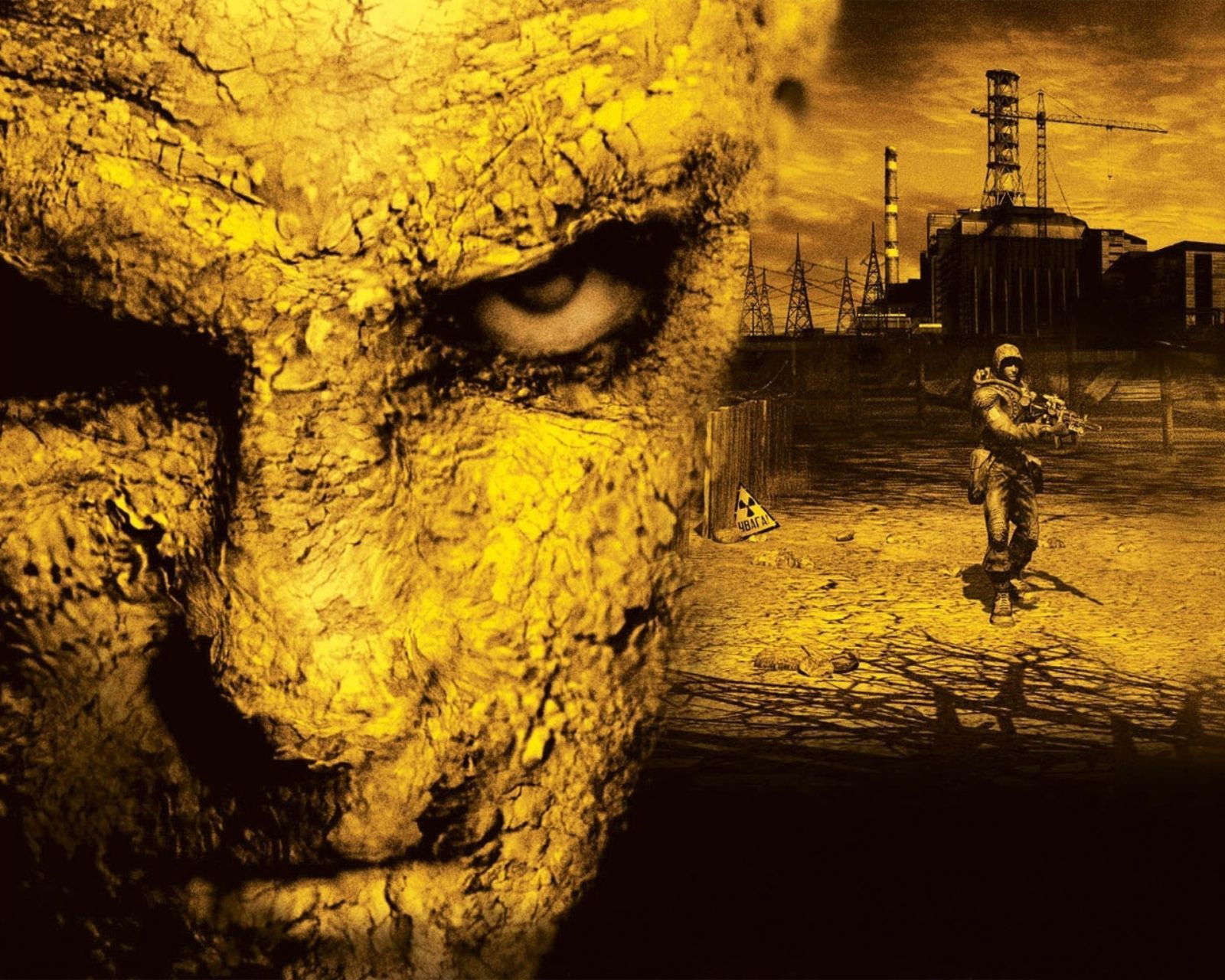
GSC Game World first revealed this survival horror shooter in 2001, hoping for a quick release. However, development took much longer than expected because the team was working on a very complex artificial life system. The game’s publishers pushed them to simplify things and make the game world smaller to finally get it finished. Because of all the delays, the gaming media started calling the game ‘vaporware’ – a product that never seems to come out – for almost six years. When it finally launched, the game had some bugs, but players loved its immersive atmosphere and original setting.
‘Vampire: The Masquerade – Bloodlines’ (2004)
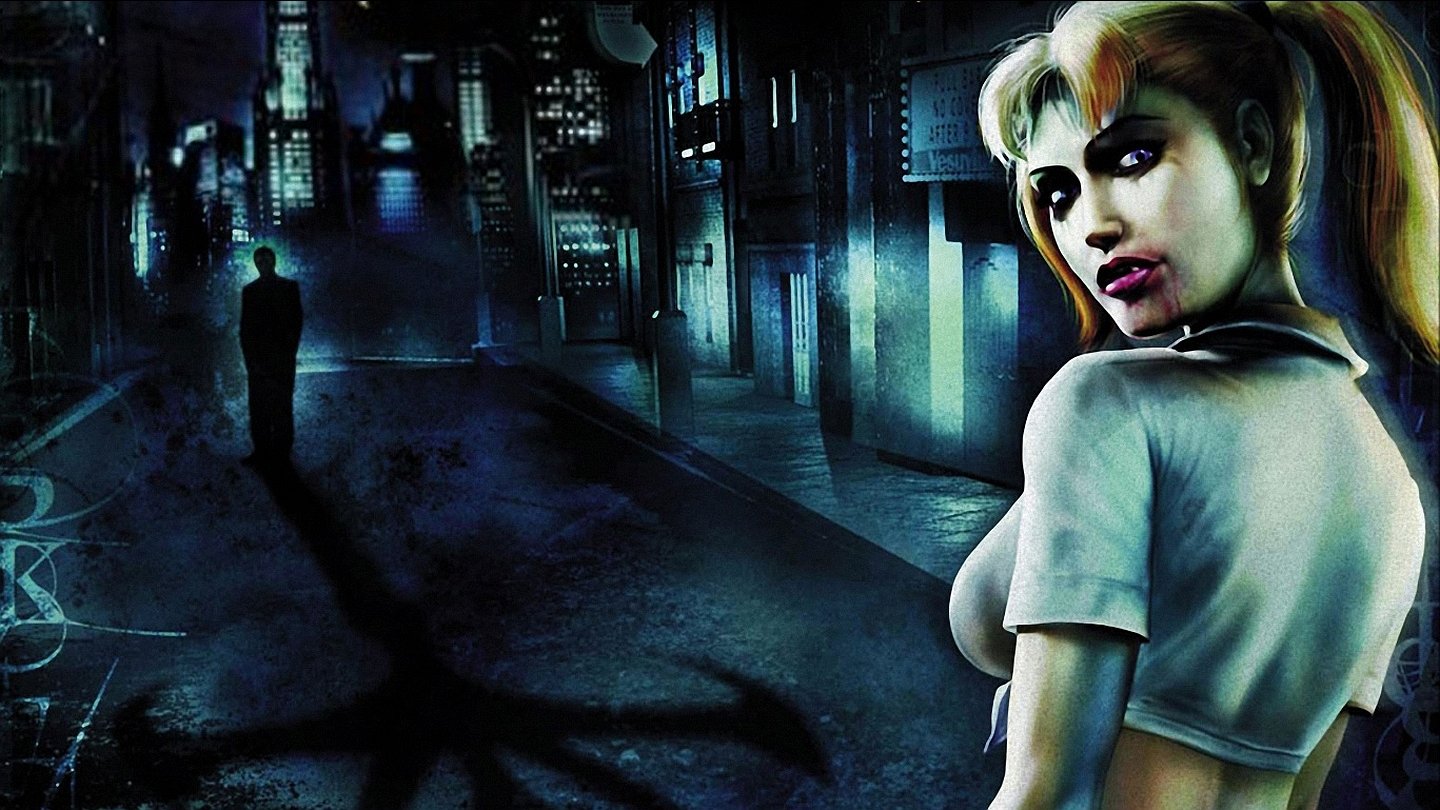
Troika Games built their game using an early, unfinished version of Valve’s Source engine, meaning they had to work with incomplete code and almost no instructions. To make matters worse, Activision rushed the game’s release to coincide with the highly anticipated ‘Half-Life 2,’ which overshadowed it and hurt sales. The initial version was full of serious bugs that prevented some players from finishing it. Despite gaining a dedicated fanbase over time, the studio was forced to close soon after the game launched.
‘Anthem’ (2019)
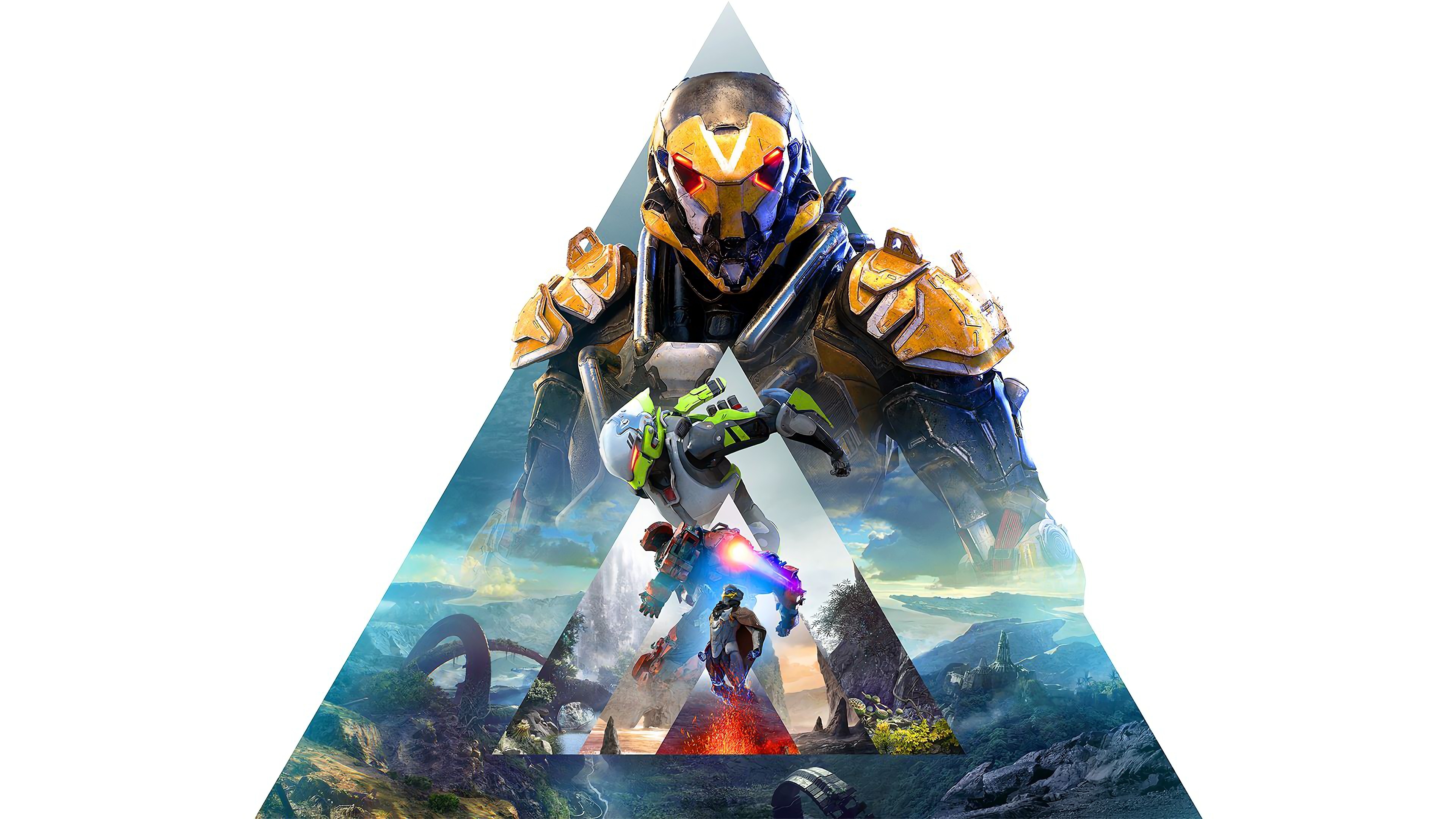
Honestly, it felt like the team at BioWare didn’t really know what they were making for a long time. We developers were wrestling with the Frostbite engine – it just wasn’t a good fit for this kind of game. And the flying? They kept taking it out and putting it back in because the higher-ups couldn’t agree on whether it was actually enjoyable! It meant a ton of the real work only happened in the last year and a half because of all the back and forth. Sadly, the game couldn’t hold onto players, and those big plans for a revamp? They ended up getting scrapped.
‘Mass Effect: Andromeda’ (2017)
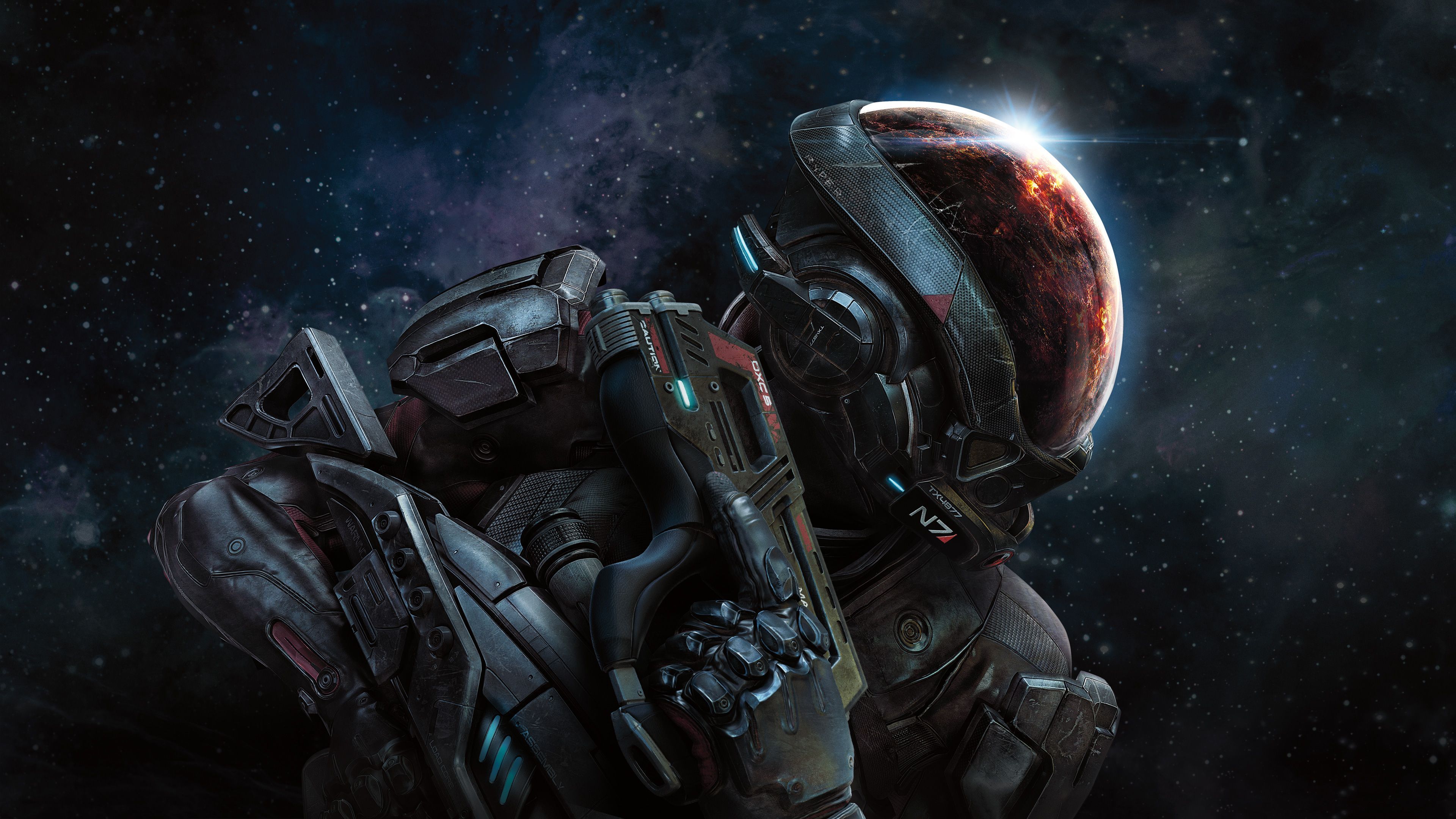
BioWare Montreal helped lead the development of this large role-playing game series, but the project ran into difficulties. The team struggled to modify the Frostbite game engine to work well in an open-world setting, and the game had to be restarted because they were trying to do too much with automatically generated content. When the game finally launched, it was quickly criticized for strange character animations, which became a popular online joke. This negative reaction ultimately led to the series being paused for several years.
‘No Man’s Sky’ (2016)
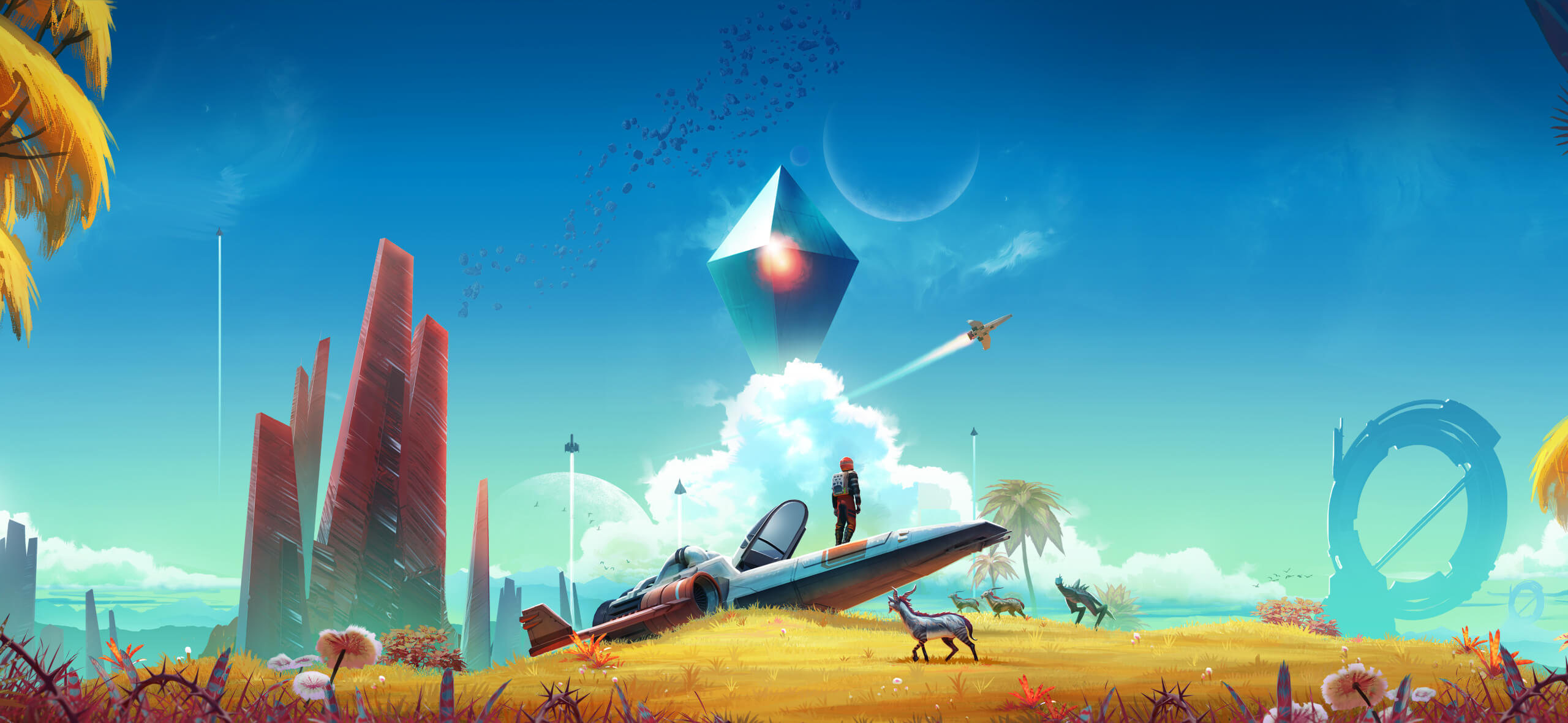
Hello Games, a small independent game developer, ambitiously set out to create a game with an almost infinite number of planets. A flood damaged their office, causing significant delays. Before the game launched, Sean Murray, the studio head, discussed features like multiplayer and intricate gameplay that weren’t ready in time. This created a lot of excitement, but when players discovered the game was simpler than advertised, there was a negative reaction. Over the following years, the team worked hard to add the promised features through free updates.
‘Fez’ (2012)
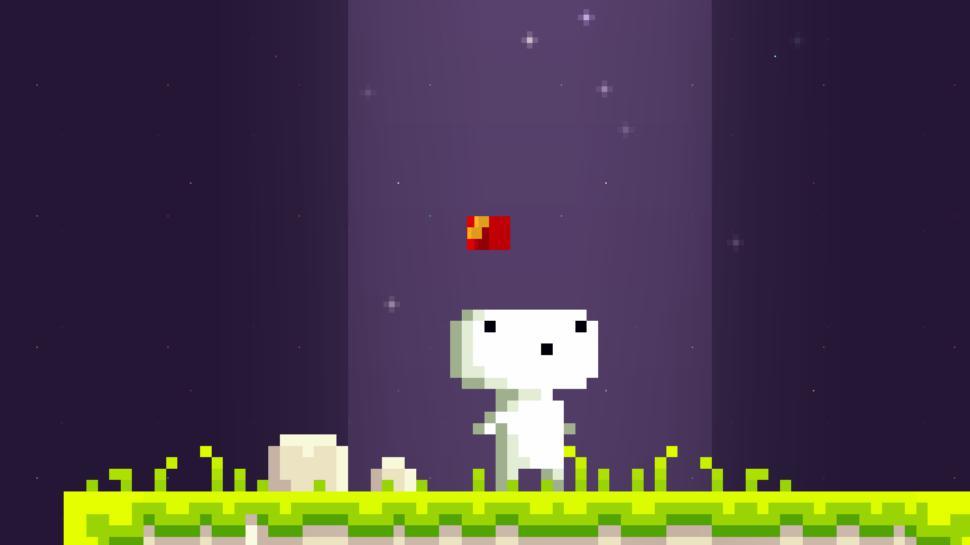
The creator of this puzzle platformer, Phil Fish, spent five years developing the game while a documentary crew filmed the process. Development was difficult, marked by legal battles with a former colleague and having to rebuild parts of the game multiple times. Fish controversially stated he would take his own life if the game wasn’t finished. After release, a software error risked losing players’ saved progress, leading to a dispute with Microsoft about costs. Ultimately, following several heated arguments on Twitter, Fish left the video game industry altogether.
‘Metal Gear Solid V: The Phantom Pain’ (2015)
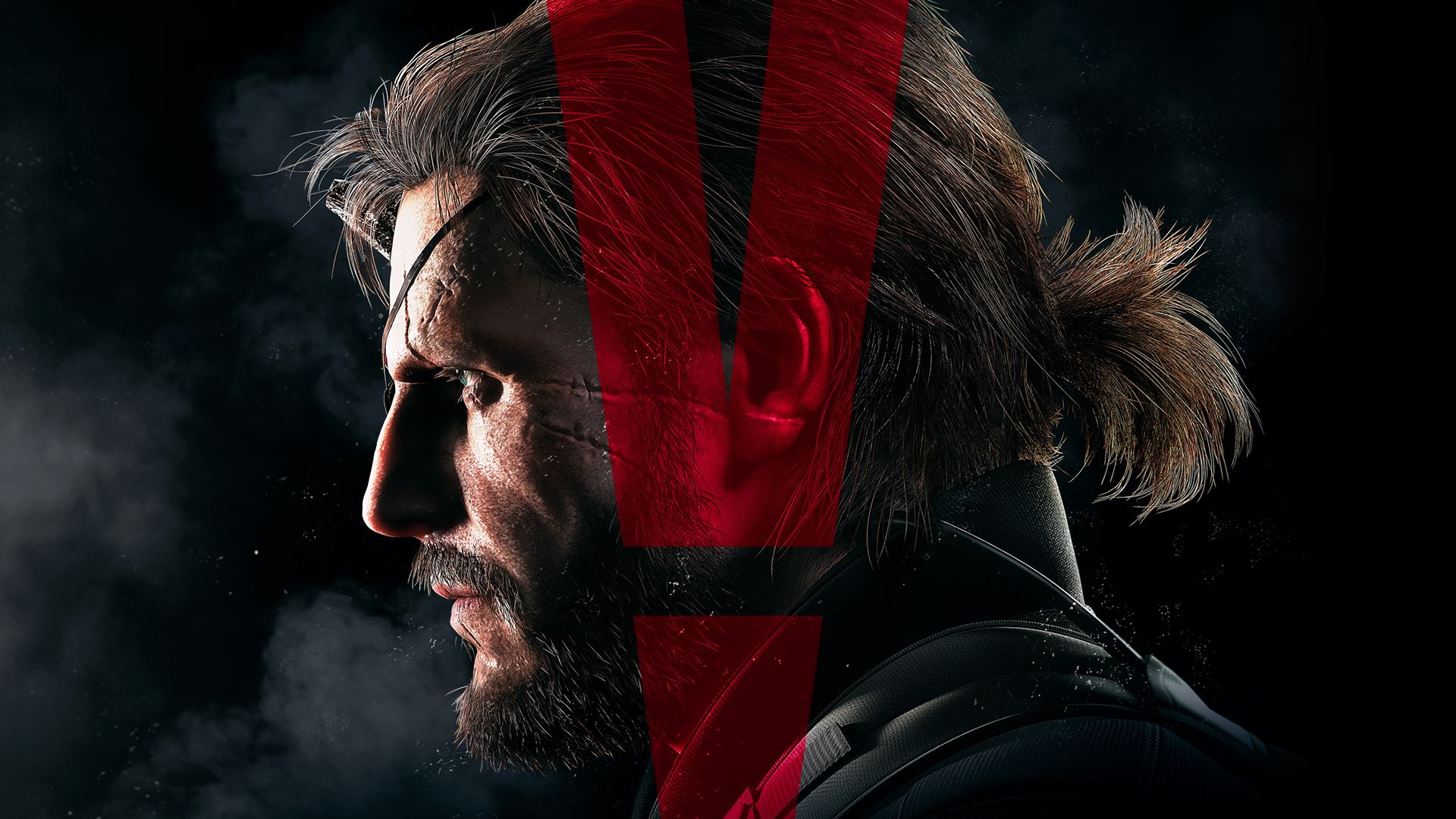
Hideo Kojima and Konami had a major falling out while working on a game. Konami reportedly limited the development team’s internet access and kept a close watch on their breaks. Kojima was even removed from the game’s promotional materials before it was released. The game’s story feels unfinished, hinting that a final section was likely cut due to time or money issues. Shortly after his contract ended, Kojima started his own independent game studio.
‘Kingdom Hearts III’ (2019)
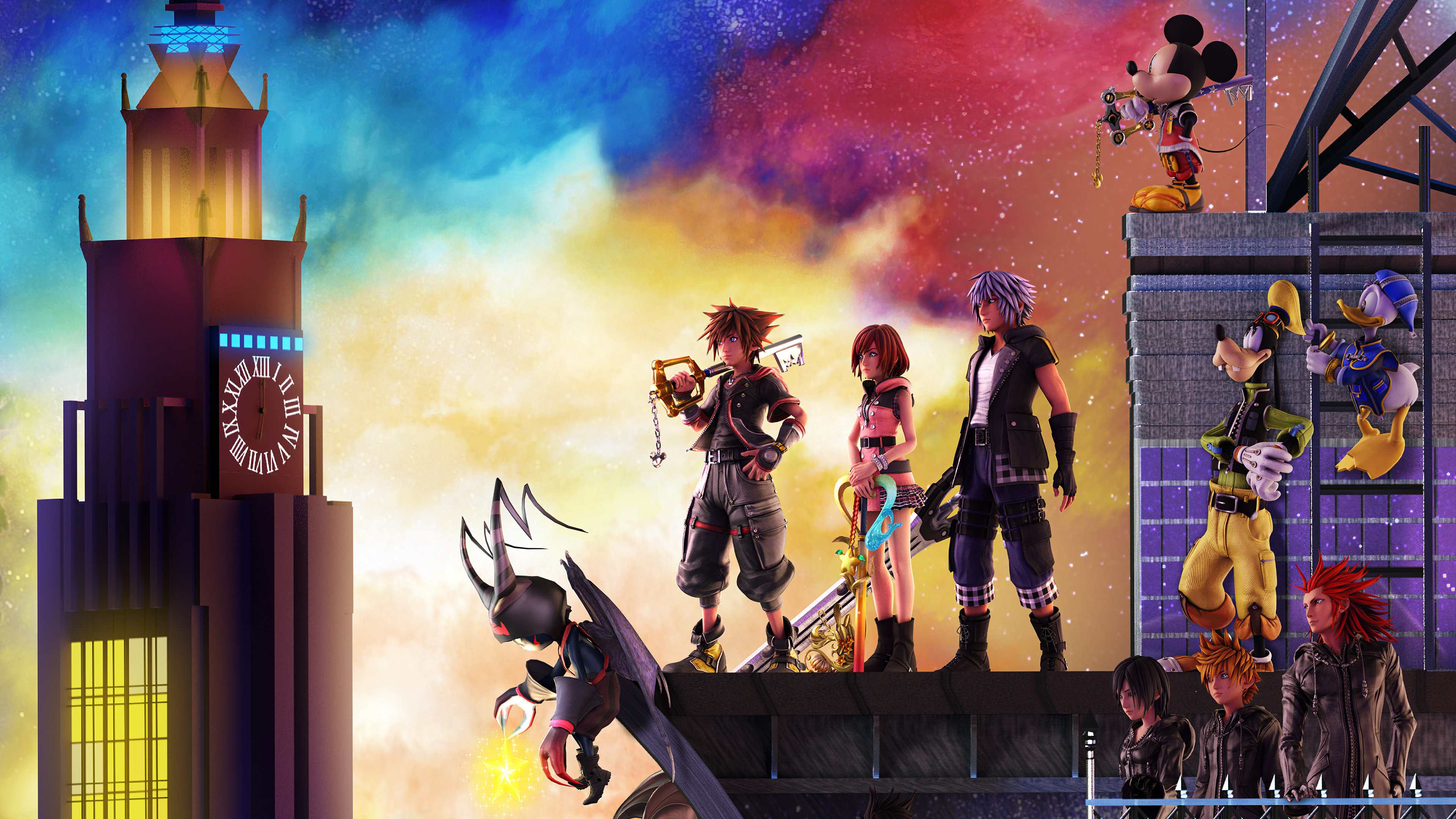
Okay, so Square Enix showed off the game pretty early on, but they ran into trouble with their own game engine. They ended up switching to Unreal Engine 4, which meant a ton of work – basically rebuilding everything and learning a whole new set of tools halfway through development! It was super stressful because we were talking about wrapping up a story that had been going for almost twenty years. With such a long wait – thirteen years since the last numbered game – the hype was insane, and expectations were through the roof. It finally came out, but man, it was a bumpy ride getting there.
‘Dead Island 2’ (2023)
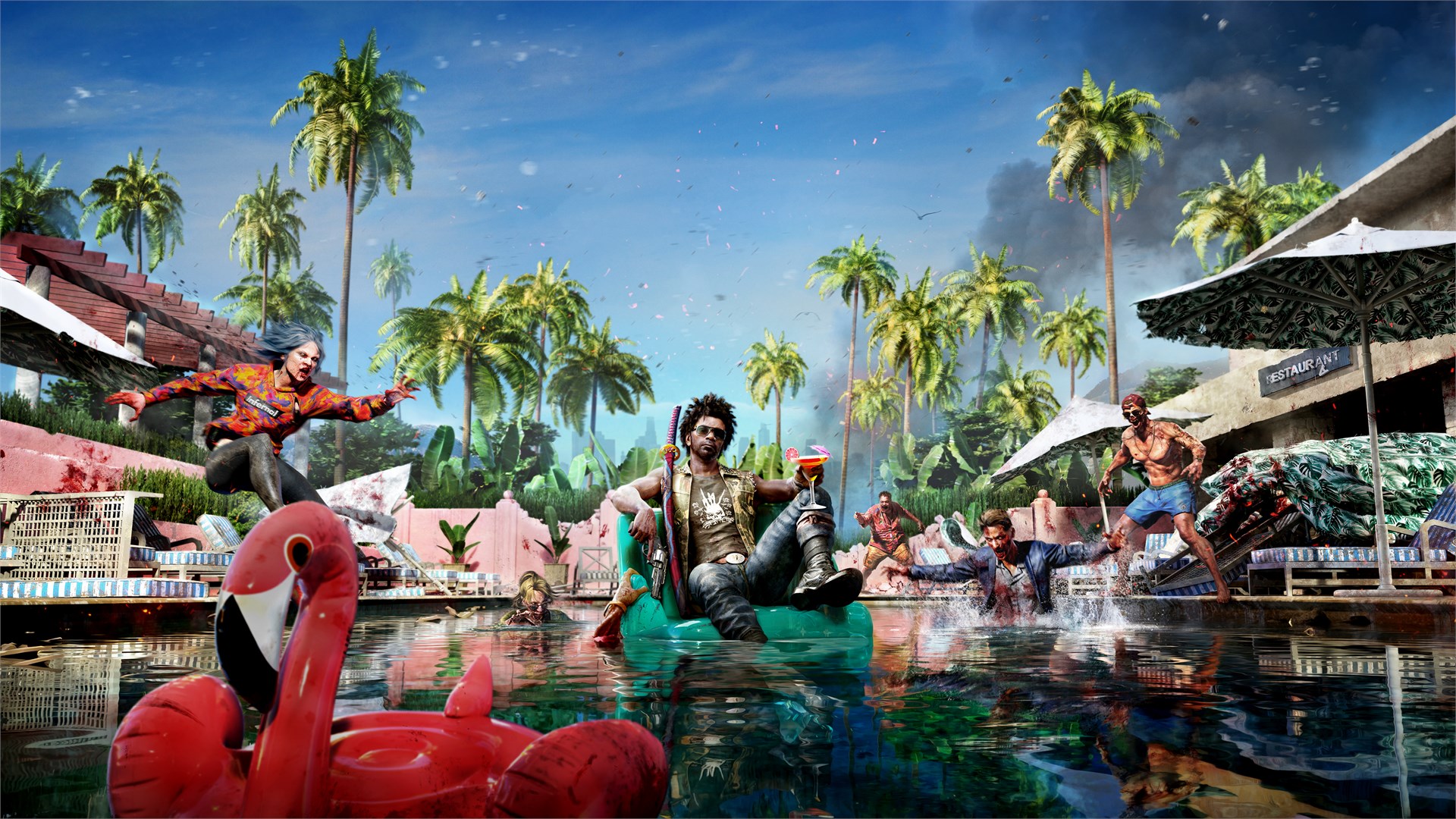
The development of this zombie game had a rocky start. Yager Development began work on it in 2012, but disagreements with the publisher led to them being replaced after three years. Sumo Digital then took over, only to be replaced themselves by Dambuster Studios. The game faced numerous announcements and delays, becoming something of a running joke within the gaming industry. Despite all the changes in developers, it eventually launched to a surprisingly high standard.
‘Metroid Dread’ (2021)
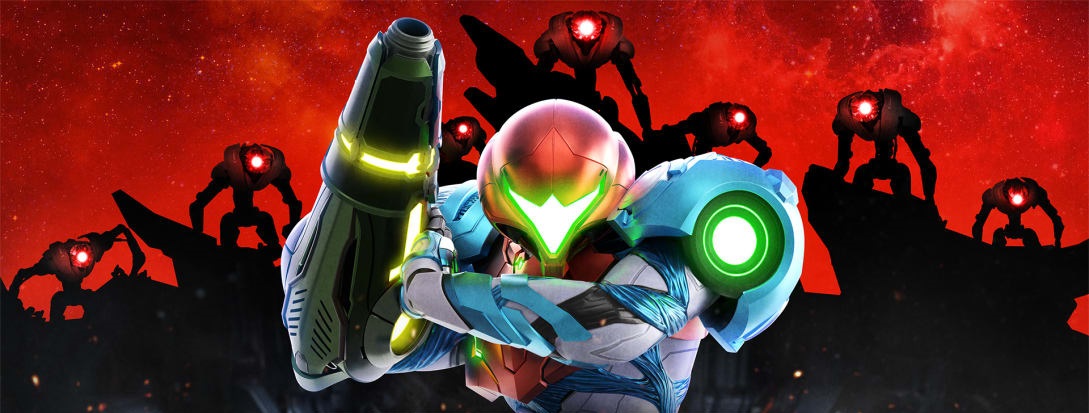
This game started as an idea for the Nintendo DS around 2005, but producer Yoshio Sakamoto had to put it on hold twice because the technology wasn’t advanced enough to realize his vision. For fifteen years, it was just a rumor, and fans believed it would never happen. However, MercurySteam created a compelling demo that brought the project back to life on the Nintendo Switch. It’s now considered a rare success story – a game that overcame major development challenges to become critically acclaimed.
‘Fallout 76’ (2018)
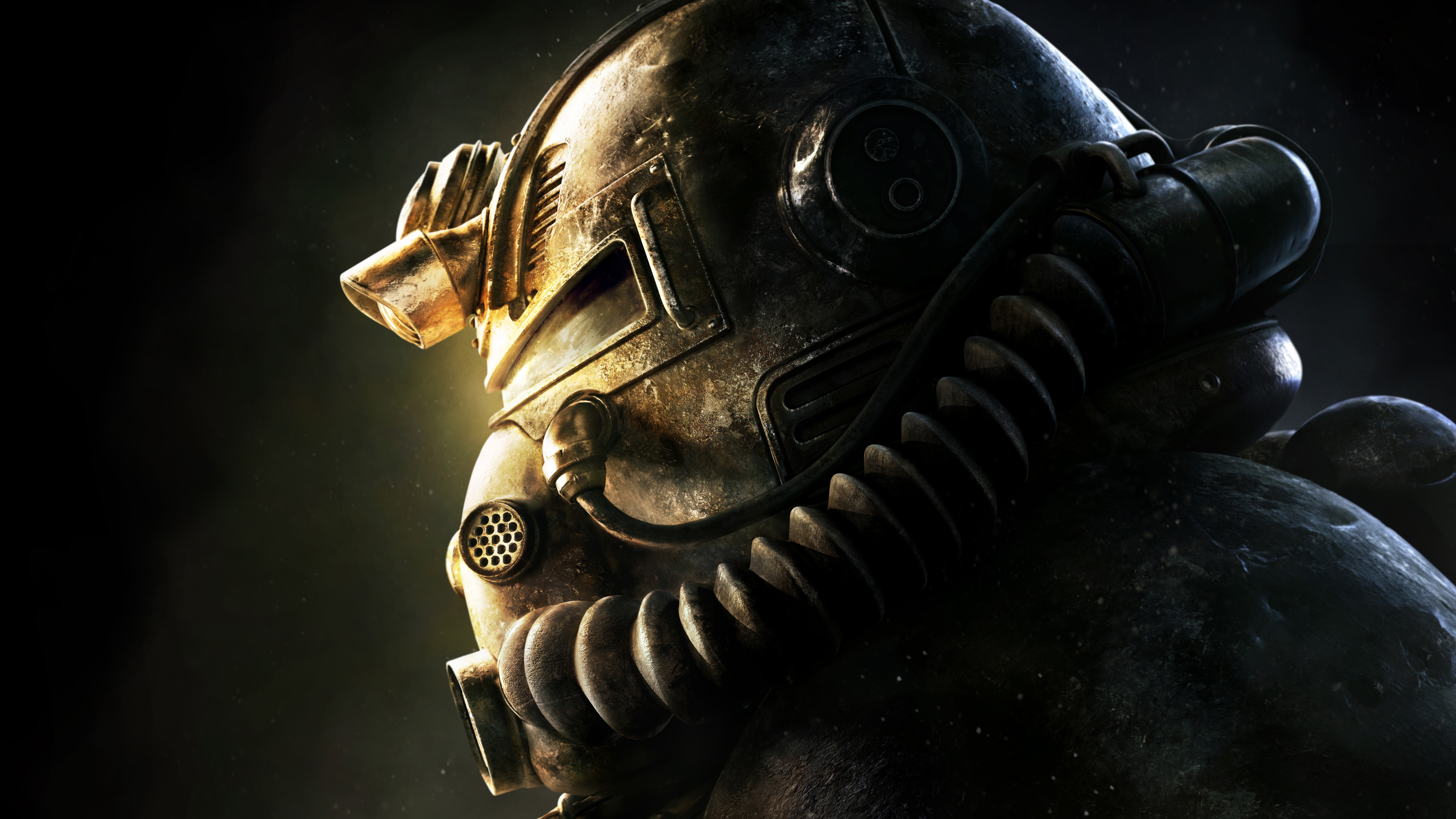
Bethesda tried to transform their game engine, originally designed for single-player adventures, into an online survival game. Unfortunately, the launch was a mess, plagued by server problems and a noticeable lack of interesting characters. Even the collector’s edition, which was already pricey, cut corners by swapping a promised canvas bag for a cheap nylon one. The game also launched with bugs that had been fixed in earlier Bethesda games. It took years of ongoing updates to finally add a compelling story and create a stable in-game economy.
‘Team Fortress 2’ (2007)
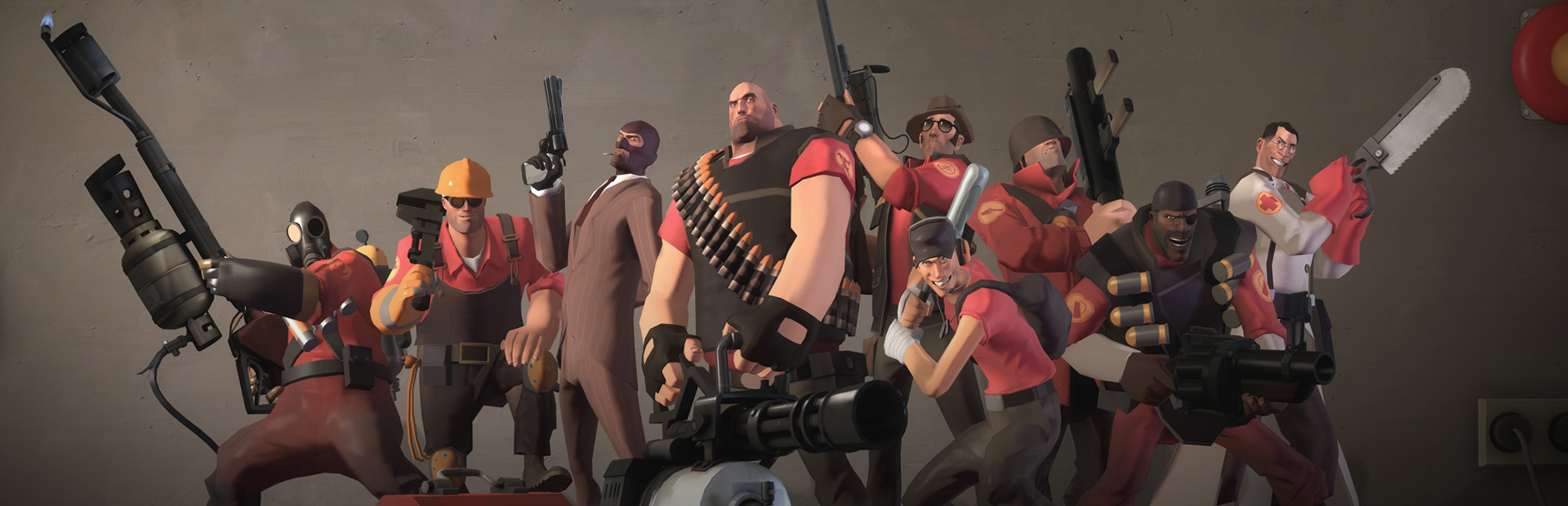
Originally, Valve started working on a gritty, realistic military shooter called ‘Brotherhood of Arms’ in the late 1990s. However, they eventually moved away from that idea, spending years trying out different ways to play the game. The project stalled for six years and many people thought it would never be released. Finally, the team landed on a distinctive 1960s spy style, which was unusual for games at the time. After nine years of development, they created a game that remains popular even today.
‘Diablo III’ (2012)
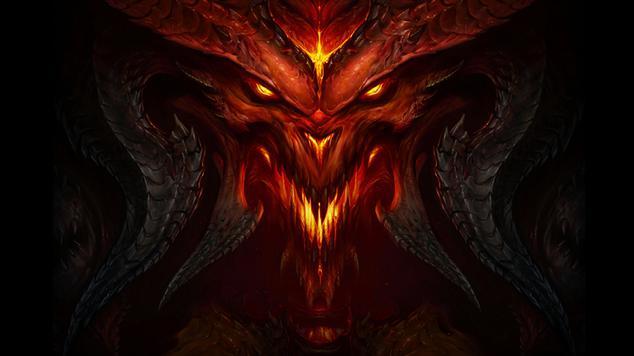
Before Blizzard North closed, they started developing this game. Blizzard Irvine then took over the project, but the new look was divisive. The game’s launch was plagued by the frustrating ‘Error 37,’ which kept players from accessing the game for several days. A system allowing players to buy and sell items with real money disrupted the game’s balance and ultimately had to be removed. It took the developers almost two years to address the fundamental issues and regain the trust of players.
‘Spec Ops: The Line’ (2012)
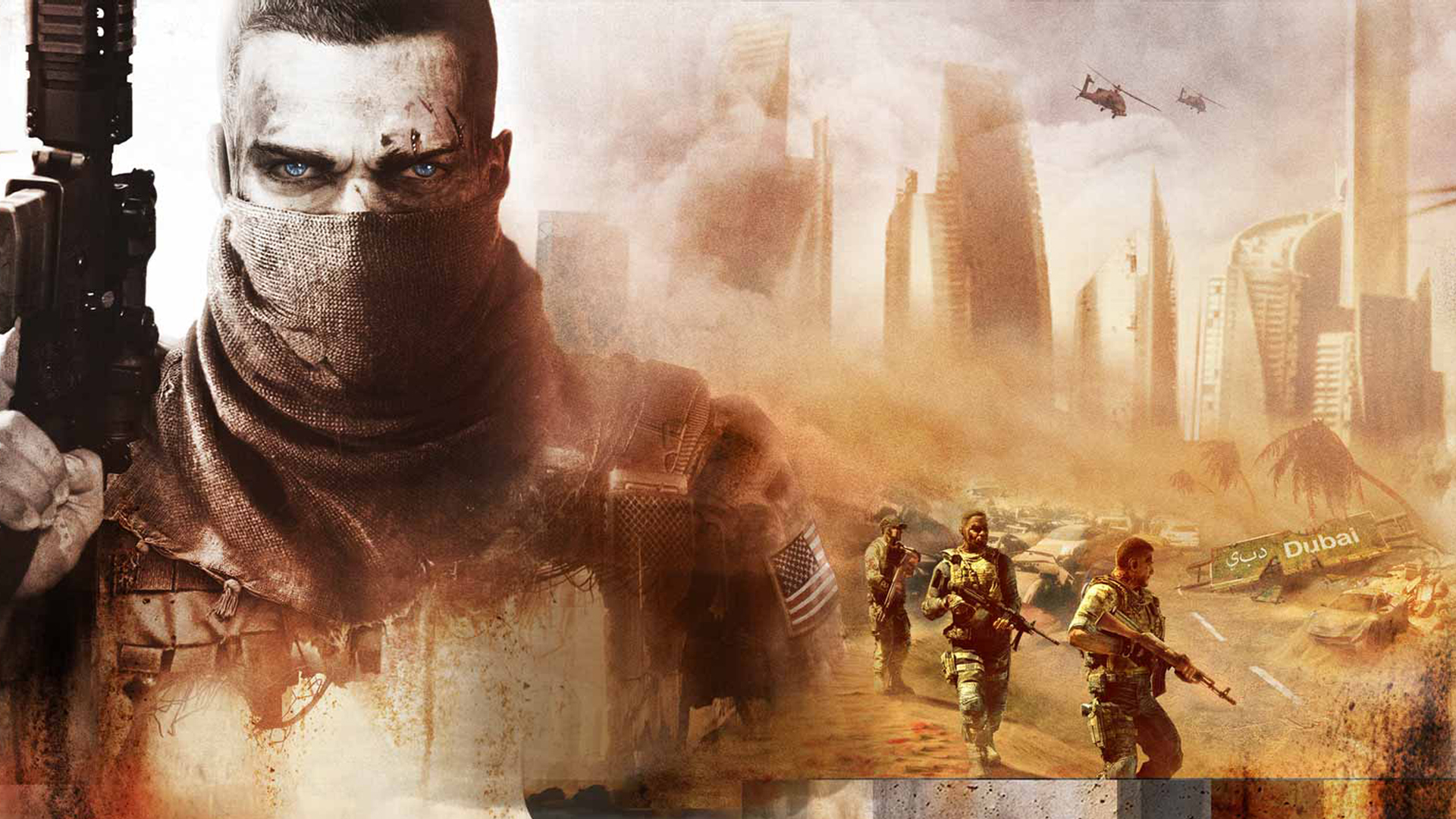
Yager Development spent five years crafting a game that intentionally challenged the conventions of military shooters. The story drew inspiration from ‘Heart of Darkness’ and forced the writers to explore disturbing psychological themes. The team struggled with low spirits as they worked long hours to portray the horrors of war crimes. The game was banned in the United Arab Emirates after depicting a ruined Dubai, and while it didn’t sell well initially, it later received praise for its daring narrative.
‘Halo 2’ (2004)
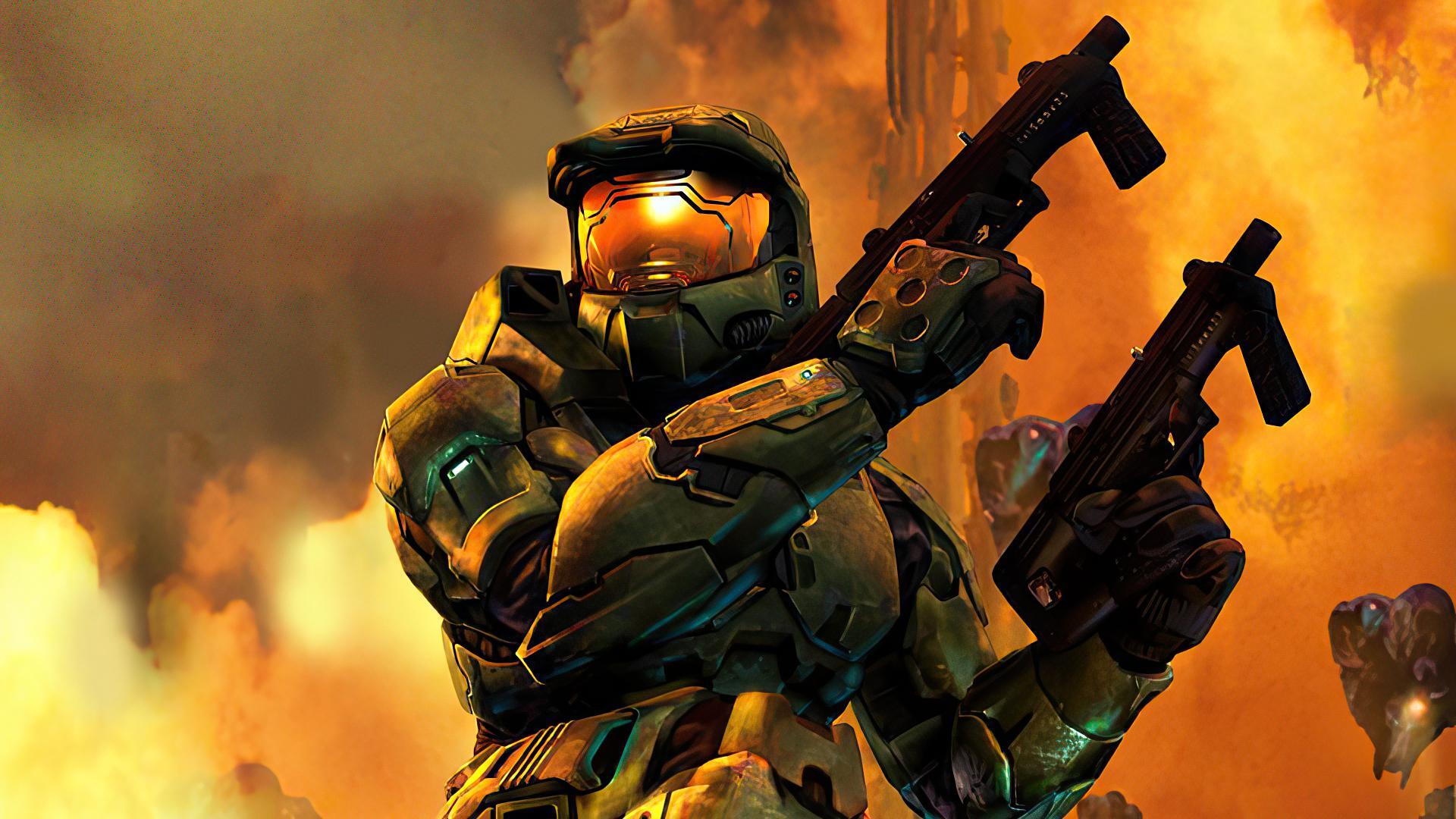
At E3, Bungie presented a gameplay demo that looked impressive but wasn’t actually playable. They soon discovered their game engine couldn’t handle those graphics and had to rebuild much of the game. To make the release date, they had to cut a significant portion of the story, leaving the campaign with an abrupt ending. The developers worked incredibly long hours to get the game ready for launch on Xbox Live, and the final product became a hugely popular multiplayer game, but it came at the cost of intense pressure and overwork.
‘Final Fantasy XIV’ (2010)
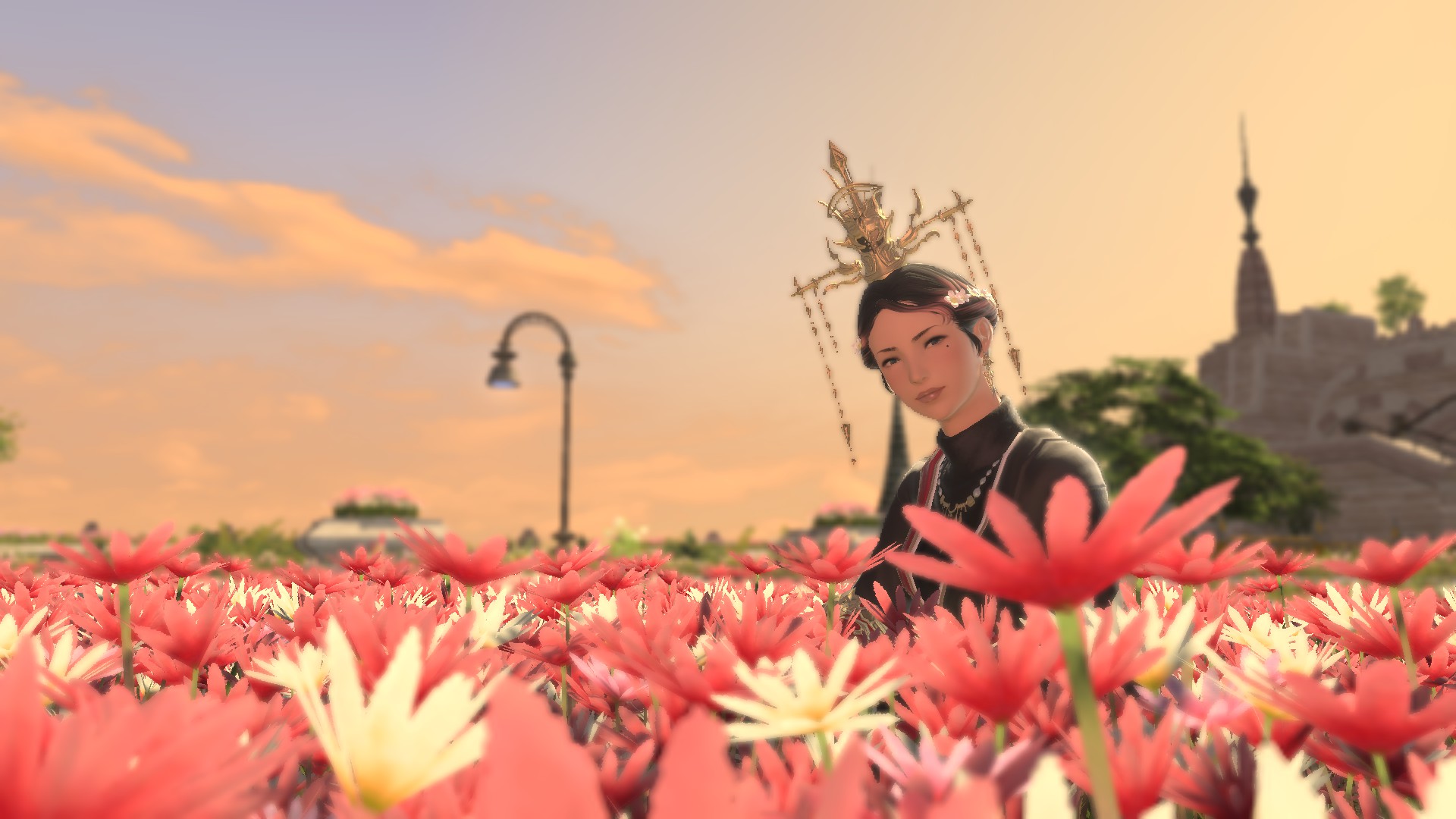
When this online game first came out, it had uninspired environments and a frustrating interface. The creators, Square Enix, apologized and made the game free while they worked to improve it. In a surprising move, they even wrote a story where a meteor destroyed the entire game world! A completely new team then rebuilt the game from scratch, releasing it as ‘A Realm Reborn’. This dramatic overhaul is now considered one of the greatest comeback stories in video game history.
‘Ride to Hell: Retribution’ (2013)
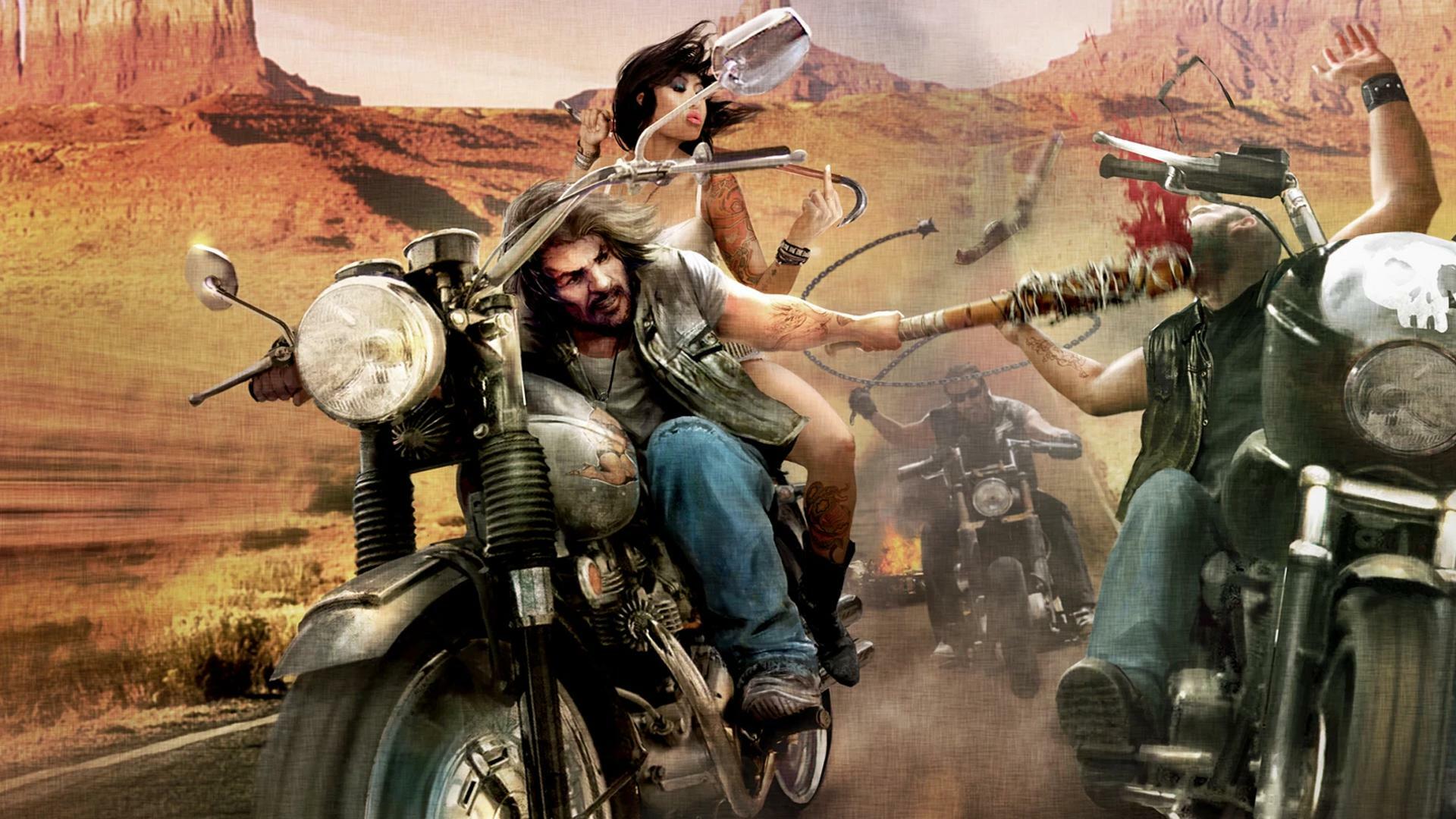
Originally announced in 2008 as a sprawling, open-world biker game, this title disappeared from view for years. When it finally reappeared, it was a very different game – a straightforward fighting game with clunky, disconnected gameplay. Reports suggest the developers even lost the original story and had to cut large portions of the game just to finish it. The released version was infamous for its strangely clothed adult scenes and flawed fighting mechanics, and is now considered one of the worst video games of all time.
‘Superman 64’ (1999)
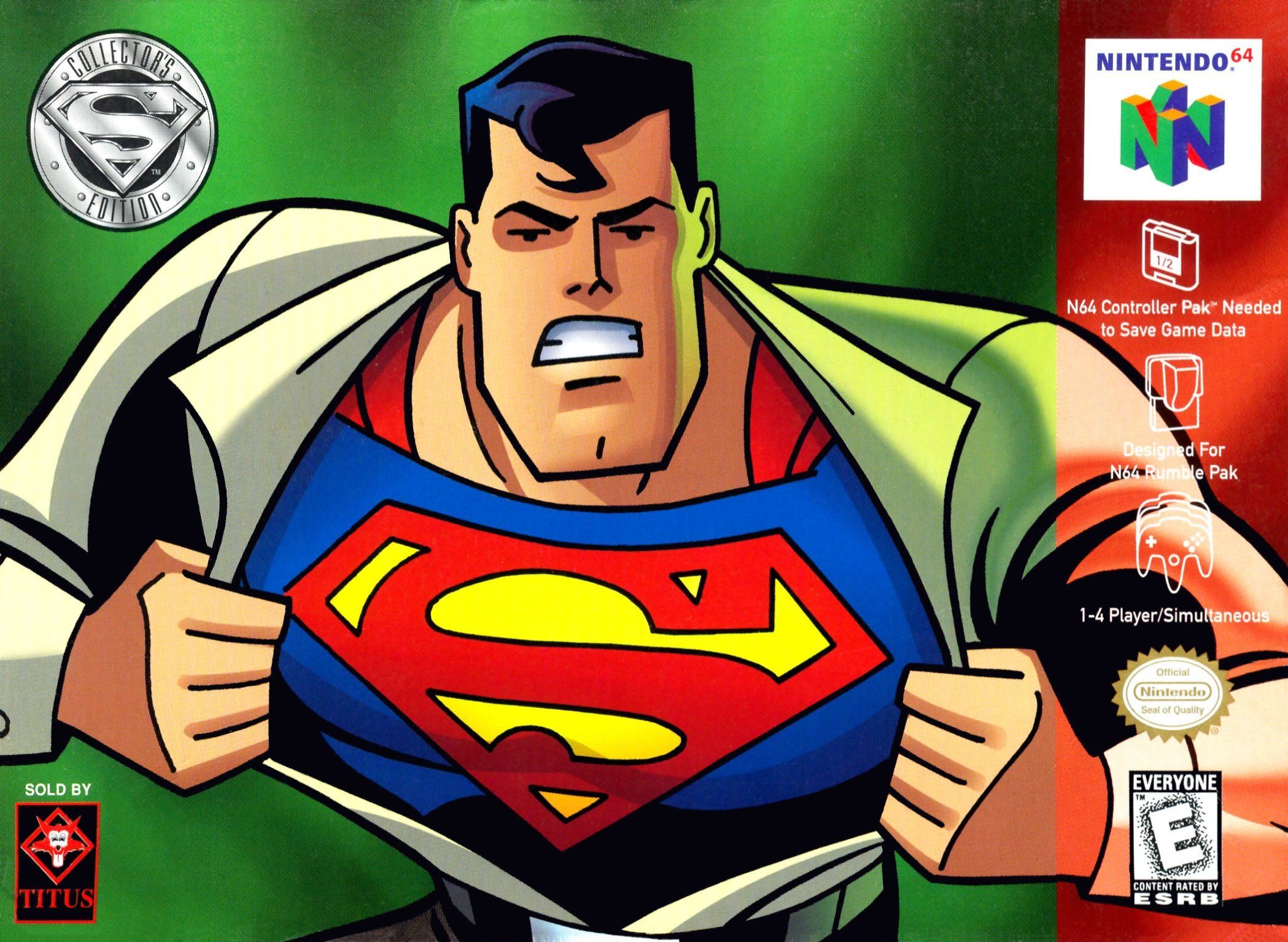
Titus Interactive faced significant limitations due to the rules set by Warner Bros. and DC Comics. For example, they couldn’t allow Superman to physically attack people in the game. To work around the Nintendo 64’s technical constraints, they used a ‘kryptonite fog’ to conceal the lack of a detailed city. A lot of gameplay focused on flying through rings, which was a way to distract from the limited fighting. Ultimately, the game demonstrates how strict licensing agreements can negatively impact a game’s quality.
‘BioShock Infinite’ (2013)
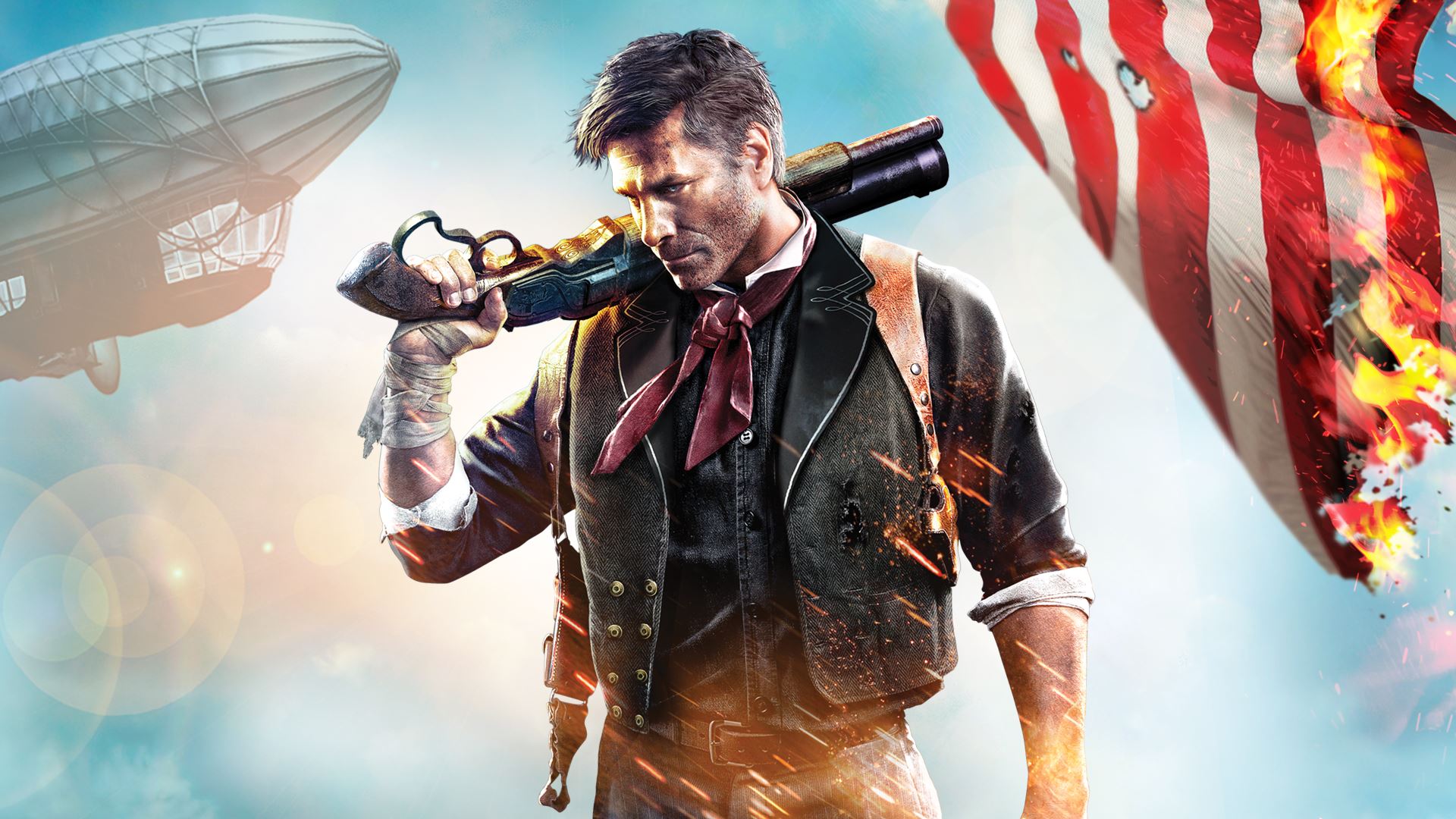
Creating the floating city of Columbia for BioShock Infinite took Irrational Games five years of work. Lead designer Ken Levine removed a huge amount of content – enough for multiple games – during development. This process was costly and pushed the team to their limits, leading to burnout. Soon after the game launched, the studio essentially closed down. While the final game received rave reviews, it came at a significant cost to the developers.
‘Destiny’ (2014)
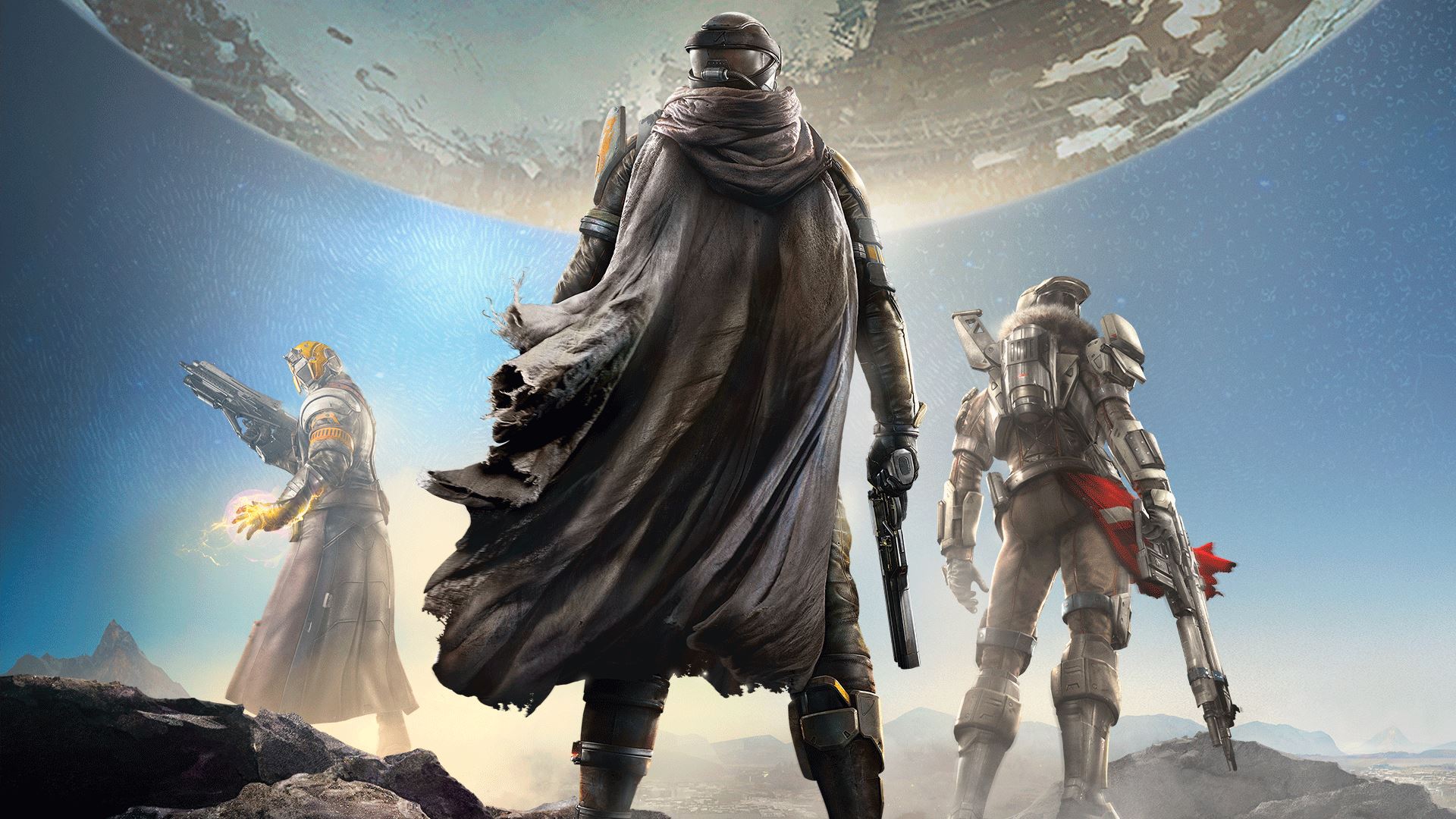
Just before its launch, Bungie completely reworked the storyline of this online shooter. Because of the tight deadline, the writers had to quickly piece together existing video footage to create a new, but confusing, plot. This led to a story that felt fragmented, with characters often simply stating they didn’t have time to fully explain events. The game’s development was also troubled by the departure of key employees during its final year. Ultimately, it took several expansions and updates to create a complete and satisfying story and deliver on the game’s original promise.
‘GoldenEye 007’ (1997)
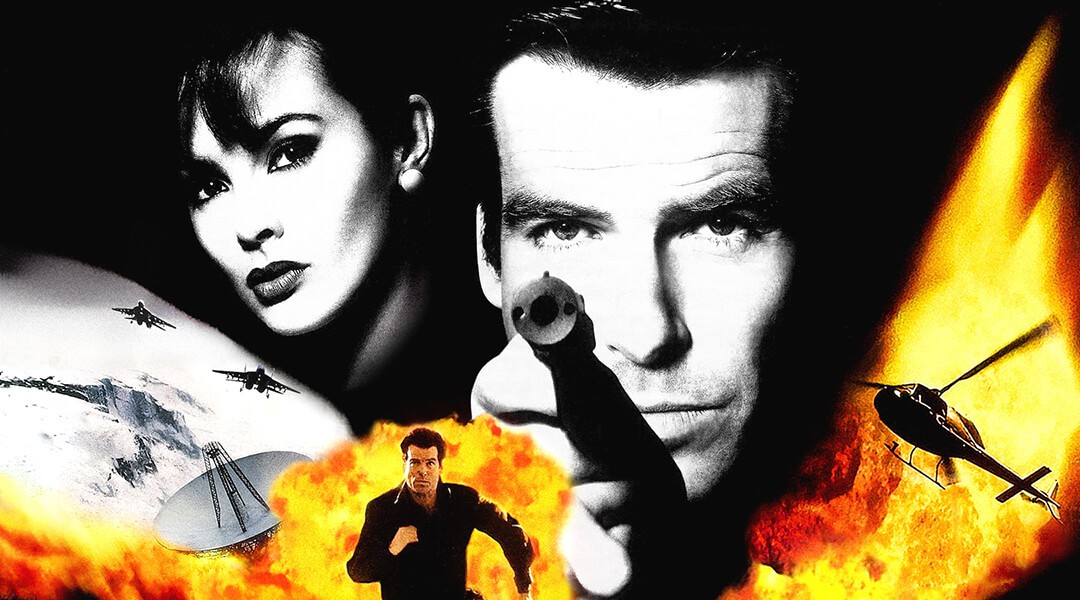
The development team at Rare was largely made up of newcomers to game creation. They built the game without a detailed plan and crammed in the multiplayer feature right before release. Nintendo worried the game’s violence was excessive and asked for adjustments. Working remotely from a farmhouse, the developers had no feedback on whether the game would be well-received. Despite all this, it unexpectedly changed the landscape of first-person shooters on consoles.
‘Sonic X-treme’ (1996)
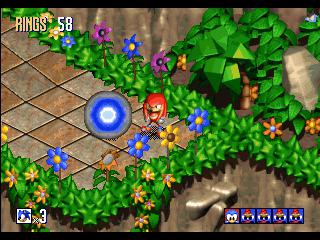
This unreleased game was meant to be the main platformer title for the Sega Saturn. Unfortunately, two different development teams were working on the game using completely separate technologies and wouldn’t collaborate. The pressure to meet deadlines was so intense that one of the key programmers became seriously ill. Ultimately, Sega of Japan rejected the game’s engine, leading to its cancellation. The absence of a new, major Sonic game is believed to have been a factor in the Saturn console’s poor performance.
‘Star Fox Adventures’ (2002)
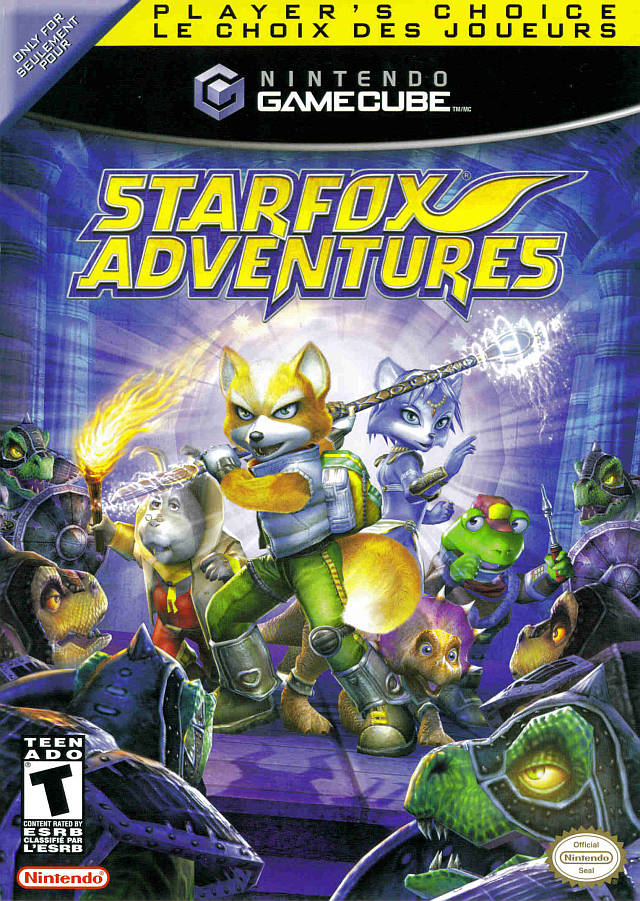
Rare first created this game for the Nintendo 64, originally calling it ‘Dinosaur Planet’. Nintendo asked them to change the main character to Fox McCloud and release it on the GameCube instead. Developing the game was difficult because Rare was in the process of being sold to Microsoft. This ended up being the last game Rare made for a Nintendo console. Because of its origins, the game still includes some elements that don’t quite fit with the Star Fox storyline.
‘Grim Fandango’ (1998)
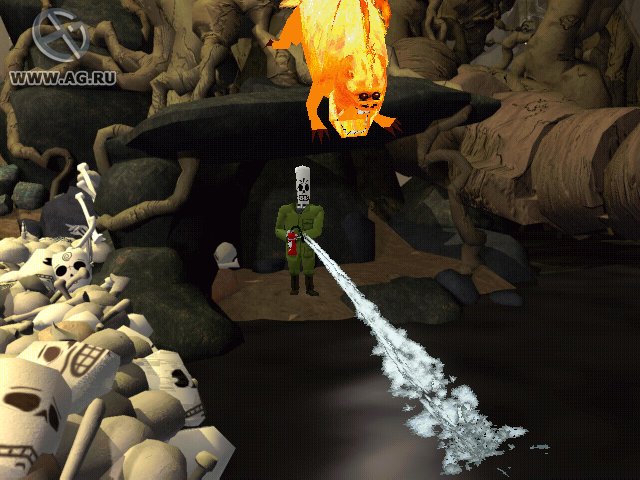
Tim Schafer spearheaded the development of this adventure game, built with a new 3D engine called GrimE. The team faced challenges translating classic point-and-click gameplay into a 3D world. It was LucasArts’ first adventure game to feature 3D characters instead of static backgrounds. While critics praised the game’s story and visuals, it didn’t sell well. Many believe its disappointing sales marked the end of the adventure game genre’s popularity.
‘Psychonauts’ (2005)
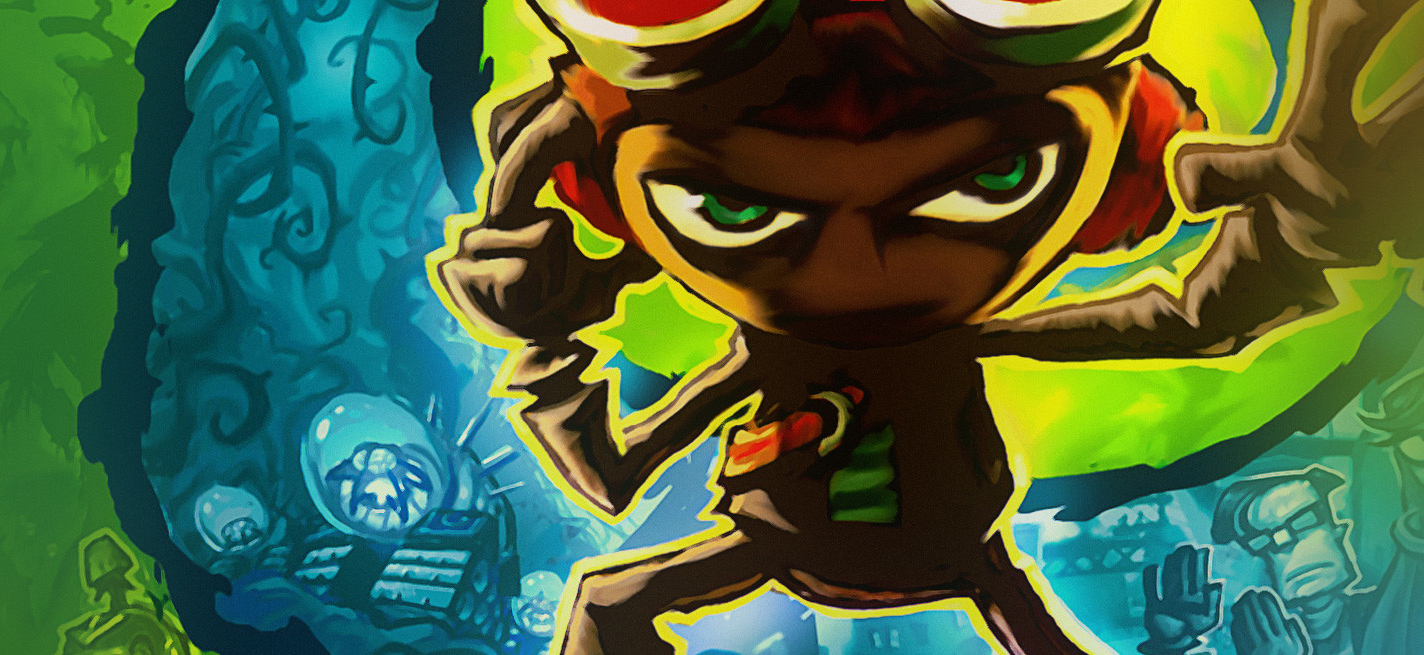
Double Fine Productions hit a major snag when Microsoft cancelled their support for the game. The studio used up almost all its funds just to stay afloat while looking for a new publisher. Majesco Entertainment eventually took over, but they were also having money problems. The game didn’t sell well at first, but the story of its difficult development helped establish Double Fine’s unique reputation. It wasn’t until sixteen years later that a sequel was finally made.
‘The Day Before’ (2023)

Fntastic created trailers for a zombie survival game that looked incredibly realistic, causing a lot of excitement. However, people started to doubt the game’s existence when the studio didn’t show actual gameplay footage. When it finally launched, the game was riddled with problems and turned out to be a simple extraction shooter, far from what was promised. Just four days later, the studio announced it was closing due to financial difficulties. The game was quickly removed from sale and the servers were shut down a few weeks after that.
‘Prey’ (2006)
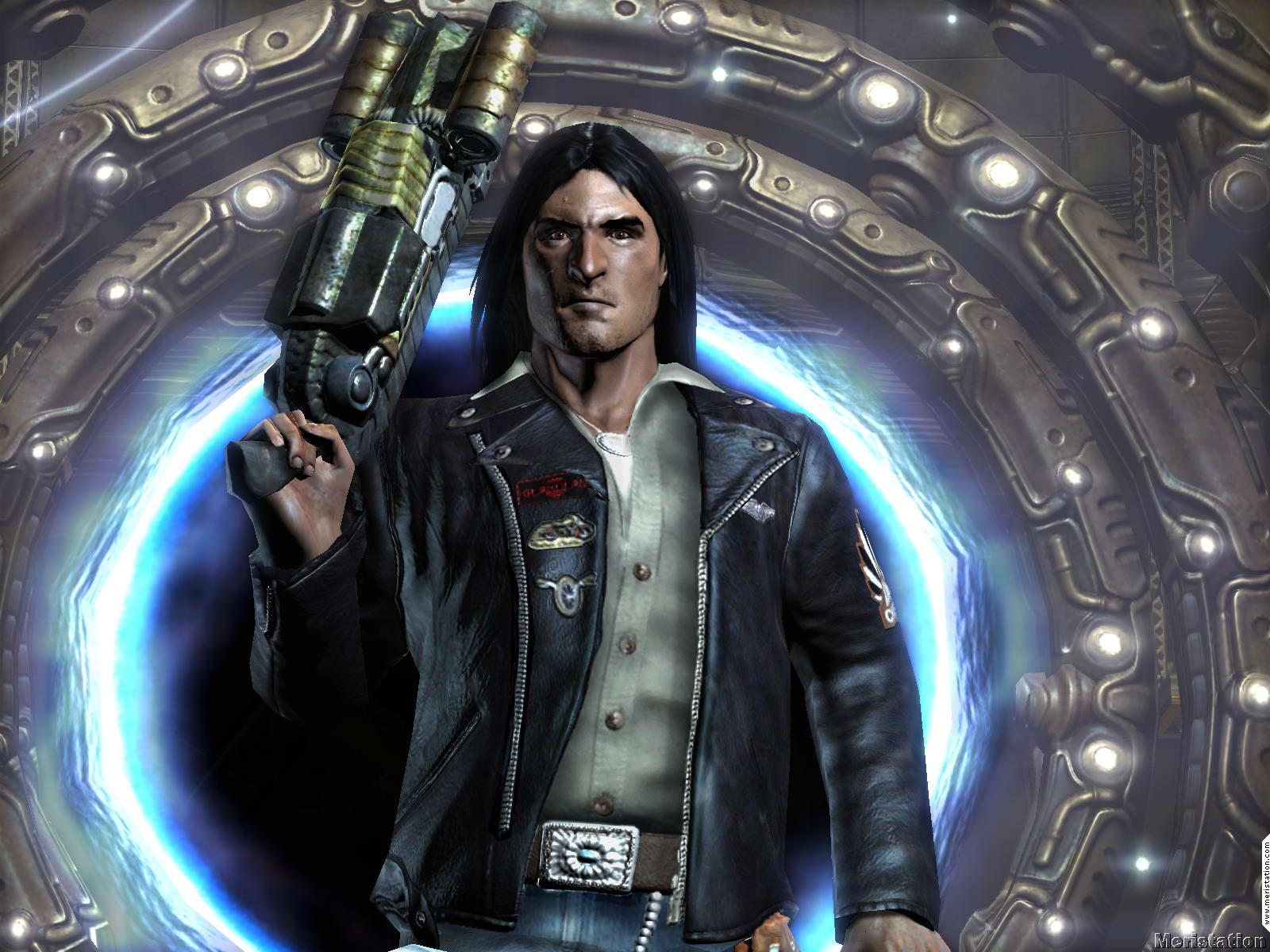
Development of this game first started in 1995 at 3D Realms, but after many attempts and experiments with new technology, the project was put on hold. Later, Human Head Studios revived the idea and created the game using the Doom 3 engine. It took eleven years for the game to finally be released. Unfortunately, a sequel was cancelled, and the game was eventually reimagined by Arkane Studios.
‘Ultima IX: Ascension’ (1999)
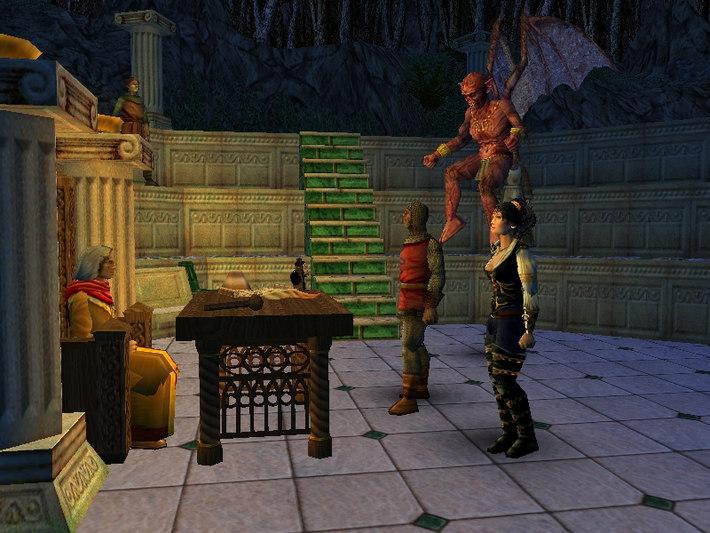
Electronic Arts pressured Origin Systems to release this role-playing game before it was fully developed. The story went through numerous revisions and disregarded the established storyline from the previous eight games in the series. Development was further complicated when the team was reassigned to work on ‘Ultima Online,’ leaving the single-player game with too few developers. The game launched with significant technical problems, making it unplayable for many users. Ultimately, its poor reception led to the end of the long-running Ultima series.
Read More
- 20 Movies Where the Black Villain Was Secretly the Most Popular Character
- Transformers Under the Microscope: What Graph Neural Networks Reveal
- Celebs Who Narrowly Escaped The 9/11 Attacks
- Silver Rate Forecast
- Trading on Thin Air: AI Agents Conquer Crypto Volatility
- Gold Rate Forecast
- Invincible Season 4 Gender Swaps Tech Jacket As Fans Question Major Comic Change
- Every Notable ‘Star Trek: The Original Series’ Actor Who Died
- 22 Films Where the White Protagonist Is Canonically the Sidekick to a Black Lead
- Trading Smarter: AI-Powered Execution Schedules
2026-02-01 15:21