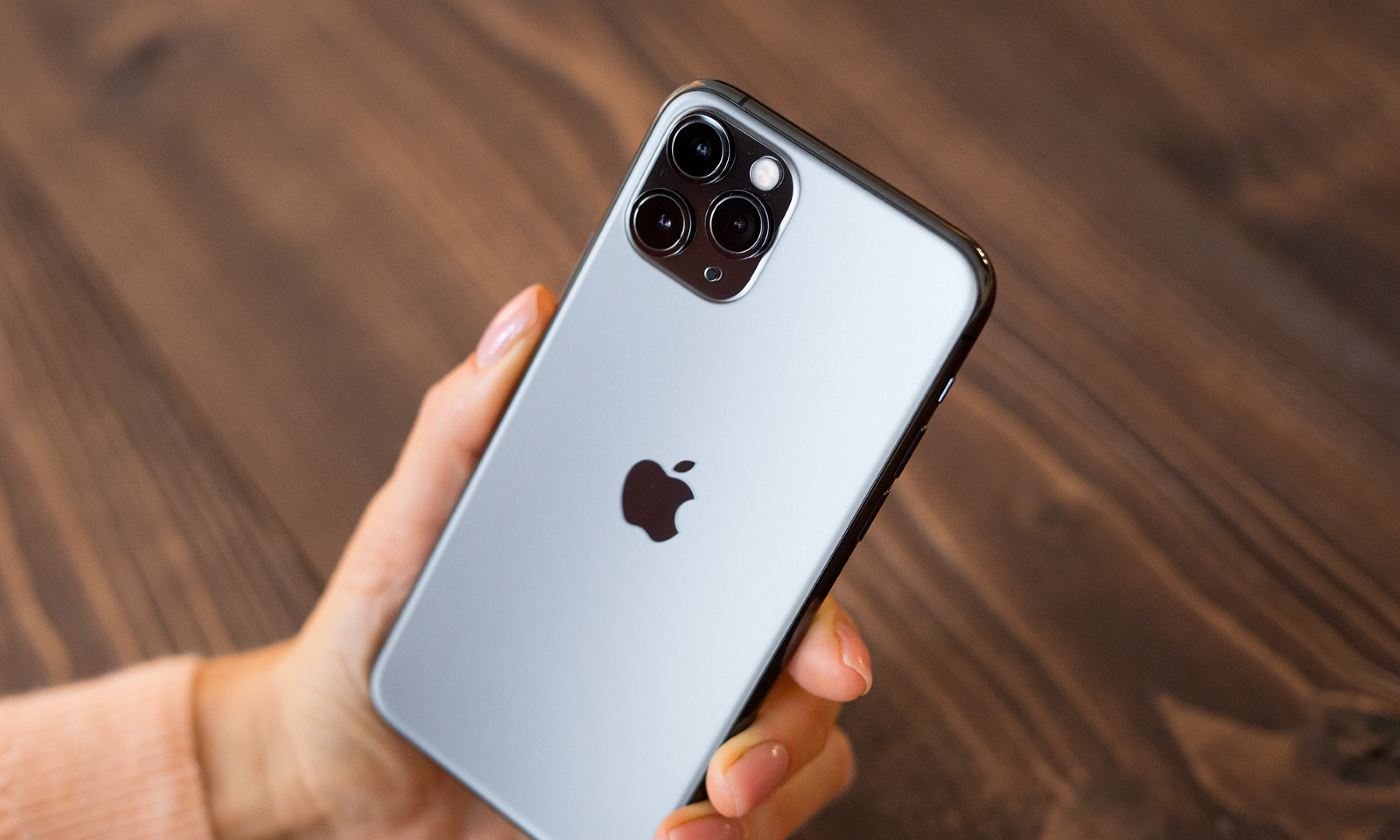
The reports arrive, as they always do, bearing tidings of Apple’s continued prosperity. The iPhone, that polished object of desire, flourishes, its sales ascending with a vigor that recalls a bygone era. Revenue, it is said, has leapt by twenty-three percent – a substantial figure, even in these volatile times. Yet, beneath the surface of this triumph lies a subtle disquiet, a hint of constraint that a keen observer cannot ignore. It is not merely a matter of success, but of sustaining it, of ensuring the flow remains uninterrupted.
The bottleneck, it appears, resides not in the appetite of consumers, but in the capacity of the foundry. TSMC, that Taiwanese behemoth, finds itself stretched thin, burdened by the demands of an industry intoxicated by the promise of artificial intelligence. The very accelerators that propel this new age are, ironically, limiting its reach. A curious paradox, wouldn’t you agree? It is a reminder that even the most advanced enterprises are, at their core, subject to the limitations of earthly logistics.
Mr. Cook, Apple’s steward, spoke of these constraints during the recent earnings discourse. His words, measured and carefully chosen, revealed a predicament that is difficult to dismiss. He admitted, with a characteristic lack of flourish, that supply and demand are presently out of kilter, and that predicting a return to balance is, at this juncture, a precarious undertaking. It is a confession, subtle yet significant, that even Apple, with its vast resources and meticulous planning, is not immune to the vagaries of the market.
A Shift in the Wind
Whispers have been circulating, carried on the currents of analyst reports, concerning a potential alliance between Apple and Intel. A notion once dismissed as fanciful now seems, if not probable, at least worthy of consideration. The suggestion is that Apple, ever pragmatic, is exploring the possibility of utilizing Intel Foundry for certain manufacturing needs – a move that would, in effect, diversify its supply chain and lessen its reliance on a single source. It is a tale of shifting allegiances, of established powers reassessing their positions in a rapidly evolving landscape.
The Intel 18A process, a technological marvel in its own right, is said to be under consideration for lower-end M-series chips. A more ambitious plan, involving the upcoming Intel 14A process for certain iPhone components in 2028, has also been posited. Whether these rumors are merely the product of speculative minds or reflect a genuine dialogue between the two companies remains to be seen. But the very fact that such discussions are taking place speaks volumes about the changing dynamics of the semiconductor industry.
Apple, it seems, is no longer the favored son at TSMC’s table. The foundry, besieged by demands from all corners of the globe, is reportedly prioritizing other clients. This loss of privilege, coupled with the looming threat of supply shortages, is undoubtedly fueling Apple’s search for alternative manufacturing partners. A company of Apple’s stature does not willingly surrender control; it adapts, it maneuvers, it seeks to regain the upper hand.
The Foundry’s Crucible
Intel, for its part, desperately needs a victory. The company has invested heavily in its foundry business, hoping to attract external customers and revitalize its flagging fortunes. The Intel 18A and 14A processes represent a significant technological leap forward, but without committed clients, these investments risk becoming a costly indulgence. It is a gamble, a bold attempt to reclaim its position as a leader in the semiconductor industry.
The situation is, in a sense, mutually beneficial. While Intel requires Apple’s business to ensure the sustainability of its foundry operations, Apple also needs Intel to mitigate the risks associated with relying solely on TSMC. It is a delicate dance, a negotiation between two giants, each seeking to secure its future in a world of ever-increasing complexity.
The iPhone’s continued success only amplifies the urgency. With sales soaring, Apple cannot afford to be constrained by manufacturing limitations. Tapping into Intel’s capacity would provide a much-needed buffer, ensuring a steady supply of chips and allowing Apple to capitalize on the growing demand. It is a logical step, a pragmatic decision driven by the relentless pursuit of efficiency and profitability. And for Intel, it represents a glimmer of hope, a chance to prove that it still has what it takes to compete in the global arena. A comeback, perhaps, is within reach.
Read More
- Top 20 Dinosaur Movies, Ranked
- 20 Movies Where the Black Villain Was Secretly the Most Popular Character
- 25 “Woke” Films That Used Black Trauma to Humanize White Leads
- Celebs Who Narrowly Escaped The 9/11 Attacks
- Silver Rate Forecast
- Spotting the Loops in Autonomous Systems
- Gold Rate Forecast
- 22 Films Where the White Protagonist Is Canonically the Sidekick to a Black Lead
- From Bids to Best Policies: Smarter Auto-Bidding with Generative AI
- Can AI Lie with a Picture? Detecting Deception in Multimodal Models
2026-02-01 14:33