Launching a video game is incredibly risky, with huge expectations and a lot on the line. Sometimes games come out with major problems or don’t deliver on what was promised, leading to immediate criticism. However, developers can often fix these issues over time with updates and new content, completely changing the game. This dedication can turn a poorly received game into a long-lasting favorite.
‘No Man’s Sky’ (2016)
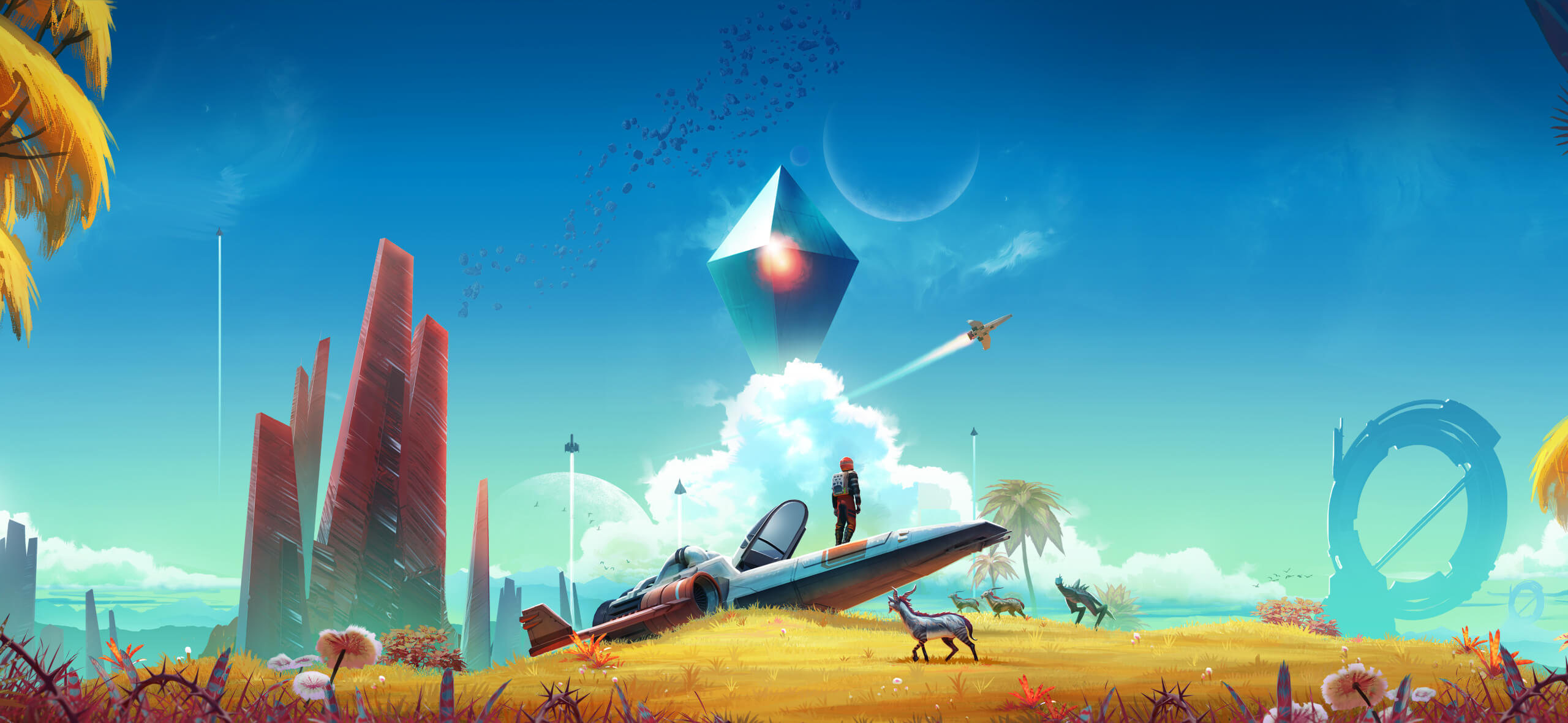
Hello Games initially released its space exploration game with ambitious promises it couldn’t immediately keep. Players were disappointed to find the universe felt empty and lacked the multiplayer features advertised. Instead of responding to criticism, the developers quietly worked for years, releasing significant updates that added base building and a fully functional multiplayer experience. Over time, public perception completely changed, and the game ultimately exceeded all initial expectations, becoming a landmark title in its genre.
‘Cyberpunk 2077’ (2020)
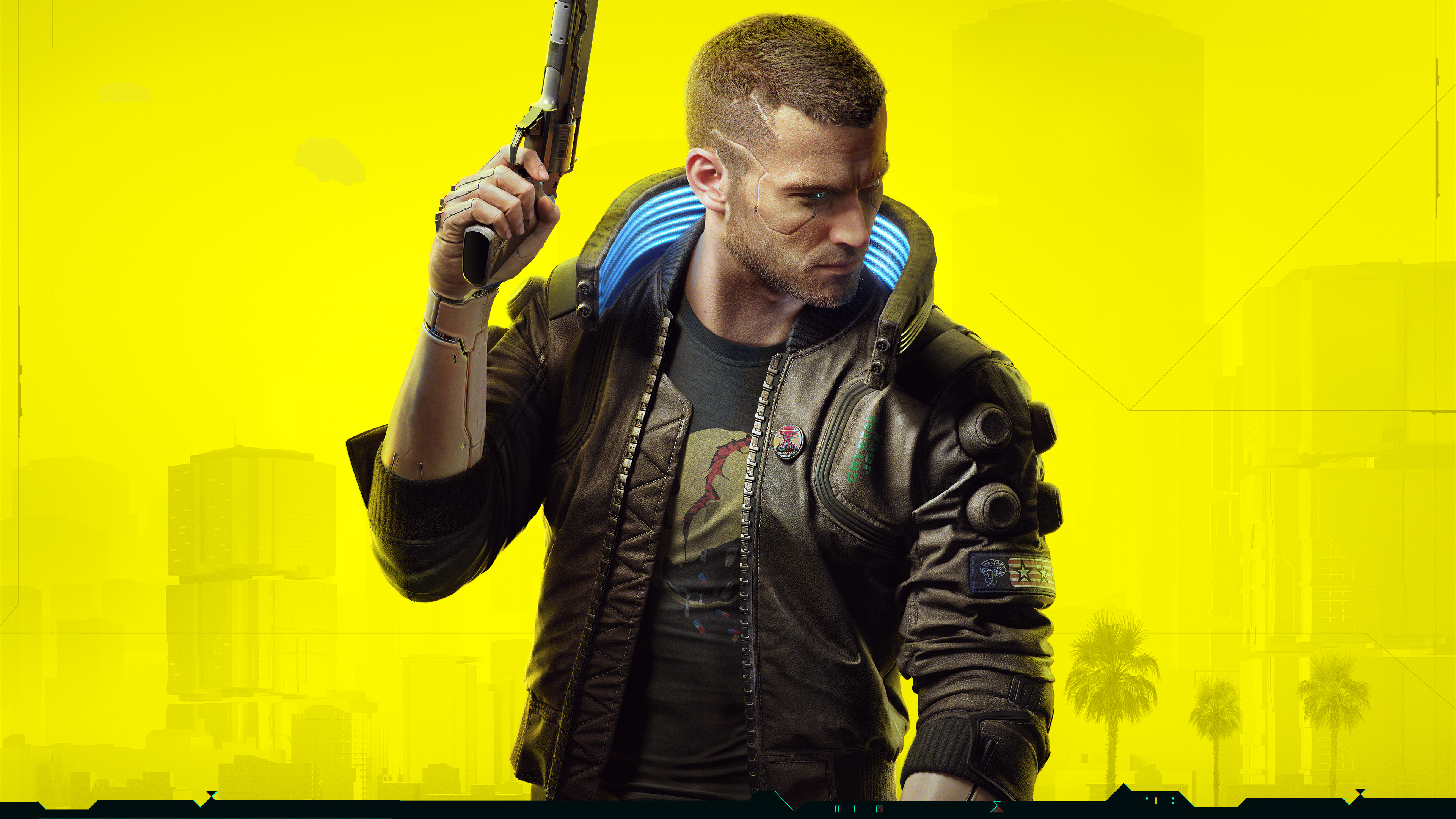
As a huge fan, it was really rough when Cyberpunk 2077 first came out. The game was so hyped, but on consoles, it was just full of bugs that made it almost unplayable. It was a shock when Sony even pulled it from the PlayStation Store! CD Projekt Red really had to work for years to fix everything, completely overhauling things like how the police worked and even the skill system. Honestly, I thought the game might never recover, but the Phantom Liberty expansion was a game-changer. It finally delivered on the promise of what Cyberpunk 2077 could be, and now critics are loving it again. It’s amazing to see the comeback!
‘Final Fantasy XIV’ (2010)
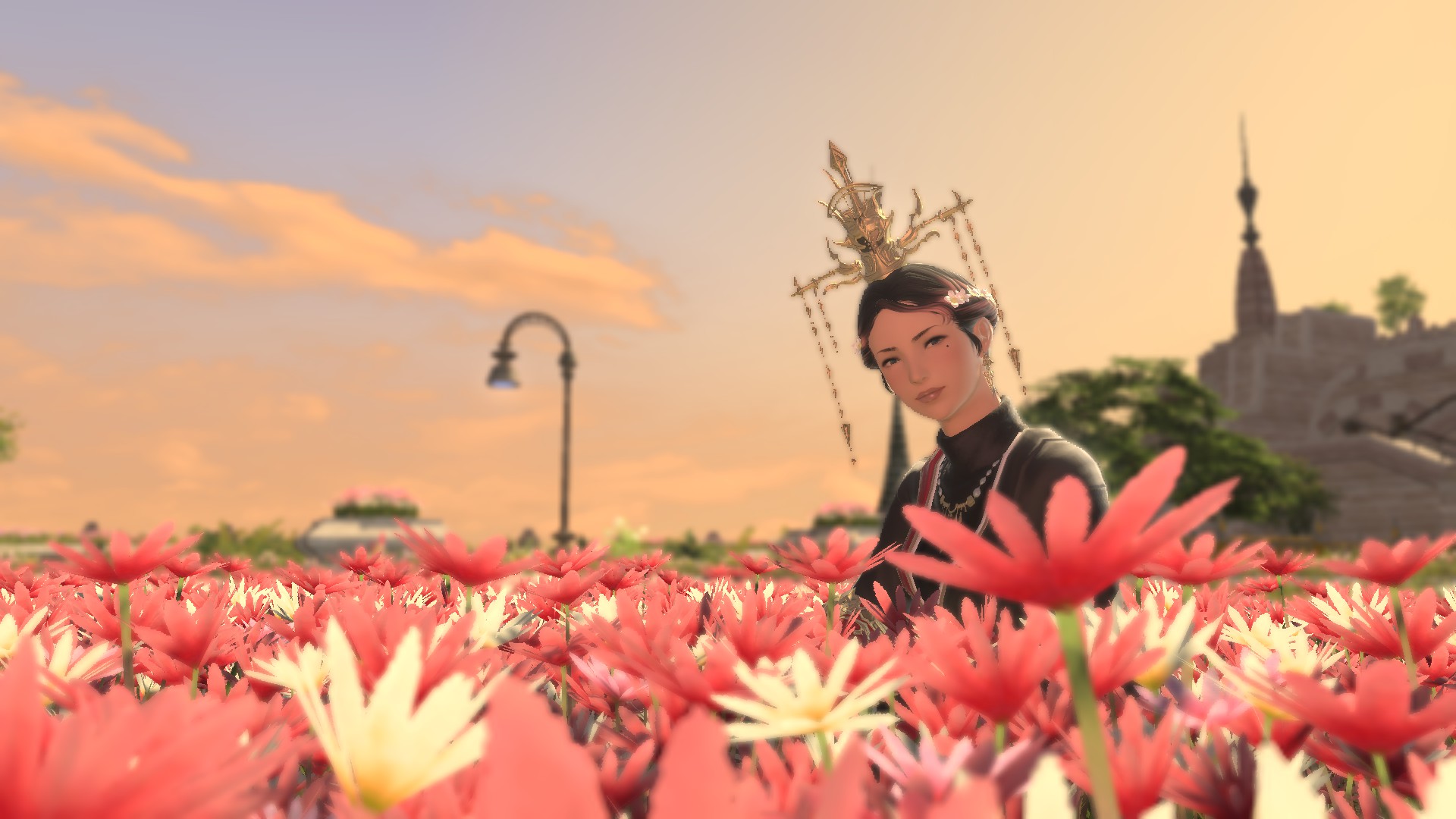
When this online game first launched, it was a major failure, and Square Enix actually apologized to its players. The game felt awkward to play, and the world looked repetitive and confusing. Because of these issues, the company made the bold decision to completely shut down the game and rebuild it. It eventually relaunched as ‘A Realm Reborn’ and is now celebrated as one of the greatest multiplayer games of all time.
‘Star Wars Battlefront II’ (2017)
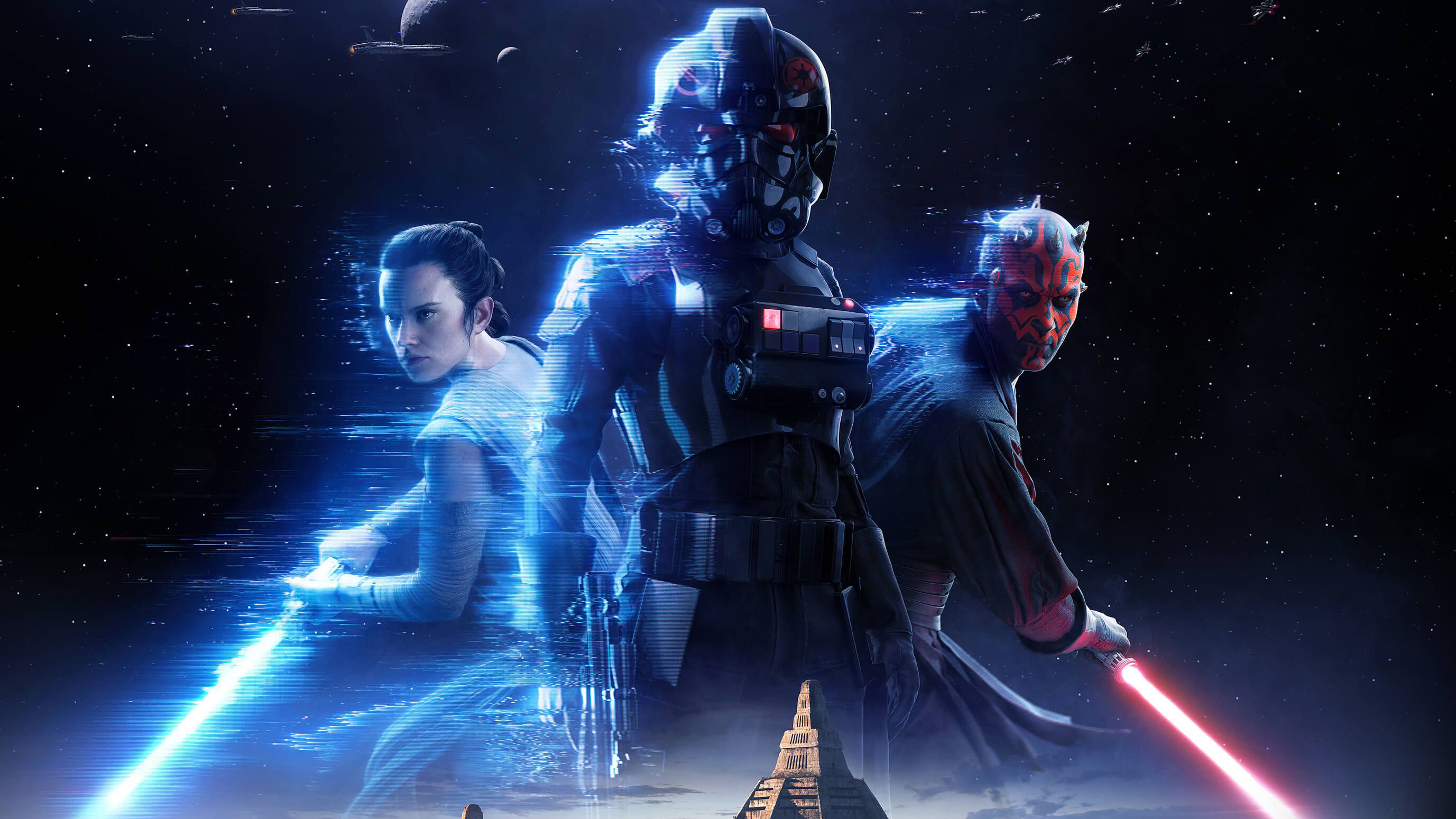
The game sparked worldwide debate about loot boxes and unfair ways developers make money. Many players were upset that popular characters, like Darth Vader, were difficult to unlock without spending a lot of time playing or paying real money. The developers listened and removed the features that gave players who spent money an unfair advantage, also improving how players progressed in the game. Over time, with many free updates, it became the best way to experience Star Wars multiplayer.
‘Fallout 76’ (2018)
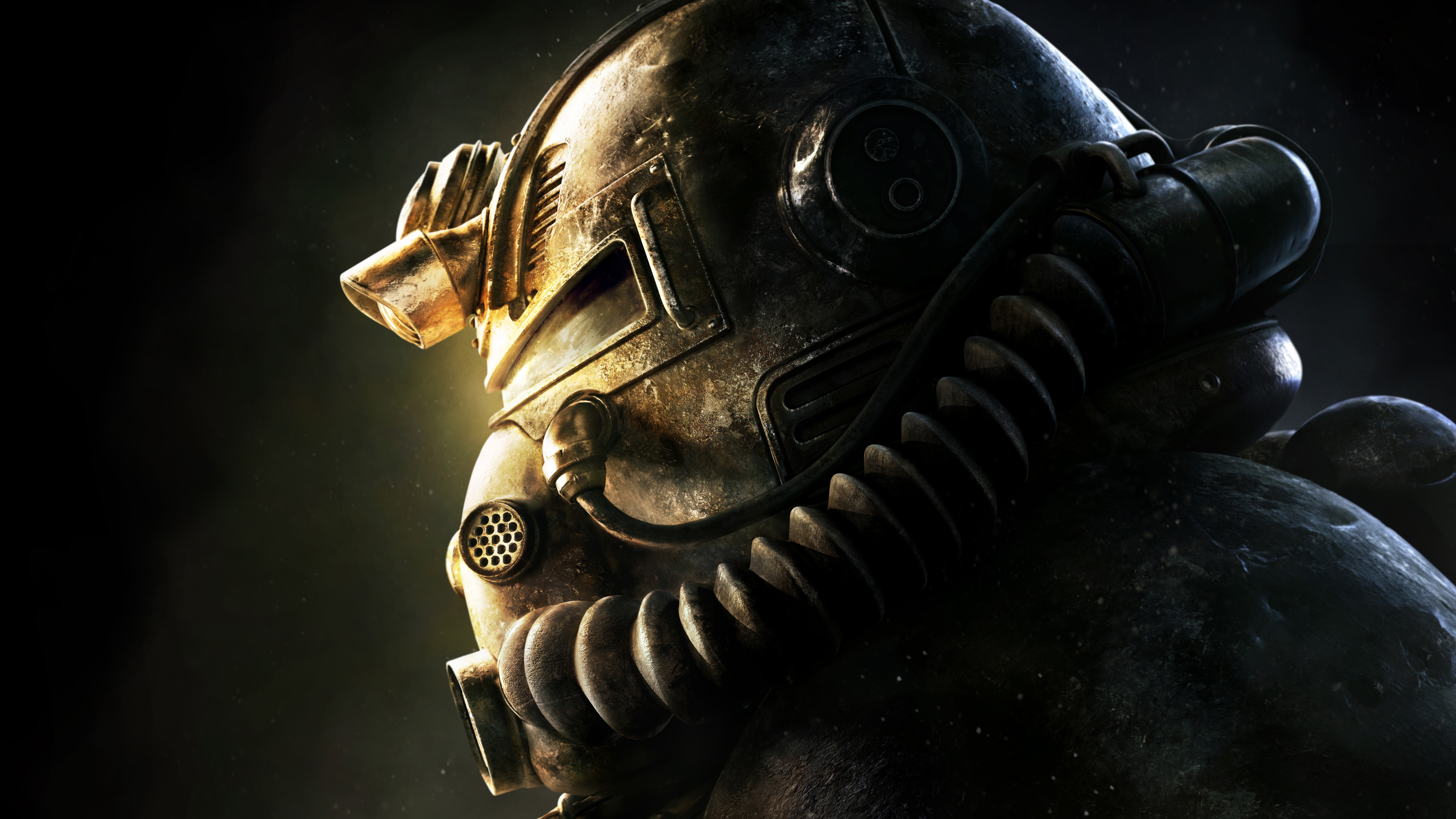
Bethesda tried bringing their popular single-player RPG style to an online world, but the game initially felt empty because it lacked non-player characters. On top of that, players dealt with many technical problems and unstable servers, leading to a lot of frustration. The ‘Wastelanders’ update fixed this by adding characters you could interact with and choices that mattered, bringing back the role-playing experience fans loved. Since then, the game’s community has become known as one of the friendliest in gaming.
‘Sea of Thieves’ (2018)
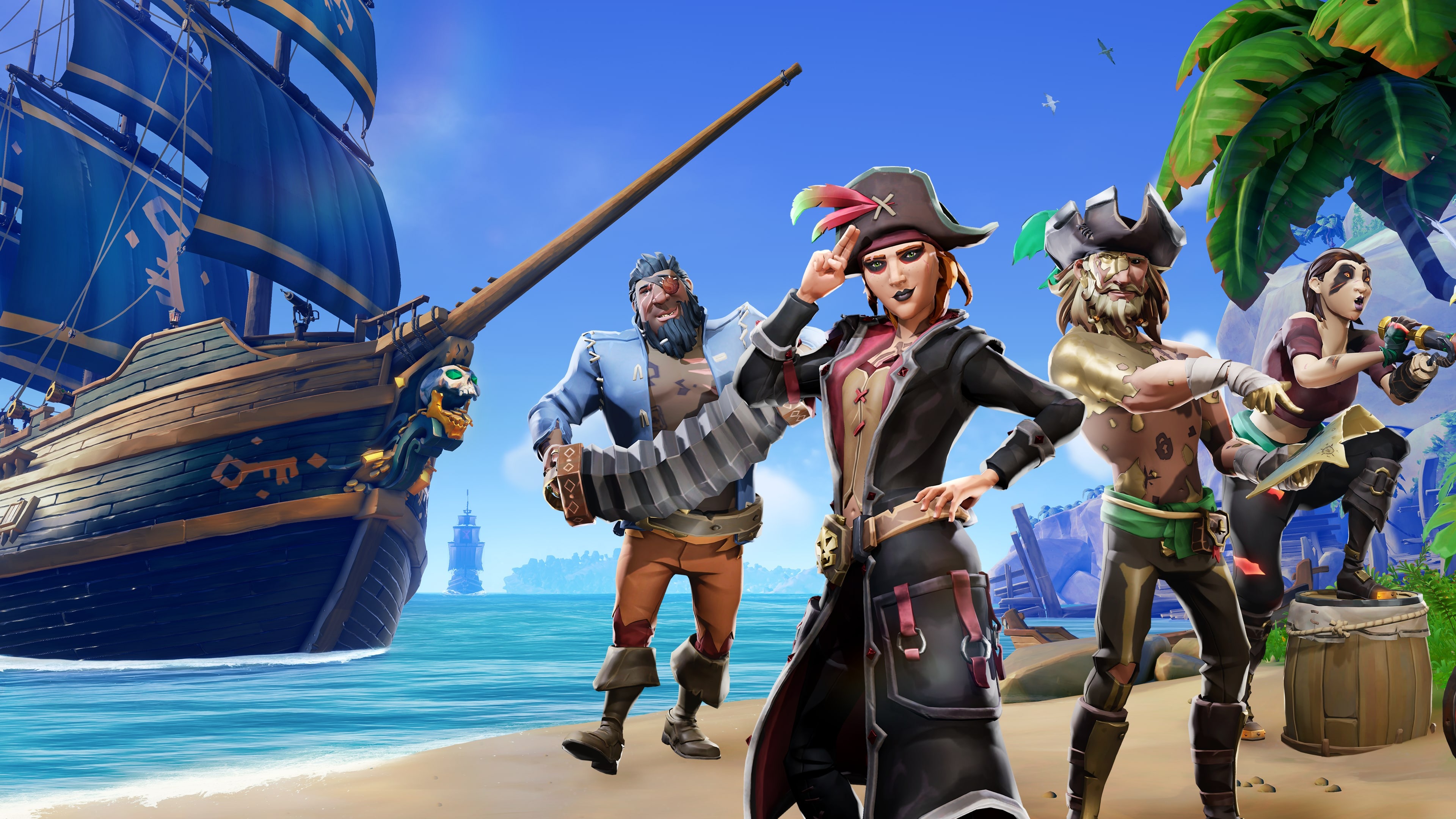
Rare’s pirate game initially launched with stunning ocean visuals but didn’t have much to actually do. Players quickly found the gameplay became repetitive and didn’t offer satisfying rewards for progress. However, the developers continued to add content through regular updates, including story-driven campaigns and new enemies. Now, it’s a sprawling and engaging sandbox game that continues to draw in millions of players.
‘Rainbow Six Siege’ (2015)
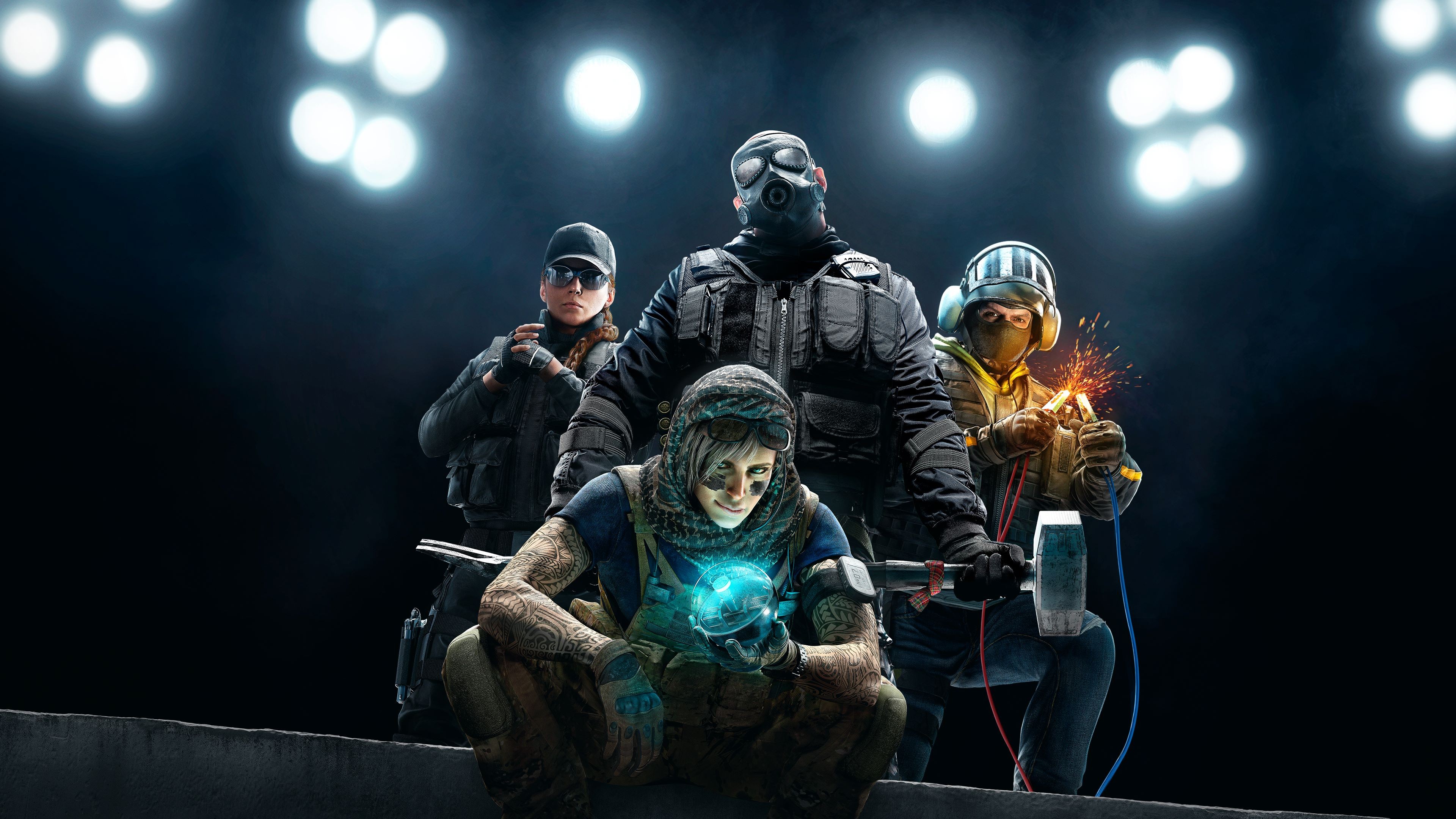
When it first came out, Ubisoft’s tactical shooter had limited content and frustrating technical problems. Not many people played it at first, and reviewers doubted it had lasting appeal. But consistent updates, including new characters and redesigned maps, gradually created a huge and thriving competitive gaming community. Now, it’s become one of the biggest esports games globally.
‘Diablo III’ (2012)
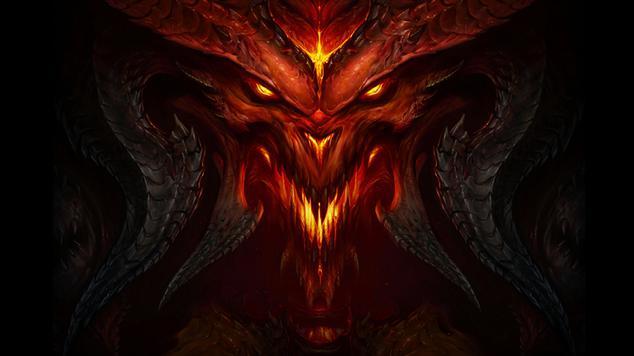
The game’s launch was plagued by a frustrating technical issue – Error 37 – that kept players from accessing the servers for several days. Many fans also disliked the real-money auction house, which made finding valuable items too easy and undermined the game’s core gameplay. Blizzard later addressed these problems by removing the auction house and completely redesigning the loot system in the Reaper of Souls expansion. These improvements ultimately rescued the game and cemented its place as one of the best dungeon crawlers ever made.
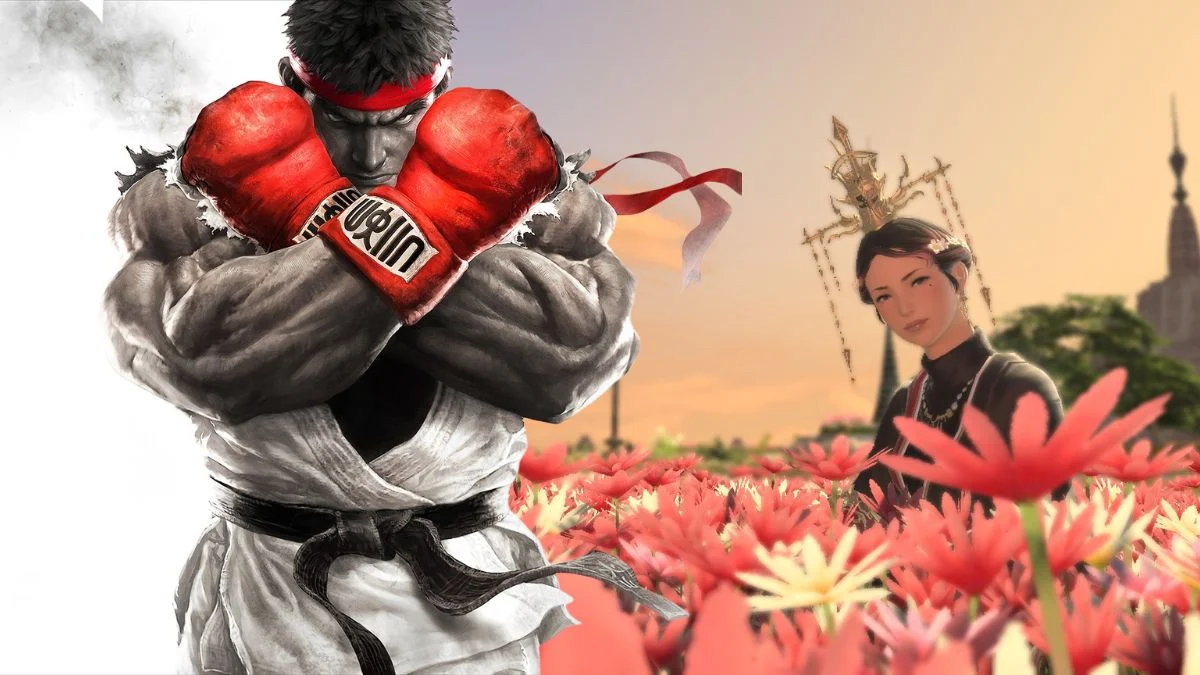
‘Street Fighter V’ (2016)
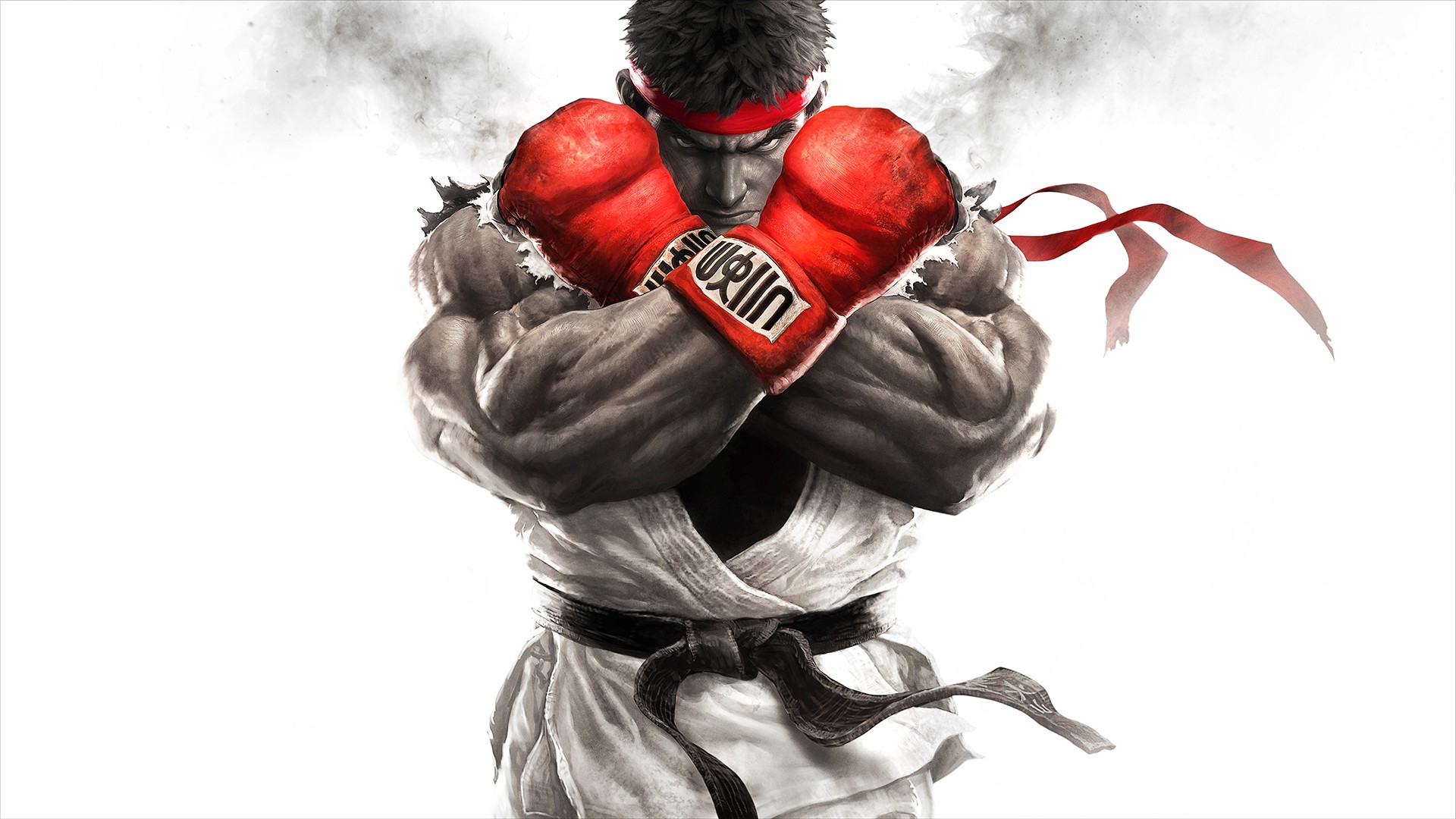
Capcom’s initial release of this fighting game disappointed many. It lacked common features like a solo player mode or a detailed story, leaving casual players feeling left out. Competitive players also struggled with delays in the game’s response to their commands. However, subsequent editions – Arcade Edition and Champion Edition – fixed these issues and added a large number of playable characters. Ultimately, the game became a well-regarded addition to the franchise.
‘Destiny’ (2014)
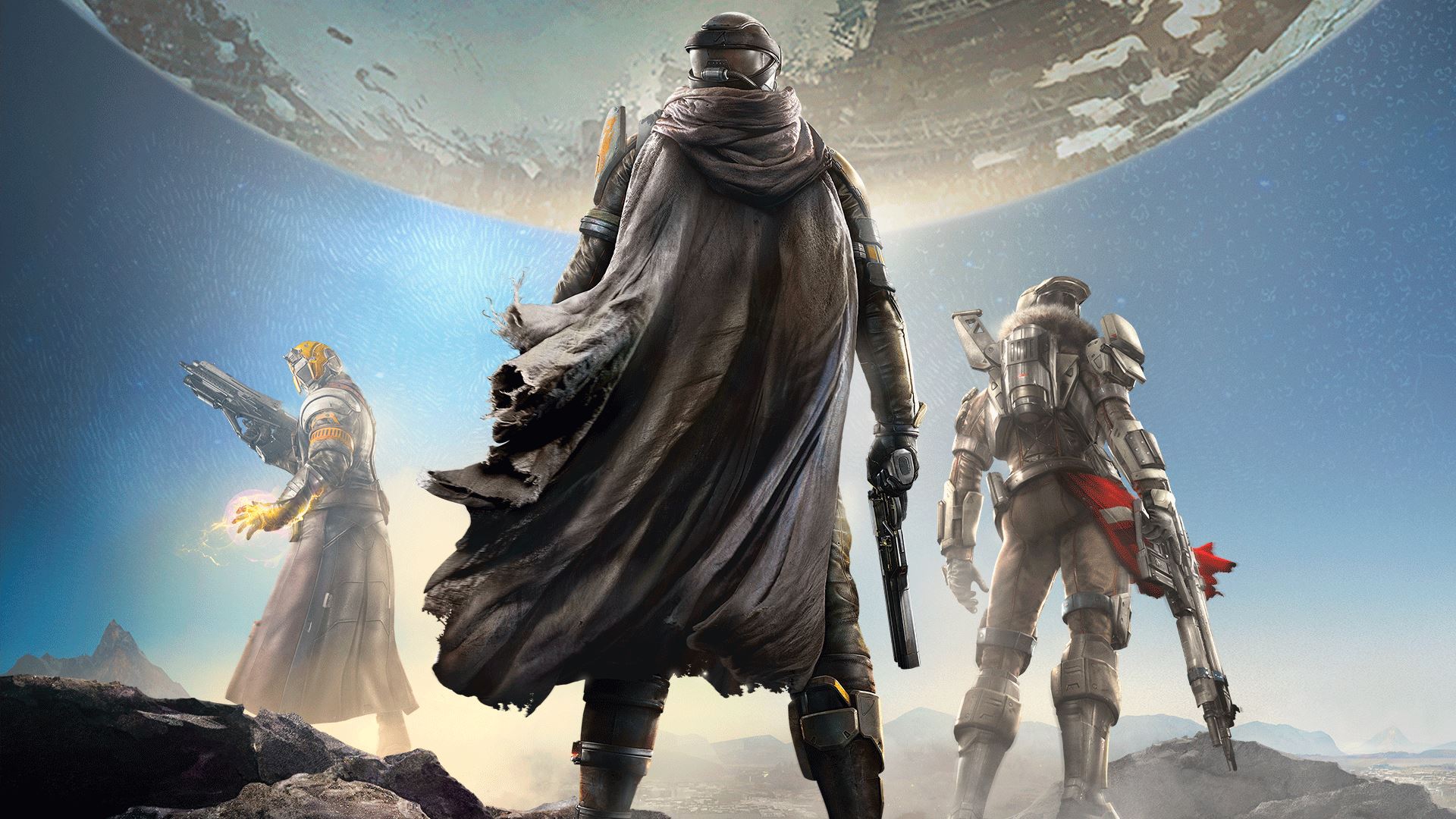
Bungie’s initial release of their shooter game had a confusing story, forcing players to find background information online. It also lacked substantial end-game activities and depended too much on chance for players to get good items. The ‘Taken King’ expansion significantly improved the storytelling and made the game’s progression system much better. This improvement helped the game become a leading title in the looter-shooter genre.
‘The Elder Scrolls Online’ (2014)
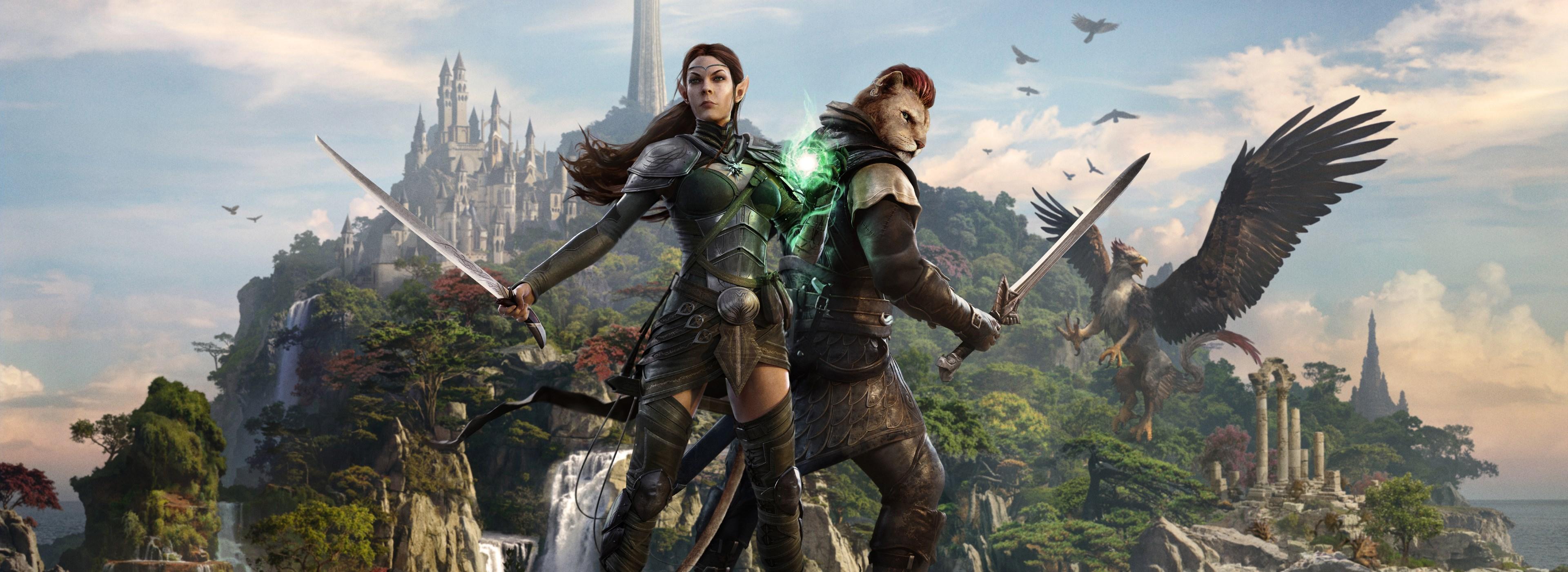
Early versions of the game restricted players from exploring together if they weren’t at similar levels, and the combat felt different—less grounded—than other games in the series. It also launched with many bugs. A major update, Tamriel Unlimited, fixed these issues by removing the subscription fee and allowing players of any level to play together. Now, the game is highly praised for its excellent storytelling and quests, considered among the best in the MMO world.
‘Warframe’ (2013)
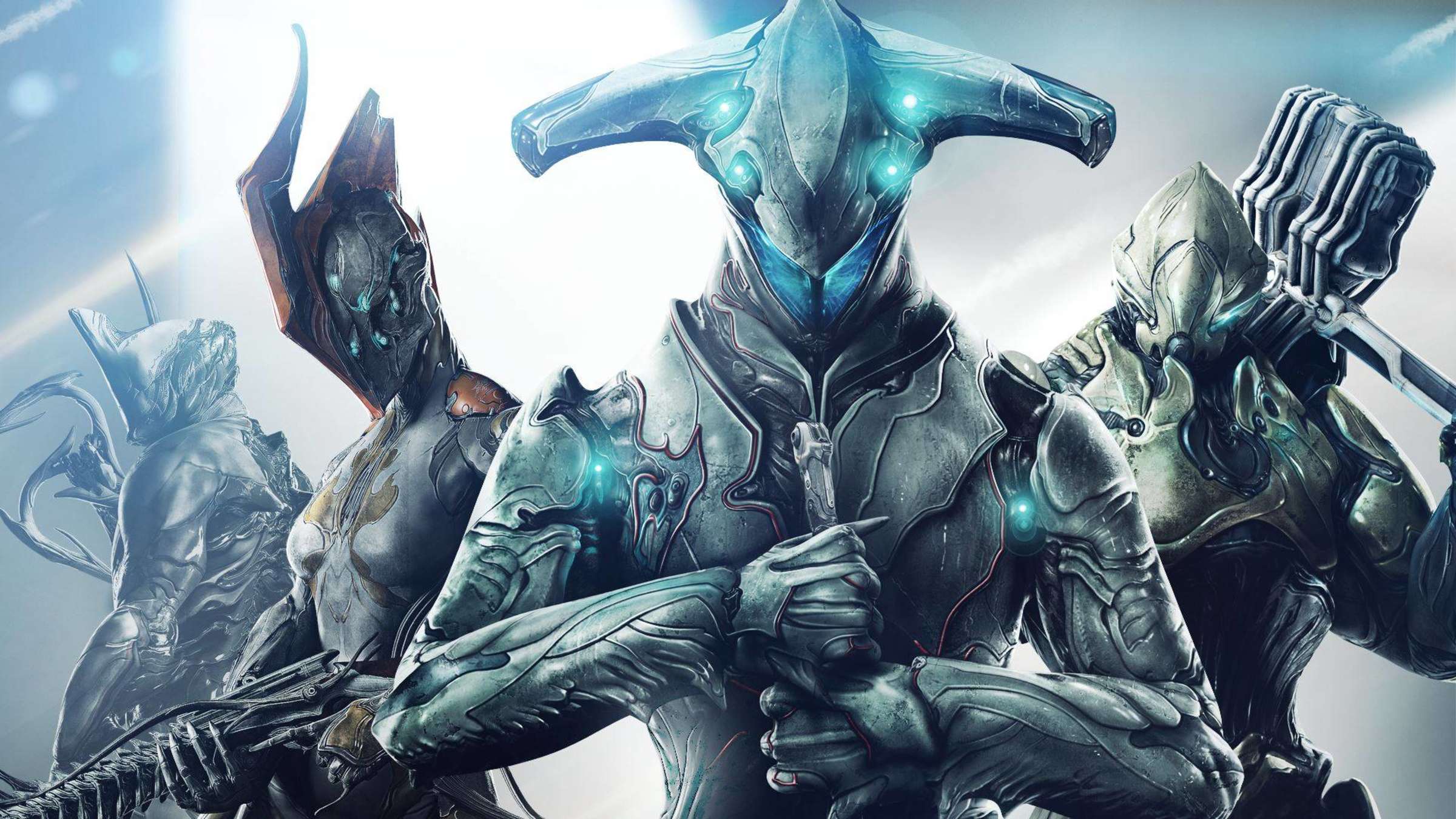
When Digital Extremes first released this free-to-play shooter, it featured gloomy settings and similar-looking hallways. Early reviews weren’t impressed, calling it a typical sci-fi game without much to offer. However, the developers listened closely to player feedback and dramatically expanded the game with large, open areas and compelling, story-driven missions. Now, it’s known as one of the most rewarding and content-rich free games you can find.
‘Halo: The Master Chief Collection’ (2014)
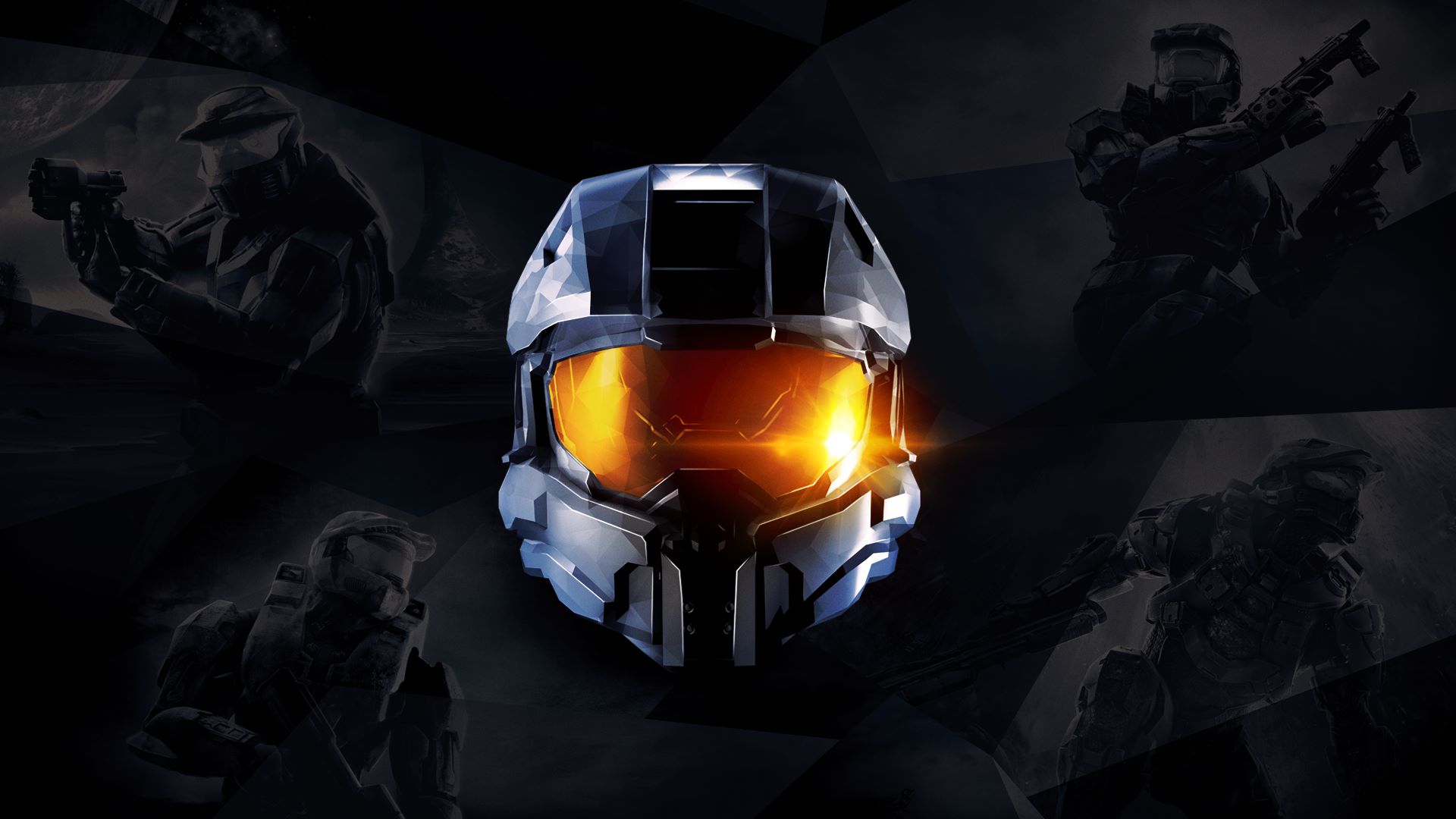
This collection was intended as the perfect way to celebrate the series, but it initially had serious problems with its online connection features, making it impossible to play with others. It took the developers at 343 Industries several years to fix the technical issues and get everything working smoothly. Eventually, the game was released on PC and included Halo: Reach, completing the package. Now, it’s considered the best example of how to successfully preserve and improve older games for modern audiences.
‘Assassin’s Creed Unity’ (2014)
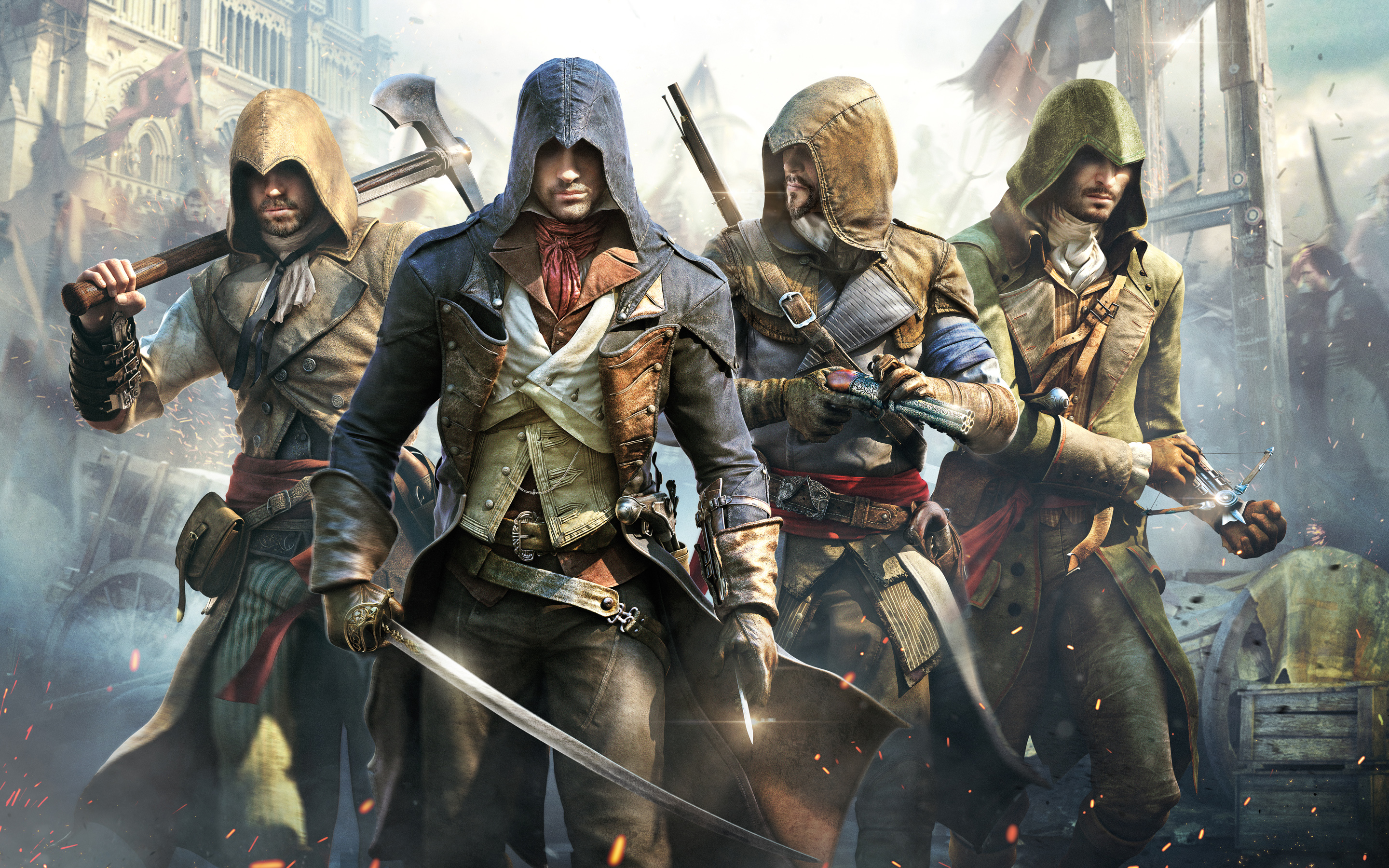
Honestly, when this game first launched, it was a disaster! The graphics were so buggy – faces would just vanish, and it became a running joke online. Plus, playing on consoles was rough. Frame rates would drop so low during busy scenes it was almost unplayable. Thankfully, Ubisoft fixed a lot of the issues with patches. Once they did, everyone started to really appreciate how amazing the parkour was and how detailed and immersive the city felt. Looking back, a lot of fans, myself included, see this as the last ‘classic’ Assassin’s Creed game before the series changed direction and started focusing more on RPG elements.
‘For Honor’ (2017)
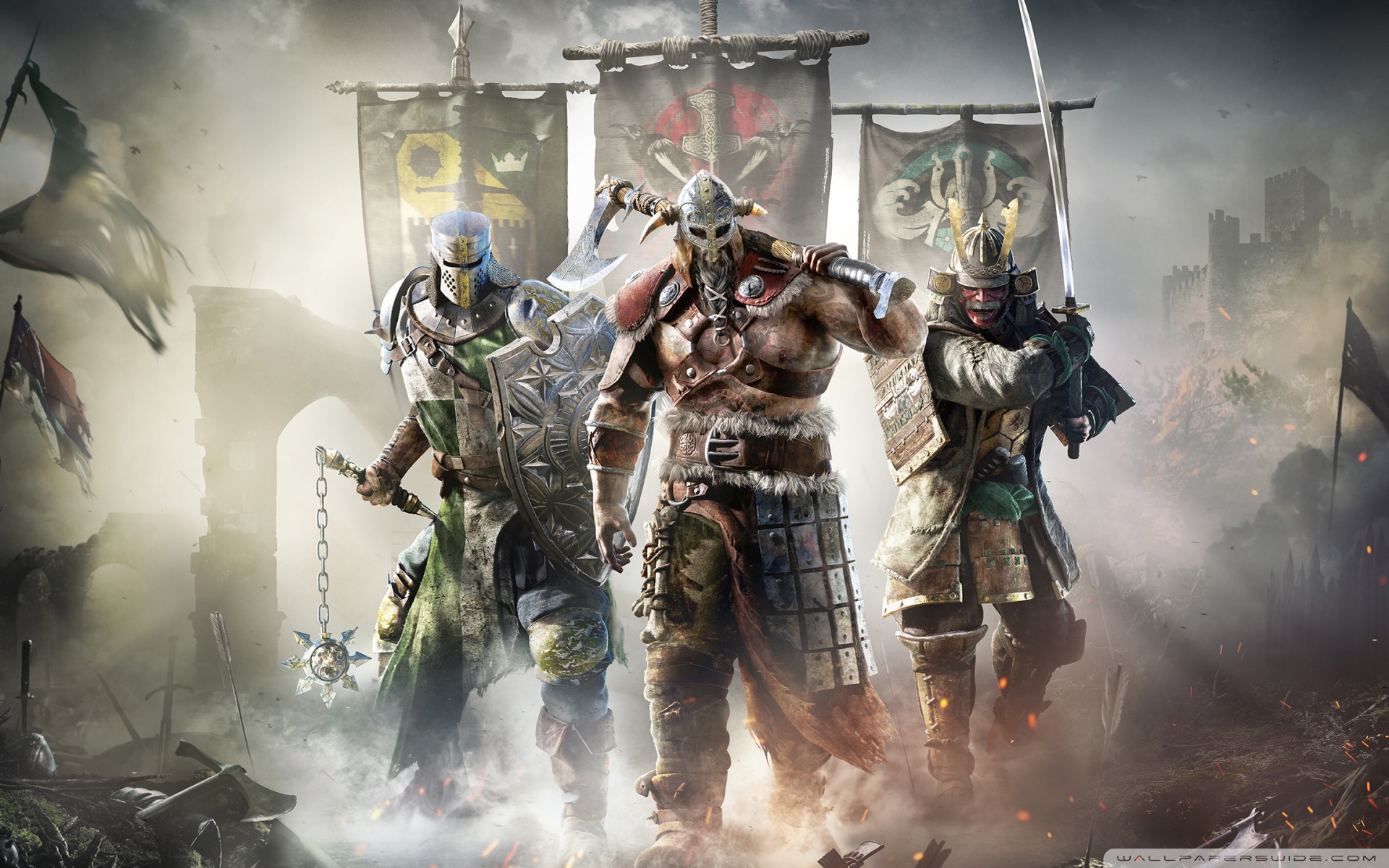
This fighting game had a rocky start due to problems with its online connections, which frequently dropped players. The intricate fighting mechanics were also unbalanced, allowing some players to easily win unfairly. Eventually, the developers fixed these issues by adding dedicated servers and redesigning several characters. Despite the initial challenges, the game gained a dedicated and passionate fanbase who love its unique mix of strategic thinking and fast-paced action.
‘Driveclub’ (2014)
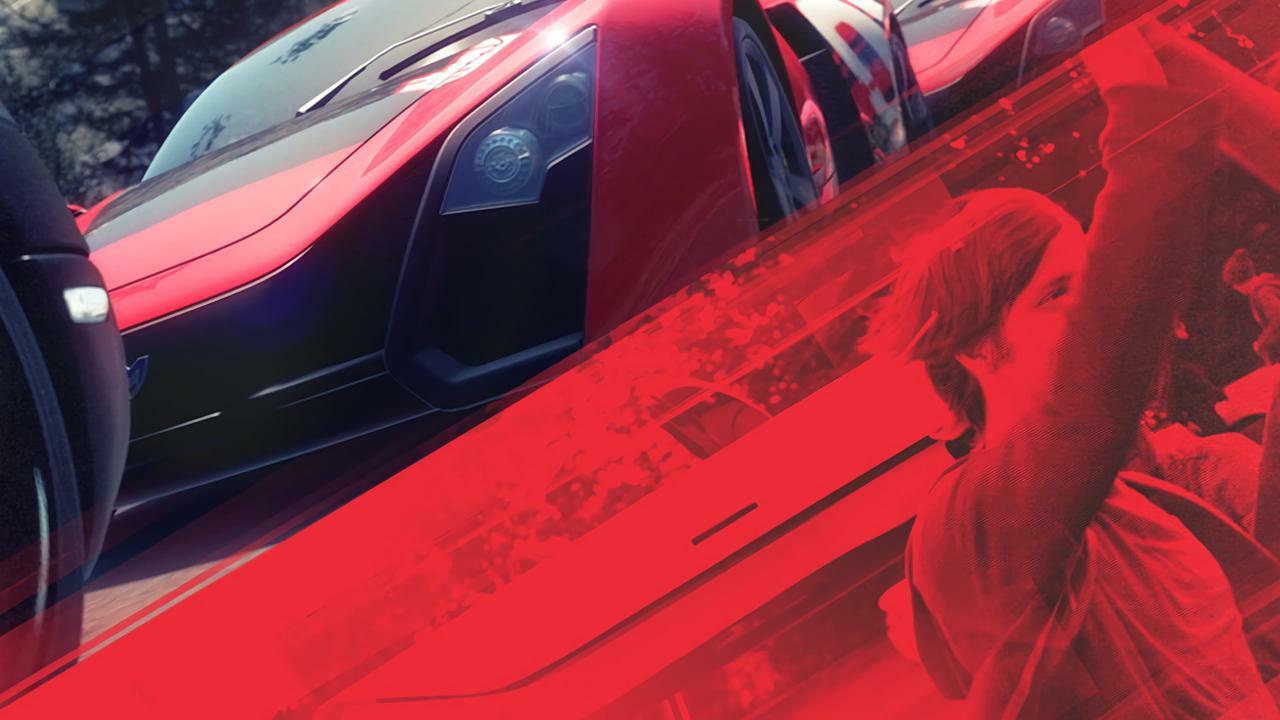
When it first launched, Evolution Studios’ racing game was beautiful but impossible to play online due to server problems that lasted for weeks. A free version planned for PlayStation Plus subscribers was also indefinitely postponed. Once those connection issues were fixed, the game proved to be a fantastic, fast-paced arcade racer. Despite this, fans were saddened when the studio closed down, even though the game eventually gained a following.
‘Days Gone’ (2019)
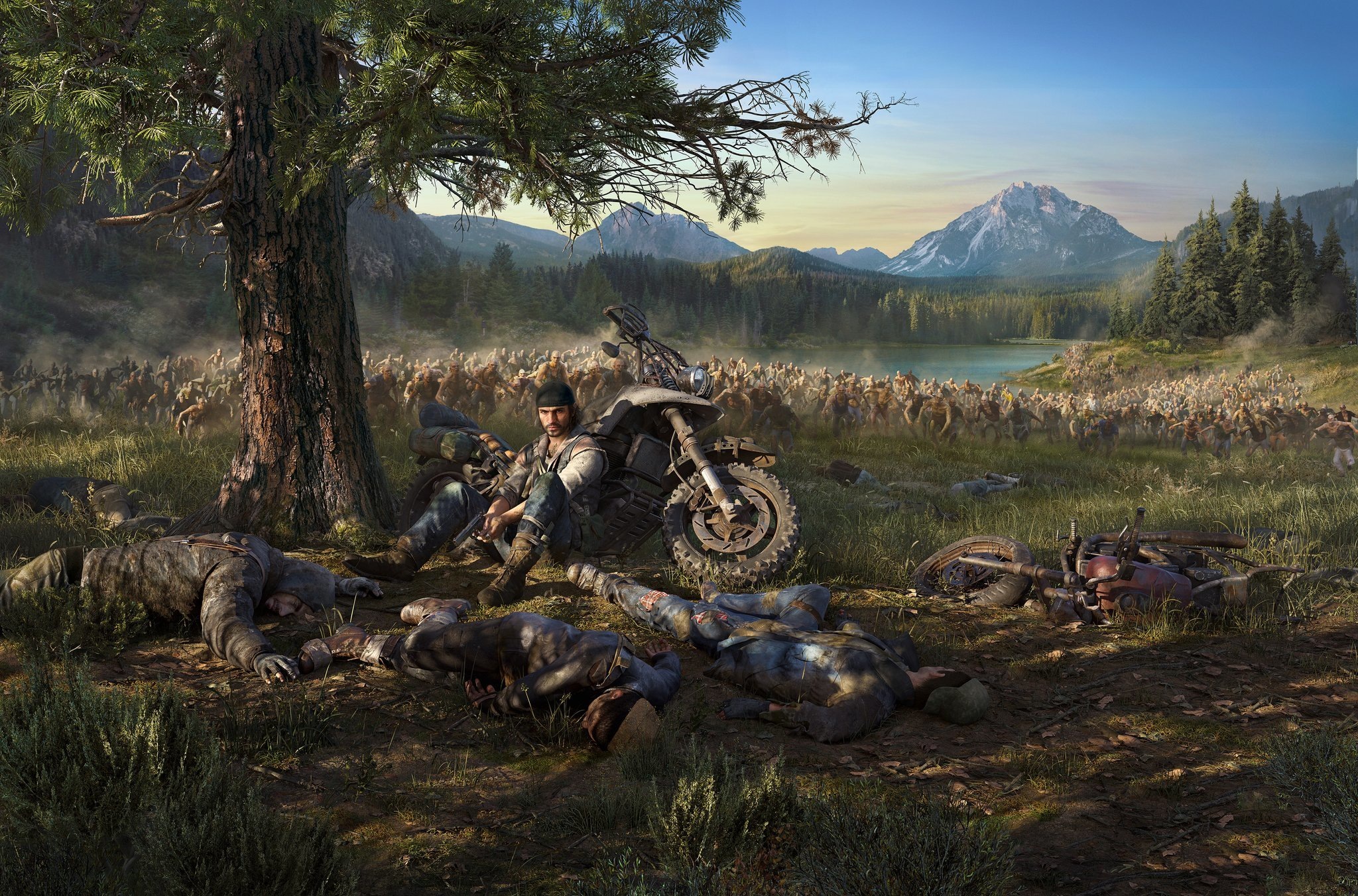
The PlayStation 4 version of this zombie survival game received mixed reviews, mainly because the beginning felt slow and it had some technical problems. While the story and main character weren’t initially well-received, updates improved performance and a release on PC brought in more players. Those new players found a surprisingly rich story and enjoyed the challenging zombie hordes, which helped the game build a dedicated following.
‘Battlefield 4’ (2013)
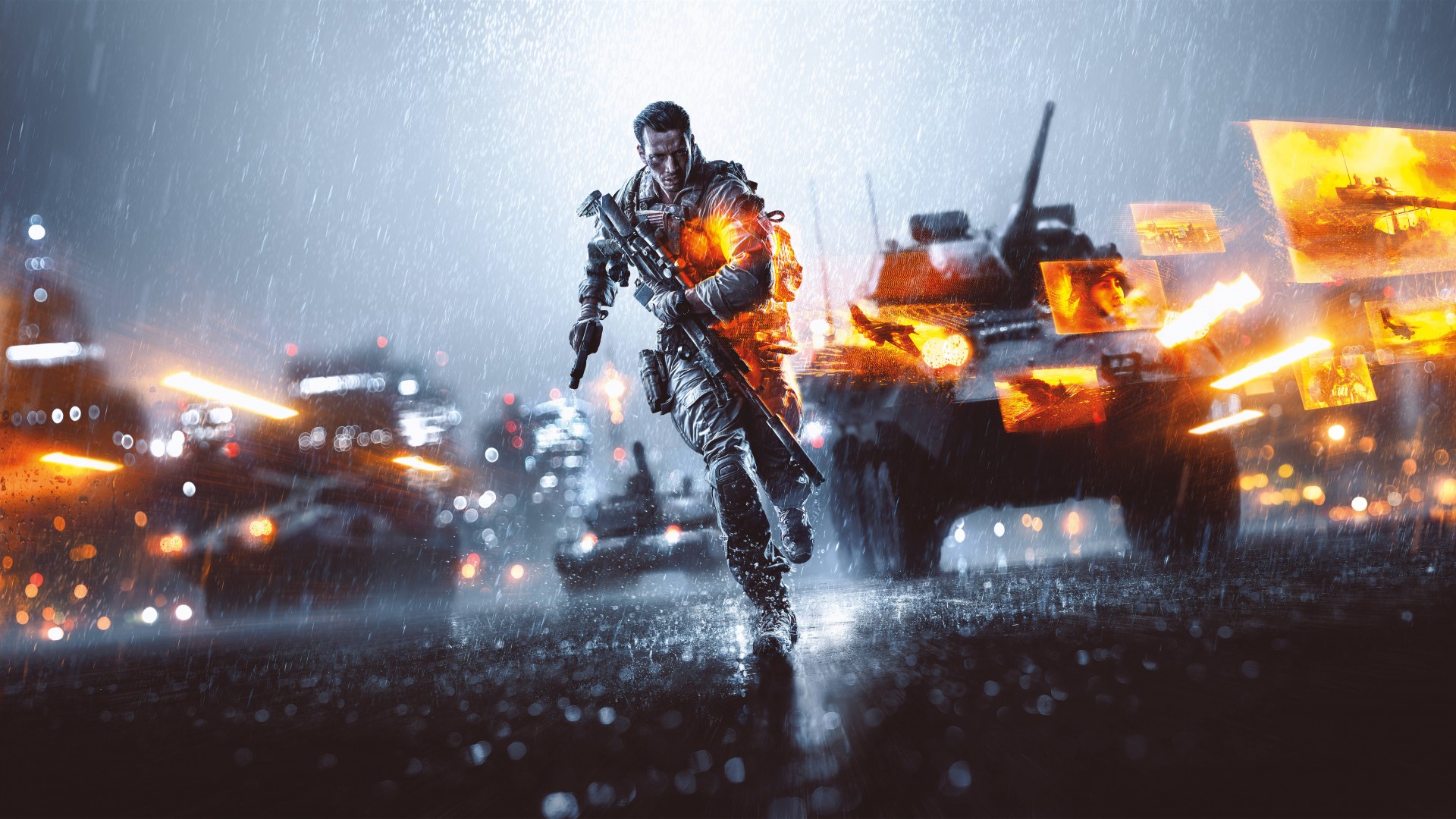
When this military shooter first launched, it was riddled with problems, leading to lawsuits from investors. Players experienced constant server crashes and a frustrating issue where shots wouldn’t always connect with enemies. The developers at DICE LA stepped in, and with help from the player community through a special testing environment, they were able to fix many of the issues. Now, many fans consider it the best modern Battlefield game.
‘Civilization V’ (2010)
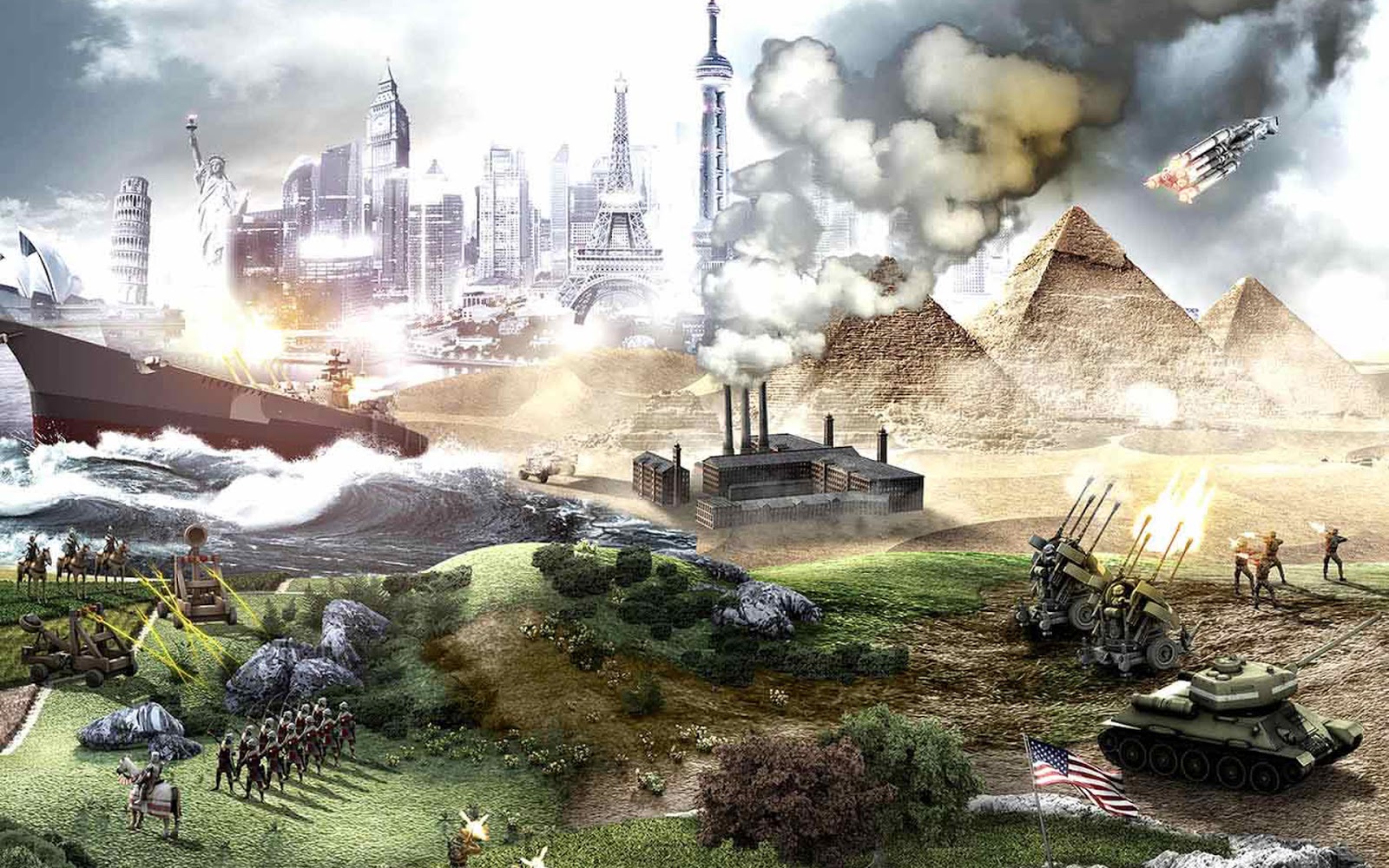
When the game first launched, longtime fans of the series were disappointed by the removal of popular features like religion and spying, which had been included in earlier versions. The artificial intelligence was unpredictable, and the late-game experience didn’t feel as satisfying as before. However, two significant expansions brought back those missing features and greatly improved the game’s diplomatic options. Now, the complete version is often considered one of the greatest strategy games ever made.
‘The Sims 4’ (2014)
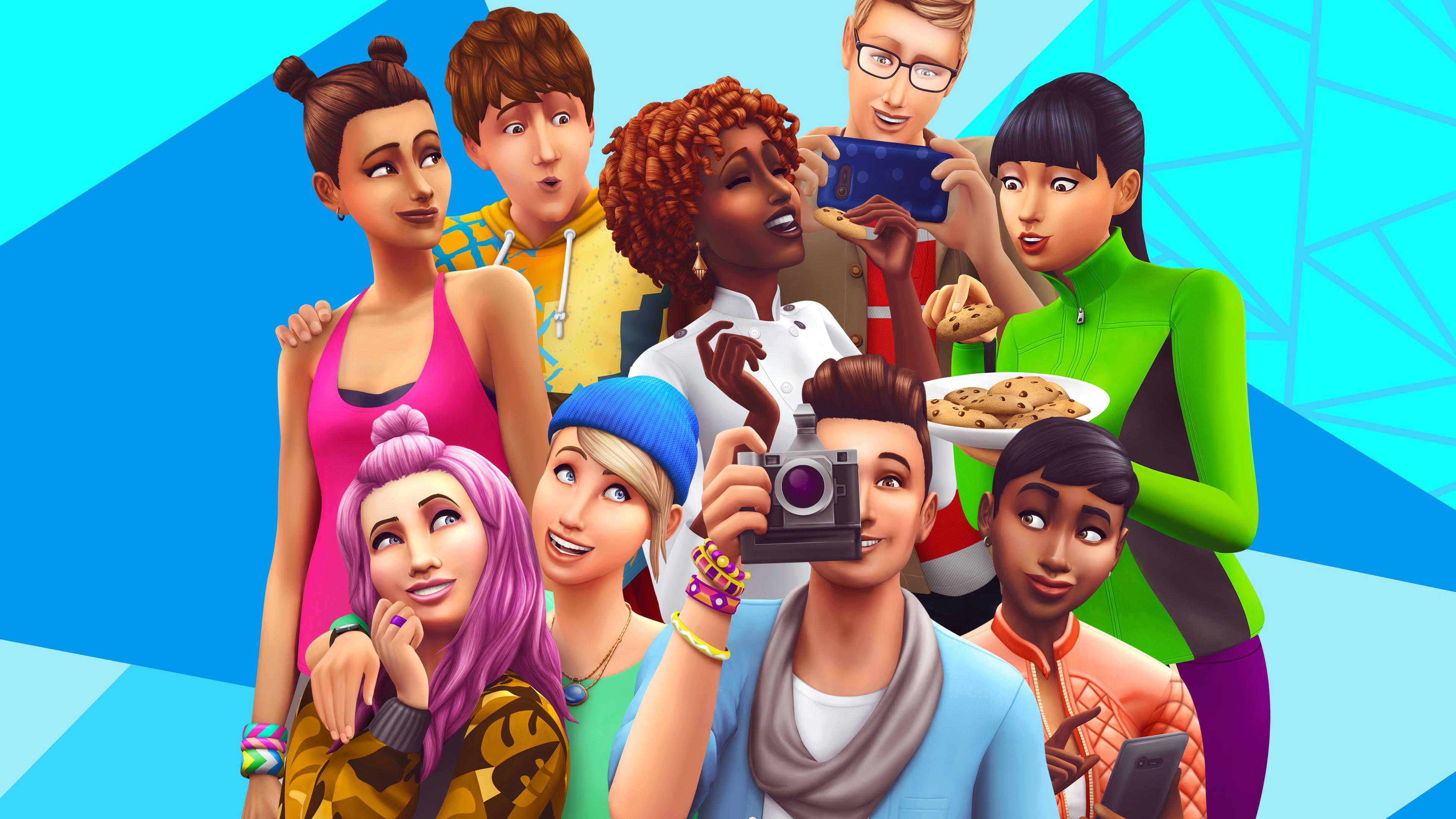
Dedicated players were very upset when the game first came out because it lacked popular features like toddlers and swimming pools. The expansive open world of previous versions was replaced with smaller, separate neighborhoods, which many felt was a step backward. Over several years, the game developers, Maxis, added these missing features and life stages through free updates. Despite a difficult launch, this version ultimately became the most popular game in the series.
‘Fallout: New Vegas’ (2010)
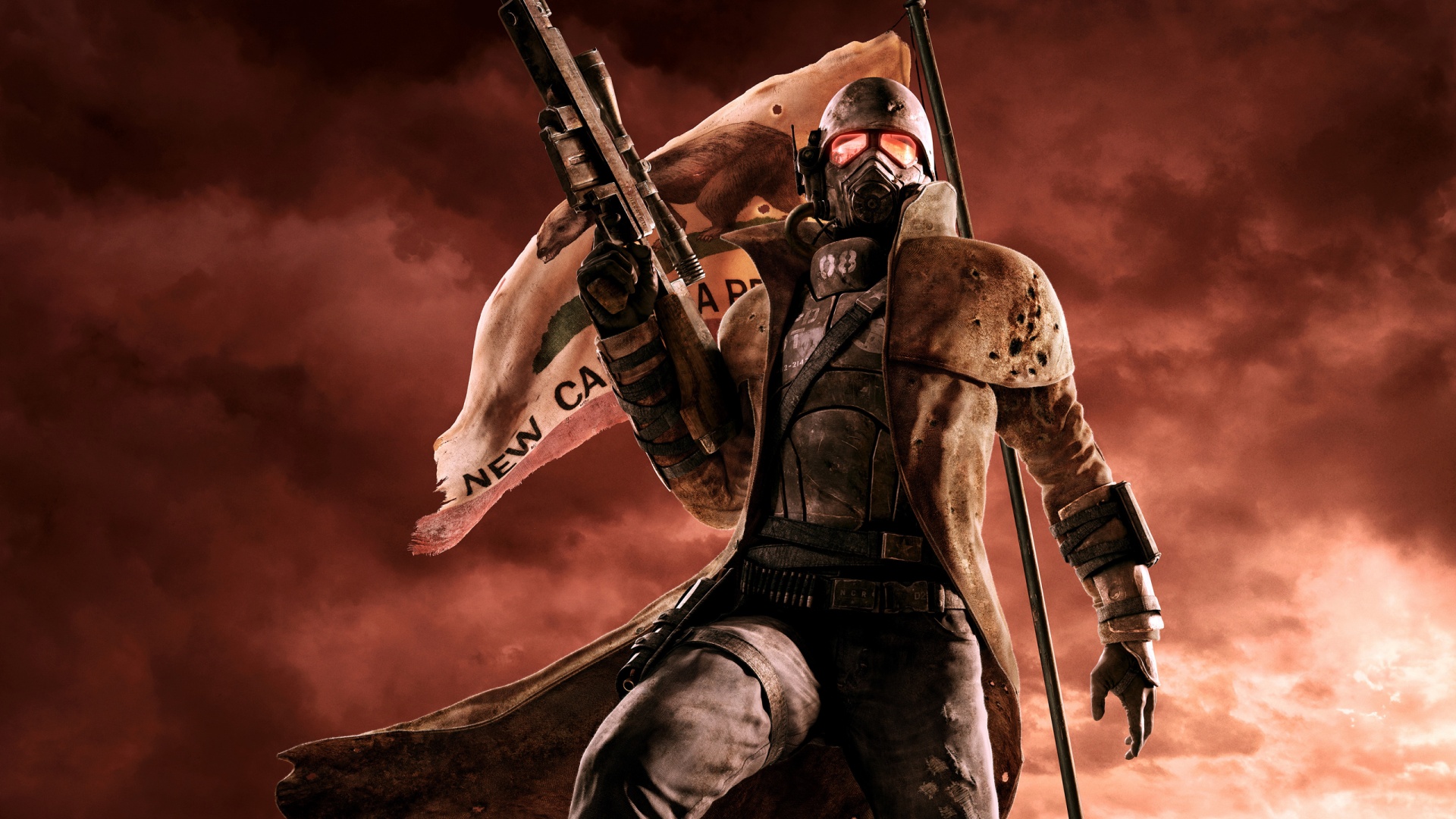
When Obsidian Entertainment first released this role-playing game, it was plagued with problems, including frequent crashes and bugs that broke gameplay and even damaged saved games. Thankfully, through community-created modifications and official updates, the game became stable enough to showcase its excellent story and writing. Now, many consider it the best Fallout game made in recent years, thanks to its intricate and branching storyline.
‘Vampire: The Masquerade – Bloodlines’ (2004)
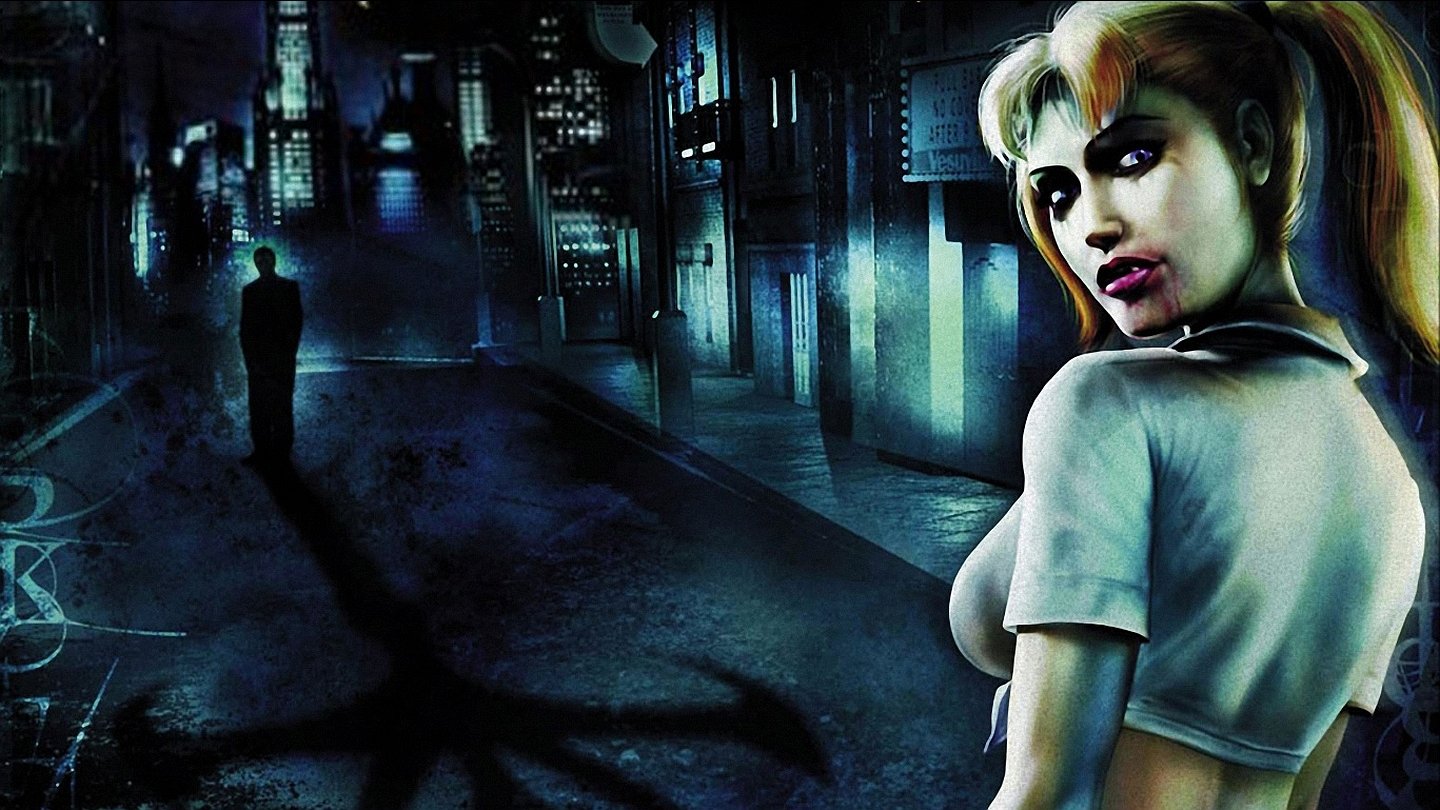
Man, when this game first came out, it was rough. It launched on the same day as Half-Life 2, which was already a huge deal, and honestly, it was a mess. It felt super unfinished, with bugs that completely stopped you from finishing the game. Thankfully, the fans really stepped up! They made a bunch of unofficial patches that fixed a lot of the problems and even put back in content that was cut. Now, years later, it’s become a real cult classic – seriously, the writing in this game is some of the best I’ve ever seen in any game.
‘EarthBound’ (1994)
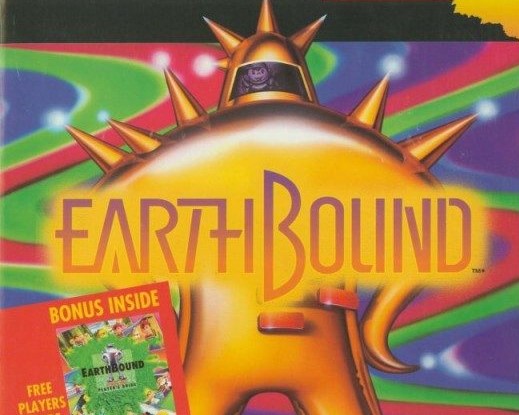
The Western marketing for this role-playing game was strange, relying on shocking humor that turned off many potential players. Reviewers back then didn’t get the game’s satire and criticized its basic graphics. While it didn’t sell well initially, it gradually built a huge and devoted fanbase through online play and recommendations. Today, it’s celebrated as a classic and is recognized as an influence on popular games like Undertale.
‘The Legend of Zelda: The Wind Waker’ (2002)
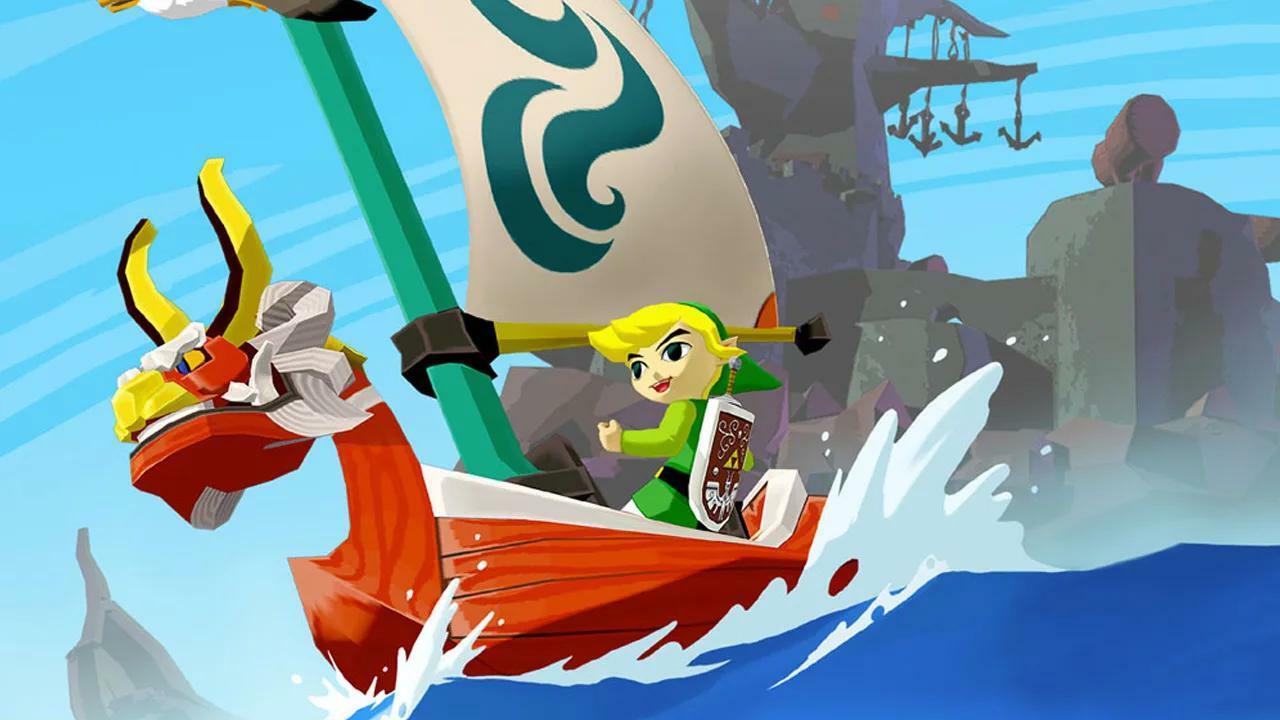
When “Celda” first came out, many fans were surprised by its cartoonish art style, which seemed very different from the more realistic previews they’d seen. Some also found the sailing slow and repetitive, and felt the search for the Triforce didn’t add much to the game. However, the game’s visuals have held up surprisingly well over time, looking better than many other games from that era that aimed for realism. The updated HD version improved the game’s flow and helped cement its place as a fan favorite.
‘Metal Gear Solid 2: Sons of Liberty’ (2001)
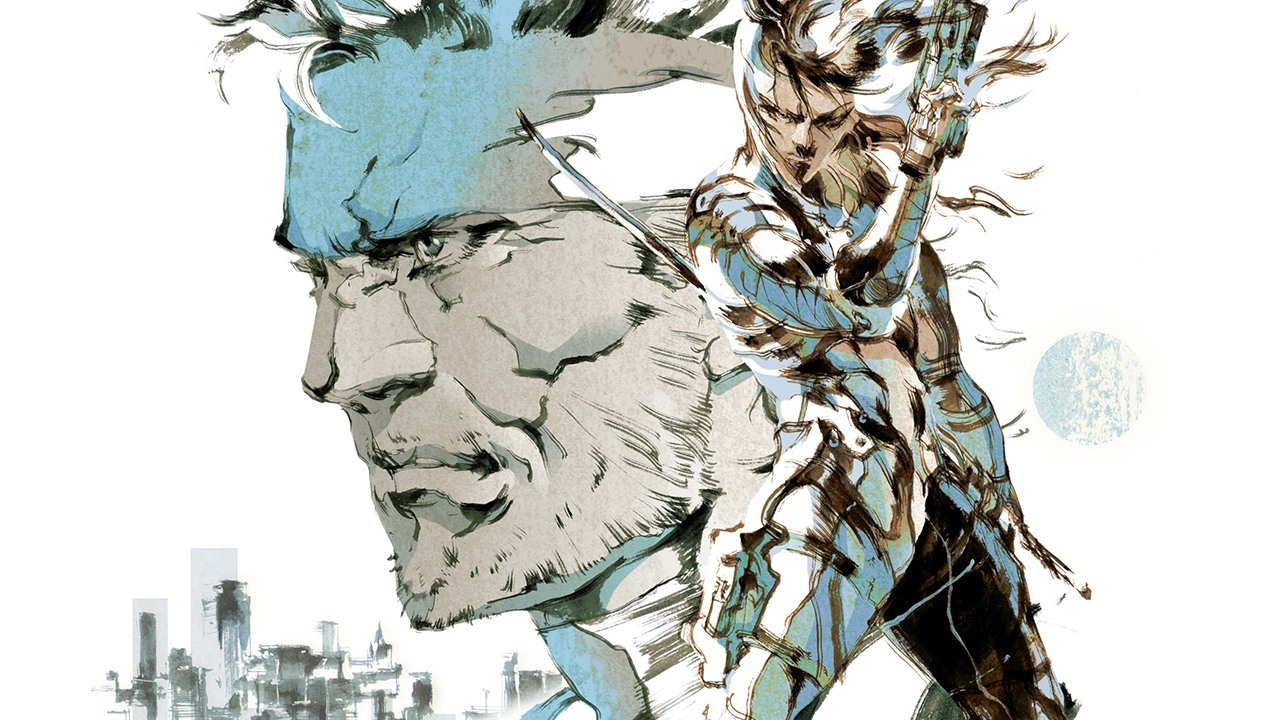
Honestly, when I first played Metal Gear Solid 2, I was totally blindsided. They let you play as Solid Snake, and I was hyped, but then… that was it, just the beginning! Switching to Raiden felt like a real bait-and-switch, and I wasn’t happy. The story was also super weird and confusing back then, all about controlling information. Looking back now, though, it’s kinda crazy how much that game predicted about fake news and how things get censored online. It feels way ahead of its time, even now.
‘God Hand’ (2006)
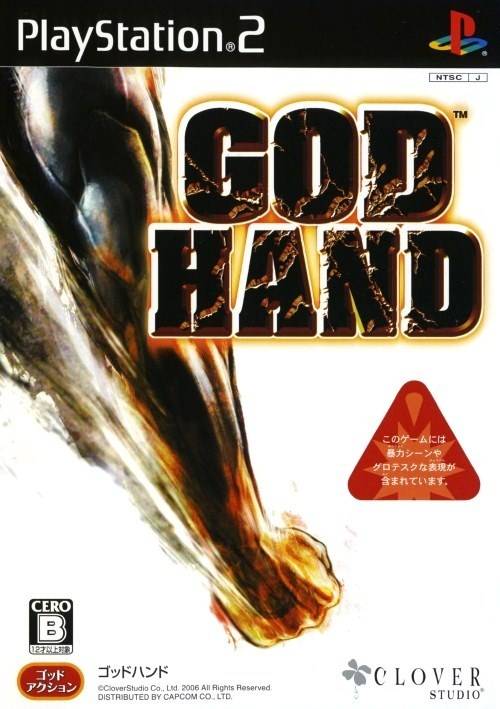
This fighting game initially received a poor review from a well-known gaming magazine, which criticized its challenging gameplay and awkward controls. Many reviewers at the time found the controls and camera to be outdated. However, players who enjoy action games later appreciated the game’s surprisingly complex and customizable combo system. Today, it’s considered a remarkably difficult but satisfying beat-em-up, and a standout title in the genre.
‘Spec Ops: The Line’ (2012)
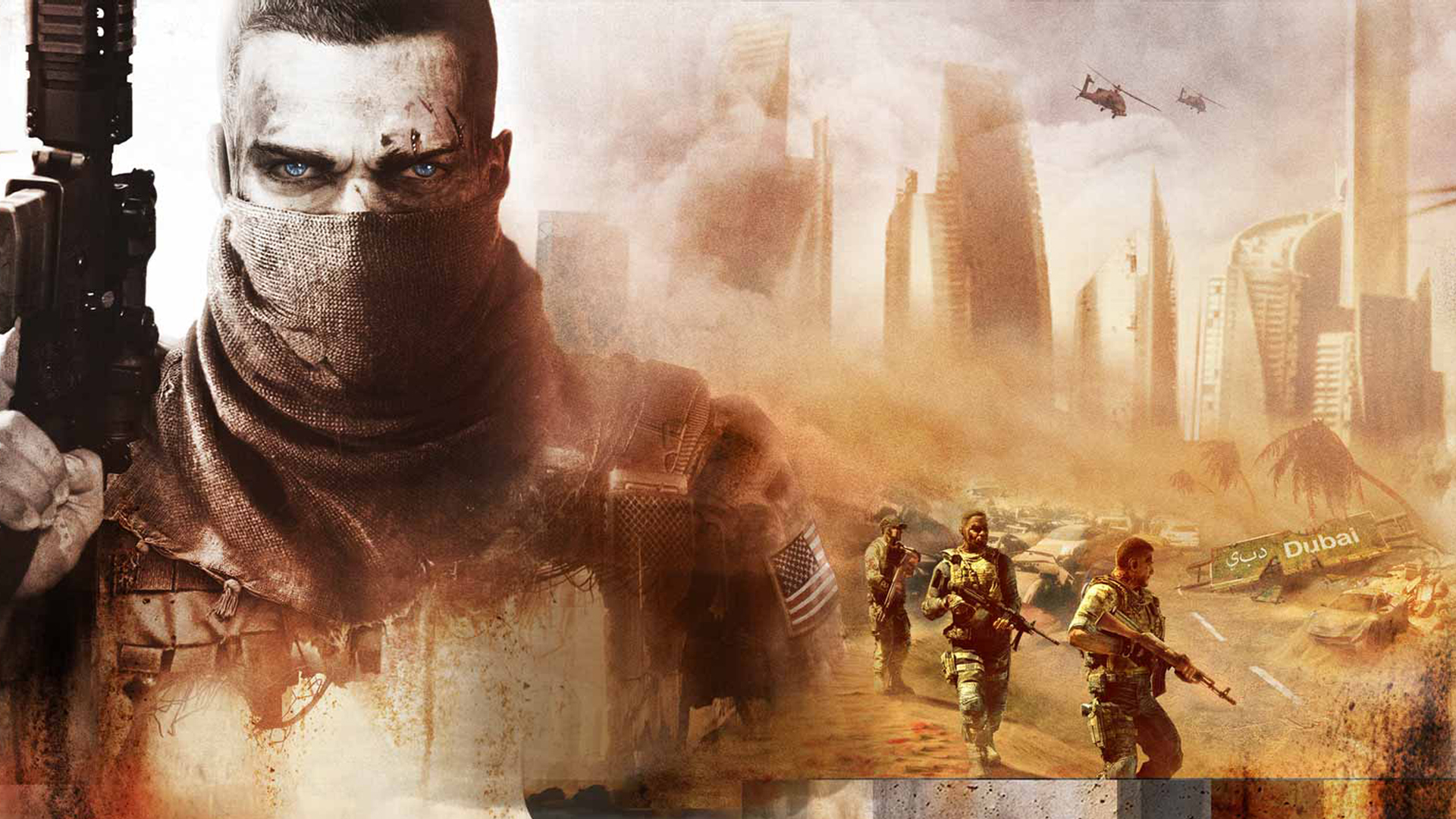
When this game first came out, many players overlooked it, assuming it was just another typical military shooter. Marketing materials made it appear similar to games like Call of Duty, set in Dubai. However, those who gave it a chance found a thought-provoking game that challenged traditional war themes and explored difficult questions about player choices. Now, critics praise it for its bold storytelling and deep psychological insights.
‘NieR’ (2010)
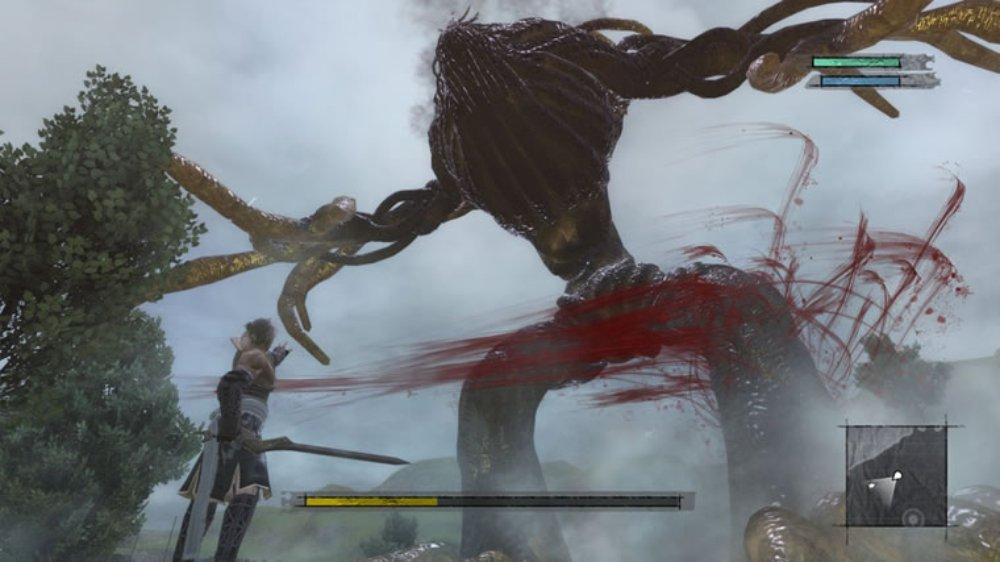
When the game first came out, reviewers didn’t like its old-fashioned visuals and awkward fighting. Many of the extra missions were boring, and the game kept switching between different styles of play, which felt jarring. However, a loyal group of fans loved the game’s sad story and amazing music. The recent remastered version showed that the game was actually brilliant, but was originally limited by a small budget.
‘Counter-Strike: Global Offensive’ (2012)
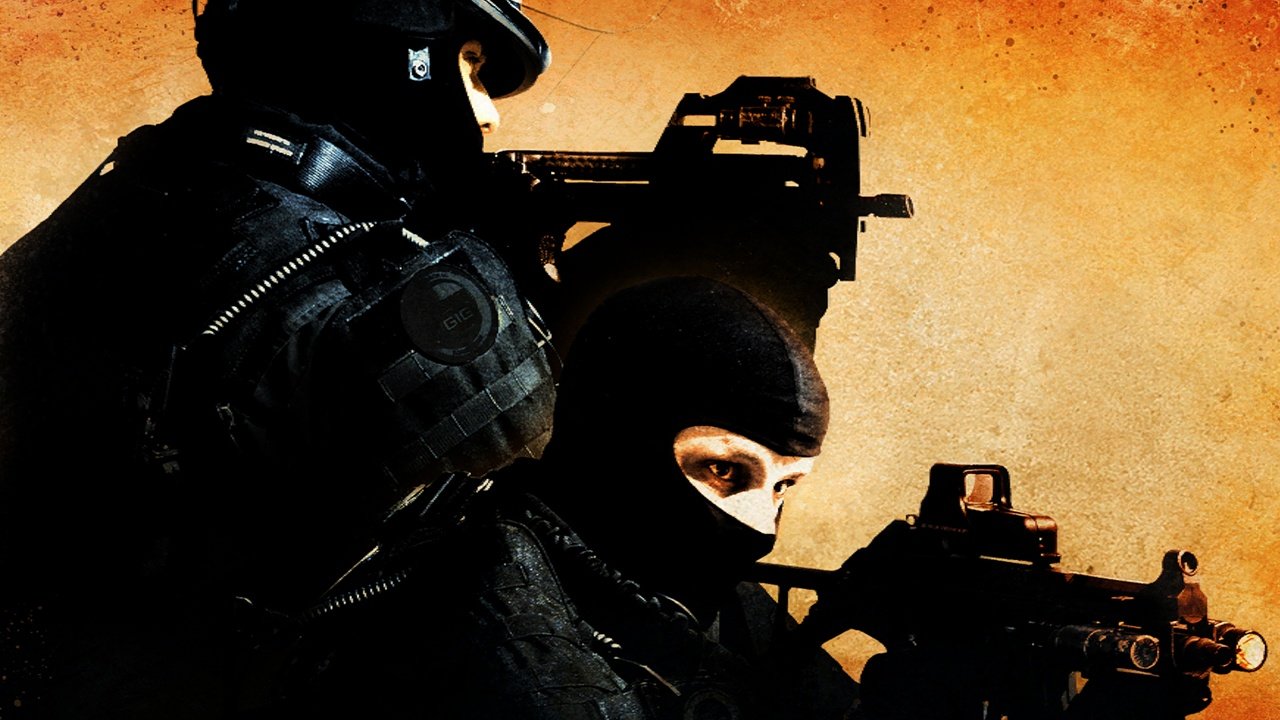
When the game first launched, experienced players disliked it, citing issues like overpowered Molotov cocktails and a development focus on consoles over PC. Valve listened to player feedback and spent years improving weapon handling and map design. This dedication ultimately transformed the game into a leading tactical shooter and a key component of the Steam marketplace.
‘Grand Theft Auto Online’ (2013)
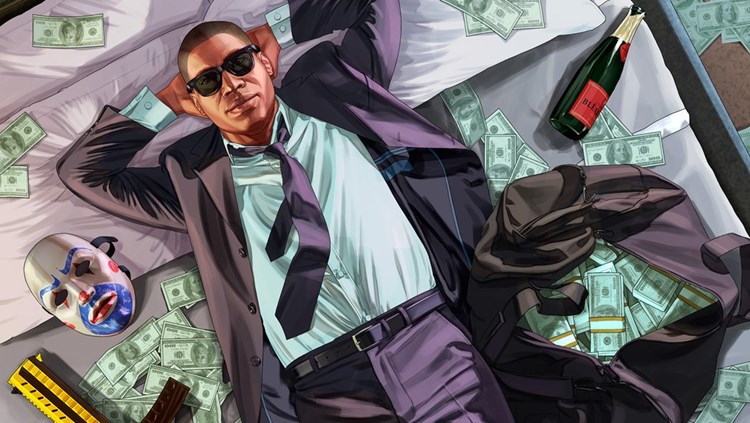
Grand Theft Auto V Online experienced major issues at launch, with overloaded servers making the game unplayable for weeks and causing players to repeatedly lose their characters and progress. Rockstar quickly fixed these problems and then released Heists, a feature that dramatically improved the game’s cooperative gameplay. This combination turned GTA V Online into a hugely successful entertainment product, providing consistent revenue for the studio for over ten years.
‘Payday 2’ (2013)
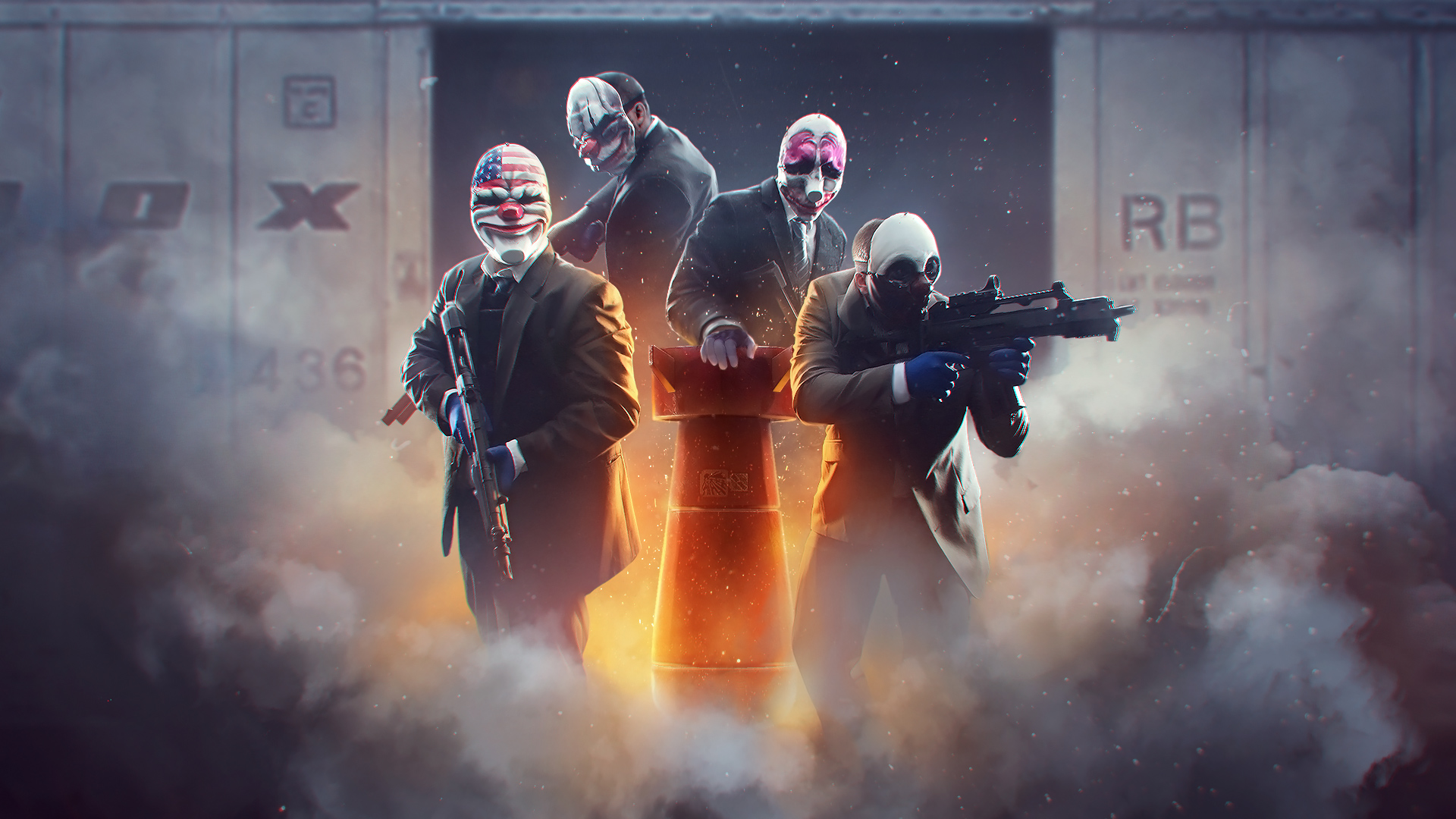
When the game first came out, it didn’t have much content and felt repetitive to play. Players were upset when the developers then introduced microtransactions – ways to buy items that made weapons stronger. The studio later apologized, took out the paid items, and added a lot of free content. Despite these issues, the game became very popular and is now a well-known cooperative shooter.
‘The Division’ (2016)
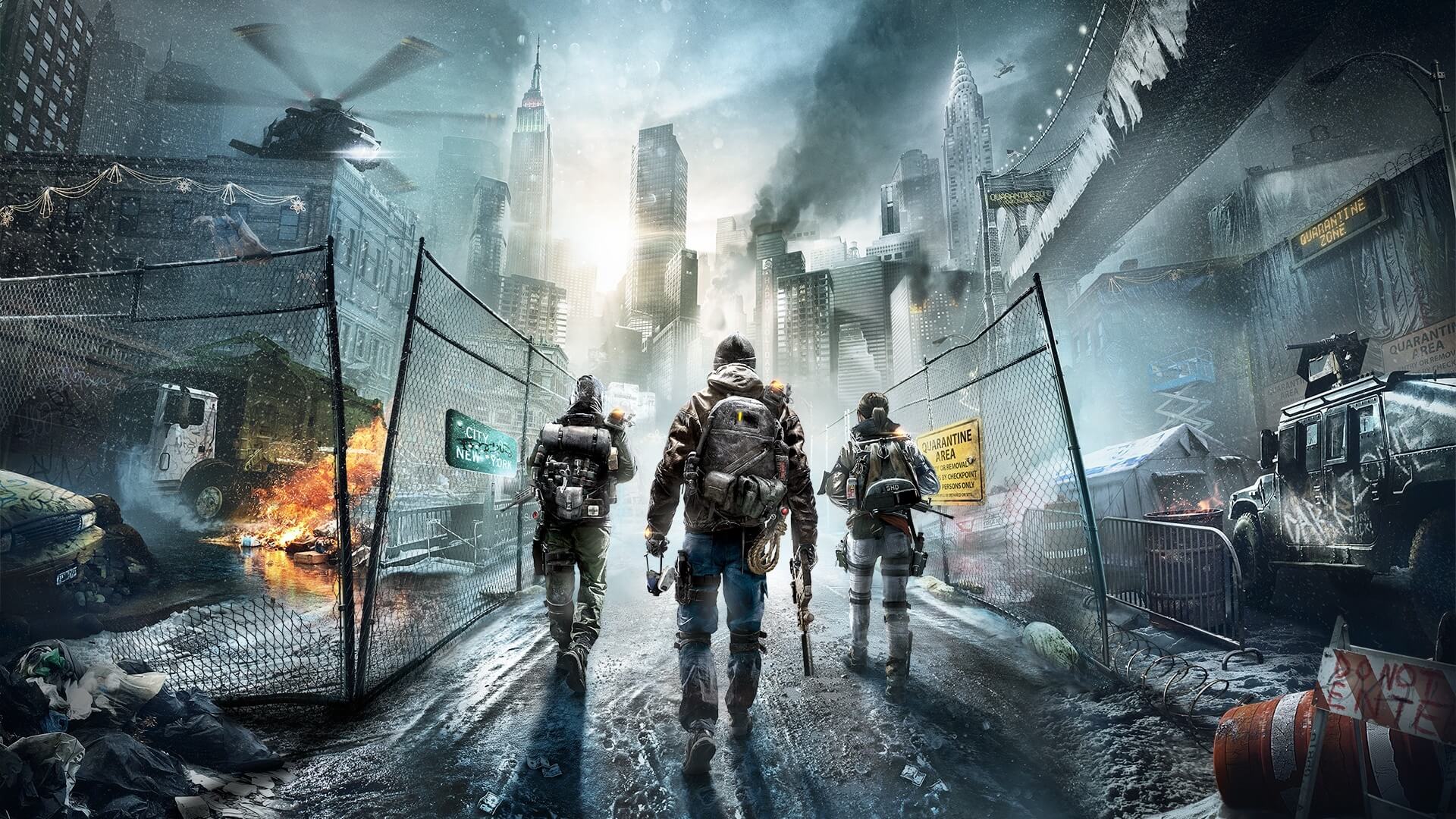
Ubisoft’s shooter initially impressed with its stunning depiction of New York City, but it didn’t offer much to do once players finished the main story. The Dark Zone, a key area for player-versus-player combat, was quickly overrun by cheaters and glitches, making it unfair. However, substantial updates, like version 1.8, dramatically improved the game with new features and a more balanced system for earning rewards. As a result, many players came back to enjoy the refined and finished product.
‘Rust’ (2013)

The game initially launched as a basic survival experience, plagued by cheaters and technical issues. The developers took a bold step and completely restarted the project, discarding all the original code. Over several years, they consistently added new features like vehicles and electrical systems, making the gameplay much more complex and engaging. Today, it’s become a hugely popular game to watch on streaming platforms.
‘Hitman’ (2016)
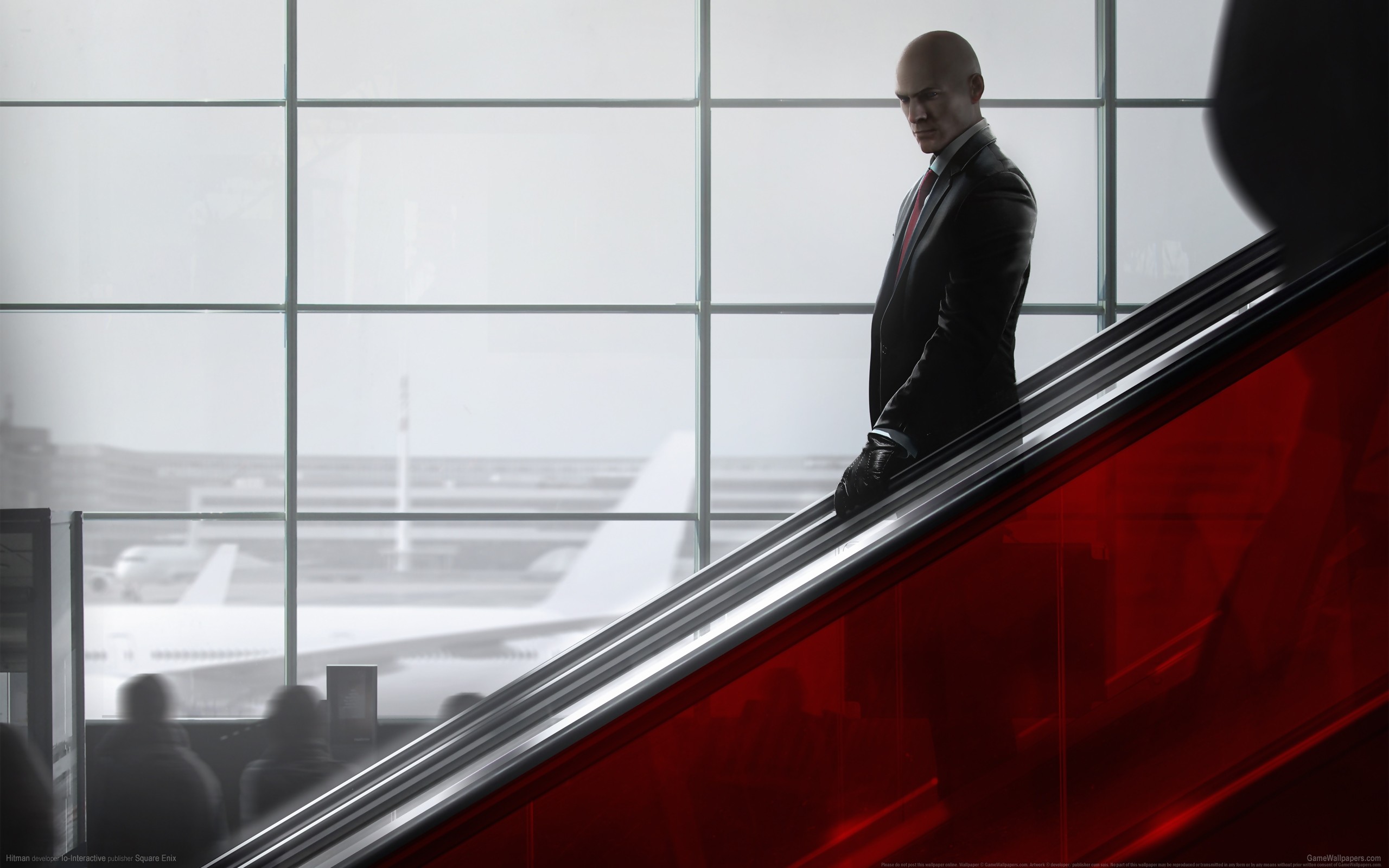
Players initially doubted the decision to release the game in episodes, with new maps appearing over the course of a year. Many worried this would disrupt the smooth, connected experience Hitman was known for. However, this approach actually motivated players to fully explore and perfect each level before moving on. Ultimately, this game successfully revitalized the Hitman series, paving the way for the highly praised World of Assassination trilogy.
‘Kingdom Come: Deliverance’ (2018)
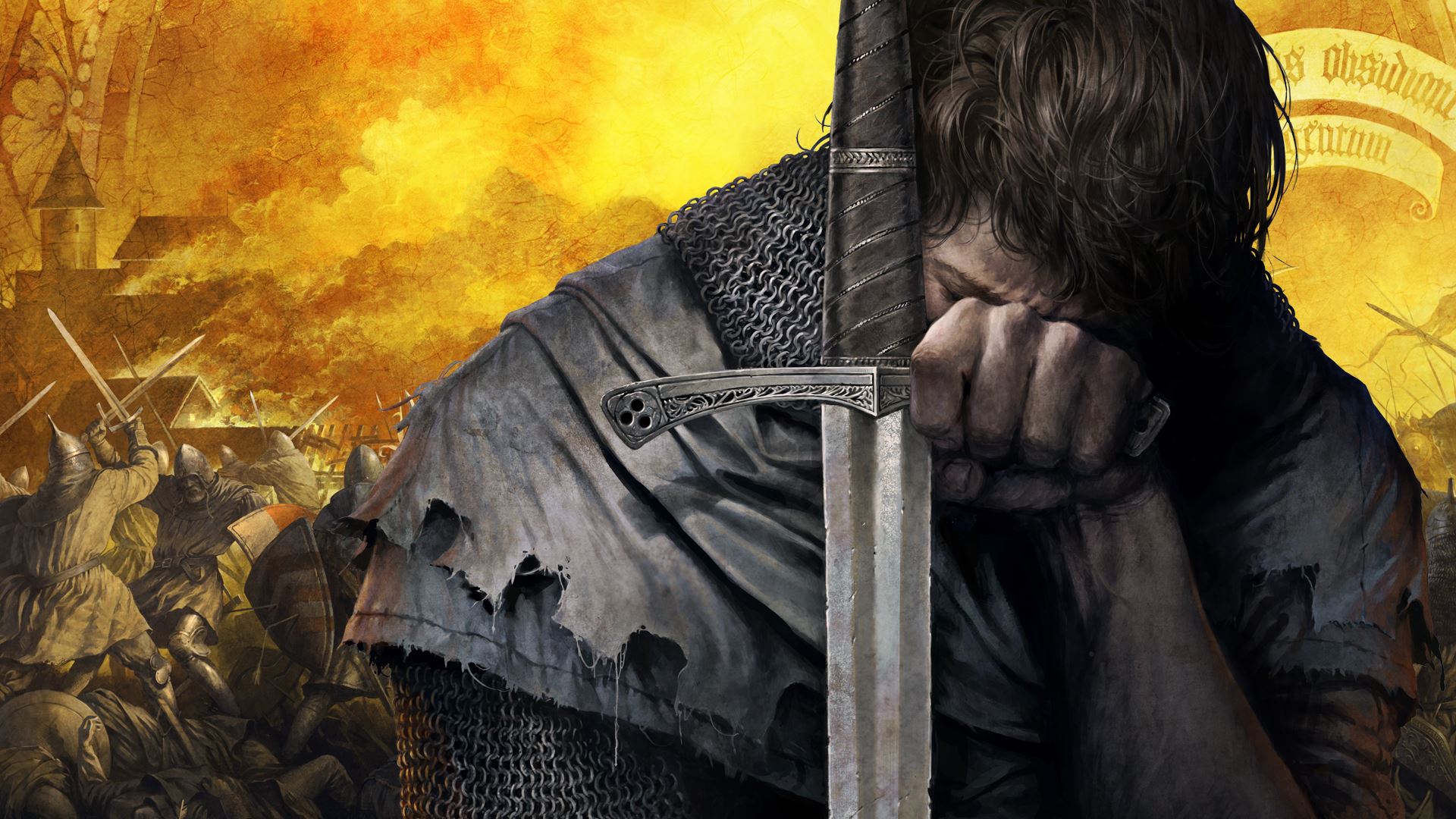
When this detailed medieval game first came out, it had many technical problems that prevented players from finishing quests. Saving the game was also very difficult, and many found the combat too challenging. Updates fixed most of the bugs, but the game remained intentionally difficult. It ultimately attracted a dedicated fanbase who wanted a realistic historical role-playing experience without magic or fantastical elements.
‘Prey’ (2017)
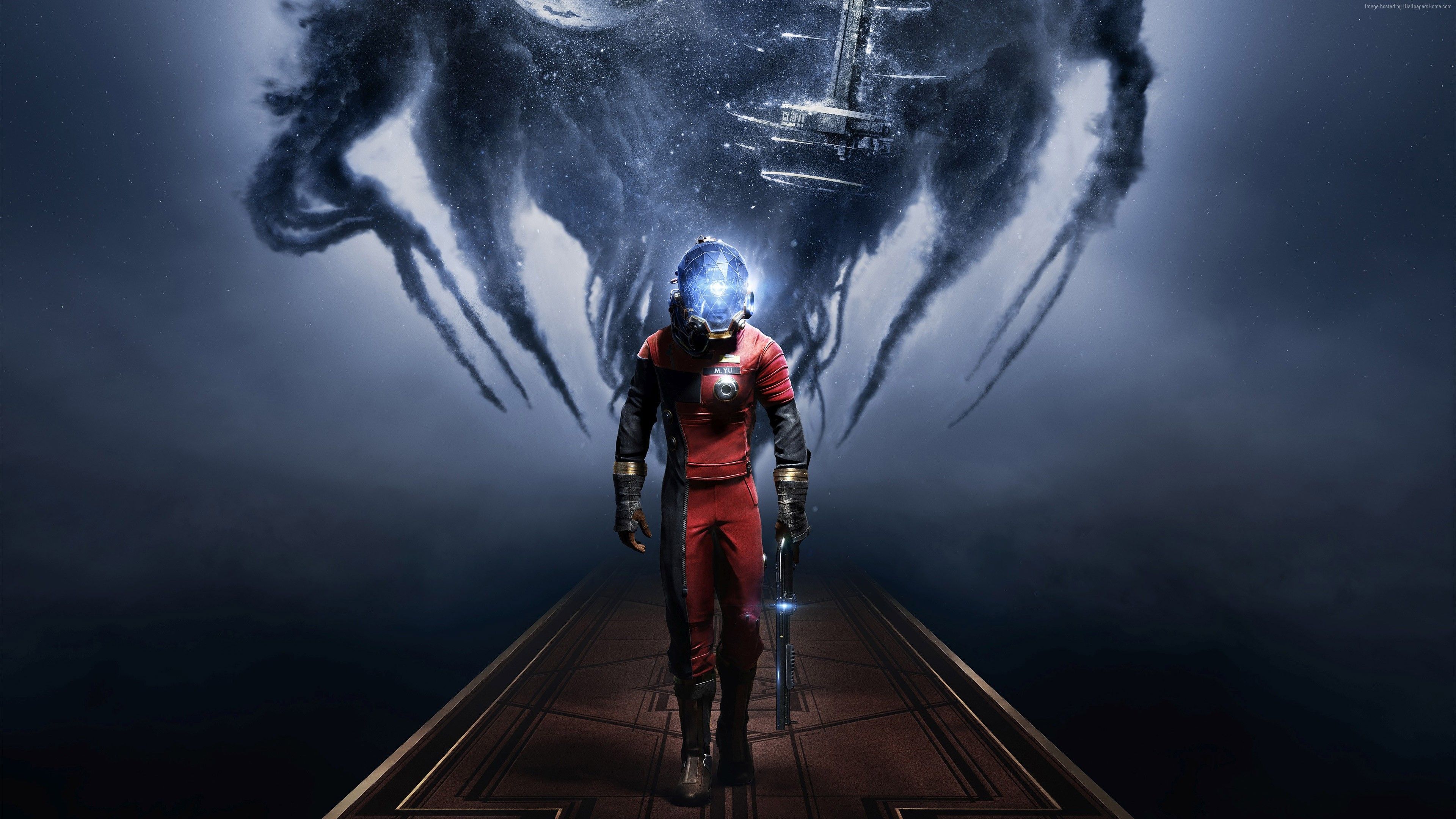
The game had a rough start on PC due to a serious bug that damaged saved progress, leading to negative early reviews. Some players were also confused by the title “Prey,” as it shared a name with a different 2006 shooting game and they anticipated a direct sequel. However, fans of immersive simulation games soon appreciated the game’s amazing level design and the amount of freedom it offered players. Today, it’s widely regarded as a spiritual successor to System Shock and a standout title in its genre.
‘Alien: Isolation’ (2014)
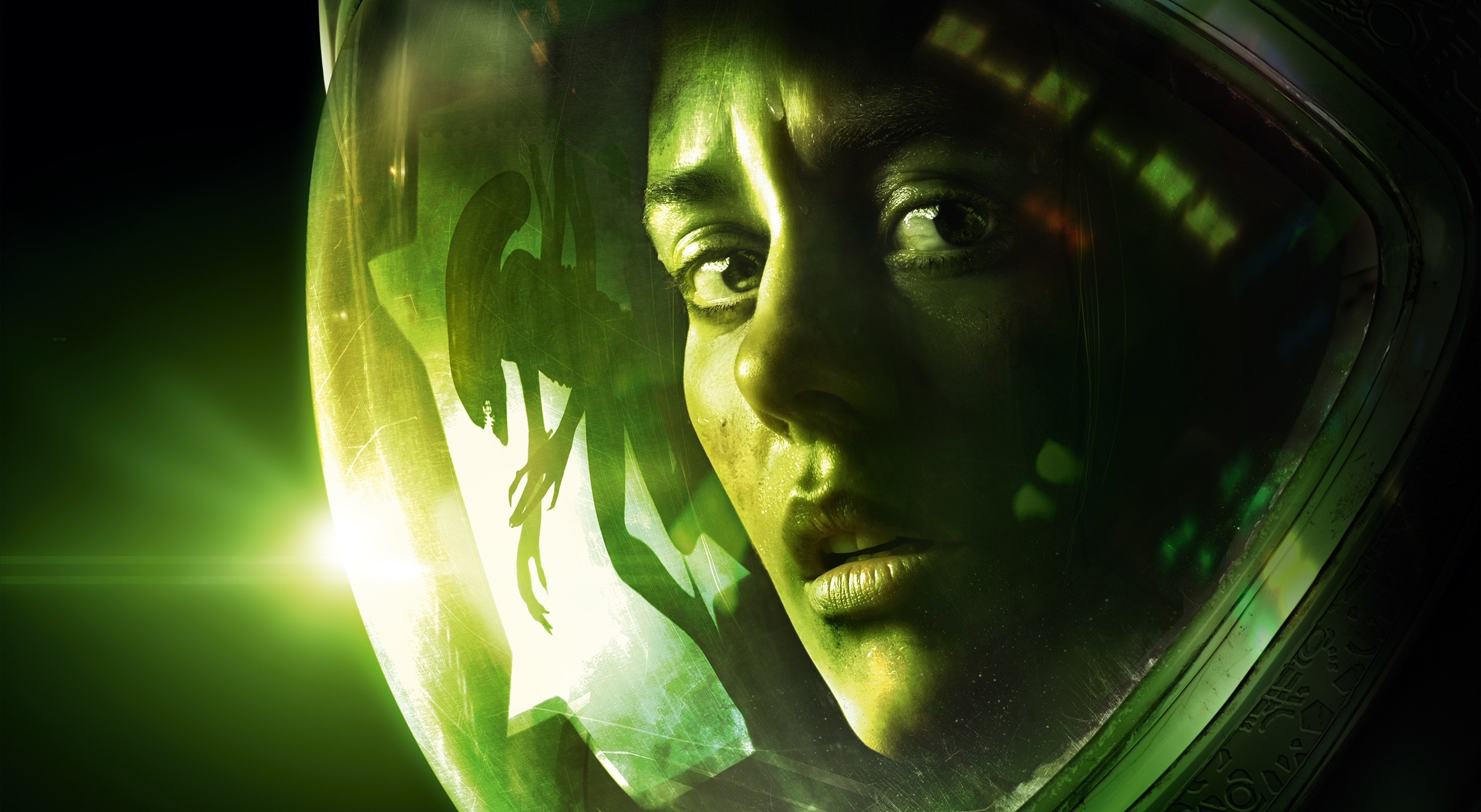
When the game first came out, reviews were mixed. Some critics found the AI too challenging and the game too long, while others felt the Alien was more annoying than frightening. However, horror fans loved the game’s incredible atmosphere and how well it captured the spirit of the original movie. Many consider it the best Alien game ever created and a high point for the survival horror genre.
‘Mad Max’ (2015)
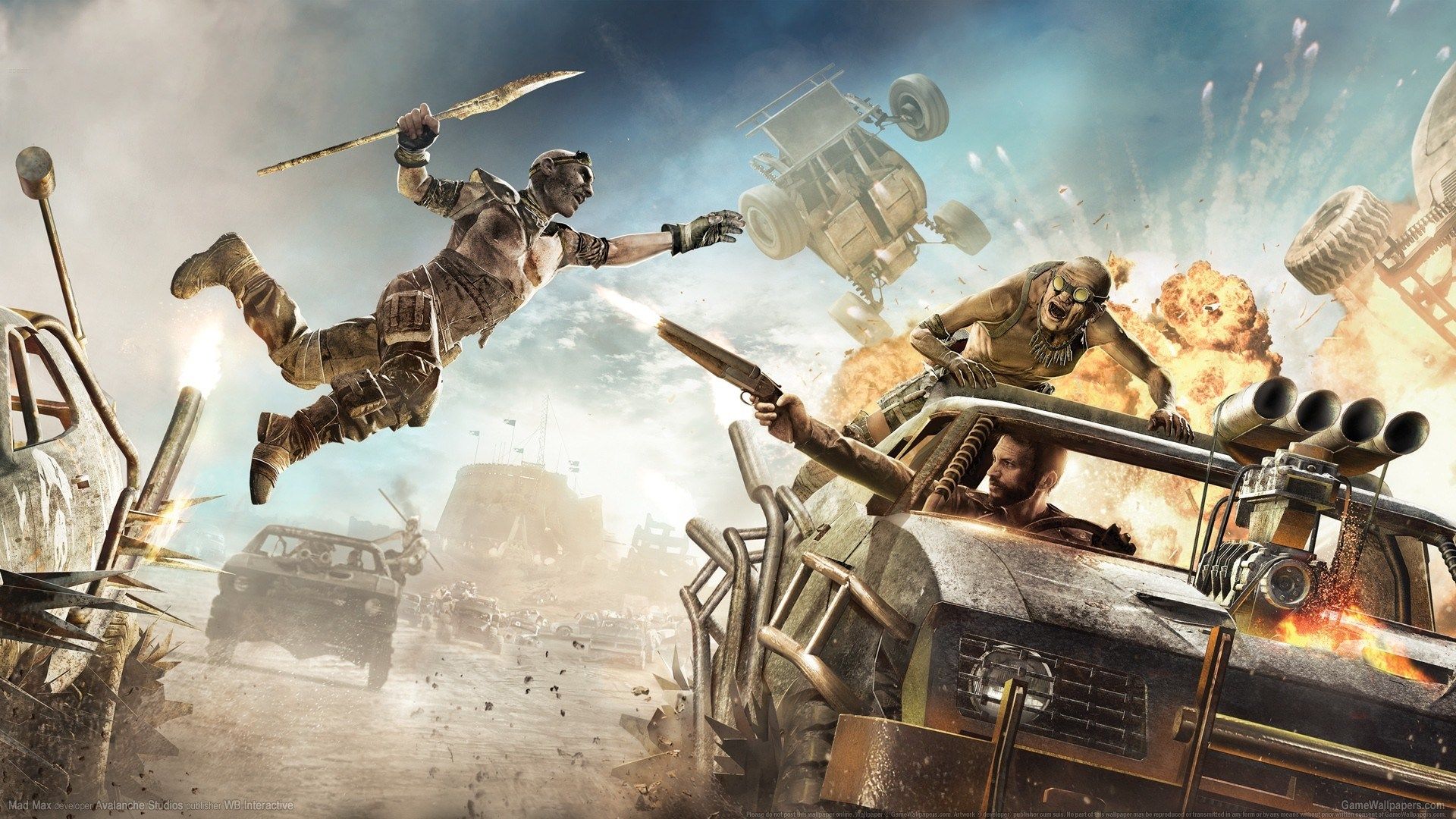
This open-world game came out alongside the popular Metal Gear Solid V and didn’t initially get much attention. While early reviews pointed out that the close-quarters fighting felt similar to the Batman: Arkham games, players soon discovered it had exciting car combat and stunning desert landscapes. Over time, it’s become known as a hidden gem that truly captures the feel of the films it’s based on.
‘Titanfall 2’ (2016)
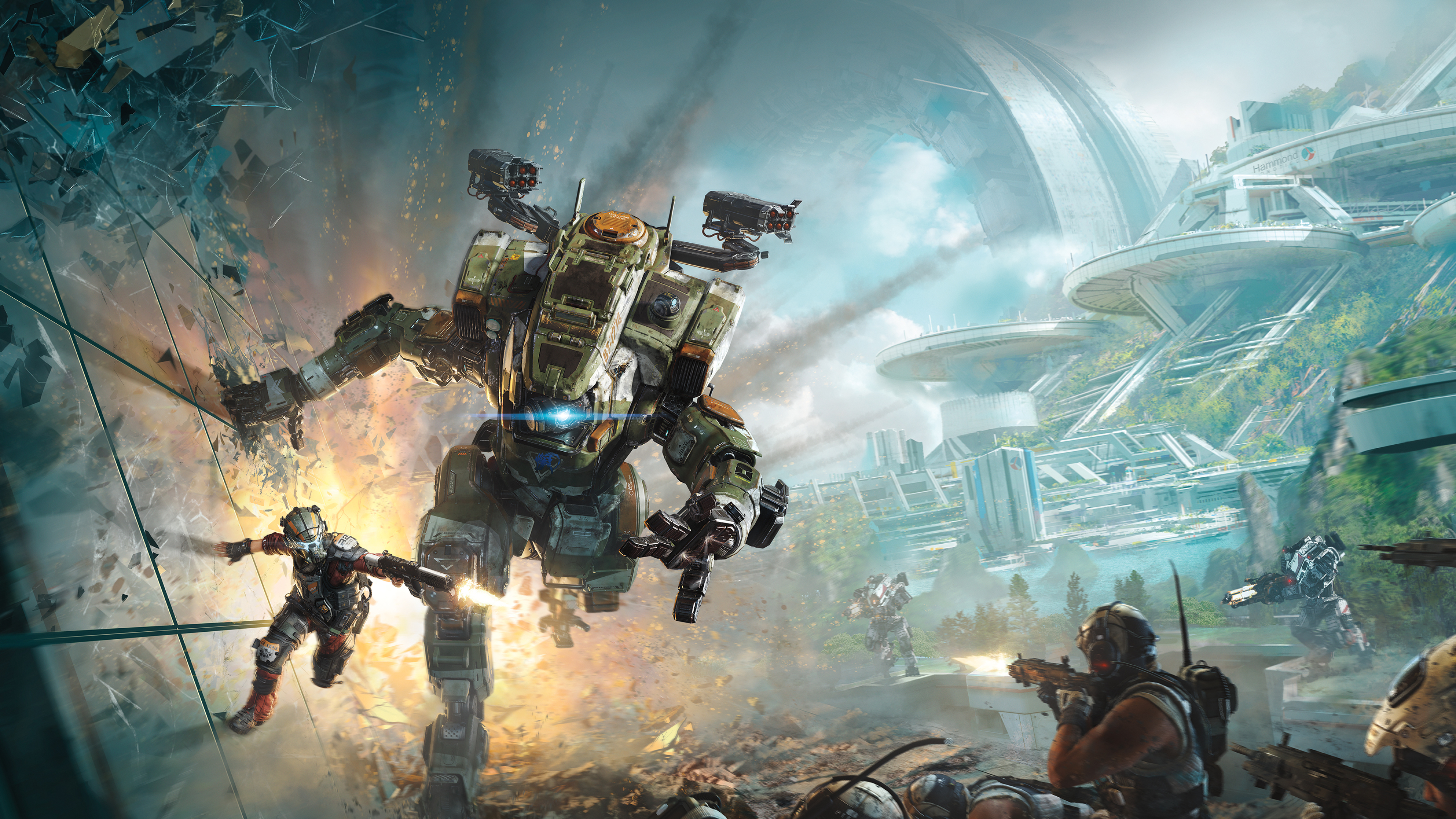
This shooter launched between major releases of Battlefield and Call of Duty, which unfortunately hurt its sales. While critics loved how it played, the number of players dropped off quickly. Over time, however, word of mouth has turned its single-player story into a classic. The game continues to attract new and returning players on Steam, who are consistently impressed by its smooth and responsive controls.
‘Batman: Arkham Knight’ (2015)
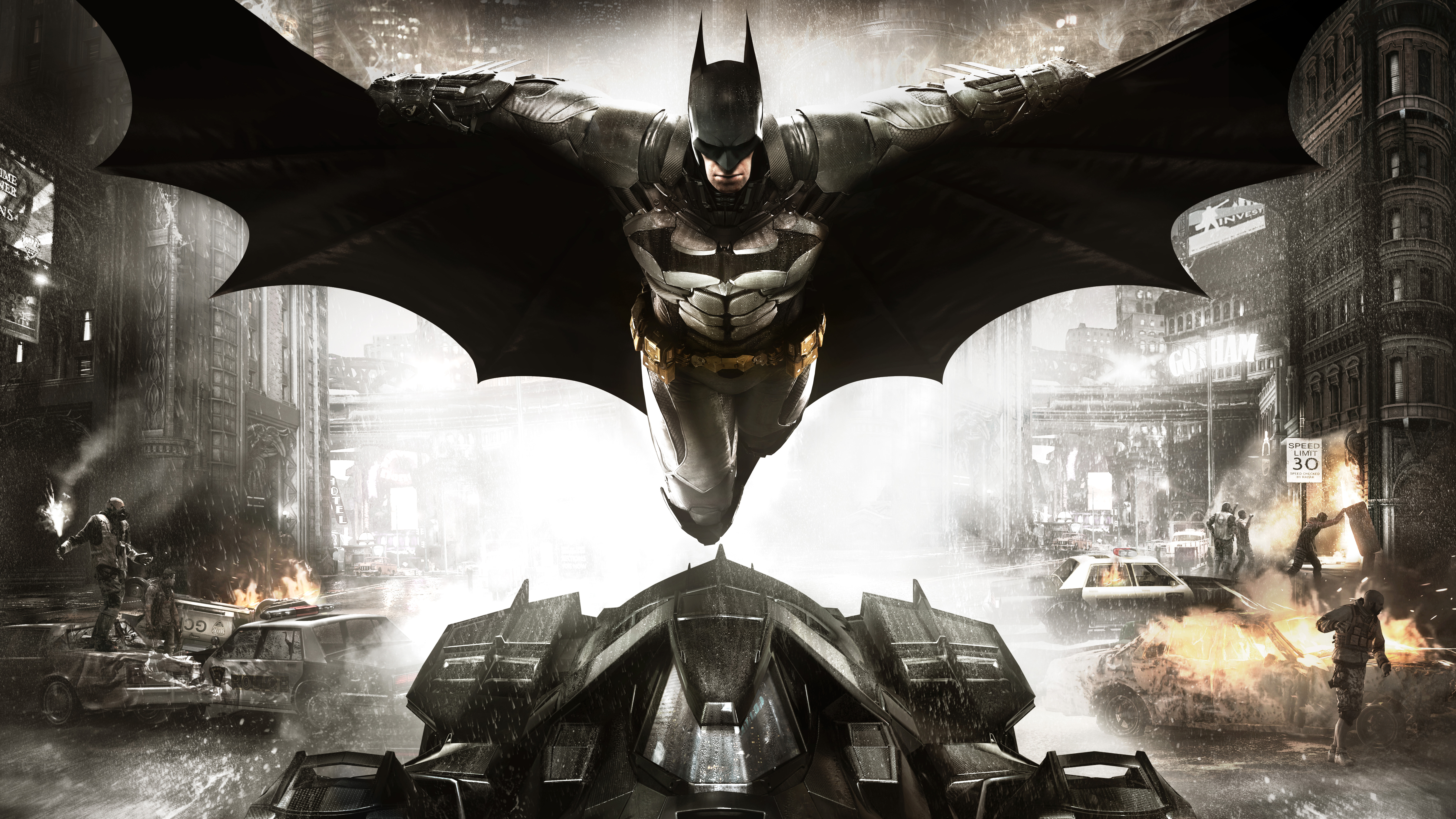
The PC version of the game launched with serious problems, forcing Warner Bros. to temporarily stop selling it. Players experienced very poor performance, even with powerful computers, and some visuals were missing. While the console versions were well-received, the PC version needed significant fixes from the community. After a lot of work, it became playable and is now considered a fantastic ending to the series.
‘Homefront: The Revolution’ (2016)
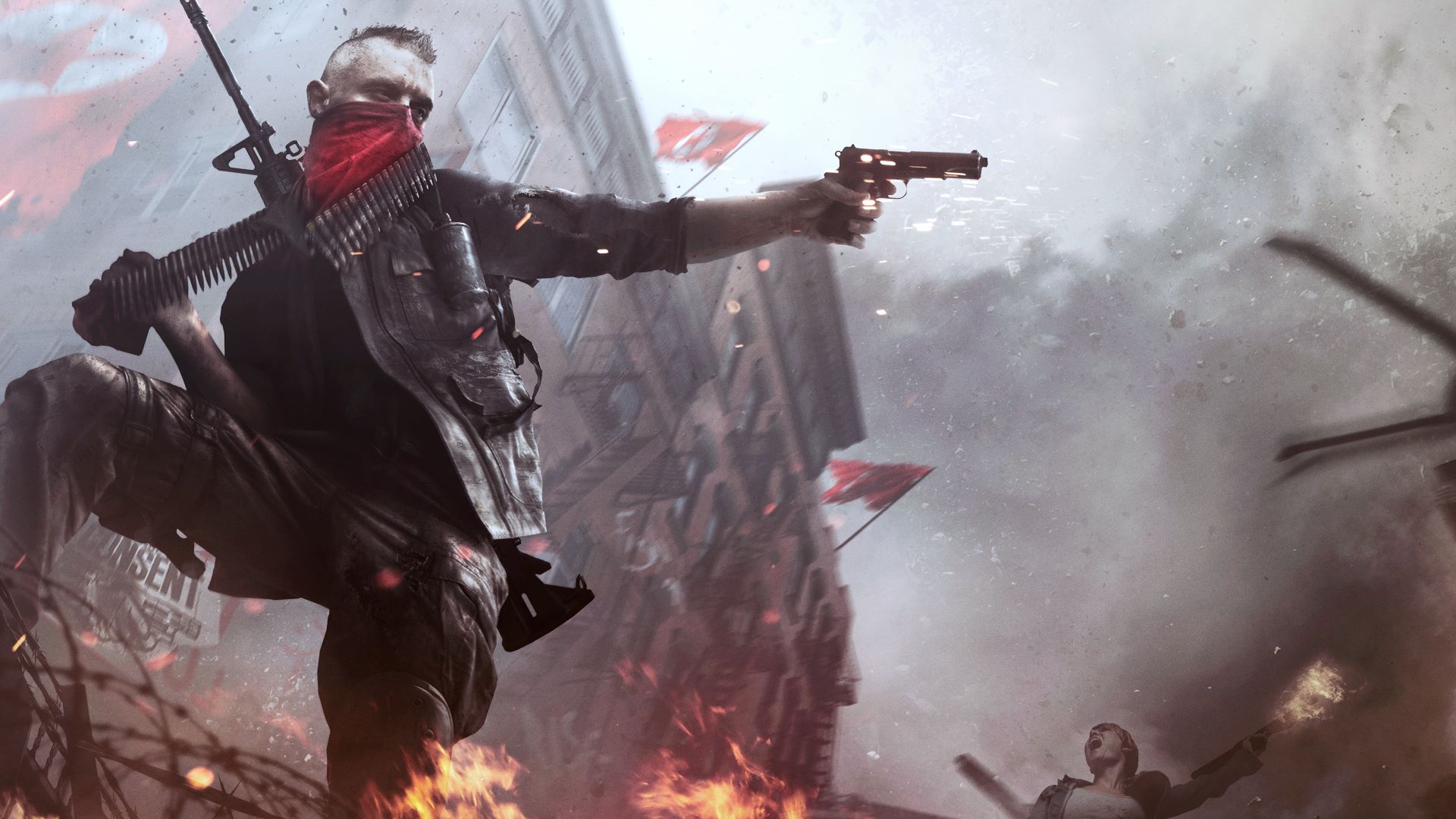
The game’s development faced difficulties due to studio shutdowns, and it initially released with major technical issues. Players experienced poor frame rates and unreliable artificial intelligence. Subsequent updates fixed many of these problems, improving performance and making the gameplay much smoother. Ultimately, players discovered a solid and engaging guerrilla warfare experience underneath the initial flaws.
‘Middle-earth: Shadow of War’ (2017)
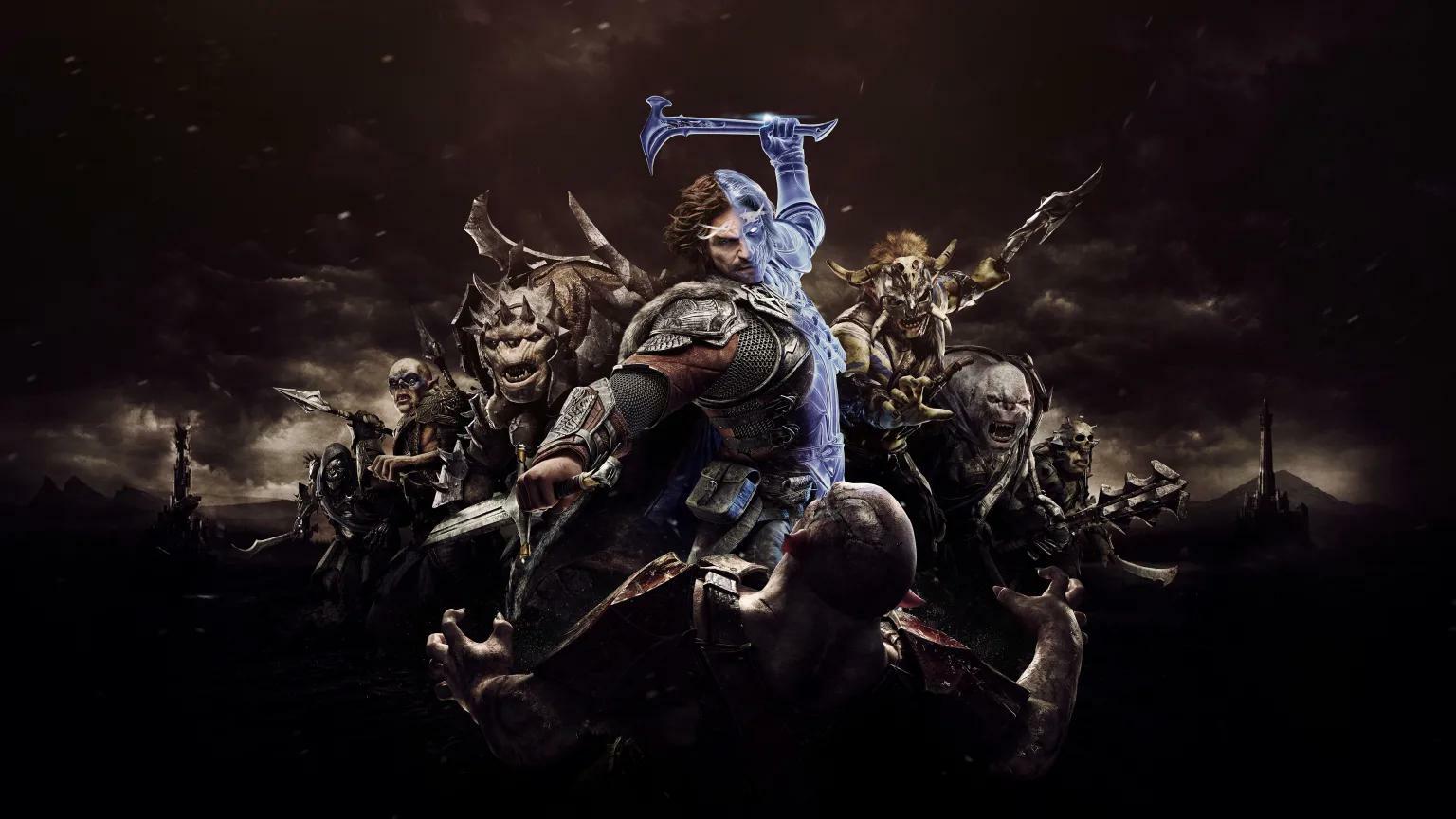
Players loved the game’s nemesis system, but many were unhappy about the inclusion of loot boxes, especially since it was a single-player game. Reaching the true ending required a lot of repetitive gameplay, and the game seemed to encourage players to spend real money to get more orcs. The developers listened to feedback and eventually removed the in-game market and adjusted how players progressed through the endgame. This allowed the game’s strong combat and unique rival system to really shine.
‘Ghost Recon Breakpoint’ (2019)
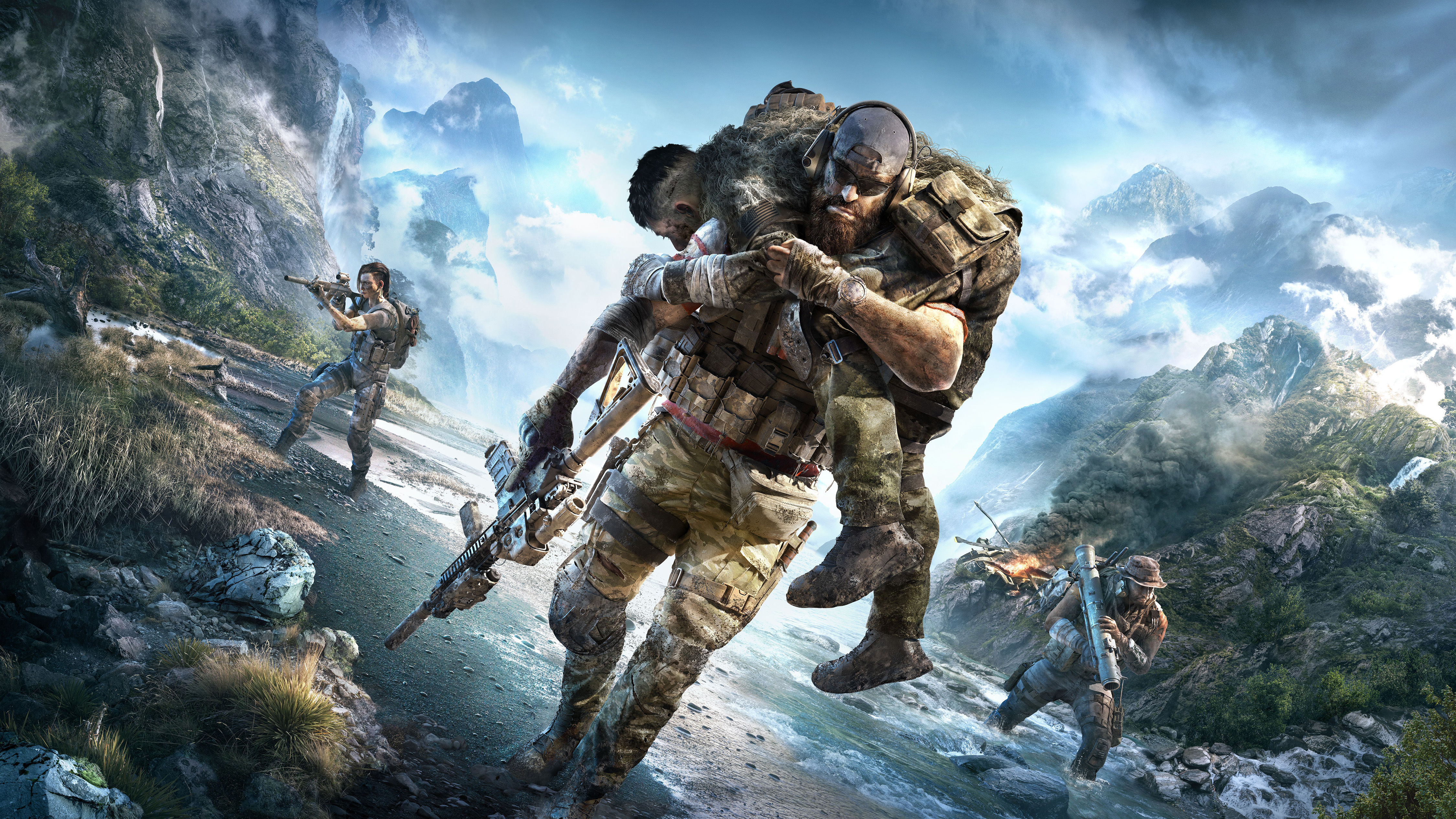
Ubisoft tried to make the game more popular by adding features like loot and survival elements, but these didn’t fit with the series’ focus on realistic tactics. Players disliked the drones and the lack of AI teammates, as they disrupted the feeling of playing with a team. The ‘Ghost Experience’ update let players disable these RPG-style features entirely. This major change ultimately rescued the game for fans who preferred a true-to-life military shooter.
‘Gran Turismo Sport’ (2017)
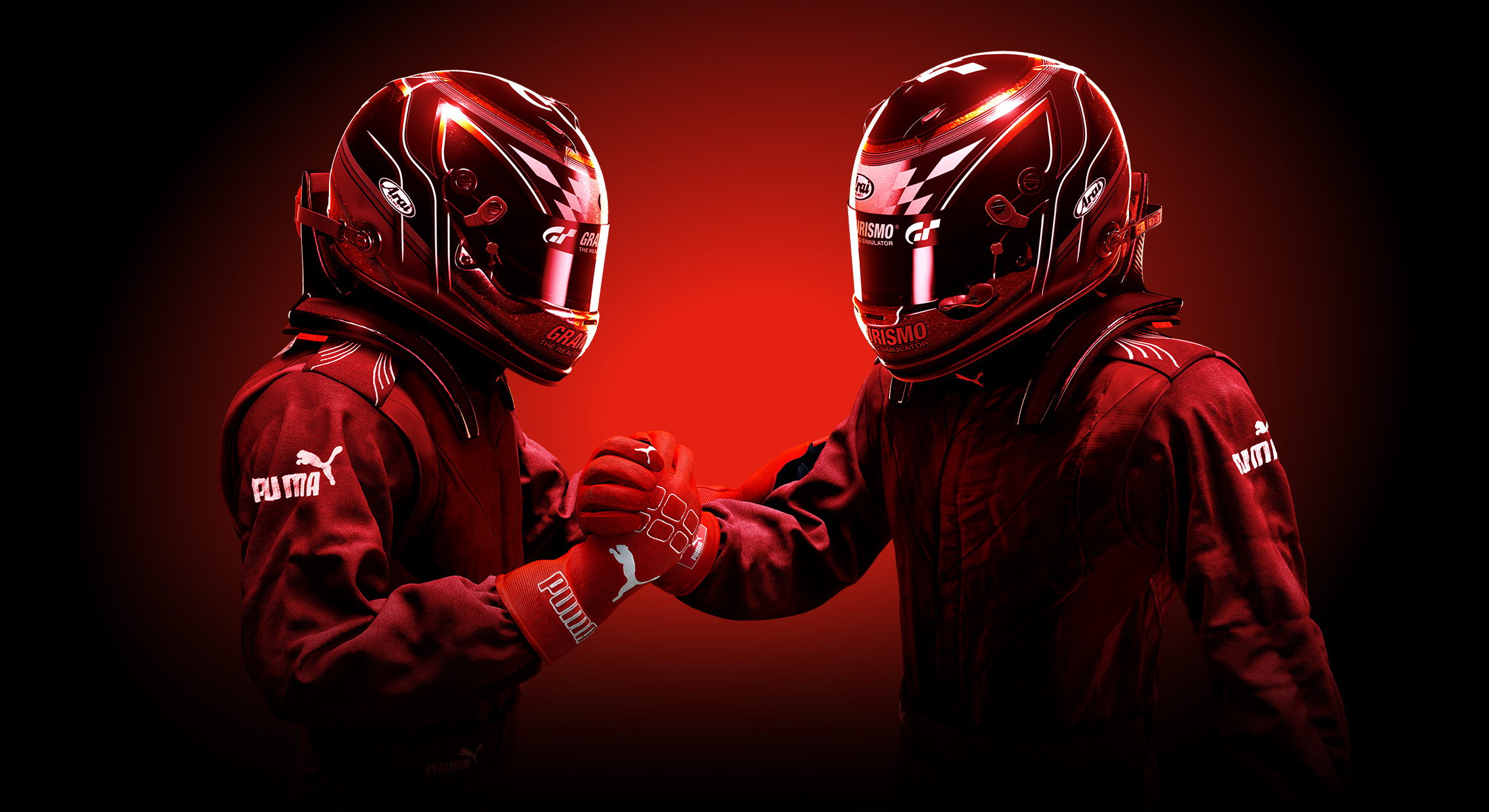
Many racing game fans were initially let down by the limited number of cars and tracks available when the game first came out. The game’s heavy emphasis on online competitive play also didn’t appeal to players who preferred a classic single-player experience. However, Polyphony Digital significantly improved the game with free updates, adding hundreds of cars and a full GT League mode. Over time, it became a complete racing experience and helped hold fans over until the next major installment.
‘Dead by Daylight’ (2016)
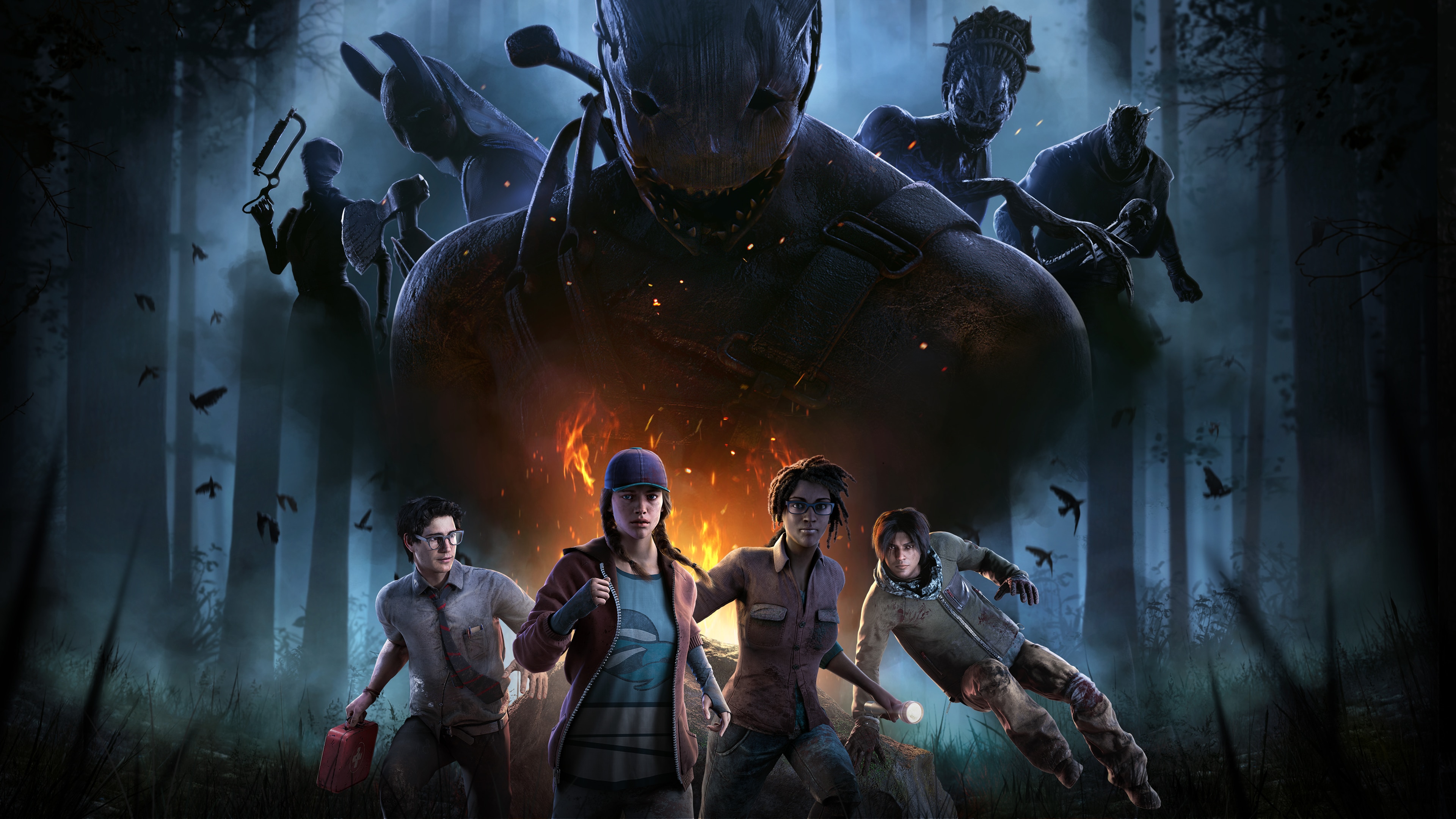
The game initially launched with limited content and numerous issues, including frustrating bugs and slow connections to online matches. The balance between players controlling survivors and those playing as killers was also frequently unfair. However, the developers, Behaviour Interactive, consistently improved the game by adding popular horror content and refining how it played. As a result, it’s become the clear leader in the asymmetrical horror genre.
‘Hunt: Showdown’ (2018)
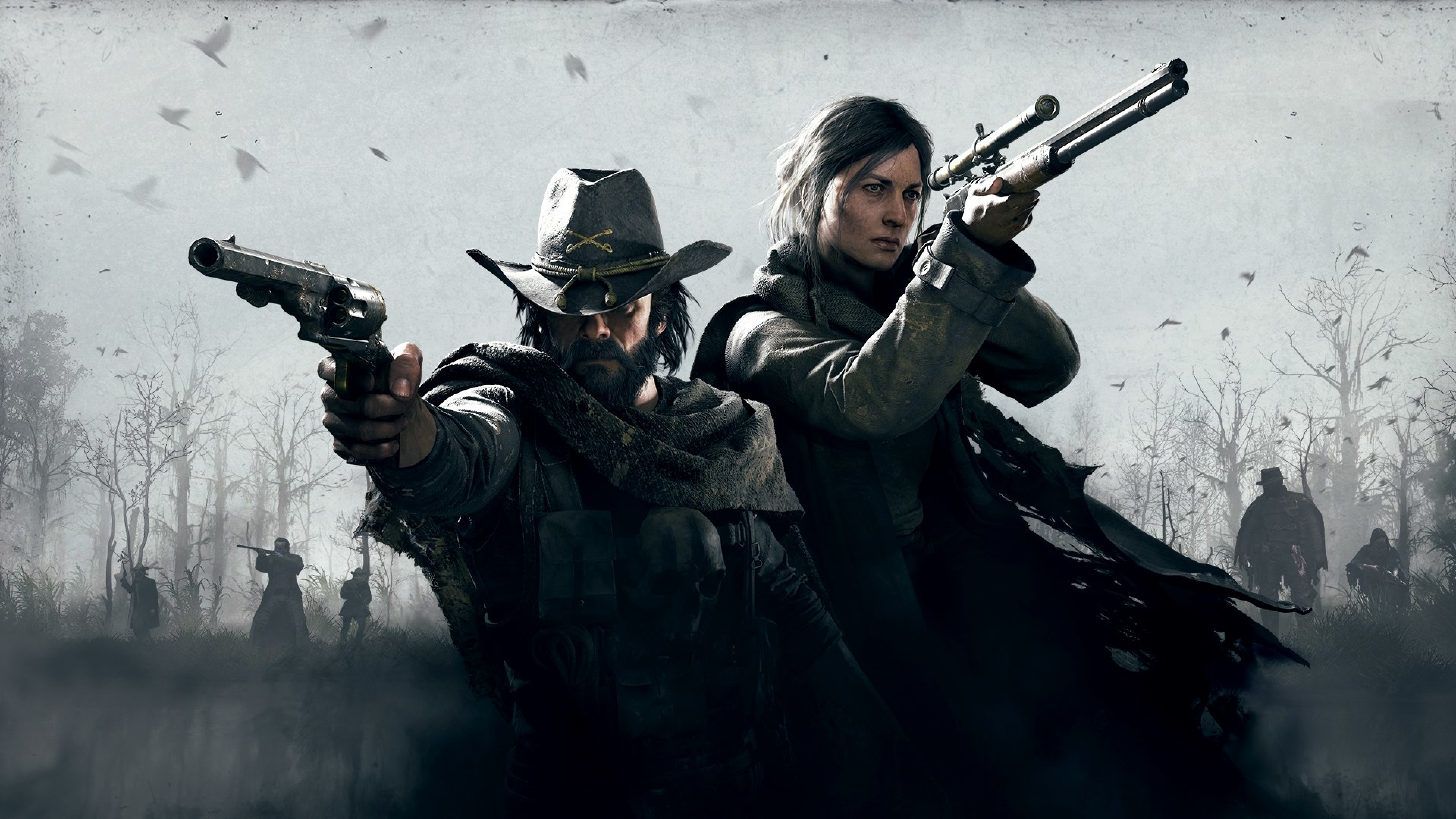
Okay, so when Hunt: Showdown first came out in early access, it was rough. My computer barely ran it, and honestly, it was a struggle for a lot of people. It was also super hard to learn, and the fact that you lost your hunter permanently if you messed up scared a lot of potential players away. But Crytek didn’t give up! They kept working on it, making it run smoother and adding more stuff to do – new bosses, new maps, the whole nine yards. Eventually, it really found its place as a totally unique extraction shooter. The atmosphere is just…different, and that’s what hooked me and a lot of other people.
‘The Evil Within’ (2014)
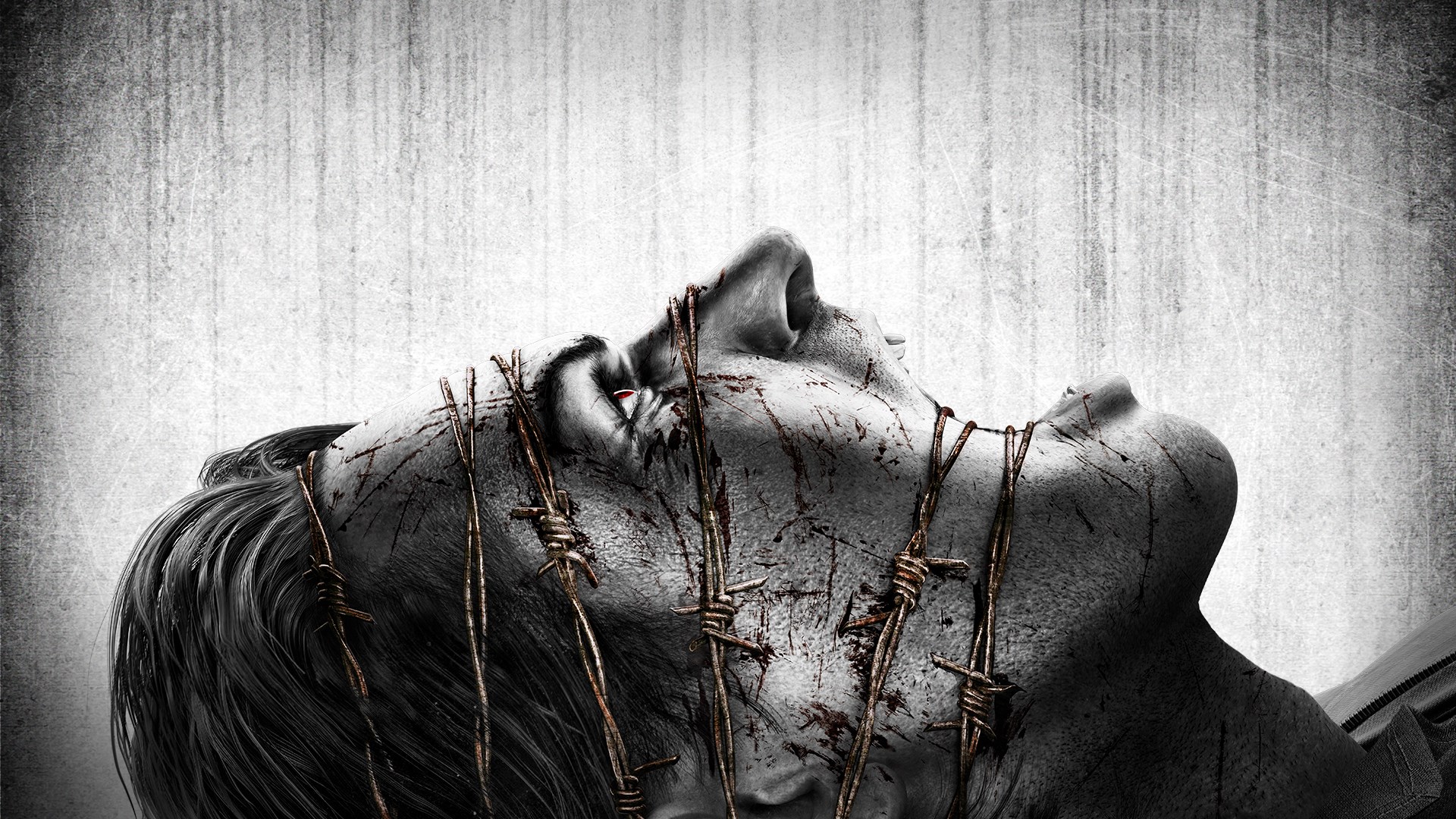
As a fan, I was really excited for Shinji Mikami’s return to horror, but I was pretty disappointed with how the PC version launched. It had these annoying black bars on the sides and was locked to 30 frames per second, which just didn’t feel good for an action game. Thankfully, the developers listened to feedback and released patches to remove the black bars and let us unlock the frame rate. Now that those issues are fixed, everyone’s really enjoying the game for what it is: a truly terrifying experience with some incredibly creepy creature designs and intense, nail-biting survival gameplay.
‘Alpha Protocol’ (2010)
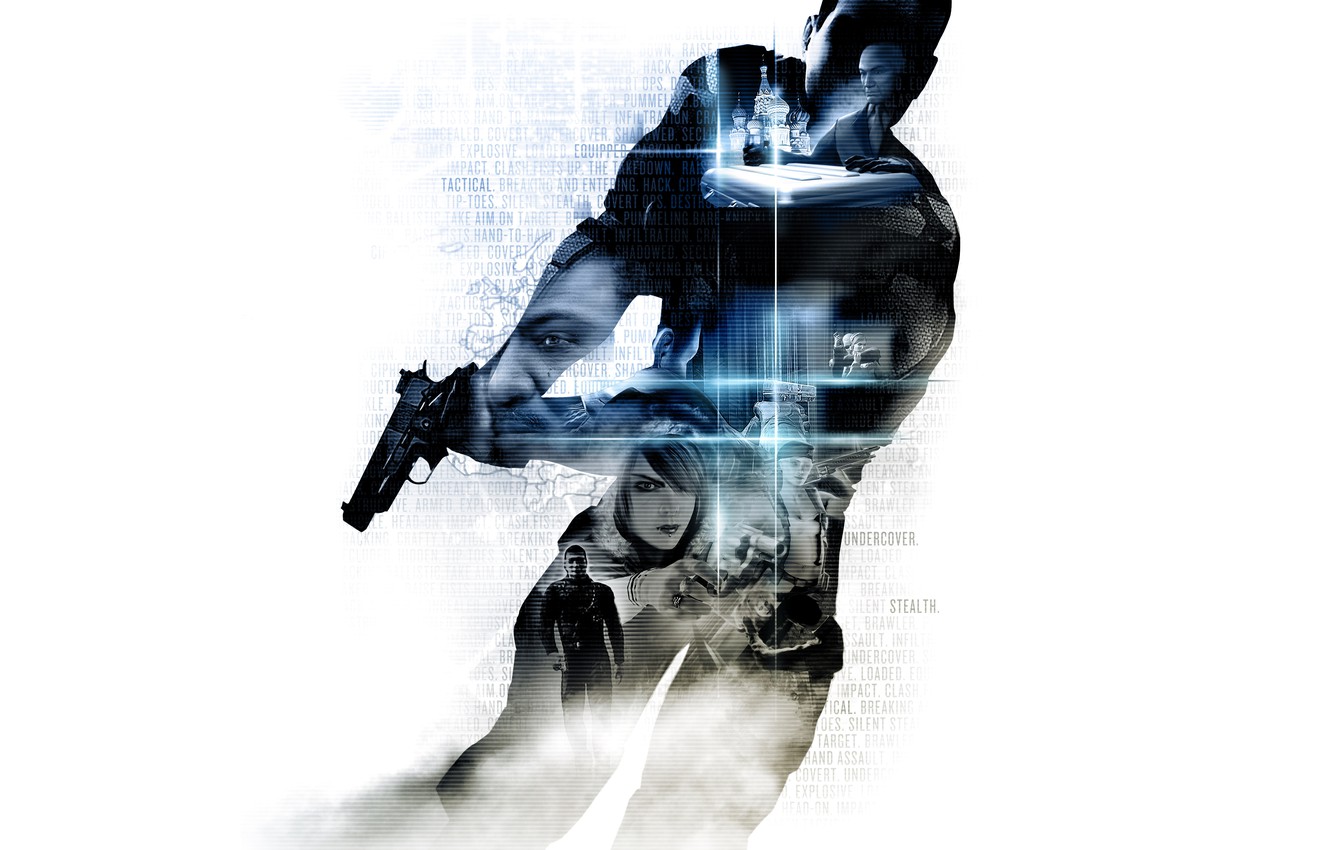
This spy RPG launched with rough shooting and a lot of bugs, resulting in mixed reviews. The combat felt old-fashioned, and the enemy AI wasn’t very challenging. Despite these issues, the game’s story was remarkable for its branching paths and how much your choices mattered. It’s now a favorite among RPG fans who prioritize a compelling story over perfect gameplay.
‘Lost Odyssey’ (2007)
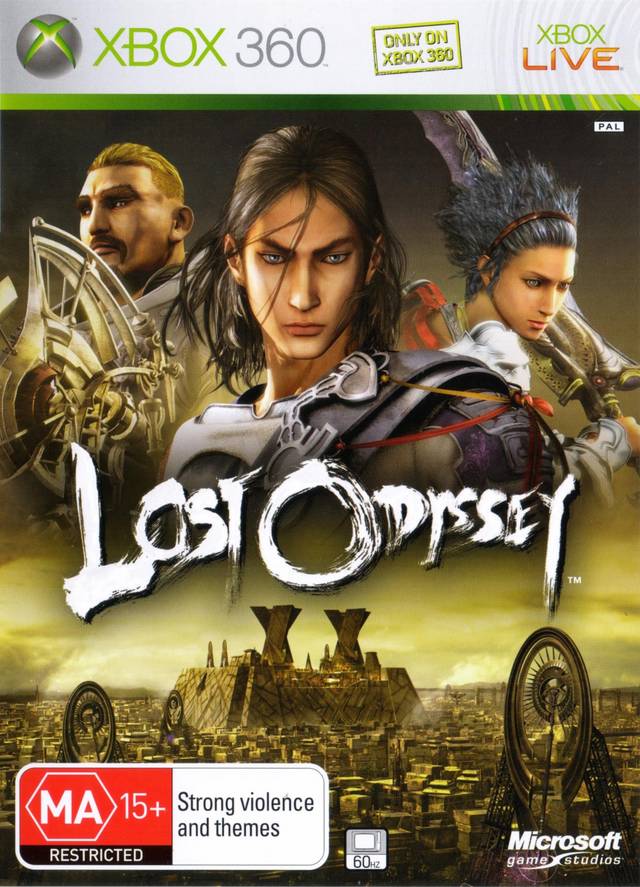
Reviewers felt the game’s classic turn-based battles felt outdated for the Xbox 360. It also had lengthy loading screens and required four discs to play. However, those who persevered discovered a heartfelt story with exceptionally well-written dream sequences and memories. Today, it’s remembered as one of the finest traditional Japanese role-playing games of its time.
‘Deadly Premonition’ (2010)
The game’s visuals were dated, resembling those of a PlayStation 2 title, and it was notorious for its clunky controls. Critics were sharply divided, with some praising it as perfect while others gave it the lowest possible scores. Despite its strangeness, the story and unique, Twin Peaks-like atmosphere attracted a devoted fanbase. It’s a true cult classic, beloved not in spite of its quirks and imperfections, but because of them.
Share your favorite gaming redemption story in the comments.
Read More
- Invincible Season 4 Gender Swaps Tech Jacket As Fans Question Major Comic Change
- Silver Rate Forecast
- Gold Rate Forecast
- 22 Films Where the White Protagonist Is Canonically the Sidekick to a Black Lead
- 15 Films That Were Shot Entirely on Phones
- Building Agents That Learn and Improve Themselves
- 20 Movies Where the Black Villain Was Secretly the Most Popular Character
- Celebs Who Narrowly Escaped The 9/11 Attacks
- Trading Crypto with AI: A New Approach to Portfolio Management
- 18 TV Series Filming Rehearsals as Bonus Content
2026-02-01 10:21