Television has come a long way from just being a way to broadcast shows. It’s now a powerful medium for telling intricate stories and creating art. This change happened thanks to innovative creators who weren’t afraid to break the rules and try new things. These showrunners and producers experimented with different ways to tell stories and create visuals, pushing boundaries and captivating audiences. Their work ultimately led to the high-quality, diverse shows we enjoy today. The series that follow highlight key moments where a unique creative vision truly changed television forever.
‘Dragnet’ (1951–1959)
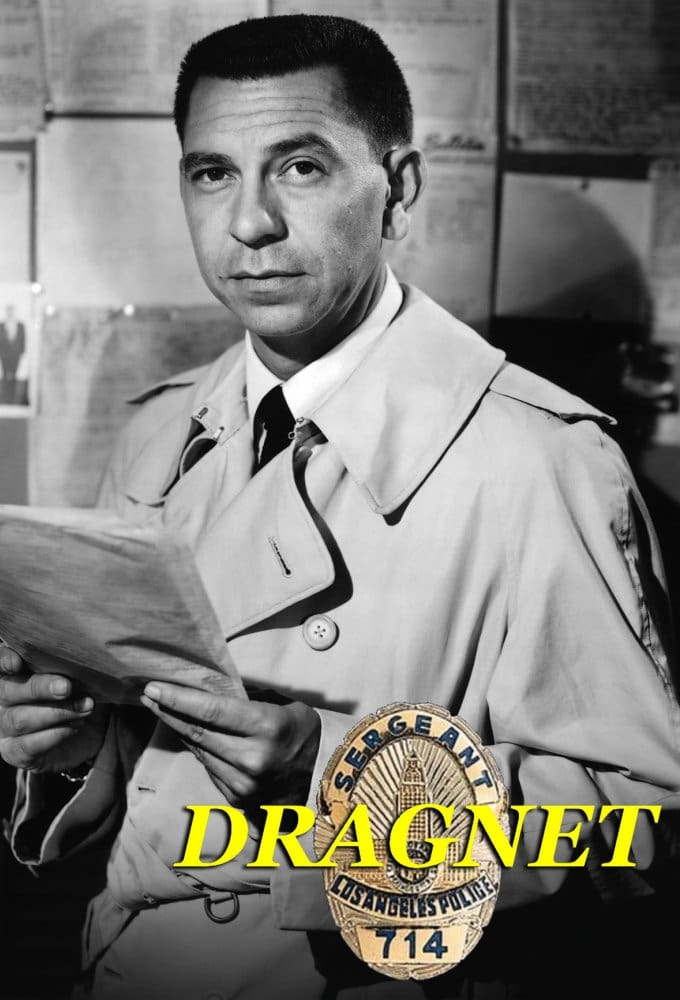
Jack Webb revolutionized police dramas with his focus on realistic, technical accuracy. He insisted on a straightforward acting style and fast-paced dialogue – a technique now known as ‘Dragnet style’ – which eliminated exaggerated emotions and emphasized the practical details of police investigations. This innovative approach essentially created the blueprint for almost every police show that came after it.
‘I Love Lucy’ (1951–1957)
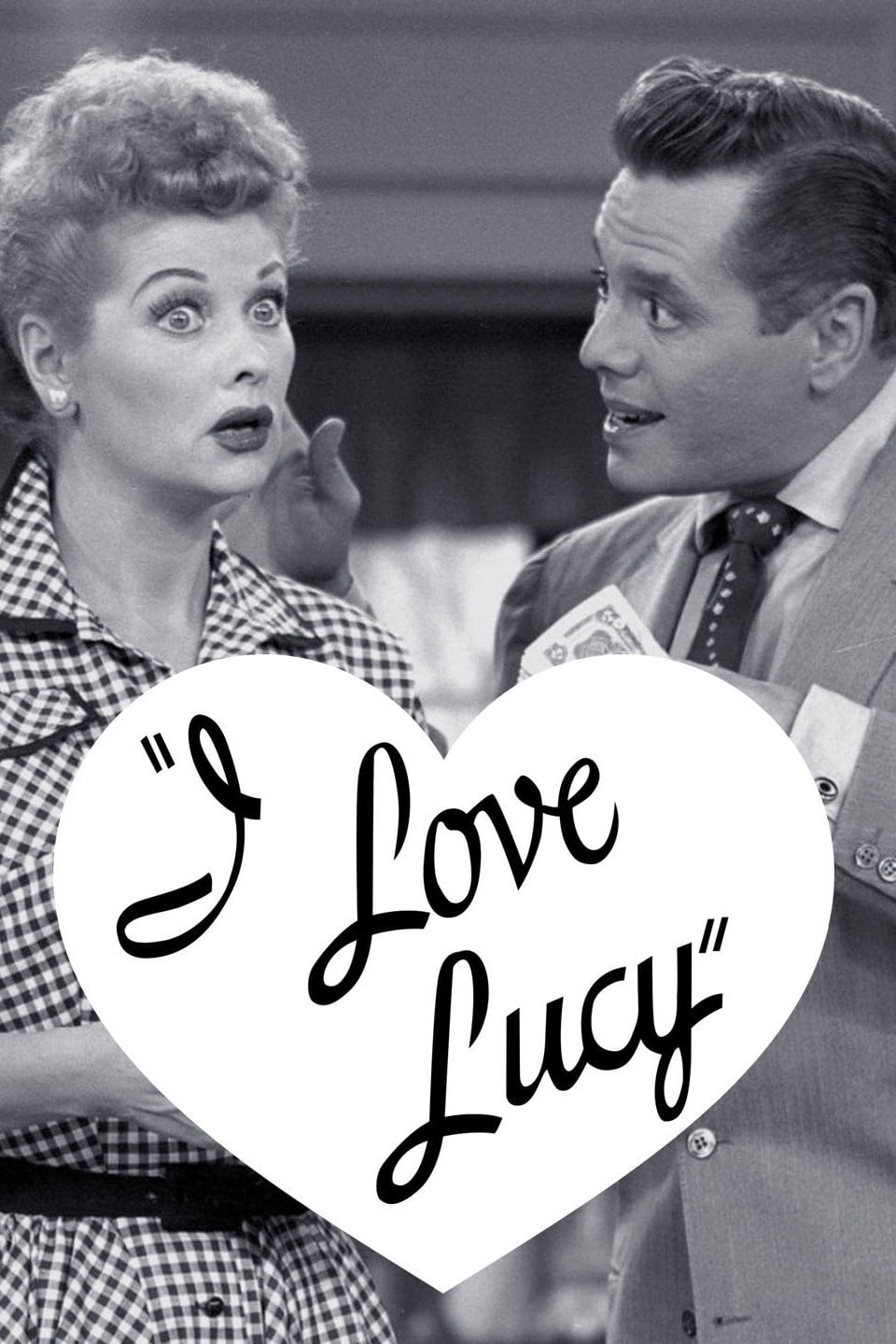
Lucille Ball and Desi Arnaz changed television forever. They were the first to film sitcoms with three cameras on 35mm film, performing in front of a live studio audience. This technique created high-quality shows that could be re-aired repeatedly and became the standard for most sitcoms we see today. They also figured out how to make money from reruns, turning television into a lasting and profitable business. Plus, they maintained creative control over their work, paving the way for other stars to own their own shows.
‘The Twilight Zone’ (1959–1964)
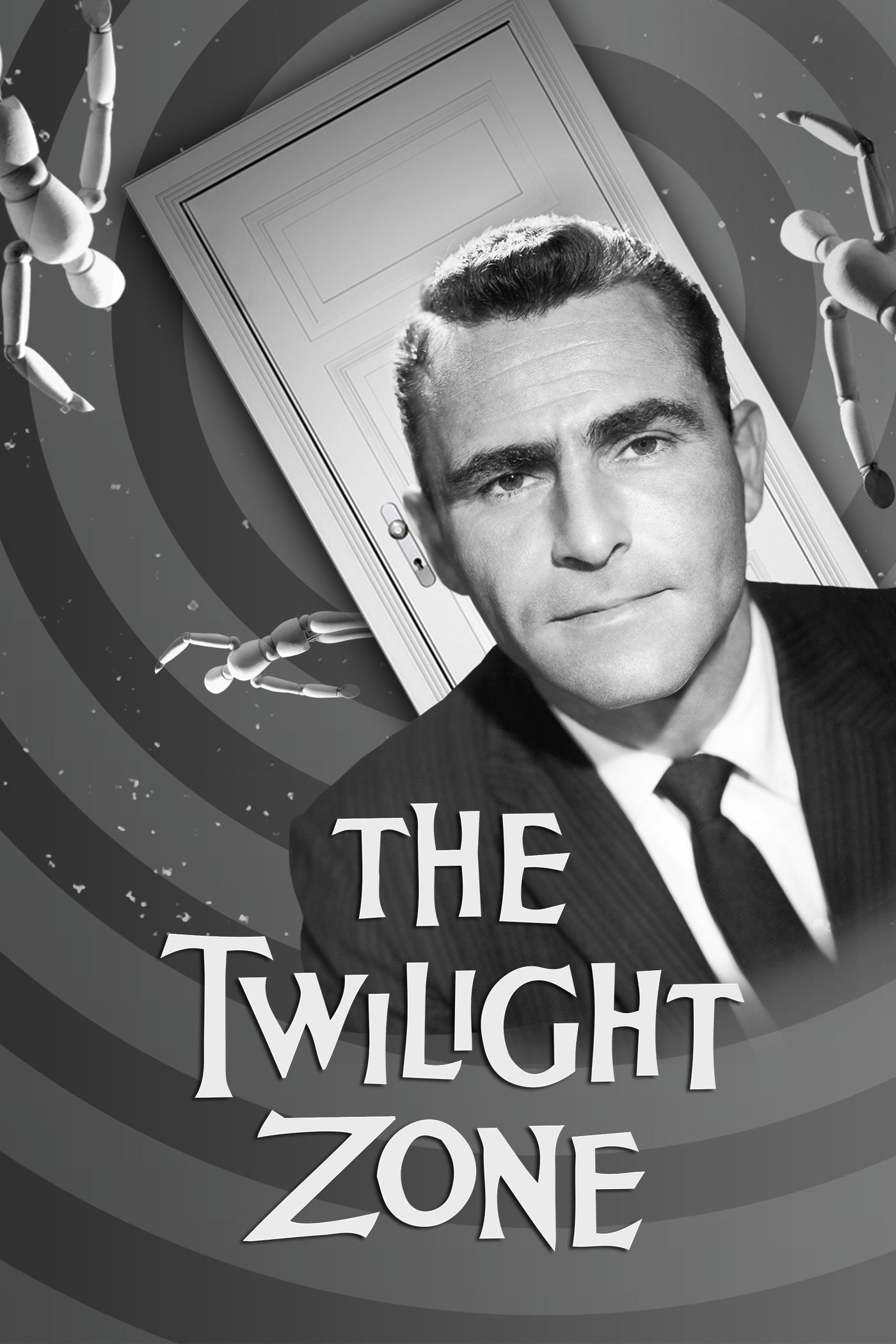
As a fan, what always struck me about Rod Serling’s work on ‘The Twilight Zone’ was how he used sci-fi and fantasy as a way to really talk about important social issues. He wrote so many of the episodes himself, which I think was key to making sure the show always had a strong message. It proved that TV could be about more than just entertainment – it could really challenge us to think about things like racism and the horrors of war, but in a way that made you think, not just preach. He really changed things, establishing the writer as the most important person in creating powerful TV dramas.
‘Star Trek’ (1966–1969)
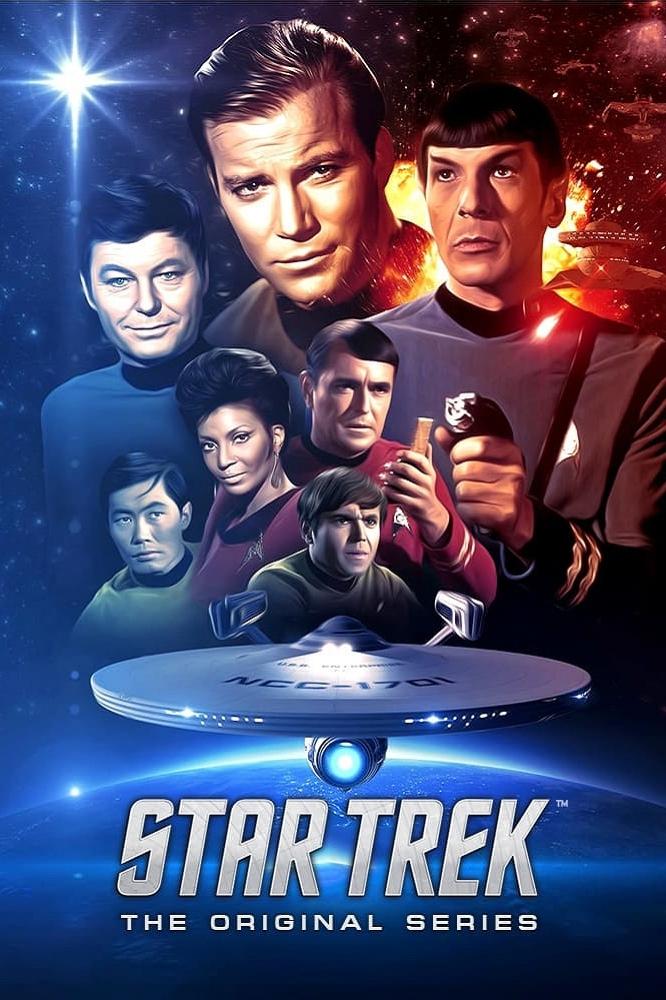
Gene Roddenberry dreamed of a future where people worked together peacefully and focused on exploring the universe. He made a point of featuring a diverse crew in his stories, with people from all backgrounds working as equals. This hopeful vision was quite different from the anxieties of the Cold War period. Today, his creation continues to shape how science fiction tackles important social topics.
‘Sesame Street’ (1969–Present)
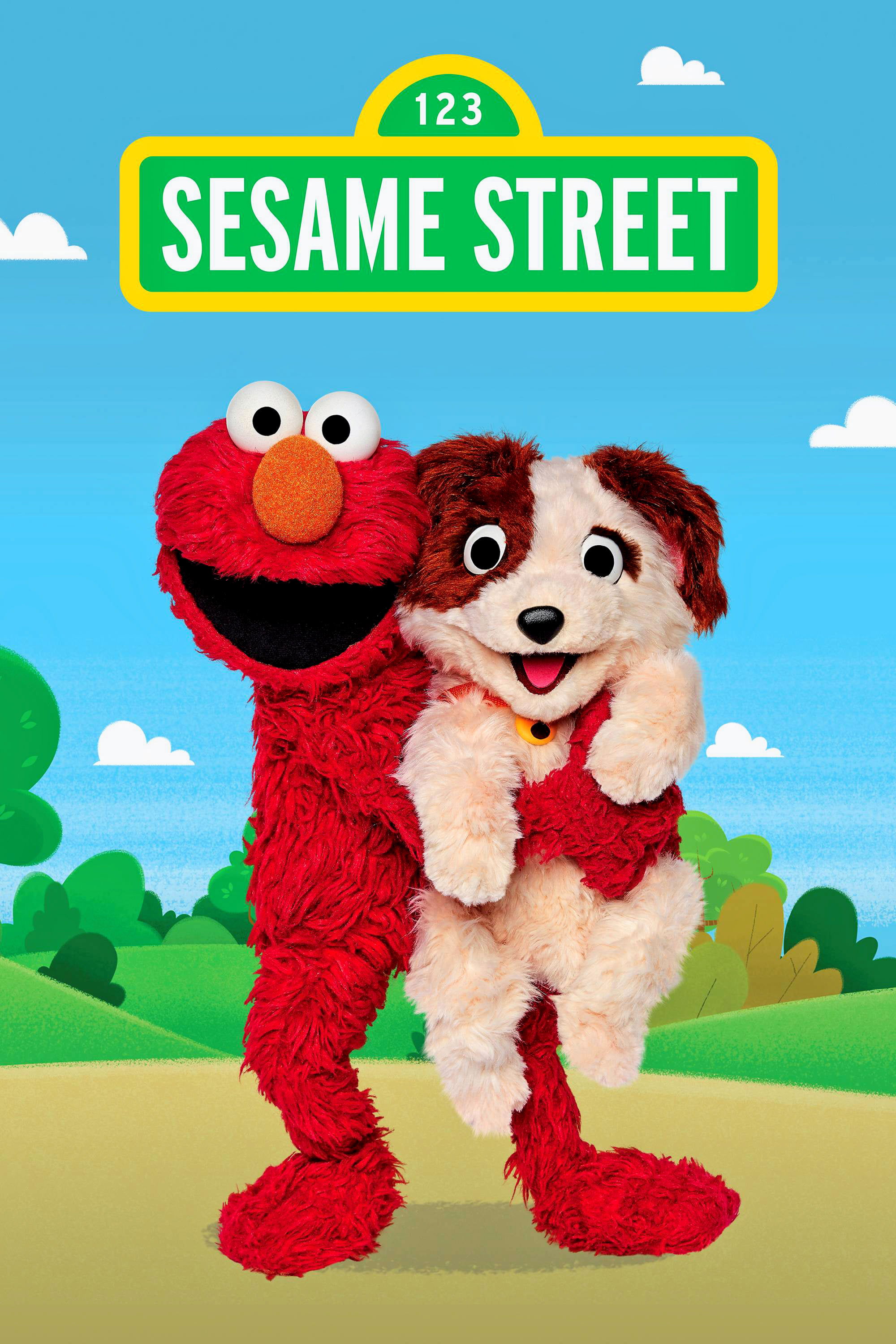
As a lifelong movie and TV fan, I’ve always been fascinated by the story of Sesame Street. It’s incredible how Joan Ganz Cooney and Lloyd Morrisett realized they could borrow the things that grab your attention in commercials – that addictive quality – and use them for good, backing it all up with real educational research. And bringing in Jim Henson and the Muppets? Genius! It proved that TV wasn’t just a babysitter; it could actually help young kids learn and grow, shaping them socially and emotionally. It really set the standard for kids’ educational shows around the globe, and you can still see its influence today.
‘Monty Python’s Flying Circus’ (1969–1974)

The comedy group Monty Python revolutionized sketch comedy by breaking away from typical jokes and predictable formats. They connected seemingly unrelated scenes using free-flowing transitions and bizarre animations created by Terry Gilliam. This unconventional approach defied the established rules of British comedy and inspired countless comedians who followed. Their work proved that humor could be both smart and delightfully strange.
‘All in the Family’ (1971–1979)
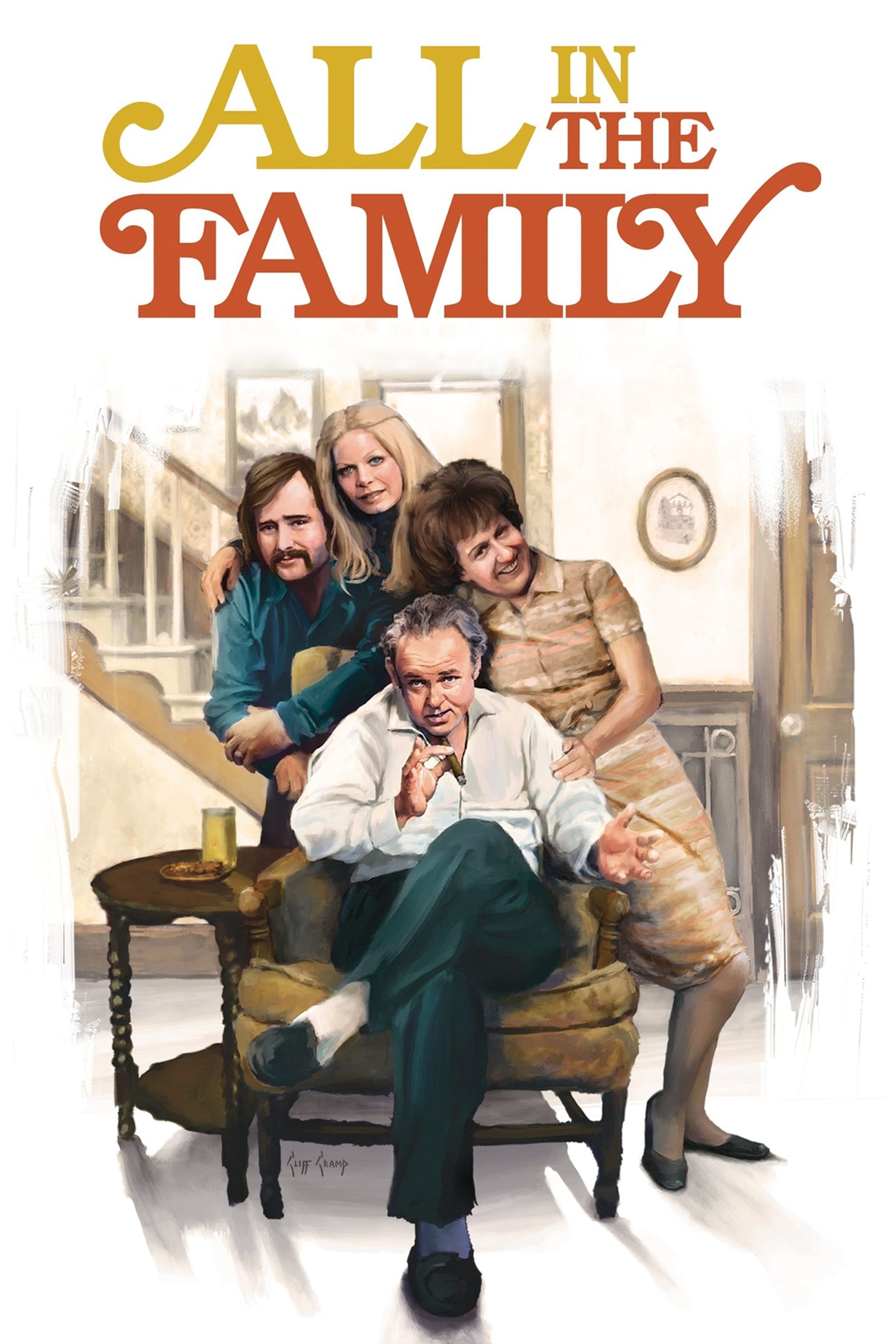
Norman Lear revolutionized television by bringing the important issues of the 1970s – like political and social change – into homes across America. He often used a flawed main character to humorously highlight the ridiculousness of prejudice. His shows weren’t afraid to address sensitive topics like racism and women’s rights, which most other comedies ignored. Lear demonstrated that comedy could be a powerful way to spark conversations about important cultural issues.
‘Saturday Night Live’ (1975–Present)
As a huge fan of comedy, I’ve always been fascinated by how Lorne Michaels built Saturday Night Live. He really tapped into what young people were feeling in the 70s, creating a show that felt fresh and different. What’s amazing is how he gathered this incredible group of writers and performers – they basically became the new faces of comedy in America. The mix of live sketches and musical performances just worked, becoming a real part of our culture. And it’s all thanks to Michaels’ vision – he proved that a producer-led approach could make a show last for decades, and it clearly has!
‘Hill Street Blues’ (1981–1987)
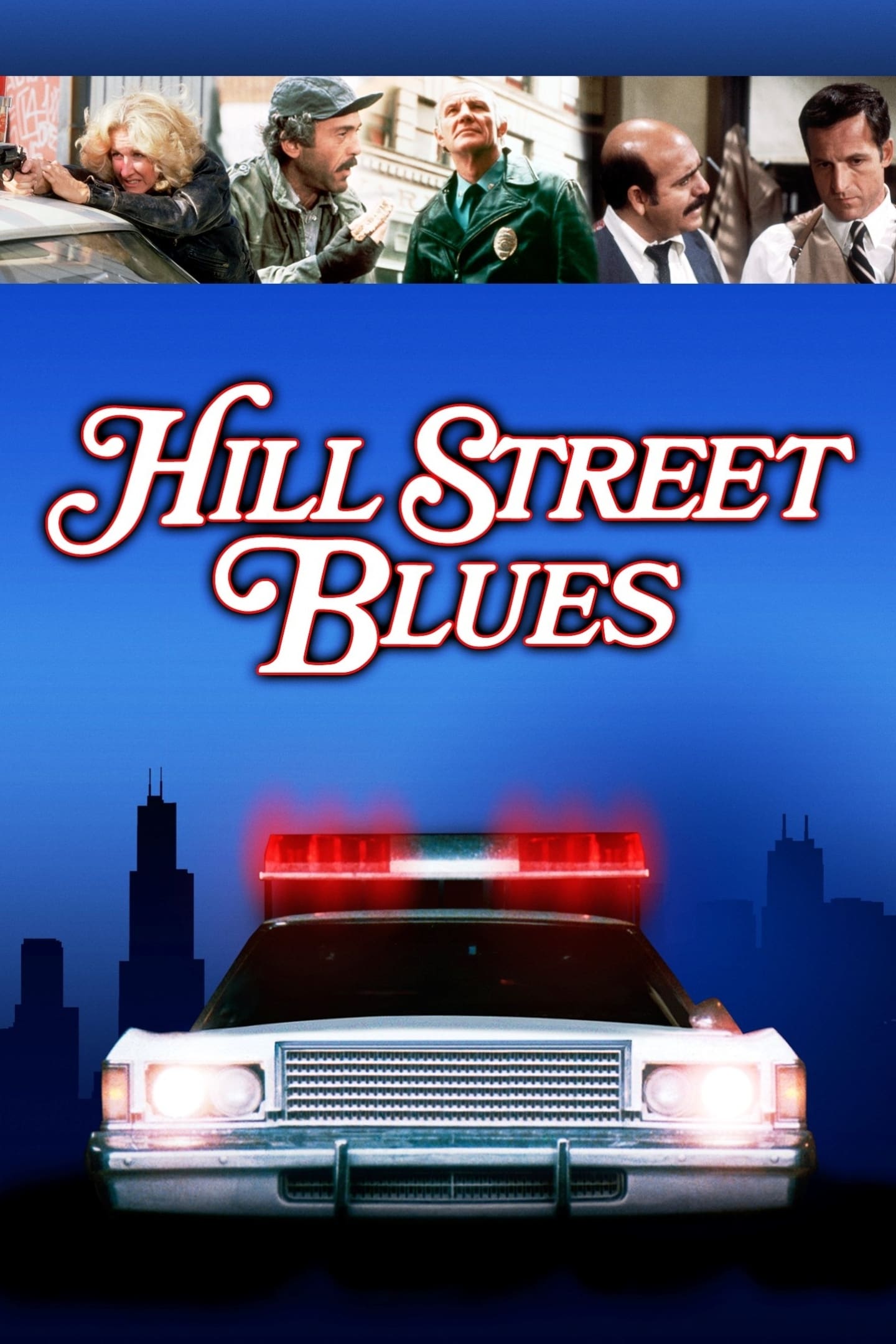
As a viewer, I was really struck by how Hill Street Blues completely changed the game for police shows. Bochco and Kozoll didn’t just give us a crime of the week; they built these incredibly complex, ongoing stories that unfolded over many episodes. It wasn’t just about the cases, either – the show featured a huge cast of characters, and the way it looked – almost like a real-life documentary with those shaky handheld cameras – was groundbreaking. You really had to follow things closely to keep up with everyone’s life, but it was so worth it. Honestly, I think Hill Street Blues paved the way for all the fantastic, character-driven dramas we see on TV today – it truly launched a golden age.
‘Miami Vice’ (1984–1989)
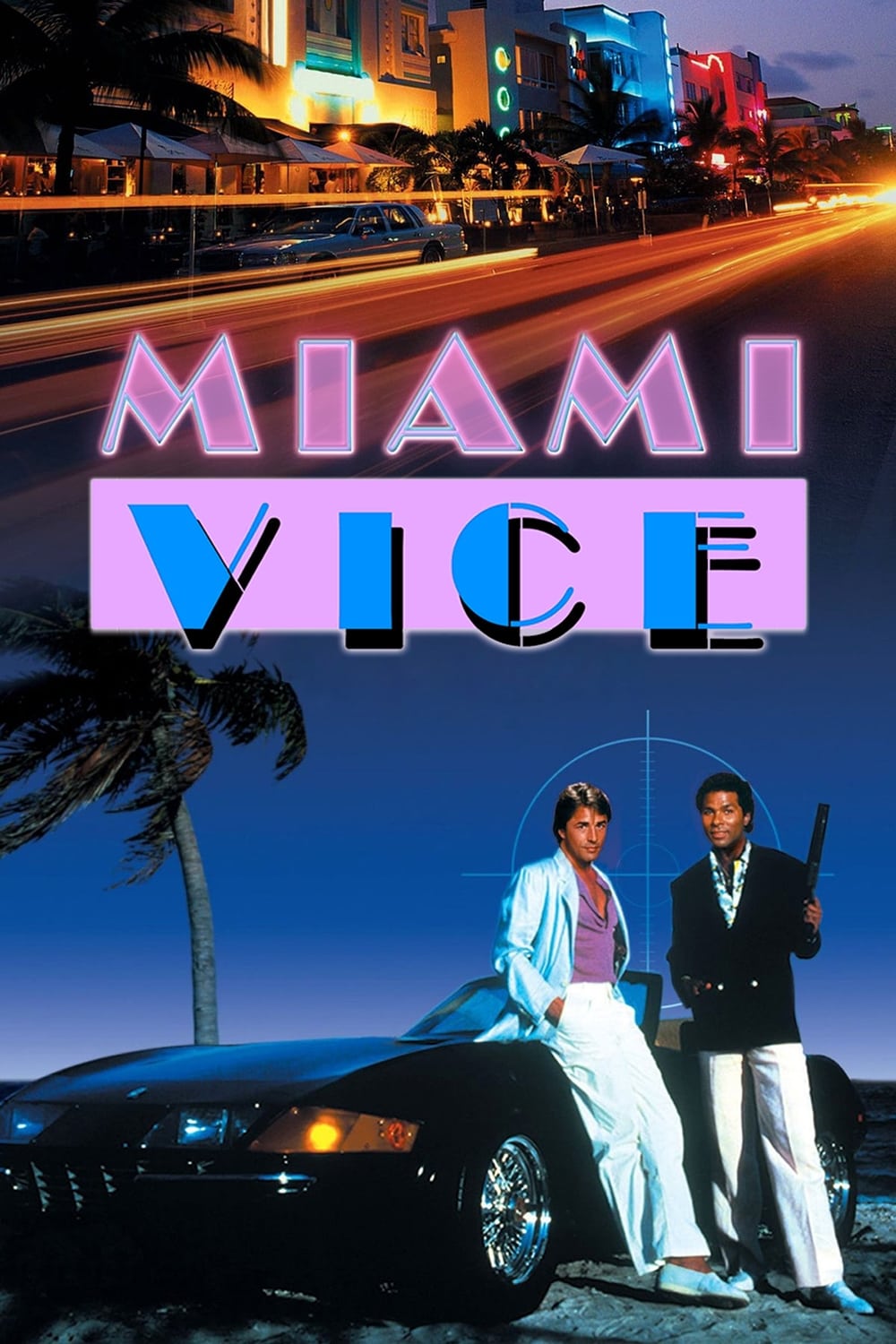
As a huge fan, I always loved how ‘Miami Vice’ felt different from other cop shows. Anthony Yerkovich and Michael Mann really pushed boundaries by making it look and feel like a movie, complete with awesome music and a super stylish vibe. They weren’t as focused on complicated storylines as they were on creating a mood – think bright colors and all the best songs. It truly set the standard for how TV shows looked in the 80s, making them feel as polished and exciting as anything you’d see on the big screen!
‘The Simpsons’ (1989–Present)
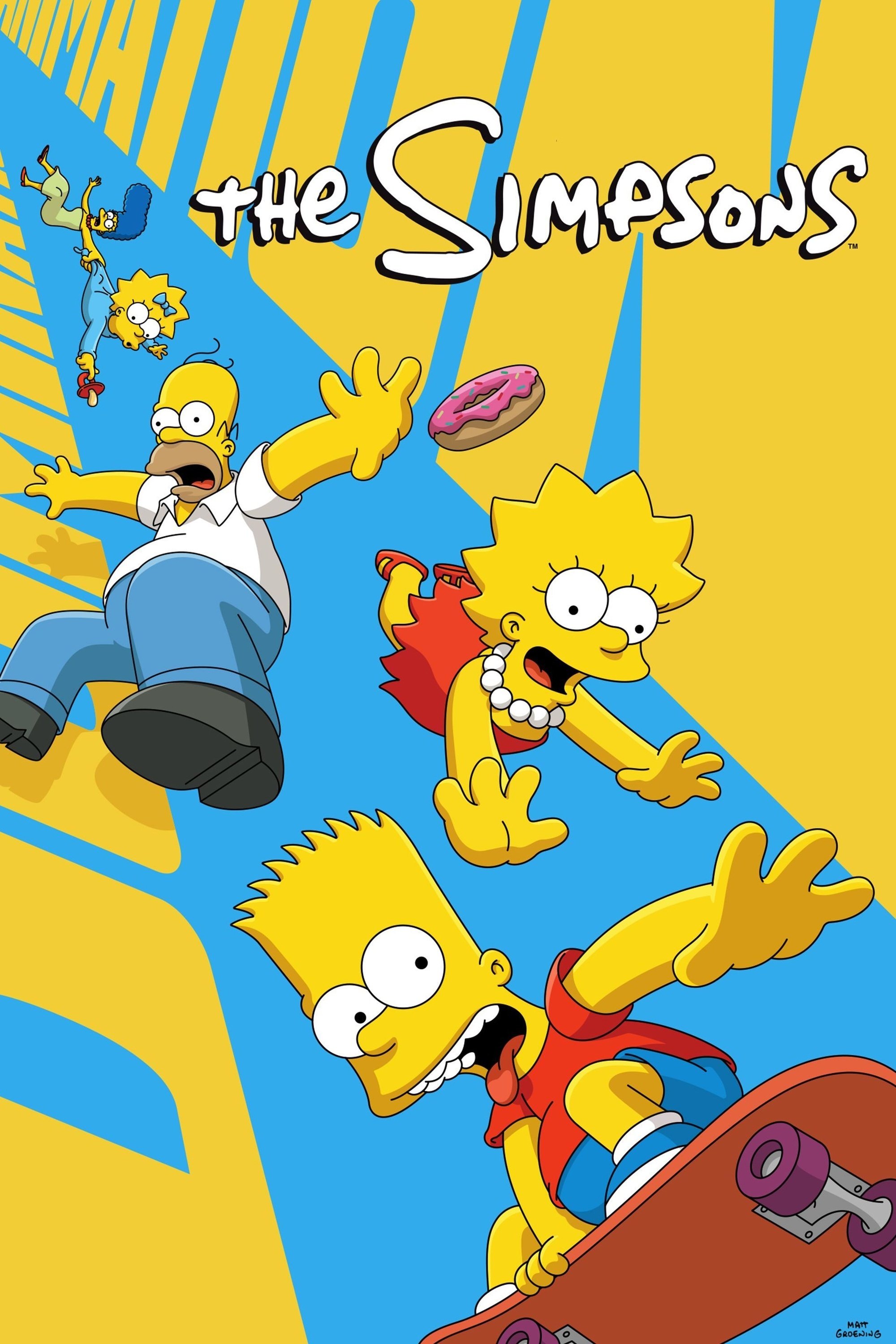
Matt Groening revitalized primetime television with a show that was enjoyable for viewers of all ages. Its clever and layered humor encouraged dedicated fans to rewatch episodes and delve deeper into the show’s details. The series offered a humorous critique of the traditional American family and poked fun at all parts of contemporary life, ultimately clearing the path for the rise of animated shows aimed at adults.
‘Seinfeld’ (1989–1998)
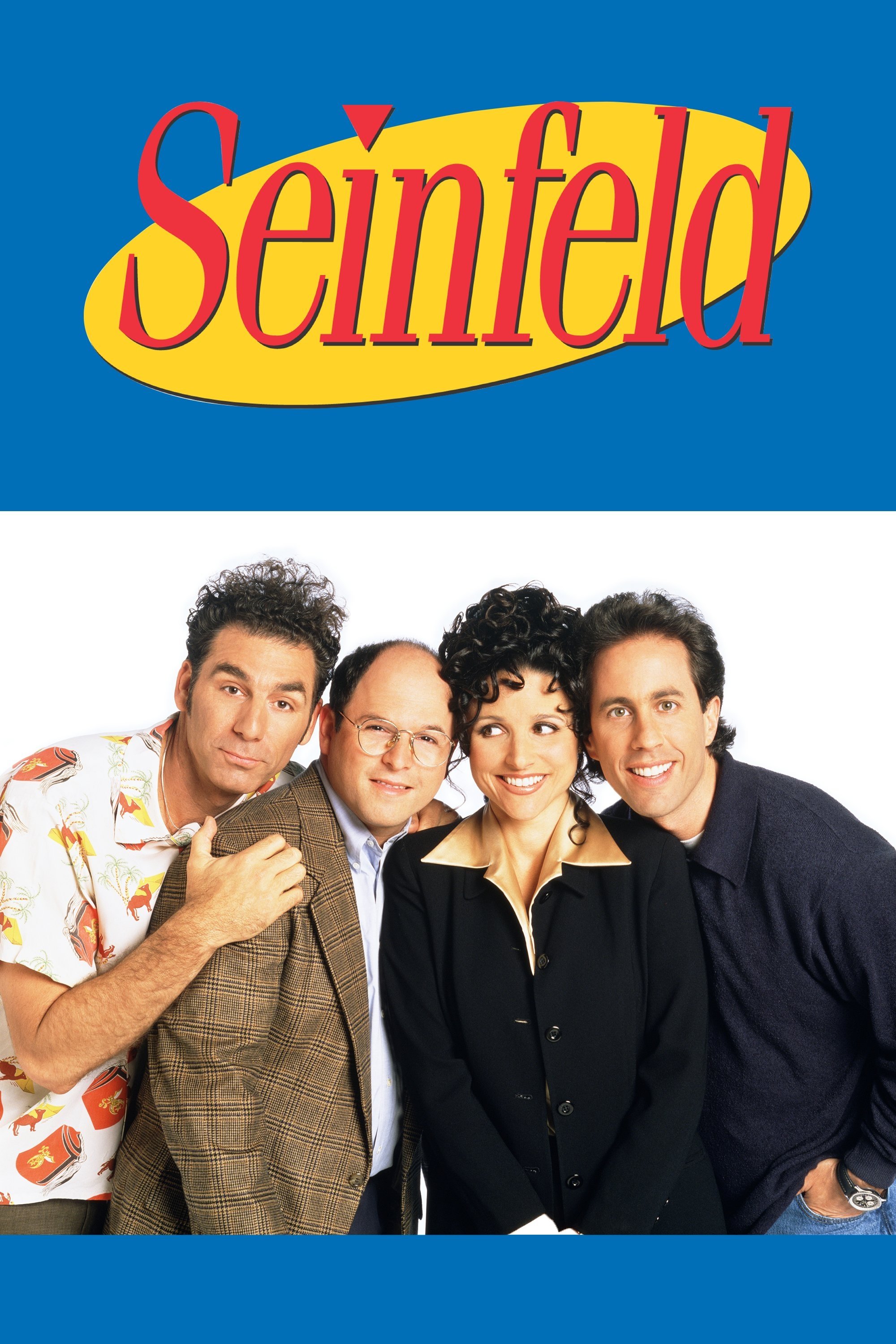
Larry David and Jerry Seinfeld teamed up to create a sitcom known for its unusual rule: no hugging, no lessons learned. The show zoomed in on the small details of everyday life, weaving together several unimportant storylines that somehow all came together in the end. Unlike most sitcoms, the characters stayed self-centered and pessimistic, never really changing or becoming better people. This unique approach changed the way comedy was written and inspired many shows that followed.
‘Twin Peaks’ (1990–1991)
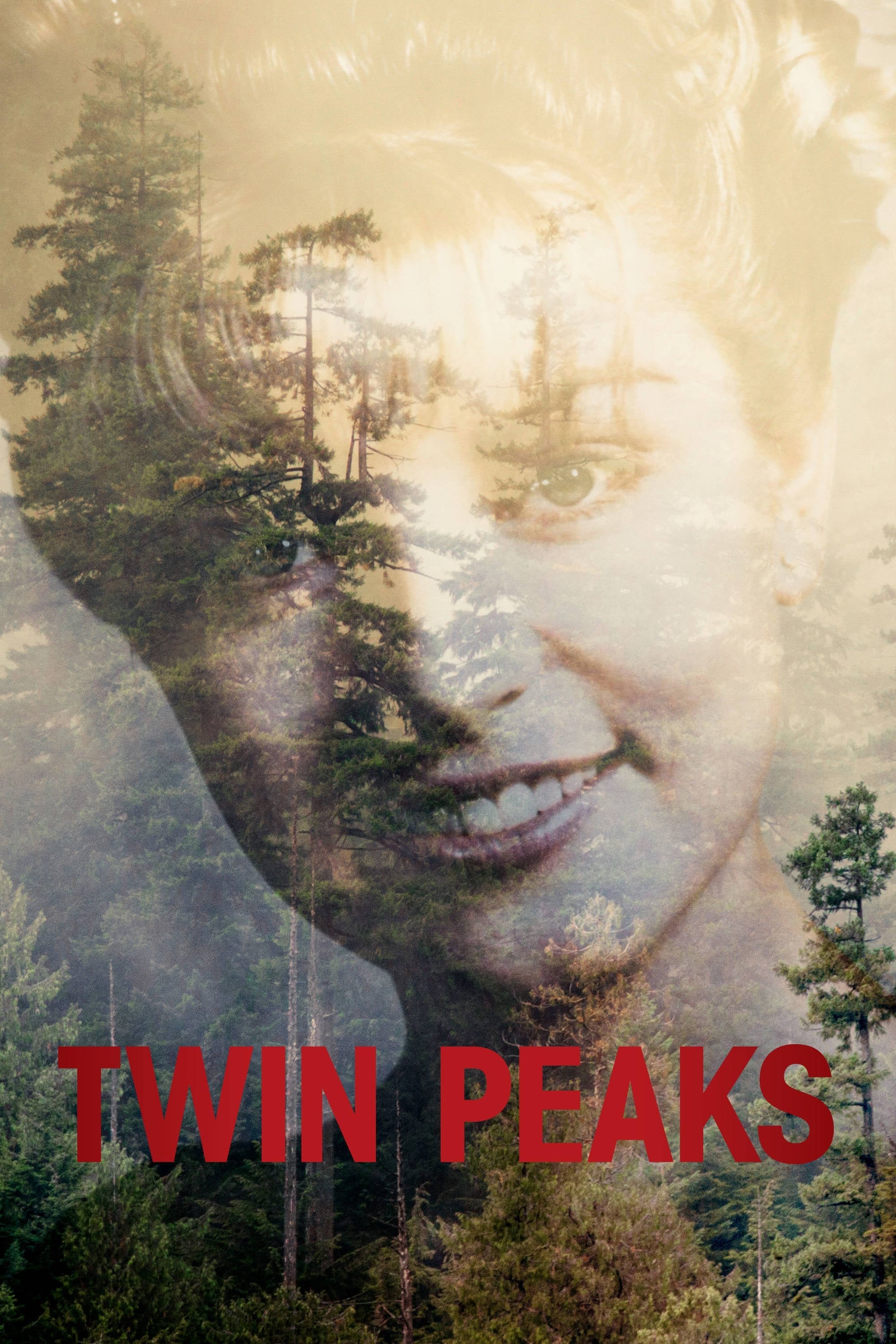
David Lynch and Mark Frost revolutionized television by bringing a dreamlike, mysterious quality to the small screen. Their show uniquely combined the drama of soap operas with the unsettling feeling of nightmares and horror. It captivated audiences by presenting a central puzzle within a strange and immersive world, proving that television could be as creative and experimental as independent films.
‘The X-Files’ (1993–2002)
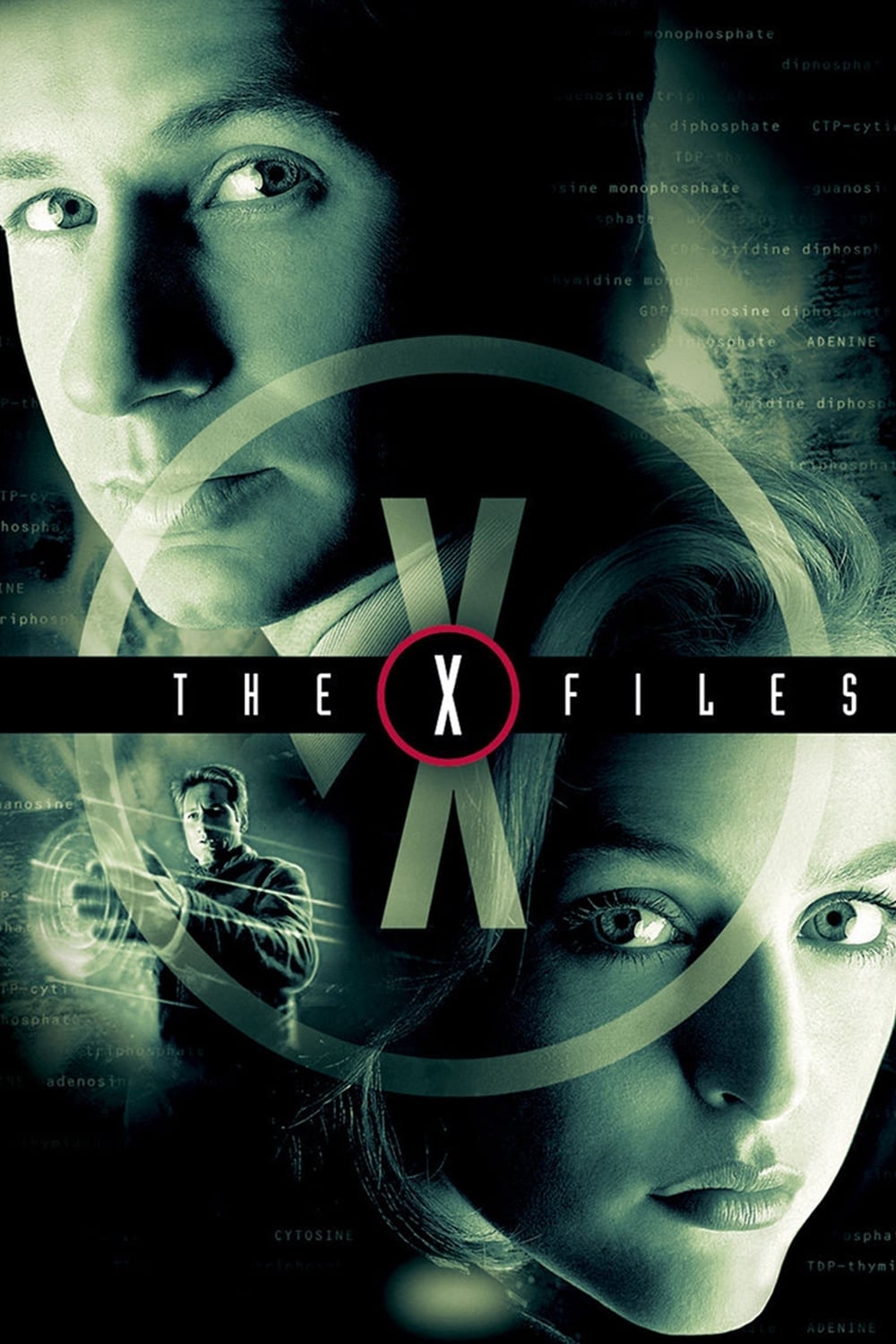
Chris Carter’s show cleverly mixed self-contained episodes with a larger, ongoing story about government secrets and extraterrestrials. Each week featured a new case, but these episodes also contributed to a bigger, season-long mystery. This approach kept both dedicated fans and new viewers engaged, and it helped build one of the first and most active online fan communities, where people loved to analyze every aspect of the show’s complex story.
‘Oz’ (1997–2003)
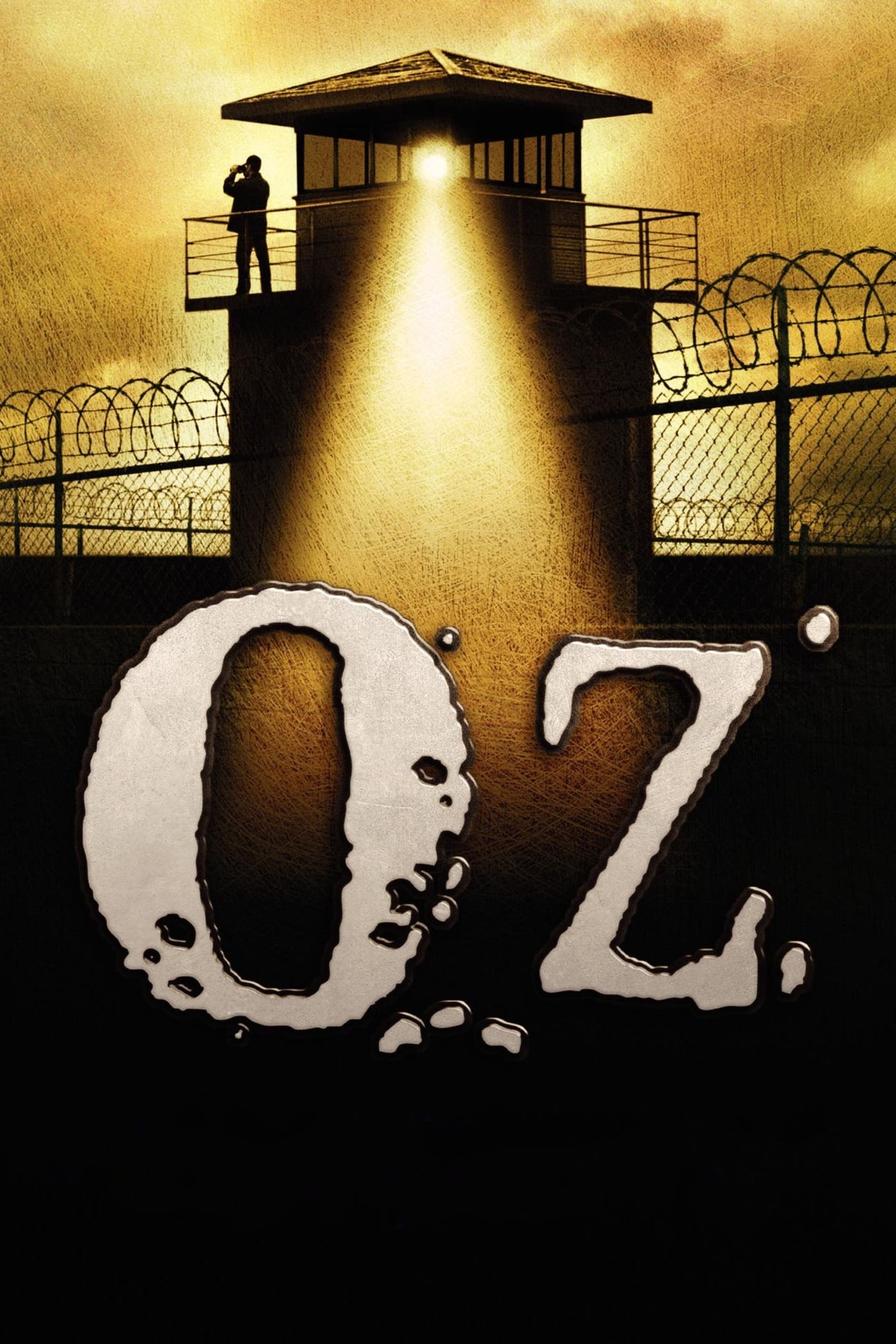
Tom Fontana’s series was the first hour-long drama on HBO to truly take advantage of the creative freedom that premium cable offered. Set in a realistic and often harsh prison environment, the show didn’t shy away from showing violence and sexuality, and it wasn’t censored. This innovative approach proved that subscription networks could deliver complex, novel-like stories, and it paved the way for the popular trend of dramas featuring flawed and unlikeable main characters that emerged later.
‘Buffy the Vampire Slayer’ (1997–2003)
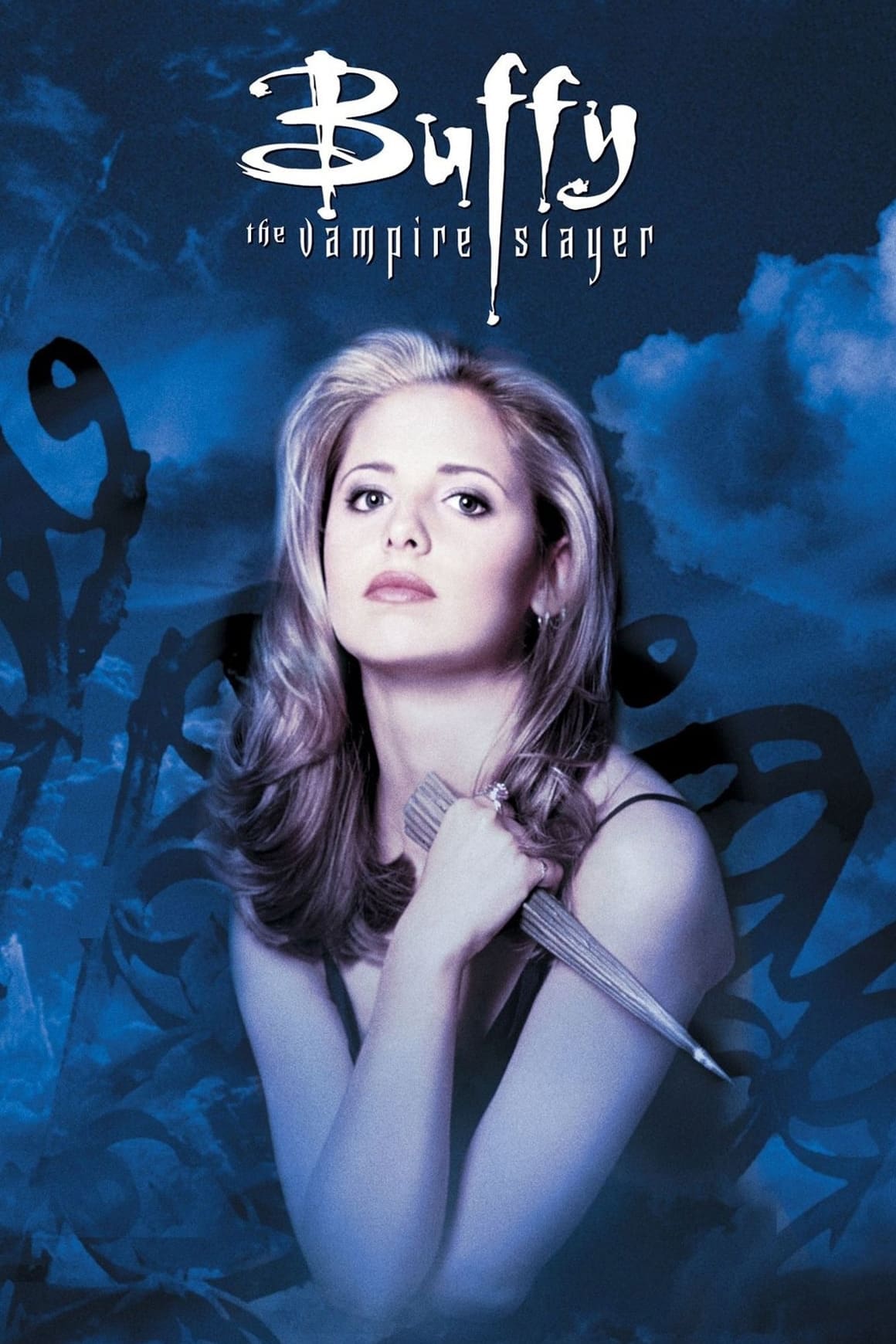
Joss Whedon was known for using fantastical elements to realistically portray the challenges of being a teenager and coming of age. He was a leader in developing ongoing storylines throughout entire seasons of teen shows, and he wasn’t afraid to try new things with episode structures – one episode famously had very little speaking, and another was a complete musical. Whedon proved that TV shows often labeled as ‘genre’ could be both deeply moving and critically successful.
‘Sex and the City’ (1998–2004)
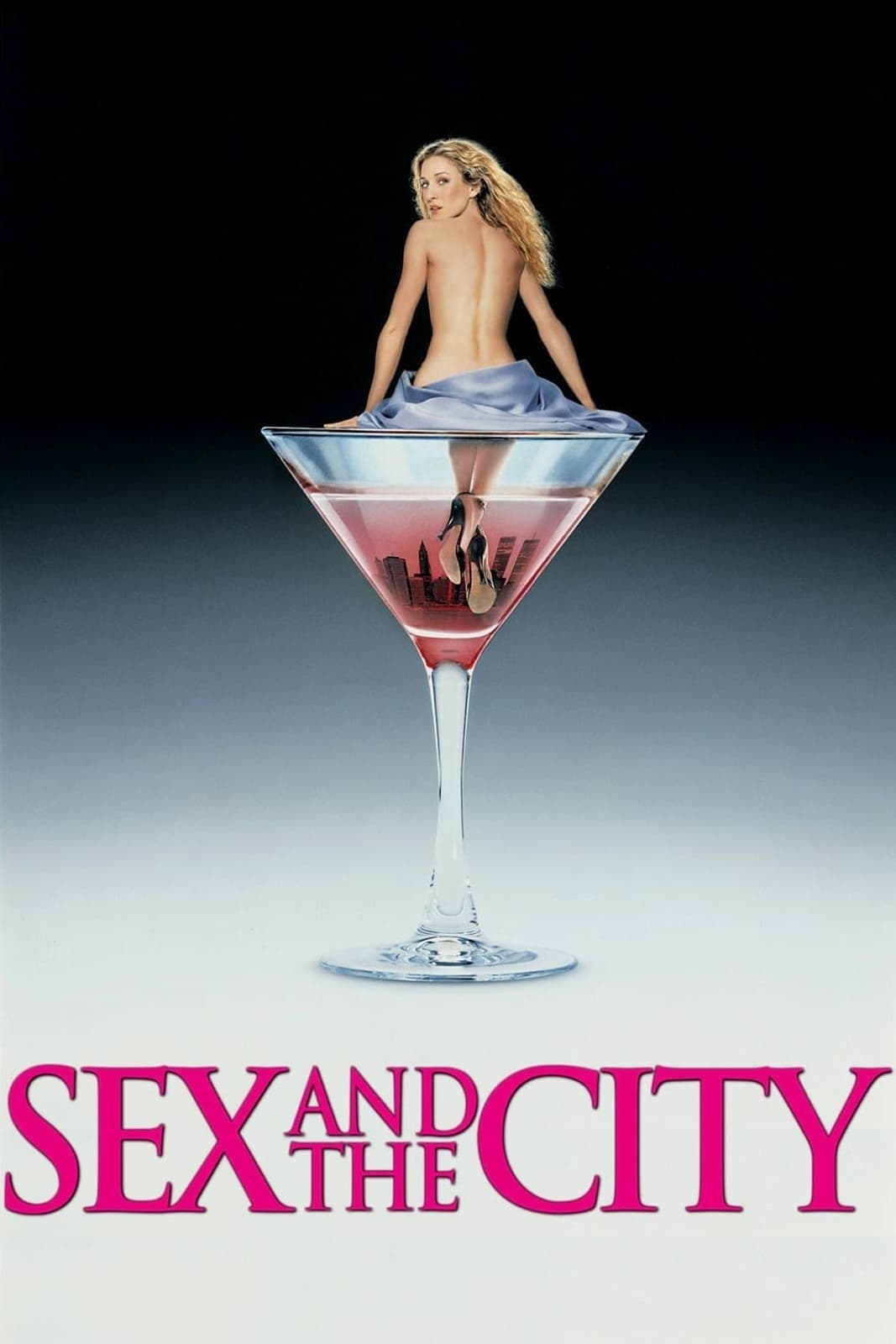
Darren Star transformed Candace Bushnell’s writing into a show that openly explored women’s sexuality and friendships. It focused on four different types of women and honestly portrayed their dating lives – something rarely seen on TV at the time. The show helped make premium cable a popular choice for smart, funny shows geared towards adult women, and it also had a noticeable impact on fashion and how people talked about being single in the city.
‘The Sopranos’ (1999–2007)
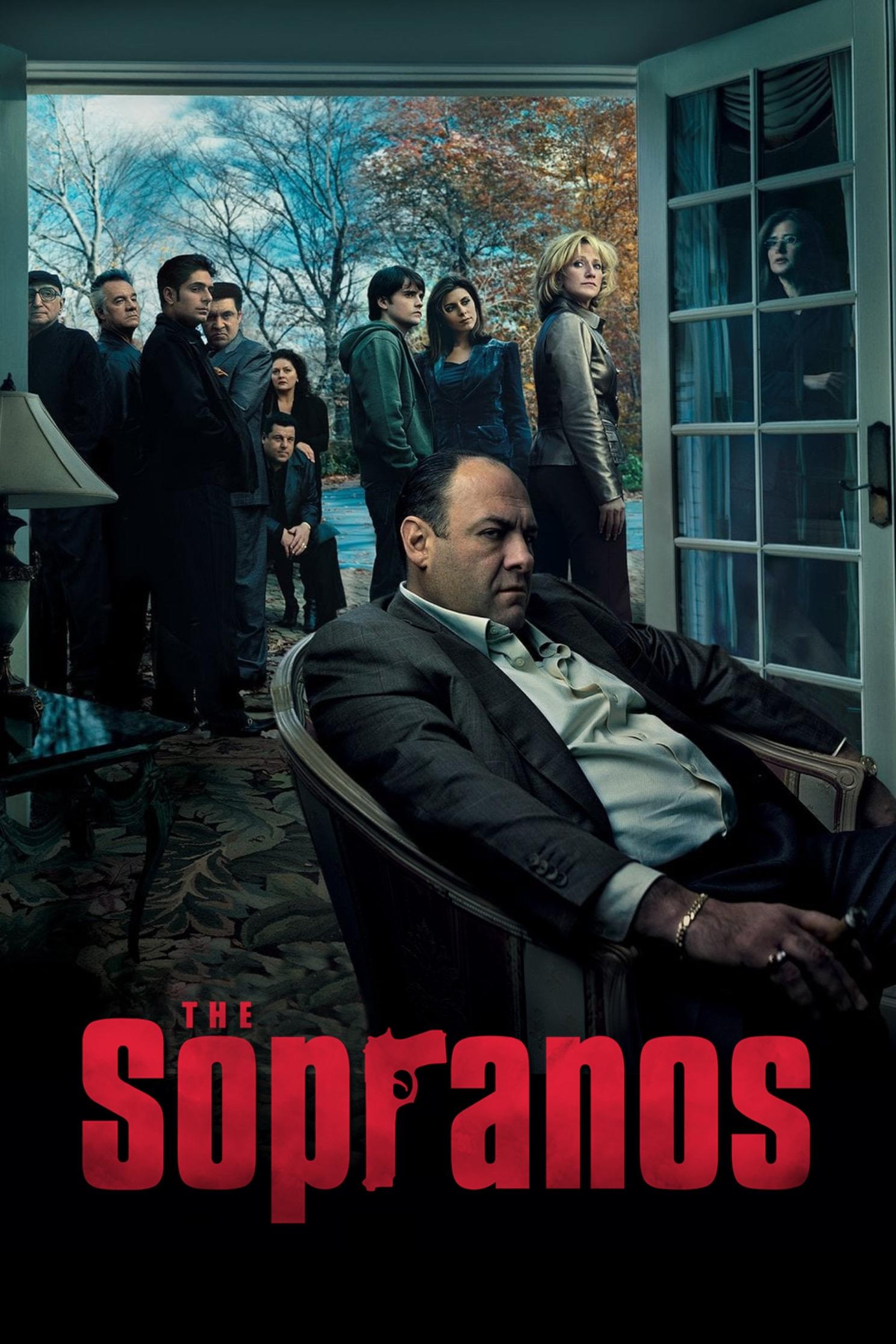
David Chase created a groundbreaking drama featuring a complex main character – a ruthless criminal who was also a husband and father. The show delved into the mob boss’s inner thoughts and feelings using dreams and psychological insight. It wasn’t afraid to be slow-paced and often left storylines unresolved, challenging viewers to look deeper. Many consider it the show that sparked the current era of high-quality television.
‘The West Wing’ (1999–2006)
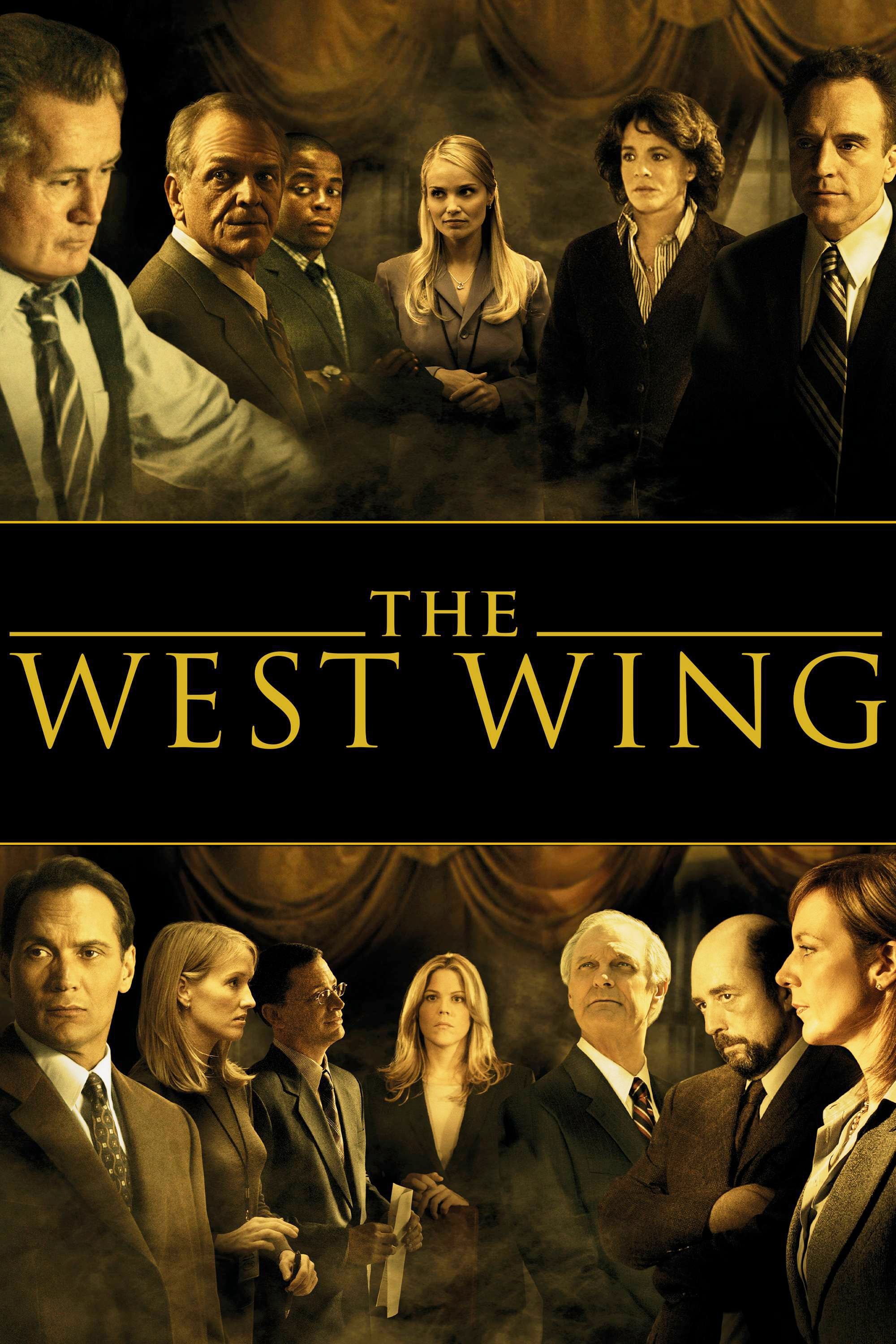
Aaron Sorkin revolutionized political dramas with his fast-paced dialogue and signature ‘walk-and-talk’ scenes. He portrayed the White House as a place where smarts and eloquent speaking were highly valued. His shows were known for being incredibly quick-moving, challenging viewers to follow intricate discussions about policy. Sorkin also proved how crucial a screenwriter’s unique style can be to the overall rhythm and feel of a television show.
‘Survivor’ (2000–Present)
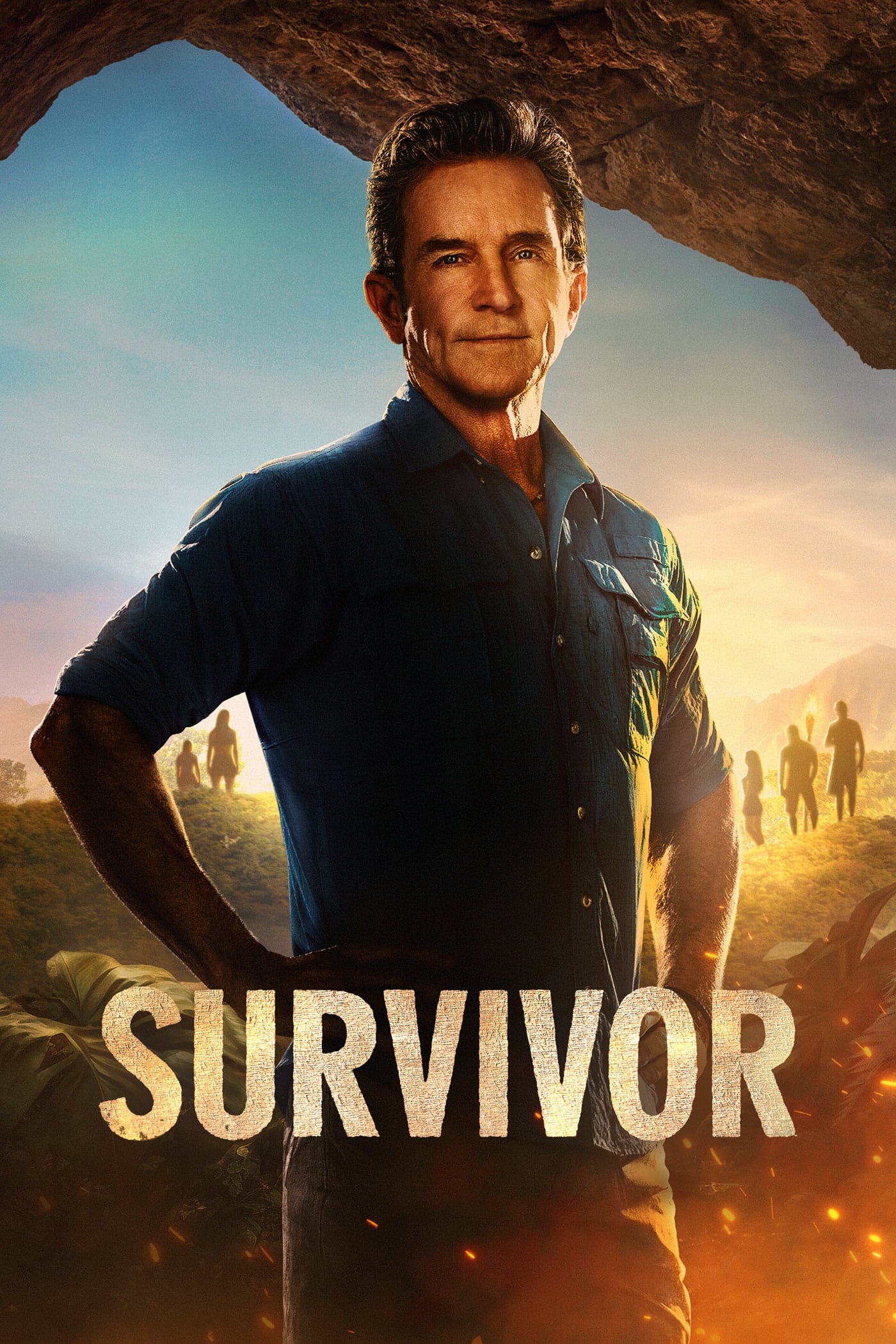
Charlie Parsons and Mark Burnett revolutionized primetime television with their reality competition show. By blending real-life drama with impressive production and clever game play, they created a huge hit. This success sparked a surge in reality TV shows and fundamentally changed how television networks made money, demonstrating that unscripted programs could attract enormous audiences.
‘Curb Your Enthusiasm’ (2000–Present)
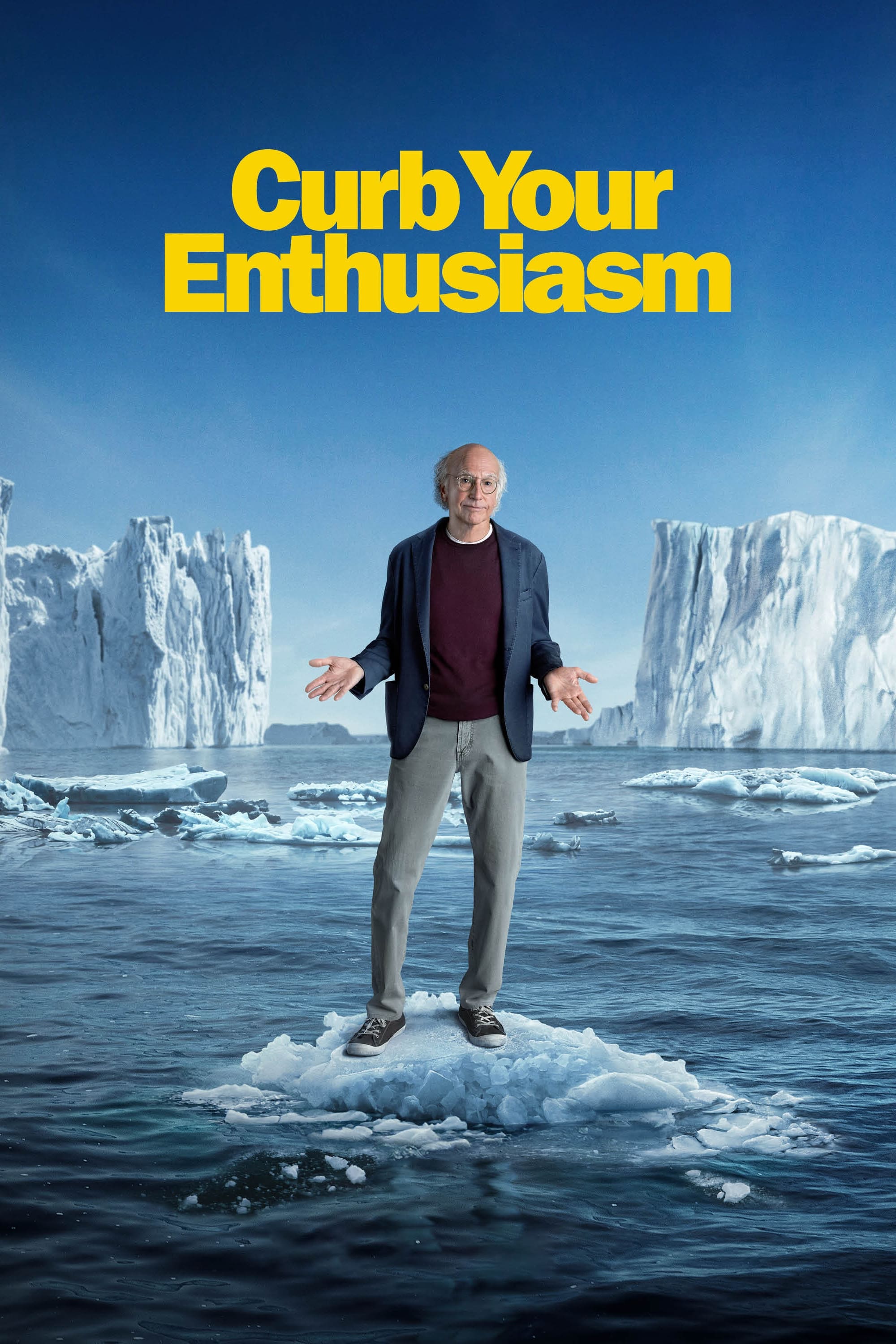
Larry David revolutionized sitcoms by filming in a raw, documentary-style way – using handheld cameras and just basic story ideas instead of fully written scripts. The actors made up their lines based on these ideas, resulting in a very realistic, and often uncomfortably funny, style of comedy. The show also played with reality by having celebrities appear as themselves.
‘The Office’ (2001–2003)
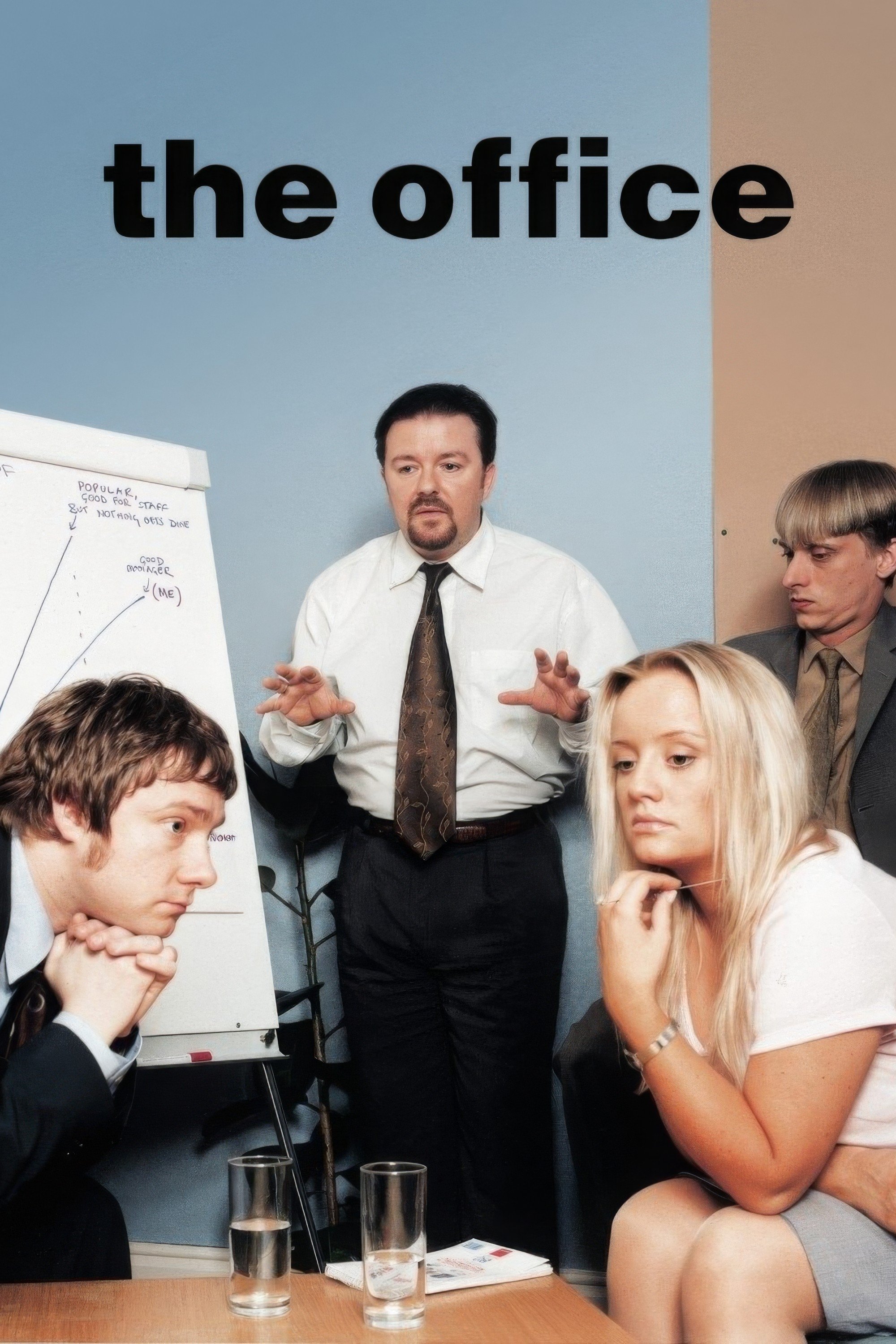
Ricky Gervais and Stephen Merchant revolutionized sitcoms by creating the mockumentary style, famously ditching the traditional laugh track. Their comedy relied on uncomfortable pauses and the everyday frustrations of working life. Characters would often speak directly to the camera, letting viewers into their thoughts. This approach became hugely influential and shaped television comedy for twenty years.
‘The Wire’ (2002–2008)
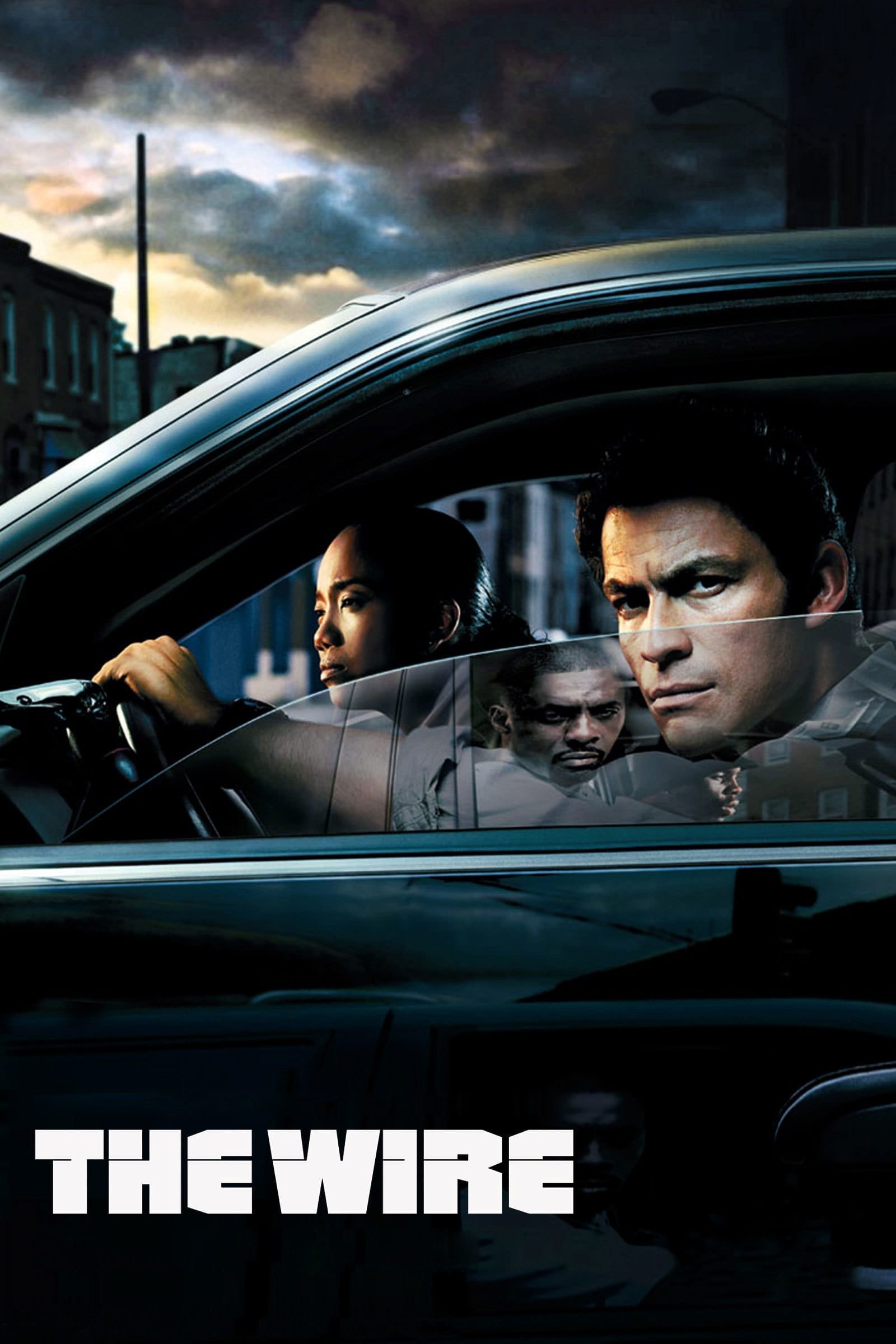
David Simon created a show that felt more like a detailed, unfolding story than a typical TV series. Each season, he examined how different parts of Baltimore were failing, revealing broader problems with American systems. The show didn’t simplify things for viewers and included a large, realistically complex cast of characters. It raised the bar for how much social insight and authenticity could be achieved in dramatic television.
‘Arrested Development’ (2003–2019)
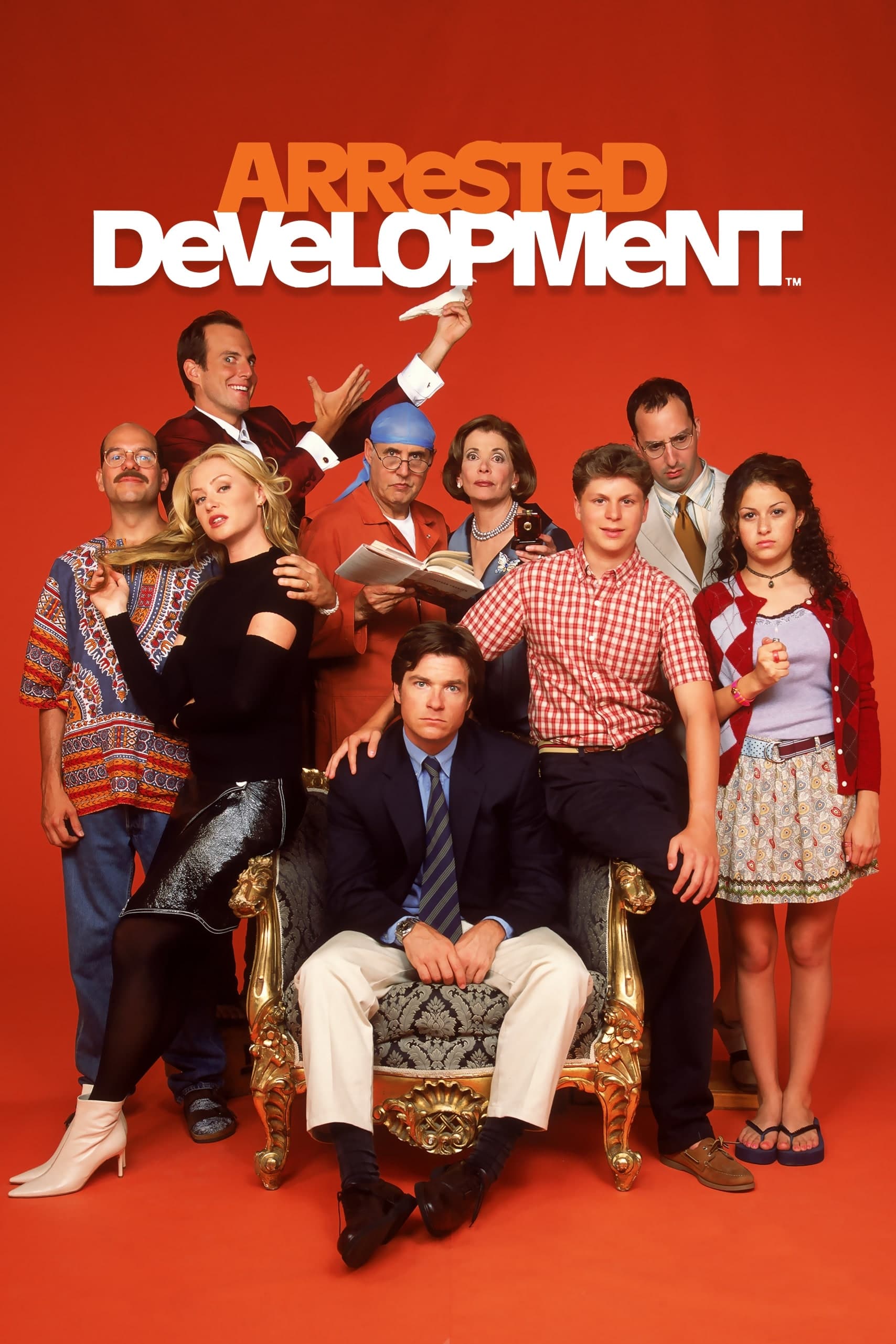
Mitchell Hurwitz’s sitcom was filled with clever, inside jokes and hints about the future, making it especially enjoyable to watch all at once. The show’s documentary style and use of a narrator allowed for quick cuts and frequent flashbacks. It cleverly predicted how people would watch comedies on DVD and streaming services. The show’s intricate writing became a benchmark for other cult comedies.
‘Lost’ (2004–2010)
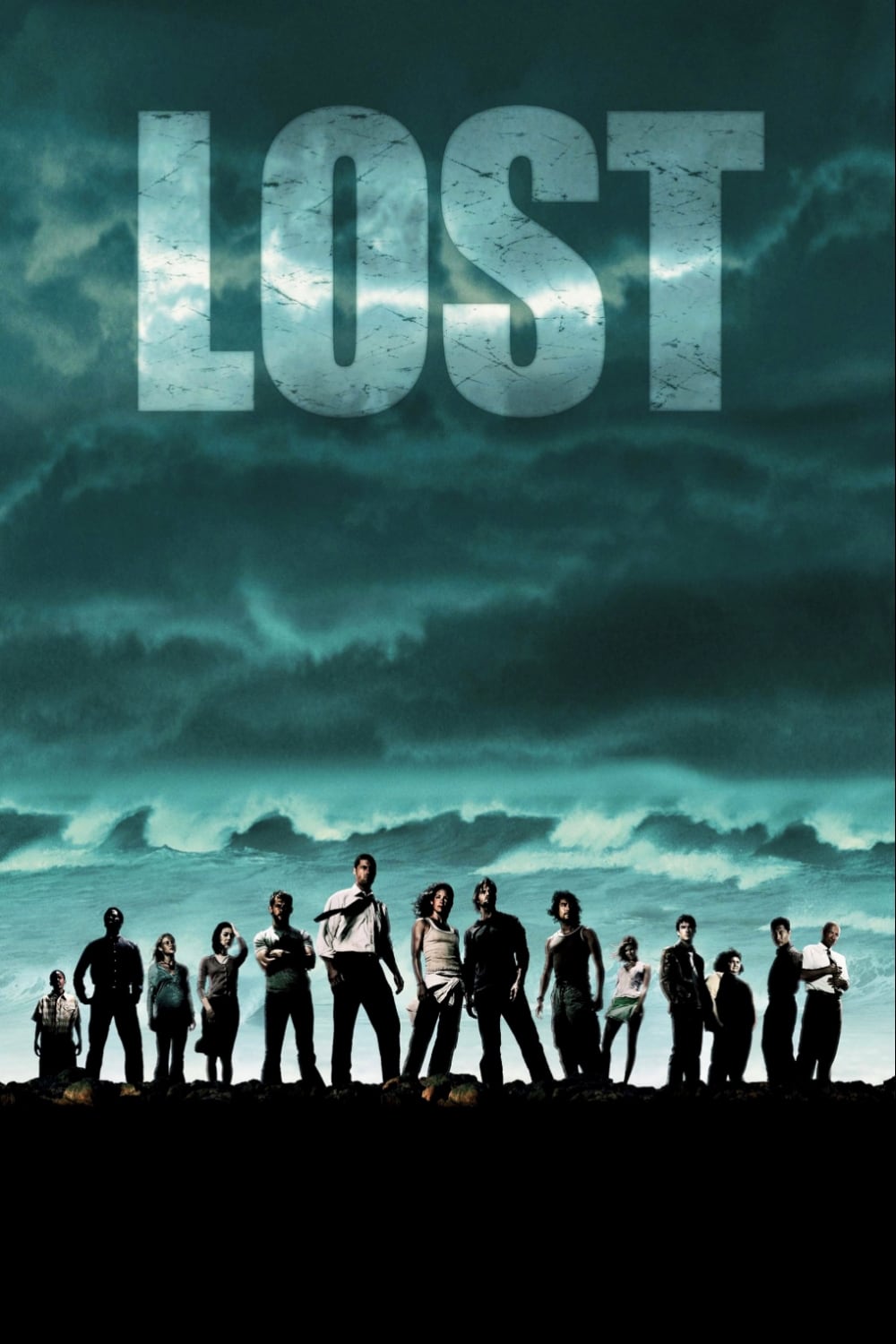
J.J. Abrams and Damon Lindelof created a hugely popular show centered around compelling mysteries. With its high production quality and complex secrets, the show uniquely captivated audiences and sparked widespread online speculation and fan theories. The very first episode set a new standard for what television shows on major networks could achieve in terms of scope and visual impact.
‘Battlestar Galactica’ (2004–2009)
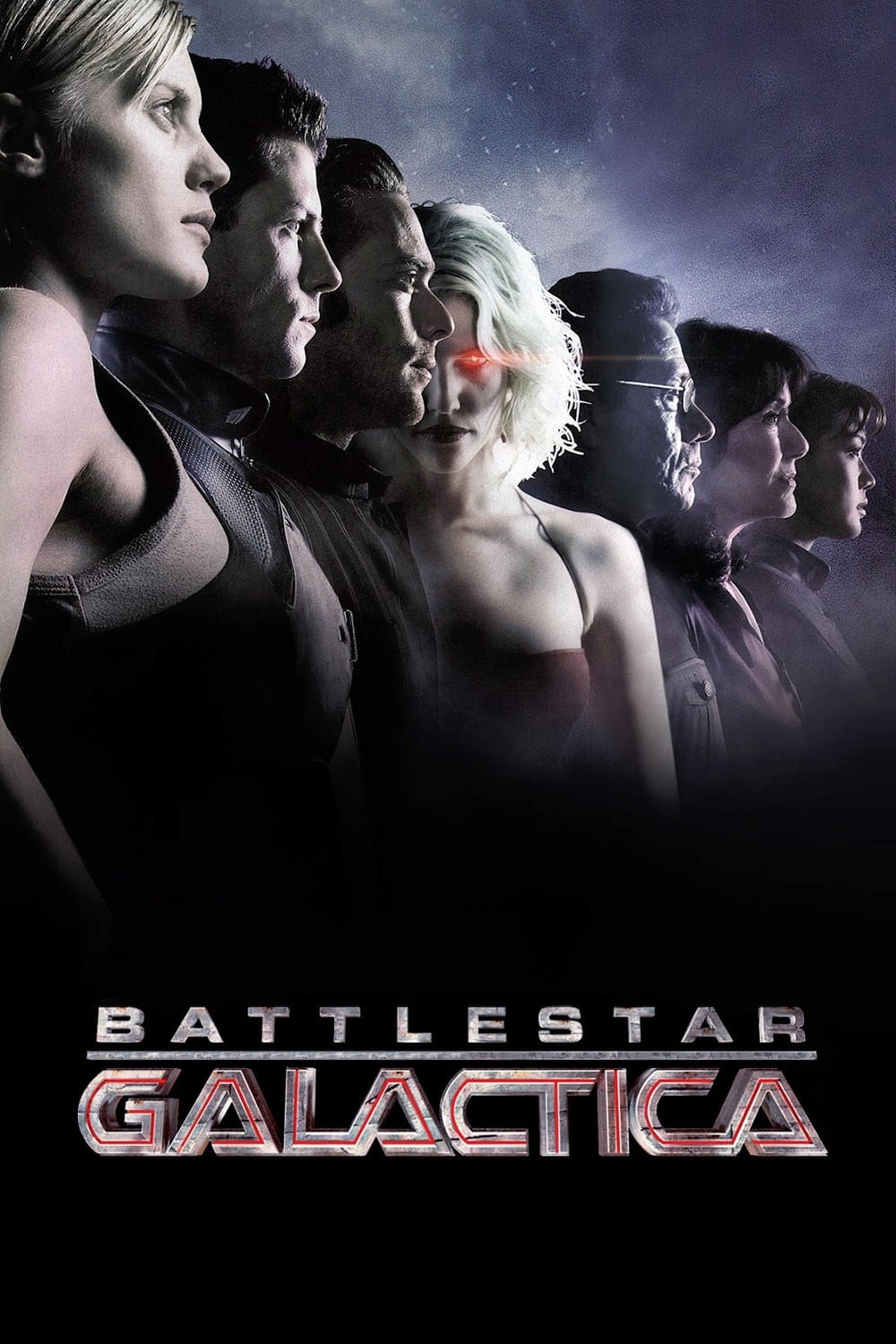
Ronald D. Moore took a somewhat silly 1970s science fiction show and completely reinvented it as a realistic and intense war drama reflecting the post-9/11 world. He removed the typical flashy elements of space adventures, instead concentrating on the struggles for power and disagreements over faith. The show looked more like a real-life documentary thanks to its use of handheld cameras and natural lighting, making the futuristic setting feel surprisingly believable. It demonstrated that science fiction could be a powerful way to explore serious themes of war and politics.
’30 Rock’ (2006–2013)
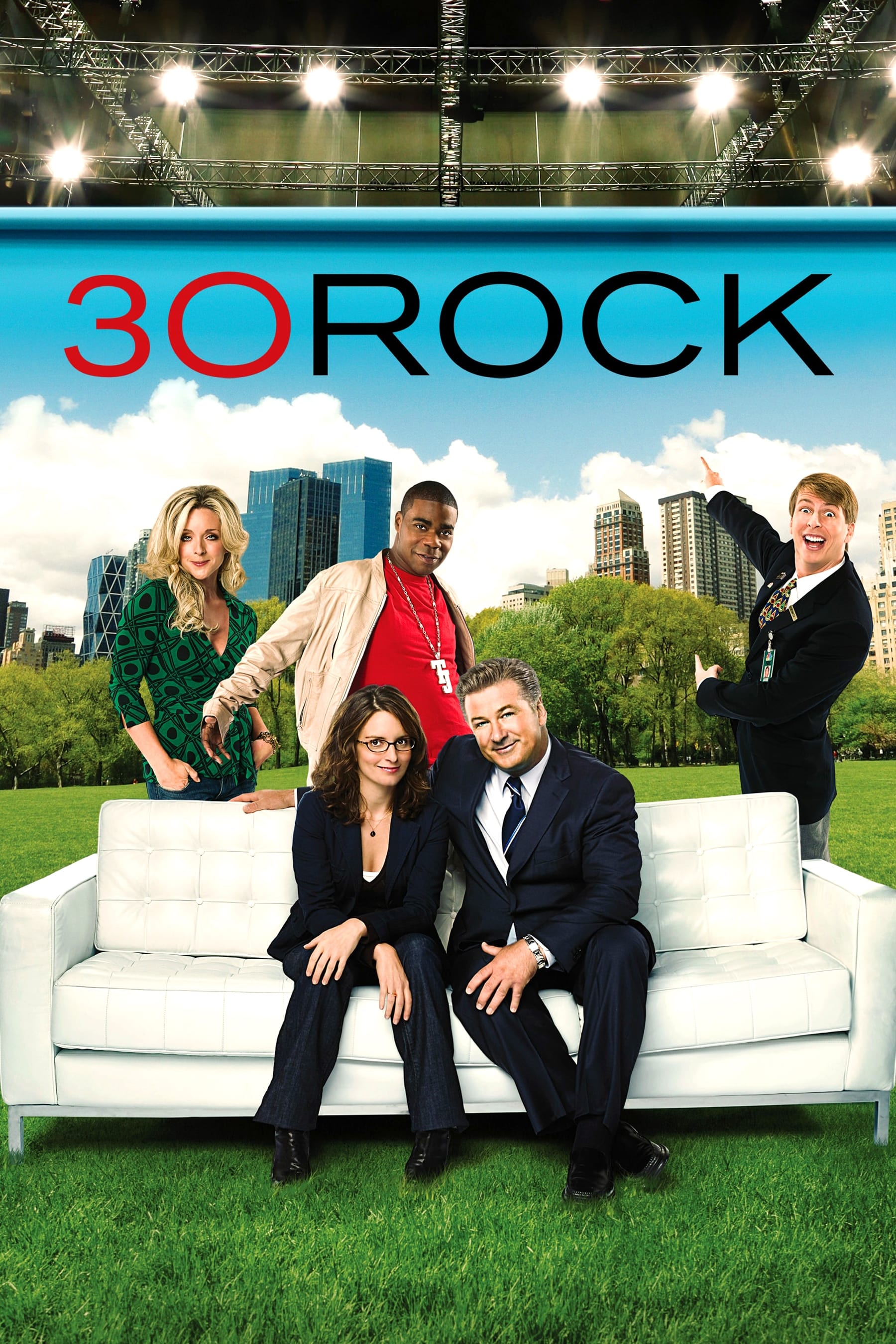
Tina Fey brought a fast-paced, joke-filled style to the workplace sitcom. She mixed clever observations about society with unexpected, silly moments and jokes about television itself. The show created a unique, quirky comedic style that became a hallmark of NBC for years. Importantly, Fey proved how impactful it could be for a woman to run a show and write about her own life.
‘Mad Men’ (2007–2015)
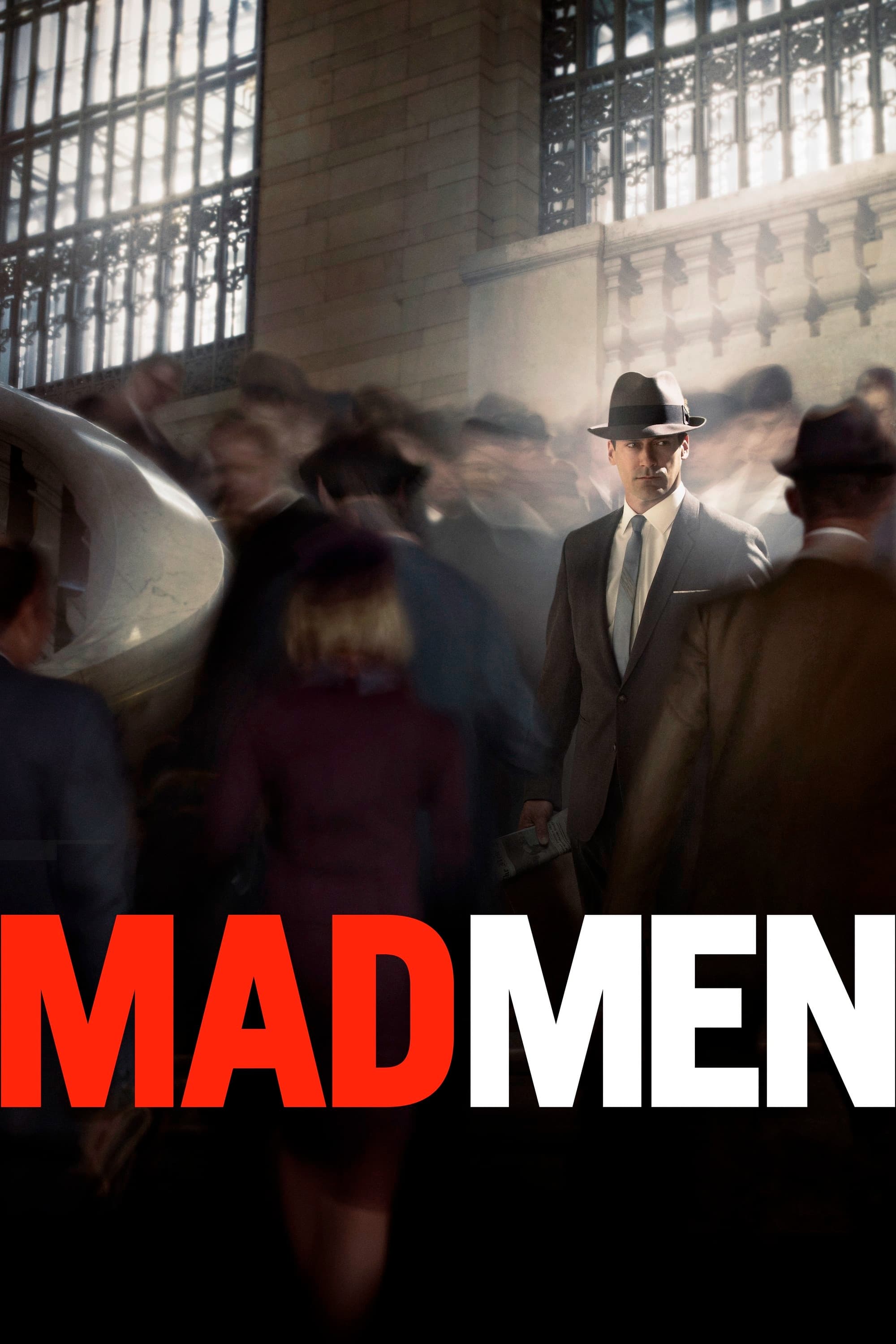
Matthew Weiner meticulously recreated the 1960s, using that detail to explore the flaws beneath the idealized ‘American Dream’. The show focused on developing complex characters and creating a specific atmosphere, rather than relying on fast-paced plots. It redefined drama on cable television, demonstrating that stories set in specific historical periods could attract a wide audience. The series’ distinctive look also heavily influenced fashion and design trends.
‘Breaking Bad’ (2008–2013)
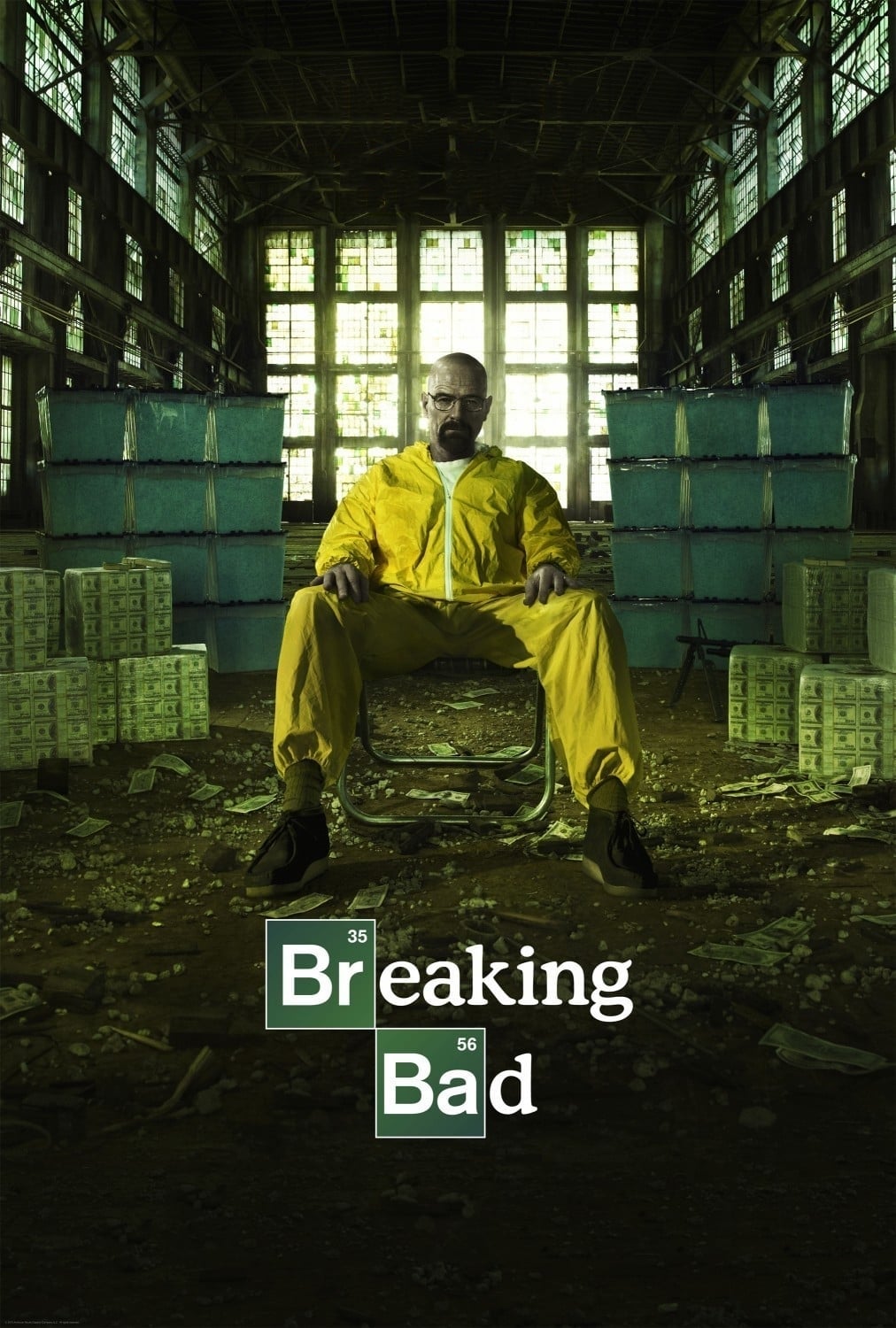
Vince Gilligan originally proposed the series as a unique challenge: to gradually transform the main character from a good person into a villain throughout its run. Unlike many shows that go on indefinitely, he planned a complete story with a defined start and finish. The show’s visual style was also notable, using unusual camera work and time-lapse effects. This character arc is now considered a benchmark for stories featuring anti-heroes.
‘Community’ (2009–2015)
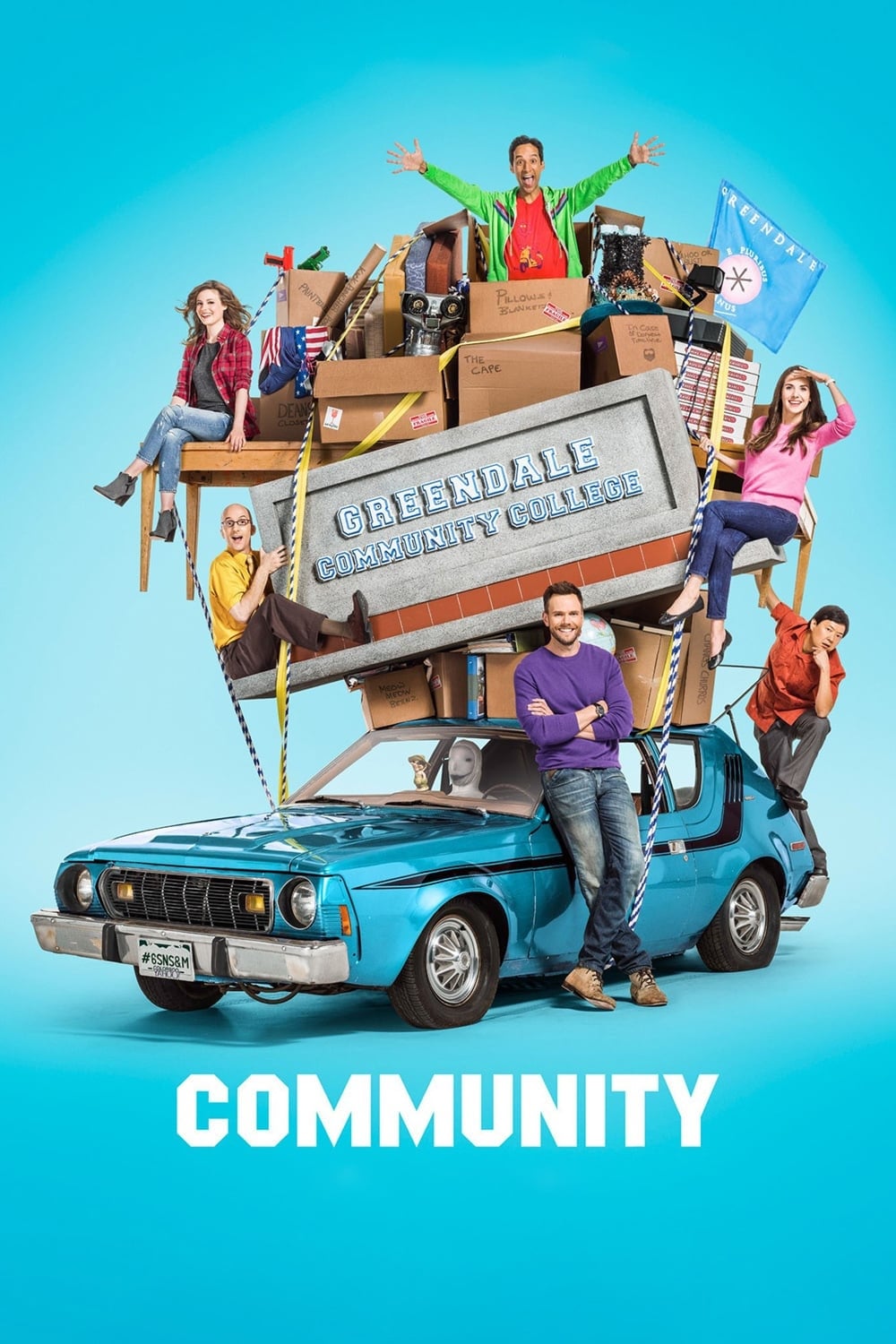
As a film and TV buff, I’ve always been fascinated by what ‘Community’ did. Dan Harmon brilliantly set the show in a community college, which allowed him to really pick apart and reinvent all the usual TV clichés and genre rules. It wasn’t afraid to get weird, constantly breaking the fourth wall and even trying out different animation styles like stop-motion. Honestly, it felt like it was made for people who get TV – those of us who appreciate the jokes about the jokes, and the show’s overall cleverness. He really treated the sitcom format as a space to just play around with ideas and push boundaries.
‘Game of Thrones’ (2011–2019)
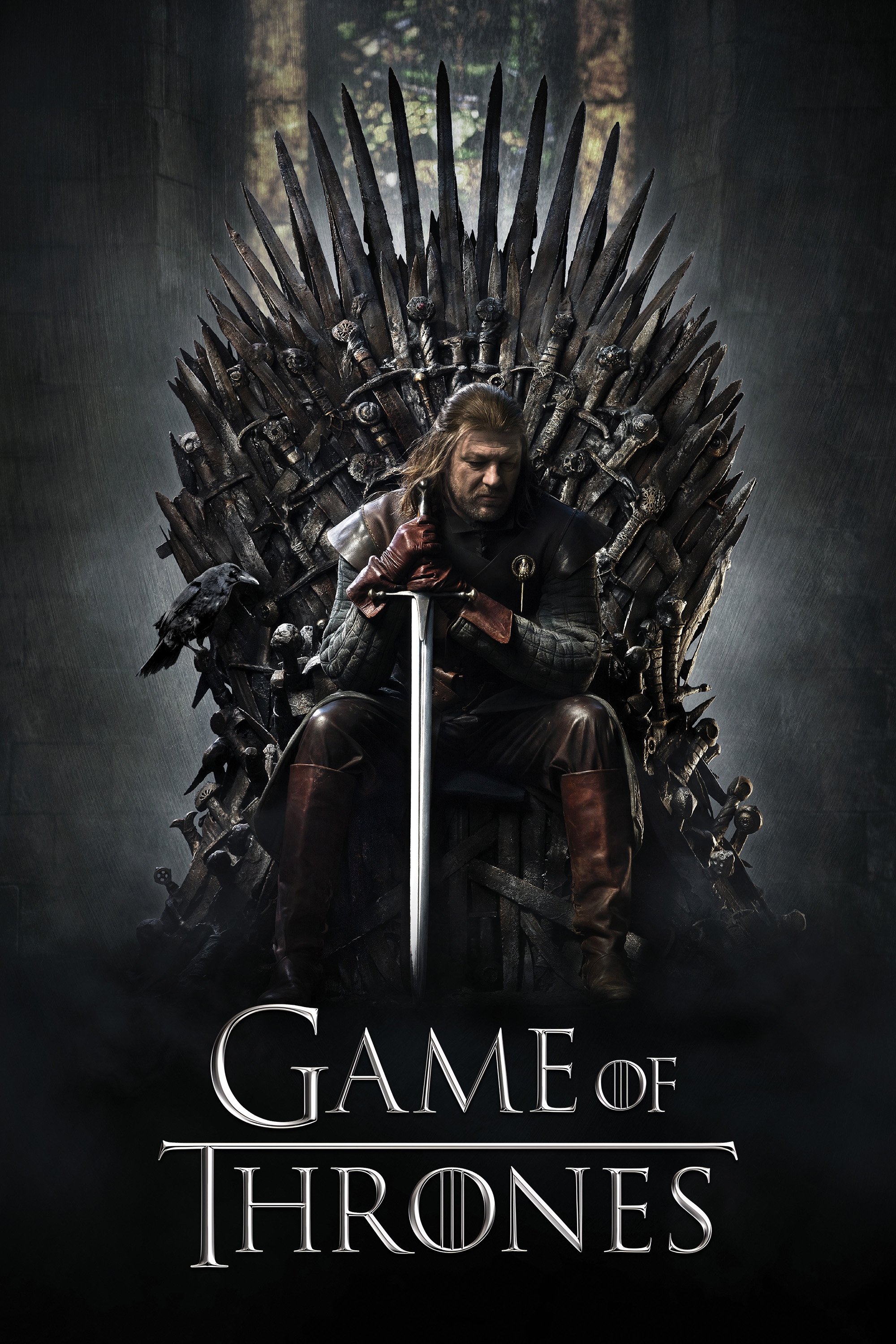
David Benioff and D.B. Weiss successfully brought a complex fantasy series to life with the high production values of a major film. They demonstrated that fantasy stories could attract a broad adult audience by focusing on political drama and power struggles. The show quickly became a worldwide sensation, with people watching and discussing it simultaneously across the globe. It also set a new standard for visual effects and set design in television.
‘Black Mirror’ (2011–Present)
Charlie Brooker successfully brought back the anthology series for today’s viewers, using dark humor to explore technology and its impact on society. Each episode was a self-contained story with a new cast and setting. The show expertly captured our current fears about things like social media and artificial intelligence, proving that this type of storytelling works well for streaming audiences.
‘House of Cards’ (2013–2018)
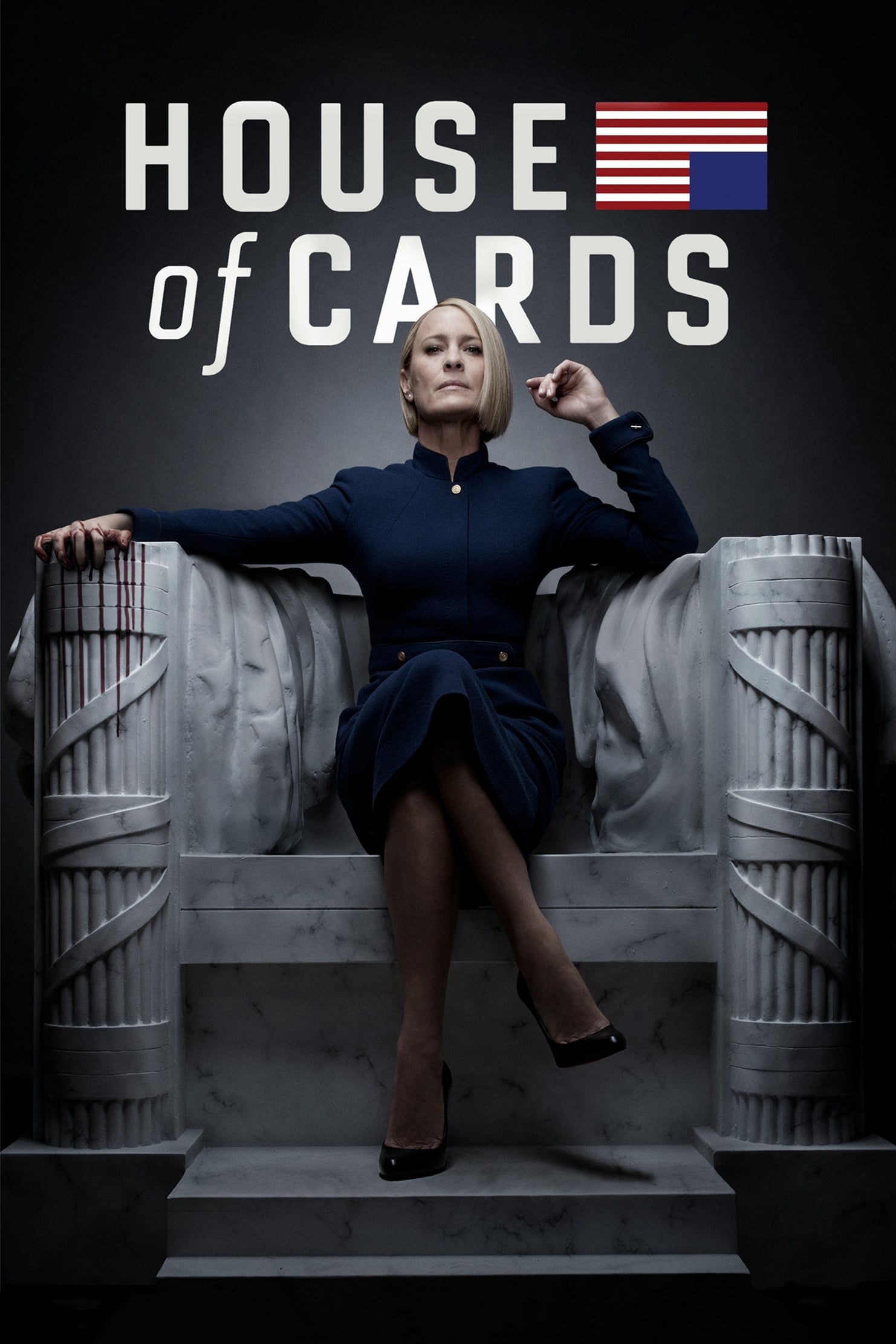
Beau Willimon and David Fincher were pioneers of the streaming era, notably by releasing a whole season of their show all at once. This approach popularized binge-watching and influenced how stories unfold. With well-known creators involved, the project demonstrated that streaming services were a real challenge to traditional cable TV, and it signaled the move away from fixed weekly schedules.
‘True Detective’ (2014–Present)
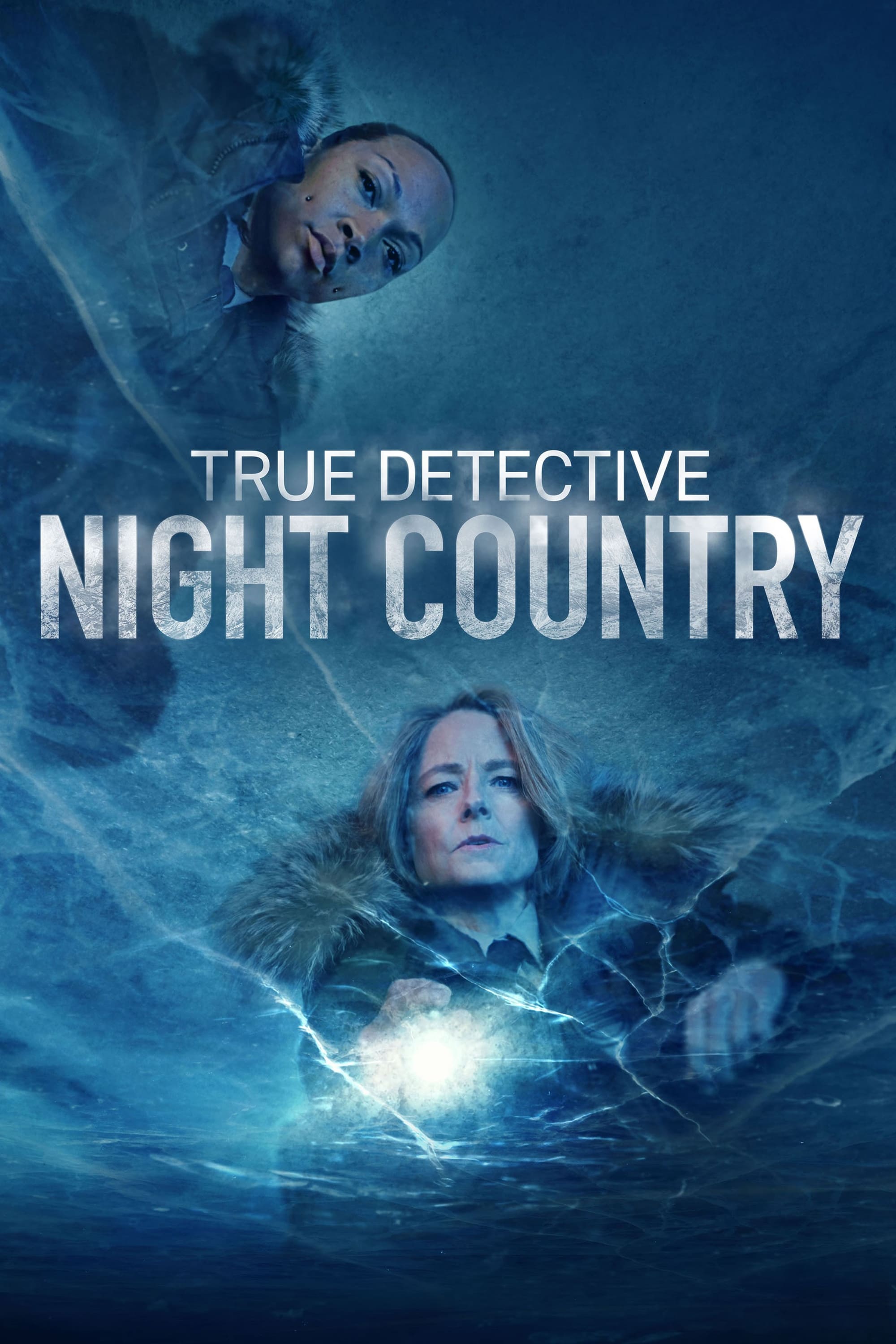
Nic Pizzolatto became known for creating anthology series with self-contained stories and new characters each season. He successfully drew famous actors to television by offering them short-term roles instead of long-term contracts. The first season stood out with its dark, atmospheric style and thought-provoking conversations. This approach filled a niche between limited-run miniseries and traditional, ongoing dramas.
‘Transparent’ (2014–2019)
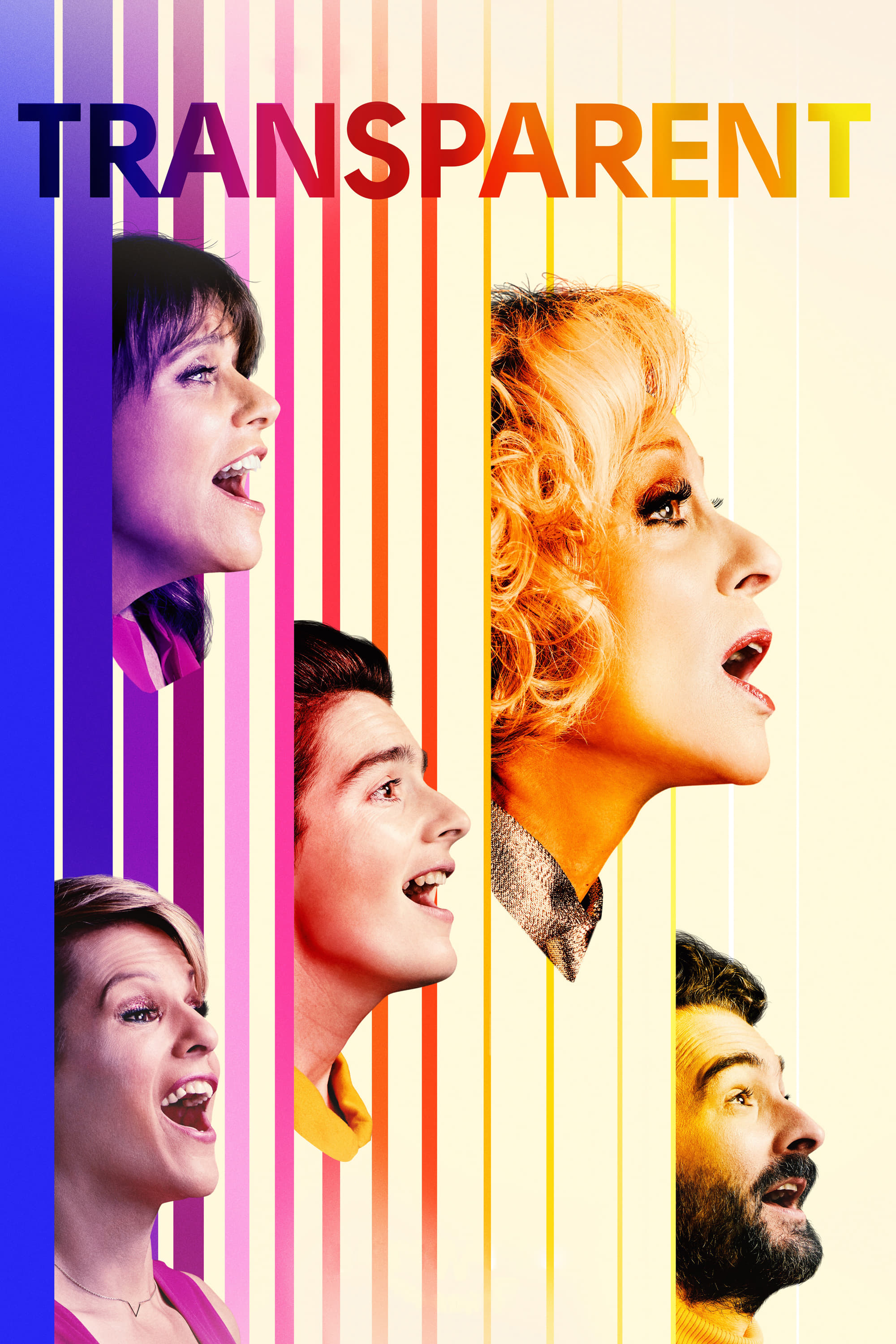
Joey Soloway’s half-hour show felt less like a typical sitcom and more like an independent film. It tackled complex themes like gender identity and family trauma in a realistic and personal way. The series was important in establishing Amazon Prime as a platform for high-quality, innovative content, and it really changed what was expected in streaming comedies by pushing creative boundaries.
‘Atlanta’ (2016–2022)
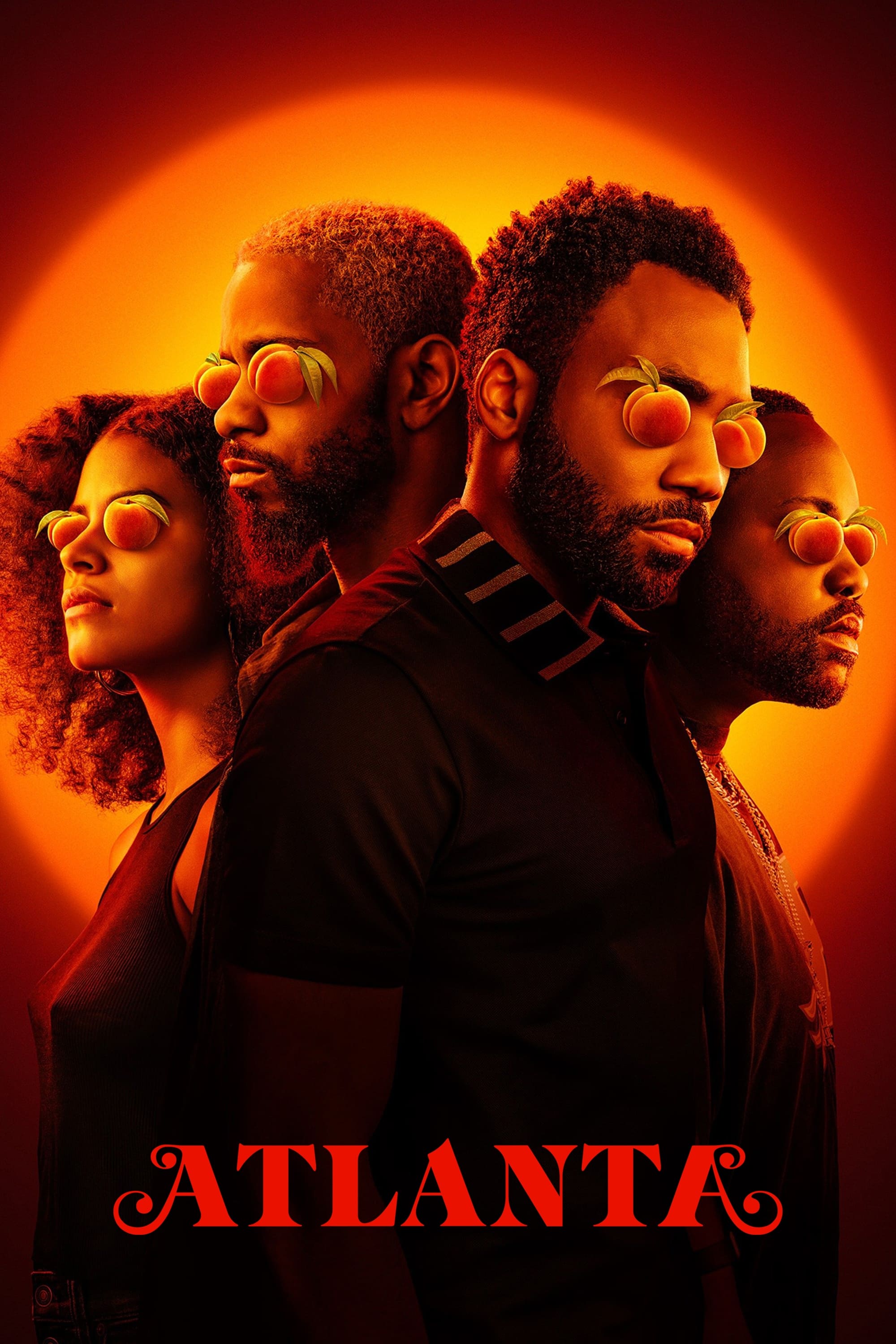
Donald Glover’s show was a unique and unconventional comedy, mixing insightful observations about society with unsettling and often bizarre moments. It tackled the complexities of being Black in America, but didn’t follow typical TV storytelling rules. Many episodes felt like individual short films, branching off into their own separate stories. Glover demonstrated that a strong, personal creative vision could succeed even on a regular cable channel.
‘Fleabag’ (2016–2019)
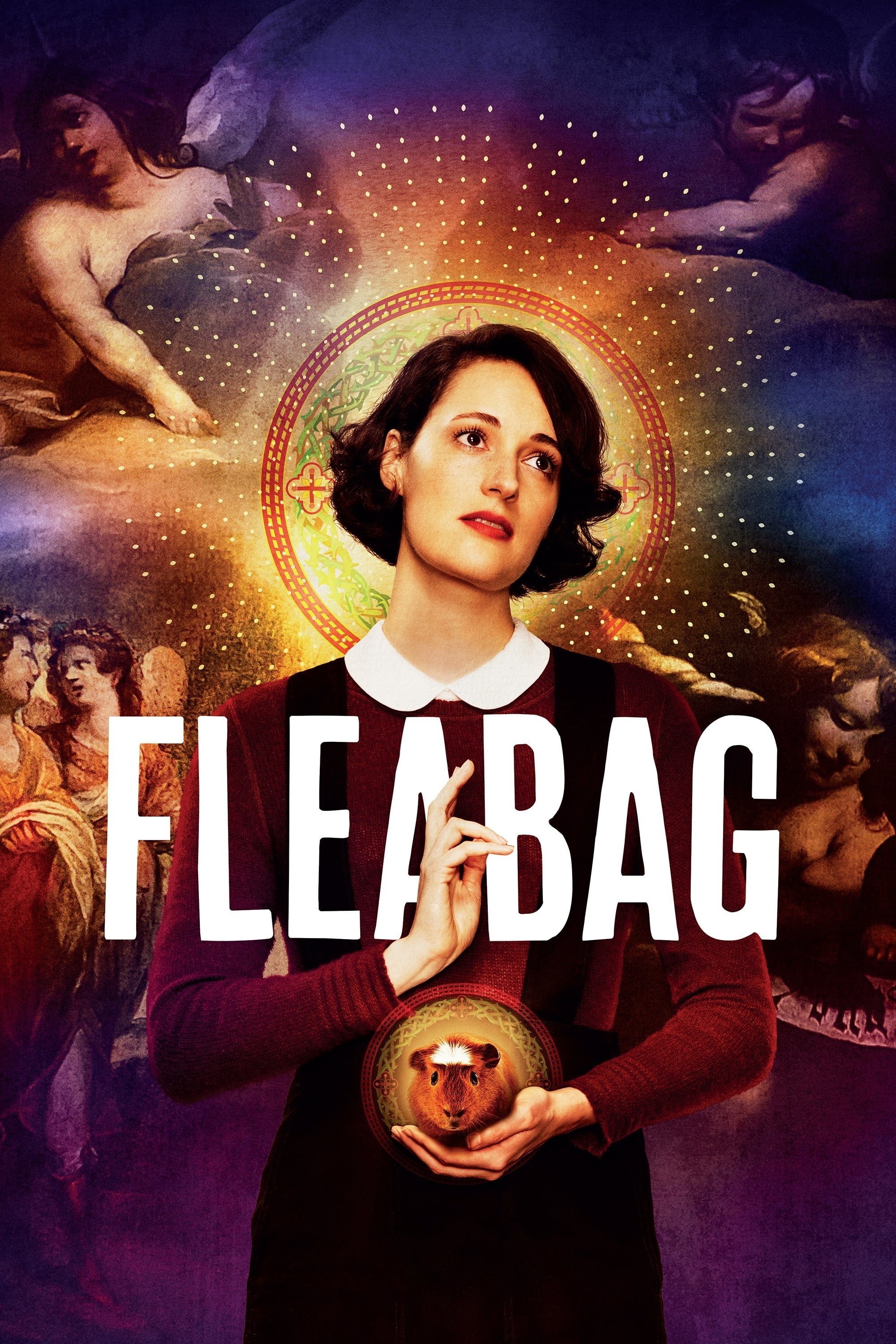
Phoebe Waller-Bridge turned her stage play into a TV series that cleverly used direct address – having the character speak directly to the camera – to connect with the audience and make them feel like confidantes. The show skillfully mixed bold, funny moments with surprisingly moving explorations of loss and regret, proving that a unique storytelling style can work wonderfully on television.
‘Succession’ (2018–2023)
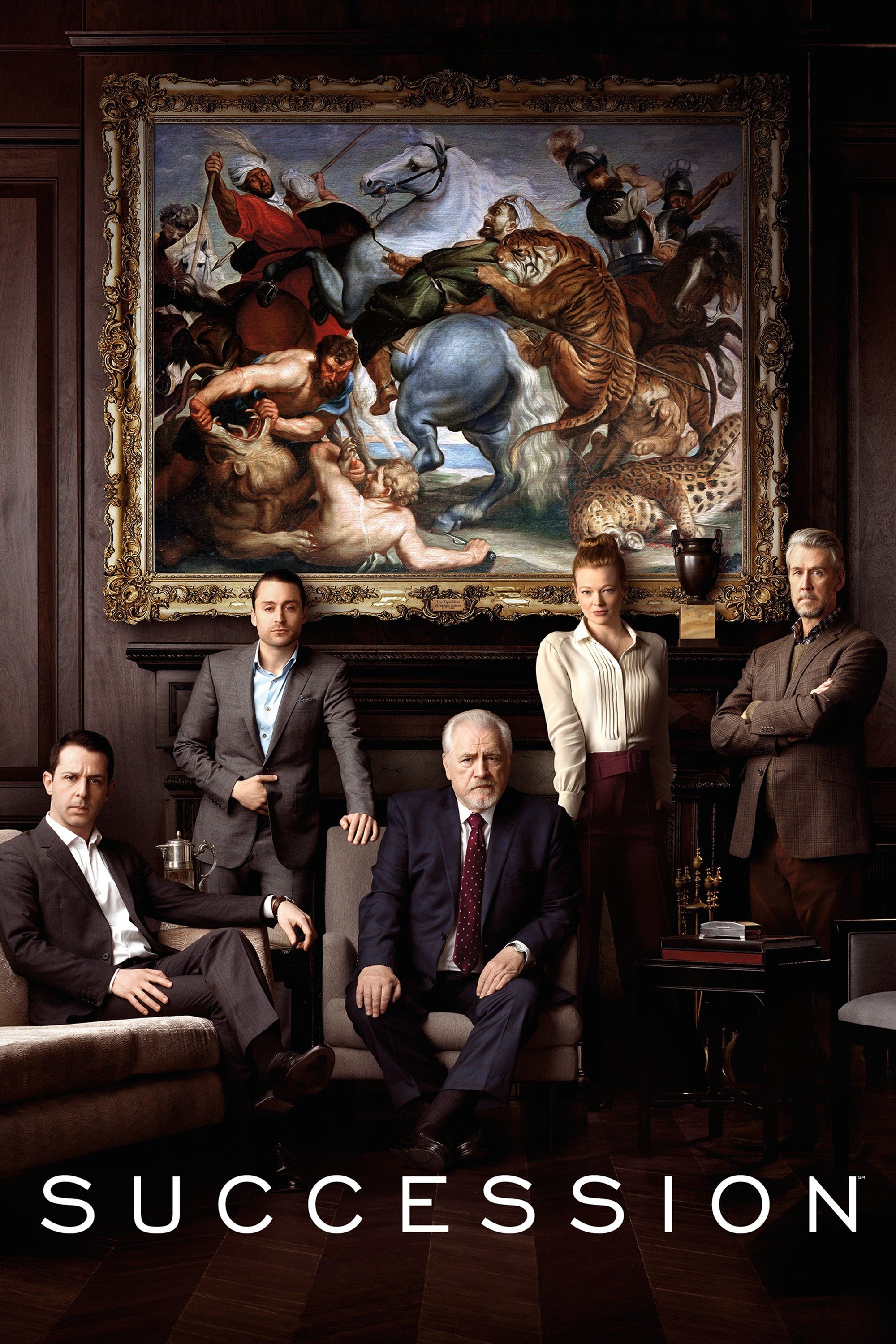
Jesse Armstrong masterfully combined the dramatic intensity of Shakespearean family tragedies with the biting wit of British political humor in his show. The series used a dynamic, often shaky camera style with quick zooms to emphasize the characters’ unease. At its heart, the show explored how wealth and power can destroy a family that controls a major media empire. The clever writing transformed even the most cutting remarks and ruthless actions into something artistic and compelling.
Share your favorite visionary TV creator from this list in the comments.
Read More
- Trading on Thin Air: AI Agents Conquer Crypto Volatility
- 20 Movies Where the Black Villain Was Secretly the Most Popular Character
- Invincible Season 4 Gender Swaps Tech Jacket As Fans Question Major Comic Change
- Silver Rate Forecast
- 22 Films Where the White Protagonist Is Canonically the Sidekick to a Black Lead
- 15 Films That Were Shot Entirely on Phones
- Gold Rate Forecast
- Celebs Who Narrowly Escaped The 9/11 Attacks
- Trading Smarter: AI-Powered Execution Schedules
- Smarter Order Execution: How AI is Outperforming Wall Street’s Playbook
2026-01-31 22:19