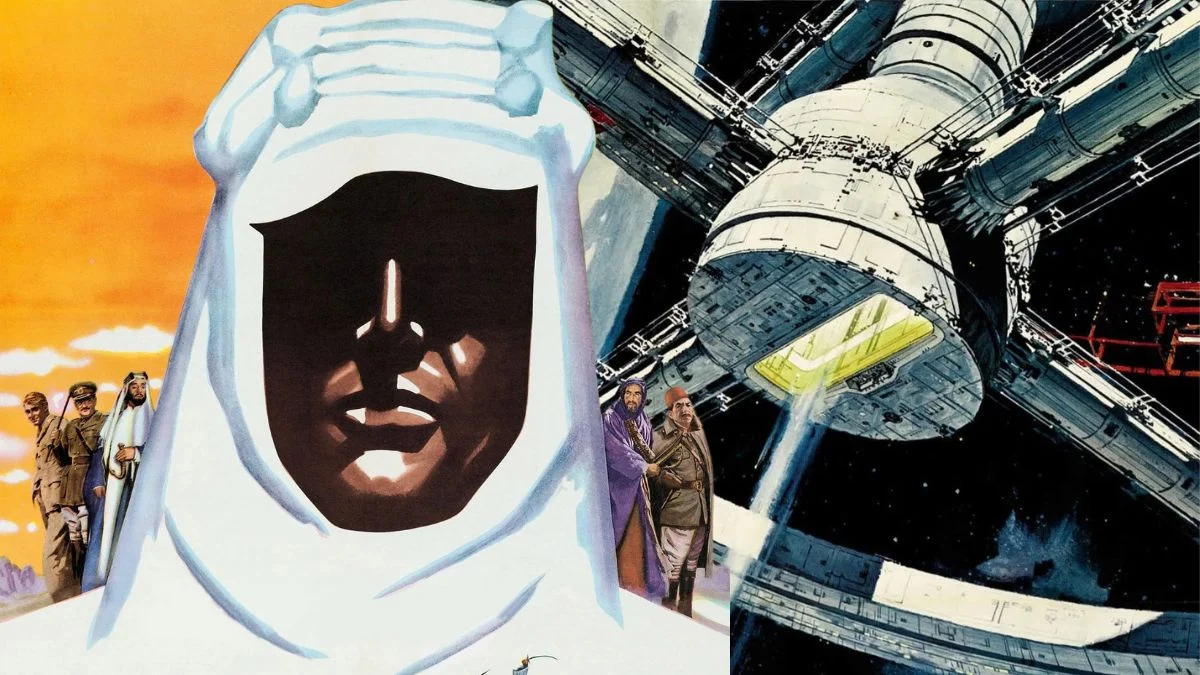
Over the past century, cinema has changed dramatically, largely thanks to bold filmmakers willing to experiment. These directors weren’t afraid to try new ways of telling stories and introduced groundbreaking techniques that expanded the possibilities of film. Their innovations set new standards for visual storytelling and influenced generations of filmmakers to come. The films that follow highlight key moments where a director’s unique vision significantly shaped the future of cinema.
‘A Trip to the Moon’ (1902)
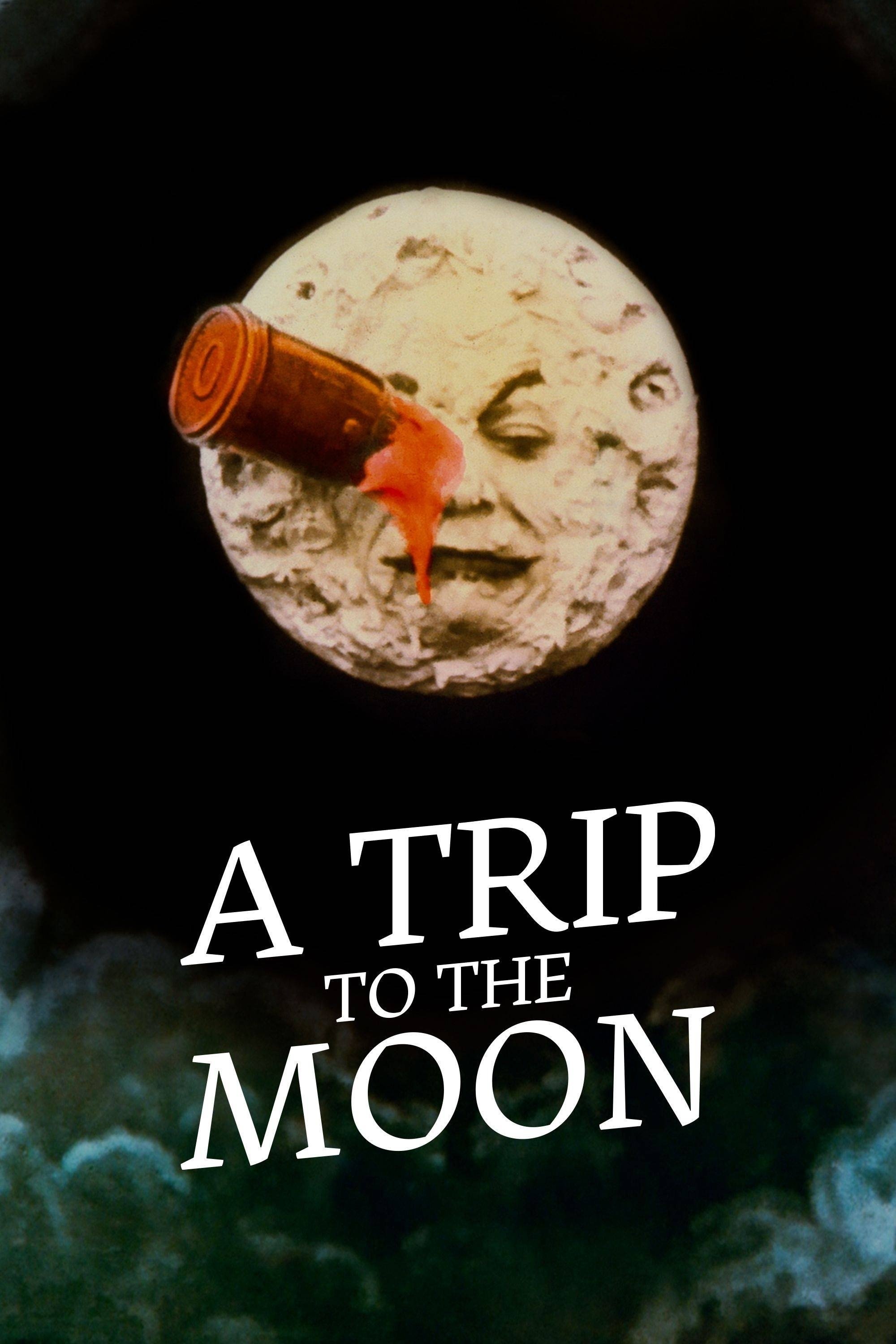
Georges Méliès realized that movies could be more than just recordings of real life. He used clever editing and special techniques within the camera to create amazing, imaginative stories that thrilled early moviegoers. He essentially invented special effects, demonstrating that film could make anything imaginable seem real. His experience with theater helped shape how his films looked, but it was his incredible imagination that sparked the science fiction genre. This short film is still a landmark achievement in both visual effects and storytelling.
‘The Birth of a Nation’ (1915)
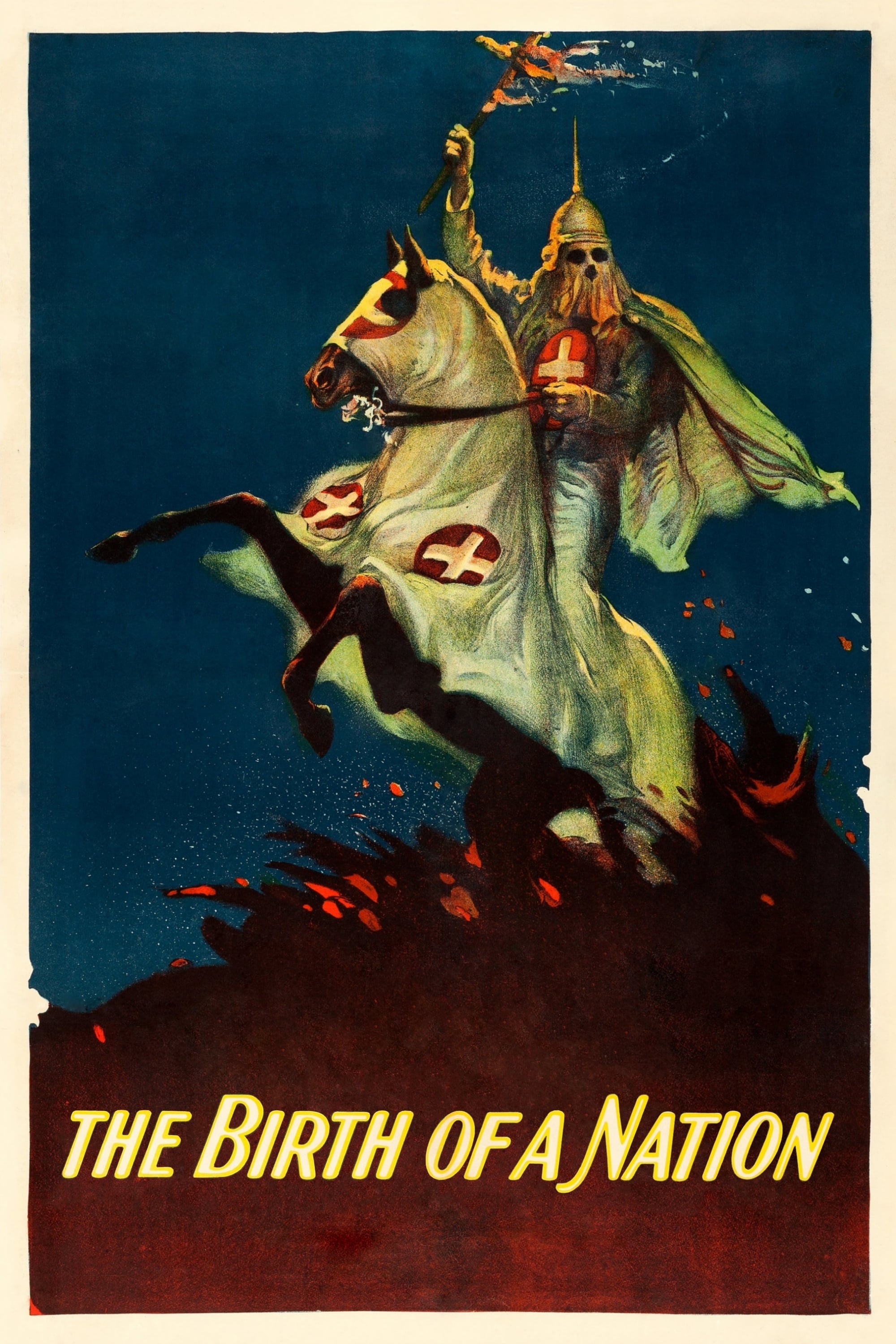
This epic film was a turning point in how movies are made, establishing many of the techniques we still use today, though it remains controversial. Director D.W. Griffith was a pioneer, popularizing techniques like close-ups and cross-cutting to create suspense and connect with audiences emotionally. He also helped make movies longer, proving that film could be a powerful way to tell complex stories and influence what people think. This film proved that longer, more ambitious movies could work, and its innovations became the standard for Hollywood for many years.
‘Battleship Potemkin’ (1925)
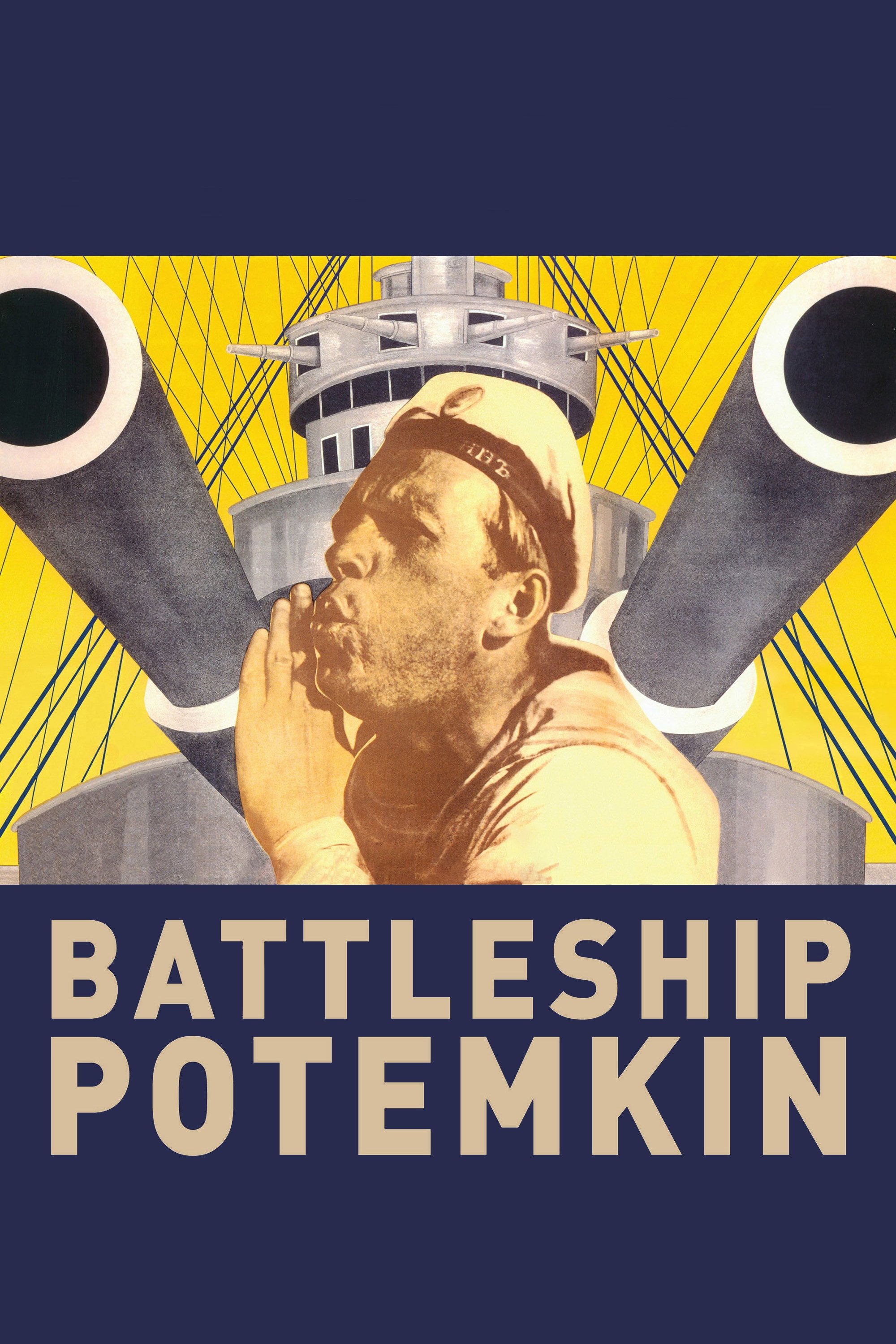
Sergei Eisenstein dramatically changed film editing with his idea of montage. He thought that by putting two shots together, you could create a completely new meaning, separate from what was actually shown. He used quick cuts and a strong rhythm in his editing to powerfully affect the audience’s emotions. The famous Odessa Steps scene is still studied today as a prime example of building tension visually. This method moved film away from simply recording plays and towards creating its own unique way of communicating through images.
‘Metropolis’ (1927)
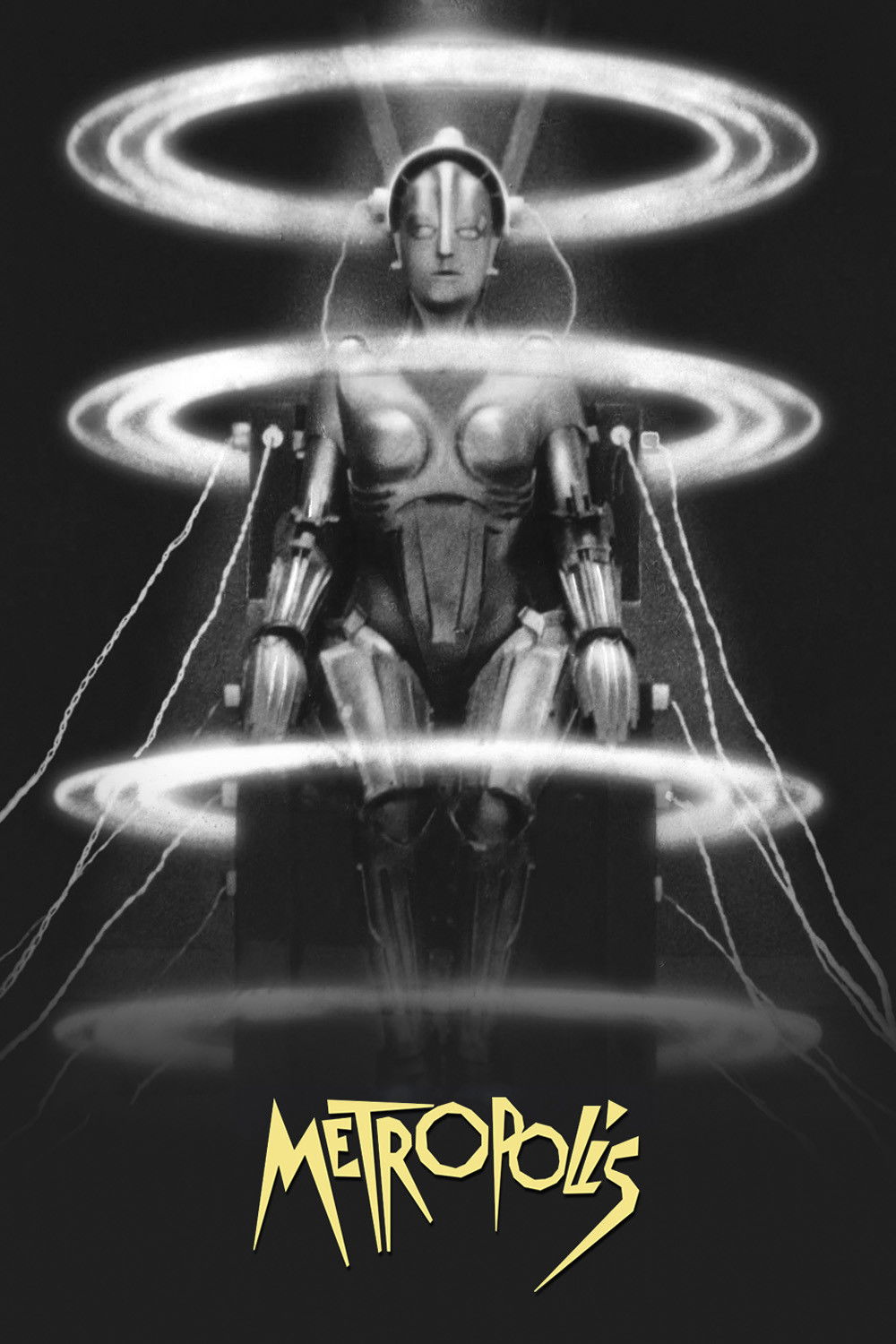
As a huge film fan, I’ve always been blown away by Fritz Lang’s vision in Metropolis. He basically invented what science fiction movies look like. The city he created was incredible – he used huge sets and a really clever technique blending miniatures with real footage to make it feel massive and real. Beyond the visuals, though, the film really digs into the idea of class conflict within this incredibly striking, almost theatrical world. Honestly, the scale of the special effects and the whole production design were unlike anything anyone had ever seen before. It proved that movies weren’t just about recording reality, but about building entirely new ones.
‘Snow White and the Seven Dwarfs’ (1937)
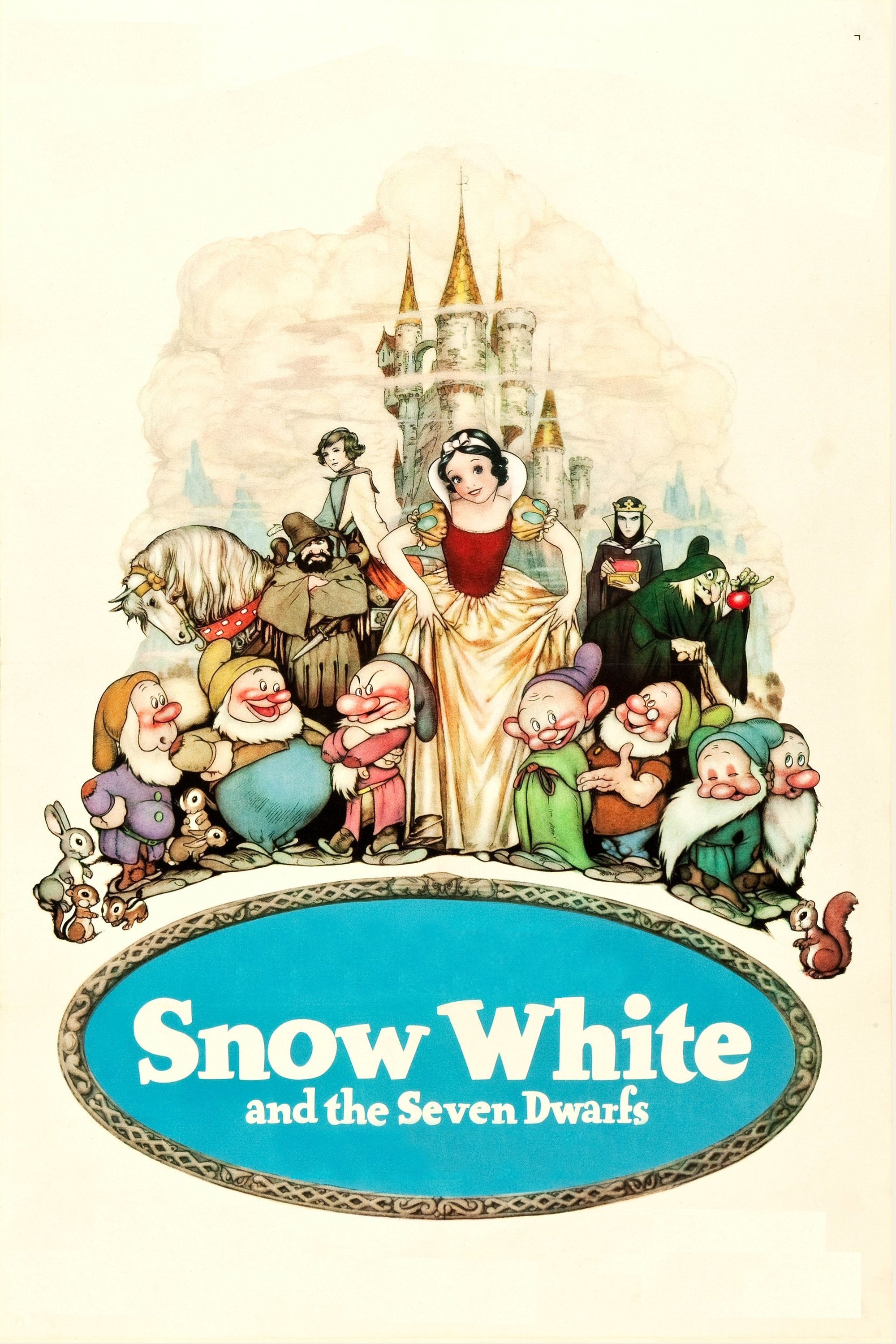
Walt Disney and David Hand bravely pioneered full-length animated films. To create realistic depth in the scenes, the team invented a special multiplane camera. Their film demonstrated that animation could tell compelling stories for viewers of all ages, not just children, and proved it could be as successful as live-action movies. This breakthrough paved the way for the animation industry we know today.
‘Stagecoach’ (1939)

John Ford transformed Westerns from cheap, sensational stories into a respected art form. He famously used the stunning scenery of Monument Valley, making the landscape feel like a character in his films. Ford also pioneered innovative filming techniques, like deep focus, and created characters that were more nuanced than typical heroes and villains. His work launched John Wayne’s career and shaped how we visually understand American legends. Ultimately, Ford proved that even films traditionally considered ‘genre’ entertainment could be dramatically powerful and artistically valuable.
‘Citizen Kane’ (1941)
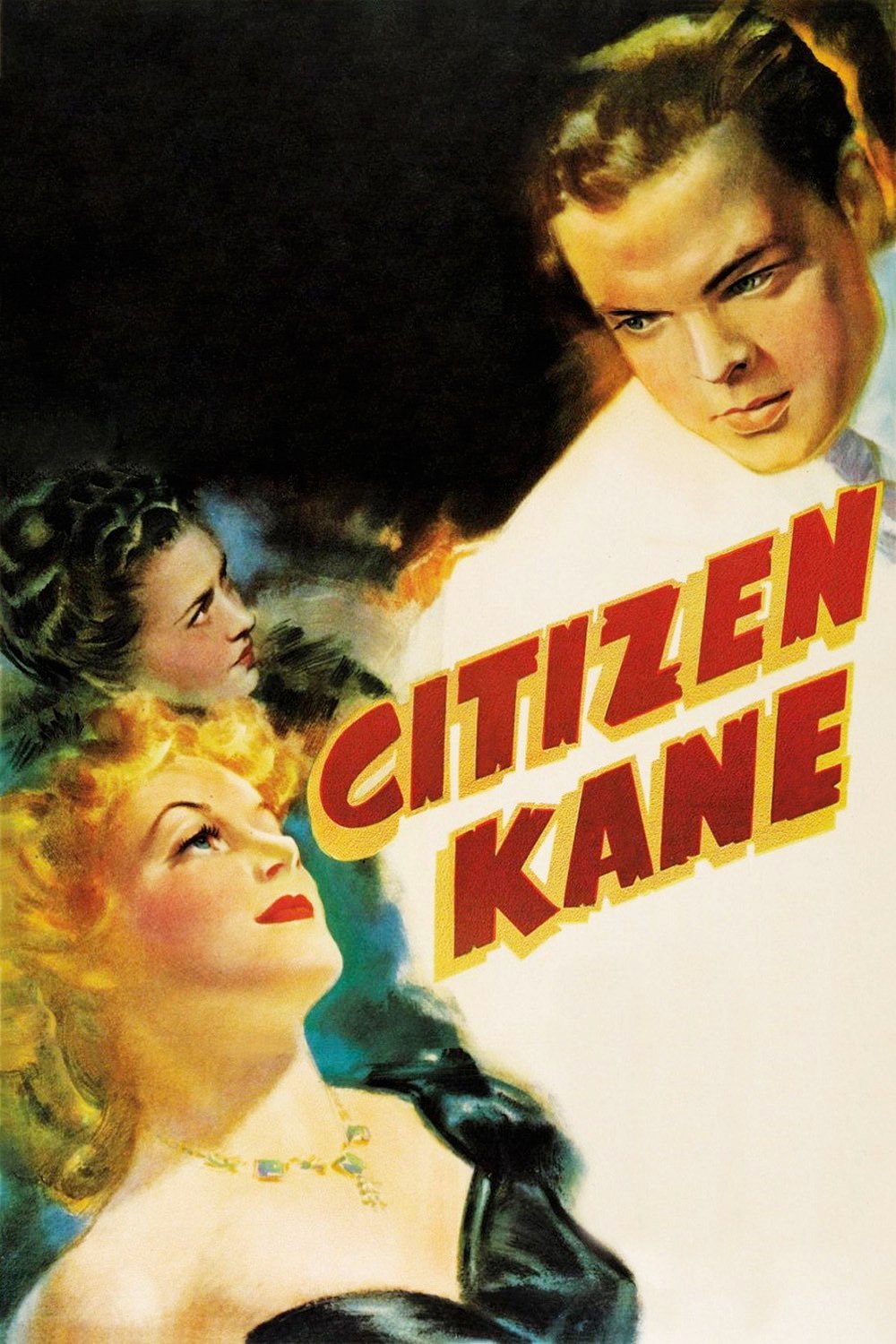
Citizen Kane, directed by and starring Orson Welles, was a revolutionary film that changed how movies were made. It pioneered techniques like deep focus, which kept everything in the frame sharp and clear. The story of a newspaper publisher is told in a complex, non-chronological way, using flashbacks to reveal the mystery of his life. Its innovative use of lighting and camera angles continues to influence filmmakers. The film is a landmark achievement, successfully blending the styles of theater and cinema.
‘Bicycle Thieves’ (1948)

As a movie fan, I’ve always been fascinated by Vittorio De Sica. He really changed things with Italian Neorealism, ditching the fancy studio setups and going for something real. He’d cast regular people, not actors, and film everything on location in post-war Rome. It wasn’t about glamorous stories; it was about the everyday struggles of working-class folks. That focus on truth and authenticity had a huge impact on filmmakers around the world. It proved that you didn’t need big budgets or elaborate plots to tell a powerful, compelling story – just honest, human ones.
‘Rashomon’ (1950)
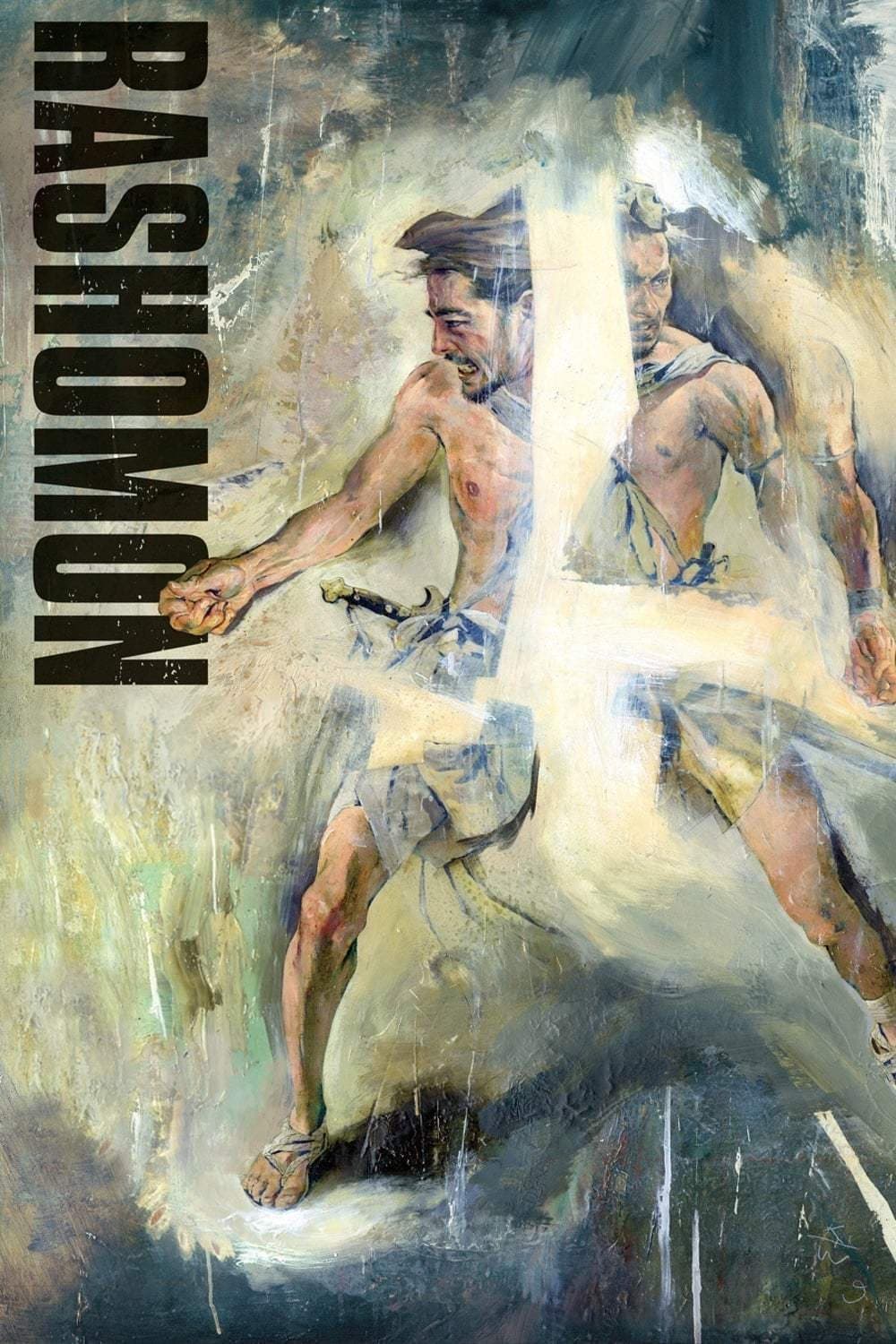
Akira Kurosawa’s groundbreaking film explored the idea that there’s no single, definitive truth. He did this by telling the story of a crime from four different viewpoints, leaving the audience to wonder which, if any, was accurate. Kurosawa also used moving camera work and realistic lighting to build suspense and psychological tension. The film was a critical success, winning the Golden Lion award at the Venice Film Festival and bringing Japanese cinema to a wider international audience. It made viewers question how much they could trust what they were seeing and what truly constitutes reality.
‘Tokyo Story’ (1953)
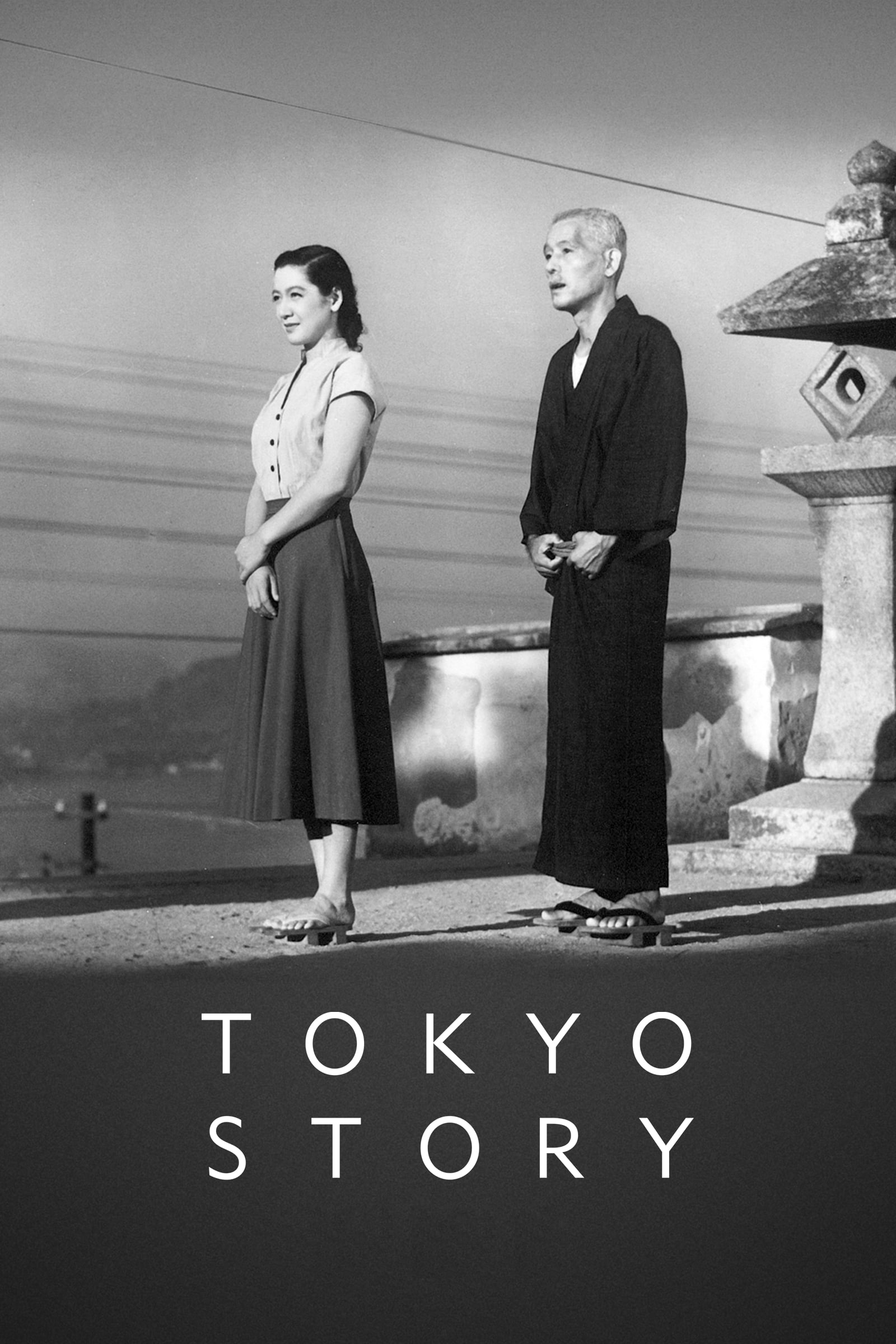
Yasujirō Ozu developed a very personal filmmaking style known for its calm, carefully arranged shots. He often positioned the camera low, as if we were sitting on the floor, and didn’t follow standard editing techniques, instead prioritizing visual flow. By focusing on the quiet moments within families, he created films that were both moving and thoughtful. This unique approach differed from typical Western storytelling methods.
‘The Seven Year Itch’ (1955)
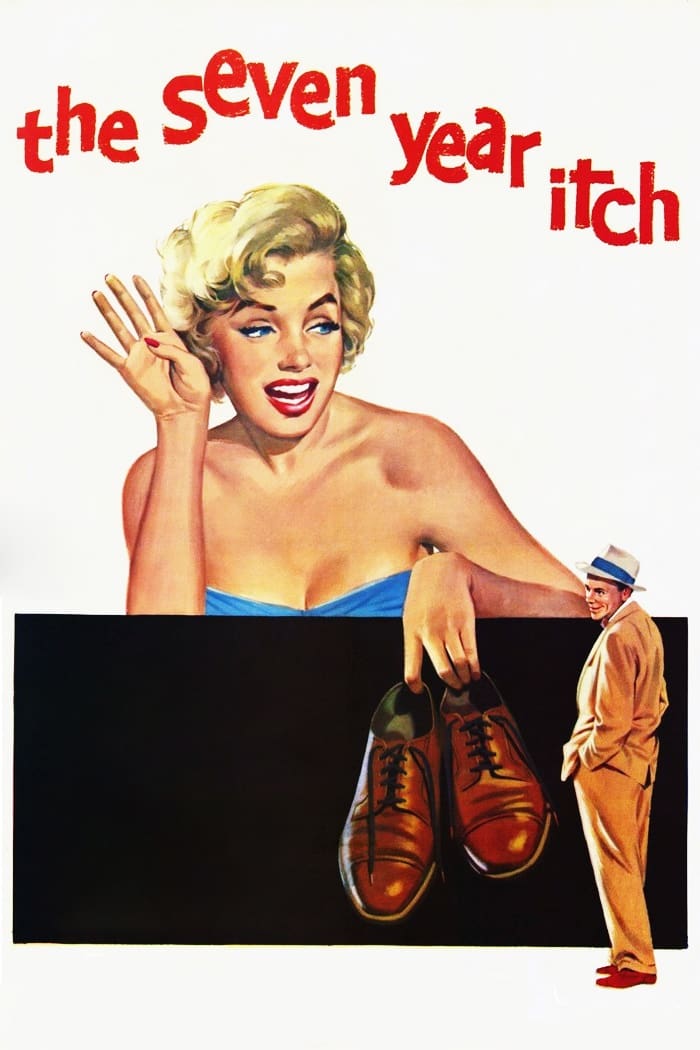
Billy Wilder cleverly used the new widescreen format – CinemaScope – to revitalize comedy at a time when movies were competing with television. Instead of just using it for grand scenery, he focused on how it could enhance physical humor and interesting camera angles. He was also a master of visual storytelling, finding ways to suggest things without directly showing them, which helped him get around the strict rules about what could be shown in films. His work proved that great actors and smart writing, combined with this new technology, could really shine, and that even small, character-driven comedies could work well on large screens.
‘The Searchers’ (1956)
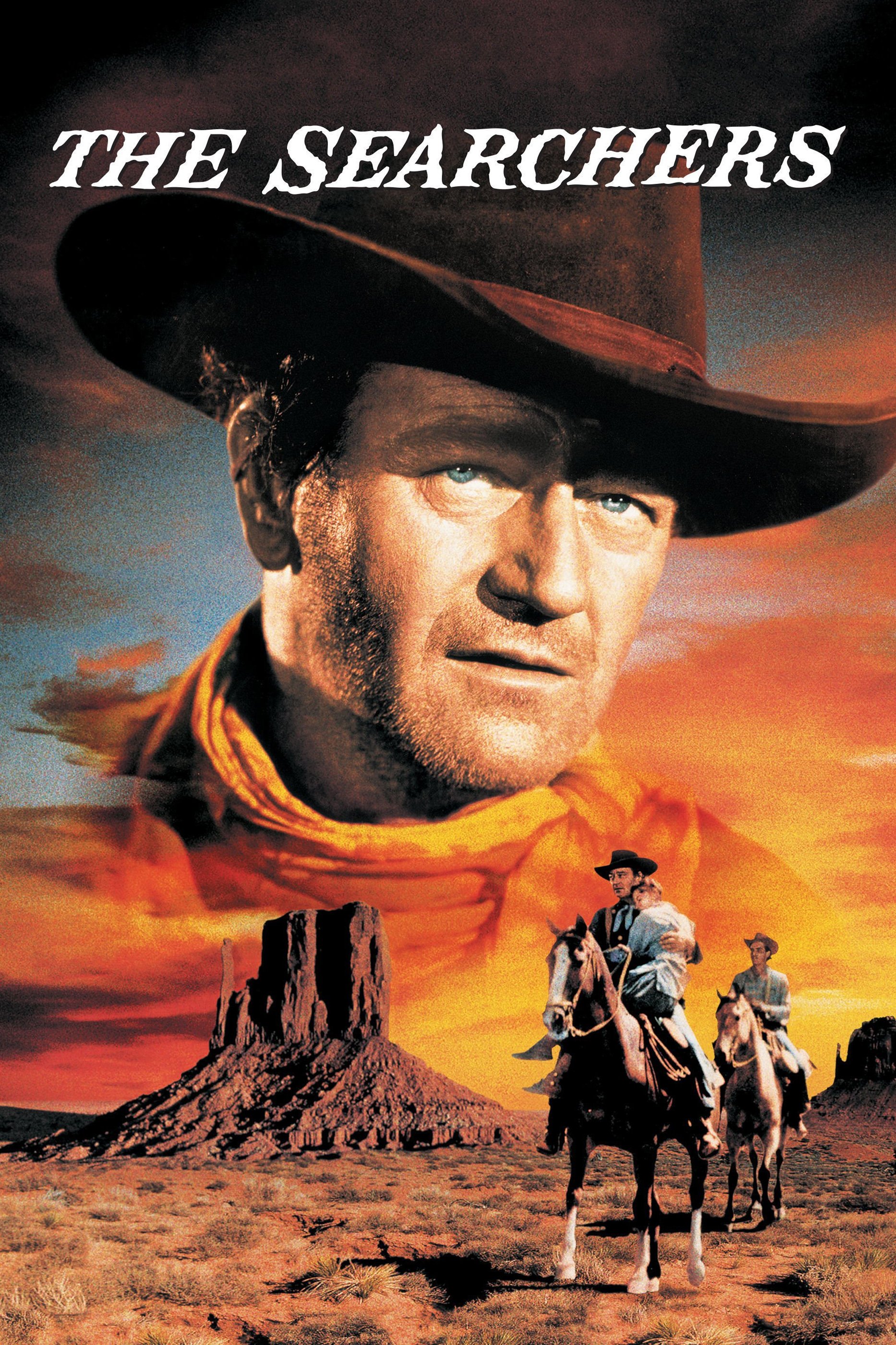
John Ford revisited the Western genre, challenging the traditional heroic stories he himself had popularized. His film featured a flawed protagonist motivated by prejudice and revenge, rather than a simple pursuit of justice. Using the advanced VistaVision technique, Ford vividly captured the loneliness and harshness of the frontier. This film deeply impacted a new wave of filmmakers, inspiring them to create more nuanced and troubled characters. It continues to be a visually impressive and thought-provoking look at the psychological impact of life on the American frontier.
‘The Seventh Seal’ (1957)
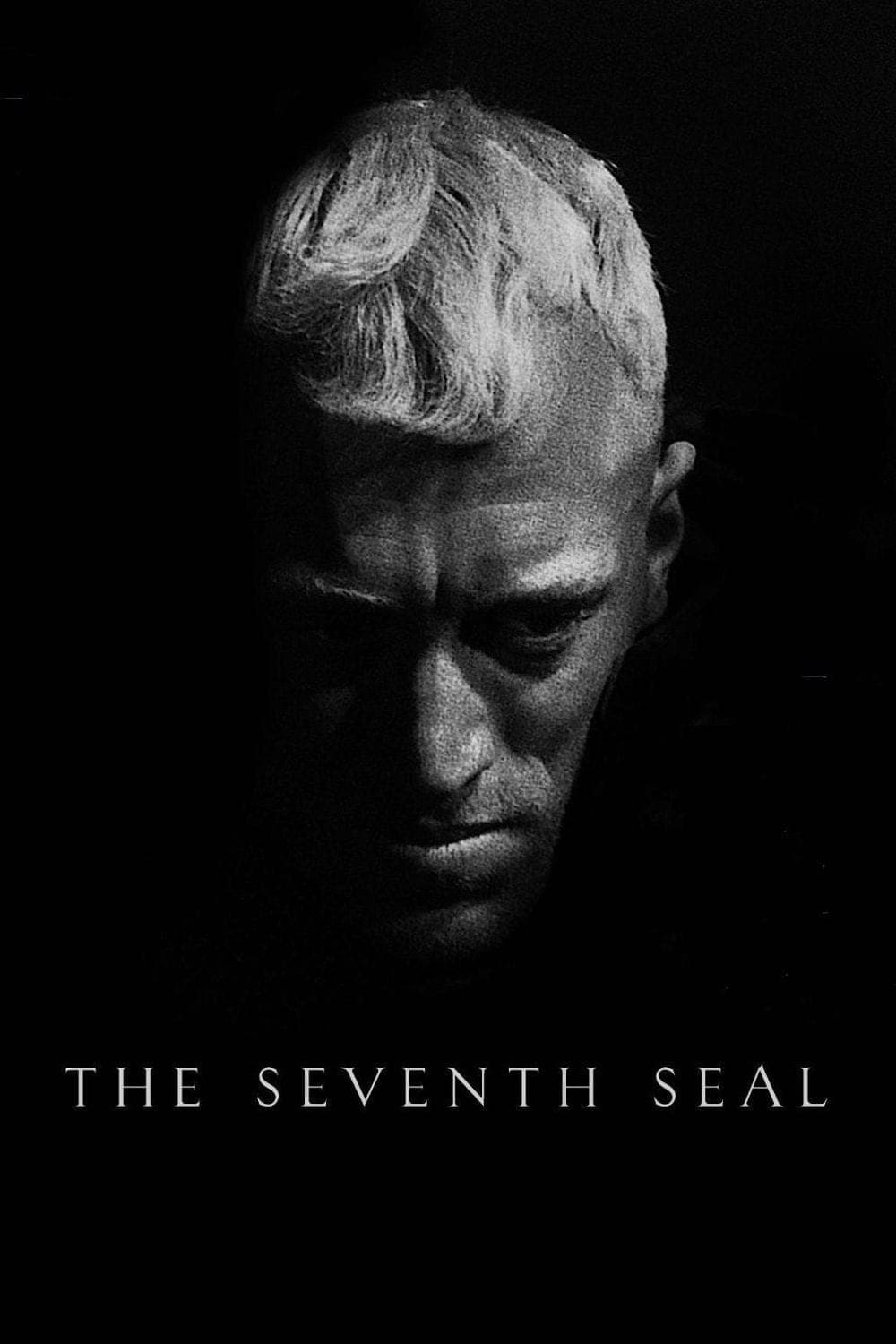
Ingmar Bergman was a groundbreaking director who brought deep philosophical questions to the big screen. He famously used striking black-and-white visuals to examine themes like faith, mortality, and the challenges of being human. His films are filled with memorable, symbolic scenes – like the image of a knight playing chess with Death – and helped pave the way for independent and art house cinemas in the United States. Bergman proved that film could be a powerful tool for exploring complex, meaningful ideas.
‘Vertigo’ (1958)
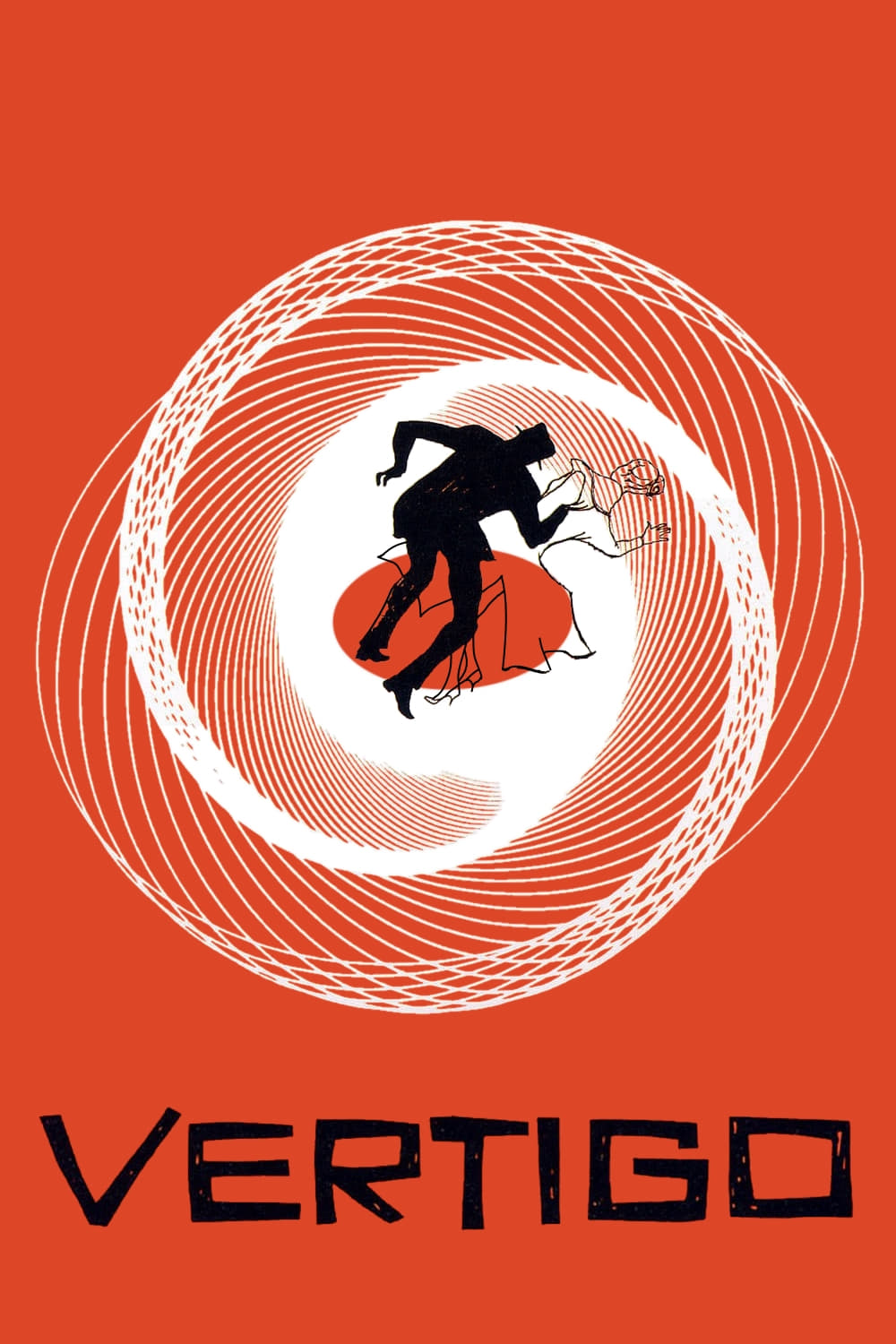
Alfred Hitchcock masterfully used camera tricks, like the dolly zoom, to show the feeling of being afraid of heights. He also used color and repeating patterns to draw viewers into the main character’s troubled mind. Breaking from typical storytelling, Hitchcock revealed a key plot twist early on, allowing him to focus more on what the characters were thinking and feeling. The film intensely examined themes of secretly watching others and the desire for control, pushing the boundaries of standard thrillers and turning the genre into a way to explore complex psychology.
‘The 400 Blows’ (1959)
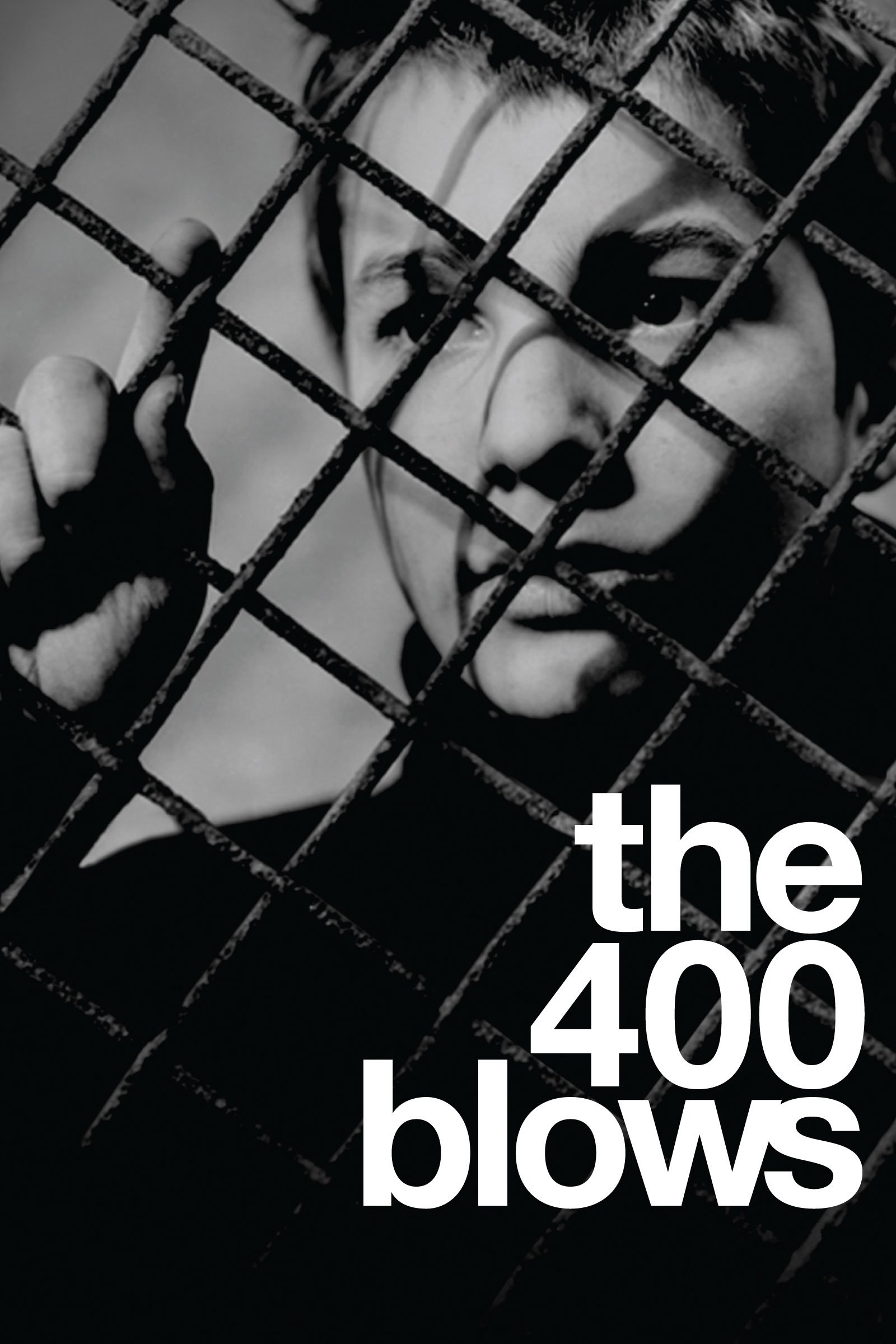
As a total film buff, I always think of Truffaut’s early work as the spark for the French New Wave. It’s such a personal film, almost like watching his own adolescence unfold on screen. What really struck me, even back then, was how he shot it – everything felt so raw and immediate, thanks to the handheld camera and natural light. And that ending! That freeze-frame is iconic – it just leaves you hanging, doesn’t it? Beyond the story itself, this film really cemented the idea of the ‘auteur’ – the director as the true author of a movie, bringing their own vision and experiences to life. It totally inspired a generation of filmmakers to be more personal and inject their own style into everything they did.
‘Psycho’ (1960)
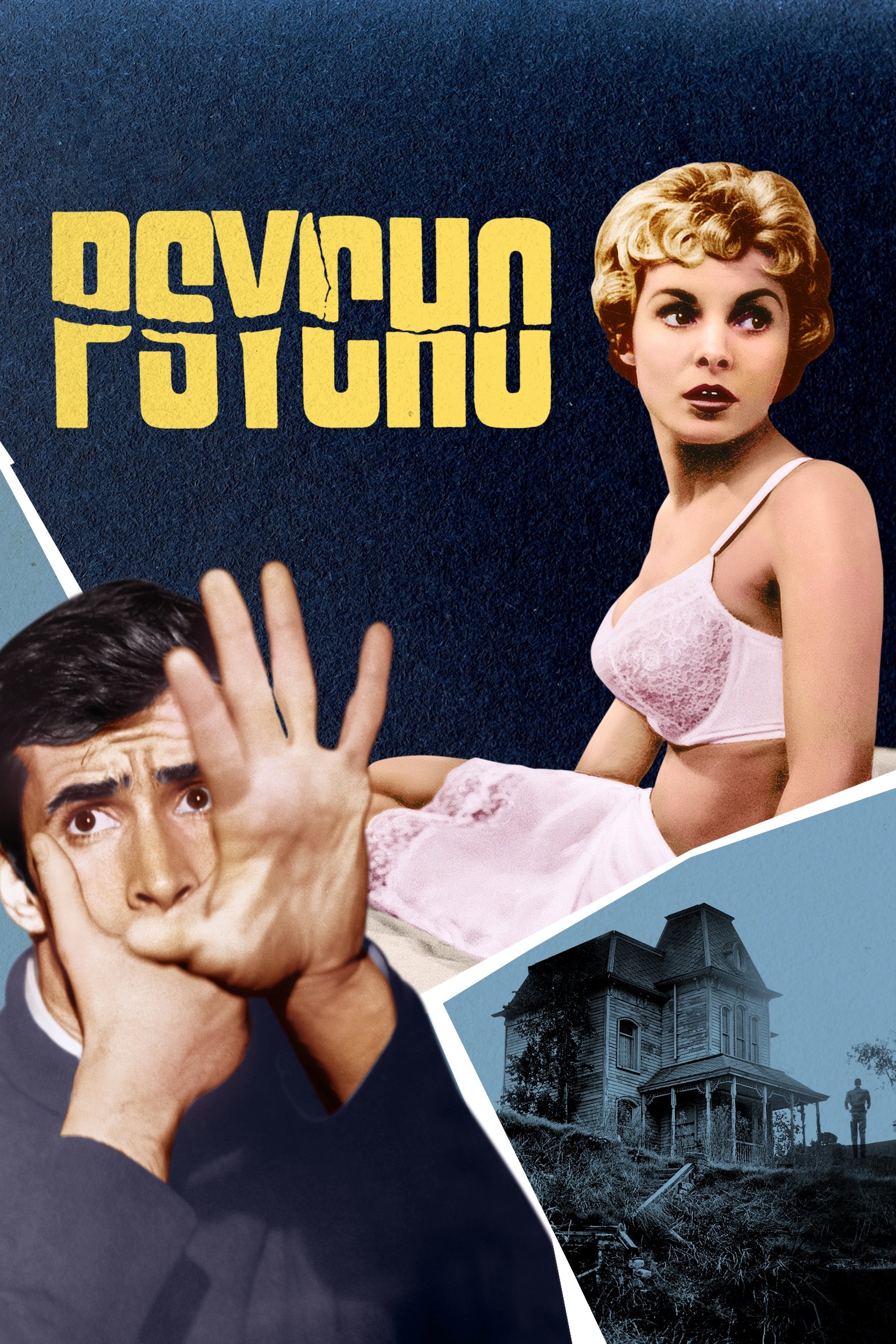
Alfred Hitchcock revolutionized horror films by unexpectedly killing off his lead character early on. He built suspense in the famous shower scene not through graphic violence, but with quick cuts and unsettling music. Hitchcock also pushed the limits of what was acceptable on screen, showing things like a flushing toilet and portraying a killer with a believable, troubled mind. This film essentially created the formula for slasher movies and demonstrated that horror films didn’t need big budgets to be incredibly successful. It also transformed going to the movies into a shared experience of thrills and fear.
‘Lawrence of Arabia’ (1962)
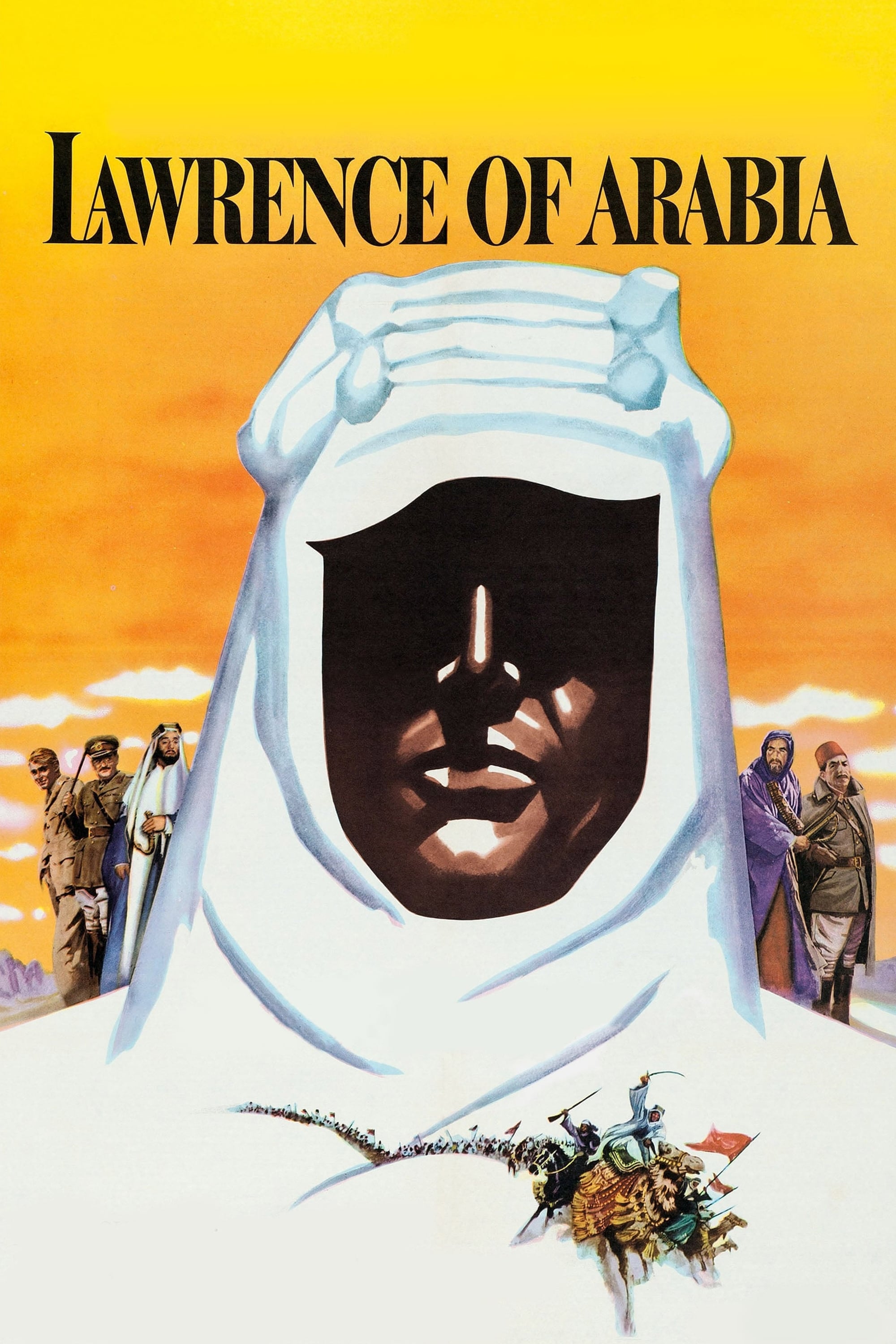
David Lean’s epic desert film brilliantly showcased the immersive potential of the 70mm format. He used the wide screen to highlight how small people are compared to the immense and unforgiving desert. Lean also innovated with a seamless editing style, connecting scenes through symbolic transitions. The film’s ambitious on-location shooting and massive scale set a new standard that few productions have equaled. It became the definitive blockbuster, blending spectacular visuals with compelling characters.
‘The Battle of Algiers’ (1966)
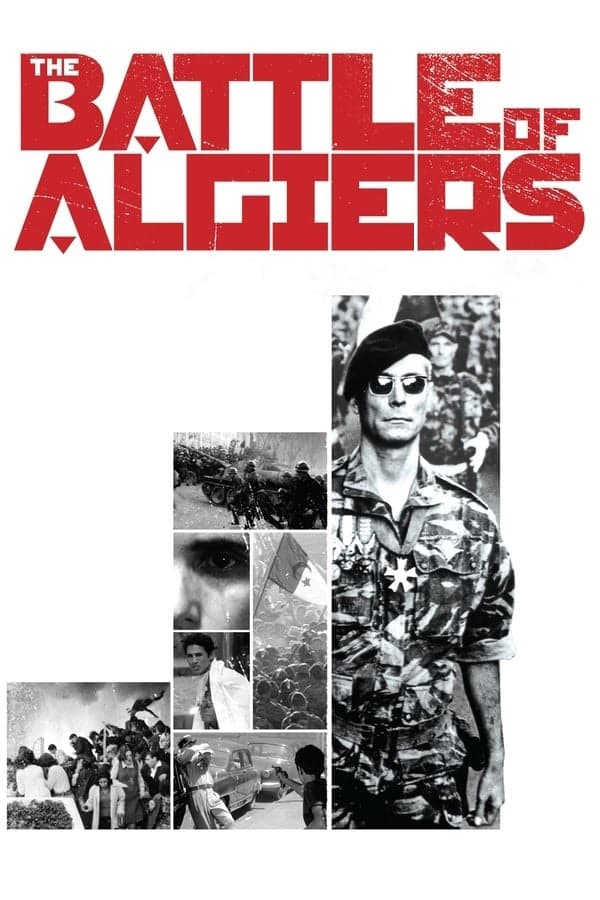
Gillo Pontecorvo’s films realistically portrayed urban warfare, often blurring the lines between a fictional story and a real-life documentary. He achieved this by filming in a newsreel style and using ordinary people instead of professional actors. Pontecorvo didn’t glorify violence, instead showing the terrible acts committed by all parties involved. Interestingly, the film became a resource for both revolutionary movements and those studying how to fight them. It set a new benchmark for political films, emphasizing a sense of urgency and a commitment to showing the truth.
‘2001: A Space Odyssey’ (1968)
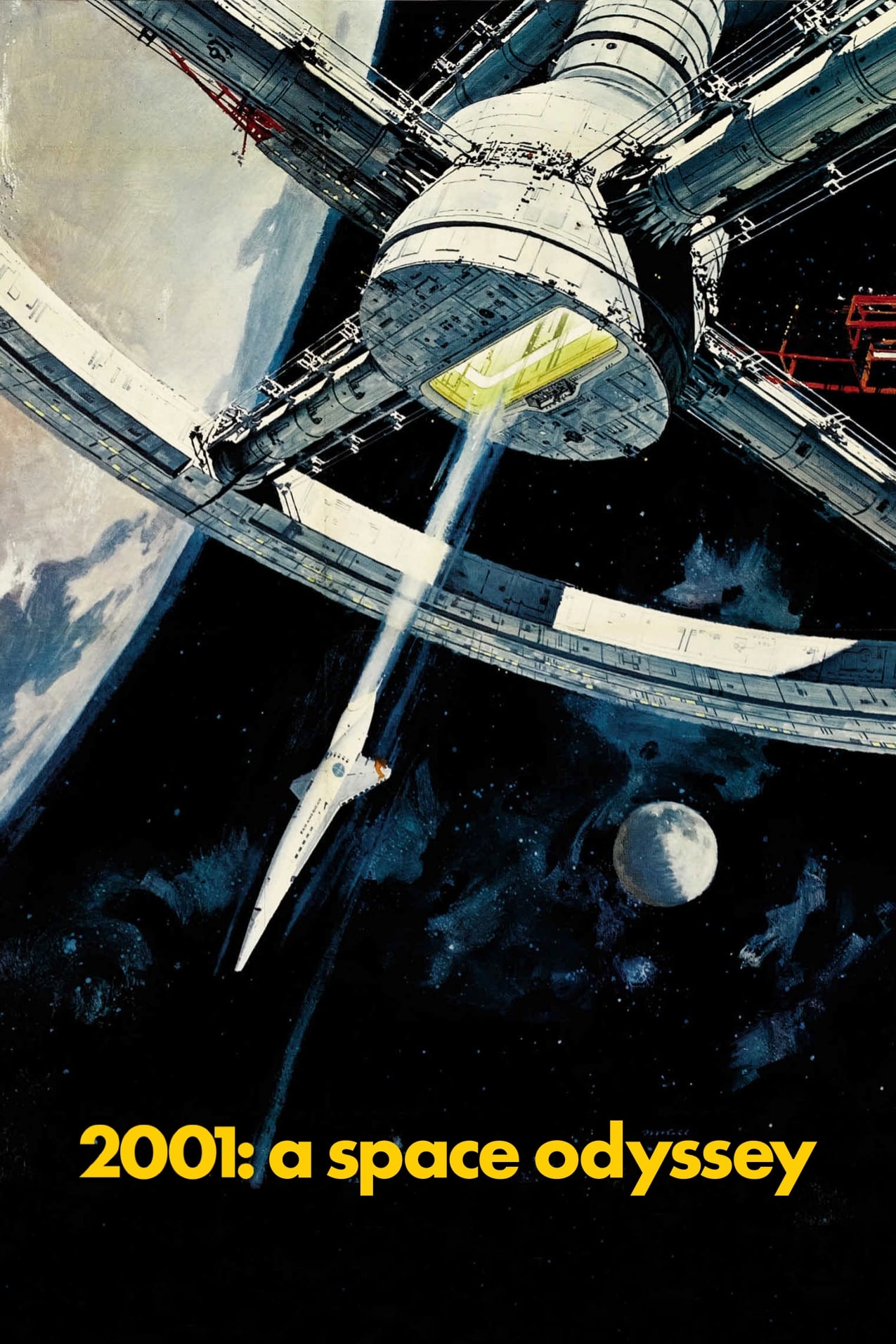
Stanley Kubrick changed science fiction filmmaking by focusing on realism and thought-provoking themes. Before the first moon landing, he used innovative techniques like slit-scan photography and practical effects to create believable space travel. He intentionally kept dialogue to a minimum, letting stunning visuals and classical music tell the story. His film explored ideas like interstellar travel through the ‘star gate’ and raised questions about the connection between people and technology. It’s still considered the standard by which all other space movies are judged.
‘Night of the Living Dead’ (1968)
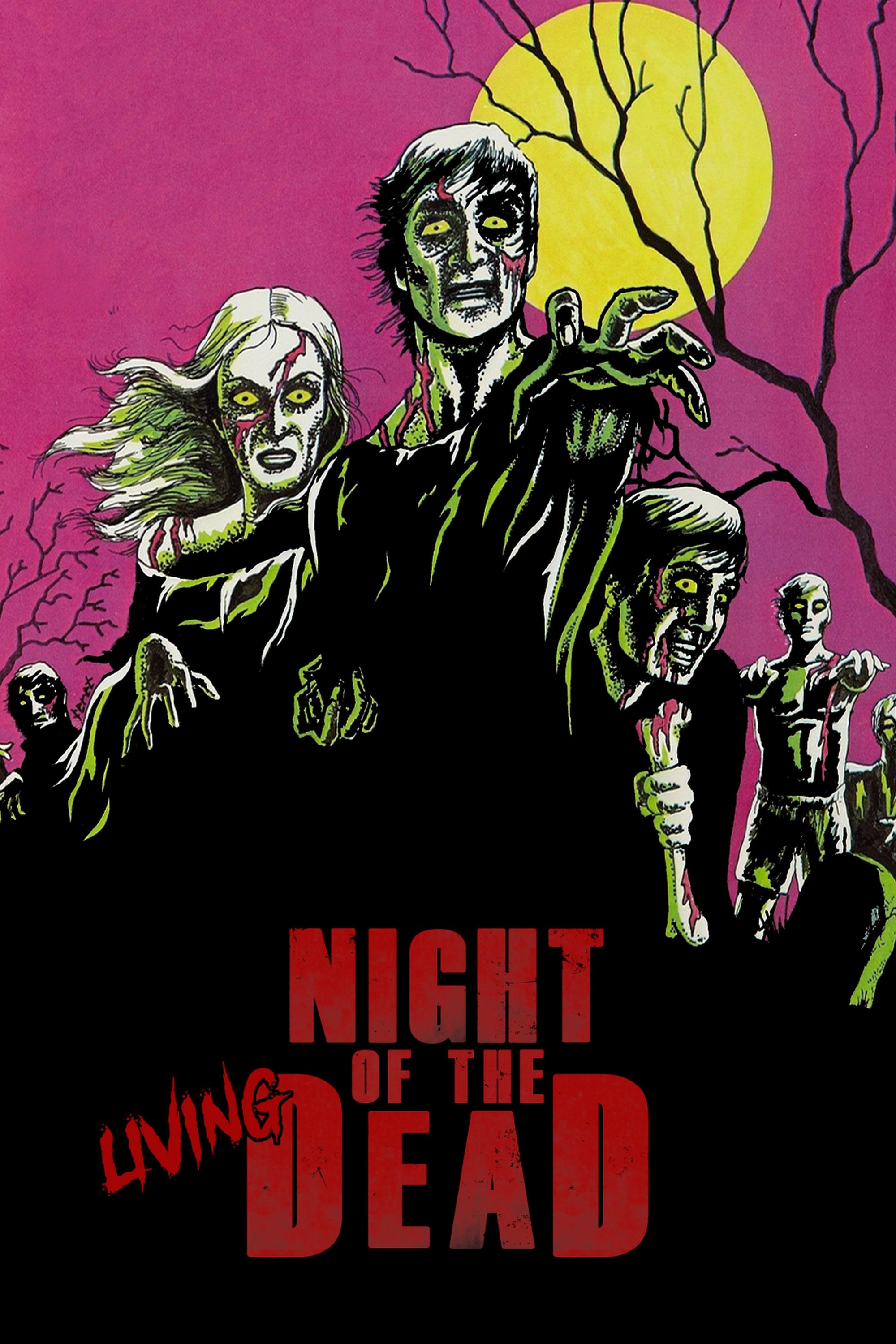
George A. Romero revolutionized zombie movies, using them to explore deeper social issues. His groundbreaking film featured a Black actor as the hero, a bold move during the Civil Rights era. He created a new kind of horror with low-budget techniques and shocking visuals. The film’s dark ending captured the anxieties of the late 1960s, proving that independent horror could be both meaningful and profitable.
‘The Wild Bunch’ (1969)
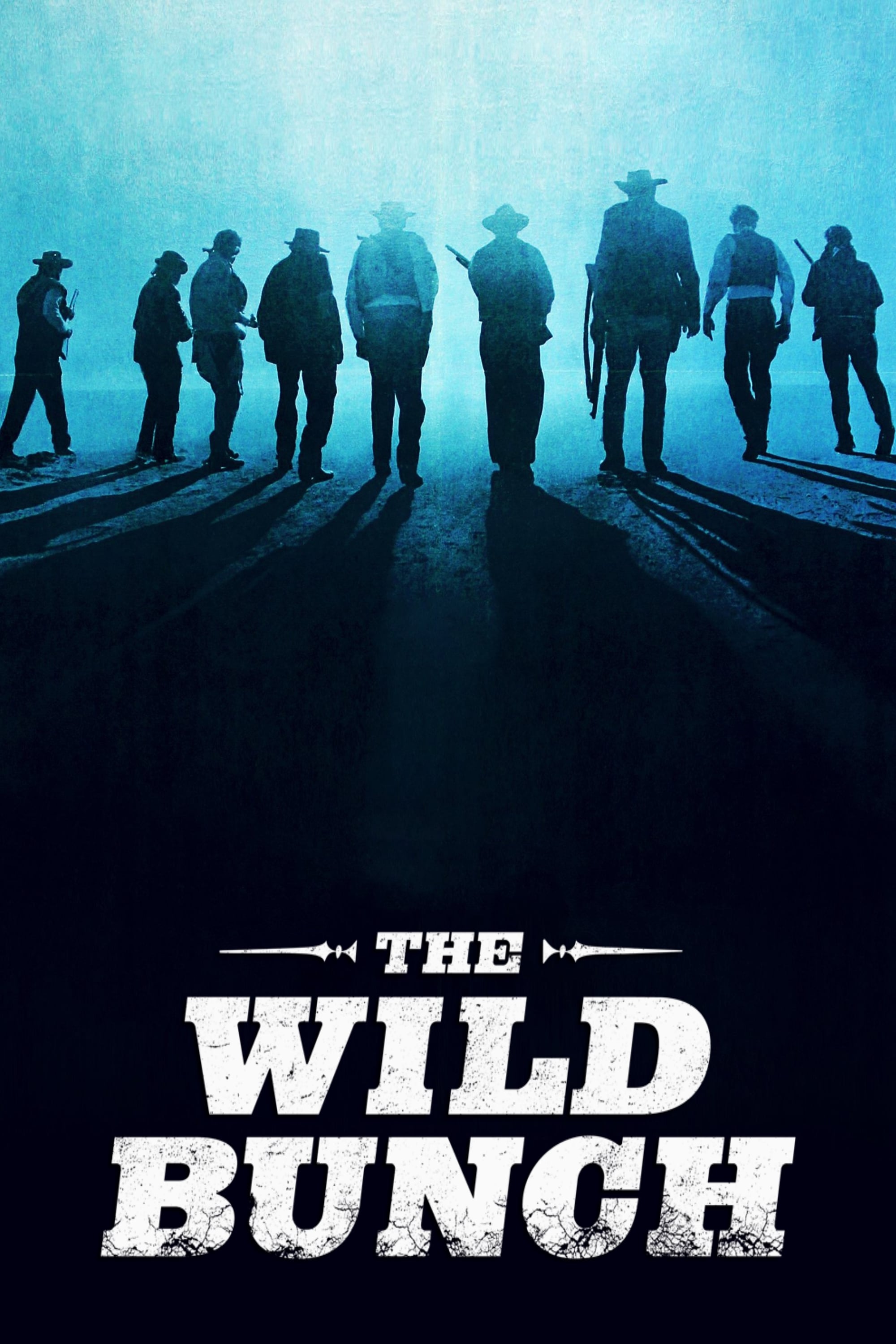
Sam Peckinpah changed how violence was shown in American movies, especially in Westerns. He used fast editing and slow motion to make gunfights feel chaotic and brutally realistic. His films blurred the lines between good and bad guys, showing that heroes and villains often acted alike. Beyond being a farewell to the traditional Western, the film also reflected on the violence happening during the Vietnam War, making audiences truly feel the impact of death on screen.
‘Sweet Sweetback’s Baadasssss Song’ (1971)
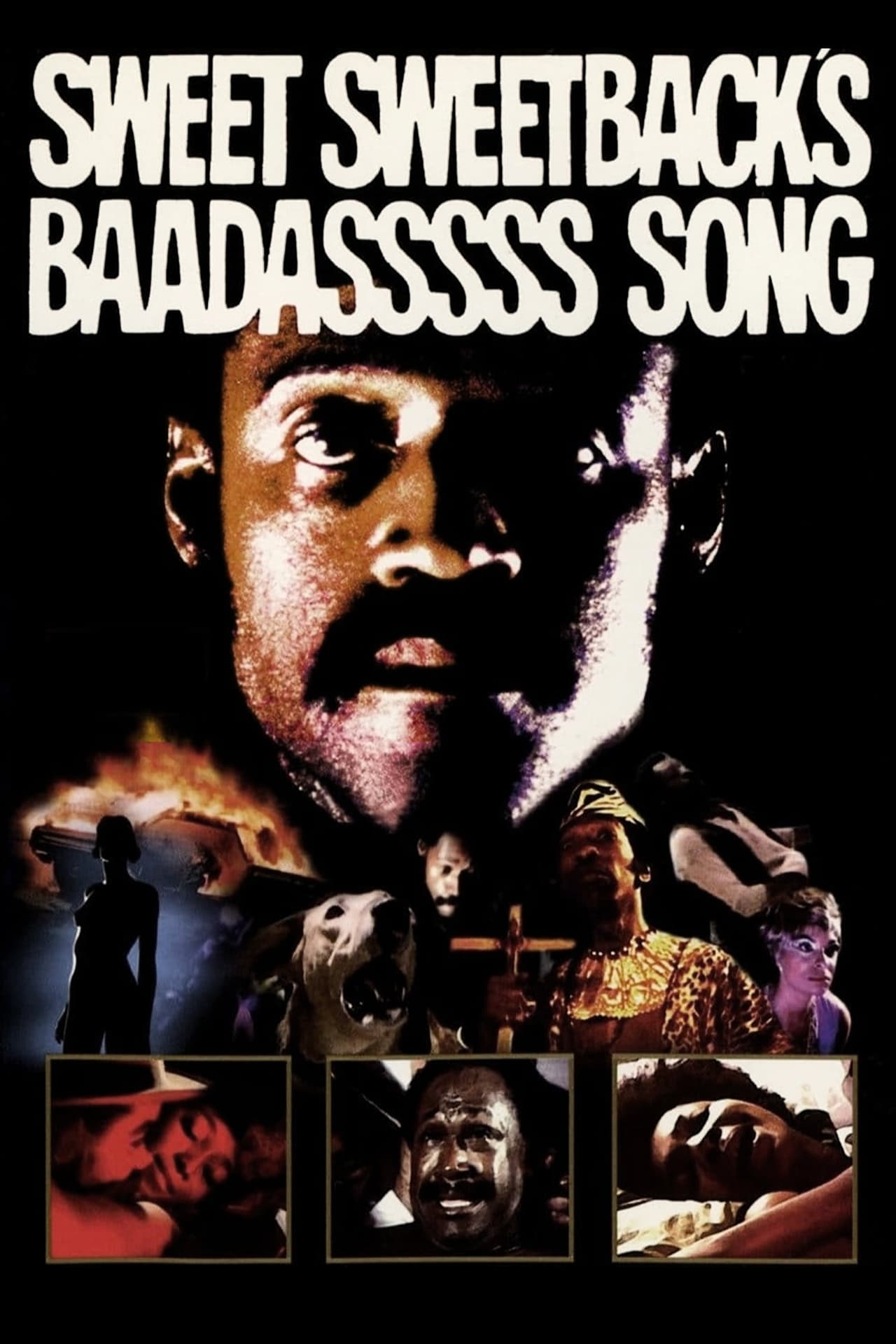
Melvin Van Peebles single-handedly created this groundbreaking independent film, launching the Blaxploitation genre. He completely avoided traditional studios, instead directly reaching Black audiences with clever marketing. The film’s bold, psychedelic visuals and gritty style told a powerful story of fighting against the system. It proved that Black audiences had significant spending power and paved the way for a new generation of Black filmmakers and stories in the 1970s.
‘The Godfather’ (1972)
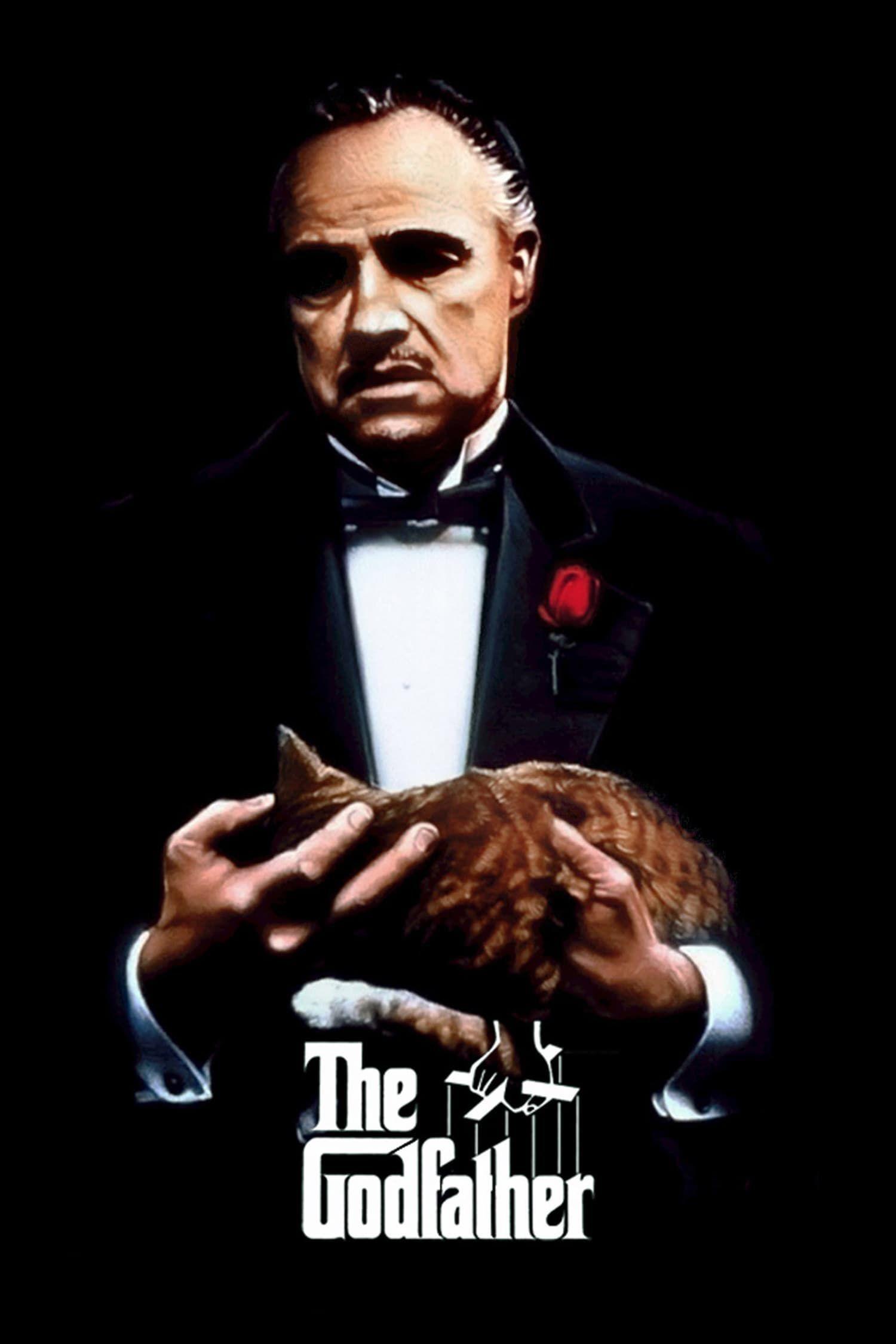
Francis Ford Coppola transformed the typical gangster film into a grand, tragic story reminiscent of Shakespeare, focusing on themes of power and family. He fought for a historically accurate setting and a visually dark style, despite objections from the studio. Working with cinematographer Gordon Willis, he used shadows to hint at the complex morality of the characters. The film not only brought Marlon Brando back into the spotlight but also launched Al Pacino’s career. It remains the benchmark for successfully adapting a literary work into a film.
‘Jaws’ (1975)
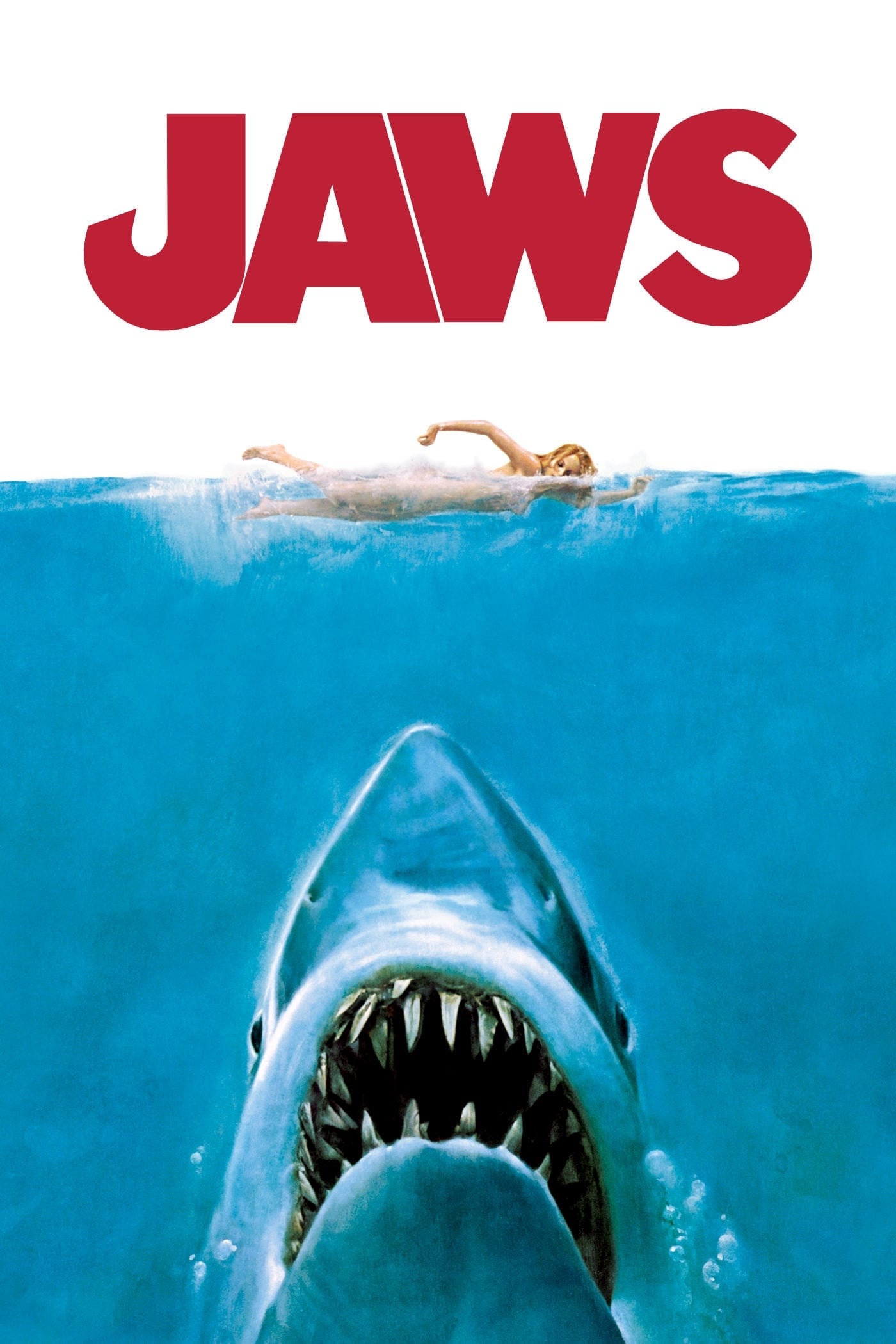
Steven Spielberg unintentionally pioneered the modern summer blockbuster. When the mechanical shark in his film malfunctioned, he cleverly built suspense using music and camera angles that hinted at the shark’s presence. He then released the movie in many theaters at once, backed by a large television advertising campaign. This approach revolutionized how studios released and promoted their major films, proving that exciting, easily understood thrillers could become huge hits.
‘Jeanne Dielman, 23, quai du Commerce, 1080 Bruxelles’ (1975)
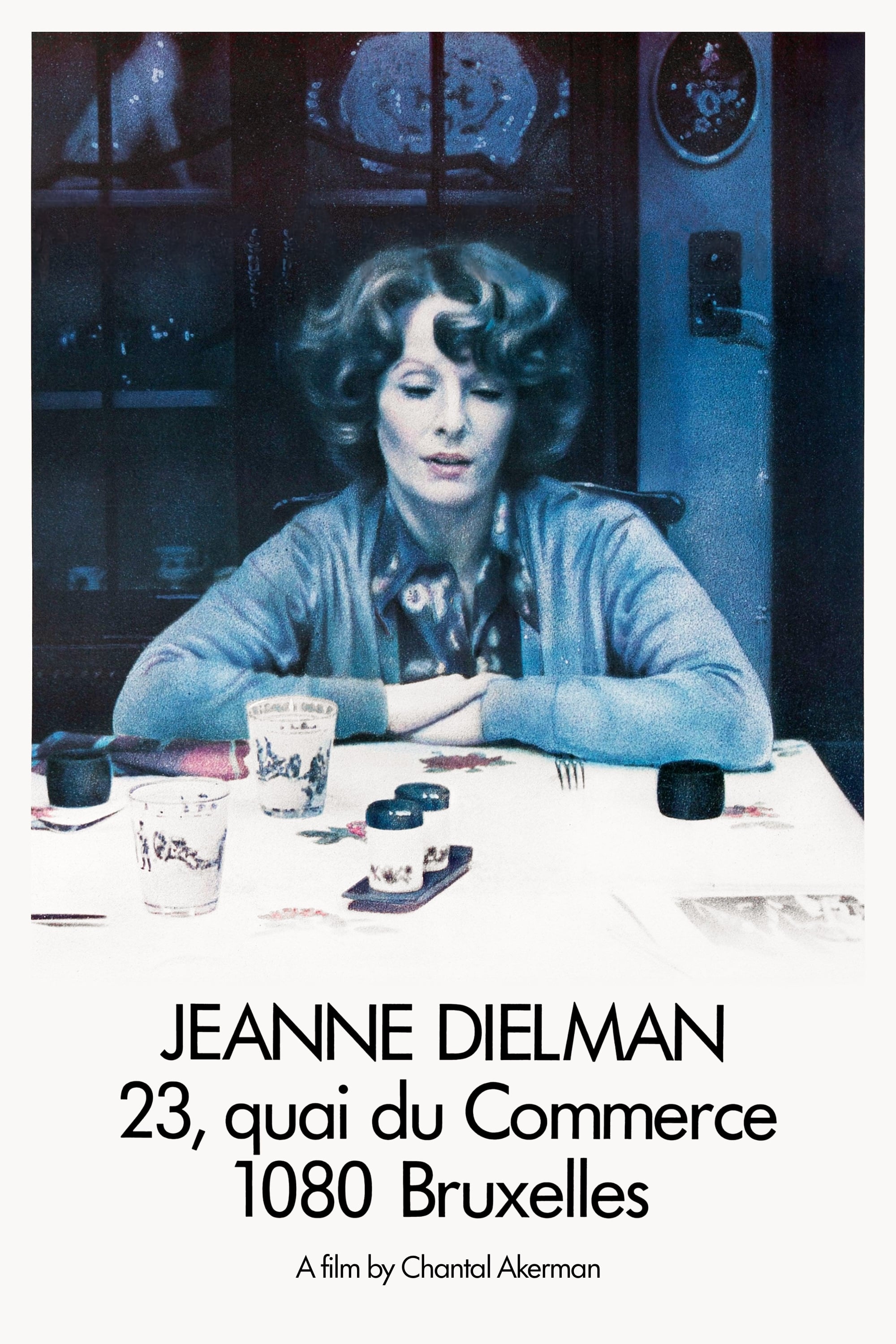
Chantal Akerman was a groundbreaking filmmaker who changed feminist cinema by centering her work on the everyday life of a woman at home. Her films often featured long, unbroken shots, making viewers feel the slow passage of time and the burden of household tasks. She famously treated ordinary activities, like peeling potatoes, with the same seriousness and suspense typically found in action movies. Akerman’s work broke from typical filmmaking by rejecting the traditional way women were shown on screen and offering a different sense of pacing. It’s now considered a hugely important film in both structural and slow cinema movements.
‘Star Wars’ (1977)
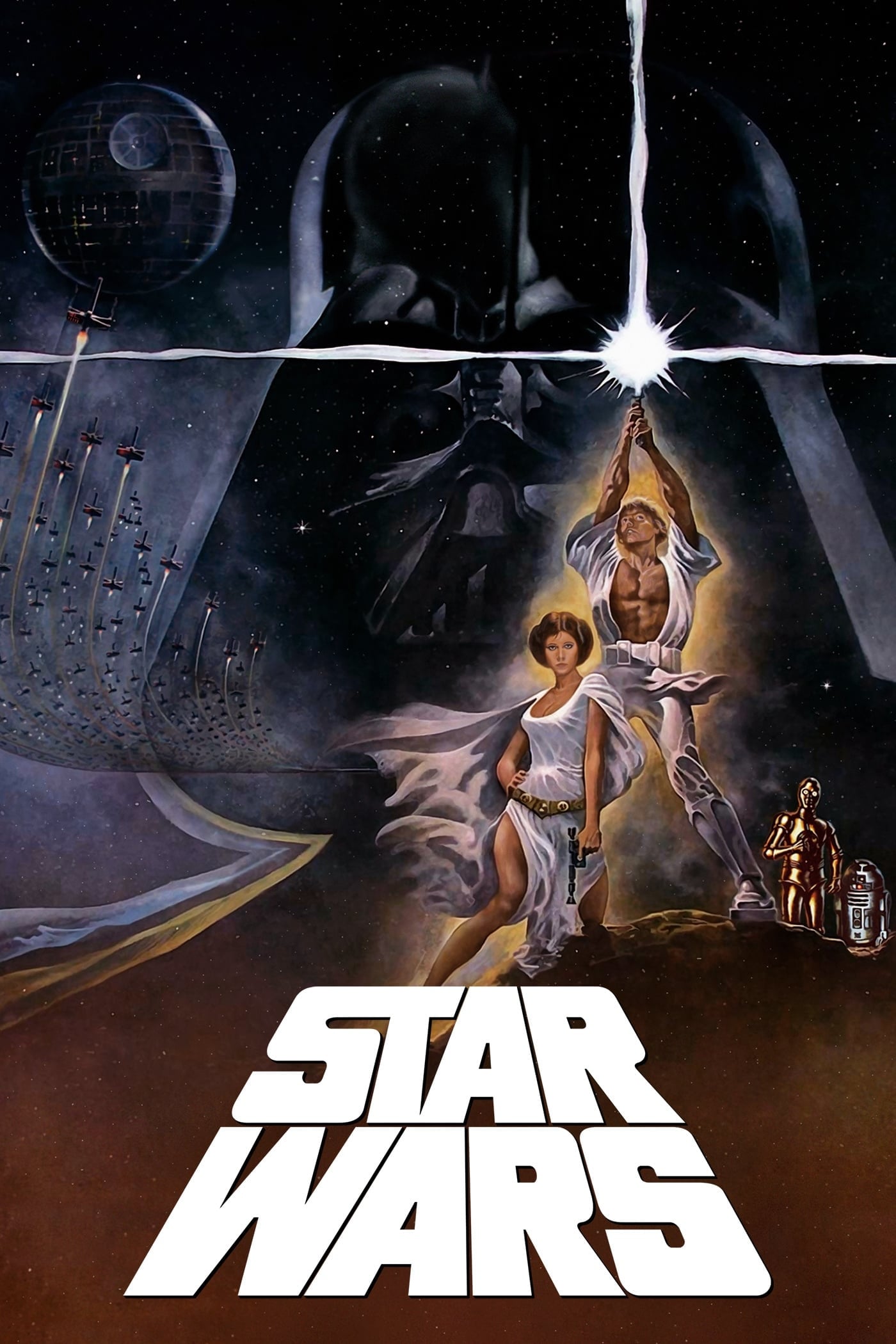
George Lucas revolutionized pop culture by blending classic storytelling with groundbreaking technology. He founded Industrial Light & Magic, pioneering visual effects that hadn’t been seen before, and enhanced the fantastical elements with powerful sound and music. His work also established the now-common practice of building franchises through sequels and merchandise. Ultimately, Lucas brought a renewed sense of hope and excitement to filmmaking.
‘Blade Runner’ (1982)
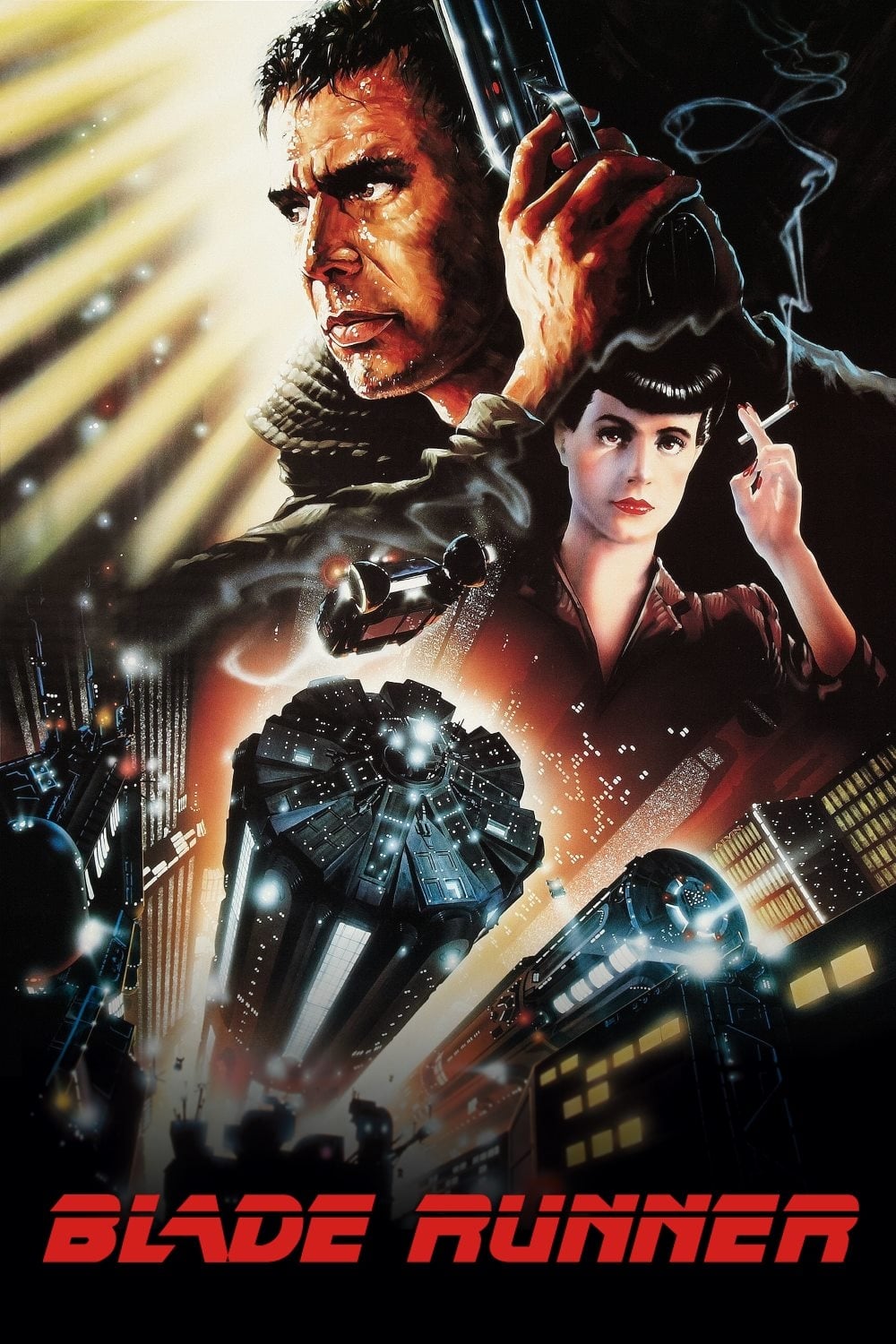
Ridley Scott essentially created the look and feel of cyberpunk with his film adaptation of Philip K. Dick’s novel. He blended the shadowy style of classic film noir with futuristic sets to build a believable, detailed world. The movie thoughtfully examined questions about artificial intelligence and what defines humanity, all within a deliberately paced story. While it wasn’t immediately popular, it eventually gained a devoted following and heavily influenced science fiction visuals for years to come, demonstrating that sci-fi could be used to explore deep, philosophical ideas in a dark, noir style.
‘Blue Velvet’ (1986)
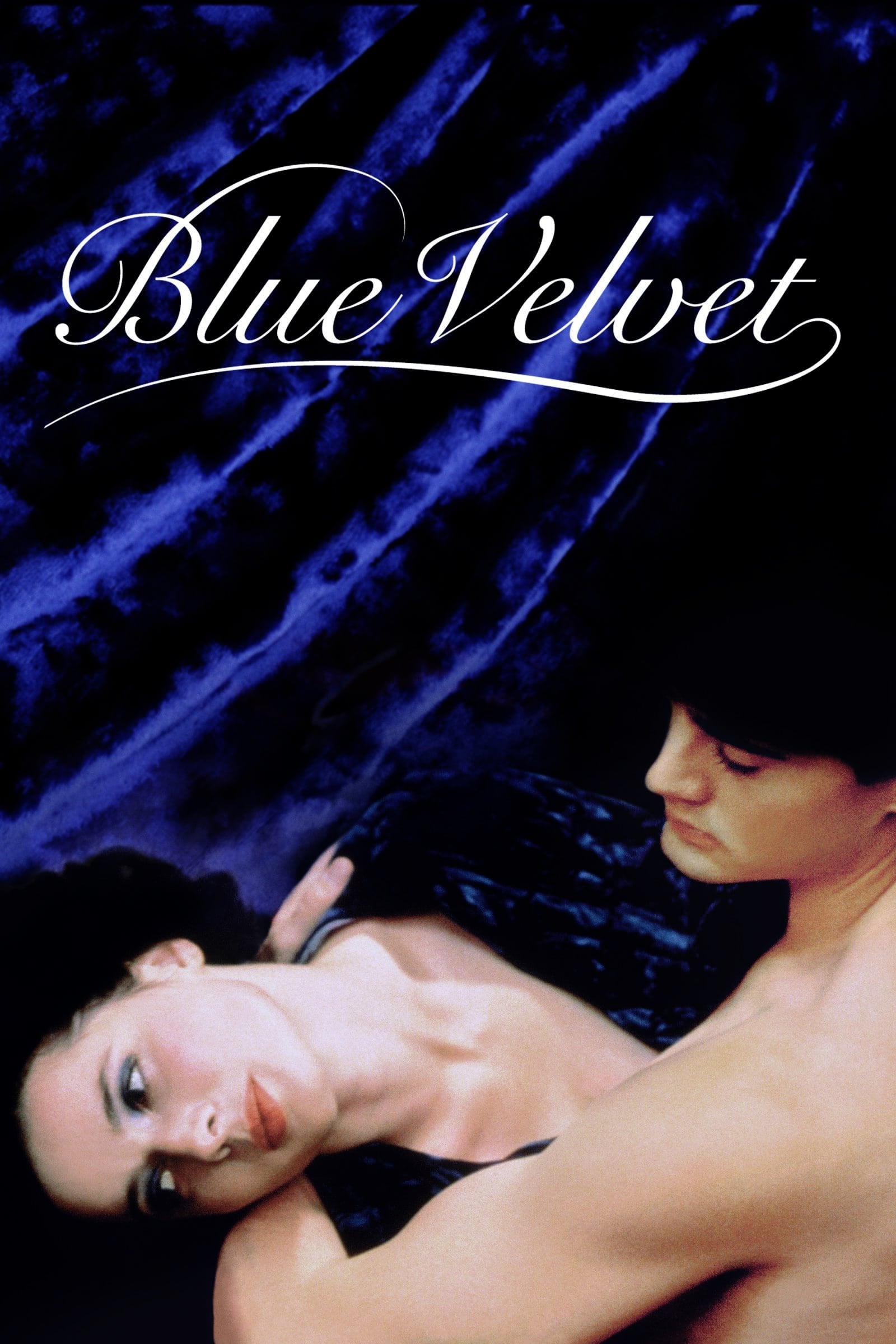
David Lynch was famous for taking seemingly perfect, everyday American towns and exposing a dark, unsettling underbelly. He used unsettling sounds and dreamlike sequences to build a feeling of fear and unease. By contrasting innocent images with shocking acts, he delved into the complexities of the human mind. This film not only gave Dennis Hopper a career boost but also cemented Lynch’s reputation as someone who could brilliantly explore the hidden parts of our minds. It made viewers question their perceptions and find a strange beauty in things that were disturbing.
‘Do the Right Thing’ (1989)
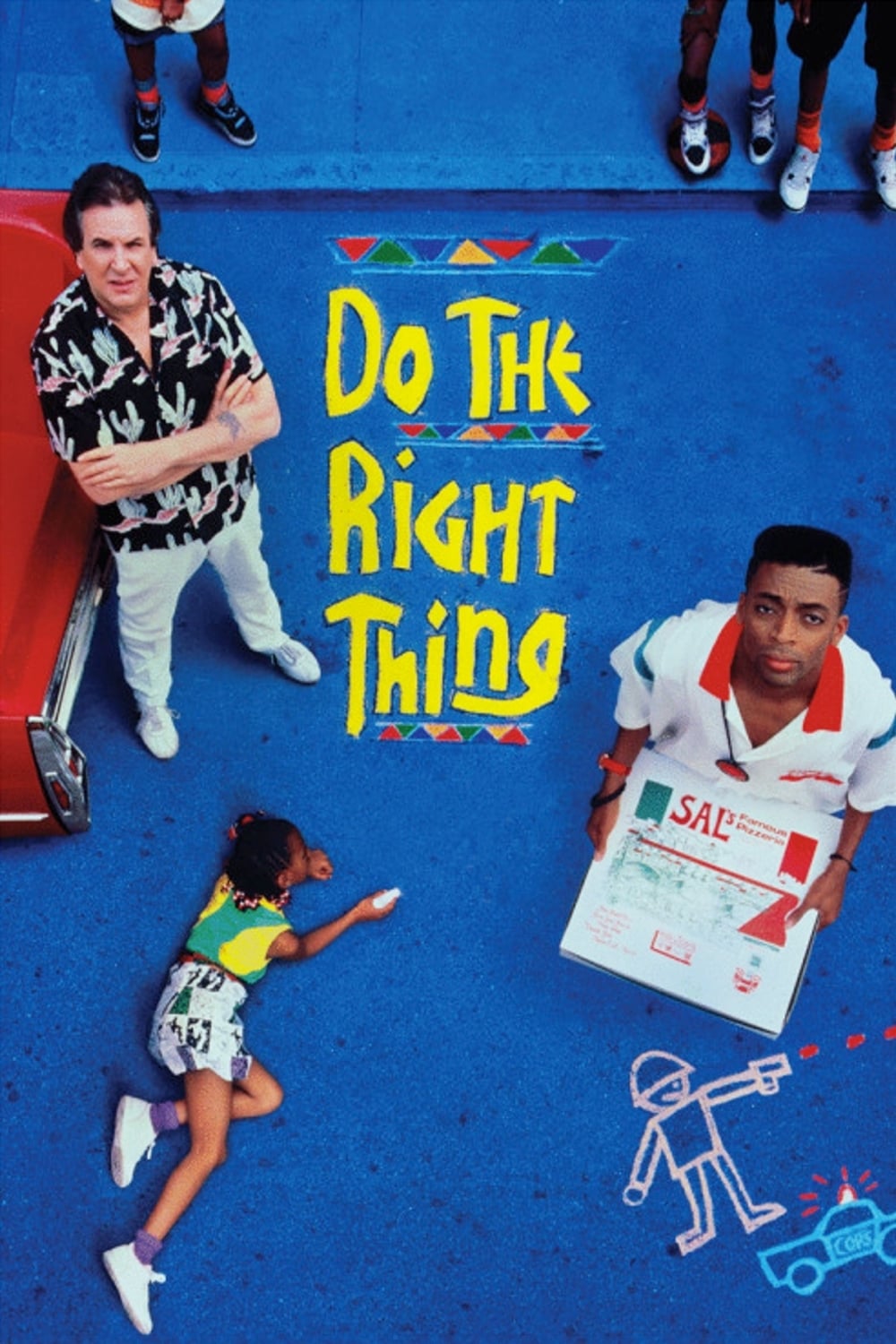
Spike Lee powerfully explored racial issues in America through a dynamic and visually striking style. He used tilted camera angles and bold colors to capture the growing tension and anger of his characters. By directly addressing the audience, he made them part of the film’s social message. Rather than providing simple solutions, the film ended by presenting contrasting viewpoints from Martin Luther King Jr. and Malcolm X. It continues to be an important film in discussions about race and police violence.
‘Toy Story’ (1995)
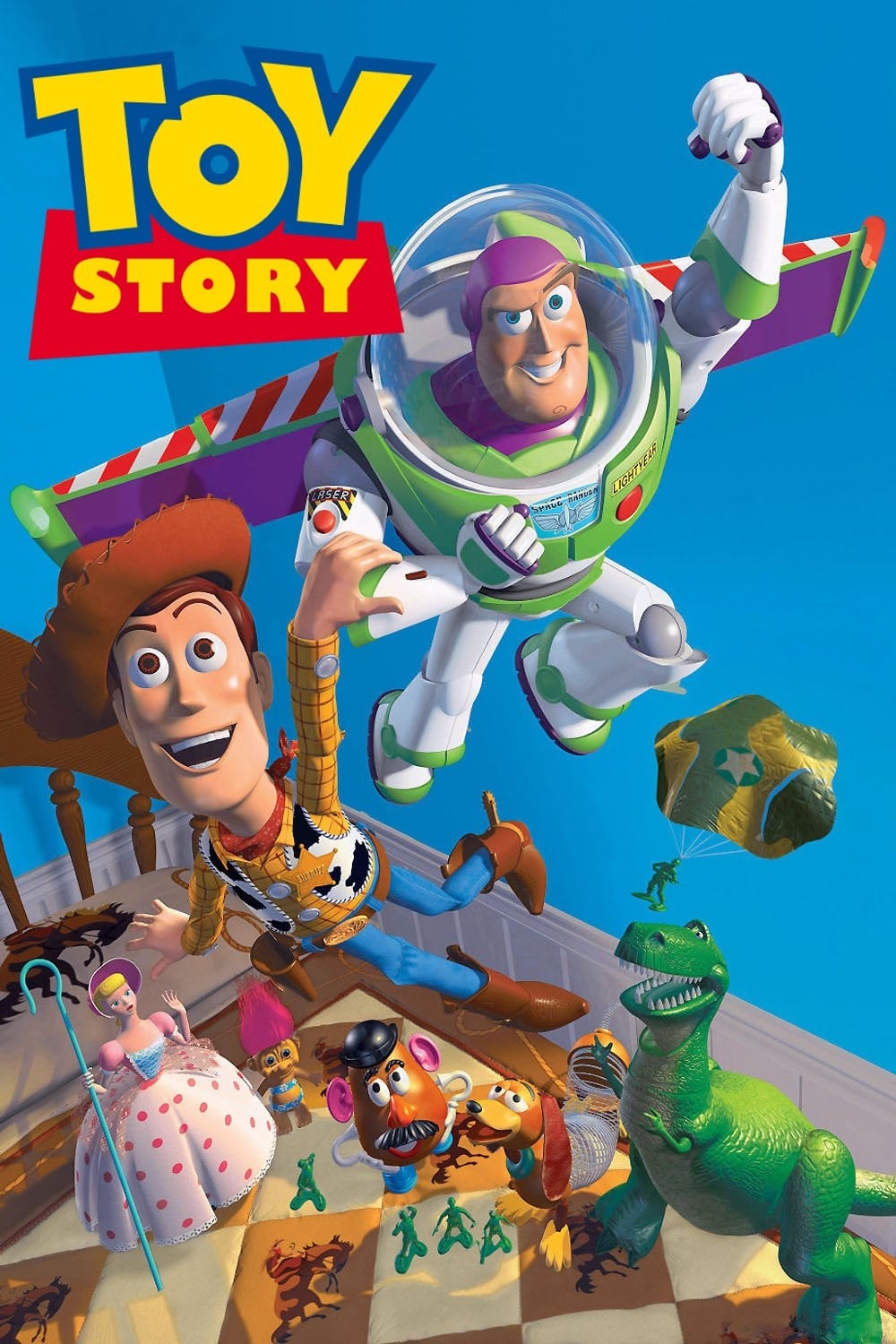
John Lasseter’s groundbreaking work directing the first fully computer-animated feature film revolutionized animation. He and his team at Pixar created innovative software for realistic textures and lighting, but always prioritized a strong story and well-developed characters. The film’s huge success ultimately led to the decline of traditional hand-drawn animation in big studio films and cemented Pixar’s position as a leader in family entertainment.
‘The Matrix’ (1999)
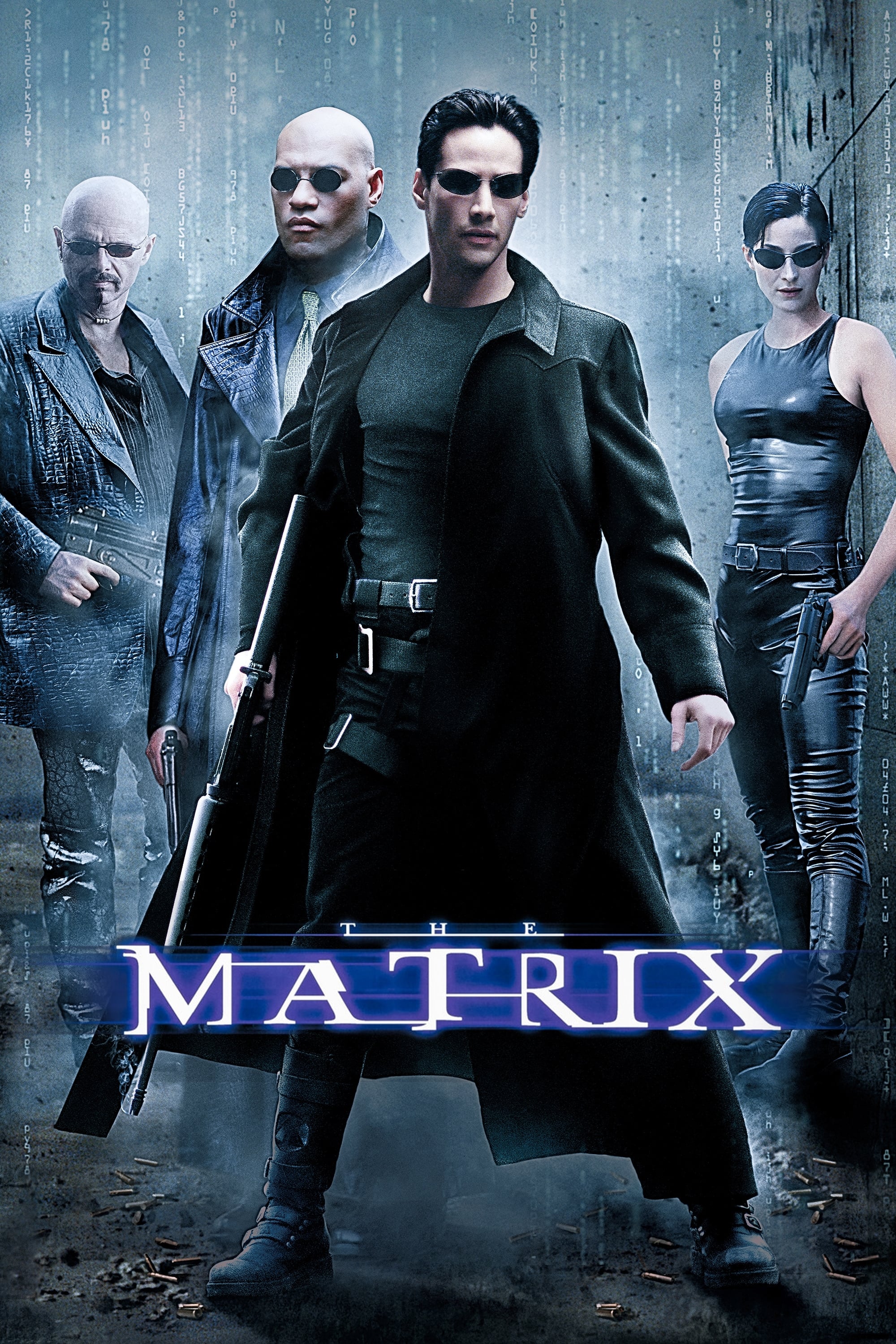
The Wachowskis revolutionized action films by combining the fast-paced energy of Hong Kong action movies with thought-provoking cyberpunk ideas and groundbreaking special effects. They famously created the “bullet time” effect – a technique that lets the camera circle a subject moving in slow motion. By working with top martial arts experts, they also significantly improved the quality of fight choreography in American films. Beyond the action, the movie explored deep questions about what is real and brought complex philosophical ideas to a wide audience. Its unique visual style and aesthetic had a lasting impact on both action films and fashion for years to come.
‘In the Mood for Love’ (2000)
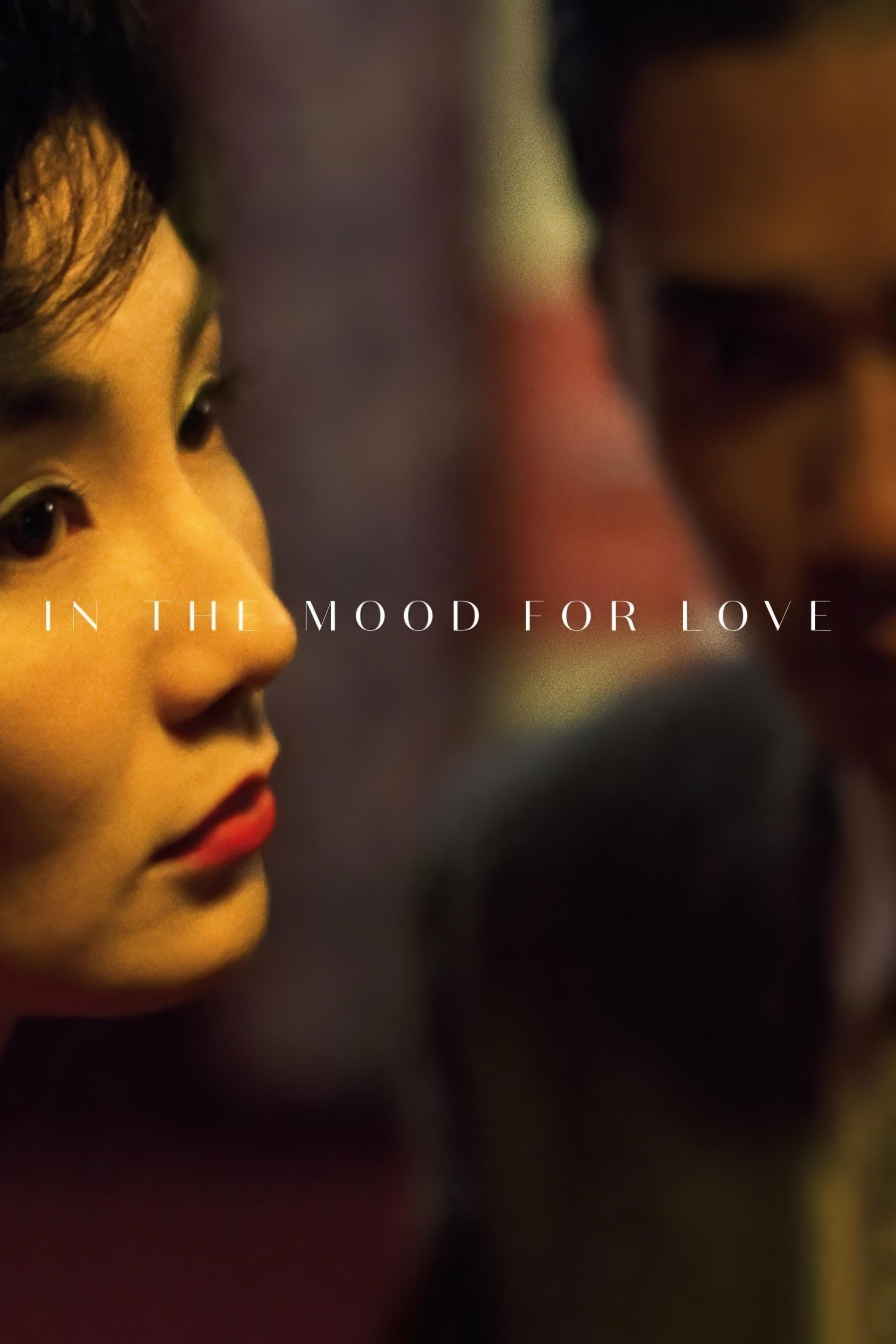
Wong Kar-wai’s film is a beautifully visual exploration of unfulfilled longing and hidden desires. Instead of heavy dialogue, the director used evocative music, stunning imagery, and slow-motion to communicate feelings. Much of the movie was created spontaneously on set, letting the overall mood guide the story. The rich colors and tight camera angles create a powerful sense of closeness between the characters. It’s often celebrated as one of the most visually striking and romantic films of recent times.
‘Spirited Away’ (2001)
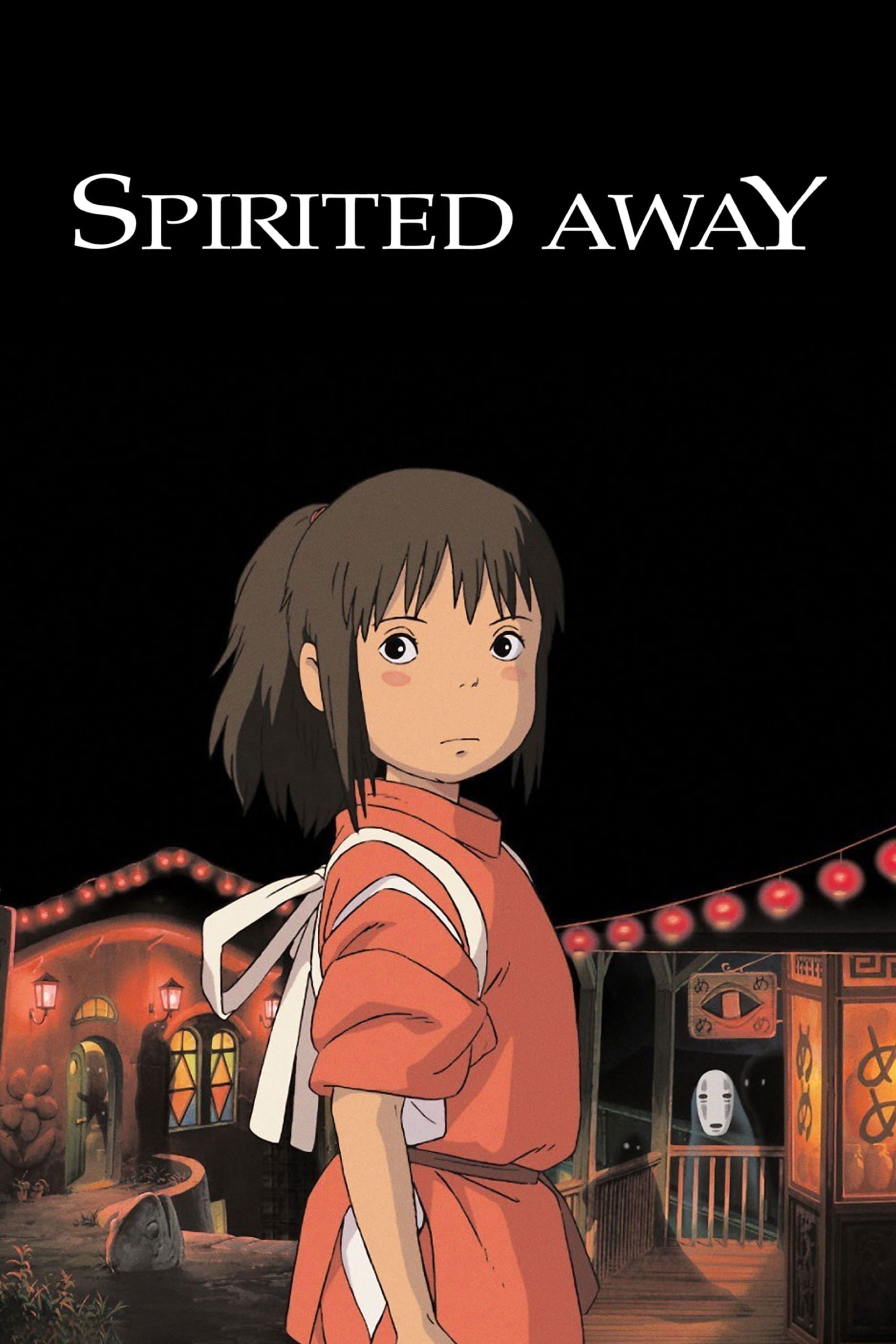
Hayao Miyazaki’s celebrated film beautifully shared the stories and spirit of Japanese folklore with audiences worldwide. Known for its detailed animation of movement and nature, the film creates a truly captivating and immersive world. Unlike many Western animated movies, it avoids simple good-versus-evil storylines, instead presenting characters and situations with moral complexity. A winner of the Academy Award for Best Animated Feature, the film helped introduce the artistry of anime to a wider audience and continues to be a gold standard for traditionally animated films today.
‘Avatar’ (2009)

James Cameron revolutionized filmmaking with his work on creating a believable alien world. He invented new camera technology that let him see computer-generated characters as if they were actually on set. He didn’t just use 3D for a visual trick, but to fully draw viewers into the movie’s environment. The film became a massive box office success, prompting cinemas around the world to adopt digital projection. It also proved that digital actors could deliver powerful and moving performances.
‘Moonlight’ (2016)
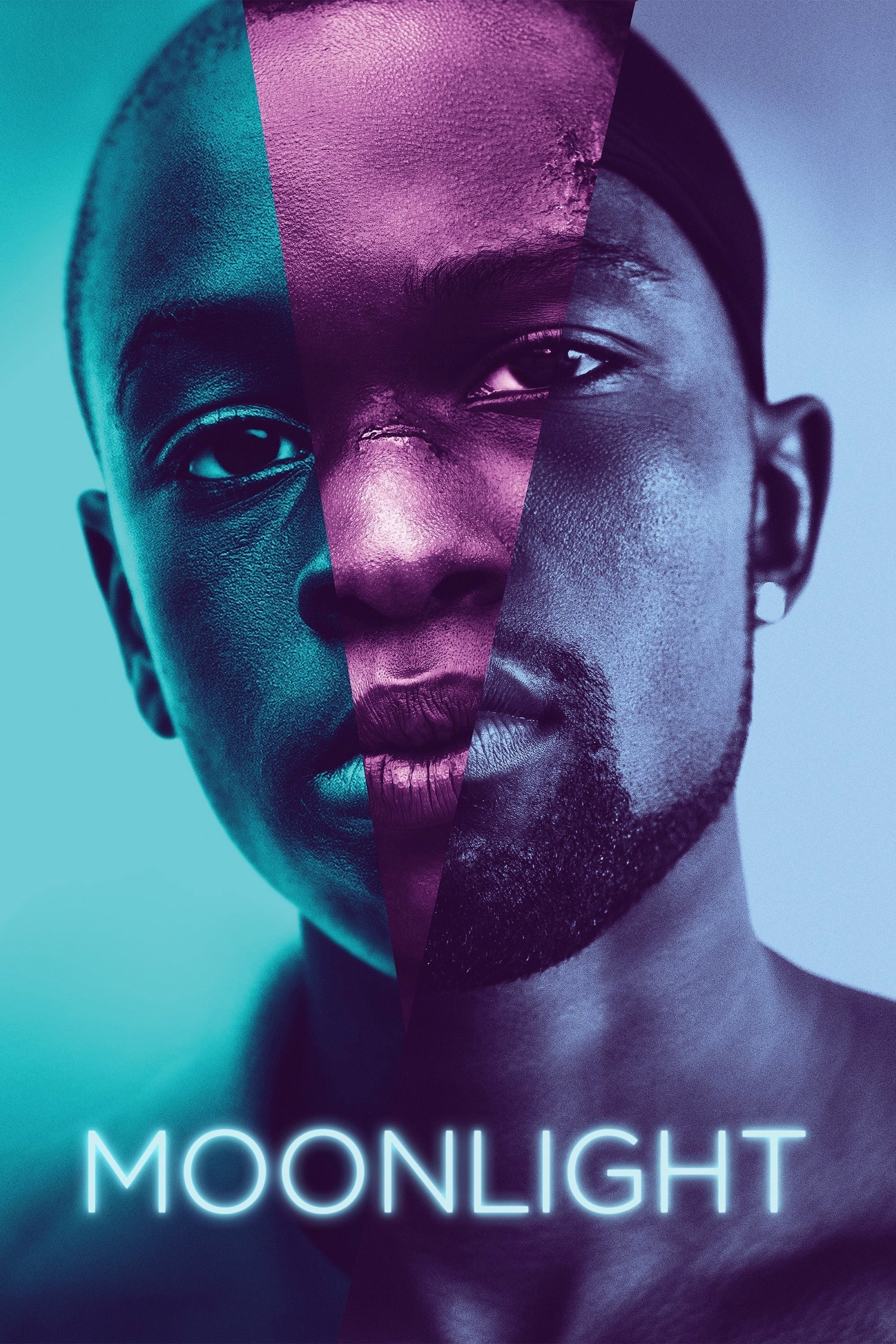
Barry Jenkins created a powerful and intimate film series exploring Black male identity and sexuality. He beautifully captured dark skin tones using striking visuals and allowed subtle expressions of vulnerability and desire to unfold through close-up shots. The film was groundbreaking, becoming the first LGBTQ+ movie with an entirely Black cast to win Best Picture, and broadened the scope of who is typically seen as the central character in a relatable coming-of-age story.
Please share your thoughts on which director had the biggest impact in the comments.
Read More
- Invincible Season 4 Gender Swaps Tech Jacket As Fans Question Major Comic Change
- Silver Rate Forecast
- Gold Rate Forecast
- 15 Films That Were Shot Entirely on Phones
- Building Agents That Learn and Improve Themselves
- 22 Films Where the White Protagonist Is Canonically the Sidekick to a Black Lead
- 20 Movies Where the Black Villain Was Secretly the Most Popular Character
- Celebs Who Narrowly Escaped The 9/11 Attacks
- 14 Movies Where the Black Character Refuses to Save the White Protagonist
- Trading Crypto with AI: A New Approach to Portfolio Management
2026-01-31 20:19