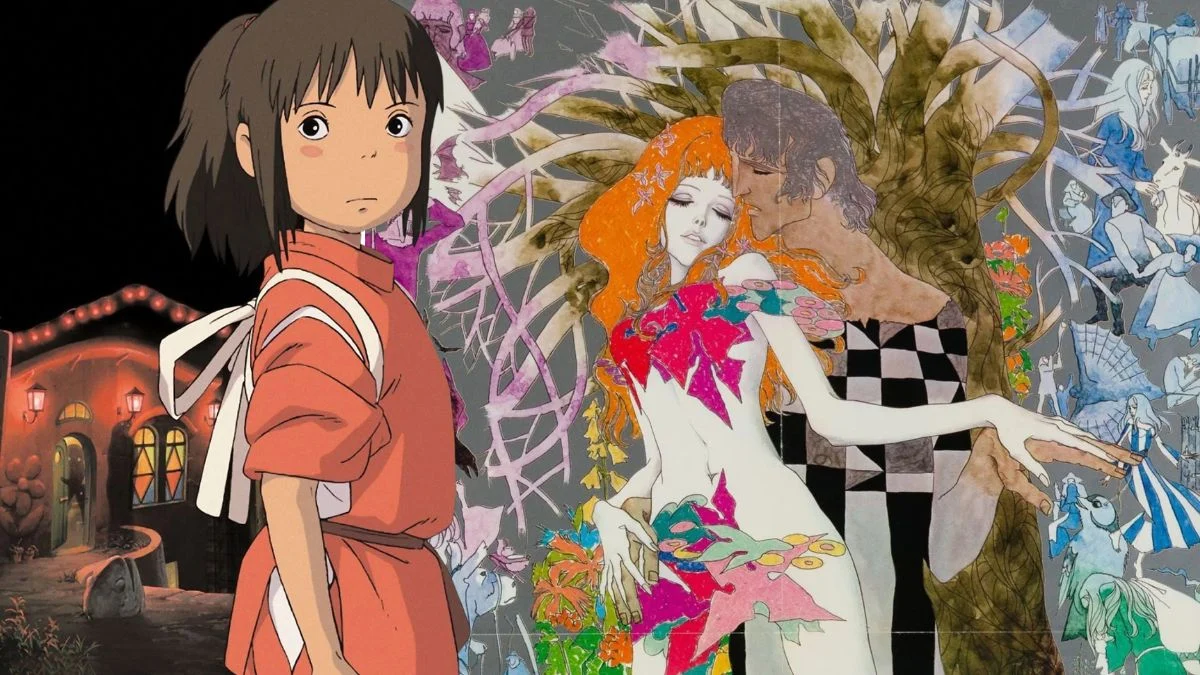
Anime has always been changing, thanks to directors who weren’t afraid to try new things. These creators expanded the possibilities of animation, developing fresh ways to tell stories visually. Their work includes everything from artistic, experimental films to hugely popular shows that introduced Japanese culture to the world. This collection focuses on the projects where a director’s individual vision truly transformed the anime industry.
‘Akira’ (1988)
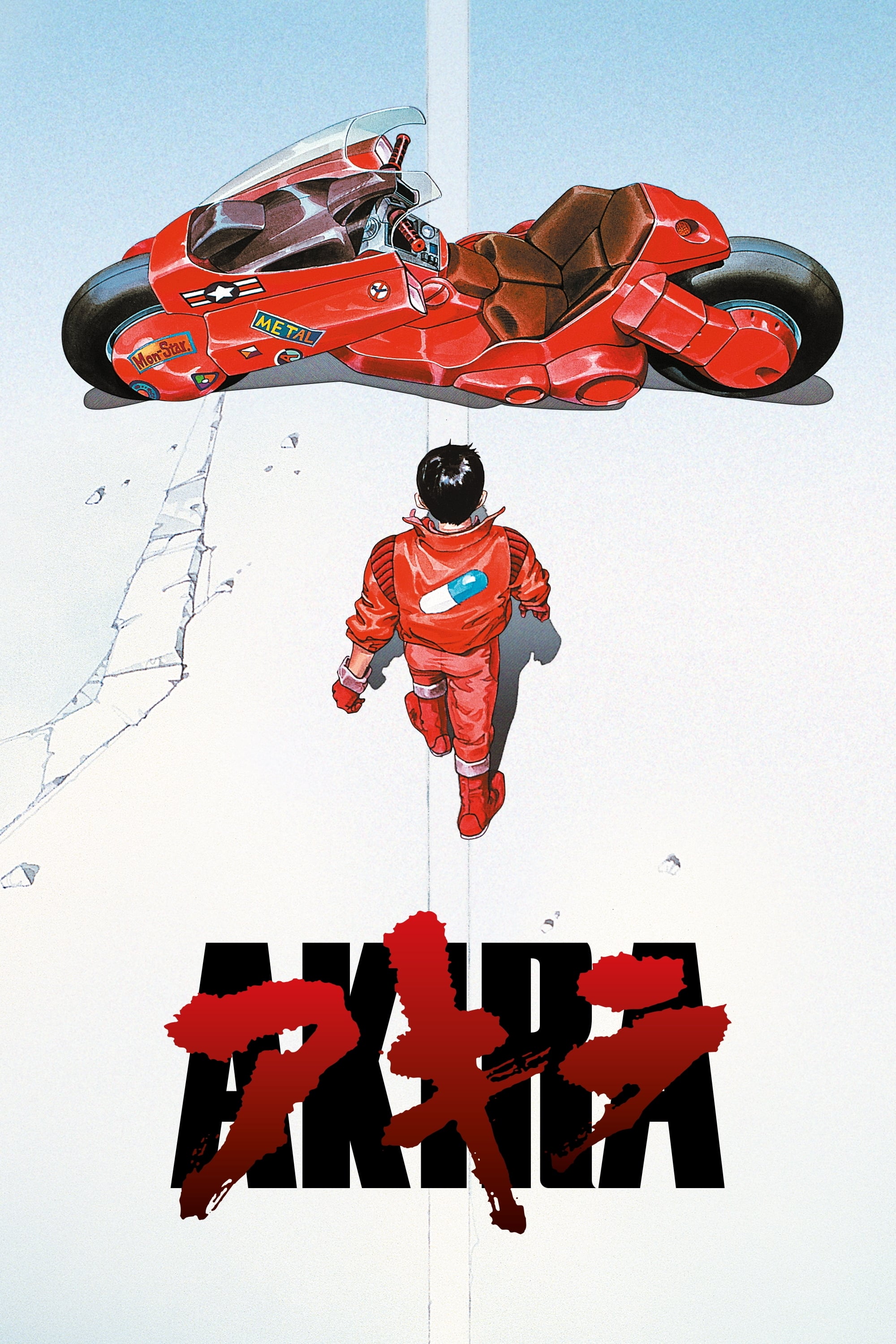
Katsuhiro Otomo’s film is a groundbreaking cyberpunk classic, originally based on his own manga. It was incredibly ambitious, pushing the boundaries of anime production with its massive budget and innovative techniques. A unique feature was recording dialogue before animation, allowing for perfect lip synchronization – unusual for anime then. Otomo also demanded smooth animation and realistic lighting, bringing the city of Neo-Tokyo to life with a gritty, believable feel. This film is widely credited with introducing Japanese animation to a wider, adult audience in the West.
‘Spirited Away’ (2001)
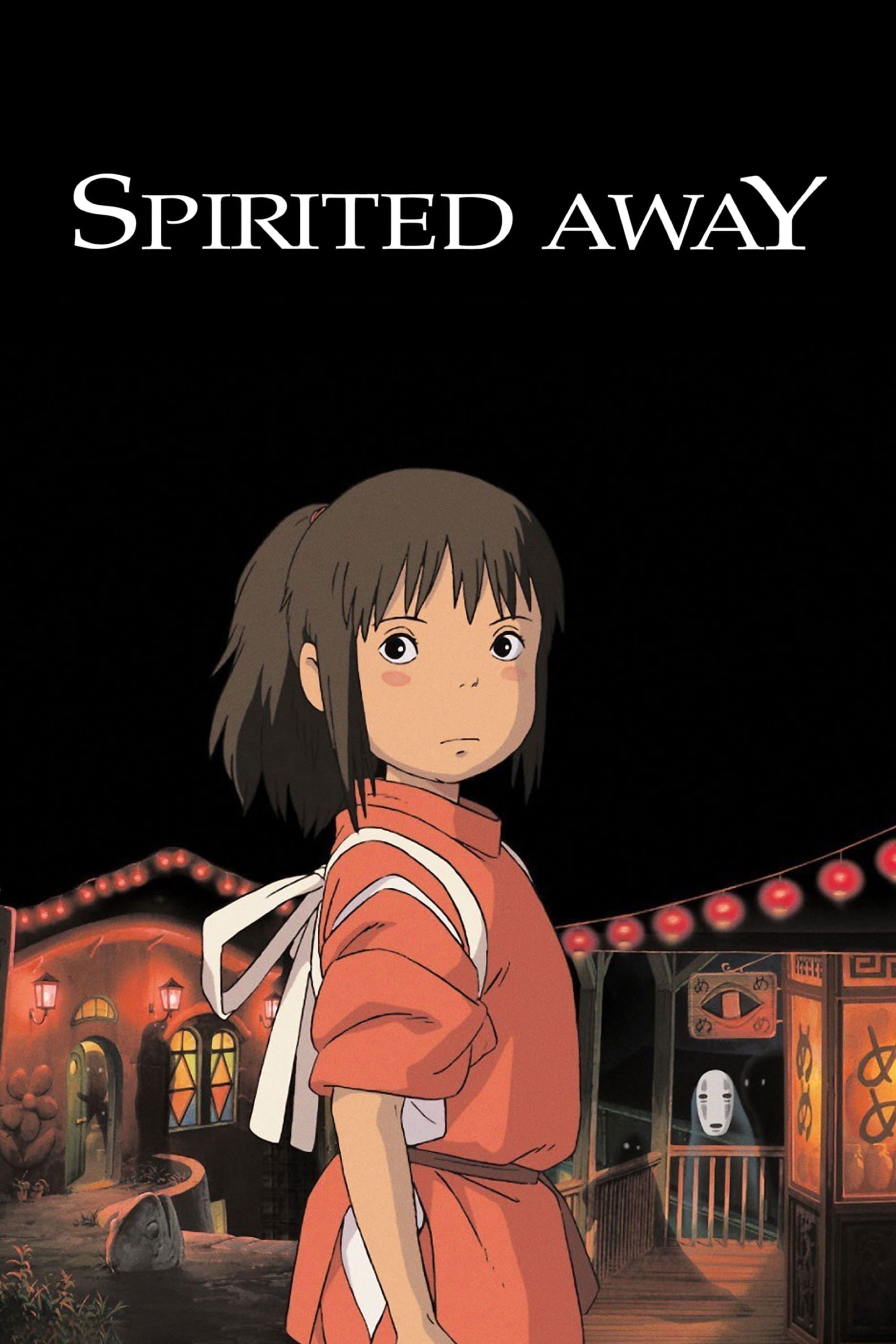
Hayao Miyazaki’s Academy Award-winning film is known for its incredibly detailed and believable world, and the realistic way its characters move. Miyazaki intentionally used pauses and quiet moments – a concept he called “ma” – to give the fantastical story room to breathe. He asked his animators to carefully study real life to make the spirit world feel authentic and weighty. The film continues to be a high standard for beautifully hand-drawn animation and meaningful storytelling in family movies.
‘Neon Genesis Evangelion’ (1995–1996)
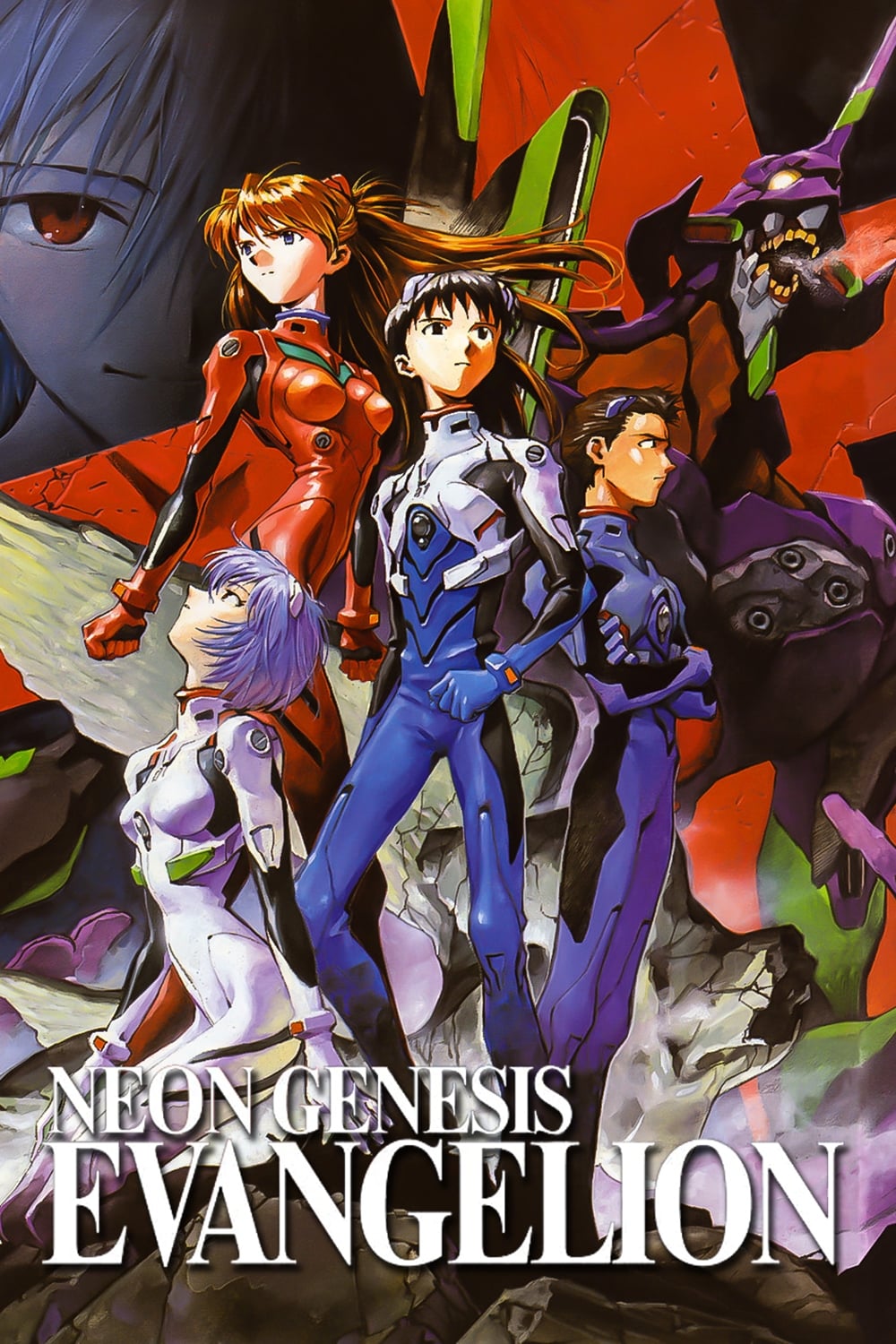
Hideaki Anno revolutionized the mecha genre by diving deep into the minds of his teenage robot pilots, rather than simply focusing on the action. He used experimental editing and visual styles to portray the inner turmoil of the main character, Shinji Ikari. While limited by a tight budget, Anno cleverly used simple animation to create a feeling of loneliness and fear. The series proved that thought-provoking and complex ideas could be successful on TV, influencing the industry as a whole.
‘Ghost in the Shell’ (1995)
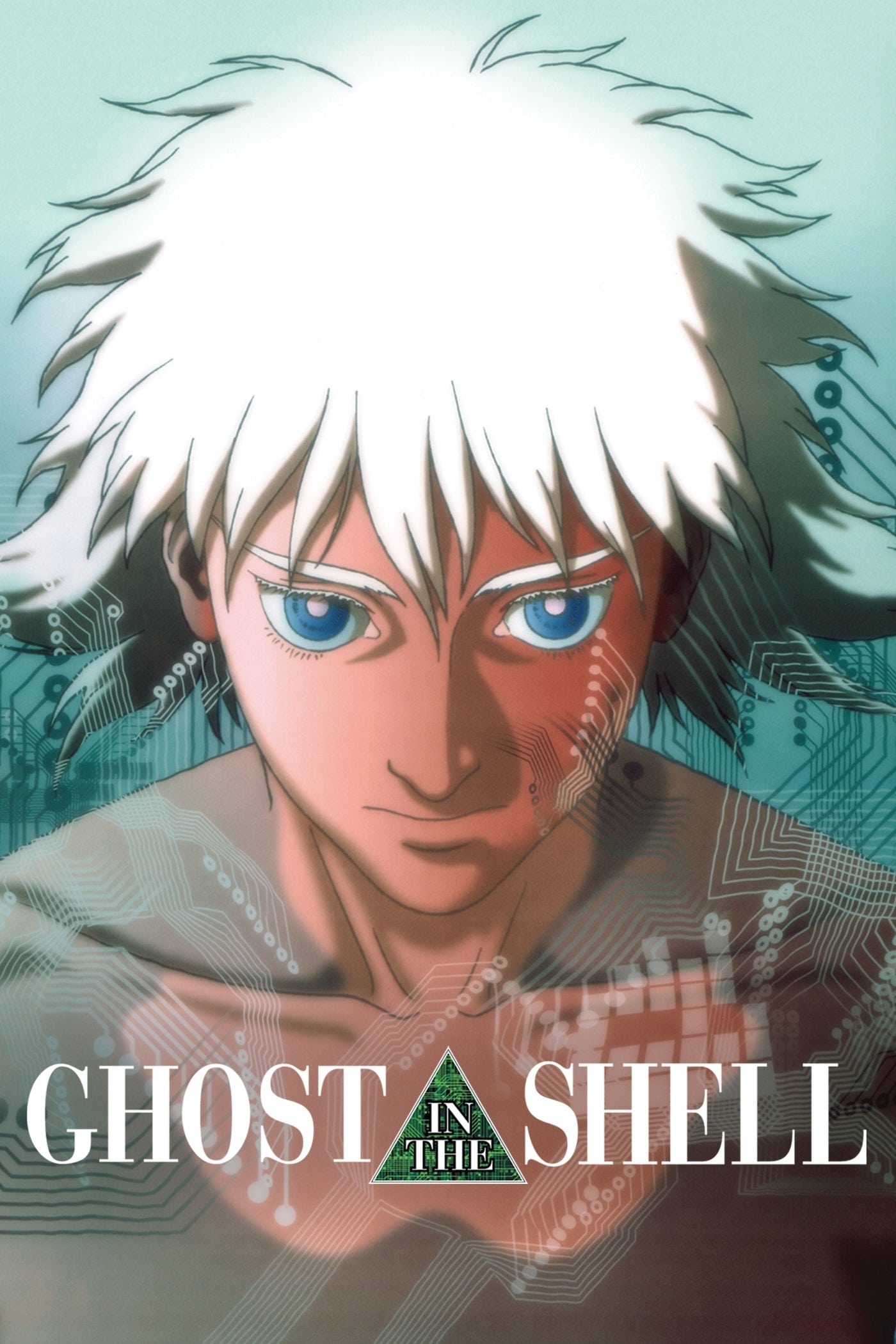
Mamoru Oshii crafted a futuristic Hong Kong in his films by skillfully combining classic hand-drawn animation with early computer graphics. He used a unique green color scheme and deliberate, slow storytelling to delve into complex ideas about what it means to be human and the existence of the soul. His visually striking style had a significant impact on Hollywood science fiction films, becoming a benchmark for the genre’s look and feel. By blending digital effects with traditional animation, he helped pioneer the hybrid animation techniques we see today.
‘Perfect Blue’ (1997)
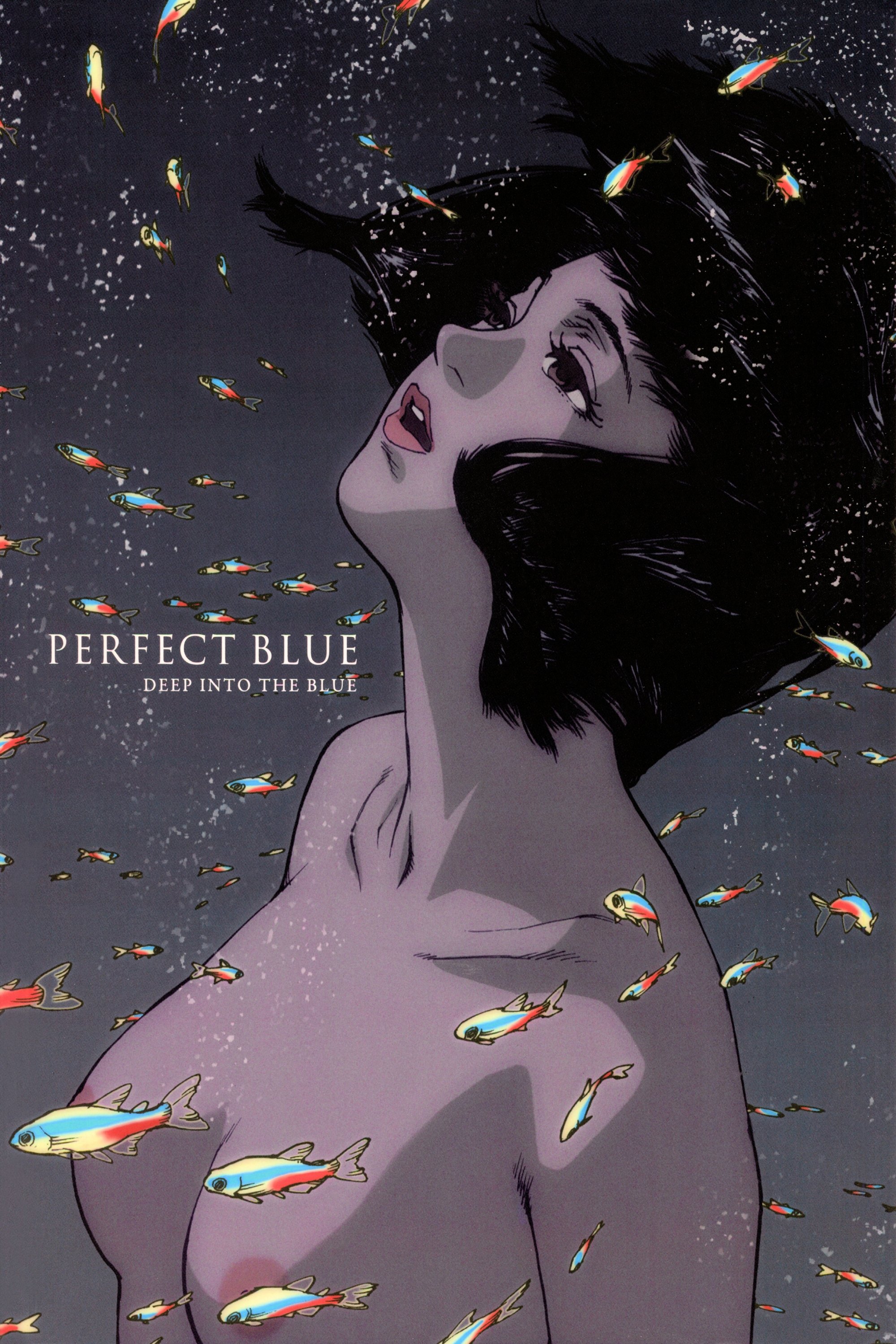
Satoshi Kon moved from creating comics to animation with this suspenseful and thought-provoking film, using advanced editing techniques typically seen in live-action movies. He cleverly connected scenes with ‘match cuts’ to make it difficult to tell what was real and what was a hallucination of the main character. The film showed that animation could realistically explore serious topics like identity and stalking, and Kon proved animation was capable of telling complicated, non-traditional stories that really make you think.
‘Cowboy Bebop’ (1998–1999)
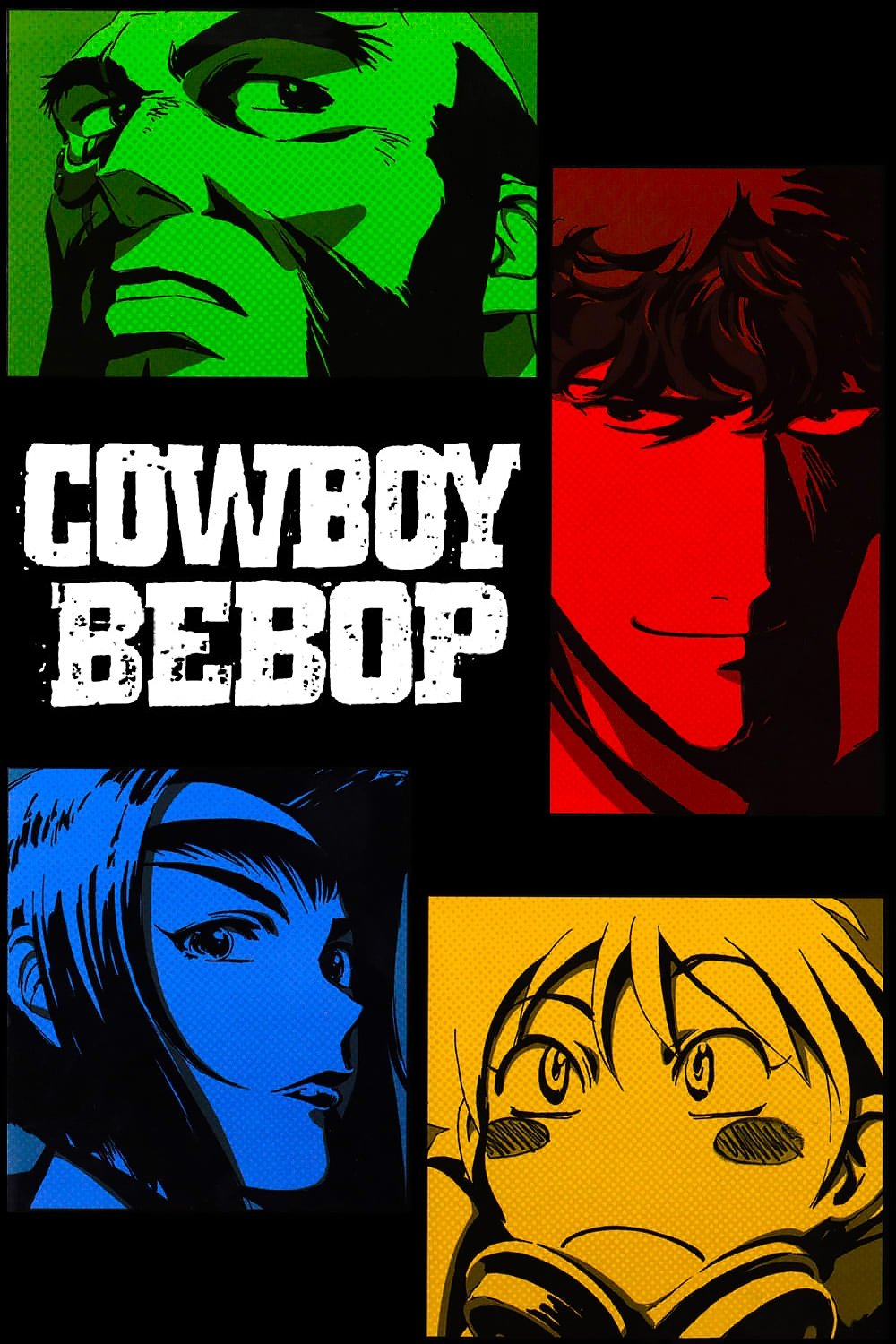
Shinichirō Watanabe created a truly unique style by blending the vibes of film noir, westerns, and jazz. The show’s action scenes were driven by the music, giving it a cool, distinctive feel that stood out from everything else on television. Watanabe assembled a talented team and encouraged them to take risks with each episode, experimenting with different formats and genres. This approach set a new standard for compelling, episode-based storytelling and attracted viewers around the world.
‘Mind Game’ (2004)
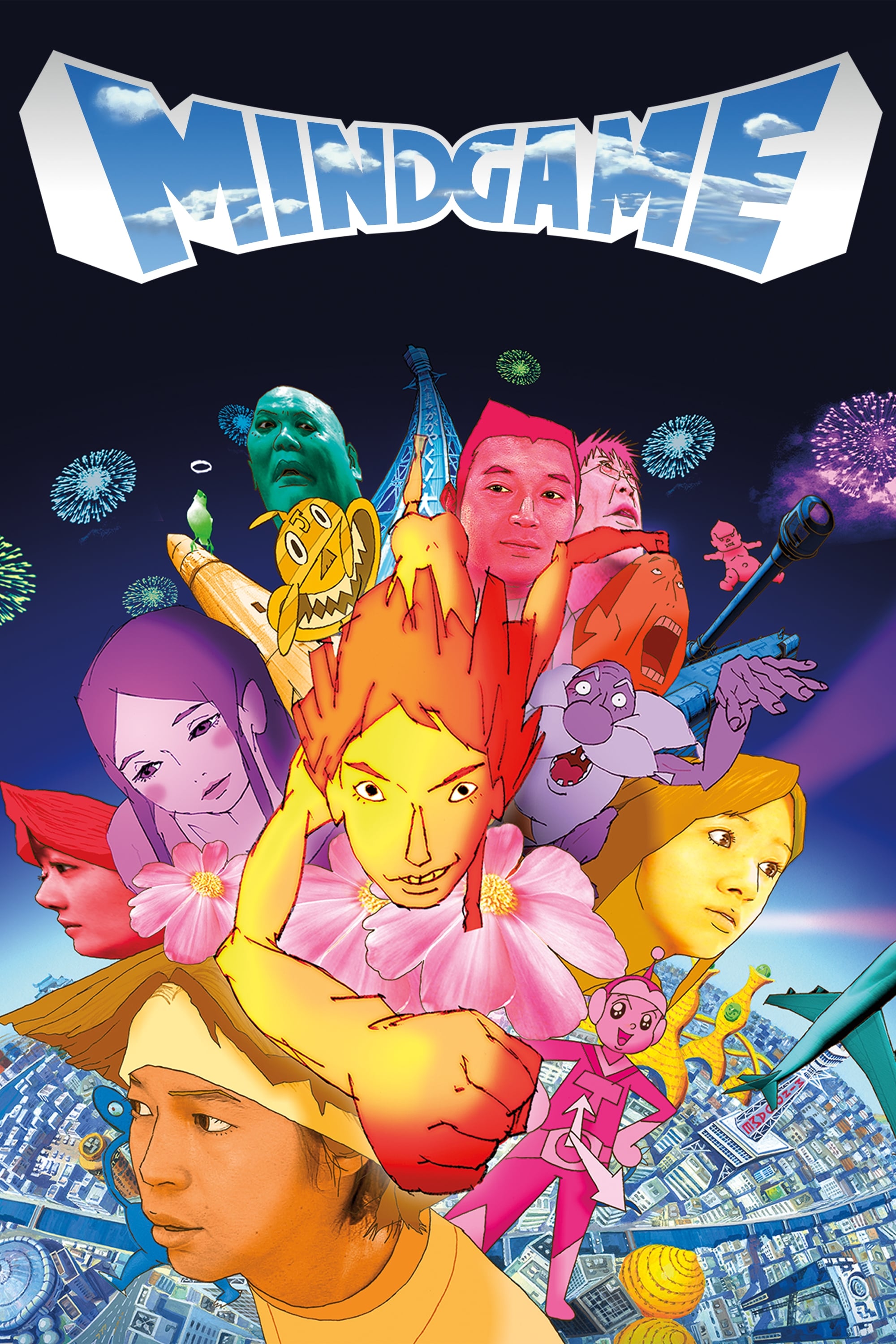
I remember when Masaaki Yuasa really blew everyone away with a film that just threw the rulebook out the window. It wasn’t about realistic bodies or perfect perspective; it was all about expressing emotion. He mashed together so many different art styles – watercolor, crayon, even live-action footage – and somehow it worked, creating a really unified feel. What struck me most was how he prioritized the energy of the animation, the movement itself, over keeping characters looking the same from scene to scene. It felt so fresh and bold, and I think it really paved the way for other more unique, artist-focused projects to get a chance in the industry.
‘The Tale of the Princess Kaguya’ (2013)
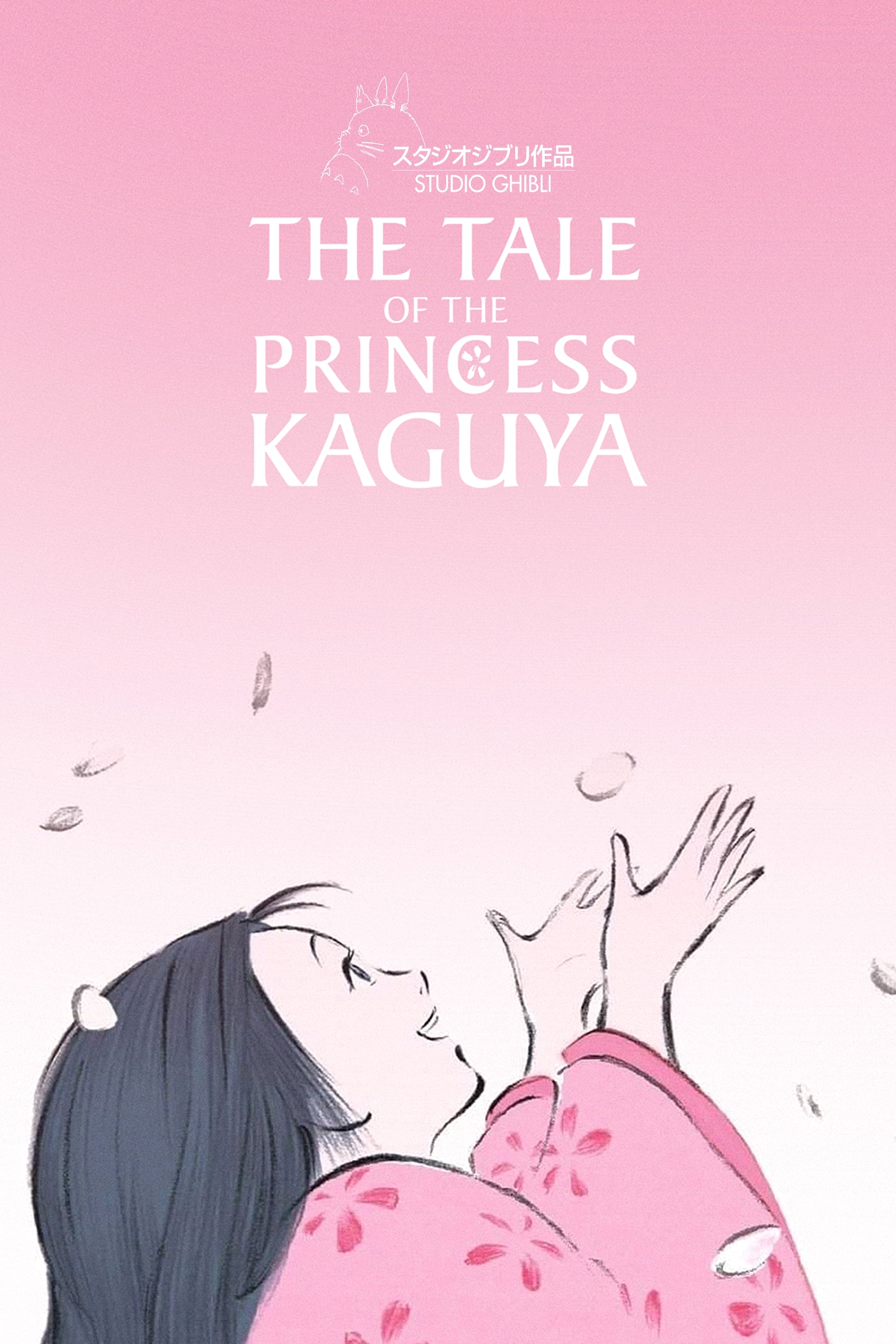
Isao Takahata’s animation style was intentionally simple, looking like quick charcoal or watercolor sketches. He left lines unfinished and backgrounds sparse, encouraging viewers to fill in the details with their own imaginations. This was a deliberate break from the typical, highly polished look of Studio Ghibli films, and it helped to highlight the main character’s deep emotions. It proves how powerfully a minimalist approach can convey both sadness and beauty in animation.
‘Mobile Suit Gundam’ (1979–1980)
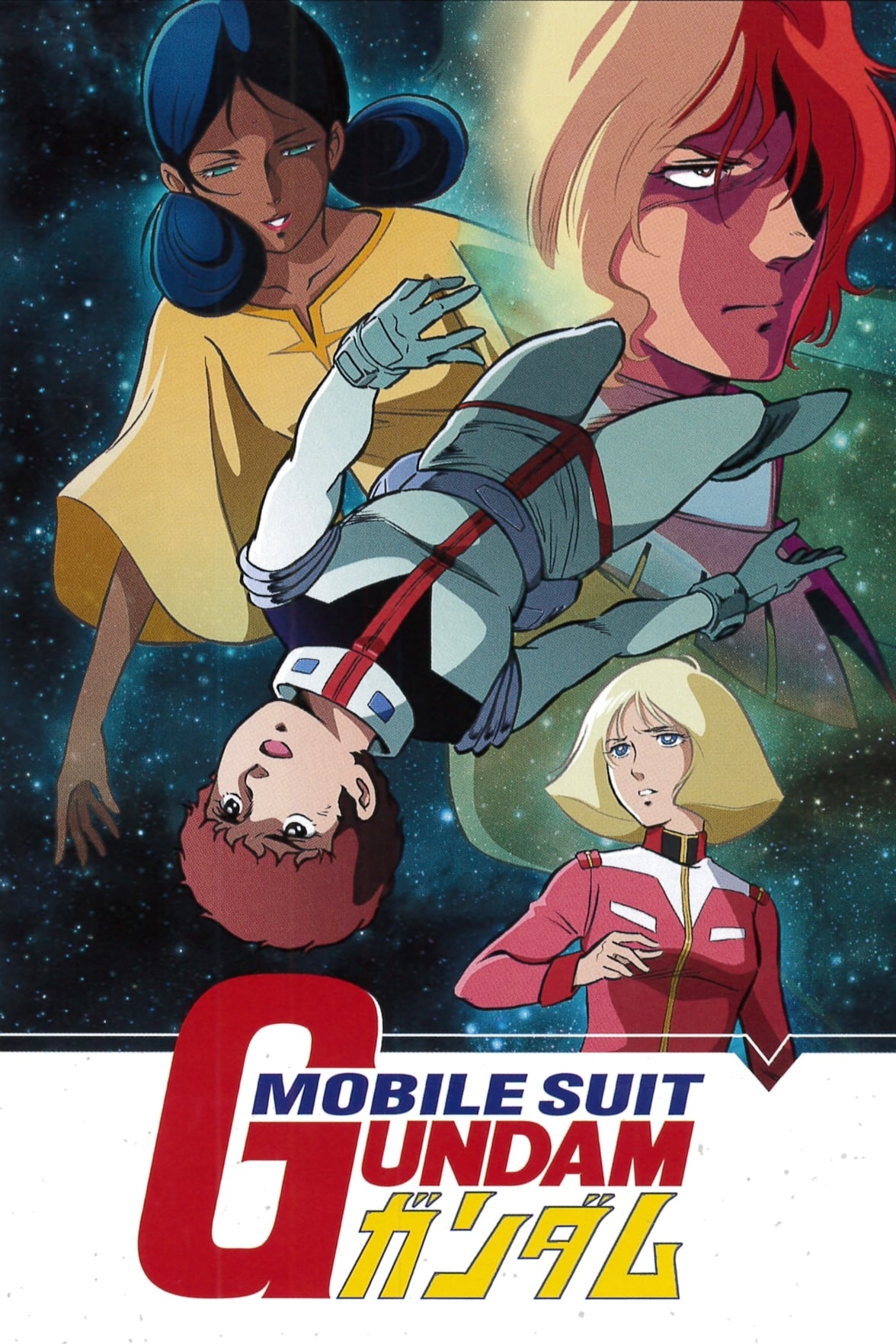
Yoshiyuki Tomino revolutionized robot anime by moving away from stories about heroic, unbeatable robots and towards more realistic depictions of war and political conflict. He portrayed giant robots as ordinary weapons of war, not invincible heroes. This approach launched the “Real Robot” genre, which became hugely popular for decades and led to massive sales of related toys and products. Tomino also focused on the psychological impact of war, particularly on young soldiers, and significantly changed how conflict was shown in shows aimed at children.
‘Revolutionary Girl Utena’ (1997)
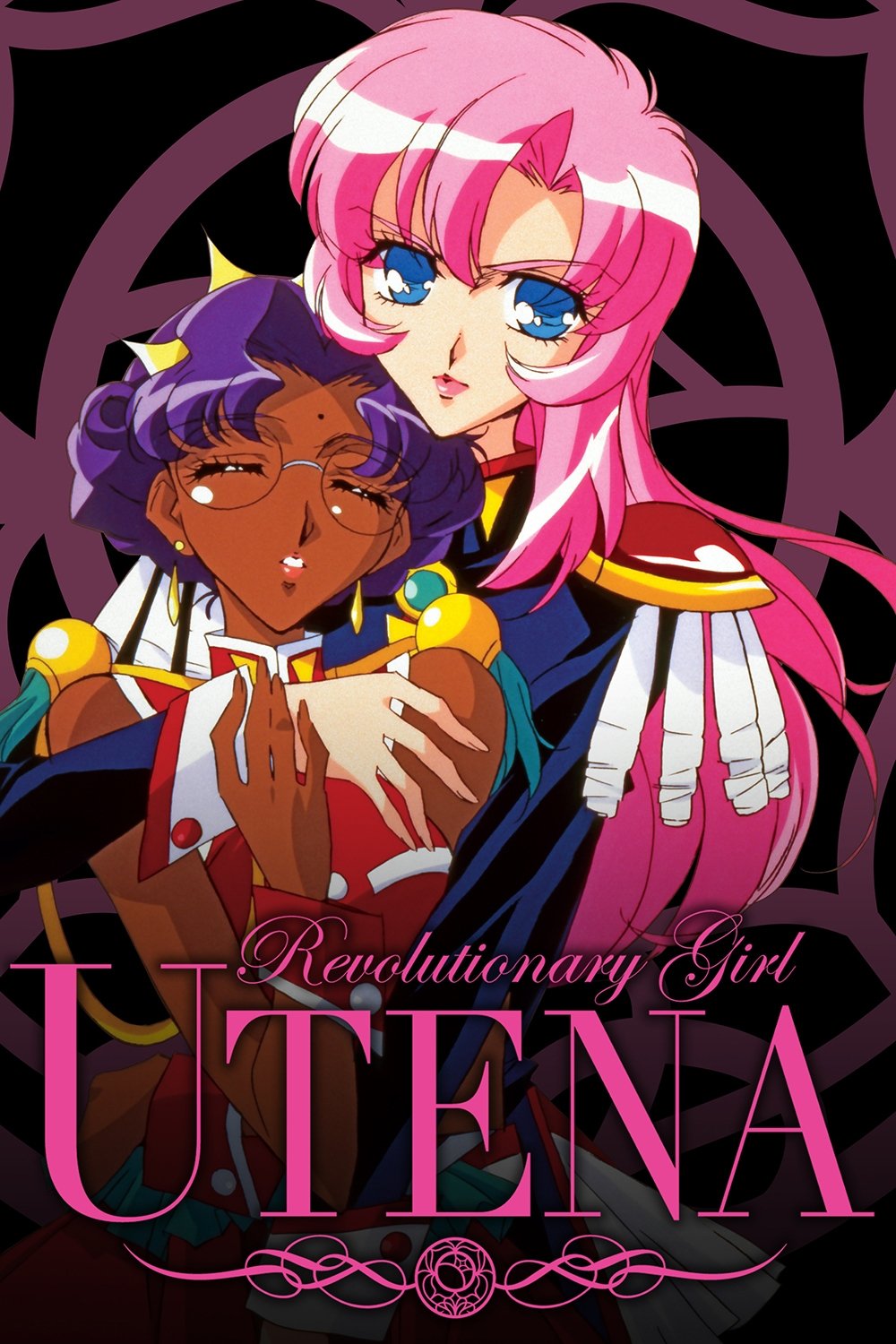
Kunihiko Ikuhara revolutionized the magical girl genre by using bizarre imagery and dramatic presentation. He cleverly repeated animation to build a strange, dreamlike feeling, prioritizing symbolic meaning and explorations of gender over a simple plot. His unique style, filled with shadowy figures and roses, encouraged viewers to think deeply about the challenges of growing up.
‘Puella Magi Madoka Magica’ (2011)
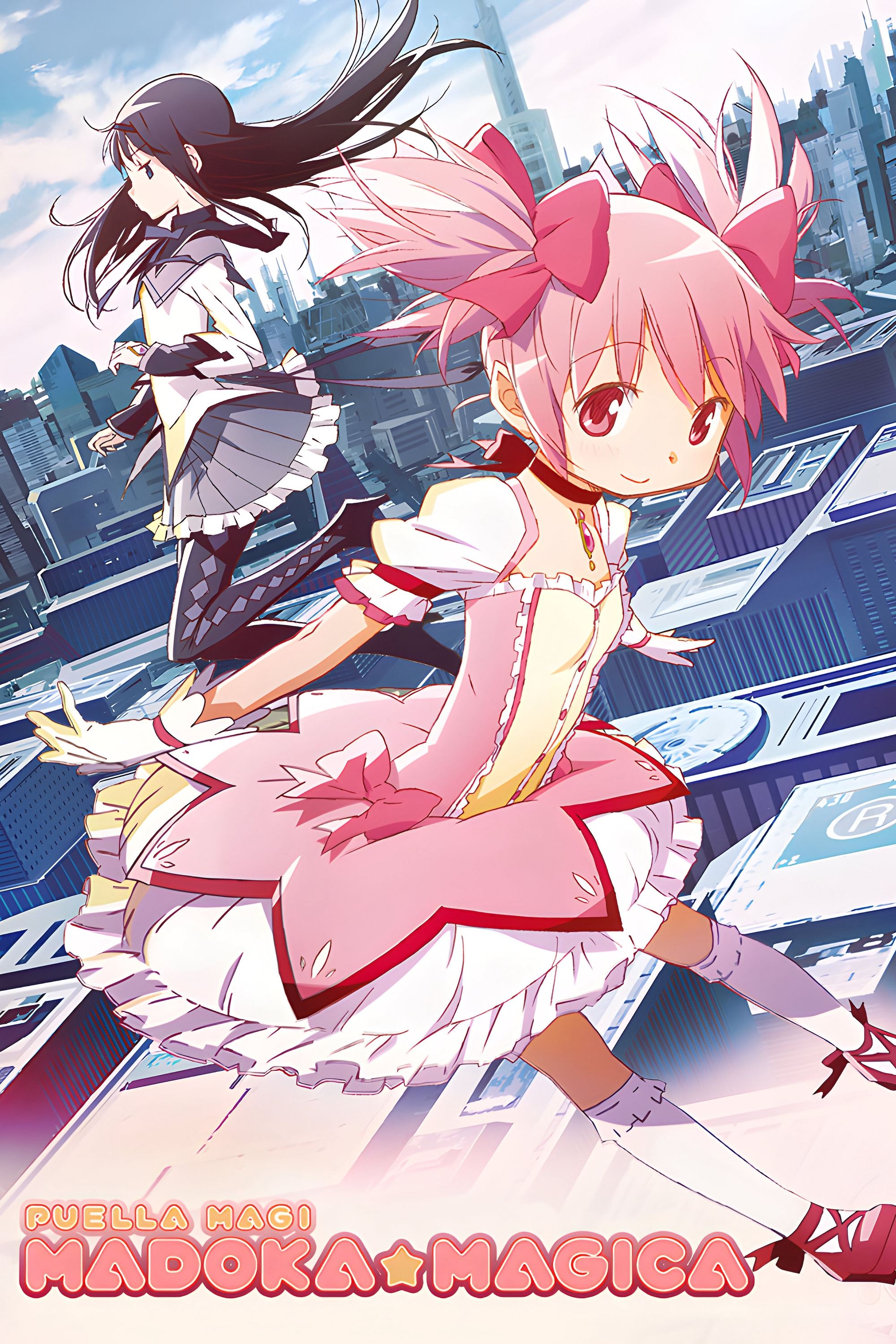
Akiyuki Shinbo and studio Shaft teamed up to make a dark fantasy series that intentionally paired adorable character designs with frightening, complex witch worlds. To create a creepy, unreal atmosphere during battles, the team used a unique animation style resembling paper cutouts. Shinbo also used quick cuts and on-screen text to confuse viewers and build suspense. This combination of styles was groundbreaking for shows aimed at fans of magical girls.
‘Redline’ (2009)
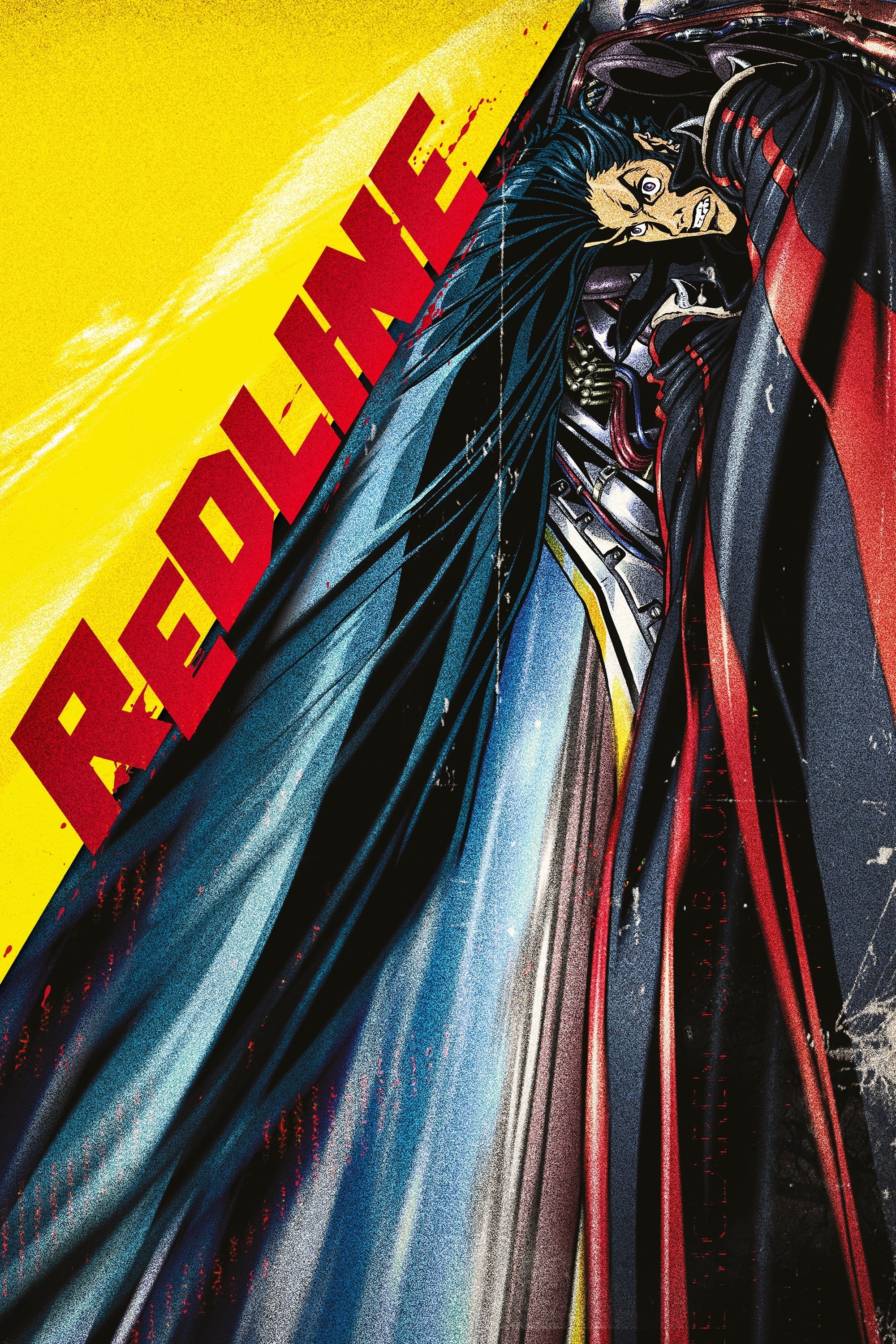
Takeshi Koike’s film took seven years to make and is a stunning example of traditional hand-drawn animation, created without any computer assistance. It’s known for its dynamic visuals – featuring dramatic angles and non-stop action – which perfectly convey the excitement of a high-speed race across the galaxy. Koike deliberately chose a bold, distinctive look with strong shadows and vibrant colors. The film stands out as a remarkable feat of both artistic skill and relentless energy in 2D animation.
‘Your Name.’ (2016)
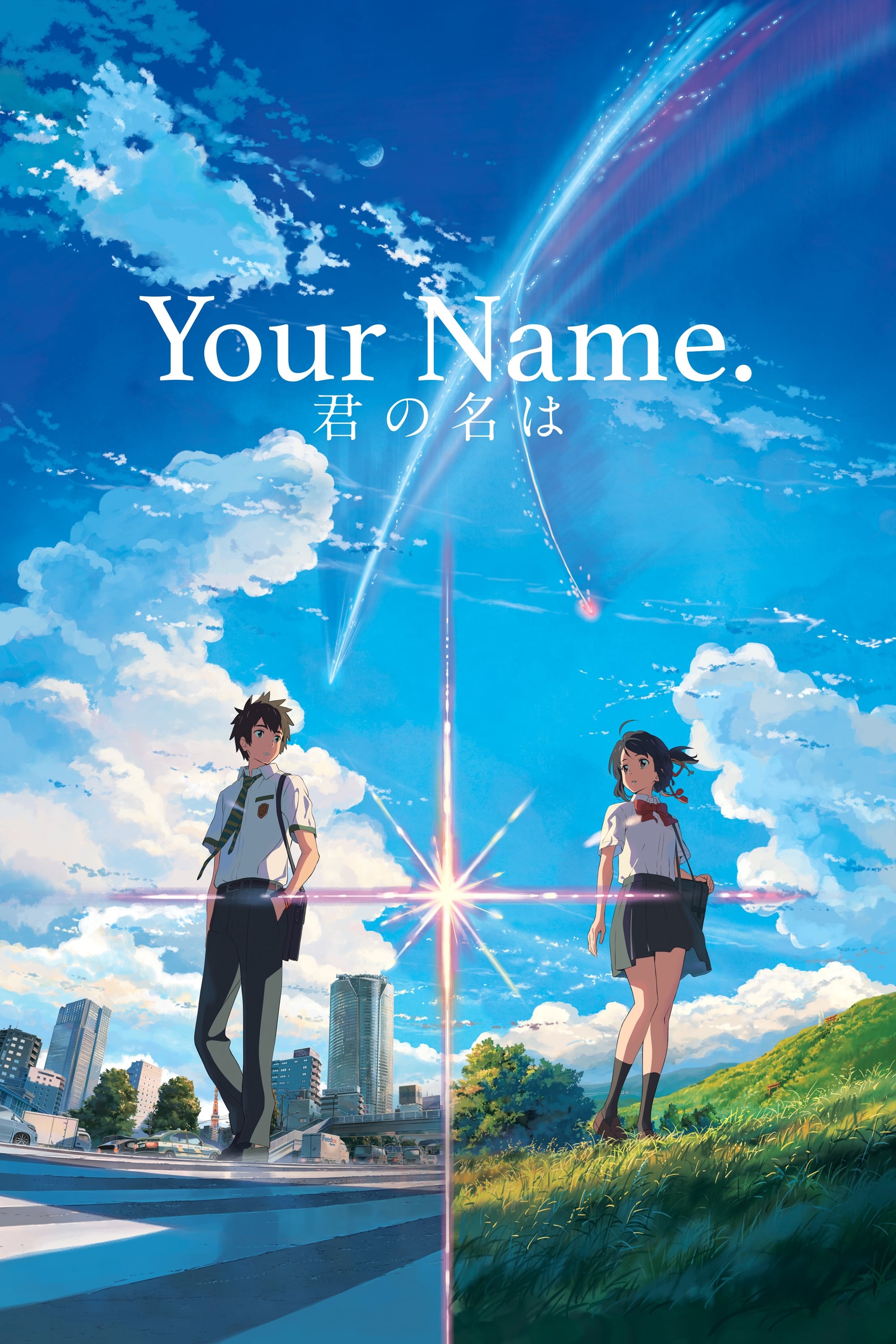
Makoto Shinkai’s films are known for their incredibly detailed, computer-generated backgrounds, which feel like characters themselves. He expertly uses light and flares to create a wistful and emotional atmosphere. The music, by the band Radwimps, blends seamlessly with the visuals, enhancing the impact of key scenes. Shinkai has been successful in bringing anime-style visuals to a wider audience with his beautifully polished films.
‘Gurren Lagann’ (2007)
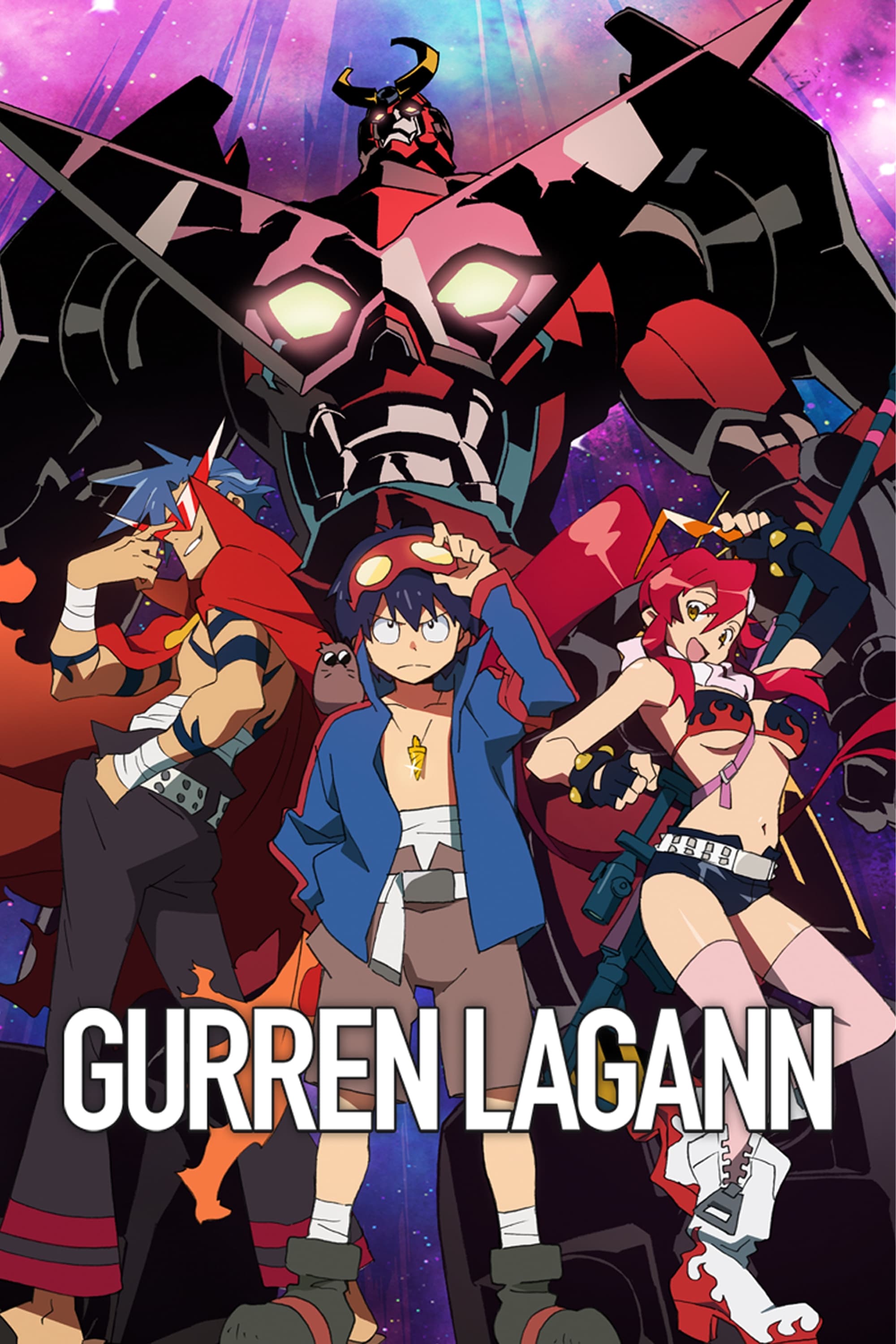
Hiroyuki Imaishi was known for a dynamic and raw animation style, focusing on powerful moments rather than strict adherence to character models. He often bent the rules of character consistency to amplify emotions and make the robot fights feel bigger. Imaishi developed a unique visual style where a character’s strength of will appeared as swirling energy. This series breathed new life into the super robot genre with its rebellious spirit and infectious energy.
‘Belladonna of Sadness’ (1973)
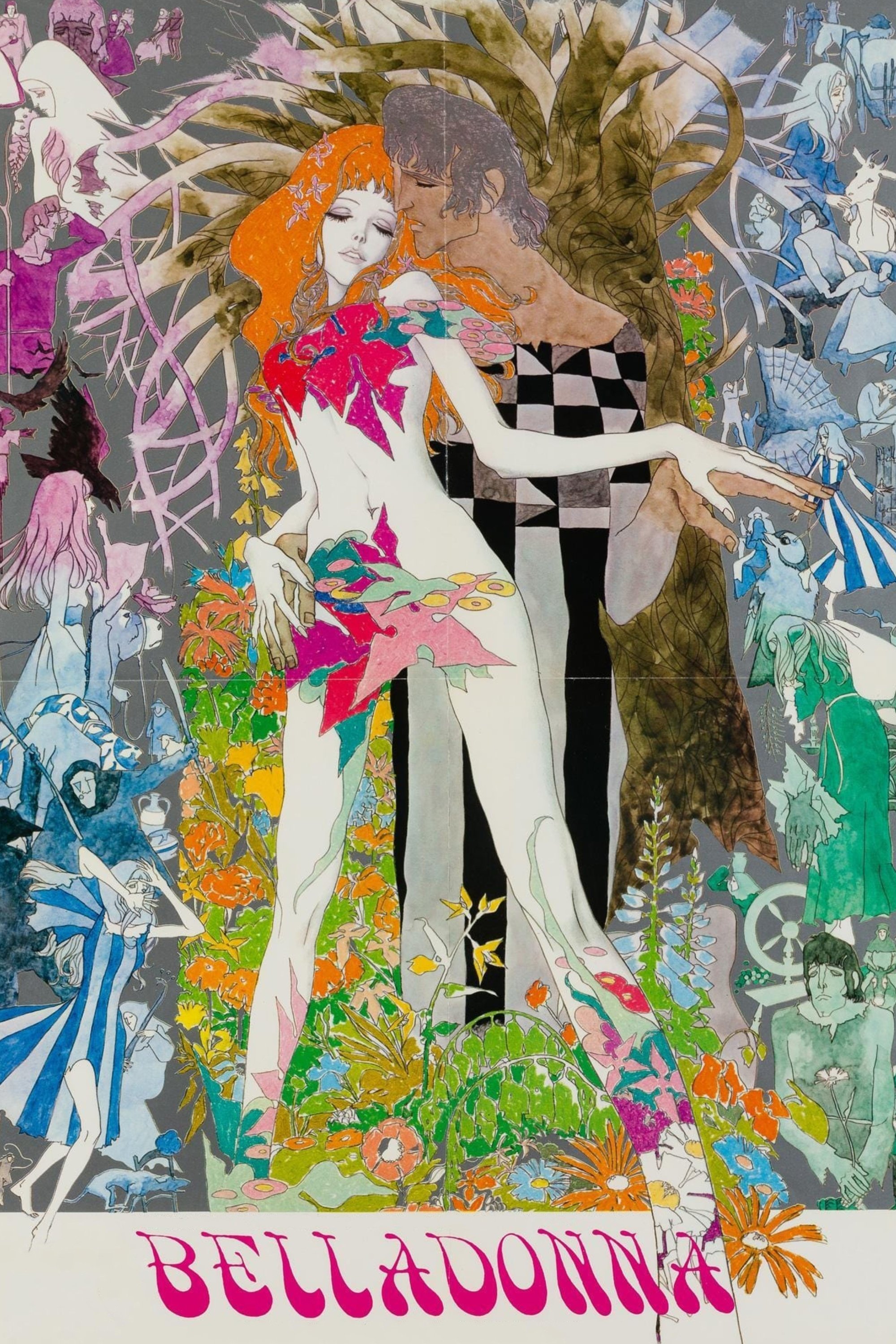
Eiichi Yamamoto’s film is a unique adult animation that feels more like a moving series of paintings than a typical cartoon. Instead of fast-paced action, it uses slow, sweeping shots over beautiful watercolor artwork and subtle character movements to tell a sad story about witchcraft and fighting back against oppression. The film was groundbreaking for its time, using psychedelic visuals and mature themes in a way no one had before. It’s considered a pioneering work that redefined the possibilities of animation.
‘Ninja Scroll’ (1993)
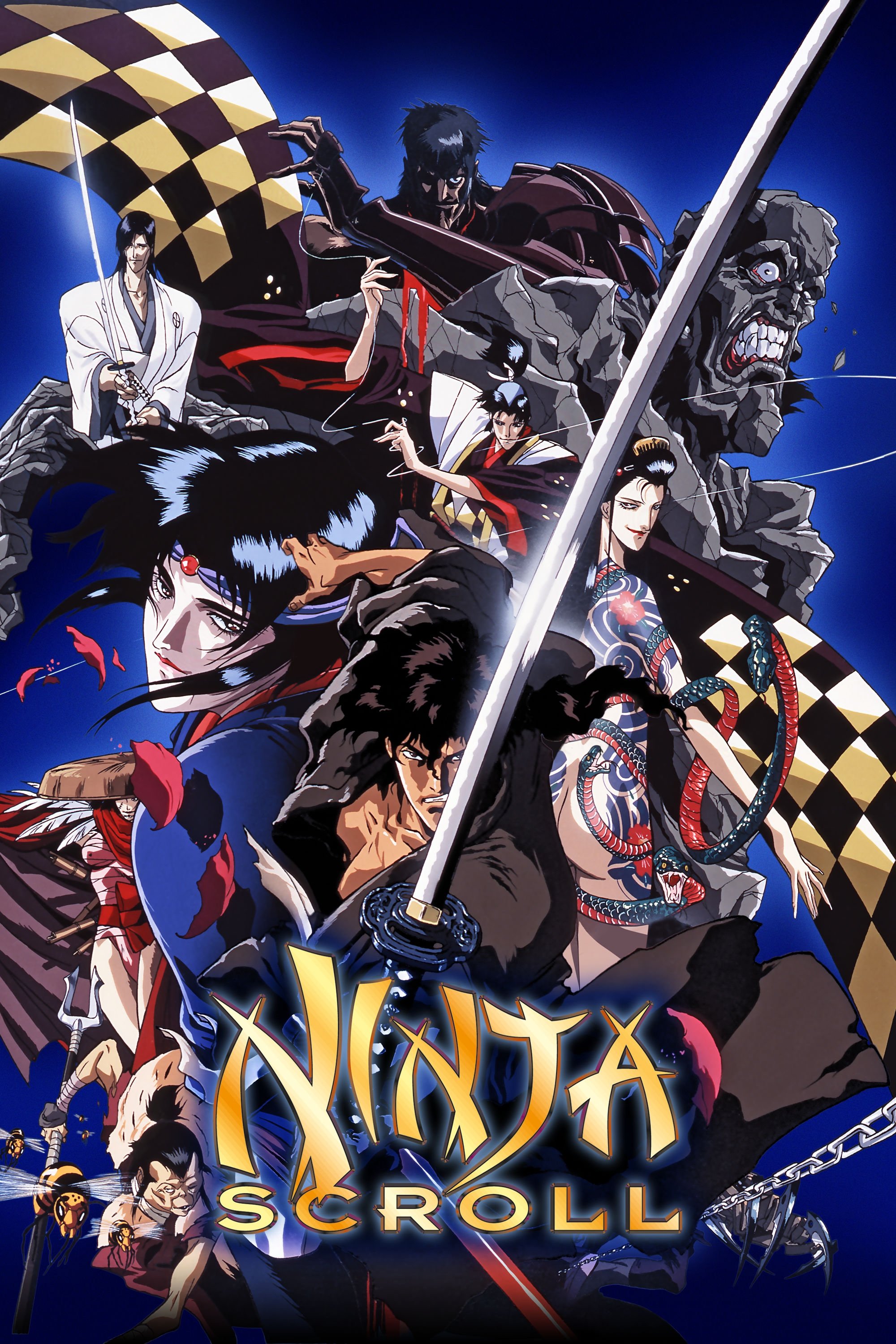
This film showcases Yoshiaki Kawajiri’s mastery of intense, stylish action. It’s known for its striking violence and fantastical battles, all set within a historical Japanese world. Kawajiri used dramatic blue lighting and shadows to create a dark, film-noir feel. The smooth, expertly-designed fight scenes and creatures became a benchmark for mature animated entertainment, and his unique, bold vision inspired animators around the globe.
‘Jin-Roh: The Wolf Brigade’ (1999)
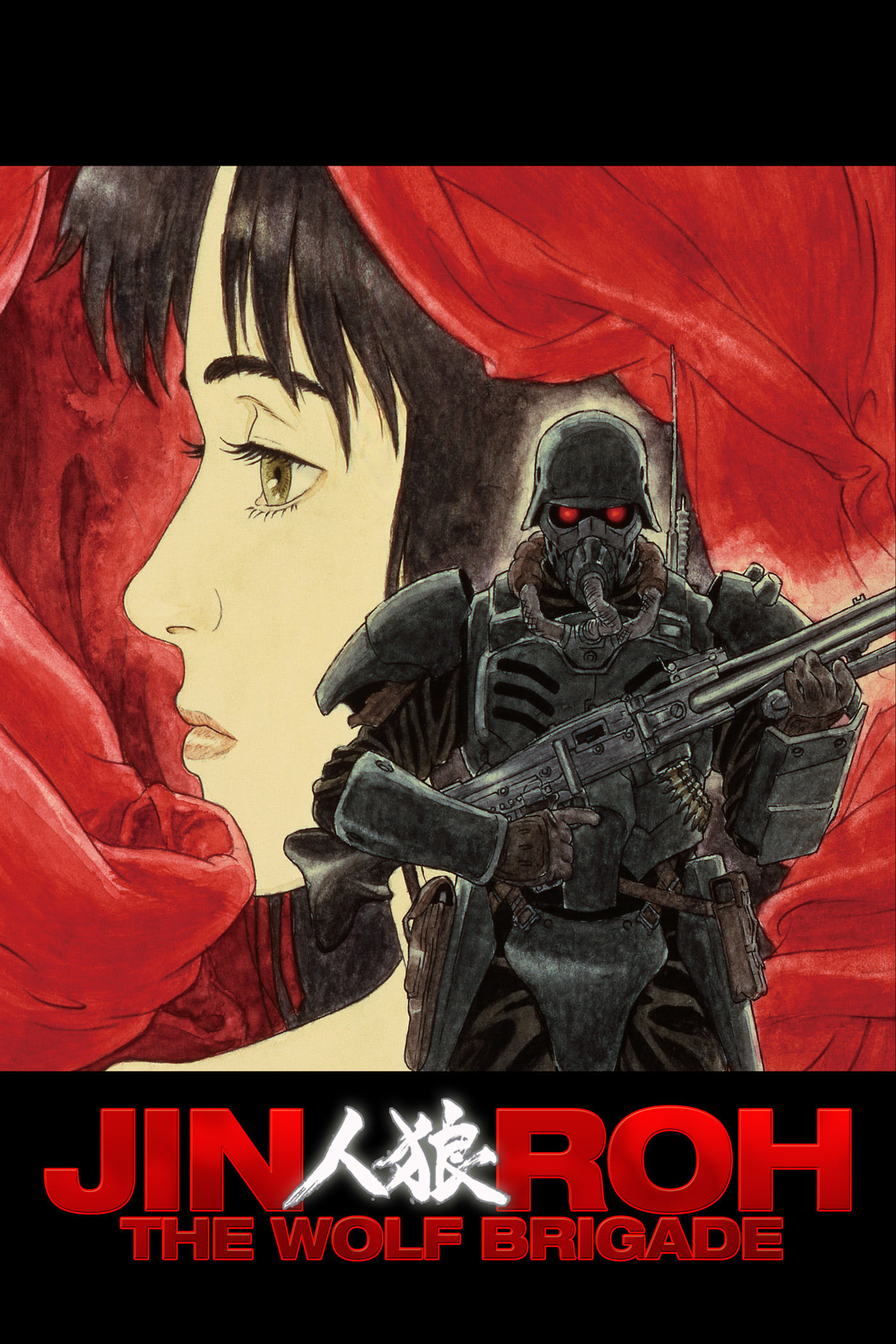
Hiroyuki Okiura’s political thriller stands out for its incredibly realistic character animation. Instead of the exaggerated style often seen in anime, the film prioritized believable movement and nuanced facial expressions. Okiura paid meticulous attention to detail, particularly when depicting soldiers’ heavy armor and complex weaponry. The result is a film that proves animation can be as serious and realistic as live-action movies.
‘FLCL’ (2000–2001)
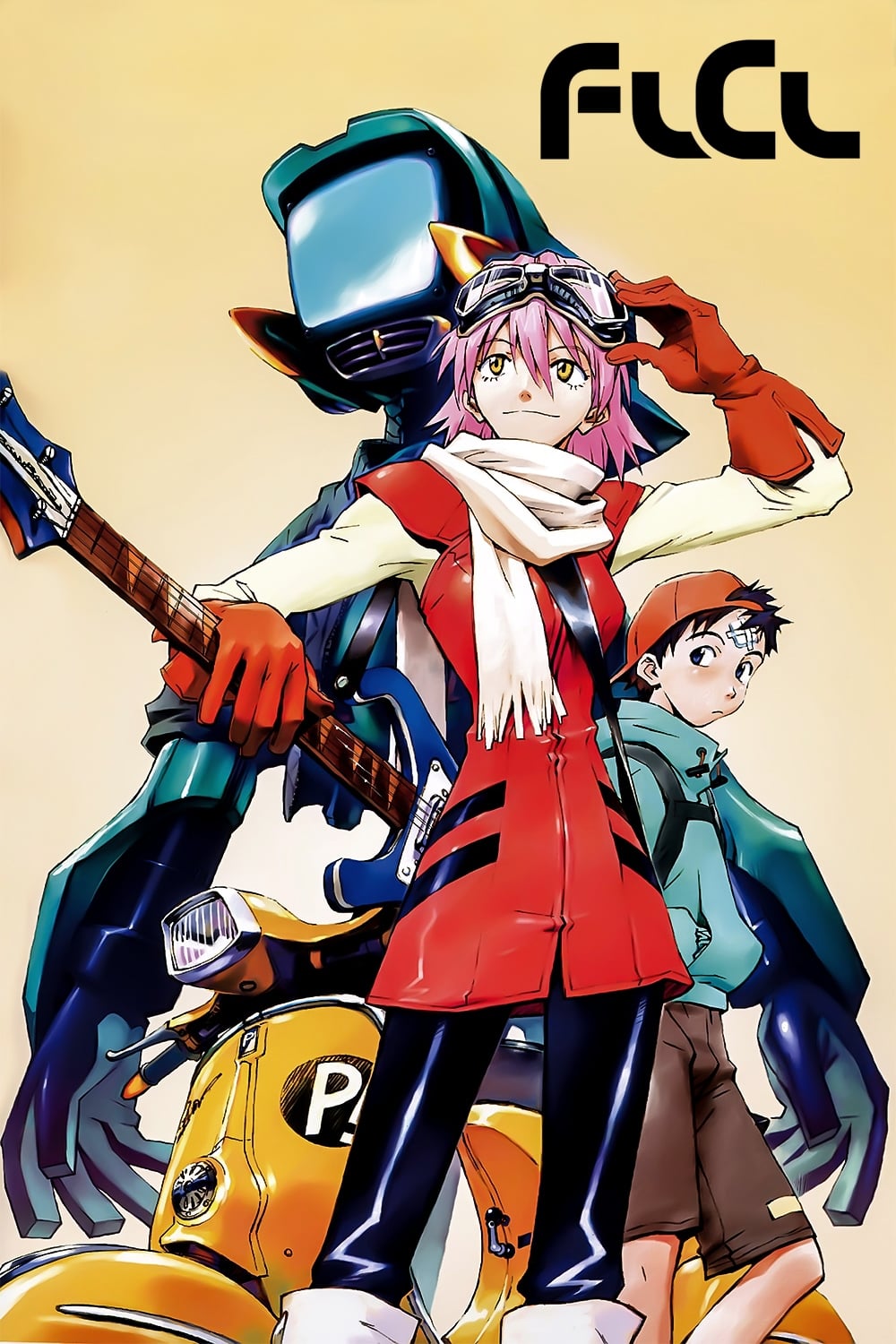
This animated series, directed by Kazuya Tsurumaki, was an experimental project designed to push the boundaries of animation. It intentionally jumped between different visual styles – from traditional manga panels and simple cutout animation reminiscent of South Park, to lavish, high-quality action sequences. Tsurumaki used this visual chaos to reflect the confusing experiences of puberty and adolescence. The show demonstrated that a story could still be emotionally impactful and make sense, even with such wildly different visuals.
‘Summer Wars’ (2009)
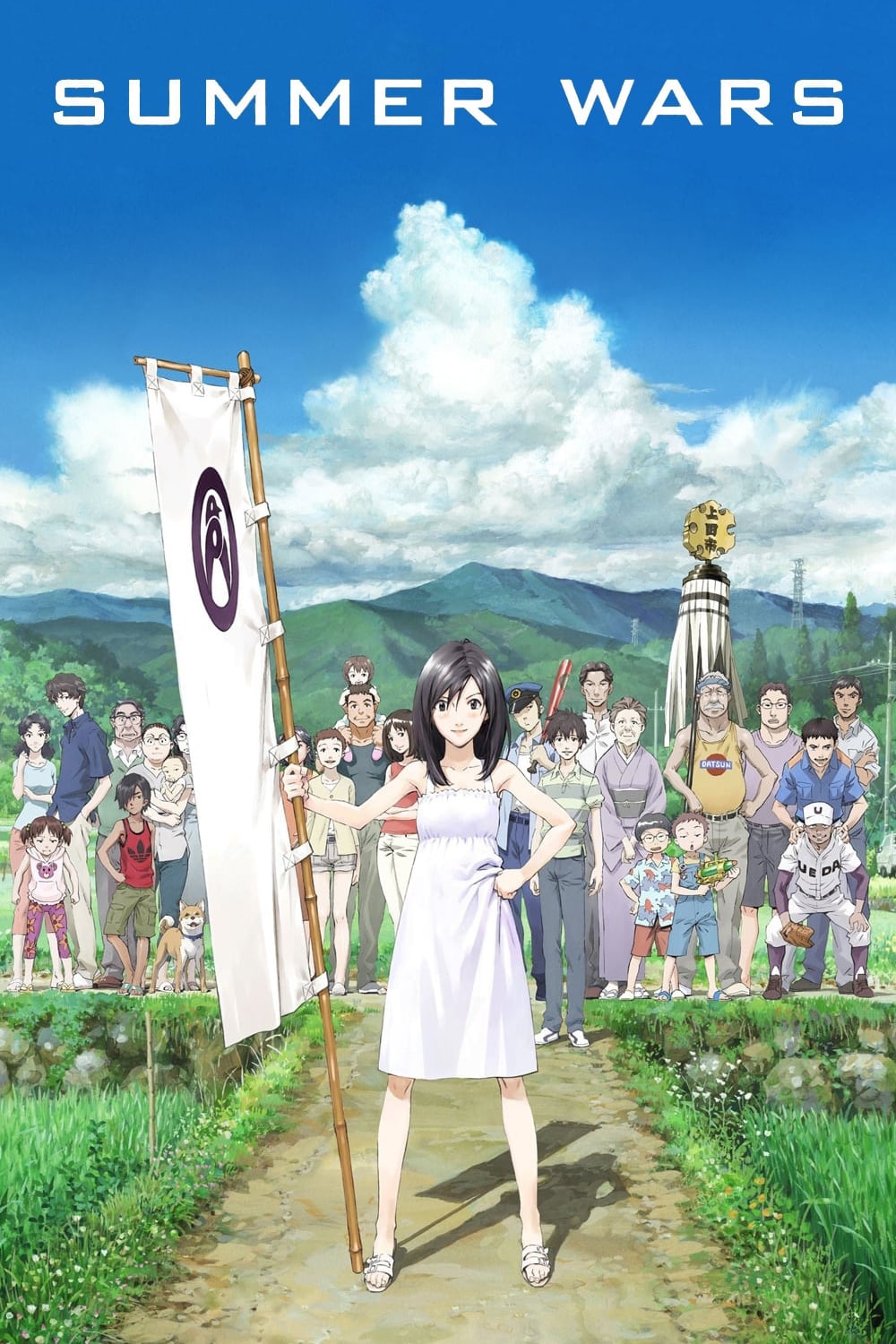
As a huge fan of Hosoda’s work, what really struck me about his latest film was the way he visually separated the real world from this incredible digital space called OZ. He did it with a really cool style – almost like flat, outlined animation for OZ, and more traditionally painted backgrounds for everything else. But it wasn’t just about the visuals; he also centered the story around a big, complex family, which made the high-tech sci-fi elements feel really personal and emotionally resonant. It felt like he was saying that even with all this digital connection in our lives, those core family values still matter – and he blended them beautifully in the storytelling.
‘Serial Experiments Lain’ (1998)
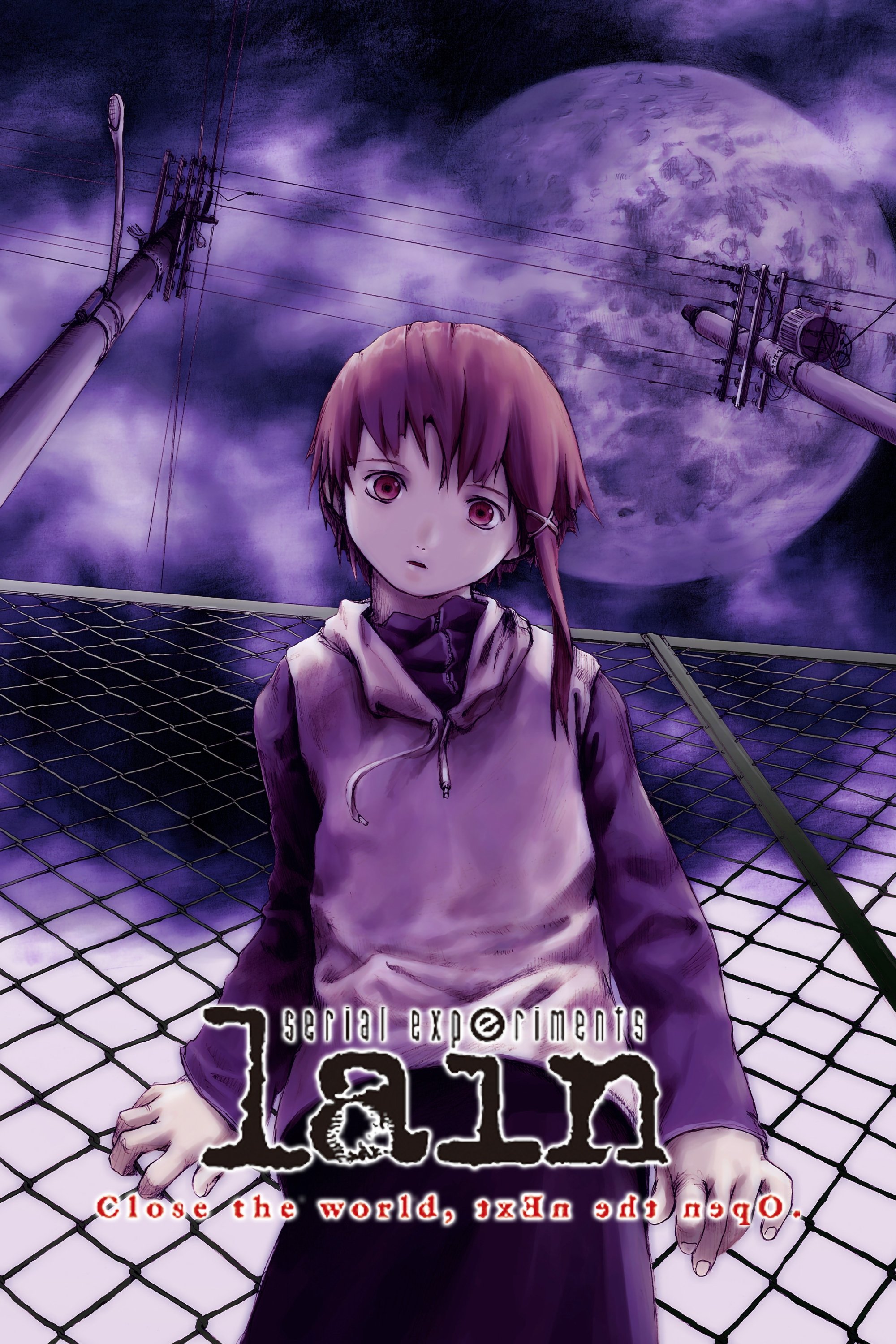
Ryutaro Nakamura’s cyberpunk series created a feeling of loneliness and disconnection through its unique style. He used empty spaces and subtle sounds, along with faded colors and red shadows, to show the main character’s declining mental health. By blending computer code and warped images, Nakamura explored what feels real in our digital world. The series was remarkably prescient, anticipating the isolation that can come with being constantly connected online.
‘Macross: Do You Remember Love?’ (1984)
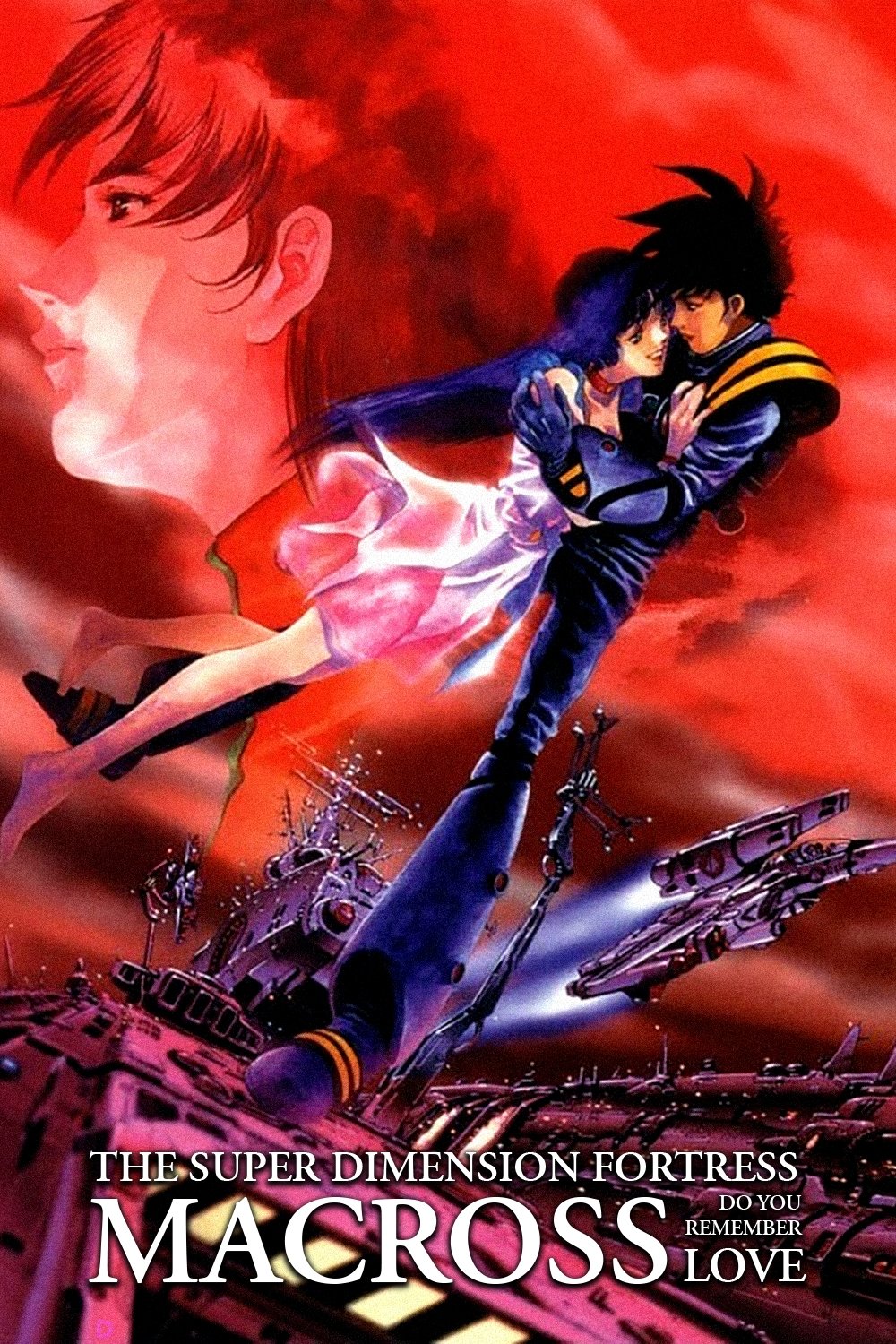
Shoji Kawamori and Noboru Ishiguro reimagined the TV series for the big screen, dramatically improving the look of the robots. The film introduced the impressive “Itano Circus” – a dazzling display of missiles – which became a common feature in fast-paced anime action. Kawamori paid close attention to how the Valkyrie jets transformed, making the process seem realistic and believable. Ultimately, this movie defined the standard for mecha animation and stunning space opera visuals.
‘Mononoke’ (2007)
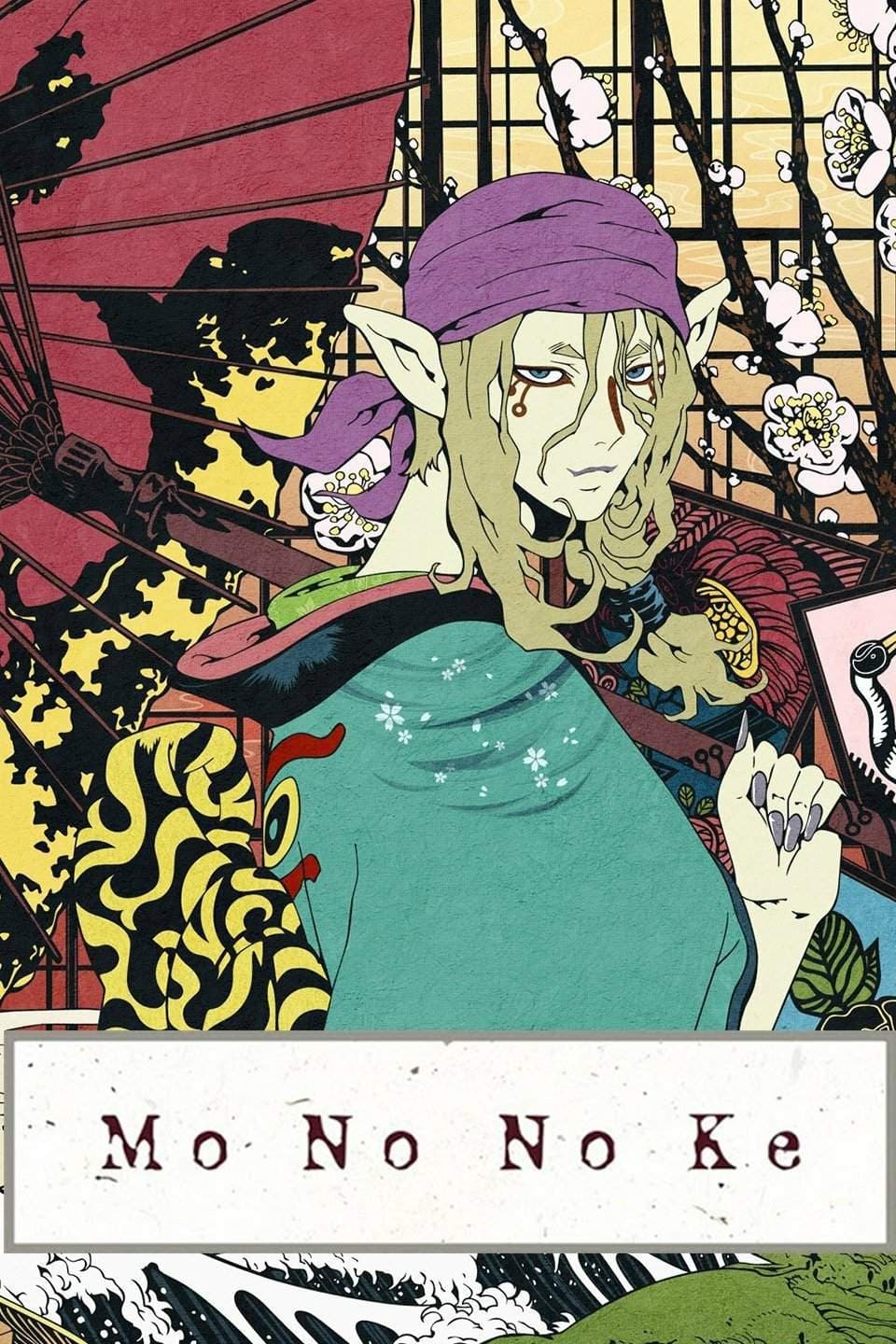
As a huge fan of animation, I was completely blown away by the visuals of this horror series. The creator, Kenji Nakamura, intentionally made it look like these beautiful, textured Japanese washi paper paintings come to life. It wasn’t about realistic lighting at all; instead, they used incredibly vibrant, almost psychedelic colors that shifted to match what the spirits were feeling. And it felt so staged! He used really static camera angles and these sliding doors to frame everything, almost like you were watching a play. Honestly, it created this incredibly eerie and timeless atmosphere that just sets it apart from anything else I’ve seen in anime horror – it’s truly unique.
‘Tekkonkinkreet’ (2006)
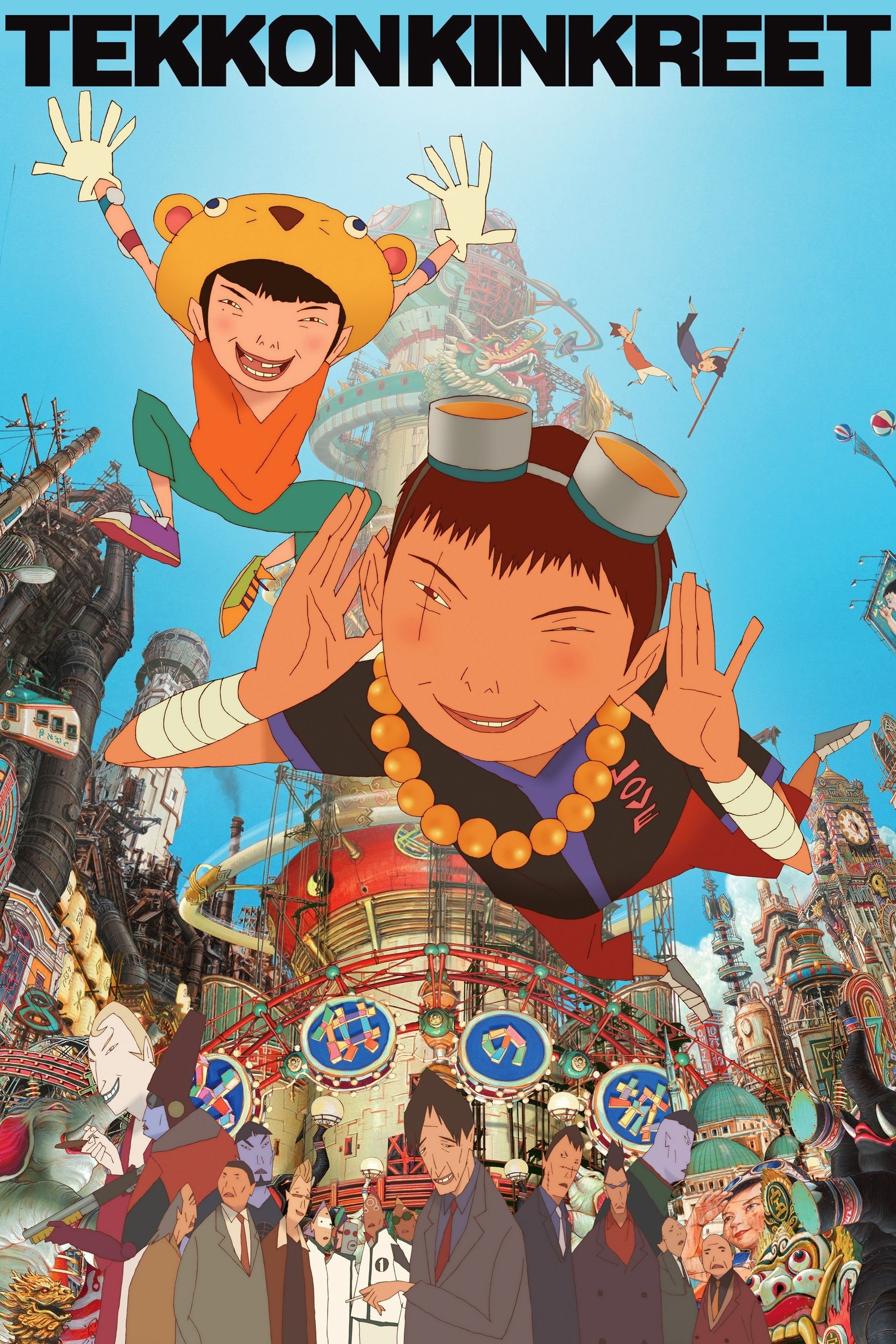
Director Michael Arias, an American working in Japan, used innovative software to create fluid camera movements in this film. He combined the raw, expressive character designs of Taiyo Matsumoto with stunningly detailed 3D backgrounds of the city. This allowed the camera to move through Treasure Town in ways that wouldn’t have been possible with older animation techniques. Arias demonstrated how combining foreign technology and a fresh perspective could improve the traditional anime creation process.
‘Land of the Lustrous’ (2017)
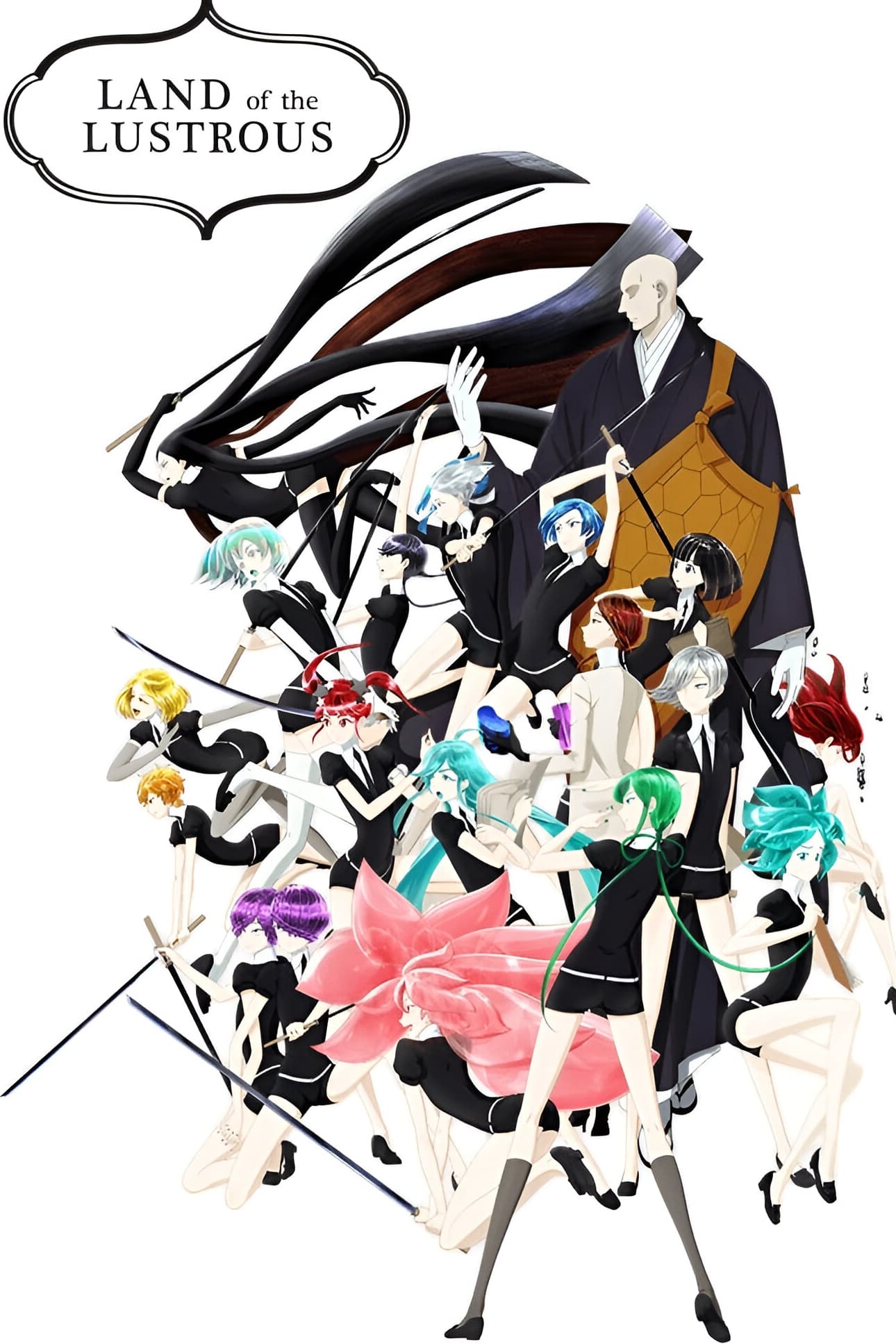
Takahiko Kyogoku masterfully brought the look of traditional 2D manga to life in a fully 3D CGI series, preserving its original appeal. The show’s unique character designs, with their crystalline qualities, cleverly explained the use of stiff computer animation and special lighting effects. Kyogoku also used innovative camera angles and movements in the action sequences that would have been too difficult to create through traditional hand-drawn animation. This series redefined how people viewed CG anime, proving it could be a deliberate artistic decision rather than simply a way to save money.
‘Den-noh Coil’ (2007)
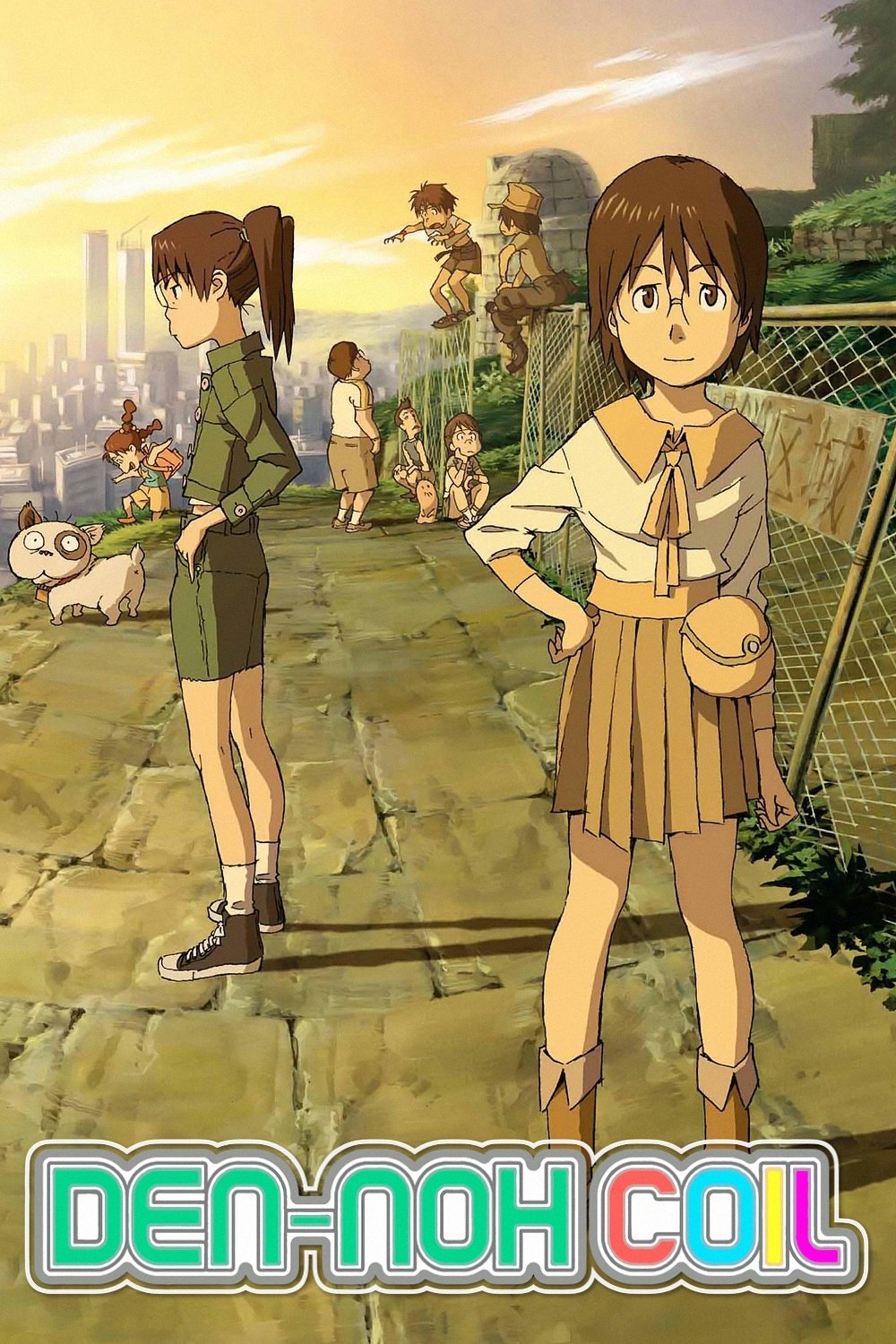
Mitsuo Iso’s sci-fi mystery imagines a future where augmented reality glasses are commonplace. The animation uniquely focuses on making digital pets and tools feel real, as if they have weight and obey the laws of physics. Iso oversaw all aspects of the production, paying close attention to how kids actually use technology. The show has become a beloved classic thanks to its surprisingly accurate depiction of the future and its impressive character performances.
‘Princess Tutu’ (2002–2003)
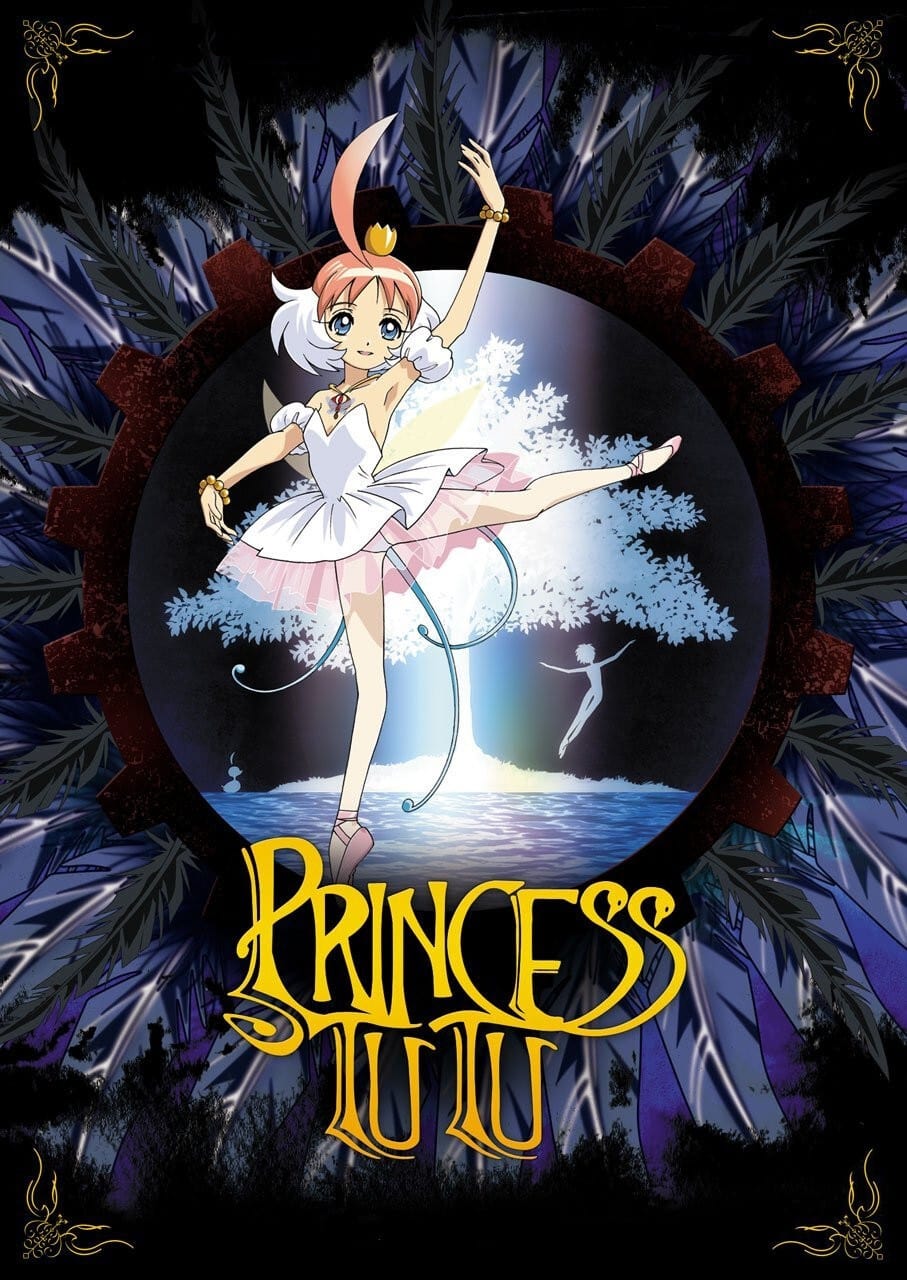
Junichi Sato cleverly used the style of magical girl shows to explore deeper themes about how stories work and the idea of destiny. The series uniquely blended ballet into the action and character movement. Instead of portraying battles as simple fights, Sato used classical music and dramatic lighting to create emotional and almost dance-like sequences. He transformed what could have been a simple show about selling toys into a moving and complex fairy tale.
‘Bocchi the Rock!’ (2022)
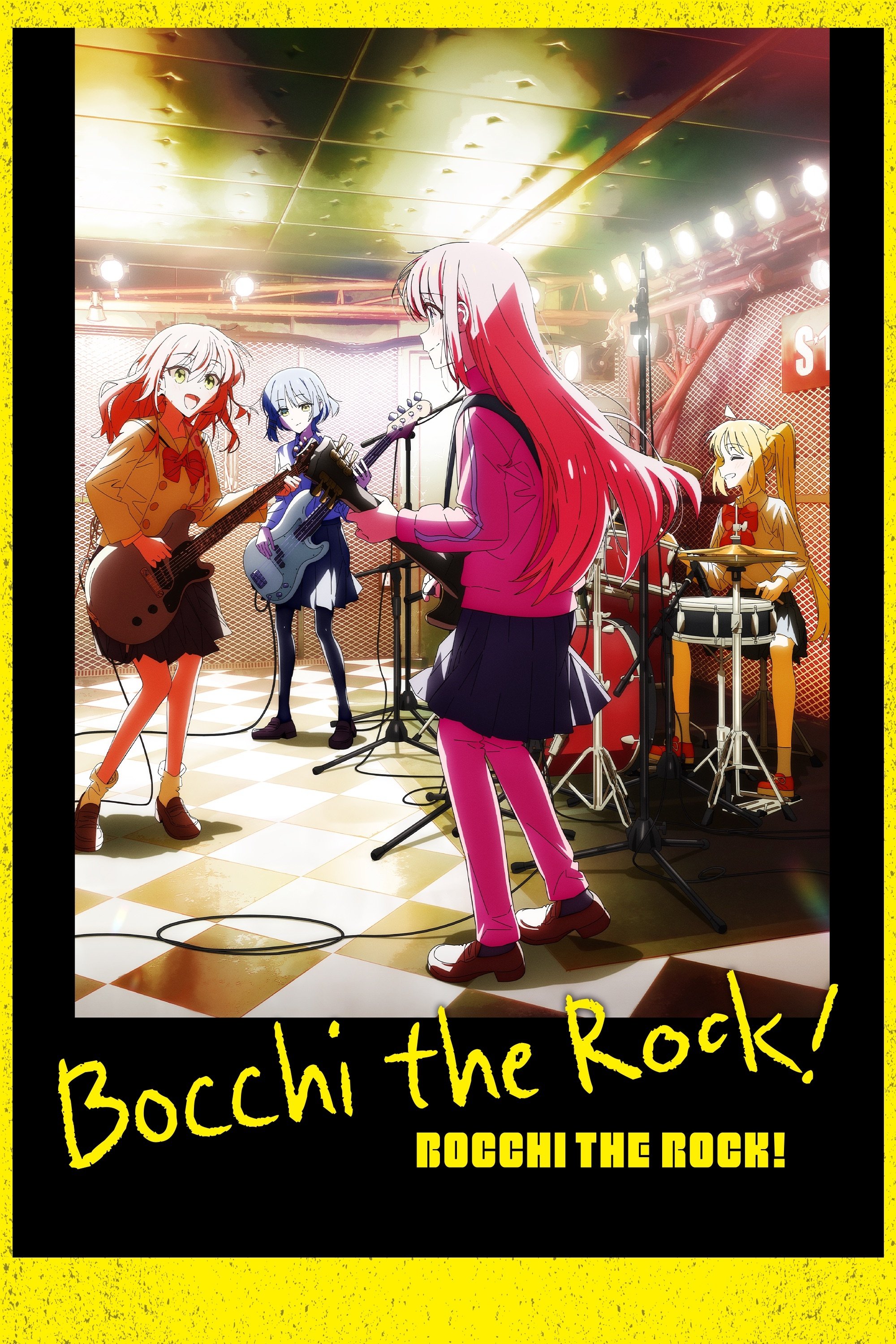
Keiichirō Saitō brilliantly transformed a short, four-panel manga into a visually stunning experience, combining techniques like claymation and zoetropes. He cleverly used these different animation styles to portray the main character’s intense social anxiety. The animation seamlessly synced with both the music and comedic timing, raising the bar for creative adaptations within the slice-of-life genre.
‘Mob Psycho 100’ (2016)
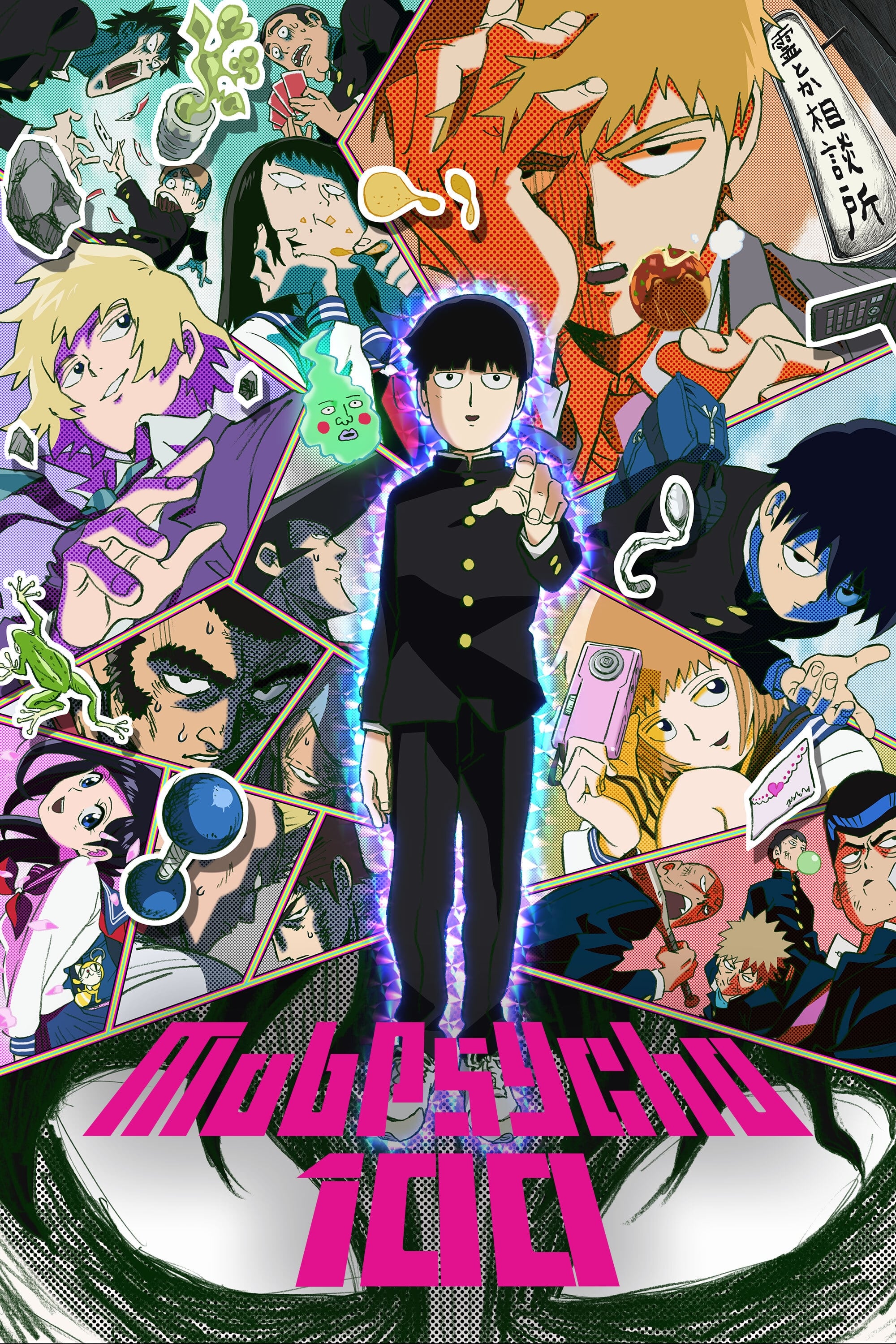
Yuzuru Tachikawa intentionally kept the raw, original look of the webcomic and brought it to life with smooth, dynamic animation. The series also allowed guest animators to try out unique techniques, like painting on glass, for the action-packed psychic fights. Tachikawa skillfully blended silly, over-the-top comedy with heartfelt stories and thrilling action sequences. The show demonstrated the talent of a new generation of animators – those who honed their skills online.
‘Ranking of Kings’ (2021–2022)
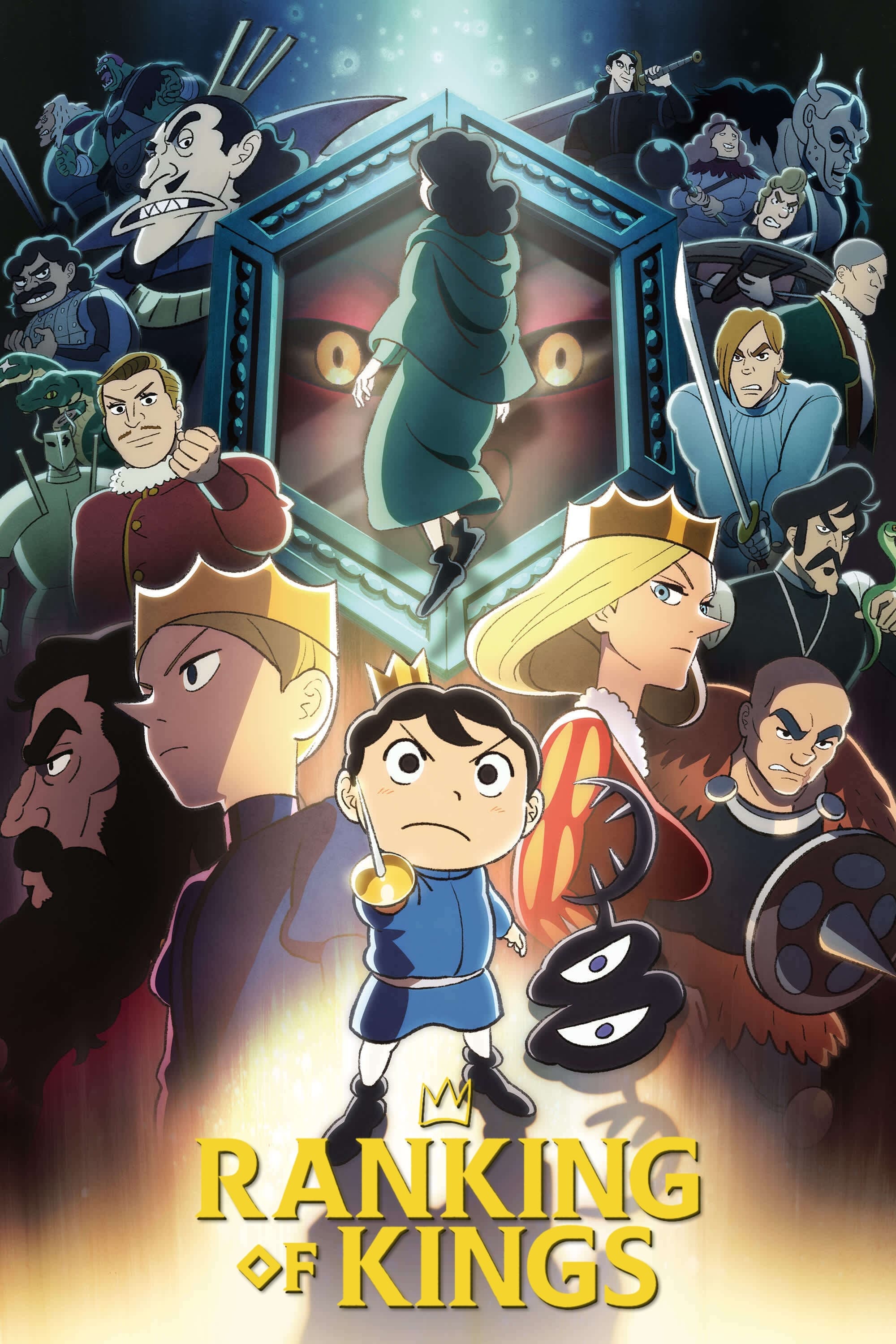
Yosuke Hatta’s fantasy series has a charming, old-fashioned animation style reminiscent of classic storybooks. The characters are designed to be simple, which allows for smooth and dynamic action sequences. Hatta paid special attention to accurately portraying the sign language used by the deaf main character, making it a key part of the narrative. The show demonstrated that a retro look can still be used to tell a compelling and modern story.
Tell us who your favorite director is from the list provided, and explain how their filmmaking style has shaped your personal preferences.
Read More
- Invincible Season 4 Gender Swaps Tech Jacket As Fans Question Major Comic Change
- Silver Rate Forecast
- Gold Rate Forecast
- 15 Films That Were Shot Entirely on Phones
- Building Agents That Learn and Improve Themselves
- 22 Films Where the White Protagonist Is Canonically the Sidekick to a Black Lead
- 20 Movies Where the Black Villain Was Secretly the Most Popular Character
- Celebs Who Narrowly Escaped The 9/11 Attacks
- 18 TV Series Filming Rehearsals as Bonus Content
- Trading Crypto with AI: A New Approach to Portfolio Management
2026-01-31 18:18