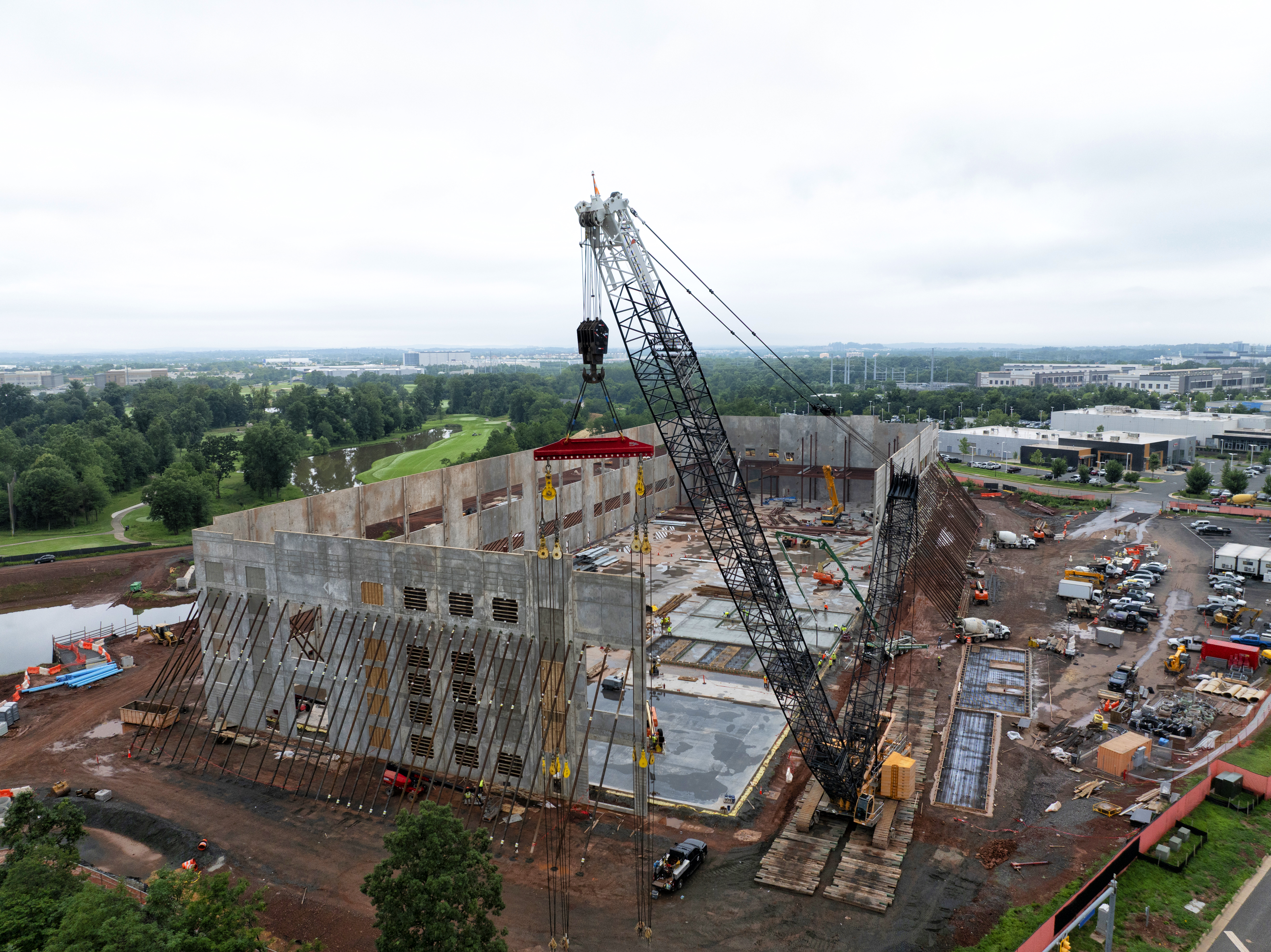
Fluor Corporation is presented as an engineering and construction firm. This is a convenient, perhaps deliberately obscuring, simplification. Beneath the surface lies a substantial, and increasingly relevant, involvement in the business of nuclear power. It is a position that warrants examination, not because it promises easy profits, but because it represents a calculated risk in a field prone to both inflated expectations and genuine, if slow-moving, change.
The current enthusiasm for nuclear energy, often termed a ‘renaissance,’ is understandable, given anxieties about energy security and the limitations of intermittent renewable sources. However, it is crucial to approach such pronouncements with a degree of skepticism. For those hesitant to speculate on the volatile uranium market, or the unproven technologies of small modular reactor companies, Fluor offers a different route – a stake in the infrastructure, rather than the fuel itself. It is a position that carries its own risks, naturally, but deserves consideration.
An Early, and Now Diminishing, Stake in NuScale
Fluor’s core competency lies in the design, construction, and management of large-scale projects. This encompasses factories, mines, power plants, and the increasingly ubiquitous data centers. Its involvement with NuScale Power, the sole U.S. company with a certified small modular reactor design, is often highlighted. It was, until recently, a significant investor. The company has, however, begun to liquidate its stake following NuScale’s recent price surge. The intention is to fully divest by the second quarter of 2026, with the proceeds earmarked for a stock repurchase program – a predictable, if uninspiring, use of funds.
A Thirty Billion Dollar Contract, and the Bureaucracy That Sustains It
The management and operations contract for the Pantex Plant, valued at an estimated thirty billion dollars over twenty years, is presented as a significant boon. Pantex, responsible for the assembly and disassembly of nuclear weapons, is a relic of a bygone era, yet it remains a substantial source of government funding. Fluor’s involvement is through a joint venture, resulting in an equity-method investment not reflected in its consolidated backlog. This is a detail conveniently glossed over. The contract represents a guaranteed stream of revenue, sustained by a bureaucracy that seems impervious to economic realities.
Risks and Mitigations: A Familiar Pattern
Fluor, like any company operating in cyclical industries such as energy and mining, is vulnerable to economic downturns. A slowing economy could delay projects, impacting earnings. The company also faces the perennial risk of cost overruns on fixed-price contracts – a consequence of optimistic estimates and unforeseen complications. The shift towards reimbursable contracts, where clients cover actual costs plus a fee, is presented as a mitigation strategy. As of September 30, 2025, 82% of Fluor’s backlog consisted of such contracts. This is a sensible, if unglamorous, adjustment.
Fluor offers a cautious, and perhaps cynical, route into the nuclear energy sector. It is not a bet on technological innovation, but on the enduring need for infrastructure, and the predictable flow of government funding. It is a company that operates in the shadows, building the foundations for a future that may or may not arrive. For those seeking exposure to the nuclear buildout without the speculative risks of uranium mining, Fluor warrants consideration. But consider it not as a path to quick riches, but as a long-term, and decidedly unromantic, investment.
Read More
- 20 Movies Where the Black Villain Was Secretly the Most Popular Character
- Transformers Under the Microscope: What Graph Neural Networks Reveal
- Celebs Who Narrowly Escaped The 9/11 Attacks
- Trading on Thin Air: AI Agents Conquer Crypto Volatility
- Silver Rate Forecast
- Gold Rate Forecast
- Invincible Season 4 Gender Swaps Tech Jacket As Fans Question Major Comic Change
- 22 Films Where the White Protagonist Is Canonically the Sidekick to a Black Lead
- Trading Smarter: AI-Powered Execution Schedules
- Every Notable ‘Star Trek: The Original Series’ Actor Who Died
2026-01-31 10:12