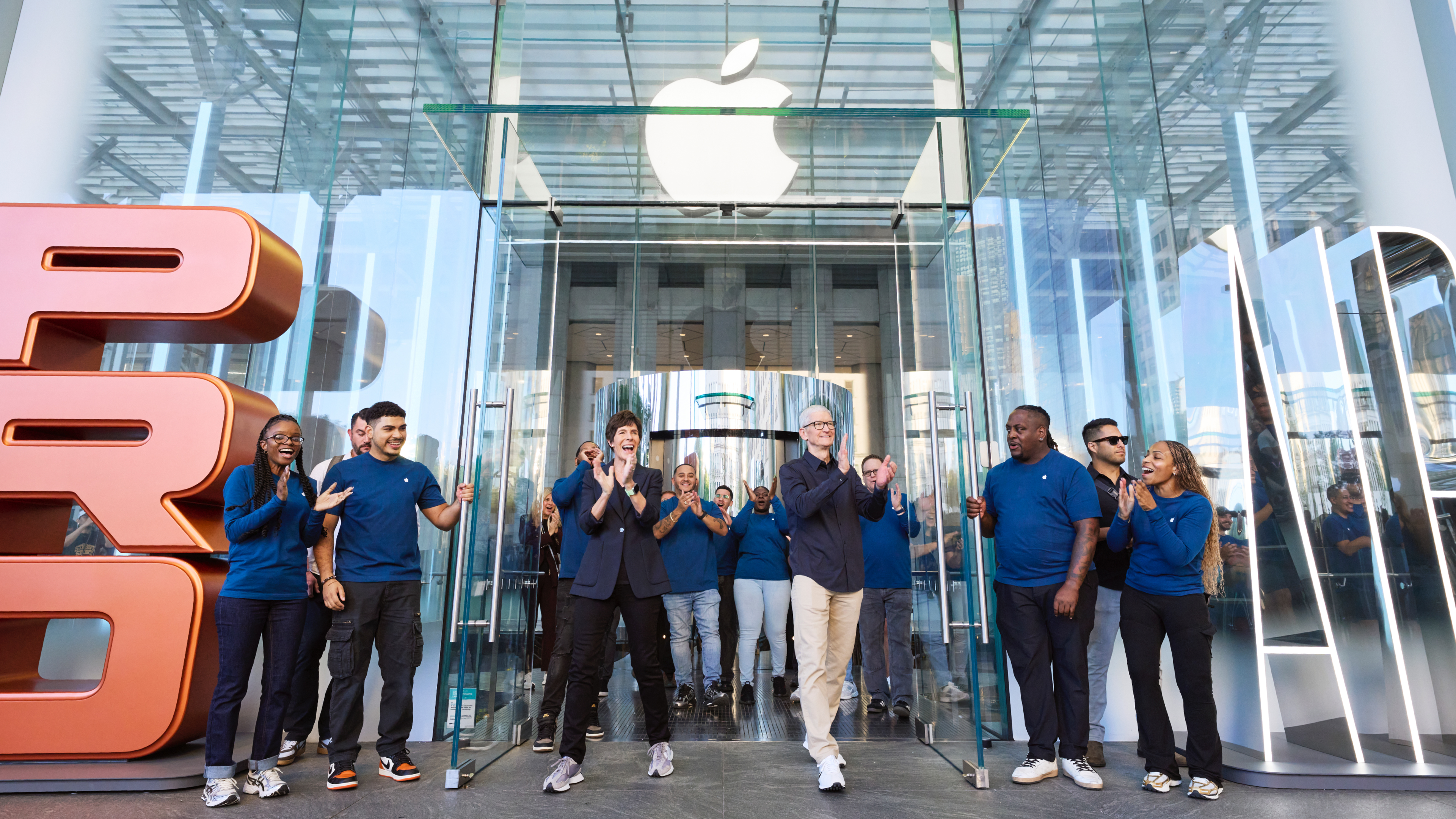
The earnings have trickled in, as they always do, revealing the fortunes of those who build the gilded cages we inhabit. Apple and Meta, two titans of this new realm, have laid bare their accounts. The numbers sing of growth, of course, but listen closely – there’s a hollowness to the tune. They boast of surpassing expectations, yet the expectation itself feels…manufactured, doesn’t it? Like a pre-set bar, easily cleared for the sake of appearances. Both have prospered, but at what cost to the quiet lives beyond the screen?
Choosing between them…it’s not a question of preference, but of recognizing which machine is built to last a little longer. And for me, it’s Apple. Not because it offers salvation, but because its gears, for now, seem marginally less prone to grinding to a halt.
Meta’s Ascent, and the Rising Price of Attention
Meta speaks of revenue, a 24% increase. A substantial figure, yes, but consider the source. It’s built on the currency of attention, a resource extracted from the hours of ordinary people. They offer connection, but demand a constant offering in return – a piece of the soul, if you will. The projected growth for the next quarter is impressive, but laced with the same fragility. A 30% leap, they claim, but bolstered by the whims of currency exchange, a temporary breeze at their back. It’s a house of cards, beautifully constructed, but susceptible to the slightest tremor.
The earnings per share rose, but modestly, a mere 11%. The true cost lies in the escalating expenses – a 40% surge. They invest heavily, they say, in artificial intelligence, a new god to worship. But what does this investment truly mean? More automation? More efficient extraction of attention? A further distancing from the human element? They promise innovation, but deliver…more of the same, polished to a brighter sheen.
Apple’s Grip, and the Illusion of Choice
Apple, meanwhile, reports a 16% revenue growth. A solid performance, driven by the endless cycle of upgrades – the new phone, the slightly better camera. It’s a masterful manipulation of desire, a constant whispering of inadequacy. They offer convenience, but demand loyalty. They build a walled garden, and we willingly step inside, trading freedom for ease.
The iPhone, of course, is the engine of this prosperity. A wildly successful cycle, they call it. The phone is not merely a device; it’s an extension of the self, a symbol of status, a key to belonging. The growth in Greater China is particularly noteworthy – a testament to the power of branding, the allure of the forbidden fruit. They say demand is “staggering.” I say it’s a carefully cultivated hunger.
And the services segment – a quiet, steady stream of revenue, extracted from subscriptions and cloud storage. It’s a subtle shift, a move away from hardware, towards a more insidious form of control. They don’t just sell you a phone; they sell you a lifestyle, a digital identity, a dependence on their ecosystem.
The Better Buy? The Least Bad Option
To choose between Meta and Apple is to choose between two forms of extraction. Both companies profit from our time, our attention, our data. But Apple, for now, appears more resilient, more deeply entrenched. Its ecosystem is a fortress, carefully constructed and fiercely defended. It offers a semblance of durability, a longer runway for growth.
Meta’s business, reliant on the fickle winds of social media, feels more precarious. It’s a house built on sand, vulnerable to disruption, to changing tastes, to the inevitable backlash against relentless advertising.
The valuation is close – a slight premium for Apple. But the true cost is not measured in dollars and cents. It’s measured in the erosion of privacy, the fragmentation of attention, the growing sense of alienation in a hyper-connected world. Still, if forced to place a wager, I’d choose Apple. Not because it’s a good investment, but because it’s the least bad option in a landscape devoid of true alternatives.
Read More
- 20 Movies Where the Black Villain Was Secretly the Most Popular Character
- Transformers Under the Microscope: What Graph Neural Networks Reveal
- Celebs Who Narrowly Escaped The 9/11 Attacks
- Trading on Thin Air: AI Agents Conquer Crypto Volatility
- Silver Rate Forecast
- Gold Rate Forecast
- Invincible Season 4 Gender Swaps Tech Jacket As Fans Question Major Comic Change
- 22 Films Where the White Protagonist Is Canonically the Sidekick to a Black Lead
- Trading Smarter: AI-Powered Execution Schedules
- Every Notable ‘Star Trek: The Original Series’ Actor Who Died
2026-01-31 05:42