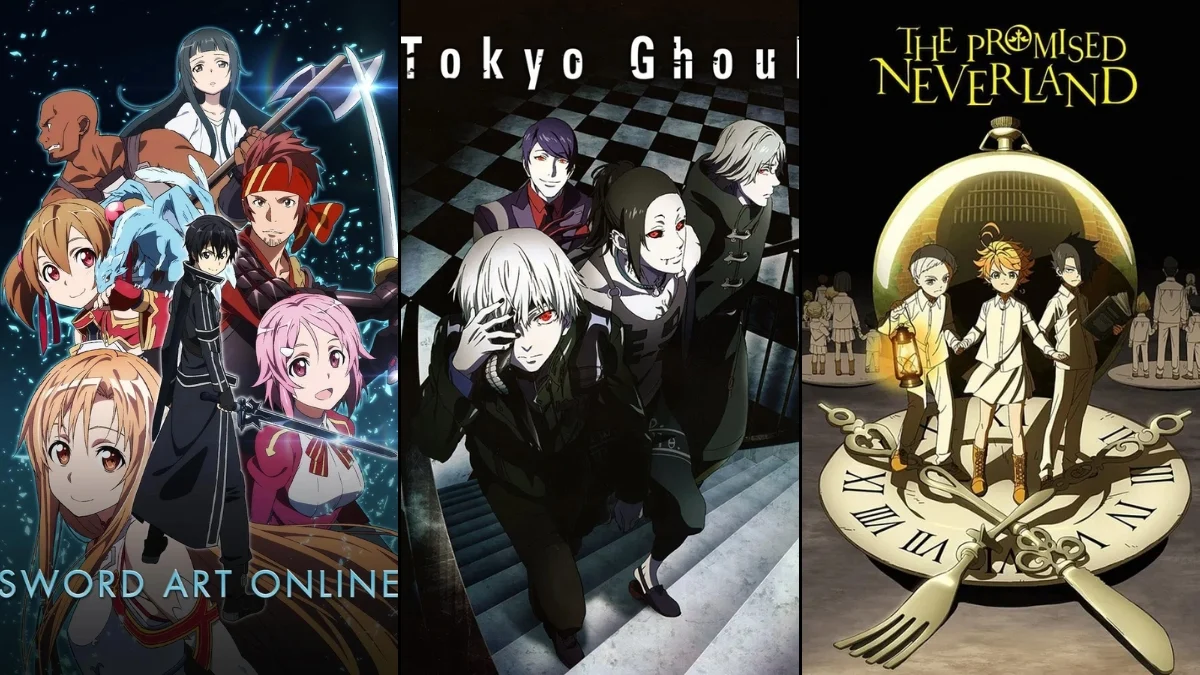
Anime boasts many iconic shows known for their incredible stories and quality. When a popular series does well, fans eagerly await more episodes or spin-offs. But it’s tough for studios to keep that same level of quality going. Changes in production, differences from the original source material, or a shift in the show’s focus can lead to sequels that don’t live up to the original. This list highlights thirty well-known anime series where the later installments didn’t quite capture the magic of the first season.
‘Minami-ke’ (2007)
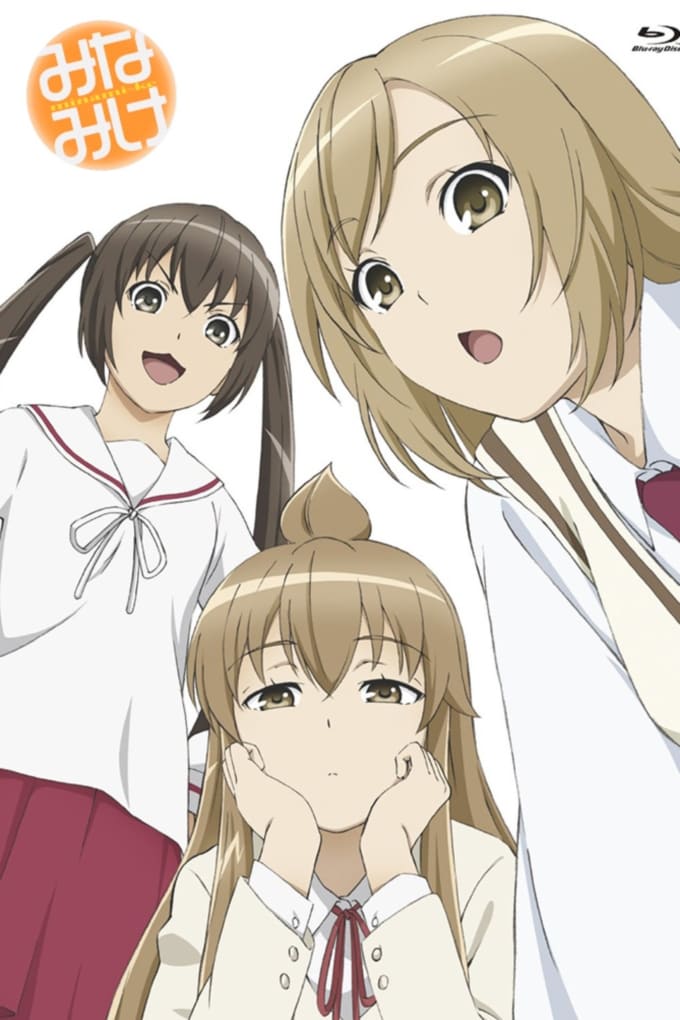
The second season of the comedy series ‘Minami-ke Okawari’ was made by a different studio, Asread, instead of the original studio, Daume. This change led to noticeably different character designs and a less vibrant color scheme, which many fans didn’t like. The show’s humor also became more serious, moving away from the cheerful feel of the first season. Viewers also pointed out that the animation and backgrounds weren’t as consistently good as before. It’s often used as an example of how switching production teams can really change the feel of a long-running comedy series.
‘Gunslinger Girl’ (2003)
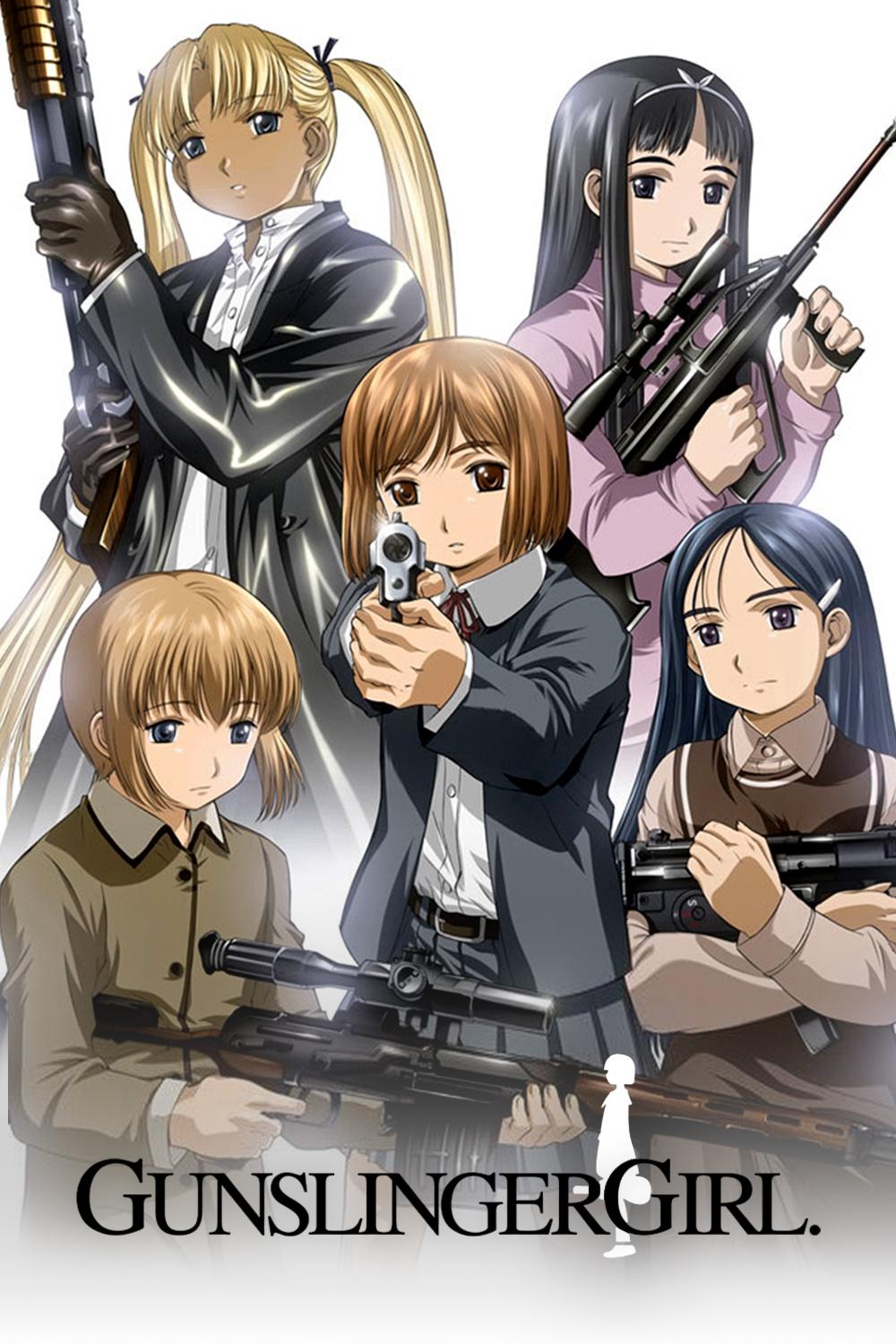
‘Gunslinger Girl: Il Teatrino,’ the series’ follow-up, looked very different from the original. After the animation studio changed from Madhouse to Artland, the art style became more standard and less detailed. The first series was known for its beautiful, atmospheric look, but the sequel lost some of that impact, which was important for telling the story of these young, cybernetic assassins. While the character designs were updated to be more faithful to the manga, the sequel ultimately didn’t capture the same feeling as the 2003 series and struggled to live up to the original’s success.
‘Log Horizon’ (2013–2014)
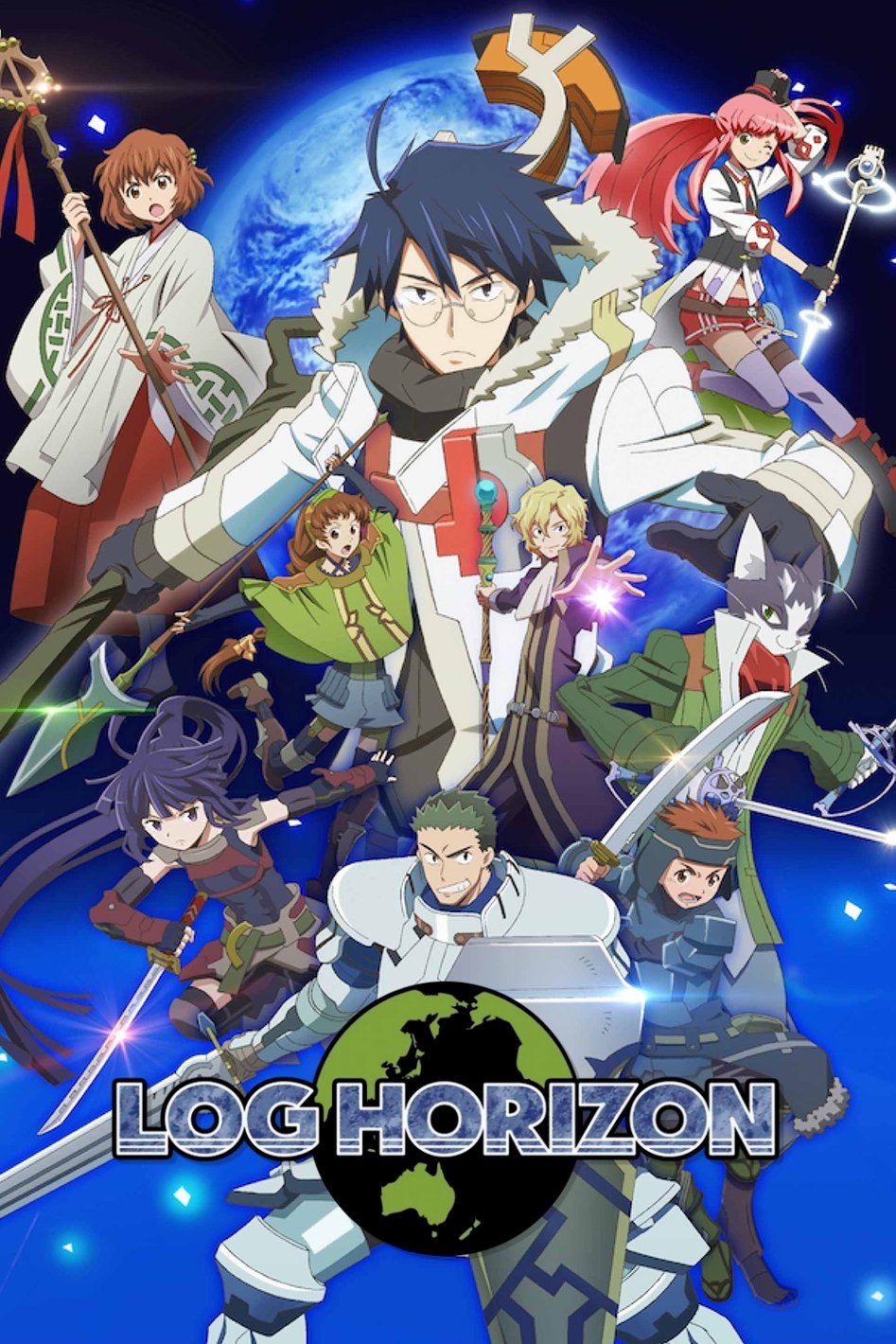
The second season of this popular gaming series didn’t live up to the first. A switch to a new animation studio, Studio Deen, meant the characters looked less detailed and the action scenes weren’t as smooth. The story also slowed down, spending more time on side stories with the younger characters, which some viewers found less interesting than the main political plot. Some storylines were drawn out longer than necessary, which hurt the fast pace established in the first season. Though the show still had smart ideas, viewers noticed the changes in animation and the slower speed of the story.
‘Durarara!!’ (2010)
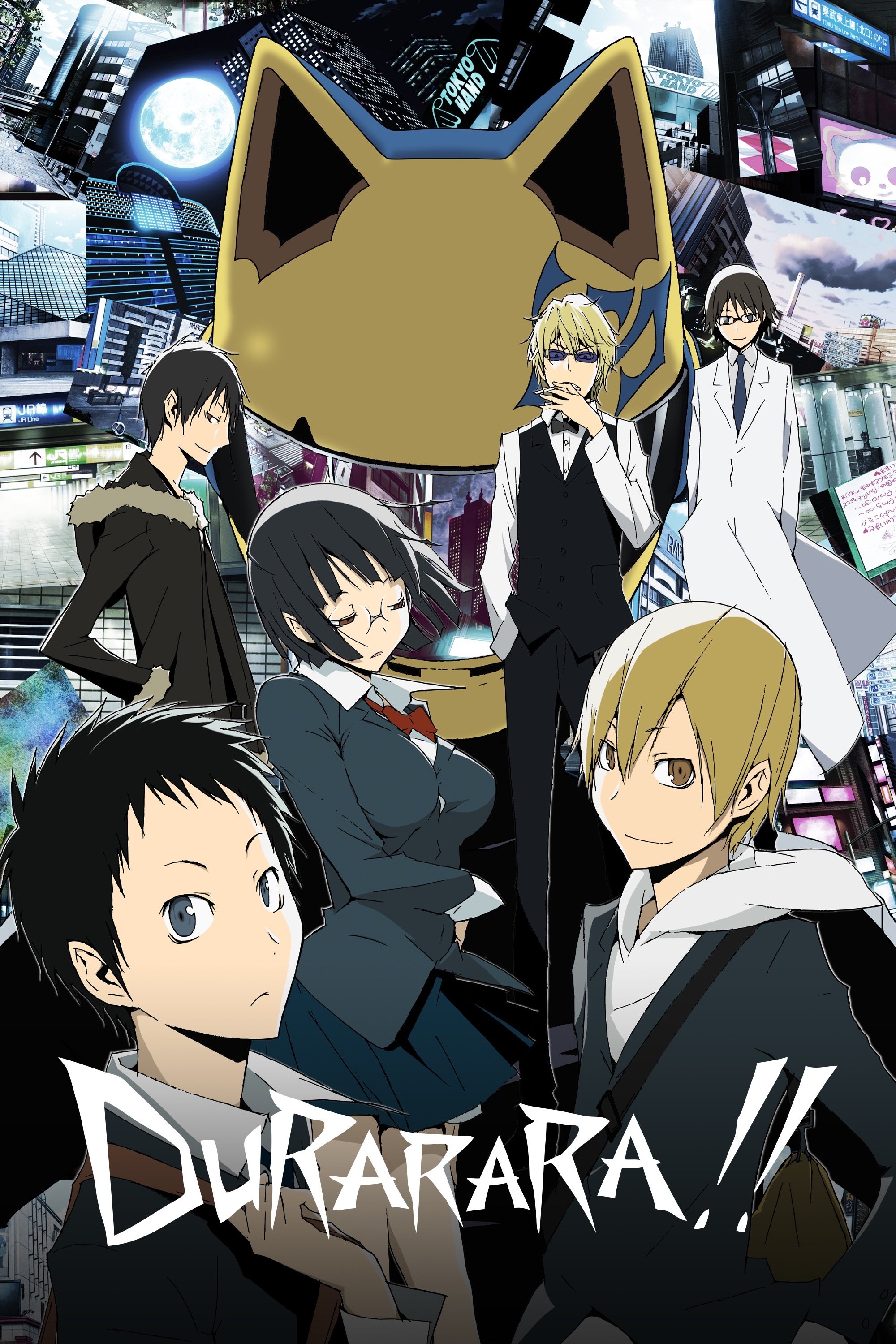
After a five-year break, ‘Durarara!!x2’ tried to finish adapting the light novel series in three parts. However, with an even larger cast of characters, the story struggled to give everyone enough attention or development. Many viewers found the multiple storylines confusing and less engaging than the original’s central mystery. The animation quality also wasn’t as consistently good as the first season. While the series did conclude the story, it didn’t achieve the same level of popularity as the original.
‘To Your Eternity’ (2021)
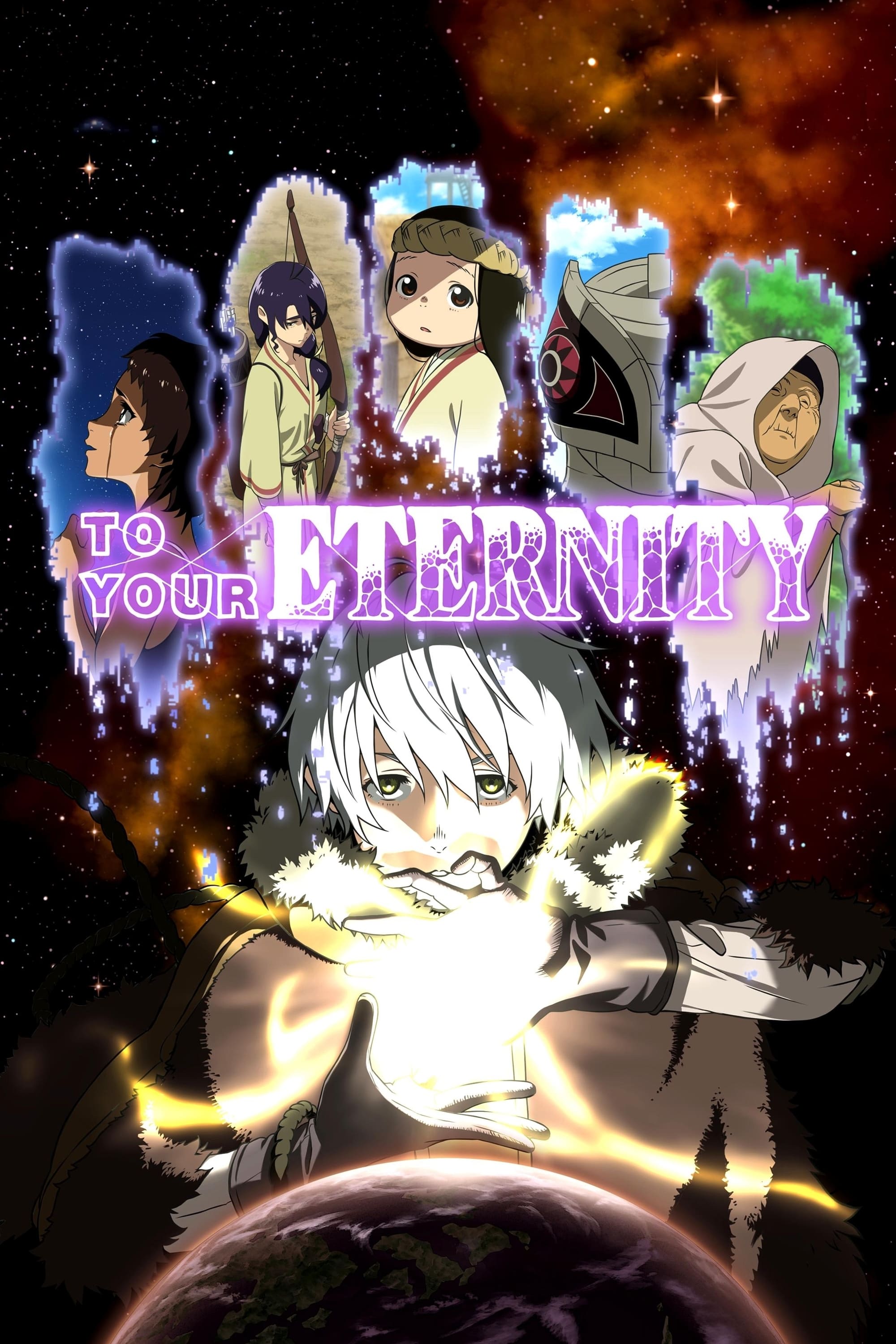
Season two followed Fushi as he entered a new period defined by a major war against the immortal Nokkers. A switch in the animation team resulted in a visual style that many viewers found less detailed and immersive than the first season. The story’s pace was also a problem, with some parts feeling too fast and others lacking a sense of urgency. The deaths of characters, which were powerfully emotional in season one, didn’t have the same impact this time around. Ultimately, the season received less positive attention from critics than its initial release.
‘Is It Wrong to Try to Pick Up Girls in a Dungeon?’ (2015)
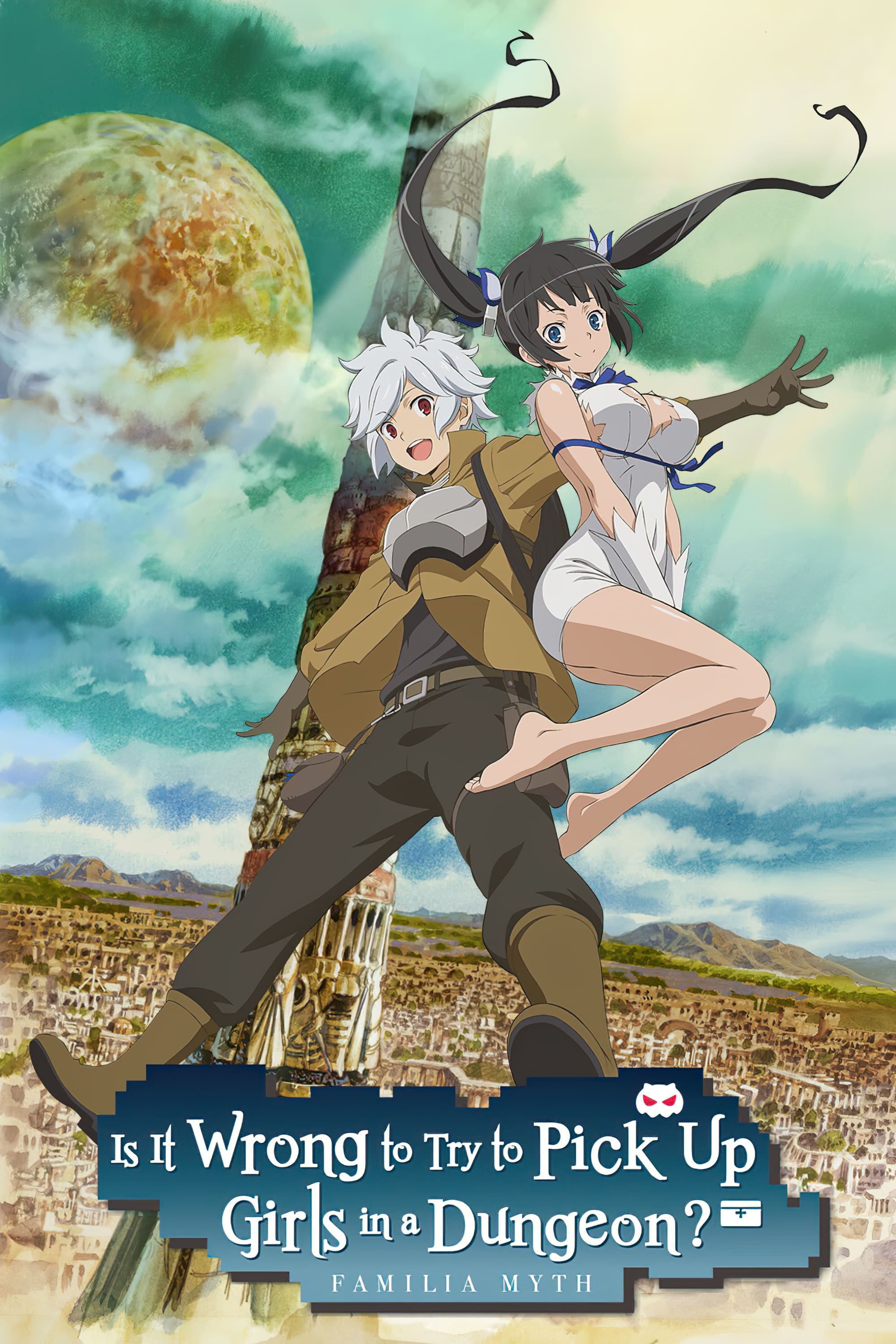
The second season of this fantasy show covered important story arcs from the original books – the War Game and Ishtar arcs. However, it was criticized for rushing through character development and details about the world to fit within the season’s length. While the action sequences were generally good, they didn’t consistently reach the same impressive level as the famous Minotaur battle from the first season. Readers of the original light novels felt the relationships between the main character, Bell Cranel, and other characters didn’t develop naturally. Ultimately, the season felt more like a shortened recap of the story than a fully realized continuation.
‘Blue Exorcist’ (2011)
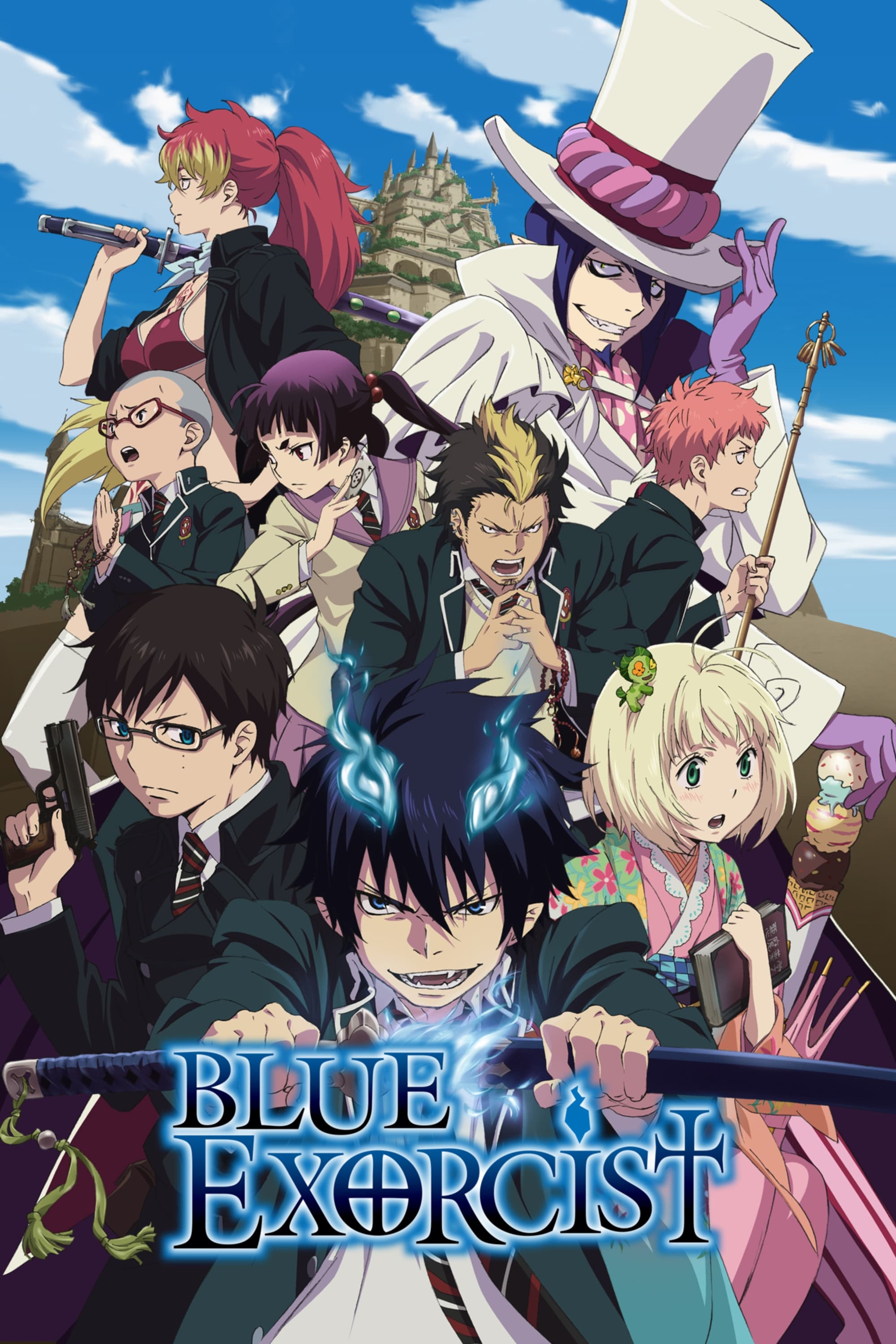
‘Blue Exorcist: Kyoto Saga’ returned after a six-year break, essentially starting the story over and disregarding the ending of the first anime series. This change confused viewers who hadn’t read the original manga. The Kyoto arc moved at a slower pace than the first half of the show, focusing more on the characters’ relationships and resolving conflicts within the group. Although the animation quality was good, the lack of intense action made it less exciting for many viewers. The long wait between seasons also likely contributed to a decline in the show’s overall popularity.
‘Sword Art Online’ (2012)

Season two of ‘Sword Art Online,’ titled ‘Sword Art Online II,’ moved the action to the virtual world of Gun Gale Online and introduced the character Sinon. The first part of the season, with its more serious and intense themes, was generally liked by fans. However, the following story arc, Calibur, was seen as a less important and slower-paced detour. The final arc, Mother’s Rosario, received positive feedback for its emotional impact, but the season as a whole suffered from uneven pacing, which caused division among viewers. Many felt that the excitement and danger of the original Aincrad story were absent, leading to a sense that the show was having trouble finding its direction after the initial life-or-death scenario.
‘A Certain Magical Index’ (2008–2009)
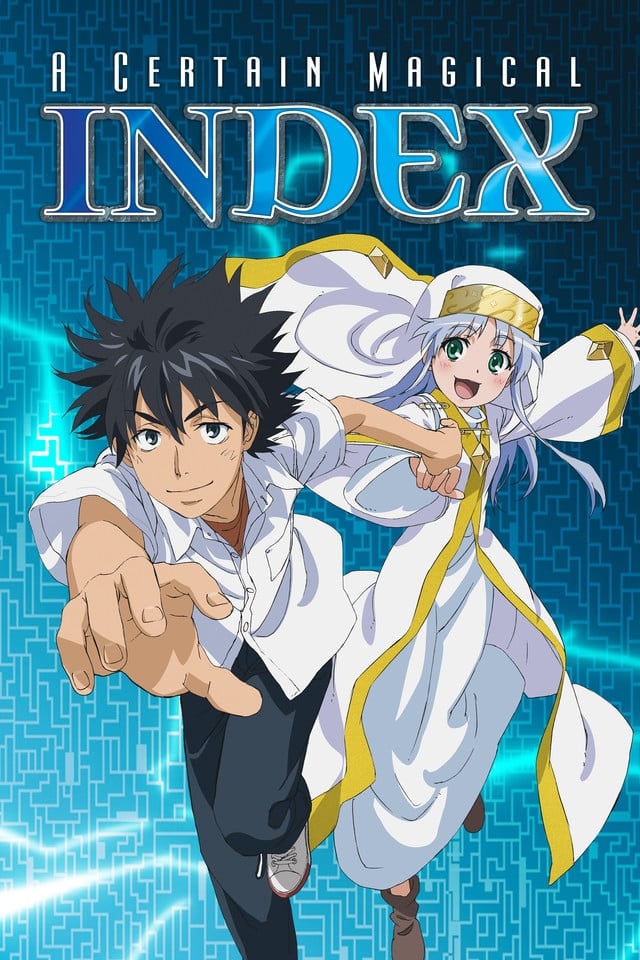
‘A Certain Magical Index III’ tried to cover nine books of the original story in just twenty-six episodes, which made the plot feel very fast-paced and hard to follow. To reach the ending, important character development and details about the world were either shortened or left out completely. The tight schedule also affected the animation quality, with some episodes looking inconsistent. Ultimately, this new season didn’t deliver the satisfying and complete story fans were hoping for after waiting eight years.
‘Steins;Gate’ (2011)
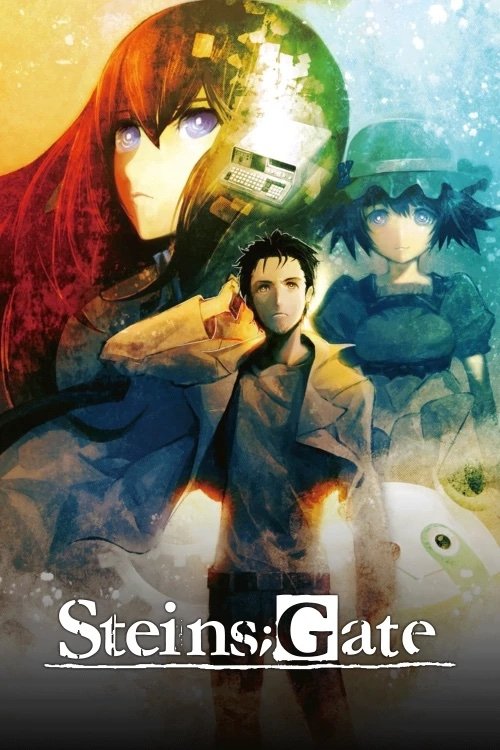
Steins;Gate 0 presented a darker story by showing what would happen if the main character couldn’t save someone important. While it added helpful background to the original series’ conclusion, the first half moved at a slower pace. Some viewers didn’t find the new characters as interesting as the original lab members, and the animation wasn’t always as consistently high-quality as the beloved 2011 series. Ultimately, it was a worthwhile addition for dedicated fans, but it didn’t receive the same widespread praise.
‘FLCL’ (2000–2001)
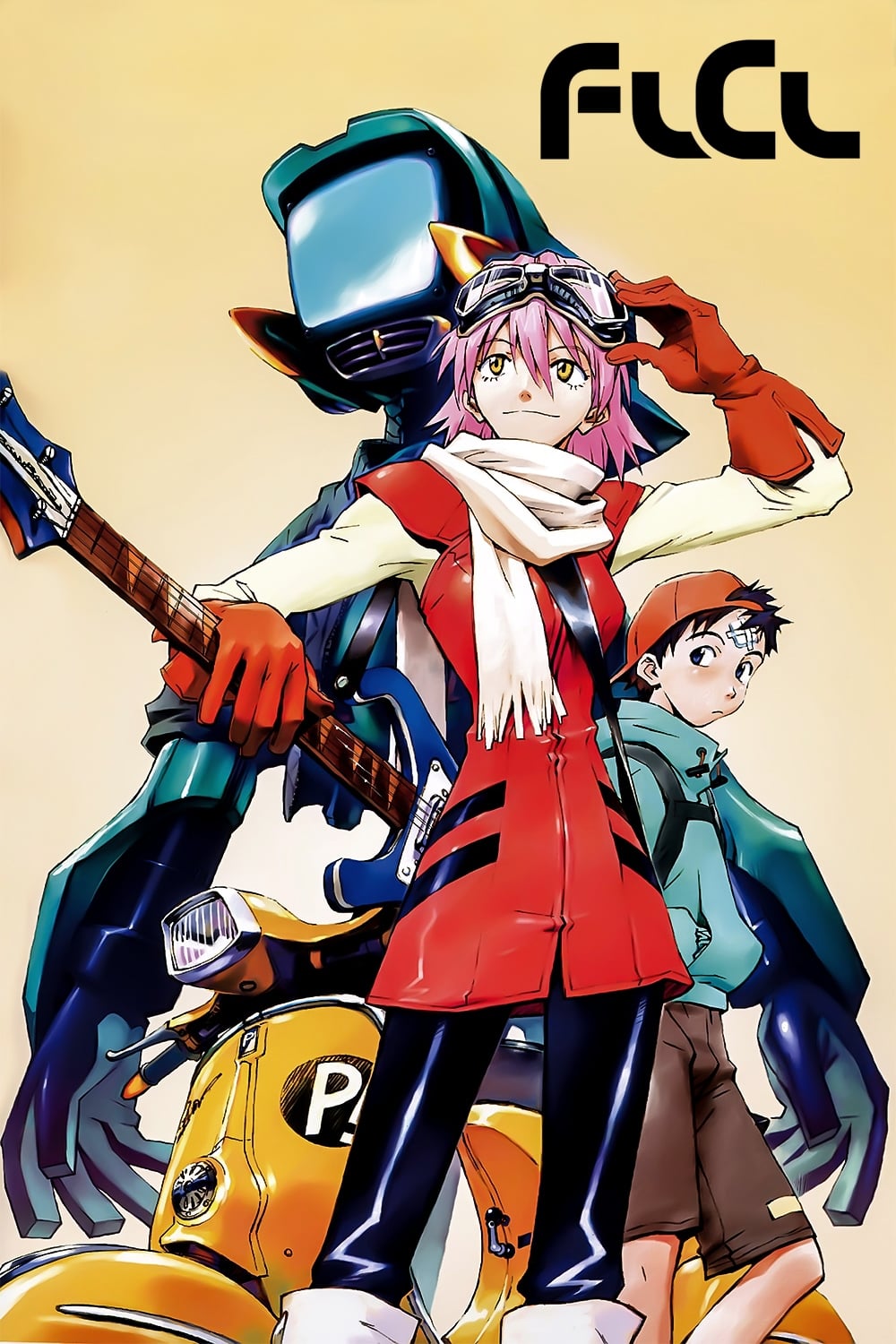
Released almost twenty years after the original, ‘FLCL Progressive’ continued the story of the beloved anime. While it tried to recreate the original’s unique, energetic style and unusual animation, many viewers thought it relied too much on familiar elements. Fans felt the new series didn’t capture the same heartfelt story of growing up that made the first ‘FLCL’ so impactful, and although the animation was smooth, it wasn’t as innovative. Ultimately, it felt more like a tribute to existing fans than a truly fresh addition to the franchise.
‘Black Butler’ (2008–2009)
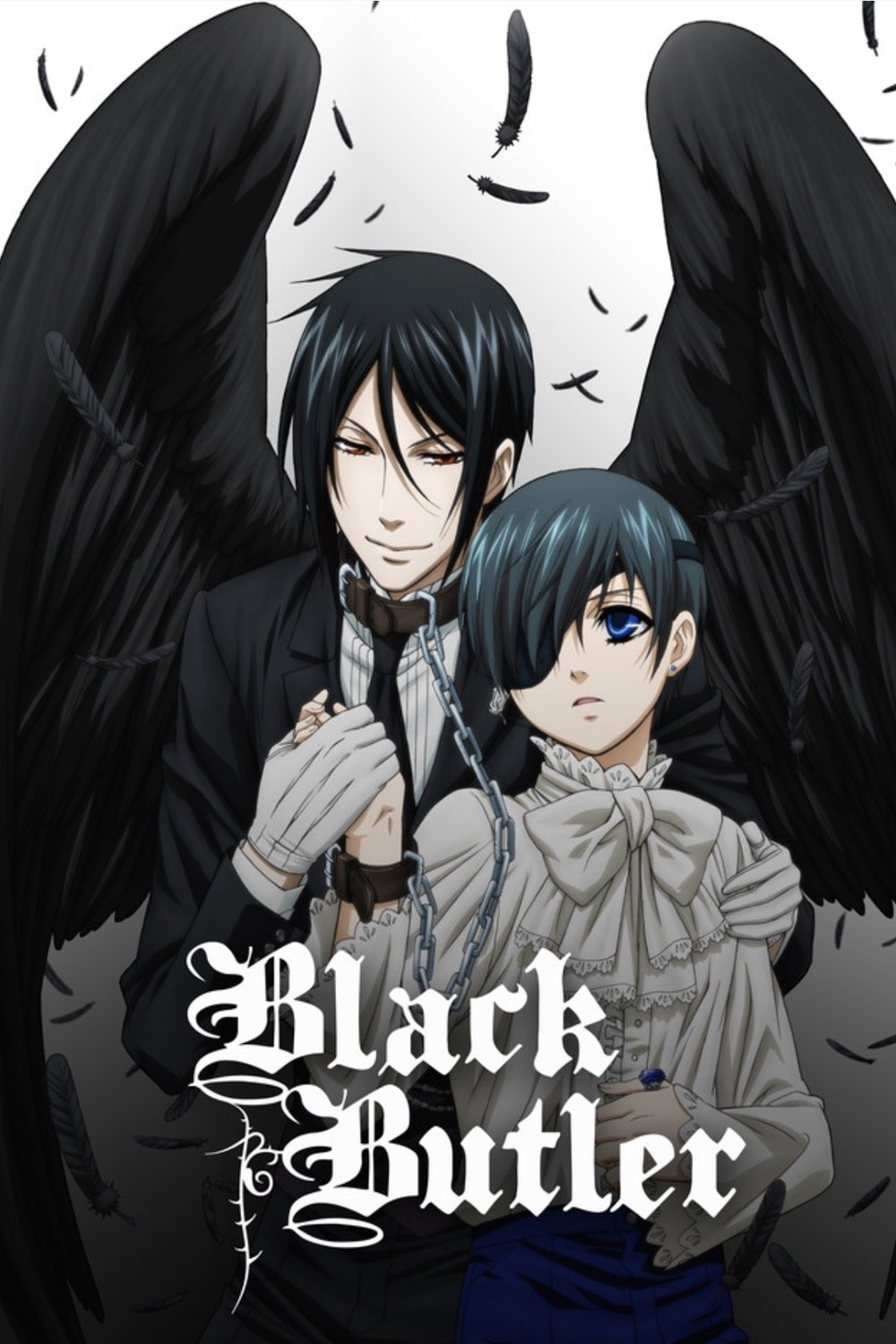
The second season of ‘Black Butler,’ titled ‘Black Butler II,’ told a brand new story with characters not found in the original manga. This change proved divisive among fans, who were expecting the dark, mysterious tone of the source material. Many felt the plot twists were predictable and similar to those in the first season, lacking substantial new developments. Although the show still looked good, the altered storyline turned off viewers who wanted a close adaptation of the manga. Later installments went back to following the manga more closely, helping to regain fan interest.
‘The Rising of the Shield Hero’ (2019)
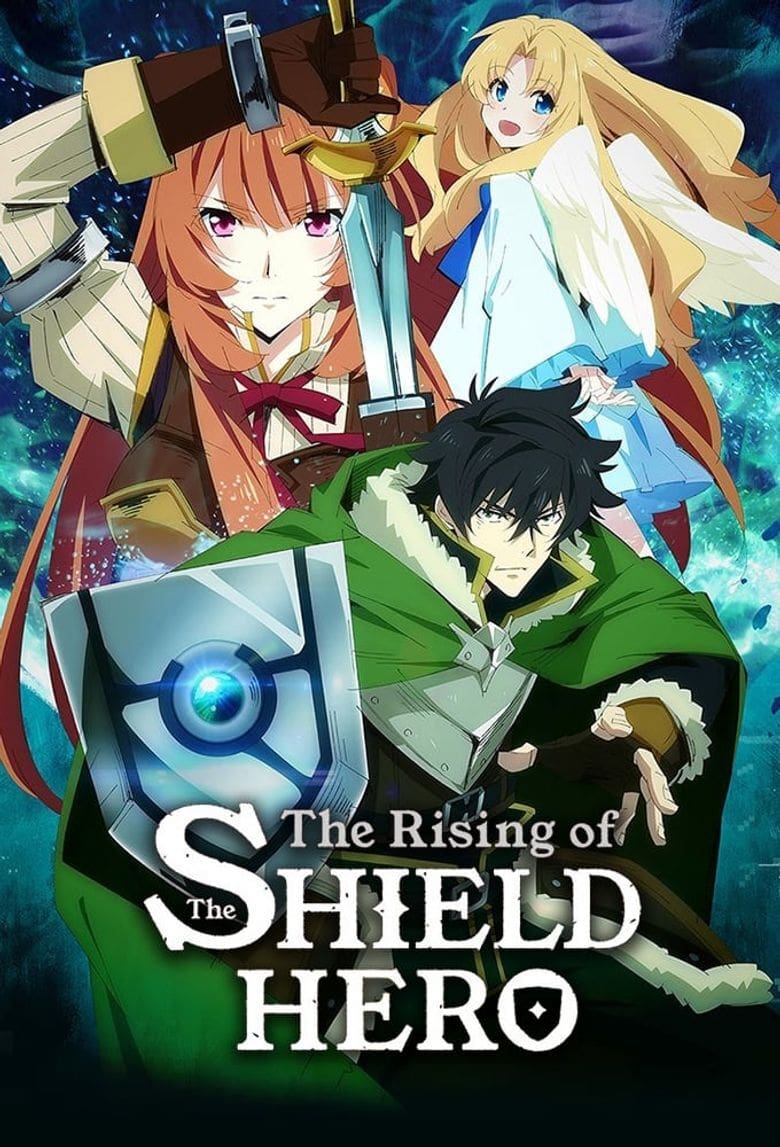
As a big fan of the first season, I was really disappointed with the second. It just felt rushed! They crammed so much of the story into fewer episodes that key character moments and the clever strategies we loved were missing. And honestly, the CGI for the giant tortoise fights wasn’t great – it really took me out of the experience. The first season had this amazing emotional core and felt like a real underdog story, but that was lost this time around. It’s a shame, because it really hurt the show’s momentum and left a lot of us feeling let down.
‘InuYasha’ (2000–2004)

‘Yashahime: Princess Half-Demon,’ the follow-up to the original series, centers on the daughters of Inuyasha and Kagome in a new adventure set in feudal Japan. However, many viewers felt the show spent too much time building suspense around the disappearance of the original characters, stretching the mystery out over multiple episodes. The new main characters weren’t always as engaging or well-developed as Inuyasha and Kagome, and the early episodes, which felt self-contained, made the main storyline seem slow and disjointed. While ‘Yashahime’ tapped into fans’ fondness for the original, it had difficulty establishing itself as a strong continuation of the beloved franchise.
‘Aldnoah.Zero’ (2014)
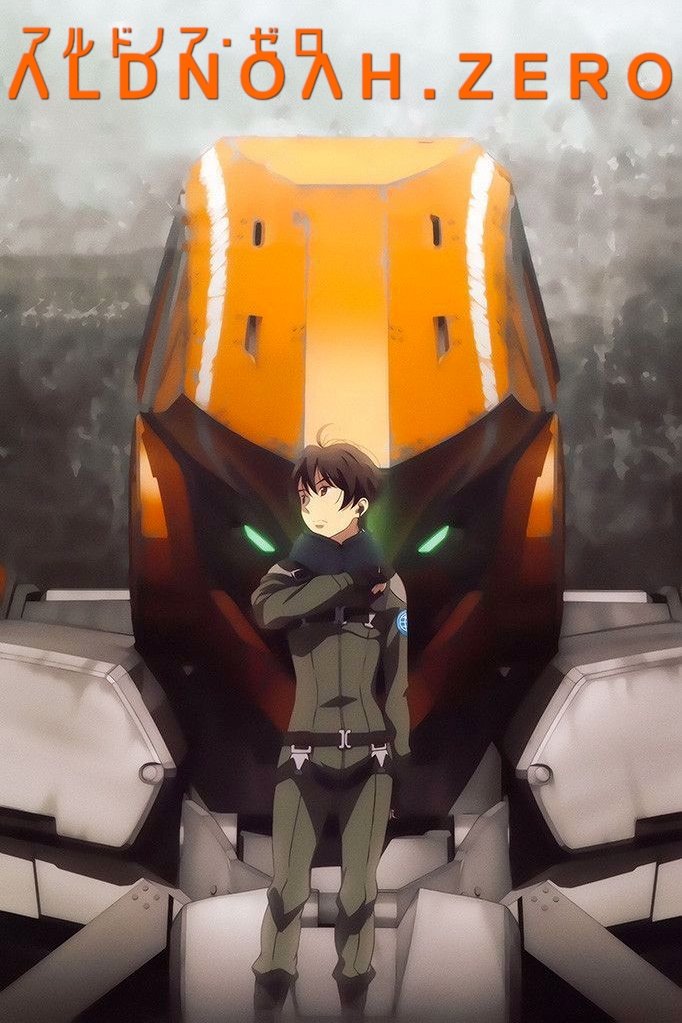
The second season of this show had to deal with a big cliffhanger – the seemingly fatal fate of the main characters. However, many fans found the way this was resolved disappointing, feeling it lessened the impact of earlier events. The main character, Inaho, was often criticized for not showing much emotion, remaining distant and seemingly unbeatable. The political storyline and the ending felt hurried, leaving several characters’ stories unfinished. Overall, the season didn’t quite live up to the exciting potential shown in the first few episodes.
‘Darker than Black’ (2007)
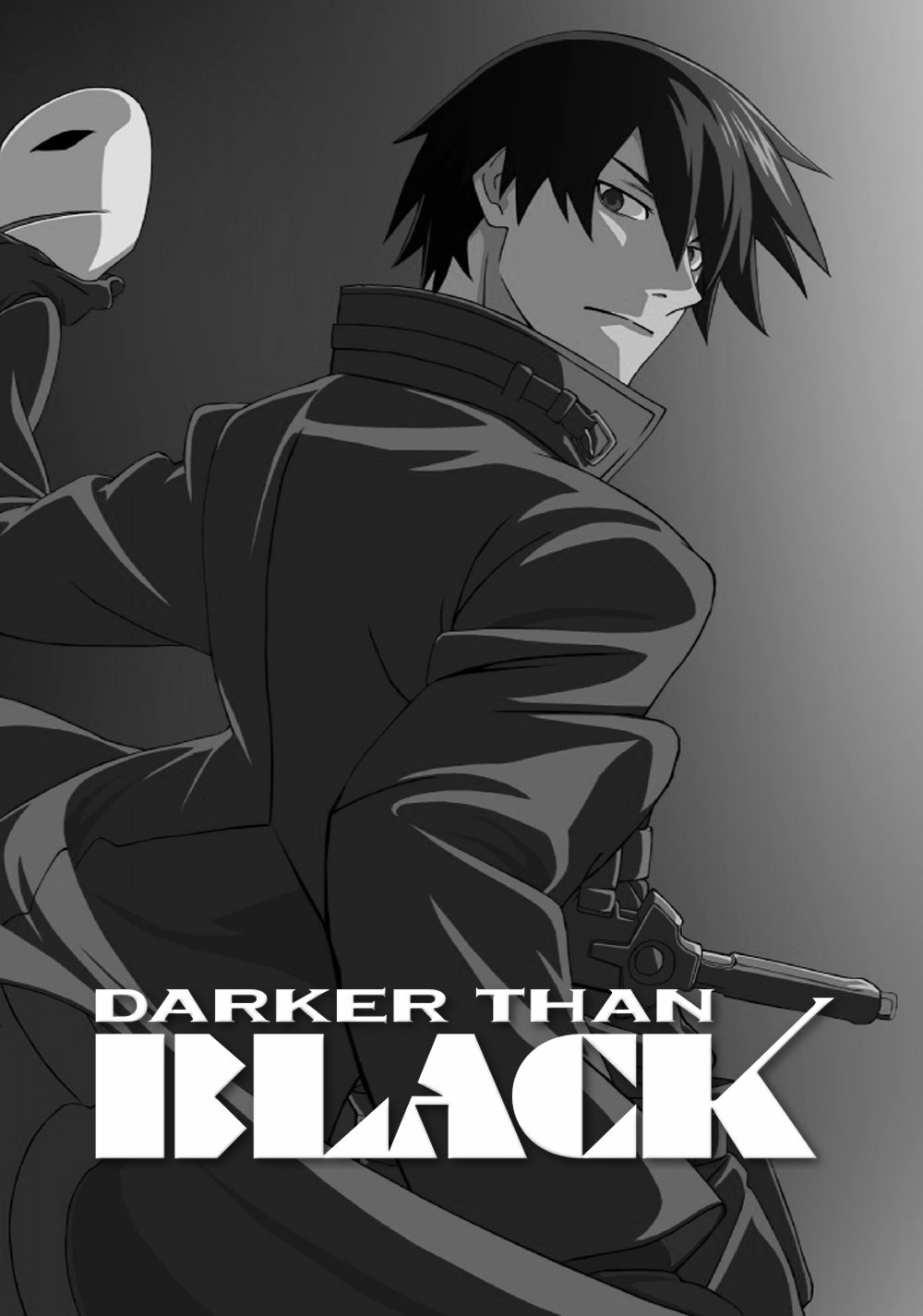
The second season of ‘Darker than Black: Gemini of the Meteor’ disappointed many fans by switching the main character from Hei to Suou. Viewers who enjoyed the first season’s shadowy, case-of-the-week format found the new plot overly complicated, with unexplained powers and characters. The story lost its atmospheric mystery, becoming more straightforward but also confusing, and the ending felt rushed and didn’t offer a proper conclusion to the series.
‘Mobile Suit Gundam SEED’ (2002–2003)
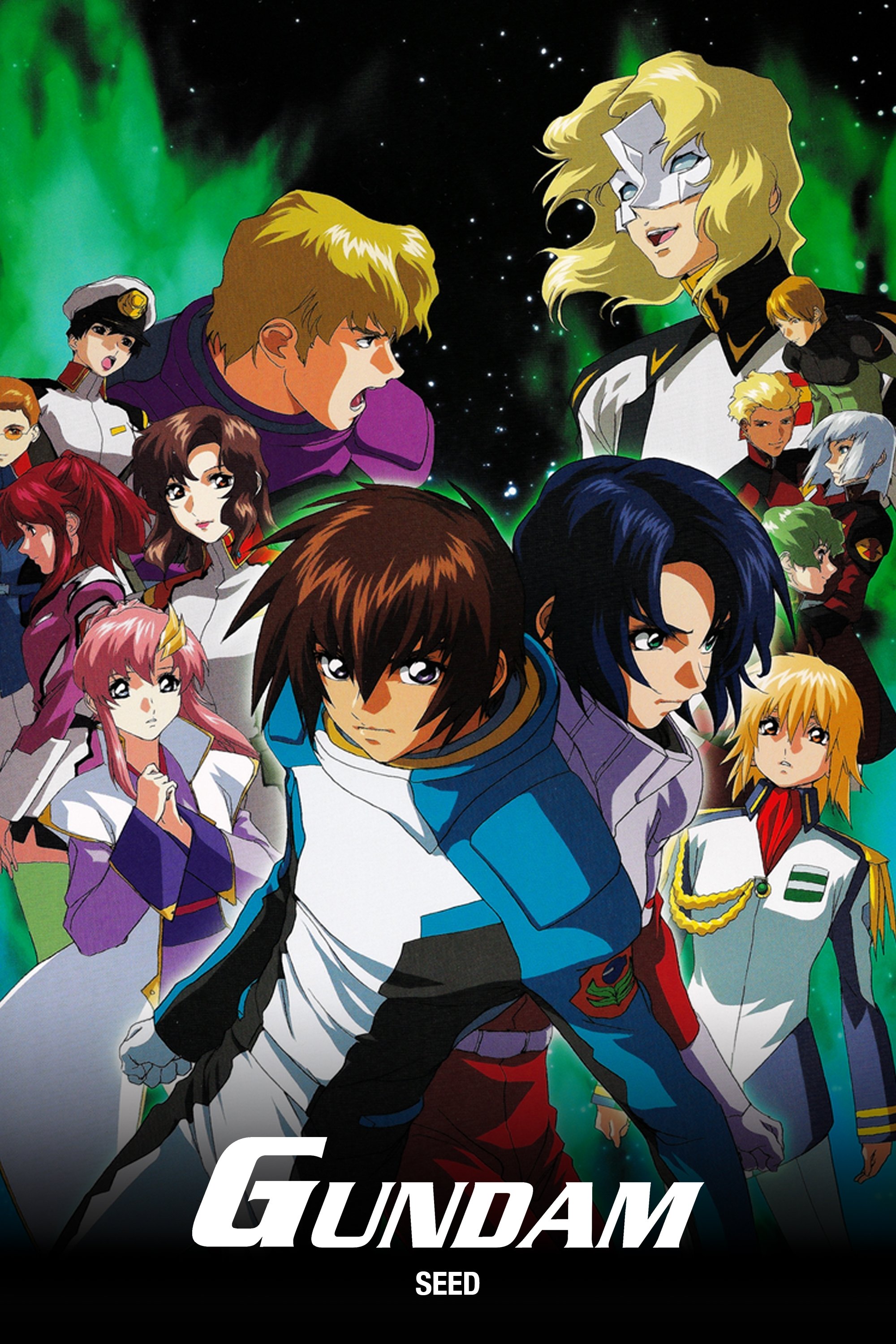
‘Mobile Suit Gundam SEED Destiny’ was originally meant to center around a new character, Shinn Asuka, and a fresh conflict. However, the story kept returning to the original characters, making it feel fragmented and preventing the new characters from developing fully. The show was also criticized for reusing old animation and including many recap episodes, which annoyed viewers. Many of its themes and plotlines felt like copies of the first series instead of being original. These choices have made it a controversial installment in the ‘Gundam’ franchise.
‘Eureka Seven’ (2005–2006)
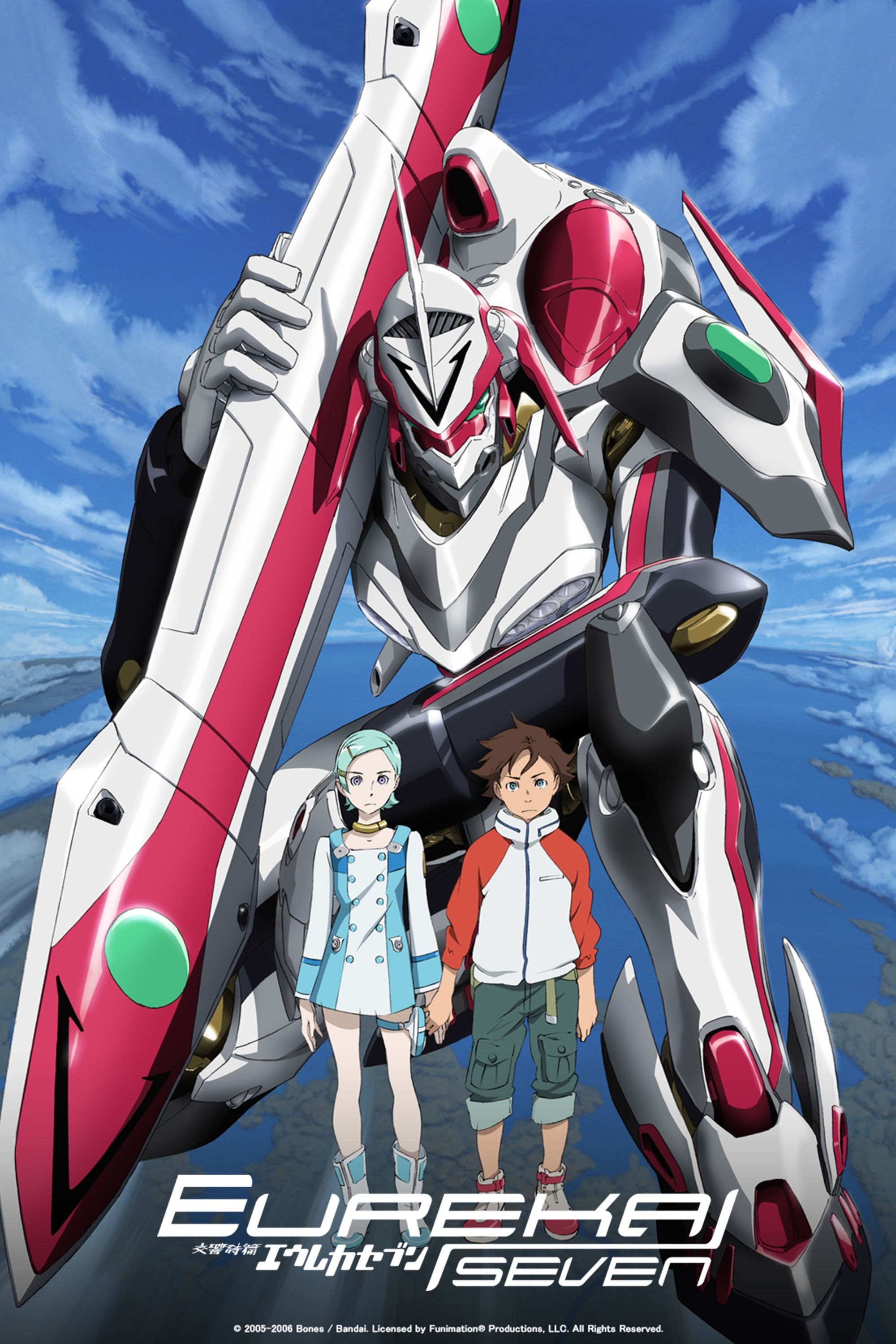
‘Eureka Seven AO’ continued the story in a new timeline, focusing on the child of the original main characters. However, it introduced complicated time travel and world-building that many fans found confusing and didn’t feel consistent with the first series. It lacked the strong emotional connection of the original ‘Eureka Seven,’ leaving many who loved Renton and Eureka’s story feeling disconnected. Although the animation and music were excellent, the new storyline didn’t capture the same heartwarming ‘growing up’ feel as the 2005 series, and the ending was widely seen as overly complex and disappointing.
‘Dragon Ball Z’ (1989–1996)

‘Dragon Ball GT’ was made by Toei Animation as a continuation of the ‘Dragon Ball’ story, but without much input from the original creator, Akira Toriyama. The show tried to recapture the adventurous spirit of the earlier series by turning Goku back into a child, which proved to be a controversial decision among fans. Many of the new villains and storylines, like the Super 17 arc, were criticized for weak writing and inconsistent power levels. Although the Super Saiyan 4 transformation became popular, most fans felt the series wasn’t as good as previous installments. Eventually, it was excluded from the official ‘Dragon Ball’ timeline after ‘Dragon Ball Super’ was released.
‘Naruto Shippūden’ (2007–2017)
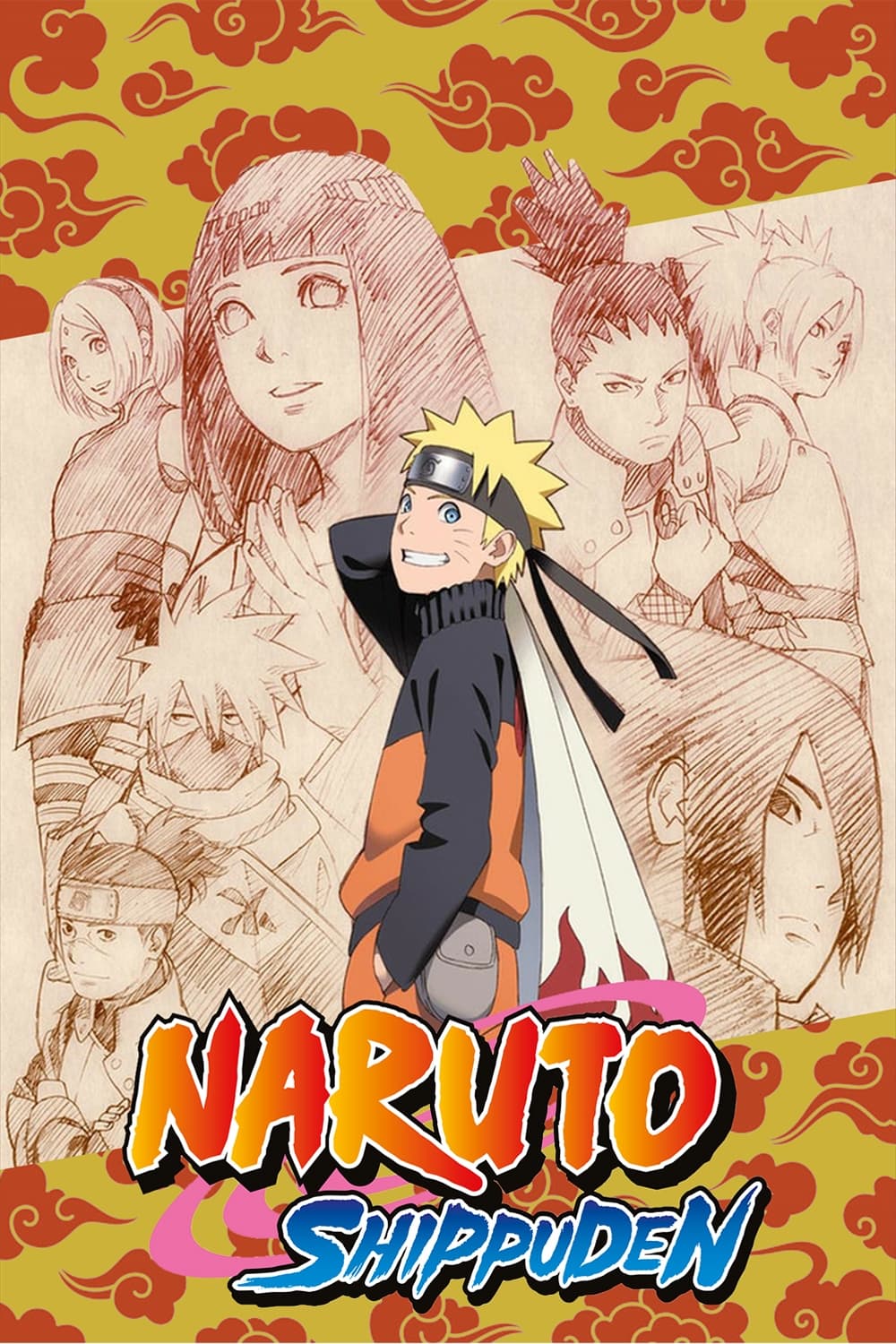
‘Boruto: Naruto Next Generations,’ the follow-up to the original ‘Naruto,’ centers on the children of the iconic characters and takes place in a more modern, tech-focused ninja world. However, the series has been criticized for including a lot of episodes that aren’t part of the main story and for moving at a slower pace. Some fans also believe the new characters are too powerful, which diminishes the accomplishments of the original heroes. The change from a world constantly at war to a more peaceful one has made the series less exciting for some longtime viewers. While ‘Boruto’ has its strong moments, it hasn’t consistently captured the same level of excitement as the original ‘Naruto’ series.
‘The Devil is a Part-Timer!’ (2013)
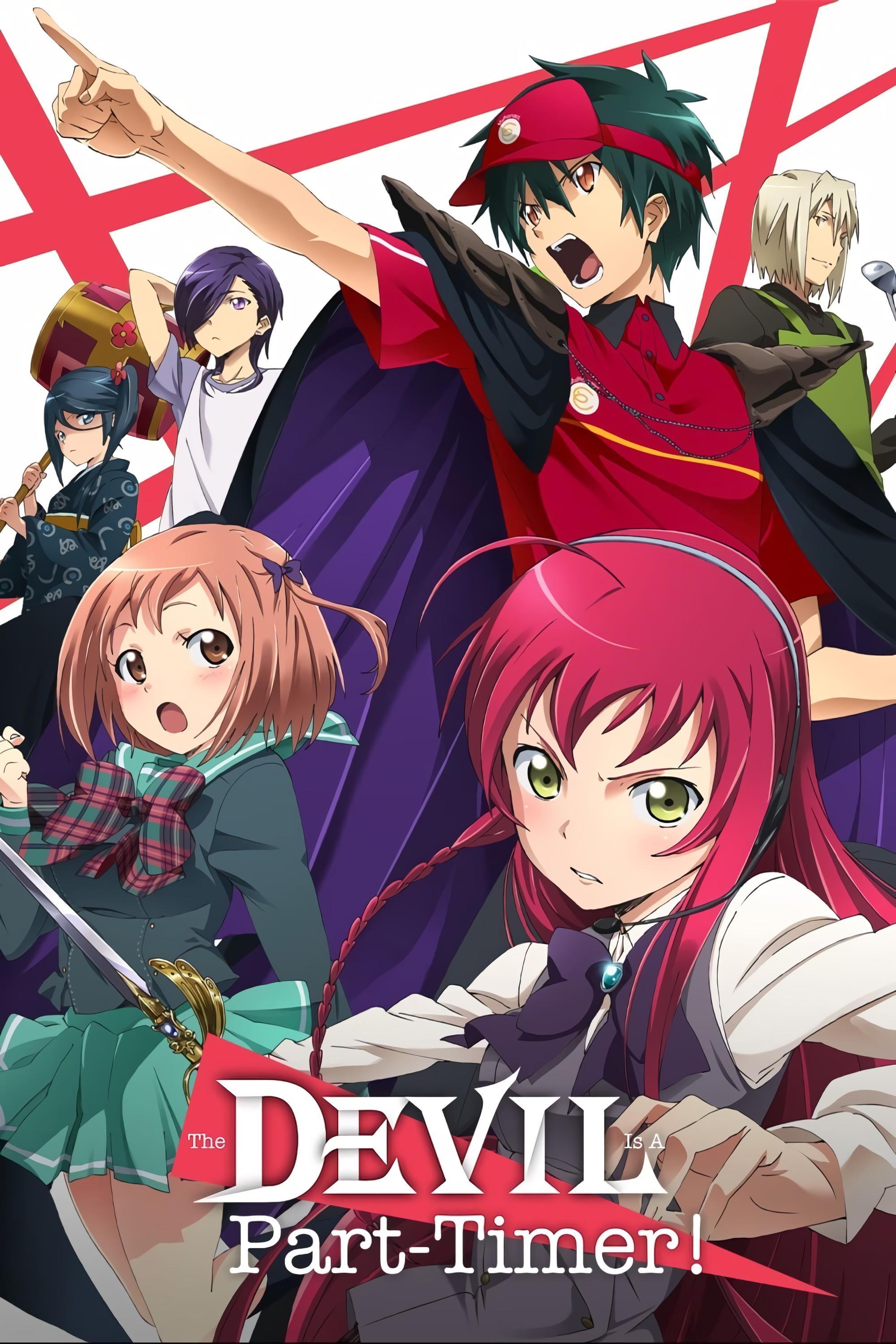
After a nine-year break, the second season of ‘The Devil is a Part-Timer!!’ looked and felt different. A new studio handled the animation, and the character designs were simpler. Many fans noticed the animation wasn’t as fluid or expressive as the first season, which had been known for its humor. The timing of the jokes didn’t quite land the same way, and the show felt less charming. The story also tried to introduce too many new characters and plotlines, making the pacing feel rushed. Ultimately, for many viewers, the long-awaited return didn’t live up to the quality of the original 2013 season.
‘One-Punch Man’ (2015)
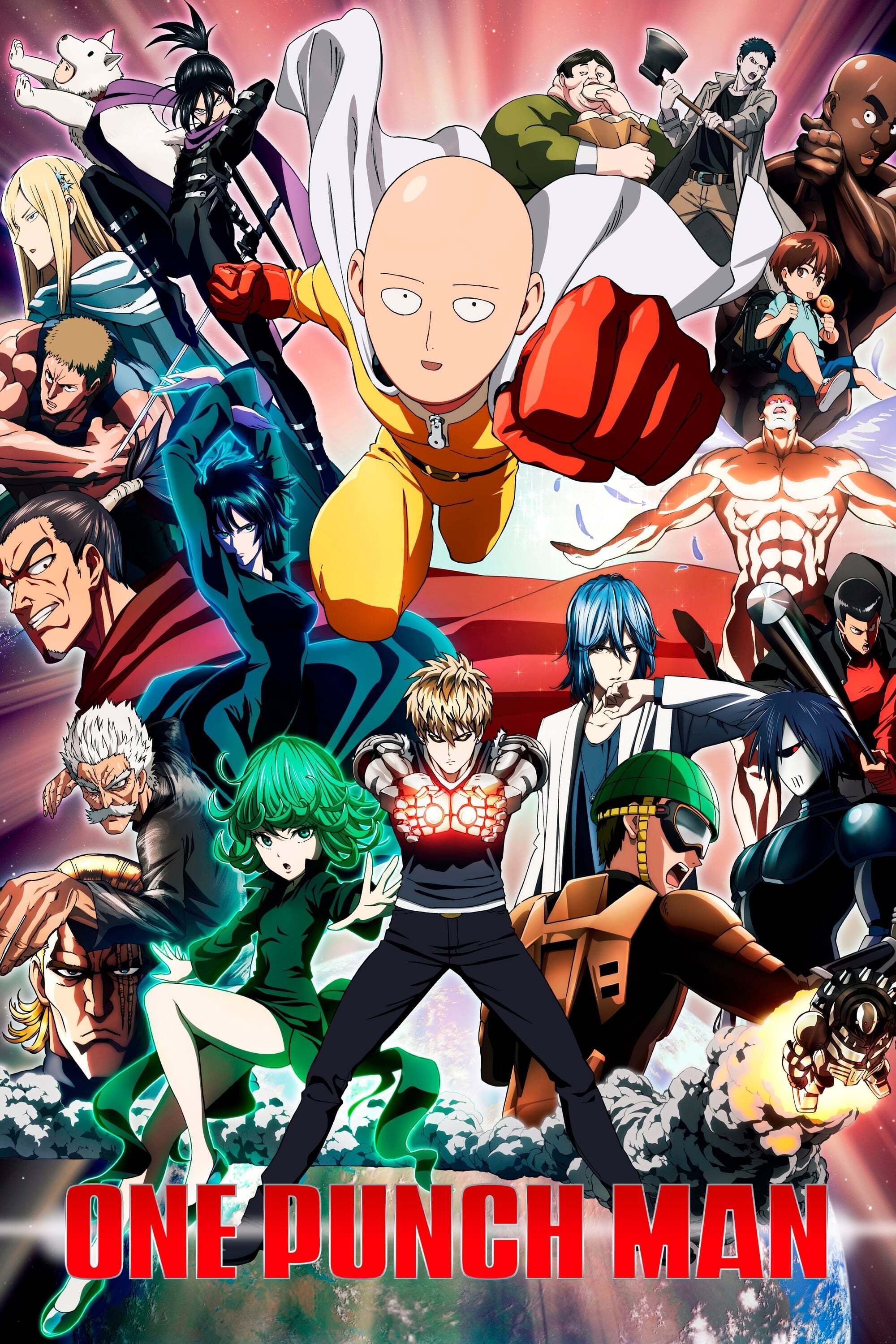
The second season of this superhero show switched animation studios, moving from Madhouse to J.C.Staff. This change resulted in a different look, and many fans didn’t like the new digital textures and less smooth fight scenes. The story focused more on the villain Garou, meaning the main character, Saitama, had a smaller role for much of the season. Although the season adapted important parts of the original manga, it didn’t look as good as the first episodes and didn’t receive the same positive reviews as the 2015 premiere.
‘Psycho-Pass’ (2012–2013)
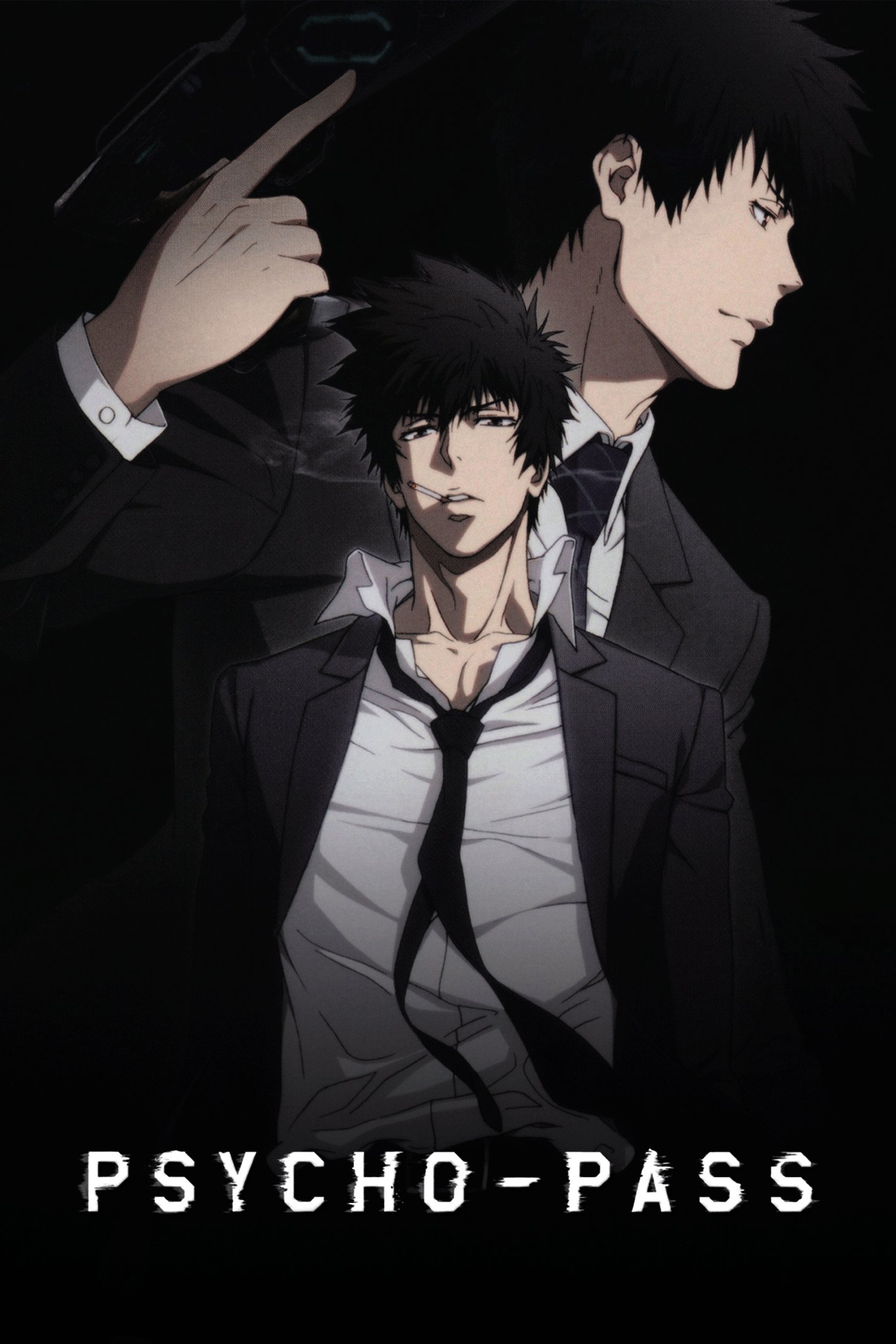
The second season of ‘Psycho-Pass’ faced criticism for lacking the philosophical depth of the first, largely due to the absence of the original writer, Gen Urobuchi. Fans often found the new villain, Kirito Kamui, less compelling than the first season’s antagonist, Shogo Makishima. The season leaned more on graphic violence instead of the psychological suspense that made the original series so strong. Supporting characters felt underdeveloped, and plot twists didn’t have the same impact. Overall, many dedicated fans consider this sequel to be the weakest part of the ‘Psycho-Pass’ story.
‘Food Wars! Shokugeki no Soma’ (2015)
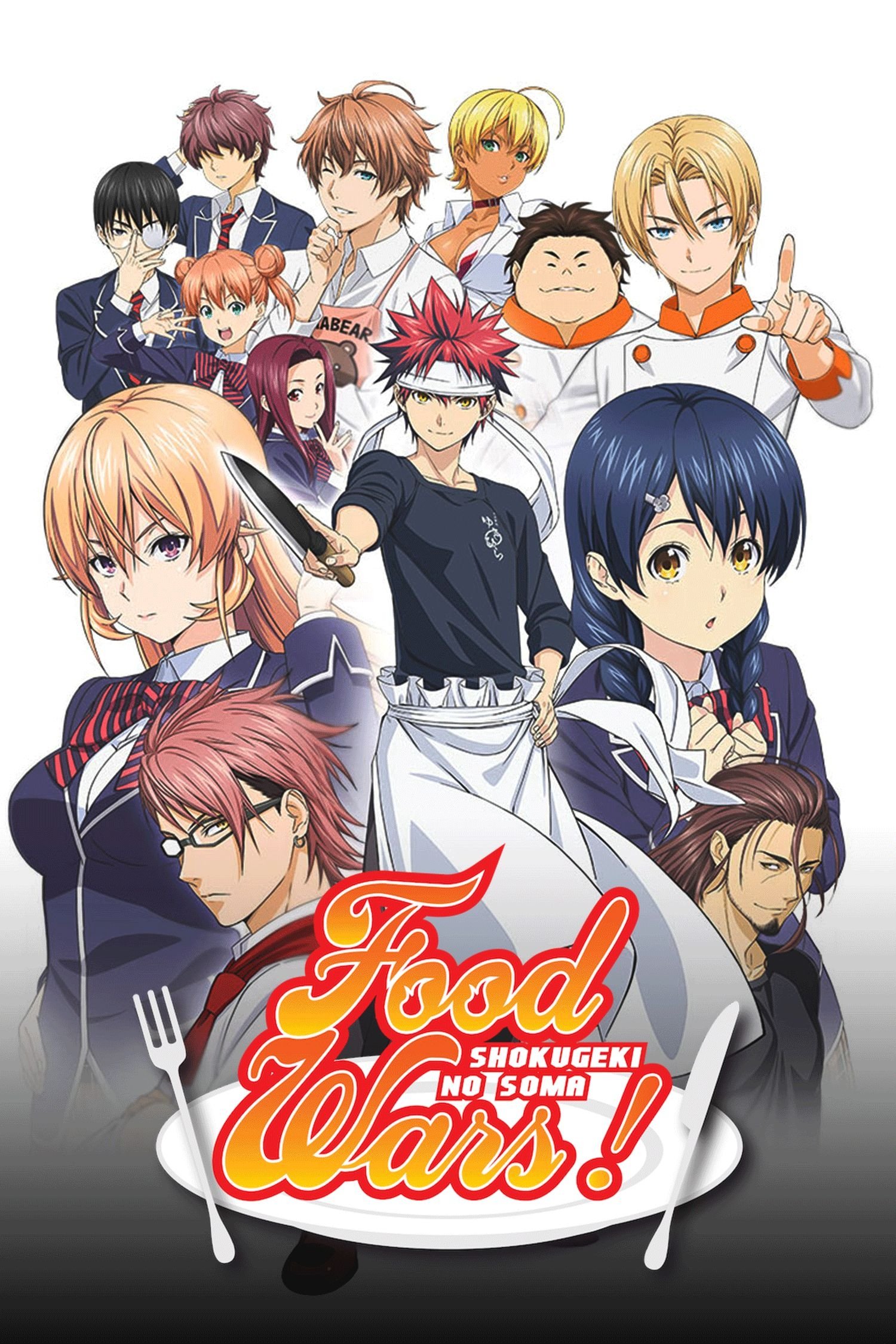
The fifth and final season of ‘Food Wars!’ covered a storyline from the original manga that many fans disliked because it introduced unrealistic, almost magical, cooking powers. These ‘Noir’ chefs, with their superhuman abilities, felt like a departure from the show’s earlier focus on realistic cooking. The animation quality also dropped noticeably, with many cooking scenes relying on static images instead of fluid movement. Ultimately, the ending – including the main character’s story and the final cooking tournament – felt hurried and didn’t deliver the emotional impact fans had hoped for. Many viewers felt this final season strayed too far from what made the series enjoyable in the first place.
‘Tokyo Ghoul’ (2014)
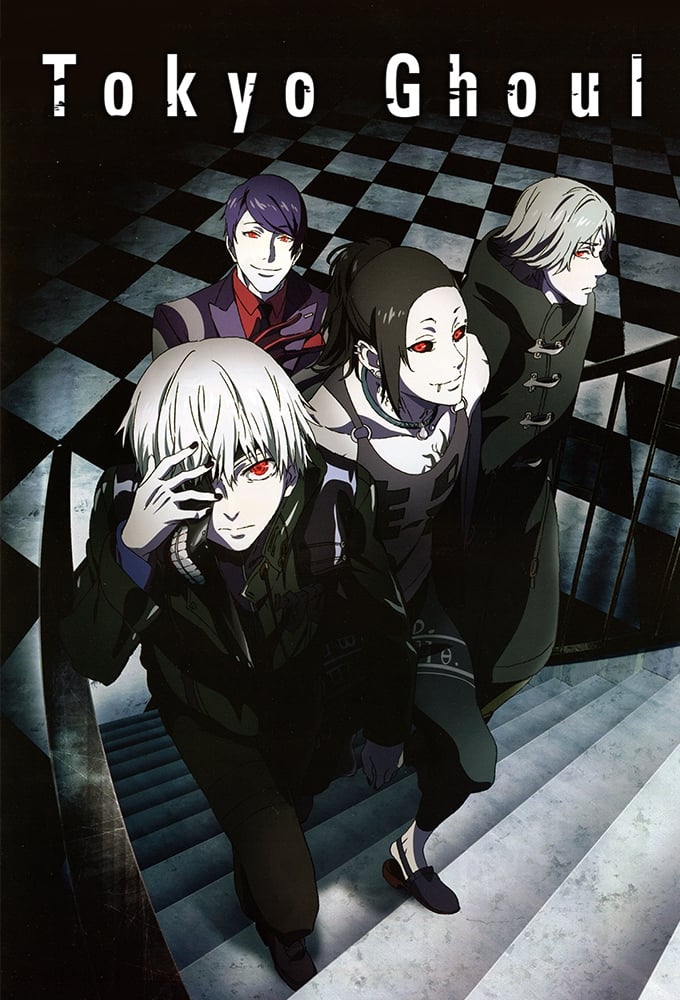
The second season of ‘Tokyo Ghoul,’ titled ‘√A,’ strayed far from the original manga story created by Sui Ishida. This resulted in a disjointed plot with confusing character actions and important events being left out. The animation quality was also inconsistent, especially during action scenes at the end. Because the season didn’t follow the manga’s storyline, the next series, ‘:re,’ had to completely ignore everything that happened in ‘√A,’ which created even more confusion for viewers. It’s frequently used as an example of when an anime goes off-course from its source material and doesn’t succeed.
‘Terra Formars’ (2014)
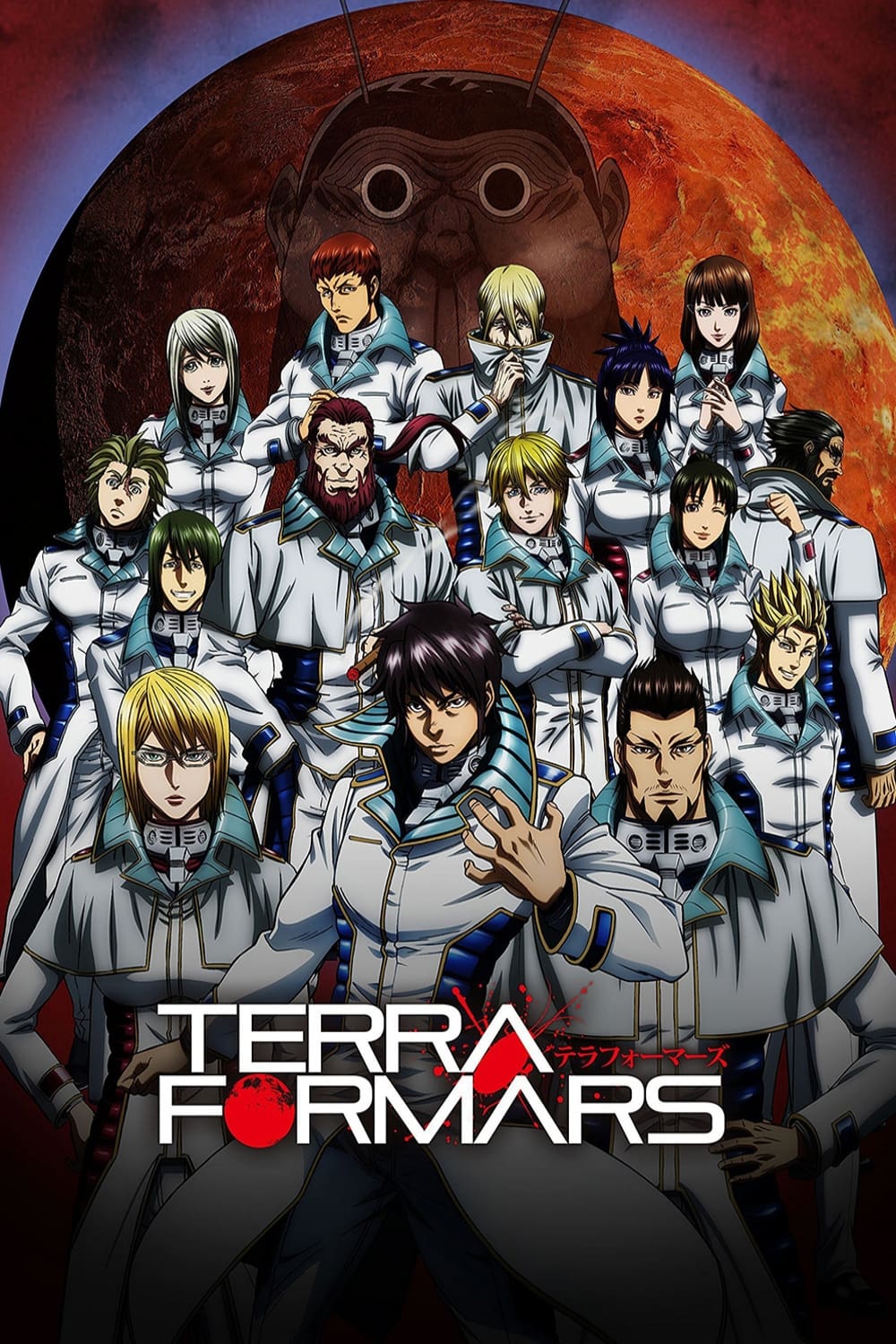
The second season of ‘Terra Formars,’ titled ‘Revenge,’ looked and felt very different from the first. It traded the dark and realistic style for brighter colors and a lot more censorship, which didn’t quite fit the show’s scary and violent themes. The addition of comedy also felt out of place given the serious, life-or-death situations. The characters were redesigned with simpler details, losing the complexity they had before. As a result, many longtime fans lost interest in the series.
‘The Seven Deadly Sins’ (2014–2015)
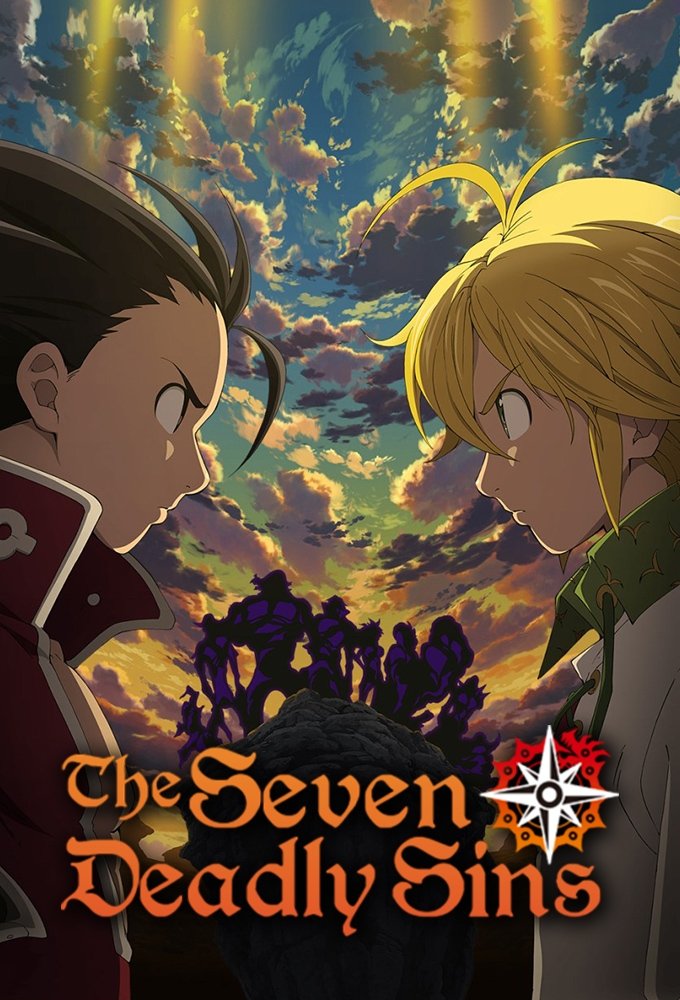
After moving to a new animation studio, ‘The Seven Deadly Sins: Imperial Wrath of the Gods’ saw a noticeable drop in quality. Viewers pointed out characters looking inconsistent and fight scenes lacking the dynamic energy of previous installments. A creative choice to replace blood with a white glow during battles was heavily criticized for making those moments less impactful. Even though the story covered some highly anticipated arcs from the manga, these visual issues ultimately distracted from the narrative and significantly hurt the series’ reputation with many anime fans.
‘Berserk’ (1997)
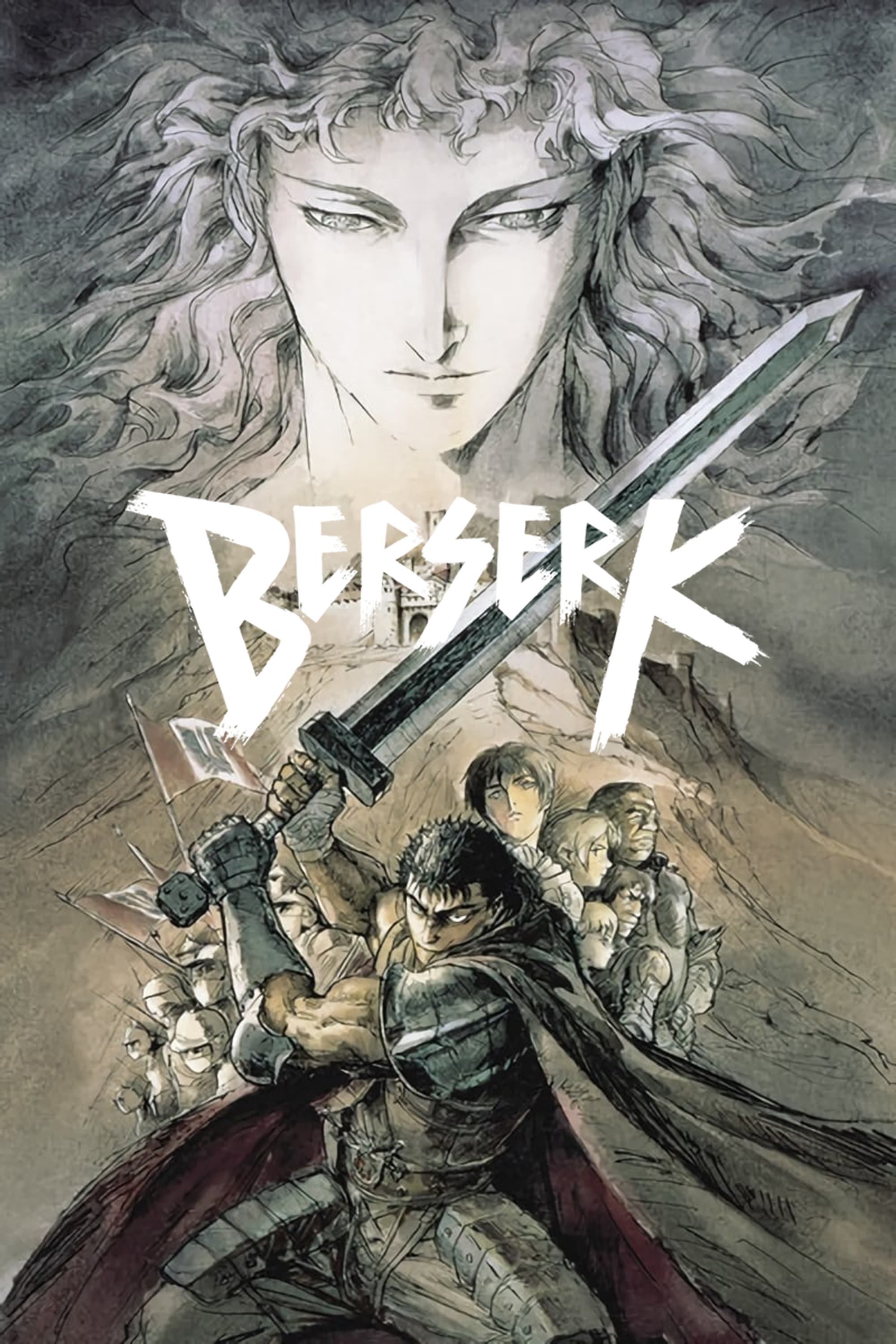
The 2016 ‘Berserk’ anime continued the story after the Golden Age arc, but fans immediately criticized its use of 3D computer graphics. Many found the animation awkward and unnatural, lacking the detailed and impactful style of Kentaro Miura’s original manga. Poor camera work and lighting also harmed the series’ dark, fantasy feel. The sound effects, especially the sound of the main character’s sword, were widely mocked. Overall, it was a letdown compared to both the 1997 anime and the excellent manga it was based on.
‘Kemono Friends’ (2017)

The second season of ‘Kemono Friends’ faced significant challenges after the original director, Tatsuki, was dismissed, sparking strong negative reactions from fans. The sequel introduced a new main character and a changed art style, but many viewers felt it lost the unique, endearing quality of the first season. It didn’t recreate the same captivating mystery and emotional depth that made the original so popular in Japan. Both critics and audiences largely disliked the new season, resulting in some of the lowest ratings ever recorded on several streaming services. It serves as a stark reminder of how internal issues can derail a successful franchise.
‘The Promised Neverland’ (2019)
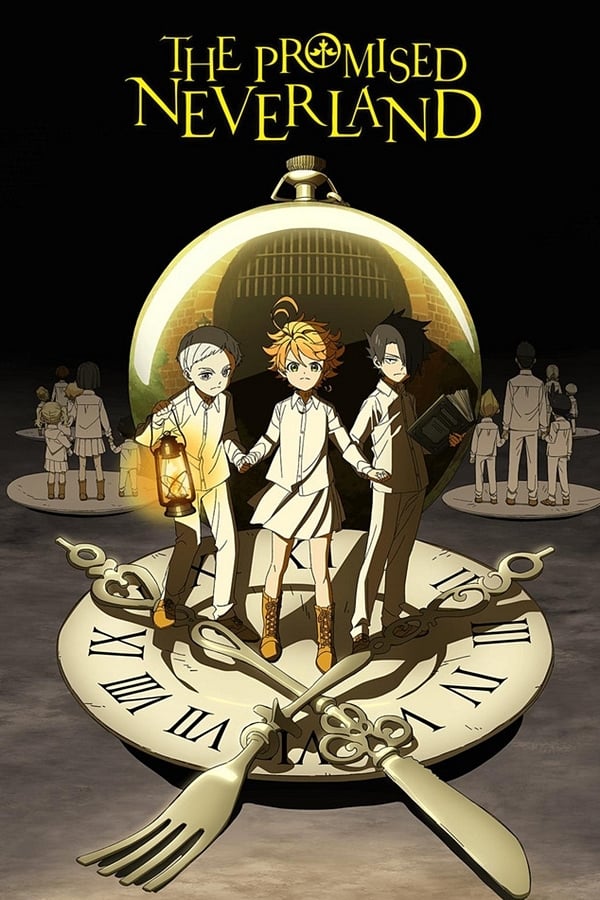
The second season tried to cover the rest of the manga in just eleven episodes, which meant cutting out important storylines, including the fan-favorite Goldy Pond Battle. Character development for the younger characters was rushed, making the story feel fast-paced and lacking emotional impact. The season ended with a quick slideshow summarizing several years of events. Many fans and critics consider this adaptation a major disappointment and a poor representation of the original manga.
Let us know what you think about these sequels! Tell us in the comments which ones you felt didn’t live up to expectations.
Read More
- 20 Movies Where the Black Villain Was Secretly the Most Popular Character
- Celebs Who Narrowly Escaped The 9/11 Attacks
- Transformers Under the Microscope: What Graph Neural Networks Reveal
- Top 20 Dinosaur Movies, Ranked
- Silver Rate Forecast
- Trading on Thin Air: AI Agents Conquer Crypto Volatility
- Gold Rate Forecast
- 22 Films Where the White Protagonist Is Canonically the Sidekick to a Black Lead
- Every Notable ‘Star Trek: The Original Series’ Actor Who Died
- Invincible Season 4 Gender Swaps Tech Jacket As Fans Question Major Comic Change
2026-01-30 05:27