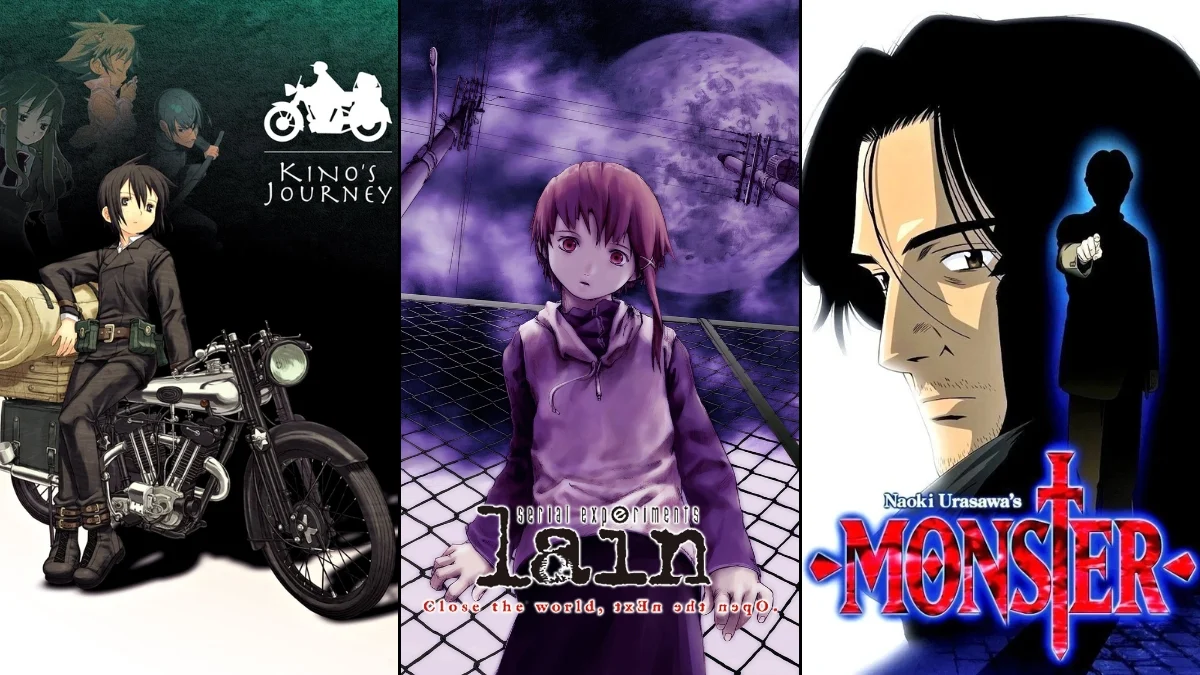
Although popular anime series often get all the attention, many other shows deliver fantastic stories, interesting visuals, and thought-provoking ideas that most people haven’t discovered. These under-the-radar titles cover a wide range of genres, from suspenseful thrillers to experimental dramas, and offer a great alternative to the mainstream hits. Discovering these lesser-known anime reveals just how diverse and rich the world of animation truly is. Here’s a list of series that critics love, even if they aren’t as widely popular as the biggest franchises.
‘Monster’ (2004–2005)

Dr. Kenzo Tenma is a gifted surgeon whose life is forever changed when he saves a young boy named Johan Liebert. Years later, he’s horrified to learn that Johan has become a ruthless serial killer. The story follows Dr. Tenma as he travels across Germany, desperately trying to stop Johan and prove his own innocence. This gripping psychological thriller is known for its complex story and well-developed characters.
‘Katanagatari’ (2010)
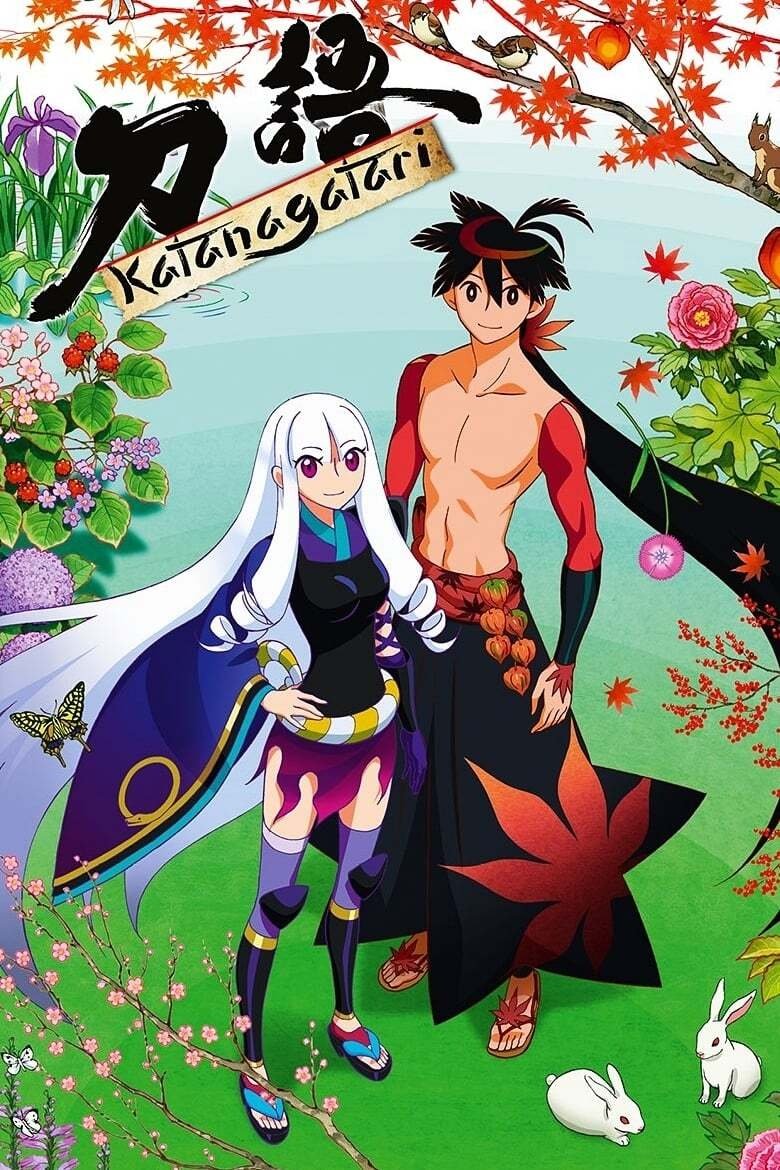
Shichika Yasuri is a skilled fighter who doesn’t use swords. He lives a secluded life with his sister until a clever strategist named Togame asks for his help. They team up to find twelve powerful, legendary swords for the government. Each adventure focuses on a new challenge, featuring beautiful and unusual animation alongside in-depth conversations and character development. ‘Katanagatari’ stands out for its unique art style and its tendency to break the mold of typical action stories.
‘Mushi-shi’ (2005–2006)
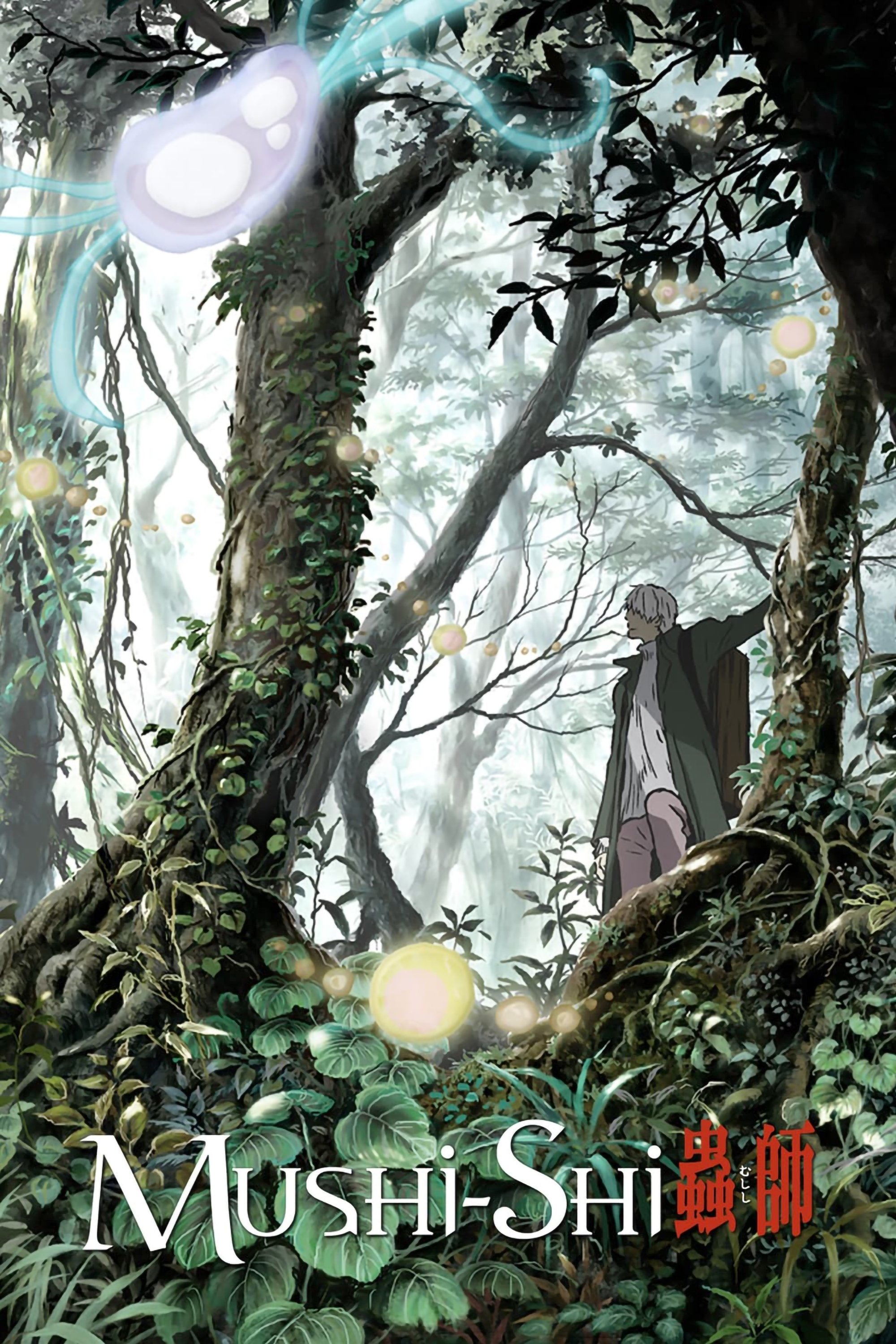
Ginko travels throughout the Japanese countryside, studying Mushi – strange, ancient creatures that can cause unexplained illnesses. He works as a bridge between the human world and the spirit realm. Each episode tells a self-contained story, focusing on atmosphere and exploring the idea of living in harmony with nature and the supernatural. ‘Mushishi’ is known for its calm and thoughtful pace, setting it apart from many other supernatural shows.
‘The Tatami Galaxy’ (2010)
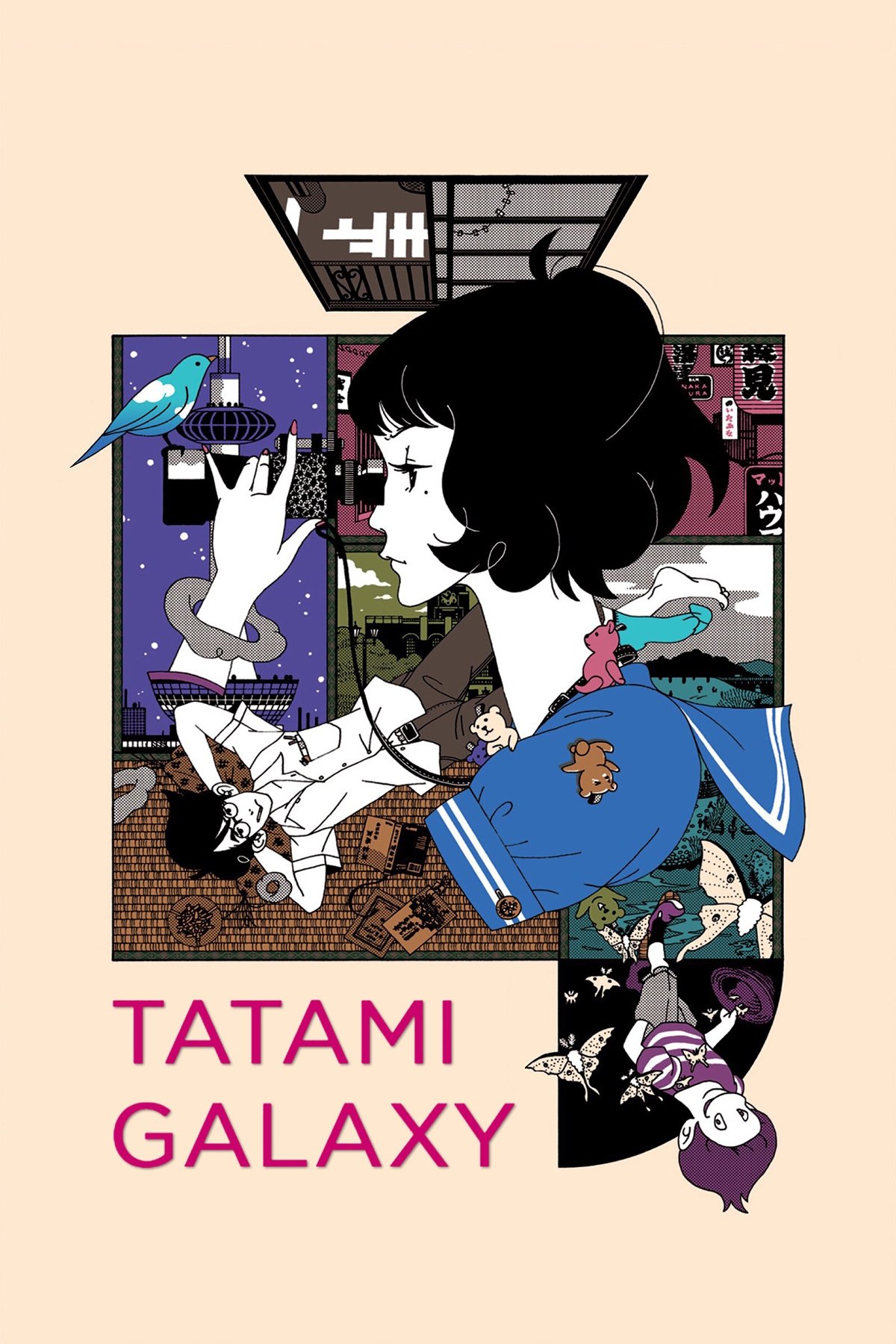
A college student is on a quest for the perfect campus life, but keeps making choices he regrets. The show uses a unique, fast-paced style, directed by Masaaki Yuasa, to follow him as he relives his college years over and over, trying out different clubs and relationships. Each time, he ends up back where he started, highlighting the idea that happiness isn’t about finding the ‘right’ path, but how you see the one you’re on. ‘The Tatami Galaxy’ is all about missed chances and what truly makes us happy.
‘Ping Pong the Animation’ (2014)
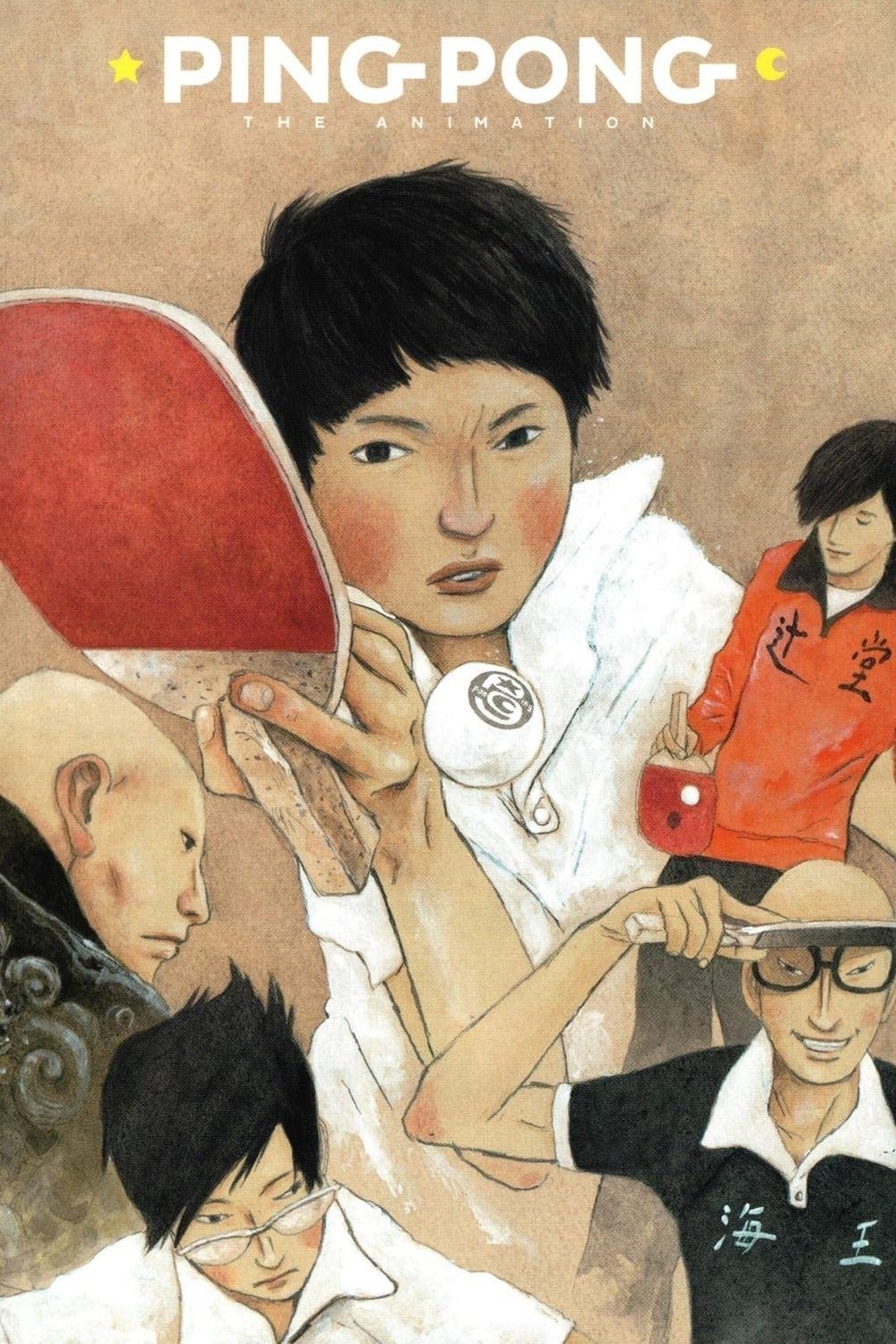
‘Ping Pong the Animation’ tells the story of Peco and Smile, two very different childhood friends who are both talented table tennis players. As they compete in tournaments throughout high school, their friendship and personal goals are challenged by various pressures. The anime features a unique, hand-drawn art style that focuses on realistic movement rather than polished visuals. Ultimately, it’s a character-focused drama that uses the world of competitive table tennis to delve into the characters’ inner lives.
‘Mononoke’ (2007)
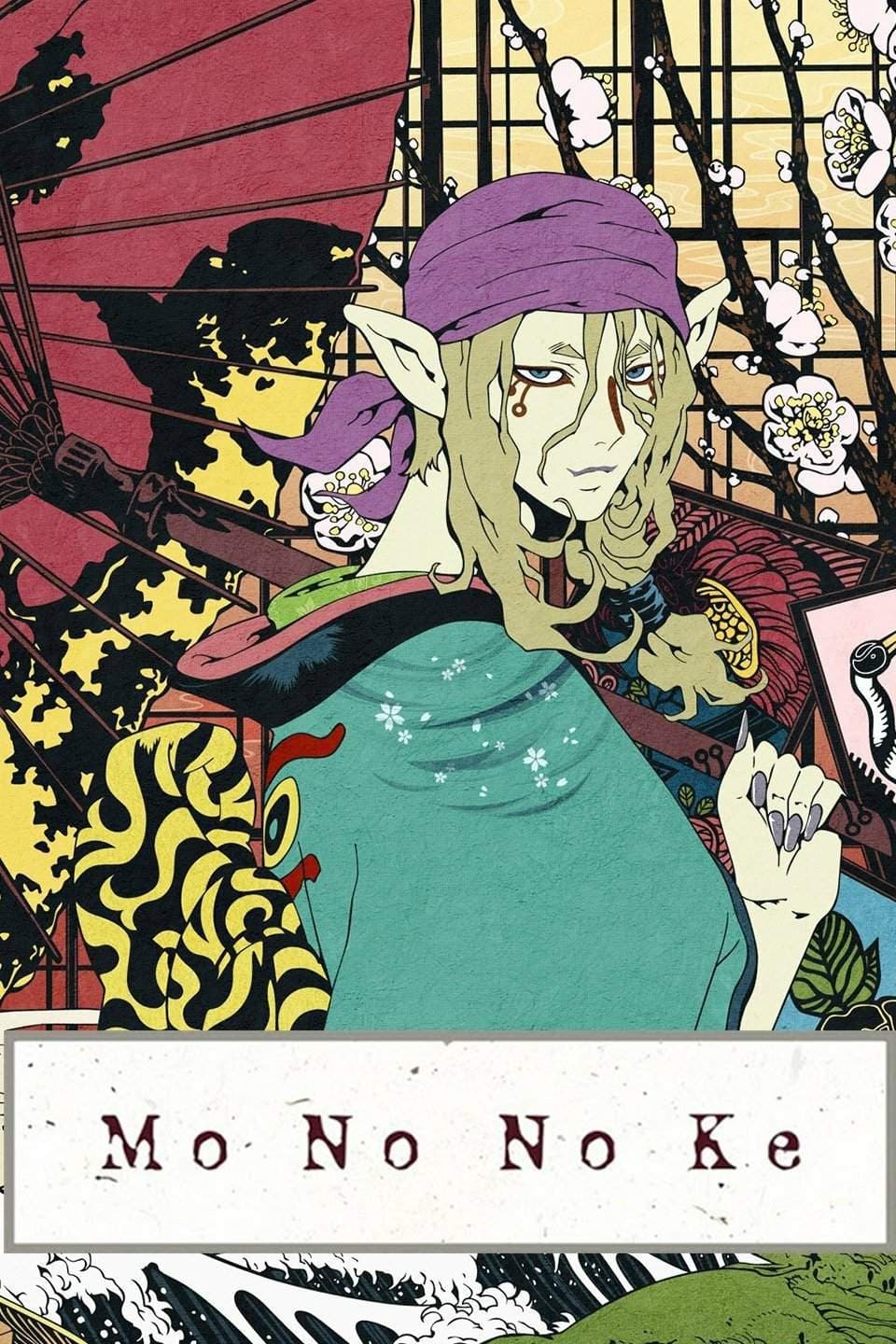
As a huge fan of atmospheric horror, I’m completely captivated by ‘Mononoke.’ It follows a mysterious character—the Medicine Seller—who wanders around Japan dealing with incredibly dangerous spirits. But it’s not just about fighting; he has to understand each spirit, figuring out its shape, the story behind its existence, and why it’s causing trouble. And visually? Forget everything you’ve seen. The art style is just breathtaking, heavily inspired by classic Japanese woodblock prints. It’s really a groundbreaking take on horror and Japanese folklore, pushing boundaries in a way that’s both beautiful and terrifying.
‘Texhnolyze’ (2003)
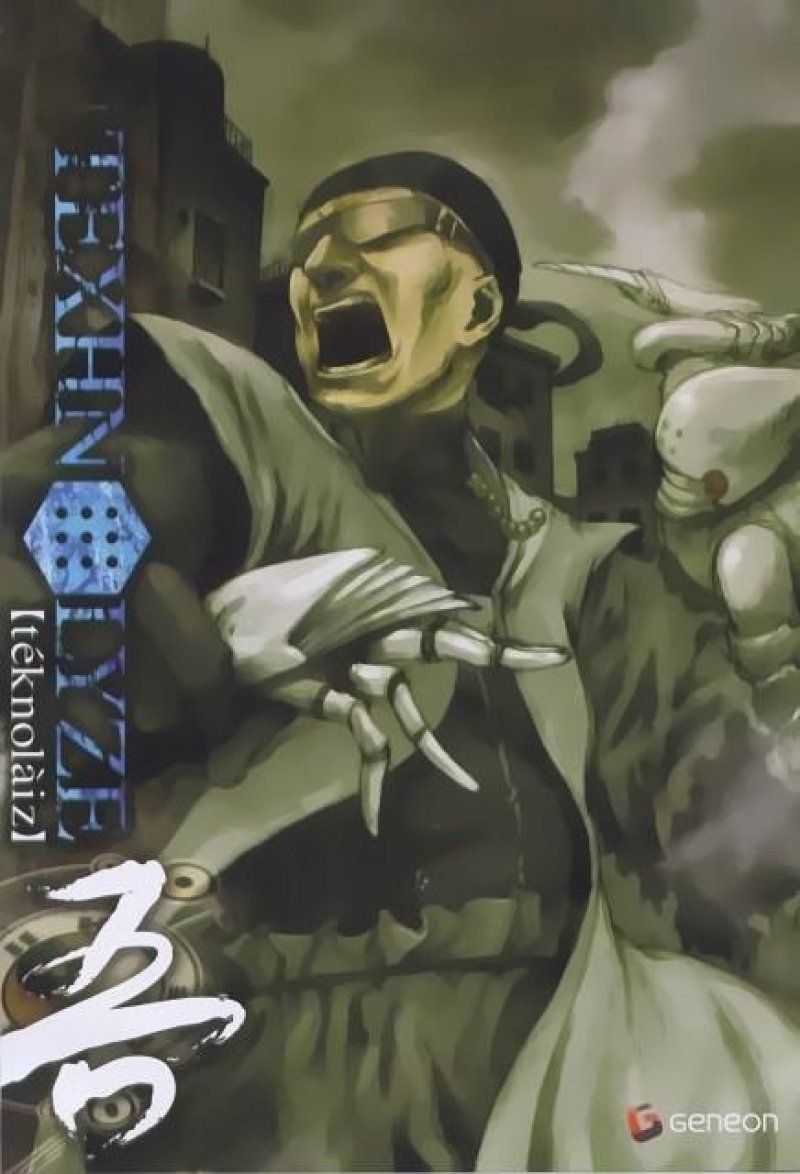
Lukuss is a crumbling city beneath the surface where different groups battle for power, fighting over scarce supplies and incredibly advanced robotic body parts called Texhnolyze. When a fighter named Ichise loses his arms and legs, he’s rebuilt with this technology and unexpectedly becomes central to the city’s future. The story is known for being dark and depressing, with very little conversation, and a unique, experimental soundtrack. ‘Texhnolyze’ is a thought-provoking exploration of what it means to be human, and a bleak look at the idea that life is ultimately meaningless.
‘Serial Experiments Lain’ (1998)
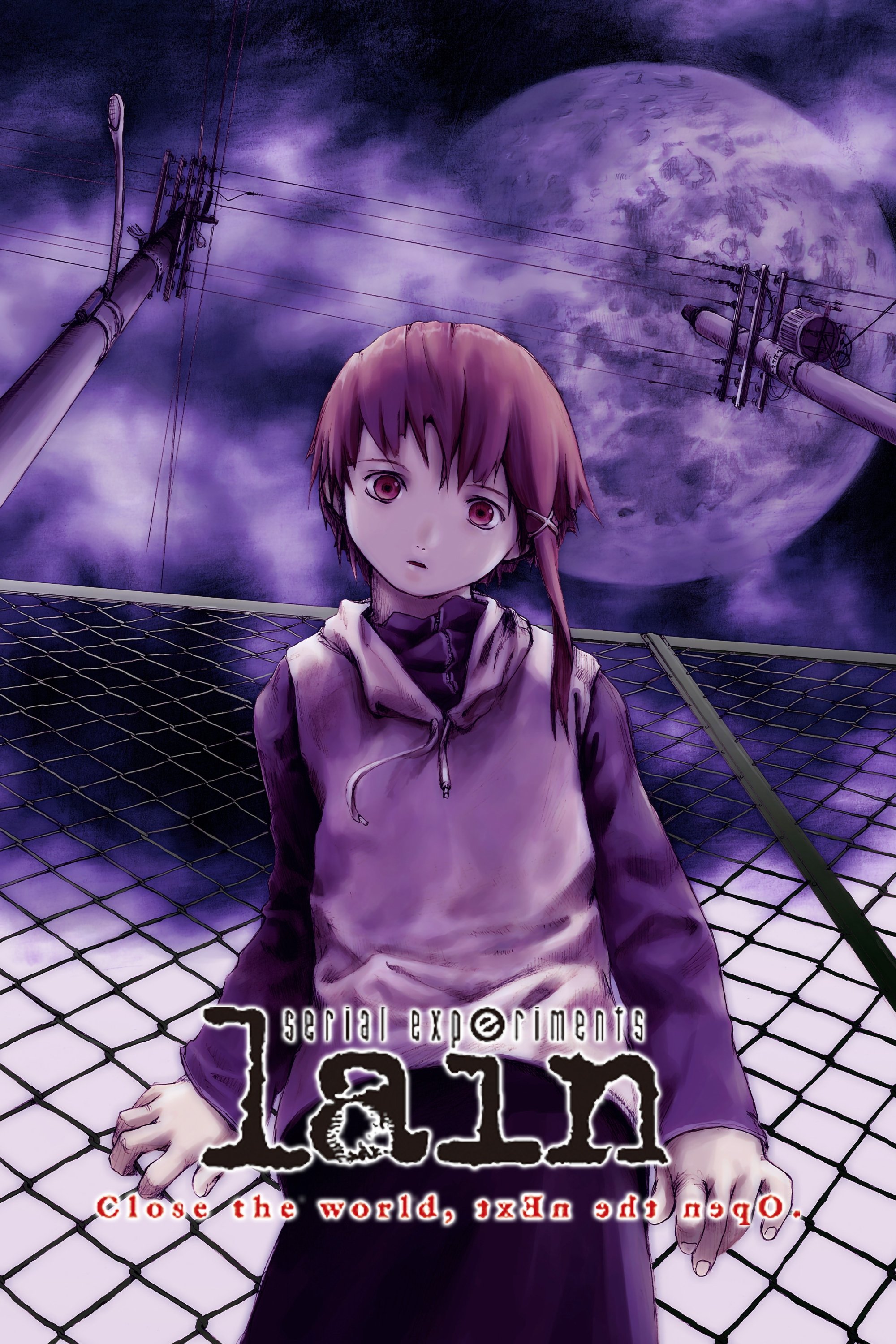
I started watching ‘Serial Experiments Lain’ because I was drawn to the story of Lain Iwakura, a really quiet girl who gets super into this massive online network called the Wired. It’s amazing how the show makes you question what’s real and what’s not, especially as Lain gets more and more connected. It really hit on things that feel so relevant today – how technology affects who we are and how we connect with others. Honestly, it’s a mind-bending series and I can see why it’s considered a classic of the cyberpunk genre, it makes you think about some really deep stuff.
‘Haibane Renmei’ (2002)
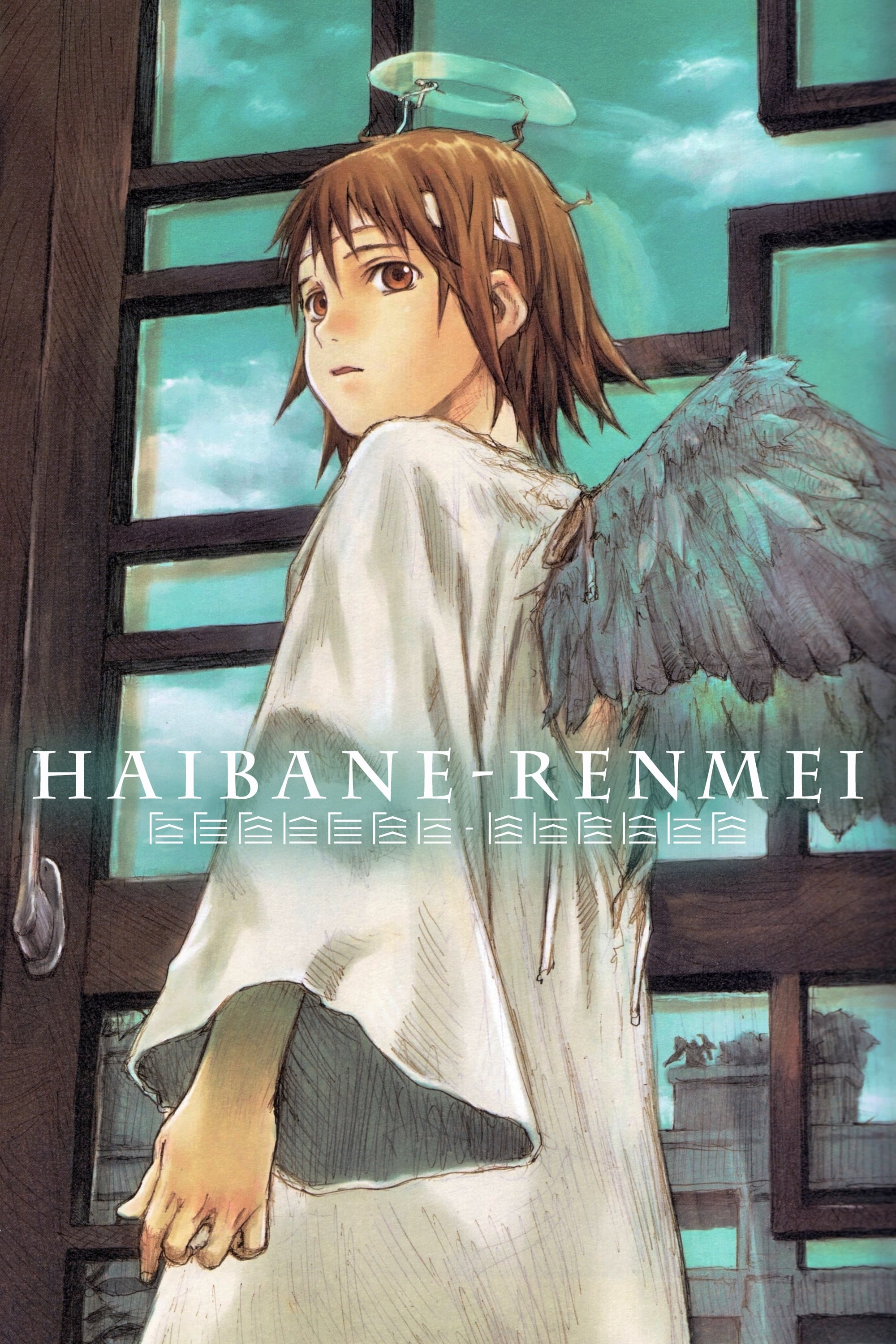
Rakka is a young girl who finds herself in a mysterious walled city with no memory of who she is. Soon after, she develops small, grey wings and discovers a community of winged beings called Haibane. These Haibane live by a set of rules while waiting for a special day when they can finally ‘fly.’ The story thoughtfully examines ideas of guilt, forgiveness, and what it means to be a soul. ‘Haibane Renmei’ is known for its calm, deliberate storytelling and beautifully imagined world.
‘Kyousougiga’ (2013)
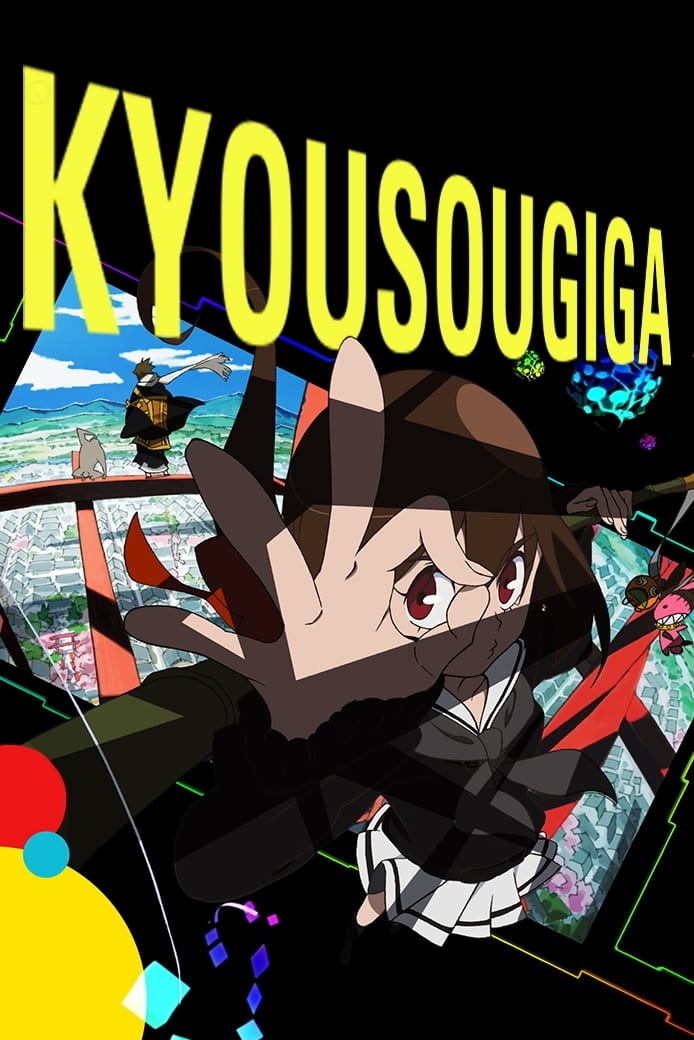
Koto and her siblings are trapped in Mirror Kyoto, a lively and unpredictable world where spirits and humans live together. As they try to find a way back home, they have to navigate their unusual family and uncover the secrets behind this magical place. ‘Kyousougiga’ is a visually dynamic series that explores themes of family, finding where you belong, and the weight of the past, all woven together with elements of Buddhist mythology.
‘Showa Genroku Rakugo Shinju’ (2016–2017)
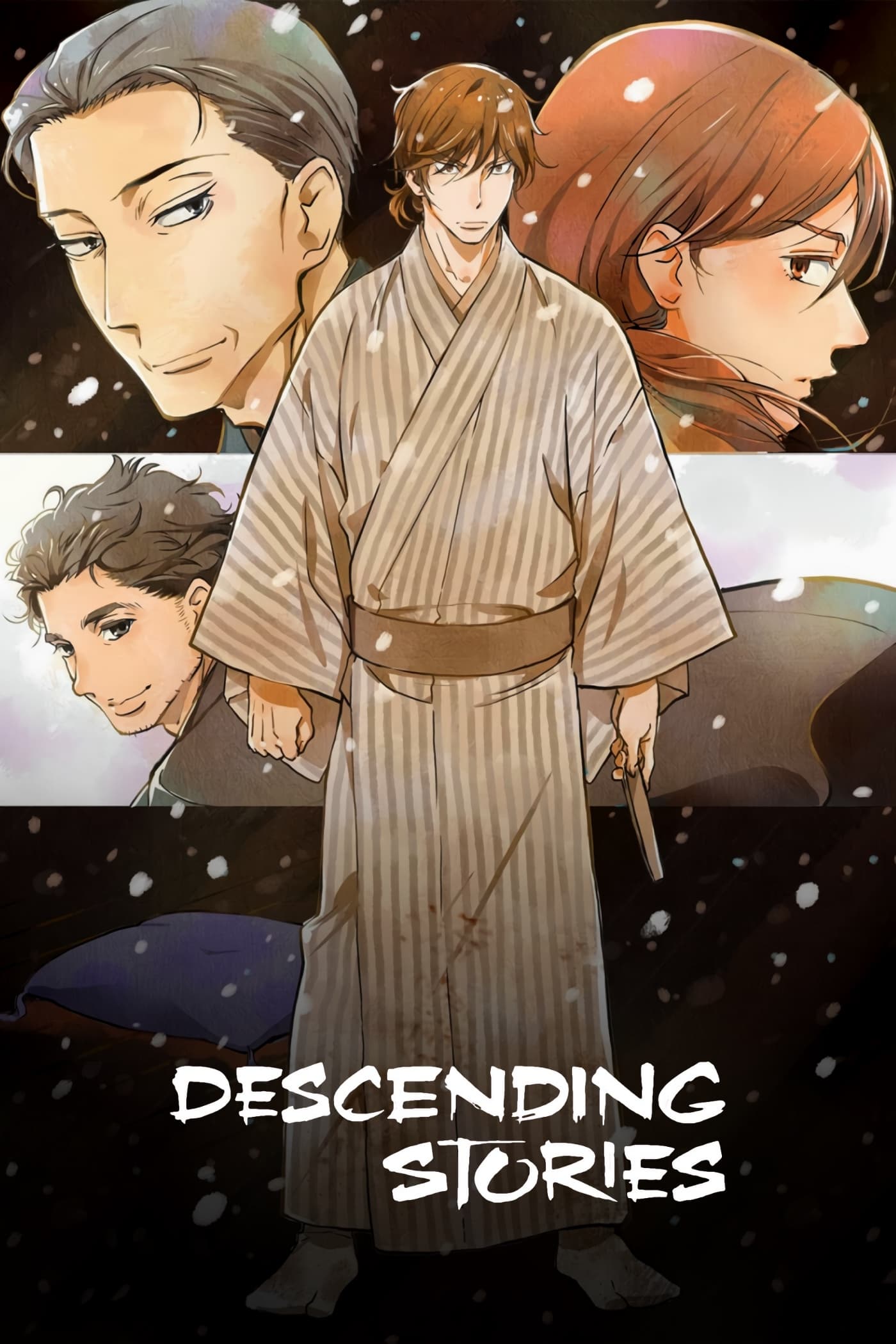
‘Showa Genroku Rakugo Shinju’ is a compelling drama about rakugo, a classic Japanese style of comedic storytelling. The story follows a man recently released from prison as he pursues his dream of becoming a rakugo apprentice under a celebrated master. Throughout several decades, the series delves into the rich history of this art form and the often heartbreaking lives of its performers. It’s praised for its thoughtful writing and accurate depiction of the past.
‘Land of the Lustrous’ (2017)
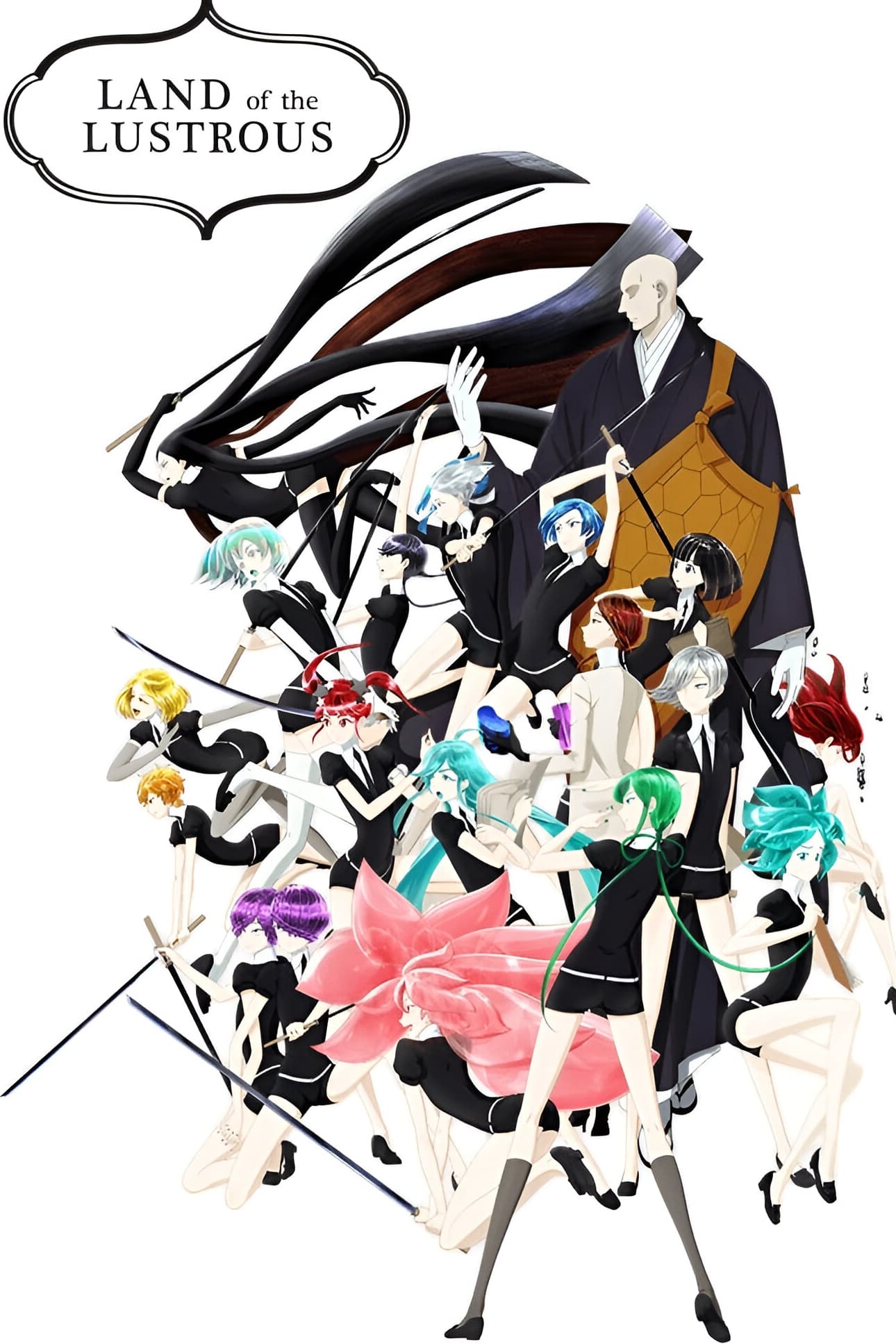
Far in the future, Earth is home to the Gems, a unique life form constantly battling the Lunarians, who want to exploit them. Phosphophyllite, a young and fragile Gem, is trying to find their place and meaning in a world where Gems are immortal. The series is known for its stunning, cutting-edge 3D animation, which beautifully brings the crystal-like characters to life. ‘Land of the Lustrous’ explores powerful themes like growing up, dealing with loss, and figuring out who you are.
‘March Comes in Like a Lion’ (2016–2018)
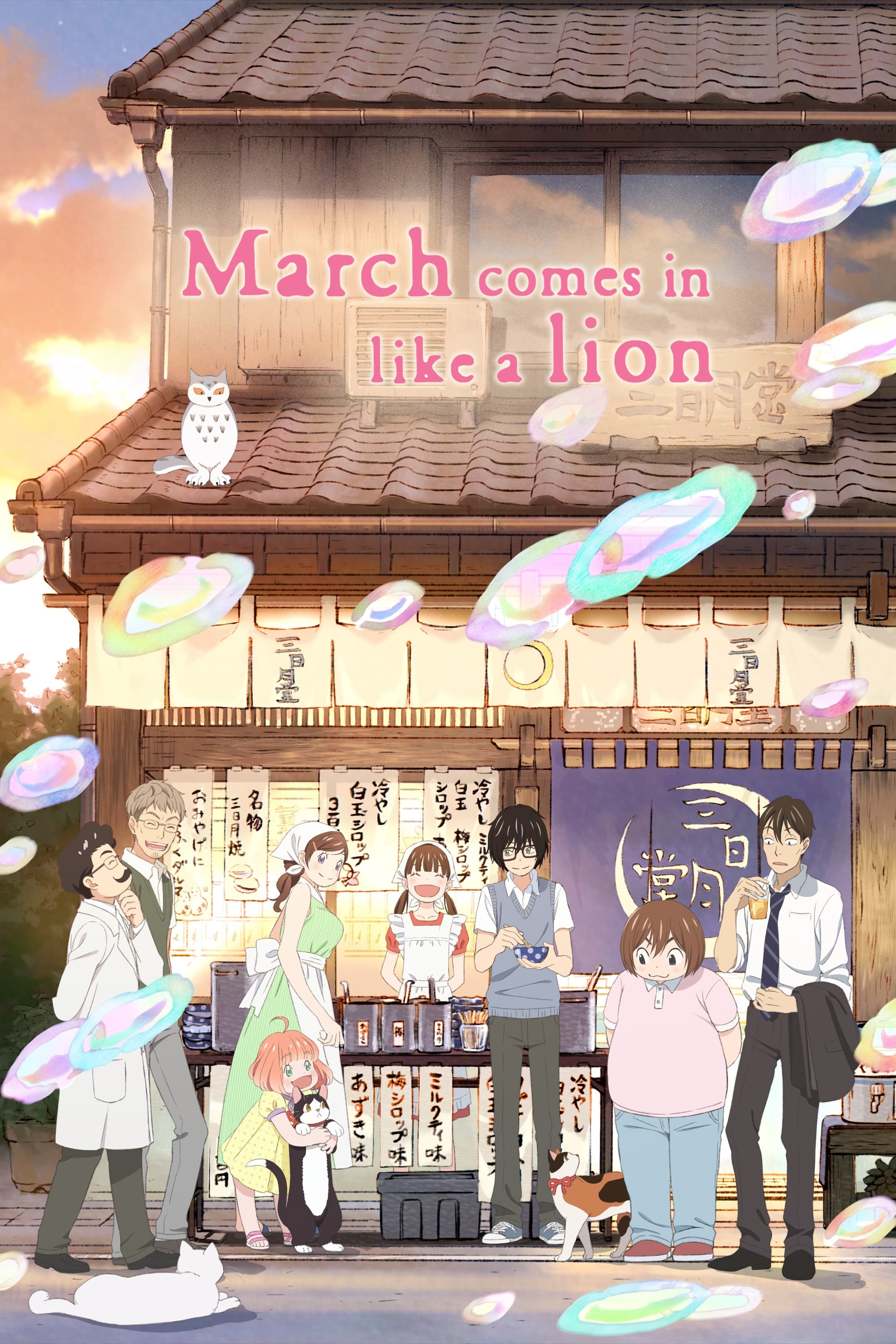
Rei Kiriyama is a talented shogi player battling loneliness and depression following a family tragedy. His life starts to improve when he’s taken in by the kindhearted Kawamoto sisters and their welcoming home. The story beautifully contrasts the high-pressure world of competitive shogi with the simple joys of everyday life, offering a thoughtful and honest look at mental health.
‘Rainbow’ (2010)
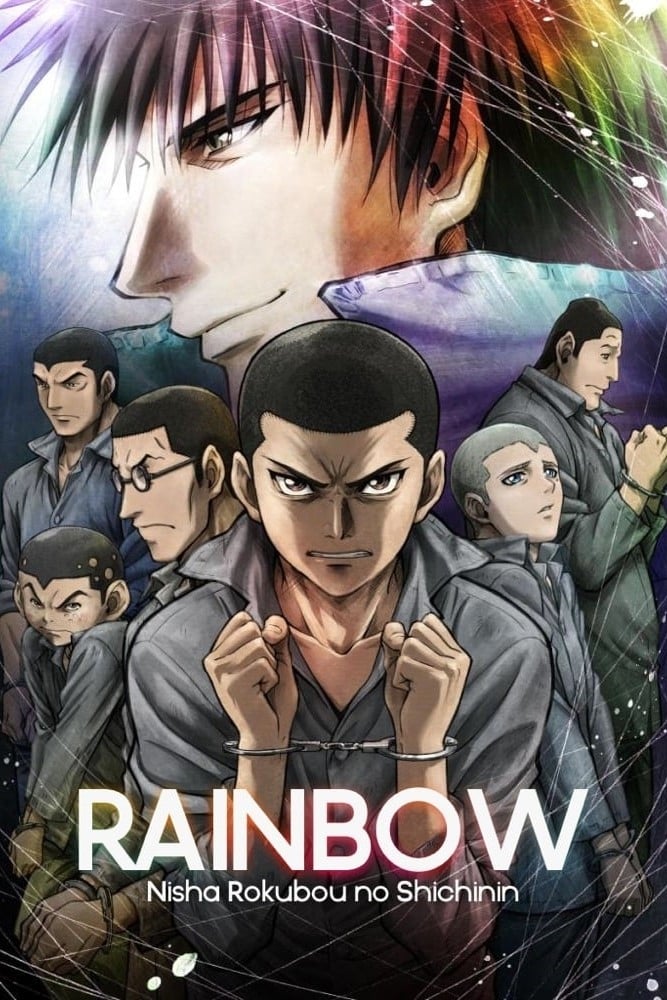
‘Rainbow’ is a story set in post-war Japan, 1955, following seven teenage boys sent to a harsh reformatory. There, they face terrible mistreatment but find strength in their friendship with an older prisoner. Together, they make a pact to survive the abuse and pursue their dreams. The film is known for its realistic and unflinching portrayal of a difficult time and place, and highlights the power of hope even in the darkest of circumstances.
‘Kaiji’ (2007–2011)
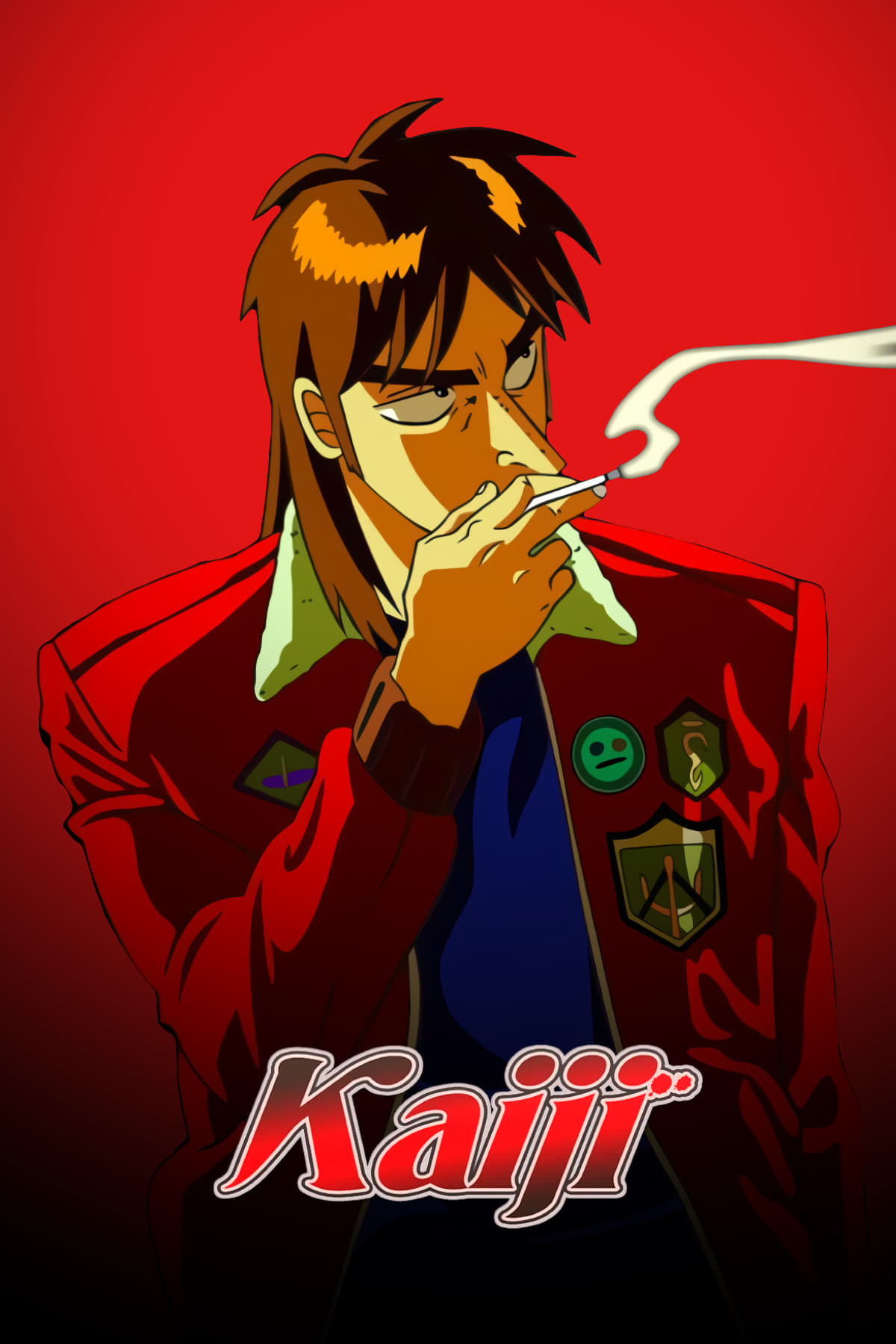
Kaiji Itou is a gambler deeply in debt when a friend vanishes, leaving him to foot the bill. He’s then thrown into dangerous, illegal games where losing can mean horrific physical consequences or being forced to work. The show uses dramatic visuals and explores the characters’ thoughts to build incredible tension. ‘Kaiji: Ultimate Survivor’ is a harsh look at how capitalism can exploit people and the power of greed.
‘Welcome to the N-H-K’ (2006)
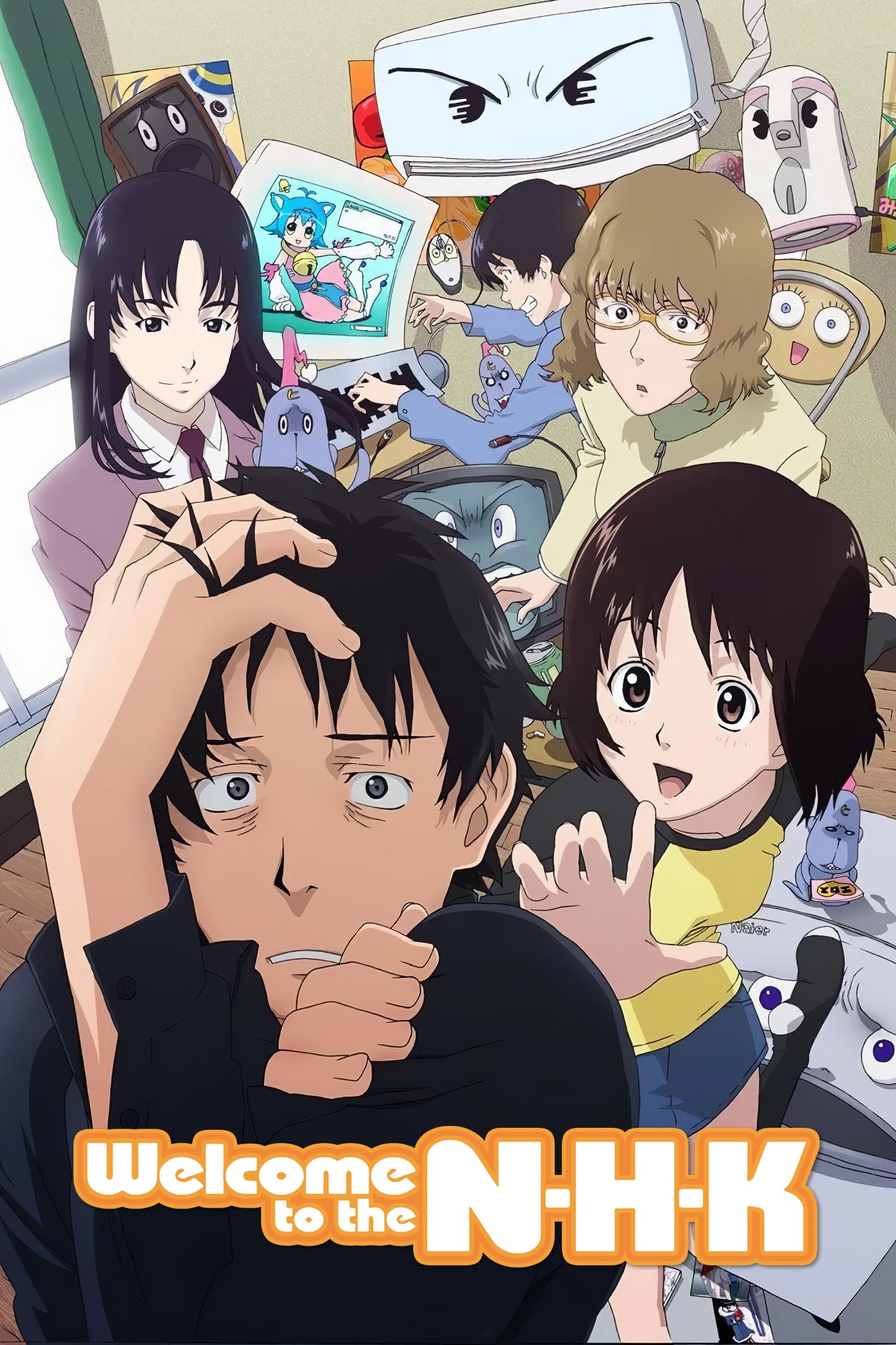
Tatsuhiro Satou has been a recluse for four years, dropping out of college and withdrawing from society. He believes this is due to a plot by the N.H.K., a shadowy organization. The story follows his journey to reconnect with the world, aided by an enigmatic girl named Misaki. ‘Welcome to the N.H.K.’ delves into themes of loneliness, social awkwardness, and the challenges of being an adult today.
‘Ergo Proxy’ (2006)
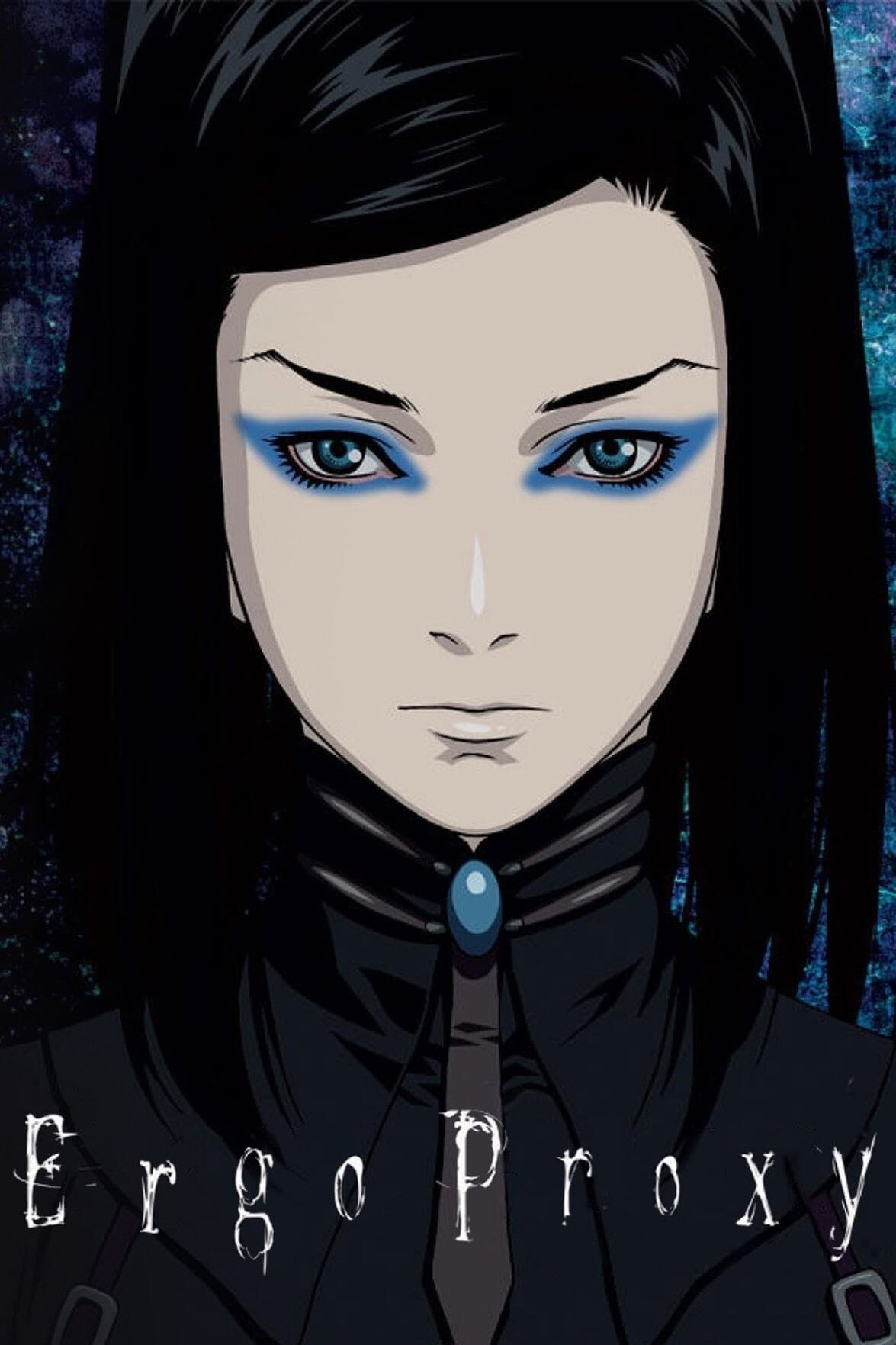
In a future devastated by an unknown catastrophe, the last of humanity lives in shielded cities alongside androids known as AutoRevs. Inspector Re-L Mayer investigates a disturbing series of murders committed by androids who have mysteriously gained self-awareness through a strange virus. As she delves deeper into the case, she uncovers the truth about the Proxies – immensely powerful beings who may hold the key to humanity’s future. ‘Ergo Proxy’ is known for its bleak, atmospheric visuals and thought-provoking story.
‘Princess Tutu’ (2002–2003)
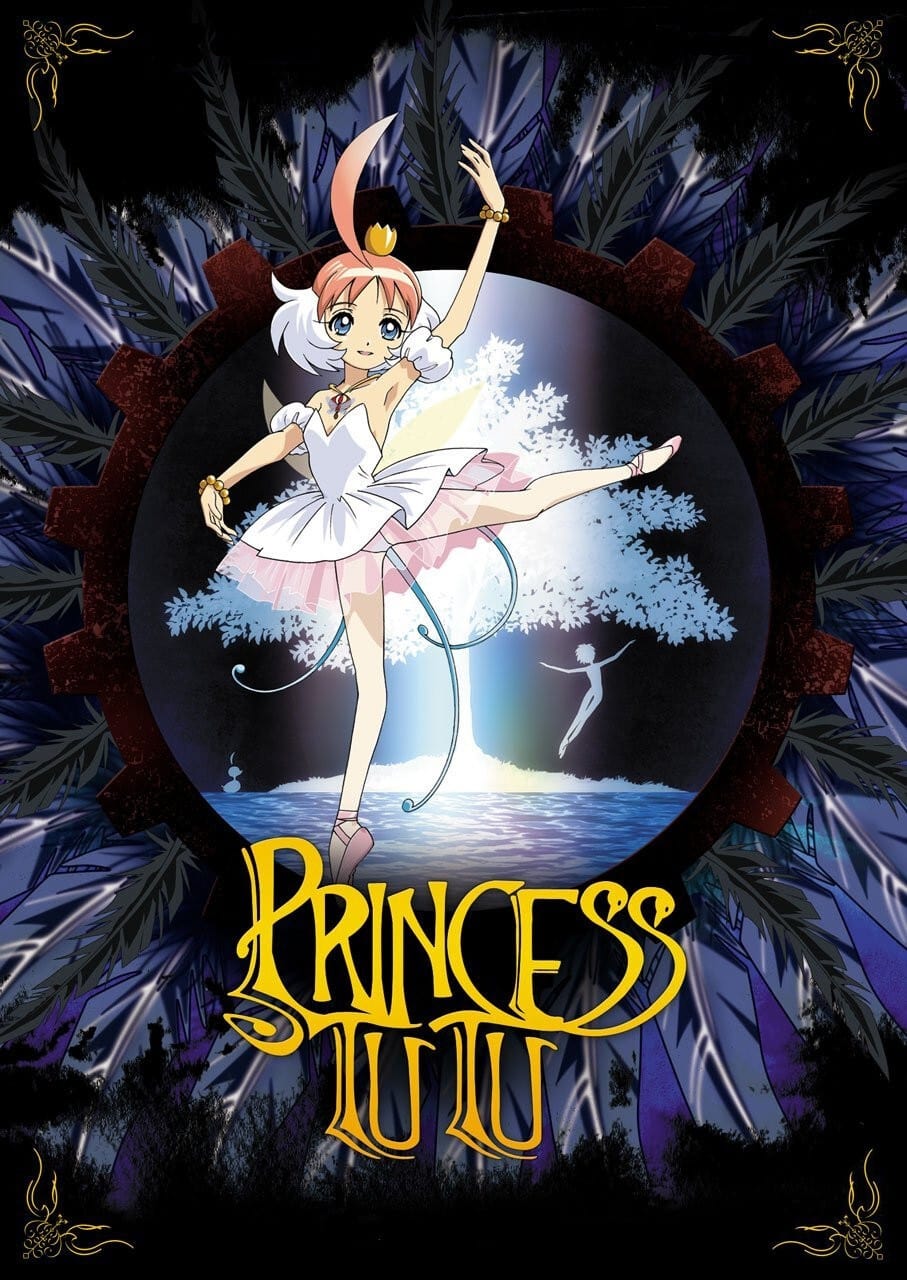
Princess Tutu tells the story of Ahiru, a duck magically turned into a human girl with a special mission: to help a prince piece his broken heart back together. As Princess Tutu, she uses dance to resolve the emotional problems of those around her, all while facing opposition from a mysterious storyteller. Though it looks like a typical magical girl show, ‘Princess Tutu’ is a clever and thoughtful series that plays with classic fairy tale tropes. It’s especially praised for its beautiful use of classical music and its exploration of whether our lives are predetermined or if we have the power to choose our own paths.
‘Gankutsuou’ (2004–2005)
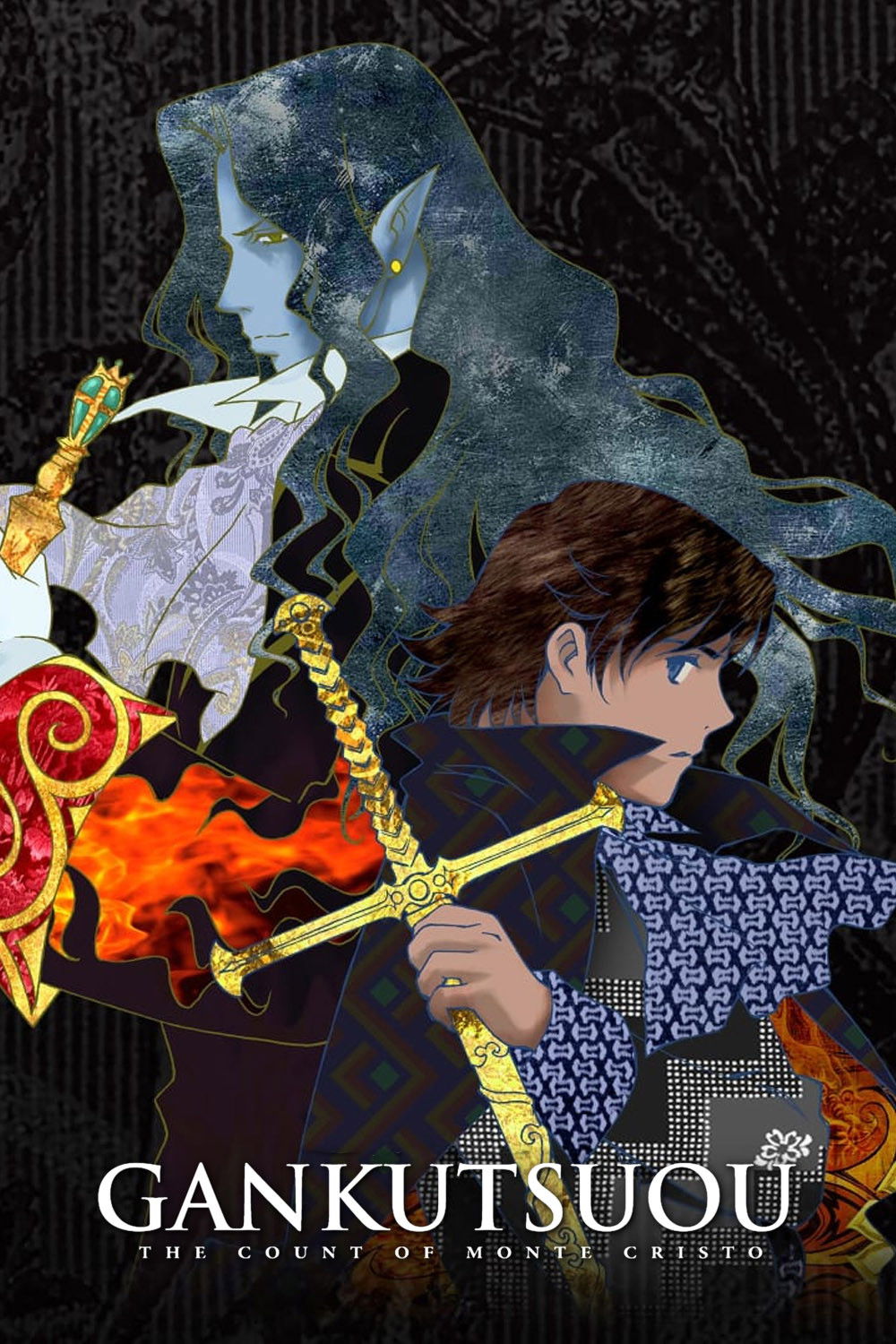
This animated series is a fresh, futuristic take on Alexandre Dumas’s famous novel. The story takes place in the year 5053 and centers around Albert de Morcerf, who becomes fascinated by the enigmatic and incredibly rich Count of Monte Cristo. The animation style is distinctive, using digital layering to create detailed and visually interesting clothing textures. ‘Gankutsuou: The Count of Monte Cristo’ keeps the original story’s central ideas of revenge and betrayal but adds a science fiction twist.
‘Golden Kamuy’ (2018–2023)
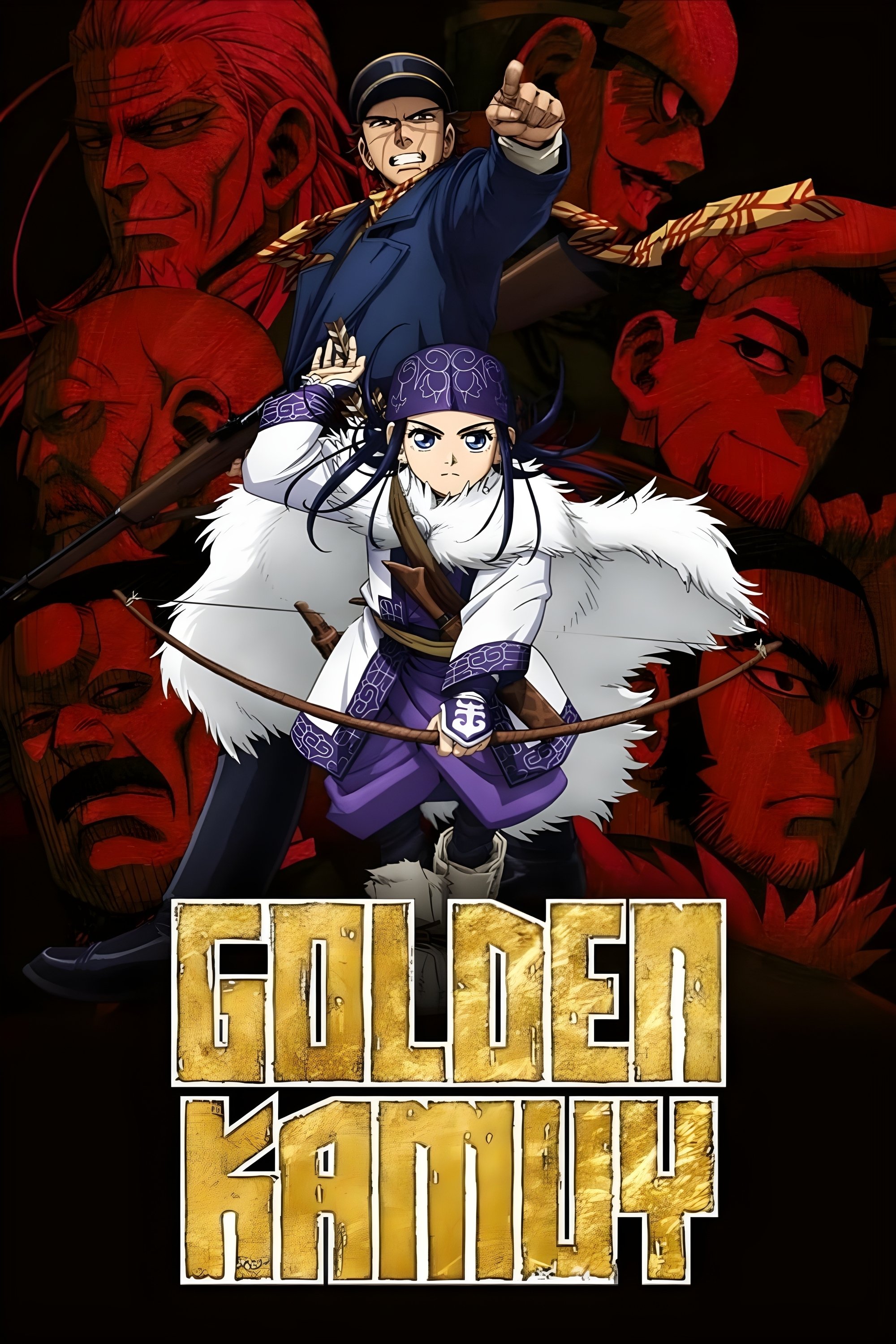
Following the Russo-Japanese War, veteran Saichi Sugimoto journeys into the wilds of Hokkaido in search of a legendary Ainu gold treasure. He partners with Asirpa, an Ainu girl who guides him through the land and shares her culture. Their quest involves a colorful group of characters, all chasing clues – a map to the treasure is tattooed onto the bodies of escaped prisoners. ‘Golden Kamuy’ is well-known for its accurate historical details, mouthwatering depictions of food, and its ability to seamlessly blend thrilling action with humor.
‘Planetes’ (2003–2004)
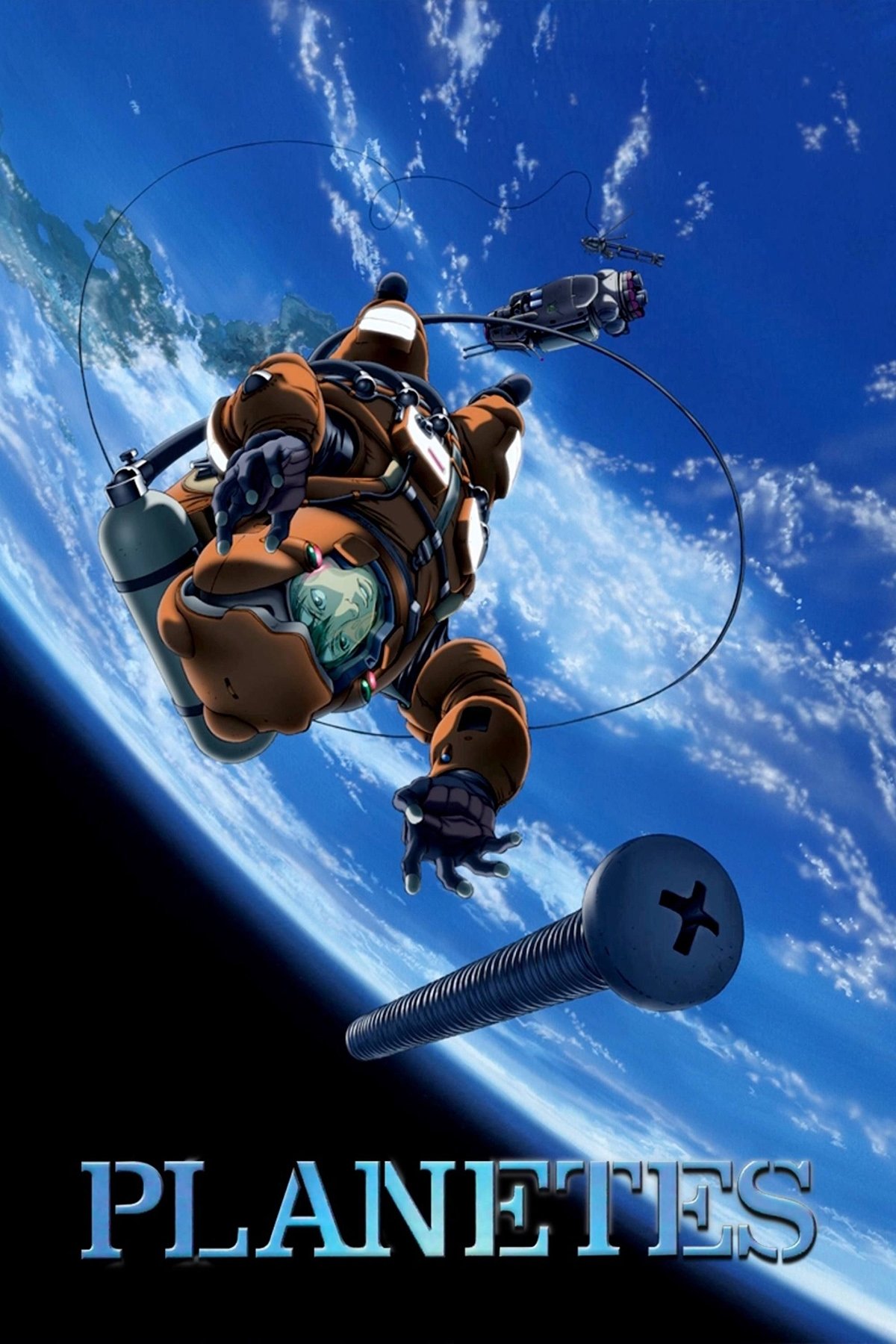
It’s 2075, and while space travel is now everyday, it’s created a lot of dangerous trash orbiting Earth. The story centers on the crew responsible for cleaning up this ‘space junk’ – a vital but often overlooked job. ‘Planetes’ combines accurate depictions of how things move in space with the characters’ personal dreams and the political challenges they face. It’s celebrated for its realistic and believable take on science fiction.
‘Space Brothers’ (2012–2014)
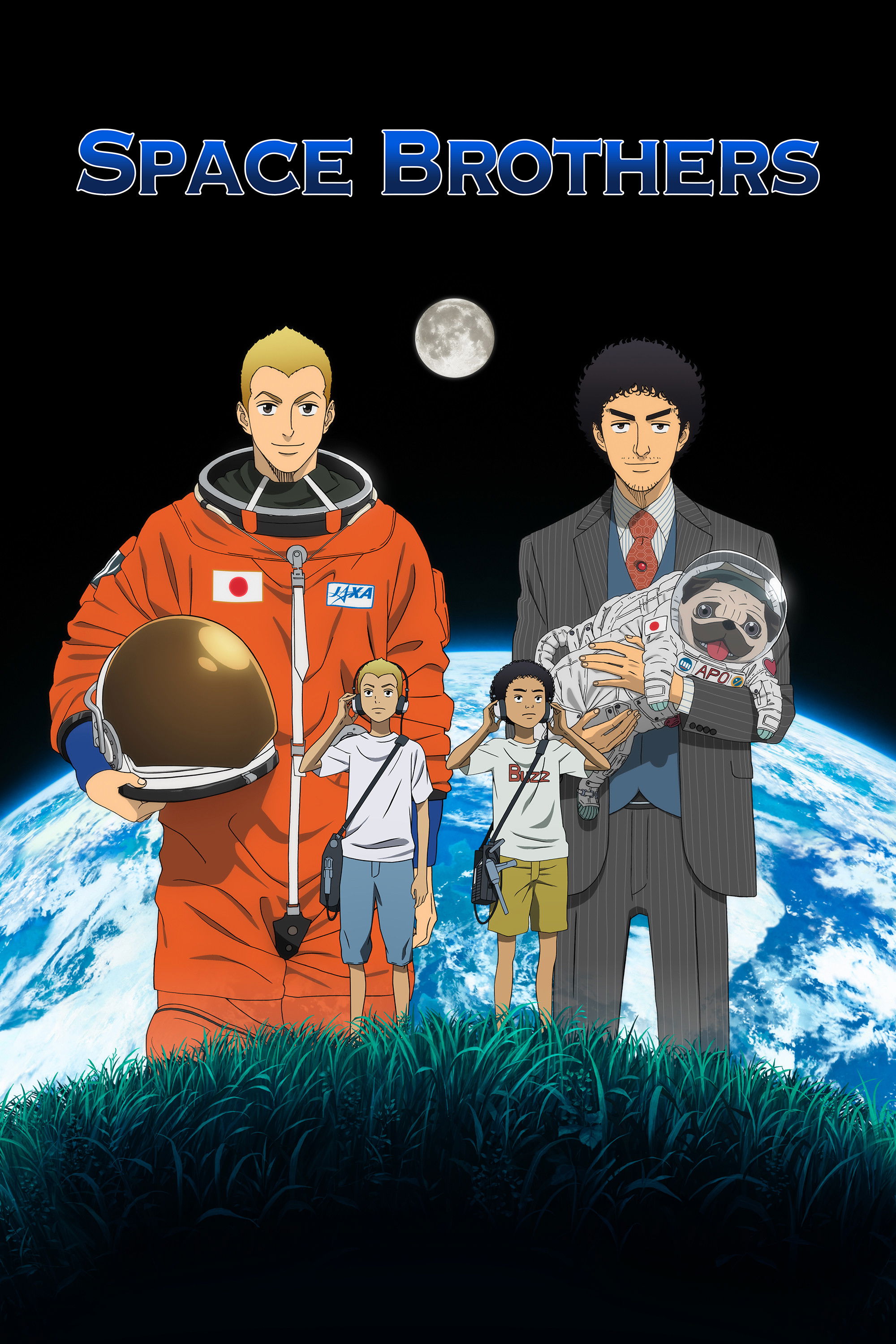
Mutta and Hibito made a childhood promise to become astronauts after seeing a UFO. While Hibito successfully achieved this dream, Mutta faced setbacks and was struggling with his career. Now, Mutta decides to chase his old dream and applies to become an astronaut with the Japanese Aerospace Exploration Agency. ‘Space Brothers’ is a long-running and inspiring story that highlights the dedication required for space exploration, and the personal journeys of those involved.
‘Legend of the Galactic Heroes’ (1988–1997)
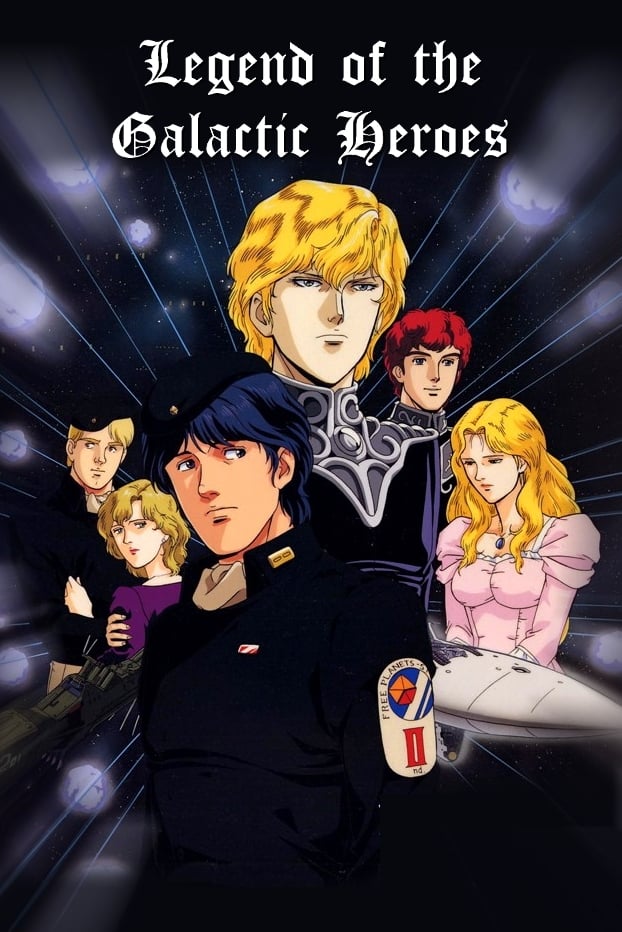
‘Legend of the Galactic Heroes’ is a grand space saga about a war between the powerful Galactic Empire and the Free Planets Alliance. The story centers on the brilliant strategies of two opposing commanders, Reinhard von Lohengramm and Yang Wen-li. Instead of a simple story of good versus evil, the series delves into different political ideas and the devastating impact of war. It’s widely praised as a landmark achievement in political storytelling and military drama.
‘Penguindrum’ (2011)

Kanba and Shoma are brothers on a desperate mission to save their sister, Himari, who is seriously ill. They’re helped by three unusual penguins that only they can see, and their journey revolves around finding a mysterious object called the Penguindrum. The story is full of hidden meanings, drawing connections to real-world events and exploring ideas about destiny and family. Despite its colorful and lively animation, ‘Mawaru Penguindrum’ tells a plot that becomes increasingly sad and dreamlike.
‘Kaiba’ (2008)
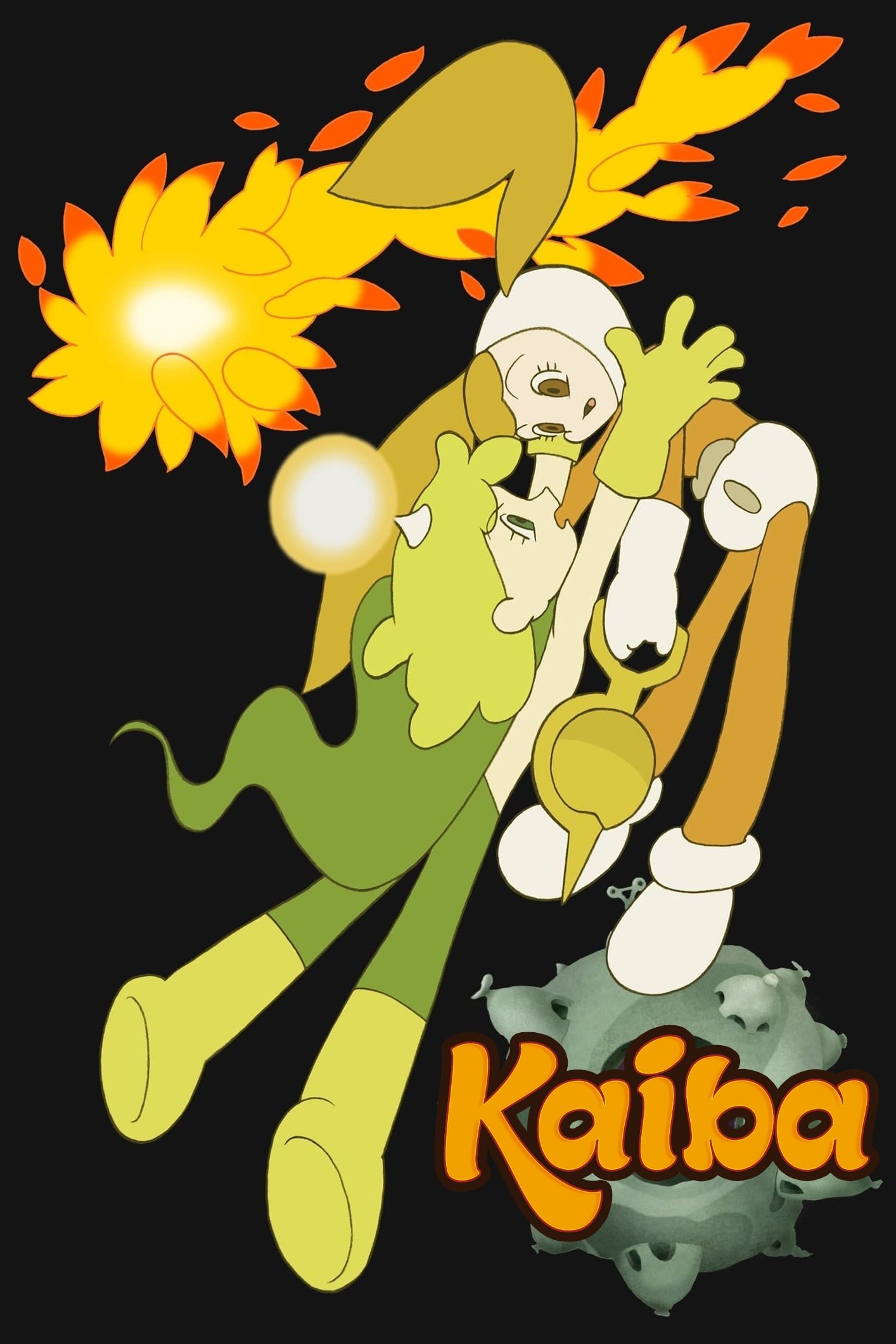
In a futuristic world where people can store memories digitally and replace body parts, a stark divide exists between the rich and the poor. The story follows Kaiba, a man who wakes up with amnesia and a mysterious wound, as he travels across various planets. Despite its gentle, old-fashioned visual style, the series tackles deep and challenging questions about who we are and what makes us human, especially in a society where technology blurs the lines of what it means to be human. ‘Kaiba’ is a unique and thought-provoking exploration of identity and memory.
‘Revolutionary Girl Utena’ (1997)
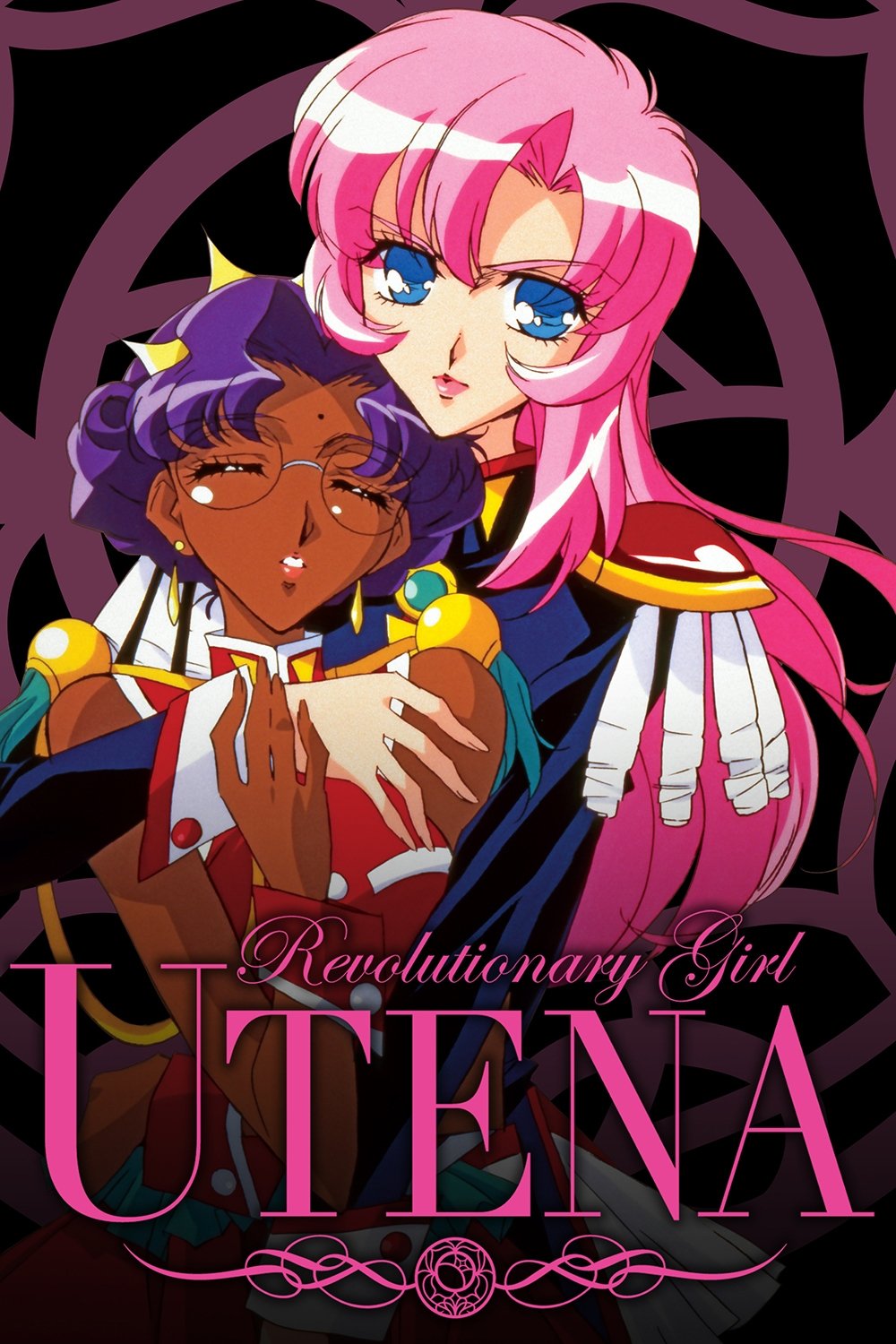
Utena Tenjou is a young girl who starts attending Ohtori Academy and quickly finds herself caught up in mysterious sword fights—battles to win the title of ‘Rose Bride.’ Utena dreams of becoming a prince, not for romance, but to be a strong protector. The show is visually striking and uses symbolism to explore themes of gender and authority. ‘Revolutionary Girl Utena’ is a groundbreaking anime in the magical girl genre, famous for its complex and thoughtful storytelling.
‘Paranoia Agent’ (2004)
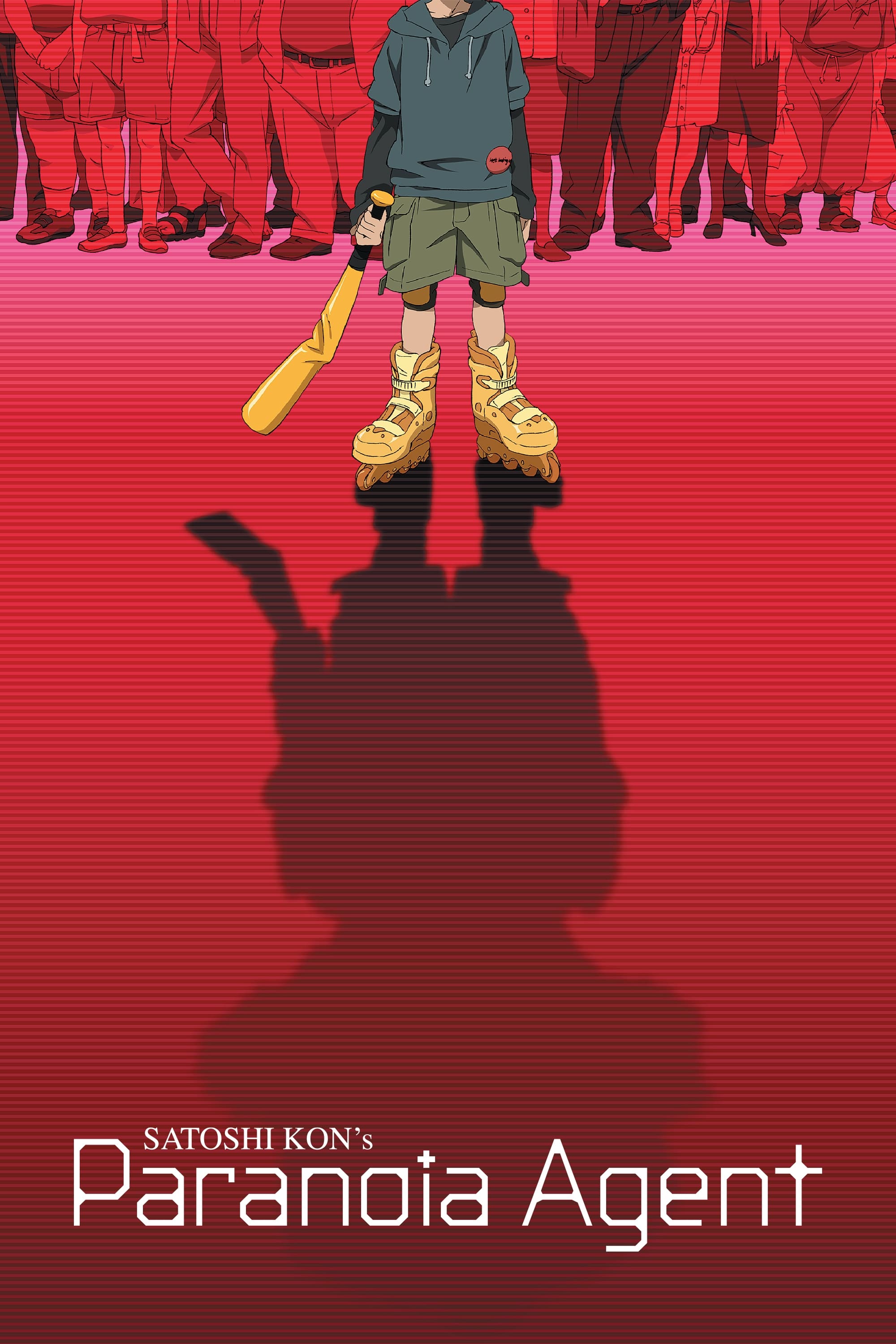
The city of Musashino is gripped by fear due to Shonen Bat, a mysterious boy on rollerblades who is attacking people with a golden bat. The police investigation reveals a strange connection between the victims: they all felt stifled by their lives and, oddly, seemed to welcome the attacks as a way out. The series explores themes of mass panic, the desire to escape reality, and the stresses of contemporary life. Notably, ‘Paranoia Agent’ is the sole television series directed by the renowned Satoshi Kon.
‘Last Exile’ (2003)
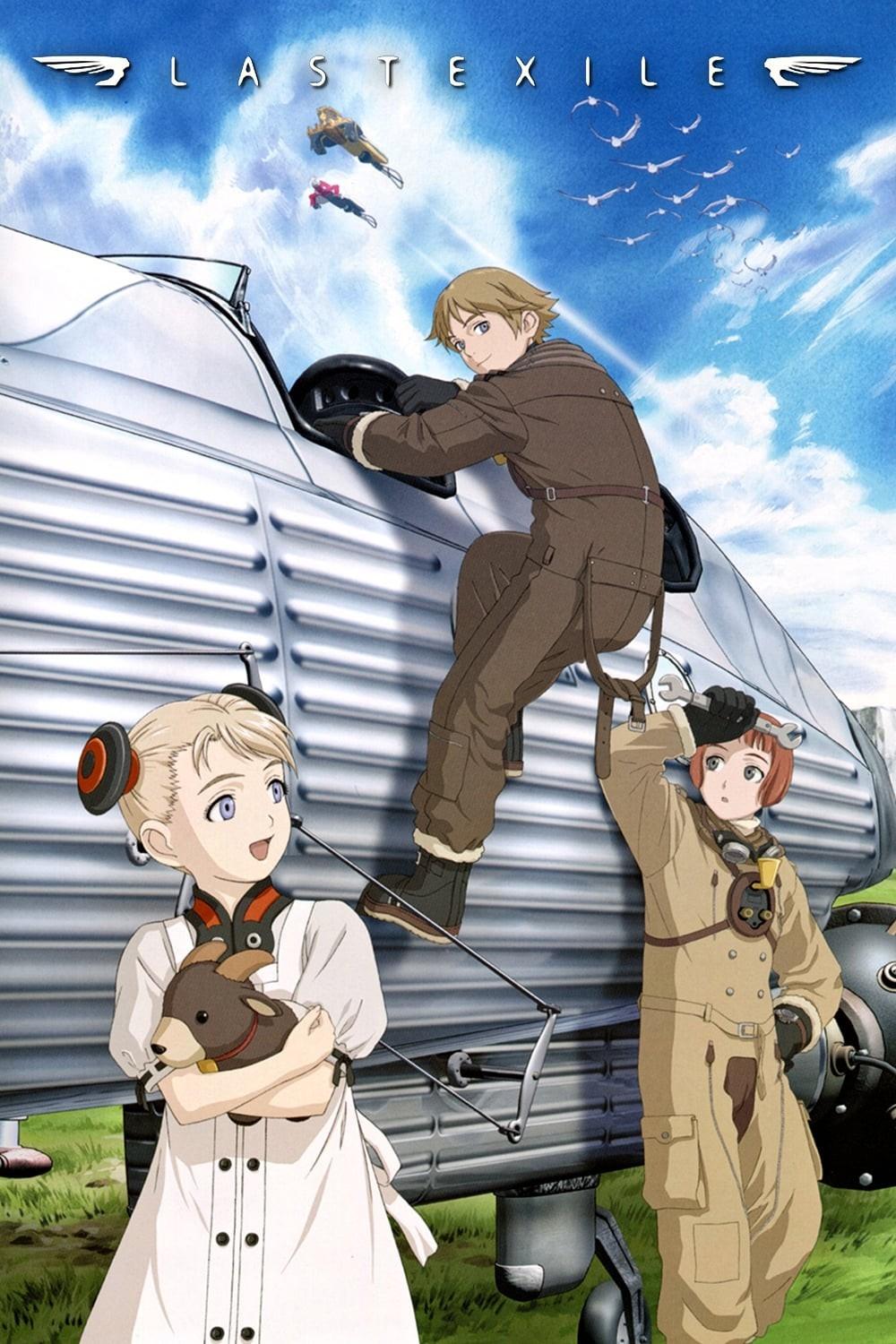
Claus Valca and Lavie Head are couriers who fly through a world filled with floating islands and huge airships, traveling in their small vanship. Their lives change when they agree to deliver a mysterious girl named Alvis to a famous battleship, drawing them into a worldwide conflict. ‘Last Exile’ is known for its unique steampunk style and exciting air battles, and boasts impressive animation and a richly detailed world inspired by the early days of flight.
‘Gunbuster’ (1988)
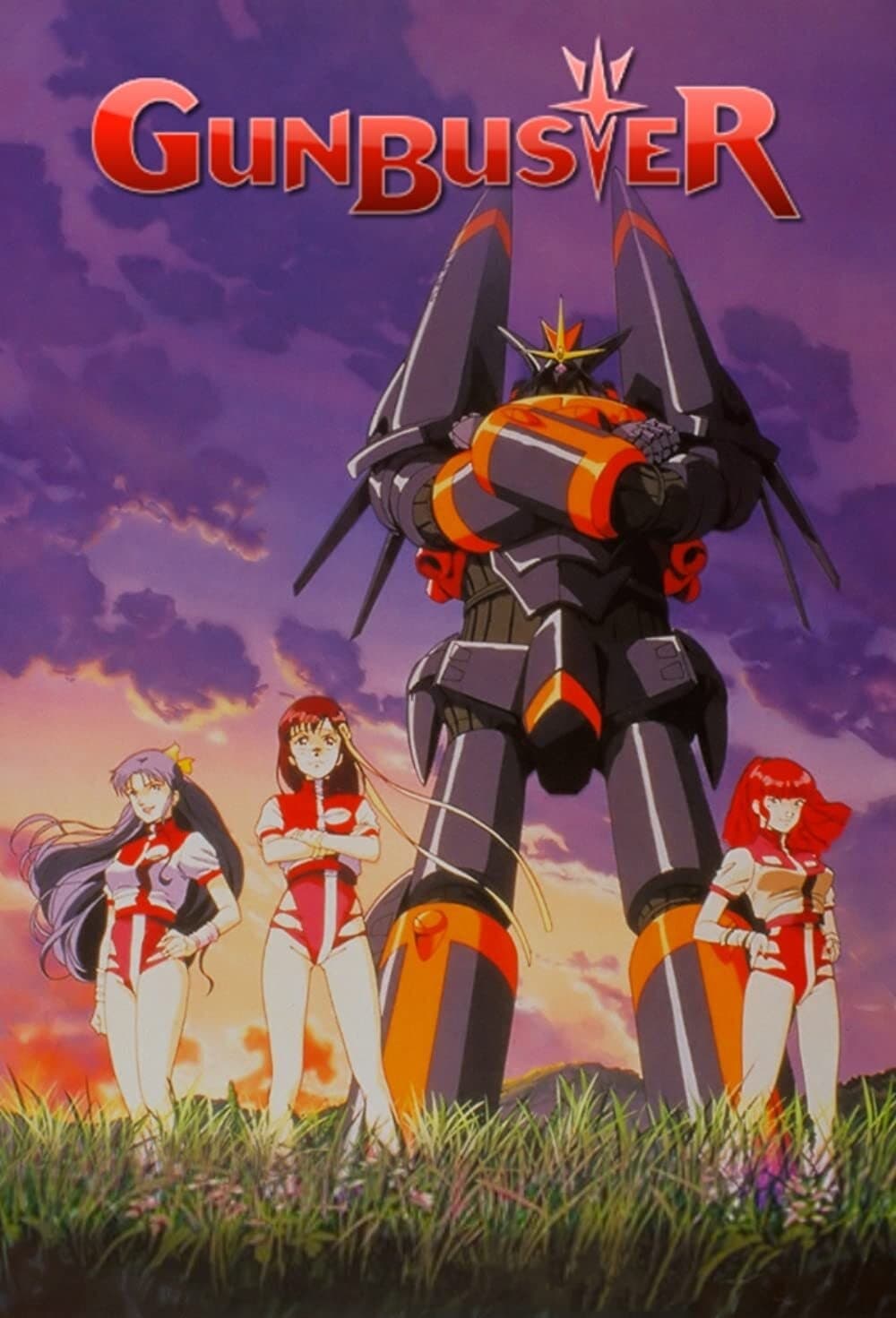
Noriko Takaya is a trainee pilot learning to operate giant robots and protect Earth from alien insect-like creatures. The story chronicles her growth from an inexperienced beginner to a celebrated hero amidst a galactic war. ‘Gunbuster,’ a renowned anime from Gainax, skillfully combines heartfelt storytelling with exciting science fiction, even incorporating realistic scientific ideas like time dilation into its action sequences.
‘The Vision of Escaflowne’ (1996)
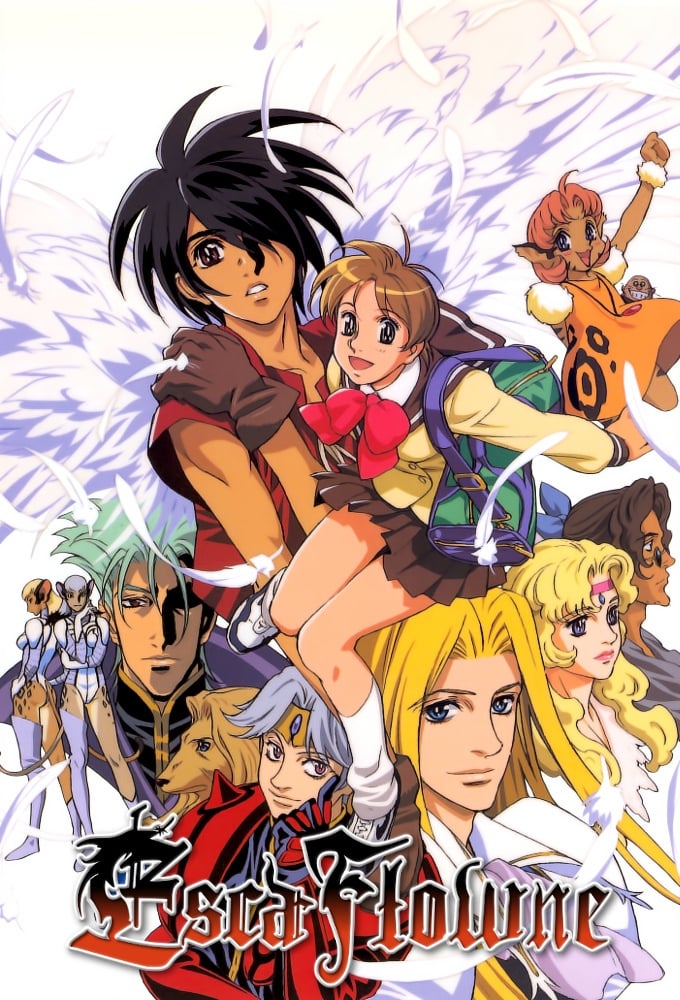
Hitomi Kanzaki, a high school student who can foresee the future, unexpectedly finds herself in the fantastical world of Gaea. There, she’s caught in a war fought with massive robots called Guymelefs, and becomes involved with a prince named Van Fanel. The series is a unique mix of romantic drama, epic fantasy, and thrilling robot battles. Many fans remember it for its beautiful orchestral music composed by Yoko Kanno and its richly imagined world.
‘Wolf’s Rain’ (2003)
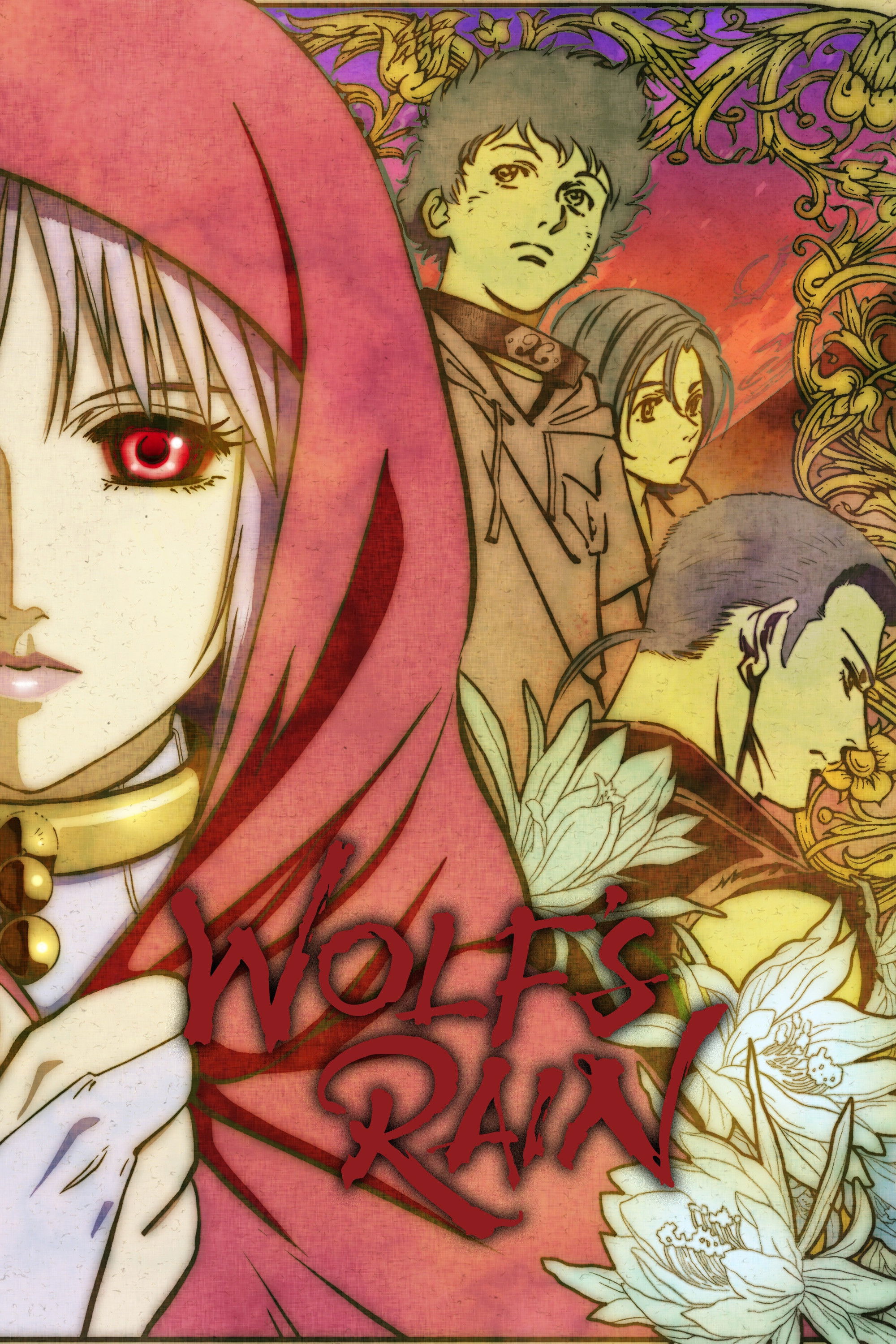
I’ve been completely drawn into ‘Wolf’s Rain’. It’s set in a world that’s falling apart, and it follows four wolves who can actually take human form. They’re on this incredible, desperate search for a place called Rakuen – a paradise that, amazingly, only wolves are supposed to be able to find. But it’s not easy; humans are after them, wanting to exploit their power. The whole story is really sad and focuses on how these characters try to hold onto hope when everything around them is crumbling. What really got me, though, was how beautiful it looks and sounds – the animation is stunning and the music is so moving.
‘The Big O’ (1999–2003)
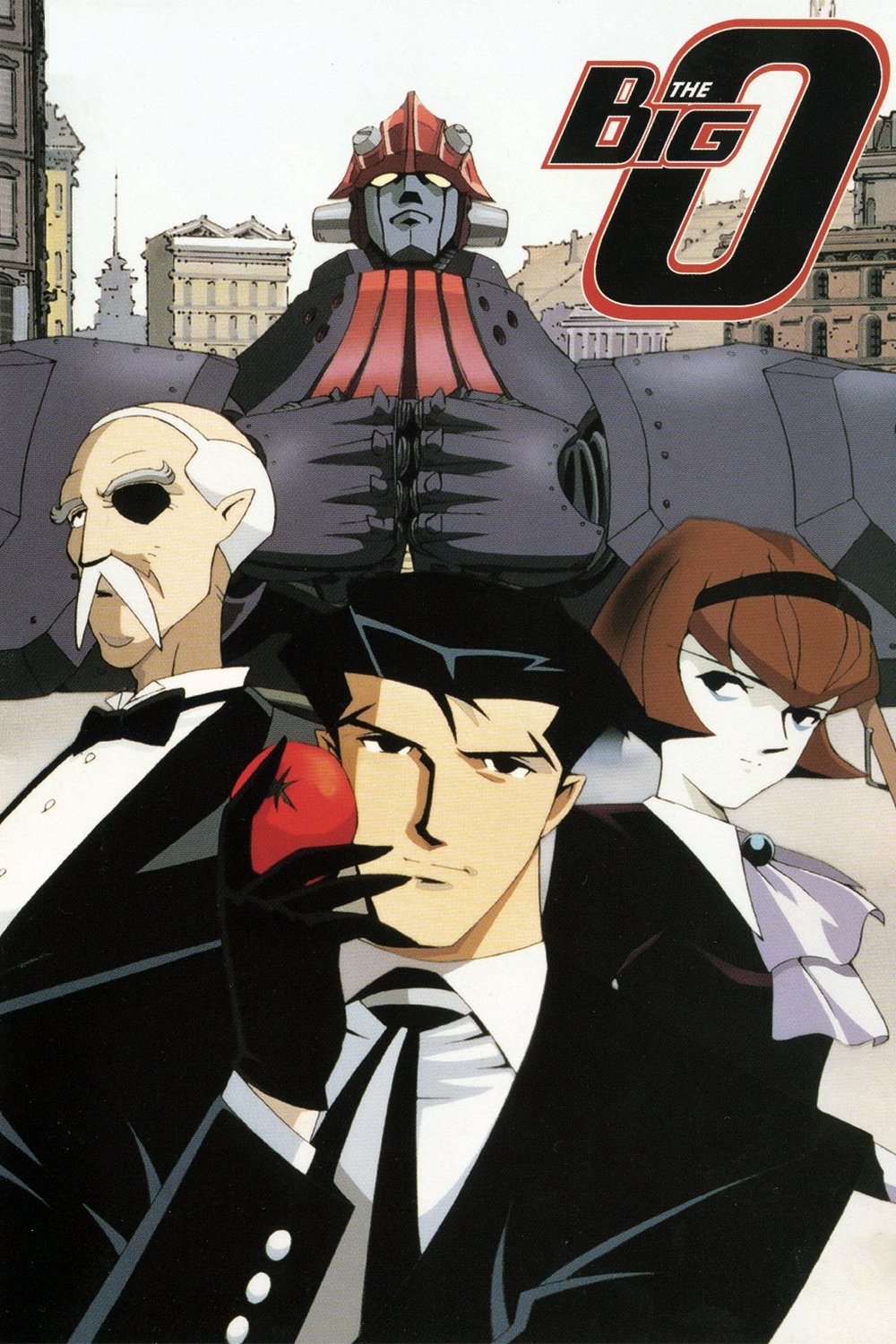
Roger Smith works as a negotiator in Paradigm City, a unique place where everyone lost their memories decades ago. When talks break down, he fights off dangers piloting a massive robot called the Big O. The show has a distinct, dark style influenced by classic American comics and Art Deco. ‘The Big O’ delves into questions about who we are and what’s real, all within a city that has forgotten its history.
‘Baccano!’ (2007)
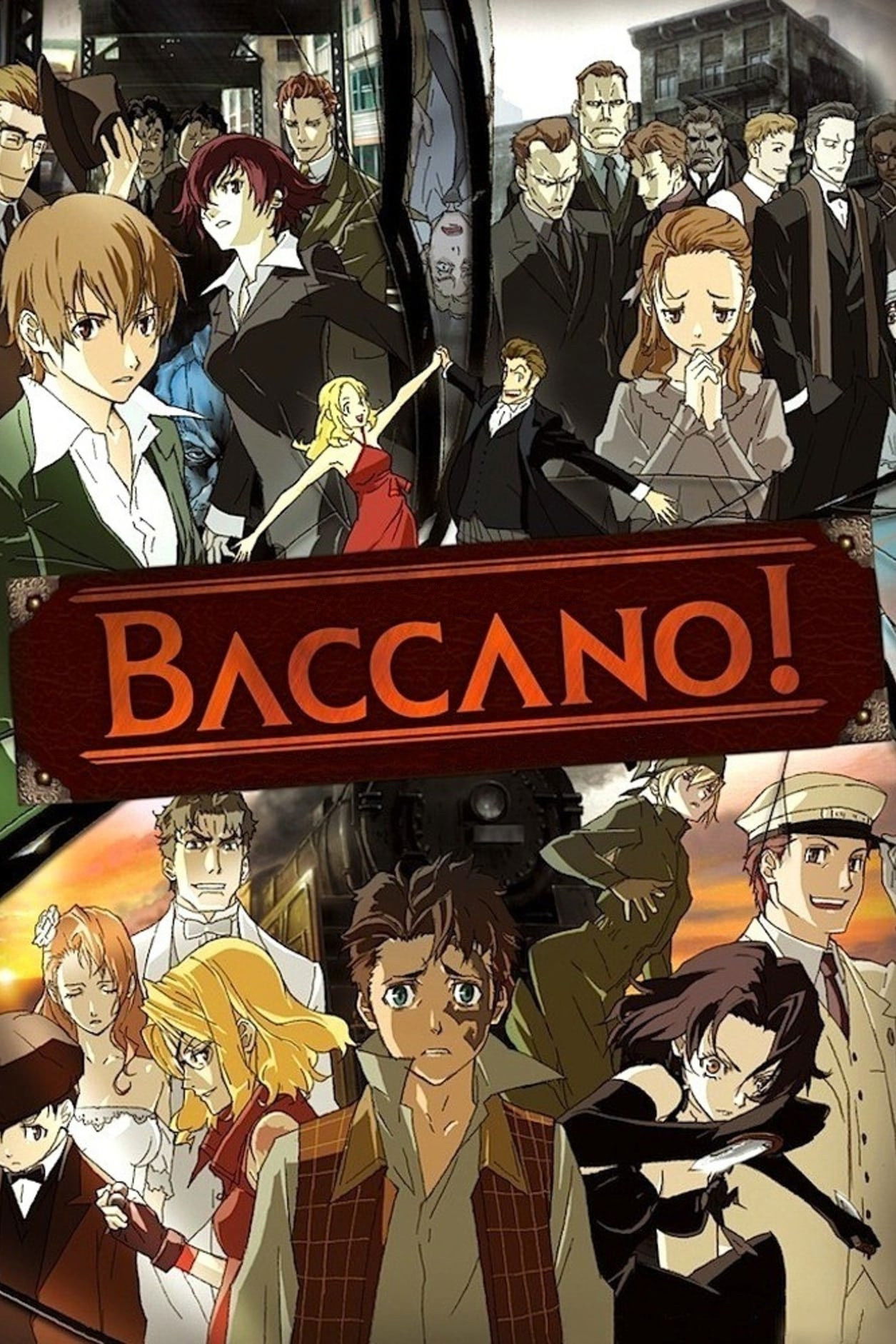
‘Baccano!’ is a fast-paced, non-traditional story set in America during Prohibition. It follows the intersecting lives of various groups – including thieves, gangsters, and alchemists – aboard a cross-country train. A string of violent incidents occurs as the story jumps between different timelines, ultimately revealing how these characters are all linked by a mysterious elixir that promises eternal life. The series is known for its big cast and a lively, jazz-infused style.
‘Sonny Boy’ (2021)
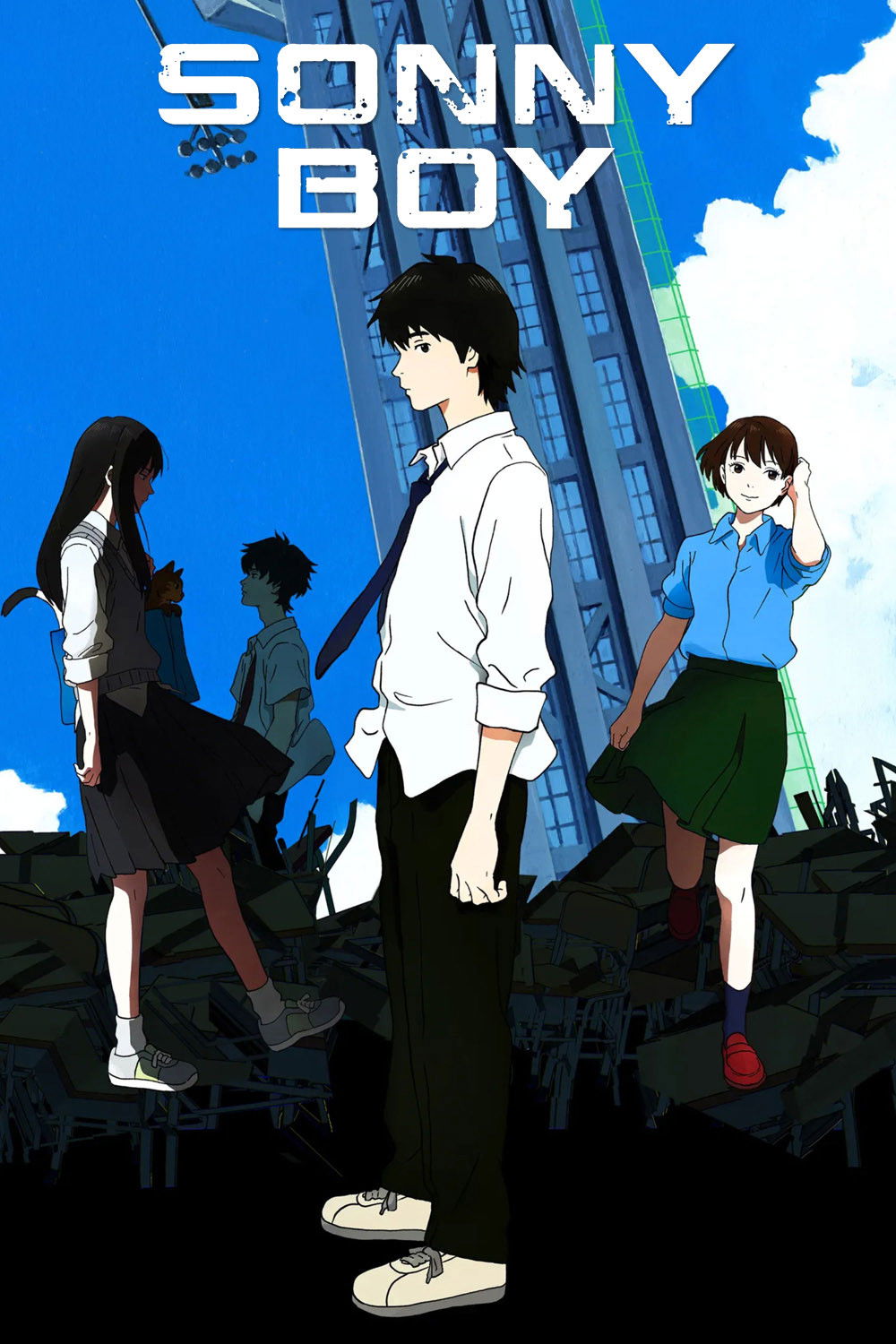
When their school building mysteriously appears in another dimension, thirty-six students are thrown into a bizarre new world. Some of them begin to develop strange powers, and they must work together to overcome surreal challenges and personal struggles as they search for a way back home. The series is visually unique and doesn’t follow typical storytelling patterns, offering a thoughtful exploration of growing up and finding purpose in a chaotic reality.
‘Dorohedoro’ (2020)
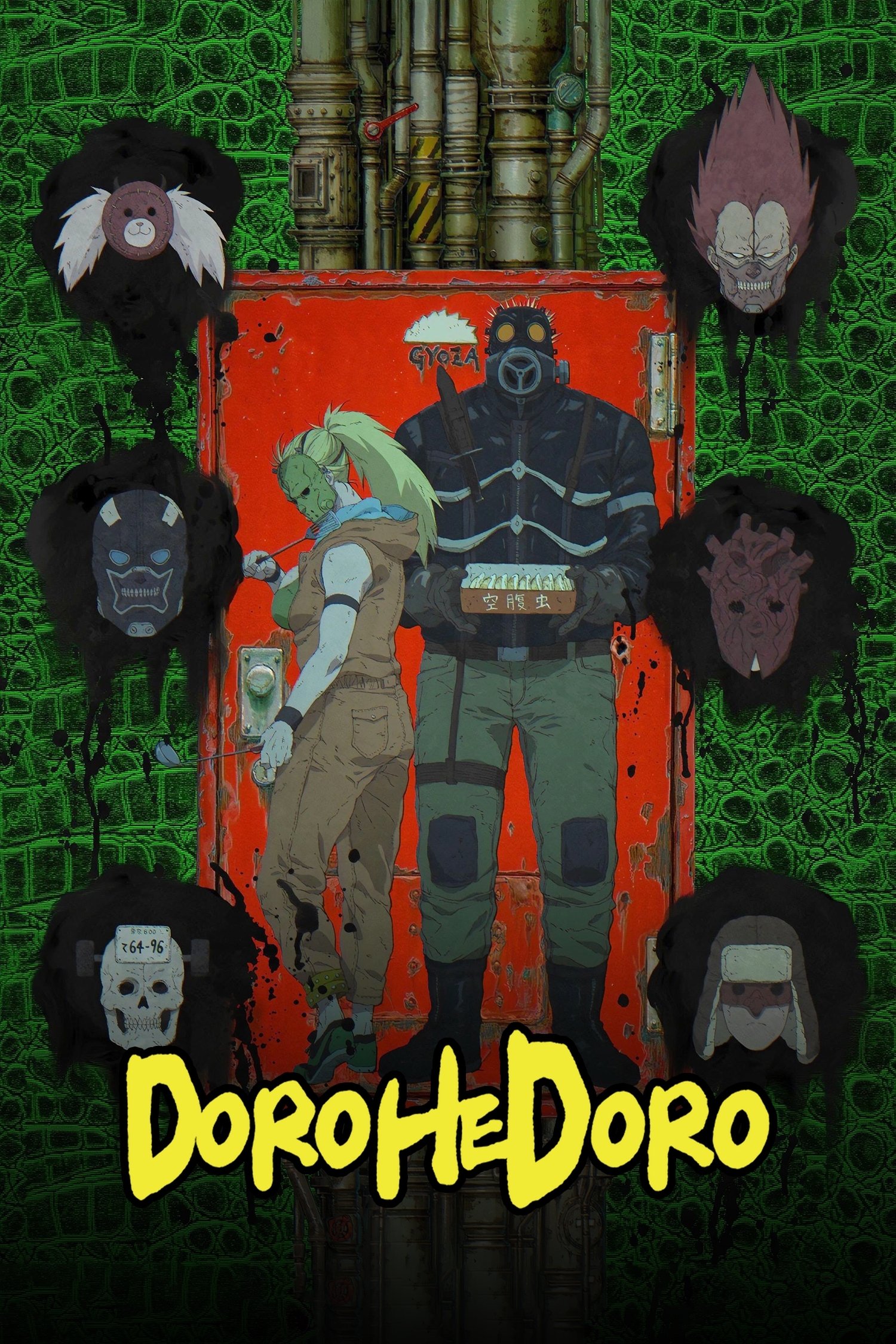
Caiman, a man with a lizard’s head and no memory, lives in a bleak city called the Hole. He’s cursed, and spends his time tracking down sorcerers from another world, hoping to find the one responsible for his condition. His friend, Nikaido, helps him. The series is known for its dark, violent, and often funny take on a gritty urban landscape, as well as its incredibly creative character designs and detailed world.
‘Keep Your Hands Off Eizouken!’ (2020)
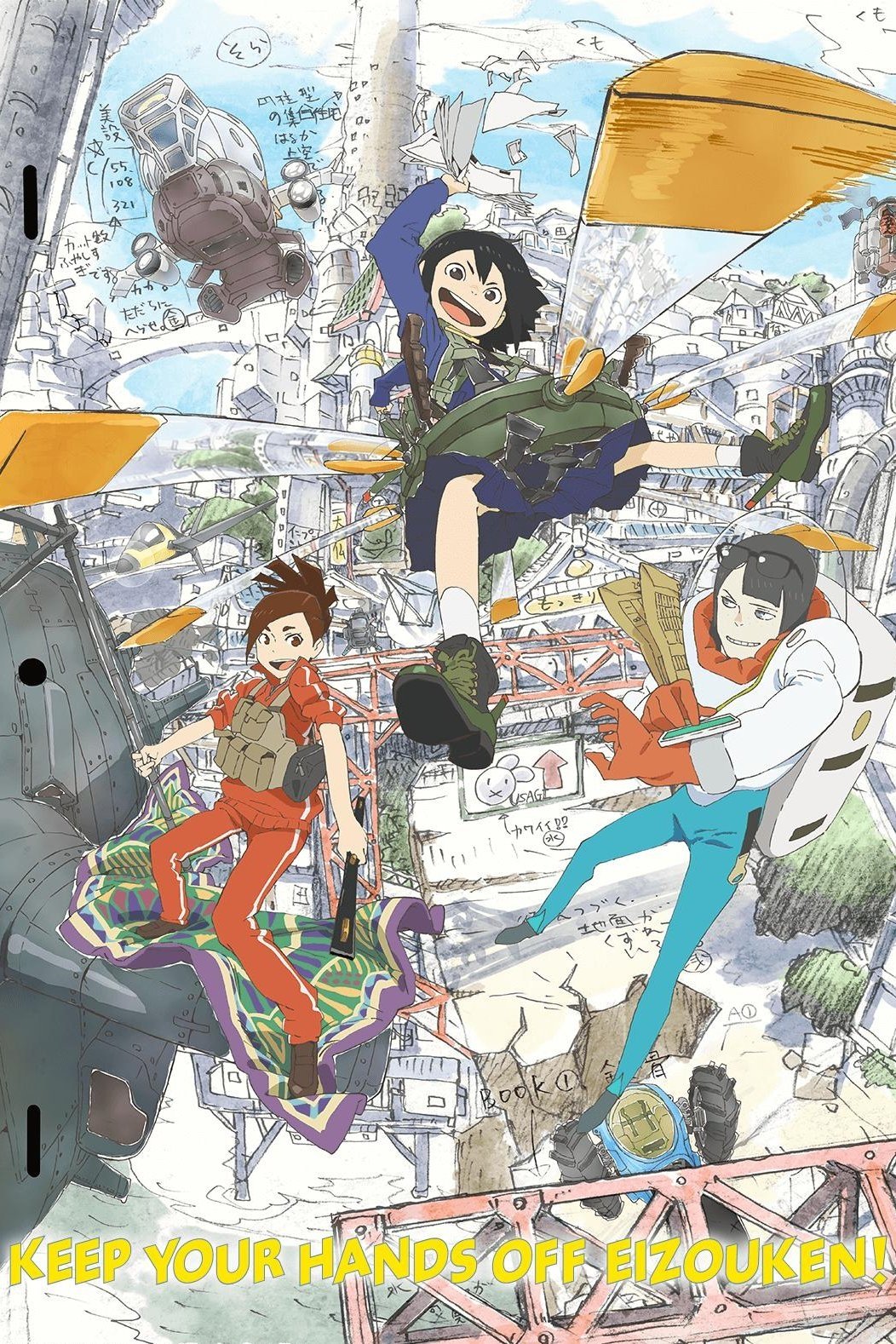
‘Keep Your Hands Off Eizouken!’ follows three high school friends who start an animation club. They combine their skills – one excels at concept art, another at backgrounds, and the third at production – to bring their wild imaginations to life. The show beautifully visualizes their creative process, transforming their everyday school into amazing fantasy worlds. It’s a detailed and enthusiastic look at how animation is made, and a celebration of art and teamwork.
‘Terror in Resonance’ (2014)
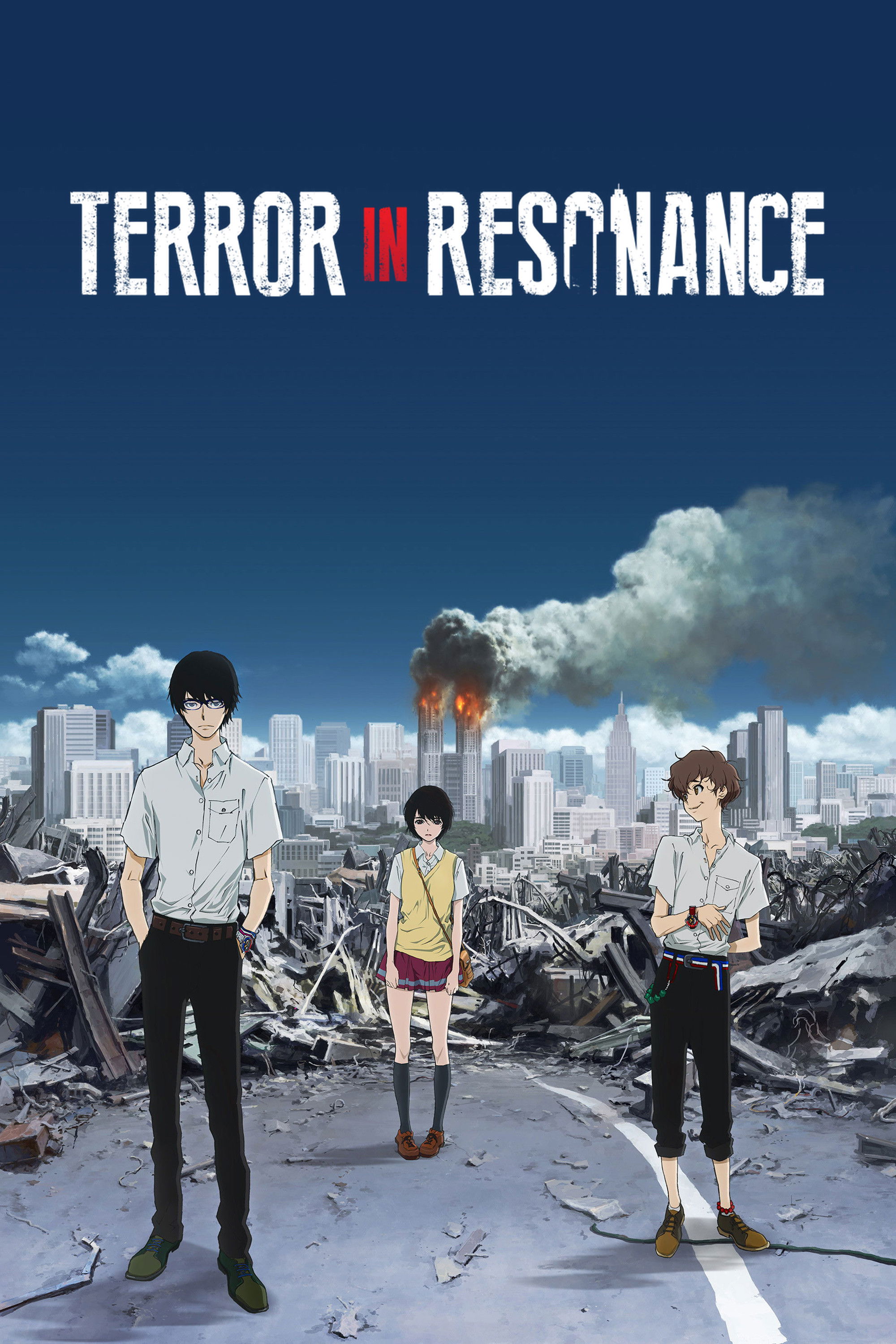
In Tokyo, two teens nicknamed Nine and Twelve carry out a string of daring terrorist attacks, leaving behind cryptic clues for the police. These actions are eventually revealed as a desperate attempt to uncover a hidden government conspiracy connected to their own backgrounds. The series delves into feelings of isolation and the damaging effects of powerful institutions. ‘Terror in Resonance’ is known for its striking visuals and atmospheric music composed by Yoko Kanno.
‘Kino’s Journey’ (2003)
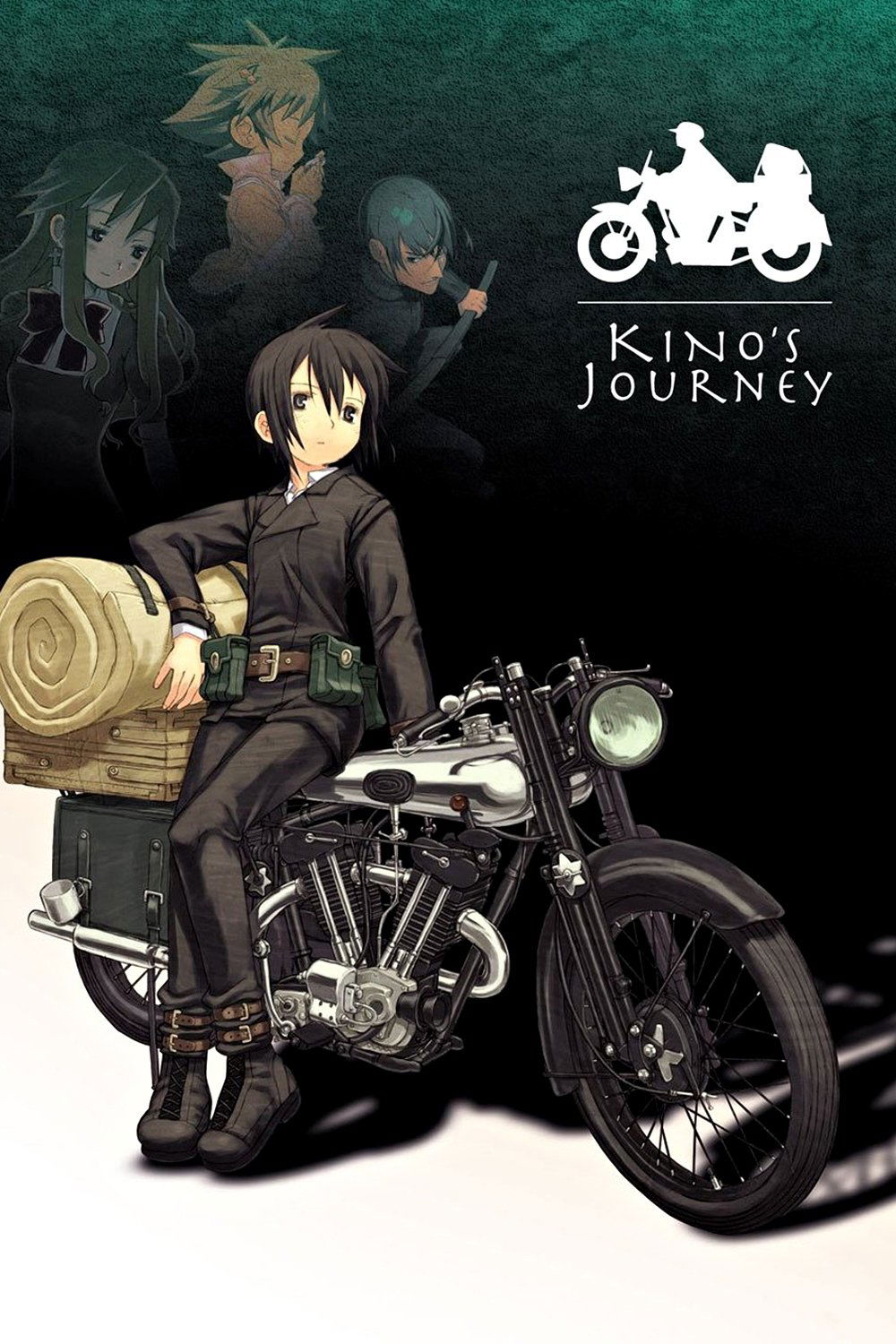
As a total film buff, I recently discovered ‘Kino’s Journey,’ and it’s really stuck with me. The show follows Kino, who travels the world on a talking motorcycle named Hermes. What’s fascinating is that Kino only stays in each country for three days, just long enough to get a feel for its culture and the unique way people live there. Each place presents this really interesting moral puzzle or social issue, which makes you think about what it means to be human. It’s not a series with one big story, but more like a collection of little philosophical stories. Honestly, it’s amazing how much depth they pack into each episode, and it’s praised for being really quiet and making you think.
‘Natsume’s Book of Friends’ (2008–2017)
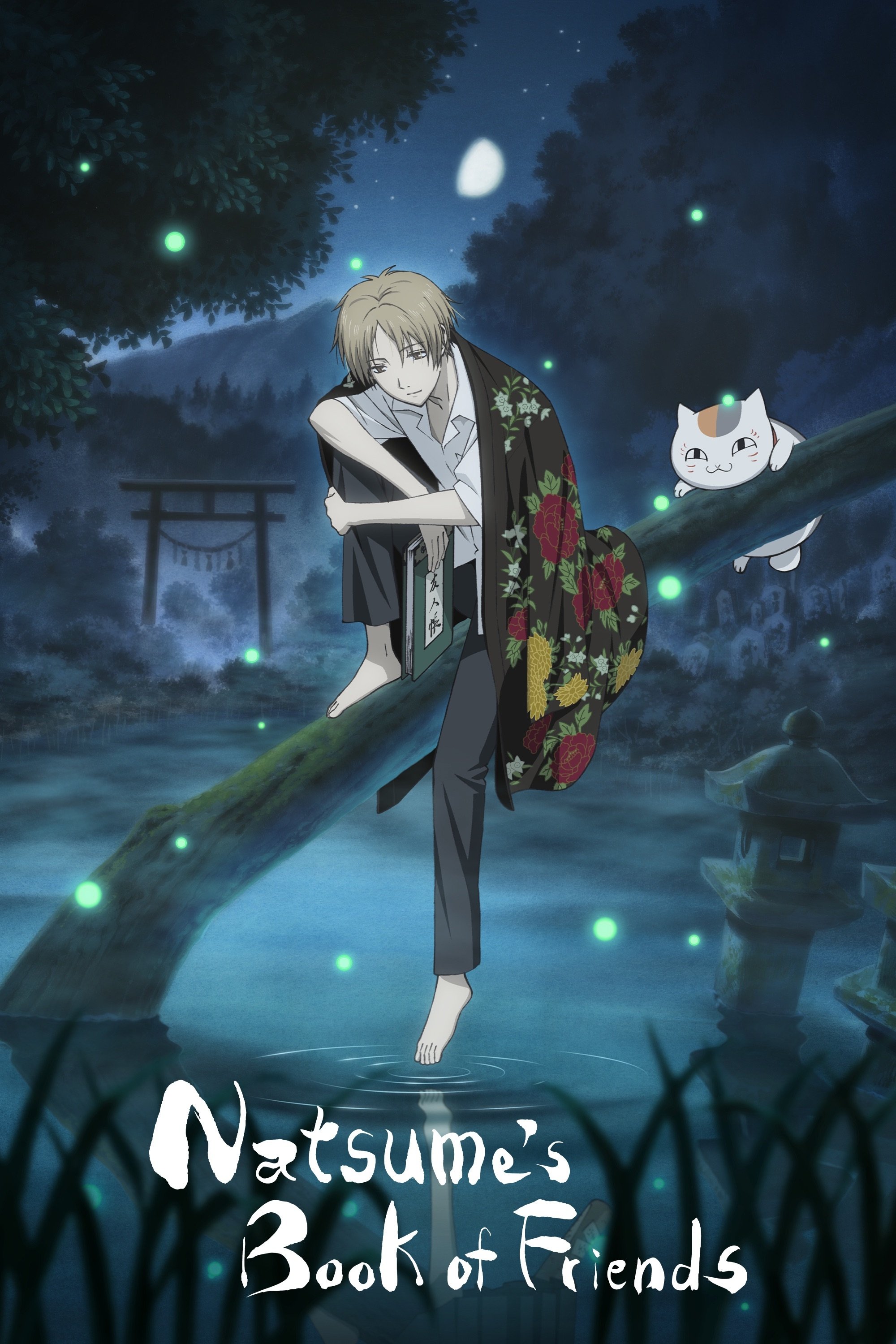
Takashi Natsume can see spirits, something he keeps hidden. When his grandmother passes away, he inherits a special book containing the names of spirits she’d previously bound to her. Natsume begins returning these names to the spirits, getting to know their stories and feelings along the way. ‘Natsume’s Book of Friends’ is a heartwarming and supernatural series that explores themes of understanding and feeling alone.
‘Moribito: Guardian of the Spirit’ (2007)
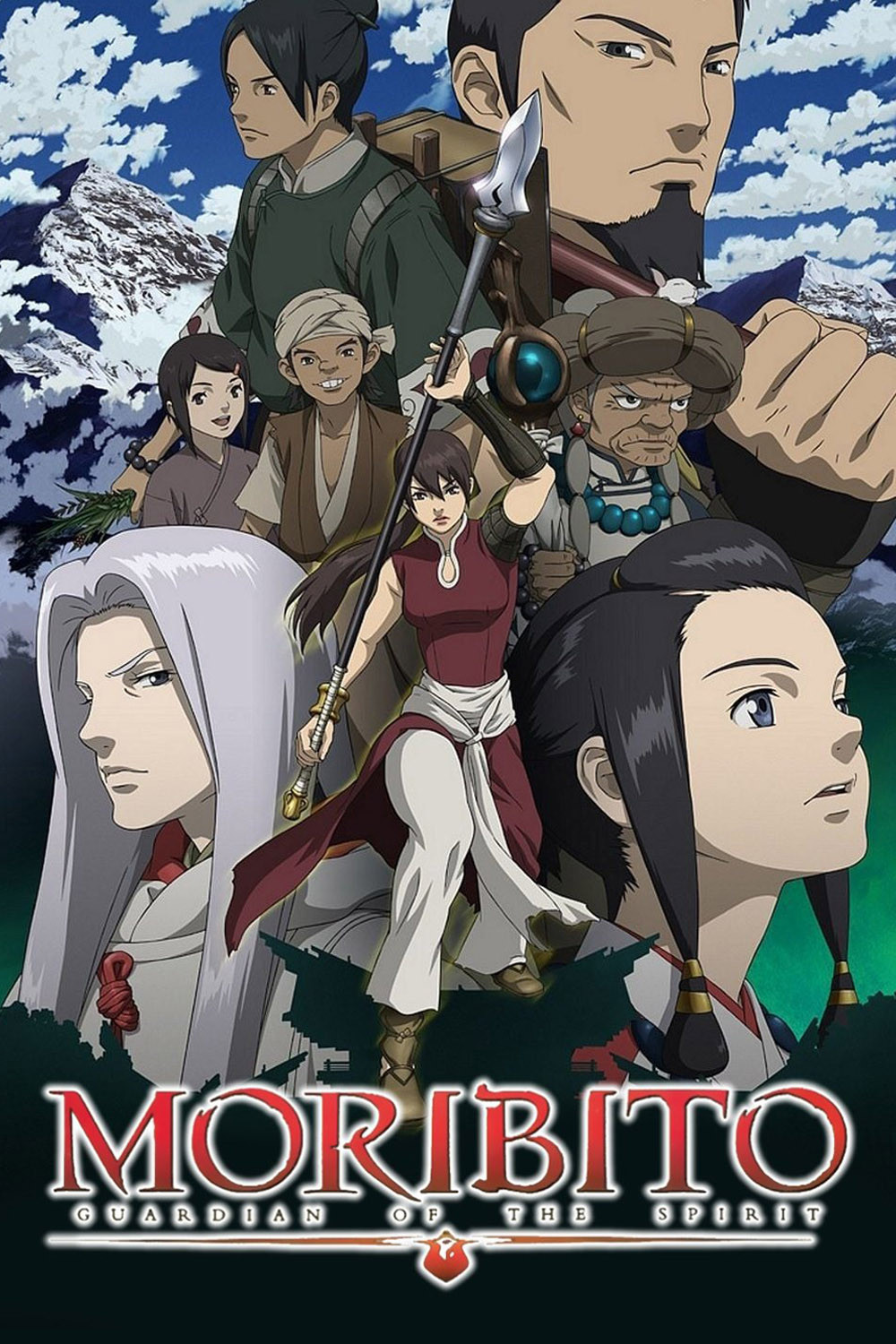
Balsa is a skilled warrior who accepts a dangerous mission: protecting a prince from his own emperor. The emperor believes his son is possessed by a demon and wants him eliminated. They flee into the countryside, and Balsa must use her fighting abilities to keep the boy safe from those sent to kill him. ‘Moribito: Guardian of the Spirit’ is a sophisticated fantasy story praised for its exciting action sequences and believable characters, offering a fresh take on the genre by avoiding typical fantasy tropes.
Tell us which of these overlooked anime series you plan to watch next in the comments.
Read More
- 20 Movies Where the Black Villain Was Secretly the Most Popular Character
- Celebs Who Narrowly Escaped The 9/11 Attacks
- Transformers Under the Microscope: What Graph Neural Networks Reveal
- Top 20 Dinosaur Movies, Ranked
- Trading on Thin Air: AI Agents Conquer Crypto Volatility
- Silver Rate Forecast
- Gold Rate Forecast
- Invincible Season 4 Gender Swaps Tech Jacket As Fans Question Major Comic Change
- Every Notable ‘Star Trek: The Original Series’ Actor Who Died
- 22 Films Where the White Protagonist Is Canonically the Sidekick to a Black Lead
2026-01-30 01:26