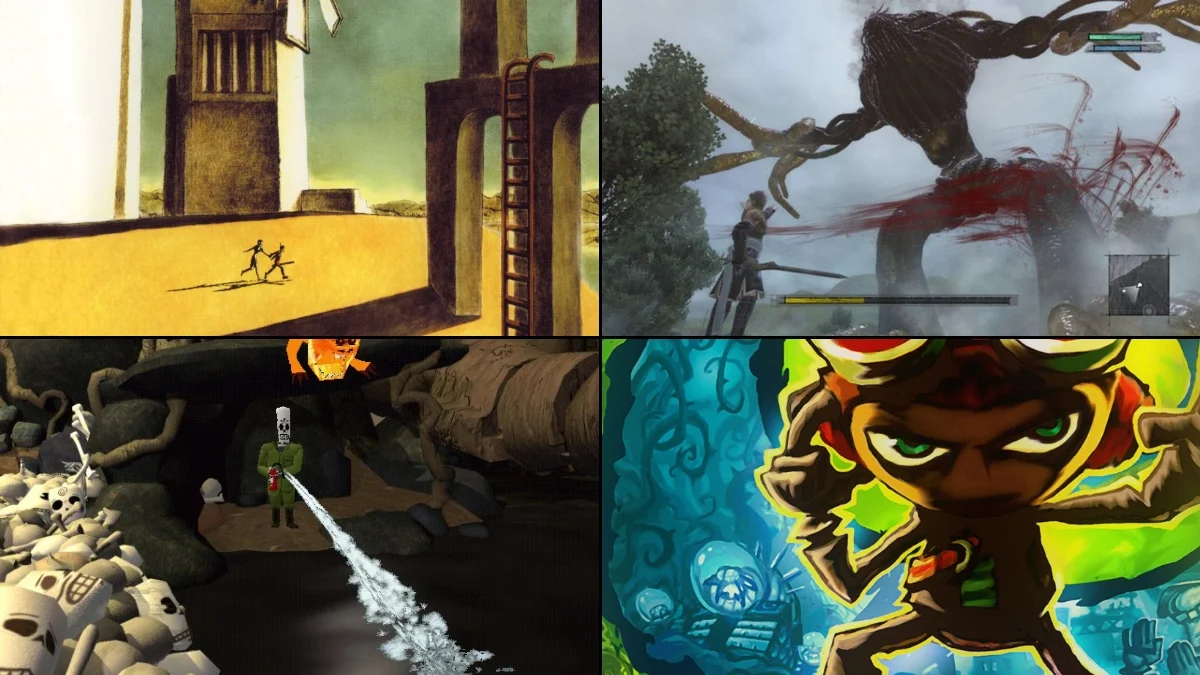
The video game world often focuses on games that sell well right away, which can cause good games that don’t become instant hits to be ignored. Sometimes, games struggle at first because of bad marketing, technical problems, or simply being ahead of their time. But over the years, many of these overlooked titles find passionate fans and are later recognized as classics. This list highlights twenty games that went from being ignored at launch to becoming beloved icons.
‘EarthBound’ (1995)
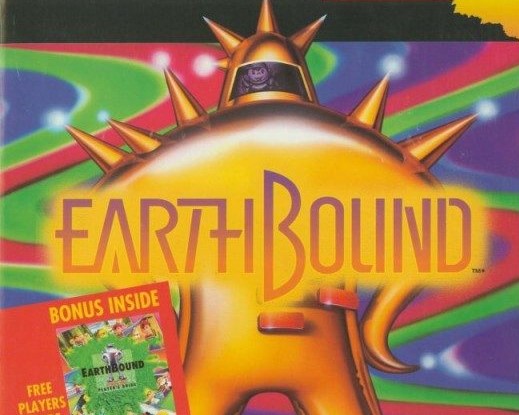
‘EarthBound’ is a role-playing game created by Ape Inc. and HAL Laboratory and released by Nintendo. It’s known for its quirky, modern take on Western culture, presented as a parody. While it didn’t sell well when it first came out in North America – thanks to a strange marketing campaign built around silly, shocking humor – it eventually gained a huge and dedicated fanbase online. Today, ‘EarthBound’ is considered a hugely influential RPG, and it directly inspired popular games like ‘Undertale’.
‘Ico’ (2001)
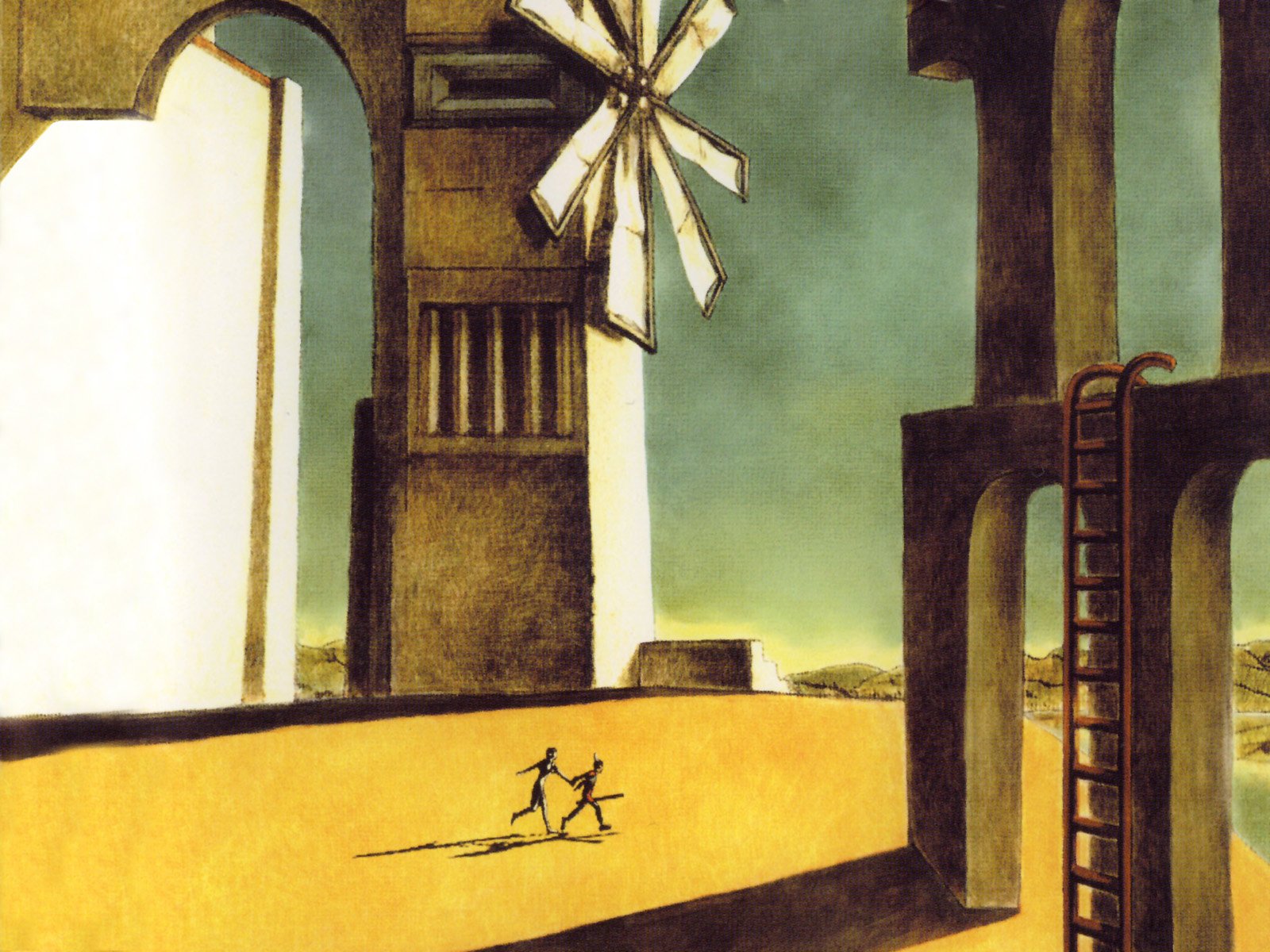
Developed by Japan Studio and published by Sony for the PlayStation 2, ‘Ico’ tells the story of a young, horned boy who leads a mysterious girl through a vast and empty fortress. While critics loved its simple design and immersive atmosphere, the game didn’t sell well at first. Over time, ‘Ico’ became incredibly influential, helping to establish video games as an art form and inspiring well-known game directors like Hidetaka Miyazaki and Eiji Aonuma.
‘Psychonauts’ (2005)
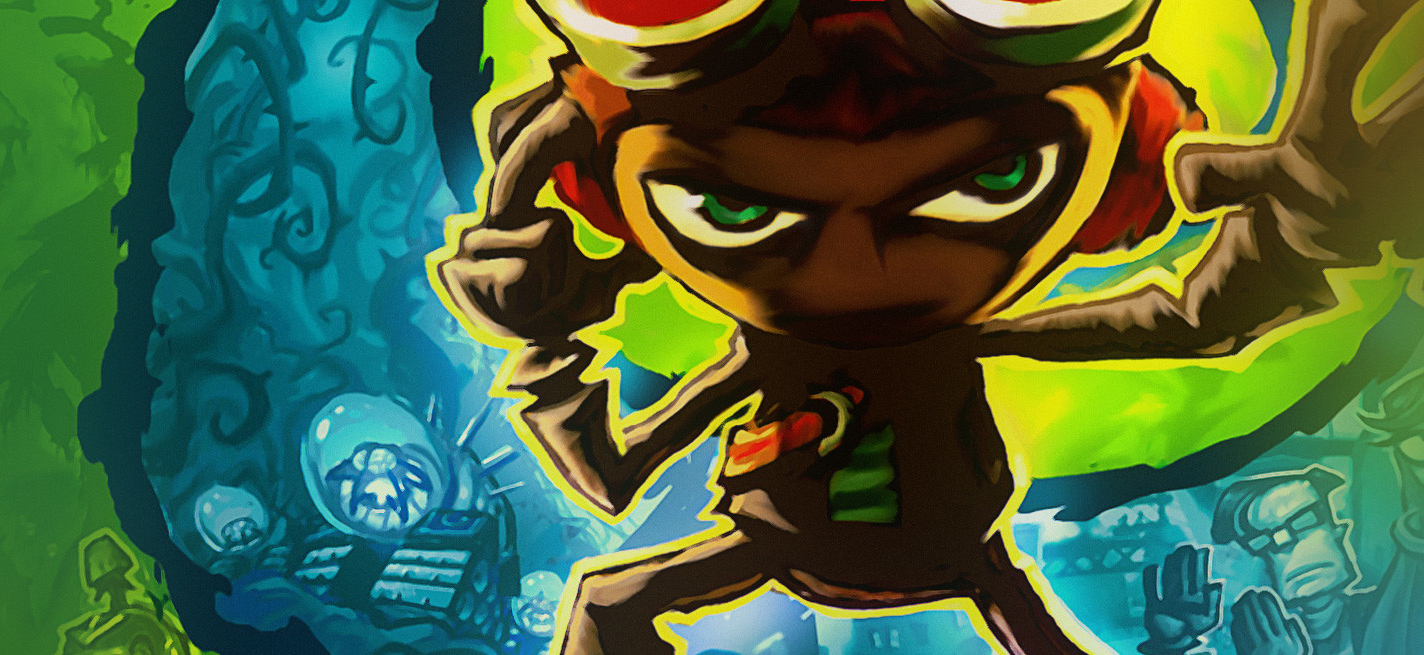
‘Psychonauts,’ created by Double Fine Productions and published by Majesco Entertainment, is a platforming game where players journey into the minds of different characters. While it didn’t sell well initially, causing financial problems for Majesco, the game gained a dedicated following thanks to its clever level design and witty writing. Many fans consider it a classic of the genre, and over ten years later, a crowdfunding campaign successfully funded a sequel.
‘Okami’ (2006)
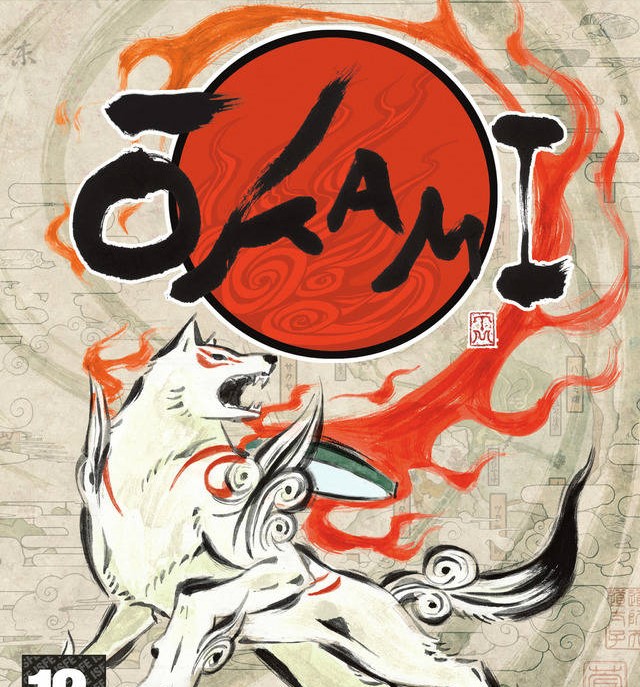
Okami, created by the now-closed Clover Studio and released by Capcom, is known for its beautiful art style inspired by traditional Japanese ink wash painting. Players take on the role of Amaterasu, the sun goddess, who appears as a white wolf, and use a special brush to affect the world around her. Despite winning numerous Game of the Year awards, the game didn’t sell well when it first came out on PlayStation 2. However, it’s since become highly regarded, especially after being remastered in high definition, and is often praised as one of the most visually impressive games of its time.
‘Beyond Good & Evil’ (2003)
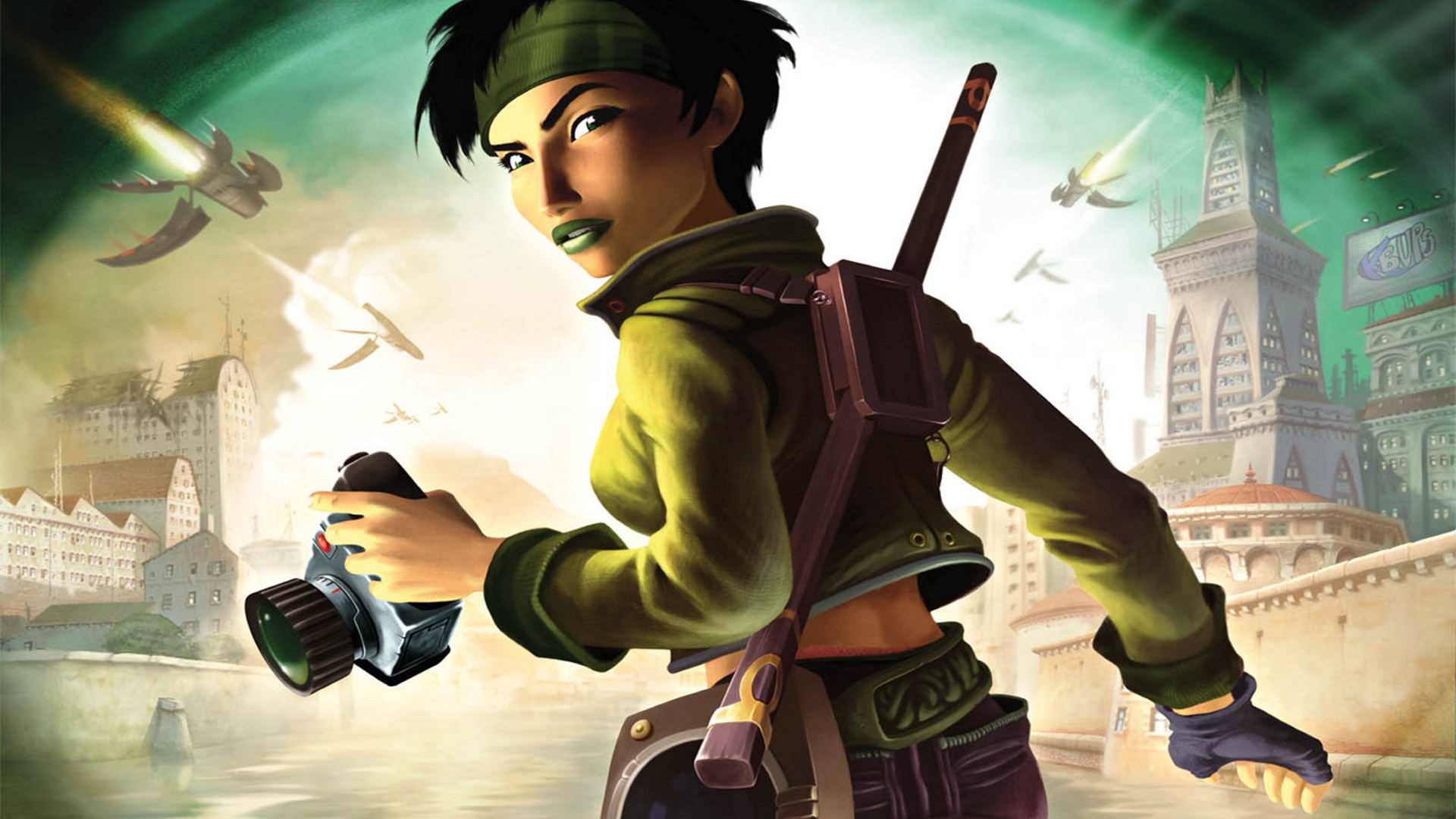
Ubisoft, led by Michel Ancel, created and released the game ‘Beyond Good & Evil’. Players follow Jade, a reporter who uncovers a huge conspiracy as she works with a secret resistance group. Although the game came out during a busy time with many other popular titles, it didn’t sell well initially. Over time, ‘Beyond Good & Evil’ became a beloved classic thanks to its compelling story, varied gameplay, and unforgettable main character.
‘Demon’s Souls’ (2009)

Originally released in Japan by FromSoftware and Sony, ‘Demon’s Souls’ wasn’t immediately popular – even those making the game weren’t sure it would succeed. Its extreme difficulty and complex gameplay were thought to be too hard for most players. However, after Atlus released the game in North America, positive reviews and player recommendations quickly spread. This ultimately launched the popular “Soulslike” genre and paved the way for the hugely successful ‘Dark Souls’ series.
‘Vampire: The Masquerade – Bloodlines’ (2004)
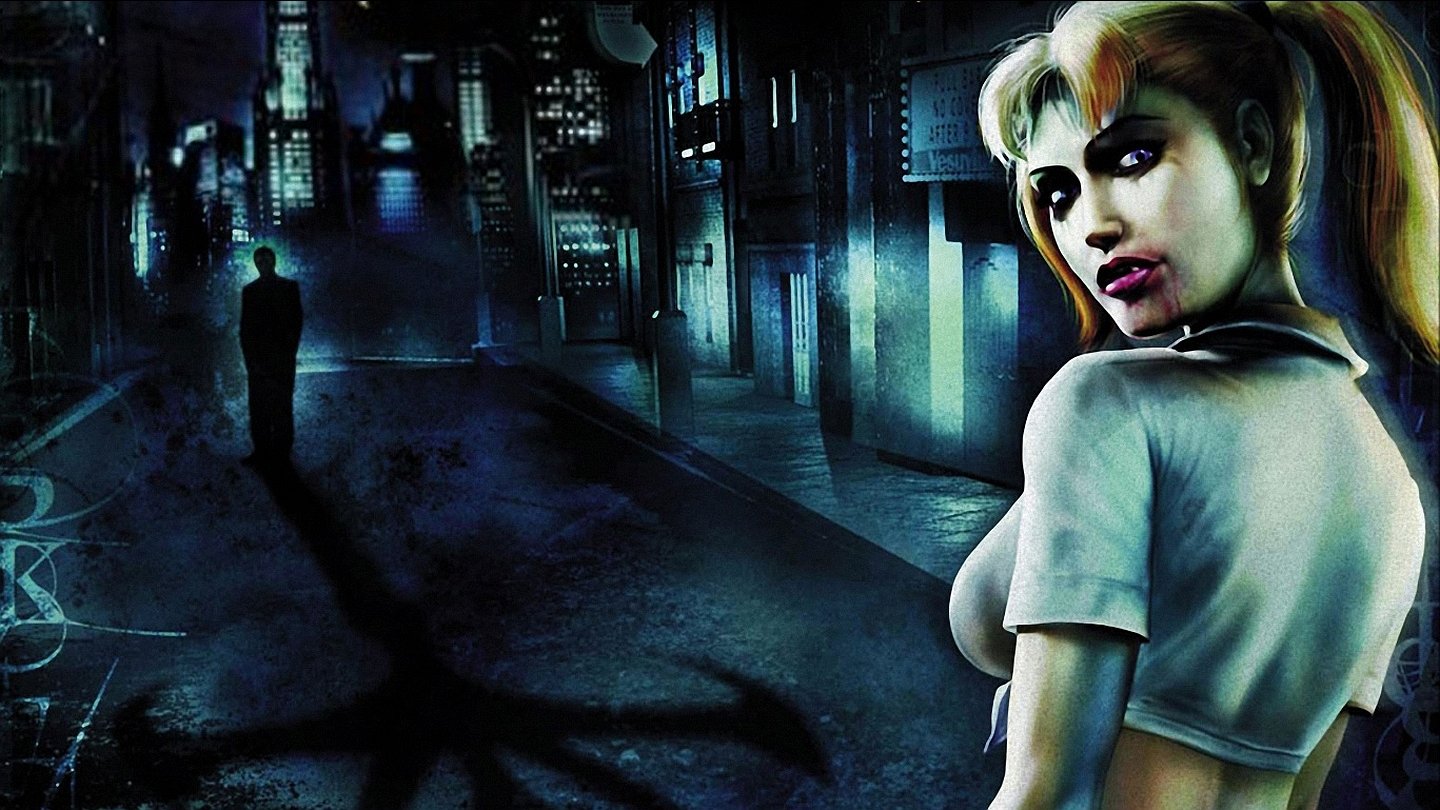
Developed by Troika Games and published by Activision, ‘Vampire: The Masquerade – Bloodlines’ unfortunately launched with many problems. Its release coincided with the highly anticipated ‘Half-Life 2,’ which hurt sales and ultimately led to Troika Games closing down. Over the years, dedicated fans fixed bugs and added back missing content, uncovering a truly immersive and responsive role-playing game. Today, it’s celebrated as a prime example of how to create a story-focused RPG.
‘Spec Ops: The Line’ (2012)
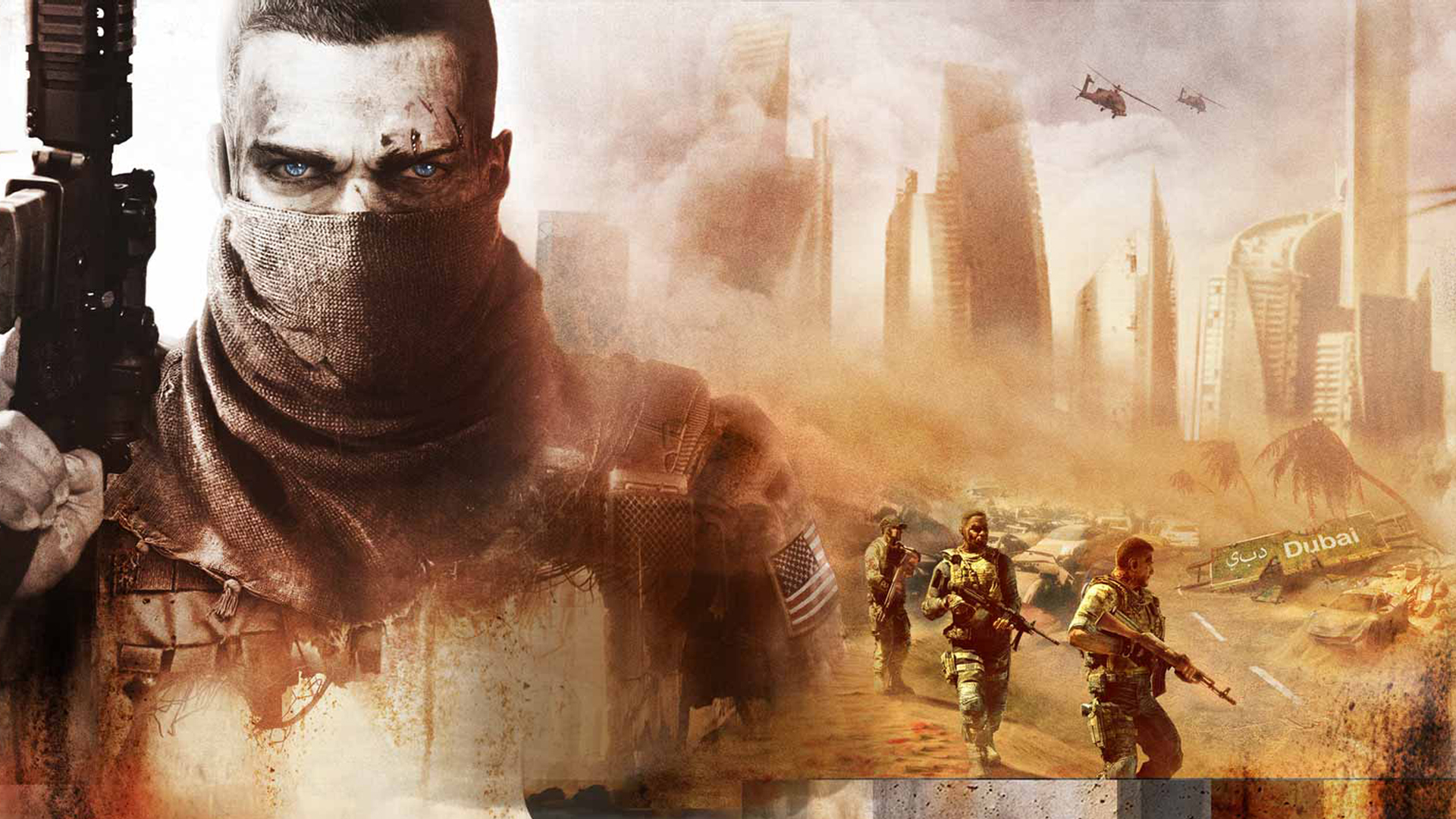
When ‘Spec Ops: The Line’ was first announced, it looked like just another third-person military shooter, published by 2K Games and created by Yager Development. It didn’t sell well in stores and struggled to compete with popular military game series. However, the game became famous for its thought-provoking story, which challenges the typical ideas about war and the shooter genre itself. Inspired by the novel ‘Heart of Darkness’, its story continues to be discussed and analyzed by academics and critics.
‘NieR’ (2010)
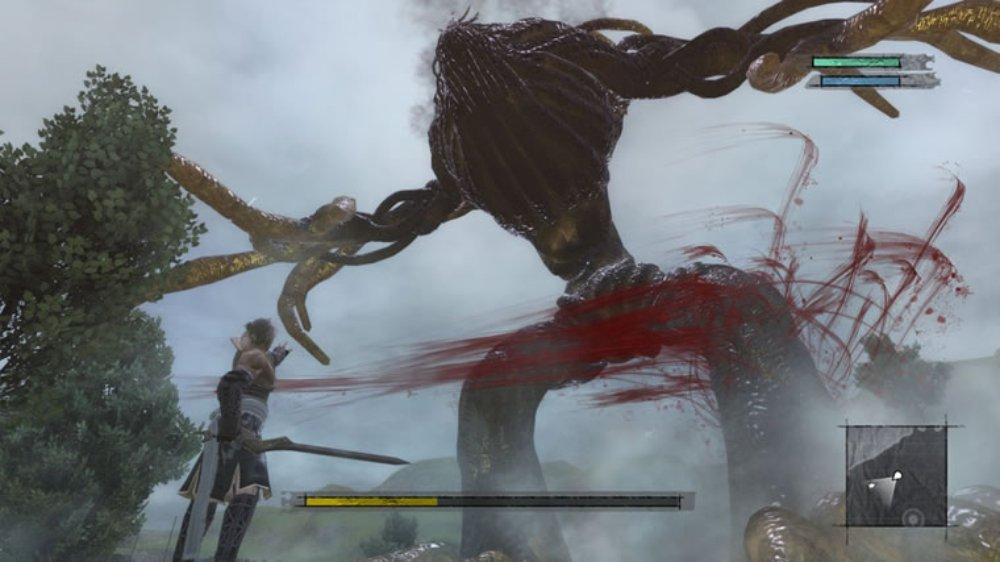
Originally, ‘NieR’ received criticism for its older-style graphics and somewhat repetitive gameplay. It didn’t sell well, and the development team was disbanded soon after its release. However, a passionate fanbase grew due to the game’s intricate story and beautiful music. This support ultimately led Square Enix to create a sequel, ‘NieR: Automata,’ which became very popular.
‘Eternal Darkness: Sanity’s Requiem’ (2002)
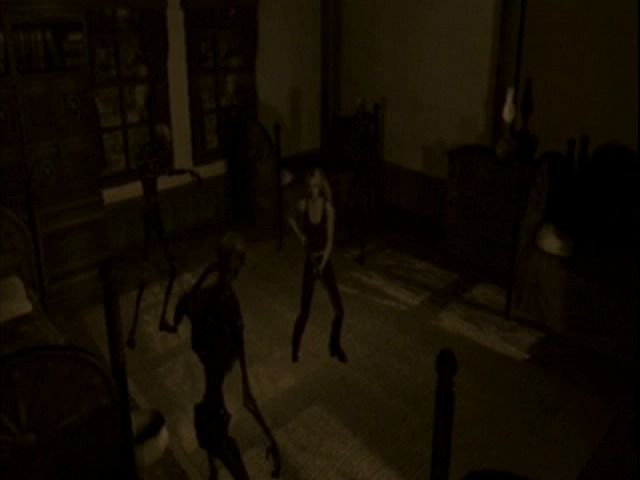
Developed by Silicon Knights and released by Nintendo for the GameCube, ‘Eternal Darkness: Sanity’s Requiem’ is a horror game that messes with your head. A unique “Sanity Meter” actually makes the game itself seem to glitch and change as your character loses their mind. Despite being praised by critics, it wasn’t a huge commercial success and never got a follow-up. Now, it’s considered a classic, remembered for its groundbreaking horror elements and its story that spans across history.
‘Katamari Damacy’ (2004)
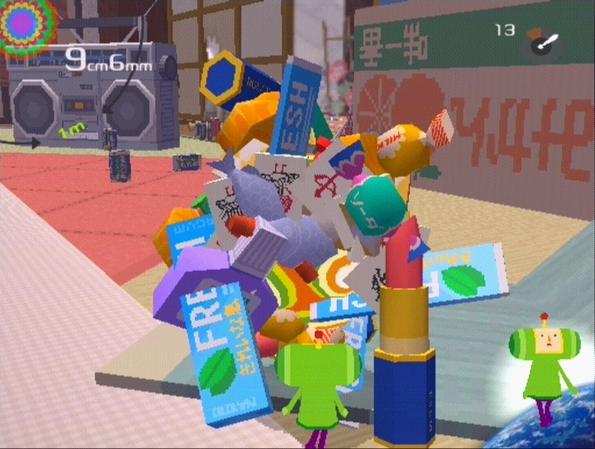
‘Katamari Damacy,’ created and released by Namco, started as a student project and eventually became a fully developed game. Its unusual gameplay – rolling a ball to pick up increasingly larger objects – was initially considered too odd for Western audiences. Released as a low-cost game in North America, it gradually gained popularity thanks to its unique concept and memorable music. Today, it’s celebrated as one of the most innovative games on the PlayStation 2.
‘The World Ends with You’ (2007)
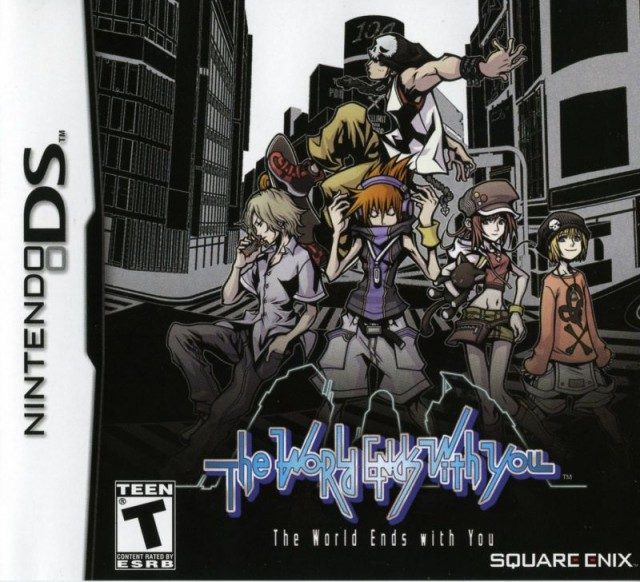
Created by Jupiter and Square Enix, and published by Square Enix, this game takes place in the bustling Shibuya district of Tokyo. It cleverly used the Nintendo DS’s features, with a unique combat system played on both screens – though it could be challenging to learn. While it didn’t sell huge numbers right away outside of Japan, it became known as one of the most visually striking and original RPGs for the handheld console. It remained popular enough to inspire a new game and even an anime series.
‘Sleeping Dogs’ (2012)
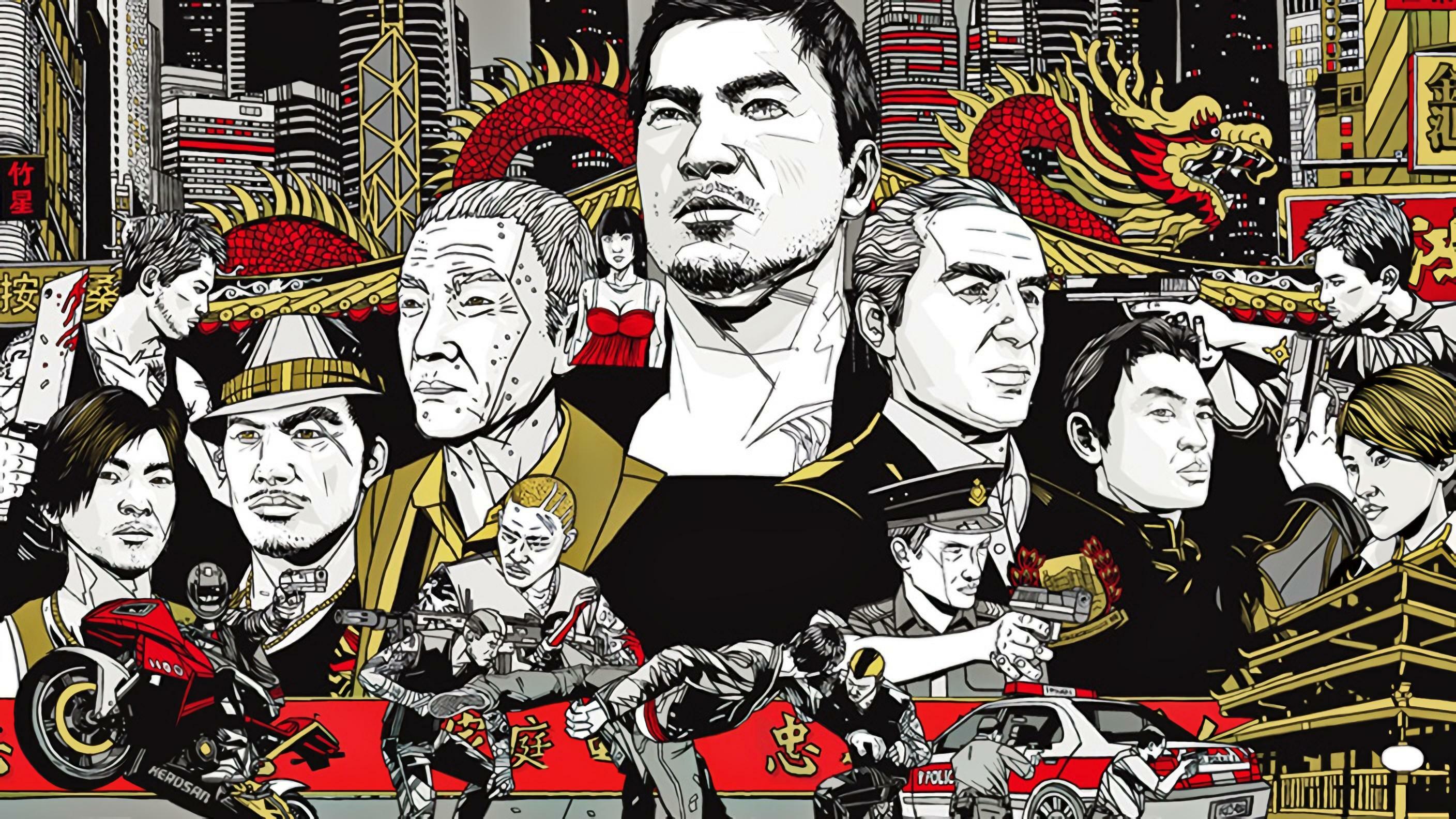
Developed by United Front Games and published by Square Enix after being initially dropped by Activision, ‘Sleeping Dogs’ is an open-world action game set in Hong Kong. Players take on the role of an undercover cop working to take down the Sun On Yee Triad. While it faced challenges competing with the popular ‘Grand Theft Auto’ series, ‘Sleeping Dogs’ developed a dedicated fanbase thanks to its excellent fighting system and compelling story. Today, many consider it to be one of the best open-world games from the 2010s.
‘Grim Fandango’ (1998)
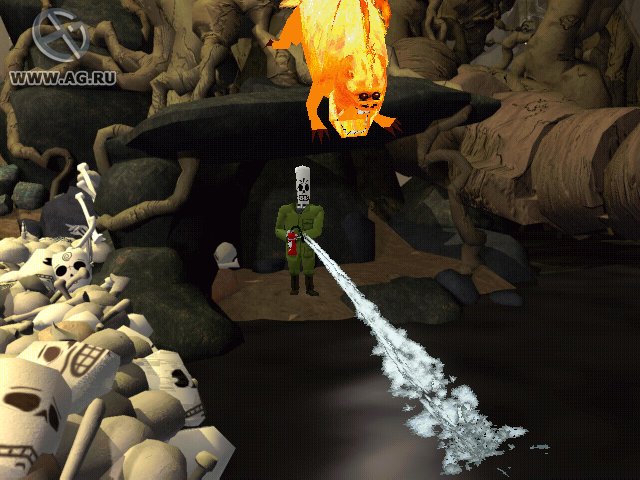
Grim Fandango, a darkly stylish adventure game created by LucasArts, takes place in a unique version of the afterlife. Although praised for its beautiful visuals and clever story, it didn’t sell well initially and is often seen as marking the end of a popular era for adventure games. However, it has since become recognized as a true classic, eventually leading to a remastered release. Today, its impact can still be felt in many independent adventure games.
‘System Shock 2’ (1999)
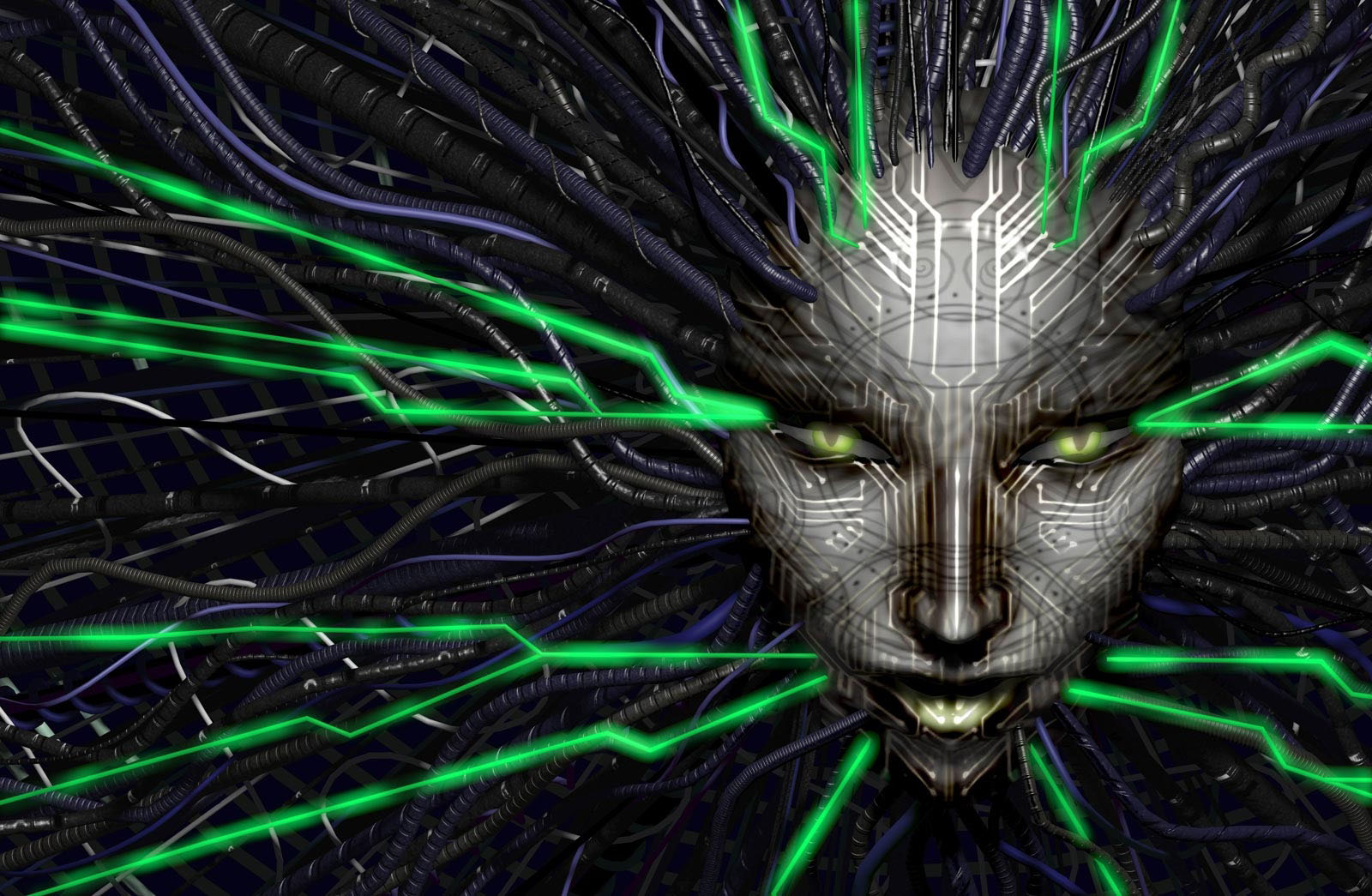
I first played ‘System Shock 2’ years ago, and it totally blew me away! It was made by two awesome studios, Irrational Games and Looking Glass, and published by Electronic Arts. It was this crazy mix of shooting, role-playing, and genuinely scary horror, but honestly, it didn’t get the attention it deserved when it first came out. It’s so cool to see how many of the people who worked on ‘System Shock 2’ later created ‘BioShock’ – you can definitely see the connection! Now, everyone’s finally recognizing it as a classic, especially for its incredible atmosphere and that unforgettable villain, SHODAN. She’s seriously one of the most iconic antagonists in gaming!
‘Alpha Protocol’ (2010)
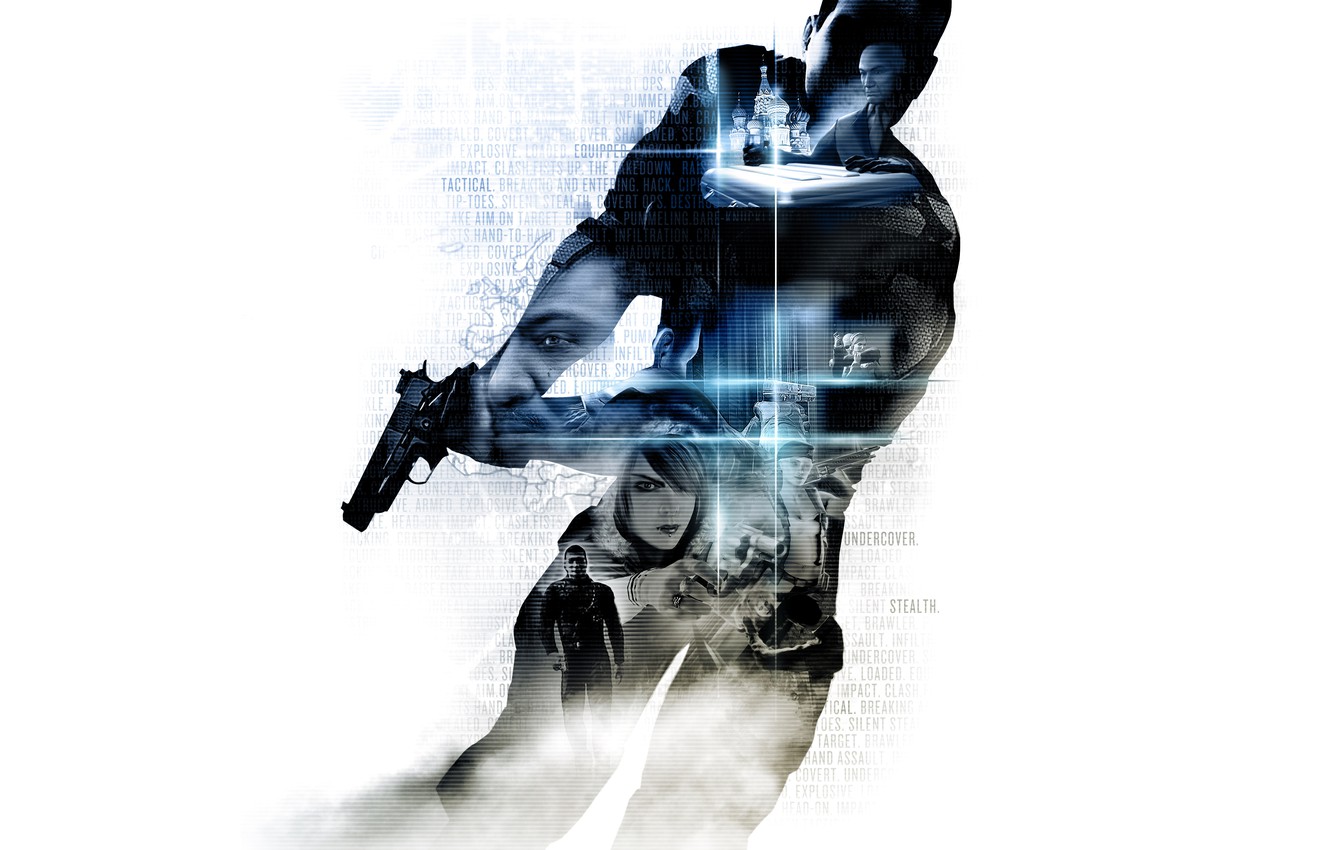
When ‘Alpha Protocol’ first came out, it received criticism for glitches and rough gameplay, leading to poor sales and the cancellation of any potential sequels. Despite this, the game gained a dedicated following among RPG fans who appreciated its incredibly detailed choice-and-consequence system. Players found that even small decisions and conversations could significantly alter the story and how characters reacted to them.
‘Binary Domain’ (2012)
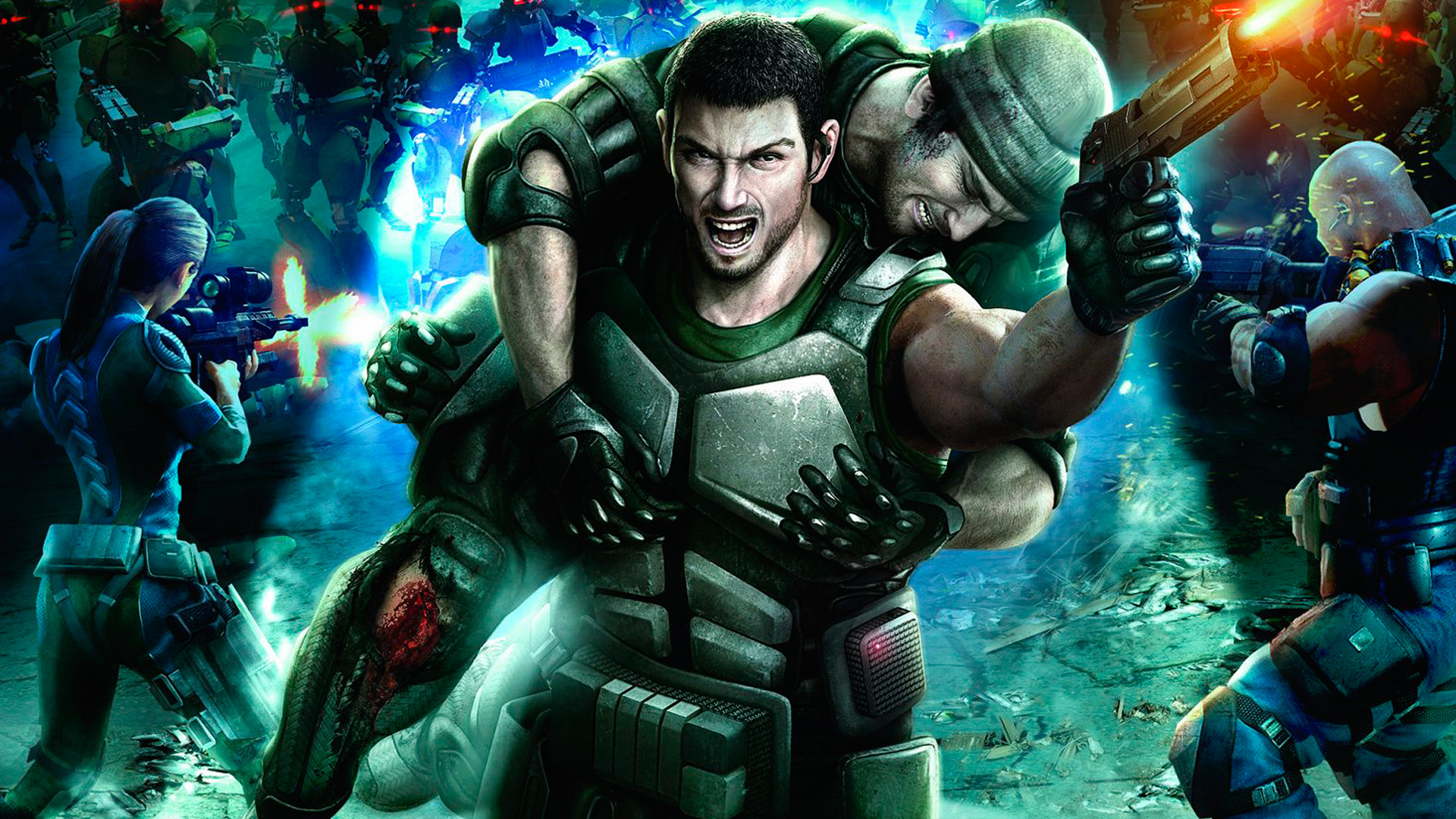
‘Binary Domain’ is a futuristic squad-based shooter set in a robot-filled Tokyo, created by Ryu Ga Gotoku Studio and published by Sega. Though it didn’t receive much attention when it first came out due to limited marketing, the game has gained a following over time. Reviewers particularly praised its unique ‘Consequence System,’ which made teammates react to how well you played and what you told them, and it’s now considered a standout title from the PlayStation 3 and Xbox 360 era.
‘Enslaved: Odyssey to the West’ (2010)
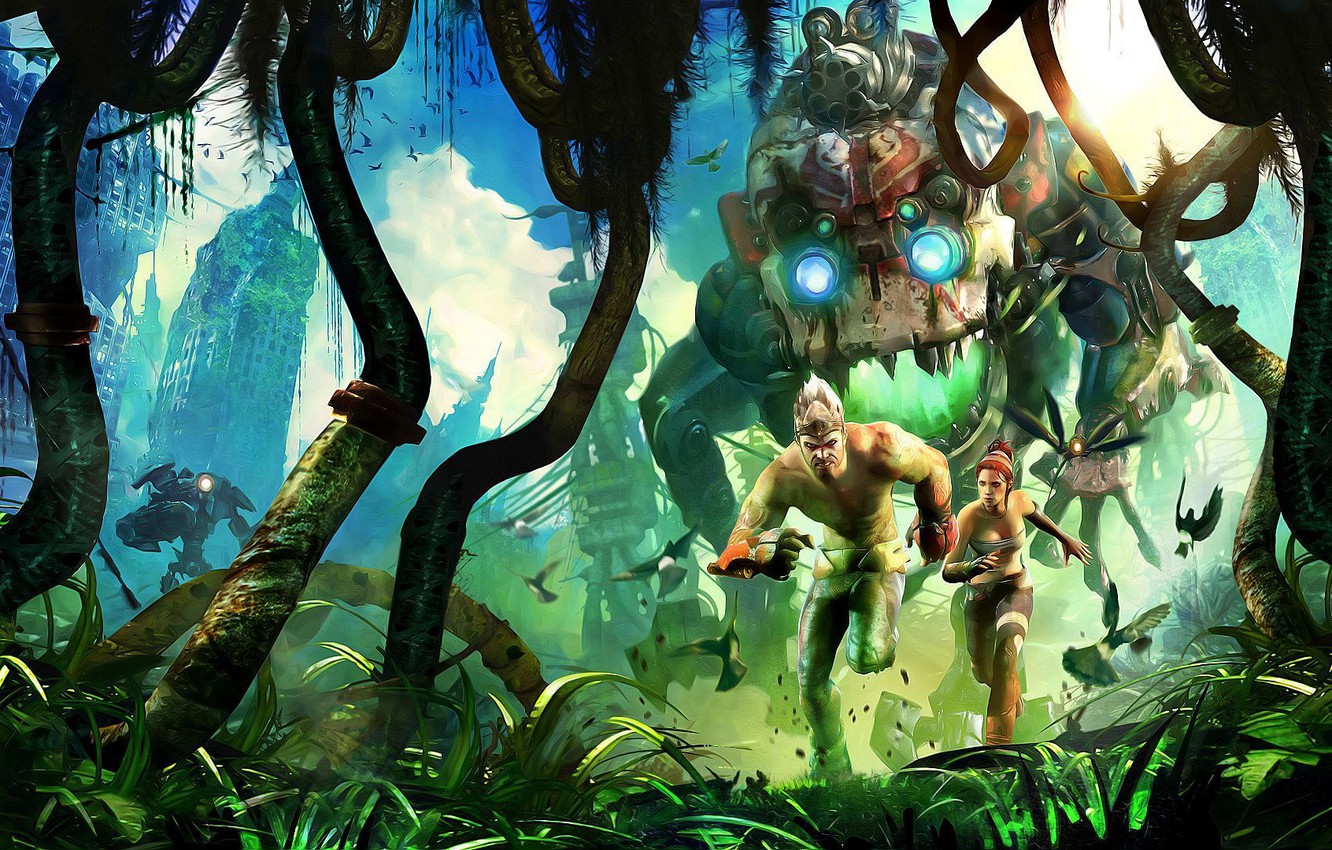
Developed by Ninja Theory and published by Namco Bandai Games, ‘Enslaved: Odyssey to the West’ is a cinematic game inspired by the classic Chinese story ‘Journey to the West’. It features a story by Alex Garland and performances by Andy Serkis. While critics praised its characters and visuals, the game didn’t sell as well as the publisher hoped. Over time, however, it’s gained recognition for its moving story and unique, colorful depiction of a world after a disaster.
‘Mirror’s Edge’ (2008)

‘Mirror’s Edge,’ created by DICE and published by Electronic Arts, was a groundbreaking game that brought parkour-style movement to first-person gameplay. While it initially received mixed reviews due to its short length and challenging, trial-and-error approach, leading to slow sales, its distinctive minimalist style and emphasis on fluid movement eventually attracted a loyal following. This continued interest ultimately convinced Electronic Arts to create a sequel called ‘Mirror’s Edge Catalyst’.
‘Deadly Premonition’ (2010)
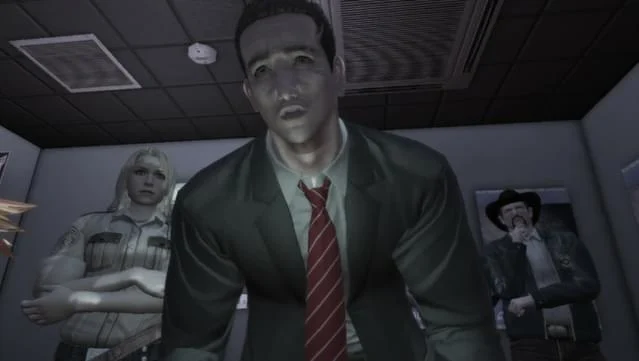
‘Deadly Premonition’ is an open-world survival horror game created by Access Games and published by Ignition Entertainment. Heavily influenced by the TV show ‘Twin Peaks’, it’s known for receiving drastically different reviews – some loved it, while others heavily criticized it – due to its technical issues and unusual style. Despite its flaws, the game developed a dedicated fanbase who appreciated its strange characters, detailed daily routines, and dreamlike story. It even landed a Guinness World Record as the most divisive survival horror game in terms of critical reception.
Let us know in the comments which of these titles you only found out about after they were first released.
Read More
- 20 Movies Where the Black Villain Was Secretly the Most Popular Character
- Celebs Who Narrowly Escaped The 9/11 Attacks
- Transformers Under the Microscope: What Graph Neural Networks Reveal
- Top 20 Dinosaur Movies, Ranked
- Trading on Thin Air: AI Agents Conquer Crypto Volatility
- Silver Rate Forecast
- Gold Rate Forecast
- 22 Films Where the White Protagonist Is Canonically the Sidekick to a Black Lead
- Every Notable ‘Star Trek: The Original Series’ Actor Who Died
- Invincible Season 4 Gender Swaps Tech Jacket As Fans Question Major Comic Change
2026-01-30 00:48