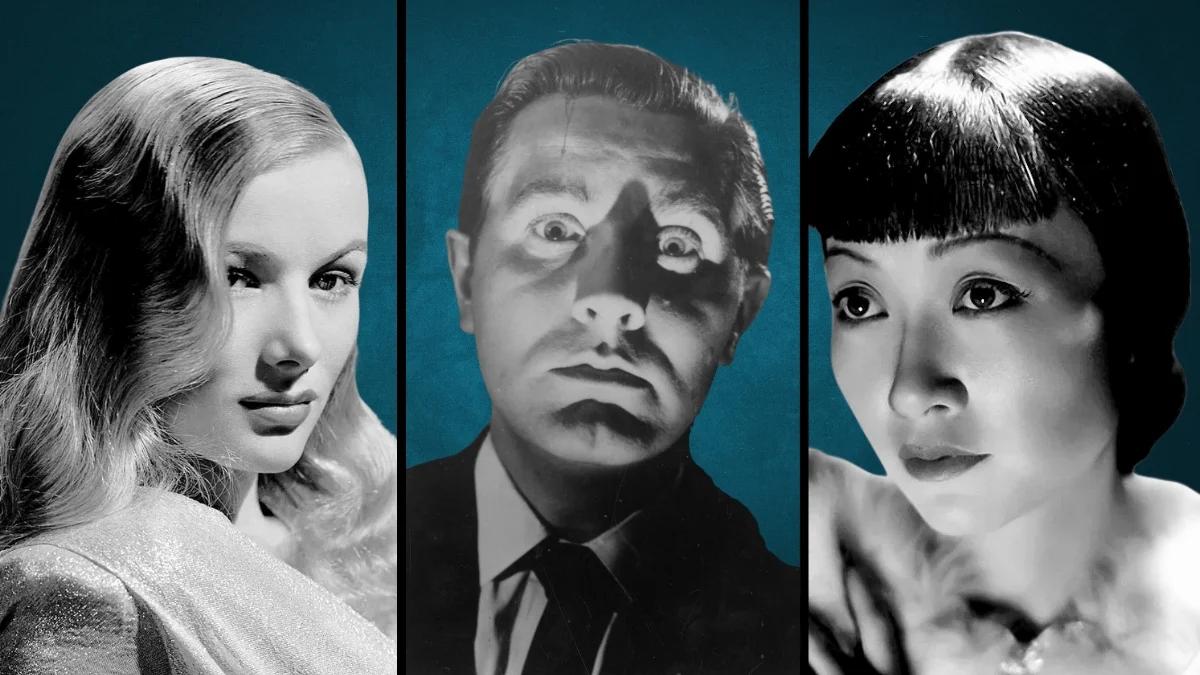
It’s common for the entertainment world to fully appreciate someone’s talent only after they’re gone. Many talented actors, directors, and artists didn’t receive the recognition or financial rewards they deserved during their careers. Often, they faced unfair obstacles, were limited to smaller roles, or worked in types of entertainment that weren’t highly valued at the time. This list celebrates those figures from film and television whose impact and skill are now more widely recognized than they were when they were alive.
Edward D. Wood Jr.
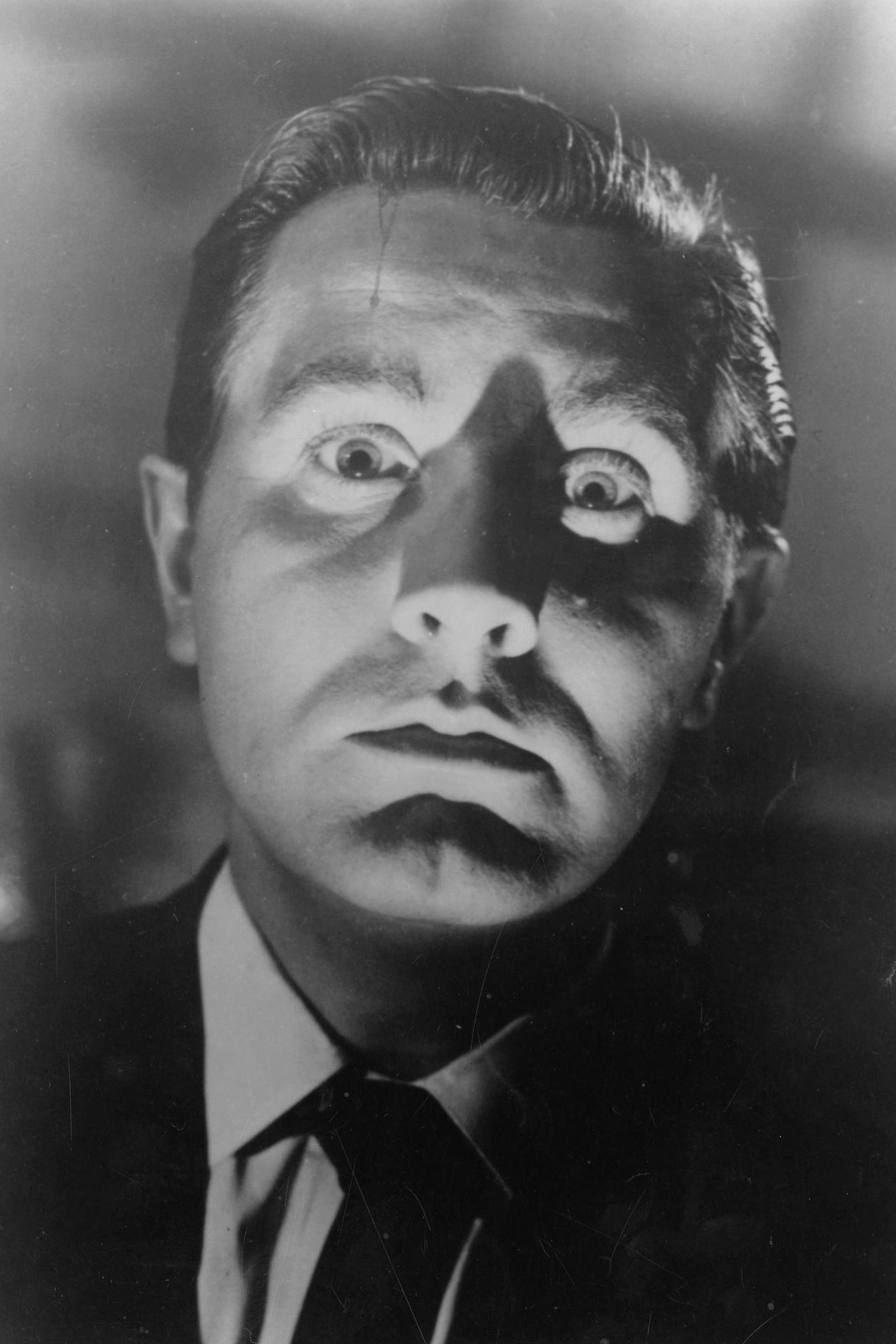
Edward Wood Jr. was an American film director best known for movies like ‘Plan 9 from Outer Space’ and ‘Glen or Glenda’. He usually handled many jobs on his films – writing, directing, and editing – even though he had very little money and few resources. While he was making movies, most people ignored his work or criticized its technical problems and unusual stories. It wasn’t until the 1980 book ‘The Golden Turkey Awards’ that he gained a dedicated cult following. He died in 1978, before his films became famous for a unique, low-budget style of independent cinema.
Dorothy Dandridge
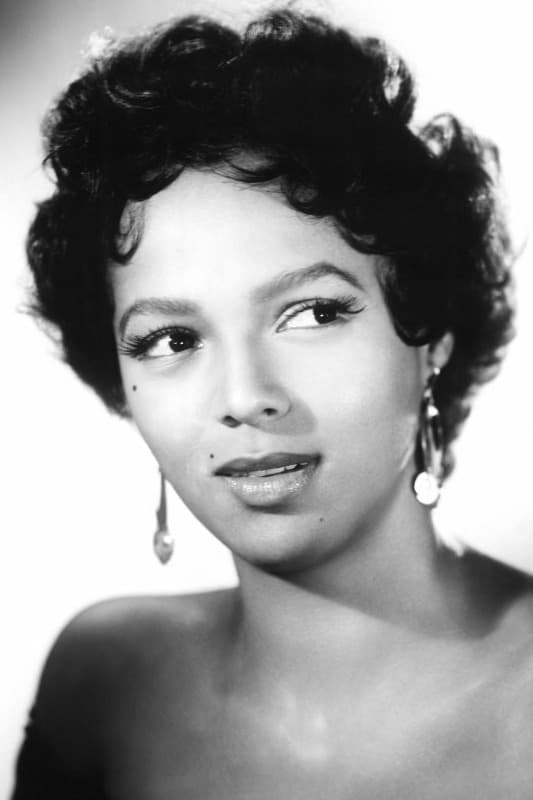
Dorothy Dandridge made history as the first African American woman to be nominated for an Academy Award for Best Actress, thanks to her captivating performance in ‘Carmen Jones’. However, despite her incredible talent, she faced significant obstacles in the 1950s due to racism in the film industry. She often found herself limited to smaller roles, like the one in ‘Island in the Sun’, and struggled to find parts worthy of her abilities. Sadly, the lack of diverse roles available at the time prevented her from fully achieving her potential, and she passed away at the young age of 42.
Anna May Wong
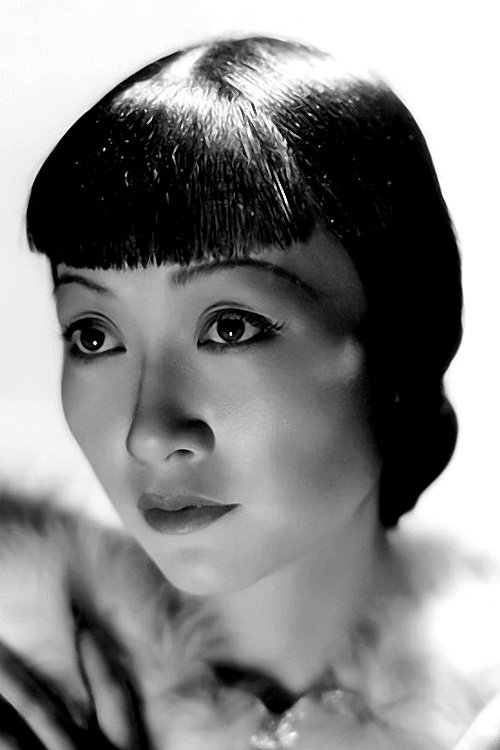
Anna May Wong was a groundbreaking Chinese American actress who became a star in Hollywood films like ‘The Thief of Bagdad’ and ‘Shanghai Express’. Despite her talent, she was often denied leading roles, with white actresses instead portraying Asian characters. Frustrated by these limitations and the strict rules of the time, she moved to Europe where she found more opportunities to showcase her skills. While she achieved success overseas, she didn’t receive the same level of recognition in the United States. Today, she’s remembered as a pioneer who paved the way for greater Asian representation in film and television.
Hedy Lamarr
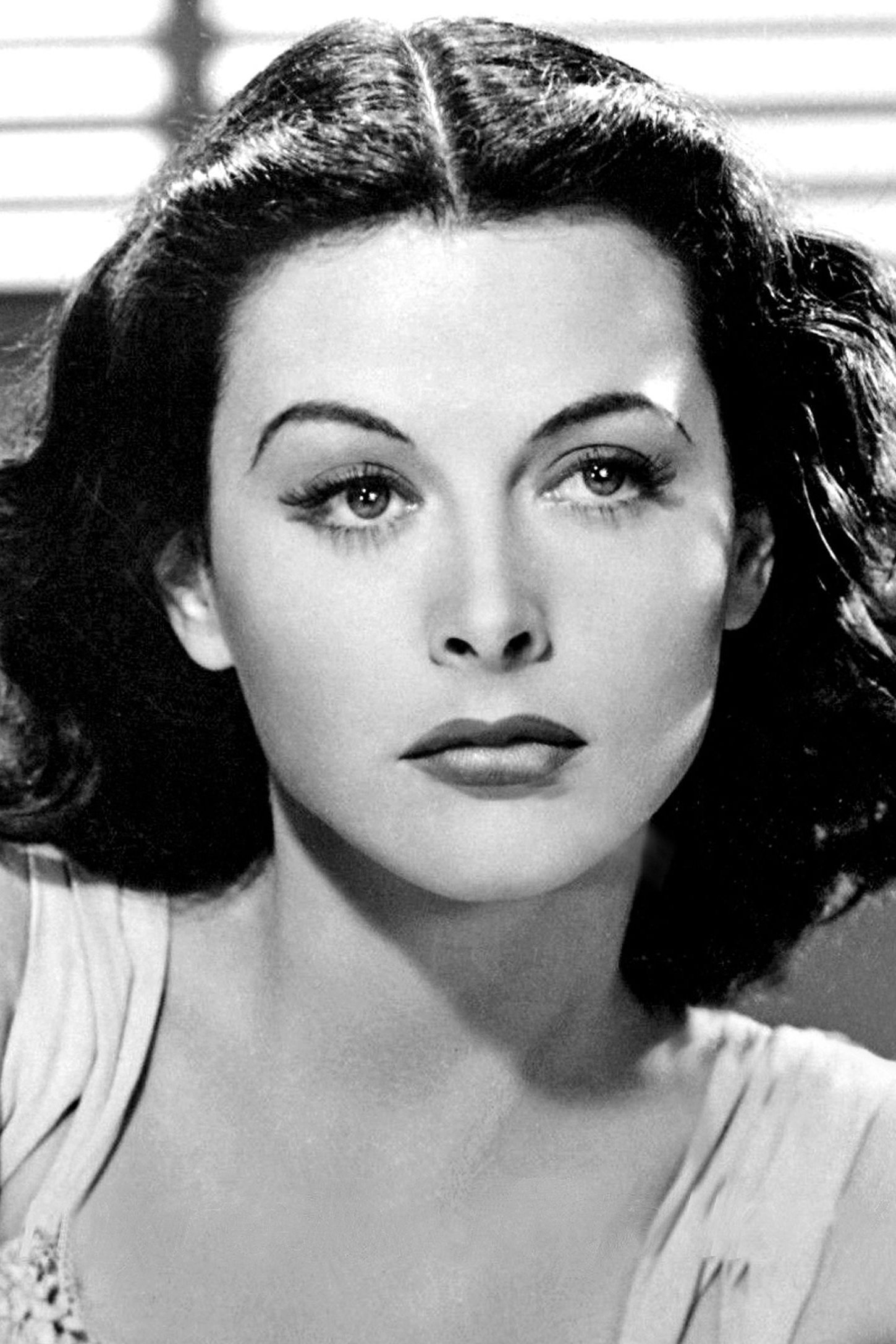
Hedy Lamarr was a famous actress known for her beauty in films like ‘Samson and Delilah’ and ‘Algiers’. However, people often didn’t realize she was also a brilliant inventor. During World War II, she helped create a device for radio communication that used a technique called frequency hopping – an early version of the technology behind Wi-Fi and Bluetooth. Although this was a significant achievement, it wasn’t widely recognized during her lifetime because she was primarily seen as an actress. It wasn’t until late in her life and after her death in 2000 that she finally received the credit she deserved for her innovative thinking.
John Cazale
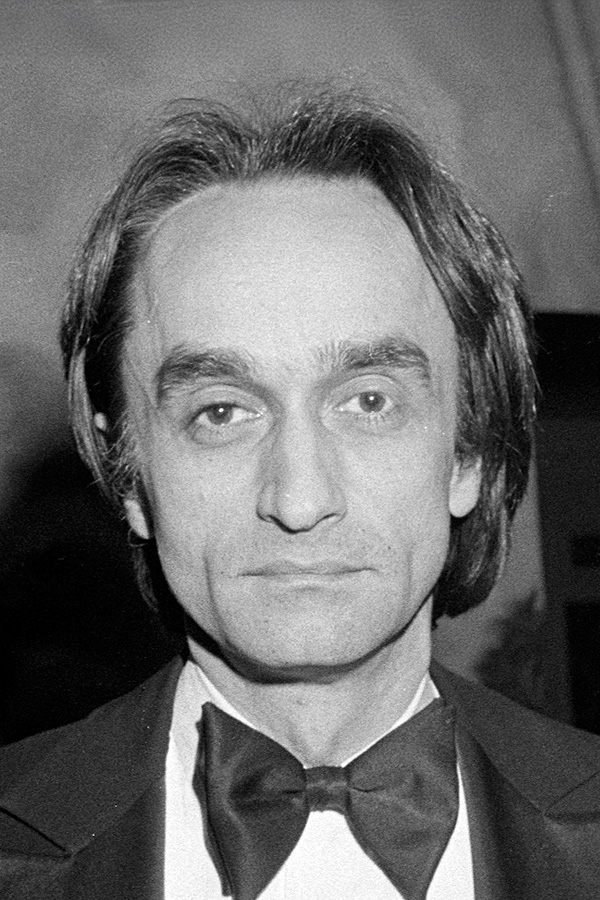
John Cazale had a remarkably successful, though brief, film career. All five of his movies – including classics like ‘The Godfather’, ‘The Godfather Part II’, ‘The Conversation’, ‘Dog Day Afternoon’, and ‘The Deer Hunter’ – were nominated for the Best Picture Oscar. Despite appearing in such highly praised films throughout the 1970s, Cazale himself was never nominated for an individual Academy Award. His subtle and skillful acting was sometimes lost amidst the performances of bigger stars like Al Pacino and Robert De Niro. Sadly, Cazale passed away from lung cancer at just 42 years old, cutting short a promising career.
Buster Keaton
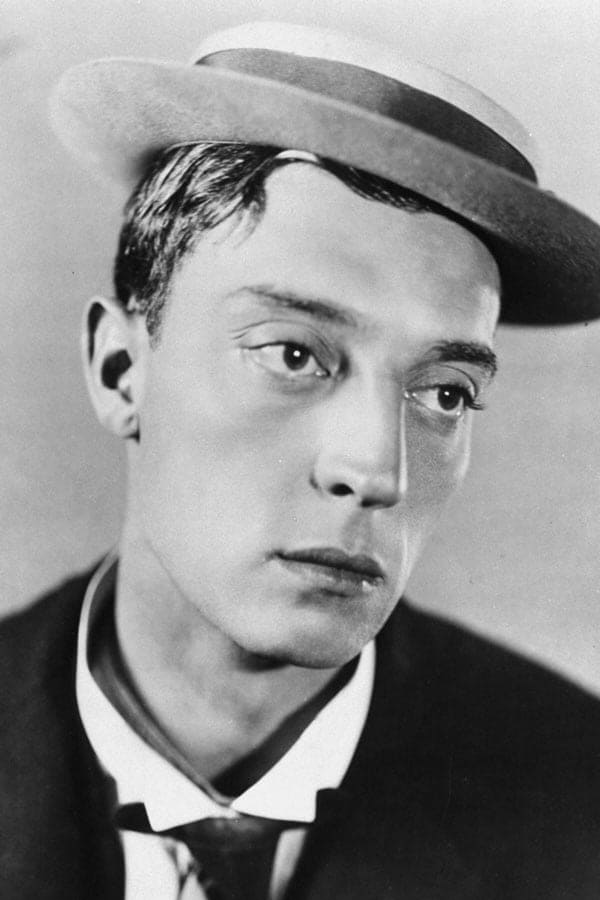
Buster Keaton was a groundbreaking comedian in the early days of cinema, famous for his incredible physical stunts and hilarious performances in films like ‘The General’ and ‘Sherlock Jr.’ However, when movies began including sound, Keaton lost creative control due to strict contracts with MGM studio. This led to a downturn in his career, and he ended up writing jokes for other performers for many years while his own work as a director was largely overlooked. Thankfully, a new wave of film critics and historians rediscovered his films in the late 1950s and early 1960s. He received a special Oscar award in 1959, shortly before he passed away.
Thelma Ritter
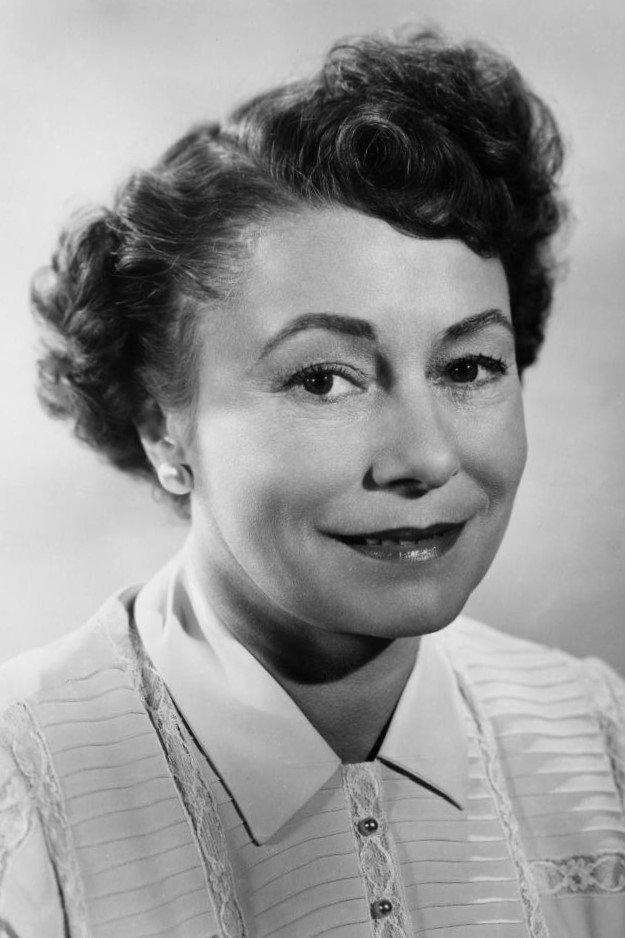
Thelma Ritter was a remarkably busy character actress, famous for her clever humor and realistic acting in movies like ‘All About Eve’ and ‘Rear Window’. She was nominated for an Academy Award for Best Supporting Actress an impressive six times. However, despite this recognition, she never actually won an Oscar, and was often seen as a dependable supporting player instead of a leading star. Directors greatly appreciated her ability to make any scene better, though she rarely received prominent credit. She passed away in 1969, not long after making her last appearance on television.
John Cassavetes
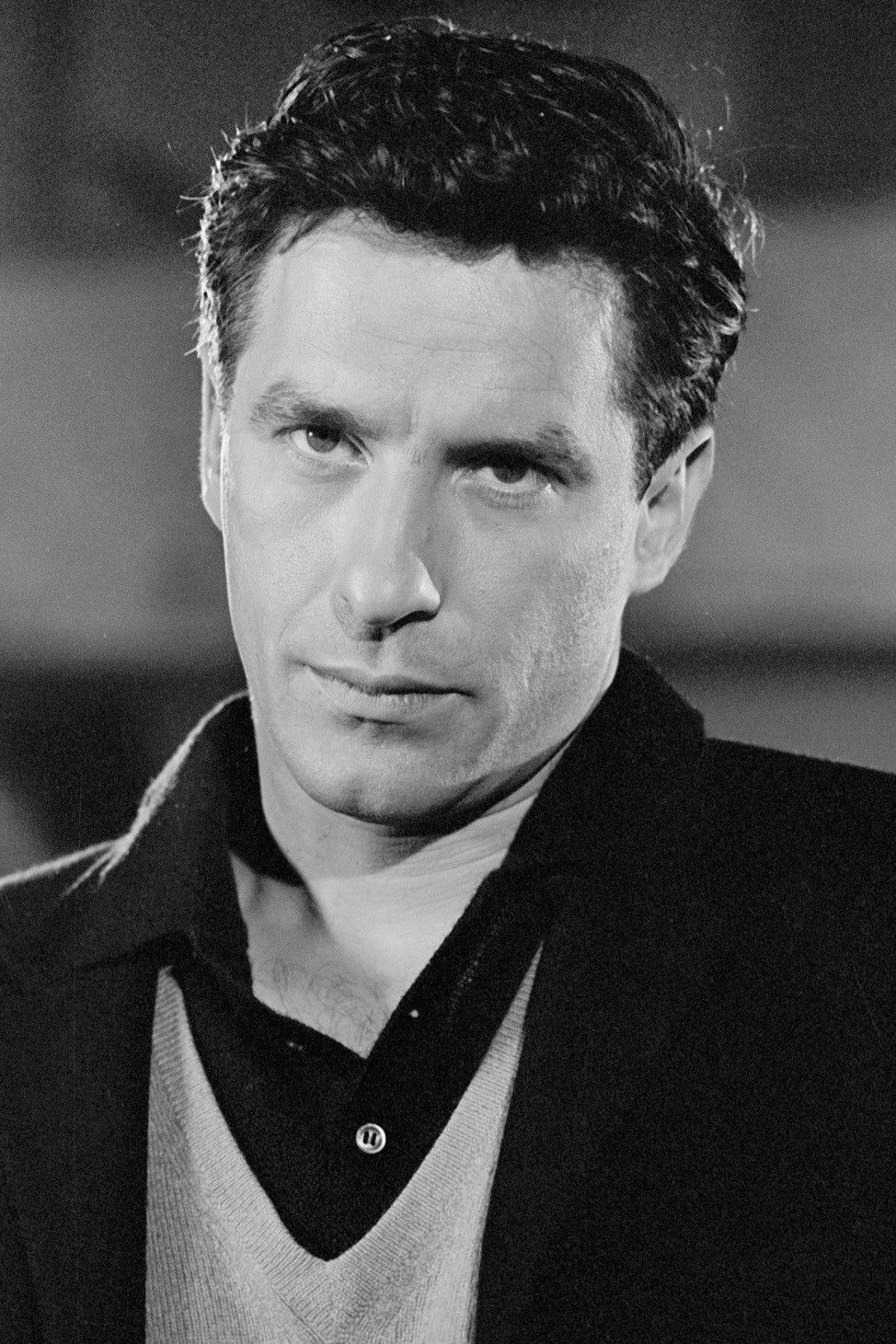
John Cassavetes is often called the founder of modern American independent film. He was known for making films on his own, using a spontaneous, unscripted style, and focusing on realistic characters. Some of his most famous works include ‘Shadows,’ ‘A Woman Under the Influence,’ and ‘Faces.’ To support his filmmaking, he also acted in popular movies like ‘The Dirty Dozen’ and ‘Rosemary’s Baby.’ While his innovative methods weren’t always understood or appreciated during his life, he’s now celebrated as a groundbreaking director who valued genuine emotion over simply making a profitable film.
Sessue Hayakawa
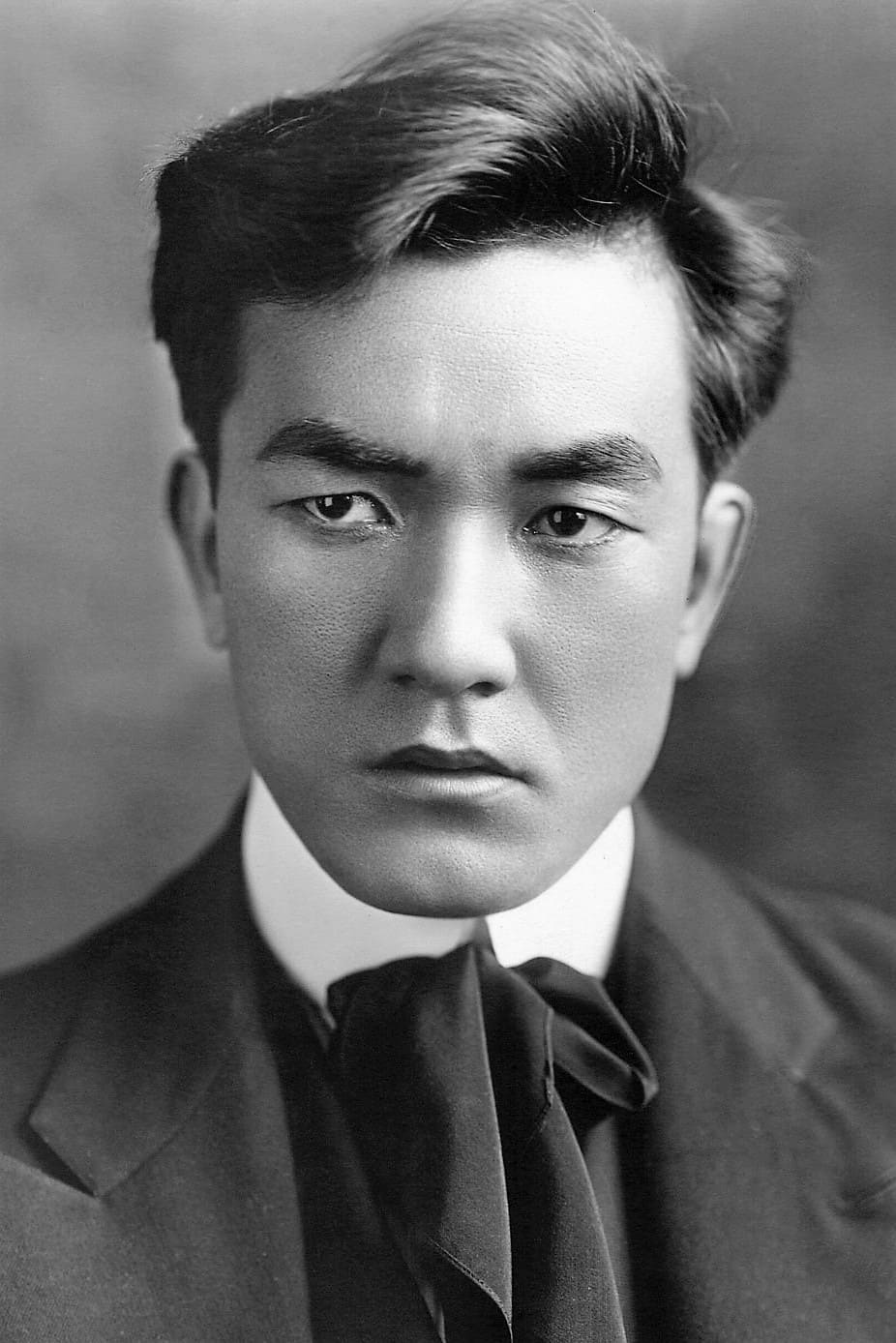
Sessue Hayakawa was a major star during the early days of filmmaking and the first Asian American actor to become a leading man in Hollywood. He gained popularity as a romantic hero in films like ‘The Cheat,’ but prejudice against Asians and strict film censorship later limited his career options. He worked extensively in Europe and Japan before appearing in the acclaimed film ‘The Bridge on the River Kwai’ later in his career. Although he was once incredibly famous, his contributions to film were largely forgotten for many years. Today, he’s finally being recognized as an important figure in the history of world cinema.
Paul Robeson
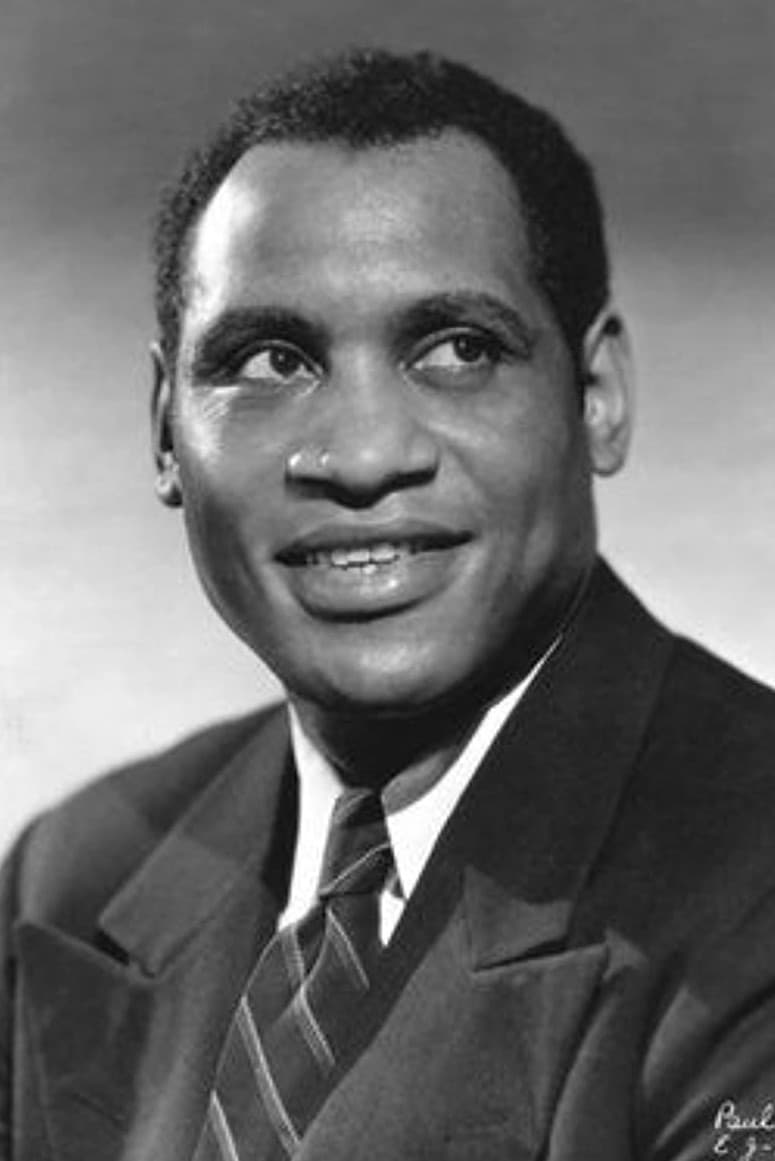
Paul Robeson was a remarkably gifted performer – an actor, singer, and athlete – known for his roles in productions like ‘Show Boat’ and ‘The Emperor Jones’. However, his career suffered greatly during the 1950s because of his political views and activism. He was blacklisted, and the government even took away his passport, stopping him from performing abroad and significantly limiting his work. Though highly respected during the Harlem Renaissance, the entertainment industry largely avoided him during the Cold War. It wasn’t until many years after his career declined that his artistic achievements were fully appreciated.
Hattie McDaniel
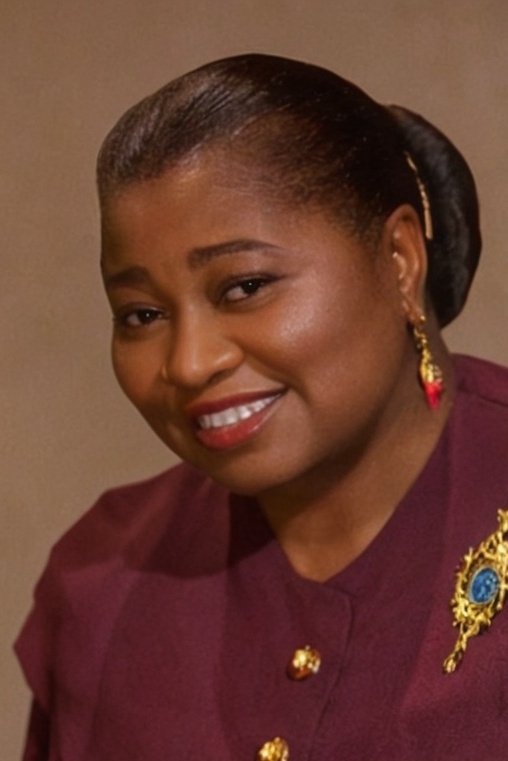
Hattie McDaniel was a groundbreaking actress who became the first African American to win an Oscar, receiving the award for her performance in ‘Gone with the Wind’. Despite this historic achievement, she experienced significant racial discrimination. At the Academy Awards ceremony, she was forced to sit apart from other attendees, and she wasn’t allowed to attend the film’s premiere in her hometown of Atlanta. Throughout her career, she was often limited to playing stereotypical roles as maids and servants because of the prejudices of the era. This led to criticism from both those in power and civil rights advocates. Sadly, McDaniel died in 1952 without ever having the chance to showcase the full range of her acting abilities.
Charles Laughton
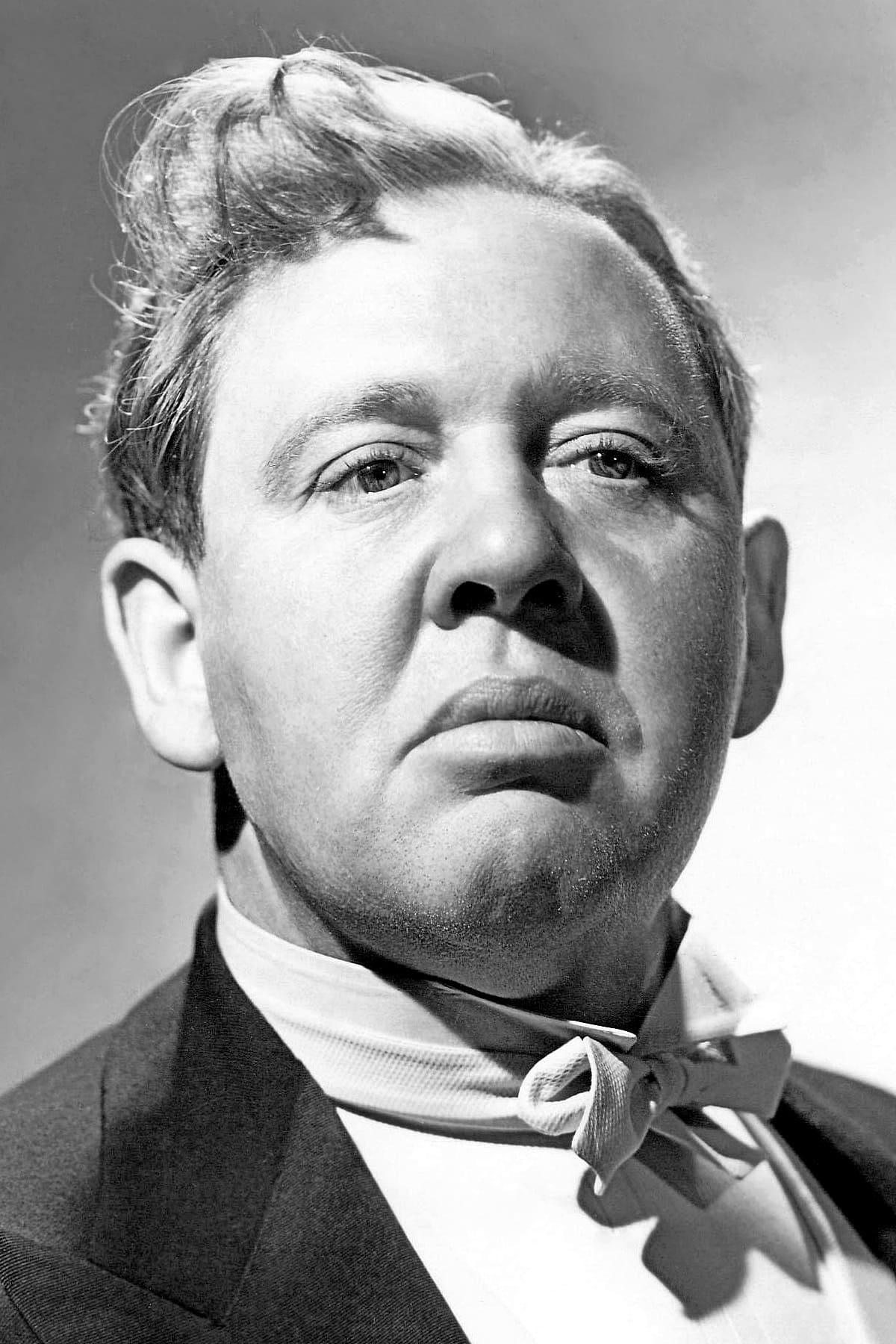
As a film fanatic, I’ve always been fascinated by Charles Laughton. He was an incredible actor – everyone remembers his performances in classics like ‘The Hunchback of Notre Dame’ and ‘Mutiny on the Bounty.’ But did you know he only directed one movie? It was called ‘The Night of the Hunter,’ and it totally flopped when it came out in 1955. It really crushed him, and he never tried directing again before he passed away in 1962. It’s such a shame because now, decades later, ‘The Night of the Hunter’ is considered a genuine masterpiece – a visually stunning film that’s influenced so many others. It’s heartbreaking that he didn’t get to see how much his vision would eventually be appreciated.
Sterling Hayden
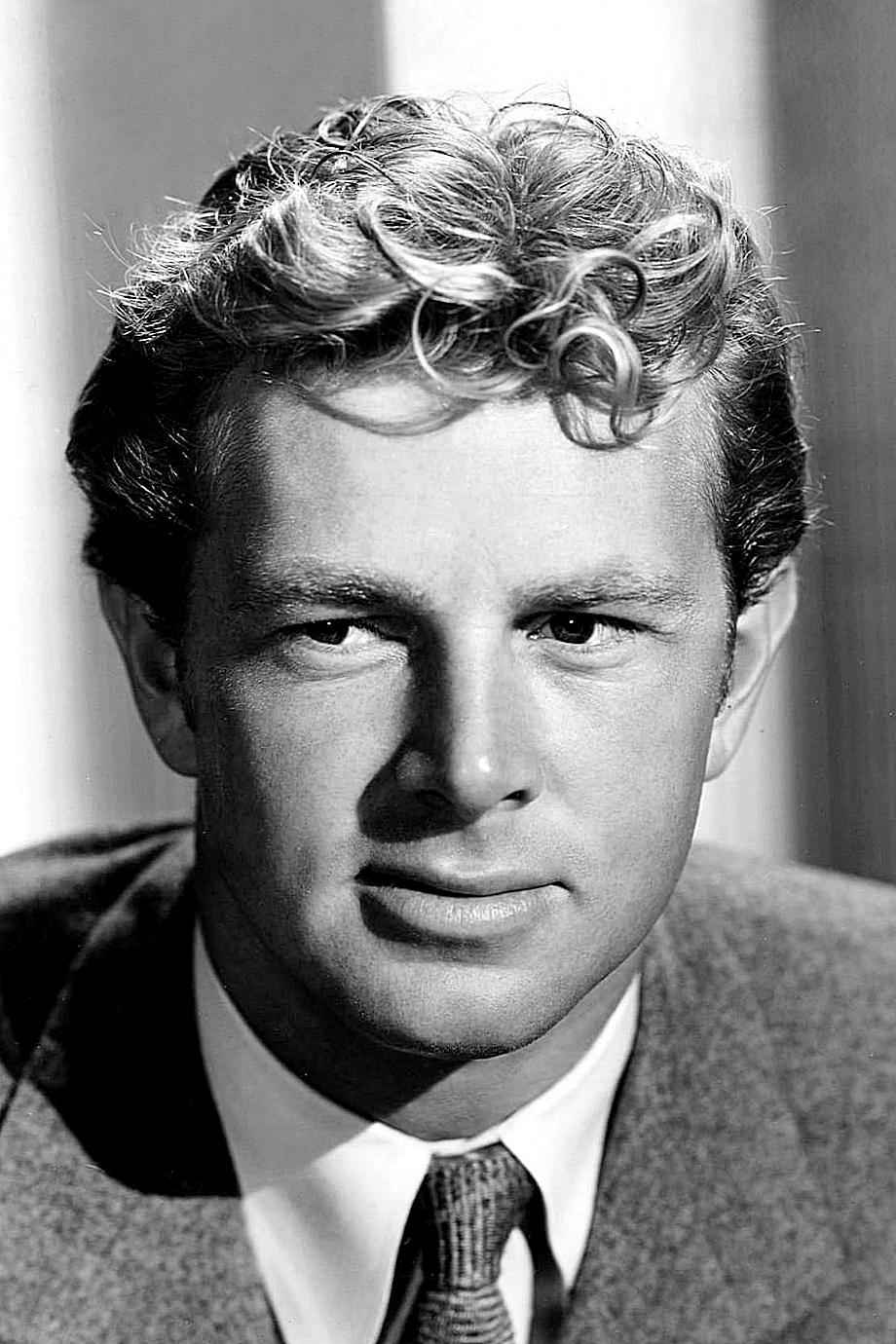
Sterling Hayden was a talented actor known for memorable roles in films like ‘The Asphalt Jungle’, ‘The Killing’, and ‘Dr. Strangelove’. Despite his strong screen presence, Hayden often said he didn’t enjoy acting or Hollywood. He frequently left filmmaking to pursue his love of sailing, which made studio executives see him as unpredictable. Though he was a significant presence in film noir, he didn’t achieve the same widespread recognition as other actors of his time. Hayden remained a favorite among film enthusiasts until his death, rather than becoming a mainstream star.
Jean Seberg
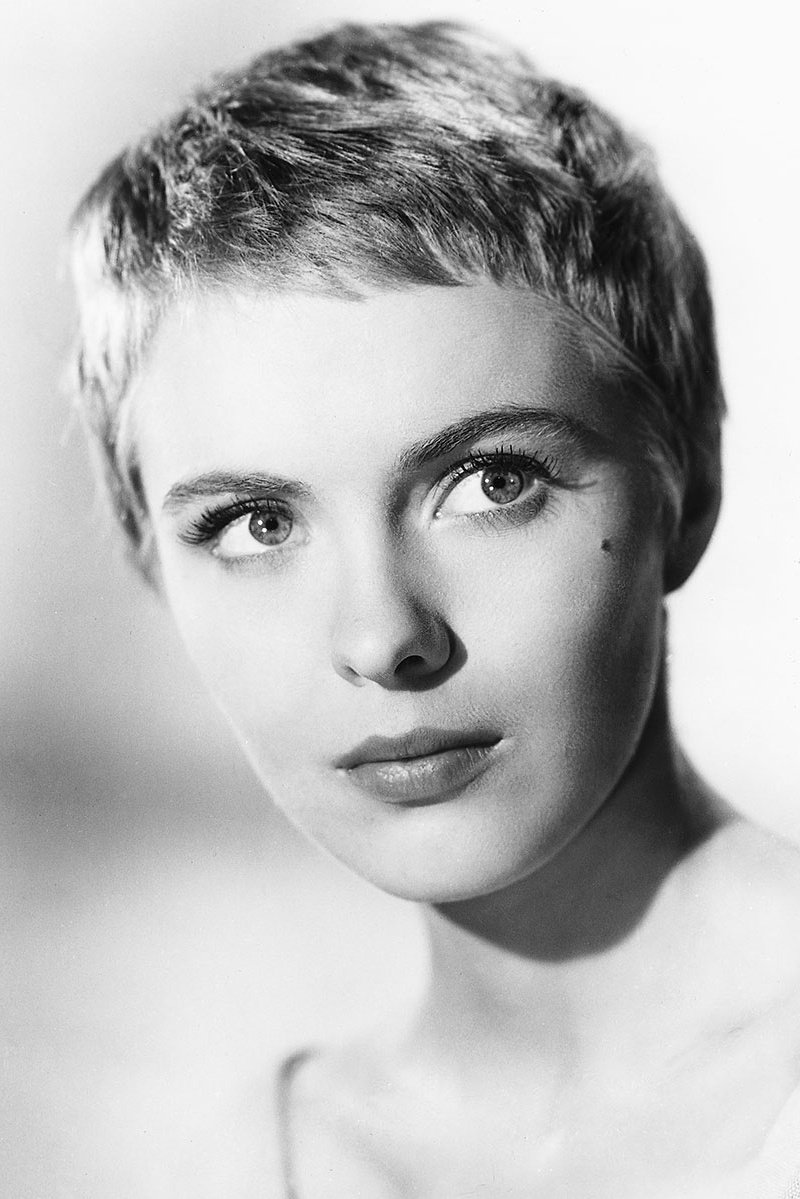
Jean Seberg rose to fame as a key figure in the French New Wave, particularly after her role in Jean-Luc Godard’s ‘Breathless’. While successful in France, her career in America struggled. Her support for the Black Panther Party made her a target of the FBI’s COINTELPRO program, which launched a damaging campaign against her. The FBI spread false information to the media, severely harming her reputation and mental well-being, and making it difficult for her to find work in Hollywood in the 1970s. She died in 1979 under unclear circumstances, and today, her artistic achievements are often understood in the context of the political harassment she faced.
Sal Mineo
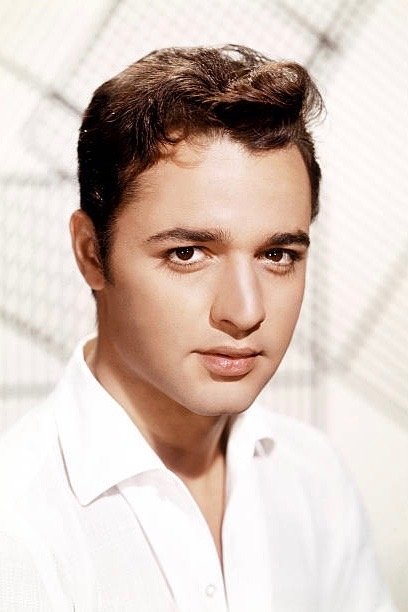
Sal Mineo became famous as a young actor, earning an Oscar nomination for his work in ‘Rebel Without a Cause’ with James Dean. However, as he got older, he found it difficult to land significant roles. This was partly because he openly discussed his bisexuality, which made some in the film industry uncomfortable. Throughout the late 1960s and 70s, he mostly appeared in guest roles on TV or low-budget movies. Despite showing great potential early in his career, he was often passed over for leading parts. Tragically, Mineo was murdered in 1976, just as his career was starting to revive with theater work.
Divine
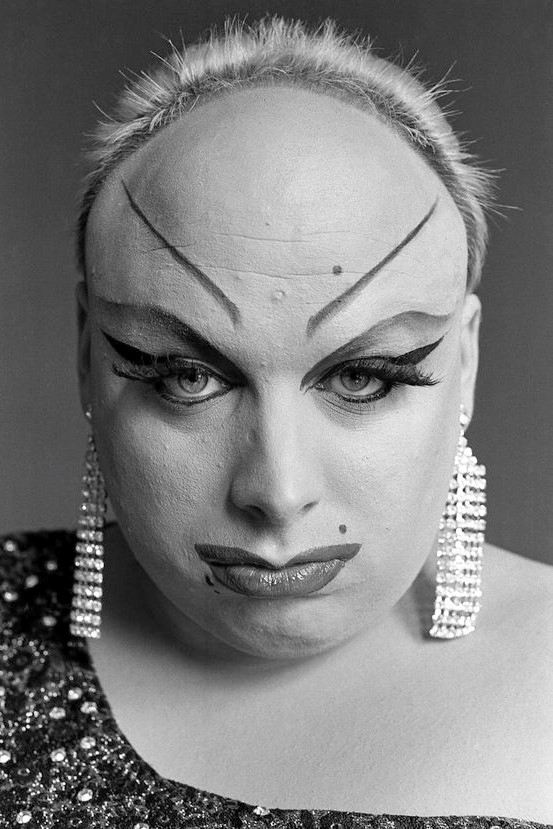
Divine, originally Harris Glenn Milstead, was an actor and singer who gained a devoted following through his work with director John Waters in films like ‘Pink Flamingos’ and ‘Female Trouble’. For years, he was often seen as simply a unique or underground performer. However, his role in the 1988 film ‘Hairspray’ finally earned him widespread critical praise, demonstrating his talent as an actor. Tragically, Divine passed away as ‘Hairspray’ was becoming popular, just before he was set to appear on the TV show ‘Married… with Children’. Since then, his reputation as a daring and innovative performer has continued to grow.
Anton Yelchin
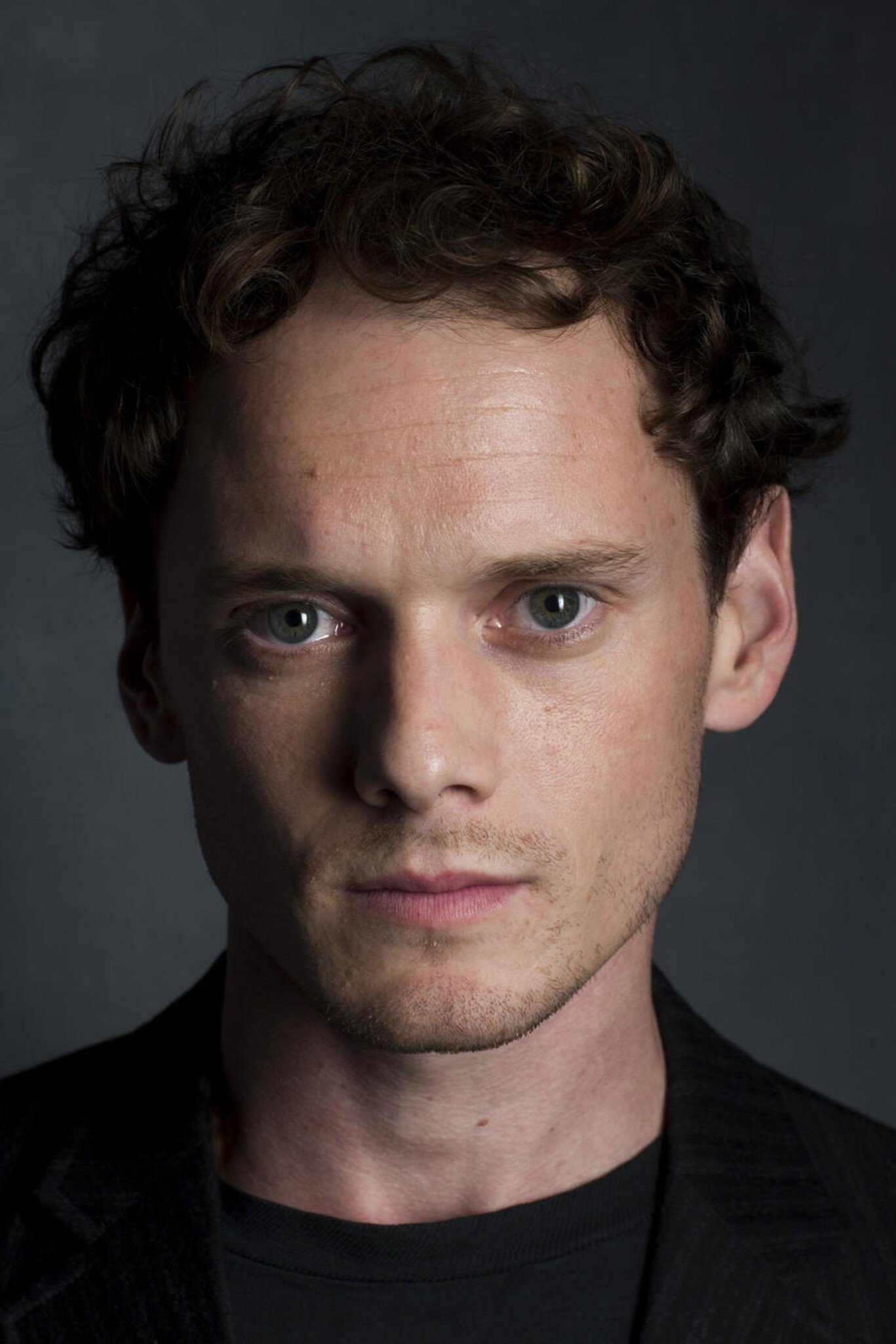
Anton Yelchin was a remarkably talented and hardworking actor who appeared in popular films like ‘Star Trek’, ‘Like Crazy’, and ‘Green Room’. Though he consistently worked, he hadn’t yet become a household name or received major awards. Tragically, his life ended in a car accident in 2016 when he was just 27 years old. After his death, the documentary ‘Love, Antosha’ highlighted his dedication to his craft and the respect he earned from those in the film industry.
Michael Kenneth Williams
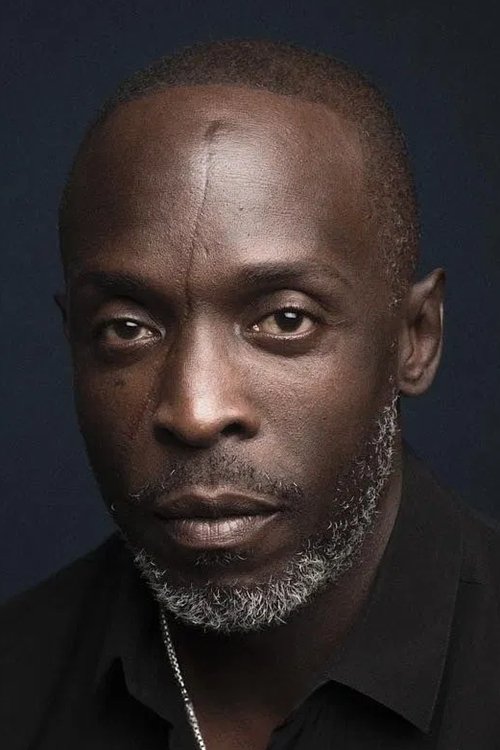
Michael K. Williams became widely known for playing Omar Little on ‘The Wire,’ a character many consider one of the greatest in TV history. Though highly praised for his work, he never won a Primetime Emmy despite being nominated five times. He brought a special sense of vulnerability and depth to characters in shows like ‘Boardwalk Empire’ and ‘Lovecraft Country.’ Williams often discussed how his appearance and a facial scar led to him being repeatedly cast as intimidating or criminal figures. He died in 2021, but left behind a powerful legacy of complex, relatable characters that made viewers think differently.
Eartha Kitt
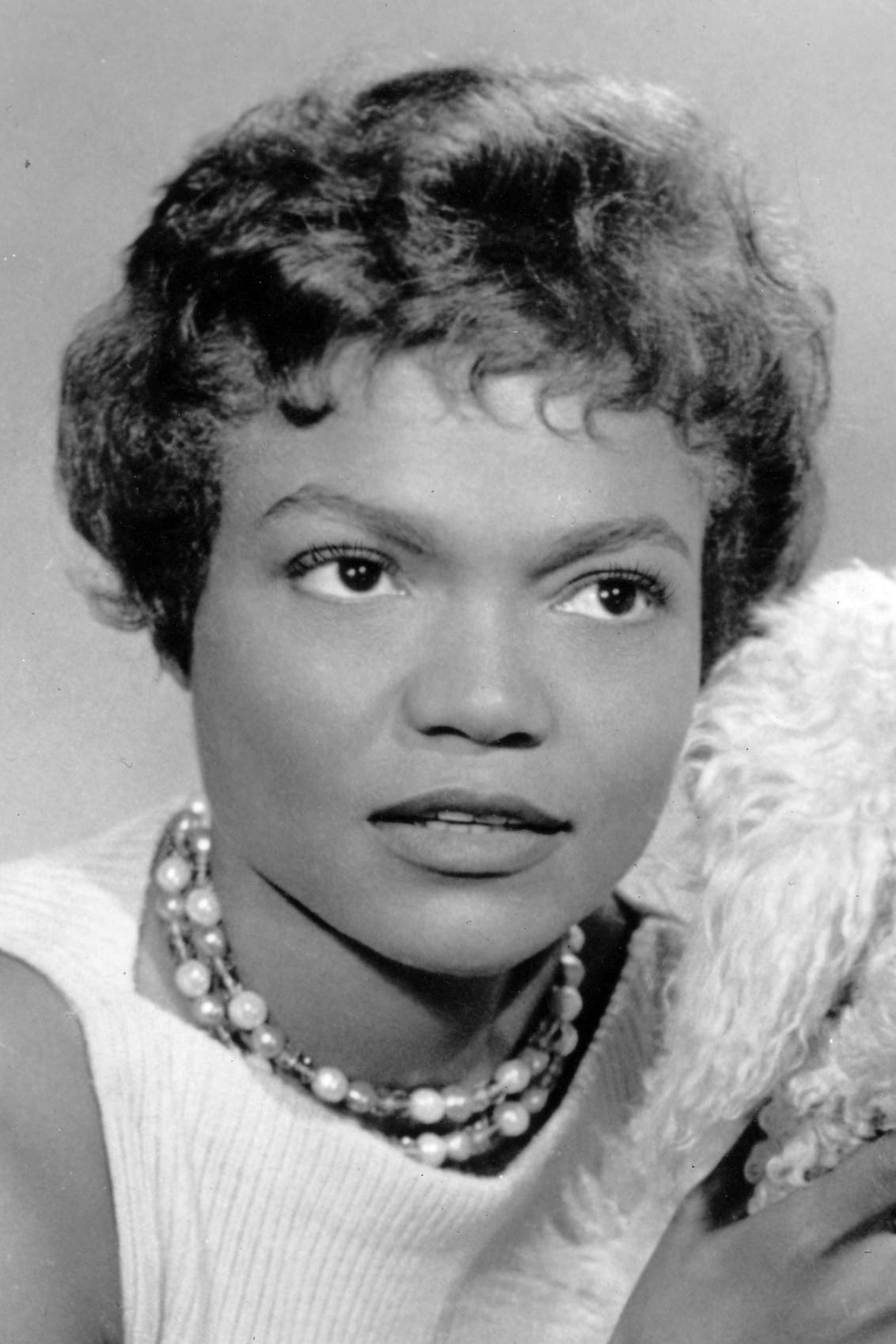
Eartha Kitt was a talented performer known for playing Catwoman on the ‘Batman’ TV show, as well as her singing and stage work. In 1968, her U.S. career suffered when she spoke out against the war at a White House lunch. This led to her being ostracized by the entertainment industry and investigated by the CIA, forcing her to work mostly in Europe for a long time. While she did eventually return to the U.S., her most successful years were affected by the negative reaction to her statements. Today, she’s celebrated as a courageous artist and activist who stood up for what she believed in.
Billie Holiday
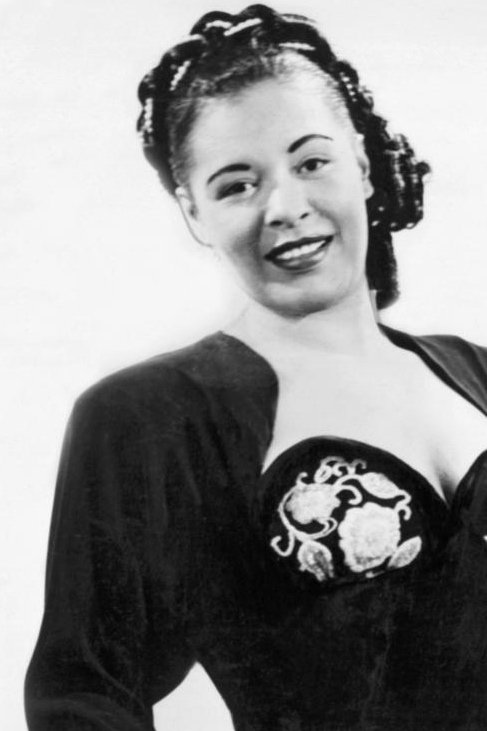
As a movie and music lover, I’ve always been fascinated by Billie Holiday. While she’s rightfully celebrated as a jazz icon, people often forget her film work, like her role in ‘New Orleans’. It was rare back then for a Black woman of her talent to get any substantial parts in Hollywood, and that film was one of her few screen appearances. Later, her incredible life story was beautifully, though sadly after her death, brought to life in ‘Lady Sings the Blues’. It’s a shame that during her life, so much attention was focused on her personal battles instead of the huge impact she had on how singers phrased their lyrics. But looking back now, decades after 1959, it’s clear just how much Billie Holiday bridged the gap between music and film, and her influence continues to grow.
Roscoe Arbuckle
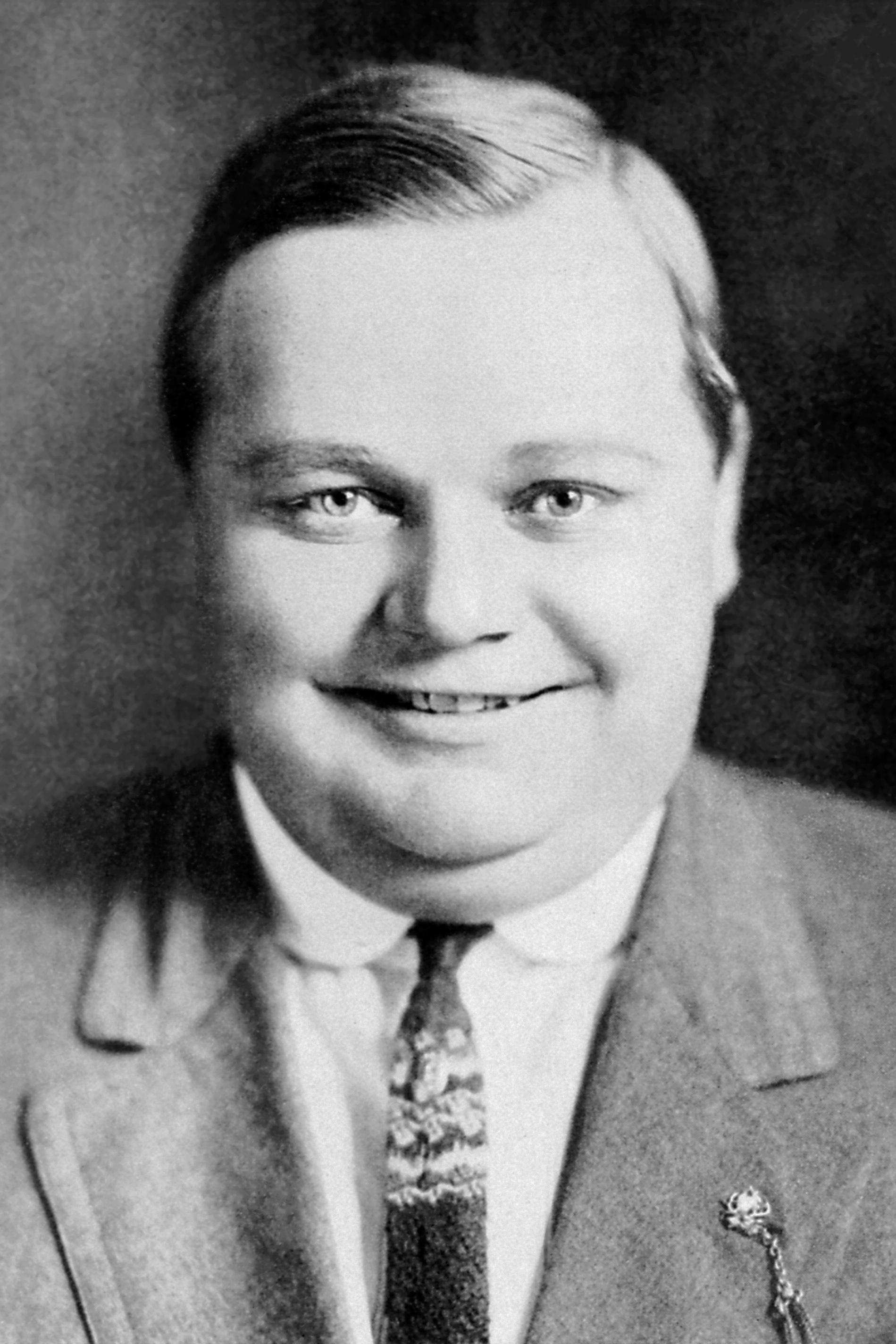
Roscoe “Fatty” Arbuckle was a huge star during the early days of silent movies, and he helped launch the careers of Charlie Chaplin and Buster Keaton. In 1921, his successful career came to a sudden stop when he was involved in a scandal and faced multiple trials. Although he was found not guilty and the jury formally apologized, Hollywood blacklisted him, and his films were largely unavailable for many years. He tried to return to filmmaking as a director using a different name, and eventually got a new acting contract, but sadly passed away the very next day. Today, film historians are finally recognizing his important contributions to comedy techniques.
Harry Dean Stanton

Harry Dean Stanton was a beloved character actor who appeared in films and TV shows for over 60 years, including iconic projects like ‘Alien’, ‘Repo Man’, and ‘Twin Peaks: Fire Walk with Me’. Though he often stole the scene in supporting roles, he didn’t get to be the lead in a major film until ‘Paris, Texas’ in 1984, when he was in his late 50s. Despite being a favorite among directors, mainstream awards and widespread fame largely passed him by. He continued acting until his death in 2017, and his final film, ‘Lucky’, is a touching reflection of his quiet, skillful talent.
Dick Miller
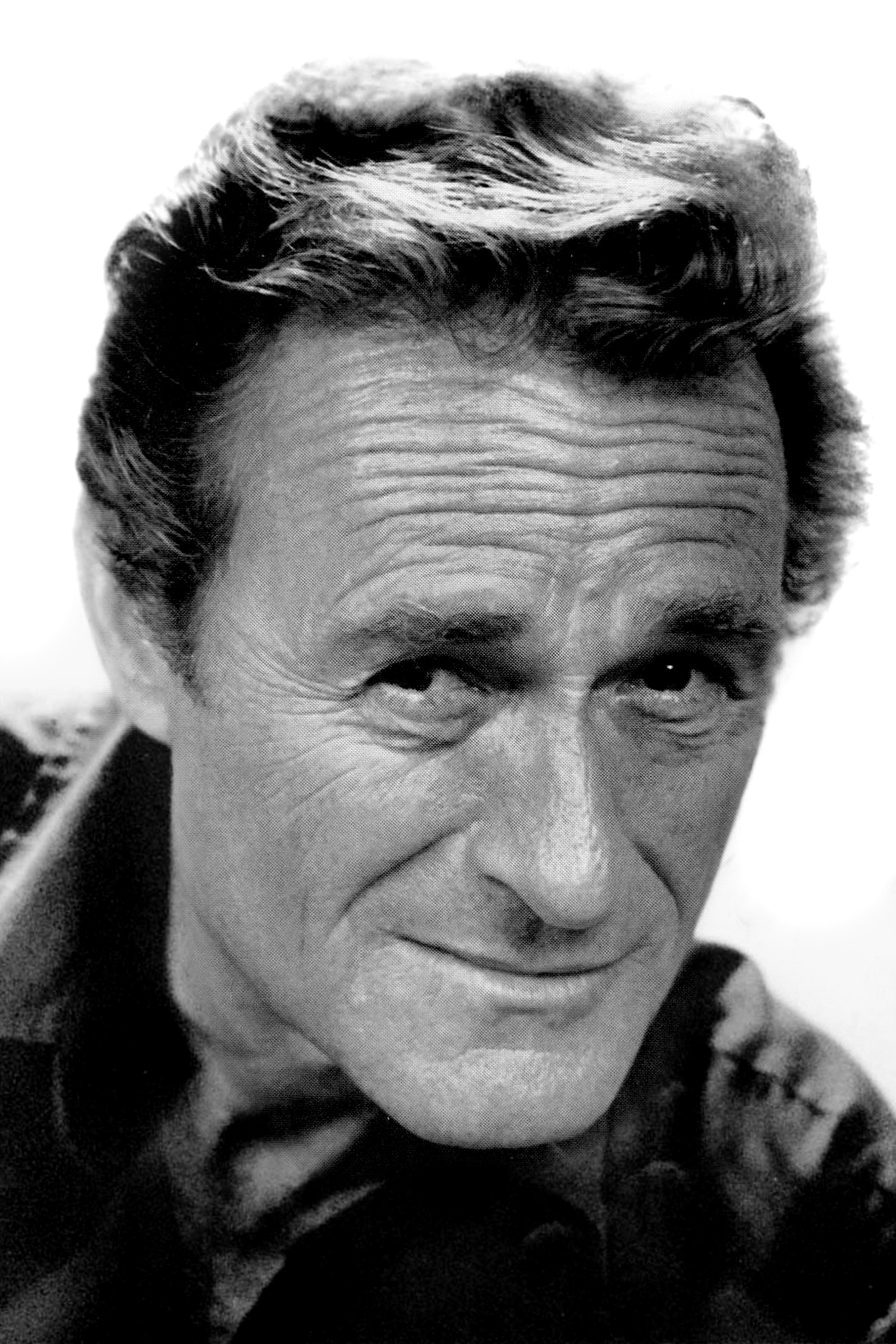
Dick Miller was a familiar face in American movies, appearing in over 100 films like ‘Gremlins’, ‘The Terminator’, and ‘A Bucket of Blood’. Directors such as Joe Dante and Roger Corman often cast him, considering him good luck for their projects. Though he worked constantly and was well-known, he rarely got roles that showed off his full acting ability. He was a dedicated, hardworking actor, admired by those in the industry, but never became a major star. Miller died in 2019 and is remembered by film fans as one of the most dependable character actors of all time.
Fred Ward
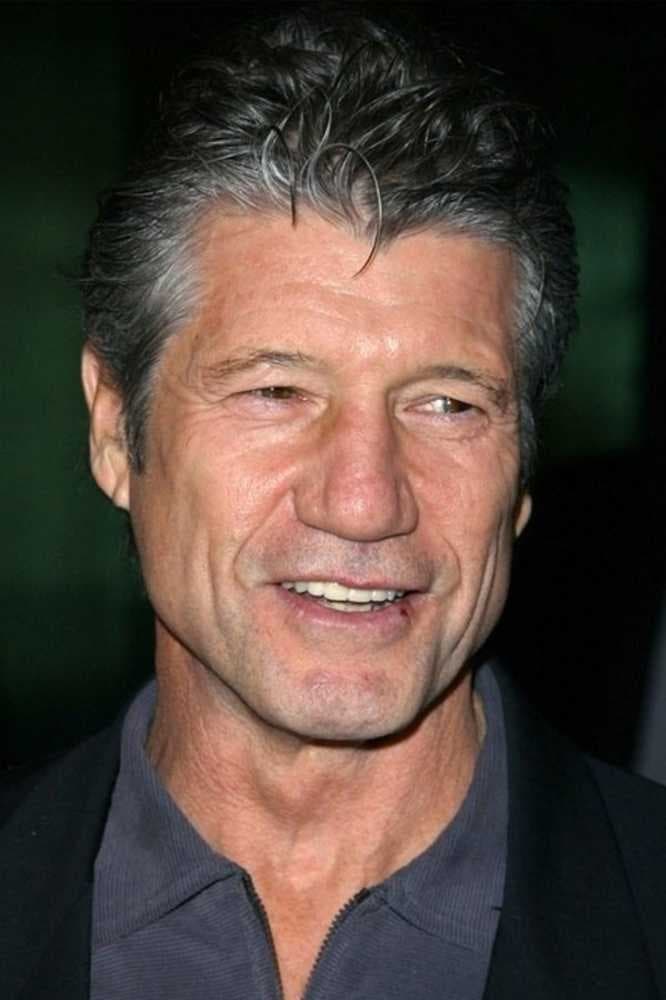
Fred Ward, a talented and versatile actor who appeared in films like ‘Tremors’, ‘The Right Stuff’, and ‘Henry & June’, passed away in 2022. He was known for convincingly playing both strong, tough characters and more sensitive, complex roles, particularly in independent films. Though consistently delivering strong performances and possessing a memorable presence on screen, he wasn’t often recognized during awards season and rarely starred in big-budget blockbusters beyond the ‘Tremors’ movies. Many critics believed his impressive range deserved more leading roles, and his authentic work continues to be highly respected.
Philip Baker Hall
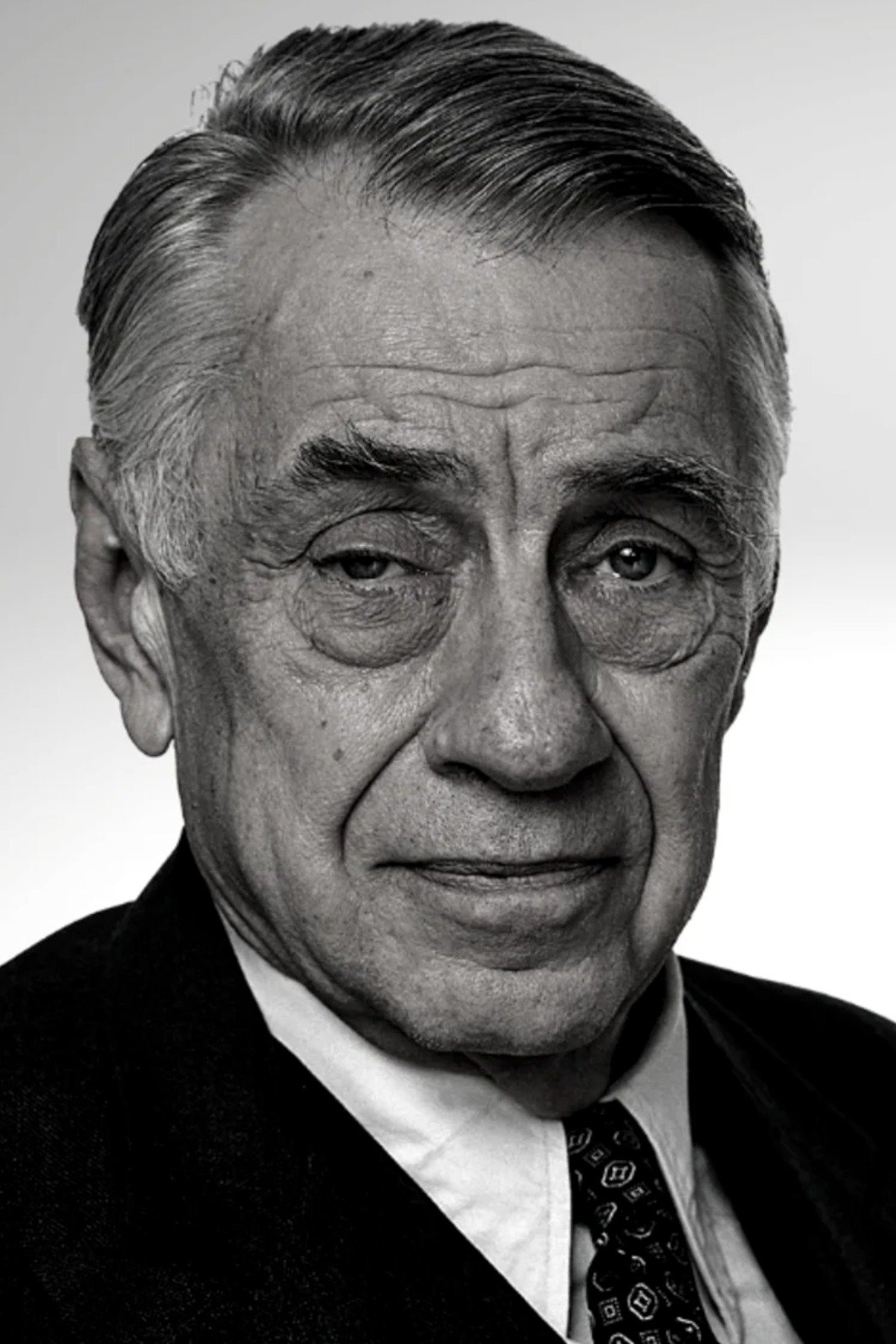
Philip Baker Hall was a dedicated actor with a long career on stage and in television. While he worked for decades in smaller roles, he gained wider recognition later in life through his films with director Paul Thomas Anderson, including ‘Hard Eight’ and ‘Magnolia’. Known for his serious and commanding presence, Hall often portrayed characters who were both powerful and deeply complex. Despite being hailed by many critics as one of the best actors of his generation, he never received an Academy Award nomination. He was admired for making every line he delivered feel important and impactful, a skill he maintained throughout his career until his passing in 2022.
Mako
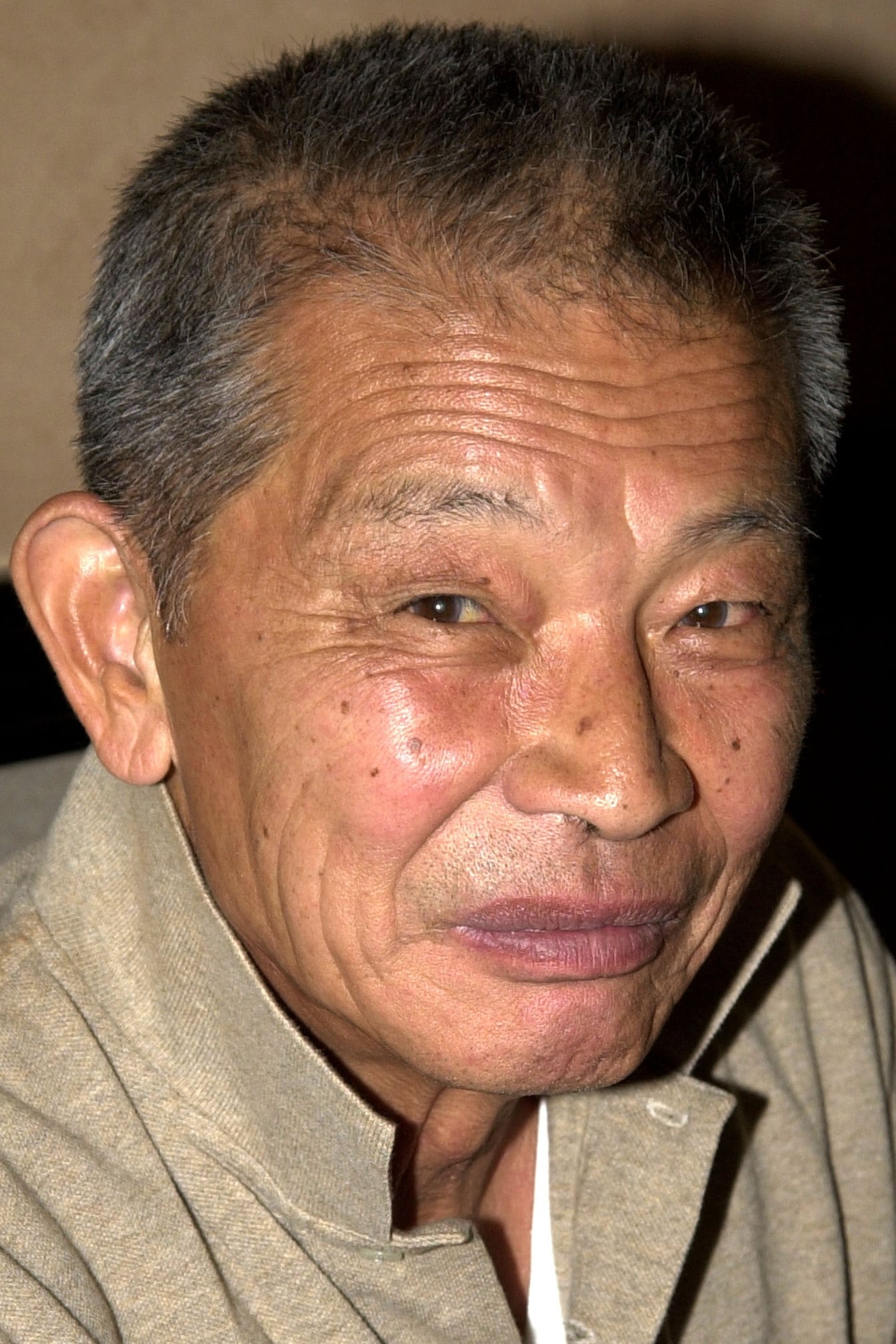
Mako was an American actor born in Japan and a co-founder of East West Players, the first Asian American theater group in the US. While he earned an Academy Award nomination for his role in ‘The Sand Pebbles’, he often struggled against being typecast in limited, stereotypical parts. Later in his career, he gained popularity with younger viewers through his voice acting as Uncle Iroh in ‘Avatar: The Last Airbender’ and Aku in ‘Samurai Jack’. Despite his talent and impact on Asian American theater, Hollywood didn’t always give him the opportunities he deserved. He passed away in 2006, leaving behind a legacy as a pioneer for Asian American actors.
J. T. Walsh
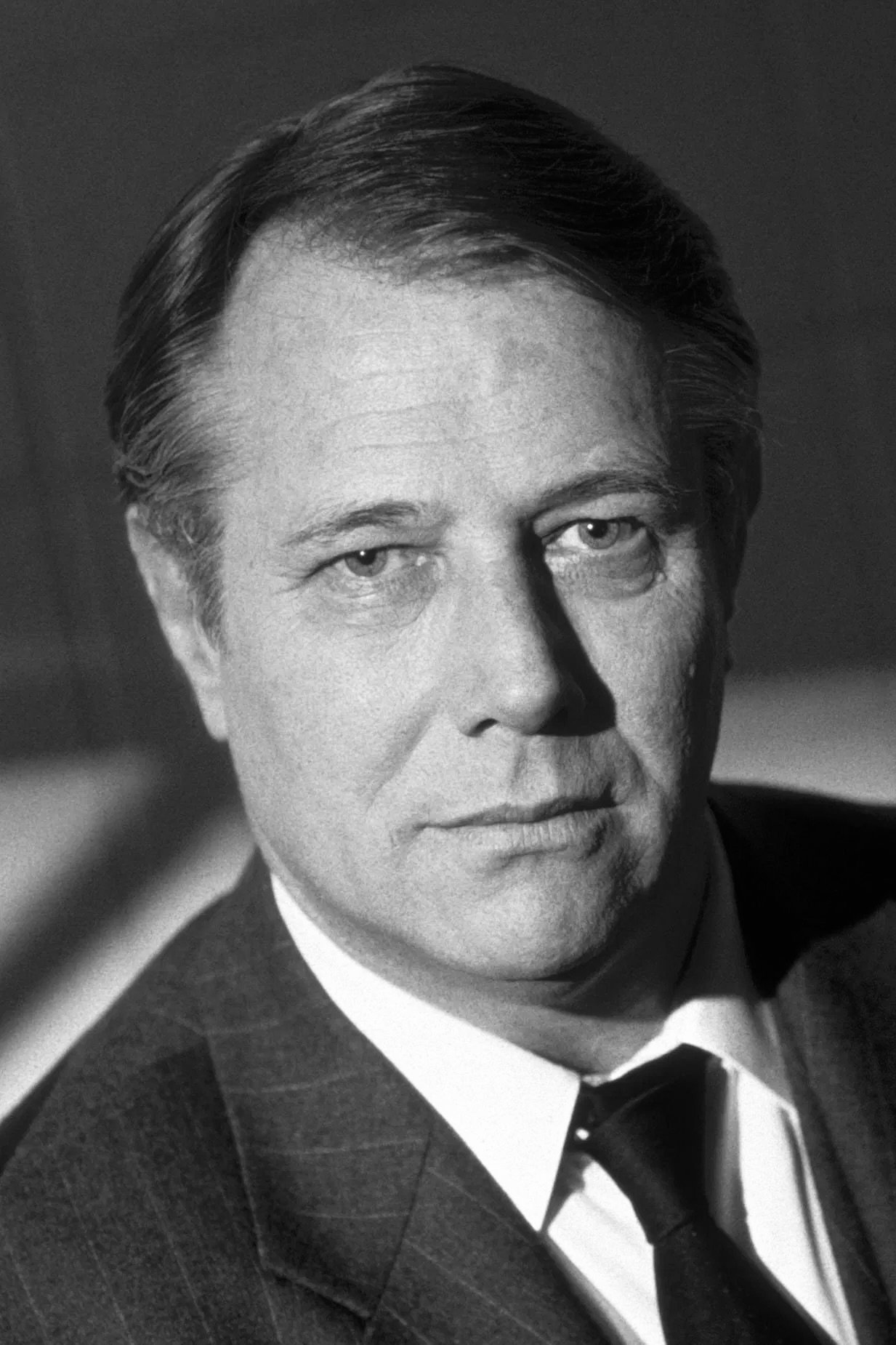
J.T. Walsh was widely considered a fantastic film villain, known for his roles in movies like ‘A Few Good Men’, ‘Breakdown’, and ‘Pleasantville’. He excelled at portraying characters who were either morally complex or truly menacing, often with a subtle but chilling effect. Though primarily a supporting actor, he was gaining more recognition when he tragically passed away at age 54. His talent was highly regarded by fellow actors, as evidenced by Jack Nicholson’s dedication of a Golden Globe award to him. Walsh’s death in 1998 prematurely ended a career that many predicted would lead to major awards.
Miguel Ferrer
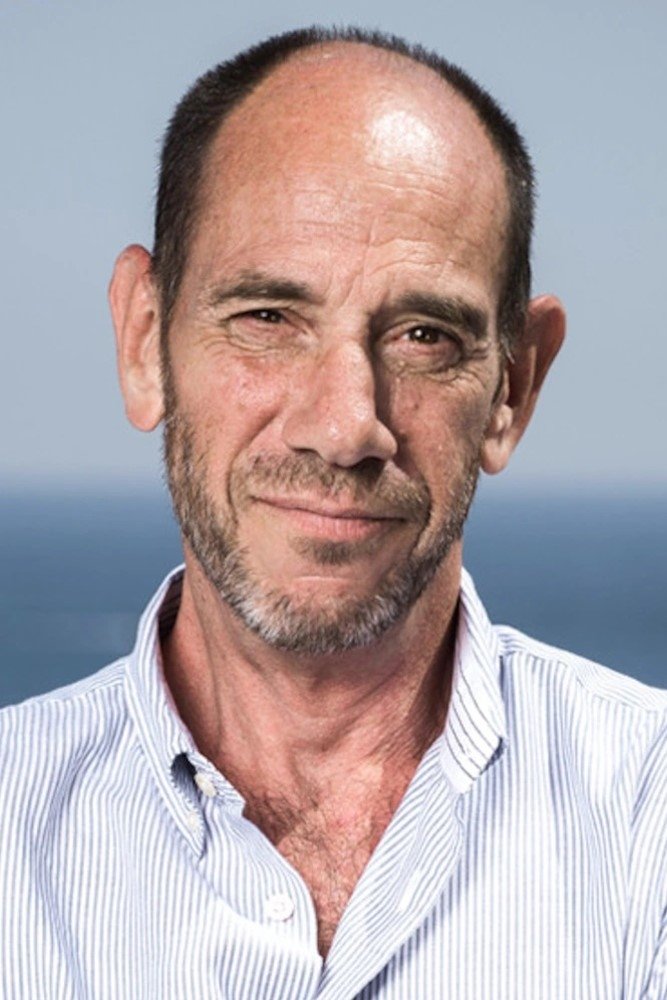
Miguel Ferrer was a talented and adaptable actor who appeared in popular shows and movies like ‘RoboCop’, ‘Twin Peaks’, and ‘Crossing Jordan’. Coming from a family of artists – his parents were Jose Ferrer and Rosemary Clooney – he had a natural gift for performance and a uniquely textured voice. He consistently delivered strong performances in both film and television, often portraying characters who were witty or had a tough exterior. Though consistently excellent, he wasn’t always the center of attention. Ferrer remained active in his career until his passing in 2017 after a battle with throat cancer.
Robert Ryan
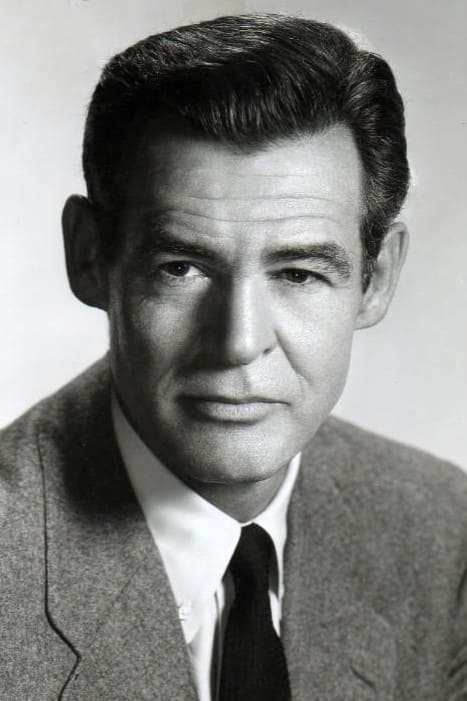
Robert Ryan was a major figure in mid-20th-century films, appearing in classics like ‘The Set-Up’, ‘The Wild Bunch’, and ‘Bad Day at Black Rock’. He was celebrated for his nuanced performances, often playing troubled or prejudiced characters with remarkable psychological insight – a quality that was unusually sophisticated for the time. Despite an Academy Award nomination for ‘Crossfire’, he often lived in the shadow of more conventional leading men. Directors admired his willingness to explore the darker aspects of human nature, though this may not have always translated into widespread popularity. Ryan passed away in 1973, and his legacy as an actor known for his intelligence and depth has continued to grow since then.
Lee Van Cleef
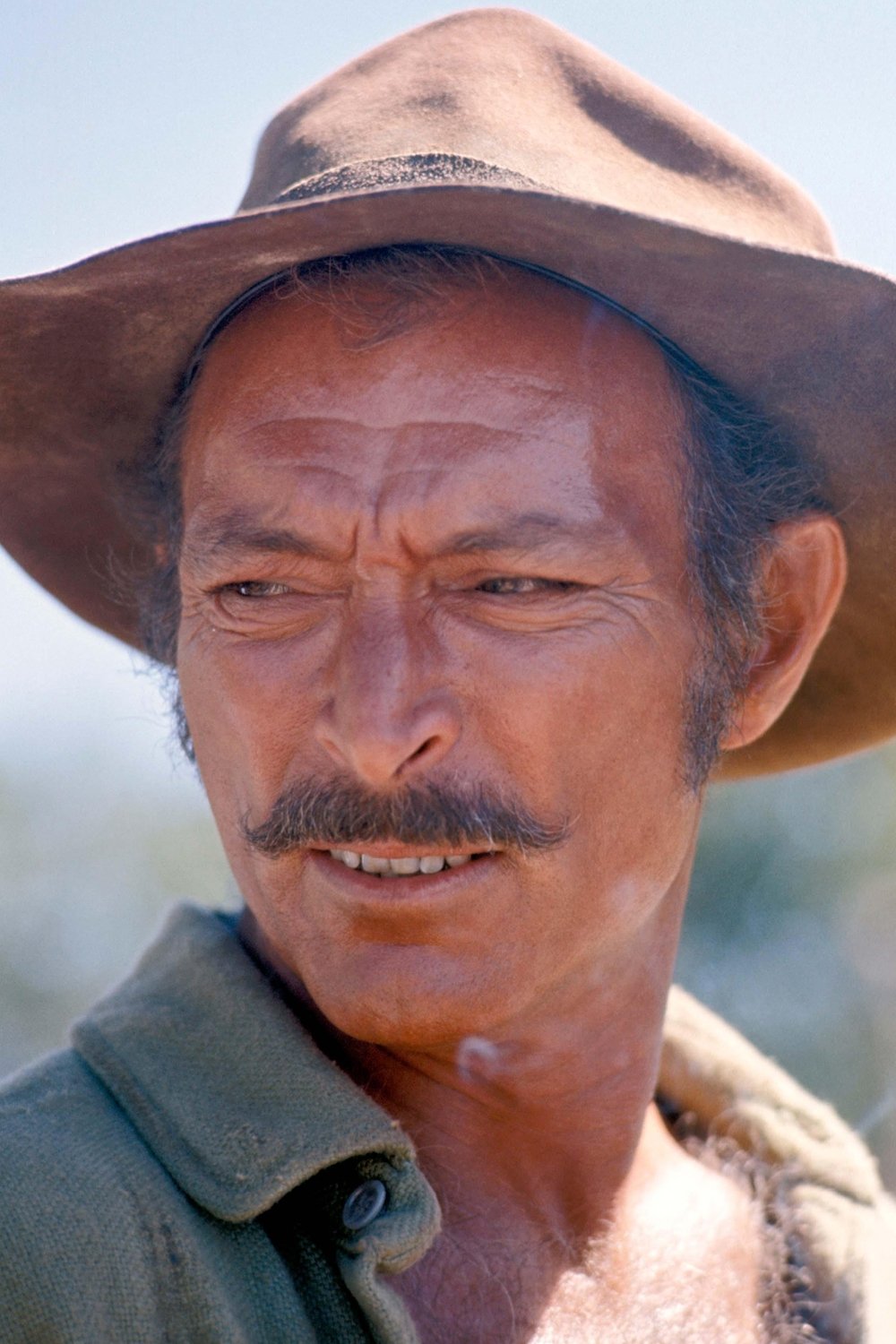
Lee Van Cleef spent years as a supporting actor in American Westerns, often playing smaller villainous roles. His career took off when he began working in Europe, particularly after being cast by Sergio Leone in the iconic films ‘For a Few Dollars More’ and ‘The Good, the Bad and the Ugly,’ which made him an international star. He almost gave up acting after a serious car accident and struggled to find substantial roles in Hollywood. Though he became a major figure in Spaghetti Westerns, it took a long time for American films to recognize his talent as a lead actor. He died in 1989, having achieved his greatest success outside of the traditional Hollywood system.
Warren Oates
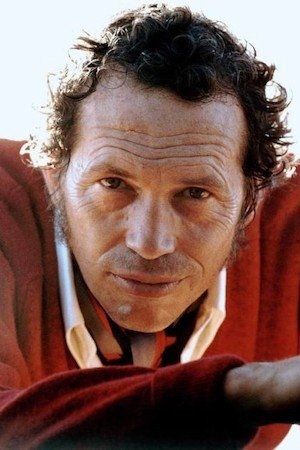
Warren Oates was a frequent collaborator with directors Sam Peckinpah and Monte Hellman, appearing in films like ‘The Wild Bunch’ and ‘Two-Lane Blacktop’. He perfectly captured the raw, realistic style that became a hallmark of 1970s New Hollywood cinema. Though highly admired by film enthusiasts, Oates never quite became a mainstream star or received major awards. He consistently opted for unique and demanding roles in independent films instead of seeking out typical leading parts in big-budget movies. Oates passed away in 1982, remembered as a genuinely honest and down-to-earth actor of his time.
James Wong Howe
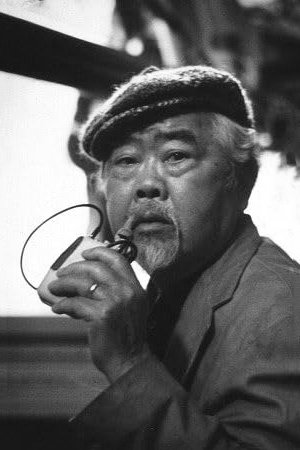
James Wong Howe was a groundbreaking cinematographer in Hollywood, known for his work on films like ‘Hud’ and ‘The Rose Tattoo’. He was a pioneer in visual storytelling, famously using techniques like deep focus, handheld cameras, and dramatic lighting. Despite being nominated for ten Academy Awards and winning two, Howe faced significant racial discrimination throughout his life – he couldn’t even become a U.S. citizen until laws blocking Chinese immigration were changed. This often limited his career opportunities compared to his white peers. Today, Howe is celebrated as a true master of cinematography whose innovative techniques helped shape the way movies look.
Oscar Micheaux
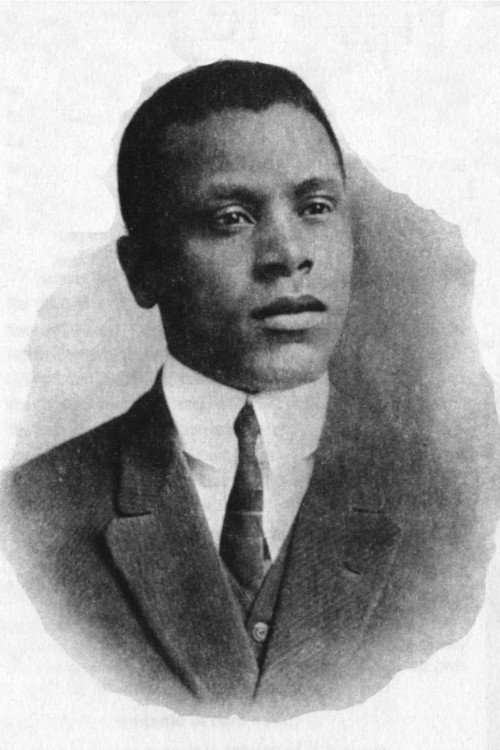
Oscar Micheaux was a groundbreaking independent filmmaker and the first African American to create feature-length films. Between 1919 and 1948, he independently produced, wrote, and directed over 40 films, known as “race films,” that told stories about Black life. His film ‘Within Our Gates’ directly confronted the racism presented in the controversial film ‘The Birth of a Nation.’ Despite facing constant money problems and censorship, Micheaux created a crucial space for Black narratives during a time of segregation. For many years, his work was largely forgotten and excluded from film history, but he’s now recognized as a visionary filmmaker.
Ida Lupino
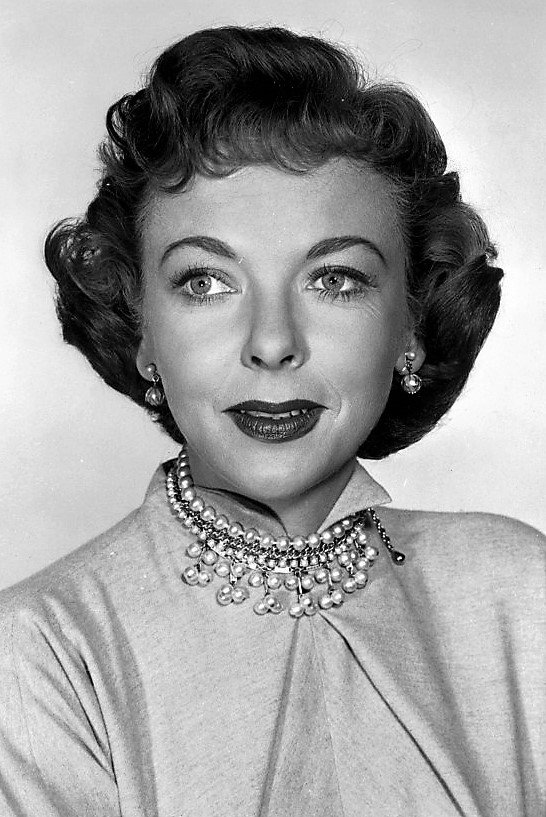
Ida Lupino was a well-known actress who broke barriers by becoming one of the few women directing movies in Hollywood during the 1940s and 50s. She often funded her own films through her production company, The Filmmakers, tackling difficult topics like sexual assault and bigamy in movies such as ‘The Outrage’. Although she was a talented director who could make films even with limited resources, the mostly male studio system often overlooked her contributions. She later directed a lot of television, where she was very productive, but didn’t receive as much praise for her artistic vision. It’s only recently that her groundbreaking work as a female filmmaker has gained significant recognition from scholars and critics.
Dorothy Arzner
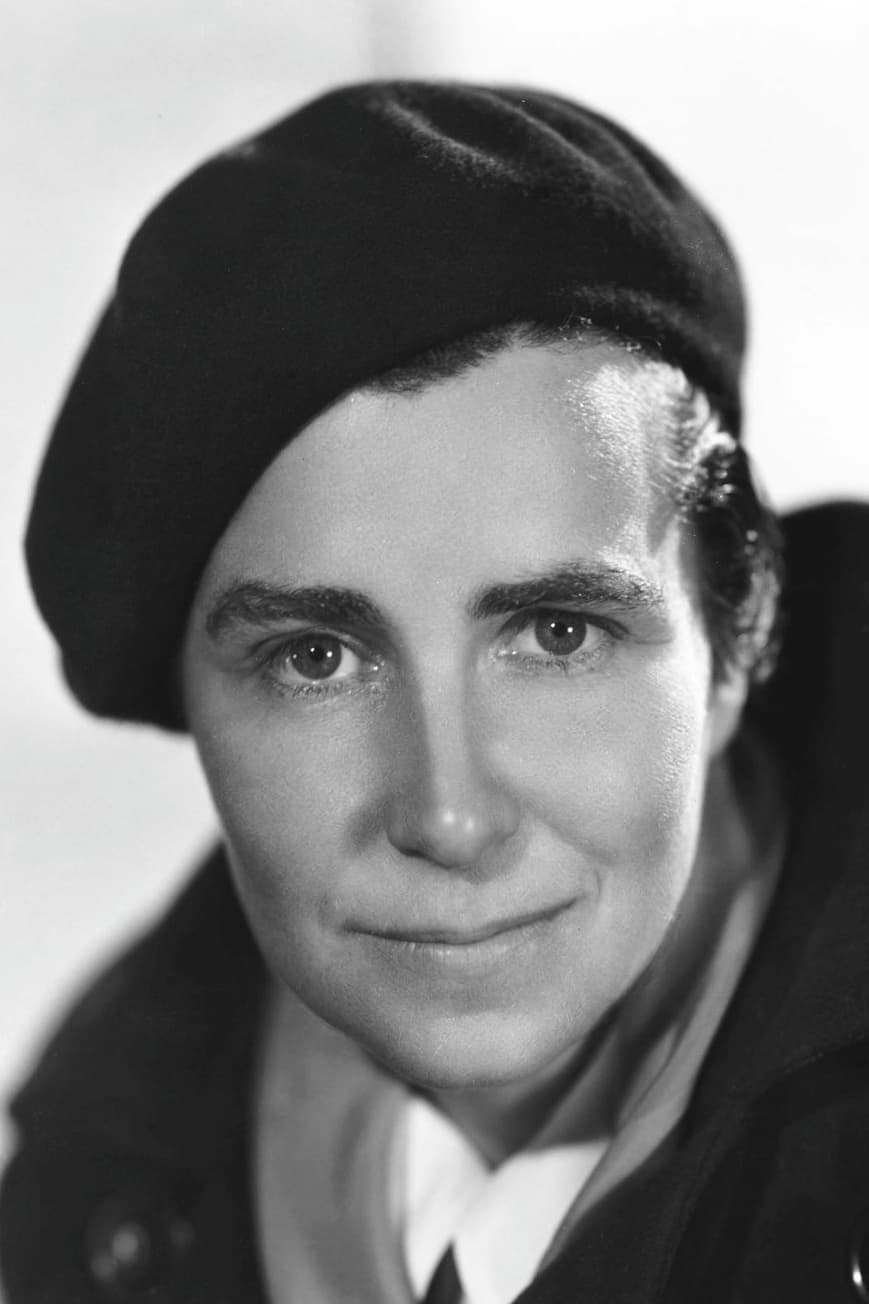
Dorothy Arzner was a pioneering director in Hollywood, working during the shift from silent films to talkies and throughout the 1930s – she was the only woman directing at the time. She directed major stars like Katharine Hepburn and Joan Crawford, helming films such as ‘Christopher Strong’ and ‘The Bride Wore Red’. Known for her ingenuity, Arzner is believed to have created the first boom microphone using a fishing pole on the set of ‘The Wild Party’. Despite her success and technical contributions, she eventually left filmmaking because of the growing control studios exerted over their productions. For many years, her work was overlooked, but feminist film scholars rediscovered and celebrated her contributions in the 1970s.
Mary Blair
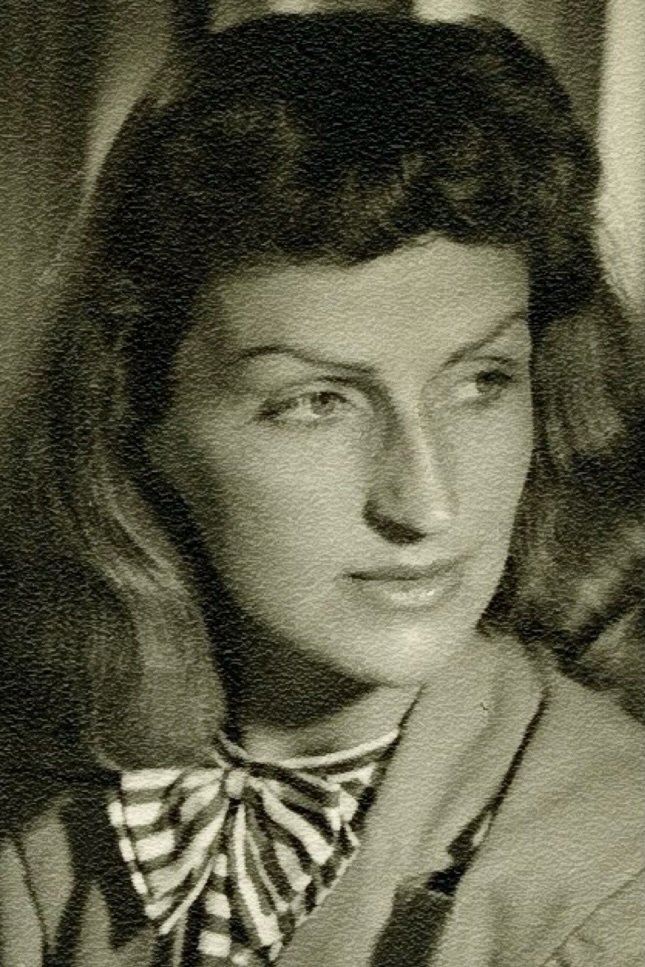
Mary Blair was a talented artist and designer who made a big impact on Walt Disney animation. She’s famous for her colorful and modern style, which you can see in classic films like ‘Alice in Wonderland’, ‘Peter Pan’, and ‘Cinderella’. Although Walt Disney loved her work, other animators sometimes simplified her bold designs. Because she valued creative freedom, Blair occasionally left Disney to work on advertising and illustration projects. She died in 1978, but her unique visual style still inspires animators and theme park designers today.
Alice Guy-Blaché
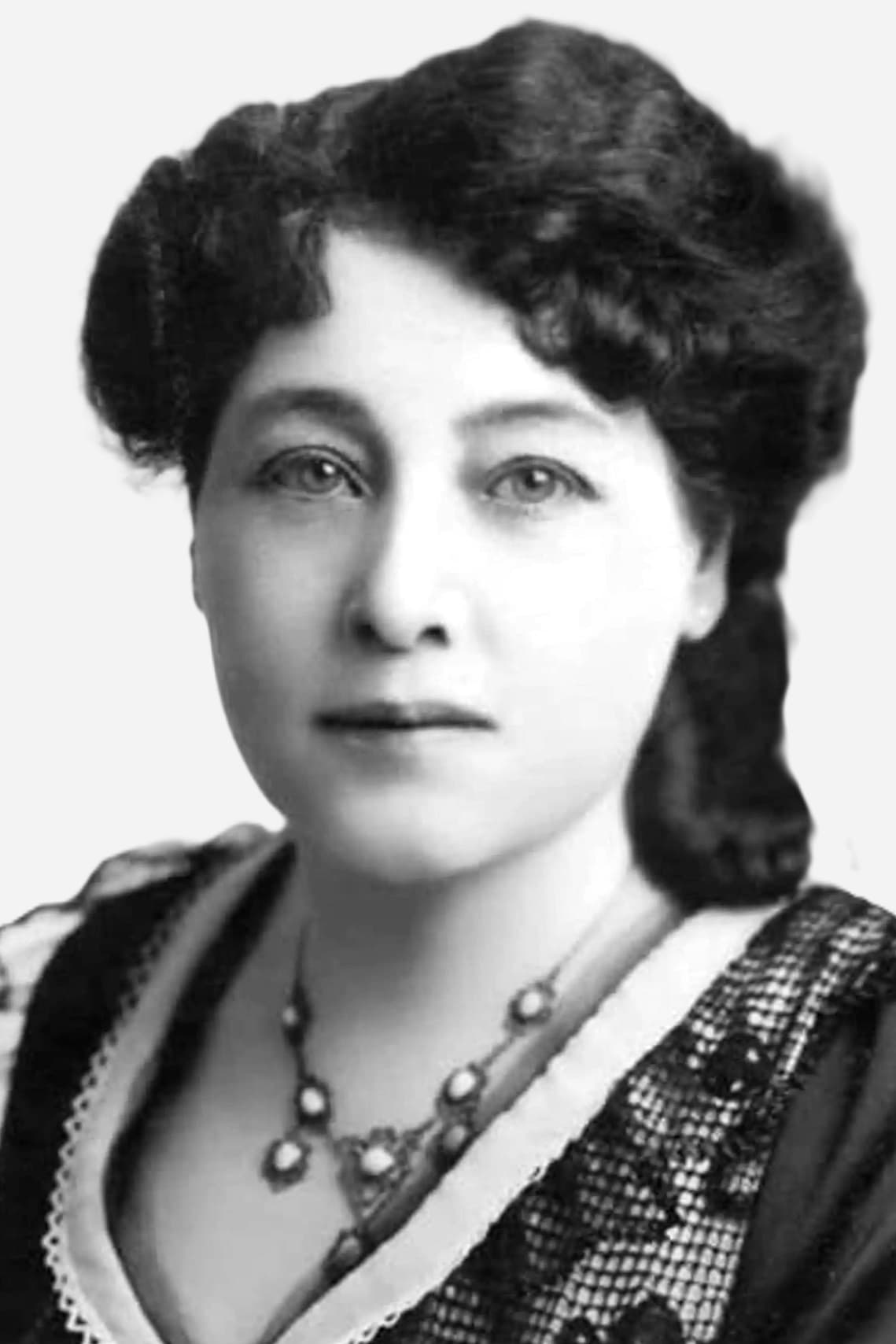
Alice Guy-Blaché is considered the first person to direct a story-based film, creating ‘The Cabbage Fairy’ in 1896. She founded her own film studio, Solax, and was an innovator, experimenting with synchronized sound and color effects years before these techniques became common. Despite directing hundreds of films and making significant contributions to the art form, she was largely forgotten by film historians for much of the 20th century. Often, her work was mistakenly credited to the men she worked with, including her husband. It wasn’t until after her death that research revealed her rightful place as a true pioneer of filmmaking.
Lois Weber
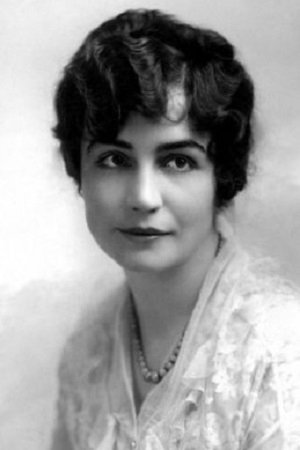
Lois Weber was a leading director during the early days of filmmaking, earning a high salary and often compared to D.W. Griffith. She wrote and directed films that bravely addressed difficult social problems, like ‘Hypocrites’ and ‘Where Are My Children?’. However, as Hollywood became more controlled and cautious in the 1920s, her independent style and focus on moral issues fell out of favor with studio bosses. She faced hardship finding work later in life and sadly passed away in poverty in 1939. Now, she’s celebrated as a pioneer of film technique and a gifted storyteller.
Maya Deren
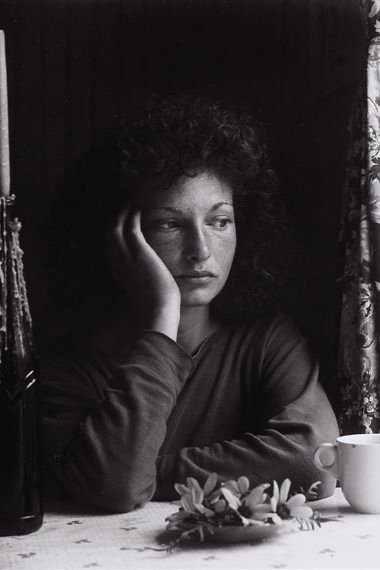
Maya Deren was a leading innovator in American experimental film during the 1940s, best known for her film ‘Meshes of the Afternoon.’ She deliberately worked outside of mainstream Hollywood, believing film should be an art form, not just a commercial product. While her groundbreaking techniques and dreamlike style deeply influenced filmmakers, she struggled financially and didn’t achieve widespread recognition during her lifetime. She frequently had to handle the distribution and screening of her own films herself, often in small, independent spaces. Though she died young at 44, Deren’s impact on independent and experimental cinema continues to be significant.
Frances Farmer

Frances Farmer was a promising actress in the late 1930s, remembered for her role in ‘Come and Get It’ and her work with the Group Theatre. Despite her talent, her career was unfortunately disrupted by public legal battles and forced stays in mental institutions. The media focused intensely on her personal problems, overshadowing her work as an actress. This ultimately led to her being unable to find significant roles in Hollywood, and she became more well-known for her life story than for her performances. She died in 1970 after spending her later years working in local television.
Veronica Lake
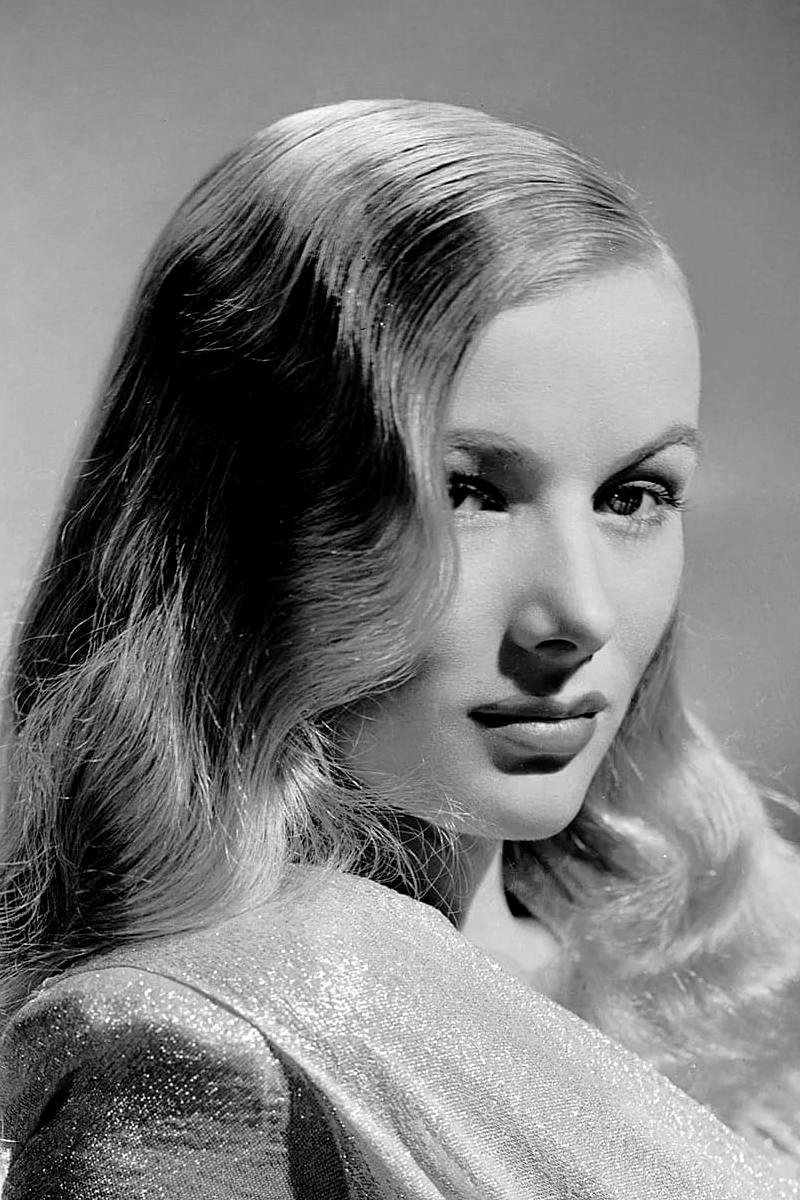
Veronica Lake was a huge star in the early 1940s, known for her signature hairstyle – a strand of hair always falling across her face – and her appearances in classic film noir movies like ‘The Blue Dahlia’. However, her success didn’t last long. Studio executives found her challenging to work with, and her popularity faded towards the end of the decade. She battled with both alcoholism and mental health problems, which ultimately led to her being let go by major film studios. Eventually, she ended up working as a waitress in New York City. Though she remains an iconic figure of the era, she died at just 50 years old with very little money. Today, her talent for subtle and cool performances is recognized more than it was during the later part of her life.
Gene Tierney

Gene Tierney was a hugely popular actress in the 1940s, famous for films like ‘Laura’ and ‘Leave Her to Heaven,’ earning an Oscar nomination for the latter. Despite her talent, she was often noticed more for her beauty than her acting skills. Tierney dealt with personal hardships and mental health issues, which caused her to step away from her career for extended periods. These breaks slowed her career, and she began taking on smaller roles sooner than she might have otherwise. Today, her performances are celebrated for their emotional depth and how forward-thinking they were.
Montgomery Clift

As a movie fan, I’ve always been fascinated by Montgomery Clift. He was really ahead of his time, one of the first actors to bring that incredibly natural, emotionally honest style – what they call “Method” acting – to the screen. You can see it in films like ‘A Place in the Sun’ and ‘From Here to Eternity’; he just felt so real. It’s amazing he was nominated for four Oscars and never won – he often lost to actors who were more…conventional, I guess. Sadly, his life took a tragic turn after a bad car accident in 1956. It changed his appearance and left him with constant pain, which led to struggles with addiction. Hollywood basically wrote him off. It’s heartbreaking, because you can see how much he influenced actors like Marlon Brando and James Dean. He had so much potential, but his career was cut short. He passed away at just 45, having just finished ‘The Defector.’ It’s a real loss for cinema.
Edward G. Robinson
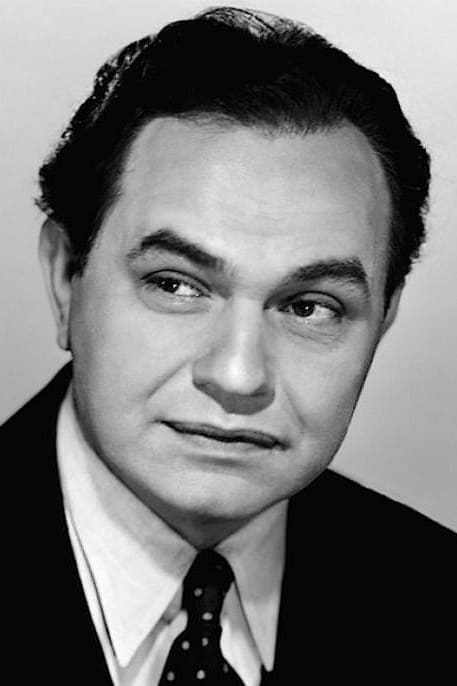
Edward G. Robinson was a famous actor, particularly known for playing tough characters in films like ‘Little Caesar’ and ‘Key Largo’. Though one of the most talented and recognizable stars of Hollywood’s Golden Age, he surprisingly never received an Academy Award nomination for his acting. A sophisticated man and avid art collector, Robinson often felt limited by being consistently cast as a gangster. His career was negatively impacted during the Red Scare when he was placed on a blacklist due to his earlier political beliefs. He did receive an honorary Oscar in 1973, but sadly passed away only two months before the awards ceremony.
Peter Lorre
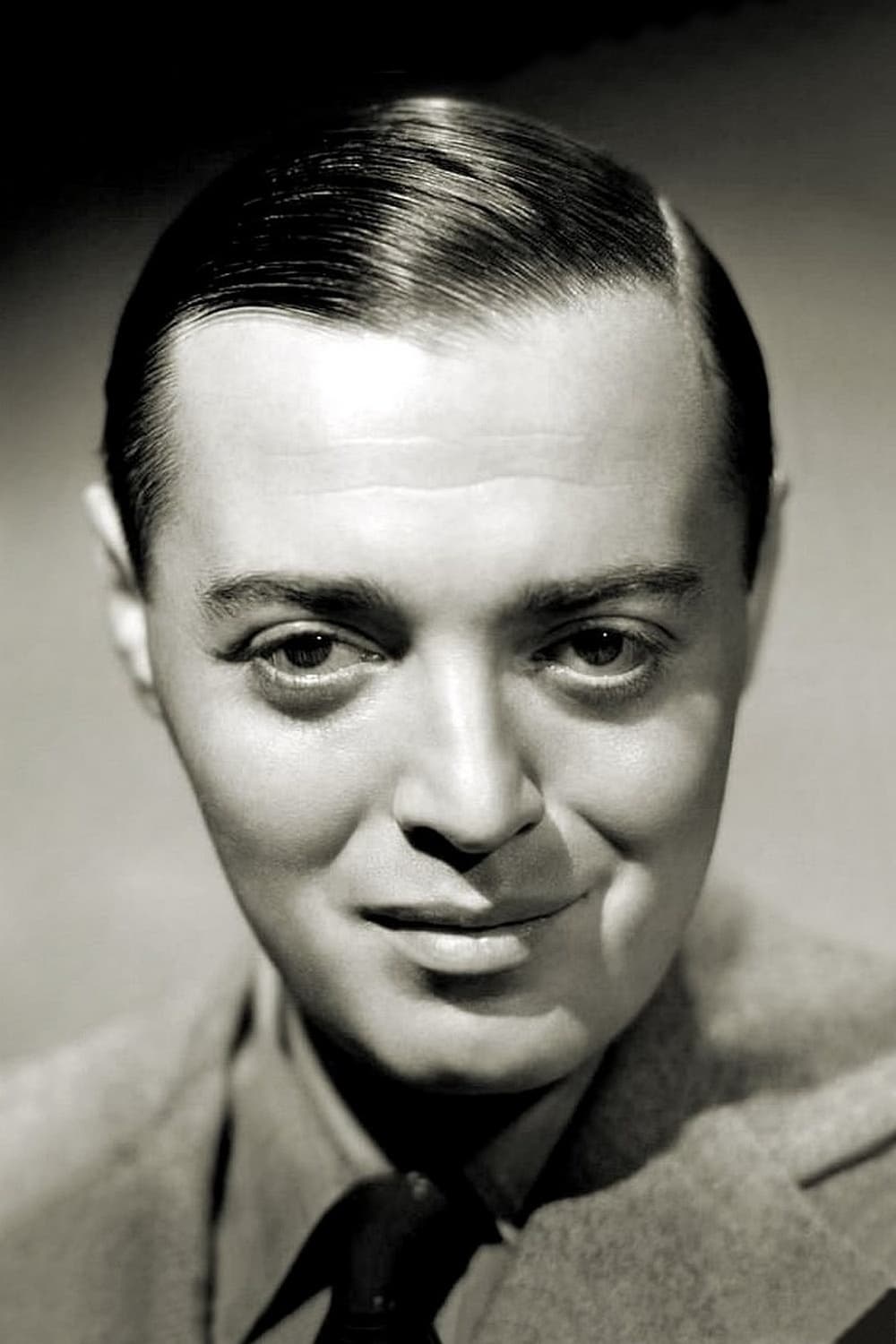
Peter Lorre became famous worldwide after his memorable role in the German film ‘M’. He moved to Hollywood to avoid the Nazis, but often found himself playing quirky or menacing supporting roles in classics like ‘Casablanca’ and ‘The Maltese Falcon’. His unusual voice and appearance led to him being imitated and stuck with similar character types, restricting the parts he could play. Although a highly skilled actor, he often felt undervalued as a performer. Lorre passed away in 1964, and is largely remembered for his distinctive personality rather than his impressive acting range.
Share your thoughts on which other icons deserve more recognition in the comments.
Read More
- 20 Movies Where the Black Villain Was Secretly the Most Popular Character
- Celebs Who Narrowly Escaped The 9/11 Attacks
- 25 “Woke” Films That Used Black Trauma to Humanize White Leads
- Top 20 Dinosaur Movies, Ranked
- Transformers Under the Microscope: What Graph Neural Networks Reveal
- The 10 Most Underrated Jim Carrey Movies, Ranked (From Least to Most Underrated)
- 22 Films Where the White Protagonist Is Canonically the Sidekick to a Black Lead
- Gold Rate Forecast
- The Best Directors of 2025
- Trading on Thin Air: AI Agents Conquer Crypto Volatility
2026-01-29 23:28