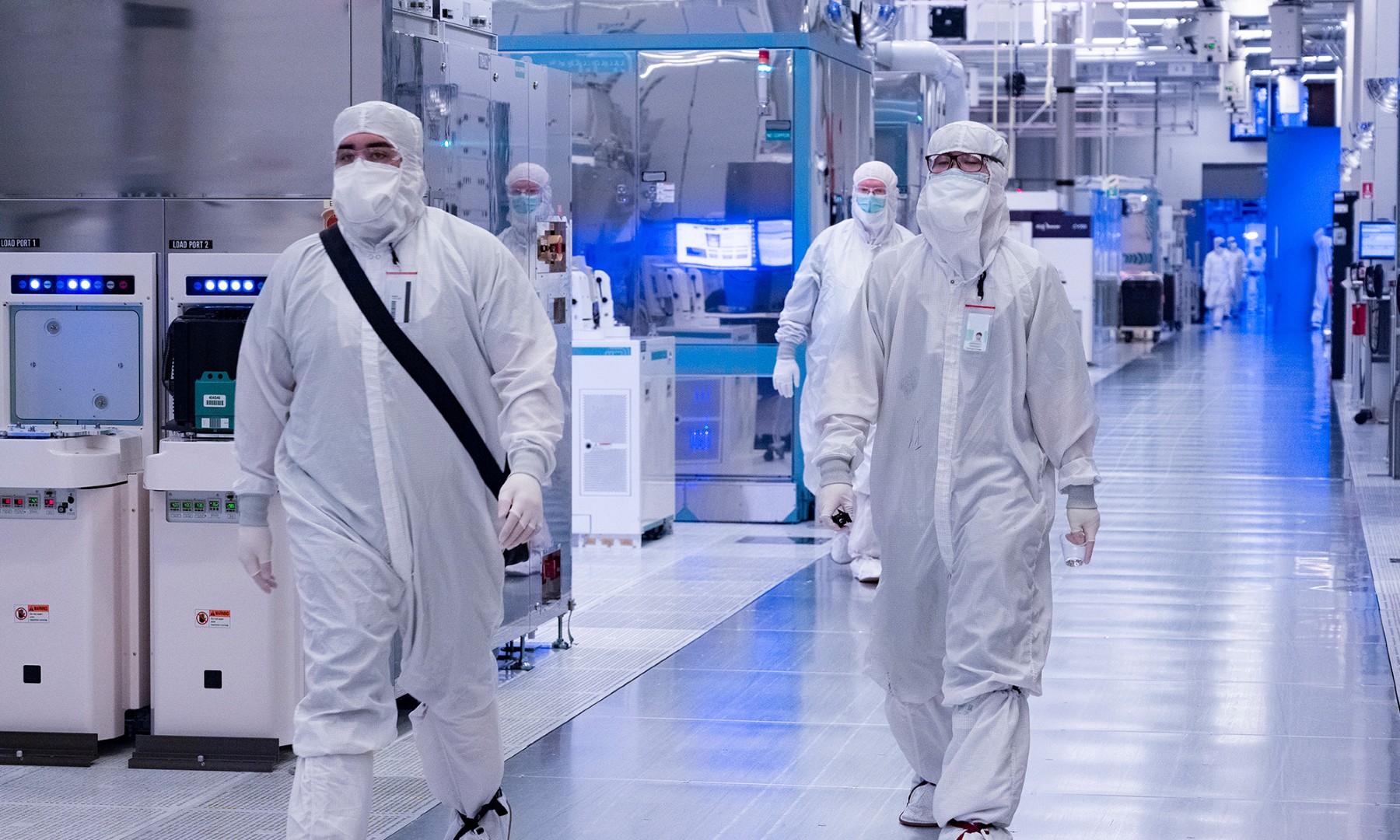
The whispers, predictably, concern Nvidia. A tentative dance with Intel’s foundry, scheduled, if the auguries are correct, for 2028. One assumes the bean counters at Nvidia have calculated the precise degree of desperation required to even consider a secondary source, and found it…acceptable. The official line, naturally, is ‘exploring options.’ As if options weren’t simply polite euphemisms for ‘we’re quietly panicking.’ The news, emanating from the reliably opaque DigiTimes, is treated as gospel by those who mistake reporting for prophecy.
If this arrangement materializes—and one should never underestimate the power of mutual self-deception—Intel’s foundry will experience a fleeting moment of relevance. A reprieve, if you will, from the inexorable march of TSMC. One imagines the celebrations will involve a single, flickering fluorescent bulb and a lukewarm cup of instant coffee.
The Geometry of Compromise
The plan, as it is currently sketched in the ether, involves Nvidia offloading a portion of the I/O die – the mundane plumbing of the GPU – to Intel’s 18A or 14A process. The truly vital organs – the compute die itself – remain safely within TSMC’s grasp. A sensible division of labor, perhaps. Or a carefully choreographed humiliation for Intel, tasked with polishing the brass while the gold is forged elsewhere. They will handle the ‘bits and pieces’, while TSMC handles the magic. It’s a familiar story, isn’t it? The specialist and the generalist. The surgeon and the…well, the person who holds the instruments.
The I/O die, we are told, isn’t “performance-critical.” A phrase that always strikes me as a particularly elegant way of saying ‘it doesn’t really matter.’ Still, it requires advanced processes, and Intel, desperate for any semblance of validation, will happily oblige. They’ll also handle a quarter of the advanced packaging, using a technology called EMIB. A quarter. The crumbs from the feast, if you will. TSMC, naturally, gets the lion’s share. The natural order of things, one might say. Or a meticulously crafted arrangement to keep everyone politely, and profitably, subservient.
Nvidia, of course, presents this as a strategic diversification. A reduction of reliance on a single supplier. The truth, one suspects, is a touch more prosaic. They are testing the waters, gauging Intel’s capacity for competence. A trial run, perhaps, before committing to anything truly substantial. Or a subtle threat to TSMC, a polite reminder that alternatives, however improbable, do exist.
The Illusion of Opportunity
During Intel’s recent earnings call, CFO David Zinsner revealed a startling development: advanced packaging deals are now worth “well north of $1 billion.” A revelation that sent ripples of cautious optimism through the financial press. One imagines Mr. Zinsner, a man accustomed to the art of optimistic accounting, suppressing a knowing smile. A billion dollars. A pittance, really, in the grand scheme of things. But enough to keep the charade going for another quarter, at least.
This Nvidia deal, if it comes to fruition, would almost certainly exceed that billion-dollar threshold. A significant sum, undoubtedly. But let us not mistake activity for achievement. It’s like congratulating a drowning man for treading water. He’s delaying the inevitable, certainly. But he’s still drowning.
TSMC, of course, remains the dominant force in advanced packaging. But demand, fueled by the insatiable appetite for artificial intelligence, is reportedly outpacing supply. Intel, sensing an opportunity, is positioning itself as a viable alternative. A convenient stepping stone for customers seeking to circumvent the bottlenecks at TSMC. A temporary refuge, perhaps. But a refuge nonetheless.
The Faint Echo of Ambition
Analysts, ever eager to find a narrative, are now predicting that Apple will also utilize Intel’s 18A process for some M-series chips. And potentially, the 14A process for future iPhones. A bold prediction, to be sure. One that hinges on a delicate balance of technological prowess, contractual obligations, and sheer, unadulterated hope.
Intel needs these external customers. Desperately. To justify the colossal investment in its foundry operations. To prove that it can compete with TSMC. To silence the chorus of doubters. They may not be able to announce these customer wins, due to confidentiality agreements. But the signs will be there. Increased hiring at the Ohio fab complex. Subtle shifts in investor sentiment. The faint echo of ambition in a desolate landscape.
The DigiTimes report remains unconfirmed, naturally. And any potential deal with Nvidia could still fall through. But even the rumor is good news for Intel. A temporary reprieve from the abyss. A flicker of light in the darkness. A reminder that even in the most cynical of worlds, hope, however fragile, can still persist. Though, one suspects, it will be mercilessly exploited.
Read More
- Top 20 Dinosaur Movies, Ranked
- 20 Movies Where the Black Villain Was Secretly the Most Popular Character
- Celebs Who Narrowly Escaped The 9/11 Attacks
- 25 “Woke” Films That Used Black Trauma to Humanize White Leads
- The 10 Most Underrated Jim Carrey Movies, Ranked (From Least to Most Underrated)
- Transformers Under the Microscope: What Graph Neural Networks Reveal
- The Best Directors of 2025
- Every Notable ‘Star Trek: The Original Series’ Actor Who Died
- Gold Rate Forecast
- Trading on Thin Air: AI Agents Conquer Crypto Volatility
2026-01-29 22:53