
The entertainment industry changed dramatically as studios focused on building their own streaming services instead of relying on movie theaters and traditional TV deals. This shift often meant less money for actors and creators who earned bonuses based on a film or show’s overall success. Major companies sometimes undervalued contracts by selling rights to themselves at reduced prices. Some actors and creators fought back with lawsuits, demanding clear accounting and fair pay. These legal battles were successful, resulting in significant settlements and changing how talent gets compensated in the age of streaming.
Scarlett Johansson
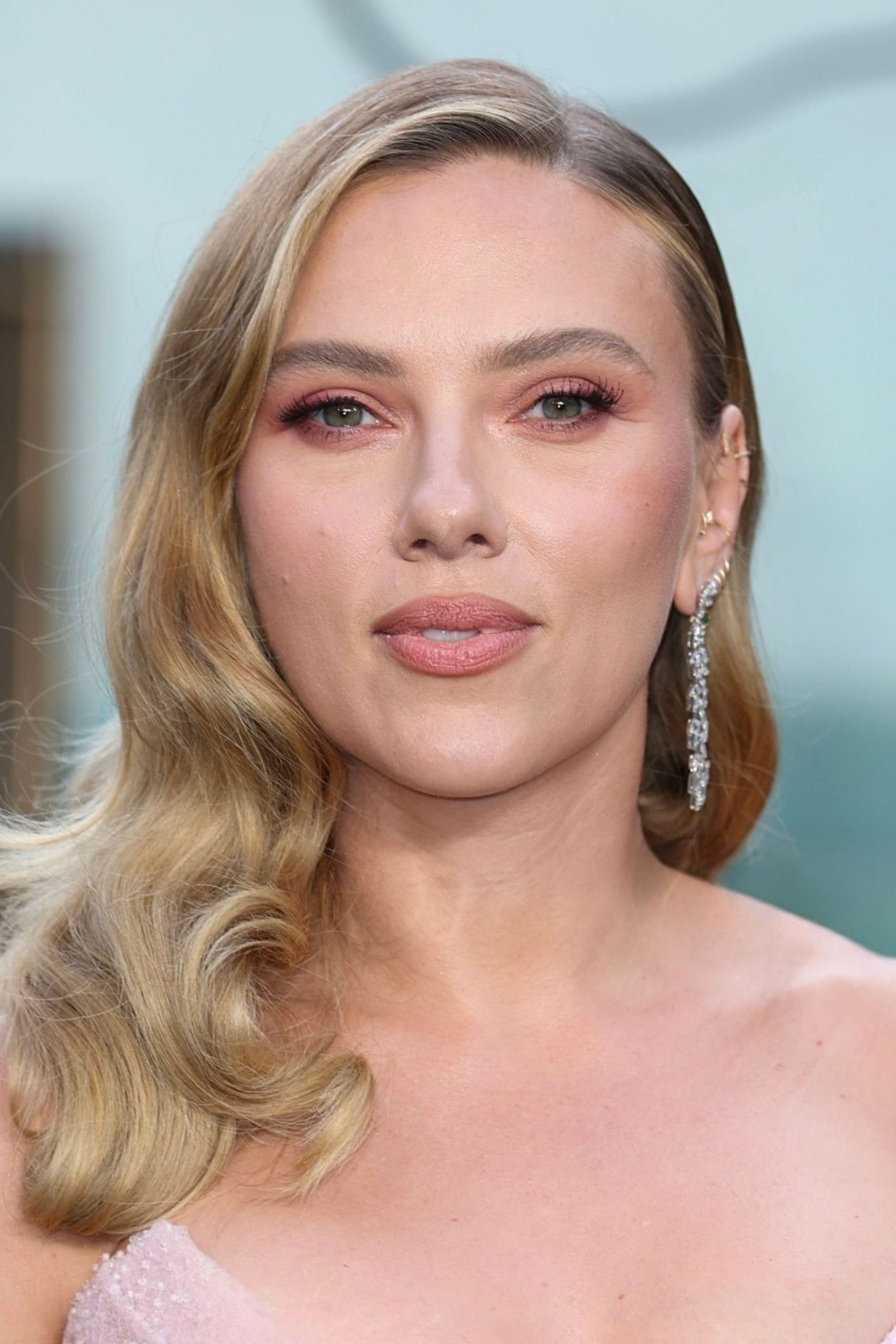
As a movie critic, I remember the whole ‘Black Widow’ release situation being a real mess. It wasn’t just about the film itself, but a very public legal fight. The actress who played Black Widow sued Disney, arguing her contract promised an exclusive theatrical release – meaning her pay was tied to how well the movie did in theaters. Disney then surprised everyone by releasing it on Disney+ at the same time, which definitely hurt ticket sales. She claimed Disney prioritized growing their streaming service and boosting their stock price over her potential earnings, and honestly, it looked pretty convincing. Thankfully, they eventually reached a settlement, and reports suggest she received over forty million dollars. It was a messy situation, but ultimately, she fought for what she believed she deserved.
Gerard Butler
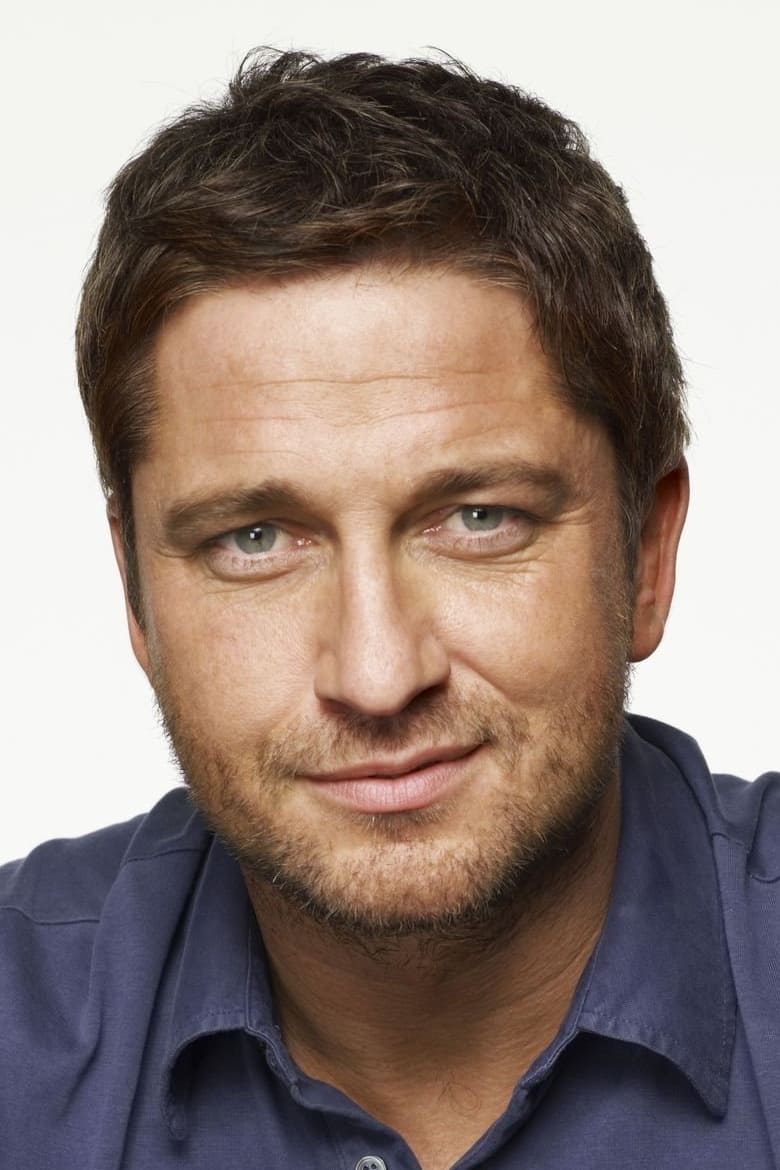
The actor, known for his action roles, sued Millennium Media and Nu Image over unpaid profits from the 2013 film ‘Olympus Has Fallen’. He claimed the producers deliberately reported lower box office and streaming earnings than the film actually made. An audit later confirmed the studio had underreported the film’s total revenue by over $11 million. He accused the producers of fraud and breaking their contract by not giving him his rightful share of the profits. The dispute was eventually settled out of court.
Emily Deschanel

The star of the TV show ‘Bones’ was involved in a major legal battle with 21st Century Fox over how much money she earned from the show’s success. She, along with her co-star and some producers, claimed that Fox unfairly benefited by selling the show to streaming services it also owned, like Hulu, at discounted prices. They argued this practice cost them millions of dollars they would have earned if the show had been sold at fair market value. An initial ruling by an arbitrator sided with the actors and producers, awarding them a very large sum – one of the biggest in television history. While Fox appealed this decision, the dispute was ultimately settled for a significant, but confidential, amount of money.
David Boreanaz
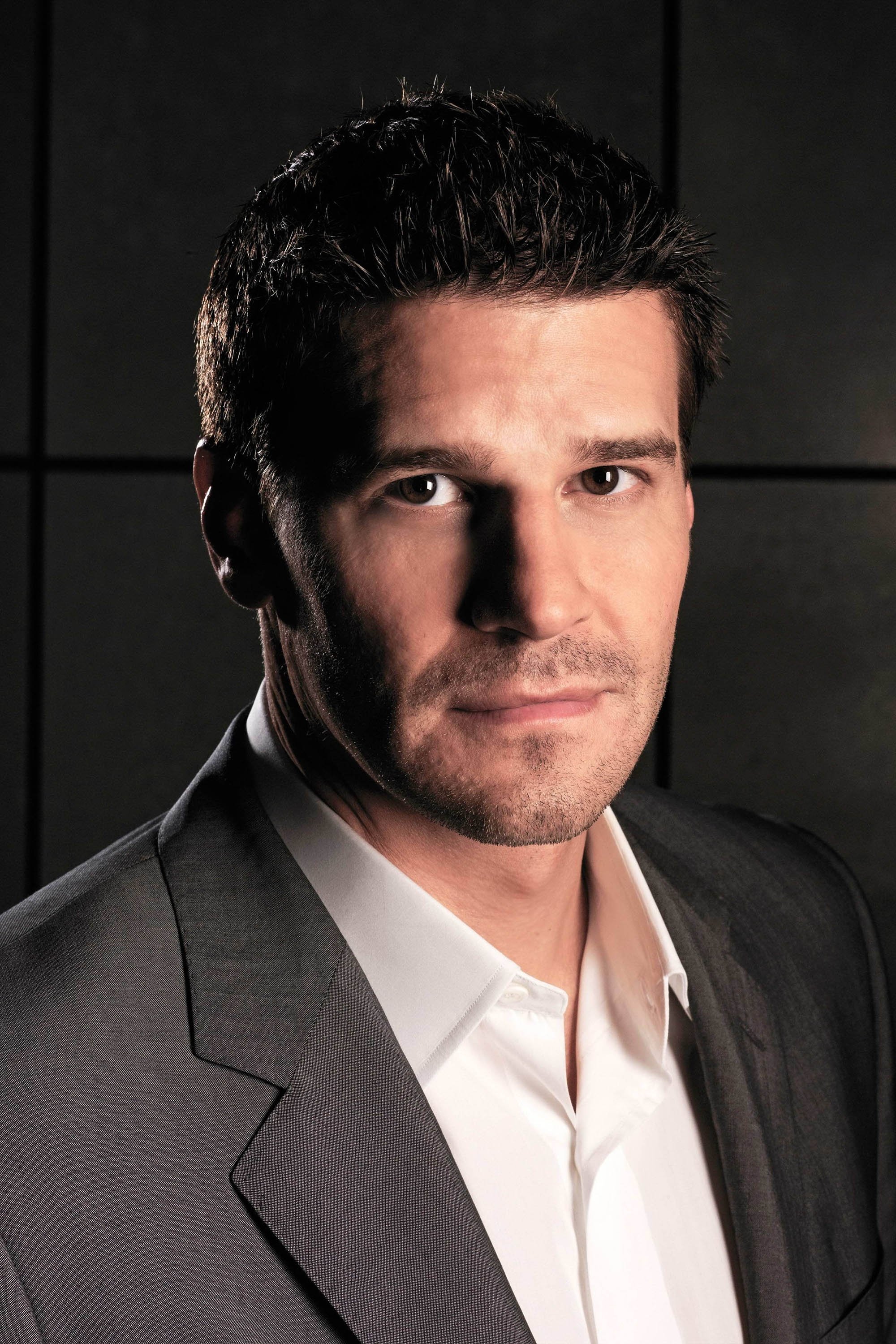
This actor, a co-lead on ‘Bones,’ joined Emily Deschanel in a significant legal case against 21st Century Fox. They argued the studio unfairly used the show’s popularity to boost its own streaming services, like Hulu, without properly paying the cast and crew. He specifically claimed the studio’s accounting methods hid the profits he was entitled to from the show’s success. The case revealed how media companies sometimes prioritize internal benefits over their commitments to the people who create their content, and his involvement helped the entire ‘Bones’ team receive substantial financial compensation.
Bill Nye
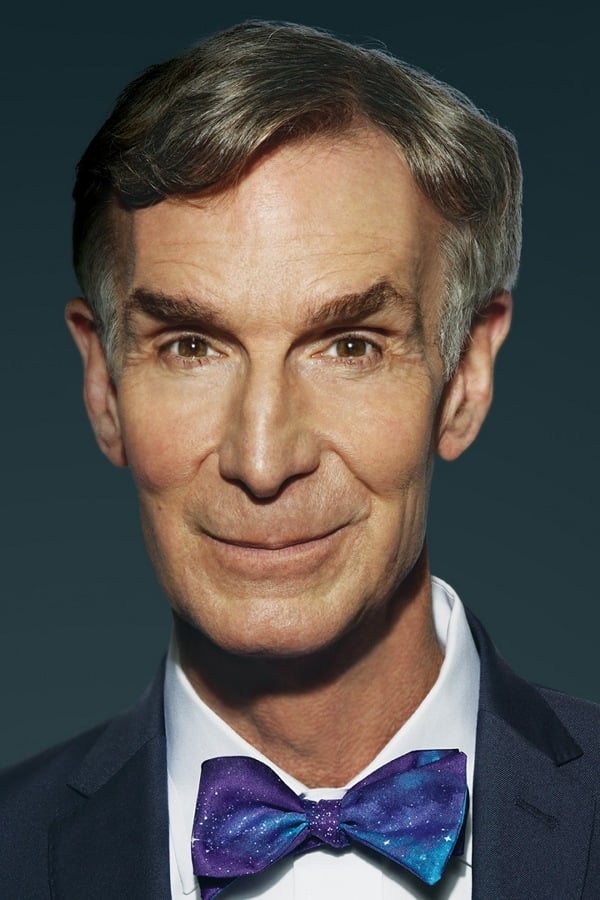
Bill Nye, the popular science educator, sued Disney, claiming they hadn’t paid him millions of dollars in profits from his show, ‘Bill Nye the Science Guy.’ He became concerned when he received a large royalty check, only to then receive a letter stating he actually owed Disney money due to a supposed accounting mistake. His lawyers argued that Disney hadn’t accurately reported income from online platforms like Netflix and iTunes. The lawsuit alleges Disney used complicated accounting methods to conceal the show’s true earnings from its creators. After a long legal process to determine how his contract should be interpreted, Nye was granted the opportunity to present his case in court.
Sylvester Stallone
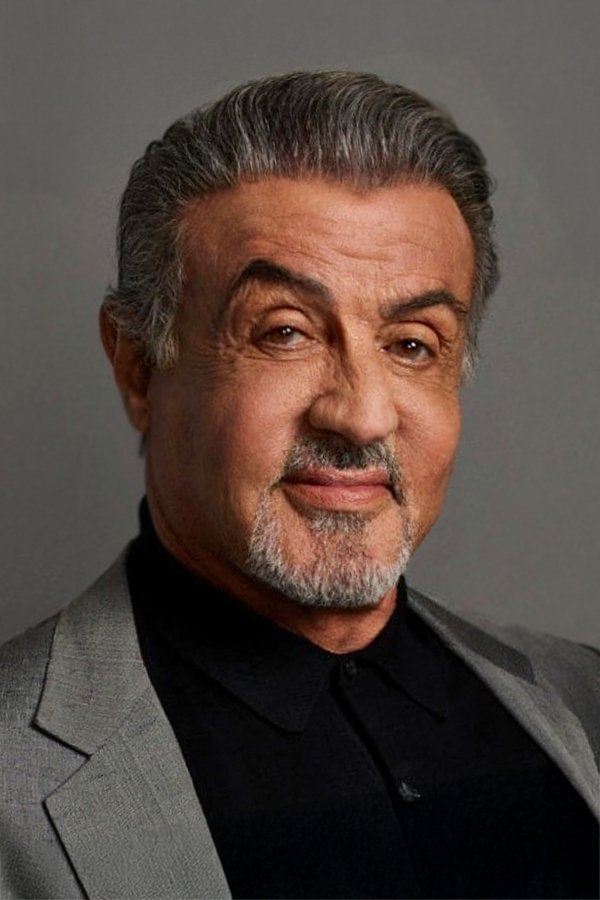
Sylvester Stallone sued Warner Bros., claiming they cheated him out of profits from his 1993 movie, ‘Demolition Man.’ His company, Rogue Marble, alleged that the studio deliberately hid the film’s earnings from sources like home video and digital sales. Stallone stated he hadn’t received a detailed breakdown of the film’s profits for years, only getting one after he demanded it. He claimed studios often use confusing accounting practices to avoid paying actors and filmmakers their fair share. Fortunately, the dispute was resolved quickly and amicably just a few months after the lawsuit was filed.
Harry Shearer
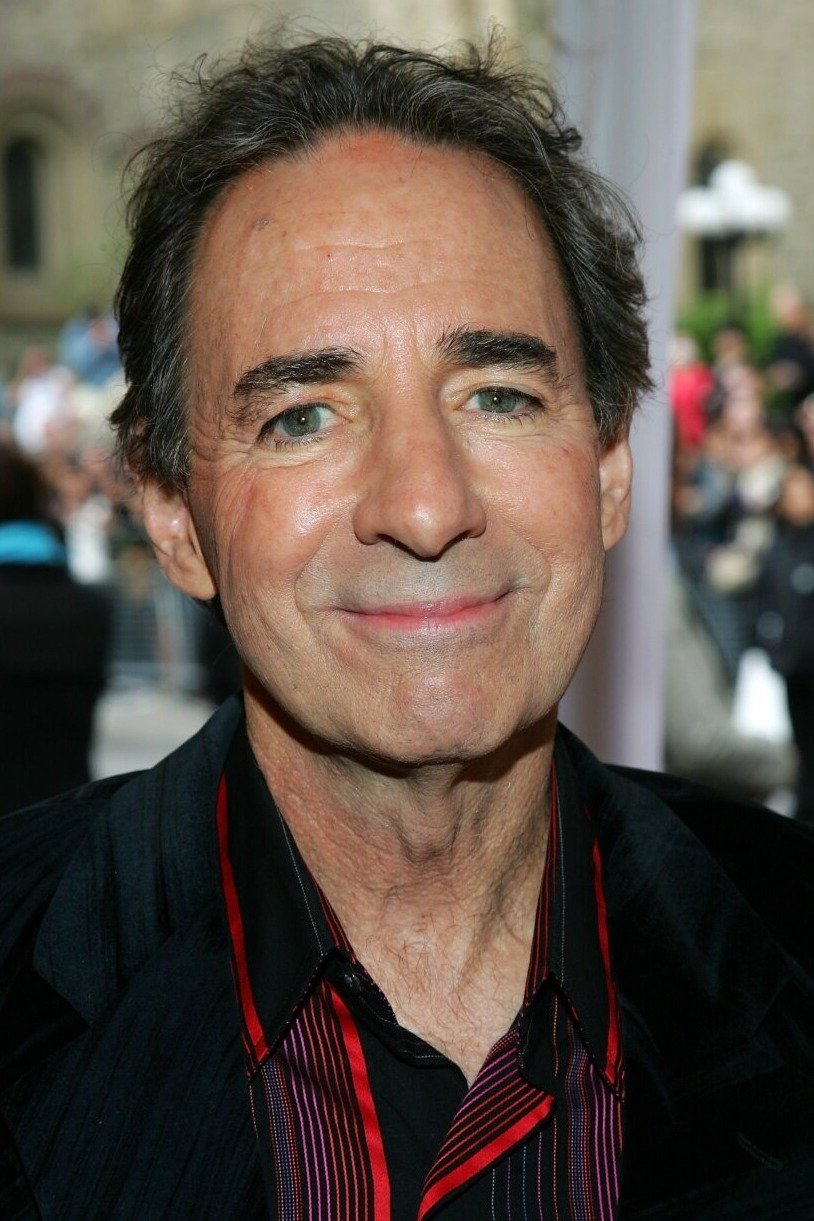
The actor and musician behind the beloved film ‘This Is Spinal Tap’ took legal action against media company Vivendi, claiming they weren’t fairly compensated for the film’s success. He argued that despite the film and its music remaining popular, Vivendi reported no profits and paid minimal royalties. The lawsuit focused on how Vivendi calculated revenue from streaming and merchandise. Ultimately, he won the case, regaining ownership of his work and securing a settlement for the film’s creators, allowing them to control future projects related to ‘This Is Spinal Tap’.
Christopher Guest

The actor, known for co-creating and starring in ‘This Is Spinal Tap,’ teamed up with his bandmates to sue Vivendi and StudioCanal. They wanted to get back the rights to their iconic characters and music, which they had originally given away decades ago. The lawsuit highlighted how old contracts often prevent artists from benefiting from new ways of making money, like streaming and licensing. Ultimately, they reached a settlement allowing the creators to control the future of the ‘Spinal Tap’ franchise through a company they now own. This was a major victory for artists fighting to own their creative work.
Michael McKean
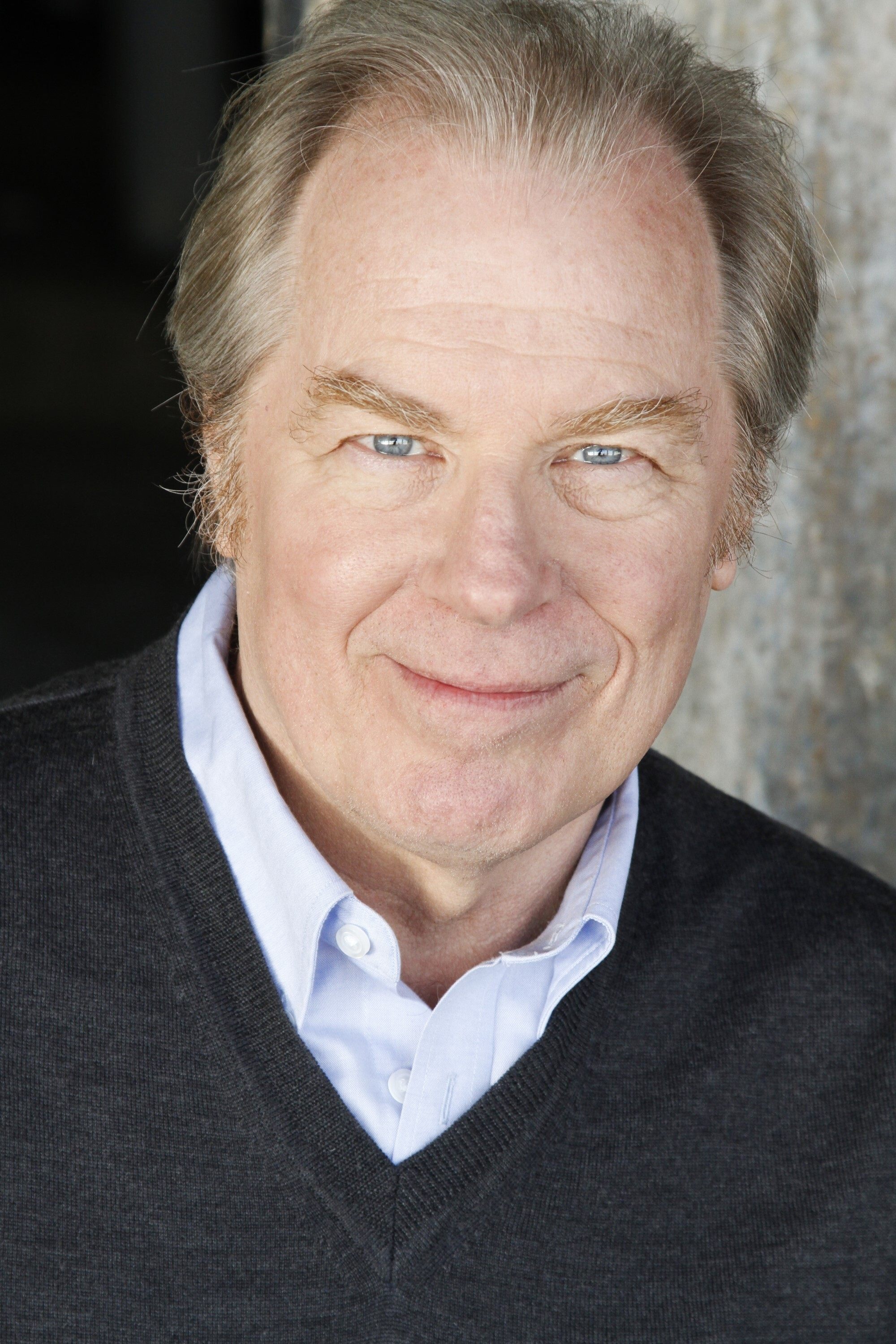
The third member of the band Spinal Tap played a crucial role in a lawsuit against the company that owned the rights to their work. He and his bandmates challenged the claim that the movie and albums hadn’t made much money for decades. Their legal efforts forced the company to reveal its financial records and admit the franchise was actually quite valuable. This helped ensure the band members would finally receive fair compensation from ongoing revenue sources like music streaming and digital rentals. Ultimately, the lawsuit resulted in both financial gains and recognition for the band’s creative work.
Rob Reiner
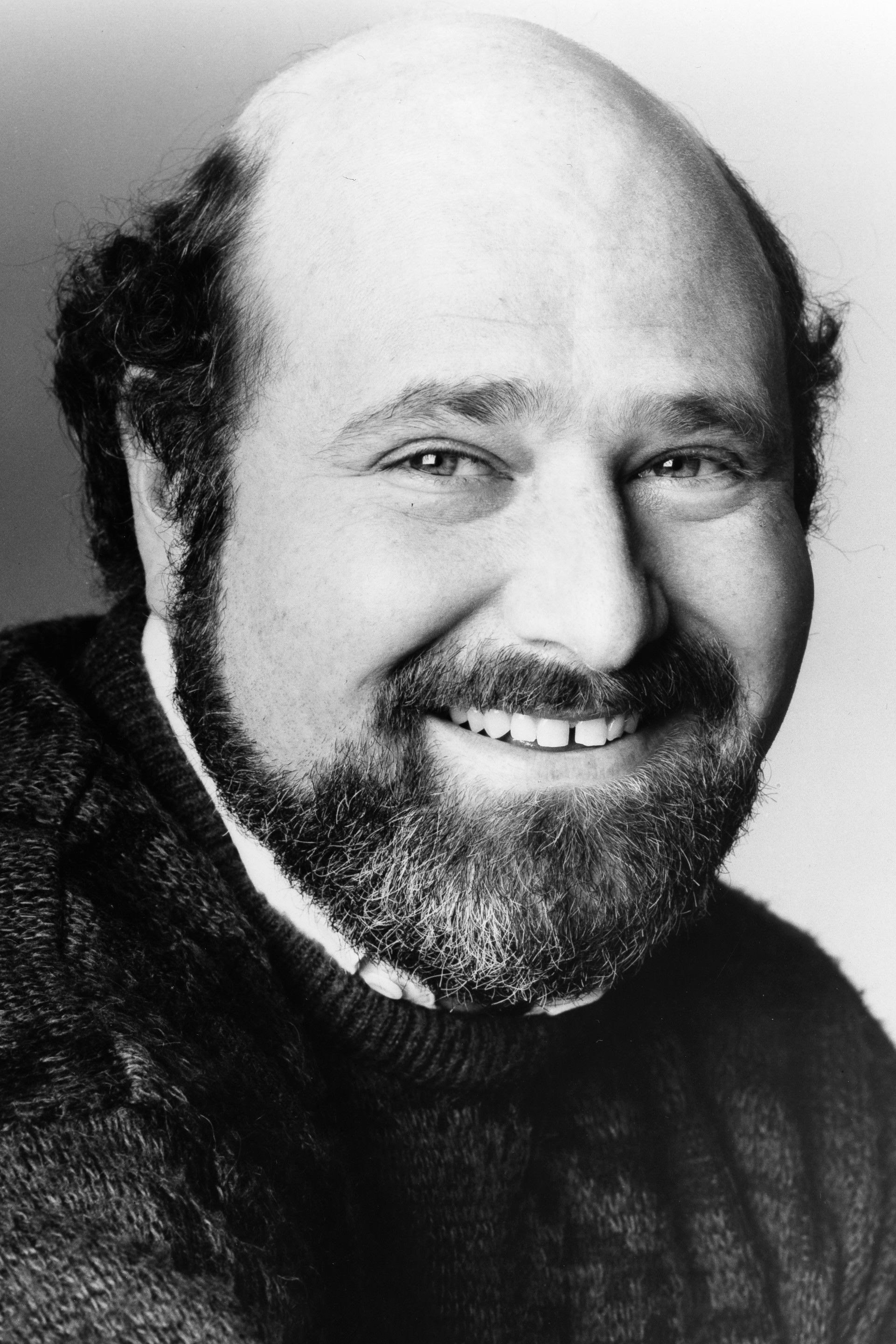
The director and star of ‘This Is Spinal Tap’ sided with the cast in their legal battle against Vivendi, aiming to correct years of unfair financial dealings. He backed their argument that the studio intentionally used anti-competitive tactics to avoid paying creators their fair share of the profits. The lawsuit brought attention to how classic films and shows can continue to earn significant revenue through streaming services, but often don’t benefit those who originally made them. His involvement strengthened the case and helped reach a settlement that gave the creators back control of their work. This ultimately allowed the original team to move forward with a sequel.
Frank Darabont

The creator of ‘The Walking Dead’ sued AMC, the network that aired the show, over how profits were being shared. He claimed AMC intentionally lowered the show’s earnings by selling broadcasting and streaming rights to its own related companies at a discounted price. This meant less money for him and other people who were entitled to a share of the profits. The lawsuit lasted for years, revealing how networks control different parts of the television industry. Eventually, AMC settled the case for $200 million.
Robert Kirkman
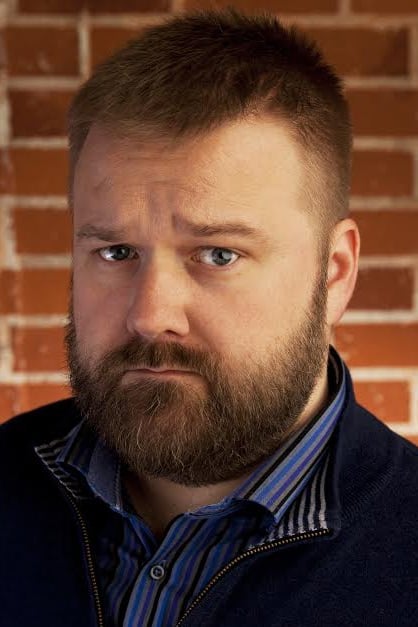
Robert Kirkman, the creator of ‘The Walking Dead’ comic and a producer on the TV show, joined a lawsuit against AMC similar to one brought by Frank Darabont. Kirkman claimed AMC didn’t fully compensate him for the show’s success by using certain financial arrangements. The disagreement centered around how AMC calculated revenue from streaming and international sales. The producers argued the show could have earned much more money if sold to other networks. Ultimately, they reached a significant financial settlement with AMC to resolve the dispute.
Richard Dreyfuss
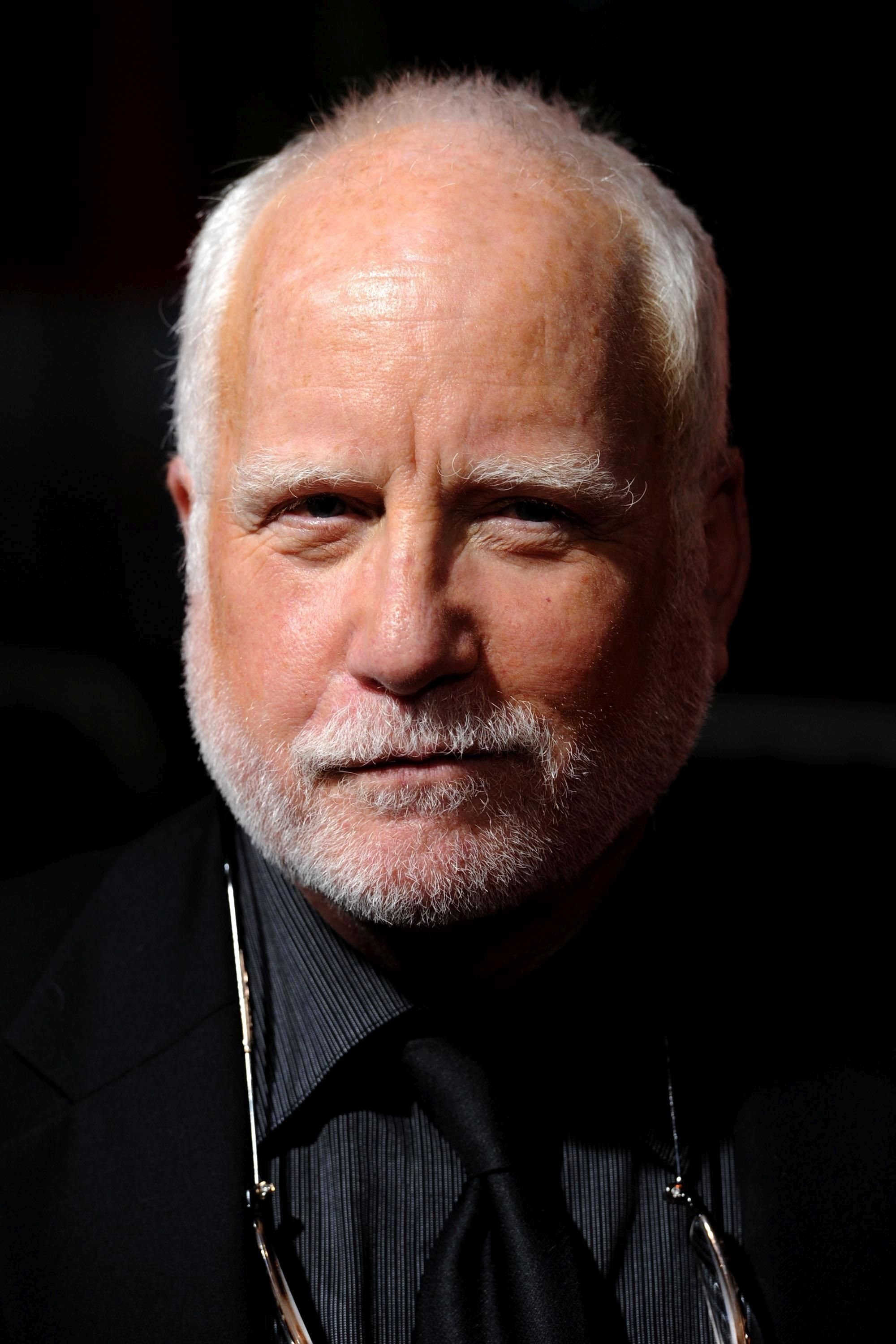
As a huge movie fan, I was really surprised to learn that the star of ‘What About Bob?’ actually sued Disney! Apparently, he felt they weren’t being upfront about how much the film had really earned. He wanted to bring in his own auditor to check the books, but Disney wouldn’t let him. His legal team argued Disney was deliberately blocking that audit to hide profits from things like DVD sales and TV deals. It’s a frustrating situation – he just wanted to make sure he was getting fairly paid, and it really shone a light on how tough it can be for actors and studios to agree on finances. It seems like there’s often a real battle between the creative talent and the accounting departments at these big companies.
Tell us your favorite movie starring these actors, and let us know if you think they were paid fairly for their work in the comments!
Read More
- 20 Movies Where the Black Villain Was Secretly the Most Popular Character
- Top 20 Dinosaur Movies, Ranked
- Celebs Who Narrowly Escaped The 9/11 Attacks
- 25 “Woke” Films That Used Black Trauma to Humanize White Leads
- The 10 Most Underrated Jim Carrey Movies, Ranked (From Least to Most Underrated)
- Transformers Under the Microscope: What Graph Neural Networks Reveal
- The Best Directors of 2025
- Every Notable ‘Star Trek: The Original Series’ Actor Who Died
- 22 Films Where the White Protagonist Is Canonically the Sidekick to a Black Lead
- Trading on Thin Air: AI Agents Conquer Crypto Volatility
2026-01-29 16:17