The whispers of a Rio Tinto-Glencore merger drift on the wind, a dance of titans. But while the market chases phantoms, a quieter, more telling arrangement unfolds. Amazon, that insatiable collector of data and desires, has struck a deal with Rio Tinto. It’s not about grandeur, not about vision, but about the cold, hard need for copper. The copper that fuels the cloud, the copper that feeds the endless hunger of the machines. A simple transaction, you say? Don’t be fooled. It’s a tremor before the storm.
The Weight of the Cloud
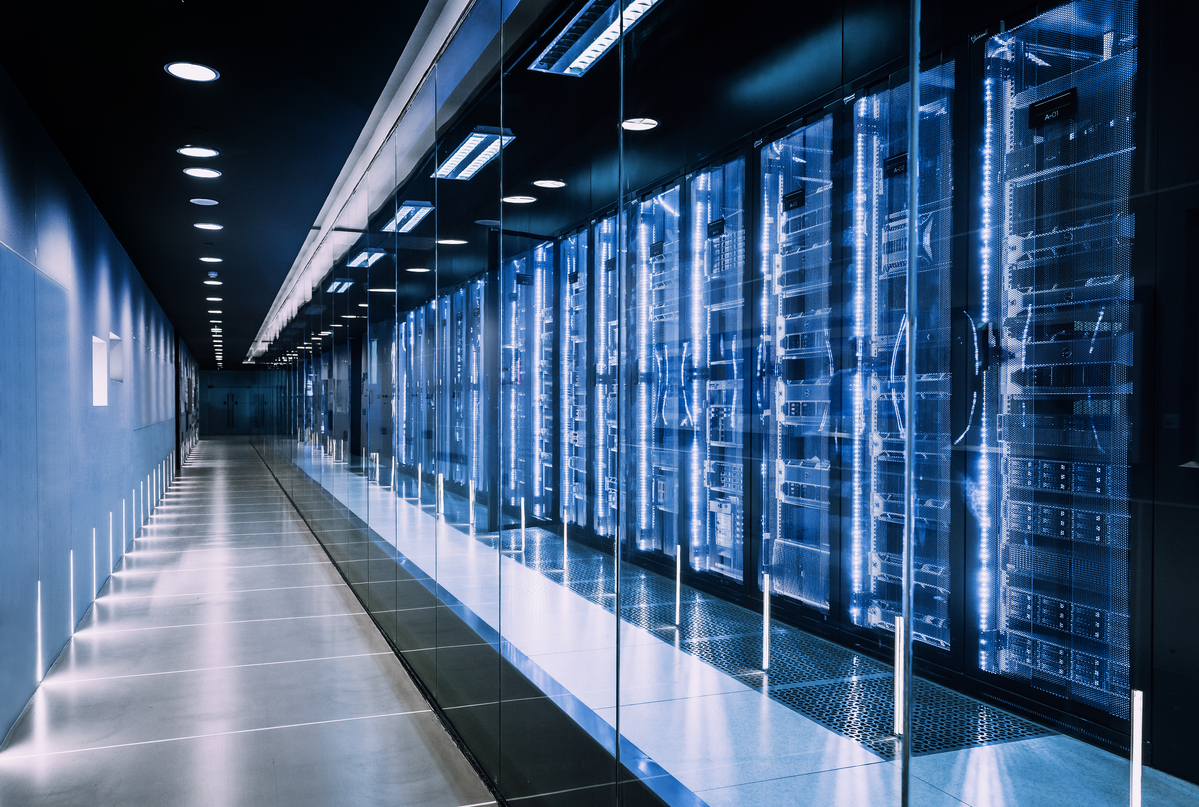
Amazon Web Services doesn’t build castles in the air; it builds server farms on the earth, and those farms demand substance. Copper, in particular. They require it to power the servers, to cool the processors, to maintain the illusion of effortless computation. S&P Global predicts a surge in demand, a fifty percent leap by 2040, driven by the artificial intelligences and the endless preparations for conflict. A shortfall is coming, a constriction in the veins of the digital world. And those who control the copper, control the flow.
One can chase the pure plays, Freeport-McMoRan and the like. But Rio Tinto, with this new alliance, presents a different kind of gamble. A gamble on innovation, on a desperate attempt to wring every last ounce of metal from the earth, even from the scraps left behind.
This “Nuton” technology, two decades in the making, is no miracle. It’s a pragmatic response to scarcity. Bioleaching, they call it, coaxing copper from stockpiles with the aid of microscopic life. It’s a slow, laborious process, but in a world running short, even the dregs have value. Amazon will be the first to sample this resurrected metal, a symbolic gesture, perhaps, but also a practical one. A way to soothe their conscience, to claim a sliver of environmental virtue while continuing to expand their empire.
The Ghosts of Supernovas
They speak of innovation, of mapping these stockpiles with the aid of cosmic rays. Muons, they call them, particles born in the fiery deaths of distant stars. Detecting them, tracing their paths through the earth, to understand the composition of the waste. It sounds like alchemy, a desperate attempt to conjure metal from nothing. But it’s merely another layer of complexity, another way to extract wealth from a depleted world.

They use these cosmic ghosts to map the piles of waste, to understand where the copper lies hidden. It’s a fitting metaphor, really. A reliance on the remnants of the past, on the echoes of distant explosions, to fuel the future.
The Price of Progress
Amazon isn’t simply buying copper; they’re investing in the technology, helping Rio Tinto refine this bioleaching process. A five-year partnership with Ideon Technologies, mapping assets with muon detection. It’s a blueprint for the future, a way to ensure a steady supply of copper for their ever-growing data centers. And what of the cost? The environmental impact? The disruption to communities? These questions are rarely asked, and even more rarely answered.
This deal isn’t about sustainability; it’s about survival. A desperate attempt to maintain the illusion of limitless growth in a finite world. The cloud doesn’t float in the air; it rests on the backs of miners, on the shoulders of communities, on the dwindling resources of the earth. And as the demand for copper grows, so too will the pressure on those who bear the weight.
Read More
- Top 20 Dinosaur Movies, Ranked
- 20 Movies Where the Black Villain Was Secretly the Most Popular Character
- Celebs Who Narrowly Escaped The 9/11 Attacks
- 25 “Woke” Films That Used Black Trauma to Humanize White Leads
- The 10 Most Underrated Jim Carrey Movies, Ranked (From Least to Most Underrated)
- Transformers Under the Microscope: What Graph Neural Networks Reveal
- The Best Directors of 2025
- Every Notable ‘Star Trek: The Original Series’ Actor Who Died
- 22 Films Where the White Protagonist Is Canonically the Sidekick to a Black Lead
- Trading on Thin Air: AI Agents Conquer Crypto Volatility
2026-01-29 14:53