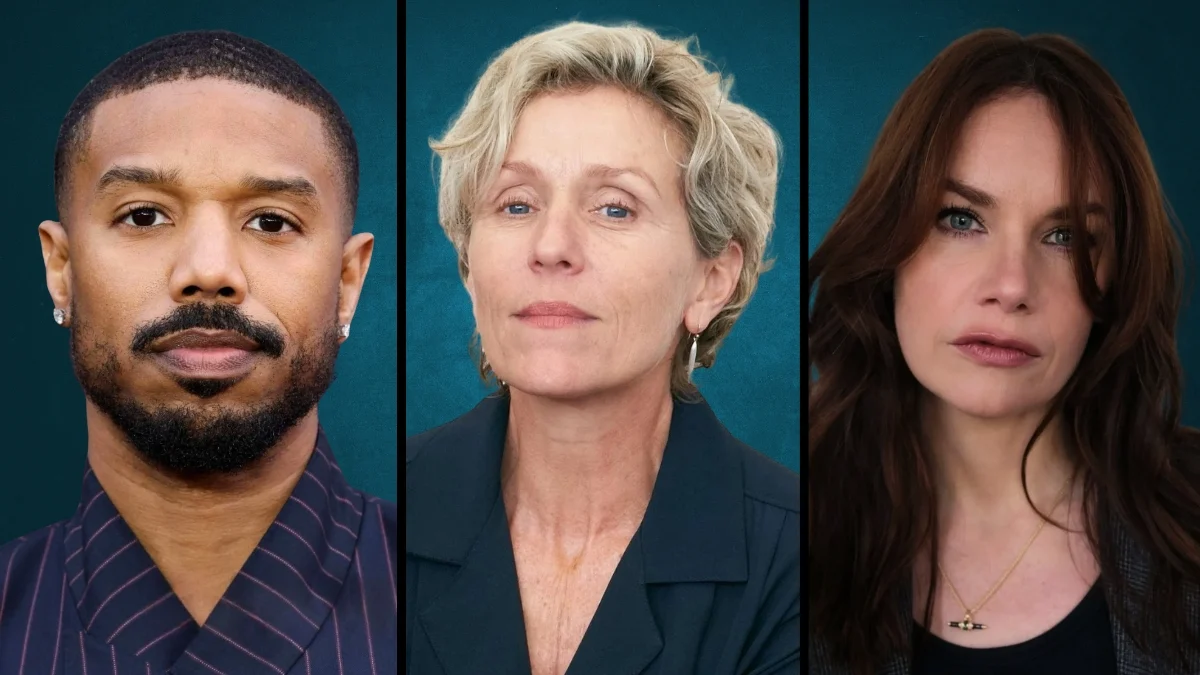
Throughout the history of entertainment, many talented performers have used their position to fight for bigger changes than just their own benefits. They’ve pushed for things like fair pay, safer working conditions, and more diverse hiring, not just for themselves, but for everyone working on their projects. By speaking up and challenging how things were done, these performers have helped create better, more professional standards that protect people working in the industry today and in the future.
Frances McDormand
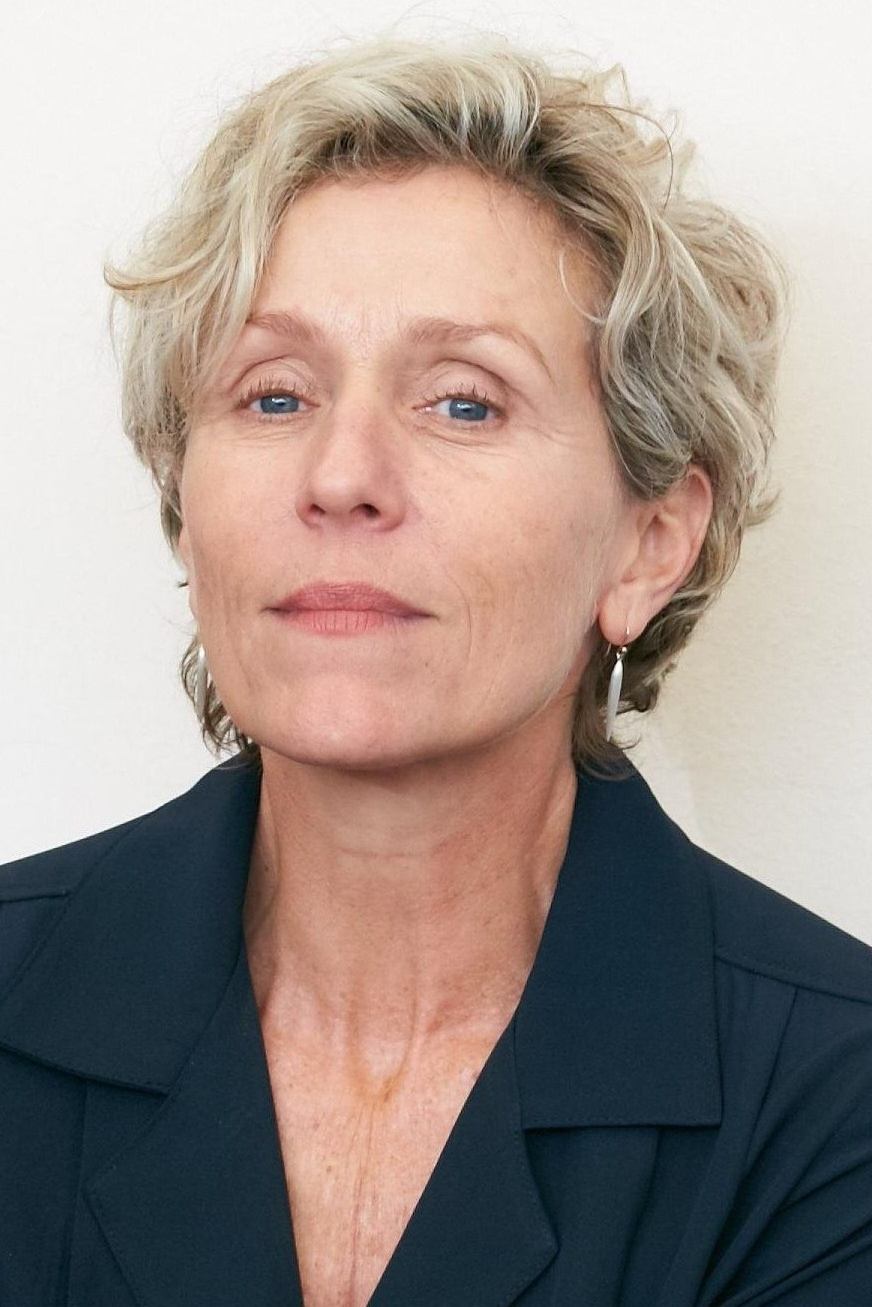
Frances McDormand brought attention to “inclusion riders” during her 2018 Oscars speech. These are additions to contracts that require movies and TV shows to meet certain goals for diversity when hiring actors and crew. Because of her work, big studios like Warner Bros. and Disney started using these clauses in their contracts with talent. This change has led to more opportunities for people from underrepresented groups throughout the entertainment industry, and helps ensure that what we see on screen better reflects the diversity of the world around us.
Jessica Chastain
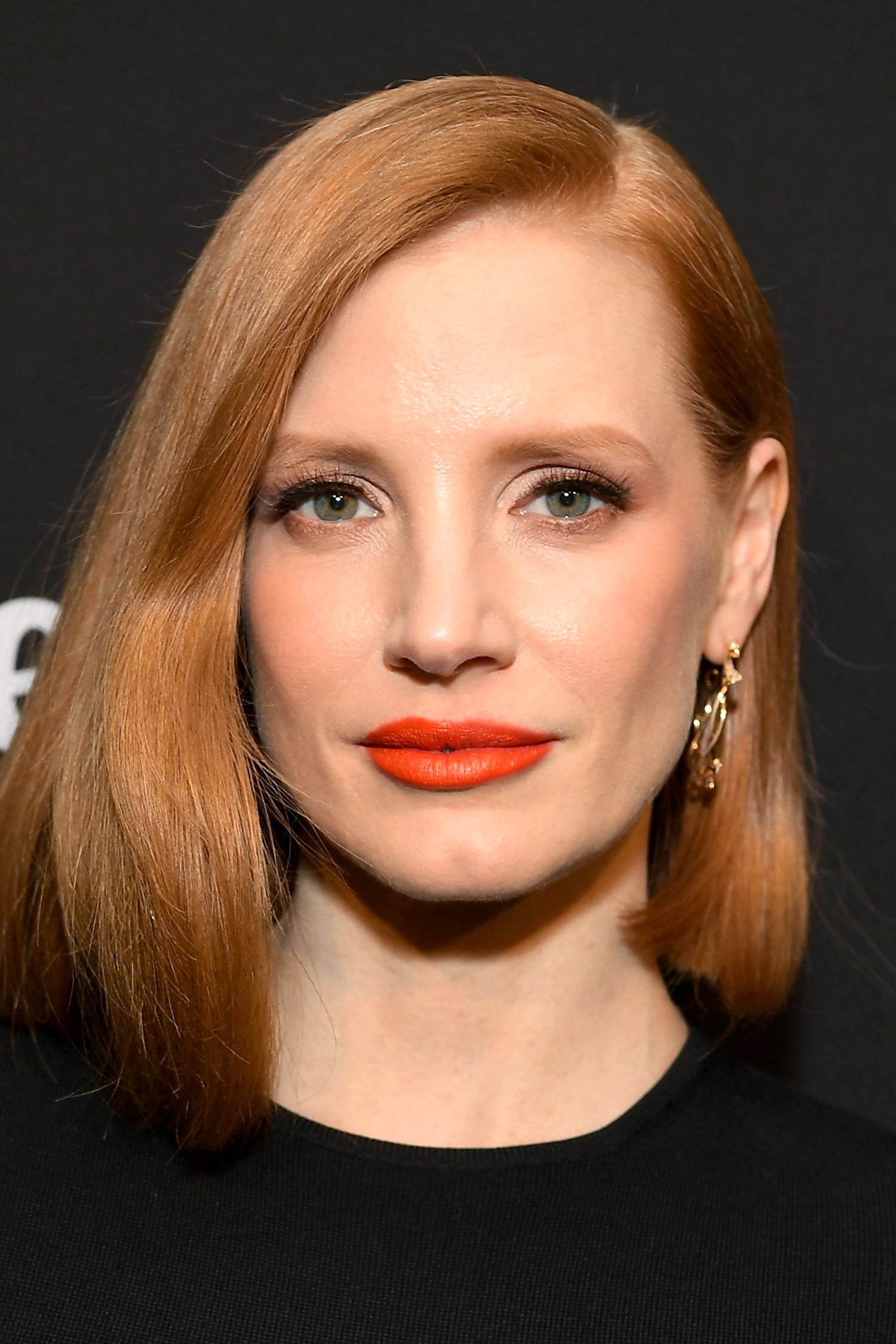
While filming with Octavia Spencer, Jessica Chastain learned her co-star was earning much less than her white colleagues. Chastain then pushed for both of them to negotiate their salaries together, demanding equal pay for the project. This led to Spencer receiving a salary five times larger than what she was originally offered. Chastain continues to advocate for fair pay for women in Hollywood, often negotiating as a group, and has inspired greater openness about salaries among actors.
Viola Davis
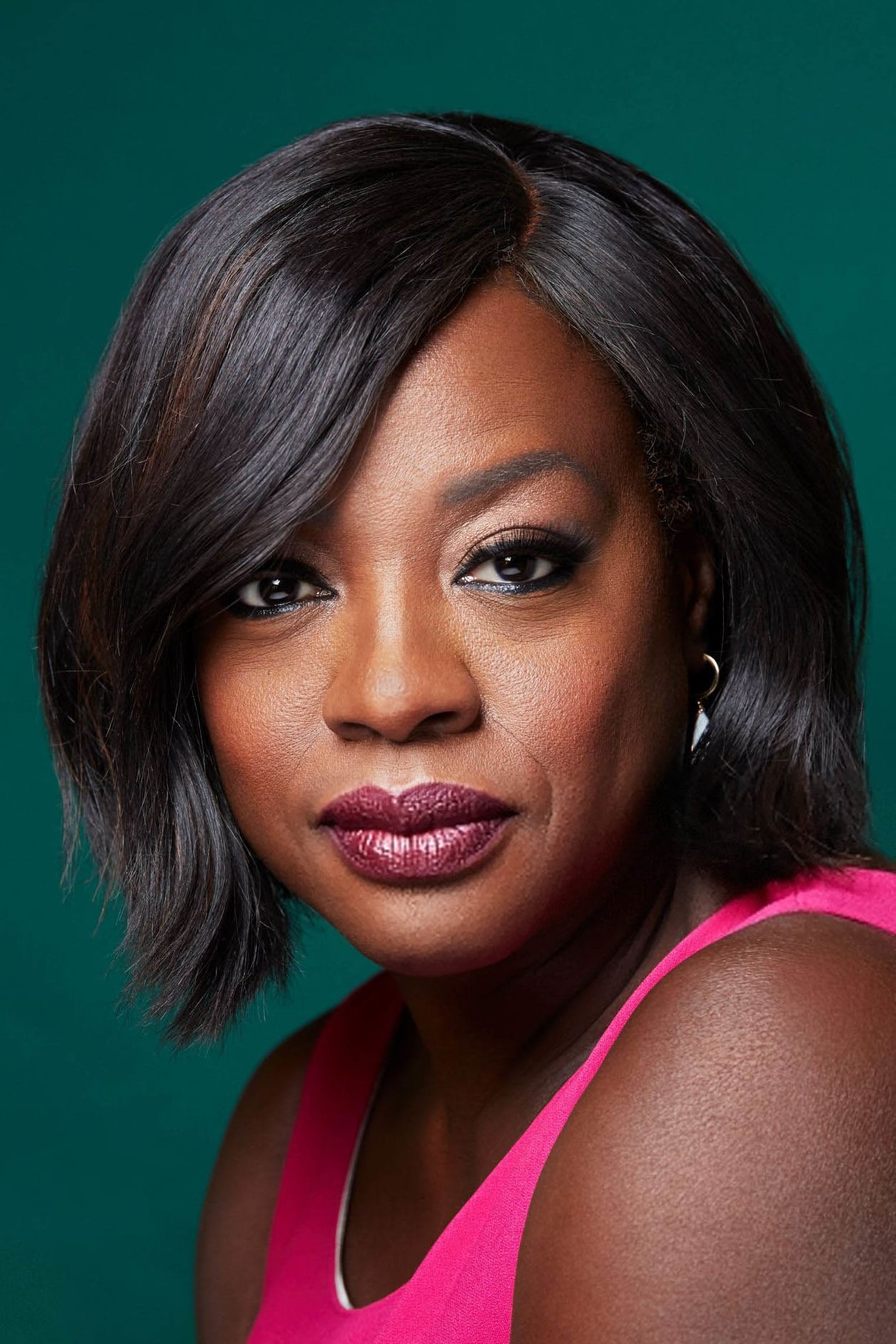
Viola Davis has strongly pushed for professional hair and makeup artists on film sets who are skilled at working with all hair textures and skin tones. She pointed out that Black actors frequently had to do their own hair and makeup due to a lack of expertise among those hired. As a result of her advocacy, major productions are now hiring more diverse and specialized beauty teams. This ensures that every actor feels valued and looks their best, and it’s becoming a standard practice across the industry, respecting the dignity of all performers.
Jennifer Lawrence
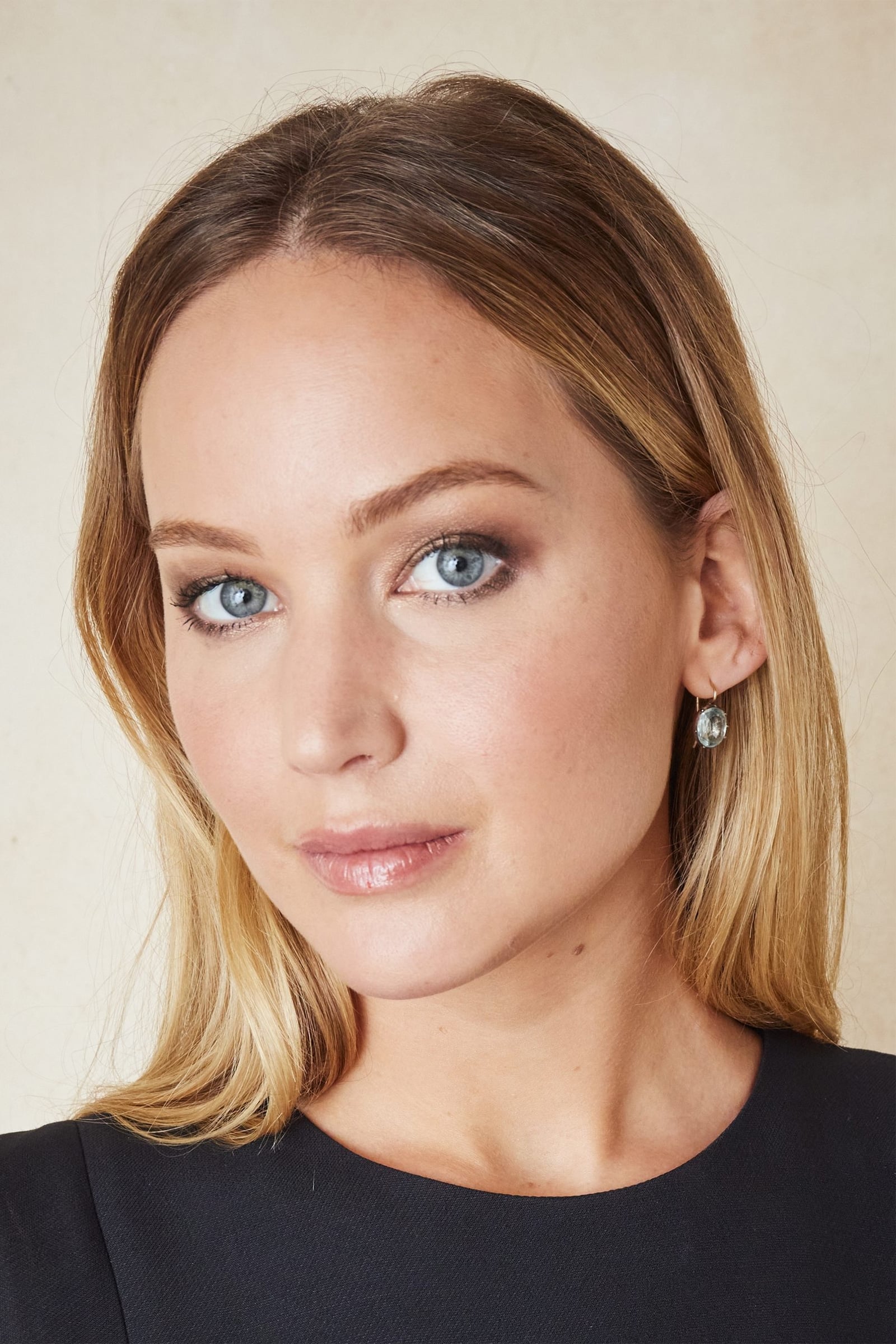
When a hack at Sony exposed that she earned less than her male colleagues in ‘American Hustle’, Jennifer Lawrence became a leading advocate for equal pay. She wrote an essay detailing her experiences, which ignited a worldwide discussion about the wage gap in Hollywood. This encouraged other actresses to push for openness and fairness when negotiating their contracts. As a result, many film studios are now reviewing their pay practices to avoid similar issues. Lawrence’s willingness to speak out helped break down the taboo of discussing salaries in the entertainment industry.
Gillian Anderson
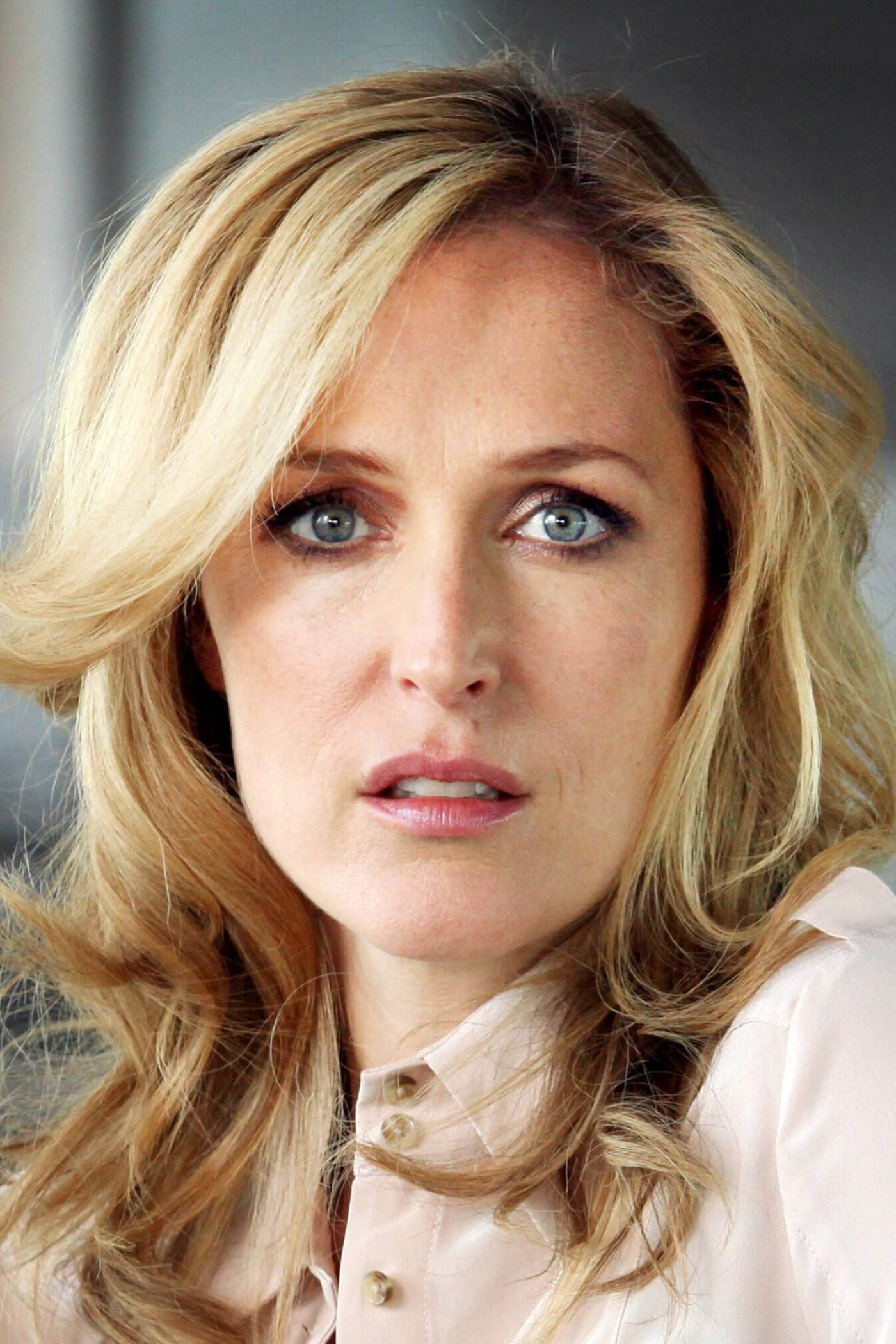
When ‘The X-Files’ was brought back for a new season, Gillian Anderson was initially offered significantly less pay than her co-star, David Duchovny. She wouldn’t agree to return unless the studio paid her the same amount. Thankfully, she succeeded, establishing an important standard for actors returning to long-running shows. Anderson’s actions demonstrated that even well-known stars still need to advocate for fair pay, and her success empowered other actresses in similar contract negotiations.
Michelle Williams
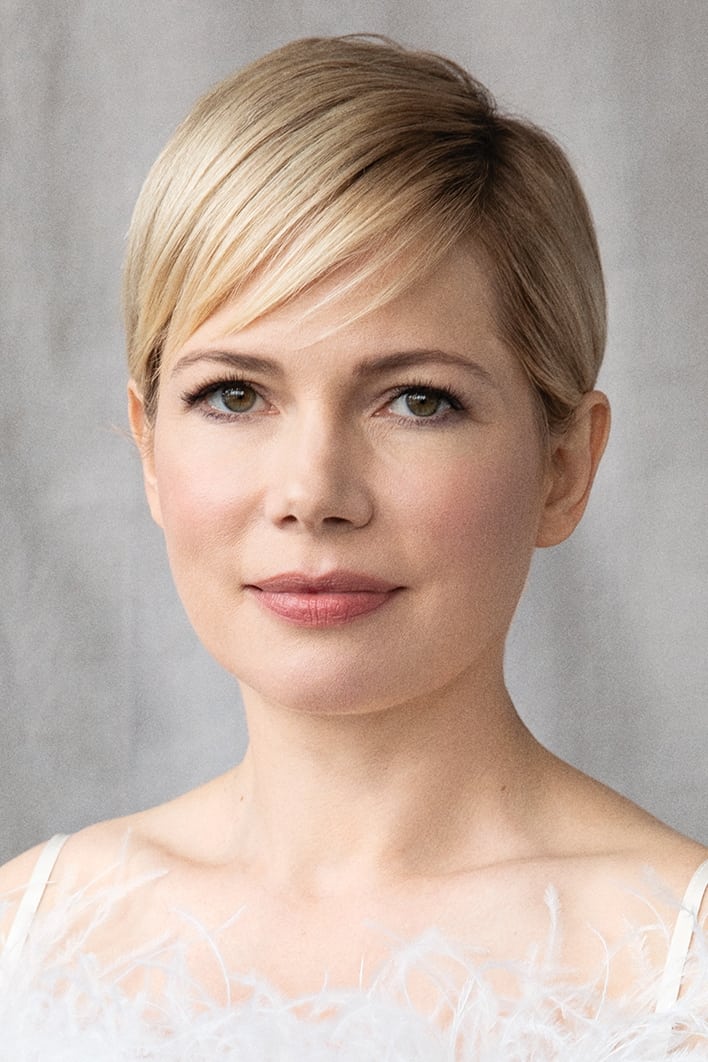
When it was revealed that Michelle Williams earned significantly less than her male co-star for reshoots of ‘All the Money in the World,’ there was widespread public anger. This prompted Williams to champion the Paycheck Fairness Act and call for greater openness in salary discussions throughout Hollywood. The experience also inspired the creation of the Time’s Up Legal Defense Fund, which provides support to those facing workplace discrimination. Since then, film studios have been more careful about ensuring fair pay, especially when dealing with last-minute changes or reshoots. Williams’s courage transformed a personal hardship into a driving force for broader improvements in workers’ rights.
Michael B. Jordan
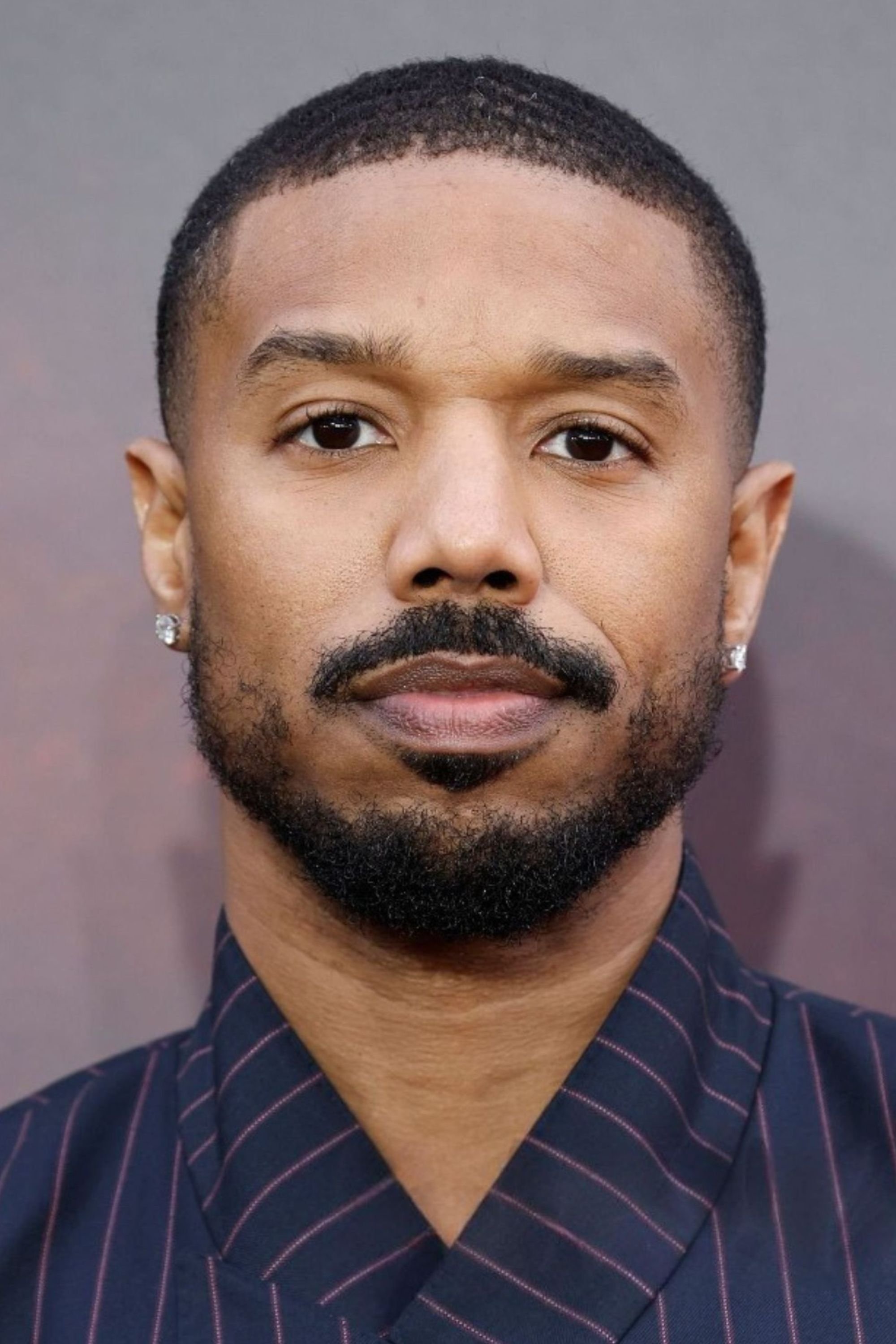
After the 2018 Oscars, Michael B. Jordan was a leading actor to start using inclusion riders with his production company, Outlier Society. These riders require a diverse group of candidates to be considered for all roles, both in front of and behind the camera. By making this a standard practice, he showed other companies how to improve diversity in their projects. This has led to more women and people of color working in technical and creative jobs. Jordan’s actions prove how influential actors can help create lasting change and build more inclusive workplaces.
Emilia Clarke
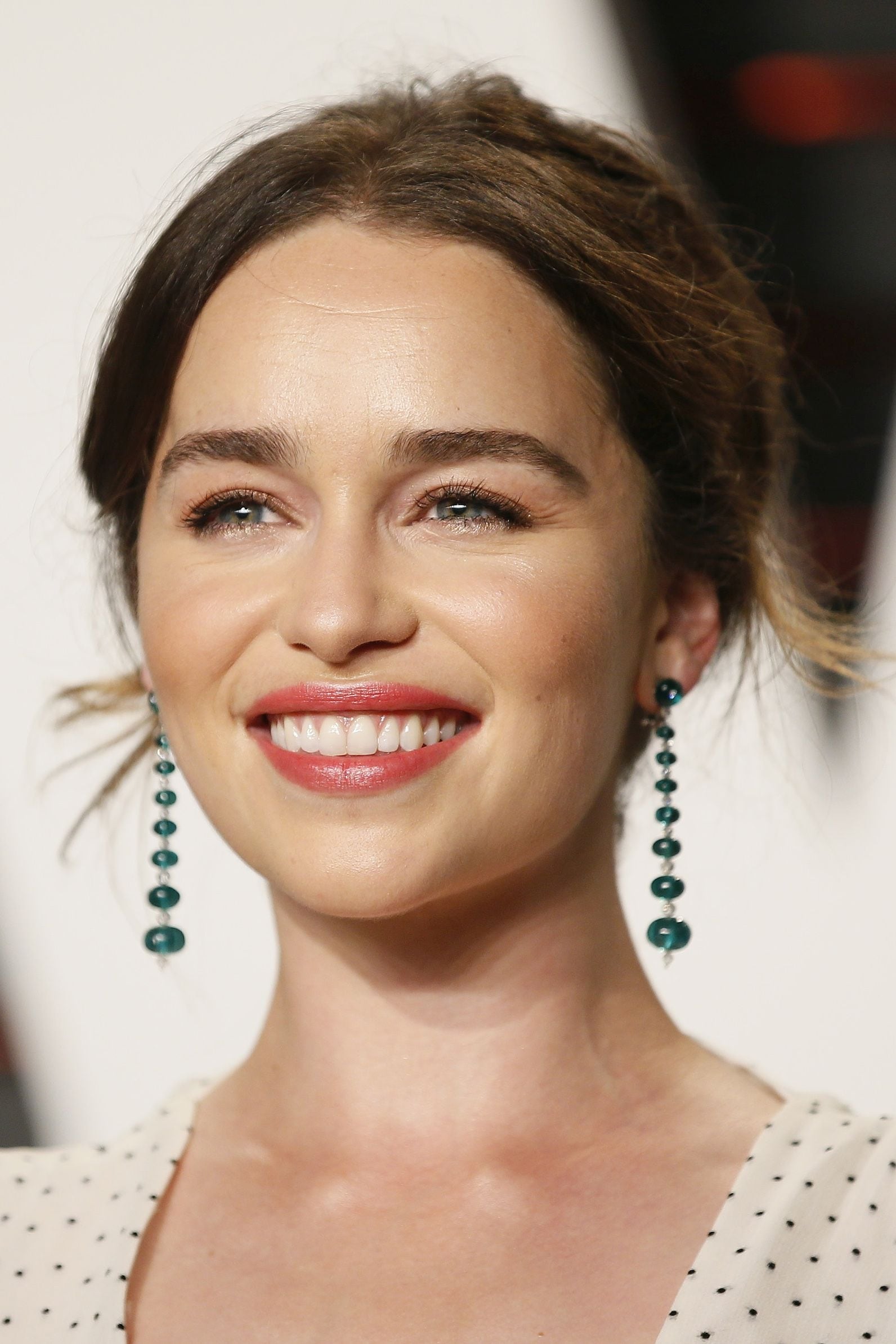
Emilia Clarke felt uncomfortable with certain scenes early in her time on ‘Game of Thrones’ and started requesting intimacy coordinators – professionals who help manage nudity and physical contact on set. She believed these coordinators should be standard on all productions to protect actors and ensure their comfort and safety. Thanks to her advocacy, intimacy coordinators are now common in TV and film, creating a much safer and more respectful environment for performers during sensitive scenes. These professionals make sure everyone consents to what’s happening and that safety is always the top priority.
Benedict Cumberbatch
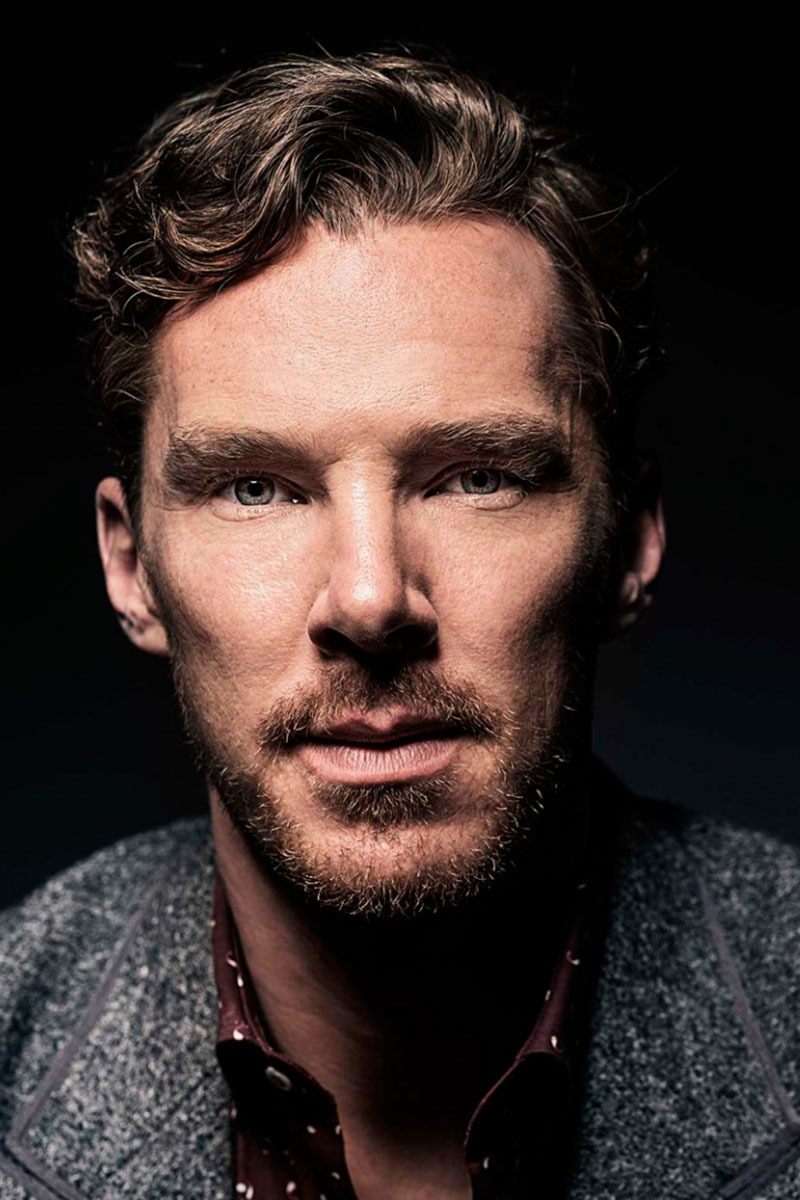
Benedict Cumberbatch publicly stated he won’t work on projects unless his female co-stars are paid equally to him. He encouraged other male actors to check the pay rates offered to their female colleagues and insist on equal pay before accepting roles. This pushes production companies to deal with pay inequality right from the start of casting. By using his influence, he’s helping to make sure women in the industry receive fair compensation, demonstrating that men can be strong advocates for equal pay.
Tom Cruise
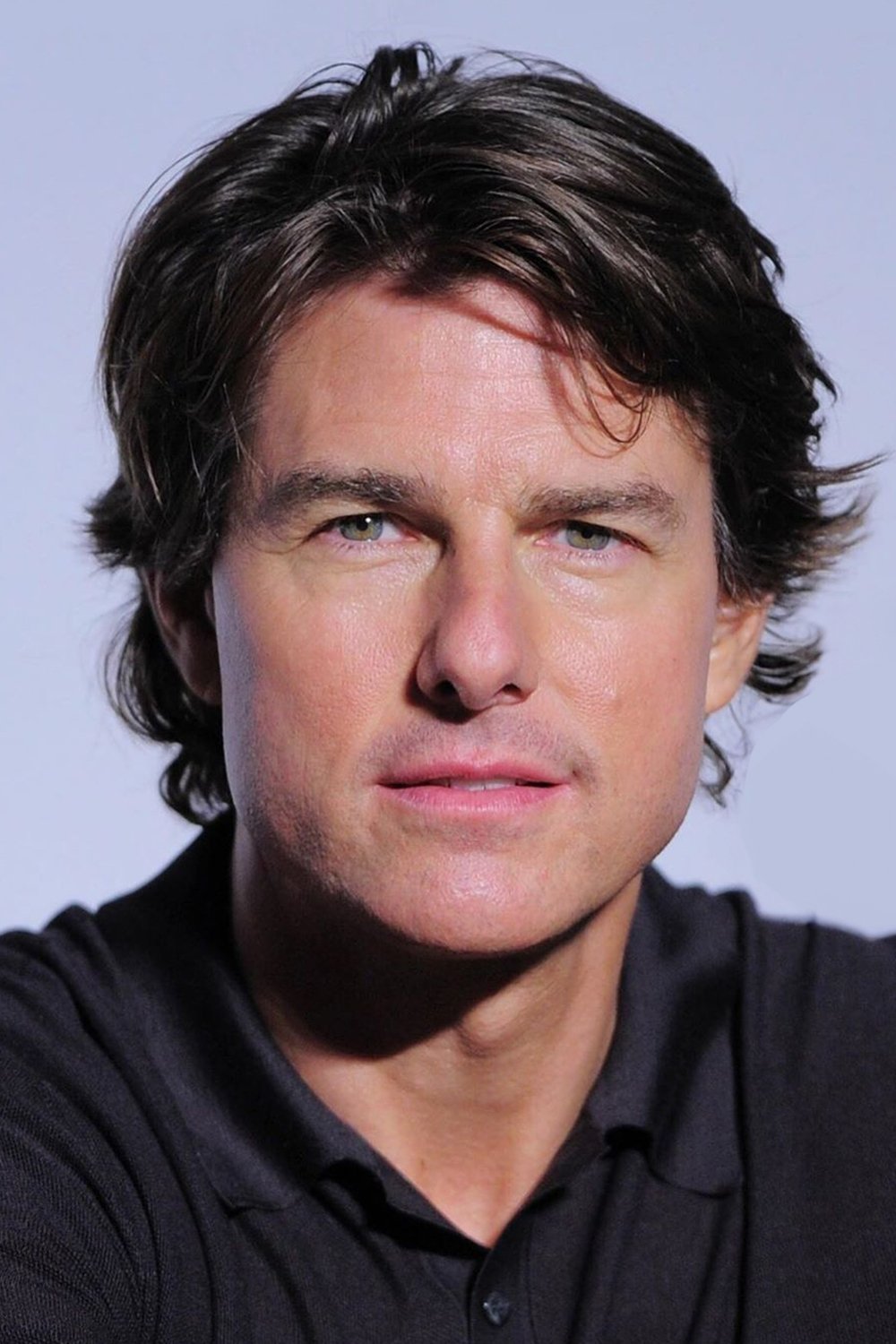
As a huge fan, I was so impressed with what Tom Cruise did during the making of ‘Mission Impossible – Dead Reckoning Part One’. When everything shut down because of the pandemic, he really stepped up to keep the movie – and the whole industry – going. He actually spent his own money on things like safety equipment and making sure everyone could social distance, so the crew could keep working. It was amazing! What’s even cooler is that other productions started following his lead, making sure everyone on set was safe. Honestly, he saved a lot of jobs and basically showed everyone how to get filming going again safely. It was incredible to see such dedication!
Brie Larson
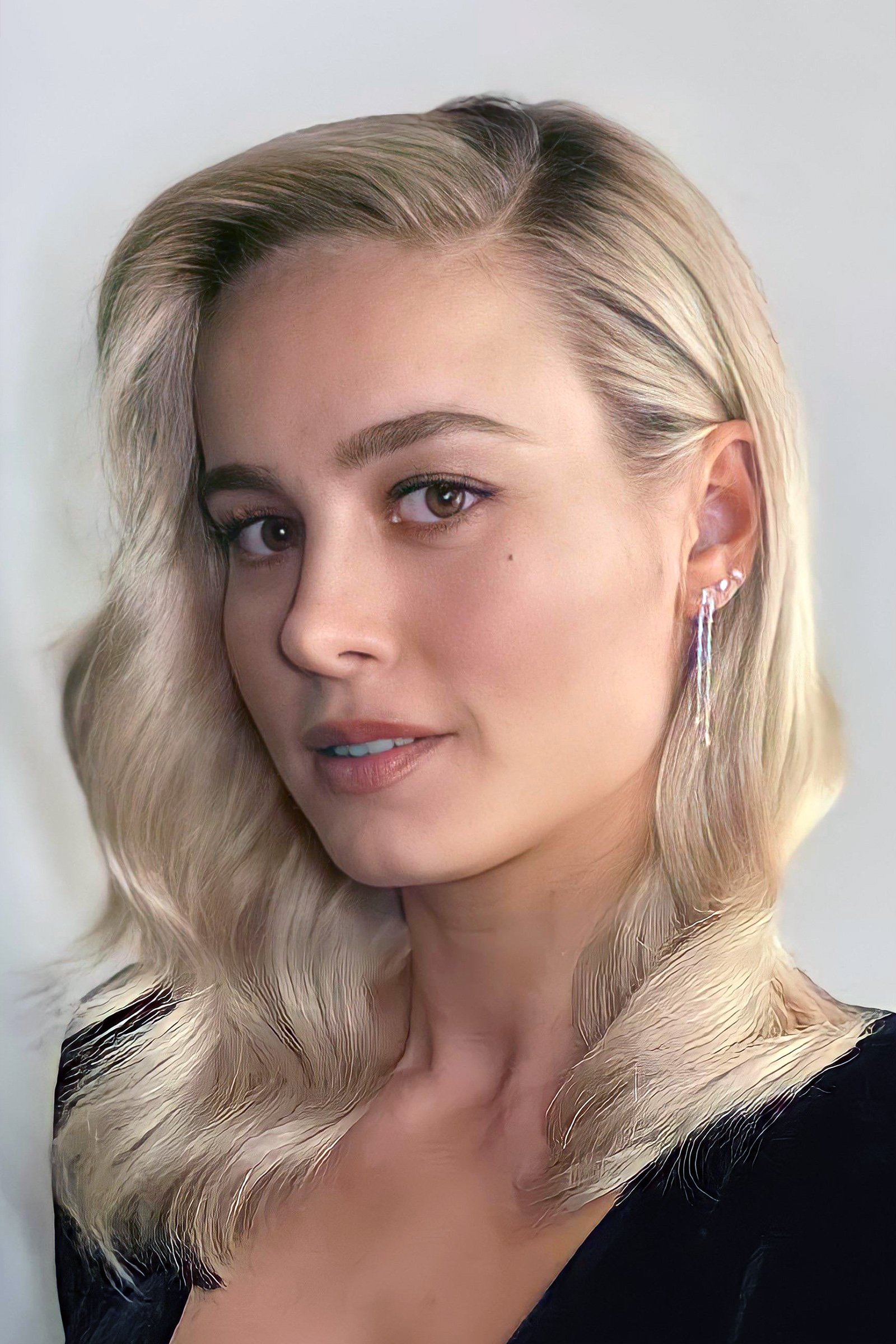
During interviews for ‘Captain Marvel’, Brie Larson spoke out about the lack of diversity among film critics and reporters. She pointed out that most of those covering the movie were white men and advocated for a more inclusive group. This prompted film studios to reconsider who they invited to press events, leading to greater representation of women and people of color. Larson’s efforts have broadened access to film criticism and media opportunities for underrepresented journalists worldwide, ensuring a wider variety of voices and viewpoints in movie reviews and entertainment news.
Charlize Theron
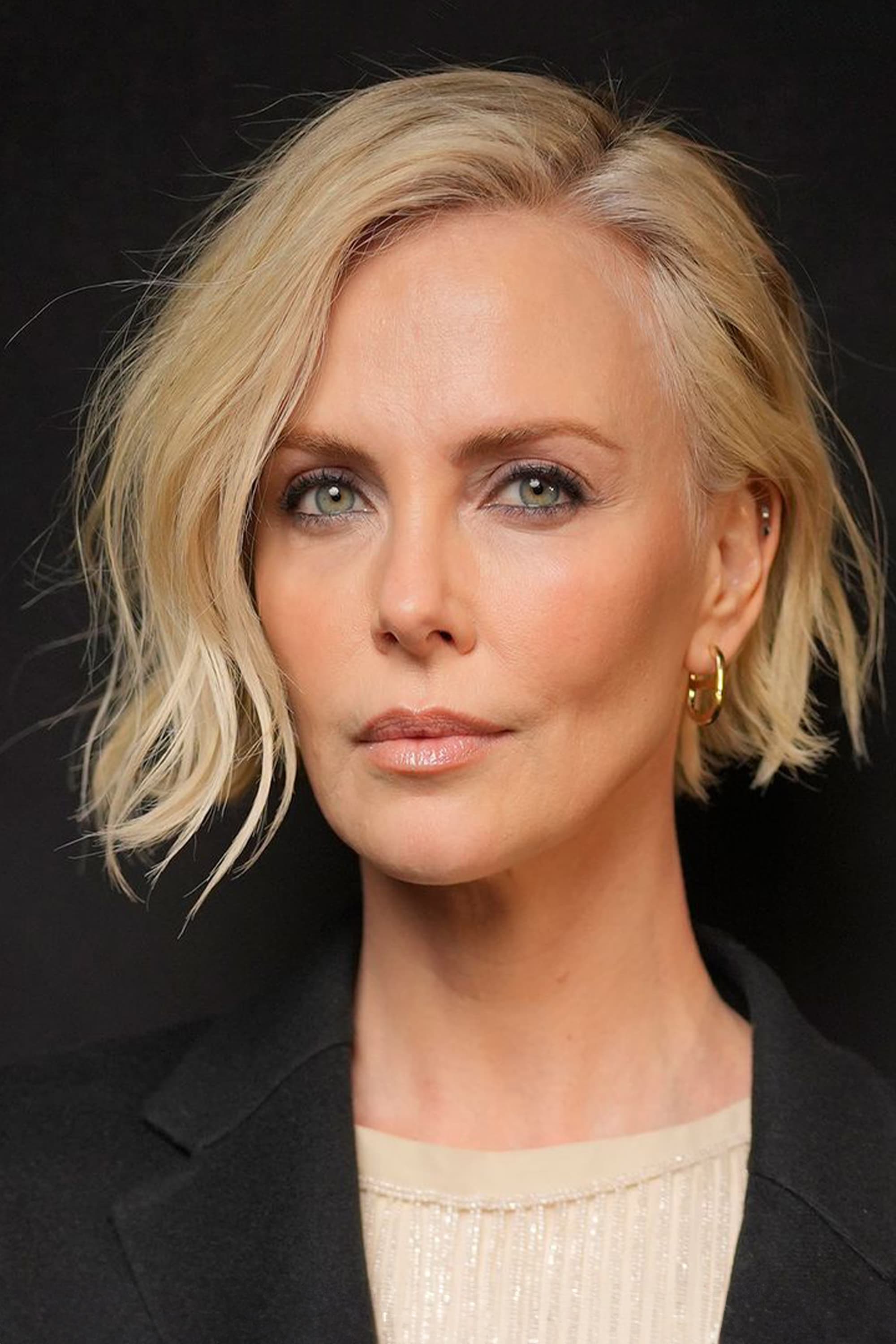
After discovering she was being paid less than her male co-star, Charlize Theron firmly negotiated for equal pay for ‘The Huntsman Winter’s War’. She made it clear she wouldn’t continue with the series unless her salary matched his. The studio agreed, showing how influential actors can be in pushing for broader change. This negotiation became a key moment for other actors discussing pay in large film franchises, proving that stars can effectively demand fair compensation based on their value.
Will Smith
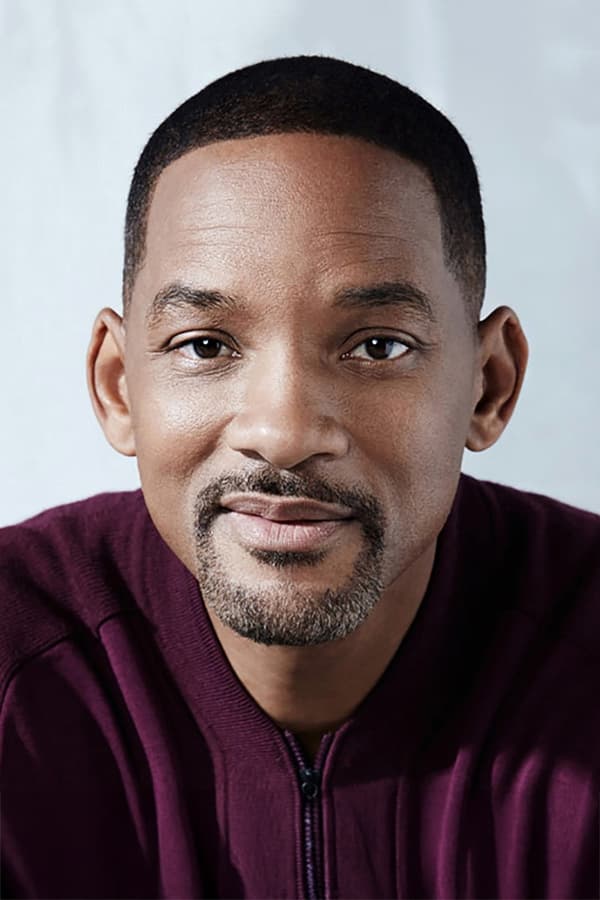
While making ‘King Richard’, Will Smith generously used his own earnings to give bonuses to his fellow actors. He did this because the film was released both in theaters and on streaming, and he wanted to make sure everyone shared in the potential profits they might have earned from box office success. This act brought attention to how streaming releases can affect the income of actors beyond the stars, sparking a conversation about fair compensation in the changing entertainment industry. Smith’s decision became a positive example of how to support and value all performers involved in a film.
Taraji P. Henson
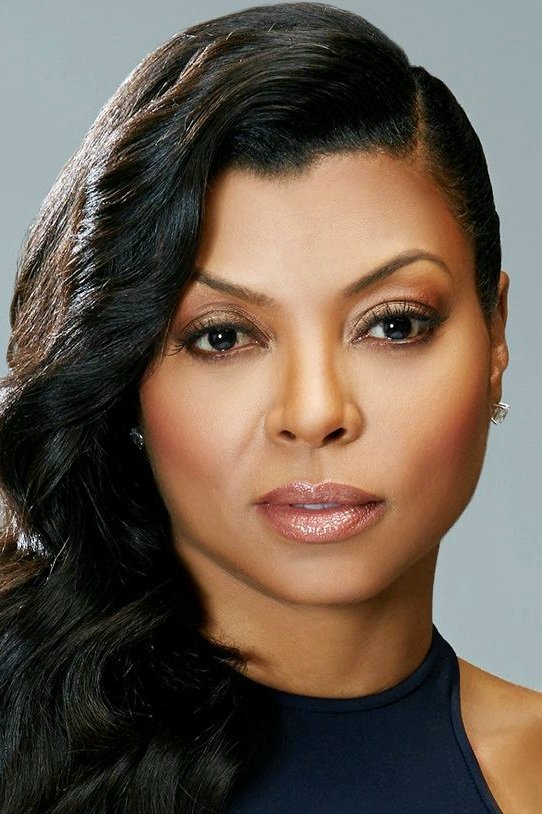
Throughout her career, Henson has consistently fought for better working conditions for actors and crew on film shoots. She’s pushed for improvements like safer transportation and comfortable housing, believing everyone deserves to feel secure and respected while working on location. Thanks to her efforts, major productions have made significant changes to their planning, benefiting entire crews who often face tough and sometimes dangerous conditions in remote places. Ultimately, her dedication has made on-location sets more welcoming and safe for all involved.
Geena Davis
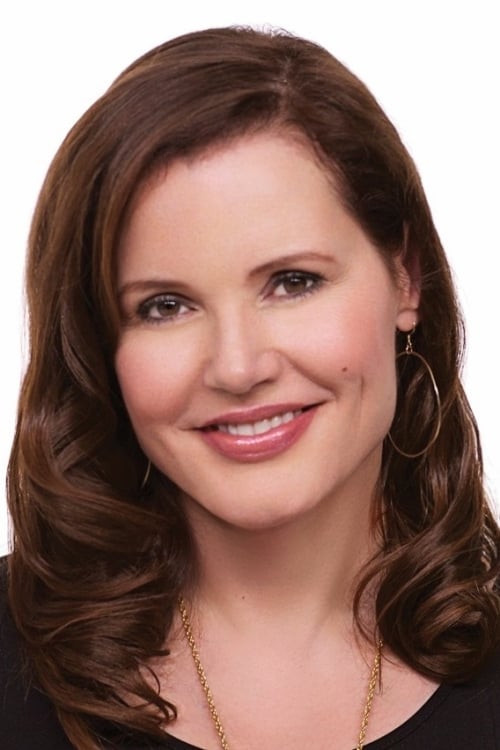
Davis, through her Institute on Gender in Media, advocates for using data to improve how women are represented both on screen and behind the scenes. She’s collaborated with studios to increase the number of female characters in various roles, from background extras to technical positions. Her research has also encouraged writers and directors to be more mindful of gender balance in their stories and hiring choices. Ultimately, this has fostered a more welcoming and inclusive atmosphere for women throughout the entertainment industry, demonstrating that tracking data can drive real improvements in representation.
Tracee Ellis Ross
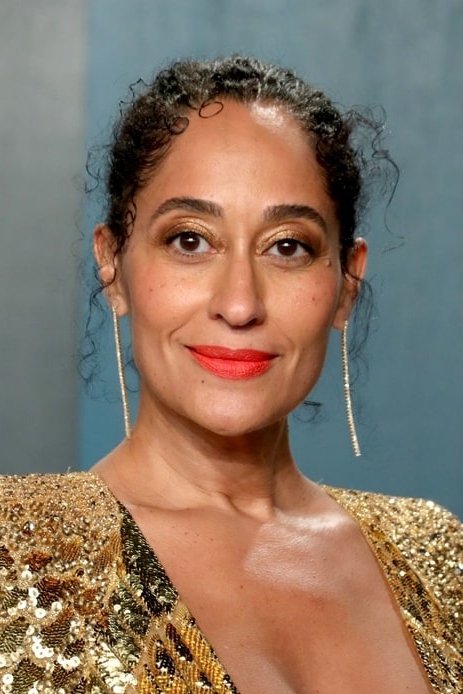
As a huge fan of ‘Black-ish’, I was so impressed by Tracee Ellis Ross’s strength during contract talks. She really fought to be paid what she deserved as the show’s star, and she wasn’t afraid to talk about it publicly. I think it’s amazing how she shed light on the unique hurdles Black women face in Hollywood. It wasn’t just about her, though; her success actually inspired others to ask for fair pay too! It’s helped break down the wall of secrecy around salaries in TV, and honestly, it gave a lot of actors the courage to stand up for themselves when their contracts were up for renewal. It was truly empowering to watch.
Bryce Dallas Howard

Bryce Dallas Howard recently shared that she earned considerably less than her ‘Jurassic World’ co-star, even though they both had leading roles. Fortunately, her male co-star supported her efforts to negotiate better pay for related projects like spin-offs and theme park appearances. This highlights how important it is for men to support women in achieving equal pay in big film series. Howard’s experience has inspired other actors to discuss salaries openly, helping to uncover and fix unfair pay gaps and ensure everyone is compensated fairly, regardless of gender.
Edward Norton
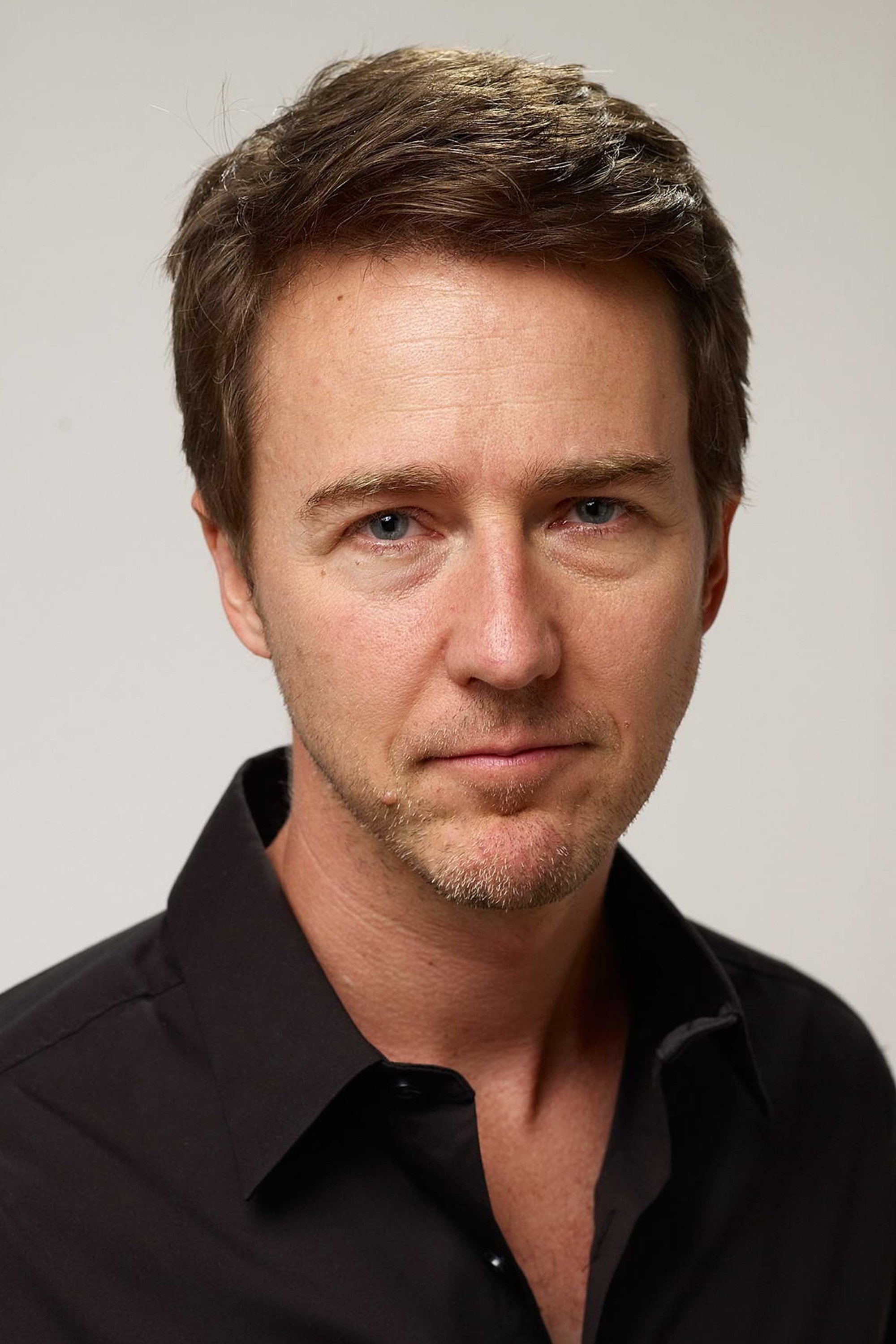
Edward Norton is well-known for being very involved in the making of his films, and he consistently strives for high quality in both the story and the safety of everyone on set. During the filming of ‘The Incredible Hulk,’ he advocated for richer character development and better conditions for the crew. Though sometimes seen as demanding, his approach ultimately created a more professional and thorough work environment. Many crew members have said his dedication to excellence significantly improved the entire production process.
Florence Pugh

Florence Pugh has consistently spoken out against changing her body to fit Hollywood expectations from the start of her career. She’s insisted that filmmakers respect her natural physique and avoid pushing her to diet excessively or engage in intense workouts. This has encouraged other young actors to confidently set their own limits when it comes to their bodies and appearances. Her commitment to this principle is helping the entertainment industry move away from unrealistic beauty standards and create a more accepting and healthy environment for all performers during casting.
George Clooney
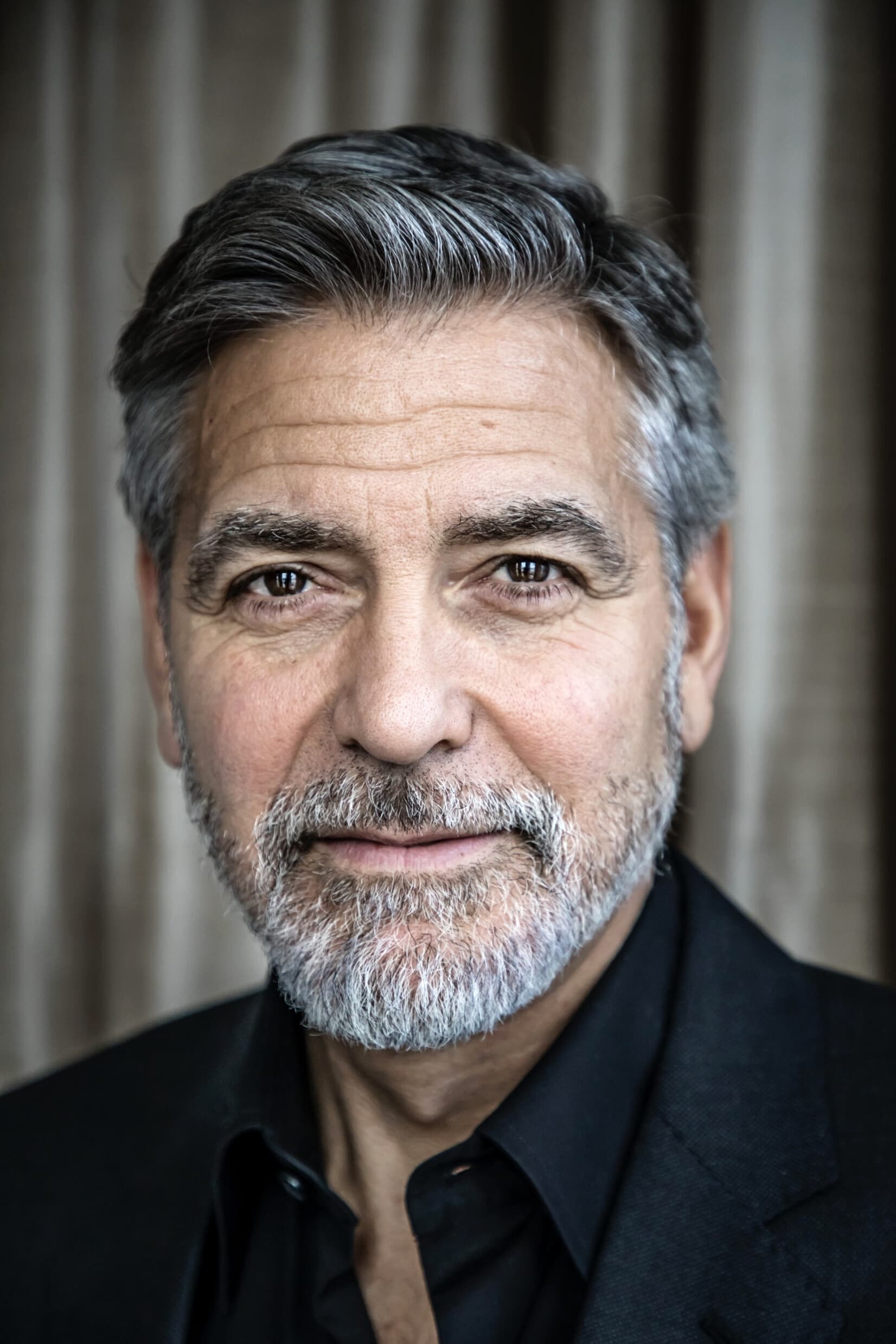
Throughout challenging times for the film industry, like strikes and economic hardship, George Clooney has consistently championed financial security for Hollywood crew members. He’s suggested improvements to union systems to better support those in less-paid roles, and leads by example through donations to relief funds, encouraging fellow high-earners to do the same. This dedication has strengthened the support available to the thousands of people who work on film sets every day, ultimately improving working conditions for many crew members.
Jason Momoa
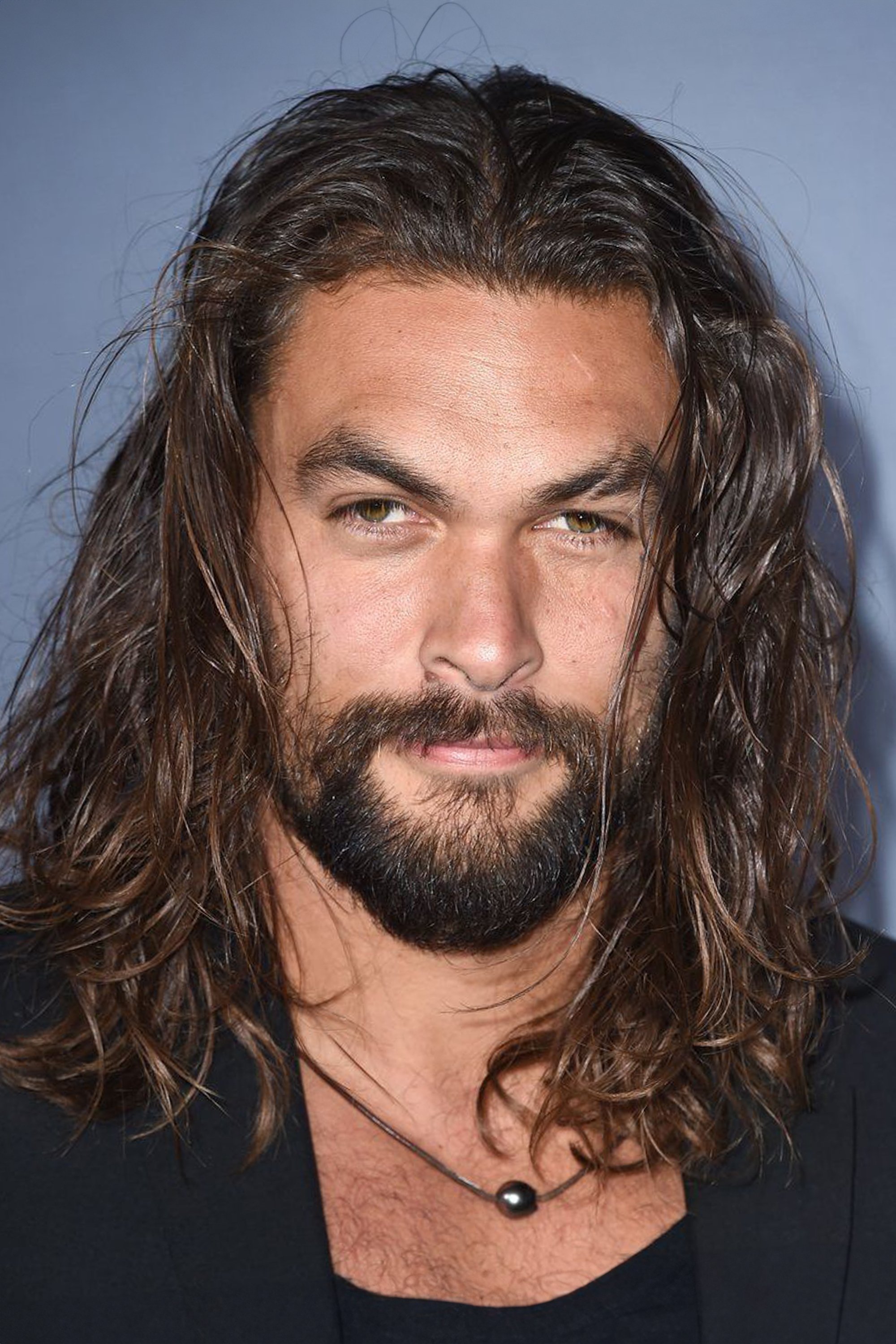
During the making of ‘Aquaman’, Jason Momoa consistently prioritized the safety of the stunt performers and local crew. He insisted on strict safety protocols during challenging action scenes, making sure everyone felt protected on set. This commitment to well-being not only helped prevent injuries, but also established a strong safety example for other big-budget action films, and created a caring atmosphere during production.
Sandra Bullock
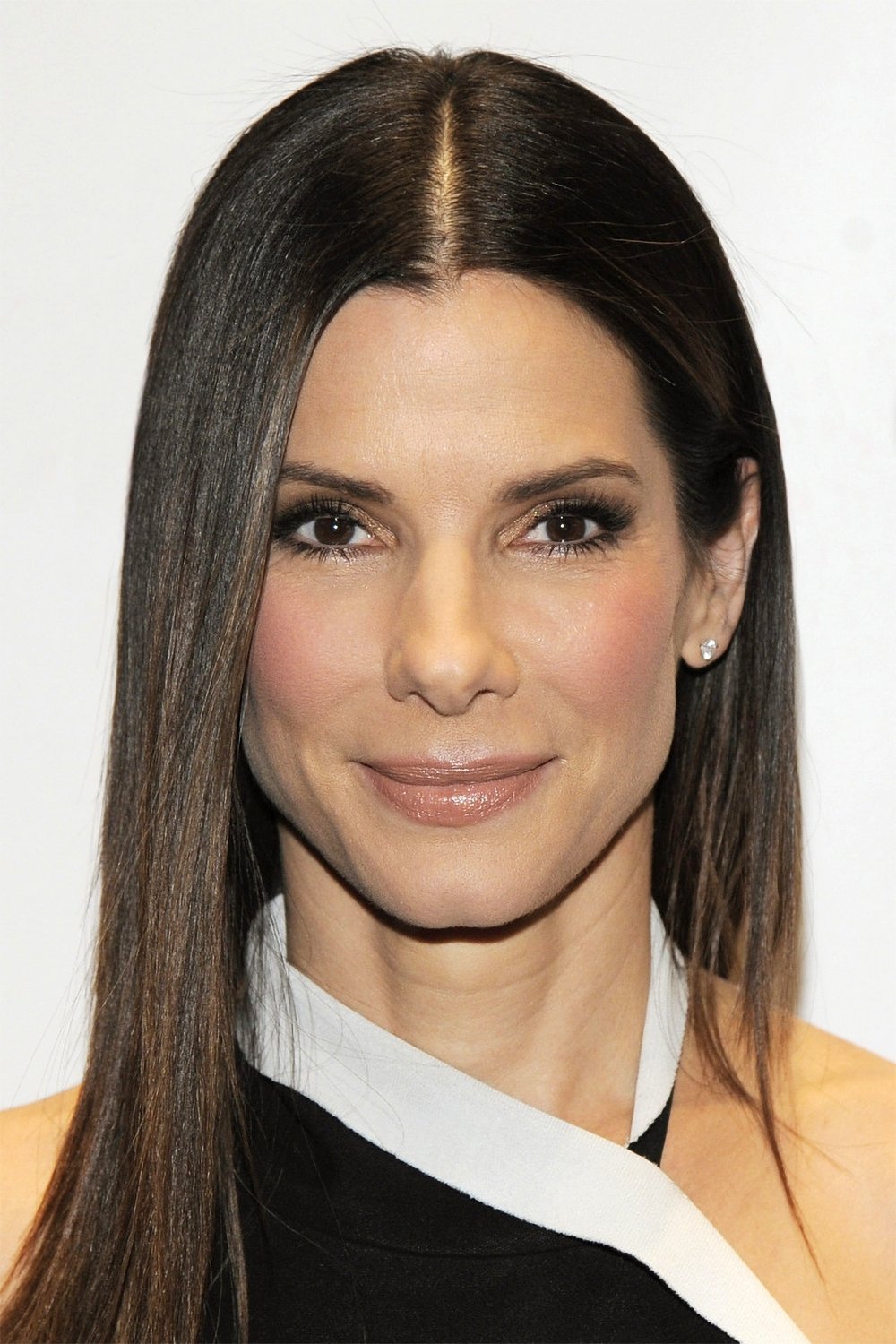
Sandra Bullock, both as a producer and actor, is known for prioritizing a respectful and efficient work environment on her film sets. She consistently advocates for shorter workdays and adequate breaks to help prevent crew burnout. Because of her influence in the industry, these practices are becoming increasingly common on her projects. This commitment to the well-being of her colleagues creates a healthier and more sustainable atmosphere, making her sets highly desirable among film professionals.
Daniel Dae Kim
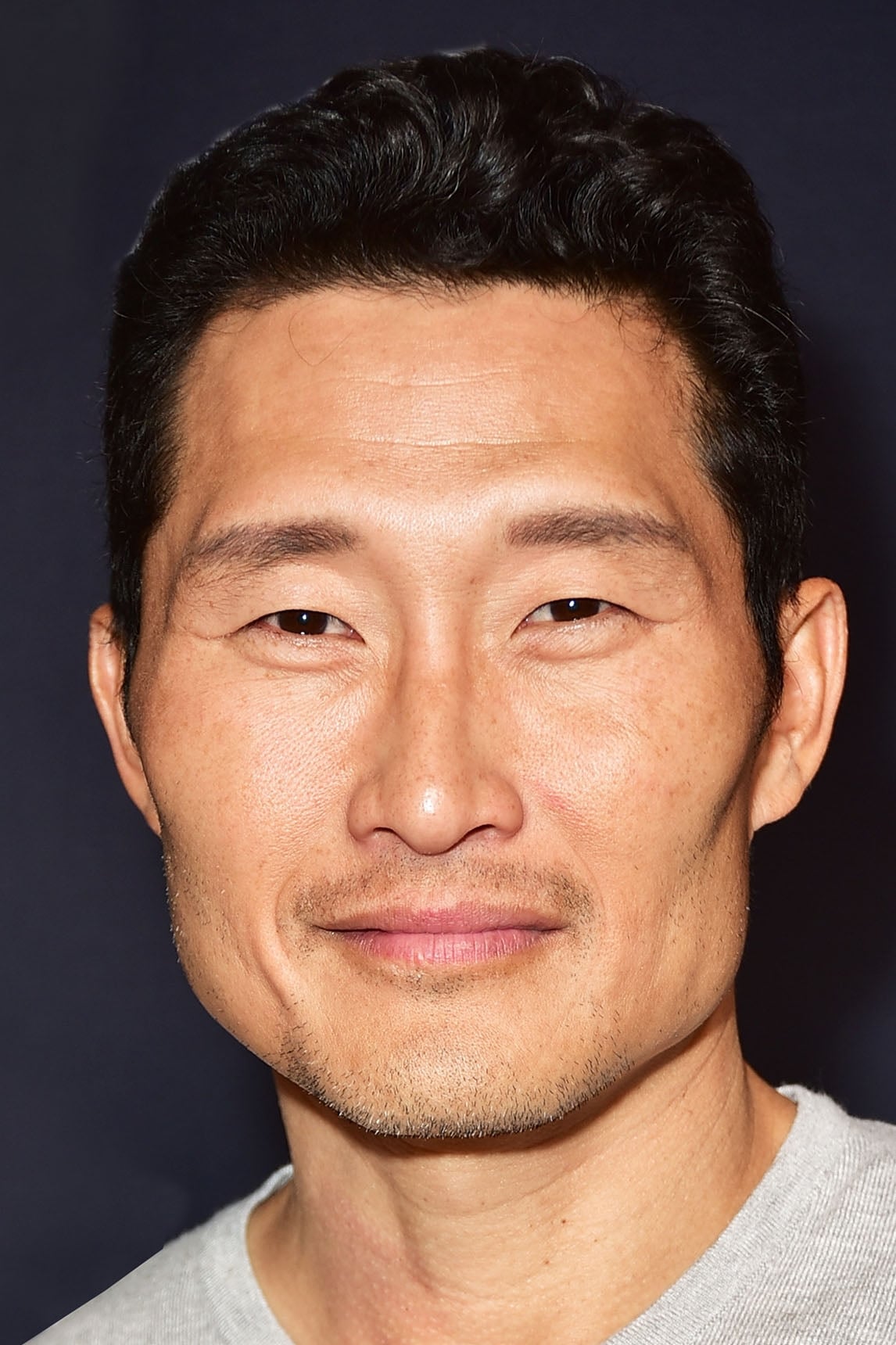
When Kim left his starring role on ‘Hawaii Five-0’ after being paid less than his white colleagues, it brought a significant issue to light: the tendency to underpay Asian American actors. His decision sparked a national discussion about racial pay disparities in television and prompted the industry to address the problem. As a result, more Asian American actors have since been able to negotiate for fair pay and leading roles, creating a more equitable environment for diverse talent in the industry. His actions ultimately helped open doors for better treatment and compensation for all performers.
Meryl Streep
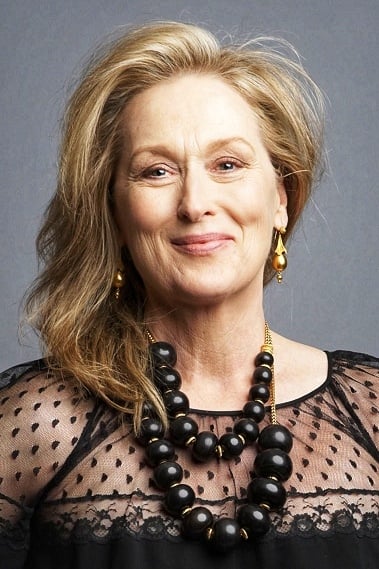
Meryl Streep actively champions greater diversity among the writers she collaborates with. She’s even financially supported the Writers Lab, a program specifically for women screenwriters over forty, to help bring more varied perspectives to the industry. By consistently seeking out diverse creative teams, she’s created opportunities for writers who hadn’t previously been recognized by large studios, resulting in richer and more compelling stories. This work has also improved opportunities and recognition for experienced female writers.
Ruth Wilson
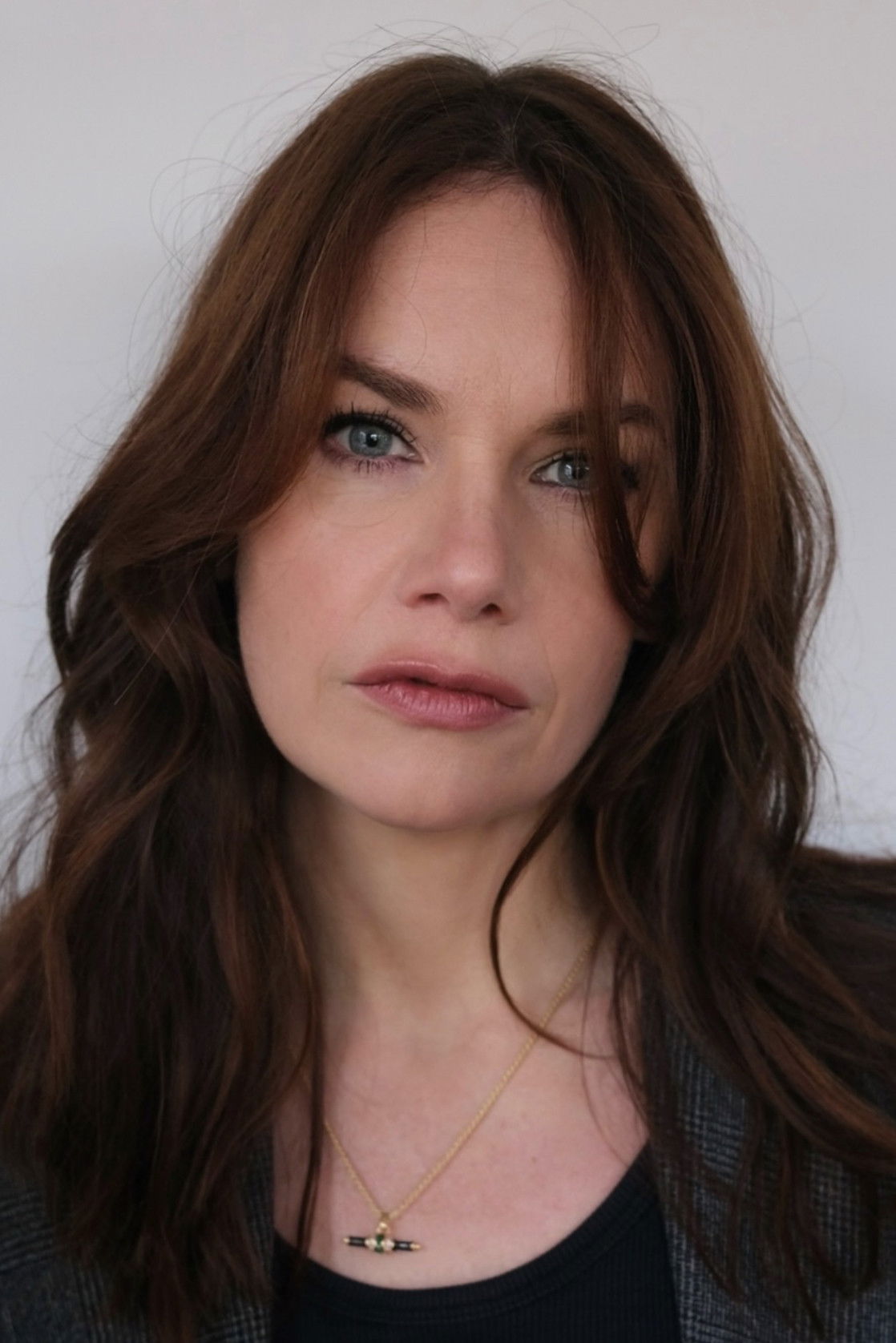
Following difficult experiences with unsafe and harmful conditions during filming of ‘The Affair’, Wilson became a passionate voice for improving working conditions in the entertainment industry. She called for clear safety rules, especially during intimate scenes, and complete openness about what was expected of actors. When she left the show, it sparked a crucial conversation about the need for stronger union support to protect all performers. As a result, television and film sets now commonly use stricter safety measures. This work has helped ensure actors are treated with respect and dignity, particularly when filming sensitive material.
Please share your thoughts on these industry-changing demands in the comments.
Read More
- 20 Movies Where the Black Villain Was Secretly the Most Popular Character
- Celebs Who Narrowly Escaped The 9/11 Attacks
- Top 20 Dinosaur Movies, Ranked
- 25 “Woke” Films That Used Black Trauma to Humanize White Leads
- Transformers Under the Microscope: What Graph Neural Networks Reveal
- The 10 Most Underrated Jim Carrey Movies, Ranked (From Least to Most Underrated)
- 22 Films Where the White Protagonist Is Canonically the Sidekick to a Black Lead
- Trading on Thin Air: AI Agents Conquer Crypto Volatility
- The Best Directors of 2025
- Gold Rate Forecast
2026-01-29 05:47