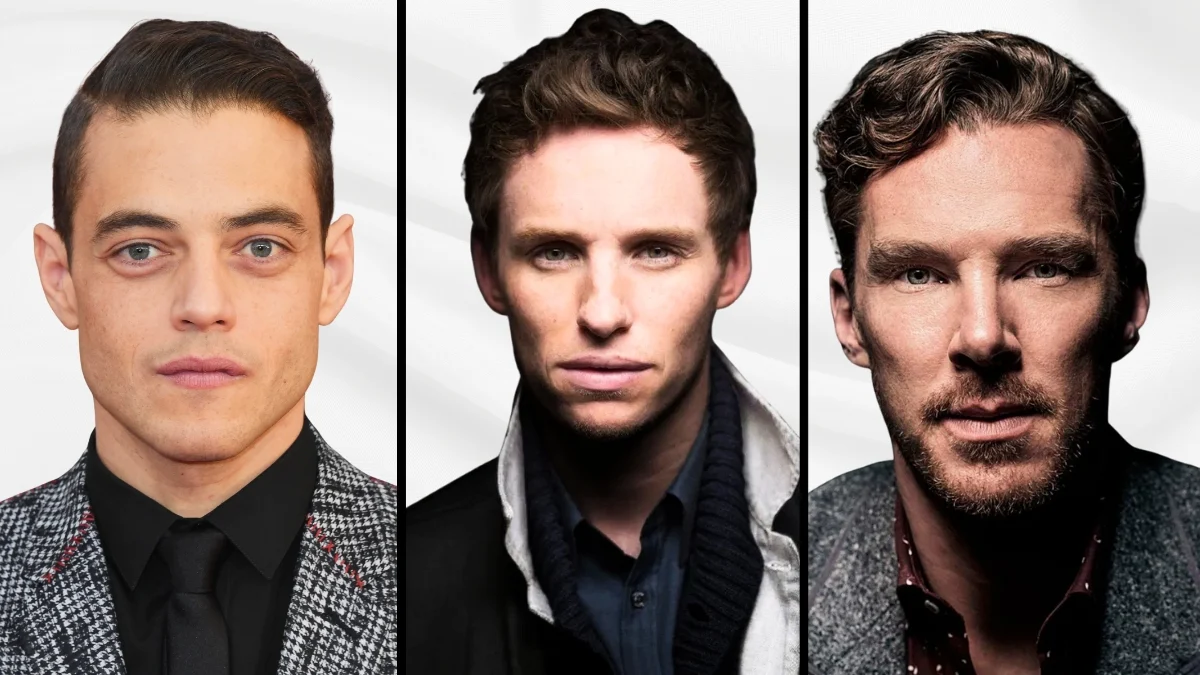
There’s been a growing conversation about who should play LGBTQ+ characters on screen. Many people are now advocating for LGBTQ+ actors to portray queer roles, arguing that their personal experiences bring authenticity and help avoid harmful stereotypes. Historically, straight actors have been praised for these roles, but they’re now facing criticism for potentially taking opportunities away from LGBTQ+ performers. This list highlights thirty-two straight male actors whose casting in queer roles caused public debate and sparked wider industry conversations.
Eddie Redmayne
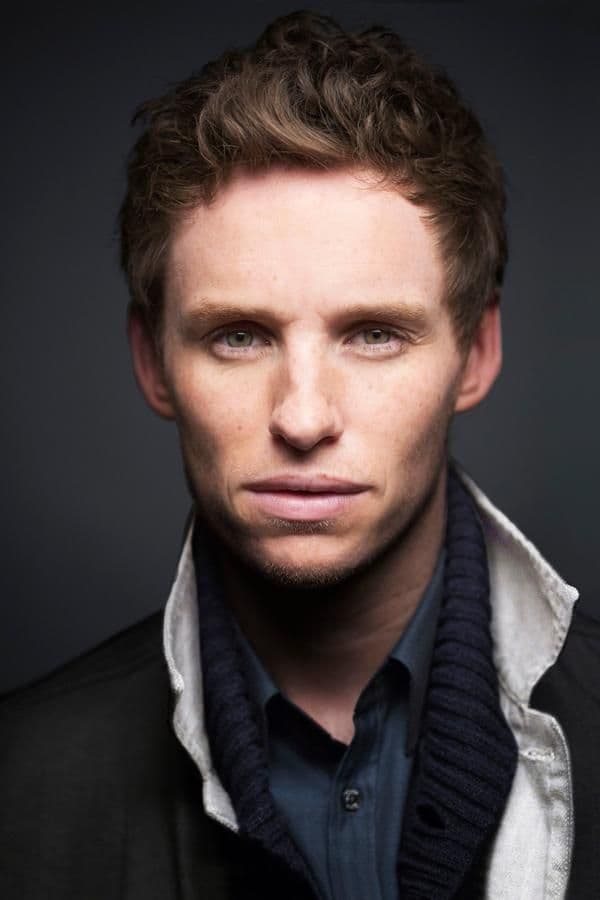
In the 2015 film ‘The Danish Girl’, Eddie Redmayne played Lili Elbe, a pioneering transgender woman. This casting choice immediately drew criticism from activists who believed a transgender actress should have been cast instead. Critics argued that having cisgender actors portray transgender characters contributes to the invisibility of trans people in Hollywood. Redmayne later acknowledged the controversy in a 2021 interview, admitting he made a mistake by taking the role and stating he wouldn’t accept it today, given the legitimate concerns raised by the community.
James Corden
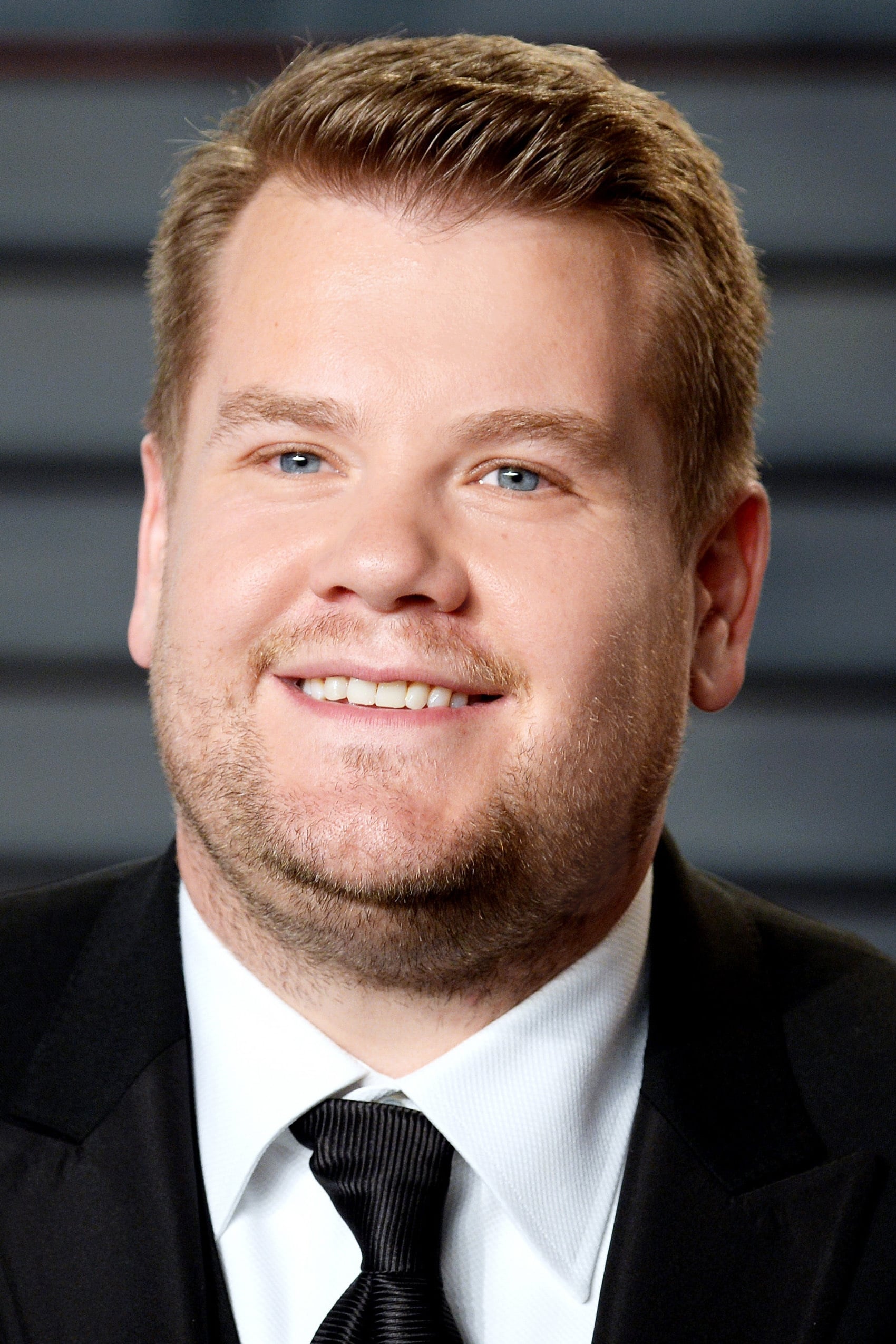
James Corden’s performance as Barry Glickman in ‘The Prom’ sparked significant criticism. Many viewers and critics felt his portrayal of a gay man relied on harmful and outdated stereotypes, with some calling it a problematic depiction known as ‘gayface.’ This raised concerns that the role would have been better suited for a queer actor who could bring more nuance to the character. The controversy became a major talking point during awards season, and while the film received mixed reactions from LGBTQ+ audiences, Corden largely didn’t address the specific criticisms.
Jared Leto
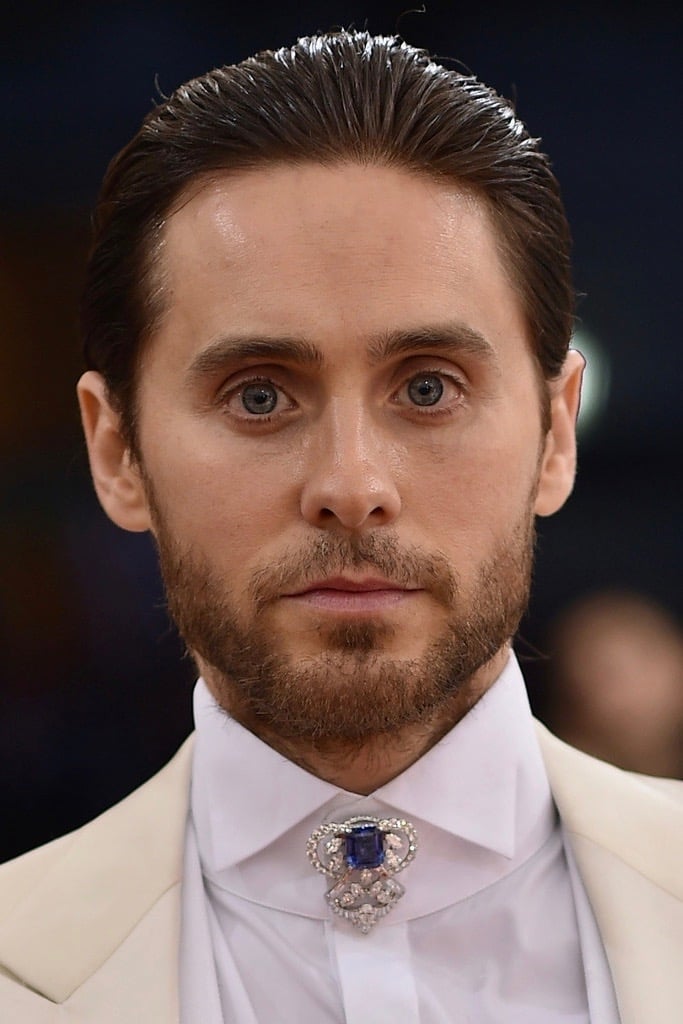
Jared Leto received an Academy Award for his role as Rayon in ‘Dallas Buyers Club’. However, his casting as a transgender woman sparked significant criticism from the transgender community. Activists pointed out that casting a cisgender man in the role perpetuated the damaging notion that transgender women are merely men disguised as women. Leto’s failure to acknowledge the transgender community during his Oscar acceptance speech intensified this criticism. The situation remains a key example in the continuing discussion about accurate and respectful transgender representation in film and television.
Harry Styles
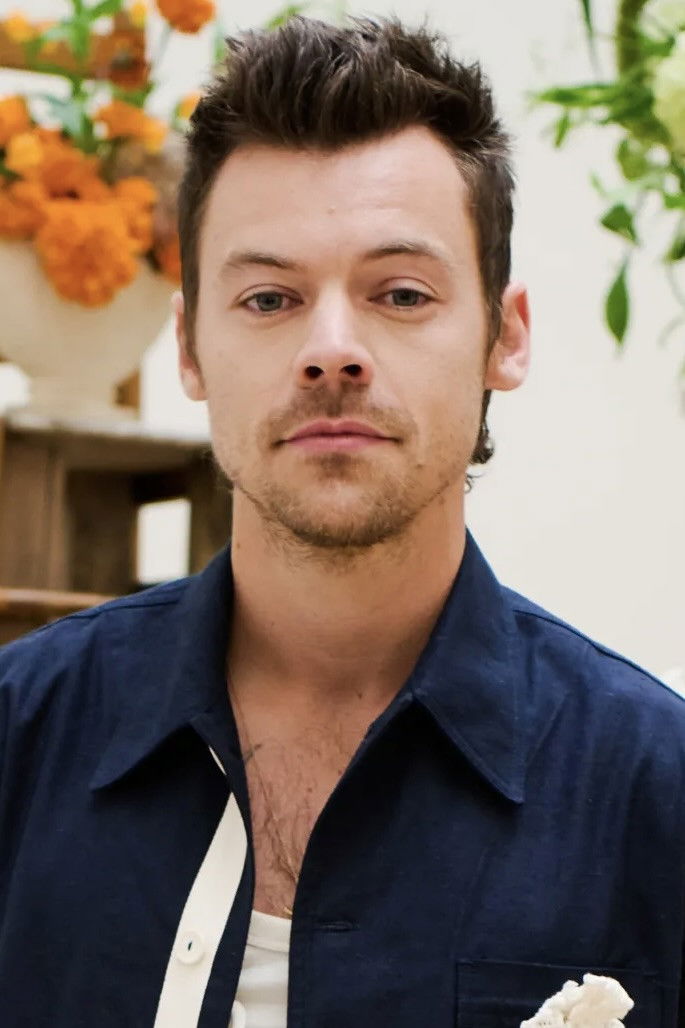
In the 2022 film ‘My Policeman,’ Harry Styles portrayed a police officer hiding his same-sex attraction. This casting led to criticism, with some accusing him of ‘queerbaiting’ – attracting an LGBTQ+ audience without genuine representation – and arguing the role should have been played by an openly gay actor. Some critics believed a queer actor could have brought a deeper, more nuanced emotional understanding to the part. Styles addressed questions about his own sexuality in interviews while promoting the film. The controversy sparked a larger conversation about the balance between celebrity casting choices and the importance of authentic LGBTQ+ representation in media.
Ewan McGregor
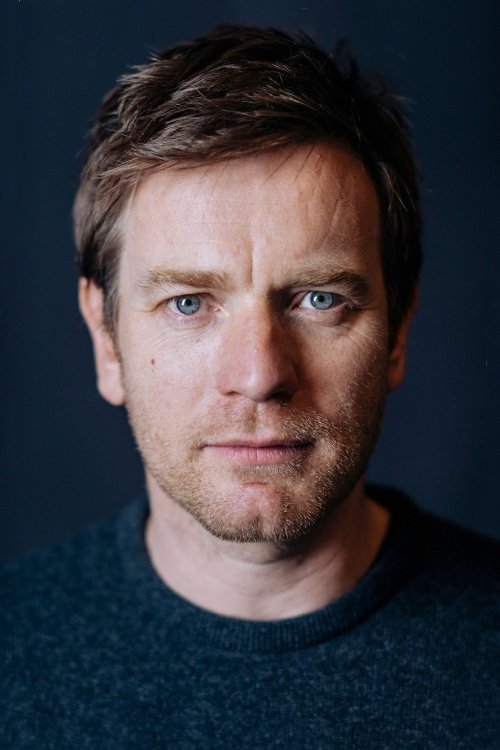
I recently watched the Netflix series ‘Halston’ starring Ewan McGregor, and it definitely sparked some conversation. He played the famous designer, and I remember a lot of discussion about whether a straight actor should be portraying a gay icon. McGregor addressed the criticism by saying he focused on embodying the person Halston, not just his sexuality, and I could see his point. While I thought McGregor’s performance was strong enough to earn him an Emmy, some critics felt it was a little too dramatic and didn’t quite capture the quieter, more complex parts of Halston’s personality. Overall, the series got a bit of a mixed reaction, even with the award!
Bradley Cooper
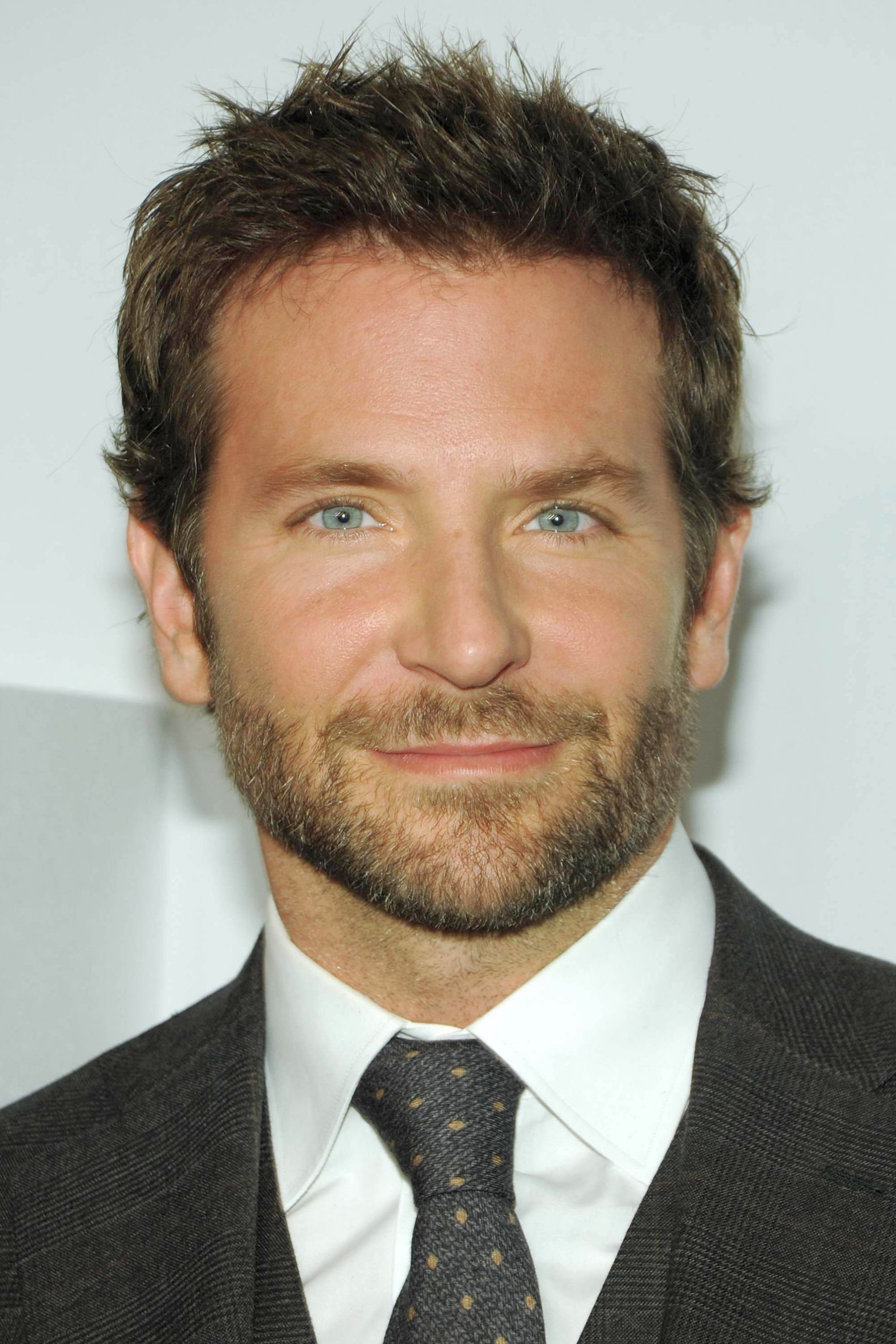
Bradley Cooper’s film ‘Maestro,’ where he directed and played Leonard Bernstein, has faced criticism. While some focused on the prosthetic nose Cooper used, others questioned why a straight actor was chosen to portray a gay icon. Critics felt Bernstein’s sexuality was a key part of who he was and should have been authentically represented. Some also believed the film emphasized conducting technique over exploring Bernstein’s identity. This led to a larger discussion about whether filmmakers should cast queer actors in roles depicting queer figures.
Jeffrey Tambor
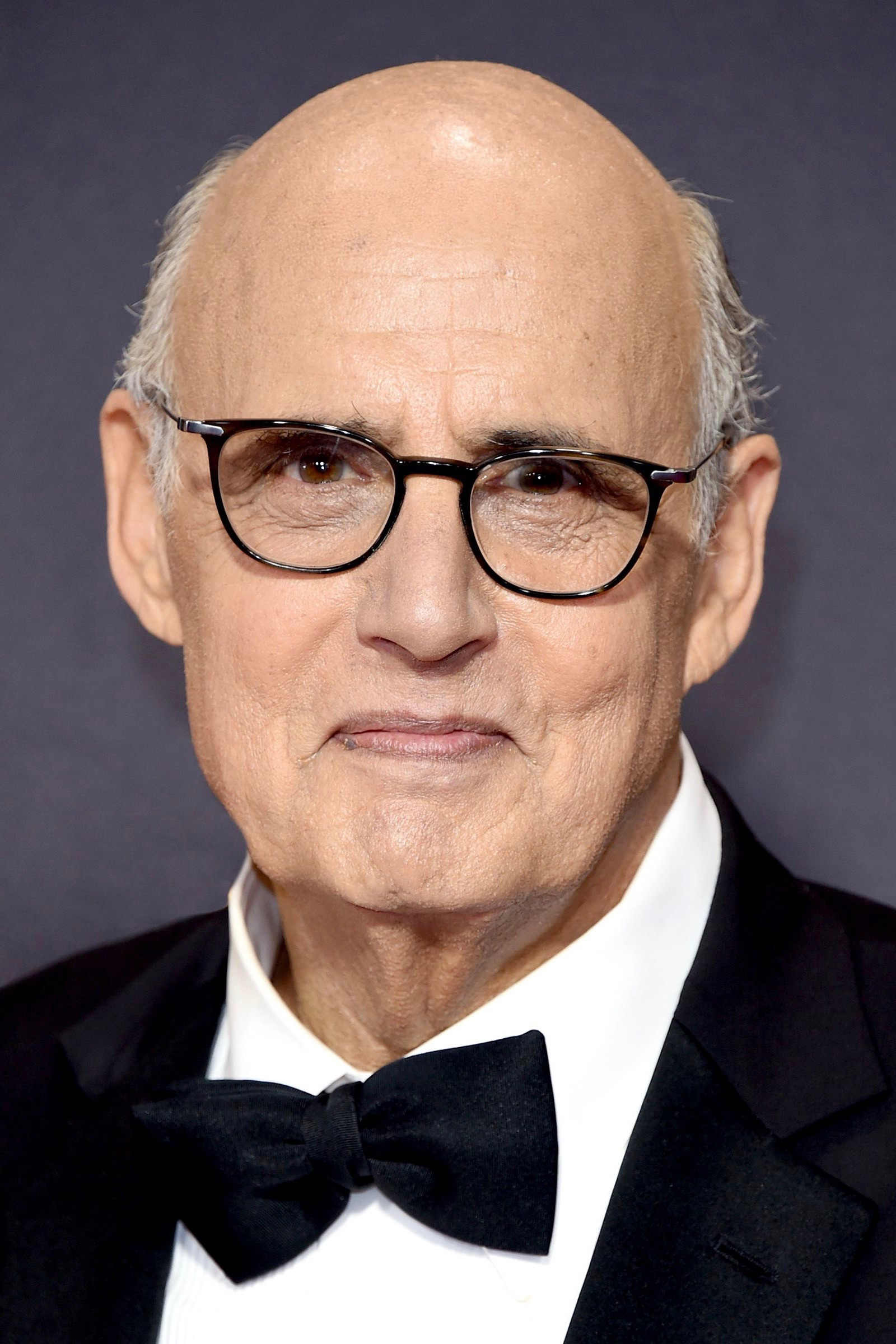
I was such a fan of ‘Transparent,’ and Jeffrey Tambor gave a really moving performance as Maura Pfefferman. However, even as I enjoyed the show, I understood why many in the trans community were upset with the casting. It just didn’t sit right with a lot of people that a cisgender man was playing a trans woman, and it sparked a really important conversation about representation. It was powerful to see activists use the show to advocate for trans actors getting the opportunities they deserve. And I remember being really touched when Tambor, accepting an Emmy, actually called on Hollywood to give trans talent a chance, saying he hoped he’d be the last cis man to play that kind of role. It felt like a real moment of acknowledging the need for change.
Brendan Fraser
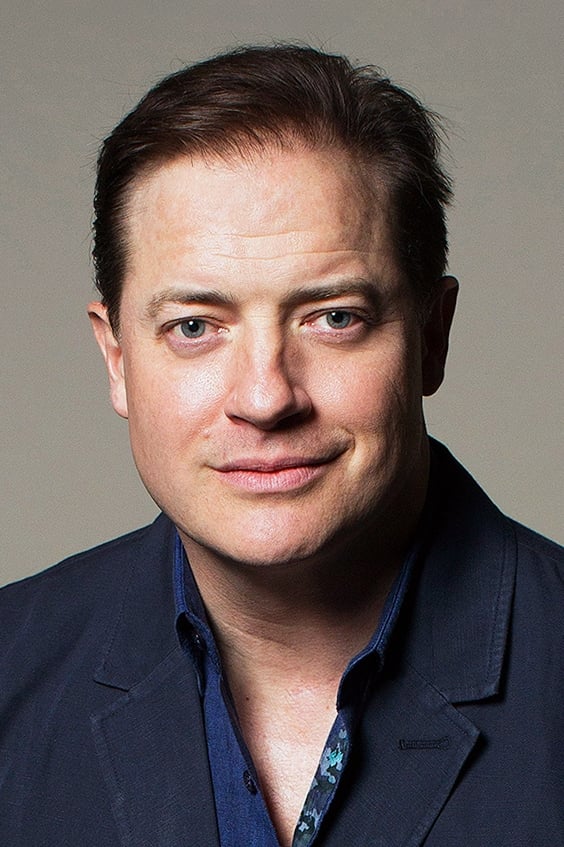
Brendan Fraser made a comeback with his role in ‘The Whale,’ where he played a gay, obese man living in isolation. The film sparked debate because Fraser, a straight actor, used a prosthetic suit to portray the character’s size. Some critics felt the movie focused more on observing the character than truly understanding him. Although Fraser received widespread praise and standing ovations, the LGBTQ+ community had mixed reactions about how genuine his portrayal was. Despite winning awards, the film continues to raise questions about respectful and accurate representation of queer bodies in media.
Darren Criss
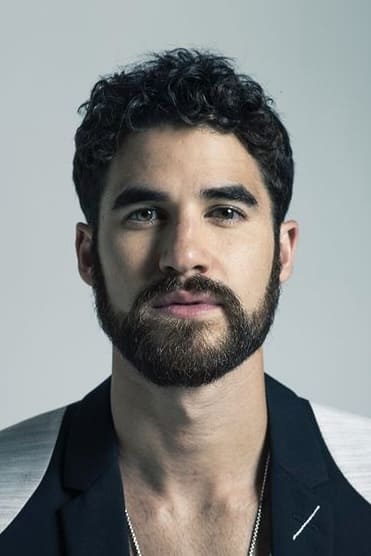
Darren Criss was highly acclaimed for his portrayal of Andrew Cunanan in ‘The Assassination of Gianni Versace,’ but he also received criticism for being a straight actor consistently playing gay characters. Criss addressed this by announcing he would stop accepting queer roles, explaining he didn’t want to take opportunities away from talented LGBTQ+ performers. This made him one of the first actors to publicly commit to this stance based on feedback from the community.
James Franco
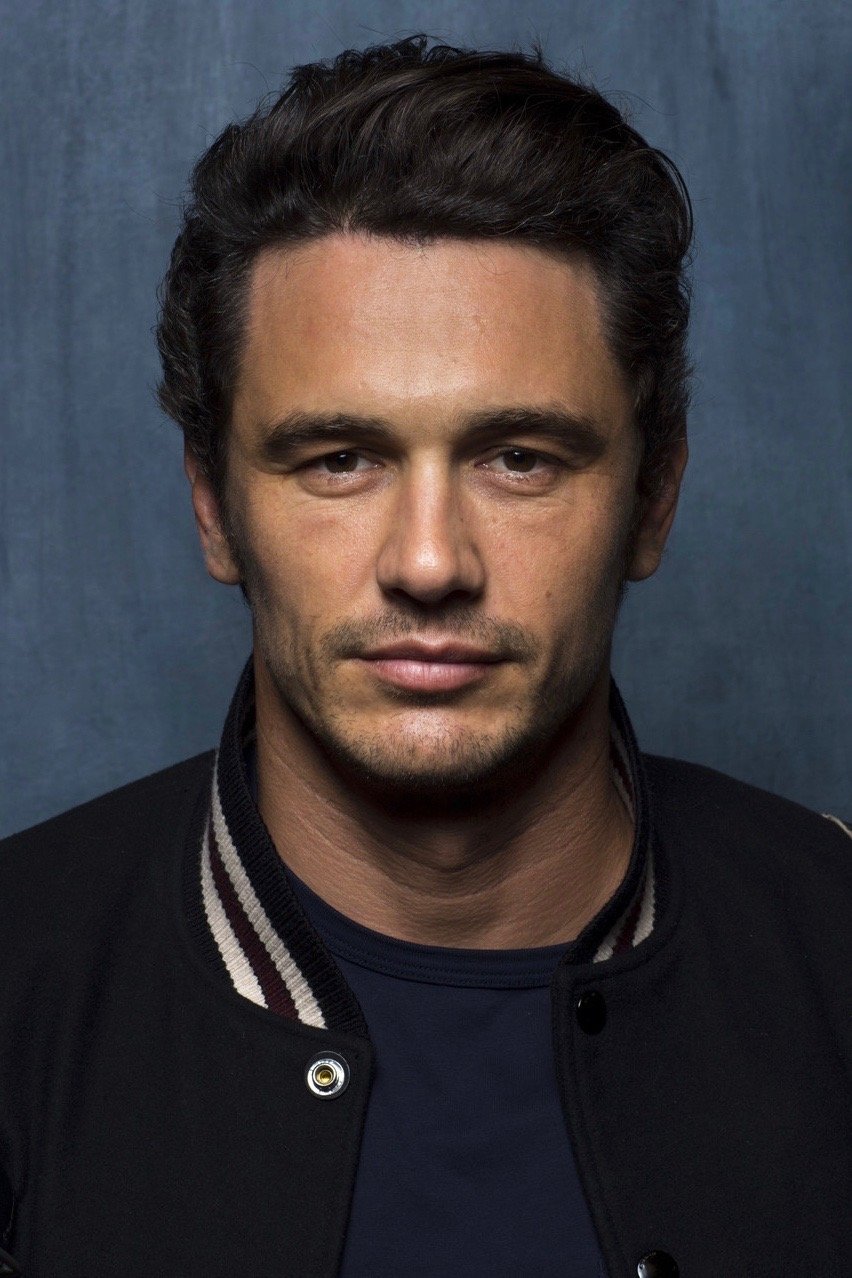
James Franco often played LGBTQ+ characters in his films, notably in ‘Milk’ and ‘I Am Michael’. His role as Michael Glatze in ‘I Am Michael’ sparked debate because the character was a former gay rights advocate who later became a pastor. Some critics felt Franco was repeatedly cast in these roles for attention rather than genuine support of the LGBTQ+ community. Many argued he was benefiting from queer stories without personally being involved in the movement. This criticism contributed to a larger conversation about straight actors consistently playing gay characters and whether that practice is appropriate.
Sean Penn
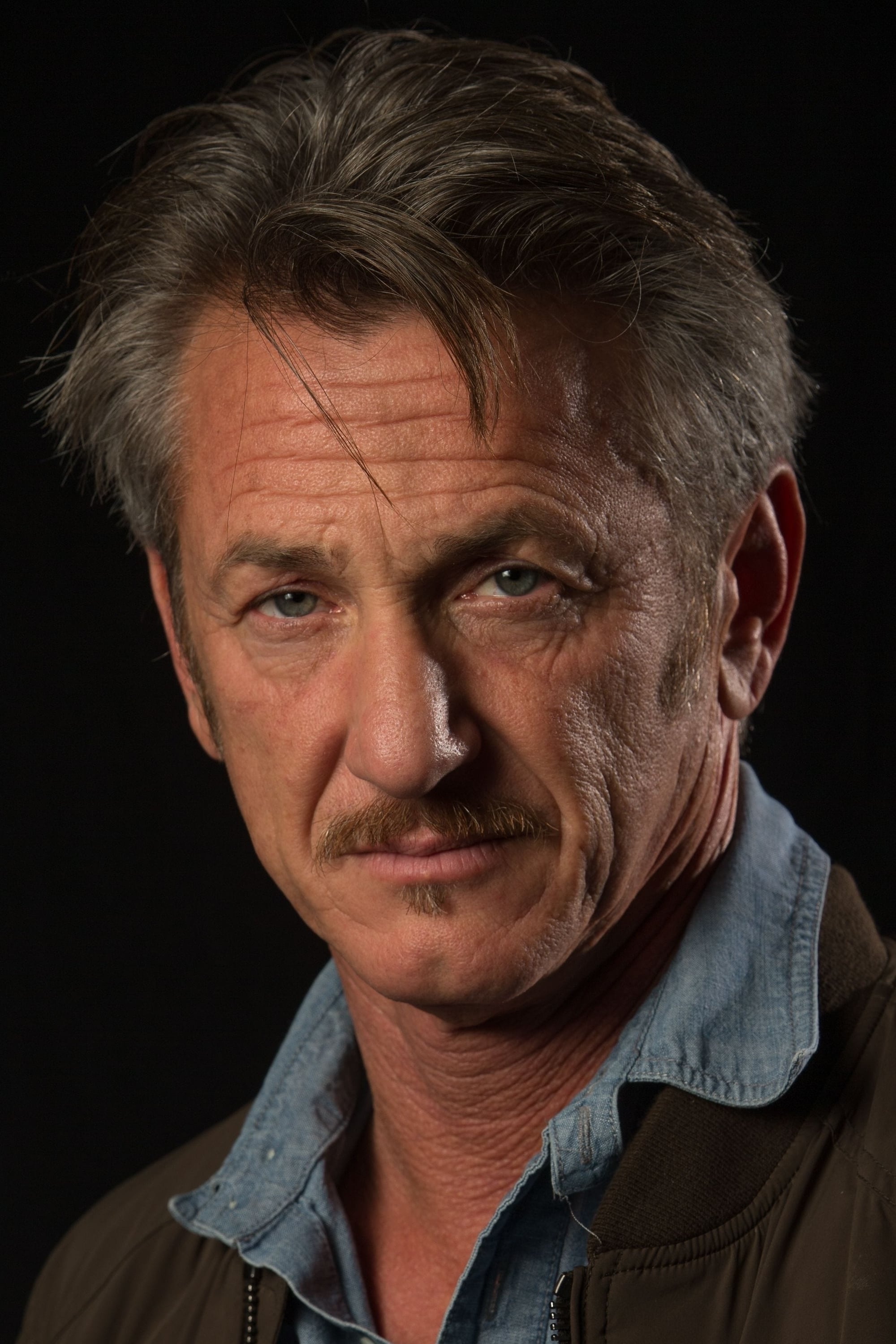
Sean Penn received an Academy Award for his role as Harvey Milk in the 2008 film ‘Milk’. However, some activists initially questioned the casting, as Penn hadn’t publicly advocated for LGBTQ+ rights. This criticism increased as the movement for marriage equality grew, with many believing a queer actor should have played the iconic activist. Despite the performance being widely praised, it’s often remembered as a key moment in discussions about representation in film. Penn’s Oscar win contributed to a pattern of straight actors being recognized for playing LGBTQ+ characters.
Nicholas Galitzine

Nicholas Galitzine is known for playing LGBTQ+ characters in films like ‘Handsome Devil’ and ‘Red, White & Royal Blue’. Because of these roles, he’s often been asked about his own sexuality by the media and fans. Some people feel these parts should have gone to actors who openly identify as gay. Galitzine has responded by saying he always tries to portray these characters with care and respect. Despite the debate, he continues to be cast in prominent projects that explore LGBTQ+ stories.
Rami Malek
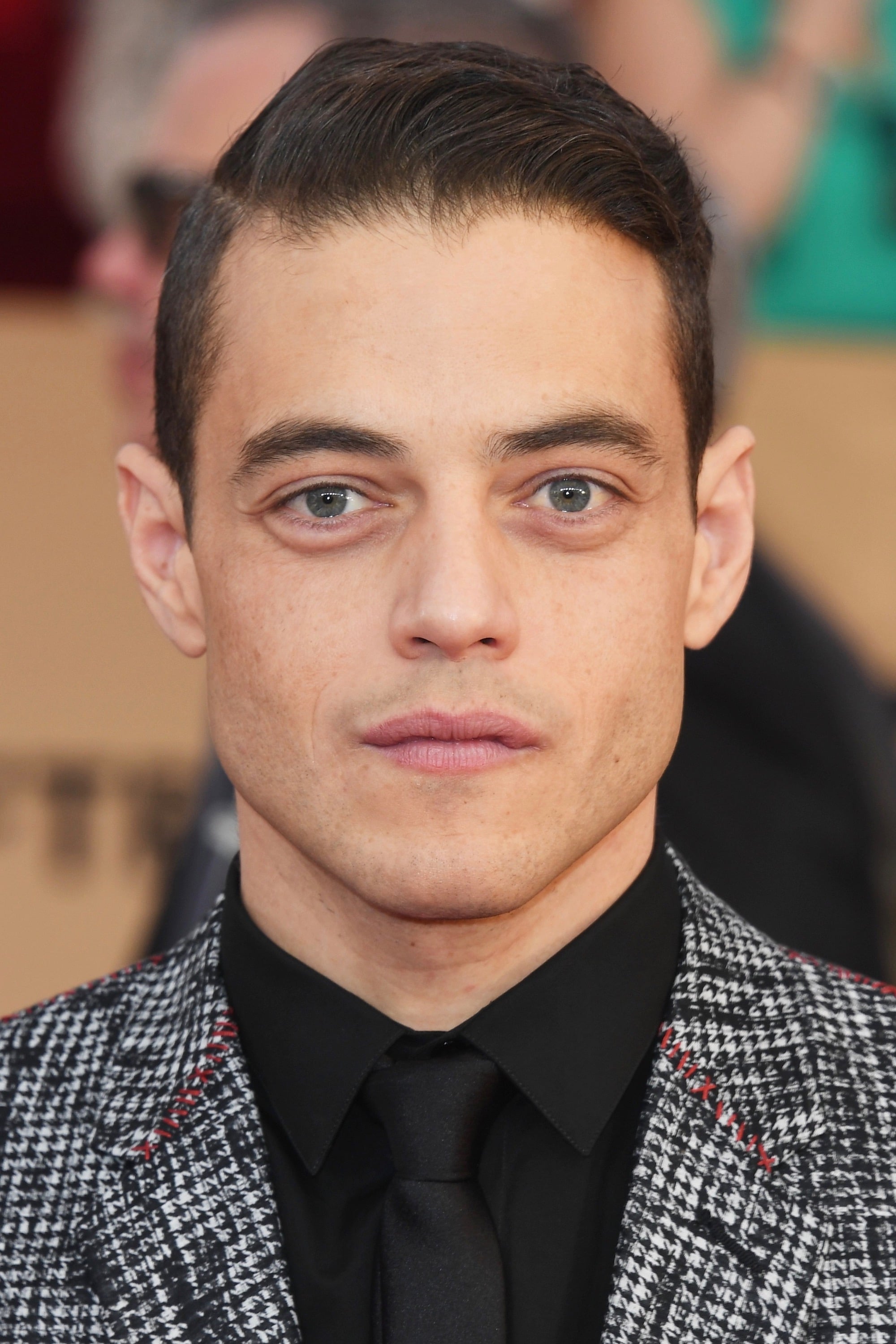
Rami Malek received an Oscar for playing Freddie Mercury in the movie ‘Bohemian Rhapsody’. While the film did well financially, it received criticism for downplaying Mercury’s sexuality and emphasizing his relationship with Mary Austin. Some fans believed a queer actor would have presented a more truthful and less traditional portrayal of the singer. Although Malek was applauded for his physical resemblance to Mercury, he was also criticized for seemingly not fully grasping the LGBTQ+ culture Mercury was a part of. Many LGBTQ+ historians consider the film a disappointment despite its commercial success.
Taron Egerton
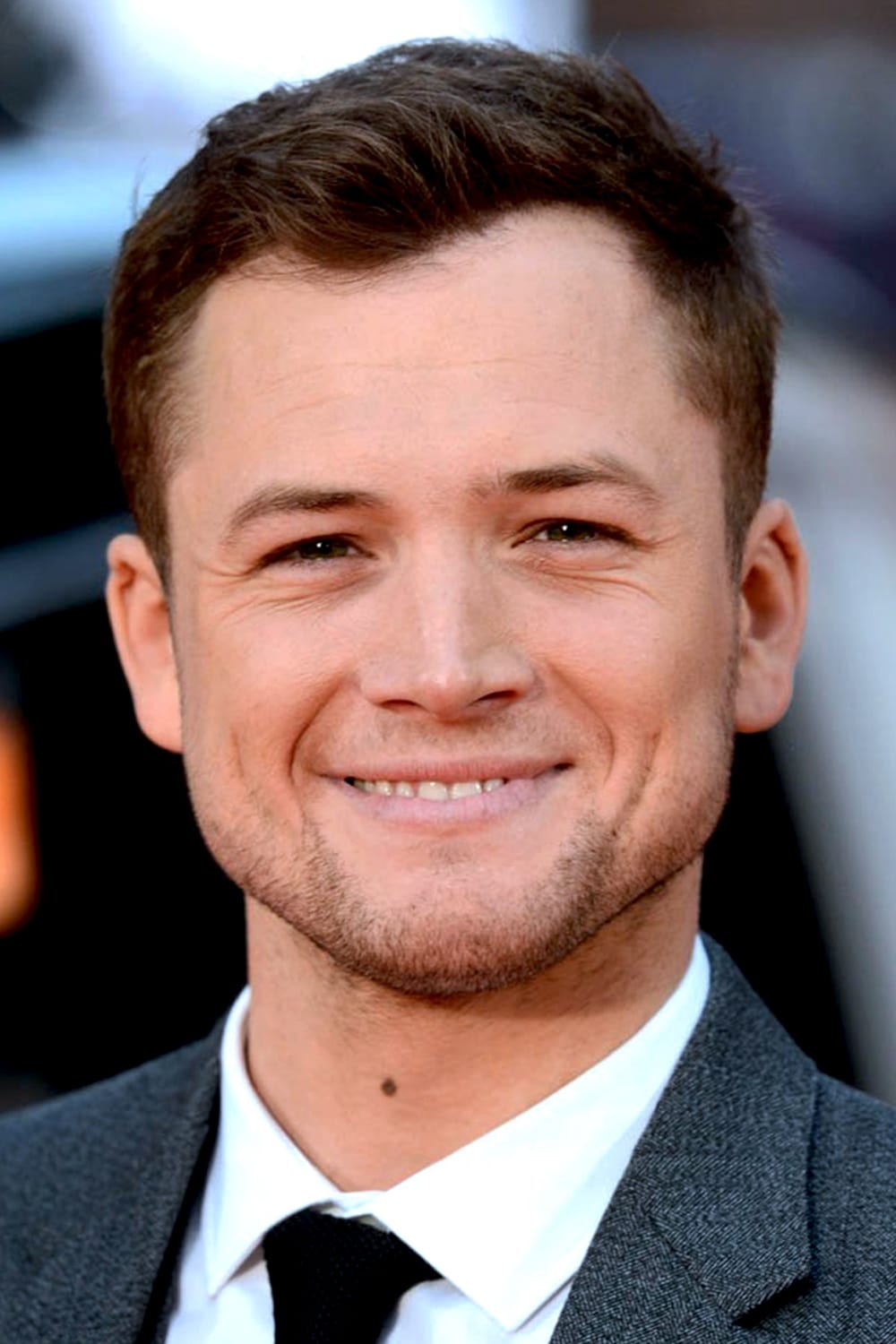
Taron Egerton starred as Elton John in the 2019 movie ‘Rocketman’. Although the film received positive reviews for its imaginative scenes, some people criticized the decision to cast a straight actor in the role. Egerton explained that he felt a strong personal connection to both Elton John and his music. He also collaborated closely with the musician himself to make sure his performance was authentic and respectful. Despite this, the criticism brought attention to the continuing problem of a lack of openly gay actors playing leading roles in major musical biopics.
Andrew Garfield
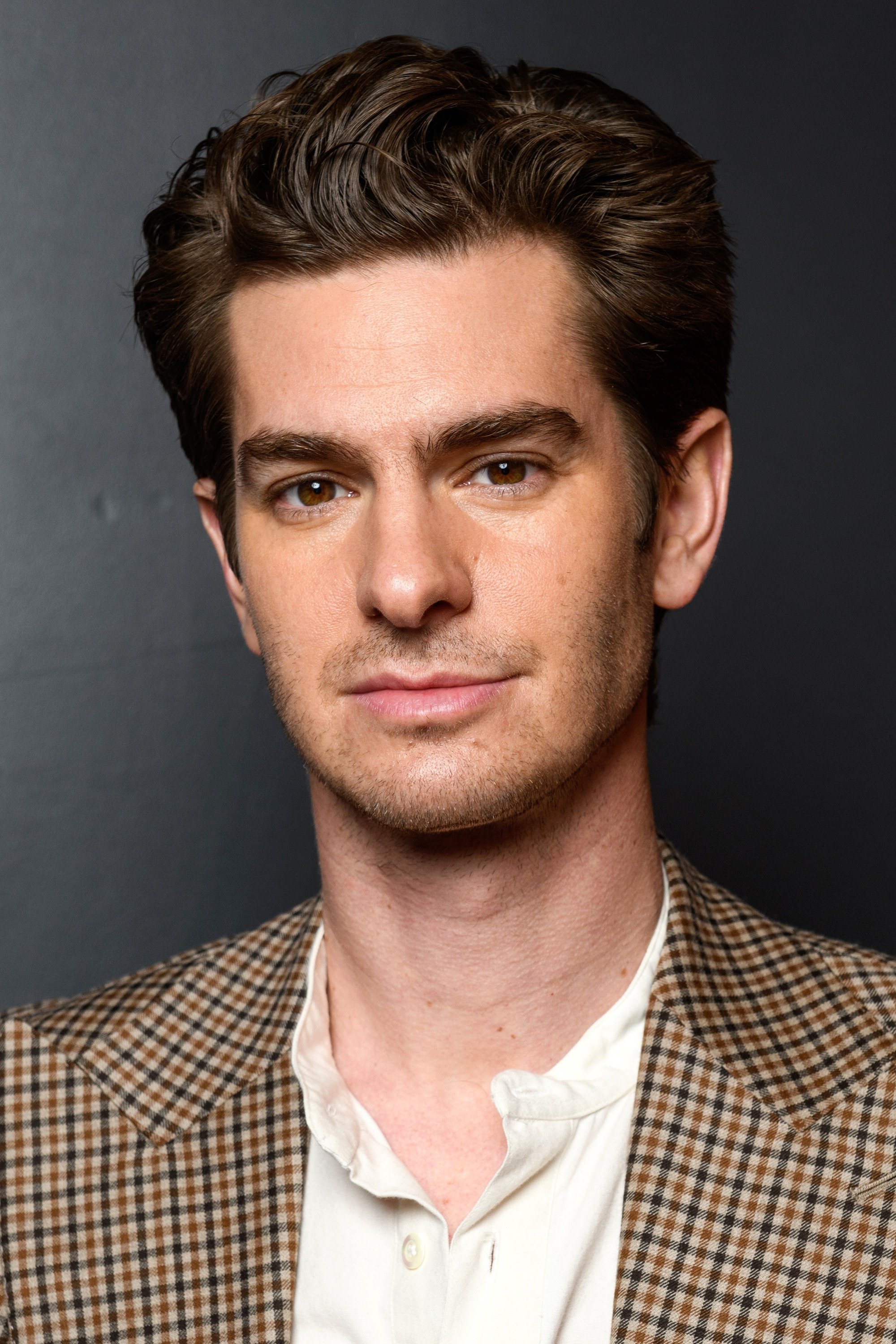
Okay, so I was really excited to see Andrew Garfield as Prior Walter in ‘Angels in America’ – he was amazing! But then I heard about this whole thing with a comment he made during an interview. Apparently, he joked about being gay without, you know, actually being with a man, and a lot of people, understandably, were upset. They felt it downplayed the real challenges and dangers gay men face. He did apologize and said he meant to show respect through his role, but the whole thing kind of took over the conversation about his performance. It really sparked a debate about whether straight actors should be taking on queer roles, and where the line is, which was a bit sad because his work deserved to be the focus.
Paul Mescal
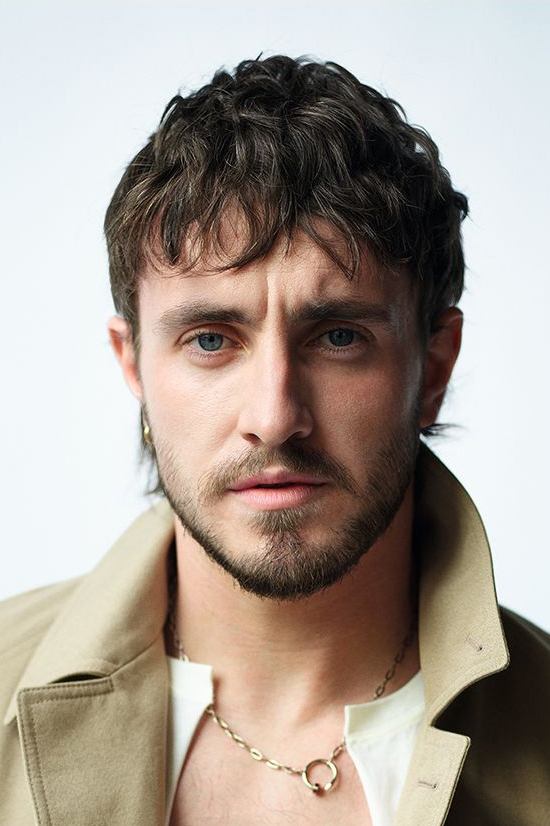
Paul Mescal and Andrew Scott starred in the critically praised romantic drama ‘All of Us Strangers.’ However, Mescal’s casting as a gay character led to conversations about why straight actors often play queer roles in independent films. Some felt the connection between the characters would have been even stronger if both actors were gay themselves. Mescal has admitted to feeling anxious about taking on the role and wanting to represent the LGBTQ+ community respectfully. While the film is a critical success, it highlights a continuing trend of straight actors taking leading roles in queer stories.
Timothée Chalamet
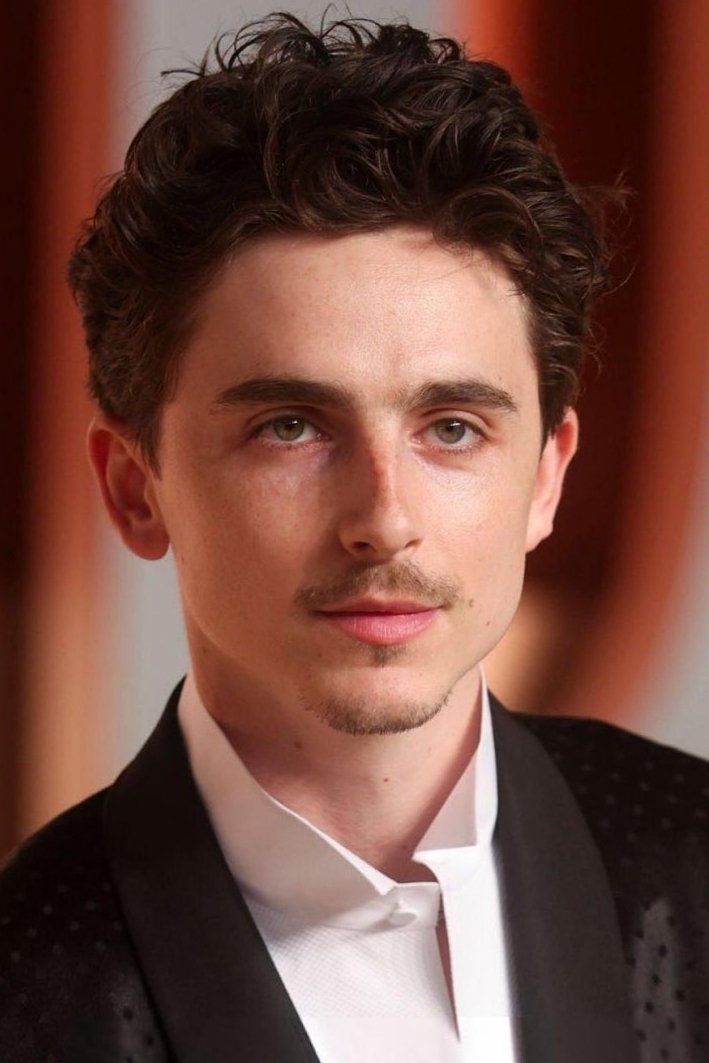
Timothée Chalamet became famous worldwide after starring in ‘Call Me by Your Name’. However, the decision to cast straight actors in the lead roles of a gay love story sparked debate. Some critics felt the film presented a watered-down version of queer romance, seemingly made for a heterosexual audience. Chalamet himself has generally stayed away from discussing the controversy, while continuing to act in a wide range of films. Despite remaining popular with many viewers, ‘Call Me by Your Name’ is frequently cited in discussions about representation in queer cinema.
Armie Hammer
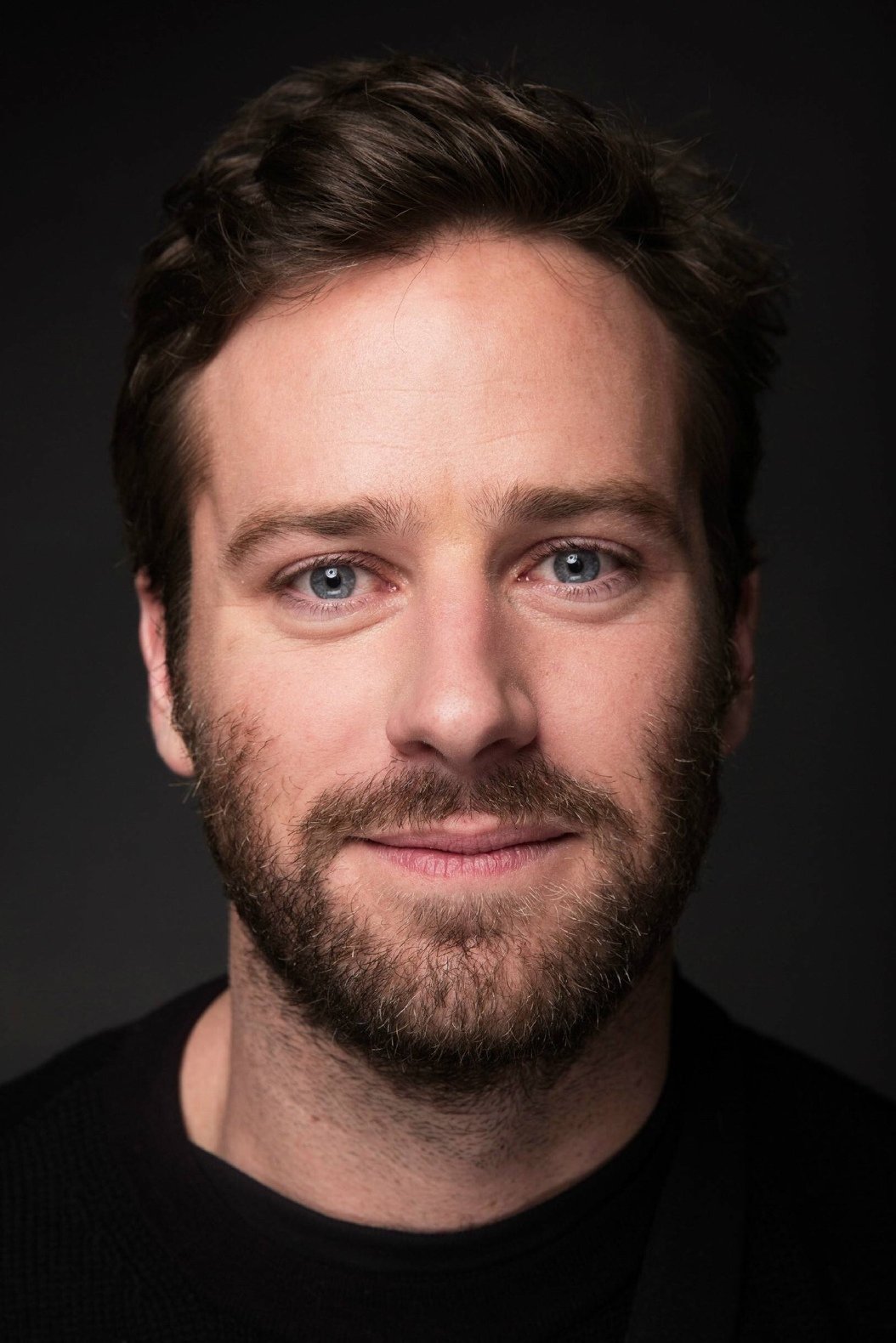
Armie Hammer, who appeared with Timothée Chalamet in ‘Call Me by Your Name,’ received criticism for playing a gay character. Some activists argued that a gay actor should have been cast, particularly because the film centered on a character’s sexual awakening. Hammer responded by saying the connection between the actors was the most important aspect of the story. The controversy highlighted a lack of authentic representation in a widely popular film and contributed to the growing demand for more inclusive and transparent casting practices in LGBTQ+ storytelling.
Jake Gyllenhaal

Jake Gyllenhaal received an Oscar nomination for his role in the 2005 film ‘Brokeback Mountain,’ which was a landmark movie for its time. However, in recent years, some have criticized the film for casting straight actors in gay roles. Gyllenhaal has since recognized the changing standards in the industry and understands the desire for more authentic representation. He explained that finding openly gay actors for those parts was significantly harder when the film was made. The discussions surrounding ‘Brokeback Mountain’ continue to shape casting choices in contemporary queer Westerns.
Heath Ledger
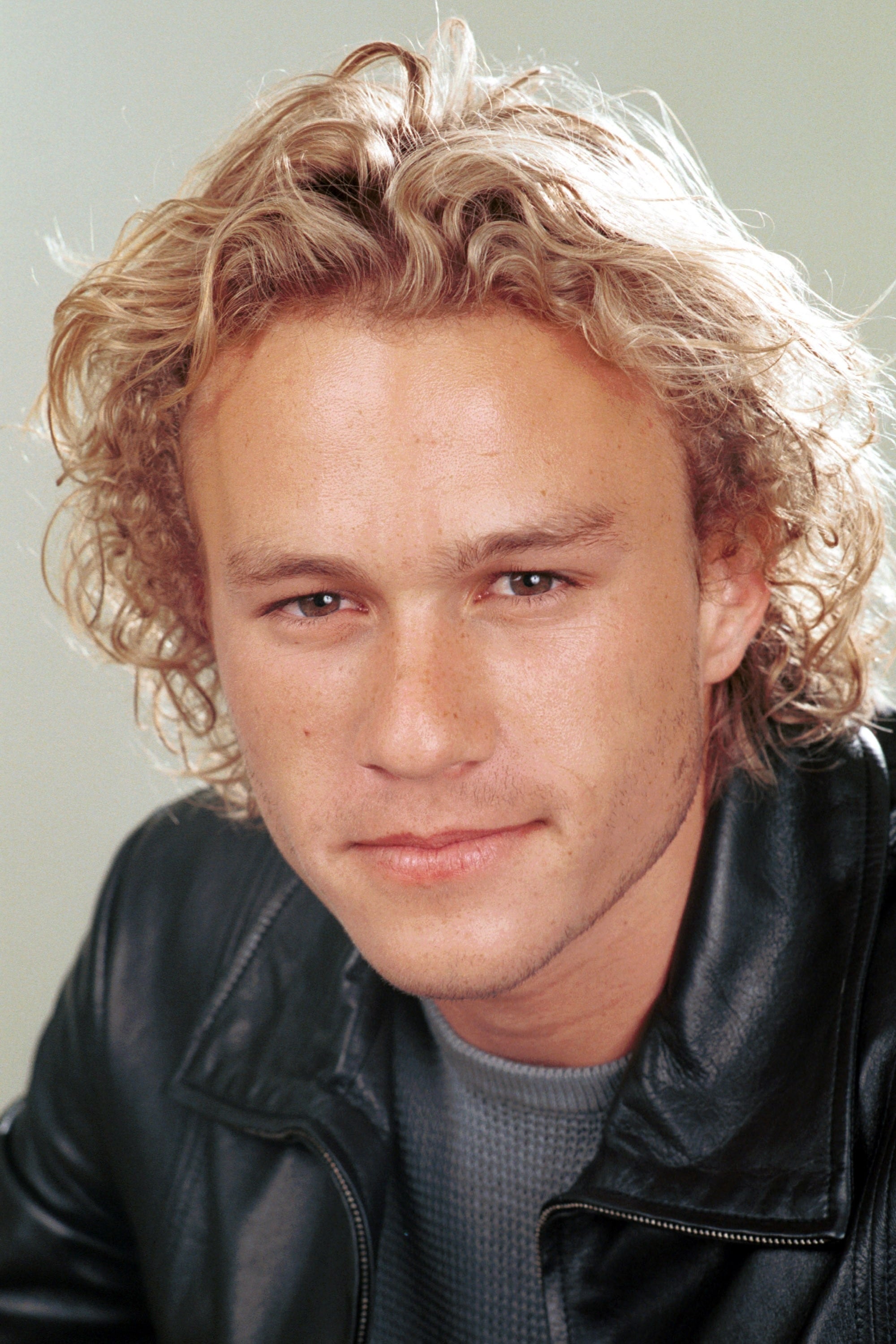
Heath Ledger’s performance as Ennis Del Mar in ‘Brokeback Mountain’ is widely considered a landmark achievement in portraying queer characters. However, some felt that casting a popular, conventionally attractive straight actor was a calculated move by the studio to make the film more appealing to a broad audience. Critics suggested that Ledger’s established image as a straight actor made the film’s sensitive subject matter easier for mainstream viewers to accept. Despite the performance’s enduring fame, it’s often discussed in terms of whether straight actors should be celebrated for playing gay roles. Nevertheless, Ledger’s work in ‘Brokeback Mountain’ remains incredibly influential and helped pave the way for more diverse and nuanced queer representation in film.
Stanley Tucci
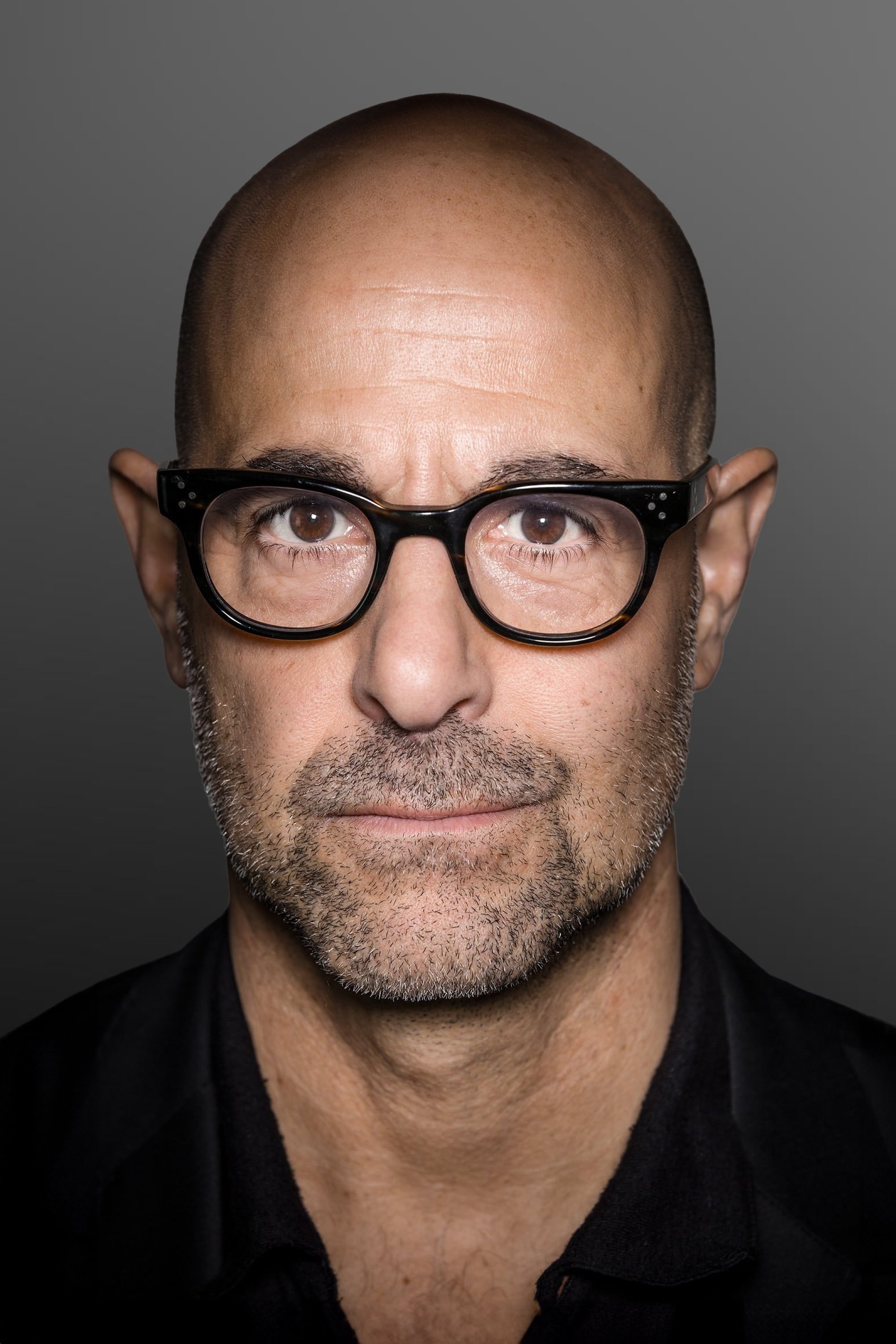
In the film ‘Supernova,’ Stanley Tucci played a man with dementia, acting opposite Colin Firth. The movie sparked debate because both leading actors are straight, while their characters were a long-term gay couple. Tucci responded by saying actors should be free to portray any character, as long as they approach the role with sincerity. He believes restricting actors to roles that match their personal identity would harm the art of acting. The controversy became a significant topic of discussion during the film’s promotion.
Colin Firth
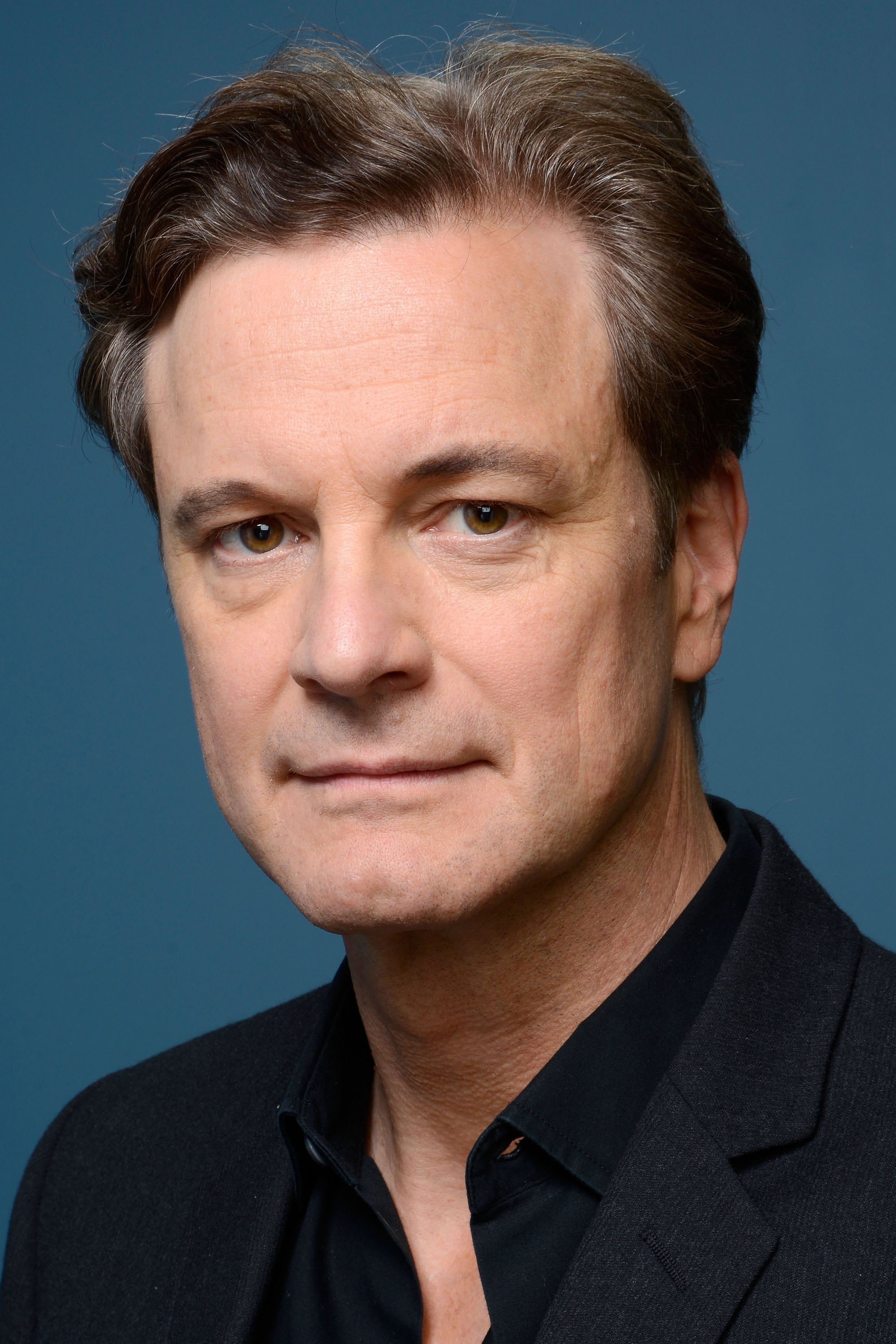
Colin Firth played gay characters in the well-known romantic films ‘A Single Man’ and ‘Supernova.’ While his performance in ‘A Single Man’ earned him awards, some people argued that gay actors should have been cast in those roles. Some critics also noted that Firth often played similar characters – quiet, reserved gay men – and that this became a pattern in his work. Firth understands the concerns about this issue, but has said he chooses roles based on his interest in the story, not the actor’s sexual orientation. His career reflects the continuing debate about giving established actors roles that could also go to new, openly queer performers.
Viggo Mortensen
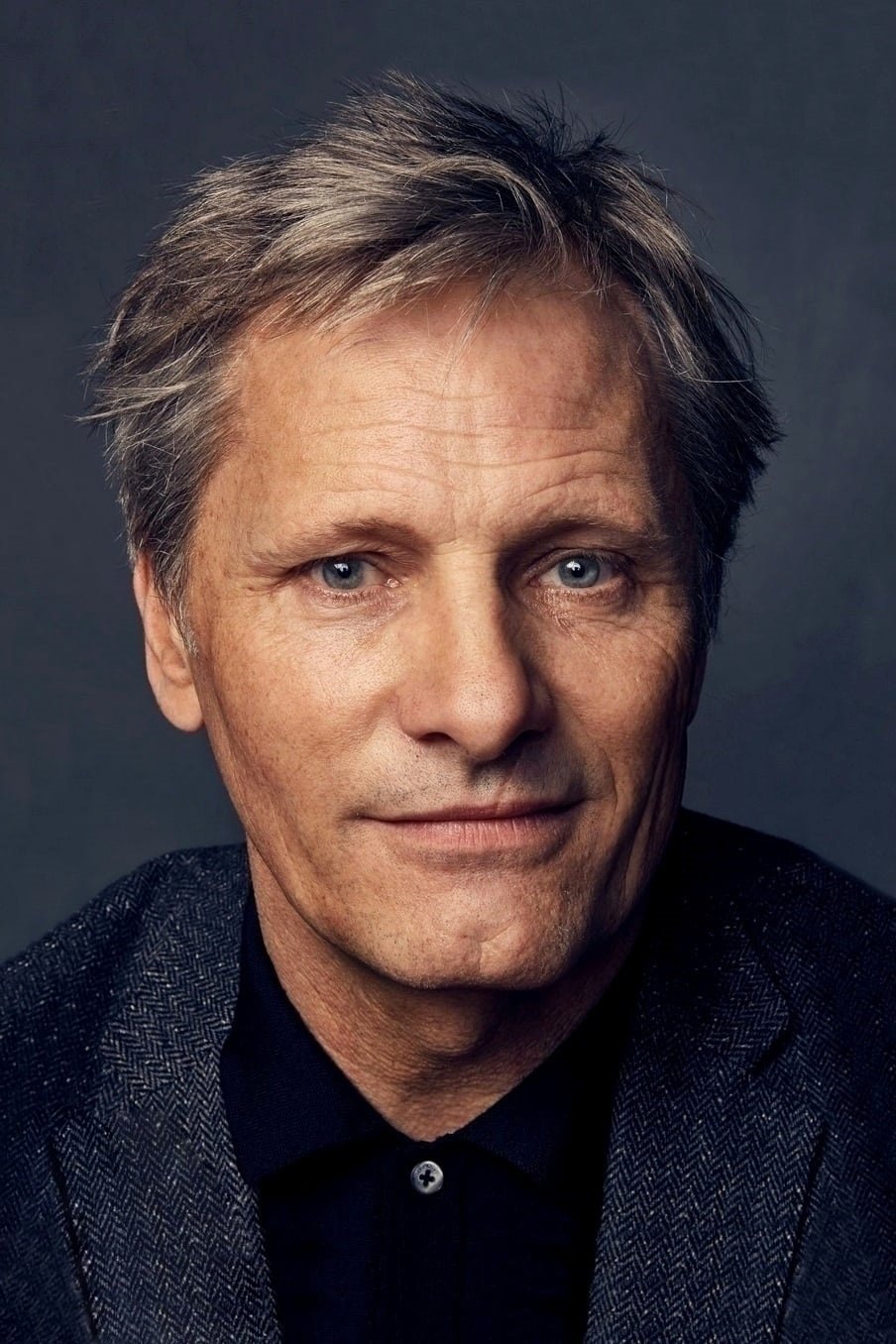
Viggo Mortensen’s film ‘Falling,’ in which he both directed and played a gay man caring for his traditional father, sparked questions about his own sexuality. The media wondered if he was the right person to tell this story. Mortensen pushed back, explaining that people shouldn’t make assumptions about his or his cast’s personal lives. He emphasized that the film was a deeply personal story that went beyond just the character’s identity. The controversy was significant because Mortensen, as the director, was defending his own casting choices in the face of criticism about representation.
Eric McCormack
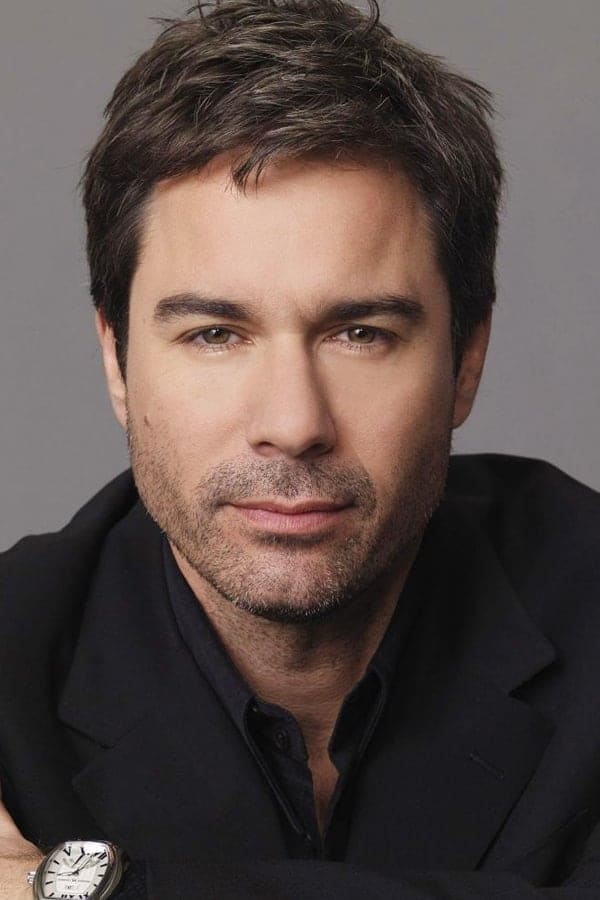
Eric McCormack starred as the main character in ‘Will & Grace’ for eleven seasons, making him a well-known actor. Although the show was groundbreaking for its portrayal of gay characters, McCormack has recently received criticism for being a straight actor playing a gay role. He’s admitted that he likely wouldn’t be cast in the same role today, as the entertainment industry now often prioritizes actors who share lived experiences with the characters they play. This highlights how standards in Hollywood have changed since ‘Will & Grace’ first aired in the late 1990s.
Tom Hanks
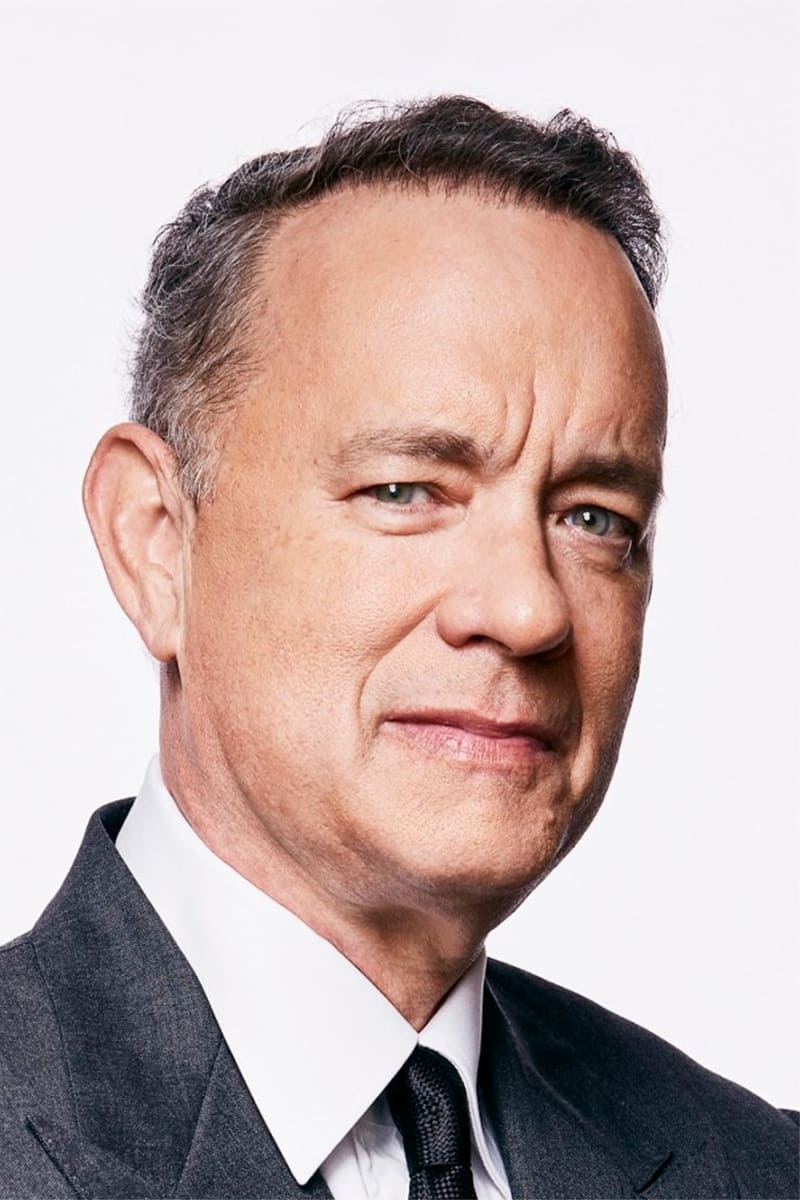
Tom Hanks received his first Oscar for his role as Andrew Beckett in the 1993 movie ‘Philadelphia.’ Though the film was groundbreaking for raising awareness about HIV, Hanks has said that a straight actor likely wouldn’t be cast in that role today. He recognizes that audiences now demand more realistic and authentic portrayals, and he wouldn’t take the part if offered now. This statement from a highly respected actor was widely seen as support for the push for better representation in film. While ‘Philadelphia’ remains an important film, it’s now understood as a product of a different time when casting practices were different.
Matt Damon
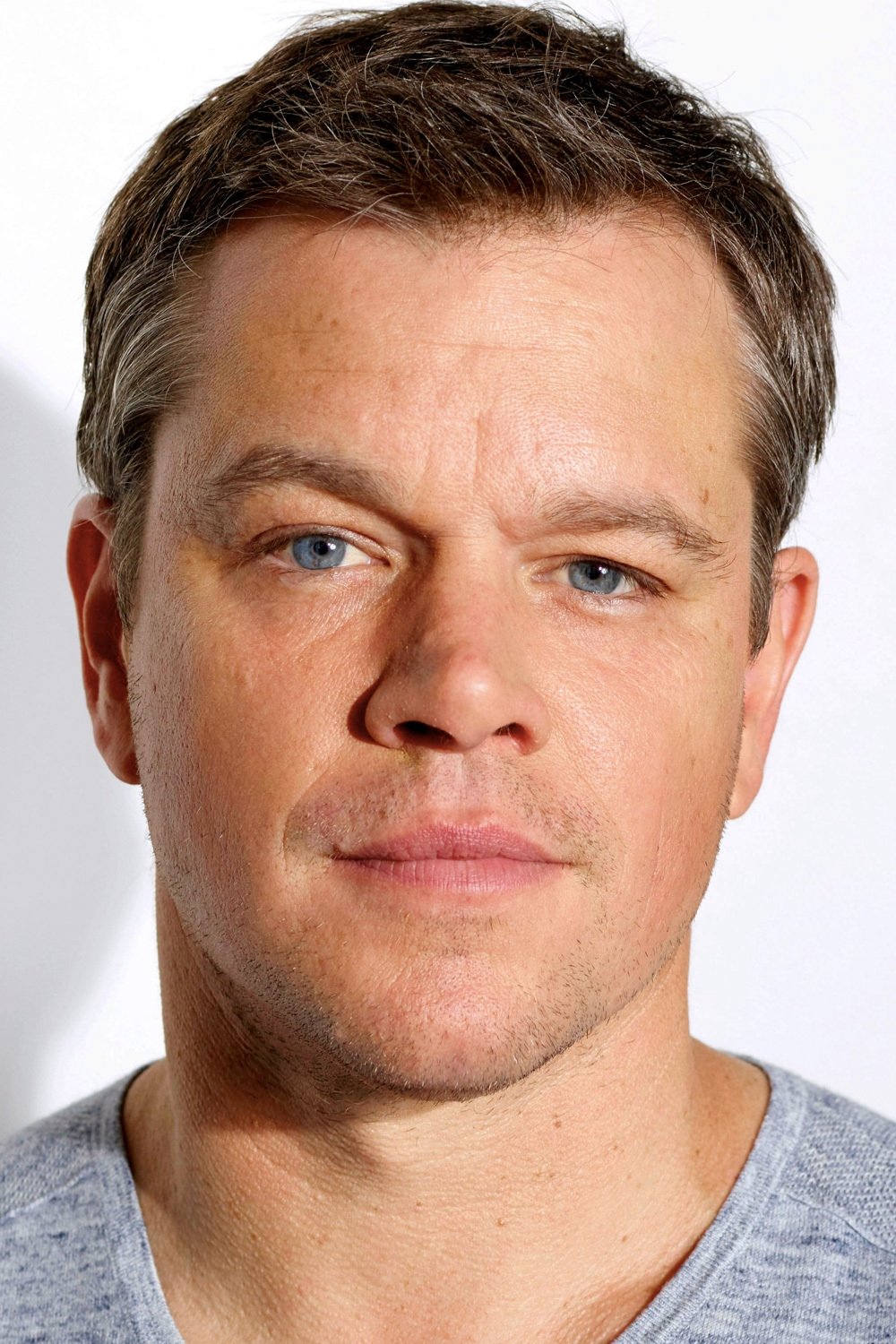
Matt Damon starred as Scott Thorson in ‘Behind the Candelabra,’ a film about the private life of Liberace. While the movie was successful for HBO, it received criticism for casting two well-known heterosexual actors in the roles of a gay couple. Some critics believed the focus was more on the novelty of straight actors portraying gay characters than on the authenticity of the relationship itself. Damon, though appreciative of the story, was challenged for the perceived safety of straight actors taking on these roles, which led to discussions about limited opportunities for gay actors in Hollywood.
Michael Douglas
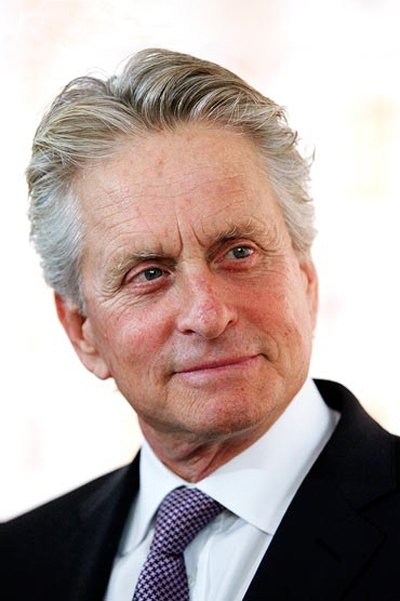
Michael Douglas played Liberace in the movie ‘Behind the Candelabra’ and received an Emmy Award for his performance. While some critics admired his dedication to the role, others thought his portrayal was overly theatrical. A major point of contention was the fact that a straight actor was cast in a role many believed should have gone to a queer performer, potentially offering them a career-defining opportunity. Critics suggested the decision was driven more by Douglas’s fame than a commitment to genuine representation. Despite the continued discussion surrounding the casting, Douglas has consistently expressed his pride in the film.
Richard Madden
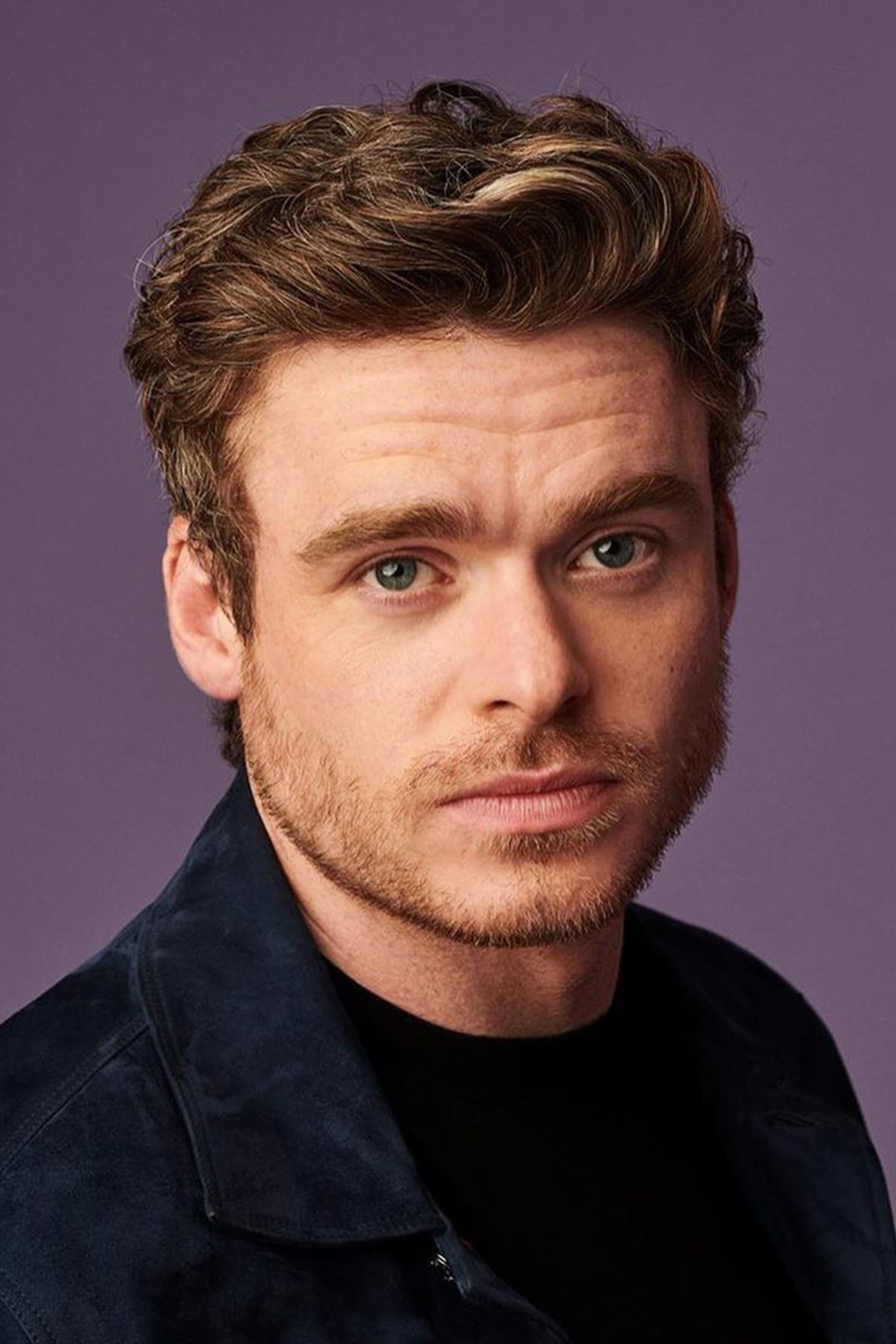
Richard Madden, who played John Reid in the movie ‘Rocketman,’ received criticism for his depiction of a gay character. This criticism increased because he avoided talking about his personal life in interviews, leading some to accuse him of queerbaiting – suggesting an interest in LGBTQ+ representation without actually providing it. Some critics felt his performance relied too heavily on the harmful stereotype of a villainous gay man, lacking nuance. Madden has explained that he thinks the most suitable actor should get the role, no matter their personal life. His experience highlights the challenges faced by straight actors when taking on queer roles and the pressure they feel to explain their involvement.
Hugh Grant
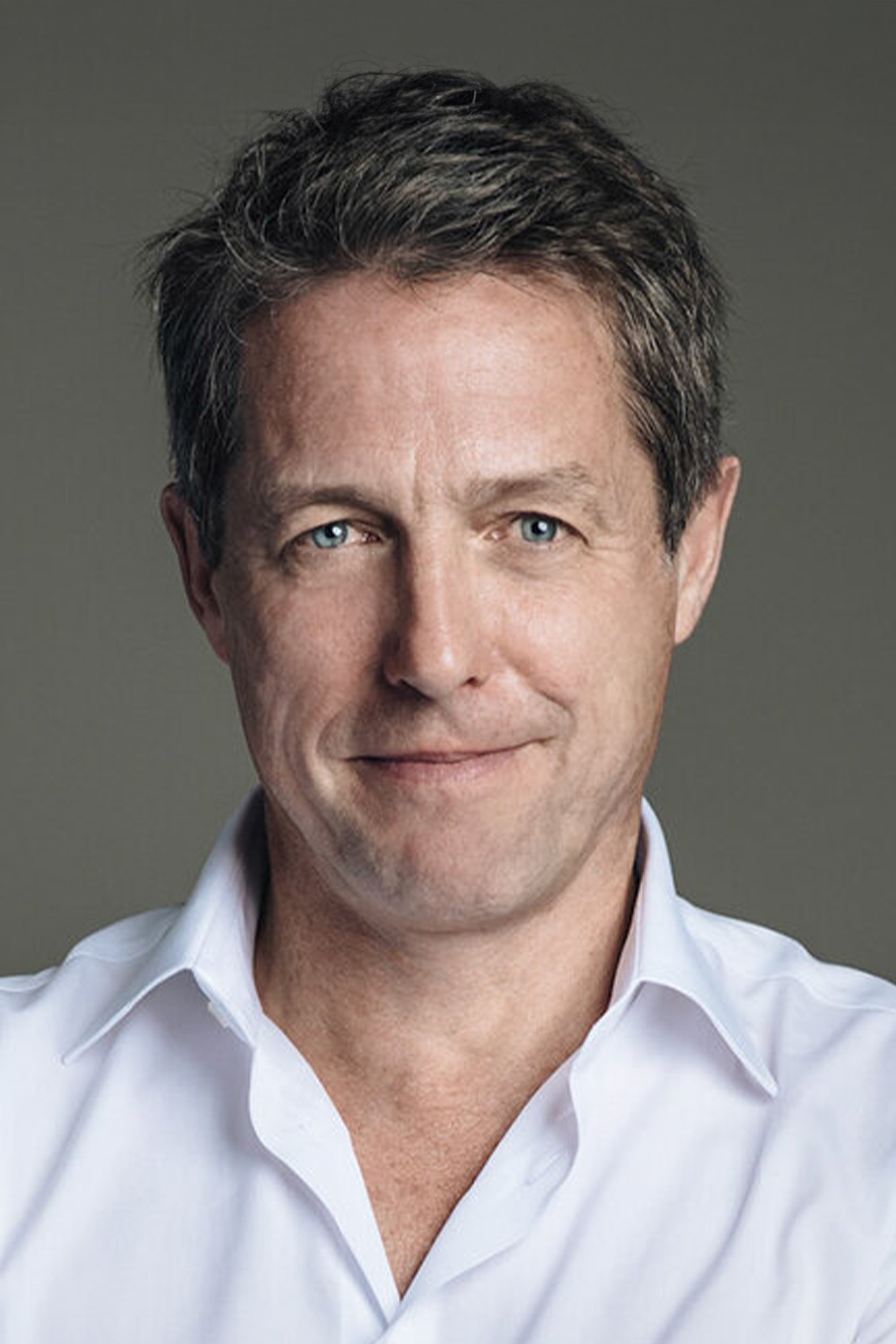
Hugh Grant’s performance as Jeremy Thorpe in ‘A Very English Scandal’ was highly praised, but some viewers questioned why a straight actor was cast in the role of a gay politician. Grant has discussed the difficulties of portraying the character and trying to understand his motivations. This sparked a wider debate in the UK about the limited opportunities for openly gay actors to play leading roles. While the series was a success, it highlighted the film industry’s tendency to favor well-known straight actors.
Jim Carrey
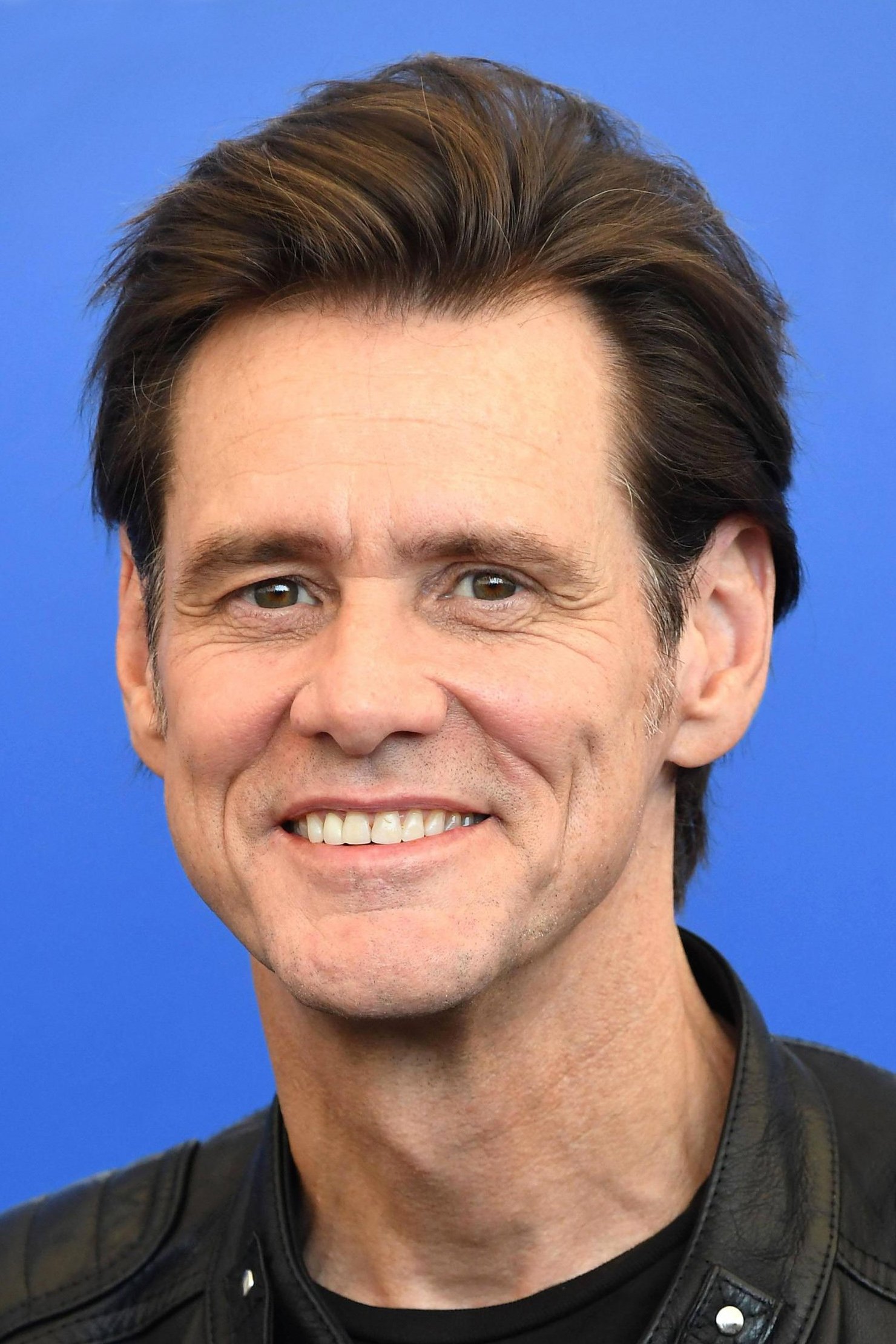
Jim Carrey played a con artist who develops a romantic relationship with his fellow inmate in the dark comedy ‘I Love You Phillip Morris.’ However, the film received criticism for portraying the gay romance in a way that relied on stereotypes. Some reviewers thought Carrey focused more on slapstick humor than on deeply exploring his character’s feelings. The movie had trouble finding a U.S. distributor, and some believed this was due to its subject matter. Since its release in 2009, Carrey hasn’t often taken on roles involving queer characters.
Christopher Plummer
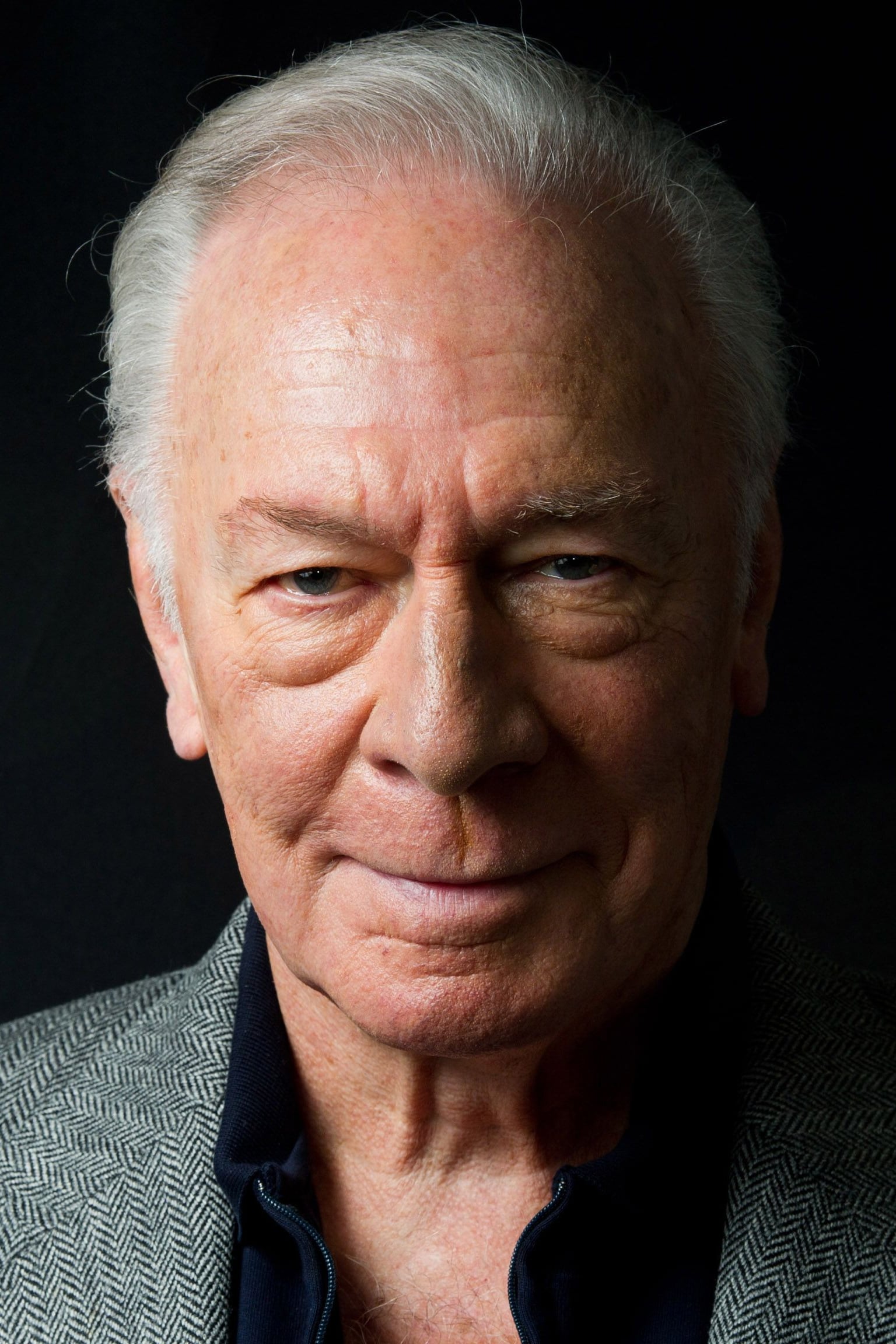
Christopher Plummer received an Oscar for his performance in ‘Beginners,’ where he played a man who comes out as gay later in life. While many praised his warm portrayal, some pointed out the irony of a straight actor winning an award for a story about a gay man’s experience. This sparked discussion about why more seasoned gay actors aren’t given similar chances to portray their own stories. Some viewed Plummer’s win as the Academy playing it safe, a common trend of rewarding straight actors for playing LGBTQ+ characters. Although ‘Beginners’ is a moving film, it reflects a larger issue of straight actors being celebrated for roles depicting queer lives.
Benedict Cumberbatch
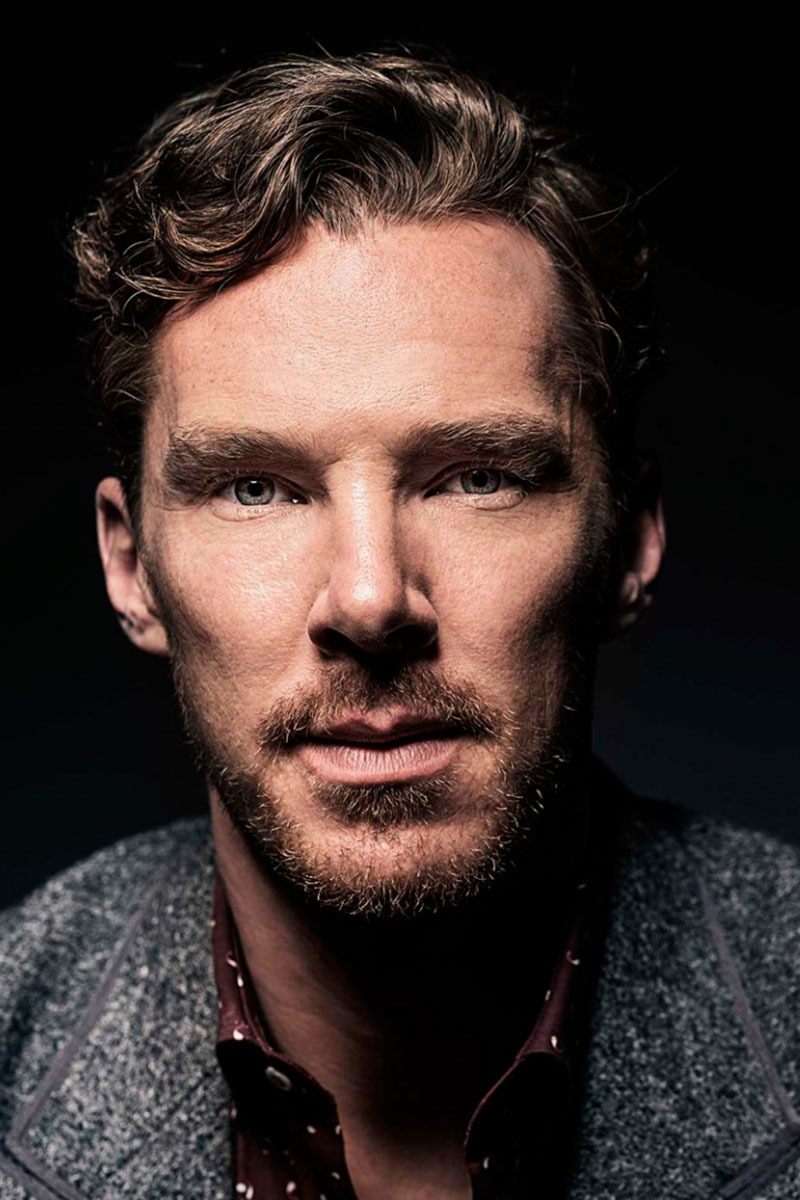
Benedict Cumberbatch gained an Oscar nomination for his portrayal of Alan Turing, the gay mathematician, in ‘The Imitation Game.’ However, the film received criticism for focusing more on Turing’s codebreaking achievements than on his sexuality. Some viewers believed a queer actor could have better captured the emotional depth of Turing’s story. Cumberbatch also faced criticism for playing a closeted character in ‘The Power of the Dog,’ but he explained that he was drawn to the character’s inner turmoil, not just his sexual identity.
Let us know in the comments which actors you thought gave the most believable performances.
Read More
- 20 Movies Where the Black Villain Was Secretly the Most Popular Character
- Celebs Who Narrowly Escaped The 9/11 Attacks
- Top 20 Dinosaur Movies, Ranked
- 25 “Woke” Films That Used Black Trauma to Humanize White Leads
- Transformers Under the Microscope: What Graph Neural Networks Reveal
- The 10 Most Underrated Jim Carrey Movies, Ranked (From Least to Most Underrated)
- 22 Films Where the White Protagonist Is Canonically the Sidekick to a Black Lead
- Gold Rate Forecast
- Trading on Thin Air: AI Agents Conquer Crypto Volatility
- The Best Directors of 2025
2026-01-29 05:25