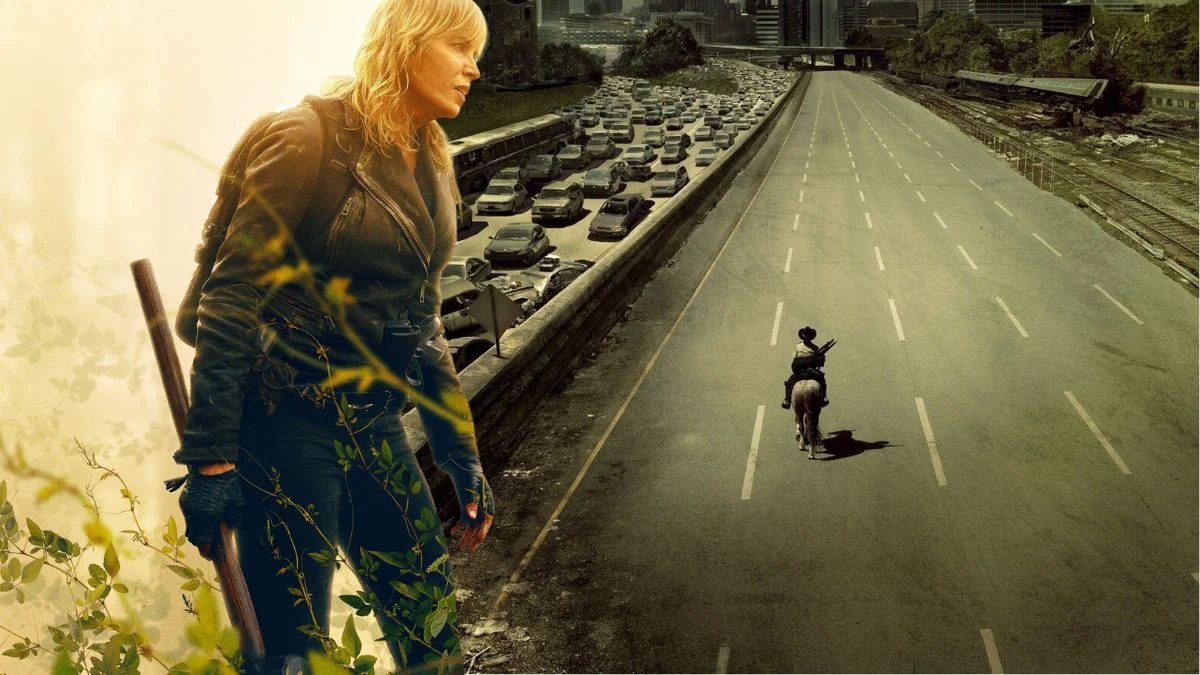
Many beloved TV shows that once drew in millions of viewers have ended poorly or declined in quality towards the end. This usually happens because of creative choices that don’t make sense with what came before, ruining established characters and storylines. Fans who have spent years following a show want a conclusion that feels earned and respectful of the story. When a show disappoints, it can seriously damage its reputation and how people remember it.
‘Game of Thrones’ (2011–2019)
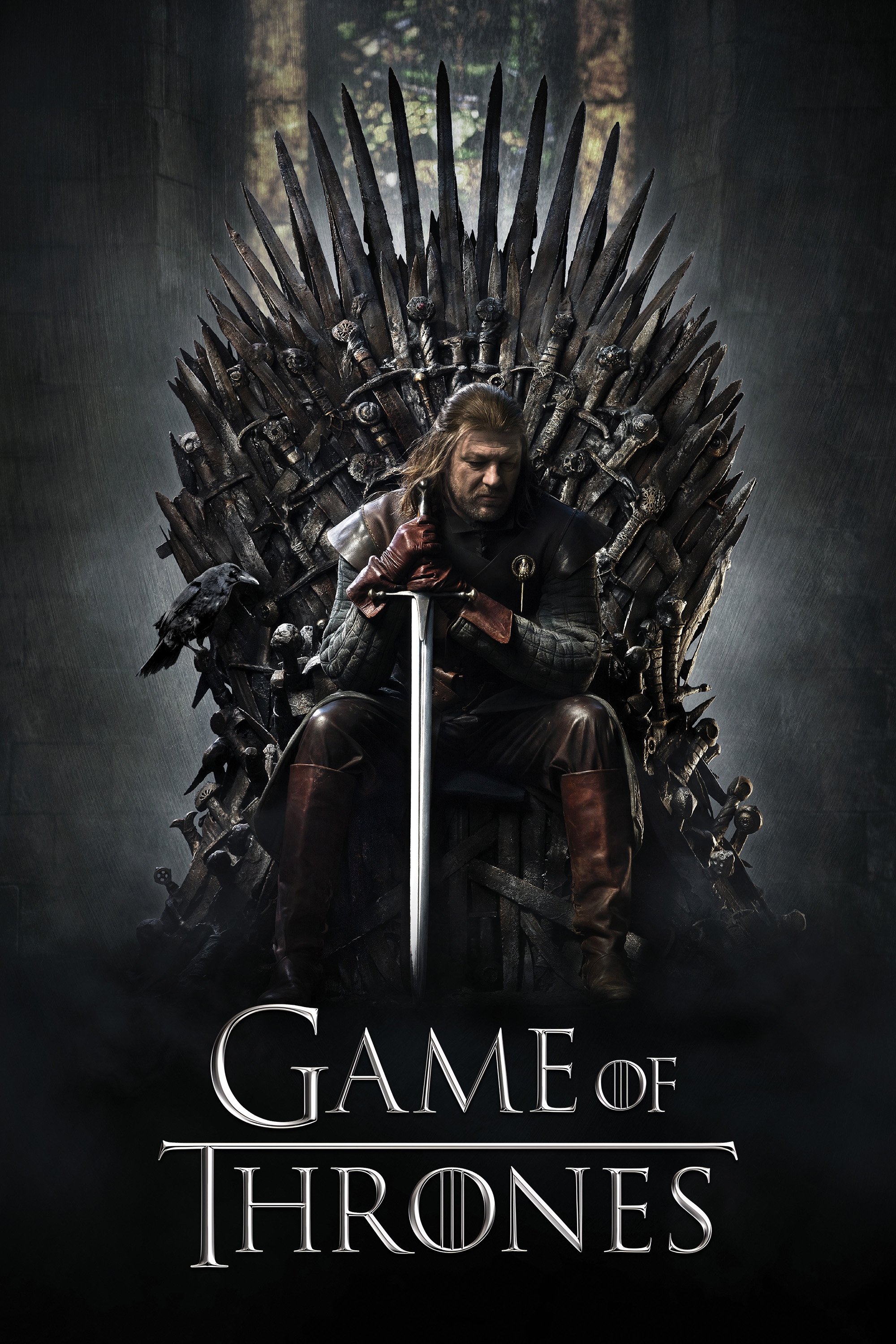
The last season of this popular fantasy show is often remembered for being incredibly controversial. Many viewers felt the story was rushed, with important character arcs and plot points feeling underdeveloped. A major point of contention was Daenerys Targaryen’s abrupt turn to villainy, which seemed out of character for those who had watched her for years. The choice of Bran Stark as king also puzzled many, as he hadn’t been a central figure in the story. Ultimately, the fast pace of the season damaged the intricate political storylines that had made the show so successful in the past.
‘How I Met Your Mother’ (2005–2014)
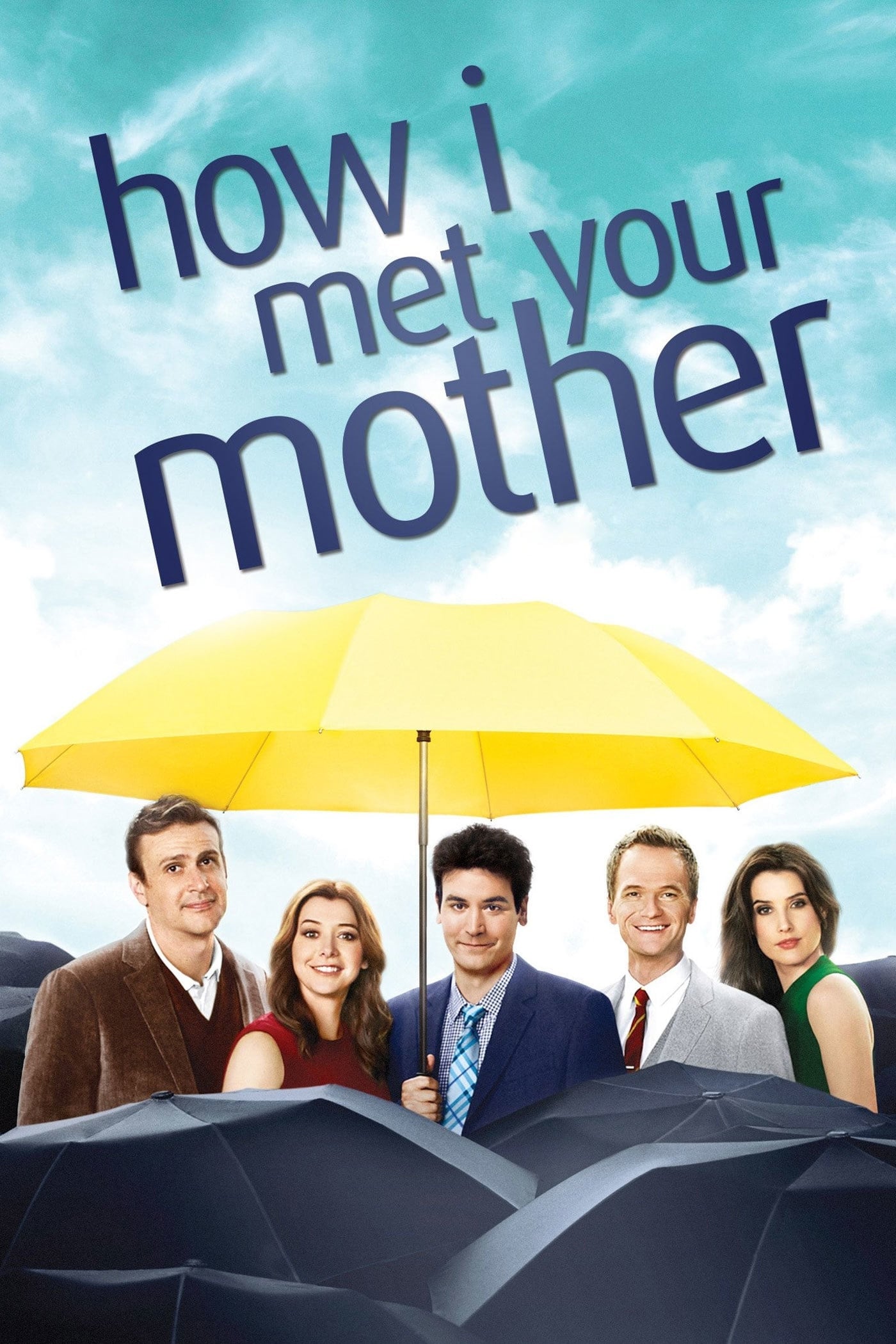
For nine seasons, viewers eagerly anticipated Ted Mosby finding his soulmate. The series finale, however, proved divisive when it quickly killed off that long-awaited character, ultimately pairing Ted with Robin. This felt like a step backward, as the show had previously demonstrated why Ted and Robin weren’t a good match. The finale also abruptly ended Barney Stinson’s character arc, dissolving his marriage to Robin almost immediately. Many fans felt the entire final season, which revolved around a wedding, was ultimately pointless because of these choices.
‘Lost’ (2004–2010)
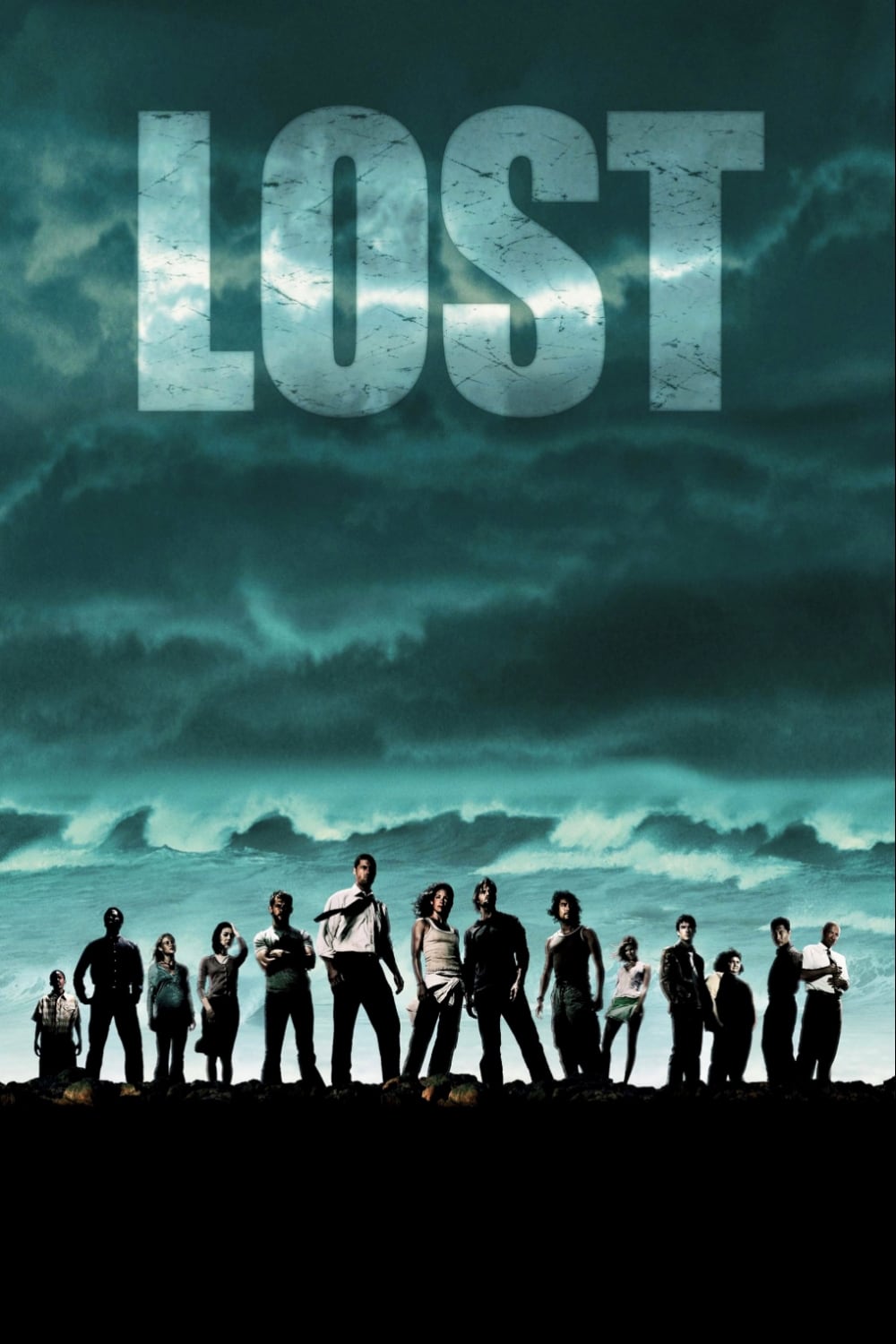
The show was a hit mystery series, known for its intricate backstory and the large group of characters stuck on a strange island. However, the finale received mixed reactions, as it didn’t fully answer many of the show’s biggest questions and often relied on vague, spiritual explanations. The reveal that the ‘flash-sideways’ scenes represented a kind of afterlife divided viewers. While the characters’ stories concluded with emotional moments, those who had closely followed the show’s clues felt let down by the lack of clear answers. The ending is often cited as a prime example of a show struggling to tie up its own complicated plot.
‘Dexter’ (2006–2013)
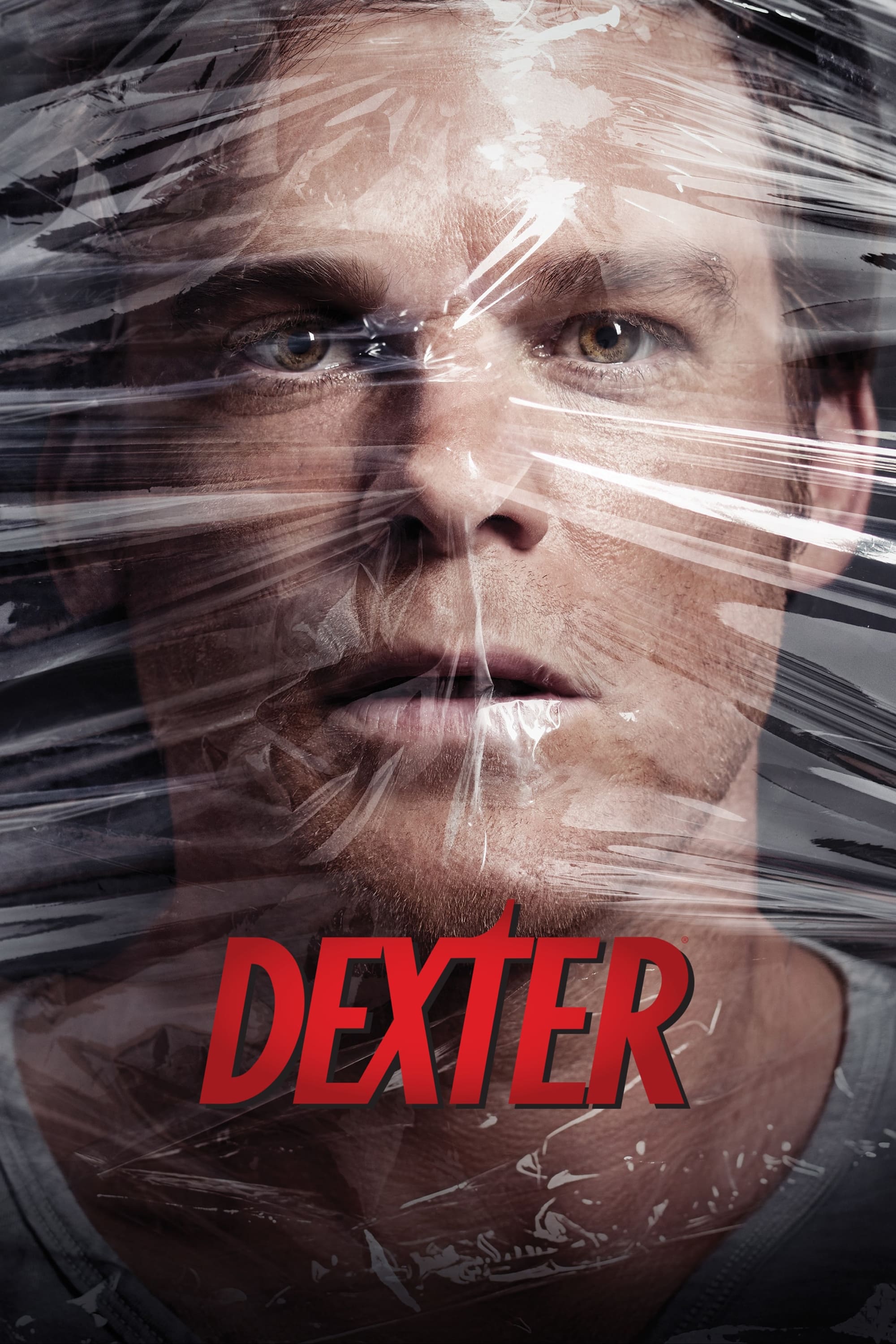
The first season of this crime show ended with a confusing and frustrating finale. Dexter Morgan pretended to die in a hurricane and left his son behind to start a new life as a lumberjack. The ending didn’t offer any satisfying resolution to his years as a vigilante, and it felt disrespectful to the journeys of important characters like his sister Debra. Fans disliked it so much that a new series was created to try and fix the original ending.
‘Scrubs’ (2001–2010)
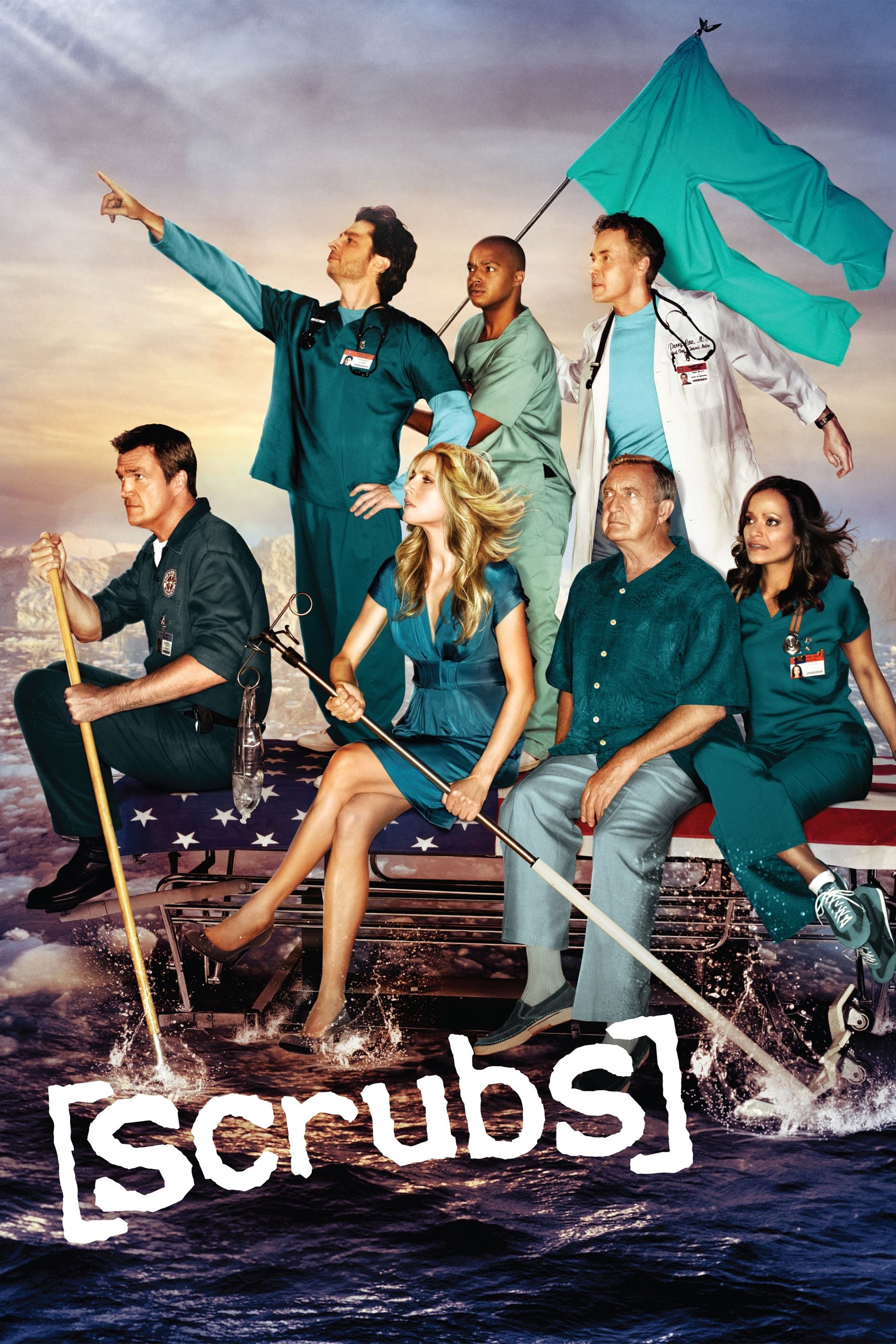
The medical comedy received a highly acclaimed finale after eight seasons, providing satisfying closure for its beloved characters. Despite this, the network revived the show for a ninth season, featuring a largely new cast and a changed location. The original lead character took a backseat, and the new group of interns didn’t create the same connection with audiences as the previous cast. Most fans and critics either overlooked this continuation or felt it damaged the show’s perfect ending, viewing it as a spin-off. Ultimately, the attempt to keep the show going weakened the impact of its original conclusion.
‘The Walking Dead’ (2010–2022)
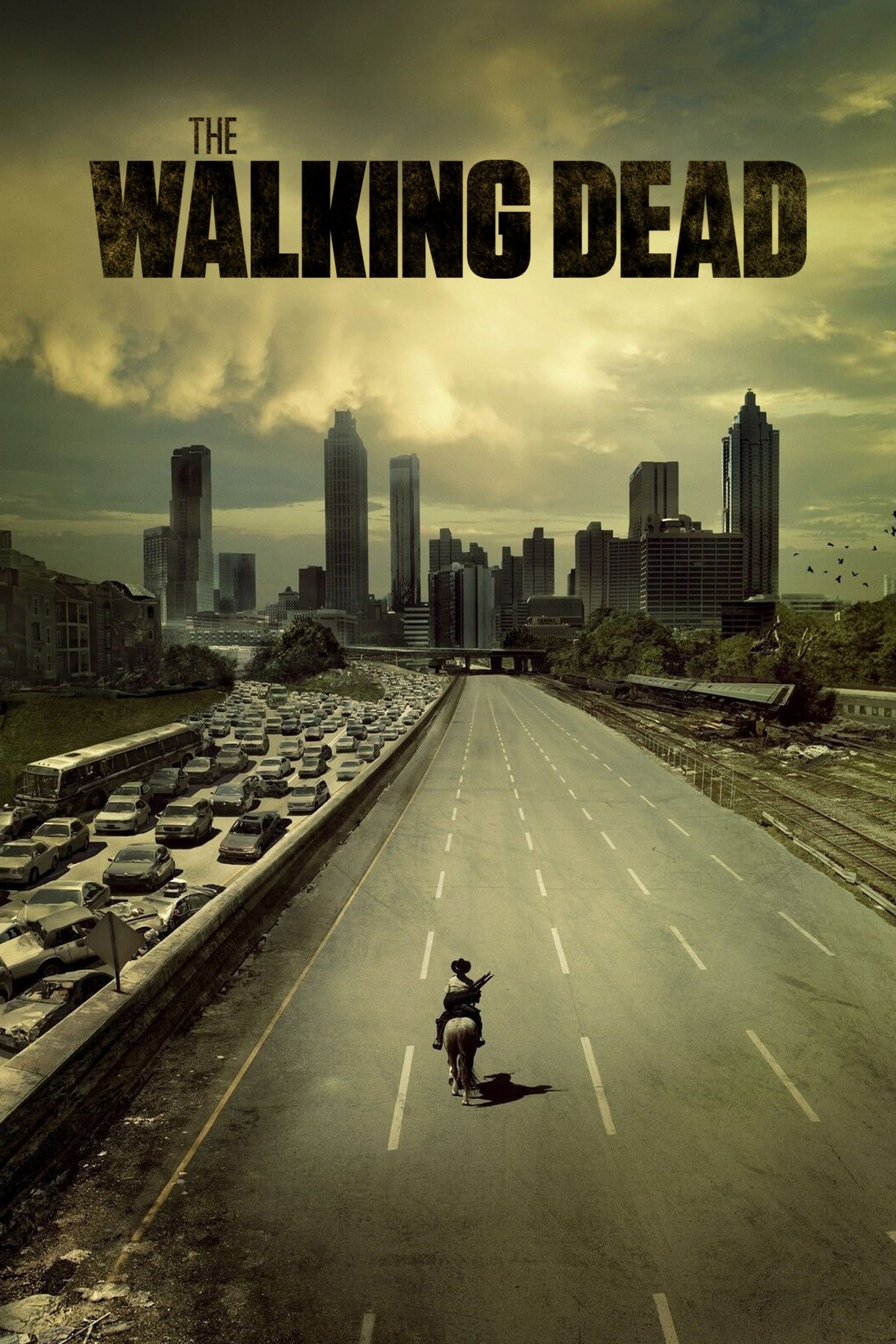
The show’s seventh season premiere sparked a huge backlash from viewers. The creators ended a long-running suspenseful storyline by killing off two fan favorites, Glenn and Abraham, in a very violent way. Many felt the extreme violence and the characters’ suffering went too far, simply aiming to shock rather than tell a meaningful story. Viewers also criticized the way the show misled them about who had died in the previous season’s finale, seeing it as a manipulative attempt to boost ratings. This event proved to be a turning point, as viewership numbers began to fall steadily afterward.
‘Killing Eve’ (2018–2022)
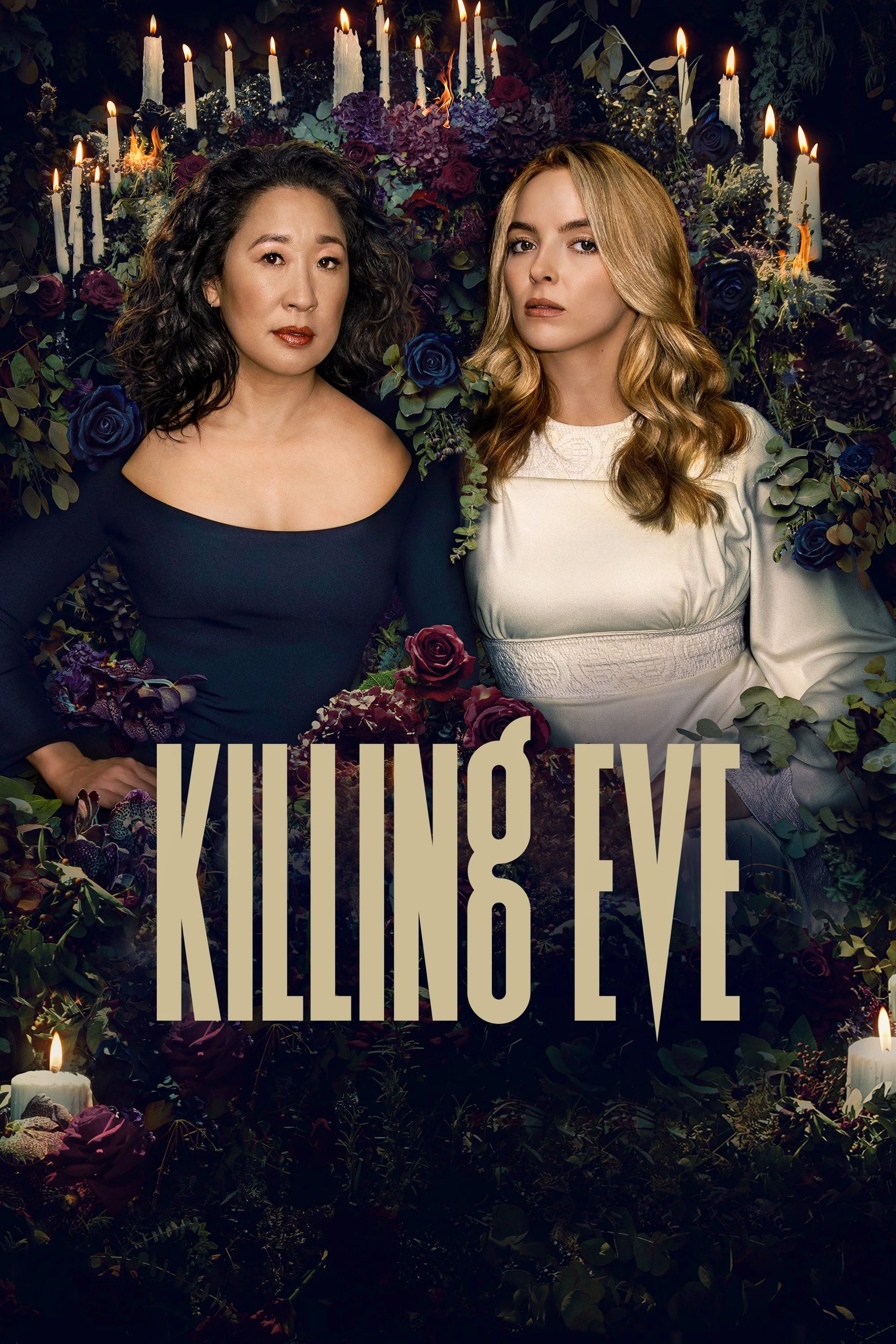
For four seasons, the intense connection between Eve Polastri and the assassin Villanelle was the heart of this spy thriller. The series ended by briefly reuniting them, only to kill Villanelle immediately after. This unexpected and tragic turn fell into the problematic ‘Bury Your Gays’ trope, which has drawn criticism from viewers for years. After seasons of building a complicated and obsessive relationship, the finale denied the characters a satisfying conclusion, leaving many fans feeling the ending was needlessly cruel and didn’t fit with the show’s generally rebellious spirit.
‘Sherlock’ (2010–2017)
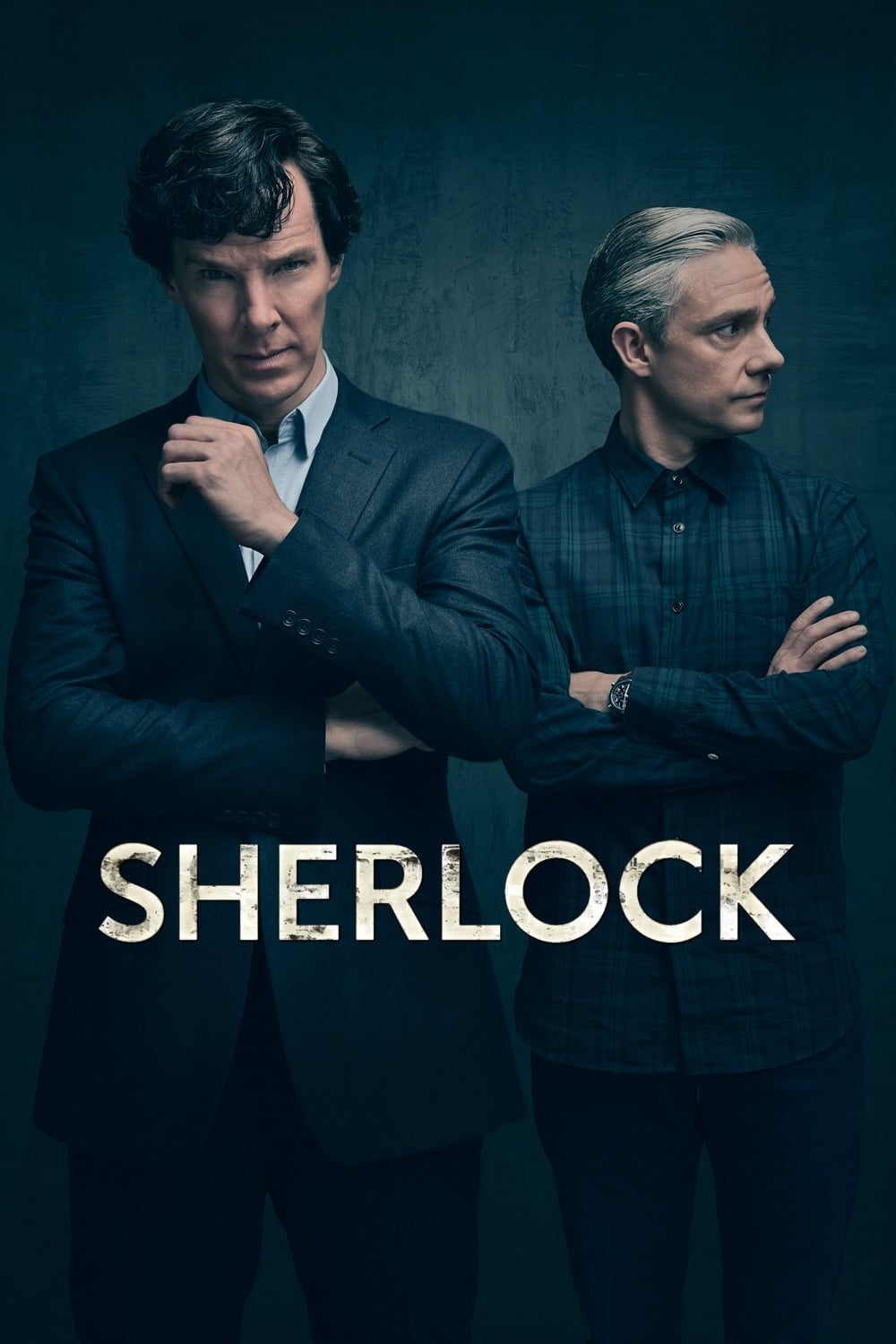
Season four of this detective series departed significantly from the realistic, detail-focused investigations that initially drew viewers in. The addition of Sherlock’s super-powered sister, Eurus Holmes, turned the show into an over-the-top and unbelievable drama. Storylines became needlessly complex, favoring illogical twists over smart detective work. Sherlock’s character changed from a brilliant but socially awkward man to an action-oriented spy. Many viewers preferred the earlier format, which focused on individual cases each week and showcased the strong connection between Sherlock and Watson.
‘Gossip Girl’ (2007–2012)
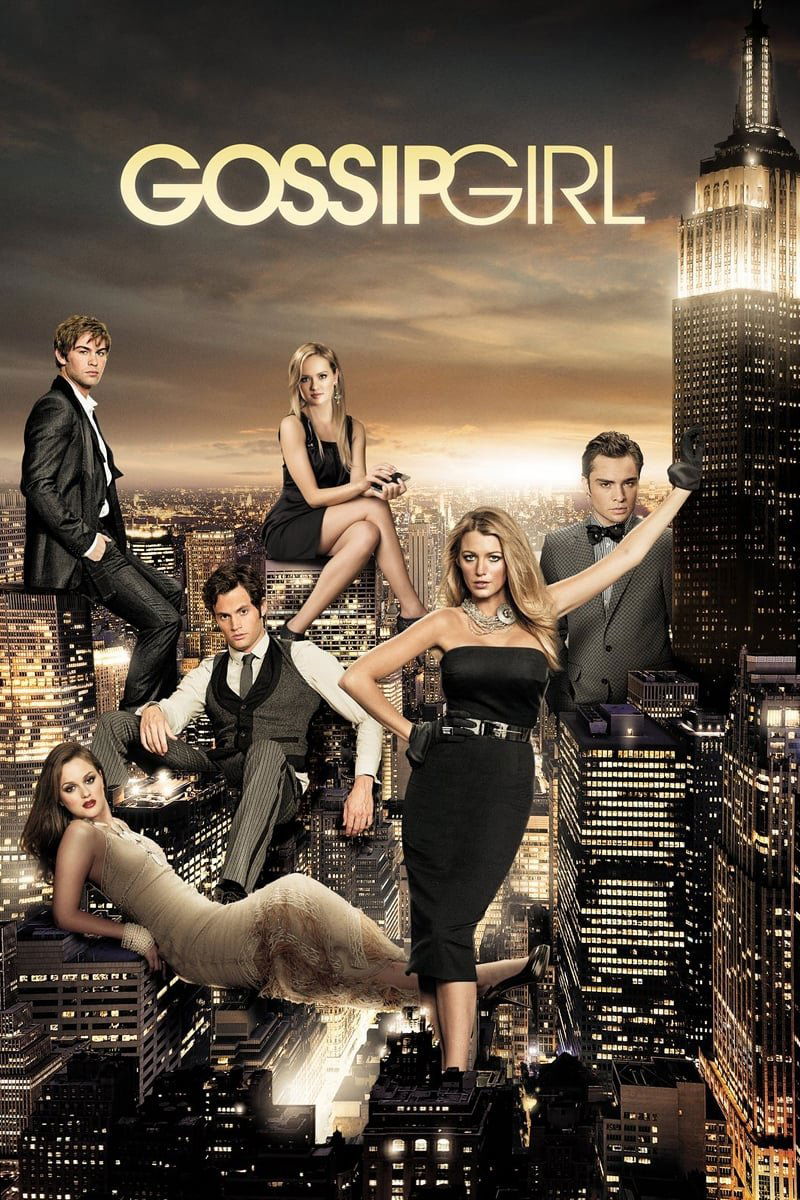
The main puzzle of the show was figuring out who the anonymous blogger was, the one writing about the lives of wealthy New Yorkers. The finale surprisingly revealed it was Dan Humphrey, which didn’t make sense considering many things that had happened earlier in the series. Fans noticed times when Dan seemed genuinely surprised by posts that he, as the supposed blogger, would have written himself. This made his character seem disturbingly manipulative, a side the show largely ignored in order to create a happy ending. This inconsistency frustrated viewers who had been following the show’s details closely.
‘Pretty Little Liars’ (2010–2017)
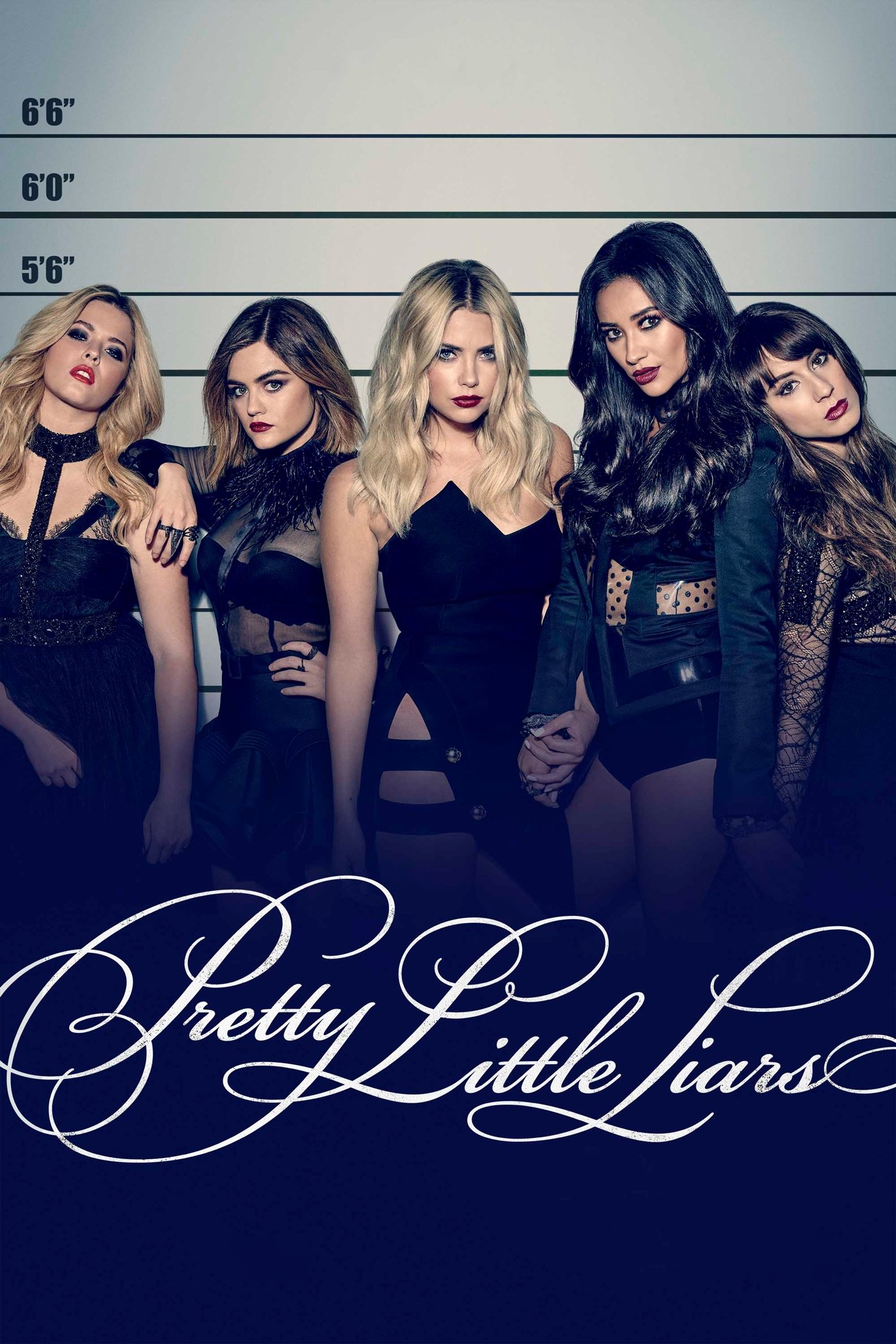
The reveal of the villain, “Uber A,” after seven seasons of suspense, left many fans disappointed. The show introduced Alex Drake, an unknown twin sister of Spencer Hastings, as the culprit. Fans felt this character came out of nowhere and was a weak explanation, especially considering the complex theories they had developed over the years. It essentially dismissed all the clues and mysteries by introducing someone the audience had never seen before.
‘House of Cards’ (2013–2018)
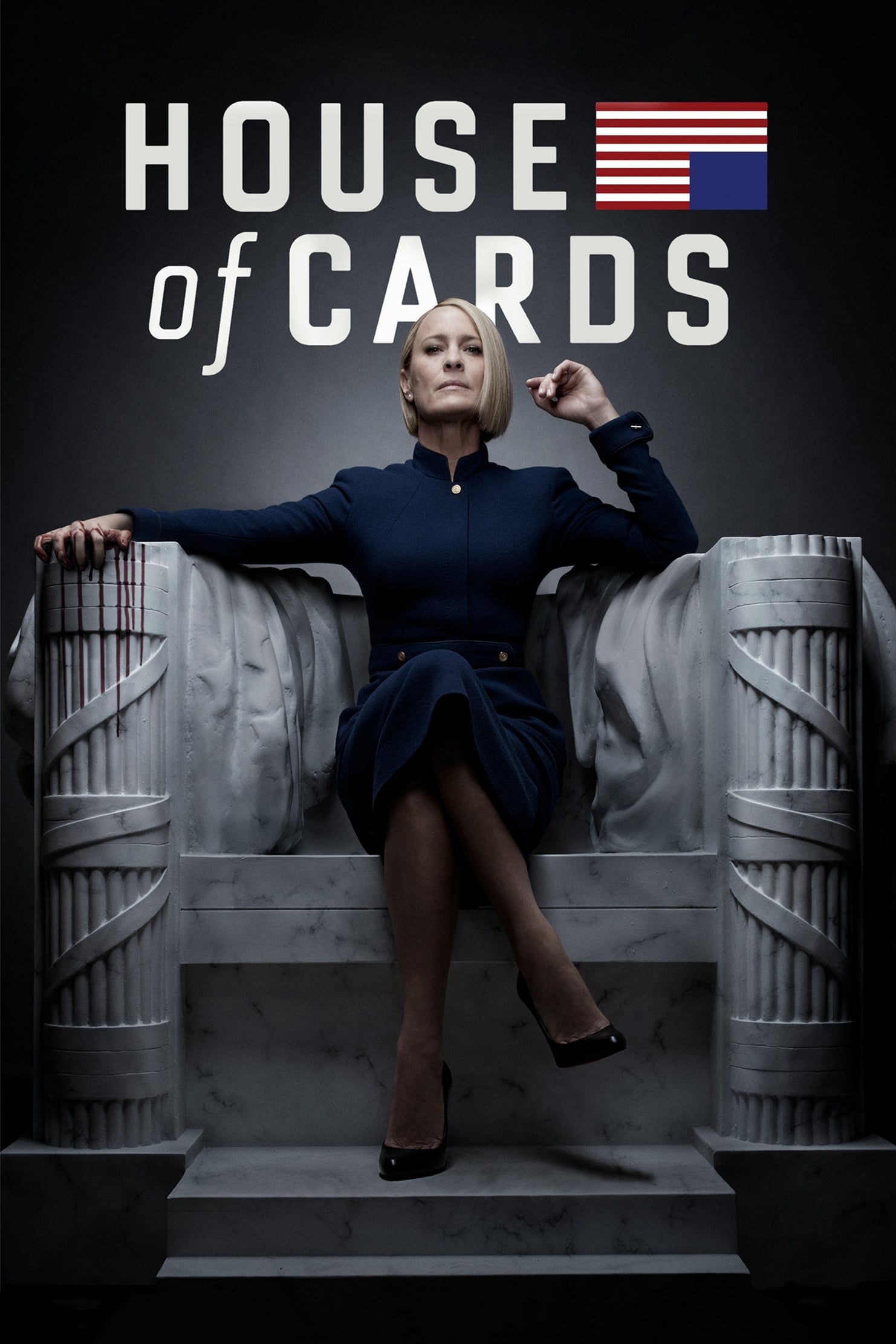
When Kevin Spacey was fired due to allegations of sexual misconduct, the show’s final season had to be completely reworked. While the story then centered on Claire Underwood, the writers couldn’t quite recapture the compelling tension of the original series. The plot became strange and lost touch with the political strategy that had defined earlier seasons. The finale ended suddenly with a violent scene, leaving the outcome of the presidential race unclear. Many viewers felt the show ended weakly, rather than with a powerful, planned conclusion.
‘Veronica Mars’ (2004–2019)
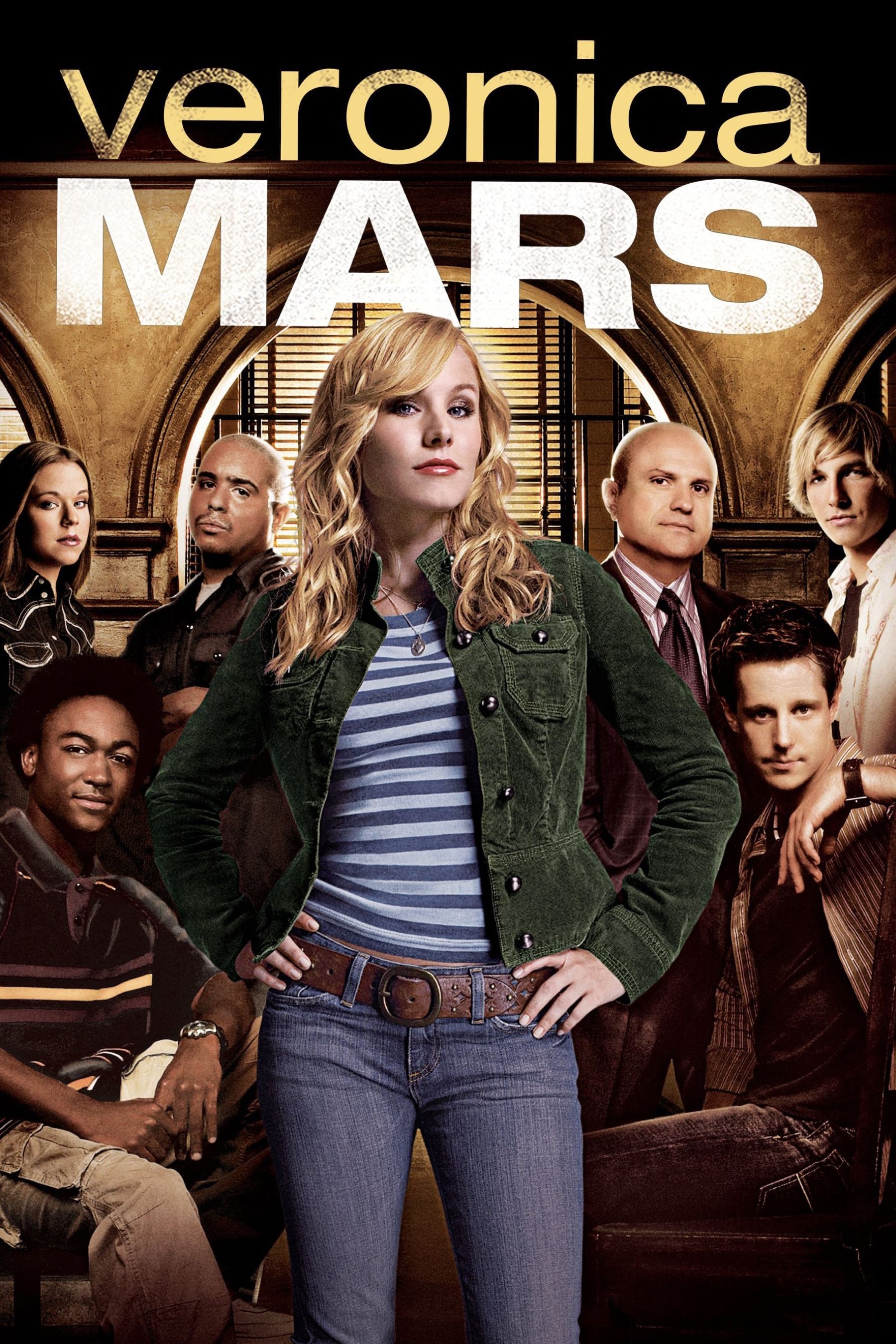
When Hulu brought back the popular noir mystery series, fans were thrilled – they’d been asking for a revival for years. But the season ended with a shocking twist: the death of Logan Echolls, the main character’s long-time love interest. The show’s creator, Rob Thomas, wanted Veronica to focus solely on solving crimes, so he removed the romantic relationship. Fans were outraged, feeling the tragic turn of events was pointless and ruined the characters’ hard-won happiness. The strong negative reaction ultimately dashed hopes for any future seasons of the show.
‘Gilmore Girls: A Year in the Life’ (2016)
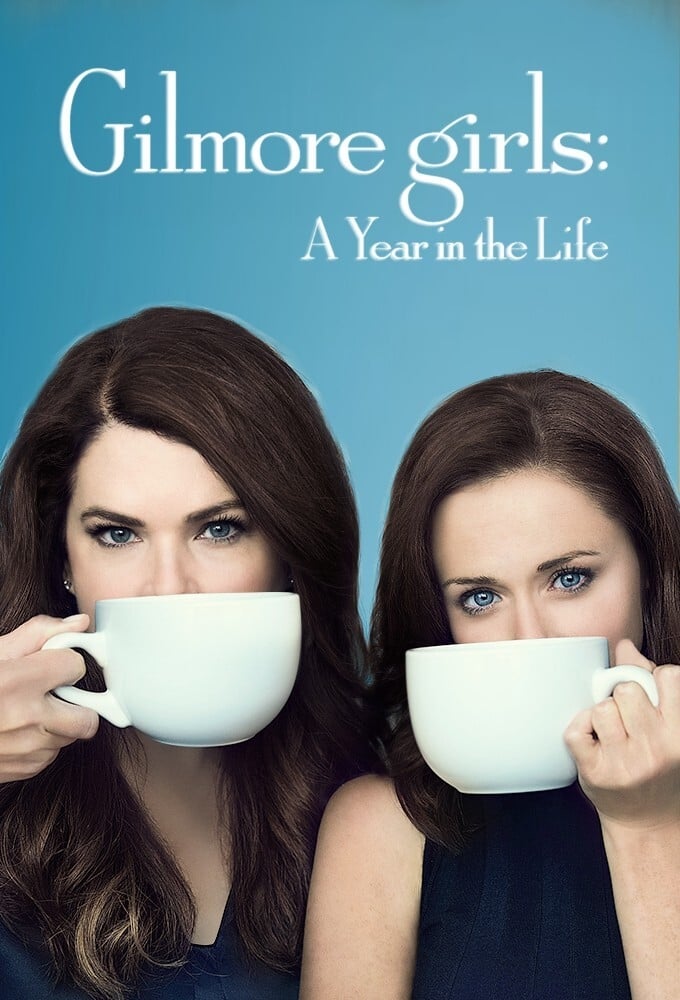
The revival series was intended to give fans a satisfying conclusion after the original show ended, but it largely disappointed. Many viewers found the characters stuck in old patterns and difficult to relate to. Rory was shown as spoiled and unfulfilled, while Luke and Lorelai hadn’t been able to talk to each other for ten years. The big reveal of a pregnancy felt like a frustrating repeat of past storylines instead of a positive step forward. Ultimately, the revival tarnished the warm and comforting feeling that many fans had cherished from the original series.
‘Arrested Development’ (2003–2019)
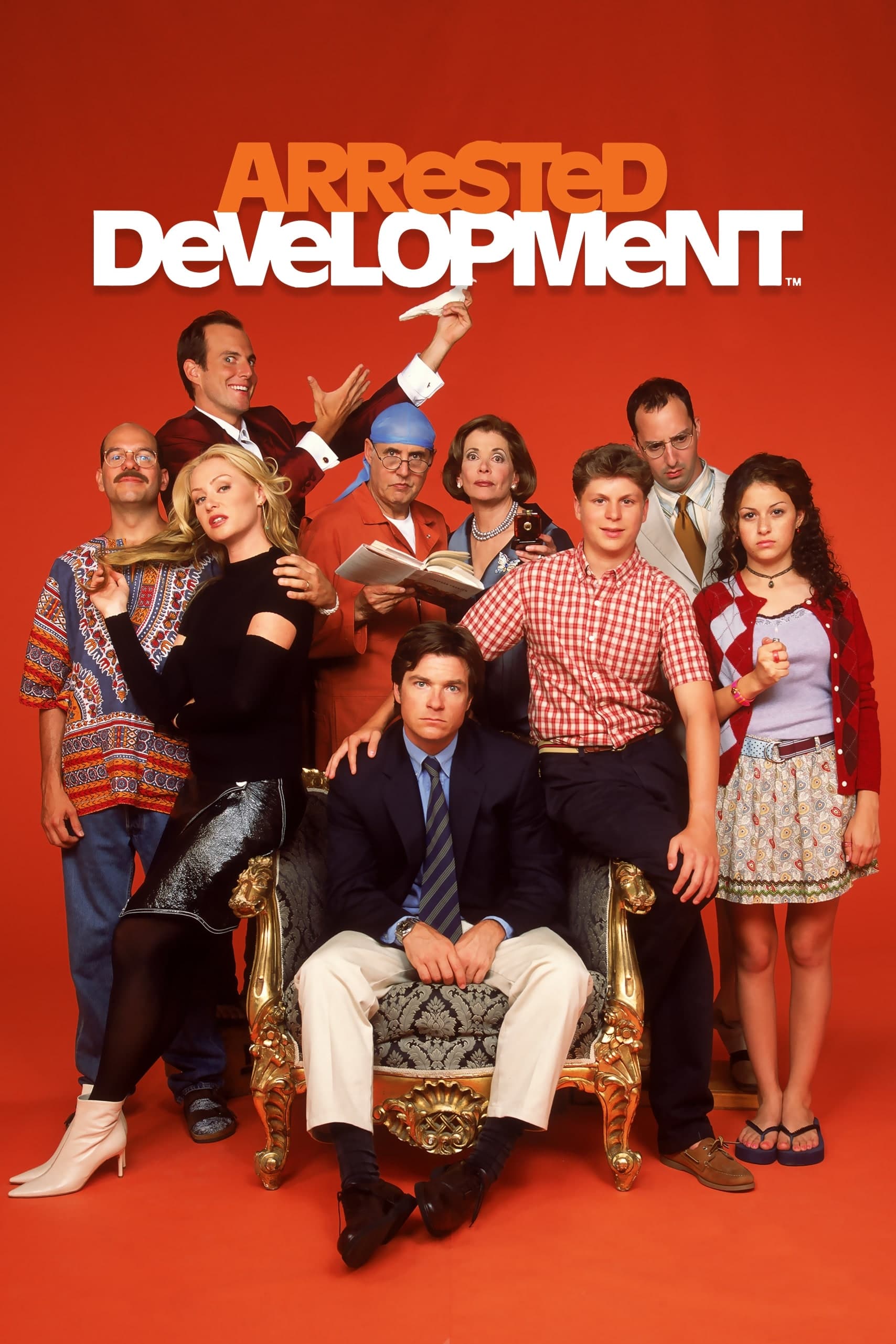
The show’s fourth and fifth seasons on Netflix didn’t live up to the quality of the first three. Busy schedules meant the cast members weren’t often on screen together in season four, which hurt the show’s strong group dynamic. The storyline also became unnecessarily complex, with confusing time jumps that needed to be fixed in post-production. Many viewers found the humor to be harsher and missed the clever writing of the earlier seasons. In fact, most fans prefer to ignore the revival seasons as if they never happened.
‘Star Trek: Enterprise’ (2001–2005)
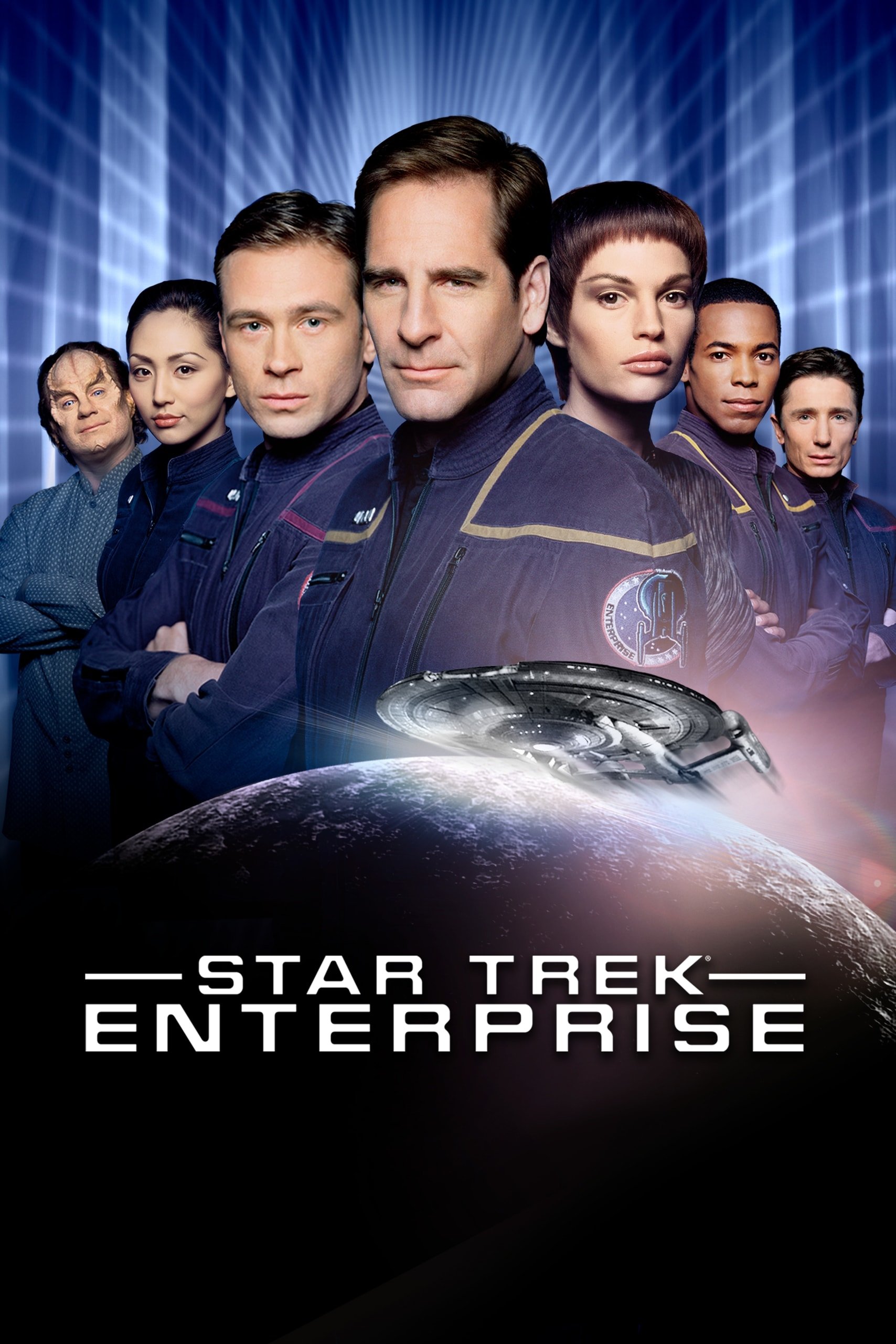
As a longtime Star Trek fan, I have to say the finale of Enterprise is pretty infamous – and sadly, for good reason. It’s often called one of the worst series endings in the entire franchise. The way they structured it, with characters from The Next Generation watching everything as a holodeck simulation, really bothered me. It essentially turned the Enterprise crew into side characters in their own finale! Big moments, like Trip’s death, felt incredibly rushed and didn’t land emotionally because we were seeing it all from the outside. Honestly, it felt like a really disrespectful way to say goodbye to the crew and to all of us who’d been watching and supporting the show.
‘True Blood’ (2008–2014)

Honestly, it was so frustrating watching the show change over time. It started out as this really cool, intimate story about a small town and the supernatural world within it, but things got totally out of control. The last season just threw out everything we’d learned about how the vampires and other creatures worked, and focused on storylines nobody really cared about. I was so disappointed with Sookie’s ending – marrying some random guy instead of someone she actually had a connection with! And Bill’s death? It felt so unnecessary and just…sad. The finale just didn’t have that spark, that edge, or even the passion that made us all fall in love with the show in the first place.
‘Roseanne’ (1988–1997)
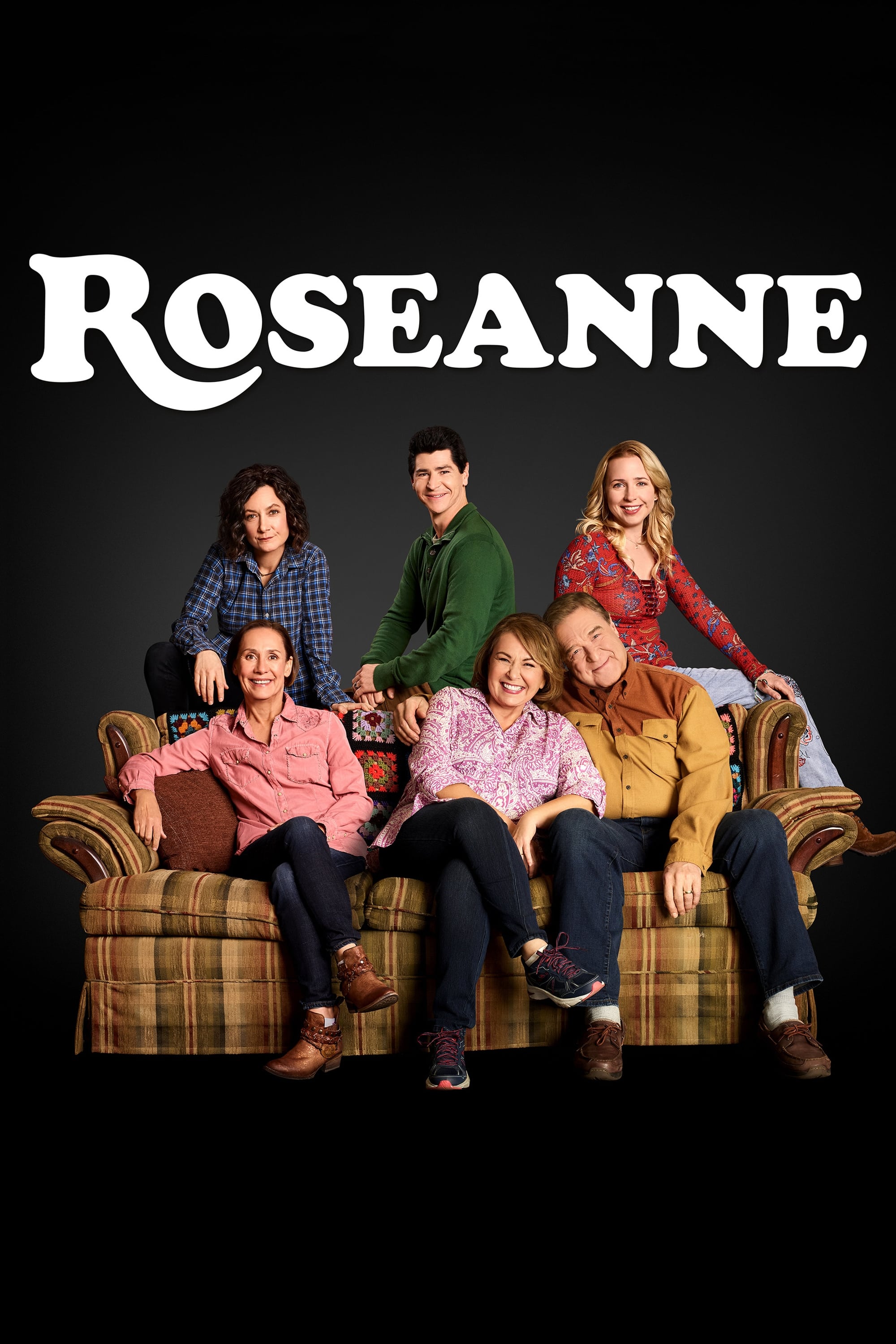
As a lifelong fan, I have to say the ninth season of Roseanne was a real head-scratcher. It completely jumped the shark when the Conners suddenly won the lottery. What followed was just…weird. We’re talking episodes filled with outlandish parodies and crazy dream sequences – somehow involving terrorists and even royalty! Then, the finale dropped this bombshell: the whole season was just a story Roseanne wrote in her head to deal with Dan’s death. It was a seriously downbeat twist that basically erased everything that happened and left us feeling pretty awful. Honestly, it was so bad that when they revived the show years later, they just pretended the entire season never happened, and everyone agreed it was for the best.
‘Two and a Half Men’ (2003–2015)
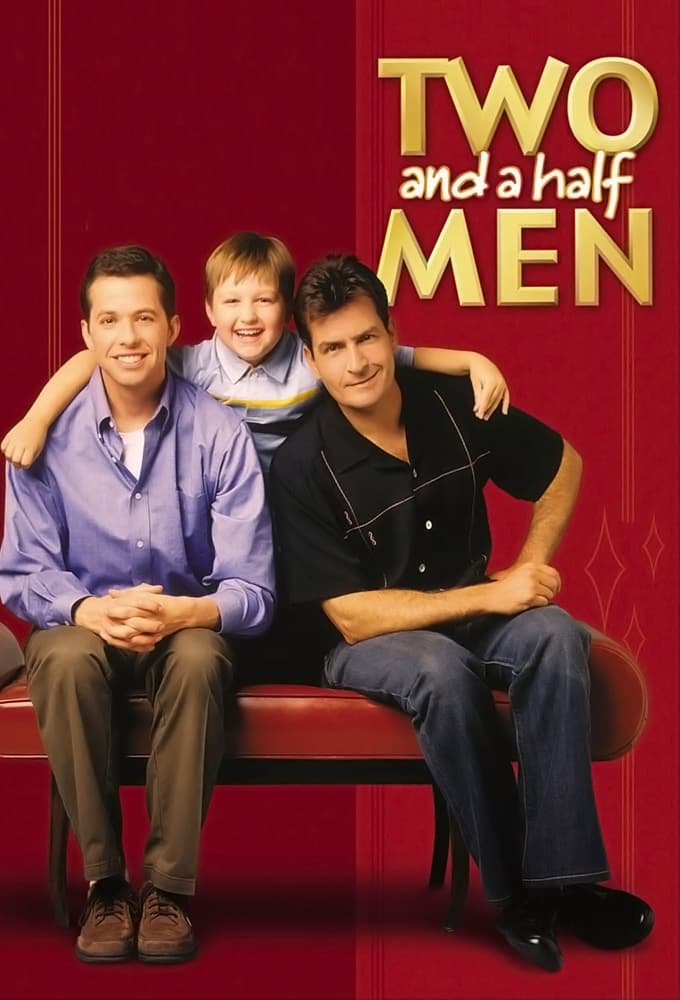
After Charlie Sheen left the show and Ashton Kutcher joined, the series had trouble finding its footing. The final episode heavily hinted at Charlie Harper’s return all hour, leading viewers to expect a reunion. However, the episode unexpectedly ended with a stand-in being killed by a falling piano, followed by the creator, Chuck Lorre, breaking the fourth wall to simply say “Winning.” Many viewers felt this was a childish attempt by the creator to settle a personal score with Sheen, and a disappointing conclusion to such a popular show. It was a confusing and unnecessarily bitter way to end the series.
‘Heroes’ (2006–2010)
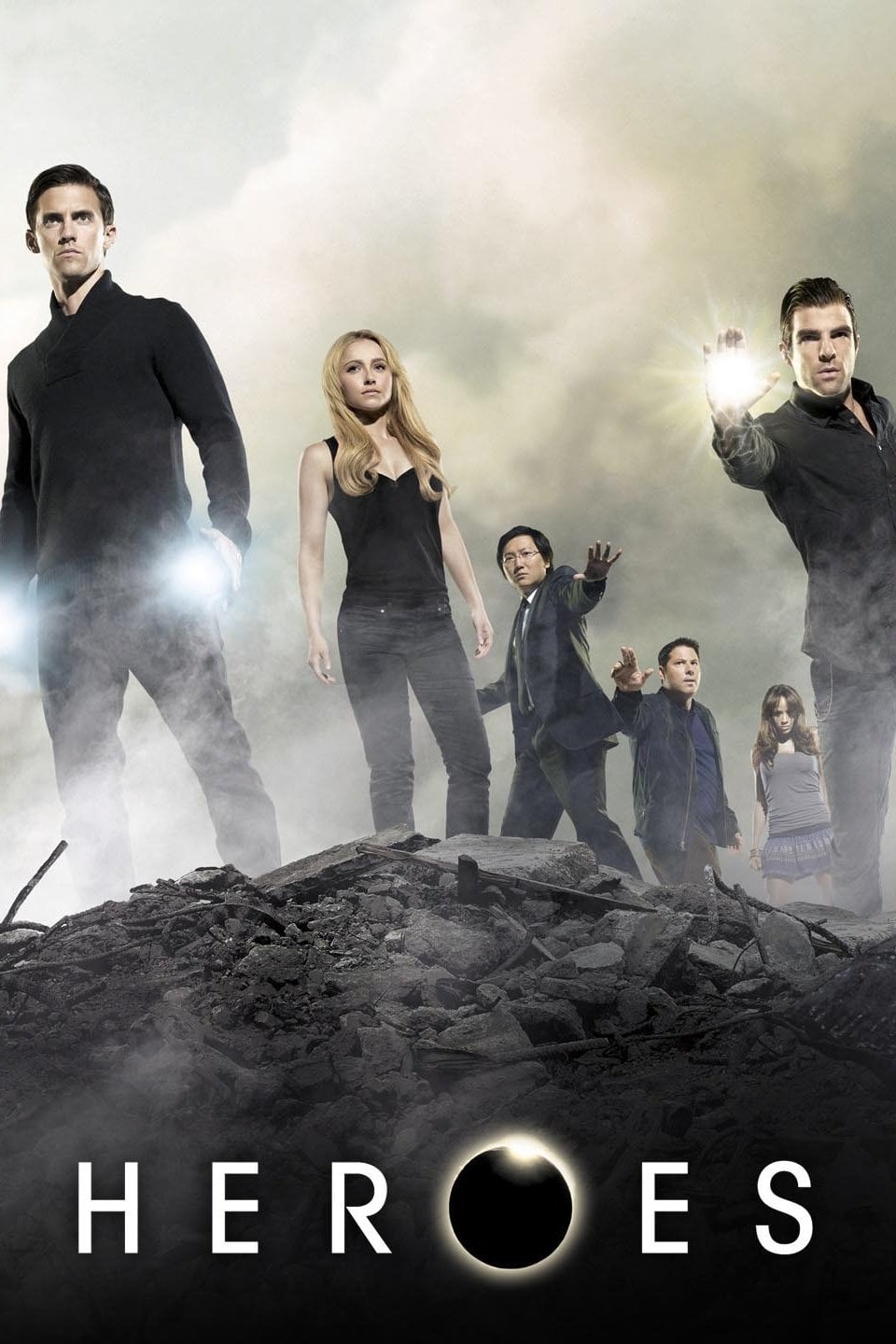
The superhero show started with a huge splash, becoming a cultural sensation in its first season. However, the show’s quality declined significantly afterward. The writers had trouble managing how powerful the characters were, constantly weakening them or erasing their memories. A writers’ strike further damaged the second season, and the storyline never regained its original energy. Characters often acted inconsistently, and the overall plot became predictable. Eventually, viewers lost interest, and the show was cancelled due to its lack of a clear direction.
‘The 100’ (2014–2020)
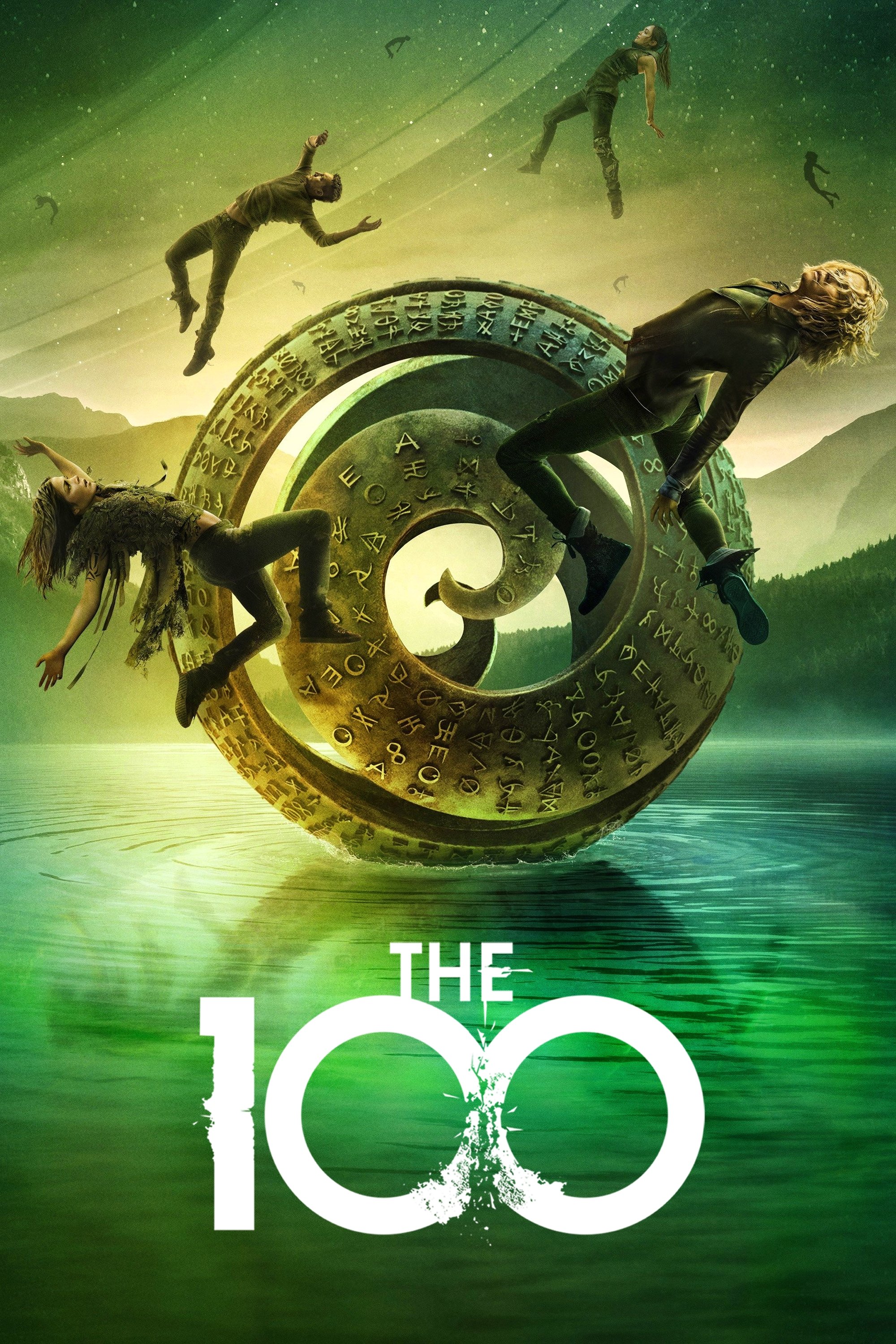
The show’s final season sparked controversy when the main male character, Bellamy Blake, was unexpectedly killed off. He was shot by his close friend, Clarke Griffin, in a scene many viewers felt was unnecessary and didn’t make sense. Bellamy had been largely absent throughout the season, and his return seemed only to undo his character development before his abrupt death. The series concluded with humanity evolving into a single, shared consciousness, which many felt went against the show’s original focus on individual survival. This treatment of a beloved character and the bleak ending led to significant backlash from fans.
‘The Promised Neverland’ (2019–2021)
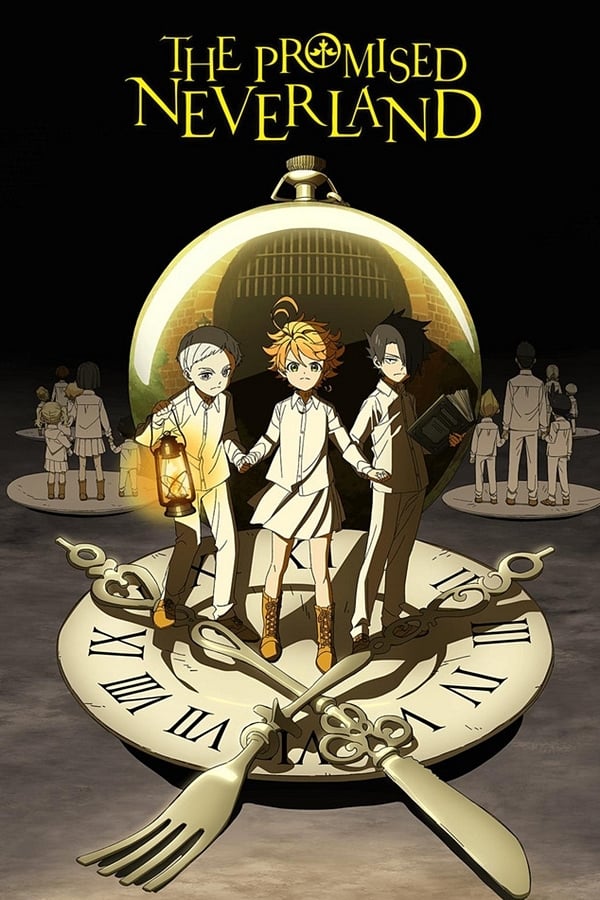
The second season of this anime is well-known for drastically changing the story from the original manga. The studio skipped entire storylines and removed fan-favorite characters, quickly wrapping things up. Instead of detailed battles and clever strategy, they used quick summaries to cover large parts of the manga. Viewers who hadn’t read the manga were left confused by the plot, and manga fans were upset by the changes and felt the original story wasn’t respected. It’s often cited as a perfect example of how a poor adaptation can ruin a promising series.
‘Secret Invasion’ (2023)
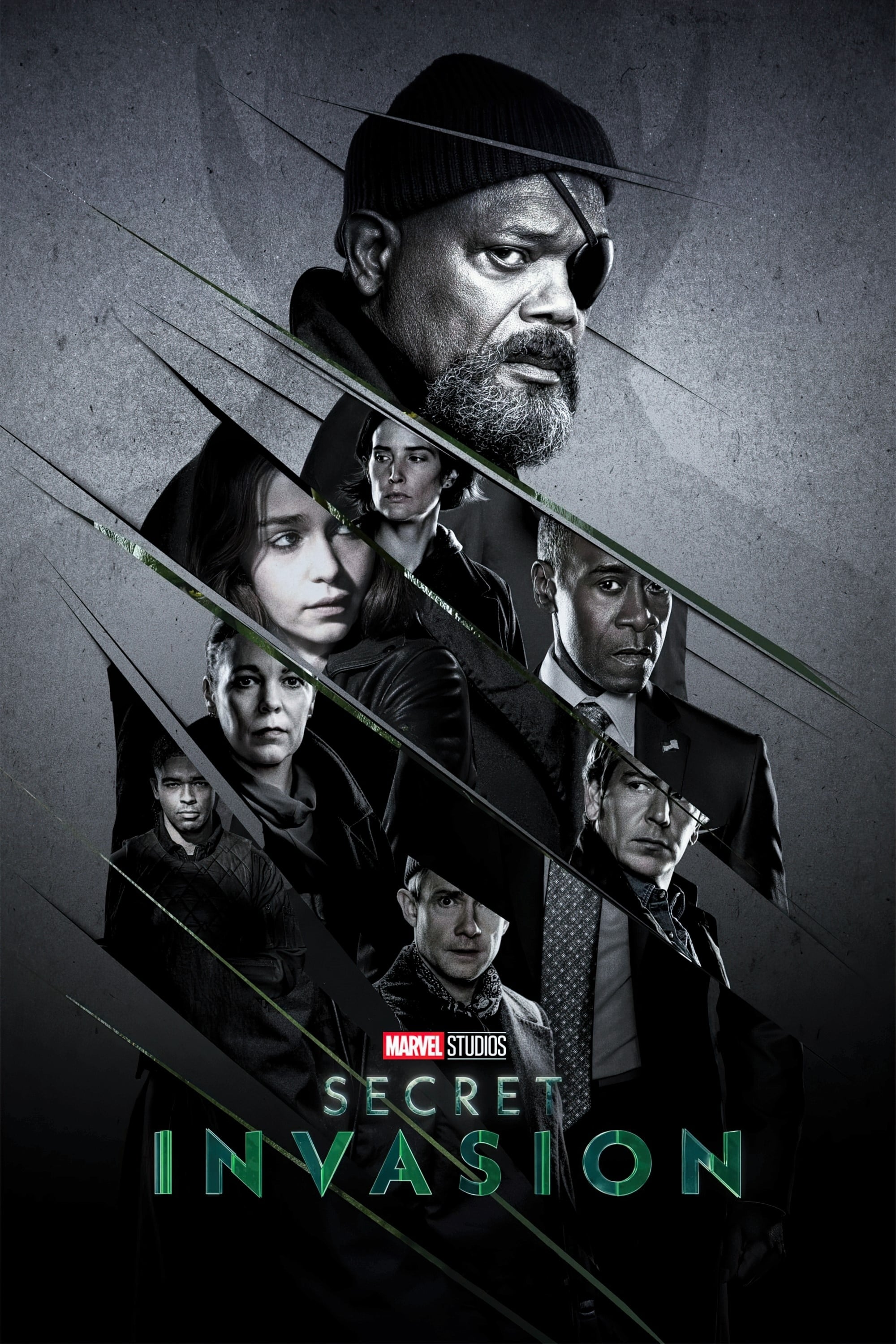
This Marvel series was intended to be a tense, suspenseful thriller about alien shapeshifters secretly taking over world governments. However, it ended up being slow-paced with uninspired action scenes and confusing character decisions. The final episode was particularly criticized for a poorly animated fight scene where the main character suddenly gained incredible powers. It also surprisingly revealed that a key, original Avenger had been an alien in disguise all along, which felt like a letdown considering past, emotionally impactful scenes. Many fans consider this show to be the weakest part of Marvel’s TV ventures.
‘The Idol’ (2023)
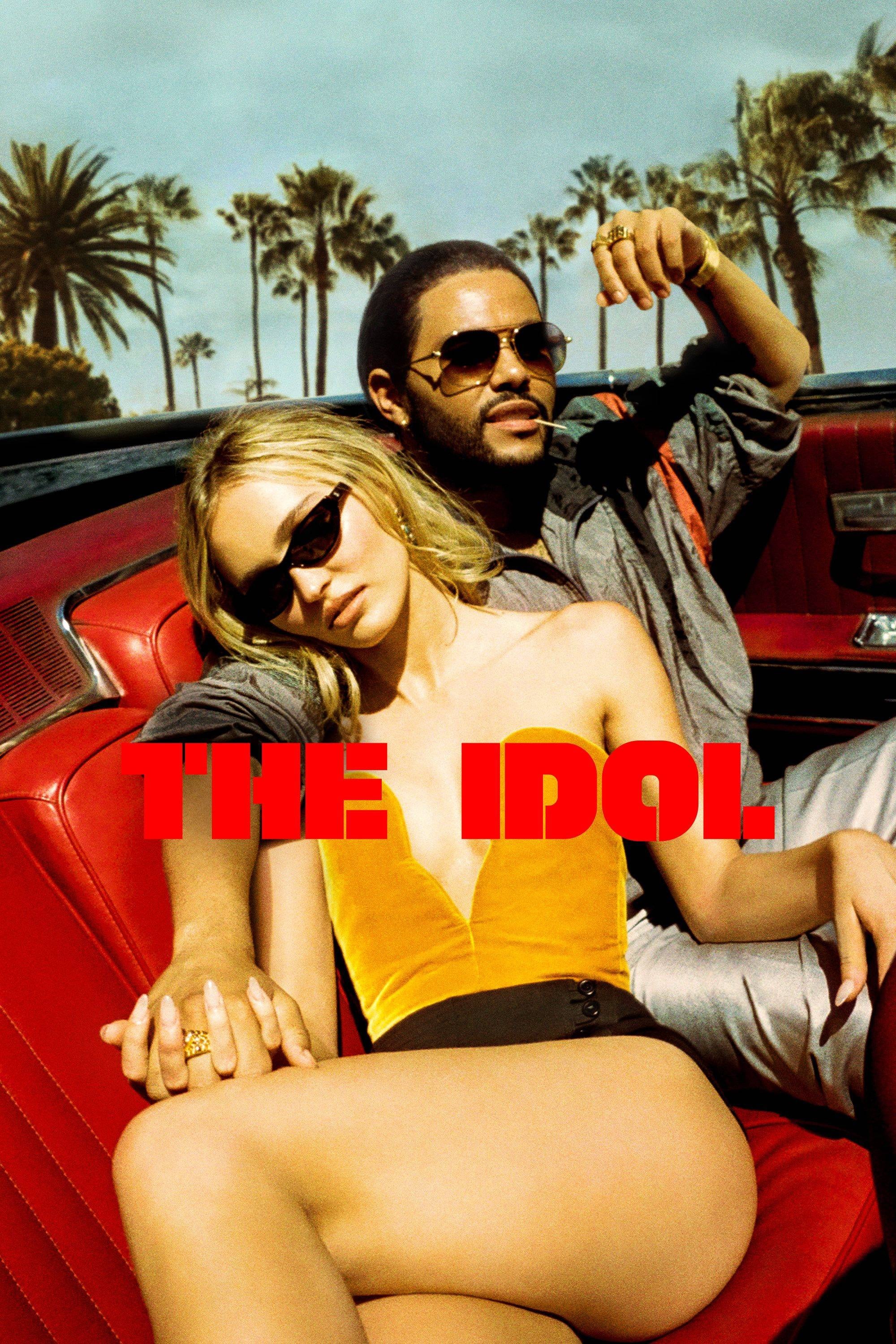
Despite being promoted as a daring exploration of the music world, this series was almost universally disliked when it came out. Reviewers and viewers found the explicit scenes unnecessary and the plot confusing. Problems during filming, including a difficult work environment and constant changes, resulted in a poorly made show. The characters weren’t well-developed, making the drama feel empty instead of exciting. HBO canceled it after just one shortened season because of the strong negative reaction.
‘Velma’ (2023–2024)
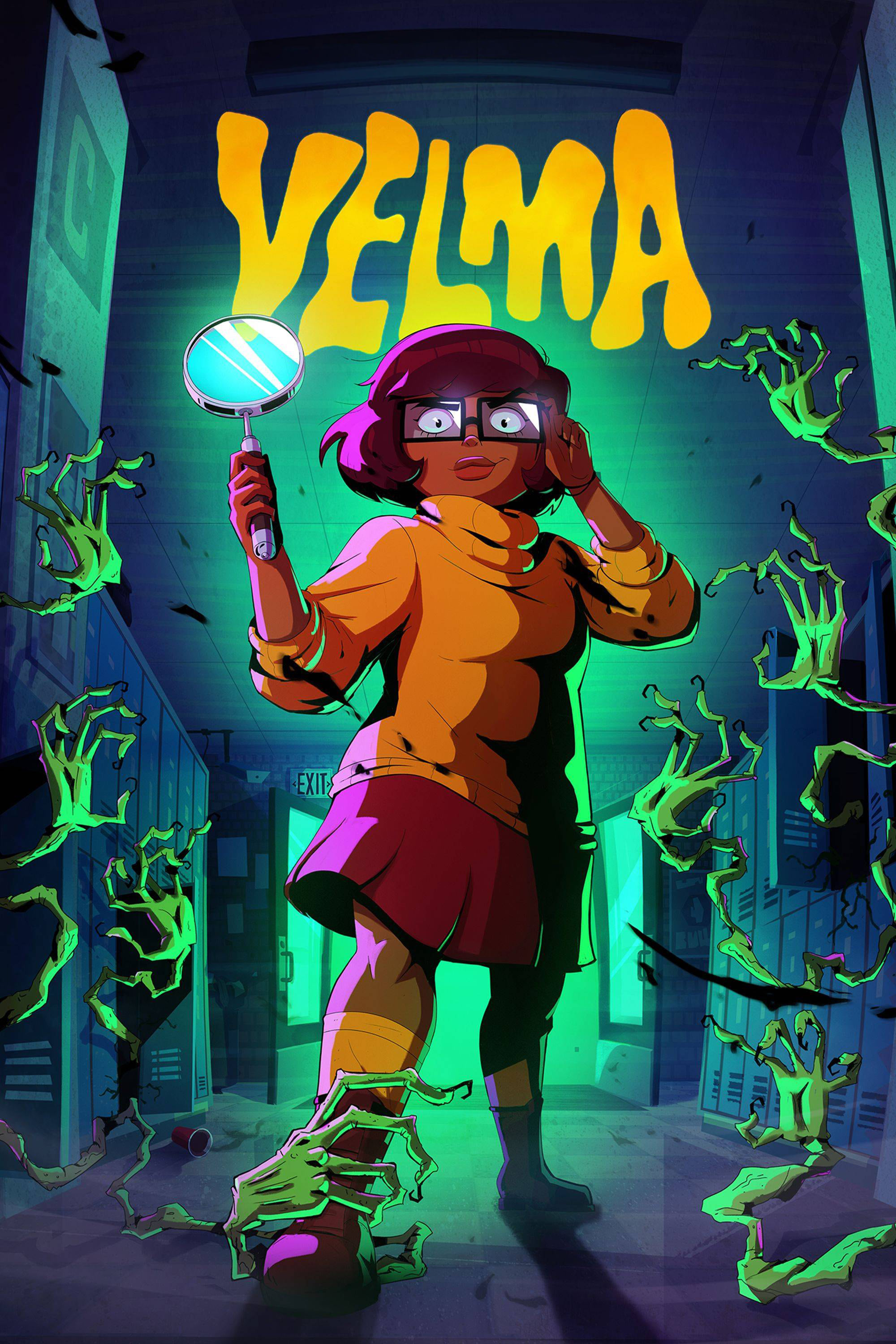
This animated series, meant to be a backstory for Scooby-Doo, tried a different approach with jokes for adults and self-aware humor. But many viewers and critics found the writing unnecessarily harsh and didn’t think it understood what made the original show popular. The main character came across as unpleasant and critical, making it hard for audiences to connect with her. Fans were also disappointed that Scooby-Doo himself wasn’t in the show, especially since they expected to see the familiar mystery-solving group. Ultimately, the series’ negative and critical tone led to very low ratings, making it one of the least-watched animated shows ever.
‘Westworld’ (2016–2022)
The first season of the show was brilliantly mysterious and captivating, but it became harder to follow in later seasons. Once the story moved beyond its original setting, it lost the special feeling that made it so good. The plot got overly complicated, with characters constantly dying and coming back to life, which made their struggles feel less meaningful. Viewers began to lose interest in the show’s deeper ideas as the story became too confusing. Unfortunately, the show was cancelled before it could finish its planned ending, leaving many questions unanswered.
‘Battlestar Galactica’ (2004–2009)
The show was praised for its realistic take on science fiction, but the finale didn’t satisfy many viewers. Explaining the show’s biggest mysteries with a divine intervention felt like an easy way out, especially for those who preferred a secular explanation. Starbuck’s storyline ended ambiguously, with her simply disappearing, leaving her origins a mystery. The choice for the survivors to reject technology and return to a primitive lifestyle felt unrealistic to some. Ultimately, the finale’s spiritual focus didn’t quite fit with the show’s political and military themes, leaving many viewers disappointed.
‘Castle’ (2009–2016)
The eighth season of the show was troubled by disagreements between the two main actors, which caused a noticeable lack of connection on screen. When the network decided not to bring one of the stars back for a possible ninth season, they initially planned to write her character off. However, a strong reaction from fans led to the show’s cancellation instead. The final episode ended with a rushed and unsatisfying montage attempting to provide closure, ultimately damaging the show’s reputation after years of being a lighthearted and enjoyable romantic comedy.
‘Sleepy Hollow’ (2013–2017)
The strong connection between Ichabod Crane and Abbie Mills was central to the show’s appeal. Killing off Abbie in the third season finale damaged that core relationship and led to criticism that the show was sacrificing a diverse lead character for dramatic effect. While the fourth season tried to move forward with a new partner for Ichabod, viewers had already stopped watching, and the show was soon cancelled, demonstrating it couldn’t succeed without Abbie Mills.
’13 Reasons Why’ (2017–2020)
The show’s first season had a complete, satisfying story based on the original novel, and its popularity led to three more seasons. However, these later seasons faced criticism for focusing too much on disturbing events, including a particularly graphic scene of sexual assault. The storyline shifted to a murder mystery, and surprisingly, tried to make the villain from the first season seem sympathetic. Many viewers felt the show used serious topics simply for shock value instead of treating them with sensitivity. What started as a thought-provoking drama ultimately became an over-the-top and sensationalized soap opera.
‘Riverdale’ (2017–2023)
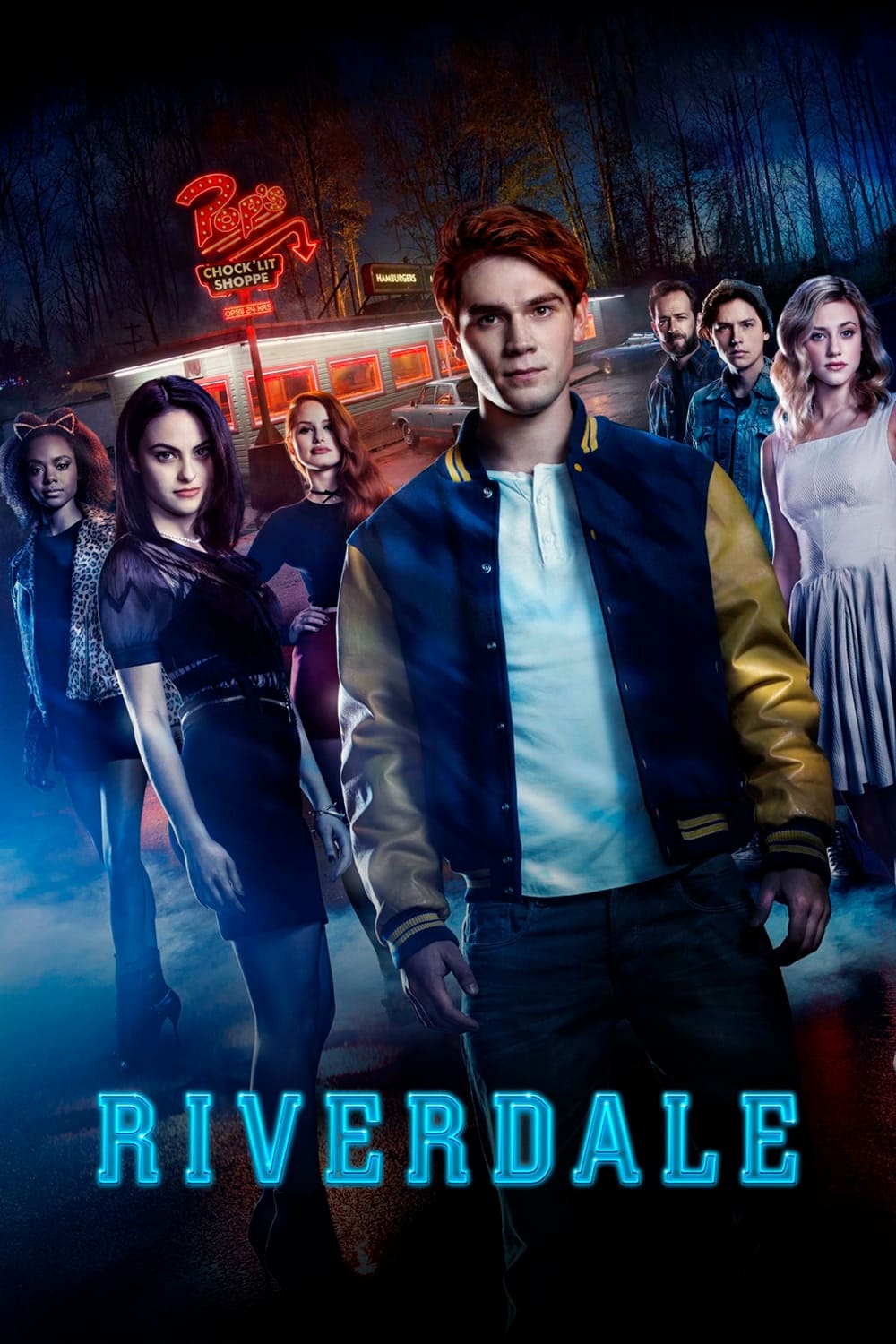
The show began as a dark and intriguing murder mystery inspired by Archie Comics, but it quickly became incredibly bizarre. It started including storylines about everything from organ-harvesting cults and superpowers to time travel. The dialogue became well-known online for how silly it was, like the famous line about “the epic highs and lows of high school football.” While some viewers found it enjoyably over-the-top, many original fans stopped watching because the plot became so confusing and lacked any real direction. The constant, unpredictable twists turned off those who wanted a story that made sense.
‘Glee’ (2009–2015)
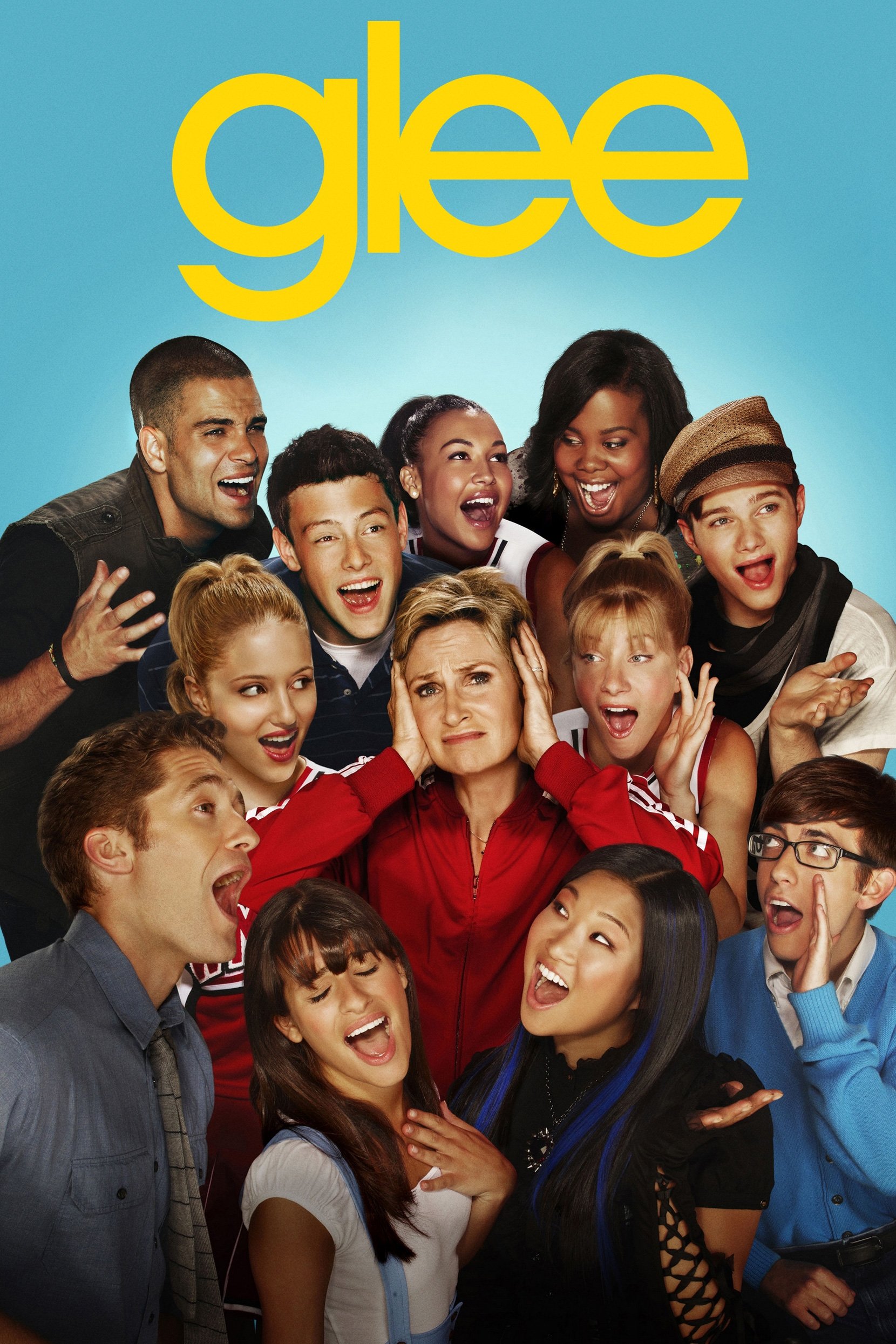
The show started strong, offering a clever and funny take on high school. However, it lost much of that original spark as time went on. When the first group of students graduated, the show jumped between New York and Ohio, which made the stories feel less focused. The new students joining the glee club weren’t as memorable as the original cast. Plus, episodes trying to raise awareness about important issues often felt overly moralistic and didn’t handle sensitive subjects very well. Ultimately, the show became a shallow version of its former self, a far cry from the critically praised series it once was.
‘Once Upon a Time’ (2011–2018)
The fantasy series successfully concluded most of its major plot lines after six seasons. However, the network decided to restart the show for season seven, largely replacing the original characters. The new season focused on an adult Henry Mills and introduced another curse, echoing the original storyline but with less emotional resonance. Many fans missed beloved characters like Emma Swan and Snow White, and felt the final season was an unneeded extension that overstayed its welcome.
‘The Witcher’ (2019–Present)
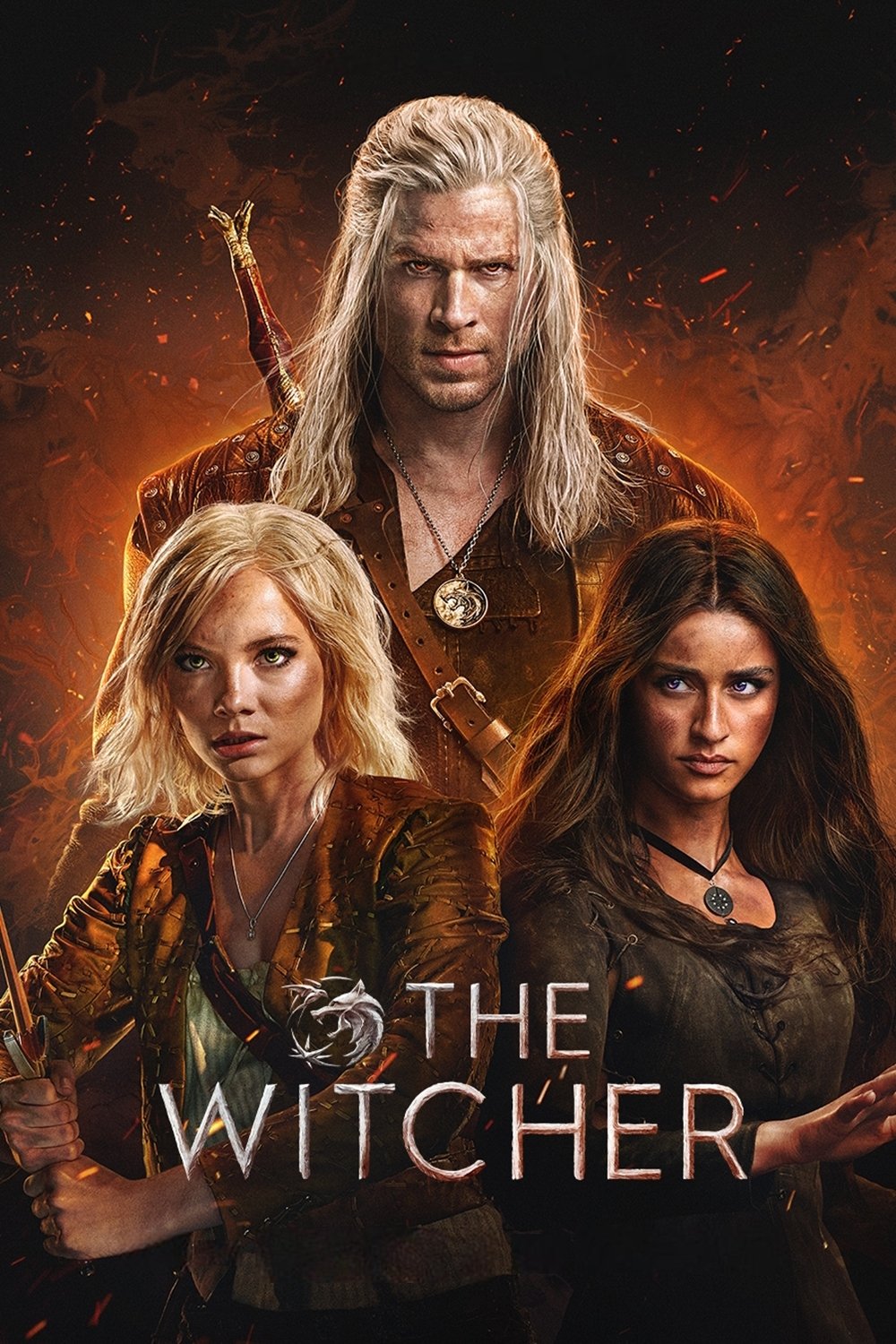
Viewers who loved the original books and games became increasingly upset with how different the show was becoming. The writers added new stories that didn’t fit with what had already been established, and they gave Geralt of Rivia, the main character, less to do. When Henry Cavill, a big fan of the books himself, announced he was leaving, it was largely due to disagreements about the show’s direction. This sparked a huge backlash from fans, who saw Cavill as the one thing keeping the show good. As a result, fewer people watched the next season because they’d lost faith in the show’s accuracy.
‘Fear the Walking Dead’ (2015–2023)
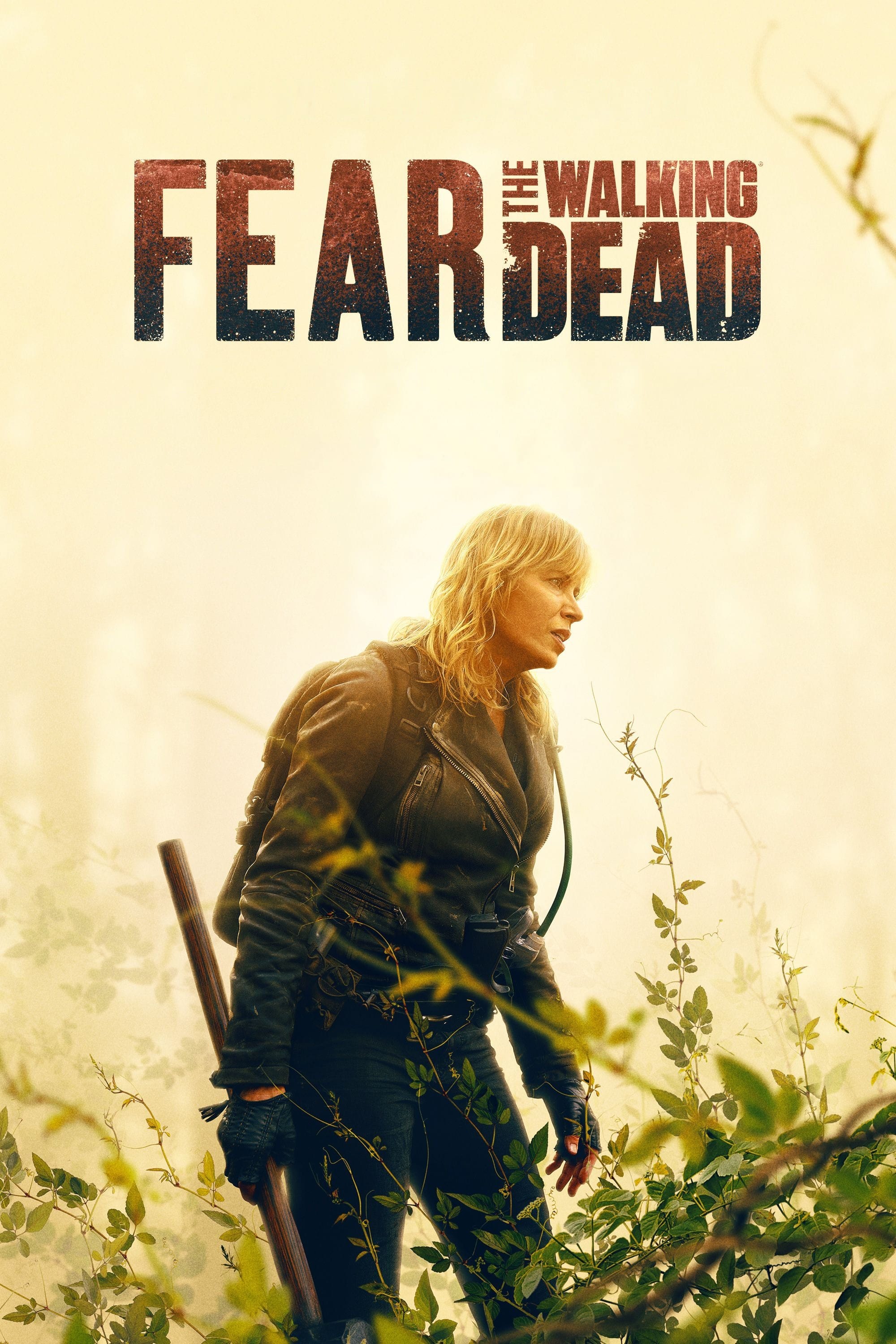
I started watching because it was supposed to be a story about how the world ended, but things changed a lot in season four. It basically became part of the bigger show, and our original main character, Madison, was unexpectedly killed off – it felt like they just wanted to bring in Morgan from the other series. Honestly, the show went from being a really intense family drama to something that felt more like a preachy western, and a lot of us who’d been watching for a while weren’t happy. The writing got really frustrating too, with characters constantly making dumb choices just to move the story forward. Even when Madison came back later on, it was too late – the show had lost its way, and it just wasn’t the same anymore.
‘Shameless’ (2011–2021)
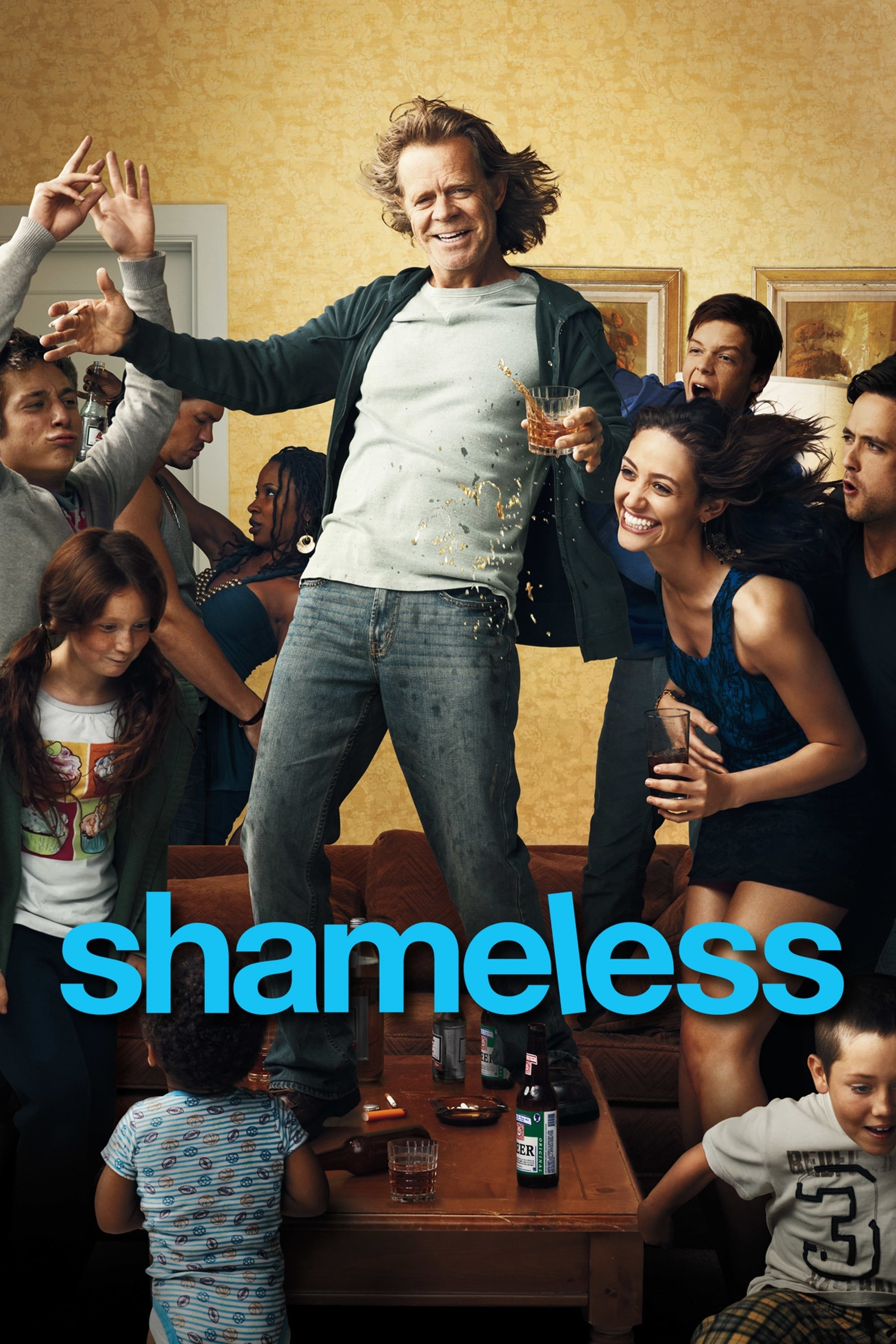
When Emmy Rossum left the show – she played the central figure, Fiona Gallagher – it left a significant gap that the series never quite recovered from. Later seasons lacked a strong emotional core, and storylines about Frank Gallagher’s behavior became predictable, while the focus on neighborhood changes felt forced. Many viewers felt the finale was unsatisfying because it didn’t acknowledge Fiona or give the Gallagher family a proper ending. Ultimately, the show seemed to lose its momentum and simply ended without a clear resolution.
‘Supernatural’ (2005–2020)
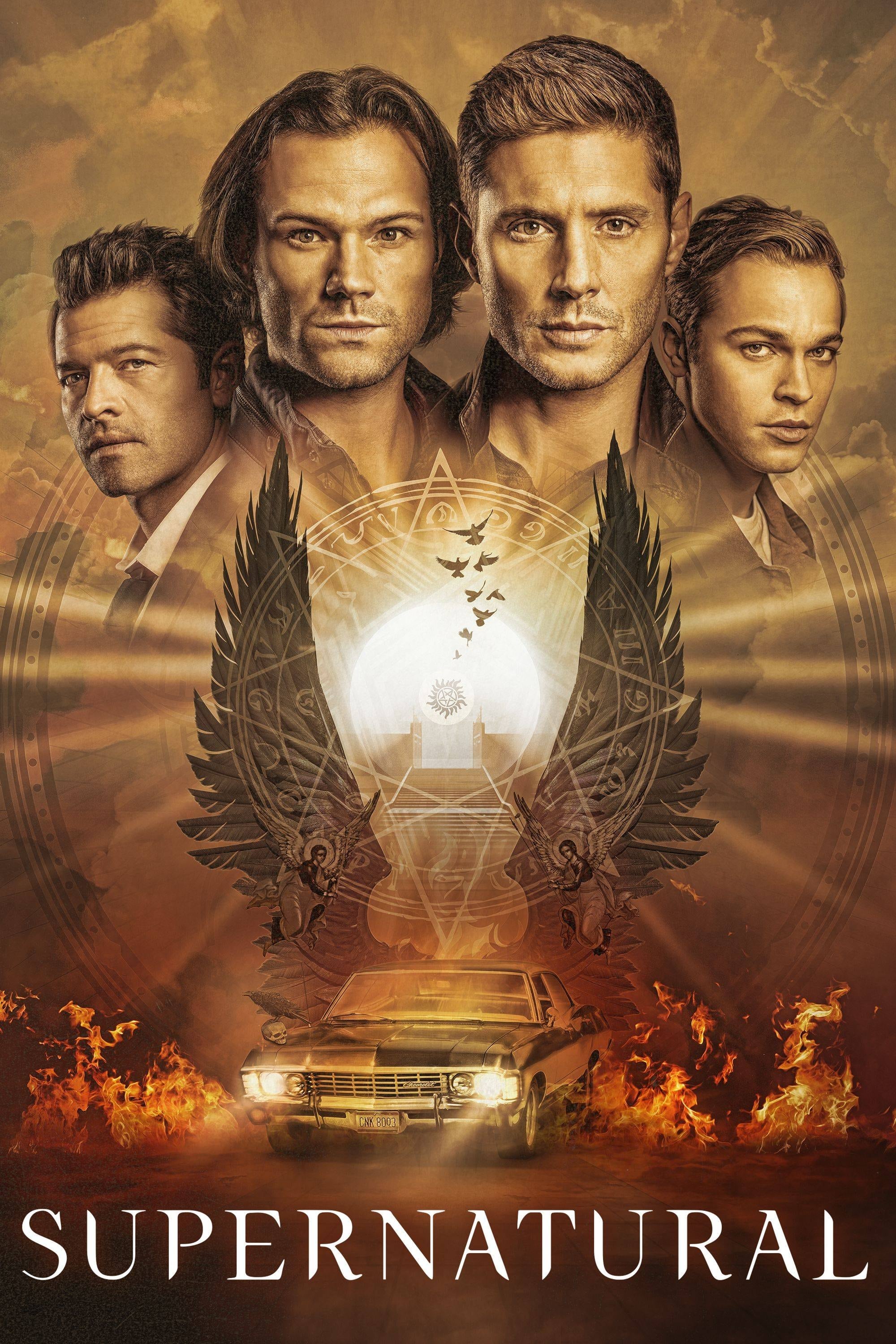
After fifteen seasons of fighting monsters and saving the world, Dean Winchester died in a surprisingly ordinary way – from a rusty nail during a small fight with vampires. Many fans were upset, feeling such a simple death didn’t honor a character who had faced down God and the Devil. The final episode also left out Castiel, a key character who had recently confessed his feelings for Dean. Viewers felt unsatisfied with the lack of resolution for Castiel’s story and thought the montage showing “heaven” didn’t provide a proper ending. The finale caused a lot of debate online about how the show handled its important themes.
‘The X-Files’ (1993–2018)
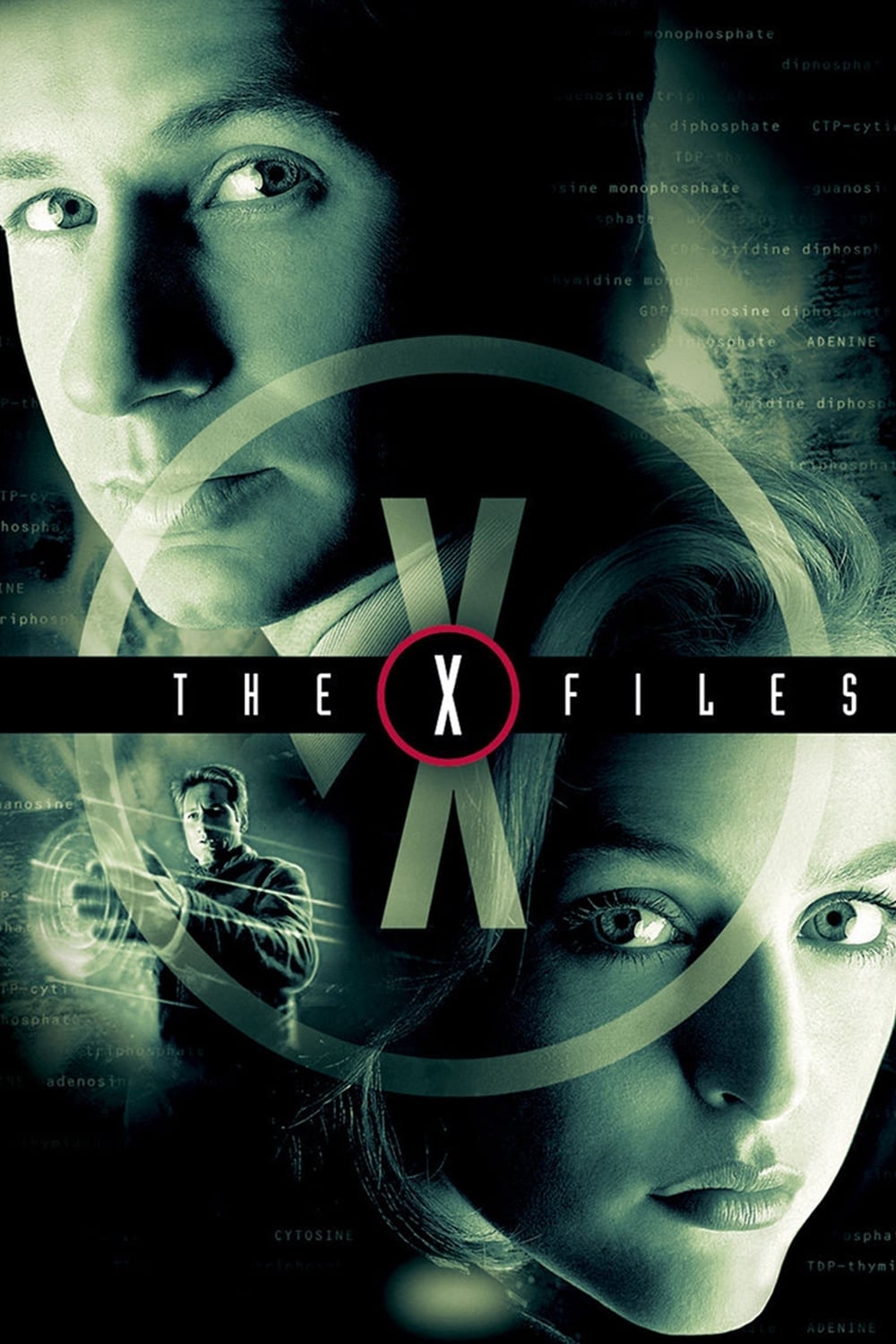
The show’s later seasons never quite lived up to the quality of the original, especially the episodes focused on the overarching mystery. The final episode of season 11 delivered a surprising and controversial twist: Scully’s son, William, wasn’t Mulder’s biological child, but the product of a secret experiment orchestrated by the Smoking Man. This upset many fans, who felt it betrayed Scully’s character and damaged the emotional connection between her and Mulder. Gillian Anderson decided not to continue with the show after this storyline, effectively ending the series on a disappointing note. It felt like a harsh rejection of the show’s central love story and established history.
‘My Name Is Earl’ (2005–2009)
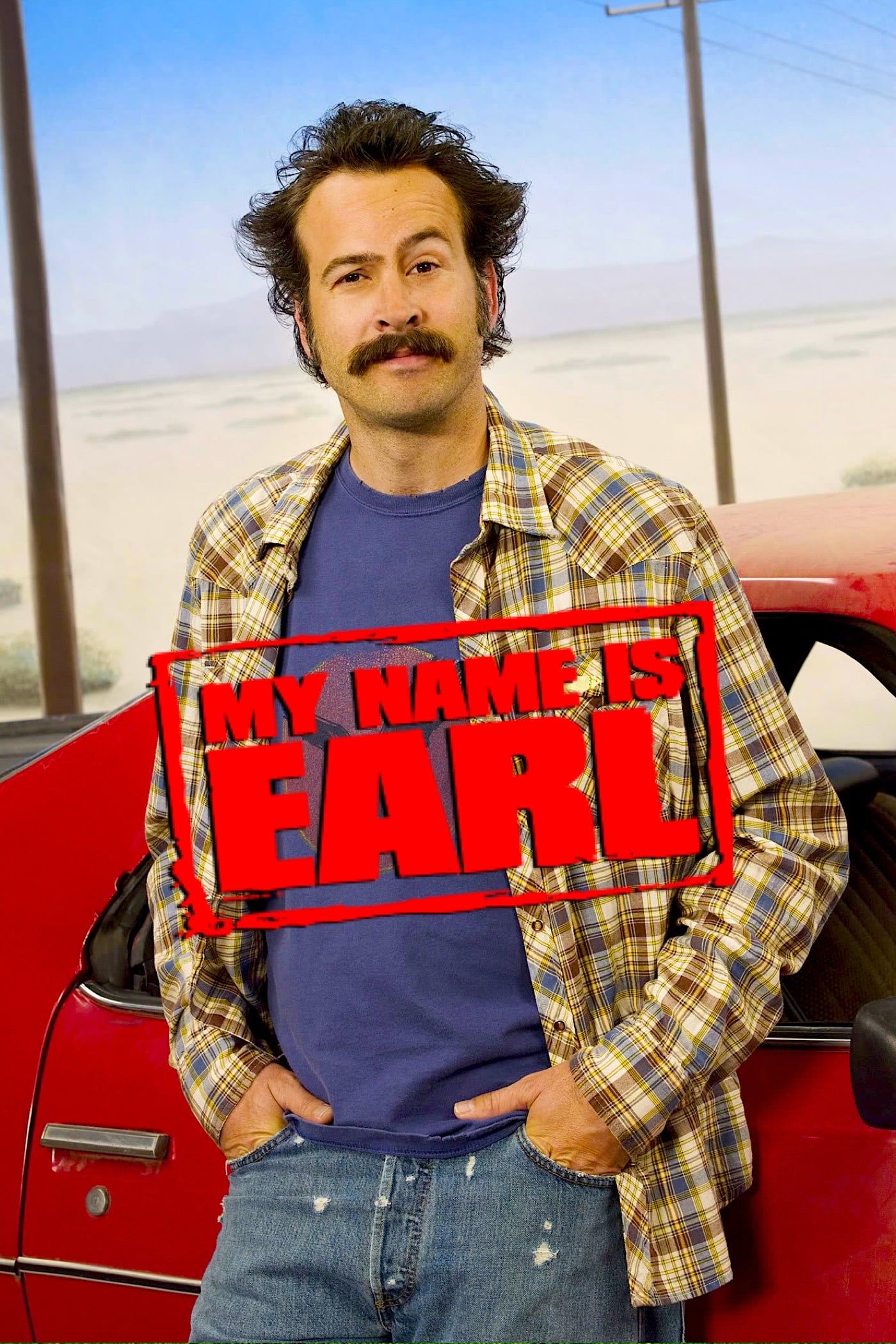
The show ended without resolving its main storylines when it was surprisingly cancelled by the network. Earl Hickey’s journey to complete his list was left unfinished, and the identity of Dodge’s father remained a mystery. Although the show’s creator later shared the planned ending, fans never got to see it play out on screen. This sudden cancellation felt like a letdown, especially because the entire show revolved around Earl completing his list. It’s now remembered as one of the most disappointing unfinished stories in sitcom history.
‘Alf’ (1986–1990)
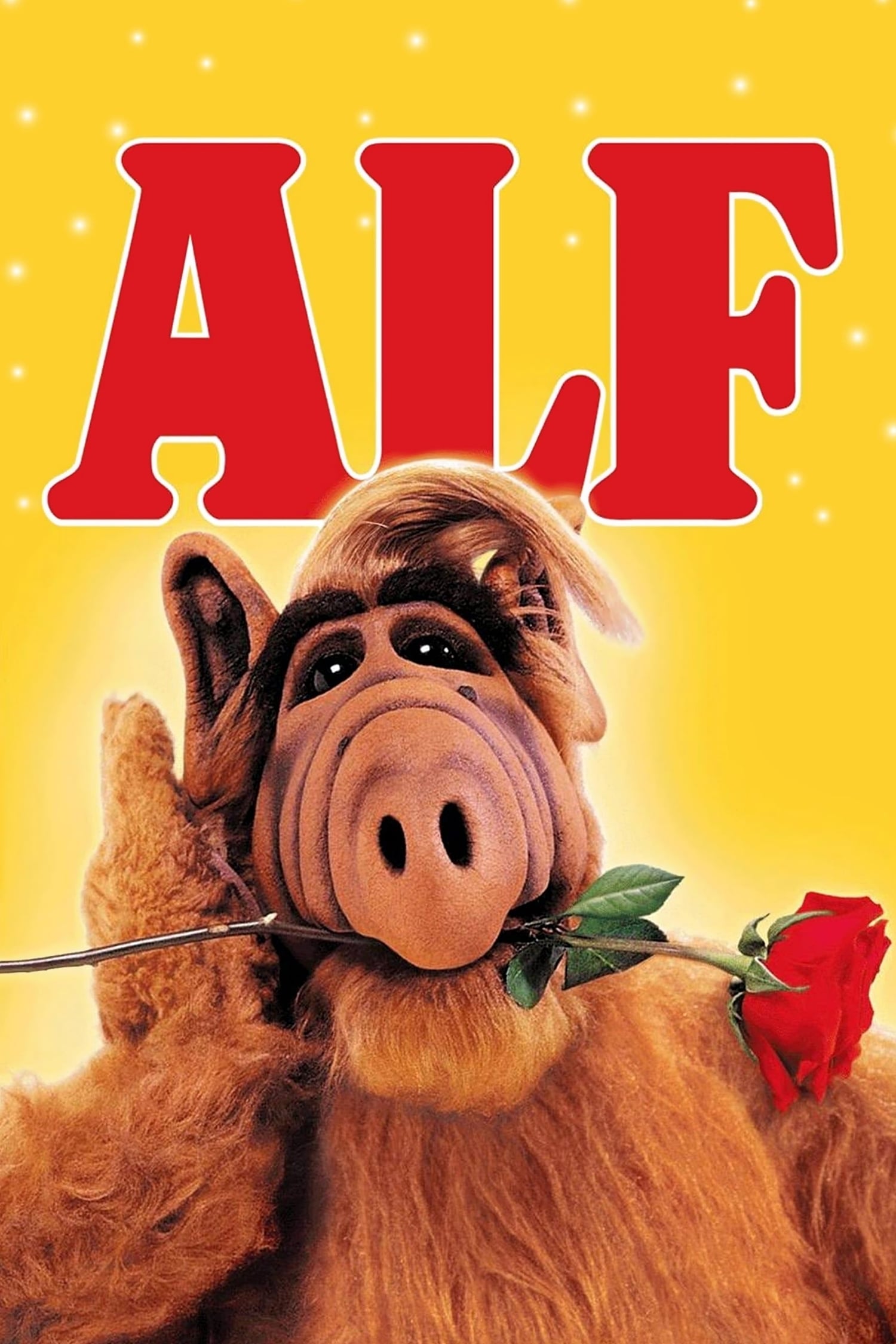
The popular family comedy ended with a shockingly upsetting finale. The show’s alien character, Alf, was captured by government agents, and the episode simply cut to black. Although a follow-up movie was eventually made to explain what happened, it wasn’t shown for years, leading many kids to believe Alf had been harmed. It was a surprisingly scary way to end such a cheerful show, and the later movie didn’t quite fix the jarring shift in tone from the original episode.
Share your own list of TV disappointments in the comments.
Read More
- 2025 Crypto Wallets: Secure, Smart, and Surprisingly Simple!
- Brown Dust 2 Mirror Wars (PvP) Tier List – July 2025
- Wuchang Fallen Feathers Save File Location on PC
- Gold Rate Forecast
- Banks & Shadows: A 2026 Outlook
- Gemini’s Execs Vanish Like Ghosts-Crypto’s Latest Drama!
- QuantumScape: A Speculative Venture
- HSR 3.7 breaks Hidden Passages, so here’s a workaround
- 9 Video Games That Reshaped Our Moral Lens
- Elden Ring’s Fire Giant Has Been Beaten At Level 1 With Only Bare Fists
2026-01-29 04:28