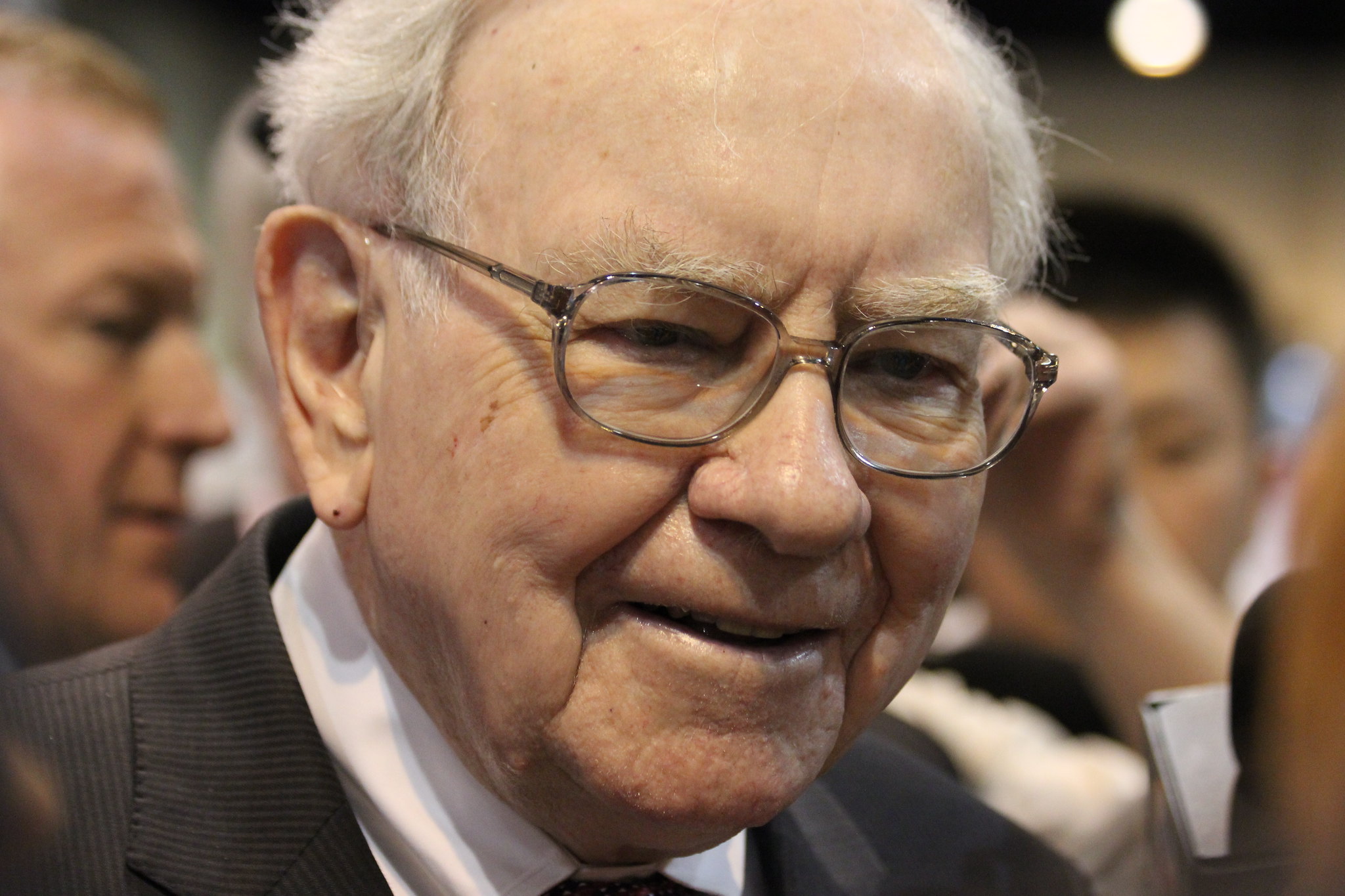
Warren Buffett, you see, has rather gracefully stepped down from day-to-day stock-picking at Berkshire Hathaway. It’s a bit like a master chef handing over the sauté pan, though he still keeps a very interested eye on the simmer. The stocks Berkshire holds, therefore, remain a rather fascinating glimpse into what the man – and now his team – actually thinks. And, frankly, it’s not always what you’d expect. If you’ve a few thousand dollars rattling around and fancy joining the Oracle of Omaha, here are three companies currently attracting his attention – and which, with a bit of luck, might attract yours too.
Amazon
Buffett, for years, held a rather skeptical view of technology companies. Said they were too… well, baffling. He preferred businesses he could understand – things involving bricks, or widgets, or reasonably predictable consumer behavior. Amazon, therefore, was something of an anomaly. He’s famously admitted he didn’t fully grasp the intricacies of cloud computing, which, let’s be honest, is probably true of most of us.
But, Berkshire does hold a position – a relatively modest one, actually, around 10 million shares. It’s a tiny sliver of Amazon, and a small percentage of Berkshire’s enormous portfolio, but it’s there. And it speaks to something undeniable: Amazon is, quite simply, exceptionally good at selling things to people. There are now over 200 million Prime members in the US alone – that’s a lot of boxes arriving on doorsteps. They shifted around $530 billion worth of goods and services last year, a 10% increase, and they seem determined to keep that pace up. It’s a remarkable feat, when you consider that’s essentially a lot of people agreeing to buy things they probably didn’t need in the first place.
While e-commerce gets most of the attention, the real engine of growth is Amazon Web Services – cloud computing. It accounts for around 60% of their profits. And it’s growing at a rather brisk 18% year-over-year. It’s not a particularly complicated business, really – just renting out computer space to other companies – but they do it very, very well. Buffett loves a “wide moat” – a sustainable competitive advantage – and Amazon has one, several in fact. It’s a bit surprising, therefore, that the stock hasn’t surged more recently. But, as Buffett might say, good value doesn’t always mean instant gratification.
Constellation Brands
Here’s a curious one. Recent surveys suggest Americans are drinking less alcohol. A multi-decade low, in fact. So, Berkshire’s increasing stake in Constellation Brands – the parent company of Modelo and Corona – seems…counterintuitive. They’ve been adding shares even as sales have dipped. It’s a bit like investing in buggy whips just as the automobile is taking off.
But there’s a method to the madness. Firstly, people aren’t necessarily drinking less, they’re drinking better. Premium brands are holding up better than cheaper options. Secondly, and this is where a bit of historical perspective comes in handy, consumer tastes are cyclical. The same data showing a decline in alcohol consumption also shows periods of robust growth. The late 1980s and early 1990s, for example, were a particularly good time to be in the beverage business. Investment bank Jefferies suggests the current slowdown is more about financial constraints than health concerns. If the economy stabilizes, incomes rise, and inflation cools, expect a rebound.
Gavin Hattersley, the CEO of Constellation’s rival, Molson Coors, put it rather succinctly during an earnings call: “I want to stress that we continue to view the incremental softness in the industry performance this year as cyclical.” Hattersley, by all accounts, was a straight shooter. If he said it’s cyclical, it’s probably worth paying attention.
Occidental Petroleum
Finally, let’s talk oil. Occidental Petroleum is a significant holding for Berkshire – one of the largest, in fact. They own nearly 265 million shares, worth around $12 billion, representing 27% of the company. It’s a substantial commitment.
Buffett is a fan of simple, old-fashioned industries. He’s not necessarily opposed to renewable energy – he recognizes its inevitability – but he also understands that the transition will take time. And a long time, it seems. Back in 2022, Berkshire started building its position in Occidental, and the rationale was clear: even if renewables are the future, the world will still need oil and gas for decades to come.
The International Energy Agency estimates that “peak oil” – the point at which global consumption begins to decline – won’t arrive until 2050. And even then, the decline will be gradual. There’s still plenty of money to be made drilling and refining oil, even at current prices. The industry has a history of oversupply, followed by production cuts and price increases. And Occidental, after a three-year soft patch, may be poised for a rebound. It’s not glamorous, perhaps, but it’s a business Buffett understands, and that, in the end, is often the most important thing.
Read More
- Top 20 Dinosaur Movies, Ranked
- 20 Movies Where the Black Villain Was Secretly the Most Popular Character
- Celebs Who Narrowly Escaped The 9/11 Attacks
- 25 “Woke” Films That Used Black Trauma to Humanize White Leads
- The 10 Most Underrated Jim Carrey Movies, Ranked (From Least to Most Underrated)
- Transformers Under the Microscope: What Graph Neural Networks Reveal
- The Best Directors of 2025
- Every Notable ‘Star Trek: The Original Series’ Actor Who Died
- 22 Films Where the White Protagonist Is Canonically the Sidekick to a Black Lead
- Trading on Thin Air: AI Agents Conquer Crypto Volatility
2026-01-29 04:13