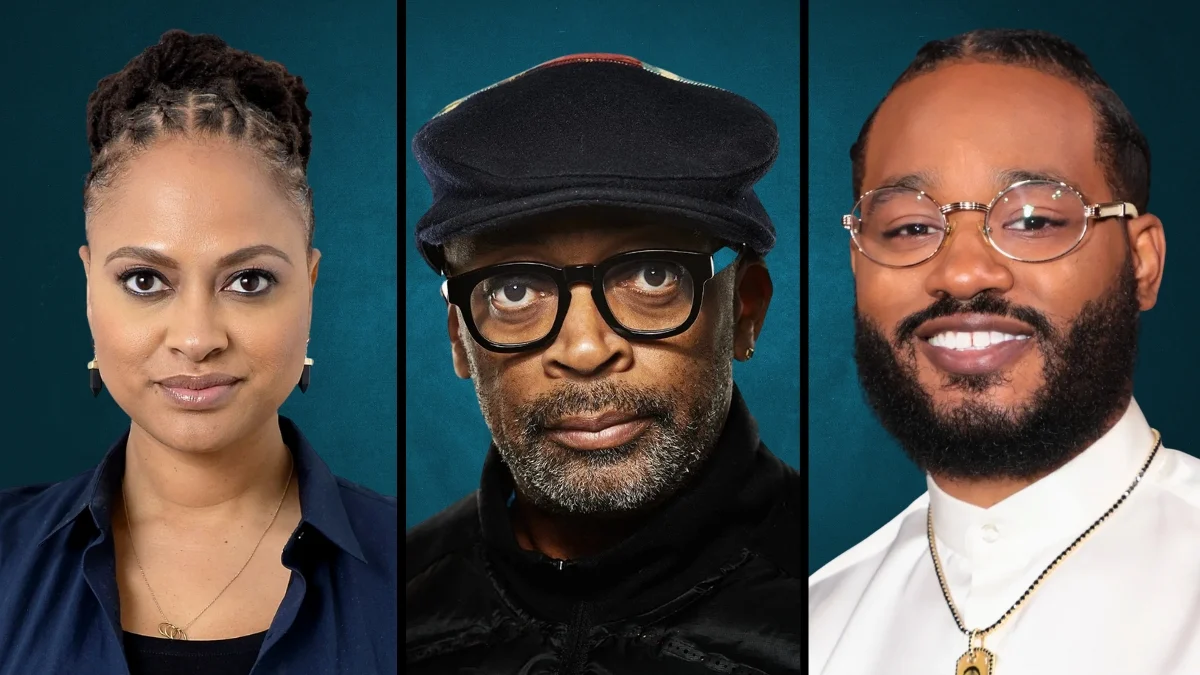
Throughout film history, successful directors have often helped launch the careers of those coming up next. Black directors have been especially important in this, building opportunities for diverse filmmakers in an industry that hasn’t always included them. Whether through teaching or on-the-job training, these directors have nurtured many of today’s leading creatives, ensuring a broader range of voices shape the stories we see on screen. This article highlights several directors who have played a key role in supporting emerging talent.
Spike Lee
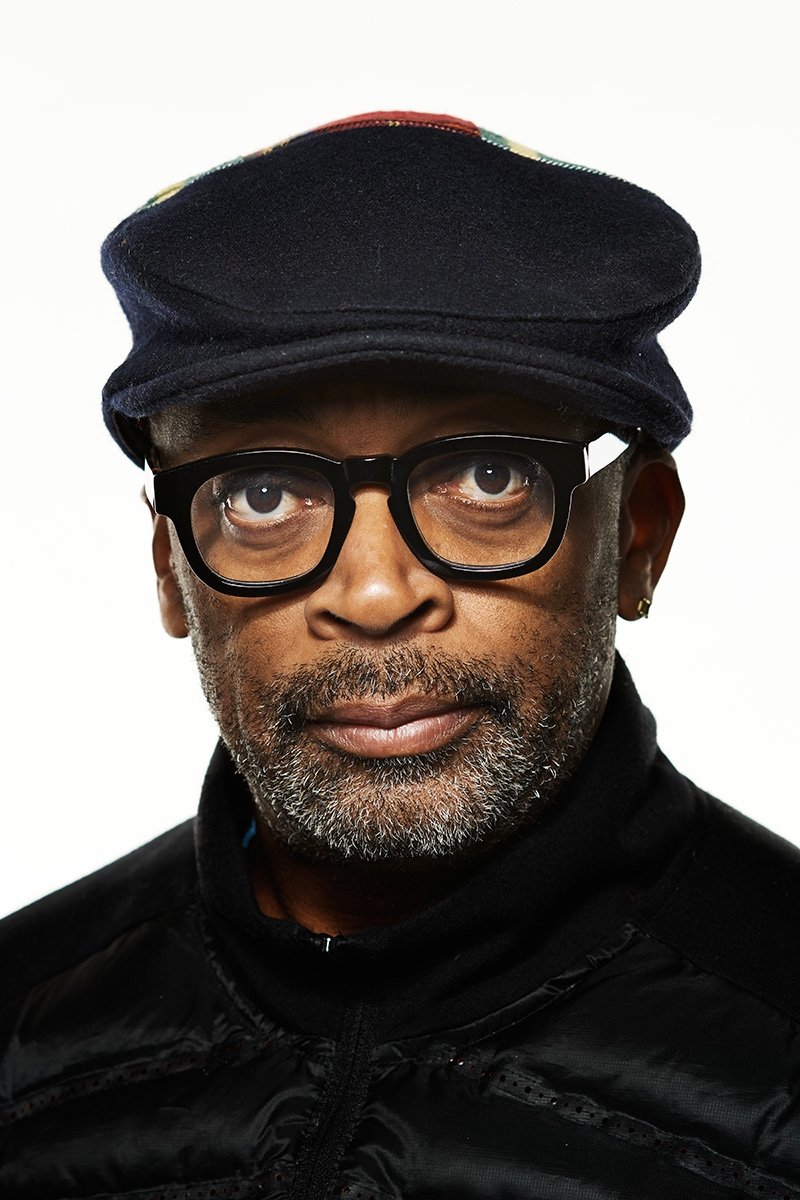
For decades, Spike Lee has shared his filmmaking expertise with students at New York University, helping launch the careers of many aspiring directors and crew members. He famously guided Ernest Dickerson, who started as Lee’s cinematographer and went on to become a successful director himself. Lee also supported early-career directors like Kasi Lemmons, encouraging their unique artistic voices. His production company provides valuable on-the-job training for a diverse range of talent, helping to ensure that the film industry tells a wider variety of stories.
Ava DuVernay
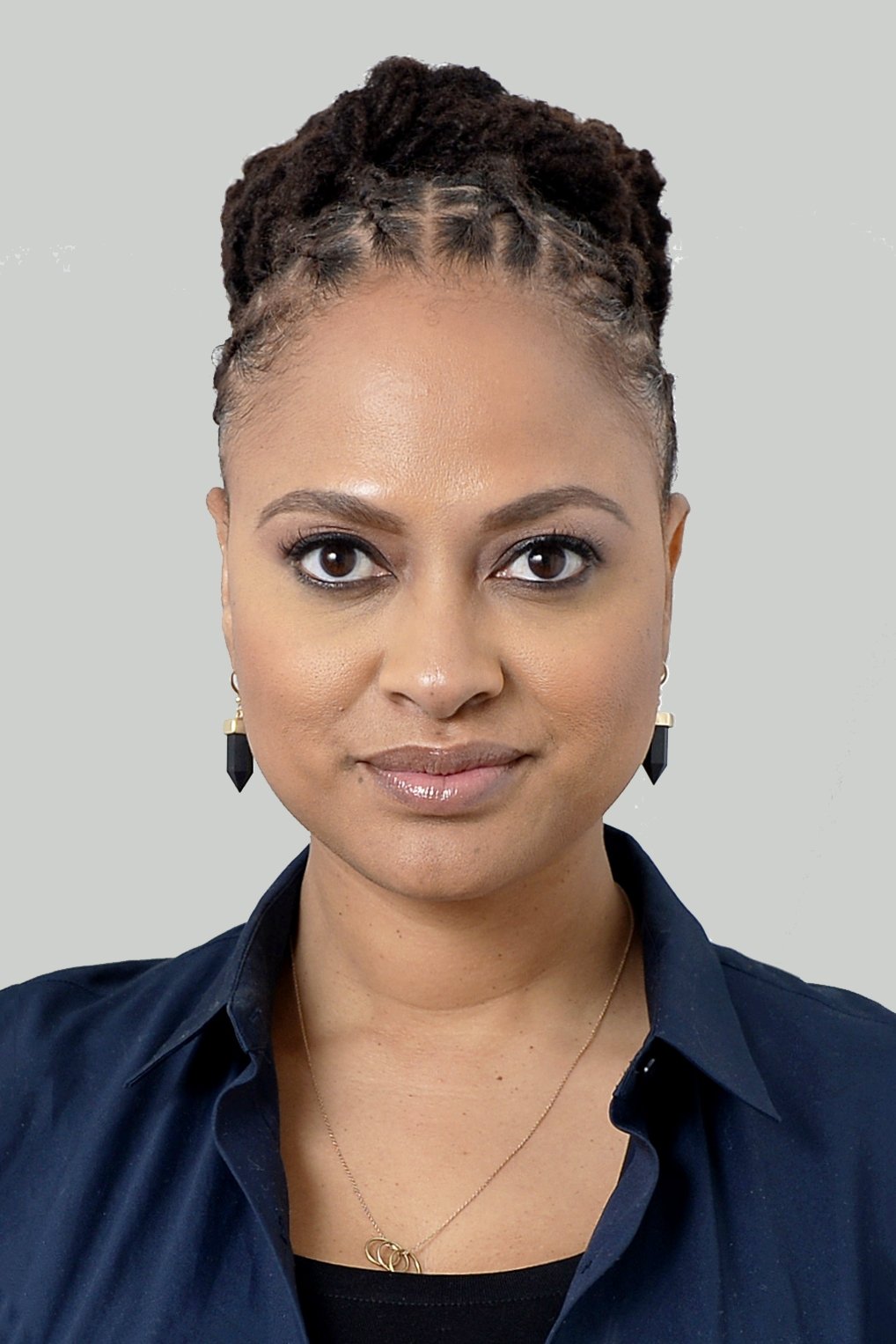
Ava DuVernay founded ARRAY, a platform dedicated to showcasing the work of women and people of color. With her series ‘Queen Sugar,’ she notably chose to use only female directors throughout the show’s run, giving many newcomers valuable experience and helping them launch successful directing careers. DuVernay continues to push for broader change in the industry by linking up-and-coming talent with established production projects, offering not just guidance but also concrete support for those who are typically underrepresented.
Ryan Coogler
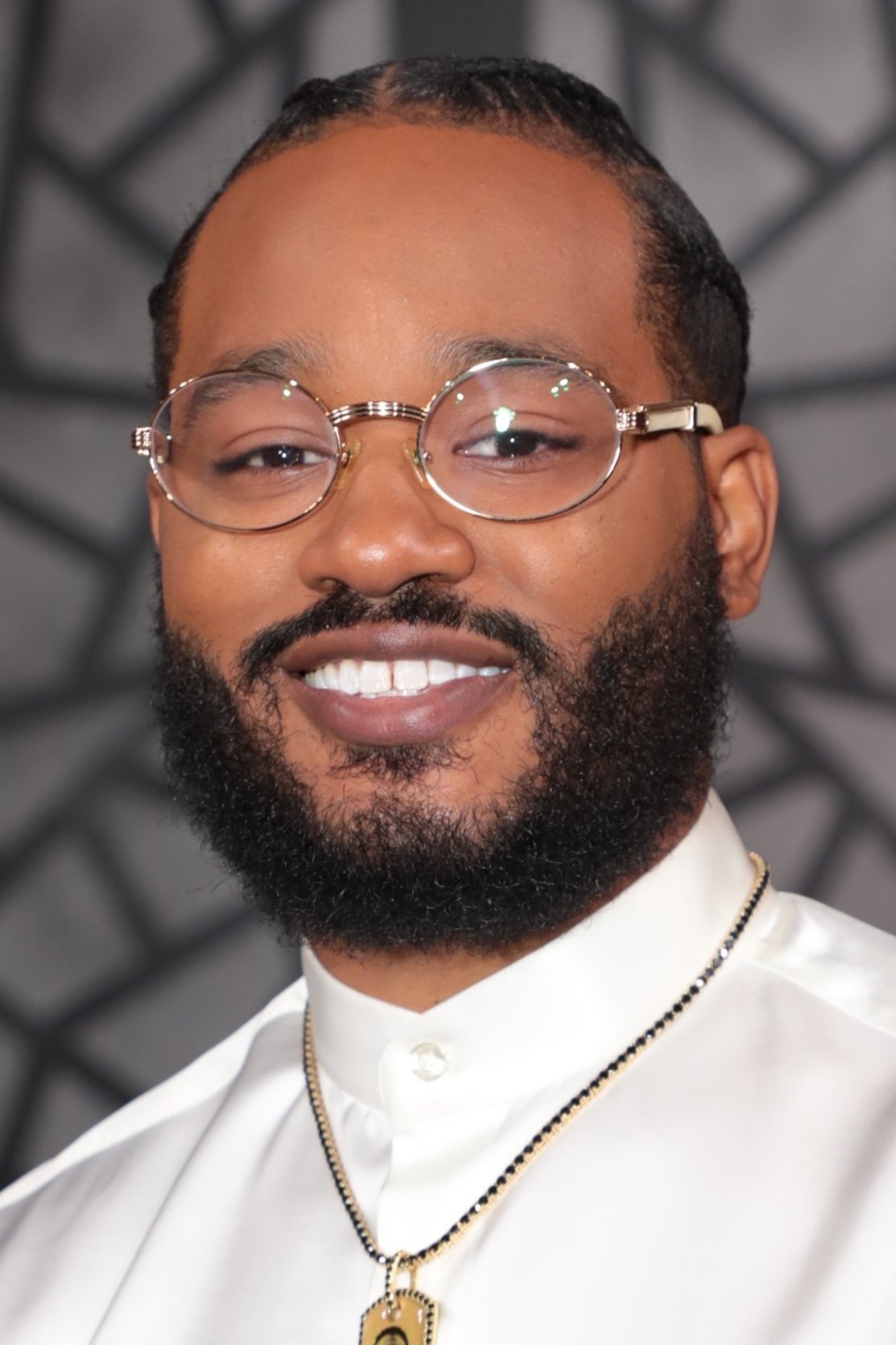
Ryan Coogler is now a key supporter of up-and-coming filmmakers thanks to his production company, Proximity Media. He notably helped Steven Caple Jr. direct ‘Creed II’ after Coogler’s own success with the first ‘Creed’ film. Coogler consistently stresses the value of teamwork and community in creative projects. He uses his position to showcase the work of new directors and make sure they are recognized for their contributions, helping to build a lasting and inclusive environment for diverse talent in the film industry.
John Singleton
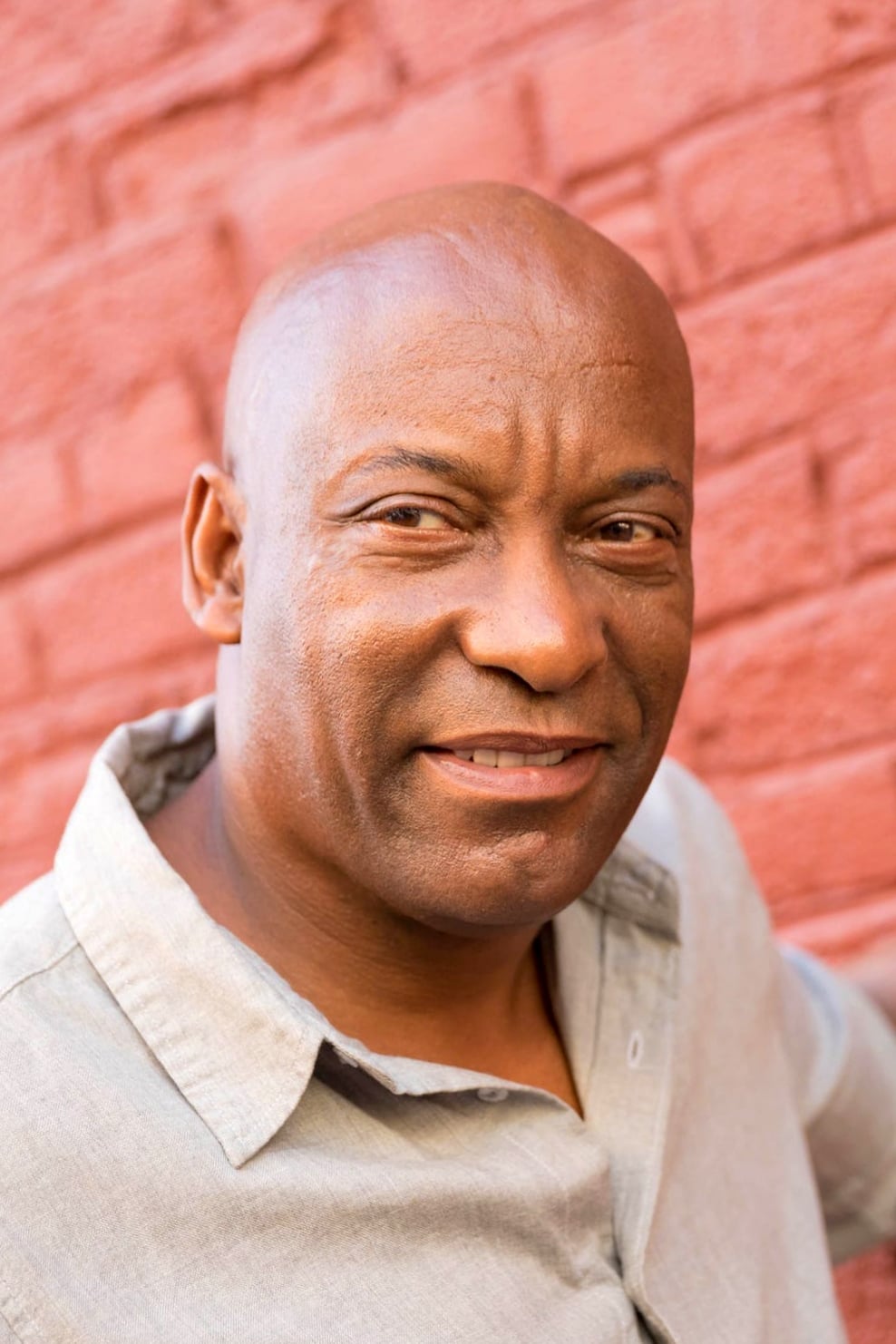
Throughout his successful career, John Singleton was dedicated to finding and supporting up-and-coming talent. He mentored filmmakers like Craig Brewer, helping his independent film ‘Hustle & Flow’ reach a wide audience. Many actors and crew members got their start thanks to him, particularly on films like ‘Boyz n the Hood’. Singleton frequently emphasized the importance of established directors helping those new to the industry. His impact continues through the numerous careers he launched and the diverse voices he promoted.
Gina Prince-Bythewood
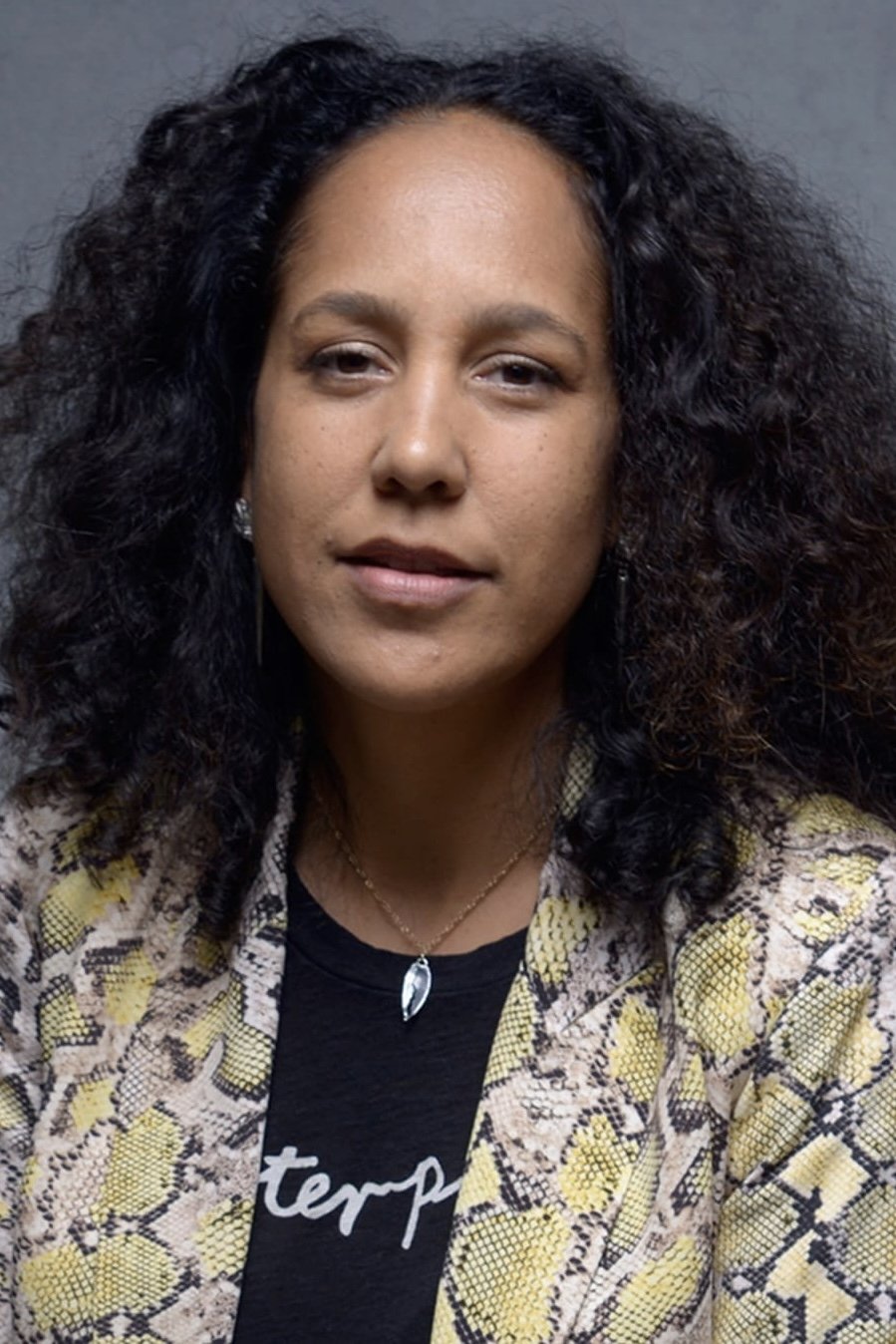
Gina Prince-Bythewood is a strong advocate for up-and-coming female directors, actively mentoring them through organizations like the Academy. She’s known for being a collaborative leader and helped directors like Victoria Mahoney early in their careers. While making ‘The Woman King,’ she intentionally hired women of color into key roles to give them valuable, high-visibility experience. She sees this kind of deliberate hiring as a powerful form of mentorship that can shift the industry’s demographics and offers a model for building more inclusive film sets.
Bill Duke
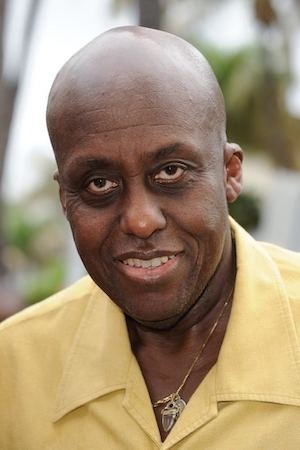
Bill Duke has dedicated much of his career to helping young people build skills in media. He started the Duke Media Foundation to give them the training and resources they need to thrive in today’s digital world. As an actor and director, he’s personally mentored many newcomers to the entertainment industry, stressing that understanding the business aspects is just as important as creative talent. For years, he’s been a key mentor and guide for aspiring filmmakers, particularly within the Black cinematic community.
Please share your favorite examples of filmmaker mentorship in the comments.
Read More
- 20 Movies Where the Black Villain Was Secretly the Most Popular Character
- Top 20 Dinosaur Movies, Ranked
- Celebs Who Narrowly Escaped The 9/11 Attacks
- 25 “Woke” Films That Used Black Trauma to Humanize White Leads
- The 10 Most Underrated Jim Carrey Movies, Ranked (From Least to Most Underrated)
- Transformers Under the Microscope: What Graph Neural Networks Reveal
- The Best Directors of 2025
- Every Notable ‘Star Trek: The Original Series’ Actor Who Died
- 22 Films Where the White Protagonist Is Canonically the Sidekick to a Black Lead
- Trading on Thin Air: AI Agents Conquer Crypto Volatility
2026-01-28 20:14