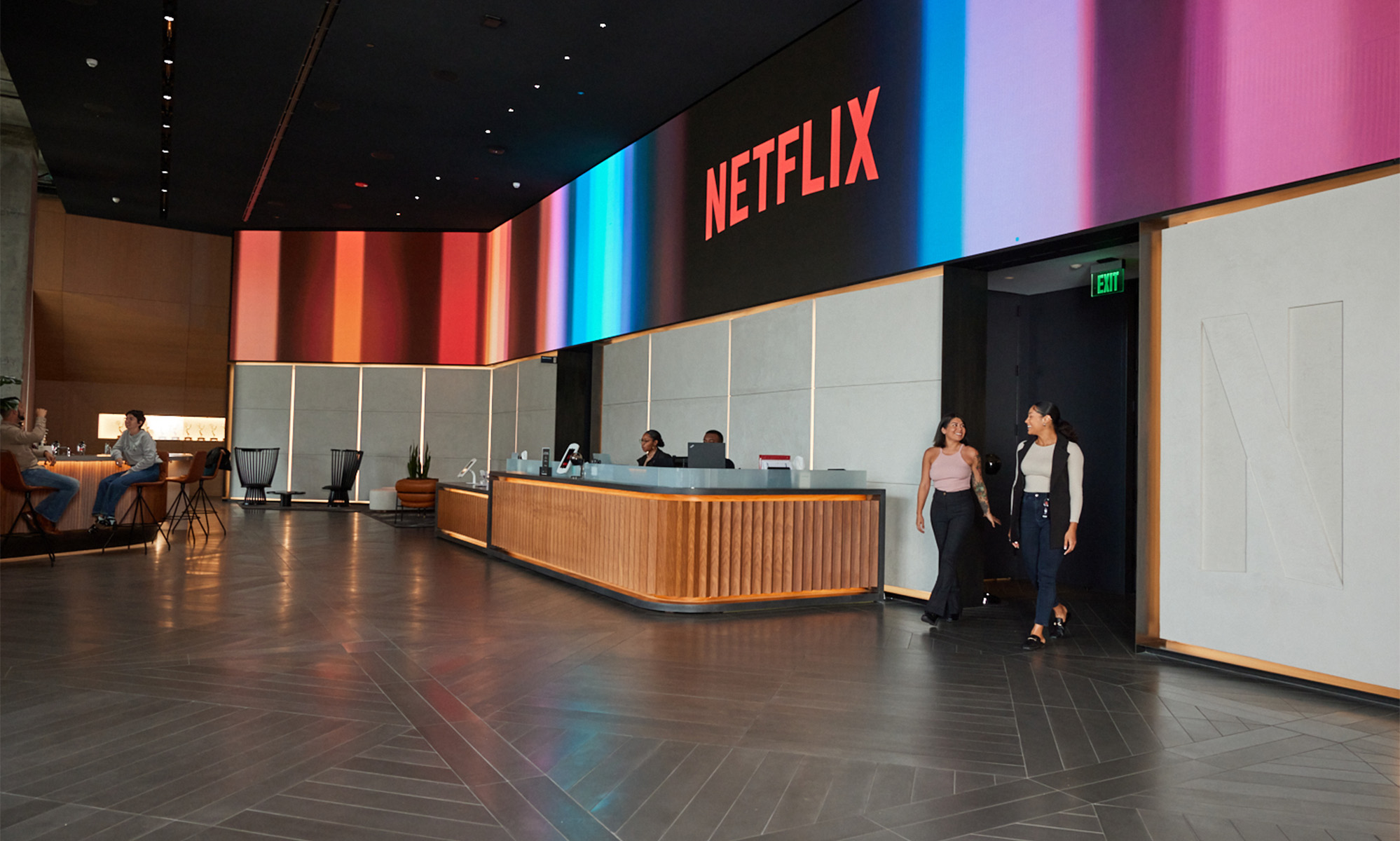
The currents of the market, as they often do, have converged upon a spectacle of corporate ambition and, dare I say, a certain heedlessness. The proposed acquisition of Warner Bros. Discovery by Netflix – a transaction amounting to some eighty-three billion units of currency, burdened by eleven billion more in obligation – is not merely a financial maneuver. It is a symptom, a manifestation of the insatiable appetite that now defines so much of the modern economic landscape. One witnesses, not progress, but a consolidation, a tightening of control over the very narratives that shape our perceptions.
The intervention of Paramount Skydance, a complete bid for Warner Bros. Discovery, introduces a further complication – a scramble for dominion over content creation. The rebuffing of Paramount, the lawsuit, the proxy battle… these are not the actions of rational actors engaged in sound business practice. They are the contortions of entities wrestling for position in a rapidly shifting, and increasingly precarious, ecosystem. The surge in Warner Bros. Discovery’s valuation, a doubling in mere months, is not a testament to its inherent worth, but to the speculative fervor that now dictates so much of market behavior. The stock now trades above both offers, a phantom elevation built on air and anticipation. One must ask: what fundamental value justifies such a climb?
Warner Bros. Discovery, once a pillar of the entertainment industry, has, in recent years, demonstrated a troubling vulnerability. The exodus of customers to streaming platforms, a predictable consequence of evolving consumer habits, exposed a systemic weakness. The attempts to remedy this through acquisition, coupled with the accumulation of debt, resemble a patient desperately clinging to life support. The specter of insolvency, though rarely spoken, looms large. The present situation, therefore, is not a story of strength meeting strength, but of weakness preying upon weakness.
The initial agreement – Netflix acquiring the film and television studios, while spinning off the cable assets – was a clumsy attempt at compartmentalization, a surgical separation of profitable ventures from those deemed liabilities. Paramount’s counter-offer, an all-cash bid of thirty dollars per share, was a blunt instrument, a desperate attempt to seize control of the whole. The involvement of Larry Ellison, the Oracle CEO, adds a layer of intrigue, a reminder that vast fortunes can be deployed to reshape entire industries on a whim. Yet, even with such backing, the outcome remains uncertain. The market, as always, is a capricious mistress.
As of this writing, Warner Bros. Discovery trades at twenty-eight dollars and forty cents. The consensus among analysts, a lukewarm collection of ‘buy,’ ‘hold,’ and ‘sell’ ratings, suggests a potential ten percent downside. This caution is not unwarranted. The deal’s approval is far from guaranteed, and the regulatory hurdles are significant. The market, it seems, has already priced in the optimism. One observes, with a certain weariness, the tendency of analysts to justify the prevailing price, regardless of fundamental realities.
Guggenheim’s Michael Morris, in downgrading the stock from ‘buy’ to ‘neutral,’ merely articulated what many are already thinking: the upside is limited. The protracted nature of the deal, the inherent risks, and the sheer complexity of the transaction all weigh heavily on the outlook. I concur with his assessment. The gains have largely been realized; further appreciation is unlikely.
Turning to Netflix, the picture is markedly different. While Warner Bros. Discovery has experienced a surge, Netflix has suffered a thirty percent decline in the past six months. This is not merely a market correction; it is a consequence of investor skepticism. The acquisition, perceived as a risky and expensive venture, has eroded confidence. The assumption of significant debt, the execution risks, and the potential for antitrust scrutiny all contribute to the negative sentiment. Yet, paradoxically, most analysts still recommend buying the stock. This dissonance is a hallmark of our times – a willingness to ignore fundamental realities in pursuit of speculative gains.
Oppenheimer’s Jason Helfstein, reiterating a ‘buy’ rating despite lowering the price target, exemplifies this peculiar optimism. The lack of catalysts until the deal closes, the absence of share repurchases… these are not insignificant concerns. Yet, the allure of potential upside seems to outweigh the risks. I remain bullish on Netflix in the long term, not because of this acquisition, but because of its inherent strengths – its subscriber growth, its pricing power, and its technological prowess. Should the deal fall through, it will be a costly setback, a waste of time and resources. But Netflix has demonstrated its ability to thrive independently. The combination of HBO’s content with Netflix’s platform could, indeed, be a winning one. However, one must approach this prospect with a healthy dose of skepticism.
The currents of the market, like the tides, are relentless and unforgiving. The fate of these two companies, and indeed of the entire entertainment industry, remains uncertain. But one thing is clear: the pursuit of profit, unchecked and unconstrained, will continue to shape our world, for better or for worse. And we, as investors, must navigate these treacherous waters with prudence, discernment, and a healthy dose of skepticism. The spectacle unfolding before us is not merely a financial transaction; it is a reflection of our times – a testament to the enduring power of ambition, the fragility of fortune, and the enduring struggle for control.
Read More
- Top 20 Dinosaur Movies, Ranked
- 20 Movies Where the Black Villain Was Secretly the Most Popular Character
- Celebs Who Narrowly Escaped The 9/11 Attacks
- 25 “Woke” Films That Used Black Trauma to Humanize White Leads
- Spotting the Loops in Autonomous Systems
- Gold Rate Forecast
- The 10 Most Underrated Jim Carrey Movies, Ranked (From Least to Most Underrated)
- Silver Rate Forecast
- The Best Directors of 2025
- Transformers Under the Microscope: What Graph Neural Networks Reveal
2026-01-27 13:24