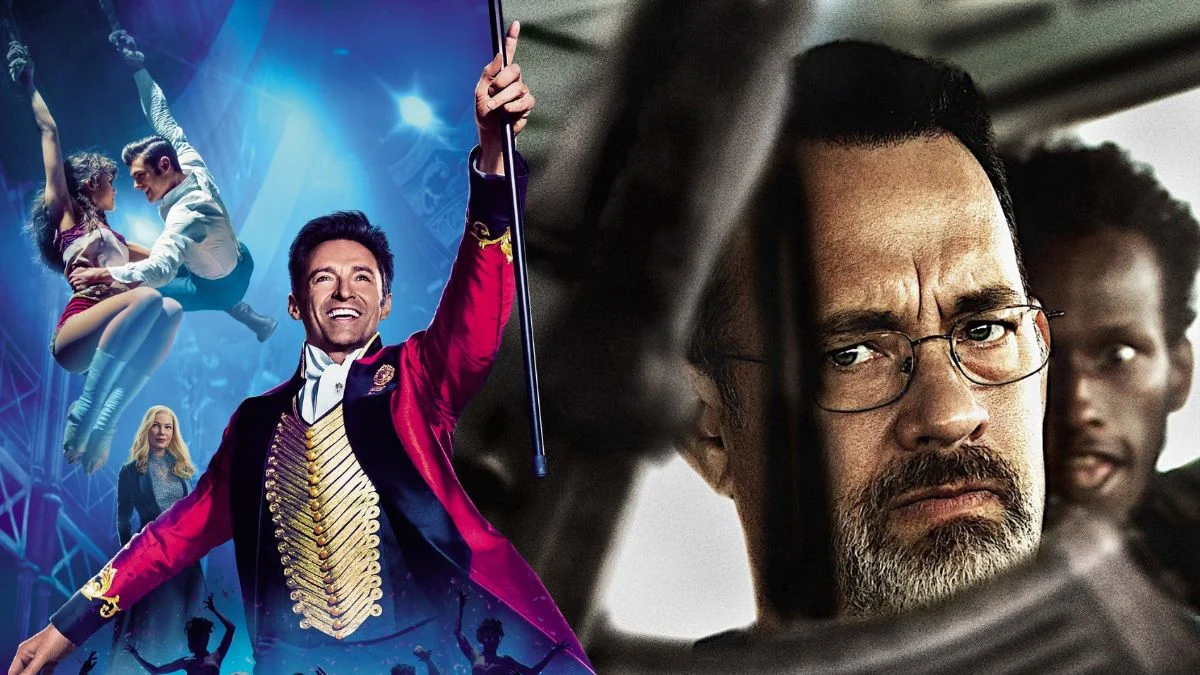
Movies based on real people often take liberties with the truth to make the story more entertaining. Studios sometimes change dates or personalities to create a more dramatic and appealing film for viewers. This can mean important hardships or troubling actions of the real person are left out or glossed over. Often, critics and family members object when a movie turns a complicated life into a simple, heroic story. The films discussed below faced criticism for downplaying or ignoring difficult aspects of the people they depicted.
‘The Greatest Showman’ (2017)
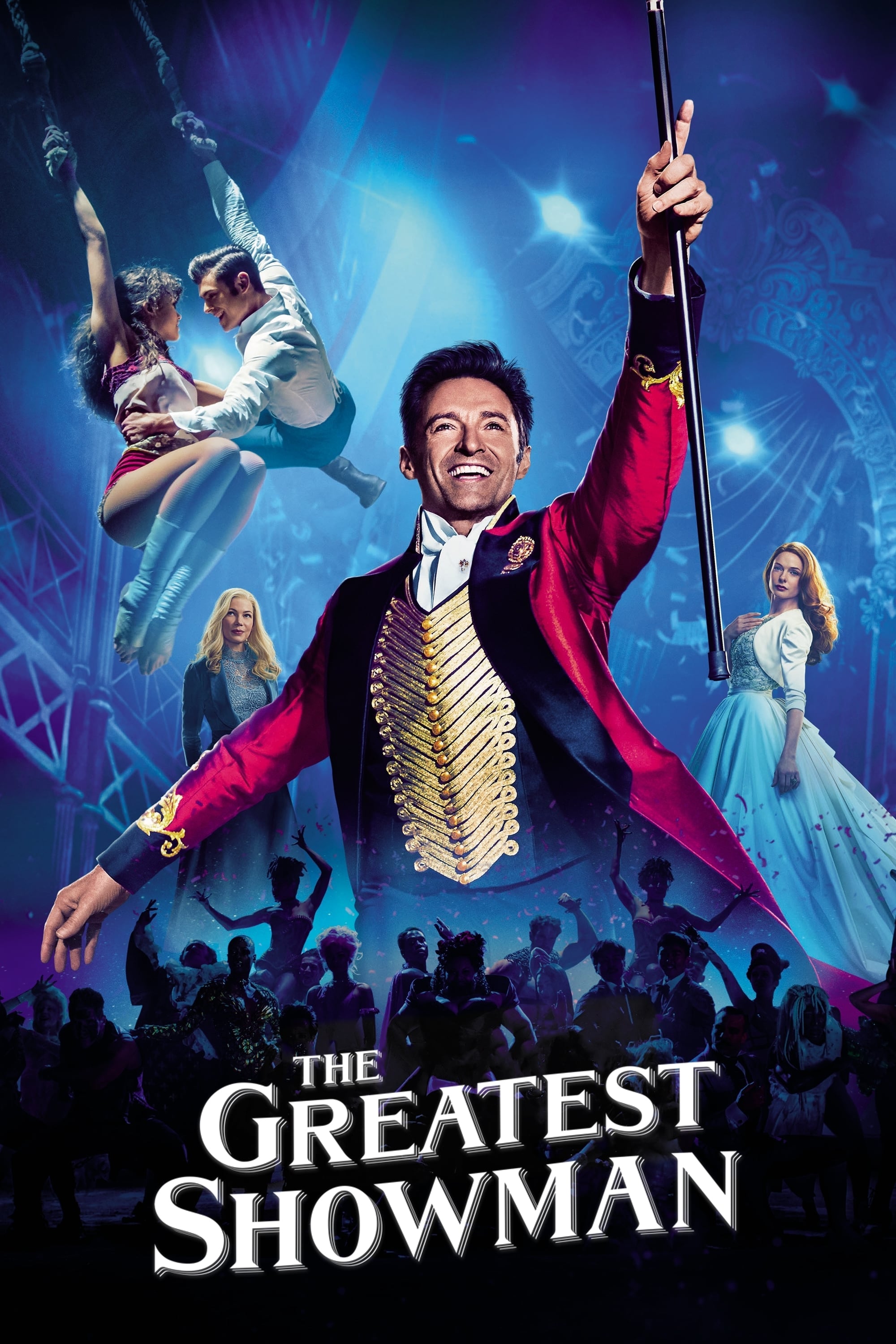
The musical portrays P.T. Barnum as a progressive figure who celebrated differences and helped those often overlooked. However, the historical Barnum actually made his fortune by exploiting people with disabilities and people of color. He famously bought an elderly enslaved woman named Joice Heth and exhibited her until she died. The film glosses over these troubling aspects of his life, choosing instead to tell a simplified, feel-good story about achieving your goals.
‘Bohemian Rhapsody’ (2018)
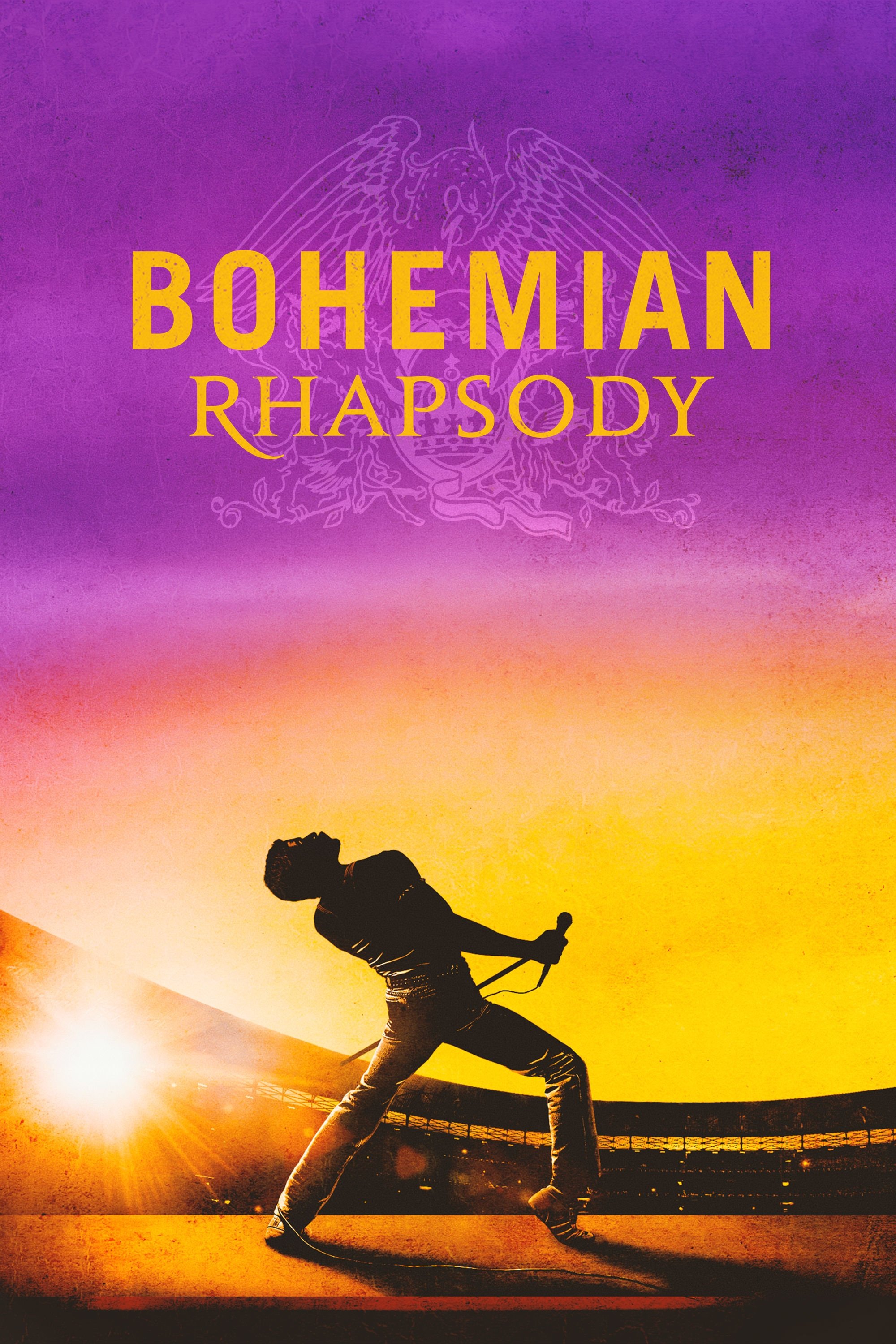
The film depicts Freddie Mercury as a legendary rock star, but also shows how his personal life sometimes caused conflict within his band. Some critics pointed out that the movie rearranged the timeline of his AIDS diagnosis for a more powerful moment at Live Aid. To keep the film accessible to a wider audience, it also toned down details about his parties and relationships. This decision upset some fans who wished the movie had been more honest about the more challenging parts of his life.
‘A Beautiful Mind’ (2001)
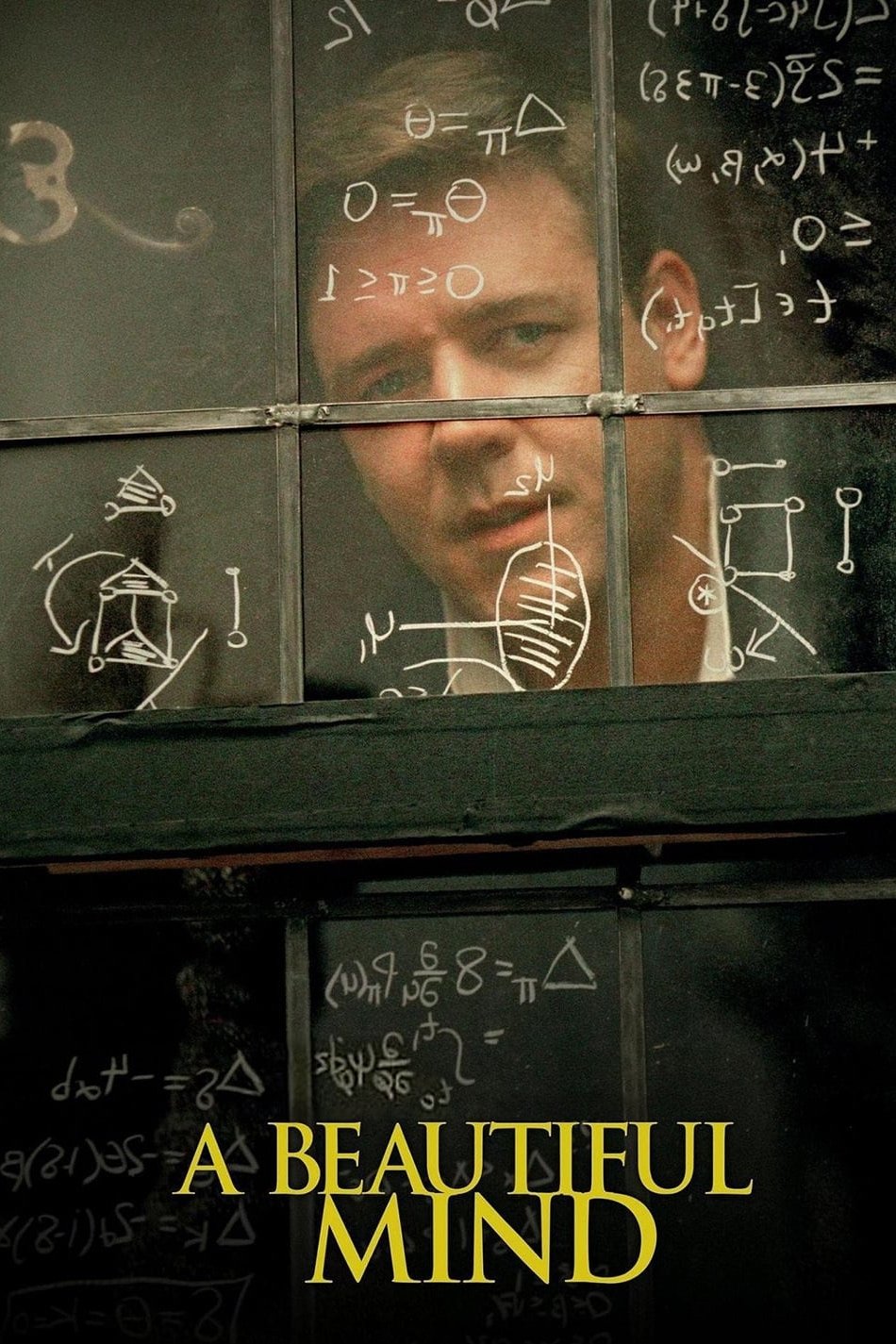
The movie portrays John Nash as a gifted mathematician struggling with schizophrenia, and highlights the crucial support he received from his wife. However, it doesn’t mention significant parts of his life, including a child born out of wedlock that he didn’t support, and his arrests for public indecency, as well as relationships with men. The film simplifies his marriage and personal experiences, choosing to emphasize his comeback as a scholar.
‘The Blind Side’ (2009)
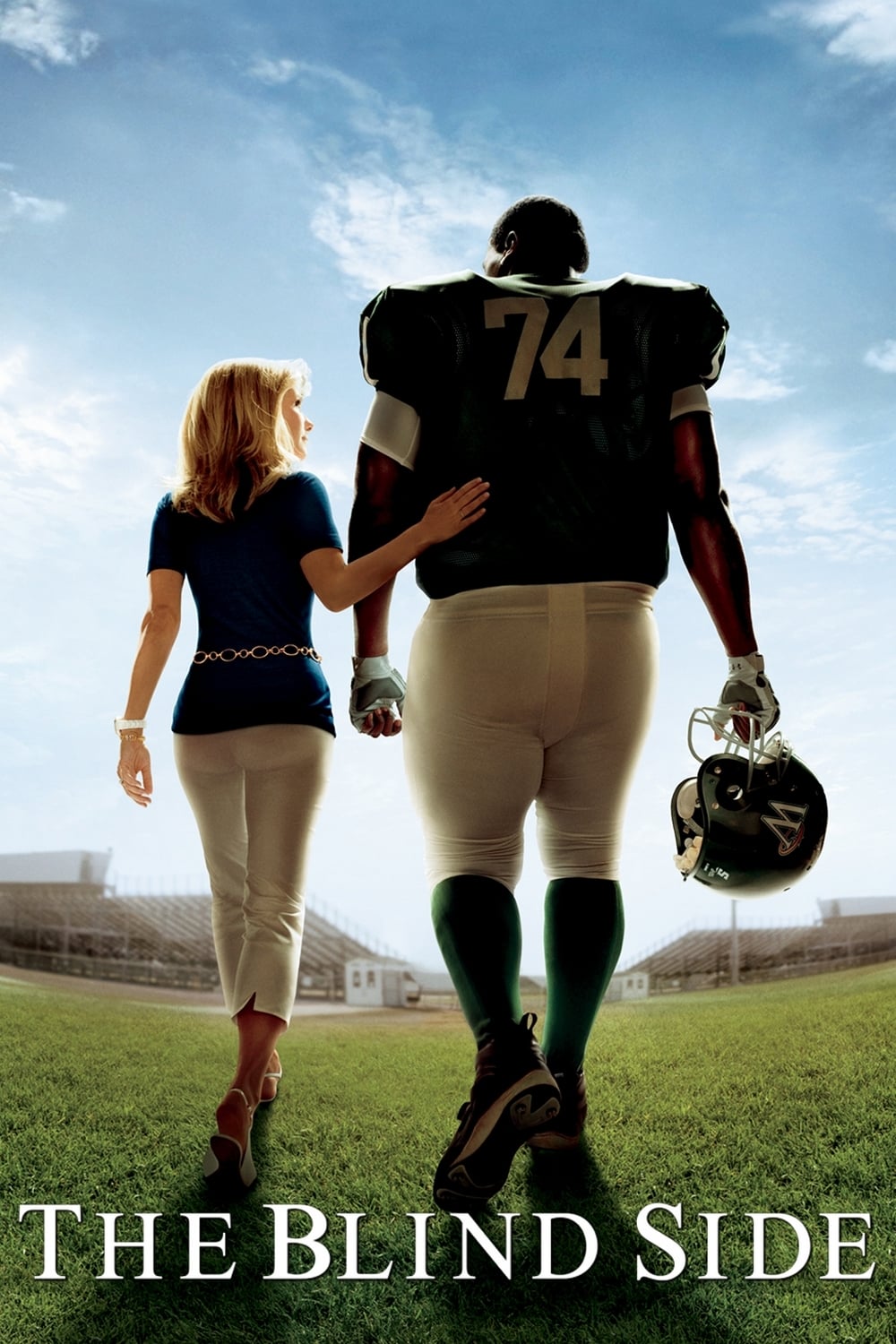
The movie portrays Michael Oher as someone new to football who needs help from a privileged family. However, the real Michael Oher was already a skilled player before he met the Tuohys. He later sued, claiming they never legally adopted him, but instead used a legal arrangement to make money from his story. Many believe the film relies on the harmful trope of a white family ‘saving’ a Black individual, downplaying Oher’s abilities and his own role in his success.
‘Green Book’ (2018)
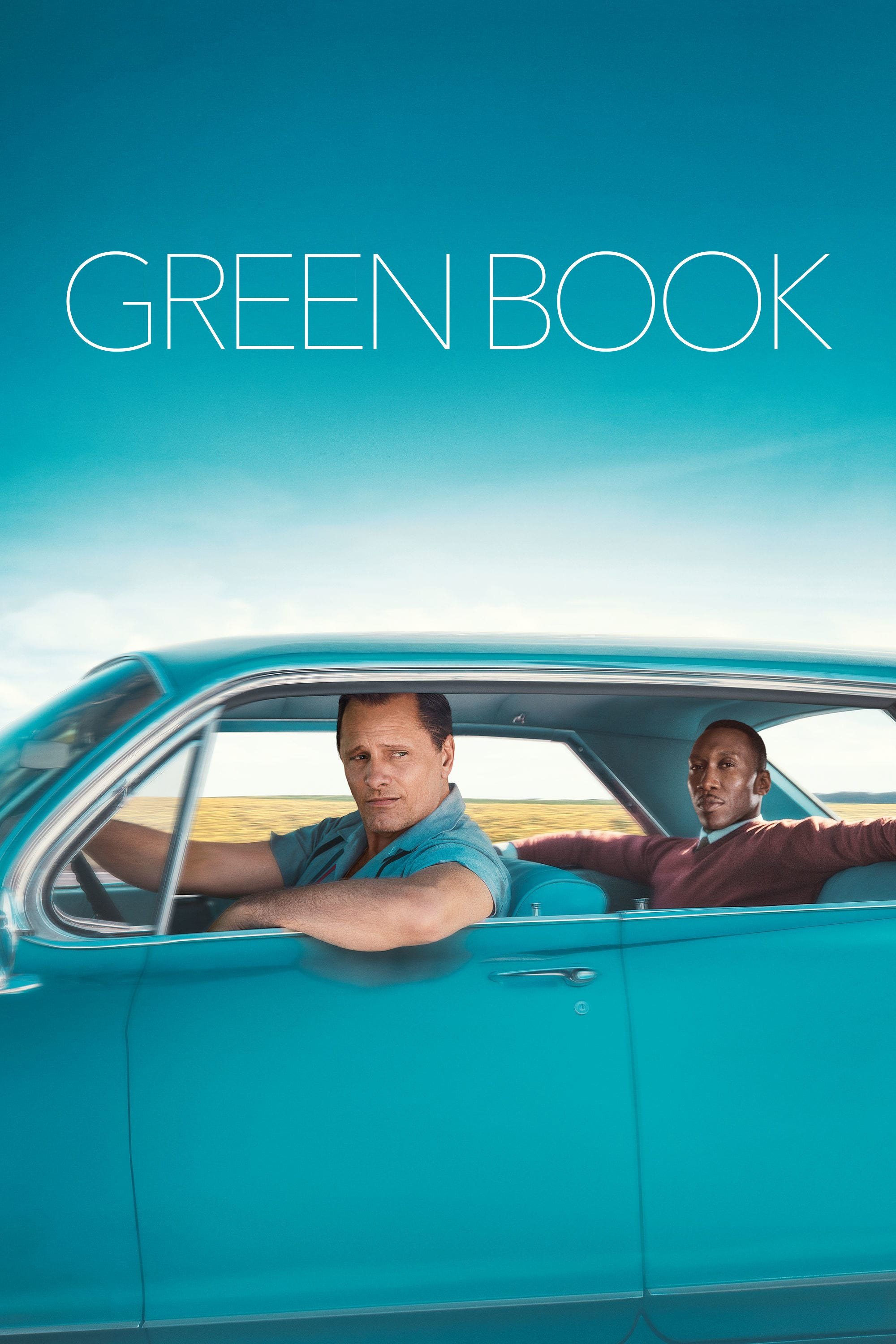
The film depicts Dr. Don Shirley as disconnected from the Black community and reliant on his white driver for safety. However, his family strongly protested the movie, calling it inaccurate and claiming it falsely portrayed his relationships and character. They explained that Dr. Shirley was involved in the civil rights movement and had strong ties within the Black community, and they insist the close bond shown between him and his driver in the film never existed.
‘Straight Outta Compton’ (2015)
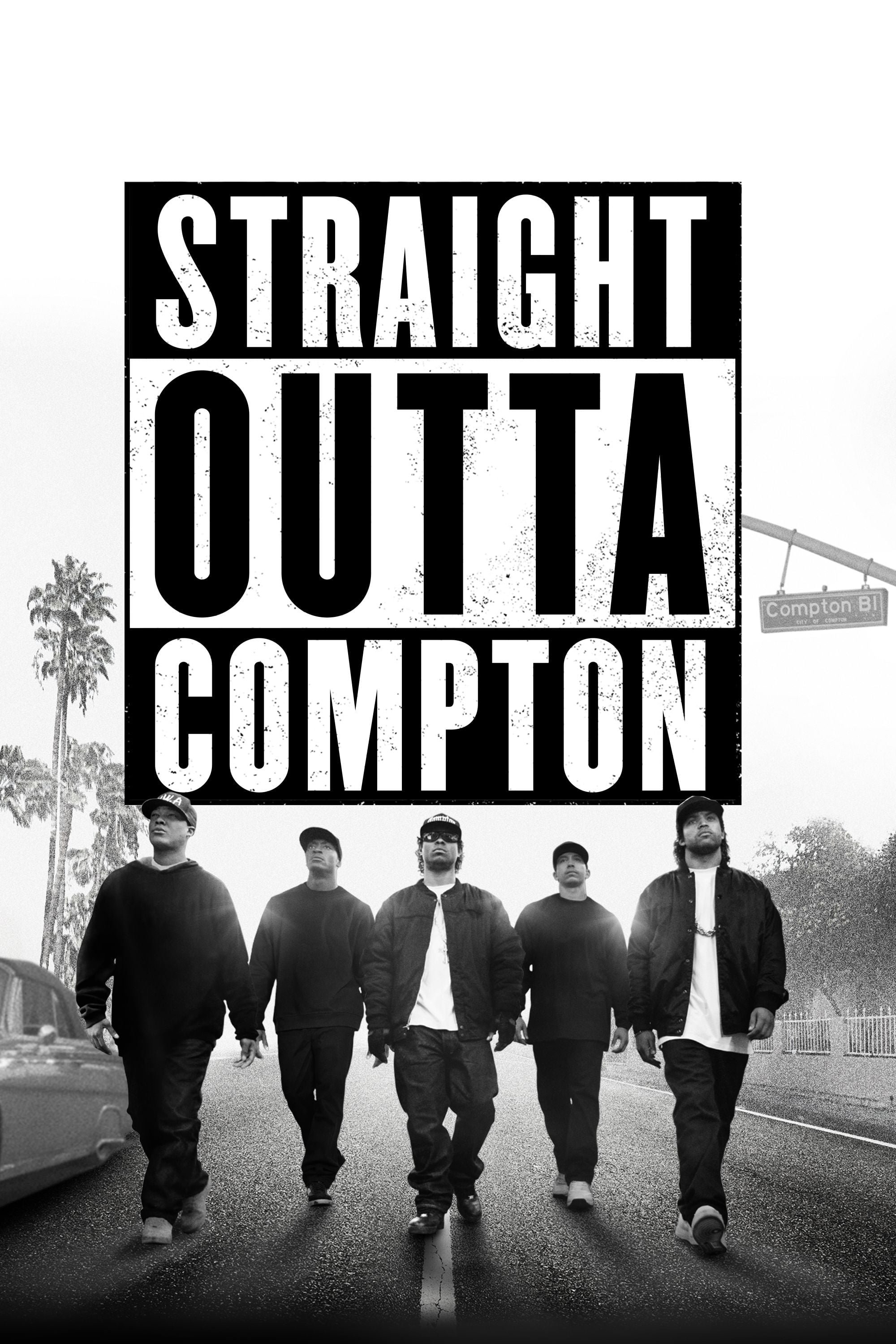
The movie about N.W.A focuses on their music and struggles with police, but it completely avoids discussing Dr. Dre’s past abuse of women, including a well-known attack on journalist Dee Barnes. The filmmakers also left out other problematic behavior by group members, seemingly to protect the group’s image as cultural icons. Many critics argued this was unfair to the victims and presented a biased view of the time period.
‘Saving Mr. Banks’ (2013)
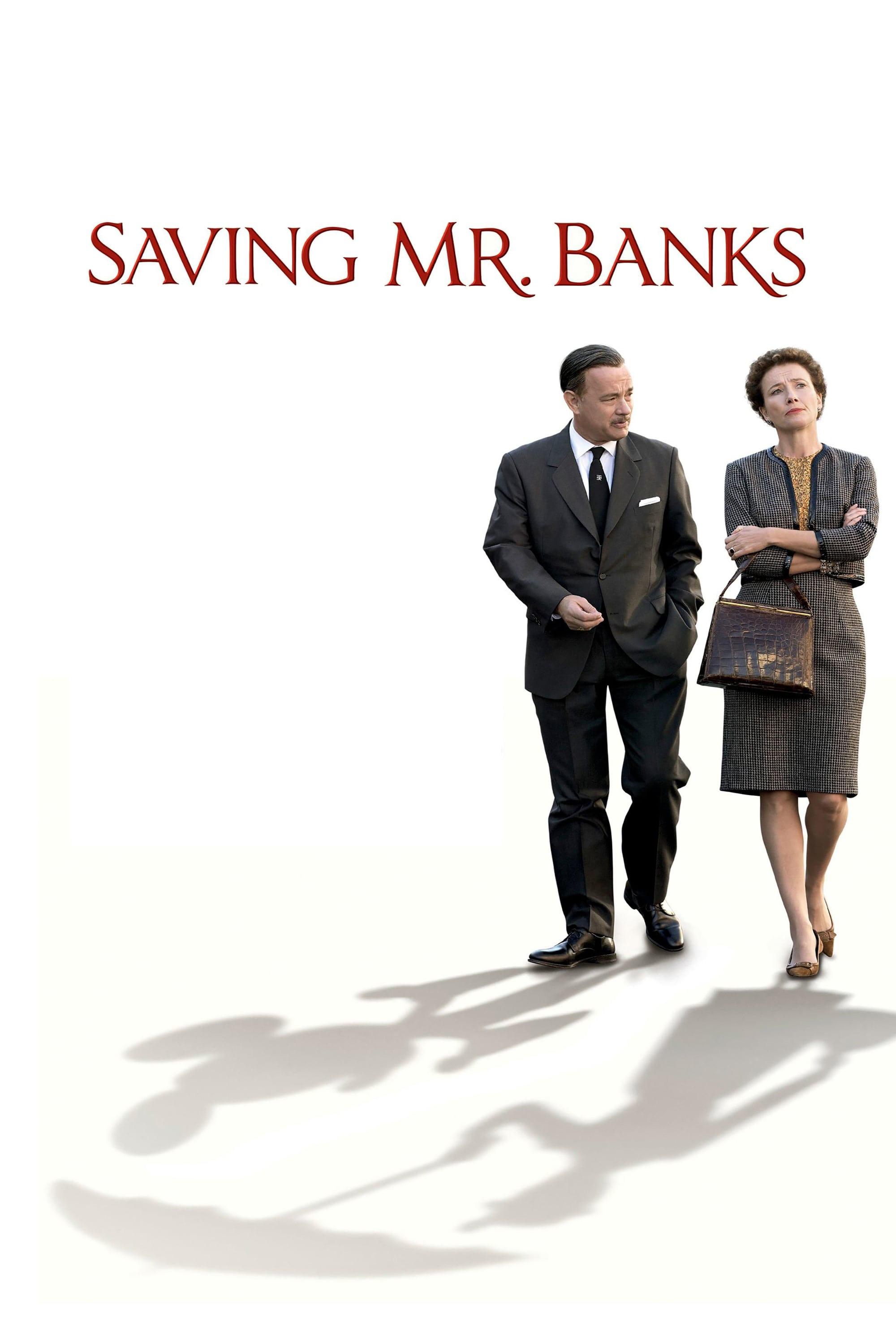
The movie portrays Walt Disney gently persuading author P.L. Travers to let him adapt her book. However, the real relationship between them was actually quite difficult and marked by dislike. Travers deeply disliked the finished Disney film and was reportedly upset and angry while watching it premiere. The film takes liberties with history, presenting Disney as a kind and understanding figure who helped her overcome childhood issues.
‘Patch Adams’ (1998)
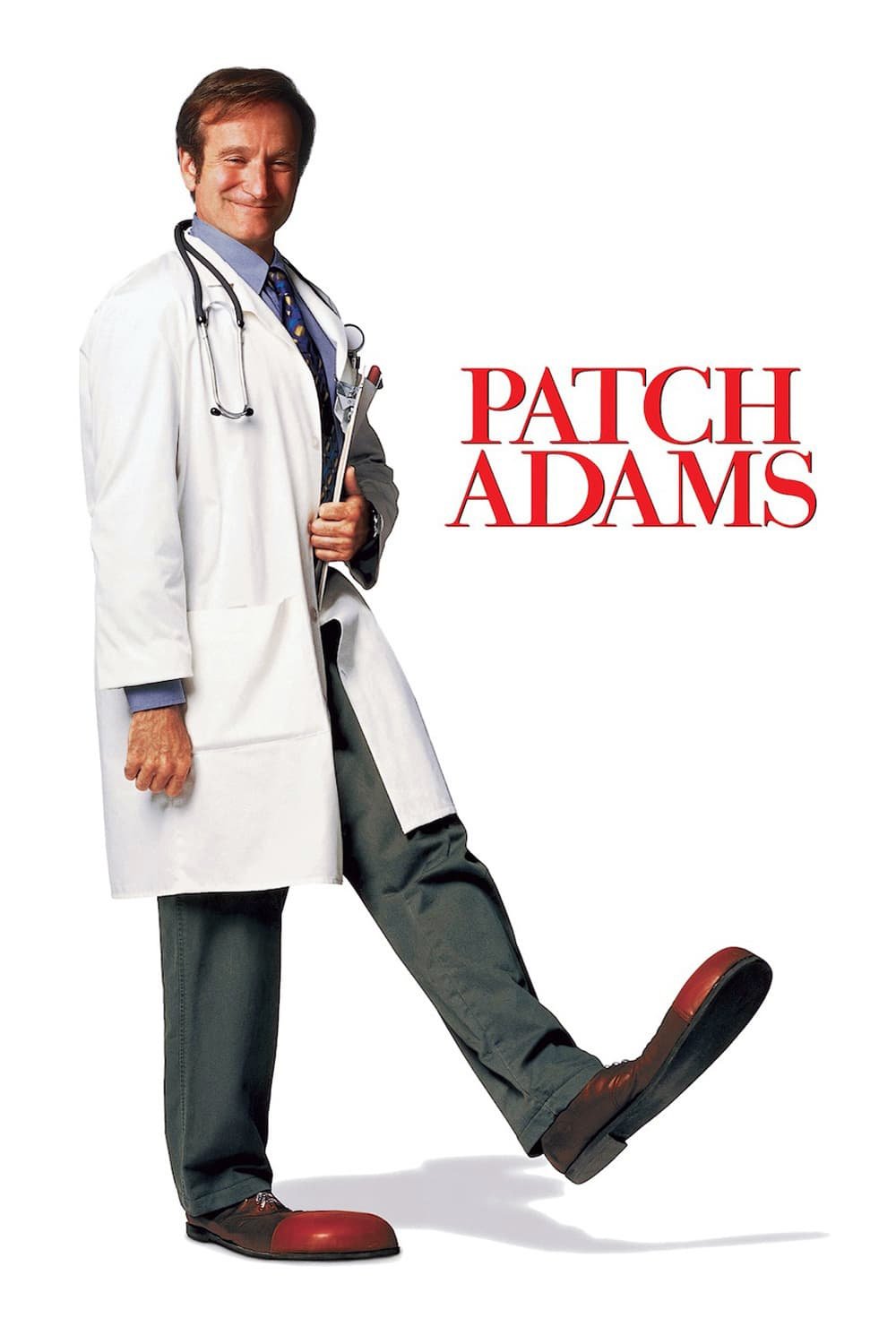
Robin Williams starred as a doctor who believed in the healing power of laughter and wasn’t afraid to question traditional medical practices. However, the real-life doctor the film was based on, Hunter “Patch” Adams, was critical of it. He felt the movie overly emphasized the comedic aspects of his work and downplayed his lifelong fight for affordable healthcare for everyone. He believed the film’s focus on entertainment contradicted his core values.
‘The Imitation Game’ (2014)

I have to say, the movie’s portrayal of Alan Turing felt…off. They painted him as this incredibly isolated, almost stereotypical loner, and heavily implied he was a traitor just to protect secrets. But from what I understand, historians actually describe Turing as a pretty sociable guy with a good sense of humor. The film also throws in this completely made-up Soviet spy storyline which, frankly, felt like a cheap way to question his loyalty. And most disappointingly, his horrific treatment – the chemical castration and eventual suicide – felt glossed over, treated as minor details instead of the devastating injustice they truly were. It really diminished the power of his story.
‘American Sniper’ (2014)
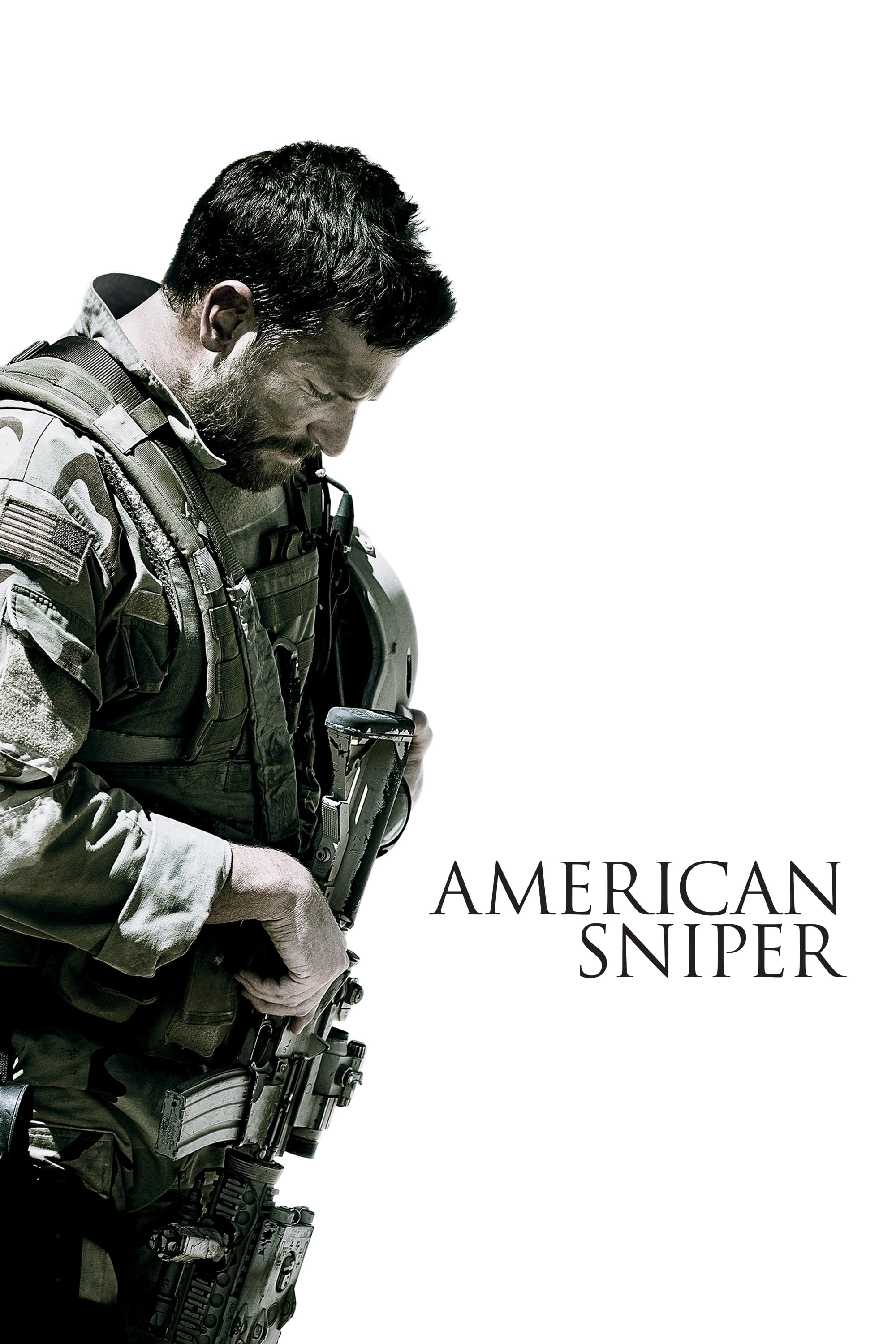
The film portrays Chris Kyle as a troubled hero, deeply affected by his experiences in war and his commitment to his comrades. However, it doesn’t acknowledge the doubts and unproven stories in his autobiography. It also downplays his problematic remarks about enjoying taking lives and his negative portrayal of Iraqi people. Ultimately, the movie presents a complicated political situation as a simple fight between good and evil.
‘Captain Phillips’ (2013)
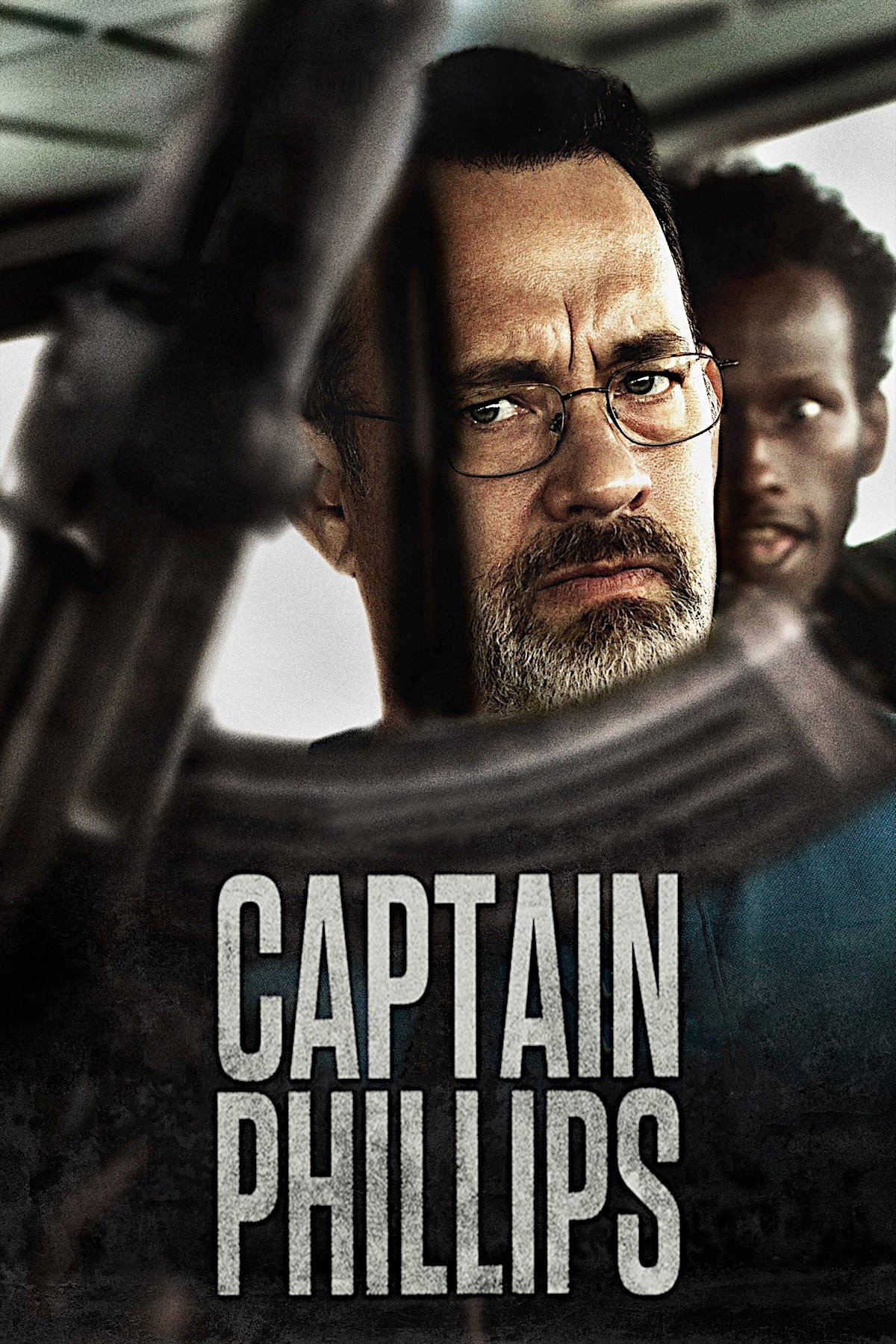
Captain Phillips is portrayed as a hero who bravely saved his crew from Somali pirates. However, members of the real ship’s crew actually sued the shipping company, claiming Phillips ignored safety warnings in an attempt to speed up the voyage. They argued that his overconfidence led them into dangerous waters, despite clear alerts about pirates. The movie doesn’t show this disagreement, instead focusing on a simple story of courage during a crisis.
‘Cinderella Man’ (2005)
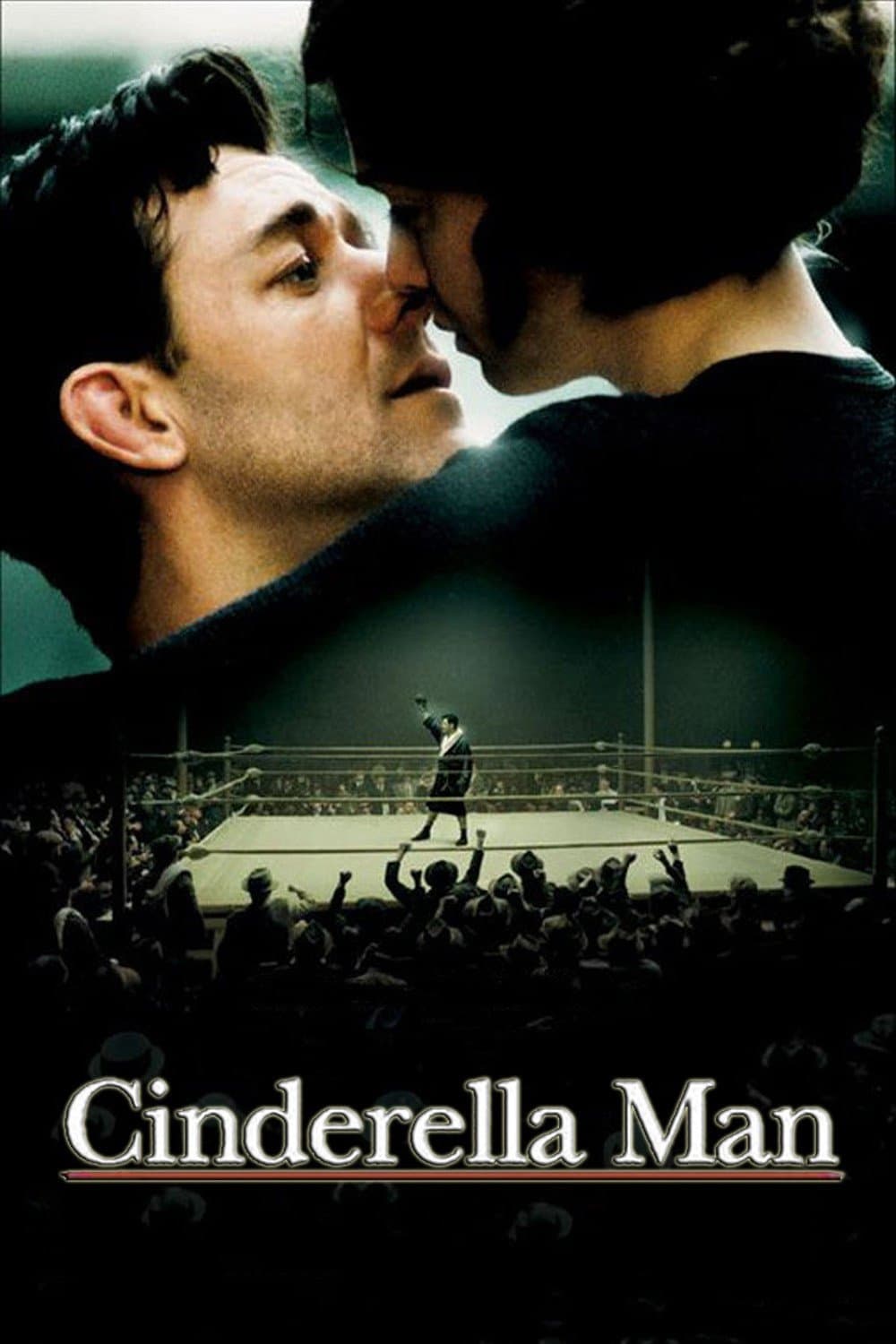
The movie portrays boxer James J. Braddock as a hopeful underdog facing the seemingly unbeatable Max Baer. However, the real Max Baer was a respected figure deeply affected by a tragic accident in which he unintentionally caused an opponent’s death. Those who knew him, including his family and boxing experts, were upset by the film’s depiction of him as a cruel and heartless fighter. The movie exaggerated Baer’s negative traits simply to make Braddock’s victory seem more impressive.
‘The King’s Speech’ (2010)
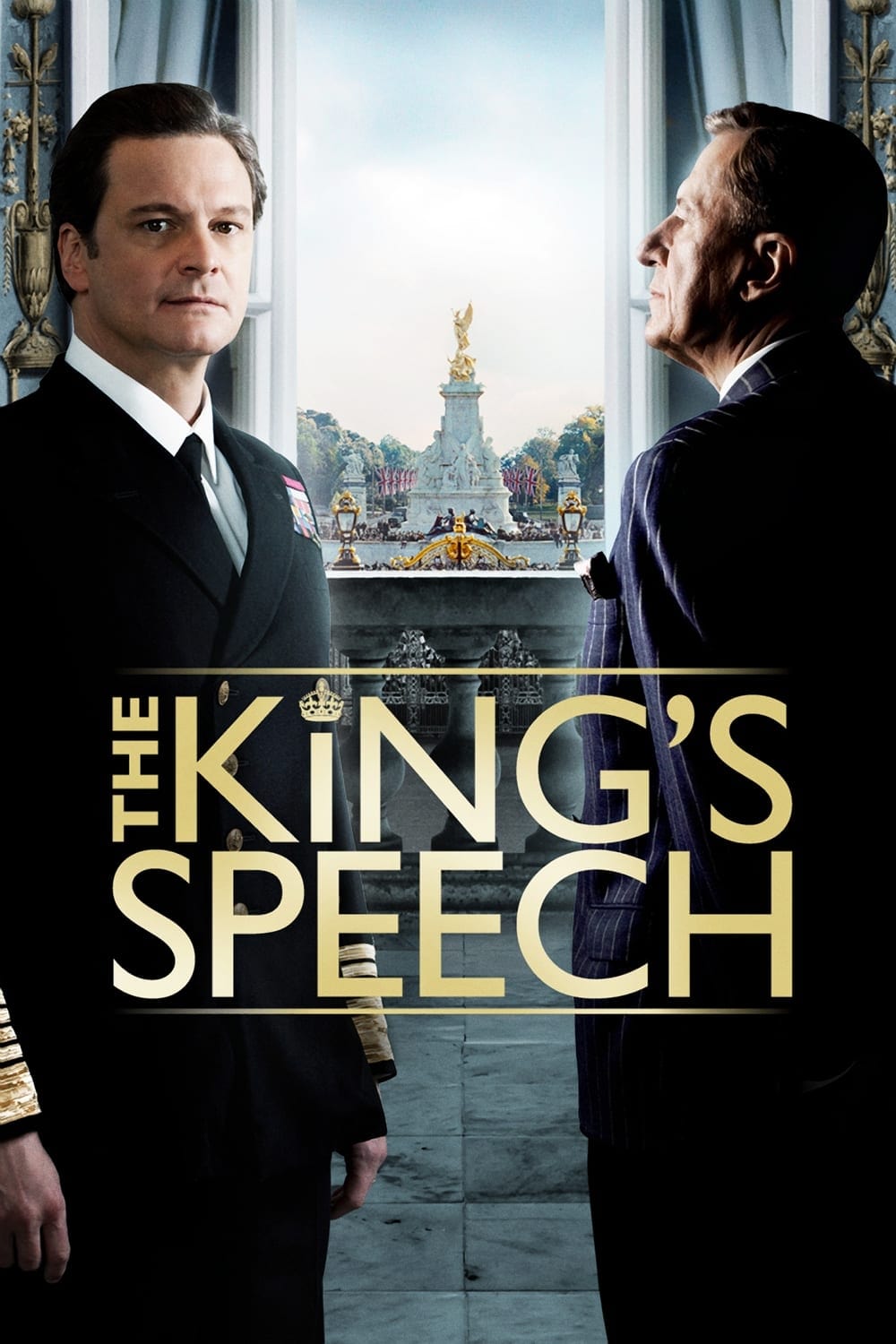
As a movie lover, I found the film really focused on King George VI’s journey to overcome his stammer and become a leader during World War II. While inspiring, it didn’t really touch on the fact that he initially tried to negotiate with Hitler, or how the royal family initially favored his brother, Edward, even though Edward had some troubling views. It felt like the movie intentionally skipped over a lot of the messy political stuff happening at the time, choosing instead to tell a more straightforward story about the King’s personal battle.
‘Finding Neverland’ (2004)
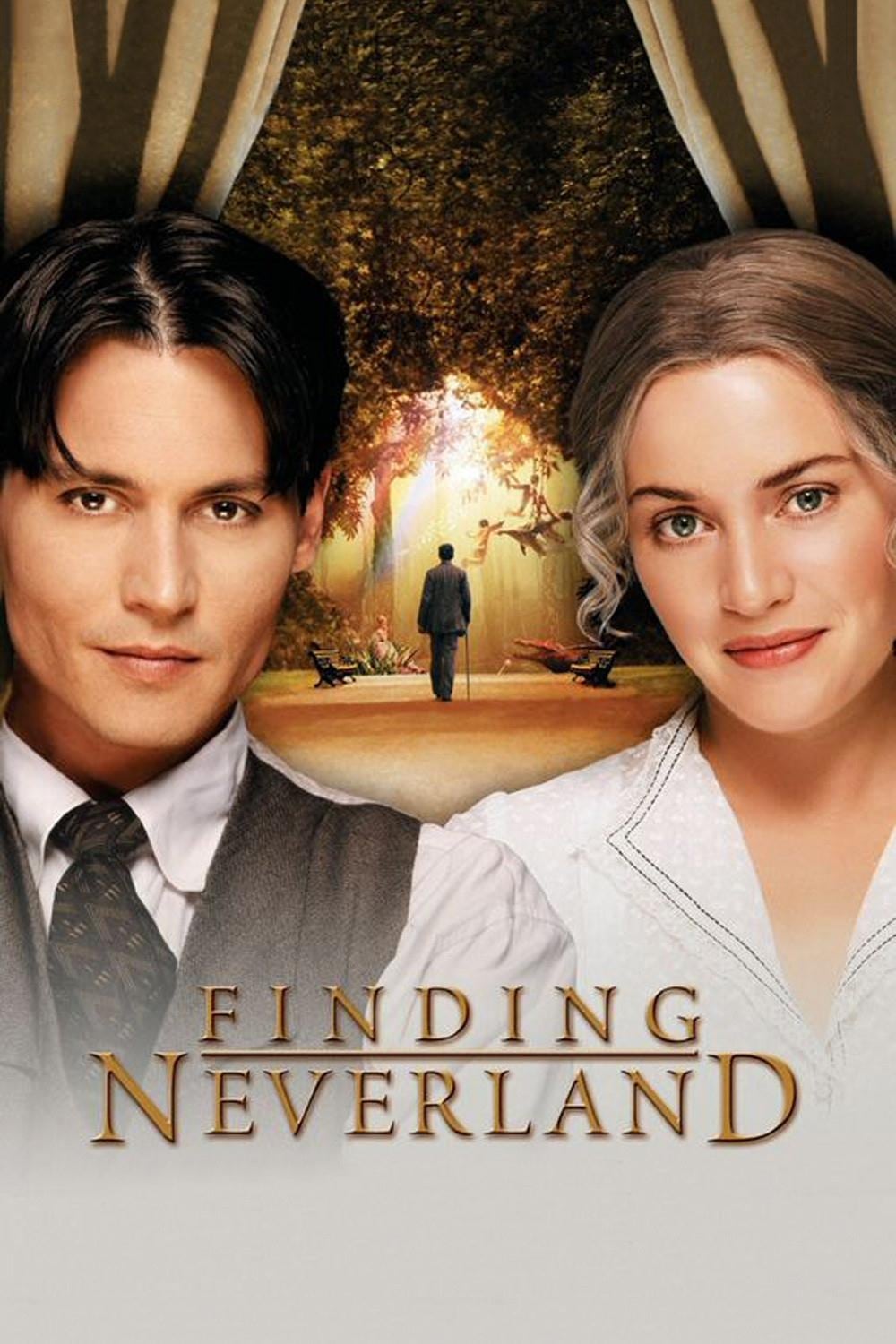
As a critic, I found this film to be a rather sanitized take on J.M. Barrie and his relationship with the Llewelyn Davies boys. It portrays Barrie as a purely positive influence, almost a benevolent father figure, while he was writing Peter Pan. To make the story more streamlined, the film quickly dismisses the boys’ actual father, and more disturbingly, it completely avoids any hint of the troubling rumors surrounding Barrie’s intense connection with the children. It feels like a deliberate choice to present a sweet fantasy, sidestepping any difficult questions about his behavior and motivations. Frankly, it felt like a significant omission and a bit of a whitewash.
‘The Doors’ (1991)

Jim Morrison is often depicted as someone who was constantly intoxicated and reckless, with a morbid fascination with death. However, his bandmates, like Ray Manzarek, strongly disliked this portrayal, arguing that it overlooked his intelligence and wit. They believed the film unfairly emphasized the shocking details of his struggles with addiction, neglecting his creativity and artistic development. Ultimately, they felt it created a distorted and one-sided image of a complex person.
‘Nina’ (2016)

A film about Nina Simone sparked controversy immediately after its release, largely due to the casting of Zoe Saldana. Critics were upset by the filmmakers’ decision to use makeup to darken the actress’s skin and a prosthetic nose, which many saw as insensitive and prejudiced. The movie also centered on a romantic relationship with her manager, a portrayal that many believe wasn’t accurate, and in doing so, downplayed Simone’s important work in the civil rights movement and her battles with mental health.
‘All Eyez on Me’ (2017)
The recent film about Tupac Shakur has been criticized by those who knew him for not being entirely truthful. Jada Pinkett Smith, for example, spoke out against the movie for making up scenes involving her and Tupac. Critics also said the film simplified his difficult legal battles and complicated personality, offering a shallow portrayal of a very complex man.
‘Hitchcock’ (2012)
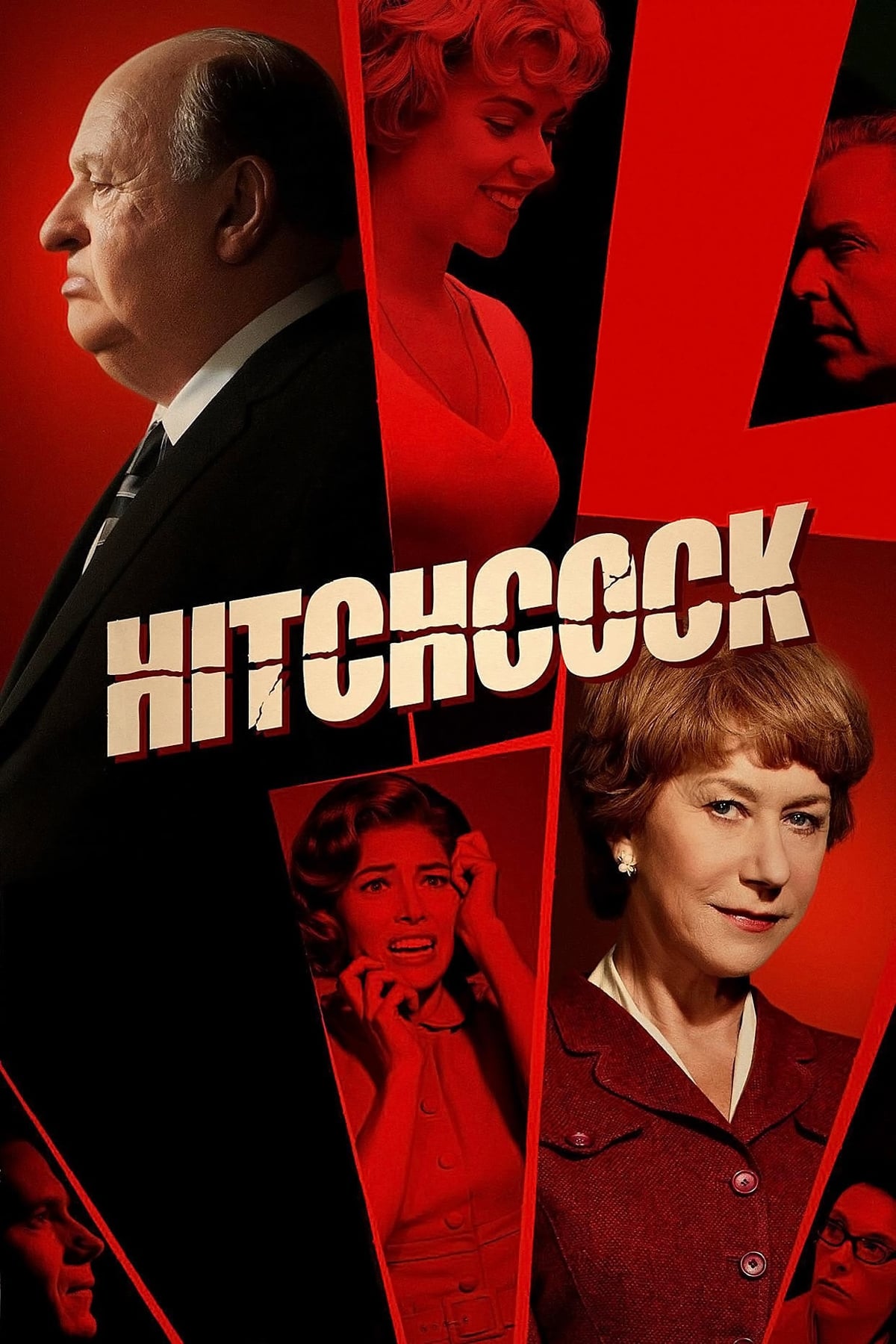
The film portrays Alfred Hitchcock struggling with the making of his iconic horror movie and his personal life. However, it downplays serious allegations of sexual harassment and emotional abuse made by actress Tippi Hedren. Instead of addressing these accusations, the movie frames Hitchcock’s focus on his female leads as simply an eccentric part of his creative process, overlooking potentially harmful behavior. This approach ultimately lessens the impact of the trauma experienced by the women who worked with him.
‘Dragon: The Bruce Lee Story’ (1993)
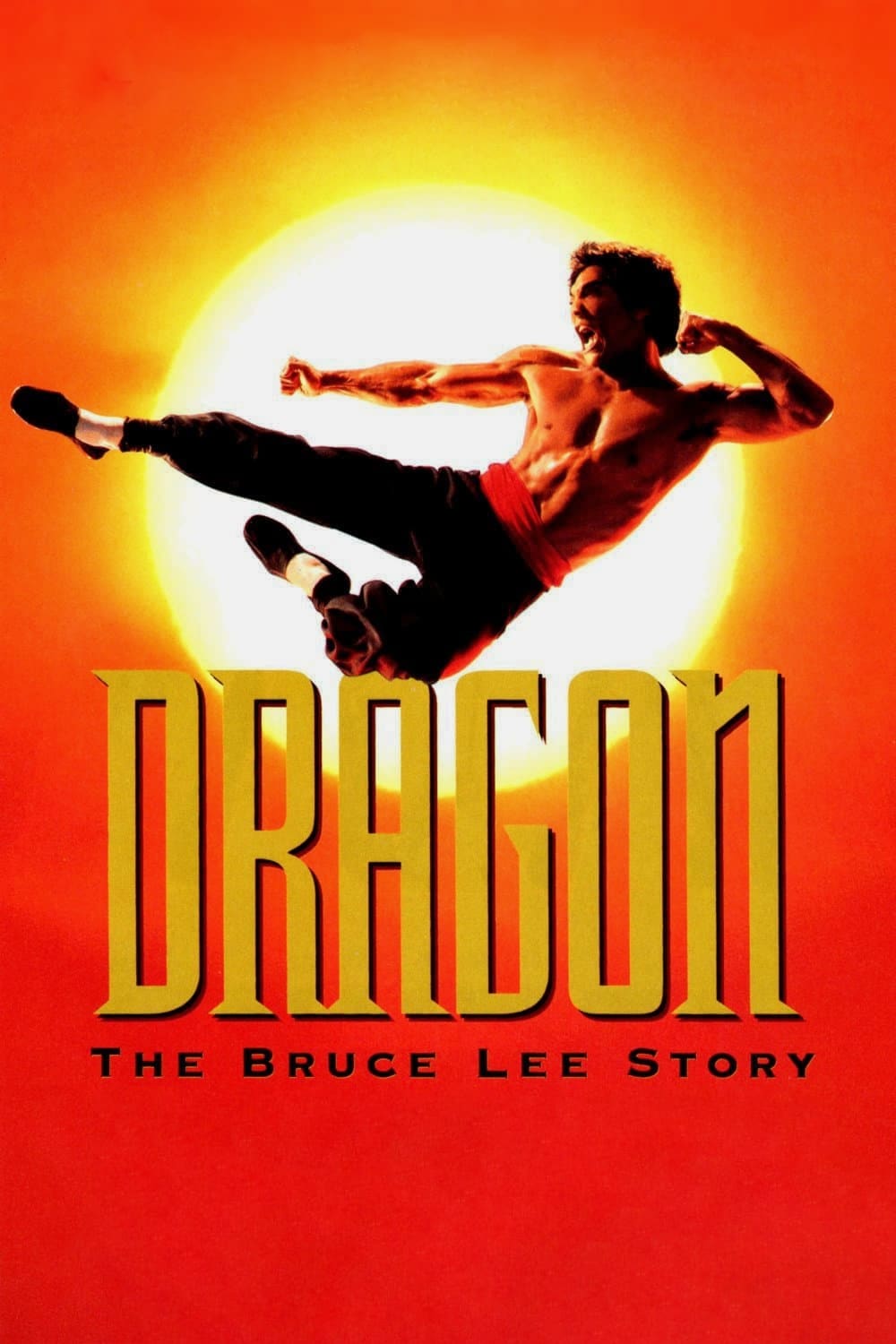
The film portrays Bruce Lee’s rise to fame, but exaggerates his struggles by depicting him fighting both opponents and inner turmoil. It inaccurately shows his back injury as the result of a fight, when it was actually caused by weightlifting. To maintain a fast pace, the movie also includes invented fight scenes. Ultimately, the film focuses more on action movie clichés than on the true details of Lee’s life and philosophy.
‘J. Edgar’ (2011)
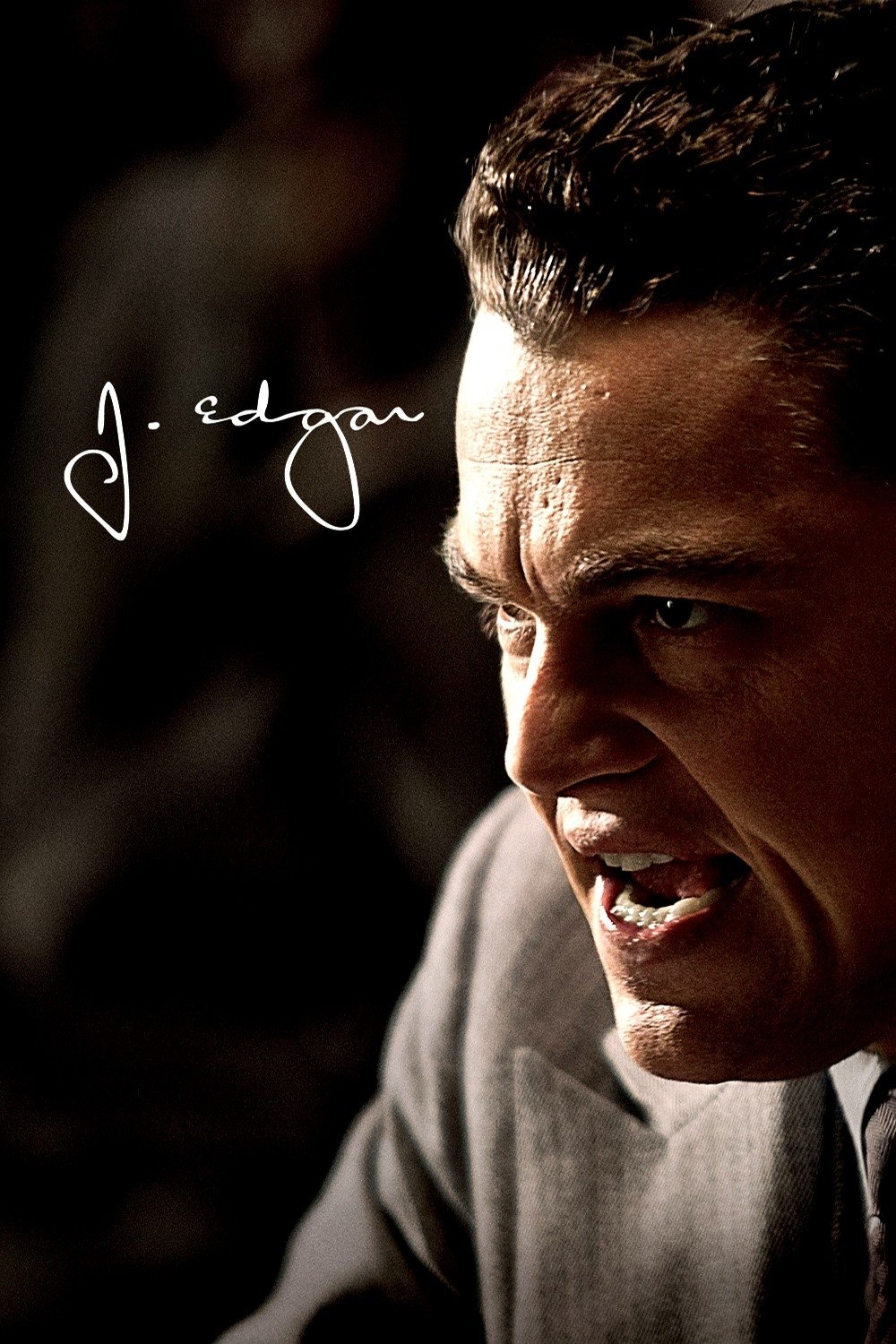
The film portrays J. Edgar Hoover as a complex and patriotic figure who pioneered modern forensic science. However, it’s unclear about his personal relationship with Clyde Tolson and doesn’t fully explore his unlawful monitoring of those with opposing political views. It also doesn’t adequately show how much corruption and blackmail Hoover employed to stay in power. Ultimately, the movie tries to present a more sympathetic side to a man often seen as a ruthless leader in American history.
‘Back to Black’ (2024)

The film about Amy Winehouse’s life and career has been criticized for how it portrayed certain events. Some reviewers felt it unfairly downplayed the part her father played in her struggles and presented her difficult marriage in a way that glossed over its harmful effects, contributing to her addiction. The movie also faced accusations of shielding those around her from responsibility for not helping when she needed it.
‘Elvis’ (2022)
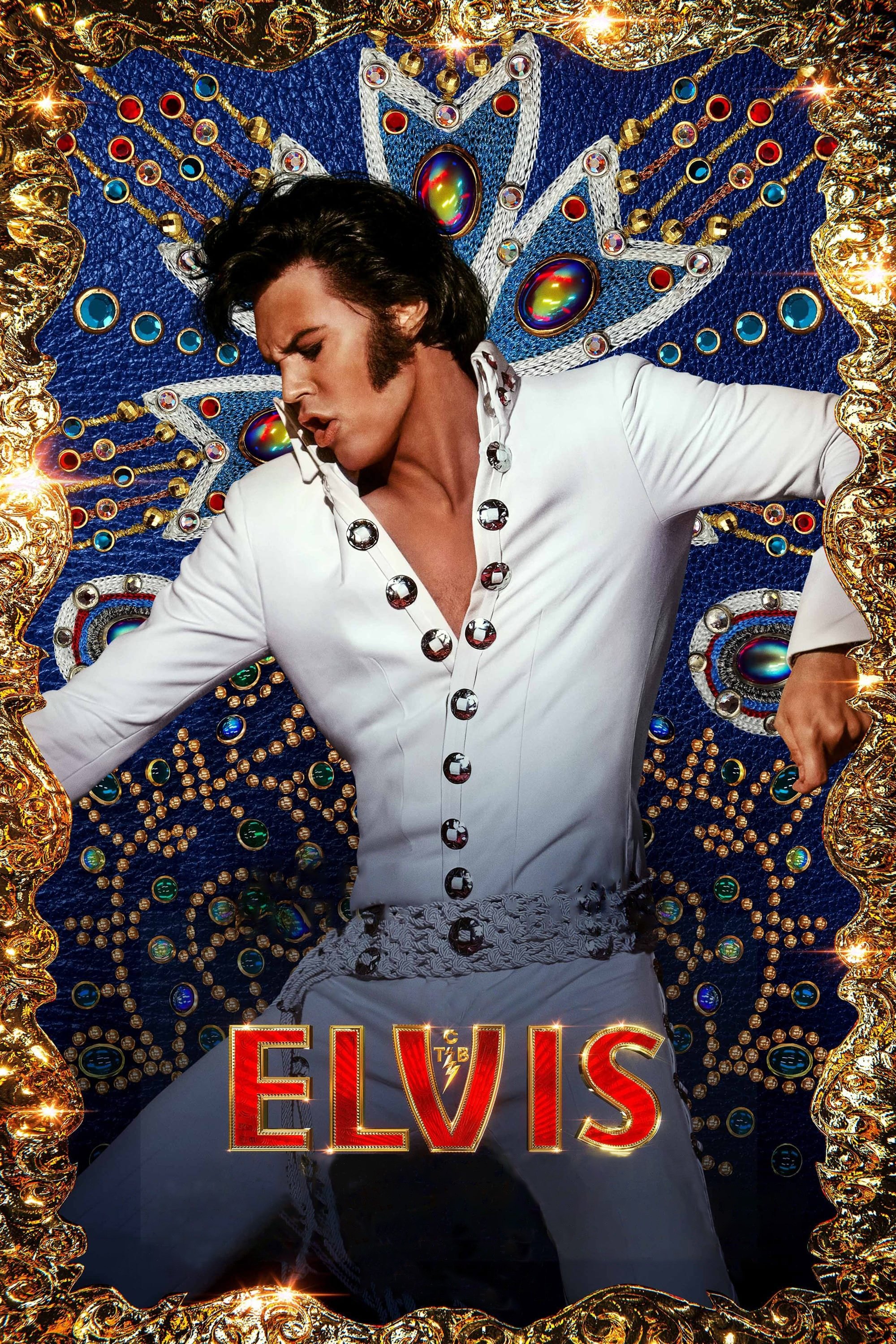
The film portrays Elvis Presley largely through the perspective of his manager, Colonel Tom Parker. Though visually impressive, it doesn’t fully address the significant age difference between Elvis and Priscilla during their initial meeting. It primarily blames Parker for Elvis’s later struggles, without giving enough attention to Elvis’s own choices and responsibility. The movie also avoids delving into the more difficult truths about his relationships with women.
‘The Hurricane’ (1999)

The film portrays Rubin Carter as an innocent boxer wrongly convicted and battling a prejudiced justice system. However, it takes liberties with the truth regarding his past and overstates the detective’s corruption. Importantly, it leaves out Carter’s prior violent behavior, which complicates the case. By doing so, the film presents a simplified story of Carter as a martyr, rather than a full and nuanced account of the legal proceedings.
‘Midnight Express’ (1978)
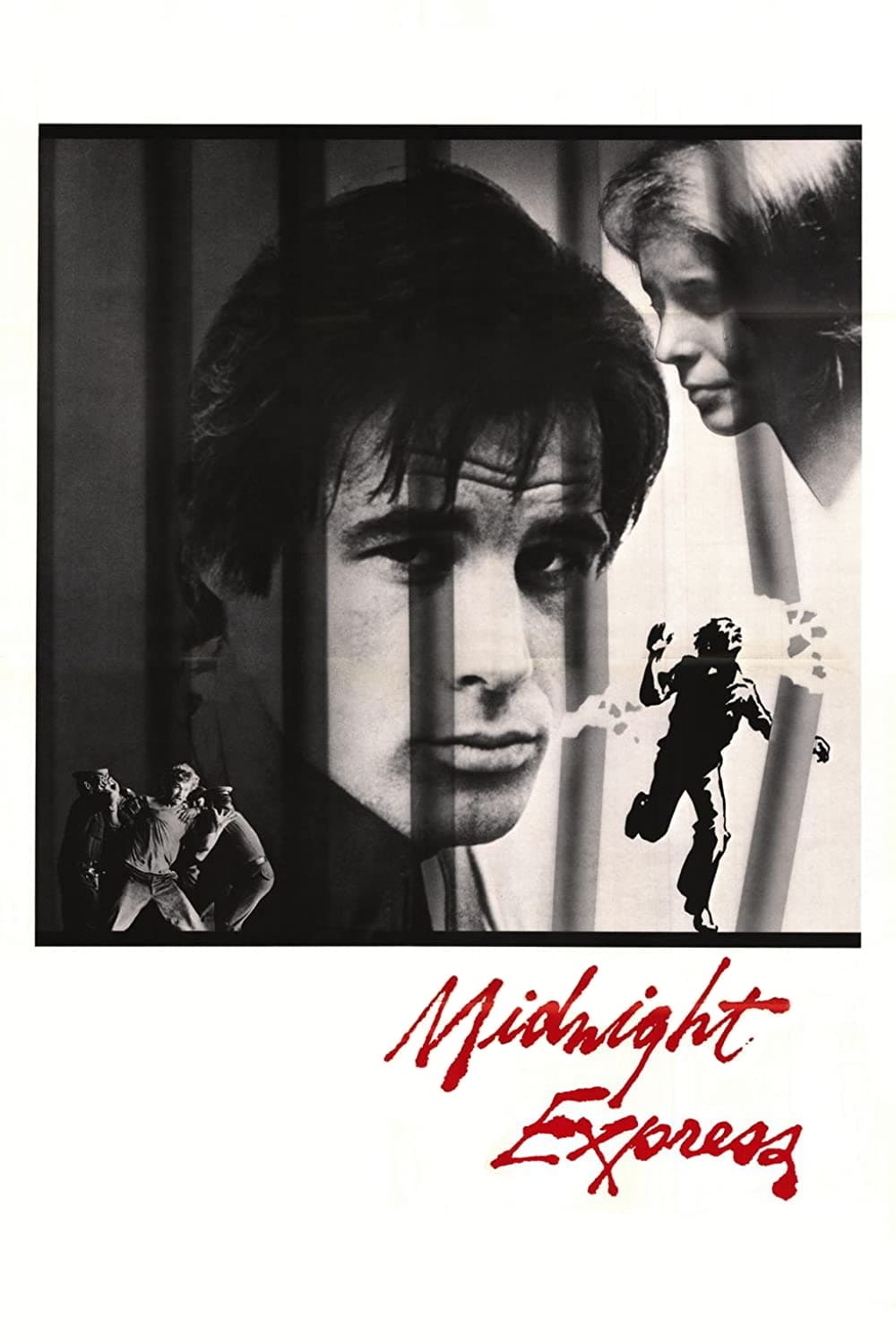
Billy Hayes, an American student, was imprisoned in Turkey after being caught smuggling hashish. However, the movie based on his experience takes many liberties with the truth and unfairly depicts the Turkish people as consistently cruel. Hayes himself later acknowledged he embellished parts of his story and that the film presented an inaccurate and negative view of Turkey. The movie downplays his own responsibility in the situation to make him appear more like a blameless victim.
‘Gorillas in the Mist’ (1988)
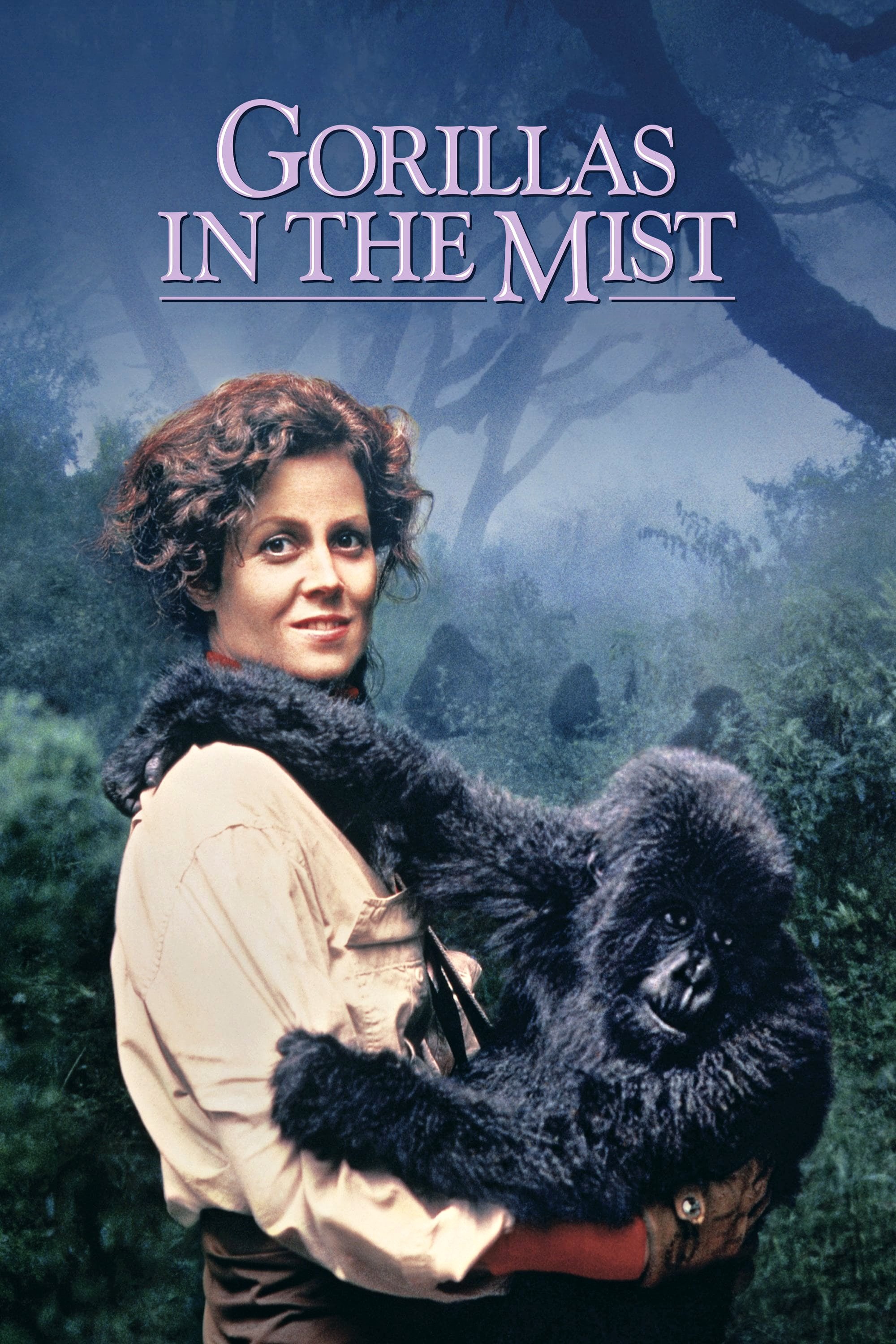
Dian Fossey is often remembered as a passionate conservationist who died protecting mountain gorillas. However, the film glosses over her increasingly strange behavior and harsh treatment of people living near the gorillas, including poachers and farmers. She was known to abduct locals and even staged fake executions to frighten them. The movie seems to soften these troubling actions to maintain her heroic image.
‘Shine’ (1996)
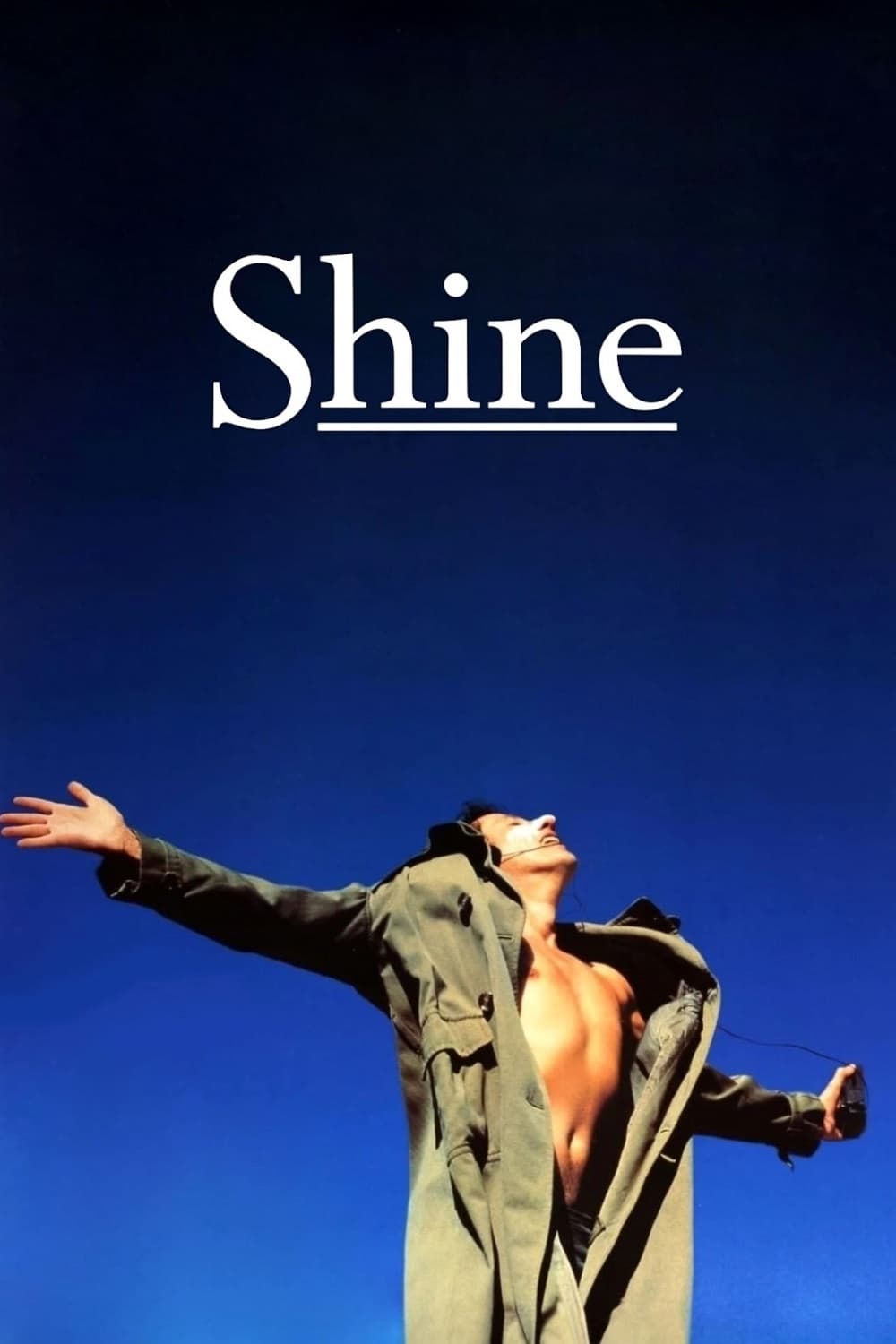
David Helfgott is a pianist whose struggles with mental health have been linked to a difficult relationship with his father. However, his sister has challenged the way their father was depicted in the film about his life, suggesting the abuse was overstated to make the story more dramatic. She believes the movie oversimplified the reasons behind David’s illness and doesn’t accurately reflect their family dynamic.
‘The Social Network’ (2010)

Okay, so I recently learned the story behind Facebook’s creation is a little different than what the movie The Social Network portrays! Apparently, the whole thing about Mark Zuckerberg being dumped by a girl named Erica Albright? Totally made up. He was actually already seeing his future wife, Priscilla Chan, when he started Facebook. The movie just needed a dramatic reason for him to create the site, and they went with a heartbreak angle. Zuckerberg himself has said they nailed his wardrobe in the film, but pretty much everything else about why he built Facebook wasn’t accurate at all. It’s fascinating to find out the real story is so different!
‘Amadeus’ (1984)
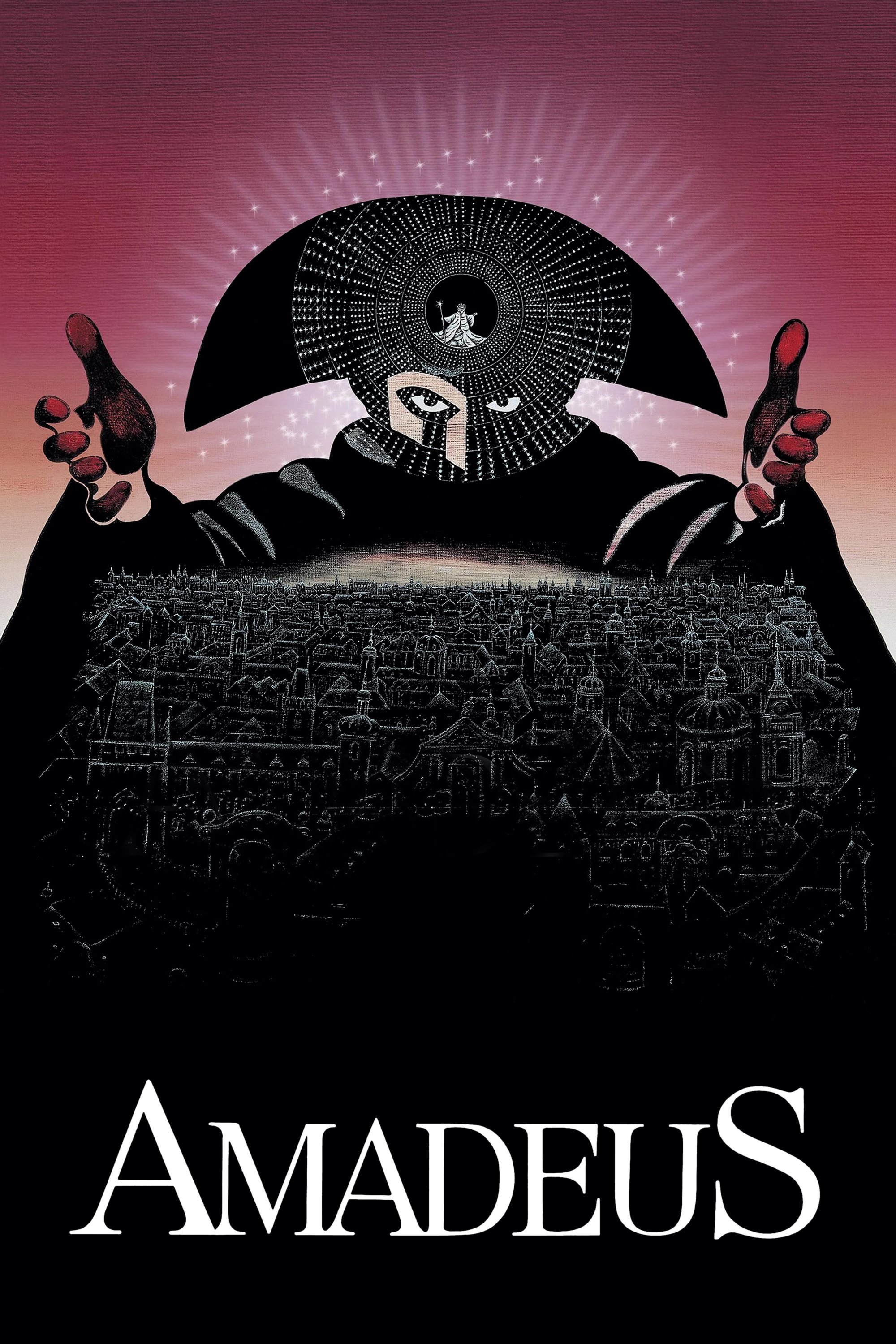
The movie portrays Antonio Salieri as intensely jealous of Wolfgang Amadeus Mozart, leading him to try and ruin Mozart’s life. However, historical evidence suggests the two composers were actually friendly and admired each other. The film fabricates a story of rivalry and even a murder plot, which didn’t happen in reality. This fictionalized drama unfairly changes how Salieri is remembered, prioritizing entertainment over historical accuracy.
‘Remember the Titans’ (2000)

The film depicts a high school football team uniting and triumphing over racism, but the real story was more complex. Players have pointed out that the movie simplifies the challenges of racism in their town and exaggerates the drama of some games – many weren’t as close as shown. While the movie offers an uplifting narrative, it doesn’t fully acknowledge the ongoing racial issues of the time.
‘Braveheart’ (1995)
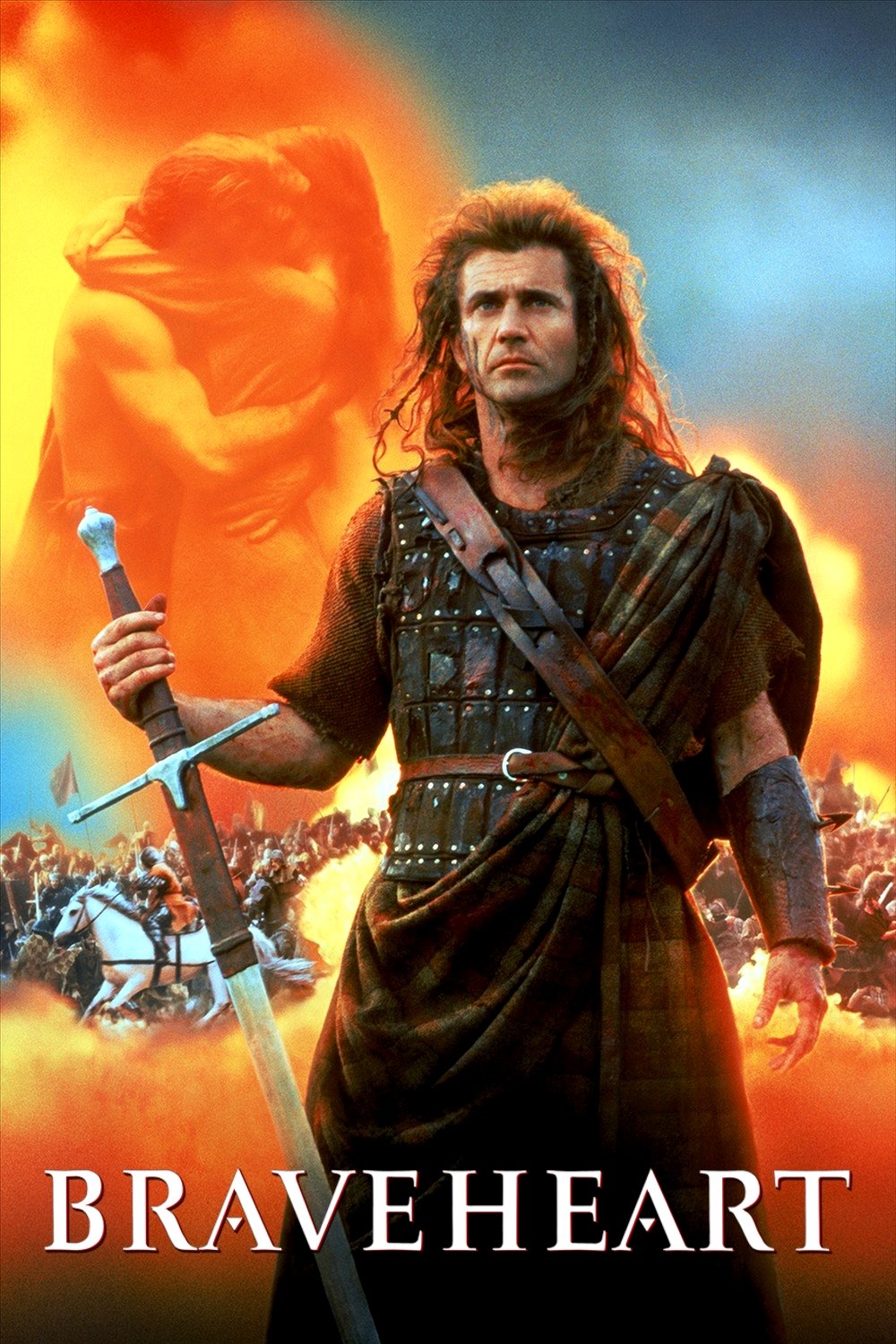
Braveheart tells the story of William Wallace leading a Scottish uprising against oppressive English rule. While a compelling film, it takes significant liberties with historical facts, particularly regarding Wallace’s relationship with Princess Isabella, suggesting a romance when she was actually a child. The movie focuses more on creating a legendary tale than on accurately portraying the political and military events of the Scottish Wars of Independence.
‘Catch Me If You Can’ (2002)

The movie “Catch Me If You Can” tells the story of Frank Abagnale Jr., who supposedly pulled off amazing cons by pretending to be a pilot and a doctor before finally being caught. However, reporters have discovered that many of Abagnale’s stories aren’t true and that he actually spent a significant amount of time in jail. The film accepts his embellished autobiography without considering how realistic his schemes were, creating a glamorous portrayal of a criminal who mostly committed small crimes.
‘The Theory of Everything’ (2014)
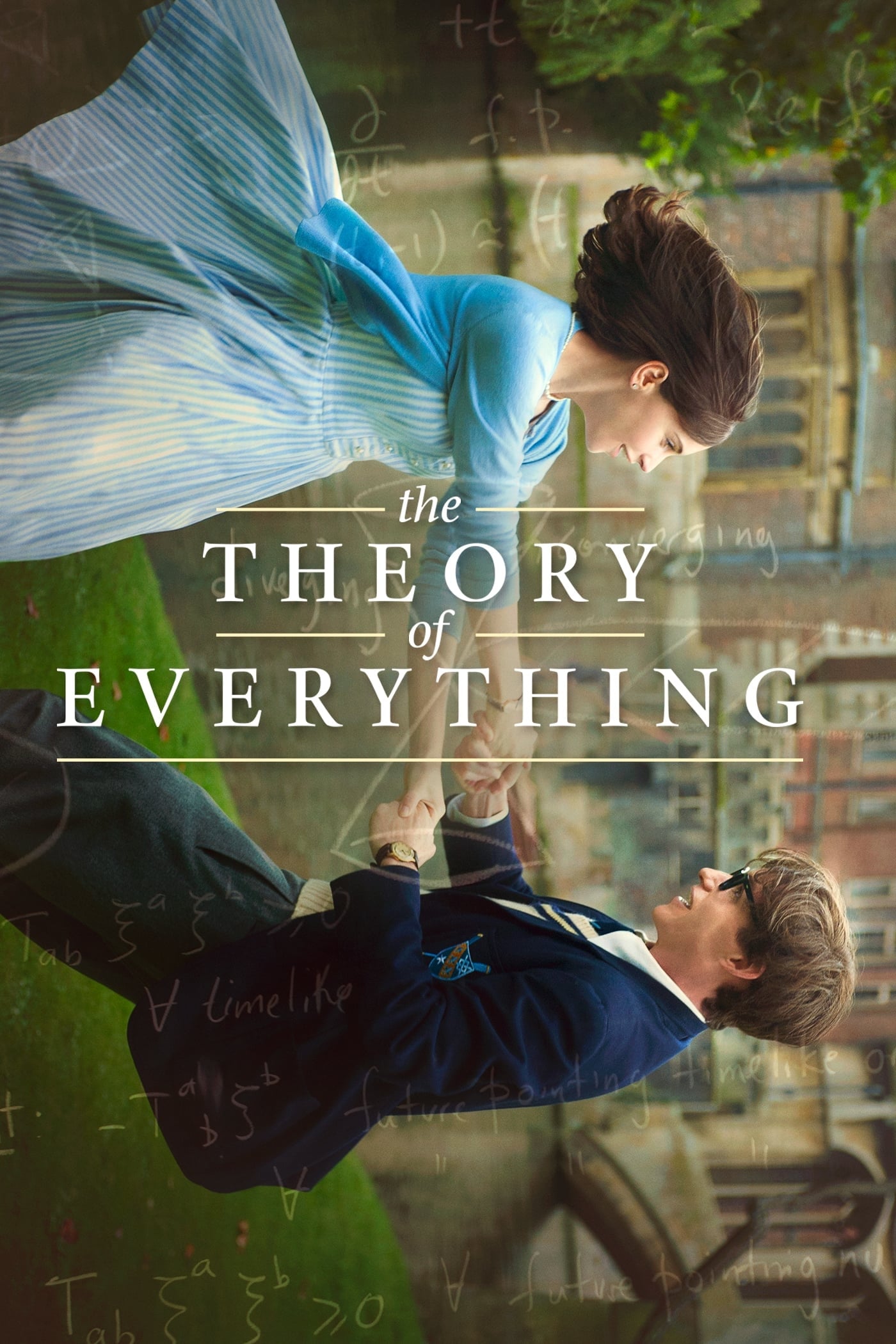
The film portrays Stephen Hawking’s incredible intelligence alongside his worsening health, while also focusing on his love story with Jane Wilde. It presents a gentler version of their divorce and how his illness affected their family, downplaying the importance of his second marriage and any issues surrounding it. Ultimately, the movie offers a somewhat idealized take on a relationship that ended under challenging conditions.
‘Race’ (2016)

I was so inspired watching Jesse Owens win those four gold medals at the Berlin Olympics – it felt like a powerful stand against everything the Nazis believed in. But honestly, I was disappointed the film didn’t really show what happened when he came home. It celebrated his victories in Germany, which was amazing, but it didn’t fully address how he was still treated like a second-class citizen in America, or the financial hardships he faced despite being an Olympic hero. It felt like the story shied away from fully acknowledging the racism he still had to deal with even after achieving such incredible success.
’42’ (2013)
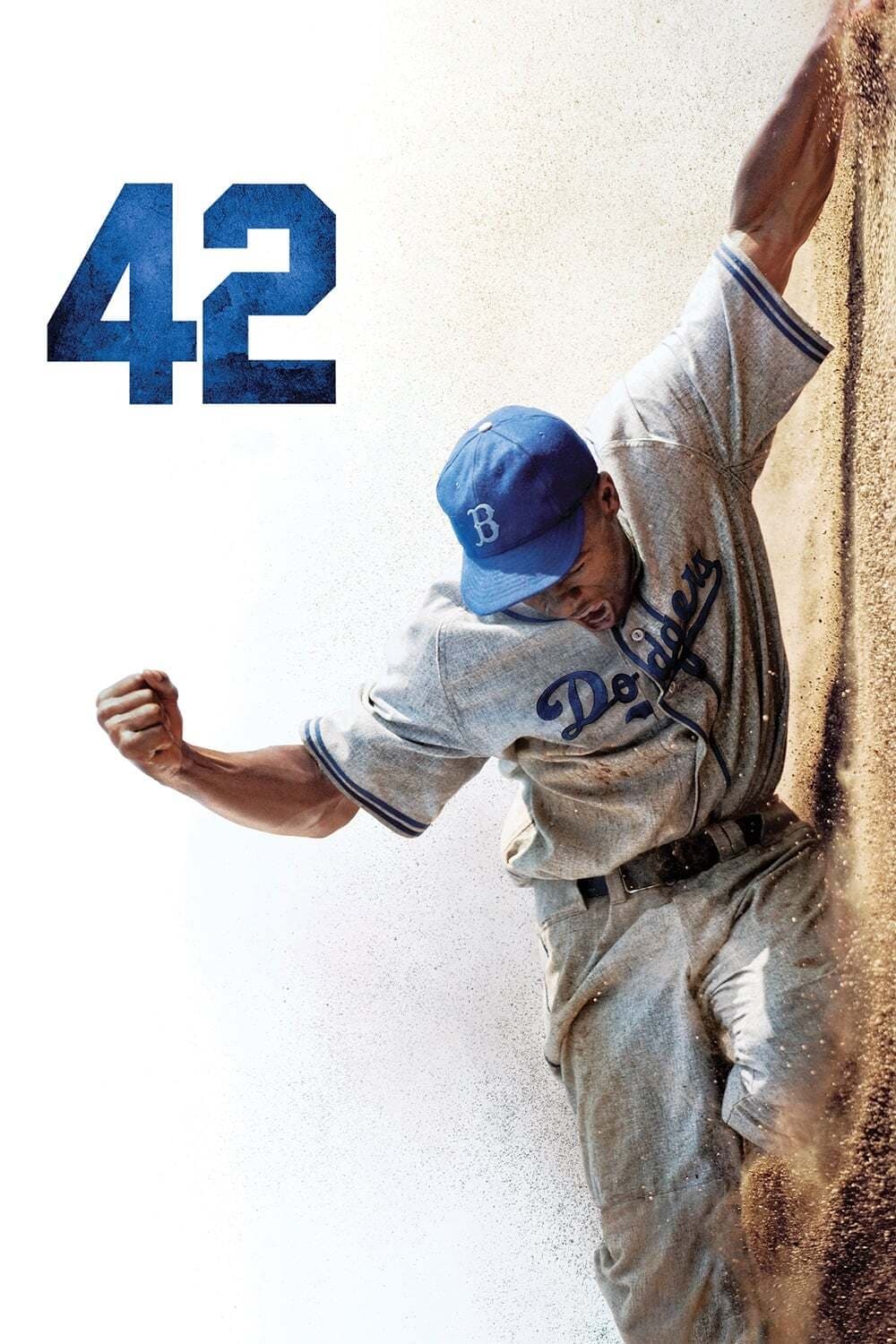
Jackie Robinson courageously ended segregation in baseball, and the film highlights his patience and restraint in the face of racism. However, it largely overlooks his later work as a political activist and presents a simplified version of his personality, focusing almost entirely on his role as a symbol of peaceful protest. The movie doesn’t explore his more outspoken views on racial equality that he developed later in life.
‘Hidden Figures’ (2016)

The movie depicts Black female mathematicians at NASA battling segregation as they contribute to John Glenn’s launch. It includes a scene where a white supervisor dramatically breaks a “colored” bathroom sign to demonstrate his support. However, Katherine Johnson, the real-life mathematician portrayed, said she simply used the white restrooms without issue. This invented moment wrongly suggests a white character was responsible for challenging segregation when the actual credit belongs to the women who faced it.
‘I Saw the Light’ (2015)
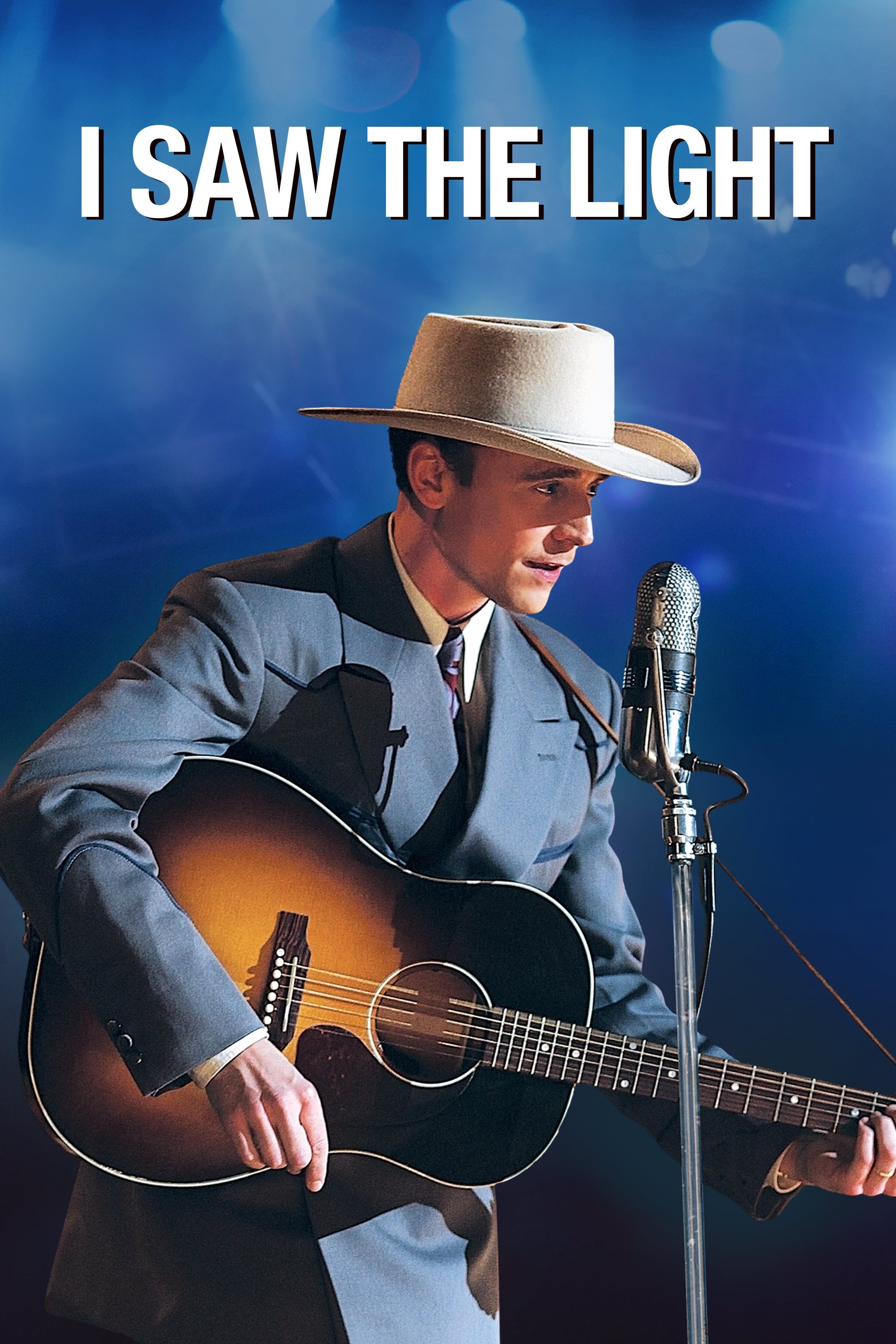
The film portrays Hank Williams as a struggling musician dealing with alcohol abuse and a difficult relationship. However, his grandson felt it didn’t capture the singer’s true energy and personality. The movie emphasizes Williams’ flaws, while not fully showcasing his incredible musical talent. Many fans found the depiction to be overly negative and lacking the vibrancy of the real Hank Williams.
‘Jobs’ (2013)
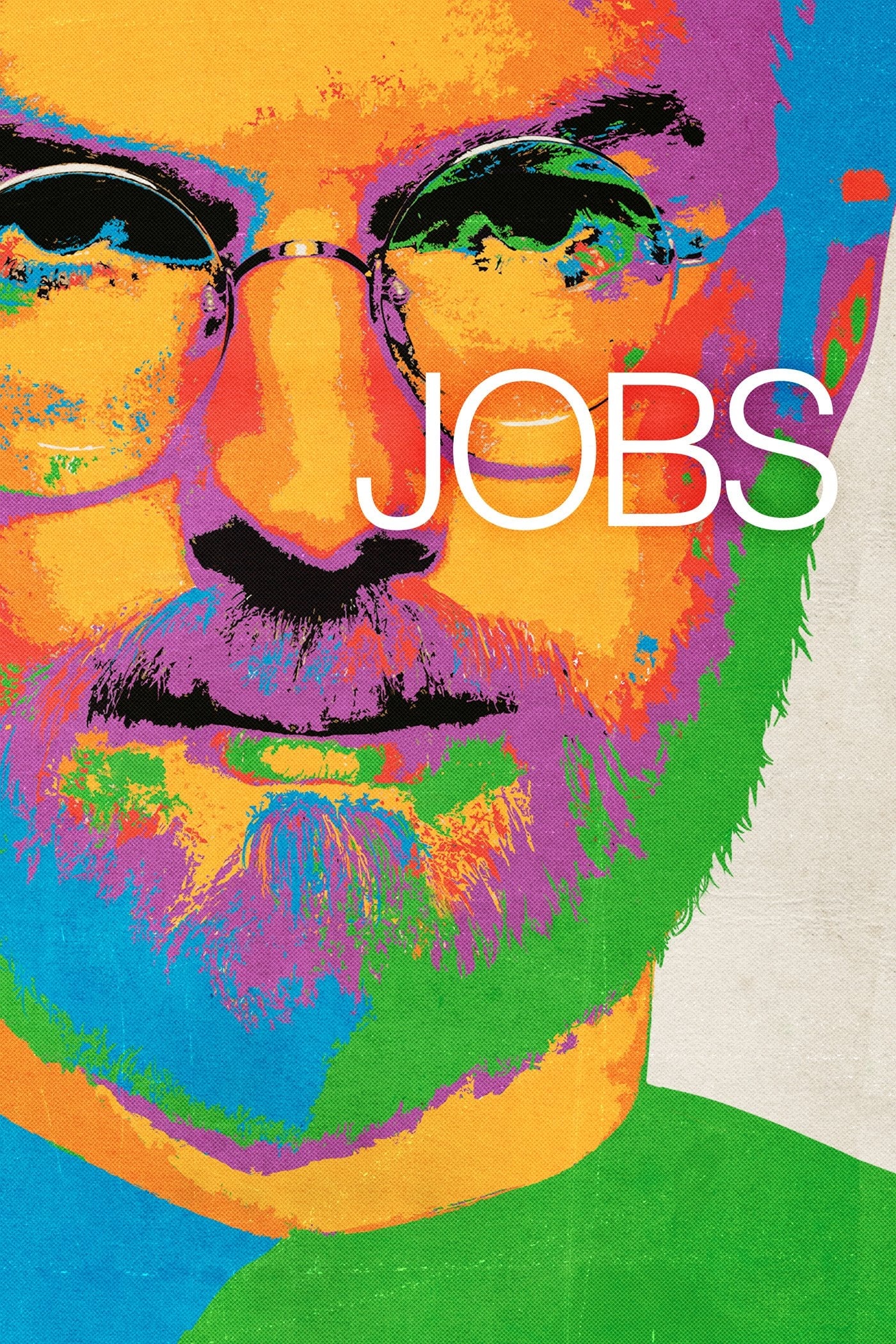
The film presents Steve Jobs as the sole creative force behind Apple’s success, which Steve Wozniak disputes. Wozniak points out the movie doesn’t accurately show how he and other early team members contributed, instead exaggerating Jobs’ role. Furthermore, the film downplays Jobs’ harsher business practices and personal flaws.
‘Moneyball’ (2011)

I’m a big fan of Moneyball, but it’s always bothered me how they portrayed Art Howe. The movie makes it seem like he was constantly fighting Billy Beane and refusing to use the data-driven approach. But from what I’ve read, that wasn’t really the case at all! Howe actually followed the strategy pretty closely. It seems the filmmakers really needed a ‘bad guy’ to create more drama, and unfortunately, Howe ended up being that person, even though he was more cooperative than the movie lets on. It’s a great story, but it definitely takes some liberties with the truth to make it more exciting.
‘Foxcatcher’ (2014)
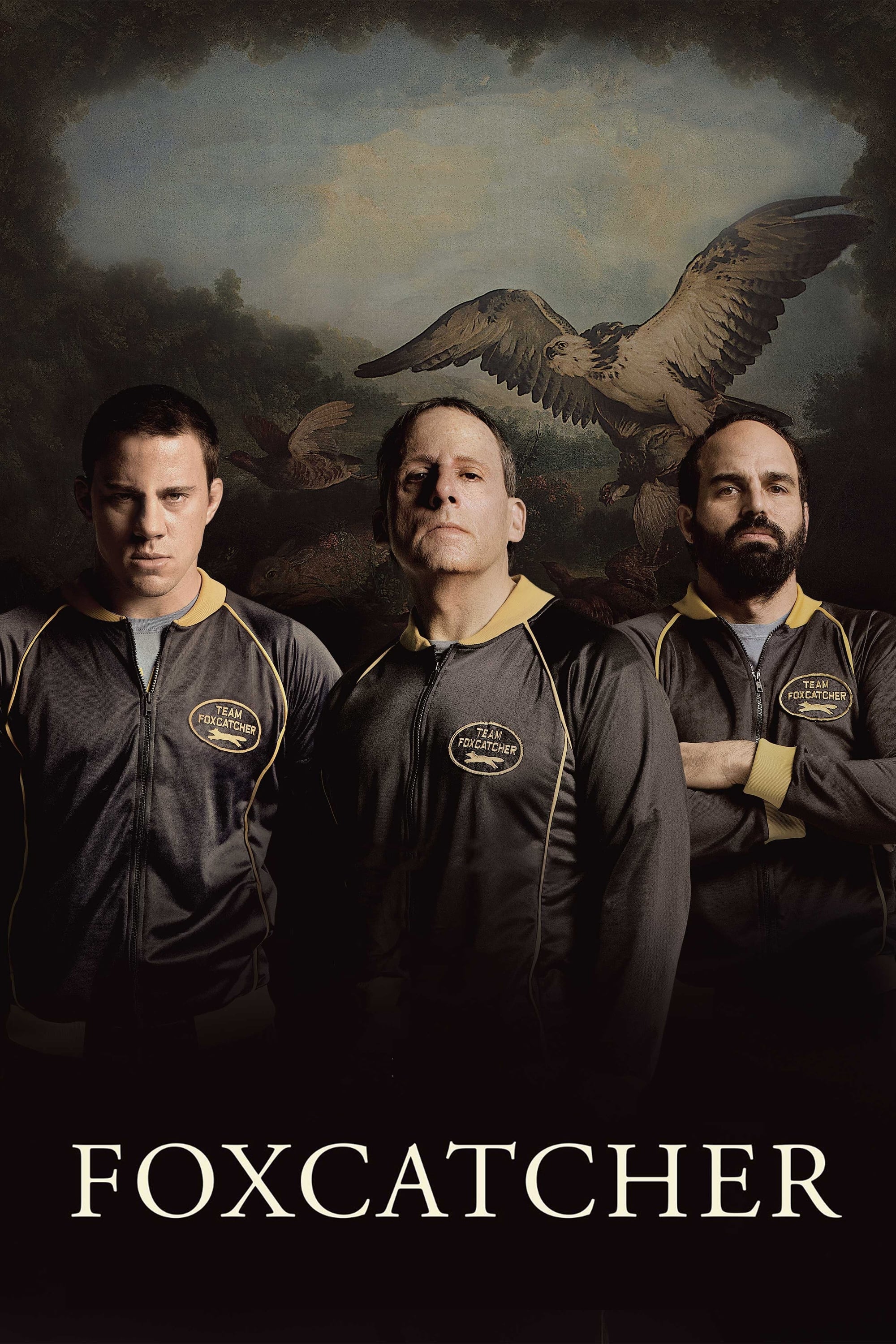
Mark Schultz joins the training camp funded by the wealthy and unusual John du Pont. The film suggests a romantic connection between them, which Schultz strongly refuted, calling the director’s portrayal offensive and untrue. The movie focuses more on creating a disturbing mood than on accurately depicting what the athlete actually went through.
‘Rush’ (2013)
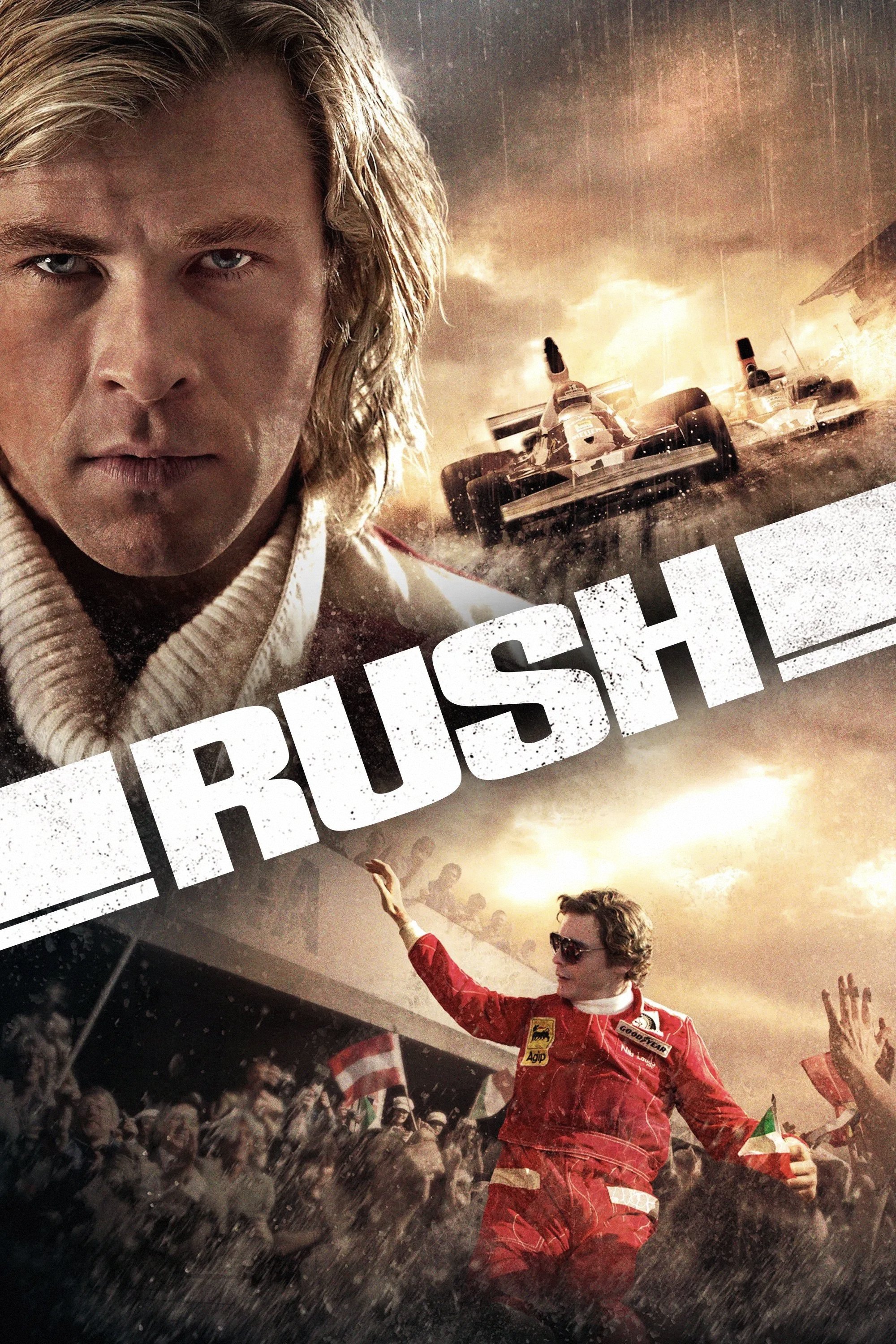
The movie depicts Niki Lauda and James Hunt as fierce rivals with a deep-seated hatred for each other. However, in reality, the two were good friends and even lived together when they were starting out. The film amps up their conflict for dramatic effect, sacrificing the genuine respect and friendship they shared.
‘Pain & Gain’ (2013)
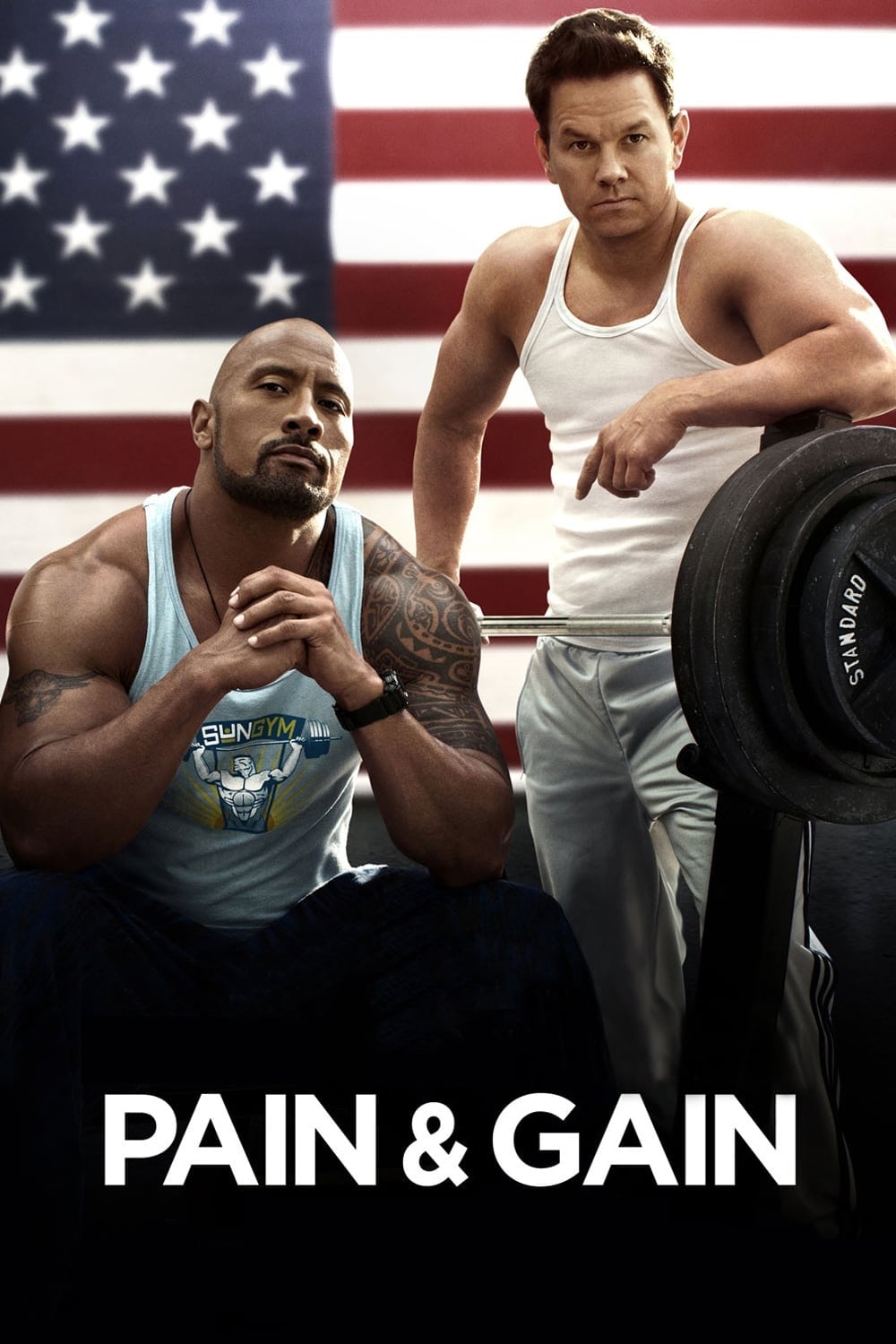
A dark comedy follows bodybuilders who kidnap a rich man, but the real person they kidnapped was deeply upset by the film. He felt it made light of the terrifying experience he endured. The movie deliberately portrays him as unsympathetic, encouraging viewers to side with the criminals, which downplays the seriousness of the actual crimes.
‘The Polka King’ (2017)
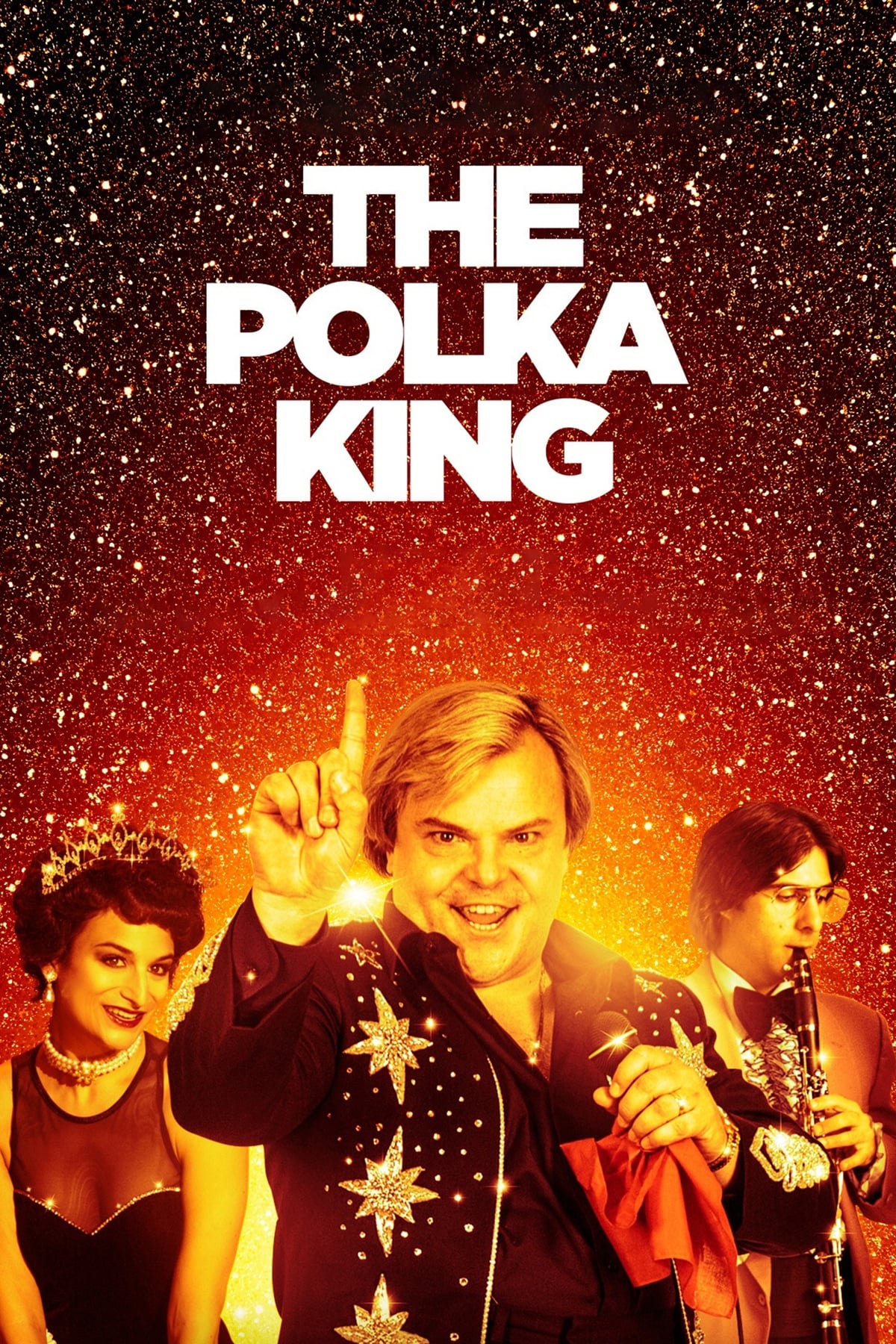
Jan Lewan created a successful music business, but it was actually a Ponzi scheme that ultimately failed. The movie portrays him as a well-meaning but naive figure who simply lost control, and it downplays the significant financial harm he inflicted on his elderly fans who trusted him with their money. By framing the story as a comedy, the film minimizes the gravity of his crimes and the devastating consequences for those affected.
‘Confessions of a Dangerous Mind’ (2002)
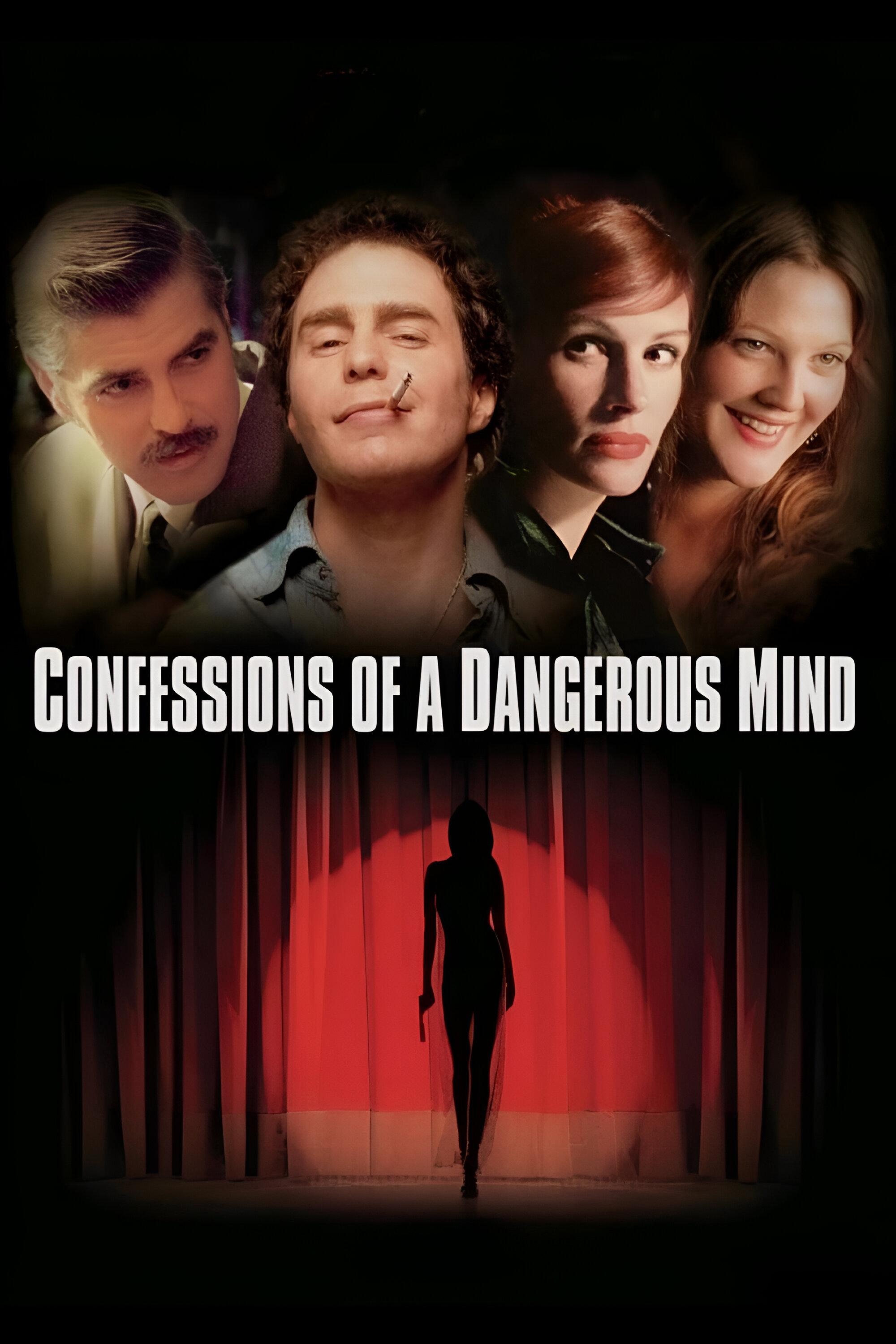
Chuck Barris famously claimed he secretly worked as an assassin for the CIA while simultaneously creating popular game shows. However, the CIA has always denied any connection to him. A recent film portrays Barris’s claims as true, largely ignoring the possibility that he fabricated the story to gain notoriety. The film depicts a thrilling, yet likely fictional, double life.
‘The Conjuring’ (2013)

The film portrays Ed and Lorraine Warren as genuine experts who battle actual demonic forces. However, it overlooks the significant criticism and accusations of deception that have followed them throughout their careers. Instead of acknowledging the controversy, the movie presents their investigations as proven facts, rather than contested stories, and doesn’t address concerns that they may have taken advantage of families in need of help for personal gain.
‘Joy’ (2015)

The movie about Joy Mangano, inventor of the Miracle Mop, portrays her building a business despite a difficult family. However, it significantly alters her real family history, completely leaving out her half-sister and merging other relatives into single characters. This creates a story where she faces overwhelming opposition alone, making her achievements seem even more extraordinary than they were. The film essentially streamlines her family life to emphasize her remarkable success.
‘American Made’ (2017)
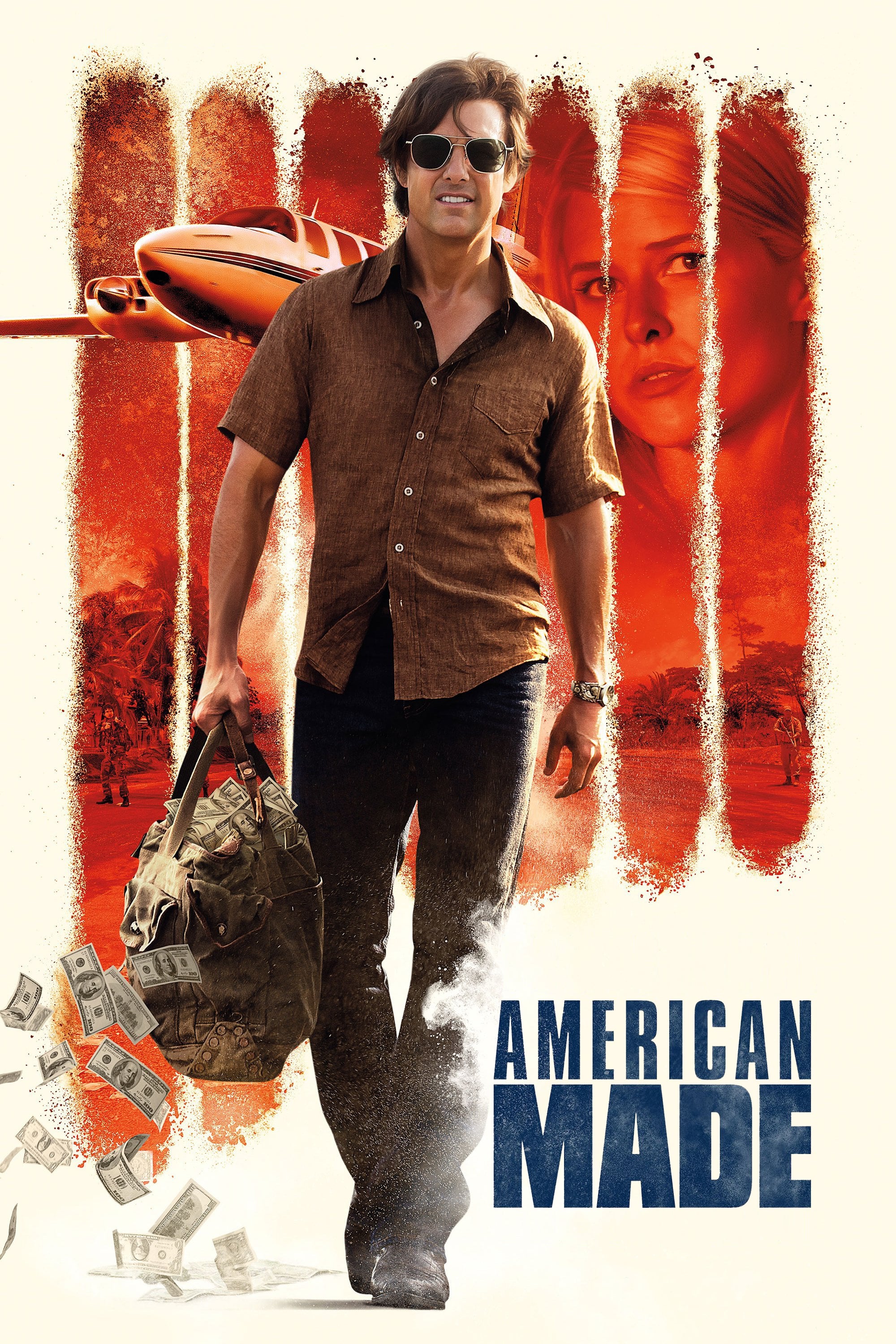
Barry Seal was a pilot who led a dangerous double life, smuggling drugs for a cartel and secretly working as an informant for the CIA. The film takes liberties with the actual sequence of events and implies the CIA orchestrated everything. It downplays Seal’s own responsibility for his criminal actions, portraying them as a result of being manipulated by the government. Ultimately, the movie simplifies a truly violent and criminal life into a lighthearted adventure set in the 1980s.
‘Rudy’ (1993)
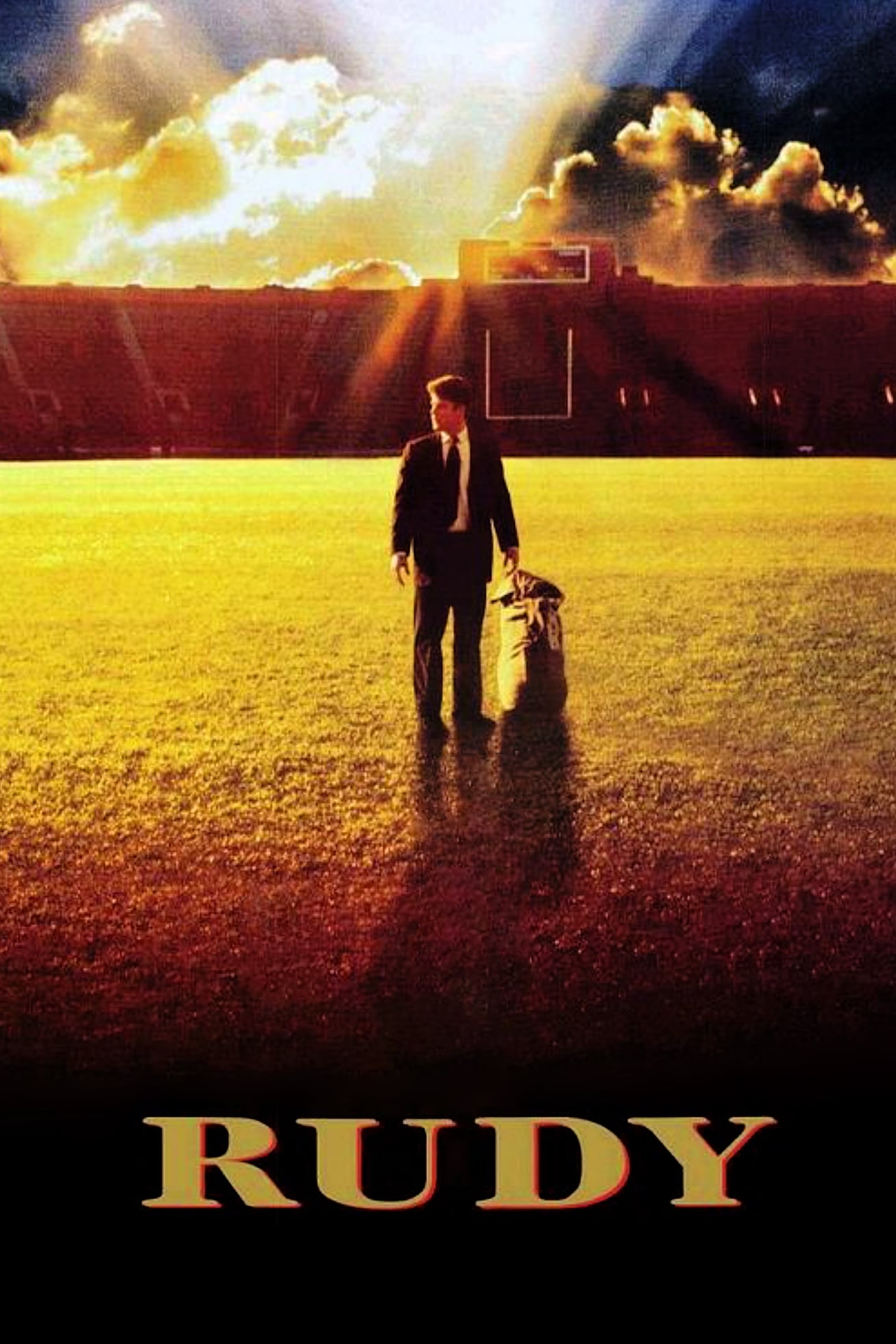
The movie Rudy tells the story of Daniel Ruettiger’s determined effort to play football for Notre Dame, despite facing huge obstacles. However, Joe Montana, a former teammate, has pointed out that some of the most dramatic moments in the film are fictional. Specifically, Montana says the scene with players throwing jerseys on the coach’s desk and the crowd chanting ‘Rudy’ never actually happened. These moments were added to heighten the emotional impact and create a classic underdog narrative.
‘Radio’ (2003)
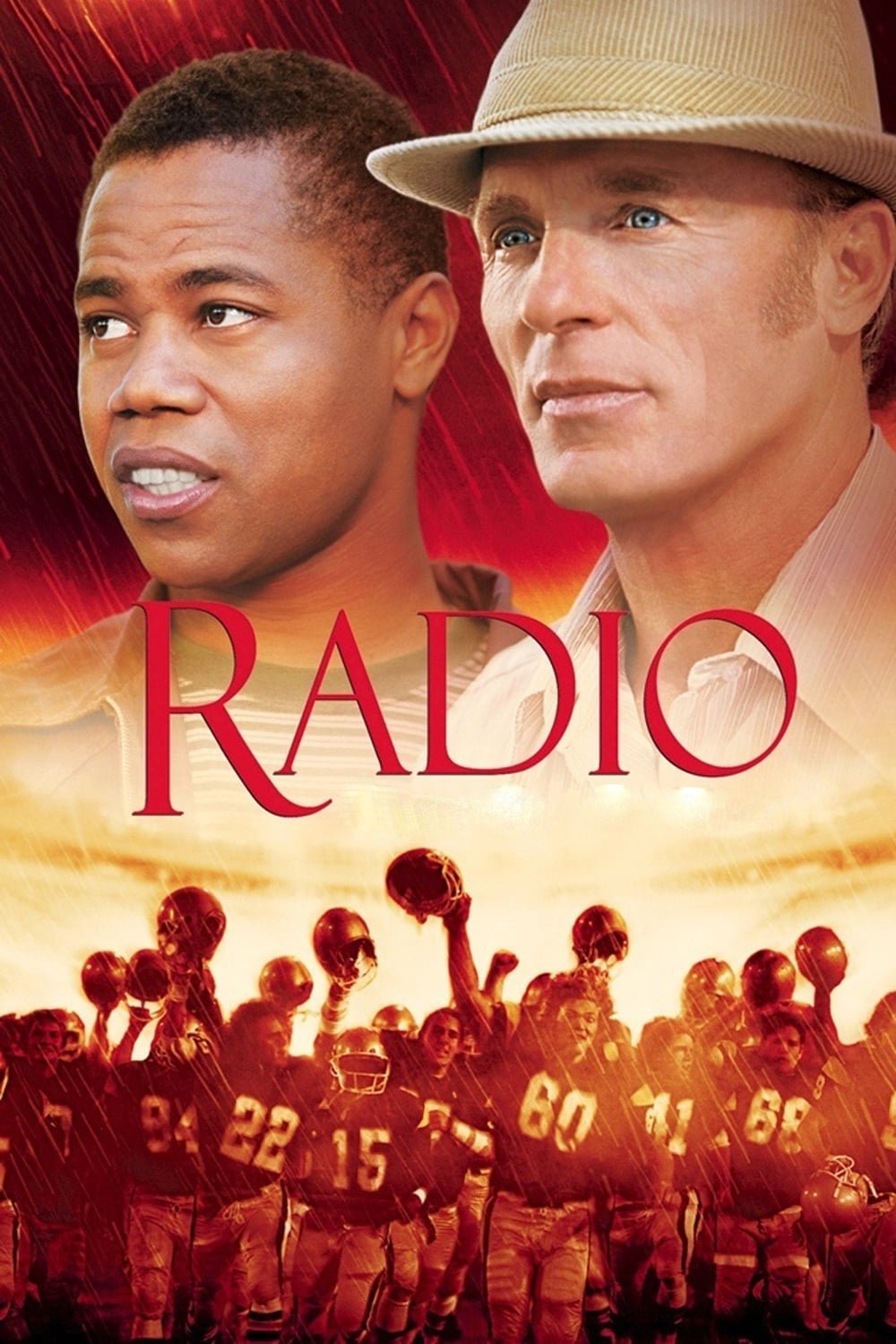
A film tells the story of a high school football coach who becomes friends with a man with intellectual disabilities and invites him to join the team. To create a more compelling narrative, the movie compresses events that happened over many years into just one year and adds fictional scenes of mistreatment by others in the town. This simplifies the true story, focusing on a dramatic journey from prejudice to acceptance, and prioritizes a strong emotional impact over a completely accurate portrayal of their long-term relationship.
Share your opinion on which of these films strayed too far from the truth in the comments.
Read More
- Top 20 Dinosaur Movies, Ranked
- 20 Movies Where the Black Villain Was Secretly the Most Popular Character
- Celebs Who Narrowly Escaped The 9/11 Attacks
- 25 “Woke” Films That Used Black Trauma to Humanize White Leads
- Spotting the Loops in Autonomous Systems
- Gold Rate Forecast
- The 10 Most Underrated Jim Carrey Movies, Ranked (From Least to Most Underrated)
- Transformers Under the Microscope: What Graph Neural Networks Reveal
- The Best Directors of 2025
- Every Notable ‘Star Trek: The Original Series’ Actor Who Died
2026-01-27 04:27