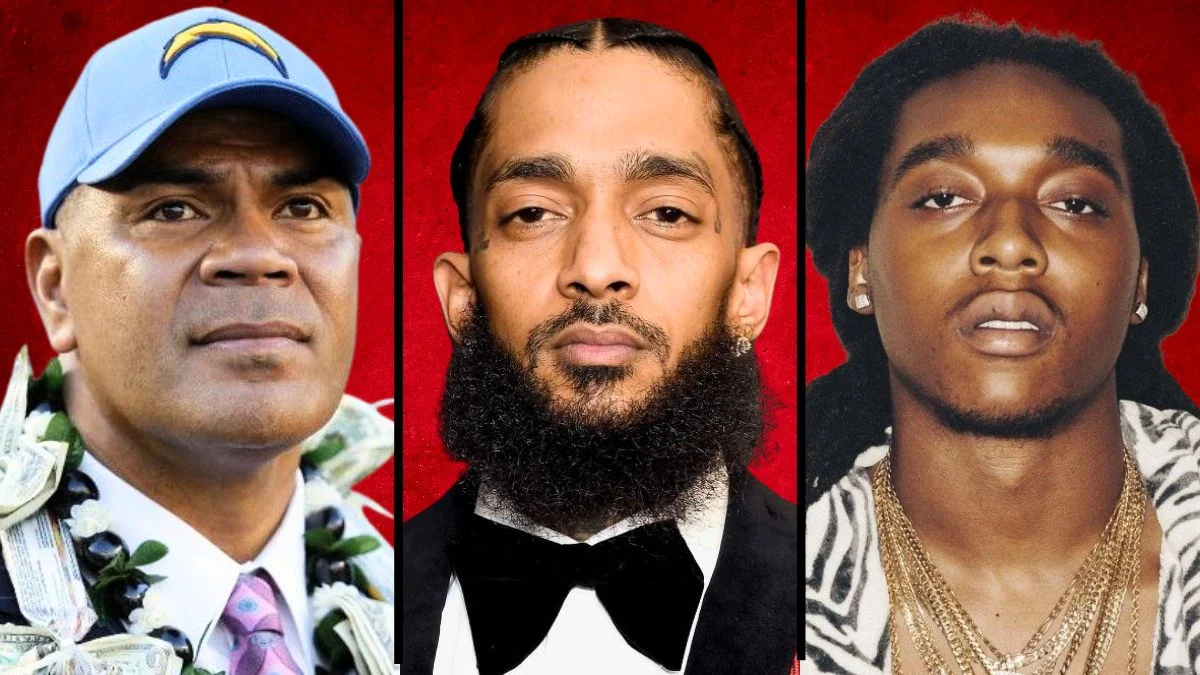
The influence of a beloved public figure often goes beyond their accomplishments, leading to changes in the systems they lived under. When someone admired in fields like entertainment, sports, or activism dies tragically or from something that could have been prevented, it often forces industries to rethink their rules and safety measures. These moments of shared sadness have often sparked new laws and major improvements in how things are done, impacting everything from air travel and healthcare to the justice system and continuing to shape our world today.
Kobe Bryant
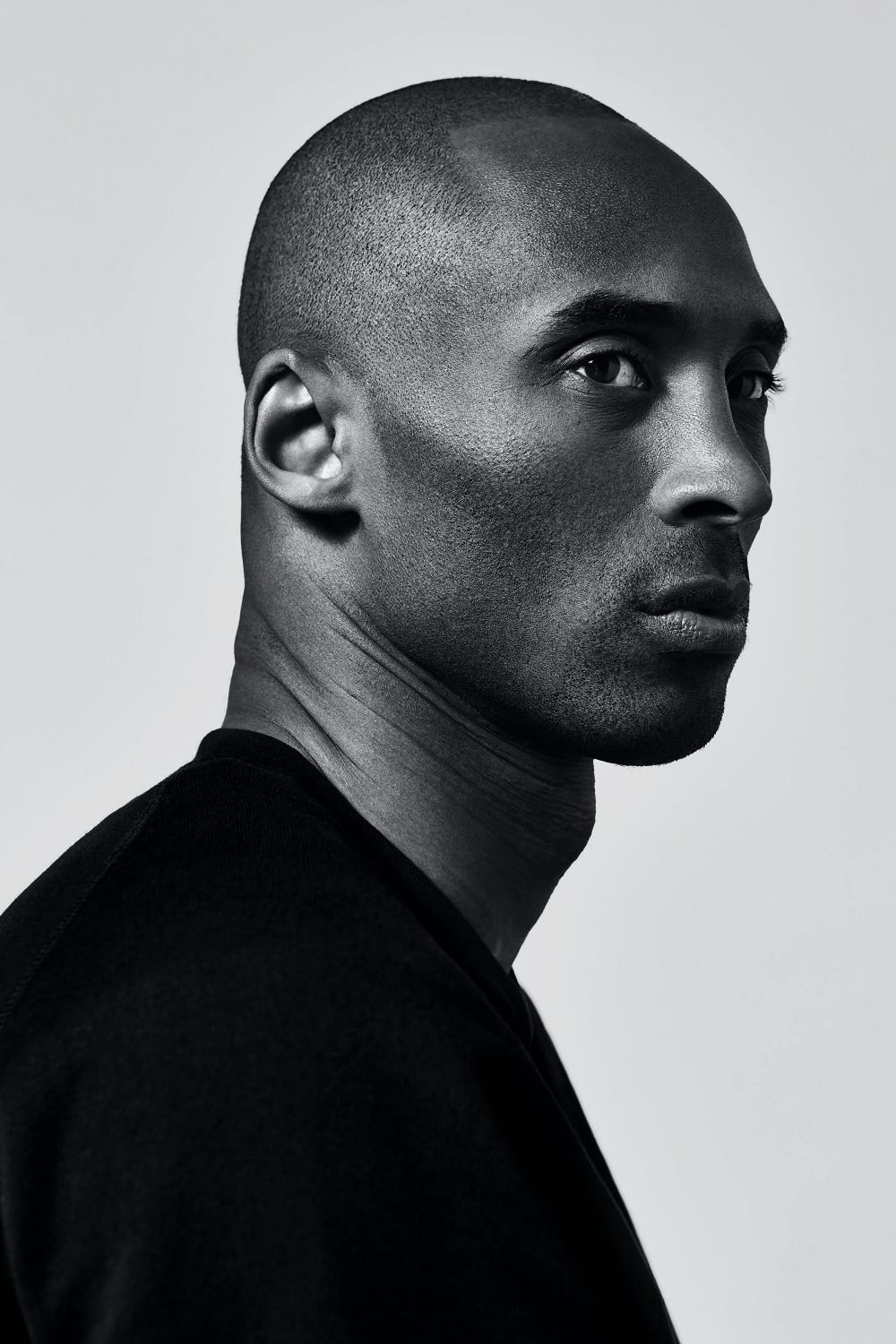
The helicopter crash that tragically killed the NBA star and eight others quickly led to questions about how safe charter flights are. The National Transportation Safety Board recommended that all charter helicopters be required to have flight and voice recorders. Soon after, the Kobe and Gianna Bryant Helicopter Safety Act was proposed, aiming to make terrain awareness systems mandatory on helicopters carrying six or more people. This accident prompted the aviation industry to reconsider the dangers of flying in poor weather without the right equipment. Ultimately, his death has led to significant changes in how private flights are managed and how pilots evaluate weather conditions.
Aaliyah

The tragic death of the R&B star in a plane crash in the Bahamas highlighted serious safety issues with air charter companies. Investigations showed the plane was over its weight limit and the pilot wasn’t authorized to fly it. As a result, charter companies now have much stricter checks for pilots and ground crew to ensure weight limits are followed. Record labels and production companies also began thoroughly auditing artist travel arrangements to prevent similar mistakes. Her death serves as a stark warning about the importance of following aviation safety rules.
Michael Jackson
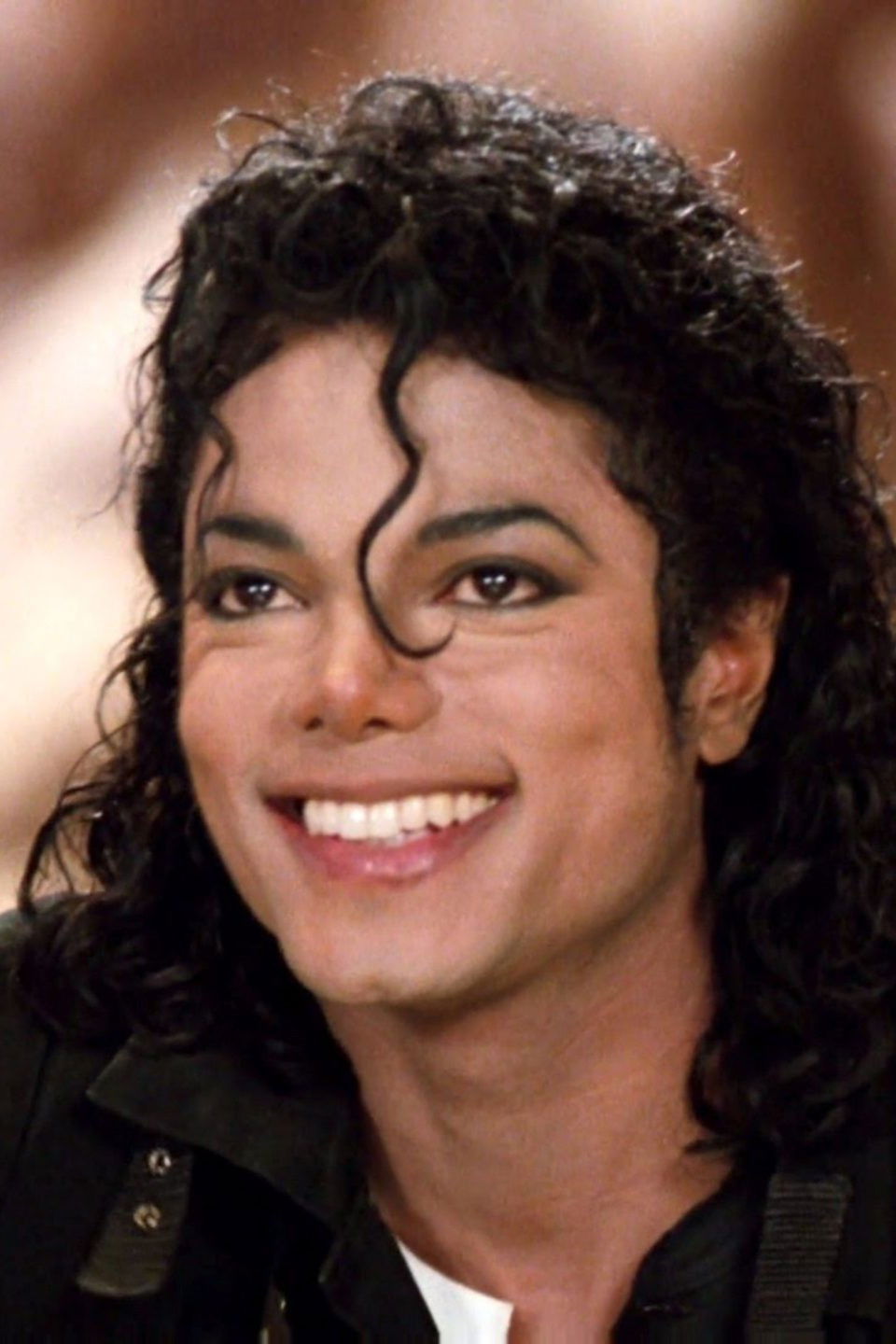
I’ll never forget when Michael Jackson passed away – it was shocking, and it really opened everyone’s eyes to the dangers of using powerful drugs like propofol outside of a hospital. The trial of his doctor, Dr. Murray, was so important because it established a new legal standard for doctors who provide care outside of traditional medical settings. It completely changed how concert promoters and insurance companies approached artist health, making sure they were thoroughly checked out and that any personal doctors were properly vetted. Afterwards, there was a real push to stop people from going to multiple doctors to get prescriptions, and states really strengthened how they monitored those prescriptions. Honestly, I think it was a turning point in how we regulate healthcare for high-profile individuals and the whole practice of concierge medicine.
Prince
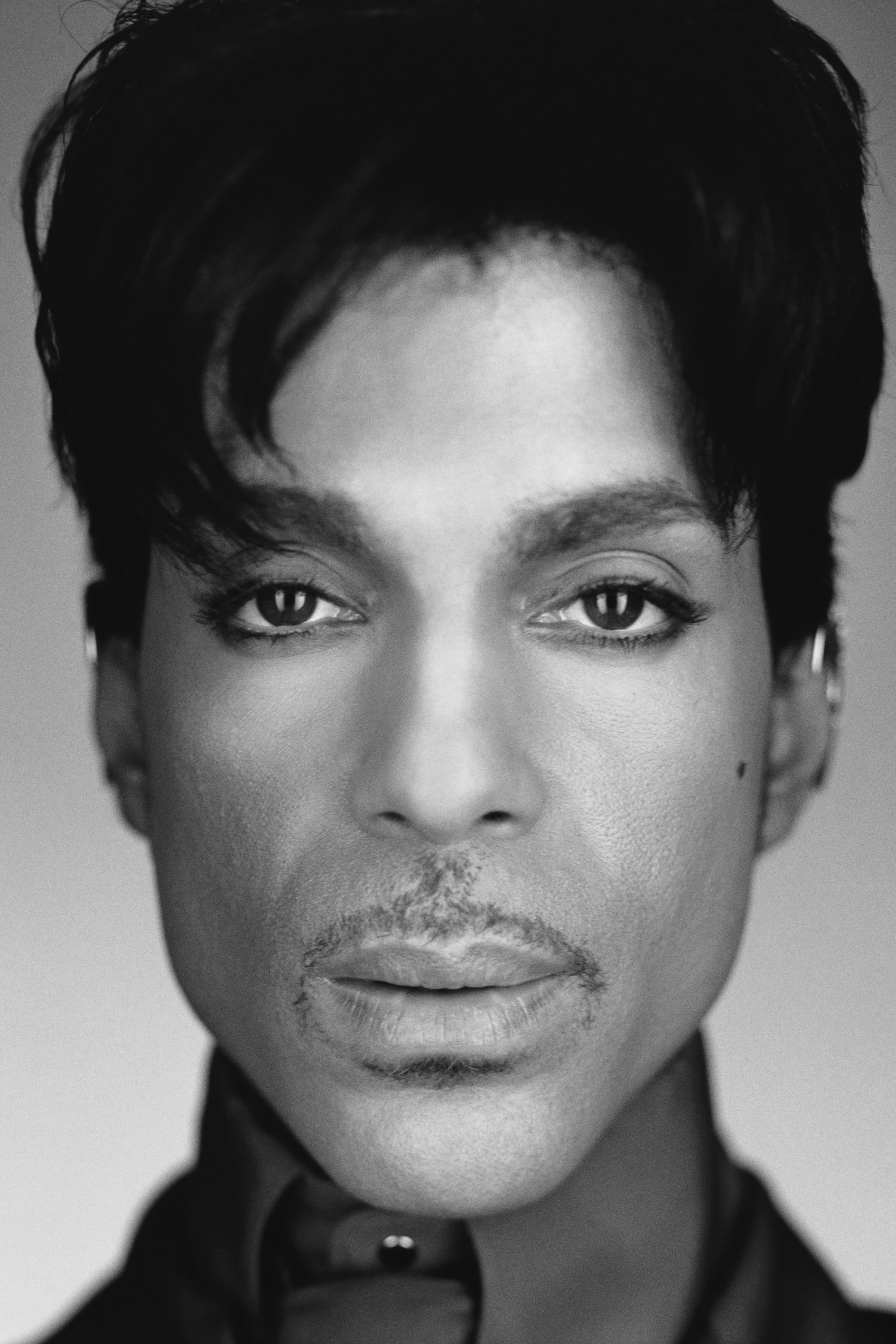
His tragic death from a fentanyl overdose brought the hidden opioid crisis and the challenges of planning for an artist’s estate into sharp focus. Because he didn’t have a will, his estate was tied up in legal battles for years, ultimately leading to changes in how artist estates are handled in Minnesota. This also sparked conversations about wider access to the overdose-reversing drug naloxone and stricter rules for fake pills. The music industry responded by creating better support programs for artists struggling with long-term pain and substance abuse. Now, his story serves as a crucial reminder of the risks associated with prescription medications.
Aretha Franklin
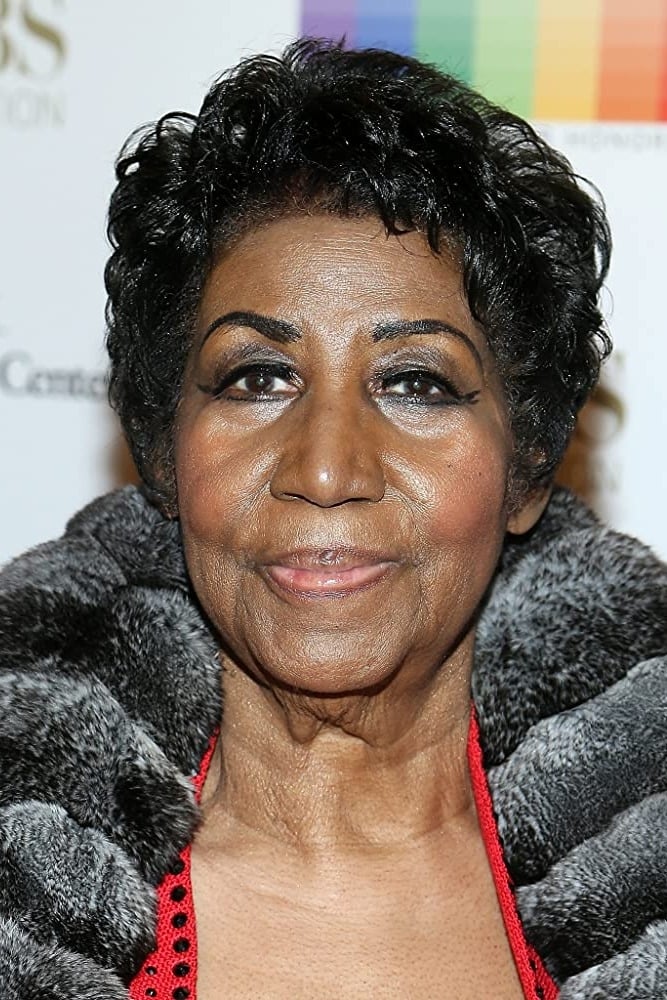
Aretha Franklin’s passing brought to light issues with estate laws when several handwritten wills were found at her home. The resulting legal battle in Michigan led to a clearer understanding of how these informal, handwritten wills – often called holographic wills – are handled. This case became a valuable lesson for both the public and legal professionals, highlighting the importance of having a formal estate plan and trusts in place. Now, lawyers frequently use her situation as an example when advising clients on protecting their assets. It also started a national discussion about the need for clear instructions about what should happen with your belongings after you’re gone.
Tupac Shakur
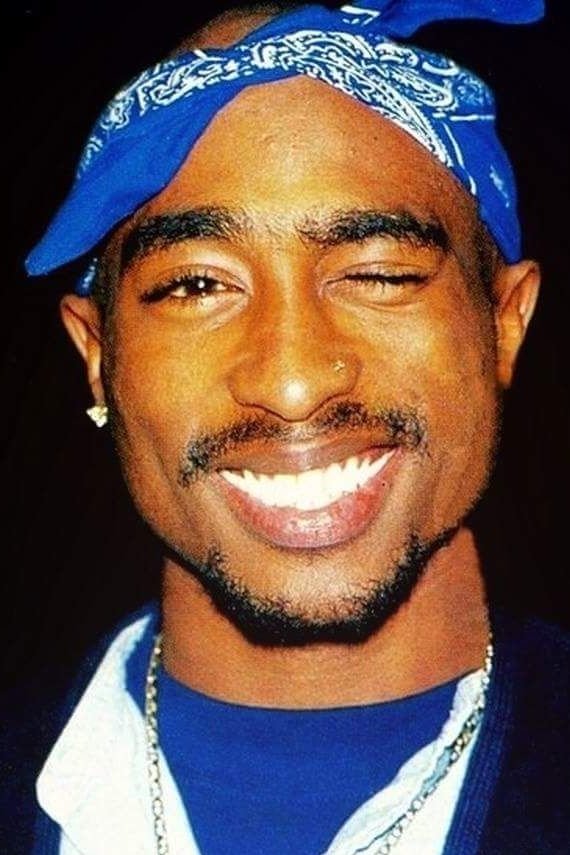
The shooting of this famous rapper dramatically changed security for musicians and concert venues. Record companies started hiring professional security teams instead of relying on friends or associates for protection. Because of the violence stemming from the rivalry between East Coast and West Coast artists, industry leaders worked to reduce tensions and keep their artists safe. His death was a turning point, forcing a change in how rap artists travel and appear in public, and it led to a more professional approach to personal security in the music industry.
The Notorious B.I.G.
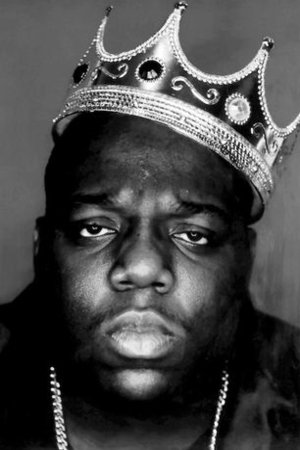
After Tupac Shakur’s murder, the death of Christopher Wallace, also known as The Notorious B.I.G., made it clear that the music industry needed to improve its security. Concert venues and award shows began using stricter security measures, similar to those at airports, and limited who could access backstage areas. The investigation into Wallace’s death showed that police and hip-hop industry leaders needed to work together more effectively. His death also brought an end to the intense rivalry between East Coast and West Coast rappers and led to the hip-hop industry becoming more organized and focused on safety. Ultimately, this tragedy demonstrated the dangerous results of mixing street life with the entertainment business.
Eazy-E
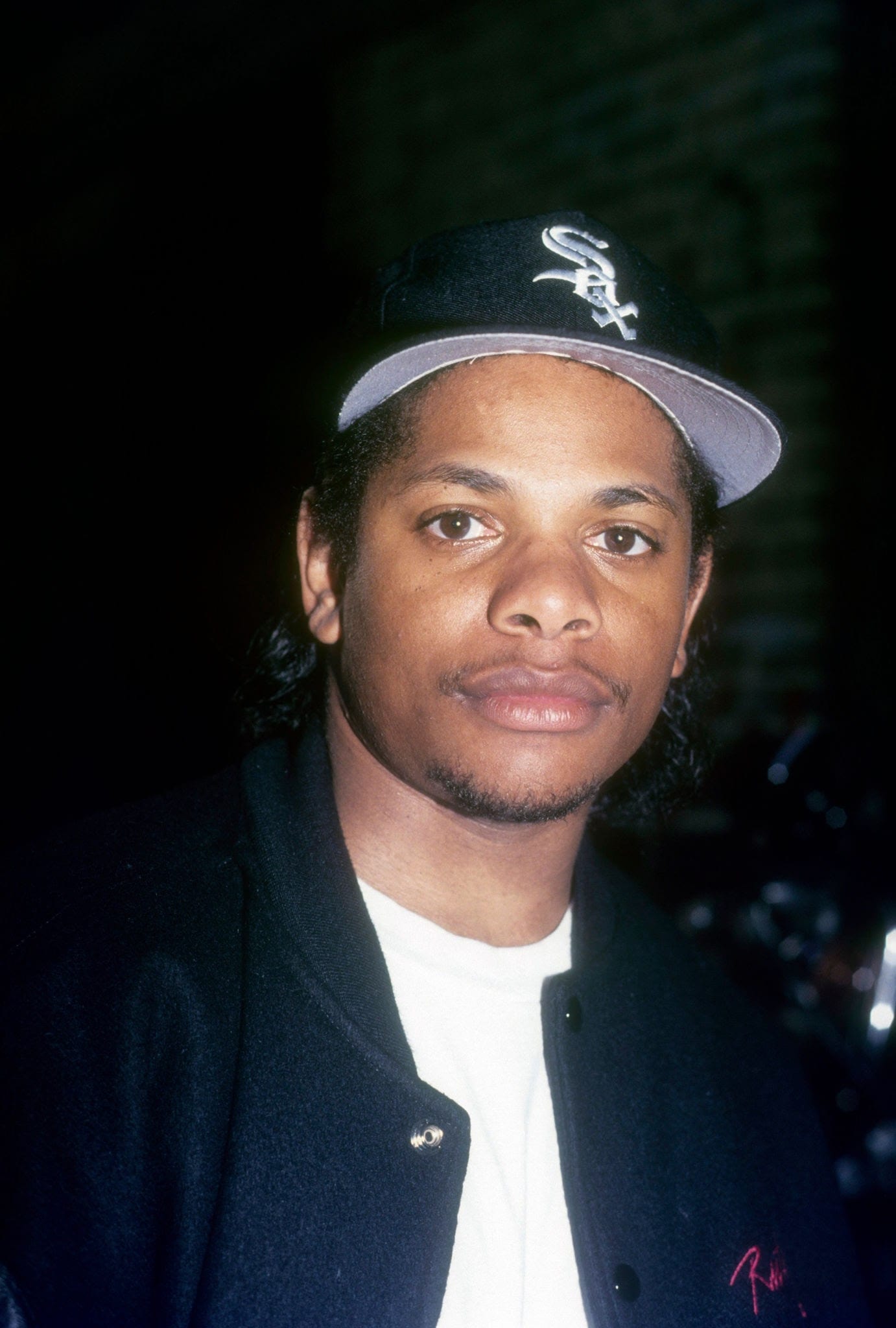
When the N.W.A. icon revealed his battle with AIDS and later passed away, it broke down the misconception that the virus didn’t affect Black people who weren’t involved in high-risk behaviors. His death motivated the hip-hop world to support sex education and fund research into HIV/AIDS. It also encouraged many young African Americans to get tested, as they had previously felt the disease didn’t apply to them. Health groups started focusing their efforts on reaching this generation. By openly discussing his illness, he helped to make conversations about sexual health more common and likely saved many lives.
Nipsey Hussle
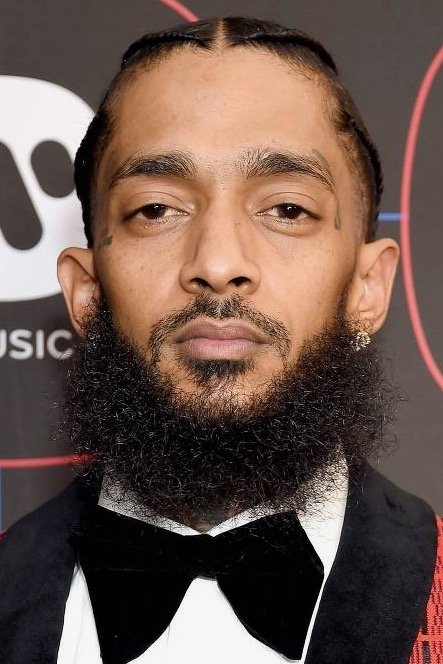
I was deeply affected by the senseless loss of this incredibly talented rapper and businessman, and his death had a ripple effect throughout the community. It really forced everyone to think hard about where we’re investing and how we’re keeping people safe. It quickly fueled the push for things like “Opportunity Zones,” and I saw a surge of artists wanting to actually own businesses in their neighborhoods, taking control of both the economy and the safety. The tragedy also sparked some really positive initiatives, like the Marathon Book Club, which focuses on teaching financial literacy as a way to prevent violence. It even started a conversation about how artists can stay connected to their roots without becoming targets. Ultimately, his lasting impact isn’t just about his music; it’s about the economic empowerment model he built, and it’s something I think we can all learn from.
Chadwick Boseman
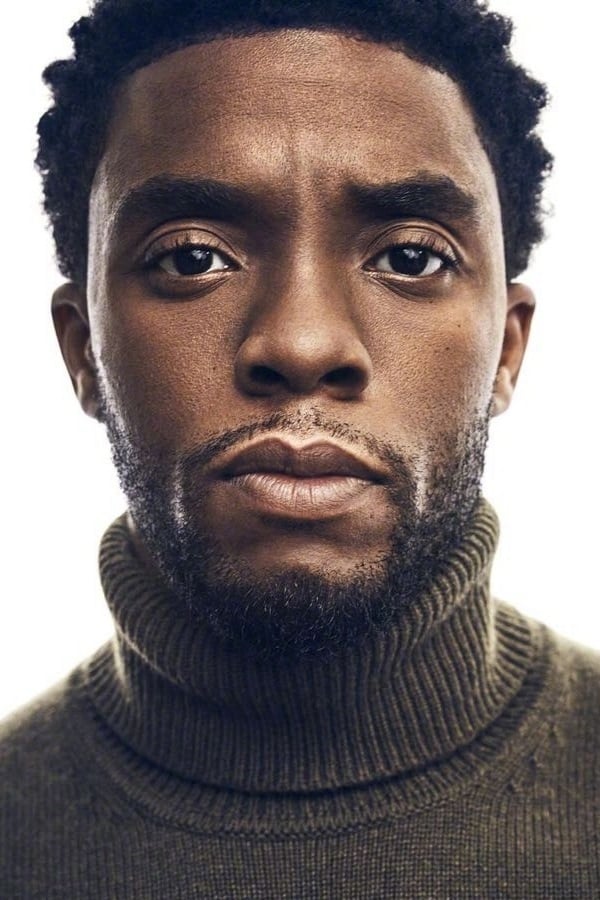
The actor’s unexpected fight with and death from colon cancer deeply affected many people and led to a significant increase in screenings for the disease, especially among younger adults. His passing also prompted insurance companies and film studios to rethink how they support and insure actors with existing health issues. As a result, medical groups updated their recommendations to encourage earlier screenings for Black men, who are at higher risk. This sad event highlighted the health challenges faced by people in the entertainment industry and sparked a worldwide push for more focus on preventative healthcare.
Junior Seau
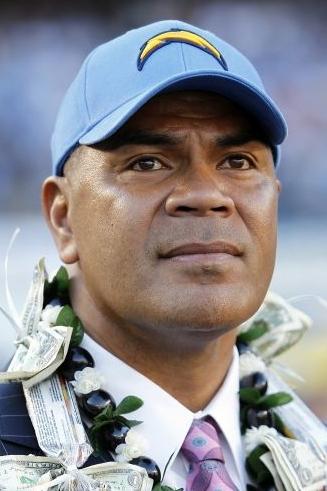
The tragic death of this NFL legend was a turning point in understanding Chronic Traumatic Encephalopathy, or CTE, in football. When his family donated his brain for research, it provided clear proof of the lasting damage caused by repeated head injuries. This led to a faster resolution of the large lawsuit against the NFL regarding concussions and prompted new rules designed to reduce dangerous tackles. The league significantly changed how it handles concussions and determines when players can return to the game. Ultimately, his death forced football to acknowledge the serious issue of brain injuries.
Bessie Smith
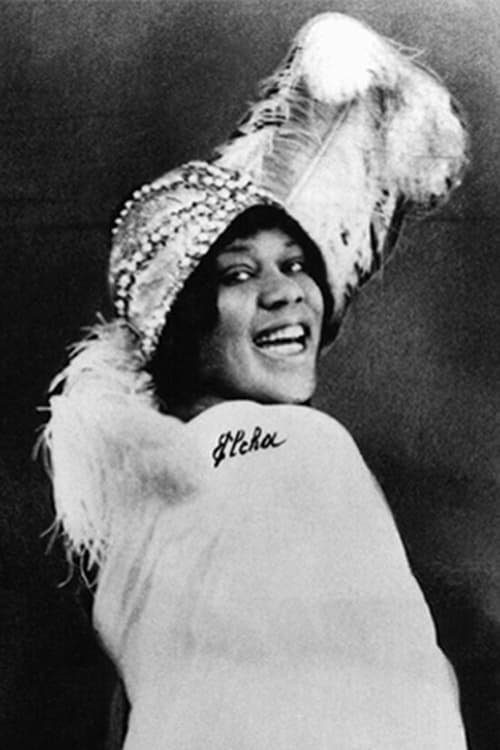
When the legendary blues singer died after a car accident, it sparked outrage and is often credited with helping to end segregation in ambulance services. Though details about the care she received were questioned, her death powerfully illustrated the dangers of a segregated medical system in the South. This controversy gave momentum to the Civil Rights movement’s fight for equal emergency medical care and inspired the growth of Black-owned hospitals and ambulance services. Ultimately, her story led to the end of policies that restricted ambulance access based on race.
Otis Redding
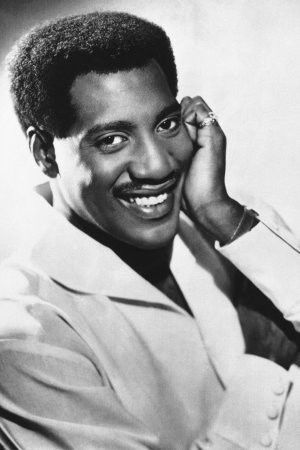
The tragic plane crash that took the life of a beloved musician and members of the Bar-Kays led to important changes in how touring musicians travel. The accident showed how dangerous it could be to use small planes for quick trips, especially in bad weather. As a result, insurance companies began requiring pilots to have more experience and qualifications when flying bands. The music industry also had to rethink the challenges of the “chitlin’ circuit” and the pressure on artists to travel even when conditions were unsafe. His death serves as a continuing reminder of the importance of safety when touring.
Martin Luther King Jr.
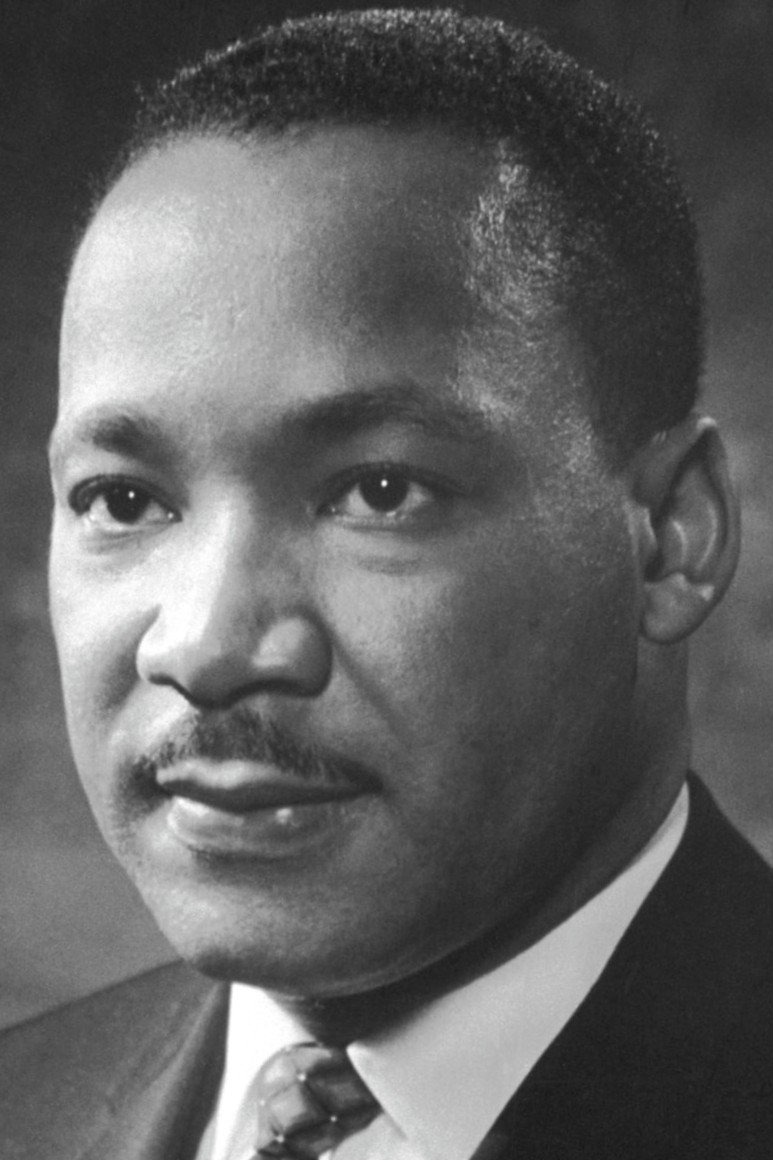
The murder of the civil rights leader immediately led to widespread riots, pushing Congress to take quick action. Just days after his death, the House of Representatives passed the Fair Housing Act of 1968 as a direct result of this national tragedy. This act expanded federal protections against discrimination when it came to buying, renting, or financing a home, creating a stronger legal foundation for fair housing in the U.S. Ultimately, his death helped speed up the end of segregation.
Takeoff
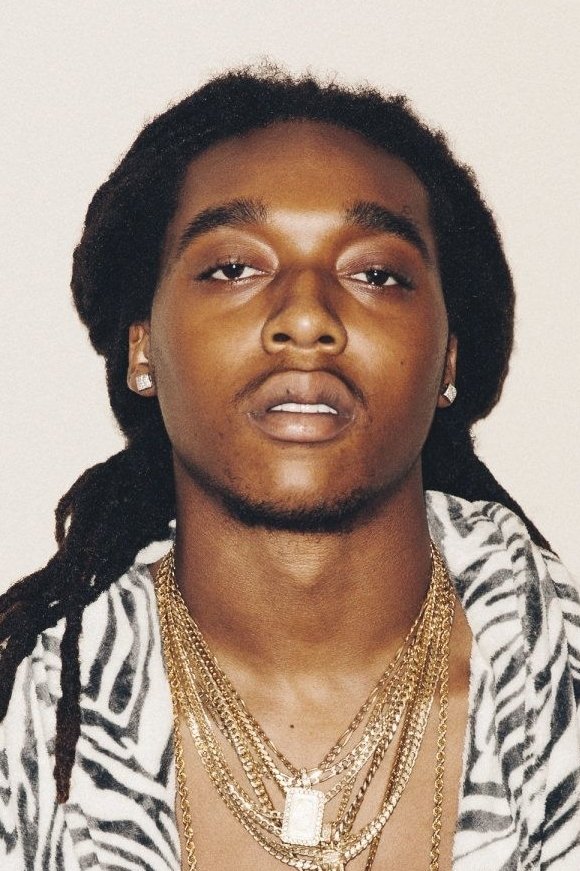
The shooting of a Migos member following an argument over a dice game near a bowling alley sparked discussions about how to better protect artists and handle conflicts. The incident led to increased security measures at private events and parties, where security had previously been minimal. Record labels and artist management teams started implementing stricter rules about where their artists go when not working. It also underscored the danger of random violence in crowded places and the importance of security teams prioritizing quick and safe removal from dangerous situations rather than trying to control them.
Let us know in the comments which of these changes you think has made the biggest difference over time.
Read More
- Top 20 Dinosaur Movies, Ranked
- 20 Movies Where the Black Villain Was Secretly the Most Popular Character
- Celebs Who Narrowly Escaped The 9/11 Attacks
- 25 “Woke” Films That Used Black Trauma to Humanize White Leads
- Gold Rate Forecast
- Spotting the Loops in Autonomous Systems
- Silver Rate Forecast
- The 10 Most Underrated Jim Carrey Movies, Ranked (From Least to Most Underrated)
- The Best Directors of 2025
- 22 Films Where the White Protagonist Is Canonically the Sidekick to a Black Lead
2026-01-26 23:16