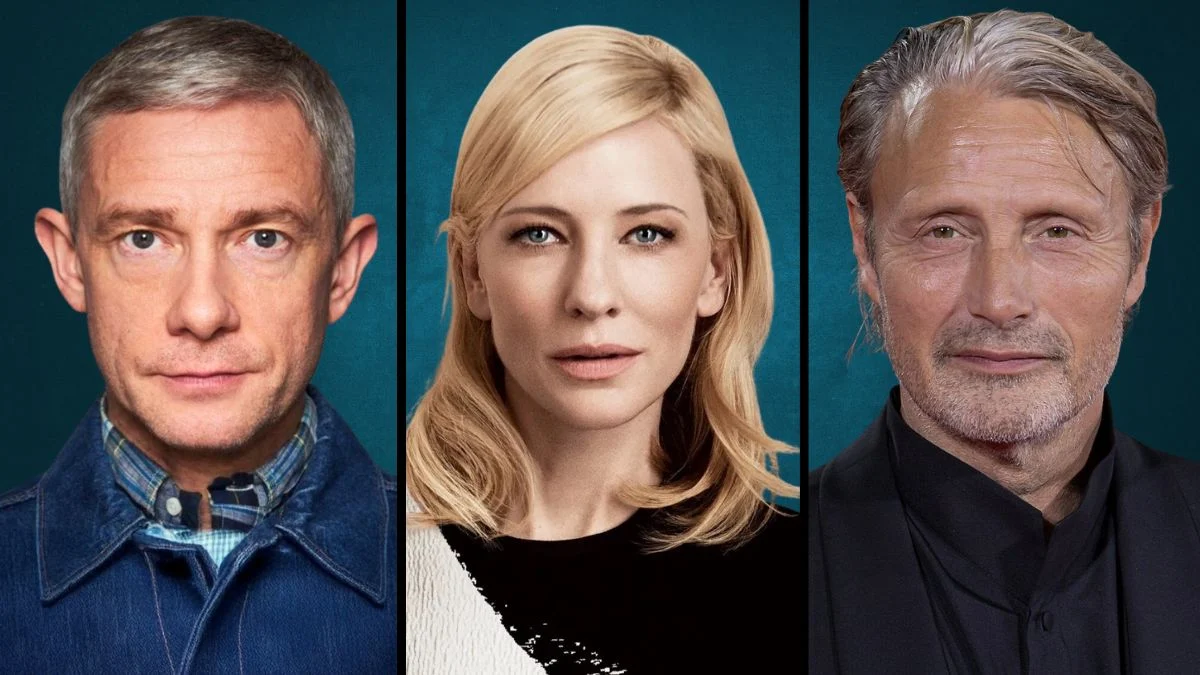
Method acting – fully immersing oneself in a character even when not filming – is sparking debate in Hollywood. Some actors take this approach to extremes, while others believe acting is a skill you can switch on and off. Many respected performers are now voicing concerns that staying in character constantly can create a difficult work environment and harm mental well-being. Here’s what some industry professionals have said about it.
Mads Mikkelsen
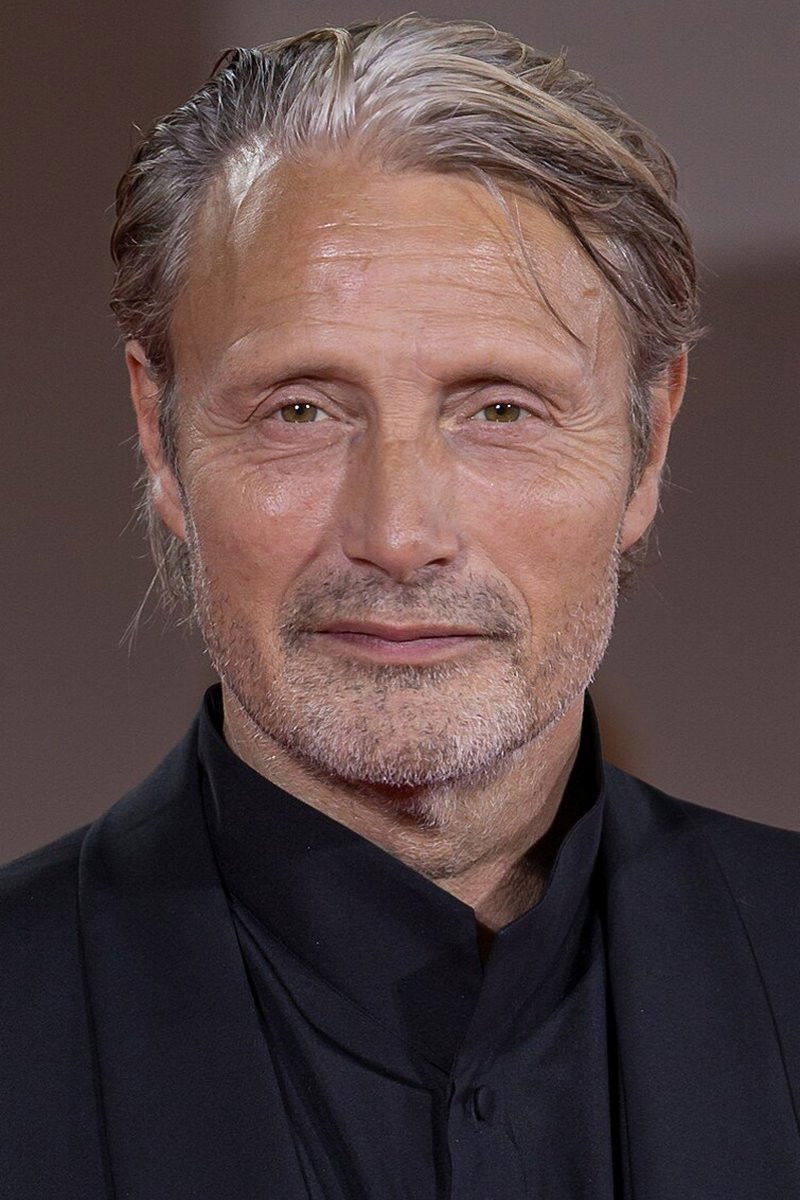
Mads Mikkelsen, the Danish actor, has openly criticized method acting, calling it showy and unnecessary. He believes a strong performance comes from an actor’s training and talent, not from constantly trying to be the character. He’s said he’d be unsure how to handle a co-star who stayed in character even when not filming, and prefers to clearly separate himself from his roles, switching into and out of character as needed to maintain a healthy work-life balance.
Brian Cox
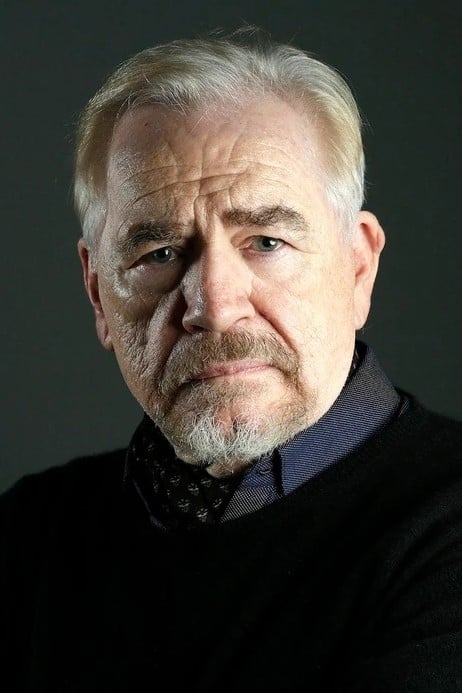
I’ve always admired Brian Cox, and I really appreciate his old-school approach to acting. He’s not a fan of those super intense ‘method’ techniques where actors really try to become the character, and honestly, I get why. He even expressed concern for Jeremy Strong during ‘Succession’ because it seemed like the method was really taking a toll on him. Cox thinks acting is about connecting with the role and sharing that energy, not about actually suffering to feel the part. And he’s right – constantly staying in character must be exhausting for everyone else on set! It’s just a bit much, you know?
Samuel L. Jackson
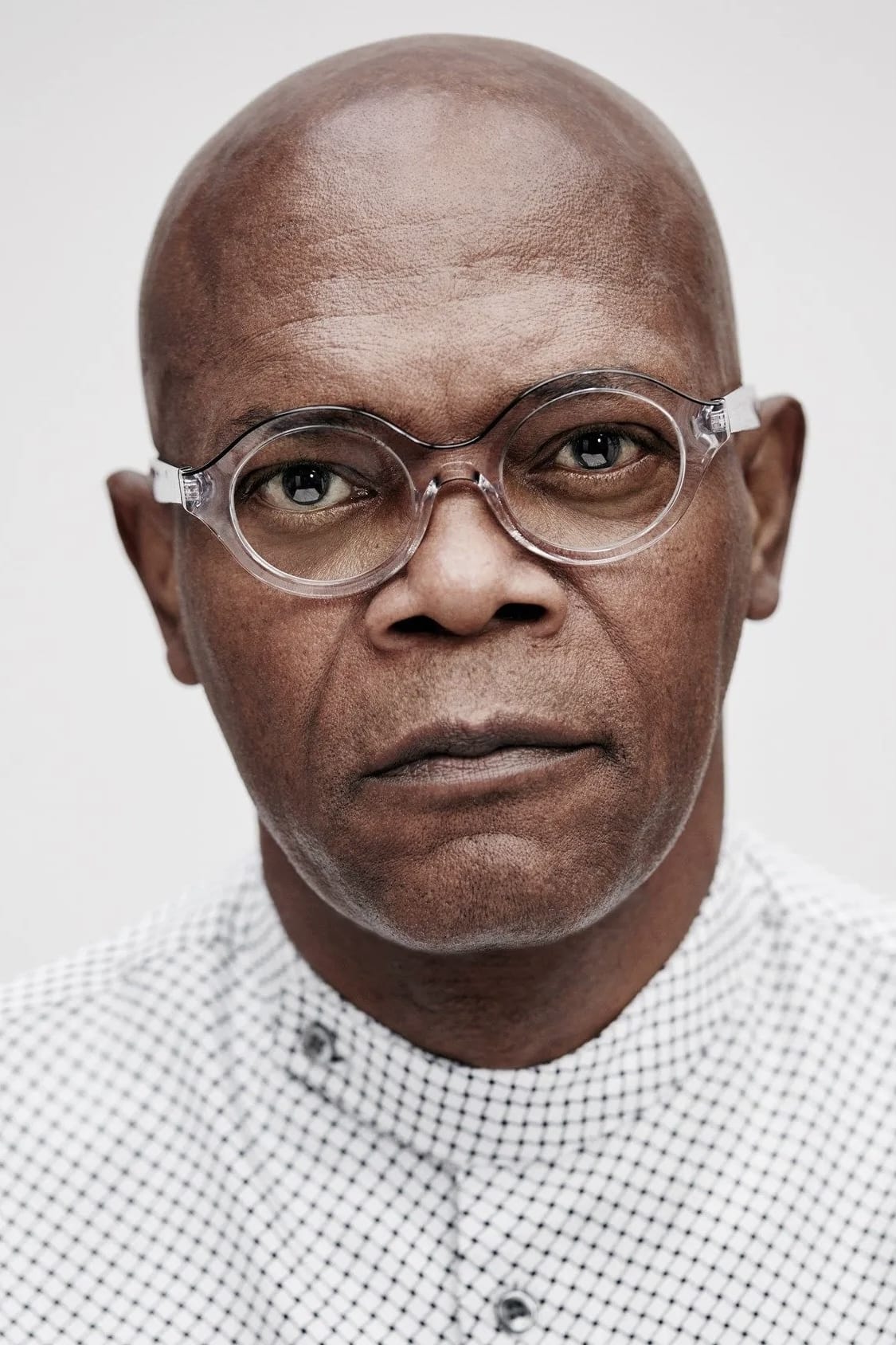
This highly successful actor sees acting as a job that benefits from keeping a professional distance, rather than fully becoming the character. He likes to have fun while filming and avoids working with people who are overly withdrawn. Jackson believes acting is about convincingly portraying a role, not actually feeling the character’s emotions, and he prefers to switch into character when filming begins and then relax immediately afterward.
Jennifer Lawrence
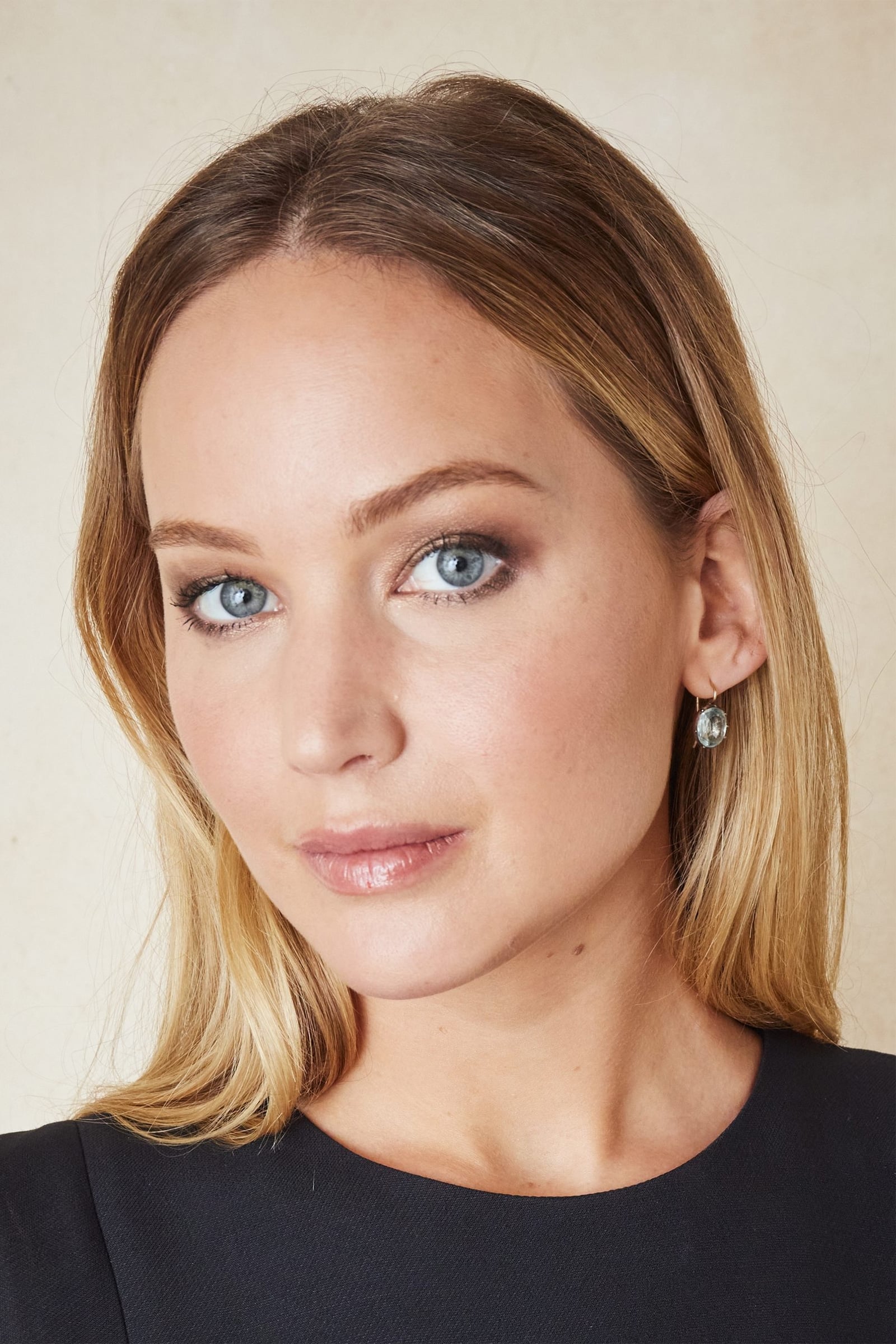
Jennifer Lawrence trusts her gut feelings when preparing for a role, rather than fully becoming the character. She finds it strange and unsettling when actors stay in character even when they’re not filming, and admits she’d be hesitant to talk to someone who does that, unsure if she’s speaking to the actor or the character they’re playing. Lawrence prefers to learn her lines and focus on the emotions of a scene just before filming begins.
Robert Pattinson

Robert Pattinson has playfully pointed out that actors often only use intense “method” acting when portraying unpleasant characters. He wonders why actors don’t stay in character when playing someone nice or lovable. Pattinson thinks this technique can sometimes be more about the actor’s own self-image than about truly serving the role. He personally prefers to get into character by changing his physical appearance and wearing costumes, rather than trying to deeply inhabit the character’s psychology.
Martin Freeman
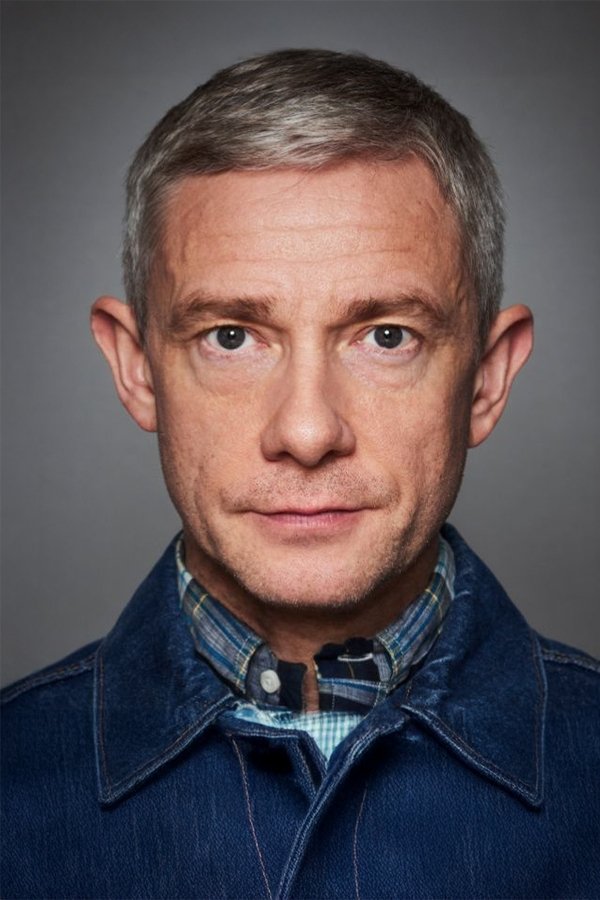
Martin Freeman has spoken out against overly intense method acting, describing it as unprofessional and attention-seeking. He argues that an actor’s job is to convincingly portray a character without making things difficult for the rest of the cast and crew. According to Freeman, truly skilled acting isn’t about completely losing yourself in a role, but about maintaining control and approaching the craft with discipline and respect for reality.
Sebastian Stan
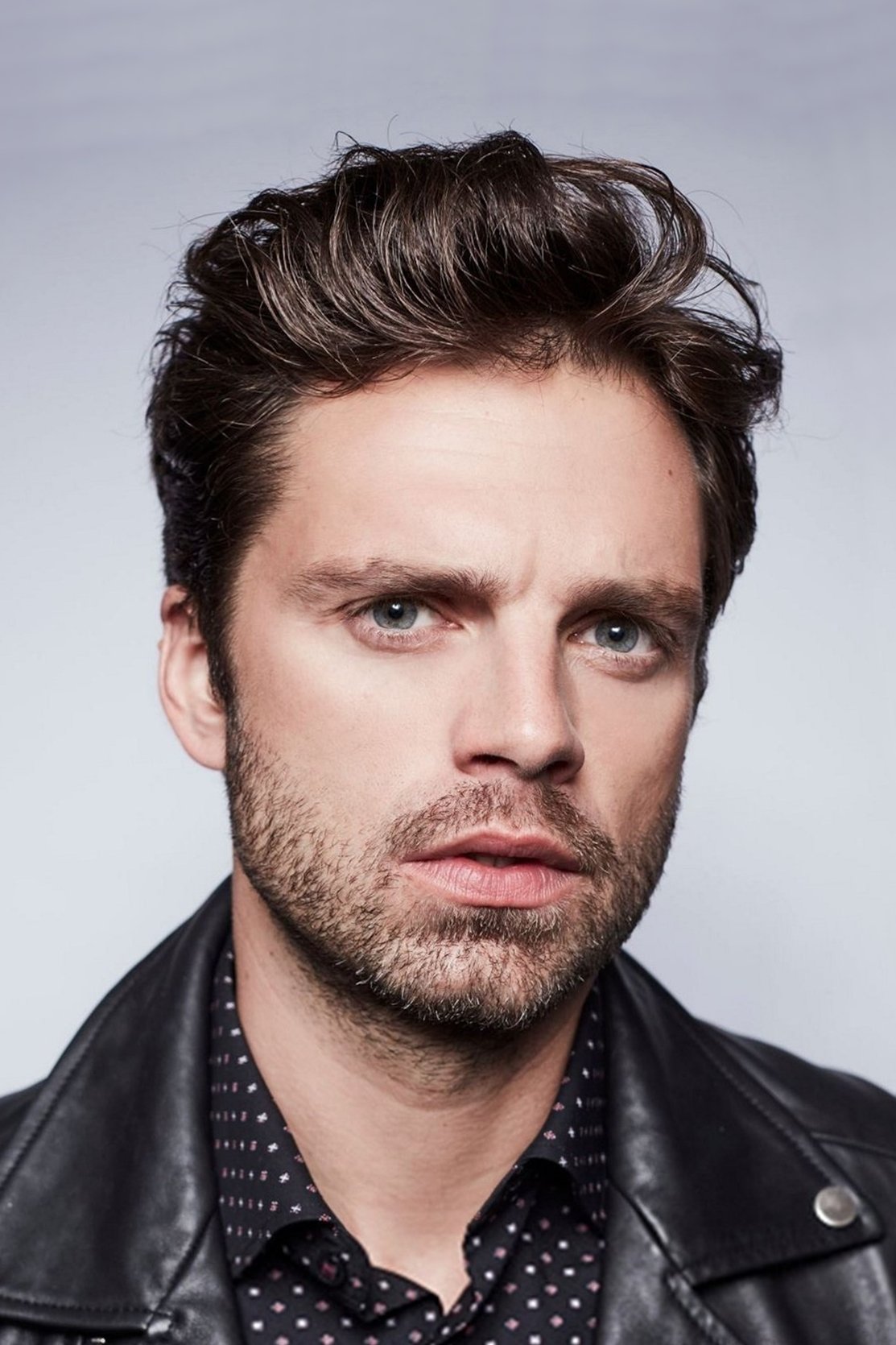
Sebastian Stan has observed that some actors’ intense focus on their ‘method’ can come across as self-centered. He doesn’t think deliberately creating drama or stress on set improves acting. Stan prefers to be well-prepared and maintain a professional attitude, without disrupting the cast and crew with his process. He’s particularly impressed by actors who can give a fantastic performance while still being considerate and easy to work with.
Will Poulter
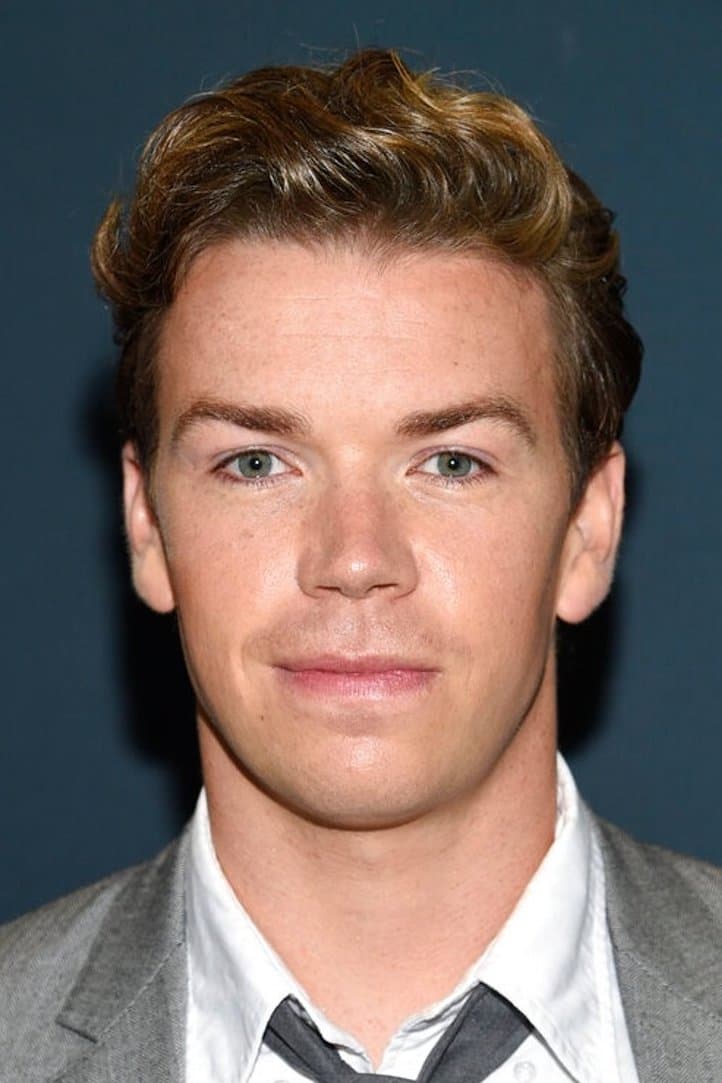
Will Poulter has spoken out about the potential harm method acting can cause to actors’ mental health. He firmly believes that no acting role should come at the cost of an actor’s well-being or safety. Poulter suggests actors should be able to disconnect from difficult emotions when they’re not working, and he supports a healthier, more balanced approach to the craft that focuses on prioritizing personal health over completely losing oneself in a role.
David Harbour
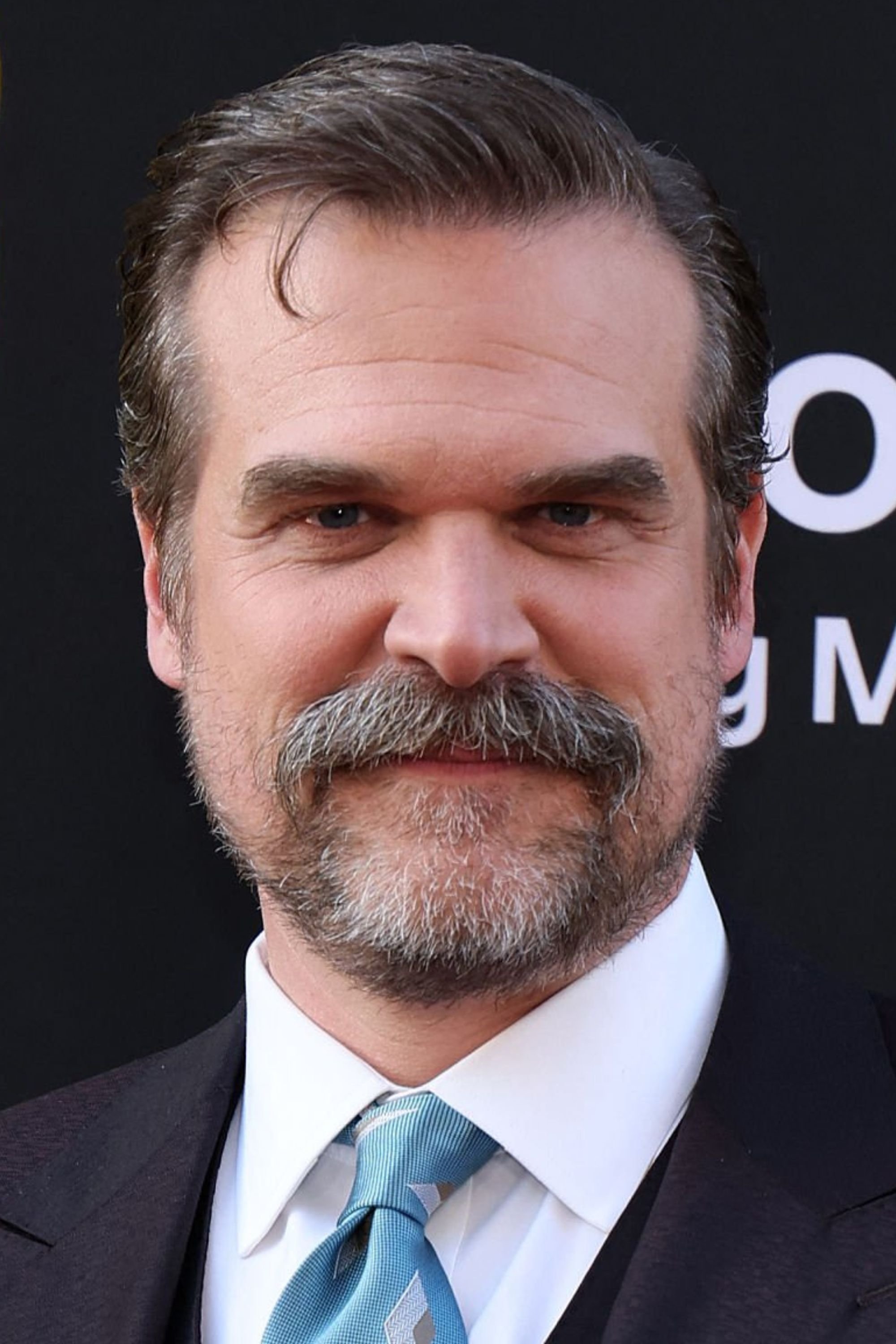
David Harbour used to try “method acting” – fully immersing himself in a role – but now thinks it’s pointless and even ridiculous. He remembers once wanting to go to extreme lengths, like harming an animal, to get into character, but quickly realized that wasn’t about acting at all. Harbour now believes truly good acting comes from using your imagination and skills, not trying to actually become the character in dangerous ways. He sees acting as a skill-based job that shouldn’t affect your real life.
Jon Bernthal
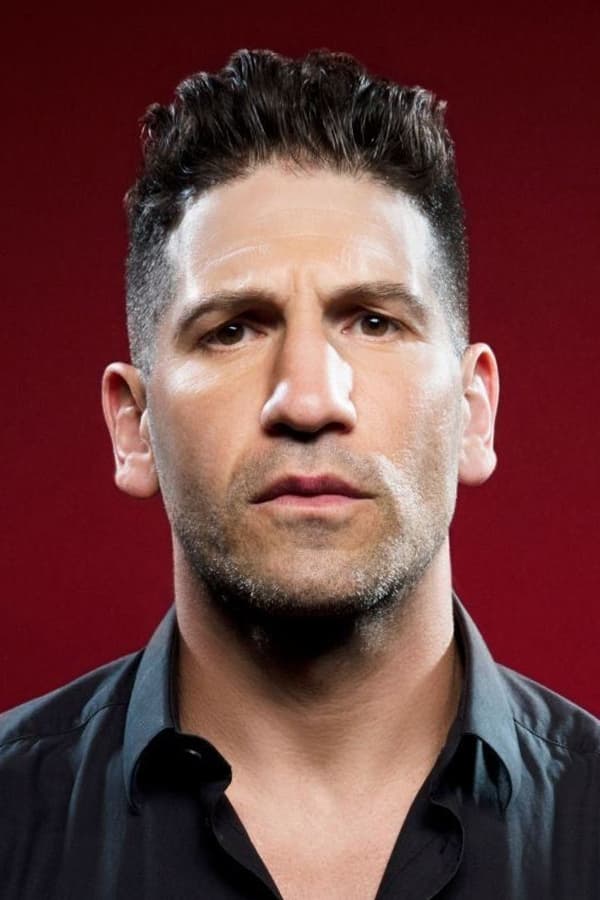
Jon Bernthal isn’t a fan of actors who use ‘method acting’ as an excuse to be difficult on set. While he respects the craft, he believes professionalism means treating everyone with respect. Bernthal feels you can deliver great work without being unpleasant, and he prefers to stay intensely focused without creating a negative environment for his colleagues.
Anthony Hopkins
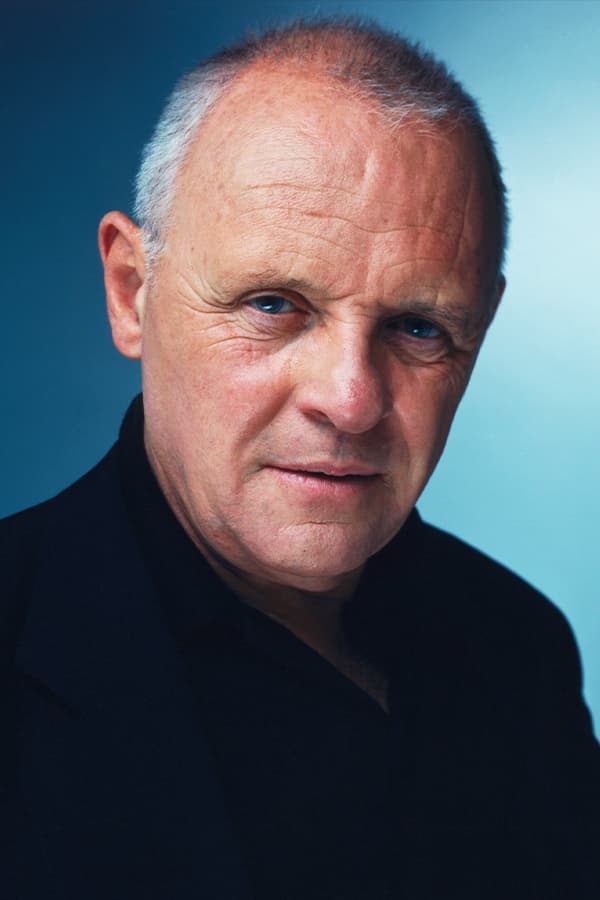
Anthony Hopkins is a highly respected actor known for his straightforward approach to his craft. He views acting as a job – you learn your lines and perform the work. He thoroughly prepares by repeatedly reading the script until it feels natural. Unlike some actors, he doesn’t believe in staying in character off-camera, preferring to relax and socialize between scenes.
Charlize Theron
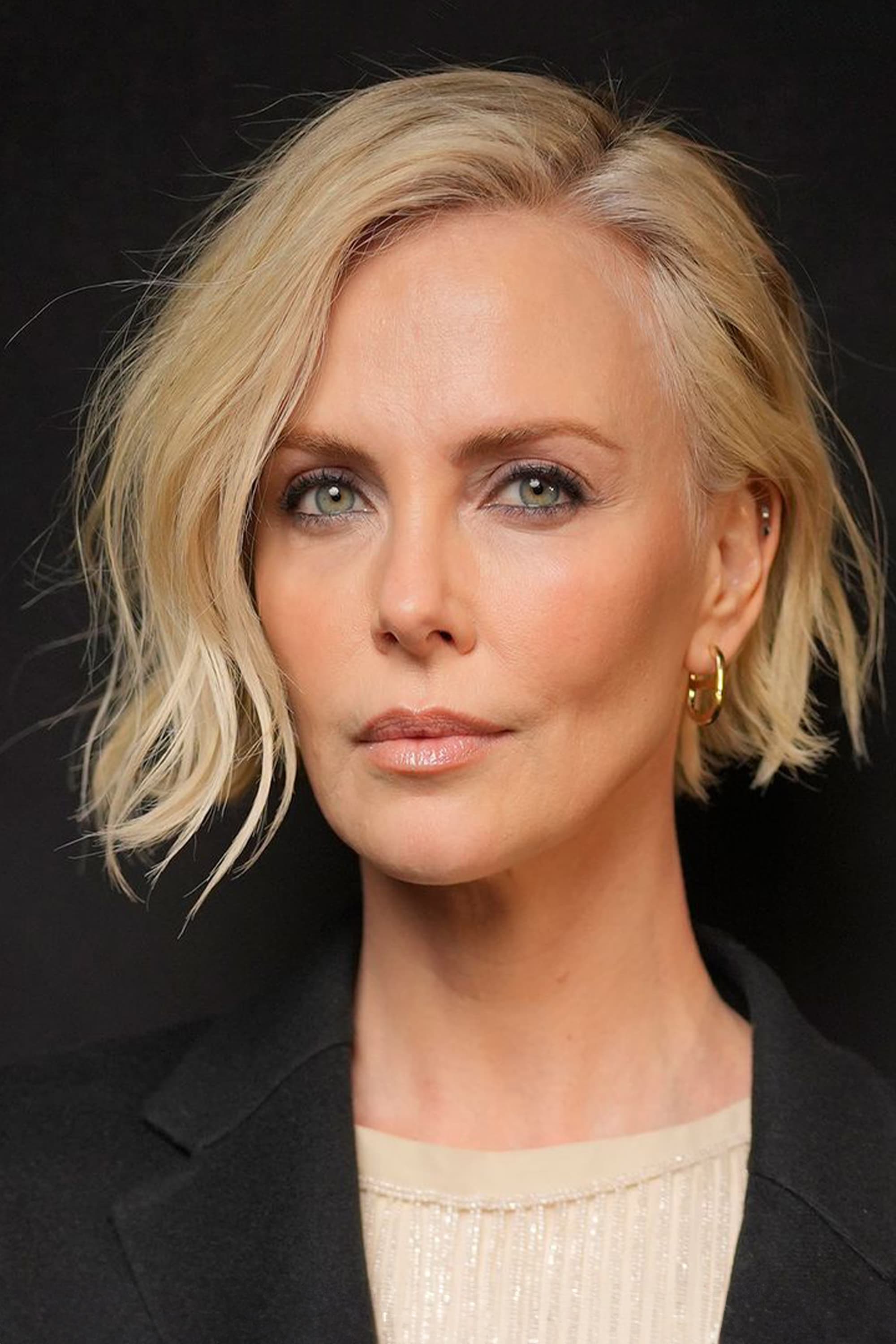
Charlize Theron used to prepare for roles by fully immersing herself in intense emotional states, but she found it draining over time. Now, she focuses on conserving her energy for when she’s actually filming, believing she doesn’t need to live through difficult experiences to convincingly portray dramatic characters. Her approach is about being focused and clear-minded, rather than trying to recreate trauma for months on end.
Meryl Streep
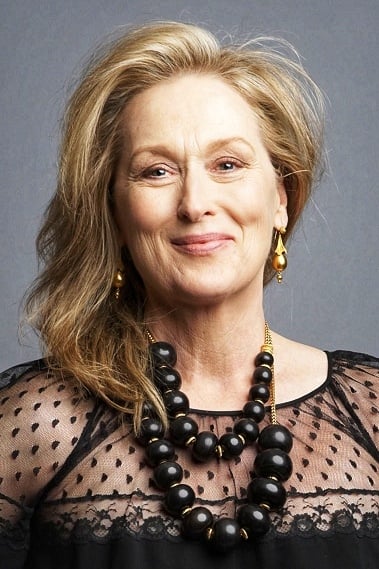
Meryl Streep is well-known for her dedication to acting, but she didn’t enjoy using the method acting technique while filming ‘The Devil Wears Prada.’ It made her feel lonely and unhappy because she struggled to connect with her co-stars when they weren’t filming. After that experience, she decided to stop using method acting and now prefers to draw on her years of training and emotional depth without making herself miserable in the process.
Paul Mescal
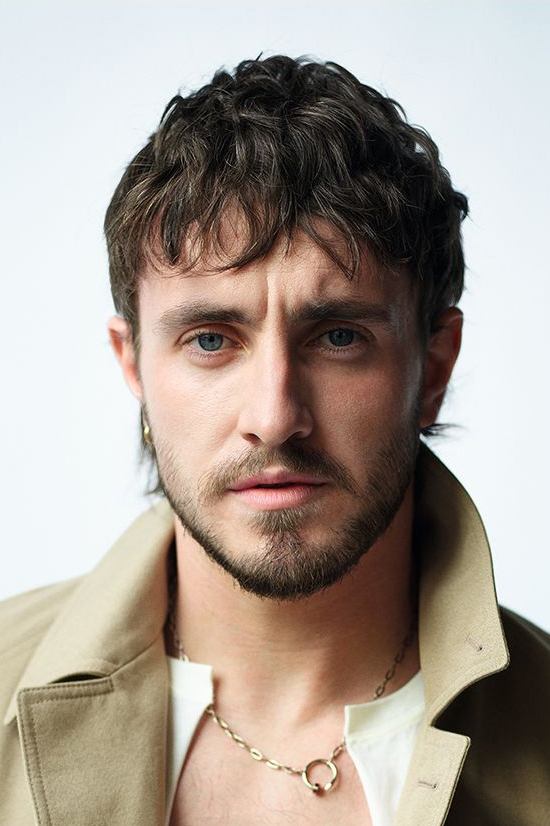
Paul Mescal isn’t a fan of method acting. He finds the idea of constantly staying in character uninteresting and thinks it could actually get in the way of good work. Instead, he prefers to focus on the script and connect with his fellow actors, believing acting should be natural and flexible, not forced or overly internal.
Toni Collette
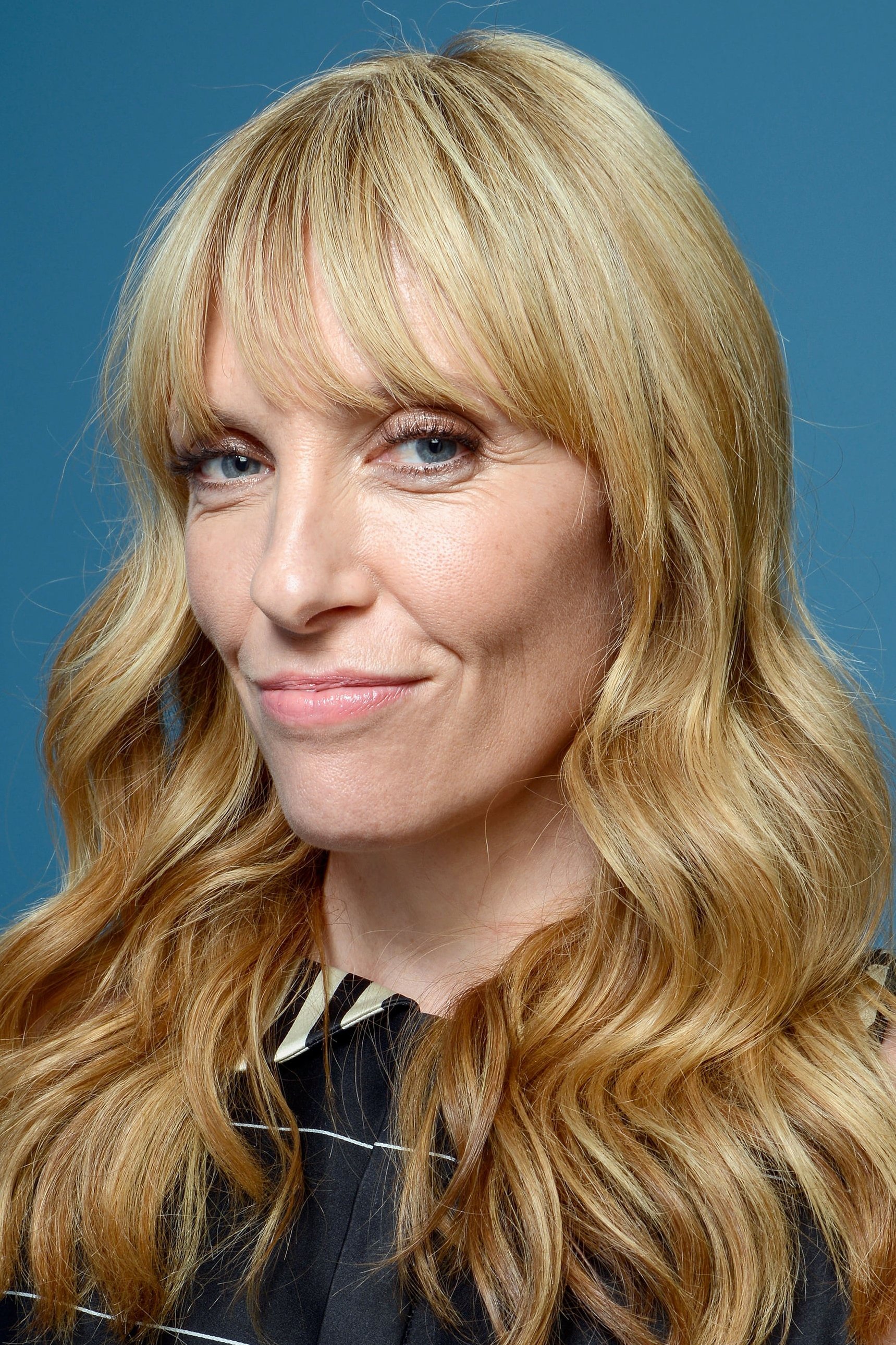
Toni Collette relies completely on her intuition when acting and avoids overthinking her characters or dwelling on their feelings after filming. She believes bringing those intense emotions home would be debilitating. Collette sees acting as a creative and imaginative process, not a recreation of personal suffering, and trusts she can tap into the needed emotions for a scene without being burdened by them all day.
Liam Neeson
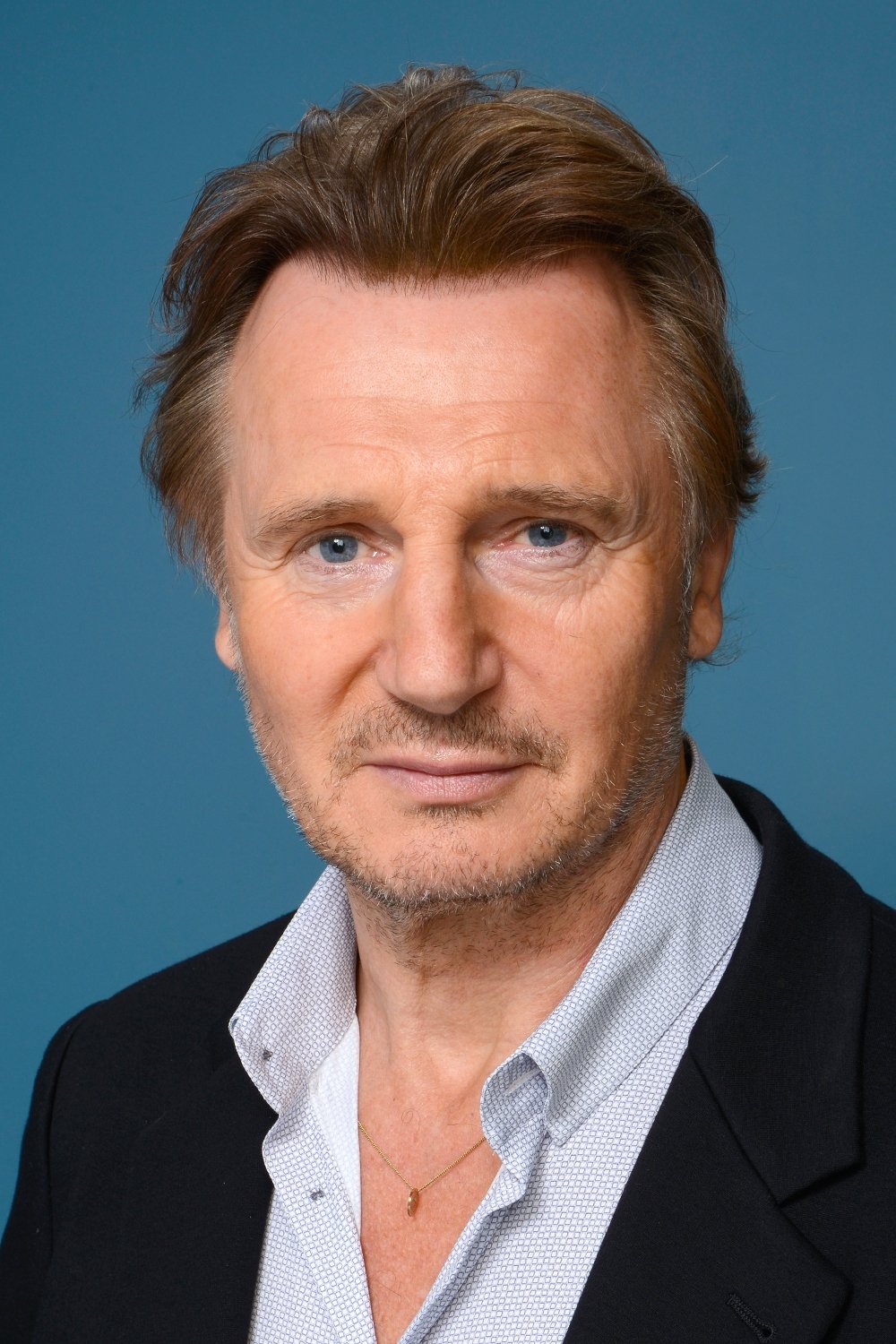
Liam Neeson believes acting is straightforward – it’s about pretending, not getting lost in complicated emotional work. He approaches it as a skill to be honed, building a performance and then letting it go. He feels staying ‘in character’ all the time is disrespectful to the crew and prefers to keep the atmosphere on set relaxed, despite the often dramatic nature of the work.
Hugh Grant
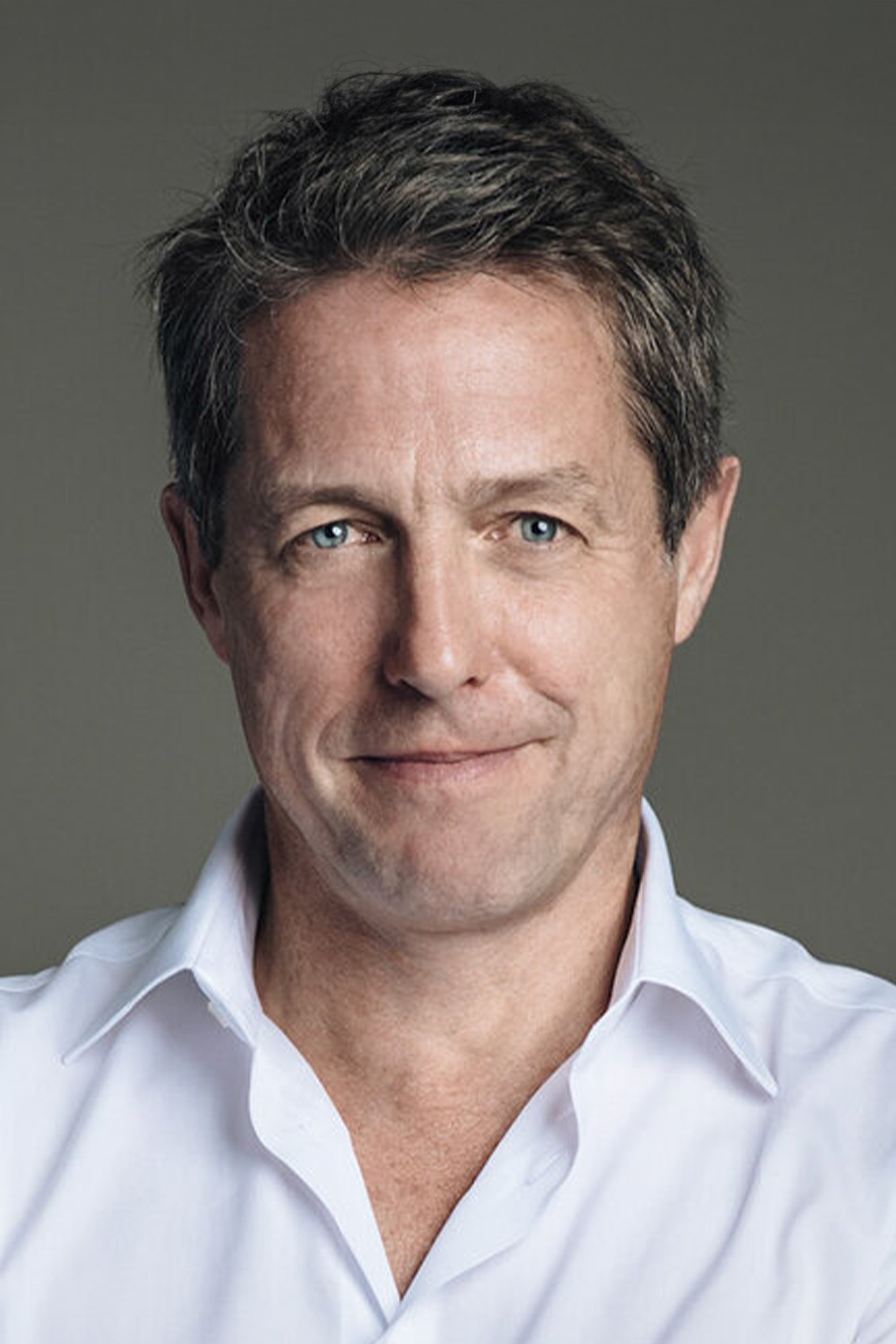
Hugh Grant approaches filmmaking very practically, and doesn’t buy into the idea that acting needs to be mysterious or overly emotional. He sees it as a technical job – hitting your cues, looking good in the lighting, and delivering lines convincingly. He thinks the intense, deeply emotional approach some actors take – often called ‘method acting’ – isn’t really necessary for a good performance. Grant believes that things like charm and good timing are skills you can learn, and don’t require an actor to deeply immerse themselves in a character’s feelings.
John Malkovich
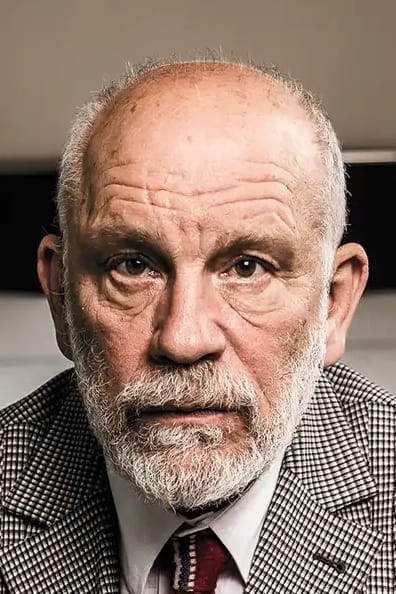
John Malkovich approaches acting by keeping himself distinctly separate from the characters he plays. He doesn’t try to become the character, but rather focuses on observing people and recreating their behaviors. He prefers to enjoy his own life and doesn’t want to inhabit the lives of those he portrays. Instead, he concentrates on the way dialogue sounds and the overall rhythm of each scene.
Cate Blanchett
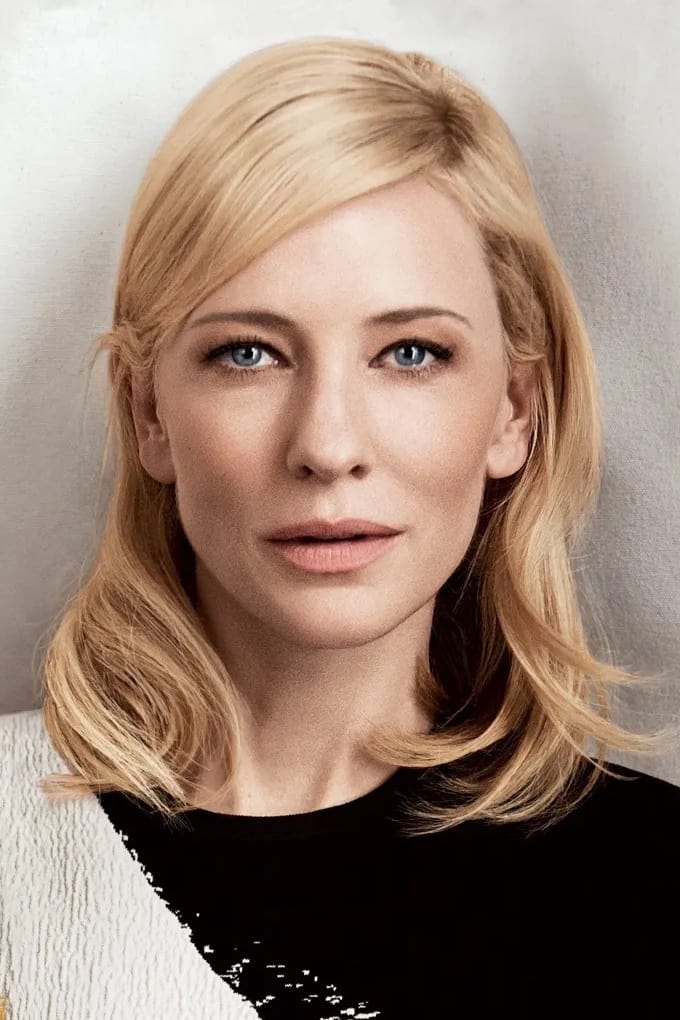
Cate Blanchett challenges the idea that actors need to personally suffer to create believable performances. She believes acting is about understanding and sharing the feelings of others, and that you can effectively portray difficult experiences through research and imagination, without having lived through them yourself. Blanchett feels that relying solely on personal experience – often called ‘method acting’ – can be a restrictive approach to the broader possibilities of acting.
Florence Pugh

Florence Pugh makes a point of quickly shaking off her character between filming takes to stay mentally healthy. She’s found she actually gives a better performance when she can relax, joke around, and relieve tension before the director asks her to start again. Pugh doesn’t believe it’s possible to fully embody a difficult role all day long, and she likes to keep the mood on set light and fun, especially when working on serious or dark projects.
Mark Strong
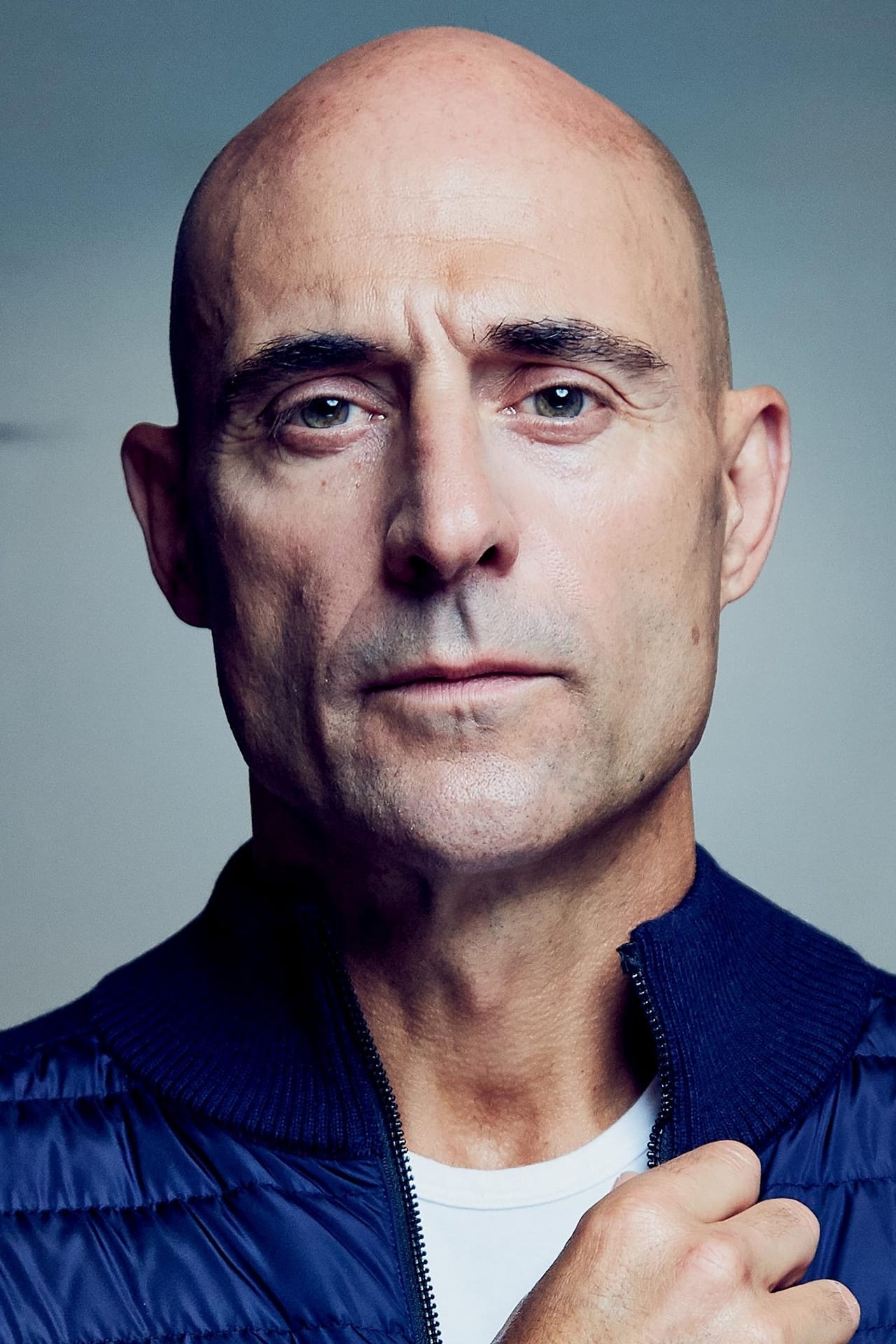
Mark Strong thinks method acting can be self-indulgent and actually get in the way of making a film as a team. He feels that actors who stay in character constantly make it hard for others to work with them. Strong himself prefers to use his skills and experience to control his emotions, and he sees being able to separate from a role as a mark of a professional actor.
Jake Gyllenhaal

Jake Gyllenhaal famously went to great lengths to prepare for his role in ‘Nightcrawler,’ but later admitted it wasn’t worth the physical strain. He discovered that drastically changing his body and isolating himself didn’t actually improve his performance. Now, Gyllenhaal feels acting is more about using your imagination than pushing your body to its limits. He now focuses on staying healthy and maintaining a good work-life balance.
Laurence Olivier
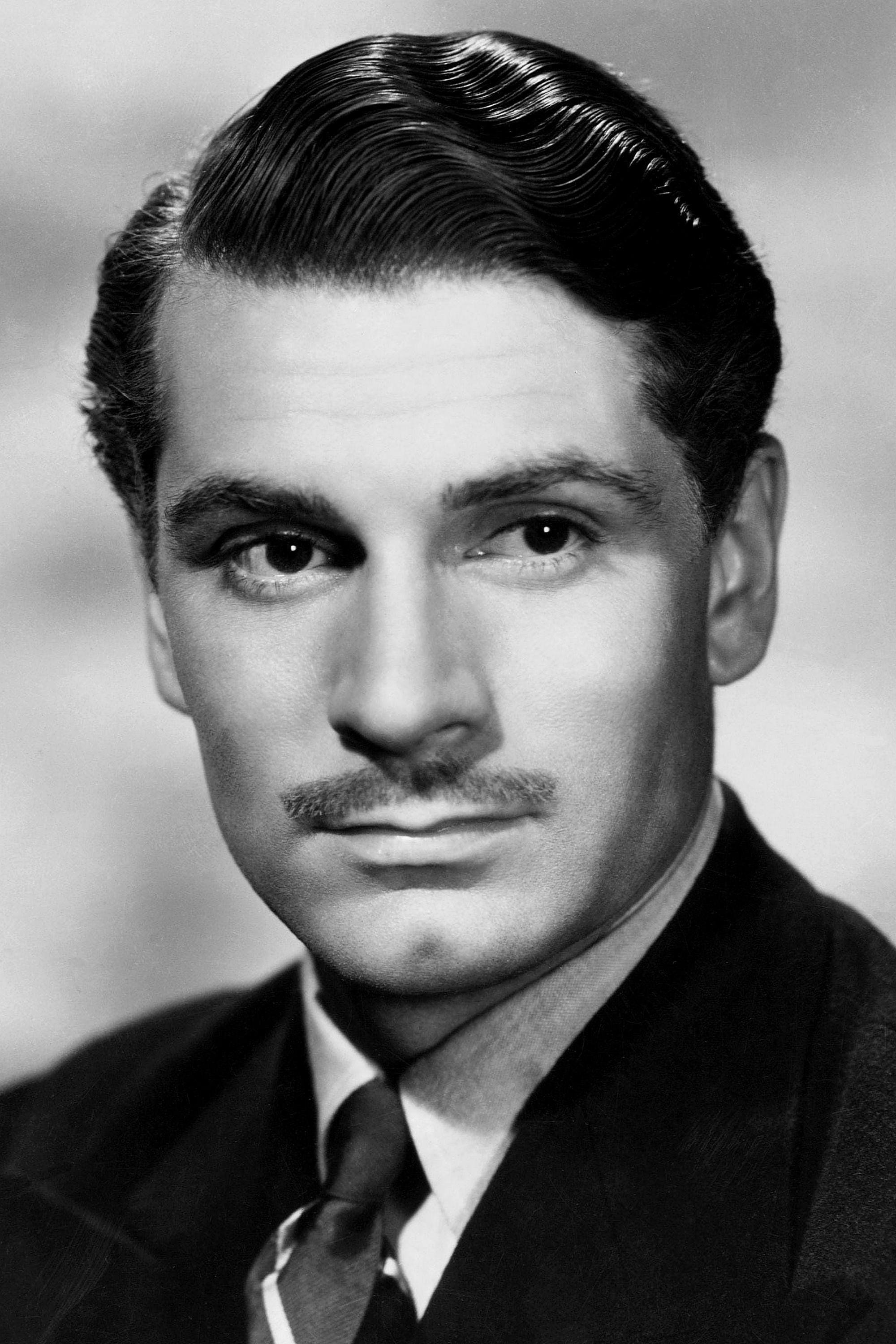
Laurence Olivier, the renowned actor, once famously discussed method acting with Dustin Hoffman. He encouraged Hoffman to focus on acting – using skill and imagination – rather than pushing himself to extreme physical limits to become the character. Olivier felt acting was about creating an illusion through technique, not about achieving complete realism. This idea continues to be a key part of traditional British acting training.
Spencer Tracy
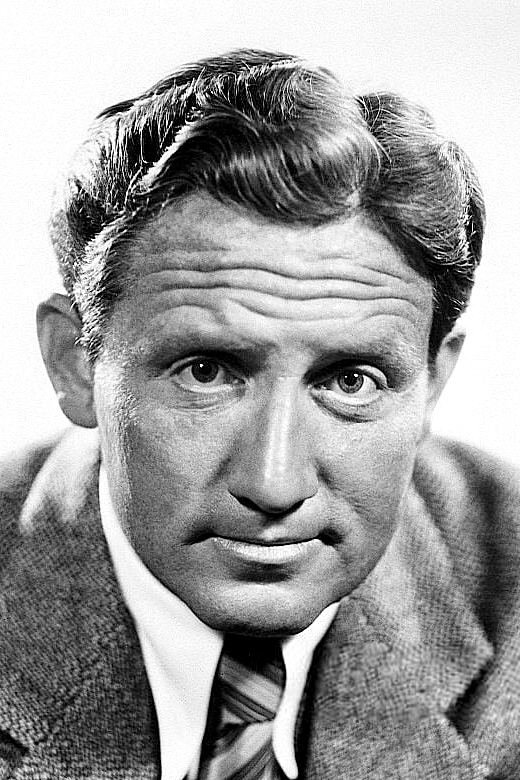
Spencer Tracy was a down-to-earth actor who thought of acting as a straightforward job requiring sincerity. He famously told aspiring actors to memorize their lines and be aware of their surroundings. Tracy didn’t believe in overthinking the craft; he preferred to use his natural charm and ability to truly listen to others, rather than spending a lot of time preparing.
Willem Dafoe
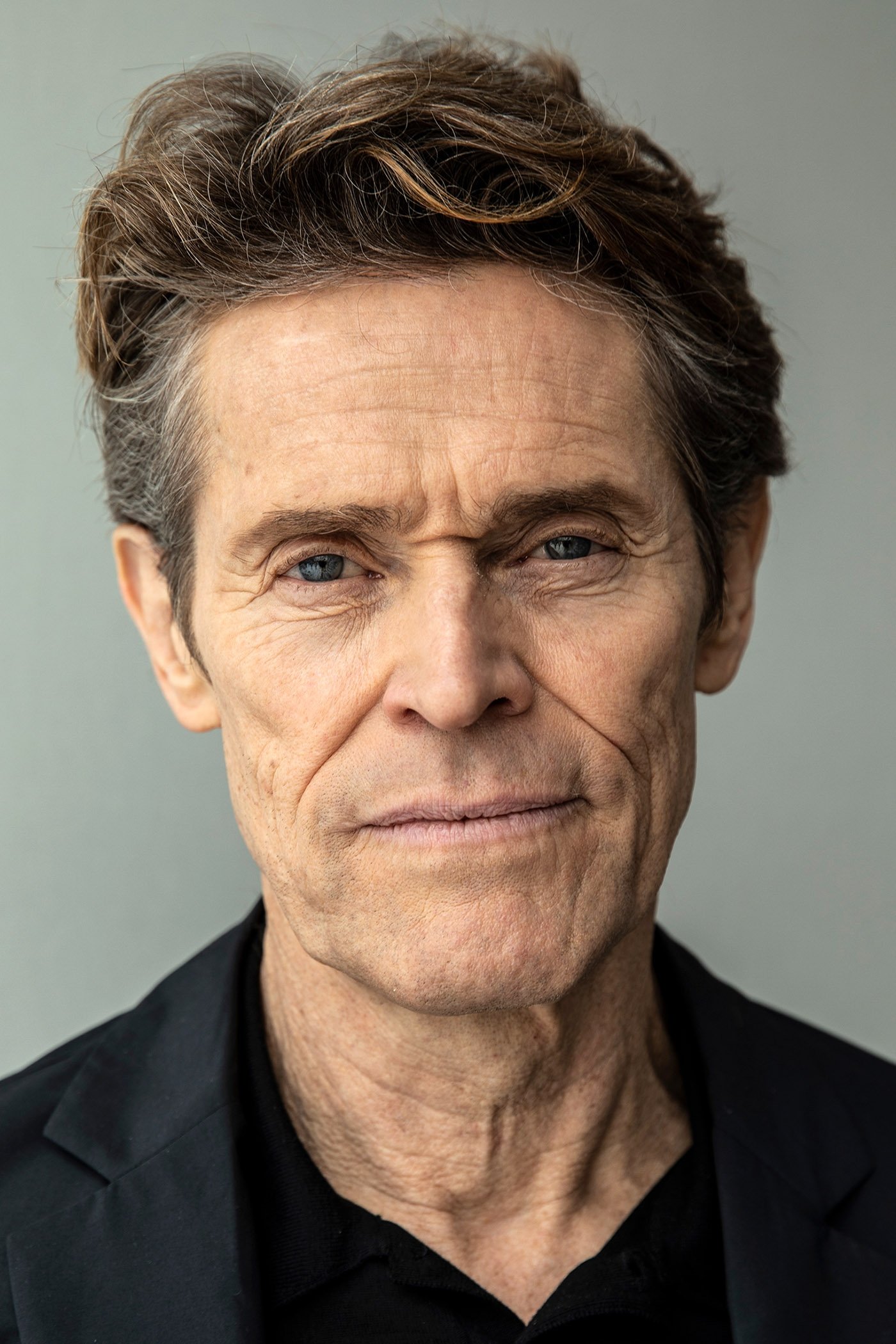
Willem Dafoe is a dedicated actor who doesn’t like how ‘method acting’ is often used for publicity. He thinks all actors have their own approach, but the dramatic displays sometimes seen are often just for effect. Dafoe prefers to let what his character does in a scene guide his feelings, focusing on practical tasks rather than trying to access a specific emotional state.
Harrison Ford
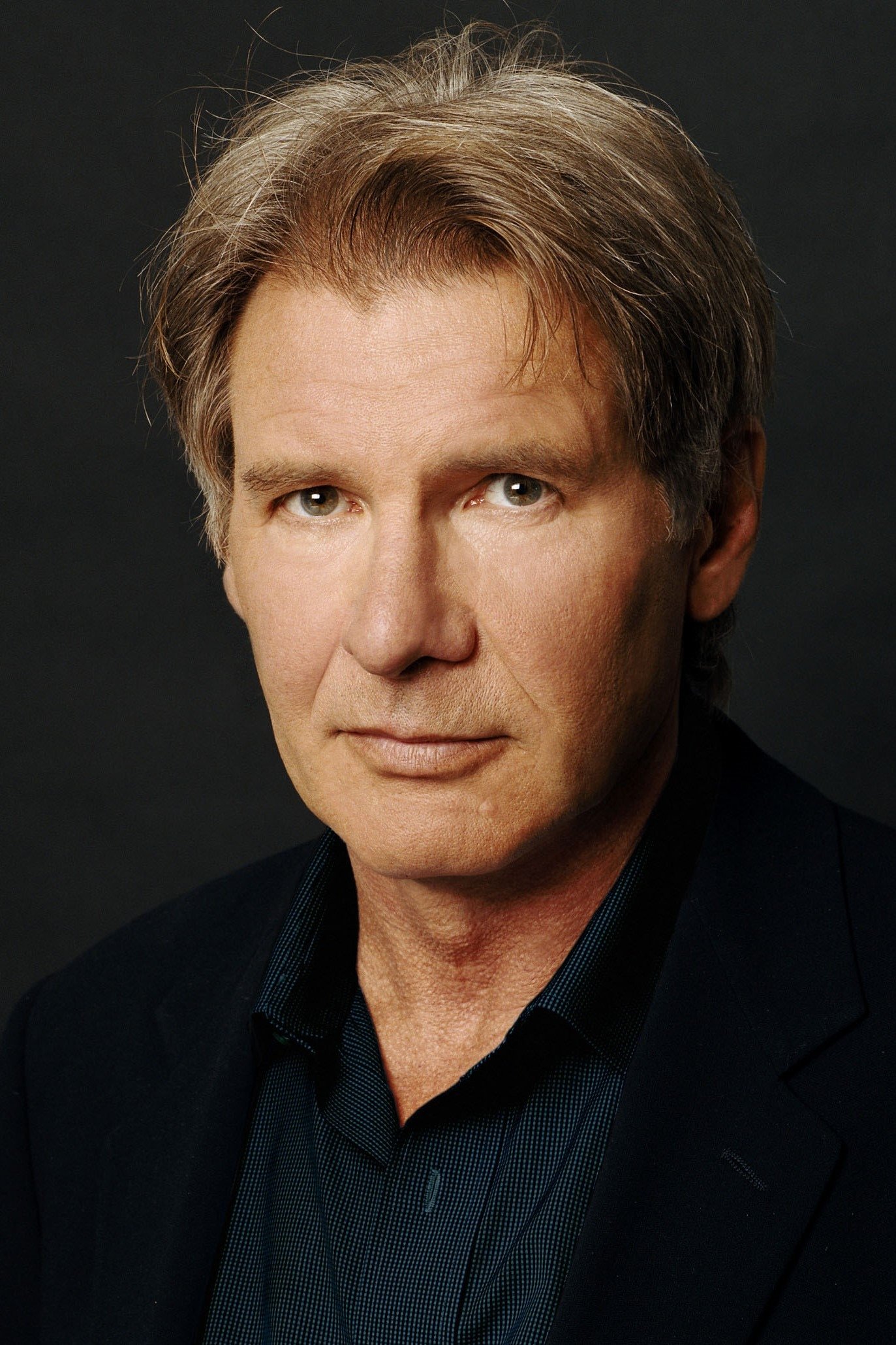
Harrison Ford approaches acting as a job to be done well, and isn’t interested in analyzing the deeper meaning behind it. He sees himself as serving the story and the viewers, focusing on the practical details of filming, like hitting his cues. He’s known for brushing off questions about his acting technique with a quick, witty response.
Michael Douglas
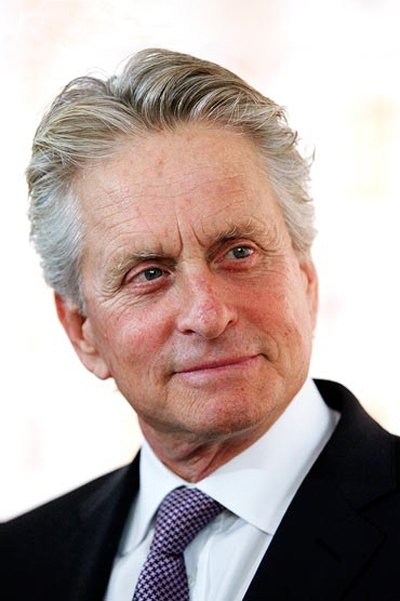
Michael Douglas sees acting as the skill of convincingly portraying a falsehood, and he doesn’t think actors should become the characters they play. He believes audiences want to be entertained by a performance that feels real, not a realistic depiction of a person. Douglas focuses on the script and the director’s guidance when crafting his roles, and he feels that keeping some distance from the character allows him to deliver a more controlled and polished performance.
Helen Mirren
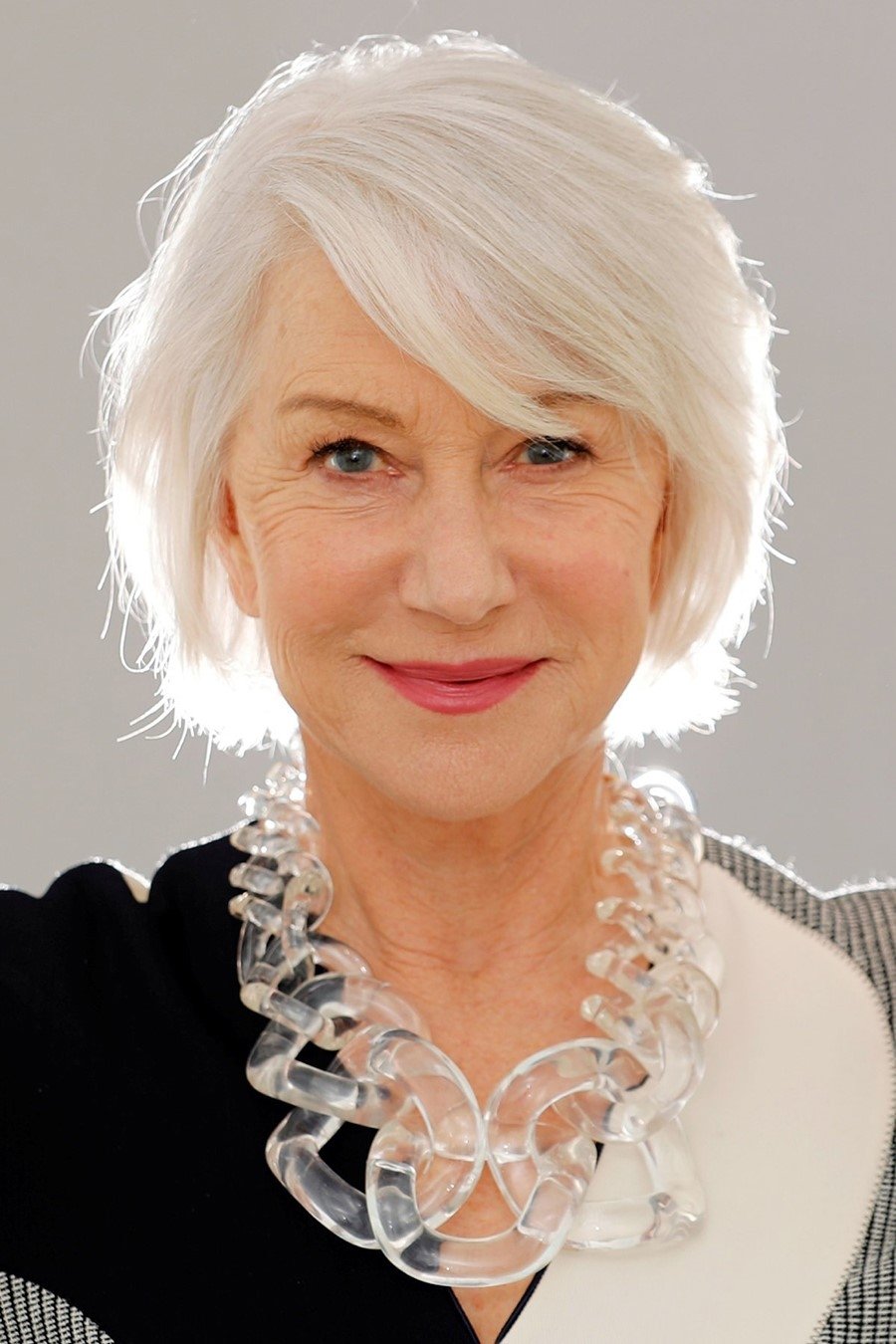
Helen Mirren tackles acting as a craft, concentrating on how a character appears – things like their clothes and how they hold themselves. She builds a role from the outside in, rather than relying on personal experiences or emotions. Mirren feels the power of imagination is all you need to convincingly portray anyone, and she intentionally separates herself from her characters when she’s not working.
Ian McKellen
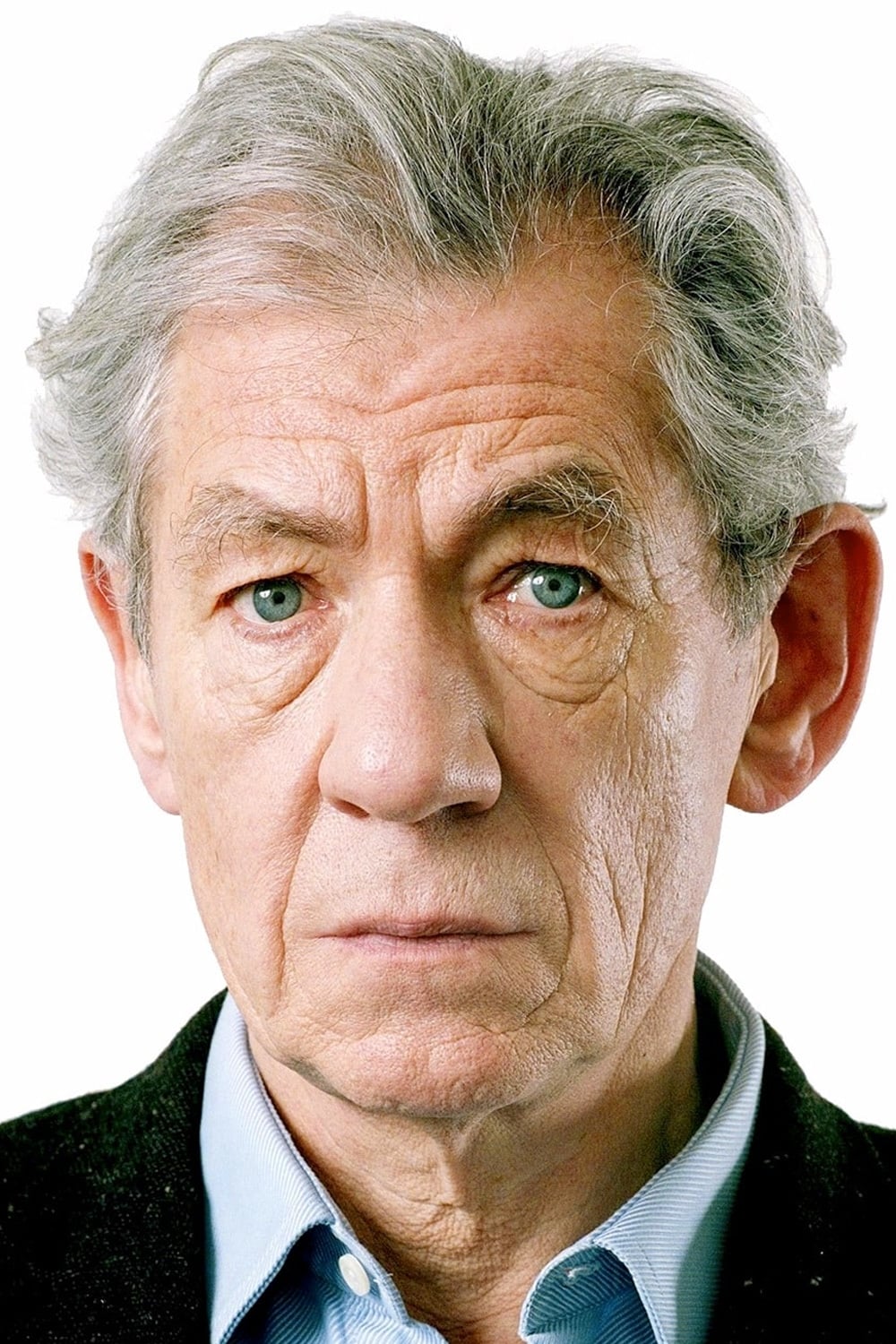
Ian McKellen jokingly describes acting as simply pretending to be someone else. Thanks to his years of stage experience, he can convincingly portray characters’ voices and feelings without actually feeling those emotions himself. McKellen doesn’t think it’s helpful to stay in character off-camera, and he sees theater as a collaborative act of imagination, not a search for personal truth.
Patrick Stewart
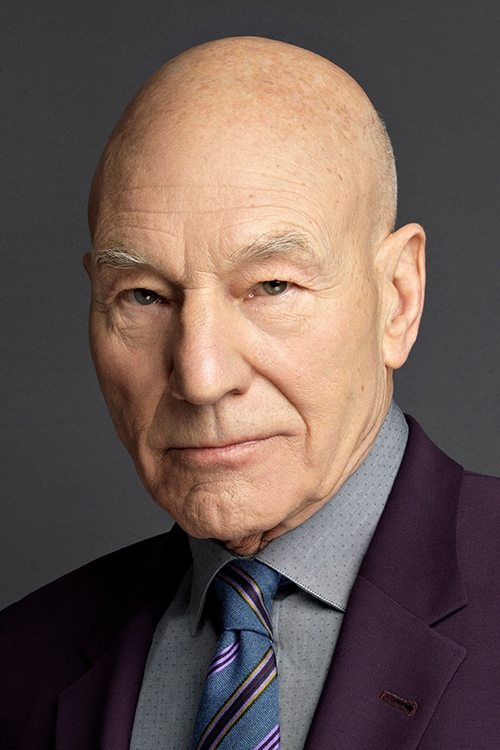
Patrick Stewart was trained in traditional acting, emphasizing precise technique and vocal skill. He believes actors should always be fully aware and in command of their performance. Unlike methods that encourage complete emotional immersion, Stewart feels losing control hinders the discipline needed for successful stage and screen work. He relies on careful analysis of the script and his own intelligence to shape his characters.
Michael Caine
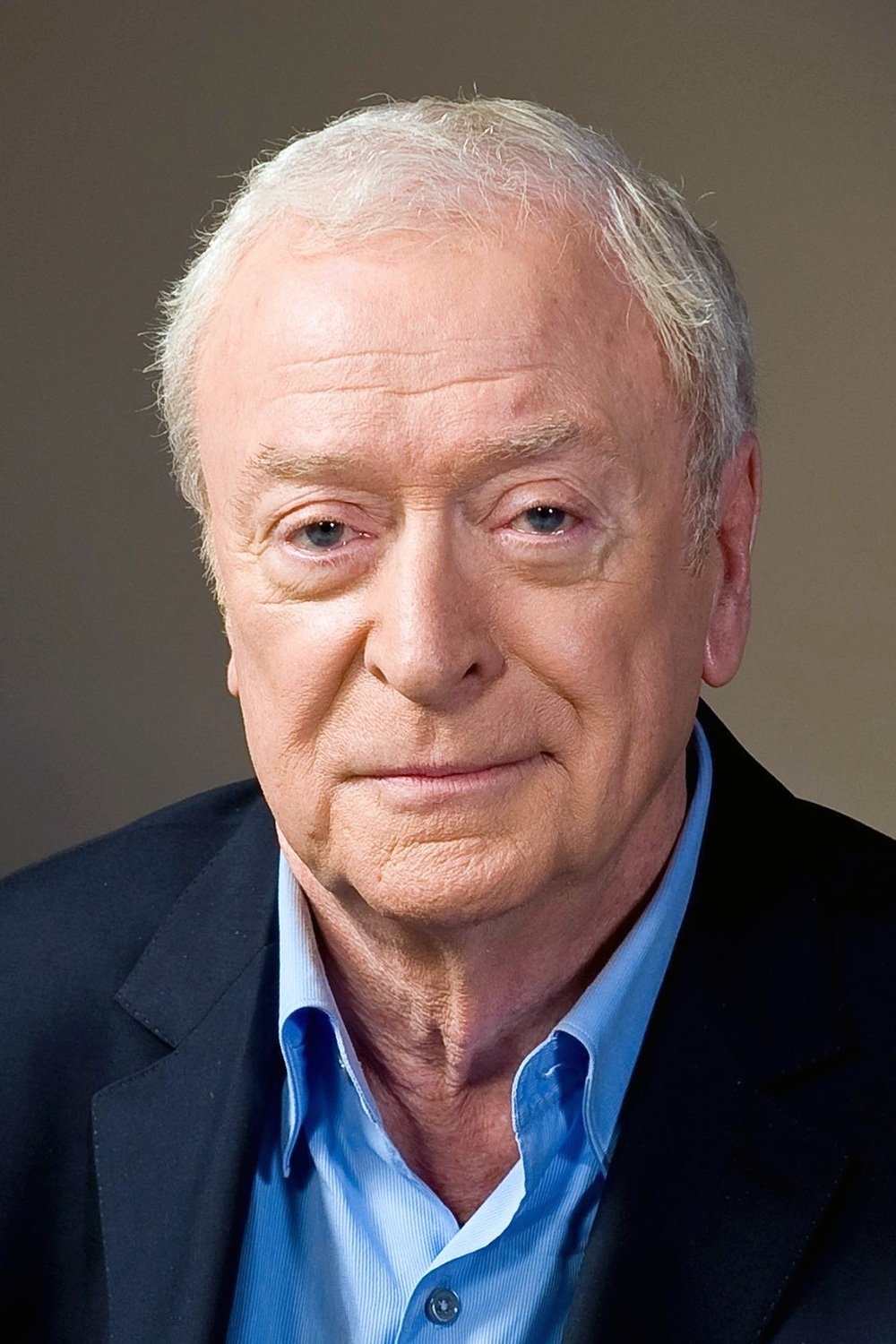
As a lifelong movie fan, I’ve always been fascinated by what makes a great performance, and Michael Caine’s insights really resonate with me. He really stresses the technical side of acting for film – things like minimizing blinking and keeping your voice down, because the camera picks up everything. He’s a big believer in doing your homework beforehand, so you’re totally prepared and can just be the character when you’re on set. To him, filmmaking isn’t about ego, it’s a craft – a team effort that needs a lot of patience and attention to detail.
Ralph Fiennes
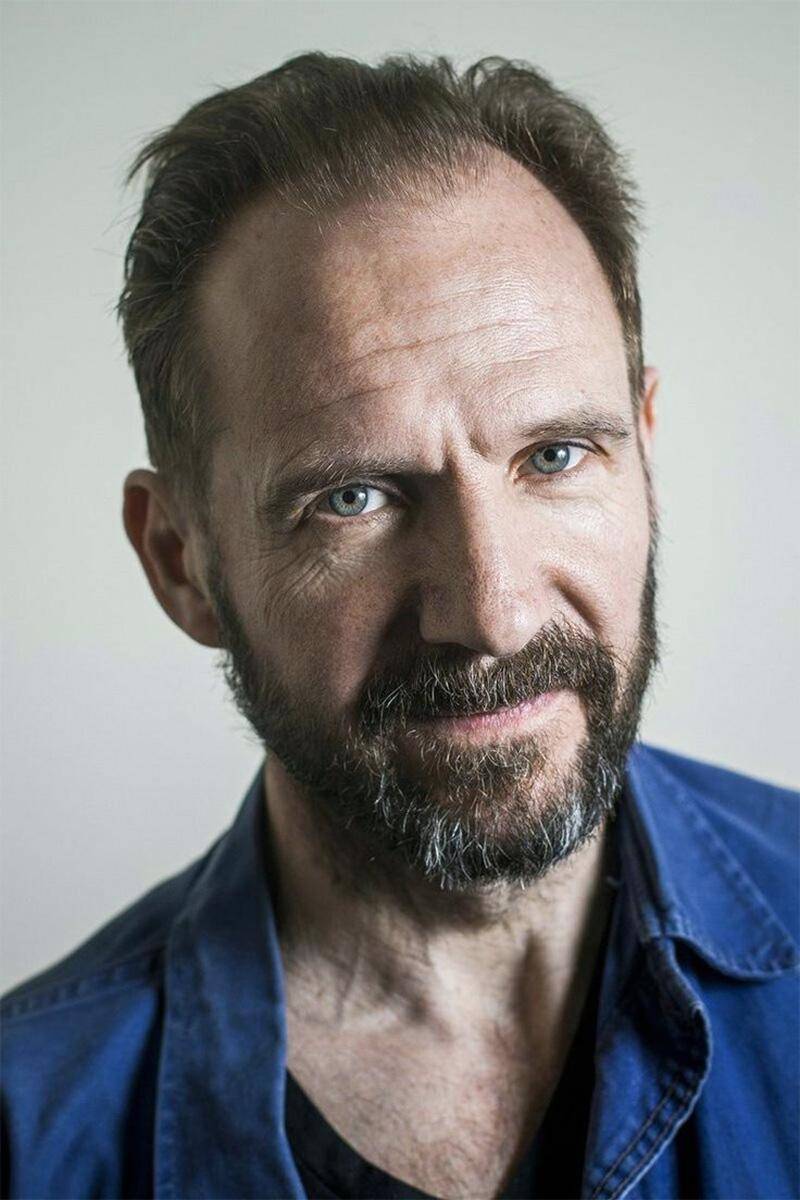
Ralph Fiennes prefers to maintain a distance between himself and the characters he plays, believing it allows for more thoughtful artistic decisions. He focuses on understanding the character through the script and language, rather than trying to completely become them. He sees the idea of ‘becoming’ a character as a useful way to describe acting, but not something an actor should actually do.
Emma Thompson

Emma Thompson is known for her down-to-earth and realistic approach to acting, avoiding anything overly dramatic or self-indulgent. She sees acting as a way to clearly communicate, not as a personal emotional release. Her experience as a writer helps her analyze and understand the construction of each scene, and she maintains a playful attitude about the often-silly world of acting.
Colin Farrell
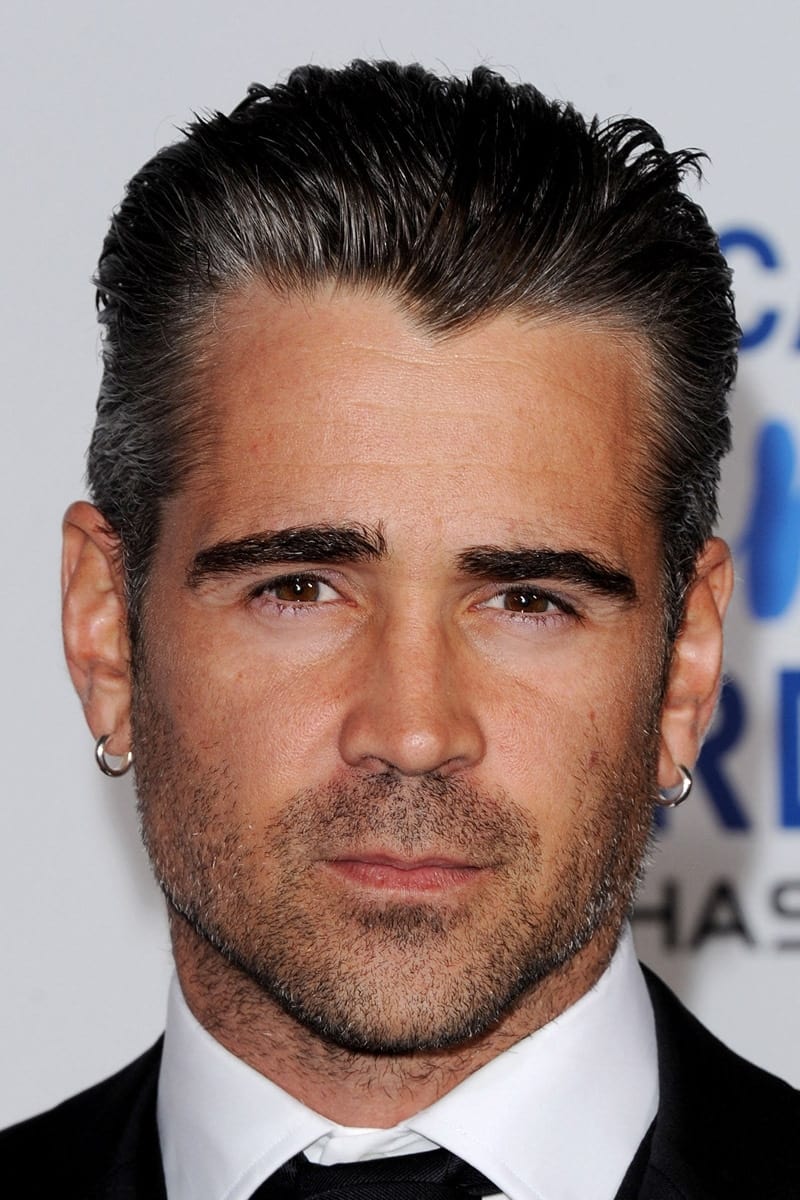
Colin Farrell used to be very immersed in his roles, but found it draining and upsetting. He’s learned he can still give great performances without constantly feeling like the character, even off-screen. Now, he takes a more relaxed approach to acting, keeping his personal life separate from his work. He feels this balance makes him a better dad and improves his overall happiness.
Jeff Goldblum
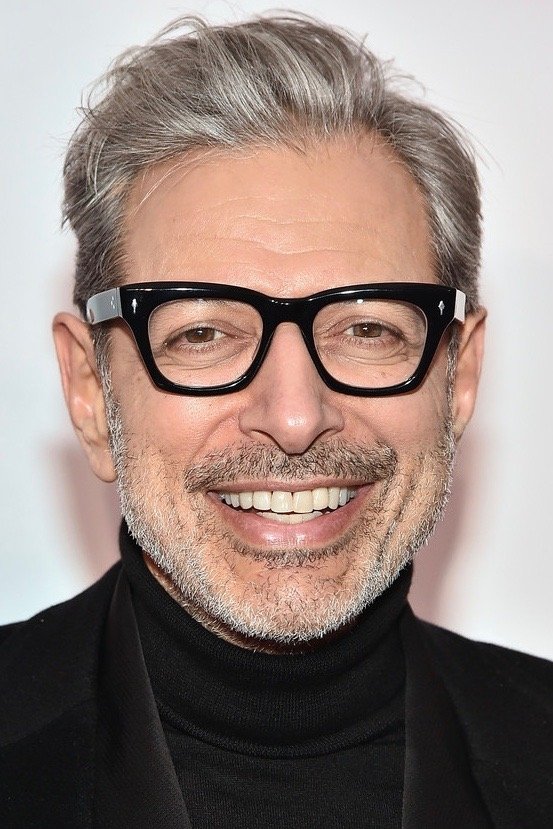
Jeff Goldblum approaches acting as a fun, improvisational experience, not a stressful job. He likes to keep things lively and spontaneous on set, believing that being too serious can stifle a performance. He focuses on staying present and reacting authentically with his fellow actors.
Cillian Murphy
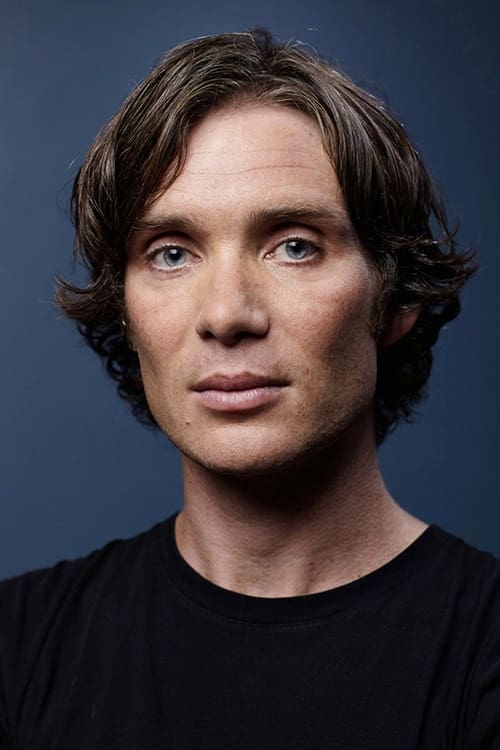
Cillian Murphy is known for his powerful acting, but he doesn’t rely on method acting techniques. He believes it’s important to disconnect from work and recharge so he can perform at his best on set. He focuses on delivering a strong performance during filming, and sees that as the core of his job, rather than trying to become the character outside of work. He also strongly values his personal life and family.
Judi Dench
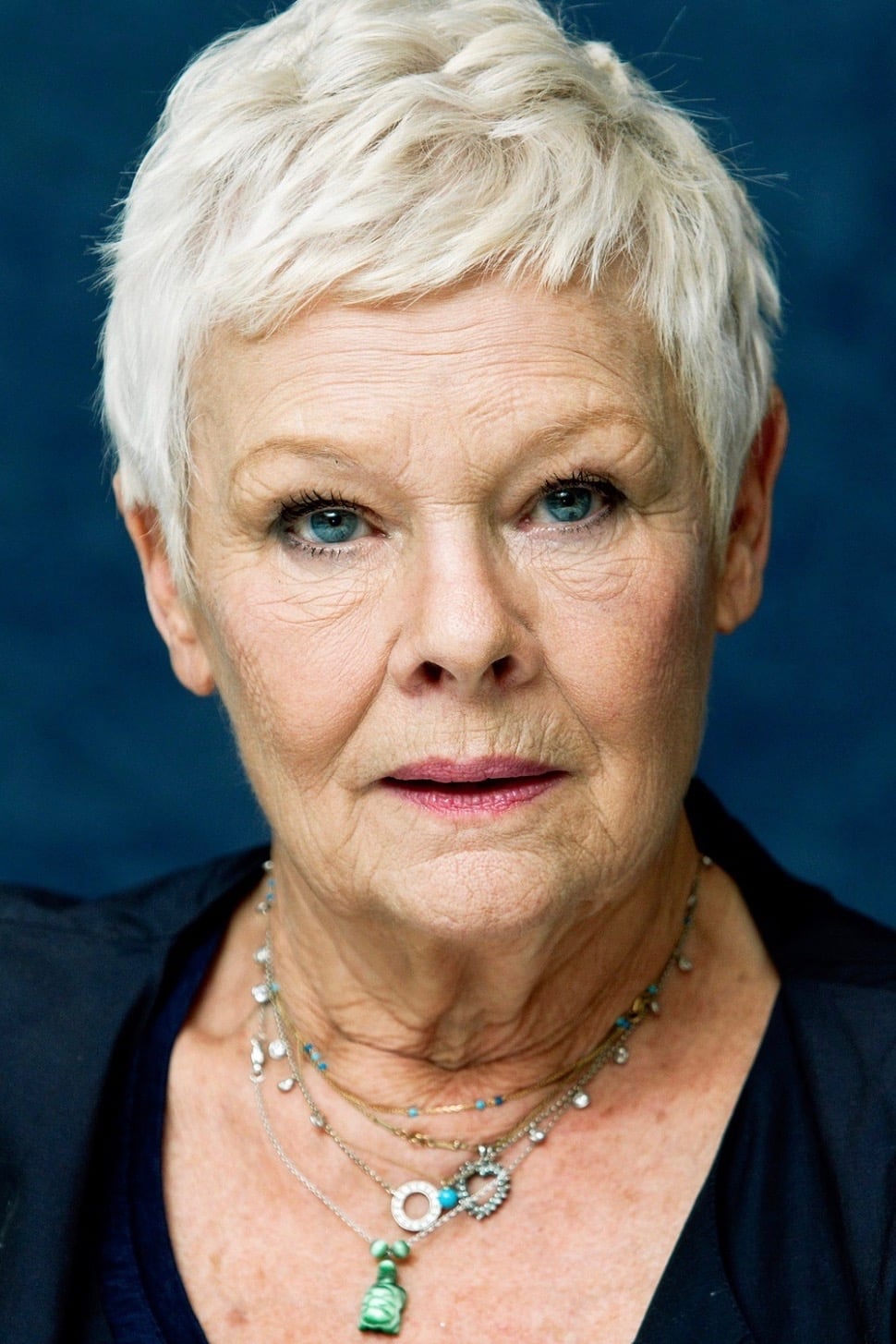
Judi Dench trusts her instincts completely and doesn’t like to talk about how she acts. She thinks overanalyzing a role can ruin the spontaneity of a performance. Instead, she prefers to respond naturally to what other actors give her on stage or screen. She sees acting as a challenging but enjoyable craft that shouldn’t require a complete overhaul of her personal life.
Alan Rickman
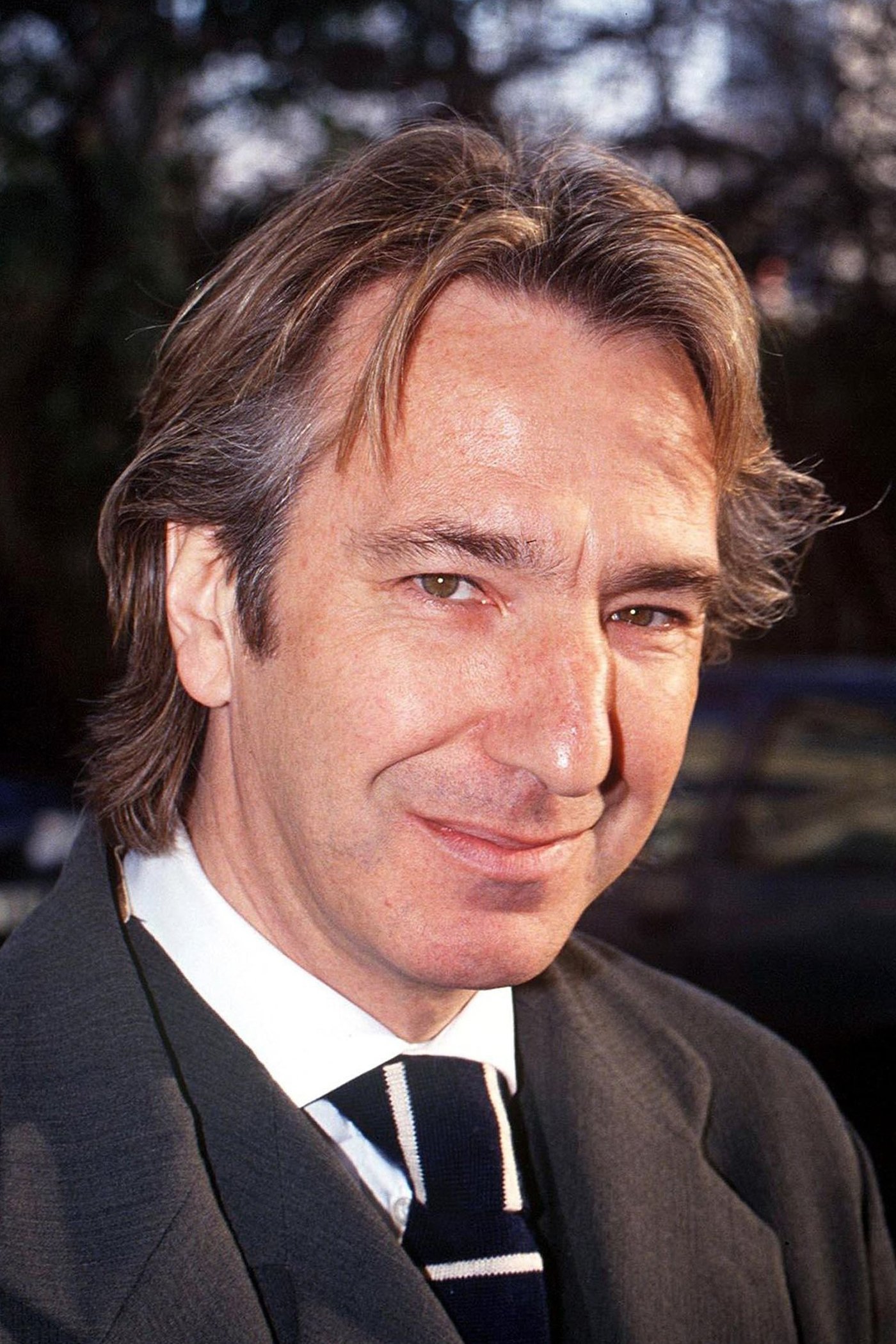
Alan Rickman, a highly skilled and dedicated actor, always prioritized the script itself. He felt an actor’s role was to faithfully deliver the writer’s vision and the story’s meaning with accuracy. He wasn’t a fan of the intense, personal approach often seen in American method acting, preferring to use his voice and commanding presence to create compelling performances.
Glenn Close
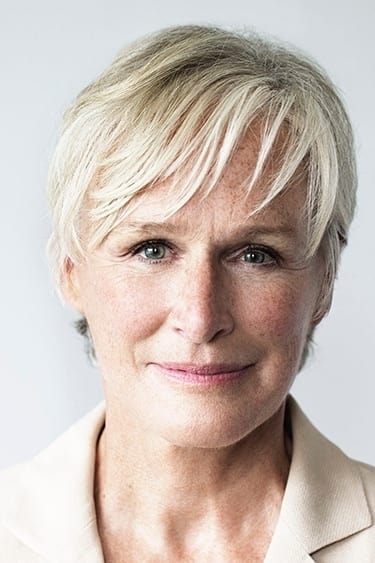
As a movie fan, I’ve always admired Glenn Close, and I recently read about her approach to acting. It’s fascinating! She really does her homework, preparing incredibly thoroughly for each role, but she’s not one of those actors who stays in character all day. She feels that’s exhausting and that energy is better used when she’s actually filming. She describes acting as a craft, like putting together a puzzle of different behaviors, and she always makes a point of stepping out of the character as soon as the scene is done – she wants to stay grounded in who she is.
Viola Davis
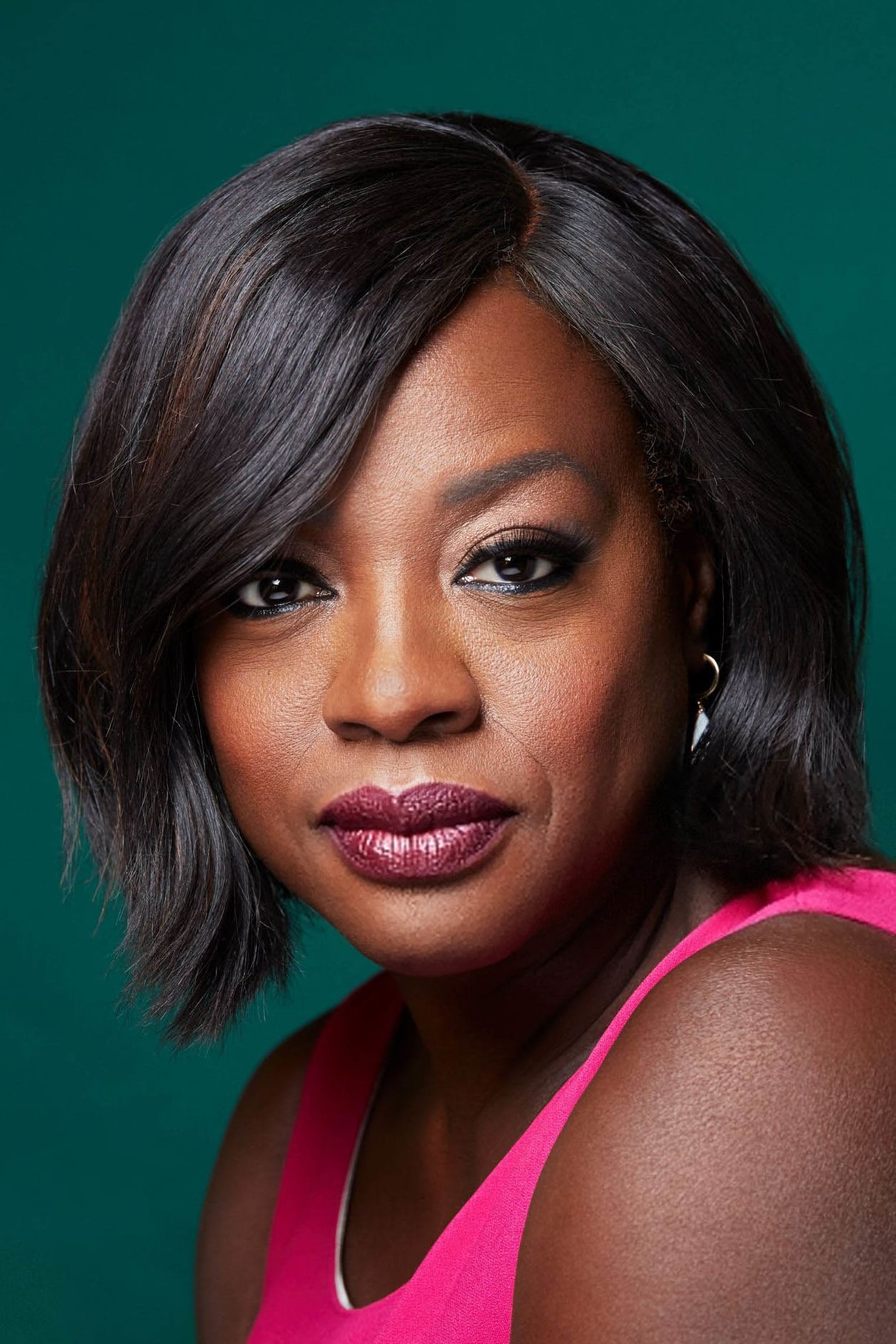
Viola Davis is celebrated for her powerfully emotional performances, but she builds those performances with careful technique. She emphasizes the importance of fully developing a character before filming begins. Once on set, though, she believes actors need to be adaptable and open to change. Davis also prioritizes maintaining a clear boundary between her own life and the experiences of the characters she plays.
Please share your thoughts on which acting technique produces the best results in the comments.
Read More
- Top 20 Dinosaur Movies, Ranked
- 20 Movies Where the Black Villain Was Secretly the Most Popular Character
- Celebs Who Narrowly Escaped The 9/11 Attacks
- 25 “Woke” Films That Used Black Trauma to Humanize White Leads
- Spotting the Loops in Autonomous Systems
- Gold Rate Forecast
- The 10 Most Underrated Jim Carrey Movies, Ranked (From Least to Most Underrated)
- Silver Rate Forecast
- The Best Directors of 2025
- Transformers Under the Microscope: What Graph Neural Networks Reveal
2026-01-26 05:23