For decades, there’s been ongoing debate about “whitewashing” in television – when shows cast white actors to play characters who are historically or culturally Asian. This is especially problematic when the stories are based on real people or Asian traditions. Often, these casting decisions seem to prioritize a star’s popularity over getting the history right and providing genuine representation. Below are some examples of TV shows that have been criticized for changing the ethnicity of Asian characters or figures from Asian culture.
‘The New Adventures of Charlie Chan’ (1957–1958)
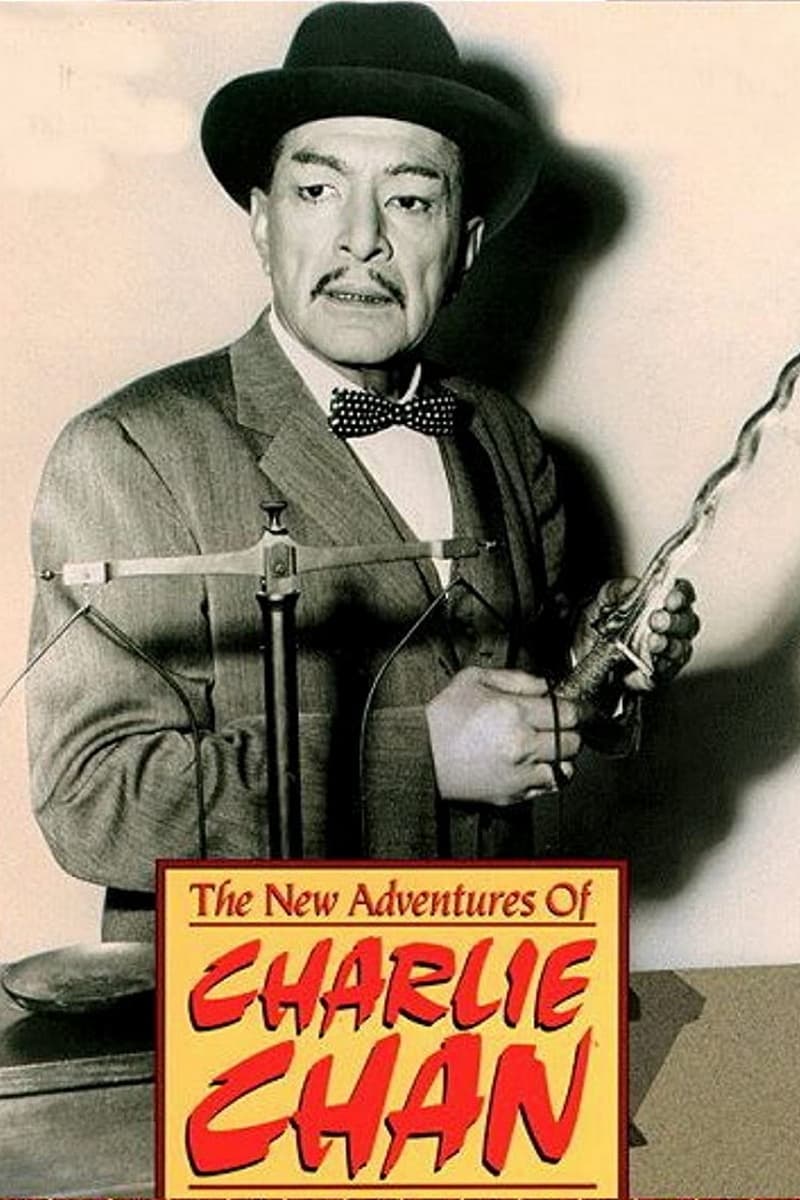
J. Carrol Naish played the detective Charlie Chan in this television series. The character was inspired by Chang Apana, a real detective in Hawaii. Naish, who was Irish-American, used makeup and taped his eyelids to appear Asian for the part. Although the show included James Hong, an Asian American actor, as Chan’s son, casting a white actor in the lead role continued a long-standing Hollywood practice of preventing Asian actors from portraying characters representing their own culture.
‘Doctor Who’ (1963–1989)

I remember watching “Marco Polo” as a kid, and it was such an adventure! Kublai Khan, the powerful Mongol emperor, was played by Martin Miller, a fantastic actor. But looking back, it’s pretty clear the show really fell into the typical casting patterns of the time. Even Derren Nesbitt, who played the Mongol warlord Tegana, had to wear makeup to look the part. They were going for a grand historical feel, but it definitely showed the standards of 1960s British TV when it came to representing different cultures.
‘Star Trek’ (1966–1969)
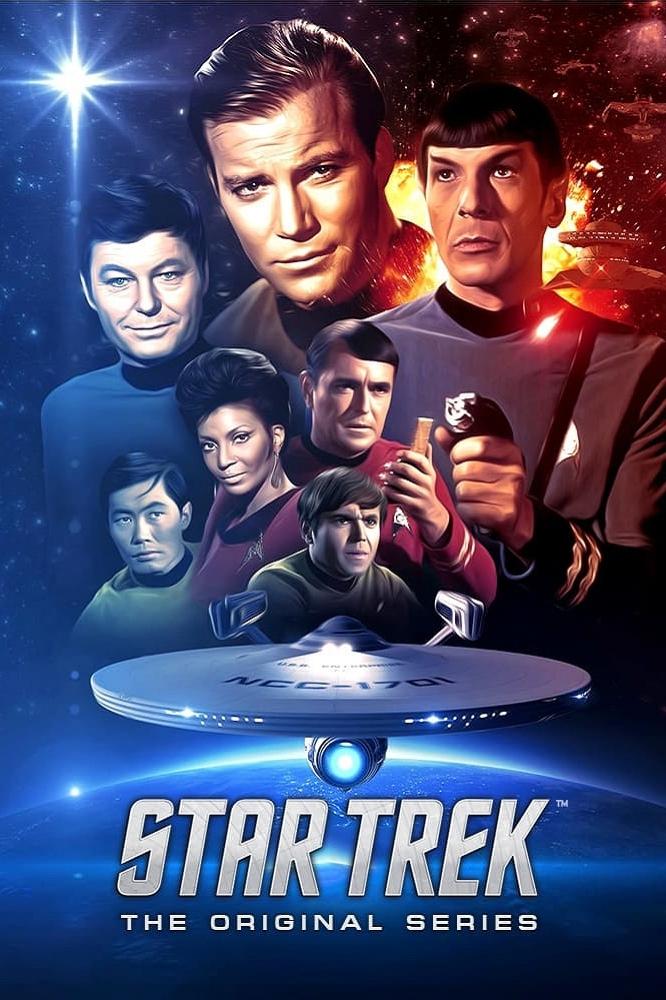
The Star Trek episode “Space Seed” introduced Khan Noonien Singh, a powerful leader from Earth’s past. The story specifically identified him as a Sikh man from Northern India. However, the role was played by Ricardo Montalbán, a talented Mexican actor, instead of someone of South Asian background. Although Montalbán’s performance is now famous, the casting choice meant that the character’s intended South Asian heritage was lost.
‘Anna and the King’ (1972)
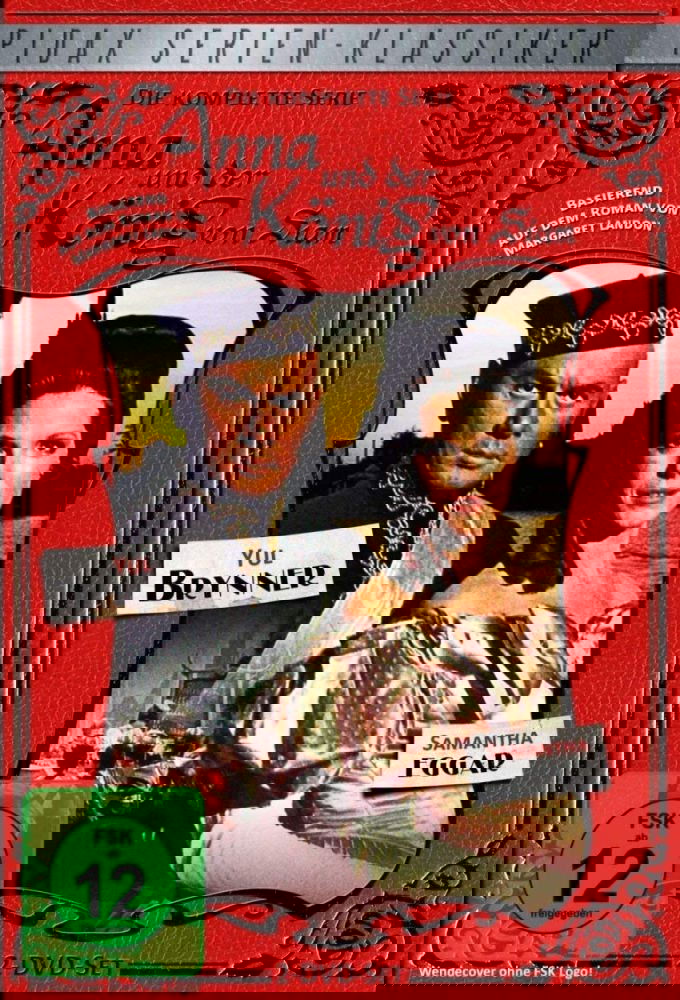
This TV comedy was based on the popular musical and movie, and featured Yul Brynner returning as King Mongkut of Siam. King Mongkut was a real king who ruled Thailand in the 1800s. Brynner, who had Swiss and Russian roots, sometimes claimed Mongol ancestry to explain why he was cast in roles portraying people from different cultures. However, the show received criticism for presenting the complicated history of the Thai royal family in a simplistic and comedic way, focusing on a Western governess.
‘Love Is a Many Splendored Thing’ (1967–1973)
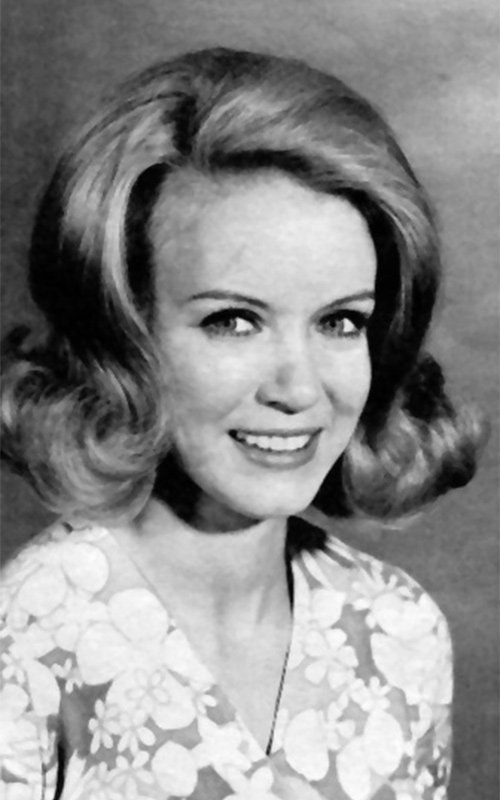
This soap opera was inspired by Han Suyin’s own life story, specifically her relationship with a British journalist she met during wartime. The main character, Dr. Han Suyin, was a woman of Chinese and Belgian descent. However, in the TV series, white actresses – including Nancy Kovack – were cast in the role and used makeup to appear racially mixed. This choice overlooked the importance of the character’s specific racial identity, which was a key part of the author’s personal story and experiences.
‘It Ain’t Half Hot Mum’ (1974–1981)
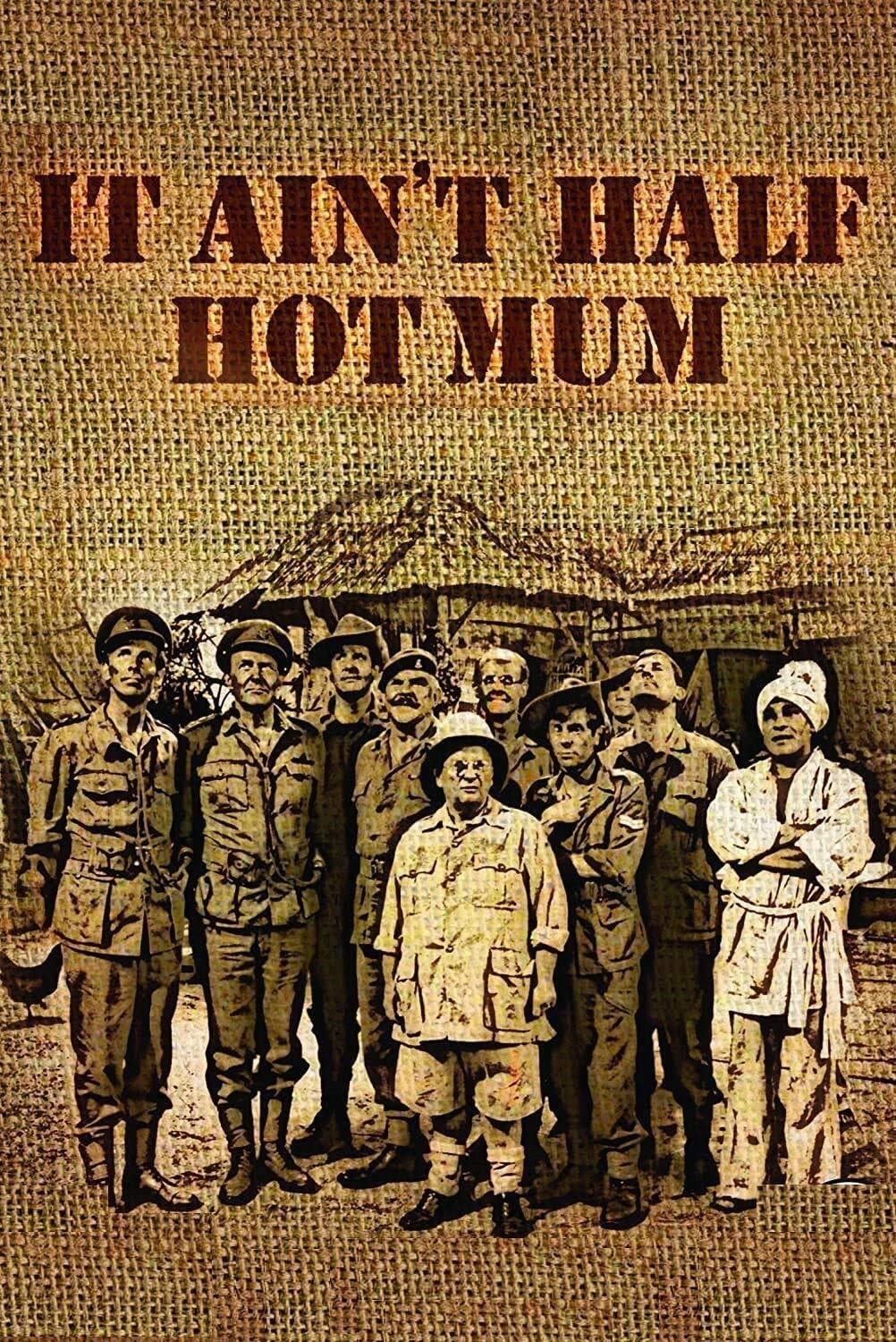
This British sitcom, set during World War II in India and Burma, centered around a character named Rangi Ram, a local Indian servant who narrated the show and interacted with British soldiers. The role was played by white actor Michael Bates, who wore makeup to darken his skin and used a deliberately exaggerated accent. Today, the show is widely criticized for relying on harmful colonial stereotypes and for having a white actor portray and mock Indian culture.
‘Hawaii Five-O’ (1968–1980)
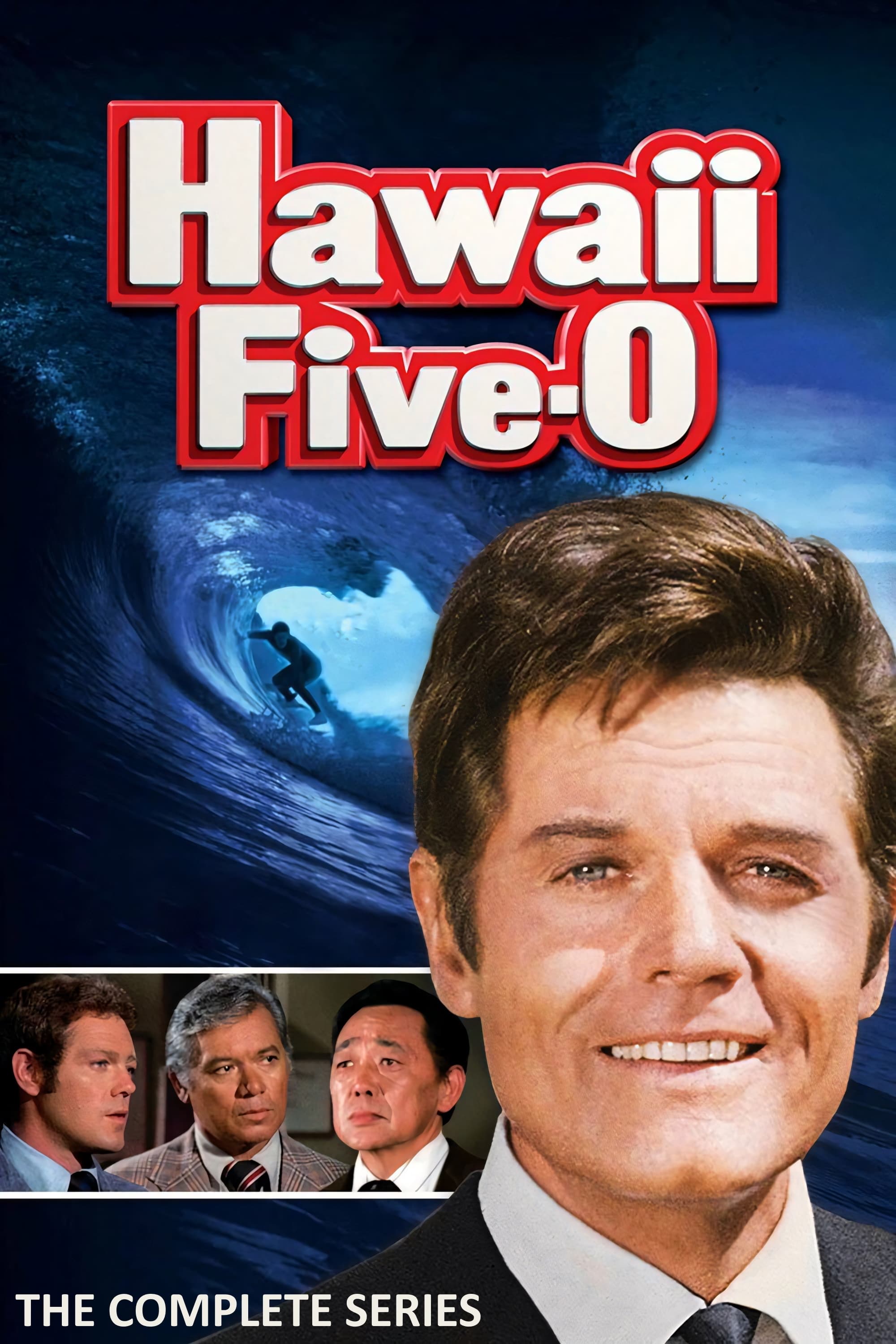
The show featured a recurring villain named Wo Fat, a cunning criminal and spy working for Chinese intelligence. He was played by Khigh Dhiegh, an actor with Anglo-Egyptian-Sudanese roots who often portrayed East Asian characters. Despite not being of East Asian descent himself, Dhiegh’s performance drew upon familiar, and often stereotypical, tropes like the “Dragon Lady” and “Evil Mandarin.” The character was essentially a modern take on the Fu Manchu stereotype and throughout the show’s original run, was consistently played by actors who were not Chinese.
‘Get Smart’ (1965–1970)
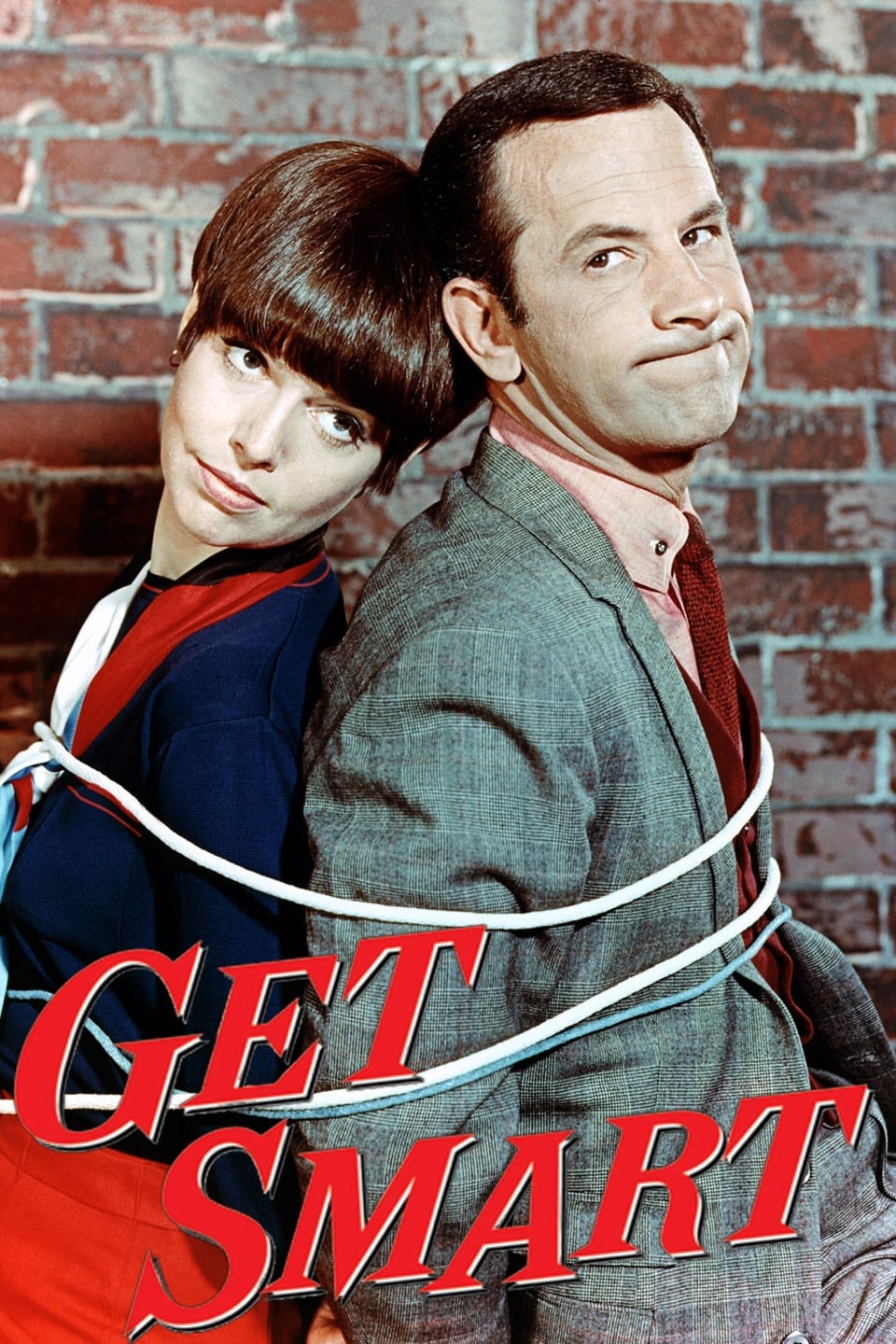
The Claw was a frequent opponent of Maxwell Smart, designed as a humorous take on the classic “Fu Manchu” villain. Played by white actor Leonard Strong using exaggerated makeup and an accent, the character embodied harmful stereotypes of the time. Much of the comedy came from the character’s difficulty pronouncing the letter ‘L,’ a joke that relied on making fun of his race instead of clever writing.
‘The Wild Wild West’ (1965–1969)
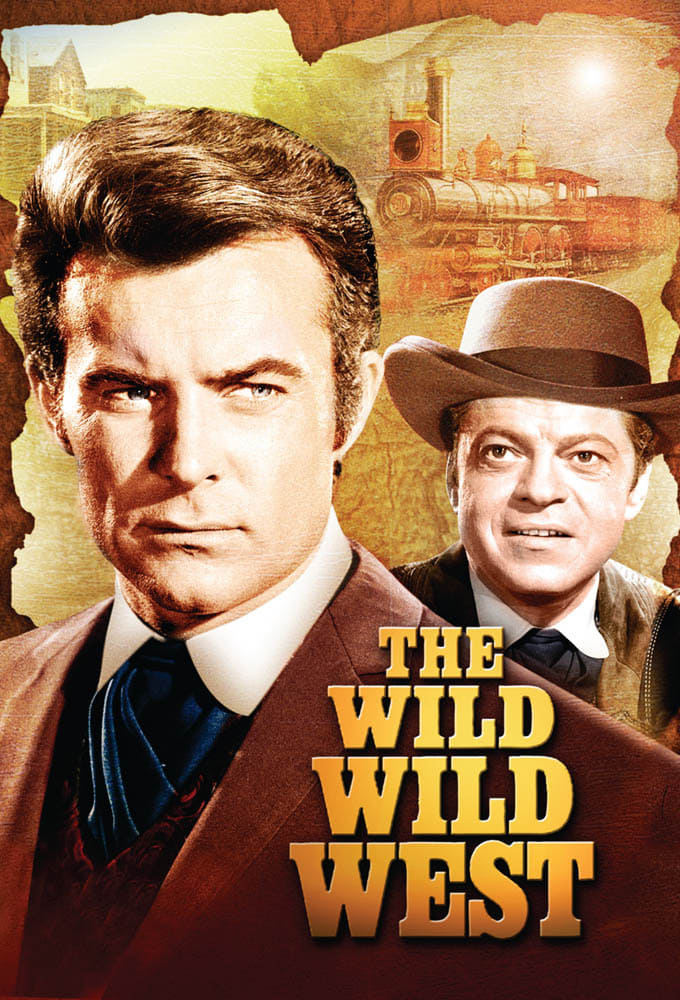
The “Night of the Pelican” episode included a character named Din Chang, a leader of a Chinese secret society known as a tong. This reflected the real history of Chinese immigrant groups in the West. Actor Khigh Dhiegh played the role, continuing a pattern of being cast as an East Asian villain despite not being of that heritage. The show often used white actors in makeup to portray Chinese characters, including immigrants and owners of opium dens.
‘F Troop’ (1965–1967)
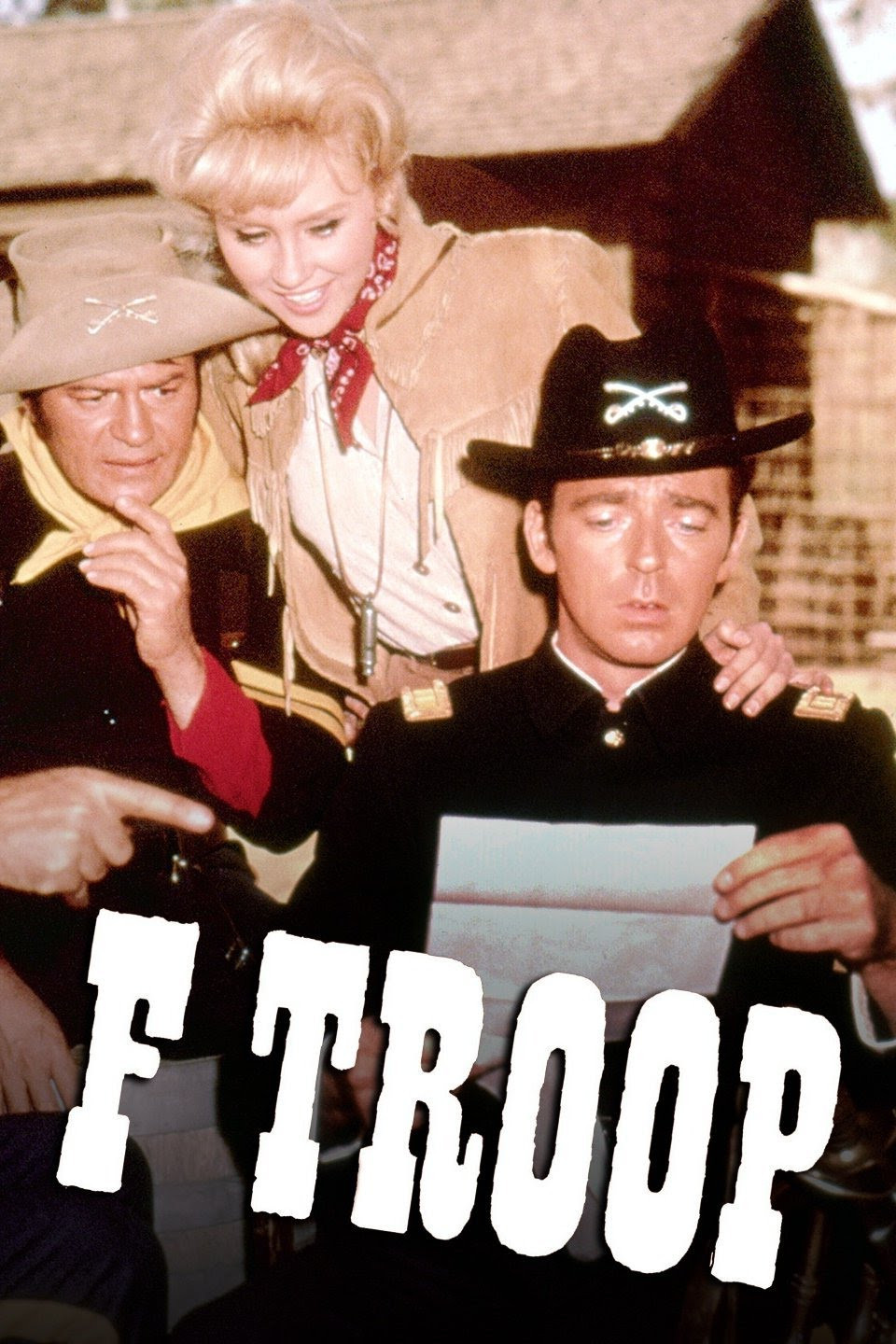
Roaring Chicken was a recurring character on a Western sitcom set after the Civil War. He was a medicine man from the Hekawi tribe, played by the actor Frank de Kova, who was Italian-American. It was common at the time for white actors to play Native American characters, and this show was no exception. Roaring Chicken was a funny supporting character, but his portrayal relied on clichés and intentionally poor English.
‘Gilligan’s Island’ (1964–1967)
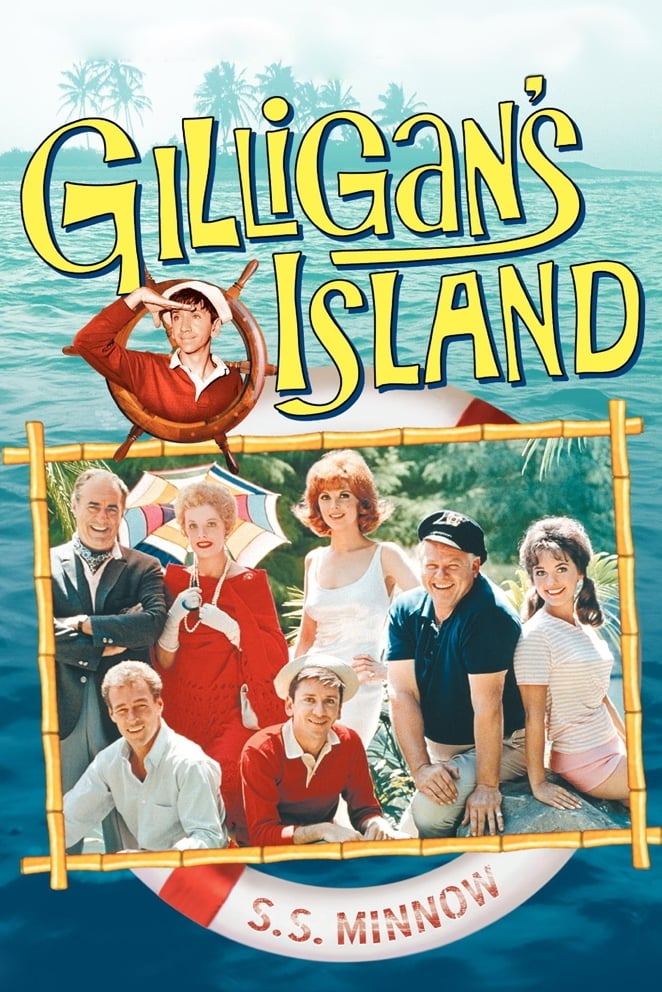
The “So Sorry, My Island Now” episode features castaways held by a Japanese sailor unaware the war is over. This character was inspired by the real historical cases of Japanese soldiers who remained hidden on Pacific islands for years after World War II ended. The role was played by Vito Scotti, an actor who used offensive makeup – including yellowface, false teeth, and thick glasses – to create a stereotypical and mocking portrayal of Japanese people’s appearance and speech.
‘Marco Polo’ (1982)
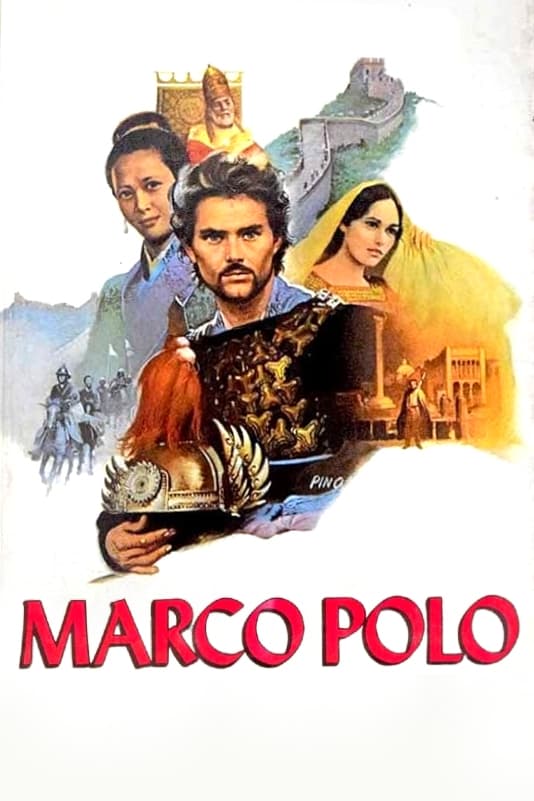
This miniseries dramatized the true story of a Venetian explorer’s time serving in the court of Kublai Khan. While Chinese actor Ying Ruocheng portrayed Kublai Khan, the production chose Leonard Nimoy, a white American actor, to play Achmet, a significant Persian Muslim official during the Yuan Dynasty. Nimoy’s portrayal involved darkening his skin, a decision that prevented an actor of Central Asian or Middle Eastern heritage from taking on the role.
‘Jesus of Nazareth’ (1977)

This popular miniseries told the story of Jesus, a historical figure who lived in the Middle East. Robert Powell, a British actor with blue eyes, played Jesus. This casting choice followed a long history in Western art of portraying biblical characters as European, despite the fact that people in first-century Judea would have looked different. The series became the standard for how Jesus was shown on TV for many years, and unfortunately, it continued to present a historically inaccurate, European image of him.
‘The Bible’ (2013)
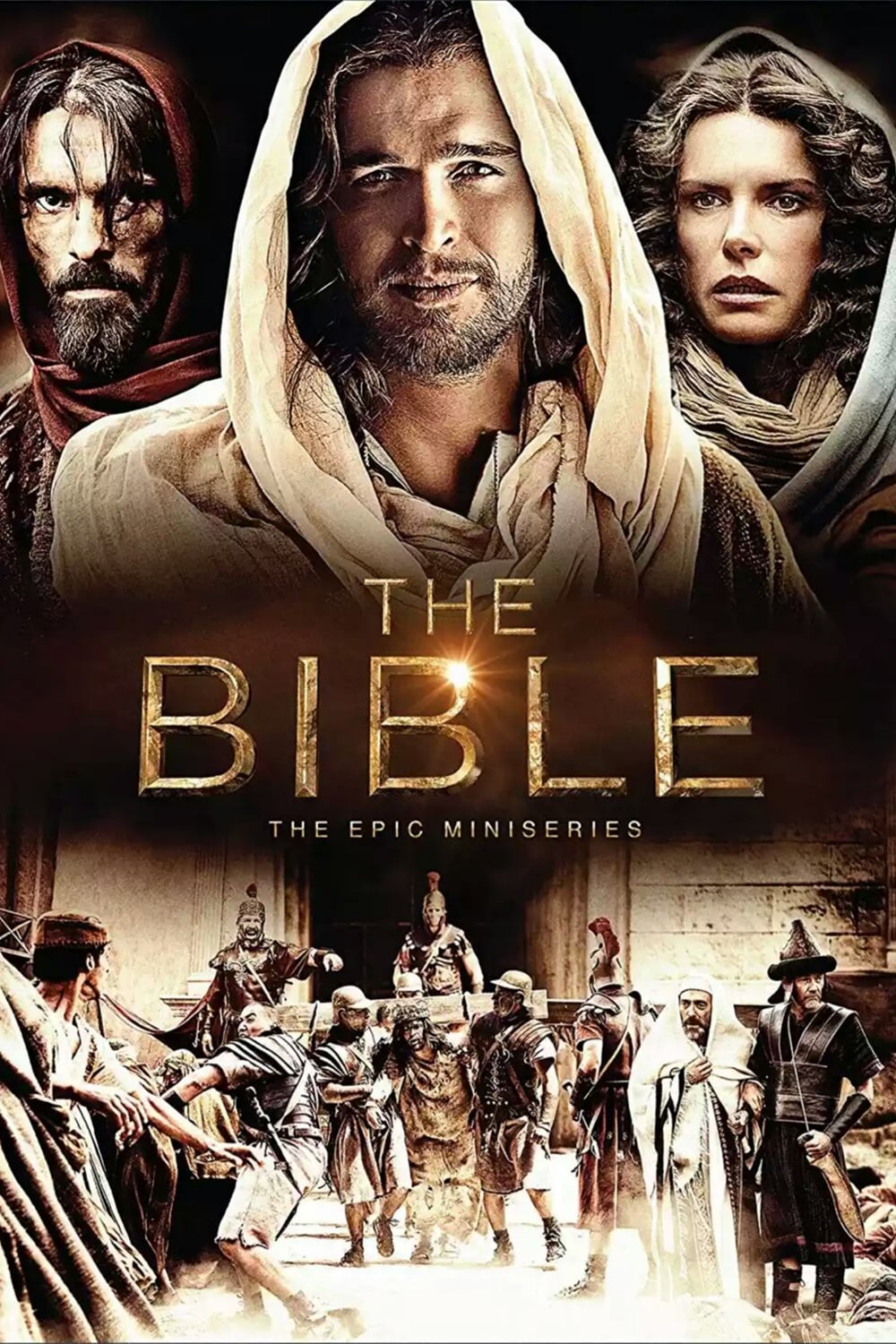
This miniseries brought biblical stories to life, focusing on people from the Middle East and Egypt. However, most of the main characters, including Jesus, were played by white actors like Diogo Morgado. Critics noted the lack of diversity, given the setting in regions of Africa and Asia, and accused the production of inaccurately portraying history by casting primarily actors of European descent.
‘The Ten Commandments’ (2006)
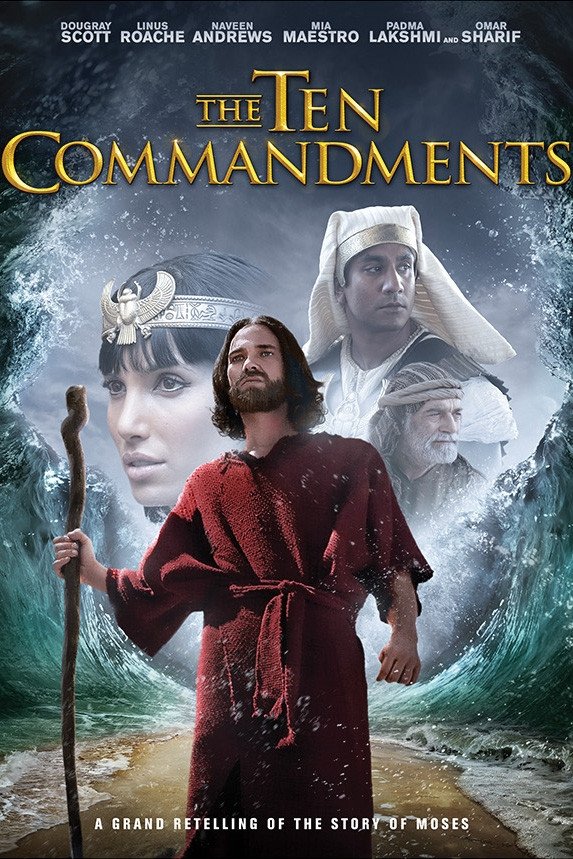
This miniseries dramatized the biblical story of Moses, the Hebrew leader born in Egypt. Dougray Scott, a Scottish actor, played Moses, and the majority of the cast portraying both Egyptians and Israelites were also white. This casting choice followed a long-standing Hollywood pattern of prioritizing well-known Western actors over historical and geographical accuracy for the region.
‘Tut’ (2015)

The recent miniseries told the story of the Egyptian Pharaoh Tutankhamun. Although the main actor, Avan Jogia, had some Indian ancestry, a crucial role – Ay, the powerful advisor who later became Pharaoh – was played by Sir Ben Kingsley, who has Indian and English heritage. However, many of the actors portraying members of the Egyptian court were white, which sparked criticism. Viewers objected to the lack of Egyptian or African representation in a story centered on African history.
‘Tyrant’ (2014–2016)
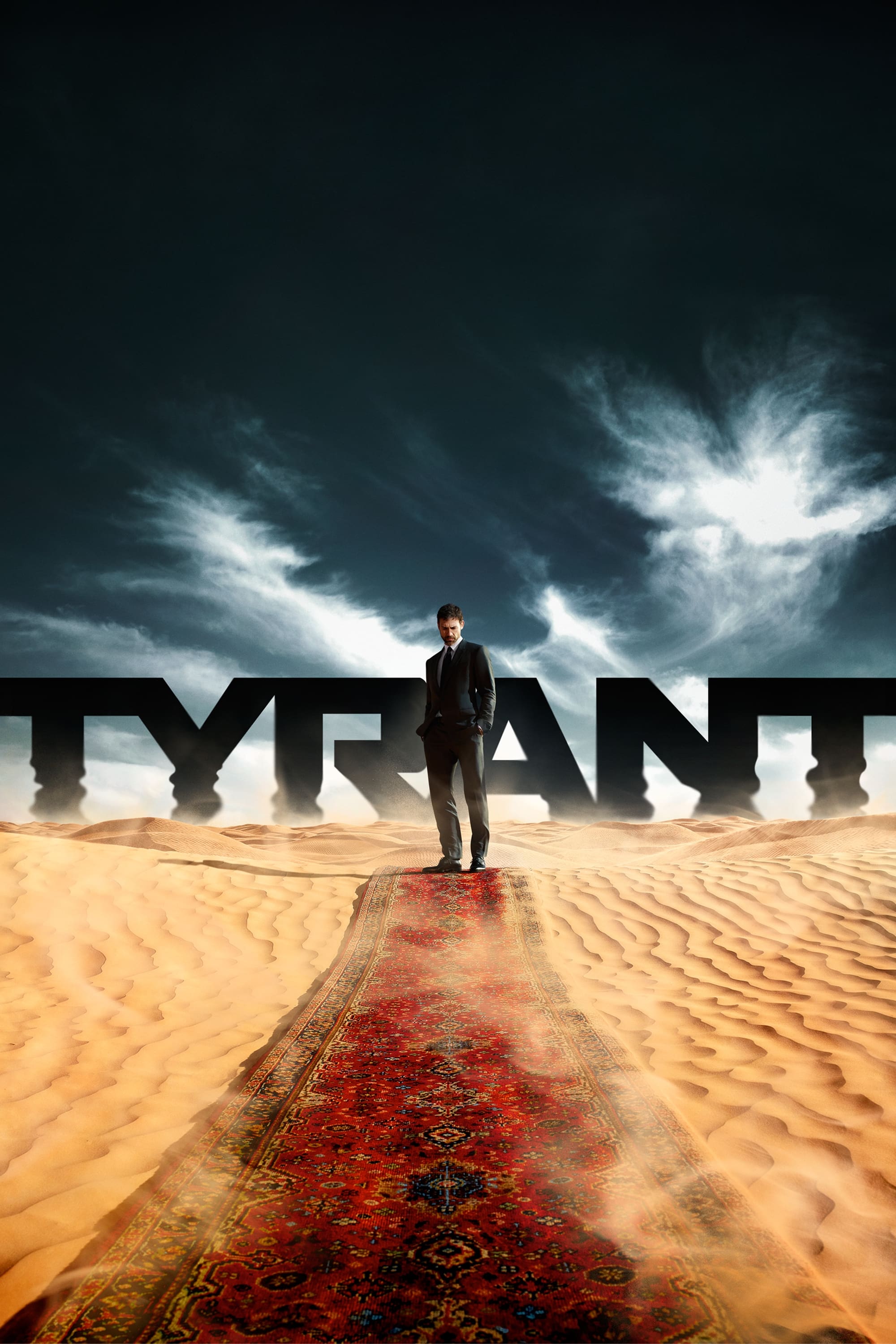
Barry Al-Fayeed, a character on the show, was the son of a made-up dictator from a country in the Middle East. The intention was for him to be an Arab man who had lived in America and was now returning home. However, the role was played by Adam Rayner, a British actor who is white. This casting choice drew criticism because it meant a white actor was portraying the central figure in a political story set in the Middle East, effectively overlooking and erasing the Arab perspective.
‘Arrow’ (2012–2020)
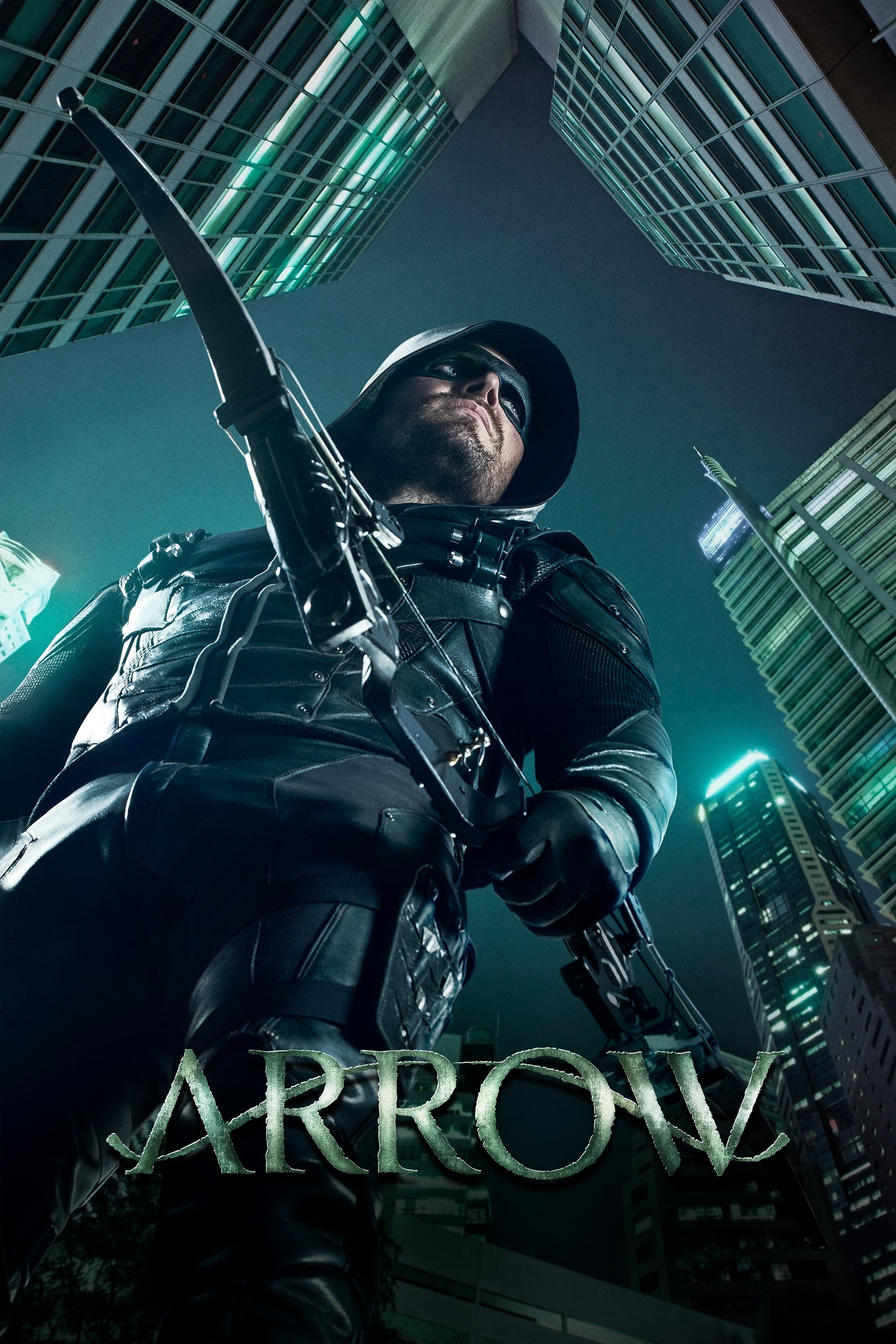
Ra’s al Ghul is a villain whose name means “Head of the Demon” in Arabic. He leads a very old organization with origins in the Middle East and Asia. In a TV series, the character was played by Matt Nable, an Australian actor. This casting choice was criticized because it ignored the character’s background, which is important to both his name and the history of his group. The decision meant a missed opportunity to cast an actor of Arab or Asian heritage in a significant villainous role.
‘Marvel’s Iron Fist’ (2017–2018)

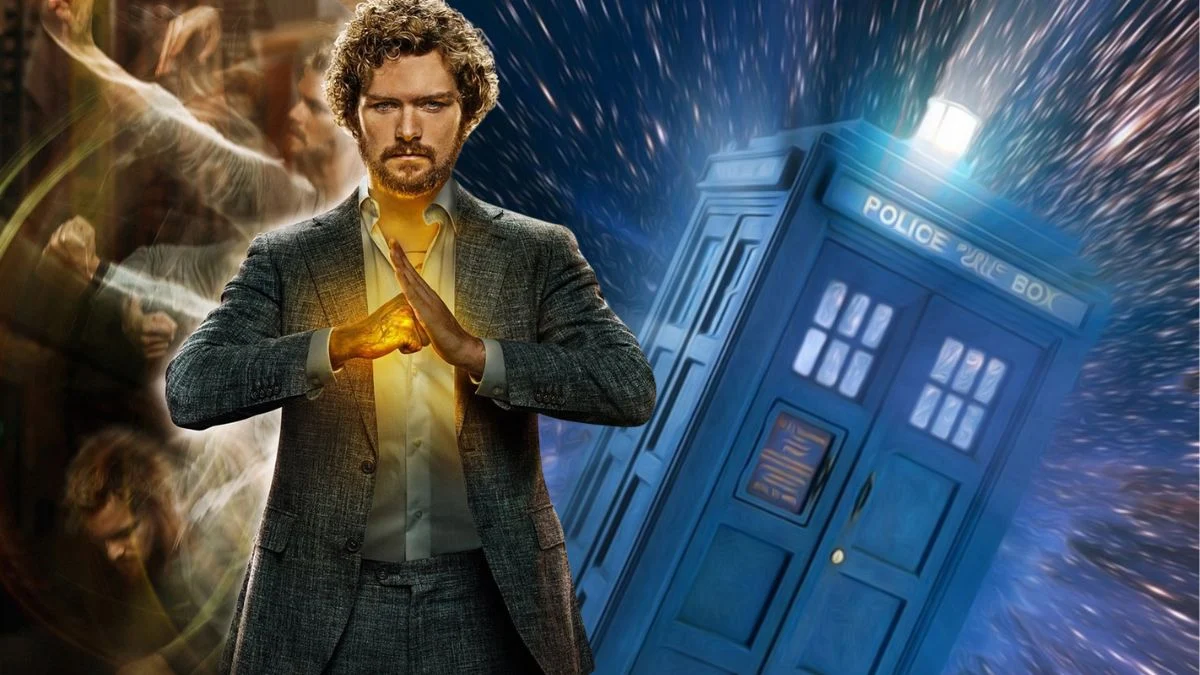
Danny Rand is a highly skilled martial artist whose abilities come from the legendary city of K’un-Lun. When the character was adapted for television, the decision to cast a white actor, Finn Jones, sparked criticism. Many felt it reinforced the problematic “white savior” trope, especially given the character’s expertise in Asian martial arts and his role as an explainer of Asian culture to Asian characters. Critics believed a modern adaptation presented a valuable opportunity to avoid outdated and colonialist stereotypes, an opportunity they felt was missed by keeping the character white.
‘Altered Carbon’ (2018–2020)

Takeshi Kovacs, the main character, is a Japanese-Hungarian soldier who can have his consciousness transferred into different bodies, called ‘sleeves.’ However, the show primarily presents him as Joel Kinnaman, a white actor. Many critics pointed out that this choice felt like ‘whitewashing,’ effectively prioritizing a white appearance over the character’s established Asian heritage. The show’s promotion and imagery largely focused on the white actor, overshadowing Kovacs’s original identity.
‘Angry Boys’ (2011)
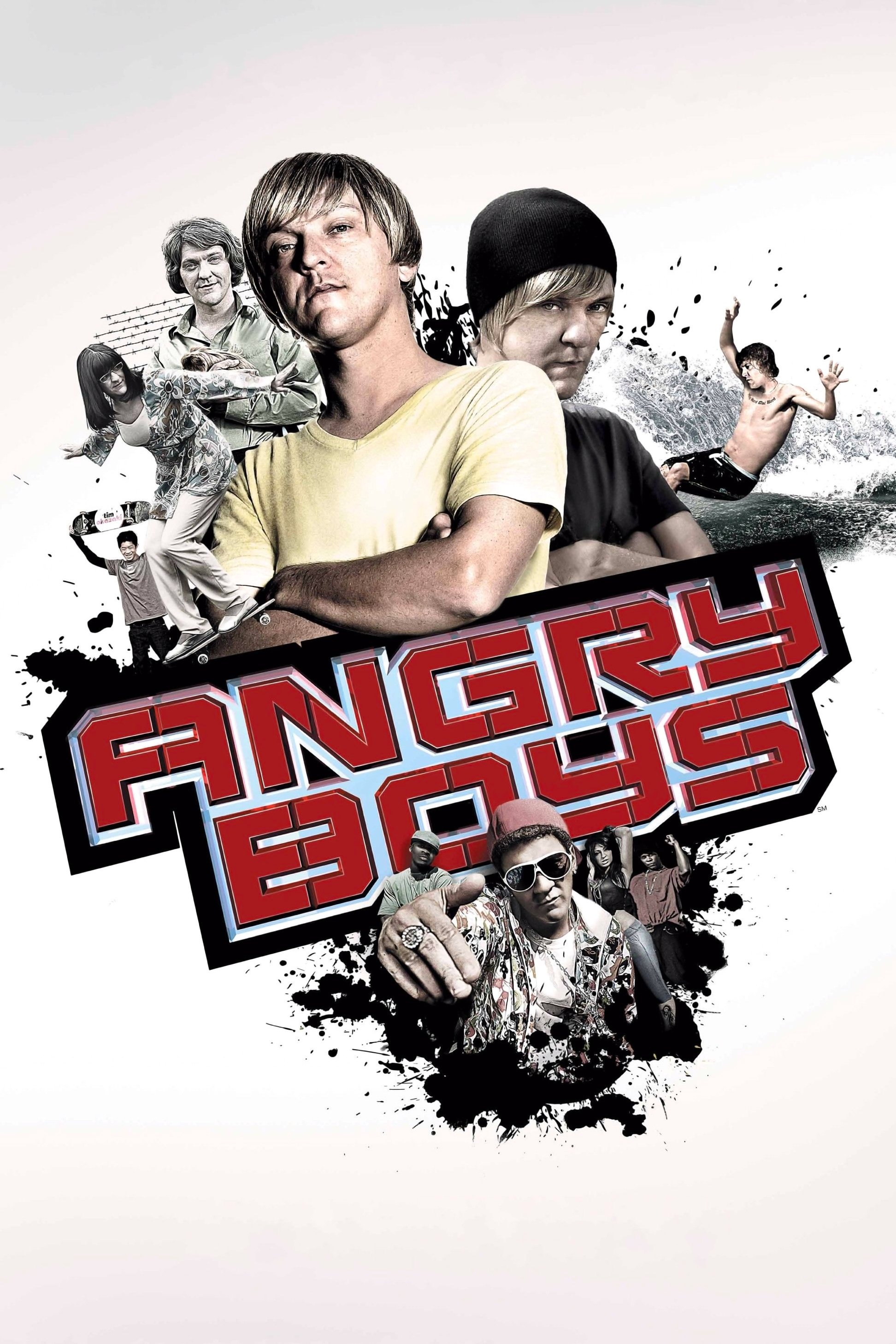
The comedy series was created by and featured Australian comedian Chris Lilley. He played several characters, including Jen Okazaki, a Japanese mother and talent manager. Lilley, who is white, used makeup to appear as an Asian woman – a practice known as yellowface – and wore a wig for the role. This portrayal was heavily criticized as a racist and stereotypical depiction of Asian mothers, used for comedic effect.
‘Come Fly with Me’ (2010–2011)
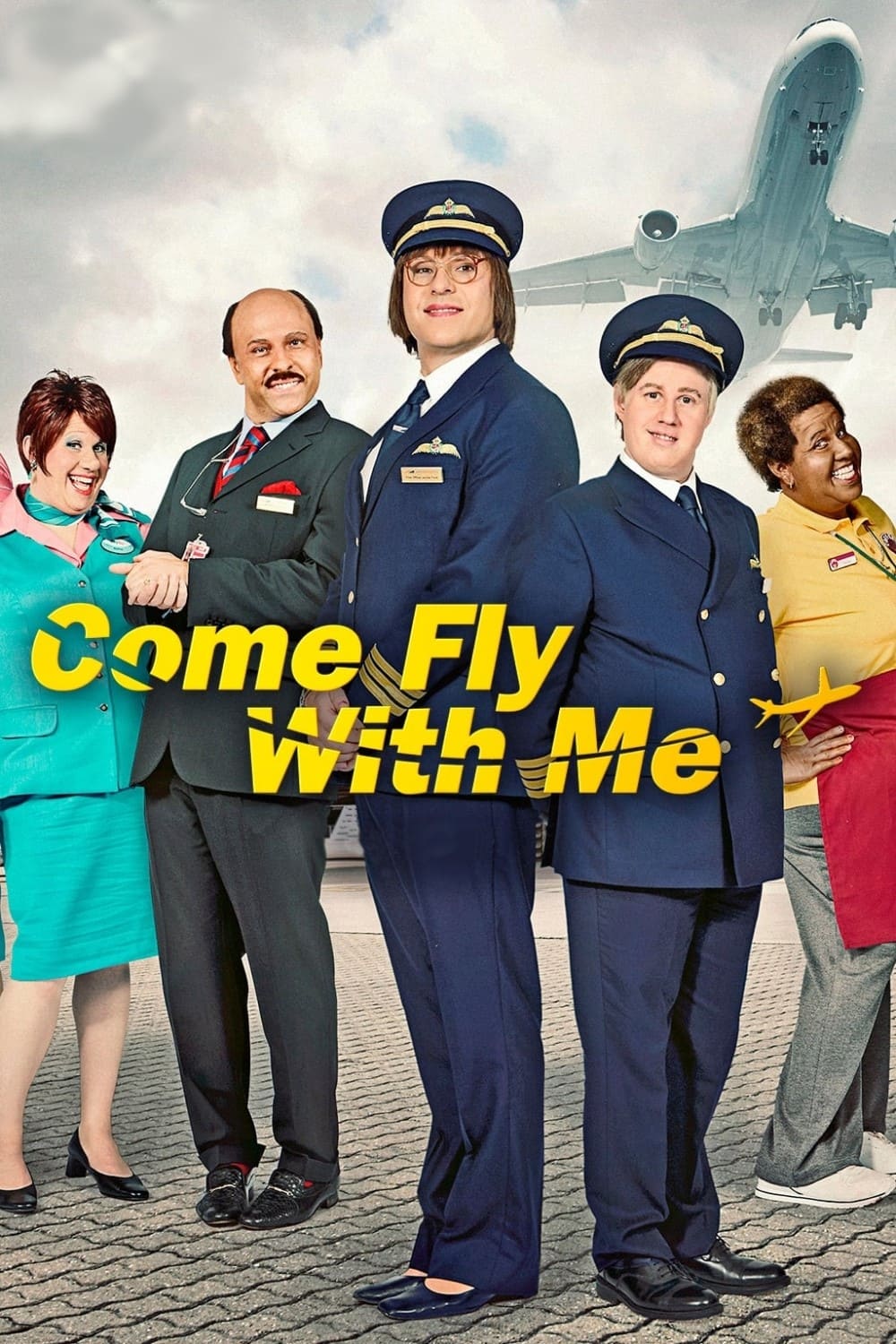
The British comedy show starred Matt Lucas and David Walliams, who played a variety of characters in an airport setting. Lucas famously portrayed two characters – Asuka, a Japanese schoolgirl, and Precious Little, a coffee vendor – using makeup that imitated different ethnicities. This included using yellowface and brownface, which has led to the show being removed from many streaming services due to its use of offensive racial stereotypes and makeup.
‘Little Britain’ (2003–2006)
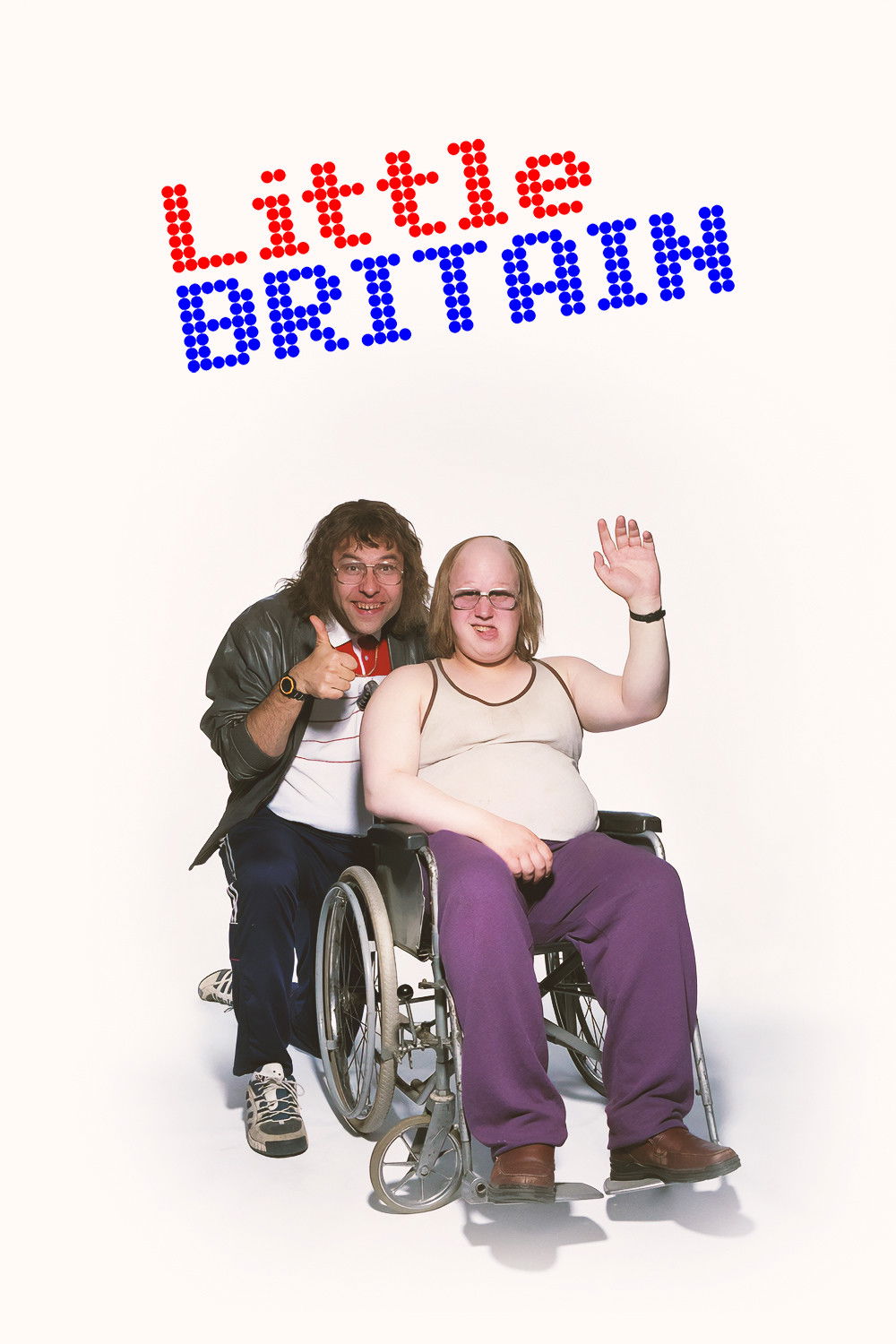
Matt Lucas performed a character named Ting Tong, presented as a Thai mail-order bride. This portrayal involved a performer wearing makeup to appear to be of Asian descent and relied on harmful stereotypes about Thai women, including mocking her accent and name. Similar to other work by this comedic duo, the show is now being re-examined and edited due to its use of racially insensitive makeup and characterizations, specifically blackface and yellowface.
‘Jonah from Tonga’ (2014)
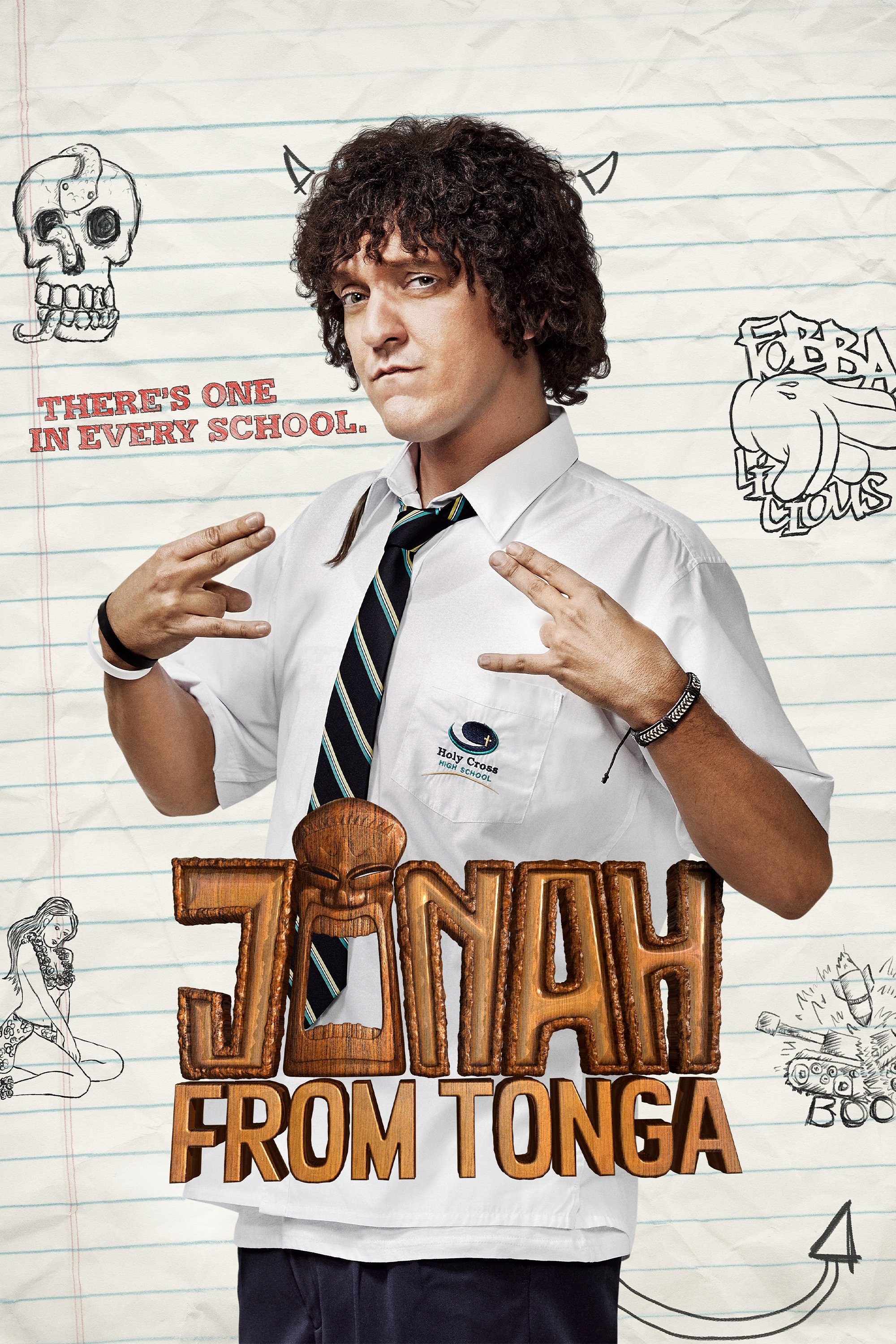
Chris Lilley played Jonah Takalua, a troubled teen of Tongan heritage, in a show where he used makeup to darken his skin and wore a wig. This portrayal sparked criticism from Tongan community leaders and human rights groups, who felt it unfairly and negatively represented Pacific Islander culture and young people. As a result of these concerns about racism, several TV networks stopped broadcasting the series.
‘Saturday Night Live’ (1975–Present)
The comedy show has repeatedly been criticized for casting white actors in roles portraying Asian and Asian-American historical and political figures. For example, Fred Armisen, who is white, often played Barack Obama and various Asian characters, including political figures like New York Governor David Paterson and even the Queen of England when the sketch involved Asian politicians. The show had a long history of similar casting choices, with white actors like Mickey Rooney and Rob Schneider playing stereotypical Asian characters, especially when the show lacked Asian cast members.
Share your thoughts on which of these casting decisions surprised you the most in the comments.
Read More
- Building 3D Worlds from Words: Is Reinforcement Learning the Key?
- The Best Directors of 2025
- Gold Rate Forecast
- 2025 Crypto Wallets: Secure, Smart, and Surprisingly Simple!
- Mel Gibson, 69, and Rosalind Ross, 35, Call It Quits After Nearly a Decade: “It’s Sad To End This Chapter in our Lives”
- 20 Best TV Shows Featuring All-White Casts You Should See
- Umamusume: Gold Ship build guide
- Top 20 Educational Video Games
- Walmart: A Stillness in the Shifting Sands
- Most Famous Richards in the World
2026-01-25 16:48