Okay, so for the last few years, the stock market has been like that friend who always gets lucky. Dow Jones? Up. S&P 500? Also up. Nasdaq? You get the idea. It’s been a winning streak, honestly bordering on suspicious. Like, are they secretly using algorithms powered by puppies and rainbows? We saw gains in 2025—13%, 16%, 20%—it’s enough to make a quant feel… optimistic. And let’s not forget the usual suspects: AI hype, quantum computing promises (still waiting on that flying car, by the way), and a tax cut that basically told corporations, “Here’s a pile of money, please buy back your own stock.” It’s…a system.
Everyone was also betting on the Fed to keep slicing interest rates. Lower rates mean businesses borrow more, hire more, spend more… it’s the economic equivalent of giving everyone a free latte. But here’s the thing: the Fed is starting to look less like a stabilizing force and more like a reality TV show. And not a good one. Think “Real Housewives,” but with economic policy.
The Fed Has a Problem. And So Does Your Portfolio.
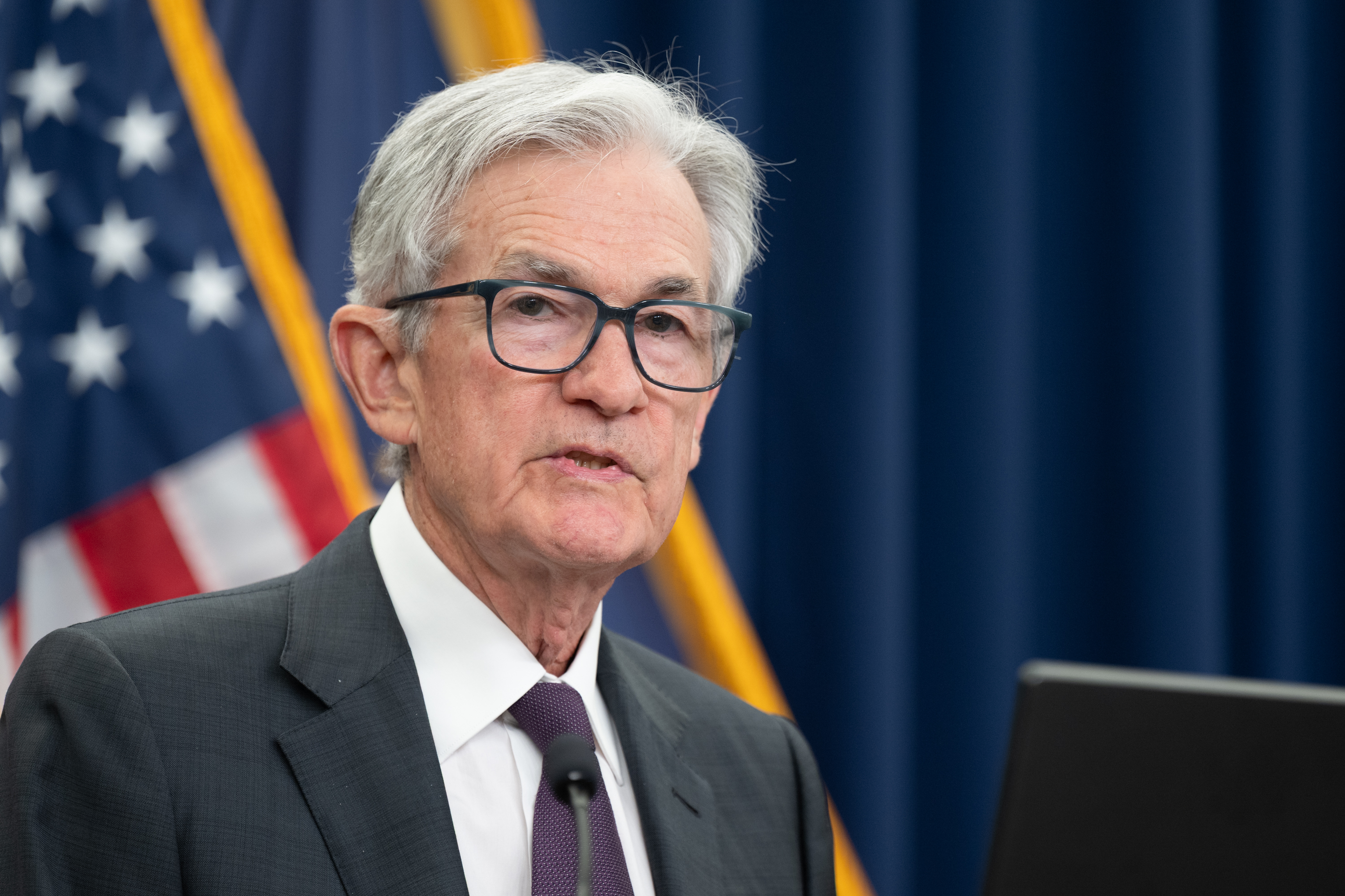
The Federal Open Market Committee (FOMC)—that’s the 12-person group led by Jerome Powell who decide what happens with interest rates—is supposed to be all about maximizing employment and keeping prices stable. Sounds reasonable, right? Except, they’re operating with data that’s already…old. It’s like trying to parallel park a spaceship using a map from 1998. You’re gonna scrape something. They adjust the federal funds rate—the overnight lending rate—and fiddle with Treasury bonds. It’s all very technical, very important, and increasingly… fractured.
Usually, Wall Street gives the Fed a pass for the occasional misstep. We all mess up, right? But lately, the FOMC has been less of a unified front and more of a…disagreement club. At the last few meetings, you’ve had members dissenting. Not just dissenting, but dissenting in opposite directions! One person wants to cut rates, another thinks we should hold steady, and a third is apparently preparing for a hike. It’s like trying to assemble IKEA furniture with instructions written in Klingon.
Anna is correct below when she says:
“I have not seen a meeting with so much contradictions.”This meeting was a mess.
See the labels in the dot plot below.
One member of the FOMC thinks the Fed is going to HIKE rates this year. One (Stephen Miran) thinks it is going to cut… https://twitter.com/biancoresearch/status/1705198367331239798
— Jim Bianco (@biancoresearch)
A divided Fed isn’t exactly a confidence booster, especially when the market is already trading at a valuation that would make even Elon Musk blush.
And Then There’s the Trump Factor
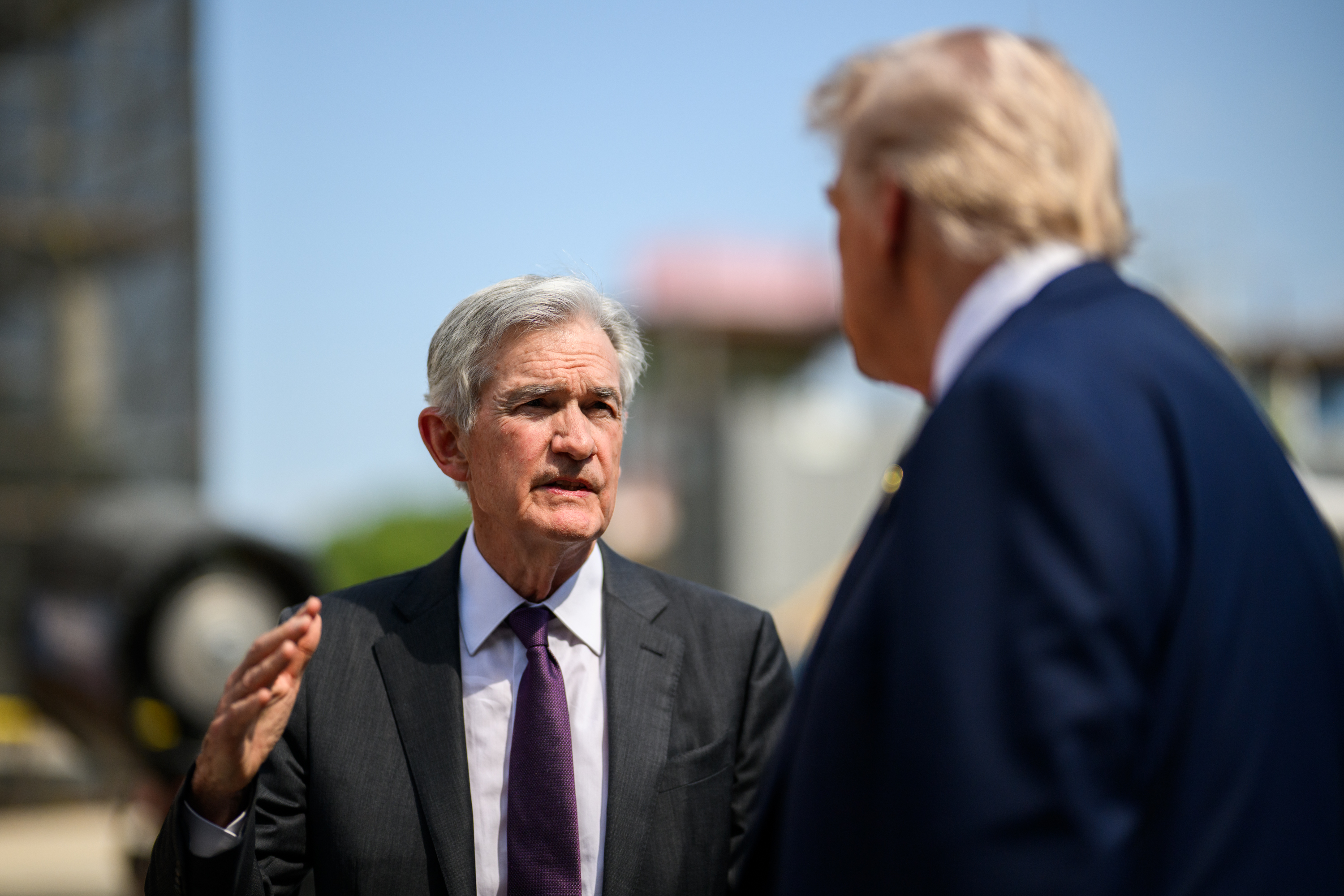
May 15, 2026, is a date to circle on your calendar. That’s when Jerome Powell’s term as Fed chair ends. And let’s be real, Donald Trump has been subtly (and not-so-subtly) hinting he’d like someone a little more… amenable to his views. Someone who understands that “aggressive interest rate cuts” are good for the economy (and, coincidentally, good for reelection chances).
Powell, bless his heart, has been trying to stick to the data. Stubbornly high inflation is a problem, and the Fed doesn’t want to make things worse. But Trump wants results now. It’s like asking a chef to create a five-star meal using only microwave dinners.
Wall Street likes predictability. It likes stability. It does not like a president publicly pressuring the Fed chair. And a new nominee who’s willing to prioritize political expediency over economic prudence? That’s a recipe for…well, let’s just say it’s not a calming chamomile tea.
The market is already trading at a historically high valuation—the Shiller P/E ratio is practically begging for a correction. Add in a divided Fed and a potentially disruptive change in leadership, and you’ve got a situation that’s less “bull market” and more “hold on to your hats.” It’s going to be…a year.
Read More
- Top 20 Dinosaur Movies, Ranked
- 20 Movies Where the Black Villain Was Secretly the Most Popular Character
- 25 “Woke” Films That Used Black Trauma to Humanize White Leads
- Celebs Who Narrowly Escaped The 9/11 Attacks
- Gold Rate Forecast
- Spotting the Loops in Autonomous Systems
- 22 Films Where the White Protagonist Is Canonically the Sidekick to a Black Lead
- Silver Rate Forecast
- The 10 Most Underrated Jim Carrey Movies, Ranked (From Least to Most Underrated)
- From Bids to Best Policies: Smarter Auto-Bidding with Generative AI
2026-01-25 12:14