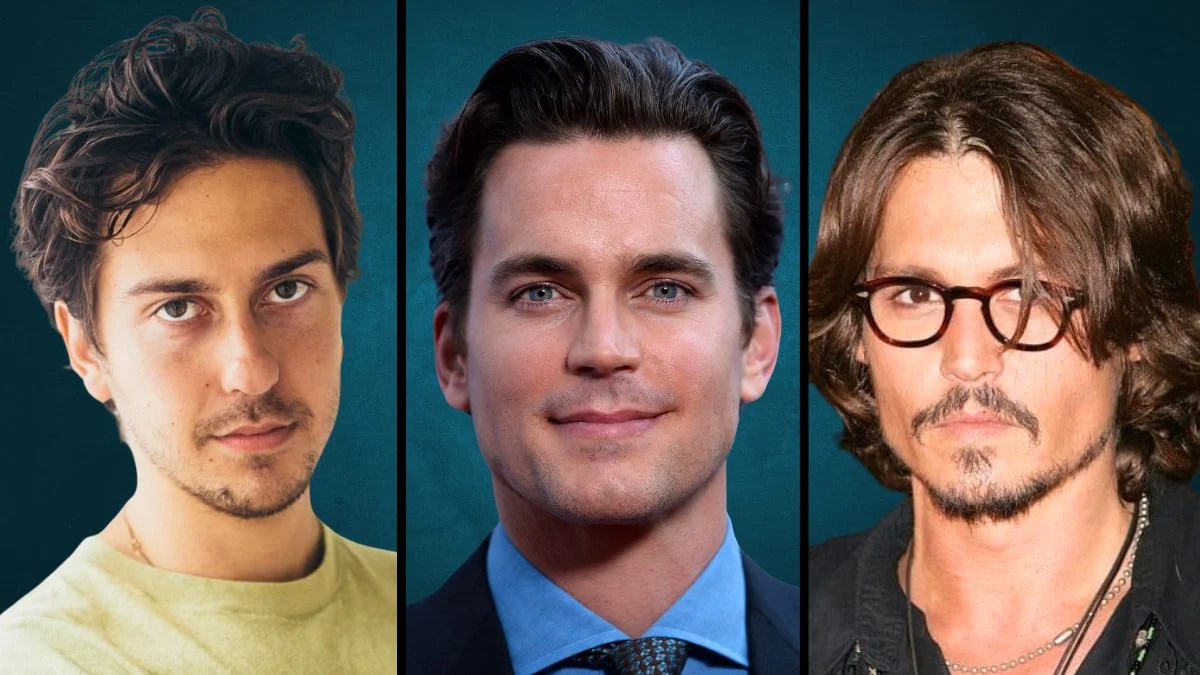
As a movie fan, I’ve noticed a lot of discussion lately about who gets cast in roles, and it often gets pretty heated. People are really questioning when actors take on characters whose backgrounds – like race, ethnicity, gender identity, or even physical ability – don’t match their own. It feels important to a lot of us that performers truly understand the experiences of the people they’re portraying. I’ve been seeing a lot of criticism directed at male actors specifically for taking roles that felt like they should have gone to someone with a more authentic connection to the character. Here’s a rundown of some of those cases.
Jake Gyllenhaal

I remember when ‘Prince of Persia: The Sands of Time’ came out, and while I enjoyed the movie itself, I always felt uneasy about Jake Gyllenhaal playing Dastan. It just didn’t sit right with me that they cast a white actor to play a character who was clearly Persian. It felt like a real chance was missed to give a Middle Eastern actor a huge break in a big action film. And honestly, even Gyllenhaal himself has said he probably wasn’t the best choice for the part, which I think shows he understood the criticism.
Johnny Depp
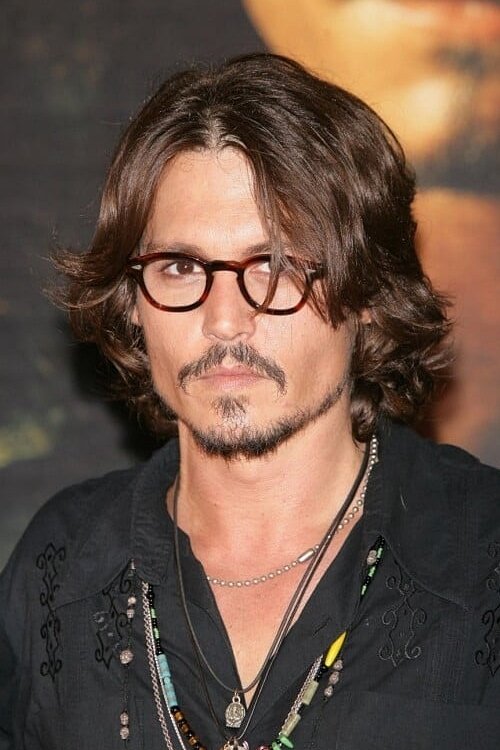
Johnny Depp portrayed Tonto, a Native American character, in Disney’s ‘The Lone Ranger’. While he consulted with a Comanche Nation representative to prepare, the casting sparked criticism for resembling ‘redface’ – a harmful practice of non-Native actors portraying Native characters. Many critics argued the performance perpetuated stereotypes and asked why a Native American actor wasn’t chosen for the role. The character’s appearance also drew concerns from Indigenous communities.
Christian Bale
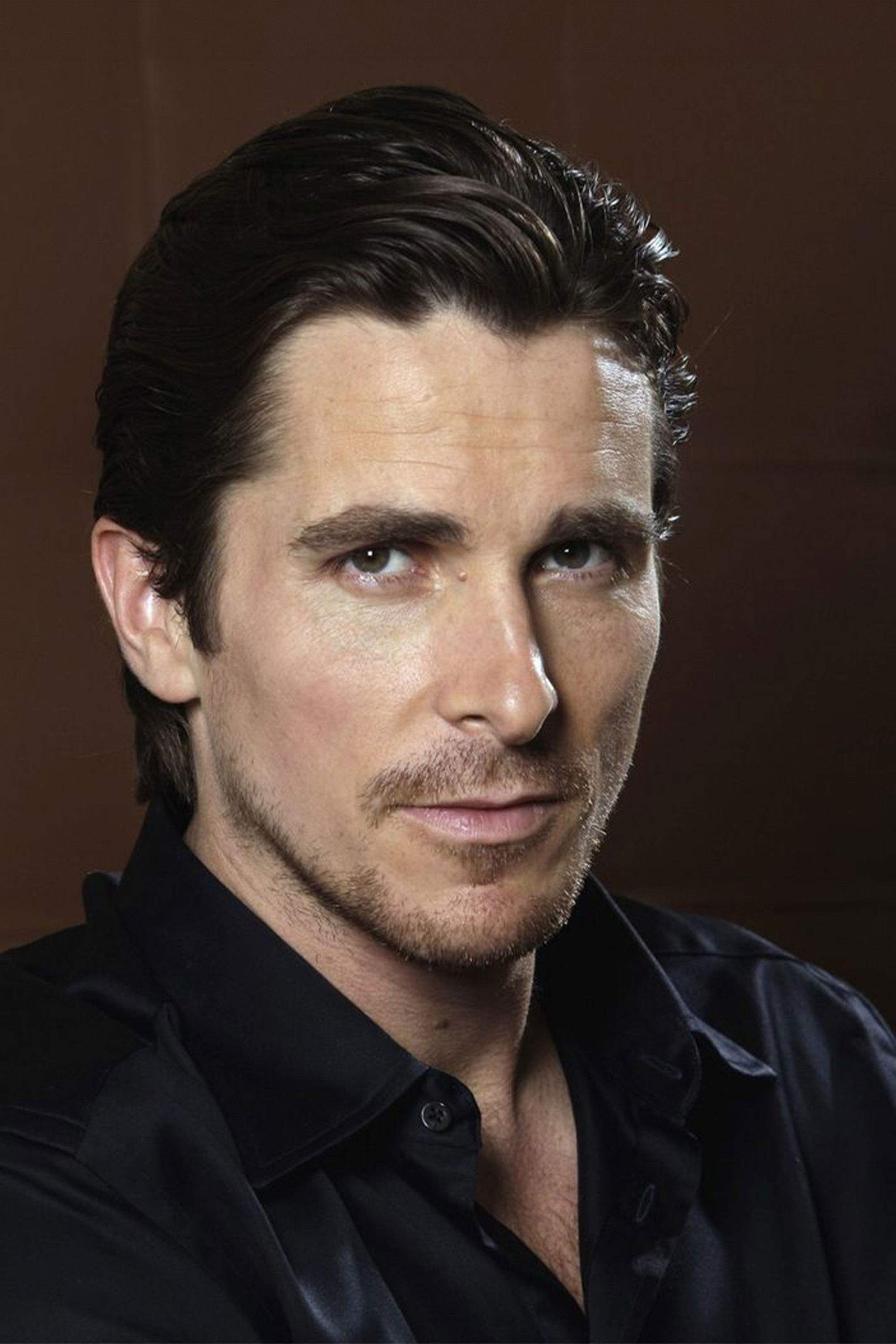
Ridley Scott’s film ‘Exodus: Gods and Kings’ starred Christian Bale as Moses, but it quickly faced criticism for casting mostly white actors to play characters who were historically Egyptian and Hebrew. Bale explained the casting choices were made due to the high costs of filmmaking, but the controversy sparked calls for a boycott even before the film’s release.
Joel Edgerton
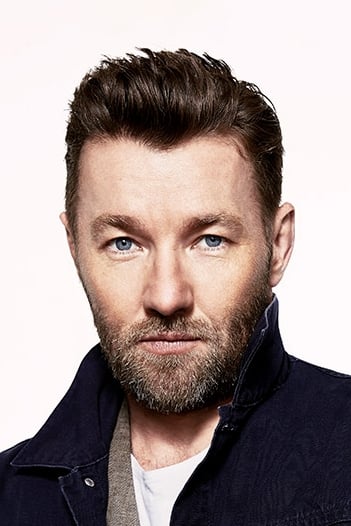
Joel Edgerton starred alongside Christian Bale in ‘Exodus: Gods and Kings’, playing the Egyptian pharaoh Ramses II. For the role, he wore dark makeup to alter his skin tone, a choice that caused controversy because it seemed to ignore the story’s African origins. Edgerton later said he regretted the casting decisions and how they affected discussions about diverse representation.
Gerard Butler
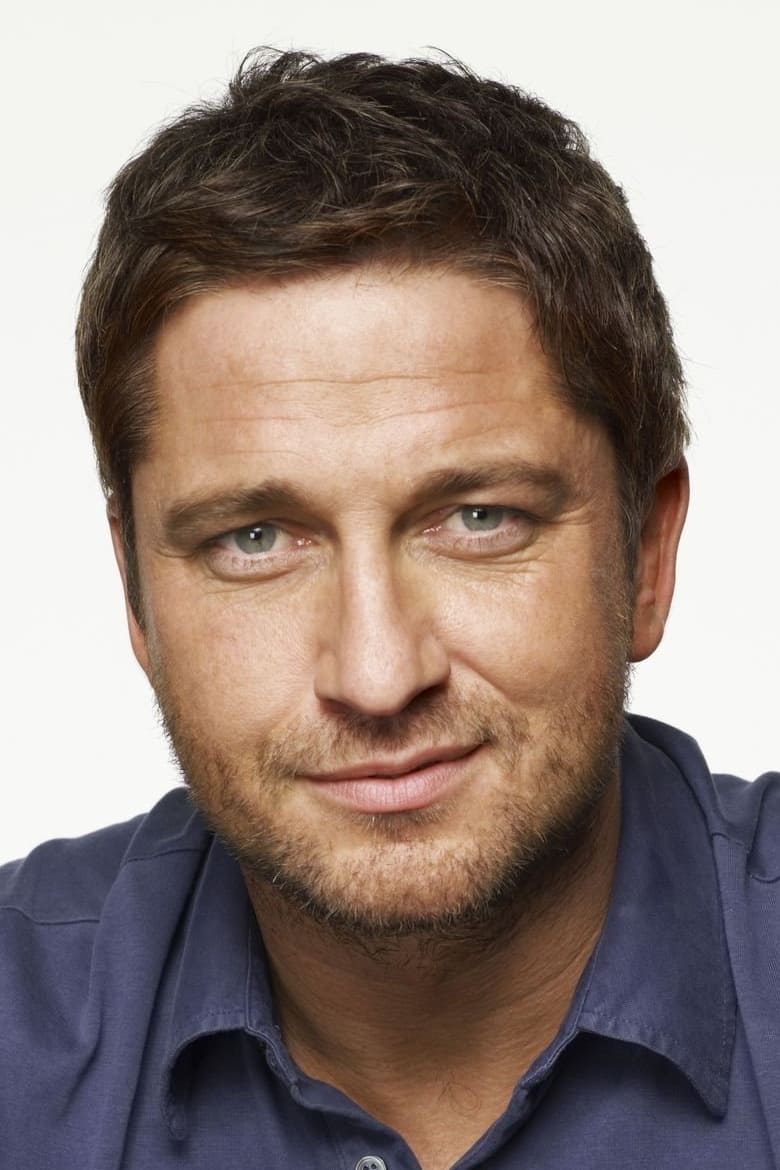
The film ‘Gods of Egypt’ starred Gerard Butler as the Egyptian god Set, but faced strong criticism for casting mostly white actors in a story set in ancient Egypt. Both the studio, Lionsgate, and the director apologized for the lack of diversity even before the movie came out. Critics pointed out that this casting choice ignored the real history and location of the story.
Nikolaj Coster-Waldau
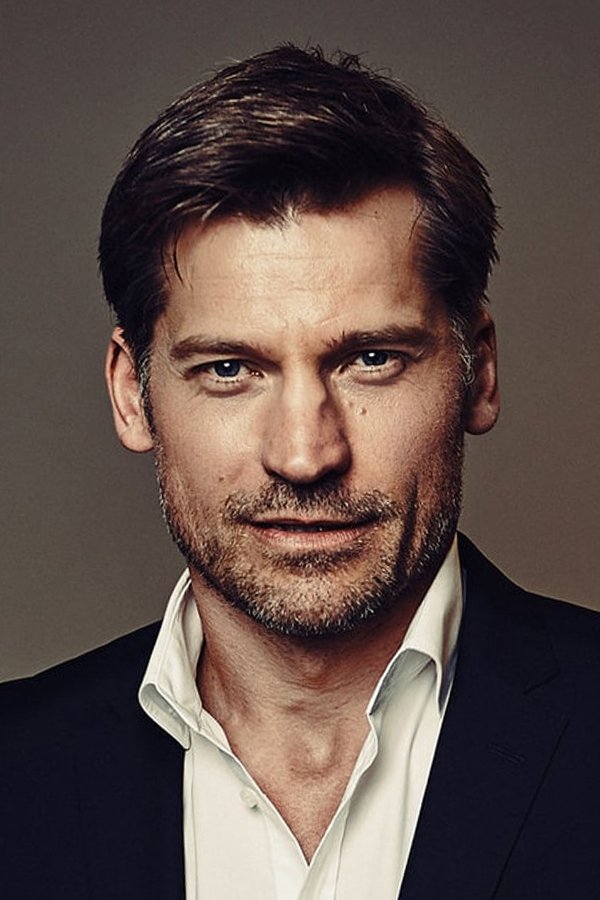
Nikolaj Coster-Waldau, who played the god Horus in ‘Gods of Egypt,’ also faced criticism for the film’s lack of diversity. Like his fellow actors, he was caught in a controversy over whitewashing. He attempted to address the issue by explaining the movie was a fantastical story, not meant to be historically accurate. However, the casting choices continue to be seen as a clear example of Hollywood’s tendency to exclude actors of color.
Mickey Rooney
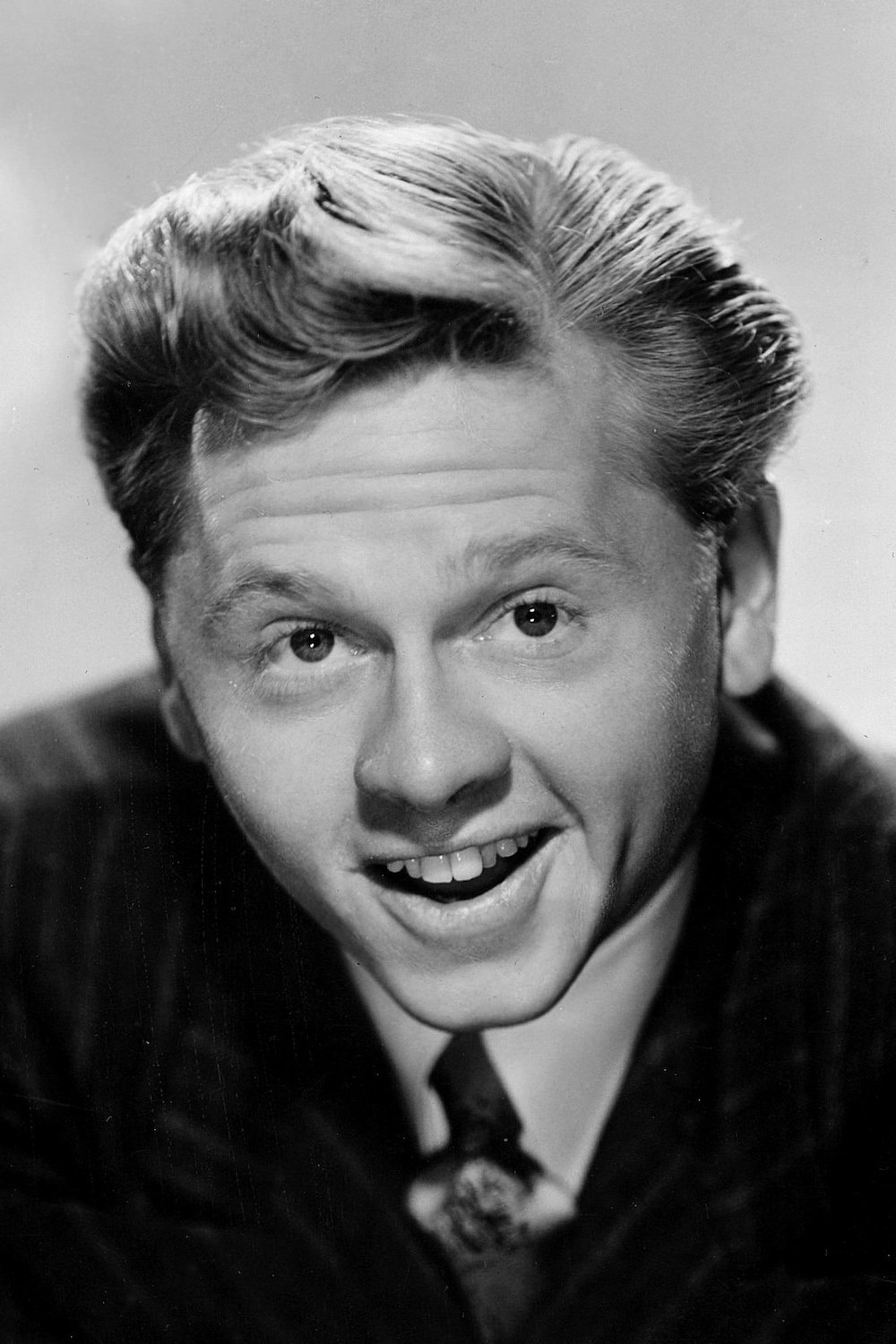
Mickey Rooney famously played Mr. Yunioshi, a Japanese landlord, in the film ‘Breakfast at Tiffany’s’. He wore a lot of makeup and used over-the-top acting to create the character. Today, this role is widely seen as a deeply problematic and offensive example of yellowface – the act of non-Asian actors portraying Asian characters with exaggerated features. When the movie is shown now, it’s often accompanied by conversations or disclaimers about the racist stereotypes it presents.
John Wayne
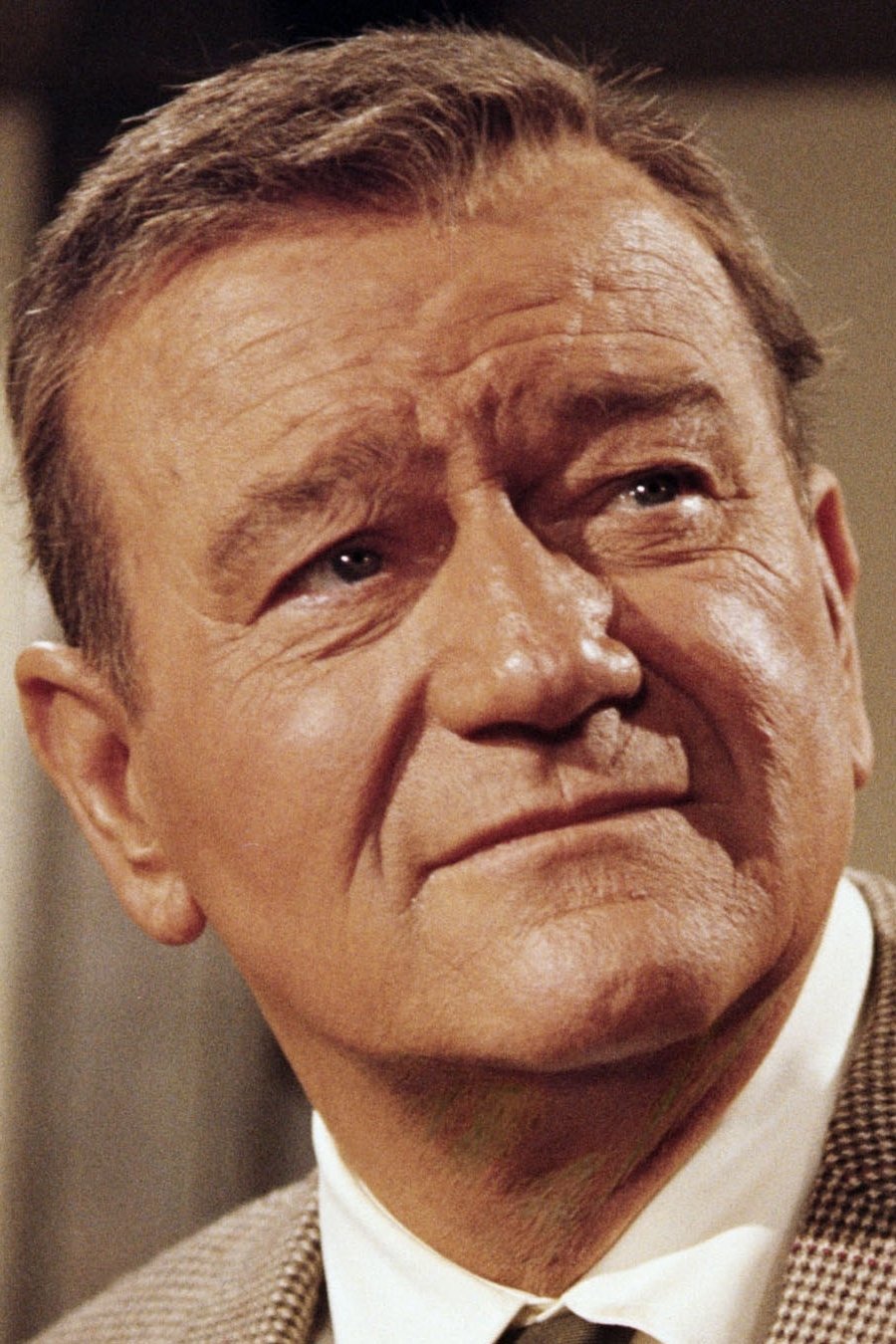
John Wayne, the famous western actor, played Genghis Khan in the movie ‘The Conqueror’. He wore makeup to try and look Asian for the role. The film is often remembered as a major casting mistake because it wasn’t believable and Wayne’s performance felt unnatural. It’s a good example of a time when it was common for white actors to play characters from all different ethnic backgrounds.
Marlon Brando
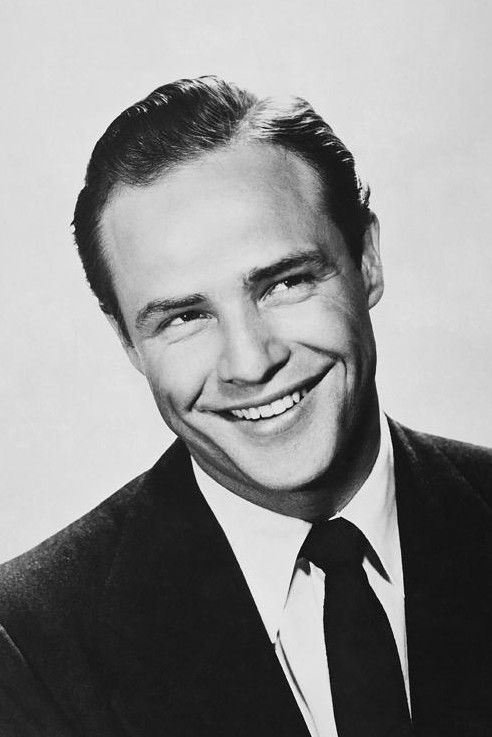
Marlon Brando’s role as Sakini in ‘The Teahouse of the August Moon’ involved him using makeup to change his appearance, specifically his eyelids and skin tone, to portray an Okinawan interpreter. Despite being a champion of social justice, this performance is now widely seen as an example of yellowface. This is particularly notable considering Brando’s later decision to reject an Academy Award as a protest against the mistreatment of Native Americans, highlighting a significant contrast in his actions.
Alec Guinness
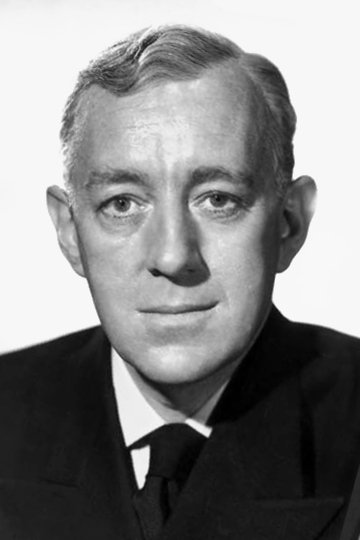
In the classic film ‘Lawrence of Arabia’, Alec Guinness played Prince Faisal, and makeup was used to change his appearance. Although his performance was well-received then, today many people question the decision to cast a British actor in the role, pointing out the lack of diverse representation common in that period. It exemplifies a time when famous actors were often chosen over finding performers who truly reflected the characters’ backgrounds.
Fisher Stevens
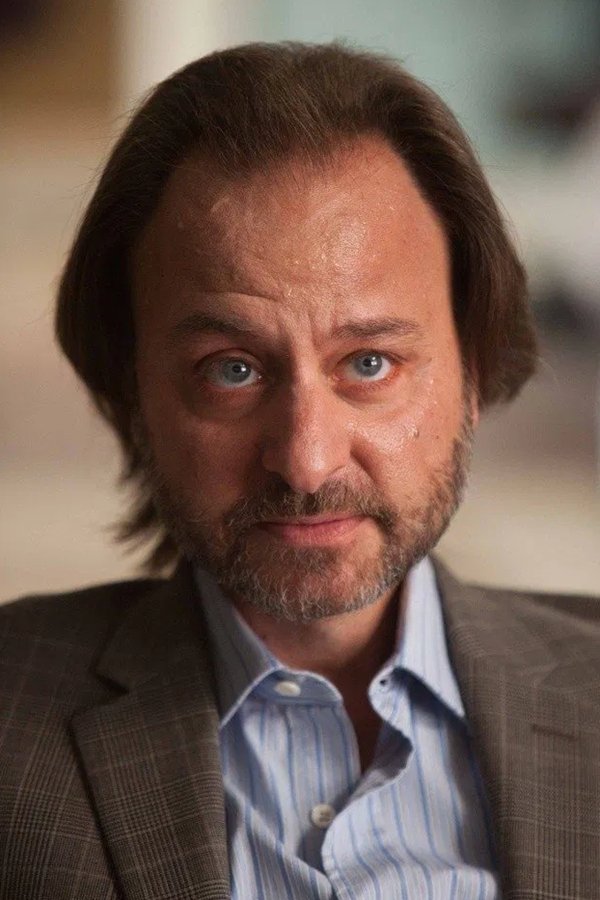
In the 1986 film ‘Short Circuit’, actor Steve Martin played the character Ben Jabituya, portraying him as Native American through makeup and a stereotypical accent. He initially thought the character was simply an eccentric individual, but the filmmakers later added a Native American backstory. Martin has since said he deeply regrets the role and recognizes that it perpetuated harmful stereotypes.
Ben Affleck
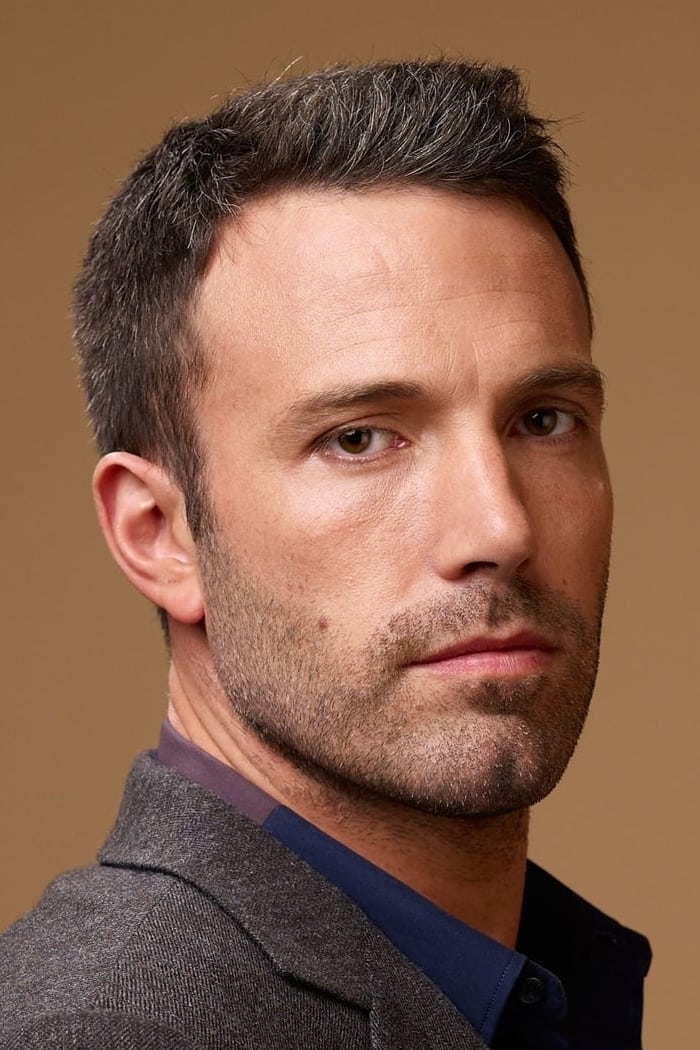
Ben Affleck both directed and acted in the film ‘Argo’, playing CIA operative Tony Mendez. Because the real Tony Mendez was of Mexican heritage, some people criticized Affleck for taking the role, arguing that a Latino actor should have been cast instead. Affleck said he had Mendez’s approval to portray him in the movie.
Liam Neeson
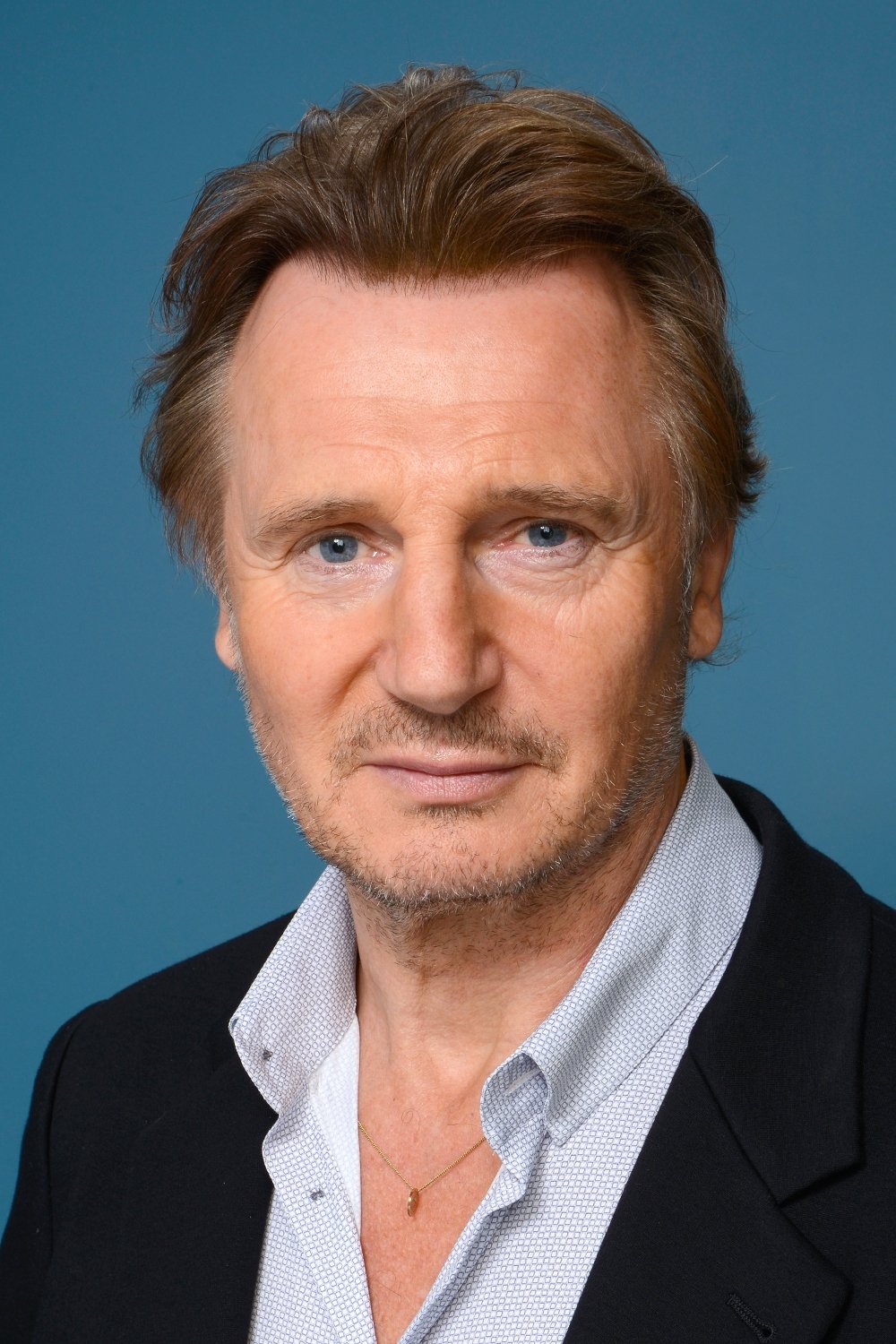
Liam Neeson played the villain Ra’s al Ghul in ‘Batman Begins’. The comic book version of the character has roots in Arab and East Asian cultures. The film tried to address this by initially presenting a different character, but eventually revealed Neeson as the real villain. Many longtime comic book fans felt this changed the character’s original background.
Benedict Cumberbatch
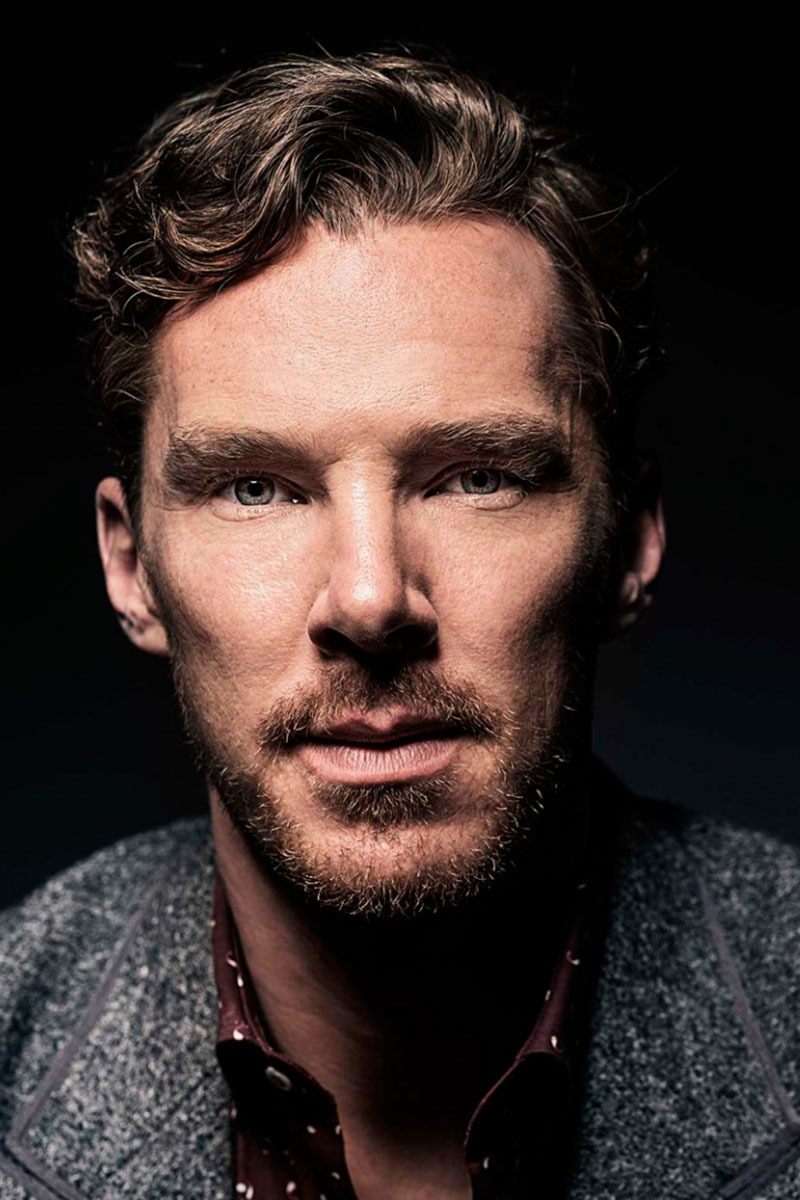
Benedict Cumberbatch famously played the villain Khan in ‘Star Trek Into Darkness’. The character, originally named Khan Noonien Singh in the classic series, was conceived as a Sikh warrior from northern India. The decision to cast a white British actor in the role drew criticism for erasing the character’s original ethnic background. The filmmakers tried to keep the character’s identity under wraps until the movie came out, which initially slowed down the negative reactions.
Max Minghella
In the movie ‘The Social Network,’ actor Dev Patel Minghella played the role of Divya Narendra. The real Divya Narendra is an Indian-American businessman who helped start the company ConnectU. Although Minghella has Italian and Chinese heritage, some people criticized the casting, arguing an Indian actor should have been chosen. While the film was generally well-received, this particular casting decision continued to draw criticism.
Jim Sturgess
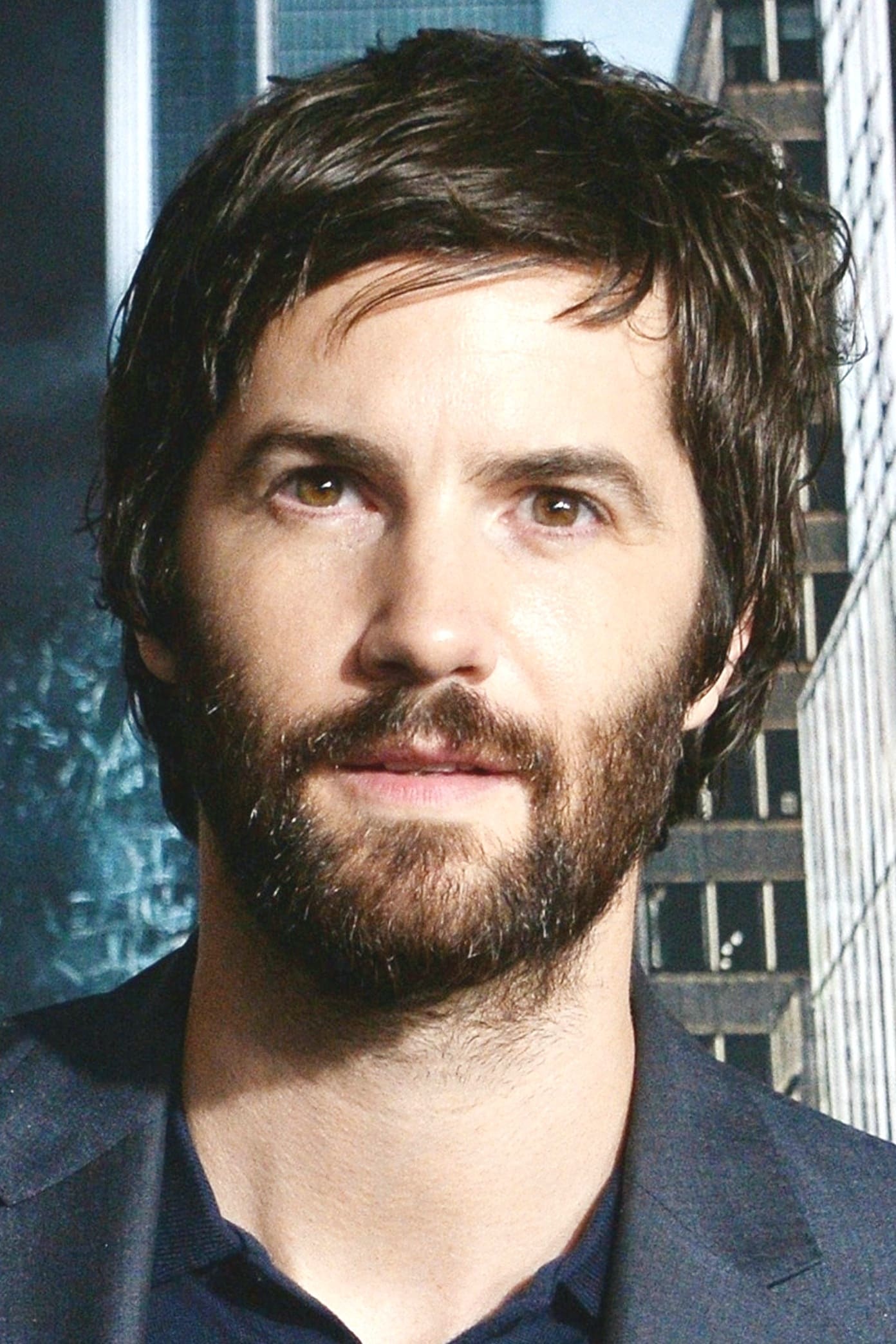
Actor Sturgess played Ben Campbell in the movie ’21’, a film based on the real story of the MIT Blackjack Team. The movie’s main character was inspired by Jeff Ma, an Asian-American member of the team. However, the filmmakers changed the character’s race to white, which led to criticism and accusations of ‘whitewashing’ – changing a story about Asian-American achievement. Though Jeff Ma made a brief appearance in the film, many advocacy groups were upset by the change in the main character’s ethnicity.
Justin Chatwin
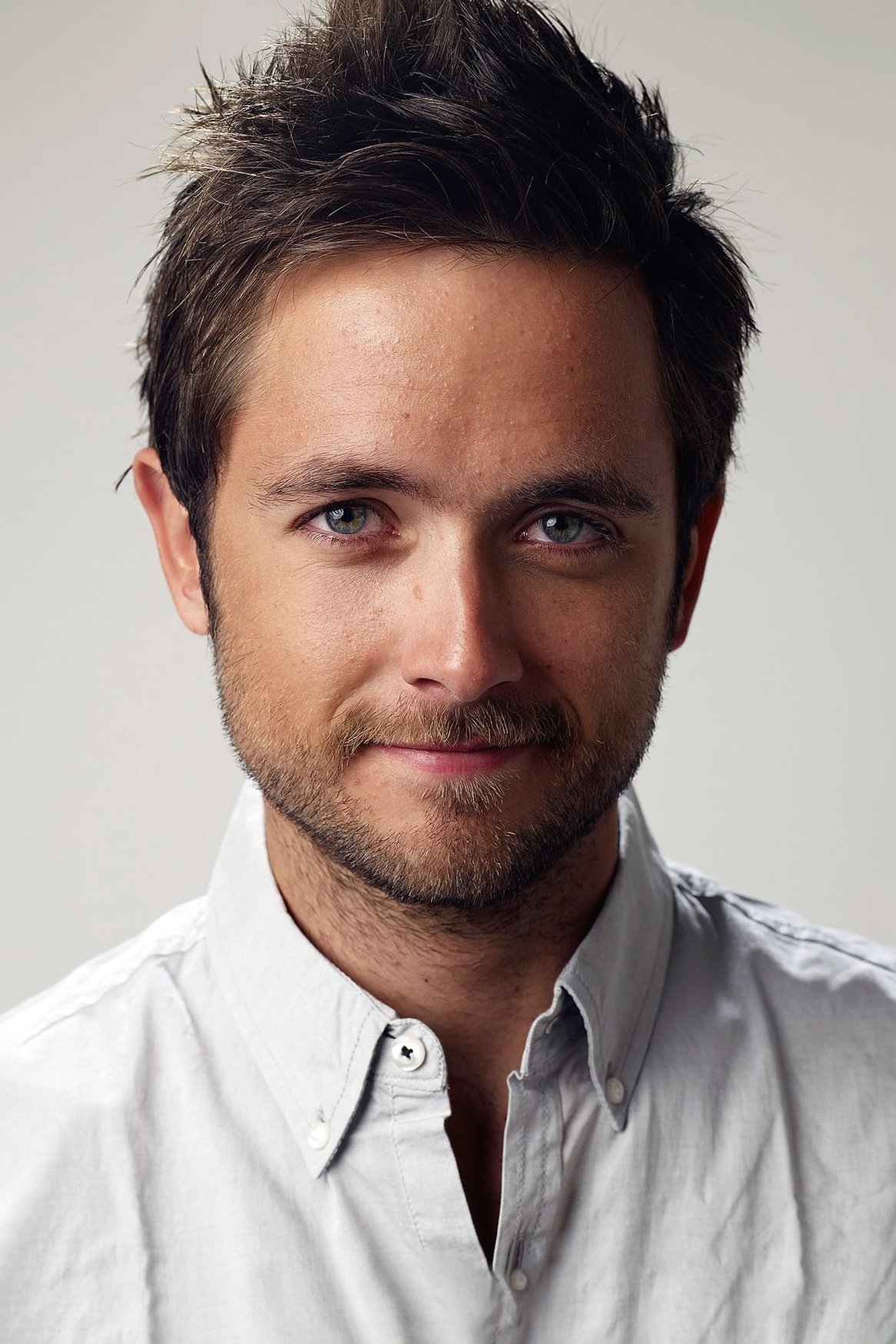
The movie ‘Dragonball Evolution’ featured a white actor as Goku, the main character. Because the original ‘Dragonball’ is a Japanese story filled with Asian cultural and mythological elements, many fans worldwide felt this casting choice was a misstep. This disregard for the story’s cultural background is a major reason why the film is often considered a poor adaptation.
Noah Ringer
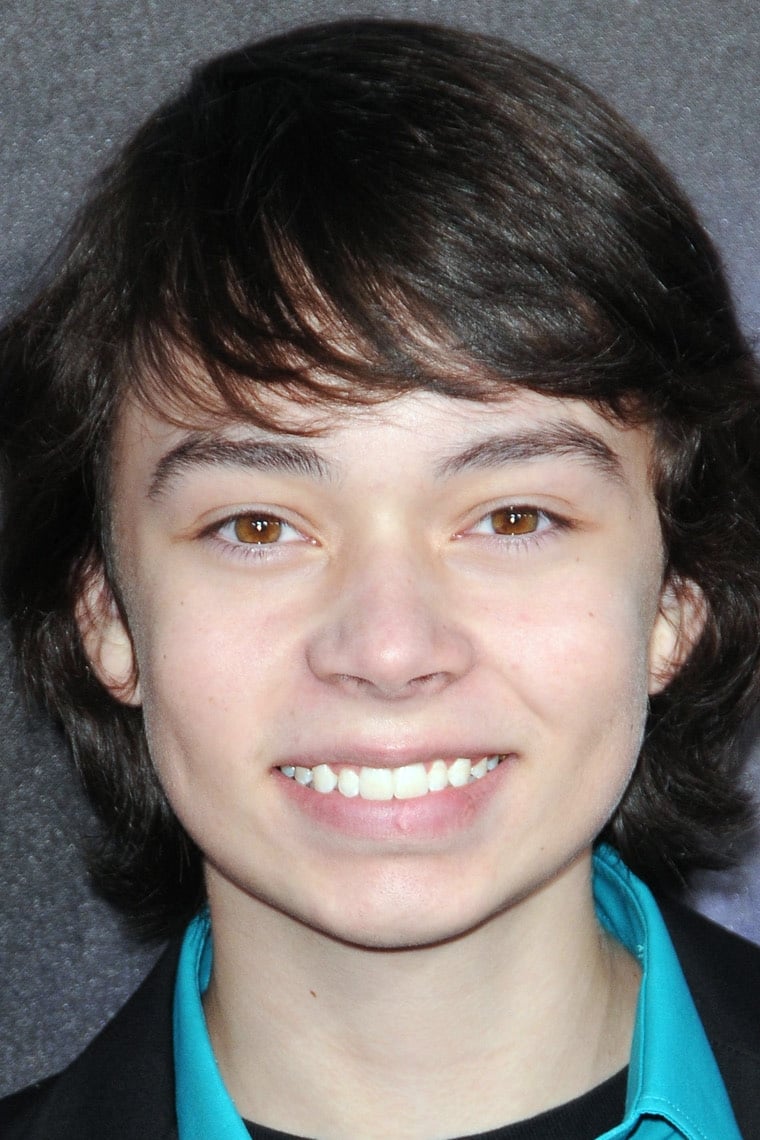
Noah Ringer played Aang in the movie ‘The Last Airbender’, which was based on an animated series that drew inspiration from Inuit and East Asian cultures. The decision to cast a white actor as the main character, while casting actors of color as the villains, caused significant public criticism. This controversy dominated the film’s release and led to discussions about the practice of ‘racebending’ – changing a character’s race.
Jackson Rathbone
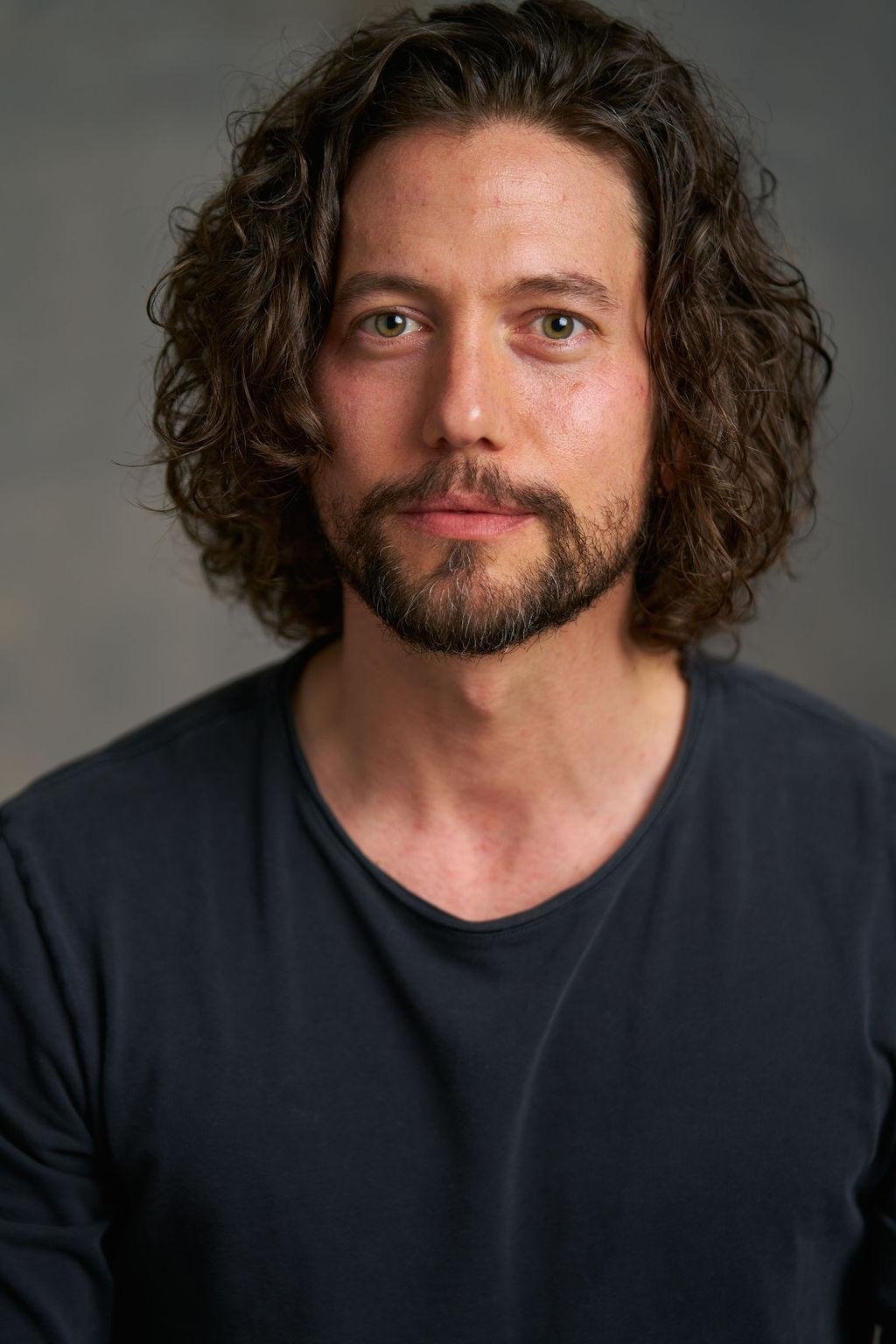
I still remember the uproar over ‘The Last Airbender,’ and a big part of it was the casting. Jackson Rathbone played Sokka, and like Aang, his character was originally designed with inspiration from Inuit culture. But the casting choices ended up feeling like they completely ignored that background, and fans were not happy. Honestly, that movie is now a textbook example whenever people talk about doing things the right way – and ethically – when it comes to casting.
Nat Wolff

Netflix’s ‘Death Note’ adaptation featured Nat Wolff as Light Turner, a reimagining of the original Japanese manga’s protagonist, Light Yagami, who lives in Tokyo. While the manga is set in Japan, the Netflix version moved the story to Seattle and cast a white actor in the lead role. This decision drew criticism from fans of the original series, who felt the production should have cast an Asian-American actor instead.
James Franco
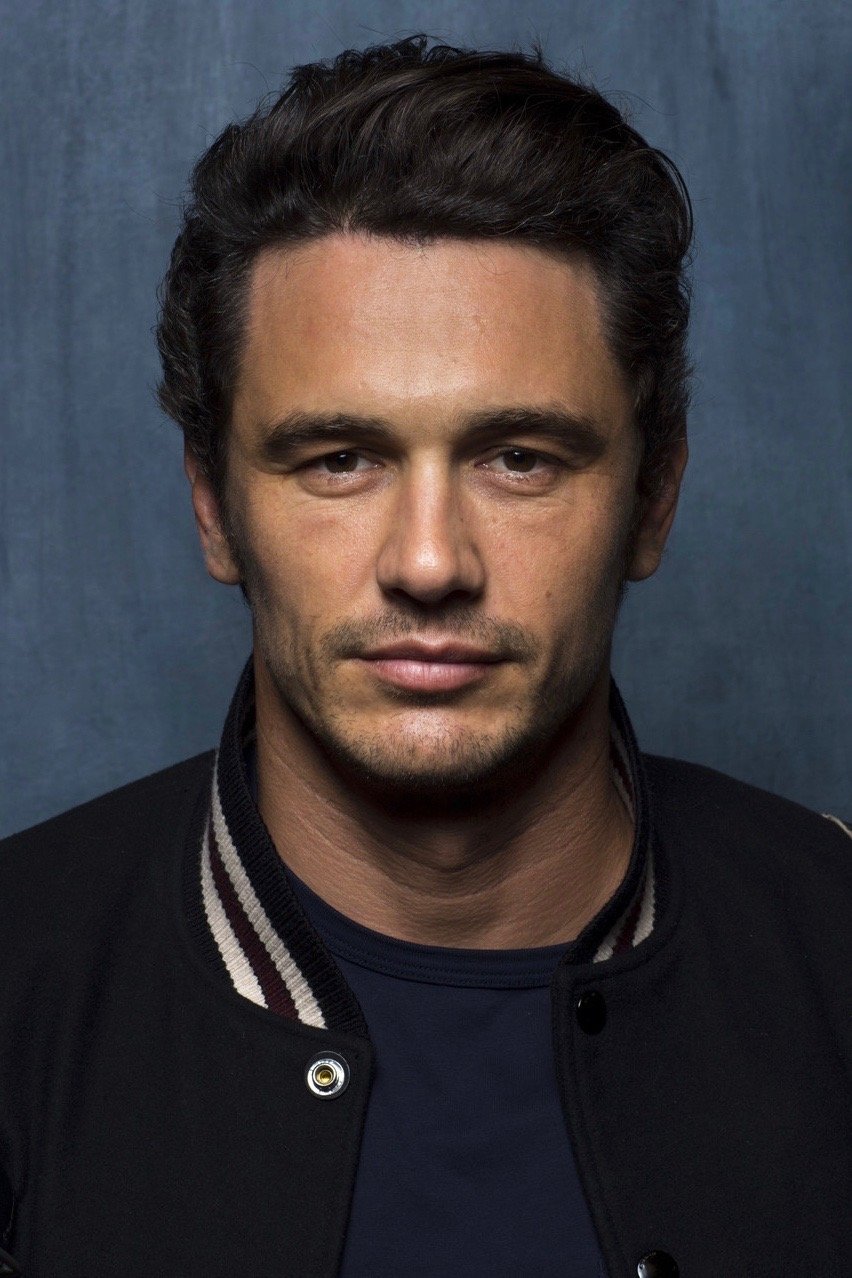
James Franco was selected to play Fidel Castro in the movie ‘Alina of Cuba,’ which sparked immediate backlash. Many in the Latinx community, including actor John Leguizamo, protested the decision, arguing that the role should have gone to a Latino actor. The film’s producer defended the casting by pointing to Franco’s physical similarity to Castro.
Jared Leto
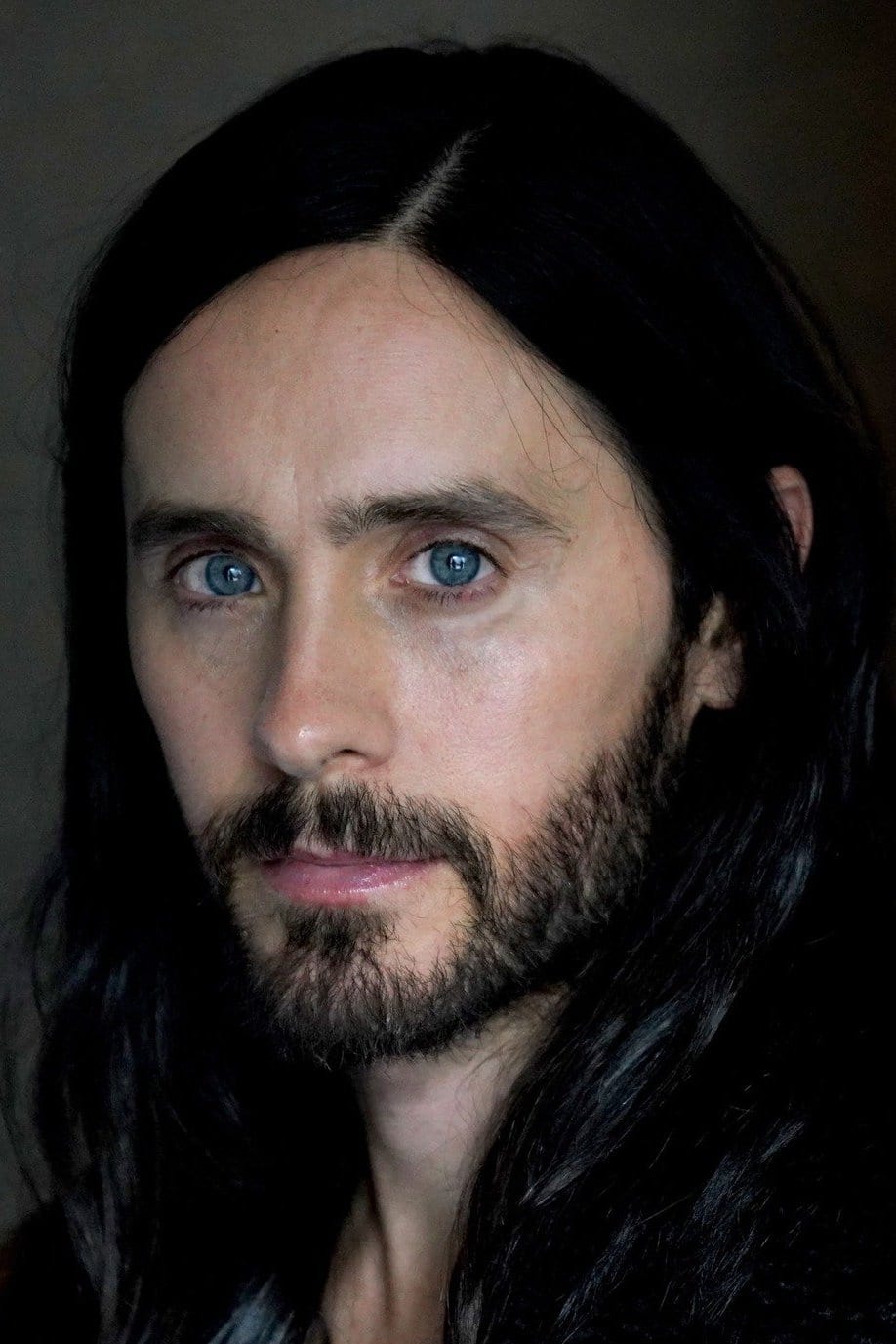
As a huge movie fan, I remember being really impressed with Jared Leto’s performance in ‘Dallas Buyers Club’. He played Rayon, a woman living with HIV, and won an Oscar for it. But looking back, and especially after hearing from trans activists, I understand the concerns about a cisgender man playing a trans woman. They make a really important point: it can reinforce harmful ideas about trans women being ‘men in disguise’. That role really sparked a bigger conversation about representation and how we cast trans characters, and it feels like a turning point in how things are approached now.
Eddie Redmayne
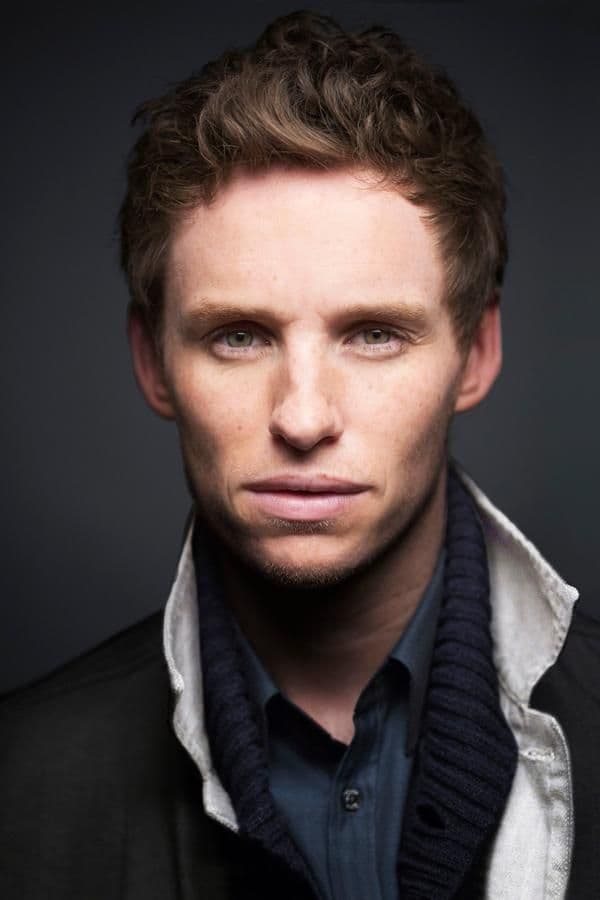
I remember being really moved by ‘The Danish Girl’ and Eddie Redmayne’s performance as Lili Elbe, a pioneer who underwent one of the first gender-affirming surgeries. However, I recently learned that Redmayne now feels he shouldn’t have taken the role. He’s said he realizes now that by accepting it, he took away an opportunity for a trans actor to play that part and tell their own story, and he wouldn’t do it again. It’s a really thoughtful admission, and I can understand where he’s coming from.
Jeffrey Tambor
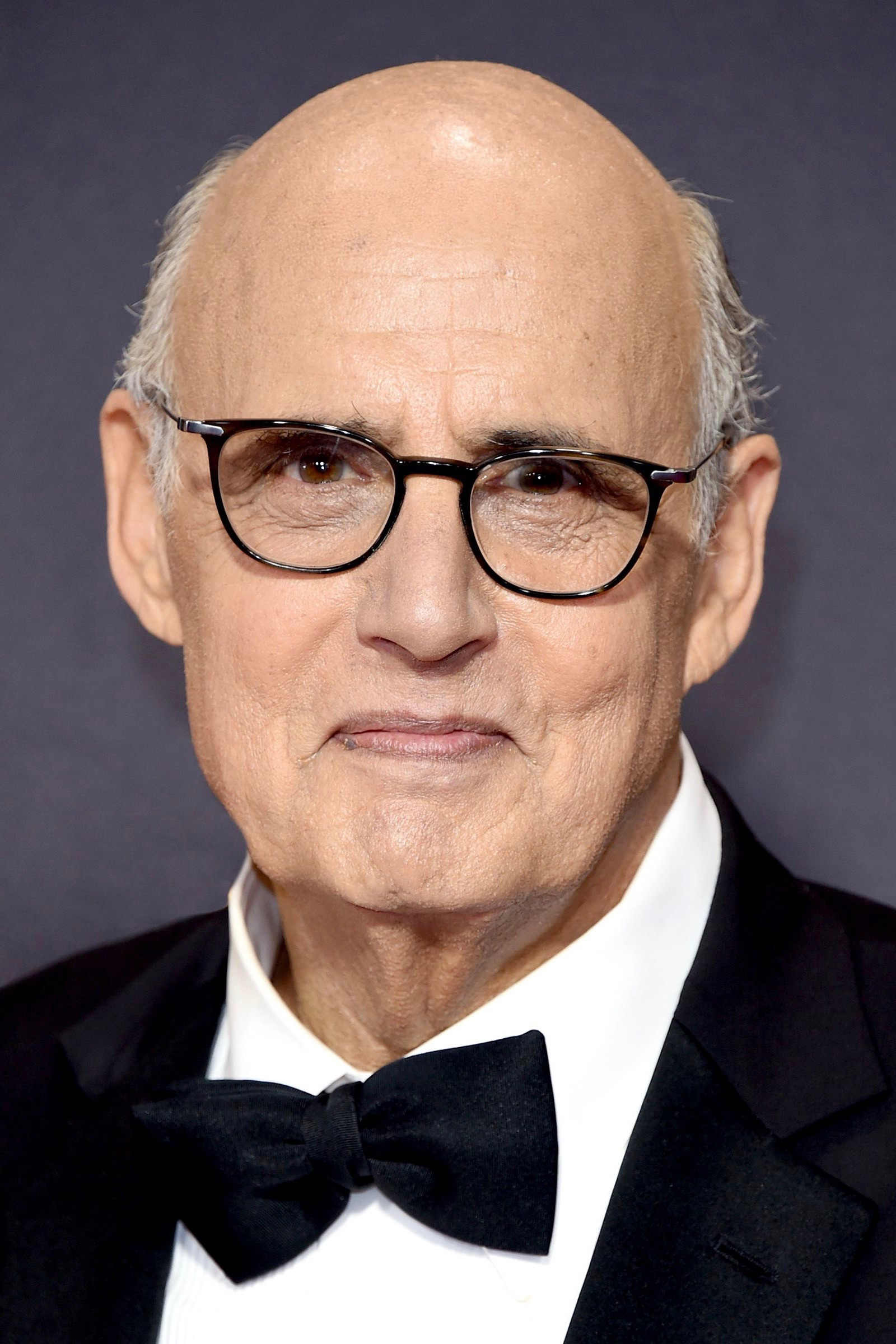
Jeffrey Tambor played Maura Pfefferman in the show ‘Transparent,’ portraying a transgender woman who comes out to her family later in life. Although the series was originally well-received, casting a cisgender actor in the role sparked debate as discussions about proper representation grew. Tambor ultimately left the show following personal accusations, but the decision to cast him remains a sensitive topic.
Matt Bomer
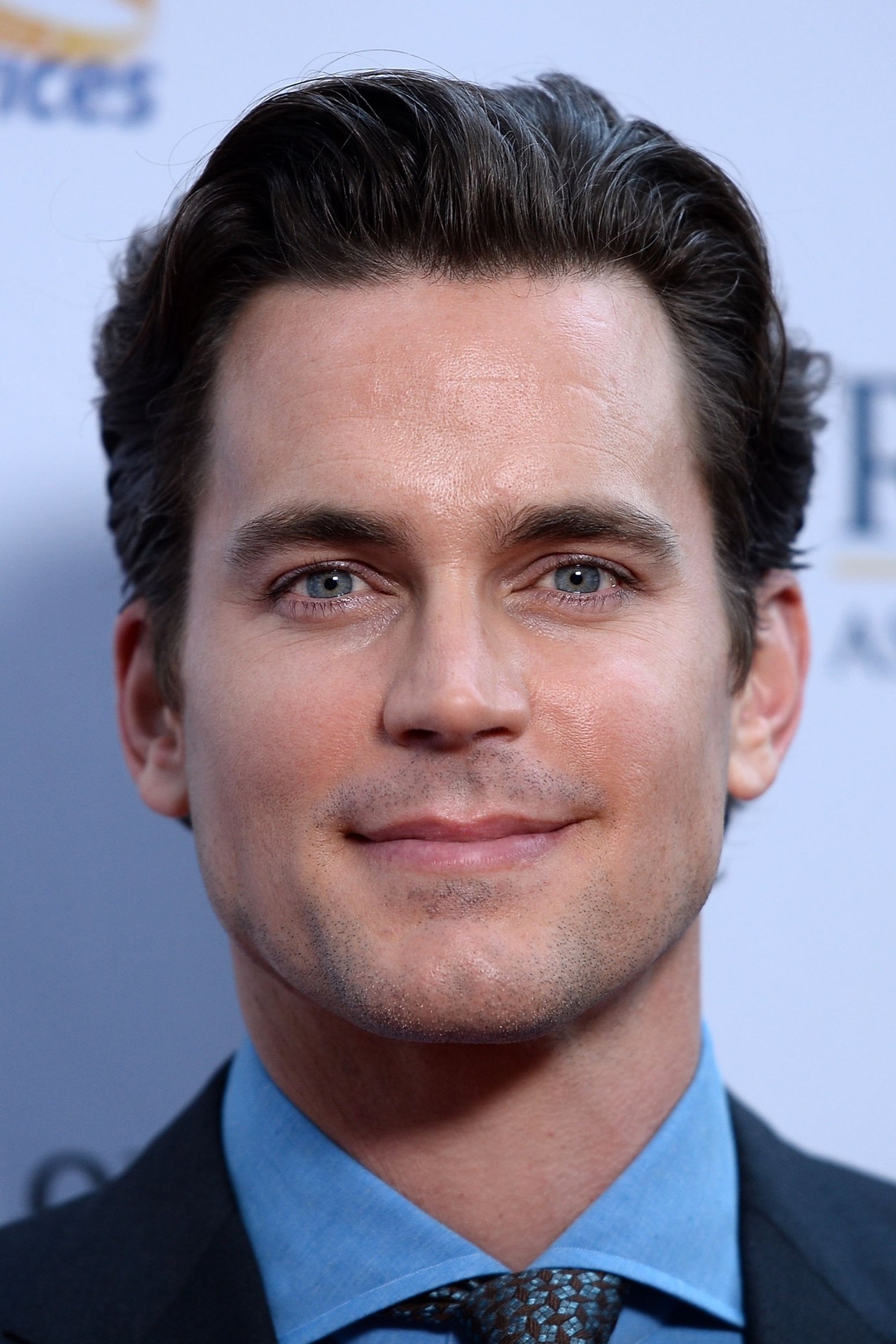
Matt Bomer played a transgender sex worker in the movie ‘Anything,’ a casting choice that sparked criticism. Many in the transgender community and groups working for fair representation in Hollywood felt the role should have gone to a trans actress, arguing Bomer’s casting reinforced damaging stereotypes about trans women. Bomer responded by saying he took on the role with good intentions but acknowledged the hurt it caused.
Bryan Cranston
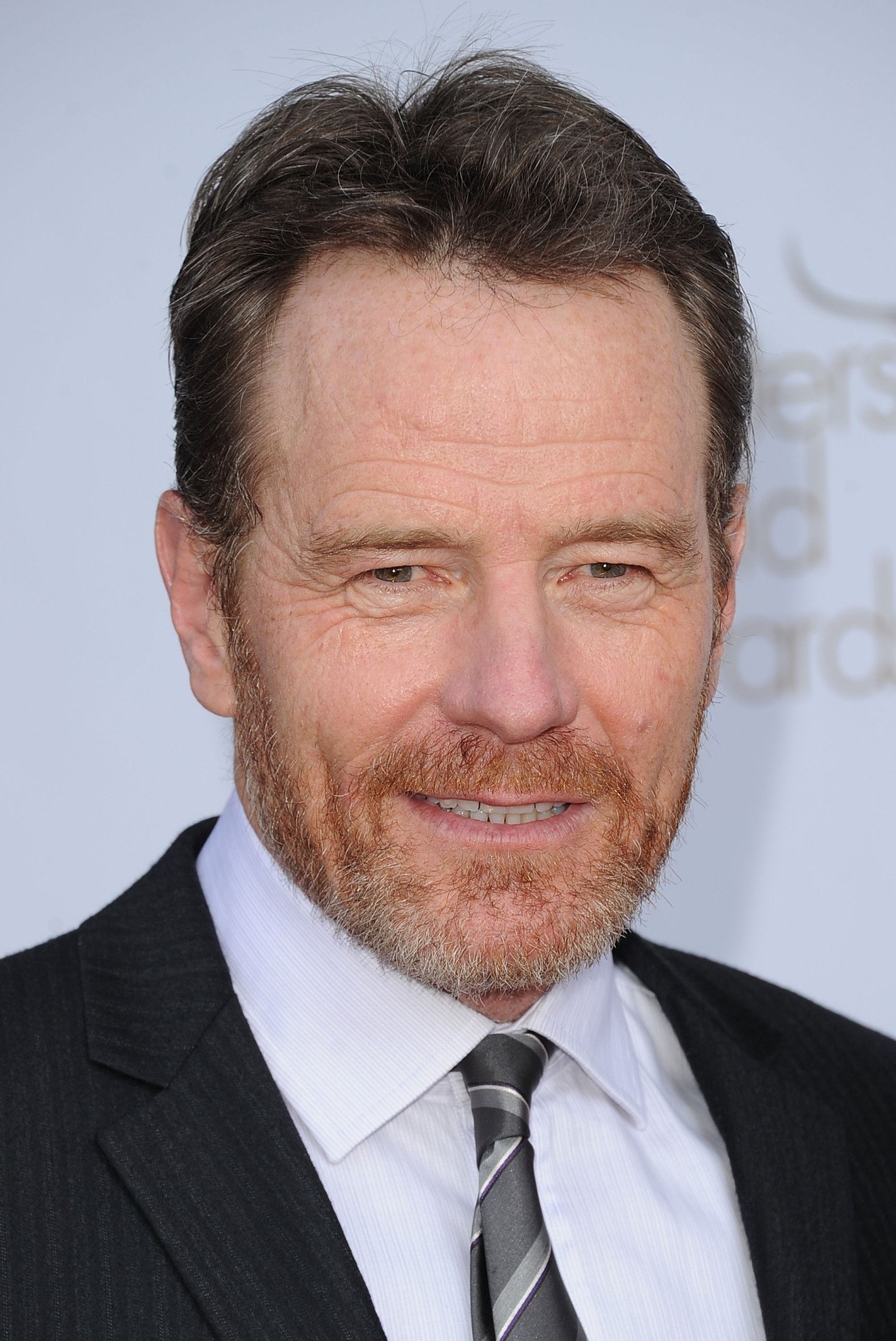
In the movie ‘The Upside’, Bryan Cranston portrayed a wealthy man who was paralyzed. The film is based on the French movie ‘The Intouchables’. Some disability advocates raised concerns about casting an actor without a disability for the role, arguing that someone with lived experience should have been cast. While Cranston asserted his ability to play any character, the film sparked a larger discussion about the practice of non-disabled actors portraying characters with disabilities in Hollywood.
Dwayne Johnson
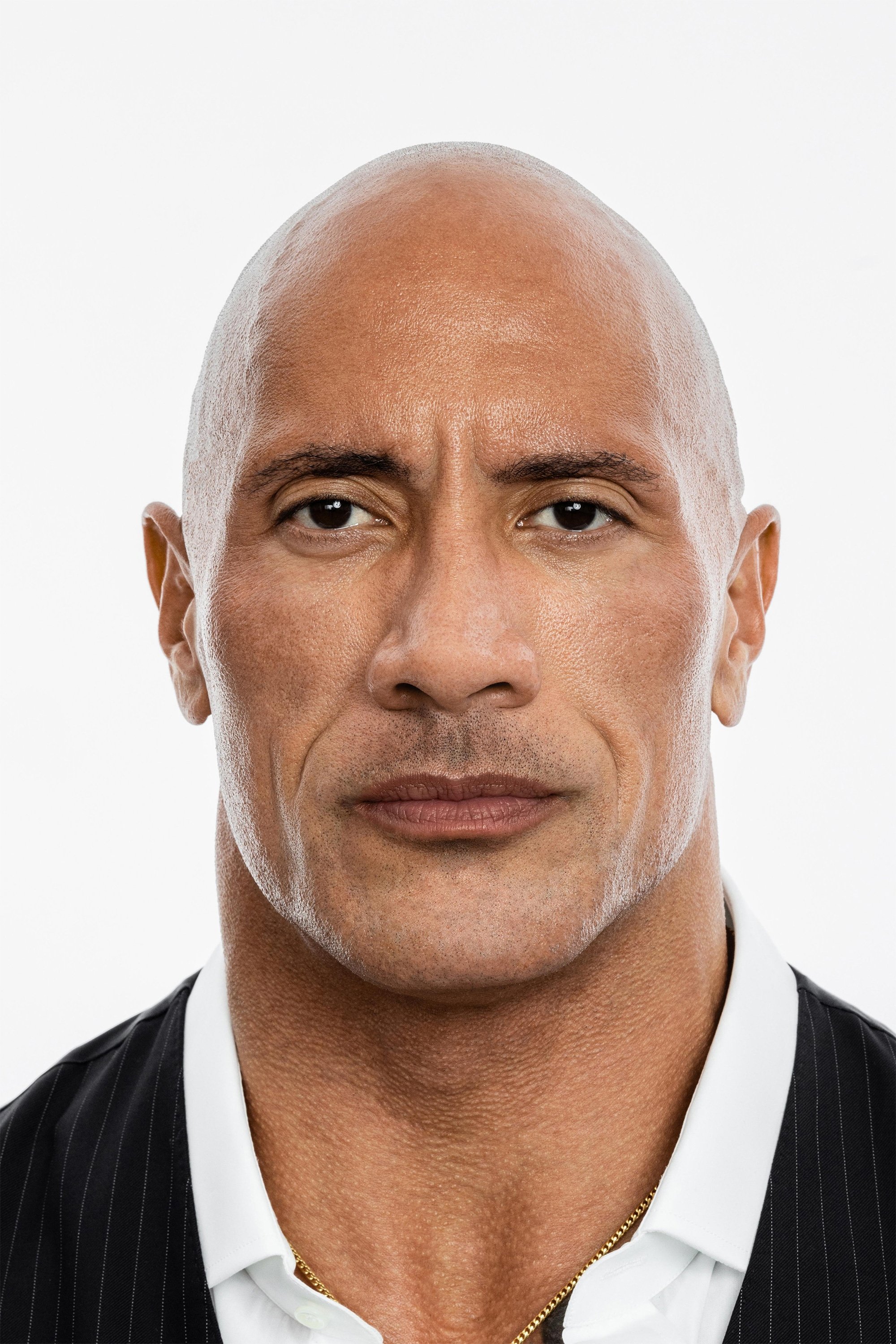
Dwayne Johnson starred as an FBI agent who lost a leg in the action film ‘Skyscraper’. His character’s prosthetic leg plays a key role in the story. However, disability advocacy groups like the Ruderman Family Foundation were disappointed that the filmmakers didn’t cast an actor with a real amputation. They believe this type of casting reinforces the lack of representation for disabled actors in Hollywood.
Hank Azaria
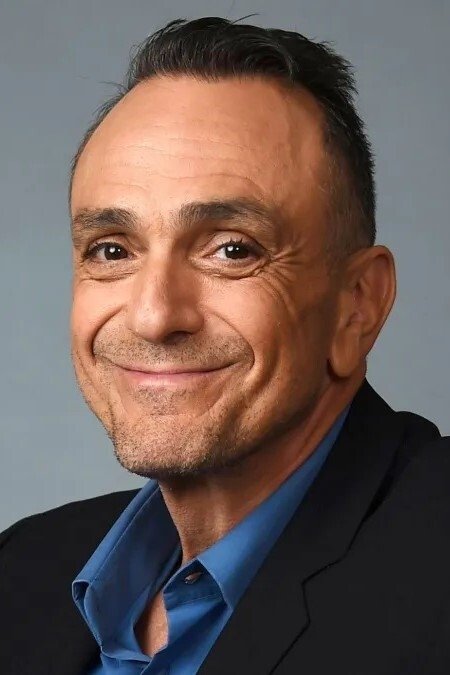
Hank Azaria played Apu Nahasapeemapetilon, the Indian shopkeeper on ‘The Simpsons’, for many years. However, the character became controversial, and comedian Hari Kondabolu made a documentary called ‘The Problem with Apu’ that pointed out how Apu relied on harmful stereotypes about South Asian people. Azaria later stopped voicing the character and said he was sorry for contributing to those stereotypes.
Charlton Heston
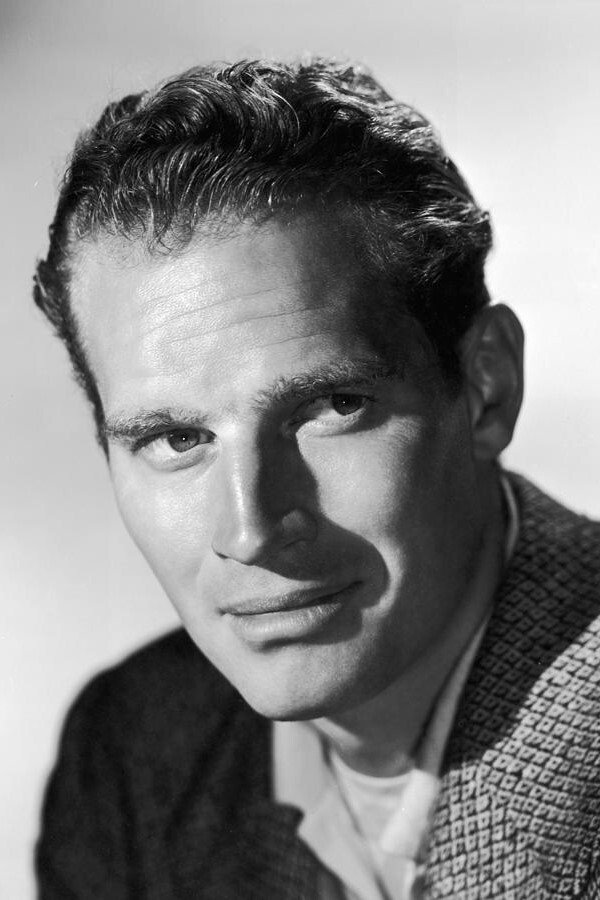
In Orson Welles’ classic film ‘Touch of Evil,’ Charlton Heston portrayed a Mexican police officer named Ramon Miguel Vargas. He darkened his skin with makeup and dyed his hair black for the role. While the film is celebrated as a landmark of noir cinema, the casting is now widely seen as an instance of brownface. Heston was a very popular actor at the time, and his star power probably led to him being cast in the role instead of a more authentic choice.
Laurence Olivier
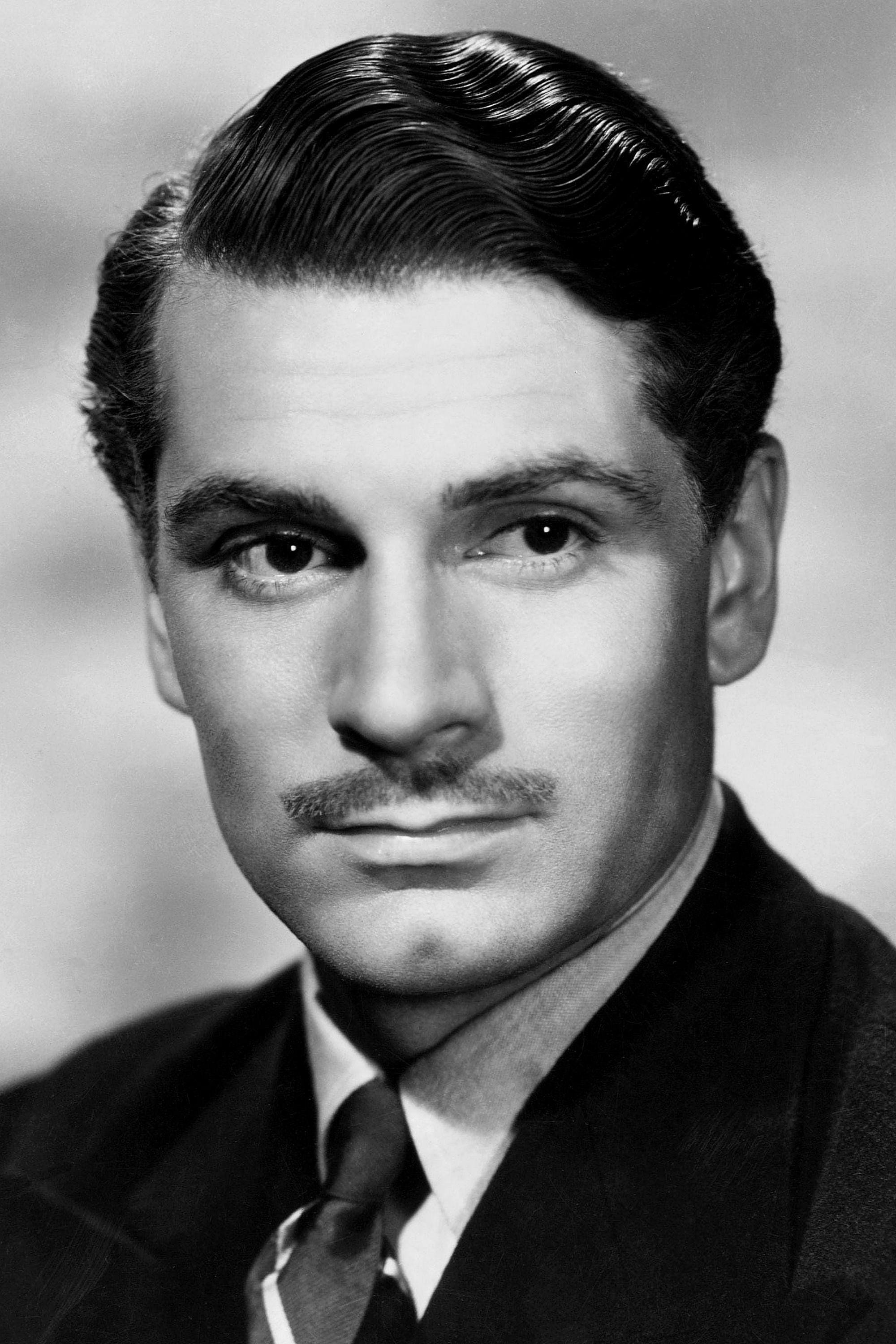
The renowned British actor starred as Othello in the 1965 film adaptation. He controversially used blackface makeup to play the Moorish general, and his performance included a dramatically lowered voice and overly theatrical movements. Though some critics praised it then, today it’s widely considered a racially insensitive and stereotypical portrayal, reflecting the attitudes of the time.
Peter Sellers
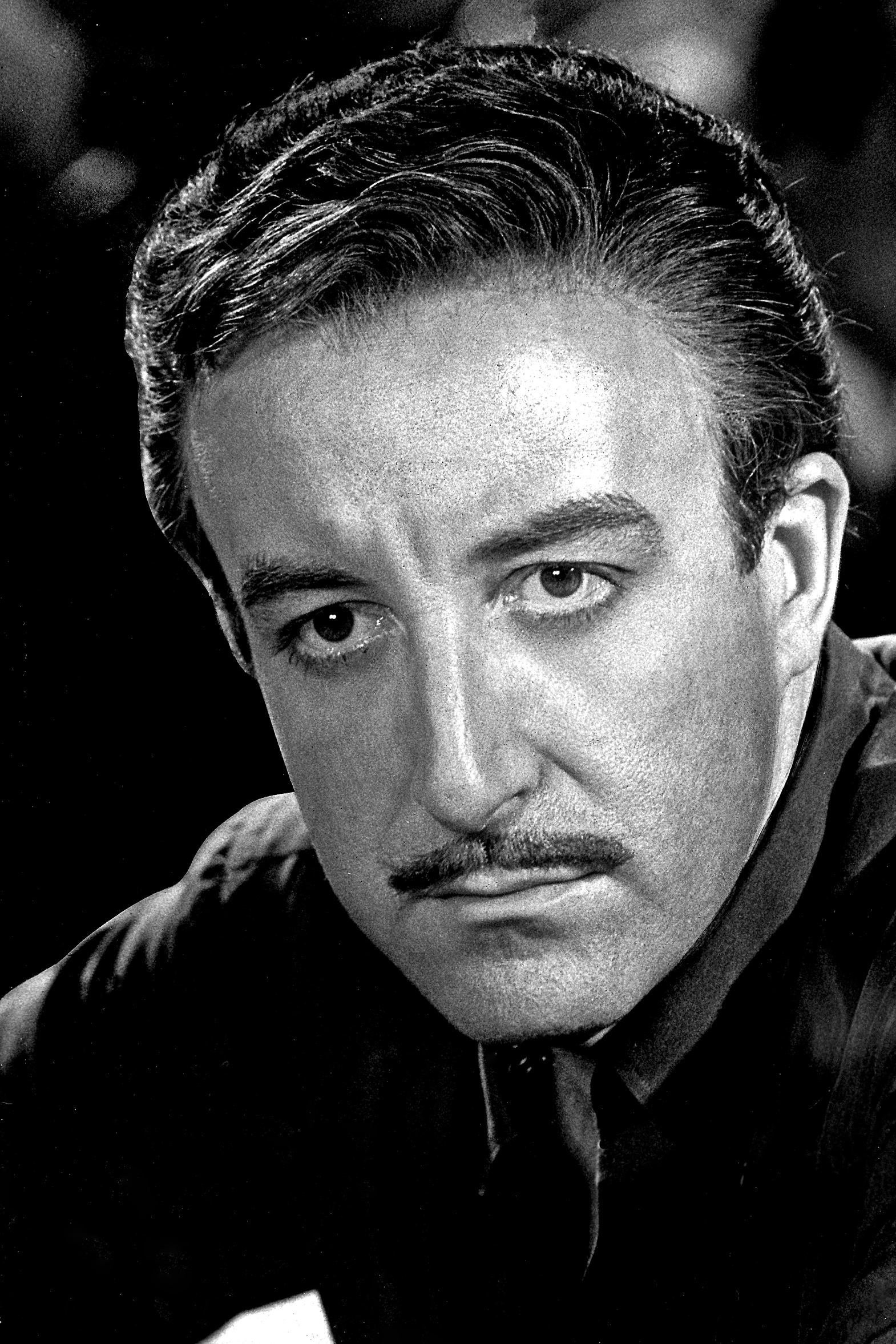
In the film ‘The Party,’ Peter Sellers played Hrundi V. Bakshi, an Indian actor, and used brown makeup throughout the movie. The humor in the film largely comes from stereotypes about Indian accents and culture. This performance is still debated today – some find the slapstick comedy funny, while others are offended by the way Sellers imitates a different race.
Gary Oldman
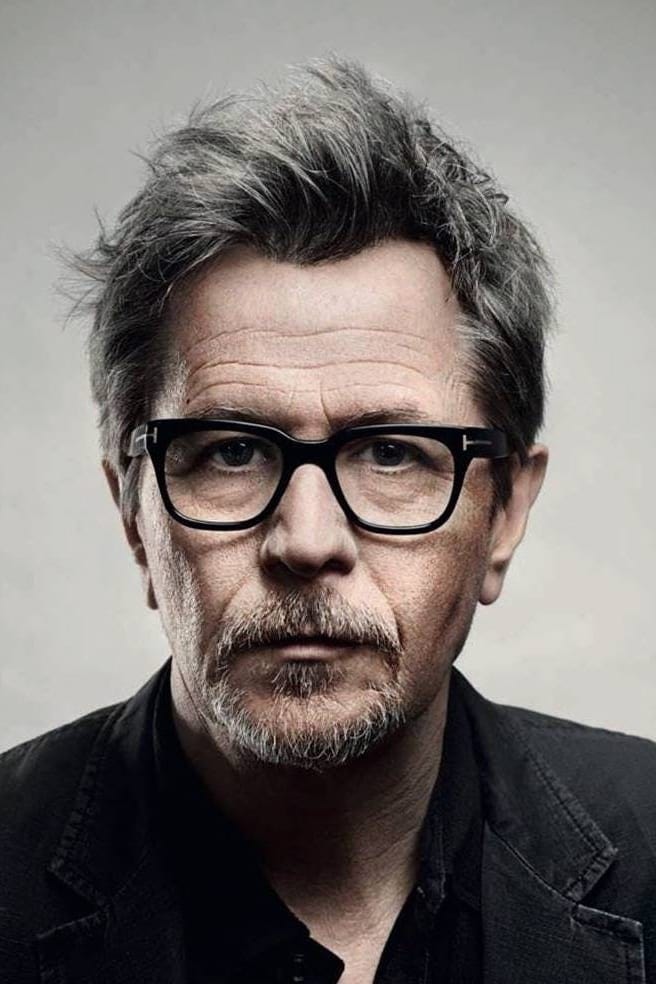
In the film ‘Tiptoes,’ Gary Oldman played a character with dwarfism, which involved him walking on his knees and using prosthetics to create the appearance of the condition. The movie received largely negative reviews, and Oldman’s casting was criticized for being inappropriate, with many believing the role should have gone to an actor with dwarfism. It’s frequently mentioned as a strange or questionable casting decision made by a well-known actor.
Bradley Cooper
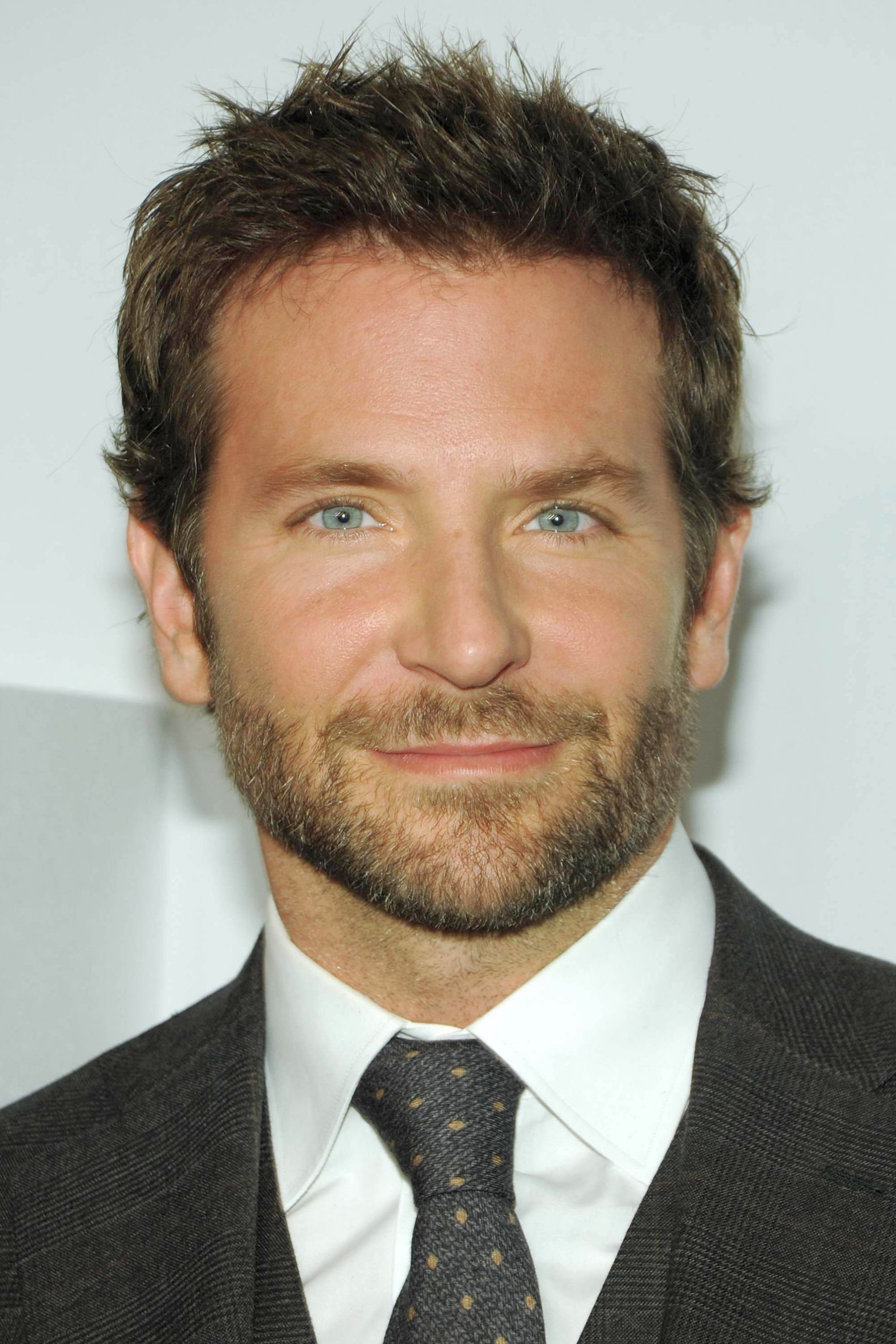
I was really fascinated by Bradley Cooper’s new film, ‘Maestro,’ where he plays Leonard Bernstein. He used a prosthetic nose to look more like Bernstein, and honestly, it caused a lot of debate. Some people felt like it relied on harmful, old stereotypes about Jewish people – what some call “Jewface.” While the Bernstein family supported Cooper’s decision, it definitely got everyone talking about how actors who aren’t Jewish should portray Jewish figures in movies and whether it’s done respectfully.
Alfred Molina
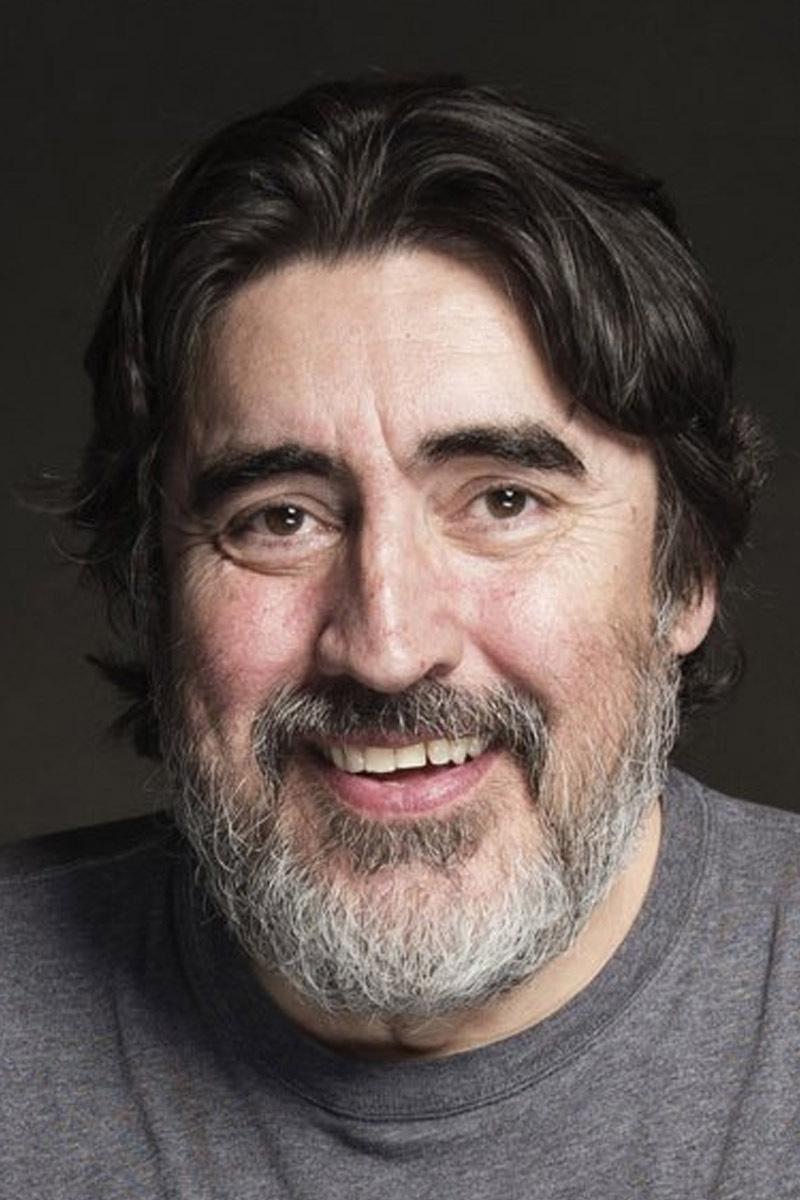
Javier Molina portrayed Sheik Amar in ‘Prince of Persia: The Sands of Time’. As a British actor playing a desert leader in a Middle Eastern story, he, like Jake Gyllenhaal, faced criticism for the film’s whitewashing. While Molina has Spanish and Italian roots, the character he played was meant to be Persian.
Geoffrey Rush
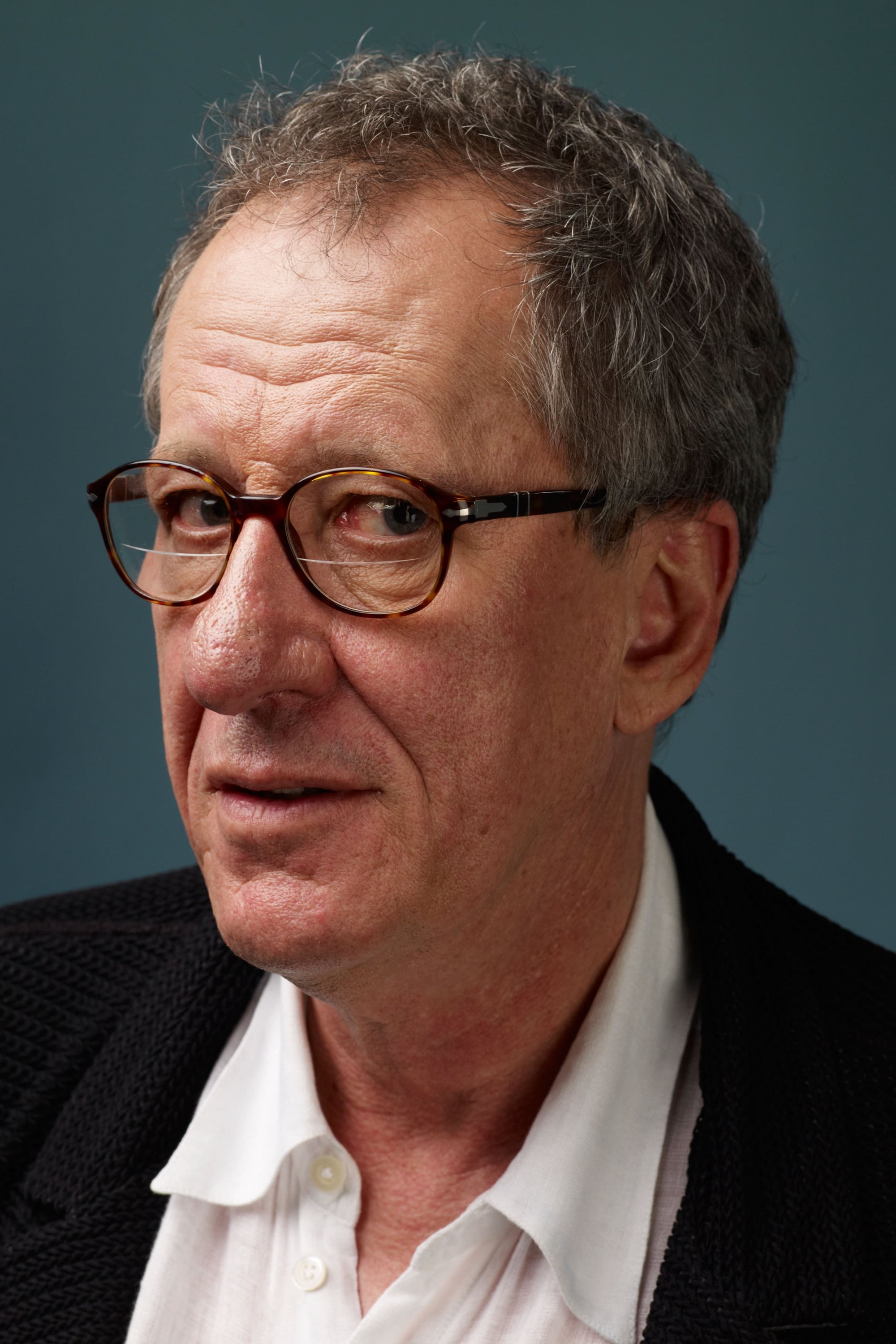
Gerard Butler played the Egyptian god Ra in ‘Gods of Egypt,’ and this casting choice sparked criticism about the film’s racial bias. Many viewers and critics found it problematic to see an Australian actor portraying an African deity in a movie set in Africa, and it highlighted a larger issue with the film’s casting choices.
Hugo Weaving
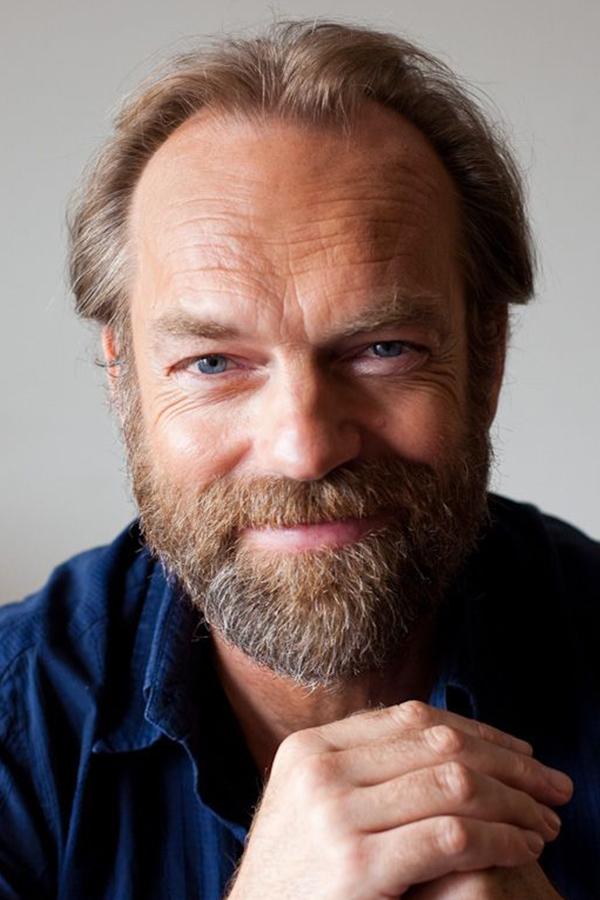
Hugo Weaving portrayed several characters spanning different eras in the science fiction film ‘Cloud Atlas’. One role involved him playing a character from a futuristic Korea, and required the use of makeup to alter his appearance. While the film intended to explore the idea of souls transcending racial and gender boundaries, this particular makeup choice was widely criticized. The Media Action Network for Asian Americans specifically spoke out against it.
James D’Arcy
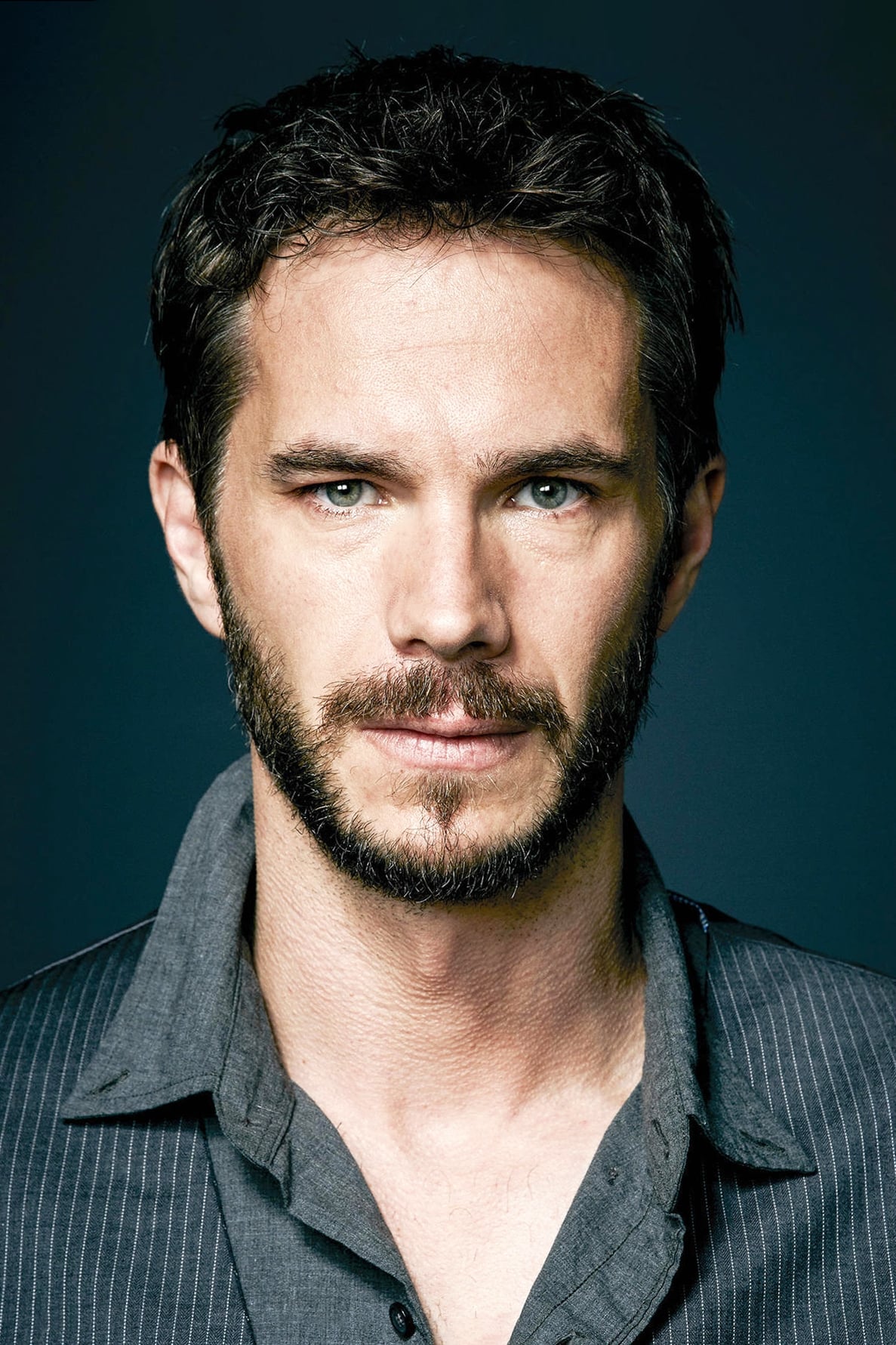
I remember ‘Cloud Atlas’ being visually ambitious, but one thing that always stuck with me was D’Arcy playing a Korean character. Like Hugo Weaving, he used prosthetics to change his appearance, and the filmmakers were aiming for a sense of shared humanity across time and cultures. Honestly, though, it didn’t quite land that way for many critics – and me, to some extent. It felt like it brought back some really problematic things from old movies, and the makeup ended up being more noticeable than the movie’s big ideas. It was distracting, and ultimately pulled me out of the story.
Joseph Fiennes
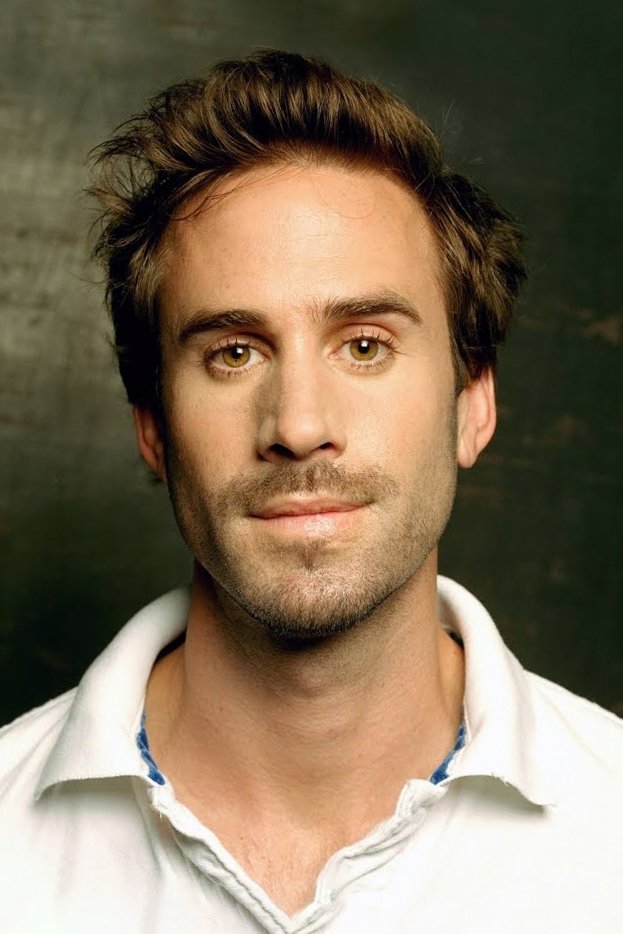
As a film and TV enthusiast, I remember when Ralph Fiennes was cast as Michael Jackson in an episode of the series ‘Urban Myths’. The episode, called ‘Elizabeth, Michael and Marlon’, was about a supposed road trip with Elizabeth Taylor and Marlon Brando. Honestly, the casting caused a huge amount of controversy – people were understandably upset that a white British actor was playing such an iconic Black figure. There was intense backlash from Michael Jackson’s family and fans, and the episode was quickly pulled from the air. It was a really tricky situation, and sparked a lot of important conversations about representation.
Rob Schneider
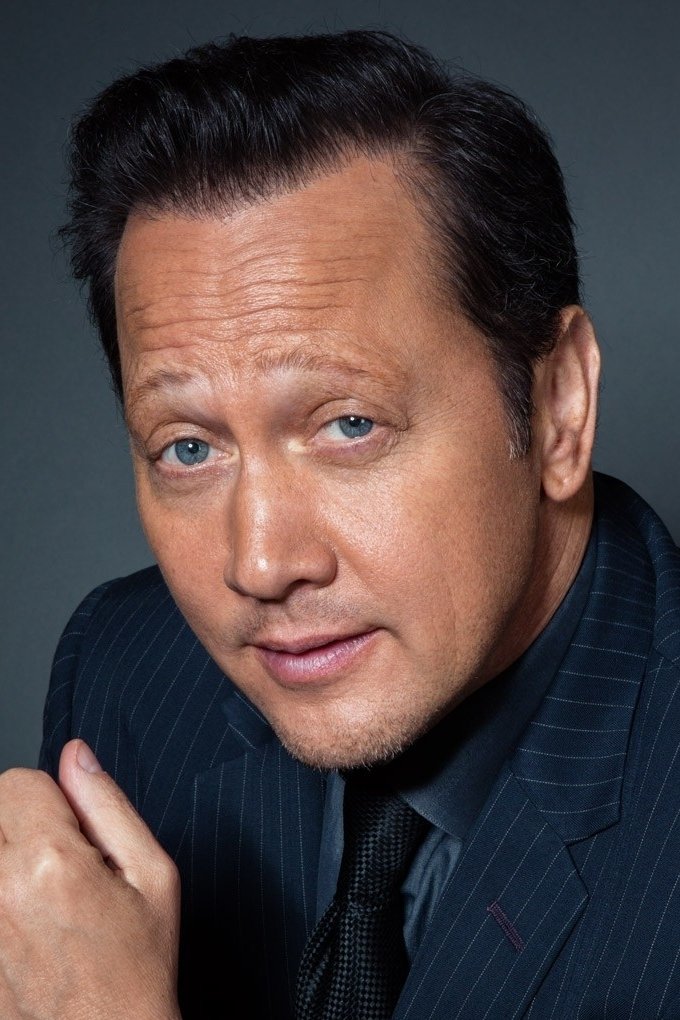
In the movie ‘I Now Pronounce You Chuck & Larry’, Rob Schneider played an Asian minister, using makeup and a strong accent for a short wedding scene. This performance was widely criticized as a harmful and unnecessary racial stereotype. It was similar to other roles Schneider has taken on in comedies produced by Happy Madison Productions.
Ed Skrein
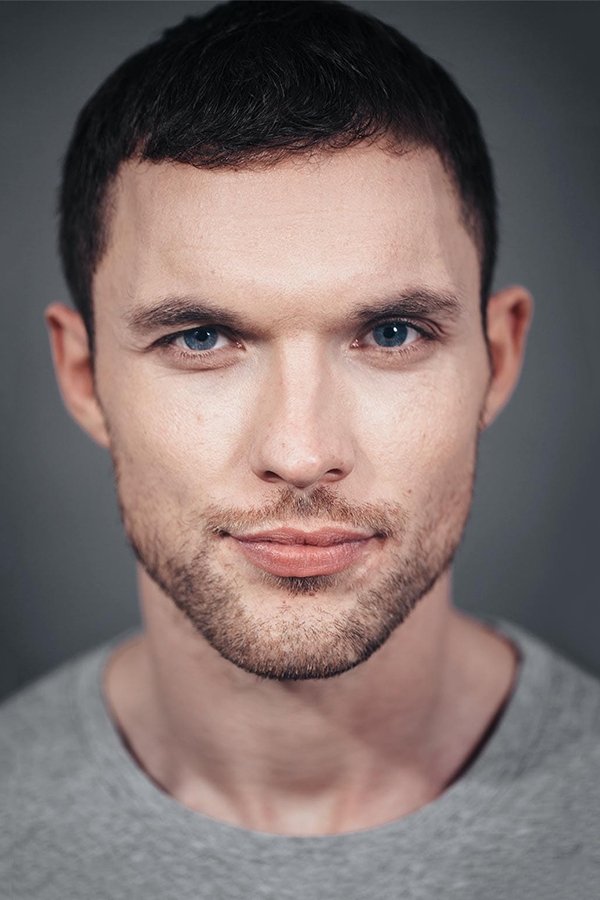
Originally, Skrein was chosen to play Ben Daimio in the new ‘Hellboy’ movie. However, the character is of Japanese-American descent, and many people protested the casting, calling it whitewashing. Skrein listened to the concerns and decided to leave the role so an Asian actor could play it instead. Daniel Dae Kim was then cast, and Skrein received positive attention for doing the right thing and prioritizing representation.
Burt Lancaster
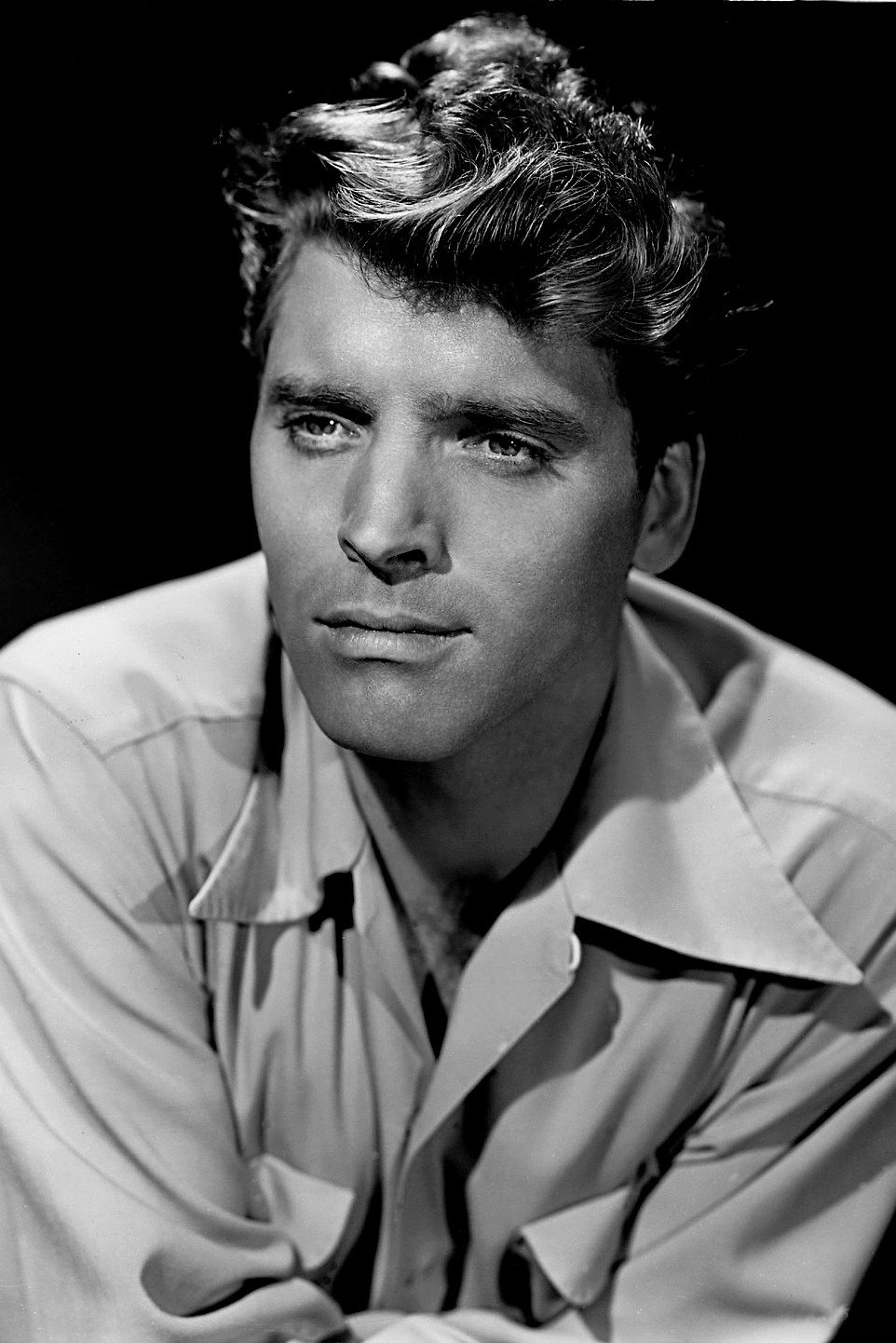
Burt Lancaster played the Apache warrior Massai in the western film ‘Apache.’ While the film aimed to portray the Apache people with understanding, it still featured a white actor – Lancaster – in a key Native American role. He didn’t attempt to disguise his Caucasian features beyond darkening his skin. This highlights a time when storytelling about Native Americans was beginning to change, but traditional, and often problematic, casting choices persisted.
Yul Brynner
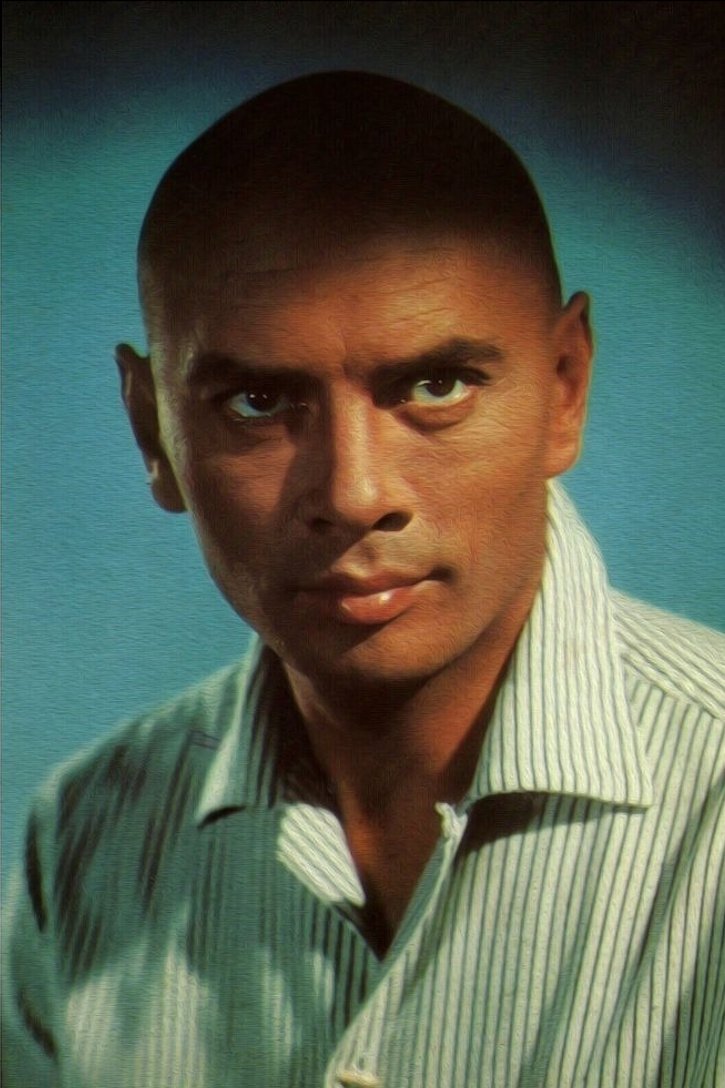
Yul Brynner is best known for his role as King Mongkut in ‘The King and I’. Though he sometimes mentioned having some Mongolian roots, he was primarily of Russian and Swiss descent. He portrayed the Thai king for many years in both stage productions and the film, despite not having any Thai ancestry himself. While the performance is incredibly famous, it continues to spark discussion about how it portrays other cultures and the issue of representation in musical theater.
Anthony Hopkins
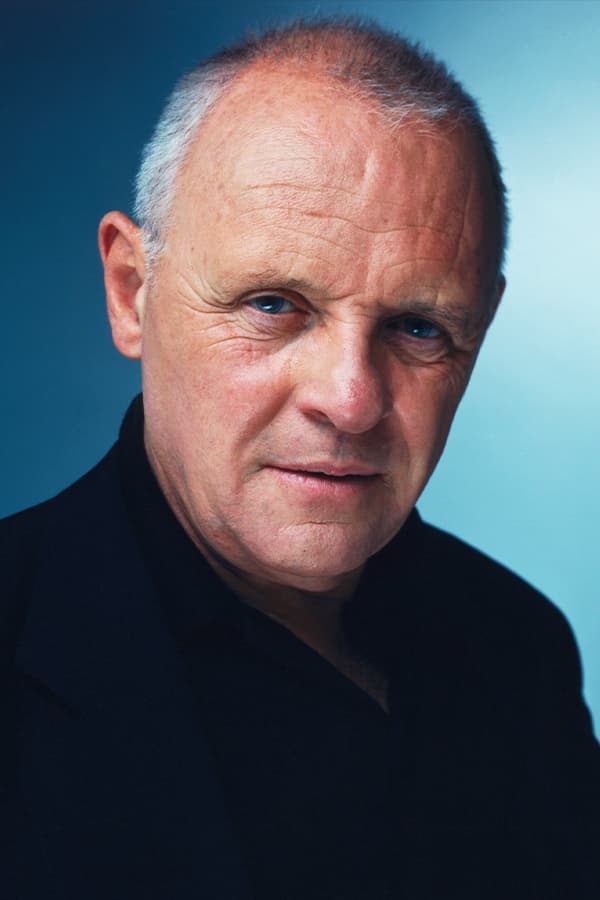
In the movie ‘The Human Stain,’ Anthony Hopkins portrayed Coleman Silk, a character who is Black but lives most of his life pretending to be white. Critics argued that casting a white actor in this role overlooked the novel’s central theme of race and unnecessarily complicated the story’s racial issues. It seemed the filmmakers hadn’t fully considered how this casting choice would affect the narrative.
Mike Myers
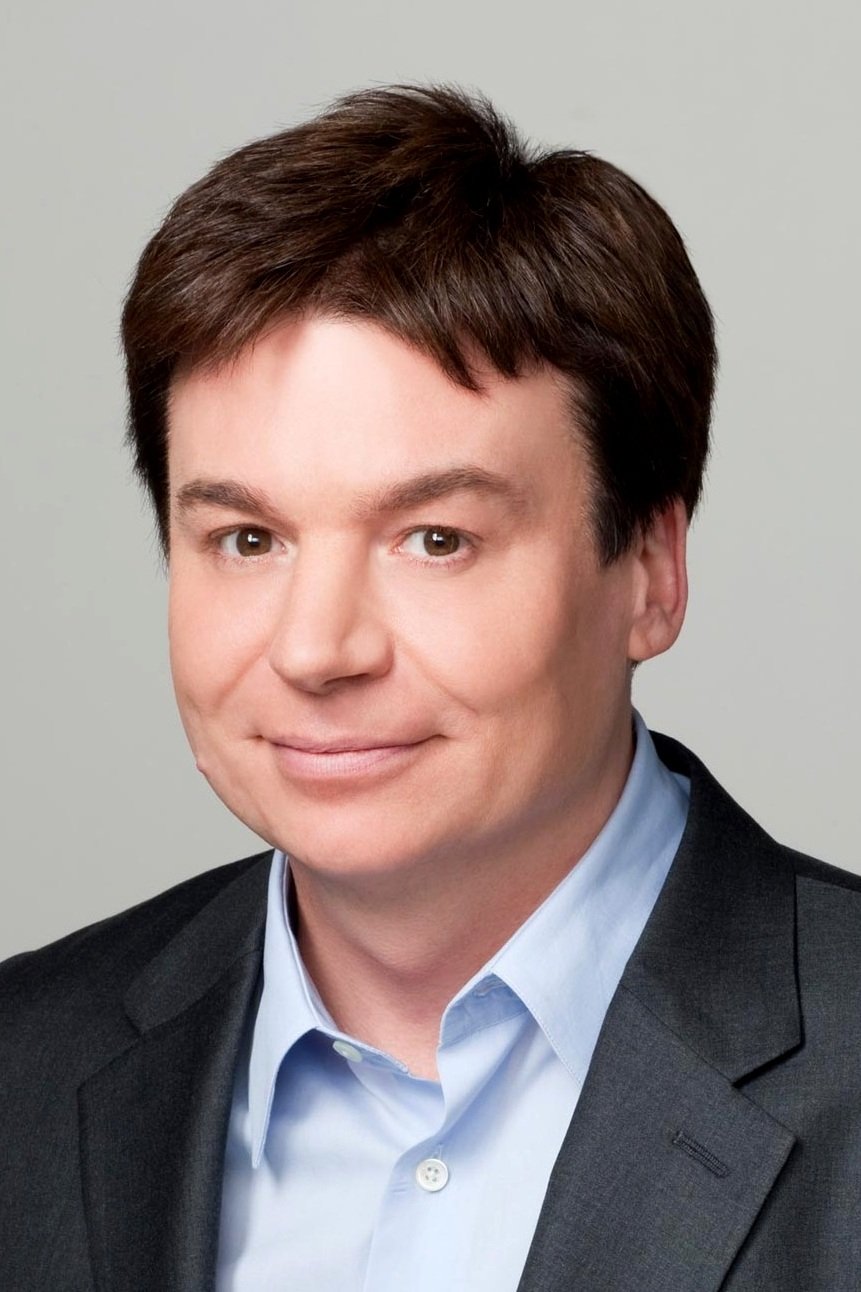
Mike Myers created and starred in the movie ‘The Love Guru’, playing the character of Guru Pitka, an American man raised in India. The film received criticism for making fun of Hindu traditions and using tired stereotypes to try and be funny. It wasn’t successful and is often considered one of the low points of Myers’ career because of its insensitive portrayal of culture.
Christopher Abbott
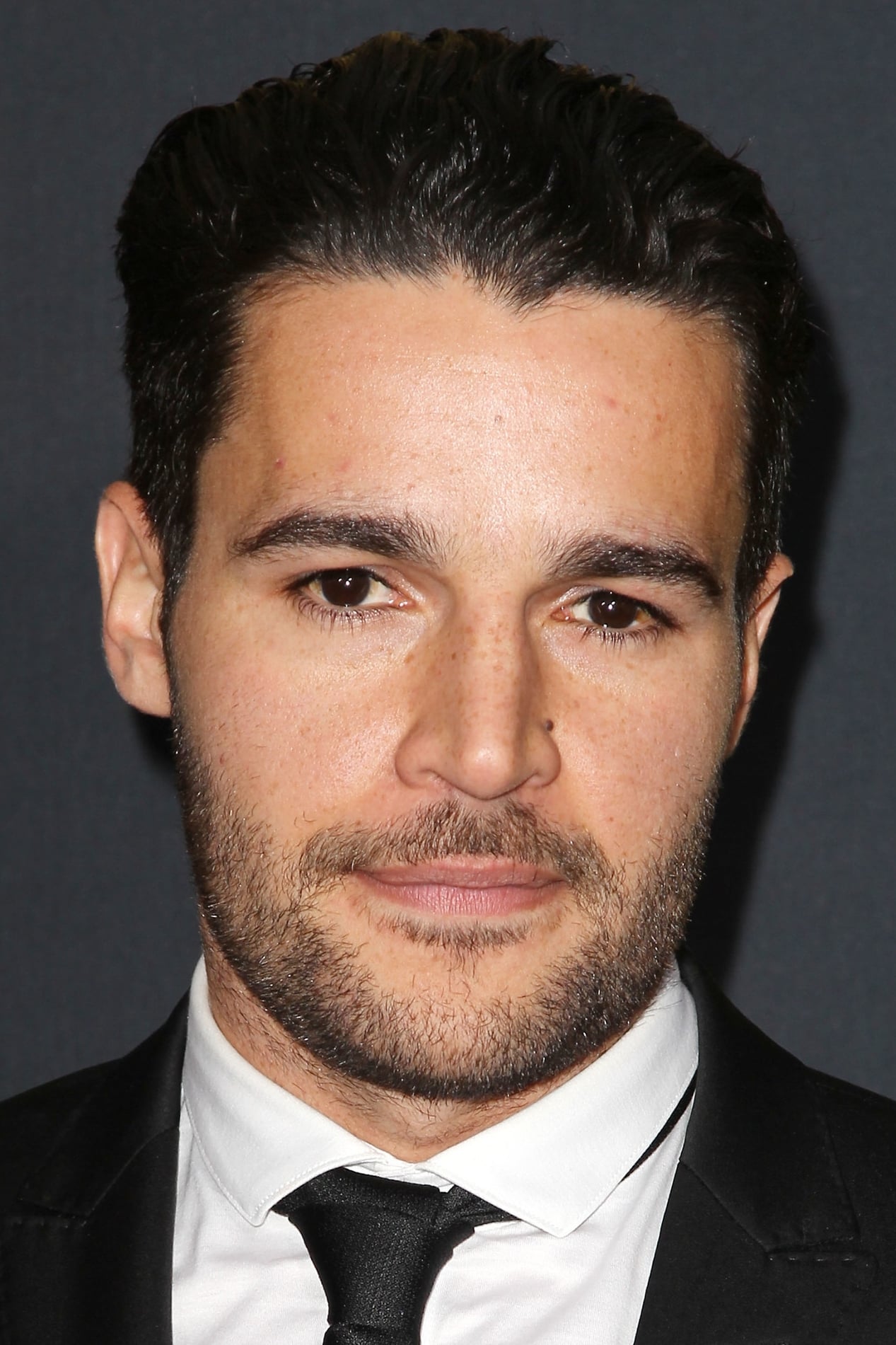
In the film ‘Whiskey Tango Foxtrot,’ Abbott portrayed Fahim Ahmadzai, an Afghan character. While Abbott, who has Italian and Portuguese ancestry, learned some Dari for the part, many observed that Hollywood often casts actors with general Mediterranean looks instead of those with specific Middle Eastern backgrounds. Some critics argued that an actor of Afghan or Middle Eastern descent would have been a more appropriate choice for the role.
Could you please check the past roles of these actors and share your thoughts on any related controversies in the comments section?
Read More
- Top 20 Dinosaur Movies, Ranked
- 20 Movies Where the Black Villain Was Secretly the Most Popular Character
- 25 “Woke” Films That Used Black Trauma to Humanize White Leads
- Celebs Who Narrowly Escaped The 9/11 Attacks
- Spotting the Loops in Autonomous Systems
- Gold Rate Forecast
- Silver Rate Forecast
- The 10 Most Underrated Jim Carrey Movies, Ranked (From Least to Most Underrated)
- Transformers Under the Microscope: What Graph Neural Networks Reveal
- The Best Directors of 2025
2026-01-25 07:50