
Food is a common and powerful element in Asian movies and TV shows, often used to tell stories about family, loss, and cultural identity. Whether it’s carefully preparing a traditional meal or sharing food with loved ones, these stories show how cuisine connects people to their past and to each other. Specific ingredients and dishes are frequently used to make characters’ feelings and experiences feel more real. This collection highlights thirty examples of how Asian food is central to the plot and character development in film, television, and anime.
‘Tampopo’ (1985)

This charming film centers on a truck driver who guides a widow in perfecting her ramen recipe. Often called a ‘noodle western,’ it playfully examines our fascination with food through a series of scenes – from formal dining lessons to romantic moments centered around eggs. The process of making ramen – the broth and the noodles themselves – represents the dedication needed to master any craft. ‘Tampopo’ celebrates the joy of eating and presents a heartwarming look at the unique people who gather at a local ramen shop.
‘Eat Drink Man Woman’ (1994)

An accomplished chef cooks detailed Sunday dinners for his three grown daughters, hoping to stay close to them as they build their own lives. The film begins by carefully showing the making of classic Chinese dishes, hinting at the chef’s skills beginning to decline. These meals are the only opportunity the family has to connect, although they often communicate without many words, relying on small actions and quiet moments. The movie uses the careful art of cooking to represent how old-fashioned customs meet the realities of modern life in Taiwan.
‘The Lunchbox’ (2013)
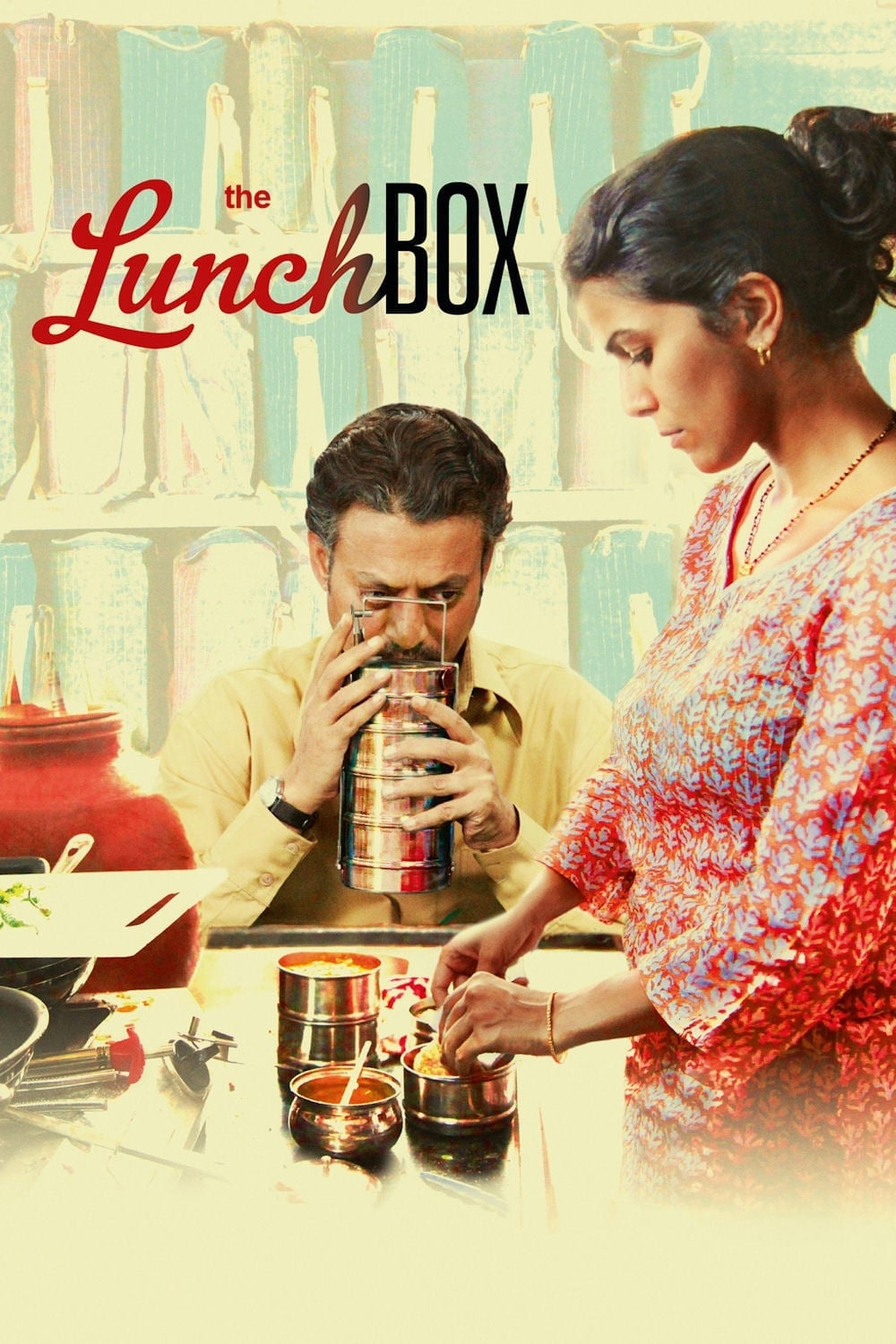
In Mumbai, a mix-up in the city’s lunchbox delivery service unexpectedly connects a lonely housewife with a grieving widower. They begin exchanging notes alongside delicious home-cooked Indian meals, gradually revealing their deepest feelings and struggles. The film beautifully showcases the sights, smells, and tastes of Indian cuisine, emphasizing how the act of cooking and sharing food can be a powerful way to express emotions and find meaning in life, even when feeling isolated.
‘Sweet Bean’ (2015)

The movie tells the story of an older woman who has a special recipe for ‘an,’ a sweet red bean paste used in dorayaki pancakes. She mentors a bakery manager who’s having a hard time, teaching him that the secret to great bean paste is truly understanding the ingredients – almost like listening to the beans’ stories. The film beautifully uses the slow pace of cooking to represent patience and the importance of acknowledging those who are often overlooked. As the characters connect while cooking, food becomes a way to heal from past hurts.
‘Jiro Dreams of Sushi’ (2011)
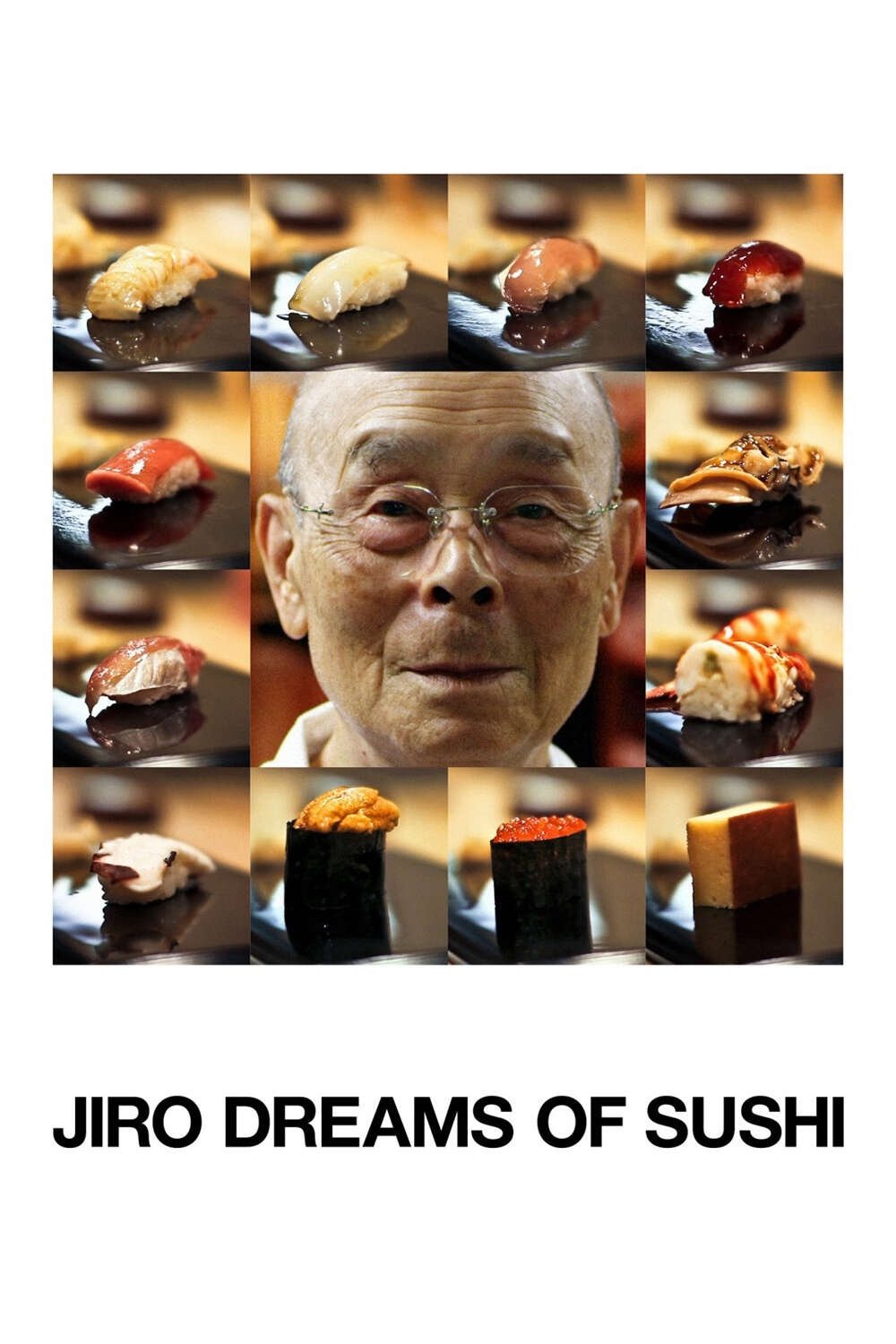
This documentary follows Jiro Ono, a famous sushi chef who has devoted his life to making perfect sushi. It shows the intense training his apprentices go through, spending years learning even the smallest tasks, like preparing octopus or making egg custard. Each piece of sushi is a result of decades of hard work and attention to detail. The film also looks at the pressure of continuing a family tradition and the constant drive for perfection in Japanese cooking.
‘Parasite’ (2019)

A key moment in this suspenseful story revolves around making “ram-don”—a mix of two instant noodle types topped with high-end beef. This dish powerfully represents the huge gap between the rich Park family and the struggling Kim family. The quick, frantic way the meal is made emphasizes the pressure and secrets weighing on the characters. Combining simple, affordable noodles with a luxurious ingredient perfectly illustrates the clash between their very different lifestyles.
‘Midnight Diner’ (2009–2019)

This heartwarming show takes place in a cozy, late-night diner in Shinjuku. The chef, known as the “Master,” keeps the menu small but will happily cook whatever his customers ask for. Each episode centers around a particular dish – like ochazuke or tamagoyaki – and how it unlocks a personal memory for one of the diner’s patrons. The restaurant becomes a safe haven, offering connection and comfort to people experiencing the loneliness of city life through shared meals and stories. The food is simple and genuine, mirroring the honest feelings of the night workers and those just passing through.
‘Little Forest’ (2018)

A young woman, unsuccessful in the city, moves back to her rural hometown to support herself by farming. The film follows her journey, framed by the preparation of traditional Korean foods like makgeolli, cabbage kimchi pancakes, and candied chestnuts. Each dish she makes signifies her growing emotional strength and helps her remember her mother. The film highlights the work involved in making these foods as a way for her to heal and care for herself.
‘Spirited Away’ (2001)

Food is central to this animated story, acting as both a curse – like the banquet that turns the hero’s parents into pigs – and a source of healing, such as the rice balls offered by Haku. The spirit world includes a huge kitchen that provides food for all the visitors to the bathhouse. Throughout the story, the main character faces challenges related to wanting too much, but finds power in simple, healthy meals. The animation makes the food look incredibly appealing and detailed, which stands out against some of the film’s darker imagery.
‘The Farewell’ (2019)

A Chinese-American woman travels back to China, pretending she’s there for a wedding, but really to spend time with her grandmother who is very ill. The story unfolds mostly during big family feasts, which are both funny and heartbreaking. The huge amounts of food shared at these meals show how the family expresses care and love through providing for each other, rather than talking about their feelings. These gatherings emphasize how much the family relies on each other, especially when facing a difficult loss.
‘Food Wars! Shokugeki no Soma’ (2015–2020)

This anime centers around a budding chef who attends a prestigious cooking academy known for its intense culinary competitions. The show beautifully showcases diverse Asian foods, ranging from classic Japanese lunchboxes to intricate Chinese dishes. It’s notable for its detailed depiction of cooking techniques, including everything from controlling temperatures to modern molecular gastronomy. Beyond the impressive visuals, the series uses food as a way to show how the characters develop and the pressures of working in a professional kitchen.
‘Minari’ (2020)

A Korean family starts a new life on an Arkansas farm, hoping to achieve their version of the American dream. The grandmother begins growing minari, a hardy Korean herb, near a creek. Despite challenging conditions, the minari thrives, representing the family’s strength and ability to overcome obstacles. Traditional home-cooked meals help the children connect with their heritage as they adjust to a new and unfamiliar life. The film beautifully connects the herb’s growth with the family’s journey to find stability and build a home.
‘Turning Red’ (2022)

The father lovingly shows his affection by carefully preparing Cantonese food, like congee and steamed buns, for his family. These meals offer a calming contrast to the mother’s demanding nature. For the young girl, the kitchen becomes a safe haven as she navigates the challenges of growing up and her family’s unique magical background. The detailed and colorful portrayal of home cooking emphasizes the film’s messages about embracing culture and finding peace at home.
‘Squid Game’ (2021)

A memorable challenge in the series centers around “dalgona,” a Korean street snack made from sugar and baking soda. Players must delicately carve shapes into this fragile candy, but failure means death – transforming a beloved childhood treat into something terrifying. The simple, sparse meals given to the players also emphasize the show’s themes of dehumanization and the desperate fight for survival. This stark contrast between comforting food and deadly consequences creates a deeply unsettling mood.
‘Crazy Rich Asians’ (2018)

A memorable scene unfolds at a Singaporean hawker center, with characters enjoying local favorites like satay, laksa, and chili crab. This moment highlights the accessibility of street food, offering a contrast to the story’s otherwise exclusive and wealthy setting. Later, a family dumpling-making session underscores the values of family history and tradition. Throughout the story, food helps the main character navigate and understand the intricate social circles of her partner’s family.
‘Ramen Shop’ (2018)
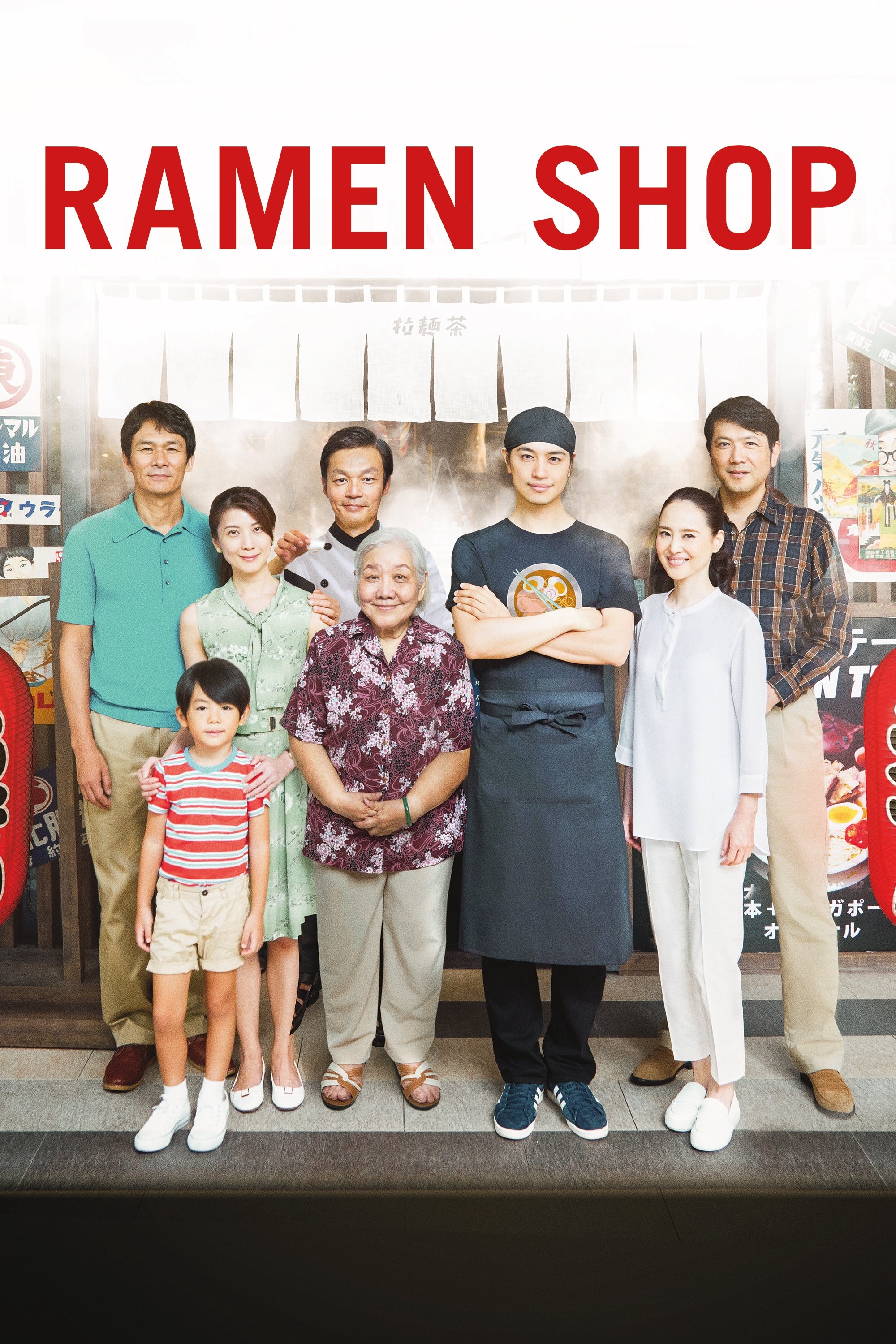
A Japanese ramen chef journeys to Singapore, hoping to connect with his late mother’s history by exploring the foods she loved. He ultimately creates a unique dish, blending Japanese ramen with Singapore’s flavorful bak kut teh (pork rib soup). This cooking process isn’t just about food; it’s a way for him to understand his mixed heritage and mend relationships with his family. The film beautifully portrays the kitchen as a space for uncovering the past and finding emotional peace.
‘Everything Everywhere All At Once’ (2022)
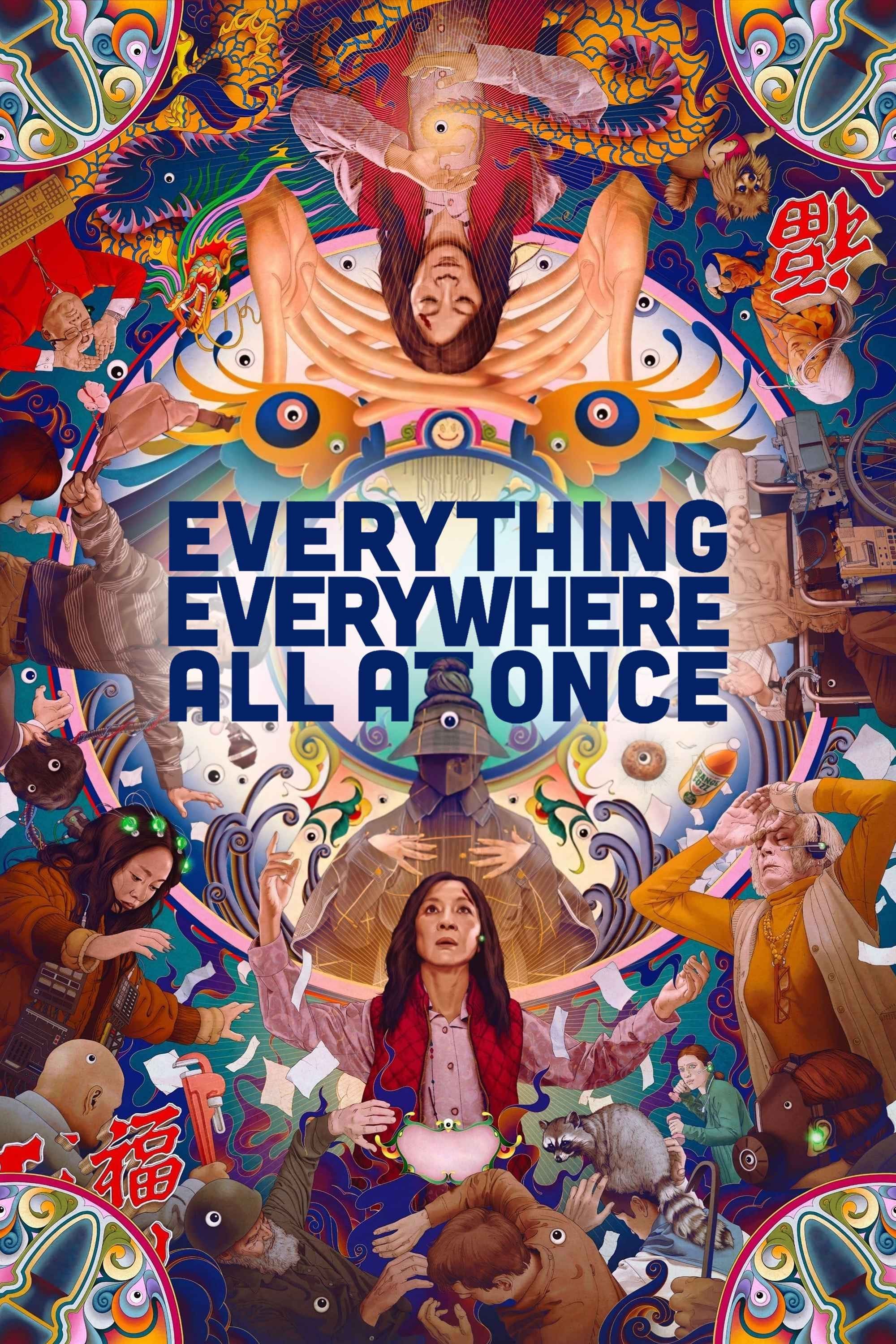
The story starts in a laundromat with someone struggling with taxes, but food keeps appearing in different versions of reality. In one, a chef is hilariously controlled by a raccoon, poking fun at cooking movies. In another, almond cookies show a mother trying to make amends. Noodles represent how complicated life can be, but also the happiness of eating together. Ultimately, the movie’s most powerful moment happens during an ordinary conversation over a meal.
‘Riceboy Sleeps’ (2022)

A Korean mother living in Canada makes gimbap, a traditional dish, for her son’s lunch, which causes some tension with his classmates. The film looks at the feelings of embarrassment and, ultimately, pride that come with ethnic foods that are unfamiliar to others. As the son gets older, his mother’s cooking becomes a strong connection to his Korean heritage. The story uses the family’s meals together to illustrate the changing relationship between an immigrant mother and her son as he adapts to a new culture.
‘Always Be My Maybe’ (2019)

The movie centers on a famous chef known for her sophisticated Asian dishes, but her success strains her relationship with a friend from childhood. It contrasts the world of fancy restaurants with the simple, heartfelt Korean and Vietnamese food they shared growing up. A particularly moving scene features a slow-cooked kimchi stew, emphasizing how home-cooked meals carry more emotional meaning than anything created in a professional kitchen. Ultimately, the story uses food to explore the growing distance between the two friends as their lives and aspirations diverge.
‘Kim’s Convenience’ (2016–2021)

This funny show follows a Korean-Canadian family who own a grocery store in Toronto. Food is a big part of their lives – from the dad’s pride in his Korean BBQ to the mom’s special recipes – and it’s closely linked to their heritage. We often see the family enjoying traditional Korean food in the back of the store, which gives a genuine glimpse into how immigrant families keep their culture alive through everyday routines.
‘Ponyo’ (2008)

The scene of making instant ramen with thick ham slices is one of the most memorable moments in Studio Ghibli films. In a fantastical world, it’s a small, comforting act by the main character’s mother, offering warmth during a big storm. The rising steam and colorful ingredients create a feeling of safety and remind us of childhood. This simple meal becomes a powerful symbol of a mother’s love and strength.
‘House of Hummingbird’ (2018)

The film takes place in Seoul in 1994 and centers on a fourteen-year-old girl who feels neglected by her family and struggles with a changing society. Mealtimes are usually quiet and strained, highlighting the family’s traditional power dynamics and emotional disconnect. A single scene featuring the making of potato pancakes offers a brief, heartwarming connection between the girl and her brother. Throughout the film, shared meals – or the lack of them – emphasize the girl’s deep sense of loneliness.
‘Past Lives’ (2023)

The film centers on a Korean-Canadian woman whose first love unexpectedly appears in New York, bringing back vivid childhood memories. It’s a subtle and moving story about fate – or ‘In-Yun’ – and how food connects them. Each meal they share reveals how their lives have changed, while also reminding them of their deep, shared history. Conversations frequently return to the tastes of Korea, helping them reconnect after years apart.
‘The Garden of Words’ (2013)

This beautiful anime tells the story of an unlikely connection between a student and an older woman. They share quiet moments together on rainy mornings, enjoying chocolate and beer in a Japanese garden. As their bond grows, the student begins making elaborate, carefully prepared lunches for her, showing how much he cares. The incredibly detailed animation of the food emphasizes the closeness they share, and the act of eating together becomes a way for them to connect without needing to say much.
‘Jewel in the Palace’ (2003–2004)

This historical series follows an orphaned girl who rises to become the first female doctor serving the royal family during Korea’s Joseon Dynasty. The first part of the story shows her working in the palace kitchen, where she discovers the healing powers of different foods. The show beautifully illustrates the complex process of preparing traditional Korean royal meals, demonstrating how food was not only important for health, but also played a role in politics. It emphasizes the idea that healthy eating and medicine are closely connected.
‘Flavors of Youth’ (2018)
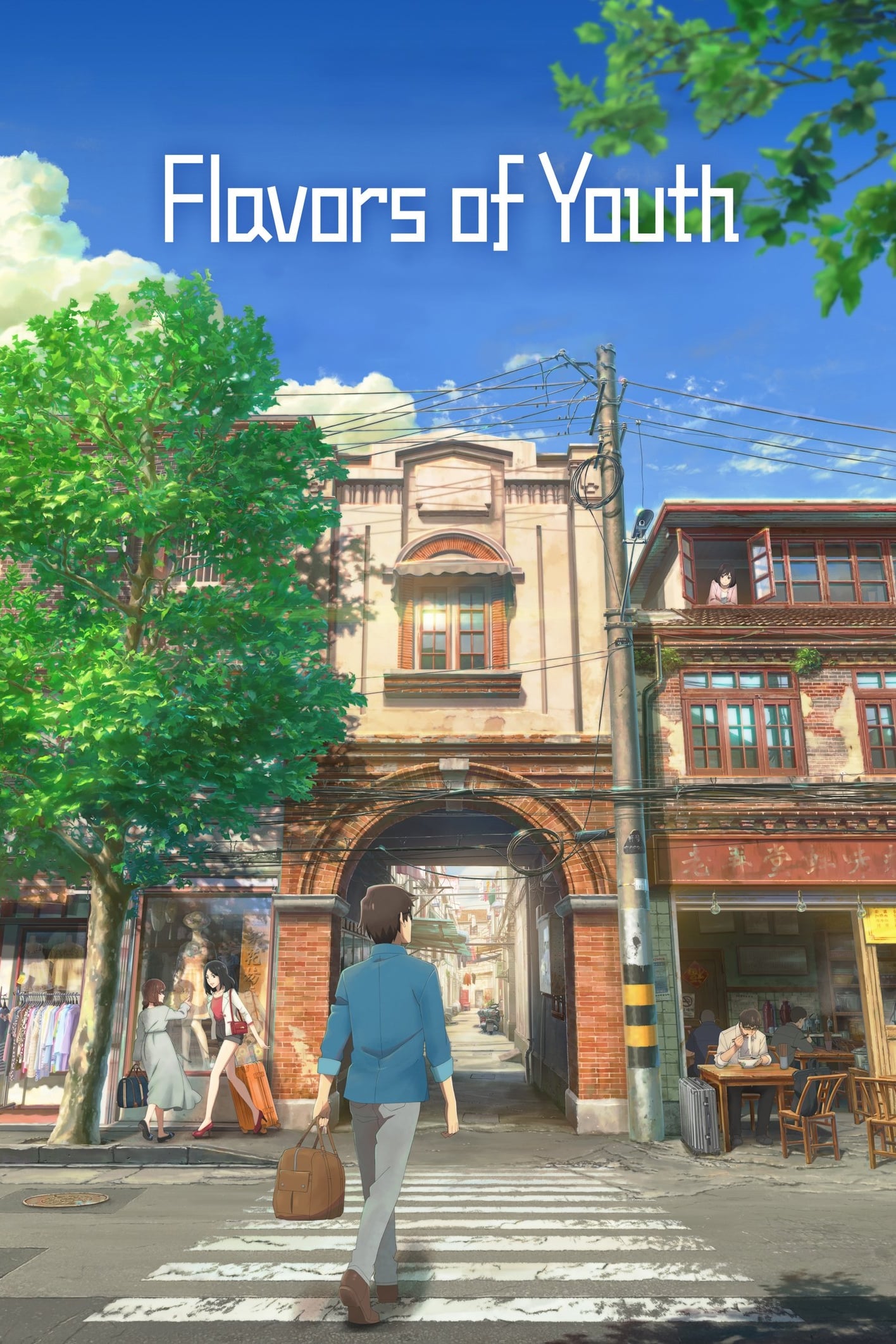
The first story in this film, called “The Rice Noodles,” centers on a young man in Beijing who fondly remembers his childhood in Hunan. He recalls the unique taste and preparation of a local noodle dish called “Sanxian,” and how that fading flavor represents both his lost youth and the fast-paced changes happening in China. The story uses memories of food to capture the sadness of growing up and leaving home.
‘Oldboy’ (2003)
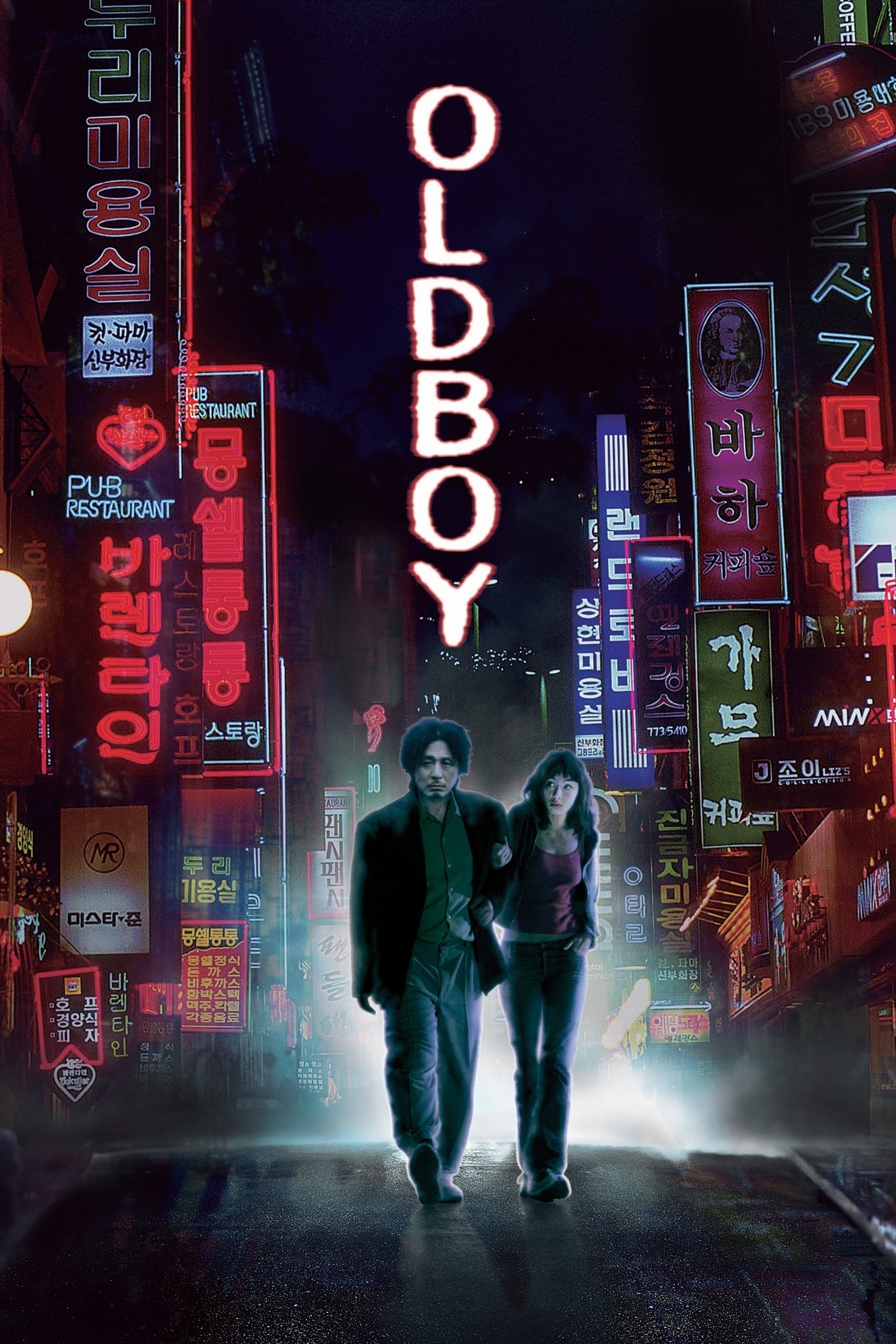
This intense revenge thriller opens with the protagonist, after fifteen years in prison, eating a live octopus – a dish called sannakji. This shocking scene highlights how much he’s changed and his desperate need for intense experiences, a far cry from the bland fried dumplings he was forced to eat while imprisoned. Throughout the film, food is used to show the character’s emotional and psychological journey, marking his transformation from someone who was harmed to someone who now seeks revenge.
‘Today’s Menu for the Emiya Family’ (2017)
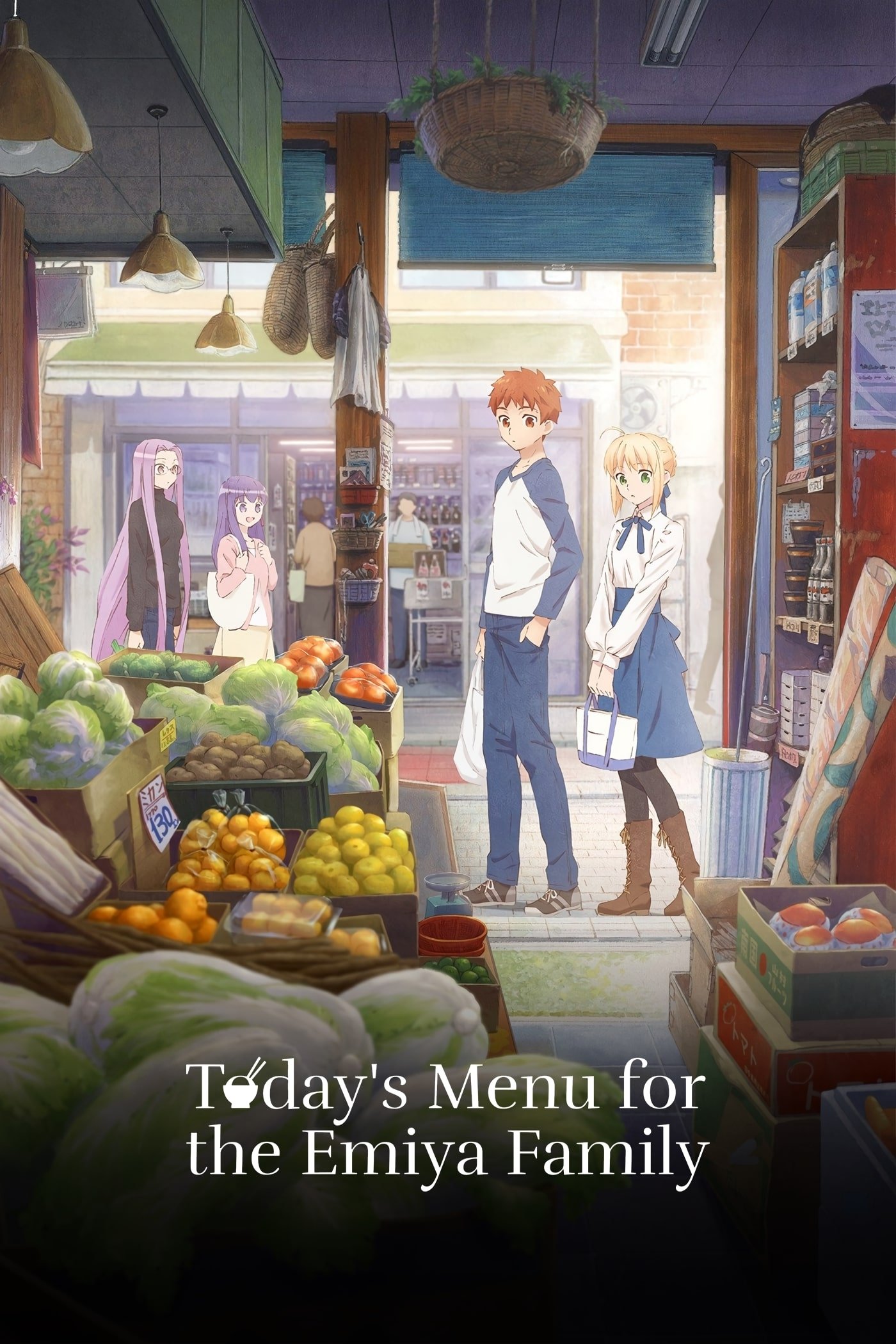
This new series takes a break from action and follows characters as they enjoy the simple pleasure of cooking and sharing traditional Japanese meals. Each episode features step-by-step instructions for dishes like salmon baked in foil or stir-fried vegetables. By focusing on cooking, the show reveals a more personal side to characters we usually see in intense situations, highlighting how sharing food can create a sense of community and ease tension.
‘Shoplifters’ (2018)

In Tokyo, a makeshift family – a group of small-time thieves – finds connection and warmth through simple meals like fried croquettes and instant noodles. Though not related by blood and struggling financially, sharing food is what makes them feel like a family. The film beautifully uses imagery, like the steam from a hot pot, to create a cozy atmosphere in their small, rundown home. These scenes make us question what truly defines a family, suggesting it’s the act of sharing and connecting over something as basic as a meal.
‘Okja’ (2017)
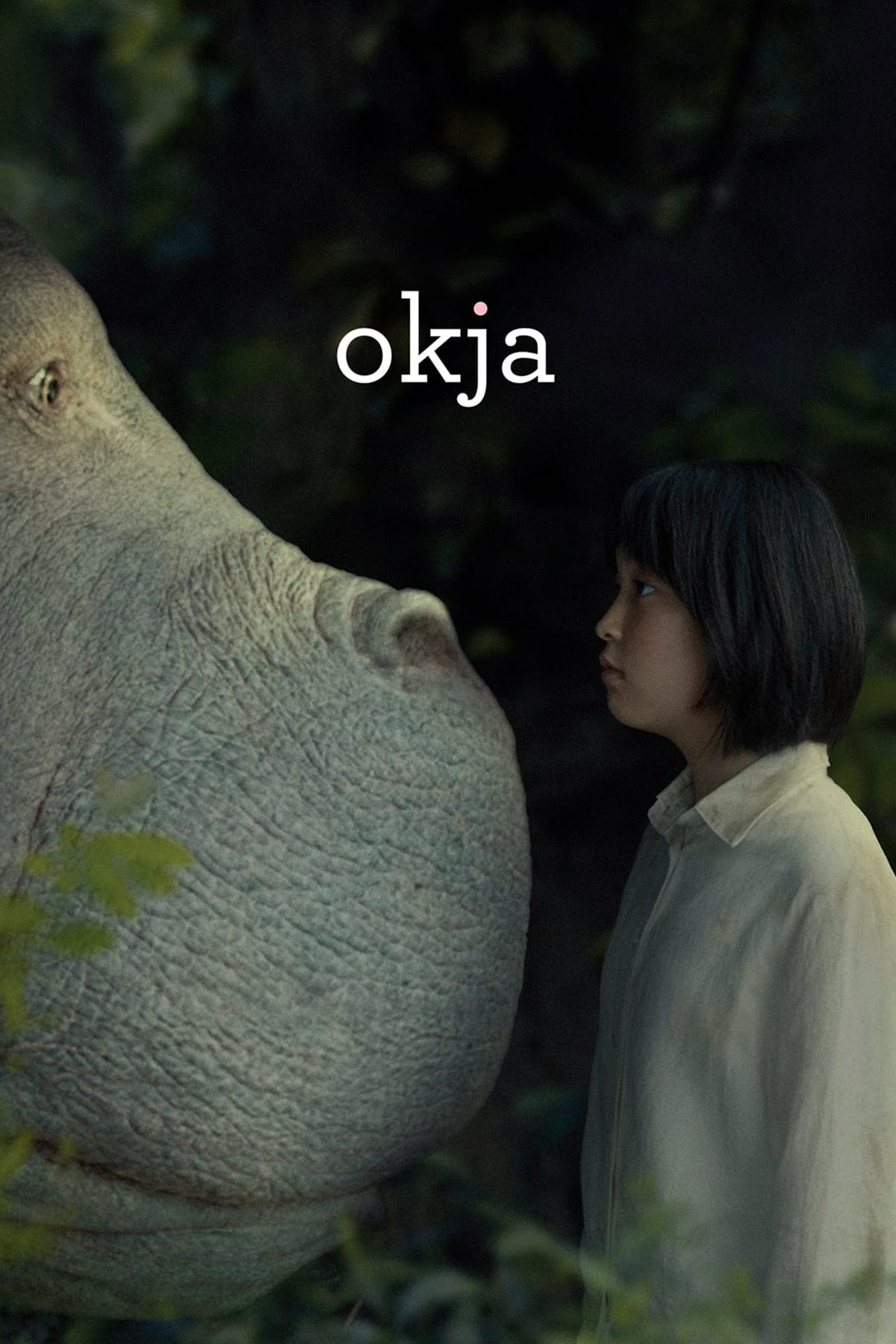
The movie begins by introducing a young girl and her unusually large, genetically engineered pig, who live a simple life together in the mountains of South Korea, enjoying meals of fish and fruit. This close relationship is sharply contrasted with how a powerful corporation sees the pig – simply as a product for mass consumption. The story delves into the ethical issues surrounding the food industry, all while focusing on the heartfelt connection between the girl and her animal companion. The girl’s love for wholesome, natural food emphasizes her disapproval of the corporation’s focus on profit.
Please share your thoughts on these cinematic portrayals of Asian cuisine in the comments.
Read More
- Top 20 Dinosaur Movies, Ranked
- 20 Movies Where the Black Villain Was Secretly the Most Popular Character
- Celebs Who Narrowly Escaped The 9/11 Attacks
- 25 “Woke” Films That Used Black Trauma to Humanize White Leads
- Spotting the Loops in Autonomous Systems
- The 10 Most Underrated Jim Carrey Movies, Ranked (From Least to Most Underrated)
- The Best Directors of 2025
- Transformers Under the Microscope: What Graph Neural Networks Reveal
- Gold Rate Forecast
- Every Notable ‘Star Trek: The Original Series’ Actor Who Died
2026-01-25 06:48