Queer coding is when filmmakers give characters traits commonly associated with LGBTQ+ people, but never directly state their sexual orientation or gender identity. This technique has been used for a long time in movies, often to portray villains as immoral. During the time of the Hays Code in Hollywood, showing positive LGBTQ+ characters was forbidden, but filmmakers were allowed to imply villainy through these same characteristics. Many well-known movie villains display behaviors or appearances that don’t conform to traditional gender roles, which writers used as a shorthand to signal they were ‘evil.’ This article highlights films where critics have observed villains relying on harmful stereotypes about LGBTQ+ people.
‘The Lion King’ (1994)
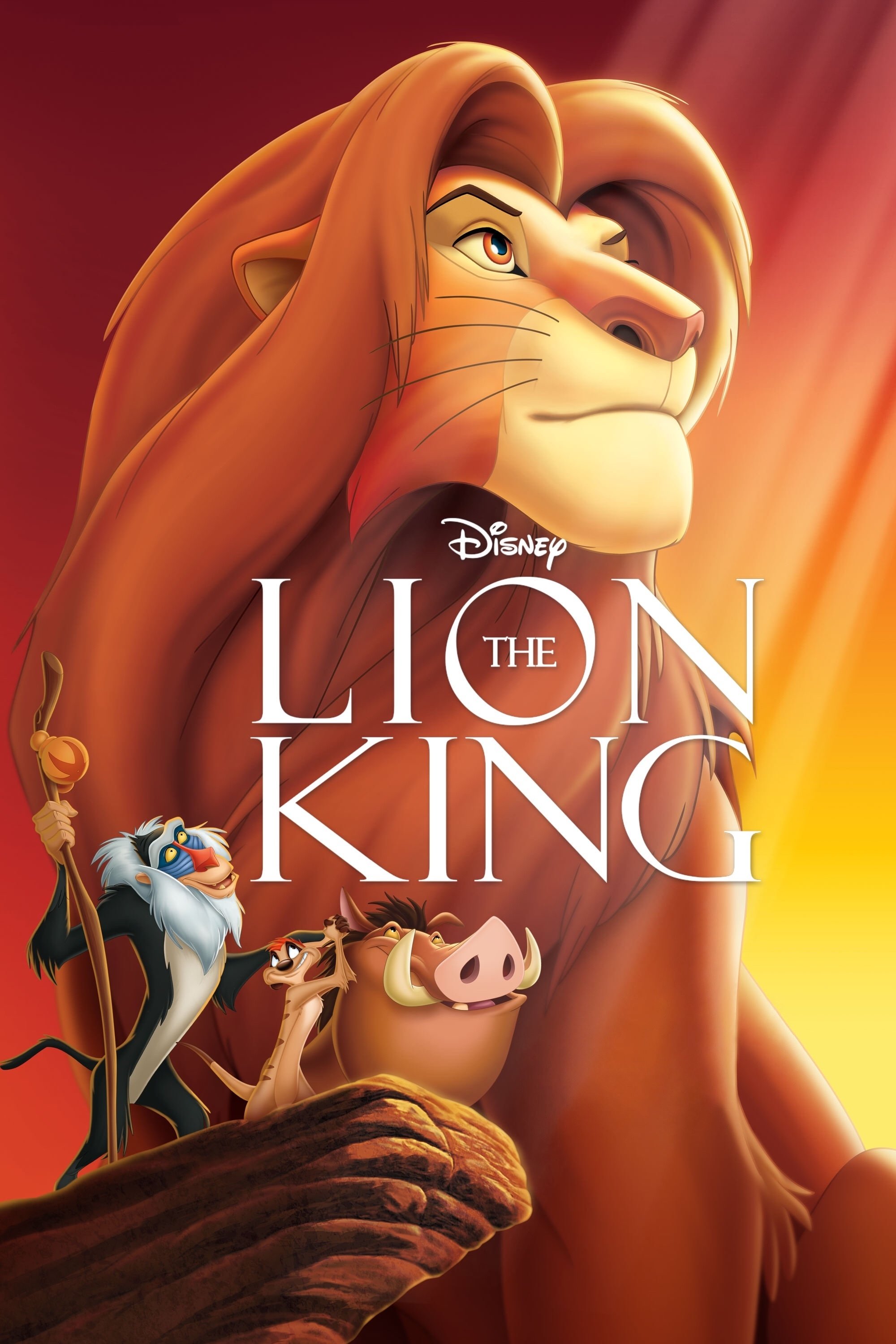
Scar from The Lion King is often cited as a classic example of a villain coded as gay in animated movies. He’s portrayed with delicate movements and speaks with a sophisticated British accent, setting him apart from the more traditionally masculine Mufasa. Animators intentionally used visual cues like limp wrists and raised eyebrows to make him distinct from the other male lions. Many critics believe the film links his lack of physical strength to his villainous nature and moral failings.
‘The Little Mermaid’ (1989)
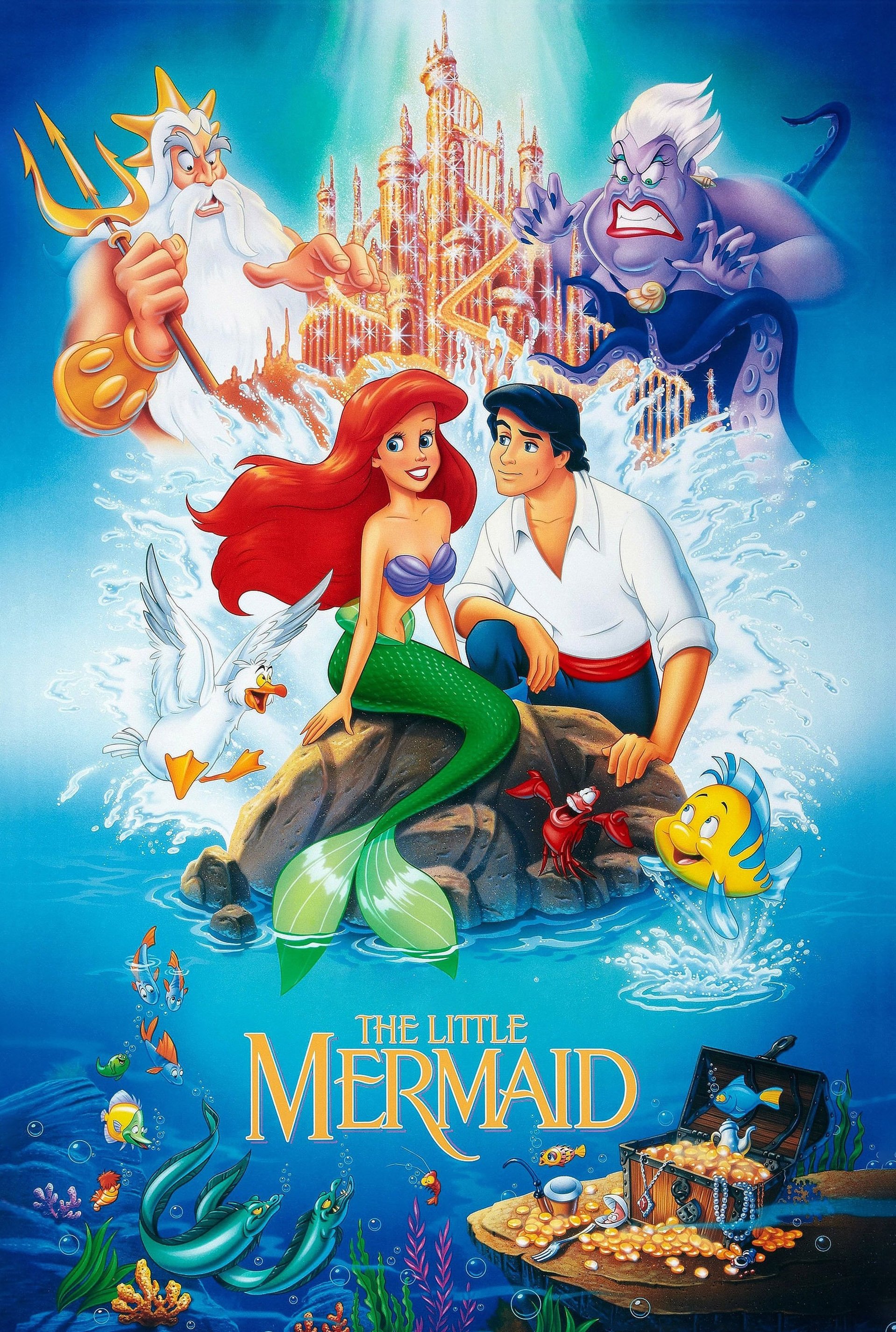
Ursula is designed as a flamboyant character, drawing inspiration from drag culture and the iconic drag queen Divine. Her dramatic appearance and movements set her apart from the more typical female mermaids. Though popular with audiences, some critics point out that the film connects her villainous behavior to her queer presentation. The movie frames her attempt to prevent the hero and heroine from falling in love as the most dangerous thing she does.
‘300’ (2006)

The movie depicts King Xerxes as someone who doesn’t conform to traditional gender roles, with elaborate jewelry and makeup. This is a stark contrast to the powerfully built, traditionally masculine Spartan warriors led by King Leonidas. Some viewers and critics felt the film unfairly links Xerxes’ appearance to his villainous character and perceived flaws. The way Xerxes is presented relies on outdated and prejudiced stereotypes about Eastern cultures and homosexuality to make him seem foreign and unlikeable.
‘The Silence of the Lambs’ (1991)
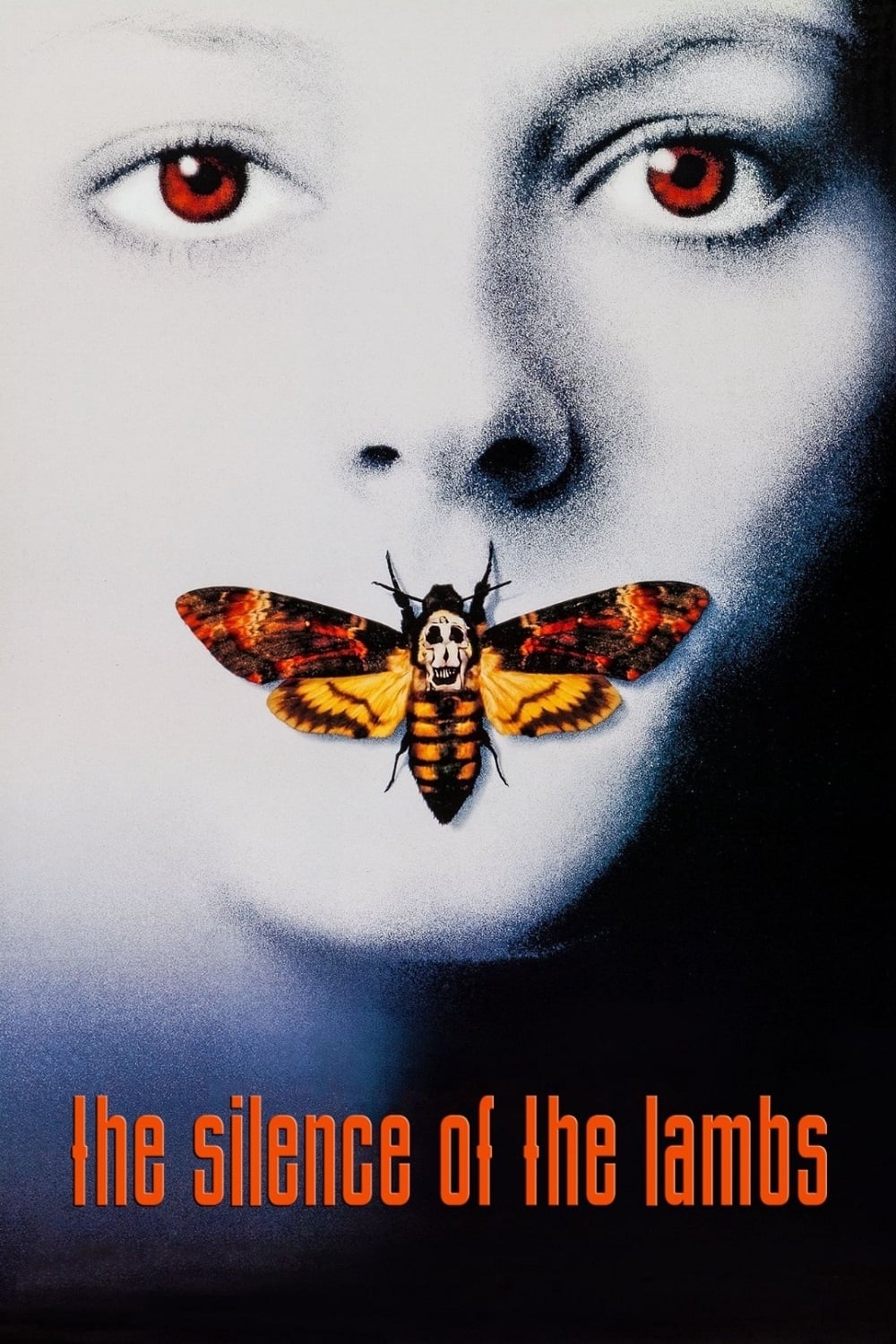
The film Buffalo Bill centers on a serial killer who murders women and uses their skin to create a suit. The movie portrays his wish to change his appearance not as a search for true identity, but as a sign of mental illness. When it was released, the film sparked protests from LGBTQ+ activists who felt it unfairly connected being transgender or gender non-conforming with violent mental instability. While the film includes a line explicitly stating the killer is not transgender, many still find the way the character is presented problematic and damaging.
‘Skyfall’ (2012)
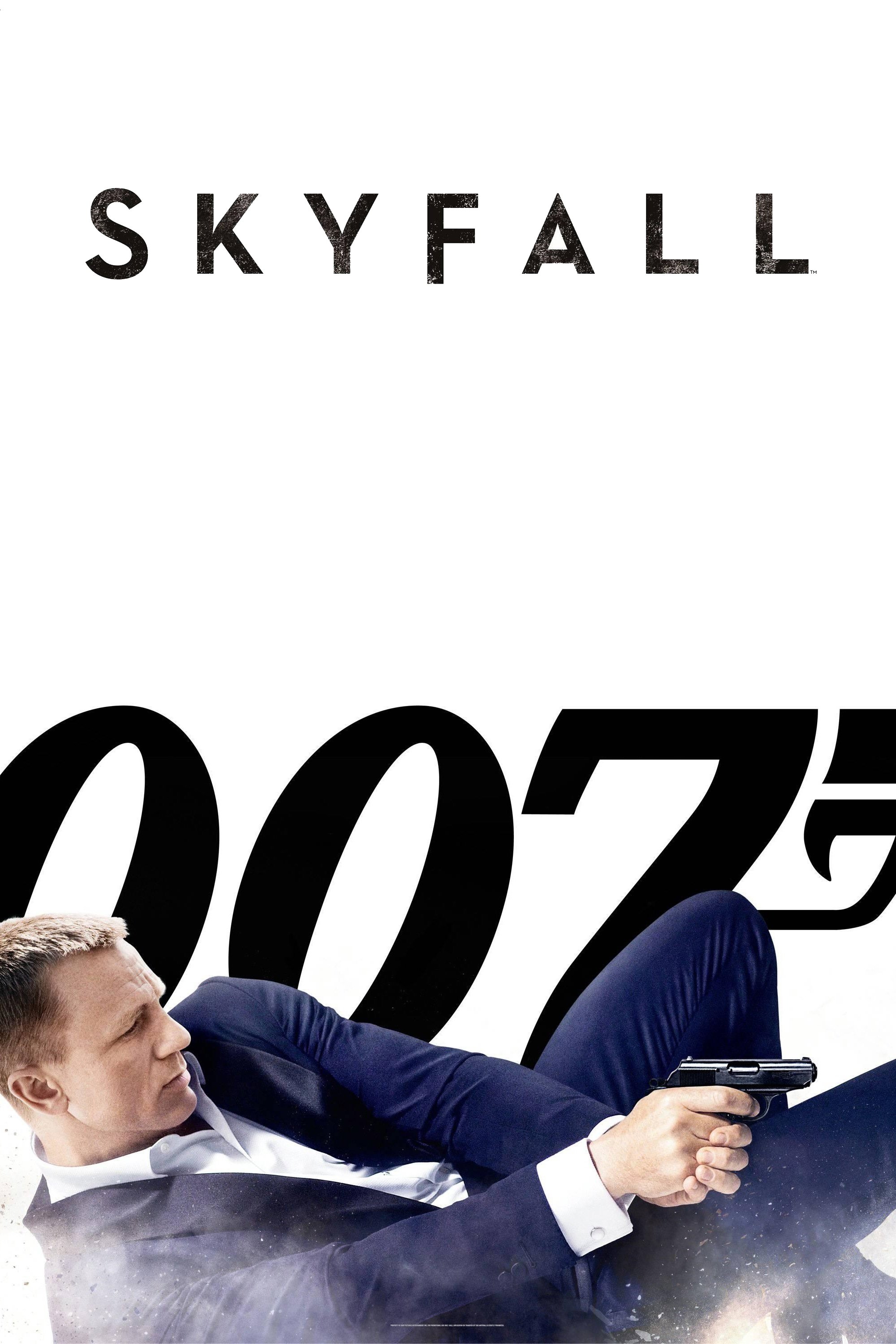
Raoul Silva is a villain who uses computers to cause trouble and is portrayed with a dramatic, attention-grabbing style. During an interrogation, he gets very close to James Bond, both physically and through suggestive conversation, which challenges Bond’s traditional image of strength and masculinity. Some critics have noted that the film relies on a common pattern of portraying villains as effeminate and threatening, a tactic used to disturb the audience. This approach continues a history of similar characters in spy movies who are subtly presented as queer.
‘Aladdin’ (1992)
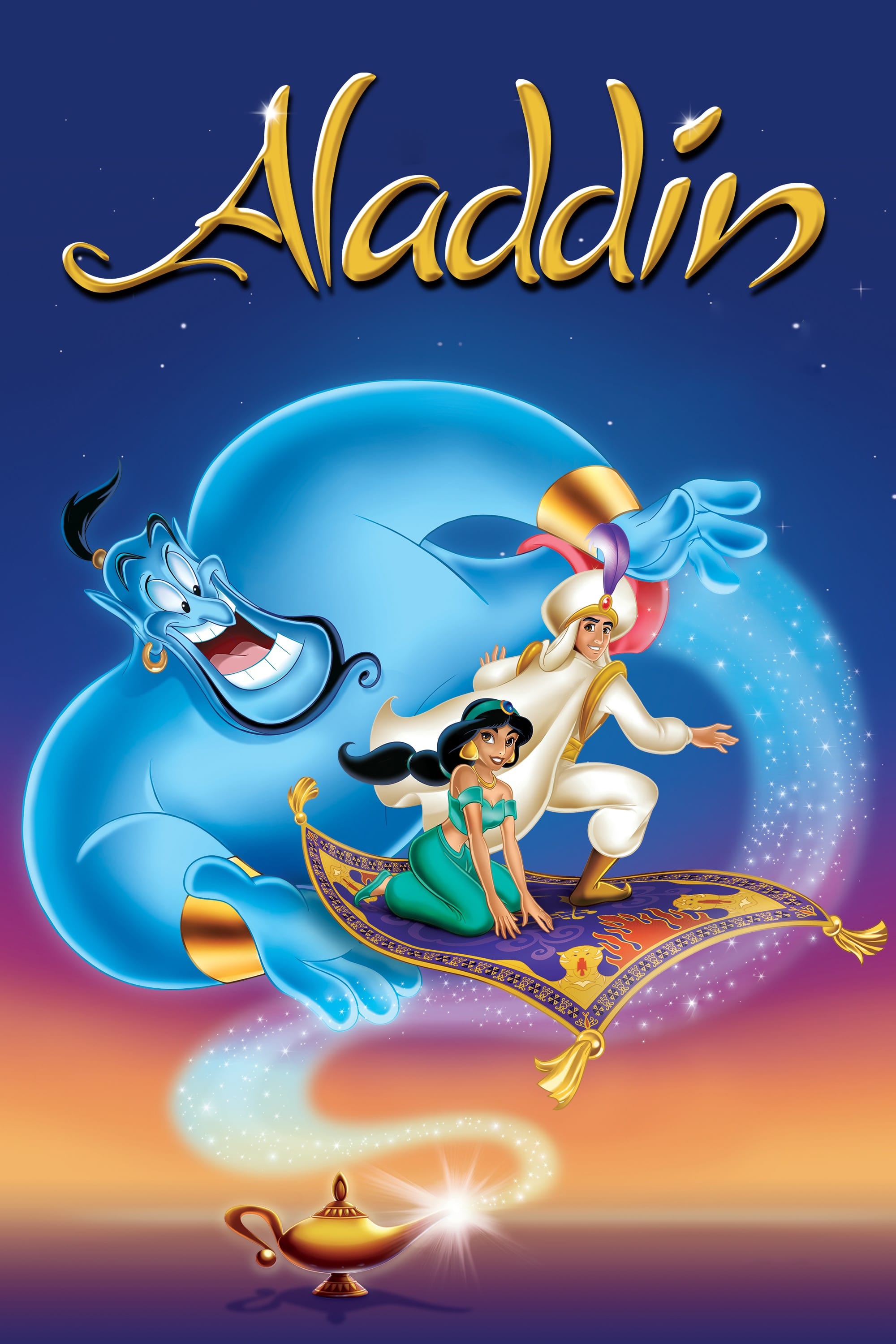
Jafar’s appearance is deliberately over-the-top, and his heavy makeup suggests a femininity that contrasts with the hero. Like many Disney villains of his time, he speaks formally and avoids fighting directly. He embodies the trope of the villain who relies on cunning and manipulation instead of brute force. Some critics have pointed out that Jafar’s design draws on both stereotypical depictions of the East and subtle cues associated with queerness, ultimately presenting him as a character to be wary of.
‘Psycho’ (1960)
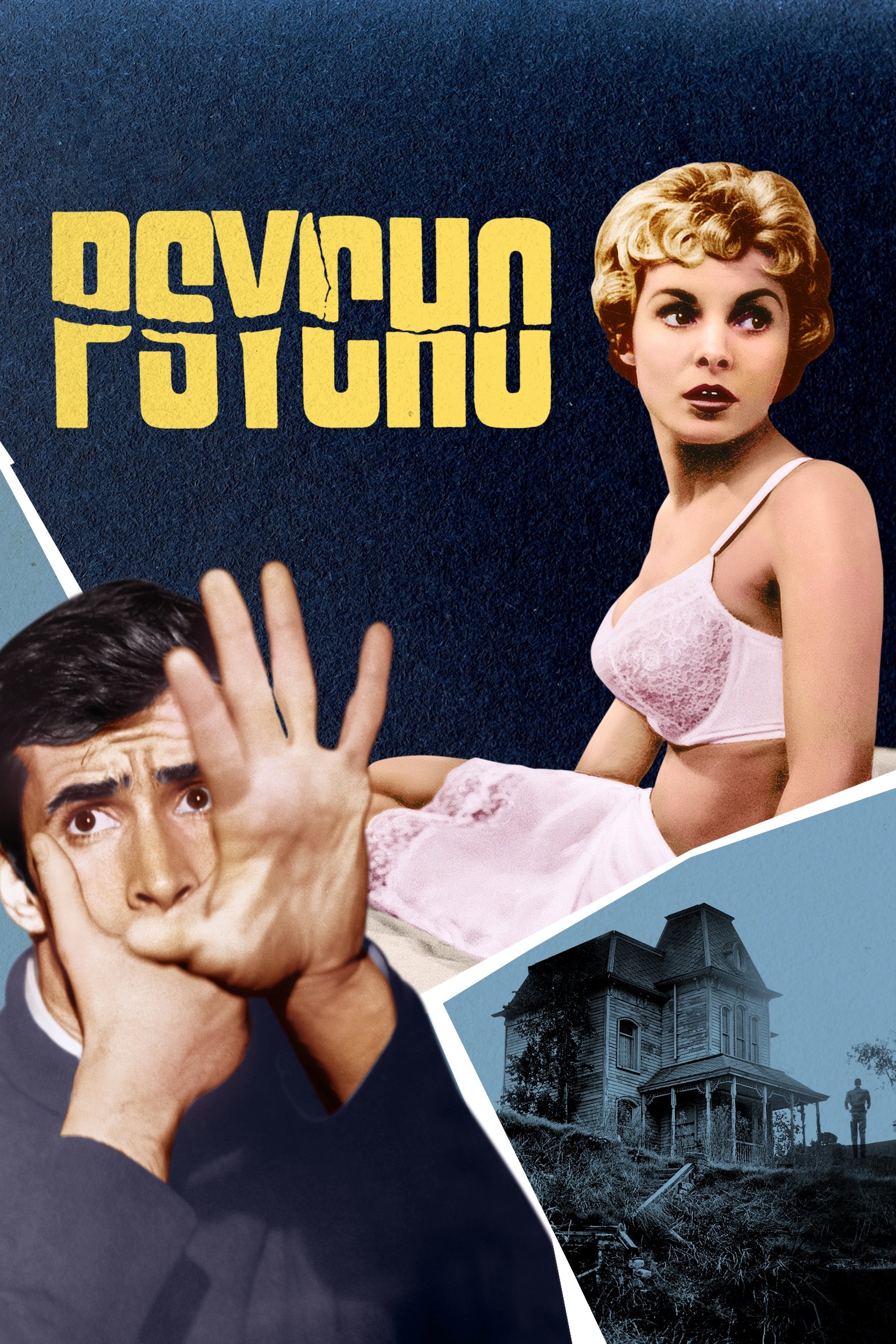
Norman Bates, from the film Psycho, is a groundbreaking and often-copied example of a killer whose violent acts are tied to issues with his identity and how he sees his gender. The shocking reveal that he pretends to be his mother while committing murders created a damaging connection in movies between cross-dressing and extreme mental illness. The film implies that his rejection of traditional gender roles is a sign of his deeply troubled and dangerous mind.
‘Pocahontas’ (1995)
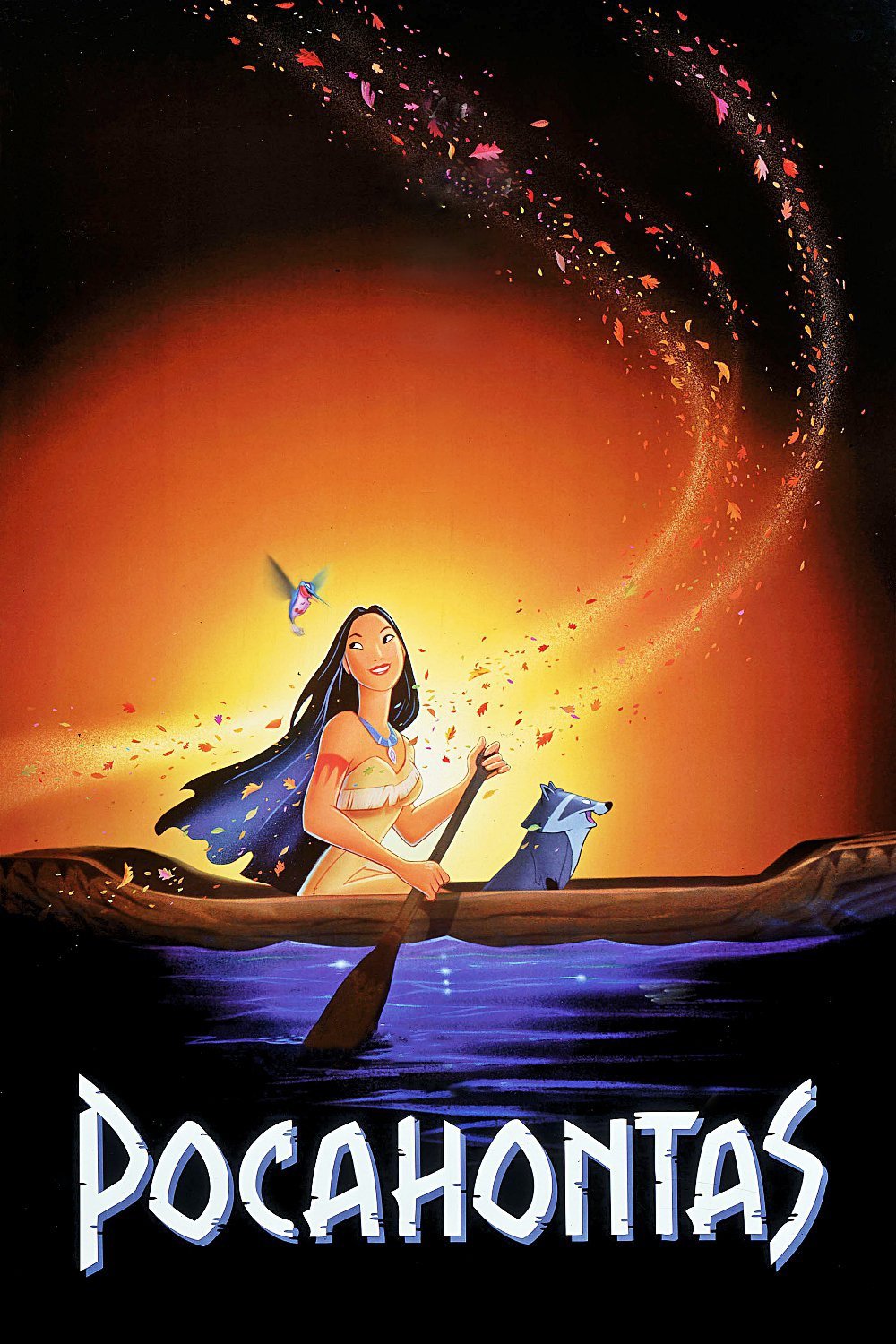
Governor Ratcliffe is shown as someone who cares too much about how he looks and having expensive things. He’s depicted with silly outfits and hairstyles, and spends more time worrying about his appearance than actually leading. This focus on superficiality is meant to highlight his greed and make him seem weak and ineffective as a leader.
‘Dune’ (1984)

Baron Vladimir Harkonnen is portrayed as a monstrous and predatory character with a focus on his attraction to young men. The film emphasizes the subtle hints in the original story, presenting him as even more disturbing. His physical ailments and fascination with attractive young men are shown as parts of his inherent wickedness. Some critics believe the adaptation unfairly connects his homosexuality to his cruel and excessive behavior.
‘Braveheart’ (1995)

The film presents Prince Edward as a traditionally feminine character, incapable of strong leadership or combat. It ridicules his romantic relationship with another man, portraying his sexuality as a flaw. A key scene shows his father, the King, killing his lover, presented as a justifiable act. This contrast between the Prince’s perceived weakness and the hero’s strength is used to emphasize the hero’s masculinity.
‘Rebecca’ (1940)
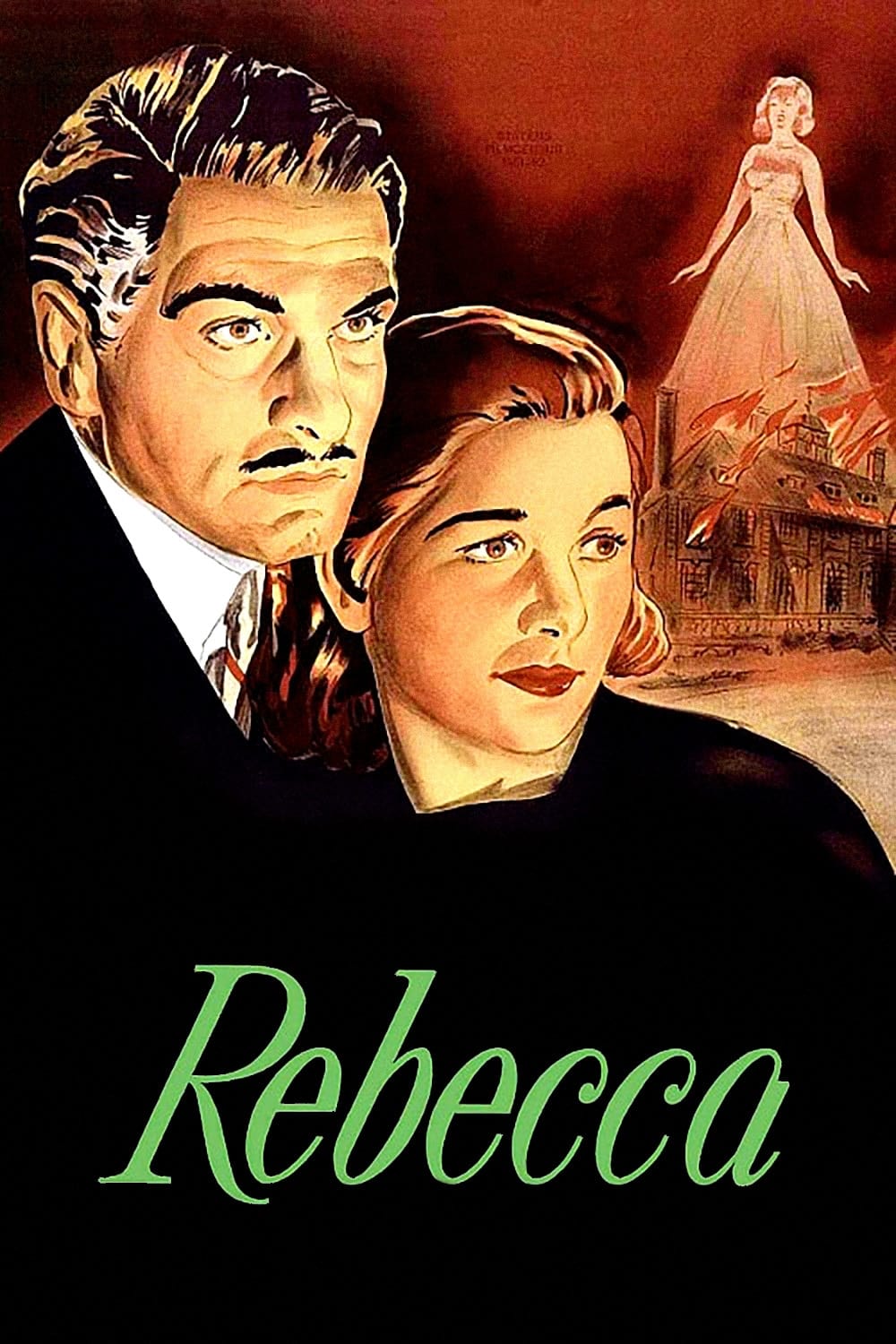
Mrs. Danvers is the intensely devoted housekeeper who can’t let go of her deceased employer. Her actions suggest she had romantic feelings for Rebecca, far beyond what would be expected in a professional relationship. She cruelly torments the new wife, seemingly trying to drive her to suicide. Some film critics see Mrs. Danvers as a predatory lesbian character who poses a threat to the couple’s marriage.
‘Ace Ventura: Pet Detective’ (1994)
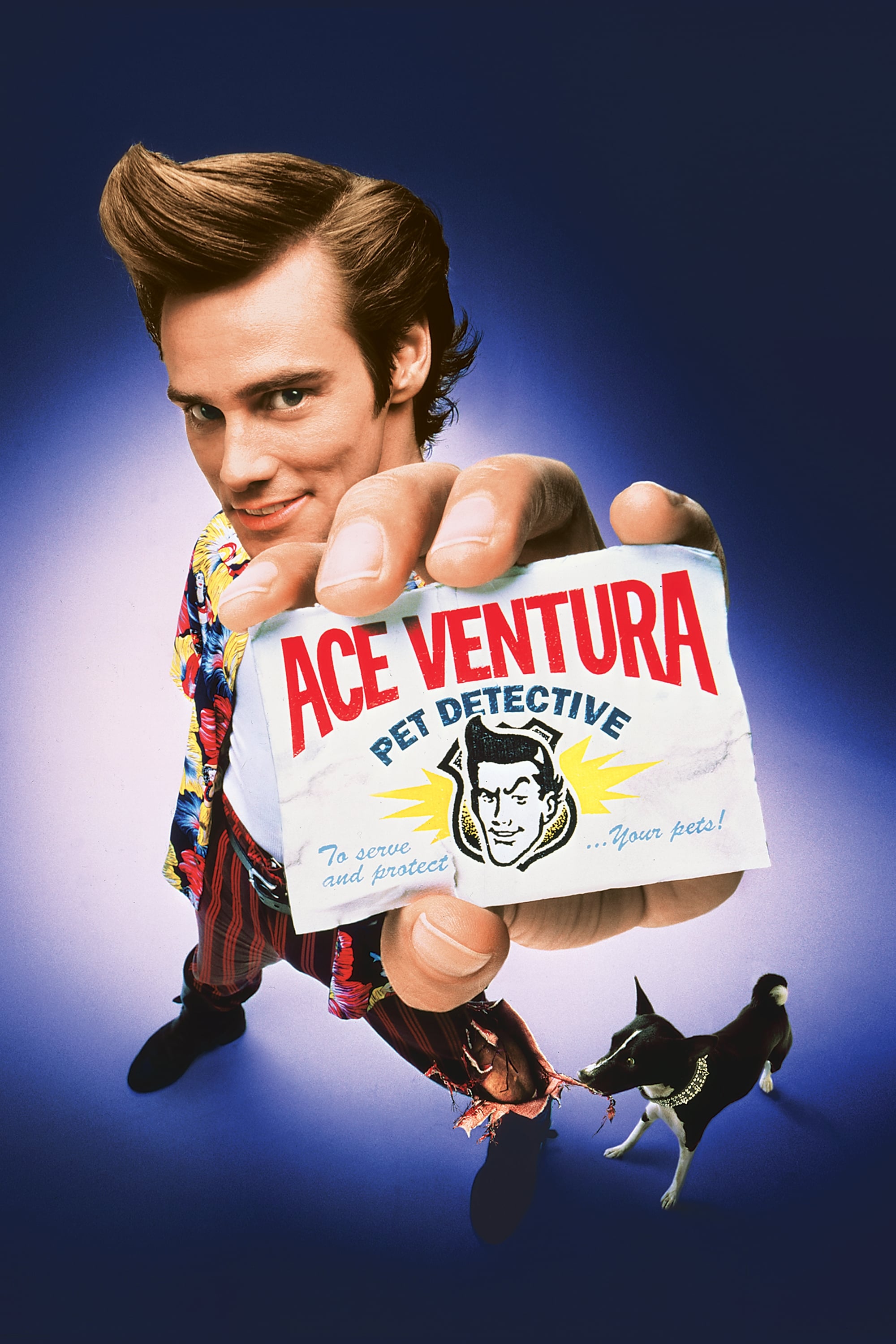
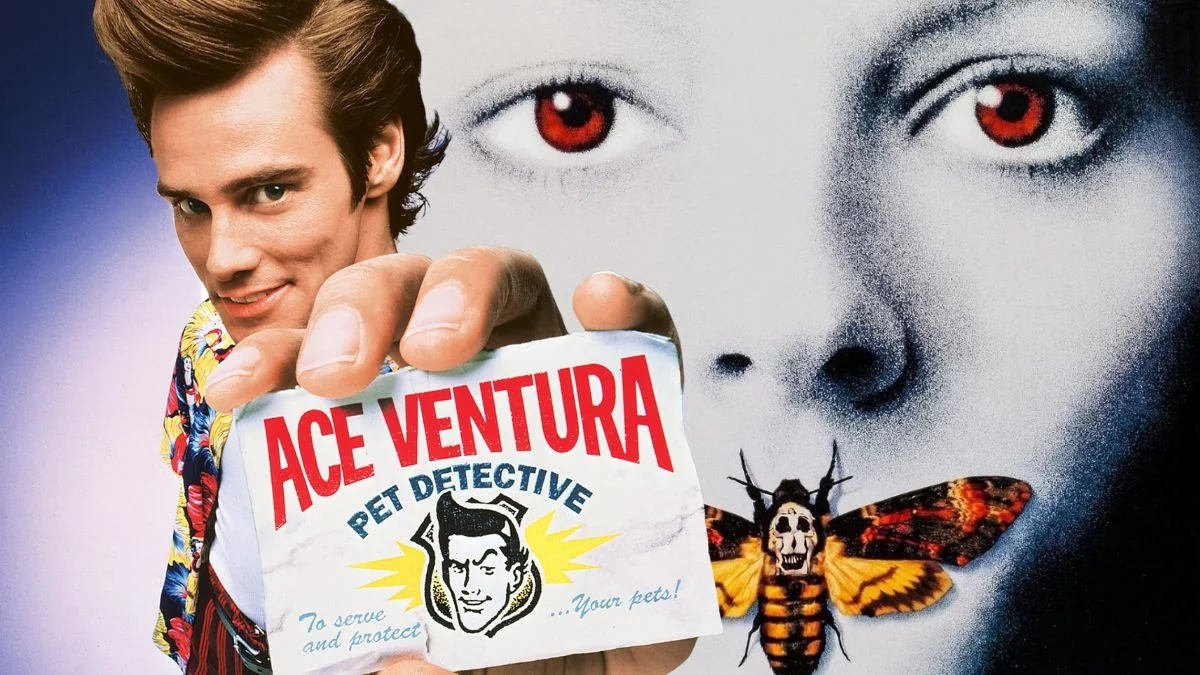
The movie’s villain, Lois Einhorn, is revealed to be Ray Finkle, a former football player. The story’s climax relies on the male characters’ negative reaction to learning she is a transgender woman. The film presents her identity as a trick meant to shock and disgust the main character, and this has been heavily criticized as a transphobic portrayal that unfairly depicts transgender bodies as repulsive.
‘Strangers on a Train’ (1951)
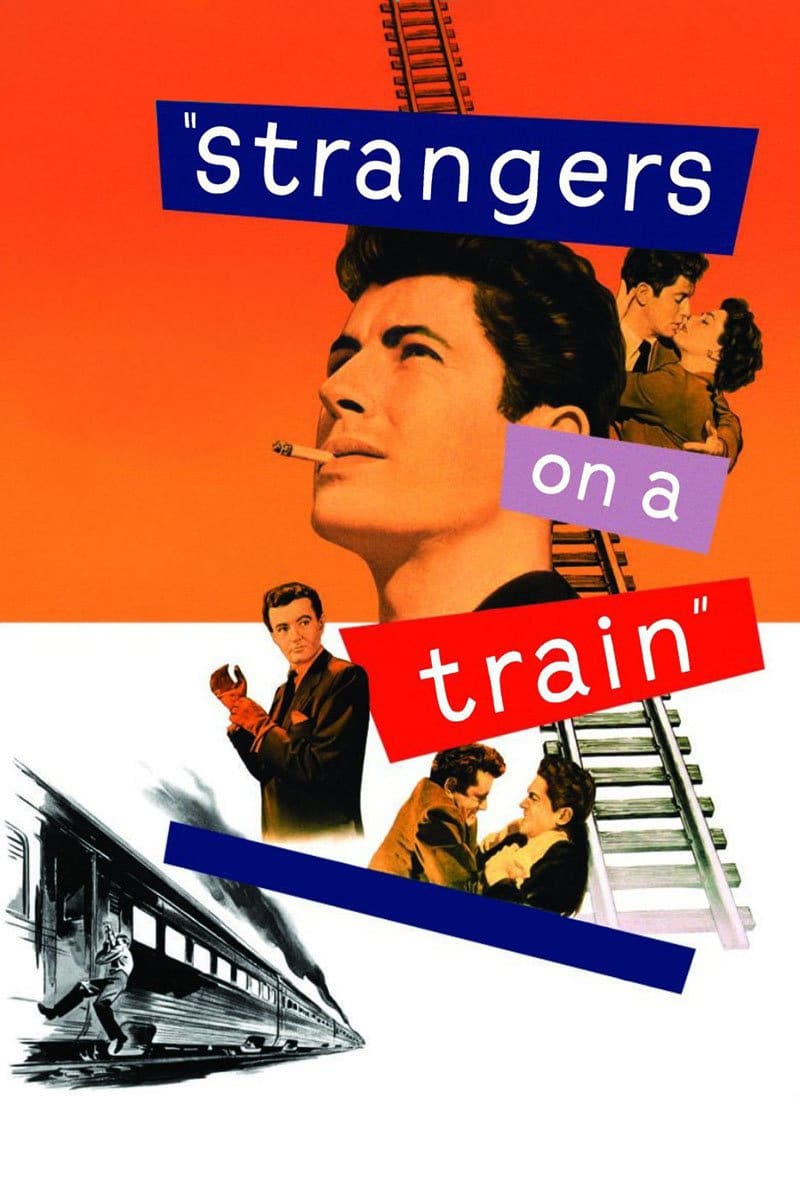
Bruno Antony is a captivating but dangerous character who suggests a disturbing exchange to a tennis player. His intense obsession with the main character hints at romantic feelings and creates suspense throughout the film. The story subtly connects his criminal behavior and unconventional nature to his sexuality, fitting a familiar pattern of complex, morally flawed queer characters often seen in classic film noir.
‘Peter Pan’ (1953)
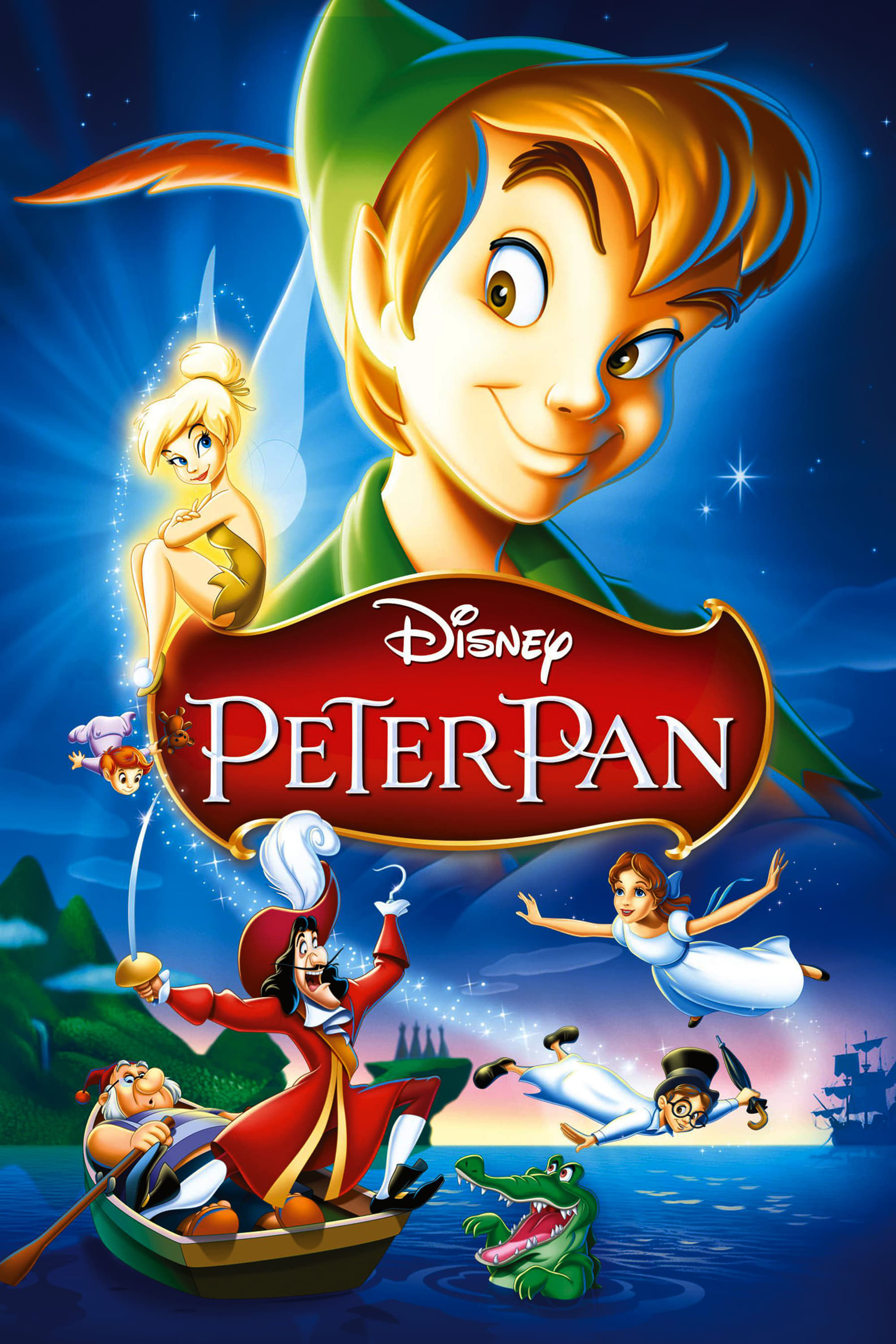
Captain Hook is presented as the opposite of the adventurous Peter Pan – he’s vain, easily frightened, and far from the typical strong hero. He’s overly concerned with appearances, wearing fancy clothes like lace and velvet, and frequently throws childish fits. He depends heavily on his clumsy pirates to do the difficult work, and his close, almost overly friendly relationship with Mr. Smee highlights the unusual, almost home-like atmosphere on his pirate ship.
‘Hercules’ (1997)
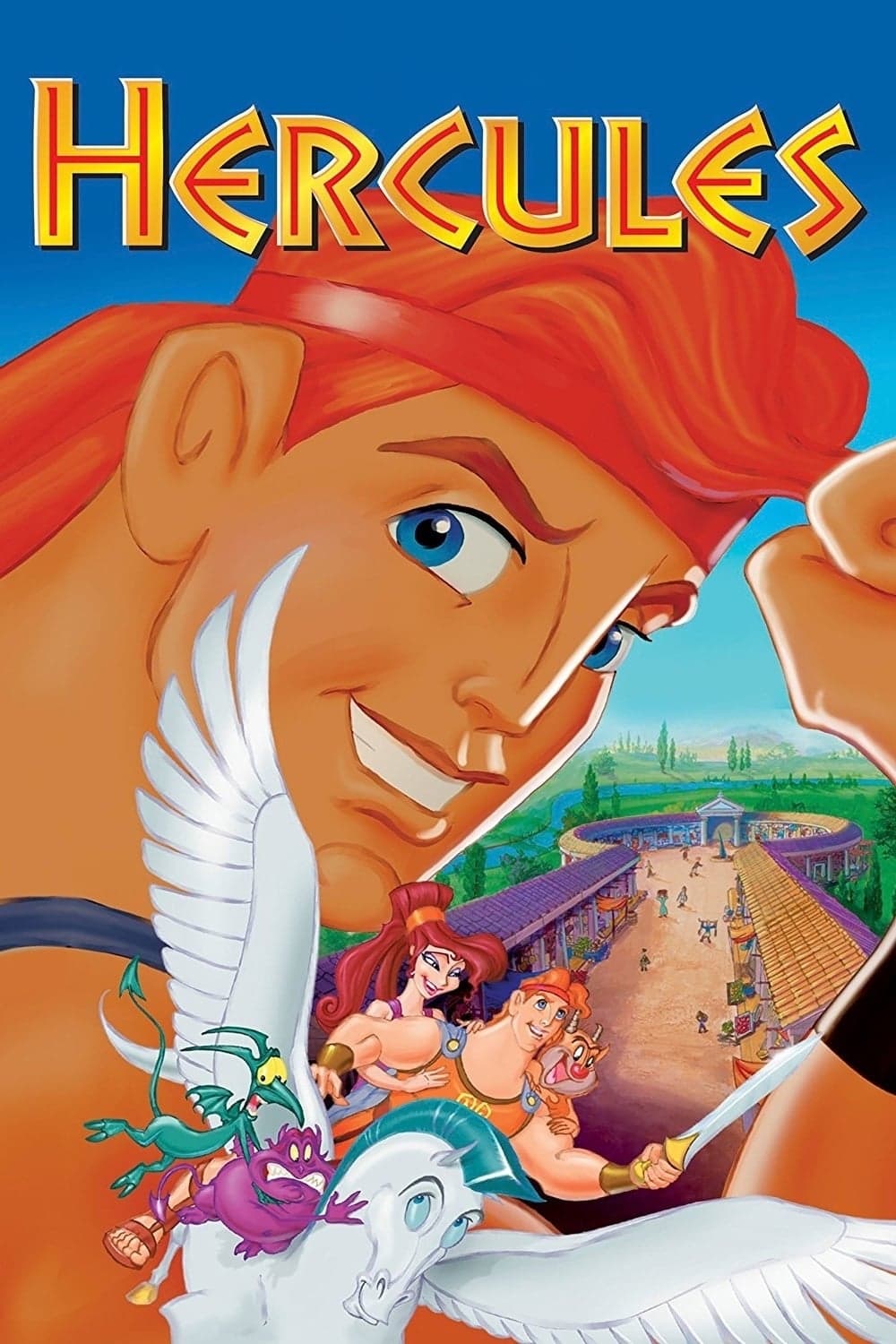
Hades is a lively and dramatic villain, a stark contrast to the serious and brave Hercules. He’s quick with witty insults and uses flamboyant gestures. His design features hair made of blue flames, and he often gets uncomfortably close to other characters. Though a fun character, he fits a common Disney trope: portraying villains as effeminate and heroes as extremely masculine.
‘The Maltese Falcon’ (1941)
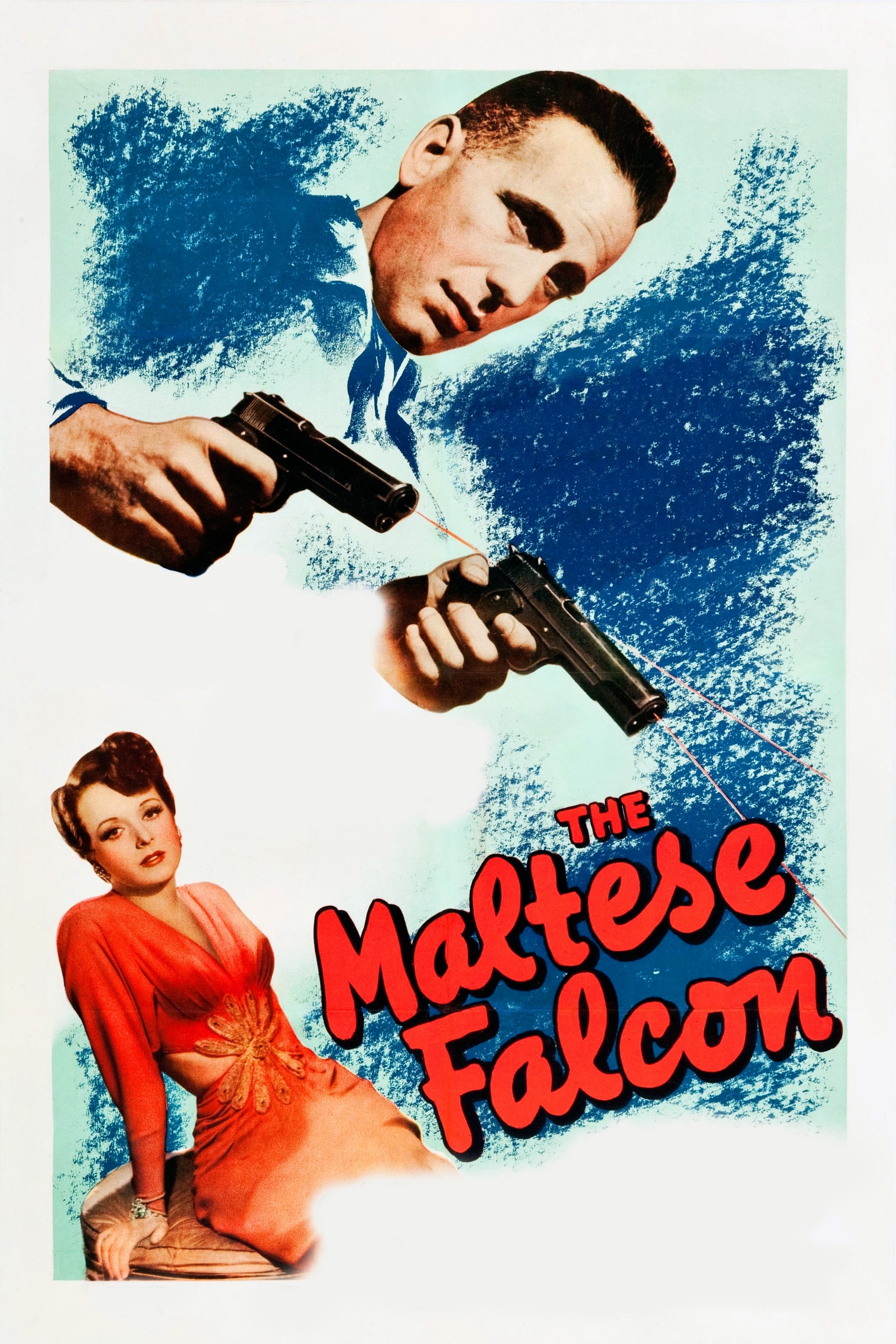
Joel Cairo is a criminal presented as homosexual through details like his perfumed business cards and fastidious nature. The film highlights the contrast between his delicate appearance and emotional displays with the toughness of Sam Spade. By suggesting his homosexuality, the movie portrays Cairo as vulnerable and unreliable in the world of crime. He’s a typical example of a recurring villain archetype in noir films – the effeminate, weak, and untrustworthy character.
‘Diamonds Are Forever’ (1971)
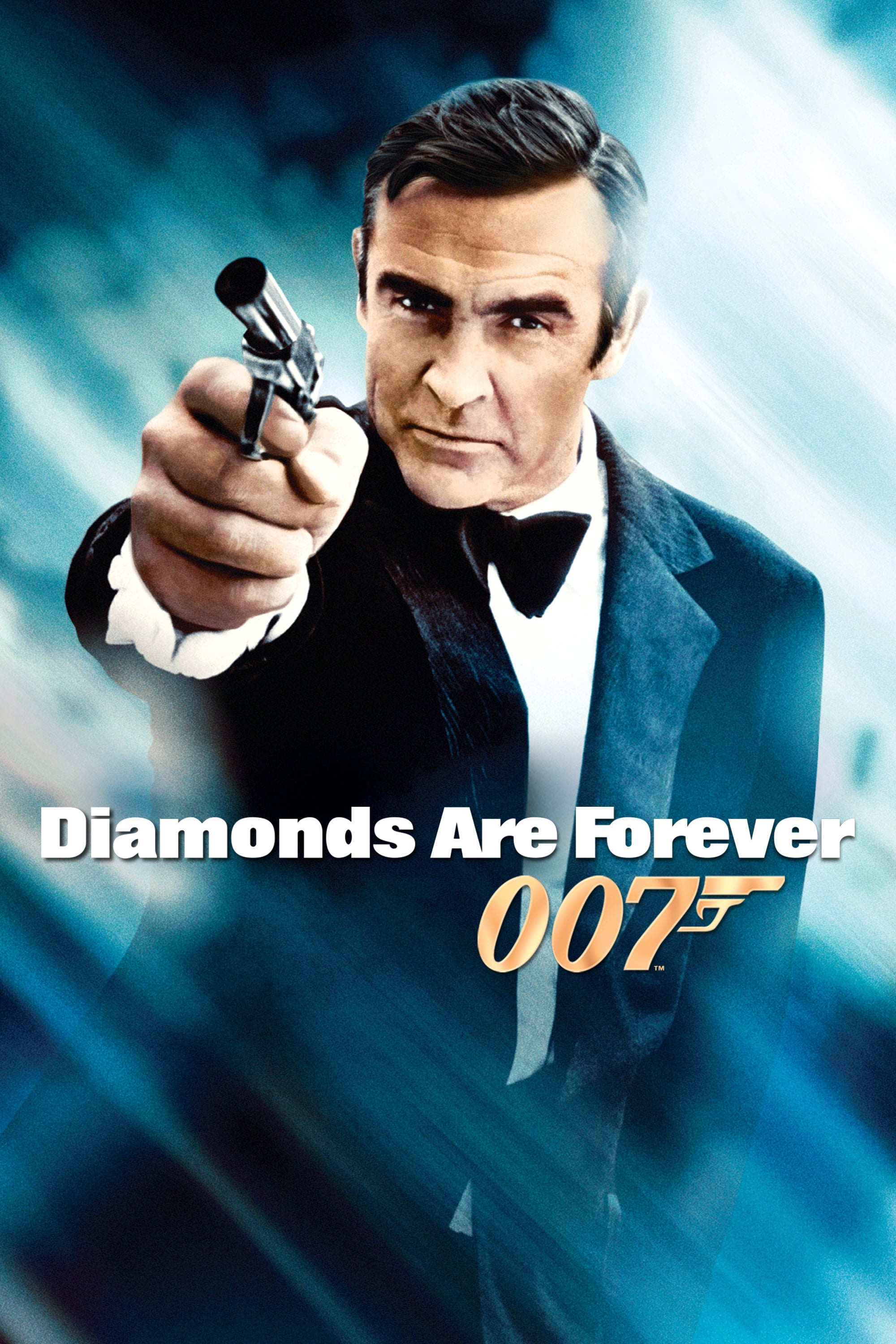
Wint and Kidd, a pair of assassins in the film, are portrayed as a gay couple, with affectionate interactions even after committing violent acts. This relationship is presented as an unusual aspect of their psychopathic personalities. Film critics have observed that the series often linked characters with non-traditional sexualities to villainous traits during that time period.
‘Basic Instinct’ (1992)

Catherine Tramell is a novelist who is attracted to both men and women, and the film depicts her using this to control and harm men. Her relationships with women are presented as proof of her twisted and excessive desires. The movie faced criticism from activists who felt it perpetuated the harmful stereotype of the dangerous lesbian killer. The film suggests her bisexuality makes her unpredictable and a threat to the main male character.
‘Rope’ (1948)
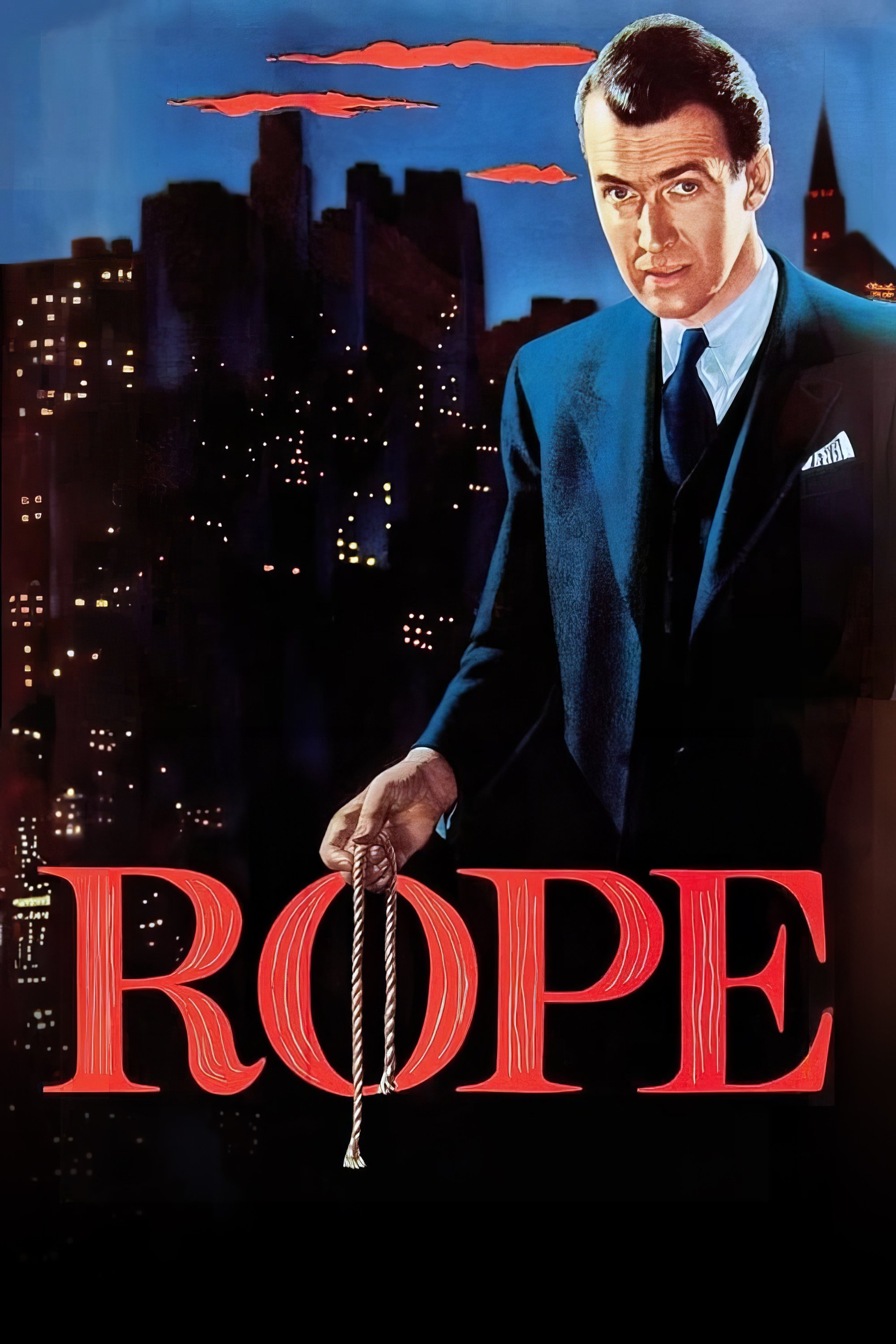
Brandon and Phillip, two young men, commit a murder, believing it will demonstrate their intelligence. The film strongly implies a romantic connection between them. It portrays their crime as a twisted result of their shared arrogance, lack of ethics, and appreciation for beauty, suggesting it stems from a disturbing connection and a shared embrace of wrongdoing.
‘Batman Forever’ (1995)
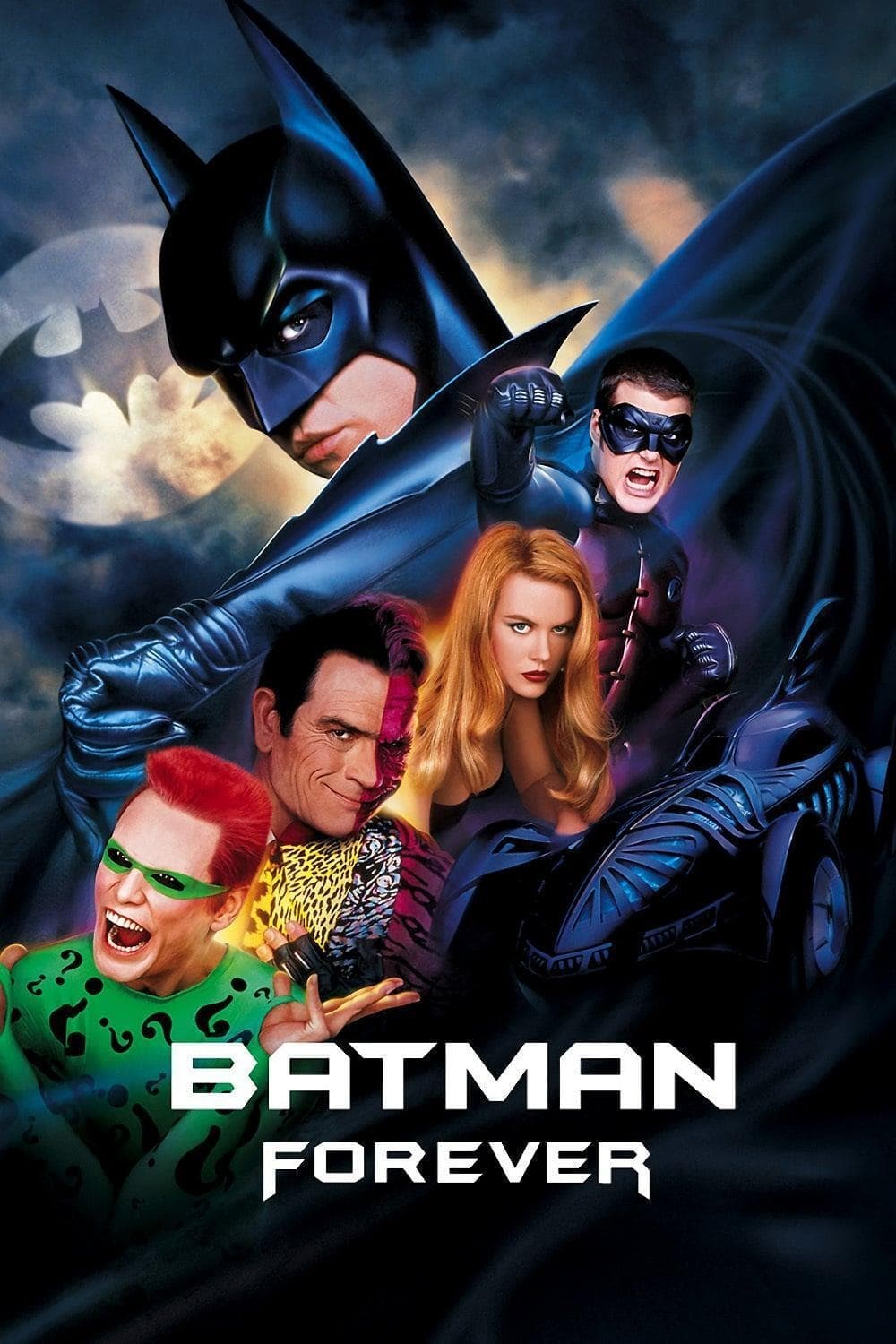
Okay, so I just saw the movie, and The Riddler is… a lot. He’s decked out in these super sparkly, tight suits and just moves with so much energy, it’s almost over the top. What really drives him, though, is this crazy obsession with Bruce Wayne, and it’s honestly heartbreaking to see how it spirals out of control and pushes him toward total madness. The actor really played up the flamboyance, which was a huge contrast to Batman’s whole serious vibe. I did see some reviews that made a good point, though – the movie kind of implies that because he’s so eccentric, that automatically makes him the villain, and it felt a little too simple.
‘JFK’ (1991)
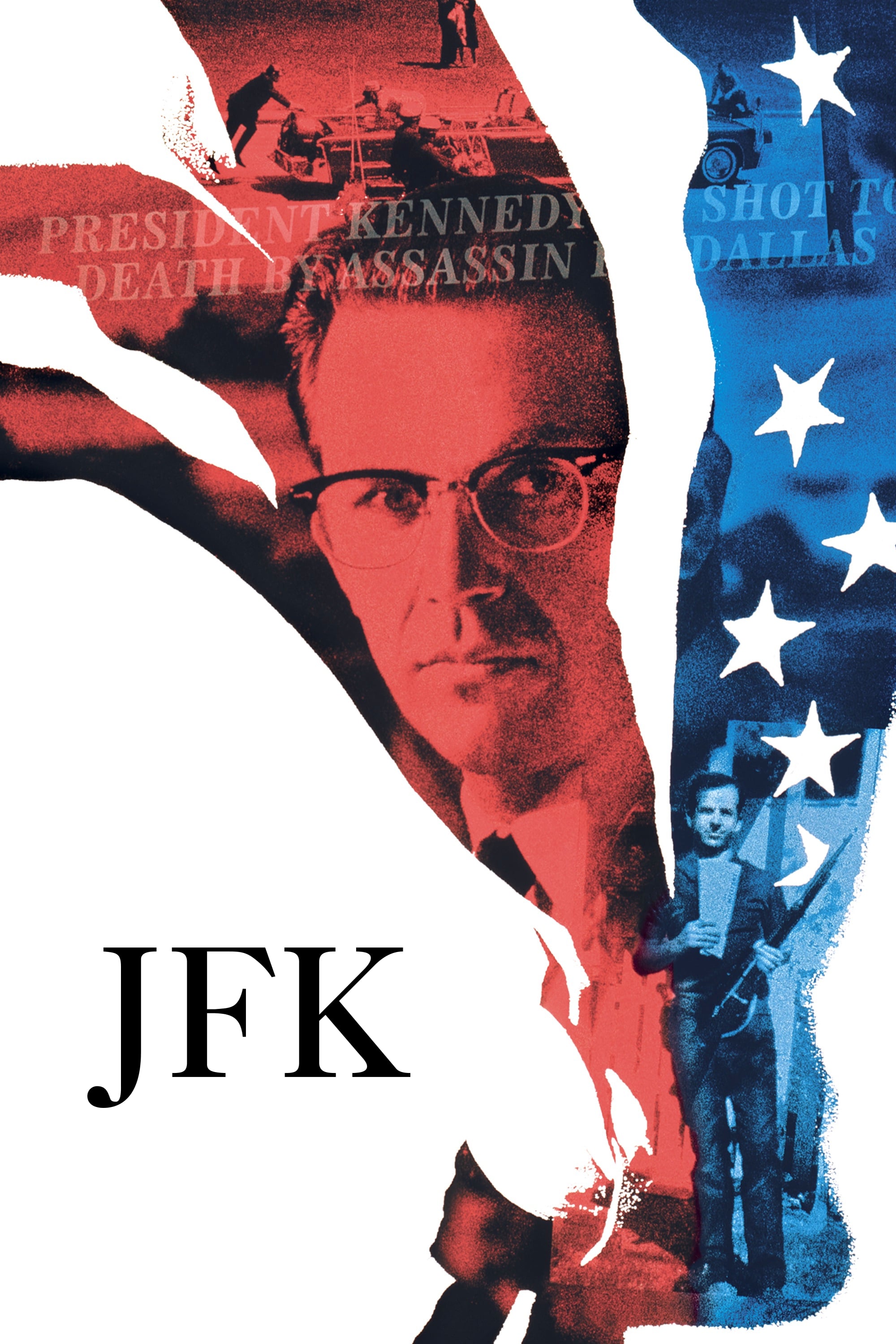
The film portrays Clay Shaw as involved in a scandalous and secretive gay subculture, falsely suggesting he helped plot the president’s assassination. A lavish, decadent party scene shows him covered in gold paint. His sexuality is used to paint him as morally flawed and mysterious. This depiction drew criticism for unfairly demonizing gay men and connecting them to a national tragedy.
‘Laura’ (1944)
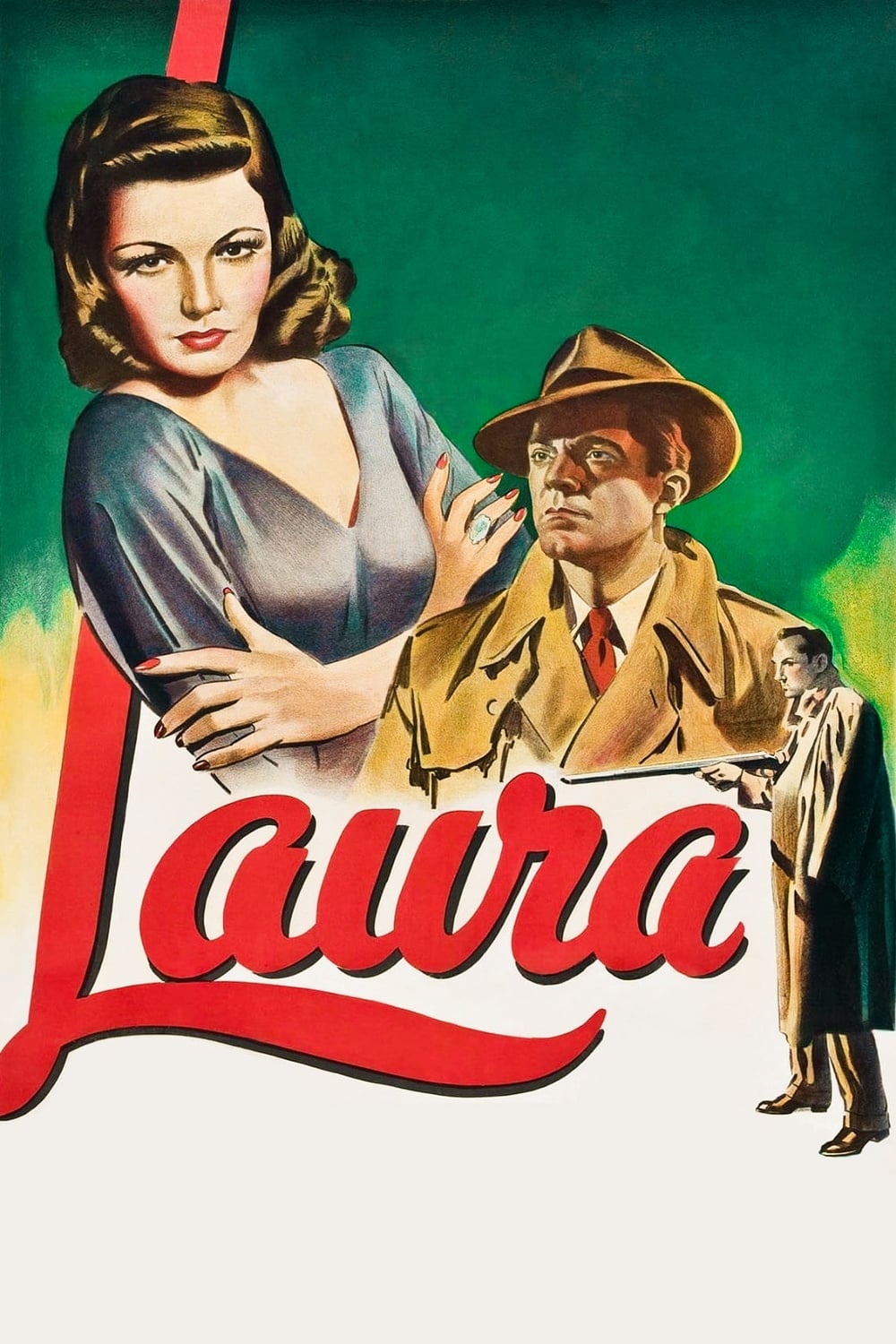
Okay, let me tell you about Waldo Lydecker. He’s a film critic, and a rather snobby one at that, who views the main character not as a person, but as something he owns. It’s his intense jealousy and frankly, obsession, that really fuel the mystery at the heart of the movie. He embodies this cold, intellectual world that feels like a real threat to the blossoming romance we’re rooting for. Don’t let the clever dialogue and cultured references fool you – underneath it all, he’s dangerously possessive, and ultimately, a killer.
‘All About Eve’ (1950)
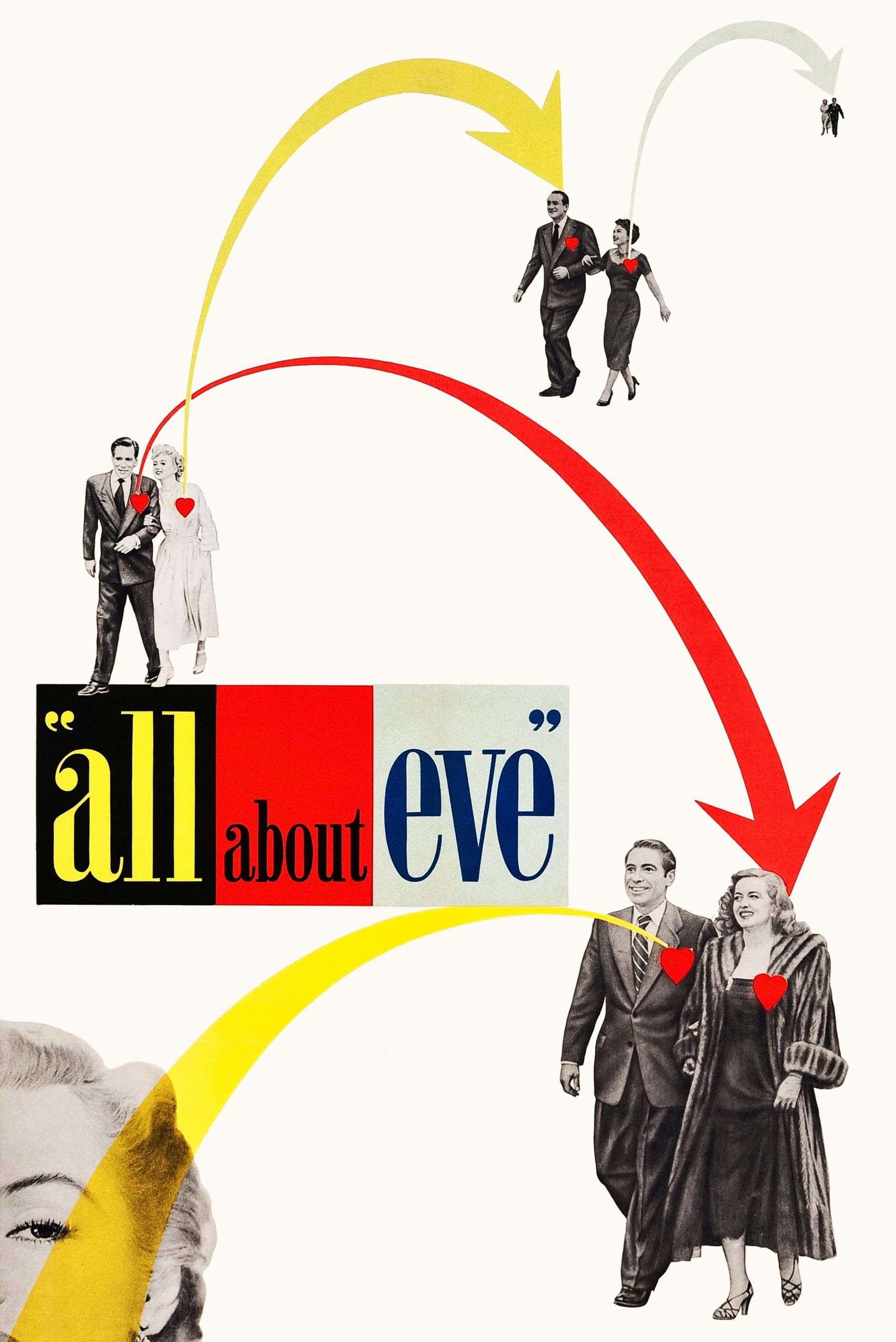
Addison DeWitt is a witty and often cruel theater critic who hints at being gay. He callously controls the careers of actresses, viewing them with detachment. Because he doesn’t seem interested in women romantically, the film portrays him as someone outside of traditional relationships, simply watching and influencing events. He’s presented as a manipulative figure who gains satisfaction from the failures of others.
‘Dracula’s Daughter’ (1936)
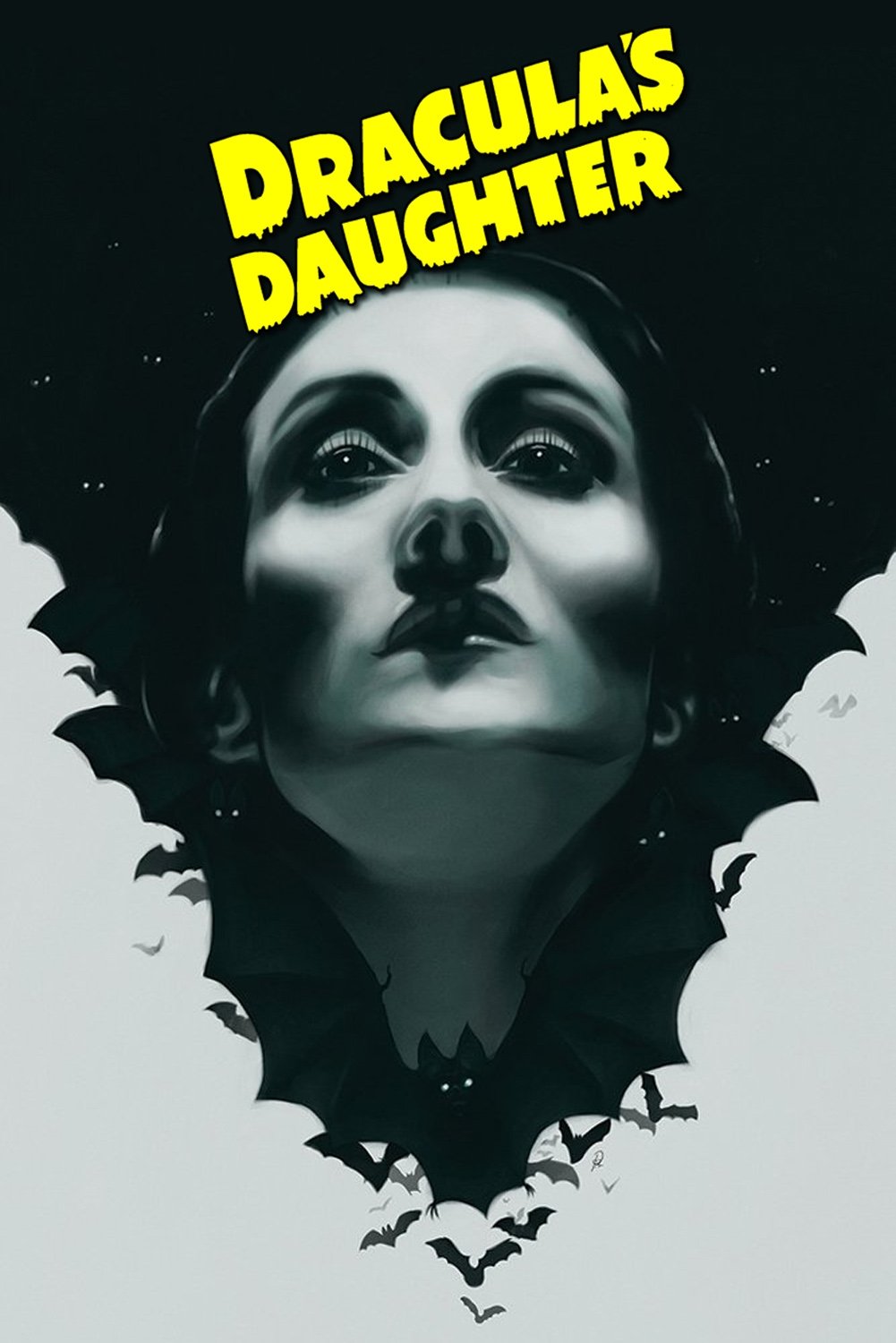
Countess Marya Zaleska is a vampire trying to break her curse, but she must feed on young women to survive. The way she attracts and exploits these women can be seen as a representation of dangerous, predatory relationships between women. The film uses the classic vampire story to examine anxieties about female power and sexuality. Ultimately, she’s a sympathetic character, portrayed as someone driven by uncontrollable urges rather than pure evil.
‘Single White Female’ (1992)

Okay, so I just finished watching this thriller, and honestly, it left me a little uneasy. It centers around a roommate, Hedy, who develops a seriously unhealthy obsession with the main character. It’s not just admiration, though; Hedy starts copying her, and the film quickly establishes this as a deeply disturbing, and frankly, violent attraction. She basically tries to isolate the protagonist, systematically ruining her life – all in an attempt to have her all to herself. What bothered me most is that it relies heavily on a really damaging trope – the ‘psycho lesbian’ – which was unfortunately pretty common in the early nineties, and this film definitely reinforced that negative stereotype.
‘Fatal Attraction’ (1987)
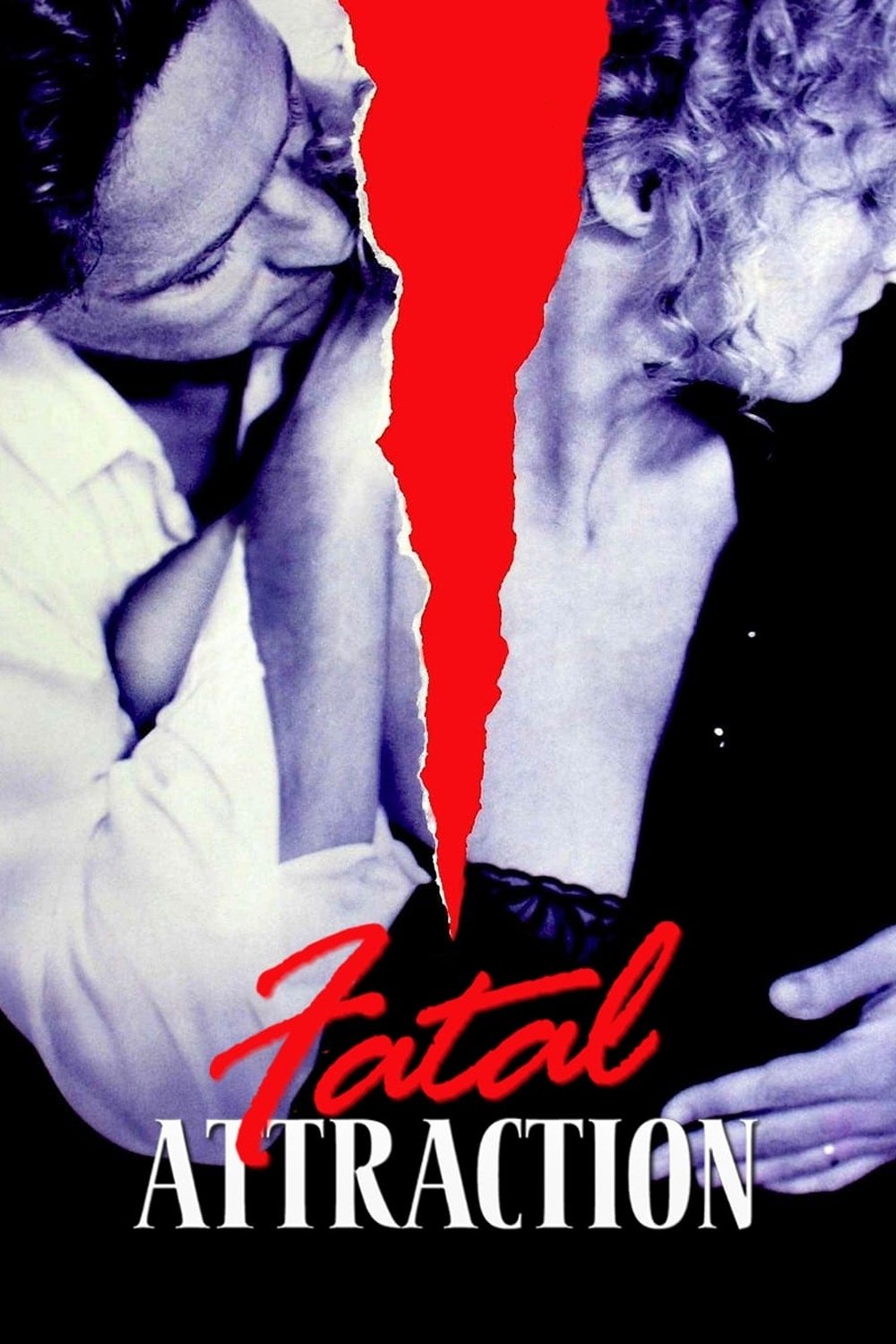
Alex Forrest is a fiercely independent woman who is villainized in the film after having an affair with a married man. The story punishes her for not fitting into traditional family roles. Although not portrayed as LGBTQ+, her challenge to the conventional family structure taps into anxieties historically used against queer people. Ultimately, the film portrays a single woman outside of marriage as dangerous and threatening.
‘Cruella’ (2021)
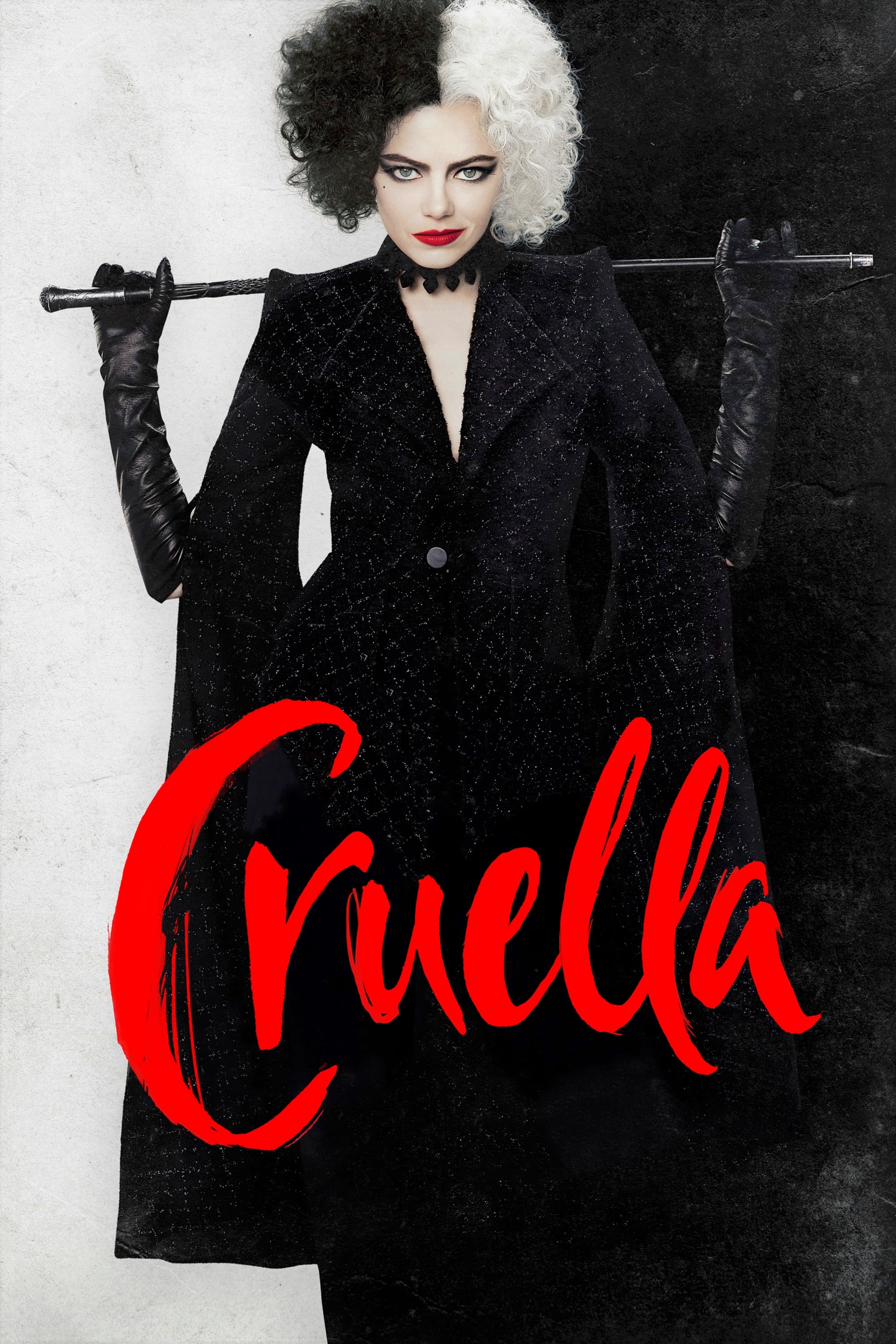
I have to say, the Baroness is a truly striking villain! She’s a fashion designer, but she’s really icy and treats everyone terribly. Her whole style feels inspired by drag queens and those over-the-top campy performers I love. What’s fascinating is how she feels like a throwback – she represents that older type of queer villain we’ve seen before, and she’s up against this new hero. Honestly, the movie really leans into the fact that she’s not a nurturing person to make you see her as the bad guy, and it’s… effective, if a little sad.
‘Notes on a Scandal’ (2006)
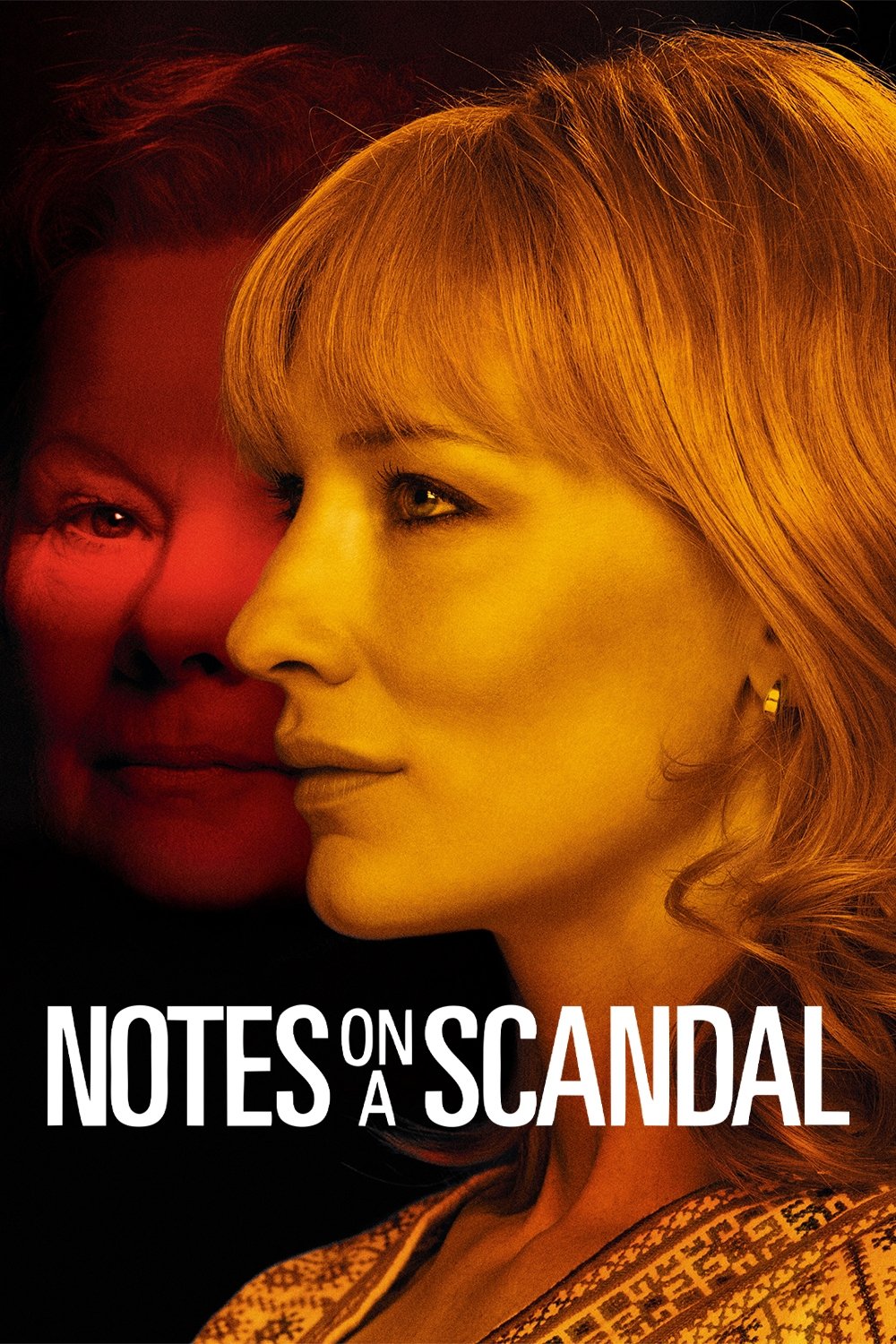
Barbara Covett is a seasoned teacher who develops an intense obsession with a younger coworker. She exploits knowledge of the coworker’s personal life – an affair – to control and isolate her. The film portrays Barbara’s attraction as harmful and fueled by resentment. Many critics pointed out that the character embodies a familiar stereotype: the isolated, older woman who targets younger women.
‘The Powerpuff Girls Movie’ (2002)
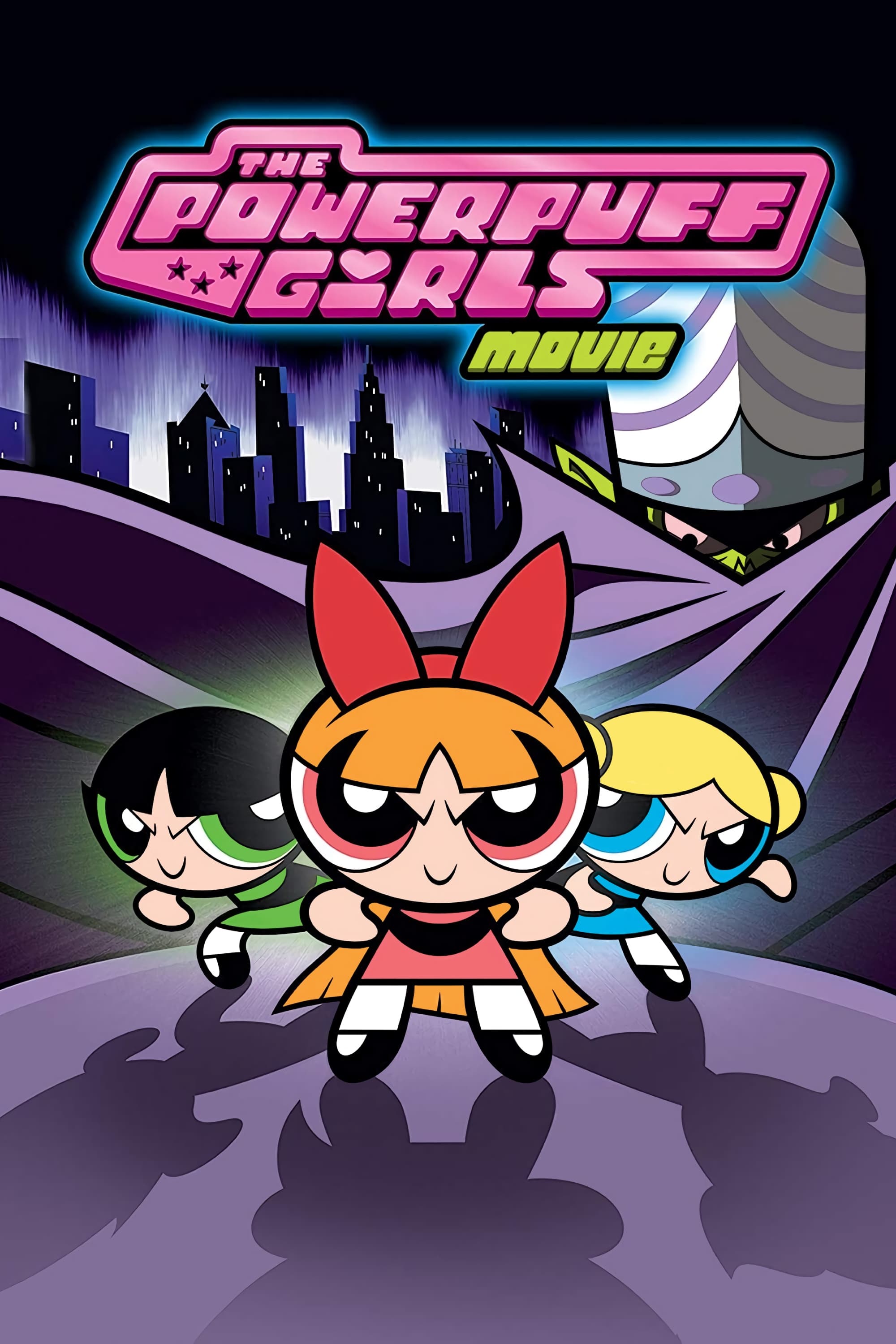
Him, a villain known for his frightening appearance, deliberately blurs traditional gender roles. He’s a demonic figure who wears a dress and speaks with a high-pitched voice, and many consider him one of the most obvious examples of a queer-coded villain in children’s programming. He uses psychological manipulation and exaggerated, traditionally feminine mannerisms to frighten the heroes he opposes.
‘Gladiator’ (2000)
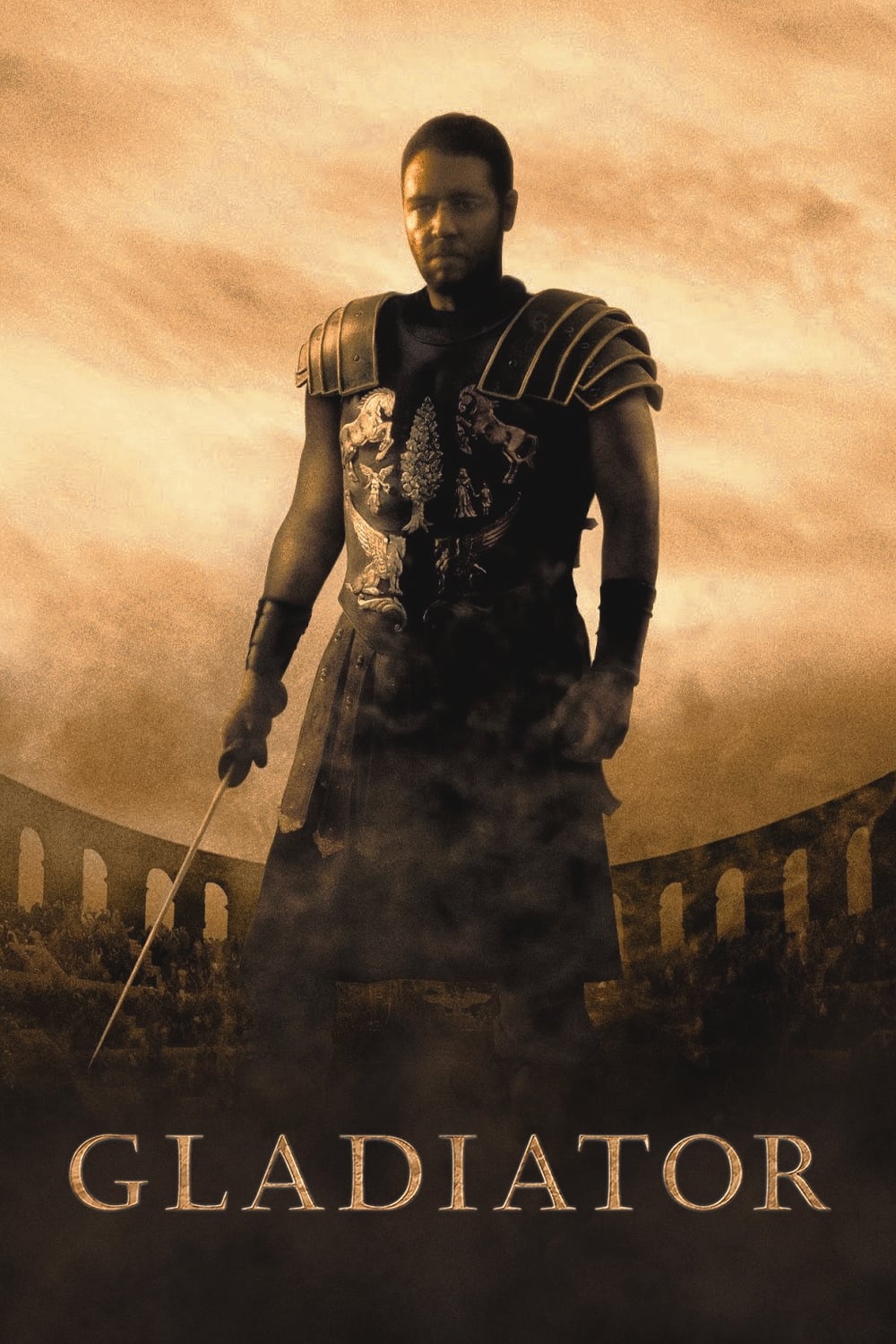
Commodus, the emperor’s son, is portrayed as cruel and mentally unstable – he even kills his own father. He’s presented as weak and sensitive, a stark contrast to the strong and capable Maximus. The film suggests that Commodus is also sexually disturbed, highlighting his overall moral decay. His envy of Maximus’s strength and heroism fuels the central conflict of the story.
‘Sleepaway Camp’ (1983)
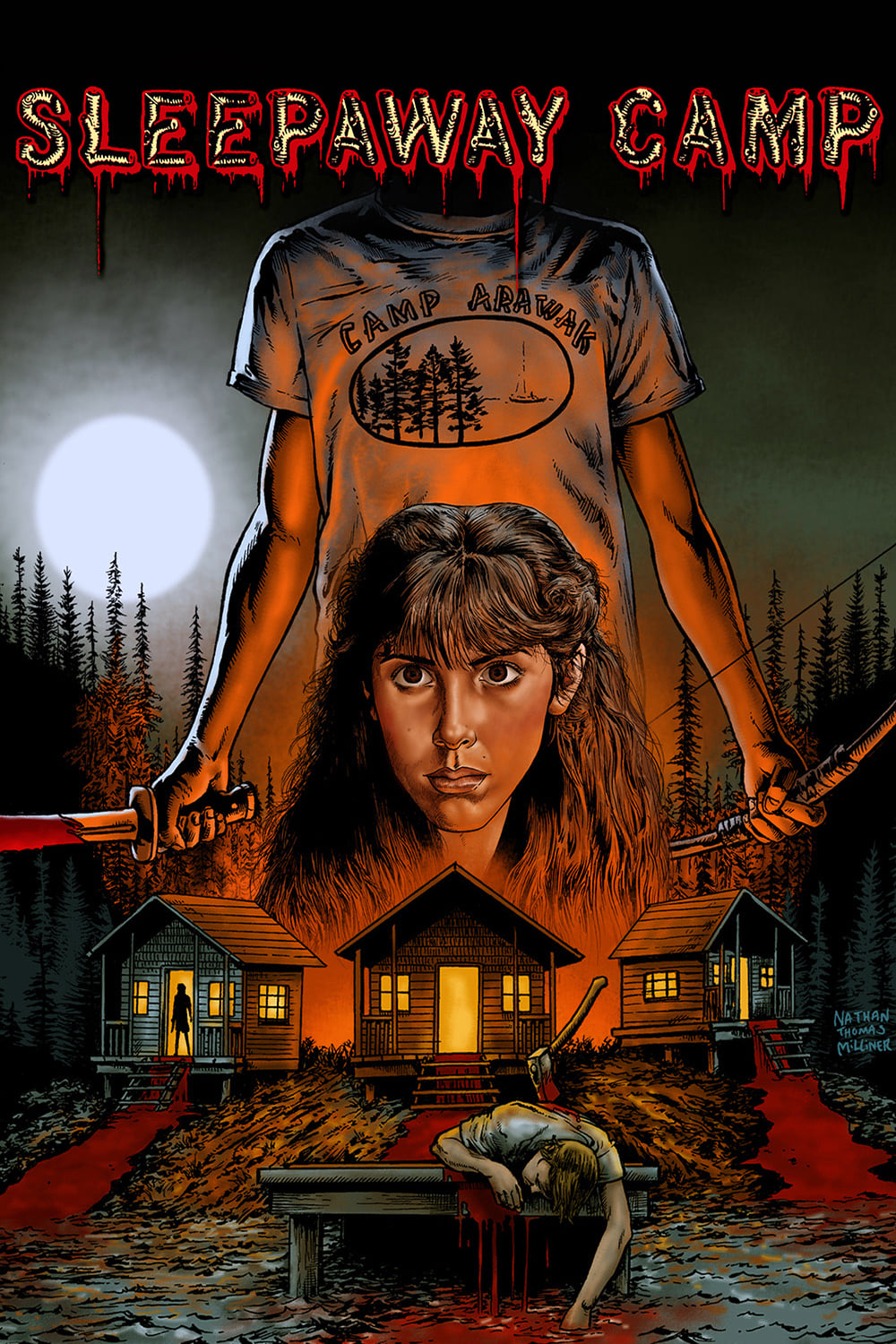
The film’s villain is revealed to be Angela, a character who was raised as male against her will. The ending shot focuses on her body, aiming to shock the audience. This reveal relies on prejudice against transgender people for its impact, falsely connecting being transgender with mental illness and violence.
‘Dressed to Kill’ (1980)
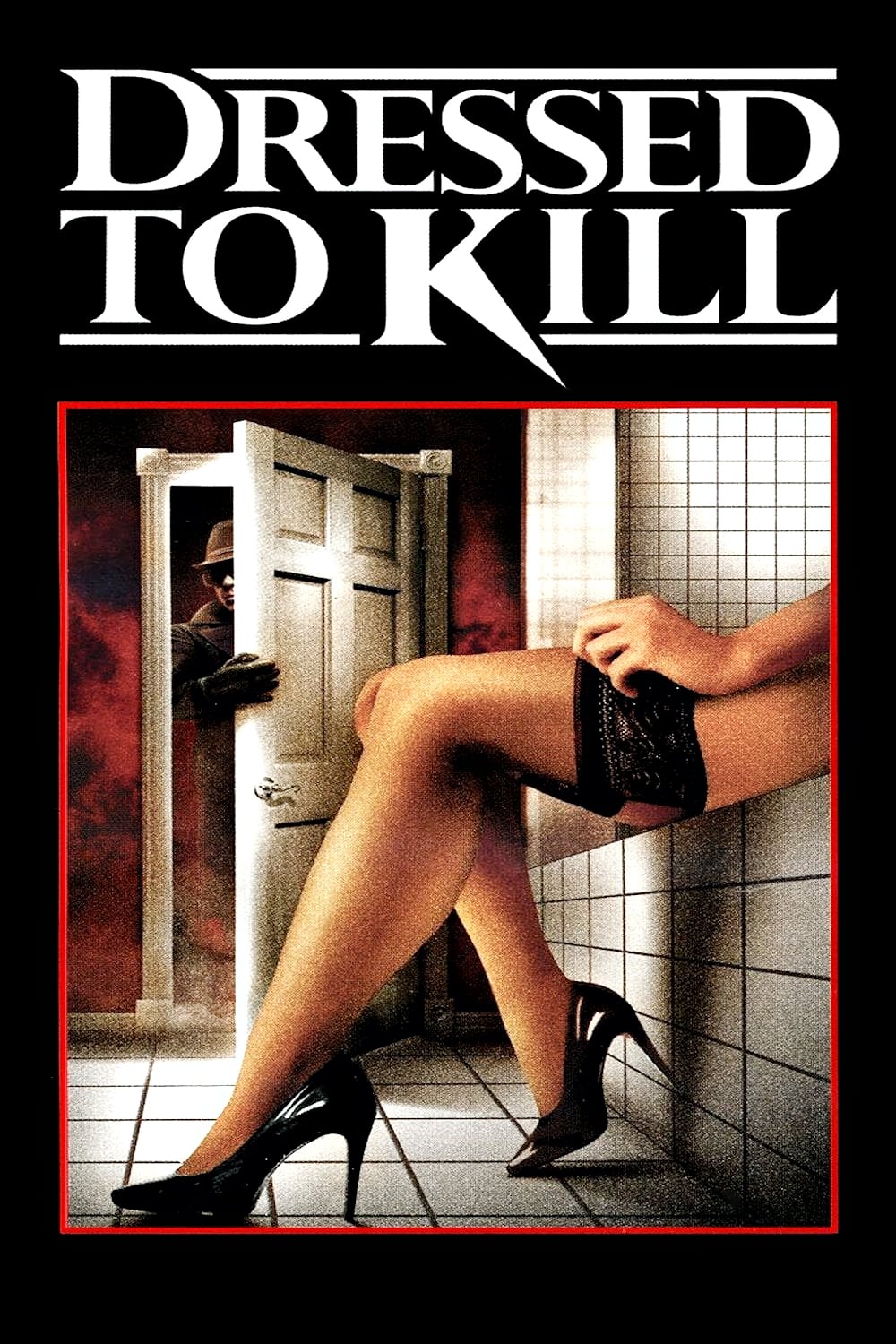
The film centers on Bobbi, a transgender woman who commits murders. It controversially implies her gender transition is linked to a split personality and her violent behavior, suggesting it’s the cause of her actions. This portrayal led to protests from activists who felt the film unfairly and harmfully connects being transgender with being a killer, presenting trans identity as a disguise for malicious intent.
‘Midnight Express’ (1978)
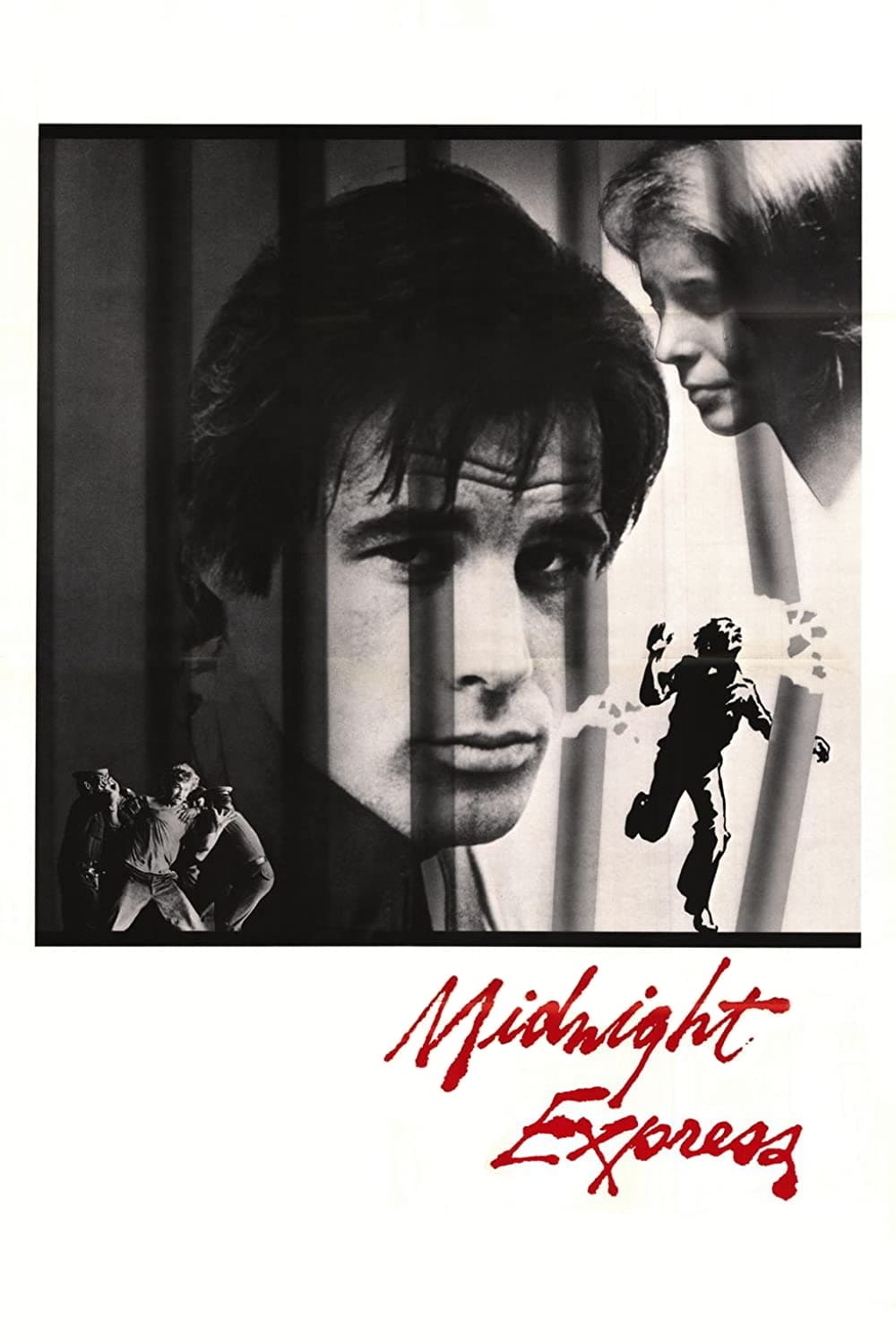
Warden Hamidou is portrayed as a cruel and sadistic character who enjoys tormenting prisoners. The film suggests his violence has sexual undertones and is connected to his homosexuality – a detail not found in the original story. This addition aims to make the character even more villainous by linking his brutality to his sexual desires.
‘Cruising’ (1980)
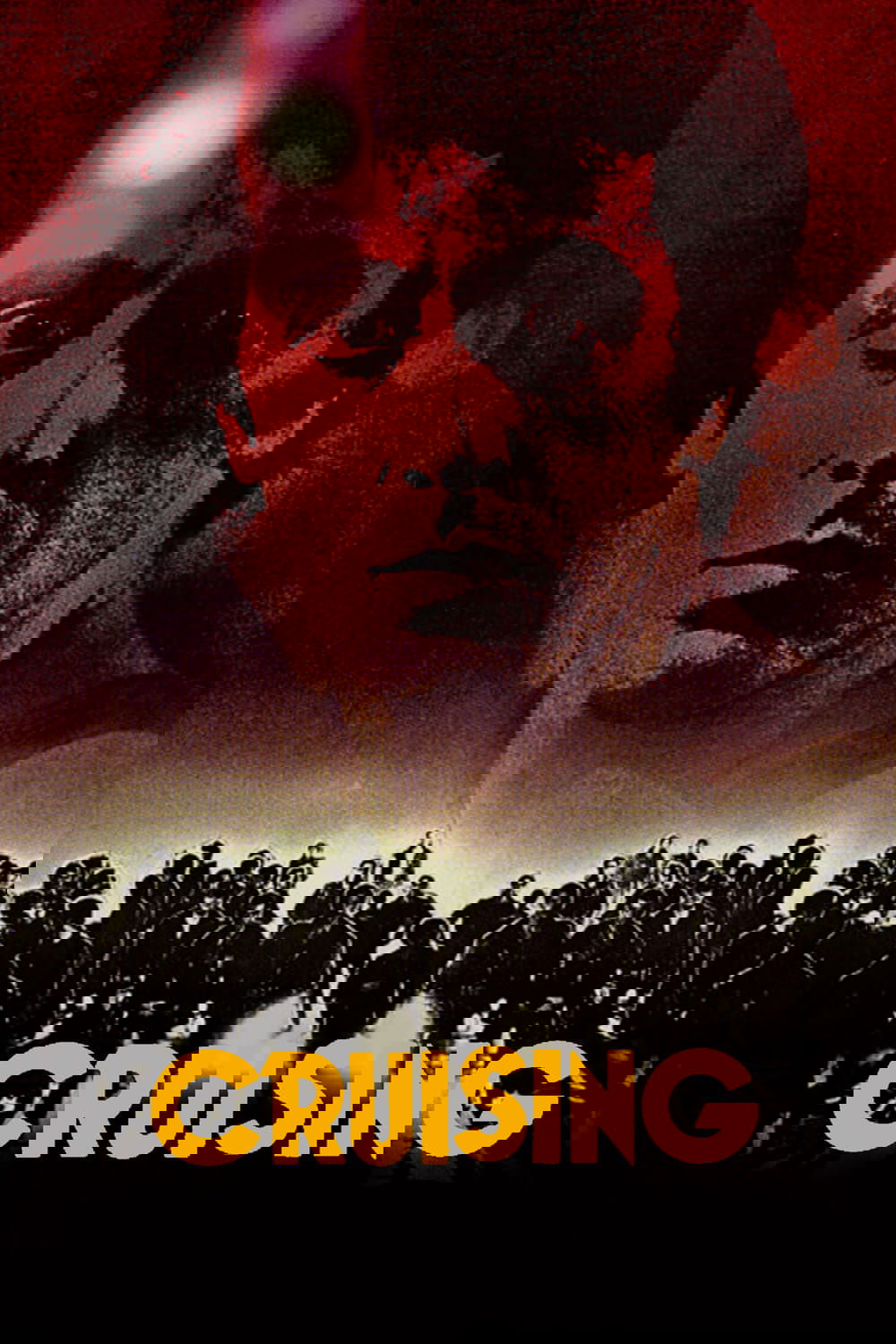
This suspenseful movie takes place in New York City’s gay leather bar scene. The killer specifically targets gay men, driven by his own internal prejudice and self-hatred. The film sparked controversy during production because of its depiction of the gay community as a shadowy and perilous environment. Some critics felt it unfairly connected gay culture with violence.
‘Caged’ (1950)
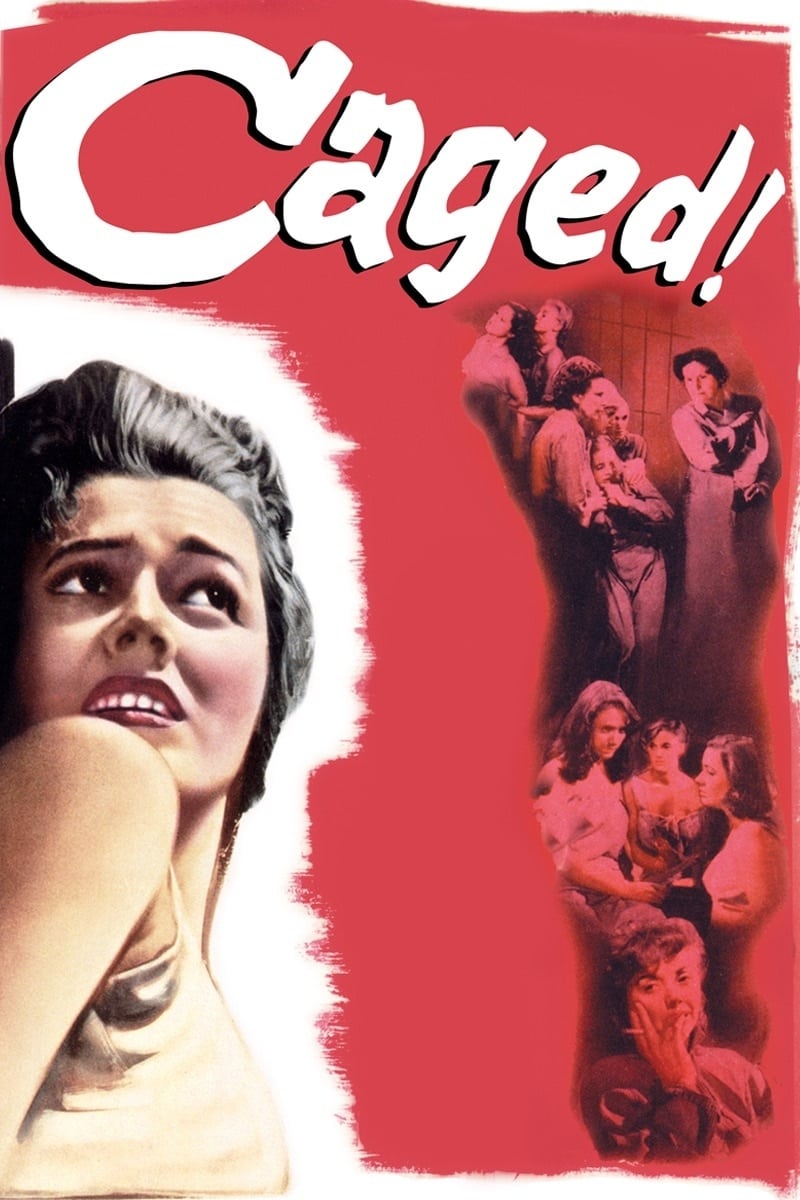
Evelyn Harper is a cruel prison guard who abuses the women she oversees. The film portrays her as a masculine lesbian who takes advantage of the inmates’ vulnerability, demanding gifts and favors in return for simple things they need. Her strong, masculine presentation is directly linked to her lack of compassion and her abusive behavior.
Please share your thoughts on these portrayals in the comments.
Read More
- Building 3D Worlds from Words: Is Reinforcement Learning the Key?
- Securing the Agent Ecosystem: Detecting Malicious Workflow Patterns
- The Best Directors of 2025
- Gold Rate Forecast
- 2025 Crypto Wallets: Secure, Smart, and Surprisingly Simple!
- Mel Gibson, 69, and Rosalind Ross, 35, Call It Quits After Nearly a Decade: “It’s Sad To End This Chapter in our Lives”
- TV Shows Where Asian Representation Felt Like Stereotype Checklists
- 20 Best TV Shows Featuring All-White Casts You Should See
- Umamusume: Gold Ship build guide
- Most Famous Richards in the World
2026-01-25 01:49