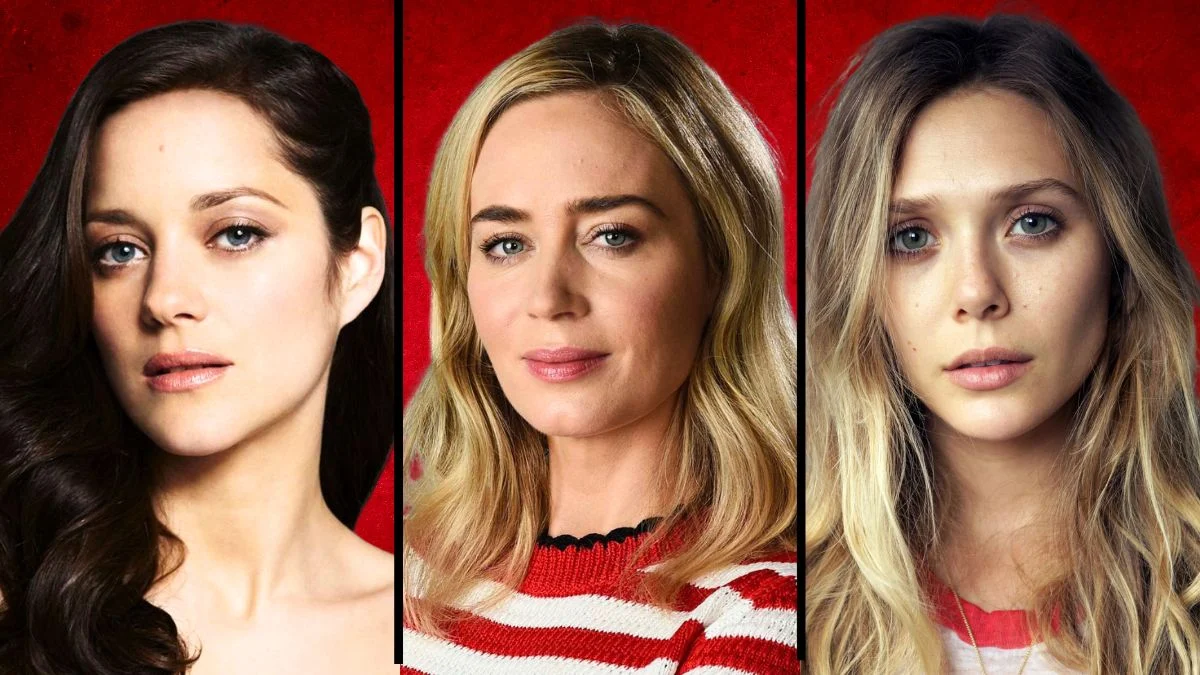
Method acting is a debated performance technique where actors remain in character throughout filming, even off-camera. It often involves significant physical changes or deep emotional involvement, sometimes making it hard to separate the role from real life. However, many well-known actresses have spoken out against this approach, preferring techniques that rely more on skill or natural talent. They believe acting is a job you can switch on and off, and that a great performance shouldn’t come at the cost of an actor’s well-being or personal life.
Charlize Theron
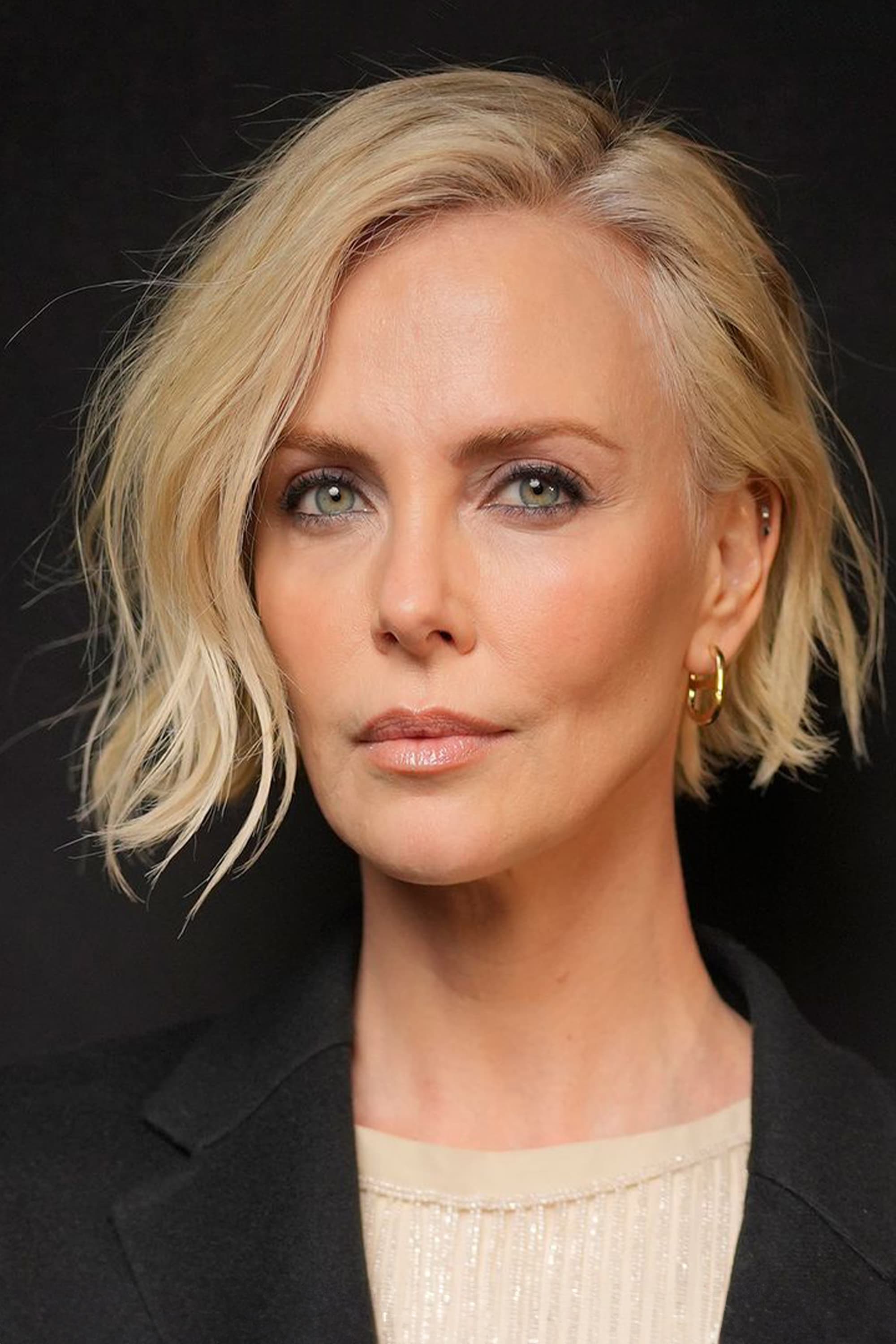
Charlize Theron is known for her dramatic physical transformations for roles, like in ‘Monster,’ but she doesn’t use method acting techniques regularly. She tried it early in her career for ‘The Devil’s Advocate’ and found it draining and unpleasant. Now, Theron prefers to separate herself from her characters as soon as filming stops, allowing her to fully disconnect and maintain her own well-being. She focuses on intense concentration while on set, rather than staying immersed in the role outside of work, which she finds helps her explore challenging characters more effectively.
Toni Collette
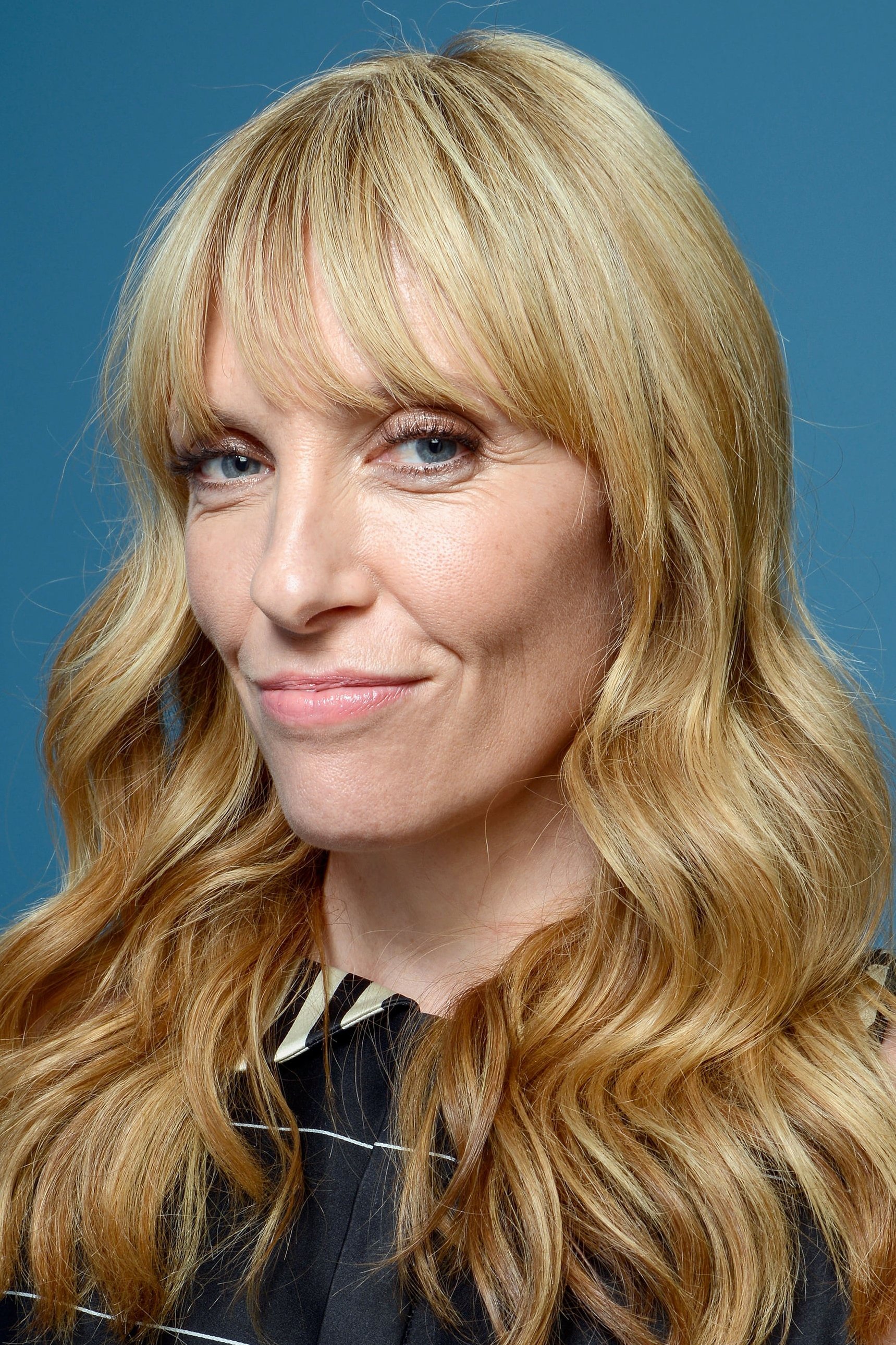
Australian actress Toni Collette has often spoken out against method acting, calling it showy and not needed to create a convincing performance. She believes acting is about using your imagination and understanding another person’s feelings, not actually experiencing the character’s hardships. Collette’s diverse career proves she can deliver powerful, emotional performances without staying in character when she’s not working, and she prioritizes keeping her personal life separate from her roles.
Natalie Portman
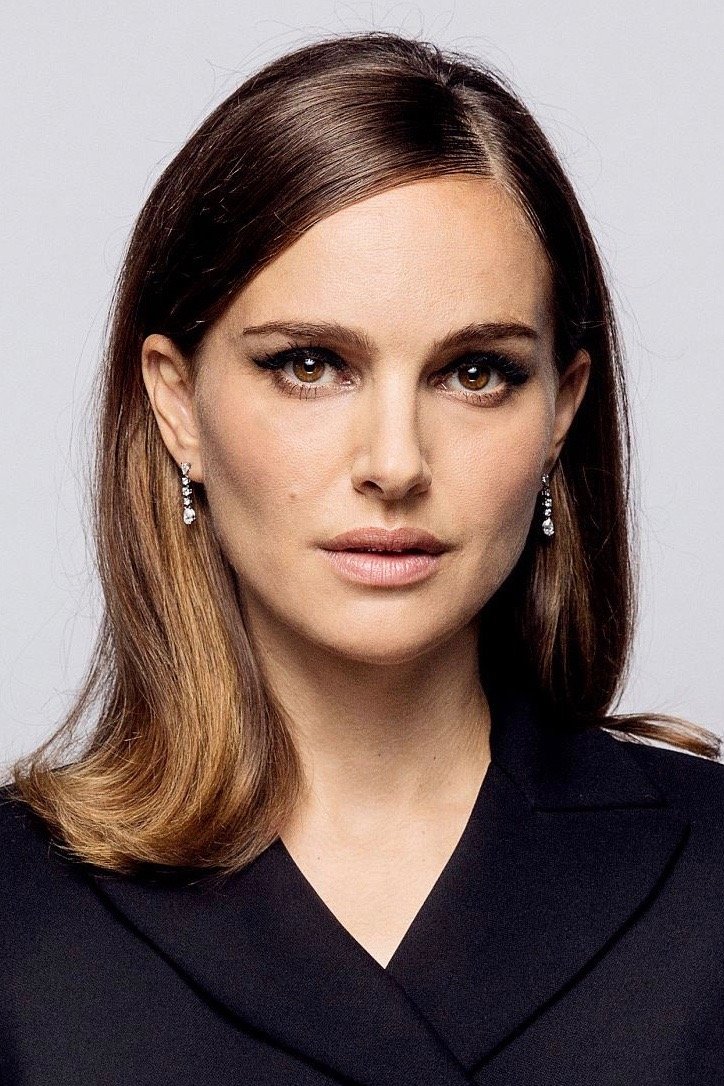
Natalie Portman believes method acting isn’t practical for women, who often have significant family commitments. She needs to be fully present for her children and partner, meaning she can’t stay immersed in a character constantly. Unlike some actors, Portman doesn’t typically remain in character between filming scenes, preferring to quickly transition into and out of her roles. While she intensely prepares for roles – like the physical training for ‘Black Swan’ – she doesn’t live the character’s life outside of work. Instead, she focuses on thorough research and preparation to build her performances.
Meryl Streep
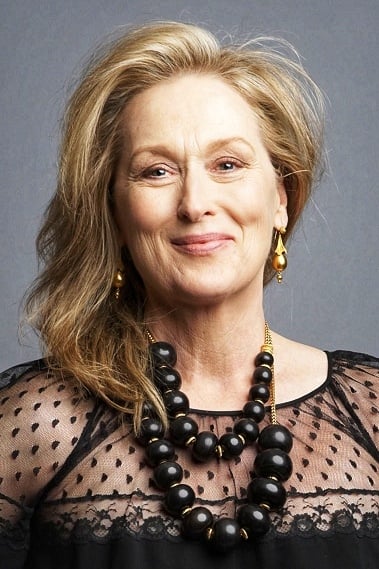
As a huge movie fan, I’ve always been in awe of Meryl Streep – she’s just incredible. But I was really surprised to learn she actually disliked her one and only time trying method acting! She did it while playing Miranda Priestly in ‘The Devil Wears Prada,’ trying to stay completely detached from everyone else on set. Apparently, it backfired big time. She ended up feeling totally alone and unhappy, stuck in her trailer while the rest of the cast had fun and connected. She said she’d never use that approach again, and now relies on her amazing skill and ability to tap into emotions without all that extra stuff. It’s cool to hear even the best actors have things they don’t love!
Viola Davis
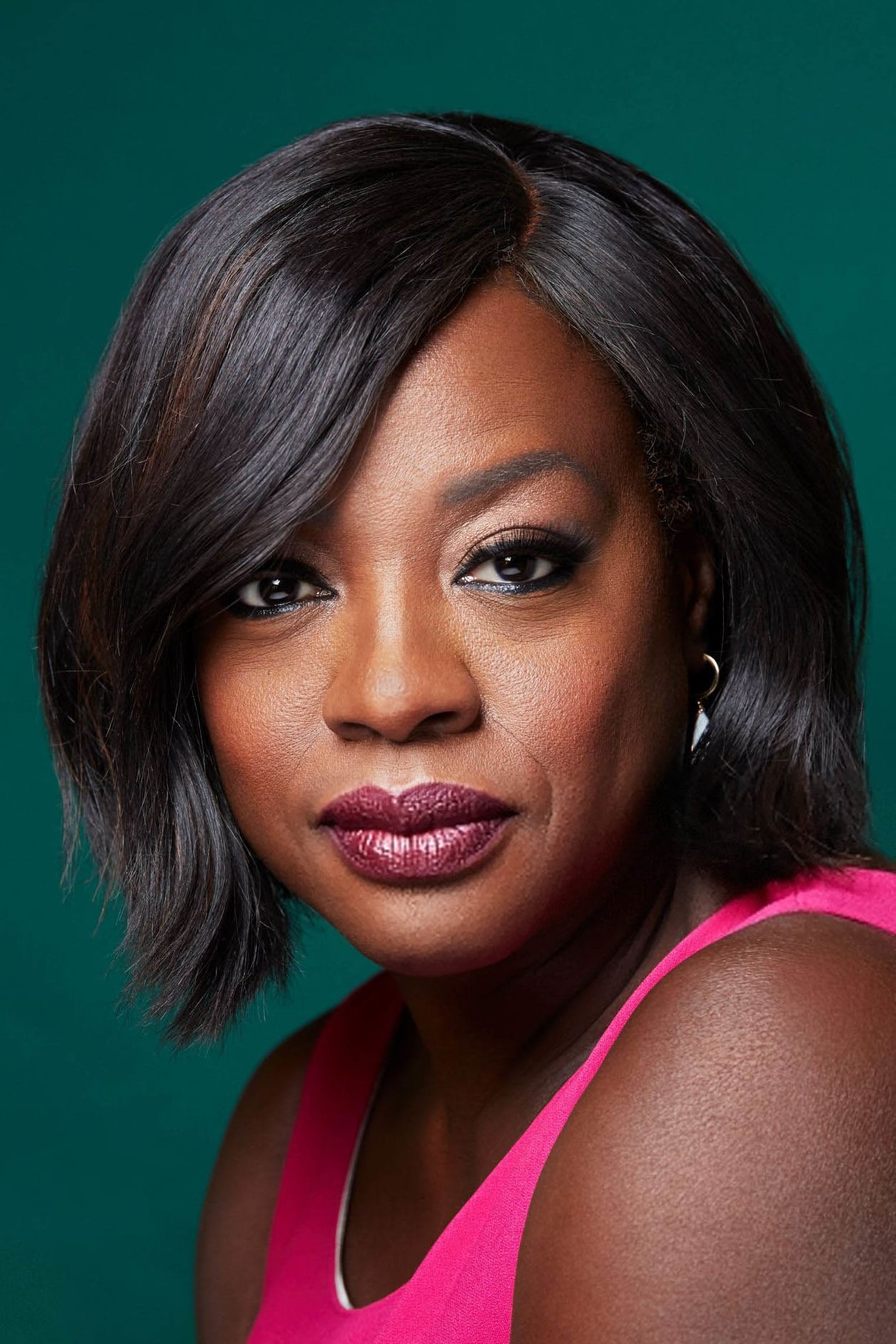
Davis is a skilled actress, trained at Juilliard, who focuses on technique rather than fully immersing herself in a role. She carefully analyzes scripts and uses breathing exercises to develop her characters, but also prioritizes maintaining a clear separation between her work and personal life. She believes she can understand a character’s emotions without becoming that character, and her compelling performances are a result of both her empathetic nature and precise acting skills.
Jennifer Lawrence
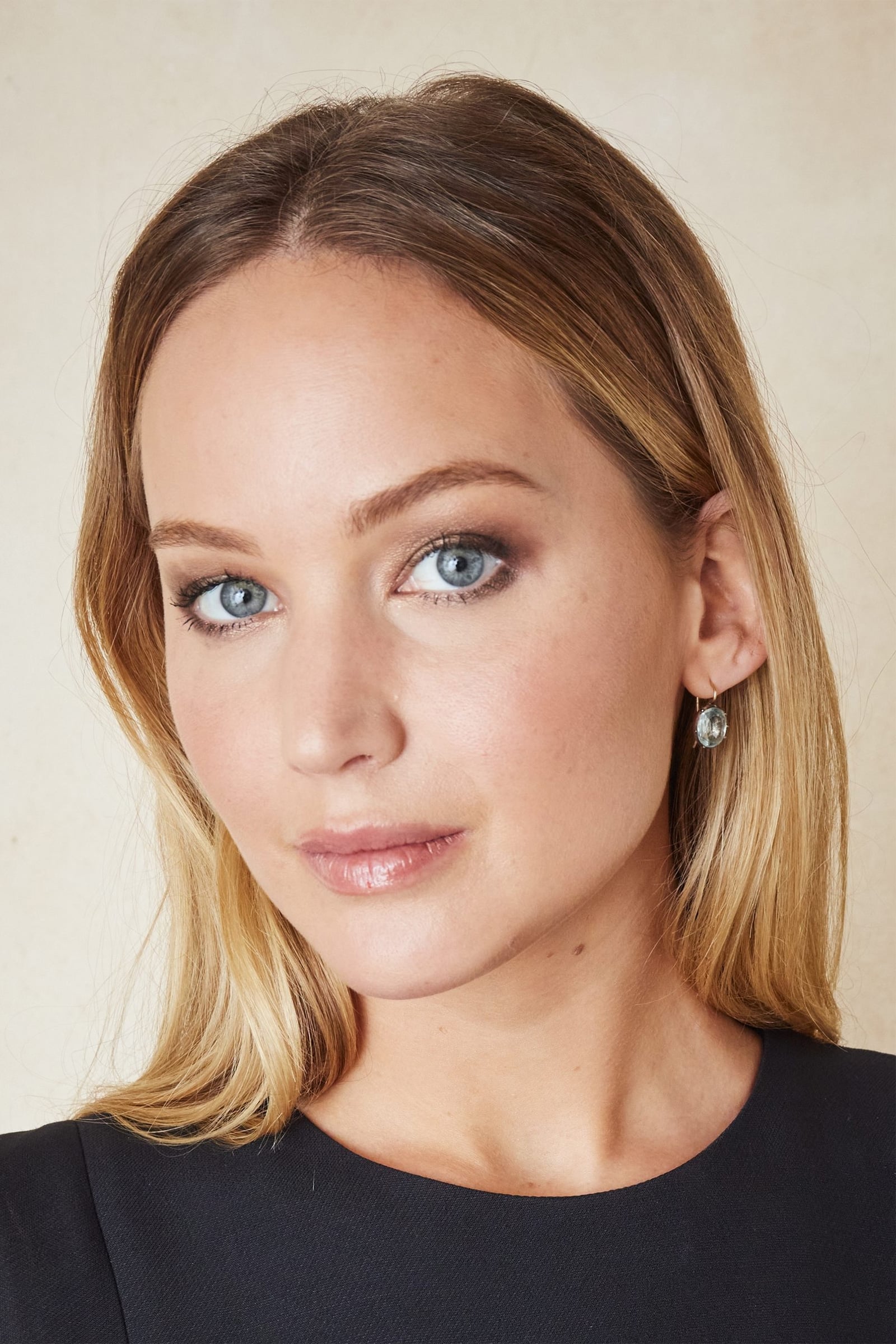
Jennifer Lawrence has said she feels uneasy around actors who remain in character constantly. She much prefers working with actors like Christian Bale, who can quickly get into character right before filming begins. Lawrence finds it hard to connect with colleagues who stay in character even when they’re not shooting. She trusts her instincts and can tap into emotions easily without a lot of preparation. Ultimately, Lawrence sees acting as a profession, not a lifestyle that should take over her whole life.
Cate Blanchett
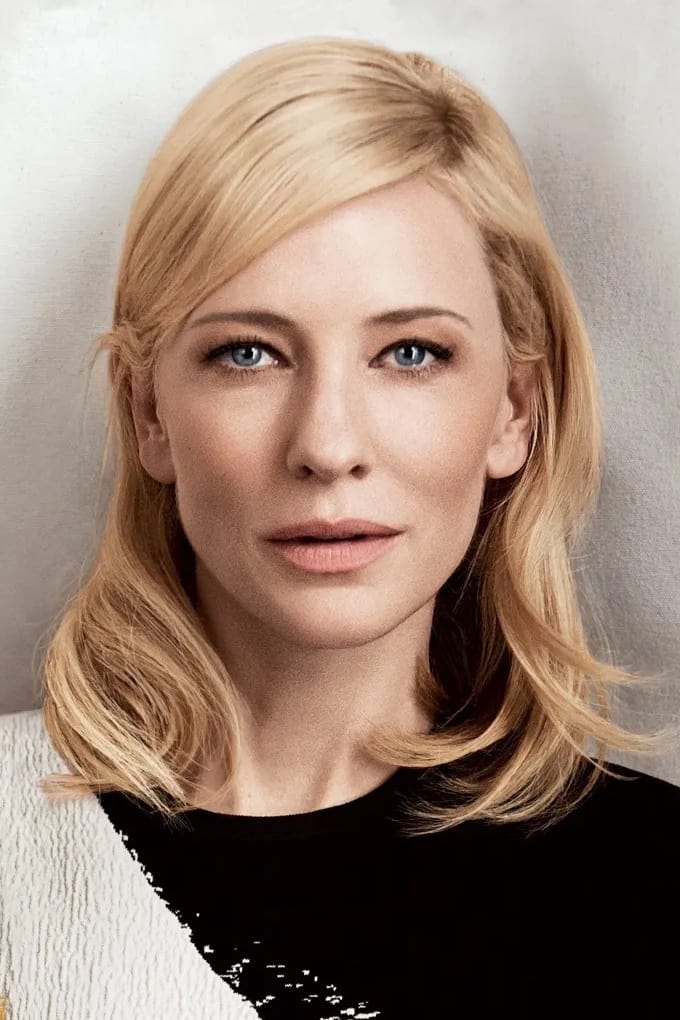
Cate Blanchett sees acting as a craft of creating believable characters, rather than truly becoming them. She’s known for leaving her work at work, prioritizing her mental well-being and family. Unlike method actors, she relies on her imagination and the script to build characters, focusing on their physical presence without needing to deeply connect with their emotional state outside of filming. This professional approach allows her to convincingly portray a diverse range of roles.
Florence Pugh

Florence Pugh has spoken out against the notion that actors need to suffer to give a good performance. She admits she pushed herself too far mentally while filming ‘Midsommar,’ but now understands that level of intensity isn’t required. Pugh believes acting should be a job you can leave behind at the end of the day, and she encourages actors to prioritize their mental health. She demonstrates that powerful emotional performances don’t require extreme ‘method’ acting techniques.
Julia Roberts
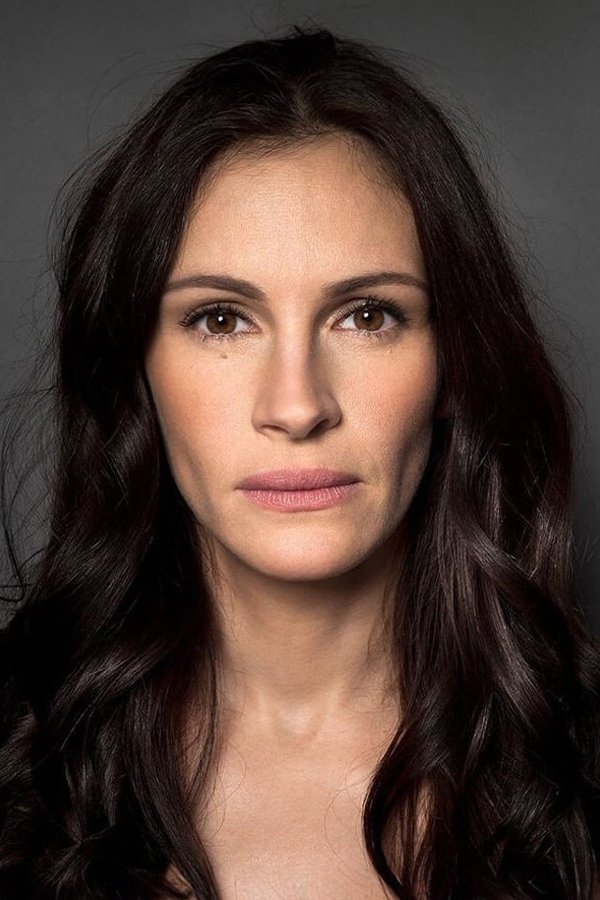
Julia Roberts has said she avoids method acting because it seems incredibly draining. She playfully acknowledges that she appreciates the dedication of actors who fully immerse themselves in a role, but she prefers to separate her work from her personal life. Roberts brings characters to life through her intuition and natural charm, focusing on being present in the moment during filming rather than constantly being the character. She likes to keep things light and fun on set, saving the emotional intensity for her performances.
Rachel Weisz
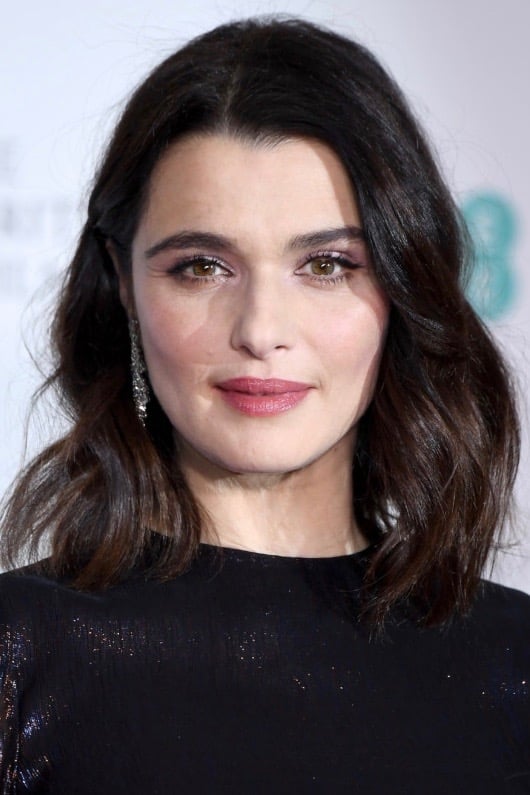
Rachel Weisz views acting as an ongoing exploration, not a strict method of becoming the character. She’s said she often doesn’t fully decide how she’ll play a scene until she’s actually performing it. While she thoroughly prepares by reviewing the script, she intentionally avoids staying in character when the cameras aren’t rolling. Weisz prioritizes the audience’s willingness to believe in the story and the strength of imagination, rather than relying solely on personal experiences. Her acting is rooted in the script itself and the dynamic connection she shares with her fellow actors.
Elizabeth Olsen
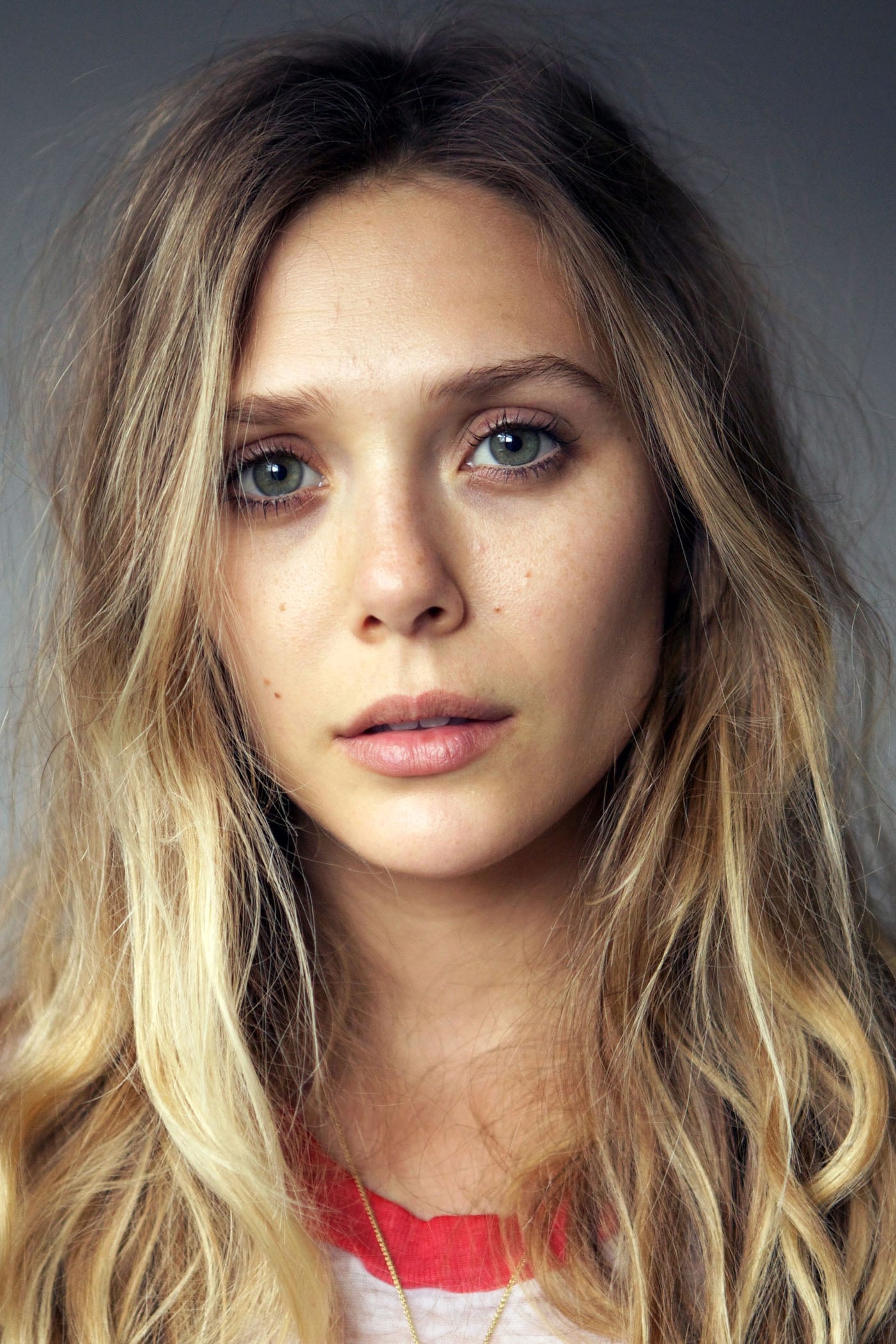
You know, I’ve always been fascinated by how actors approach their work, and Elizabeth Olsen’s perspective really resonates with me. She’s said pretty directly that she’s not into ‘method acting’ – the idea of fully becoming the character just doesn’t appeal to her. For her, it’s all about staying in control and using technique. She really focuses on understanding the story and preparing for a role, rather than trying to live it. She also loves working with others and being able to connect normally with her fellow actors on set. Ultimately, she sees acting as a job, a craft – something professional – and not something that takes over your whole life. I really appreciate that grounded approach.
Glenn Close
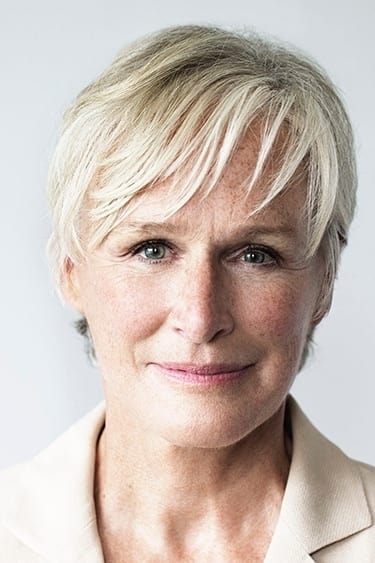
Glenn Close believes great acting is about skillful technique, like a magic trick, rather than intense emotional experience. She focuses on creating a believable performance for the audience while staying grounded as an actor. Close builds her characters using the script and her own imagination, and she emphasizes that practical filmmaking elements – like precise movements and lighting – are just as vital as conveying emotion. She doesn’t believe an actor needs to personally suffer to deliver a powerful performance.
Sandra Bullock
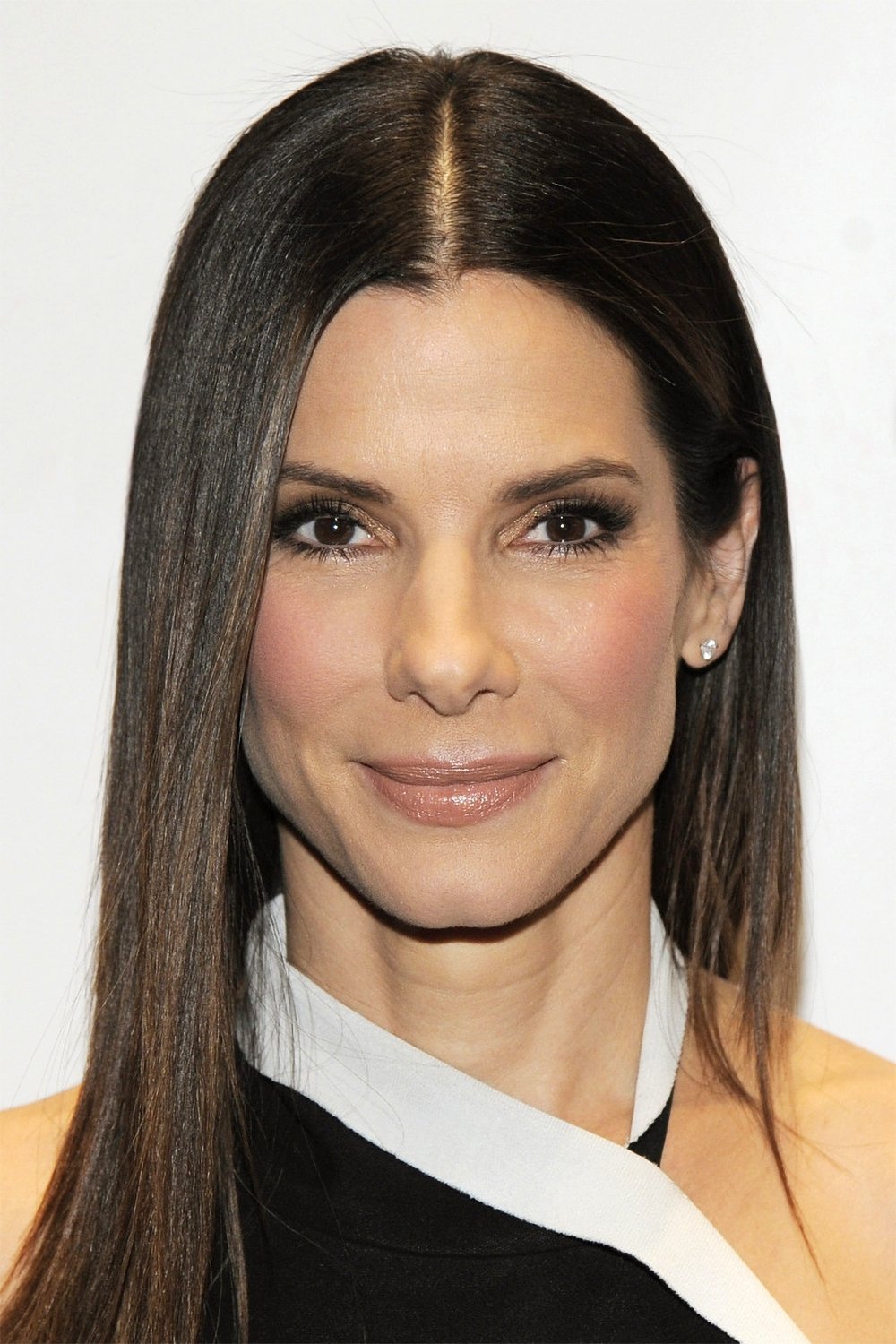
Sandra Bullock is celebrated for her natural, intuitive acting, rather than relying on specific training techniques. She focuses on genuinely experiencing and reacting to the scene as it unfolds. While she taps into her own feelings for authenticity, she quickly steps out of character once filming stops. Bullock prioritizes being spontaneous and adapting her performance to connect with her fellow actors, all while maintaining a professional and lighthearted approach to her work.
Helen Mirren
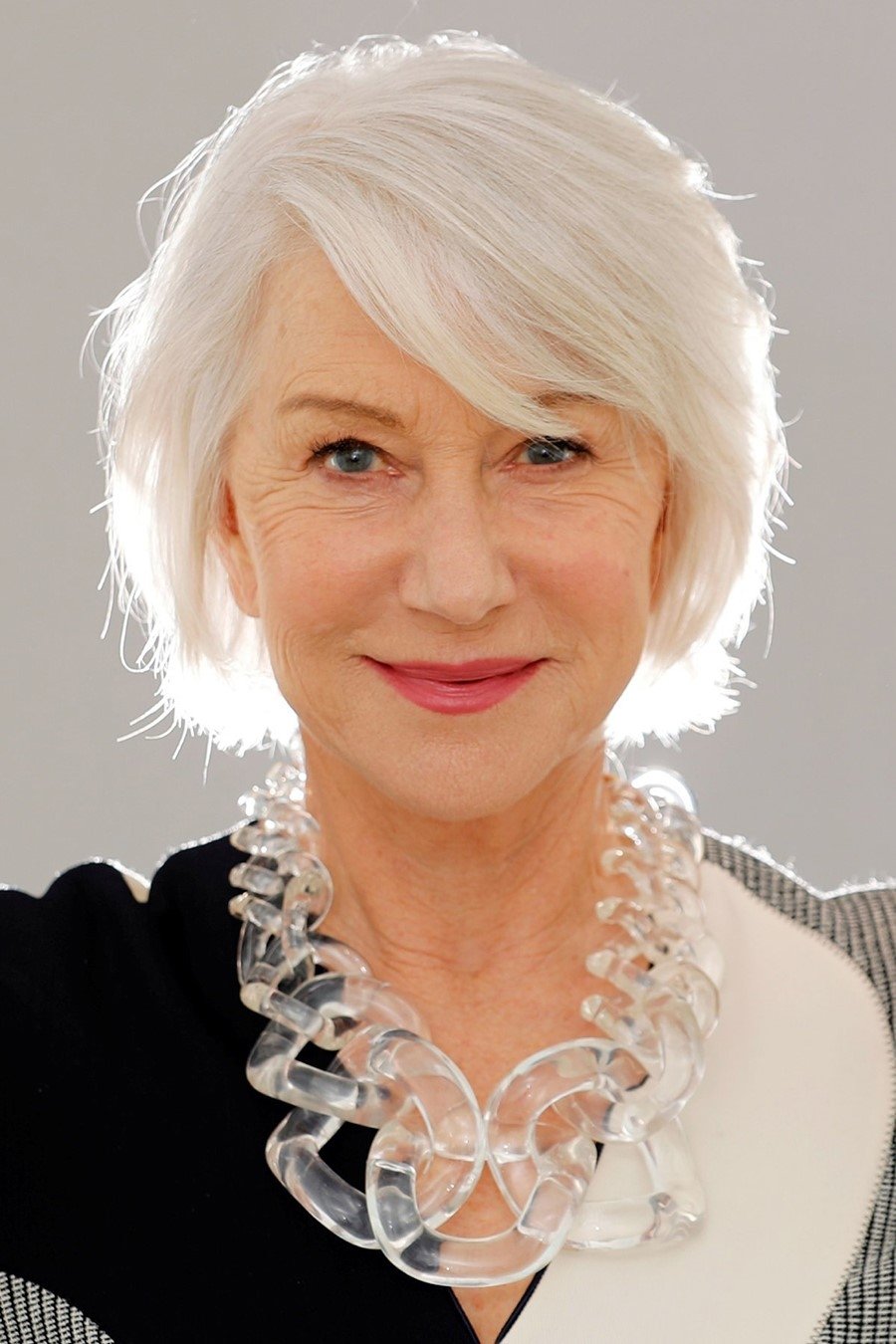
Helen Mirren, a highly trained British actress, teaches a practical, skill-based approach to acting for film. She focuses on the technical aspects – like understanding how cameras work and maintaining continuity – rather than solely relying on emotional expression. Mirren sees acting as a craft that improves with practice and self-discipline, and she advises actors to stay in control and avoid becoming completely lost in their roles. She believes that mastering technique is key to a long and consistent career.
Emma Thompson

Emma Thompson views acting as a mental skill, not a deep personal change. She often likens it to magic, where the actor creates an illusion for the audience. Thompson believes actors build characters using their intelligence and cleverness, and she doesn’t bring the emotional weight of her roles into her personal life. She approaches her work with a sensible and lighthearted perspective.
Olivia Colman

Olivia Colman is known for her ability to casually chat about everyday things until filming begins. Director Sam Mendes has stated she isn’t a method actress and actually dislikes long rehearsals. She simply uses her remarkable natural talent and ability to understand people to quickly connect with the emotions her roles require. Colman focuses on enjoying herself and creating a positive environment on set, proving that powerful acting can come from happiness, not just hardship.
Judi Dench
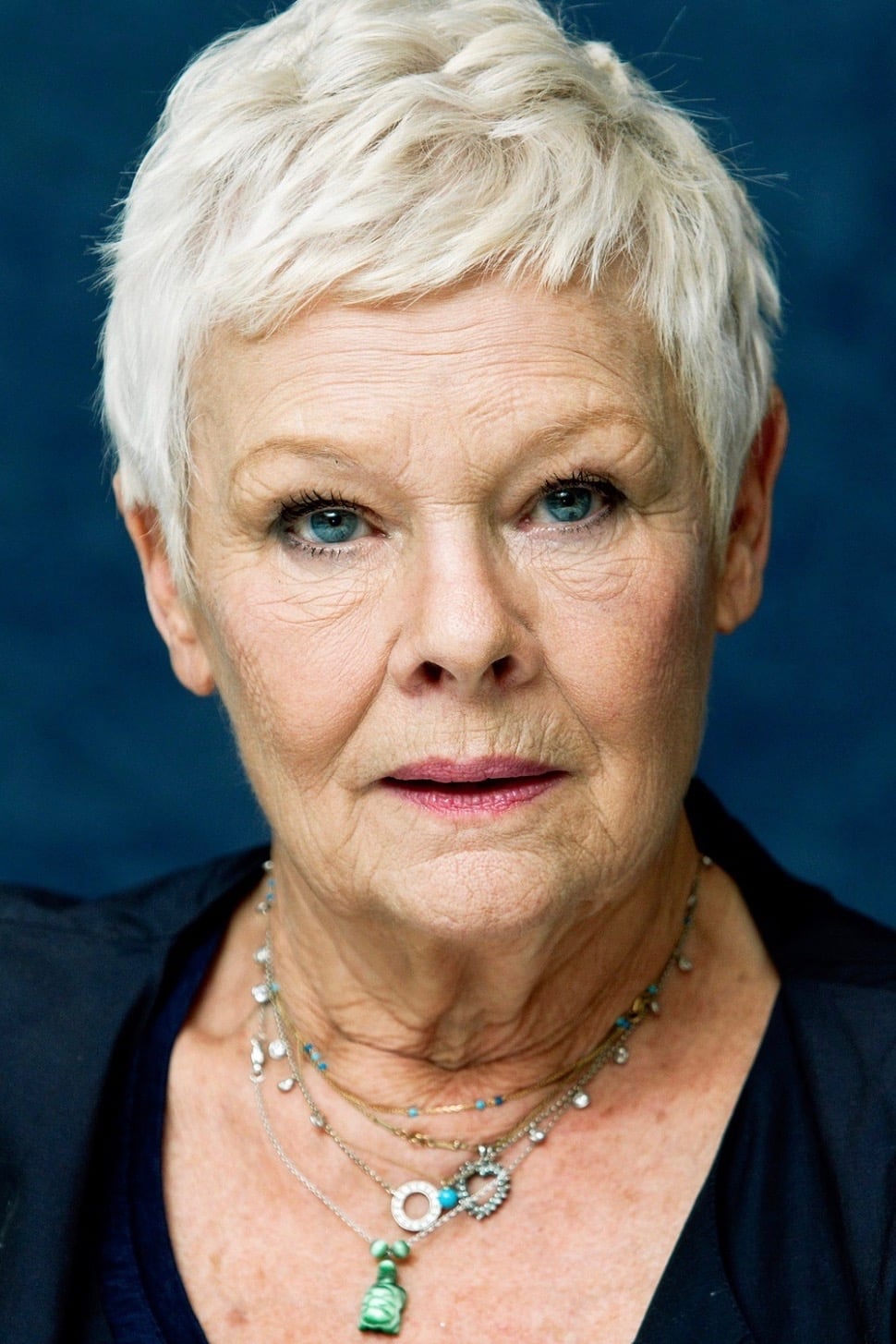
Judi Dench is celebrated for her direct, instinctive acting style. Because of vision problems, she no longer reads scripts, instead learning lines by hearing and repeating them. She doesn’t believe in extensive preparation or method acting, seeing her work simply as delivering honest performances. Dench draws on her years of experience and technical ability to create compelling characters.
Margot Robbie
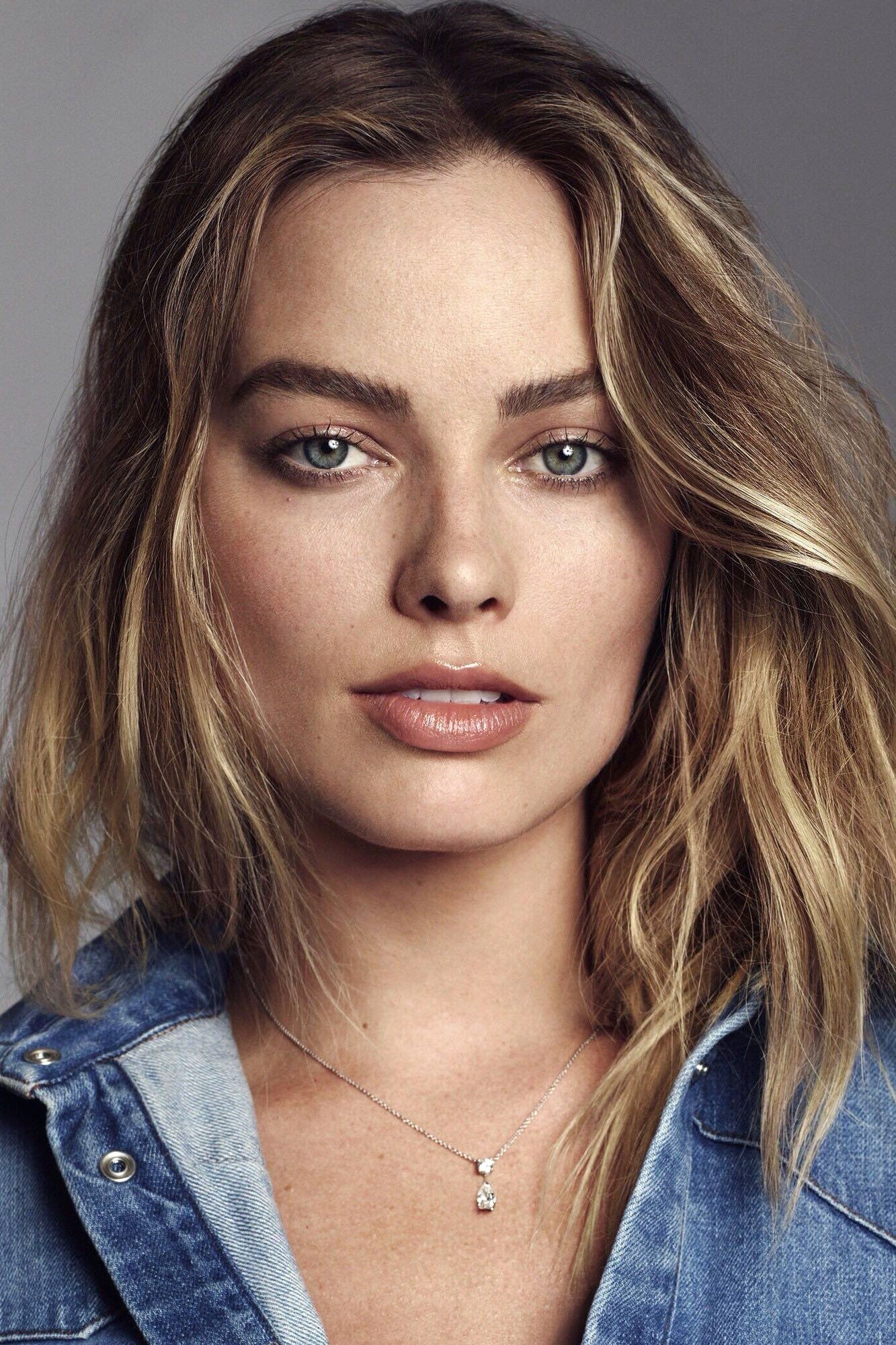
Margot Robbie develops the physical presence of her characters by drawing inspiration from animal characteristics. She thoroughly prepares for roles with movement and dialect training, allowing her to perform freely on set. Unlike some actors, she doesn’t stay in character between scenes, preferring to reset and conserve energy. Robbie views acting as a skill that demands practice and accuracy, believing that extensive preparation enables natural and spontaneous performances during filming.
Marion Cotillard
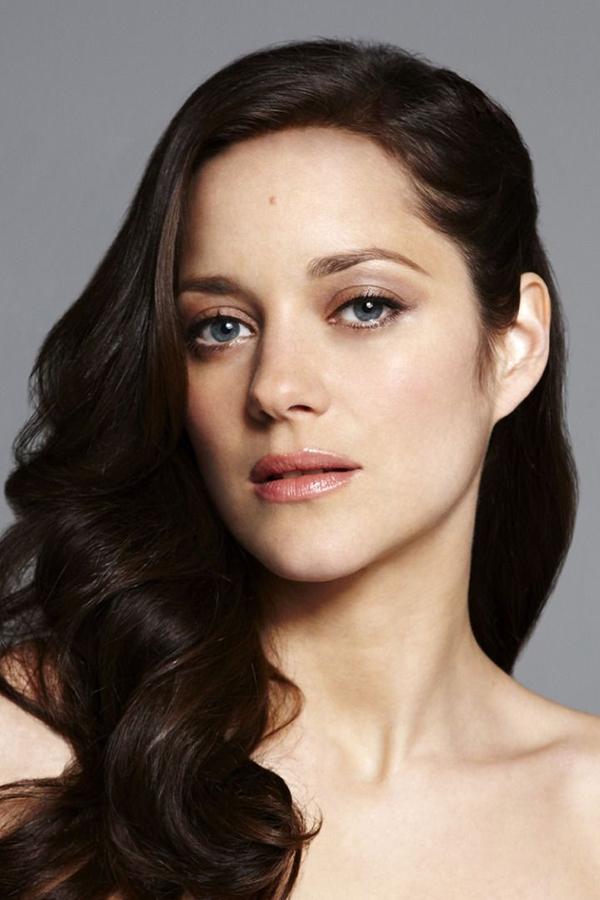
Although Marion Cotillard often takes on demanding roles, she doesn’t consider herself a method actor. She acknowledges that her characters impact her, but she makes a point of not staying immersed in those roles after filming. Cotillard believes that strong imagination and the ability to empathize are key to her performances. She works to understand what motivates her characters without letting them take over her own personality, always focusing on finding the authentic truth of the character within the story.
Tilda Swinton
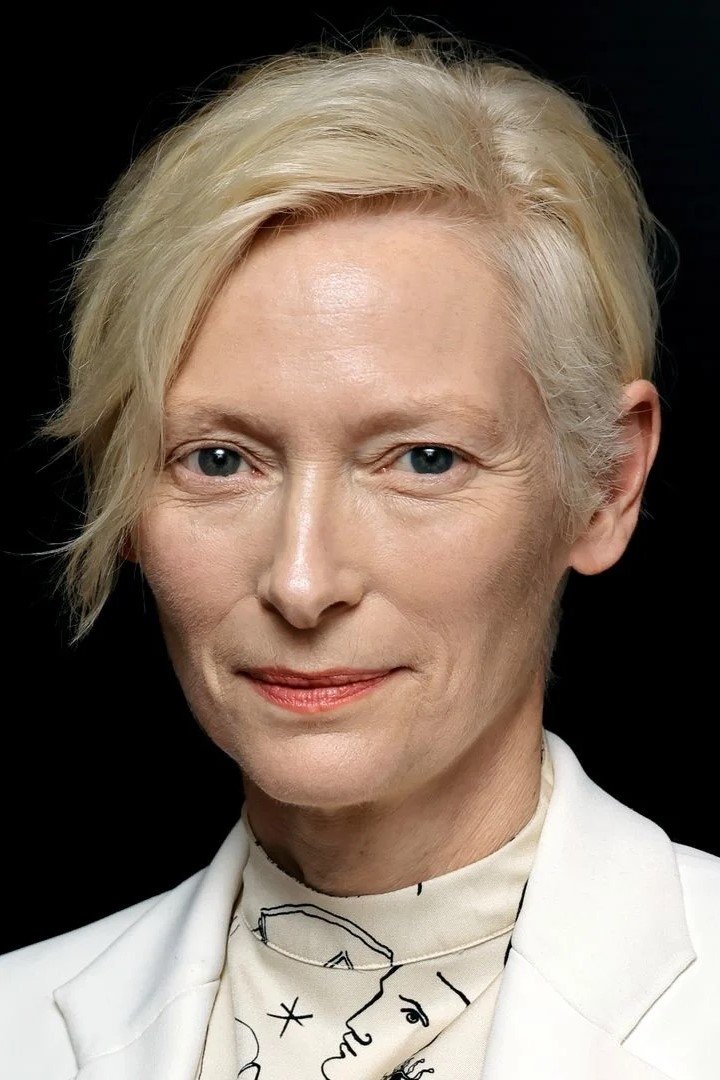
Tilda Swinton prefers to think of herself as a performer, not an actress, and doesn’t fit neatly into typical acting categories. She focuses on how a character feels physically and how they present themselves, rather than deeply exploring their inner emotions. Swinton often creates a unique appearance and personality for each role, almost like putting on a costume. She doesn’t subscribe to the idea that artists must suffer for their work, and instead sees acting as a playful process. This allows her to completely transform herself for each part and become a truly versatile performer.
Mila Kunis

Mila Kunis approaches acting very practically. She believes actors should become their characters only when the camera is on, and then fully disconnect afterward. She doesn’t believe in staying ‘in character’ off-set, preferring to unwind and enjoy her personal life. Kunis prioritizes her happiness and doesn’t want her work to negatively impact it. She relies on her own natural talent and charm to bring her characters to life.
Amanda Seyfried
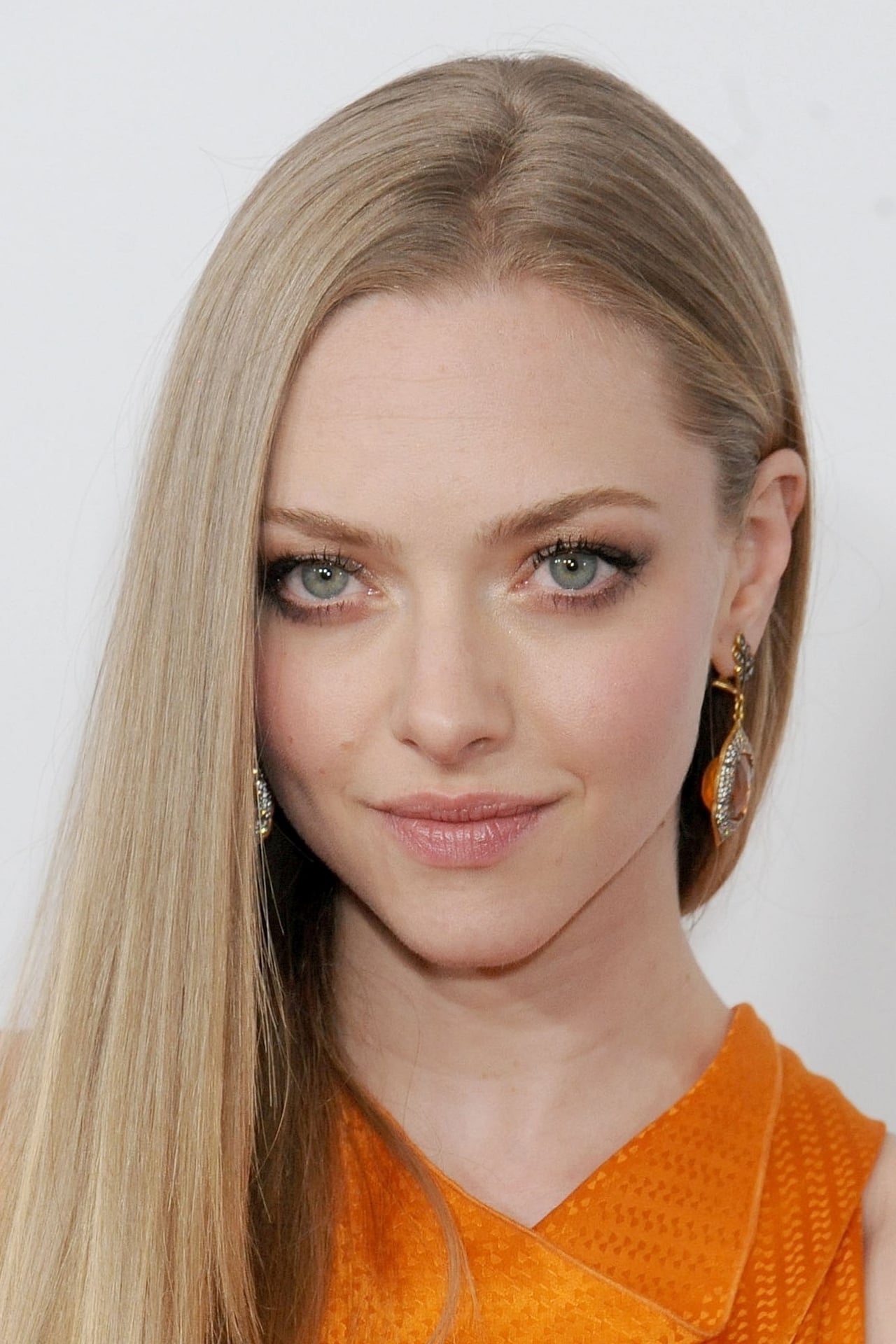
Amanda Seyfried believes actors don’t need to fully inhabit a role to give a great performance. She focuses on being well-prepared and respecting the script and director’s vision. Instead of getting overly involved, she prefers to stay grounded, listen to her scene partners, and avoid unnecessary stress. Seyfried demonstrates that a calm and collected approach can actually lead to more impactful acting.
Blake Lively
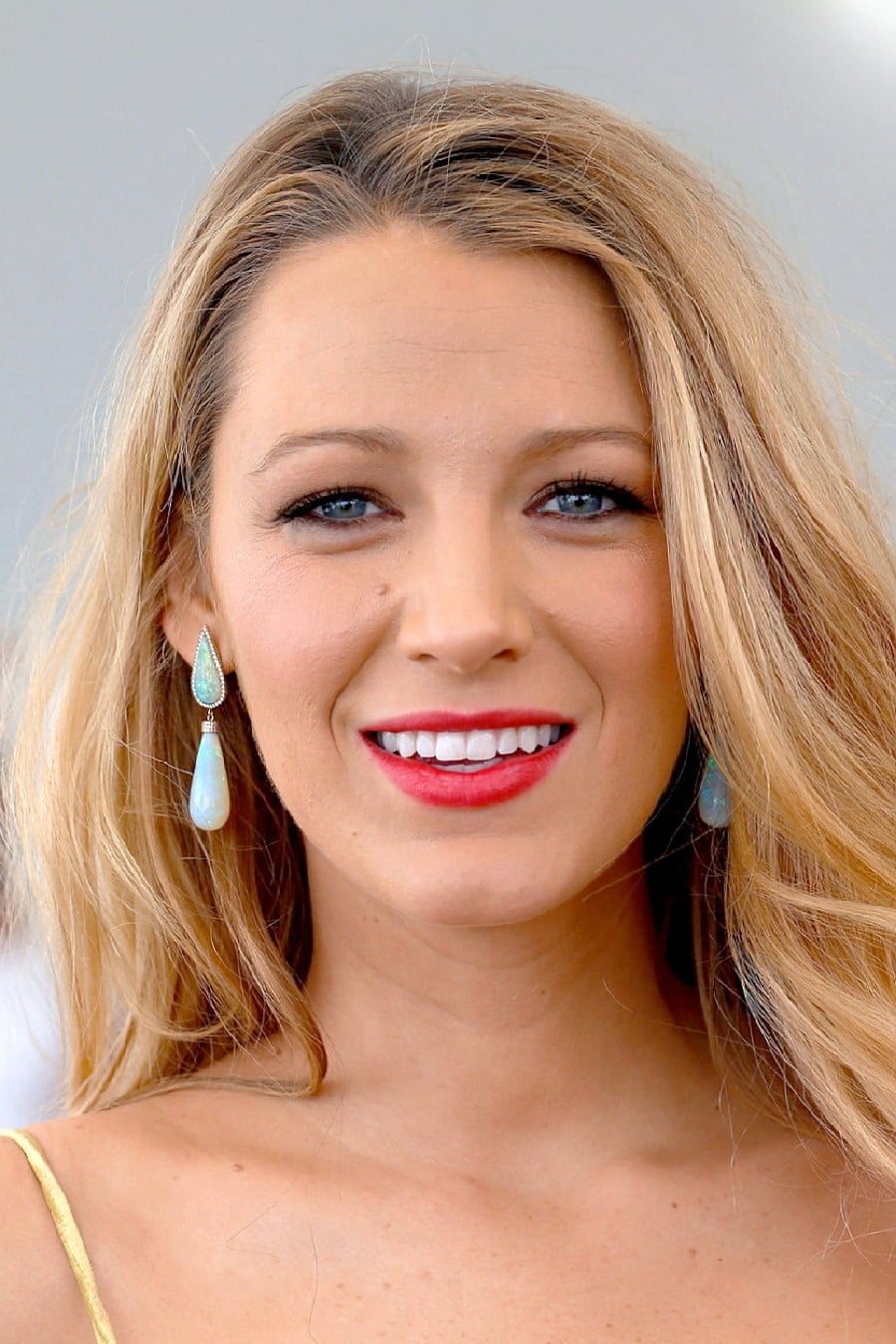
Blake Lively doesn’t use method acting; she typically relies on her own personality and charisma when playing a role. She sees acting as a team effort, where things like hair, makeup, and costumes are just as important as her performance. She intentionally keeps her personal life separate from her characters and doesn’t try to become them. While some have criticized her relaxed attitude during interviews, she consistently maintains her personal boundaries. Lively balances her acting career with her business interests and, most importantly, her family.
Amy Adams
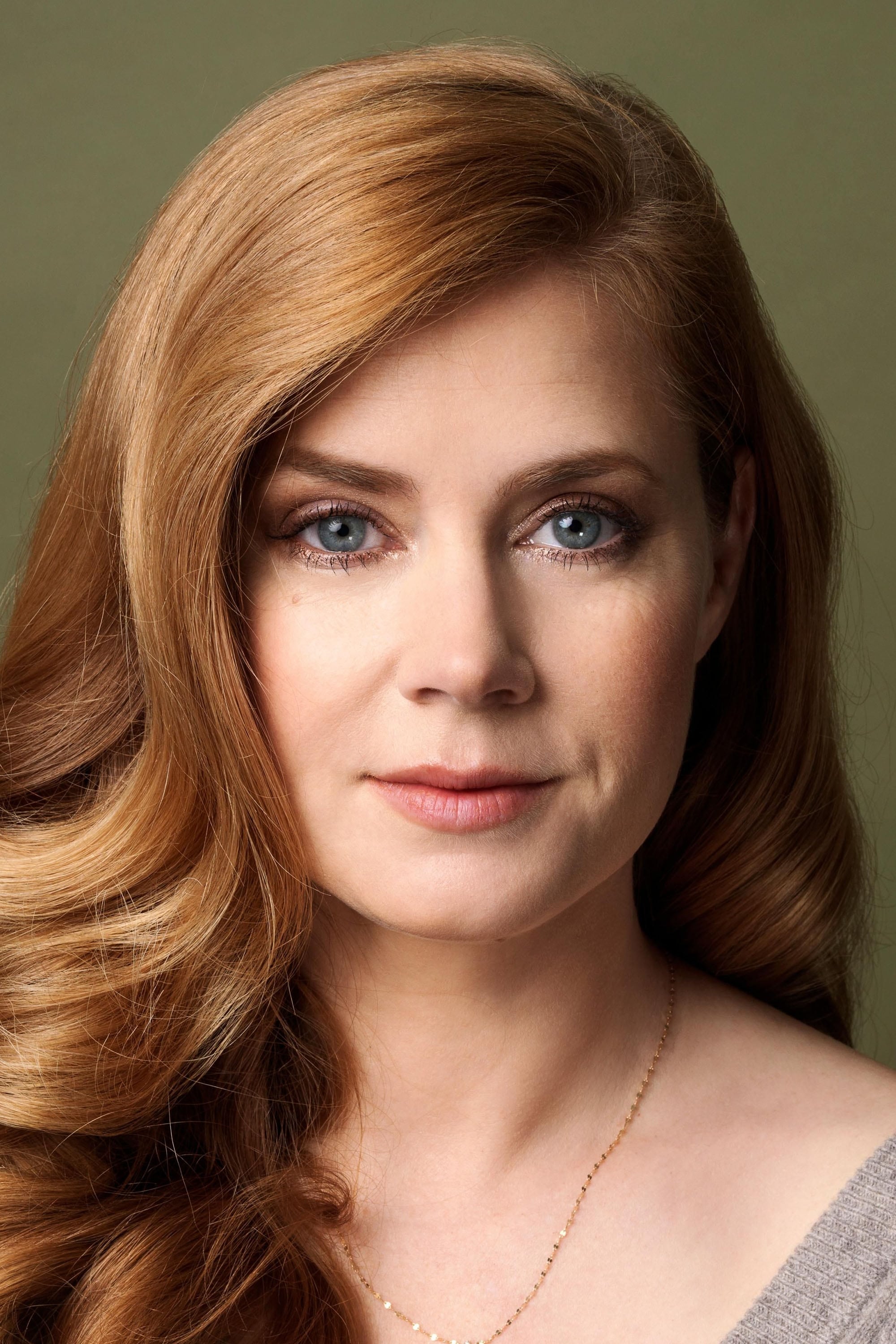
Despite taking on roles that require a lot of emotion, Adams doesn’t identify as a method actor. She focuses on making her characters feel authentic and believable, but she doesn’t continue to think or feel like them when she’s not working. Instead, she draws on her own life experiences to connect with the role while still remaining herself. She values understanding people and being empathetic, and she’s skilled at tapping into strong emotions while staying in control of her performance.
Jessica Chastain
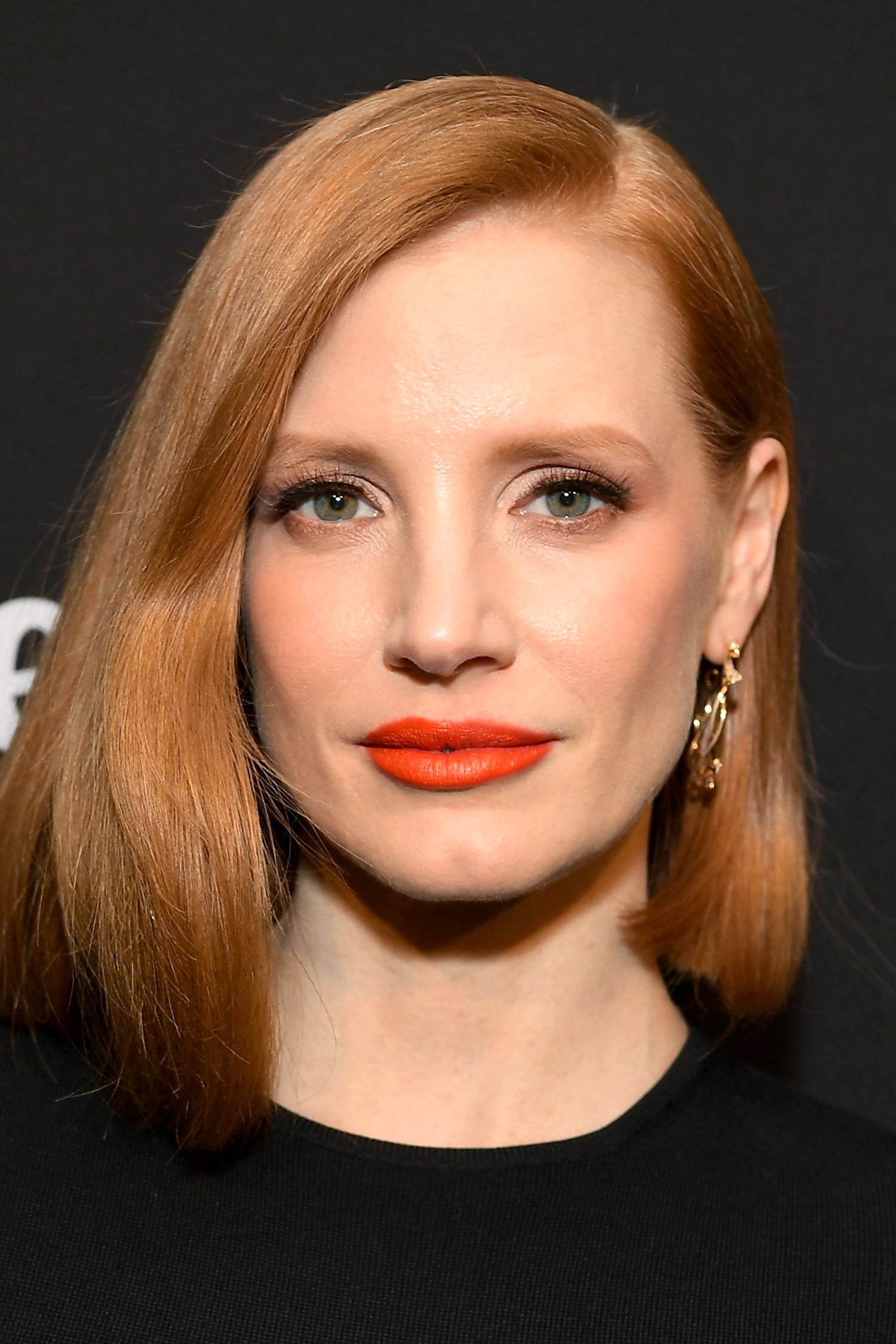
Jessica Chastain is a classically trained actress from Juilliard who prioritizes thorough preparation and research when developing a character. She deeply studies the character’s background and motivations before filming, approaching acting as a craft that demands discipline, but not overwhelming emotional investment. She intentionally maintains a separation between herself and her roles, believing that strong technique allows her to explore difficult emotions safely.
Emily Blunt
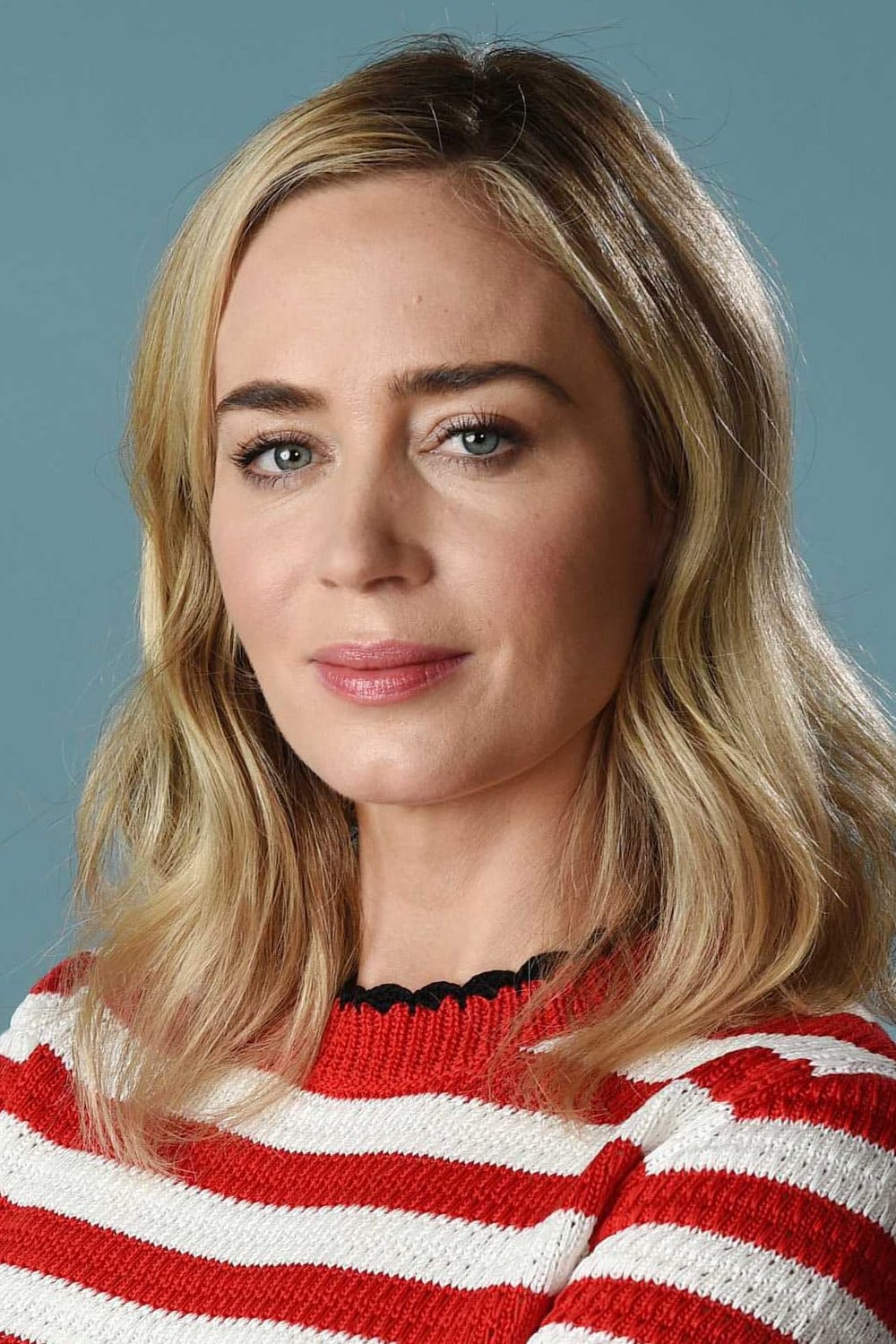
Emily Blunt explains her acting technique as being able to quickly turn her emotions on and off. She likes to joke with the film crew up until the moment the director says “action.” This helps her feel relaxed and ready for each scene. She doesn’t believe in staying immersed in a character’s feelings when she’s not filming, and instead focuses on her skills and ability to immediately access the required emotions.
Anne Hathaway
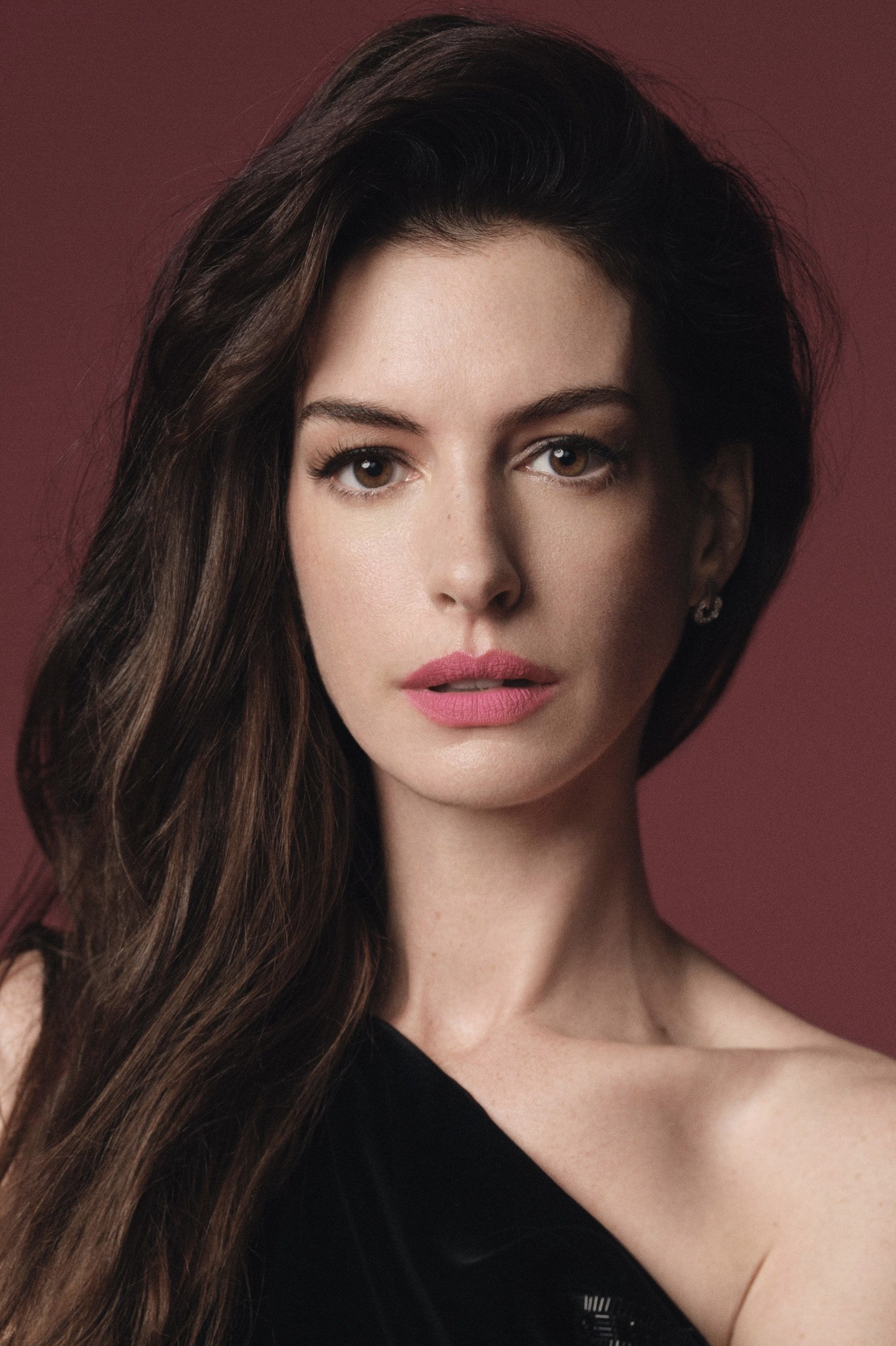
Since becoming a mother, Anne Hathaway has stopped using intensely immersive acting techniques. She says she needs to be fully present for her children and can’t take her work’s emotional weight home with her. Now, she focuses on thorough preparation and concentration while at work, and appreciates having clear boundaries between her personal and professional life. Hathaway’s experience shows how life changes can lead actors to adopt healthier work practices.
Kathy Bates
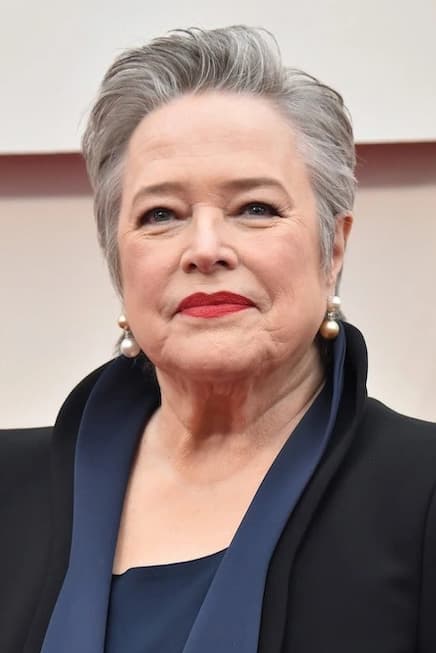
Bates has moved away from trying to completely disappear into her roles and now focuses on understanding characters through genuine curiosity and kindness. She stresses that truly understanding a character is more important than simply becoming them, and believes a strong imagination is all she needs – she doesn’t rely on intense method acting. Bates aims to portray the truth of what it means to be human, and draws on years of experience to make her performances feel authentic.
Laura Linney
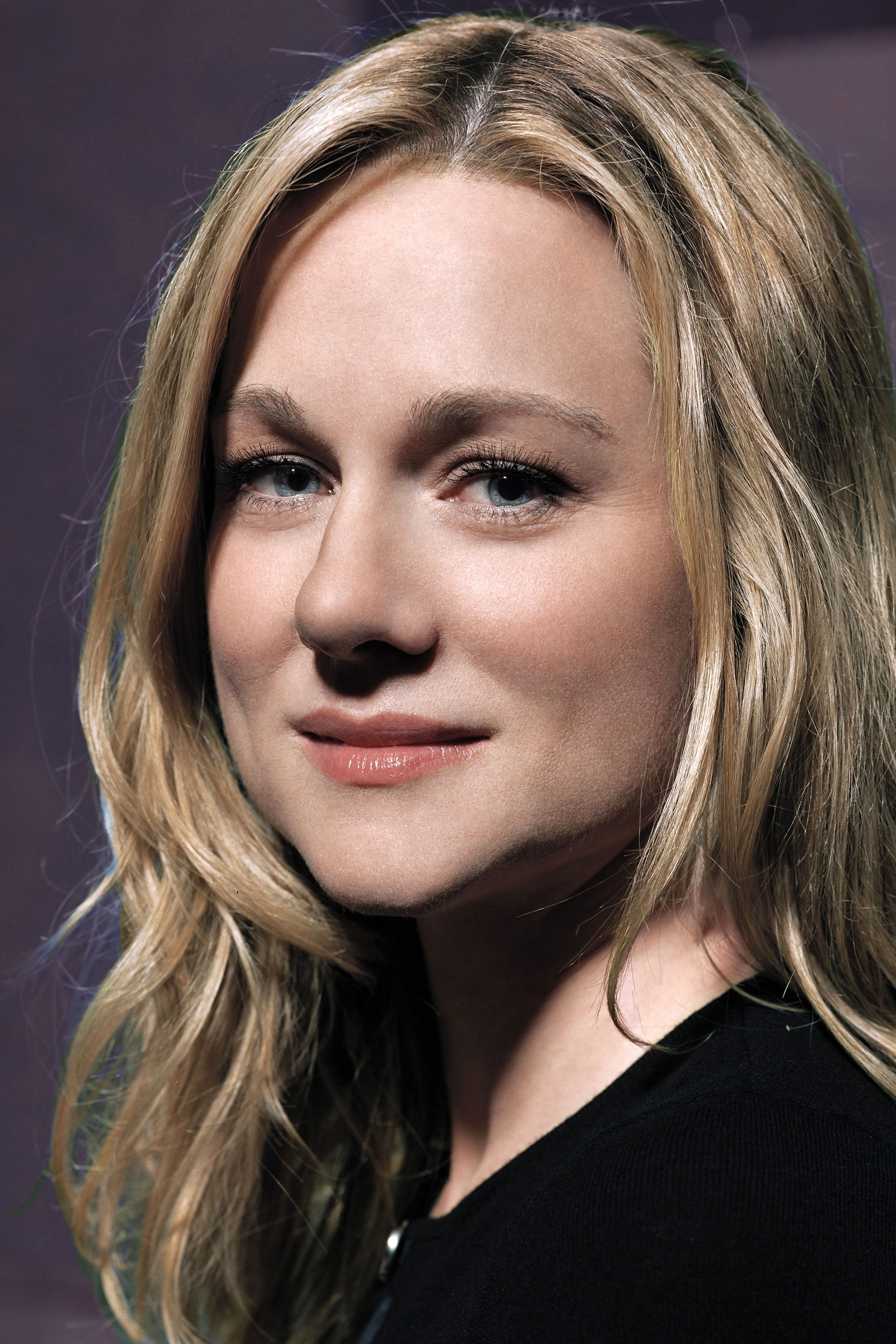
Linney is a highly skilled actress with training from Juilliard and Brown University. She focuses on understanding the script and how a scene is built as the basis for her work. Unlike some actors, she doesn’t use ‘method’ acting, instead trusting her technique and training. She sees acting as clear and precise communication, and she’s known for her professional approach, keeping her personal life separate from her roles.
Michelle Yeoh
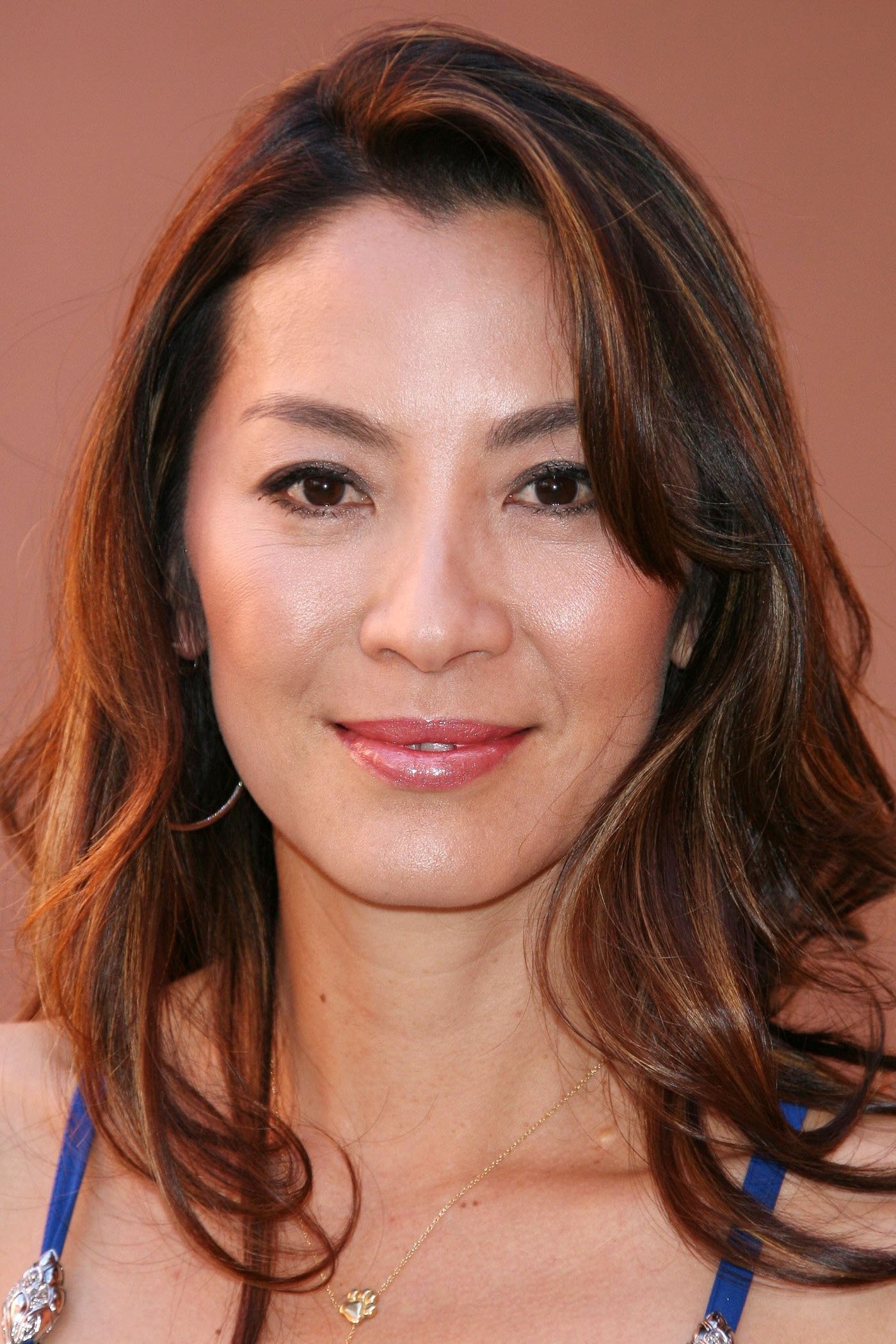
I’ve always been amazed by Michelle Yeoh’s dedication. She started with dance and martial arts, and that really shows in how seriously she approaches acting. It’s incredible how much she focuses on getting every physical and emotional detail right for a role, but she’s also able to separate herself from the character when the cameras stop rolling. She believes that really preparing and carefully planning out each scene is what makes a performance great. She doesn’t let the character’s feelings stick with her after filming, which I think takes a lot of strength. It’s her incredible focus and inner power that allow her to deliver such powerful performances.
Share your thoughts on which acting style produces the best movies in the comments.
Read More
- Building 3D Worlds from Words: Is Reinforcement Learning the Key?
- Securing the Agent Ecosystem: Detecting Malicious Workflow Patterns
- The Best Directors of 2025
- Gold Rate Forecast
- 2025 Crypto Wallets: Secure, Smart, and Surprisingly Simple!
- Mel Gibson, 69, and Rosalind Ross, 35, Call It Quits After Nearly a Decade: “It’s Sad To End This Chapter in our Lives”
- 20 Best TV Shows Featuring All-White Casts You Should See
- TV Shows Where Asian Representation Felt Like Stereotype Checklists
- Umamusume: Gold Ship build guide
- Top 20 Educational Video Games
2026-01-24 23:49