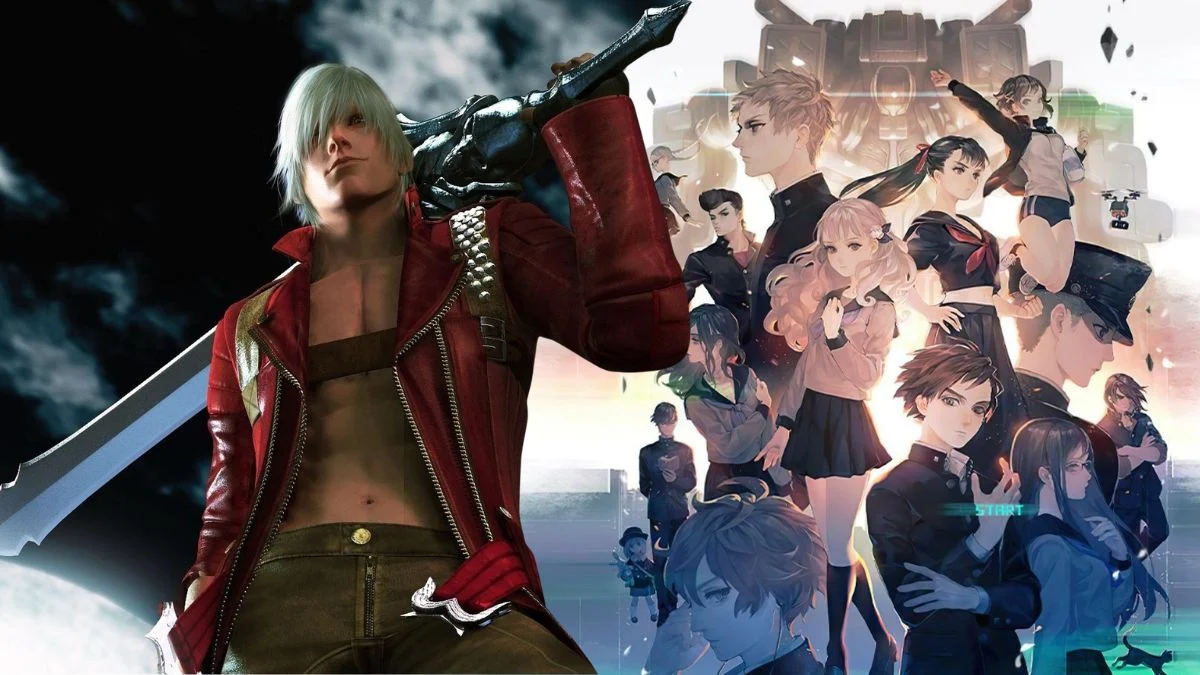
In video games, “queer-baiting” happens when developers suggest same-sex relationships or LGBTQ+ characters to appeal to those players, but never actually include them in the game. This often involves subtle hints in the story, strong chemistry between characters, and marketing that implies a romantic connection between people of the same gender. Fans get excited about these possibilities, only to find out the developers never planned to make them official within the game’s story. Several games have been criticized by players for using this misleading approach.
‘Persona 4’ (2008)
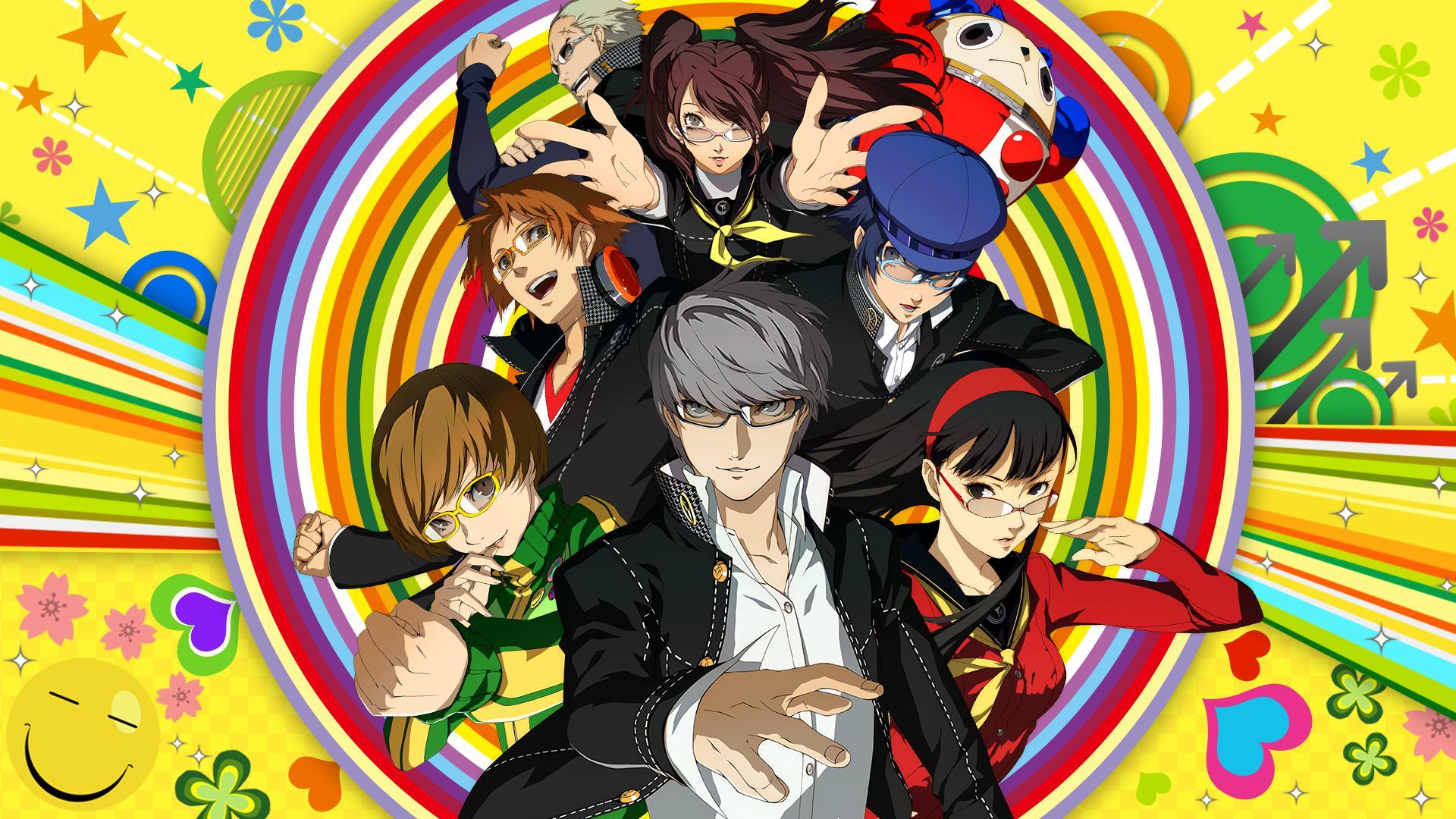
Many fans find the protagonist’s relationship with Yosuke Hanamura frustrating. Game files reveal that the developers initially planned a romantic connection for Yosuke, and his story includes hints of jealousy and a need for emotional support that some players read as unrequited love. Ultimately, the option to pursue a romance with him was cut from the final game, but the strong emotional connection between the characters remained.
‘Tomb Raider’ (2013)
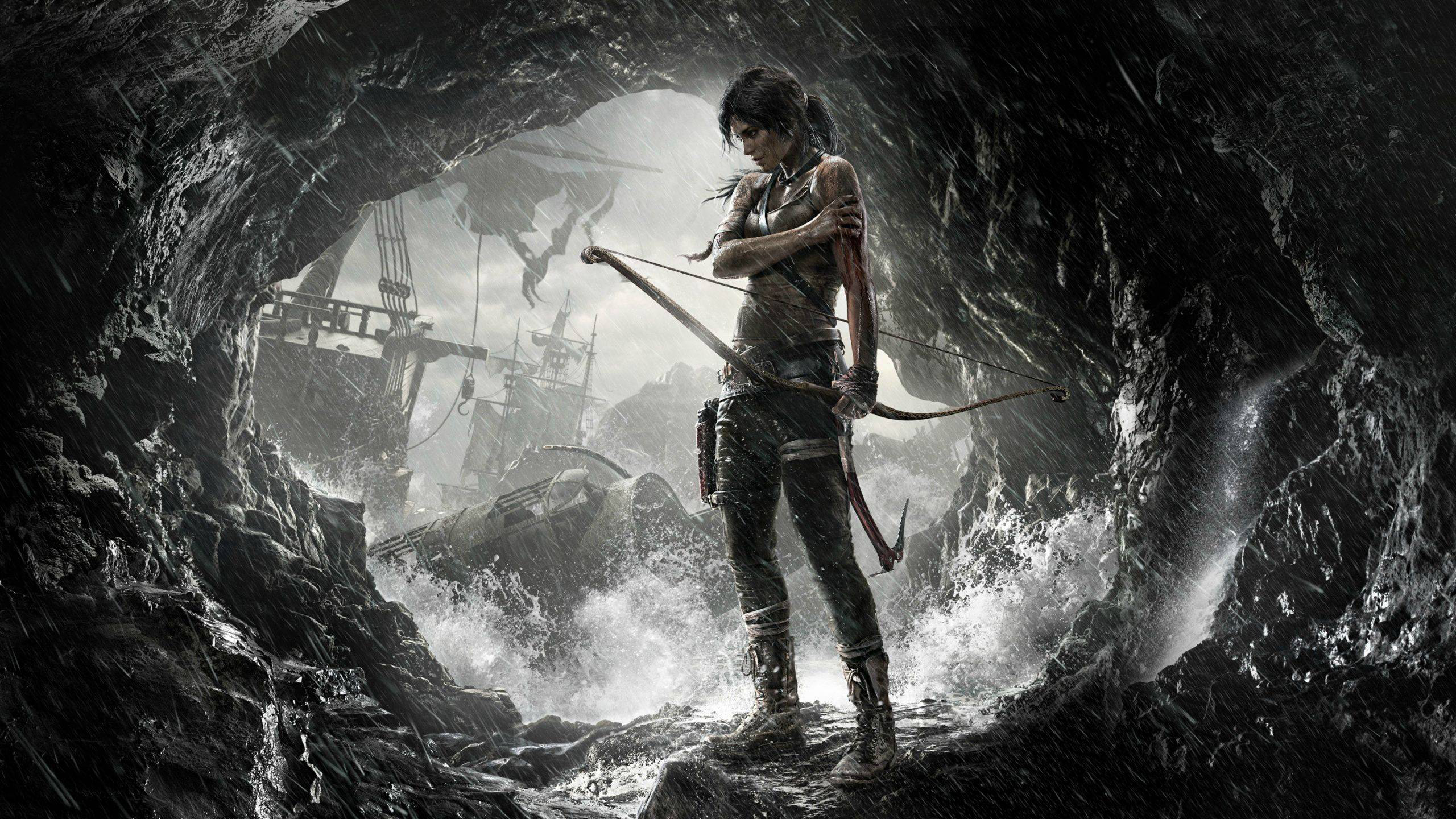
The reboot of the Tomb Raider series established a strong connection between Lara Croft and her friend, Sam Nishimura. The story focused on Lara’s desperate attempt to save Sam from a dangerous cult, playing out like a classic rescue story with romantic undertones. Interestingly, the writers revealed the emotional connection between them wasn’t planned. Many fans were disappointed that later games didn’t develop Sam’s character or explore the potential for a deeper relationship between the two.
‘Final Fantasy XV’ (2016)
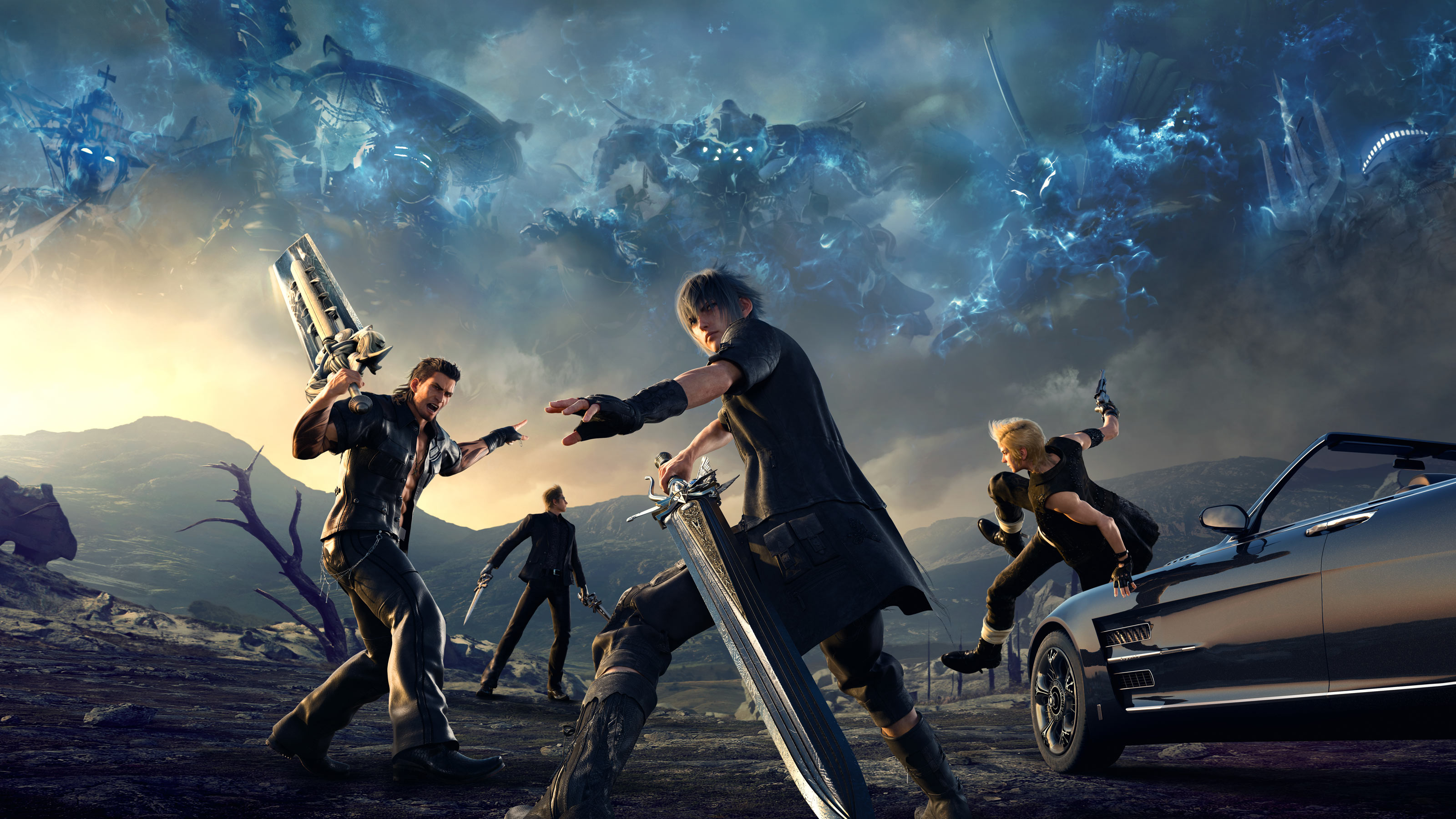
The story in this Square Enix game focuses on the close bond between Prince Noctis and his three companions. Prompto Argentum, in particular, consistently shows a deep loyalty to Noctis, expressed through both his words and his photography. The game highlights their closeness in quiet moments, like when they share personal feelings on motel rooftops. Many players interpreted this strong connection between the men as having underlying romantic potential, though it wasn’t explicitly explored.
‘Kingdom Hearts III’ (2019)
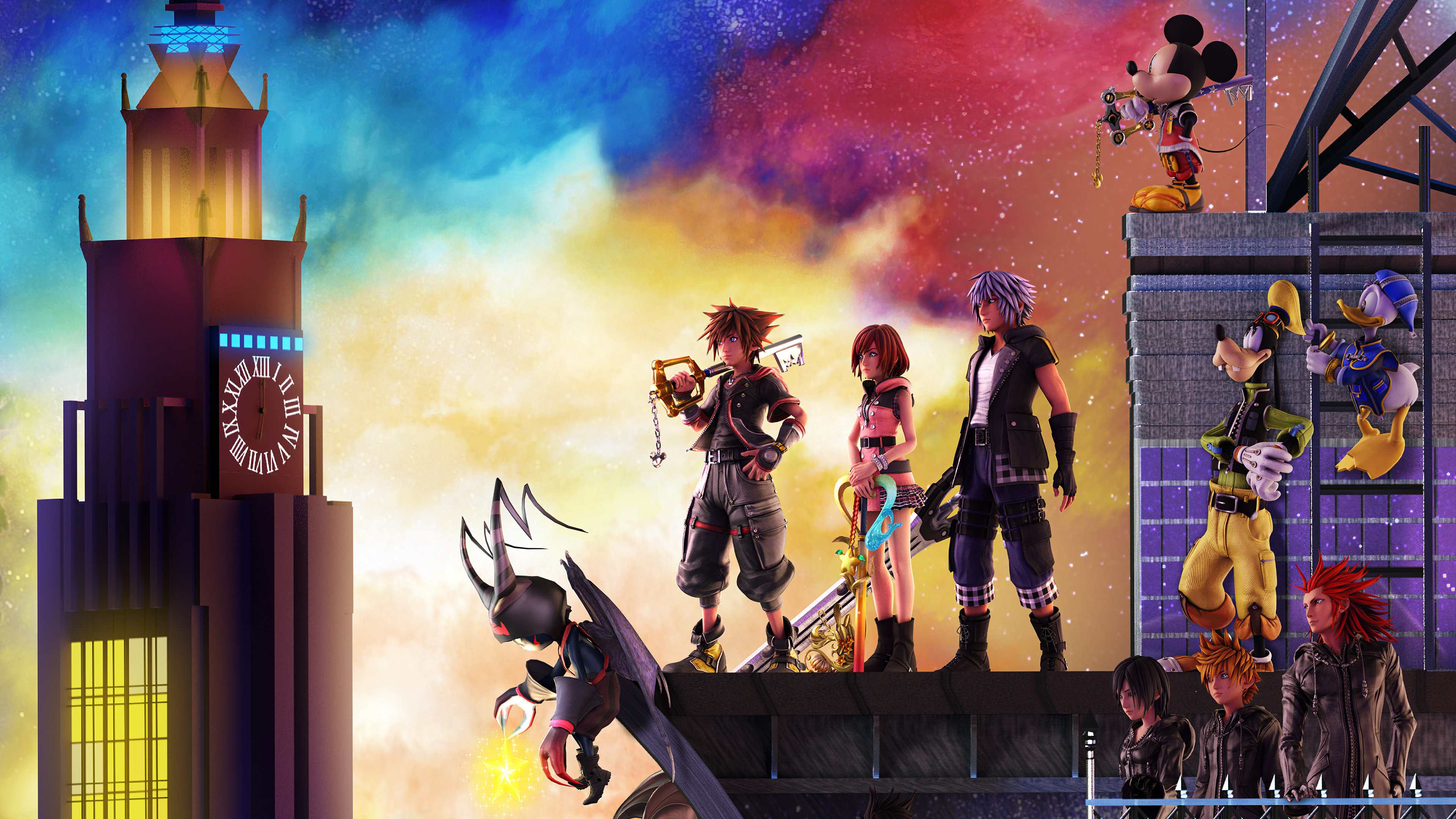
For years, the strong connection between Sora and Riku has been a key part of the Kingdom Hearts series. This new game includes moments where they exchange gifts traditionally given to couples who intend to spend their lives together. The way these scenes are filmed uses the same visual style often seen with established romantic pairings. While the game doesn’t directly state their relationship, it leaves it open to the player’s own understanding.
‘Fire Emblem: Three Houses’ (2019)
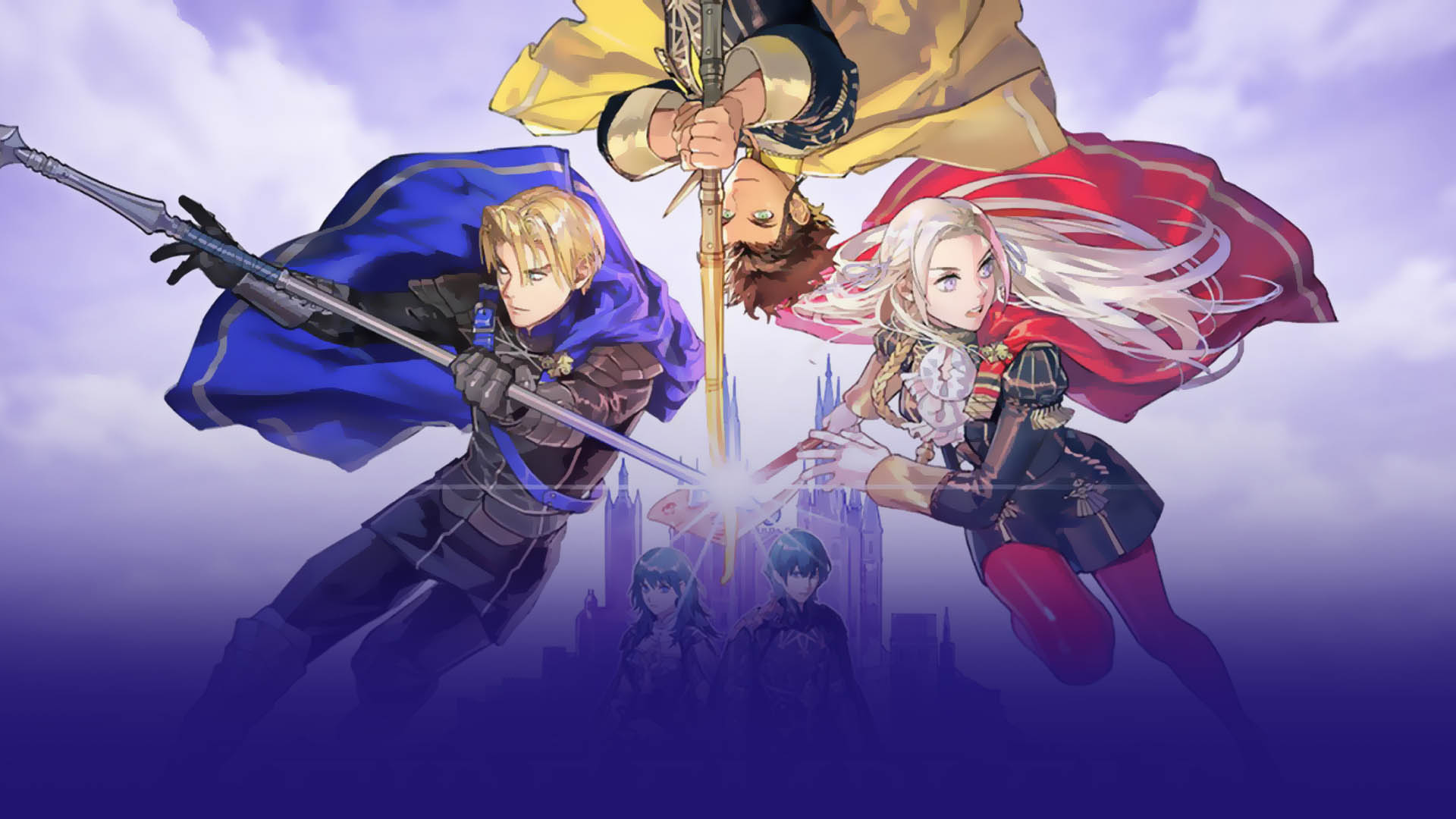
At the end of the game, players can choose a romantic partner for the main character. However, many fans are upset that they can’t pursue relationships with Claude or Dimitri, despite having strong connections with them. The close, emotional conversations with these characters often feel romantic, making the ultimately platonic endings feel unsatisfying and inconsistent with the story’s development.
‘Mass Effect 2’ (2010)
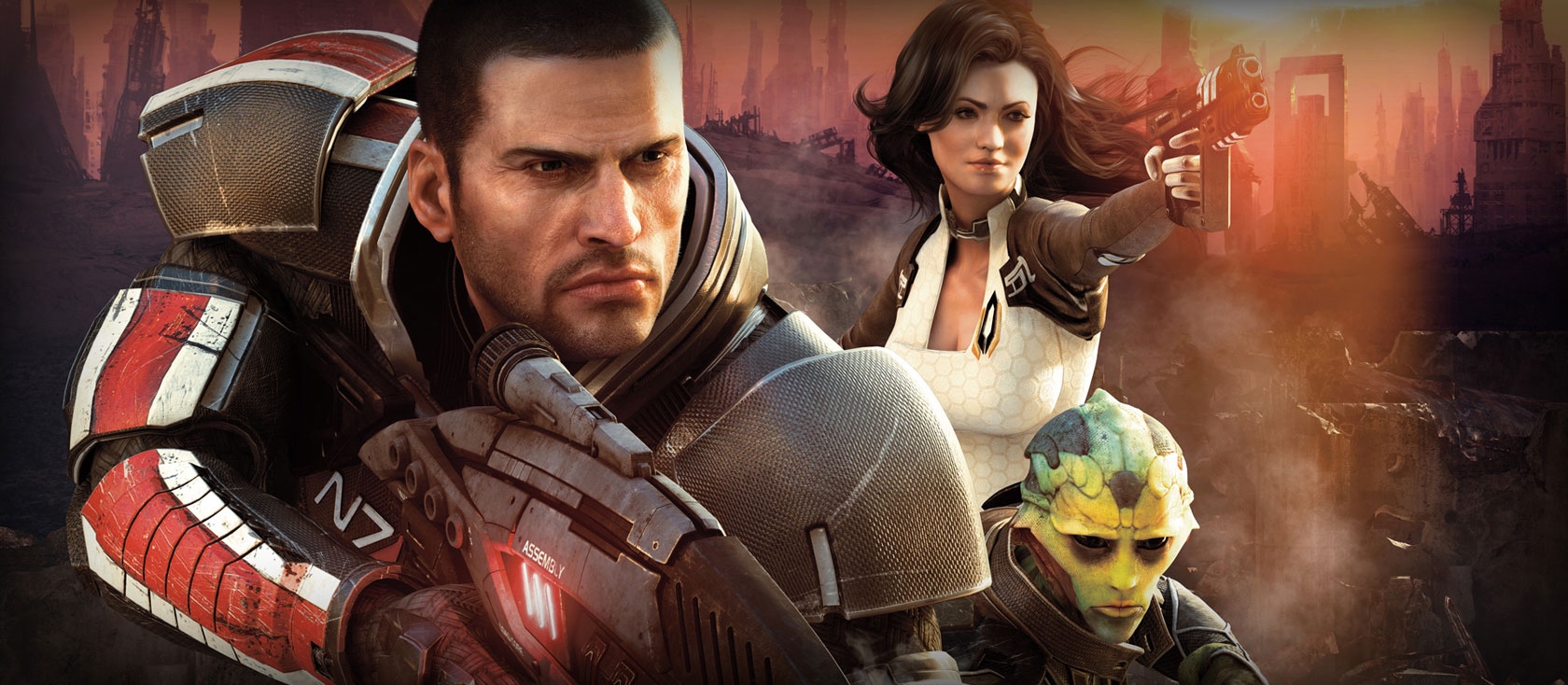
Jack is a character with strong abilities who occasionally talks about having been in relationships with people of all genders. The game developers initially intended for players to be able to romance Jack as a female Shepard, but this was ultimately removed from the game. While hints of Jack’s attraction to different genders remain in the dialogue, players can’t actually pursue a romantic relationship with her. This resulted in a limited romance path that didn’t align with her backstory and hinted personality.
‘Tales of Zestiria’ (2015)
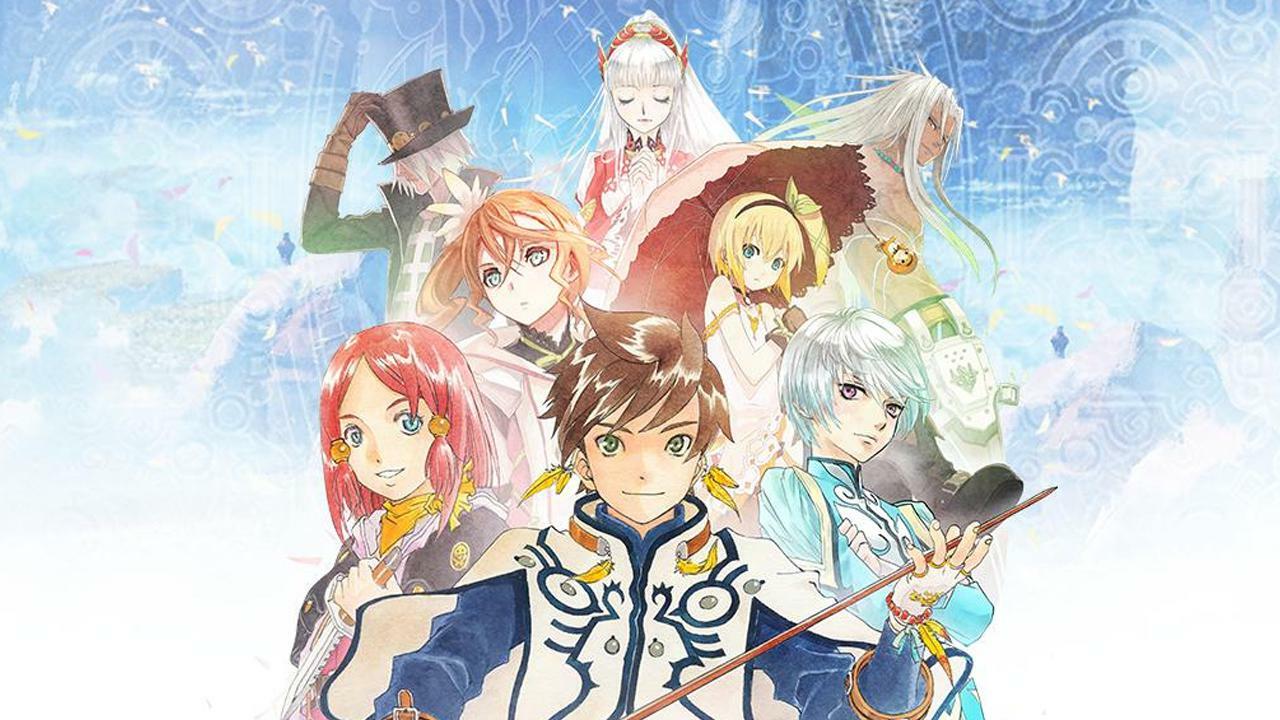
Sorey and Mikleo have a deep connection – the game’s story describes them as essentially one soul inhabiting two bodies. Marketing materials emphasized their close partnership and how similar they look. In gameplay, they work together seamlessly, and their close, comfortable relationship, shown in short scenes between battles, is stronger than any other pair in the game. The creators have stated that, despite the language used in the story, they see Sorey and Mikleo as best friends.
‘Resident Evil 6’ (2012)
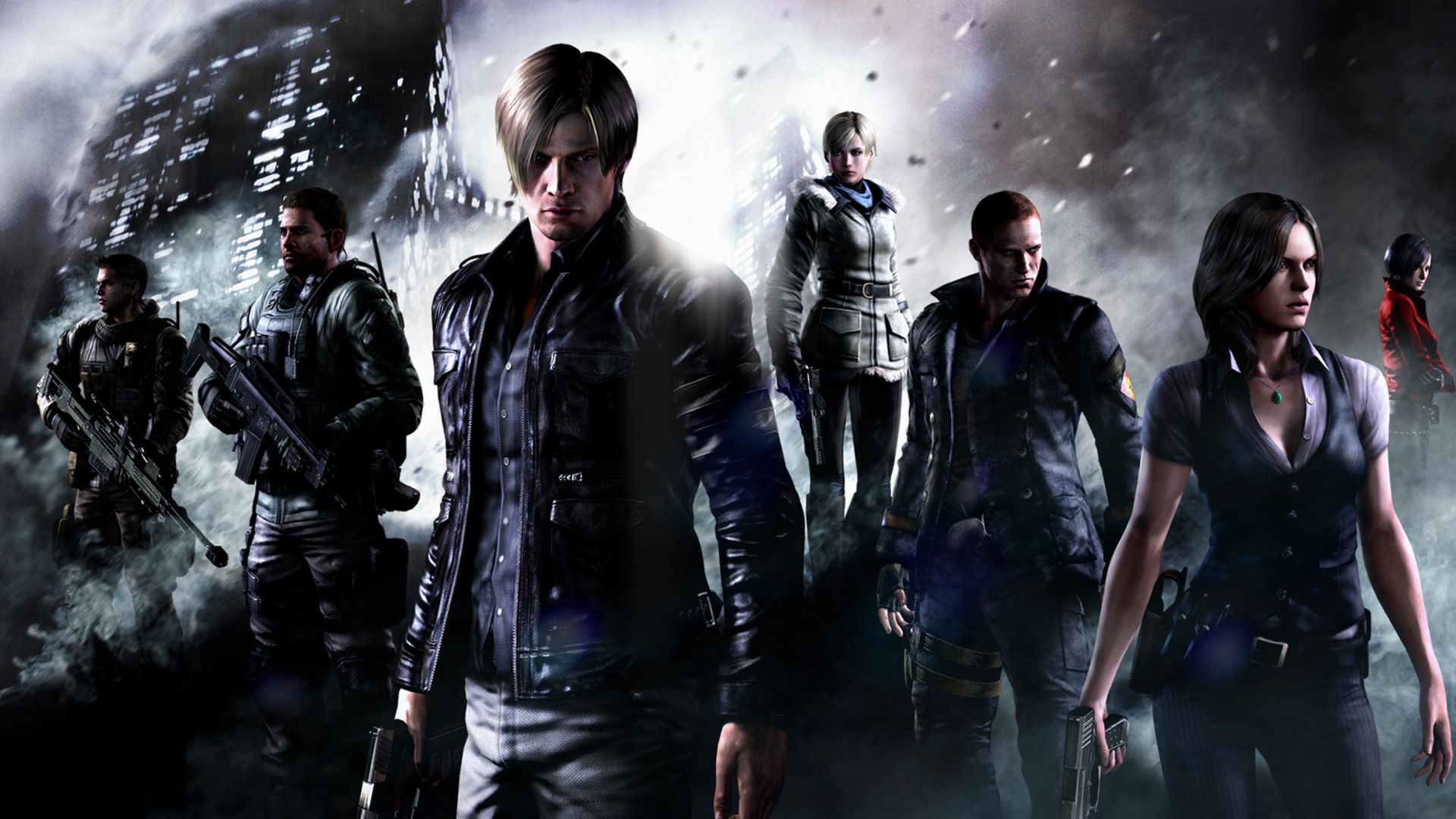
Chris Redfield and Piers Nivans have a relationship built on deep loyalty and self-sacrifice. Piers repeatedly puts Chris’s well-being before the mission and his own safety, often in a way that feels like romantic love. Their story culminates in a heartbreaking ending that highlights the strength of their connection, which many fans consider more emotionally impactful than the series’ traditional heterosexual relationships.
‘Ace Attorney’ (2001)
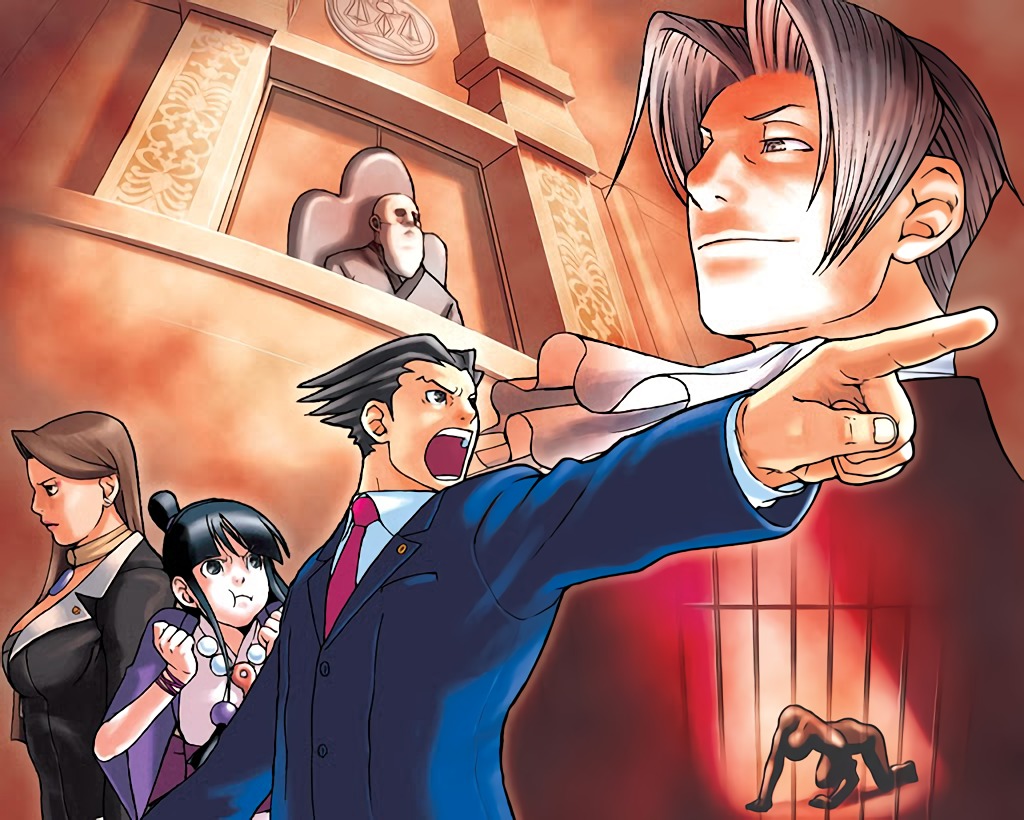
Phoenix Wright and Miles Edgeworth have a complex, rivalrous relationship deeply rooted in their history. The story centers around Phoenix making a major life change to help Edgeworth overcome a difficult time. Their connection is so strong that romantic relationships with other characters are minimized, leading many fans to interpret their bond as the central romance of the series.
‘Genshin Impact’ (2020)
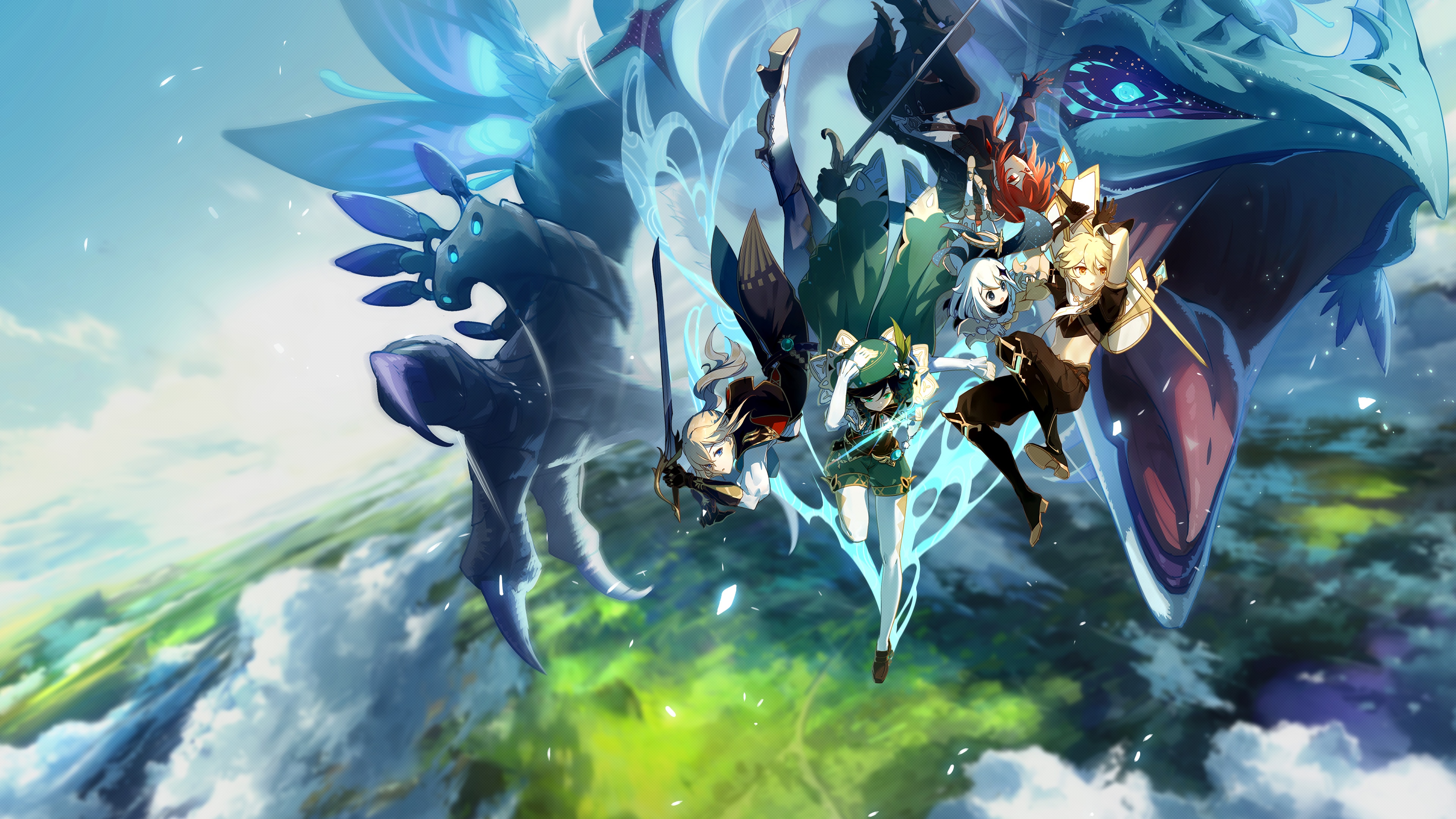
This game is designed to be continuously updated, and features many characters with strong hints of LGBTQ+ relationships, though none are officially confirmed. The way characters like Xingqiu and Chongyun, or Ningguang and Beidou, interact uses familiar romantic tropes often seen in anime. The developers share official artwork and birthday messages that suggest romantic connections without being explicit, which keeps fans speculating while also avoiding potential censorship issues in different countries. This allows them to appeal to fans who enjoy ‘shipping’ characters without making any definitive statements.
‘Final Fantasy XIII’ (2009)
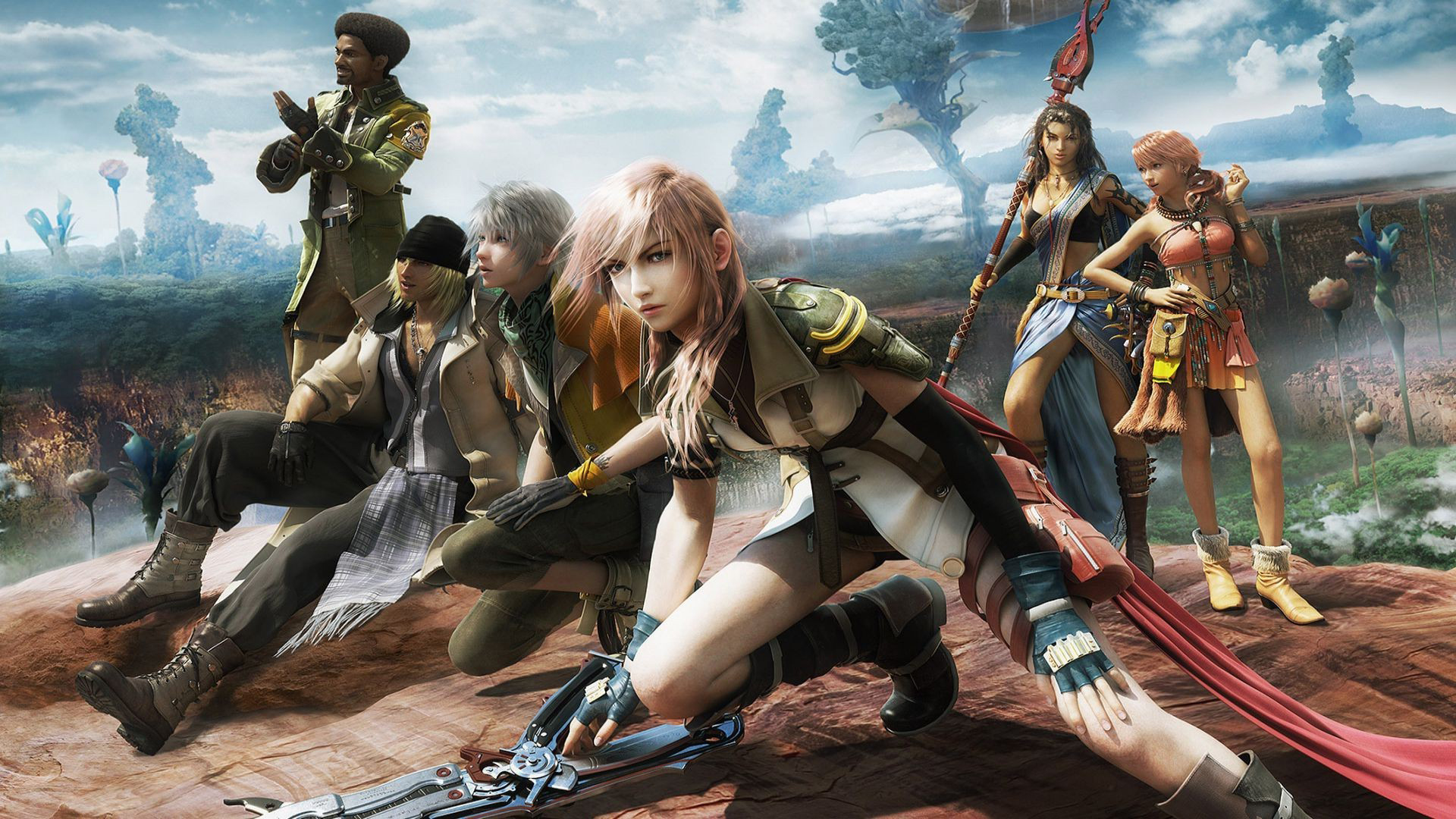
Fang and Vanille have a shared history and purpose that makes their story emotionally powerful. Their connection is shown with more warmth and physical closeness than that of Snow and Serah, who are engaged. Ultimately, they’re linked by a destiny that traps them in crystal for hundreds of years. While the game doesn’t explicitly call them a couple, their story strongly resembles a romantic one.
‘Danganronpa 2: Goodbye Despair’ (2012)
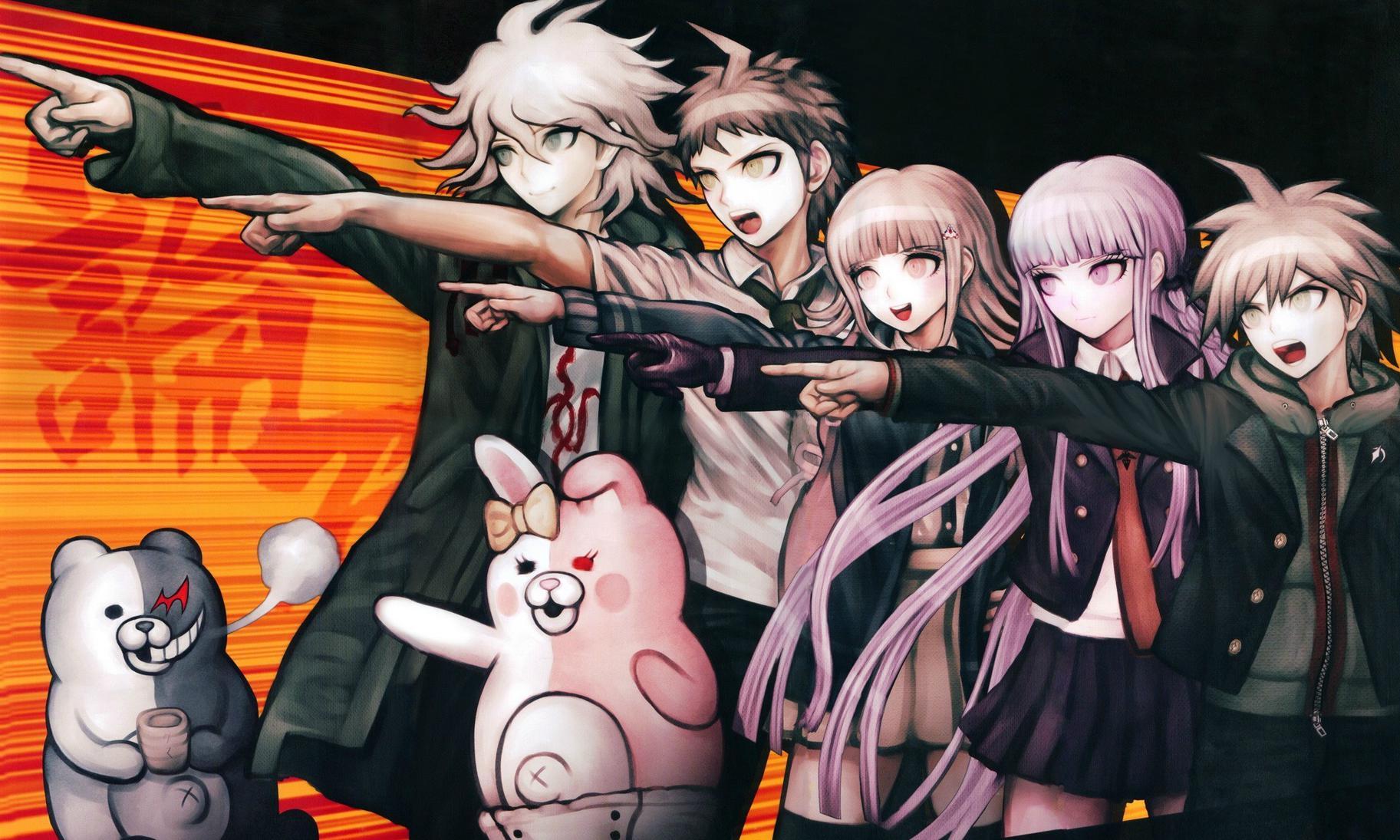
Okay, so as a gamer who’s really dug into the story, I’ve noticed something interesting about Nagito and Hajime. Nagito is seriously obsessed with Hajime, like, almost worshipping him. In the original Japanese version, it was pretty clear he had romantic feelings, there were specific phrases used. When the game was translated, they softened that language a bit, but kept the intense way Nagito focuses on Hajime. This has caused a lot of discussion among fans – we’re all trying to figure out if the developers actually meant for this to be a romantic connection, or if they just wanted to portray a really unsettling obsession. It’s a tricky thing to interpret!
‘Metal Gear Solid’ (1998)
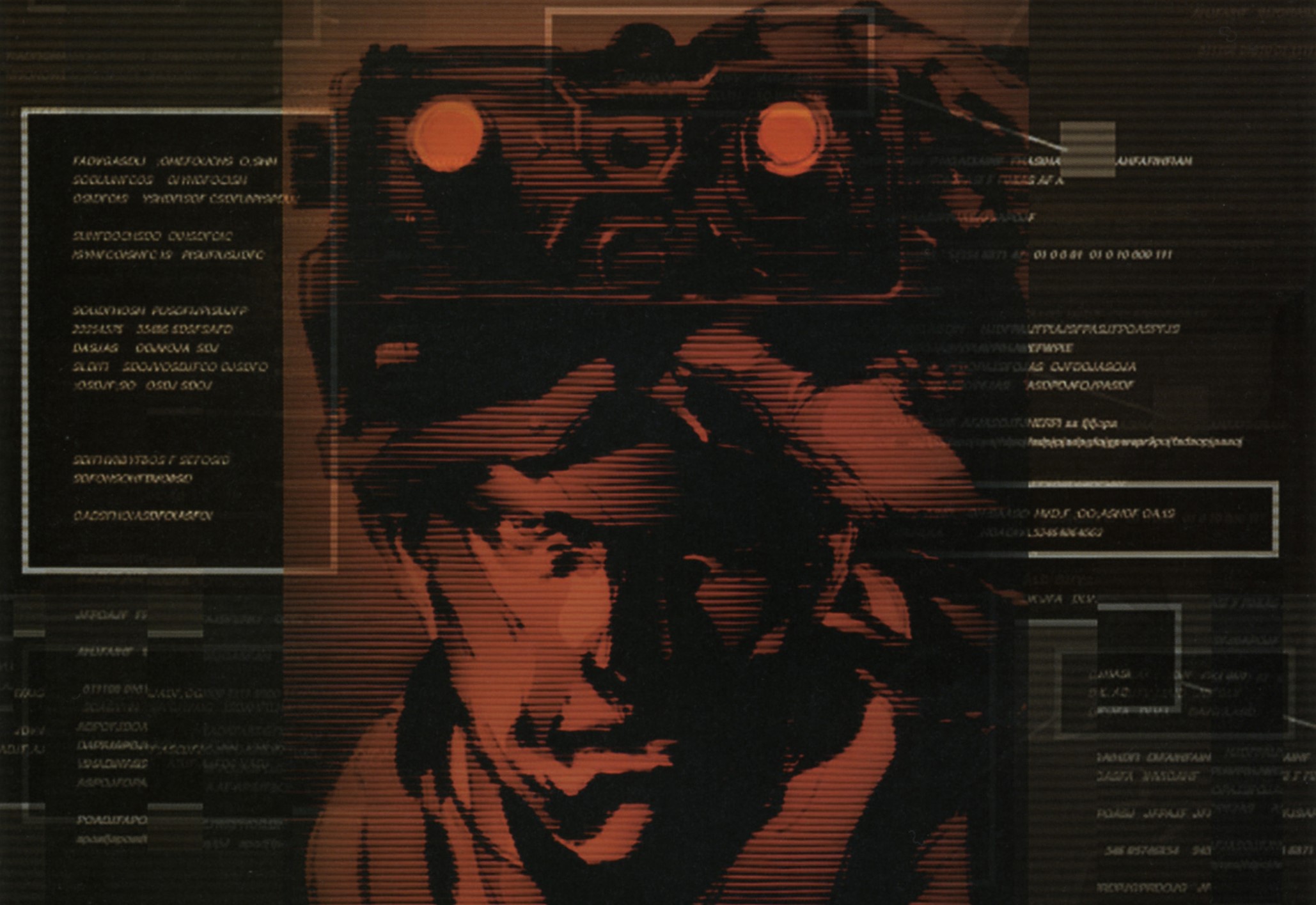
Over the course of the games, Solid Snake and Otacon form a close bond that eventually leads them to raise a child together. A memorable moment highlights their connection when Otacon wonders if love can even exist amidst war. As the series continues, their life together and mutual reliance become more central to Snake’s story, moving away from typical romantic storylines. Many fans interpret their relationship as a queer one, even though the game itself doesn’t explicitly define it that way.
‘Overwatch’ (2016)
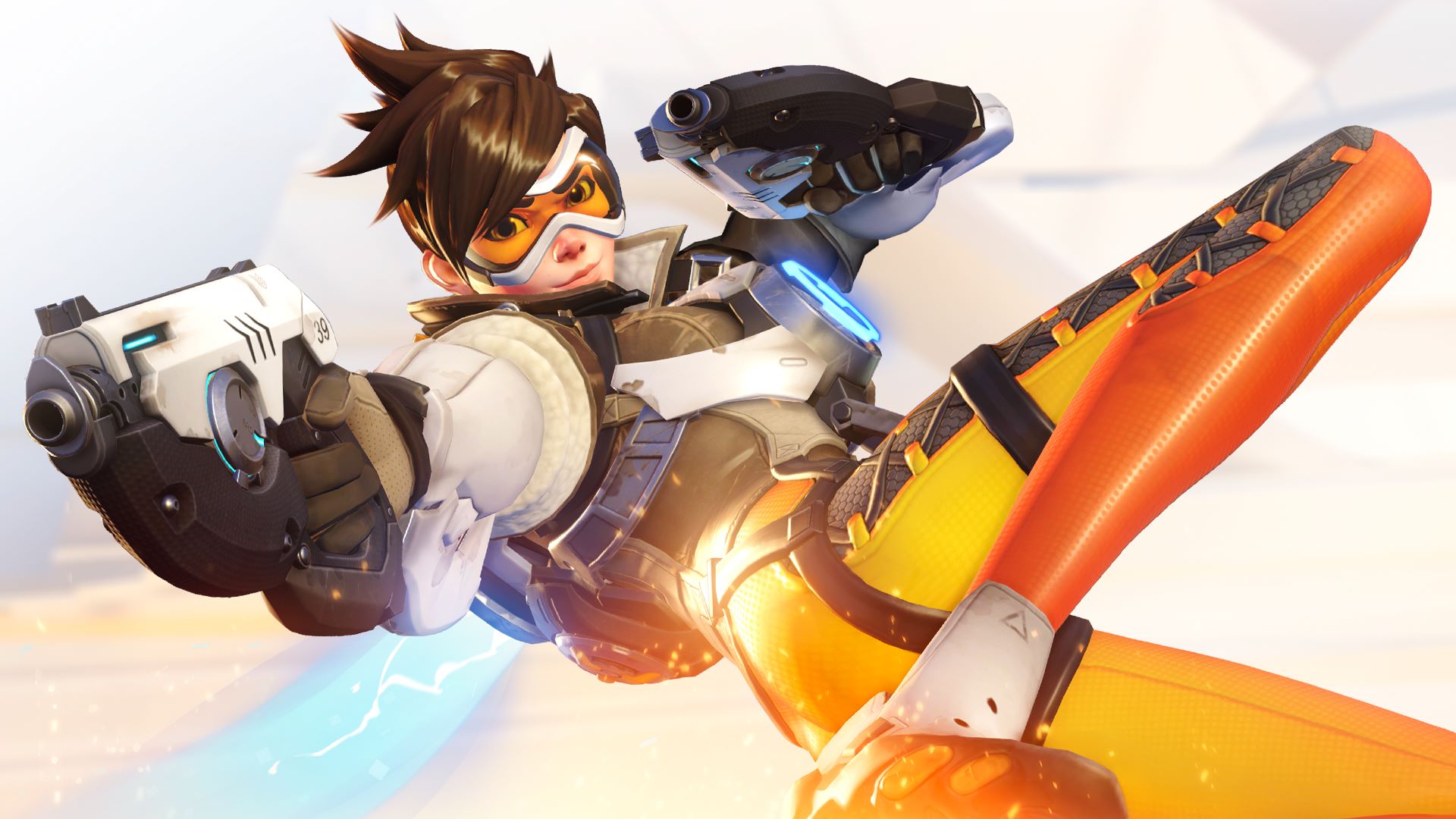
For years, Blizzard hinted at romantic connections between its characters through in-game dialogue and comics. They acknowledged popular fan pairings, like Pharah and Mercy, with special sprays and conversations. However, it took a long time for the developers to officially confirm that Soldier 76 and Tracer were a couple, while leaving many other desired relationships unresolved. This gradual release of information led to criticism that Blizzard was using fan speculation for attention without fully committing to diverse representation.
‘Detroit: Become Human’ (2018)
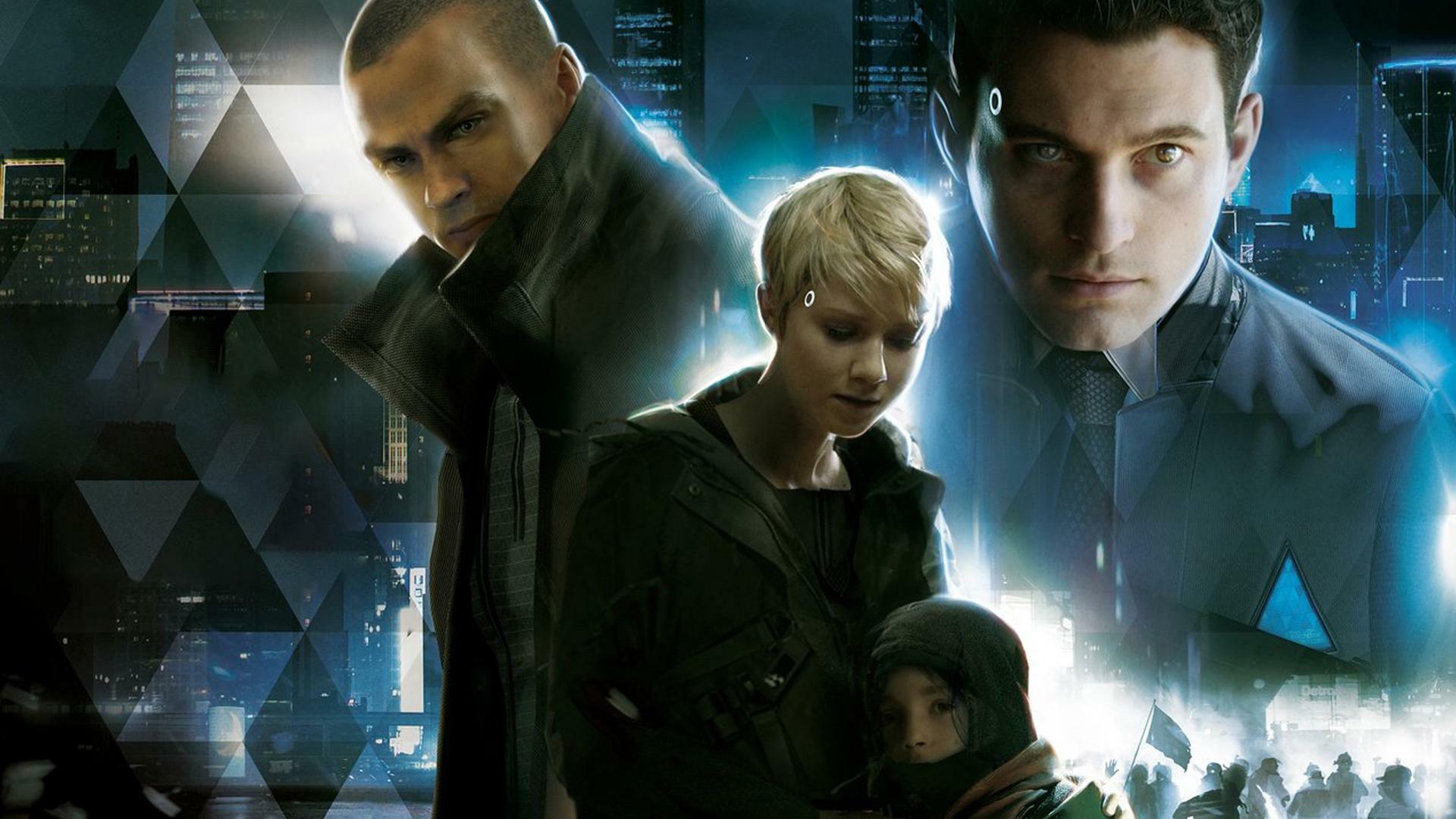
During the revolution storyline, the android Simon can form a deep connection with the main character, Markus. At key moments, Simon offers Markus his loyalty and vulnerability – both literally and figuratively. While players can build a very strong relationship with Simon, it doesn’t lead to a romantic ending like the one available with North. This difference upset some players, who felt the connection between Markus and Simon felt more natural and believable.
‘Dragon Age: Inquisition’ (2014)
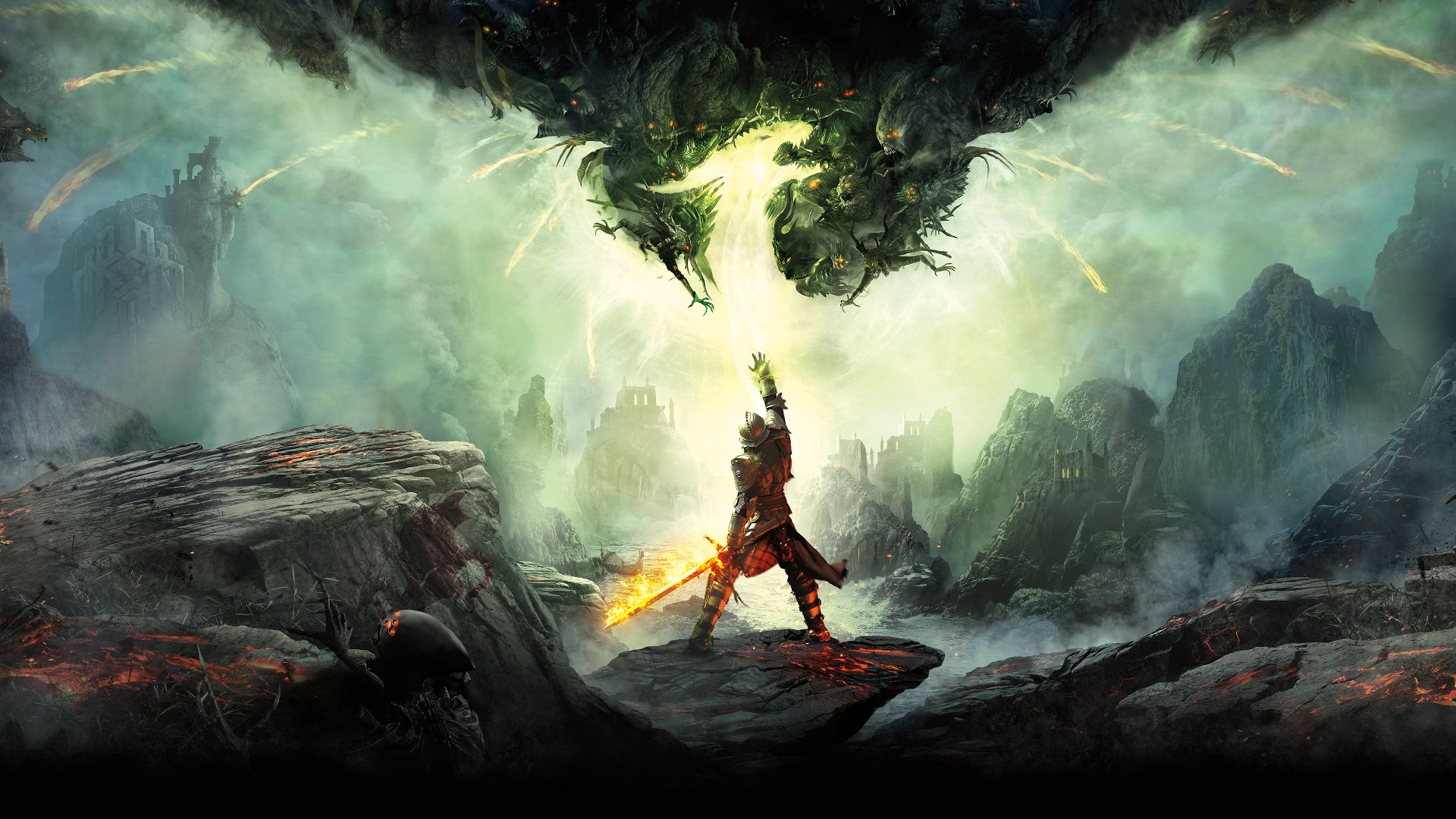
So, there’s this character in the game, Commander Cullen Rutherford, who’s a big part of the Inquisition’s army. Before the game even came out, everyone was buzzing that you might be able to romance him, regardless of your character’s gender. But when it actually launched, they limited his romance options to only female elves and humans. It was kind of a letdown, honestly. A lot of us thought his story would have worked really well if my Inquisitor, a male character, could have romanced him, and it felt like a missed opportunity.
‘Final Fantasy VII Remake’ (2020)
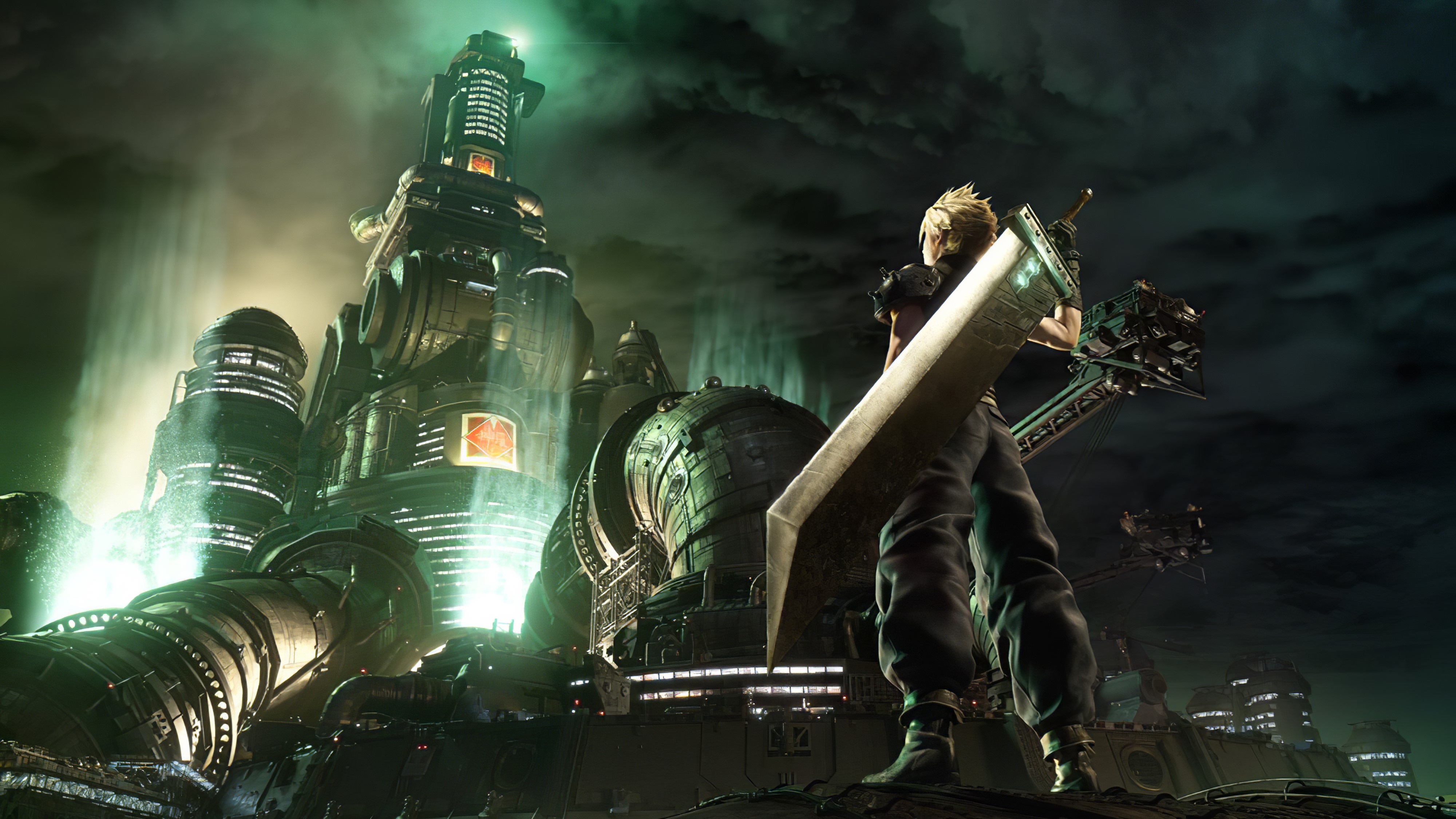
This new version of the story really emphasizes Sephiroth’s obsession with Cloud. He constantly gets close to Cloud and hints at a future they share, and the writing portrays their rivalry as a deeply personal connection, as if they’re the only ones who matter. This strong focus on their relationship led many players to see it as more than just a conflict, overshadowing any other potential romances in the game.
‘League of Legends’ (2009)
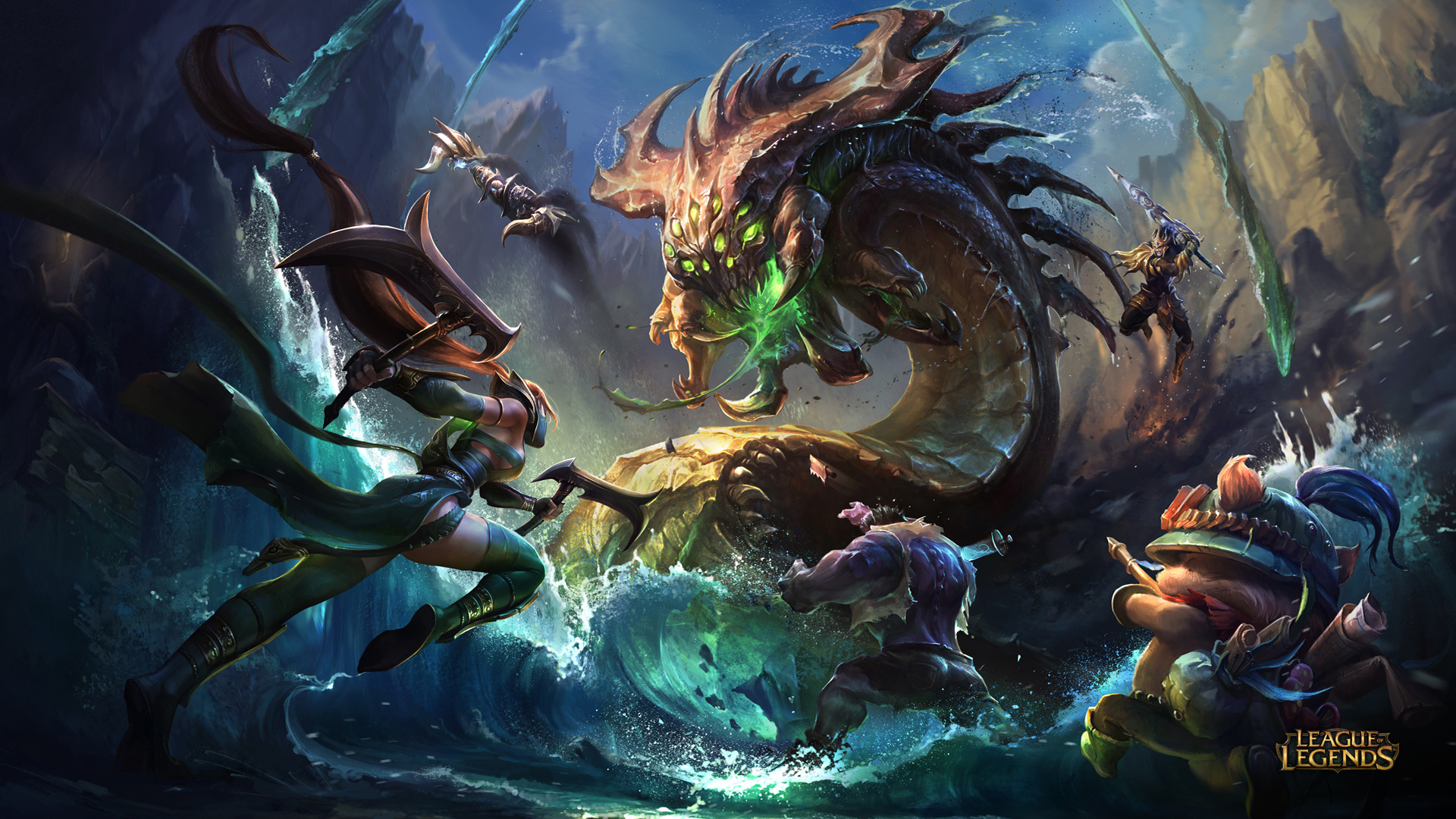
Characters like Diana and Leona were introduced with backstories suggesting a past romantic relationship. For years, Riot Games neither confirmed nor denied this, instead offering subtle hints within their game content. It wasn’t until after ten years that the developers officially acknowledged the relationship in a published story. Many believed this deliberate ambiguity allowed them to appeal to a broad audience while still engaging LGBTQ+ fans with the possibility of a romantic connection.
‘Uncharted: The Lost Legacy’ (2017)
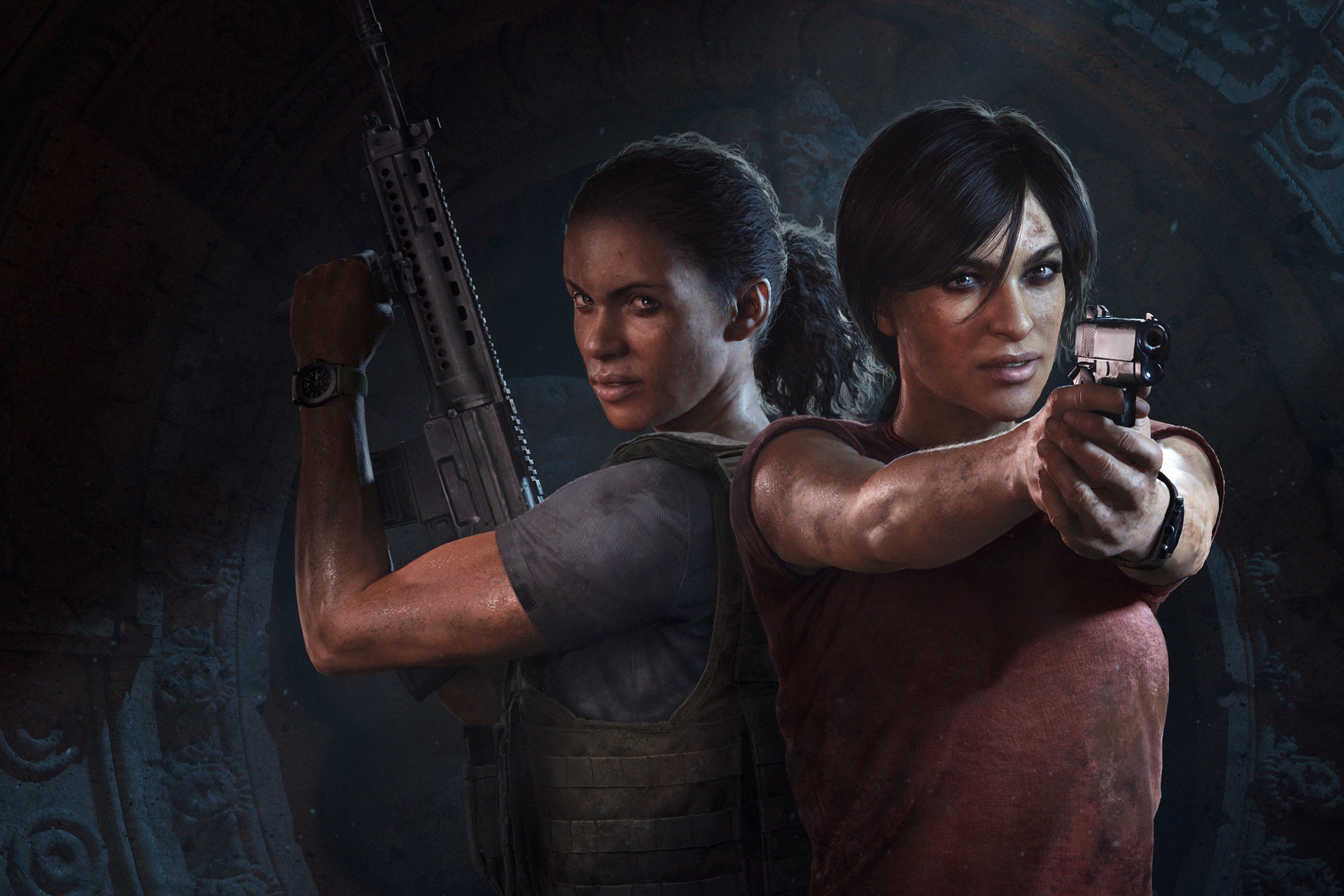
Chloe and Nadine begin as uneasy partners, but quickly learn to trust and respect each other. Their playful and witty interactions develop throughout their adventure. By the end, they’re heading off together to face whatever comes next as a team. Many viewers and reviewers felt their connection was more than just professional – it hinted at a potential romance.
‘Persona 5’ (2016)
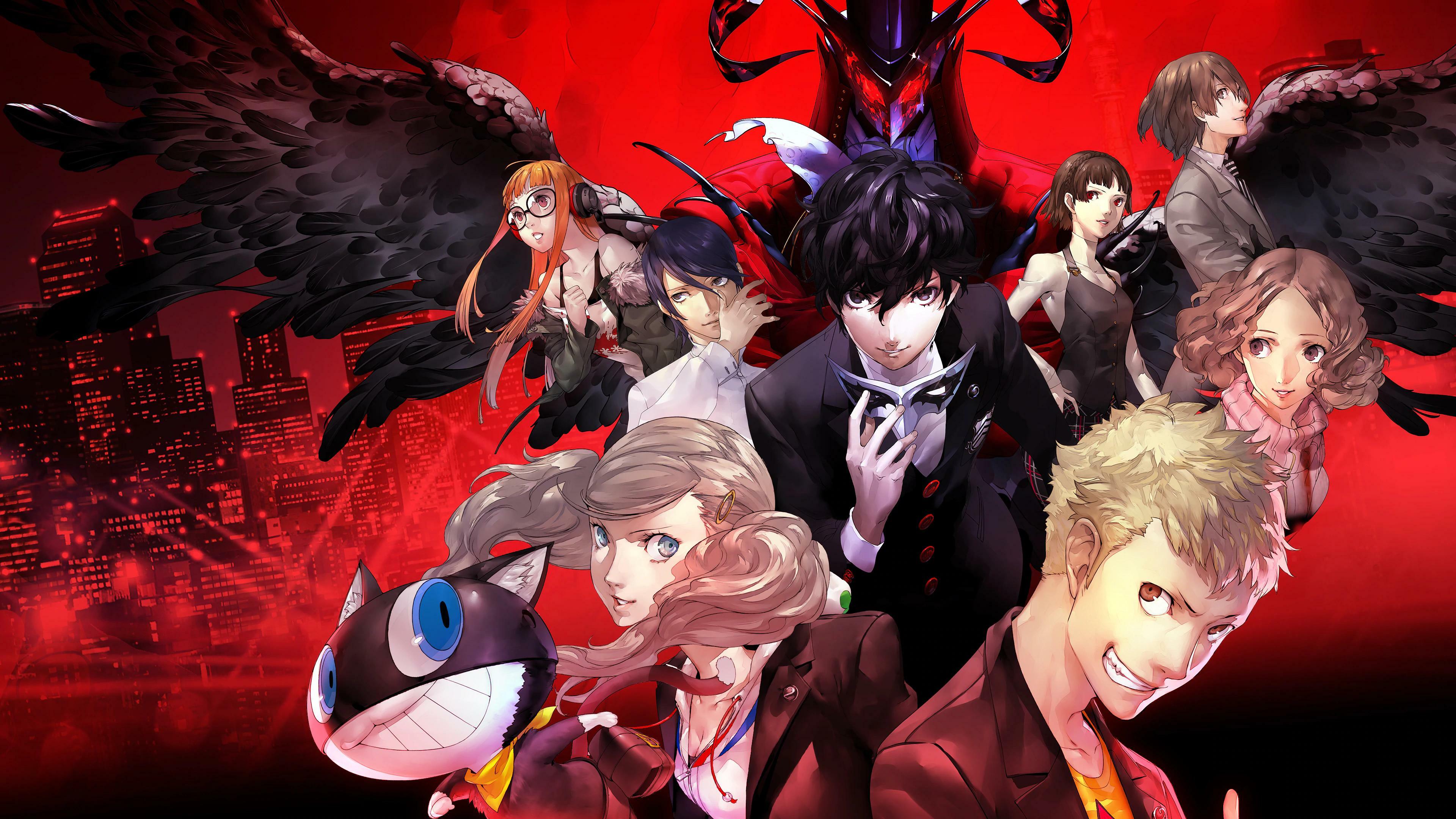
Goro Akechi is presented as Joker’s rival, and their relationship is marked by intense competition and a strange obsession. They frequently spend time together in situations that feel like dates, such as going to cafes and bathhouses. Akechi’s preoccupation with Joker drives his behavior throughout the story. Many fans felt misled because this intense connection never developed into a romantic relationship.
‘Yakuza 3’ (2009)
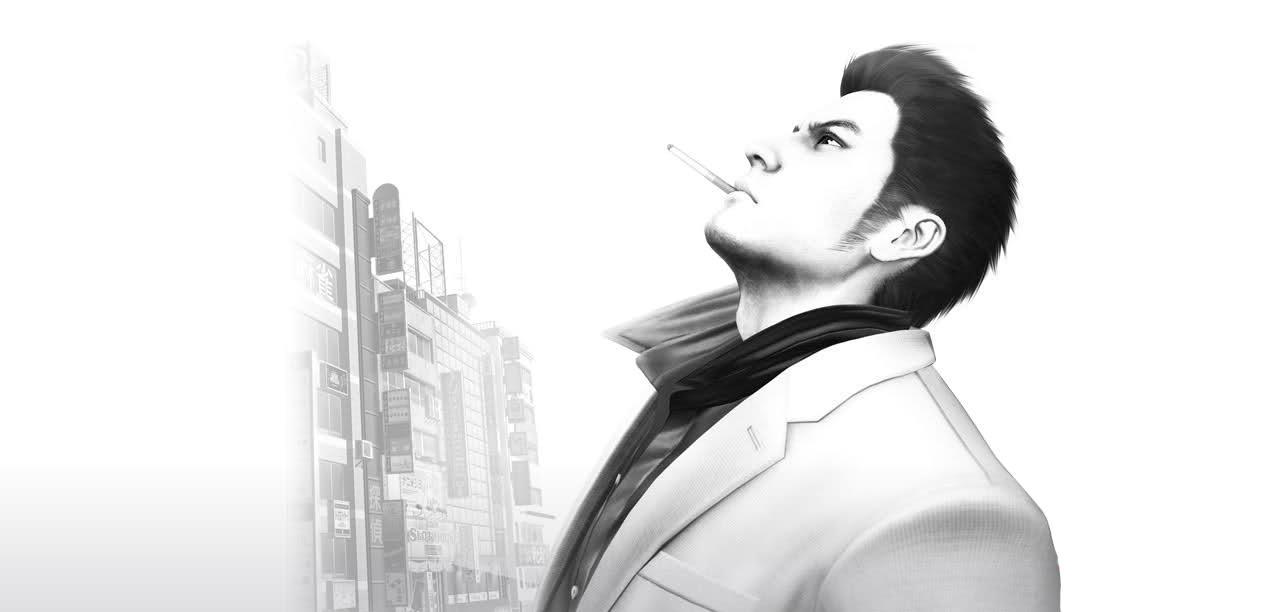
Mine Yoshitaka is a compelling villain whose sole purpose is to protect and support Daigo Dojima. The game portrays his dedication as the strongest possible brotherly love. However, his extreme self-sacrifice and lack of interest in romantic relationships with women have led many players to interpret his character as gay.
‘Honkai Impact 3rd’ (2016)
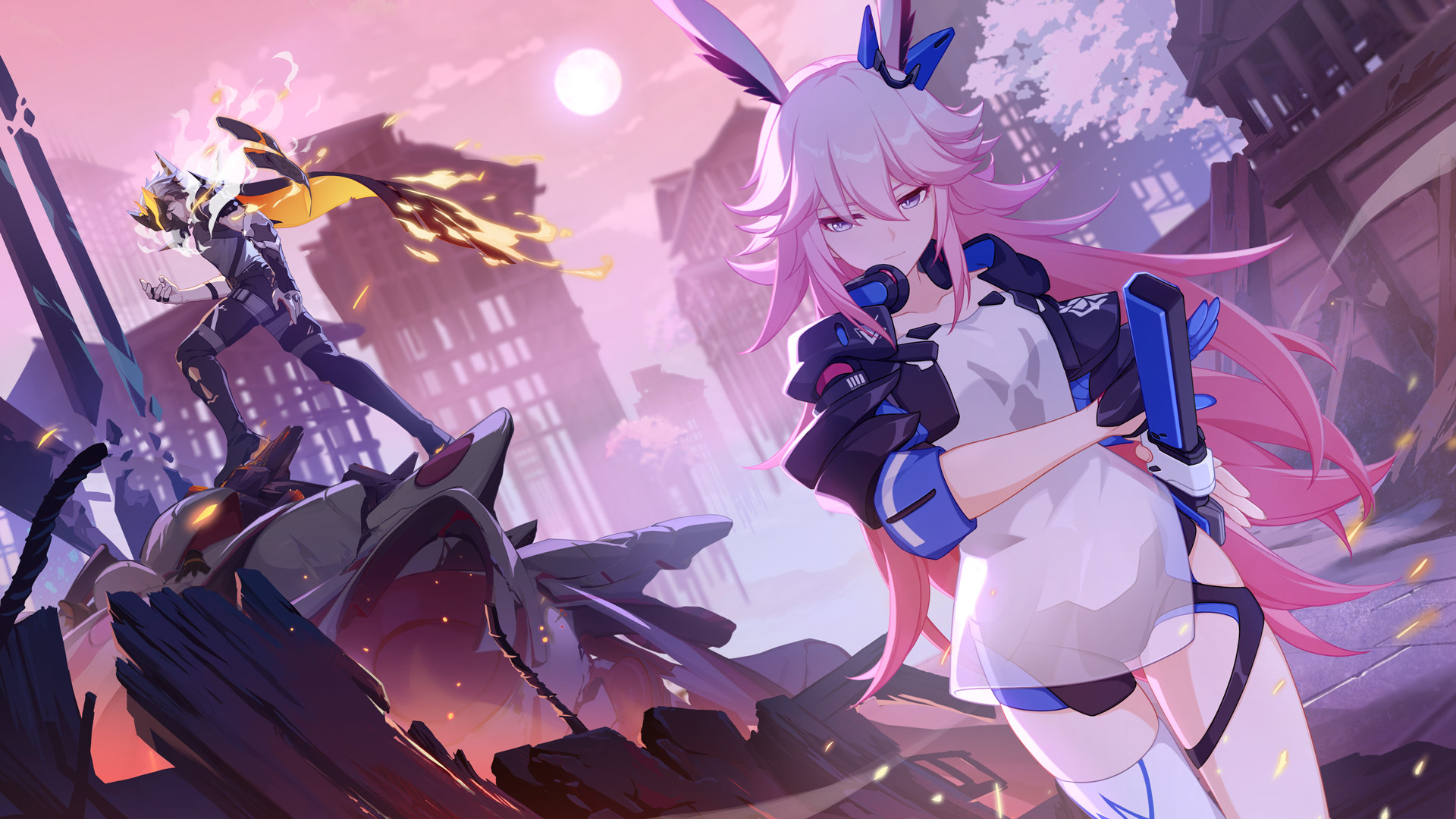
Kiana and Mei have a deep connection that’s at the heart of the story across all worlds. They consistently prioritize each other’s safety and being together, even over saving the world. Due to censorship rules where the game is made, the developers can’t directly confirm they are married, but the game strongly implies a romantic relationship through its dialogue, making a traditional, opposite-sex interpretation unlikely.
‘Tales of Vesperia’ (2008)
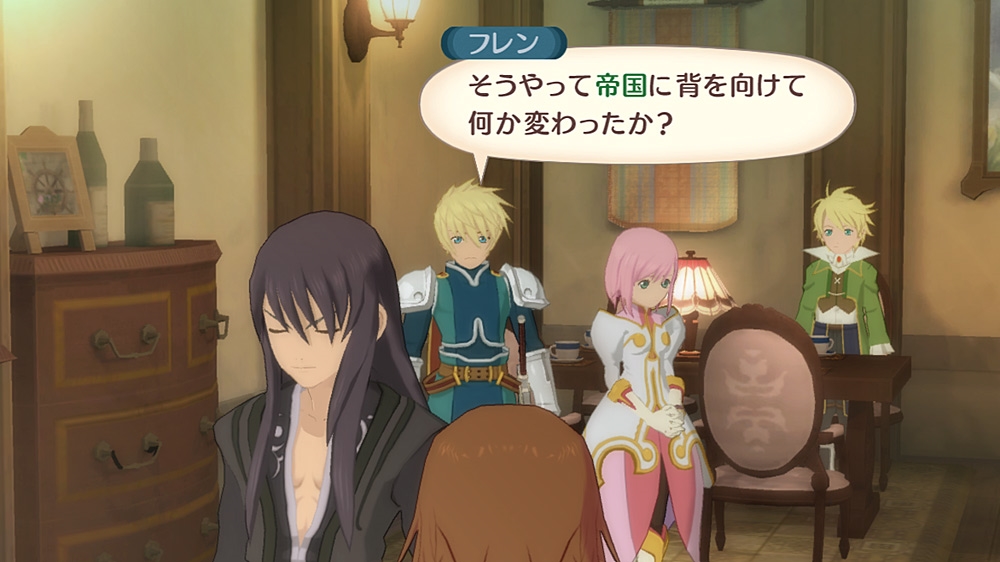
Yuri Lowell and Flynn Scifo are childhood friends with a shared ambition to make a difference in the world. They have a special connection symbolized by a heart container, an item typically reserved for couples in the game’s story. However, their close bond tends to eclipse the female character who is usually meant to be a love interest. The story portrays them as two parts of a single unit, hinting at a deep connection without explicitly confirming a romantic relationship.
‘Suikoden II’ (1998)
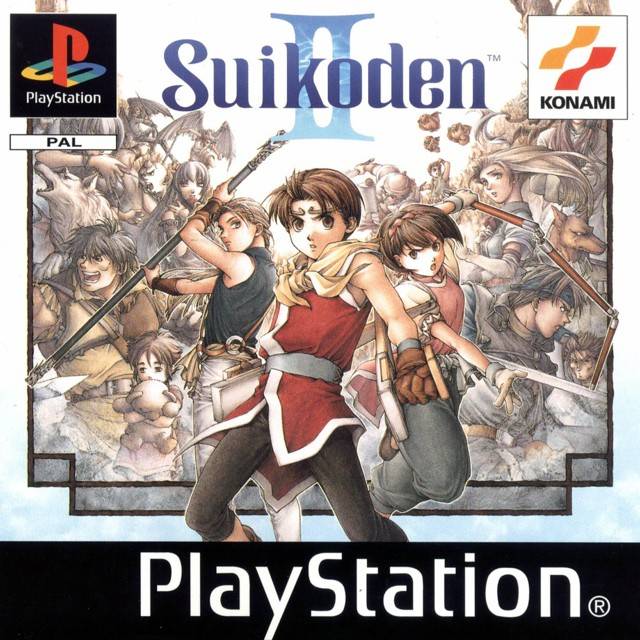
At the heart of this role-playing game is the heartbreaking story of Riou and Jowy, two lifelong friends torn apart by war. They desperately want to find their way back to each other. Achieving the game’s best ending means giving up the chance for power and instead choosing to wander the world together, emphasizing that their bond is more valuable than any victory.
‘The World Ends With You’ (2007)
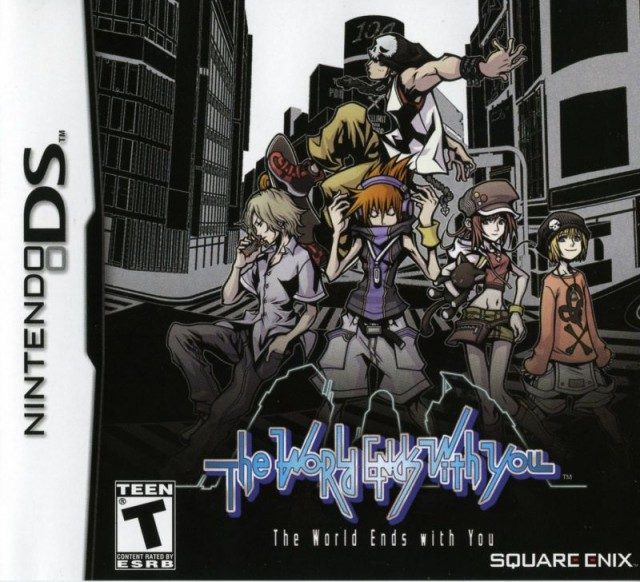
Joshua is a playful and enigmatic character who constantly flirts with Neku during their week together. He often uses suggestive language and gets very close to Neku, which makes him uncomfortable. The game portrays this as Joshua simply being teasing and controlling, but players have really connected with their complex and unique relationship.
‘Danganronpa V3: Killing Harmony’ (2017)
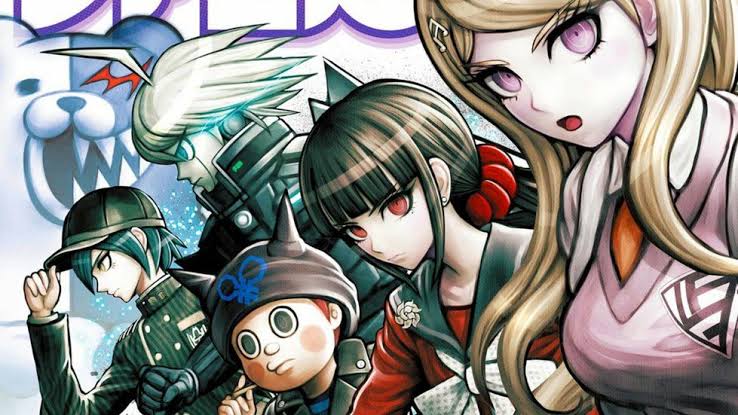
Kokichi Ouma is a compulsive liar who insists he’s stolen the heart of Shuichi Saihara. He often sets up situations designed to put them in close or awkward positions. The game intentionally keeps it unclear whether his declarations of love are sincere or just another one of his tricks. This allows the creators to explore romantic themes without explicitly confirming a same-sex relationship.
‘Assassin’s Creed Odyssey’ (2018)
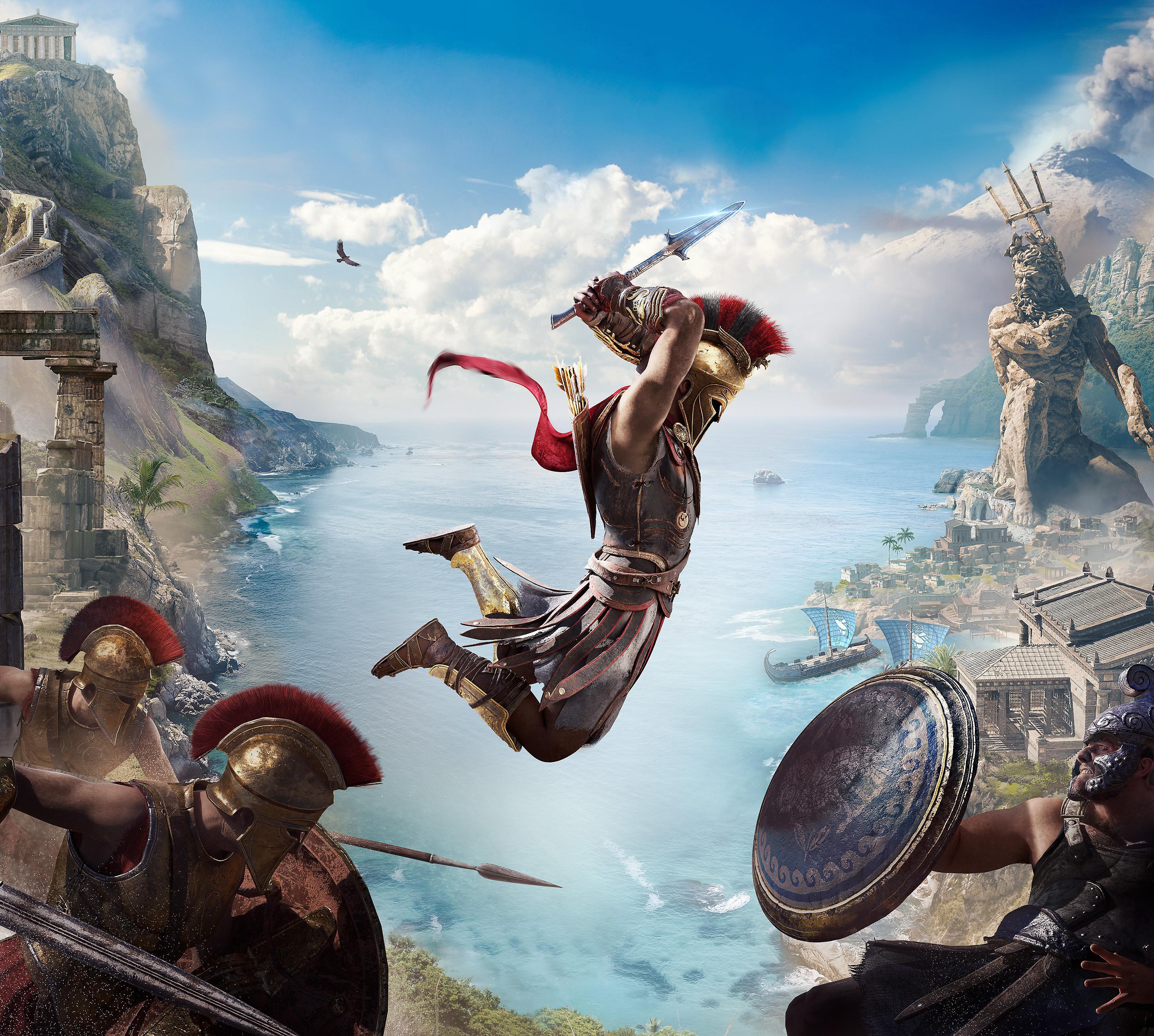
The game promised players complete freedom in choosing romantic and sexual relationships. However, a later addition to the game forced the main character into a straight relationship to have a child, ignoring players’ previous choices to play as a gay Alexios or Kassandra. The developers apologized and removed the scene after a strong negative reaction from players.
‘Devil May Cry 3’ (2005)
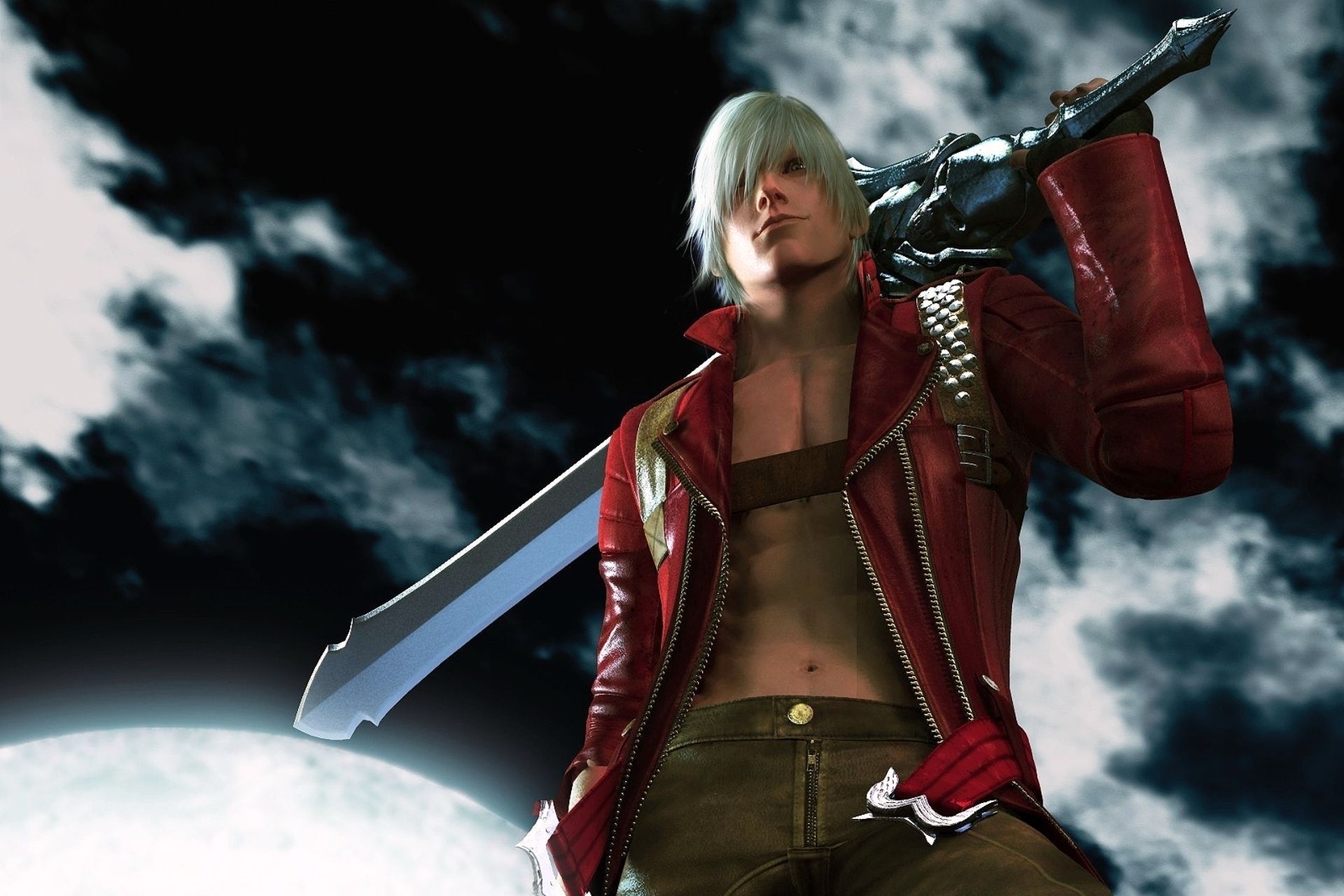
Dante and Vergil are twin brothers with a rivalry that hints at deep psychological themes. The story centers almost entirely on their complex relationship, and notably lacks significant female characters. Their conflicts are intensely personal and emotionally charged, which inspires a lot of discussion and theories among fans. The series frequently suggests that their connection is the most important thing in either of their lives.
‘Sherlock Holmes: Crimes and Punishments’ (2014)
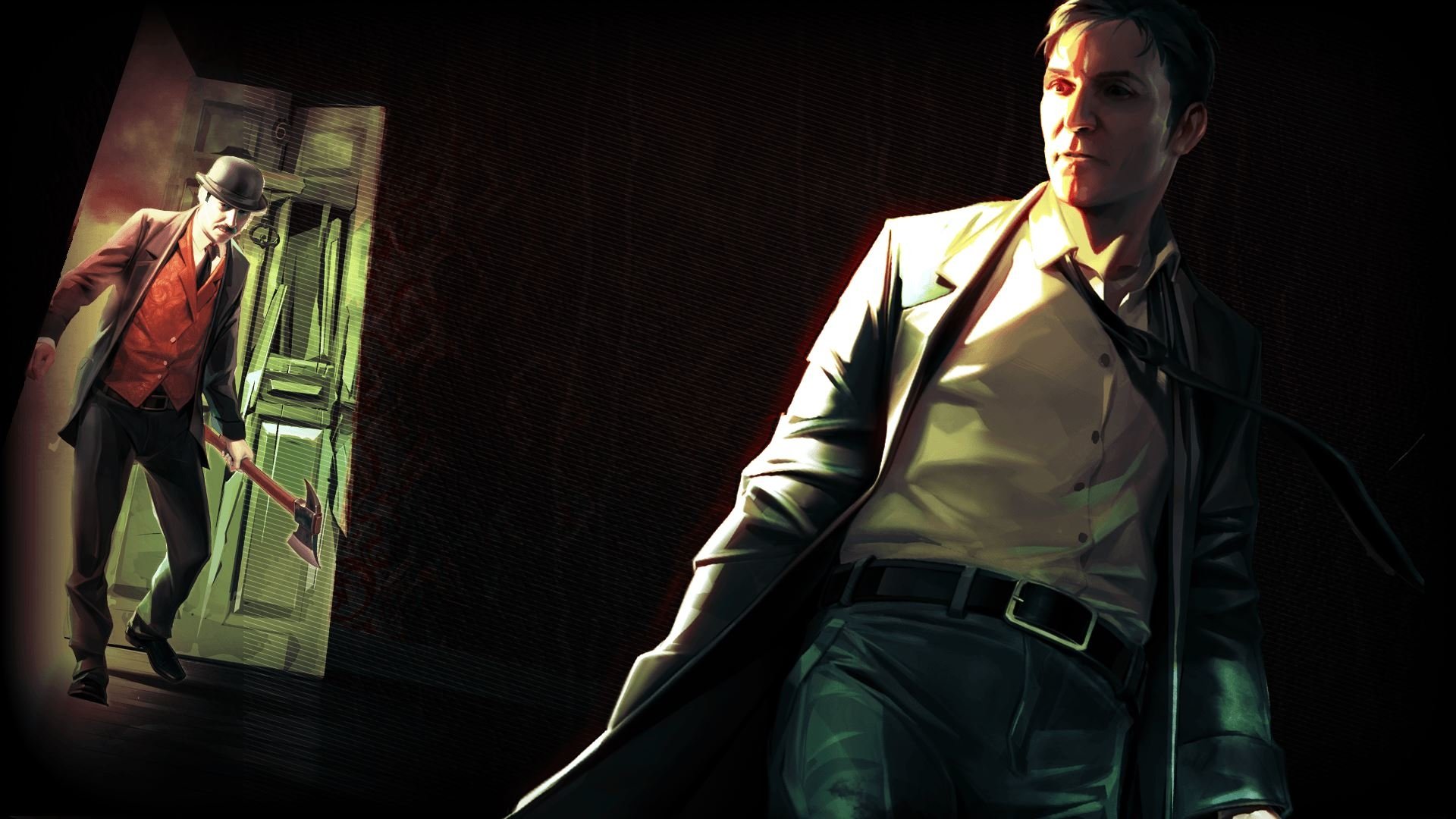
This version of the story really emphasizes the close, lived-in relationship between Holmes and Watson, portraying them as a couple who share a home and playfully argue like an old married pair—they even have a dog together! The game deliberately avoids romantic interests for either of them, instead focusing on how much they rely on each other. This approach fits with how many recent adaptations explore the idea that the original stories hinted at a romantic connection between the two men.
‘Kingdom Hearts II’ (2005)
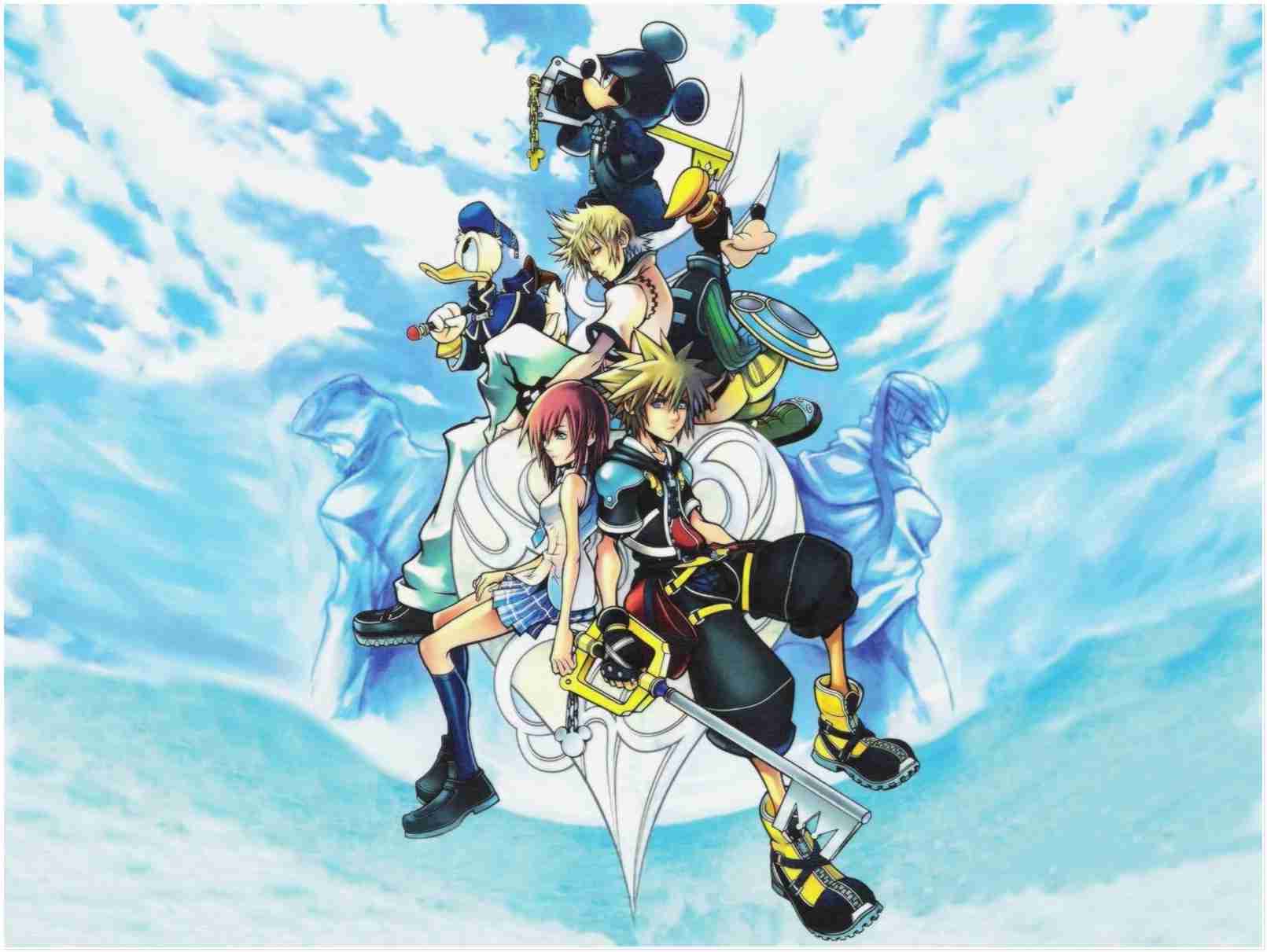
Throughout the beginning of the story, Axel is deeply committed to Roxas, acting as both a teacher and protector. He consistently risks his position within the organization to prevent Roxas from fading away. His well-known desire to be remembered suggests a strong, personal emotional connection to Roxas, and the game portrays their eventual separation as a genuinely heartbreaking event.
‘Mass Effect: Andromeda’ (2017)
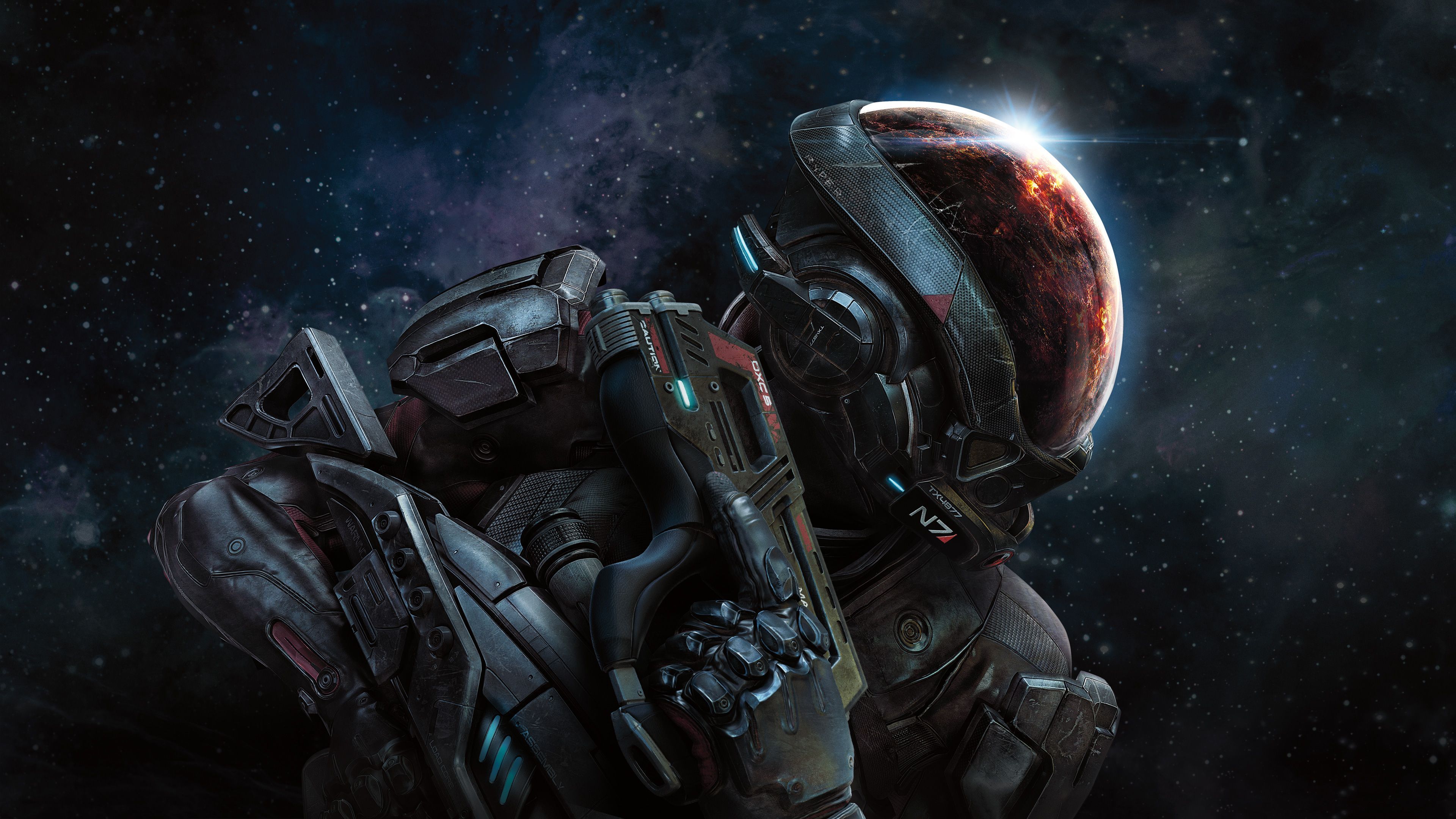
Liam Kosta is a companion character who easily connects with male player characters through shared interests like movies and drinks. His personal quest suggests a potential romantic connection, but he is established as exclusively heterosexual. Many players were disappointed by the lack of male romance options when the game first came out.
‘Xenoblade Chronicles 2’ (2017)
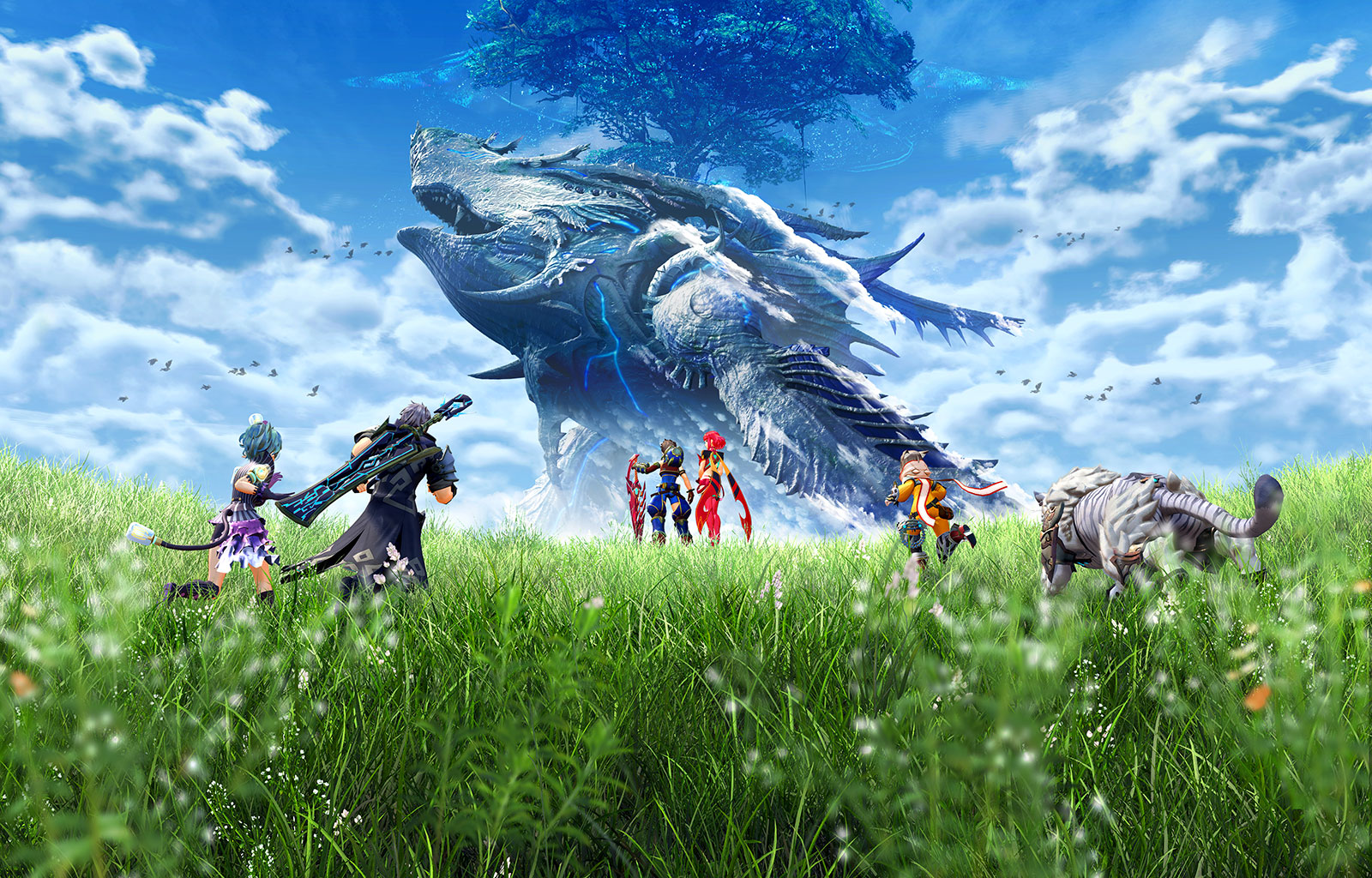
Nia reveals her feelings for the main character, Rex, during an important scene. Rex surprisingly responds by professing his love for everyone, a moment that quickly became a popular meme. Instead of taking her confession seriously, the scene treats it as a joke, either for comedic effect or to suggest Rex is simply clueless. This turns what could have been a meaningful moment exploring queer or polyamorous themes into a gag about Rex’s lack of awareness.
‘Rune Factory 4’ (2012)
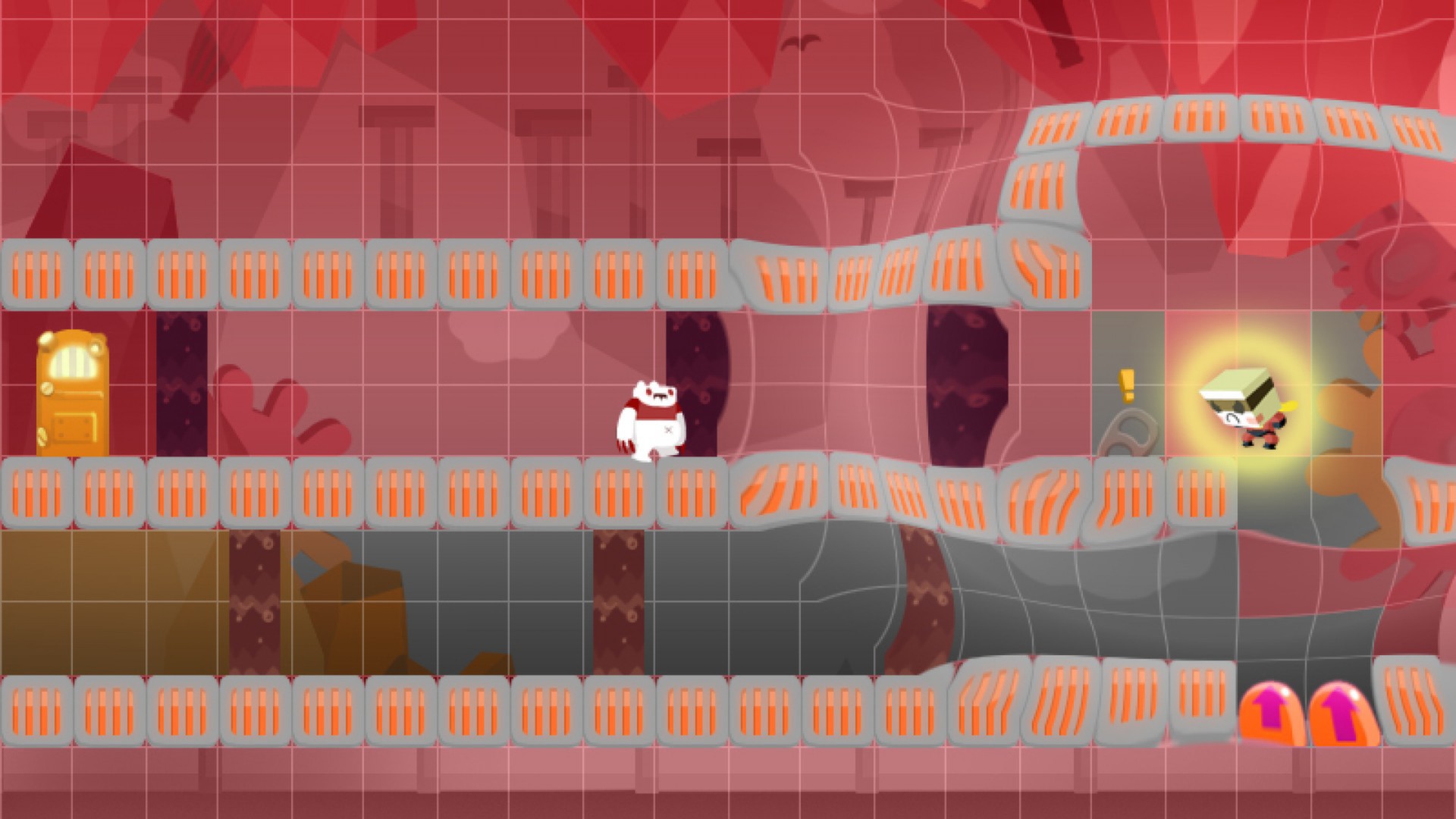
The game initially didn’t support same-sex marriage, but players cleverly found a way around this limitation. They used a visual trick, swapping character appearances, to make it look like they were marrying someone of the same gender, even though the game still registered them as opposite sexes. The developers knew players wanted this feature, but it wasn’t officially added until the game was remade. In the original version, players had to go to great lengths just to see their relationships reflected in the game.
‘Batman: The Telltale Series’ (2016)
John Doe, the man who eventually becomes the Joker, becomes fixated on Bruce Wayne as a person, not just his Batman persona. He desperately wants Bruce’s friendship and approval, creating a deeply personal connection. This changes the usual hero-villain conflict, making it about emotional openness and need. Many fans saw John’s obsession as a distorted kind of romantic interest.
’13 Sentinels: Aegis Rim’ (2019)
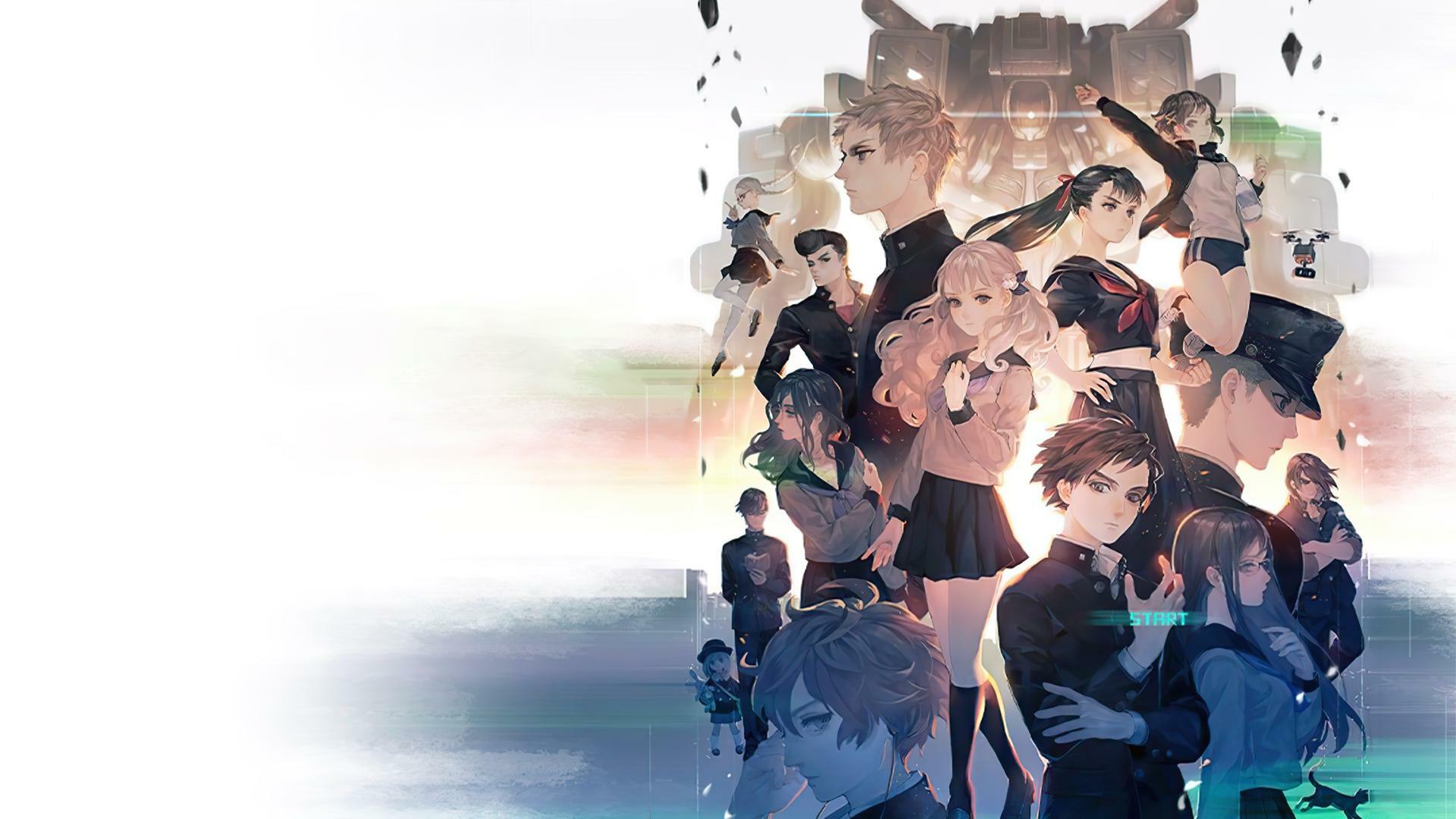
Okay, so there’s this thing with Hijiyama and Okino in the game. It’s… complicated. They have this storyline where things get a little mixed up with gender roles and Hijiyama is constantly flustered around Okino, like he’s not sure what he’s feeling. The game handles it with a lot of funny moments, but it’s clear they have a really strong connection that lasts for years. They never actually say it’s romantic, but everything about how they interact totally feels that way. It’s a really interesting dynamic, honestly.
‘Dishonored 2’ (2016)
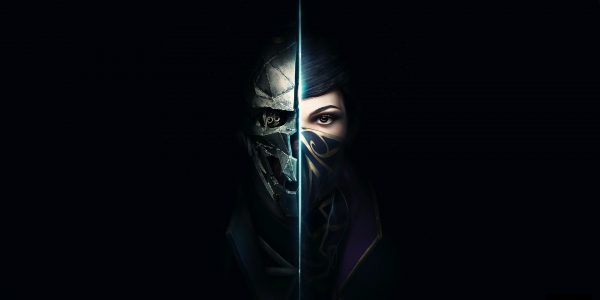
Empress Emily Kaldwin has a romantic partner named Wyman, but the game deliberately doesn’t reveal Wyman’s gender. This allows players to imagine the relationship however they choose. However, some feel this vagueness is a way to avoid explicitly defining Emily’s sexuality, offering a neutral option that doesn’t take a firm stance.
‘Life is Strange 2’ (2018)
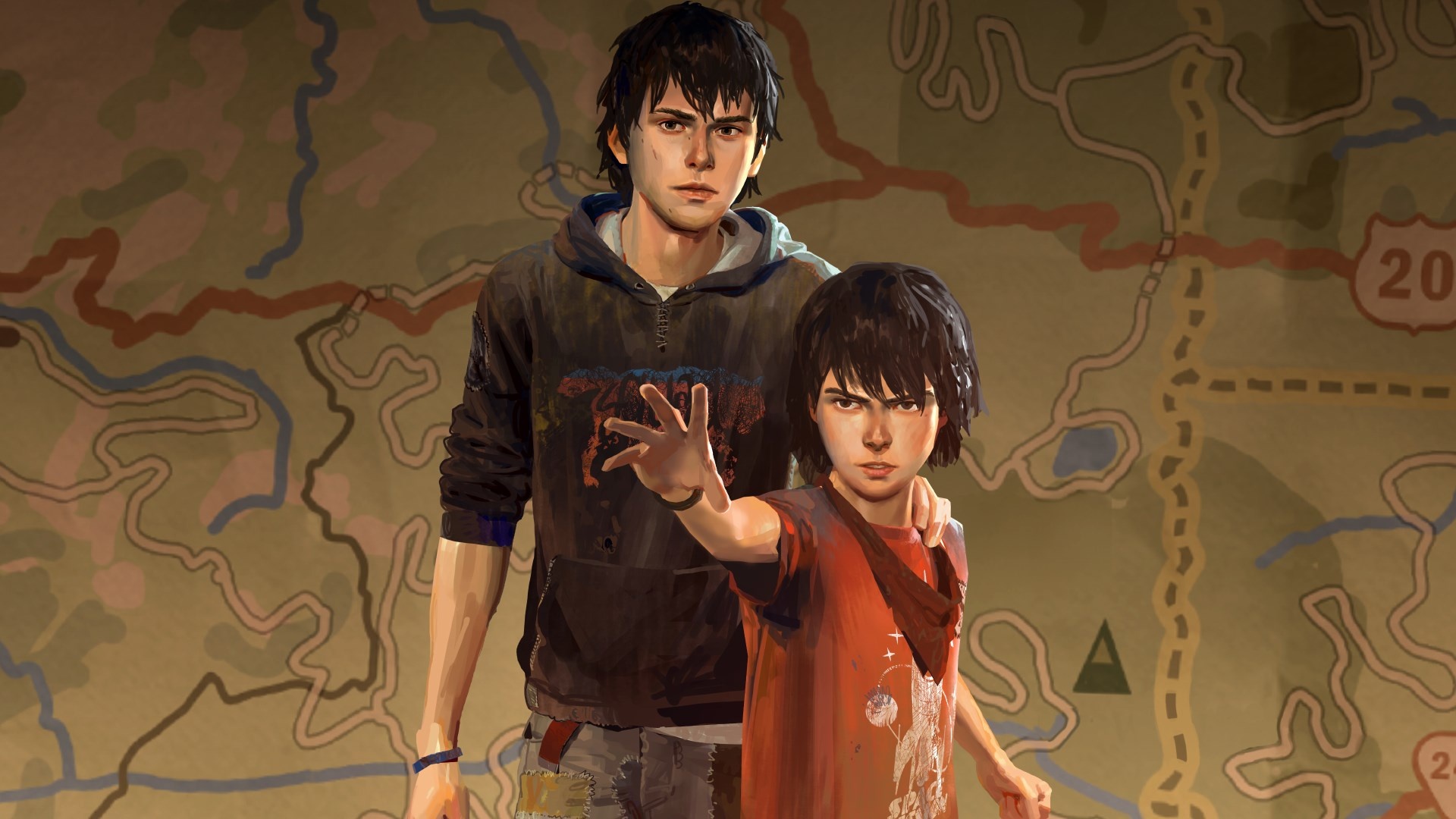
In the game, the main character, Sean Diaz, encounters a traveler named Finn who shows romantic interest in him. However, pursuing a relationship with Finn is surprisingly difficult, requiring players to make very specific choices that aren’t immediately clear. While promotional materials featured Finn prominently, leading many to believe he’d be a significant love interest, players felt the game made this option much harder to unlock compared to the heterosexual romances.
‘Professor Layton vs. Phoenix Wright’ (2012)
The game concludes with a heartwarming scene that emphasizes the strong connection between the two main characters. The ending credits feature tender moments suggesting their relationship will continue. Fans particularly enjoyed the dynamic between these two brilliant minds, and the game itself focused on their partnership more than any other aspect of the story.
Please share your thoughts on which games you feel had the most misleading subtext in the comments.
Read More
- Top 20 Dinosaur Movies, Ranked
- 20 Movies Where the Black Villain Was Secretly the Most Popular Character
- 25 “Woke” Films That Used Black Trauma to Humanize White Leads
- Celebs Who Narrowly Escaped The 9/11 Attacks
- Spotting the Loops in Autonomous Systems
- Gold Rate Forecast
- 22 Films Where the White Protagonist Is Canonically the Sidekick to a Black Lead
- The 10 Most Underrated Jim Carrey Movies, Ranked (From Least to Most Underrated)
- Silver Rate Forecast
- From Bids to Best Policies: Smarter Auto-Bidding with Generative AI
2026-01-24 02:49