When an actor we love dies, it deeply affects everyone involved in their projects, and often, that real-life sadness becomes part of the story. This creates a chance for shows and movies to honestly portray loss, allowing viewers to connect with the characters’ grief and reflect on their own experiences. By handling the loss of a cast member with care, productions can turn a sad situation into a meaningful and touching tribute. These moments of on-screen grief are often some of the most powerful and genuine in entertainment.
‘Black Panther: Wakanda Forever’ (2022)

After Chadwick Boseman’s passing, the new movie centers on Wakanda grieving the loss of their king, T’Challa. It begins with a respectful and somber funeral, much like the real-world tributes to the actor. The film follows characters like Shuri and Ramonda as they deal with their grief, experiencing anger and ultimately finding acceptance. It’s a story about a nation honoring a beloved leader and carrying on his work, offering a chance for both the cast and viewers to say goodbye to a cultural icon.
‘Furious 7’ (2015)
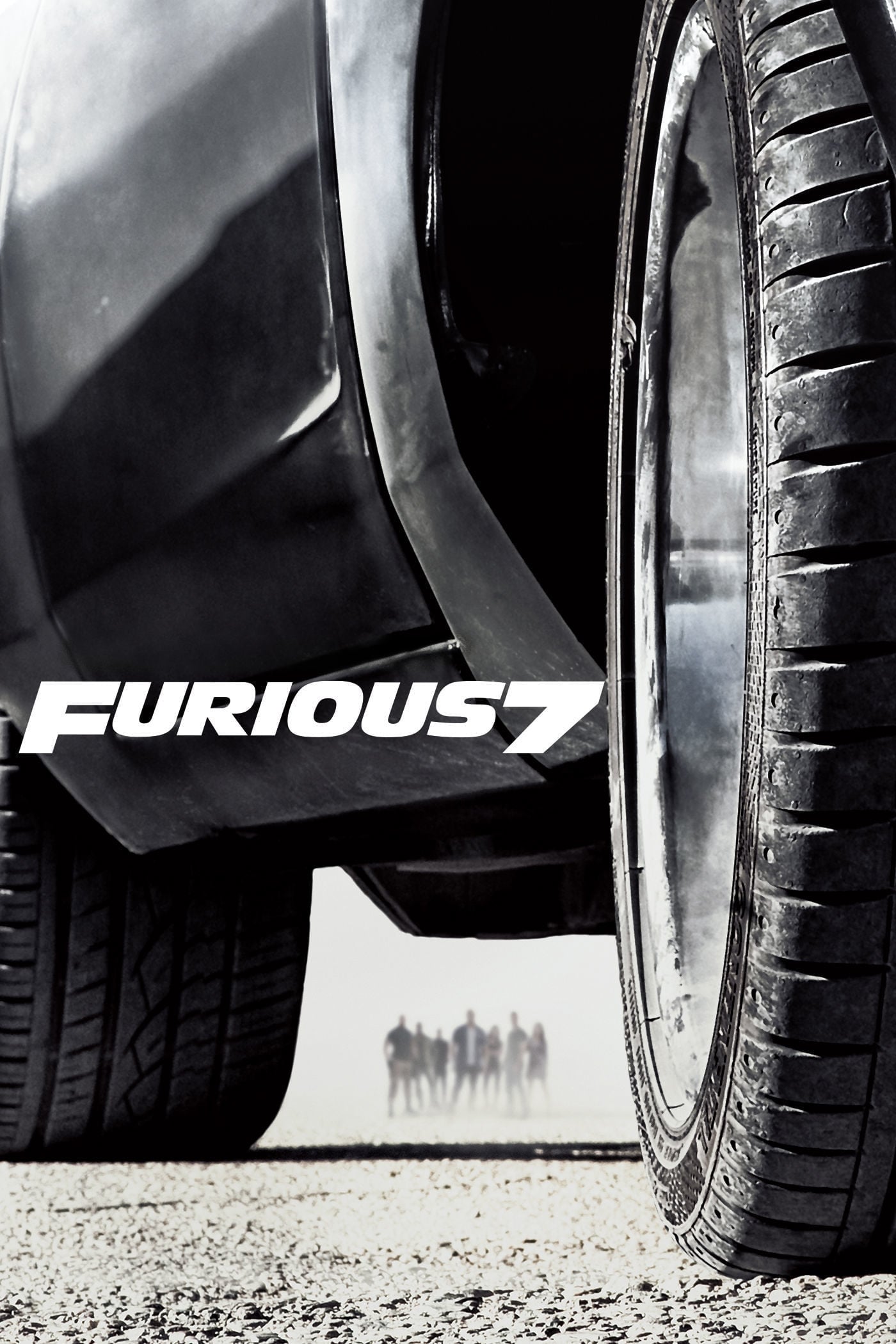
Filmmakers faced a huge challenge when Paul Walker unexpectedly passed away during production. Rather than writing his character, Brian O’Conner, out of the story with a death, they decided to have him retire from the dangerous world of street racing. The movie ends with a digitally created version of Walker driving next to Vin Diesel, and the two characters eventually drive off in separate directions. This scene was a meaningful way to honor the close relationship between Walker and Diesel, and the film ultimately suggests that the bonds of brotherhood can last even after someone is gone, offering a positive message about dealing with loss.
‘Glee’ (2009–2015)

As a huge Glee fan, the episode “The Quarterback” always hits me hard. It was made as a tribute to Cory Monteith after he passed away, and honestly, they made the right call by not showing how Finn died. Instead, it’s all about how everyone – his friends, teachers, everyone – is just feeling the loss. It’s powerful because they don’t try to give answers or say there’s a proper way to grieve. What really gets to me is knowing the actors were genuinely mourning Cory while they were filming; those performances are so raw and honest. It really shows how devastating a sudden loss can be for a close group of people.
‘8 Simple Rules’ (2002–2005)

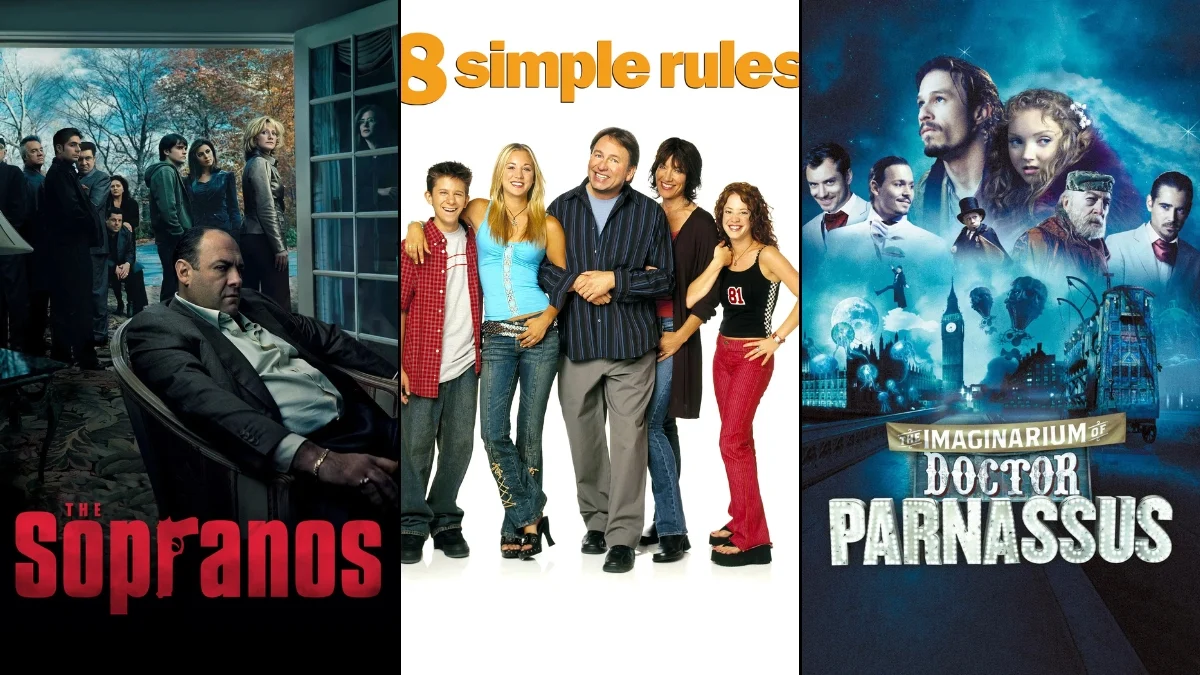
After John Ritter’s unexpected death during the show’s second season, the sitcom shifted from a purely funny tone to a more heartfelt look at a family dealing with loss. A special hour-long episode, “Goodbye,” directly addressed the death of the family’s father, Paul Hennessy, and explored the raw emotions that followed. The show realistically portrayed the difficult, everyday struggles of a family trying to cope with profound sadness, showing their vulnerability and imperfections in the grieving process. It’s still considered a prime example of how television can sensitively handle the loss of a main actor.
‘Riverdale’ (2017–2023)
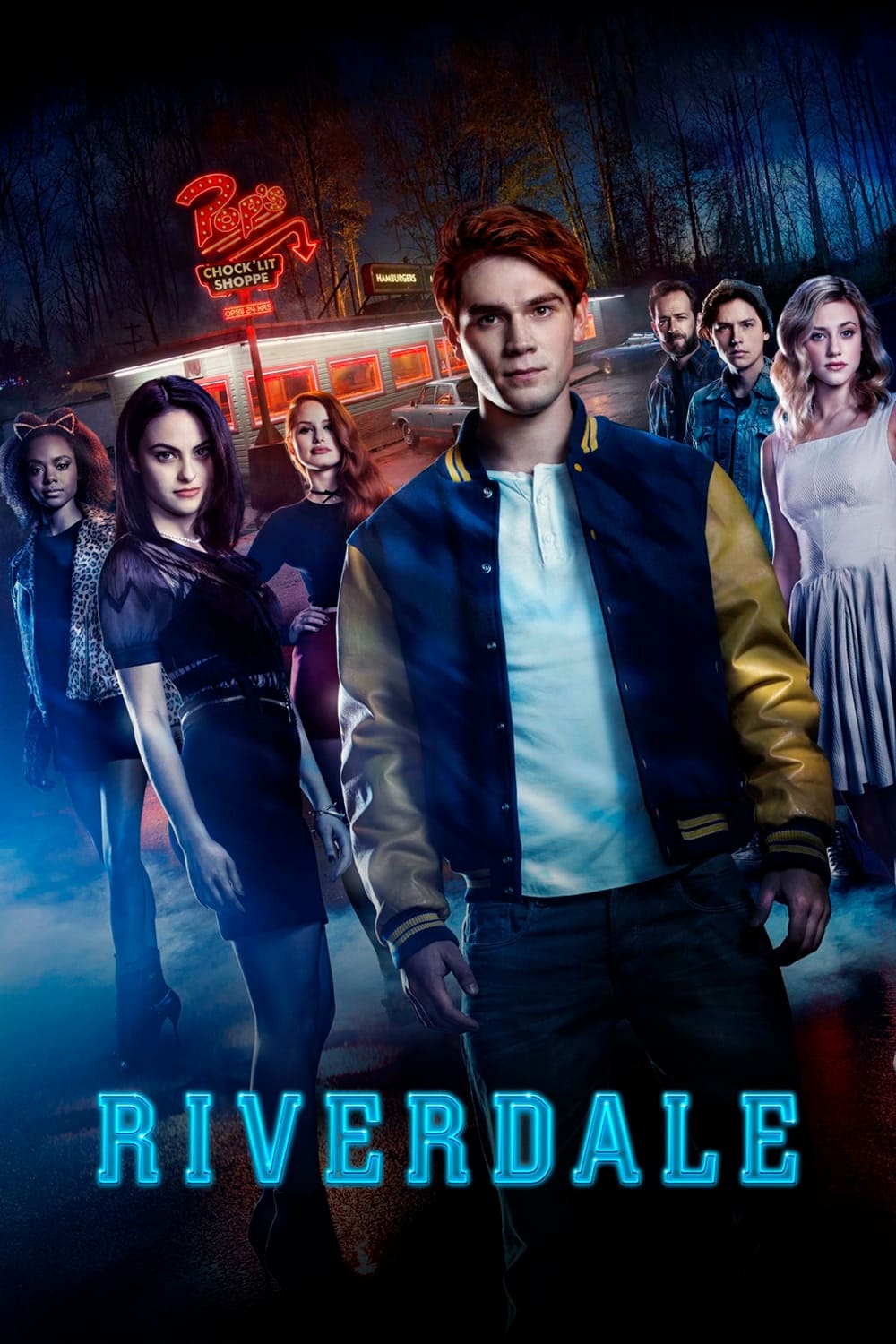
The fourth season began with a special episode dedicated to Luke Perry and his character, Fred Andrews. The story centers around Archie and his friends as they deal with the aftermath of Fred’s sudden death in a hit-and-run. The episode beautifully showcased Fred’s kindness and the steady support he gave to everyone in Riverdale, portraying his loss as a significant blow to the town’s values. It was a touching farewell that offered fans closure and honored Perry’s memory.
‘The West Wing’ (1999–2006)
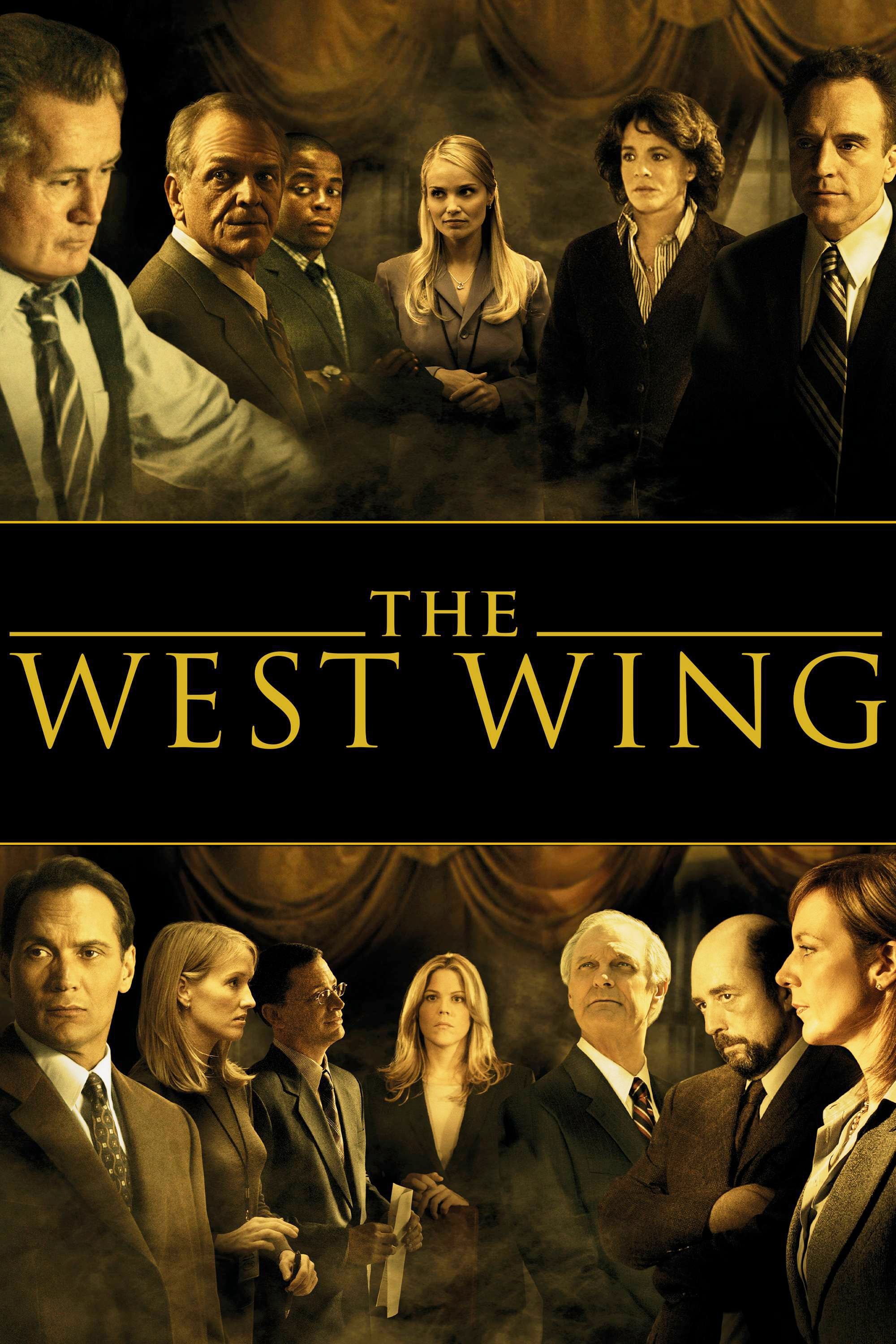
When actor John Spencer passed away, the show “The West Wing” had to deal with the loss of his character, Leo McGarry, right in the middle of an election storyline. The episode “Election Day” depicts the characters learning about Leo’s death as the election polls close. The episode realistically portrays how people in public life must cope with personal grief while still fulfilling their responsibilities. The show thoughtfully used Spencer’s last filmed scenes to ensure a smooth continuation and to pay tribute to his work and the impact his character had on everyone around him, especially as a mentor and friend.
‘NewsRadio’ (1995–1999)

The fourth season of the show began with the episode “Bill Moves On,” created as a heartfelt response to the tragic death of Phil Hartman. The episode features the characters reading letters from Bill McNeal, finding both funny and touching moments in his farewell messages. It was unusual for a sitcom at the time to allow characters to express grief so openly. The writers skillfully blended the show’s usual humor with sincere sadness, paying tribute to Hartman’s talent. It’s a perfect example of how comedy can be used to cope with a deeply upsetting event.
‘Sesame Street’ (1969–Present)
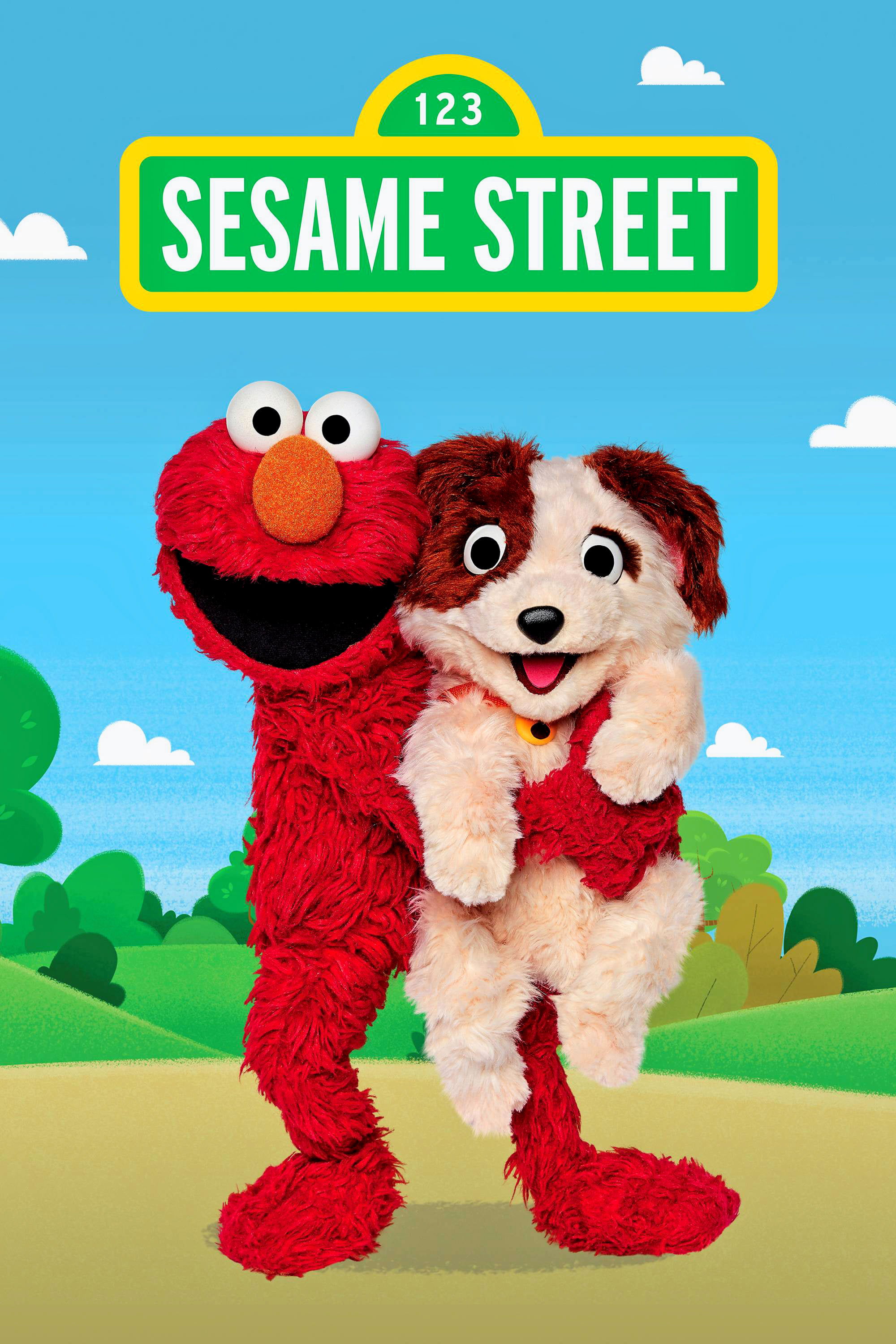
When Will Lee, the actor who played Mr. Hooper, sadly passed away, the creators of Sesame Street wanted to help young viewers understand death. In a memorable episode, the characters explained to Big Bird that Mr. Hooper wouldn’t be returning. They aimed to be truthful and comforting, stressing that while people do die, they are remembered fondly. The actors’ real love for Will Lee came through as they delivered the sad news with kindness. This scene is now considered a groundbreaking and important example of how to address grief on television.
‘Cheers’ (1982–1993)
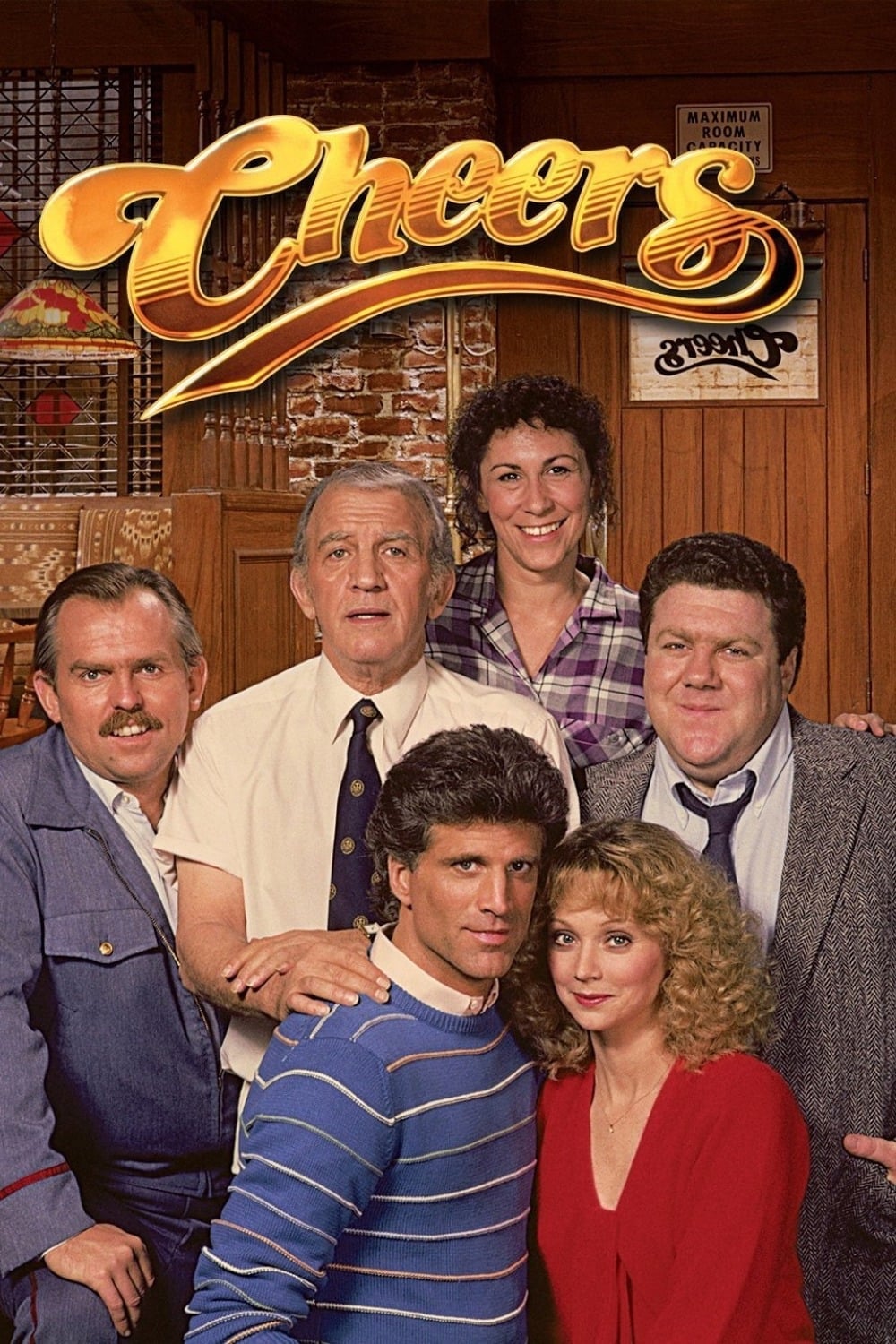
When Nicholas Colasanto, who played Coach, passed away, Woody Harrelson joined the cast. However, the show always remembered the popular character of Coach Ernie Pantusso. The fourth season began with the characters fondly recalling Coach’s unique advice and gentle personality. As a lasting tribute, a small photograph of Geronimo – which Colasanto had kept with him – was placed in the bar set. Characters glancing at the photo served as a quiet reminder of the actor and his impact. The show respectfully navigated this change by keeping Coach’s memory alive through these small, heartfelt touches.
‘The Big Bang Theory’ (2007–2019)
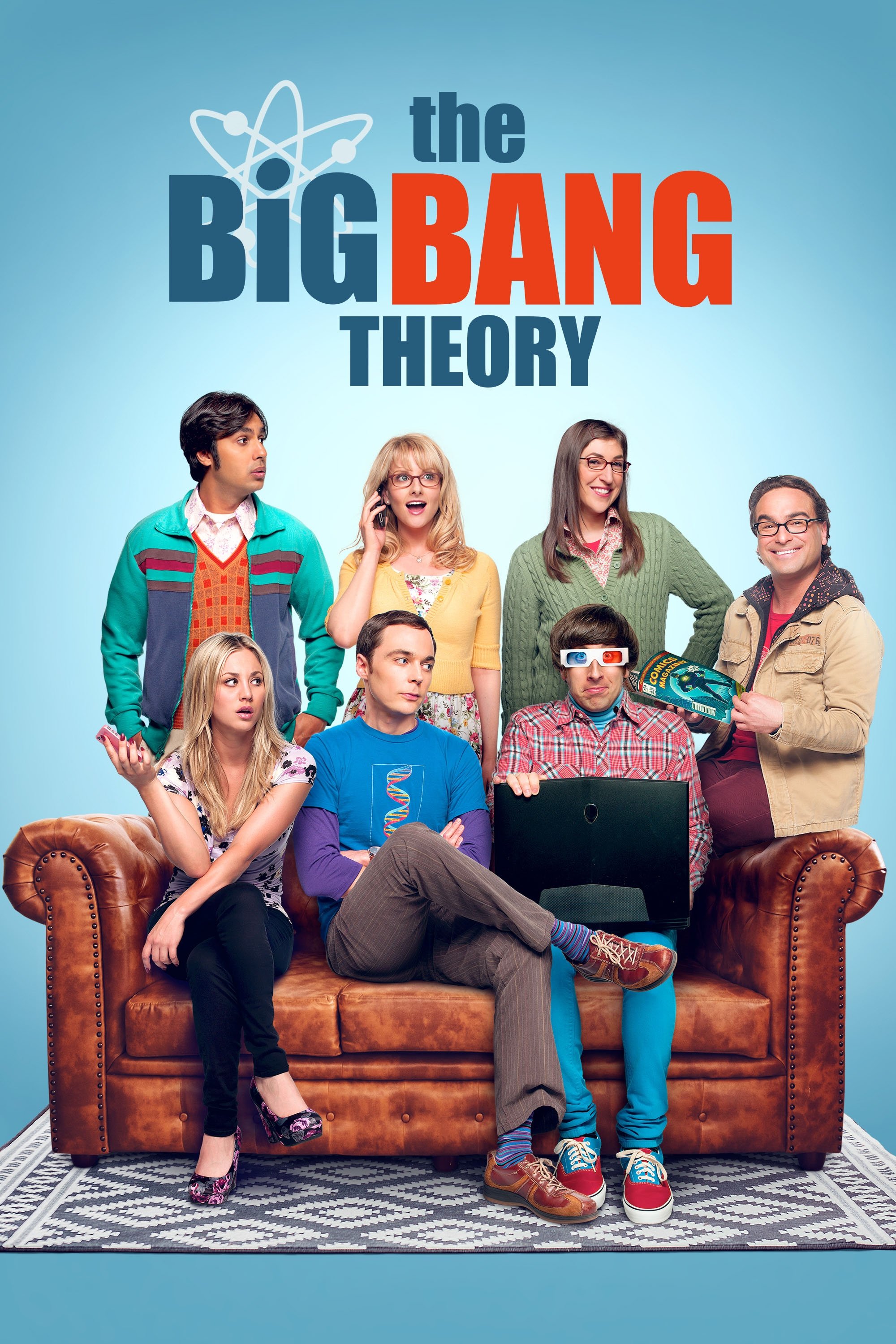
Carol Ann Susi, the voice of Mrs. Wolowitz, sadly passed away during the eighth season of the show. The writers decided to write her character’s death into the story, portraying her as passing away peacefully while with family. This led to a touching storyline for her son, Howard, and allowed the whole group to come together and remember her. The episode showed the characters reflecting on the surprisingly complex life of a woman who had mostly been known for her comedic role, and highlighted the impact of her absence and the warmth she brought to their lives.
‘Star Trek Beyond’ (2016)

This film was particularly poignant as it was both Anton Yelchin’s last role and featured the death of Leonard Nimoy’s Ambassador Spock. The story follows Zachary Quinto’s Spock as he grapples with the news and his own mortality. This allowed the filmmakers to honor Nimoy’s legacy directly within the narrative. The movie concludes with a touching tribute to both Nimoy and Yelchin, symbolized by a toast “to absent friends,” effectively connecting the different generations of the ‘Star Trek’ universe.
‘The Hunger Games: Mockingjay – Part 2’ (2015)

Philip Seymour Hoffman sadly passed away before finishing his work on the film. To still include his character, Plutarch Heavensbee, the filmmakers used previously filmed scenes and made small changes to the script. A letter written by Plutarch is read aloud, providing Katniss with final advice and bringing his story to a meaningful close. This approach allowed them to honor Hoffman’s performance without relying on extensive digital effects. His character’s wisdom continues to be essential to how the story ends.
‘And Just Like That…’ (2021–Present)
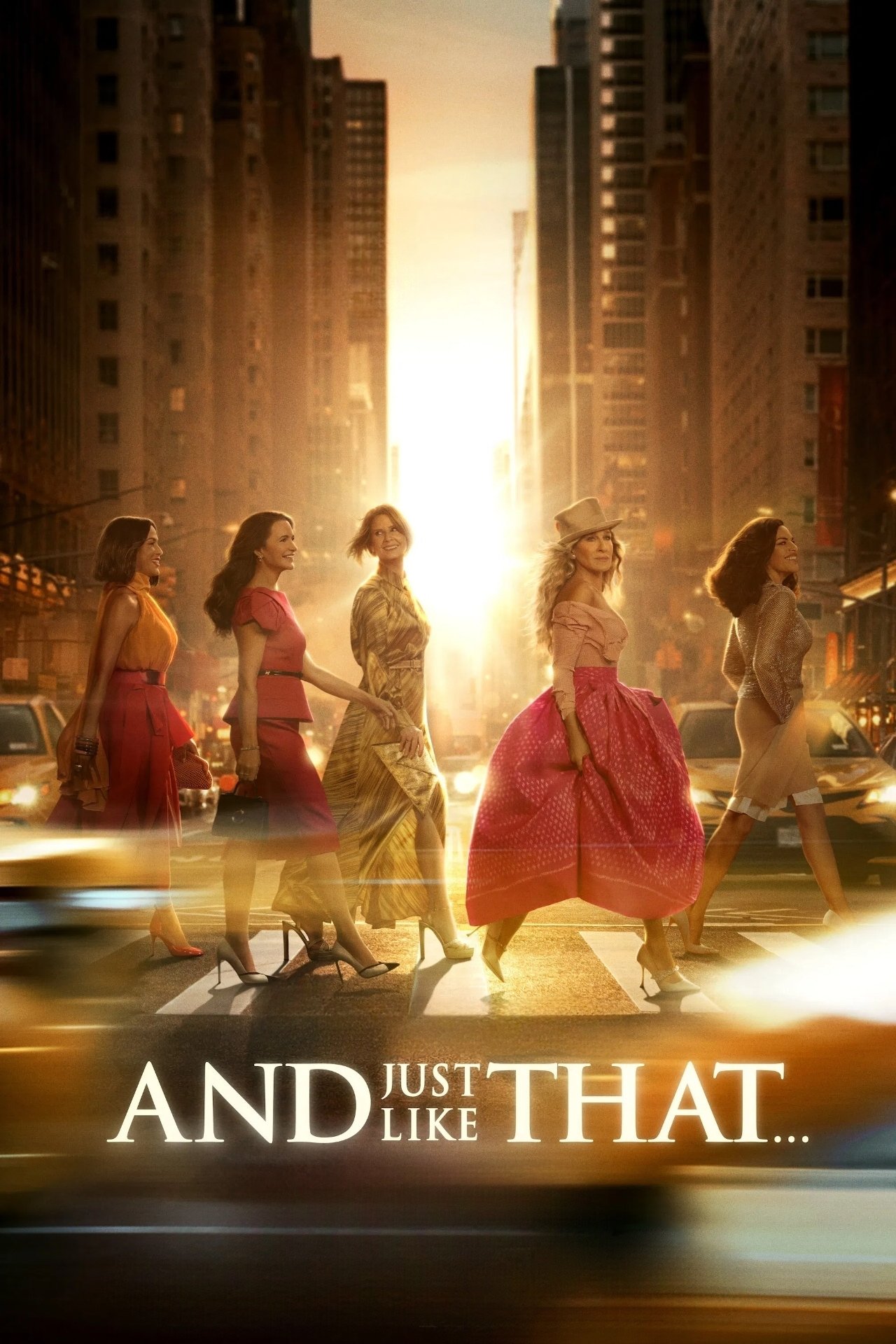
Bringing back ‘Sex and the City’ meant dealing with the loss of Willie Garson, who played Stanford Blatch. The writers explained his absence by having Stanford move to Japan to become a monk – a fitting choice for his lively and spontaneous character. Later, Carrie receives a letter from him, offering a comforting sense of closure. This approach allowed the show to honor Stanford’s playful spirit and suggest a positive future for him, rather than focusing on sadness. It gave fans a way to imagine he was still happy and enjoying life, even though he was no longer present.
‘Rizzoli & Isles’ (2010–2016)
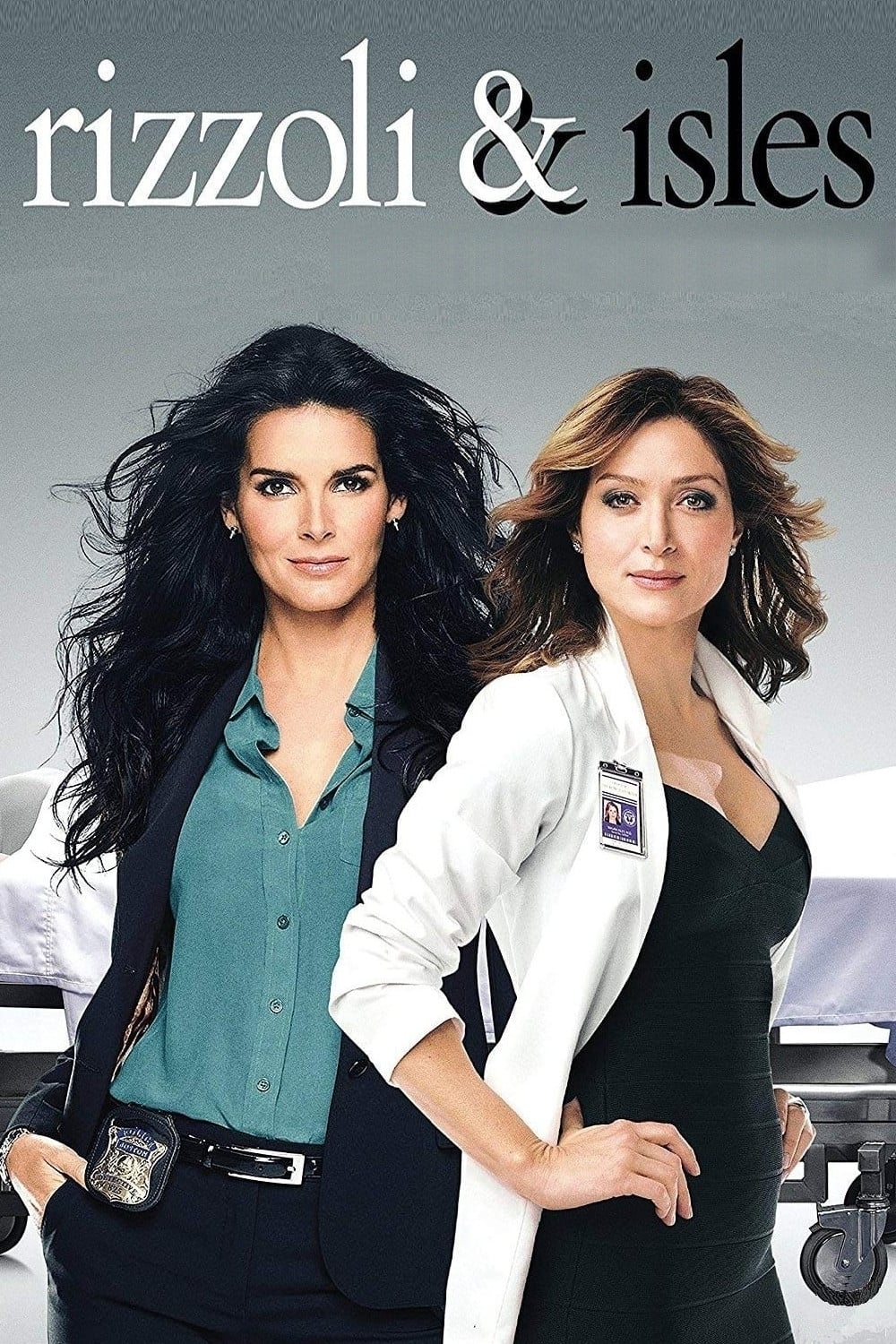
After the tragic death of Lee Thompson Young, the show addressed it by having his character, Detective Barry Frost, die in a car accident. The following episode, titled “Goodbye,” showed the team coming together to plan a memorial and trying to find the right words to honor him. The episode powerfully portrayed their shock and sadness, and the challenge of continuing their work while constantly reminded of their loss. It highlighted the importance of supporting each other during difficult times, and served as a touching tribute to both the actor and his character.
‘Dallas’ (2012–2014)
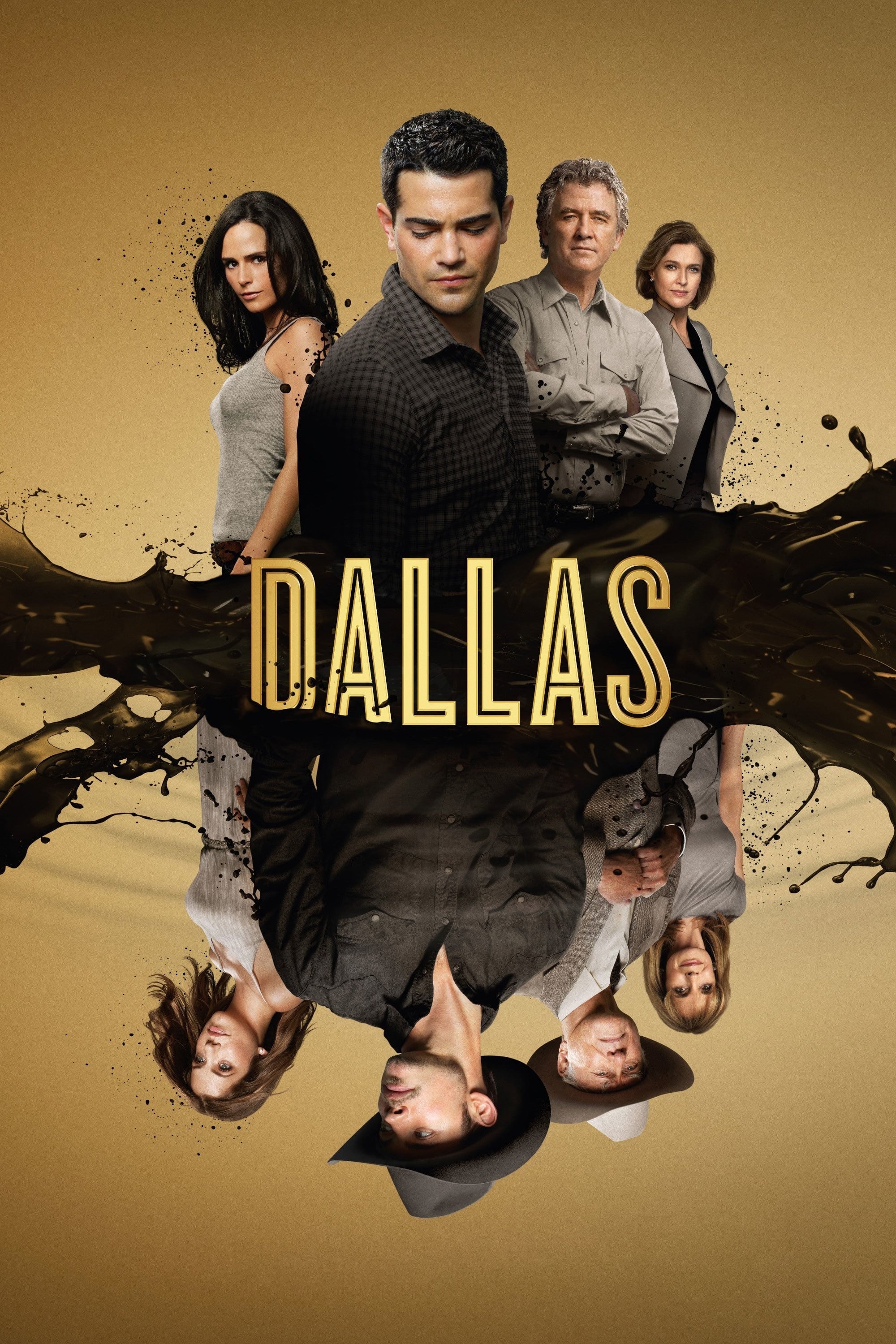
I’ll never forget when Larry Hagman passed away while they were bringing back ‘Dallas.’ It was so clever how the writers handled it – they created another ‘Who Killed J.R.?’ storyline! The funeral episode was incredibly moving, bringing back so many familiar faces from the original series, and it was heartbreaking because everyone was genuinely mourning Larry alongside their characters. They revealed that J.R. had actually planned his own death as a final, brilliant scheme – it just fit his character perfectly. It felt like a wonderful way to honor both Larry and J.R.’s legacy, giving him one last, amazing moment. It really was a legendary exit, and honestly, his death became as famous as his life on screen.
‘The Sopranos’ (1999–2007)
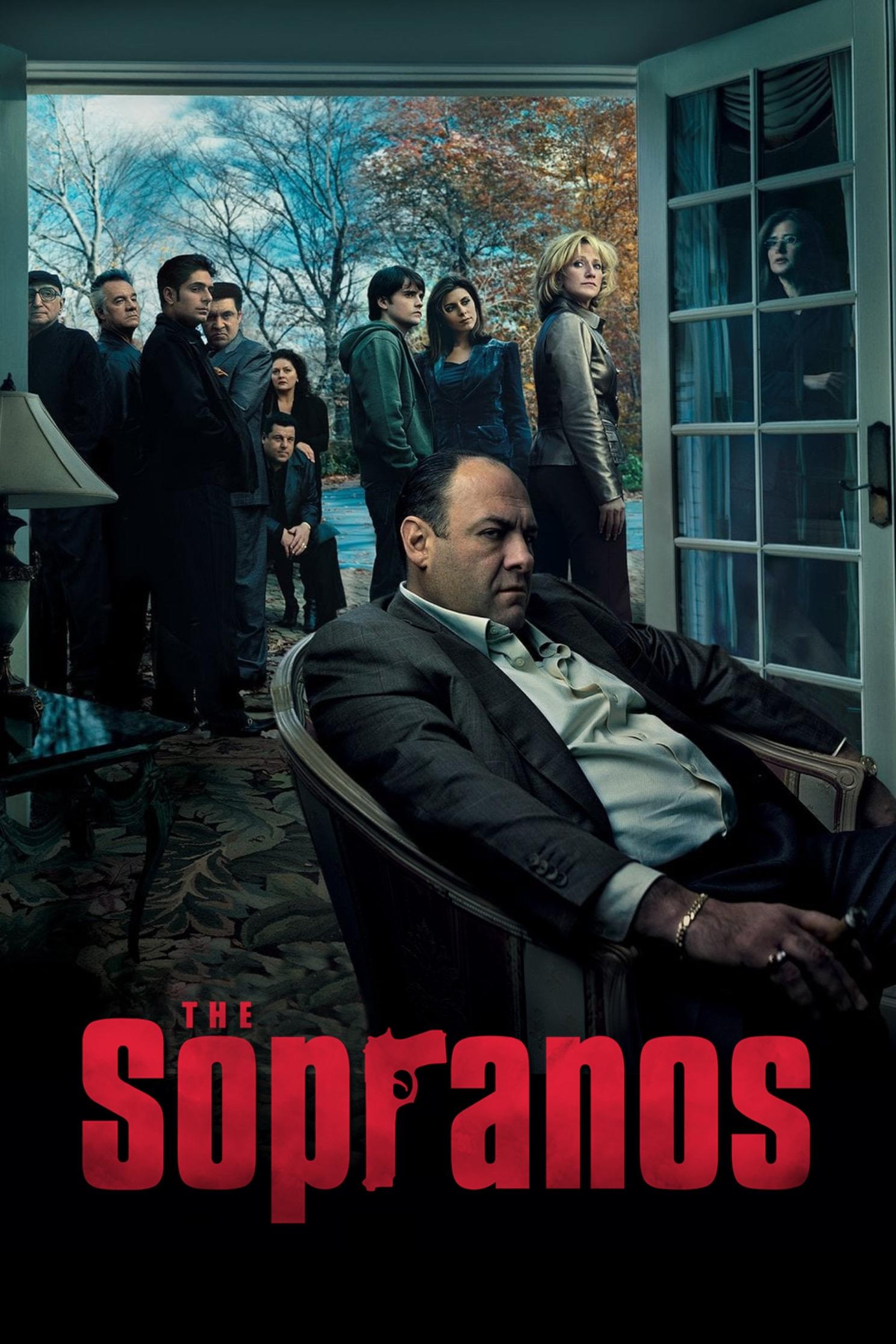
When Nancy Marchand, who played Livia Soprano, passed away, the show had to wrap up her character’s story. They used a mix of computer effects and previously filmed footage to create one last scene showing a final, tense interaction between Livia and her son, Tony. The following episode, titled “Proshai, Livushka,” explored the uncomfortable and complex emotions of the Soprano family as they dealt with her death. Tony, in particular, wrestled with feeling both relieved and guilty, highlighting the often-difficult experience of losing a challenging parent. The episode remained realistic and psychologically driven, avoiding overly emotional or sentimental moments, consistent with the show’s style.
‘Gladiator’ (2000)
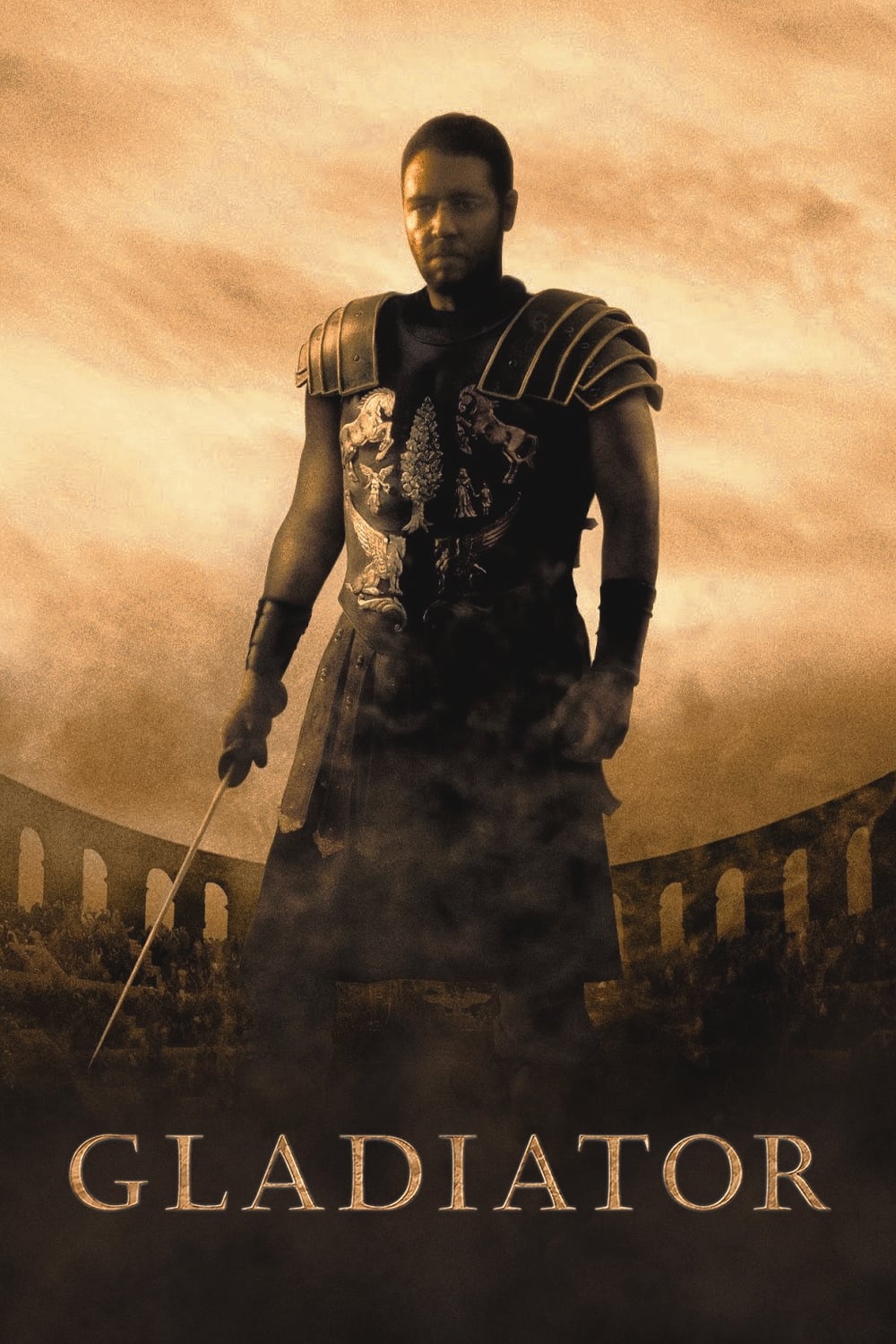
Oliver Reed sadly passed away while filming this historical movie, which meant the script had to be altered for his character, Proximo. The filmmakers used a stand-in and visual effects to finish his scenes, showing him helping Maximus escape. Proximo’s death in the film is portrayed as noble and meaningful, showcasing his transformation from a hardened slave trader into an honorable man. The movie is a tribute to Reed’s memory, and his performance is widely considered one of his best. His character’s sacrifice ultimately drives the hero to victory.
‘The Imaginarium of Doctor Parnassus’ (2009)
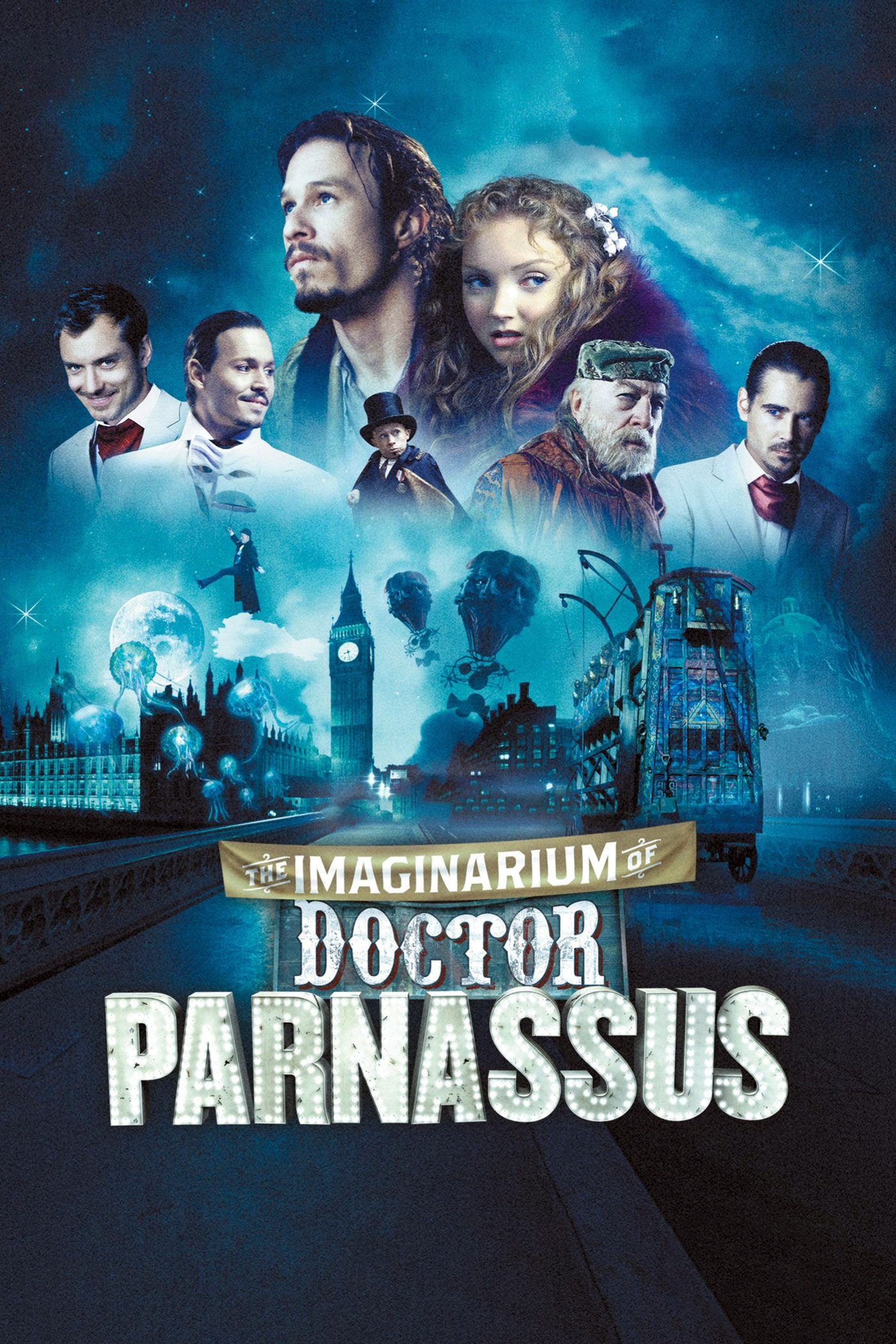
When Heath Ledger unexpectedly passed away during filming, director Terry Gilliam found a creative solution: he cast Johnny Depp, Jude Law, and Colin Farrell to each play different facets of Ledger’s character. The storyline was rewritten so the character would change appearance whenever he looked into a magic mirror. This clever fix not only saved the film but also added a powerful theme of identity and change. The movie became a heartfelt tribute to Ledger, with his fellow actors donating their earnings to his daughter. It offers a beautiful and imaginative space to remember and celebrate his final performance.
‘Silicon Valley’ (2014–2019)
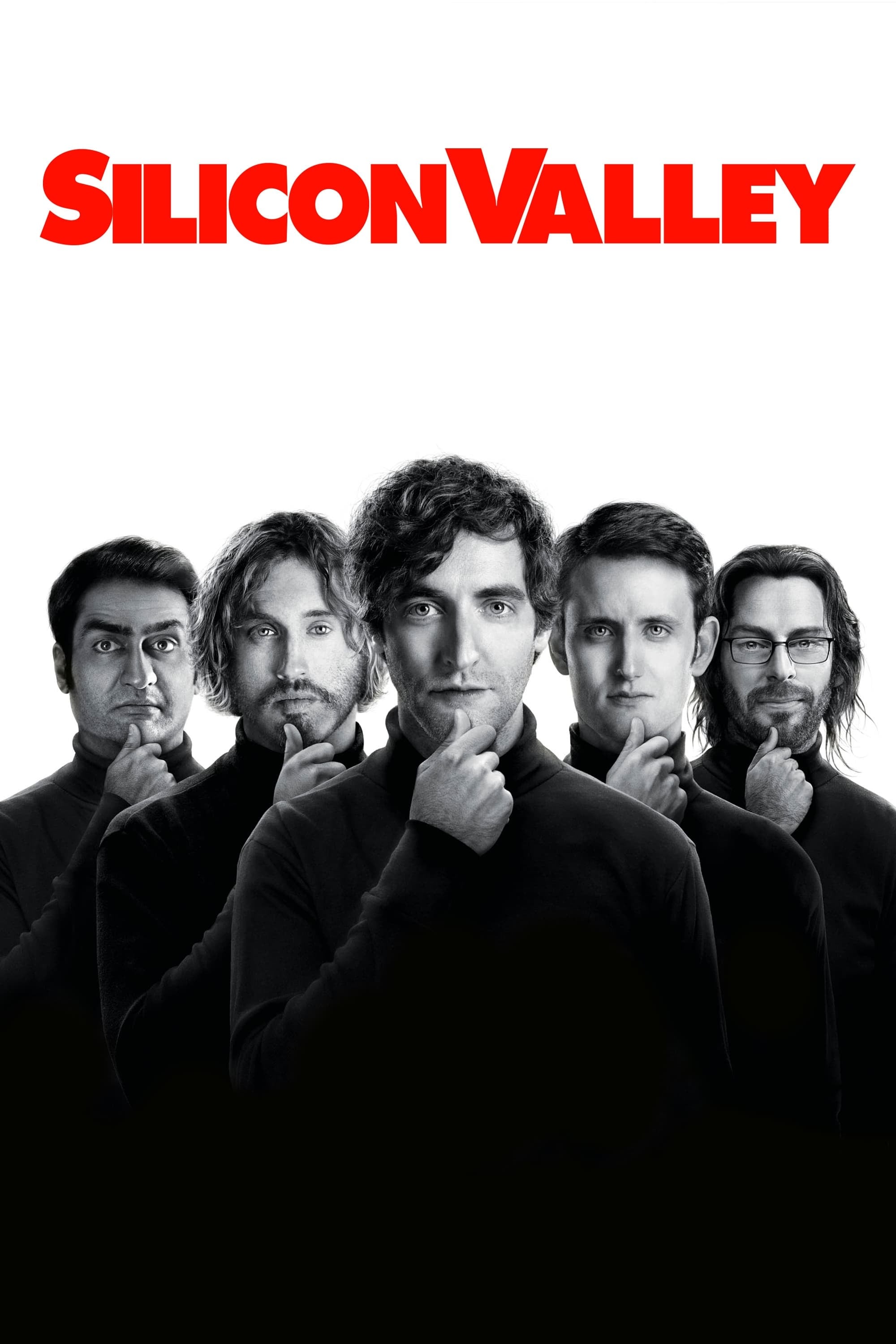
Christopher Evan Welch, who played the quirky billionaire Peter Gregory, passed away during the first season. The show handled his death in a darkly humorous way, with a complicated story about a safari accident. Even though the show treated it as a joke, the characters often talked about how smart Gregory was and how much he helped them. His loss became a significant part of the story, as the main characters had to find funding without his unique advice. The show managed to blend this sad event with its funny and critical look at the tech world.
‘Desperate Housewives’ (2004–2012)
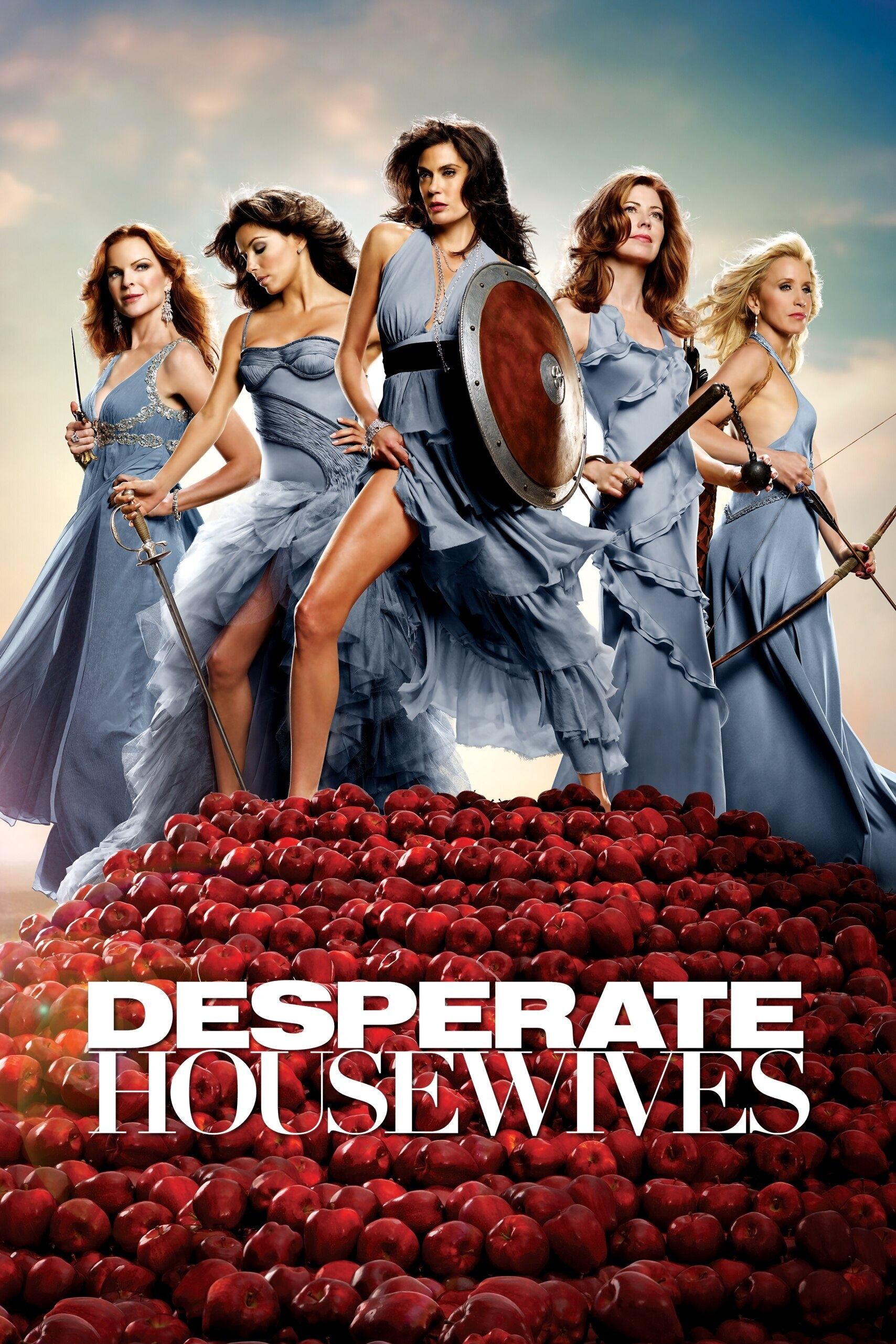
Kathryn Joosten, best known for playing the witty Karen McCluskey, sadly passed away from lung cancer, not long after her character faced the same fate on the show. The final episodes showed the community rallying around her character in her last days, a storyline praised for its honesty. Joosten herself wanted to accurately portray the physical effects of the illness. Her character’s calm and peaceful death, set to music, offered a touching and respectful ending to the series, and allowed Joosten to bring her own experiences with the disease to the role with poise.
‘Star Wars: The Rise of Skywalker’ (2019)

To include General Leia Organa in the final Star Wars film, the filmmakers used previously unseen footage of Carrie Fisher from ‘The Force Awakens.’ Her character’s death is a key moment, as she uses her remaining energy to try and connect with her son, Kylo Ren. This scene mirrored the genuine sadness felt by Star Wars fans worldwide. Leia’s influence continues through Rey, who adopts the Skywalker name, completing Leia’s story with a heroic ending and honoring Fisher’s iconic role.
‘Bones’ (2005–2017)
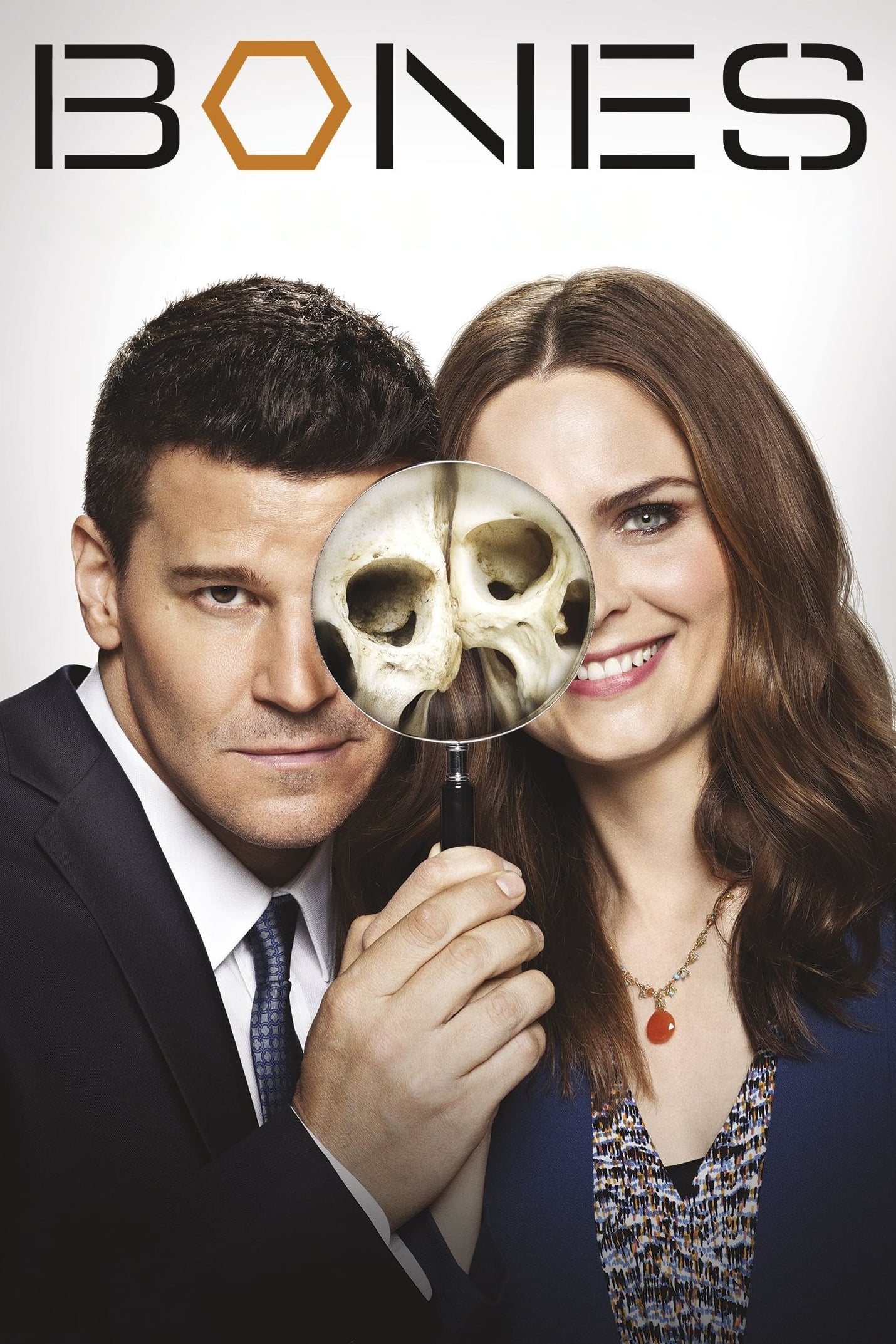
After the death of Ralph Waite, the show honored his character, Hank “Pops” Booth, with a special episode. The story centers on Seeley Booth as he remembers his grandfather through a box of old belongings. The episode beautifully explores how a person’s values and lessons live on in those they love, prioritizing heartfelt emotion over a complex case. It was a touching portrayal of the strong relationship between Booth and his grandfather, and the actors who brought them to life.
‘NCIS’ (2003–Present)
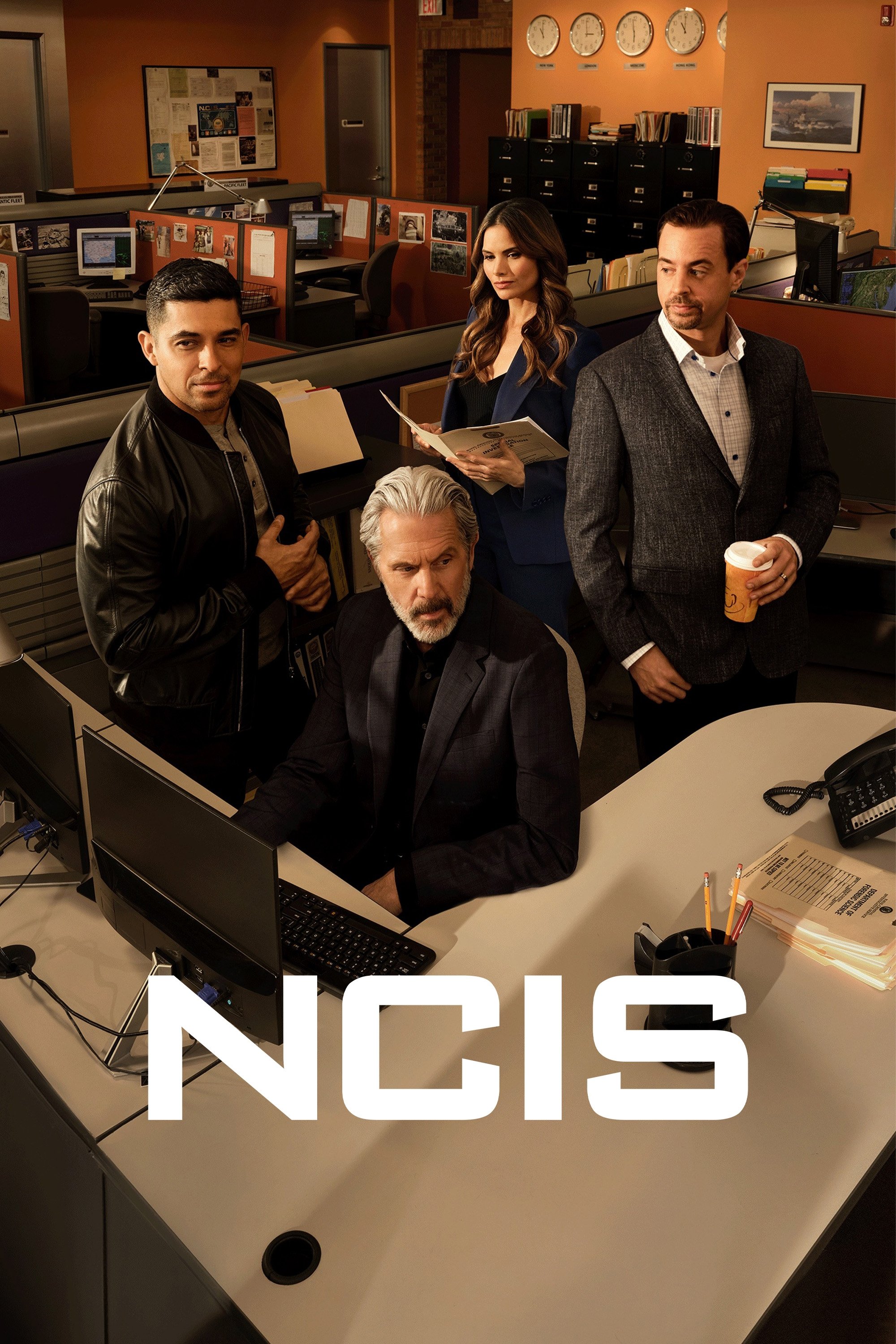
The show paid tribute to David McCallum, who recently passed away, with a special episode focusing on the death of his character, Dr. Donald “Ducky” Mallard. The team solved a case Ducky was investigating before he died, letting his sharp mind guide the story one last time. The episode featured flashbacks and appearances by former cast members, highlighting how central Ducky was to the show. The tribute at the end celebrated McCallum’s twenty years with the series and suggested that Ducky’s influence would continue to be felt by the team.
‘The Conners’ (2018–Present)

Mark Healy’s death, a character originally played by Glenn Quinn on ‘Roseanne,’ wasn’t acknowledged until the show’s spin-off, ‘The Conners.’ The series portrays the continued sadness of his widow, Becky, who is still coping with his loss years later. In one episode, the family visits his grave and reflects on how his addiction and death affected them all. By finally addressing this loss, the show realistically depicts how grief can last a long time and permanently change family relationships. It was a belated, but heartfelt, acknowledgment of Quinn’s work on the original show.
‘Suddenly Susan’ (1996–2000)

As a big fan of the show, I remember being completely floored by the episode that aired after David Strickland tragically passed away. It was called “A Day in the Life,” and his character, Todd, was mysteriously missing the entire time. The whole episode was about everyone searching for him, and it wasn’t until the very end that they revealed what had happened. But what really got to me was the final few minutes – they weren’t acting at all. It was just the cast members, speaking honestly about their favorite memories of David. It was incredibly moving, and it completely blurred the line between the show and real life. It felt like a truly personal and heartbreaking goodbye to someone they genuinely cared about, and it’s stayed with me ever since.
‘Barney Miller’ (1975–1982)
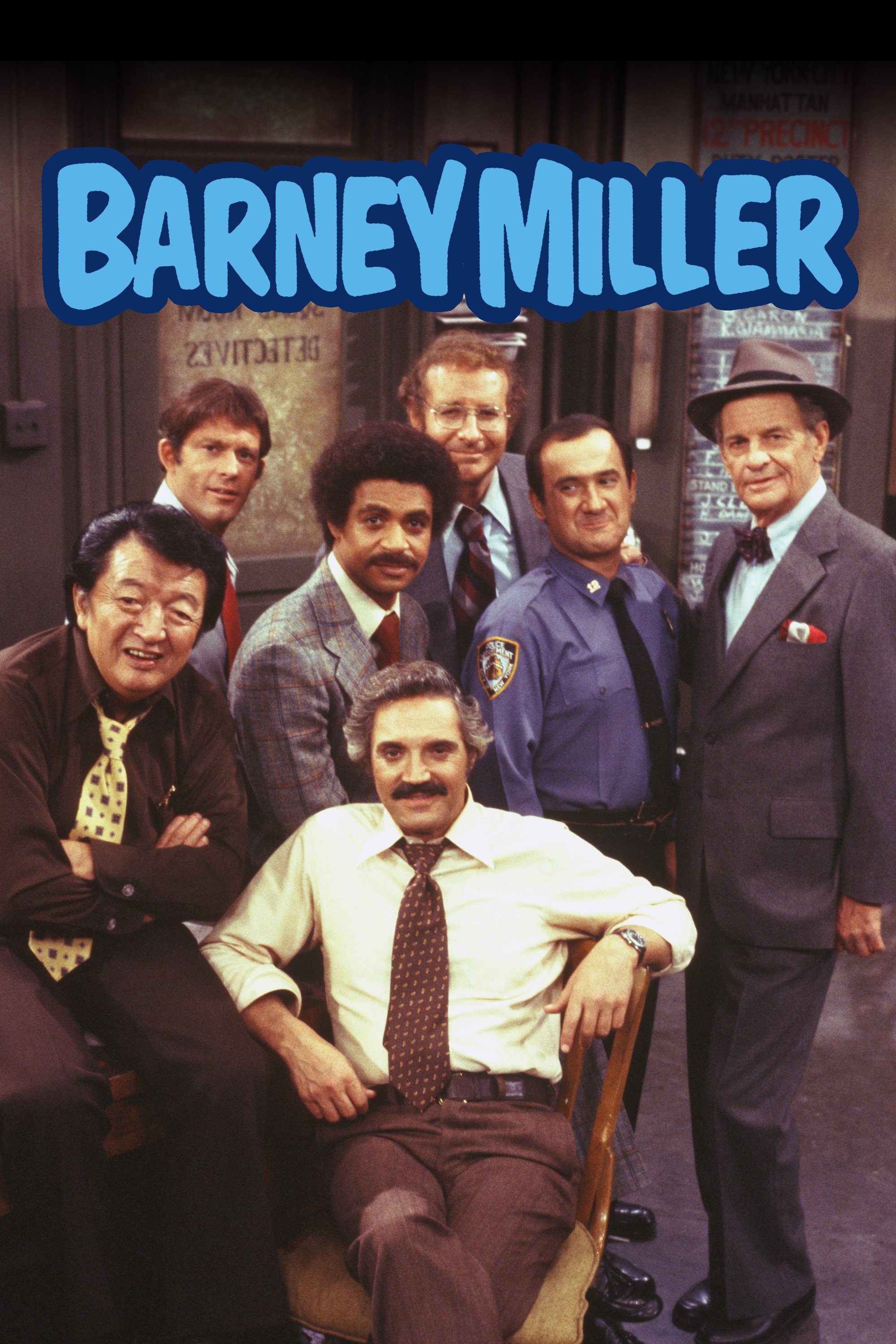
When actor Jack Soo died, the cast of his police comedy series stepped out of character for a special episode dedicated to his memory. On the show’s familiar set, they shared funny stories about Soo and his fondness for terrible coffee. The episode included clips of his best scenes, highlighting his perfect comedic timing and dry sense of humor as Sergeant Nick Yemana. The tribute concluded with the cast raising their coffee cups in a final farewell to their friend. This approach allowed the show to celebrate Jack Soo as a person, not just as the character he played.
‘Monk’ (2002–2009)
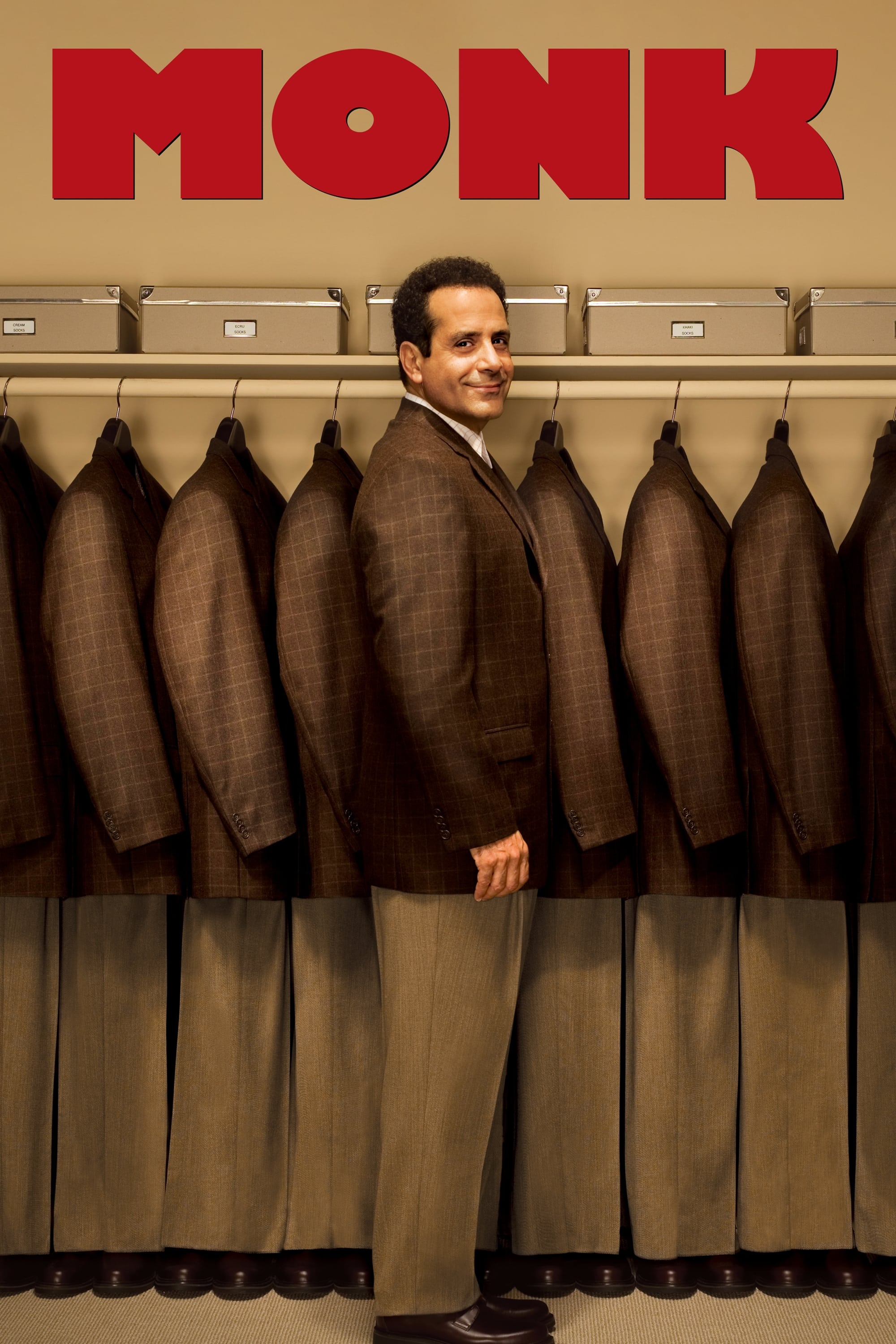
When actor Stanley Kamel passed away, the show addressed the loss of Dr. Kroger, Adrian Monk’s psychiatrist. The season began with Monk deeply saddened by Dr. Kroger’s death and searching for a new therapist who could understand and manage his many fears. The storyline highlighted how losing a therapist can be especially difficult for someone with obsessive-compulsive disorder, showing both the unique grief of losing a trusted professional and the anxiety of facing things alone. The episode thoughtfully balanced the show’s usual comedy with a genuine tribute to Kamel and his important role in the series.
‘Night Court’ (1984–1992)
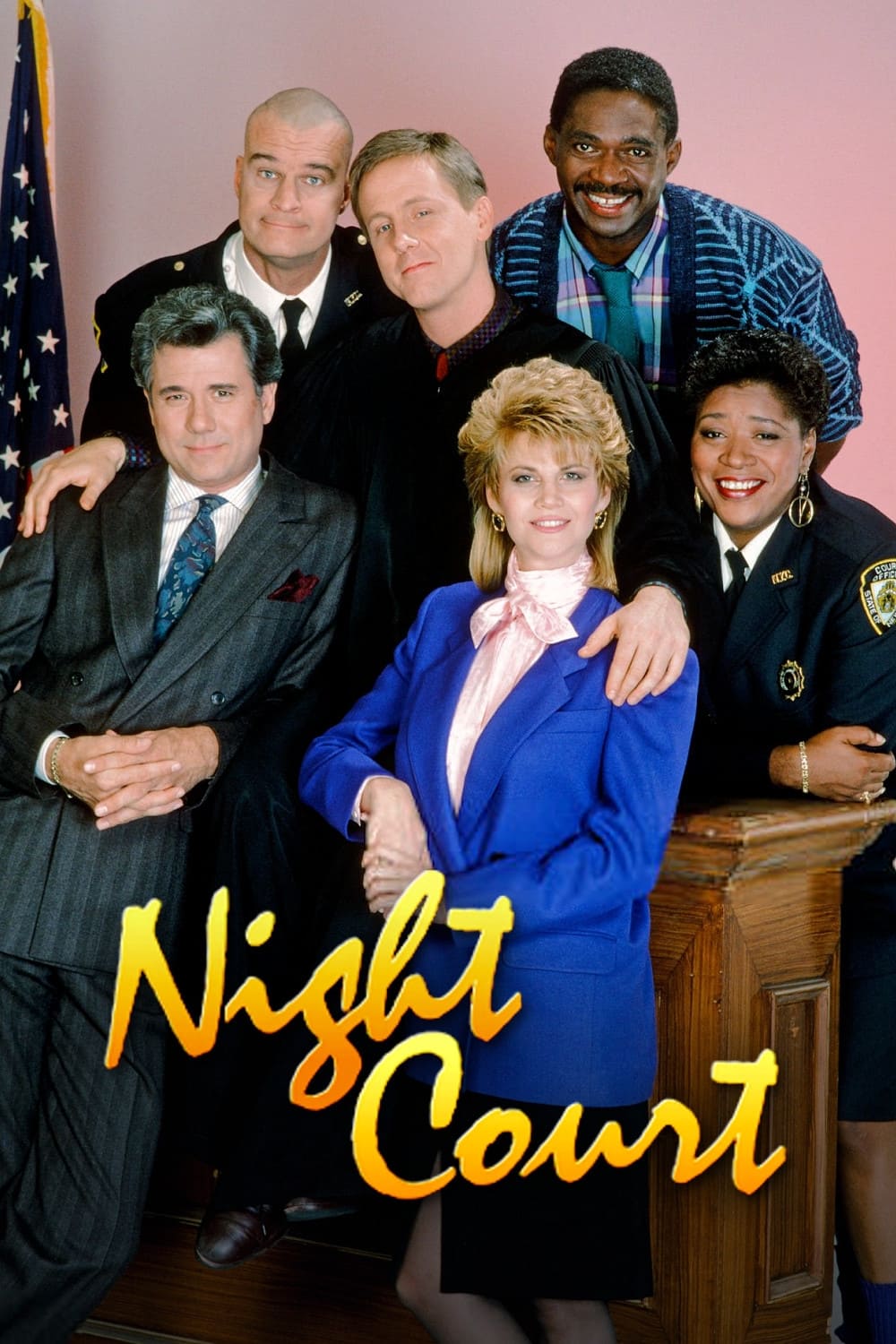
Early in its run, the show faced the difficult loss of two actresses, Selma Diamond and Florence Halop, who played recurring characters. Both times, the show handled the characters’ deaths – Selma Hacker and Florence Kleiner – by acknowledging the sadness with both respect and a touch of dark humor. The remaining characters talked about the loss and what made each woman unique and memorable. This demonstrated the show’s strength and its willingness to address real-life tragedy within its comedic framework, showing a commitment to carrying on despite the emotional impact on everyone involved.
‘The Waltons’ (1972–1981)

After Will Geer, who played Grandpa Zebulon Walton, passed away, the show wrote his character’s death into the storyline. The seventh season began with an episode called “The Empty Nest,” which showed the family coping with his loss and visiting his gravesite on his beloved mountain. The episode thoughtfully explored themes of family, life’s cycles, and how strong values help people deal with grief. By connecting their sorrow to the family’s past, the show presented a hopeful view of death, suggesting that a person’s memory lives on in the land and the home they created.
‘The Young and the Restless’ (1973–Present)
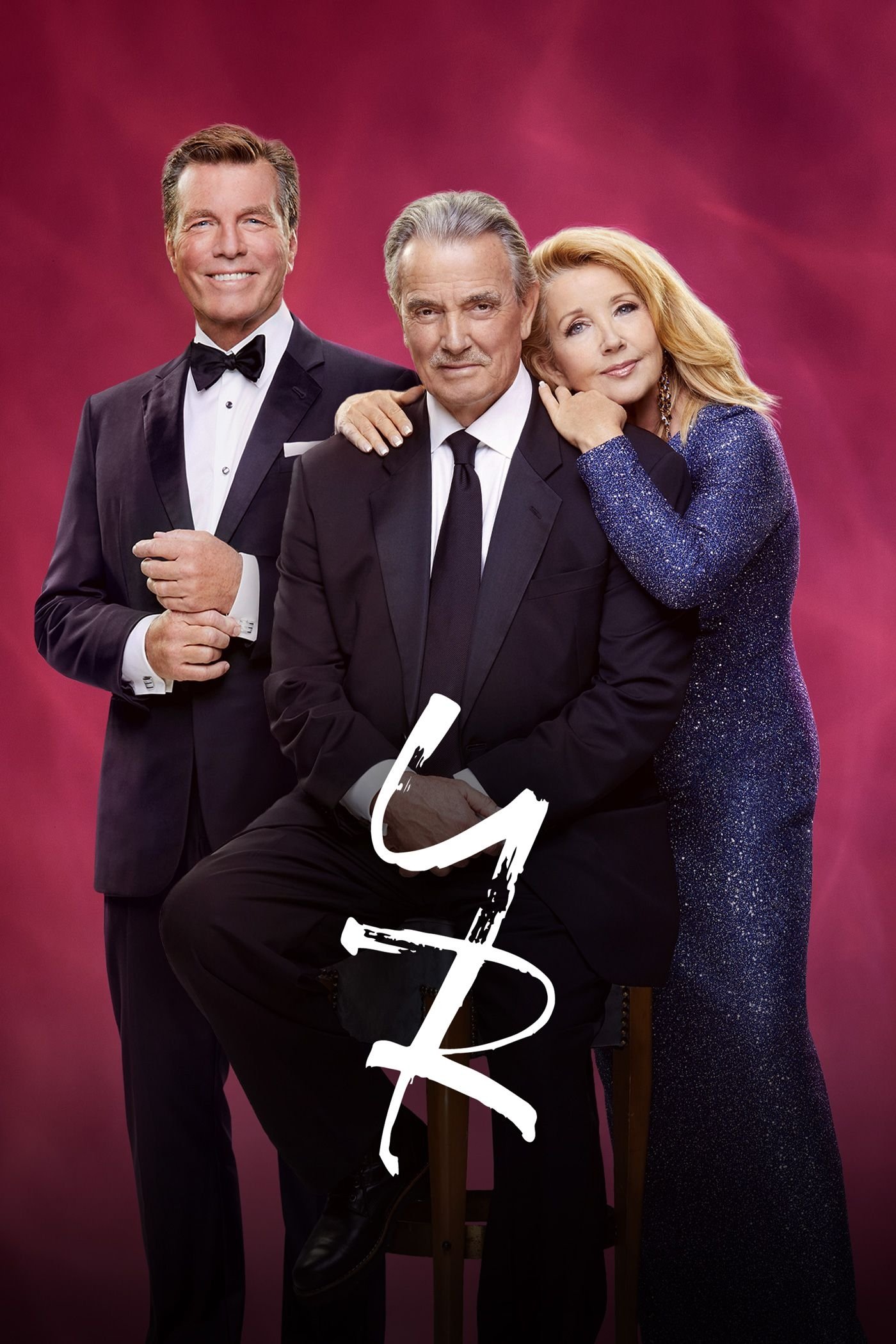
The soap opera paid tribute to Kristoff St. John, who passed away in 2019, with a special series of episodes. The storyline revolved around the unexpected death of his character, Neil Winters, and brought together many familiar faces from the show’s history. These episodes highlighted Neil’s positive influence as a mentor and father, celebrating his character’s growth and resilience. The tribute also included touching real-life footage of St. John, allowing fans to remember his best moments. It was a heartfelt and emotional goodbye to an actor who had been with the show for almost thirty years.
Share your thoughts on these moving tributes in the comments.
Read More
- Top 20 Dinosaur Movies, Ranked
- 20 Movies Where the Black Villain Was Secretly the Most Popular Character
- 25 “Woke” Films That Used Black Trauma to Humanize White Leads
- Celebs Who Narrowly Escaped The 9/11 Attacks
- Gold Rate Forecast
- Spotting the Loops in Autonomous Systems
- The 10 Most Underrated Jim Carrey Movies, Ranked (From Least to Most Underrated)
- Silver Rate Forecast
- 22 Films Where the White Protagonist Is Canonically the Sidekick to a Black Lead
- From Bids to Best Policies: Smarter Auto-Bidding with Generative AI
2026-01-23 06:49