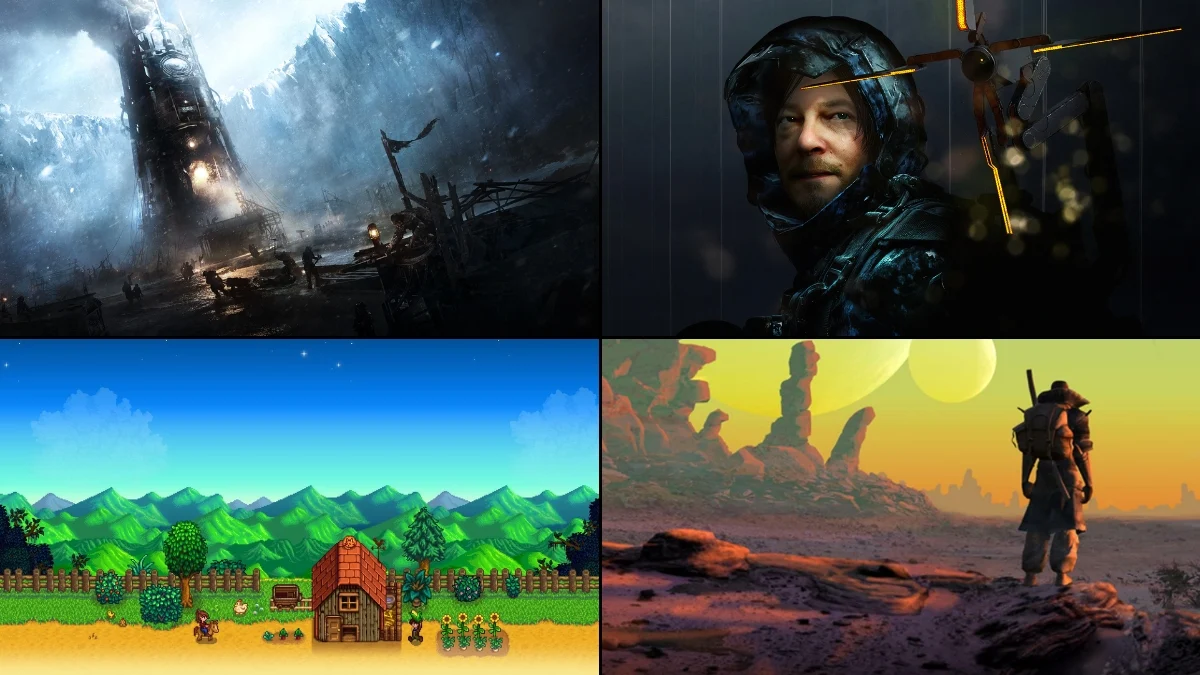
Video games often let players build and change virtual worlds through the choices they make. Whether it’s deciding how to use limited supplies after a disaster or forming partnerships in magical realms, these decisions determine how those virtual communities survive and grow. Game creators highlight the challenges of leadership by making players consider both what individuals need and what’s best for everyone. This article looks at games where your choices have a major impact on the development of towns, settlements, and groups.
‘Frostpunk’ (2018)
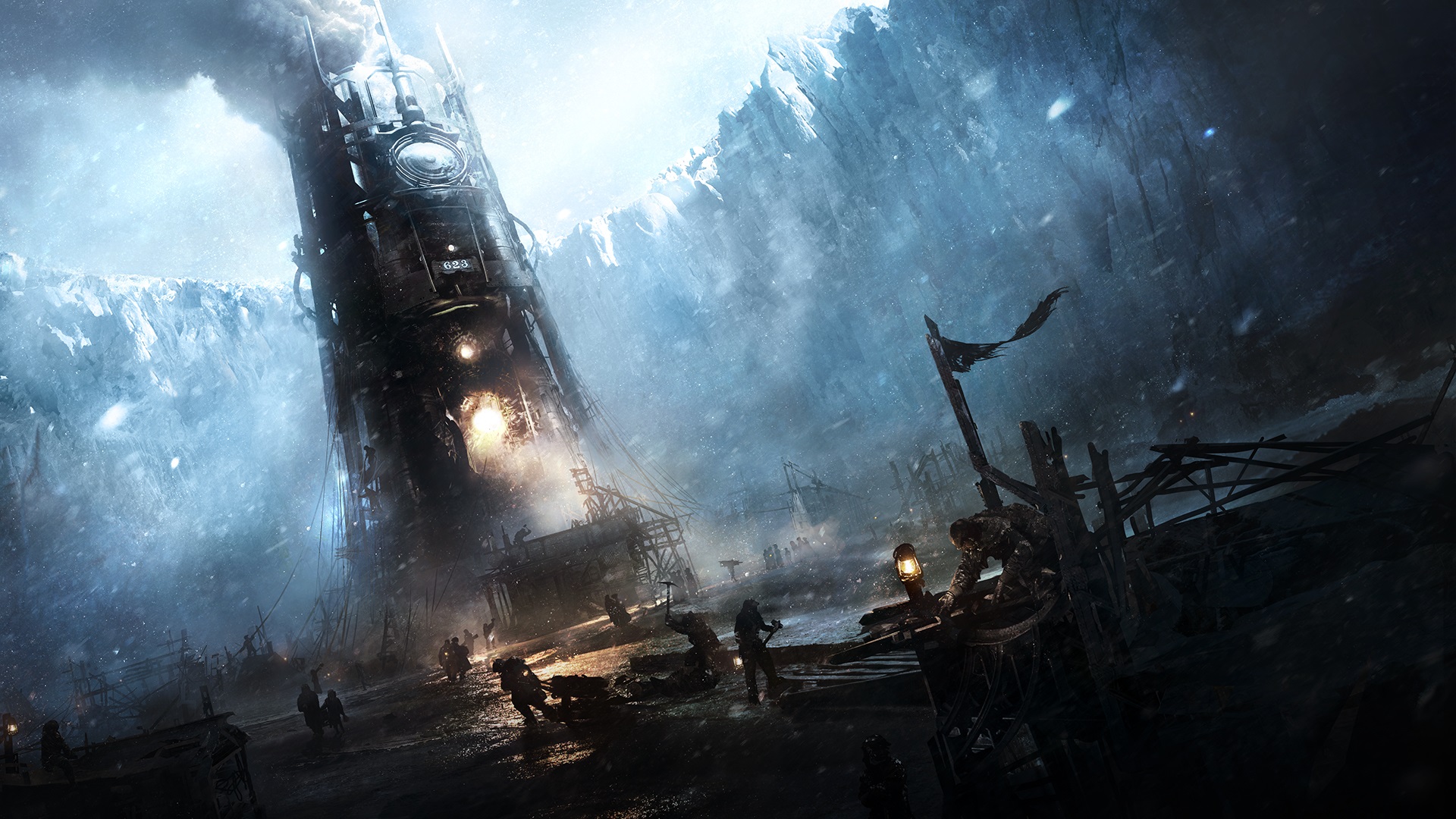
In the game ‘Frostpunk’, created by 11 bit studios, you’re in charge of the last city on Earth after a devastating volcanic winter. The choices you make about laws and how society is run – like whether to allow children to work or use extreme medical procedures – have lasting effects on the city’s values and how stable it is. These decisions impact whether people see you as a hopeful leader or a feared one, ultimately shaping the city’s social structure. Keeping the city alive long-term requires carefully balancing essential resources with the mental wellbeing of its citizens. ‘Frostpunk’ is well-known for making players think about the difficult trade-offs needed to ensure the community survives.
‘Cult of the Lamb’ (2022)
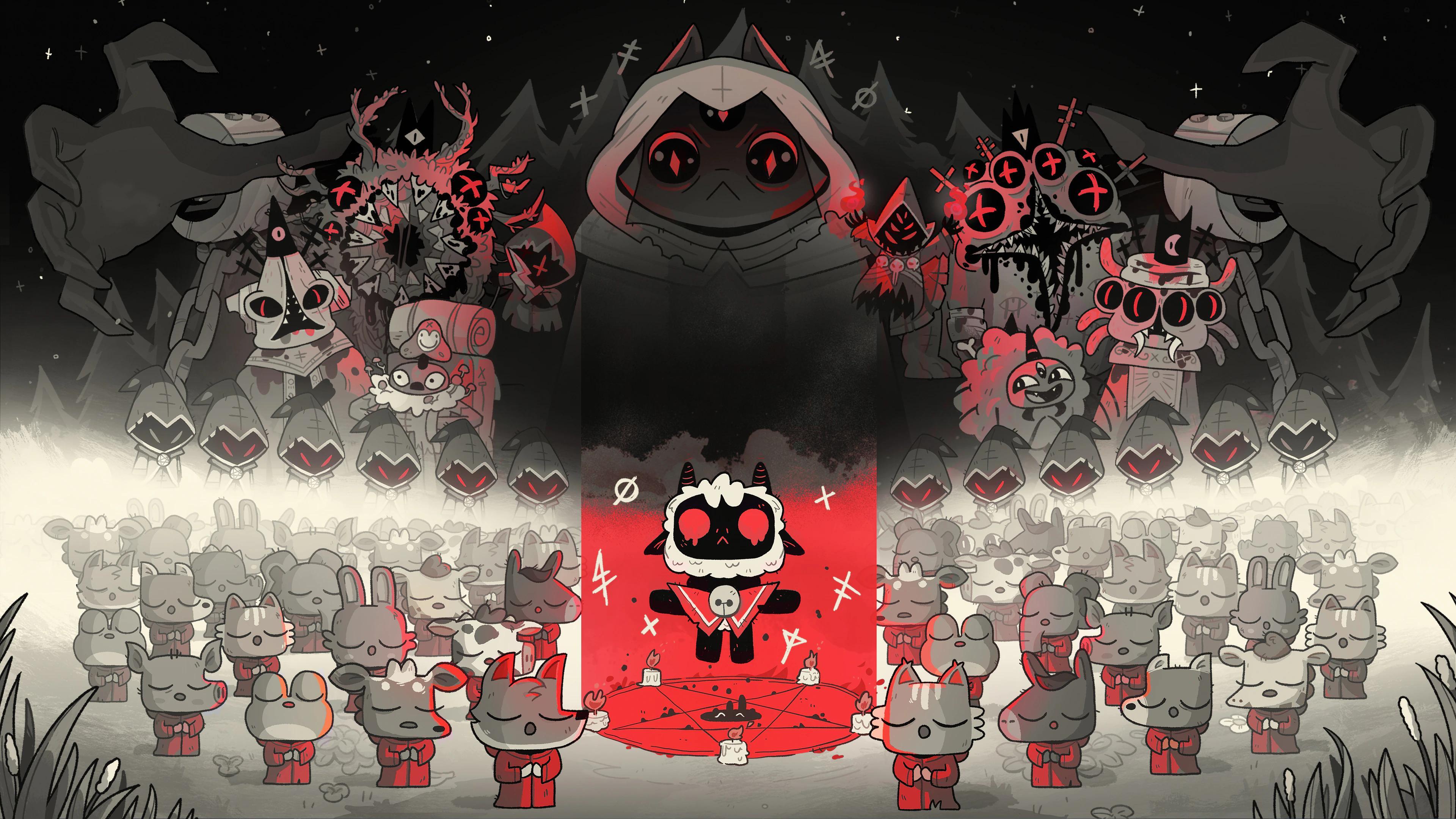
In ‘Cult of the Lamb’, players control a possessed lamb tasked with creating a devoted following in a world full of false gods. Developed by Massive Monster, the game blends fast-paced, randomly generated combat with the challenges of building and managing a colony. Your choices about cult beliefs and practices will shape whether your community is based on kindness or strict control. To keep your followers loyal long-term, you’ll need to manage resources and resolve conflicts within the group. Ultimately, the lives and faith of your followers depend on your leadership and the moral decisions you make.
‘State of Decay 2’ (2018)
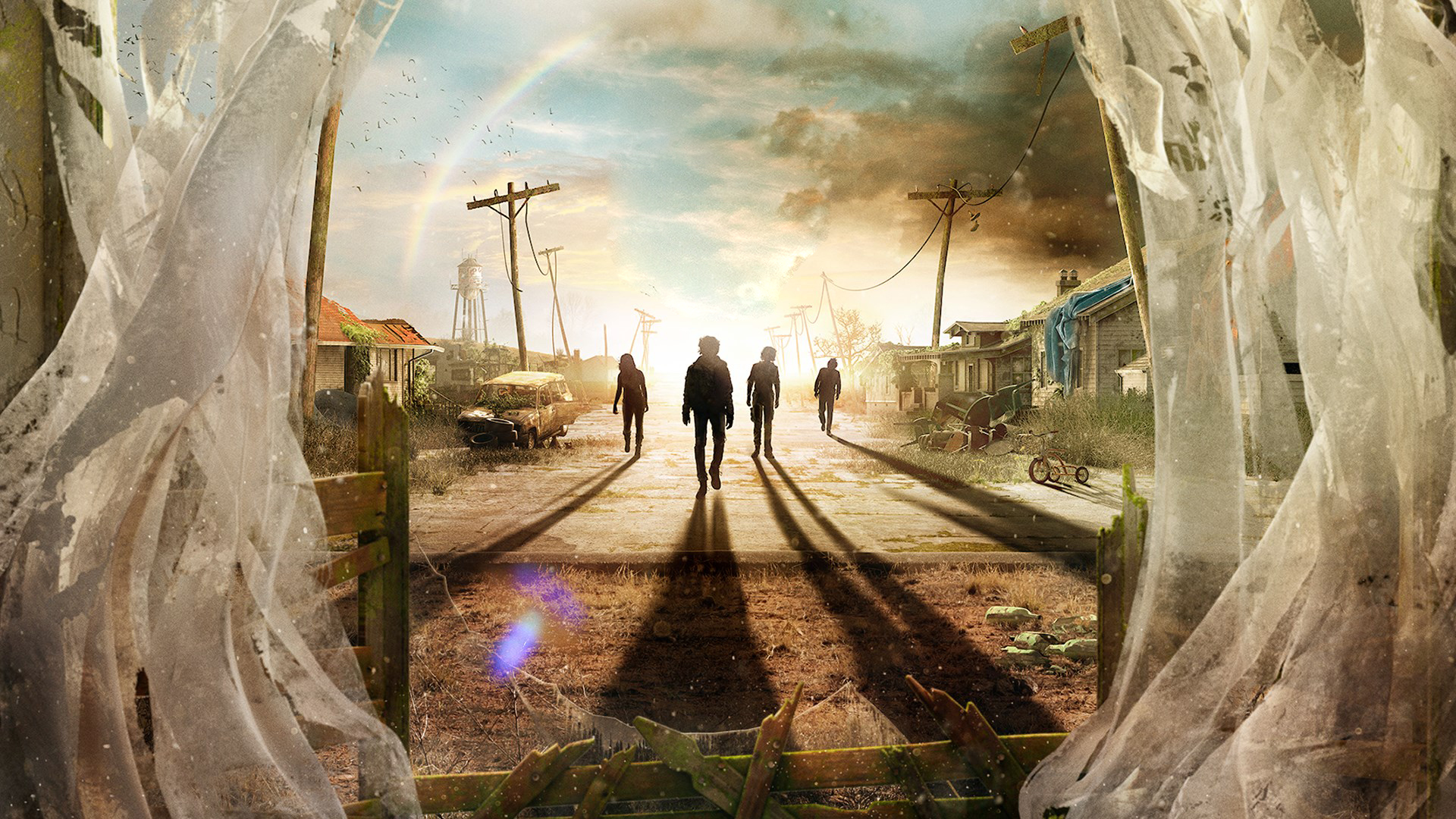
State of Decay 2, created by Undead Labs, is a survival game set in an open world. A key part of the game is building and managing a community of survivors. You’ll find and recruit people with different abilities, all of which help your community thrive. Where you build your base and how you share resources impacts everyone’s happiness and safety. When a survivor dies, they’re gone for good, so you need to adjust your plans and work as a team to survive the constant zombie danger. Strategic thinking and cooperation are essential to success.
‘Medieval Dynasty’ (2021)
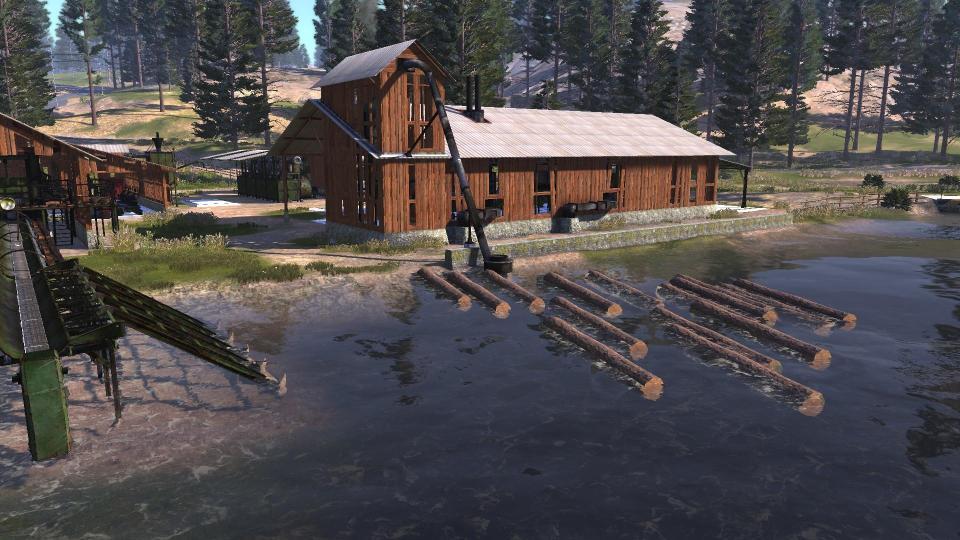
Medieval Dynasty, created by Render Cube, combines elements of survival, role-playing, and city-building in a medieval setting. Players begin as a solitary traveler and ultimately build a settlement that can last for generations. The success of your town depends on who you choose to live there and the jobs you give them. Your reputation and how well you manage things impact the villagers’ ability to pay taxes and endure difficult winters. The game tracks your progress through the creation of a strong family and a flourishing village that will endure over time.
‘Surviving Mars’ (2018)
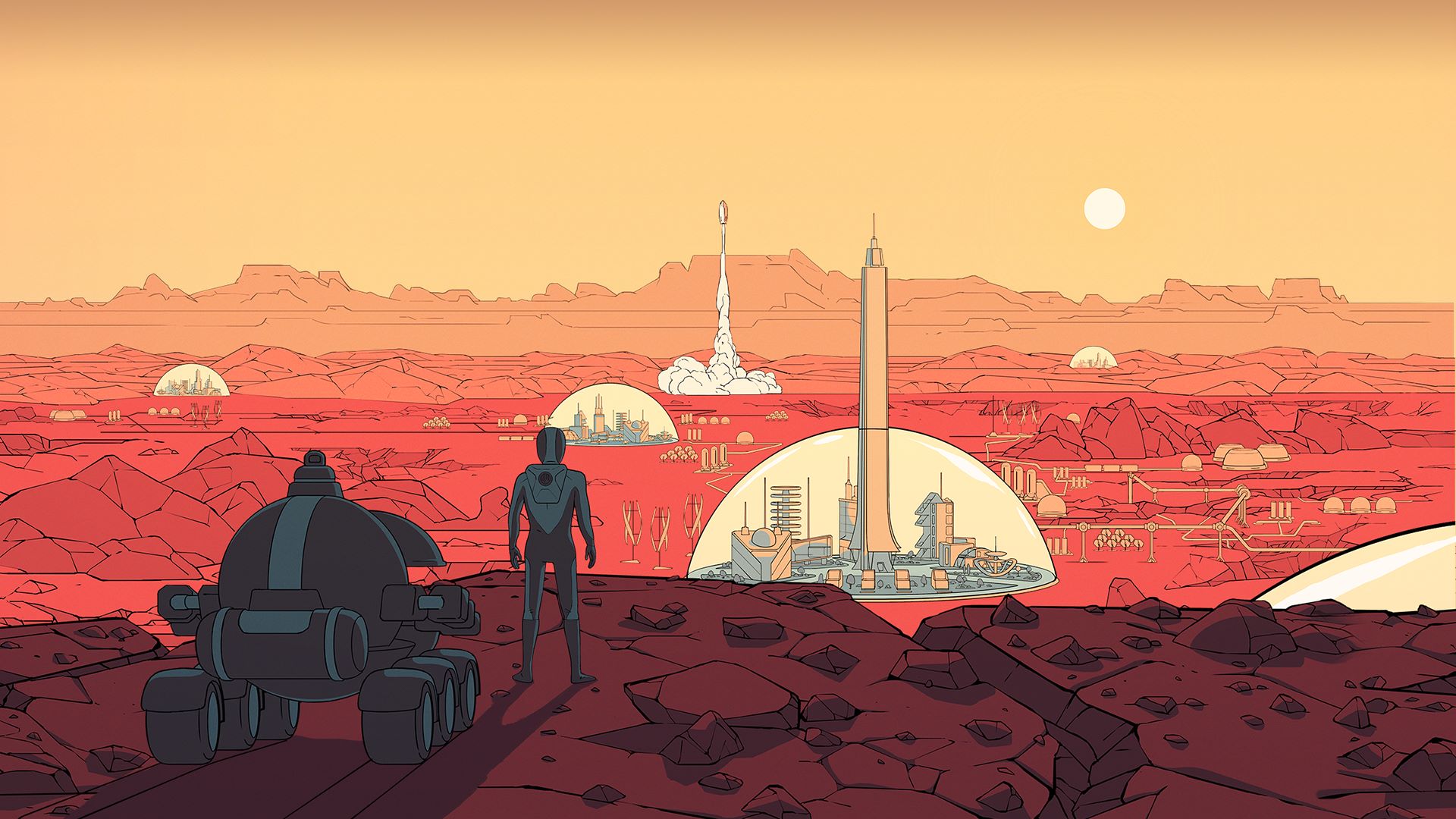
‘Surviving Mars’, created by Haemimont Games, is a city-building game where you establish a colony on Mars. You’ll be responsible for managing the skills and genetics of your colonists as they arrive from Earth. Your choices about things like the dome’s atmosphere and available services will affect the colonists’ well-being and how quickly the population grows. New technologies can dramatically change the colony over time. Finally, the organization sponsoring your mission will set economic limits and overall objectives for the entire project.
‘Banished’ (2014)
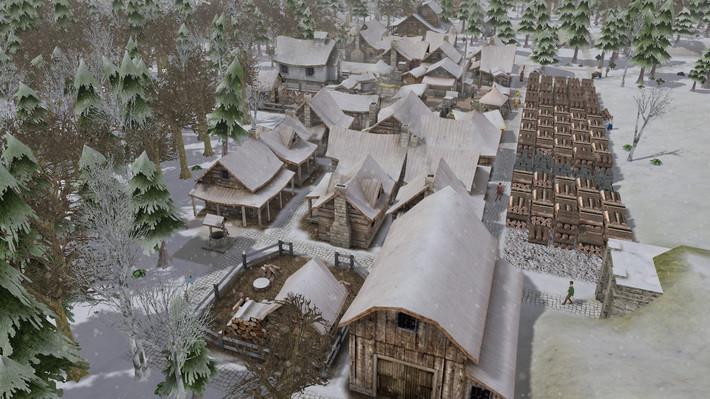
I’m really into this game called ‘Banished’! It’s all about building a town from scratch with a small group of people who’ve been exiled. It’s surprisingly challenging because you have to think about the future – if you don’t plan carefully, your population can really suffer. A big part of the game is making sure you have enough food and fuel to get through the winter. What’s cool is there’s no tech tree to climb, so you’re not unlocking new things – it’s all about how well you manage your resources and your people. Basically, you win by building a town that lasts for generations, and it’s incredibly satisfying when you do!
‘Kenshi’ (2018)

‘Kenshi’ is a squad-based RPG developed by Lo-Fi Games, set in a vast and unforgiving desert world. Players create and develop their own settlements, which will eventually draw the interest of powerful factions. Decisions like paying taxes to the dominant Holy Nation, or choosing to operate illegally through smuggling, impact the long-term viability and legal standing of the settlement. The success of the settlement relies on effectively managing resources and defending against constant attacks. Ultimately, a player’s base in ‘Kenshi’ can grow into a major force, changing the political landscape of the region.
‘EVE Online’ (2003)

EVE Online is a popular space-themed online game where players create a dynamic economy and political landscape. The game’s society is shaped entirely by the choices of player-run groups, from large alliances to smaller corporations. These groups can declare war, make trade agreements, and their actions have significant consequences for thousands of players. Over many years, the history of the game world has been defined by the rise and fall of these player-led organizations, showcasing how collective decisions can build – and dismantle – entire digital empires.
‘Tyranny’ (2016)
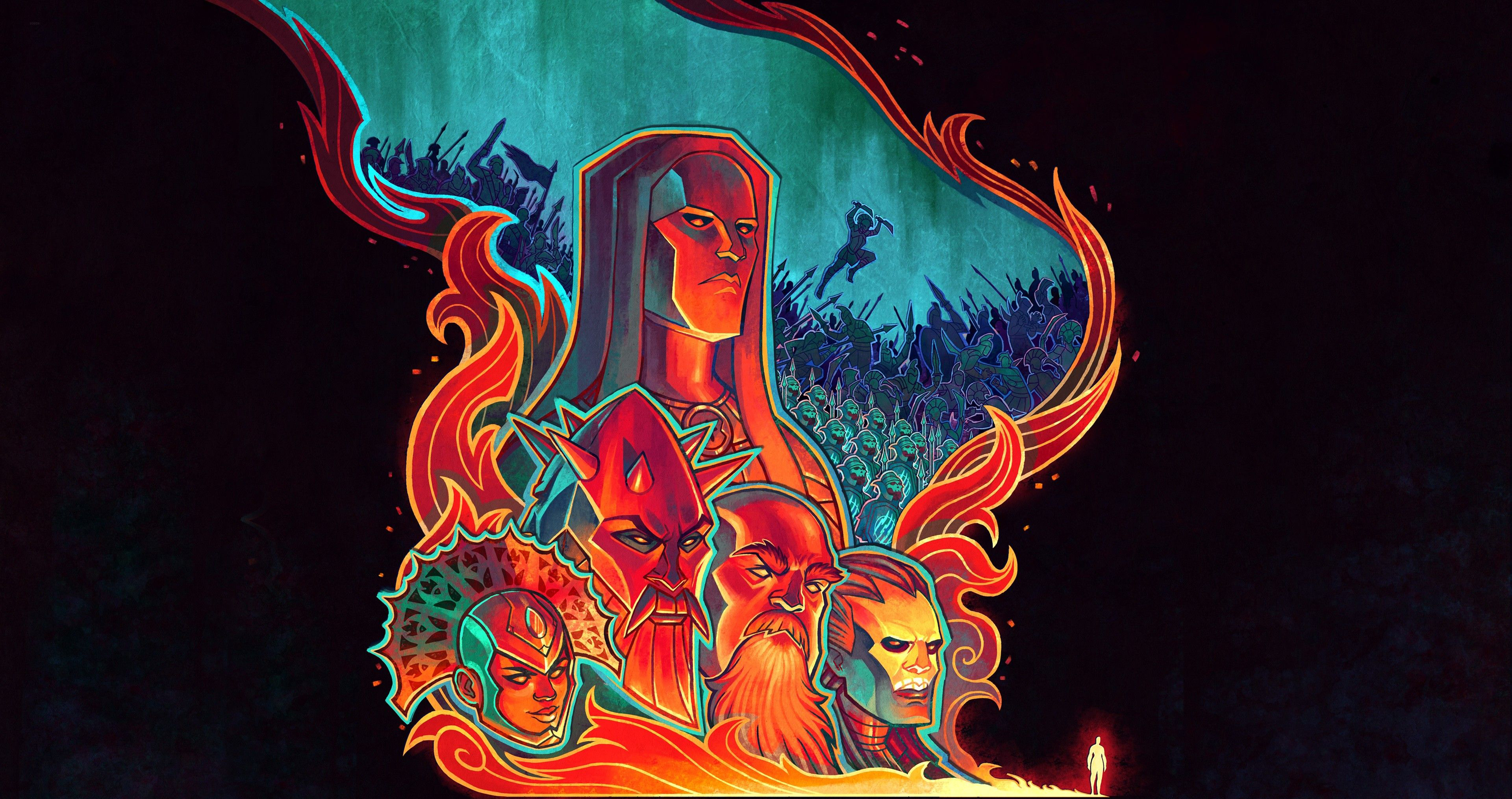
In the role-playing game ‘Tyranny’, developed by Obsidian Entertainment and published by Paradox Interactive, you play as a Fatebinder in a world already ruled by evil. Your choices as you conquer the Tiers have a lasting impact, changing the fate of towns and shaping the political landscape. By aligning with different factions, you determine which communities flourish and which fall victim to powerful magical decrees. The game explores how power and justice affect the lives of those who have been conquered, with your decisions defining the laws and social structure of the realm.
‘Mount & Blade II: Bannerlord’ (2022)
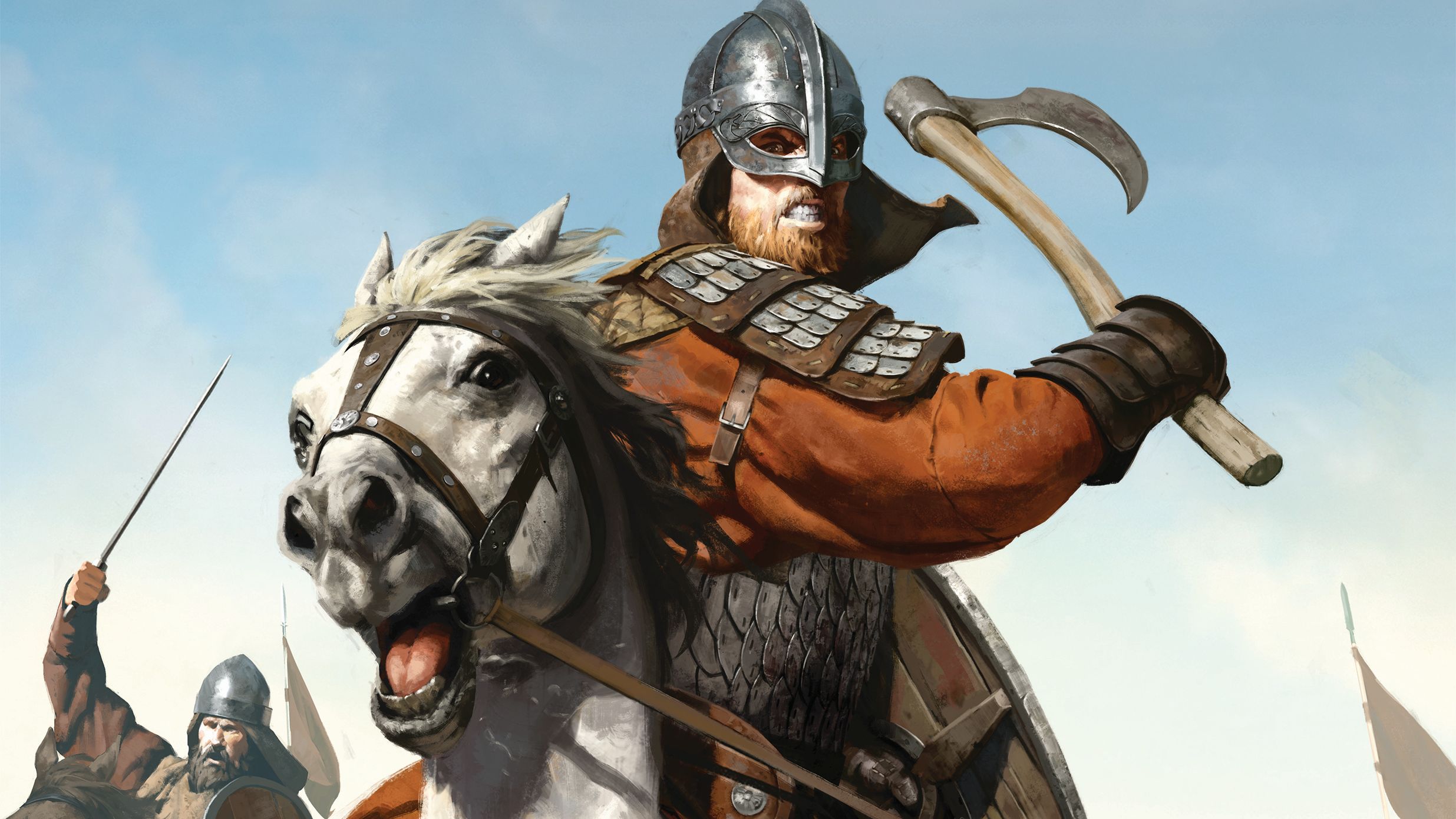
Mount & Blade II: Bannerlord, developed by TaleWorlds Entertainment, lets you experience a realistic medieval world where you can build a life through warfare and leadership. You start as a simple mercenary and can work your way up to become a ruler, impacting the fortunes of your lands and settlements. Keeping your people happy and choosing the right officials are key to maintaining a stable community. Your decisions in the kingdom’s government will shape laws and affect how different groups react to your rule. The game creates a dynamic world where your actions influence trade, and towns grow or decline based on your choices.
‘Fable III’ (2010)

In ‘Fable III’, developed by Lionhead Studios, you start as a rebel leader and eventually become the ruler of Albion. As king or queen, you’ll make pledges to different groups that shape the kingdom’s destiny. Whether you keep your promises or focus on building up the kingdom’s wealth and defenses will determine how your people fare. Your choices will lead to either a prosperous and vibrant land, or a ruined one depleted of its resources. The game explores the challenges of leadership and the consequences of political decisions.
‘Pathologic 2’ (2019)
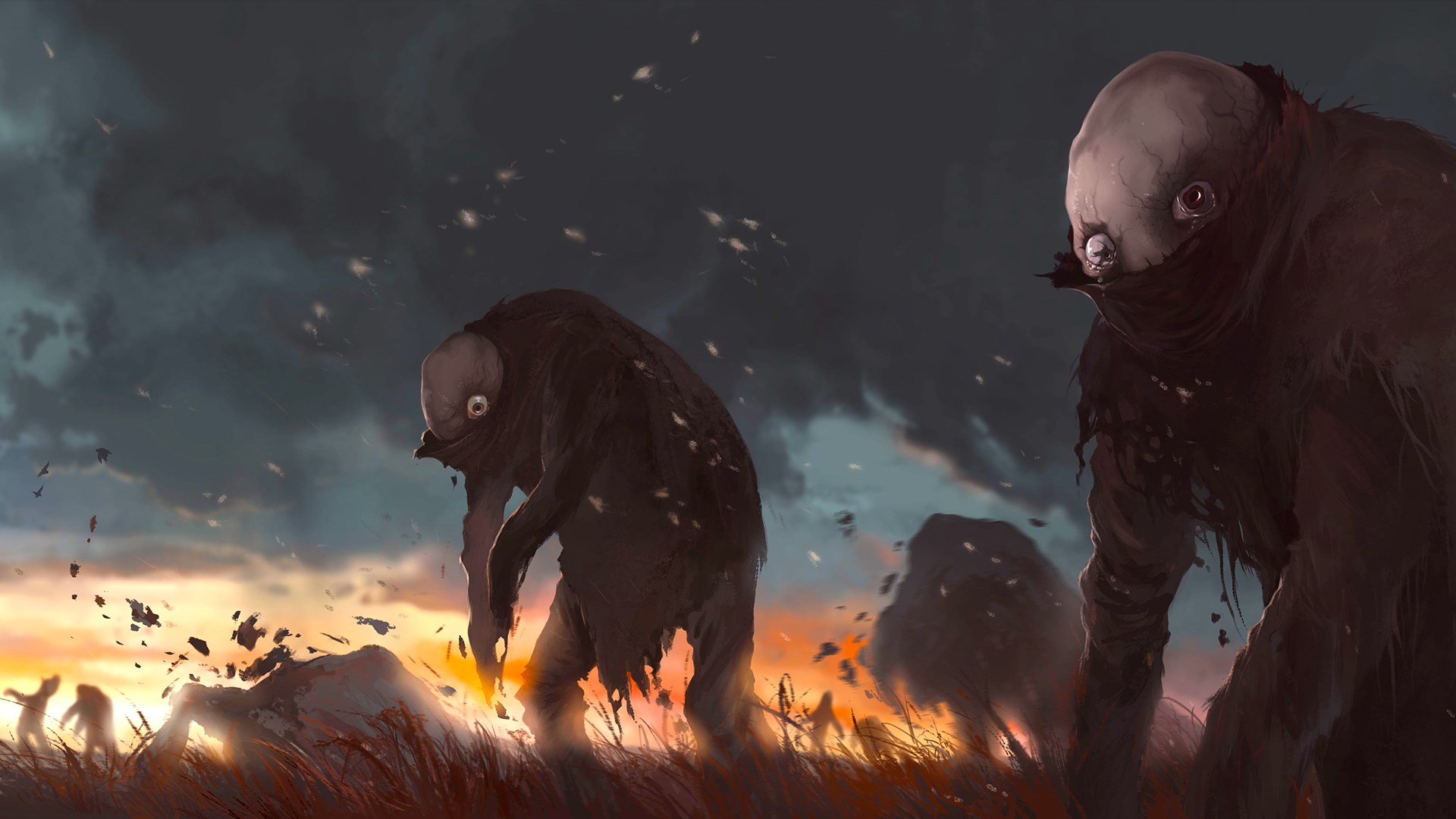
Pathologic 2, created by Ice-Pick Lodge, is a tense and immersive survival game set in a town devastated by a deadly plague. As a player, you’ll have to make difficult decisions about which areas to protect and who receives limited medicine. These choices have serious consequences – people will permanently die, and parts of the town will fall apart. Your actions affect your standing with the community, as the social order changes daily depending on how you manage scarce supplies. The game delves into the heavy moral challenges of deciding who lives and dies when society is crumbling.
‘Fallout 4’ (2015)

Fallout 4, created by Bethesda Game Studios, lets players build and manage settlements in the game’s post-apocalyptic world. You can create multiple communities throughout the Commonwealth, impacting the overall safety of the wasteland. Your choices about which groups to support determine which factions control important areas. Managing resources like food, water, and defenses is key to keeping your settlements happy and growing. Ultimately, the game lets you rebuild society in the ruins of Boston, shaping it to your liking.
‘The Elder Scrolls V: Skyrim’ (2011)

‘The Elder Scrolls V: Skyrim’, created by Bethesda Game Studios, centers around a large-scale civil war between the Imperial Legion and the Stormcloaks. When players choose to support one side, the leaders and guards in cities throughout Skyrim change permanently. This impacts what people say and the overall feel of each town. Players can further shape local communities by completing Thane quests, earning special status and privileges. Ultimately, the game demonstrates how the actions of a single player can dramatically alter the political landscape and culture of an entire country.
‘Stardew Valley’ (2016)
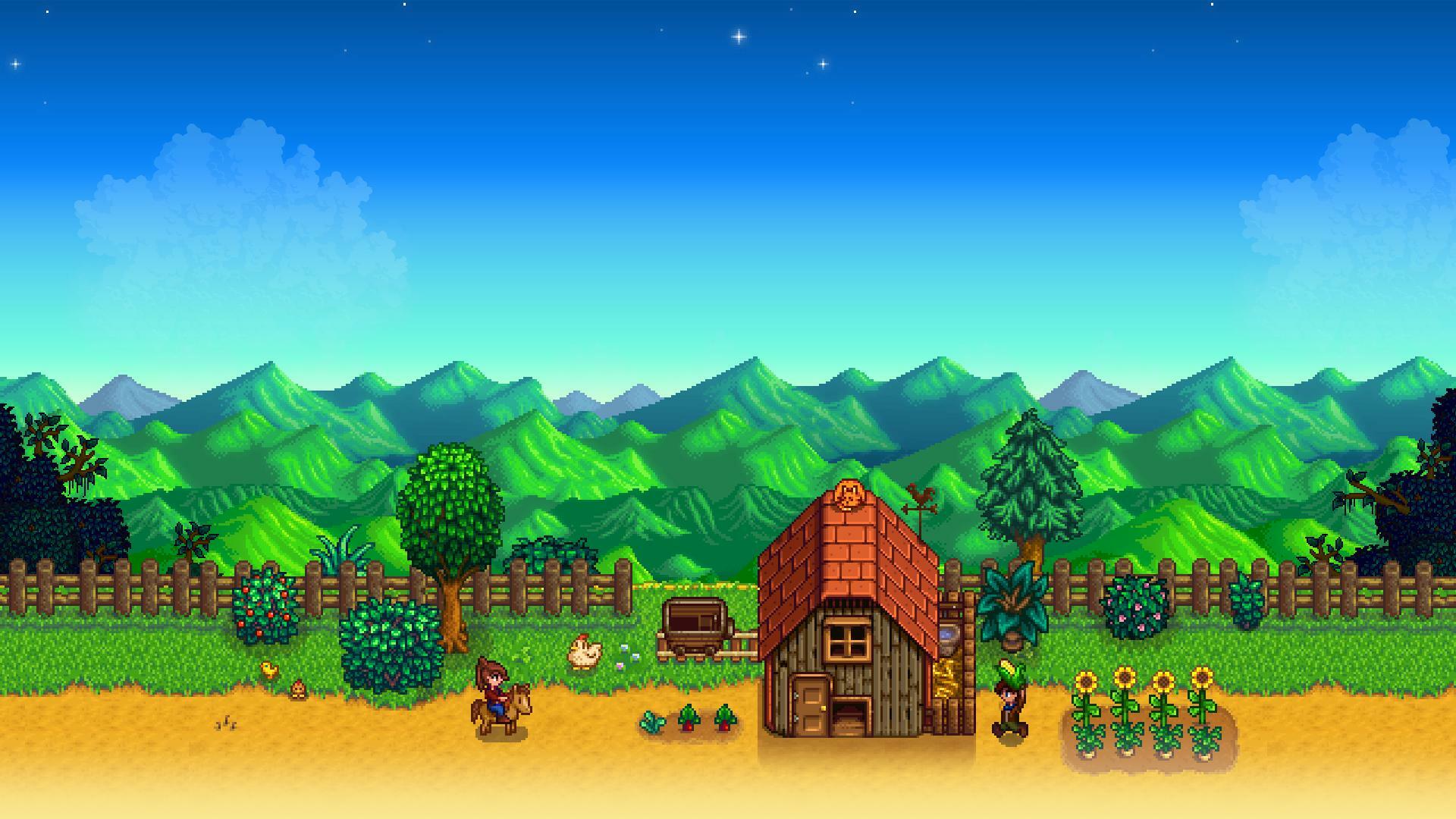
Stardew Valley, created by ConcernedApe, is a farming game focused on bringing a town back to life. Players can choose to either restore the old Community Center or side with the JojaMart corporation, and this choice changes the look of the town and how its residents live. By befriending people through gifts and activities, players unlock new ways to improve the town. The game highlights how one person’s hard work can help a small, rural community thrive.
‘Animal Crossing: New Horizons’ (2020)
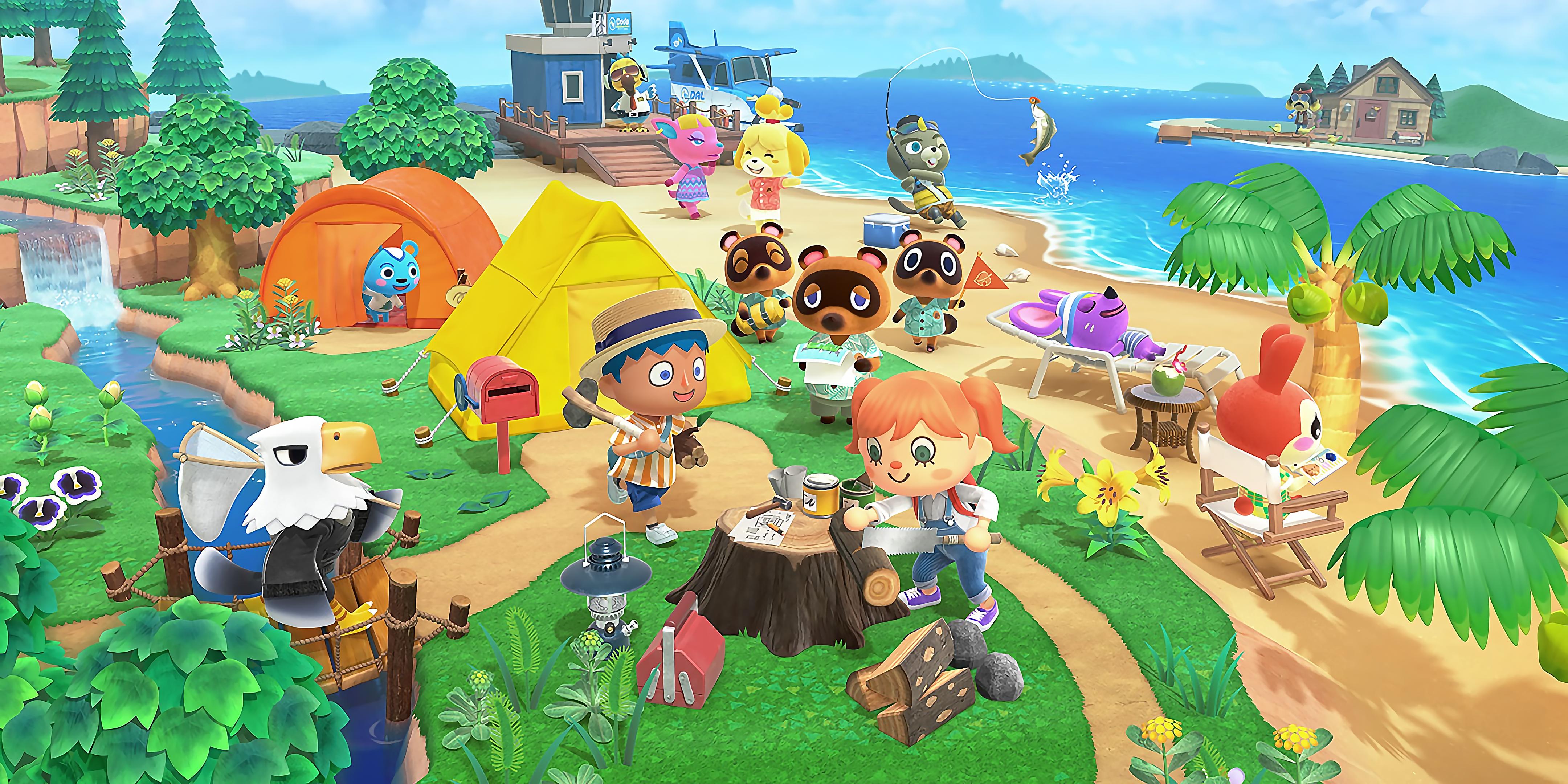
In ‘Animal Crossing: New Horizons,’ created by Nintendo EPD, you get to build a town from scratch on a deserted island. You decide where everything goes and who lives there, shaping the island’s unique personality. By choosing which projects to build, you improve the island and unlock new things to do. How you interact with your villagers affects how happy they are and whether they’ll stay, letting you create a relaxed and personalized community.
‘Death Stranding’ (2019)

Developed by Kojima Productions, ‘Death Stranding’ features a special multiplayer system called Social Strand. Players can build things like roads, bridges, and charging stations, and these structures then appear in other players’ games. This helps everyone navigate the game world more easily. Essentially, the game’s world becomes more connected over time thanks to the combined efforts of all the players, showing how individual actions can contribute to a shared experience and infrastructure.
‘Cities: Skylines’ (2015)

Cities: Skylines, created by Colossal Order, lets you build and manage your own city in a realistic way. As the mayor, you make choices about things like public transportation and taxes to influence your city’s economy. Your decisions about where to build and what infrastructure to create directly impact how happy and healthy your citizens are. Over time, these choices shape different areas of your city, each with its own character. The game shows how the decisions you make today can affect the lives of your citizens for years to come as your city grows.
Tell us which of these virtual societies you found most challenging to lead in the comments.
Read More
- Top 20 Dinosaur Movies, Ranked
- 20 Movies Where the Black Villain Was Secretly the Most Popular Character
- 25 “Woke” Films That Used Black Trauma to Humanize White Leads
- Celebs Who Narrowly Escaped The 9/11 Attacks
- Spotting the Loops in Autonomous Systems
- Gold Rate Forecast
- 22 Films Where the White Protagonist Is Canonically the Sidekick to a Black Lead
- The 10 Most Underrated Jim Carrey Movies, Ranked (From Least to Most Underrated)
- Silver Rate Forecast
- From Bids to Best Policies: Smarter Auto-Bidding with Generative AI
2026-01-23 02:23