
I’ve noticed a lot of games these days are all about fighting, but some of the best ones let you actually talk your way through things. It’s awesome when you can use diplomacy, sneak around, or just be clever instead of always resorting to violence. When I play those games, it’s cool because my choices actually matter – a peaceful approach can unlock secret storylines and even different endings! It’s not just in RPGs either; I’ve seen it done really well in stealth games and action adventures too. It’s a really neat way for developers to make the game feel more immersive and rewarding.
‘I Am Alive’ (2012)
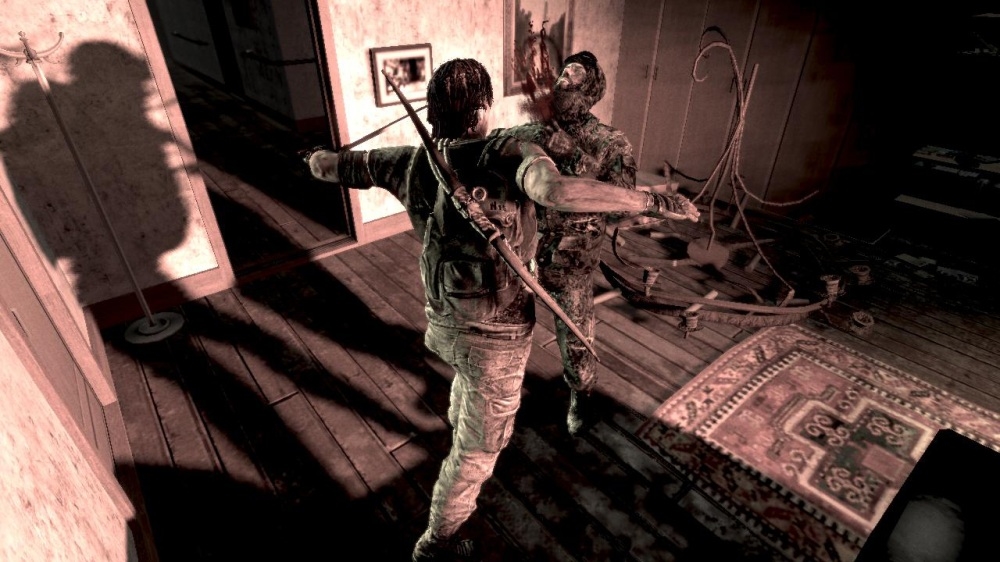
This survival game, created by Ubisoft Shanghai and published by Ubisoft, takes place after a major disaster. It focuses on how hard it is to find supplies and the mental strain that puts on characters. When you meet other survivors, simply showing a weapon is often enough to scare them off – you don’t always need to shoot. The game encourages players to use this bluffing tactic, intimidating enemies into surrendering to save valuable ammunition and avoid unnecessary violence. Managing how scared your opponents are is key to success.
‘Alpha Protocol’ (2010)
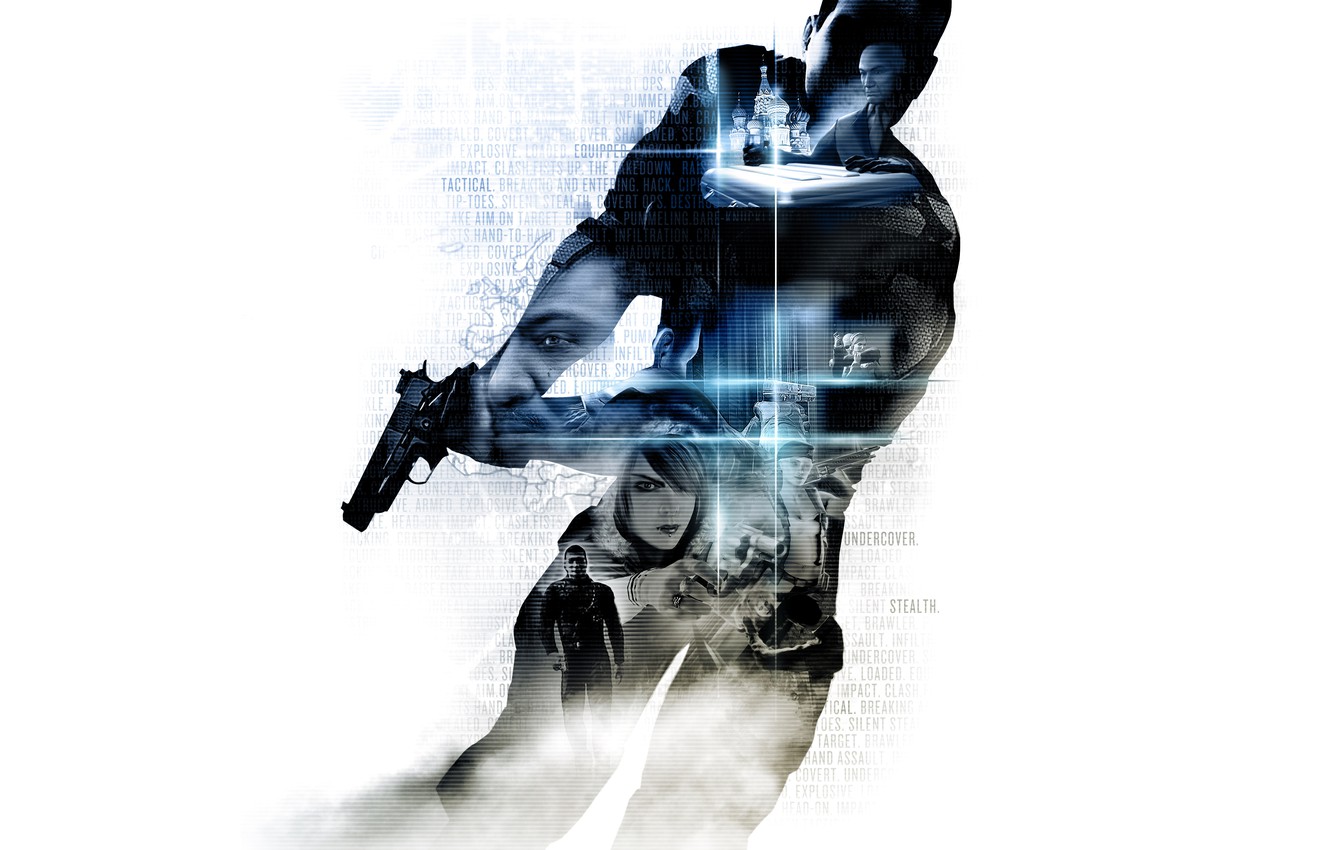
This role-playing game, developed by Obsidian Entertainment and Sega, focuses on espionage and features a special dialogue system called “Stance Protocol.” Players can choose how their character approaches conversations – professionally, charmingly, or aggressively – and this affects how characters respond and whether combat begins. Often, players can avoid conflicts altogether by gathering information to blackmail or convince others. Choosing these peaceful solutions unlocks special benefits and can dramatically change the world’s political situation.
‘Beyond: Two Souls’ (2013)

This game, a collaboration between Quantic Dream and Sony, tells a story about a young woman connected to a strange being. Instead of fighting, players use the being’s abilities to distract or control opponents. Choosing peaceful solutions impacts the main character’s relationships and her own sense of right and wrong. The game remembers these choices, leading to different emotional endings depending on how calmly the player handles difficult situations.
‘Mirror’s Edge’ (2008)

This first-person game, created by DICE and Electronic Arts, focuses on fast-paced movement and parkour as the key to staying alive. Although the main character can fight, the game encourages players to avoid conflict by running, jumping, and disarming opponents. A special reward is given for finishing the game without firing a single shot, reinforcing the idea that freedom comes from athleticism and skillful movement, not violence. You play as a ‘Runner’ who relies on speed and agility to escape a controlling city.
‘Watch Dogs 2’ (2016)
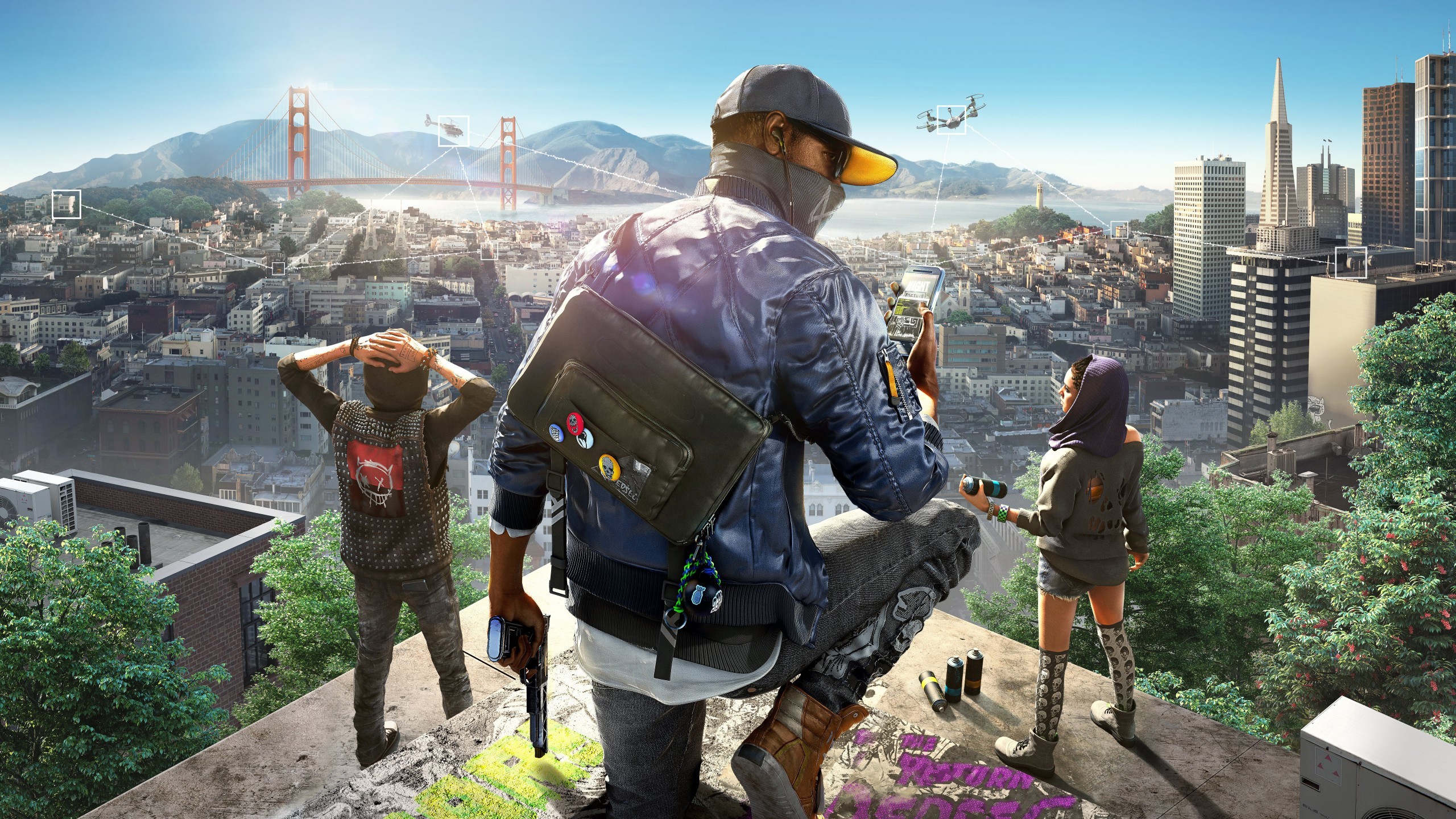
Watch Dogs 2, developed and published by Ubisoft, is an open-world game where you play as Marcus Holloway, a hacker who uses non-violent methods to achieve his goals. Instead of guns, Marcus relies on tools like tasers, stun grenades, and drones to take down enemies or sneak past security. The game’s story emphasizes gaining public support through social media, and avoiding violence helps protect innocent people while focusing on digital activism.
‘The Forgotten City’ (2021)
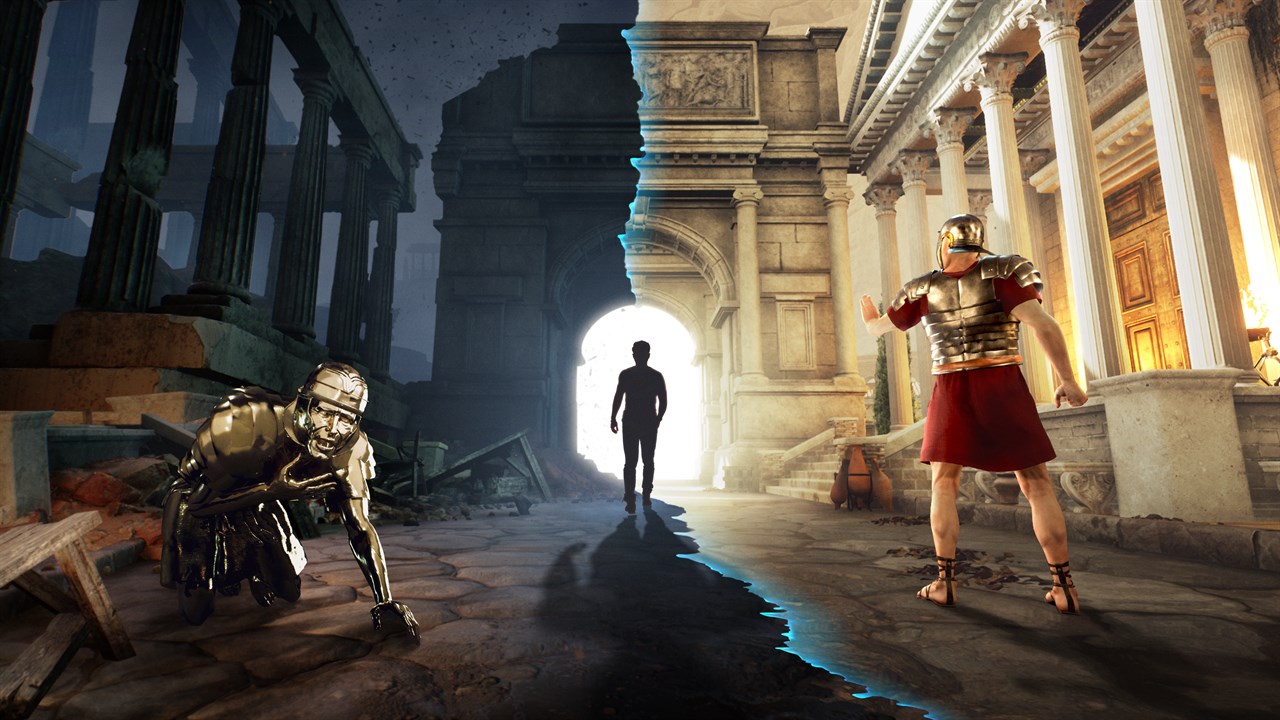
This mystery game, created by Modern Storyteller and published by Dear Villagers, started as a fan-made modification before becoming a full game. Set in an ancient Roman city ruled by a strict law – where one person’s wrongdoing leads to everyone’s death – players must investigate, talk to citizens, and unravel secrets. A unique time loop mechanic allows players to prevent crimes and solve the mystery. The most satisfying outcomes are achieved through careful thinking and understanding, not violence.
‘Detroit: Become Human’ (2018)
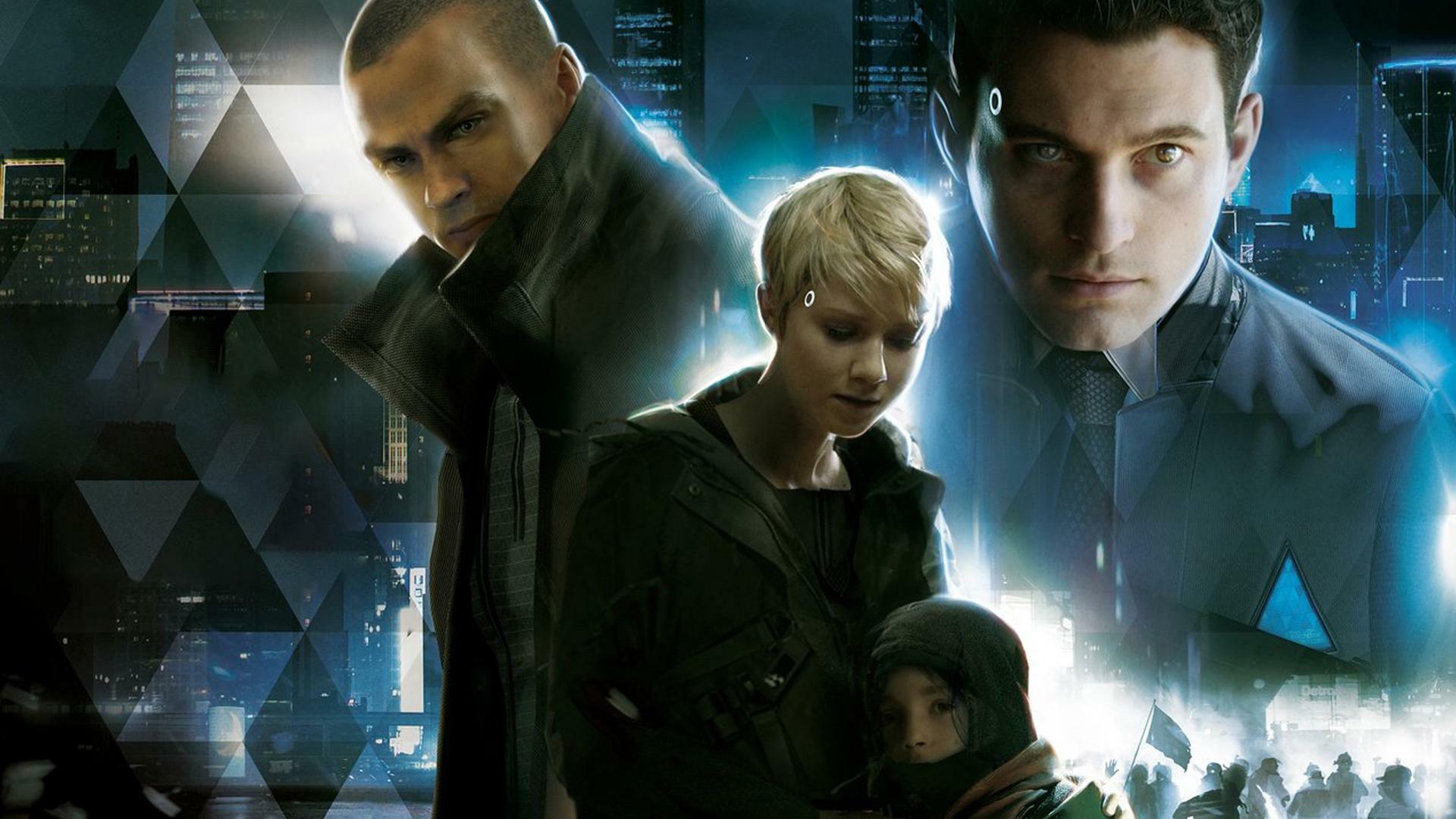
This game, created by Quantic Dream and Sony Interactive Entertainment, tells a story about androids becoming aware of themselves. Players experience the game through three characters, and their decisions determine the future of both androids and humans. If players choose peaceful methods like protests and public appeals, people are more likely to view androids positively. This can lead to a successful, non-violent revolution with minimal conflict and a greater chance of a peaceful future for everyone.
‘Thief: The Dark Project’ (1998)

This game, created by Looking Glass Studios and Eidos Interactive, really set the standard for stealth games by encouraging players to avoid being seen. It’s especially challenging on harder levels, where you aren’t allowed to kill anyone. Instead, you have to carefully observe your surroundings and use tools like water arrows to extinguish lights and moss arrows to move silently. Successfully completing the game without being detected – often called ‘ghosting’ – is considered the best way to play, and emphasizes careful planning and quiet movement over direct confrontation.
‘Splinter Cell: Chaos Theory’ (2005)
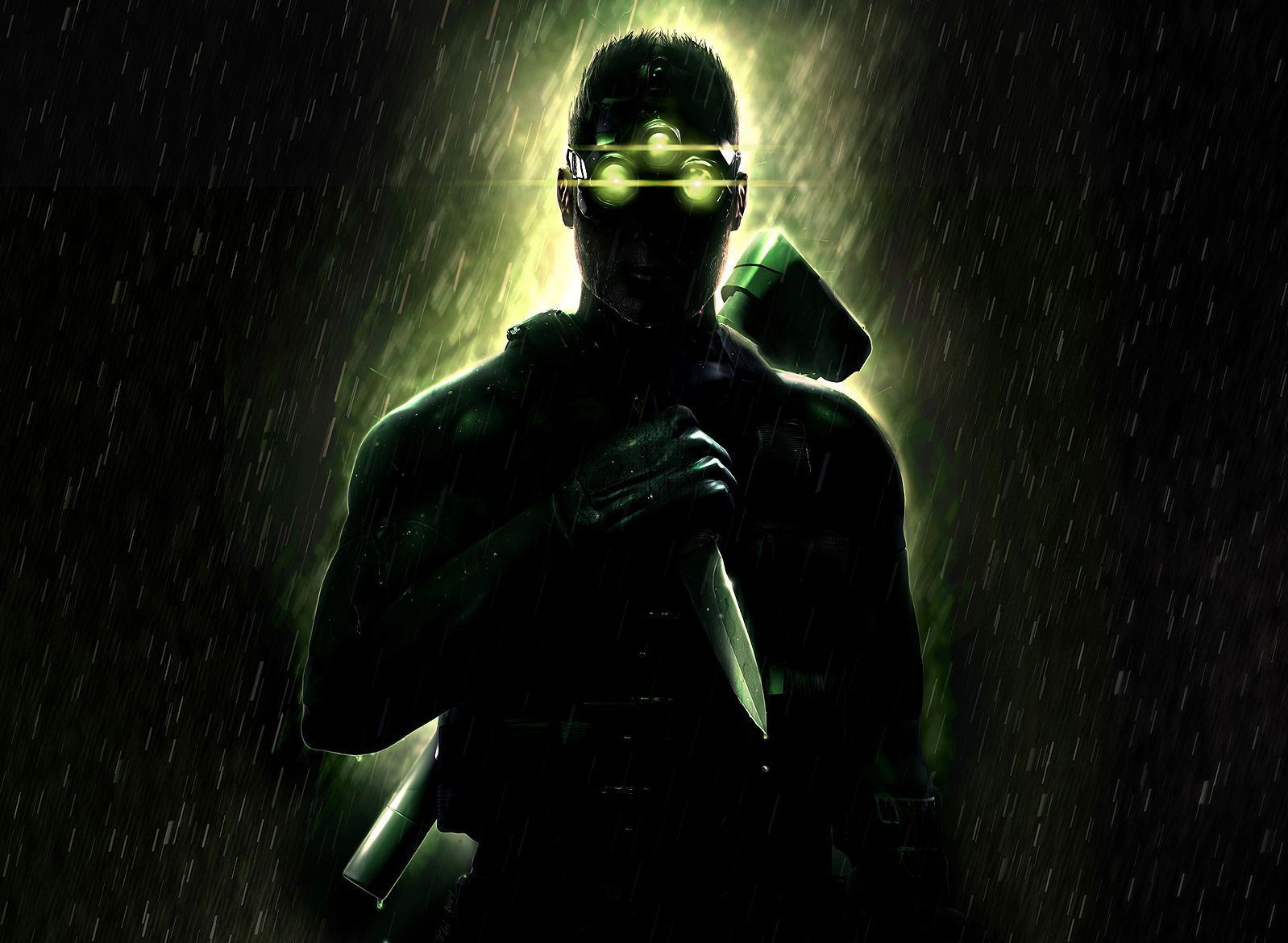
In this latest game, Ubisoft Montreal and Ubisoft improved the stealth gameplay with a new rating system. Players earn a higher score at the end of each mission by staying hidden and avoiding killing enemies. Sam Fisher has access to non-lethal tools like sticky shockers and airfoils to quietly take down guards when needed. Getting a perfect score demands skillful use of the surroundings and completing objectives without any casualties.
‘Planescape: Torment’ (1999)

This role-playing game, created by Black Isle Studios and Interplay Entertainment, is known for its deep story and emphasis on conversation rather than fighting. Your character’s mental stats – like wisdom, intelligence, and charisma – unlock many ways to solve problems through dialogue. In fact, you can even talk the final boss out of existing instead of defeating them in battle! It’s a unique game that rewards players who prefer using their words to overcome challenges.
‘Deus Ex: Human Revolution’ (2011)
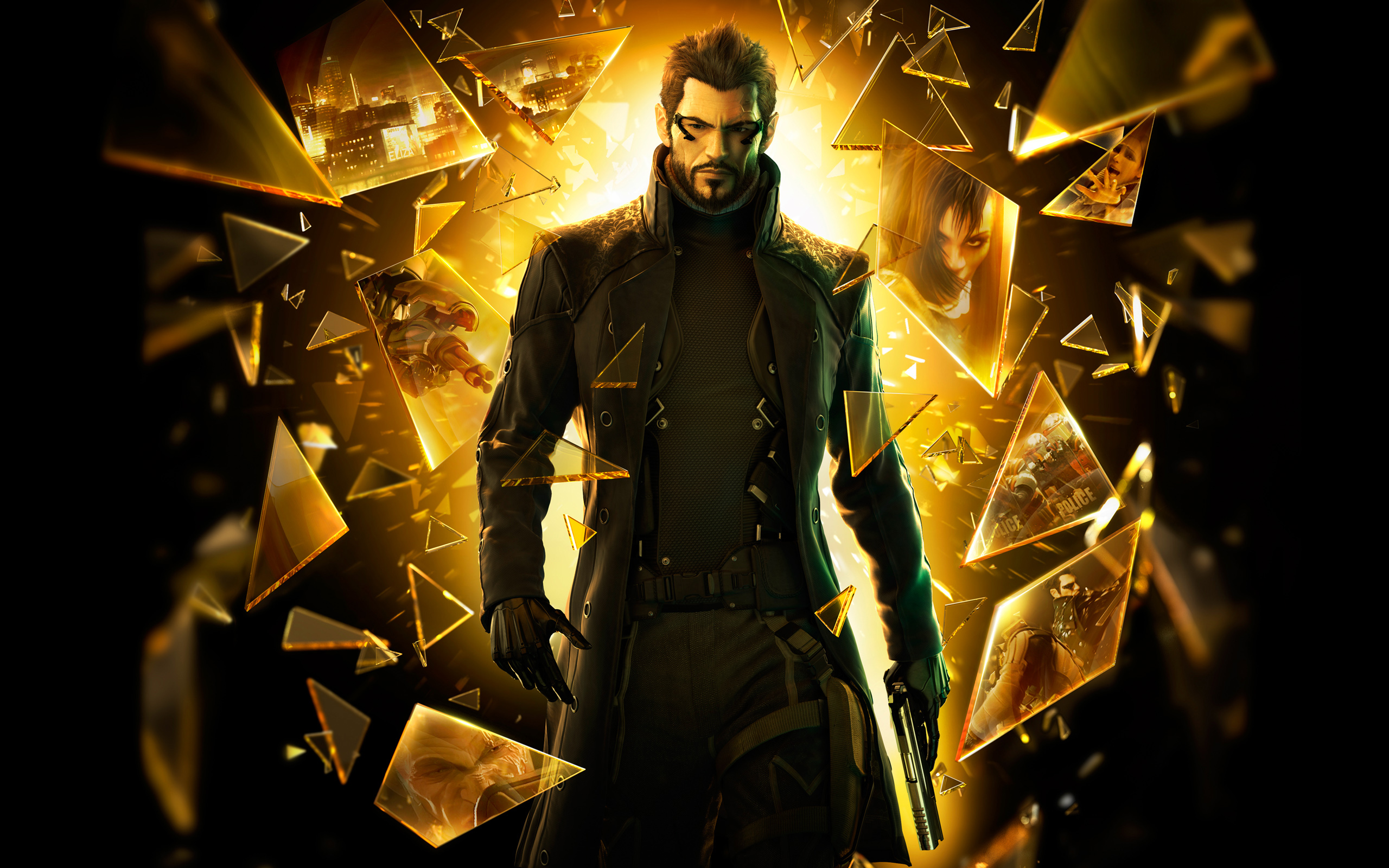
Eidos Montréal and Square Enix brought the classic Deus Ex series back to life, focusing on giving players lots of choices and unique abilities. One of these is a tool that lets the main character, Adam Jensen, read people’s emotions to succeed in conversations and prevent fights. The game even has an achievement for completing it without killing anyone (except during boss battles), encouraging players to explore carefully and use non-lethal options to get through the futuristic world.
‘Fallout: New Vegas’ (2010)

This role-playing game, a collaboration between Obsidian Entertainment and Bethesda Softworks, is famous for its intricate factions and dialogue choices that truly impact the story. Players with strong communication skills can often talk their way out of conflicts, even the final battle at Hoover Dam. Skilled players can convince enemy leaders to stand down, potentially ending the war for the Mojave Wasteland with very few deaths. It’s even possible to complete the game without ever directly attacking anyone – a true ‘pacifist’ playthrough.
‘Star Wars: Knights of the Old Republic’ (2003)
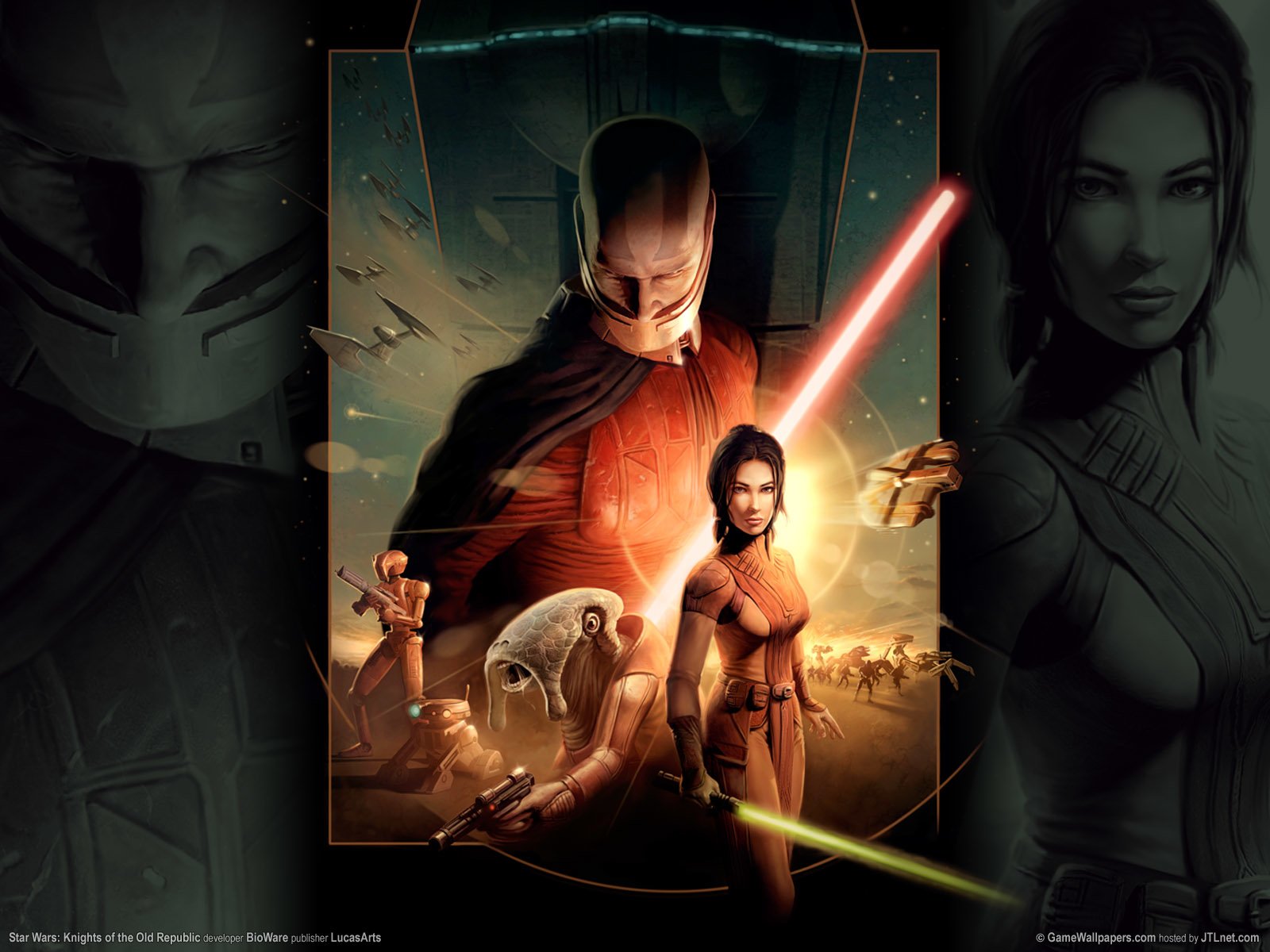
As a huge fan of this RPG, I always loved how BioWare and LucasArts let you really live in the ‘Star Wars’ universe. You don’t just fight – you can use the Force and talk your way through things! If you build up your Persuasion skill, you can actually resolve old conflicts or even turn people away from the Dark Side. I especially enjoyed playing as a Jedi and trying to find peaceful solutions, like brokering peace between the Sand People and the settlers on Tatooine. Making those good choices earns you Light Side points and unlocks totally different parts of the story, which really feels true to the Jedi way.
‘Metal Gear Solid 3: Snake Eater’ (2004)

As a huge fan, I always loved how Konami and Kojima Productions added a stamina system to the boss fights. It really pushed you to think outside the box and not just go in guns blazing! Instead of trying to kill bosses, you could use things like tranquilizer guns or close-quarters combat to tire them out, and you’d actually get cool camouflage rewards for doing it. It totally changed how I played – I felt like I had to be a sneaky phantom, not just a soldier. Plus, if you avoided killing enemies, there was this one encounter later in the game that became way easier, because you didn’t have to deal with, well, let’s just say you weren’t haunted by your past actions!
‘Stardew Valley’ (2016)
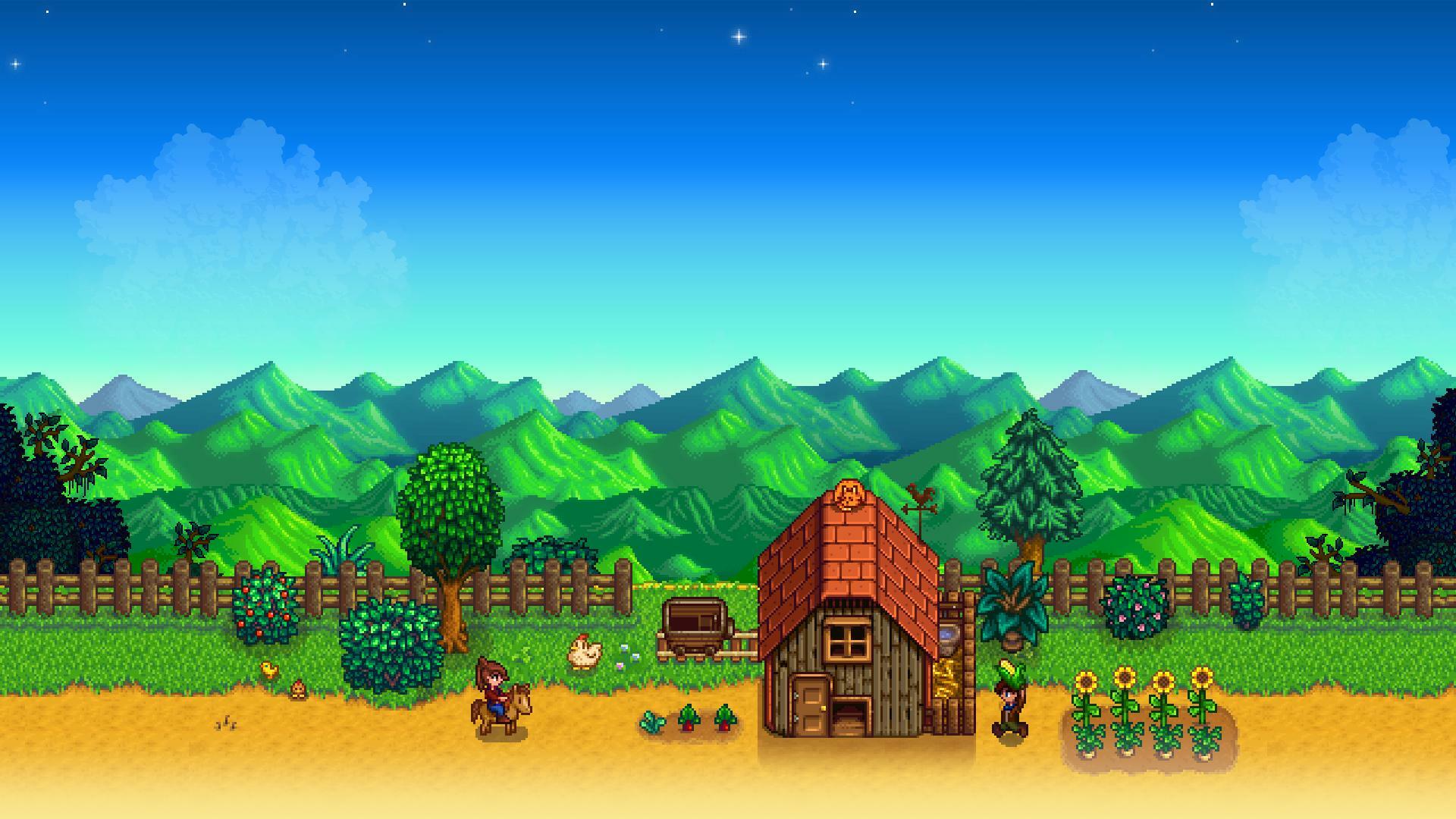
Stardew Valley, created by ConcernedApe, is a relaxing farming game where you can escape the pressures of modern life. Instead of building a business empire, you can choose to rebuild your town’s community center by collecting resources and getting to know the locals. While there’s a mine with combat, the game is mostly about succeeding as a farmer and working together with others. Focusing on these things will help you breathe new life into the town and build strong relationships with its unique residents.
‘Dishonored’ (2012)
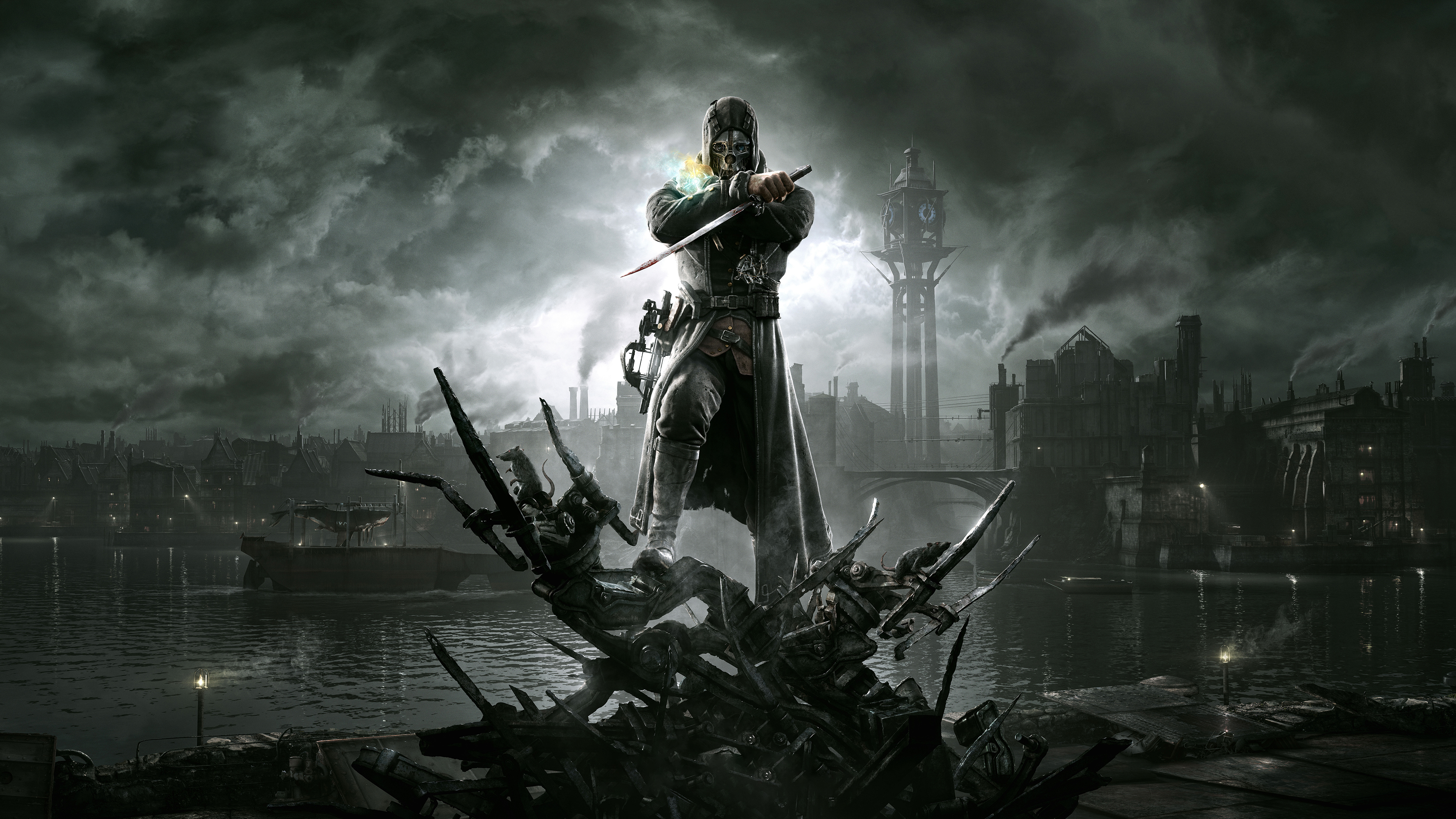
The creators of this game, Arkane Studios and Bethesda Softworks, built it around a unique ‘Chaos’ system that monitors how violently you play. If you prioritize stealth and avoid killing, the city stays safer and you’ll get a more optimistic ending. You can handle every enemy in a clever, non-lethal way, though it often takes more work and discovery. This system highlights the main character’s struggle to stay true to their values, even after being betrayed.
‘Undertale’ (2015)

Created by Toby Fox, this popular indie game offers a fresh take on role-playing games. Instead of just battling, players can use kindness – talking, petting, or showing compassion – to resolve conflicts with monsters. If you complete the game without harming anyone, you’ll unlock the ‘True Pacifist’ ending, which delivers the most fulfilling and emotional story experience. The game also remembers your decisions, offering special conversations and interactions based on how you choose to handle challenges.
‘Disco Elysium’ (2019)

ZA/UM’s innovative RPG takes a unique approach, trading typical combat for challenging skill checks and inner thoughts. You play as someone investigating a murder, navigating complex political situations and your own troubled mind. Instead of fighting, you’ll resolve conflicts through conversation, understanding, or even intimidation. The game focuses on your choices and how you handle stress, creating a deeply personal story that changes based on how you play – all without relying on weapons.
‘Baldur’s Gate 3’ (2023)

Larian Studios created this expansive role-playing game inspired by ‘Dungeons & Dragons’, giving players incredible freedom to overcome challenges in many ways. Instead of just fighting, you can use skills like persuasion or deception to talk your way past even the toughest enemies – sometimes convincing them to give up or even defeat themselves! The game world is highly interactive, letting you knock out foes instead of killing them. This means you can succeed as a charismatic diplomat just as easily as a powerful warrior.
‘The Witcher 3: Wild Hunt’ (2015)
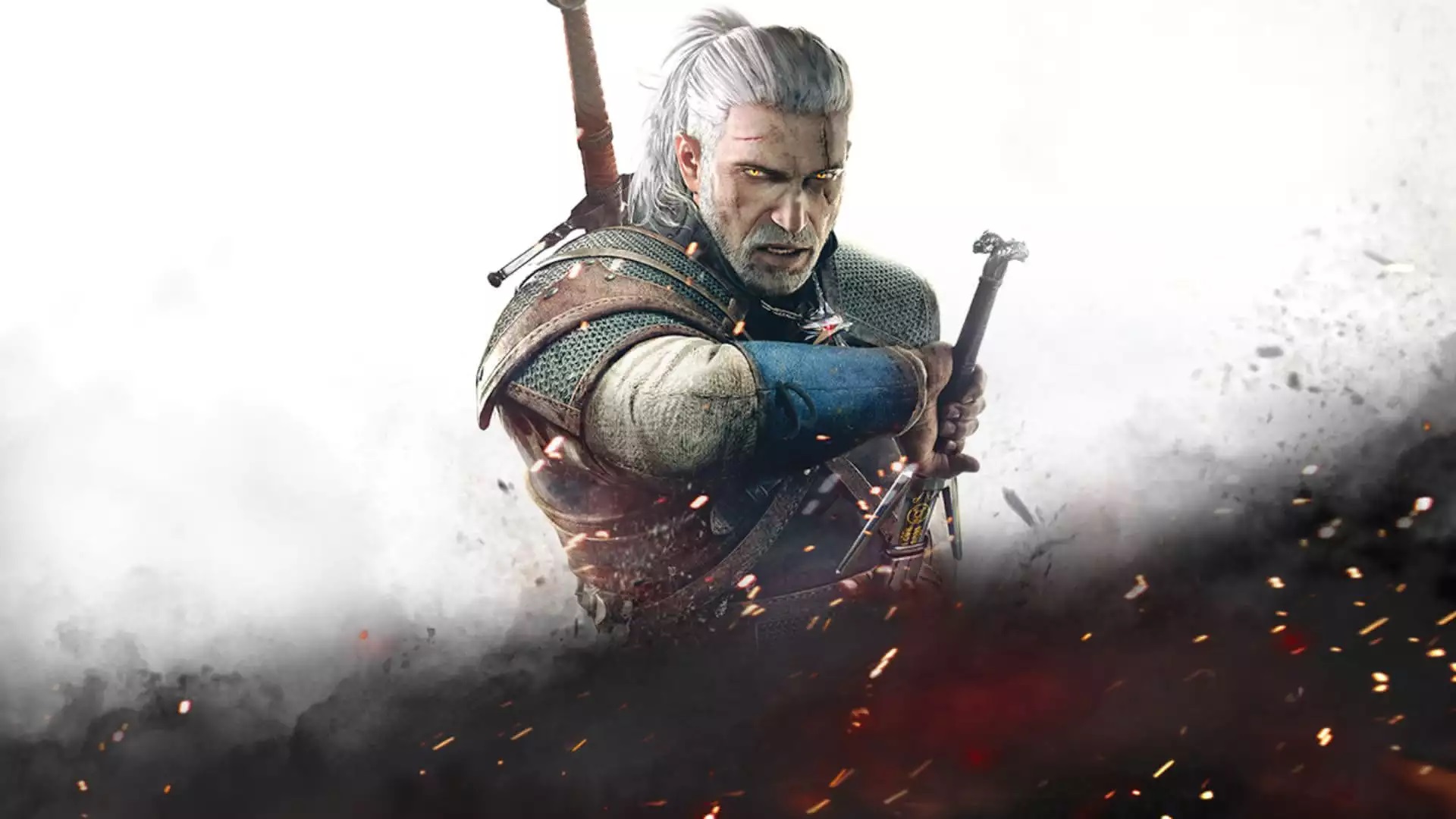
CD Projekt Red created a sprawling adventure where players take on the role of Geralt of Rivia, frequently finding himself as a negotiator between people and monsters. Often, quests don’t require fighting – careful investigation and choosing to show mercy to intelligent creatures can resolve things peacefully. The Axii sign can even help de-escalate tense conversations and prevent fights. Making these compassionate choices often unlocks unique rewards, proving that kindness can be more powerful than violence.
We’d love to hear about times you successfully solved problems in games without resorting to fighting! Share your favorite peaceful solutions in the comments below.
Read More
- Top 20 Dinosaur Movies, Ranked
- 20 Movies Where the Black Villain Was Secretly the Most Popular Character
- 25 “Woke” Films That Used Black Trauma to Humanize White Leads
- Silver Rate Forecast
- Gold Rate Forecast
- Spotting the Loops in Autonomous Systems
- From Bids to Best Policies: Smarter Auto-Bidding with Generative AI
- Celebs Who Narrowly Escaped The 9/11 Attacks
- 22 Films Where the White Protagonist Is Canonically the Sidekick to a Black Lead
- Can AI Lie with a Picture? Detecting Deception in Multimodal Models
2026-01-22 22:55