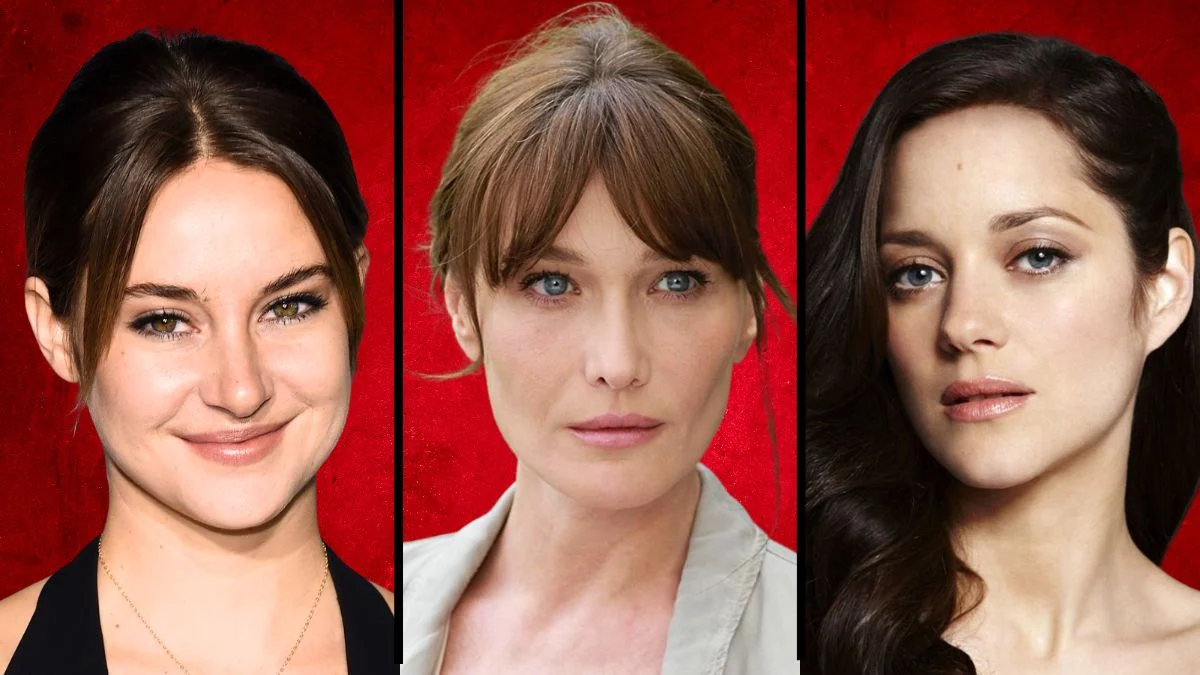
Although feminist ideas are now widespread in Hollywood, not all celebrities identify as feminists or agree with how the movement operates today. Some prefer terms like ‘humanist’ or ‘equalist’ to express their belief in equal rights. Others have voiced concerns that some aspects of modern feminism exclude certain groups or seem critical of men. A few have even publicly rejected the feminist label, citing personal beliefs or traditional values. The following is a list of celebrities who have expressed distance from the term ‘feminist’.
Shailene Woodley
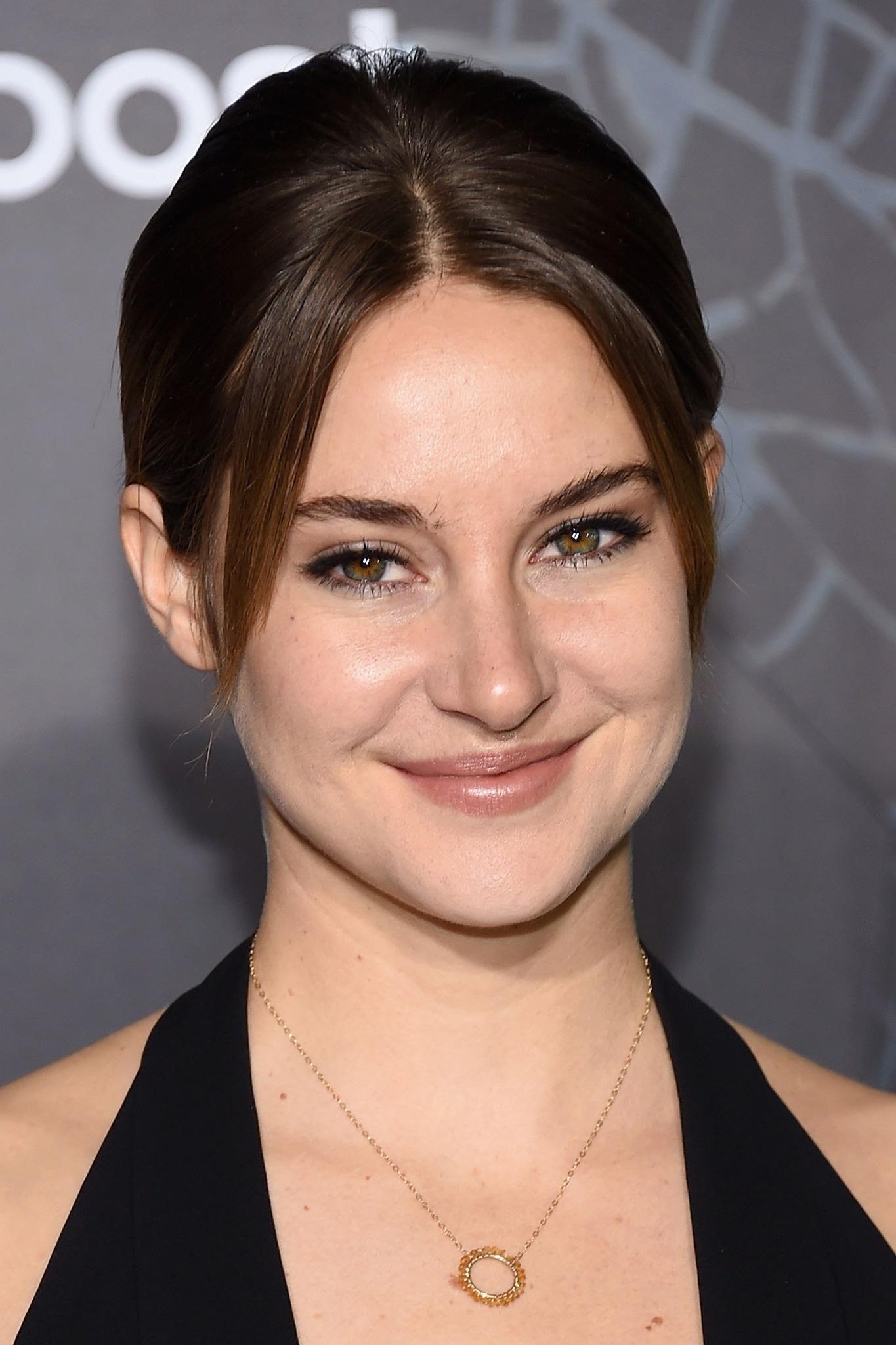
Actress Shailene Woodley sparked discussion when she publicly said she doesn’t identify as a feminist, explaining that she appreciates men. She felt the feminist movement sometimes appeared to prioritize diminishing male power instead of striving for equality. Woodley prefers the term ‘sisterhood’ and believes meaningful progress requires collaboration between men and women. Her views revealed a difference between her understanding of feminism and how it’s often understood today.
Meryl Streep
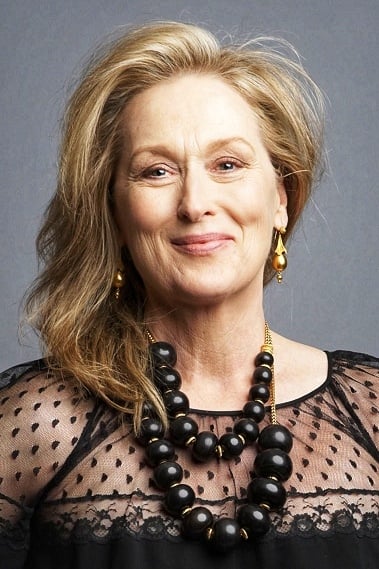
The celebrated actress has consistently championed equal rights for women in the film world, but she’s been reluctant to identify as a feminist. In interviews, Streep explained she prefers the term ‘humanist,’ as she feels it better reflects her desire for fairness and equality for all people, not just women. She believes that using strict political labels can sometimes hinder the larger fight for universal human rights.
Sarah Jessica Parker
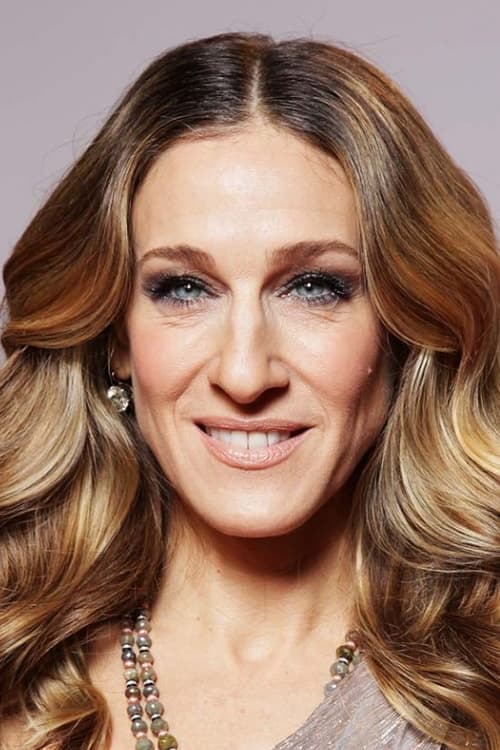
Sarah Jessica Parker, known for her role in ‘Sex and the City,’ has said she doesn’t consider herself a feminist, feeling that the fight for equality has evolved beyond that label. She believes we should focus on humanism – working towards equality for everyone, regardless of gender. Parker has voiced her frustration with the divisions and disagreements often found within discussions about gender, suggesting that many of the problems we face today are universal human issues, not just women’s issues.
Susan Sarandon
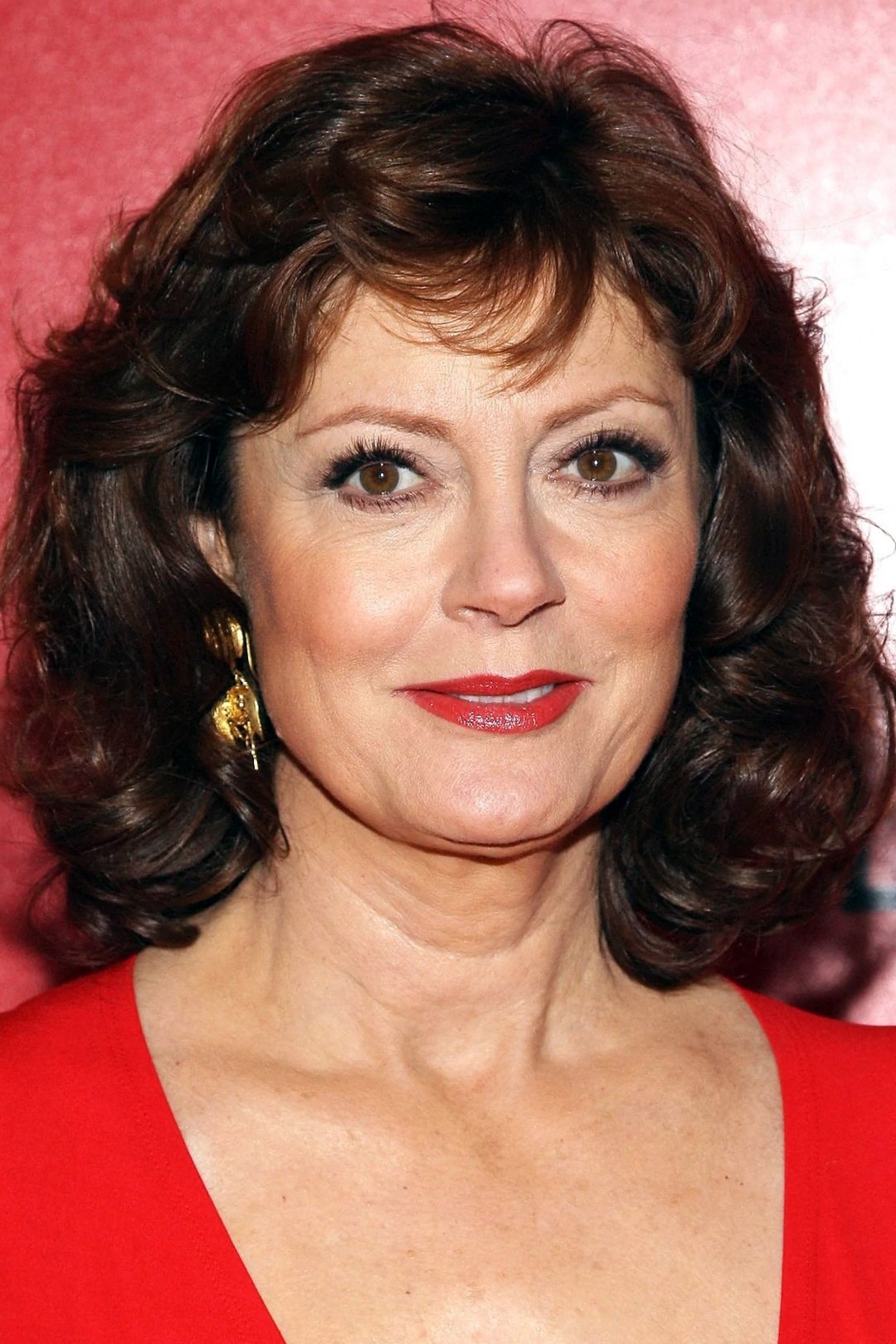
Susan Sarandon has spoken out on important issues for many years, but she doesn’t identify as a feminist. She finds the term outdated and feels it’s lost some of its impact. Sarandon says even her daughter, a strong and independent woman, doesn’t connect with the label. She believes humanism is a more inclusive approach to fighting for equal rights and pay.
Marion Cotillard
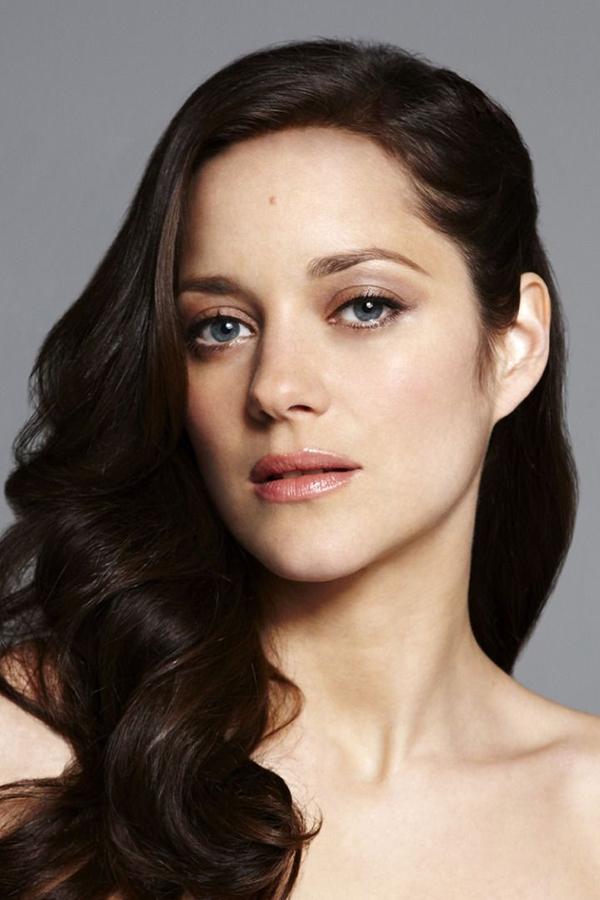
Marion Cotillard, the French actress, has often said she doesn’t identify as a feminist. In interviews, she’s wondered why discussions about filmmaking often focus on gender instead of artistic merit. Cotillard believes the fight for equality shouldn’t create a divide between men and women, and she feels that emphasizing gender too much can unnecessarily separate people in the arts.
Demi Moore
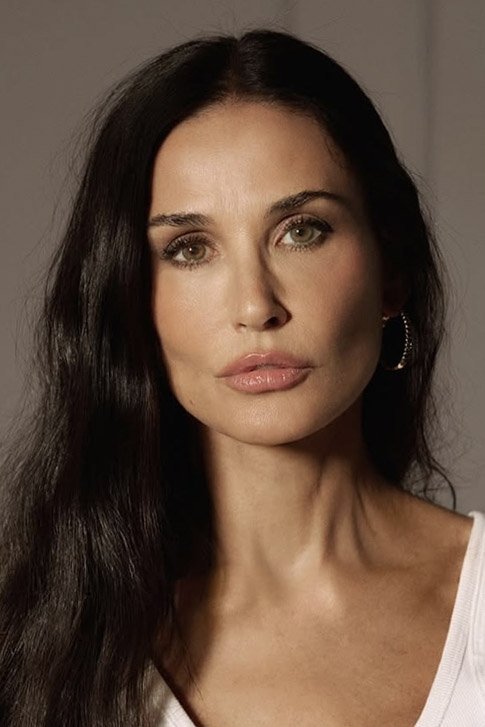
As a longtime movie fan, I’ve always admired Demi Moore for blazing trails in Hollywood. It’s interesting though, she’s talked about how she’s not entirely comfortable with the label ‘feminist,’ even though she’s clearly a huge advocate for women. She feels the word has become so wrapped up in politics that it doesn’t quite capture how she believes in empowering women – she’s always focused on proving what women can do through her work, rather than through activism. It’s a nuanced perspective, and I respect her for being honest about it.
Lana Del Rey
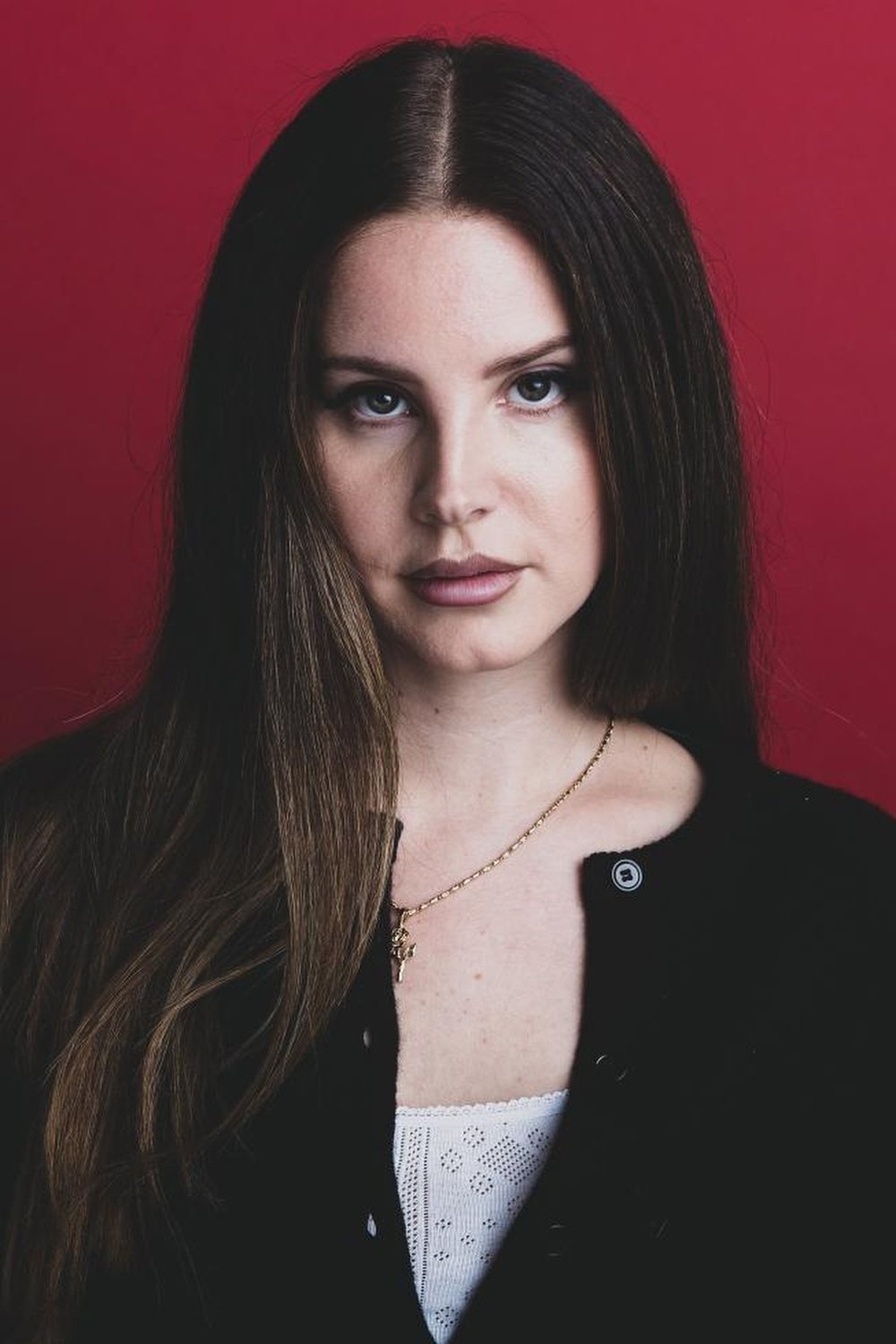
Lana Del Rey sparked debate when she said she wasn’t particularly interested in feminism during an interview. She explained that she found topics like space exploration more compelling than discussions about gender equality. Del Rey offered her own definition of a feminist as simply a woman who lives life on her own terms. However, her lack of engagement with the feminist movement led to criticism from people who believed she overlooked the political challenges women face.
Evangeline Lilly
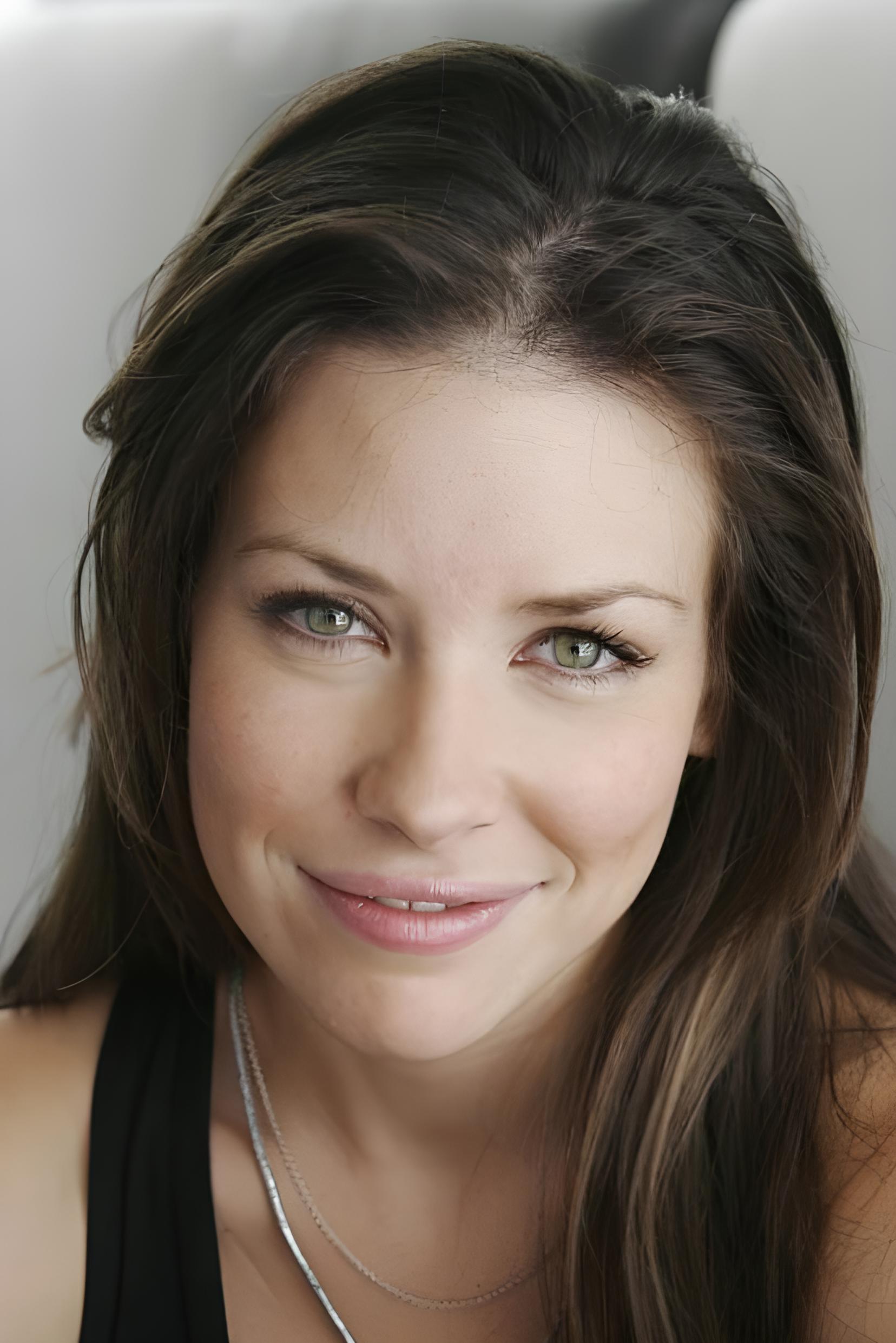
The actress known for her role in ‘Ant-Man’ explained she doesn’t identify with the term ‘feminist’ because she believes it sometimes implies women trying to be like men. She expressed pride in being a woman and wanting to celebrate what makes women unique, rather than trying to erase the differences between men and women in the pursuit of equality. Her views suggest she values and respects traditional feminine qualities.
Björk
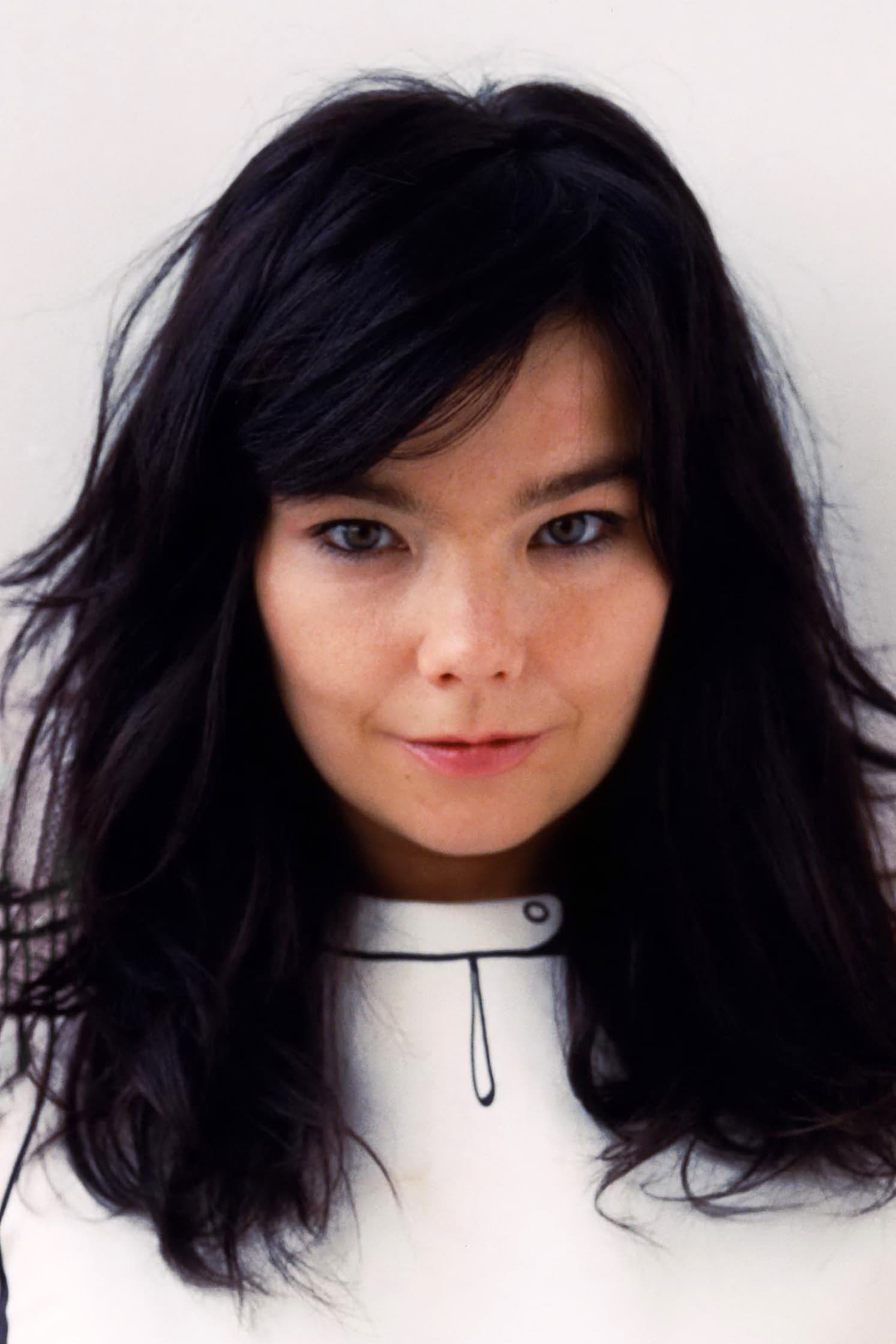
Björk, the Icelandic artist, doesn’t identify as a feminist, feeling the label can create distance. She prefers to address inequality through positive action and creativity rather than focusing on complaints. Having witnessed her mother’s isolation due to strict feminist views, Björk chooses to express herself through her art instead of aligning with a specific political group.
Dolly Parton
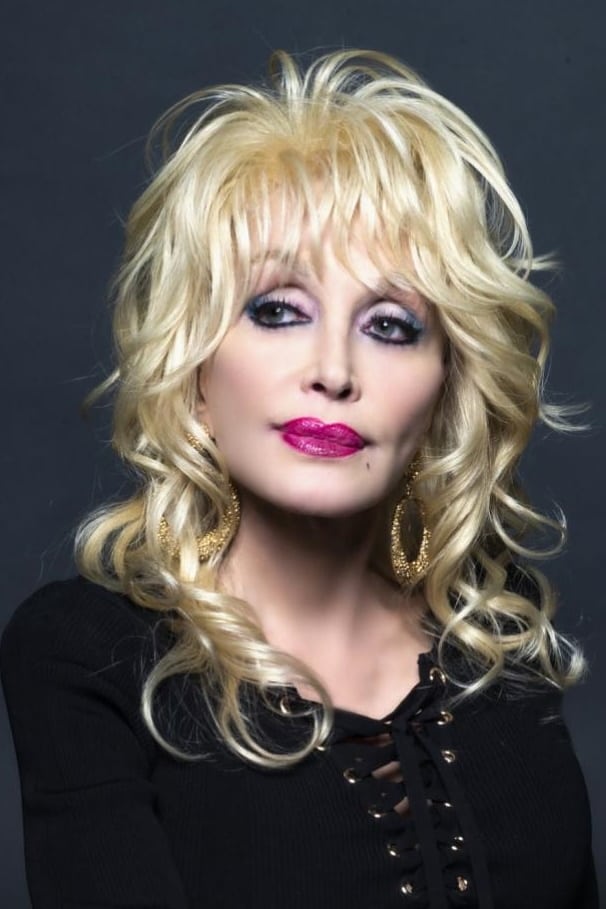
Dolly Parton, the iconic country singer, doesn’t identify as a feminist, even though she’s a very successful businesswoman. She famously joked about being an early pioneer of bra-burning, playfully suggesting it was a massive undertaking. Parton intentionally avoids political labels so she can connect with all of her fans. She believes in showing her strength through what she does and the messages in her songs, rather than aligning with a particular political viewpoint.
Goldie Hawn
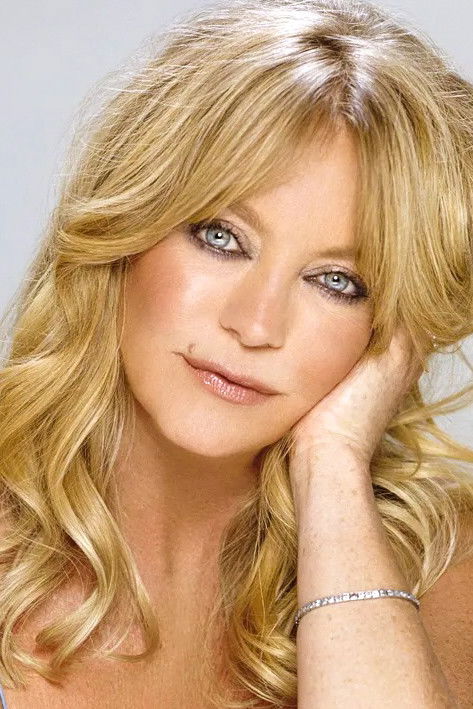
Goldie Hawn prefers to be called a humanist instead of a feminist. She thinks it’s more helpful to focus on all of humanity, rather than separating people by gender. Hawn believes the most important things are kindness and equal treatment for everyone, and she shares this view with many people her age who feel the meaning of ‘feminist’ has changed over time.
Carrie Underwood
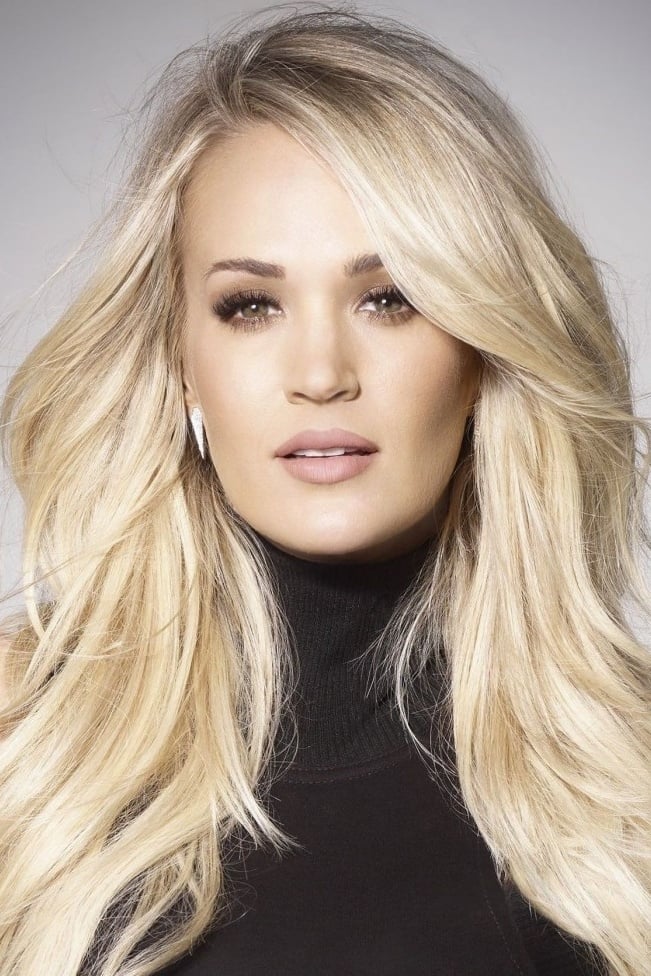
Carrie Underwood has previously said she doesn’t identify as a feminist, though she considers herself a strong woman. She prefers to concentrate on her music and inspire others through her actions instead of getting involved in political activism. This approach to empowering women is fairly common in the country music world.
Carla Bruni
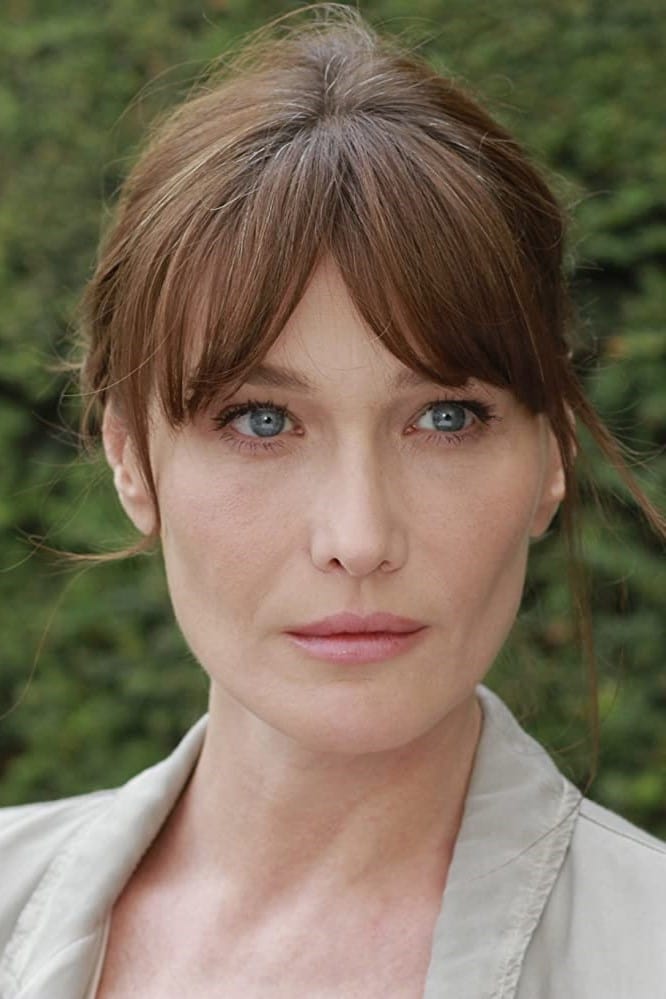
Carla Bruni, the former First Lady of France, has stated that she doesn’t think her generation needs feminism. She feels the important battles for women’s rights were already won by earlier feminists, and that women today benefit from those established rights. However, her views were criticized by French activists who believe the struggle for true equality continues.
Joni Mitchell
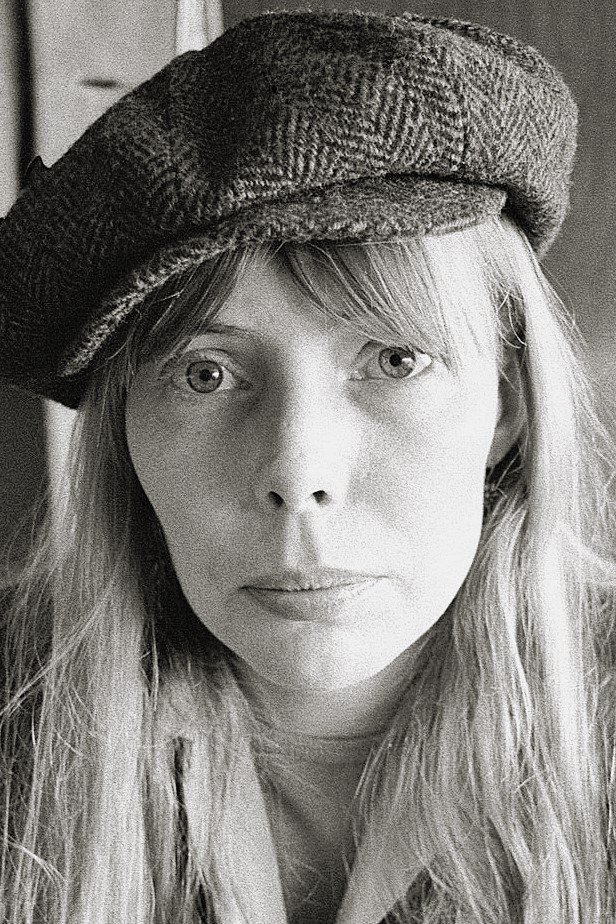
Throughout her career, singer-songwriter Joni Mitchell has often spoken out against the feminist movement. She’s explained that she doesn’t identify as a feminist, believing the movement sometimes seemed to encourage women to imitate negative male behaviors – essentially, a “masculinism” in disguise. Mitchell prefers to be recognized simply as an artist, independent of any gender-based label or cause.
Lisa Vanderpump
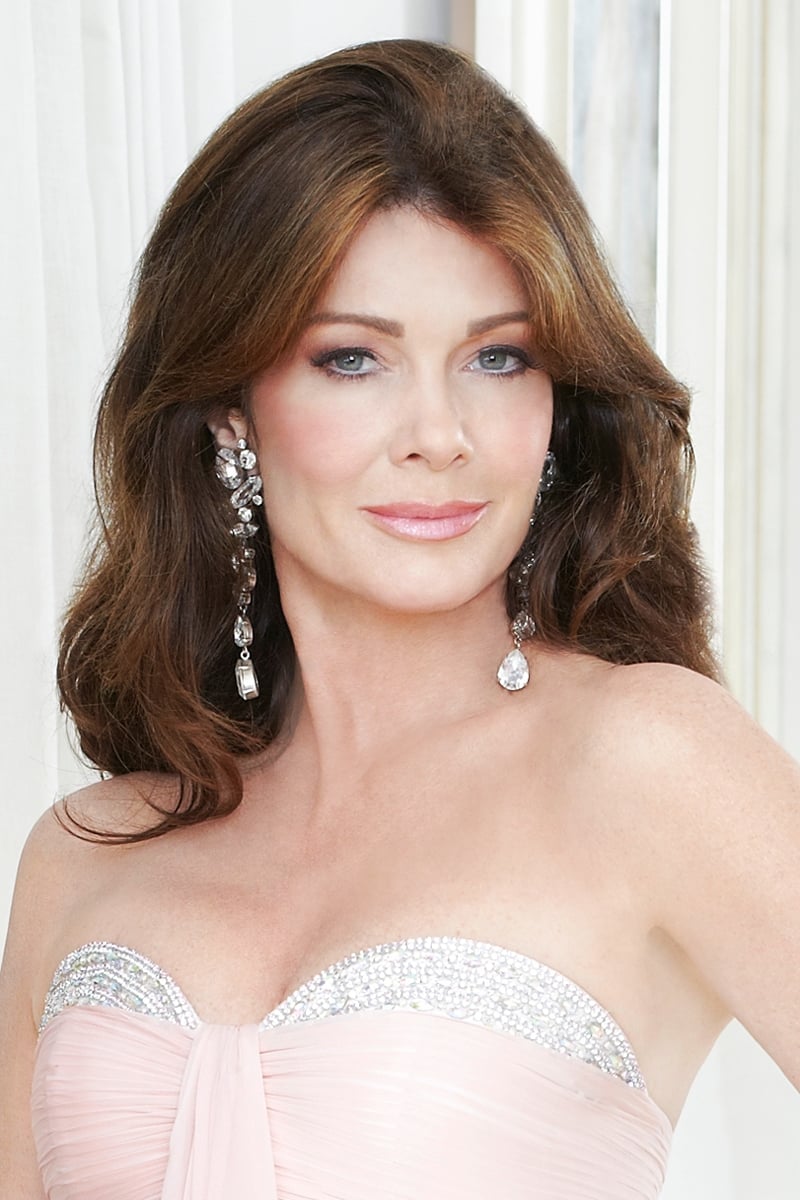
Lisa Vanderpump, known for her reality TV appearances and restaurants, doesn’t identify as a feminist, preferring the term ‘equalist.’ She believes men and women are inherently equal and feels a label emphasizing one gender isn’t necessary. Vanderpump demonstrates her strength and empowerment through her achievements in business and her independent spirit, and doesn’t feel the ‘feminist’ label aligns with her personal brand.
Kim Kardashian
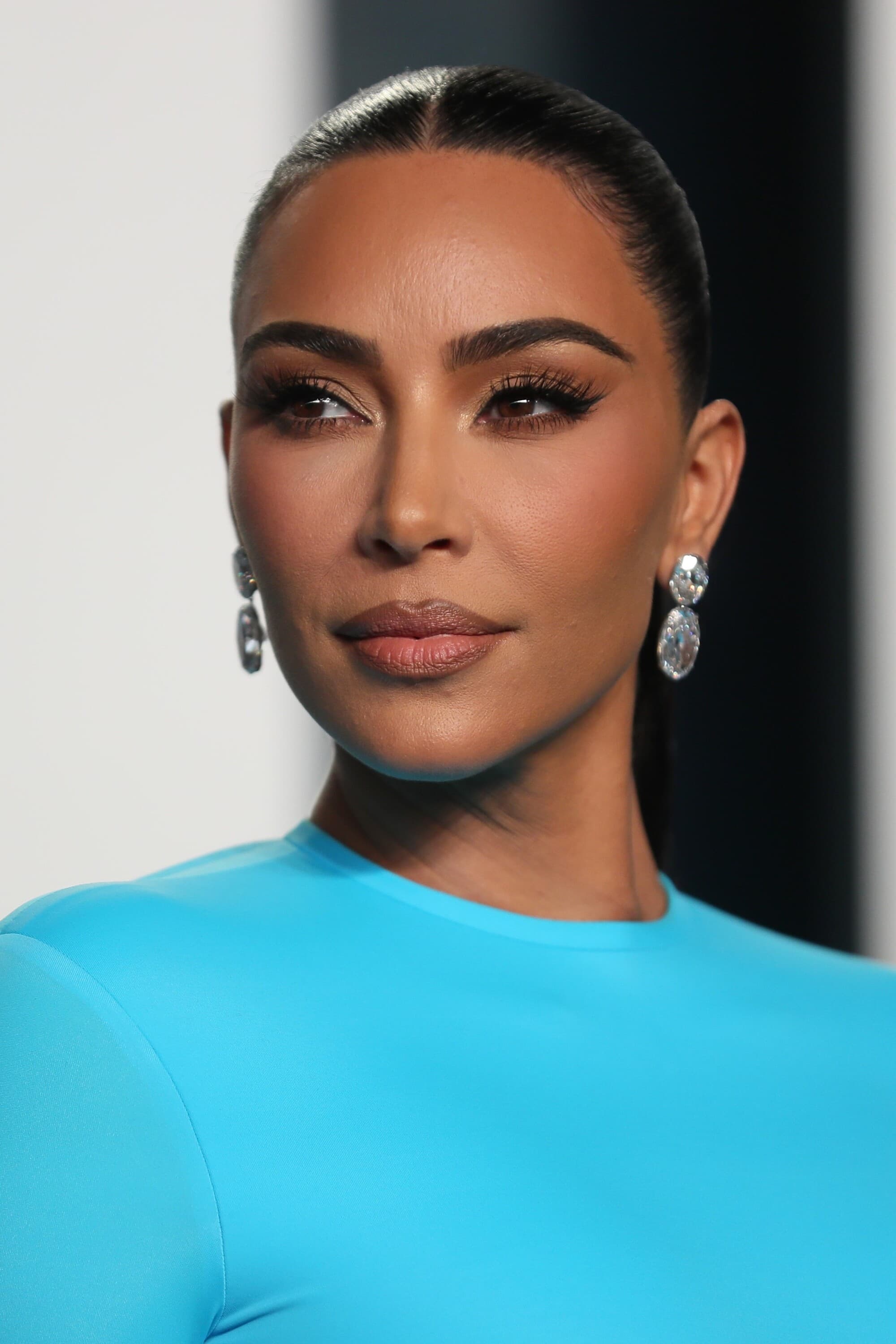
Kim Kardashian has said she prefers not to be labeled, including as a feminist. She believes in supporting women and doing what feels right for her personally, and doesn’t think a formal title is necessary. She feels empowered through her own actions and success, rather than identifying with a specific movement, and prioritizes personal freedom and her business ventures over political activism.
Kendall Jenner
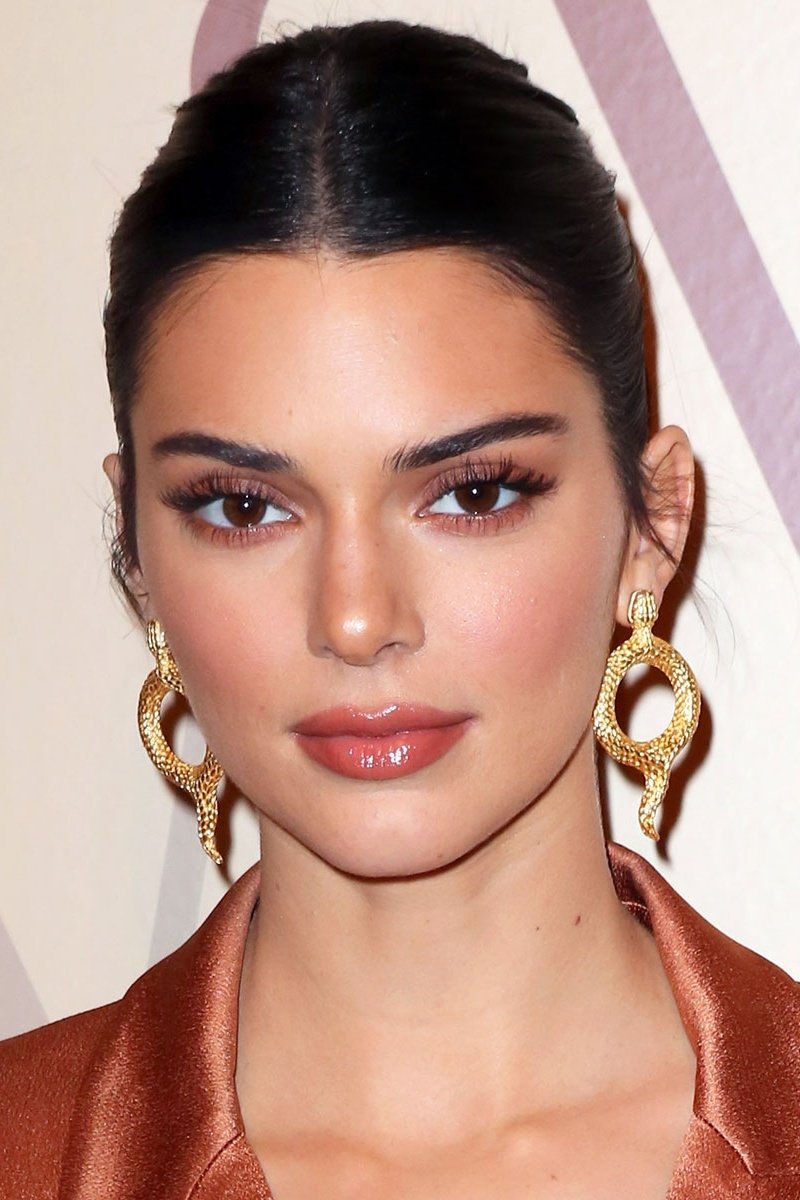
Similar to her sister, Kendall Jenner has hesitated to identify as a feminist in interviews. She’s explained that she prefers to support other women without getting involved in political labels. Jenner wants to build her career without feeling tied to any particular belief system, and she feels that her independence speaks for itself.
Dita Von Teese
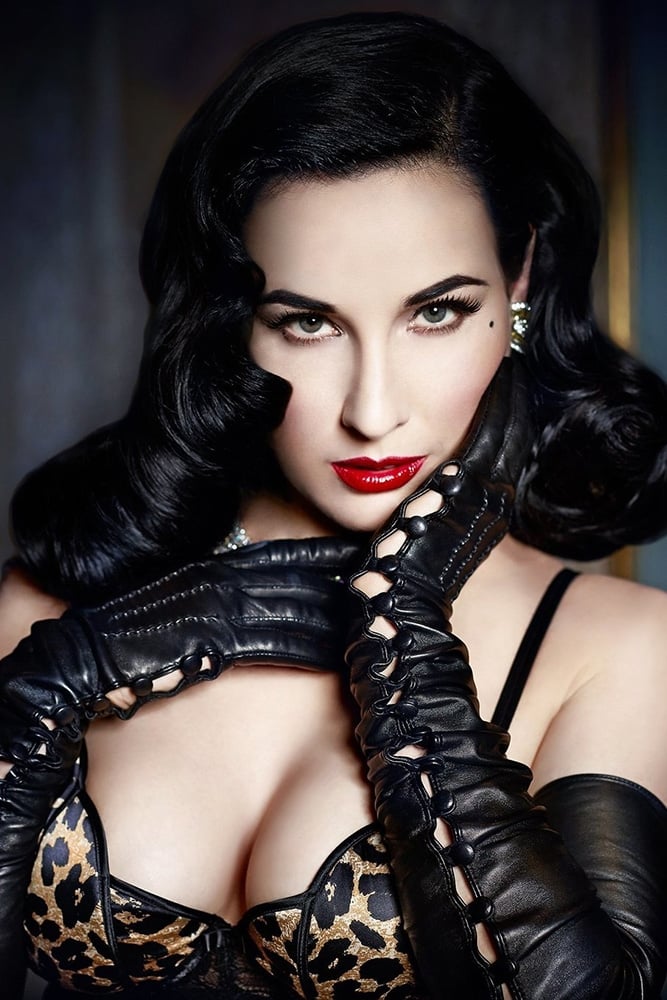
Dita Von Teese, the famous burlesque performer, doesn’t identify as a feminist. She feels the term is too open to interpretation and means different things to different people. Instead, she concentrates on her performances, which she believes empower women through embracing sexuality and artistry, and prefers to let her work demonstrate her values rather than getting caught up in arguments about labels.
Brigitte Bardot
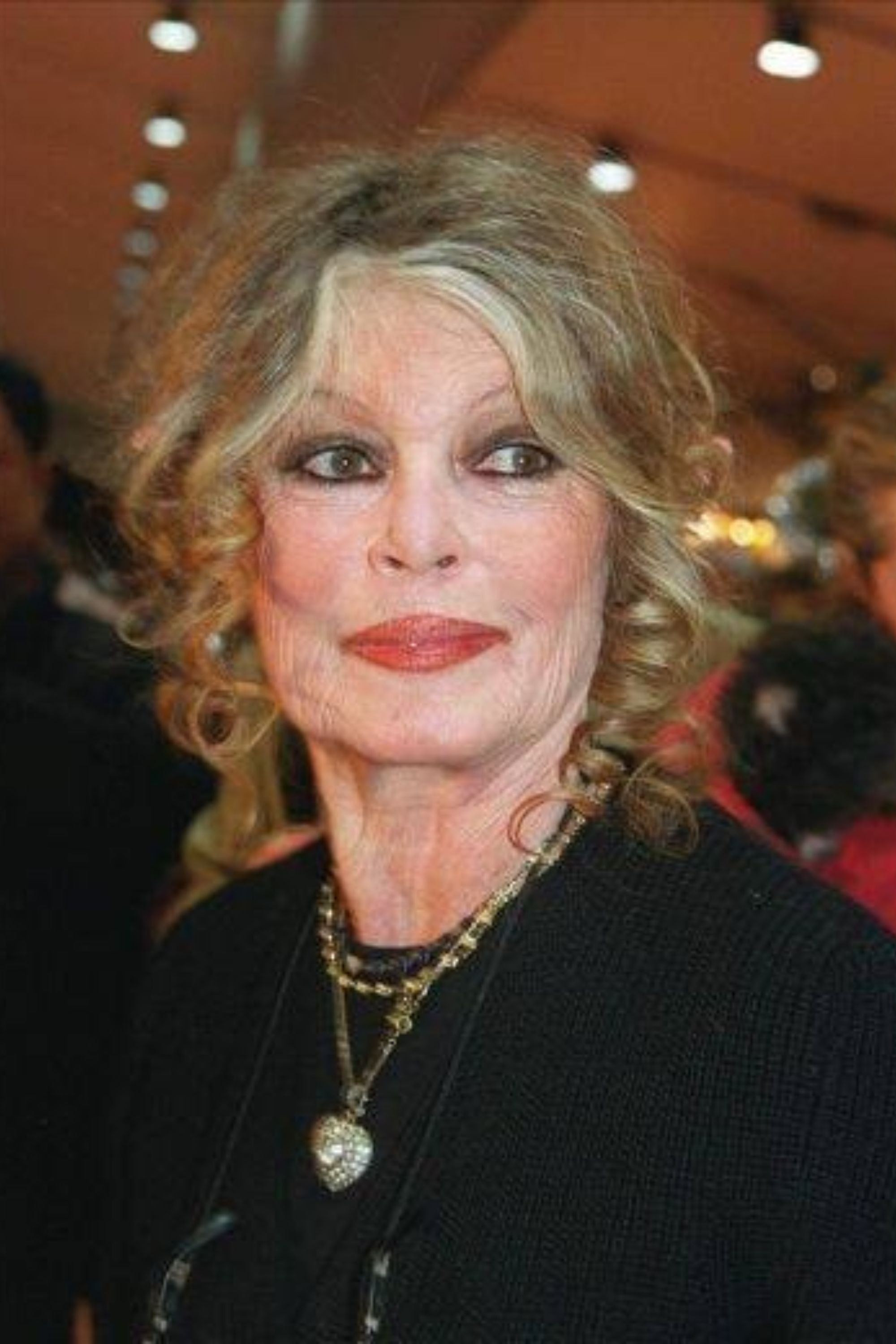
Brigitte Bardot, a famous actress from France, has strongly criticized the #MeToo movement. She suggested that some actresses who spoke out about harassment were being insincere and simply wanted attention. Bardot believes that some actresses intentionally use flirtation to advance their careers, and then later claim to be victims. Because of these views, which are often seen as old-fashioned and controversial, she doesn’t have support from modern feminist groups.
Catherine Deneuve

Catherine Deneuve sparked debate by signing a letter that was critical of the #MeToo movement, calling it a “witch hunt” against men. She believed the movement was becoming overly restrictive and harming sexual freedom, and she defended the idea of men making advances toward women as a natural part of courtship. This position created a significant disagreement, particularly between feminist viewpoints in France and the United States.
Pamela Anderson
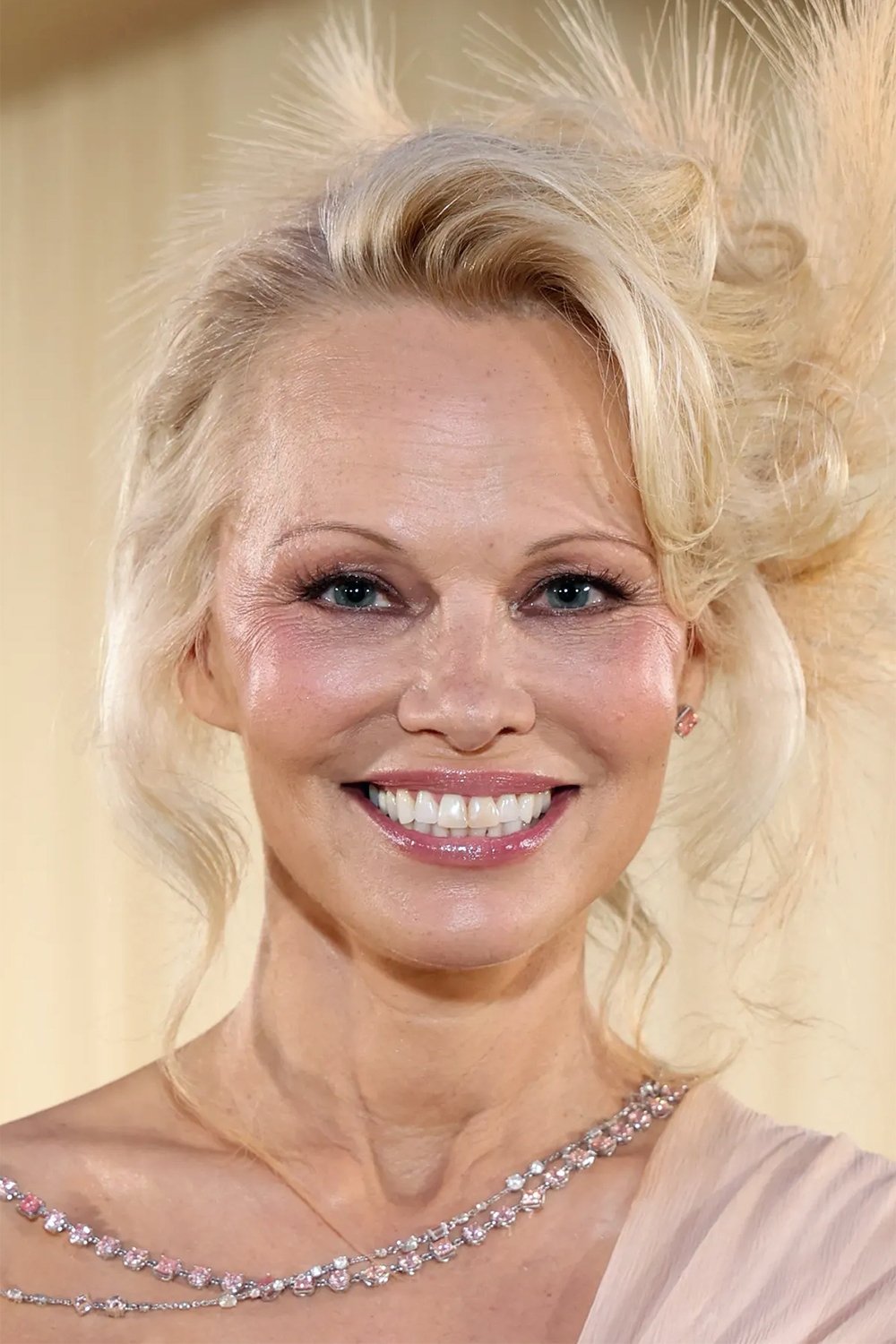
Pamela Anderson, known for her role on ‘Baywatch,’ has expressed a controversial view on the #MeToo movement, calling it tiresome and suggesting it has unfairly restricted men. She believes current feminist ideas have gone too far, harming romantic relationships. Anderson feels women should prioritize personal safety and use their judgment in risky situations instead of depending on the movement, and she wishes for a return to more traditional gender roles.
Lindsay Lohan
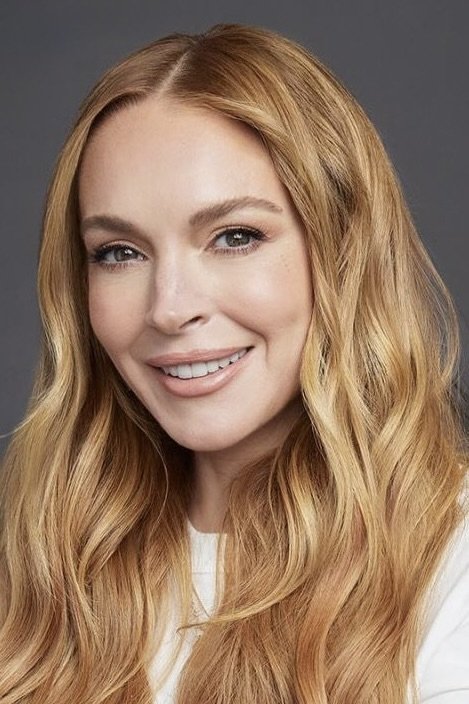
Lindsay Lohan received criticism for her views on the #MeToo movement. She stated that publicly sharing experiences of trauma on social media could be seen as a sign of weakness, and suggested these matters should be dealt with privately through legal channels. Many felt her comments undermined the sense of community and support that #MeToo aimed to create.
Roseanne Barr
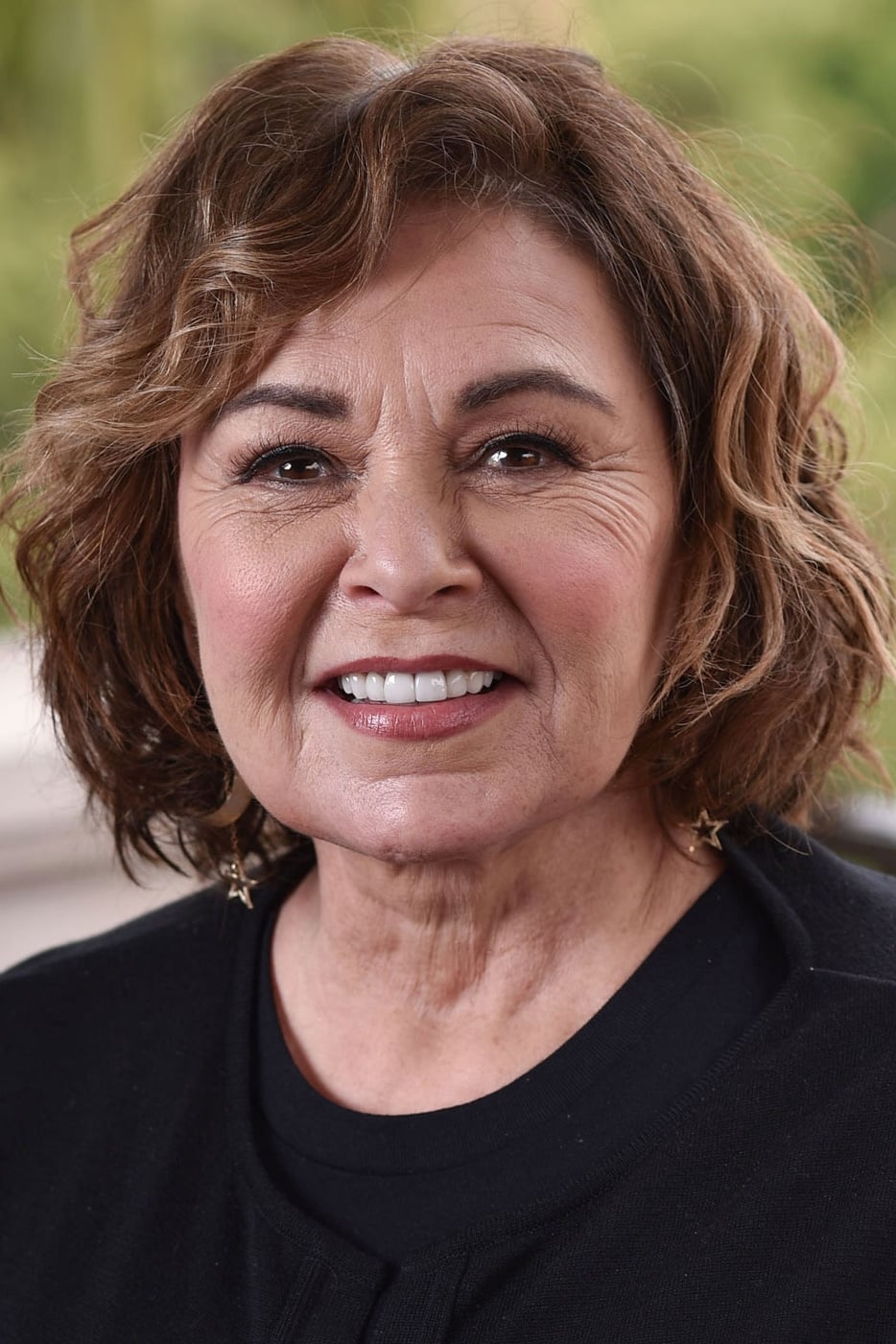
Okay, let’s talk about Roseanne Barr. As someone who’s been watching Hollywood for a long time, it’s clear she’s never shied away from controversy, and her views on #MeToo and modern feminism are definitely… unconventional. She’s openly questioned the motivations of some women who’ve come forward, suggesting a desire for publicity plays a role. Frankly, she’s positioned herself pretty firmly on the conservative side of things, which puts her at odds with a lot of the current feminist thinking. Her take? A much tougher, more self-reliant attitude is what’s needed to navigate the industry, and she’s not afraid to say so. It’s a provocative stance, to say the least.
Stacey Dash
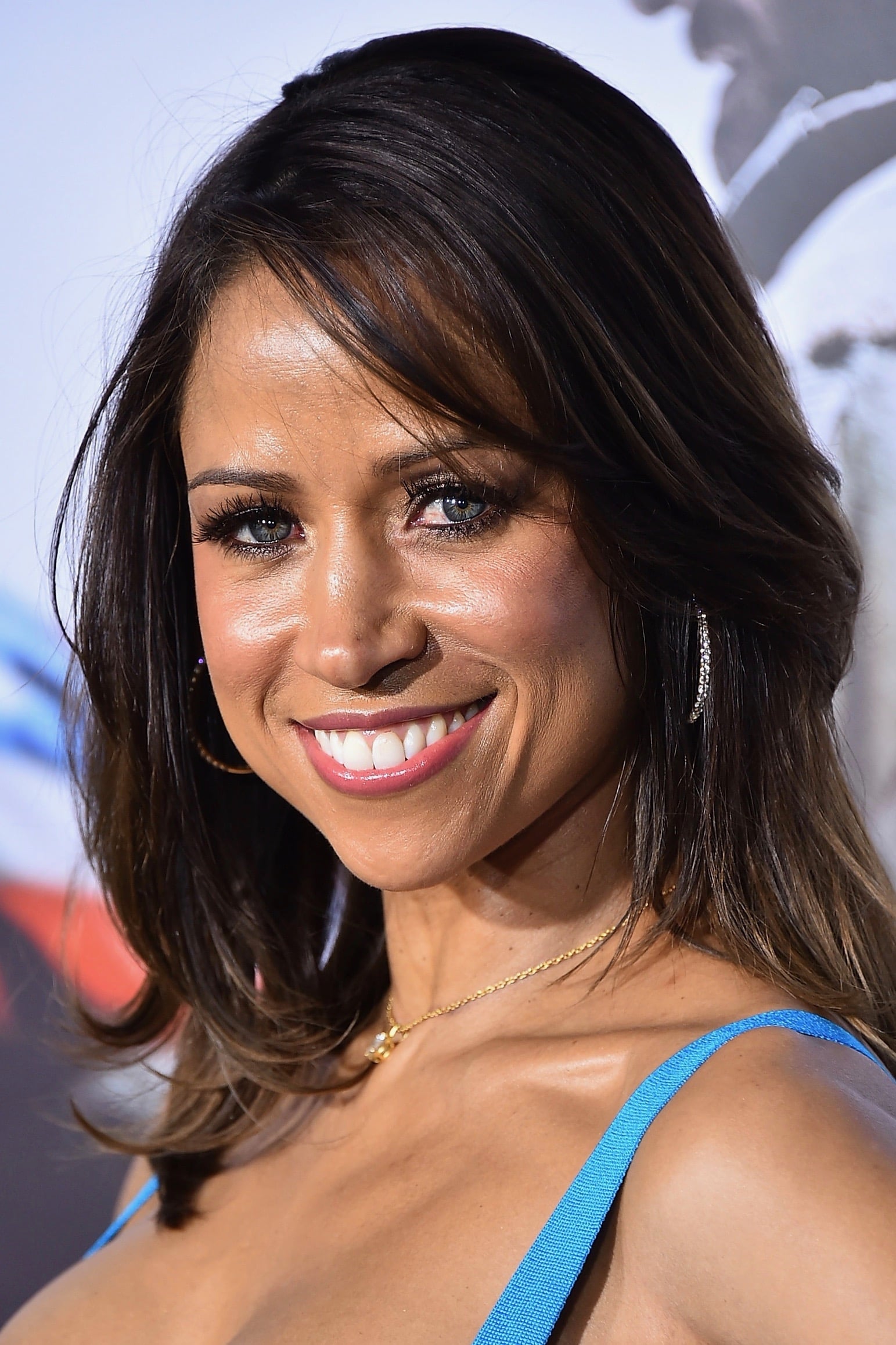
I’ve been following Stacey Dash for a while now, and I really appreciate her perspective. She often points out what she sees as problems with today’s feminist movement, arguing it’s actually hurt men and weakened the family. She’s a big believer in traditional values – she thinks women should feel empowered by embracing more classic roles, and she’s concerned that trying to erase gender differences isn’t good for society as a whole. It’s a different take than you often hear, and I think it’s important to consider her points.
Candace Cameron Bure
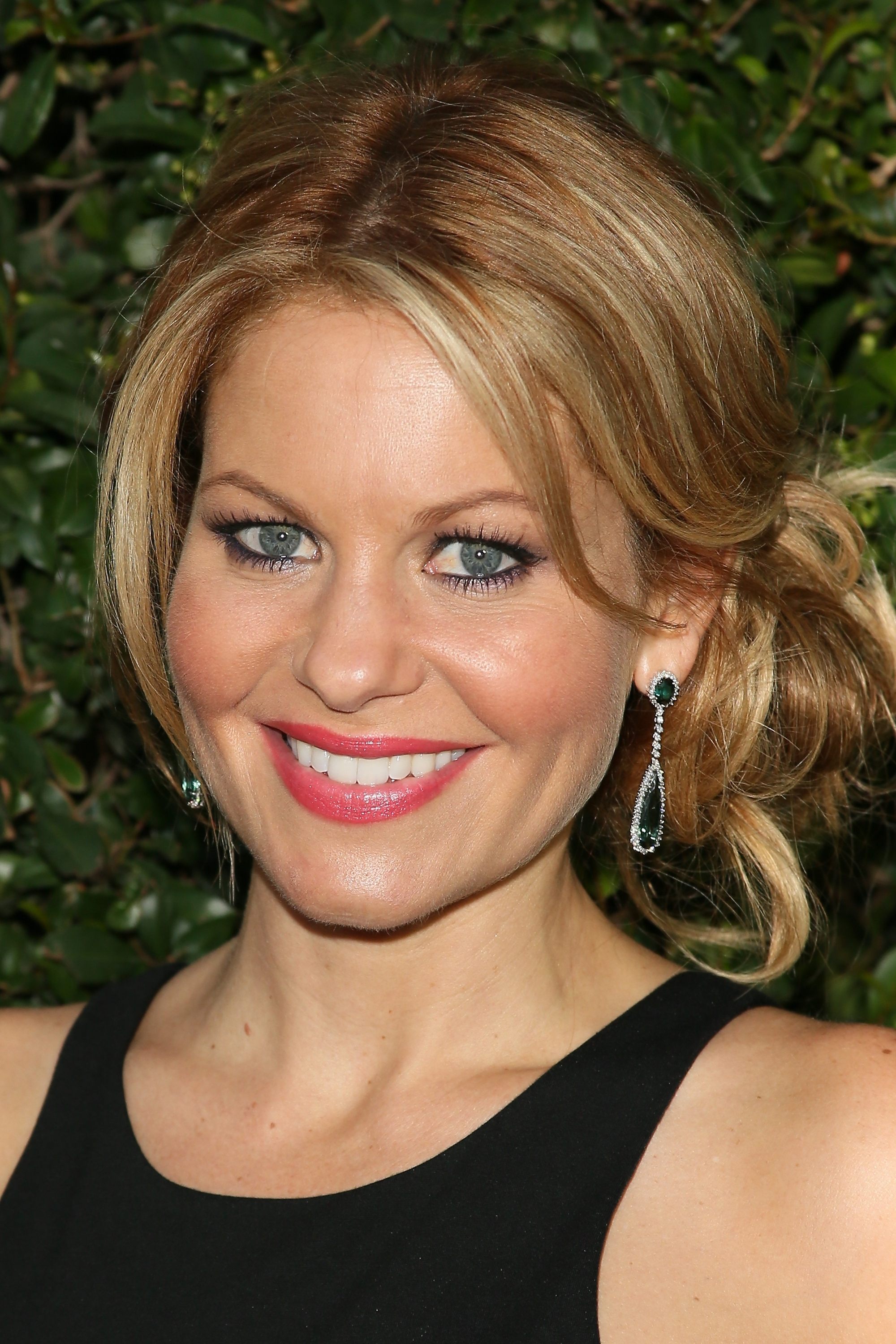
Candace Cameron Bure, known for her role in ‘Full House,’ believes in a traditional understanding of marriage based on biblical principles, where wives willingly take a supportive and deferential role to their husbands. She’s spoken out against accusations that this view is anti-feminist, explaining that her choice to embrace this dynamic strengthens her family and her faith. Bure doesn’t subscribe to the idea that modern marriage must be strictly equal in terms of power and roles.
Gina Carano
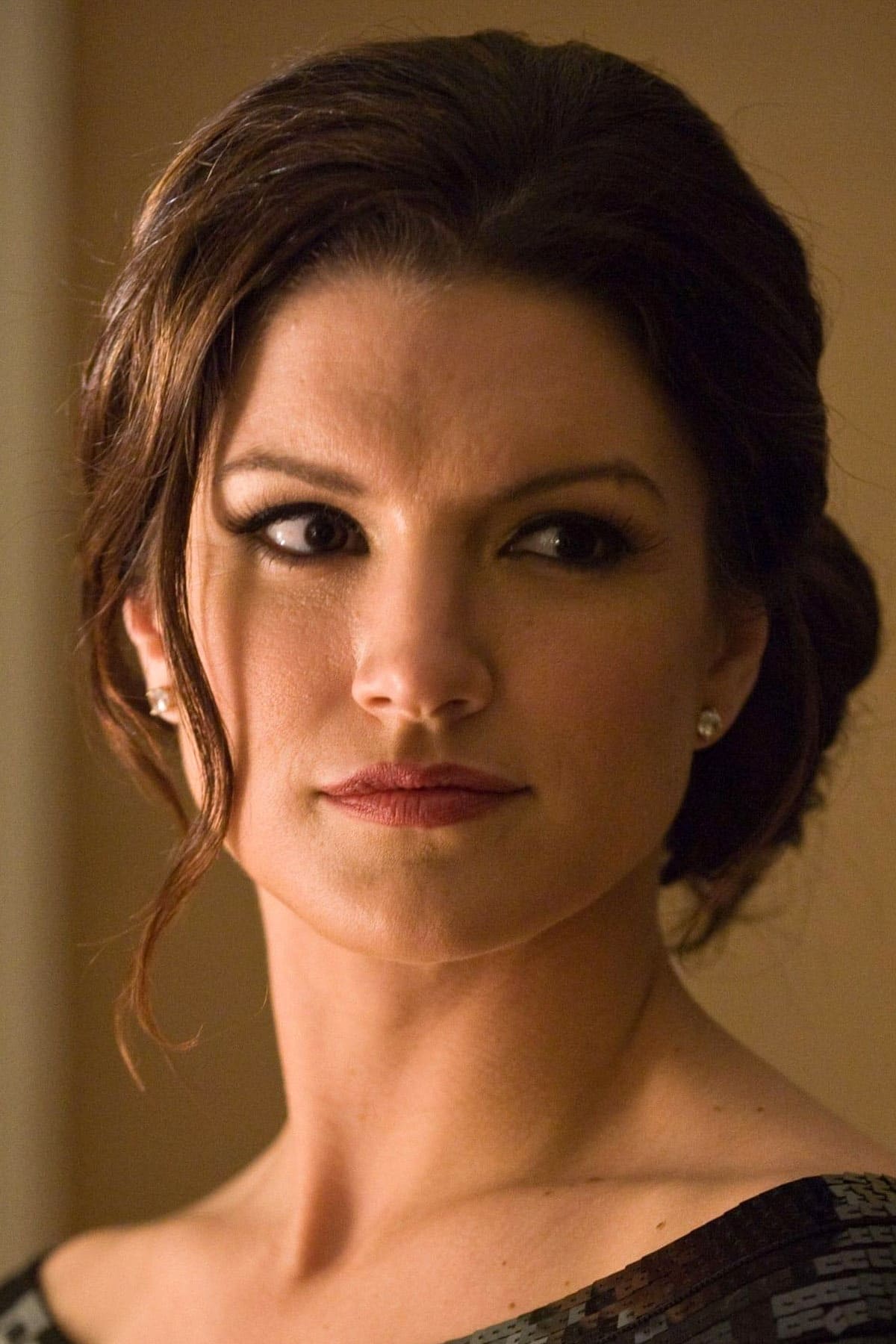
I’ve been following Gina Carano for a while now, and I know she’s been very vocal about her disagreements with a lot of today’s social justice movements, including modern feminism. She really believes in a system where you earn success based on your talent and hard work, rather than focusing on group identities. She feels like these movements are actually hurting free speech and making it harder for people to be themselves. Because she wasn’t afraid to stand up for what she believed in, even if it went against the grain in Hollywood, she ended up leaving the ‘Star Wars’ franchise, which was a really big deal.
J.K. Rowling
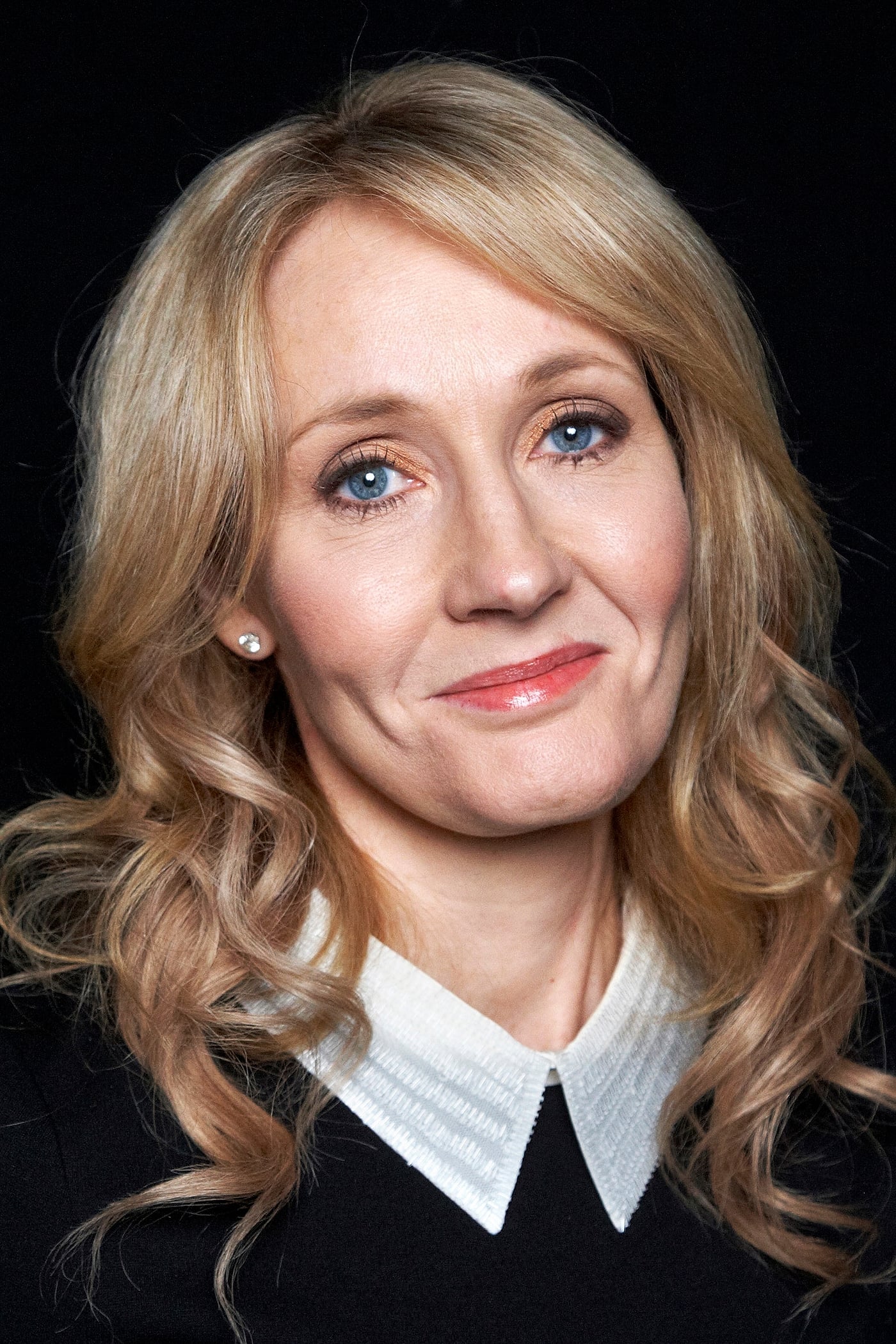
J.K. Rowling, the author of the Harry Potter series, has faced criticism from many modern feminists due to her views on gender. She believes that including trans women in feminist spaces overlooks the unique experiences and biological differences of women born female. While Rowling identifies as a feminist and advocates for women’s rights based on biological sex, her position is largely at odds with the mainstream feminist movement, which emphasizes inclusivity for all women.
Sean Penn
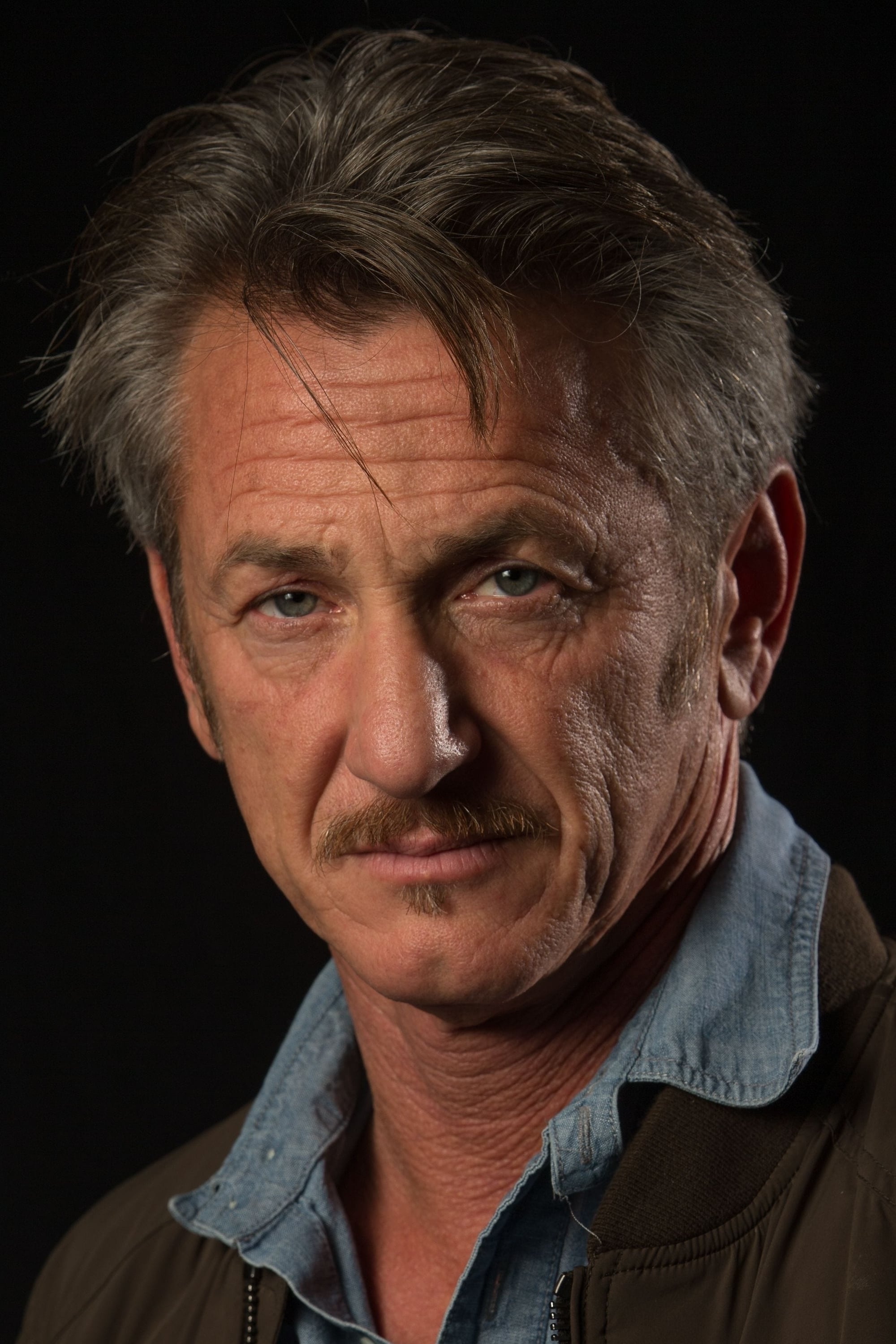
Actor Sean Penn has expressed concern about what he sees as a decline in traditional masculinity in American men. He believes that modern culture pressures men to conform to feminine stereotypes in order to gain acceptance. Penn suggests this stems from a perceived weakness in some men, leading them to abandon traditionally masculine traits. He feels that contemporary feminism plays a role in this shift, potentially harming men’s sense of identity.
Pharrell Williams
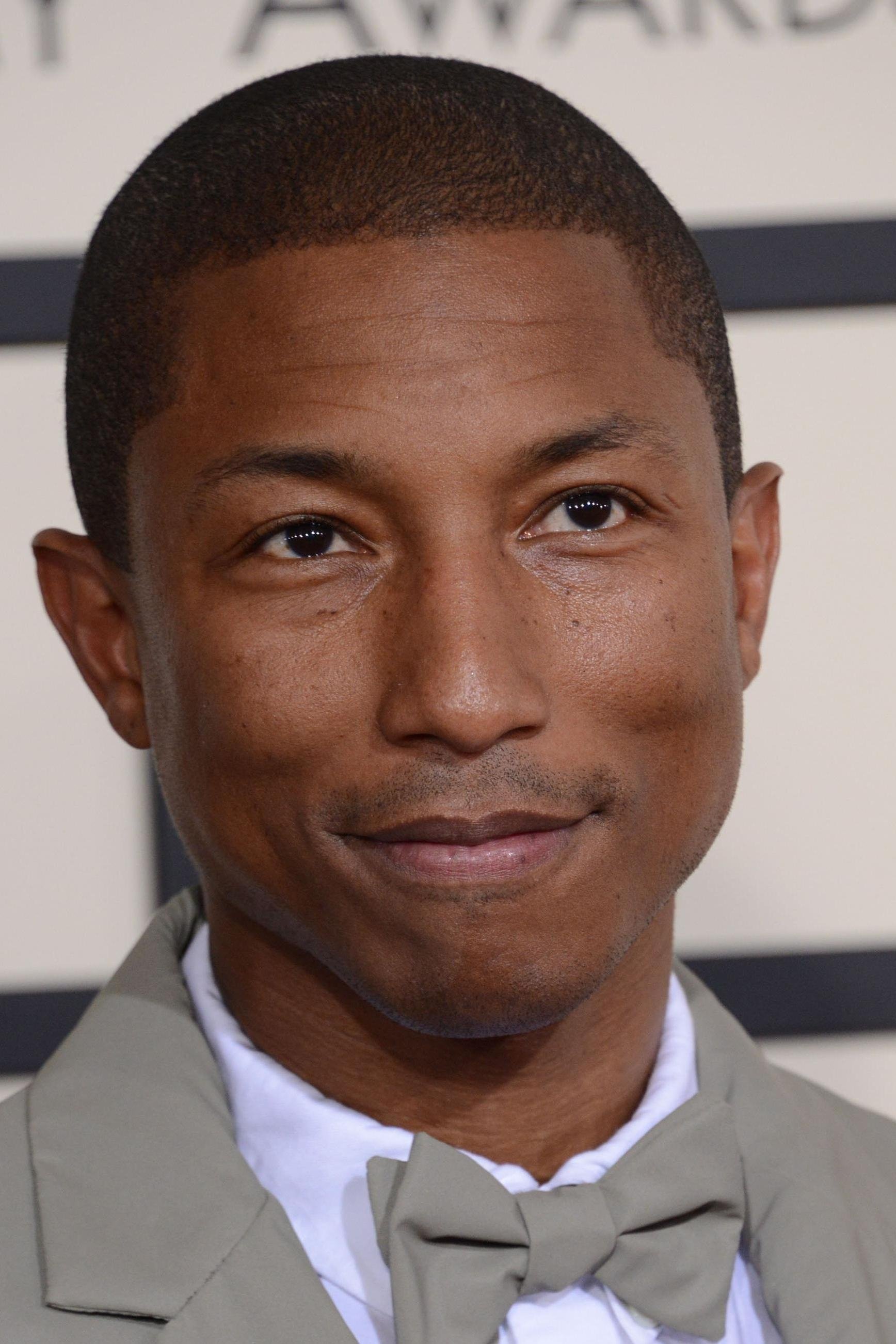
Pharrell Williams has explained why he doesn’t identify as a feminist, stating that as a man, he can’t fully embody the female experience the term implies. While he champions equality, he prefers to demonstrate his support for women through his creative work and feels the label doesn’t quite fit him. He continues to create projects that empower women while remaining hesitant to use the term ‘feminist’ for himself.
James Woods
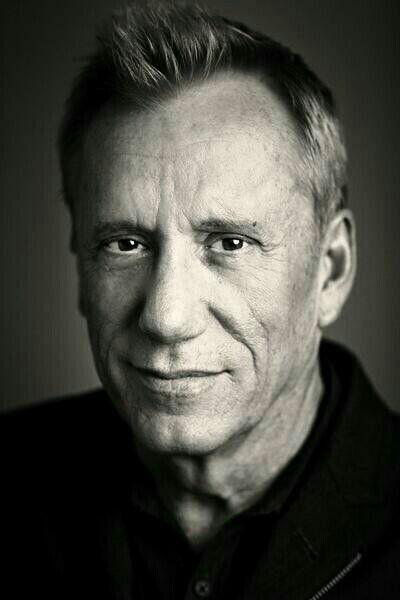
James Woods is a well-known actor with strong conservative beliefs. He often uses social media to challenge ideas coming from modern feminism, seeing it as part of a larger liberal movement he disagrees with. Woods champions traditional American values and frequently speaks out against what he perceives as a tendency to focus on victimhood. Overall, his online activity is largely defined by his opposition to progressive viewpoints.
Kevin Sorbo
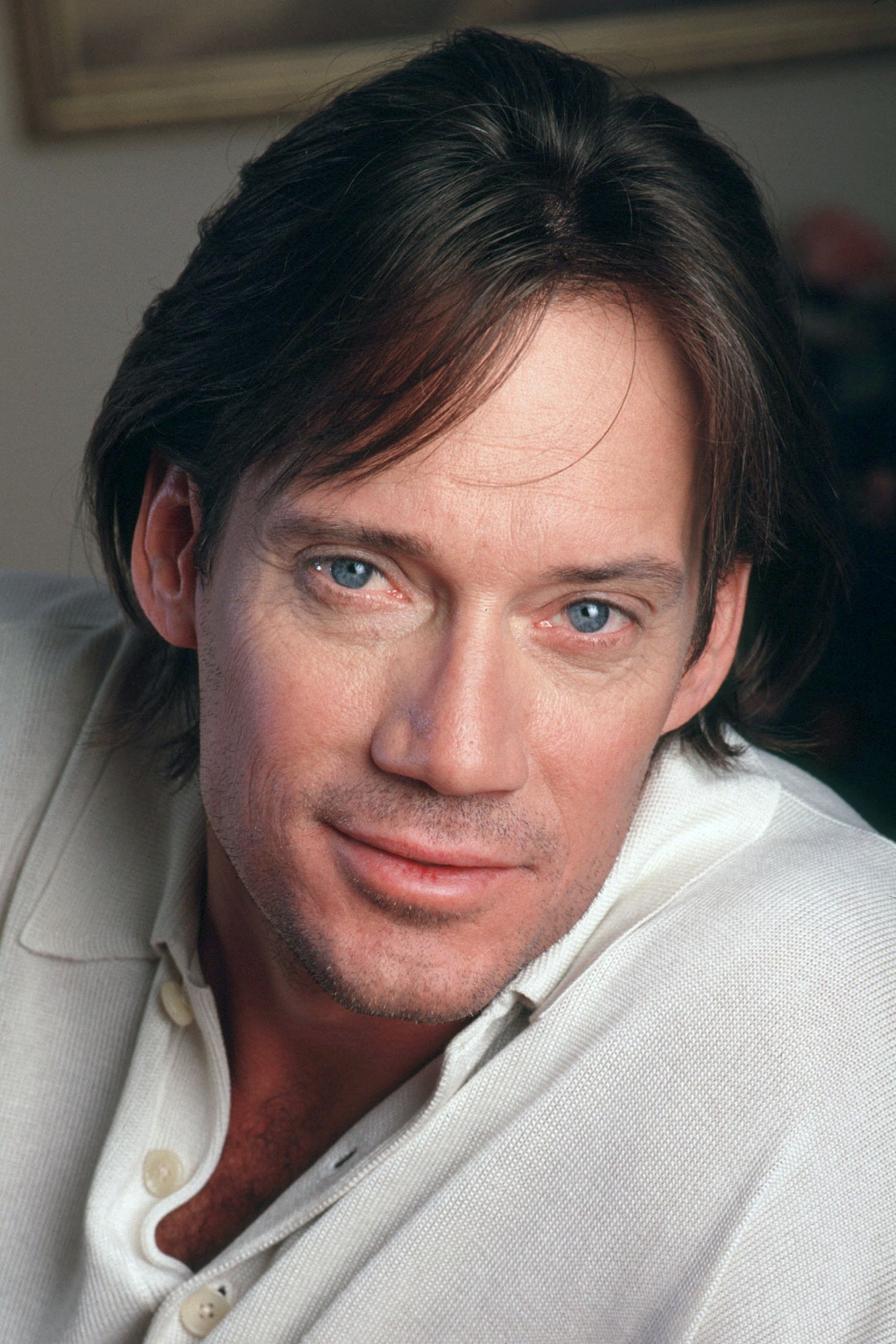
Kevin Sorbo, known for playing Hercules, is a vocal opponent of contemporary feminism and progressive social movements. He believes that society unfairly criticizes men and encourages them to embrace traditional masculine traits. Sorbo advocates for conservative Christian beliefs about gender roles and family life, and often speaks at events critical of third-wave feminist aims.
Jon Voight
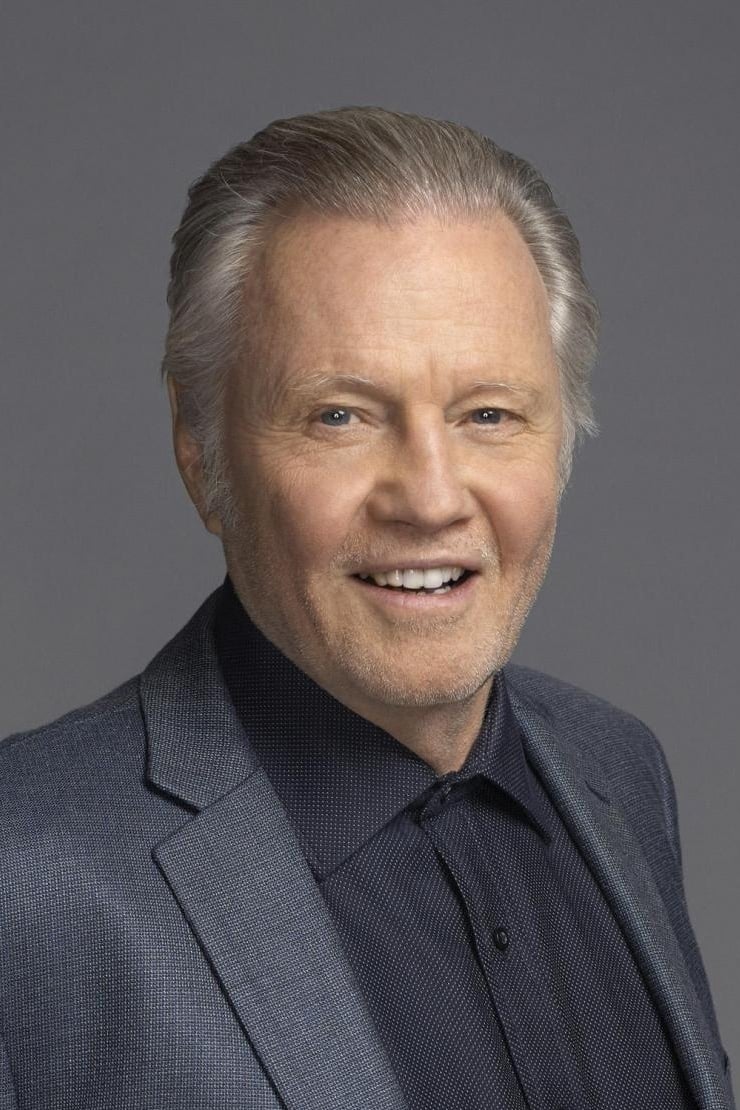
Jon Voight is a well-known conservative voice in Hollywood and frequently speaks out against liberal viewpoints. He believes recent social movements create division and weaken national unity. Voight champions traditional values and tends to support politicians who are against feminist laws. He feels the entertainment industry has strayed from its roots by focusing too much on progressive social issues.
Tim Allen
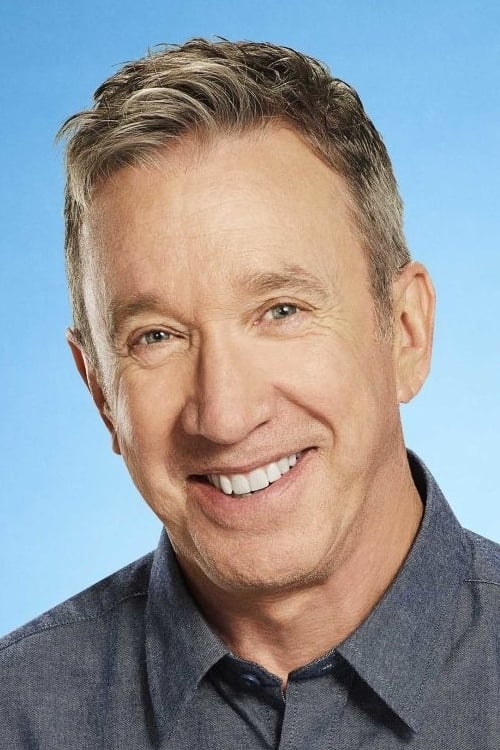
Comedian Tim Allen has voiced his concerns about how culture is changing, particularly when it comes to discussions about gender and what people are allowed to say. He’s been critical of what he sees as an overly strict focus on political correctness and believes society has become too easily offended. Allen frequently highlights traditional ideas about what it means to be a man and the importance of family, and feels that people aren’t as open-minded to different opinions as they used to be.
Kid Rock
Kid Rock openly challenges what he sees as overly sensitive or “politically correct” attitudes common in today’s social discussions. He champions a more traditional, old-fashioned view of American life, which often goes against feminist principles. He frequently uses his public voice to poke fun at those he believes are too easily offended and supports clear differences in how men and women are expected to behave. Essentially, his public image is defined by going against current progressive social norms.
Morrissey

Morrissey, the former lead singer of The Smiths, has repeatedly sparked controversy with his comments on gender and harassment. He’s often defended individuals accused of misconduct while downplaying the experiences of those who’ve come forward, particularly within the entertainment industry. Morrissey believes society has become overly sensitive and struggles with complex issues. These views have caused many of his previous fans, especially those who support feminist causes, to distance themselves from him.
Juliette Binoche
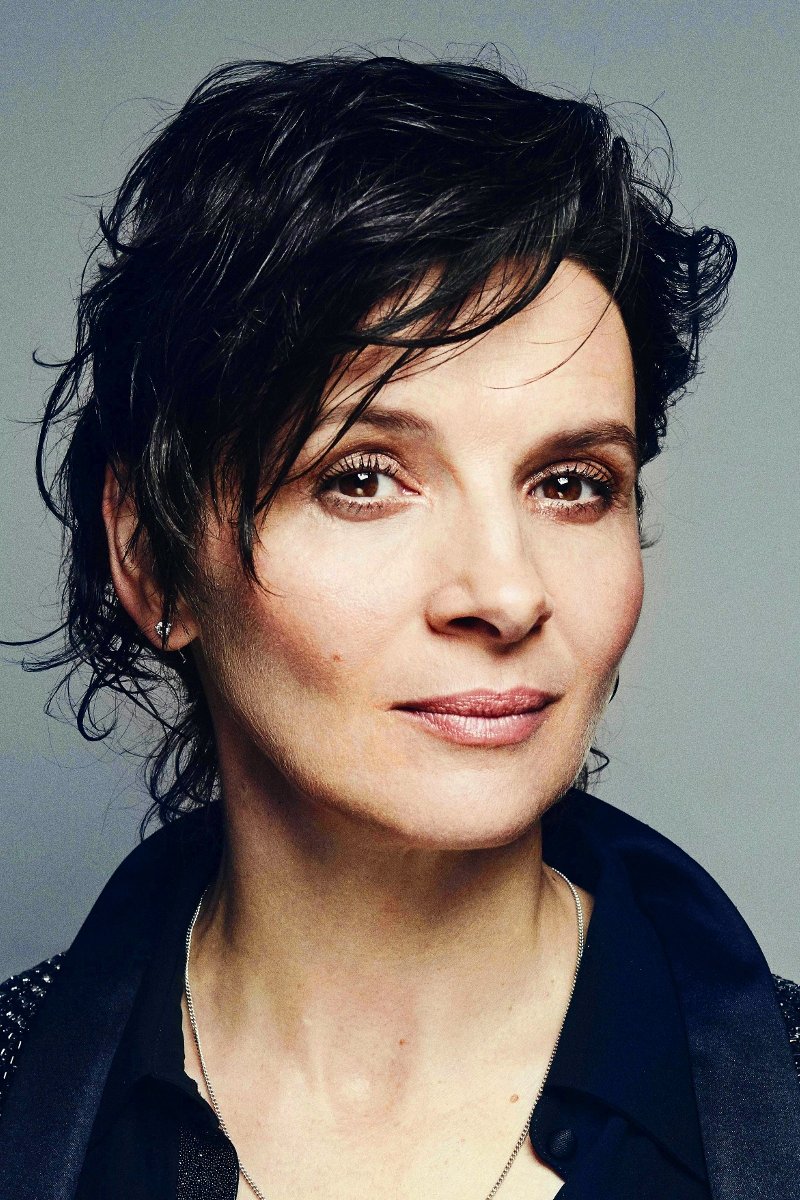
Juliette Binoche, the renowned French actress, has voiced some doubts about the current surge of feminist activism in film. She says she’s never personally experienced gender-based judgment or felt inferior to her male colleagues throughout her career. Binoche cautions that the movement shouldn’t become overly rigid or go too far in the opposite direction. She believes it’s more productive to concentrate on the creative partnership between men and women, rather than focusing on a battle for power.
Share your thoughts on these celebrity perspectives in the comments.
Read More
- Top 20 Dinosaur Movies, Ranked
- 20 Movies Where the Black Villain Was Secretly the Most Popular Character
- 25 “Woke” Films That Used Black Trauma to Humanize White Leads
- Silver Rate Forecast
- Gold Rate Forecast
- Spotting the Loops in Autonomous Systems
- From Bids to Best Policies: Smarter Auto-Bidding with Generative AI
- Celebs Who Narrowly Escaped The 9/11 Attacks
- 22 Films Where the White Protagonist Is Canonically the Sidekick to a Black Lead
- Can AI Lie with a Picture? Detecting Deception in Multimodal Models
2026-01-22 20:19