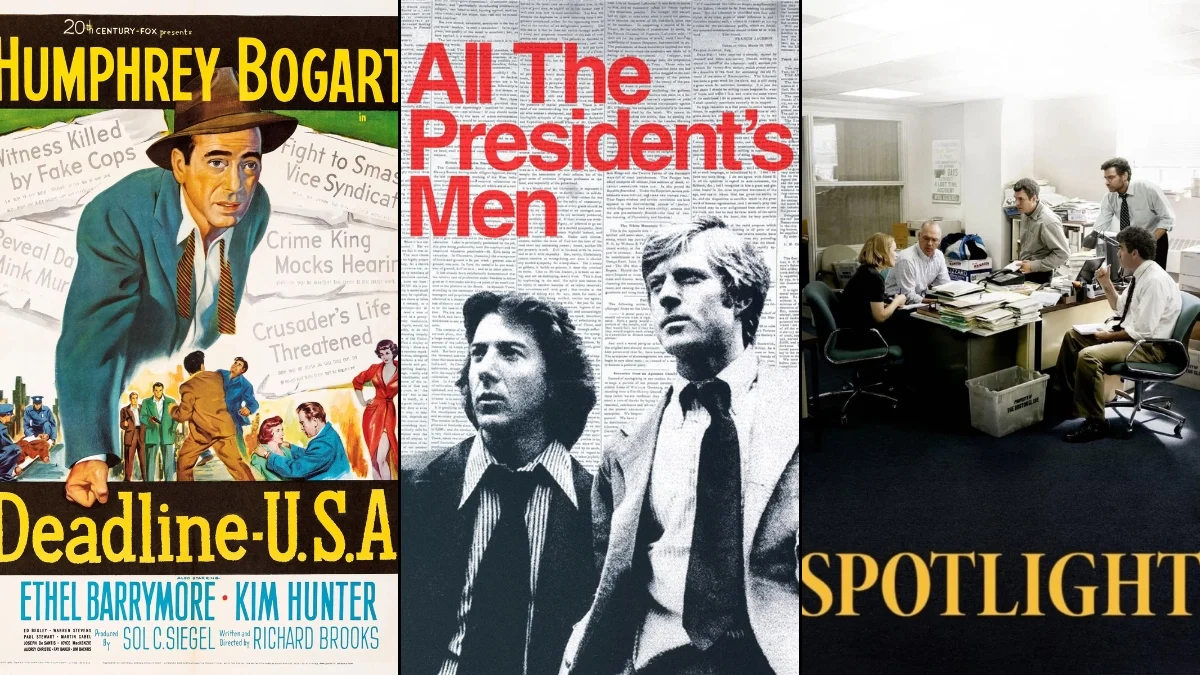
Movies have often been fascinated by journalism, offering a look into the challenging world of uncovering important stories and dealing with tough ethical questions. These films usually show the hard work and dedication it takes to reveal the truth, whether it’s about political wrongdoing or widespread corruption. By portraying journalists realistically, filmmakers explore the personal costs and sacrifices people make when they’re committed to informing the public. Here’s a list of twenty-five films that powerfully capture the realities of this vital profession.
‘Citizen Kane’ (1941)
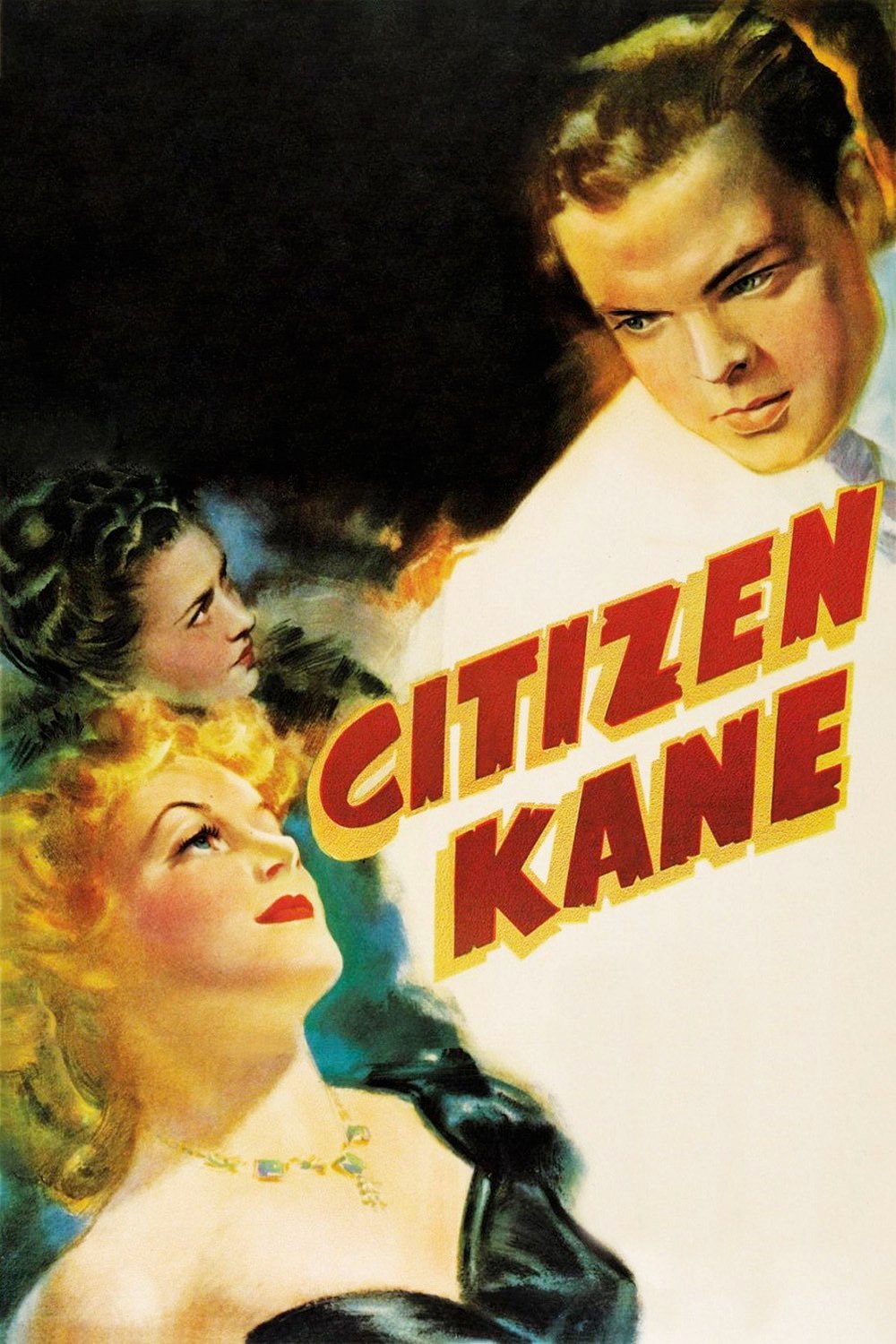
I just finished watching a fascinating film about Charles Foster Kane, a newspaper giant, and it really stuck with me. The movie doesn’t tell his story directly; instead, a reporter pieces it together after Kane’s death, talking to everyone who knew him. It’s less about what happened and more about how we understand a person, especially someone with so much power and influence. What’s really compelling is how the film shows the struggle between honest journalism and the ego of the man controlling the press. It’s a brilliantly constructed movie that feels like you’re actively investigating Kane’s life alongside the reporter.
‘Deadline – U.S.A.’ (1952)
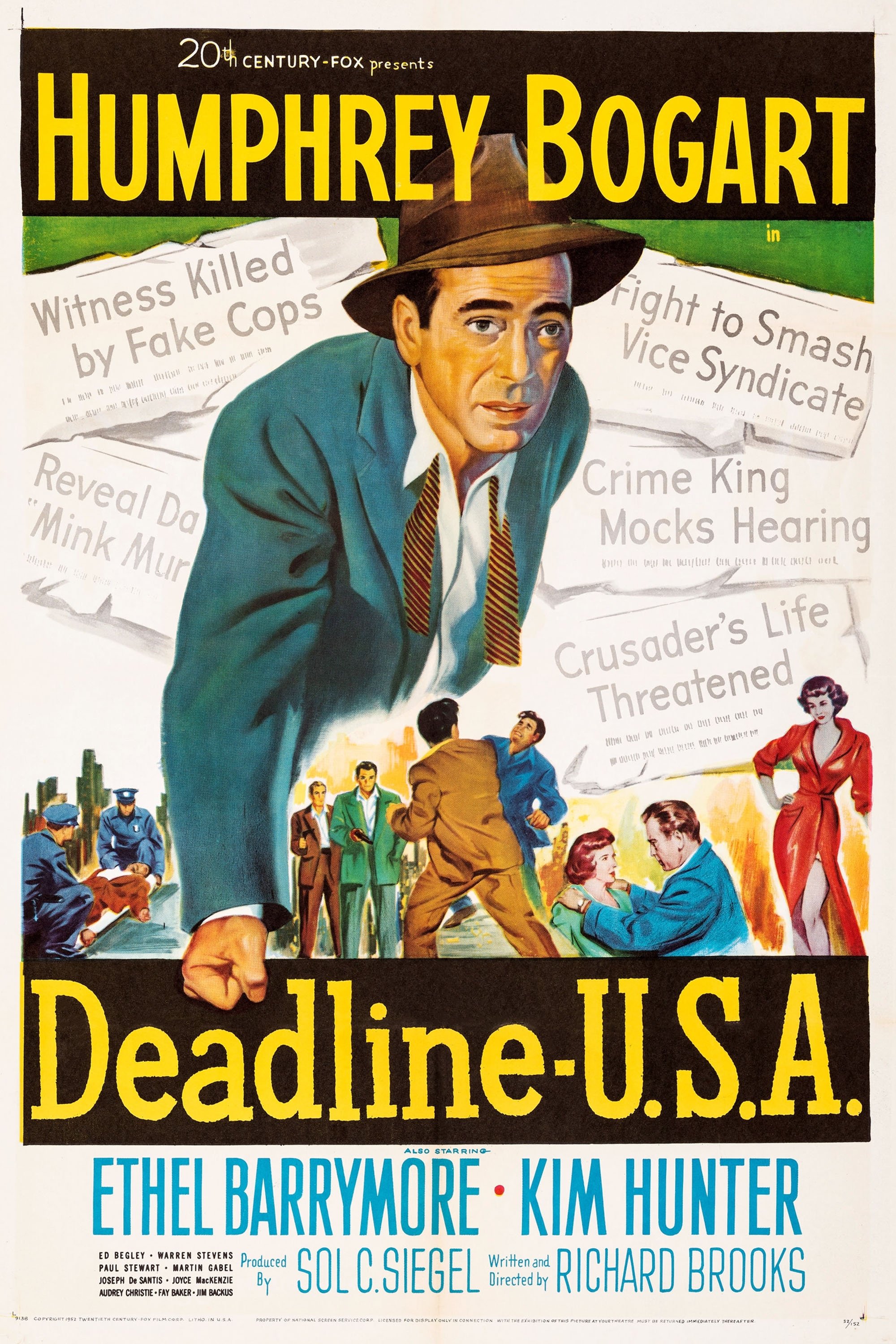
This film follows a committed newspaper editor fighting to save his paper while investigating a powerful local criminal. It explores the difficult choices journalists face when money and business concerns clash with honest reporting. The story highlights why a strong, independent press is vital for a healthy democracy, and it’s a nostalgic look at traditional journalism as the industry changes.
‘All the President’s Men’ (1976)
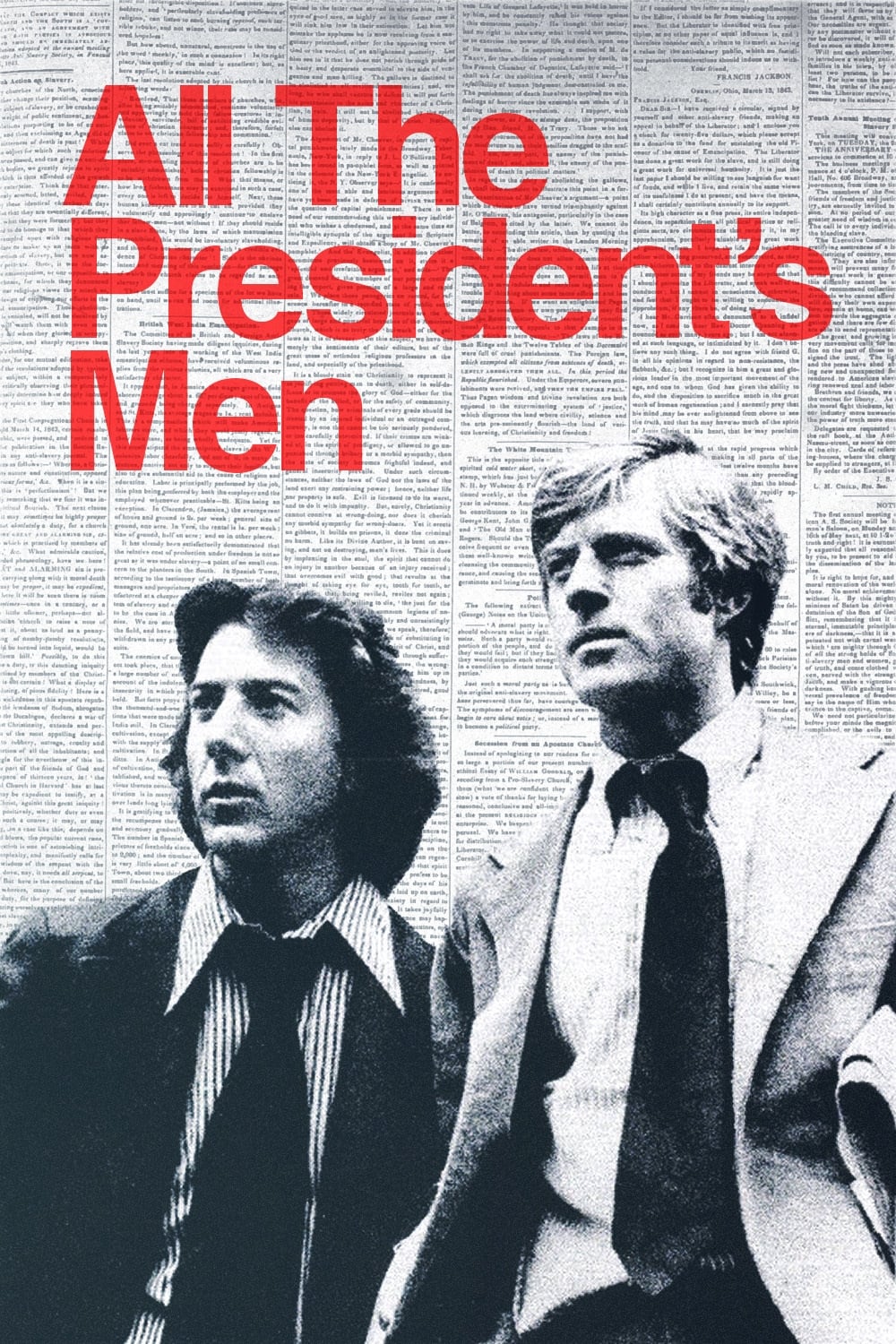
The movie follows reporters Bob Woodward and Carl Bernstein as they uncover the truth behind a break-in at the Democratic National Committee, a case that becomes the Watergate scandal. It realistically shows the hard work and dedication involved in investigative reporting – the endless phone calls, secret meetings, and careful fact-checking. The film is considered a classic depiction of a free press and its crucial role in a democracy, highlighting the need to protect confidential sources and verify information thoroughly.
‘Network’ (1976)
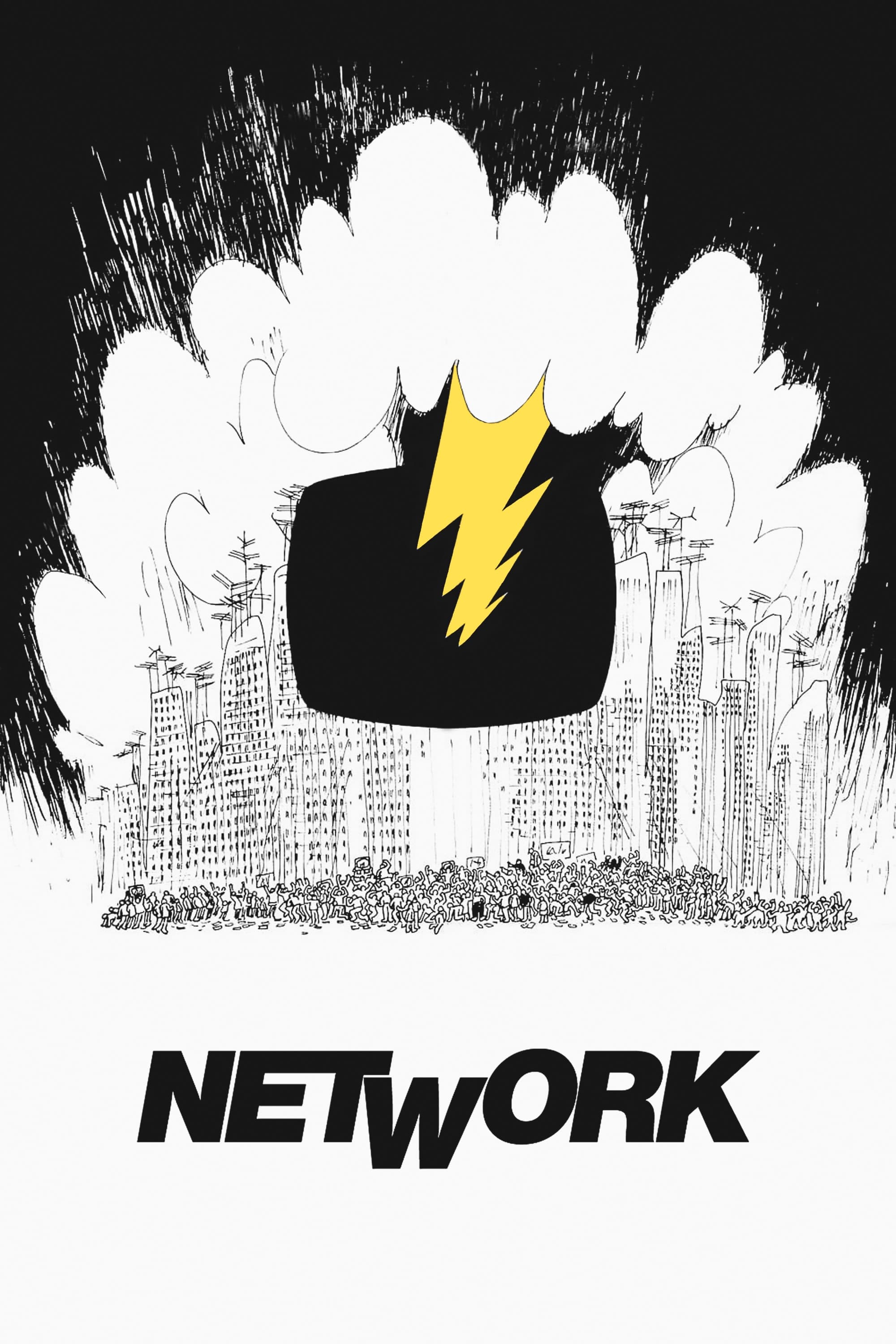
This movie is mostly a satire that looks at how television news has become more about making money than reporting the truth. It follows a seasoned news anchor who unexpectedly becomes a public figure after a breakdown on live television, highlighting the conflict between exciting, attention-grabbing stories and accurate reporting. The film criticizes how big companies can twist the truth to increase profits, and it offers a thought-provoking look at the challenges facing news organizations today.
‘Absence of Malice’ (1981)
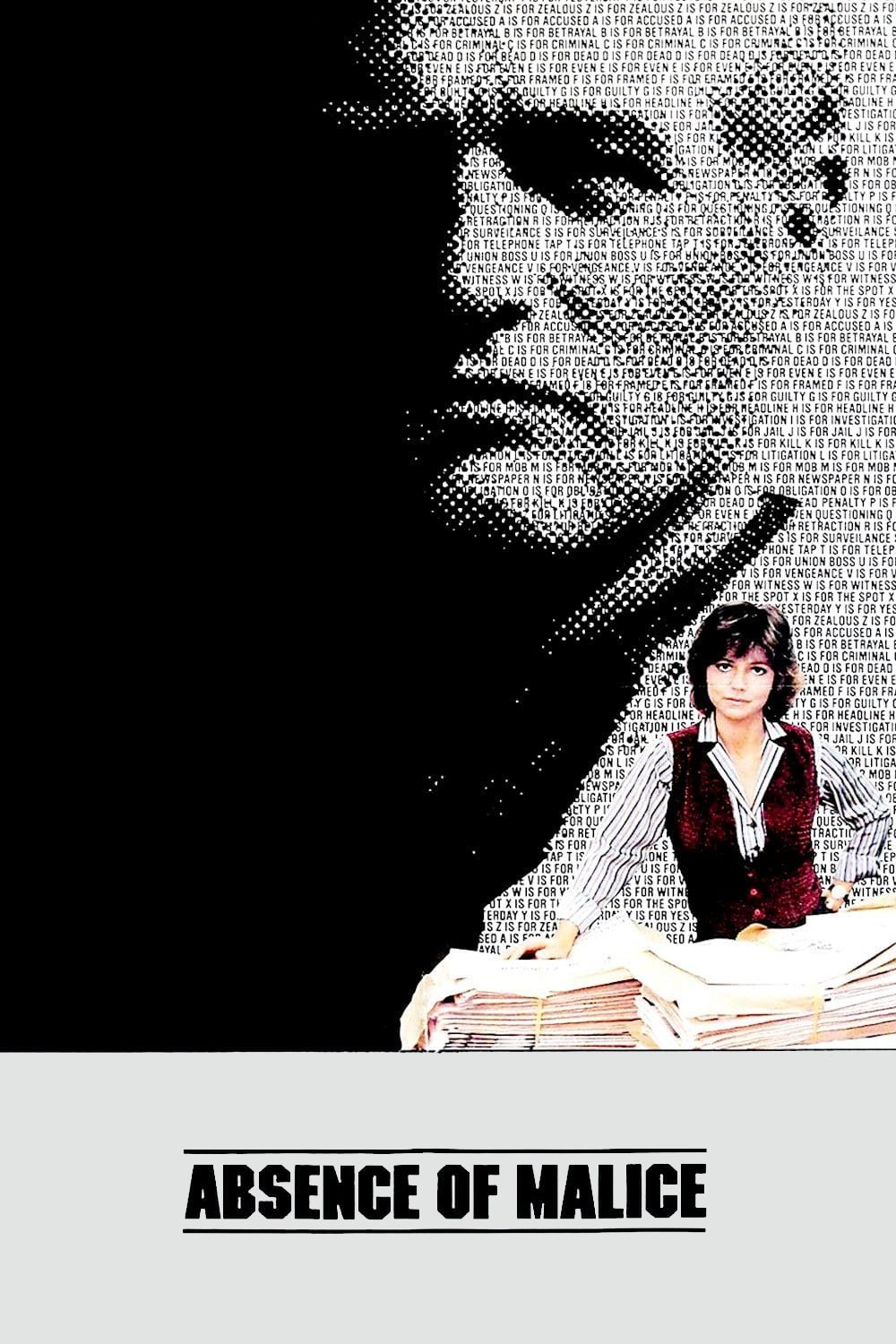
The movie tells the story of a federal prosecutor who manipulates a reporter into publishing a false story that wrongly connects a local businessman to a murder. It explores the legal and moral limits of journalism, especially how spreading unconfirmed information can ruin an innocent person’s life. The film asks whether the press has a duty to check its facts before publishing and shows how eagerness to break a story can sometimes lead to serious consequences.
‘The Year of Living Dangerously’ (1982)
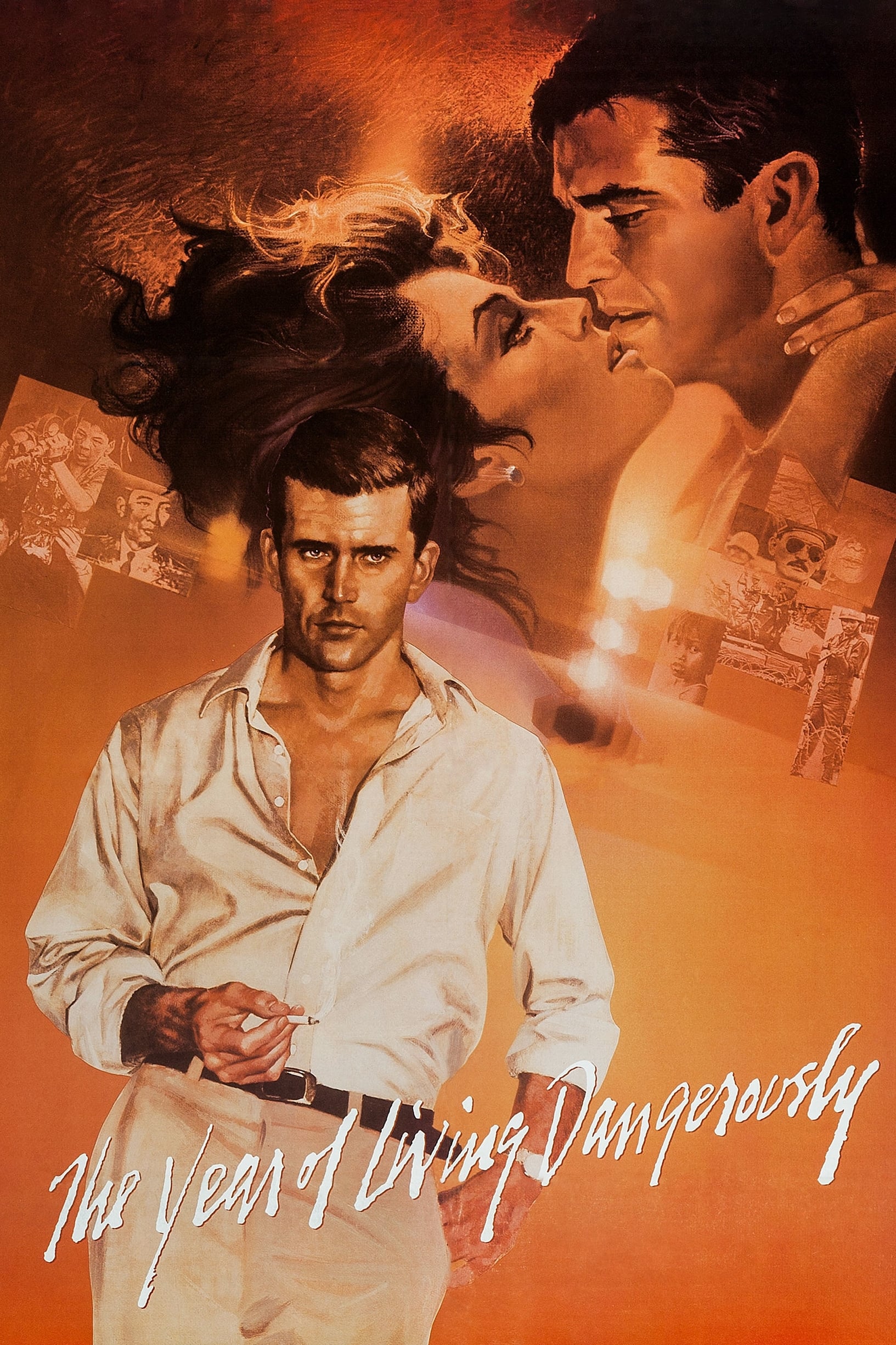
The film follows an Australian journalist as he reports from Jakarta during a time of political turmoil in Indonesia under Sukarno. He faces danger from widespread unrest and official corruption while trying to cover the story. The movie highlights the difficult ethical choices journalists face when reporting on conflicts and the personal dangers they encounter. It portrays the challenge of staying neutral while witnessing a major humanitarian crisis.
‘Under Fire’ (1983)
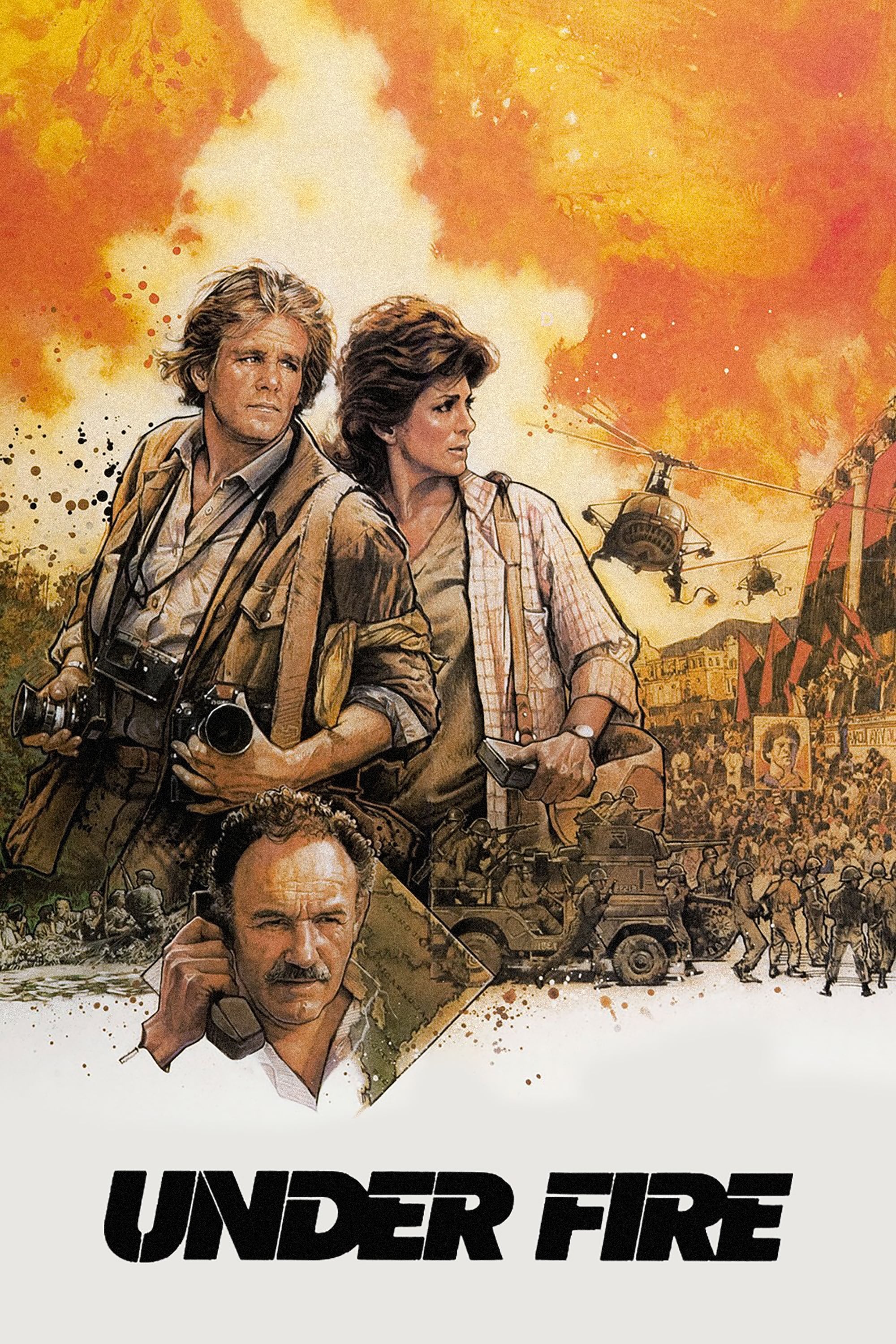
This film is set during the final days of Nicaragua’s Somoza dictatorship and focuses on three journalists navigating a revolution. It examines the difficult question of whether reporters should stay neutral or become involved when witnessing serious wrongdoing. The story realistically depicts the risks and intense pressure faced by journalists covering war, and it questions whether complete objectivity is possible when clear injustice exists.
‘The Killing Fields’ (1984)
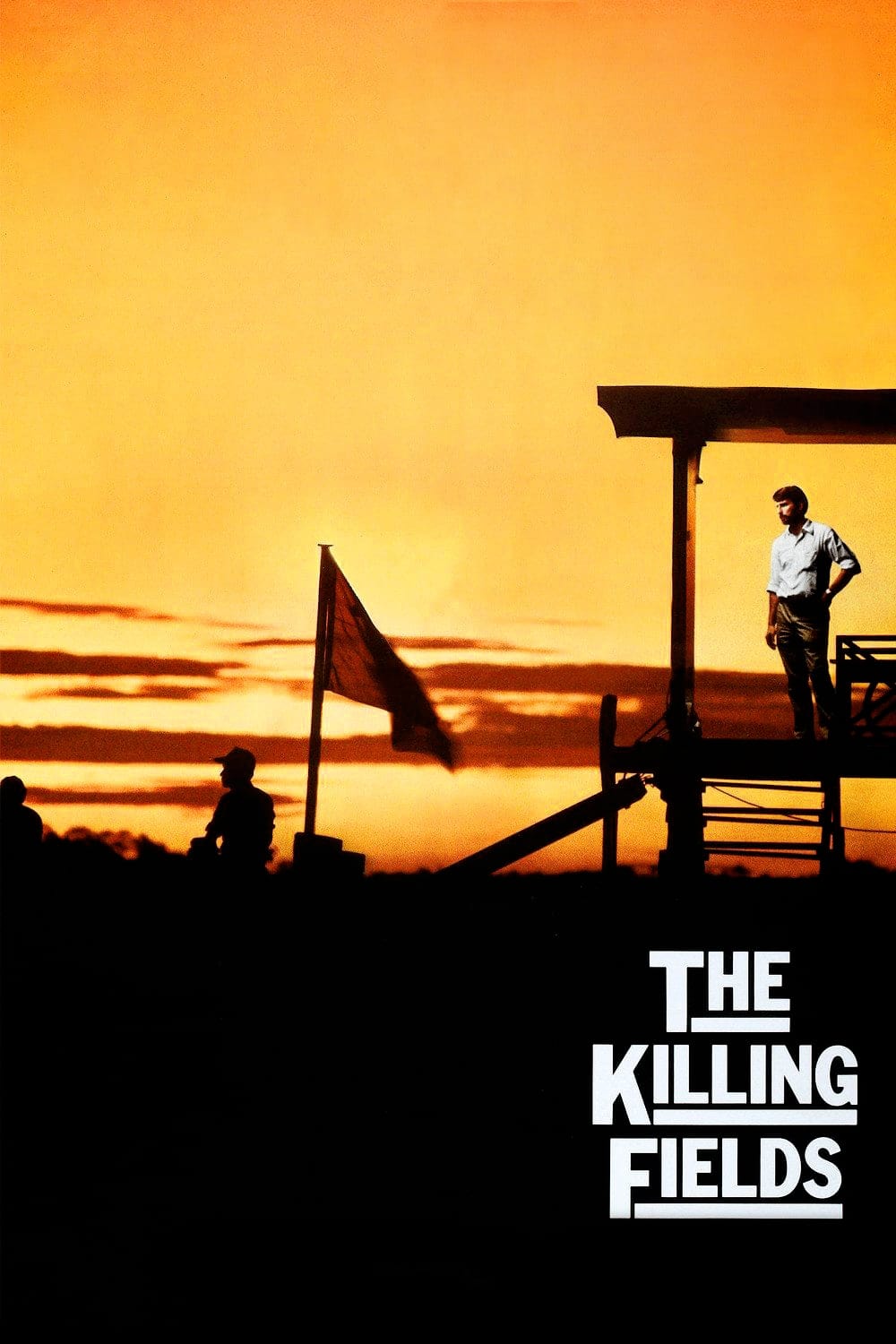
The film tells the true story of a New York Times reporter and his Cambodian assistant as they navigate the chaos of the Khmer Rouge taking power. It shows the strong relationship and dependence between foreign journalists and the local people who help them. The movie focuses on the terrible events of the Cambodian genocide and the reporters’ determination to record what was happening. Ultimately, it’s a moving tribute to the bravery of journalists who cover dangerous events.
‘Salvador’ (1986)
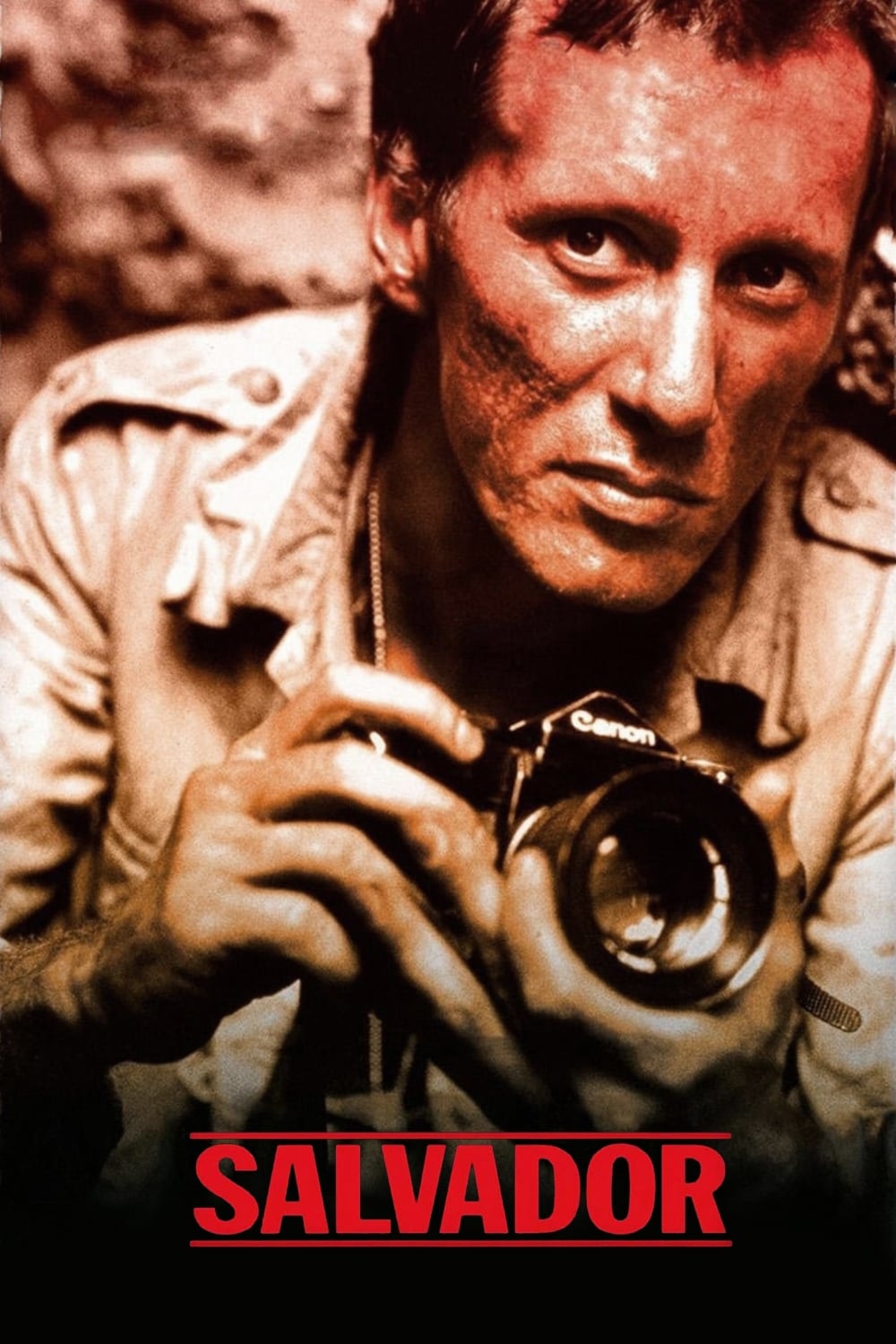
A photographer journeys to El Salvador during the civil war, quickly becoming caught up in the dangerous political climate. The film offers a stark and realistic depiction of a conflict reporter’s life, forcing them to deal with both the government and rebel groups. It shows how even flawed individuals can be dedicated to uncovering and sharing the truth, and powerfully illustrates the difficult and often harrowing experience of capturing vital images of war.
‘Broadcast News’ (1987)

This film is a funny and thought-provoking story about three people working at a national news station. It explores the tension between doing important investigative journalism and the pressure to create news that’s more entertaining. The movie offers a realistic look at the difficult choices journalists make to attract viewers and maintain their on-air appeal, and it’s considered a valuable look at how television news changed at the end of the 1990s.
‘The Paper’ (1994)
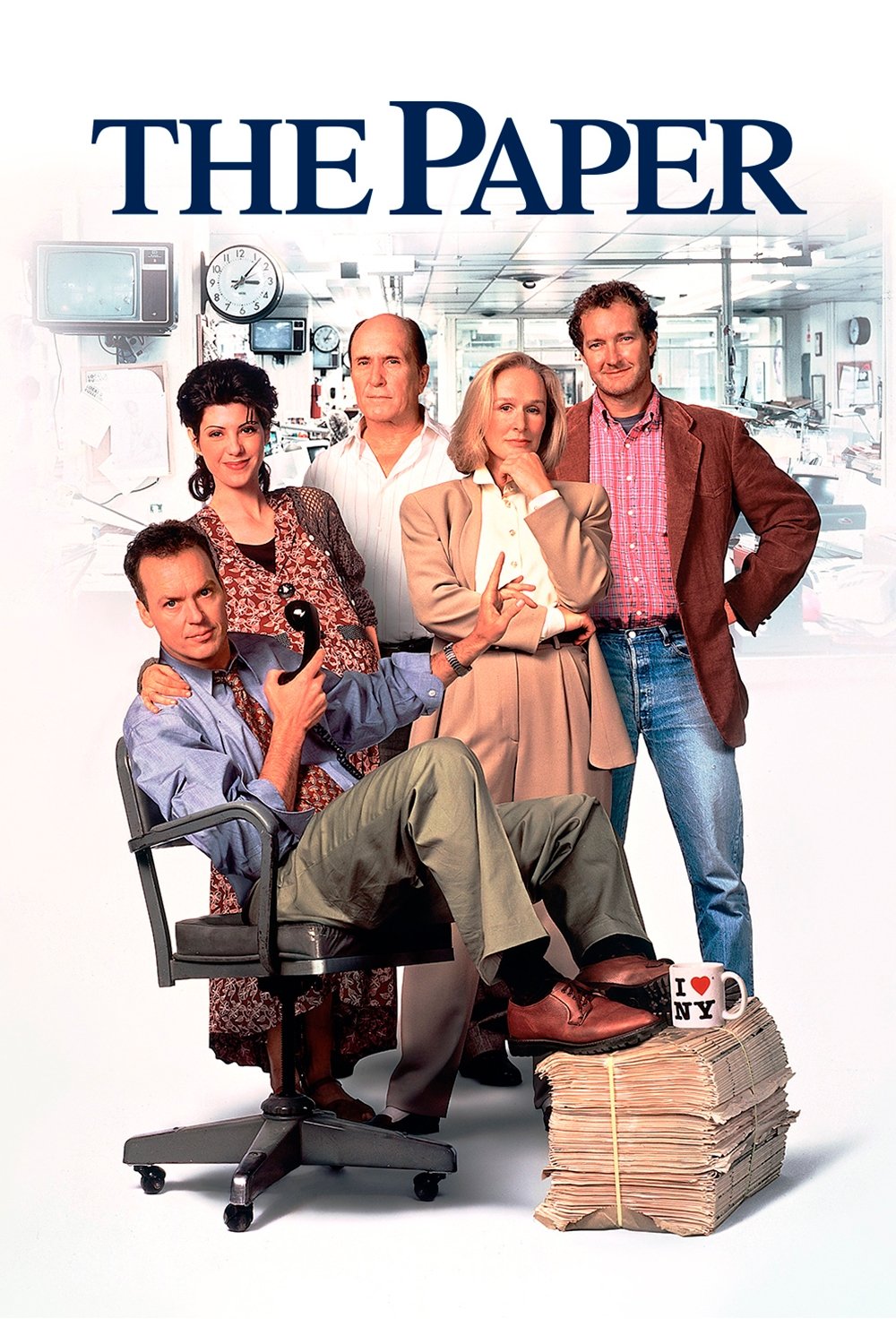
This movie offers a glimpse into a chaotic 24 hours for a New York City tabloid editor, who’s juggling a big story with personal issues. It realistically portrays the fast-paced, high-pressure environment of a newsroom with limited time and money. The film centers on how editors decide which stories are important enough to feature on the front page, and it celebrates the commitment of journalists who still believe in the value of their work, even as newspapers struggle.
‘The Insider’ (1999)
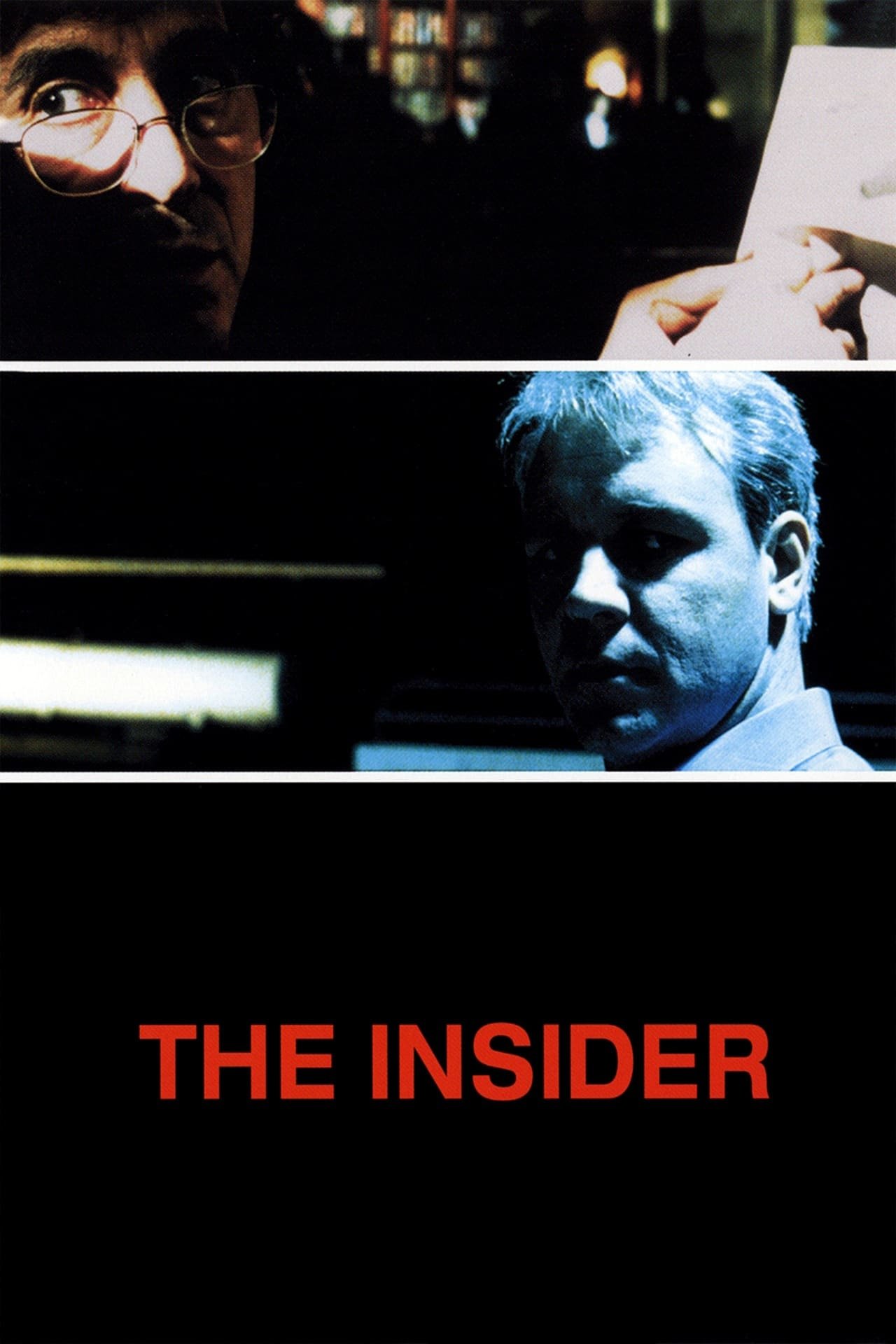
A producer from ’60 Minutes’ teamed up with someone who leaked information from the tobacco industry to reveal the dangers of smoking. The film shows how much pressure news organizations face – legally and from corporations – when they try to report on sensitive topics. It emphasizes the bravery needed by reporters and their sources to take on powerful companies. Ultimately, the story is a deep look at how corporate interests, legal intimidation, and investigative journalism collide.
‘Veronica Guerin’ (2003)
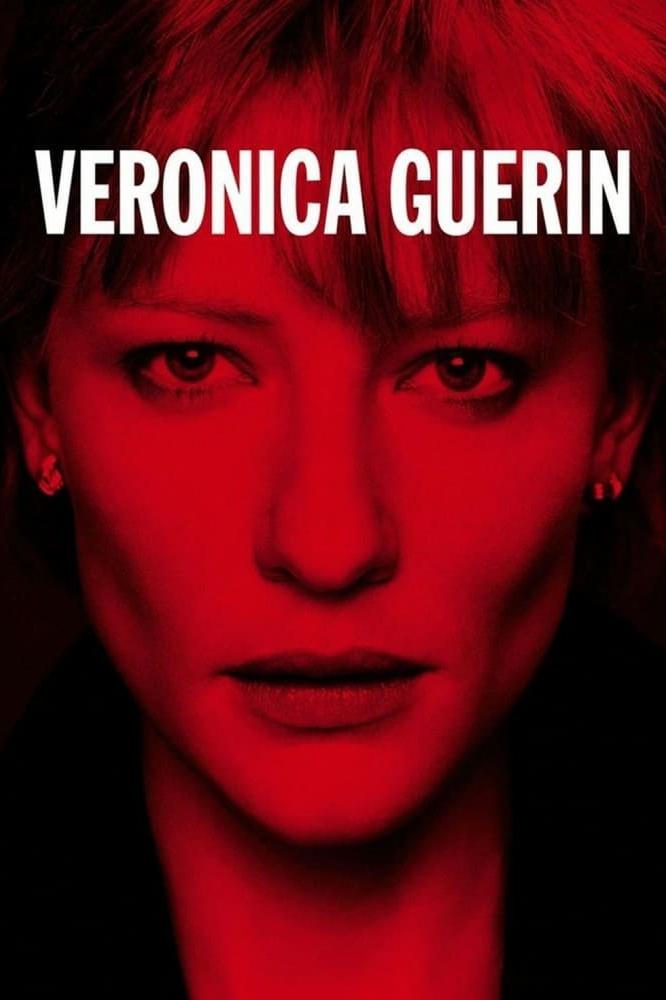
This movie, inspired by real events, follows an Irish reporter as she fearlessly investigates Dublin’s drug trade and the people running it. It shows her dedication to uncovering the truth about organized crime, even when her life is threatened. The film highlights how one journalist can make a real difference in shaping public opinion and bringing about change, but also reveals the heartbreaking cost of pursuing justice and the risks faced by those who report on dangerous situations.
‘Good Night, and Good Luck.’ (2005)
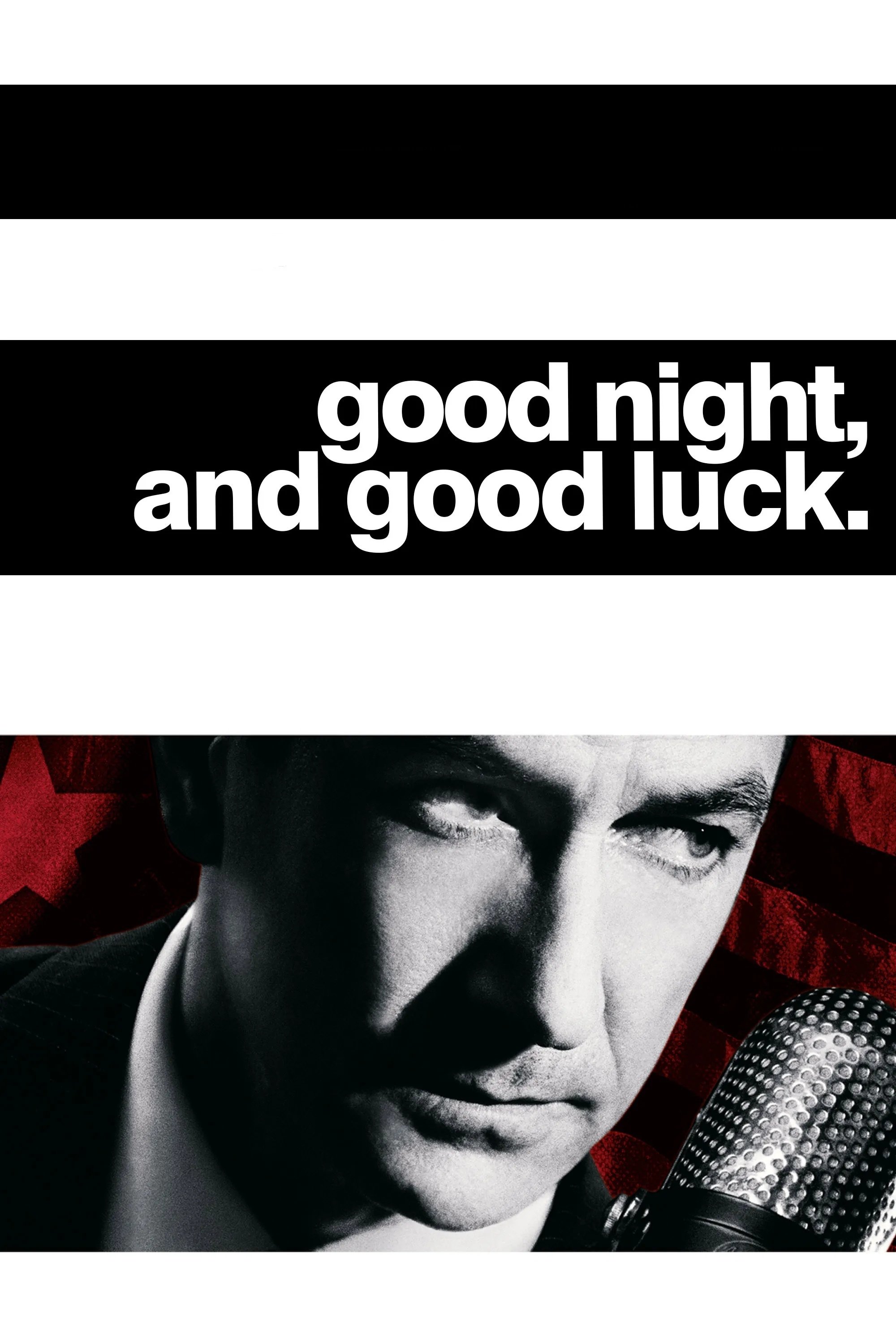
During the 1950s, Edward R. Murrow and his CBS News colleagues bravely challenged Senator Joseph McCarthy’s damaging accusations of communist ties. The film highlights the value of questioning authority and the media’s role in keeping those in power accountable. It vividly portrays the anxieties of early television and the difficult choices faced by news organizations. Ultimately, this historical drama champions the power of broadcasting to inform and encourage public discussion.
‘Zodiac’ (2007)
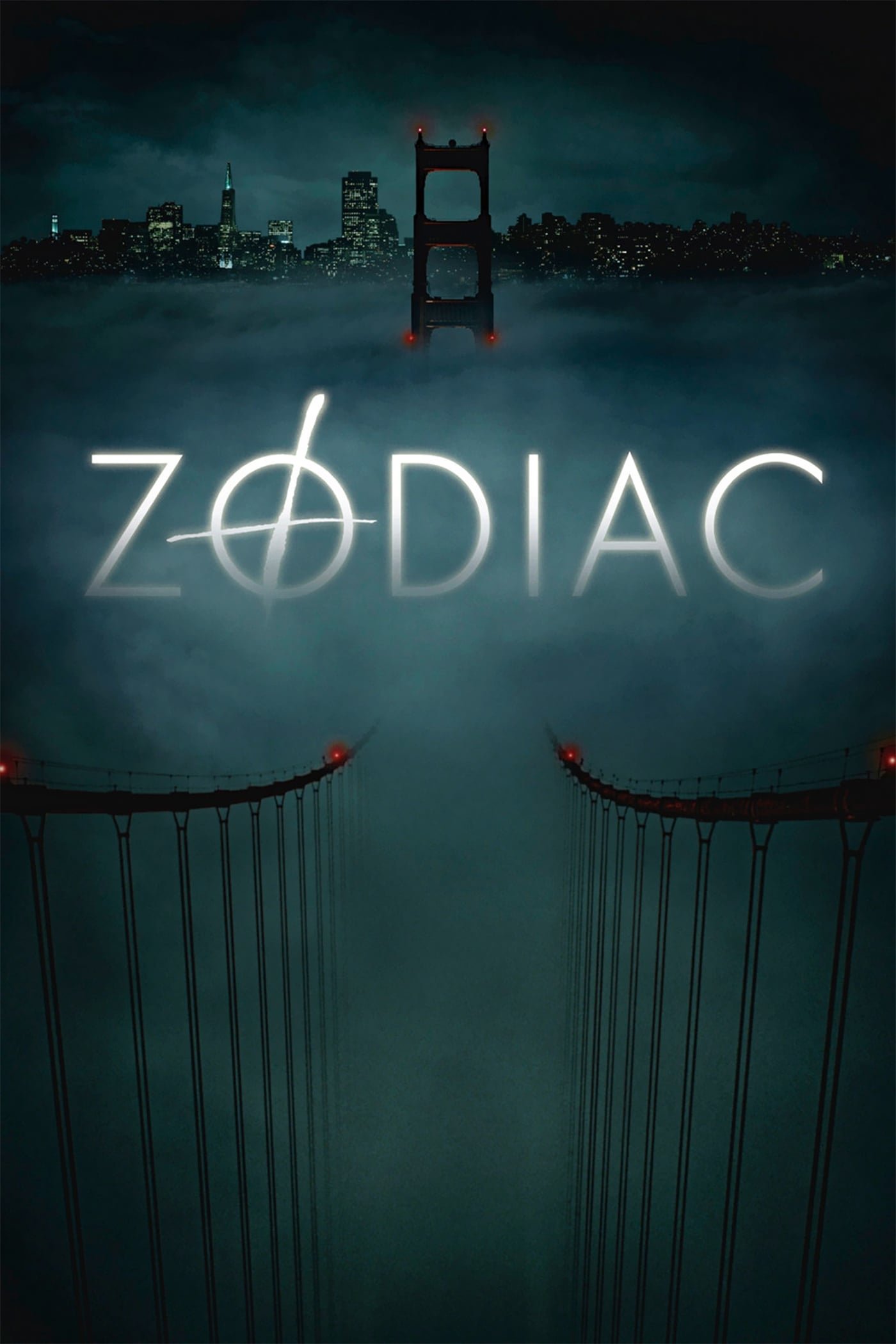
Inspired by real events, this film centers on a cartoonist and a reporter who become consumed with finding the Zodiac Killer. It shows the painstaking effort and years of commitment it takes to crack difficult, unsolved cases, and the personal sacrifices those involved often make. The story also explores how the media can play a part in helping to solve crimes.
‘Frost/Nixon’ (2008)
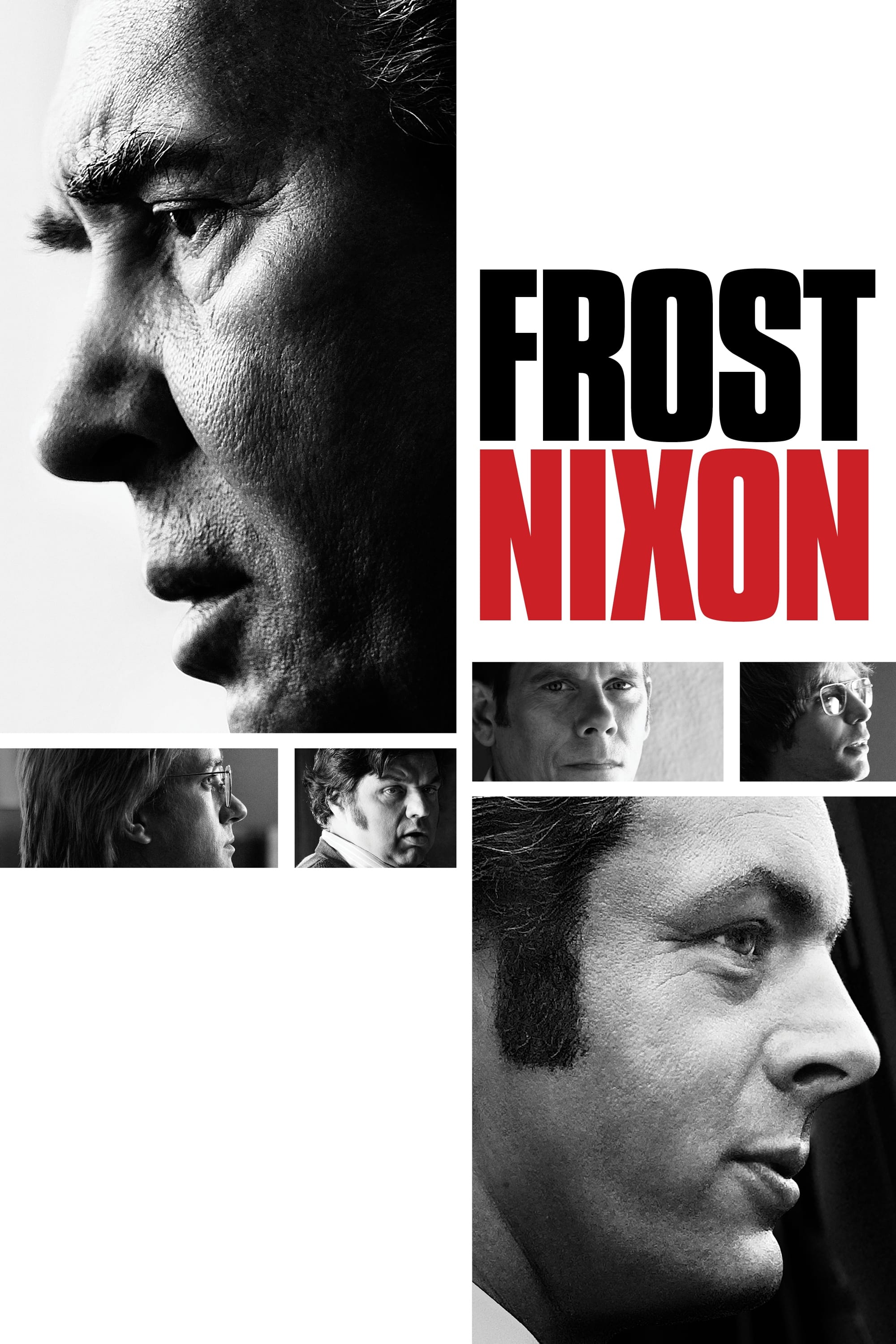
The movie retells the famous televised interviews between talk show host David Frost and ex-President Richard Nixon. It examines how interviews can be used to get someone to admit wrongdoing and hold them accountable in the public eye. The film highlights all the work and planning that went into challenging a skilled politician on live television, and how that encounter became a landmark moment in journalism.
‘State of Play’ (2009)
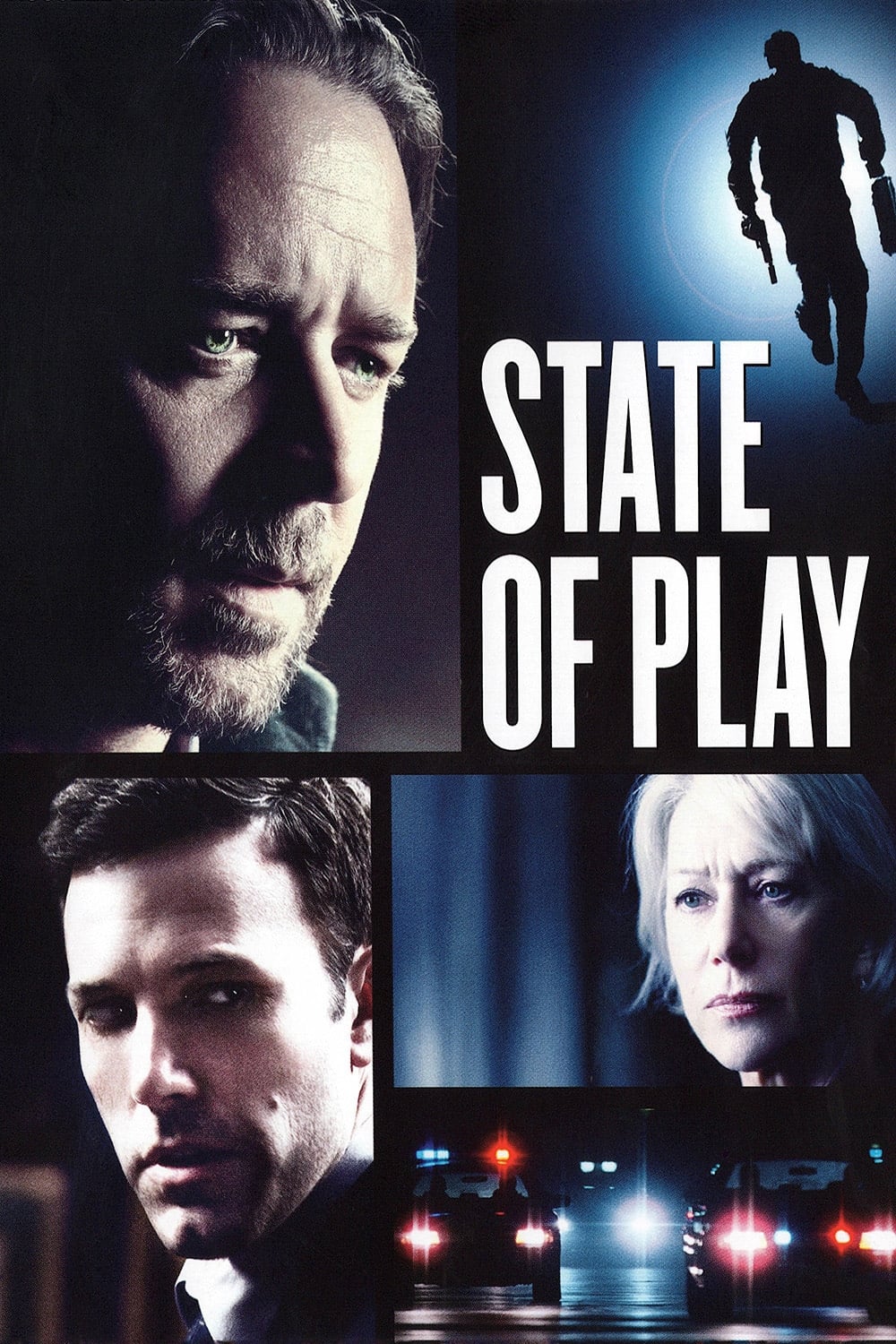
An experienced journalist and an up-and-coming blogger join forces to uncover a string of murders connected to a powerful politician and a private military company. The movie explores how old-school reporting and new online media can clash, but also work together. It shows how complicated political plots can be and why it’s so important to check facts from different places. Ultimately, the story emphasizes that finding the truth matters more than how that truth is revealed.
‘Kill the Messenger’ (2014)

The movie tells the story of journalist Gary Webb and his discovery that the CIA was involved in bringing cocaine into California to support the Contra rebels. It shows how Webb was attacked and his work was discredited in an effort to protect the government. The film highlights the serious personal and professional costs faced by reporters who expose sensitive information, and how easily independent journalists can be targeted when they challenge powerful institutions.
‘Spotlight’ (2015)

The movie “Spotlight” tells the true story of how the Boston Globe’s investigative team uncovered a widespread cover-up of sexual abuse within the Catholic Church. It shows how the reporters worked together, carefully documenting a pattern of failures within the institution. The film is respectful and focuses on the victims, avoiding dramatic exaggeration, and ultimately illustrates how local journalism can have a significant global impact.
‘Truth’ (2015)
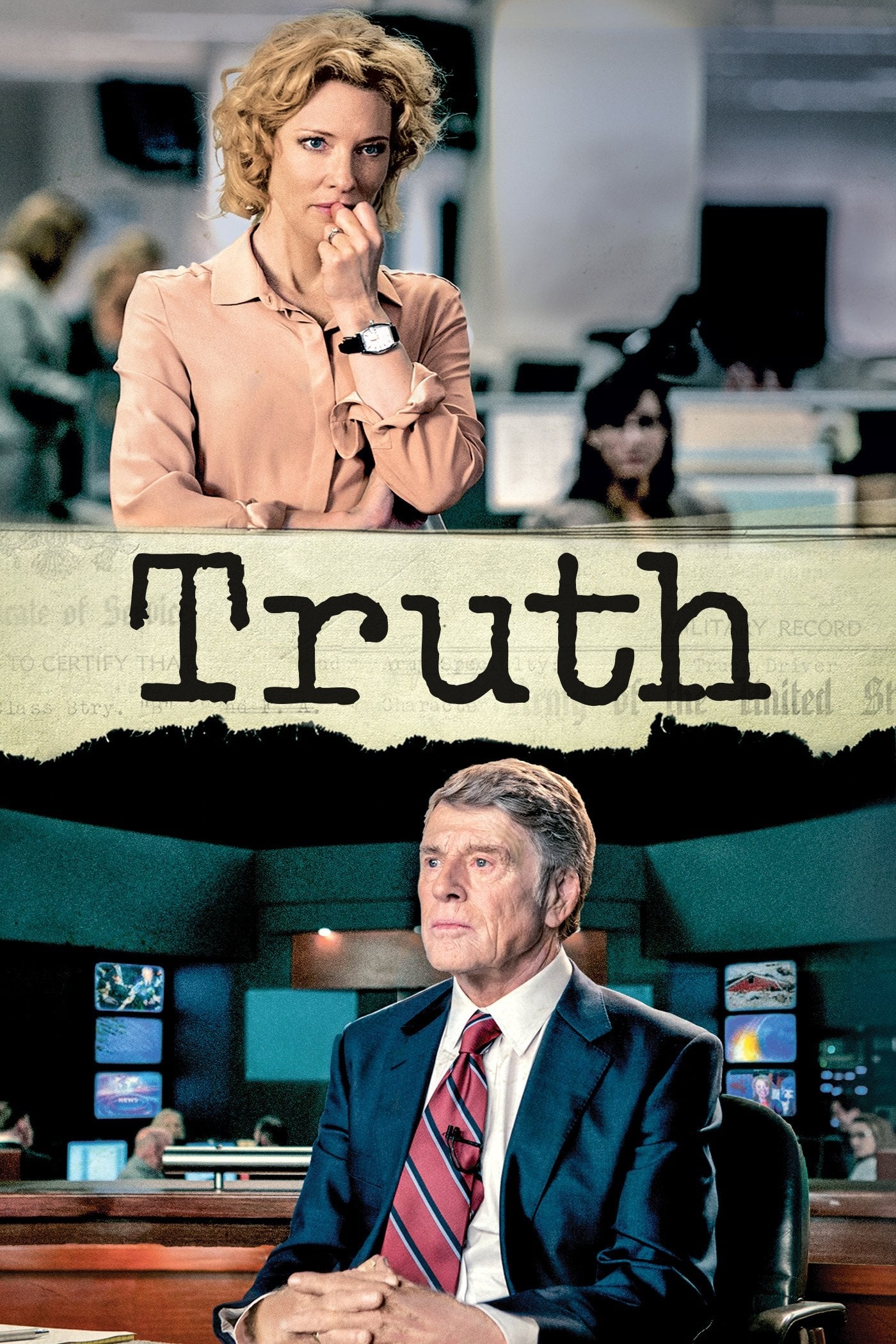
This movie tells the story of the trouble caused by a 2004 CBS ’60 Minutes’ report about President George W. Bush’s time in the military. It looks at what happened after the report aired, based on documents that couldn’t be confirmed as true, and the consequences for the reporters involved. The film shows how closely journalism is examined when mistakes are made, and how quickly a journalist’s career can be ruined. Ultimately, it’s a warning about the need to carefully check facts, especially in today’s digital world.
‘The Post’ (2017)
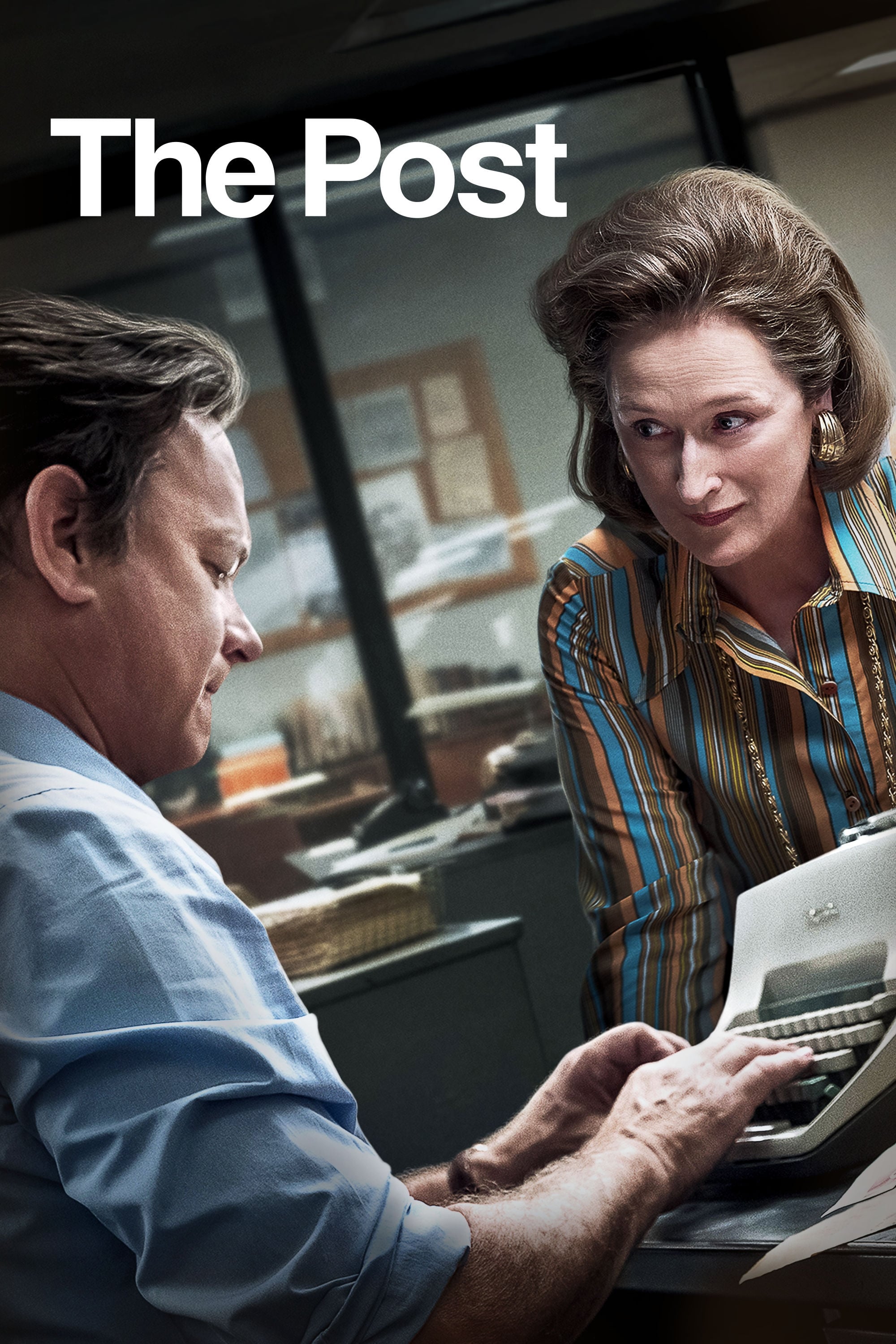
The movie tells the real story of journalists at ‘The Washington Post’ who chose to publish the Pentagon Papers, a secret government history. It focuses on Katherine Graham, the newspaper’s publisher and the first woman to lead a major American newspaper, as she faces legal challenges from the government. The film shows the importance of a free press and its duty to keep the public informed, and it examines the bravery it took to risk the newspaper’s future in order to share the truth.
‘A Private War’ (2018)
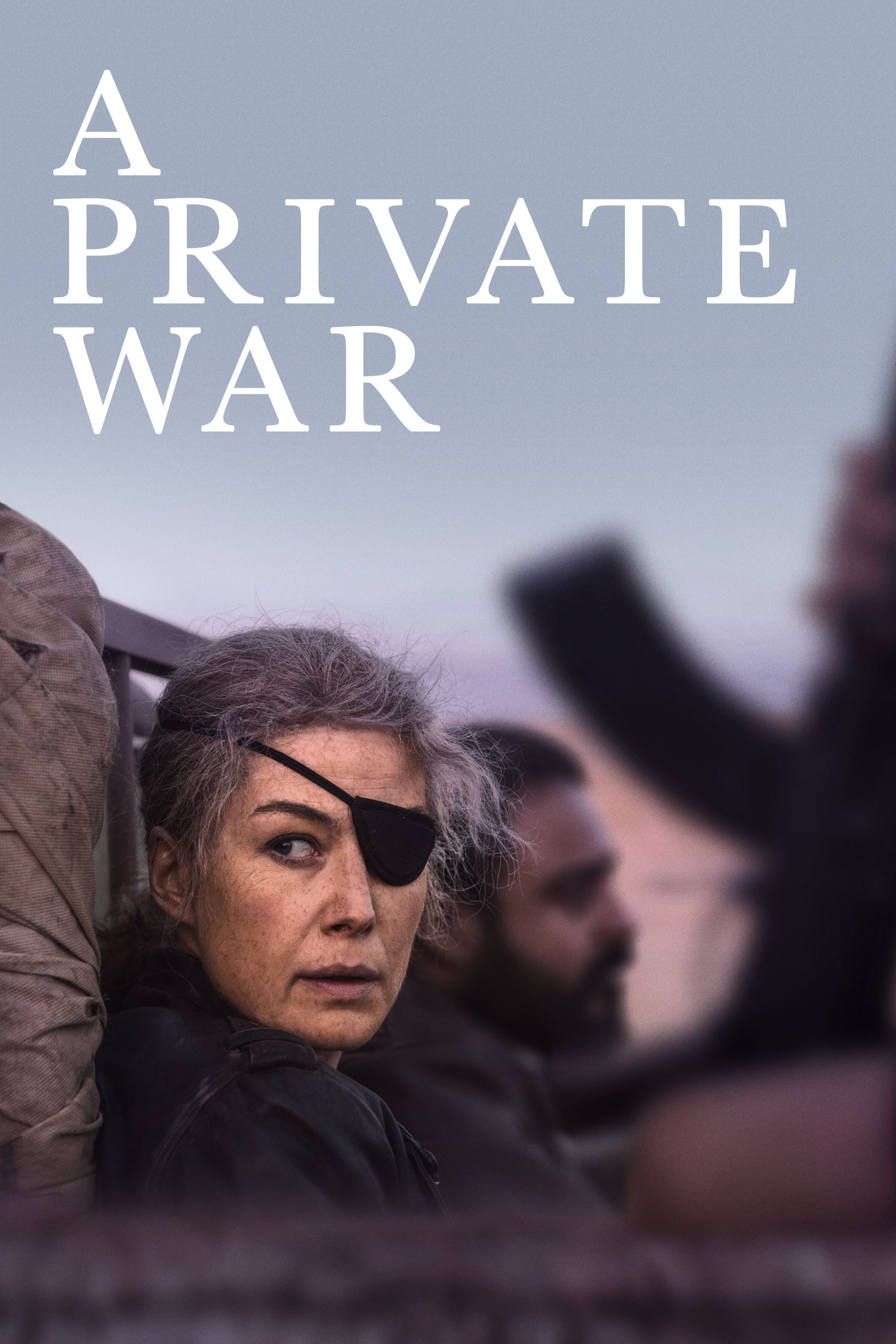
This movie tells the true story of Marie Colvin, a famous war reporter who covered conflicts in some of the world’s most dangerous places. It shows the emotional and physical toll that years of reporting from war zones took on her, and her determination to share the stories of those affected by conflict. The film powerfully illustrates the real human impact behind the news we see.
‘Official Secrets’ (2019)

The film centers around a leaked memo revealing a secret, unlawful operation by the NSA. It follows the people involved – the individual who revealed the information and the journalists at ‘The Observer’ – as they navigate the legal and moral challenges of publishing a sensitive story. The film explores how the press holds the government accountable, particularly when it comes to justifying military actions, and highlights the crucial roles of investigative journalism and protecting those who expose wrongdoing.
‘Mr. Jones’ (2019)
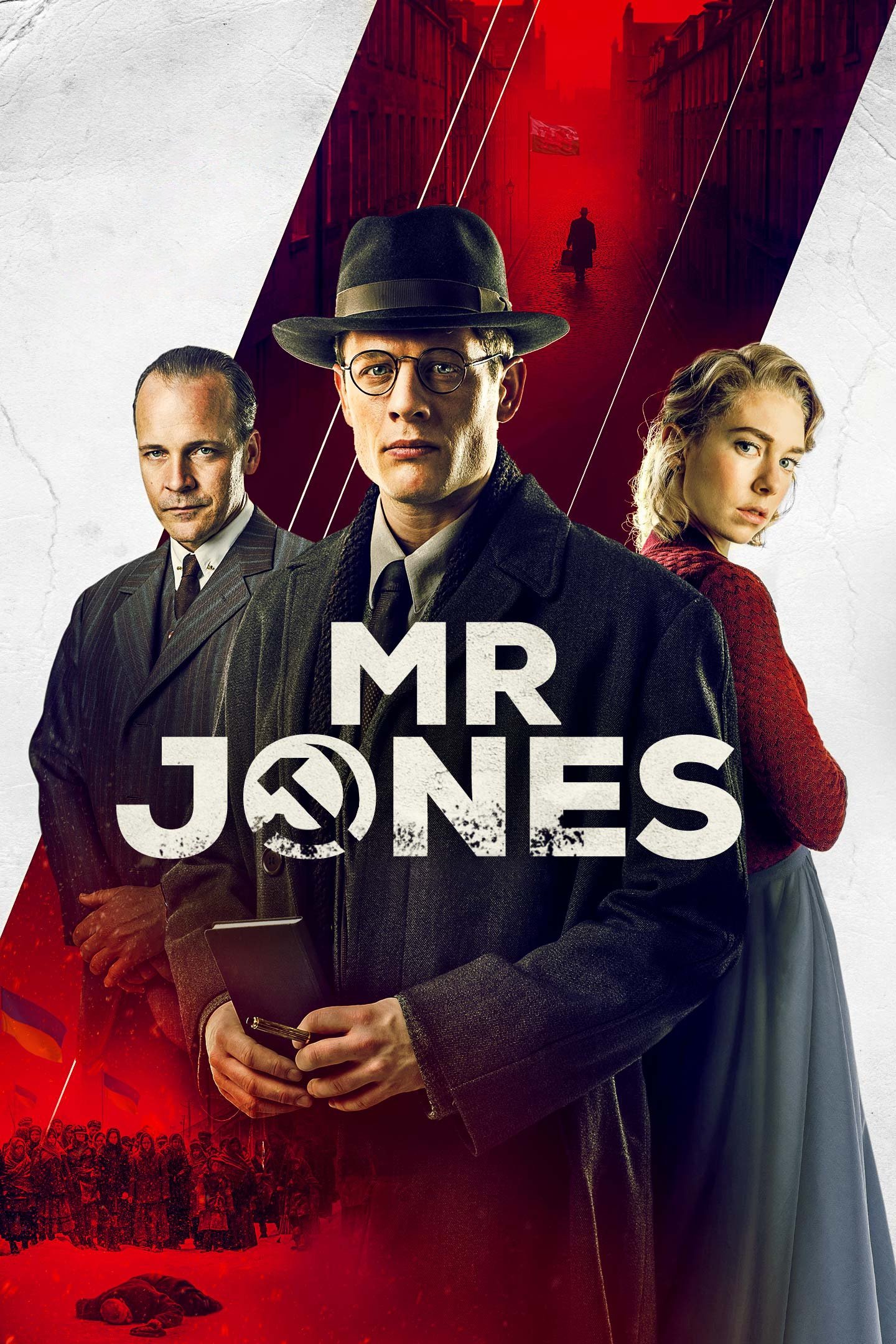
In the 1930s, a Welsh journalist journeyed to the Soviet Union and discovered the devastating famine in Ukraine, called the Holodomor. The film follows his fight to reveal the truth, battling Soviet lies and a world that seemed unwilling to listen. It also examines the choices of other reporters who prioritized their careers over exposing the tragedy. Ultimately, it’s a story about the courage of one man who risked everything to speak out about a terrible human disaster.
‘She Said’ (2022)
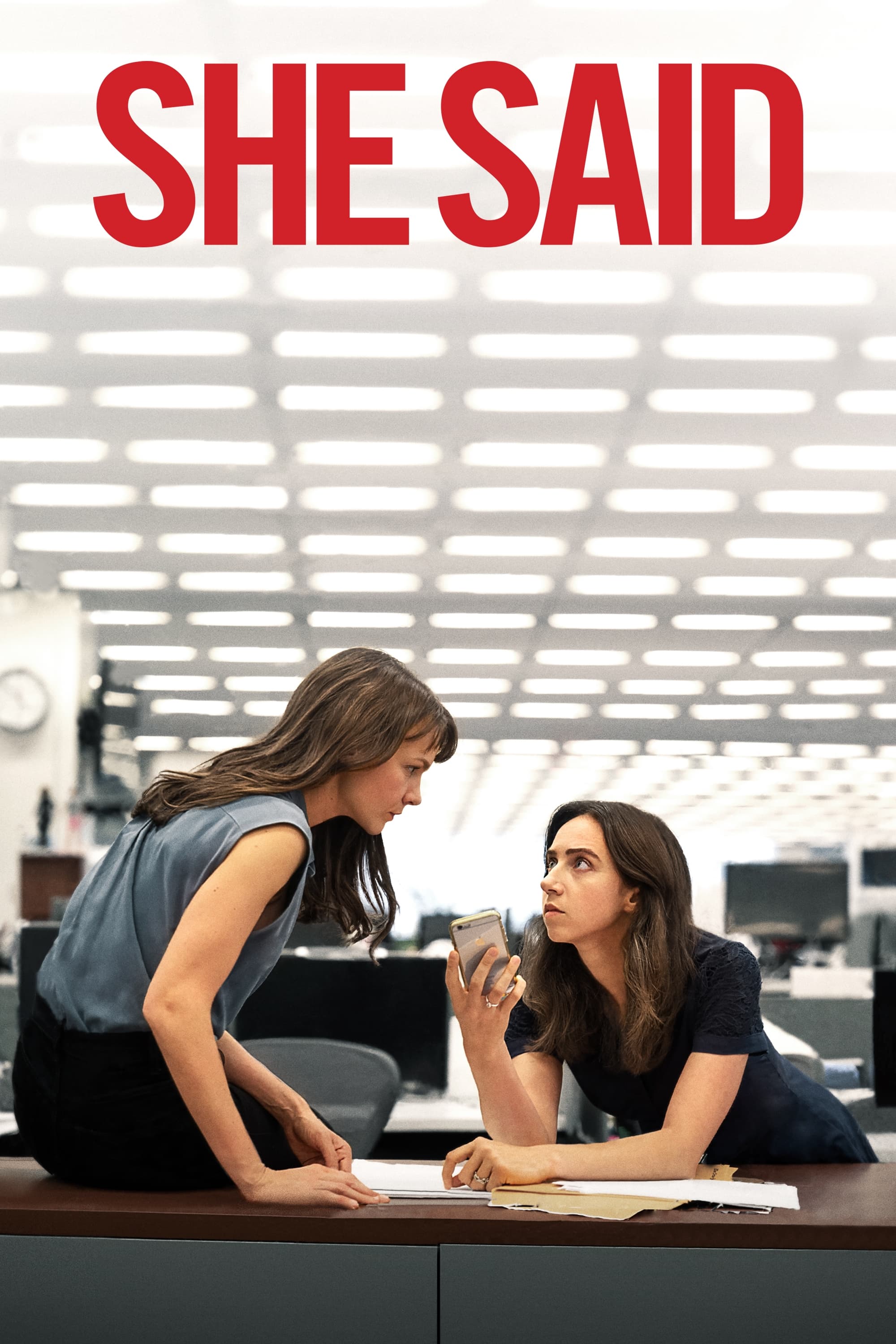
This film follows two New York Times reporters as they uncover decades of sexual misconduct allegations against Hollywood producer Harvey Weinstein. It shows the difficult work of building trust with sources and getting them to speak publicly, overcoming legal agreements and a culture of silence. Ultimately, the film highlights how investigative journalism played a key role in sparking a worldwide push for accountability.
I’m really curious to hear which movies about journalism have stuck with you the most. Could you share in the comments which ones had the biggest impact?
Read More
- Top 20 Dinosaur Movies, Ranked
- 20 Movies Where the Black Villain Was Secretly the Most Popular Character
- 25 “Woke” Films That Used Black Trauma to Humanize White Leads
- Silver Rate Forecast
- Gold Rate Forecast
- Spotting the Loops in Autonomous Systems
- From Bids to Best Policies: Smarter Auto-Bidding with Generative AI
- Celebs Who Narrowly Escaped The 9/11 Attacks
- 22 Films Where the White Protagonist Is Canonically the Sidekick to a Black Lead
- Can AI Lie with a Picture? Detecting Deception in Multimodal Models
2026-01-22 08:17