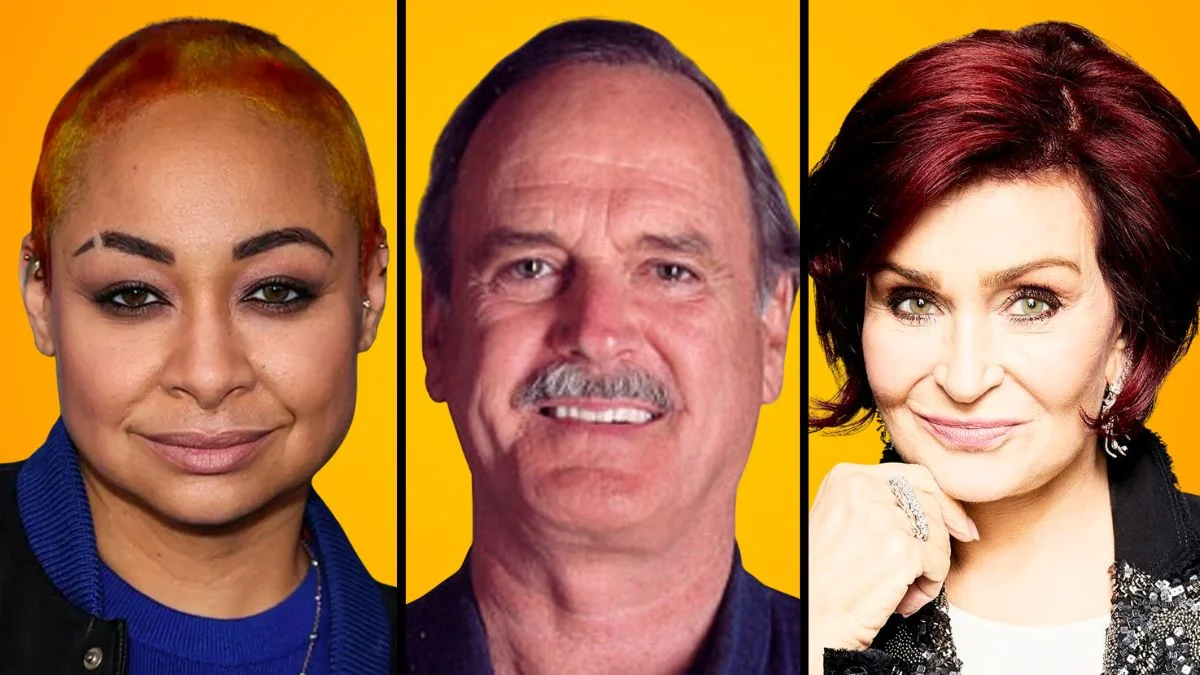
The entertainment world often seems united on social issues, but a number of well-known people have voiced doubts about the idea that racism is built into our systems. These celebrities – including famous actors, musicians, and athletes – tend to emphasize personal responsibility over explanations that focus on societal structures. Some have faced consequences at work for speaking out, while others believe they represent the views of many who stay quiet. Their opinions frequently lead to heated discussions about race, politics, and free speech. Here’s a look at some prominent figures who have publicly challenged or disagreed with common beliefs about systemic racism.
Morgan Freeman
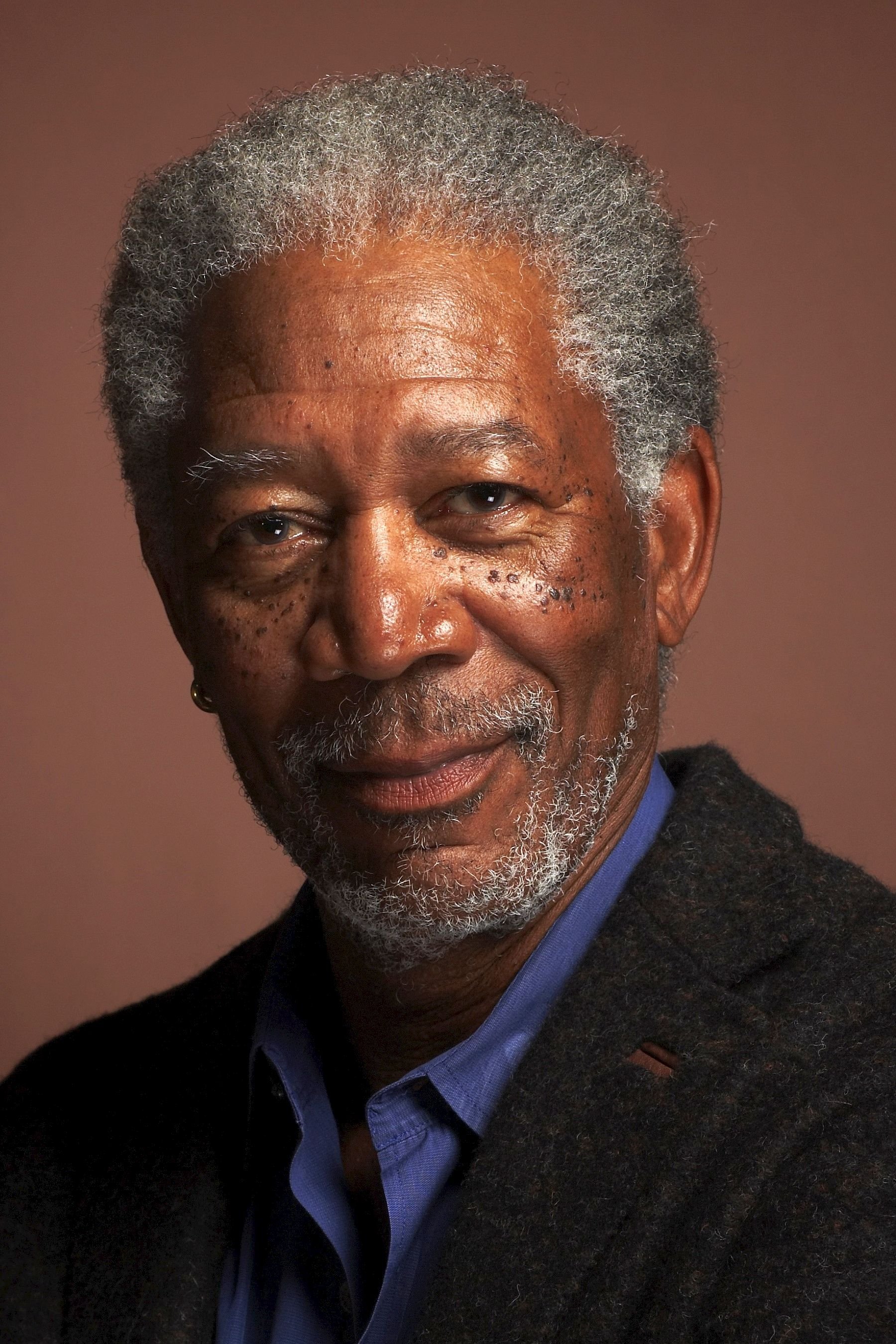
Morgan Freeman often shares the view that we shouldn’t constantly focus on race in our daily lives. In a well-known interview with ’60 Minutes,’ he suggested the best way to overcome racism is to simply stop discussing it. He’s also questioned the need for Black History Month, pointing out that Black history is American history. Freeman believes personal hard work is what leads to success, no matter a person’s race, and that constantly highlighting racial differences actually creates more problems than it solves.
Lil Wayne
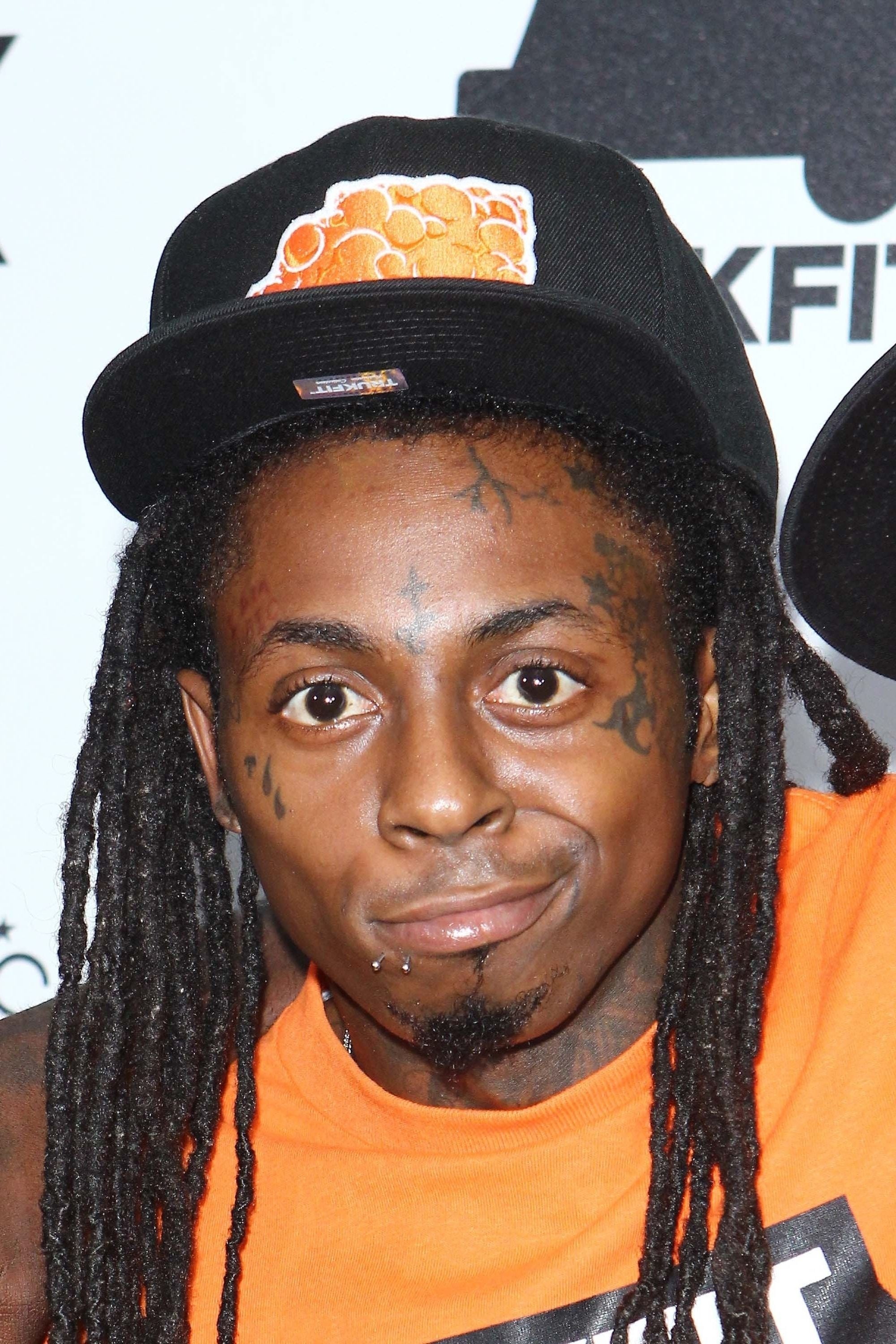
Lil Wayne sparked debate when he said he’s never personally faced racism. He explained this view stems from being helped by a white police officer after a childhood accidental shooting. He also admitted he struggled to understand the Black Lives Matter movement, feeling his own success showed Black lives were already valued. Wayne believes his large white fanbase demonstrates that the country isn’t fundamentally racist, and he often focuses on his individual experiences rather than larger issues of systemic racism.
Terry Crews
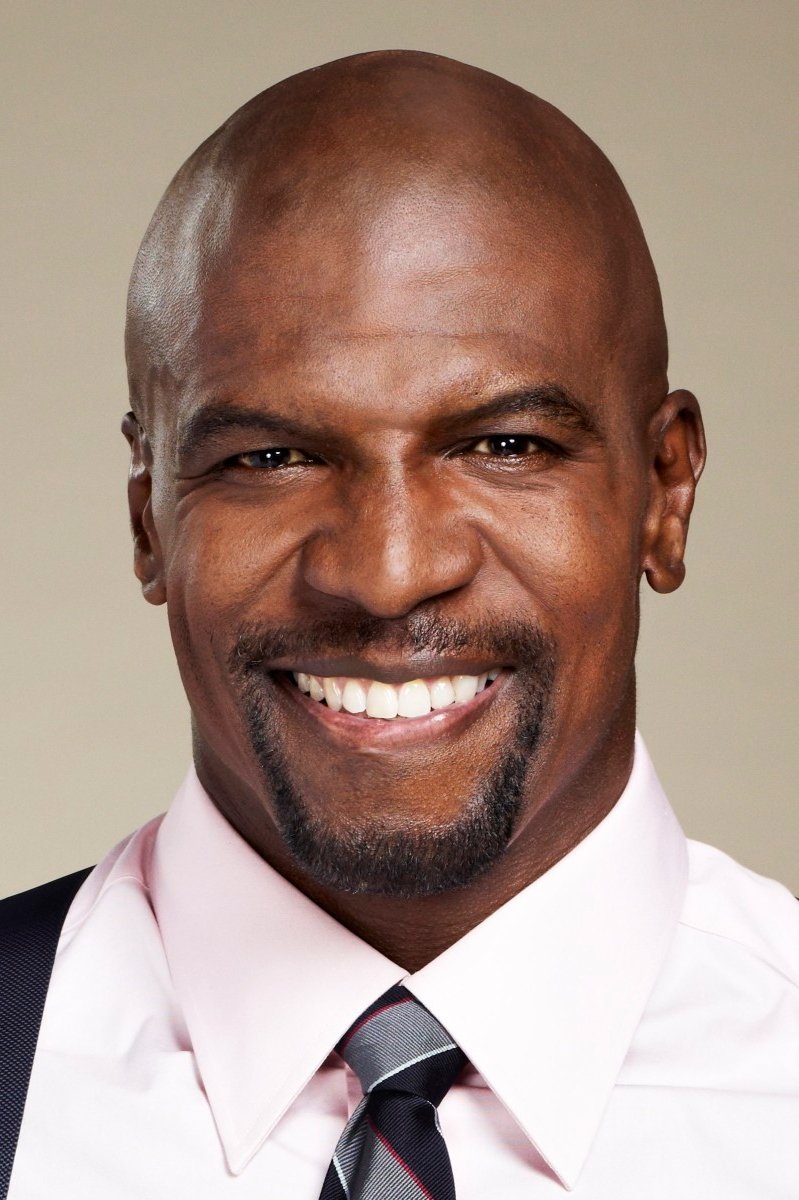
Terry Crews received criticism after he spoke out against what he called “black supremacy” during the peak of social justice movements. The actor, known for his role in ‘Brooklyn Nine-Nine,’ explained that simply overcoming white supremacy without including white people could lead to a different kind of dominance. Crews refused to conform to what he saw as prevailing opinions on race, stating he wouldn’t be intimidated into agreeing with them. He also stressed the value of strong families and responsible fatherhood, rather than focusing solely on systemic issues. He continues to encourage people within the Black community to think for themselves.
Ye
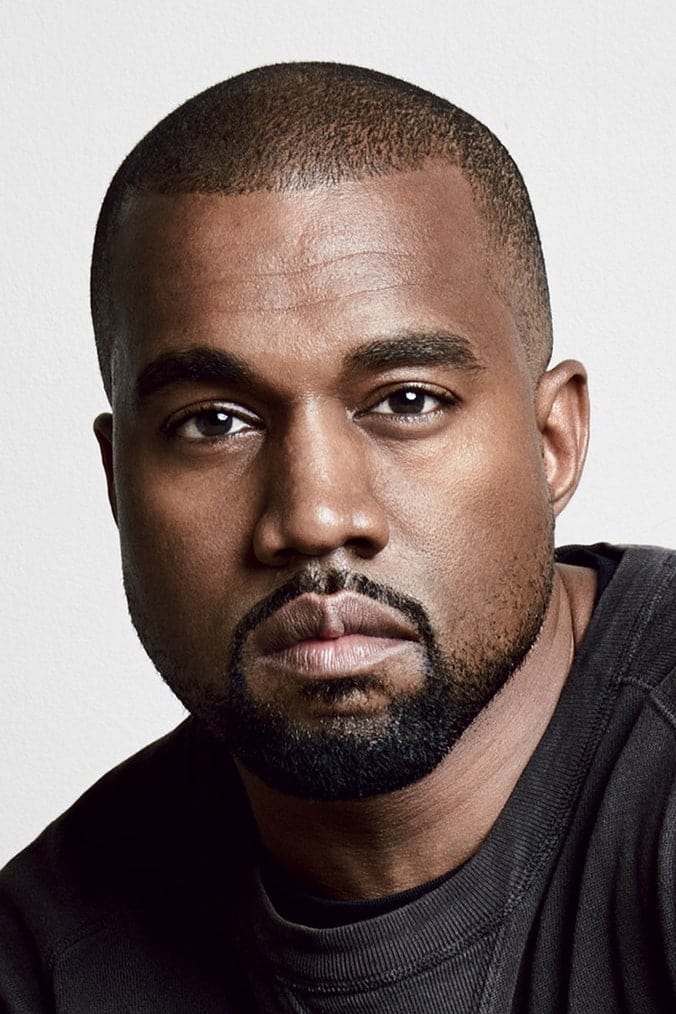
Kanye West has faced significant backlash for his controversial statements about slavery and race. He sparked outrage by suggesting slavery seemed like a choice due to its long duration. He also caused controversy by wearing a “White Lives Matter” shirt at a fashion show. West believes the Democratic Party and the media encourage Black Americans to see themselves as victims, and he consistently challenges the notion that Black people should adhere to a specific way of thinking or voting.
Charles Barkley
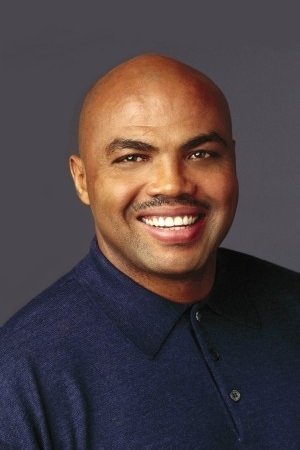
Charles Barkley, as a sports commentator, often speaks out against politicians he believes exploit racial divisions for their own gain. He argues that both Democrats and Republicans benefit from creating conflict. Barkley also supports law enforcement and challenges claims of systemic bias against minorities. He believes that improving economic opportunities and education are the most effective ways to address inequality, and he generally rejects the idea that the system is unfairly stacked against any particular group.
Stacey Dash
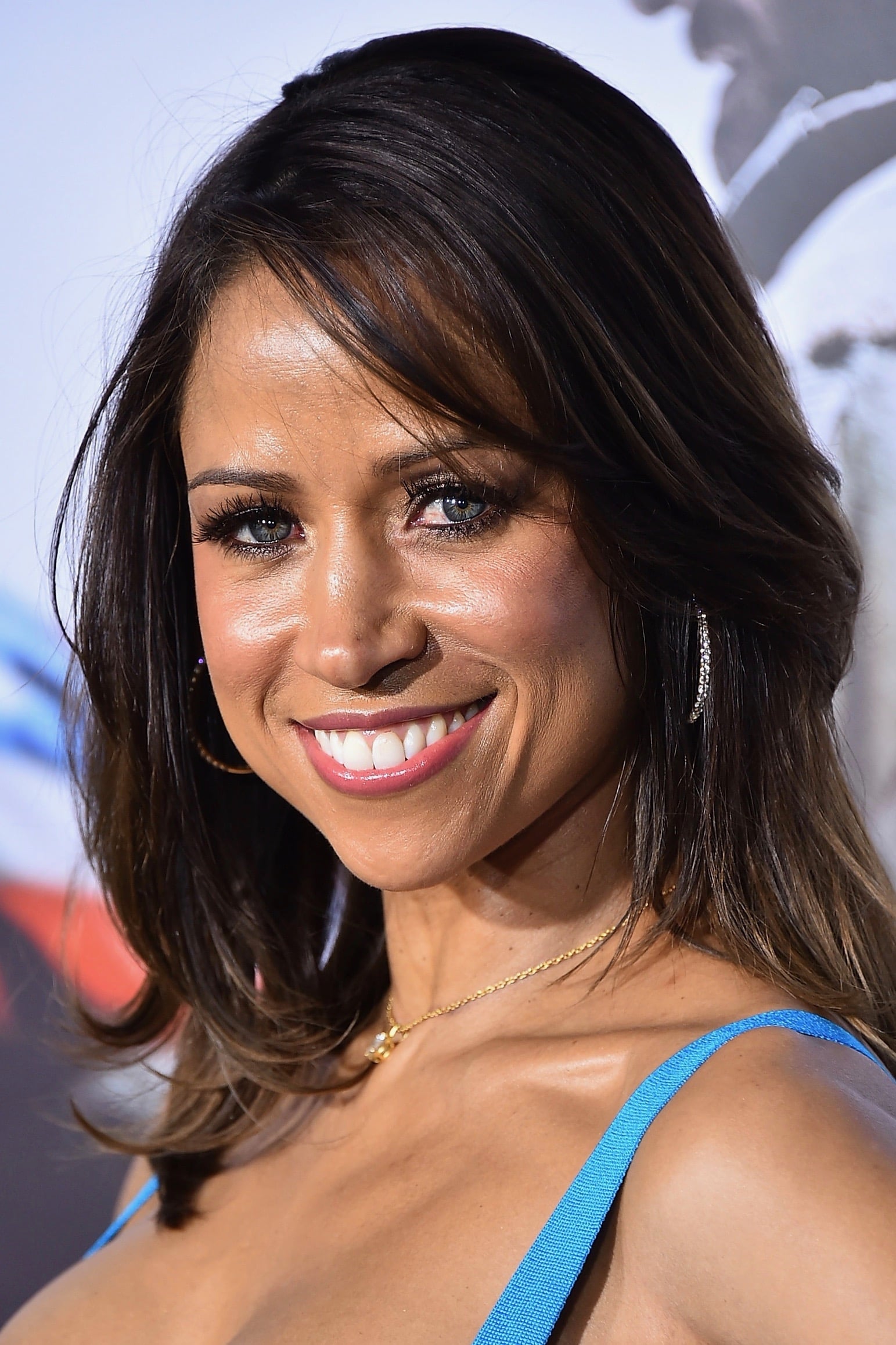
After speaking out against BET and Black History Month, actress Stacey Dash experienced a significant backlash in Hollywood. She believed these platforms unintentionally reinforce division instead of bringing people together, questioning the need for race-specific channels or awards when the aim is equality. Dash argues that focusing heavily on racial identity can hinder both personal growth and a sense of national togetherness. Her politically conservative opinions have made her a controversial figure in the entertainment world.
Isaiah Washington
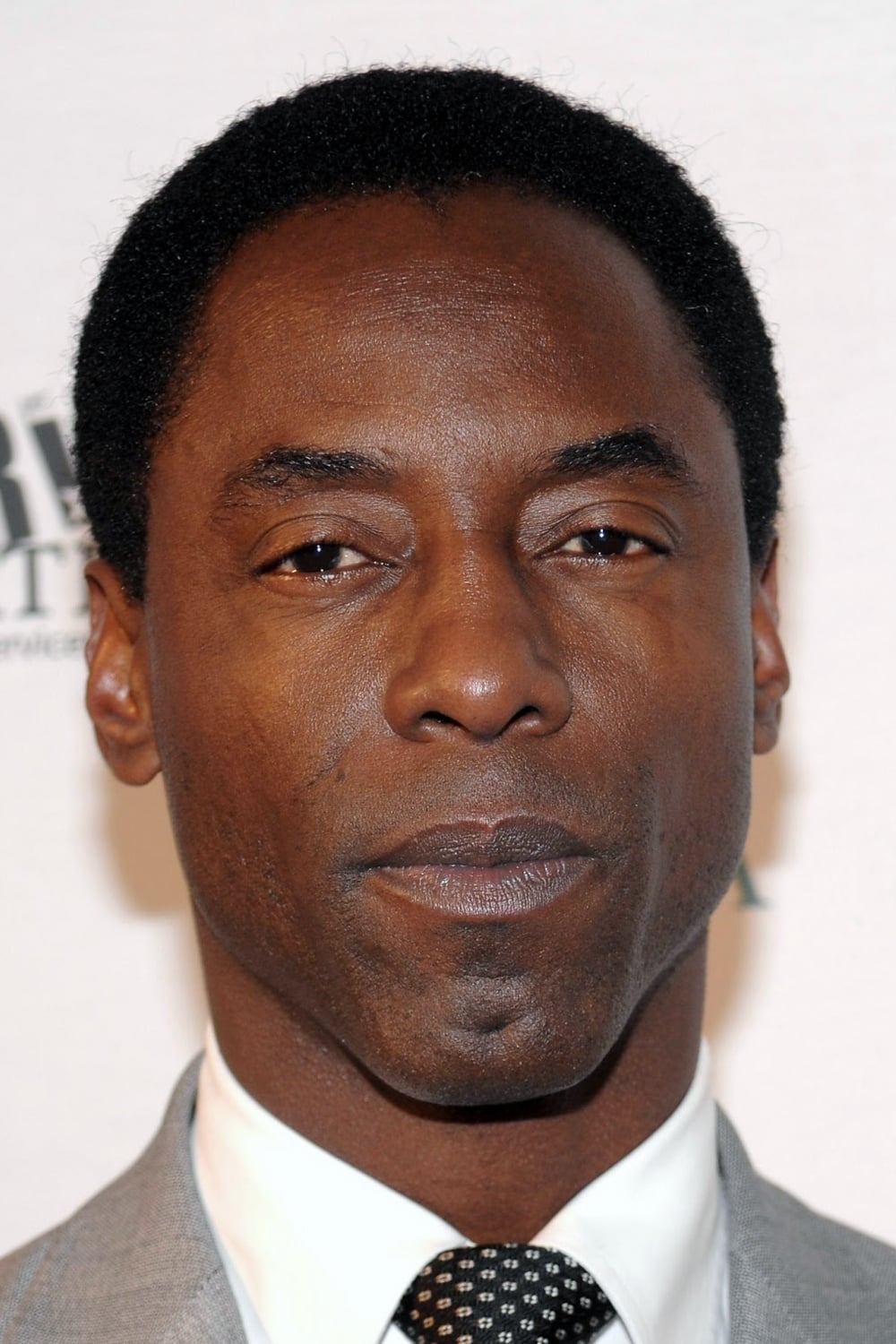
As a critic, I’ve been following Isaiah Washington’s increasingly outspoken views, and it’s clear he’s become a strong voice against the Democratic Party. He’s fully embraced the #WalkAway movement, arguing that for too long, Black Americans have been taken advantage of by politicians on the left who offer promises they don’t keep, ultimately fostering dependence rather than empowerment. He firmly believes the constant focus on systemic racism isn’t about actual solutions, but a way to maintain political control – what he calls a ‘political plantation.’ Washington is a big advocate for self-reliance and isn’t shy about calling out the entertainment industry for what he sees as its pressure to conform to certain political viewpoints. He’s really using social media as a platform to challenge conventional thinking about race in America.
James Woods
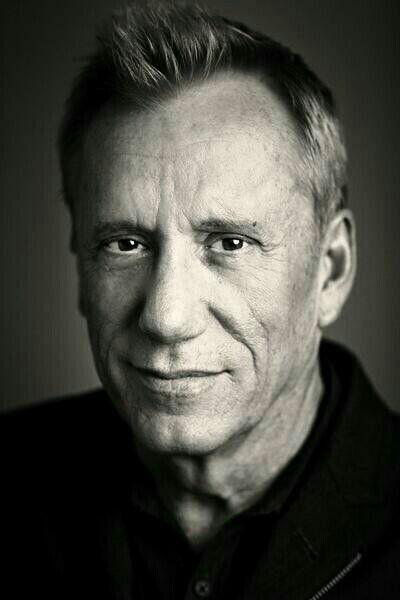
James Woods is a well-known conservative actor in Hollywood who often shares his opinions on Twitter. He regularly challenges ideas about systemic racism and criticizes social justice efforts. Woods believes the media exaggerates racial problems to divert attention from political wrongdoing. He’s a strong supporter of law enforcement, arguing that crime, rather than race, is the primary factor in police encounters. He also feels that a focus on diversity is undermining the idea that success should be based on merit.
Jon Voight
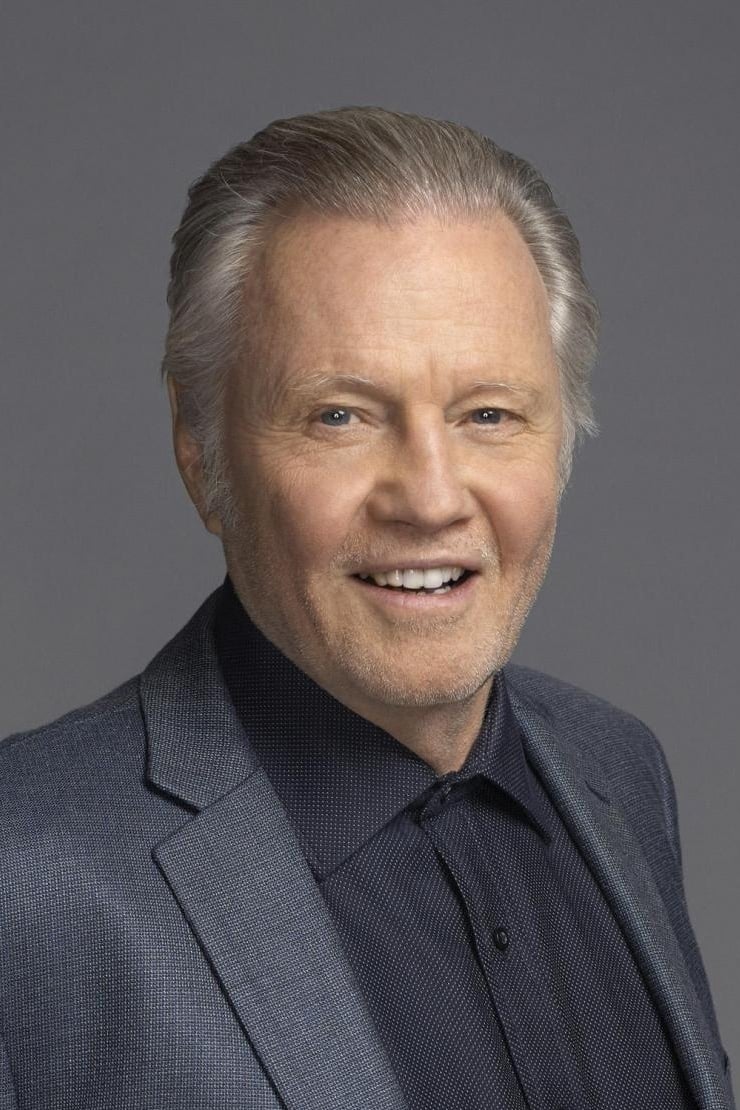
Jon Voight frequently shares videos expressing his concerns about what he sees as the dangers of far-left ideologies. The Oscar-winning actor firmly believes the U.S. is not a racist country and strongly supports the idea of American exceptionalism. He contends that claims of systemic racism are attempts to undermine the nation. A longtime supporter of Donald Trump, Voight approves of Trump’s policies toward minority groups and believes focusing on race is a deliberate strategy to create division among Americans.
Kid Rock
Kid Rock is known for using potentially offensive symbols, like the Confederate flag, during his shows. He doesn’t believe these symbols are racist, instead seeing them as representing Southern history and a spirit of independence. He feels people are too easily offended and that the term ‘racism’ is often misused. He focuses on what he sees as shared American ideals – like hard work and patriotism – rather than focusing on differences between groups. He believes success comes from effort, not from identity or background.
Kevin Sorbo
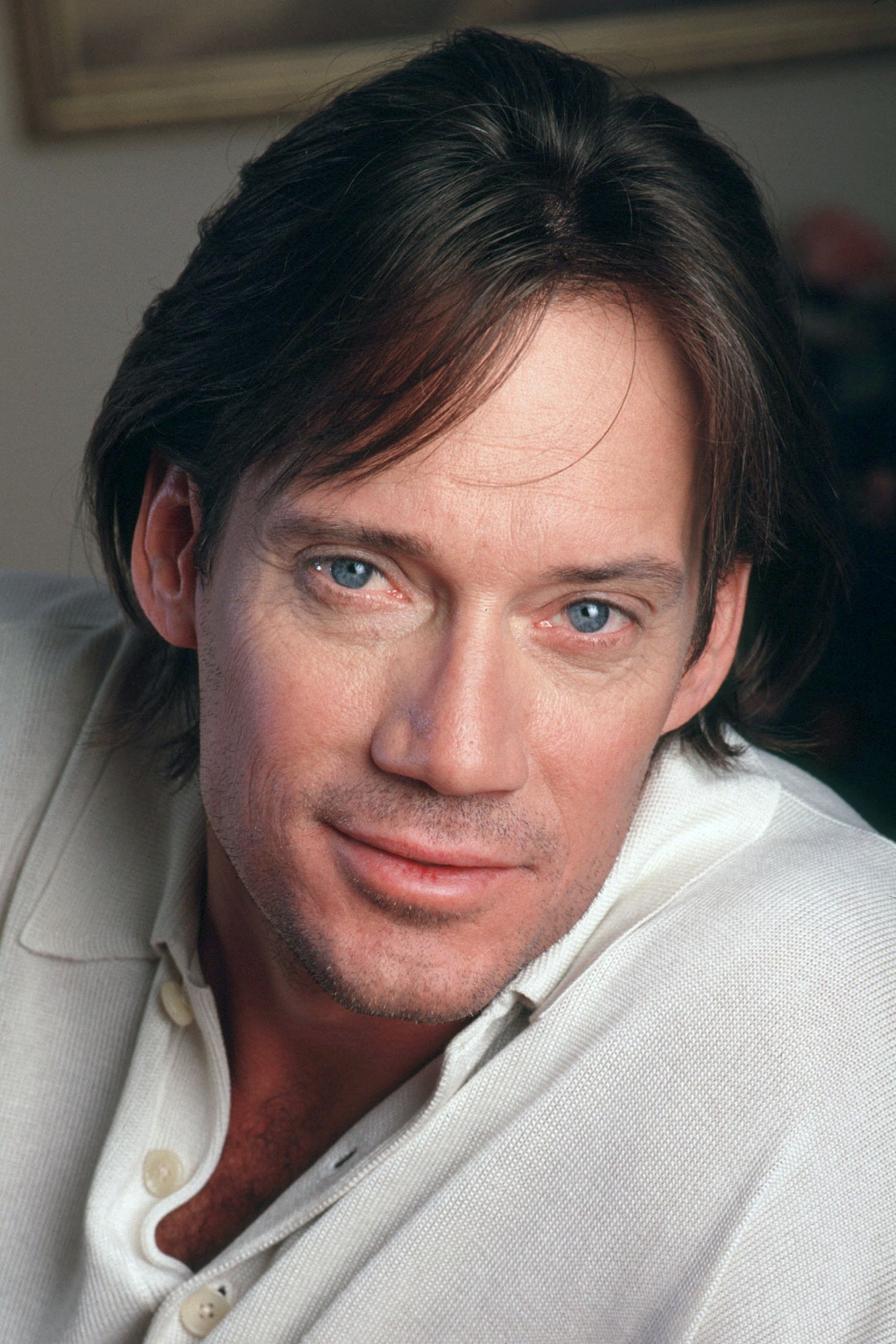
Kevin Sorbo, known for producing faith-based movies, often speaks out against social justice movements. He believes problems like inequality stem from the decline of traditional families, not from broader societal issues. Sorbo, who starred as Hercules, suggests that Hollywood intentionally creates stories that divide people in order to promote socialist ideas. He frequently highlights the achievements of successful Black Americans as evidence that anyone can achieve the American Dream. He also argues that focusing too much on being a victim is harmful to young people.
Dean Cain
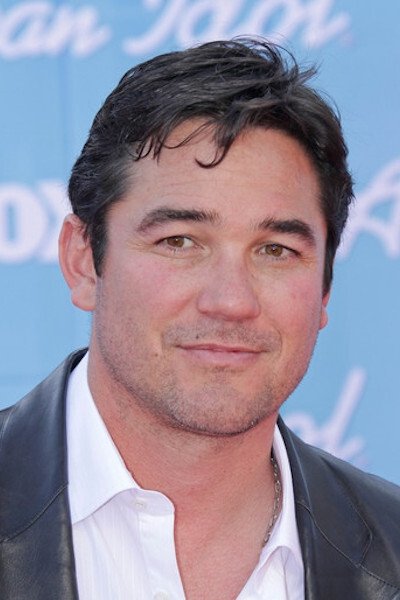
Dean Cain, a reserve police officer and former ‘Superman’ actor, often speaks out in support of law enforcement. He disagrees with the idea that police officers systematically target young Black men, pointing to shooting statistics which he believes don’t support claims of widespread racial bias. Cain maintains that following the law is the most effective way to prevent negative encounters with police, and he’s critical of the media for, in his view, exaggerating tensions without factual basis.
Laurence Fox
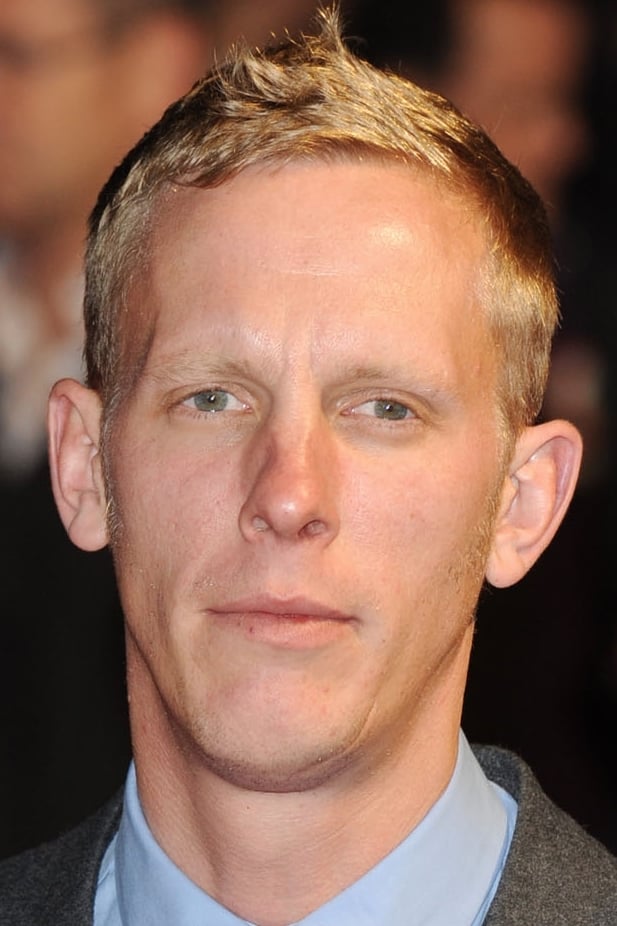
Laurence Fox sparked controversy in the UK when he publicly disagreed with the idea of “white privilege” on television. The actor believes it’s unfair to be judged based on his race. He started the Reclaim Party to oppose what he sees as the excessive focus on progressive social issues in society. Fox argues that the entertainment world prioritizes identity and background over actual skill, and he often disputes claims that racism is built into Britain’s systems.
John Cleese
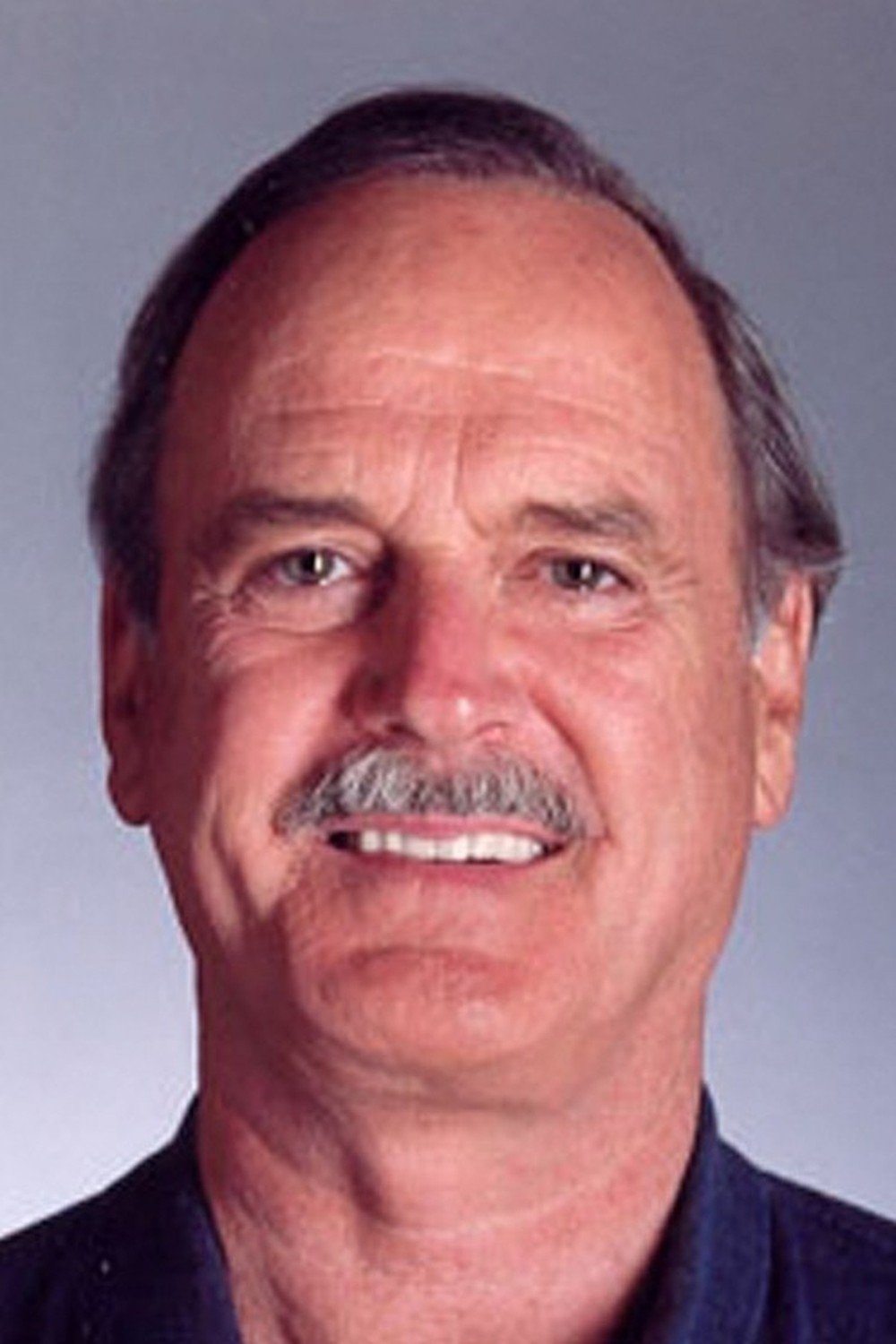
John Cleese has spoken out against the practice of removing older TV episodes or changing them to align with current social standards. The Monty Python star believes it’s important to consider the historical context of things and feels that today’s ‘woke’ culture is too easily offended. He argues that constantly accusing people of racism hinders both creative expression and open conversation. Cleese supports the freedom to express potentially offensive viewpoints and is skeptical of the idea of ‘microaggressions.’ He also thinks that dwelling on past wrongs makes it harder for society to progress.
Morrissey

Okay, so Morrissey’s been getting a lot of heat lately, and honestly, it’s complicated. I’ve been following the controversy, and it seems he’s been accused of racism because of some things he’s said about immigration and even defending some pretty far-right people. He insists he’s not racist, but his argument is that we should really try to hold onto distinct cultures and traditions. He’s been pretty vocal about how London has changed, and he doesn’t really buy into the idea that diversity automatically makes a place better. He actually thinks the term ‘racist’ is thrown around way too easily to shut down conversations. Basically, he seems to value a strong sense of national identity more than a multicultural society. It’s definitely a divisive topic, and as a movie buff, I appreciate complex characters, but this is real life and it’s tough to reconcile his views with, well, just basic decency.
Clint Eastwood
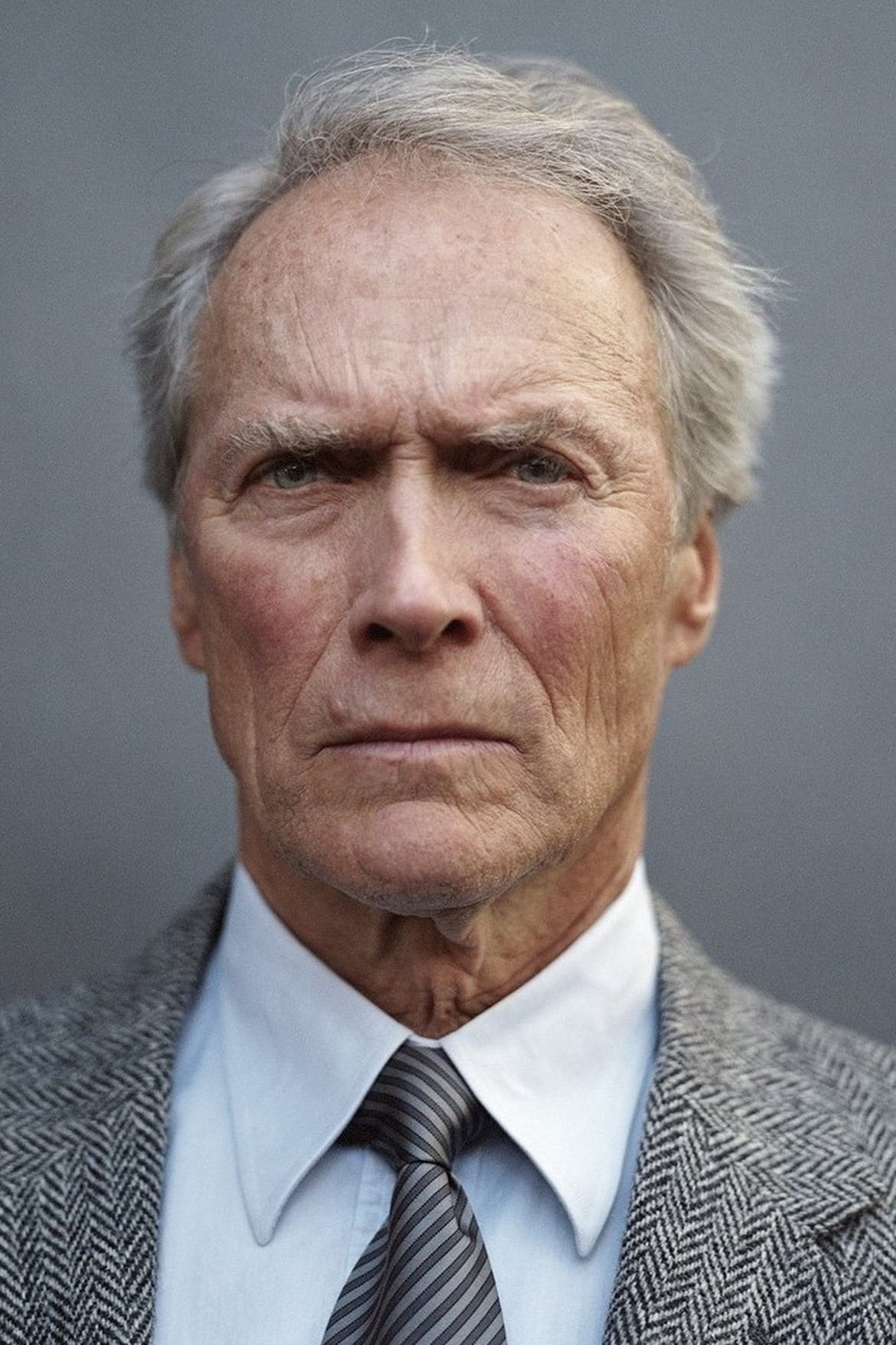
You know, I’ve always been a Clint Eastwood fan, and I recently came across an interview where he was talking about how things have changed. He basically said that nowadays, people seem too easily offended by jokes, and he even used a pretty strong phrase – he called us the ‘pussy generation’! What he seems to be getting at is that everyone’s so quick to label things as racist or oppressive instead of just dealing with it and moving on. It’s interesting because his films often deal with really tough moral questions, but he doesn’t seem to buy into the idea that everything is down to systemic issues. He really emphasizes personal responsibility and the idea that you have to be tough and handle things yourself, and I think that’s a big part of what draws people to his work.
Rob Schneider
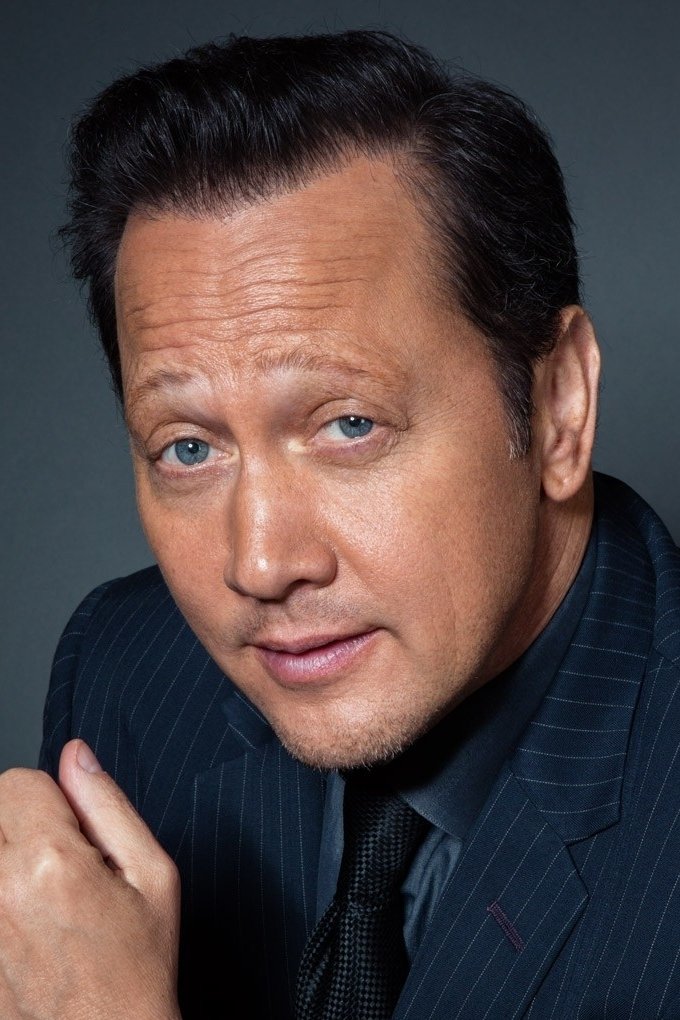
Rob Schneider has been speaking out more and more against what he sees as overly progressive ideas. The comedian feels free speech is being threatened because people are quick to label differing opinions as hateful. He thinks that constantly focusing on race in schools and the media is actually making things worse, creating more division instead of fixing problems. Schneider also criticizes the government for going too far and is skeptical of companies that promote social justice initiatives. Ultimately, he believes people should be judged as individuals, based on their character, rather than as members of a group.
Adam Carolla
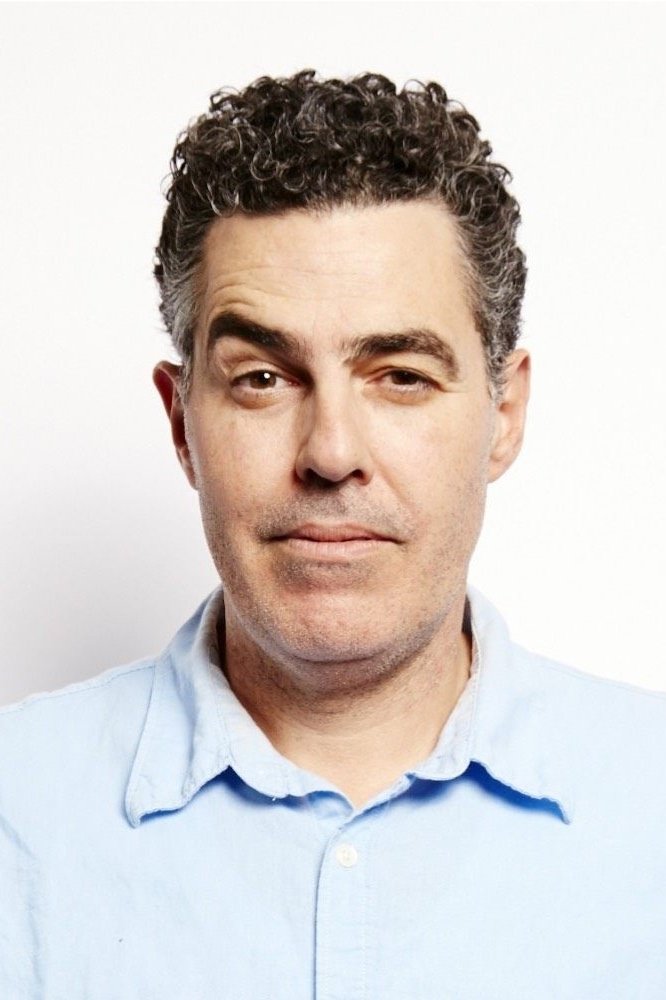
Adam Carolla often criticizes what he sees as a tendency for people to see themselves as victims. The comedian and podcaster believes that a person’s upbringing and cultural background are the main factors in whether they succeed, not societal problems. He suggests that claims of racism are sometimes used as an excuse for individual shortcomings. Carolla also disapproves of politicians who try to gain votes by appealing to specific racial groups, and he strongly advocates for taking personal responsibility as the key to overcoming challenges.
Ted Nugent
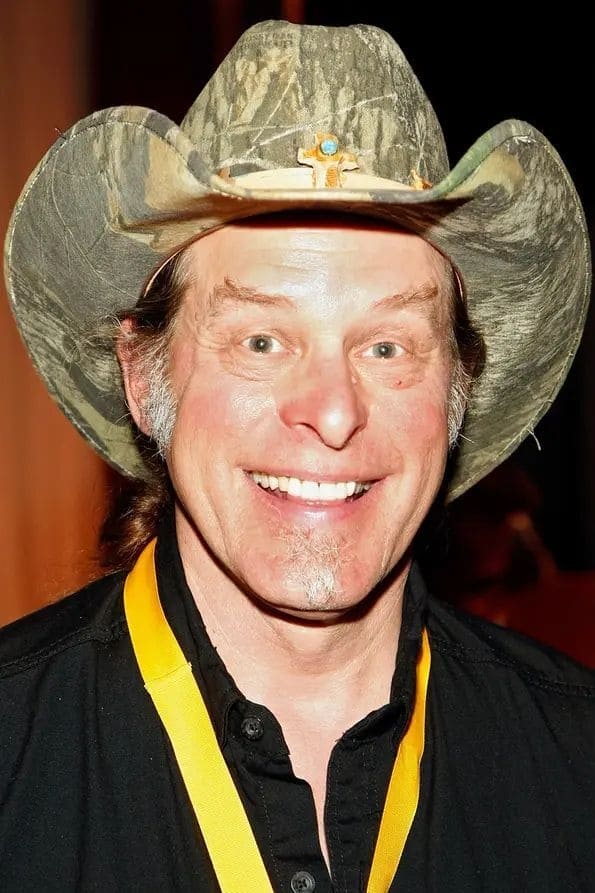
For many years, Ted Nugent has claimed that systemic racism isn’t a real problem in the United States. He believes the idea of systemic racism is a false narrative created by liberals to harm the country. A strong supporter of gun rights and law enforcement, he pushes back against claims of bias within those institutions. Nugent argues that policies favored by liberals actually do the most damage to Black Americans, and that relying on welfare programs is detrimental. His public image is built around his love of hunting, self-reliance, and a fiercely independent lifestyle.
Gene Simmons

Gene Simmons frequently encourages people to stop making excuses and put in the effort to reach their goals. The KISS bassist doesn’t believe systemic barriers prevent success, pointing to his own experience of arriving in America with very little and building a successful career through hard work. He thinks dwelling on feeling like a victim is unproductive and that achieving financial success is the best way to overcome prejudice.
Mike Ditka
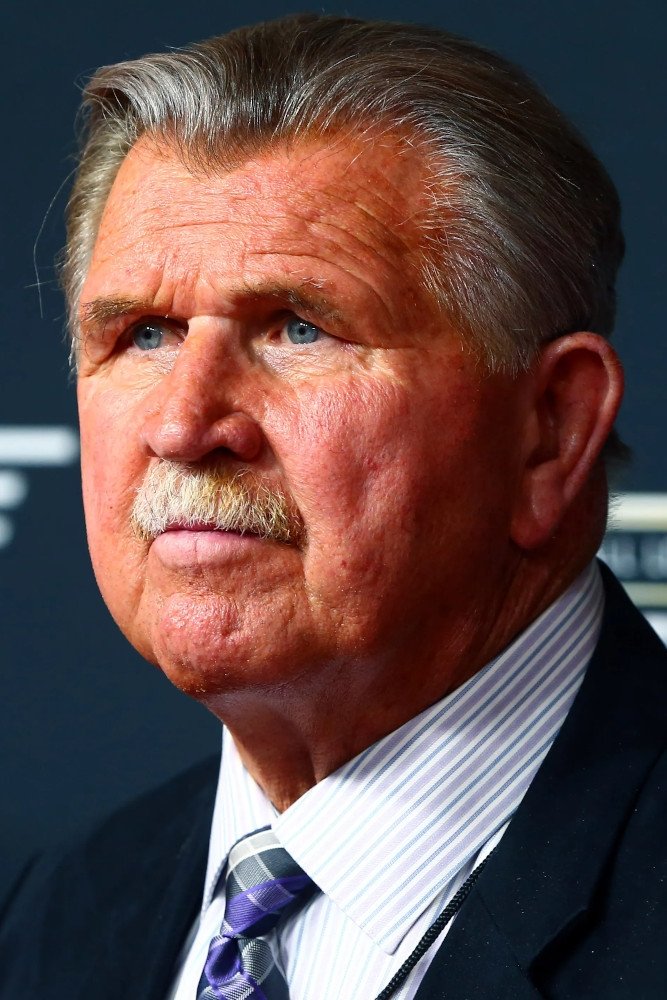
Mike Ditka recently received backlash for claiming that no one has faced significant oppression in the past century. The former NFL coach made these remarks while talking about players who protest during the national anthem. Ditka maintains that both football and American society offer chances for success to those who are willing to work hard. He strongly believes that showing respect for the flag and the country should always come first, even if someone disagrees with the government. He views protests focused on social justice as inappropriate and disrespectful.
Herschel Walker
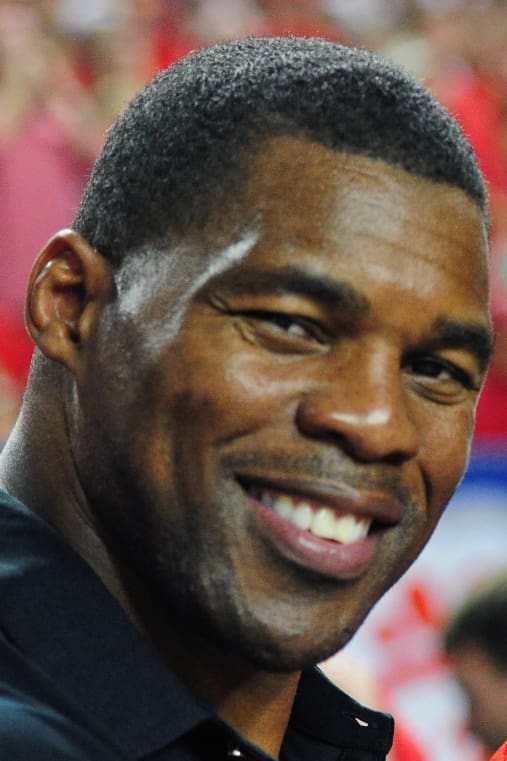
During his Senate campaign, Herschel Walker firmly rejected the idea that systemic racism exists, claiming the United States offers equal opportunity to all. He argues that telling children they are either victims or perpetrators of oppression is harmful. Walker often points to his own achievements as evidence that success isn’t limited by race, and he was a vocal critic of the Black Lives Matter movement during his campaign.
Jack Brewer
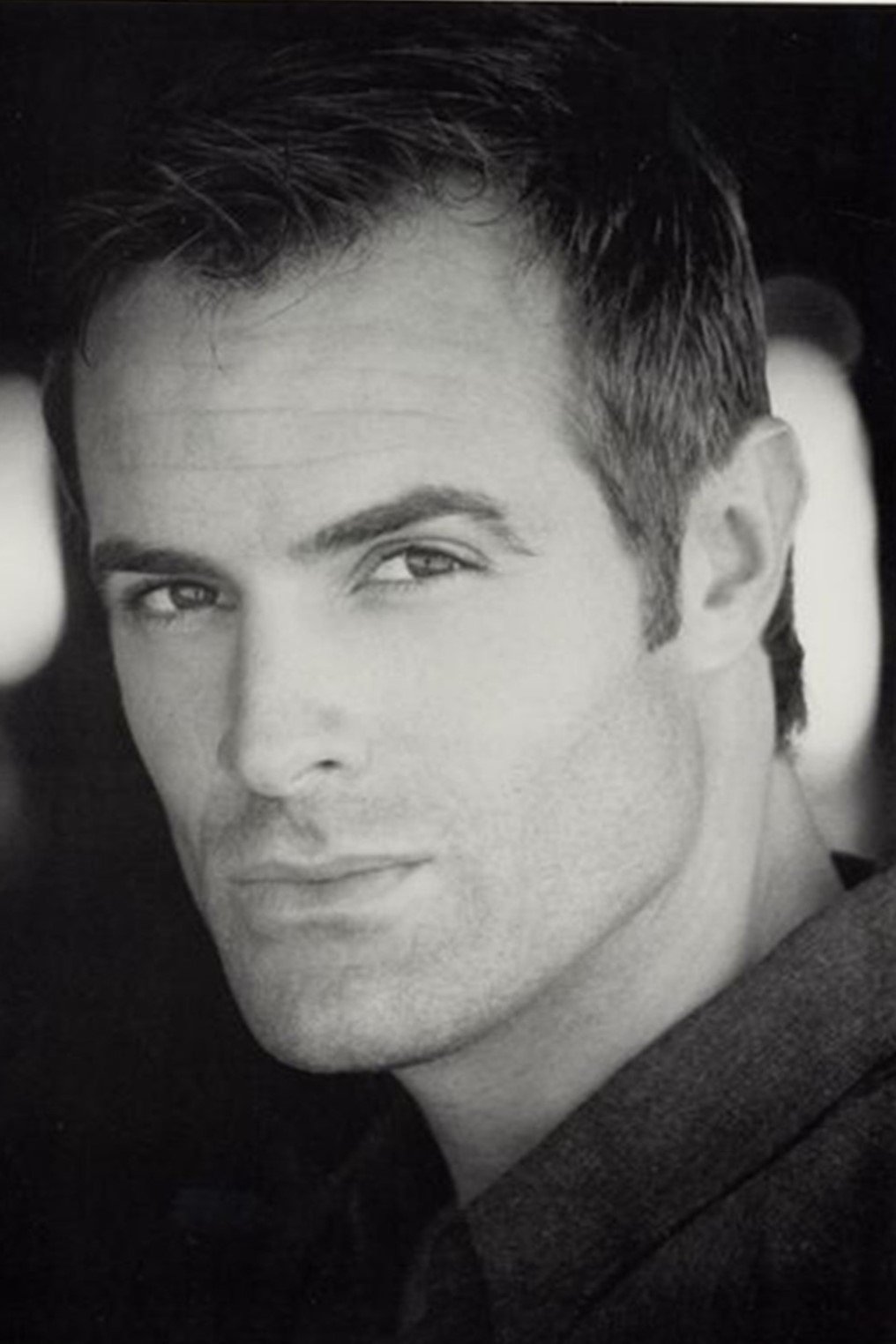
Jack Brewer, a former NFL player, is a prominent voice for conservative viewpoints. He believes the biggest challenge facing the Black community isn’t police misconduct, but the absence of strong father figures. Brewer strongly rejects the idea of systemic racism, arguing it’s harmful to Black children. He focuses his efforts on promoting religious values in schools and prisons, and asserts that the media often overlooks Black conservatives to support a particular story.
Raven-Symoné
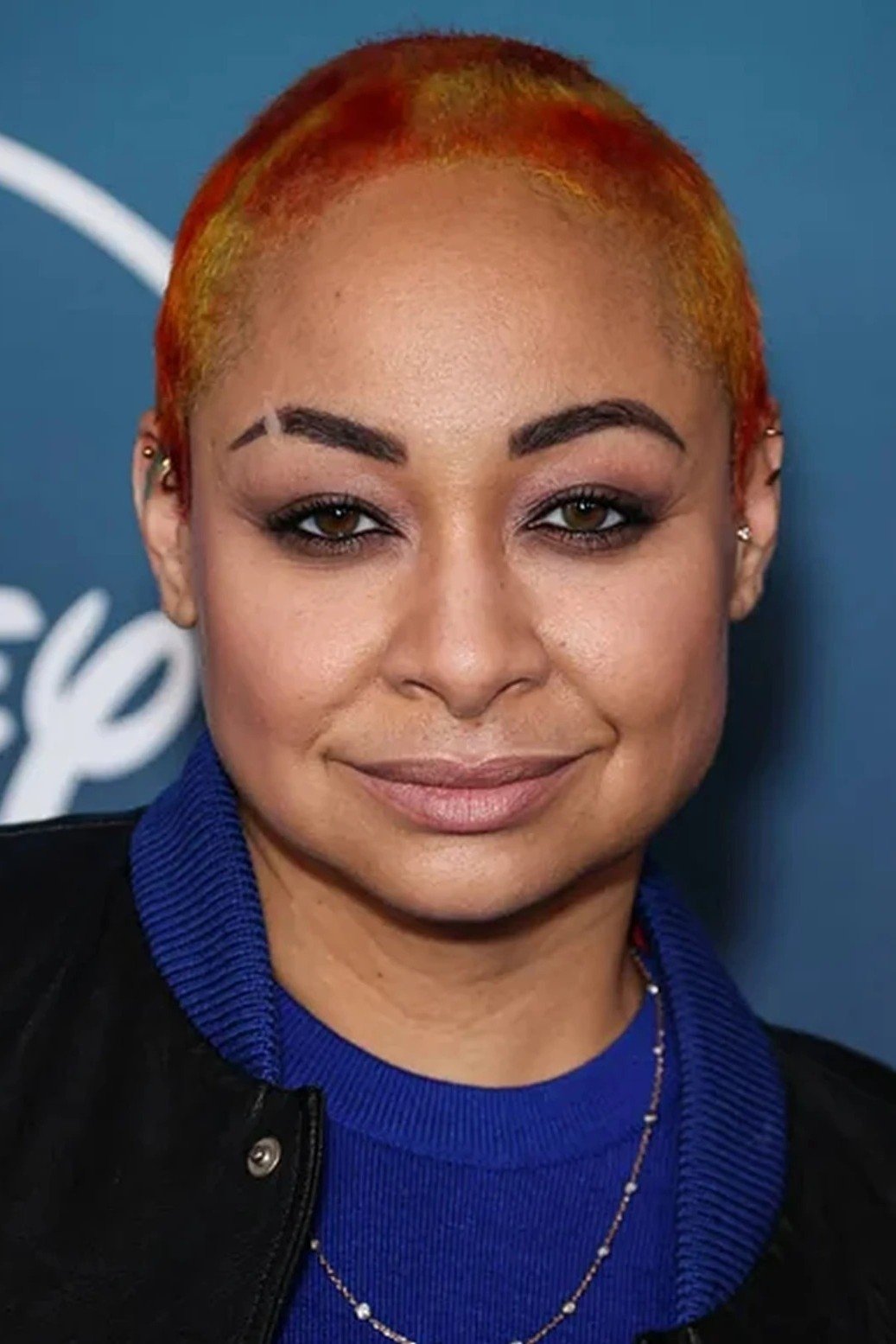
Raven-Symoné caused a widespread discussion after telling Oprah Winfrey she doesn’t like being labeled. The actress explained she simply identifies as American, not African-American, and wants to be seen as an individual, not a category. While she recognizes her background, she doesn’t want to be limited by the weight of racial labels. Many interpreted her statements as a challenge to the way identity is often used in broader social and political conversations.
Pharrell Williams
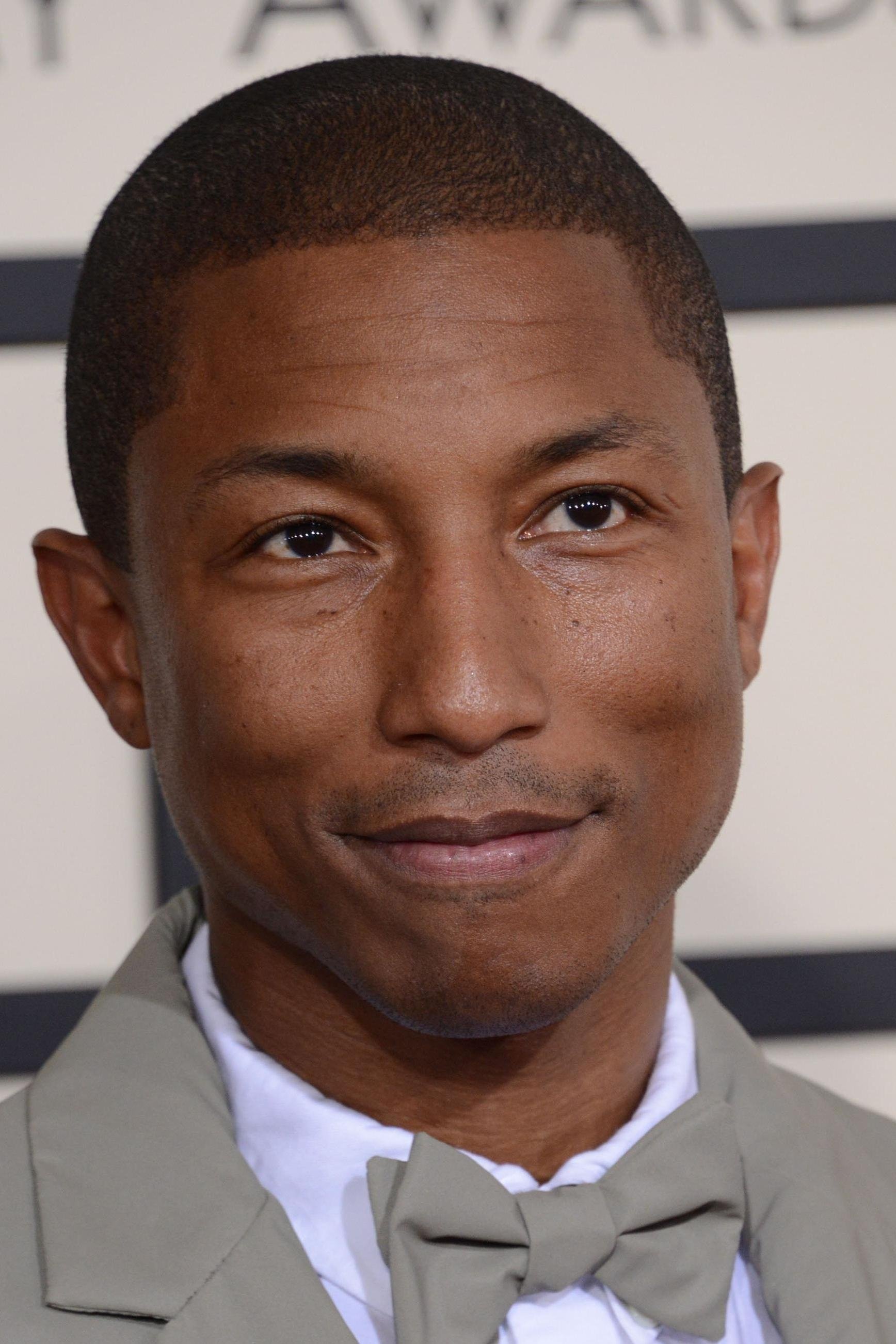
In a conversation with Oprah, Pharrell Williams talked about a new way of thinking for Black Americans. He explained that this generation focuses on taking responsibility for their own success, rather than blaming past injustices. While acknowledging that inequality is real, Williams believes it shouldn’t be an excuse for not achieving goals. He feels that building economic strength is the key to creating lasting change, and personally doesn’t want to be defined as a victim.
John Lydon
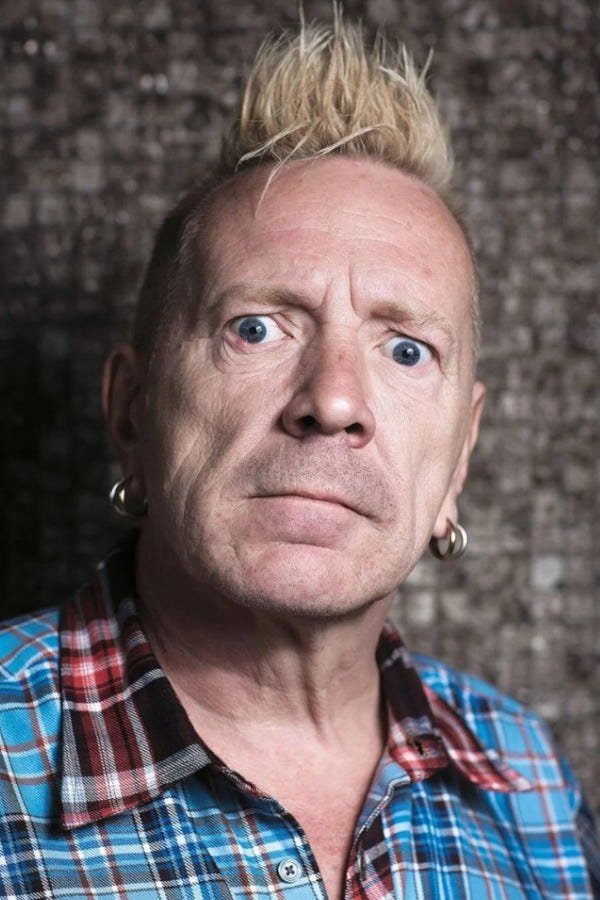
John Lydon, famously known as Johnny Rotten, surprised many by voicing support for both Donald Trump and Brexit. He feels the concerns of working-class people are being overlooked by those who prioritize diversity initiatives. Lydon, the former frontman of the Sex Pistols, believes today’s left-wing politics are becoming overly controlling and limiting. He refuses to apologize for where he comes from or his national identity, and instead advocates for the importance of the individual against what he sees as the powerful, controlling forces of politics.
Nick Searcy
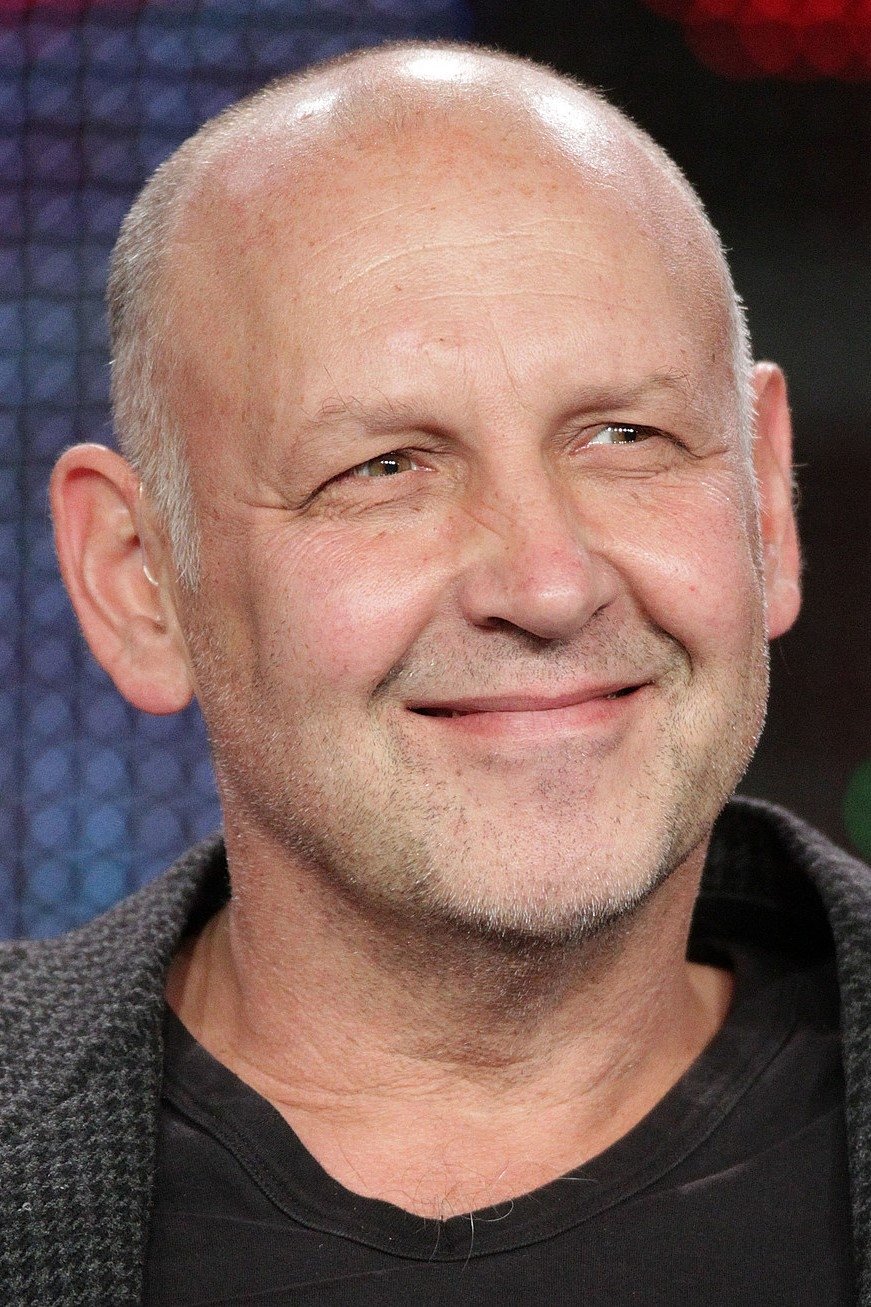
Actor Nick Searcy created a documentary to challenge what he sees as false claims made by people on the left. He argues that Hollywood unfairly punishes those who disagree with progressive ideals. Searcy also believes the idea of systemic racism is used to manipulate people with fear. He often debates his conservative views with critics online, claiming that those who preach tolerance are actually the most intolerant.
Robert Davi
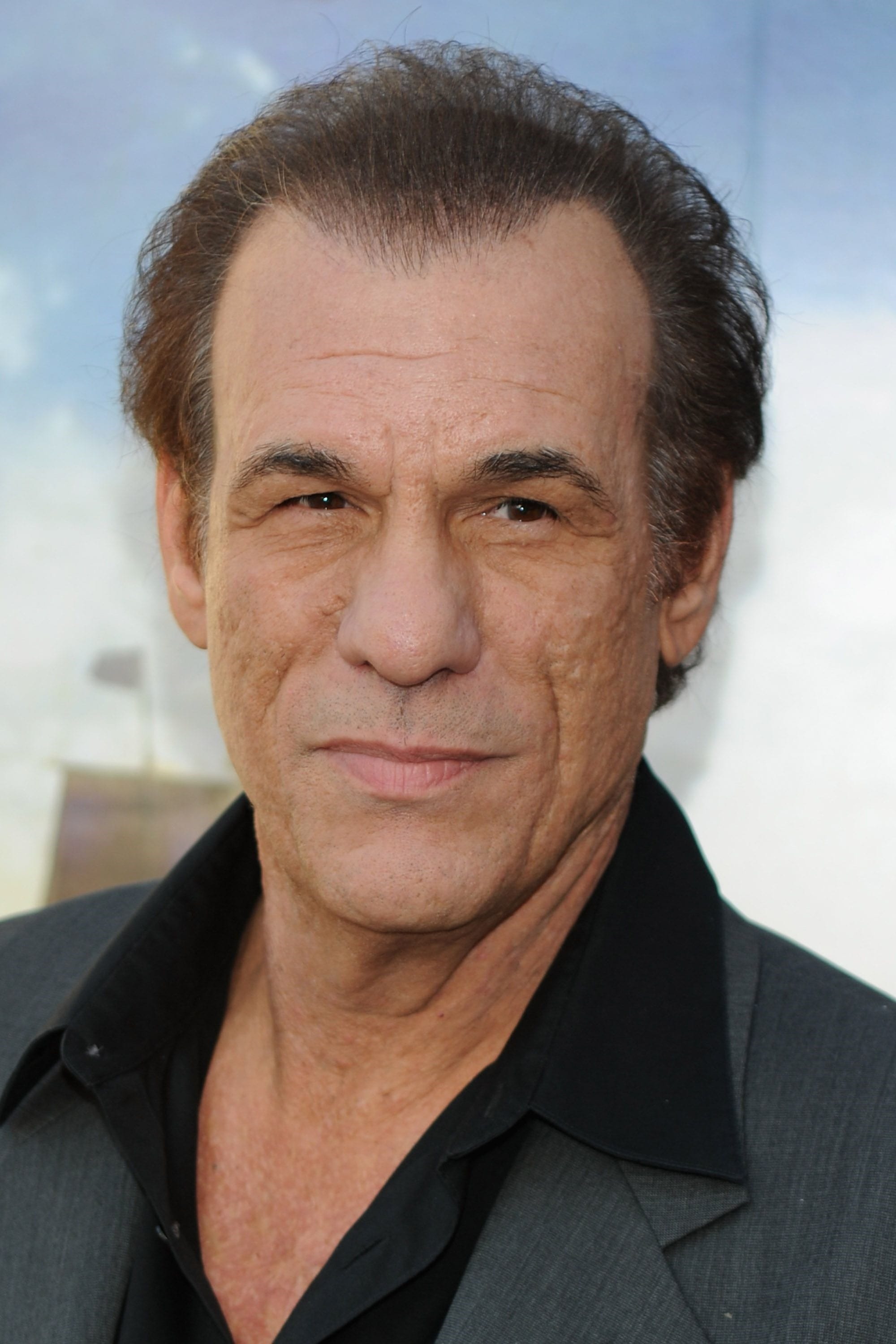
Robert Davi is a working actor known for playing many different characters. He also regularly writes opinion pieces critical of liberal viewpoints. Davi claims the entertainment industry often pushes anti-American ideas while pretending to be about social justice. He feels that too much emphasis on race distracts from the common values that unite Americans. Davi has publicly stated he experiences more prejudice for his conservative beliefs than he ever did because of his ethnic background. He is a vocal supporter of politicians who oppose focusing on identity groups.
Kristy Swanson
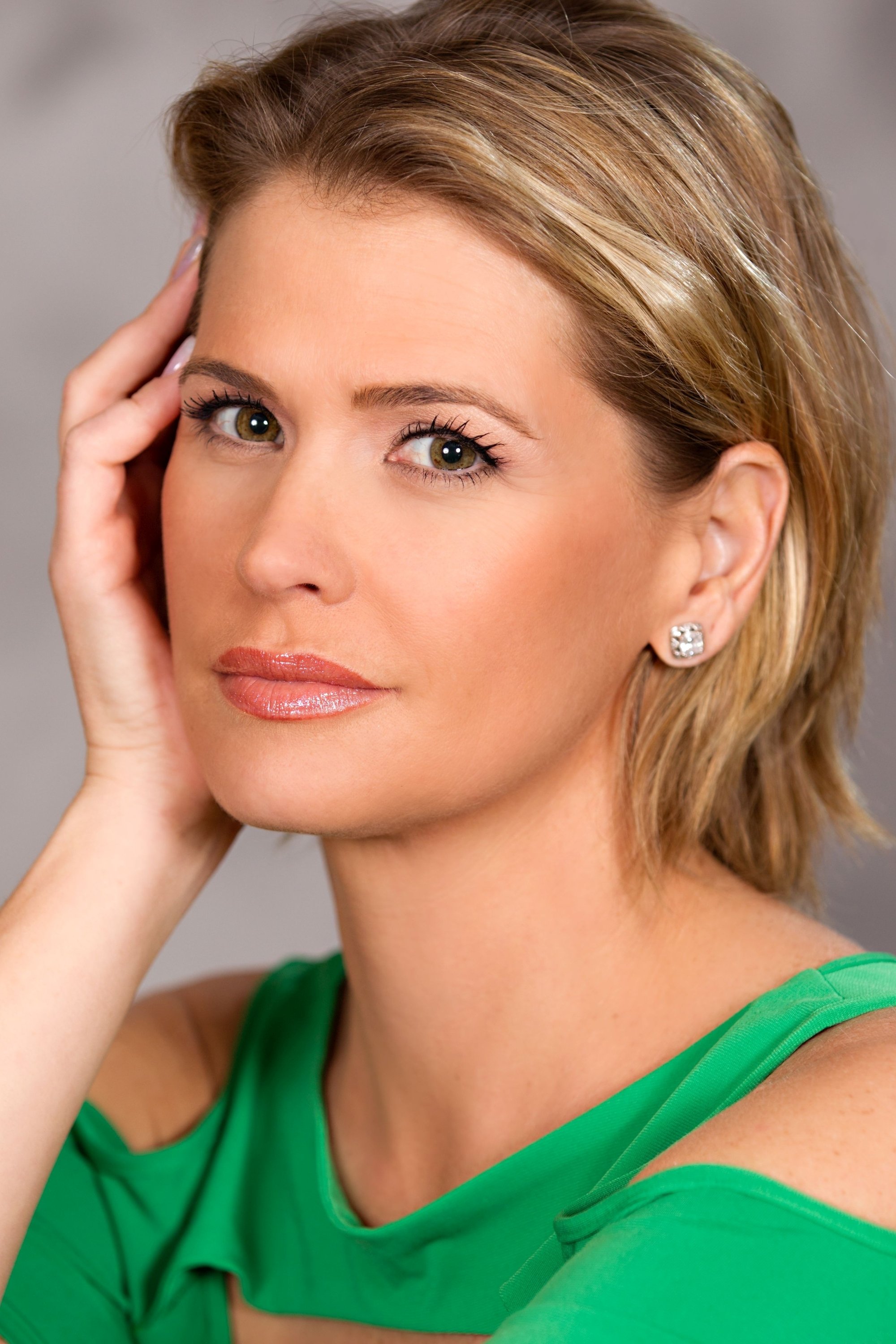
Kristy Swanson, the original Buffy the Vampire Slayer, is a rare voice in Hollywood openly supporting the MAGA movement. She feels the media often misrepresents Trump supporters, and doesn’t believe wanting things like stronger border control or lower taxes automatically makes someone racist. Swanson also thinks ‘cancel culture’ is used to stifle differing opinions, and she’s willing to risk potential career consequences to stand by her beliefs.
Scott Baio
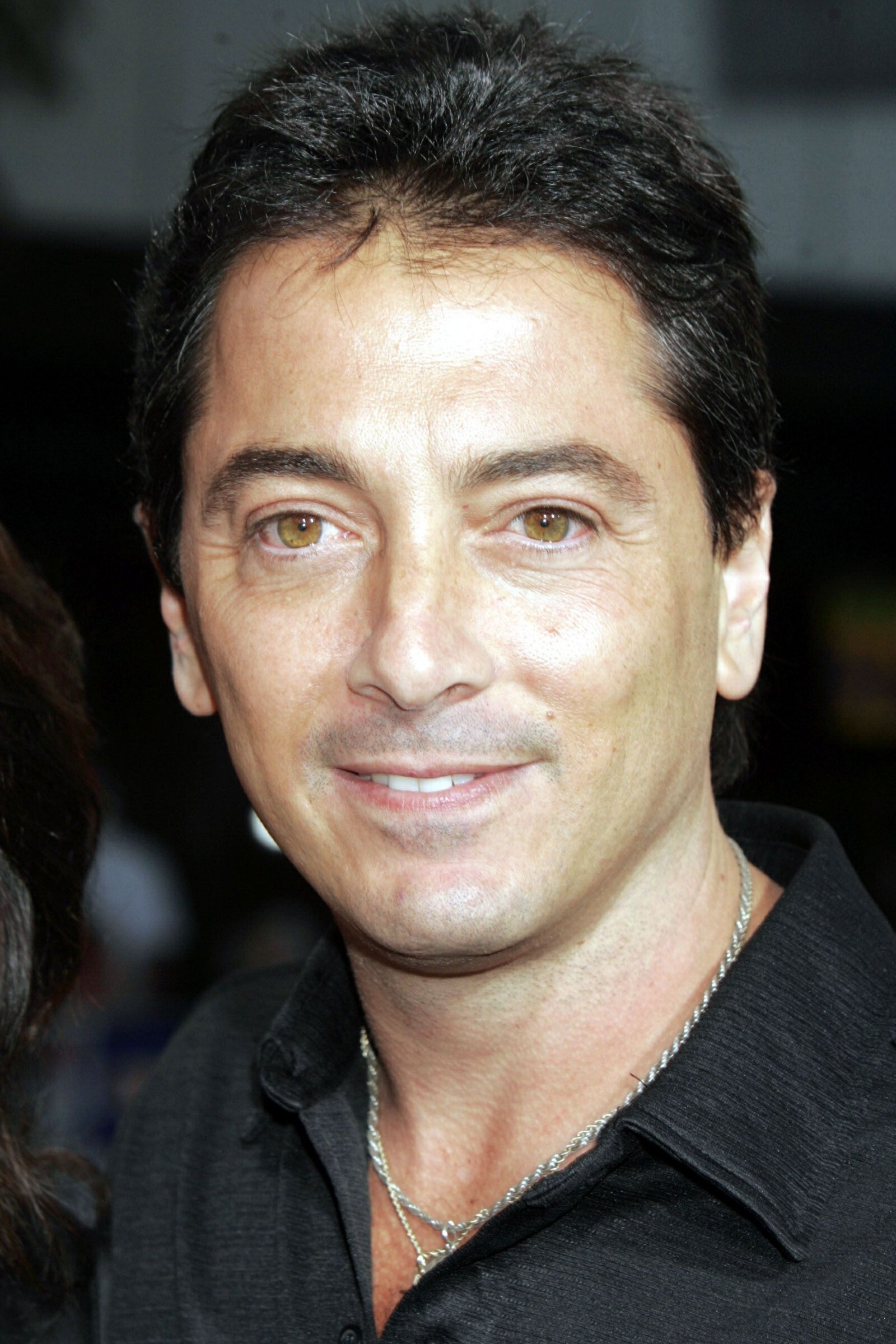
Actor Scott Baio spoke at the Republican National Convention, advocating for a focus on law and order and a return to traditional values. He doesn’t believe the justice system is biased against minorities and strongly supports showing respect for the flag and the military. Baio often criticizes liberals, arguing they contribute to a divided society.
Roseanne Barr
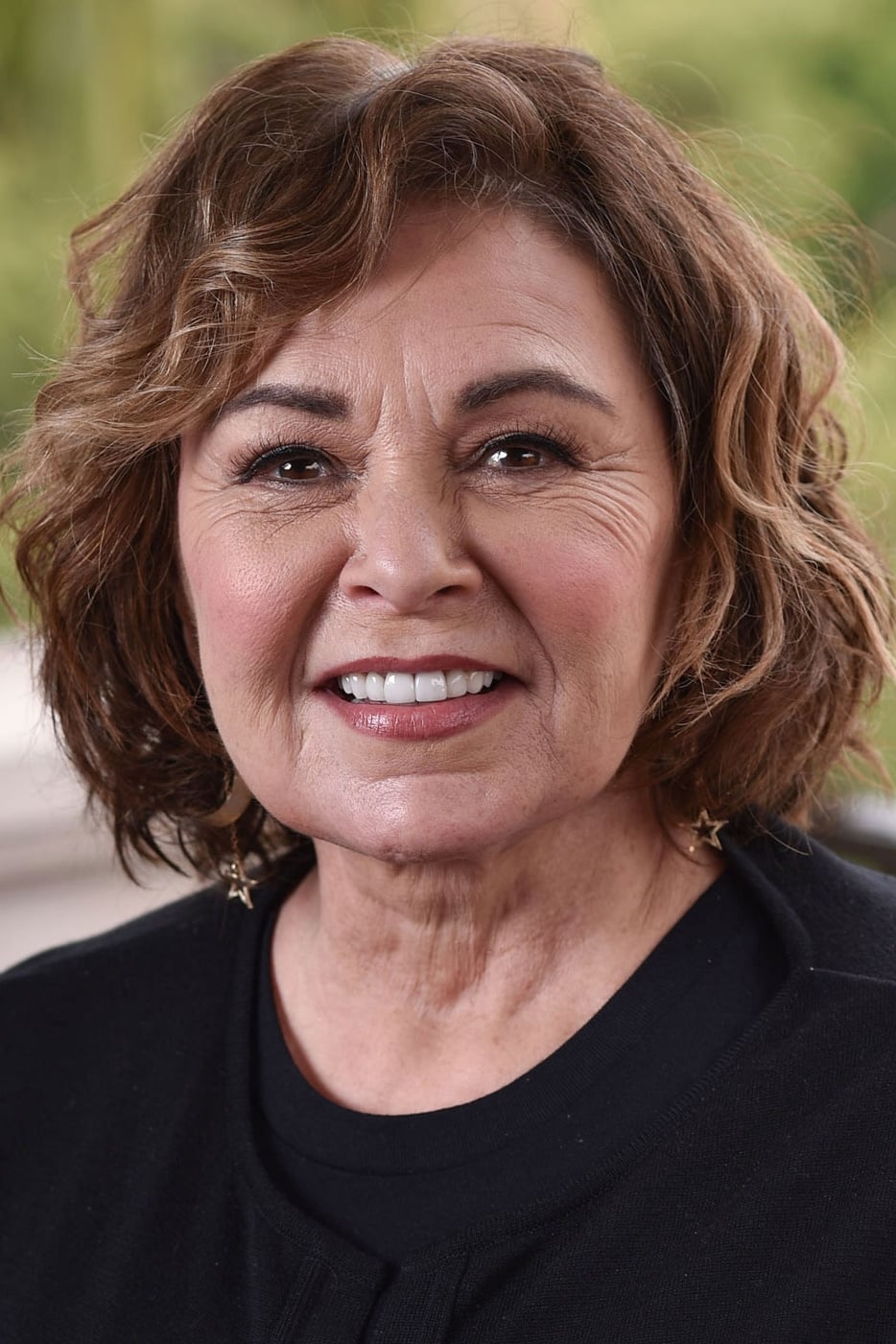
As a critic, I’ve been following the fallout from Roseanne Barr’s firing, and she’s consistently framed it as something other than a consequence of racist remarks. She sees it as a politically motivated attack, claiming her tweets were taken out of context and the backlash was way over the top. She really believes there’s a different set of rules for what people are allowed to say in Hollywood, and she often rails against what she calls the ‘thought police’ on the left. Ultimately, she insists she isn’t prejudiced and that the whole system is unfairly targeting anyone who thinks differently.
Gina Carano
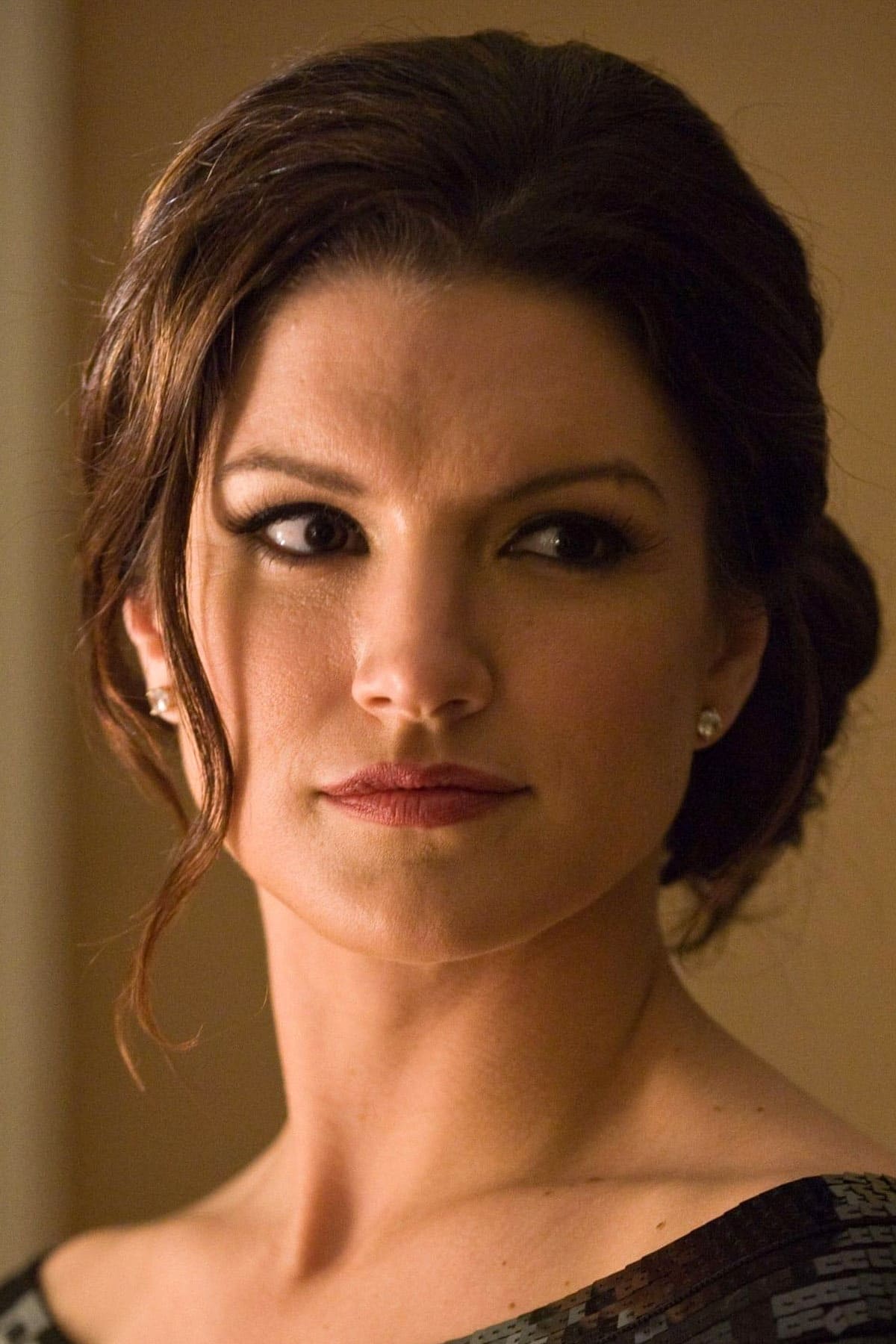
Gina Carano lost her role on ‘The Mandalorian’ after sharing controversial posts on social media that likened the current political environment to Nazi Germany. She then sued Disney, claiming she was discriminated against for her political views. Carano asserts she was unfairly singled out for not agreeing with prevailing opinions on social issues and feels the negative reactions she received demonstrate a lack of tolerance. She remains firm in her stance and doesn’t regret challenging commonly held beliefs.
Richard Dreyfuss
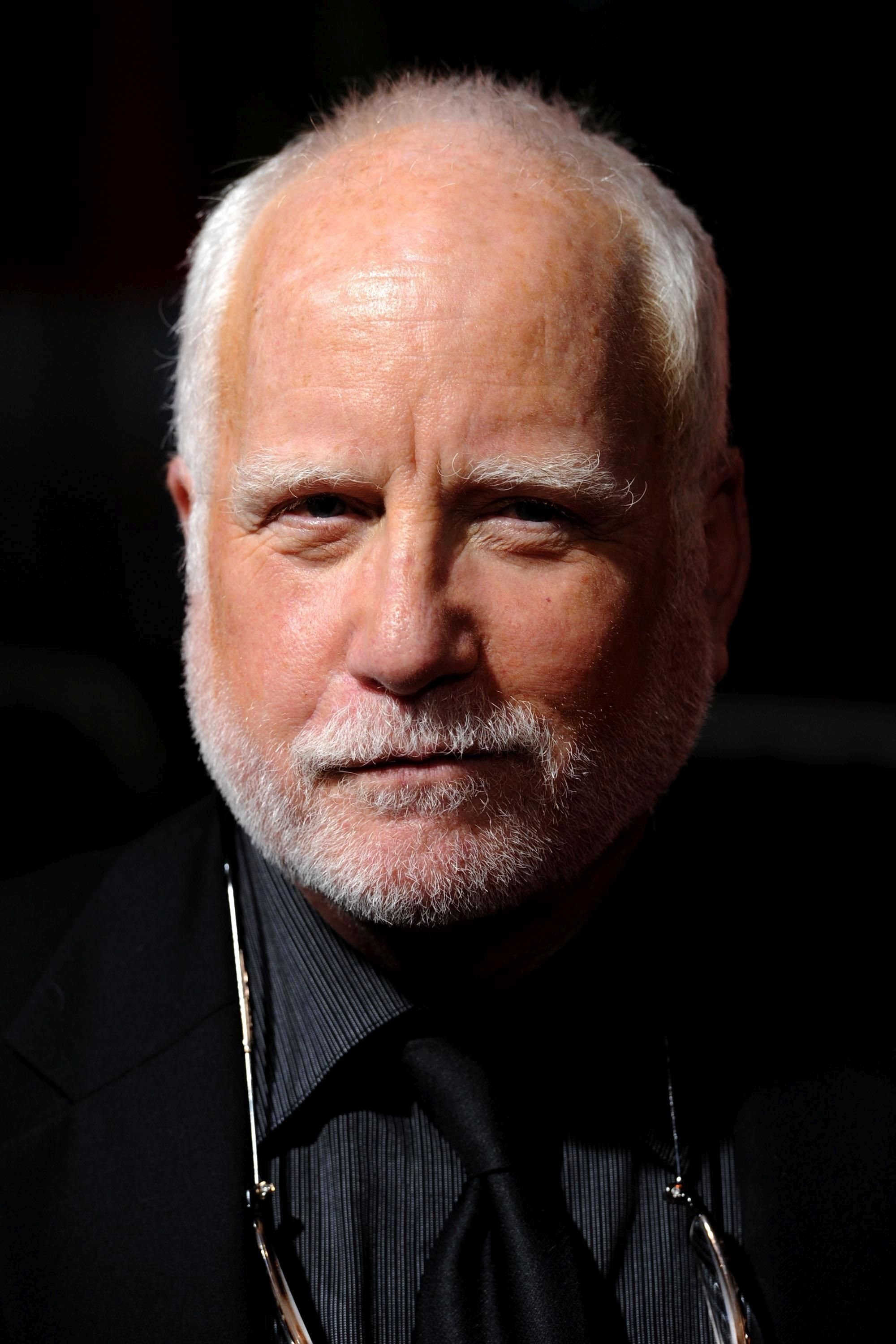
Richard Dreyfuss recently caused a stir by voicing his disapproval of the Oscars’ new diversity requirements. He strongly believes that art shouldn’t be dictated by rules, finding the new standards distasteful. Dreyfuss argues that creativity needs to be completely independent of political influence, and that setting different standards for any group is condescending. He feels that prioritizing identity over artistic merit compromises the quality of the work.
Sharon Osbourne
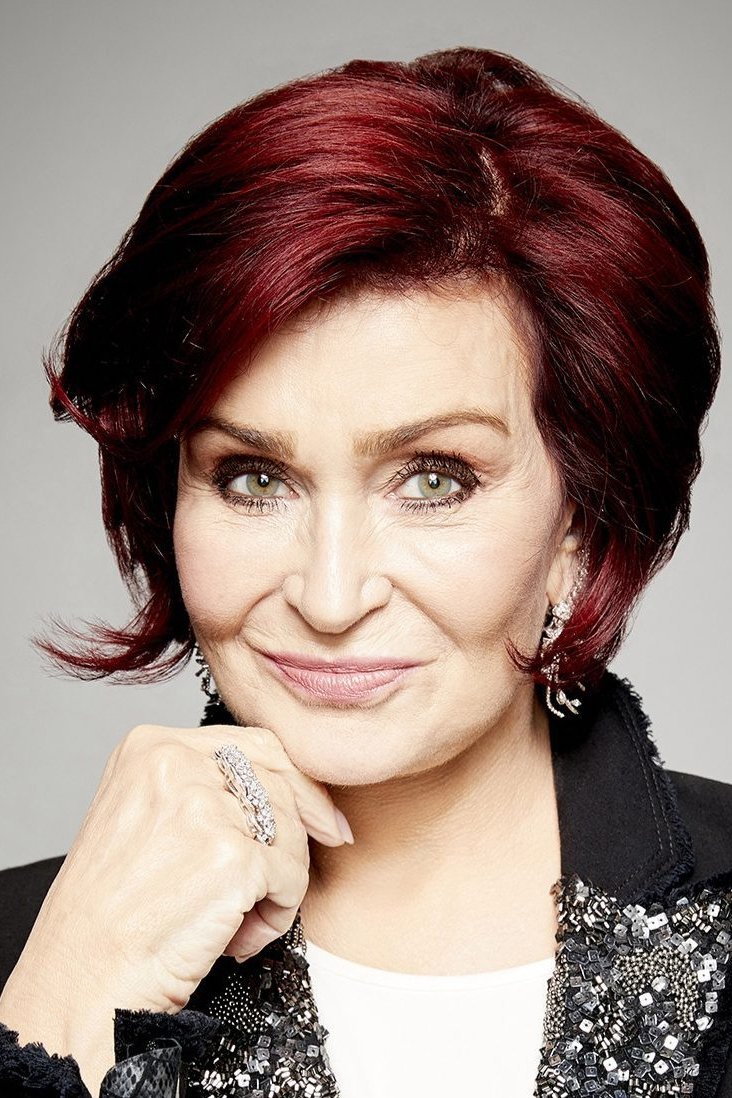
Sharon Osbourne departed from ‘The Talk’ after a contentious conversation where she stood by Piers Morgan’s skepticism regarding Meghan Markle. She maintained that supporting a friend’s viewpoint shouldn’t be equated with racism. Osbourne felt she was unfairly targeted and that the show was using her as a symbol of white privilege. She also expressed her concern that the fear of being labeled racist is stifling open discussion, and has since spoken out against the ‘cancel culture’ she believes led to her dismissal.
Piers Morgan
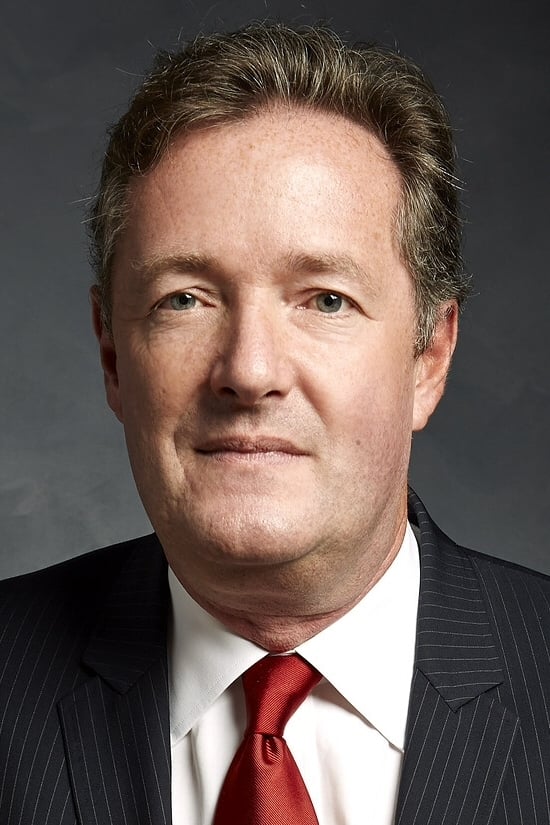
Piers Morgan caused a stir when he abruptly left his role on ‘Good Morning Britain’ after disputing Meghan Markle’s statements about racism within the Royal Family. He defends his skepticism, arguing that challenging someone’s truthfulness isn’t inherently racist. Morgan feels the label of ‘racist’ is often used to shut down legitimate criticism of public figures, and insists he bases his judgements on actions, not race. He remains critical of what he sees as the inconsistent behavior of Prince Harry and Meghan Markle.
Dennis Miller
Dennis Miller changed his views after 9/11, moving from a liberal comedian to a conservative commentator. He often jokes about ideas like microaggressions and safe spaces, arguing that society has become overly sensitive and focused on taking offense. Miller feels that constantly talking about race is actually moving us backward instead of forward, and he uses humor to challenge commonly held beliefs about social justice.
Victoria Jackson
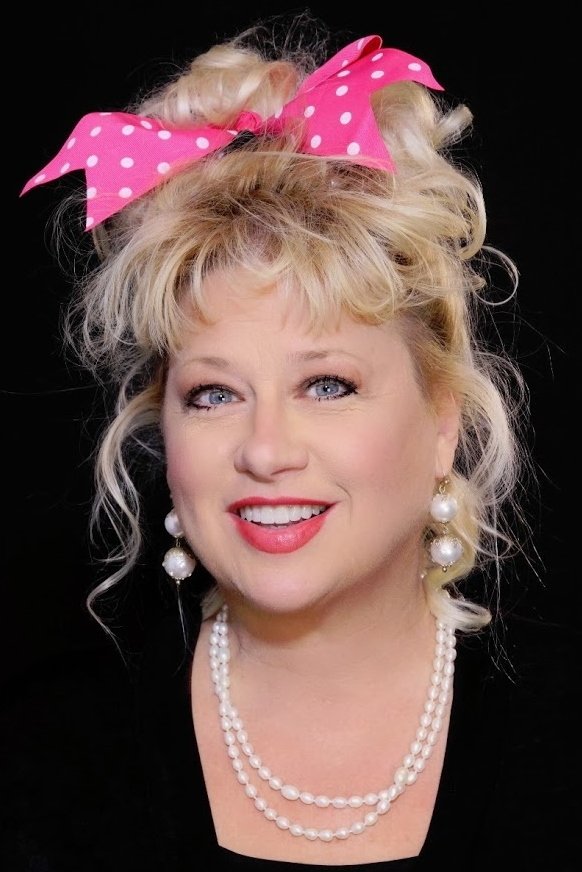
I’ve been following Victoria Jackson for a while now, and it’s been interesting to see her journey. She used to be on ‘Saturday Night Live,’ but she really became known as a Tea Party activist who wasn’t shy about criticizing the Obama administration. She often talks about her belief that ‘cultural Marxism’ is taking over the country, and she thinks the media actually creates racial tension to make things unstable. She’s made it clear she’ll say what’s on her mind, even if it means going against the grain in Hollywood. Honestly, her views have pretty much removed her from mainstream entertainment, but she seems okay with that.
Billy Corgan
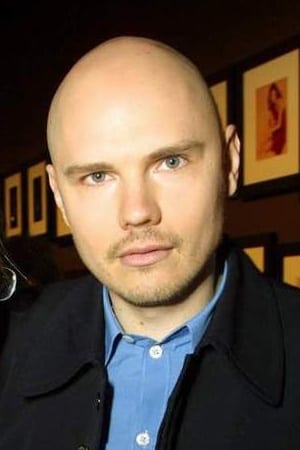
Billy Corgan, the lead singer of Smashing Pumpkins, has drawn parallels between social justice activism and extremist groups like Maoists and the KKK. He argues that limiting free speech is a threat to society, and believes some on the left have become overly demanding and unwilling to tolerate opposing viewpoints. Corgan questions whether those advocating for equality are truly open-minded, given their attempts to silence dissenting voices. He sees artists as playing a vital role in challenging conventional thinking.
Tim Allen
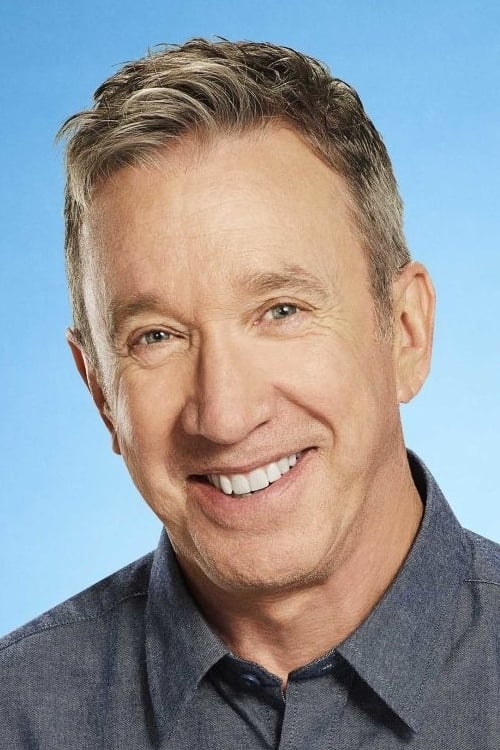
Tim Allen, the star of ‘Toy Story,’ has compared being a conservative in Hollywood to what life might have been like in 1930s Germany, suggesting a stifling environment where people are afraid to share their opinions. He feels comedy is suffering because performers are too worried about causing offense. Although he’s had a successful career, Allen often implies it’s challenging to work within the current political climate. He strongly believes in personal freedom and a smaller government.
Share your perspective on these celebrities and their views in the comments.
Read More
- Top 20 Dinosaur Movies, Ranked
- 20 Movies Where the Black Villain Was Secretly the Most Popular Character
- 25 “Woke” Films That Used Black Trauma to Humanize White Leads
- Silver Rate Forecast
- Gold Rate Forecast
- Spotting the Loops in Autonomous Systems
- From Bids to Best Policies: Smarter Auto-Bidding with Generative AI
- Celebs Who Narrowly Escaped The 9/11 Attacks
- 22 Films Where the White Protagonist Is Canonically the Sidekick to a Black Lead
- Can AI Lie with a Picture? Detecting Deception in Multimodal Models
2026-01-22 06:23